Ffyona Campbell
Walking Around the World
1. The First Steps in a Global Trek

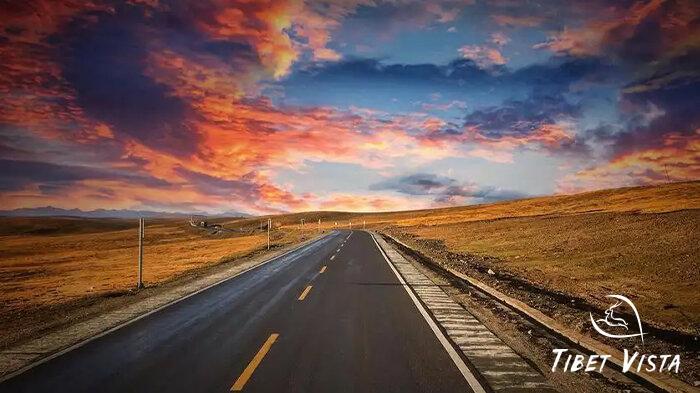
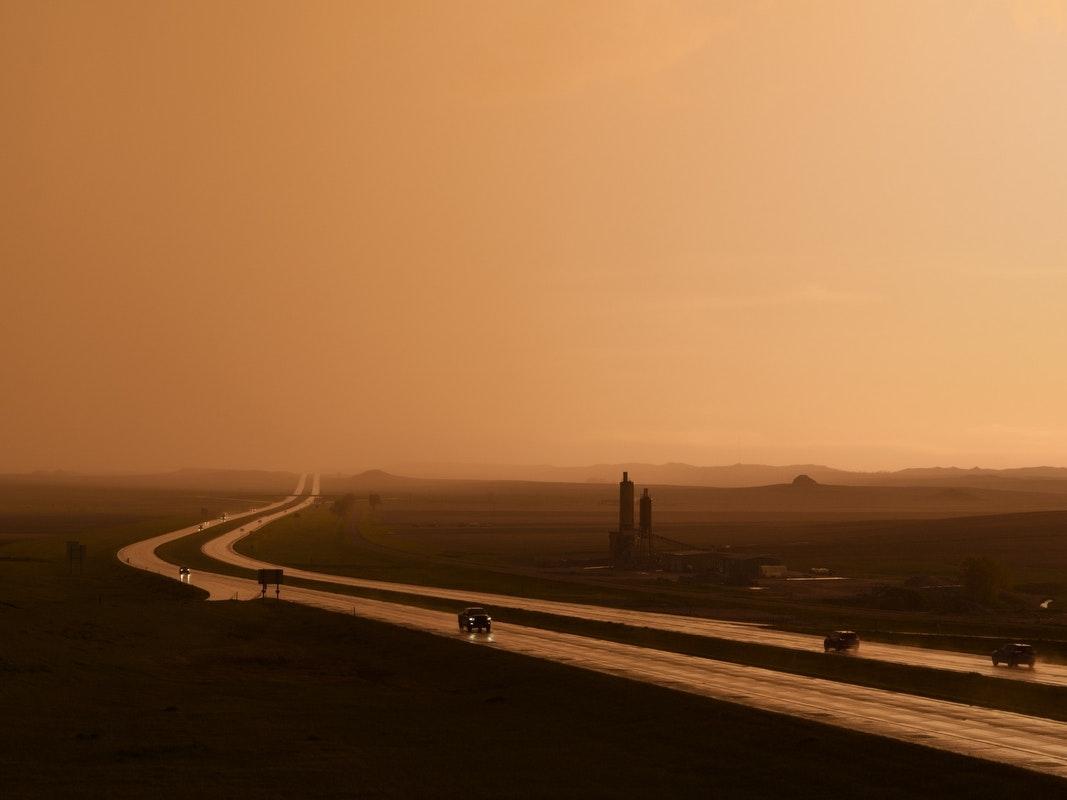
Caption: Long-distance walking where the road becomes the daily environment.
In 1983, a sixteen-year-old Scottish student named Ffyona Campbell decided to attempt something almost no one had done before. She would walk across continents.
At the time, she was not famous, sponsored, or experienced in major expeditions. What she had was determination and a willingness to accept a slow journey measured entirely in footsteps.
Her walk began in the United States. The early stage required crossing the American continent from east to west. Highways stretched across thousands of kilometers of farmland, mountains, and desert.
Unlike mountain expeditions with defined camps, this journey relied on daily improvisation. Some nights were spent camping beside the road. Others were spent in small towns where local residents offered temporary shelter.
Walking across a country introduces a different rhythm of travel. The landscape changes gradually. Cities grow from distant skylines. Weather becomes a constant companion.
Heat in southern regions forced early starts. Rainstorms required long waits under bridges or roadside structures.
Progress was steady but slow. Thirty kilometers in a day felt successful.
Over months, the distance added up.
Crossing the American Interior
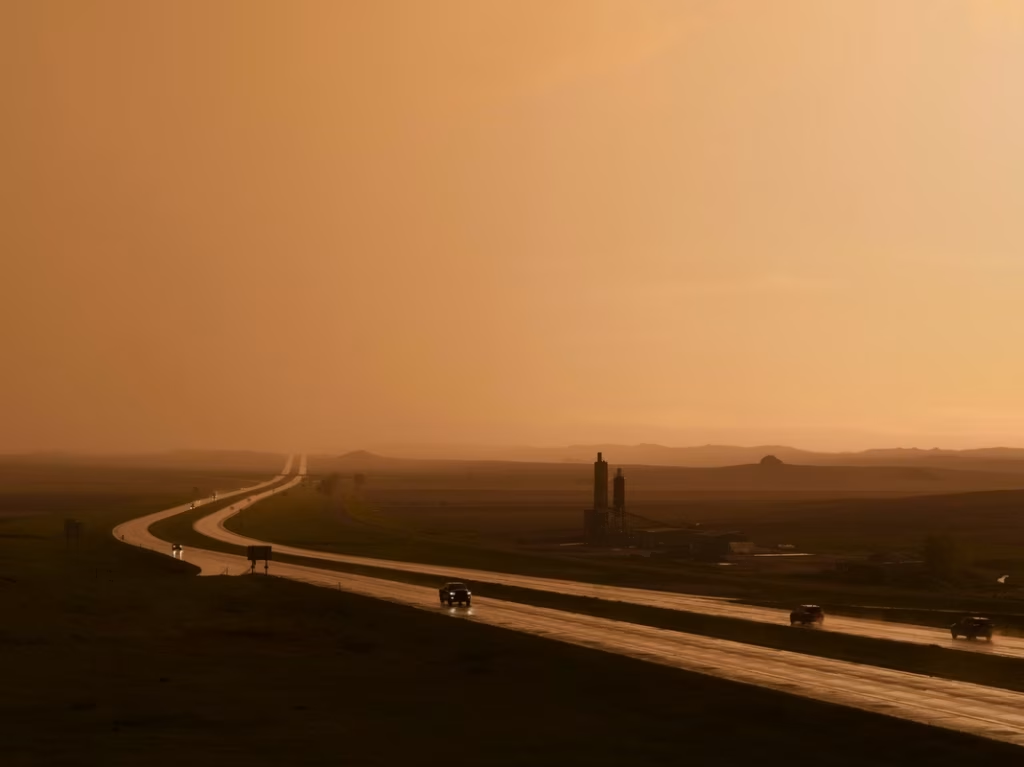
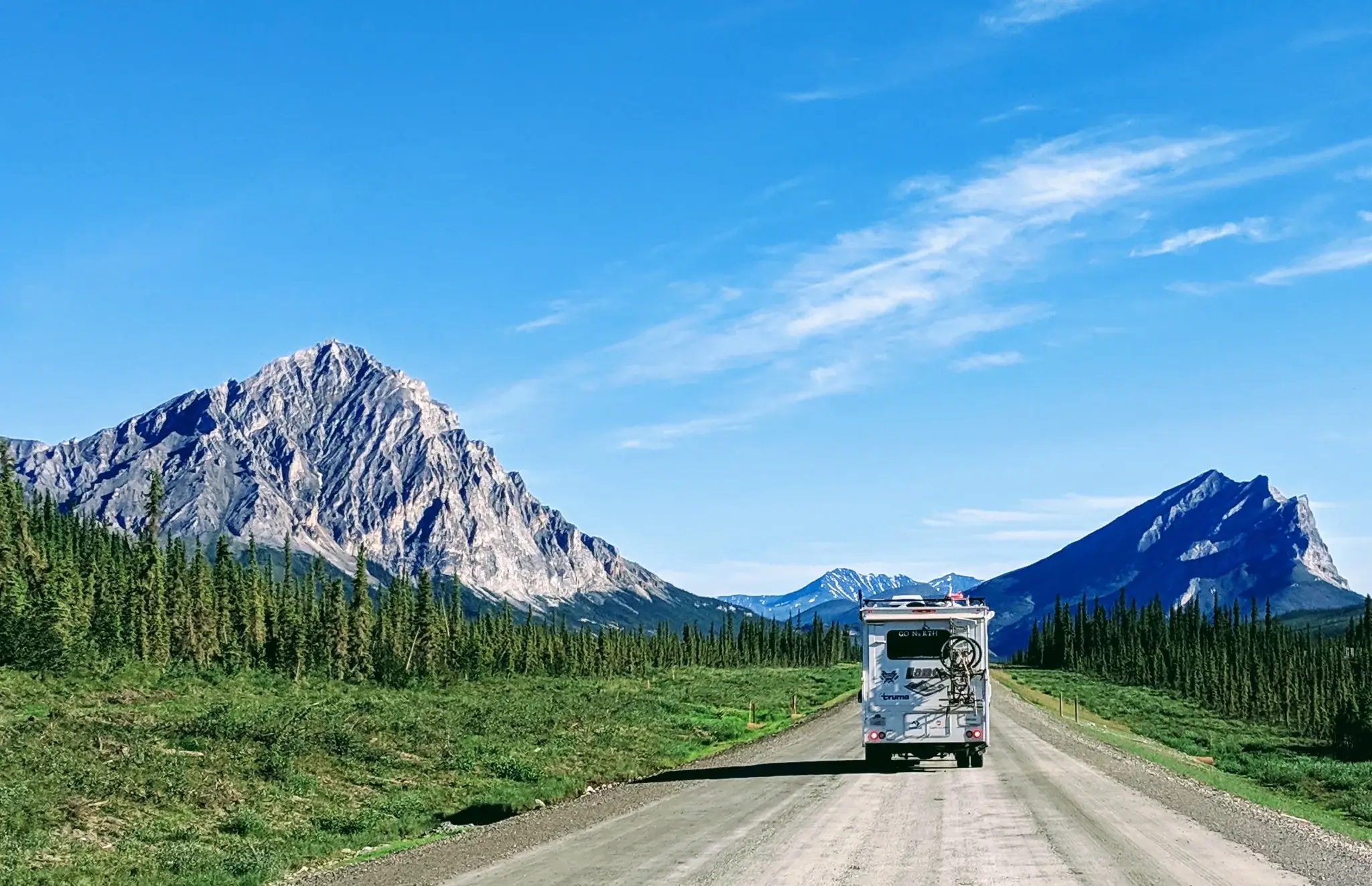
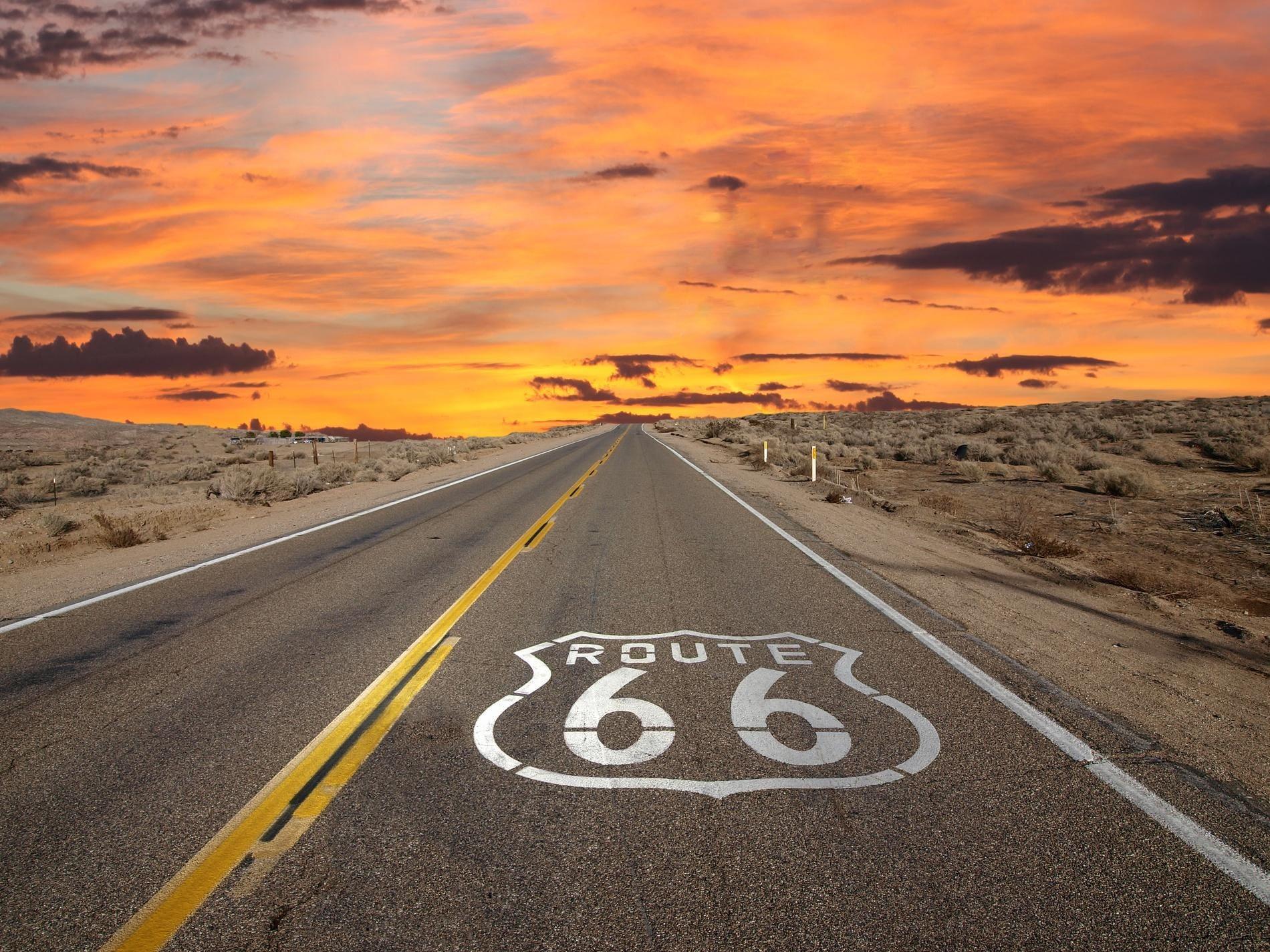
Caption: American highways where the horizon stretches for hundreds of kilometers.
The American interior presented psychological challenges different from wilderness trekking.
In deserts, the environment tests survival. On highways, monotony tests patience.
Miles of straight road create the illusion that nothing changes. Hours pass with only occasional vehicles. Wind becomes the dominant sound. Footsteps establish the pace of the day.
Campbell learned quickly how to manage long-distance walking. Blisters had to be treated early. Shoes wore out regularly and needed replacement. Hydration mattered constantly, especially in hot regions.
Encounters with strangers became a defining feature of the journey. Some people stopped to ask questions. Others offered food or a place to rest.
Walking alone across a country attracts curiosity.
But curiosity does not shorten distance.
Weeks became months as she moved across plains and mountains. Eventually, the Pacific coast came into view.
The first continental crossing was complete.
Yet the world journey had only begun.
2. Crossing Australia on Foot
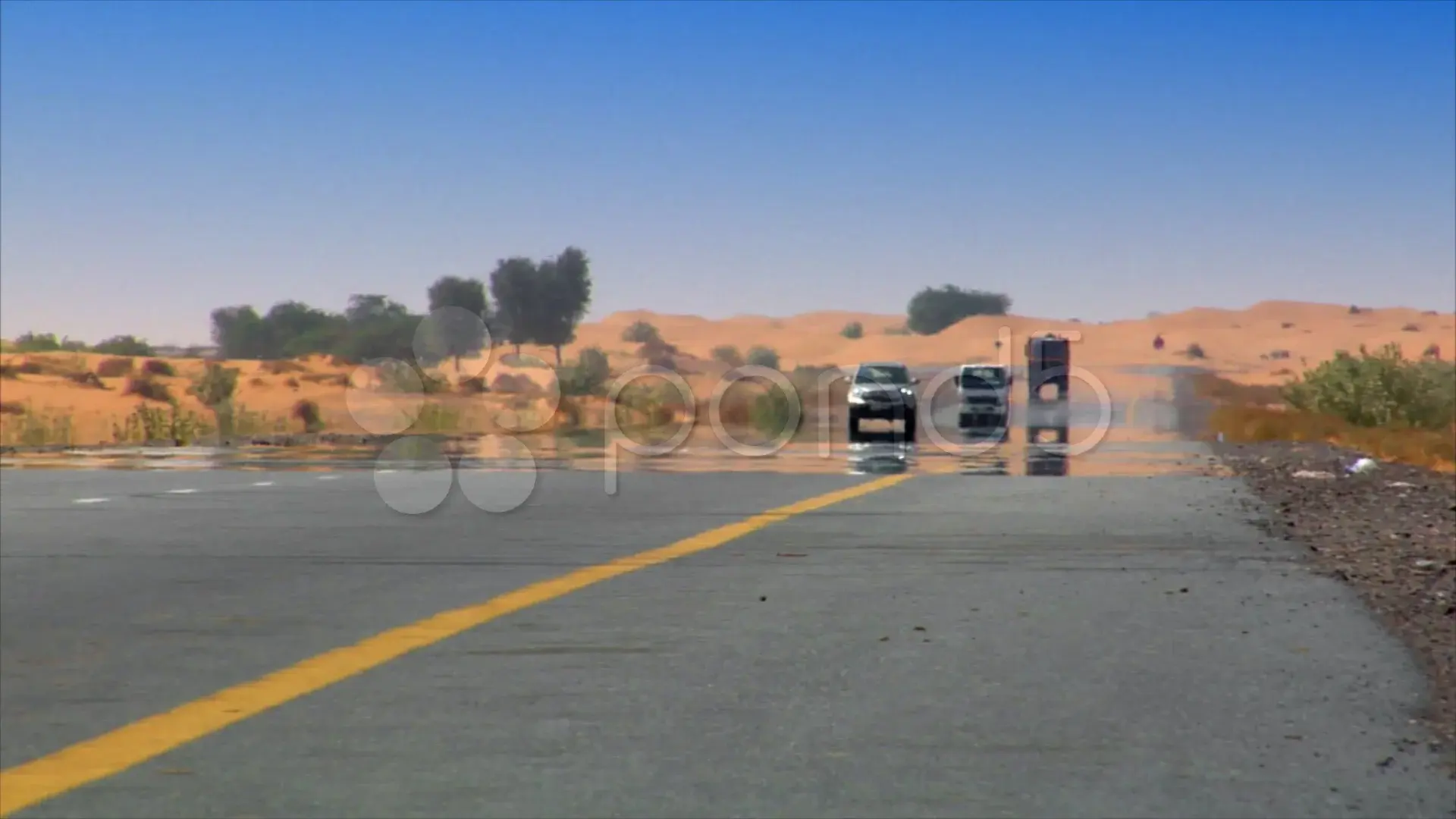
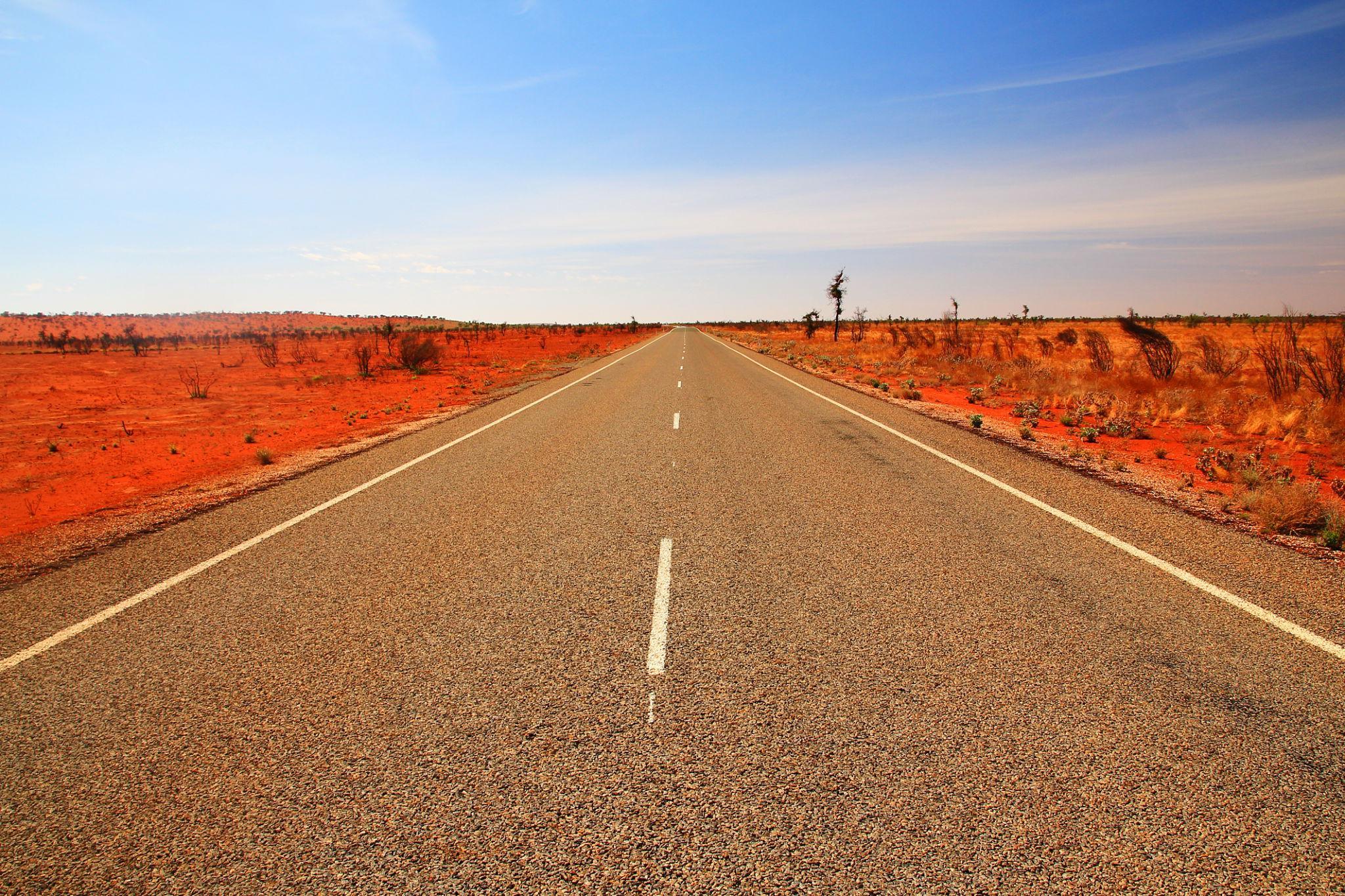
Caption: The Australian interior where roads stretch through dry landscapes for hundreds of kilometers.
After completing her crossing of the United States, Ffyona Campbell continued her global walk in Australia. The continent presented a different type of challenge. Where American highways often pass through towns and farmland, much of Australia’s interior is remote and sparsely populated.
Distances between settlements could stretch for days.
Water planning became critical. Carrying enough for the next stretch often meant extra weight in the backpack. The heat of the Australian sun forced early starts, sometimes before sunrise, and long breaks during the hottest part of the day.
Walking in the outback also required attention to wildlife and road safety. Long freight trucks moved quickly along isolated highways. The wind they created could be strong enough to push a walker sideways if standing too close.
Despite these conditions, the rhythm of walking remained the same. Each morning began with packing, checking supplies, and stepping onto the road again. The terrain changed slowly from dry plains to occasional forested regions as she moved closer to the eastern coast.
Along the way she encountered farmers, truck drivers, and travelers curious about her journey. Some offered food or water. Others simply stopped to talk, trying to understand why someone would attempt such a long walk.
The answer rarely changed.
The goal was to keep moving.
Weeks passed. Distances accumulated quietly. Eventually, the Australian stage of the walk came to an end.
But the global journey still had another continent ahead.
3. Europe and the Long Return
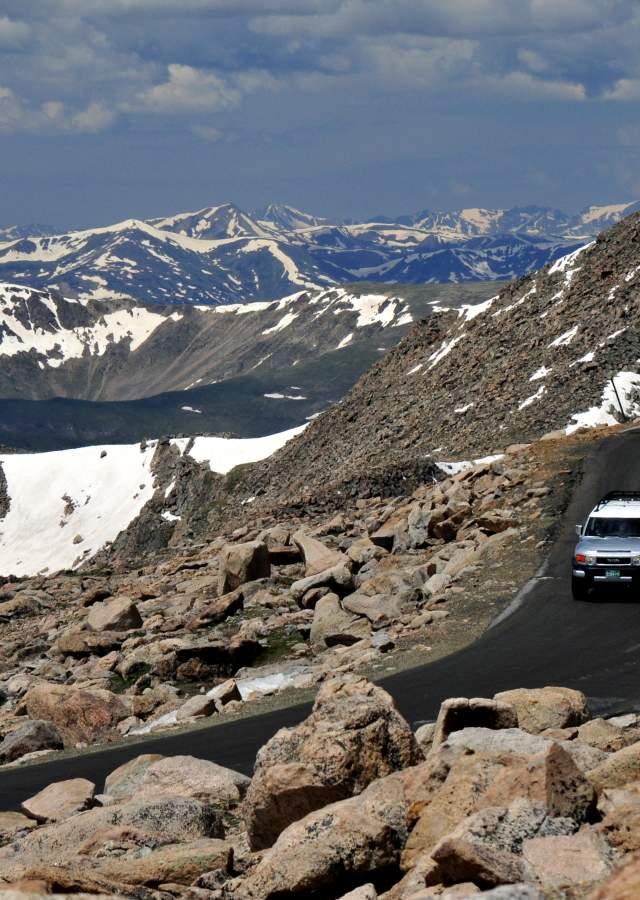
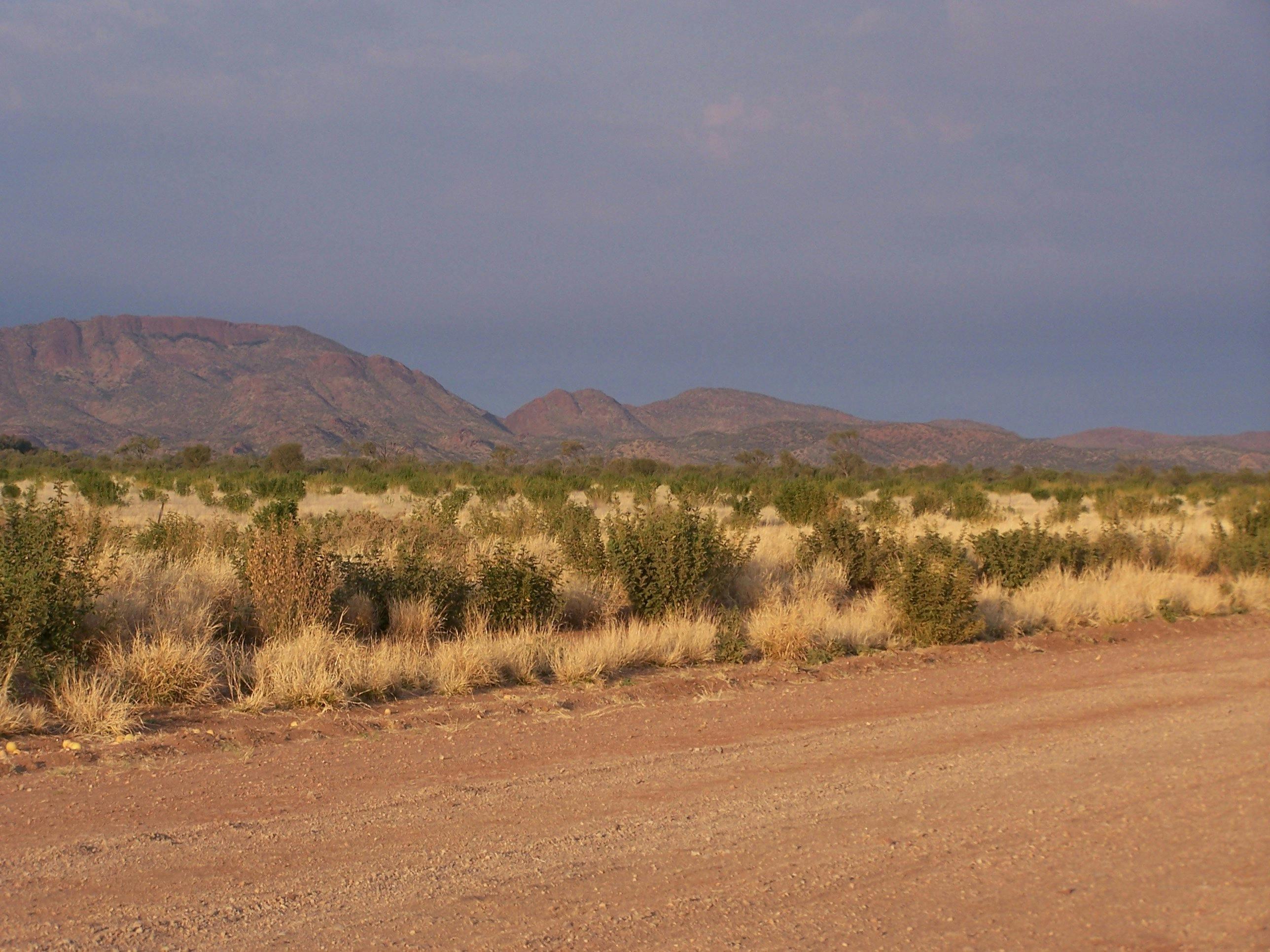
Caption: European rural roads where the final stages of the journey unfolded.
The final stage of Campbell’s walk brought her through Europe. Compared to the long isolated highways of Australia and America, Europe felt more densely connected. Villages appeared frequently. Roads curved through farmland, forests, and small towns.
Yet the physical effort remained demanding.
By this point she had already walked thousands of kilometers. Injuries accumulated over time. Knees, feet, and shoulders carried the wear of years on the road. Equipment needed frequent repair or replacement.
But the psychological challenge shifted. The finish line, once distant and abstract, was now real.
Every step across Europe reduced the remaining distance toward home.
The journey had taken years. It had crossed multiple climates, cultures, and landscapes. What began as a teenager’s idea had grown into a documented global expedition.
Eventually she returned to the United Kingdom, completing a continuous walk across several continents.
4. Completing the World Walk
The completion of the walk did not come with a dramatic summit moment or a single finish line marker. Instead, it arrived quietly when the last kilometers disappeared beneath her feet.
Ffyona Campbell became the first woman recorded to have walked around the world.
Her journey demonstrated that long-distance travel does not always require extreme wilderness or dangerous peaks. Sometimes the greatest challenge is sustained movement across ordinary terrain for extraordinary lengths of time.
Roads, fields, deserts, and mountains became part of a single continuous route.
The achievement was measured not in speed but in persistence.
Years of walking, step after step, had carried her around the planet.
Image Credit: Long-distance walking photography Public Domain
Narrated by KarakoramDiaries


![K2 Base Camp Trek: Ultimate Guide k2 Trek 2026 [UPDATED]](https://karakoramdiaries.com/storage/ultimate-guide-to-k2-base-camp-trek-full-document-150x150.png)