Maurice Herzog
Annapurna 1950 The First 8,000 Meter Summit
1. Entering an Unmapped Himalaya
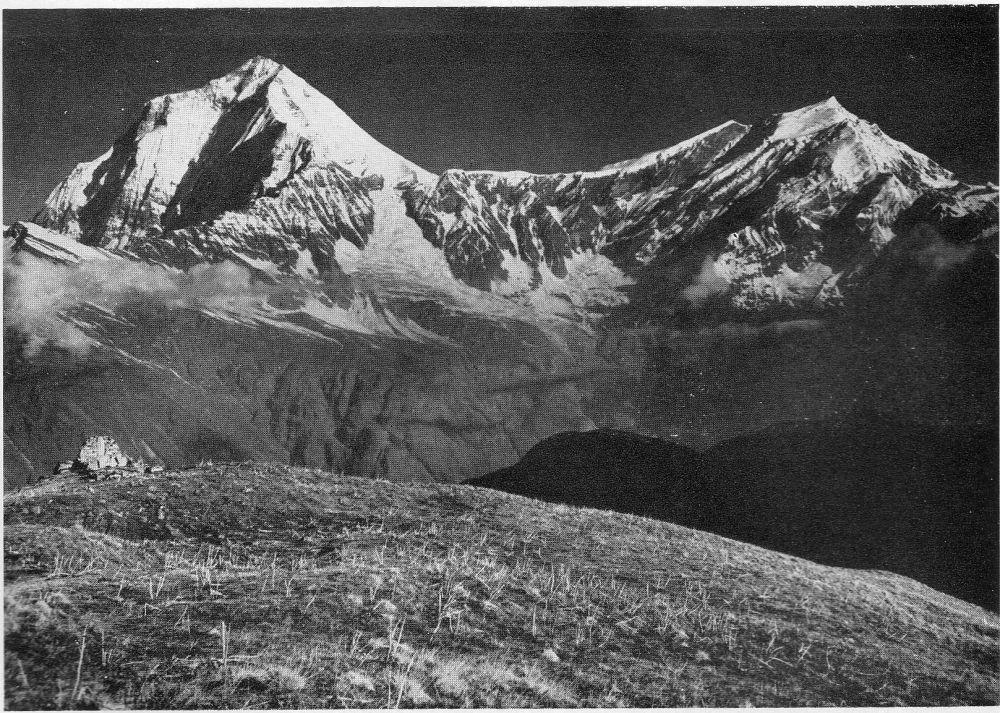
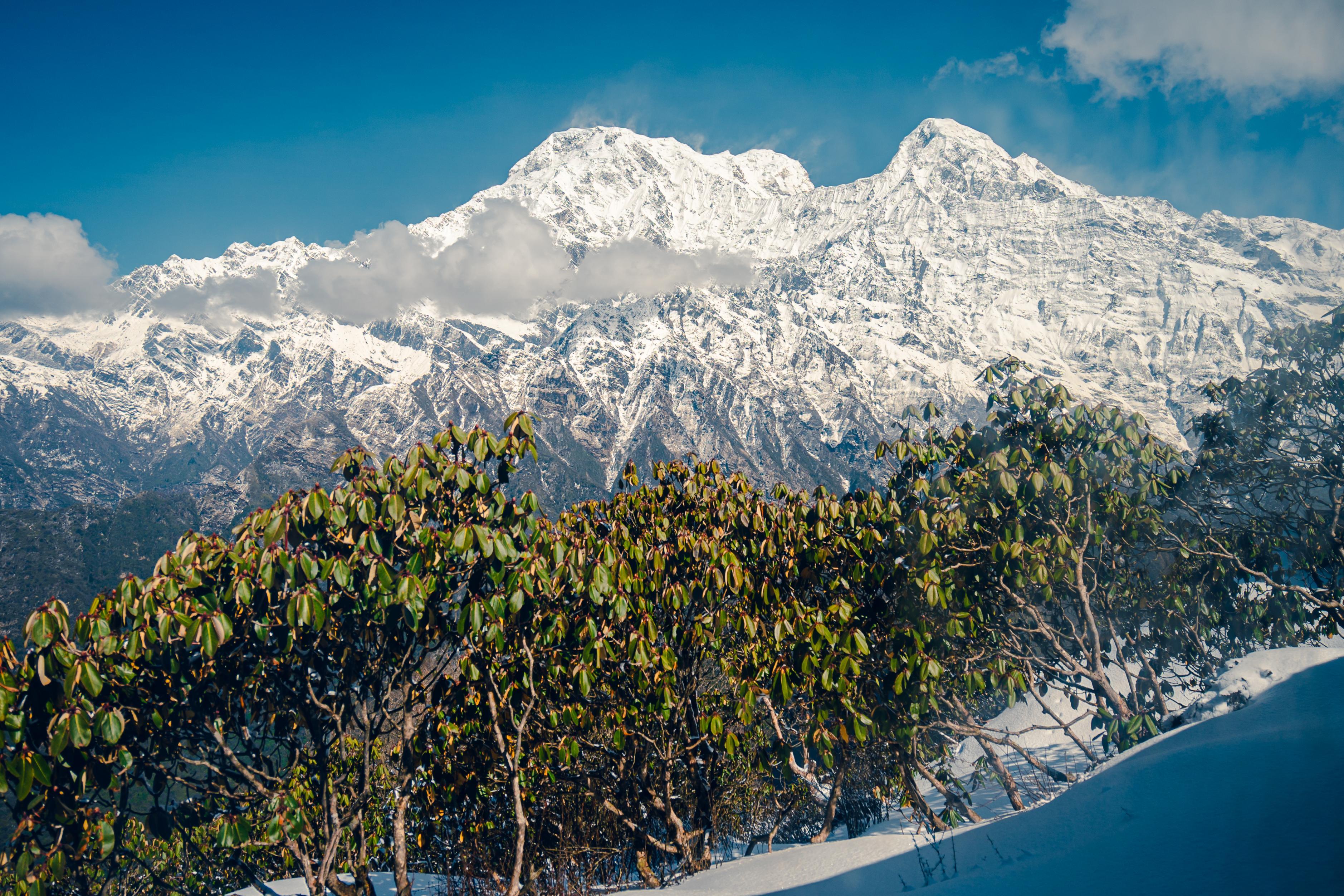
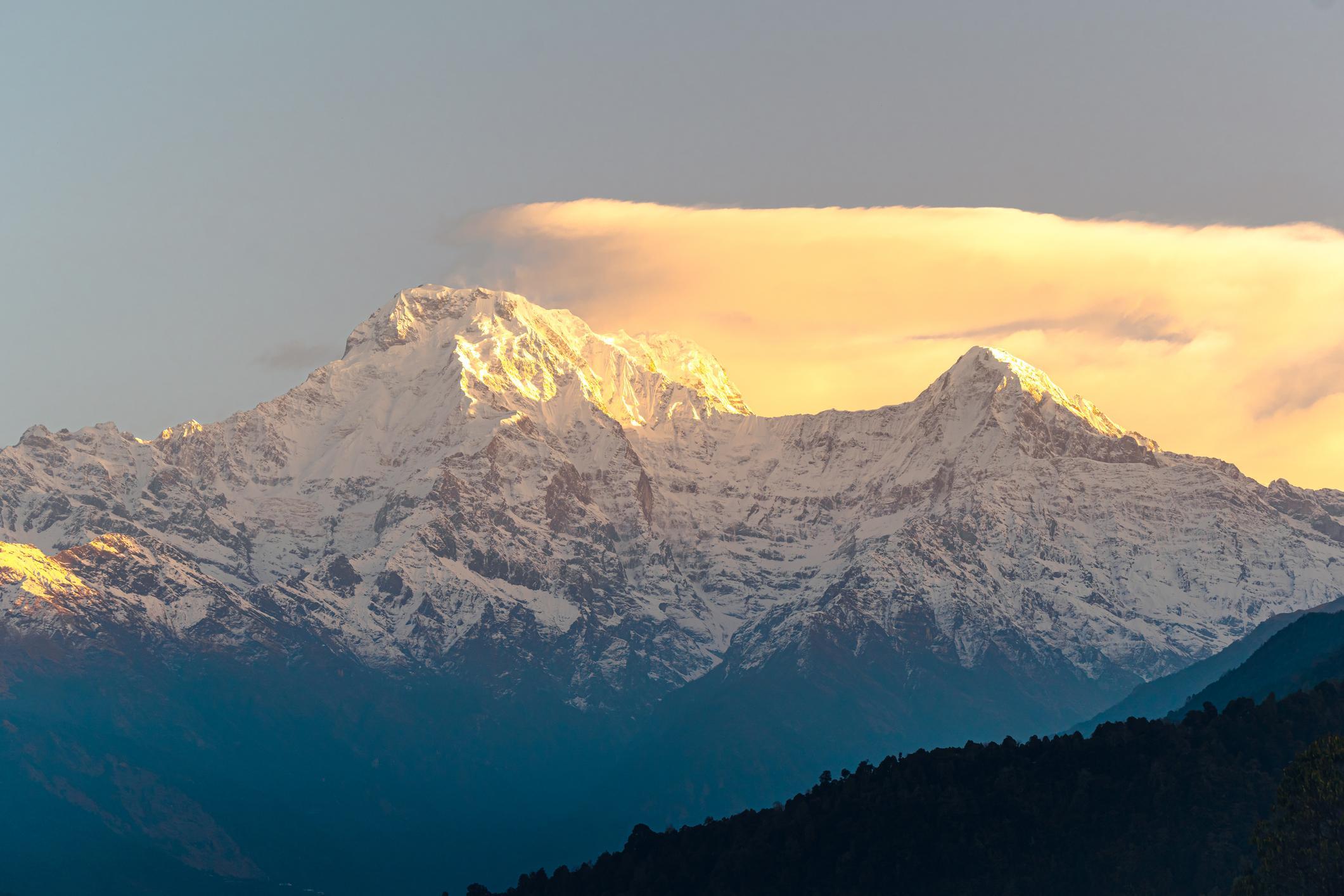
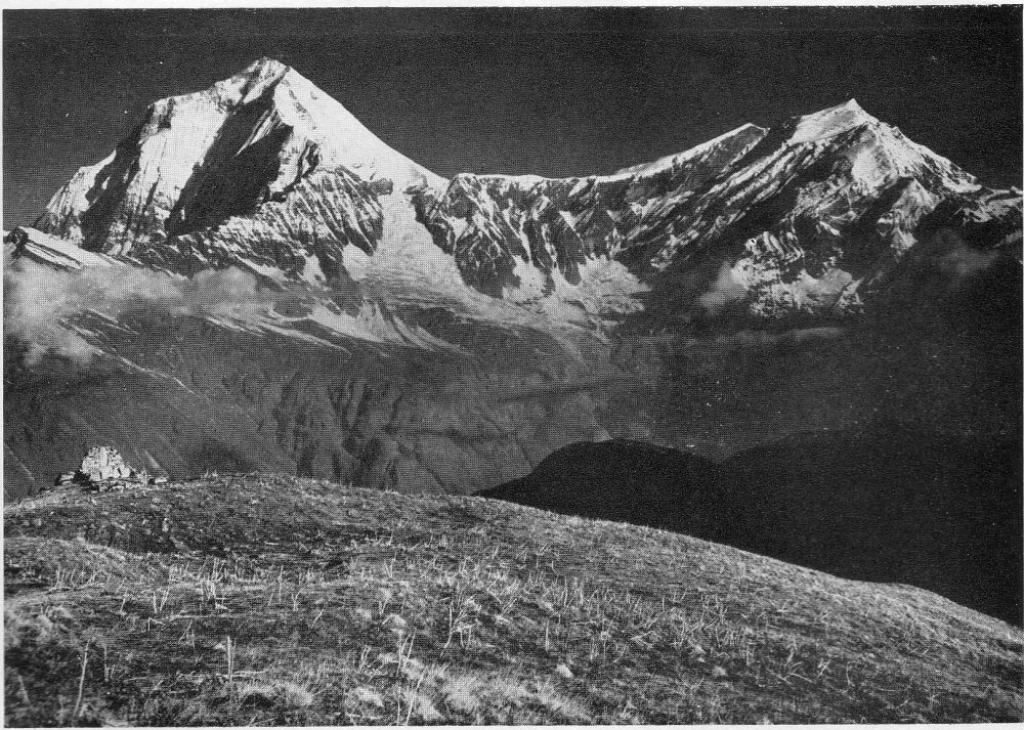
Caption: Annapurna in 1950, before fixed routes and commercial expeditions existed.
In 1950, a French expedition led by Maurice Herzog set out for the Himalaya with a specific objective. Climb an 8,000 meter peak.
At that time, no human had ever stood on top of a mountain above 8,000 meters. Everest had resisted attempts. K2 remained unclimbed. High altitude mountaineering was still experimental and poorly understood.
The French team initially considered Dhaulagiri. But reconnaissance revealed the route to be more complex than expected. After weeks of exploration through deep valleys and unstable terrain, they shifted focus to Annapurna.
Annapurna was not well mapped. Much of the region required trekking through remote Nepalese valleys with limited information about access routes. There were no detailed topographic charts available to them. Much of the early expedition involved simply figuring out how to approach the mountain.
The journey to base camp itself required weeks of trekking across ridges, rivers, and forested terrain. Porters carried heavy loads over unstable bridges and narrow trails.
When they finally established base camp, they were facing a peak that had never been climbed and whose upper slopes were largely unknown.
Climbing Into the Unknown
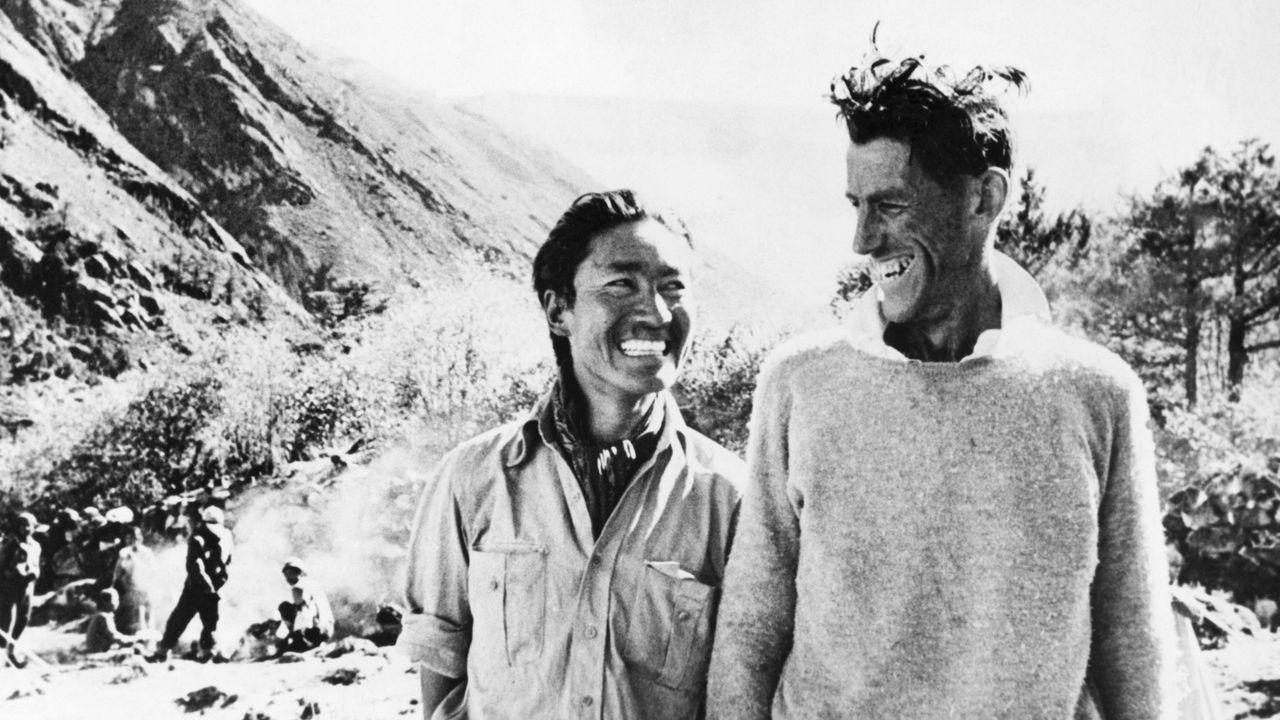
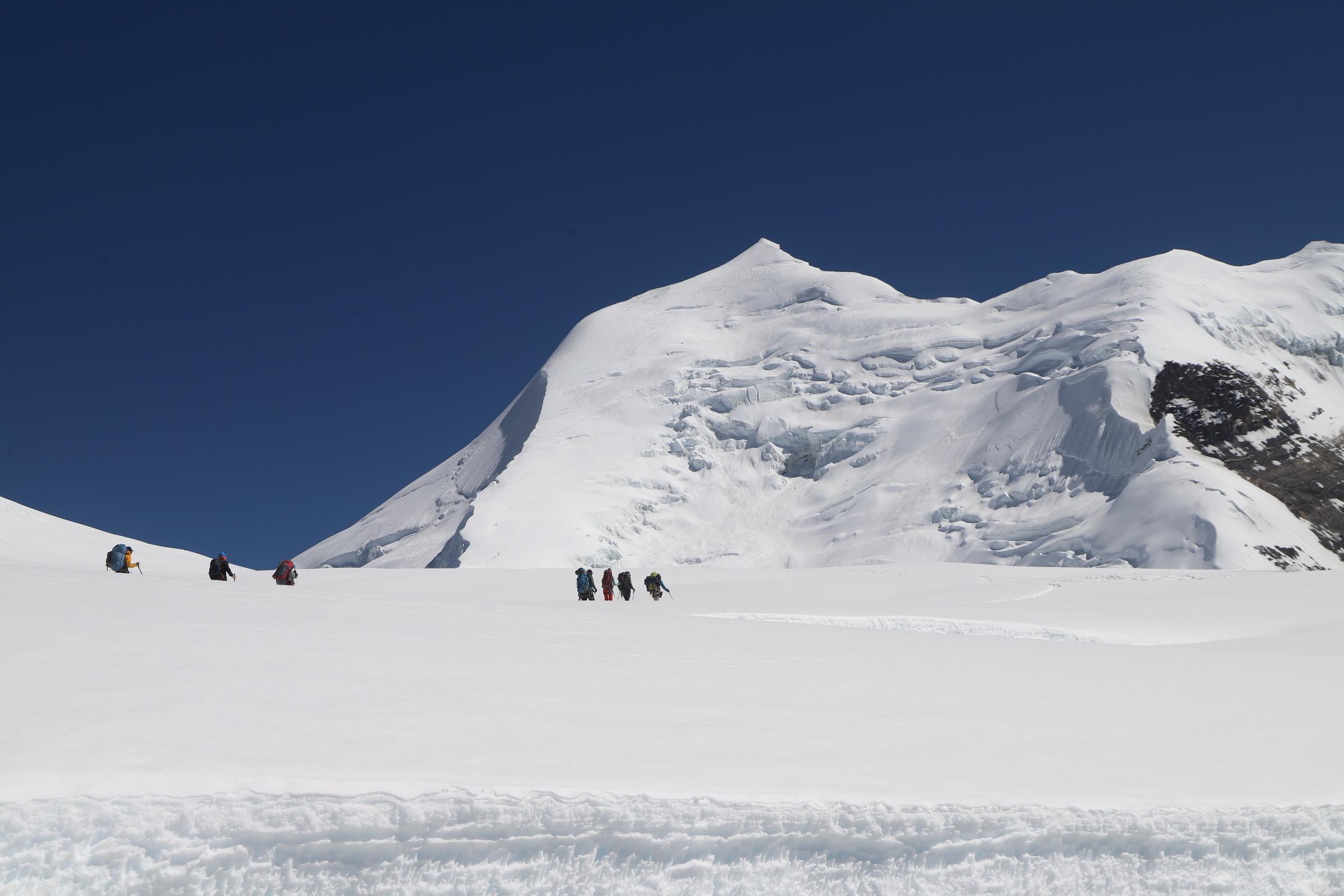
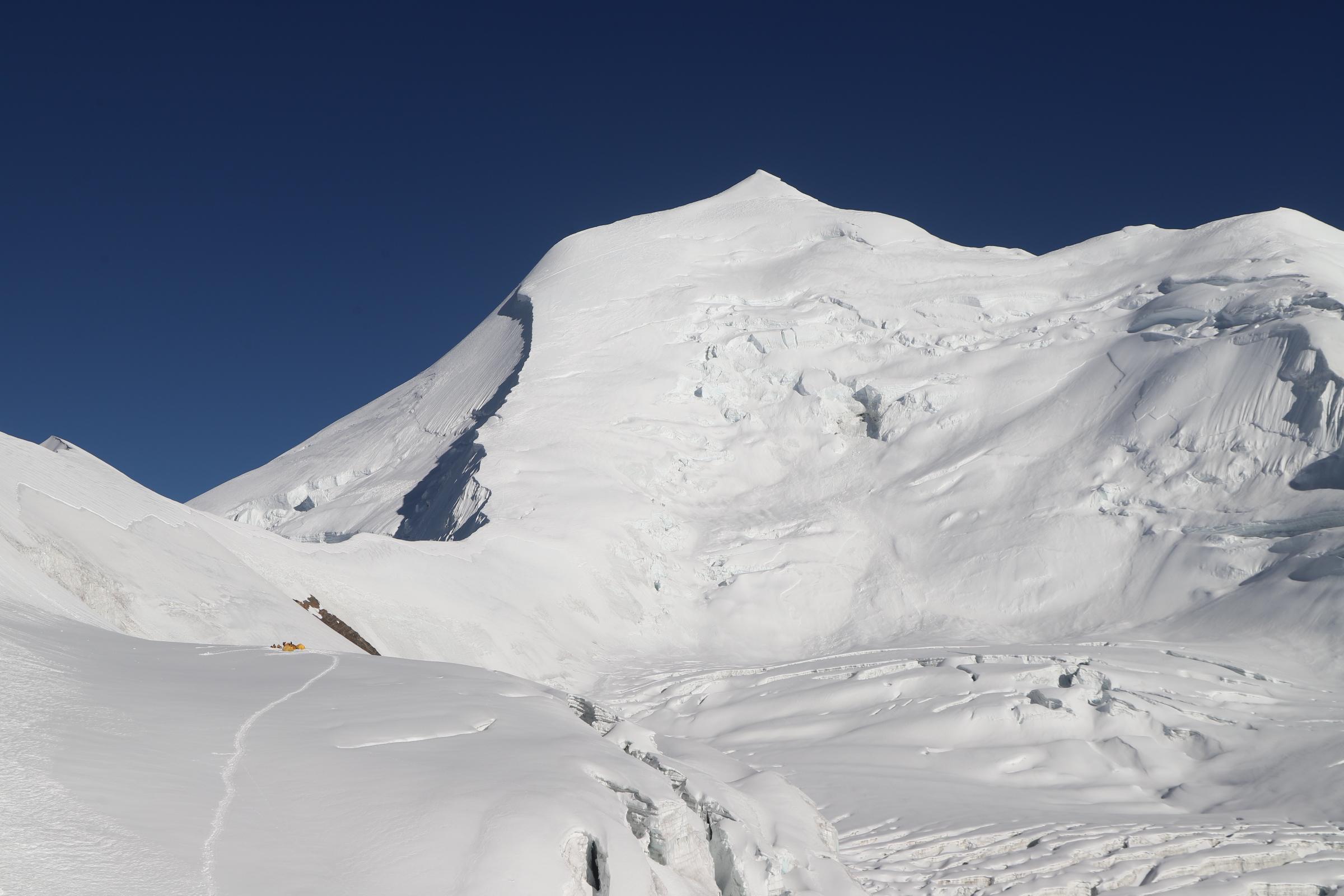
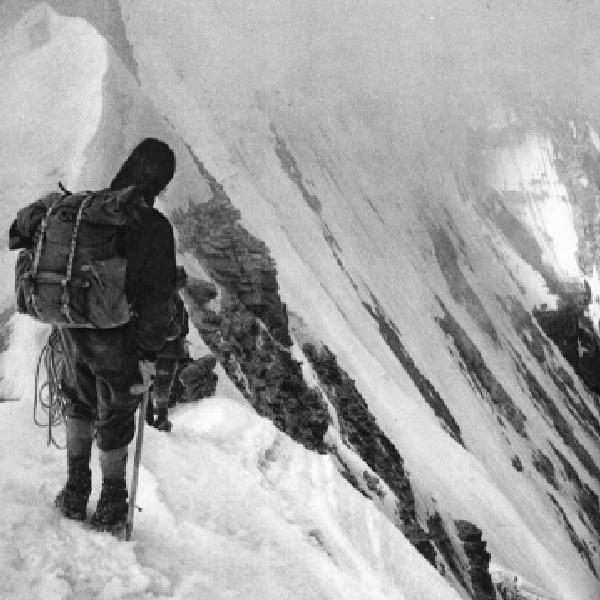
Caption: Early Himalayan climbing where routes were discovered step by step.
The ascent was methodical but dangerous. The team established higher camps step by step. Icefall sections required cutting steps into steep slopes. Avalanche danger was constant.
Unlike modern expeditions with lightweight gear and weather forecasting, the 1950 team relied heavily on observation and judgment. Oxygen equipment was limited and not as refined as later systems.
As they climbed higher, frostbite became a constant threat. Gloves were thick but crude by modern standards. Boots lacked the insulation technology available today.
Still, progress continued.
On June 3, 1950, Maurice Herzog and Louis Lachenal reached the summit of Annapurna.
They became the first humans in history to stand on an 8,000 meter peak.
But the summit was only the midpoint.
The descent would nearly cost them their lives.
2. The Summit and the Cost of Descent
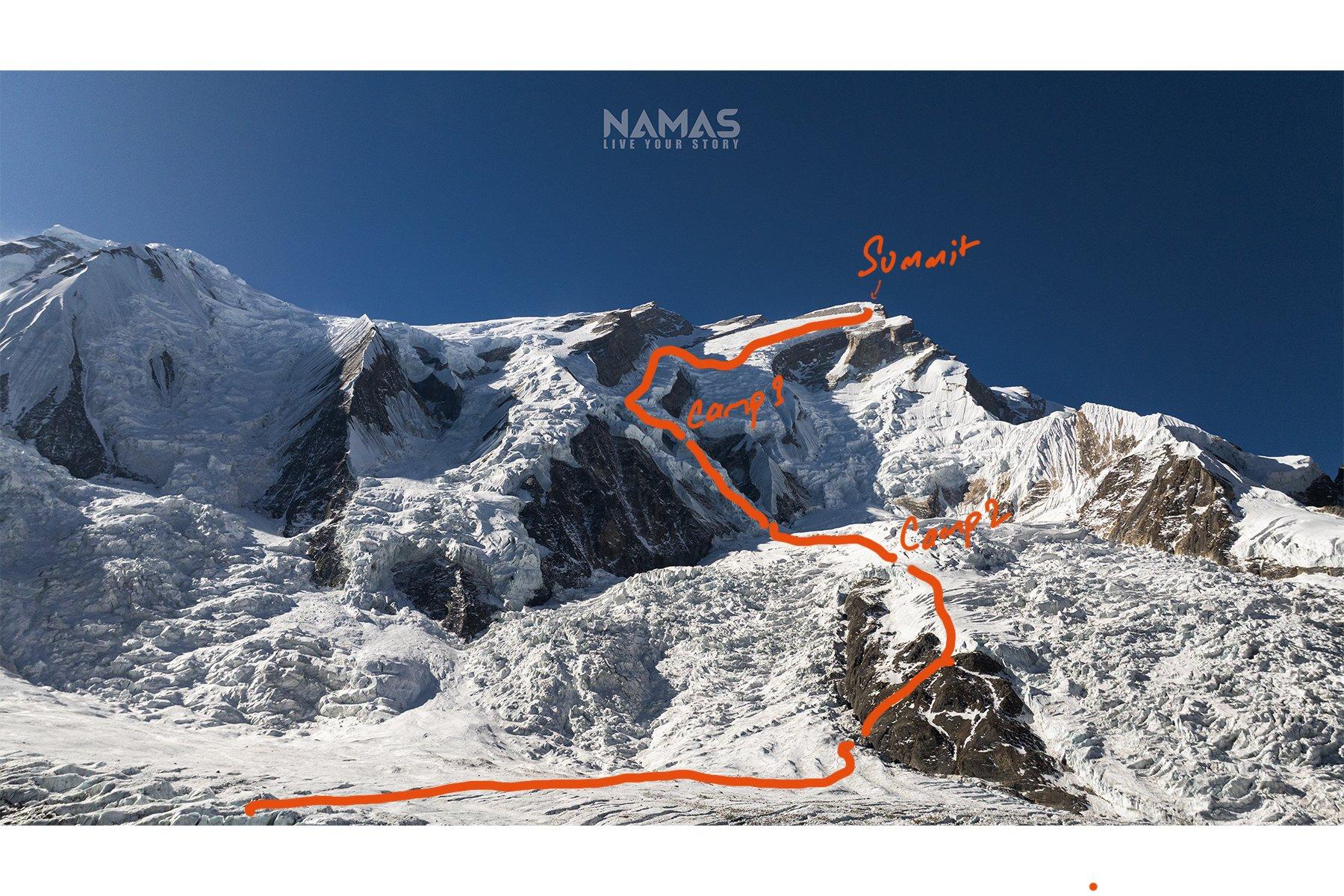
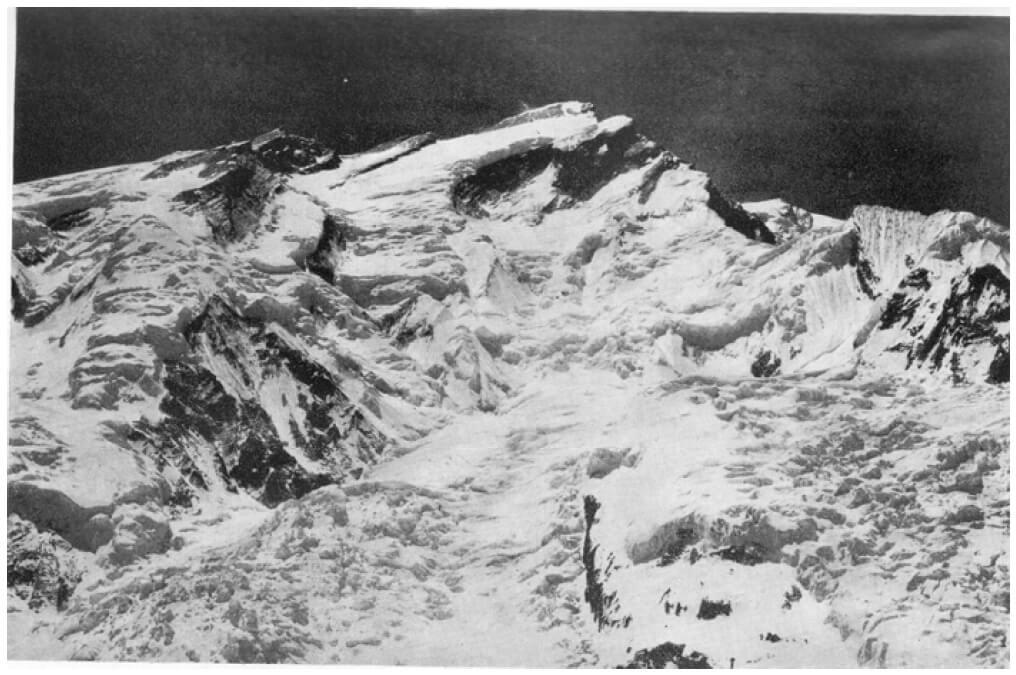
Caption: The upper slopes of Annapurna where cold and wind punished even brief exposure.
On 3 June 1950, Maurice Herzog and Louis Lachenal stood on the summit of Annapurna. There were no fixed ropes leading the way, no radio contact with base camp, and no detailed knowledge of how the descent would unfold.
They had reached 8,091 meters. The first 8,000 meter summit in history.
The moment was brief. High altitude leaves little space for ceremony. Wind cut across the ridge. Oxygen was thin. Exposure time had to be limited.
The descent began almost immediately.
This is where the expedition shifted from historic achievement to survival struggle.
During the summit push, both climbers had removed gloves at points to adjust equipment. Exposure at extreme altitude happens quickly. On the way down, Herzog realized that his hands were losing sensation. Frostbite was advancing fast.
Lachenal’s feet were in similar danger.
Visibility deteriorated as weather moved in. Snow conditions changed underfoot. Exhaustion from the summit effort slowed reaction time. Each downward step required concentration that was rapidly fading.
They reached higher camps in worsening condition. Herzog’s fingers were already stiff and discolored. Lachenal could barely feel his toes.
The summit had been secured. But the mountain was not finished with them.
3. Collapse, Improvisation, and the Long Way Out
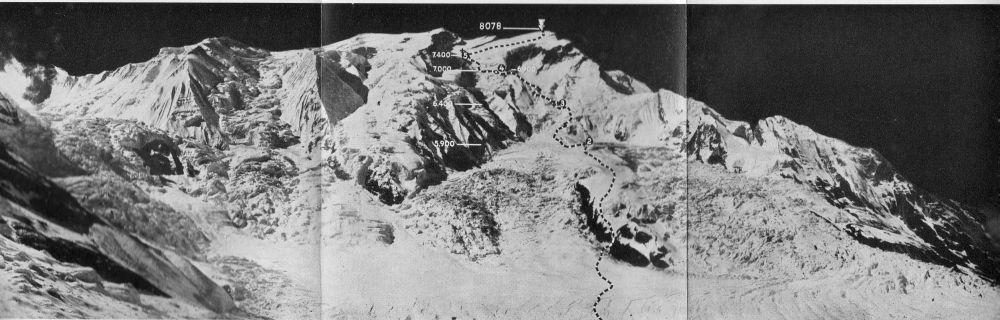
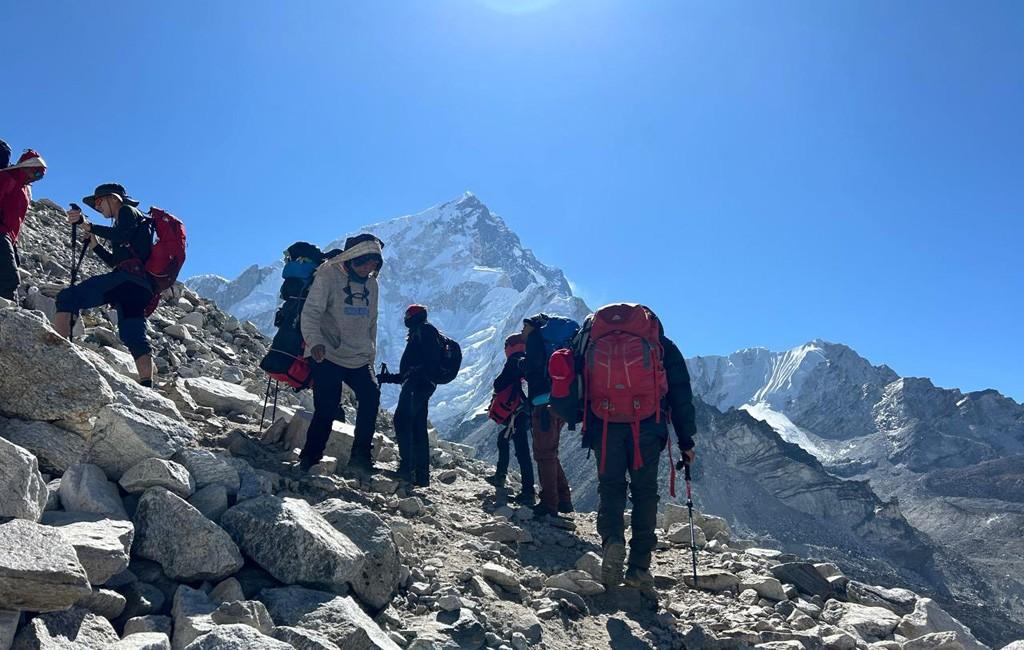
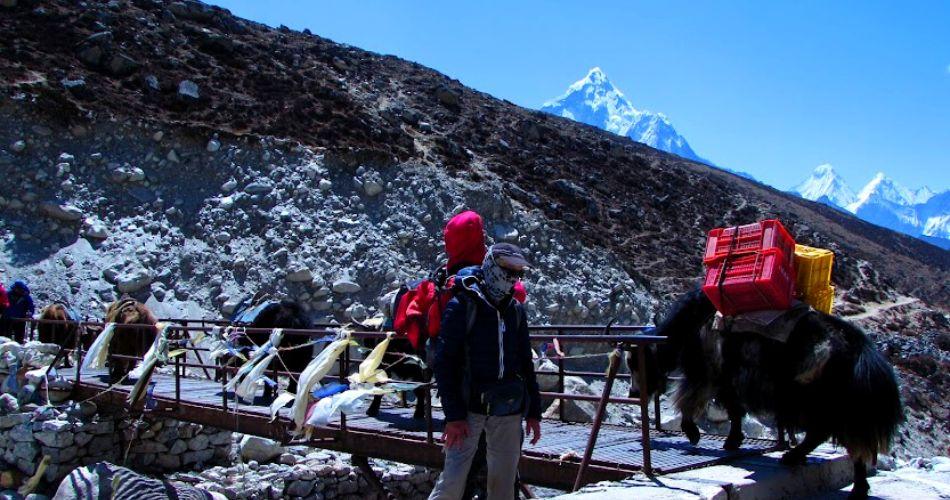
Caption: The retreat from Annapurna required weeks of difficult trekking through remote valleys.
By the time the team regrouped lower on the mountain, the severity of frostbite became undeniable. Herzog’s hands were severely damaged. Lachenal’s feet were in similar condition. Other members of the team were also suffering from cold injuries.
The descent from base camp was not a simple walk out.
They still faced weeks of trekking across rugged Himalayan terrain to reach medical help. Nepal in 1950 had no established rescue infrastructure for mountaineering injuries.
Herzog’s fingers blackened. Infection became a threat. Pain was constant.
Improvised stretchers were used when necessary. Team members supported one another across river crossings and narrow trails. Porters carried loads that would challenge even healthy climbers.
The long march out became a second expedition layered onto the first.
There were no helicopters available. Every kilometer had to be covered on foot.
When they finally reached medical facilities, surgeons had no choice but to amputate several of Herzog’s fingers and toes. Lachenal also lost parts of his feet to frostbite.
The cost of the summit was permanent physical damage.
4. The Legacy of Annapurna 1950
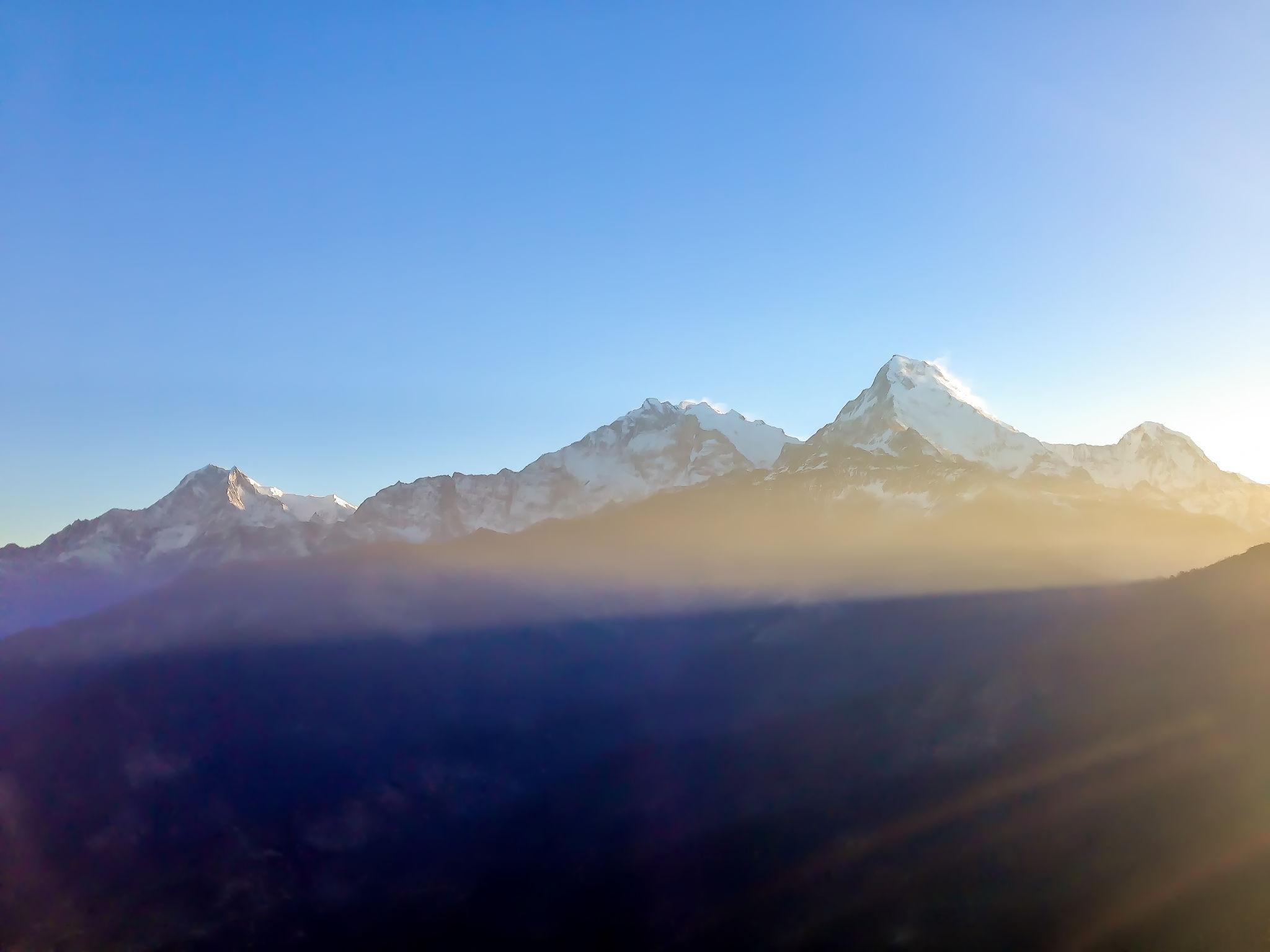
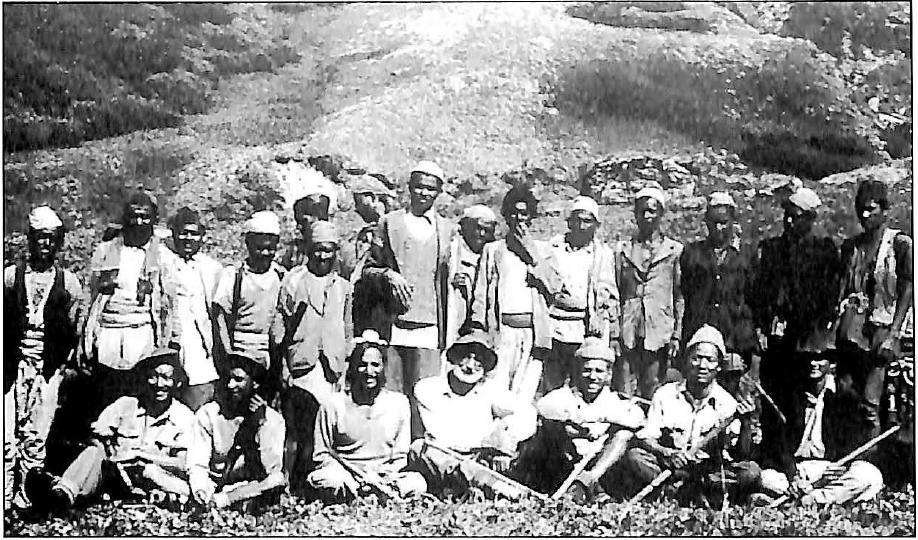
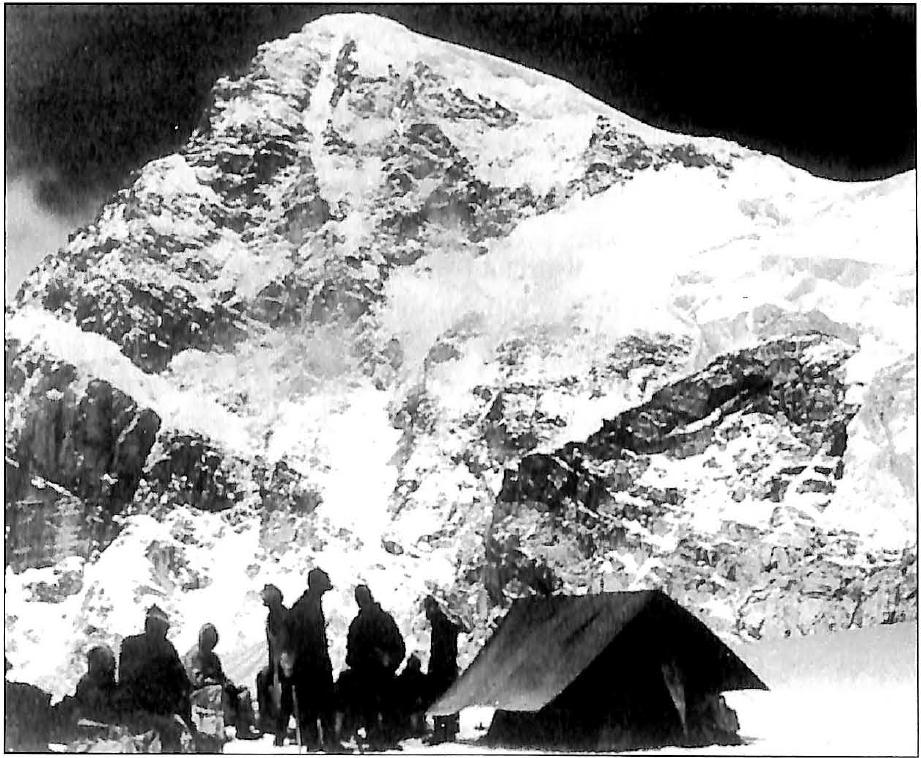
Caption: Annapurna, the first 8,000 meter summit in mountaineering history.
The Annapurna expedition marked a turning point in Himalayan mountaineering.
Before 1950, peaks above 8,000 meters were theoretical limits. Annapurna proved they could be climbed. It reshaped ambition. Within three years, Everest would fall.
Maurice Herzog returned to France as a national hero. His book Annapurna became widely read, inspiring a generation of climbers.
Yet the story remains complex.
The summit was historic. The descent was brutal. The price was visible on Herzog’s hands for the rest of his life.
Annapurna 1950 stands not only as the first 8,000 meter ascent, but as a reminder of the era before advanced gear, reliable oxygen systems, and rapid rescue.
It was a time when climbing above 8,000 meters meant stepping into unknown physiological territory.
The mountain did not change. But human understanding did.
And the history of high altitude trekking and mountaineering shifted permanently on that June day.
Image Credit: Himalayan expedition photography Public Domain
Narrated by KarakoramDiaries

![K2 Base Camp Trek: Ultimate Guide k2 Trek 2026 [UPDATED]](https://karakoramdiaries.com/storage/ultimate-guide-to-k2-base-camp-trek-full-document-150x150.png)