Ranulph Fiennes
The Transglobe Expedition
1. The Plan to Circle the Earth the Hardest Way
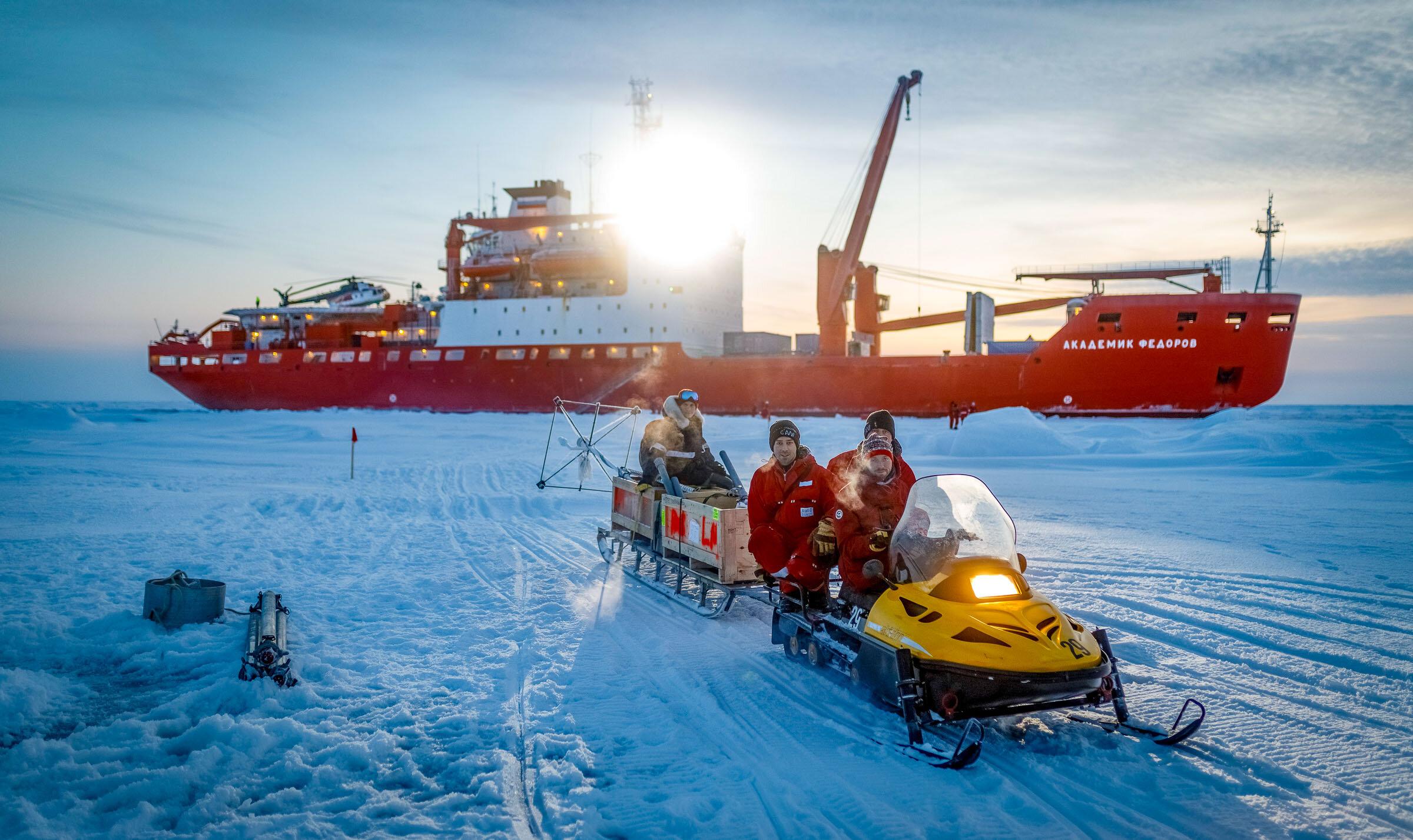
Caption: Polar terrain that would become part of the first surface circumnavigation of the Earth via both poles.
In 1979, Ranulph Fiennes began what would become the first surface circumnavigation of the Earth via both the North and South Poles.
The idea was radical in its simplicity and scale. Start in the United Kingdom. Travel south to Antarctica. Cross the continent overland to the South Pole. Continue northward across oceans and land until reaching the Arctic. Cross the North Pole. Return to the starting meridian.
It was not a single trek. It was a chain of extreme journeys linked together across multiple continents.
The Antarctic crossing alone required months of preparation. Supplies were staged in advance. Snow vehicles were used for transport in some sections, but large portions still required sled hauling under brutal conditions.
Unlike earlier polar expeditions that focused on reaching a pole and returning, this mission required continuity. They could not stop at the pole and declare victory. They had to keep moving around the globe.
From the beginning, the expedition was structured for endurance rather than spectacle. The team consisted of a small core group supported by logistics crews at various stages. Every polar segment required careful weather planning and fuel calculation.
Failure at any point would collapse the entire circumnavigation.
Entering Antarctica
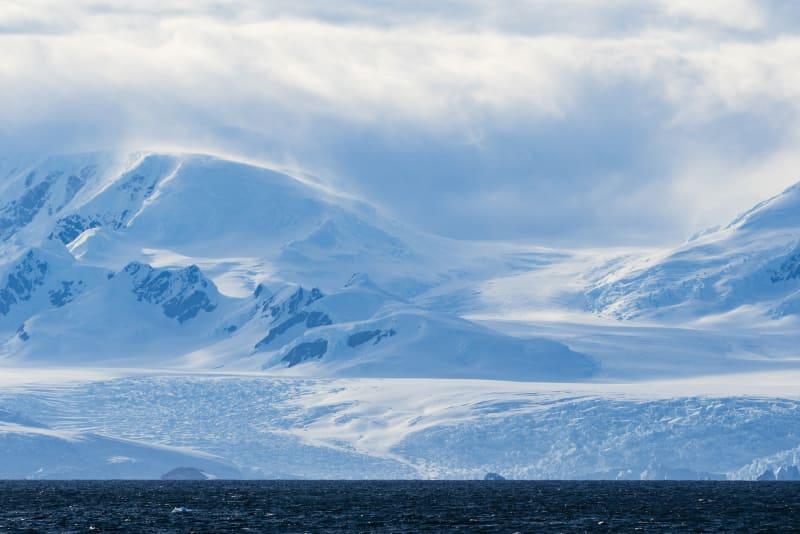
Caption: Antarctic plateau conditions during long-distance polar crossings.
The Antarctic leg began with a traverse toward the South Pole. Temperatures plunged well below freezing. Winds created whiteout conditions that slowed progress. Fuel and food had to be rationed with precision.
Unlike mountaineering, polar travel is horizontal and relentless. Machines could assist in hauling, but they were vulnerable to breakdown. Repairs had to be performed in subzero temperatures with limited spare parts.
The plateau tested machinery and humans equally.
The team reached the South Pole, but unlike earlier explorers who ended their story there, Fiennes’ expedition treated the pole as a waypoint.
They continued across the continent toward the Ross Sea, completing one of the most demanding polar traverses of the era.
The Antarctic stage alone would have been considered a major expedition.
But for Fiennes, it was only the first arc of a multi-year global journey.
2. Northward Into the Arctic
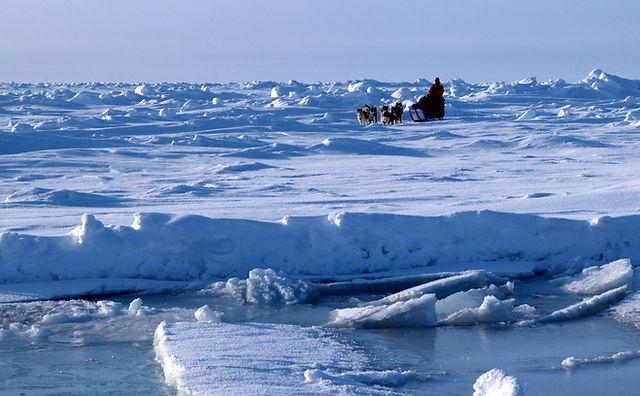
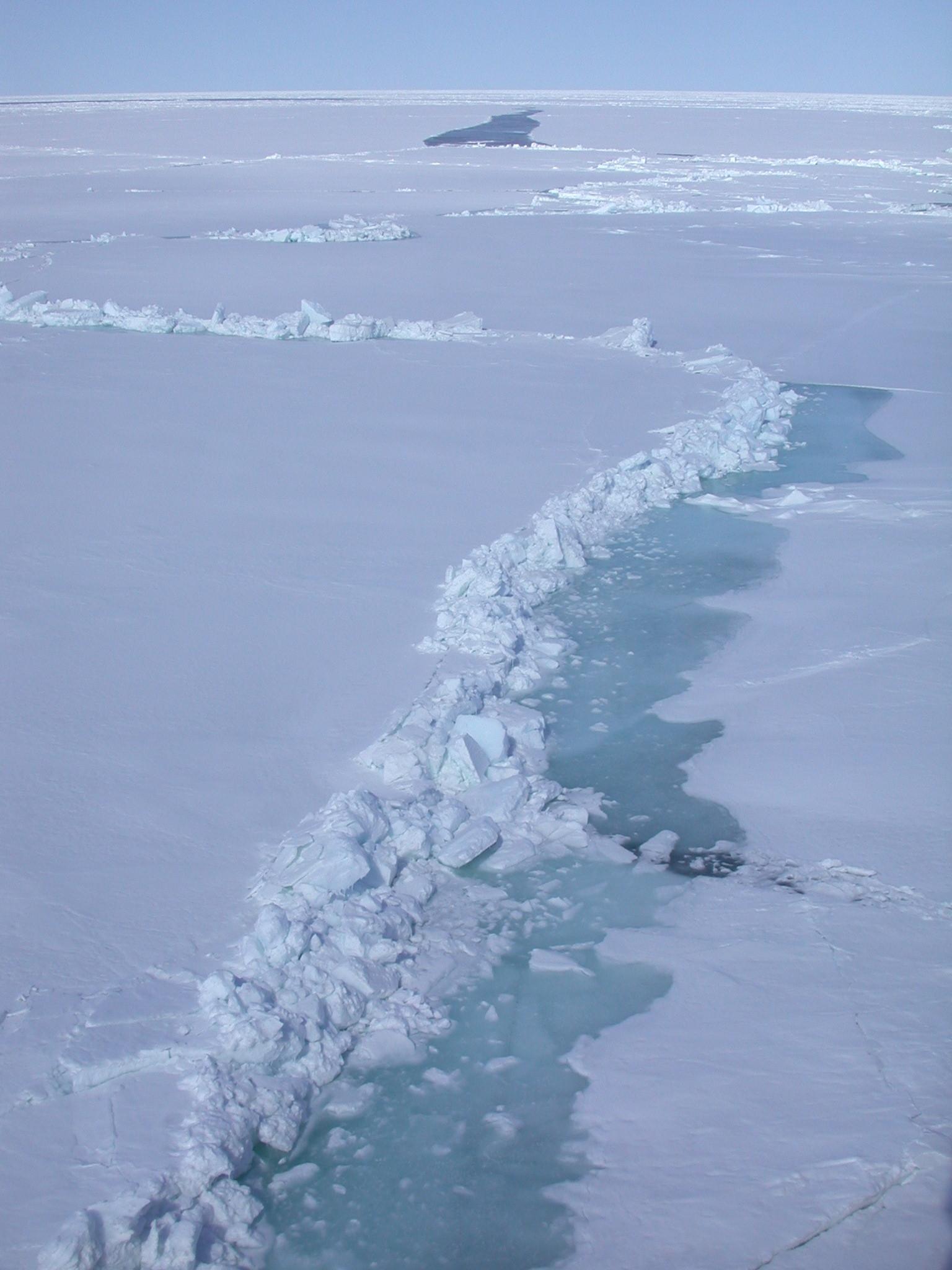
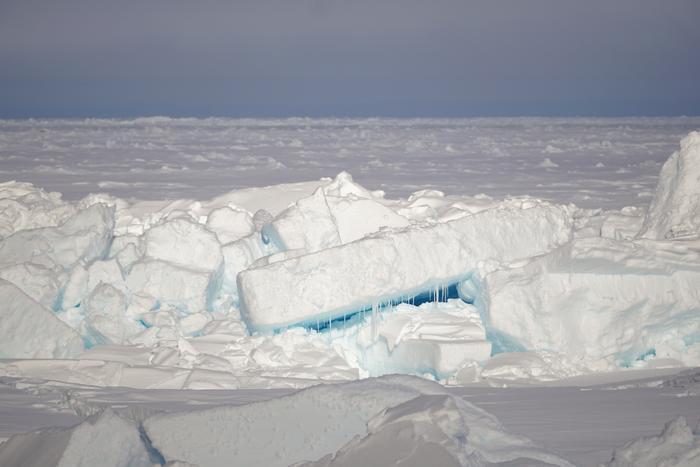
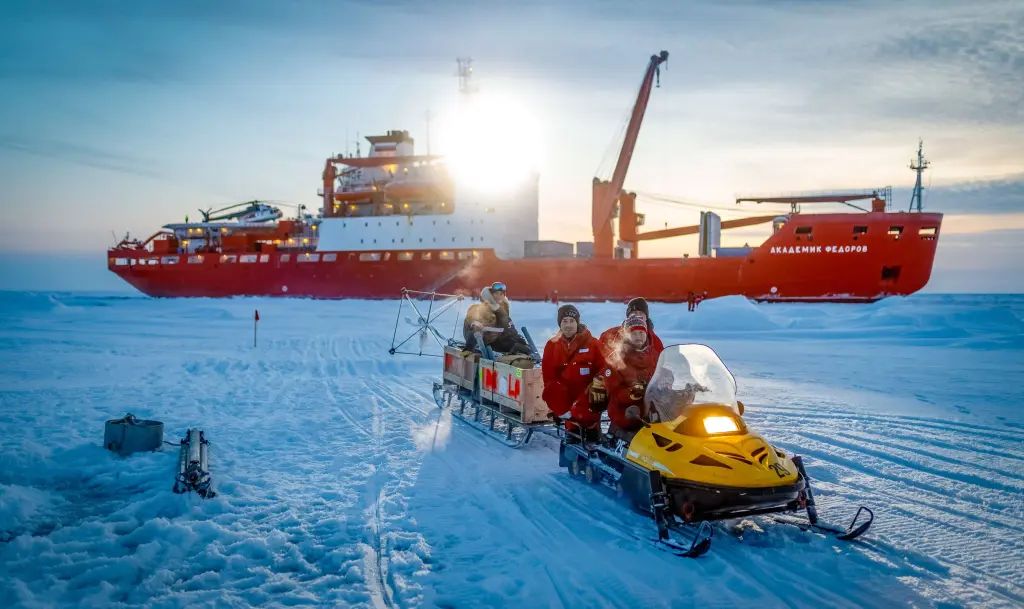
Caption: Arctic sea ice, unstable and constantly shifting beneath an expedition team.
After completing the Antarctic traverse, the Transglobe Expedition did not slow down. The objective required the team to continue north, eventually reaching the Arctic Ocean to attempt a crossing to the North Pole.
Unlike Antarctica, which is a solid continent covered in ice, the Arctic is frozen ocean. The surface itself drifts. Ice floes crack, collide, and shift direction daily. Reaching the North Pole means traveling over unstable ground that may undo hours of progress overnight.
Fiennes and his team began their Arctic phase from Canada, heading out over sea ice with sledges and dog teams. The temperature again dropped severely, but the challenge here was movement rather than altitude.
Pressure ridges rose like frozen walls, forcing detours. Leads of open water appeared suddenly, sometimes stretching for hundreds of meters. When confronted with open water, the team had to wait for freezing or carefully ferry equipment across fragile ice.
Each day required recalculation. Even if they marched ten kilometers north, the ice beneath them might drift south several kilometers during the night.
The Arctic was less predictable than Antarctica. Noise replaced silence. Ice cracked beneath boots. Wind carried distant echoes across the surface. Sleep was light because the ground itself was unstable.
Progress toward the North Pole was slow and psychologically draining.
3. Frostbite and Persistence
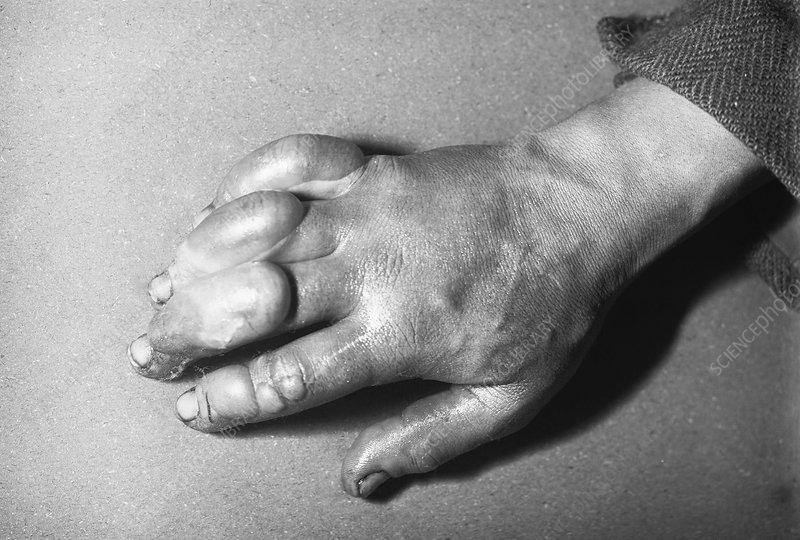
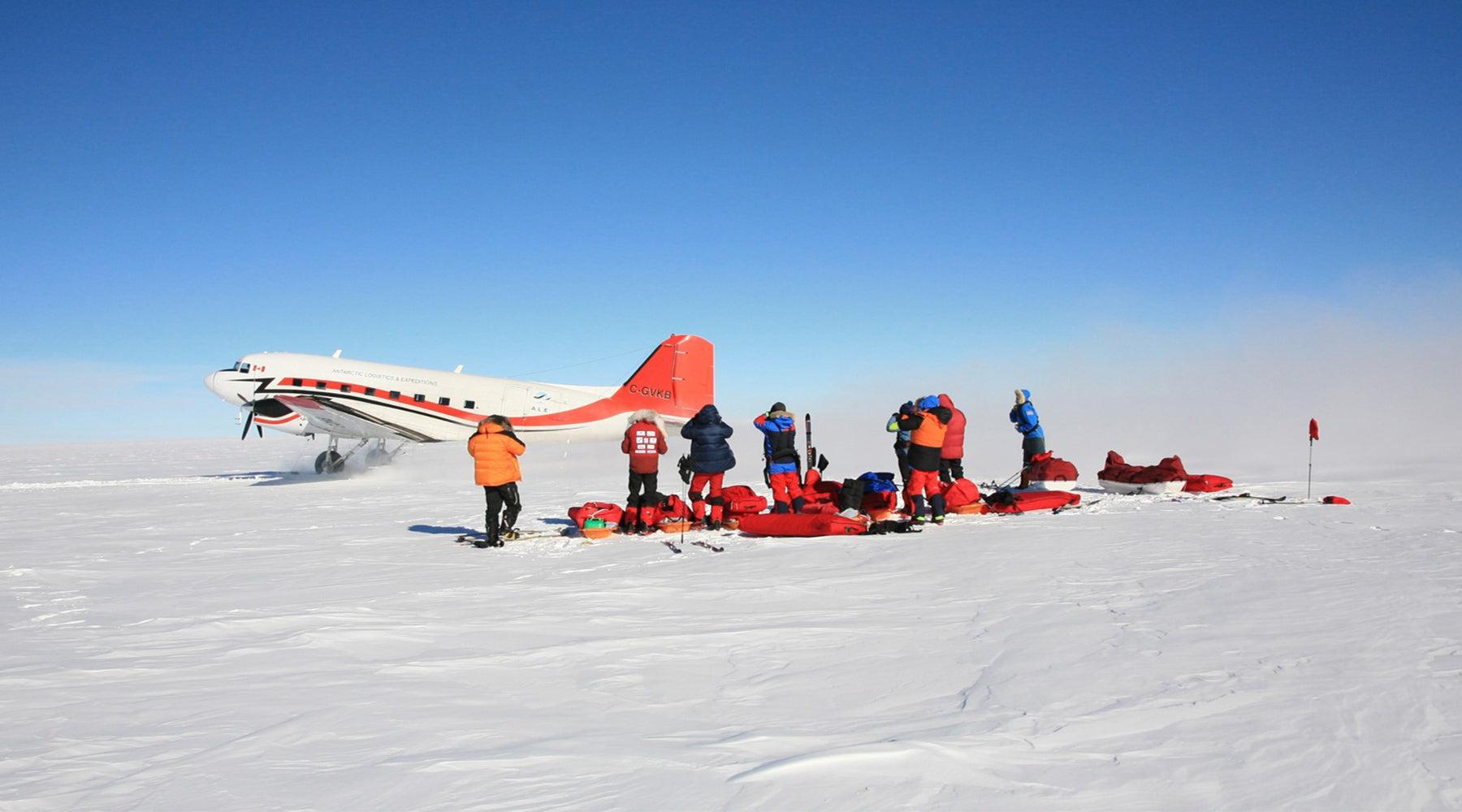
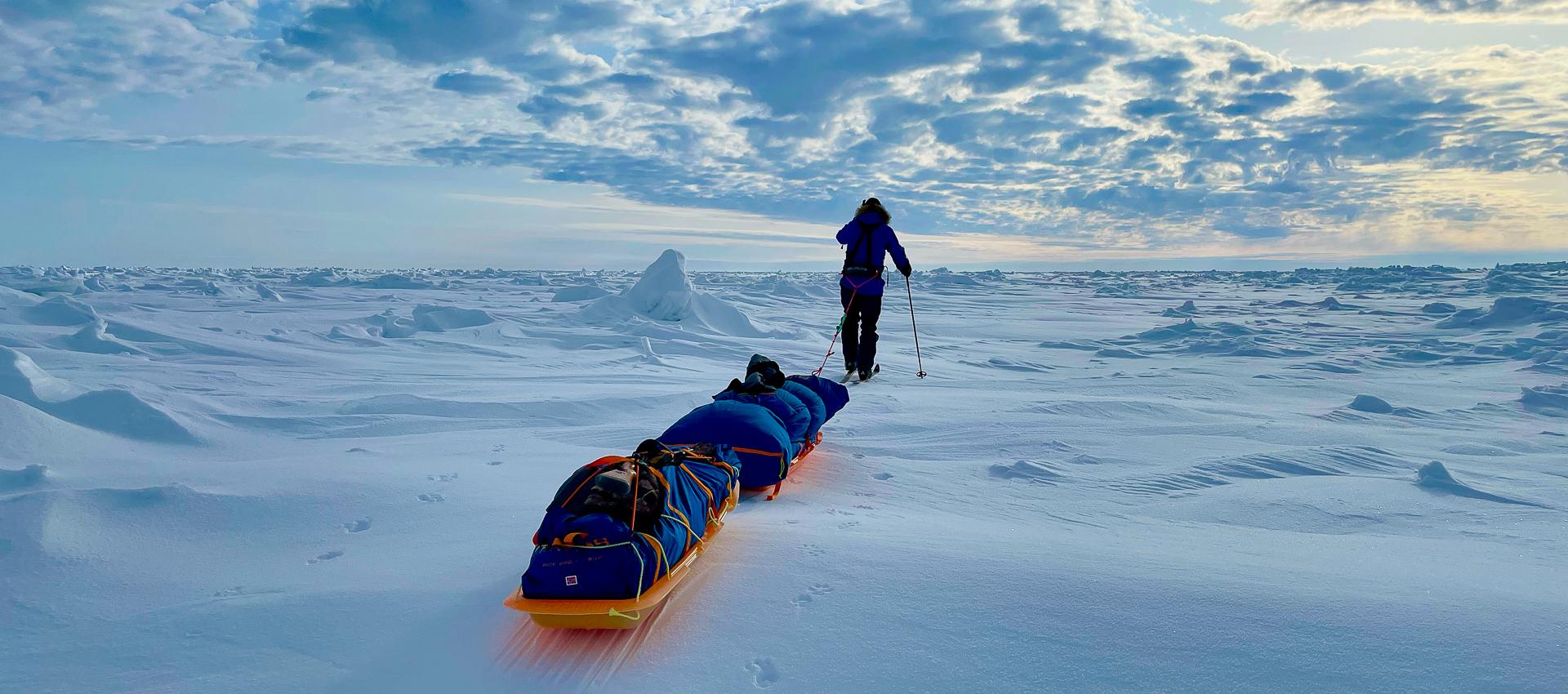
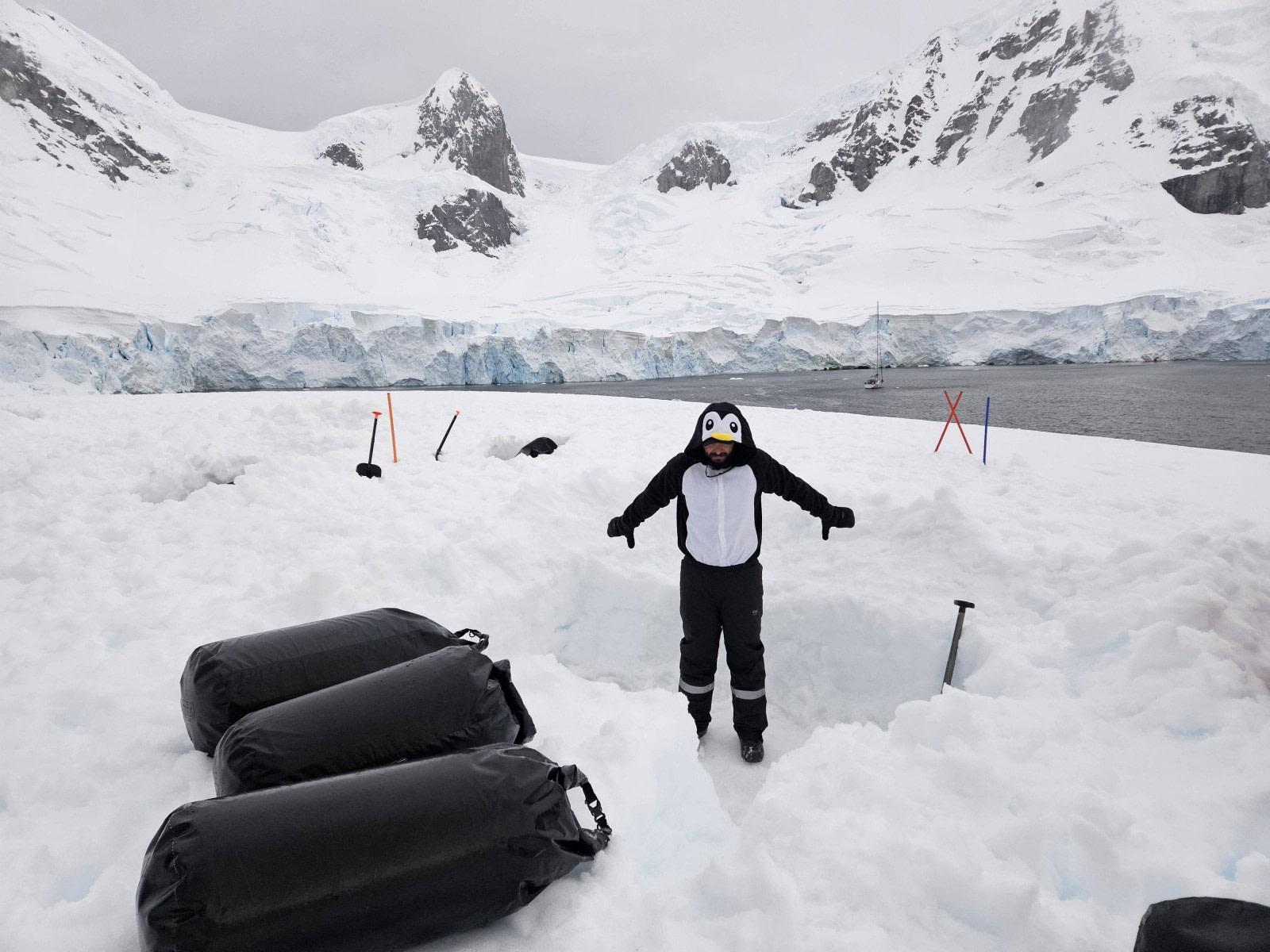
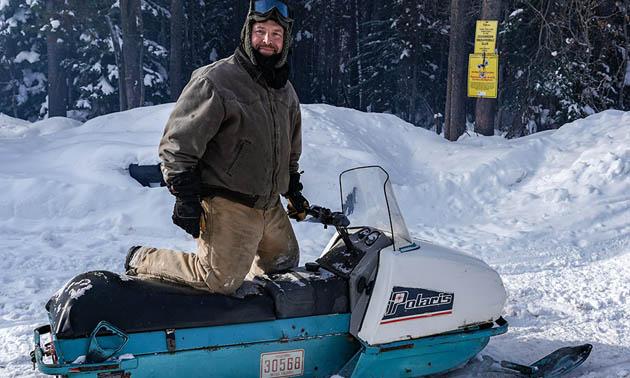
Caption: Polar travel demands constant maintenance of equipment and body.
The Arctic leg became the most physically punishing segment of the entire circumnavigation.
Fuel ran low at times. Equipment failed under extreme cold. Skin exposed for even seconds risked frostbite. Fiennes himself suffered severe frostbite on his fingers during later expeditions, and cold injuries were an ongoing concern during the Arctic crossing.
The team managed risks through strict routines. Gloves were checked repeatedly. Faces were covered carefully. Movement was paced to avoid sweat buildup, which could freeze rapidly.
There were days when storms pinned them down in tents pitched on drifting ice. During those periods, they listened to the shifting of floes and waited for visibility to return.
Eventually, after sustained effort, they reached the North Pole. As in Antarctica, it was not the end. It was another waypoint.
The Transglobe Expedition required them to continue along the same longitudinal line back toward their original meridian.
The circumnavigation was not symbolic. It was geographic and continuous.
4. Completing the Circle
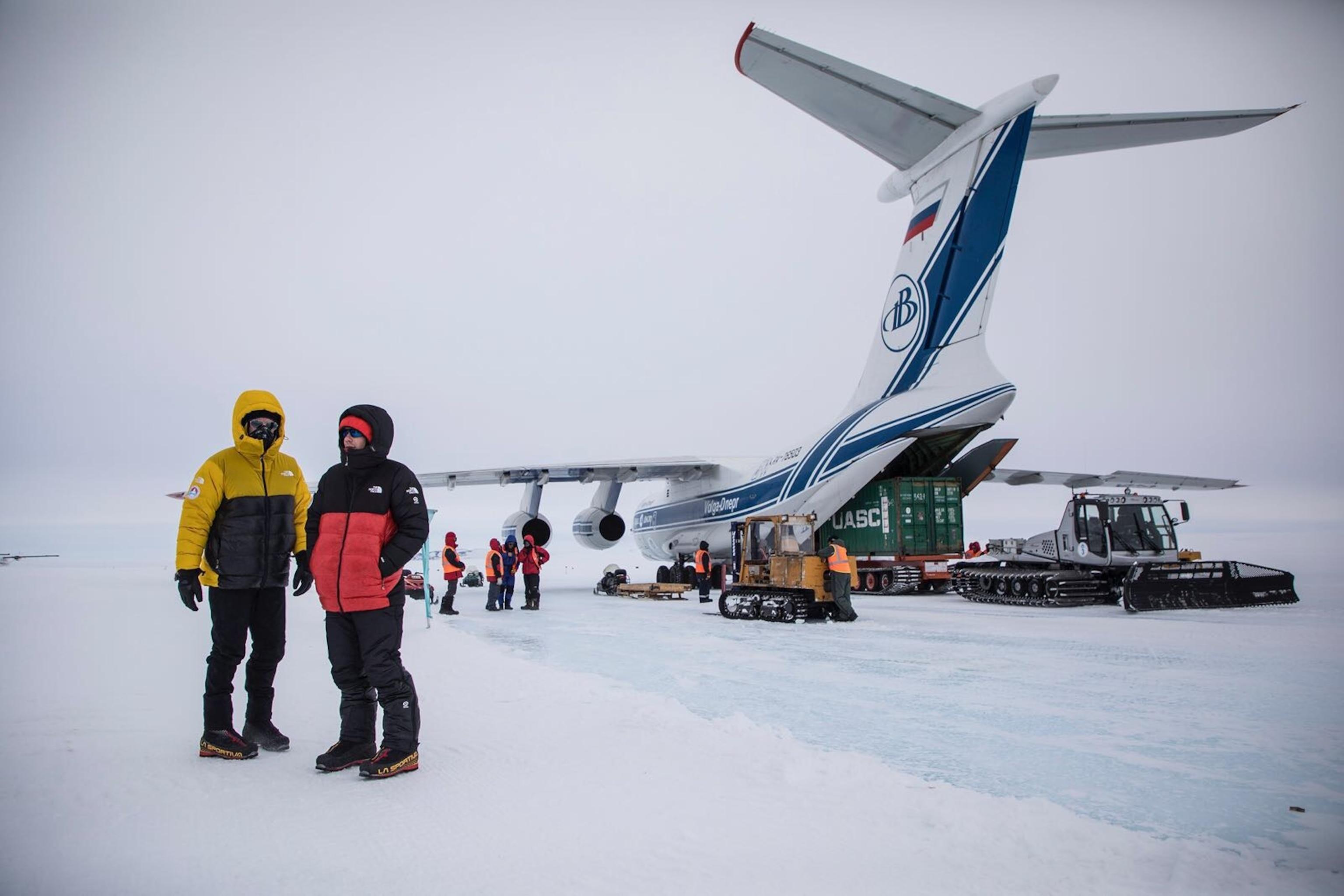
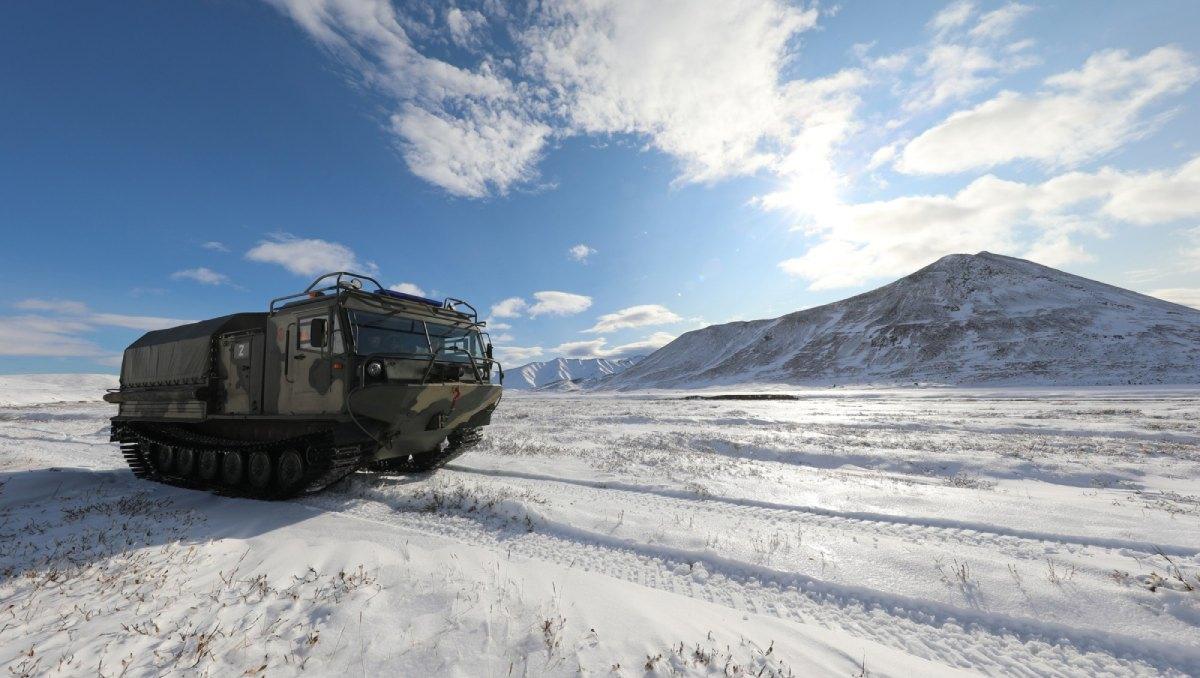
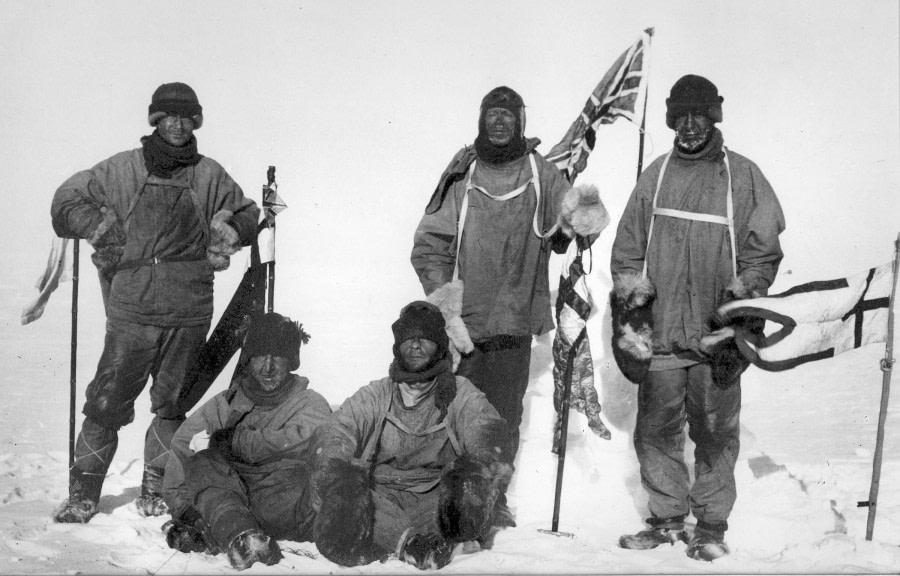
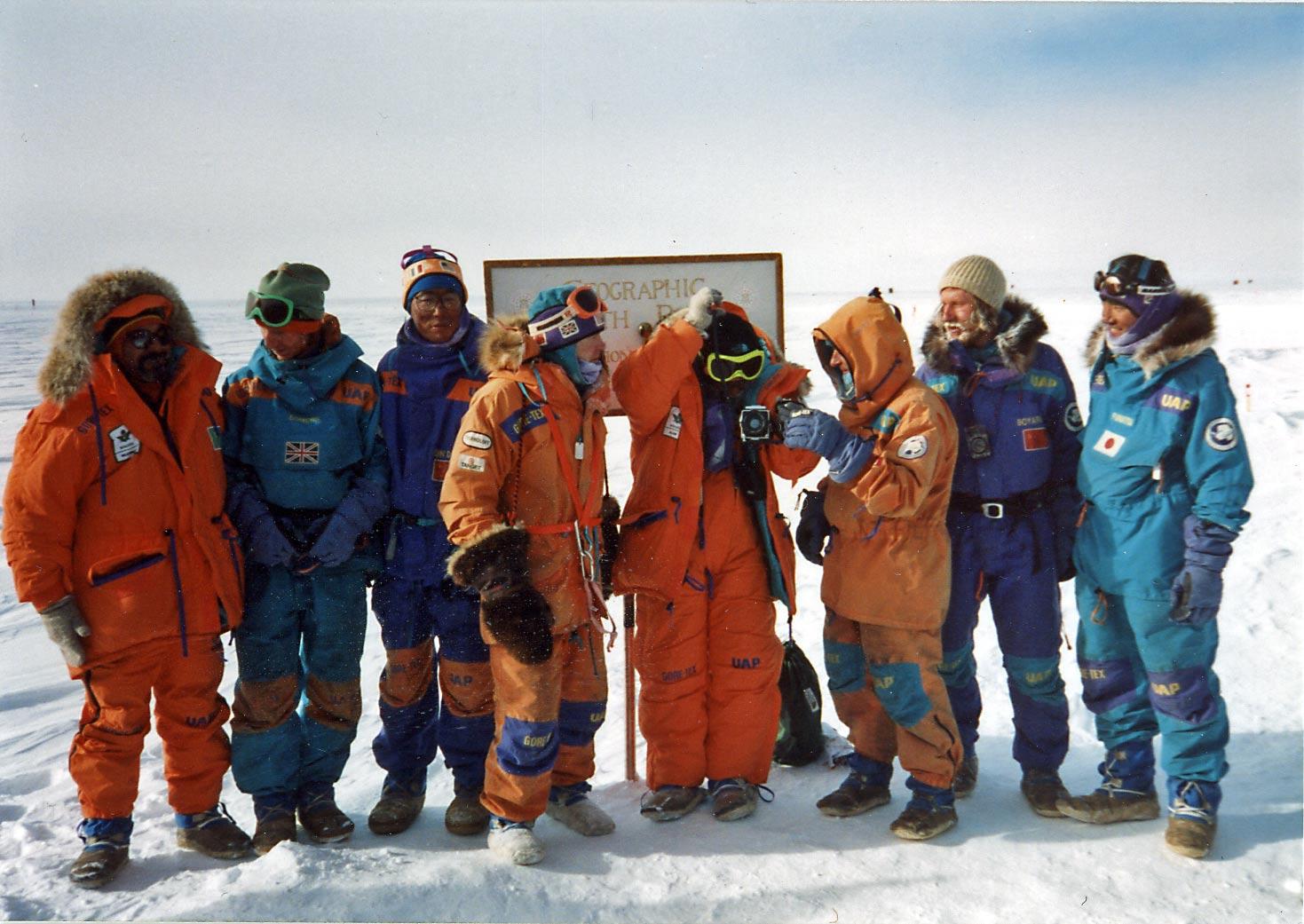
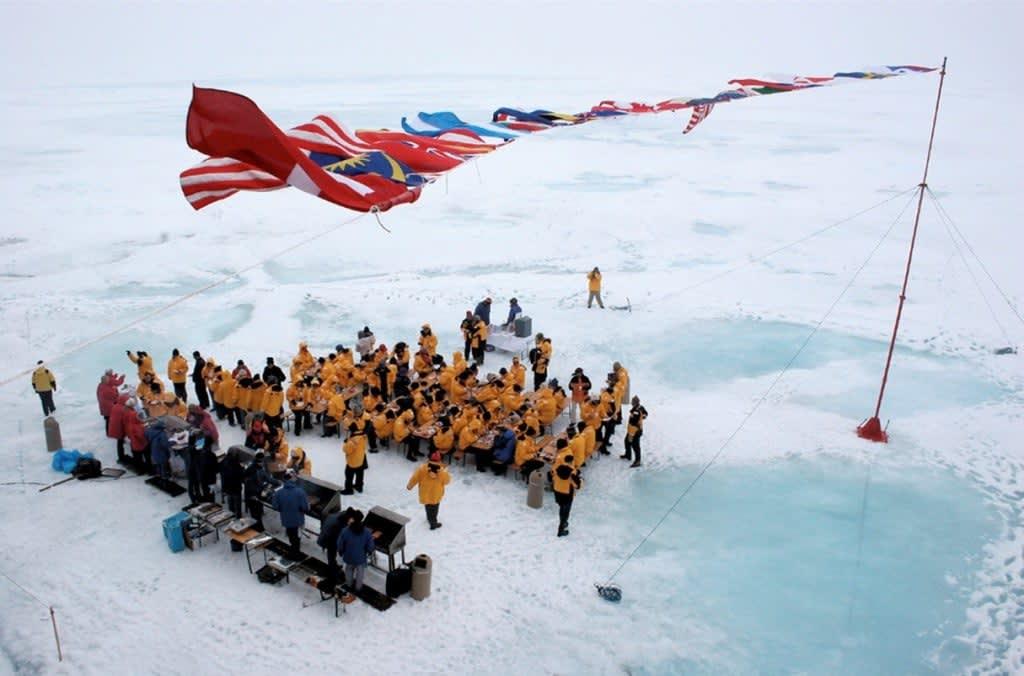
Caption: The closing phase of a journey that linked both poles by surface travel.
By 1982, after nearly three years of travel across continents, ice sheets, oceans, and polar regions, the Transglobe Expedition returned to its starting meridian.
The achievement was not just about distance. It was about continuity. They had circled the Earth along its polar axis, linking the South Pole and North Pole in one connected expedition.
The Antarctic crossing tested endurance across a continent.
The Arctic crossing tested adaptability on unstable sea ice.
The global route tested logistics, funding, and resilience over multiple years.
The expedition stands as one of the largest sustained surface journeys of the twentieth century. It required patience more than speed, planning more than bravado, and persistence across environments that few people ever experience firsthand.
Fiennes did not present the journey as conquest. He described it as structured endurance across the most difficult natural surfaces available on Earth.
The world was circled not by flight, not by ship alone, but by deliberate, ground-connected travel.
Image Credit: Polar expedition photography Public Domain
Narrated by KarakoramDiaries

![K2 Base Camp Trek: Ultimate Guide k2 Trek 2026 [UPDATED]](https://karakoramdiaries.com/storage/ultimate-guide-to-k2-base-camp-trek-full-document-150x150.png)