The Impact of Ongoing War on Pakistan’s Tourism Industry
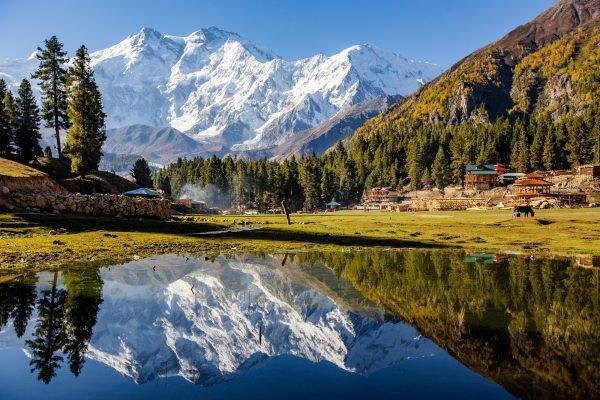
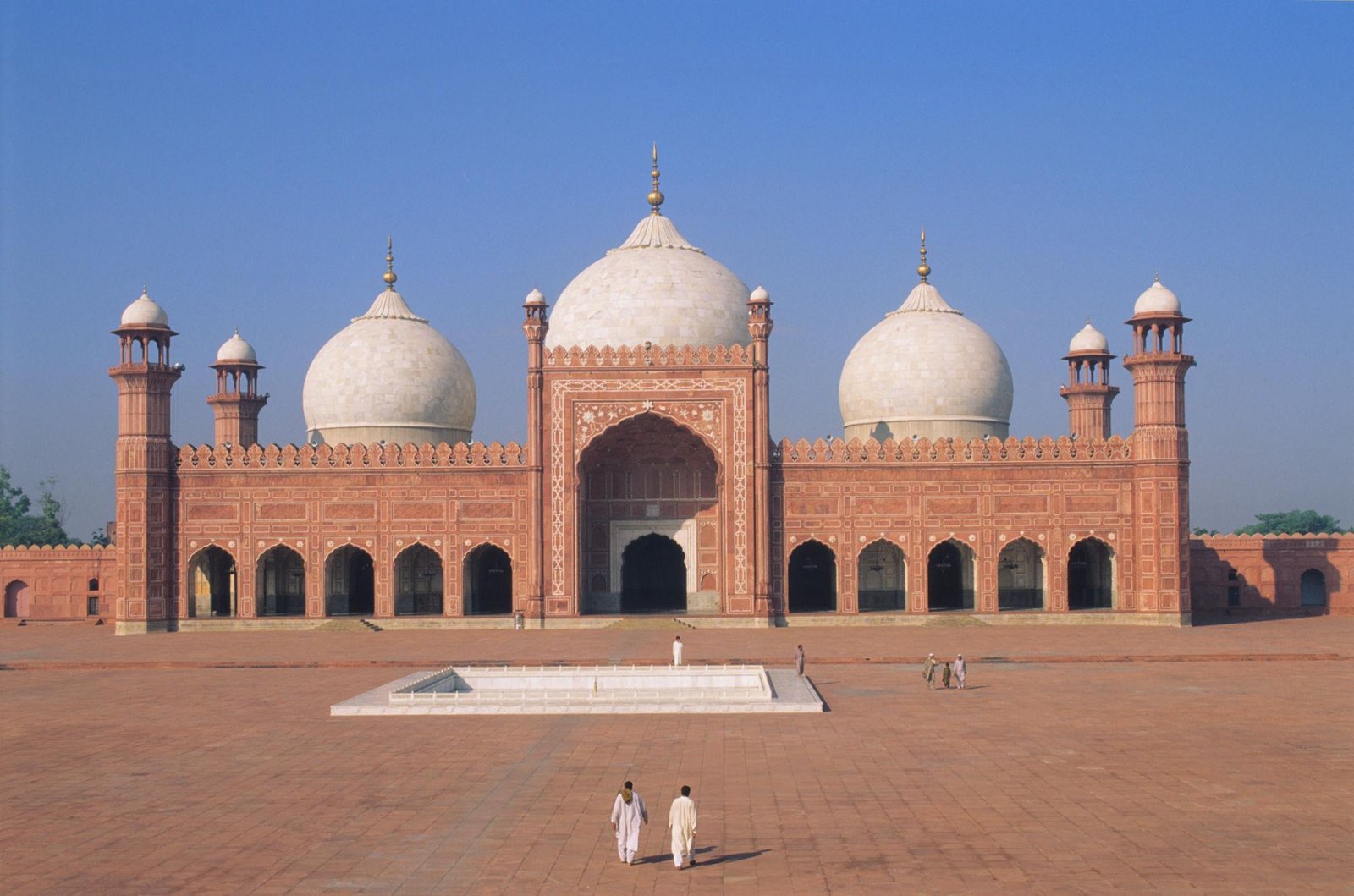
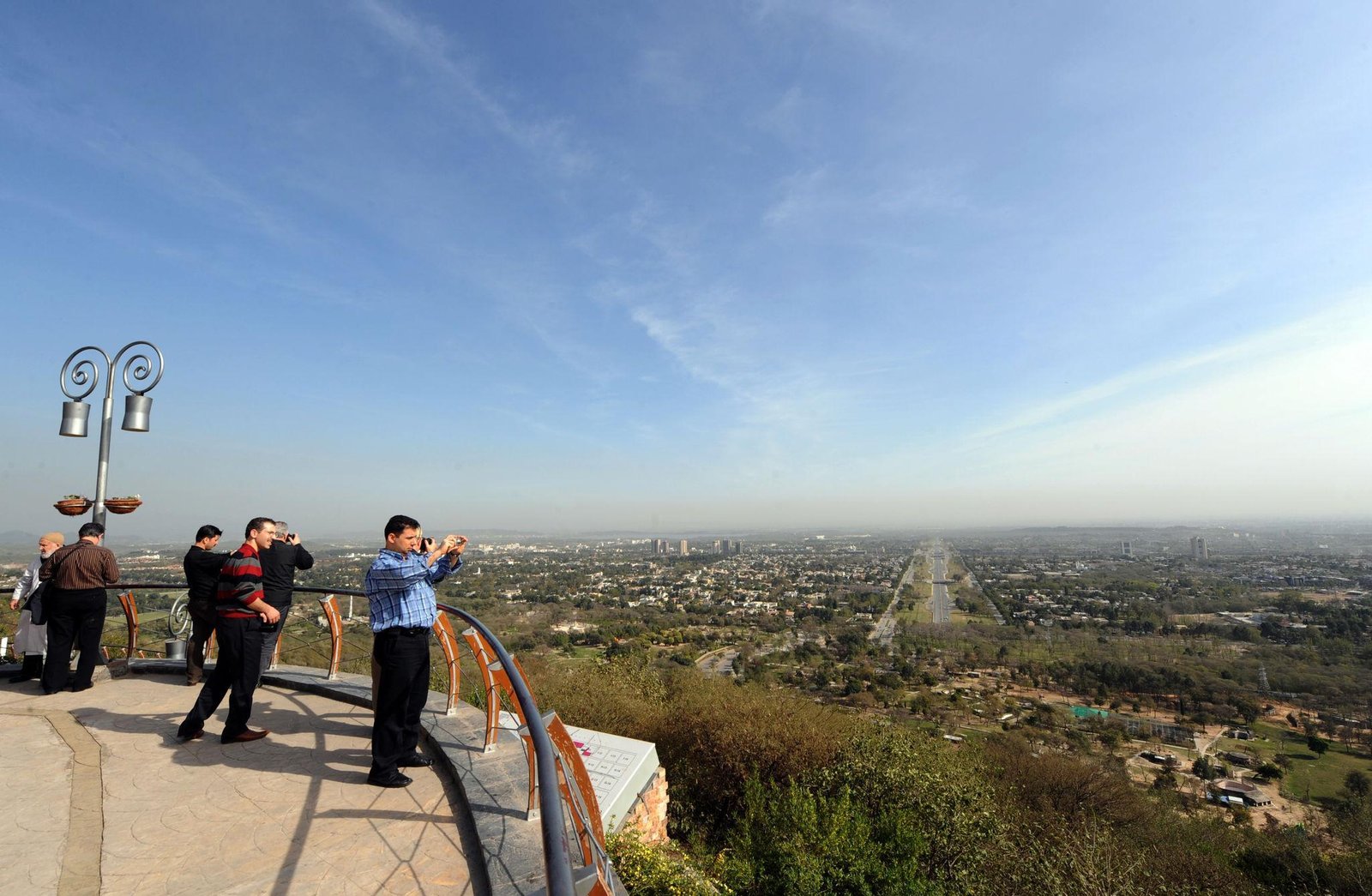

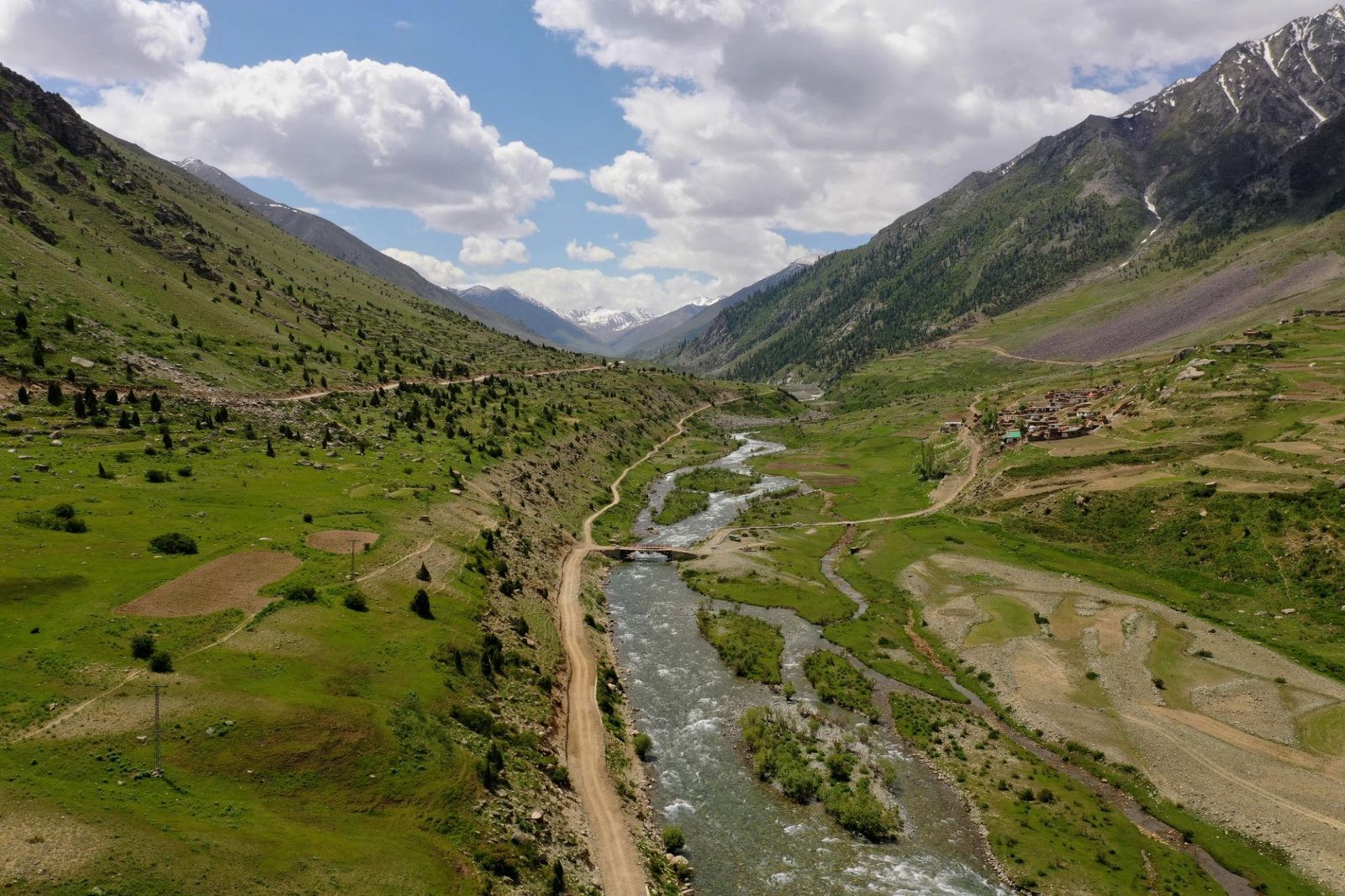
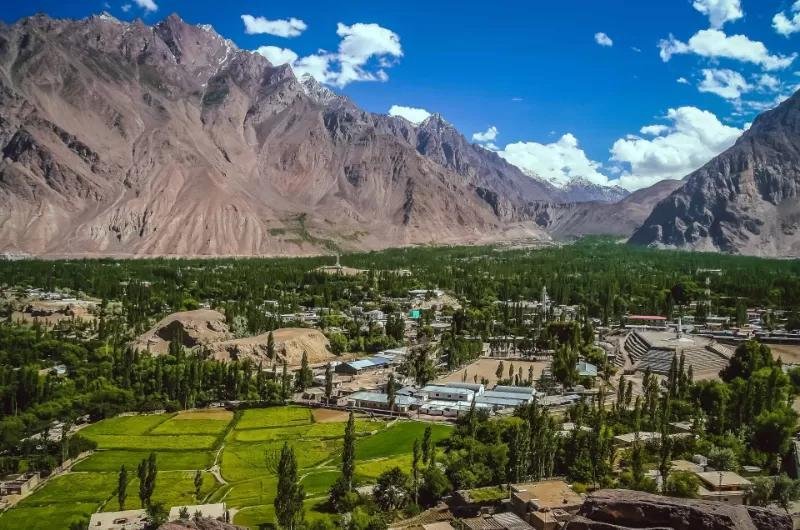
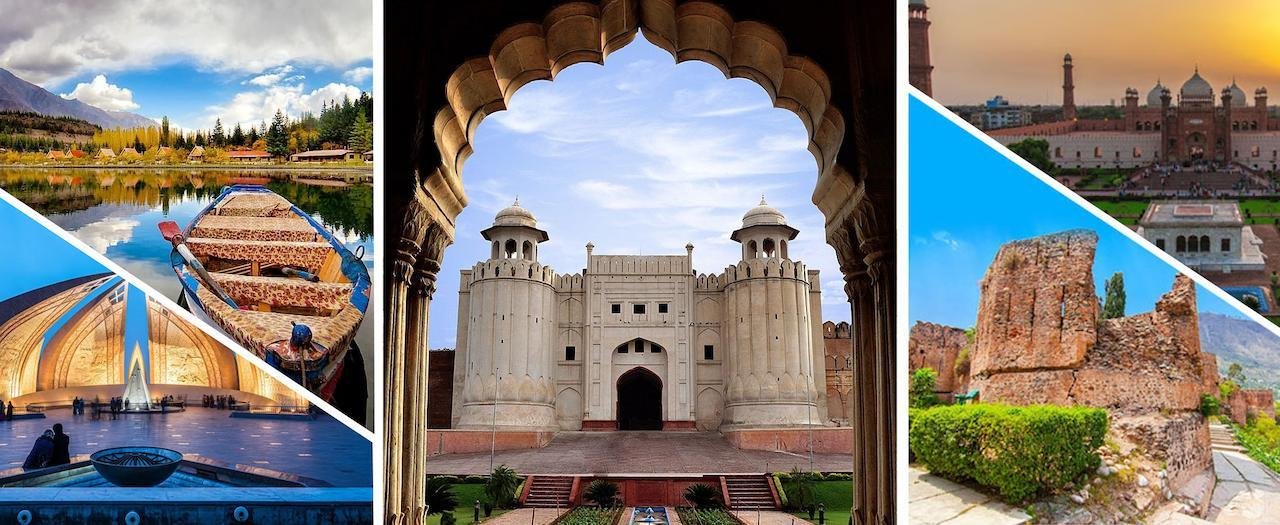
Pakistan’s tourism industry has seen major growth over the last decade. Improved infrastructure, easier visa policies, social media exposure, and international travel coverage helped attract increasing numbers of domestic and international travelers to the country.
From the mountains of Gilgit-Baltistan and the valleys of Khyber Pakhtunkhwa to the historical cities of Punjab and archaeological sites in Sindh, tourism has become an important economic sector supporting hotels, transport services, restaurants, local businesses, guides, and cultural industries across Pakistan.
However, ongoing regional wars and geopolitical tensions in 2026 are creating serious challenges for Pakistan’s tourism industry. Although Pakistan is not the direct center of every global conflict, instability in neighboring regions and wider international tensions are affecting traveler confidence, airline operations, tourism investment, and international tourism demand.
The tourism industry in Pakistan is especially sensitive because it depends heavily on international connectivity, seasonal travel, and global perception.
This article explores how ongoing wars and regional instability are impacting Pakistan’s overall tourism industry, including mountain tourism, cultural tourism, airlines, hospitality businesses, and local economies.
Table of contents [Show]
- Table of Contents
- Growth of Pakistan’s Tourism Industry
- How Regional Wars Affect Pakistan Tourism
- Impact on International Travelers
- Effects on Northern Pakistan Tourism
- Impact on Cities & Cultural Tourism
- Airline & Transportation Challenges
- Hotel & Hospitality Industry Impact
- Economic Effects on Local Businesses
- International Perception & Travel Advisories
- Domestic Tourism vs International Tourism
- Can Pakistan Tourism Recover?
- FAQs About Pakistan Tourism & Ongoing Conflict
Table of Contents
- Growth of Pakistan’s Tourism Industry
- How Regional Wars Affect Pakistan Tourism
- Impact on International Travelers
- Effects on Northern Pakistan Tourism
- Impact on Cities & Cultural Tourism
- Airline & Transportation Challenges
- Hotel & Hospitality Industry Impact
- Economic Effects on Local Businesses
- International Perception & Travel Advisories
- Domestic Tourism vs International Tourism
- Can Pakistan Tourism Recover?
- FAQs
Growth of Pakistan’s Tourism Industry
In recent years, Pakistan emerged as one of Asia’s fastest growing travel destinations. International media, vloggers, photographers, and adventure travelers helped showcase the country’s landscapes, culture, and hospitality to global audiences.
Tourism growth was especially visible in:
- Hunza Valley
- Skardu
- Swat Valley
- Lahore
- Islamabad
- Fairy Meadows
Pakistan’s tourism industry expanded across:
- Adventure tourism
- Trekking and mountaineering
- Road trip tourism
- Religious tourism
- Historical tourism
- Domestic family tourism
- Cultural tourism
Tourism became an important source of employment and economic activity in several regions of the country.
How Regional Wars Affect Pakistan Tourism
Tourism depends strongly on stability and international confidence. Even when Pakistan is not directly involved in conflict, regional wars can still affect the tourism industry because travelers often view regions collectively.
Current geopolitical tensions are impacting Pakistan tourism through:
- Reduced traveler confidence
- International media coverage
- Flight disruptions
- Higher travel costs
- Travel advisories
- Slower tourism investment
Many international travelers planning trips to South Asia or the Middle East may delay or cancel travel plans because of uncertainty in the region.
This affects Pakistan’s ability to maintain tourism momentum, especially among foreign travelers.
Impact on International Travelers
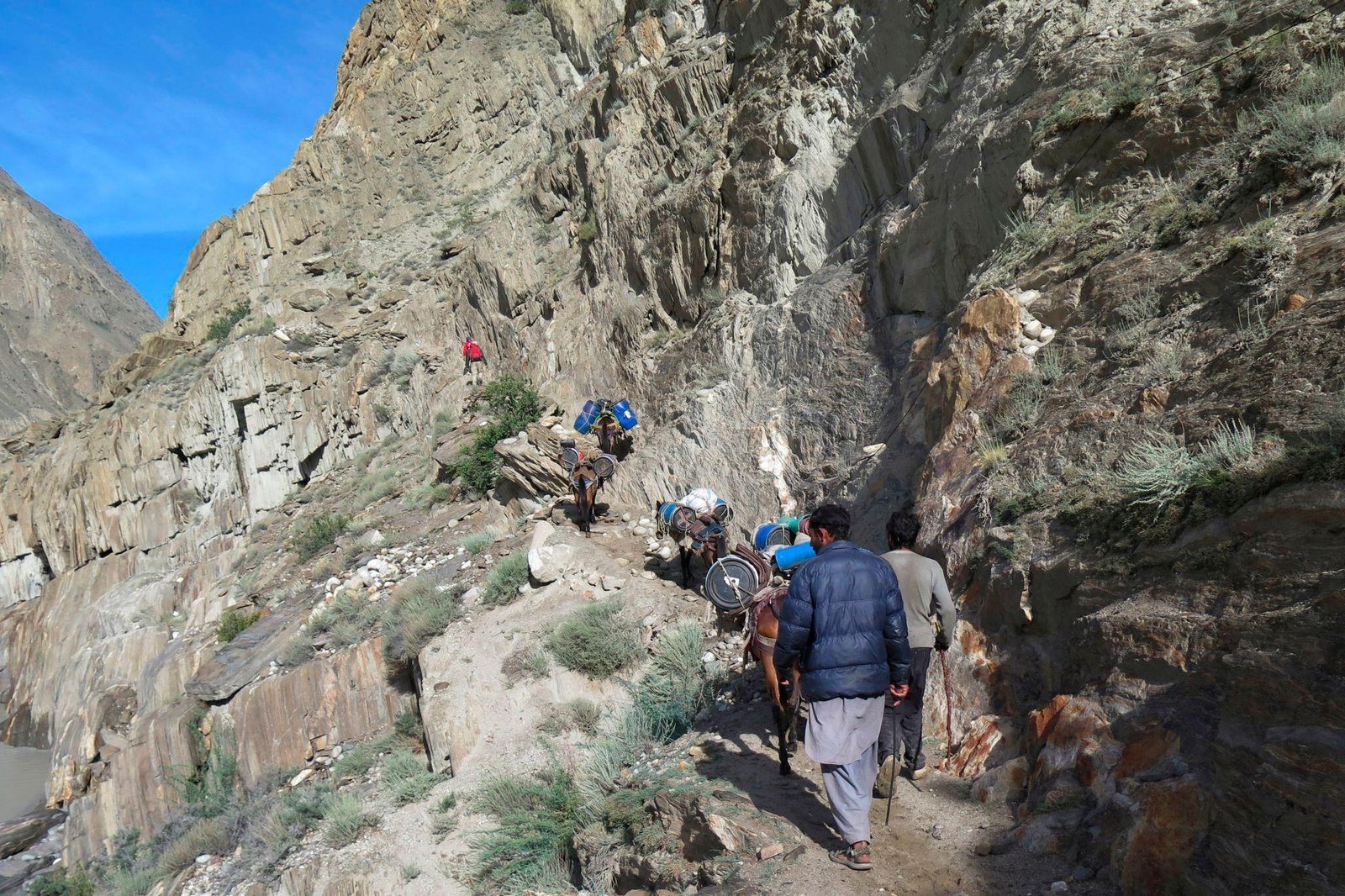
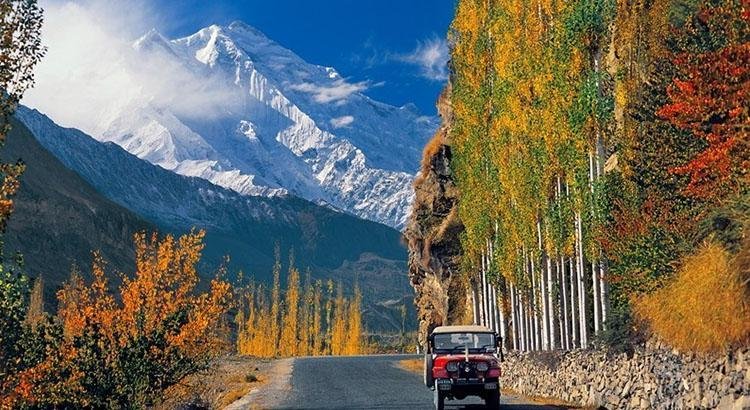
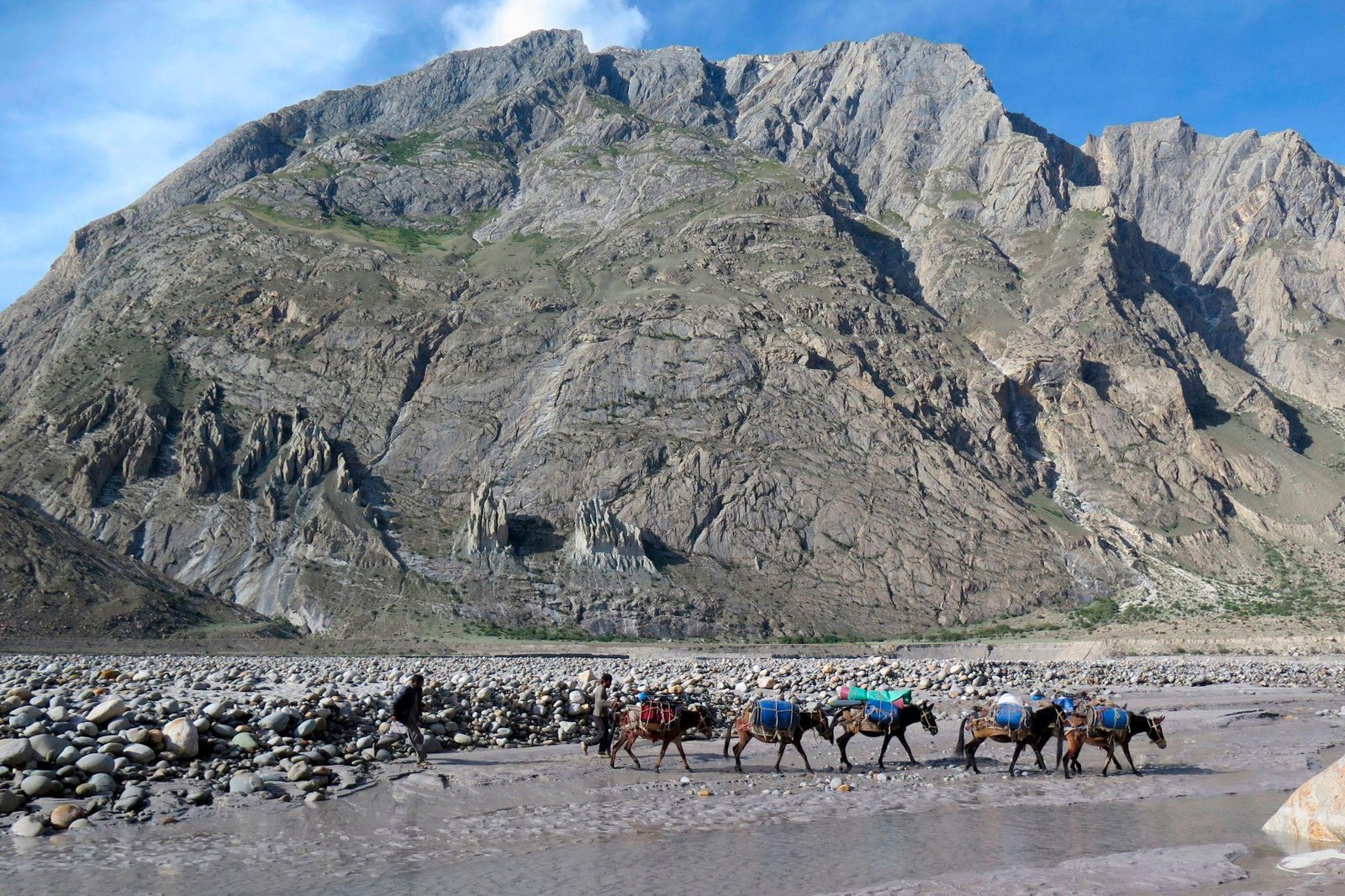
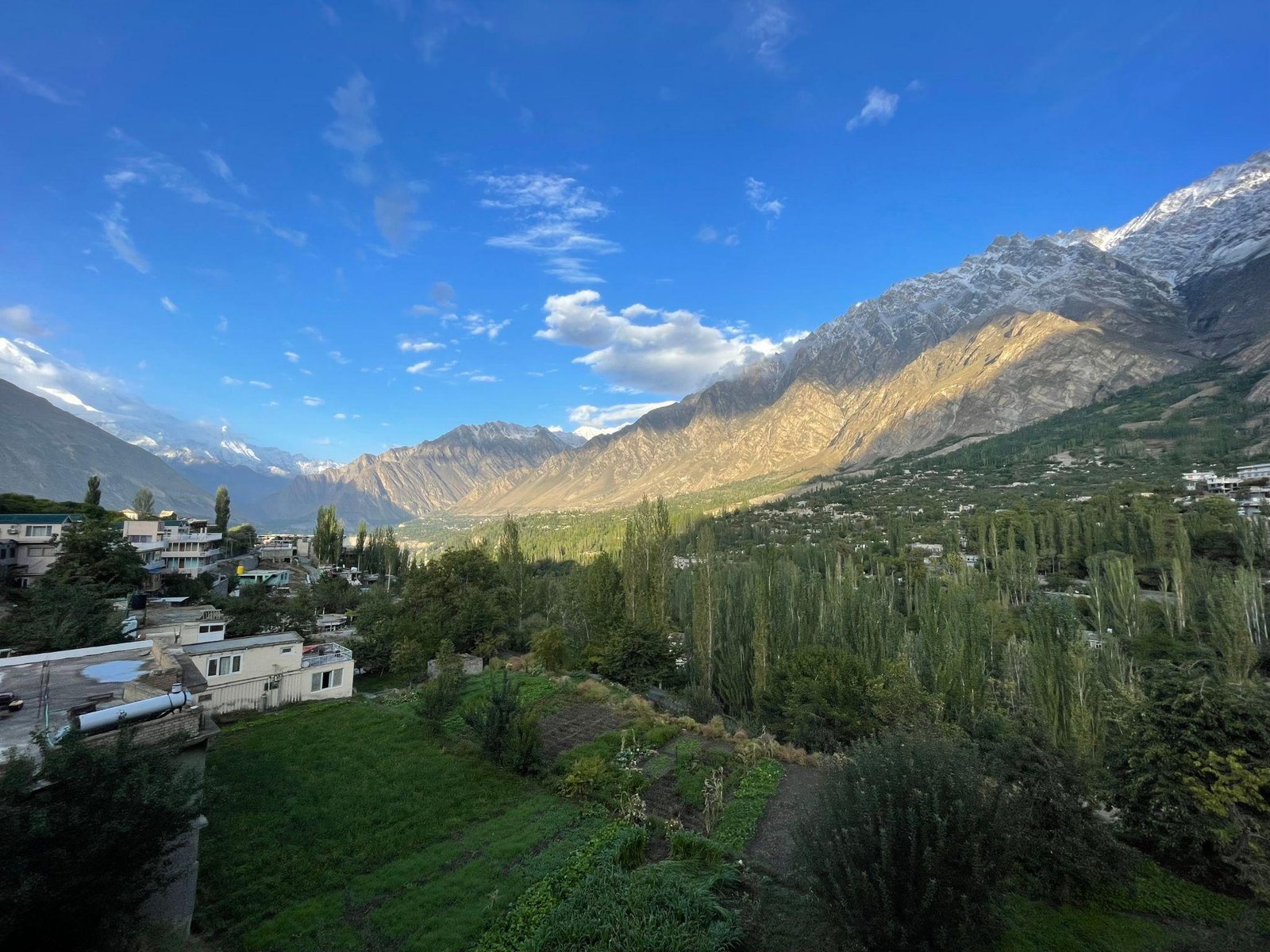
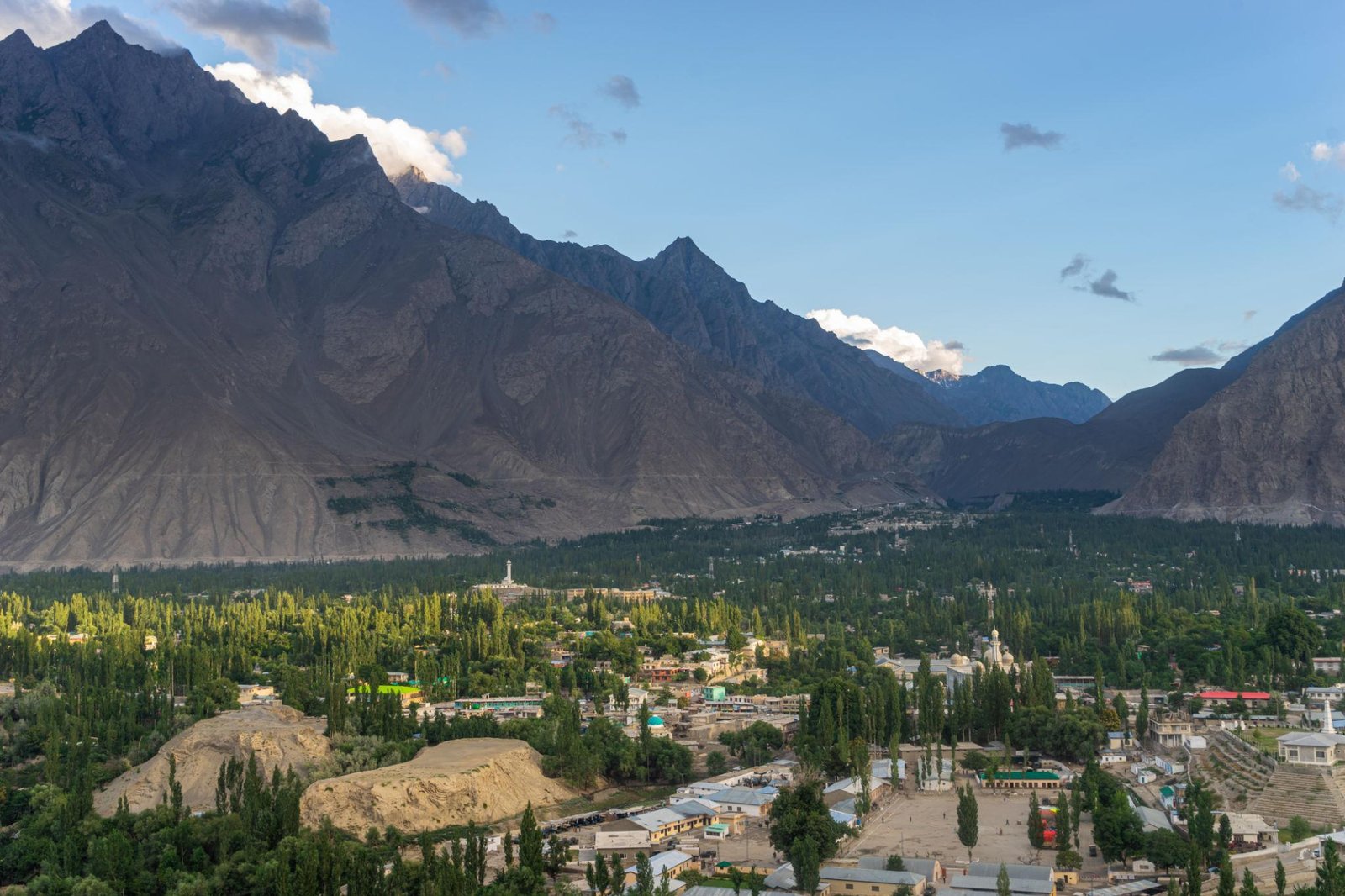
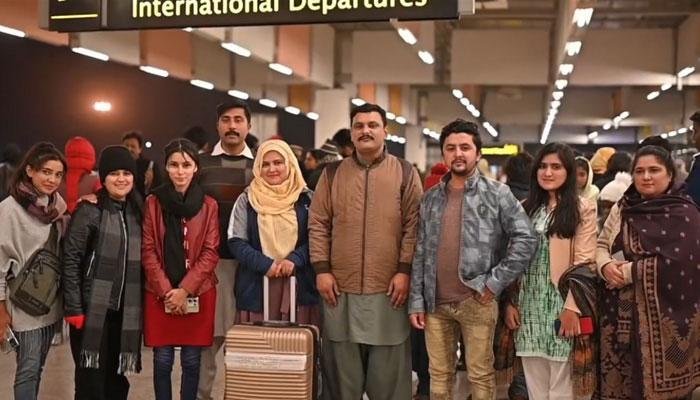
International tourism plays a major role in Pakistan’s growing adventure and cultural tourism sectors.
Travelers visiting Pakistan often come from:
- Europe
- North America
- Australia
- East Asia
- Gulf countries
Many foreign tourists traveling to Pakistan use airline hubs in Dubai, Doha, Abu Dhabi, and Istanbul. Ongoing instability affecting regional aviation routes can directly impact travel into Pakistan.
International travelers are now becoming more cautious because of:
- Flight uncertainties
- Security concerns
- Changing travel advisories
- Rising travel expenses
- Insurance complications
Adventure travelers and trekkers usually plan trips months in advance, so uncertainty caused by geopolitical tensions can discourage bookings.
Effects on Northern Pakistan Tourism
Northern Pakistan remains the country’s most internationally recognized tourism region.
Areas including:
- Hunza Valley
- Skardu
- K2 Base Camp
- Fairy Meadows
- Deosai National Park
depend heavily on seasonal tourism.
Mountain tourism is particularly vulnerable because:
- Trekking seasons are short
- Expeditions require advance planning
- International climbers depend on stable flight connections
- Tourism businesses rely on summer income
Even a small reduction in international visitors can affect:
- Hotels
- Guesthouses
- Trekking companies
- Jeep drivers
- Porters and guides
- Restaurants and cafes
Tourism communities in Gilgit-Baltistan are highly dependent on successful summer seasons.
Impact on Cities & Cultural Tourism
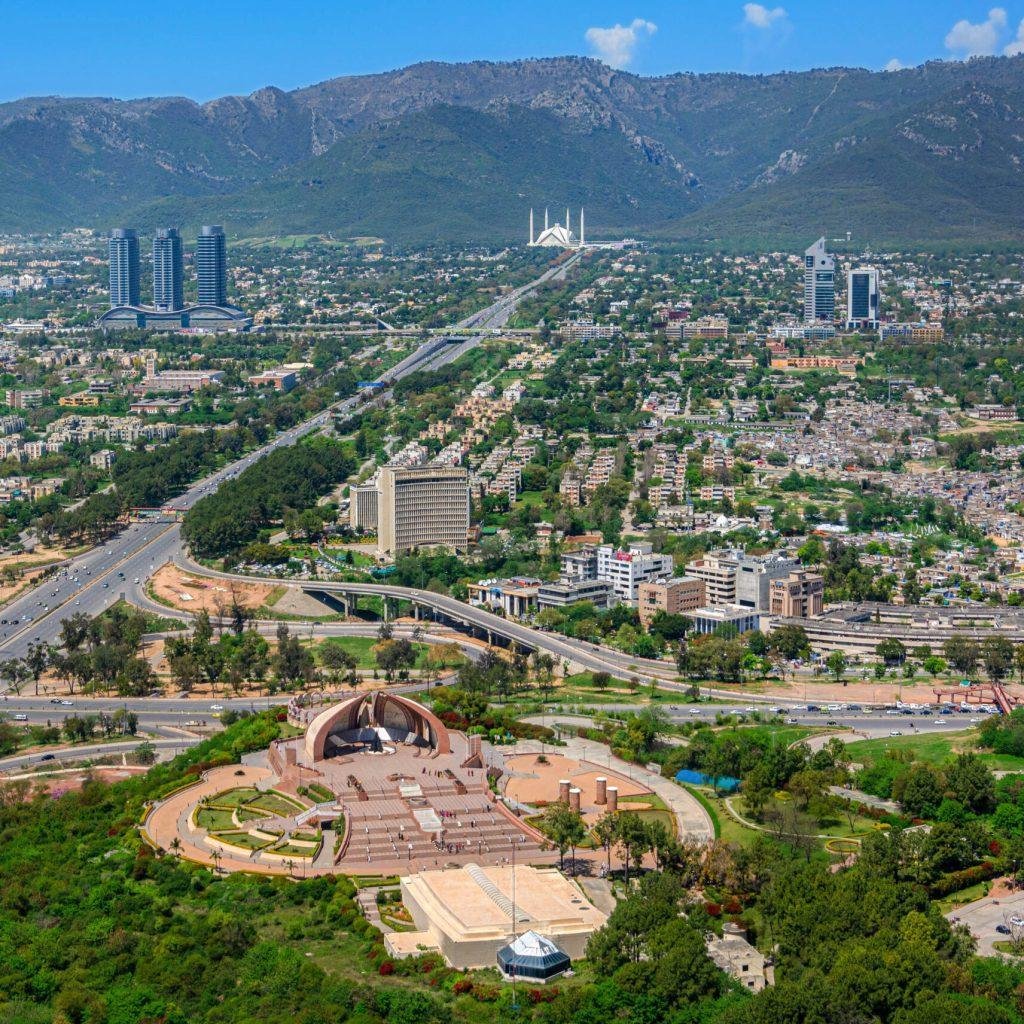
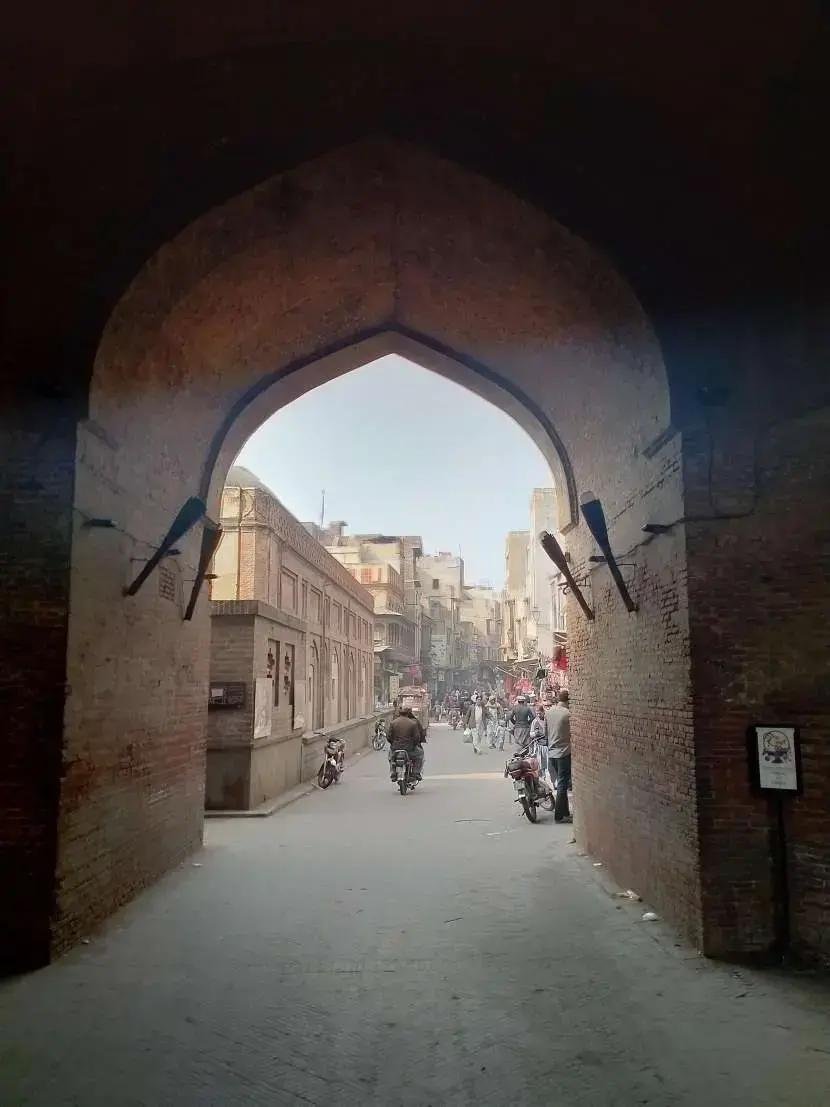
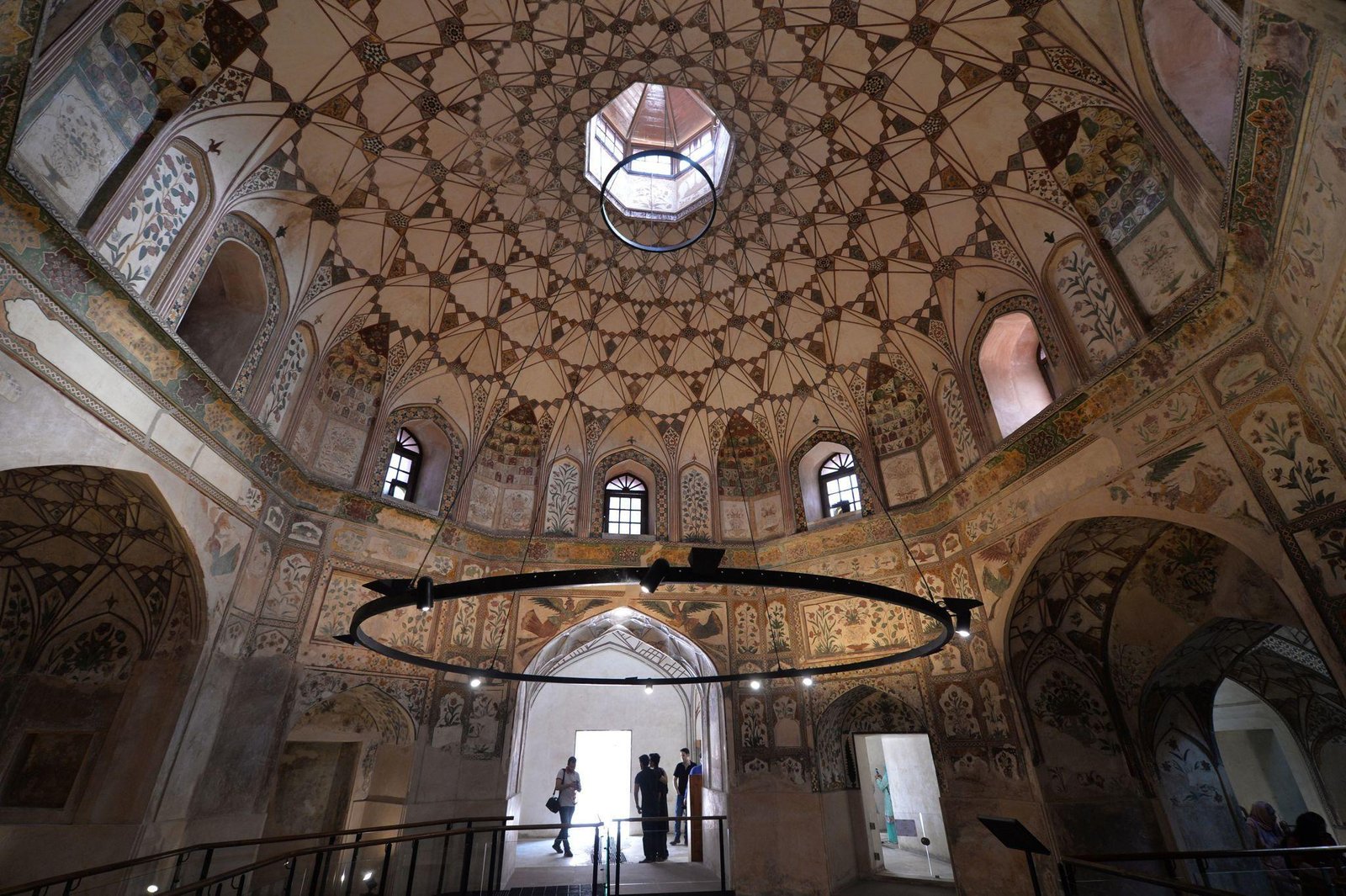
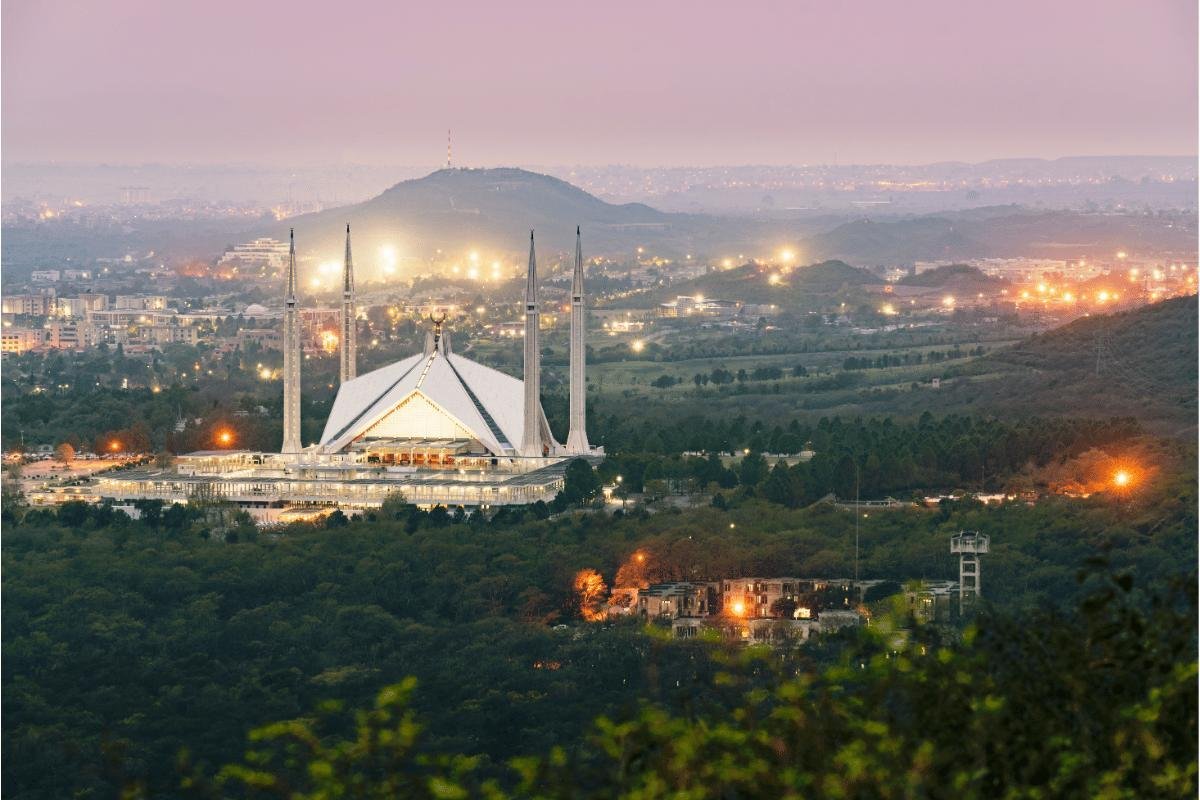
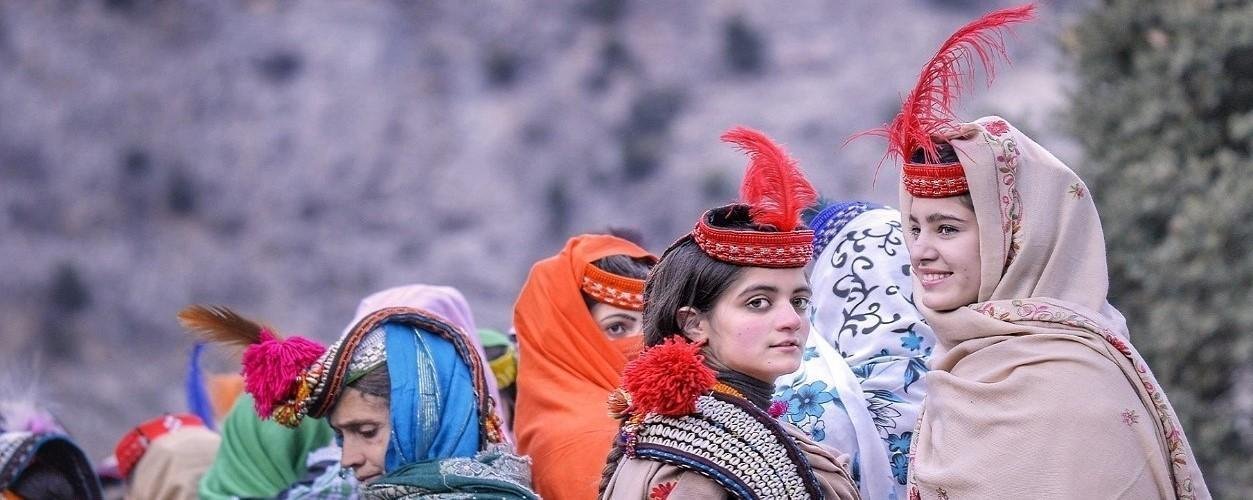
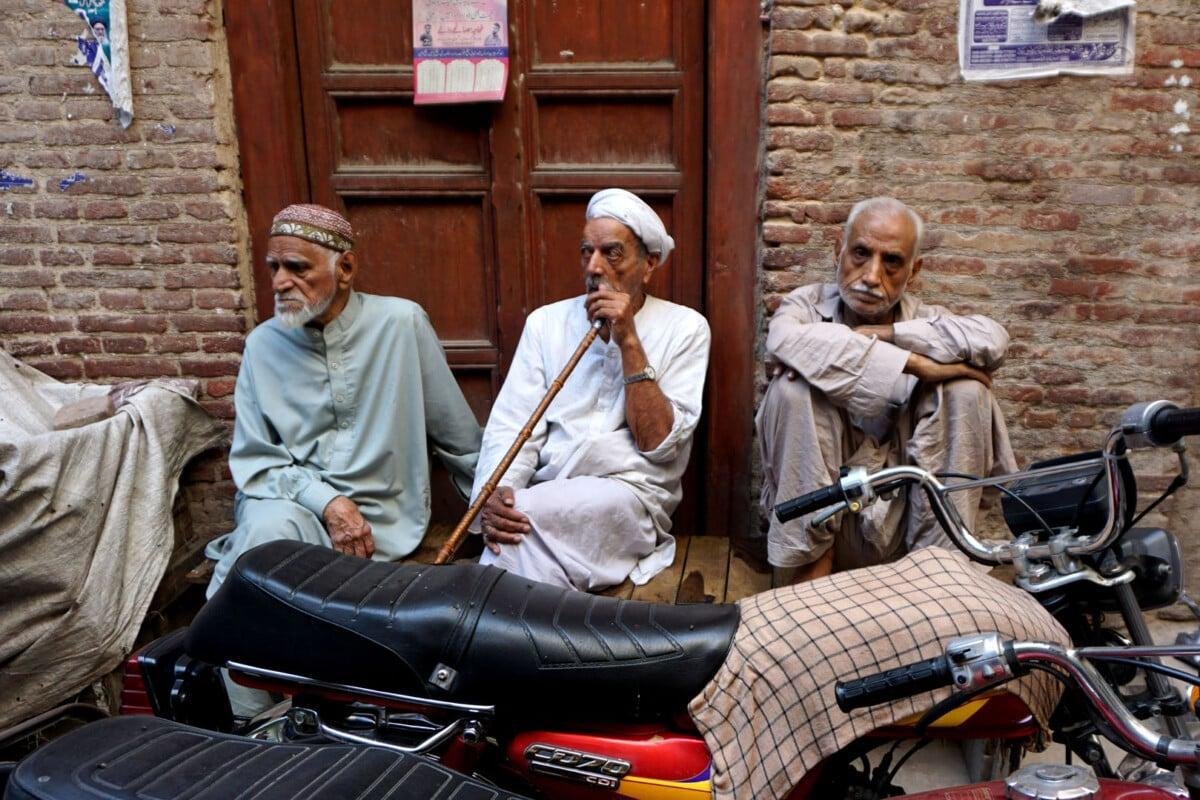
Pakistan’s cultural and historical tourism sector is also affected during periods of geopolitical instability.
Cities such as:
- Lahore
- Islamabad
- Peshawar
- Multan
depend partly on:
- International visitors
- Business tourism
- Conferences and events
- Religious tourism
- Cultural tourism
Regional instability can reduce:
- International cultural tourism
- Foreign business travel
- International conferences
- Luxury tourism demand
Although domestic tourism remains active, foreign tourist arrivals are often more sensitive to international conflicts.
Airline & Transportation Challenges
Air travel is critical for Pakistan’s tourism industry.
Ongoing wars and regional tensions have contributed to:
- Flight rerouting
- Rising fuel prices
- Expensive air tickets
- Delays and operational uncertainty
- Airspace concerns
This affects both:
- International arrivals
- Domestic tourism within Pakistan
Destinations like Skardu rely heavily on domestic flights because road travel can be long and weather dependent.
Rising travel costs can discourage both international tourists and domestic travelers.
Hotel & Hospitality Industry Impact
Hotels, guesthouses, resorts, and tourism businesses are often among the first sectors affected during geopolitical instability.
Common challenges include:
- Booking cancellations
- Lower occupancy rates
- Reduced foreign tourism
- Slower tourism investment
- Decline in luxury travel
Tourism businesses in Pakistan already face seasonal challenges, and instability adds further uncertainty.
Businesses most affected include:
- Hotels and resorts
- Tour operators
- Transport services
- Restaurants and cafes
- Travel agencies
- Trekking companies
Economic Effects on Local Businesses
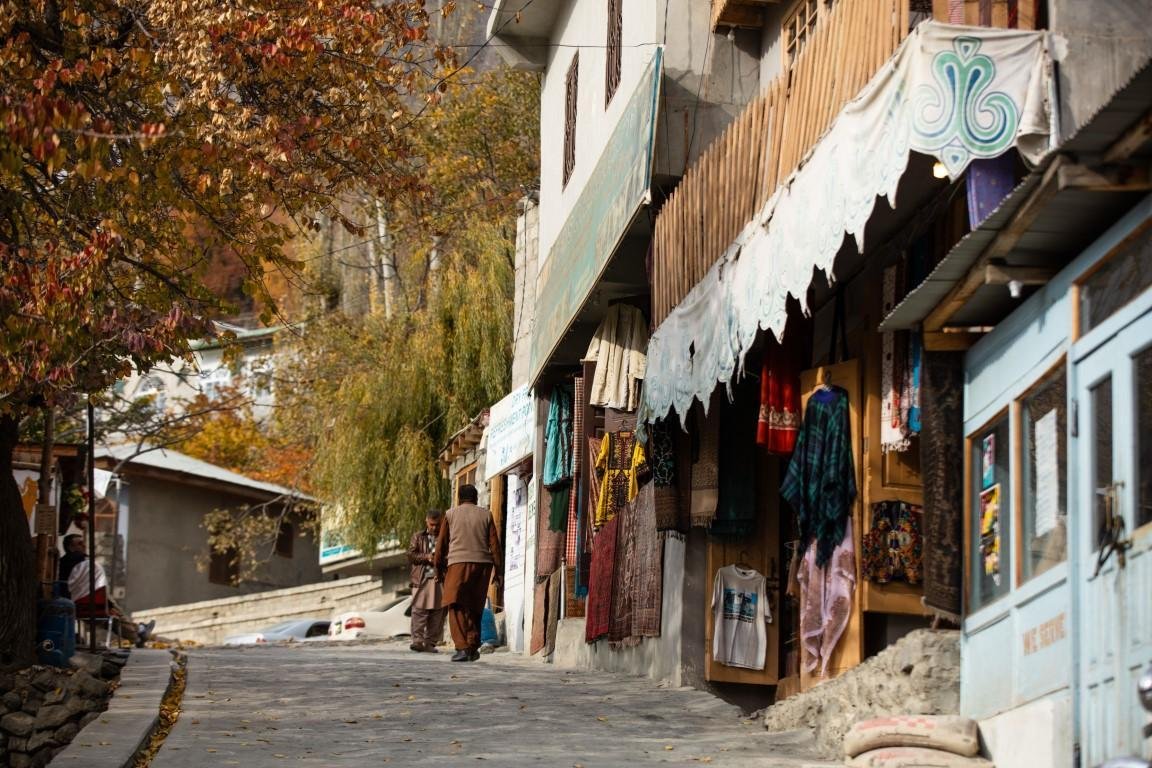
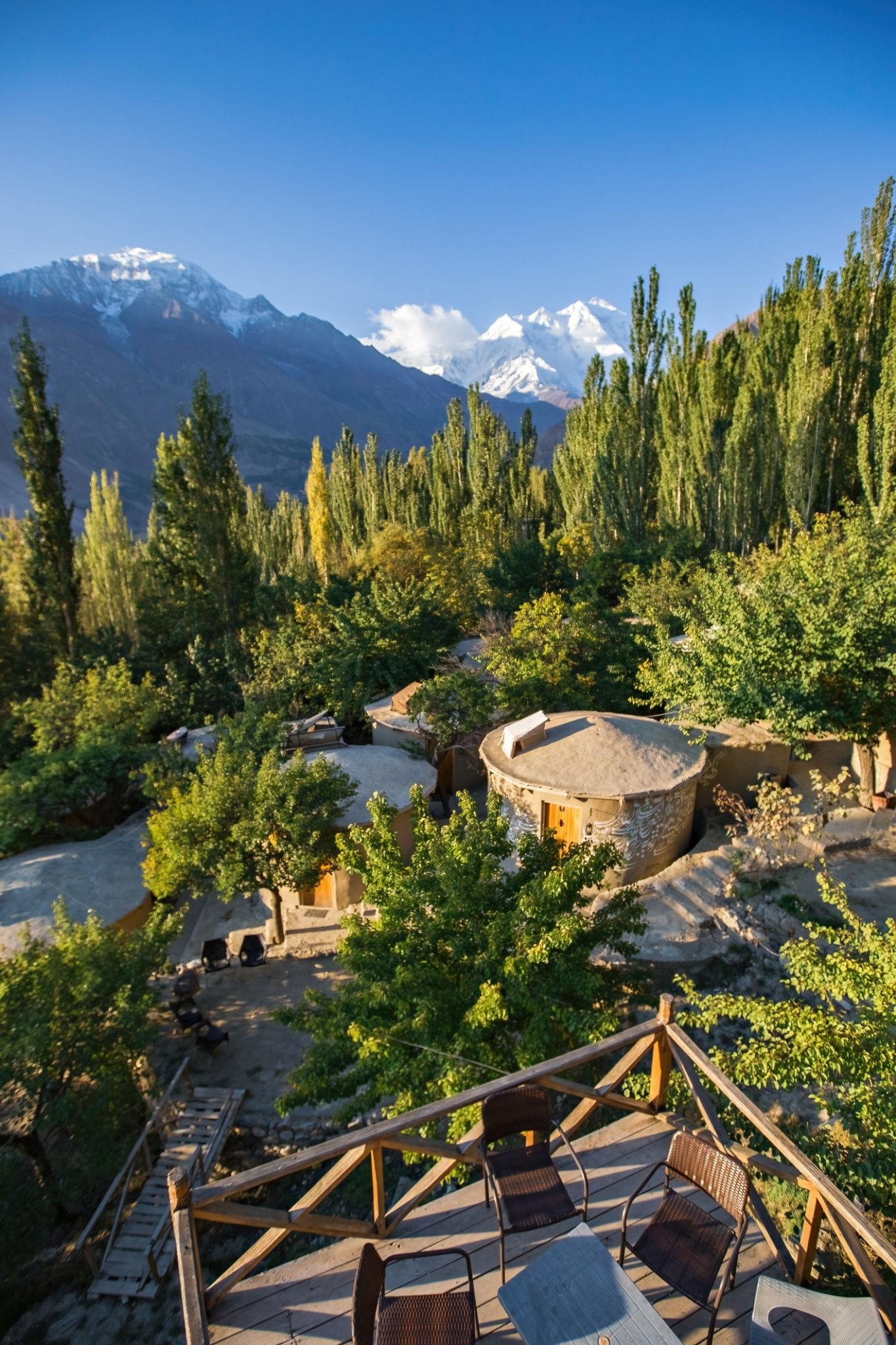
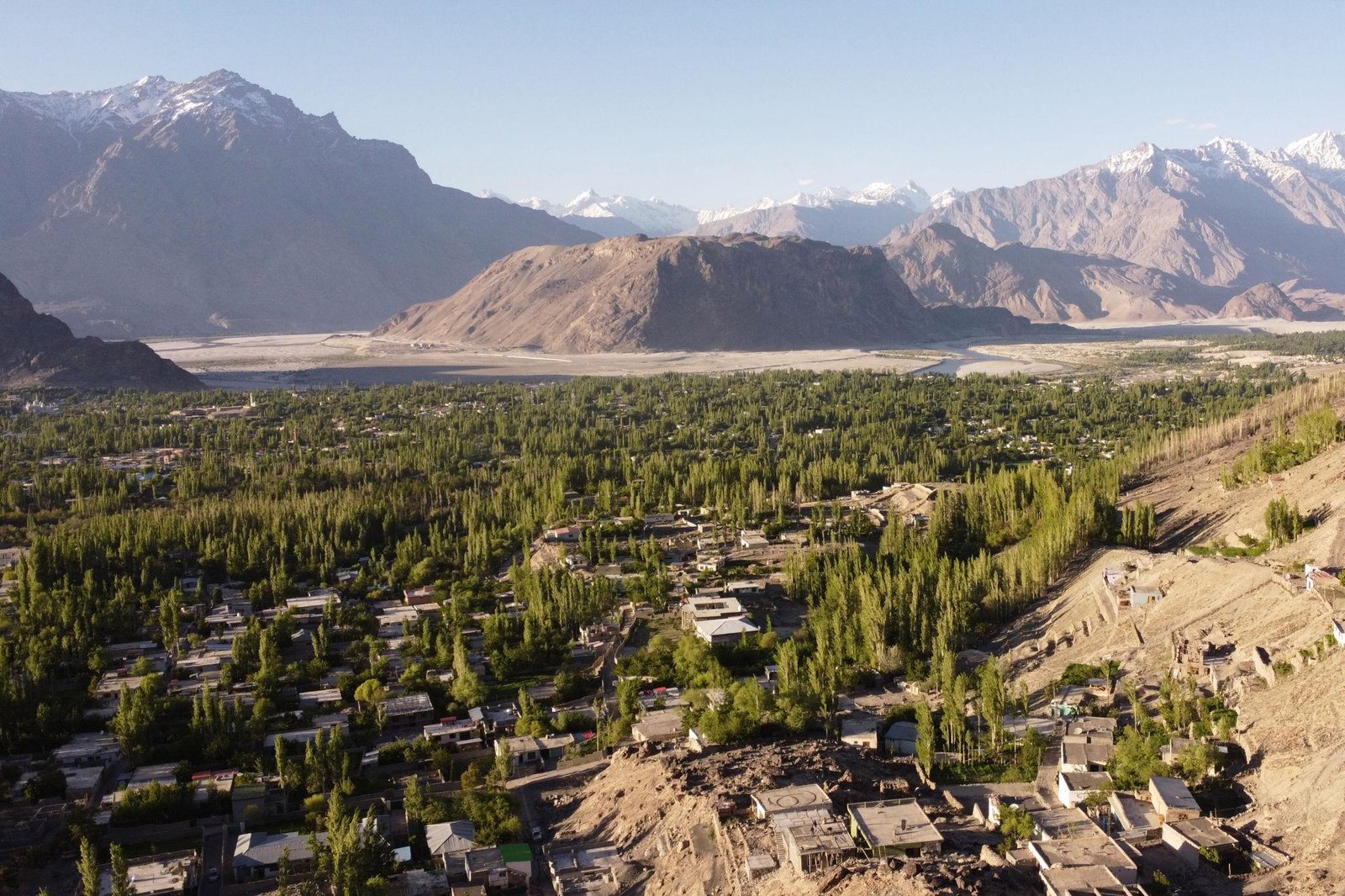
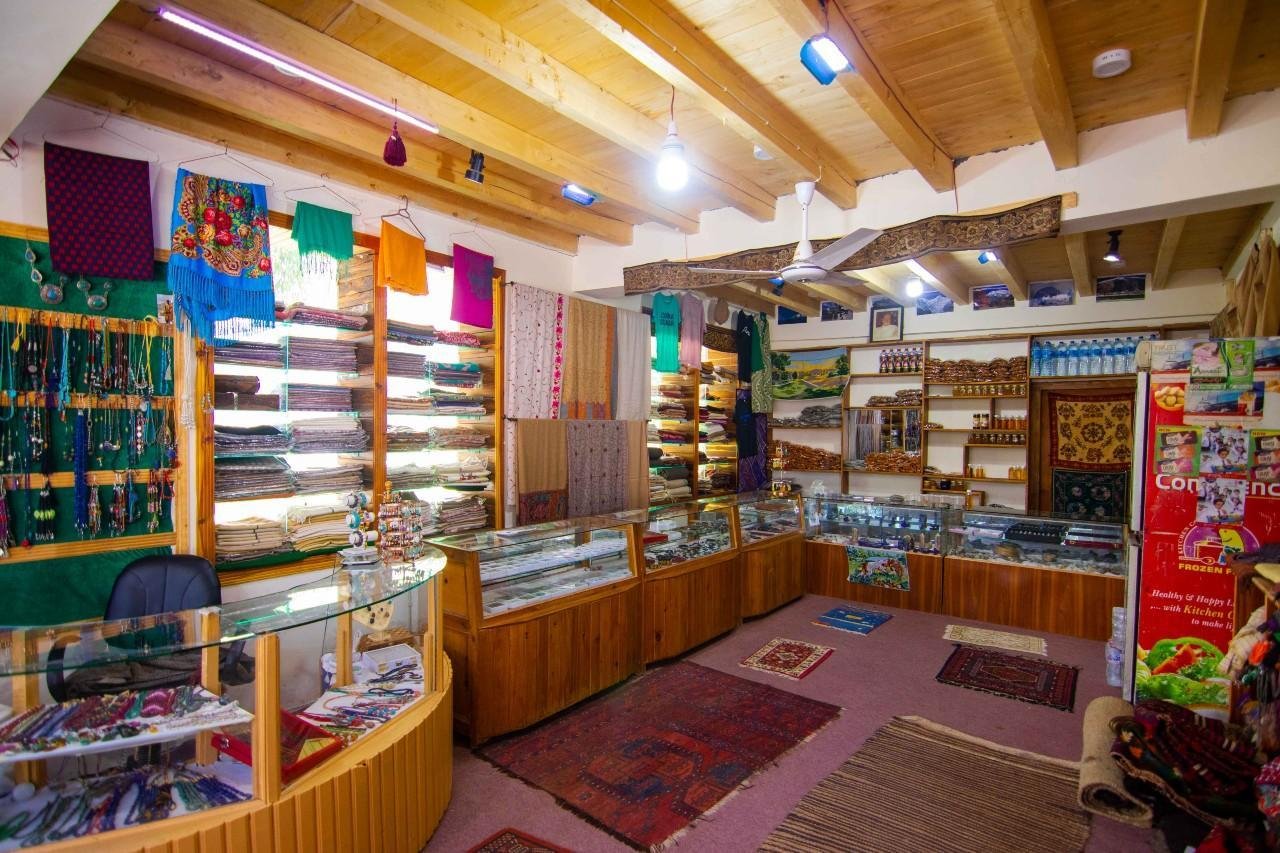
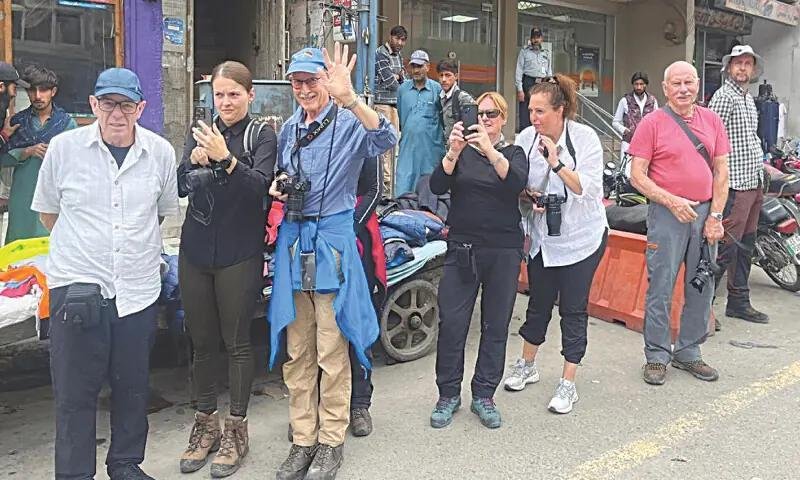
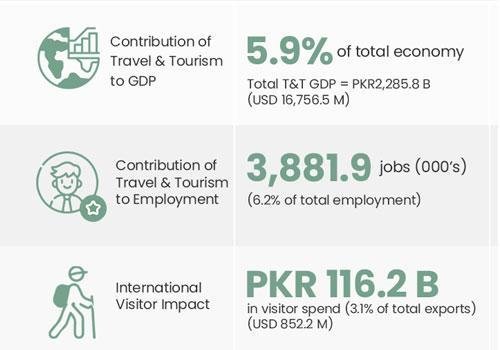
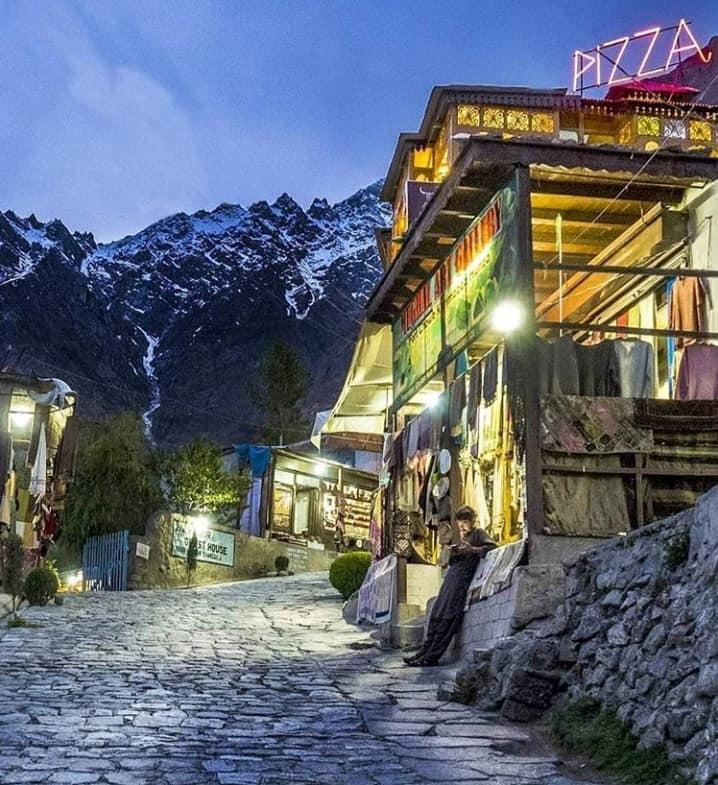
Tourism supports thousands of livelihoods across Pakistan.
Local communities benefiting from tourism include:
- Mountain guides
- Porters
- Drivers
- Handicraft sellers
- Restaurant workers
- Hotel staff
- Local shopkeepers
In northern regions especially, tourism is one of the main sources of seasonal income.
When tourism slows:
- Local businesses lose revenue
- Seasonal employment declines
- Tourism investments slow down
- Smaller businesses struggle financially
This creates wider economic pressure in tourism dependent regions.
International Perception & Travel Advisories
International perception strongly influences Pakistan tourism.
Global media coverage of regional conflicts can create uncertainty among travelers unfamiliar with South Asia or the Middle East.
Travel advisories issued by foreign governments also affect:
- Group tours
- Insurance policies
- Airline demand
- International tourism bookings
In many cases, international perception affects tourism more than actual conditions on the ground.
Pakistan’s tourism industry remains highly sensitive to global headlines and geopolitical narratives.
Domestic Tourism vs International Tourism
Domestic tourism in Pakistan remains relatively strong despite international instability.
Many Pakistani travelers continue visiting:
- Northern valleys
- Hill stations
- Historical cities
- Family tourism destinations
However, international tourism is more vulnerable because foreign travelers are generally more cautious during periods of geopolitical uncertainty.
Pakistan’s tourism industry benefits from growing domestic tourism, but international tourism remains important for:
- Trekking expeditions
- Luxury tourism
- Foreign exchange earnings
- International tourism branding
Can Pakistan Tourism Recover?
Despite current challenges, Pakistan continues to hold enormous tourism potential.
The country offers:
- The Karakoram mountains
- Adventure tourism
- Cultural heritage
- Historic architecture
- Scenic road trips
- Religious tourism
- Diverse landscapes
If regional stability improves and international confidence returns, Pakistan could continue emerging as one of Asia’s leading tourism destinations.
Long term tourism growth will depend on:
- Stable regional conditions
- Improved infrastructure
- Strong airline connectivity
- International tourism marketing
- Positive global perception
Pakistan’s tourism industry has shown resilience before and still has strong long term growth potential.
FAQs About Pakistan Tourism & Ongoing Conflict
How are ongoing wars affecting Pakistan tourism?
Regional instability affects traveler confidence, airline operations, tourism investment, and international tourism demand.
Which tourism sectors are most affected in Pakistan?
Adventure tourism, trekking, international tourism, hotels, and aviation are among the most affected sectors.
Is domestic tourism still active in Pakistan?
Yes. Domestic tourism continues strongly, especially in northern Pakistan and family tourism destinations.
Why is northern Pakistan more vulnerable?
Northern Pakistan depends heavily on seasonal tourism and international trekking and mountaineering travelers.
Can Pakistan tourism recover from regional instability?
Yes. Pakistan’s tourism industry still has strong long term potential if regional stability and international confidence improve.

![K2 Base Camp Trek: Ultimate Guide k2 Trek 2026 [UPDATED]](https://karakoramdiaries.com/storage/ultimate-guide-to-k2-base-camp-trek-full-document-150x150.png)