Top Places to Visit in Spain – The Complete Country Guide
Northern Spain feels completely different from Andalusia and the Mediterranean coast. It is greener, cooler, and deeply connected to gastronomy and Atlantic scenery.
Suggested:
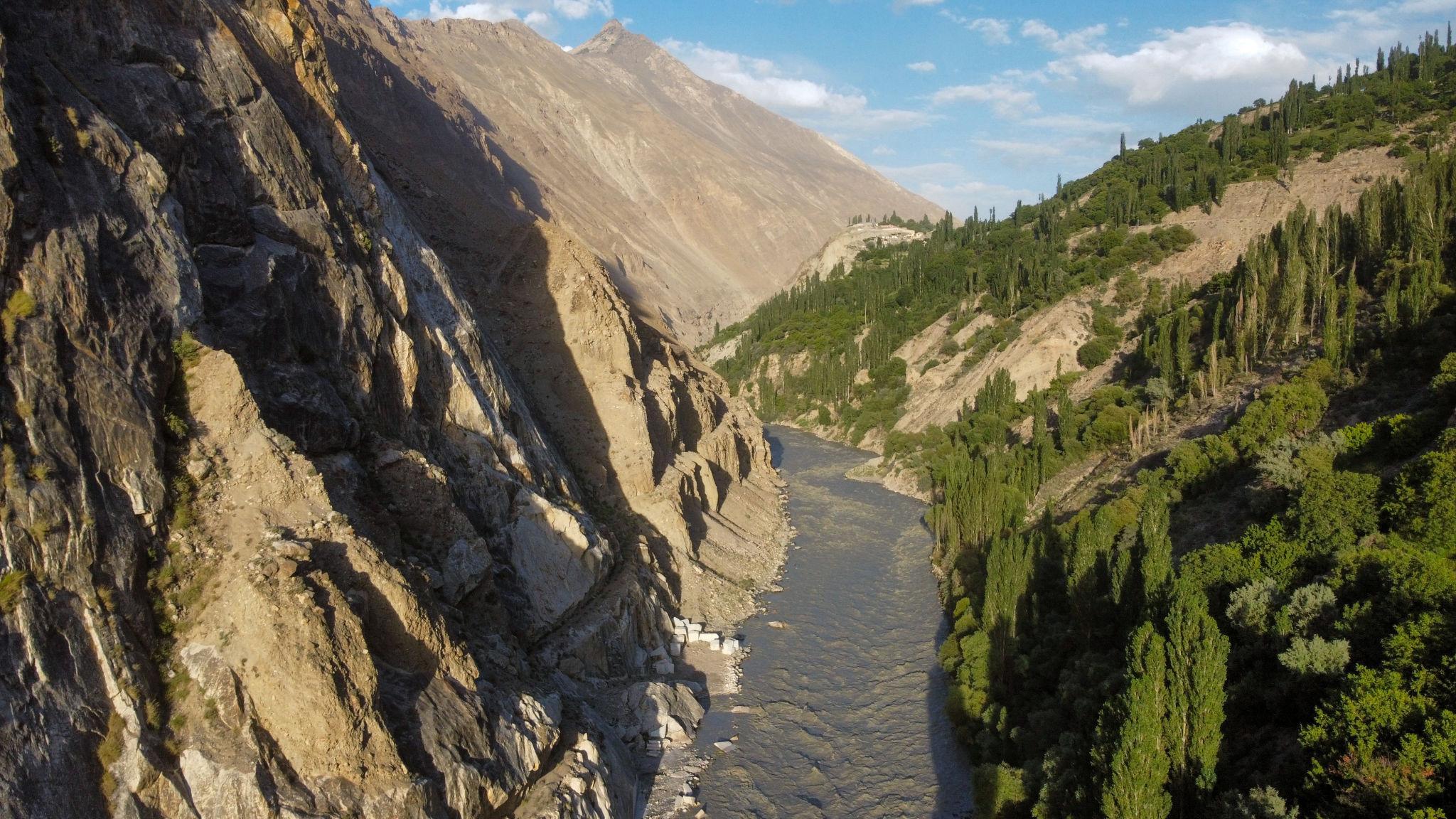
Pakistan is a country of extraordinary geographical diversity, cultural richness, and historical depth. From the towering peaks of the Karakoram and Himalayan ranges to ancient archaeological civilizations, Mughal cities, deserts, forests, valleys, and alpine lakes, Pakistan offers some of the most varied travel experiences in Asia.
Unlike destination lists that focus only on northern tourism, Pakistan should be explored through categories of experiences. Some travelers visit for mountain adventures and trekking, while others come for history, architecture, culture, road trips, spiritual tourism, or photography.
This guide is structured into categories so travelers can easily discover the best destinations based on their interests.
Pakistan is home to some of the highest mountains in the world. The mountain regions of Gilgit-Baltistan attract trekkers, climbers, photographers, and adventure travelers from around the globe.
These destinations are known for dramatic landscapes, glaciers, alpine lakes, mountain villages, and scenic highways.
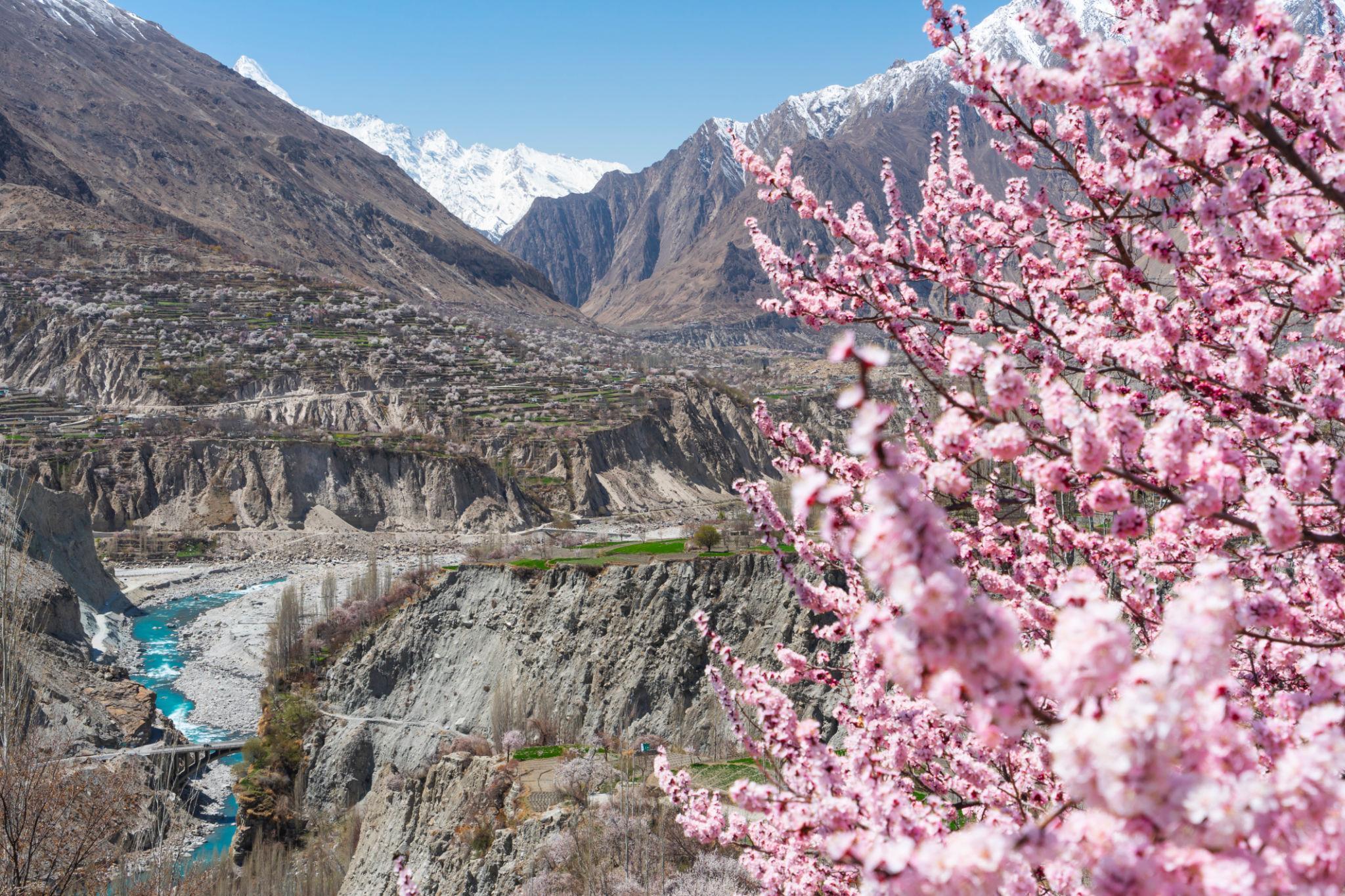
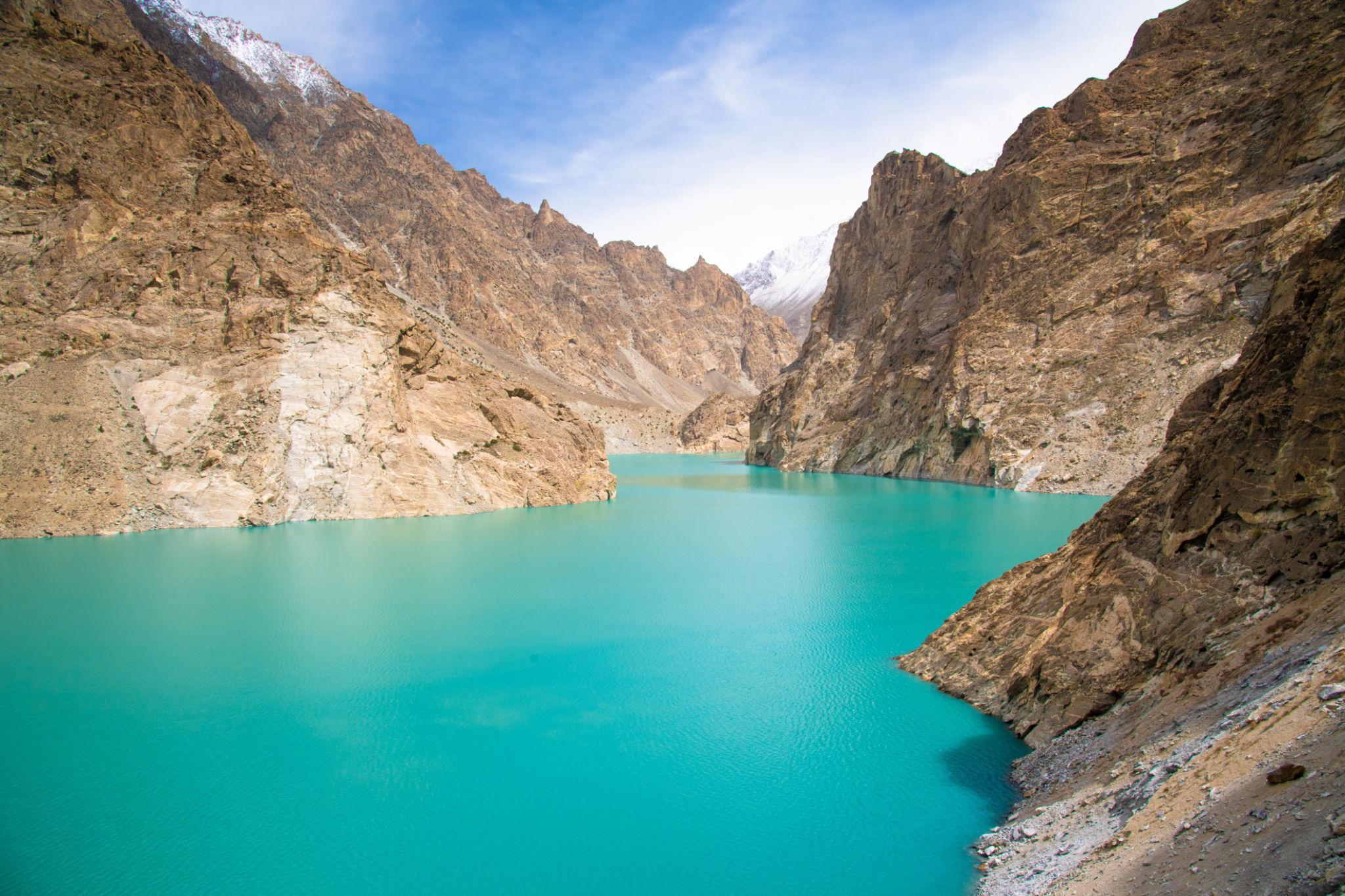
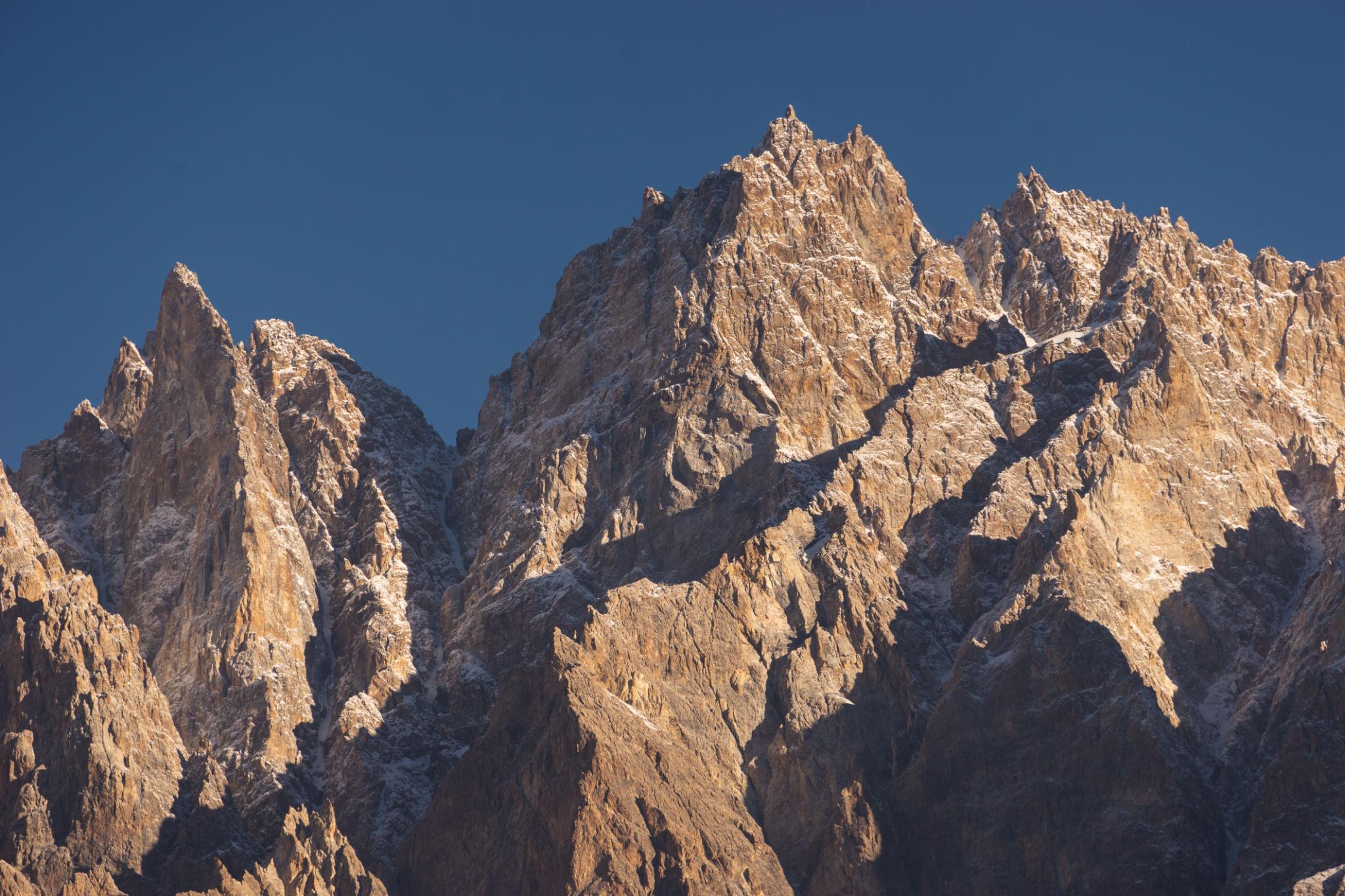
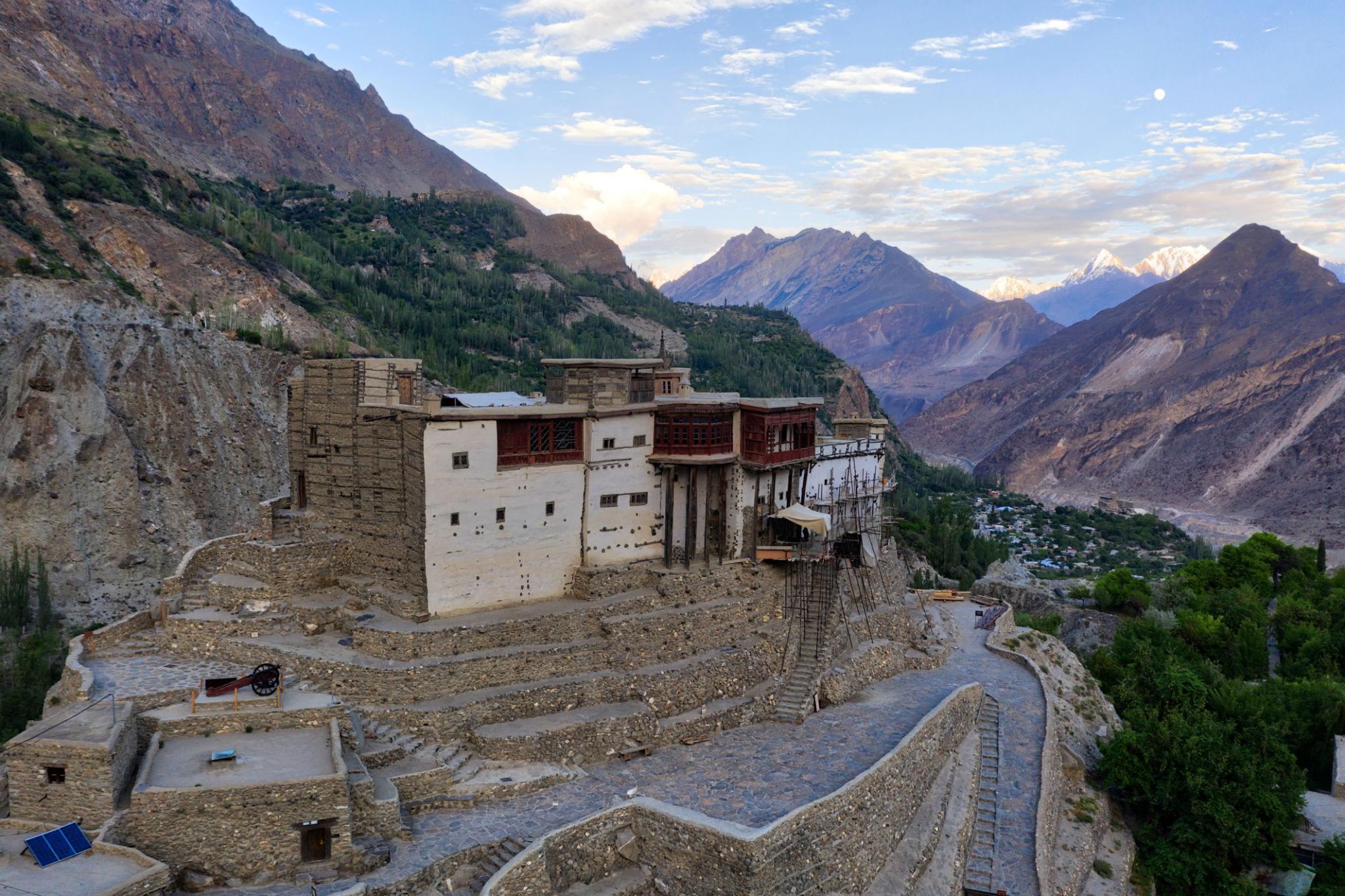
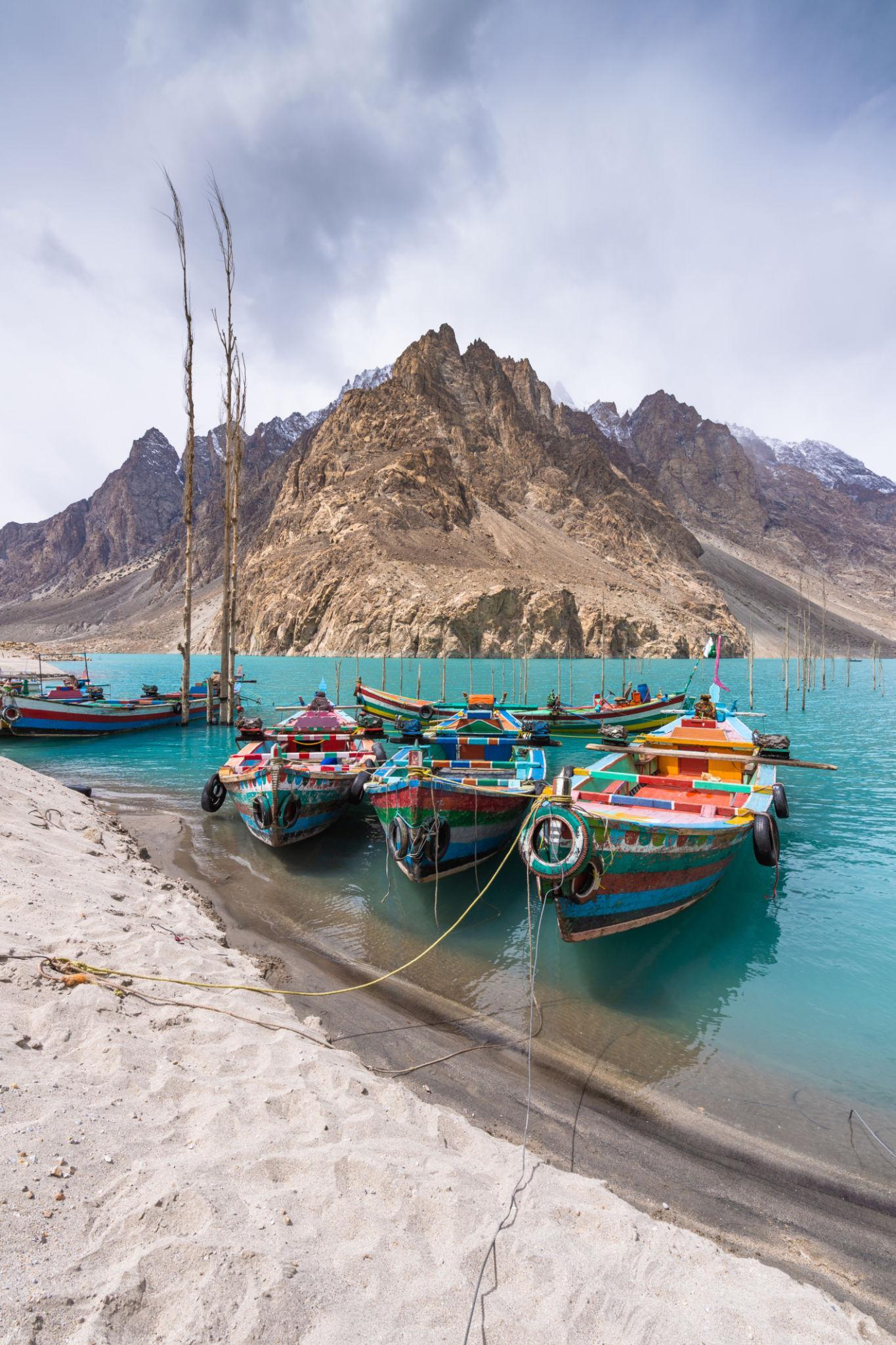
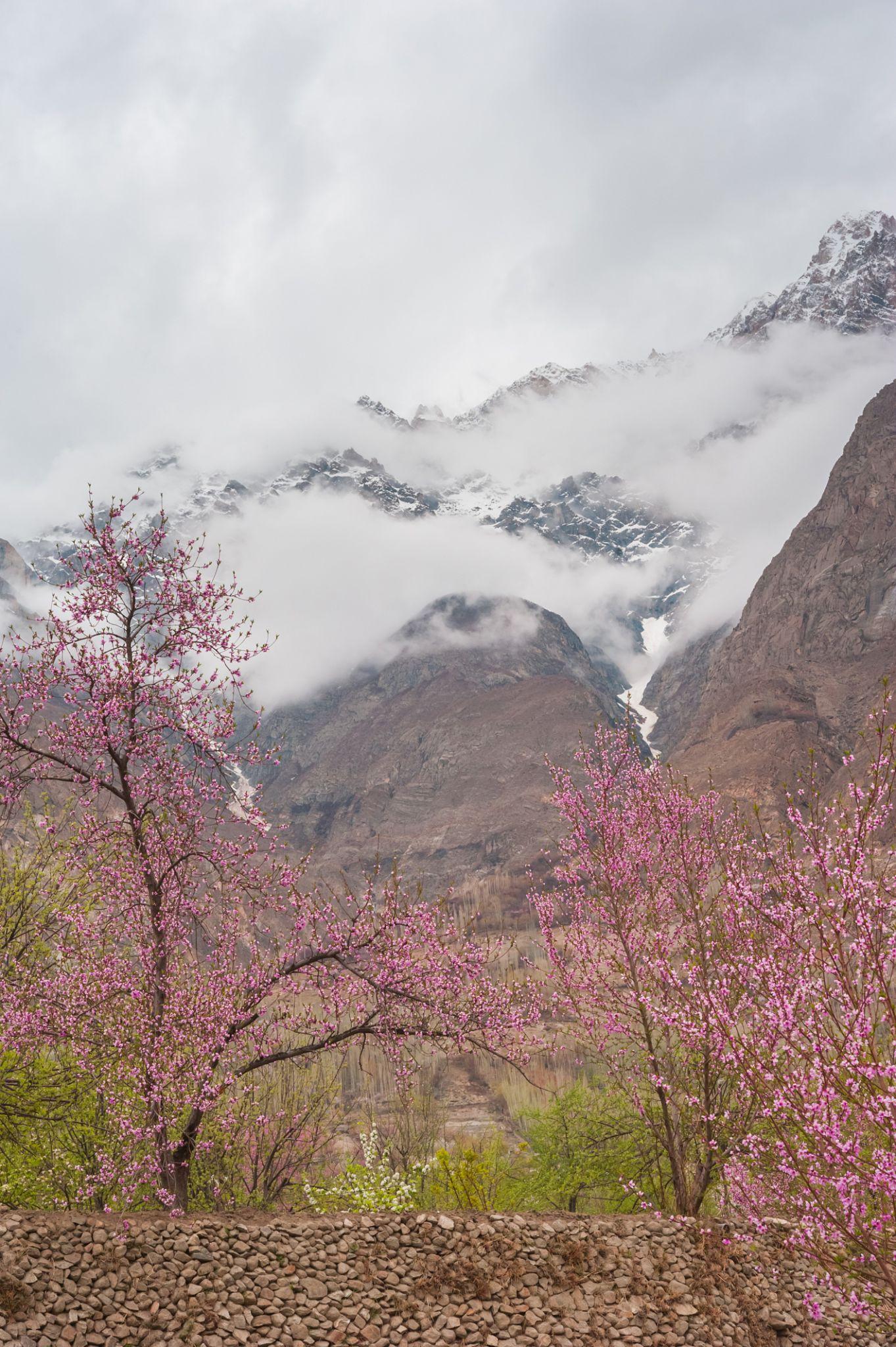
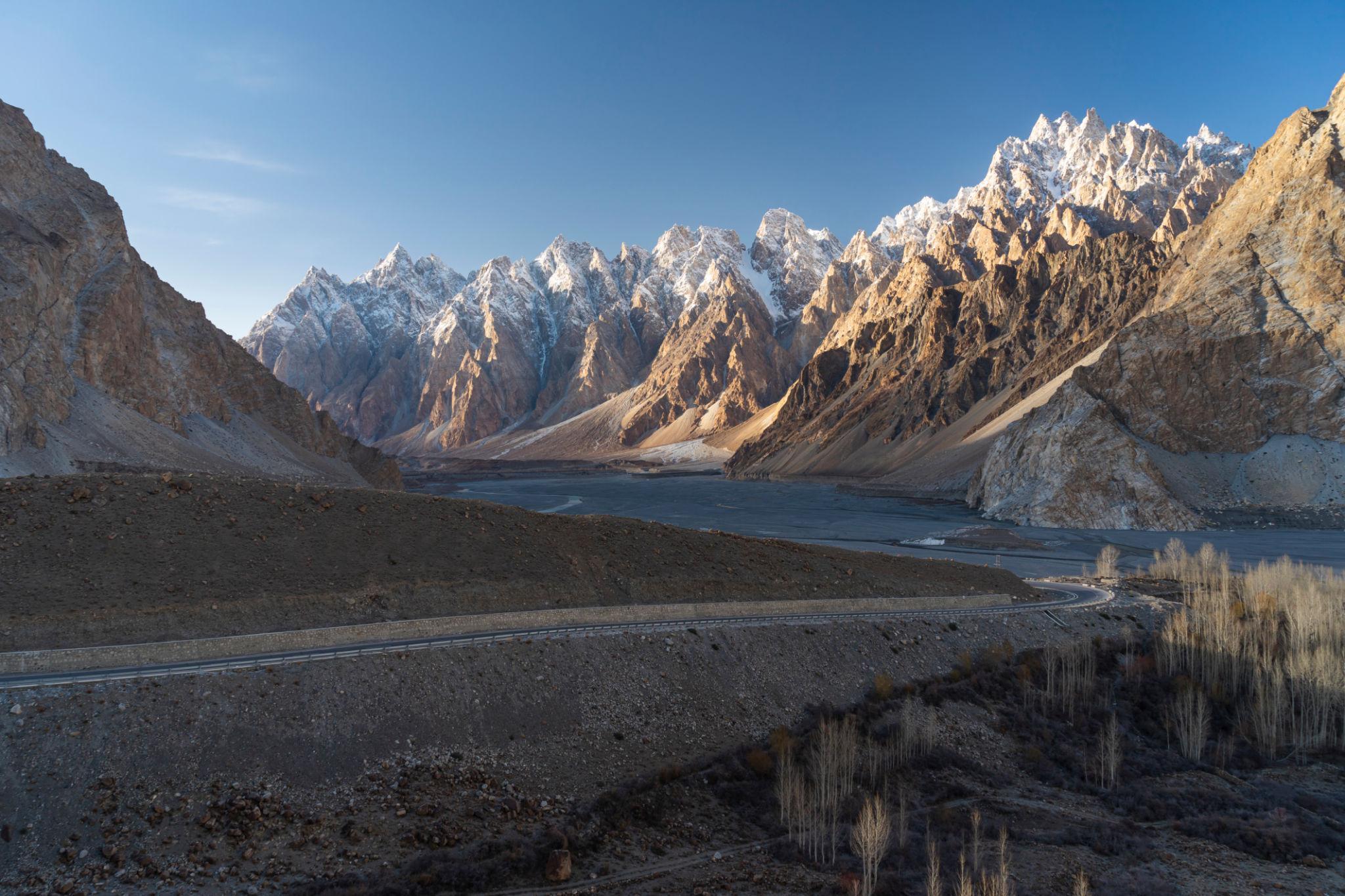
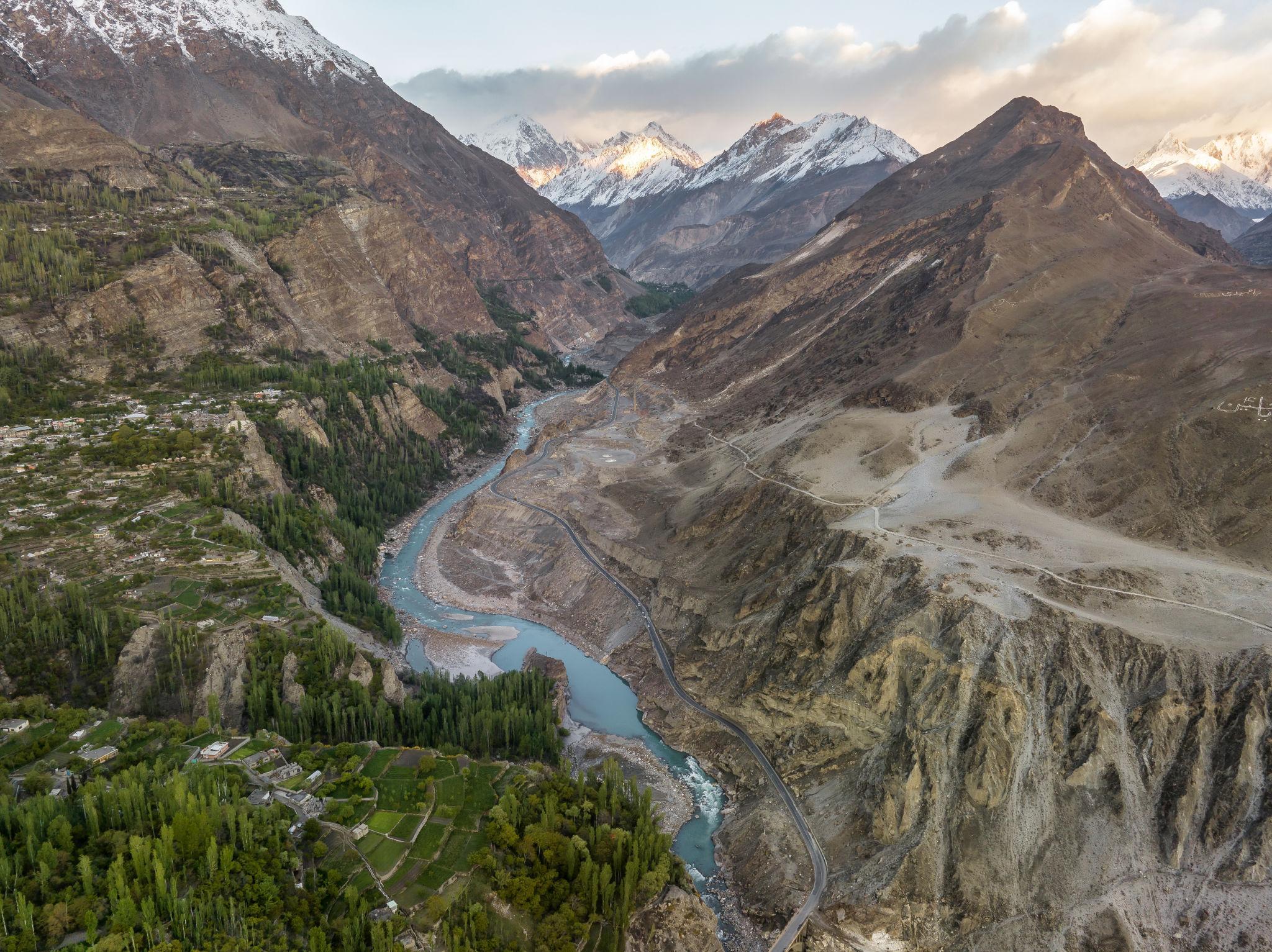
Hunza Valley is one of Pakistan’s most iconic travel destinations and is famous for its breathtaking mountain scenery, peaceful atmosphere, and rich culture. Located along the legendary Karakoram Highway, Hunza combines natural beauty with history and hospitality.
The valley is surrounded by towering peaks including Rakaposhi, Ultar Sar, and Ladyfinger Peak. During spring, cherry blossoms cover the valley in pink and white colors, while autumn transforms the landscape into shades of gold and red.
Table of contents [Show]
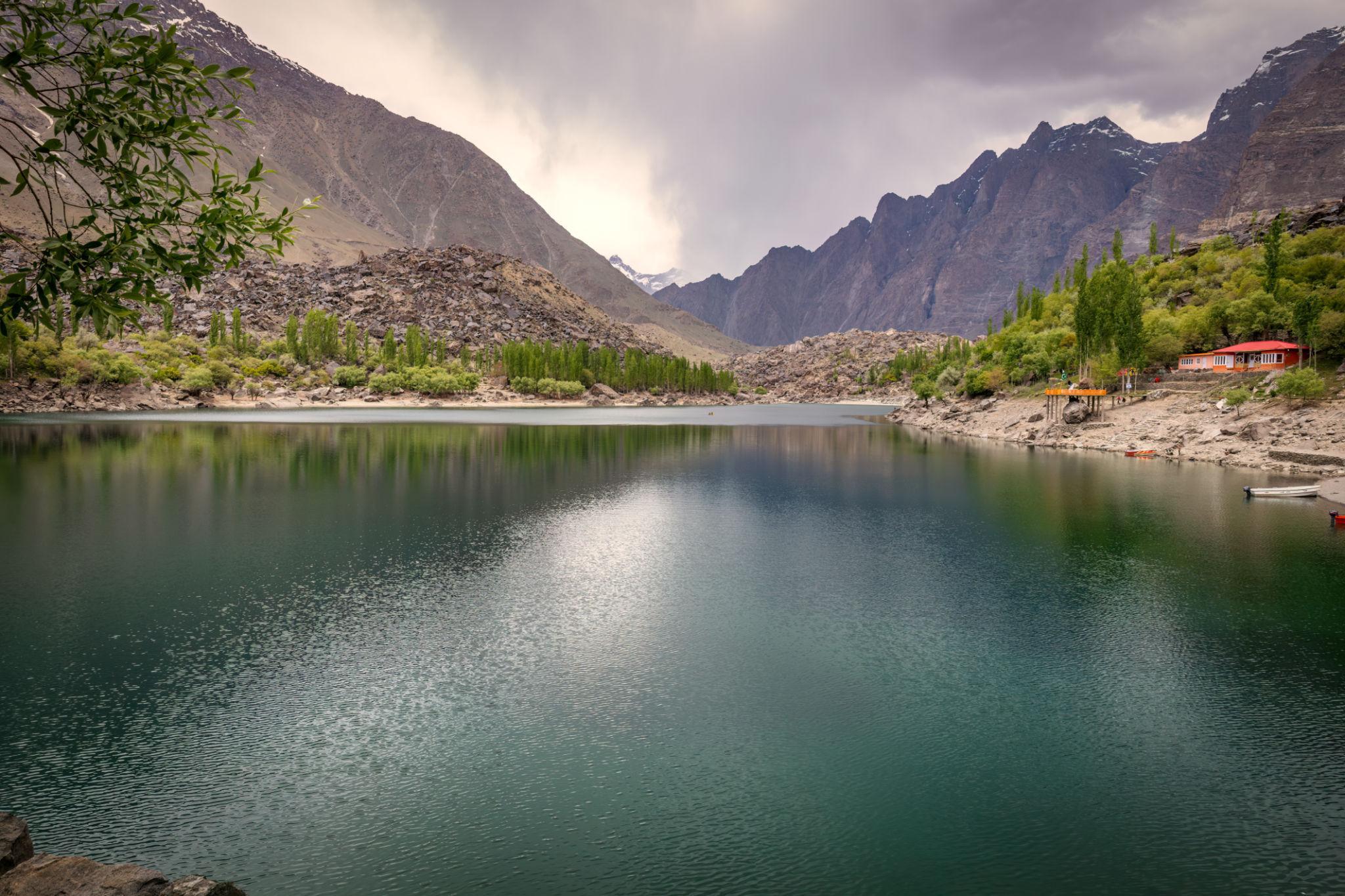
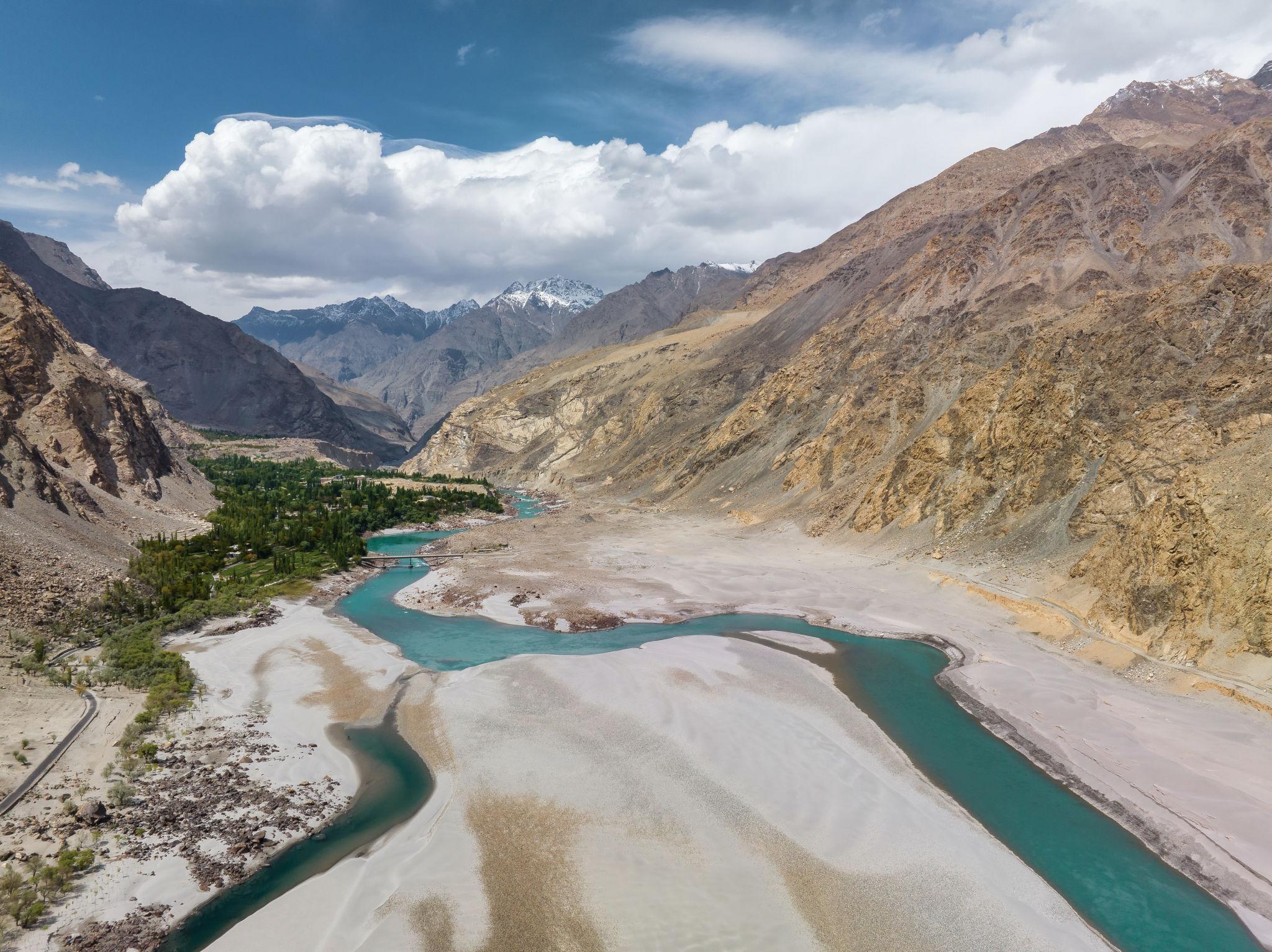
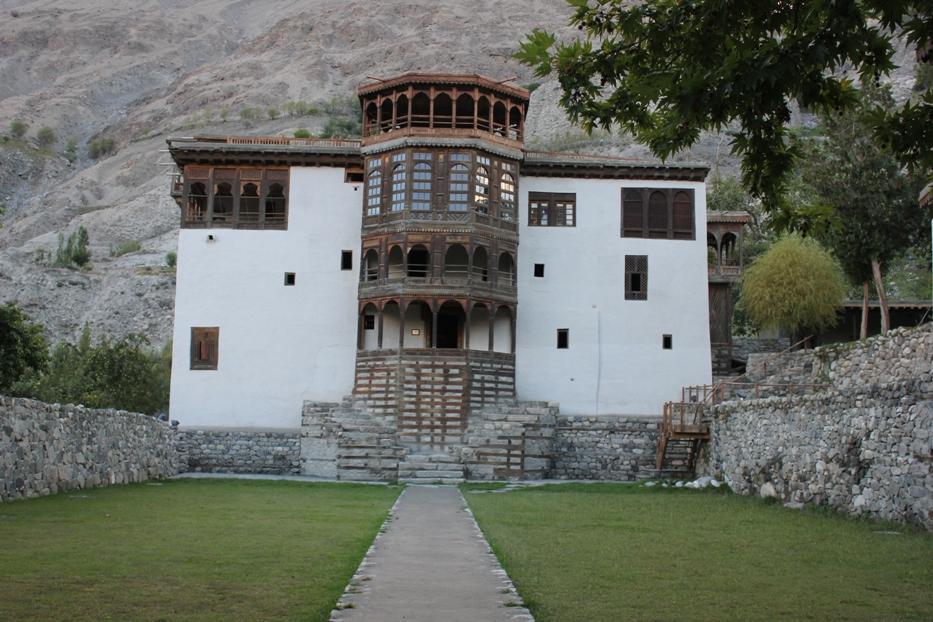
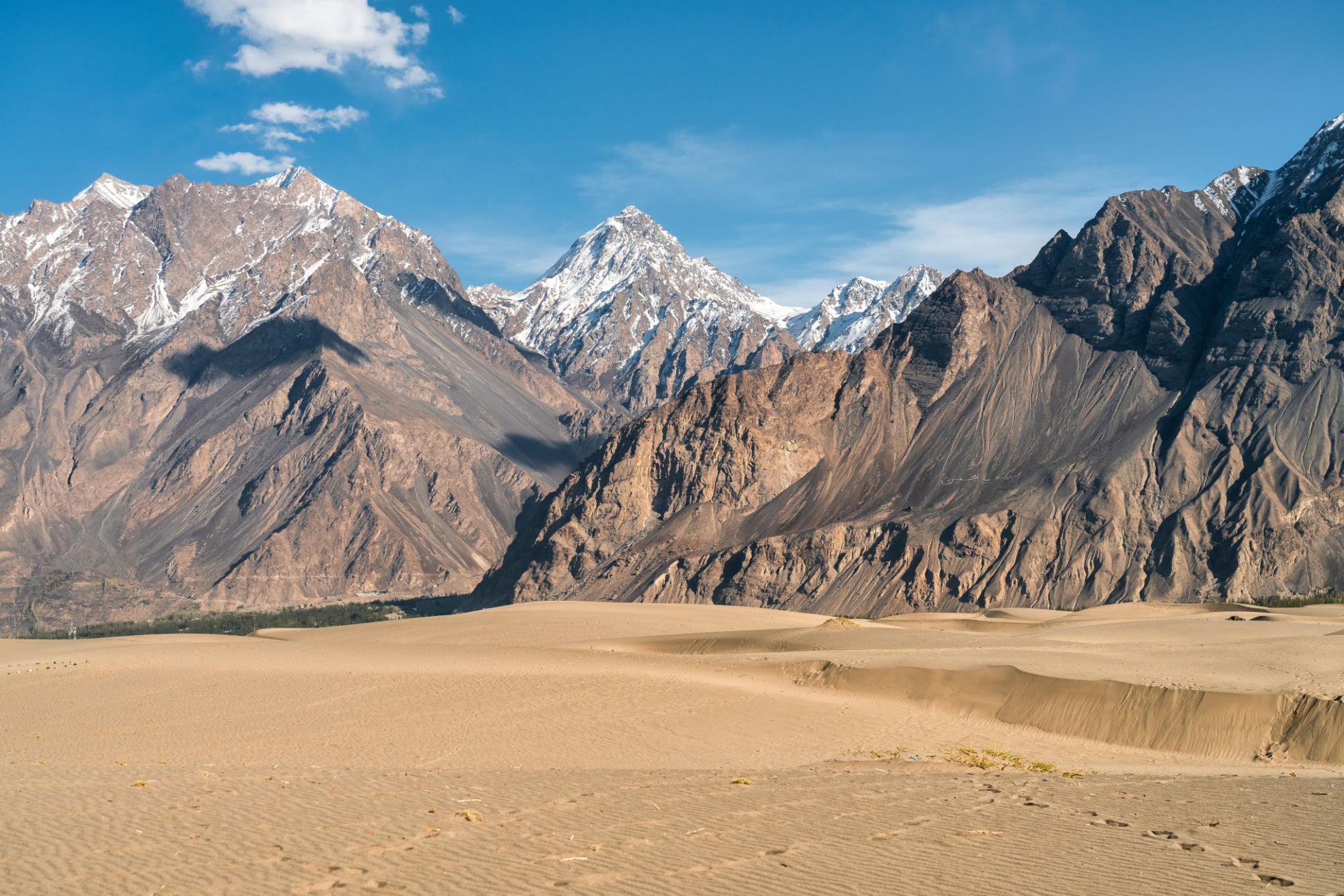
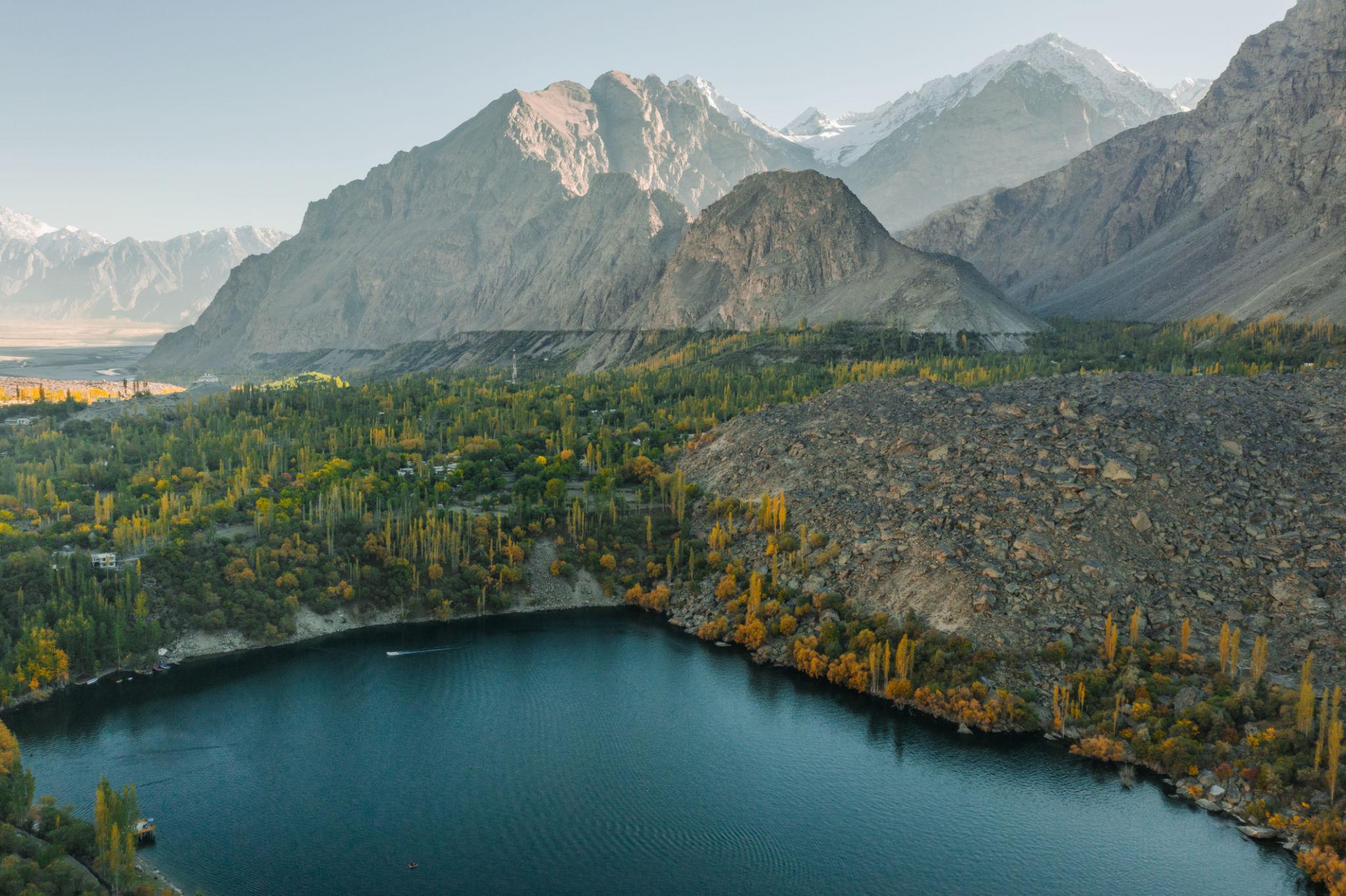
Skardu is the tourism capital of Baltistan and one of the most spectacular mountain destinations in Pakistan. Surrounded by giant peaks, glaciers, rivers, and lakes, Skardu serves as the gateway to expeditions heading toward K2 and the Karakoram range.
Unlike Hunza’s village-focused atmosphere, Skardu is more rugged, adventurous, and wilderness-oriented.
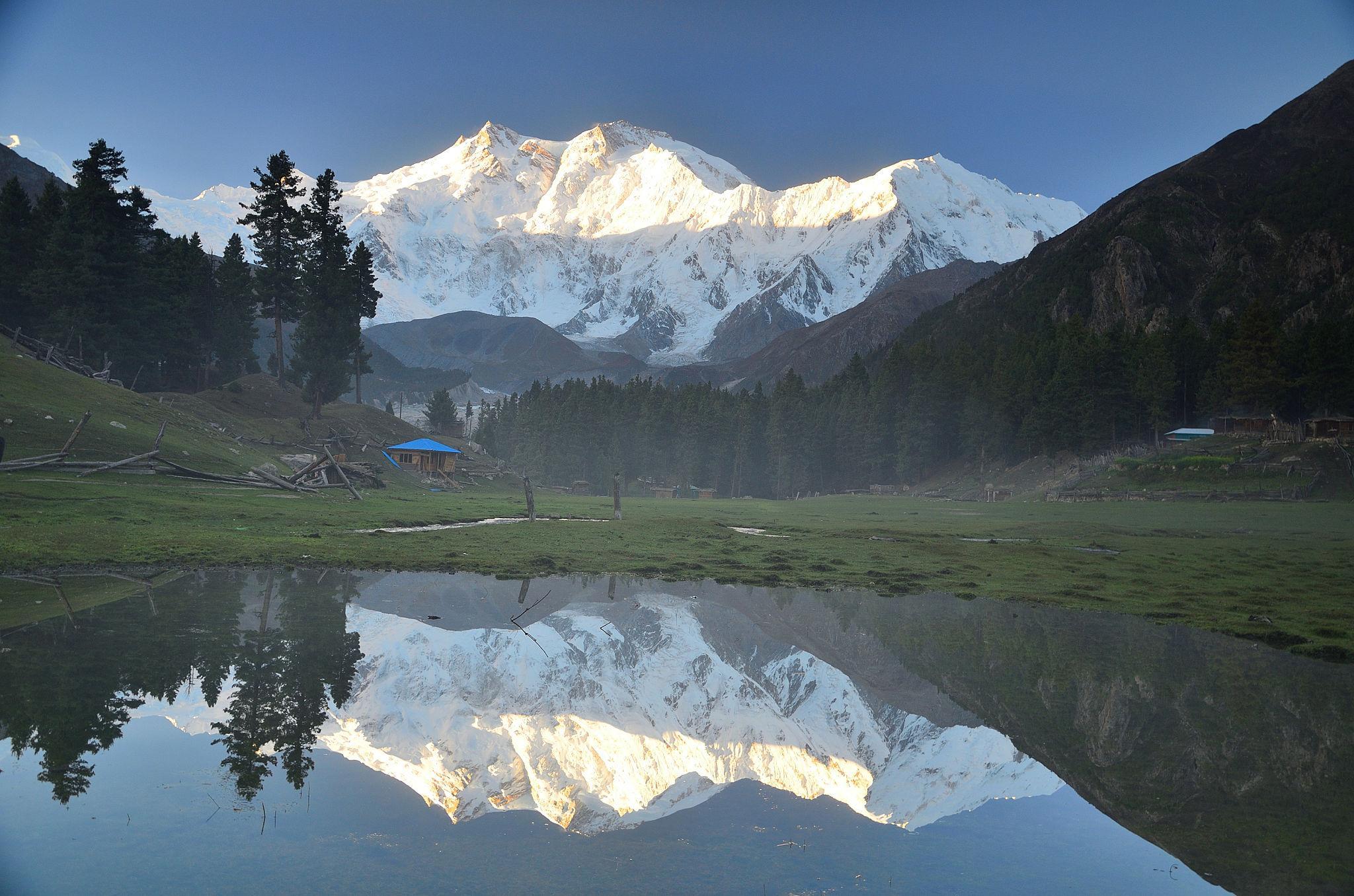
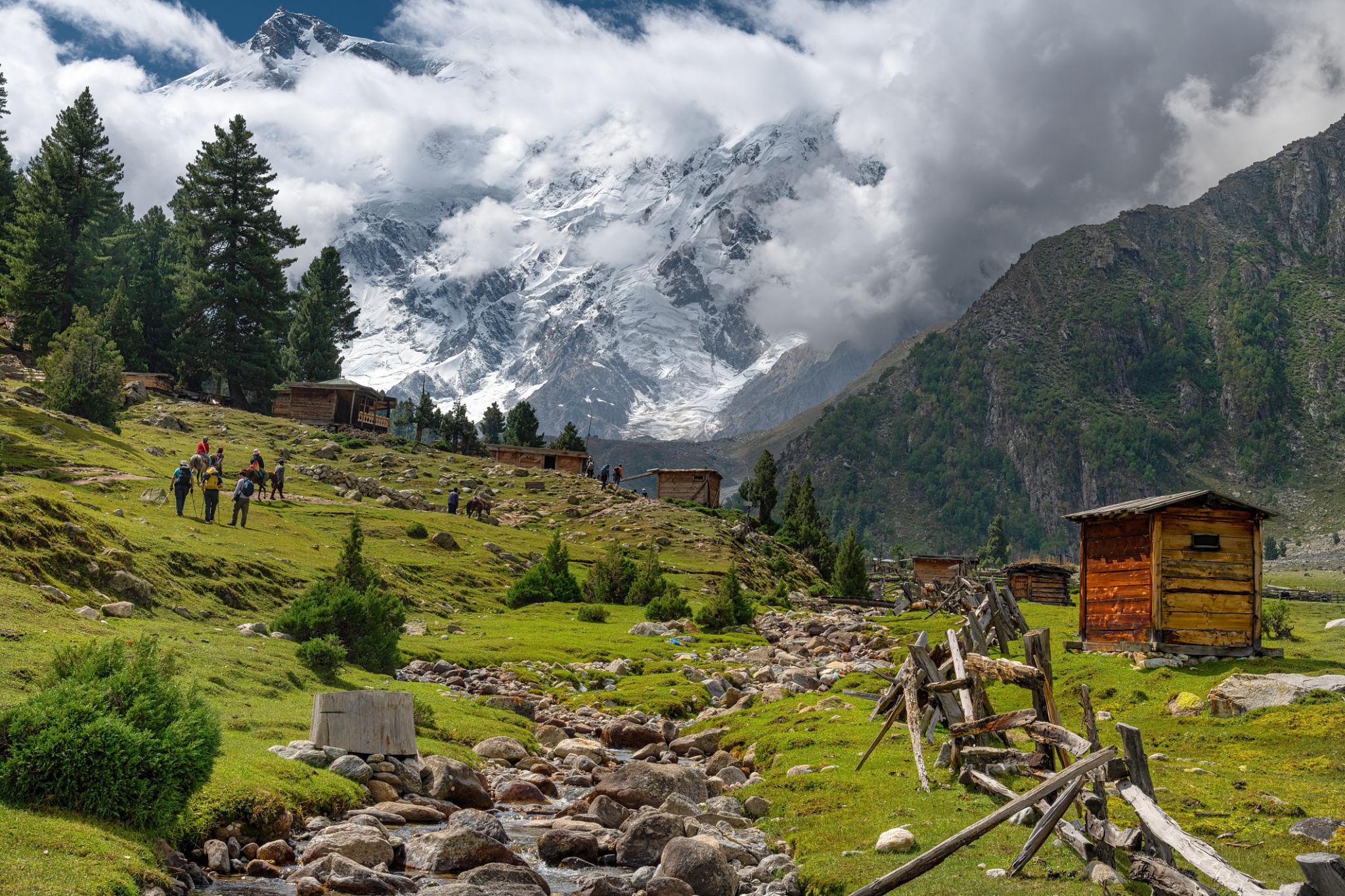
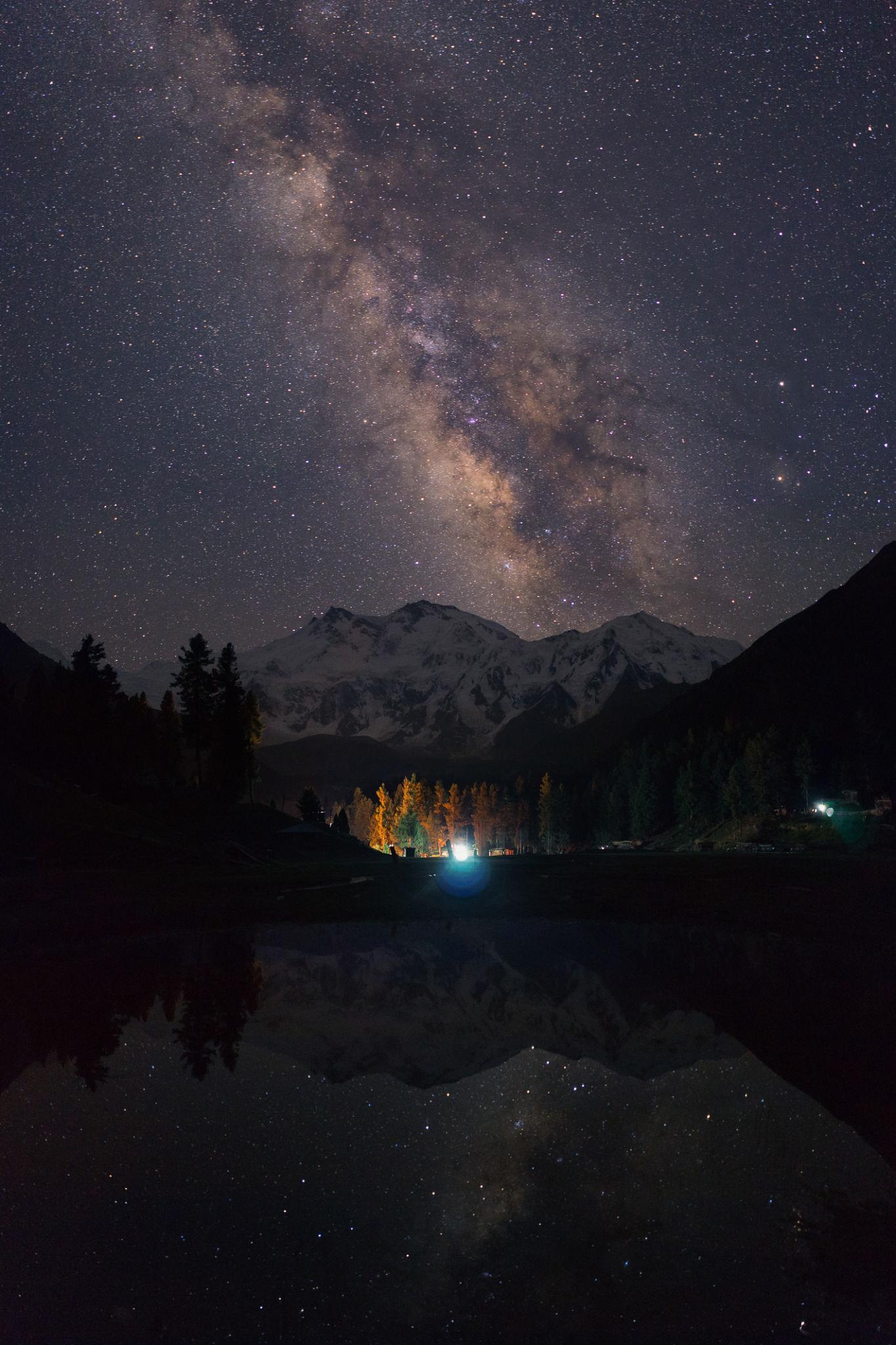
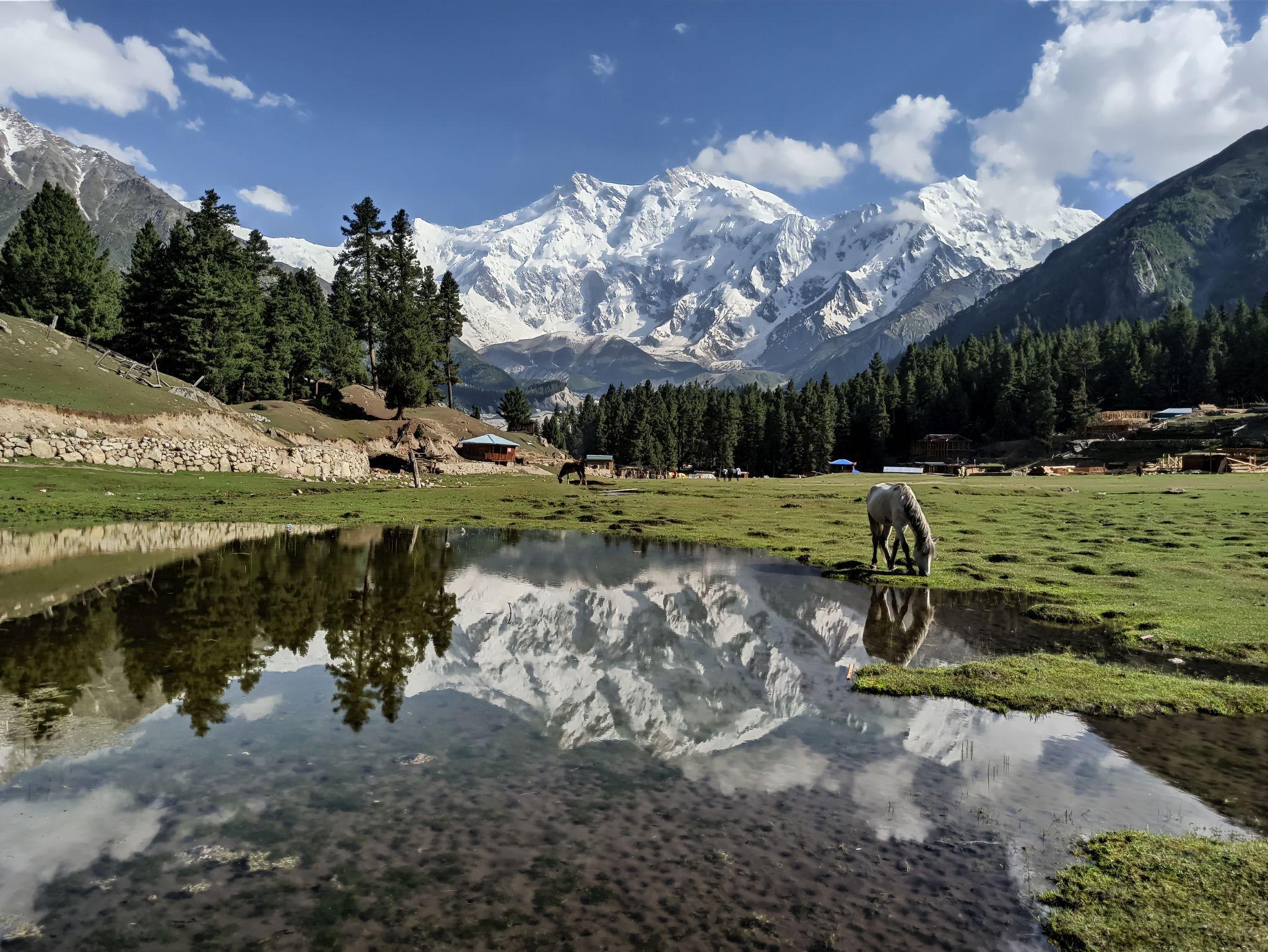
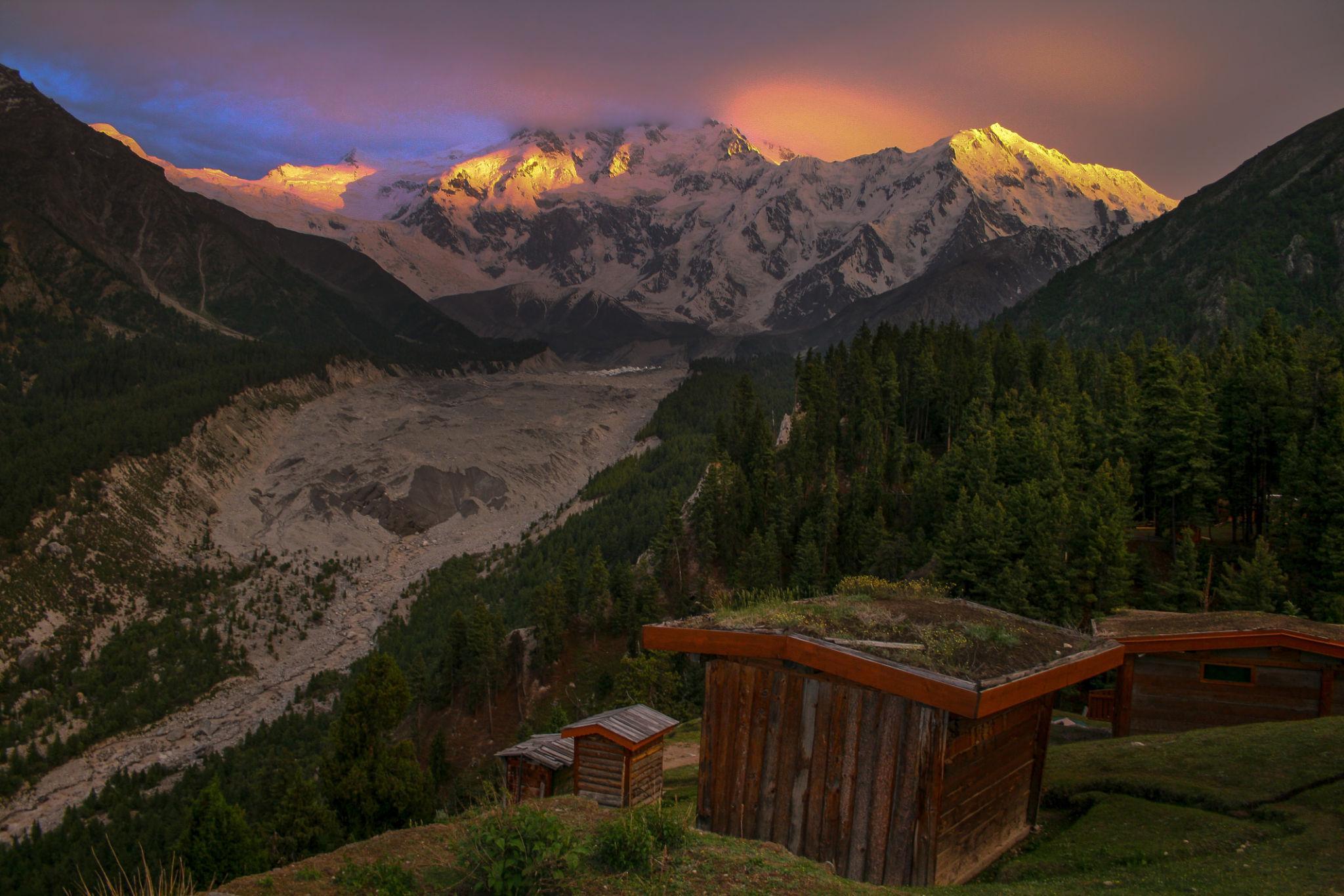
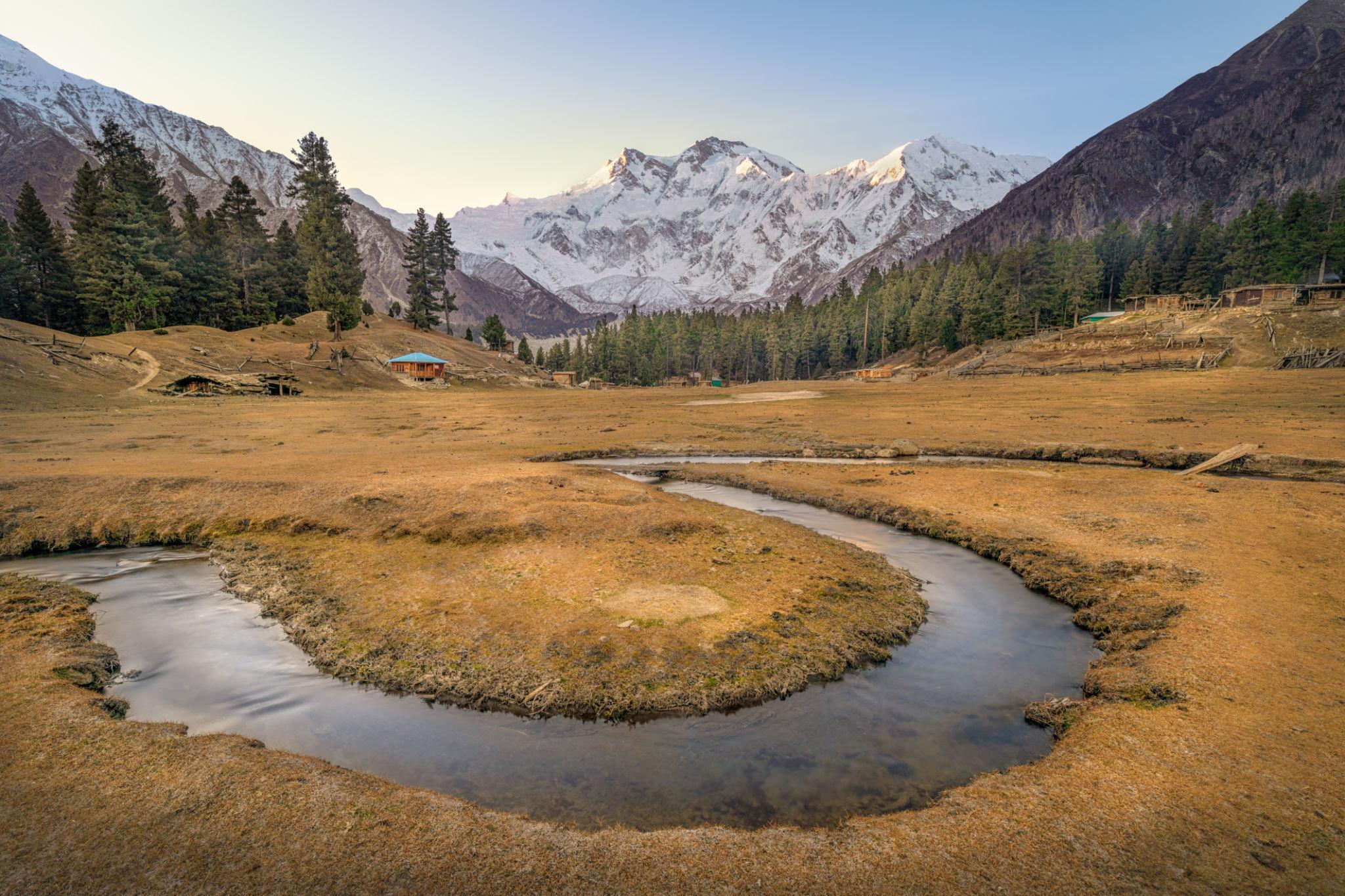
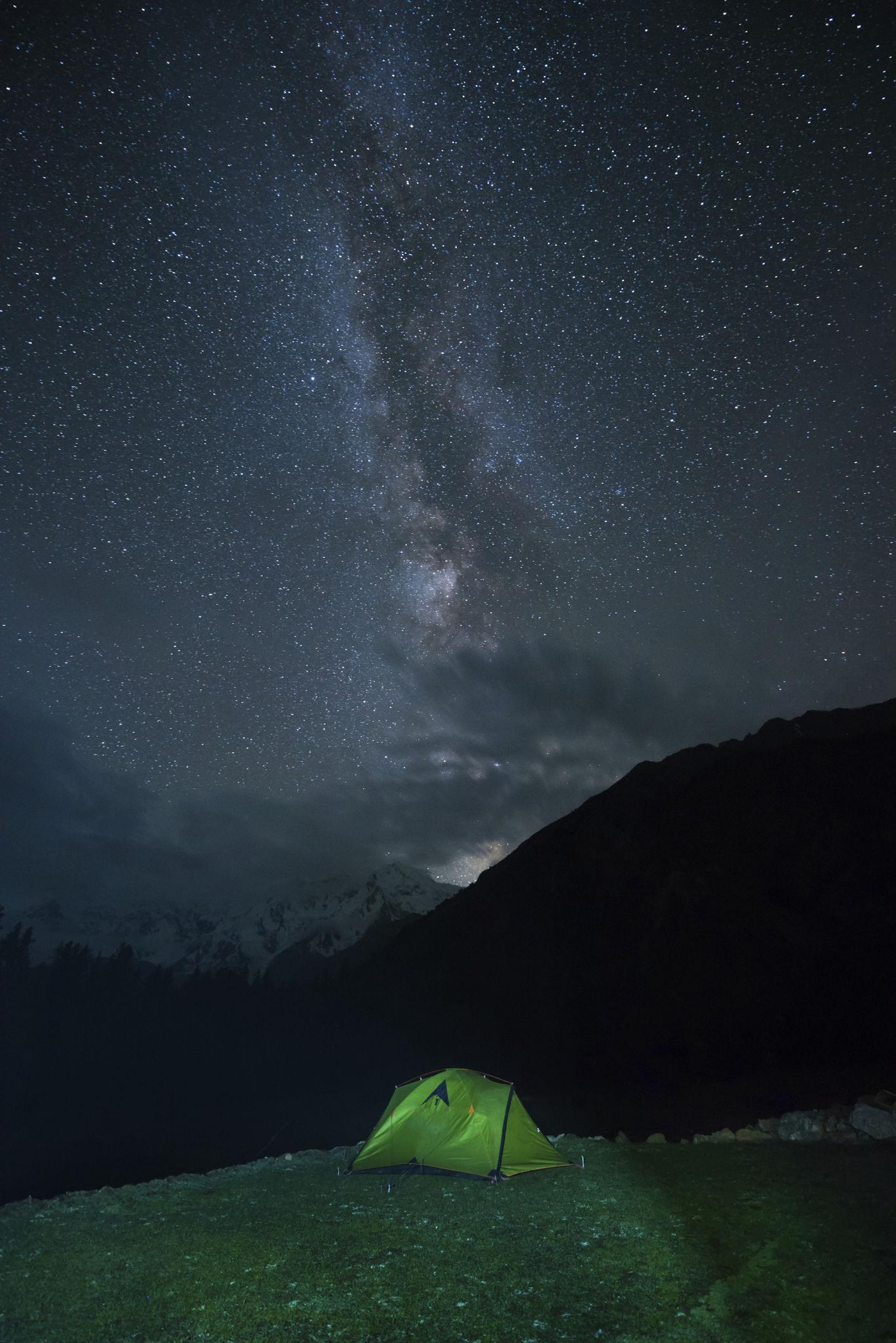
Fairy Meadows is one of the most scenic alpine destinations in Pakistan and is famous for panoramic views of Nanga Parbat, the ninth-highest mountain in the world.
The destination is known for green meadows, pine forests, wooden cabins, and peaceful mountain landscapes.
Pakistan is home to many valleys and hill stations known for rivers, forests, waterfalls, lakes, and pleasant weather.
These destinations are especially popular for family tourism, summer vacations, and nature photography.
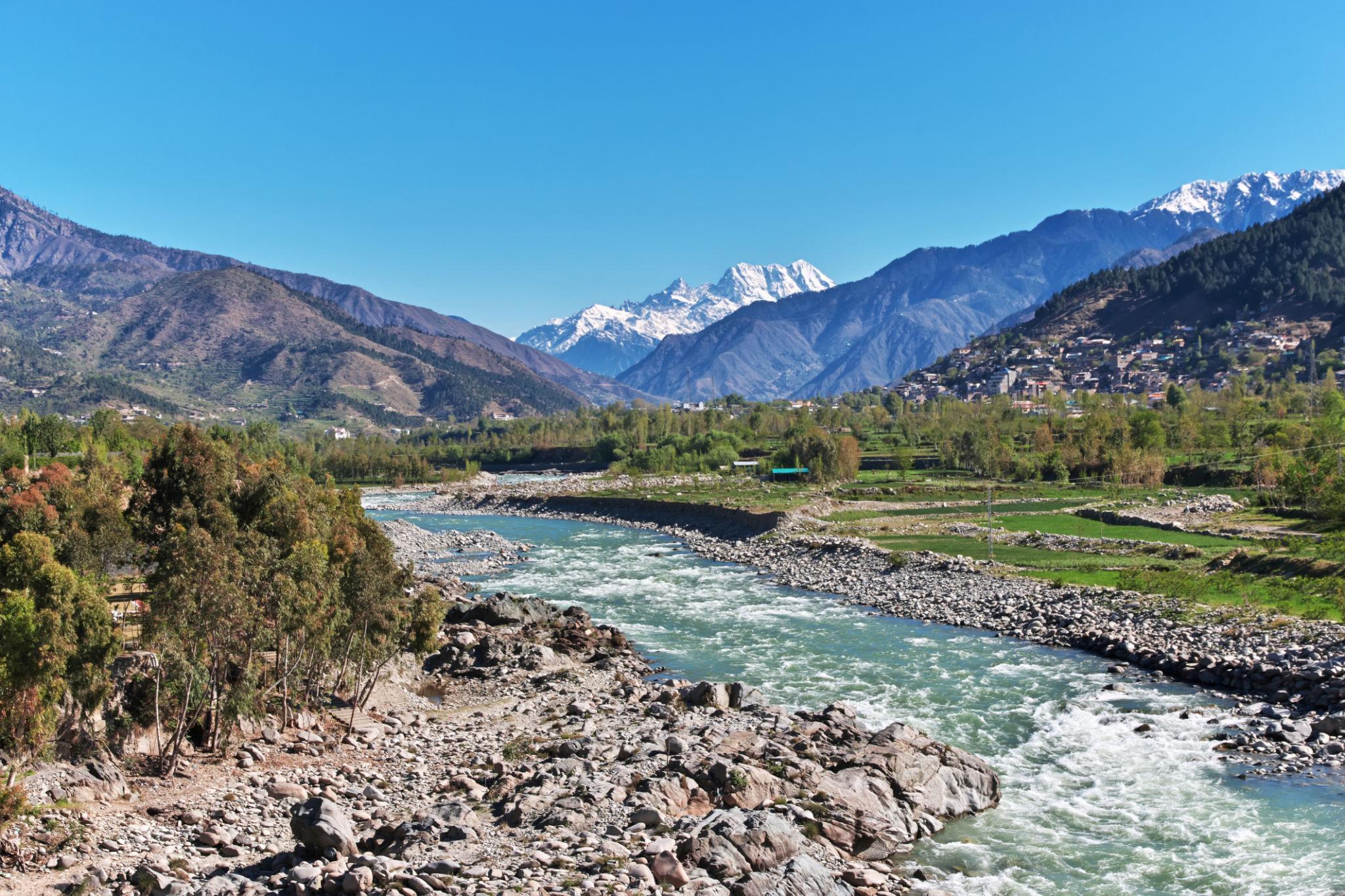
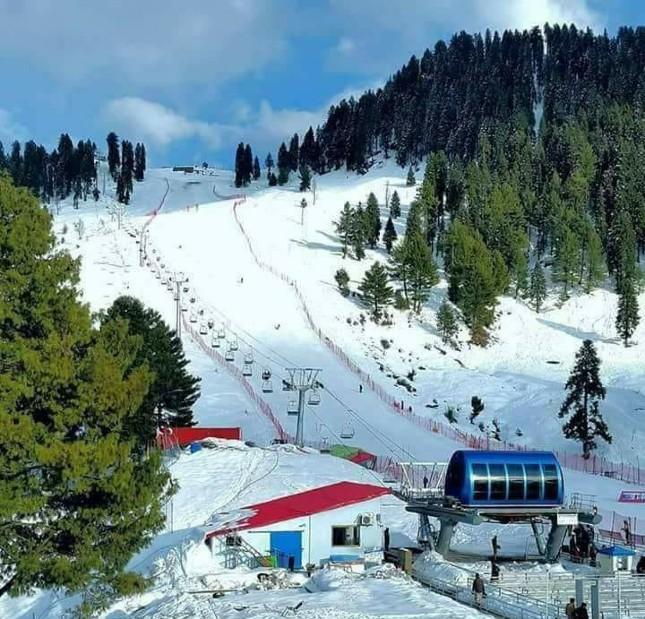
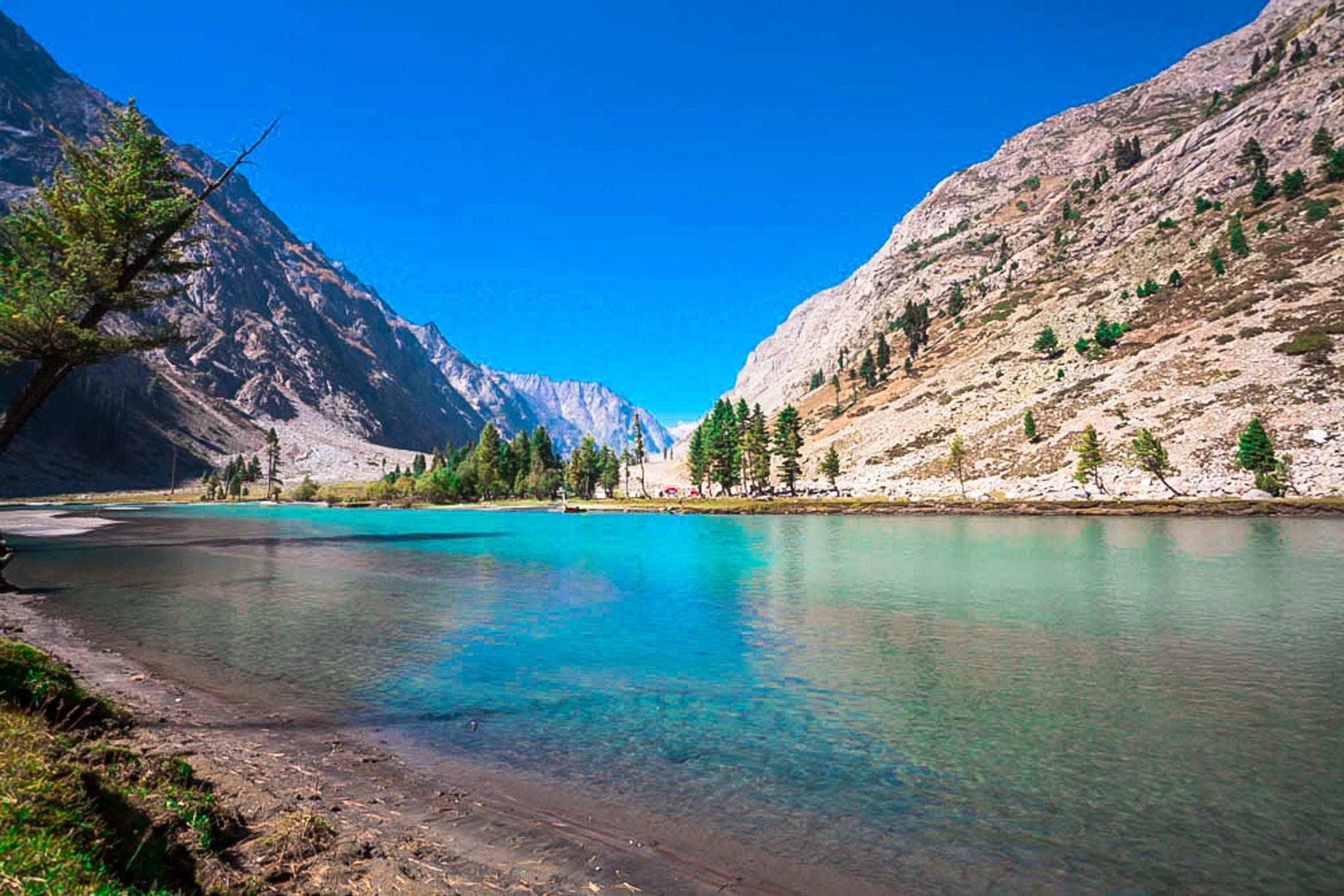
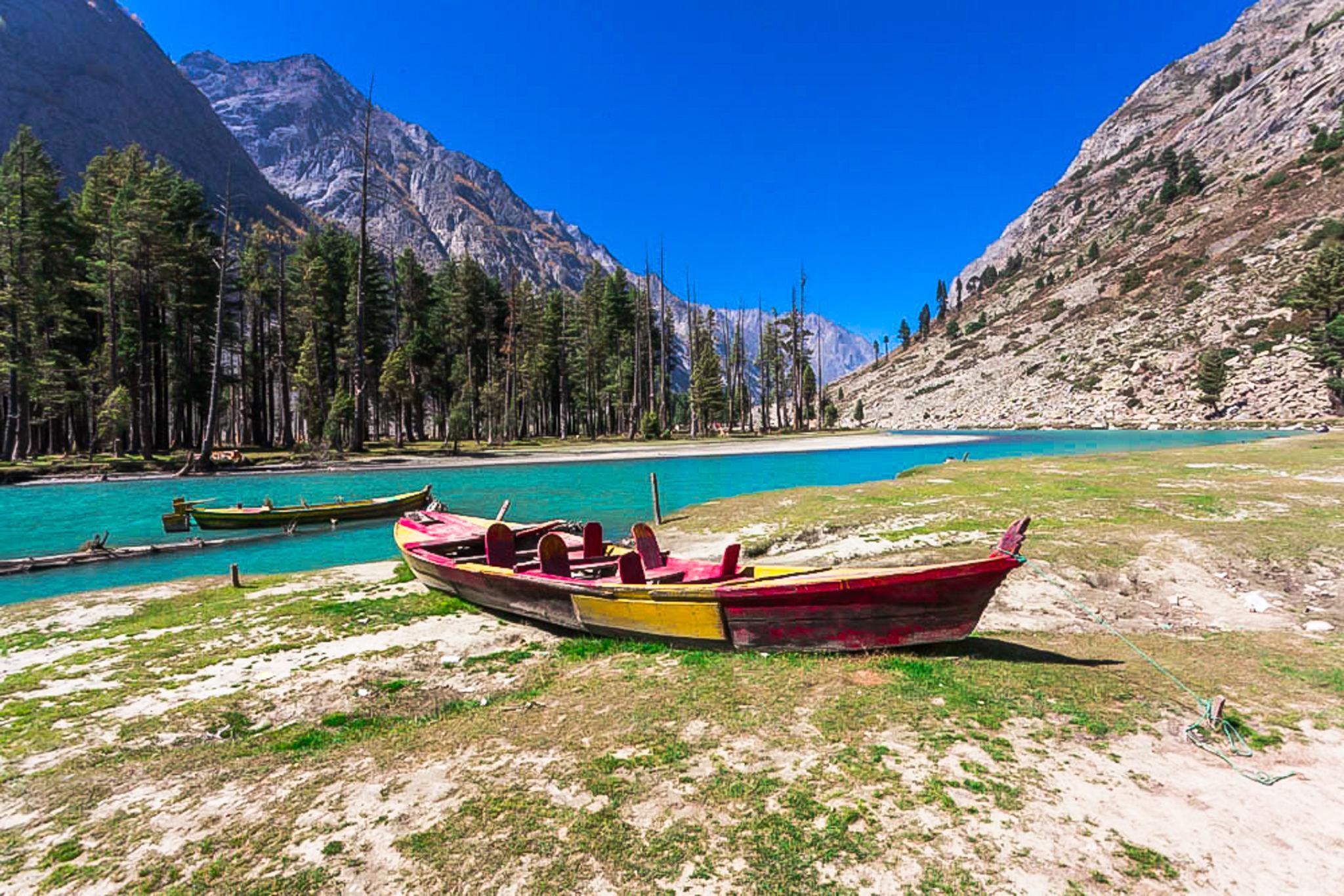
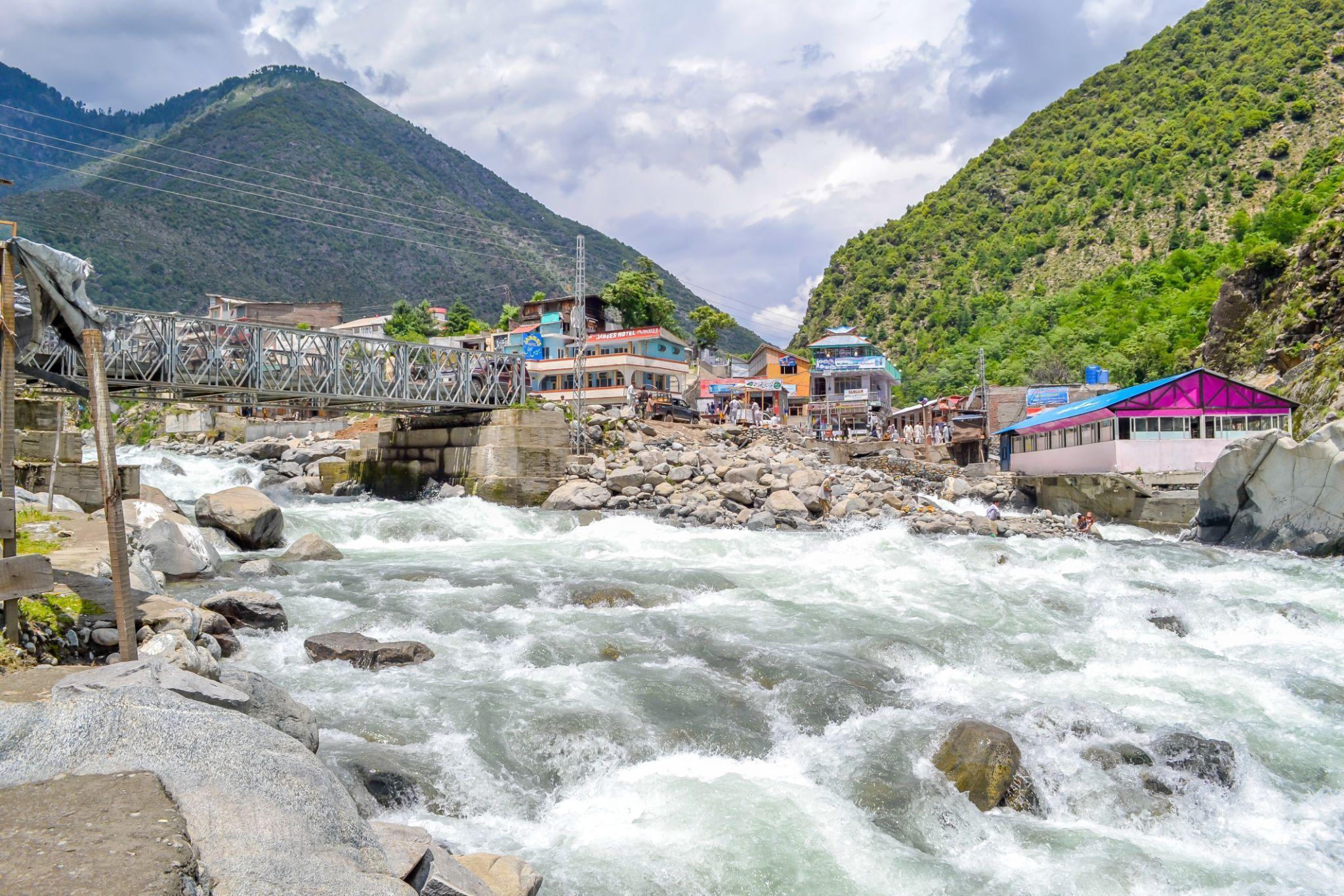
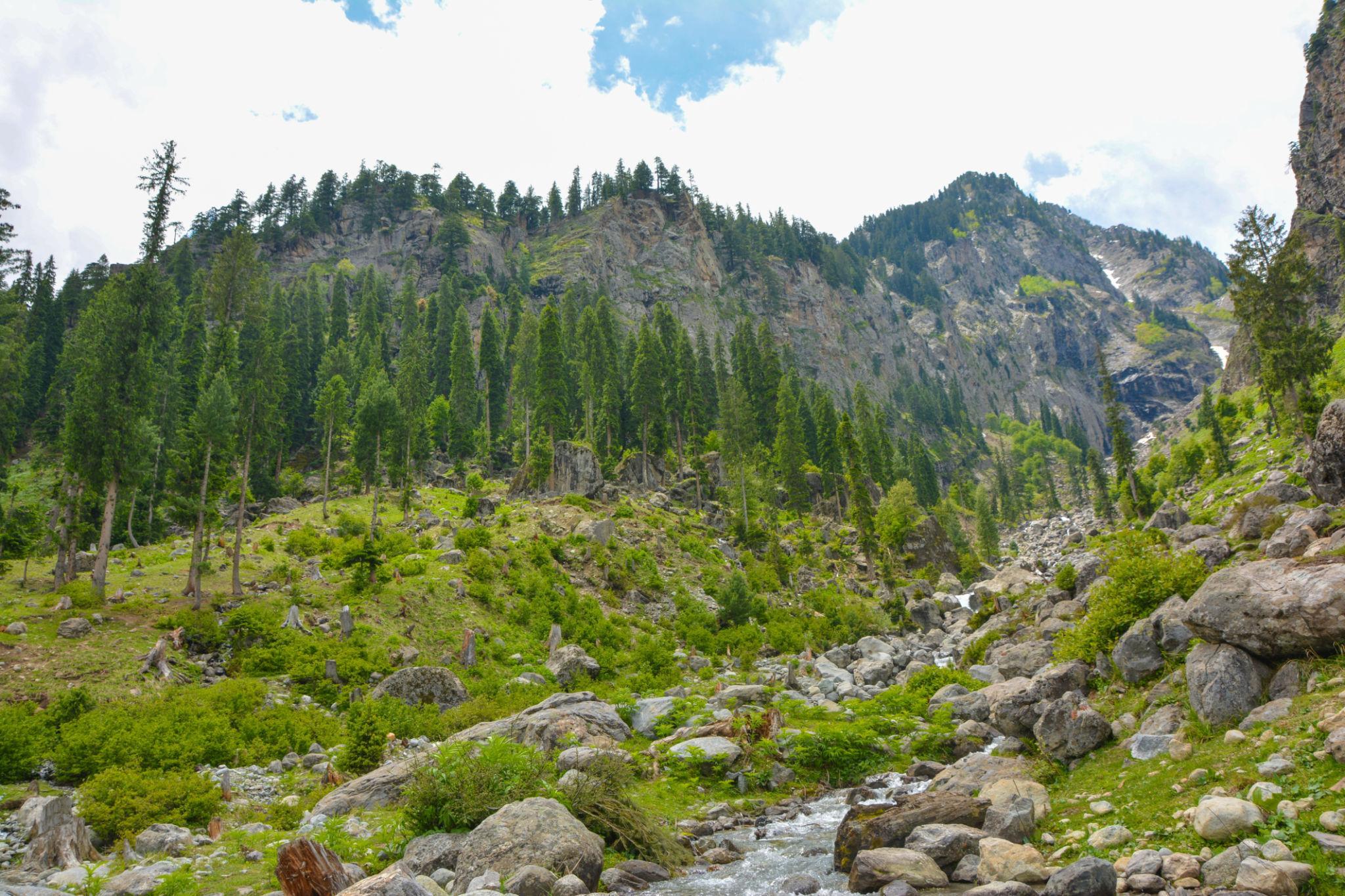
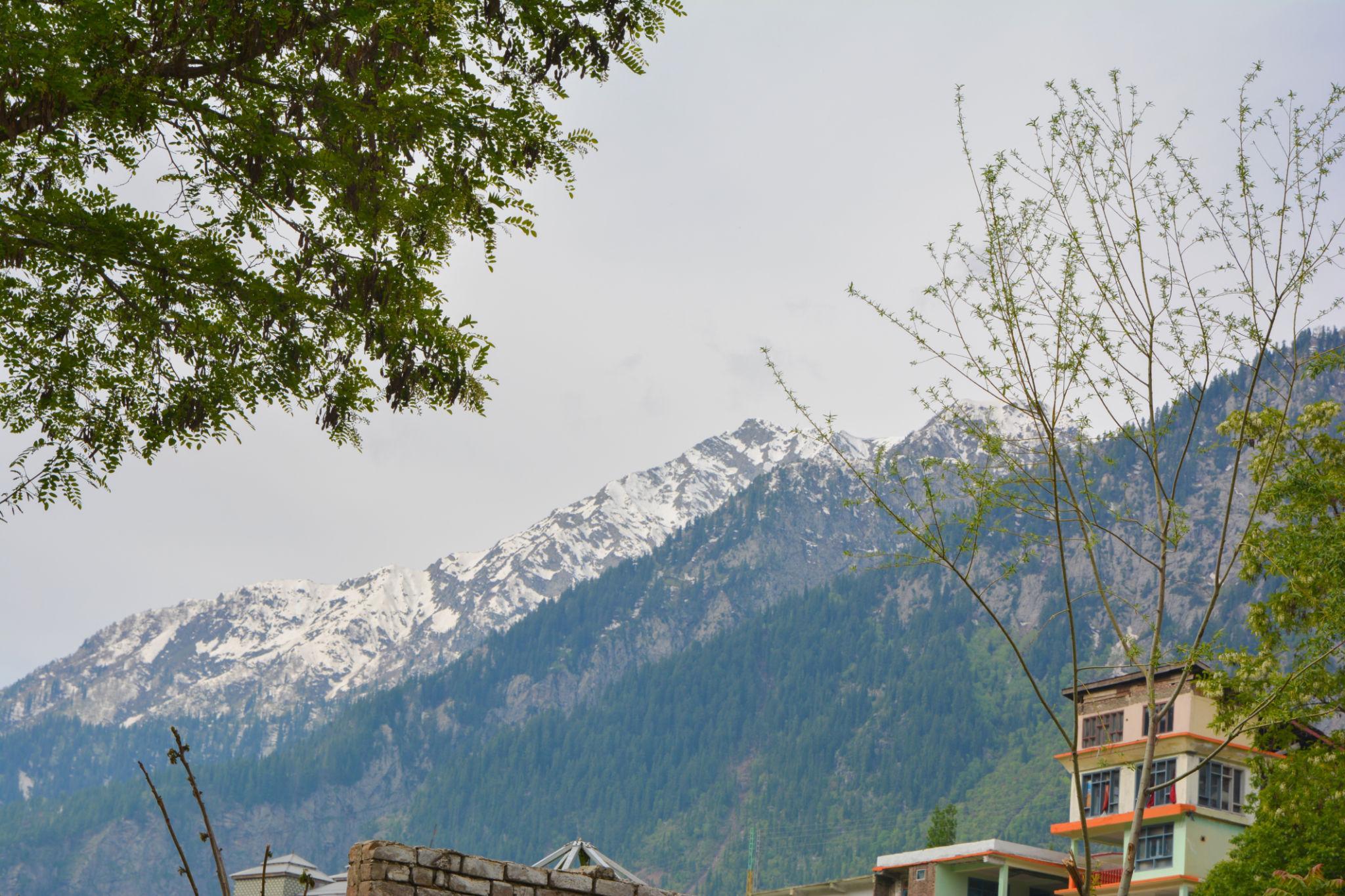
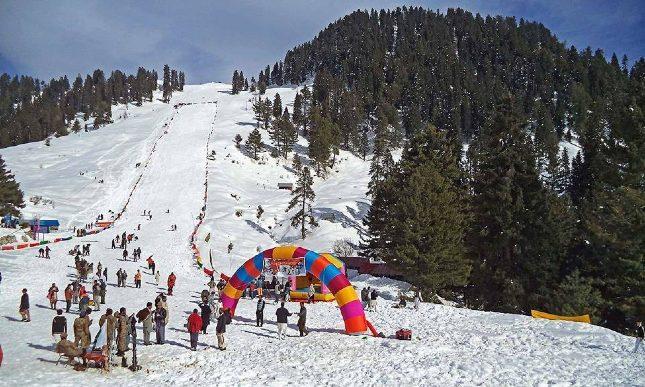
Swat Valley is one of Pakistan’s most famous valley destinations and is often called the “Switzerland of Pakistan.” Located in Khyber Pakhtunkhwa, Swat is known for rivers, forests, waterfalls, snowy mountains, and cultural heritage.
The valley attracts families, honeymoon travelers, and adventure tourists throughout the year.
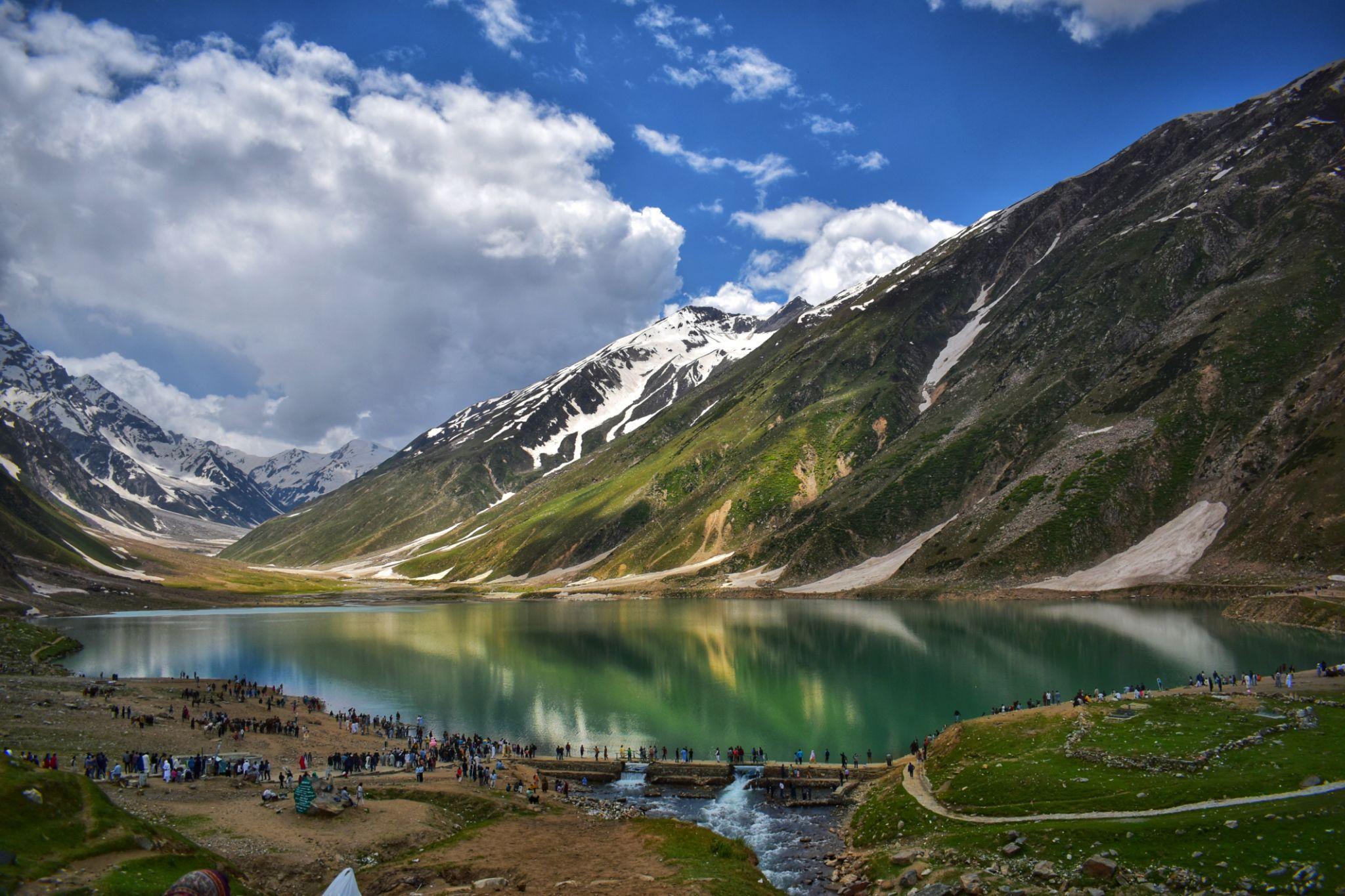
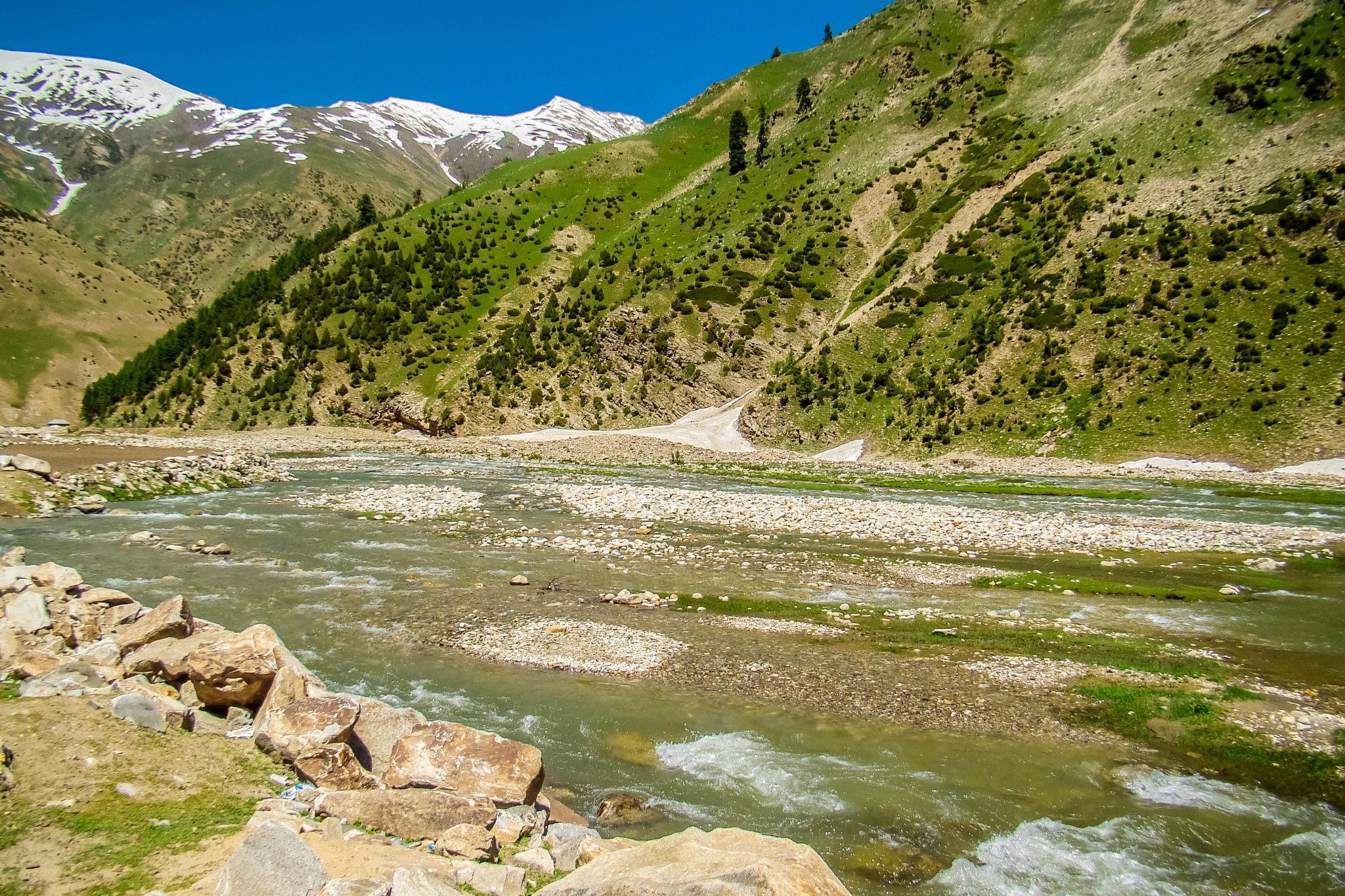
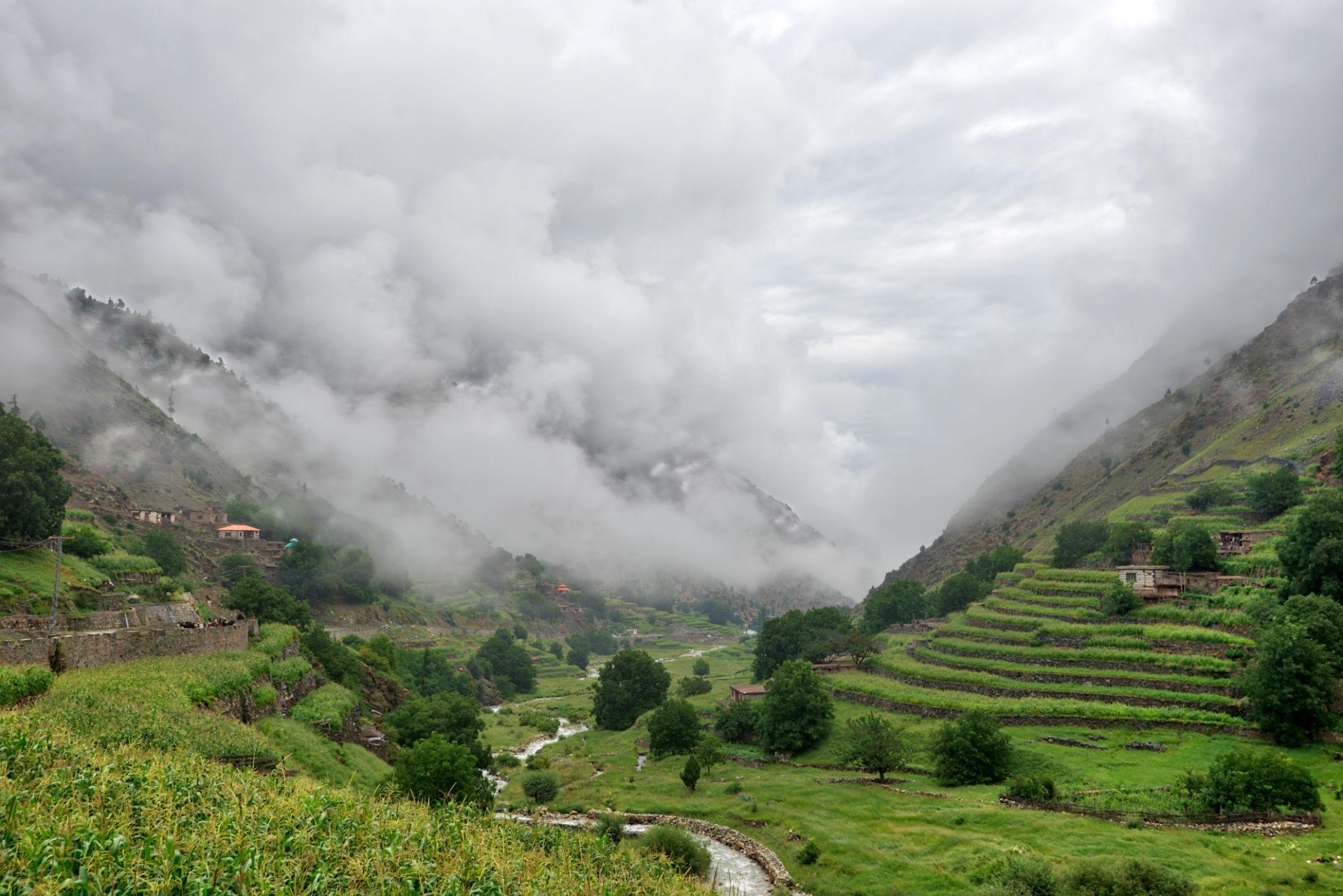
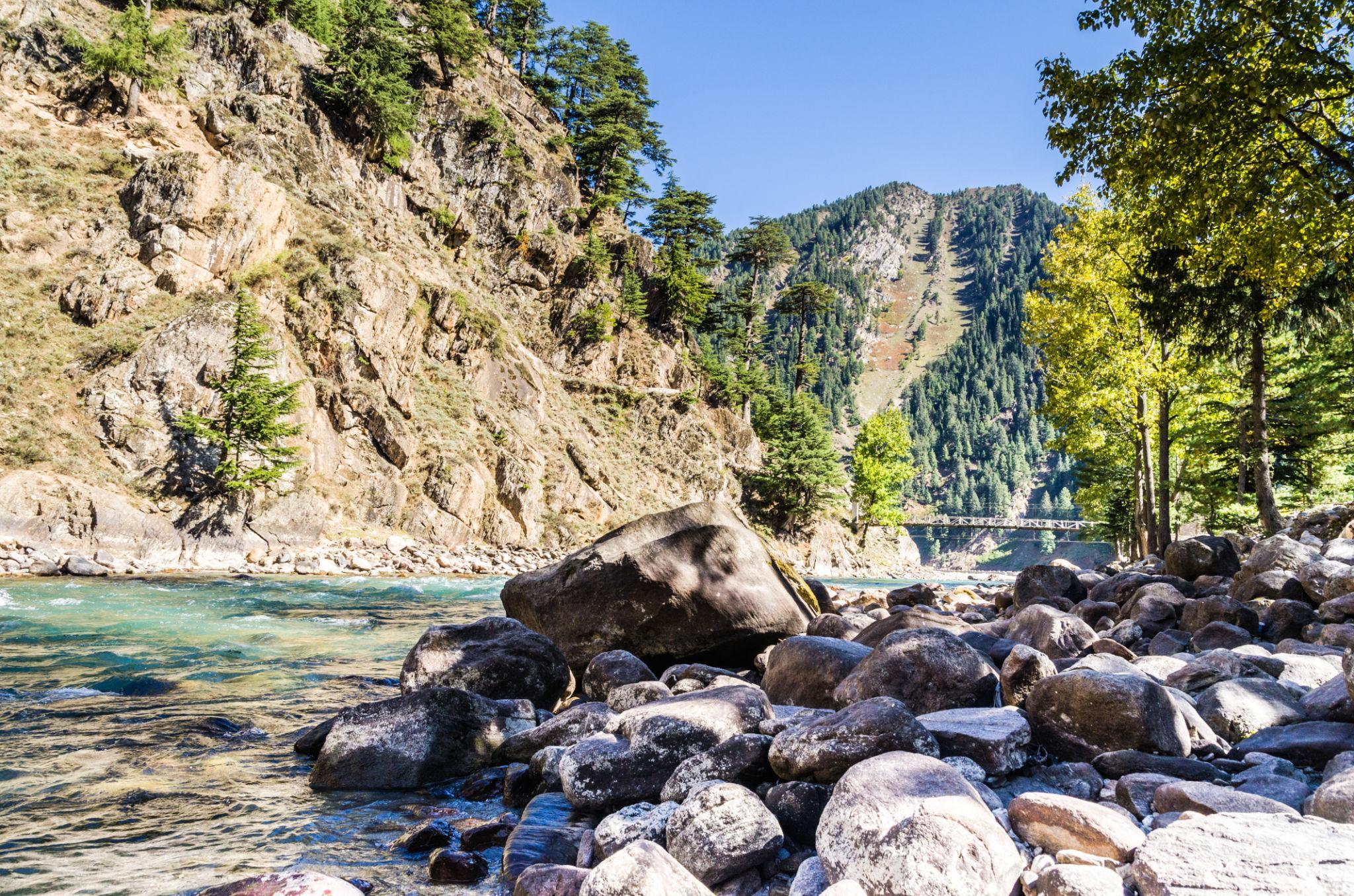
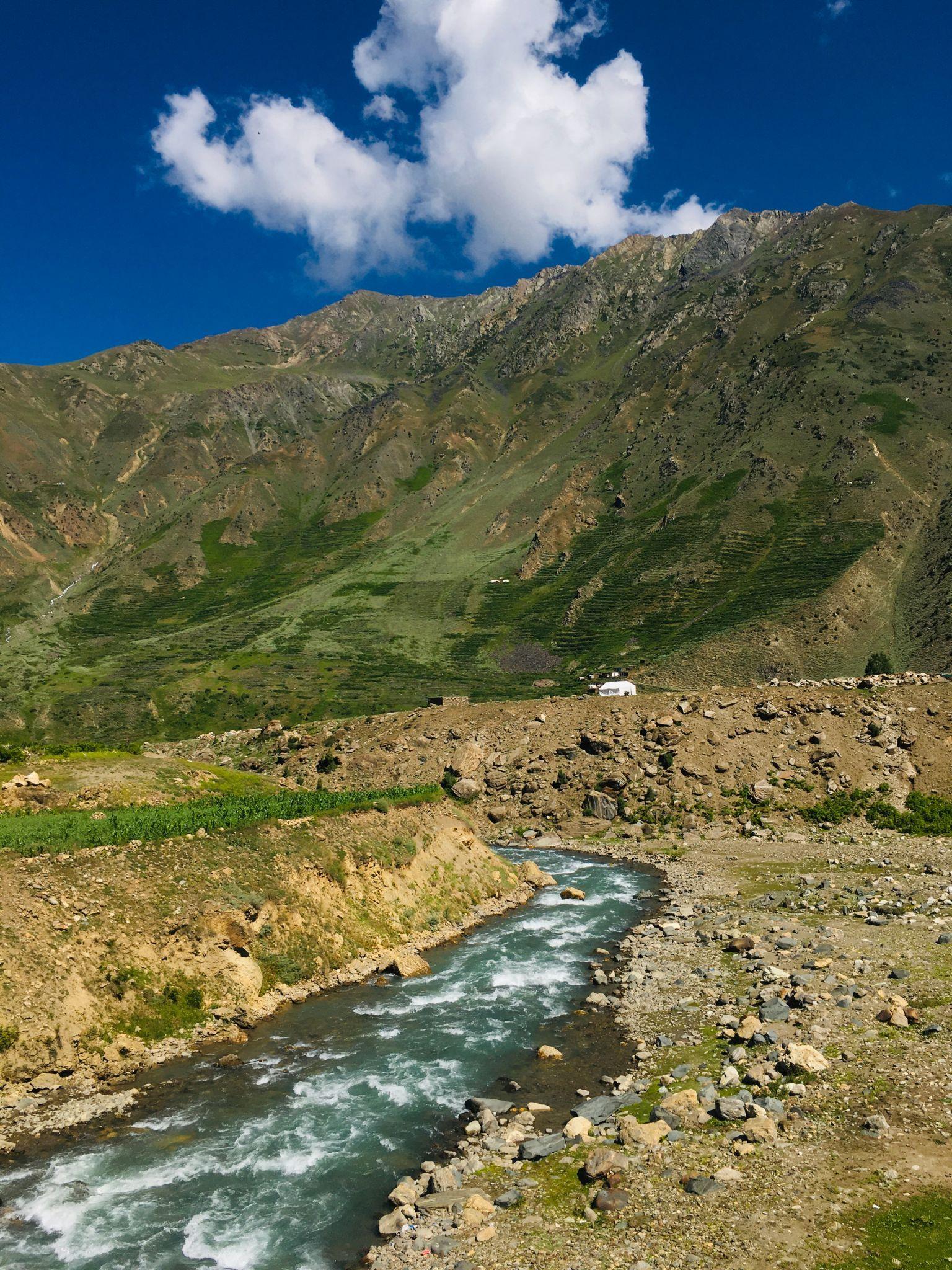
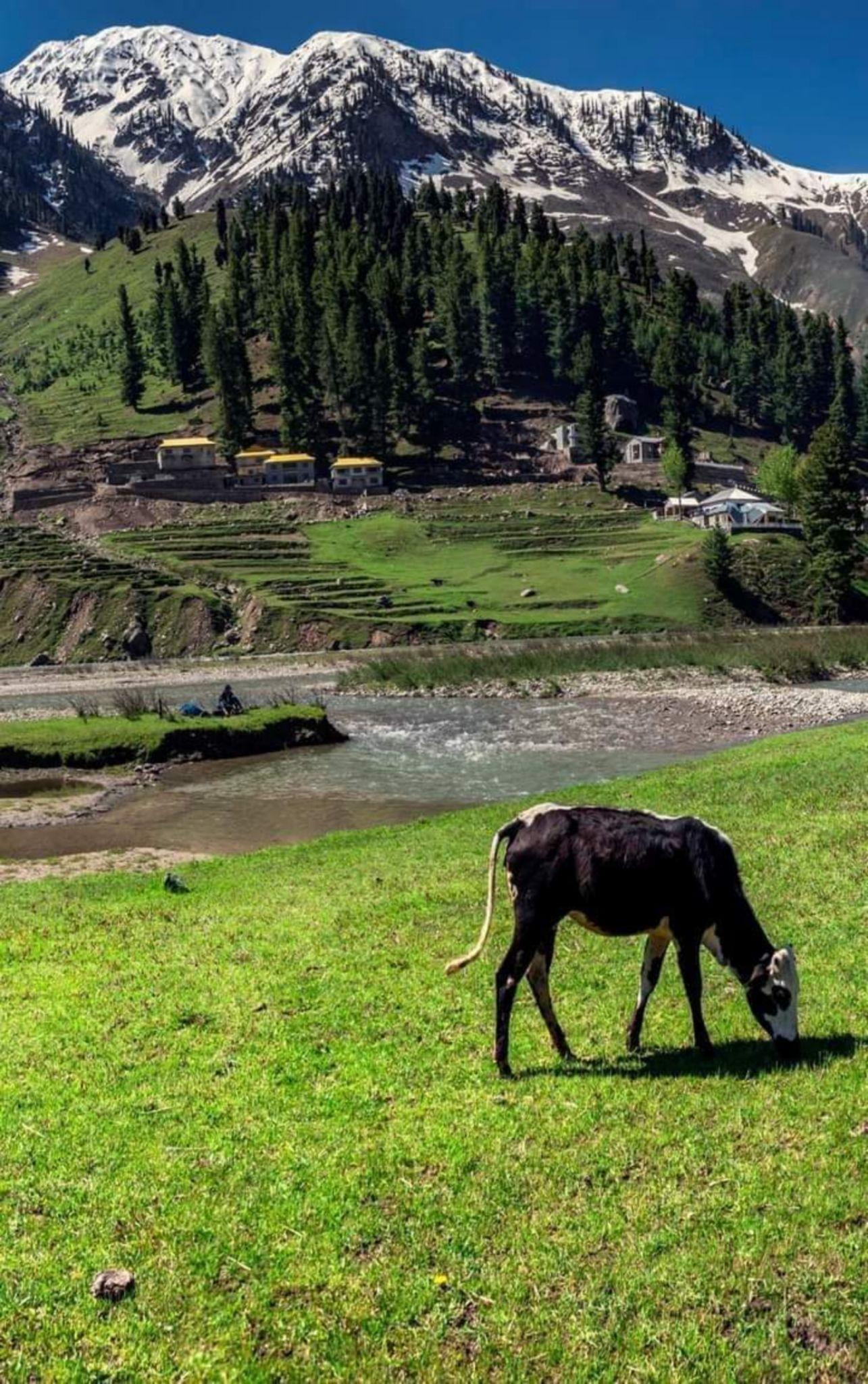
Naran and Kaghan are among Pakistan’s most visited summer destinations. The region is famous for alpine lakes, rivers, glaciers, forests, and scenic mountain roads.
Pakistan’s cities preserve centuries of architecture, cuisine, traditions, and cultural heritage.
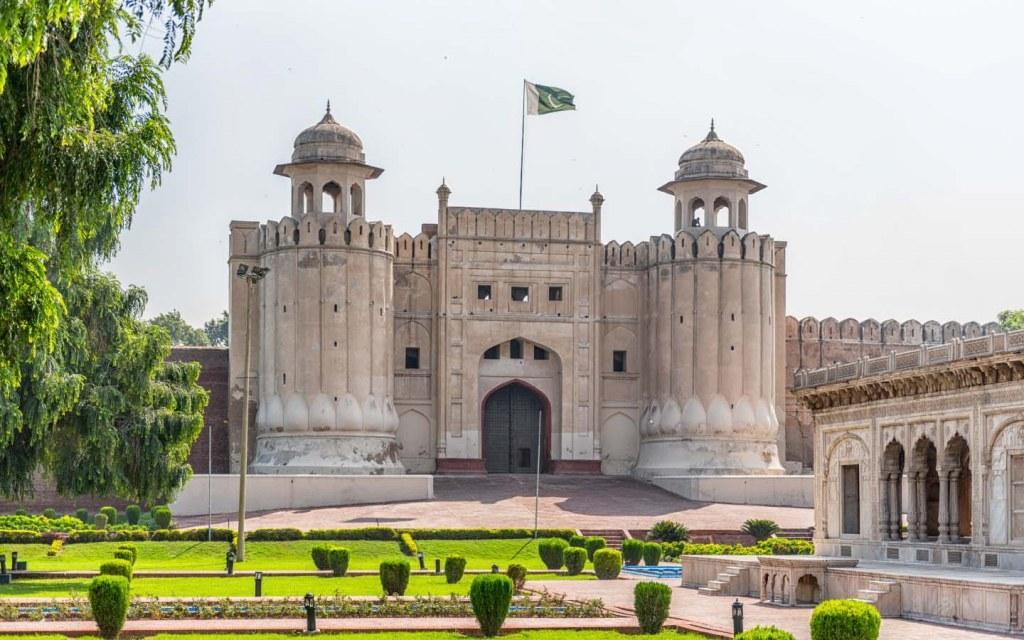
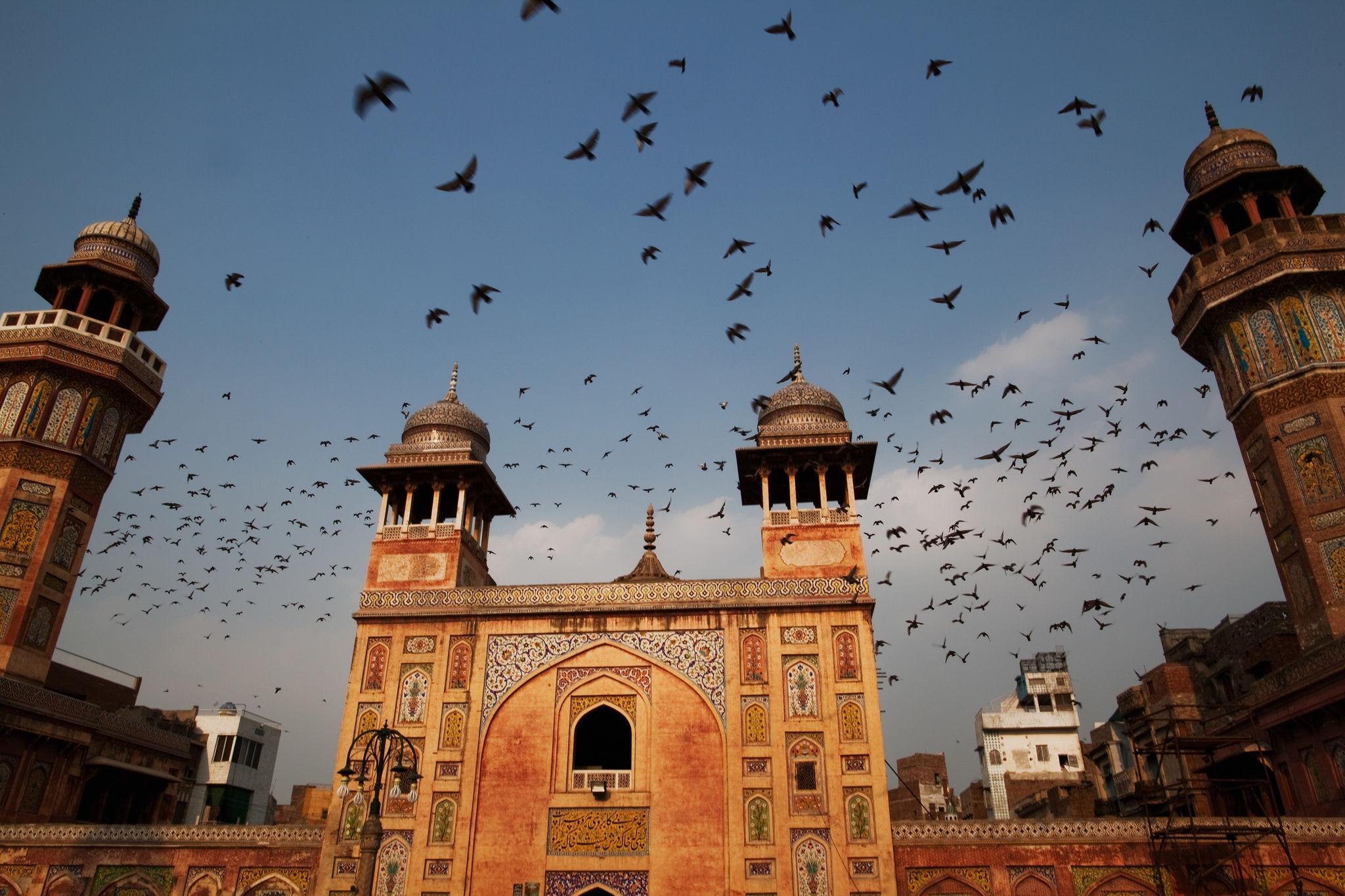
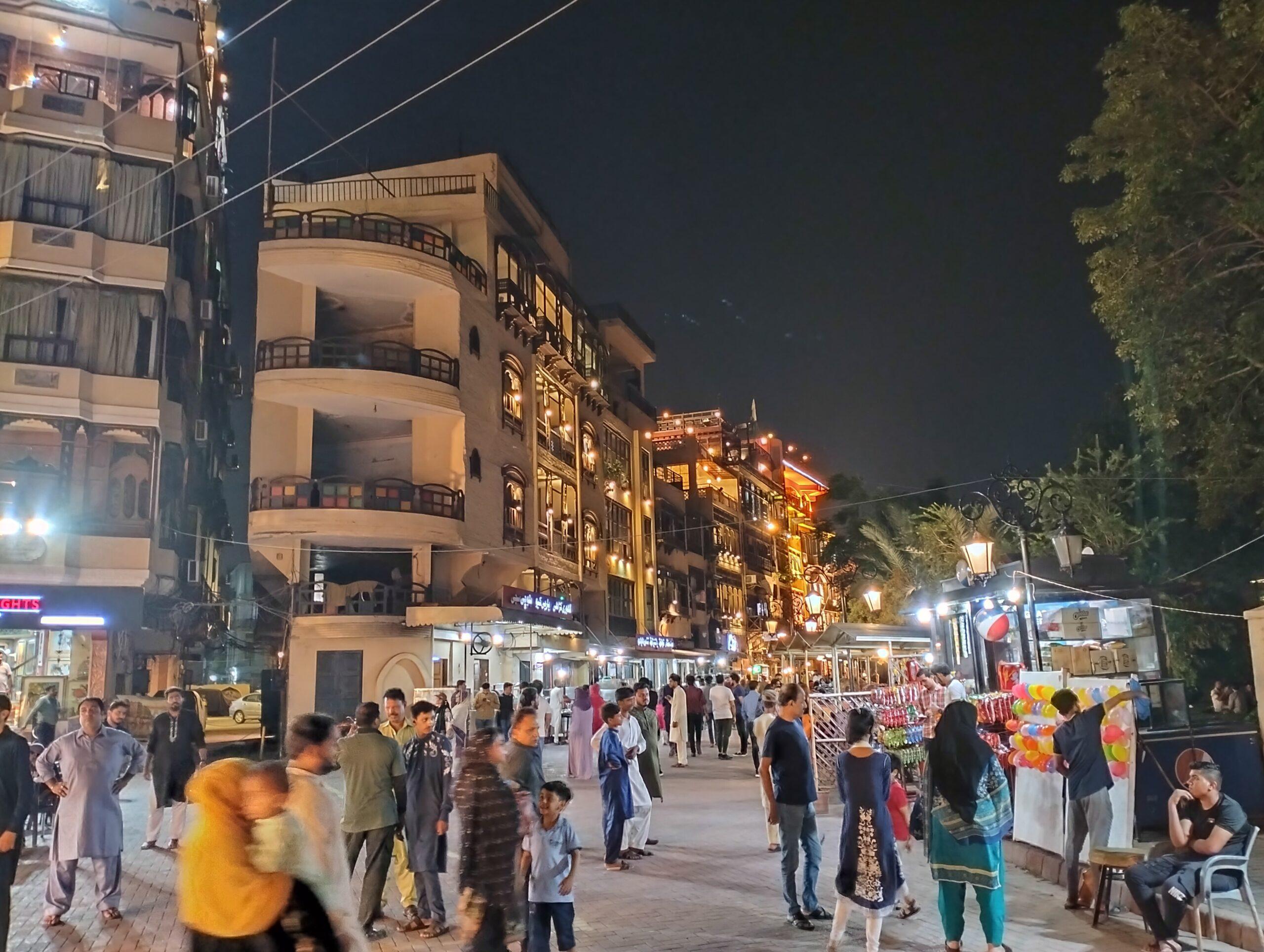
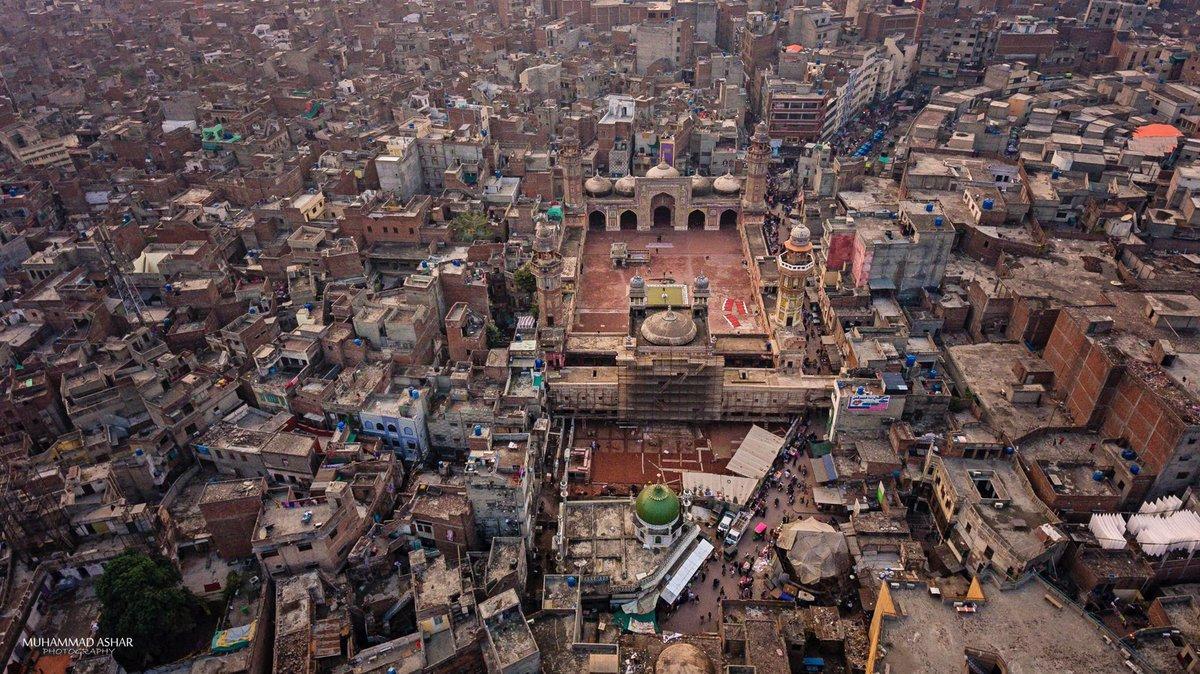
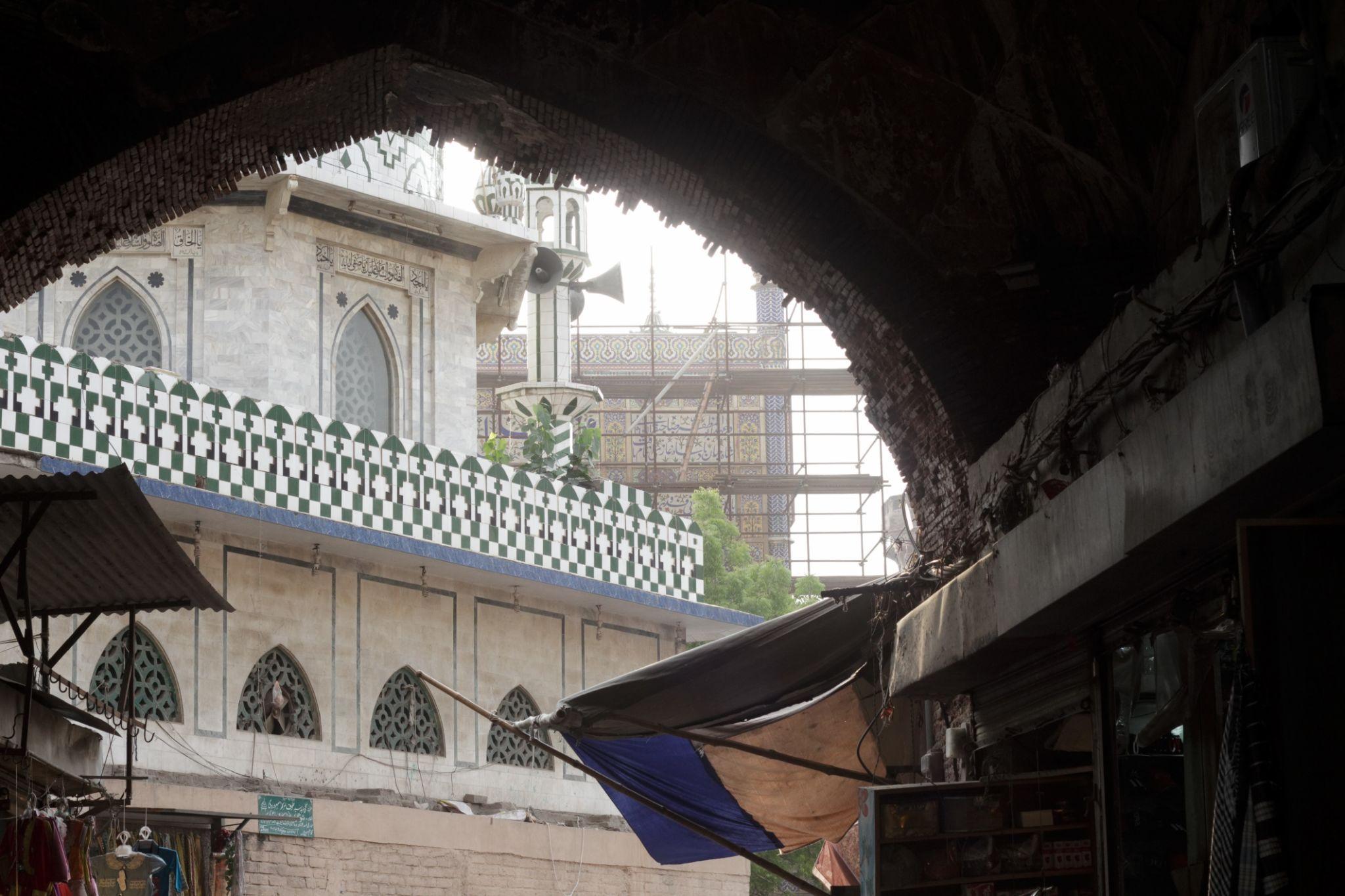
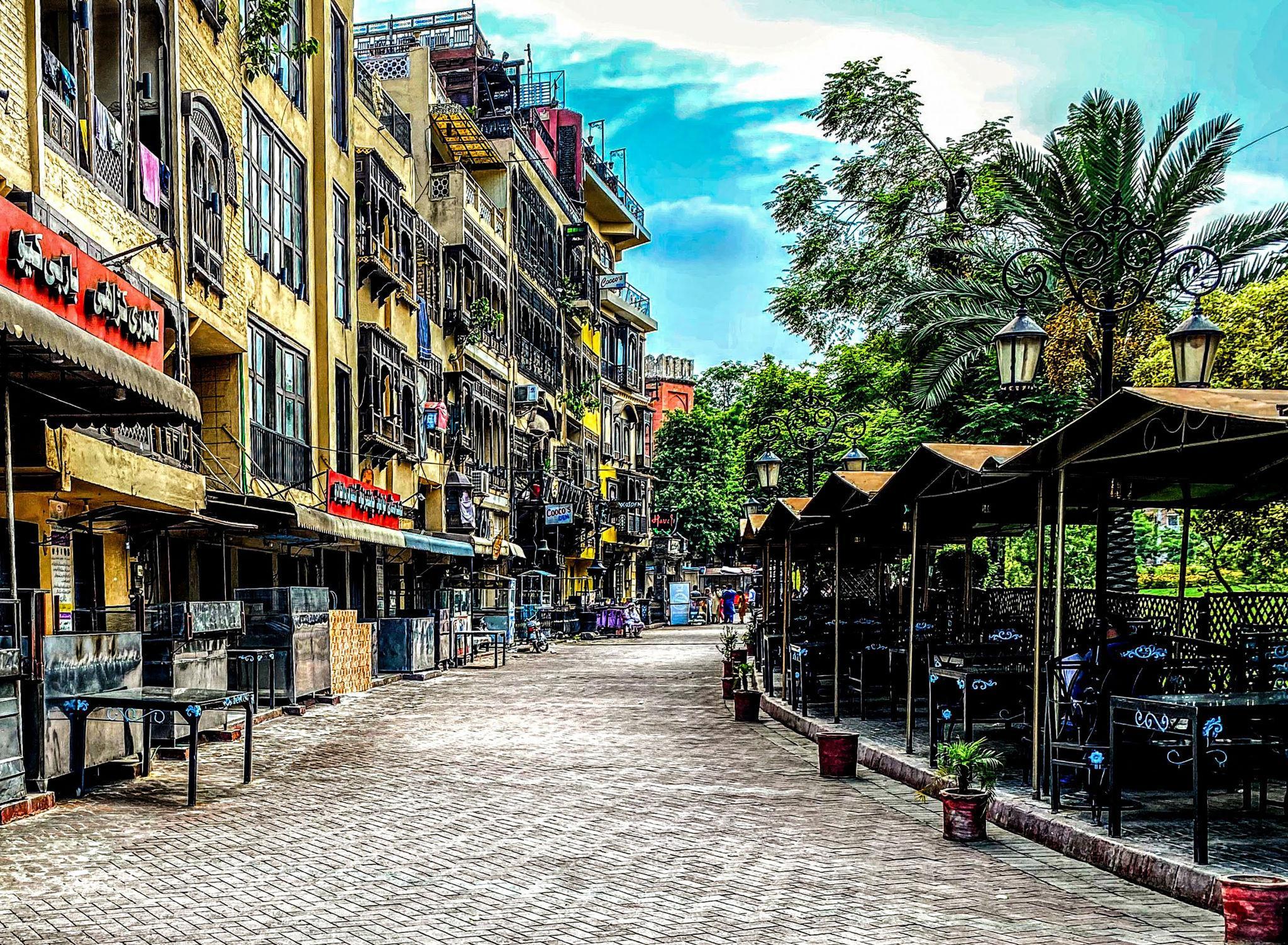
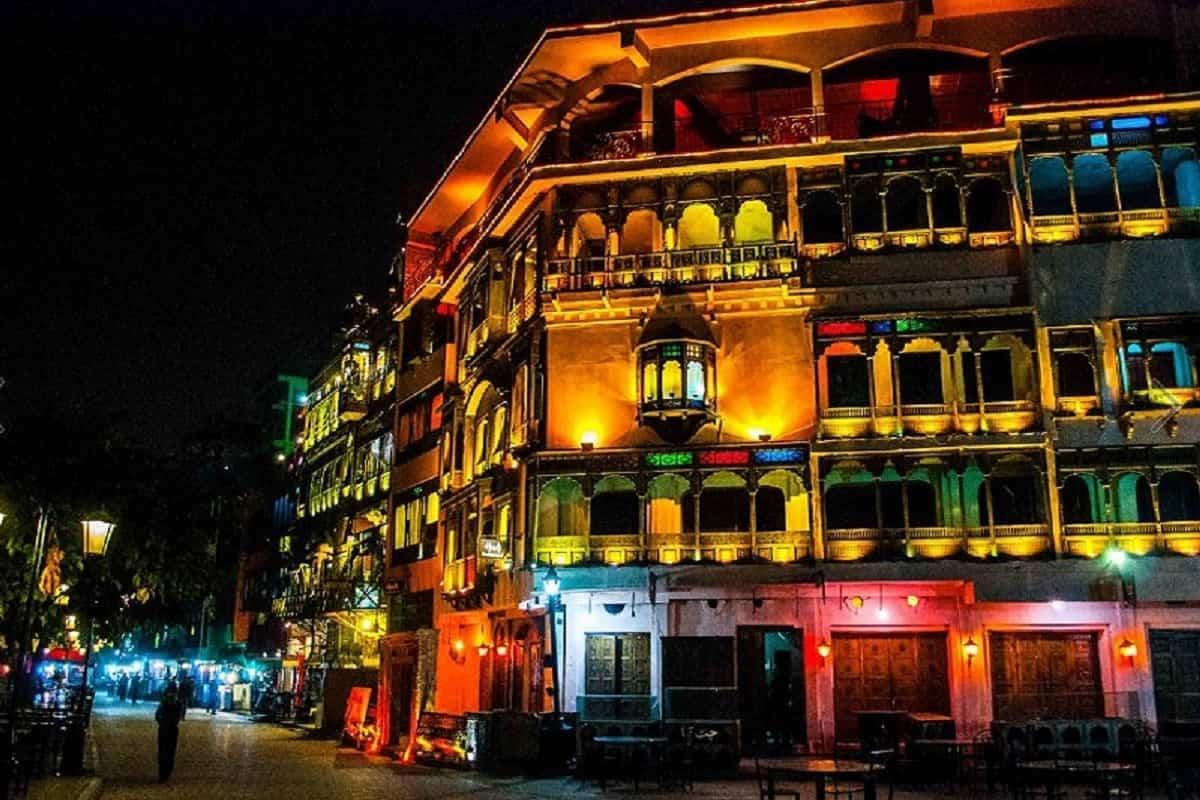
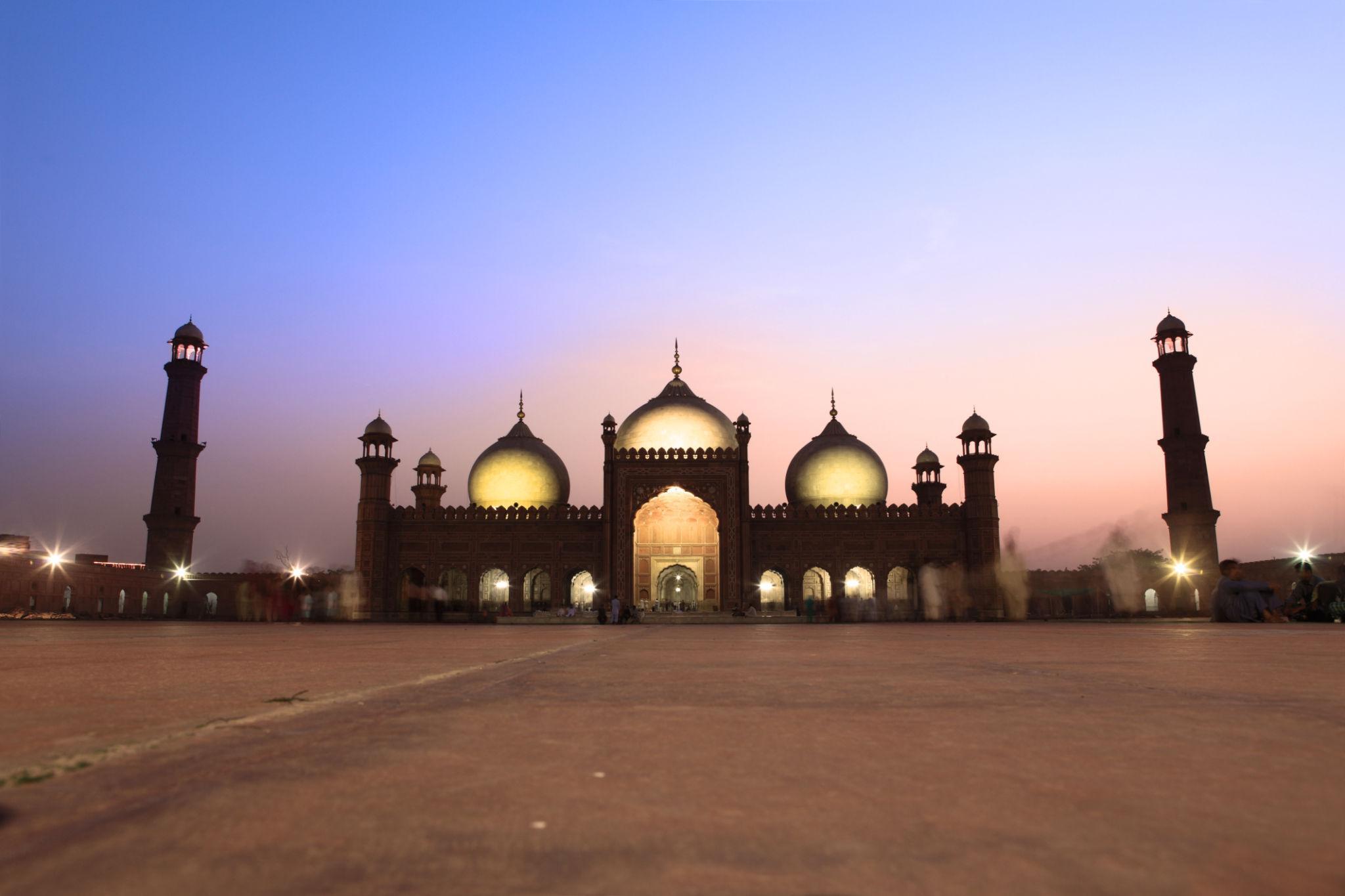
Lahore is considered the cultural heart of Pakistan and one of South Asia’s most historic cities. The city is famous for Mughal architecture, historical landmarks, food streets, bazaars, and vibrant traditions.
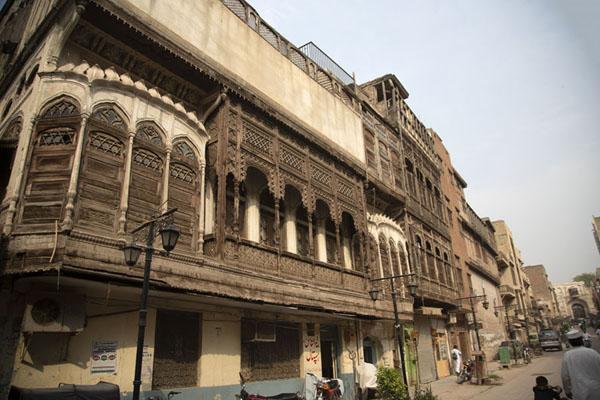
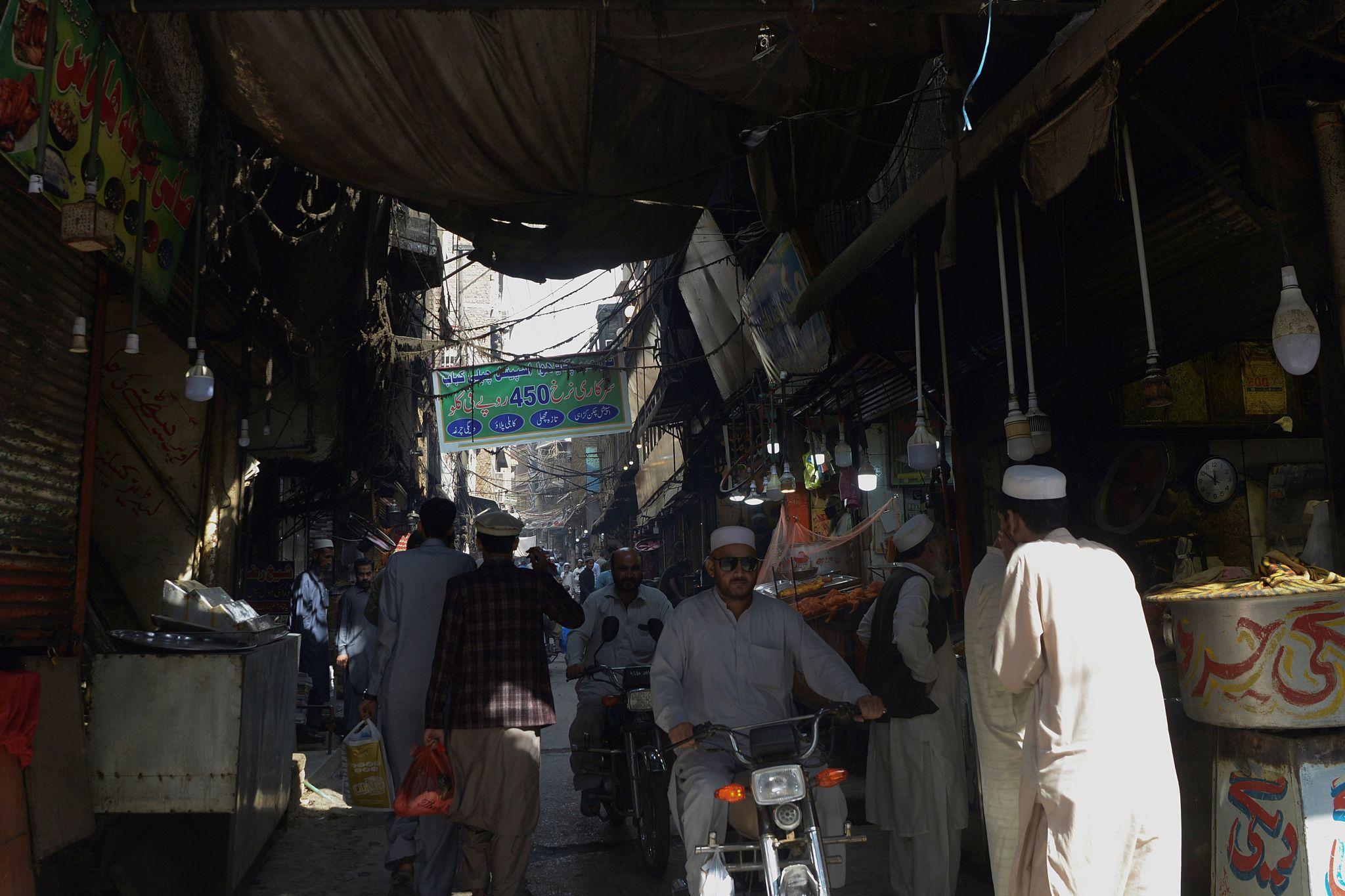
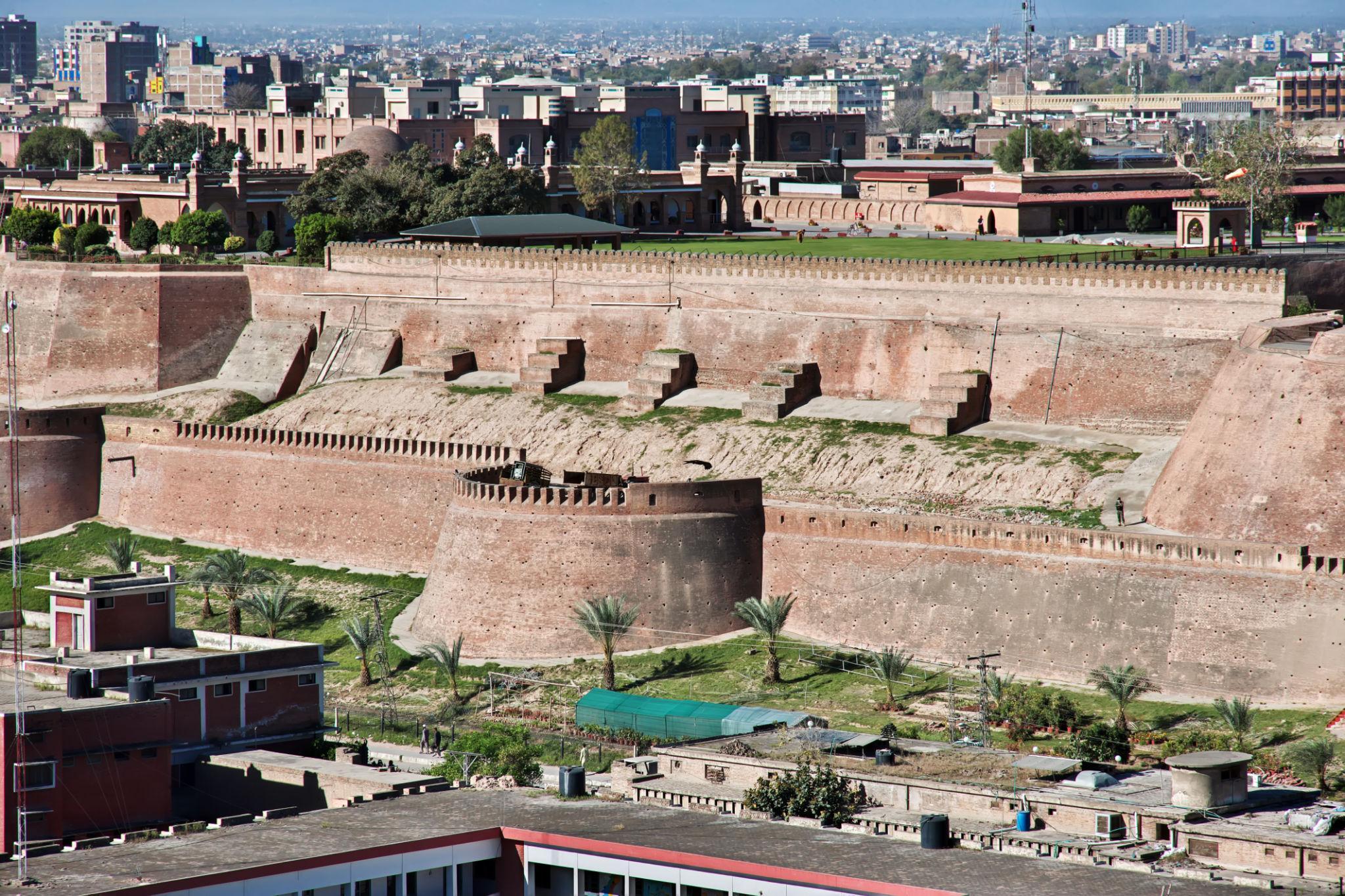
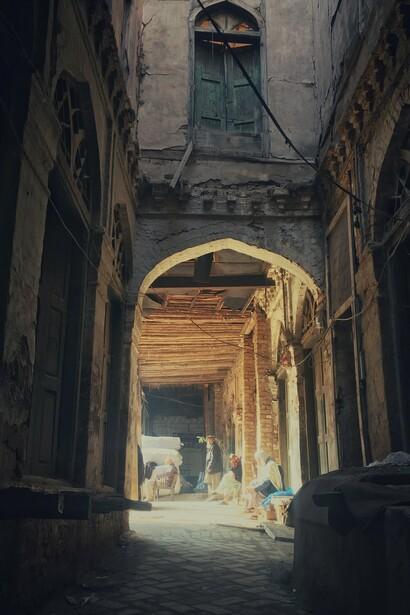
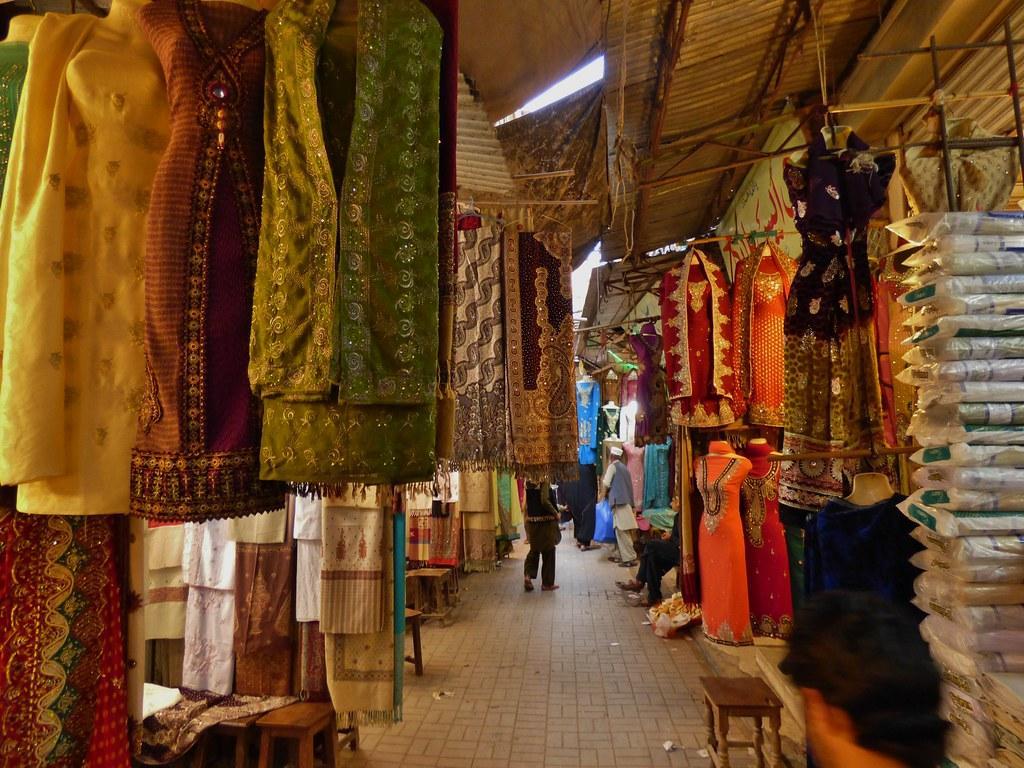
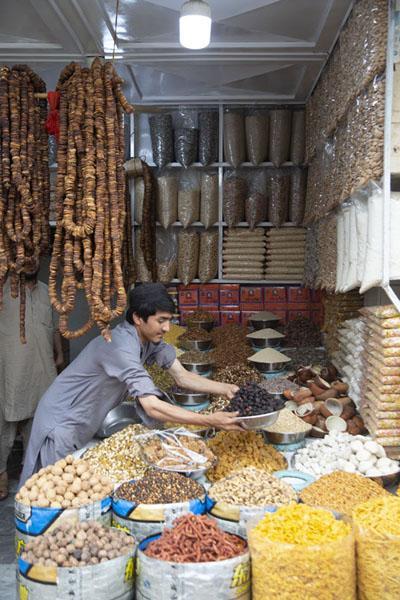
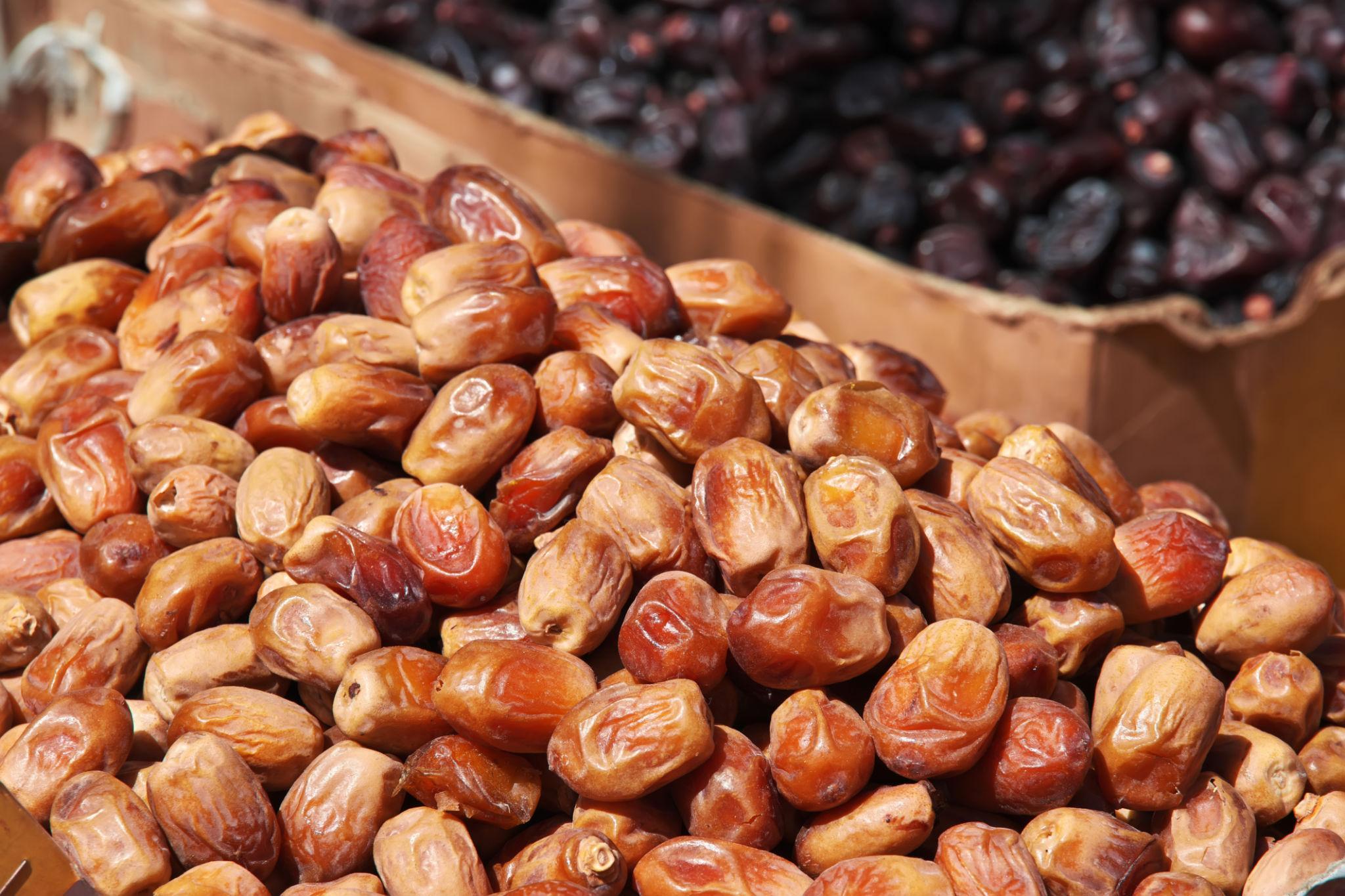
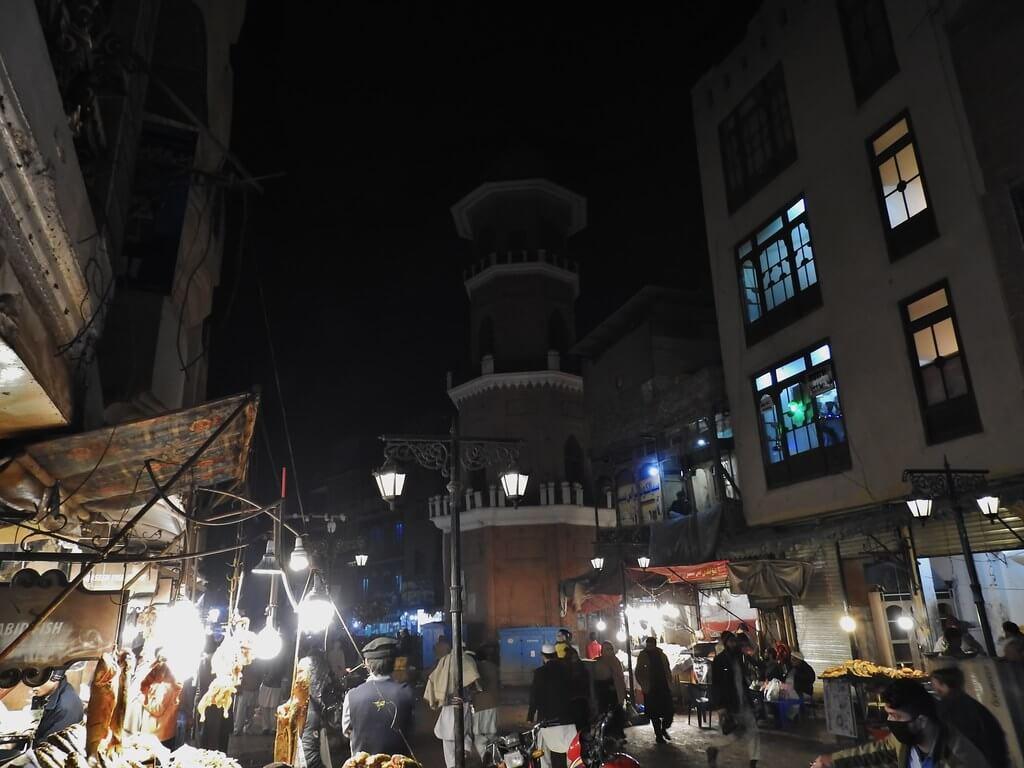
Peshawar is one of the oldest continuously inhabited cities in South Asia and has historically served as a gateway between Central Asia and the Indian subcontinent. The city is known for traditional bazaars, historic caravan routes, Pashtun culture, and centuries-old architecture.
The atmosphere of Peshawar is very different from modern metropolitan cities. Narrow streets, historic markets, traditional tea houses, and old-style craftsmanship preserve the city’s historical identity.
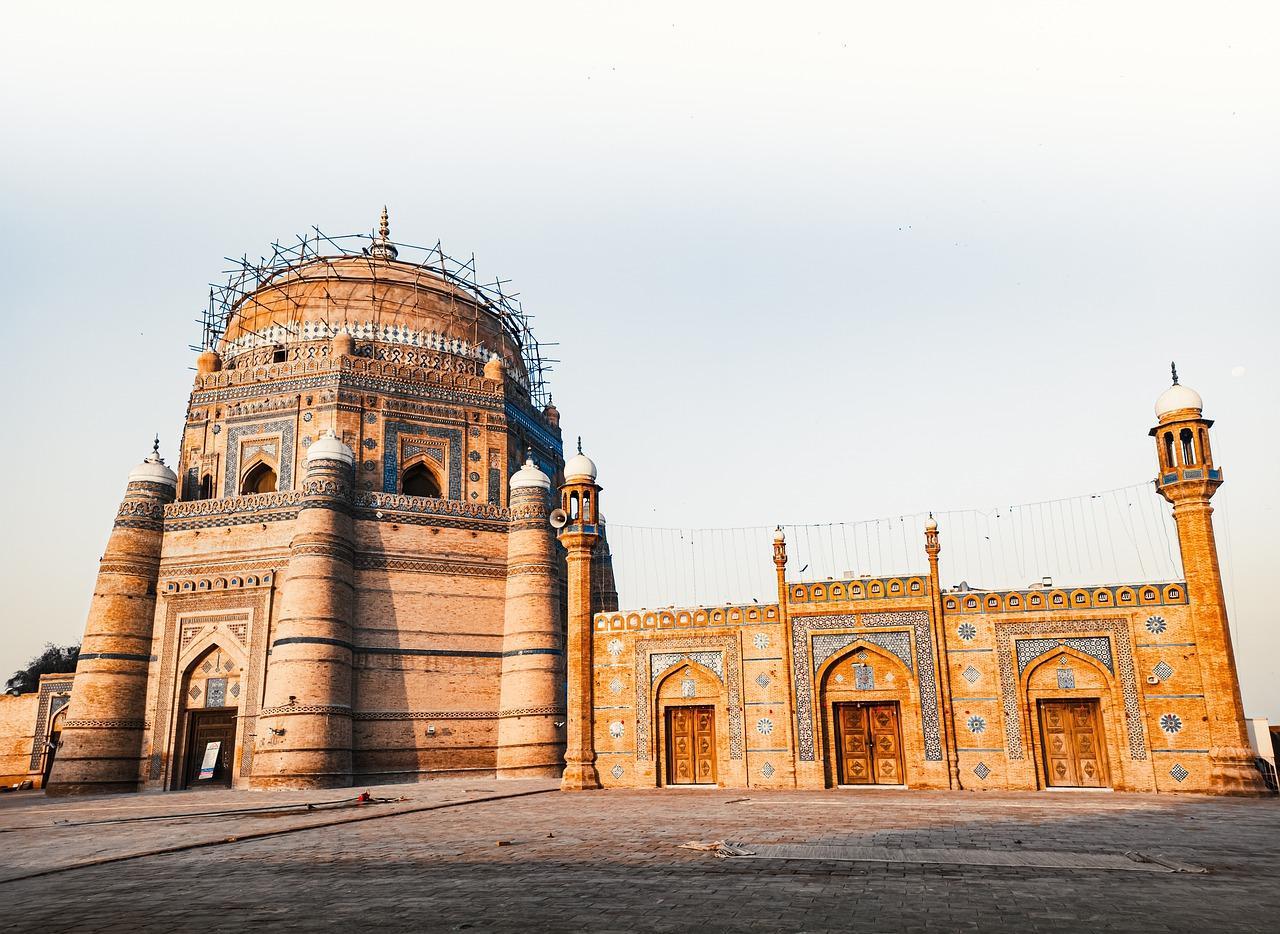
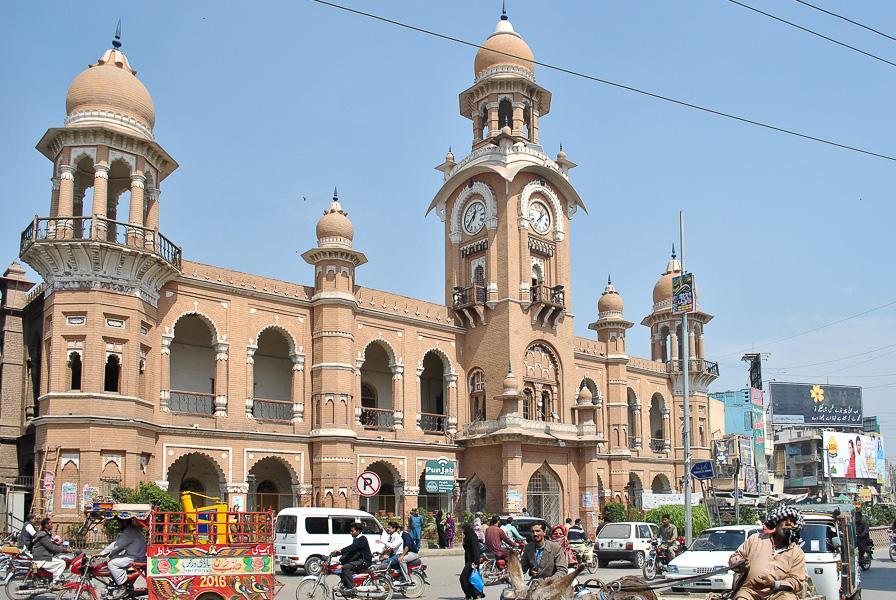
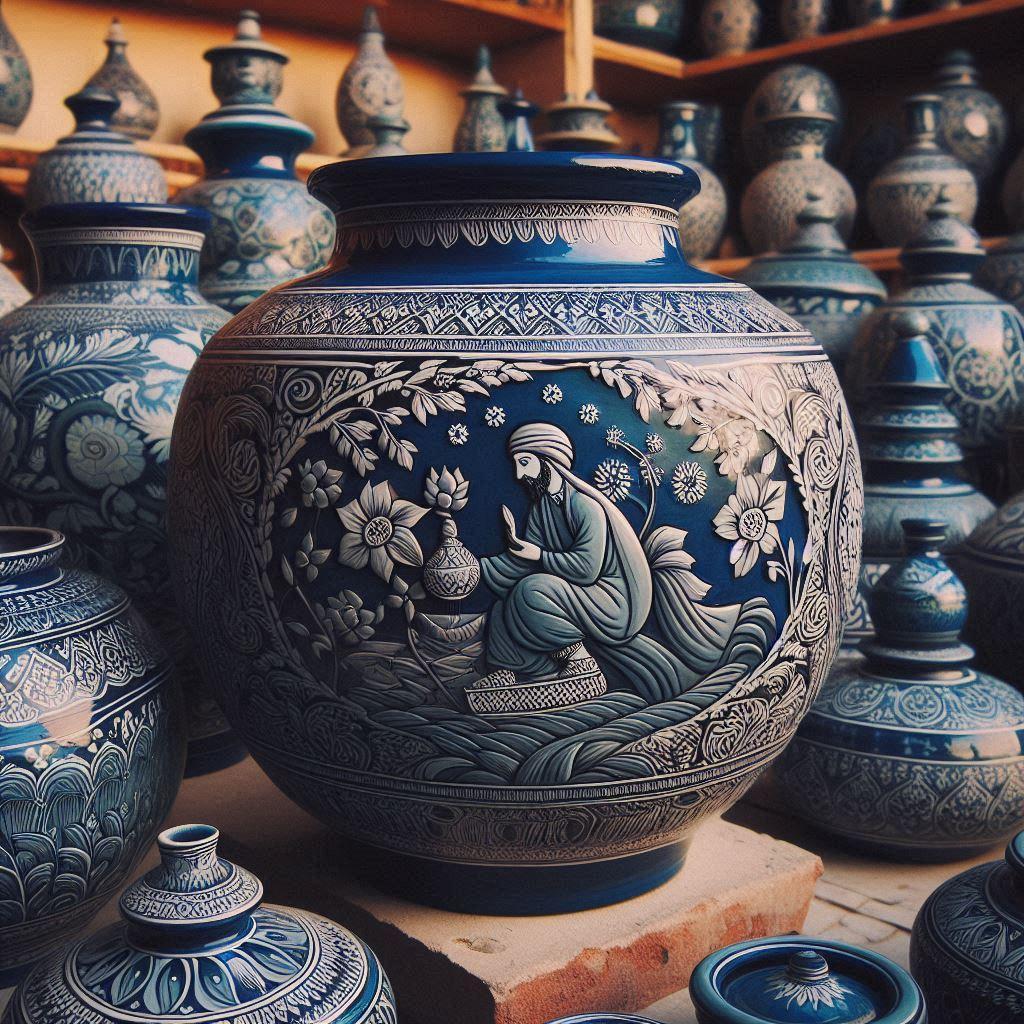

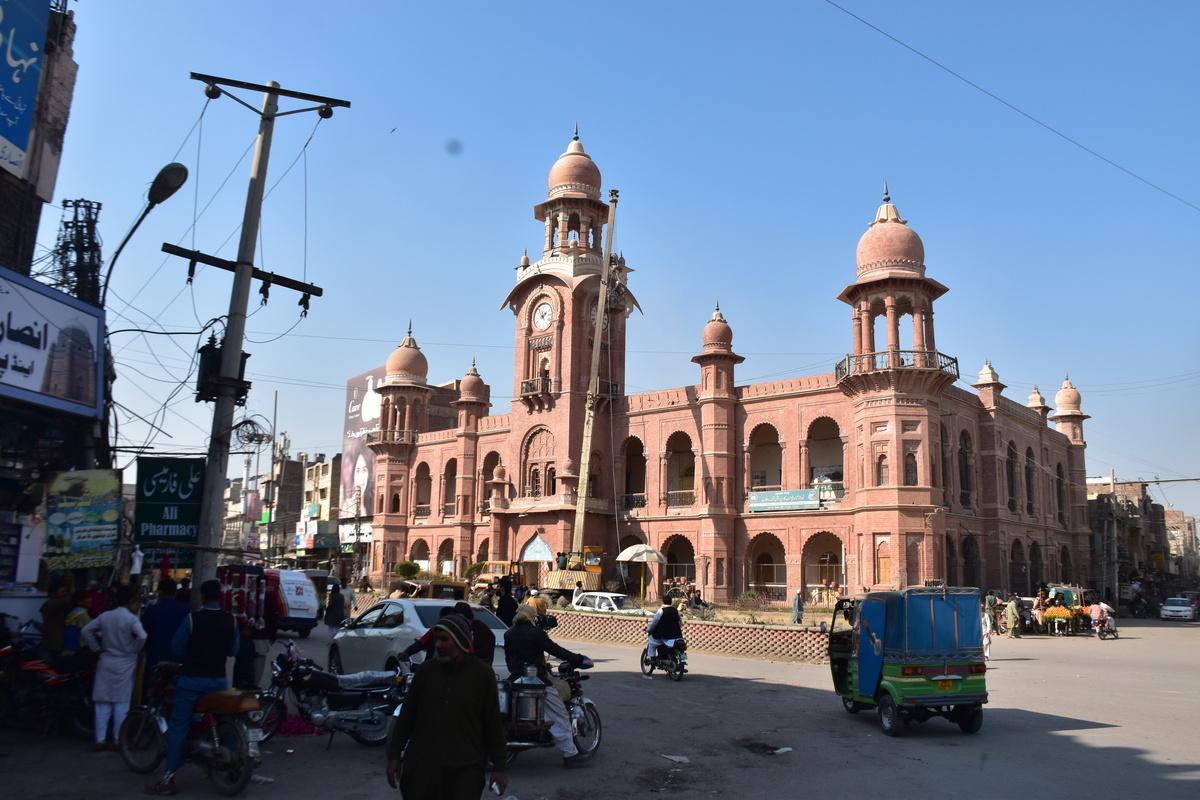
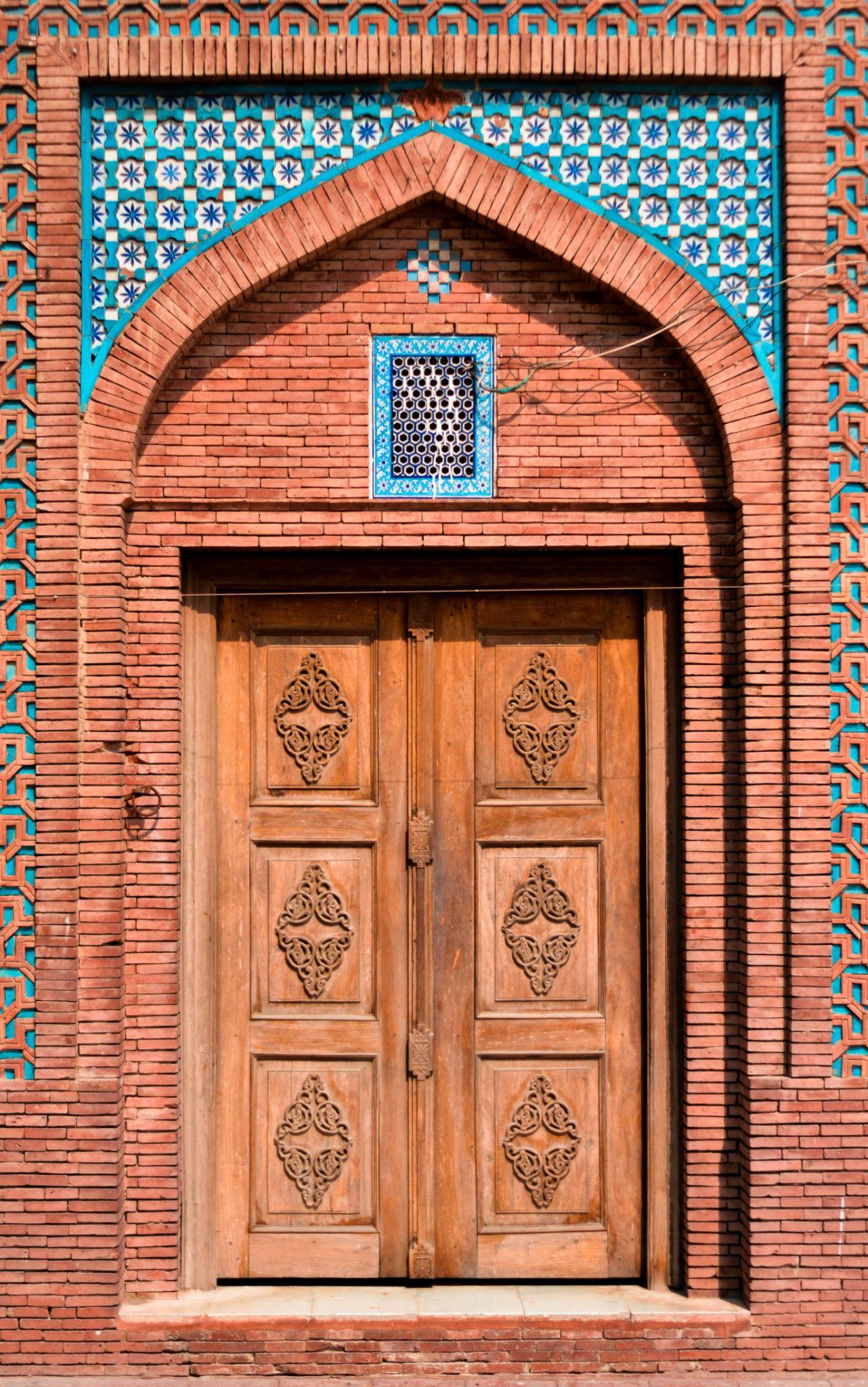
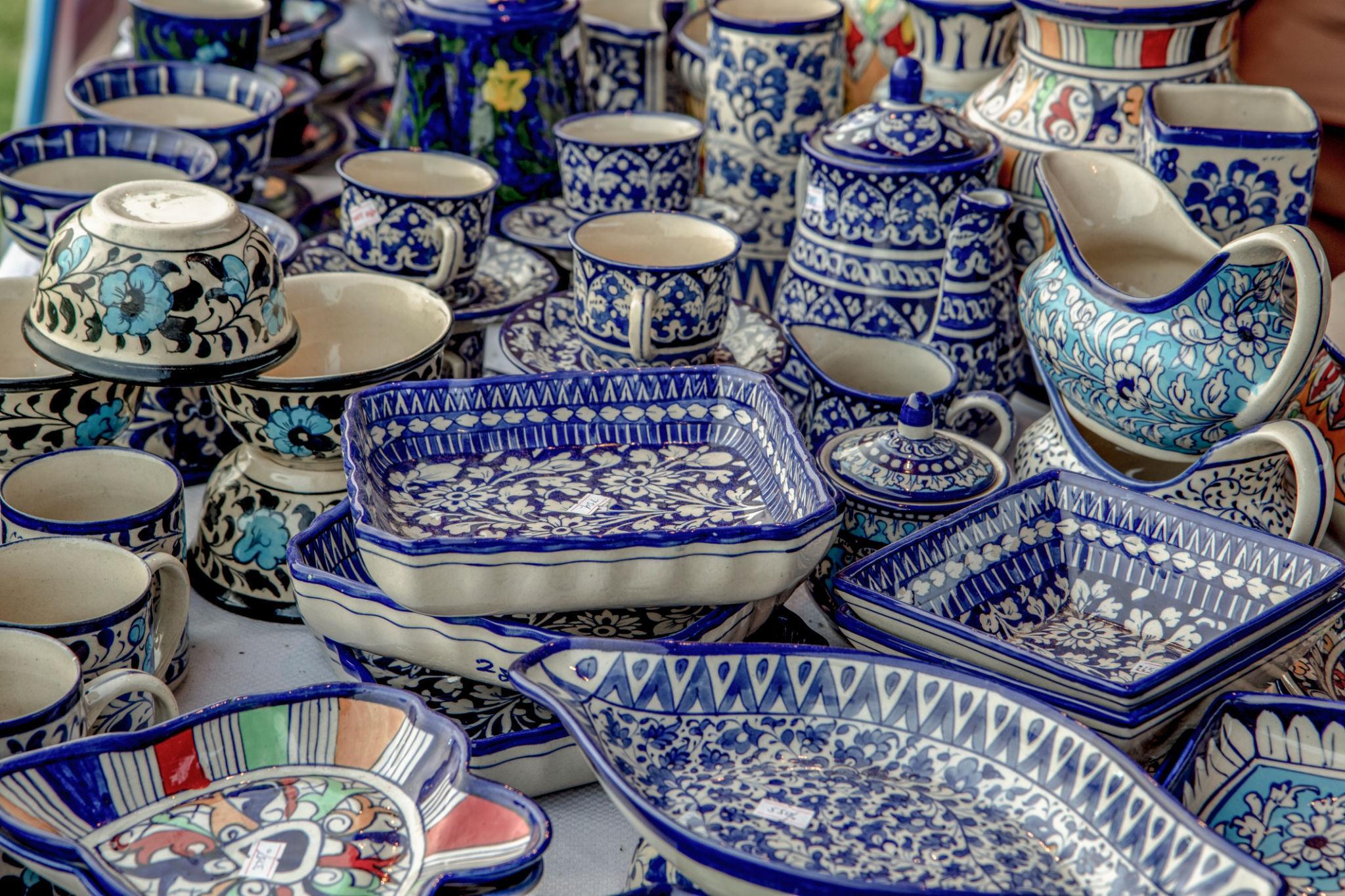
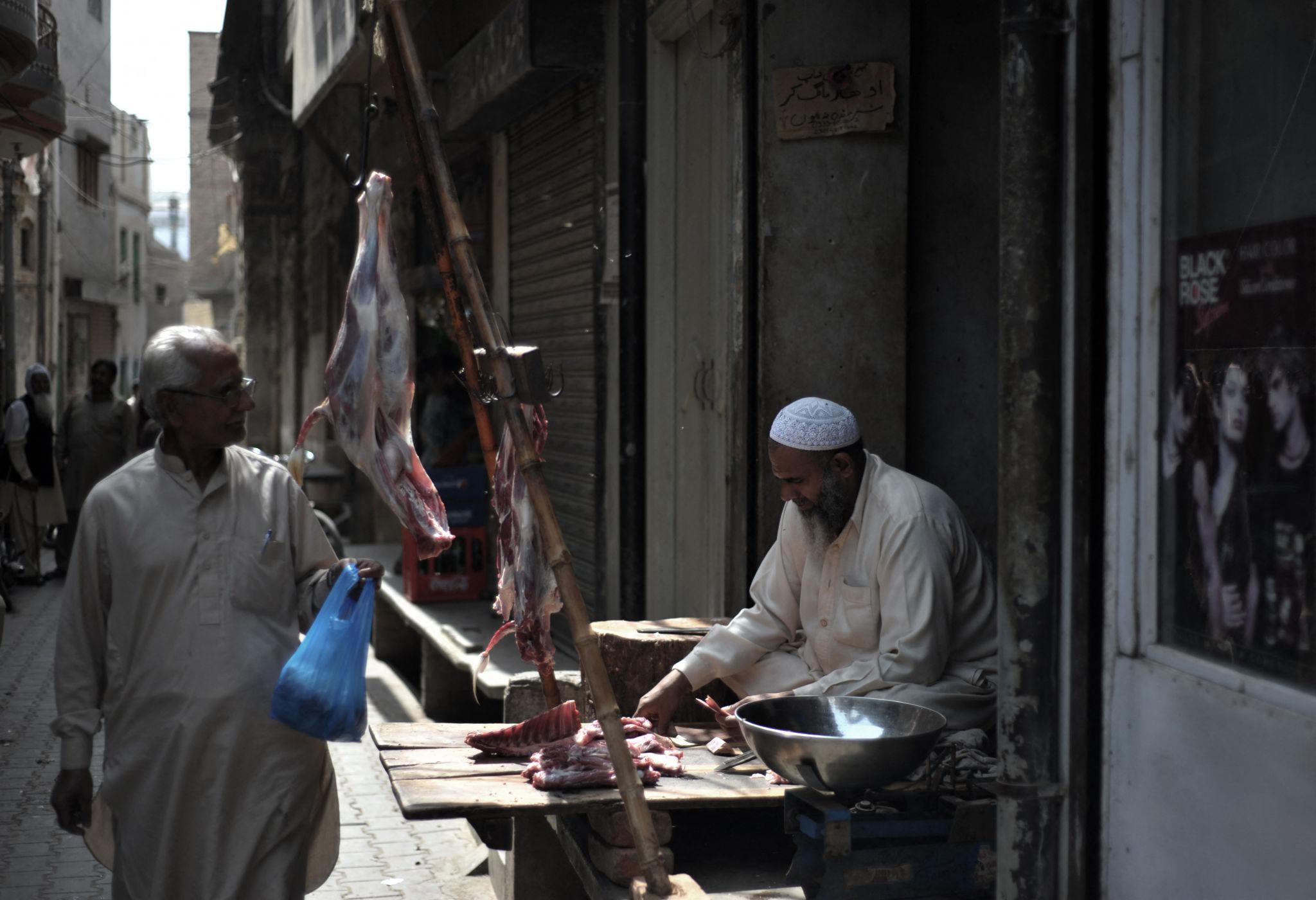
Known as the “City of Saints,” Multan is one of the oldest cities in Pakistan and is famous for Sufi shrines, Islamic architecture, blue pottery, and rich cultural heritage.
The city has remained an important religious and trading center for centuries and continues to attract pilgrims and cultural travelers.
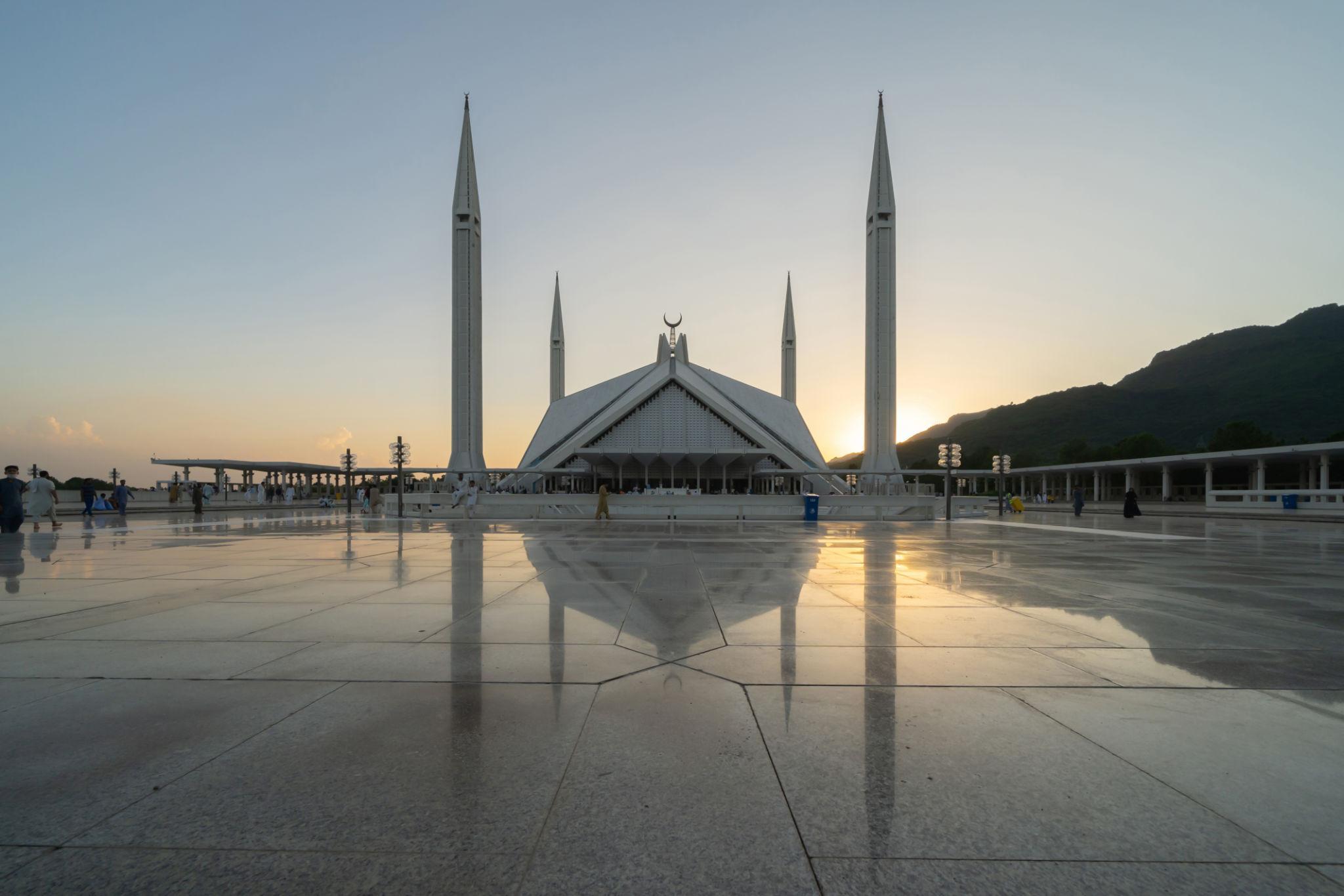
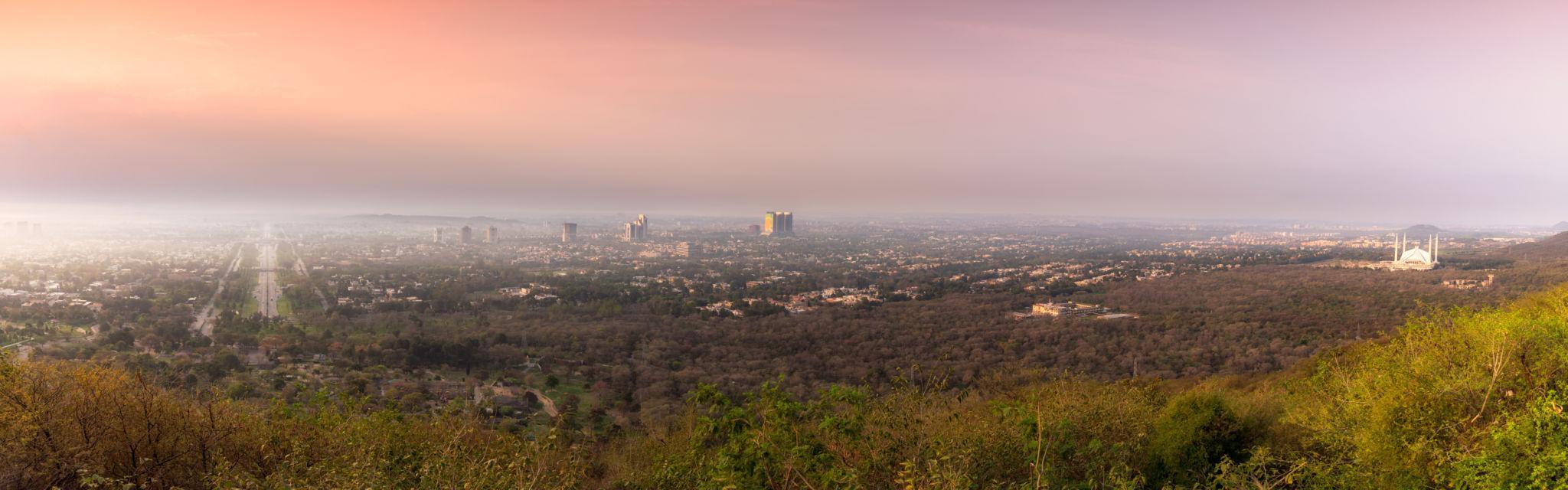
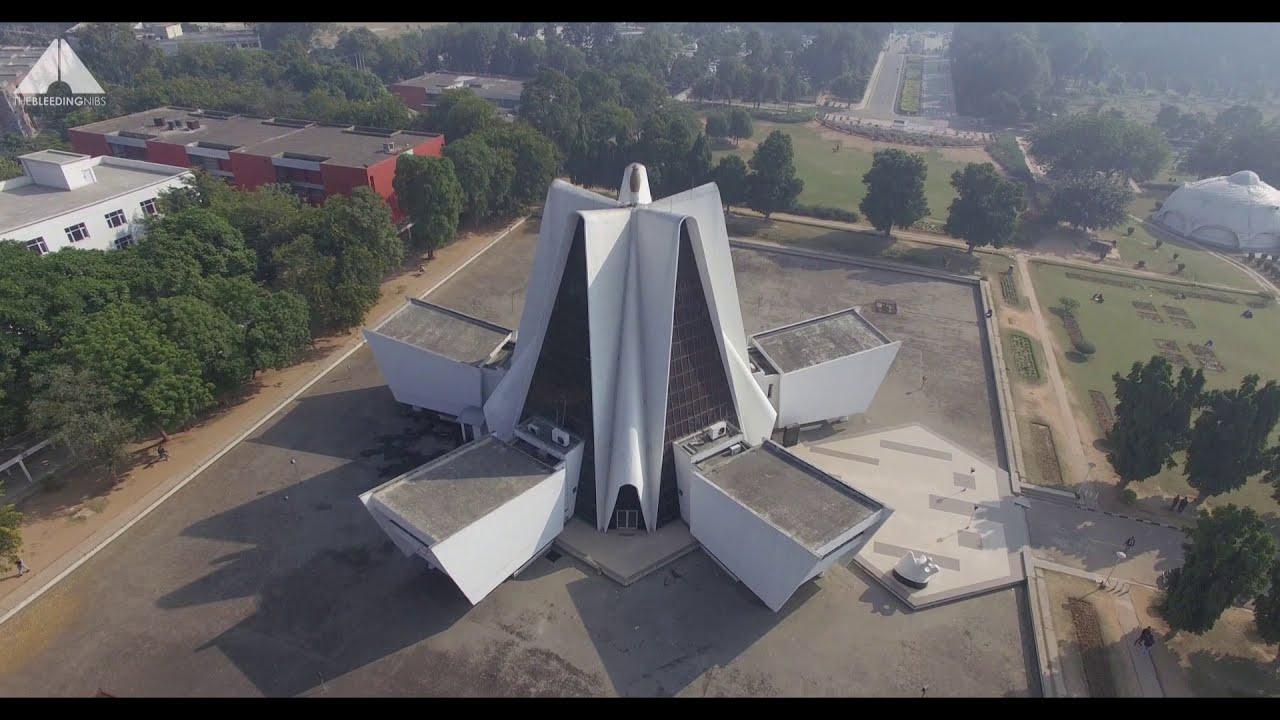
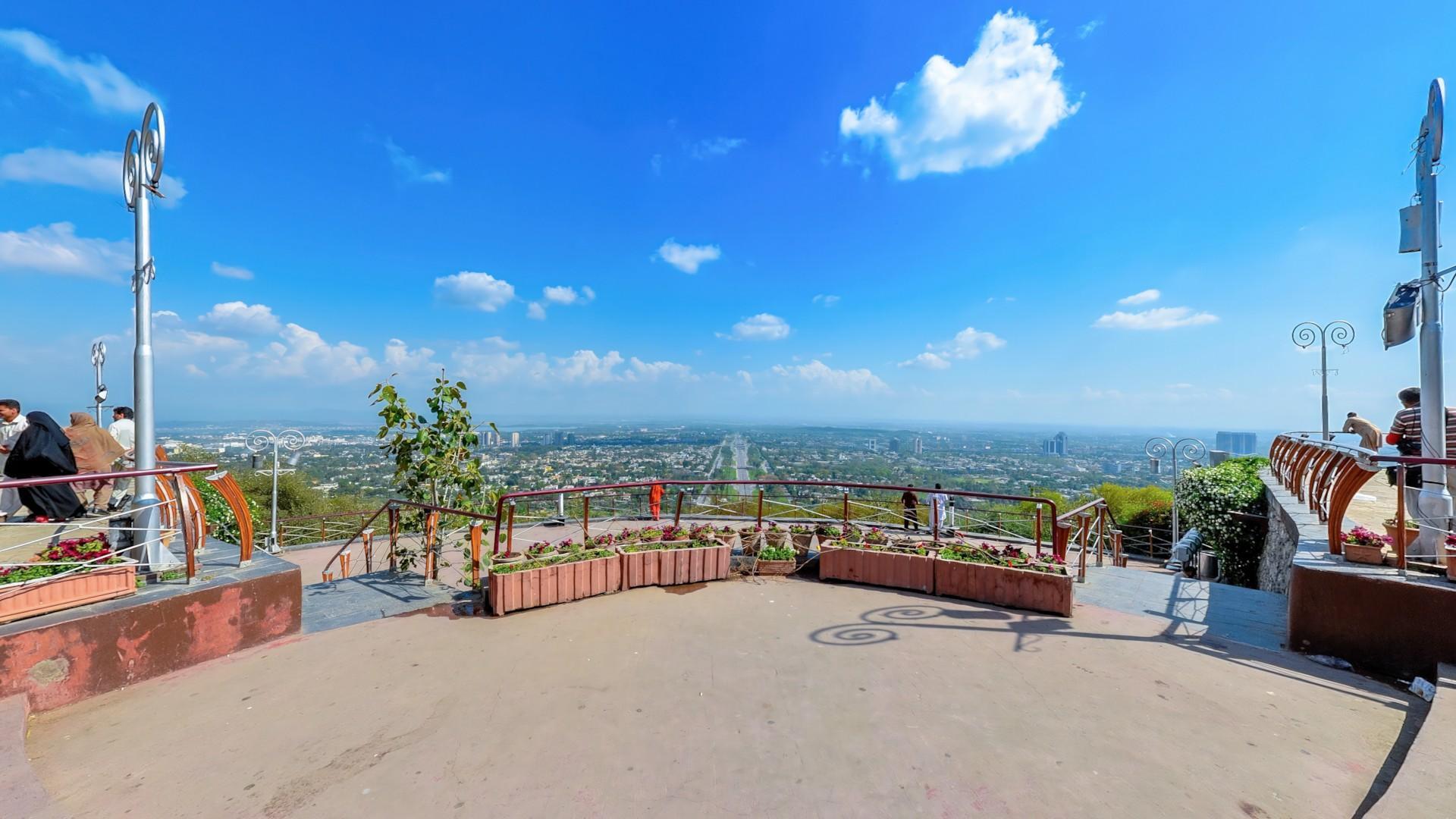
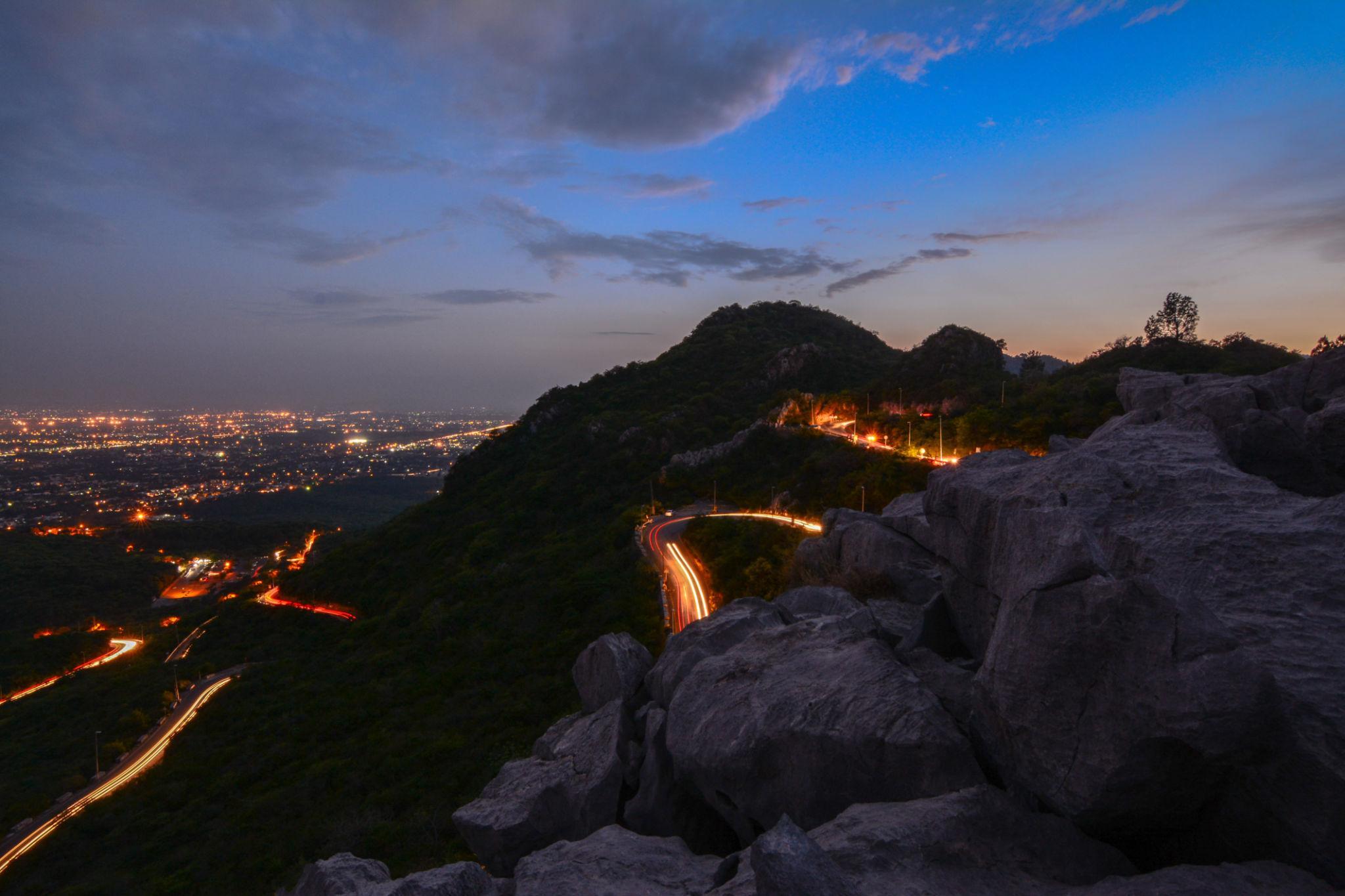
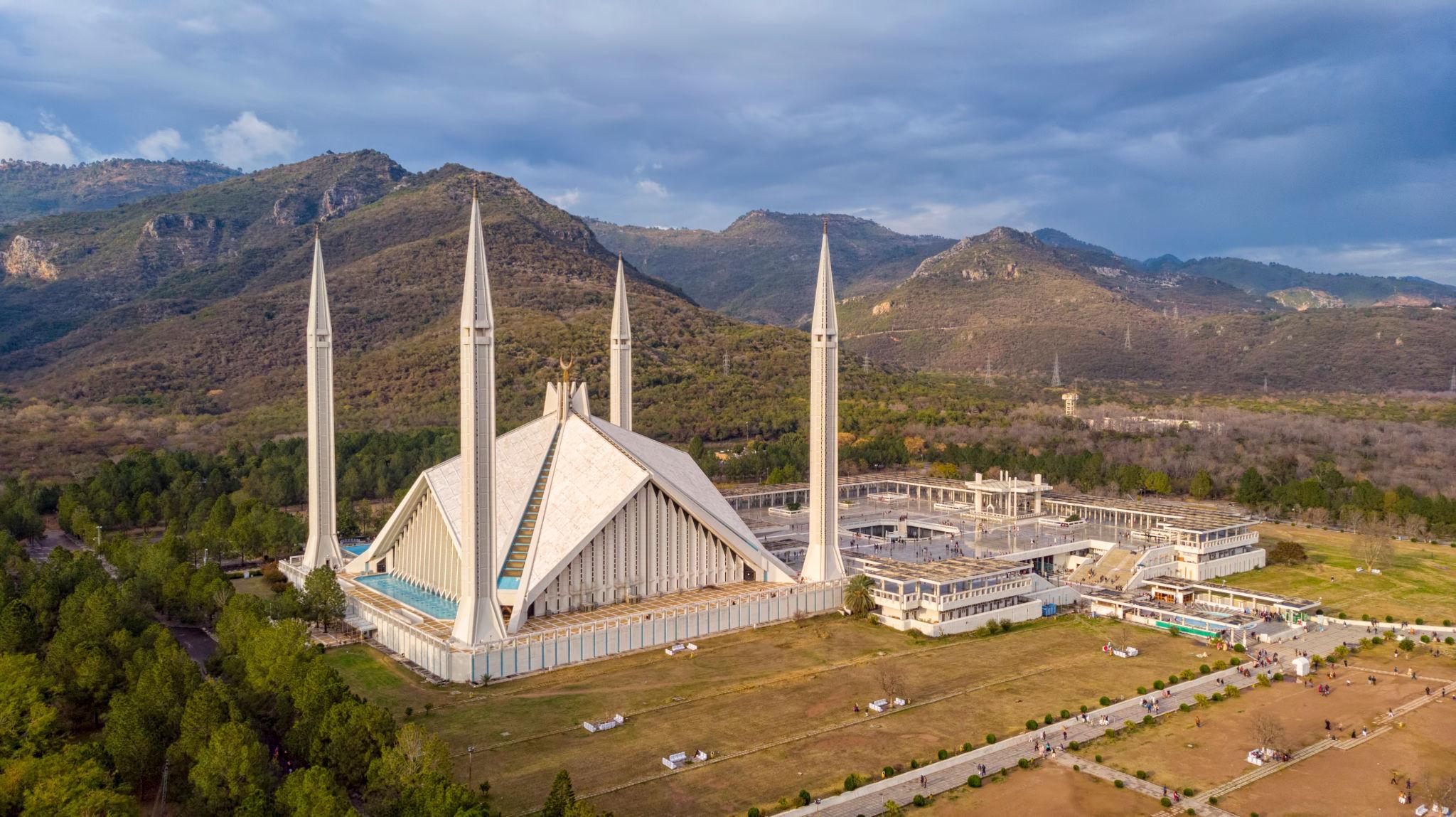
Islamabad is Pakistan’s modern capital city and is known for its greenery, organized infrastructure, peaceful atmosphere, and scenic hills. Unlike the crowded historic cities of Pakistan, Islamabad offers wide roads, modern architecture, parks, and hiking trails.
The city lies at the foothills of the Margalla Hills and serves as a gateway to northern Pakistan.
Pakistan contains some of the oldest civilizations in the world, making it an important destination for archaeology and heritage tourism.
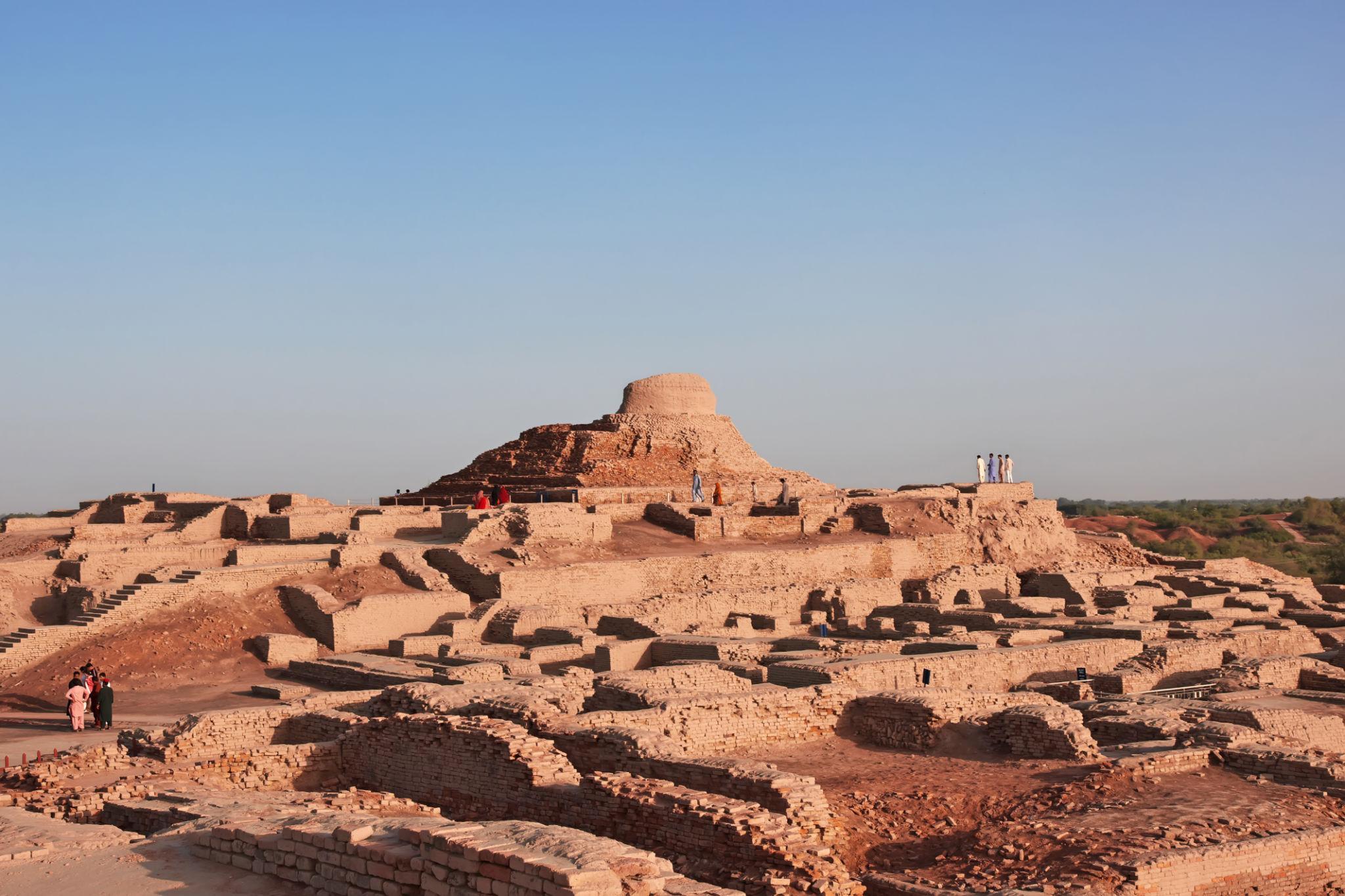
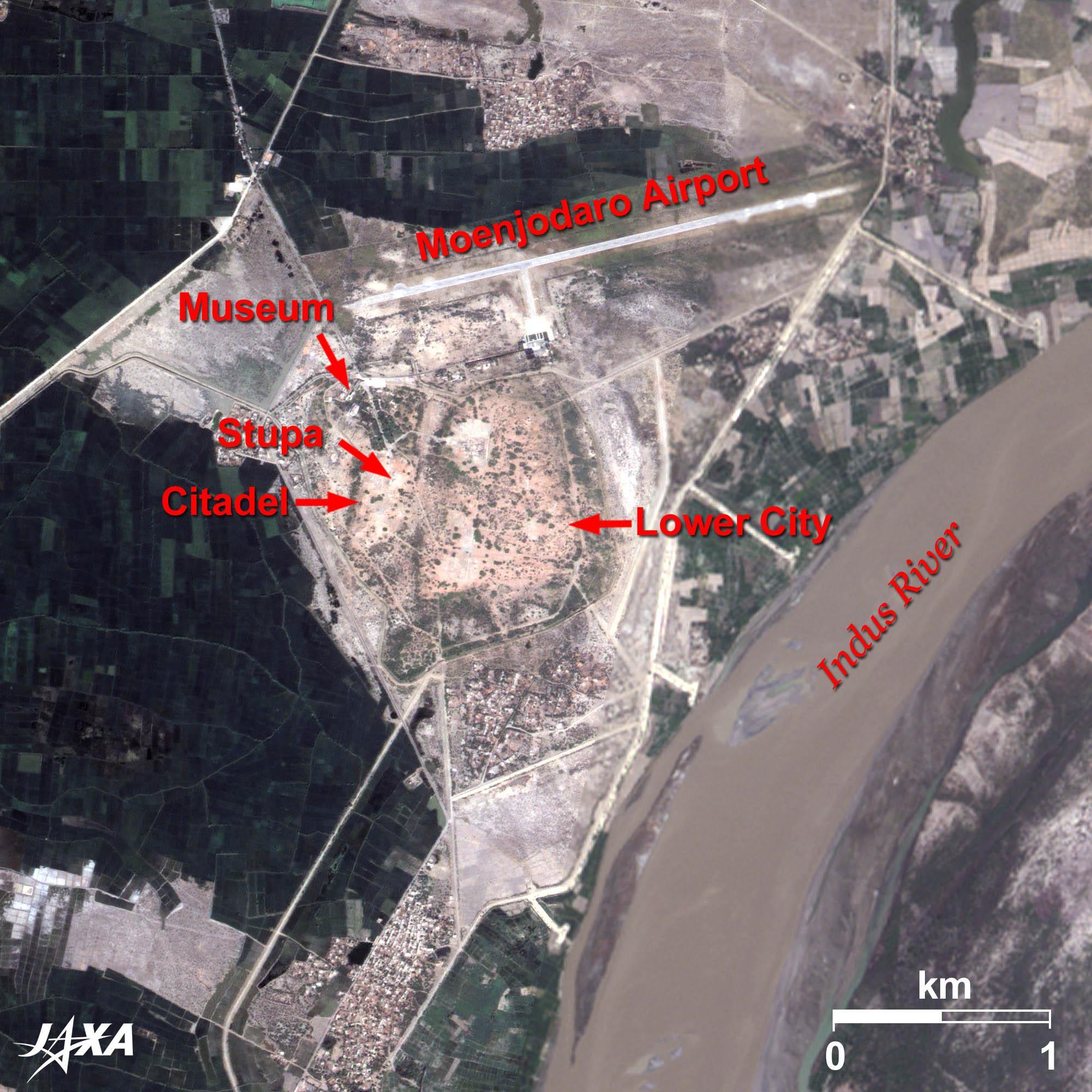
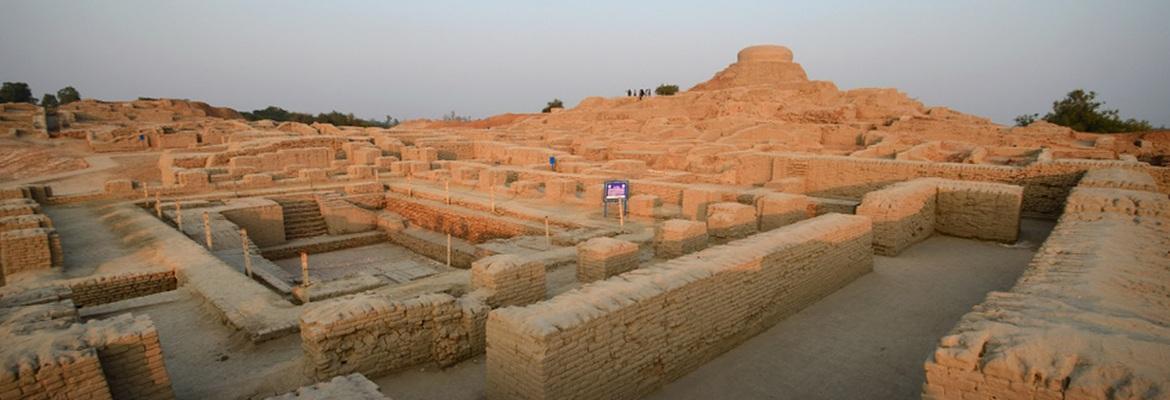
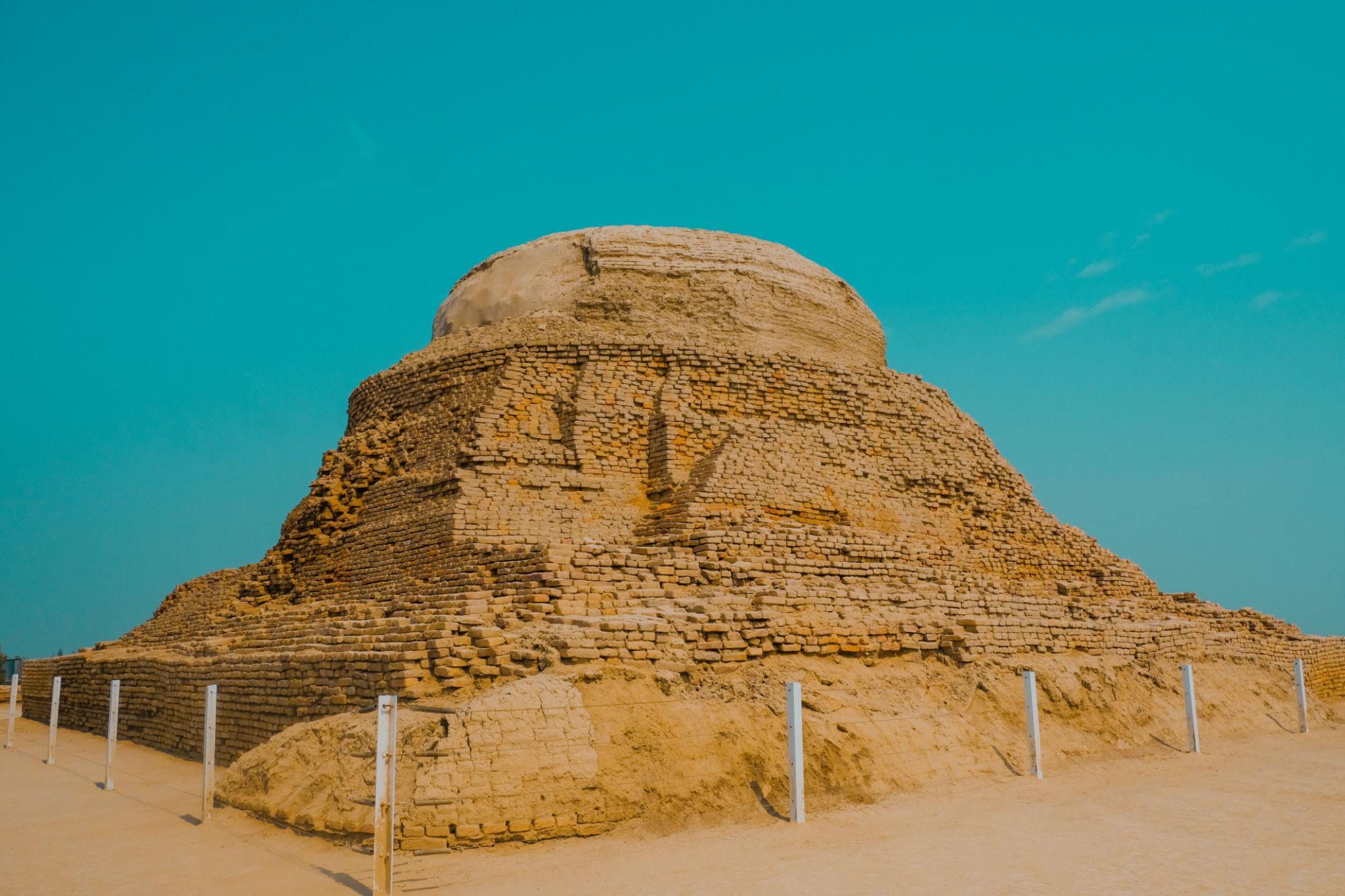
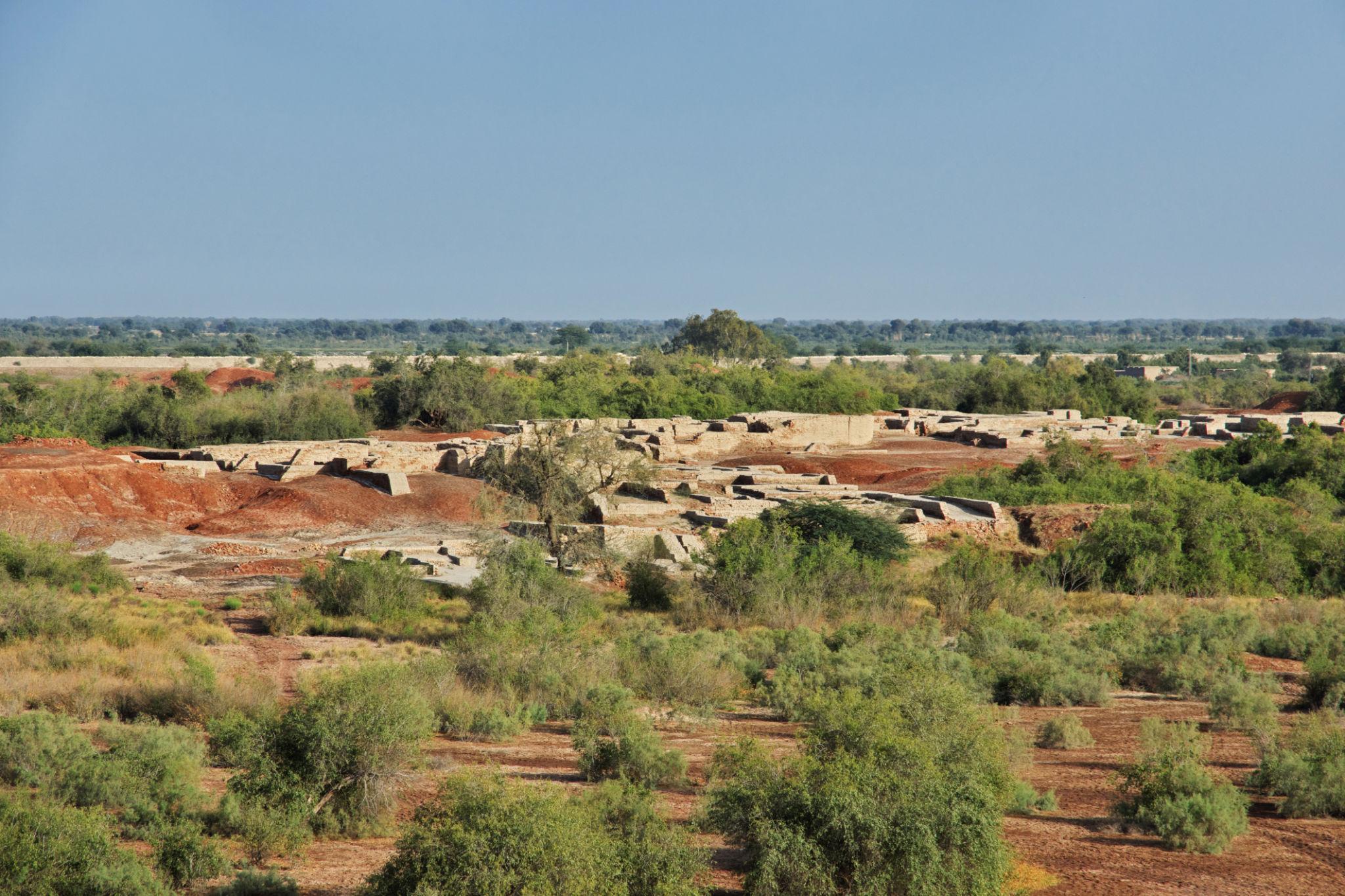
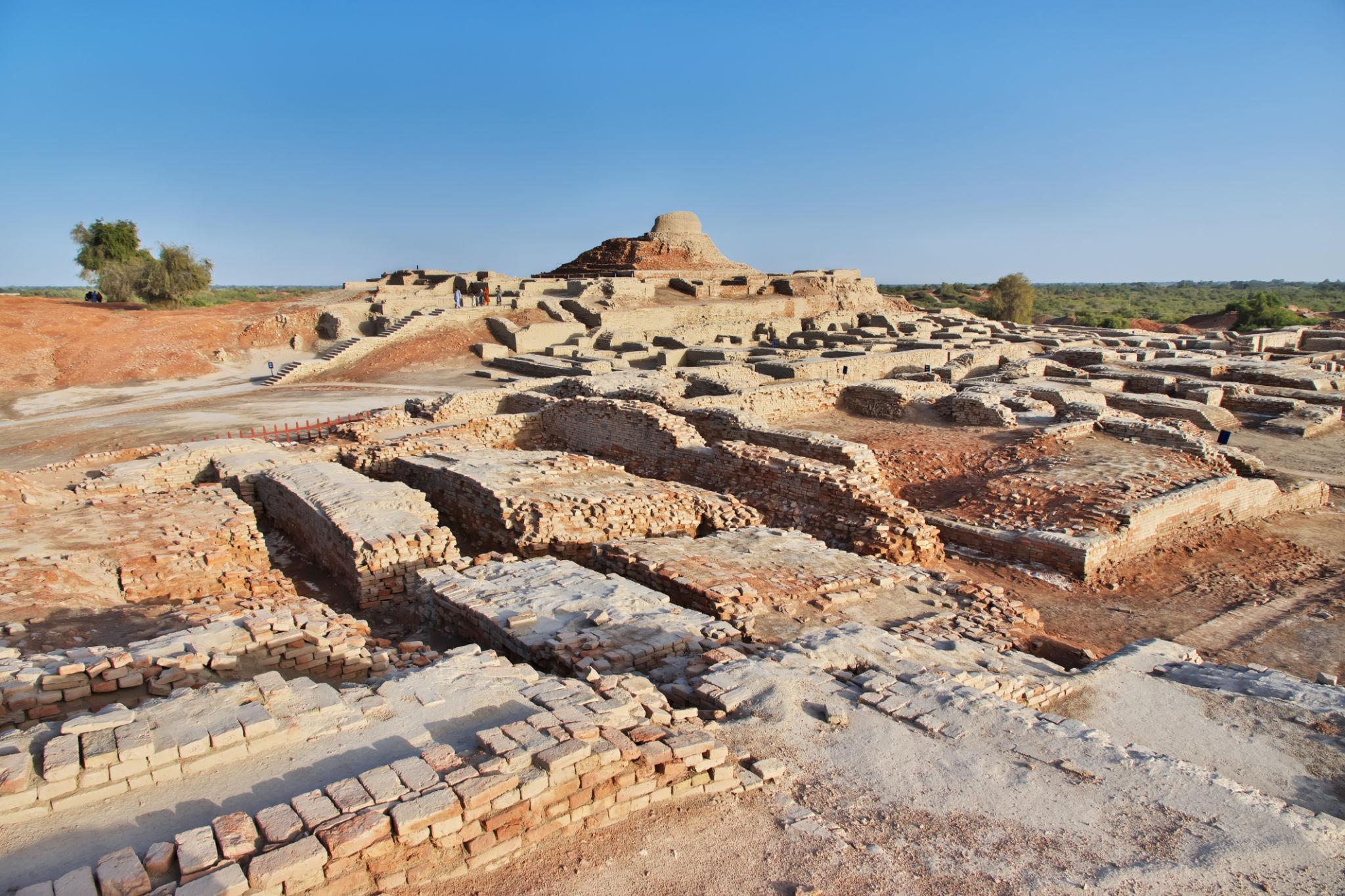
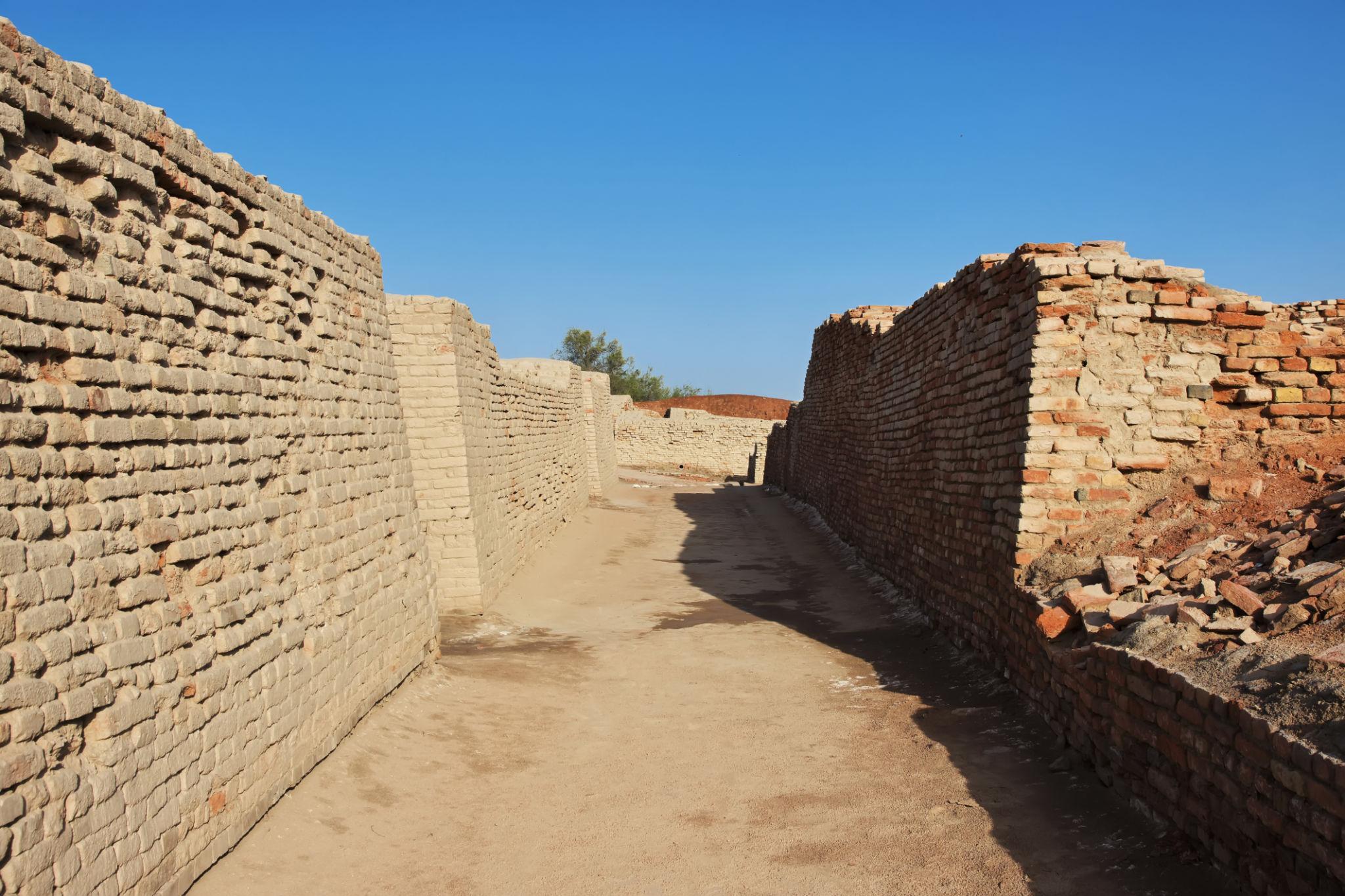
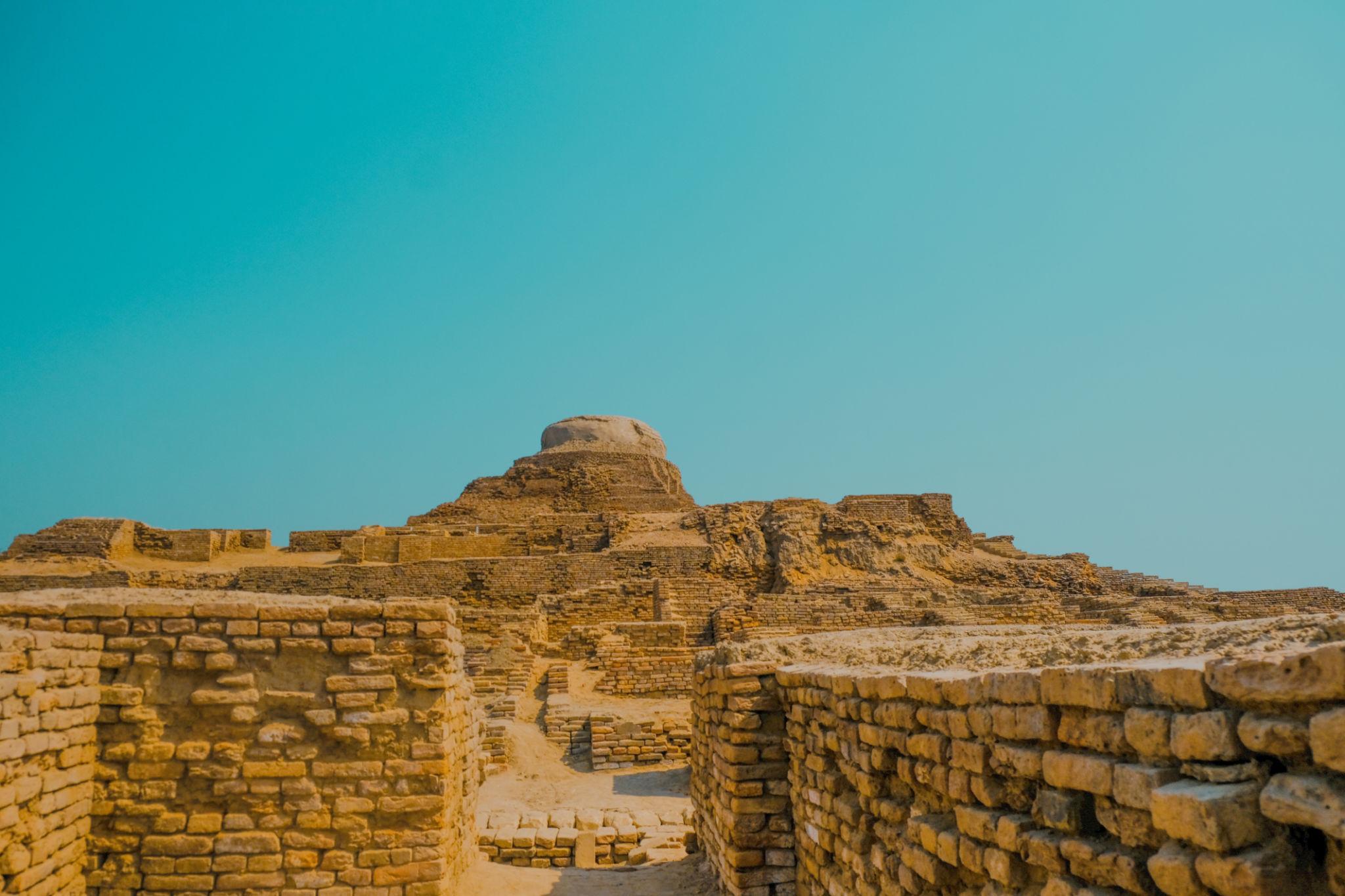
Mohenjo-daro is one of the most significant archaeological sites in South Asia and dates back over 4,000 years. It was one of the major cities of the ancient Indus Valley Civilization and is now recognized as a UNESCO World Heritage Site.
The ruins reveal advanced urban planning, drainage systems, and architecture far ahead of their time.
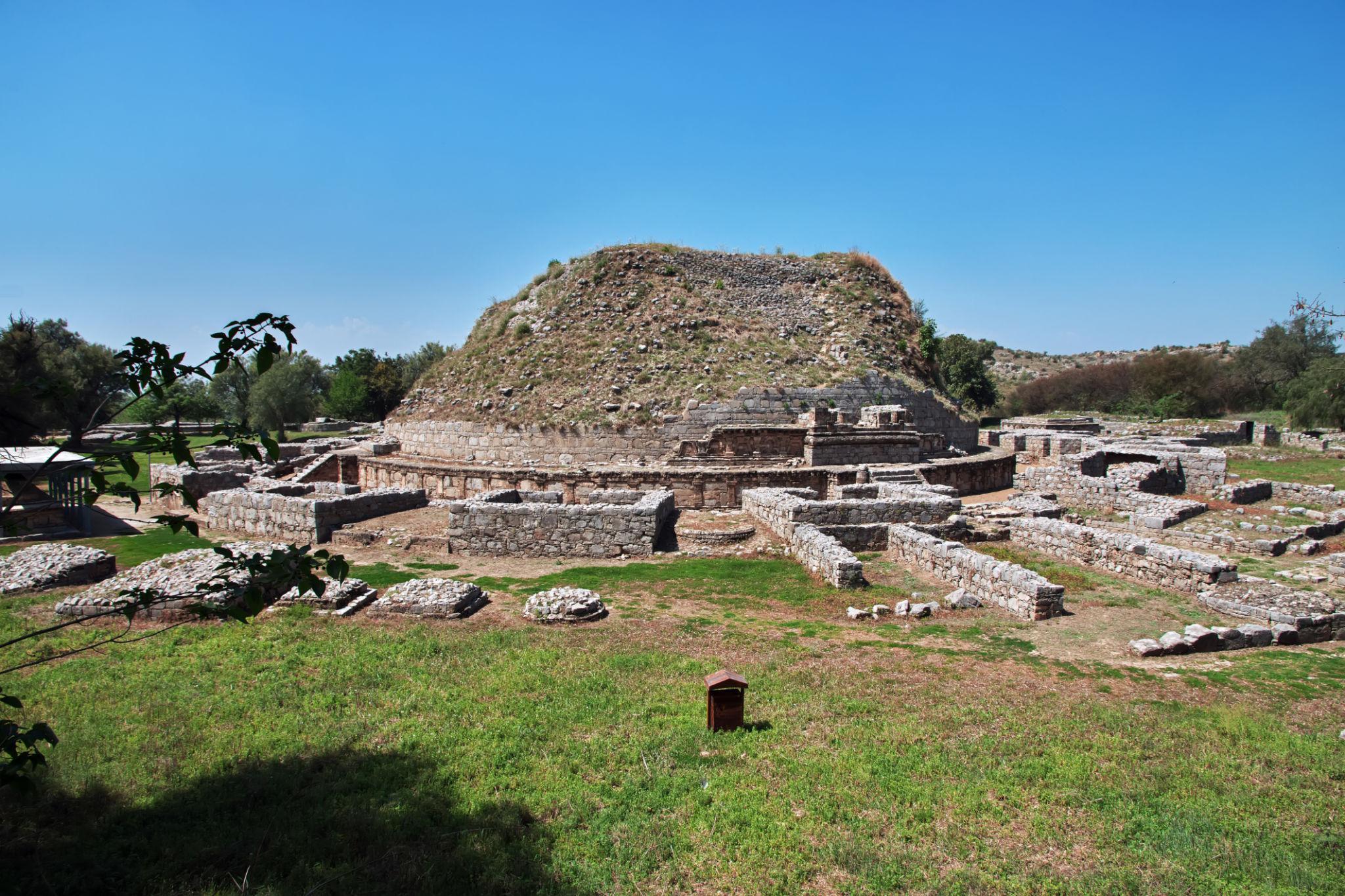
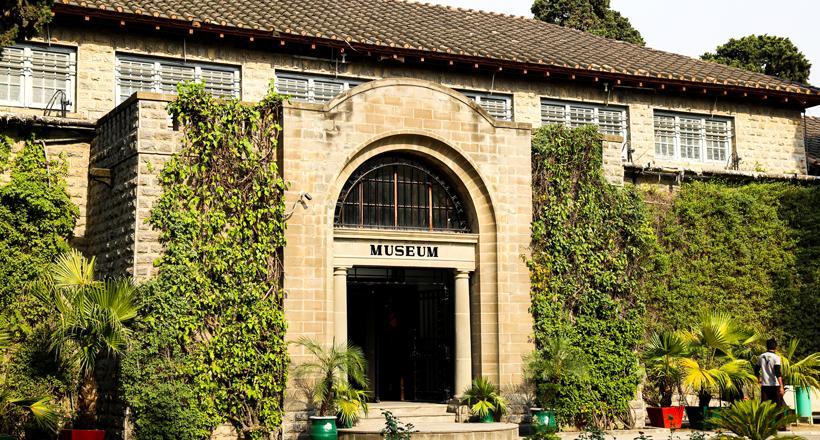
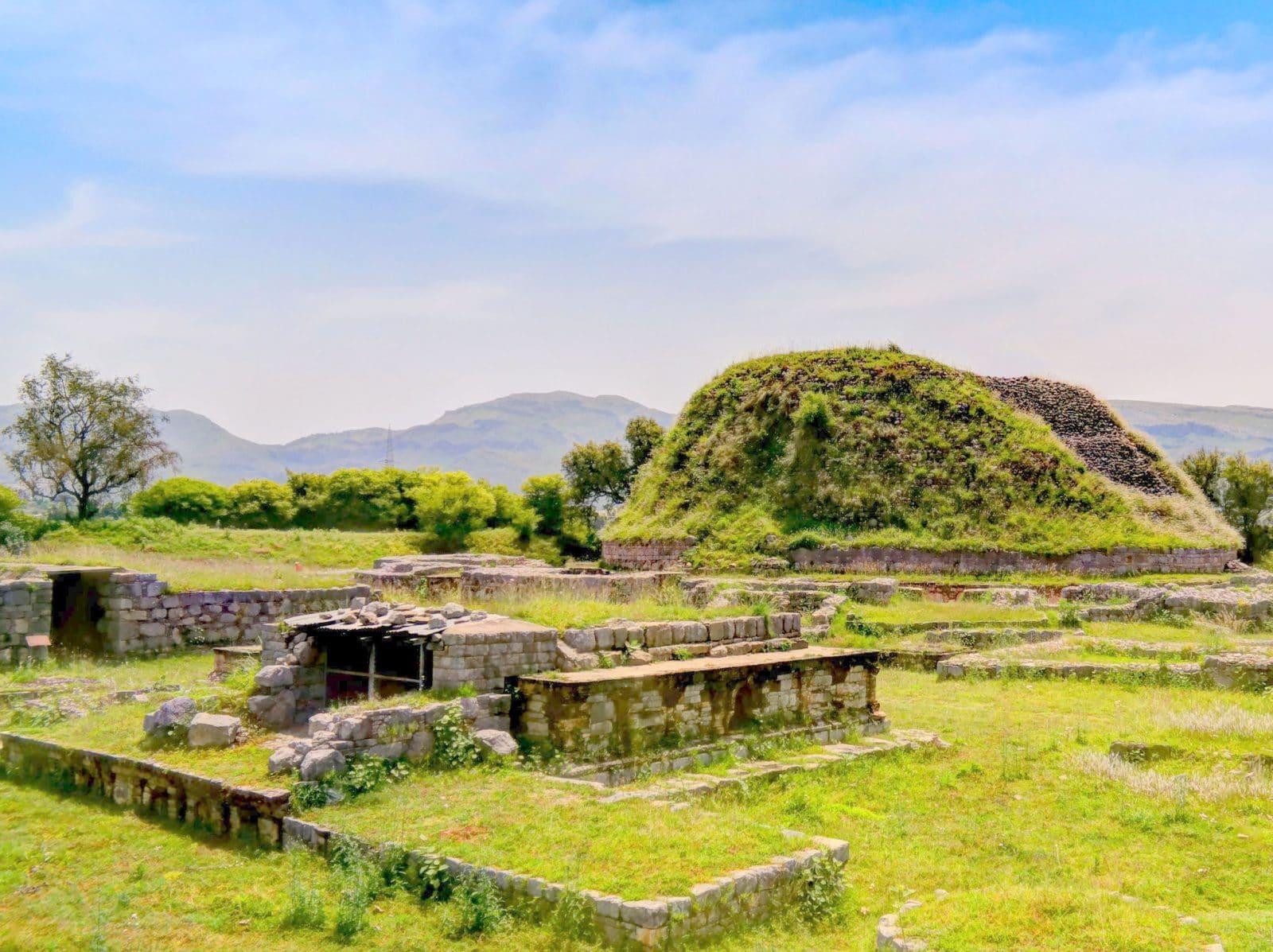
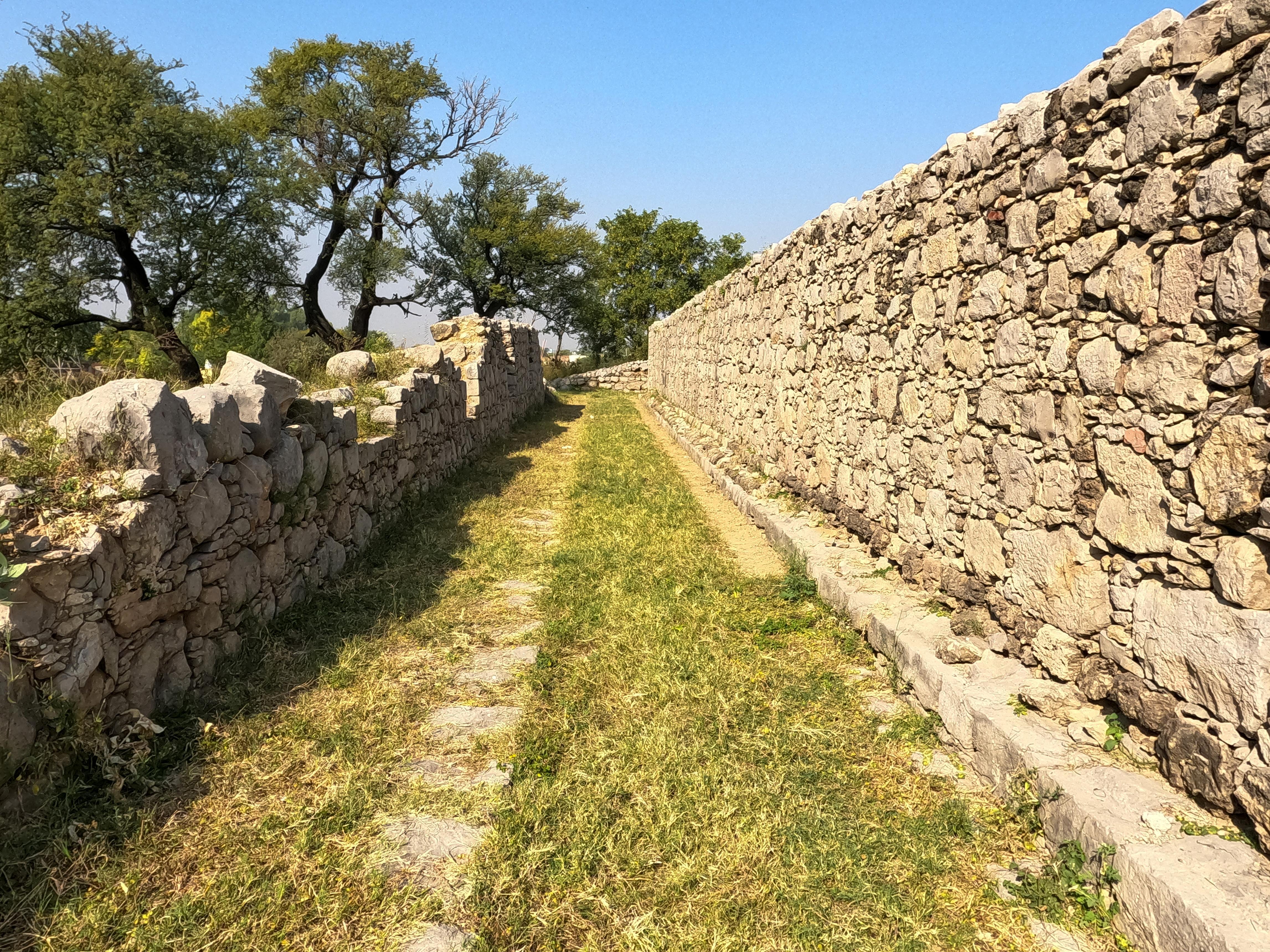
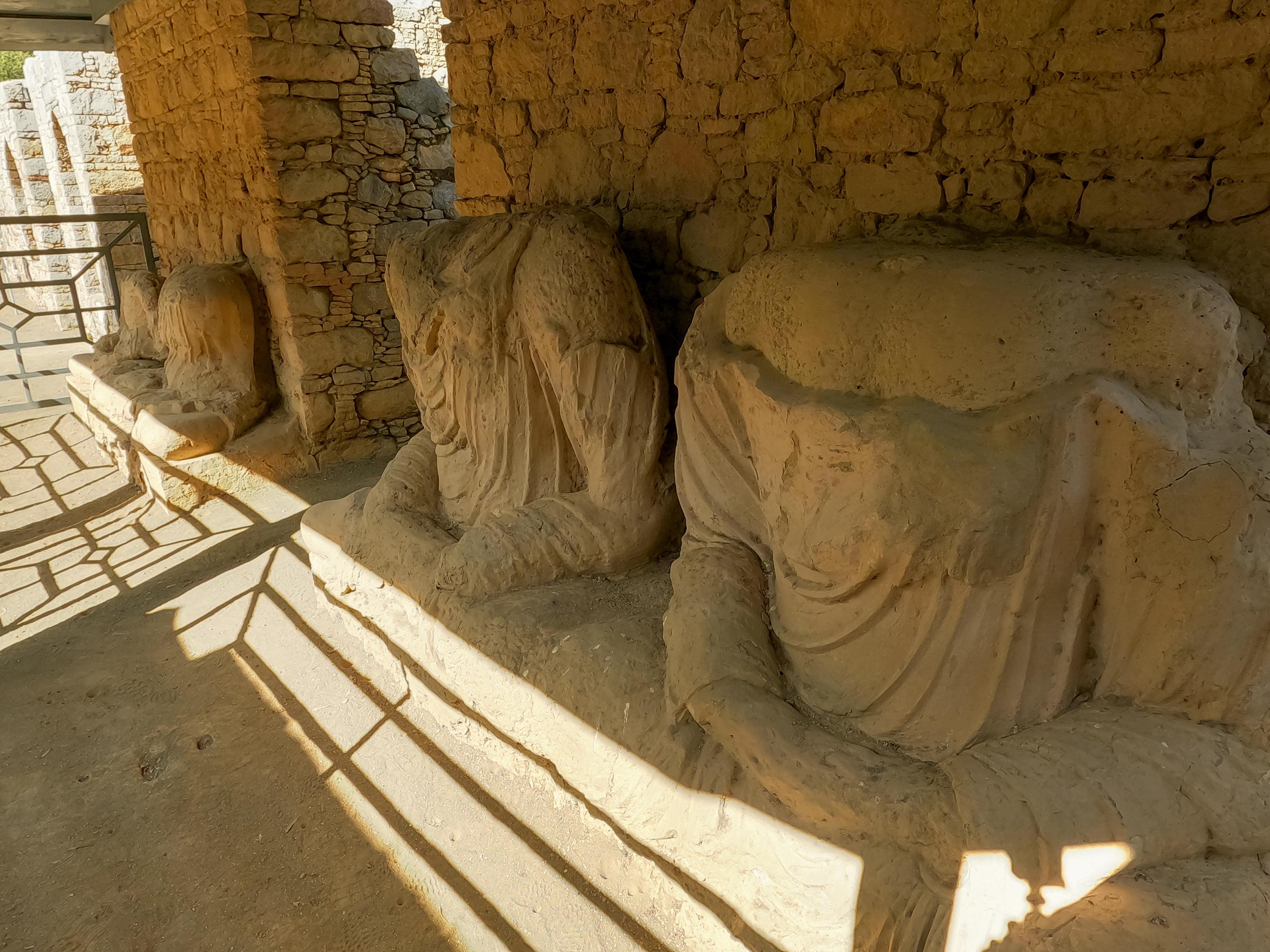
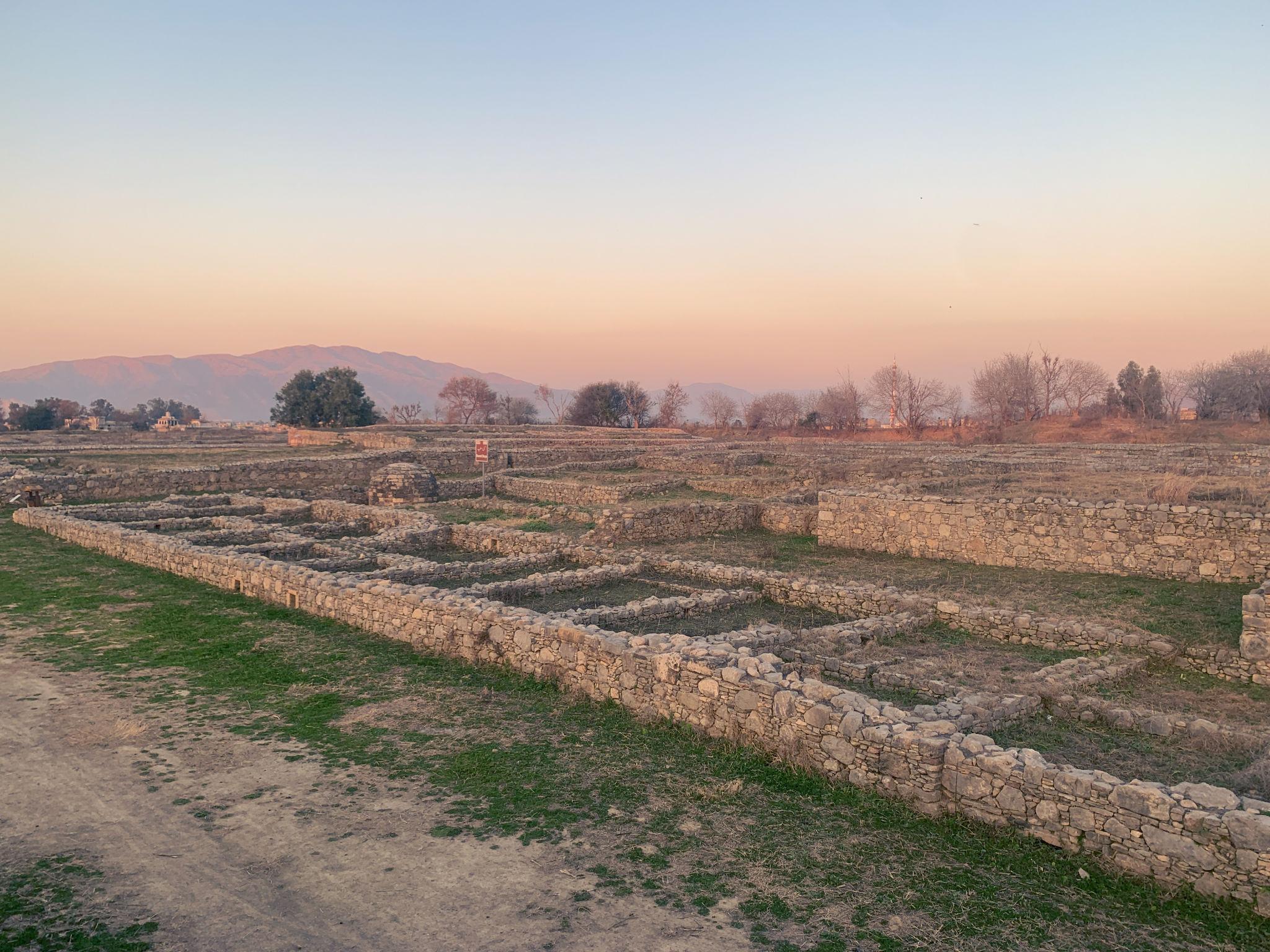
Taxila was once an important center of Buddhist learning and culture. The region contains monasteries, stupas, temples, and archaeological remains representing multiple civilizations including Greek, Persian, and Buddhist influences.
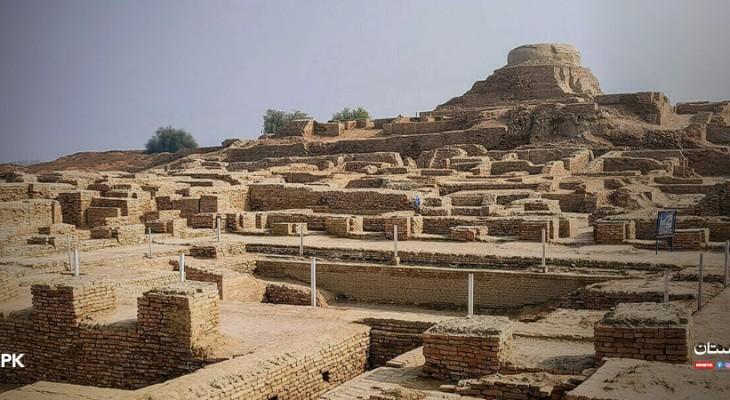
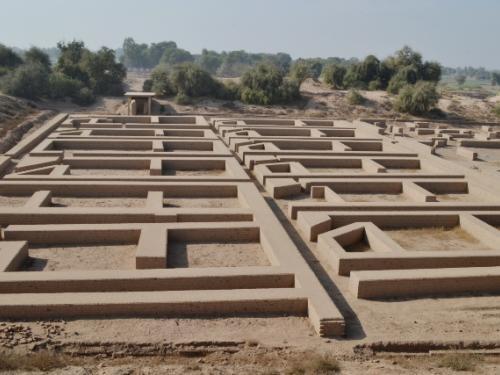
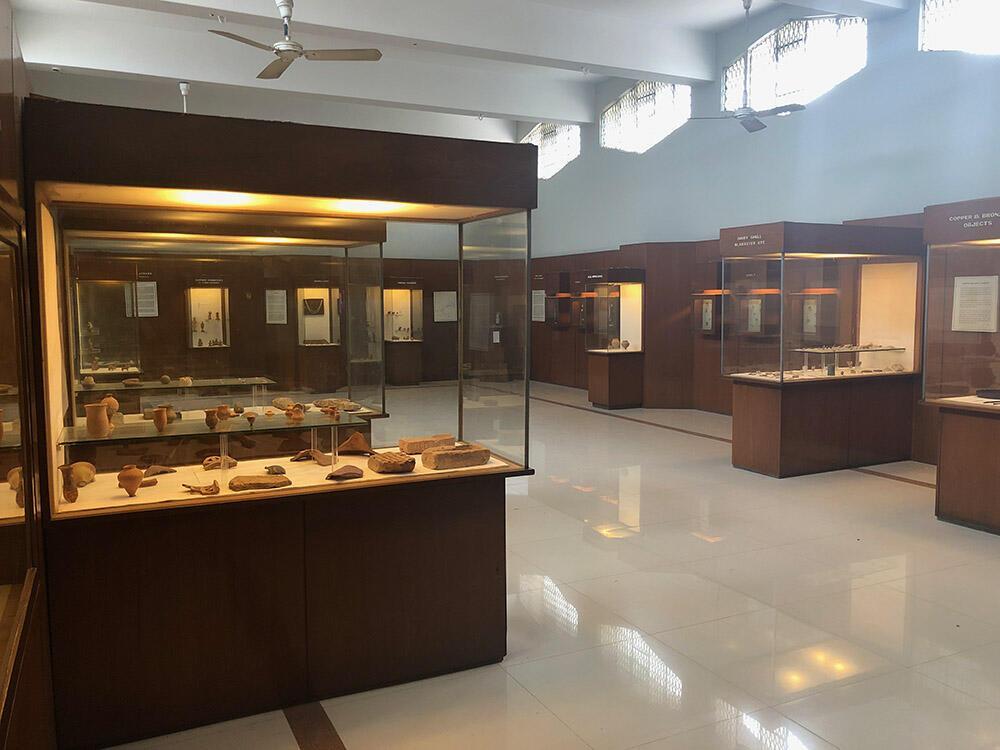
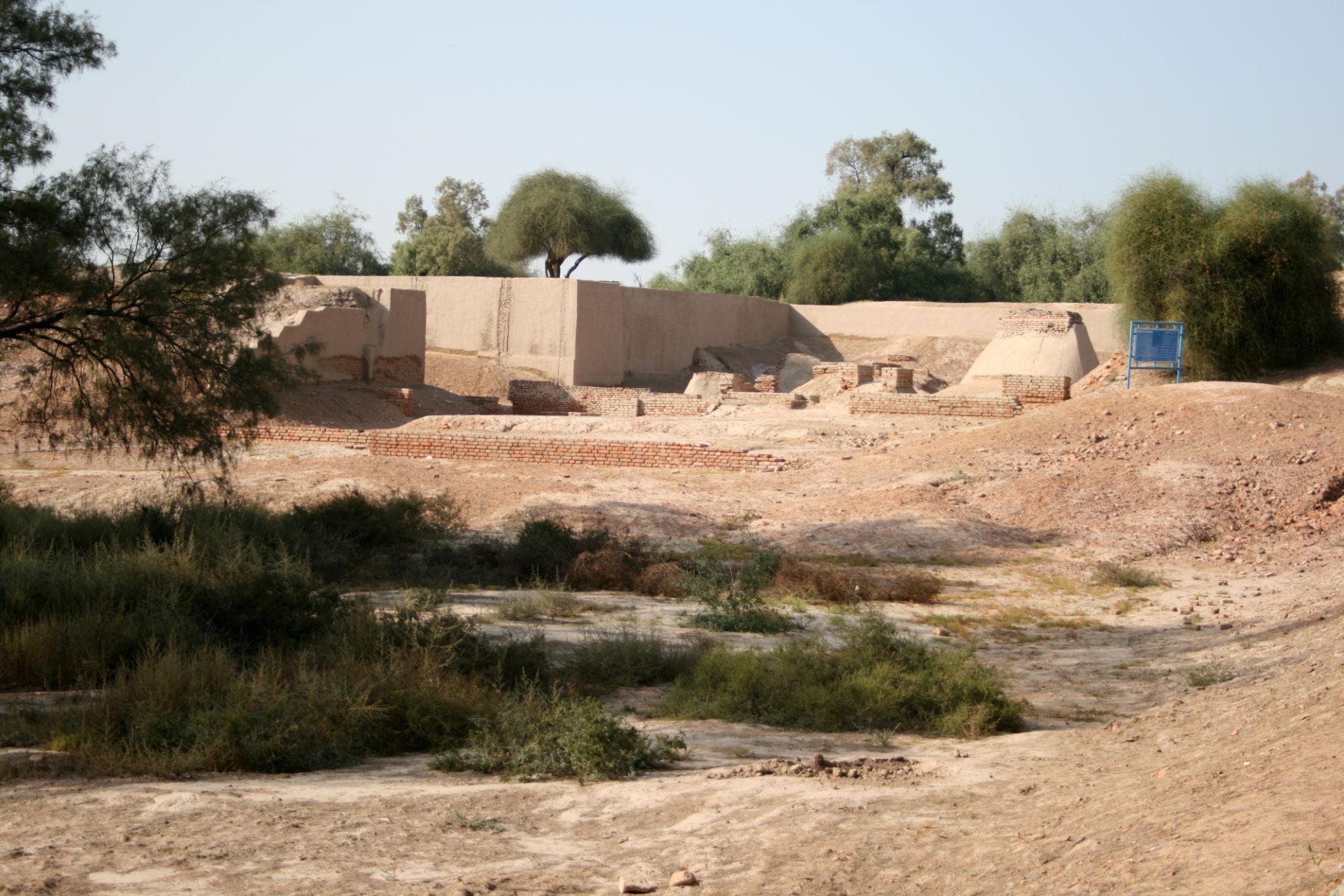
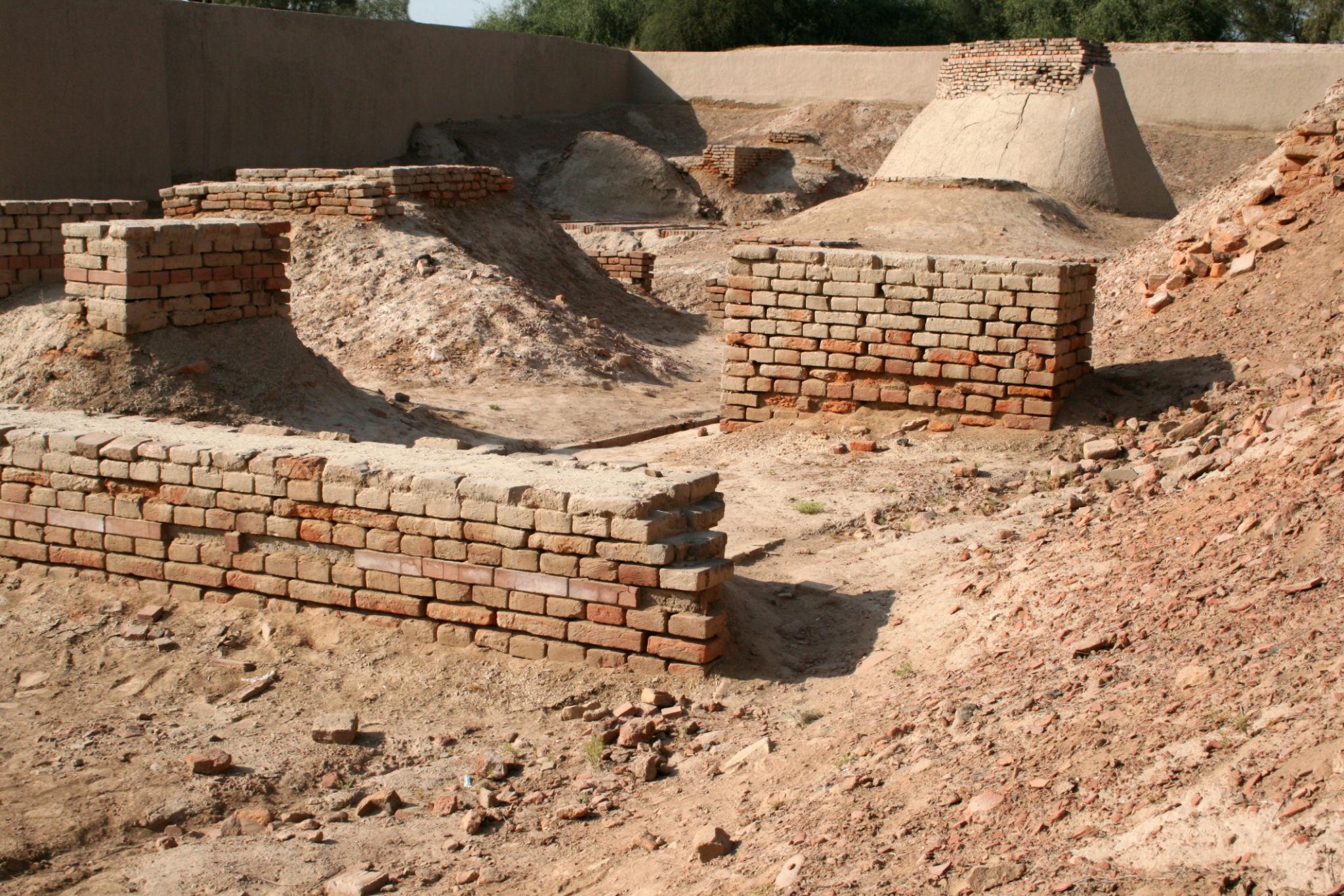
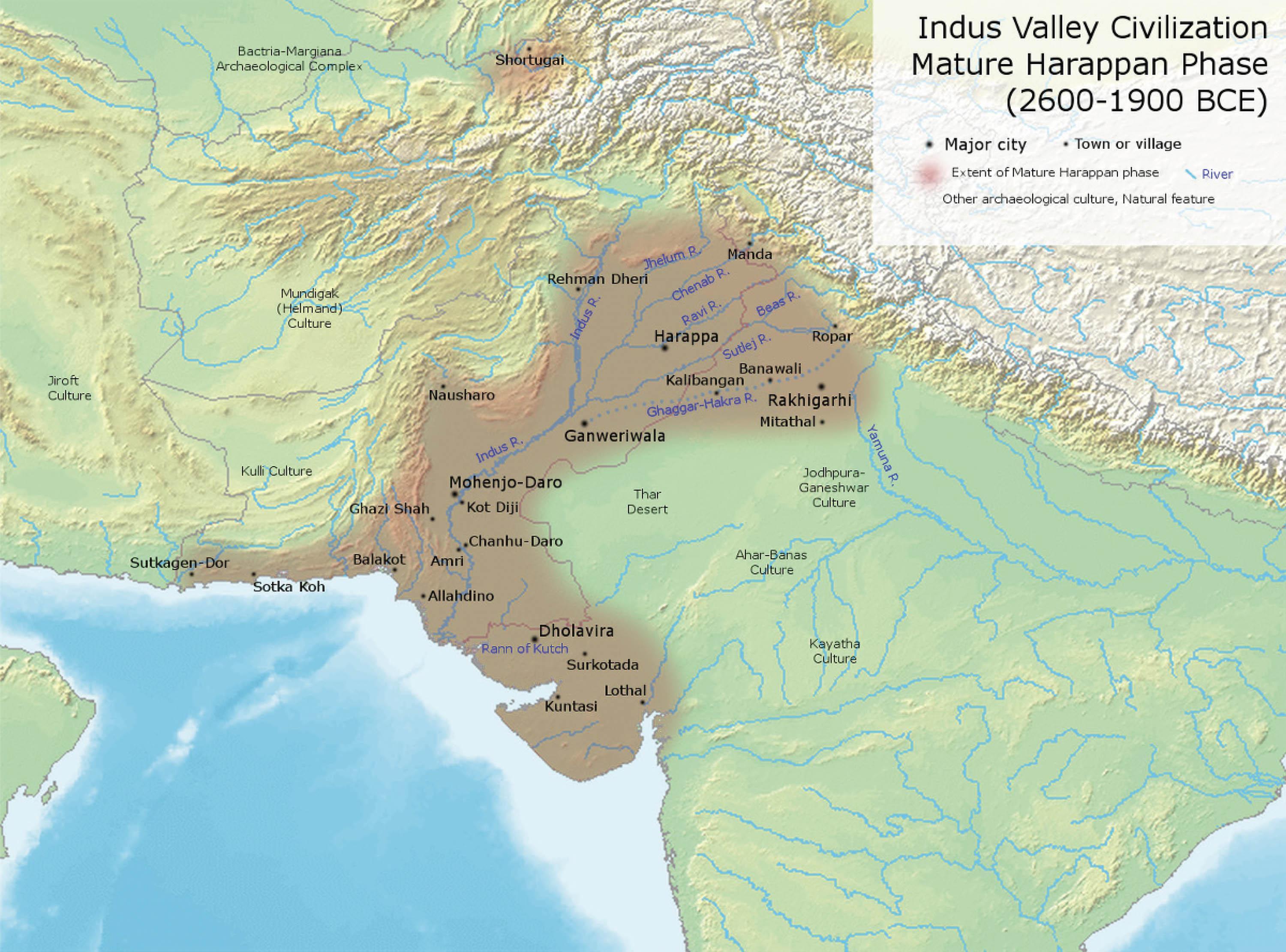
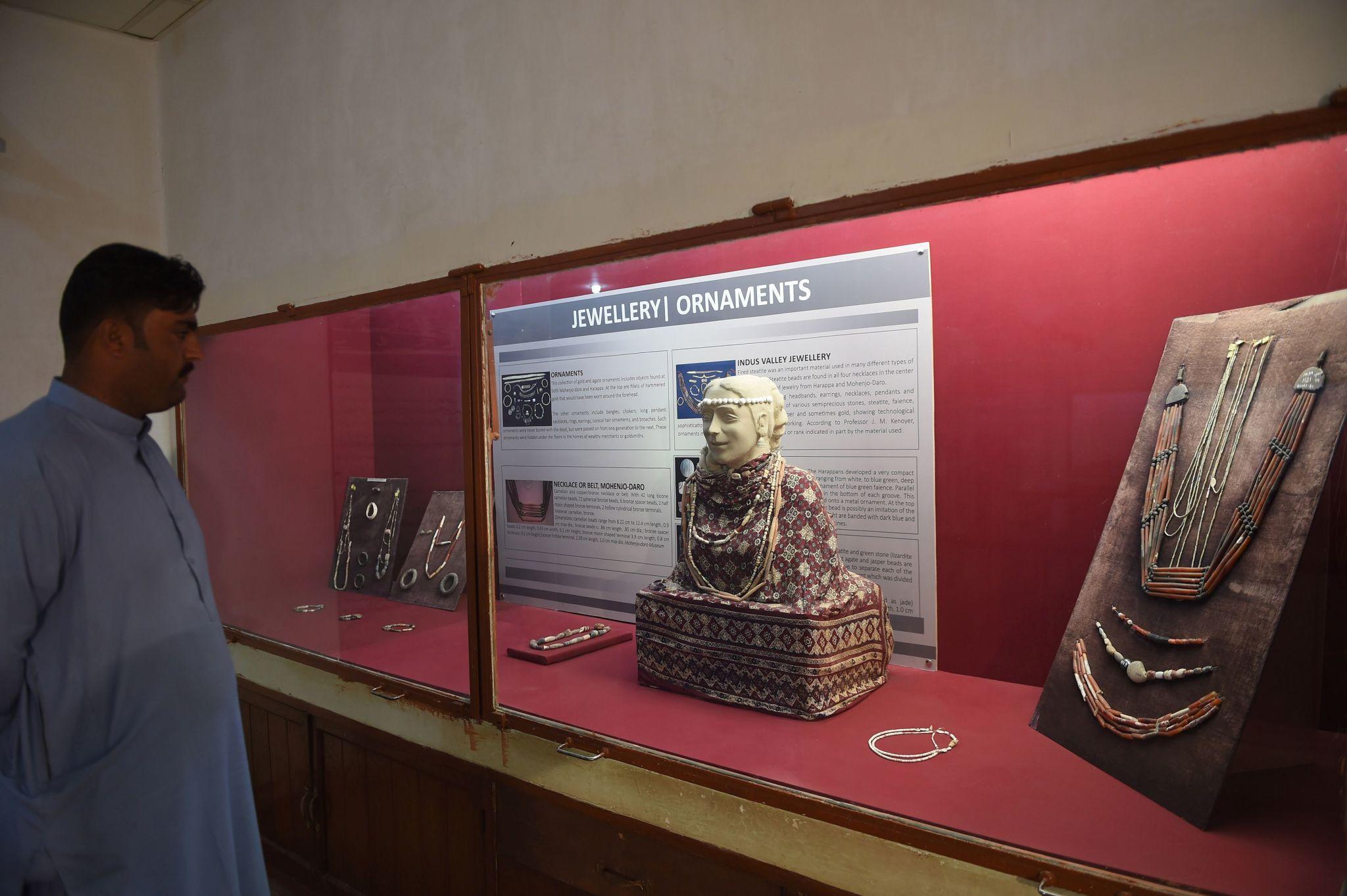
Harappa was another major city of the Indus Valley Civilization and remains one of Pakistan’s most important archaeological destinations.
The site offers insights into urban life, trade, and engineering from thousands of years ago.
Pakistan is home to impressive forts, mosques, palaces, and historical buildings reflecting Mughal, Persian, Sikh, Buddhist, and Central Asian influences.
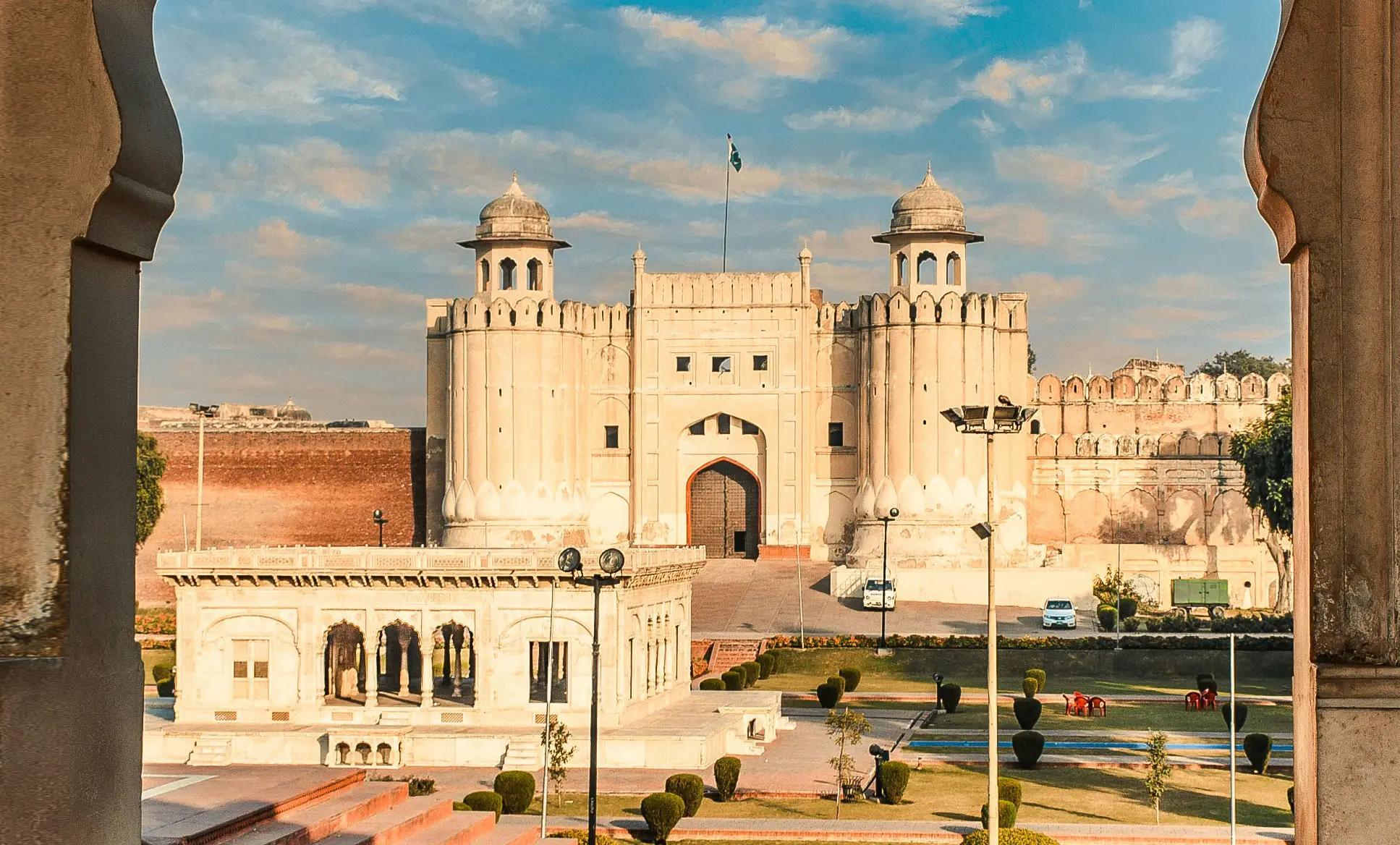
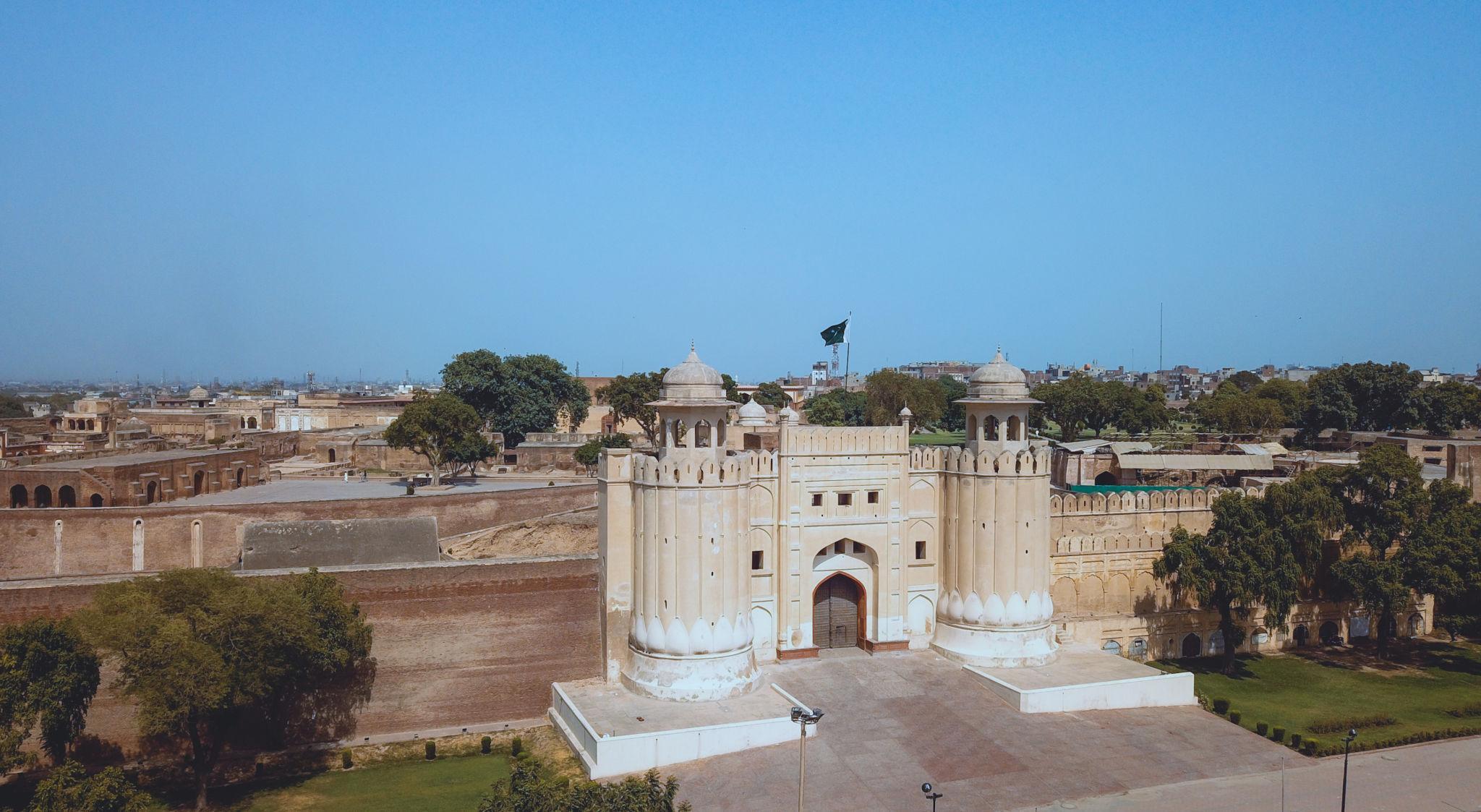
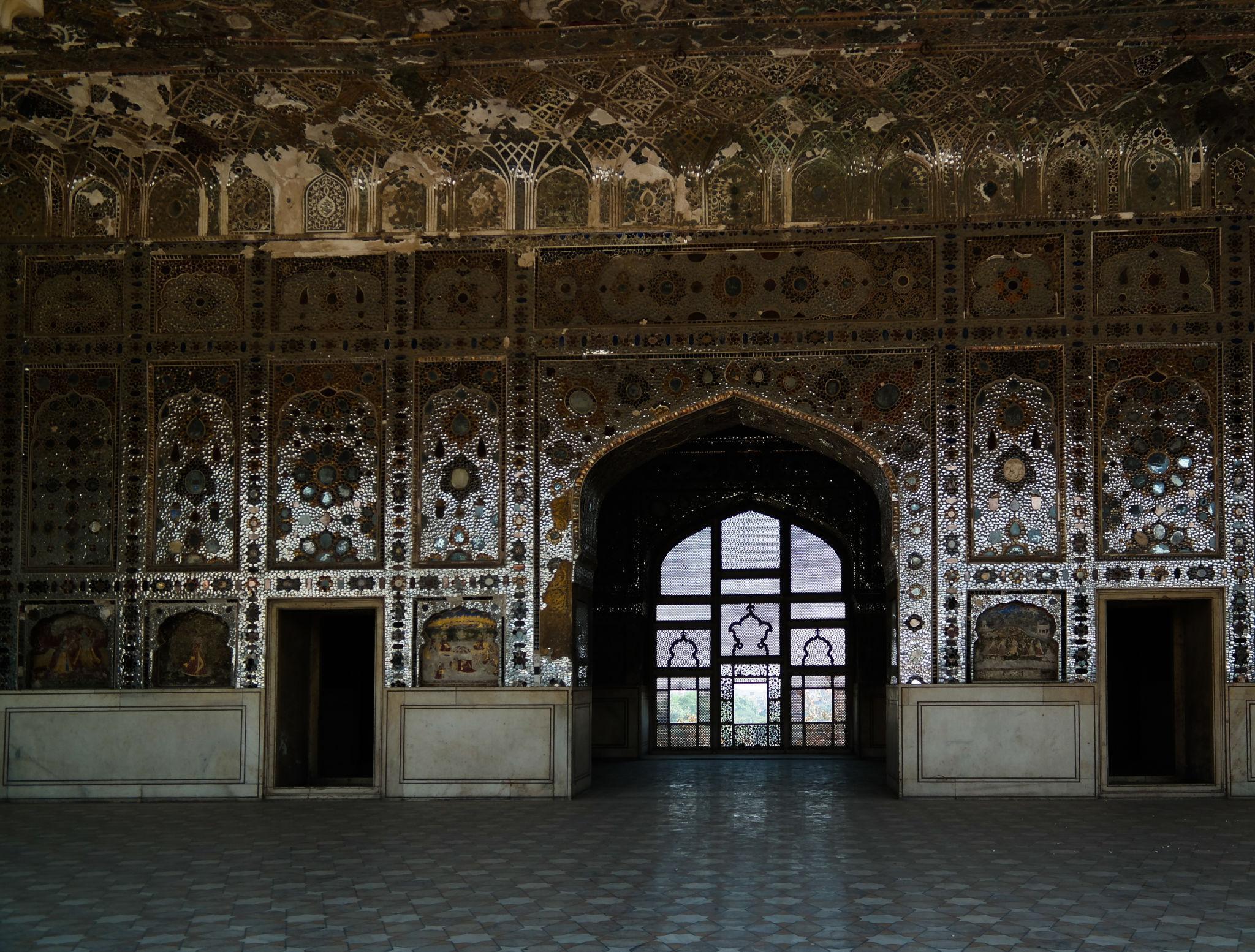
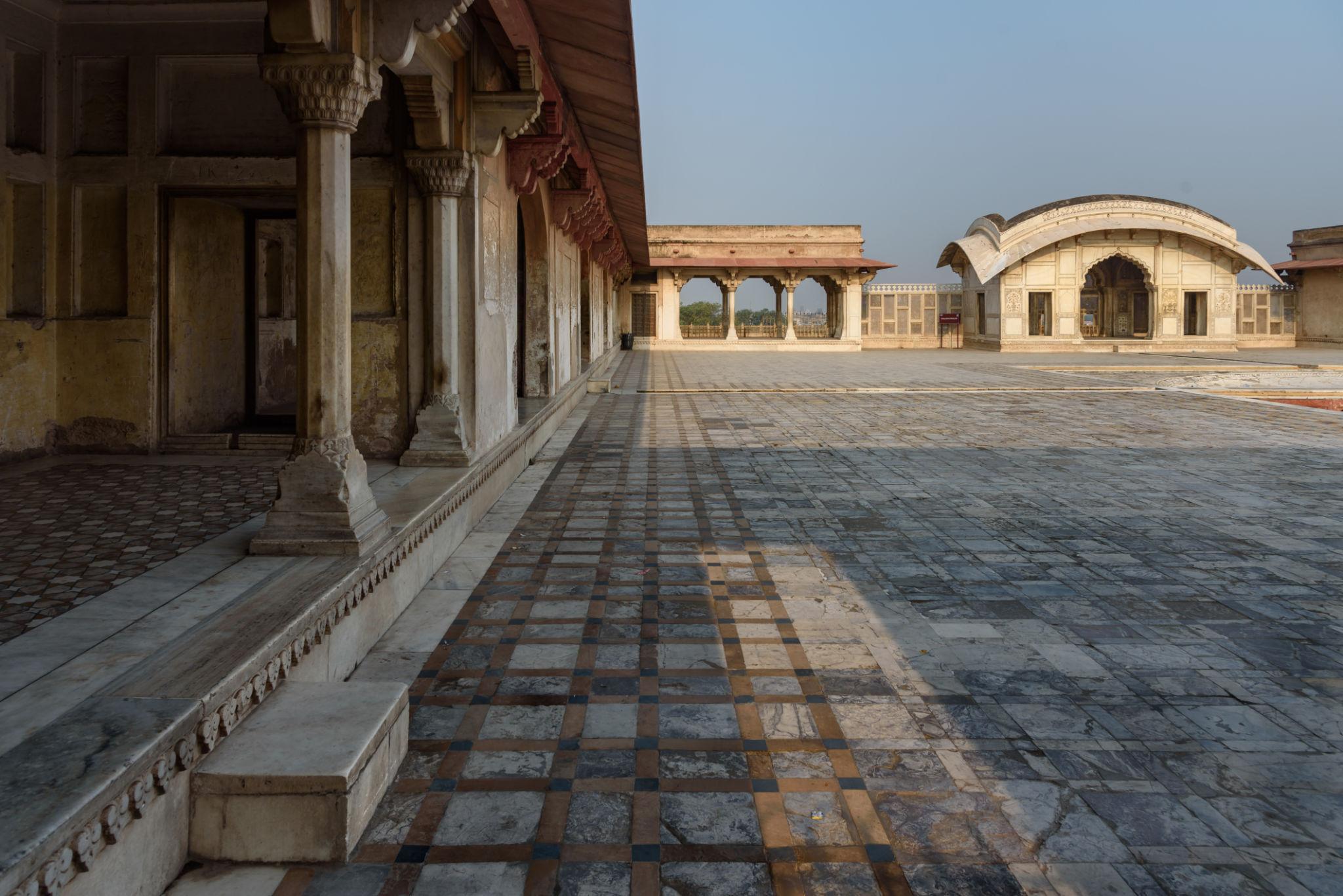
Lahore Fort is one of Pakistan’s most important Mughal monuments and a UNESCO World Heritage Site. The fort contains palaces, halls, gardens, and decorative structures built during the Mughal era.
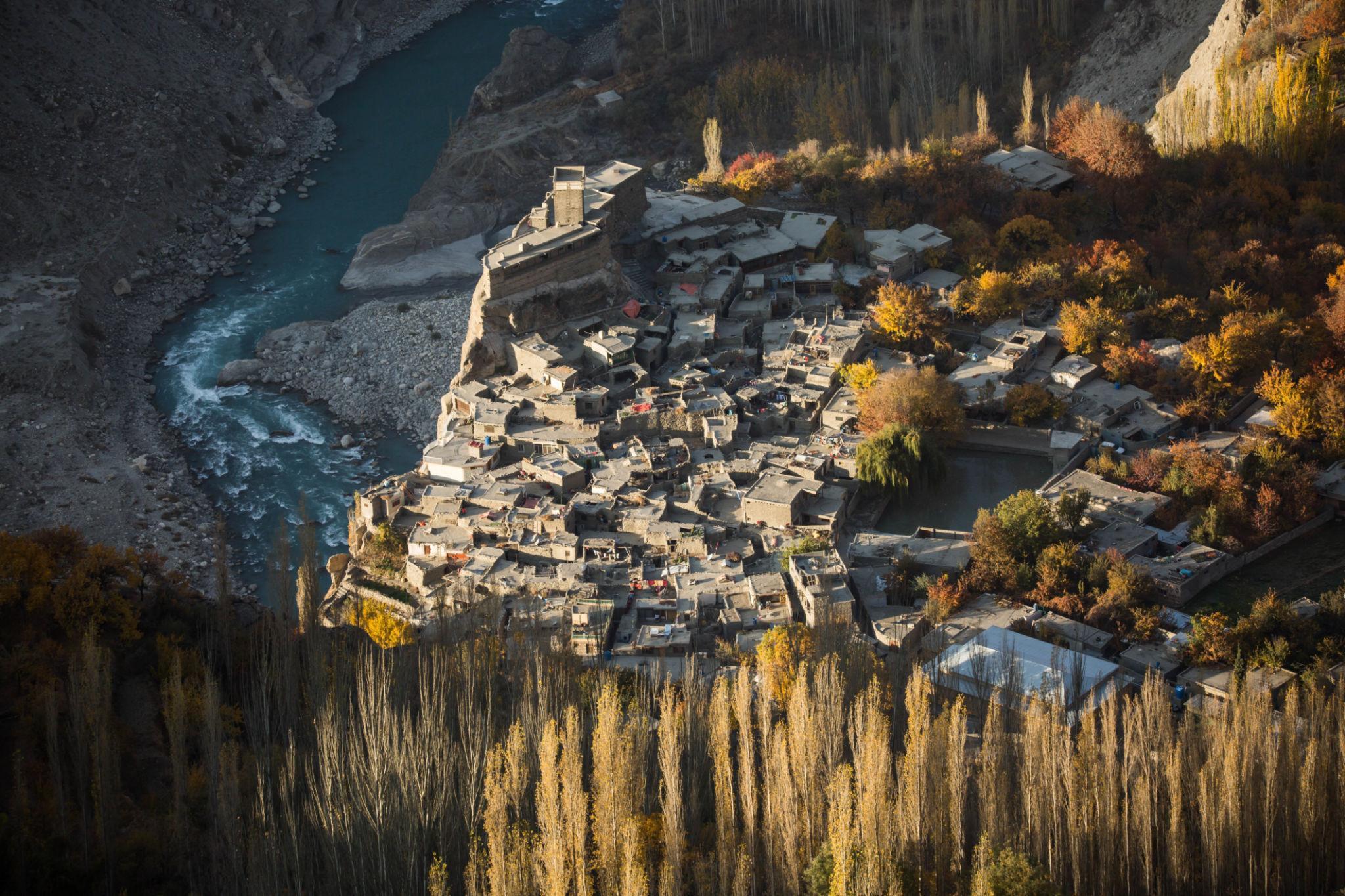
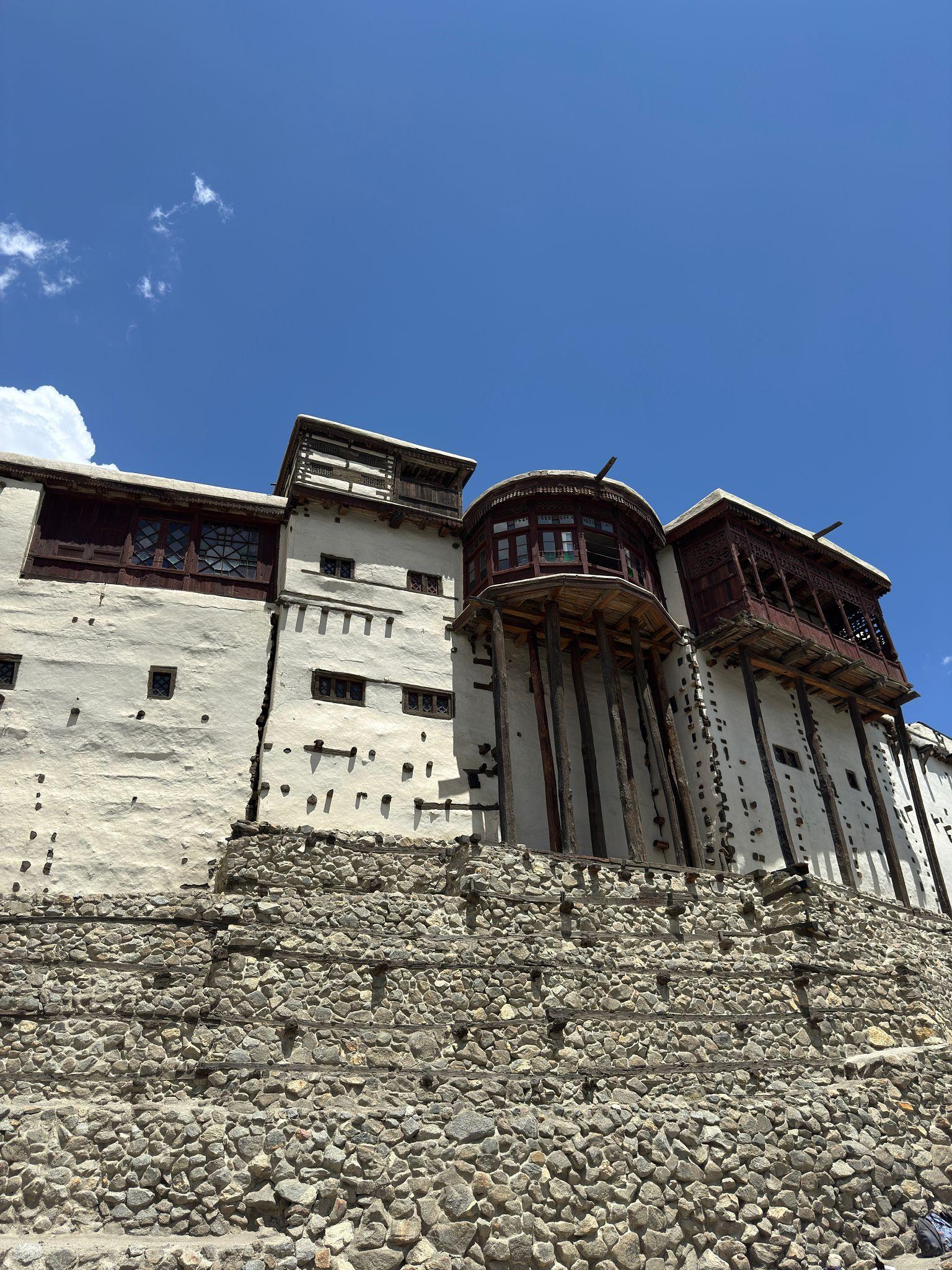
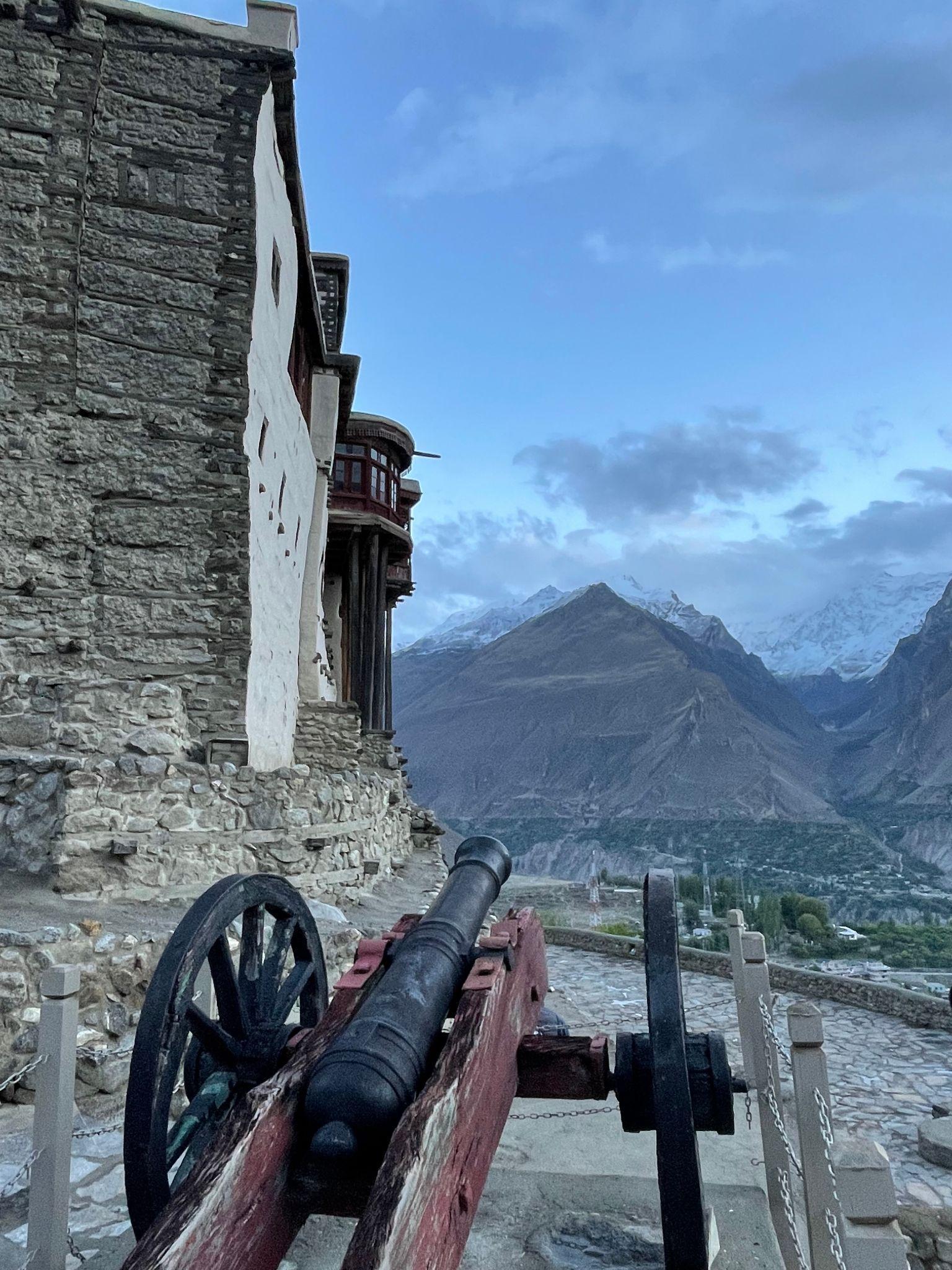
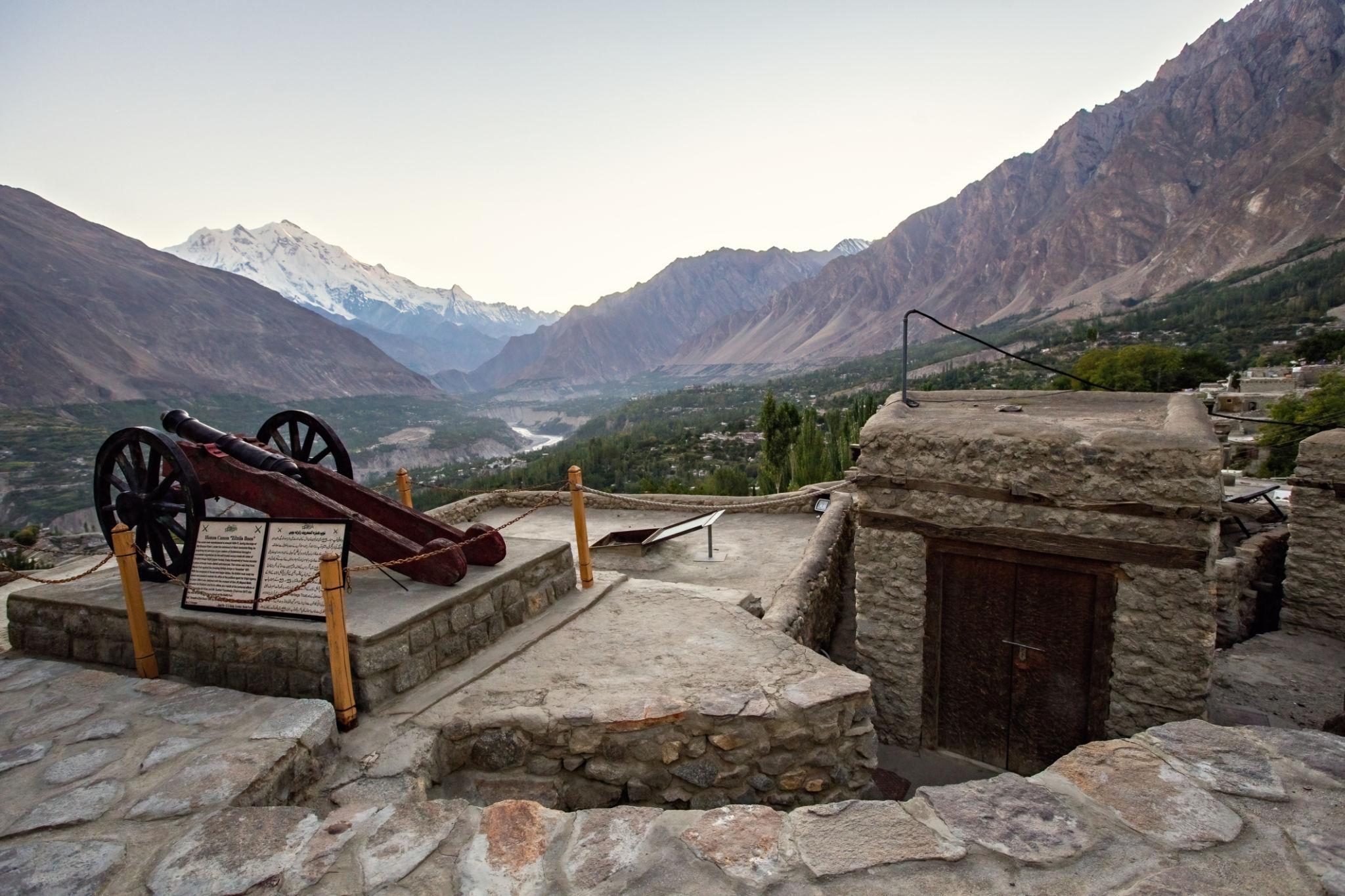
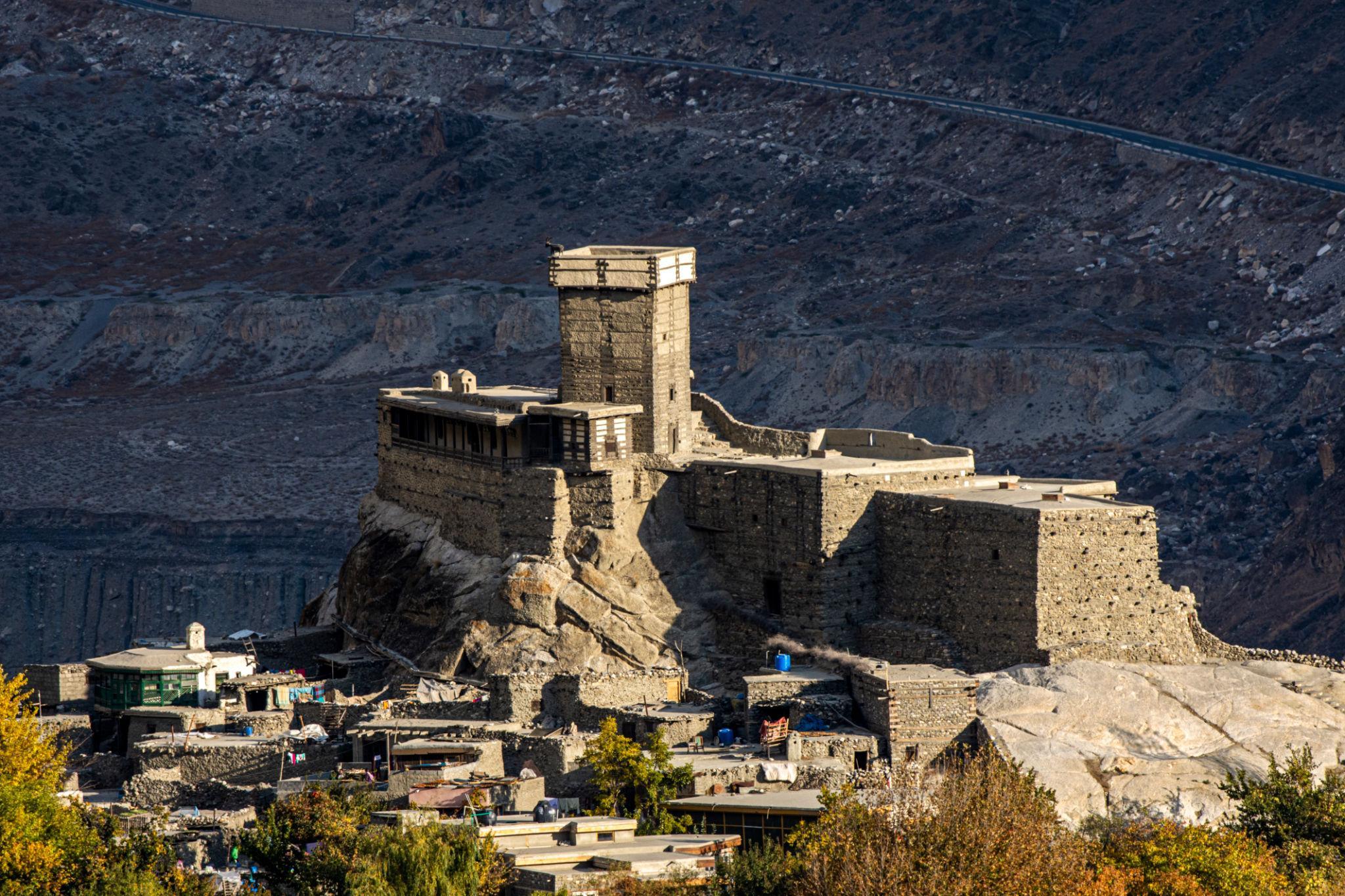
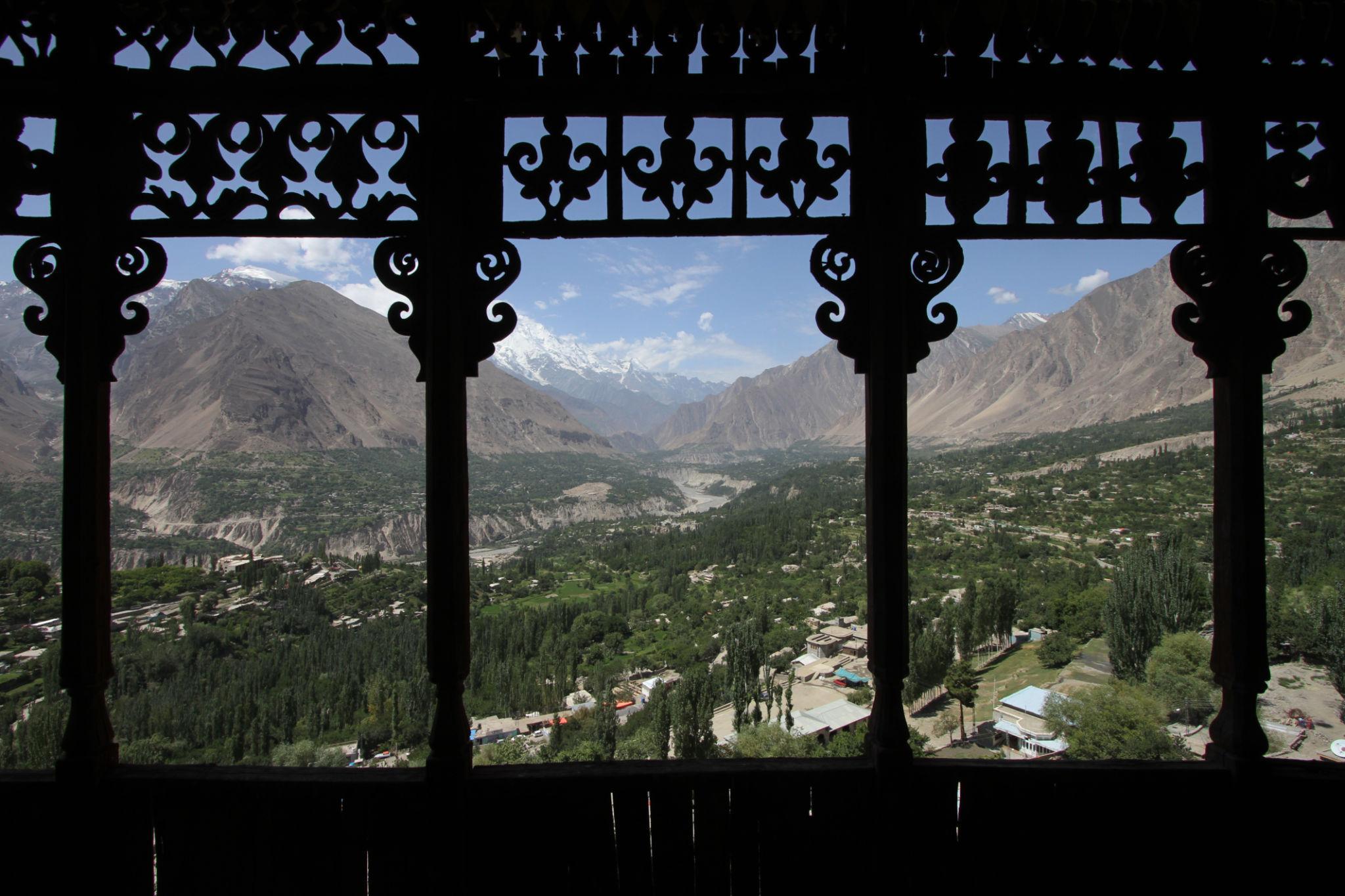
Baltit Fort is one of the most iconic landmarks in Hunza and reflects Tibetan and Balti architectural influences.
The fort overlooks Karimabad and provides panoramic views of the surrounding mountains.
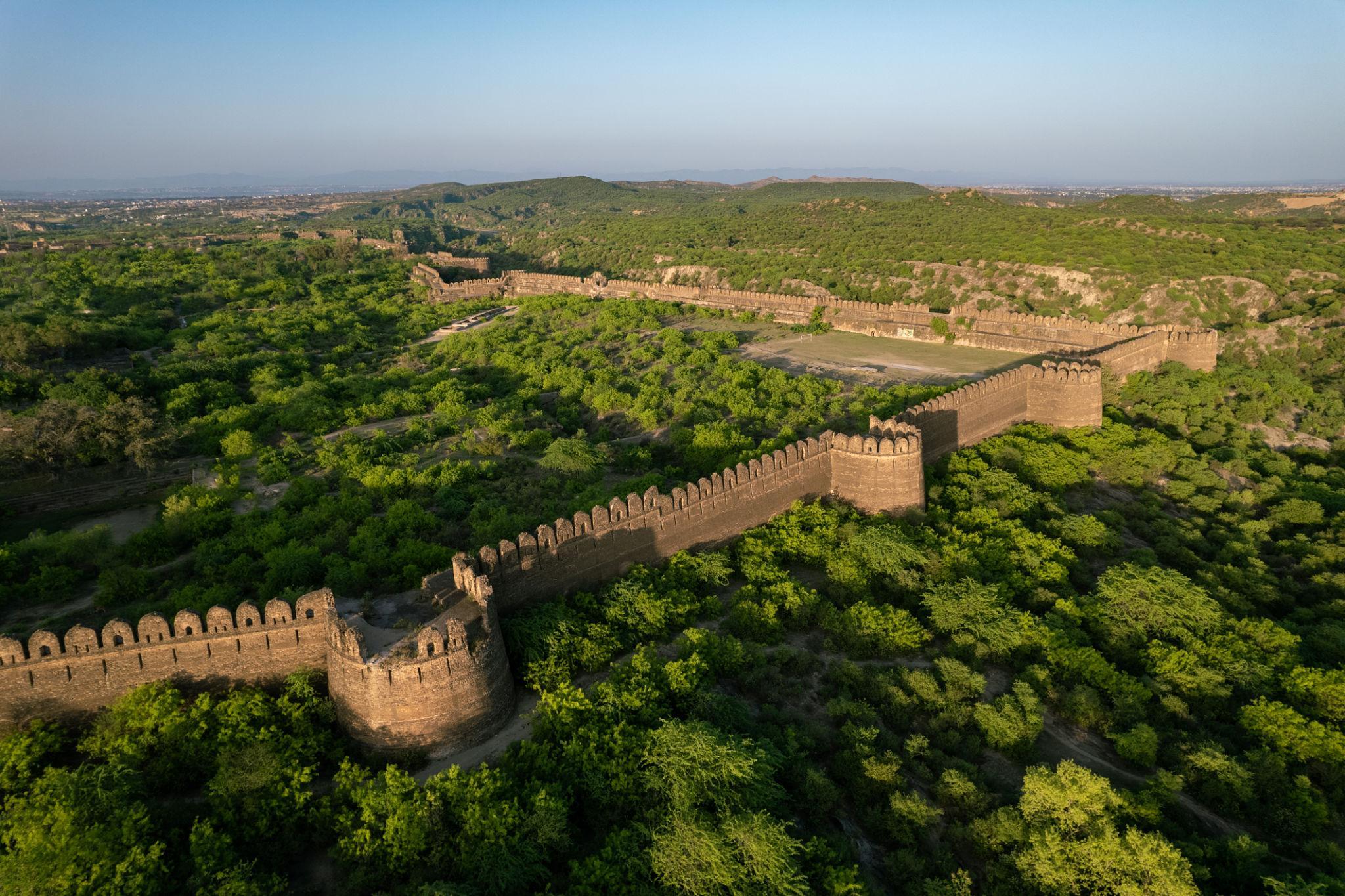
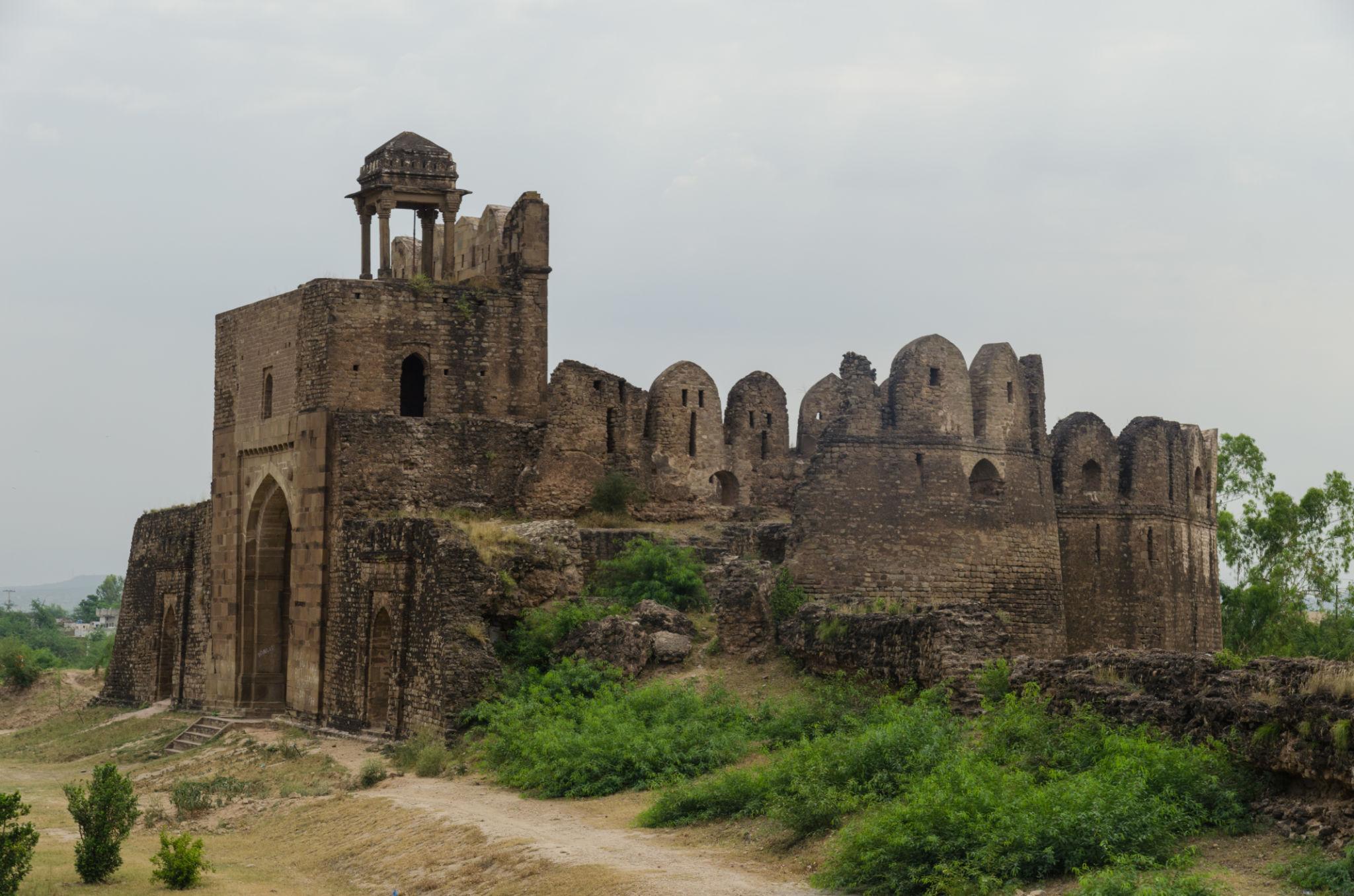
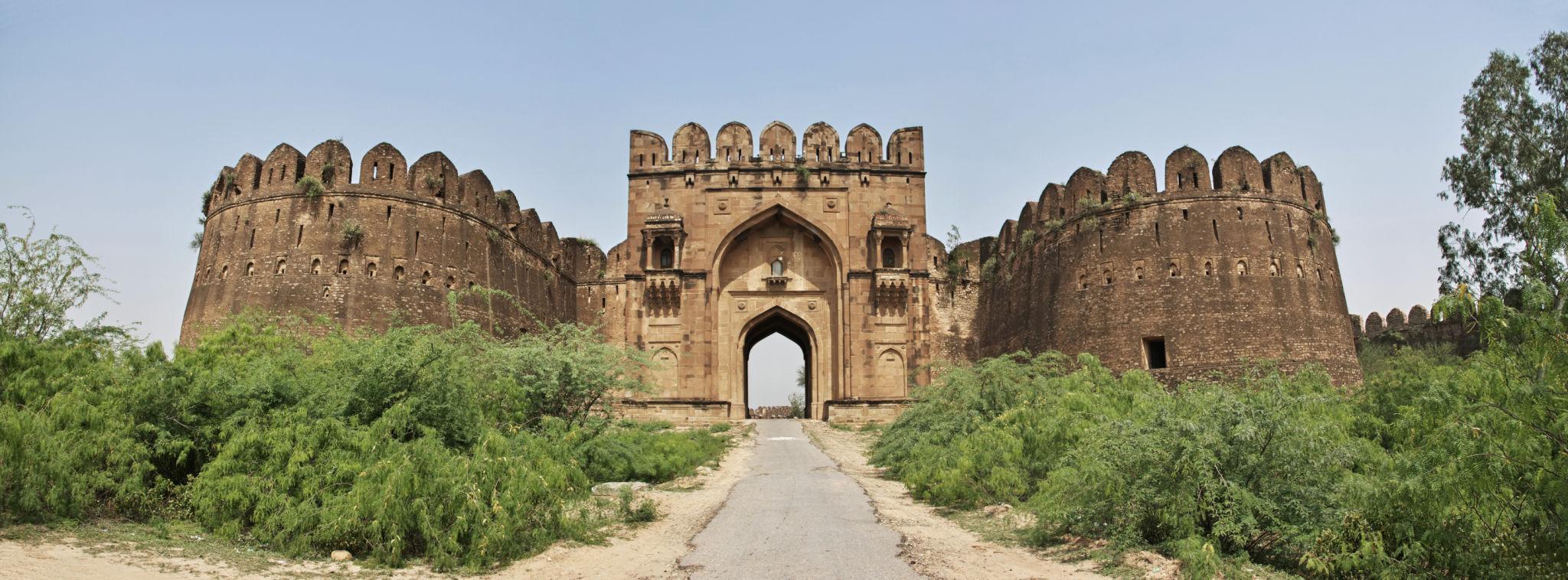
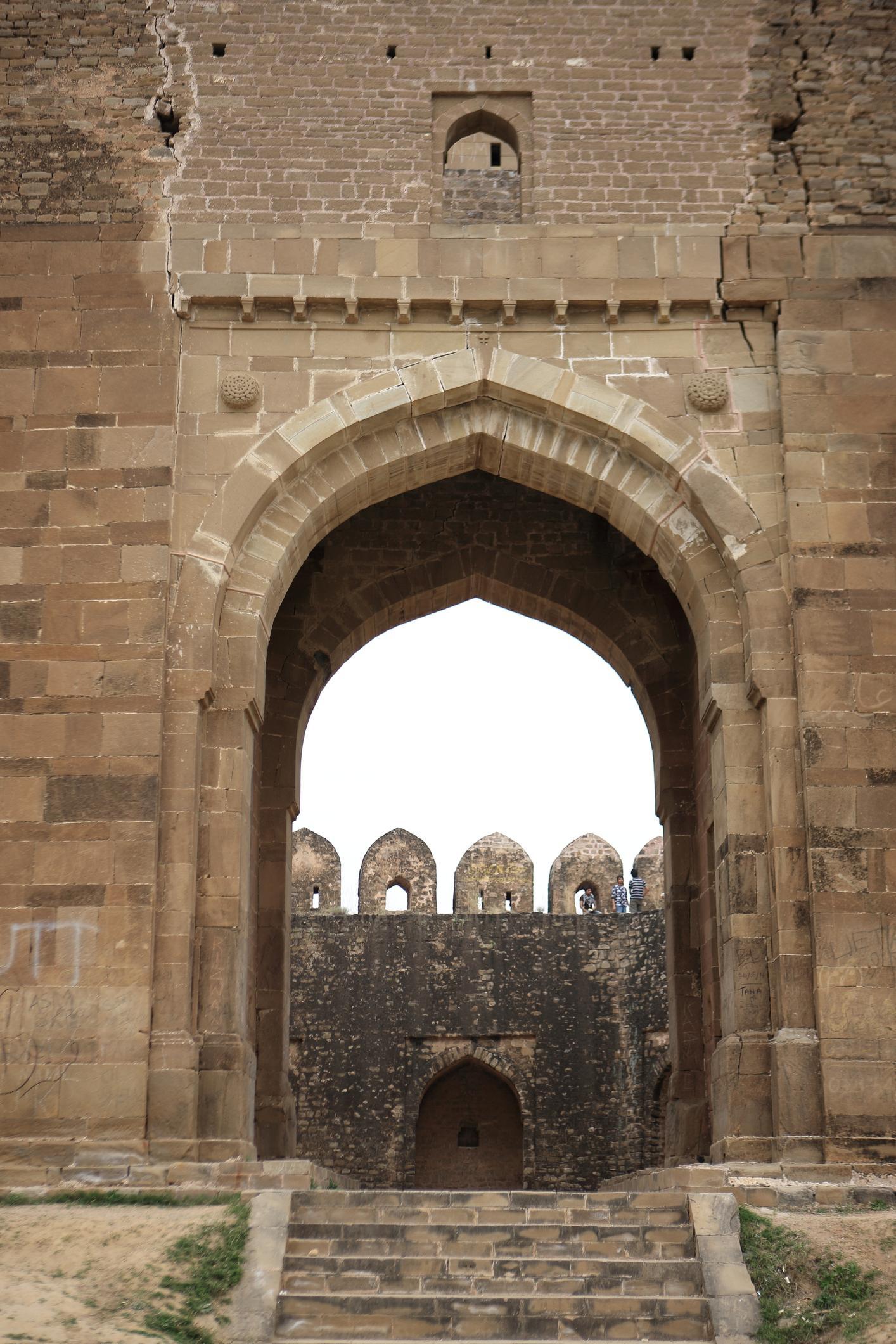
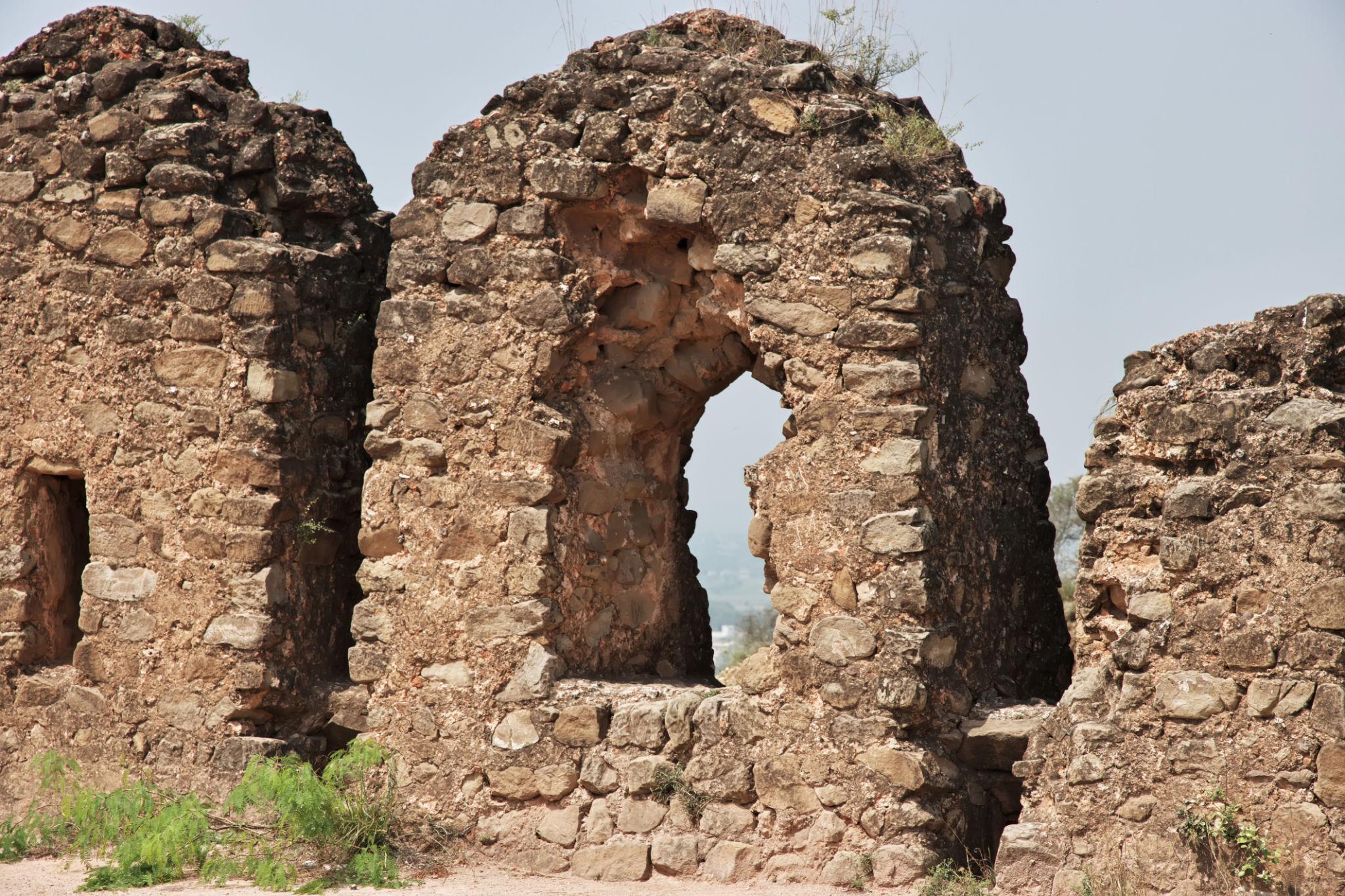
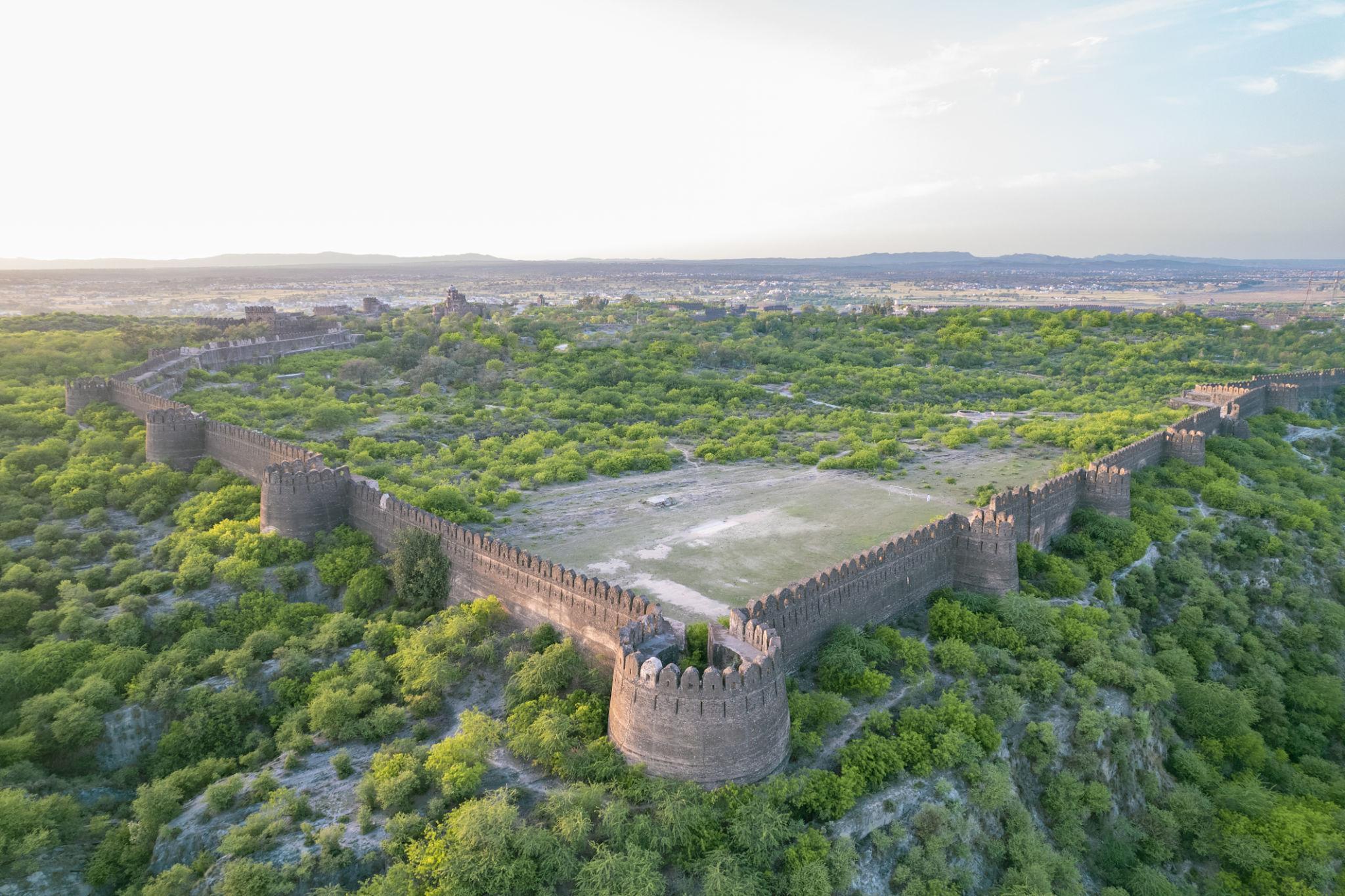
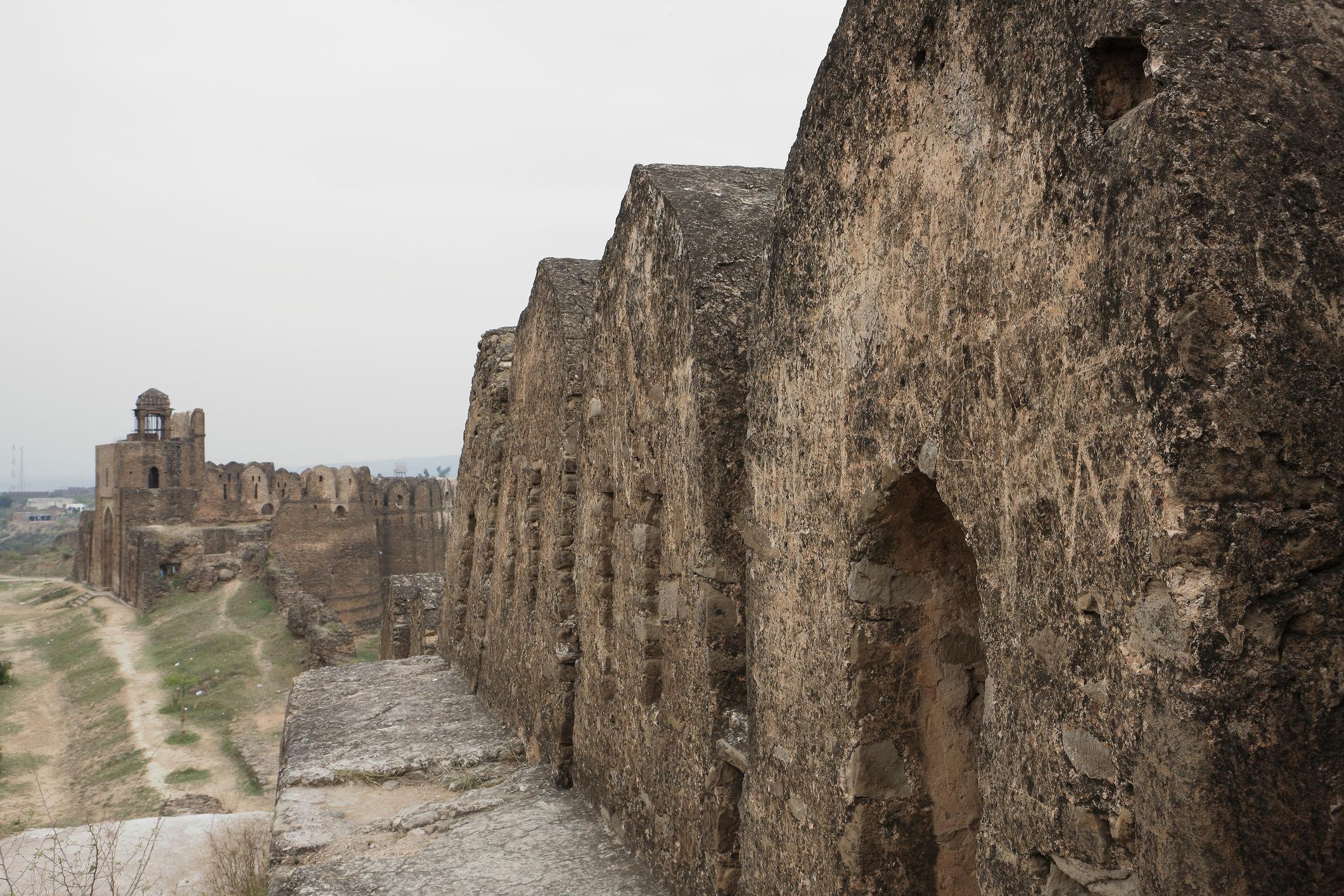
Rohtas Fort is a massive 16th-century fort built during the reign of Sher Shah Suri. The fort is famous for its huge defensive walls, gateways, and military architecture.
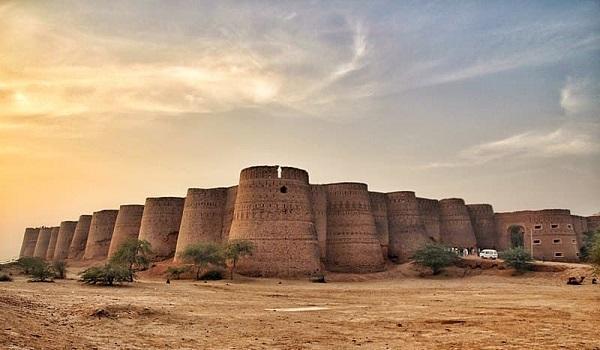
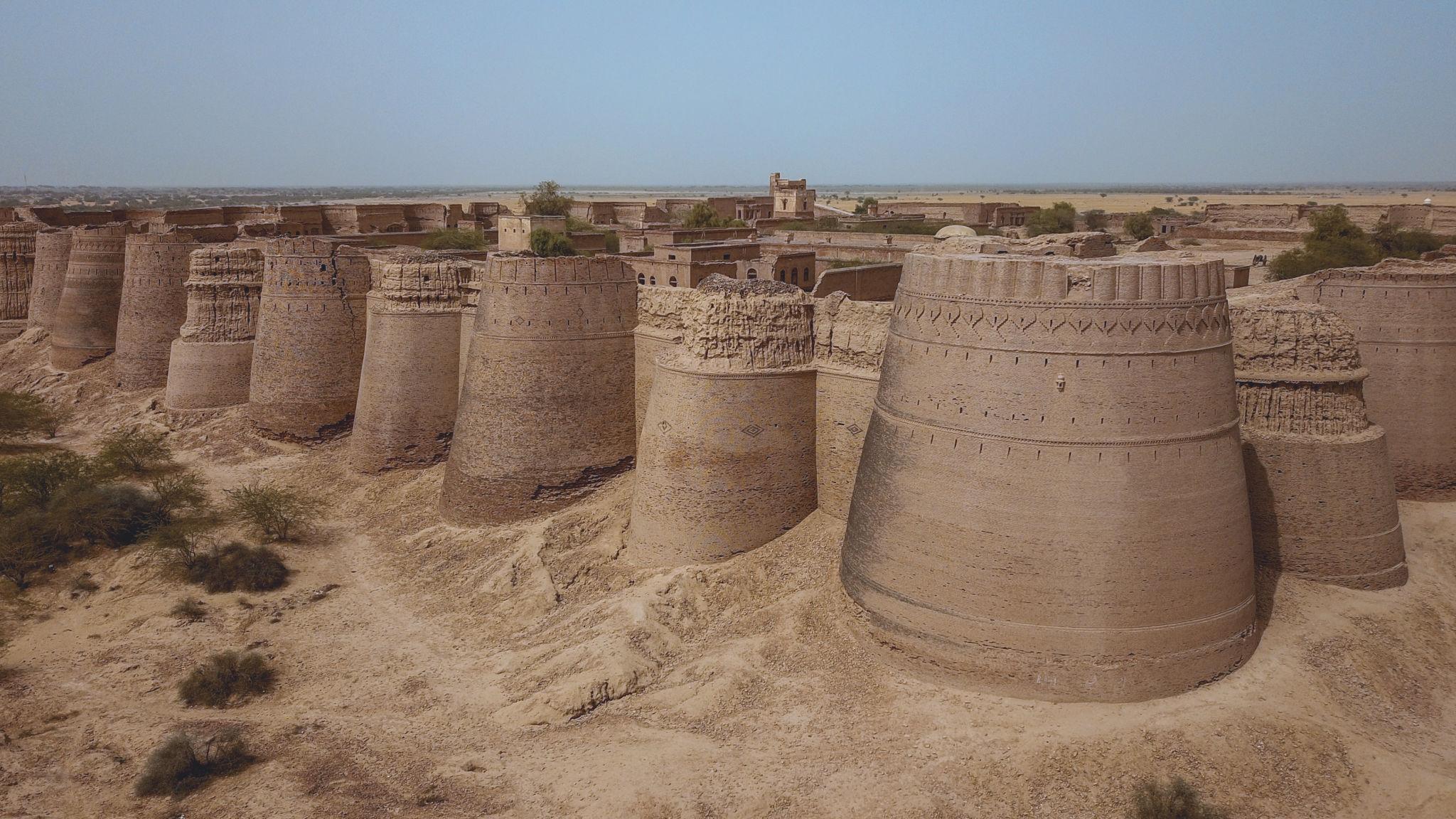
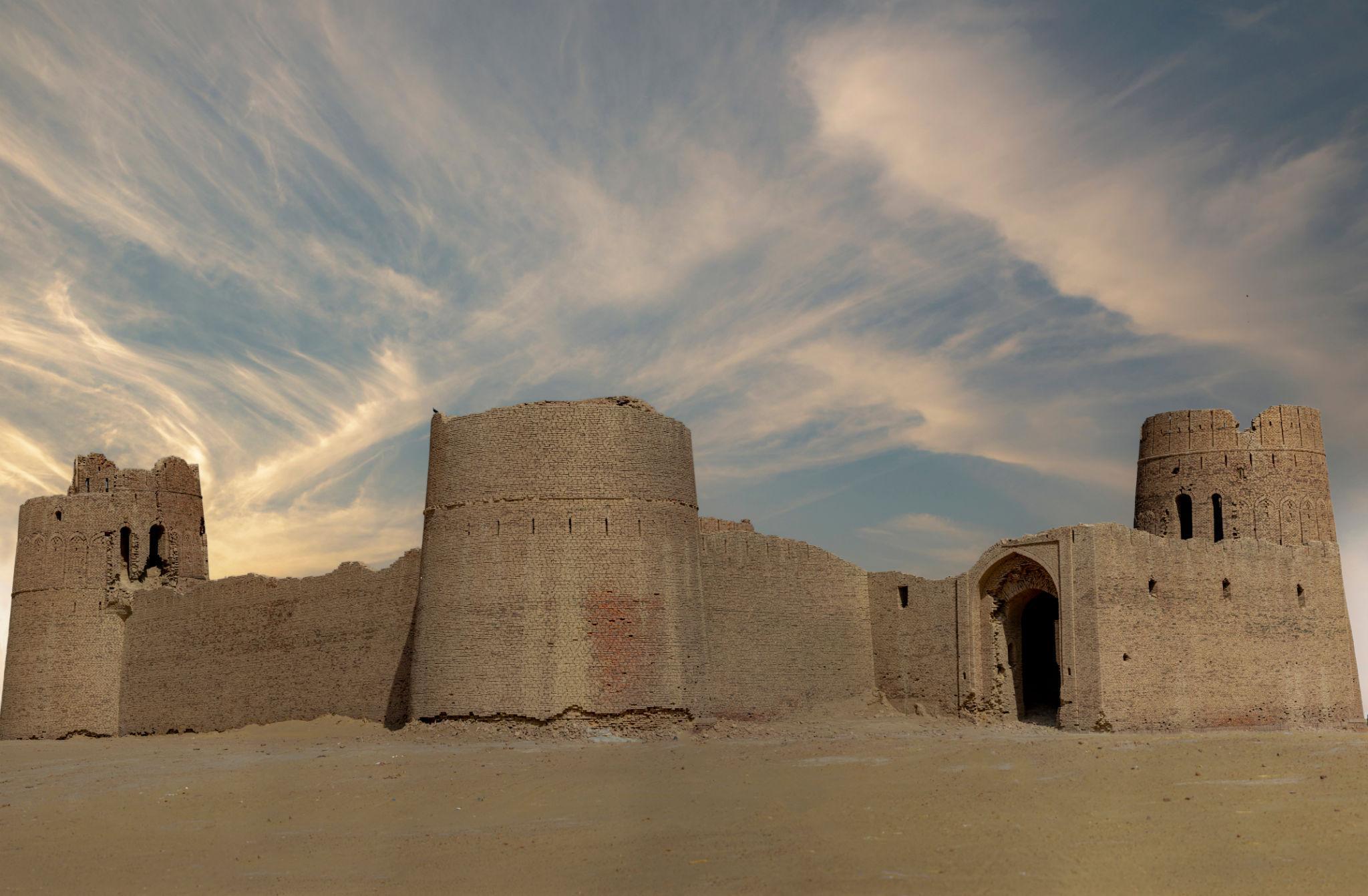
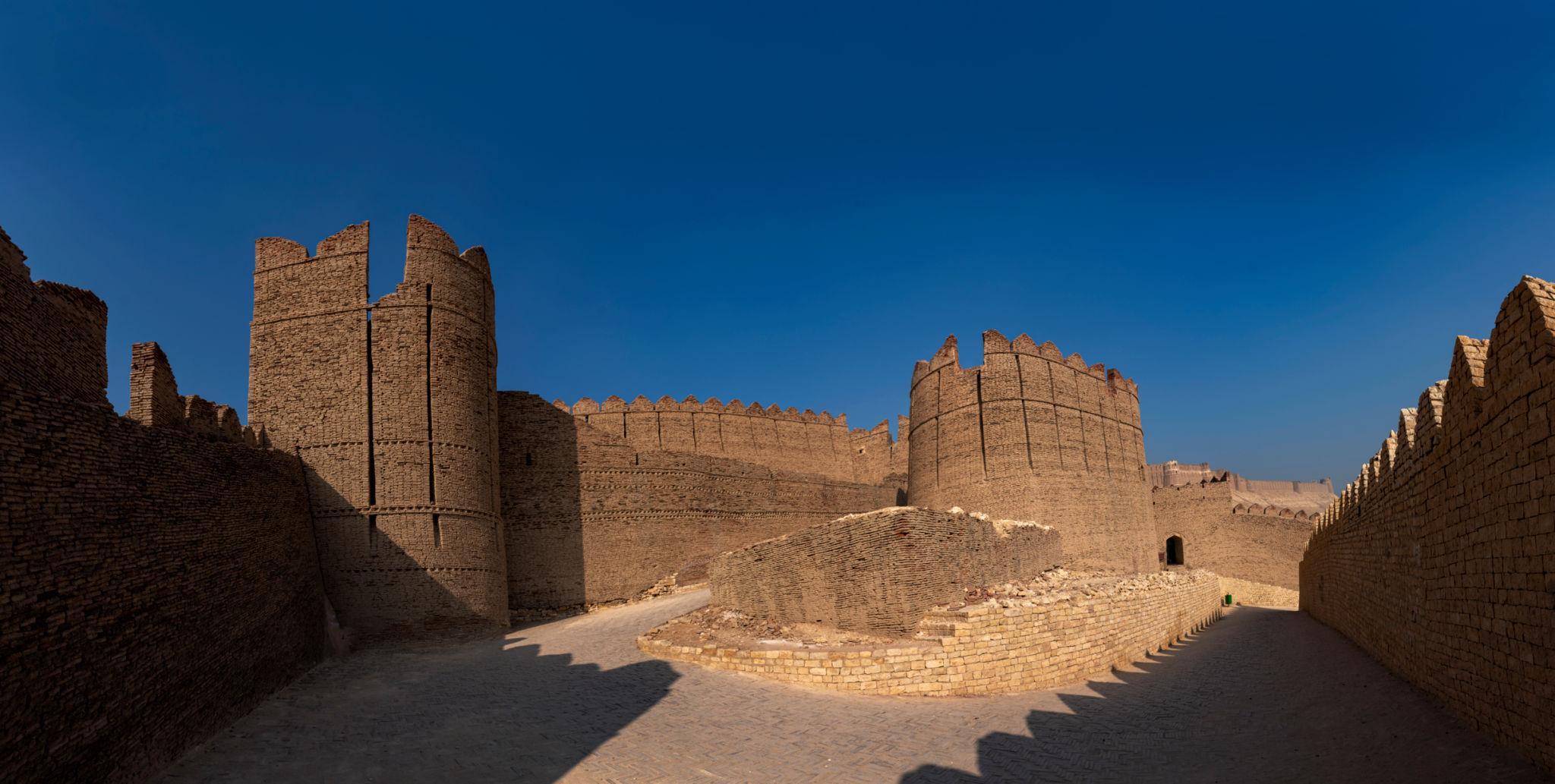
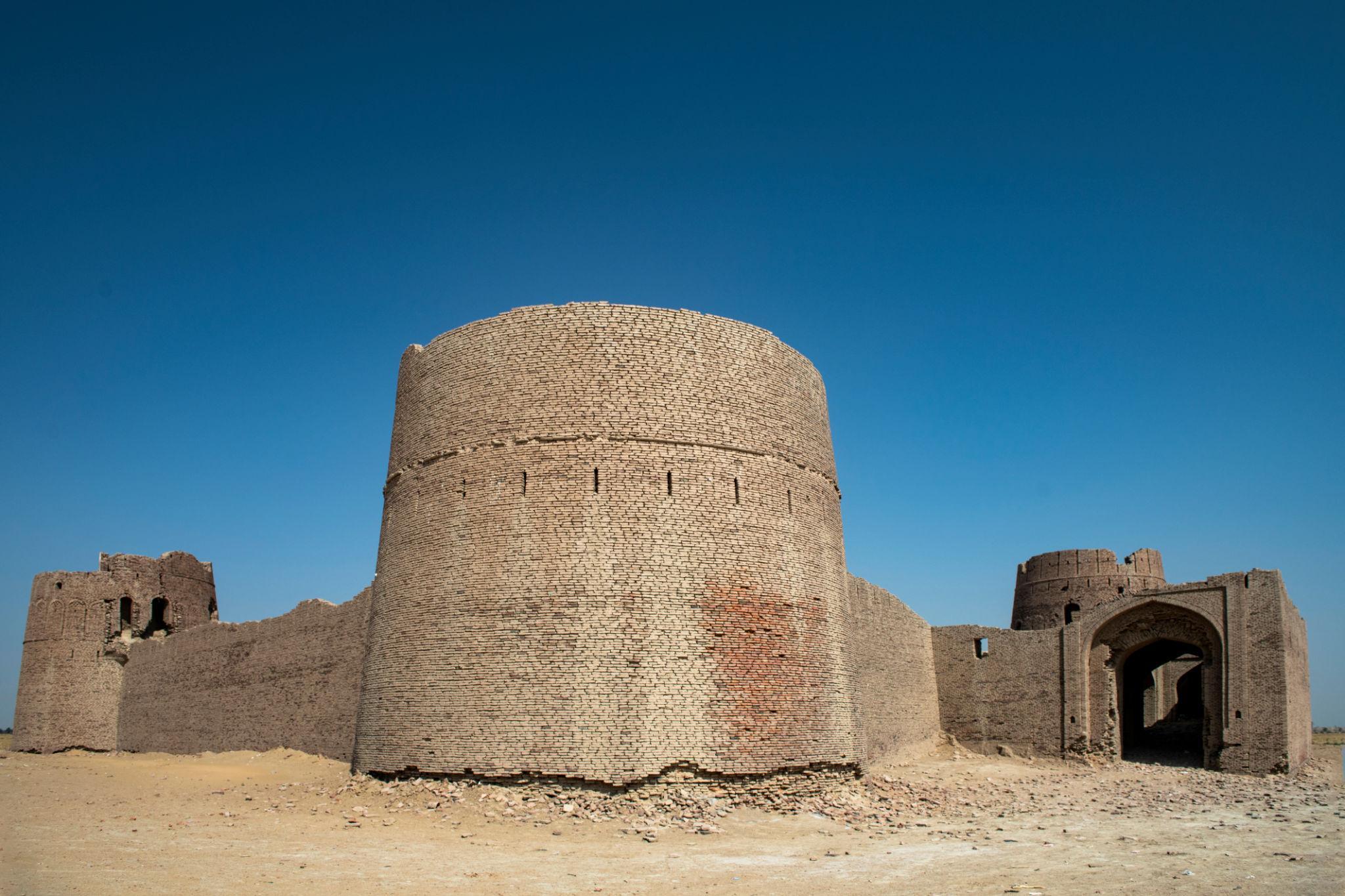
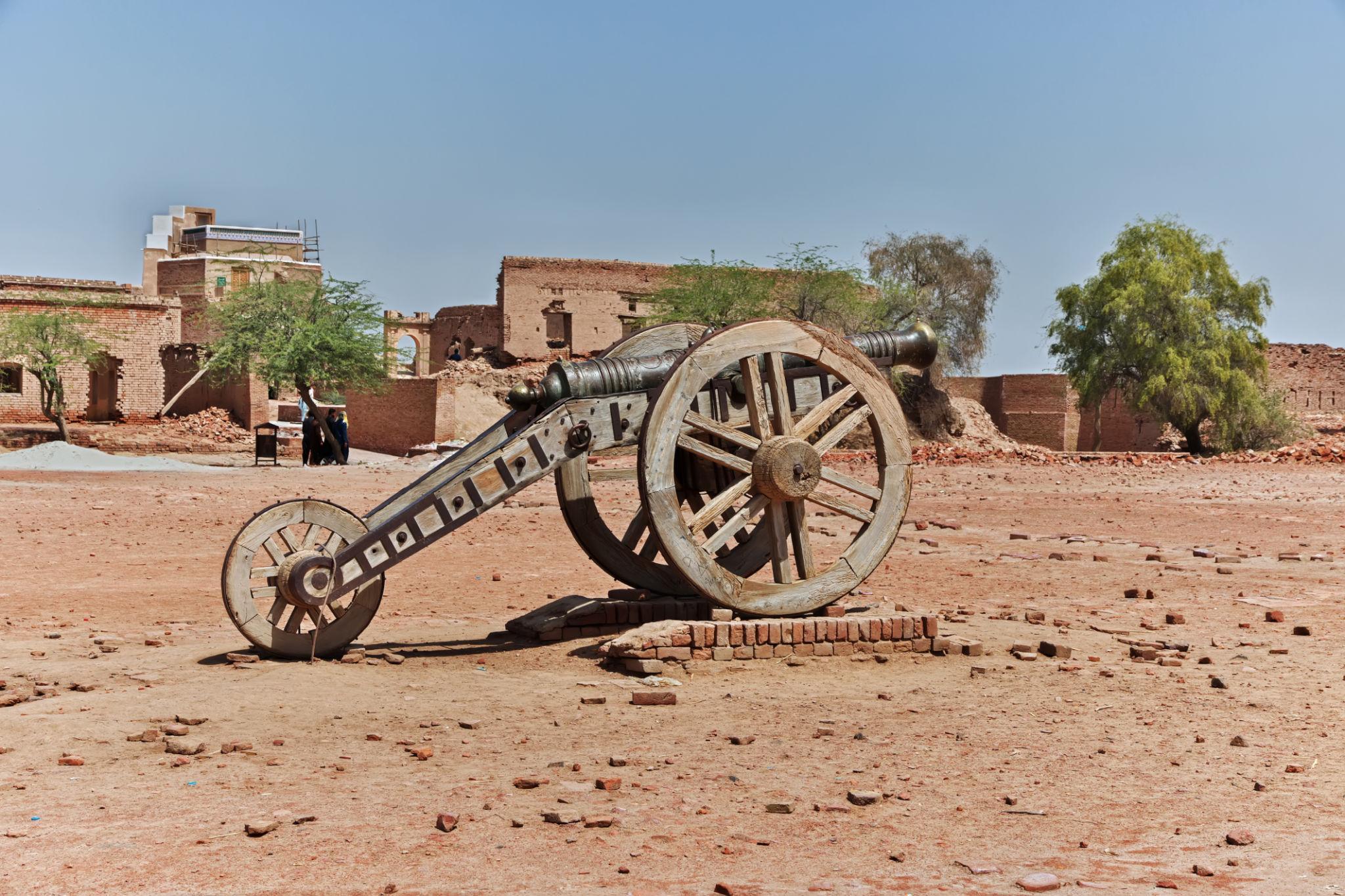
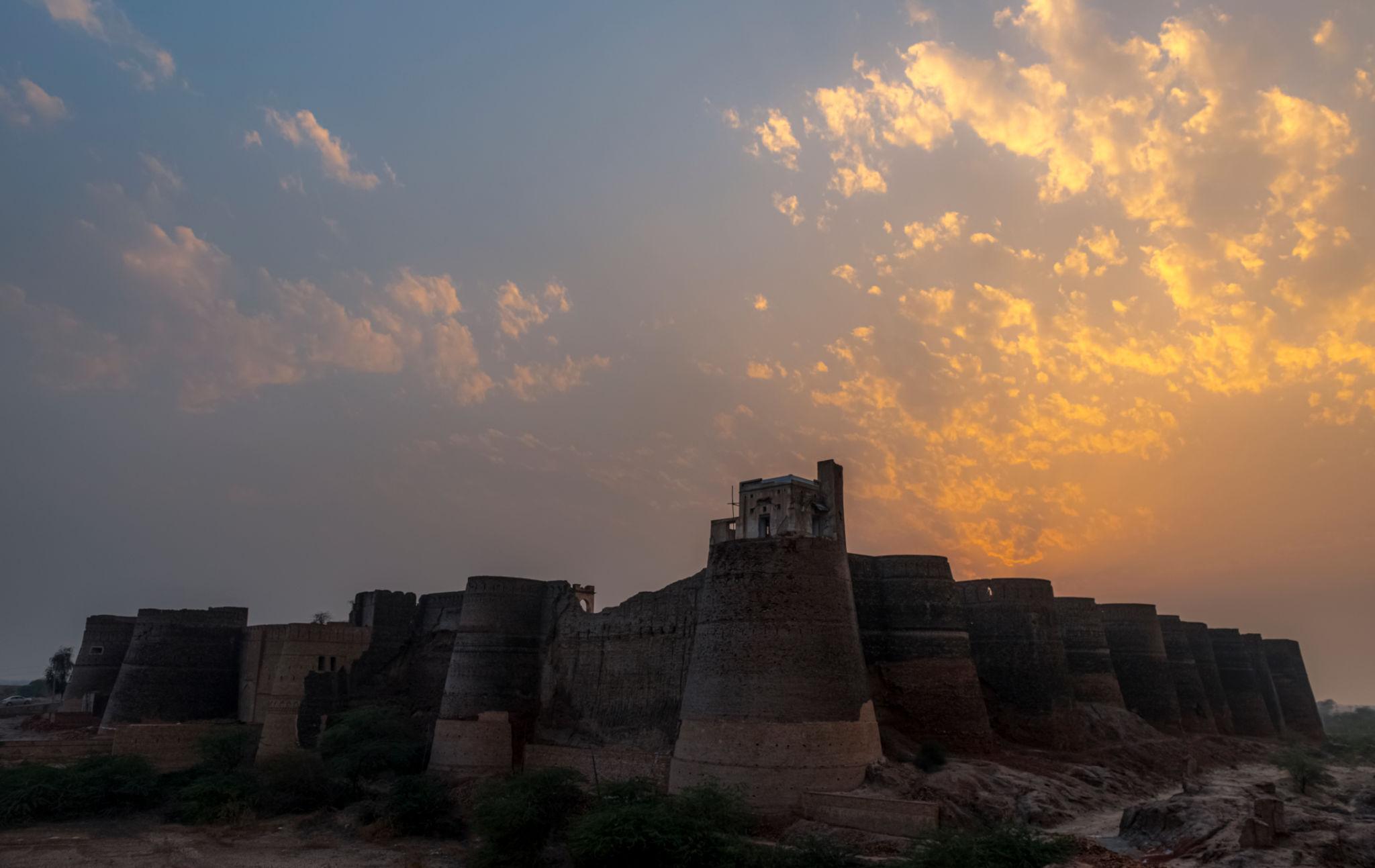
Located in the Cholistan Desert, Derawar Fort is one of Pakistan’s most dramatic desert forts and a major historical landmark in southern Punjab.
Pakistan contains diverse ecosystems ranging from alpine plains and glaciers to deserts and coastal mountain regions.
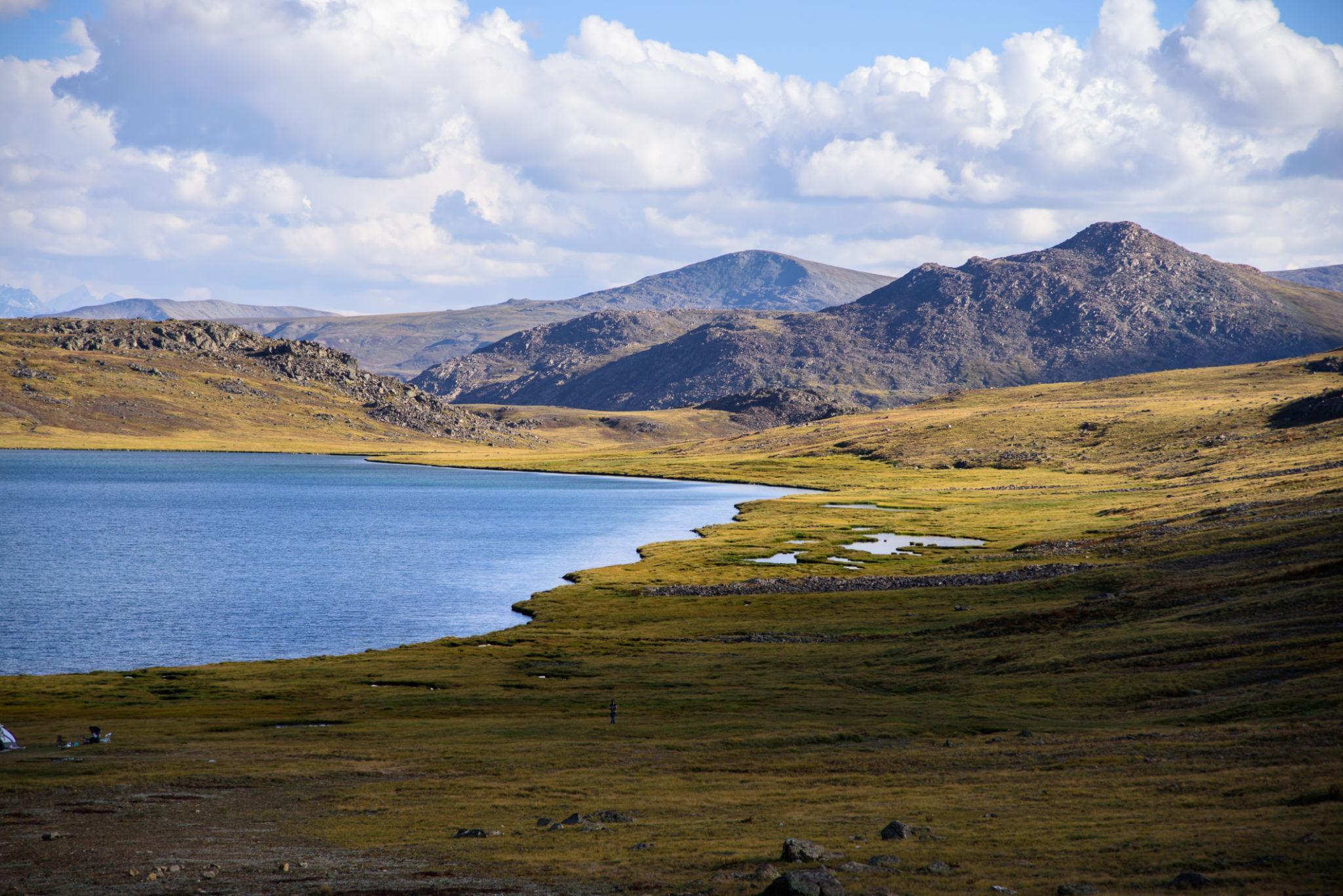
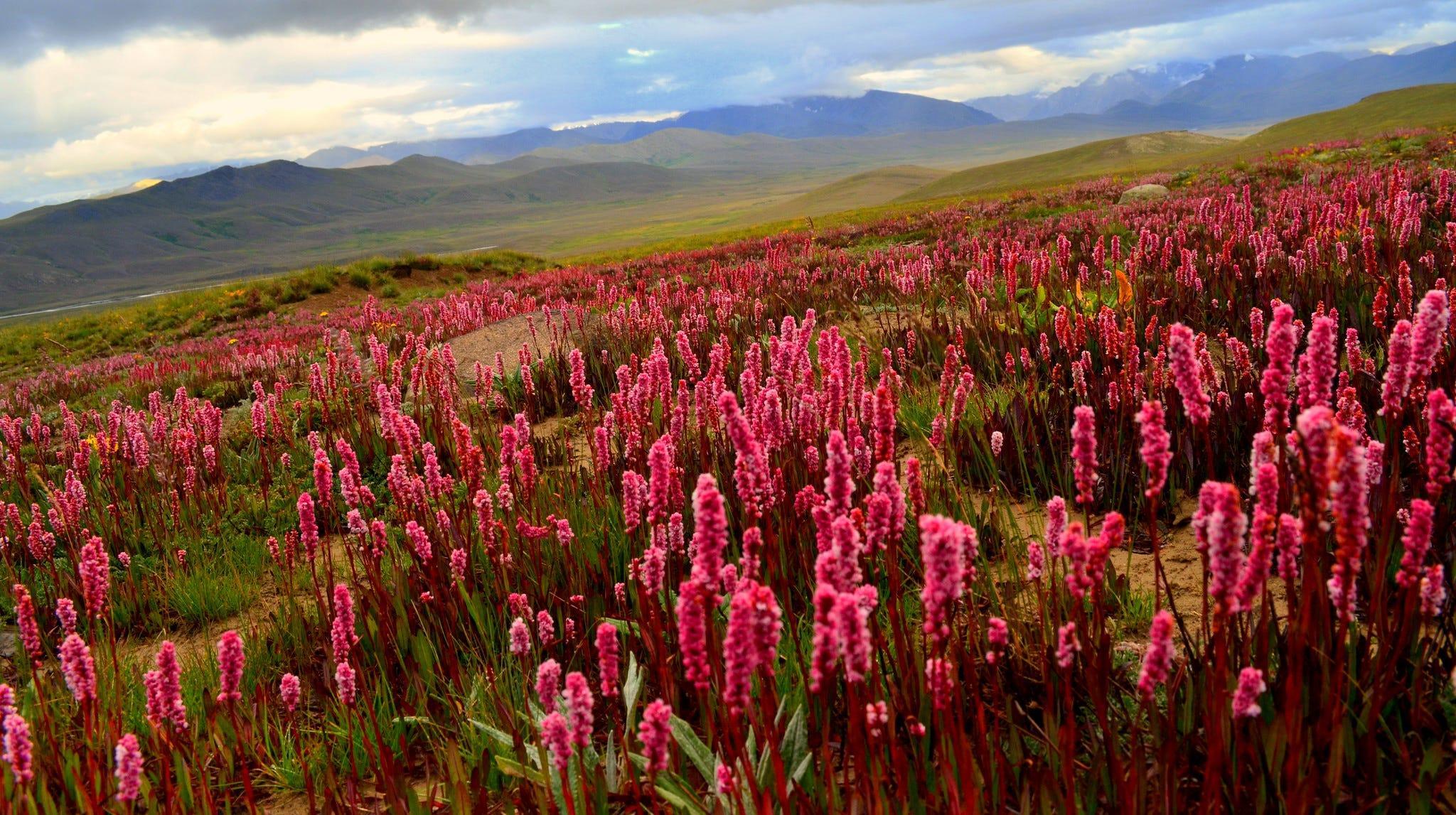
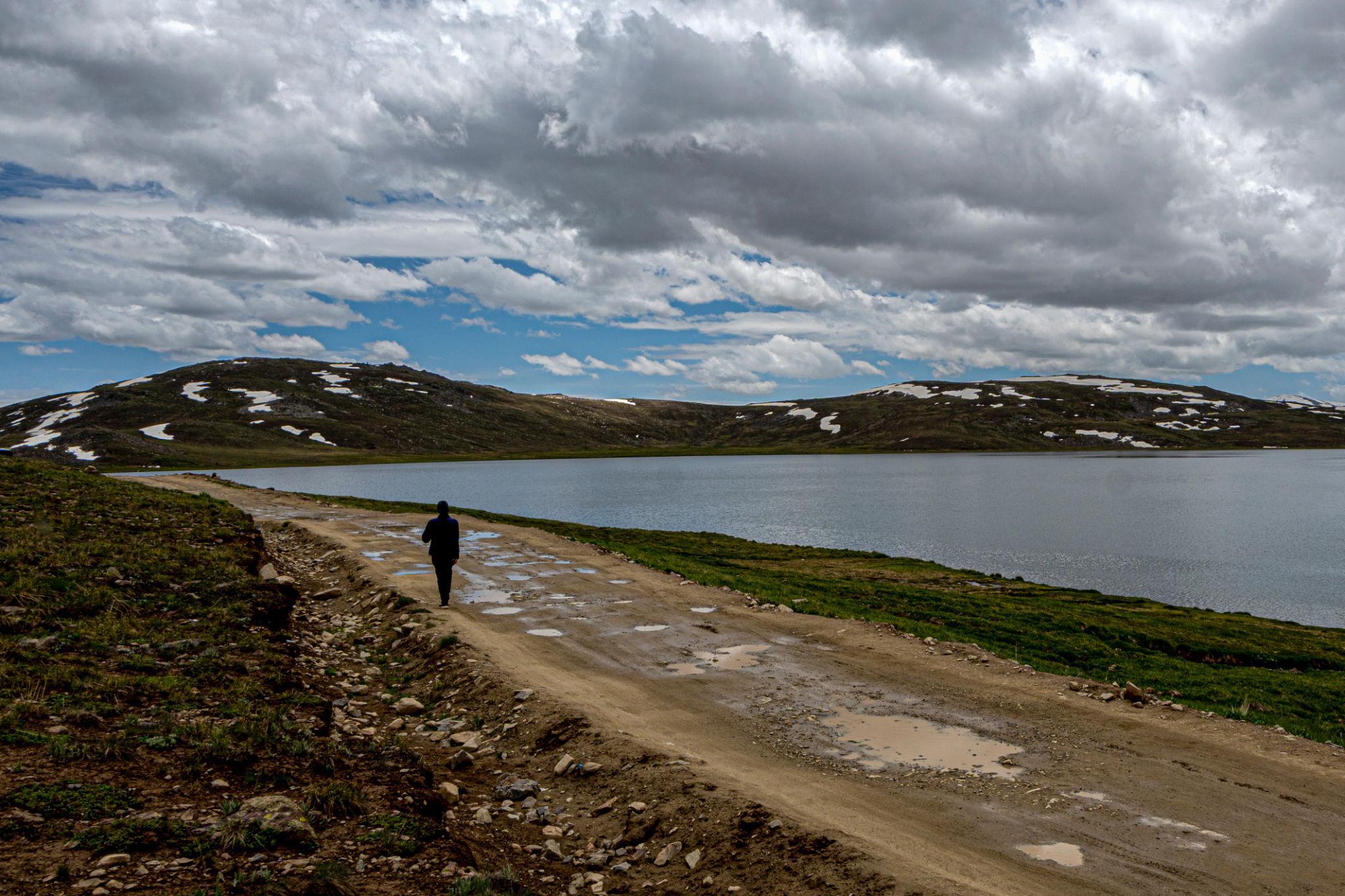
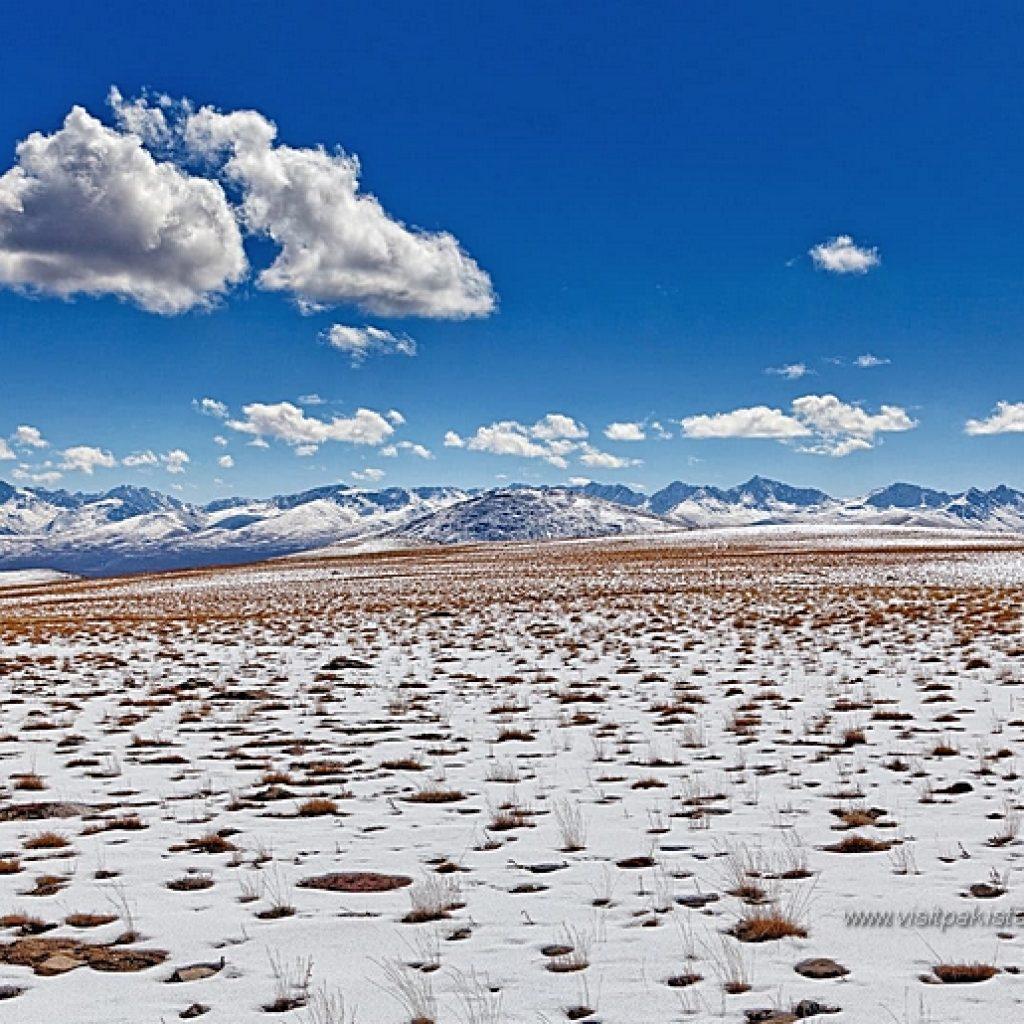
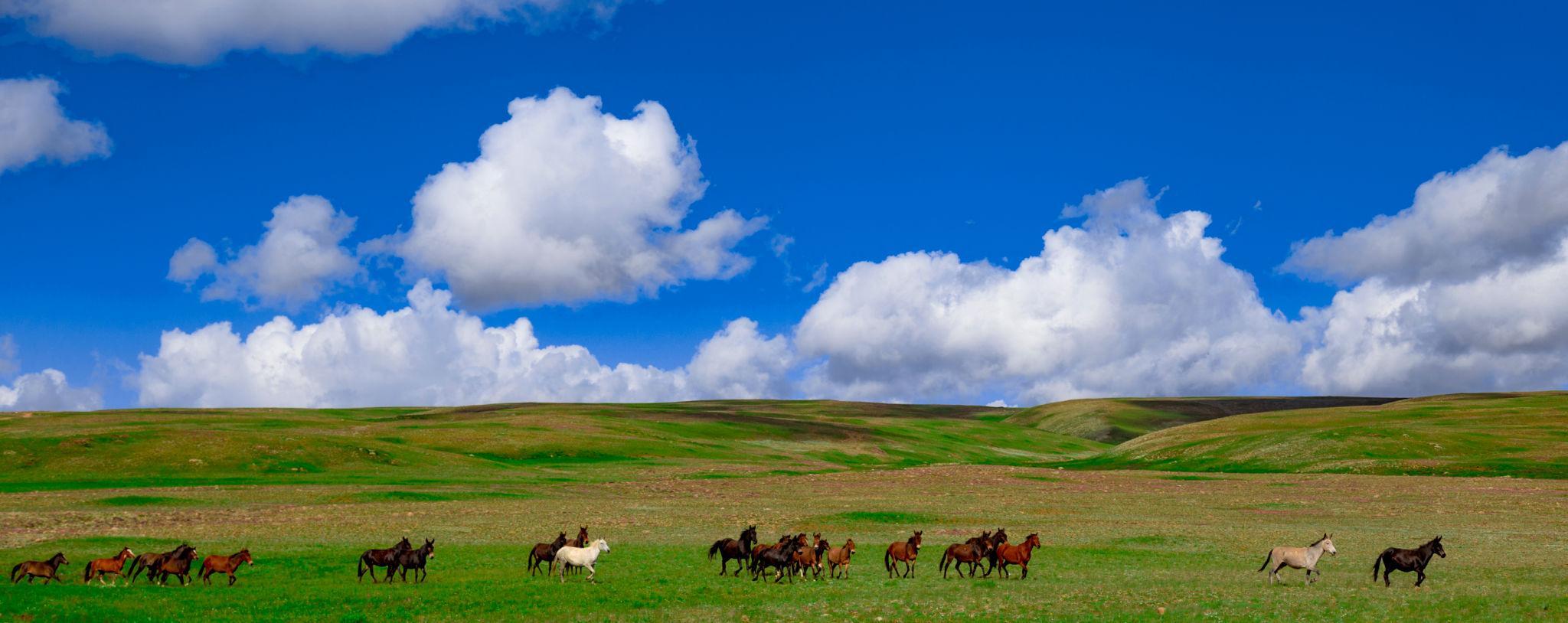
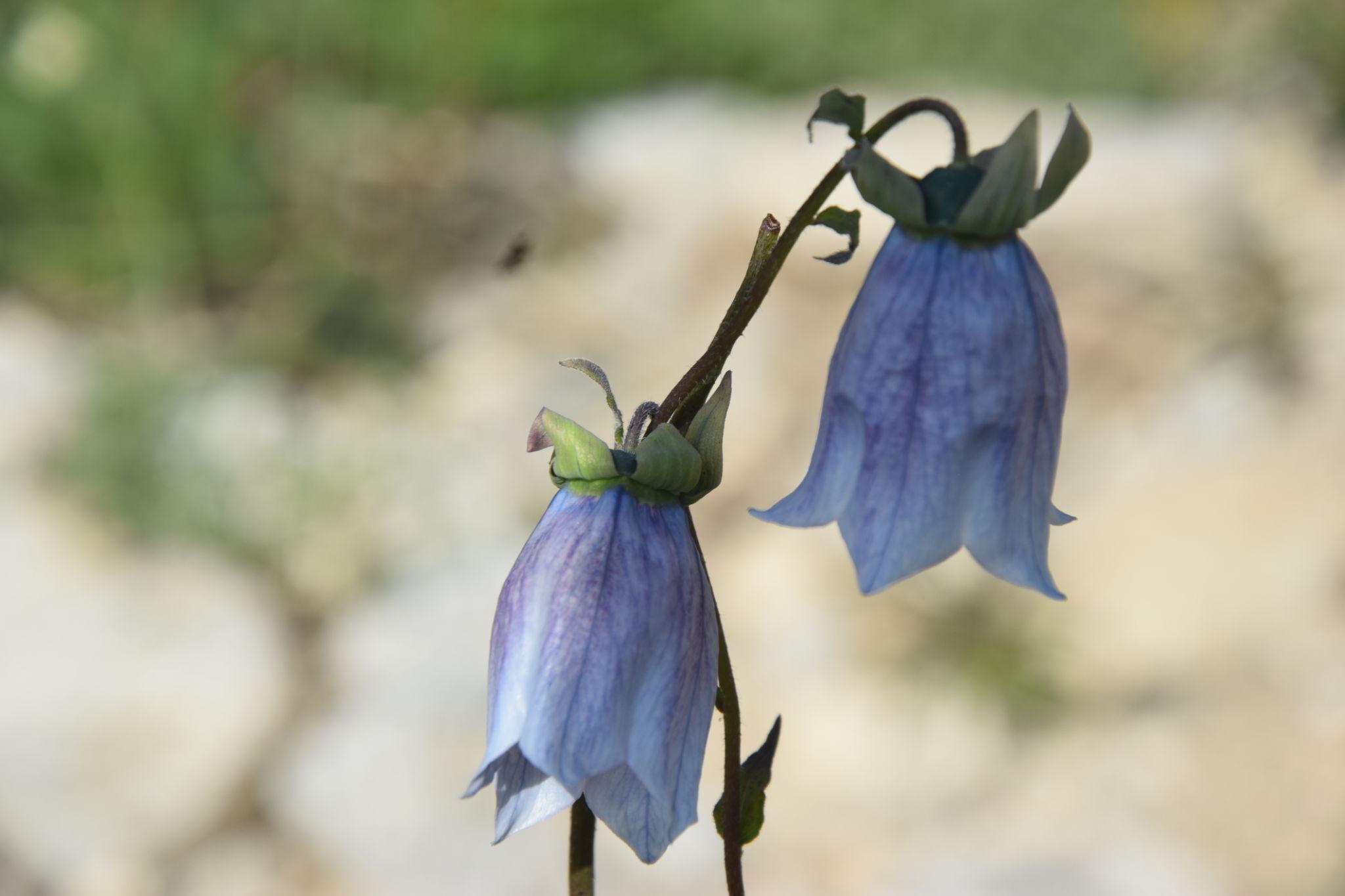
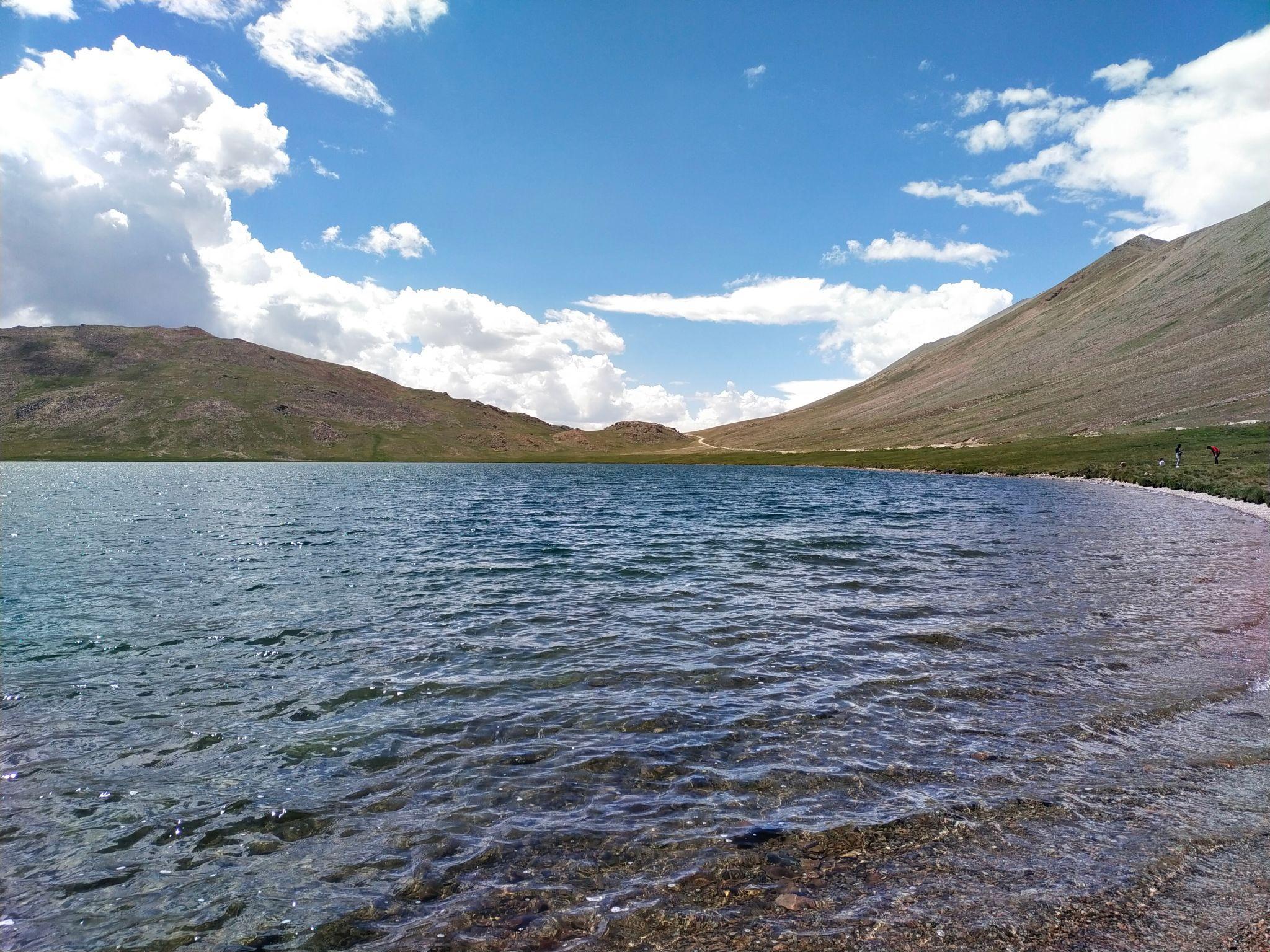
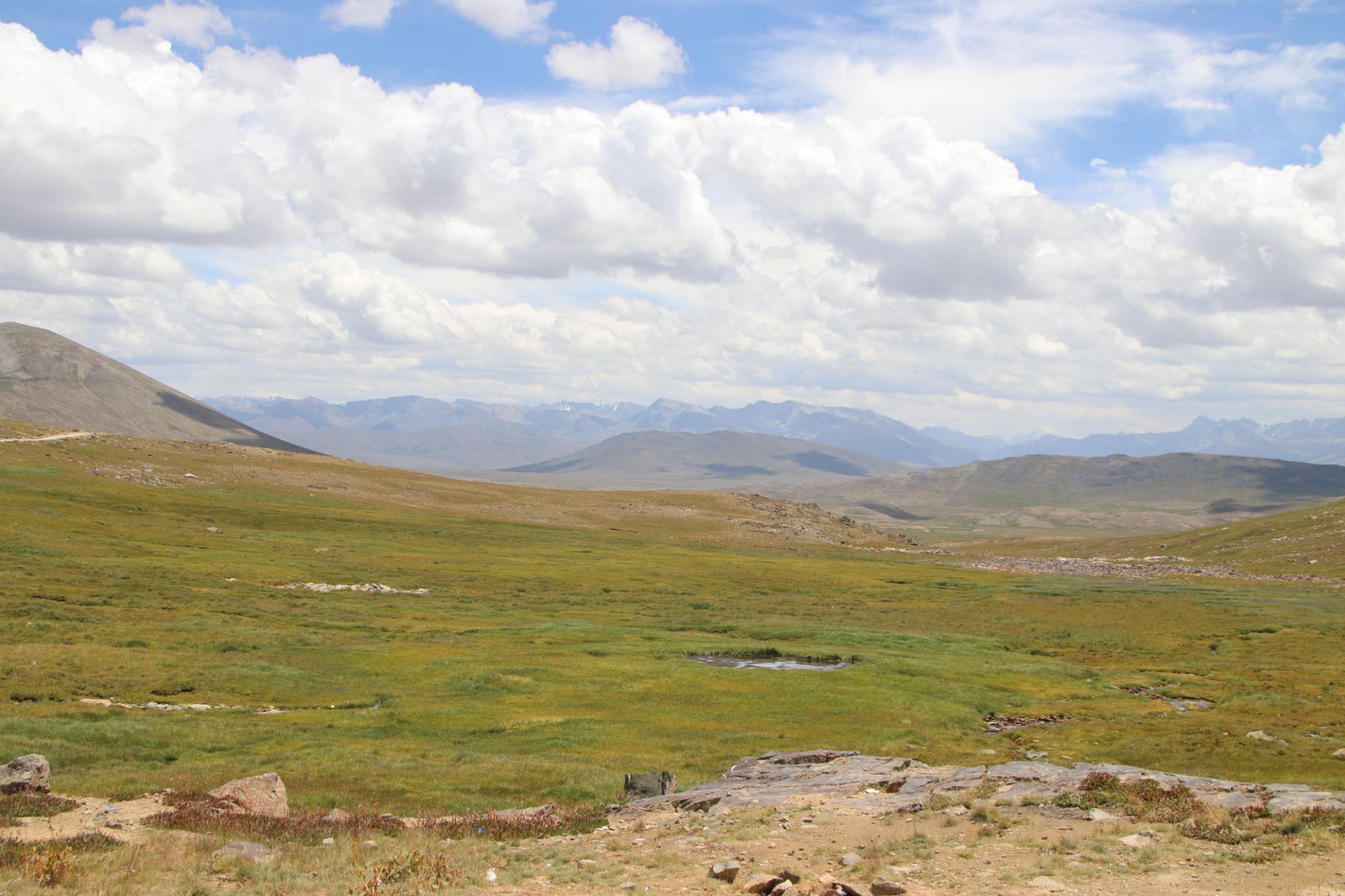
Known as the “Land of Giants,” Deosai National Park is one of the highest plateaus in the world and is famous for vast grasslands, wildflowers, rivers, and wildlife.
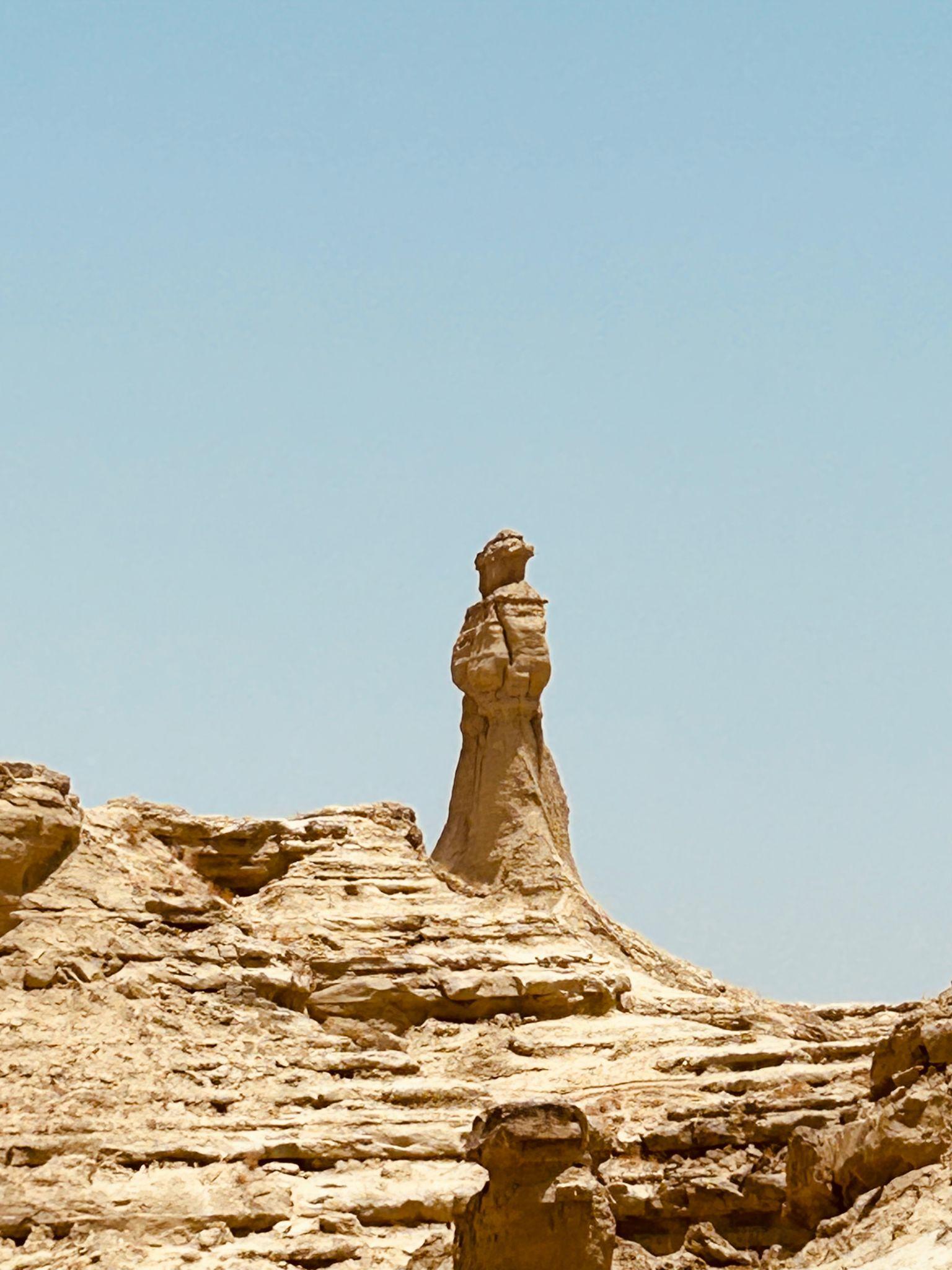
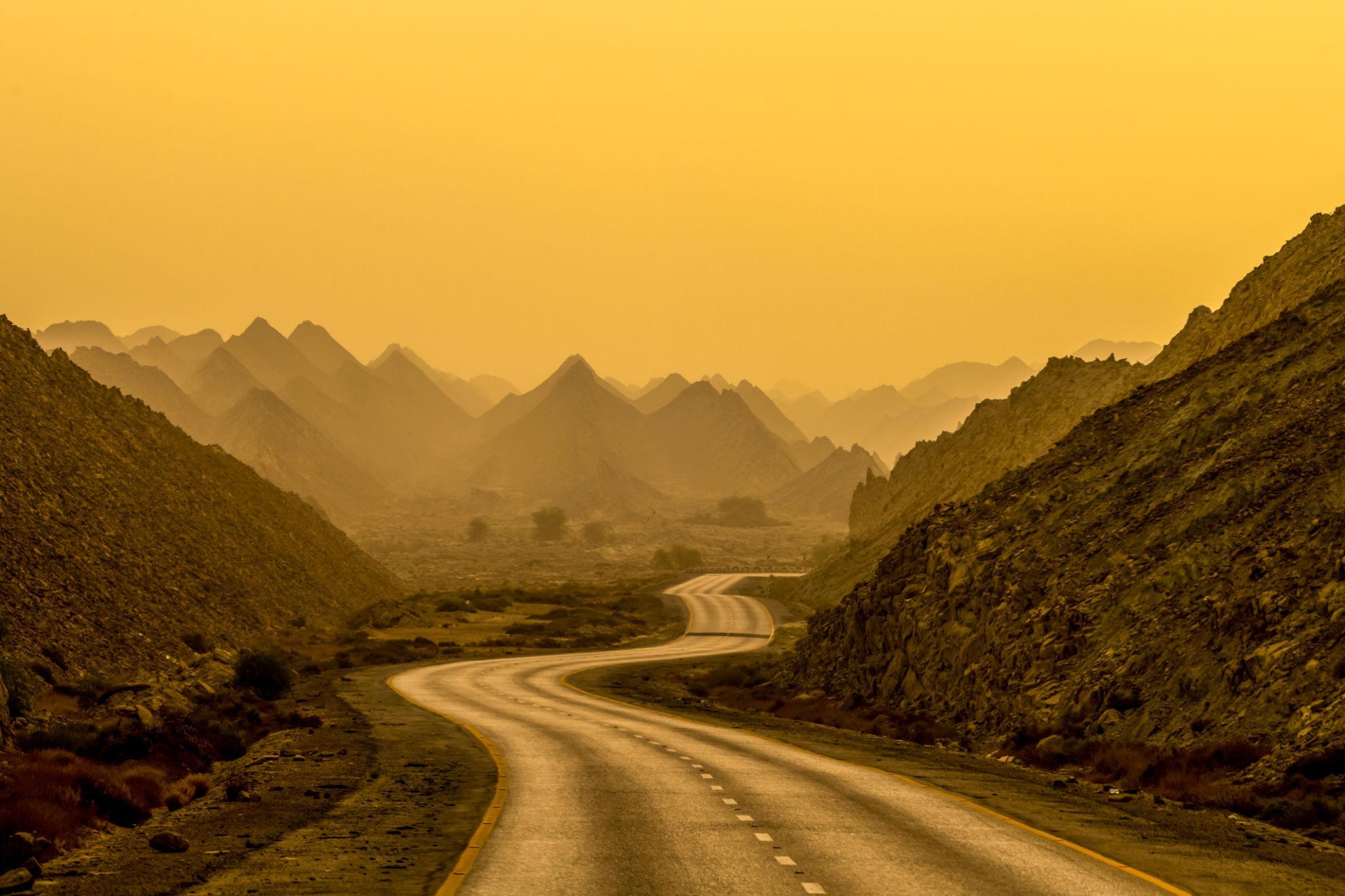
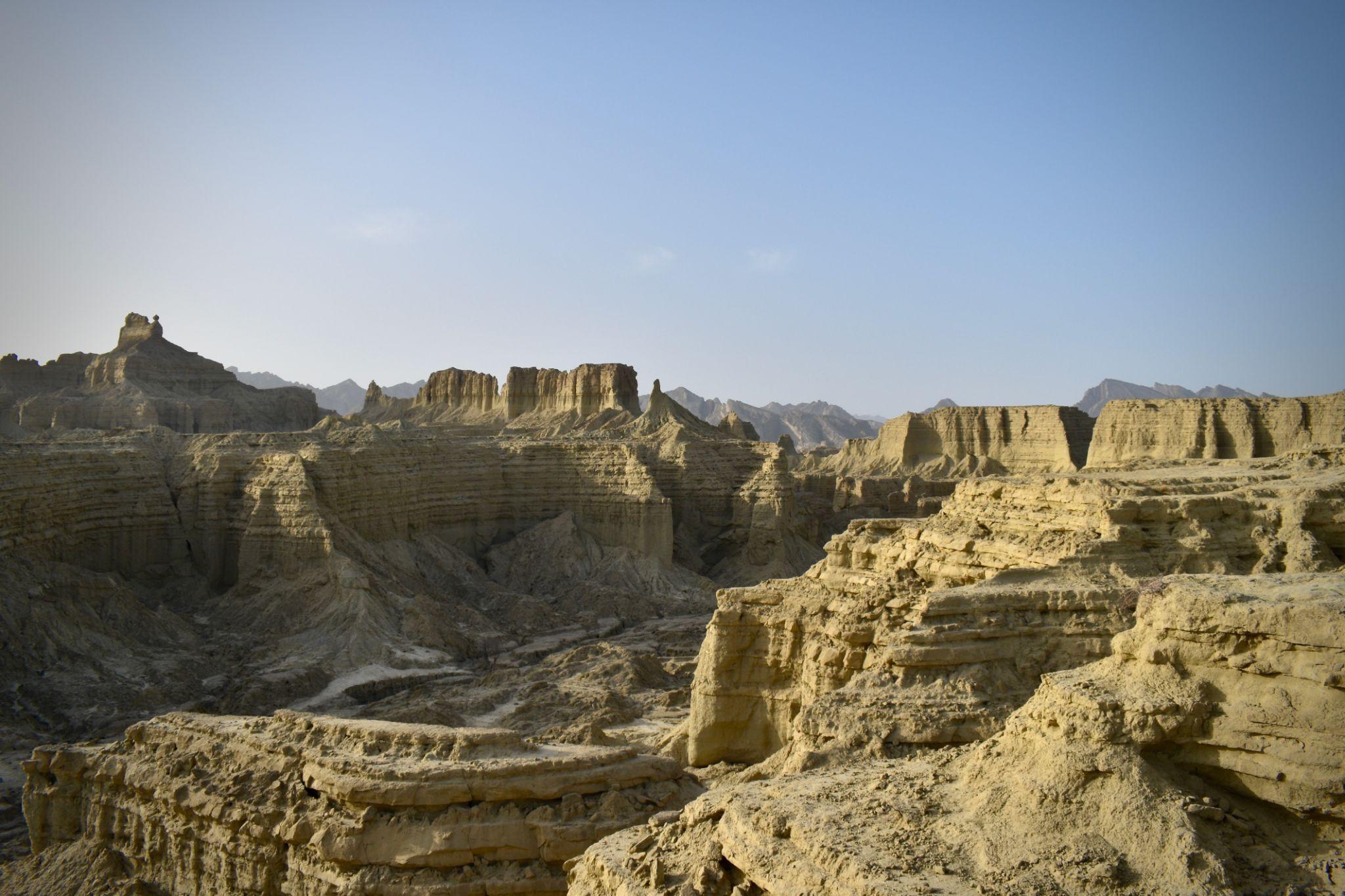
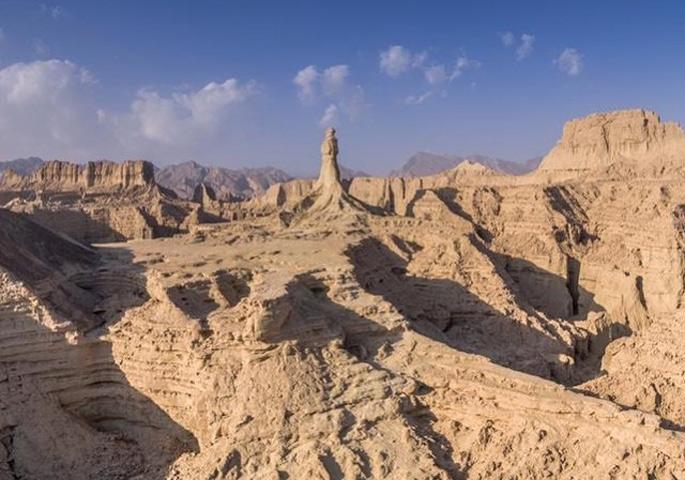
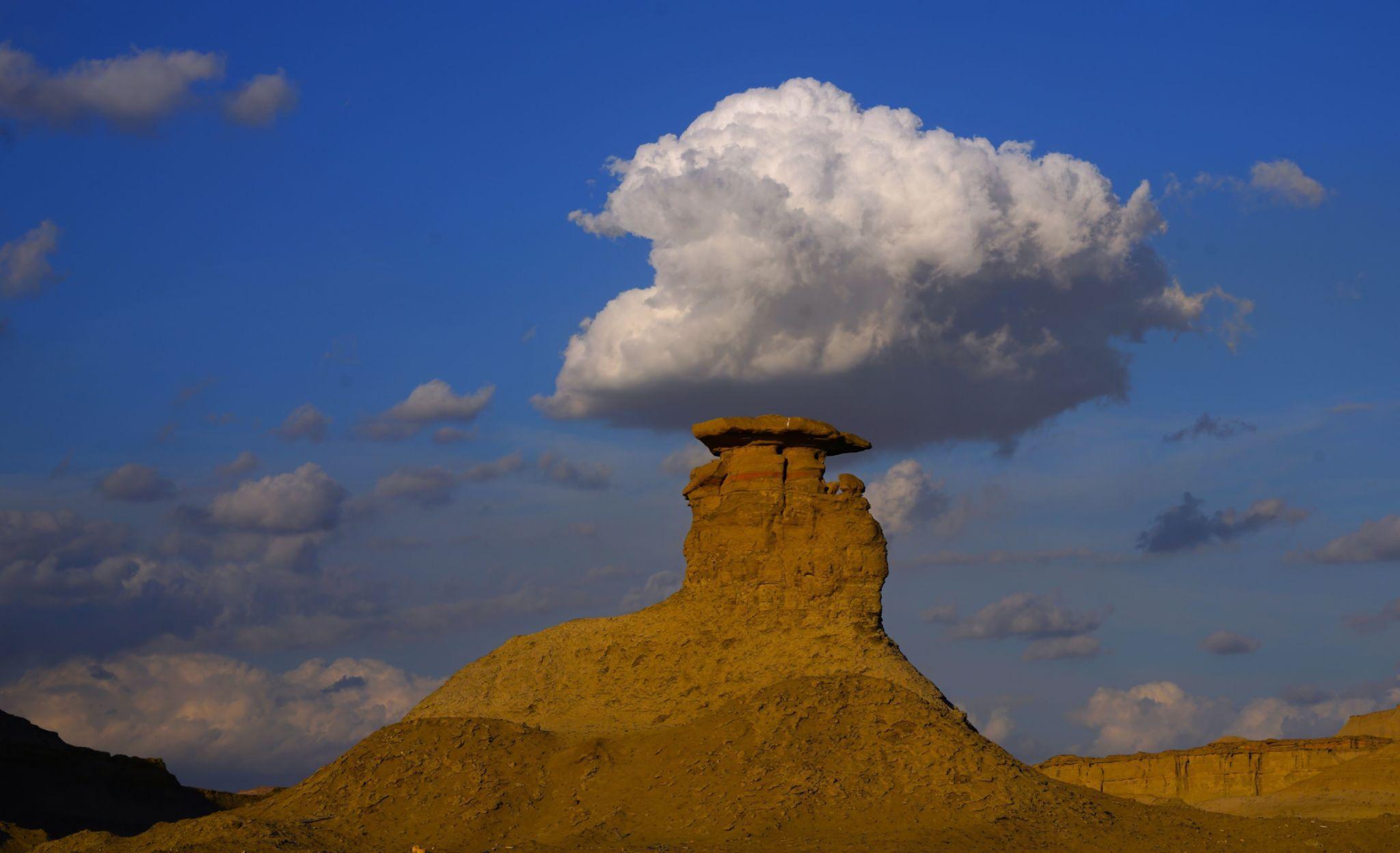
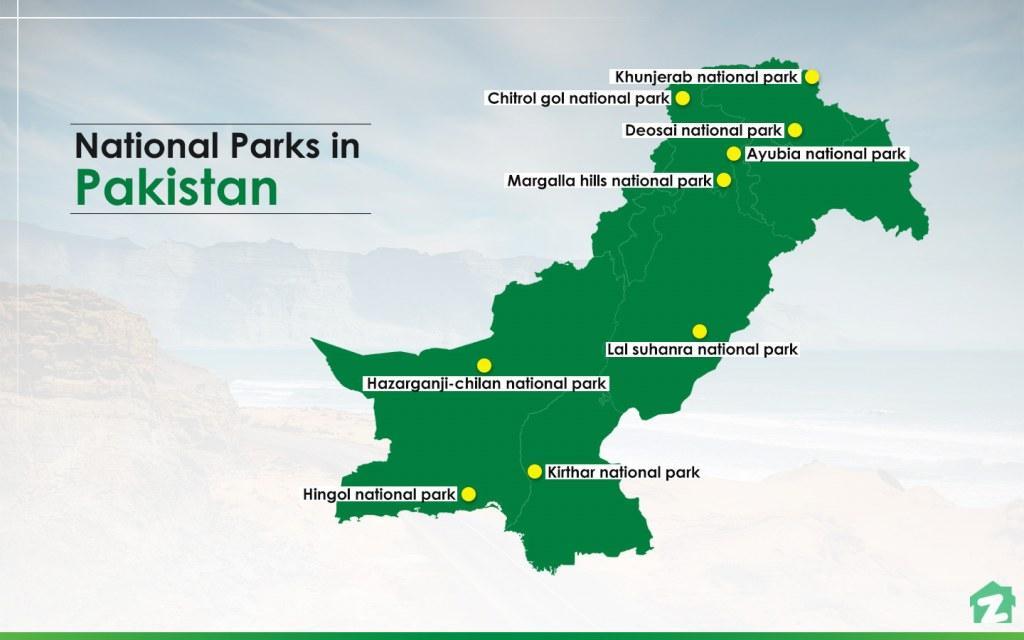
Hingol National Park is Pakistan’s largest national park and is known for dramatic rock formations, mountains, mud volcanoes, and desert landscapes.
Pakistan is considered one of the world’s top adventure tourism destinations due to the Karakoram, Himalaya, and Hindu Kush mountain ranges.
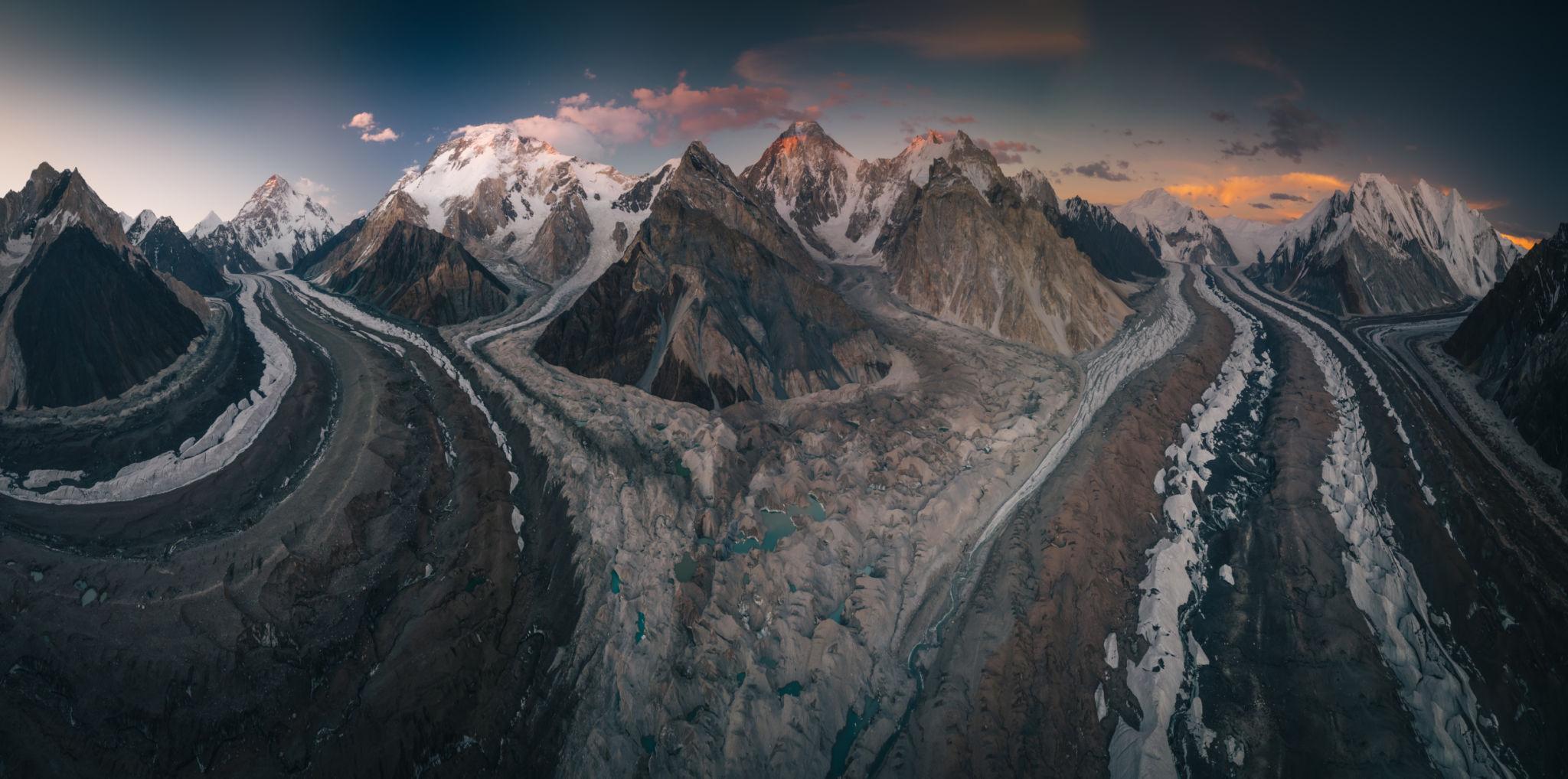
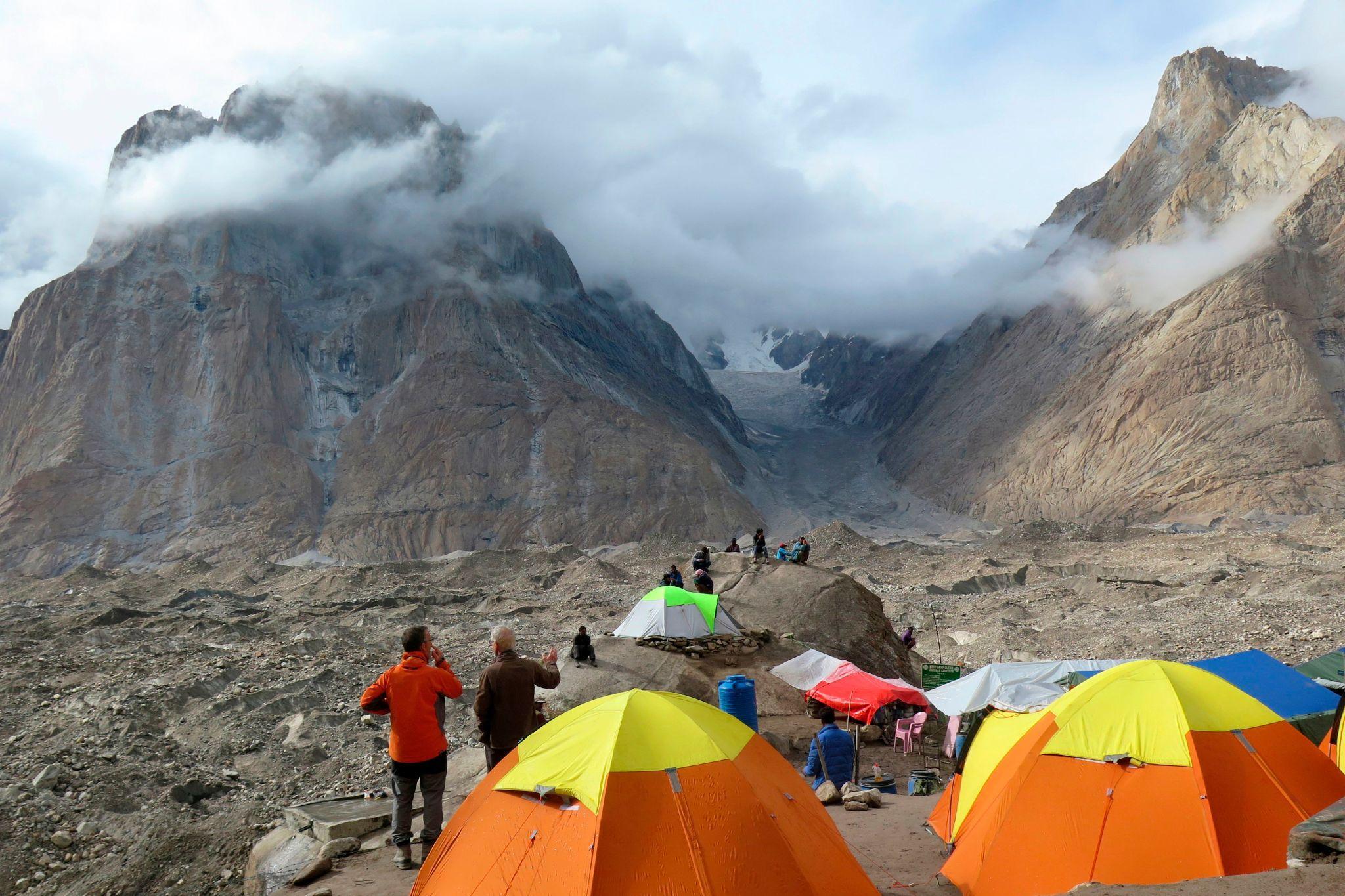
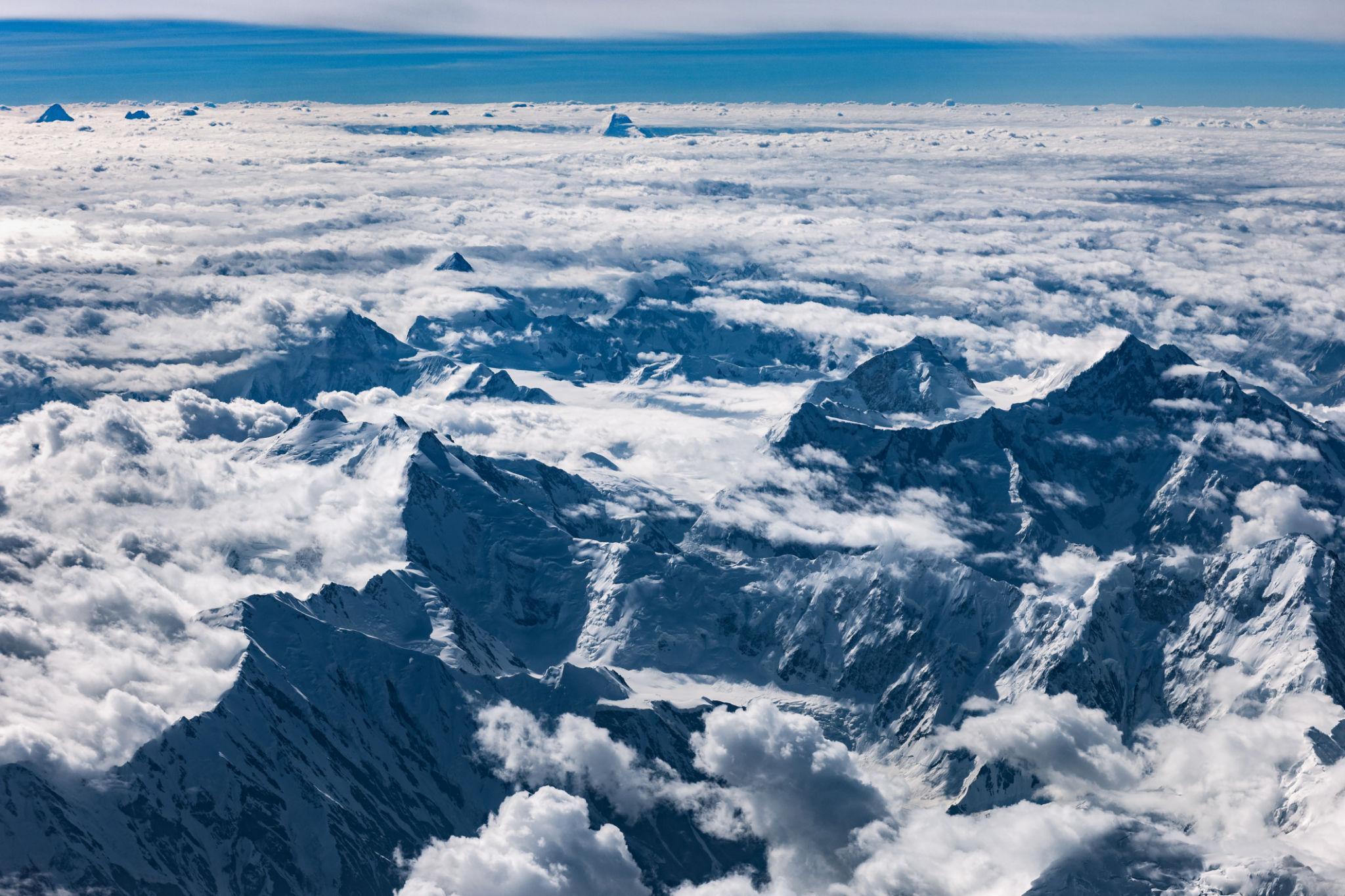
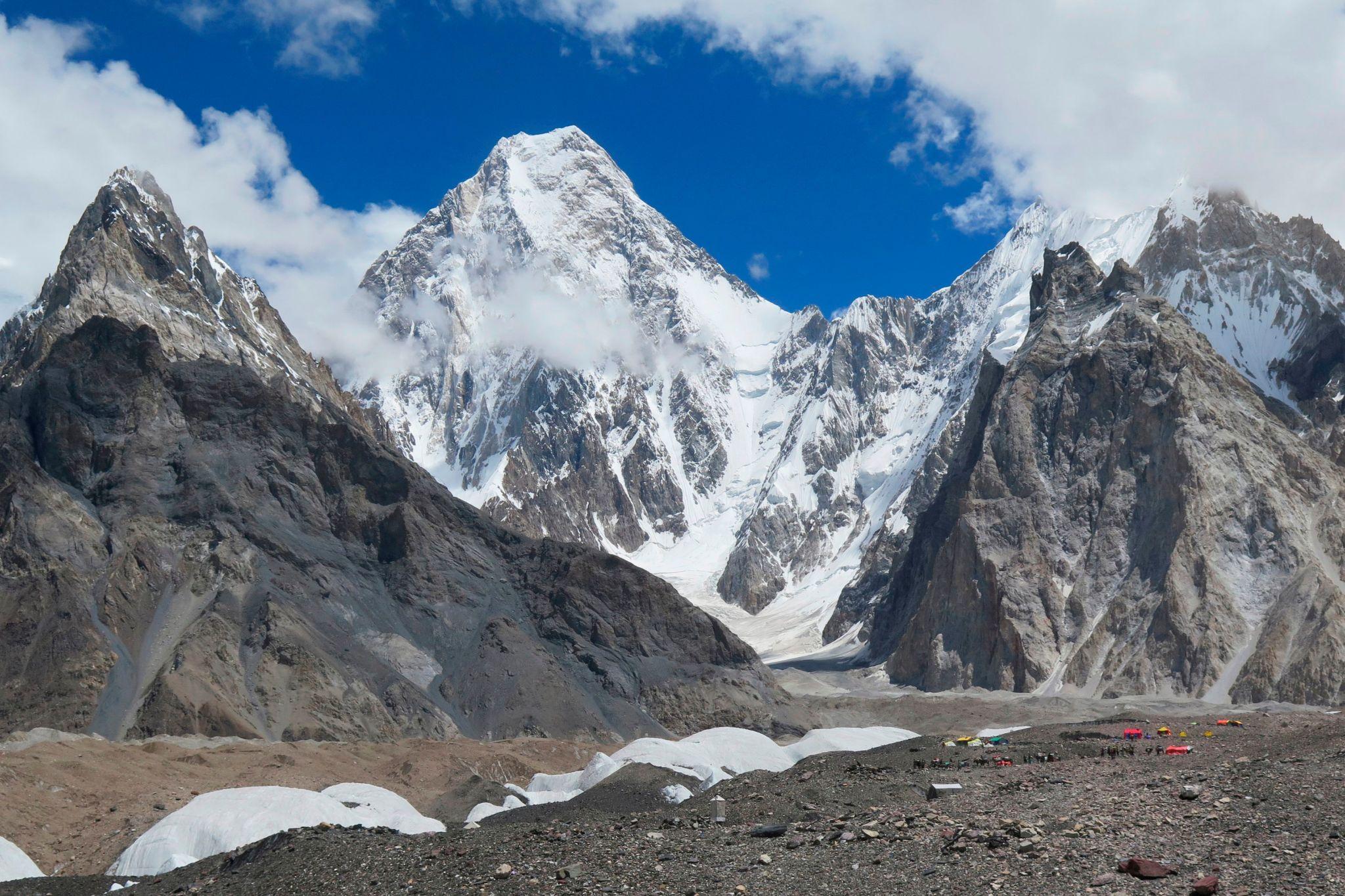
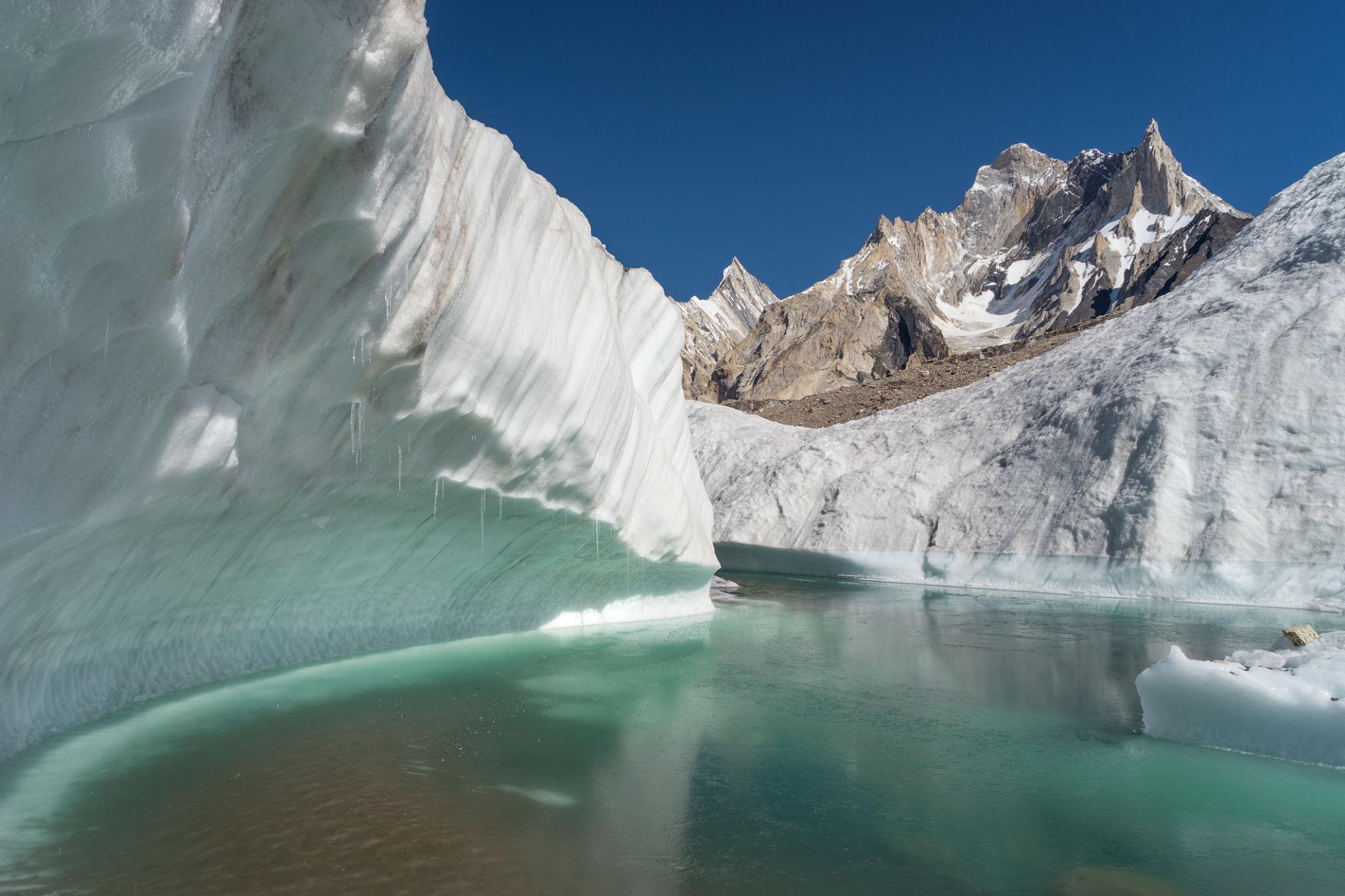
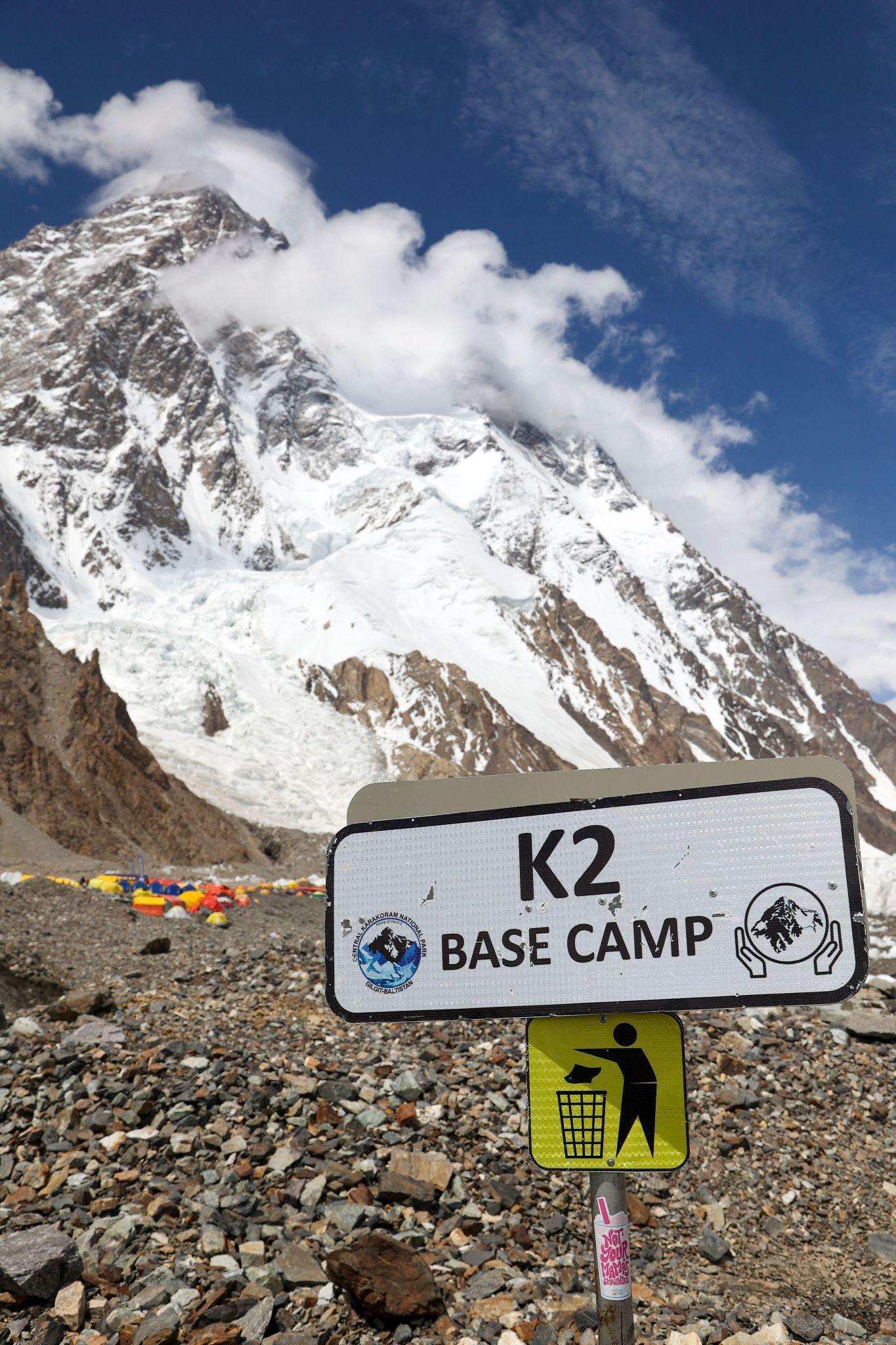
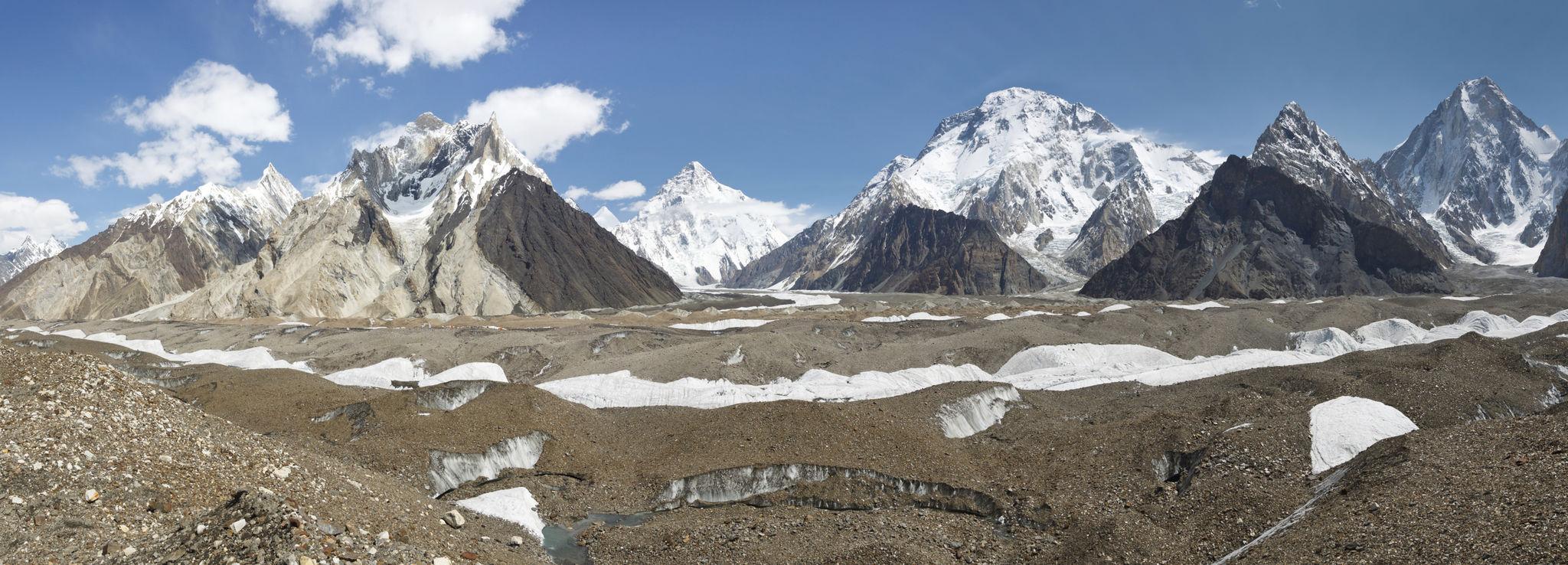
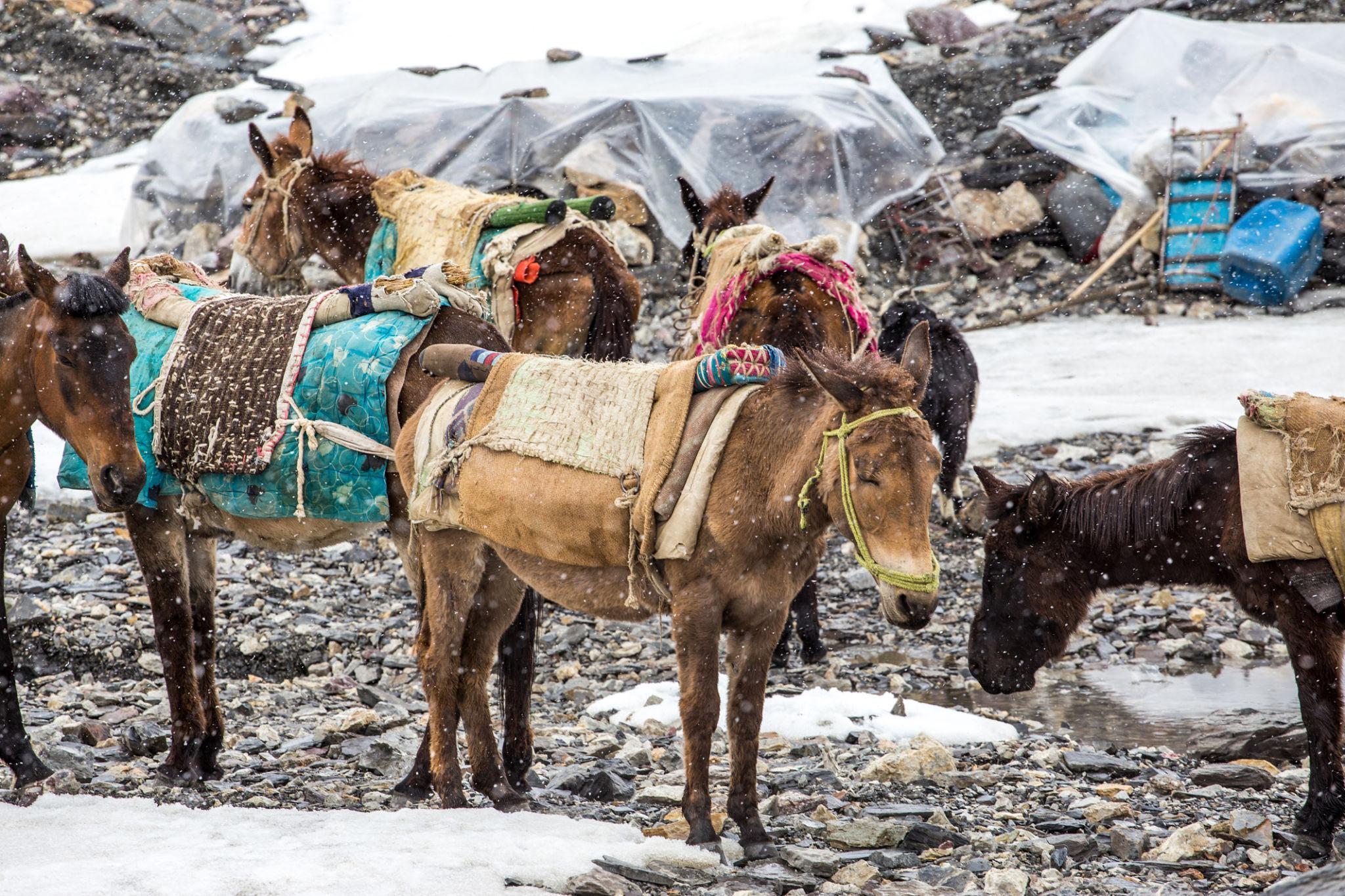
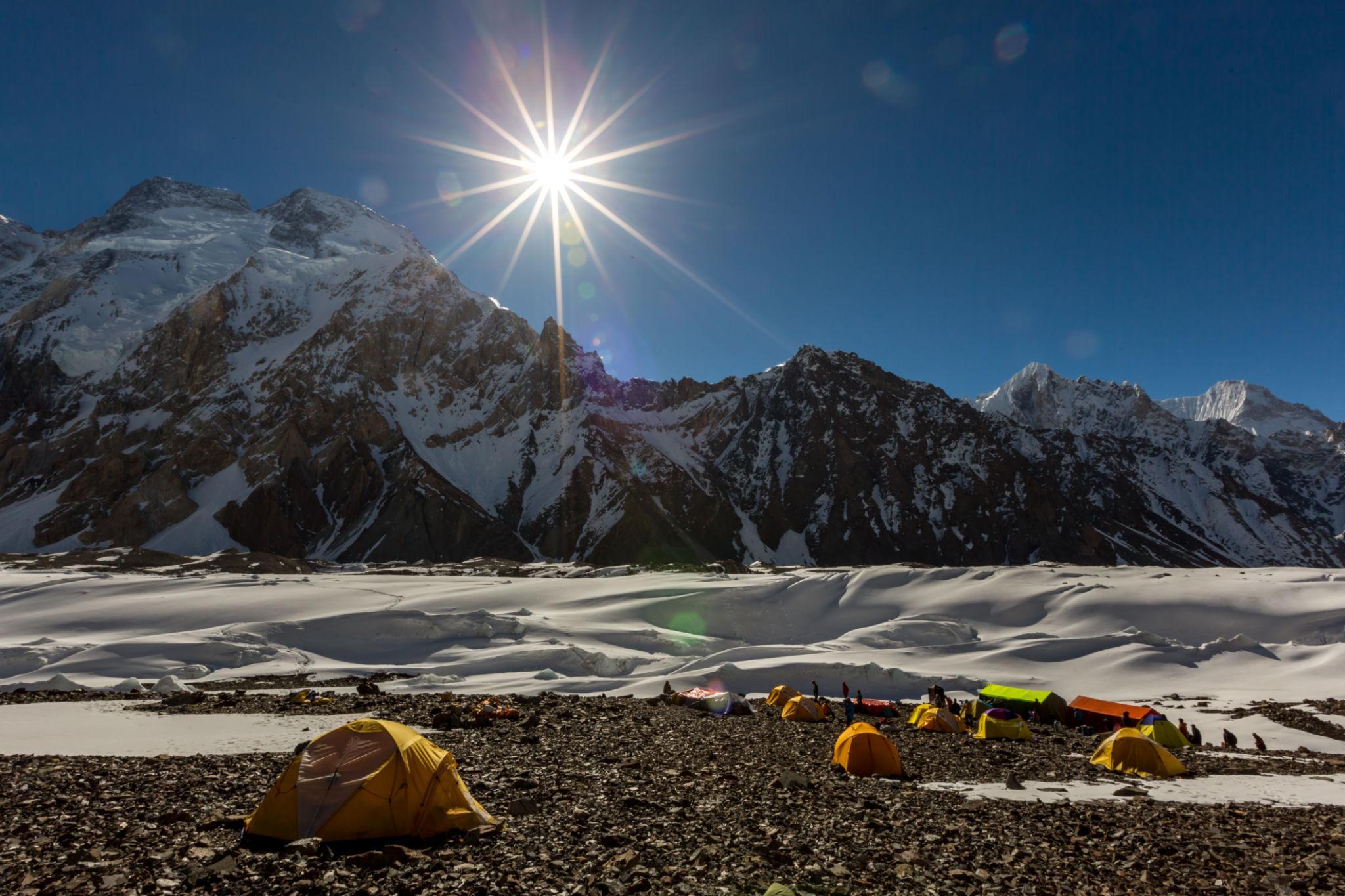
The K2 Base Camp Trek is regarded as one of the greatest trekking adventures in the world. The route passes through glaciers, rocky terrain, remote camps, and giant mountain peaks.
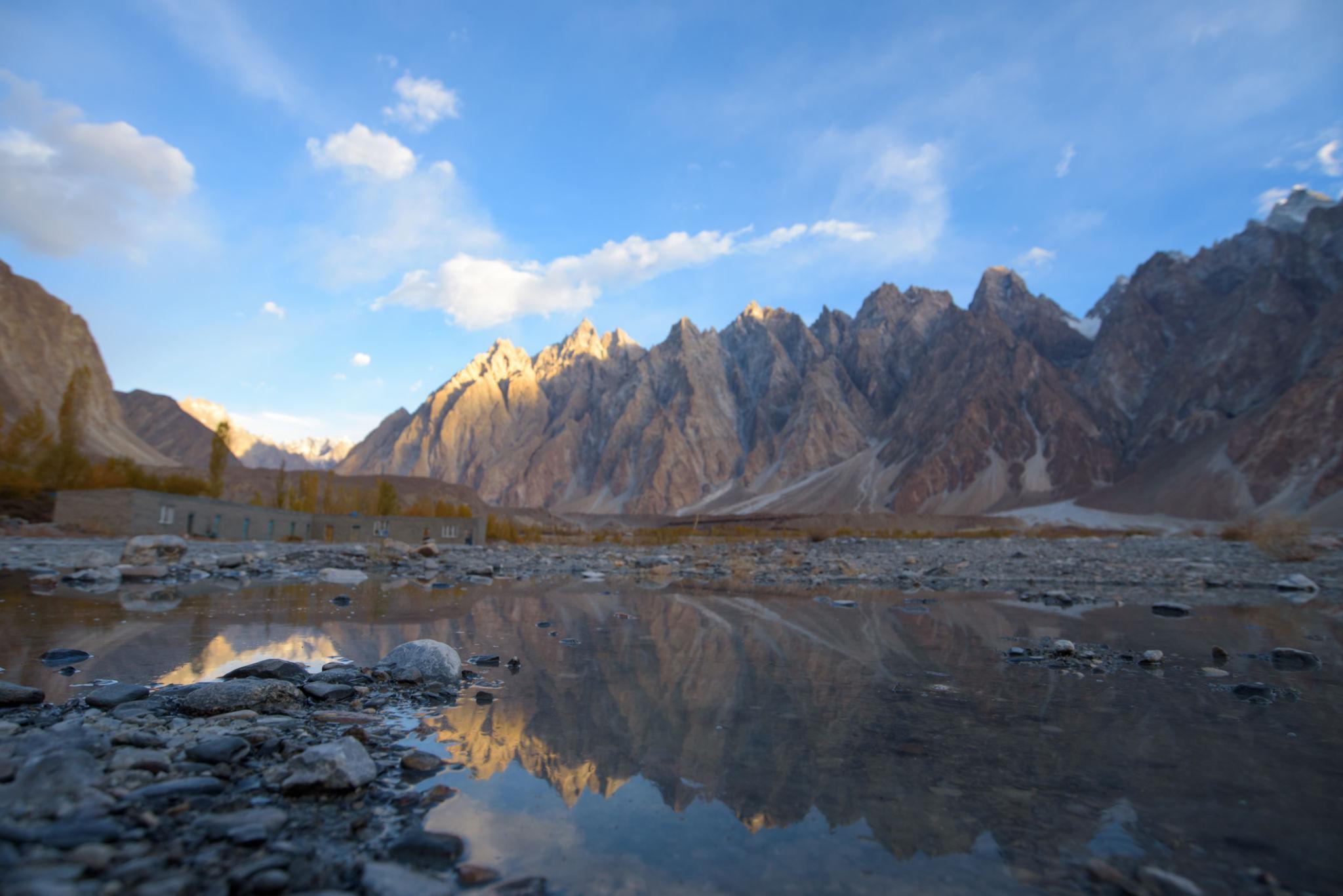
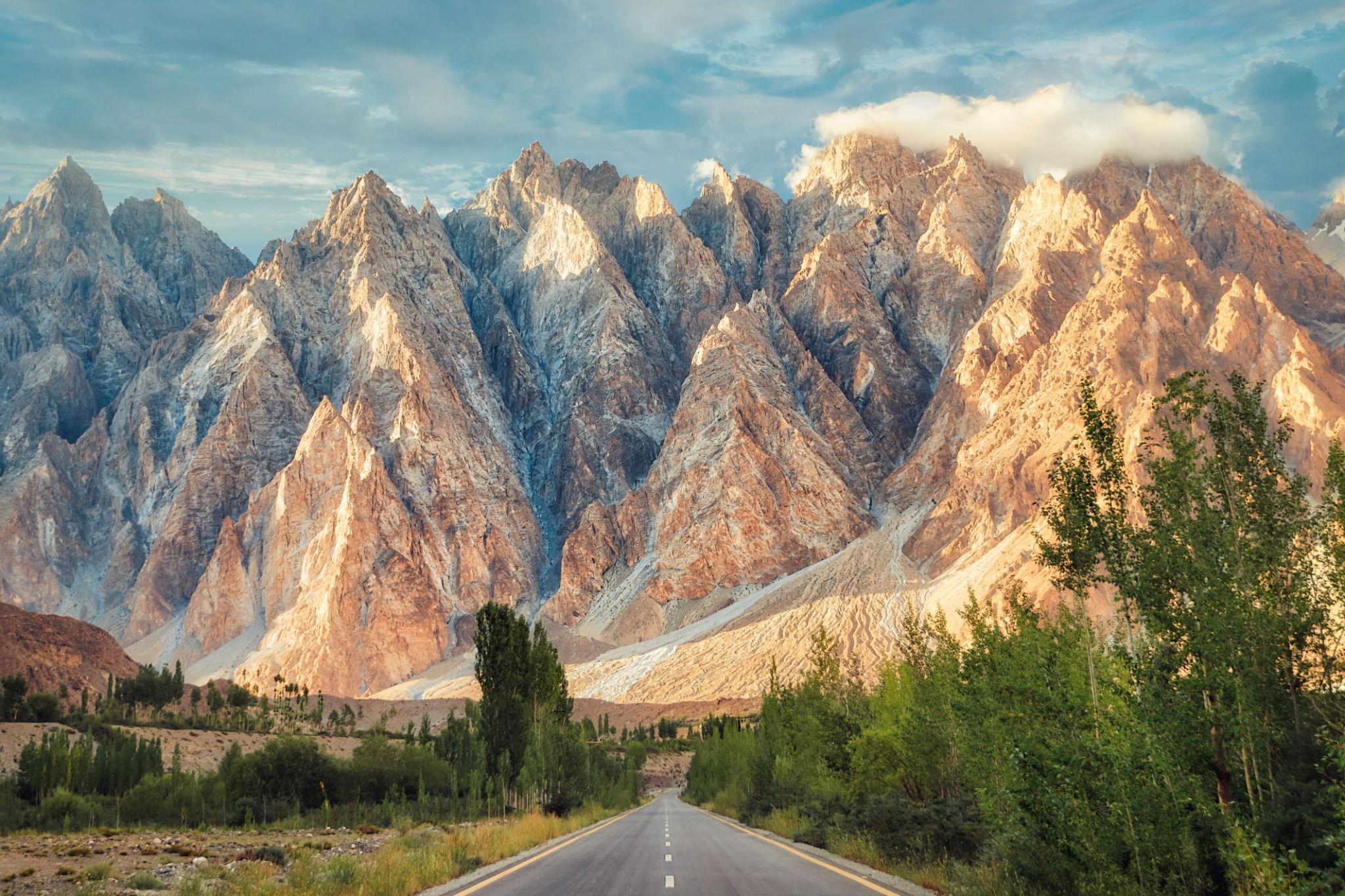
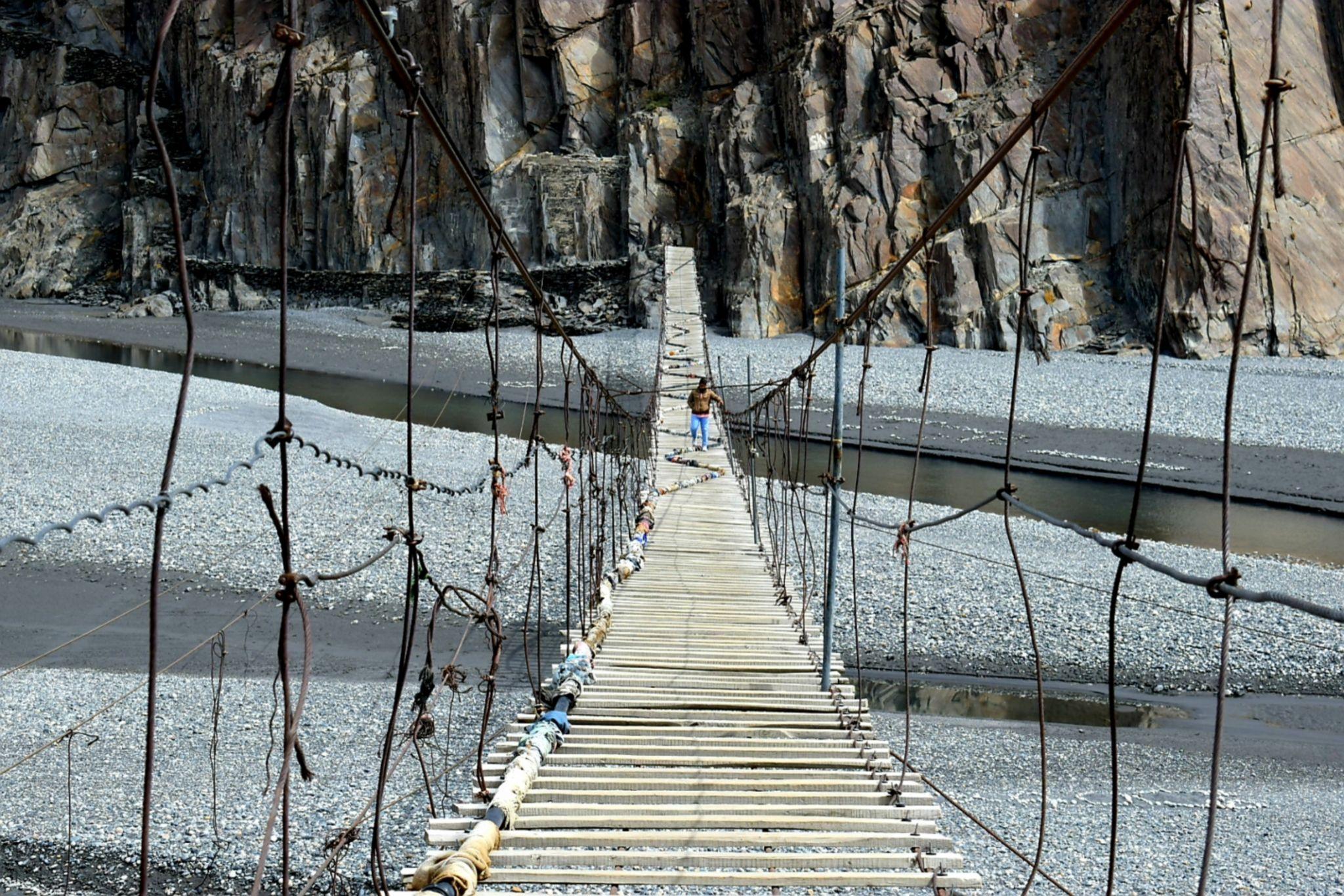
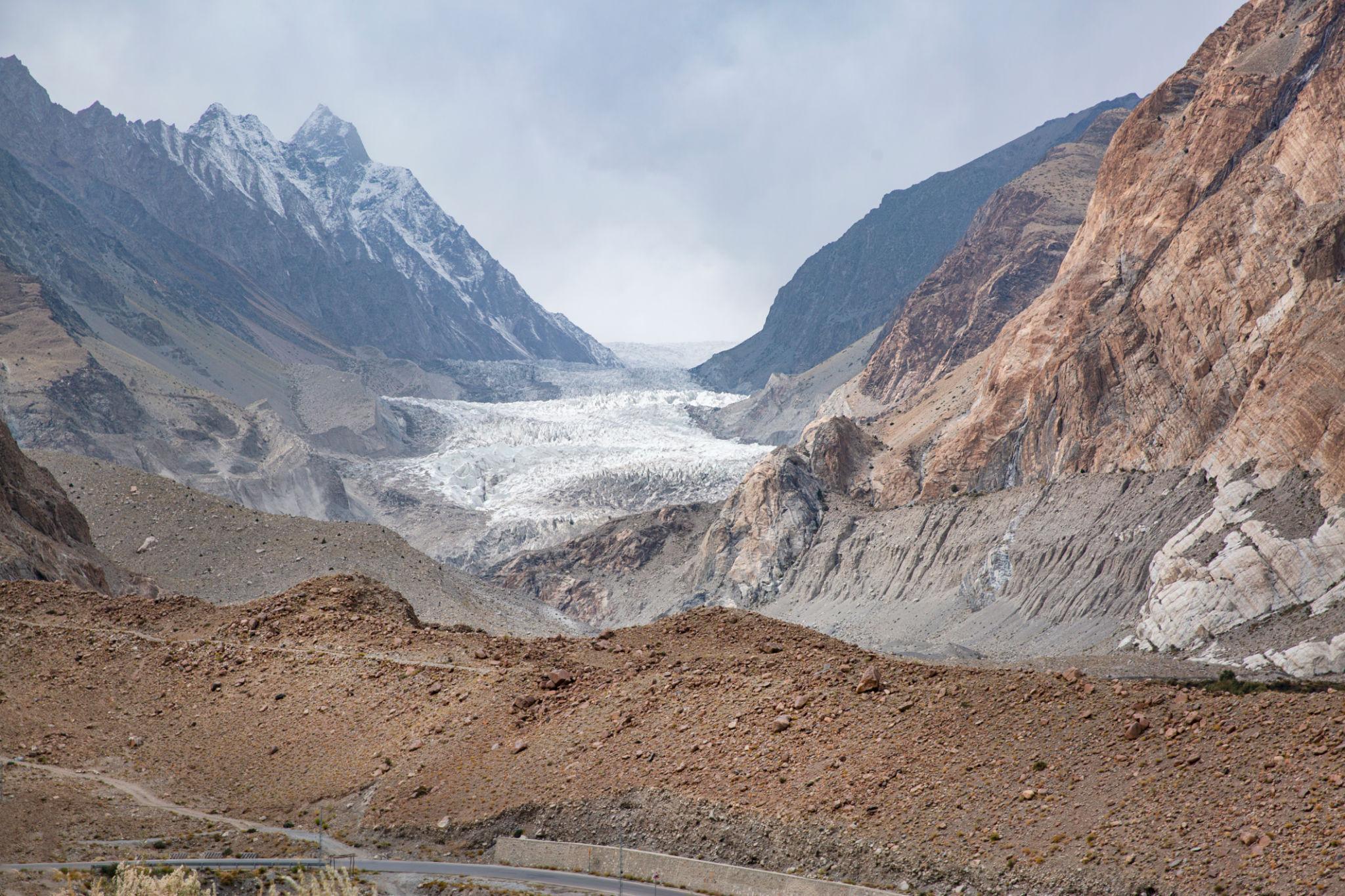
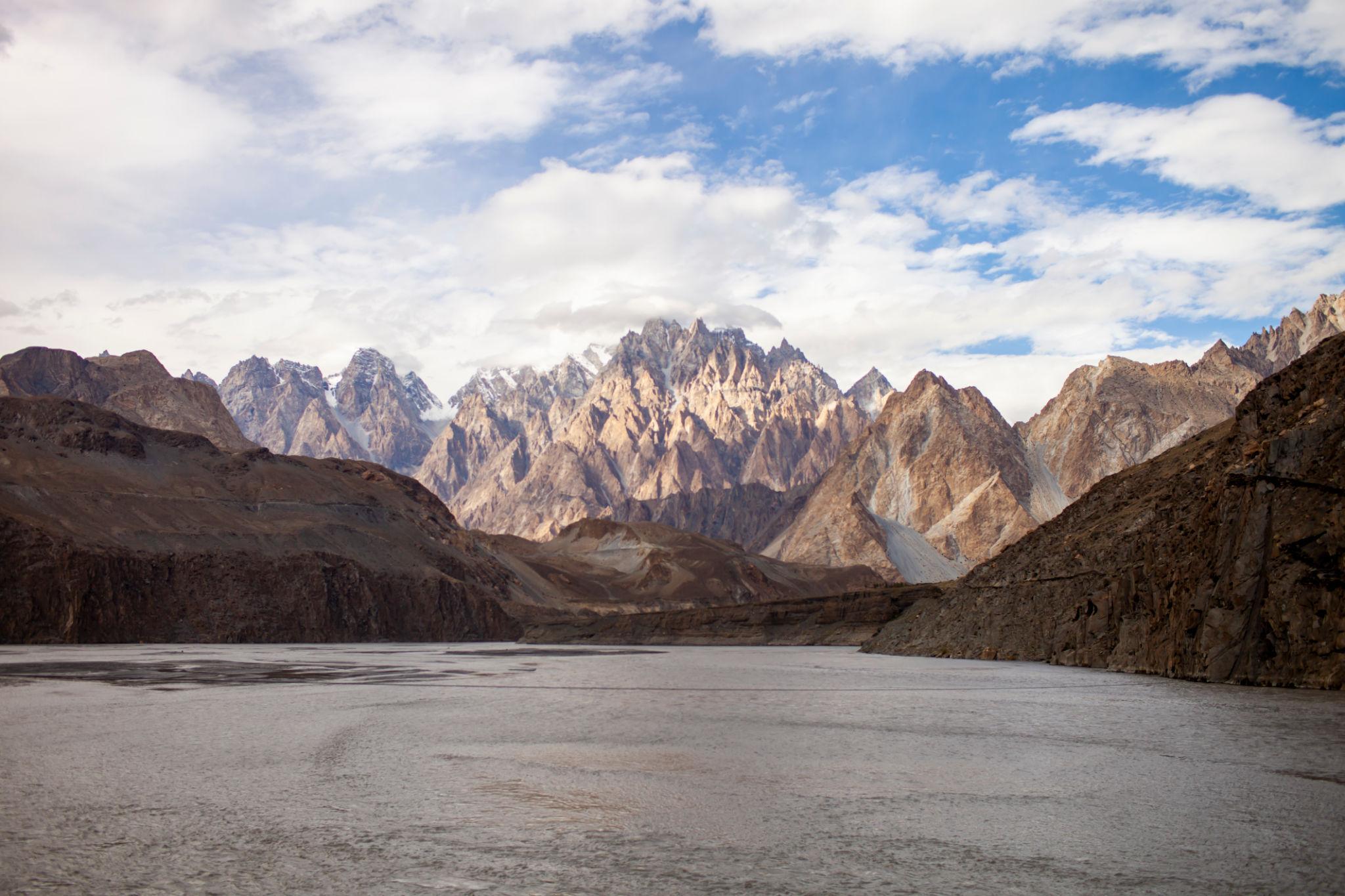
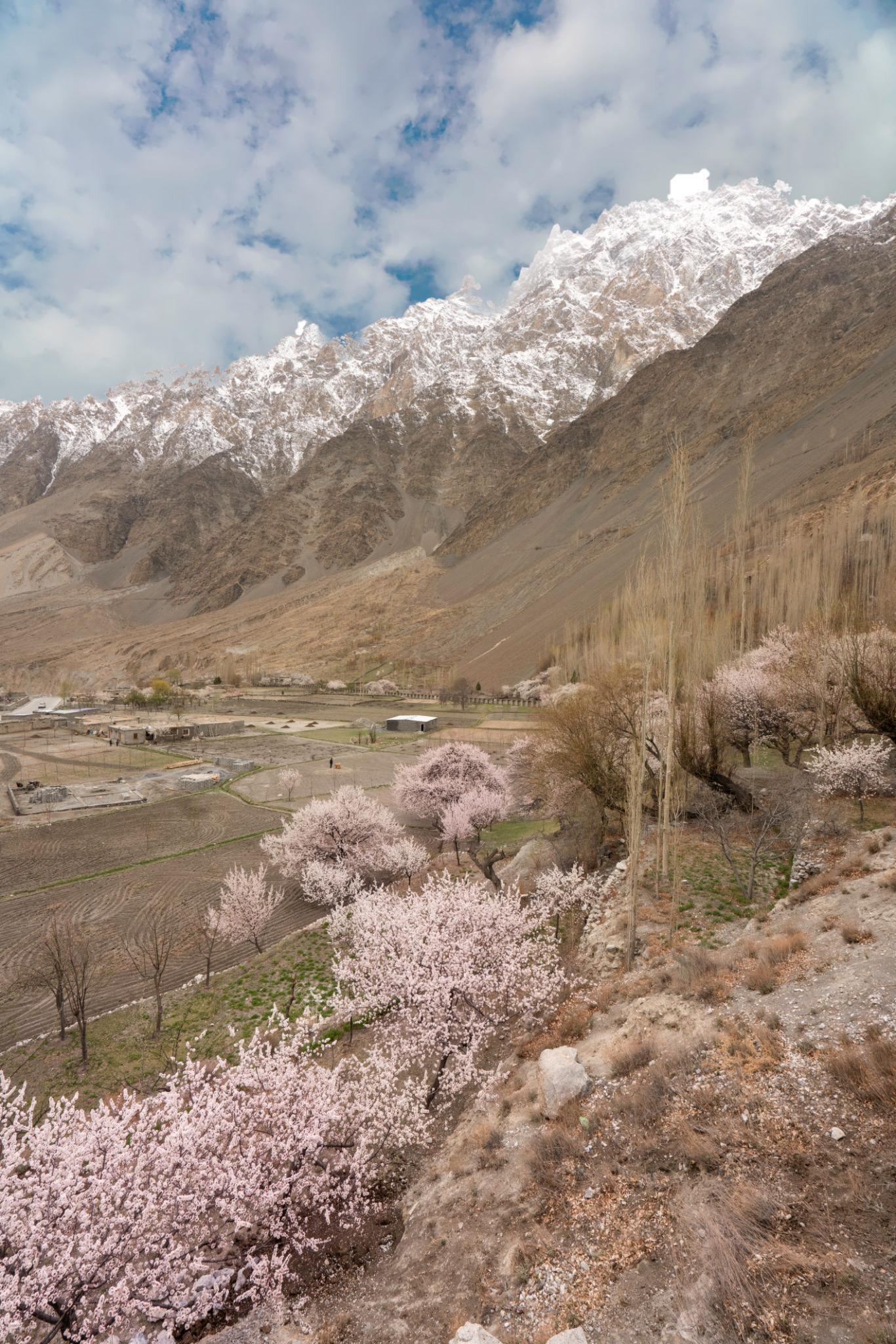
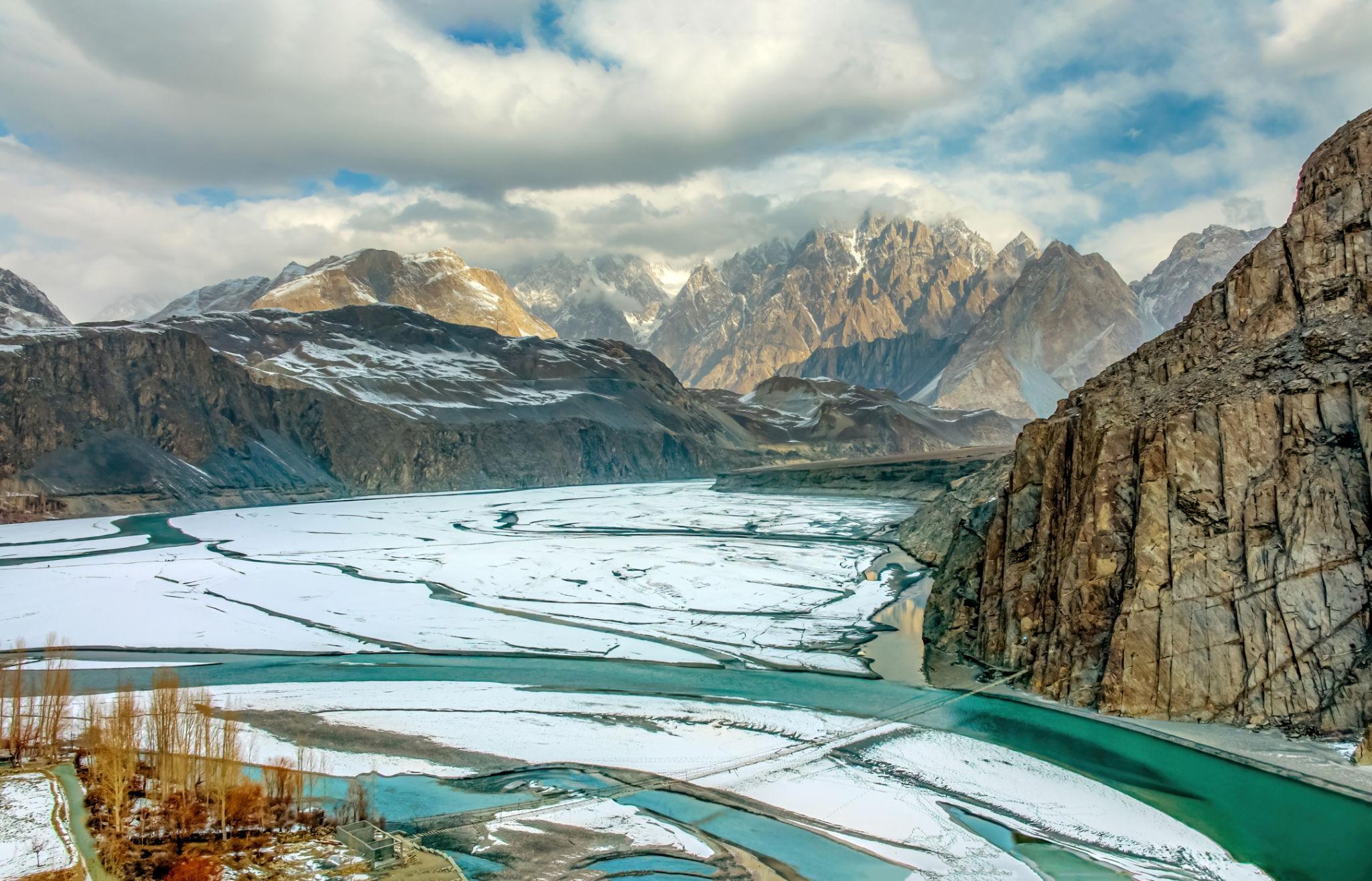
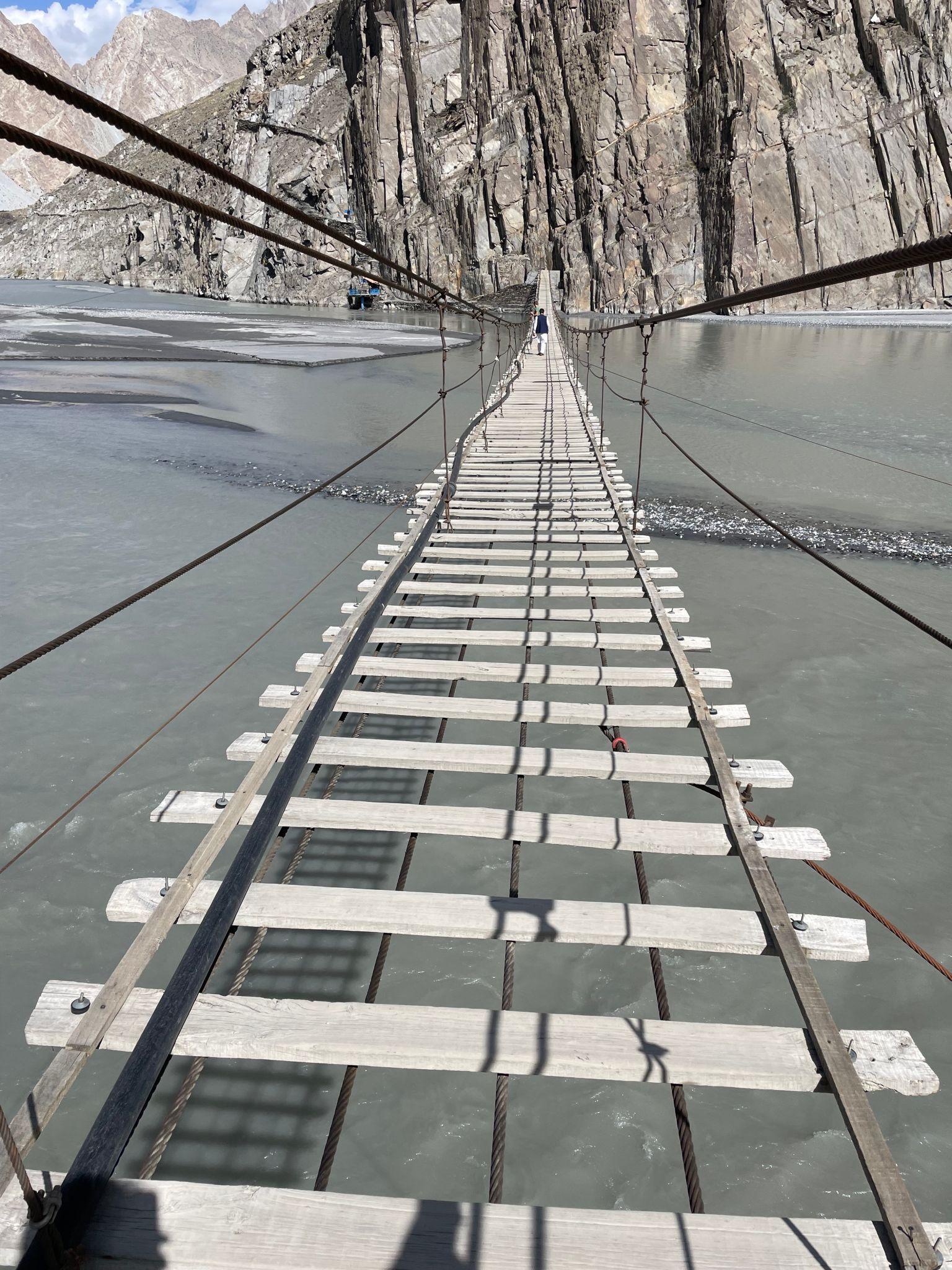
Passu is one of the most photogenic villages in Pakistan and is famous for glaciers, suspension bridges, trekking routes, and mountain scenery.
Pakistan is home to important Islamic, Sikh, Buddhist, and Sufi heritage sites.
One of the largest mosques in the world and a landmark of Islamabad known for its unique modern architecture.
A major Sikh pilgrimage destination visited by travelers from around the world.
One of South Asia’s most important Sufi shrines and a major spiritual center in Pakistan.
Known for unique sand dunes surrounded by snow-covered mountains.
Famous for colorful culture, camel caravans, and desert villages.
Known for jeep rallies, desert tourism, and historical forts.
Best for blossoms, greenery, and moderate temperatures.
Ideal for mountain tourism and trekking.
Best for fall colors in northern Pakistan.
Perfect for snowfall and winter landscapes.

Northern Spain feels completely different from Andalusia and the Mediterranean coast. It is greener, cooler, and deeply connected to gastronomy and Atlantic scenery.
France is not just Paris. It is one of the most geographically and culturally diverse countries in Europe. Within a single nation you can experience
Kyoto served as Japan’s imperial capital for more than one thousand years. The city contains a large number of temples, shrines, and preserved historic districts.
![K2 Base Camp Trek: Ultimate Guide k2 Trek 2026 [UPDATED]](https://karakoramdiaries.com/storage/ultimate-guide-to-k2-base-camp-trek-full-document-150x150.png)