Table of contents [Show]
- 1. Overview, Geography, and What Makes the Annapurna Circuit Unique
- Introduction
- Where the Annapurna Circuit Is Located
- What Defines the Annapurna Circuit Trek
- Why the Annapurna Circuit Is Considered a Classic
- Annapurna Circuit vs Other Famous Treks
- Who the Annapurna Circuit Is Suitable For
- Trek Length and Time Commitment
- 2. How to Get There, Permits, Visas, and Starting Points
- Introduction: Planning the Annapurna Circuit the Right Way
- Step 1: Entering Nepal – Visa Requirements
- Step 2: Required Trekking Permits (Mandatory)
- Step 3: Do You Need a Guide?
- Step 4: Reaching the Annapurna Circuit Trailhead
- Step 5: Modern Starting Points and Route Variations
- Step 6: Where the Trek Ends
- Step 7: When to Book Flights and Transport
- Common Mistakes at This Stage
- 3. Complete Day-by-Day Annapurna Circuit Itinerary
- Introduction: How This Itinerary Works
- Day 1: Besisahar to Bahundanda
- Day 2: Bahundanda to Chame
- Day 3: Chame to PisangThis section marks the transition into a drier alpine environment. The valley widens, and the first serious views of the Annapurna range appear.
- Day 4: Pisang to Manang
- Day 5: Acclimatization Day in Manang
- Day 6: Manang to Yak Kharka
- Day 7: Yak Kharka to Thorong Phedi / High Camp
- Day 8: Thorong La Pass to Muktinath
- Day 9: Muktinath to Jomsom
- Day 10: Jomsom to Pokhara (End of Trek)
- Understanding Distance and Altitude Progression
- 4. Best Time to Trek, Weather Patterns, and Seasonal Risks
- Introduction: Timing Is as Important as Fitness
- Overview of Annapurna Circuit Seasons
- Spring Season (March to May)
- Summer / Monsoon Season (June to August)
- Autumn Season (September to November)
- Winter Season (December to February)
- Temperature Expectations by Elevation
- Wind Conditions in the Kali Gandaki Valley
- Weather-Related Reasons Trekkers Fail to Complete the Circuit
- Professional Recommendation on Timing
- Physical Fitness, Altitude Acclimatization, and Health Considerations
- Introduction: Why Preparation Still Matters on a Lodge Trek
- Physical Fitness Requirements
- Recommended Training Before the Trek
- Understanding Altitude on the Annapurna Circuit
- Acclimatization Strategy (Critical)
- Common Altitude-Related Symptoms
- Serious Altitude Illness (When to Descend)
- Hydration and Nutrition at Altitude
- Minor Health Issues on the Trail
- Mental Fatigue and Motivation
- 5. Packing List, Clothing System, and Essential Gear
- Introduction: Why Smart Packing Matters on the Annapurna Circuit
- The Clothing Layering System
- Trekking Pants and Thermal Wear
- Footwear: Boots, Shoes, and Socks
- Accessories for Cold, Wind, and Sun
- Backpack and Weight Management
- Sleeping Gear
- Trekking Poles and Useful Equipment
- What to Buy in Nepal vs Bring From Home
- Common Packing Mistakes on the Annapurna Circuit
- 6. Accommodation, Food, Hygiene, and Daily Life on the Trail
- 5. Introduction: Understanding Teahouse Trekking
- Accommodation on the Annapurna Circuit
- Booking Lodges and Room Availability
- Food on the Annapurna Circuit
- Eating Strategy at Altitude
- Drinking Water and Hydration
- Hygiene and Sanitation
- Electricity, Charging, and Connectivity
- Daily Routine on the Trail
- Social Aspect of Teahouse Trekking
- 7. Safety, Weather Hazards, and Common Trekking Mistakes
- Introduction: Why Safety Still Matters on a Popular Trek
- Weather-Related Hazards on the Annapurna Circuit
- Thorong La Pass: The Critical Safety Point
- Landslides and Trail Conditions
- Altitude Illness: The Most Common Serious Risk
- Cold-Related Risks
- Navigation and Trail Awareness
- Common Mistakes Trekkers Make
- Role of Guides and Local Knowledge
- Emergency Response and Evacuation
- 8. Costs, Budgeting, and Guided vs Independent Trekking
- Introduction: Understanding the Real Cost of the Annapurna Circuit
- Mandatory Fixed Costs
- Daily Trekking Expenses on the Trail
- Additional Daily Costs
- Transportation Costs
- Hiring a Guide: Cost and Value
- Hiring a Porter
- Independent Trekking: Pros and Cons
- Guided Trekking: Pros and Cons
- Typical Budget Ranges (Excluding International Flights)
- Money Handling on the Trail
- 9. Culture, Etiquette, Responsible Trekking, and Final Assessment
- Introduction: More Than a Physical Journey
- Cultural Landscape of the Annapurna Circuit
- Religious Sites and Their Significance
- Basic Etiquette for Trekkers
- Interaction with Local Communities
- Environmental Responsibility on the Annapurna Circuit
- Supporting the Local Economy Ethically
- How the Annapurna Circuit Has Changed
- Final Professional Assessment
1. Overview, Geography, and What Makes the Annapurna Circuit Unique
4
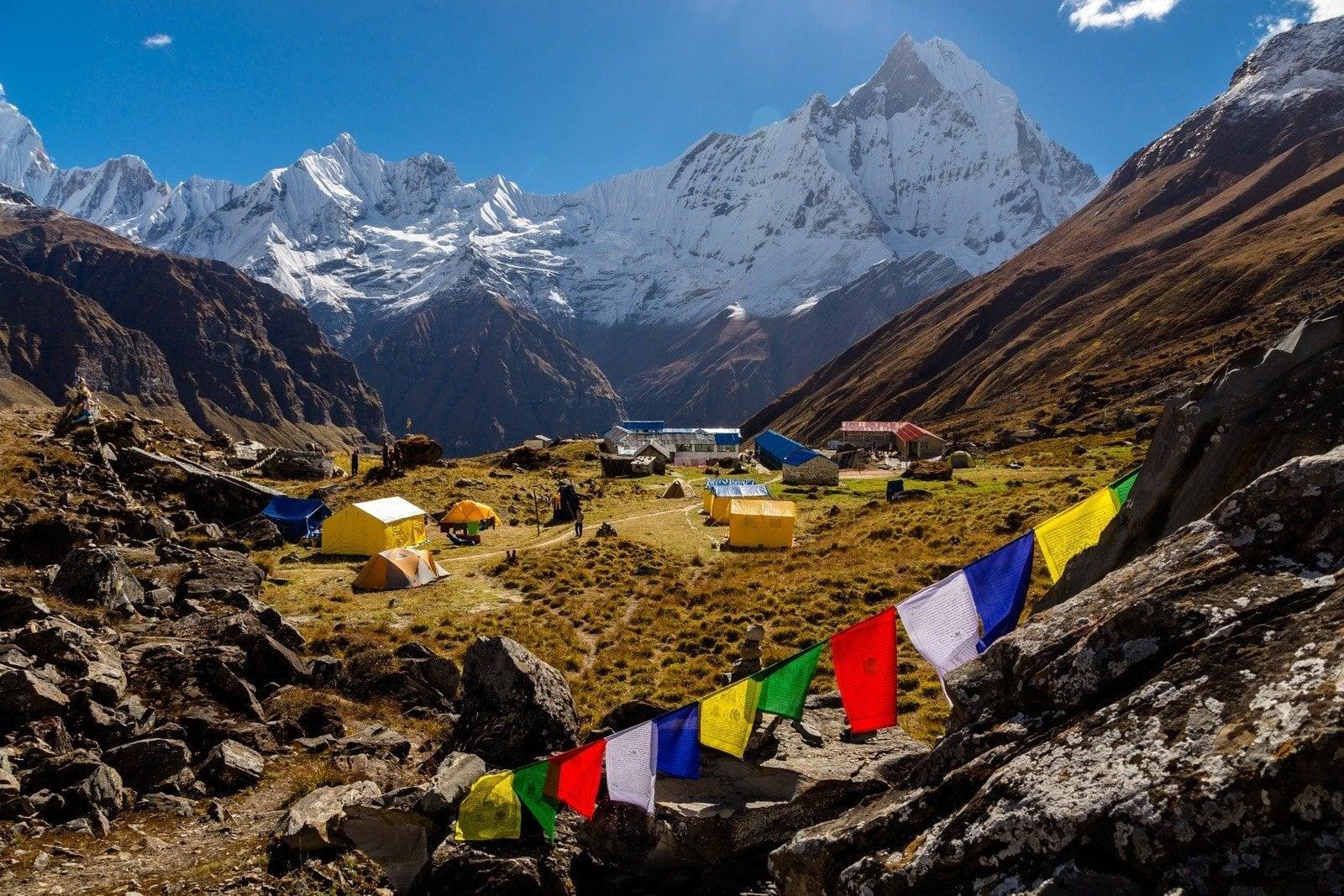
The Annapurna Circuit circles the Annapurna massif, crossing diverse landscapes from subtropical valleys to high alpine passes.
Introduction
The Annapurna Circuit Trek is one of the world’s most classic long-distance trekking routes. Unlike single-destination treks that lead to a fixed viewpoint, this trek encircles an entire mountain massif, offering constant change in scenery, culture, and climate.
Located in central Nepal, the circuit crosses the Annapurna Massif , passing through Hindu and Buddhist villages, deep river gorges, arid high-altitude valleys, and finally over Thorong La Pass , one of the highest trekking passes in the world.
What makes the Annapurna Circuit special is not one single highlight, but the progressive transformation of landscapes and cultures over time.
Where the Annapurna Circuit Is Located
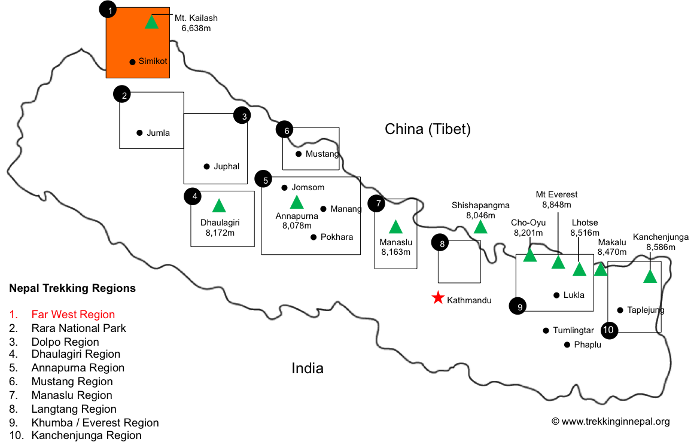
The Annapurna Circuit lies within Nepal’s Annapurna Conservation Area in the central Himalaya.
The trek is located in central Nepal, primarily within the Annapurna Conservation Area , the country’s largest protected region. The route traditionally starts in the lowlands of the Marsyangdi River valley and ends in the Kali Gandaki valley.
The circuit surrounds the Annapurna range, which includes Annapurna I , the tenth-highest mountain in the world.
What Defines the Annapurna Circuit Trek
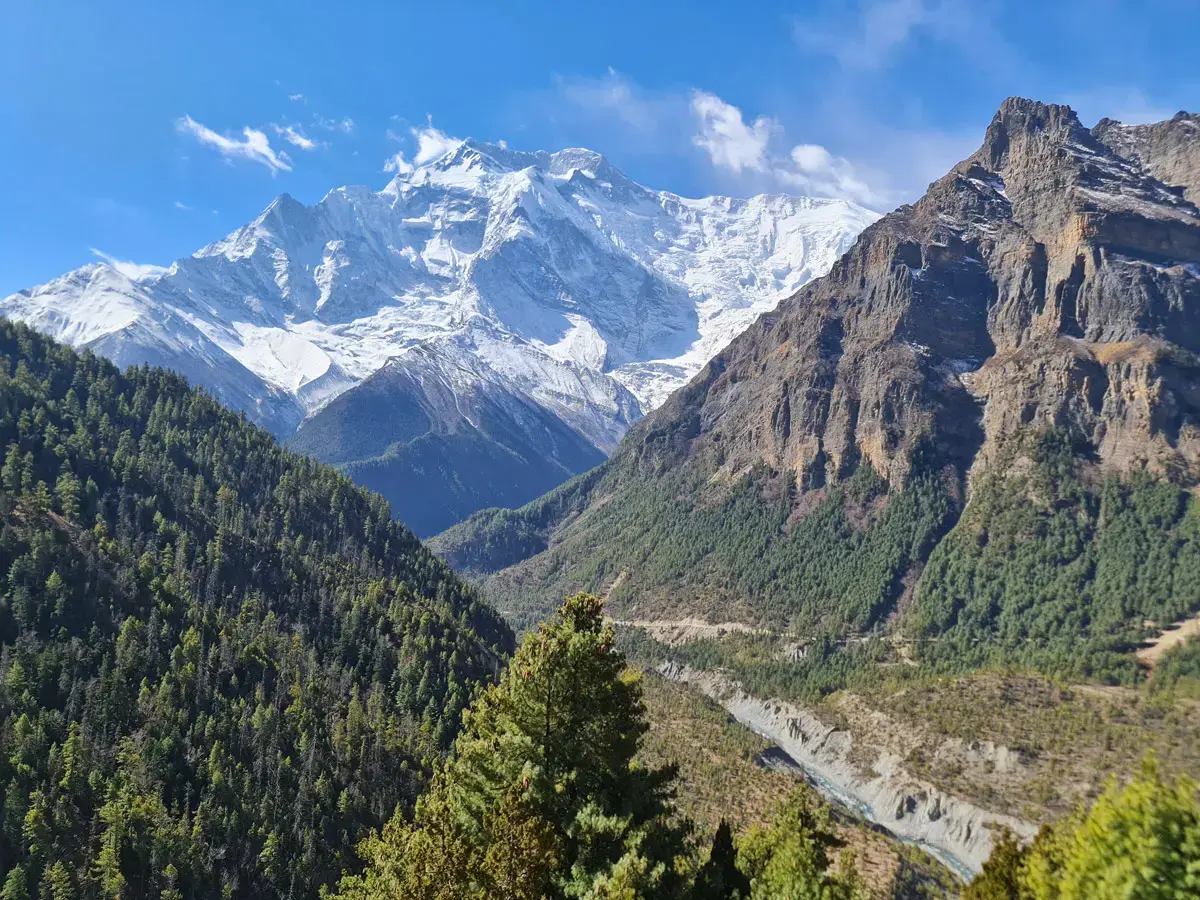
The Annapurna Circuit is known for its extreme diversity rather than a single dramatic viewpoint.
The Annapurna Circuit is defined by diversity, not extremity. Over the course of the trek, walkers experience:
- Subtropical forests and terraced farmland
- Deep river gorges carved between massive peaks
- Dry, high-altitude landscapes resembling Tibet
- Alpine passes above 5,400 meters
Unlike expedition-style treks, the Annapurna Circuit passes through permanent villages, allowing trekkers to sleep in lodges and interact with local communities daily.
Why the Annapurna Circuit Is Considered a Classic
The Annapurna Circuit gained global recognition because it offers a complete Himalayan journey without requiring technical climbing skills. It balances challenge with accessibility and adventure with cultural immersion.
Key reasons for its reputation include:
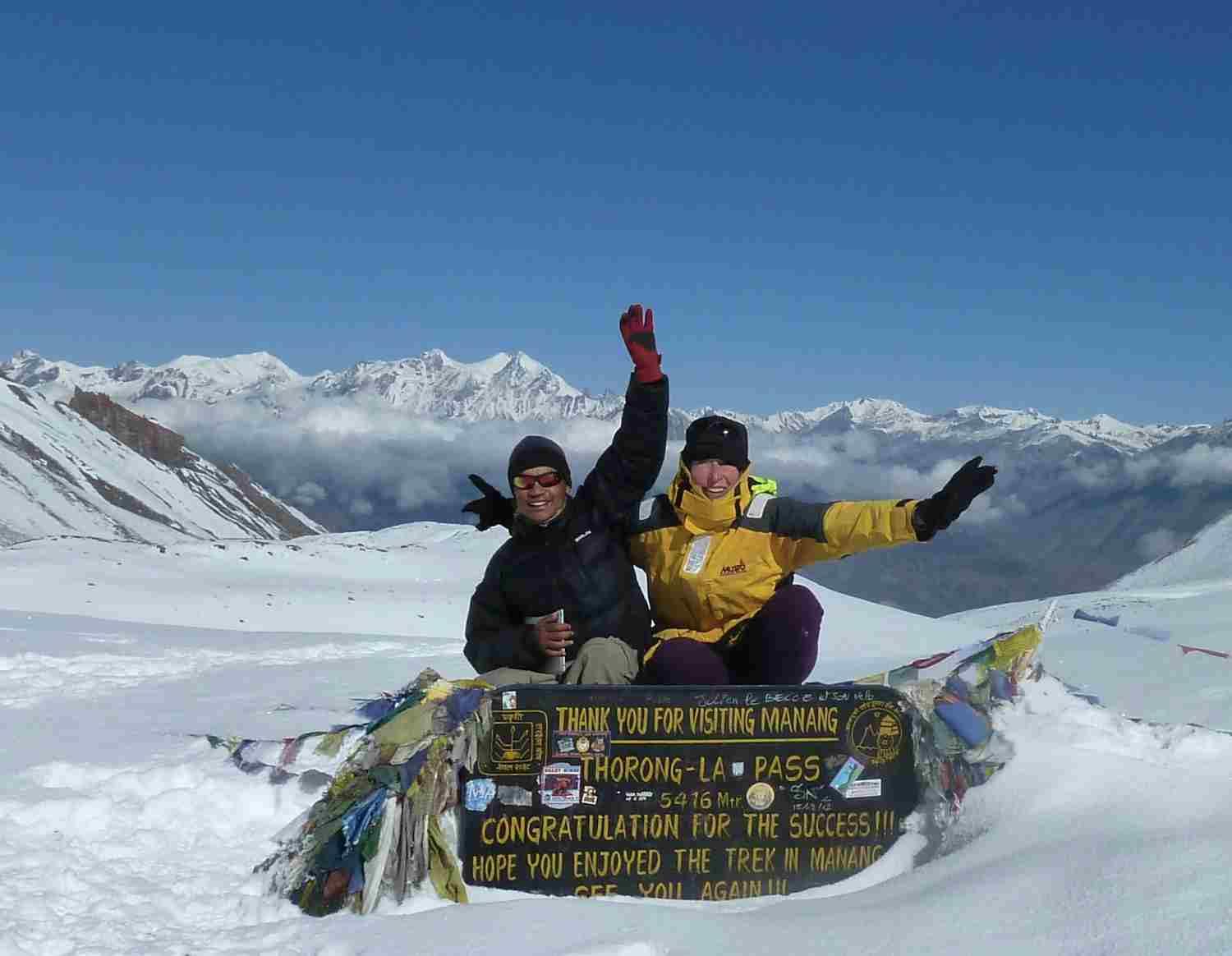
- The crossing of Thorong La Pass (5,416 m)
- Continuous views of major Himalayan peaks
- Strong trekking infrastructure
- Cultural transitions from Hindu lowlands to Buddhist highlands
For many trekkers, it represents the ideal long Himalayan trek.
Annapurna Circuit vs Other Famous Treks
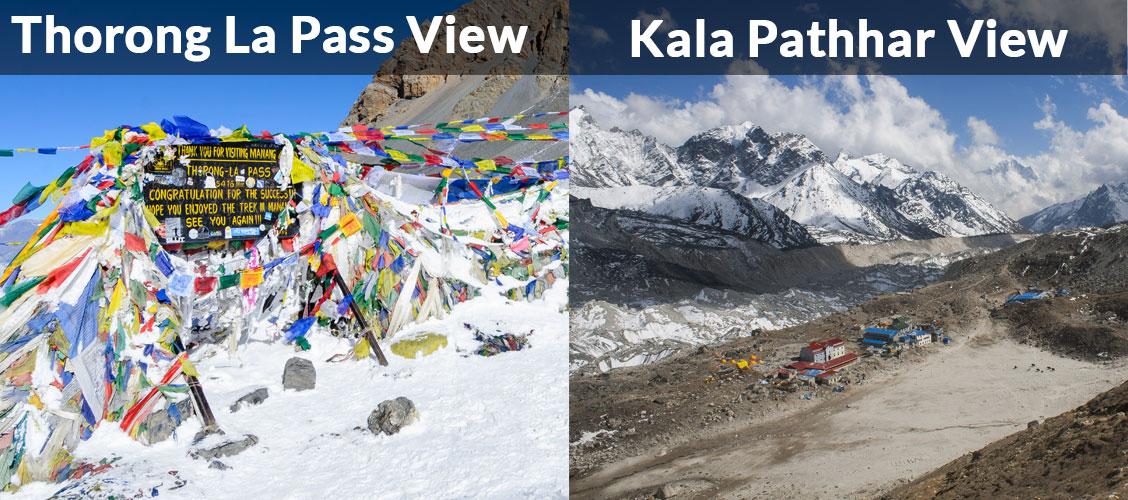
Unlike Everest Base Camp, the Annapurna Circuit is a full loop rather than an out-and-back trek.
Compared to Everest Base Camp, the Annapurna Circuit:
- Covers a wider range of climates and cultures
- Includes a high mountain pass rather than a base camp destination
- Offers more route flexibility
- Has greater road impact in lower sections
Despite modernization, the circuit remains one of the most rewarding treks for those seeking variety.
Who the Annapurna Circuit Is Suitable For
The Annapurna Circuit is suitable for trekkers who:
- Have moderate trekking experience
- Are comfortable walking for multiple consecutive days
- Want cultural interaction alongside mountain scenery
- Prefer lodge-based trekking rather than camping
It is not suitable for travelers expecting luxury or those with no tolerance for altitude exposure.
Trek Length and Time Commitment
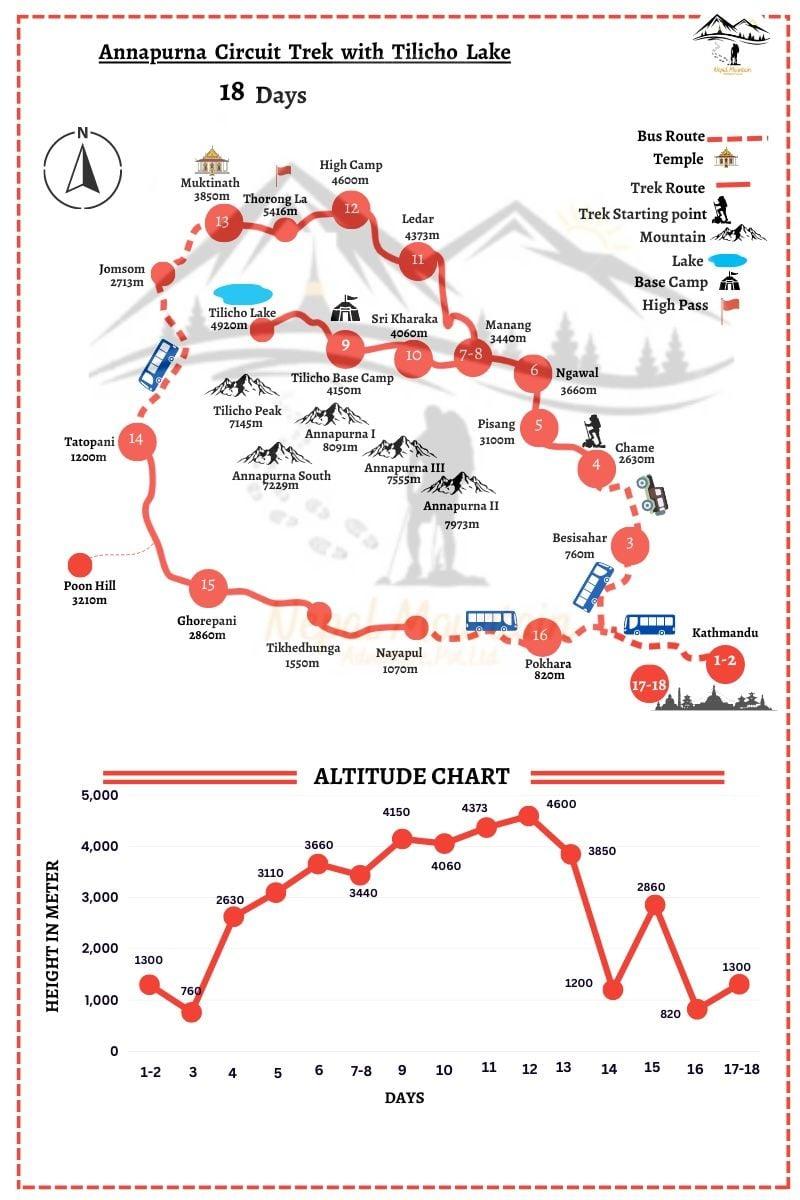
The Annapurna Circuit can be customized in length depending on starting and ending points.
Traditionally, the Annapurna Circuit took 18–21 days to complete. With road access and side route options, most modern itineraries range between 12 and 18 days, depending on acclimatization and pace.
Despite shorter itineraries, adequate acclimatization remains essential, especially before crossing Thorong La Pass.
2. How to Get There, Permits, Visas, and Starting Points
4
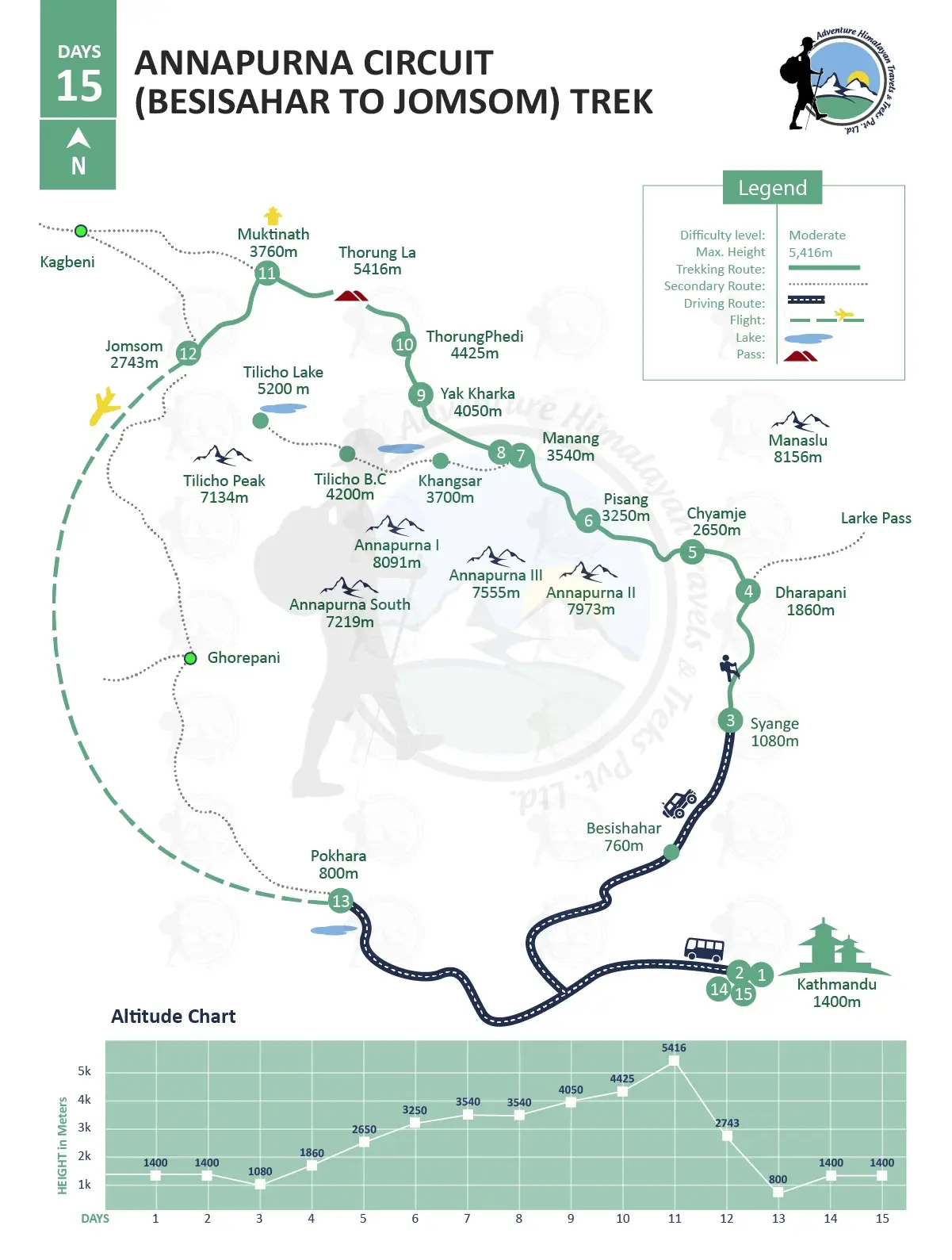
Reaching the Annapurna Circuit involves traveling from Nepal’s capital to the Marsyangdi Valley, where the trek traditionally begins.
Introduction: Planning the Annapurna Circuit the Right Way
Unlike highly restricted treks, the Annapurna Circuit is accessible but regulated, and proper preparation is essential. While the trek is lodge-based and supported by villages, permits, transport planning, and correct entry documents must be arranged before setting foot on the trail.
This section explains the process from arriving in Nepal to standing at the official starting point, without skipping any administrative detail.
Step 1: Entering Nepal – Visa Requirements
Most trekkers enter Nepal through Kathmandu , which hosts the country’s main international airport.
Nepal offers a Visa on Arrival facility for most nationalities. The visa can be obtained at the airport or at land border crossings.
Tourist visas are issued for:
- 15 days
- 30 days
- 90 days
For the Annapurna Circuit, a 30-day tourist visa is usually sufficient. No special trekking visa is required for this trek.
A passport must be valid for at least six months, and payment is required in cash (USD preferred).
Step 2: Required Trekking Permits (Mandatory)
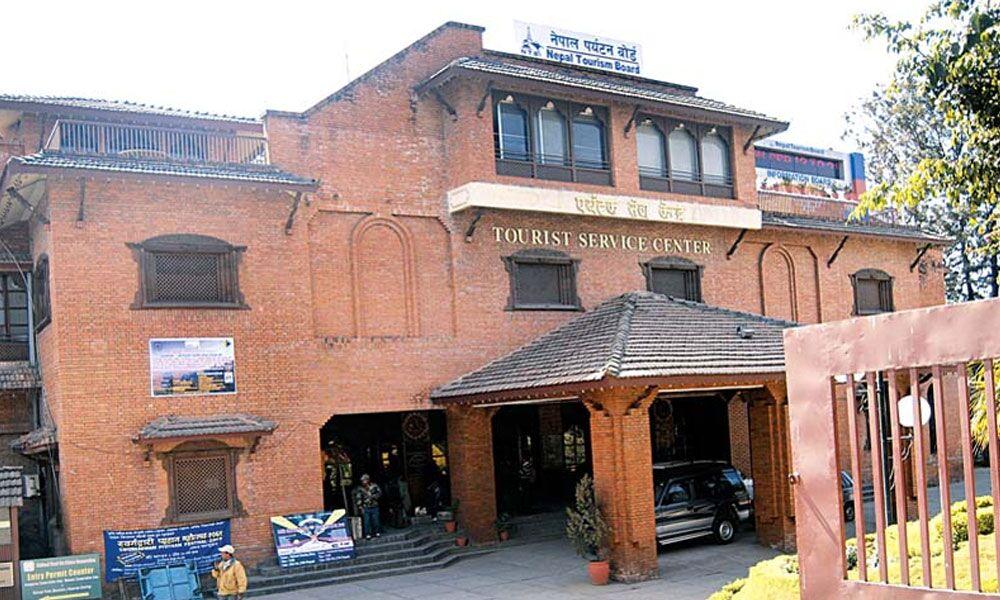
Trekking in the Annapurna region requires two official permits.
All trekkers on the Annapurna Circuit must carry two permits, which are checked at multiple points along the route.
Annapurna Conservation Area Permit (ACAP)
The Annapurna Circuit lies entirely within the Annapurna Conservation Area. The ACAP permit supports conservation and local community development.
TIMS Card (Trekkers’ Information Management System)
The TIMS card is used for trekker registration and safety monitoring.
These permits can be obtained in Kathmandu or Pokhara. They must be carried at all times during the trek.
Step 3: Do You Need a Guide?
As of recent regulations, Nepal has introduced requirements for guided trekking in many regions, though enforcement varies.
While the Annapurna Circuit has traditionally been trekked independently, hiring a licensed guide is strongly recommended for:
- Safety
- Altitude management
- Navigation in poor weather
- Cultural understanding
Guides also assist with permits, accommodation, and daily logistics.
Step 4: Reaching the Annapurna Circuit Trailhead
The trek begins in the Marsyangdi Valley, accessed by road from Kathmandu or Pokhara.
Kathmandu to Besisahar
The traditional starting point of the Annapurna Circuit is Besisahar , a small town at the base of the Marsyangdi Valley.
Travel options include:
- Public bus (6–8 hours)
- Tourist bus
- Private vehicle
Road conditions vary, and travel can be slow during monsoon season.
Step 5: Modern Starting Points and Route Variations
Due to road construction, trekkers now have multiple starting options, depending on preference.
Common starting points include:
- Besisahar (classic route, longest experience)
- Jagat (shortens lower road-affected section)
- Dharapani (skips most road walking)
Starting higher reduces trekking days but also reduces acclimatization time, which must be managed carefully.
Step 6: Where the Trek Ends
The trek typically ends in:
- Muktinath
- Jomsom (with road or flight access)
From Jomsom, travelers continue to Pokhara by road or flight, depending on weather.
Step 7: When to Book Flights and Transport
International flights to Kathmandu should be booked before arrival, but domestic flights (such as Jomsom–Pokhara) should remain flexible due to weather.
Unlike restricted treks, no invitation letter is required for the Annapurna Circuit.
Common Mistakes at This Stage
Many trekkers underestimate the importance of permits or attempt to arrange everything at the last minute. Others skip acclimatization by starting too high.
Errors at this stage often lead to itinerary changes, illness, or delays later on.
3. Complete Day-by-Day Annapurna Circuit Itinerary
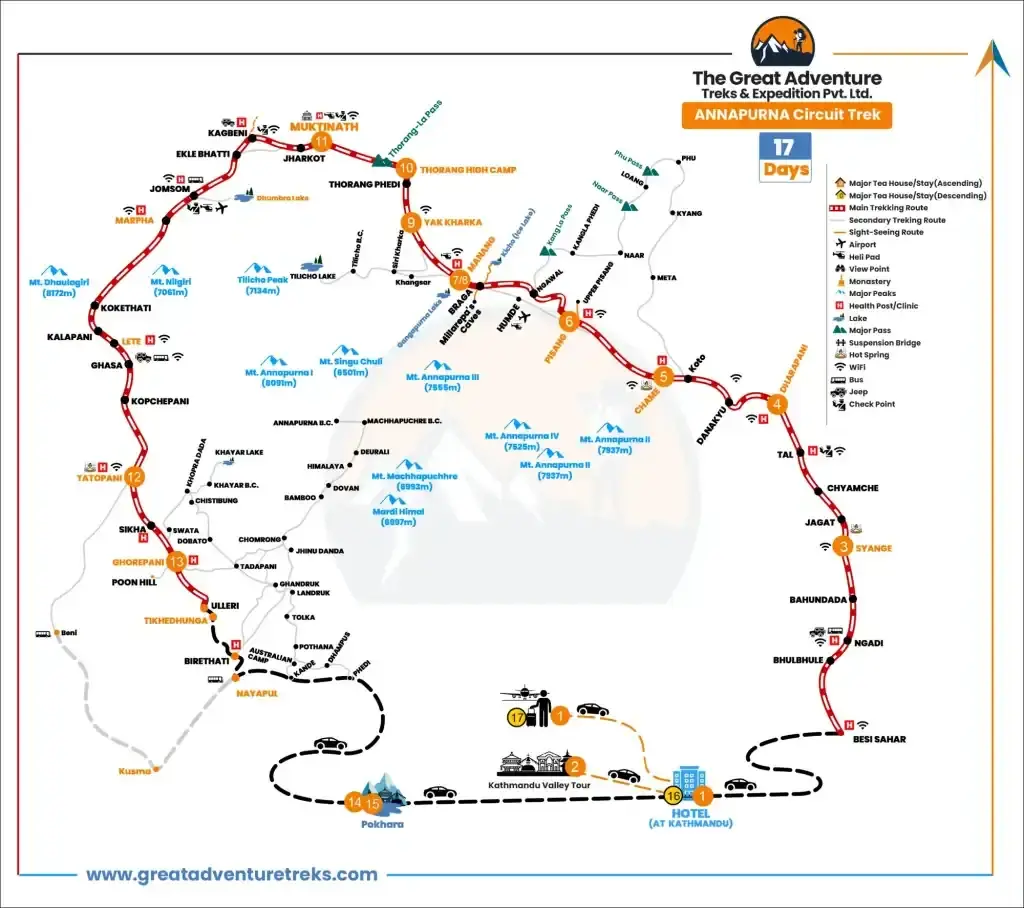
The Annapurna Circuit unfolds gradually, moving from lush river valleys to high alpine terrain before crossing Thorong La Pass.
Introduction: How This Itinerary Works
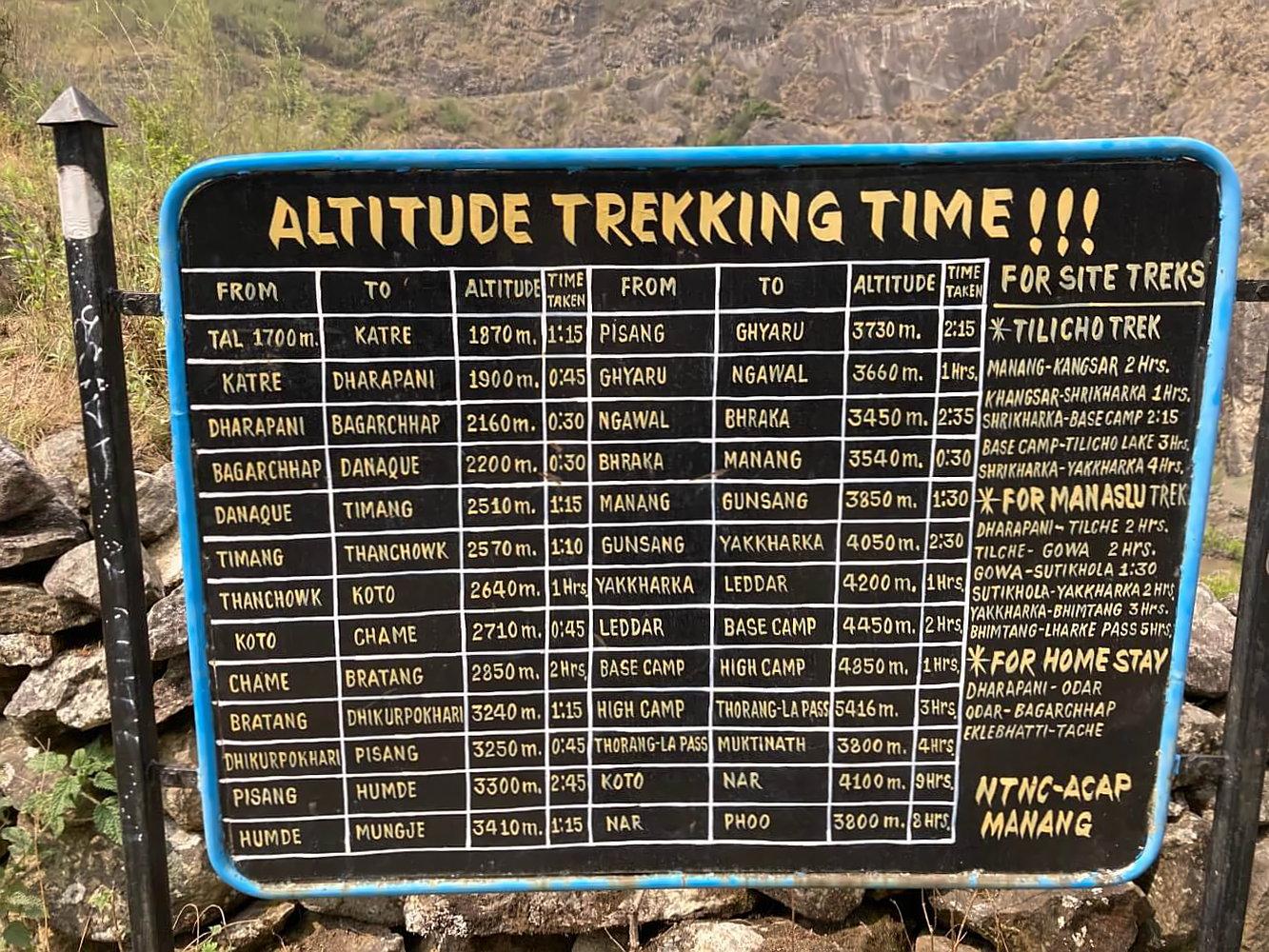
The Annapurna Circuit itinerary must be planned to balance distance, altitude gain, and acclimatization. Although the trail passes through villages with lodges, altitude remains the primary challenge, particularly above 3,500 meters.
This itinerary reflects a safe and widely accepted standard route, suitable for most trekkers who are properly acclimatized and reasonably fit. Variations exist, but rushing the schedule significantly increases risk.
Day 1: Besisahar to Bahundanda
The trek begins in the warm, subtropical Marsyangdi Valley.
The first day introduces trekkers to terraced farmland, suspension bridges, and riverside paths. The climate is warm and humid, and the elevation gain is noticeable but manageable.
Bahundanda is a traditional village with simple lodges and wide views of the surrounding hills.
Day 2: Bahundanda to Chame
As elevation increases, forests replace farmland and temperatures begin to drop.
(Image credit: Wikimedia Commons)
The trail passes through villages such as Jagat and Dharapani before reaching Chame , the district headquarters of Manang. Pine forests and waterfalls dominate the scenery.
Natural hot springs near Chame provide welcome relief after long walking days.
Day 3: Chame to PisangThis section marks the transition into a drier alpine environment. The valley widens, and the first serious views of the Annapurna range appear.
Trekkers can choose between Upper and Lower Pisang, with Upper Pisang offering better views but a steeper climb.
Day 4: Pisang to Manang
The route to Manang offers two options. The high trail via Ghyaru and Ngawal is more demanding but provides exceptional panoramic views.
Manang is a critical acclimatization stop and one of the most developed villages on the circuit.
Day 5: Acclimatization Day in Manang
Trekkers remain in Manang for acclimatization. Short hikes to Gangapurna Lake or Ice Lake help the body adapt while maintaining a safe sleeping altitude.
Skipping this rest day is one of the most common causes of altitude illness on the Annapurna Circuit.
Day 6: Manang to Yak Kharka
The trail climbs gradually across open slopes and yak pastures. Walking pace slows naturally as oxygen levels decrease.
Yak Kharka is a small settlement with basic lodges and cold nighttime temperatures.
Day 7: Yak Kharka to Thorong Phedi / High Camp
The trek ascends carefully toward Thorong Phedi or High Camp. High Camp is higher and shortens the pass day but increases exposure to altitude stress.
Choice of campsite depends on weather, group condition, and guide recommendation.
Day 8: Thorong La Pass to Muktinath
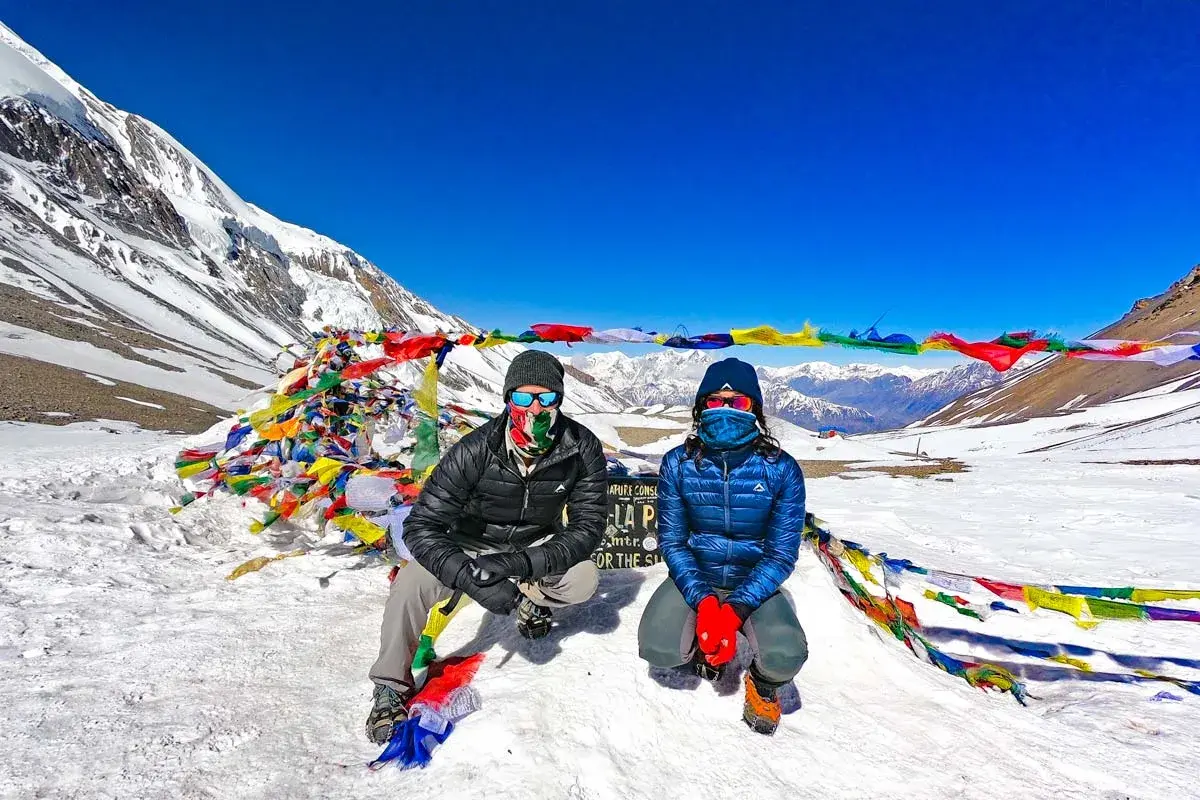
The crossing begins before dawn. The ascent to Thorong La Pass is long but gradual. At 5,416 meters, conditions can be cold and windy.
After the pass, a long descent leads to Muktinath , a sacred site for both Hindus and Buddhists.
Day 9: Muktinath to Jomsom
Descending into the world’s deepest gorge, trekkers experience strong winds and a dry climate. Jomsom is a major transport hub with road and air access.
Day 10: Jomsom to Pokhara (End of Trek)
From Jomsom, trekkers either fly or travel by road to Pokhara. Weather frequently delays flights, so flexibility is essential.
Pokhara provides rest, comfort, and reflection after completing the circuit.
Understanding Distance and Altitude Progression
While daily distances are moderate, cumulative fatigue and altitude exposure make the Annapurna Circuit physically demanding. Conservative pacing and rest days are key to success.
4. Best Time to Trek, Weather Patterns, and Seasonal Risks
Introduction: Timing Is as Important as Fitness
The Annapurna Circuit can only be completed safely during certain months of the year. While the trail passes through villages and lodges, the crossing of Thorong La Pass at 5,416 meters makes this trek highly sensitive to weather conditions.
Understanding seasonal patterns is essential. Poor timing is one of the most common reasons trekkers are forced to turn back.
Overview of Annapurna Circuit Seasons
Nepal’s trekking seasons are defined by monsoon patterns and winter snowfall. The Annapurna region experiences greater weather variation than many other Himalayan areas due to its wide altitude range and rain-shadow geography.
Broadly, the year is divided into four trekking seasons:
- Spring
- Summer (monsoon)
- Autumn
- Winter
Each season affects trail conditions, visibility, and pass safety differently.
Spring Season (March to May)
Spring is one of the best seasons to trek the Annapurna Circuit. Temperatures are moderate, days are longer, and visibility is generally good.
Lower sections of the trail are colorful with rhododendron forests, while higher elevations remain cool but manageable. Snow may still be present near Thorong La early in the season, but conditions are usually stable by April.
Spring is ideal for trekkers who prefer moderate temperatures and vibrant landscapes, though trails can become busy during peak weeks.
Summer / Monsoon Season (June to August)
Monsoon conditions bring rain, landslides, and reduced visibility in lower sections of the circuit.
(Image credit: Wikimedia Commons)
The monsoon season presents significant challenges on the Annapurna Circuit. Heavy rainfall affects lower elevations, causing muddy trails, leeches, and frequent landslides. Cloud cover often obscures mountain views.
While the Manang region lies partially in a rain shadow, the approach routes remain vulnerable. Snowfall at Thorong La can occur unexpectedly, making pass crossings dangerous or impossible.
This season is not recommended for most trekkers unless they have high flexibility and strong local guidance.
Autumn Season (September to November)
Autumn is widely considered the best time to trek the Annapurna Circuit. Post-monsoon skies are clear, temperatures are stable, and trail conditions are generally dry.
Visibility is excellent, especially in October, making this season popular with photographers. However, popularity means more trekkers and busier lodges.
For most travelers, autumn offers the best balance of safety, scenery, and predictability.
Winter Season (December to February)
Winter trekking on the Annapurna Circuit is possible but risky. Snow accumulation at Thorong La often makes the pass unsafe or completely closed. Temperatures at night can drop well below freezing, and some lodges close for the season.
Only experienced trekkers with strong cold-weather tolerance and flexible itineraries should consider winter attempts.
Temperature Expectations by Elevation
Temperatures vary dramatically along the circuit. Trekkers may experience warm, humid conditions at lower elevations and severe cold near the pass within a single journey.
At higher elevations, nighttime temperatures commonly fall below freezing even in peak trekking seasons.
Wind Conditions in the Kali Gandaki Valley
The Kali Gandaki Valley is known for strong daily winds that intensify after midday. This influences trekking schedules, as early starts are often necessary to avoid exhausting conditions.
The most common weather-related issues include:
- Heavy snowfall blocking Thorong La
- Persistent storms delaying acclimatization
- Landslides in lower sections
- Cold-related illness due to poor gear
These risks underline the importance of seasonal planning and flexibility.
Professional Recommendation on Timing
For most trekkers, late March to early May and late September to early November provide the safest and most enjoyable conditions. Outside these windows, risk increases significantly.
Physical Fitness, Altitude Acclimatization, and Health Considerations
Introduction: Why Preparation Still Matters on a Lodge Trek
The Annapurna Circuit is often described as more accessible than remote expedition treks, but this does not mean it is physically easy. The trek involves long consecutive walking days, steady altitude gain, and a high mountain pass above 5,400 meters. Trekkers who underestimate these demands frequently encounter health problems, particularly related to altitude.
Proper preparation is essential not to complete the trek faster, but to complete it safely and comfortably.
Physical Fitness Requirements
The Annapurna Circuit does not require technical climbing skills, but it does demand endurance and resilience. Most trekking days involve walking between five and seven hours, sometimes longer on pass-crossing days.
Trekkers should be comfortable with:
- Multi-day walking on uneven trails
- Long ascents and descents
- Carrying a daypack with water and essentials
- Sustained effort at reduced oxygen levels
Fitness matters more for recovery than speed. Those who recover quickly overnight tend to adapt better to altitude.
Recommended Training Before the Trek
Training should ideally begin two to three months before departure. The goal is to condition the body for long days of continuous movement.
Effective preparation includes:
- Regular hiking with a backpack
- Stair climbing or hill walking
- Cardiovascular training such as brisk walking or cycling
Training on uneven terrain is especially beneficial, as it closely resembles trail conditions.
Understanding Altitude on the Annapurna Circuit
Altitude becomes a factor above 3,000 meters, particularly from Manang onward. The highest point of the trek, Thorong La Pass , sits at 5,416 meters, where oxygen availability is nearly half of sea-level conditions.
Even strong trekkers can experience symptoms if acclimatization is rushed.
Acclimatization Strategy (Critical)
Proper acclimatization is built into the itinerary and must be respected. The most important acclimatization stop is Manang , where trekkers should spend at least one full rest day.
During acclimatization days, short hikes to higher elevations followed by descent help the body adapt without increasing sleeping altitude.
Skipping acclimatization days is the most common cause of altitude-related illness on the Annapurna Circuit.
Most trekkers experience some degree of altitude response, which may include:
- Shortness of breath during exertion
- Reduced appetite
- Light headaches
- Disturbed sleep
These symptoms are normal but should remain mild. Worsening symptoms require immediate attention.
Serious Altitude Illness (When to Descend)
Conditions such as High Altitude Pulmonary Edema (HAPE) and High Altitude Cerebral Edema (HACE) are medical emergencies. Warning signs include confusion, severe headache, persistent vomiting, and loss of coordination.
The only effective treatment is immediate descent. No summit goal or schedule justifies ignoring these symptoms.
Hydration and Nutrition at Altitude
Hydration plays a major role in acclimatization. Cold, dry air increases fluid loss, even when thirst is reduced. Trekkers should drink regularly throughout the day.
High-carbohydrate meals are easier to digest and provide energy efficiently. Warm foods and drinks help maintain body temperature and appetite.
Minor Health Issues on the Trail
Common non-altitude issues include blisters, sore knees, stomach upset, and mild respiratory infections. Addressing these early prevents escalation.
A personal medical kit and open communication with guides are important for early intervention.
Mental Fatigue and Motivation
While physically less extreme than expedition treks, the Annapurna Circuit can be mentally tiring due to long days and repetitive walking. Maintaining a steady routine and realistic expectations helps sustain morale.
Rest days are as important psychologically as they are physically.
5. Packing List, Clothing System, and Essential Gear
4
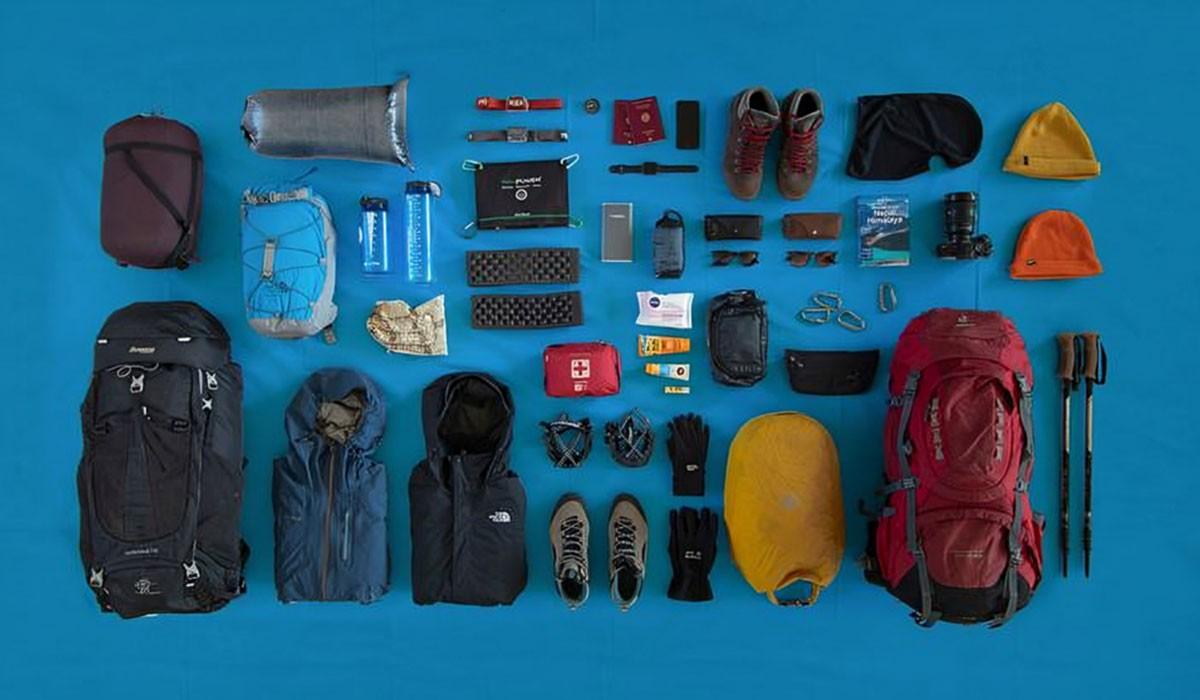
Packing correctly for the Annapurna Circuit is about balance: enough protection for high altitude without unnecessary weight.
Introduction: Why Smart Packing Matters on the Annapurna Circuit
Although the Annapurna Circuit is a lodge-based trek, incorrect packing remains one of the most common causes of discomfort, fatigue, and early retreat. The trek crosses a wide range of climates, from warm subtropical valleys to freezing alpine passes. Gear must therefore be adaptable, lightweight, and reliable.
Unlike expedition treks, trekkers can purchase some items along the route. However, quality decreases at higher elevations, and relying on last-minute purchases is risky.
The Clothing Layering System
A layered clothing system allows trekkers to adjust easily to changing temperatures throughout the day. Mornings and evenings are cold, while midday walking can be surprisingly warm.
Base Layers
Base layers sit directly against the skin and are responsible for moisture management. They should dry quickly and retain warmth when damp. Merino wool and synthetic fabrics are ideal. Cotton should be avoided, as it traps moisture and increases heat loss.
At least two base-layer sets are recommended so one can be worn while the other dries.
Insulating Layers
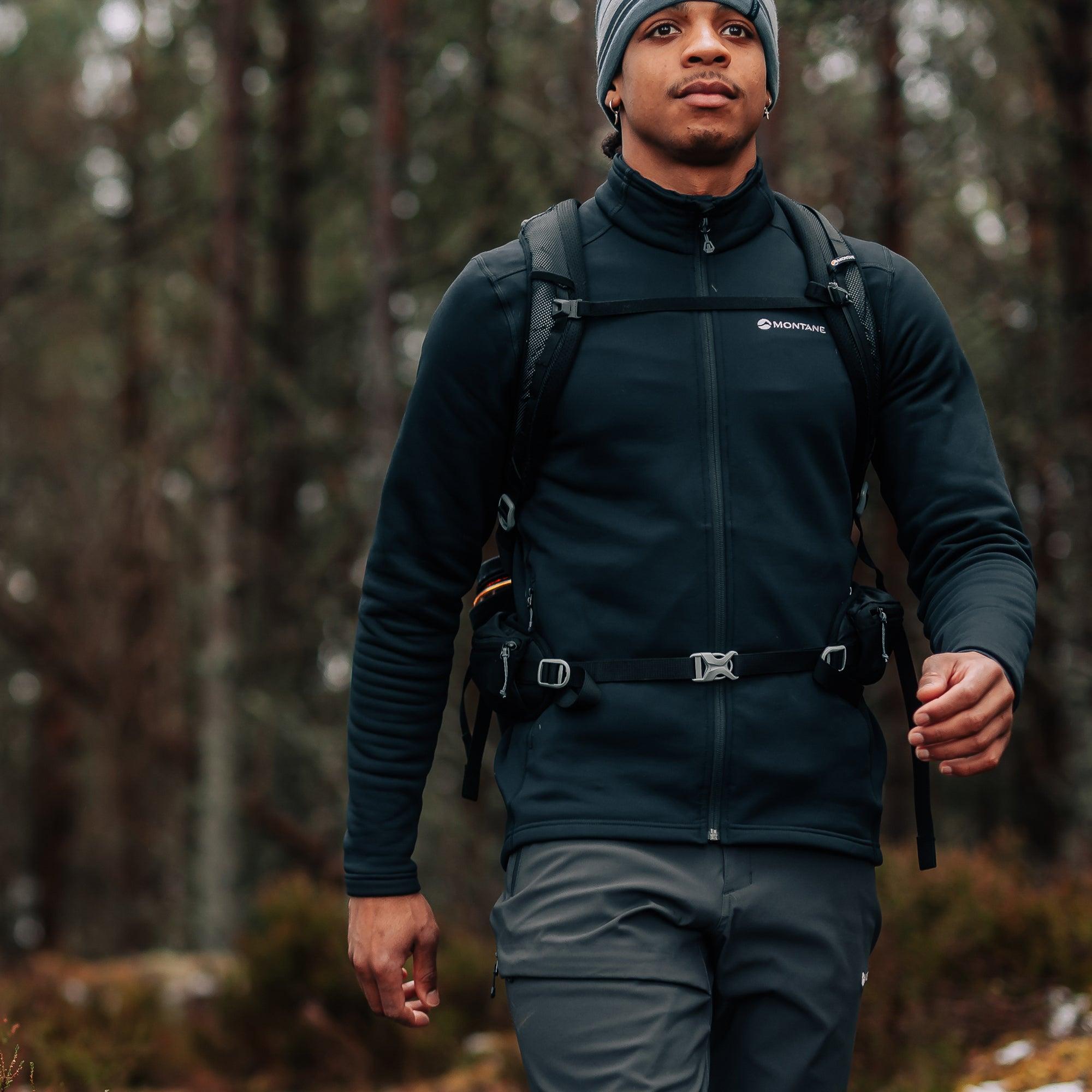
Insulation is essential above Manang, particularly at night and early mornings.
Insulating layers trap body heat and are essential at higher elevations. A medium-weight fleece combined with a warm down or synthetic jacket provides sufficient protection for most conditions encountered on the circuit.
The down jacket is especially important for evenings in Manang, Thorong Phedi, and Muktinath.
Outer Shell (Weather Protection)
The outer shell protects against wind, snow, and occasional rain. A windproof and waterproof jacket with a hood is essential, particularly for crossing Thorong La Pass where wind chill can be severe.
Waterproof trousers are useful during snow or cold wind exposure, even if rain is minimal in the high-altitude sections.
Trekking Pants and Thermal Wear
Trekking pants should be durable, quick-drying, and comfortable for long walking days. Convertible pants are popular for lower elevations but become less useful higher up.
Thermal leggings are strongly recommended for nights and pass-crossing day.
Footwear: Boots, Shoes, and Socks
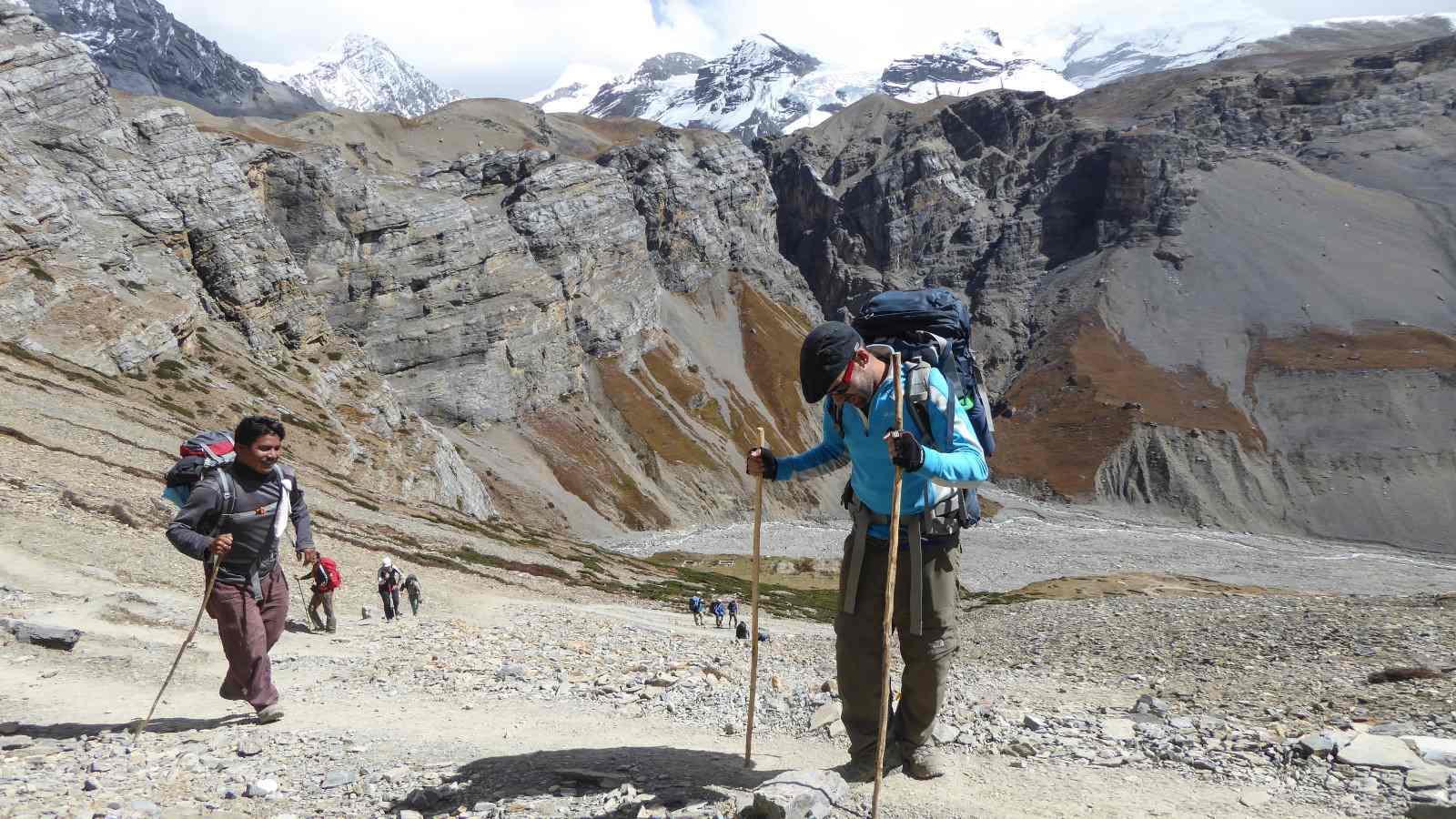
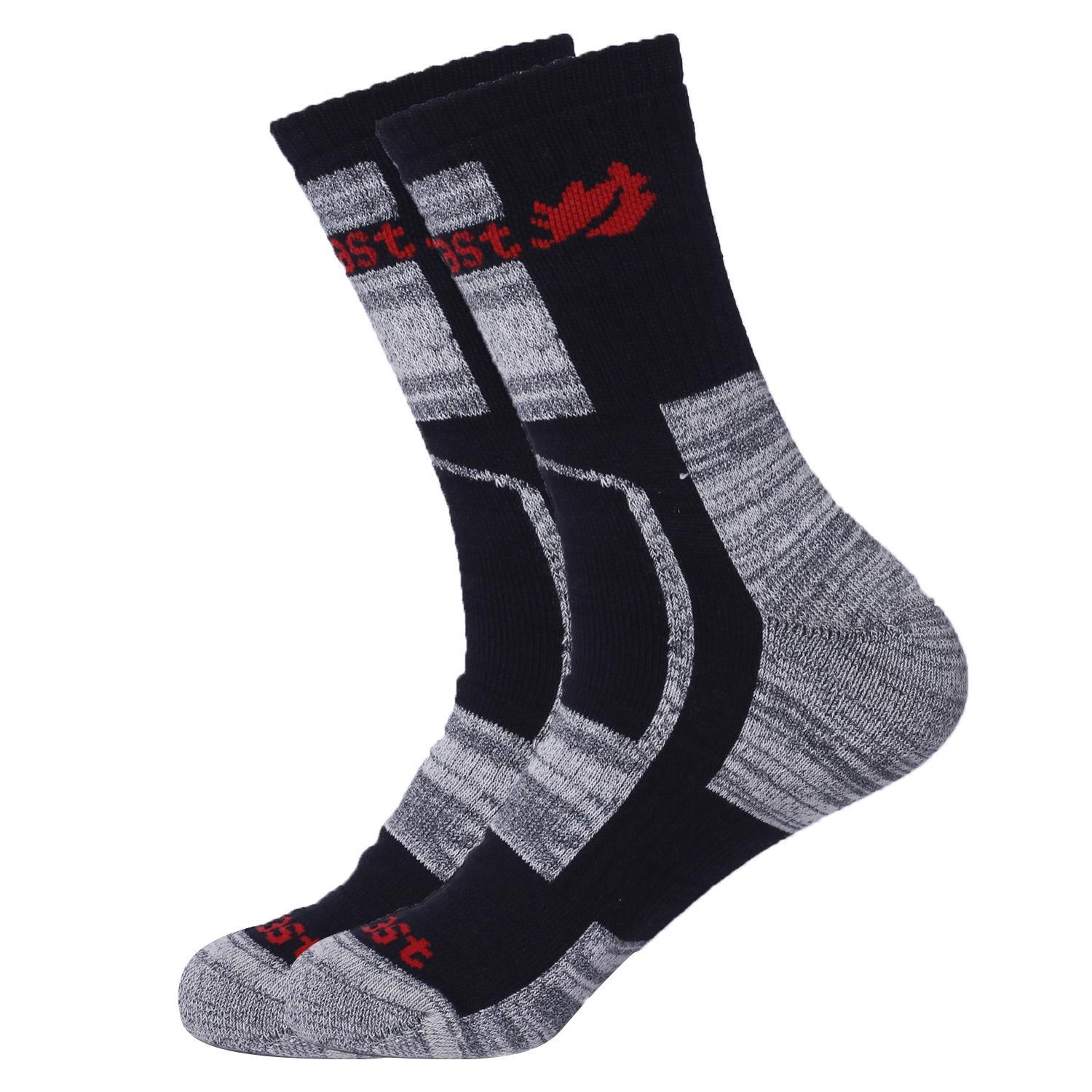
Footwear must handle long distances, cold temperatures, and uneven trails.
(Image credit: Wikimedia Commons)
Well-broken-in trekking boots with good ankle support are essential. Waterproof boots provide comfort during snow or wet sections near the pass.
In addition to boots, lightweight sandals or shoes are useful for evenings in lodges.
Socks should be moisture-wicking and layered if necessary. Foot care prevents blisters and long-term discomfort.
Accessories for Cold, Wind, and Sun
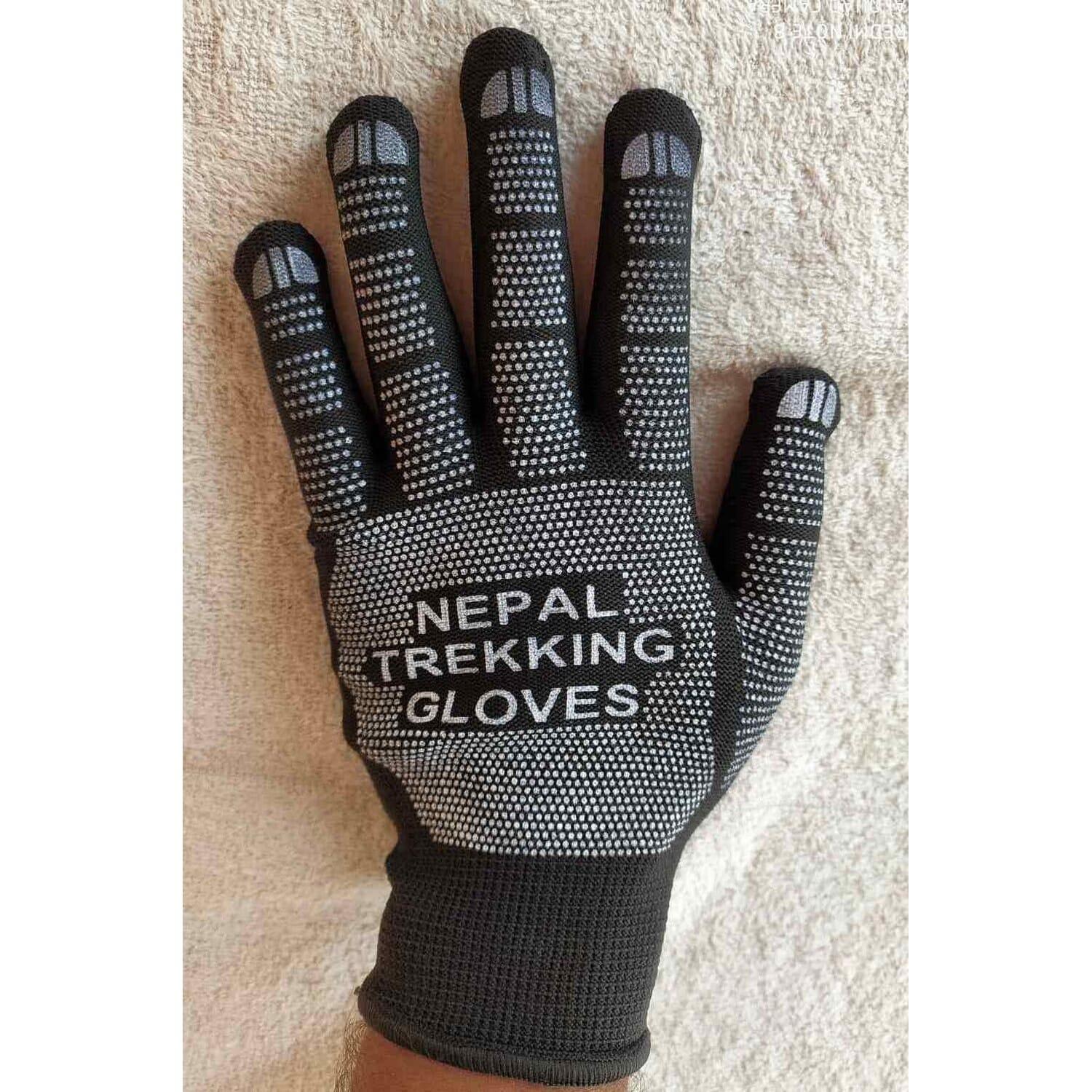
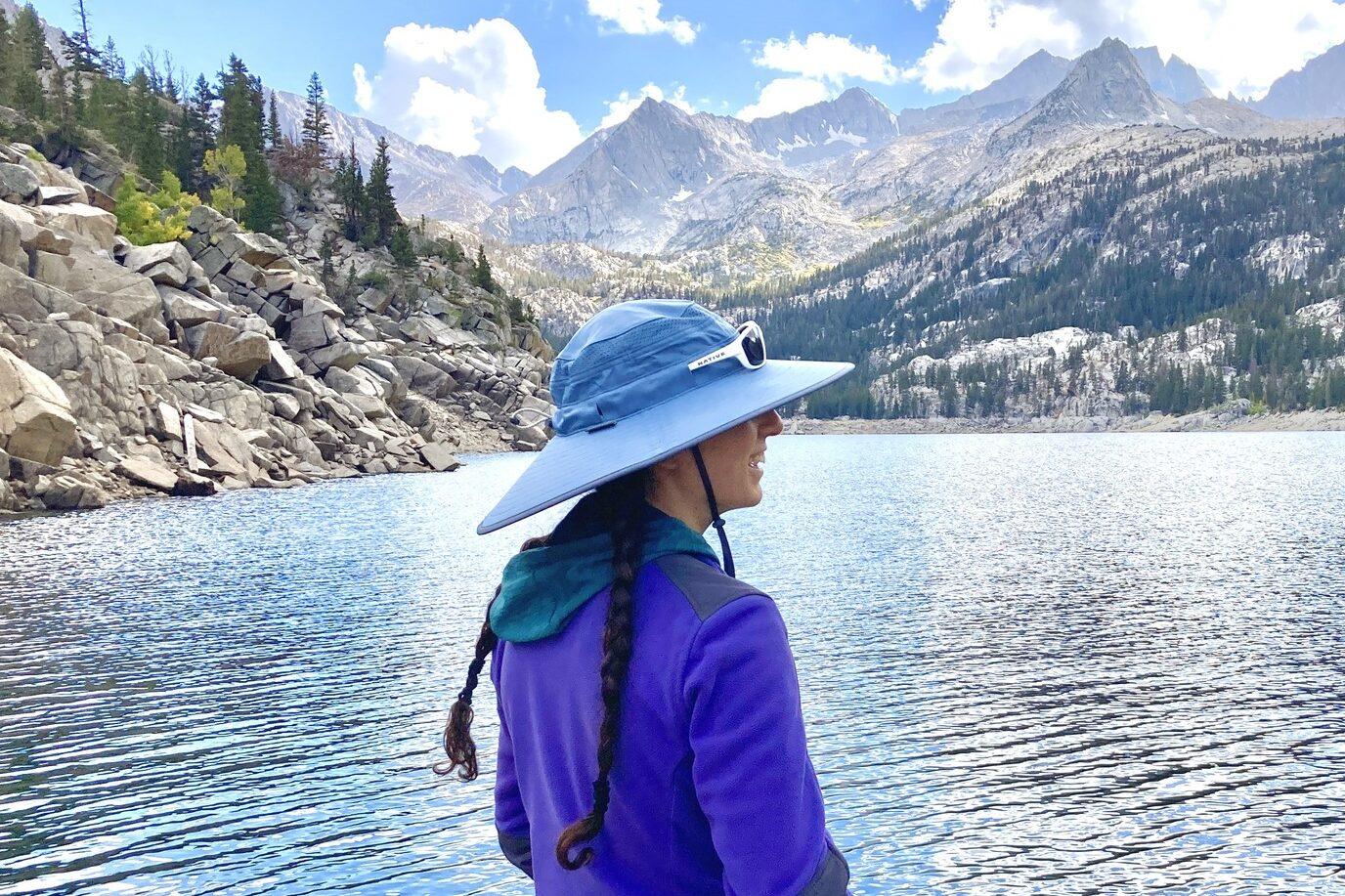
Hands, face, and eyes require protection from both cold wind and intense sunlight.
Warm gloves are necessary at higher elevations, especially early mornings and during the pass crossing. A warm hat helps retain heat, while a sun hat and sunglasses protect against strong ultraviolet exposure.
Sunscreen and lip balm are essential due to increased UV intensity at altitude.
Backpack and Weight Management
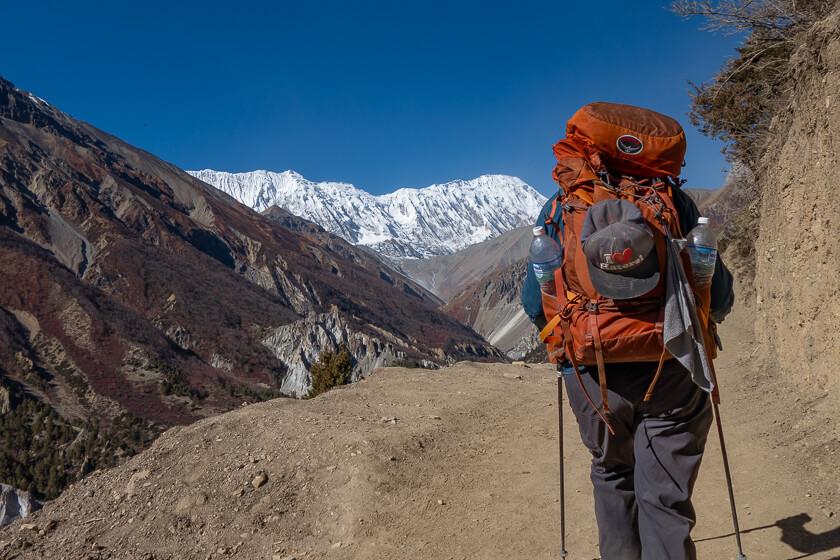
A comfortable backpack between 30 and 40 liters is sufficient for most trekkers. It should carry daily essentials such as water, extra layers, snacks, and personal items.
Weight management is important. Carrying unnecessary items increases fatigue and strain on joints, especially during long descents.
Sleeping Gear
While lodges provide beds and blankets, temperatures can drop significantly at higher altitudes. A sleeping bag rated to at least -10°C is strongly recommended, particularly for Thorong Phedi and High Camp.
Sleeping bag liners add warmth and improve hygiene.
Trekking Poles and Useful Equipment
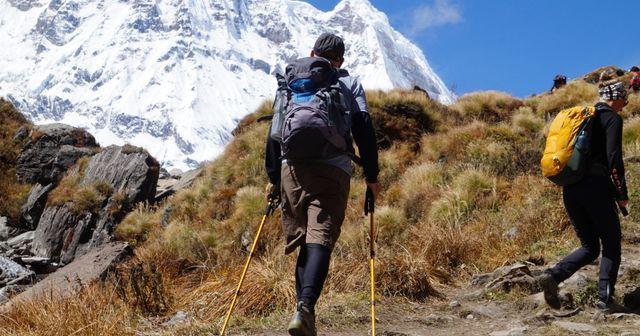
Trekking poles reduce knee strain and improve balance on steep terrain.
Trekking poles are highly beneficial, especially for long descents after Thorong La Pass. A reliable headlamp is essential for early-morning starts and power outages in lodges.
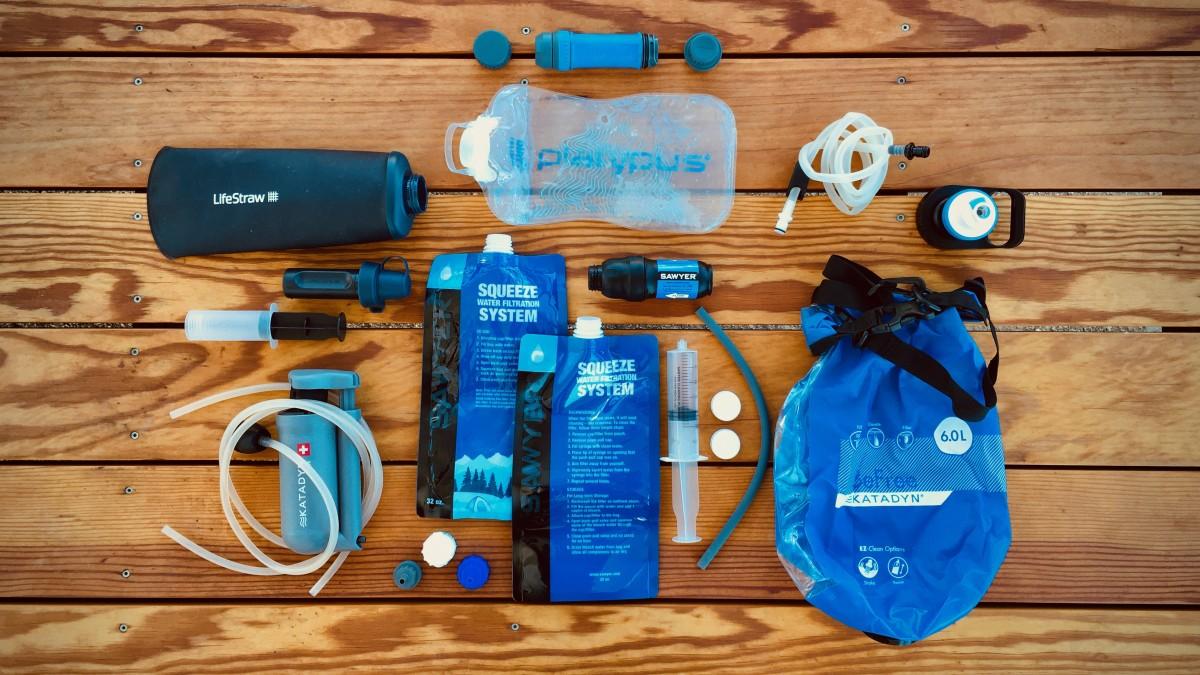
Water purification tablets or filters are necessary, as bottled water becomes expensive and environmentally problematic at higher elevations.
What to Buy in Nepal vs Bring From Home
Basic trekking gear is widely available in Kathmandu and Pokhara. Items such as gloves, hats, trekking poles, and simple jackets can be purchased locally.
However, boots, sleeping bags, and technical clothing should ideally be brought from home to ensure fit and quality.
Common Packing Mistakes on the Annapurna Circuit
Many trekkers bring too many clothes or unnecessary electronics. Others underestimate cold conditions near Thorong La Pass.
Overpacking leads to fatigue, while underpacking exposes trekkers to cold-related discomfort.
6. Accommodation, Food, Hygiene, and Daily Life on the Trail
4
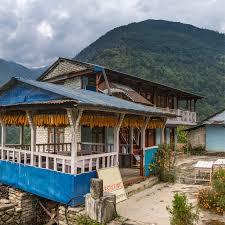
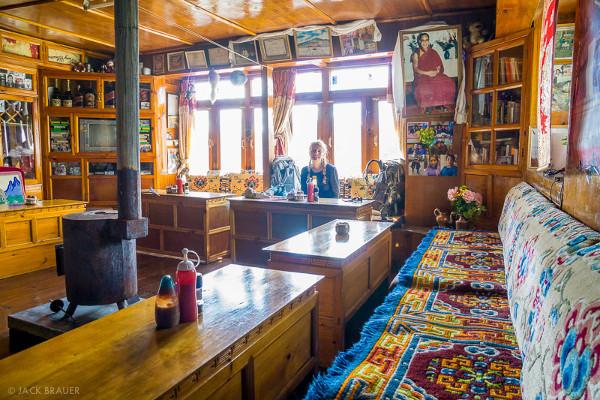
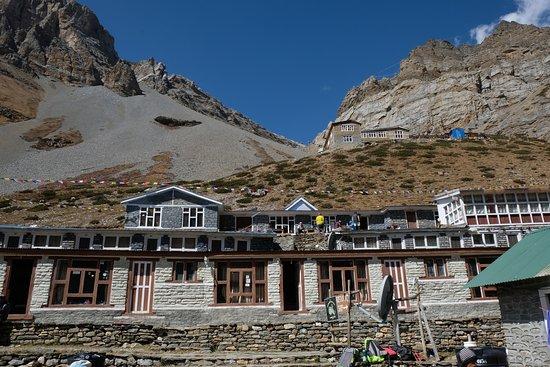
Life on the Annapurna Circuit revolves around village teahouses that provide food, shelter, and social connection for trekkers.
5. Introduction: Understanding Teahouse Trekking
The Annapurna Circuit is a teahouse-based trek, meaning trekkers sleep and eat in locally run lodges rather than carrying tents. This infrastructure makes the circuit more accessible than expedition treks, but it does not eliminate hardship. Comfort decreases as altitude increases, and expectations must be adjusted accordingly.
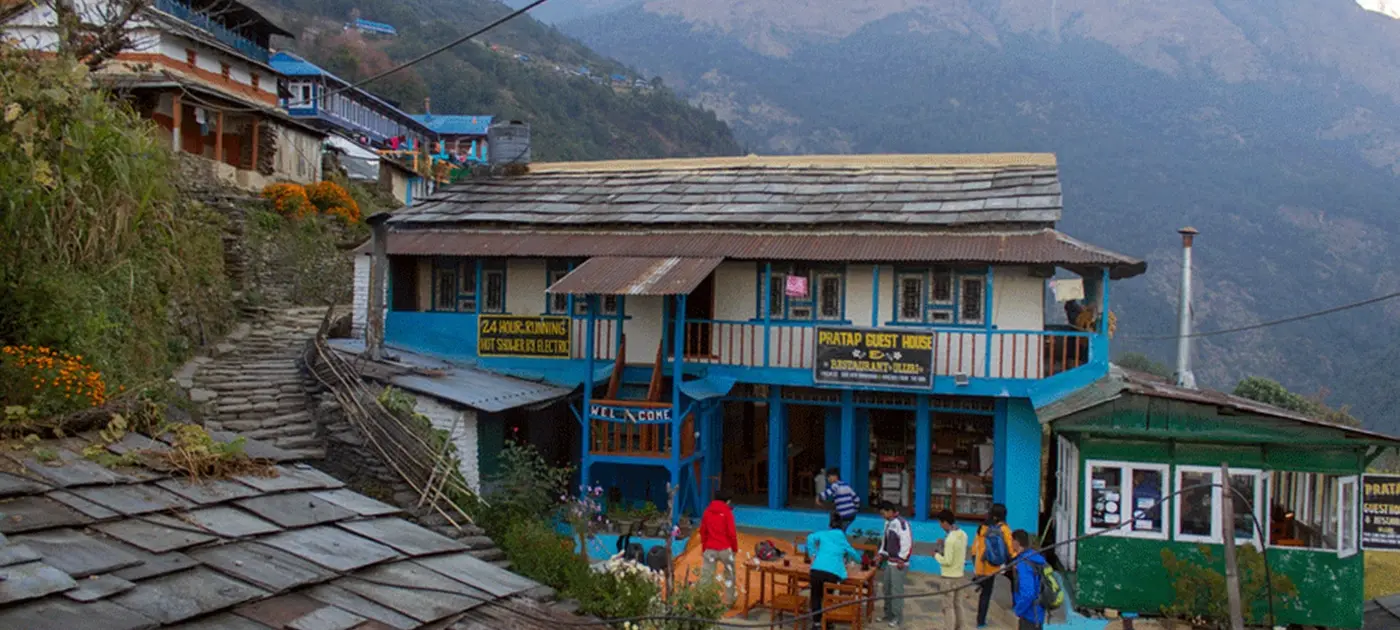
Teahouses are family-run establishments, and their primary role is to offer basic shelter, warmth, and nourishment, not hotel-style comfort.
Accommodation on the Annapurna Circuit
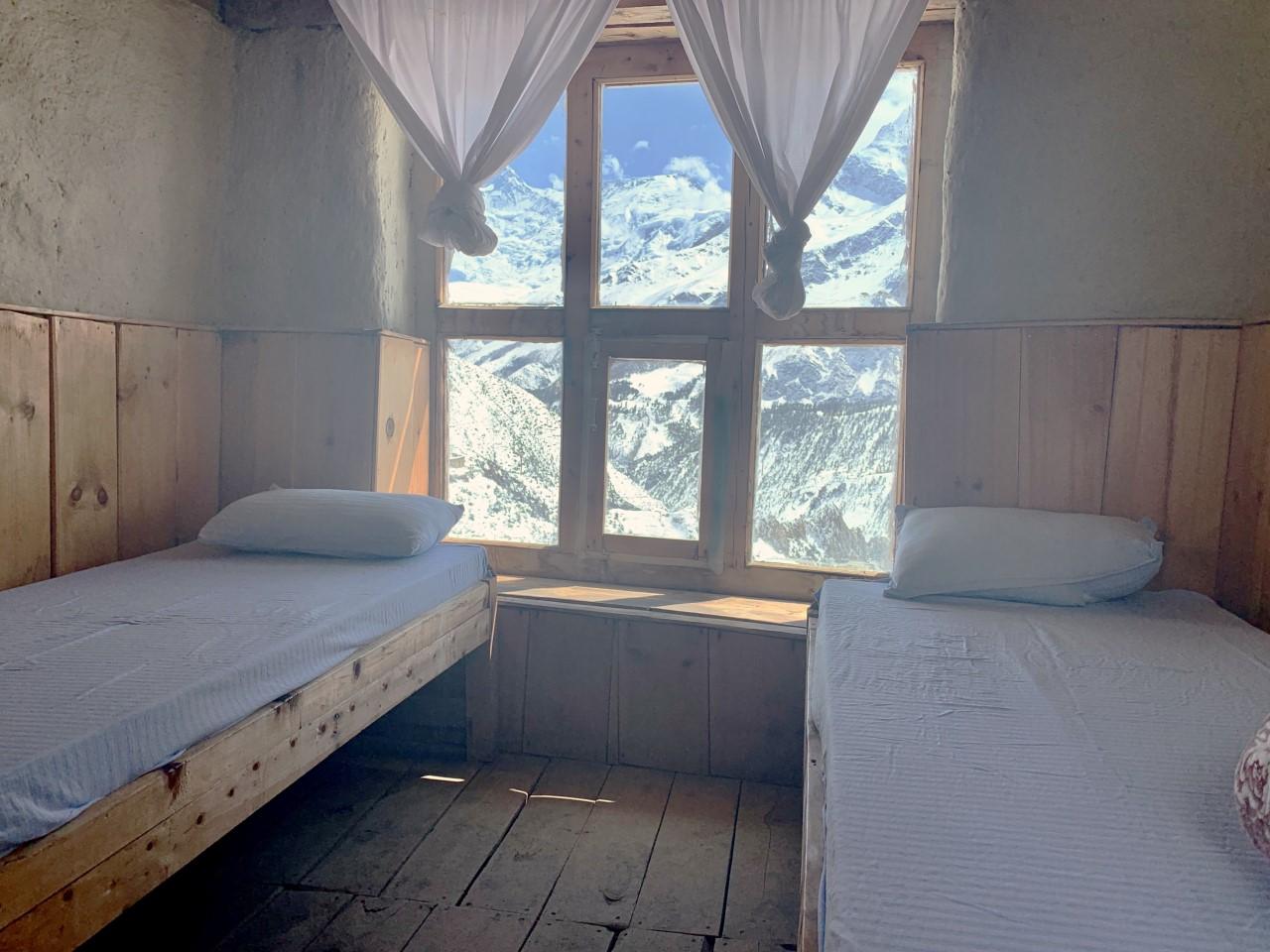
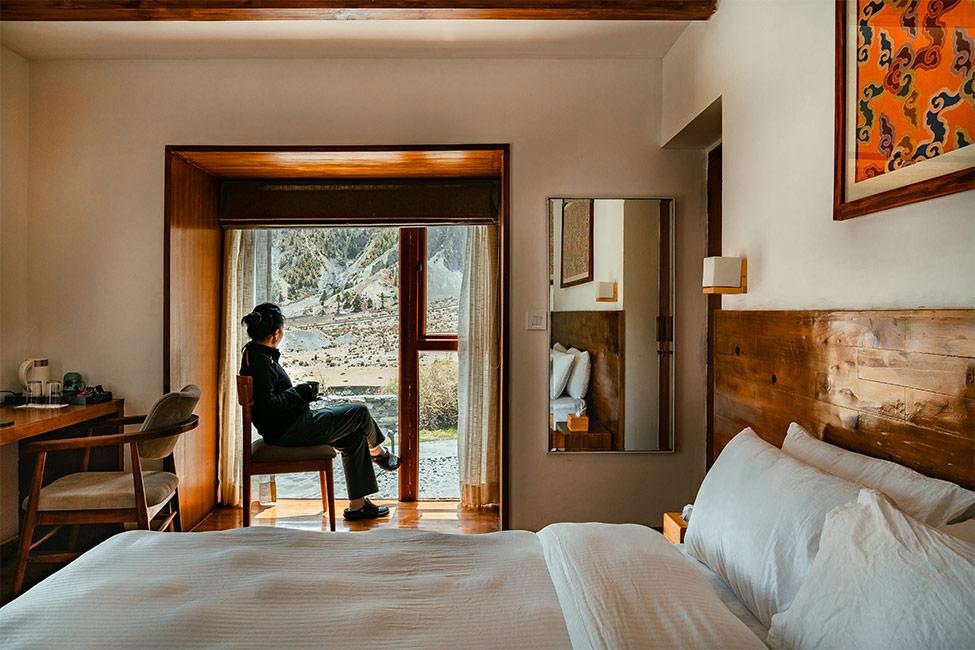
Rooms are simple and functional, especially at higher elevations.
Accommodation typically consists of small private rooms with twin beds, thin mattresses, pillows, and blankets. At lower elevations, rooms may include attached bathrooms, but above Manang, shared toilets are the norm.
Heating is usually limited to the dining area. Bedrooms are unheated, making a good sleeping bag essential at higher altitudes.
Lodge quality varies by village, but availability is generally reliable during trekking seasons.
Booking Lodges and Room Availability
Unlike expedition treks, lodges on the Annapurna Circuit do not usually require advance booking. Trekkers and guides secure rooms upon arrival each afternoon.
During peak seasons, villages near Thorong La Pass can fill quickly. Arriving earlier in the day improves room choice and comfort.
Flexibility is part of teahouse trekking. Occasionally, trekkers may need to share rooms or adjust plans due to weather or crowd levels.
Food on the Annapurna Circuit
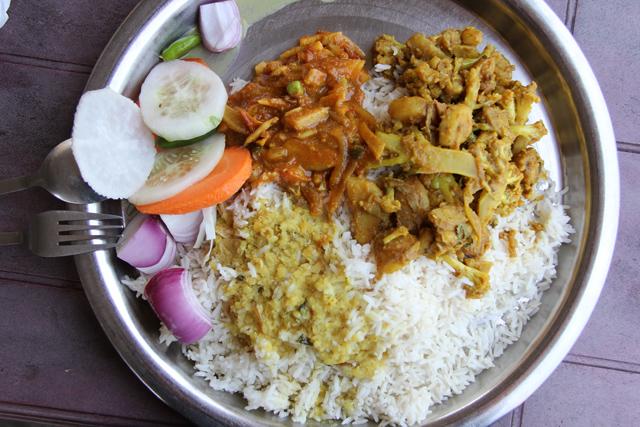

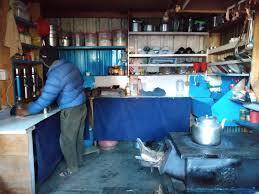
Meals on the circuit are designed to provide energy and warmth rather than culinary variety.
Food is prepared fresh in teahouse kitchens and follows a standard trekking menu. The most common meal is dal bhat, a combination of rice, lentil soup, vegetables, and sometimes curry. It is popular because it is filling, nutritious, and often comes with free refills.
Other menu items include noodles, pasta, soups, potatoes, eggs, and simple breads. As altitude increases, menu options become more limited and prices rise due to transport difficulty.
Eating Strategy at Altitude
At higher elevations, appetite often decreases. Trekkers should focus on eating regularly rather than large meals. Warm, carbohydrate-rich foods are easier to digest and help maintain energy.
Trying unfamiliar or heavy foods near the pass is not recommended. Consistency helps prevent stomach problems.
Drinking Water and Hydration
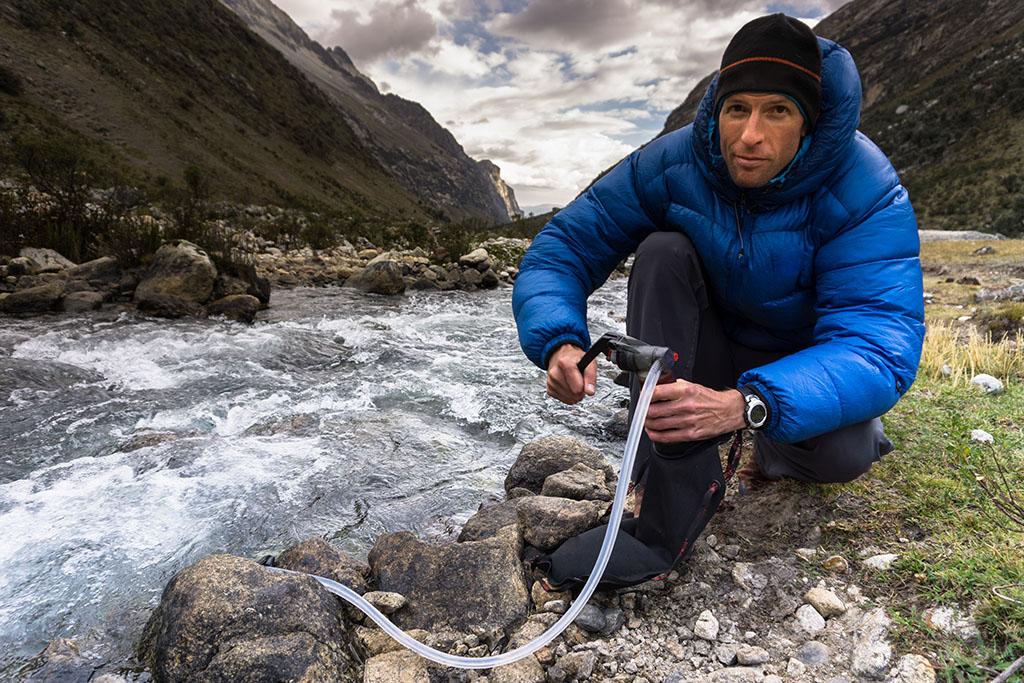
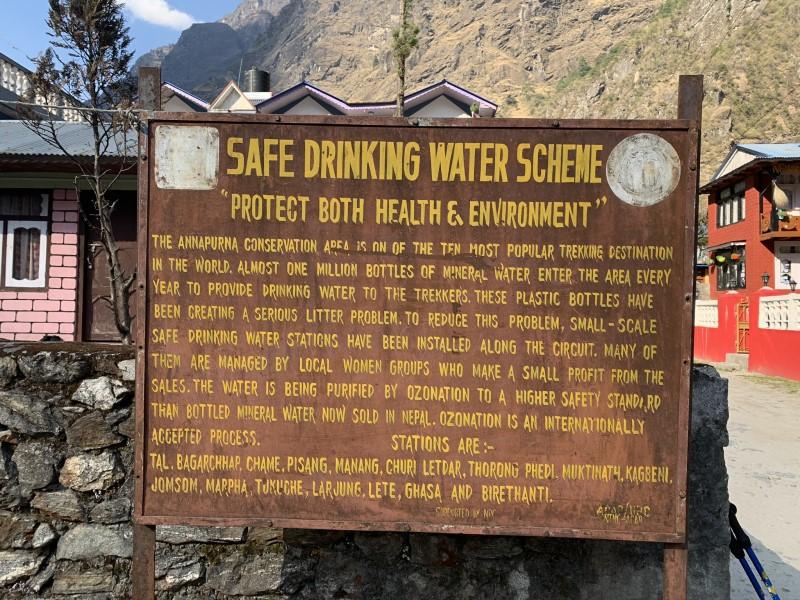
Safe drinking water is available but must be treated or boiled.
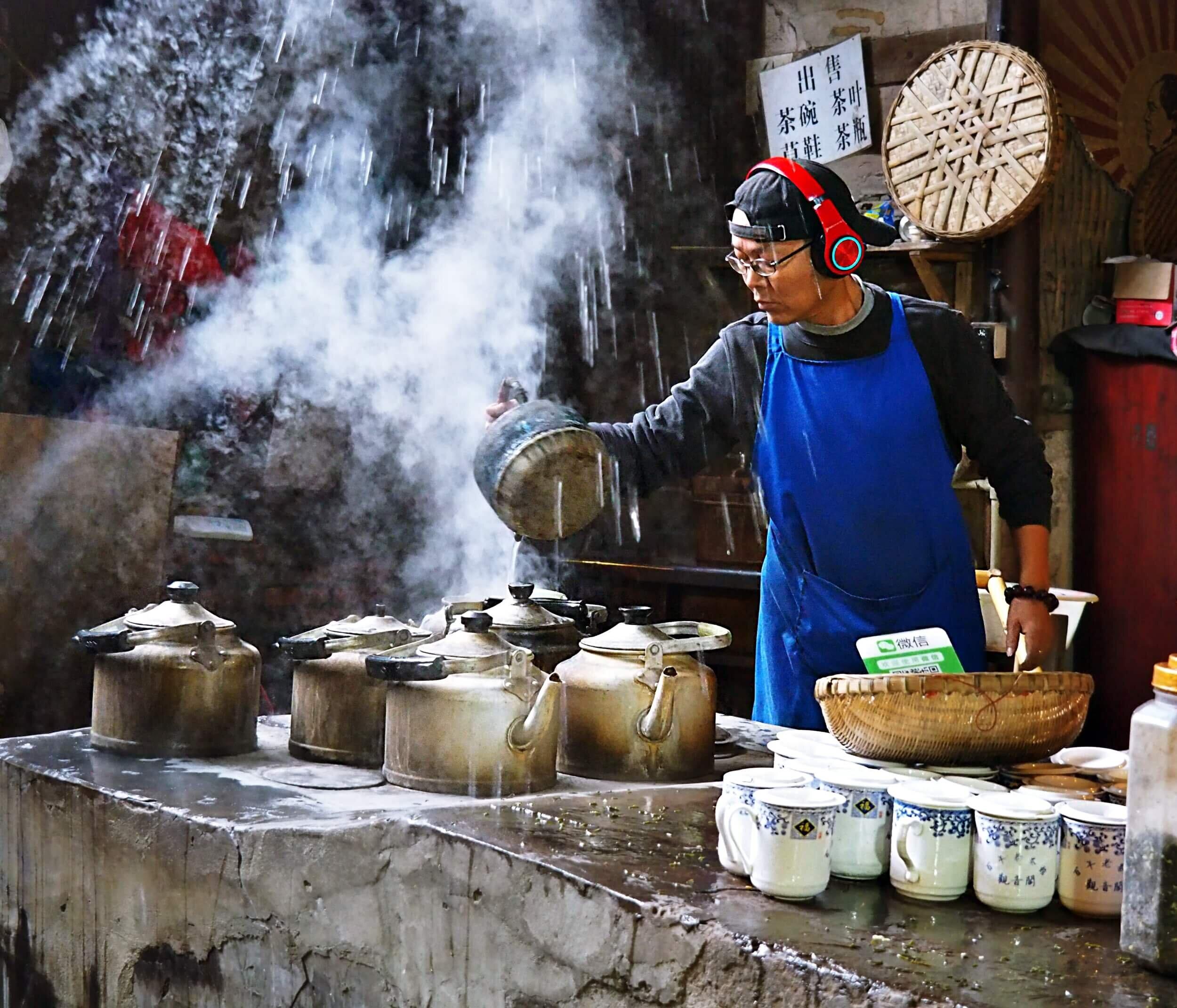
Most teahouses offer boiled water for a small fee. Bottled water is available but becomes expensive and environmentally harmful at higher elevations.
Water purification tablets or filters are strongly recommended. Staying hydrated is essential for altitude adaptation and overall health.
Hygiene and Sanitation
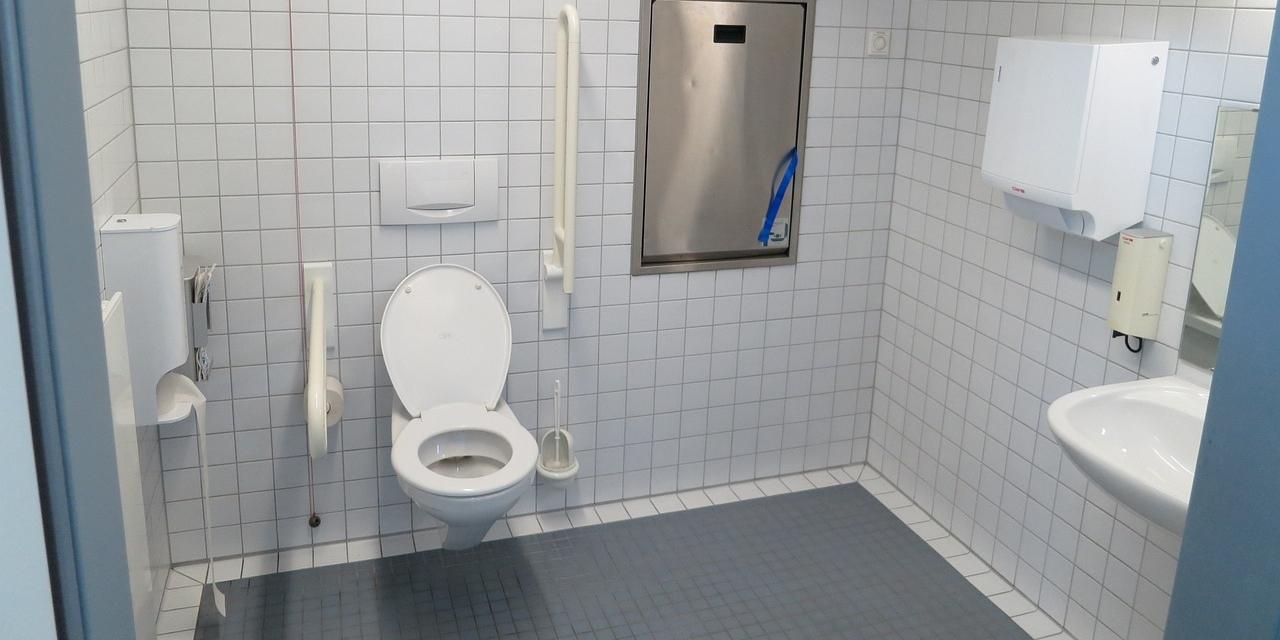
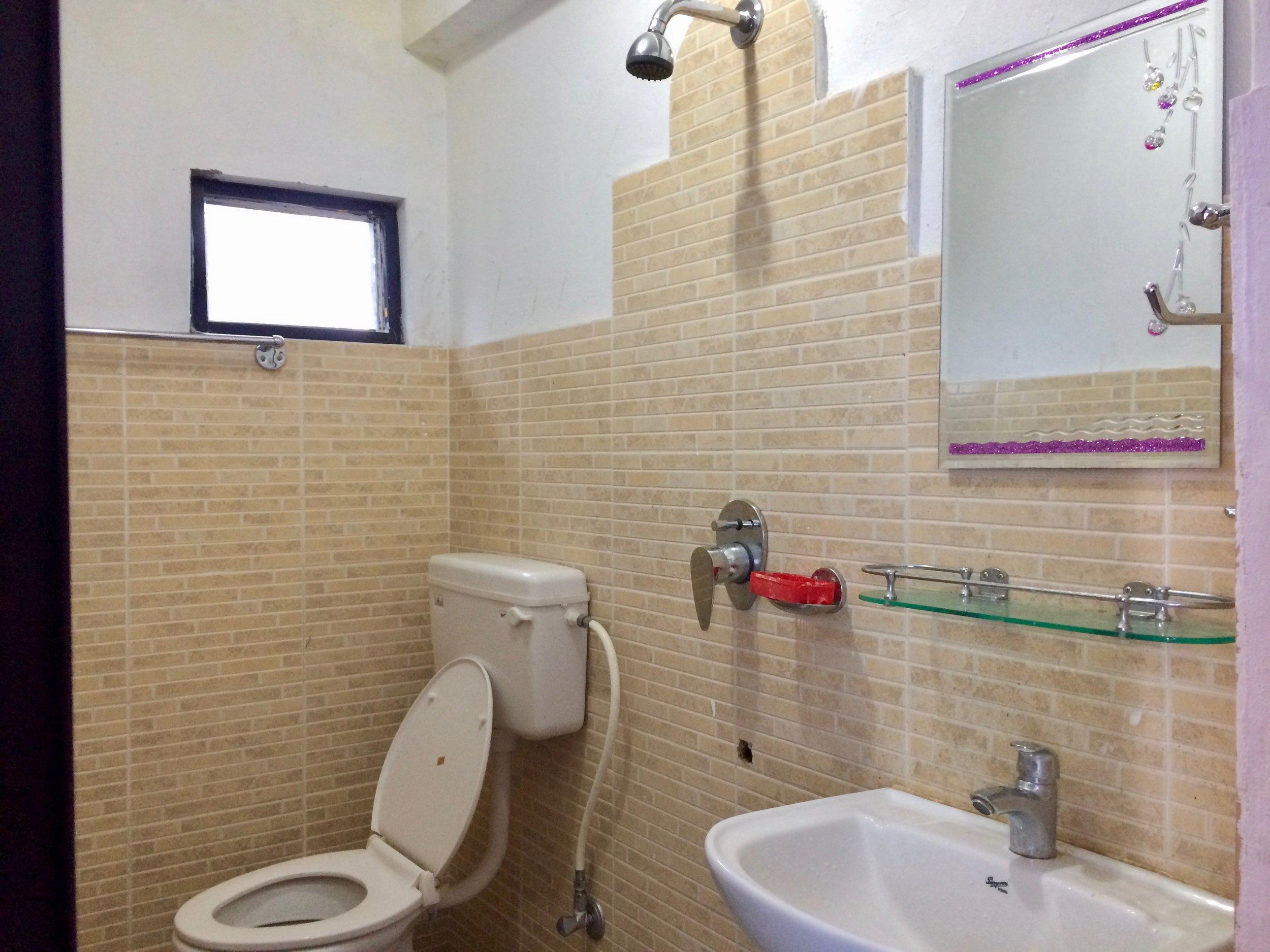
Hygiene standards vary by altitude and location.
Shared squat toilets are common, especially above Manang. Hot showers may be available at lower elevations but become rare or solar-dependent higher up.
Wet wipes and hand sanitizer are practical alternatives when water is limited. Maintaining basic hygiene reduces the risk of illness during long treks.
Electricity, Charging, and Connectivity
Electricity is available in most villages, but power outages are common. Charging electronic devices usually incurs a small fee.
Mobile network coverage exists in lower and mid-altitude villages but becomes unreliable near Thorong La. Many trekkers choose to disconnect completely during the trek.
Daily Routine on the Trail
Days follow a predictable rhythm. Trekkers wake early, eat breakfast, and begin walking while temperatures are cooler. Lunch is taken at a village or lodge along the route. Afternoons are reserved for rest, hydration, and socializing.
Evenings are spent in the dining room, where trekkers share stories, plan the next day, and stay warm near the stove.
One of the unique aspects of the Annapurna Circuit is its social atmosphere. Trekkers from around the world meet nightly, sharing experiences and advice.
This sense of community often becomes a memorable part of the journey.
7. Safety, Weather Hazards, and Common Trekking Mistakes
4
Safety on the Annapurna Circuit depends on awareness, timing, and disciplined decision-making.
Introduction: Why Safety Still Matters on a Popular Trek
Because the Annapurna Circuit is well-known and lodge-based, many trekkers underestimate its risks. This is a mistake. The circuit crosses remote terrain, reaches extreme altitude, and is subject to rapidly changing weather. Rescue infrastructure is limited, and self-responsibility remains essential.
Most serious incidents occur not due to extraordinary events, but because of poor judgment, rushed itineraries, or ignoring early warning signs.
Weather is the most influential safety factor on this trek. Even during peak seasons, conditions can change quickly, especially above Manang.
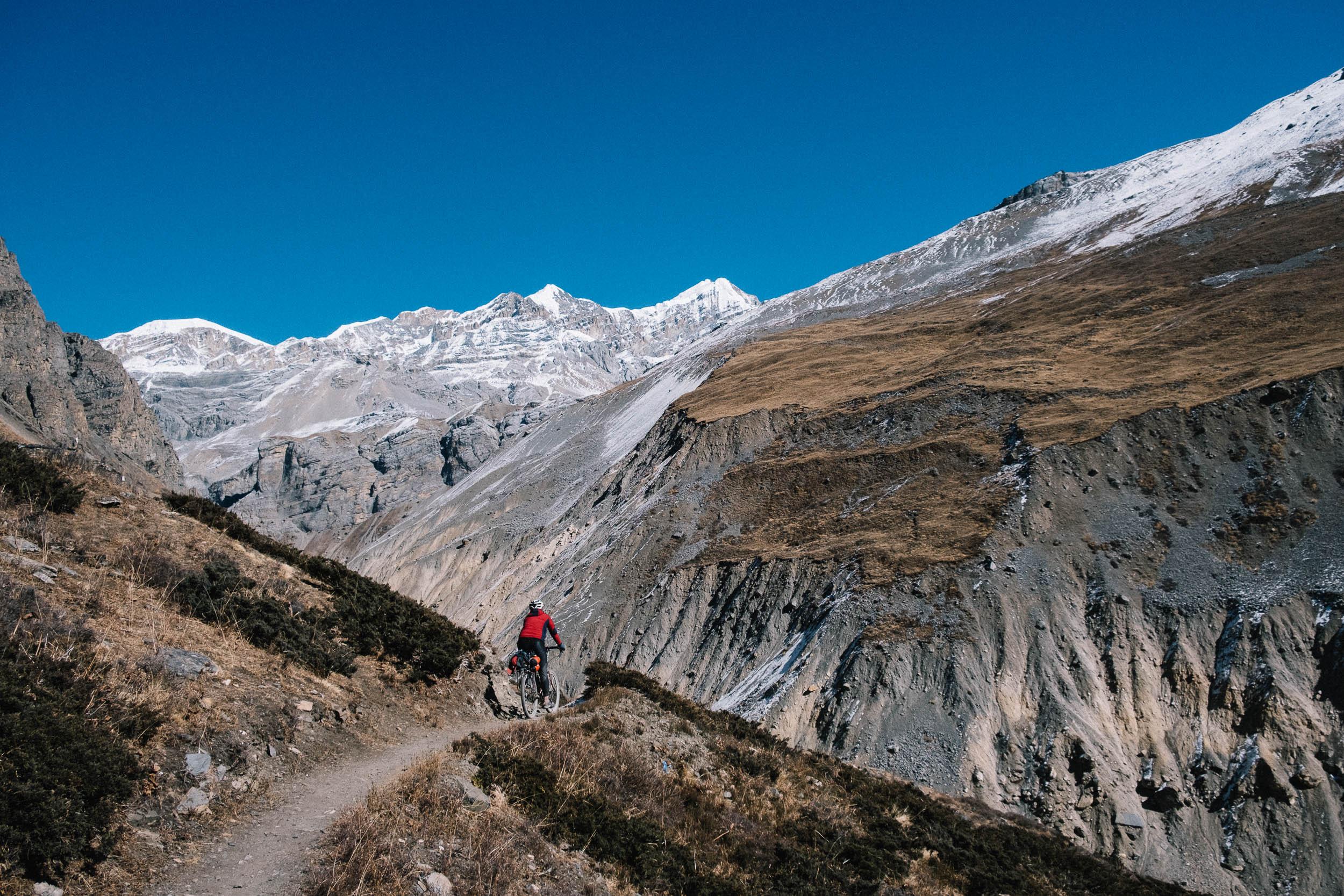
At higher elevations, sudden snowfall can obscure the trail and make Thorong La Pass unsafe. Strong winds, particularly in the Kali Gandaki Valley, can cause exhaustion and dehydration.
Trekkers should expect early starts and remain flexible. Fixed schedules are inappropriate in the Himalaya.
Thorong La Pass: The Critical Safety Point
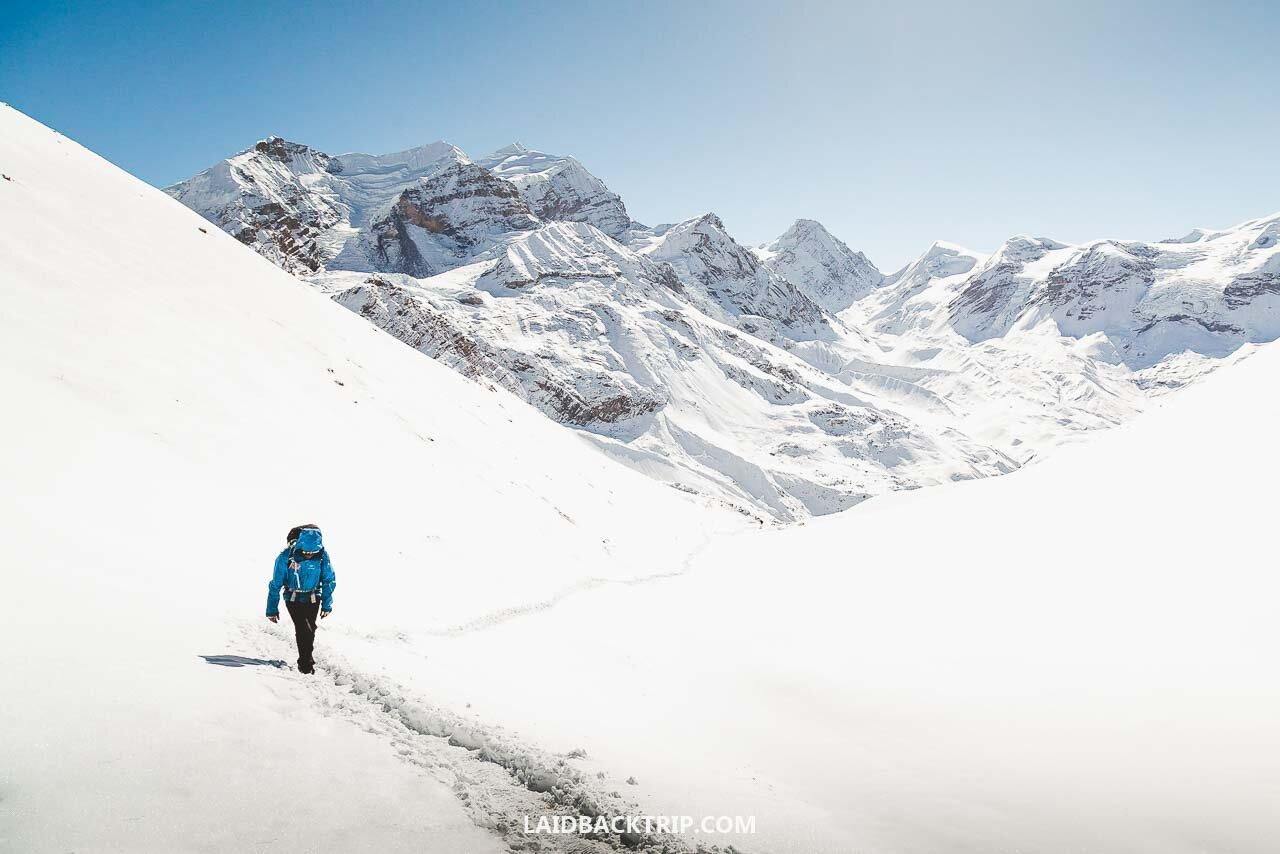
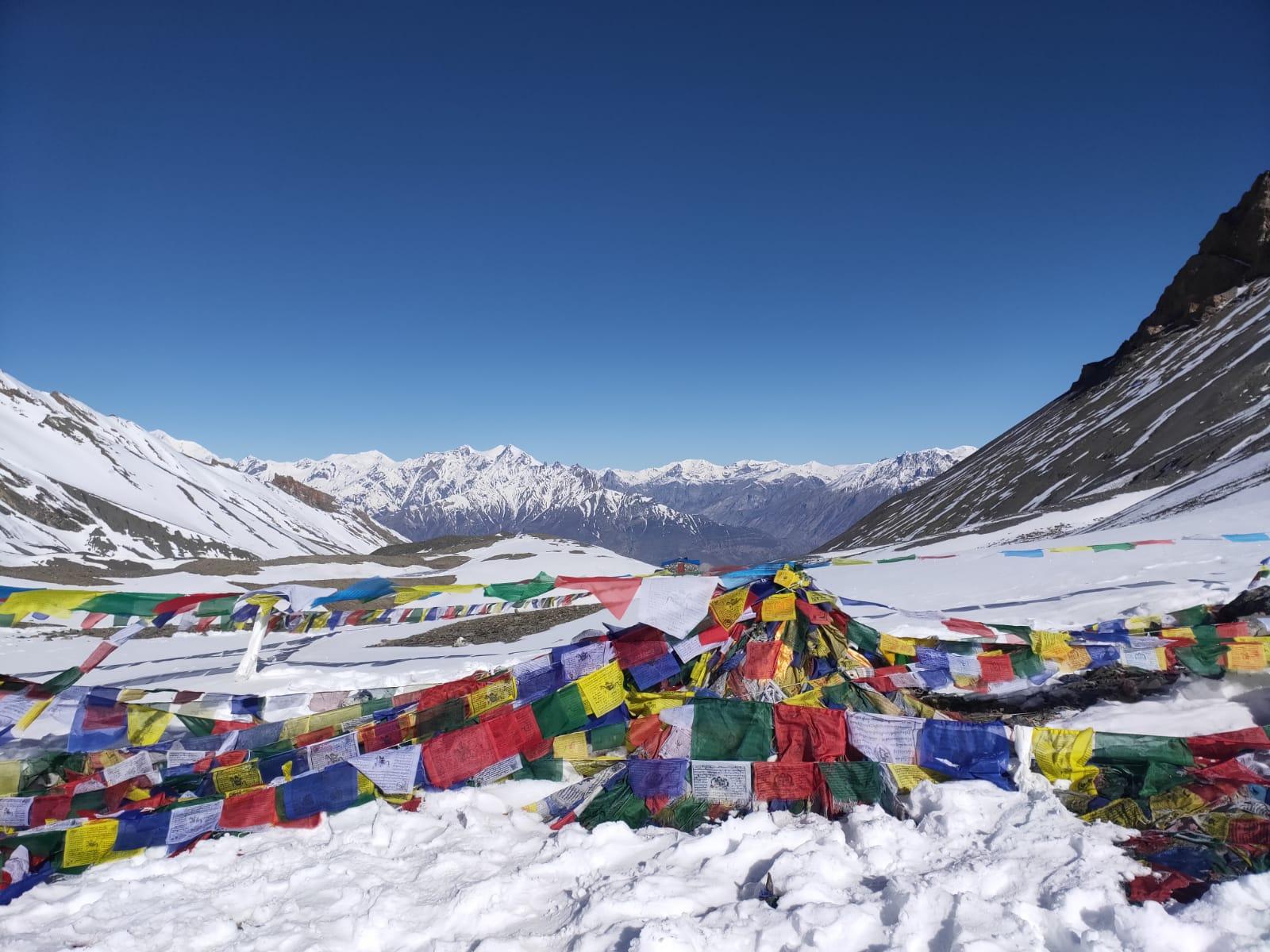
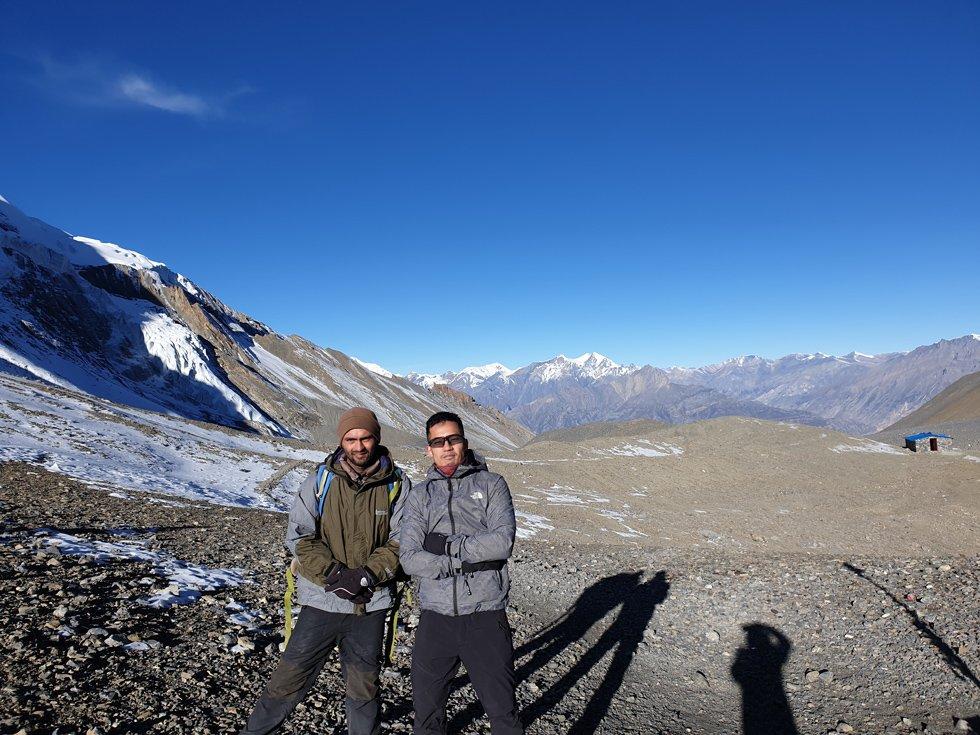
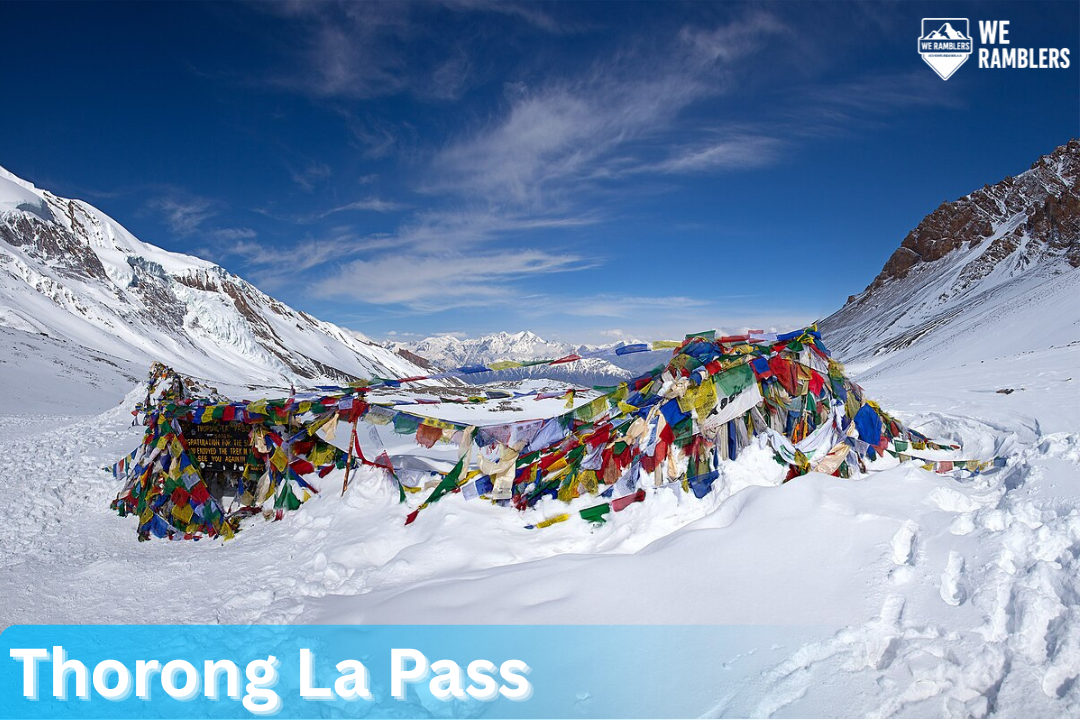
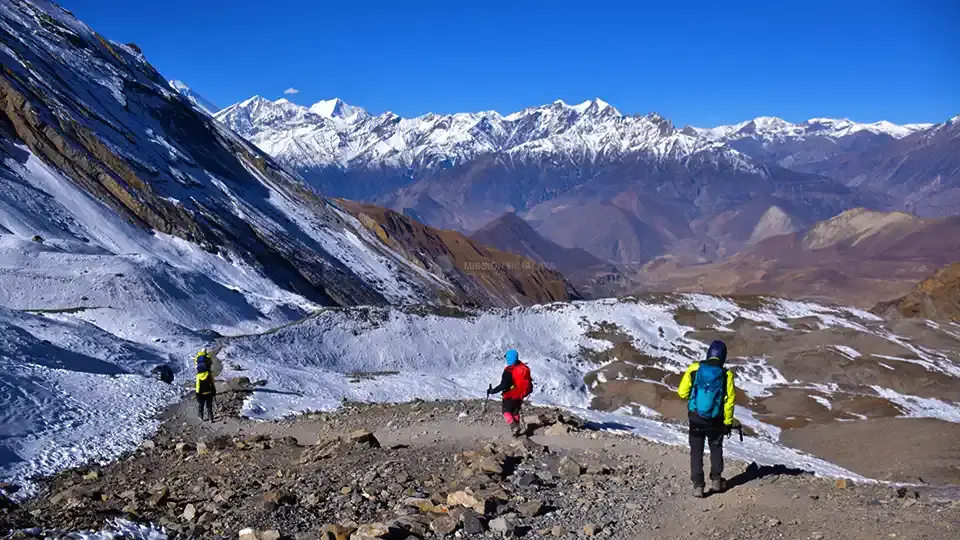
Thorong La Pass is the most exposed and weather-sensitive section of the entire trek.
Crossing Thorong La Pass is the most demanding day of the Annapurna Circuit. The altitude, cold temperatures, and potential for sudden storms require conservative planning.
Crossings typically begin before dawn to minimize wind exposure. Attempting the pass late in the day significantly increases risk.
If conditions are unsafe, turning back is the correct decision.
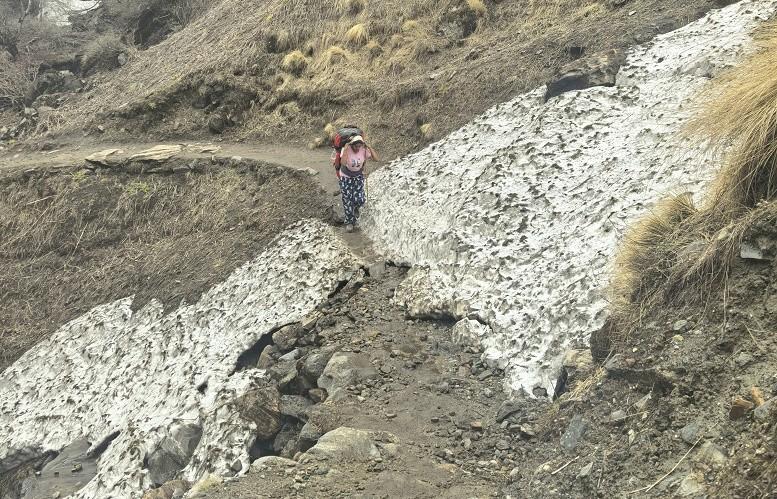
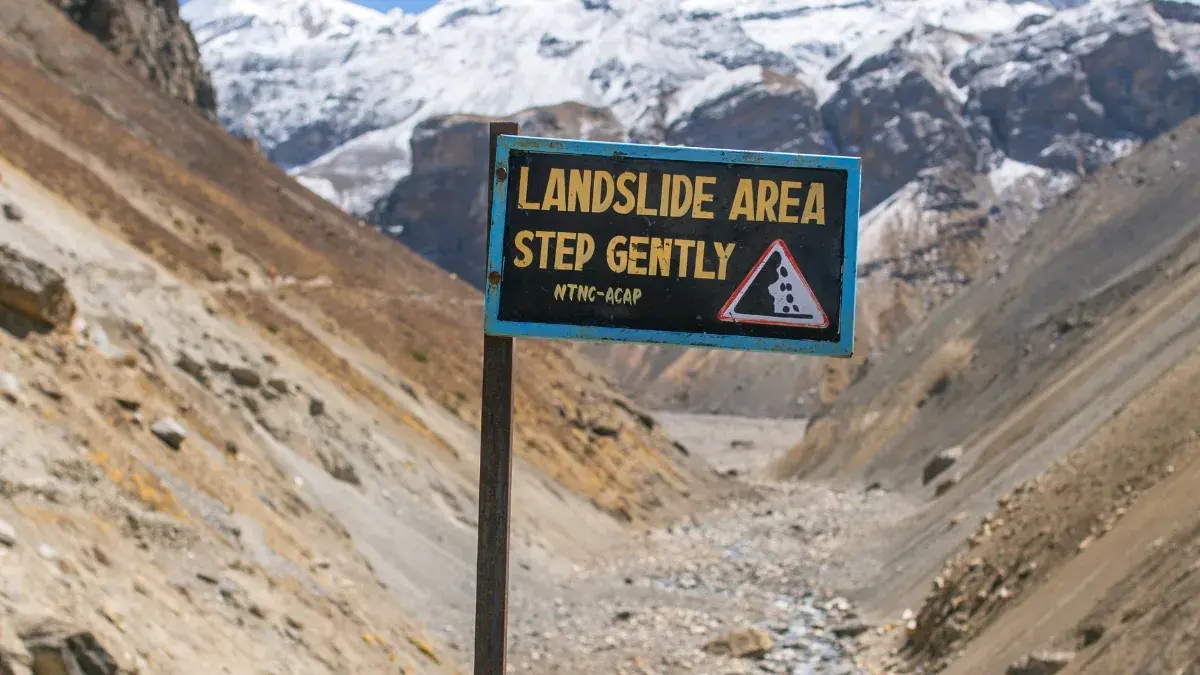
Landslides are most common during and after the monsoon season.
Lower sections of the Annapurna Circuit are vulnerable to landslides, particularly during monsoon months and immediately afterward. Trails may be damaged, blocked, or rerouted.
Trekkers should avoid walking below unstable slopes during or after heavy rain and follow local advice closely.
Altitude Illness: The Most Common Serious Risk
Altitude-related illness remains the most frequent reason trekkers fail to complete the circuit. Symptoms often appear gradually and can be mistakenly dismissed as fatigue.
Mild symptoms are manageable with rest and hydration. Worsening symptoms require immediate descent. No amount of determination can compensate for lack of oxygen.
The pass should never be attempted by anyone showing significant altitude symptoms.
Cold exposure becomes a serious concern above Manang, particularly at night and during the pass crossing. Hypothermia can develop even at temperatures slightly below freezing when combined with wind and exhaustion.
Proper clothing, adequate nutrition, and early starts reduce cold-related risk.
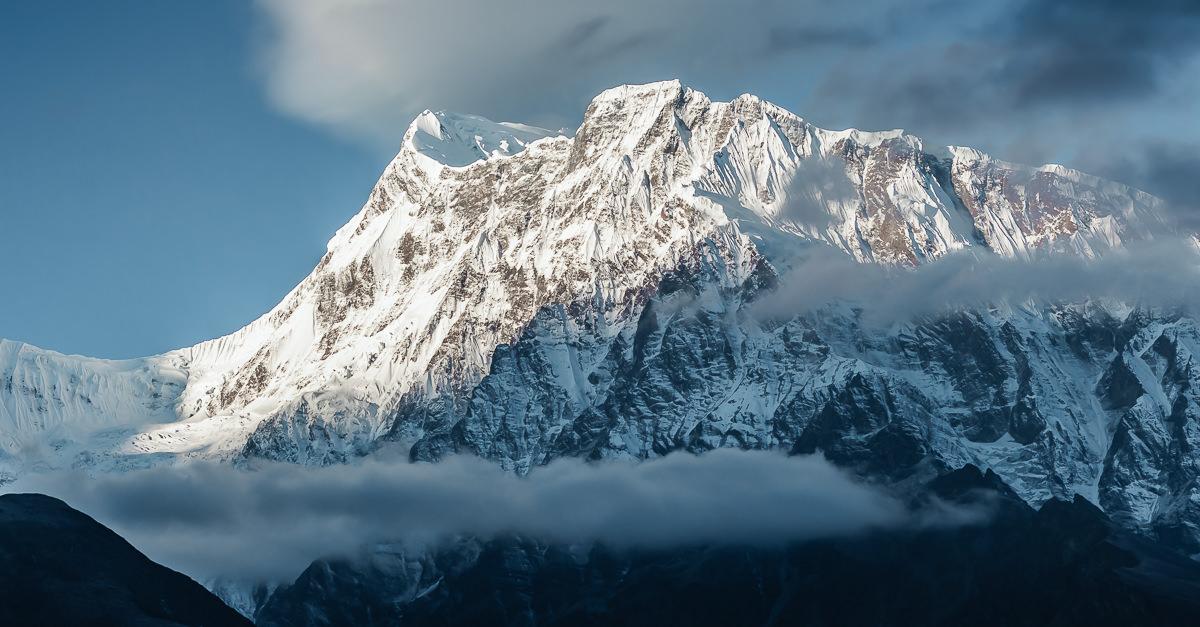
The trail is generally well-marked but can be confusing in poor weather or snow.
The Annapurna Circuit is well established, but snow, fog, or landslides can obscure paths. Side trails and shortcuts sometimes lead to confusion.
Carrying a map or offline navigation app is recommended, even for guided trekkers.
Common Mistakes Trekkers Make
Many incidents on the Annapurna Circuit are preventable. The most frequent mistakes include:
- Rushing the itinerary to save time
- Skipping acclimatization days
- Ignoring early altitude symptoms
- Underestimating cold and wind
- Carrying insufficient warm clothing
- Overconfidence due to the trek’s popularity
Experience does not eliminate risk, but humility reduces it.
Role of Guides and Local Knowledge
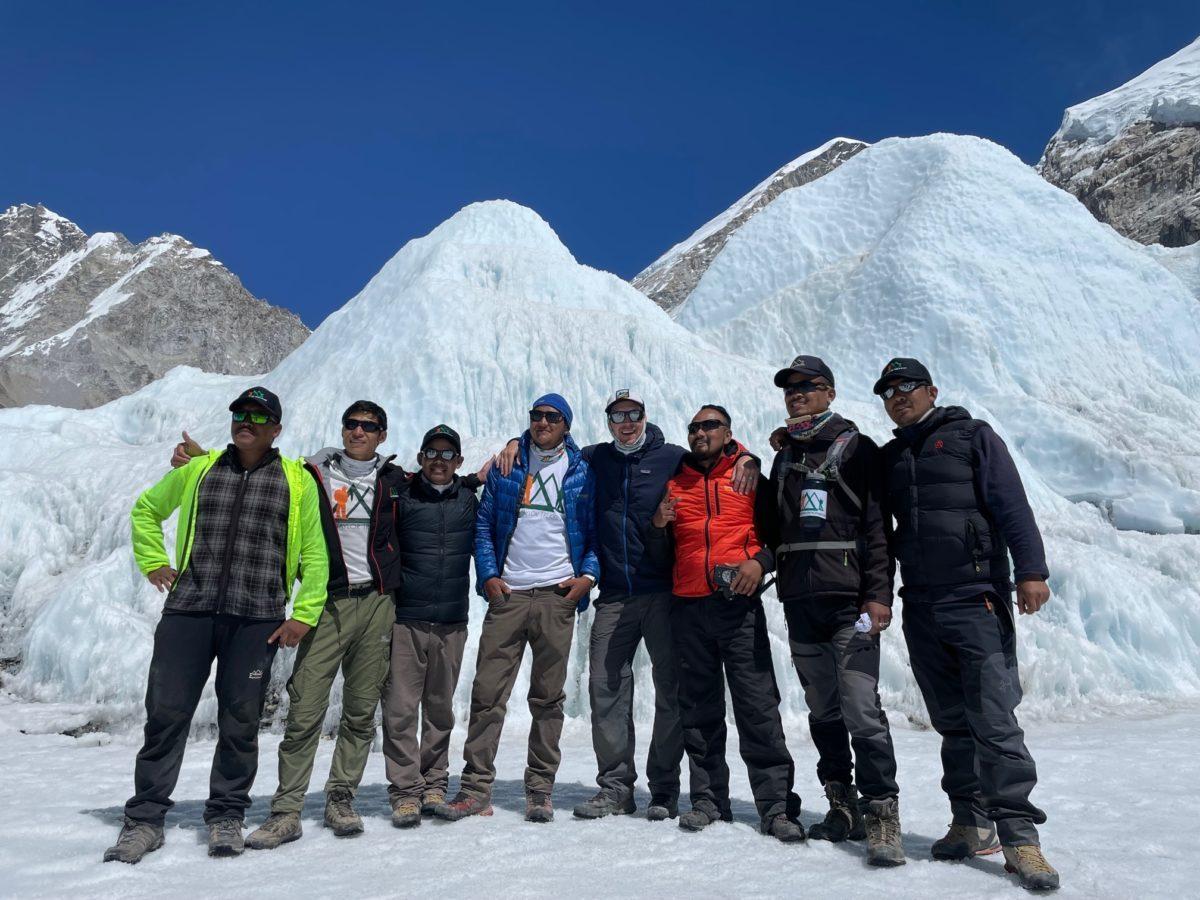
Guides provide valuable insight into weather patterns, trail conditions, and health monitoring. They also assist with communication and decision-making in difficult situations.
While independent trekking is possible, local knowledge often prevents problems before they develop.
Emergency Response and Evacuation
In serious cases, helicopter evacuation is possible but dependent on weather, visibility, and location. Evacuation can take hours or days to arrange and is expensive without proper insurance.
Trekkers should never assume rescue will be immediate.
8. Costs, Budgeting, and Guided vs Independent Trekking
4
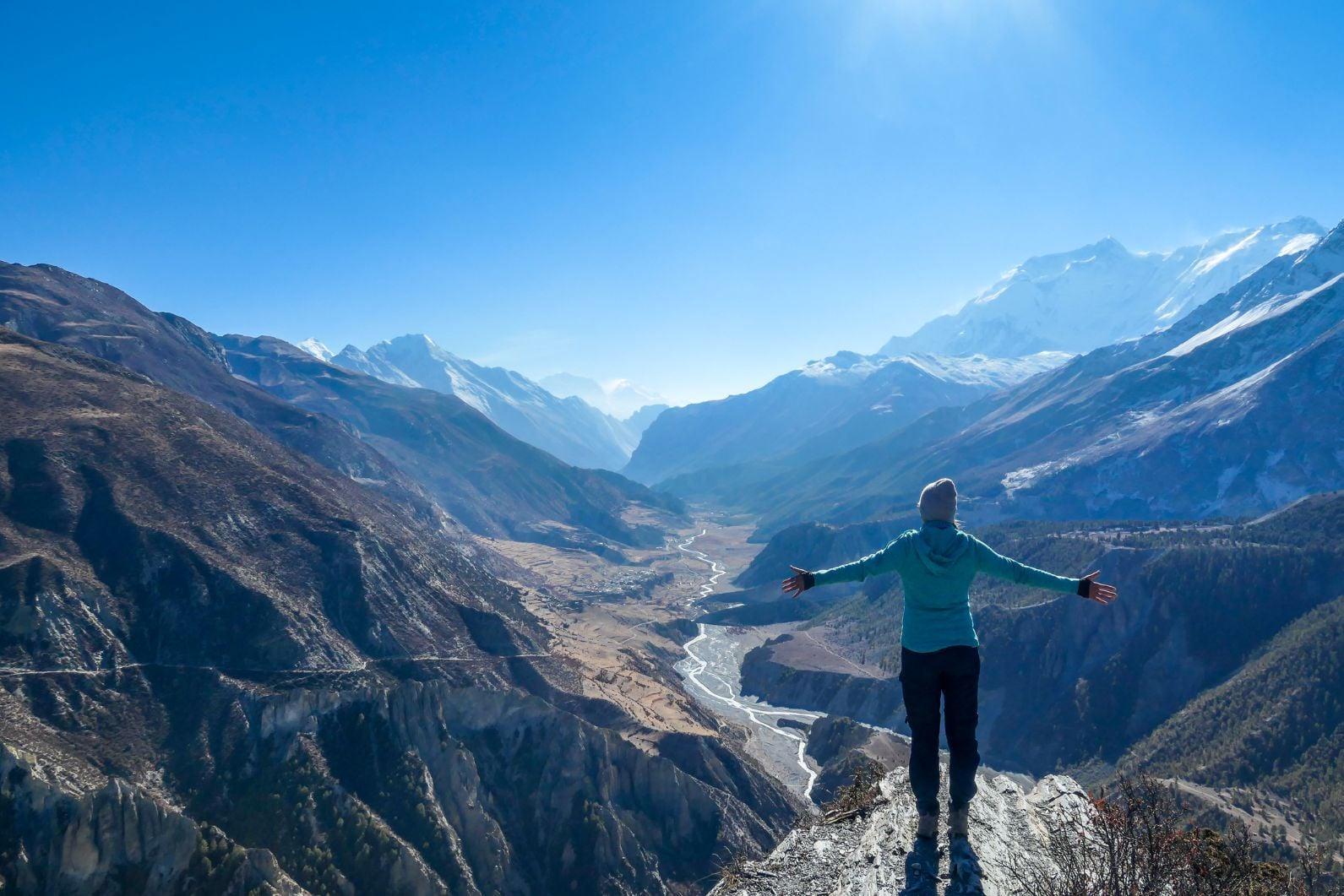
Costs on the Annapurna Circuit increase with altitude and depend heavily on trekking style and season.
Introduction: Understanding the Real Cost of the Annapurna Circuit
The Annapurna Circuit is often described as an “affordable” Himalayan trek, but this description can be misleading. While it does not require expedition logistics, costs accumulate daily through accommodation, food, permits, transport, and optional support services.
Budgeting accurately helps trekkers avoid stress and poor decisions on the trail.
Mandatory Fixed Costs
Certain expenses are unavoidable for every trekker.
Visa Costs
Nepal’s tourist visa fee depends on duration. Most Annapurna Circuit trekkers choose a 30-day visa, which comfortably covers trekking time and buffer days.
Trekking Permits
All trekkers must pay for:
- Annapurna Conservation Area Permit (ACAP)
- TIMS card
These permits are mandatory and checked at multiple points along the route.
Daily Trekking Expenses on the Trail
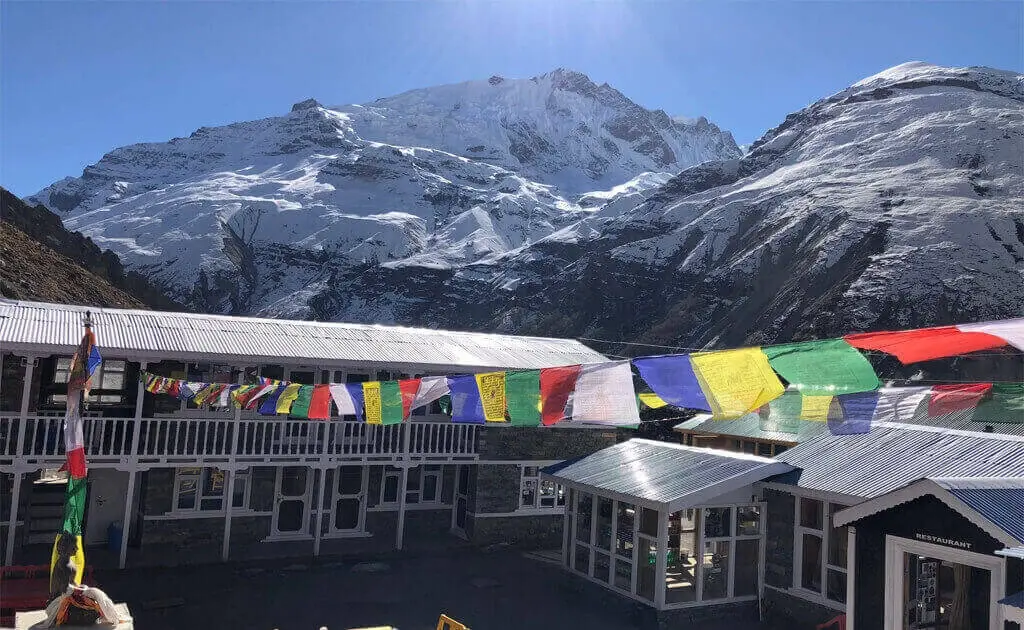
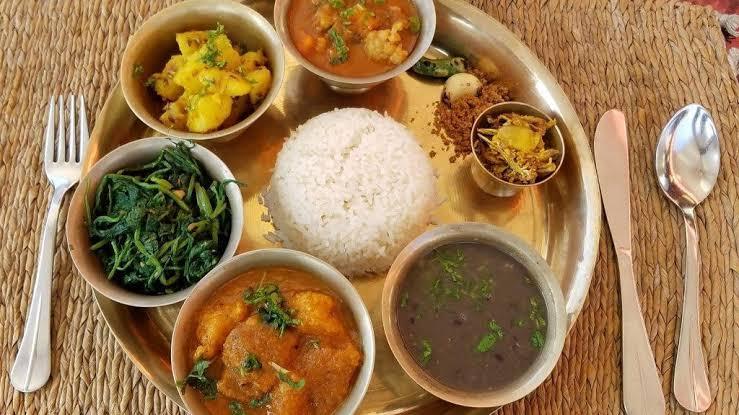
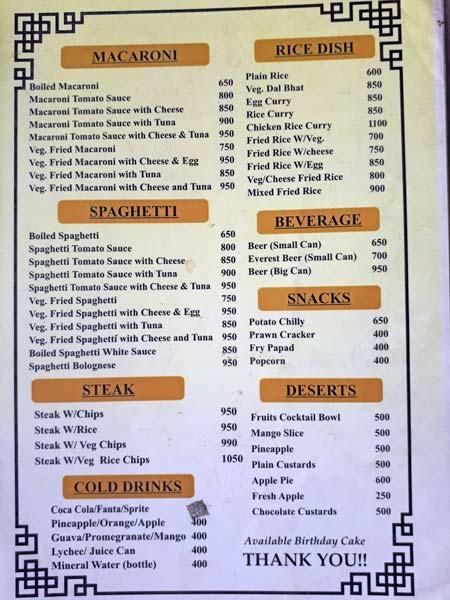
Daily expenses rise steadily as supplies become harder to transport at higher elevations.
Daily spending on the Annapurna Circuit varies by altitude and season. Accommodation itself is usually inexpensive or free if meals are taken at the lodge. Food and drinks are the primary daily expenses.
Lower-altitude villages offer cheaper meals and a wider selection. Above Manang, prices increase significantly due to porter transport costs.
Trekkers should budget more for the days near Thorong La Pass.
Additional Daily Costs
Beyond food and accommodation, small but consistent expenses add up:
- Hot showers (where available)
- Charging electronic devices
- Boiled drinking water
- Snacks and hot drinks
These services are optional but often necessary for comfort and hygiene.
Transportation Costs
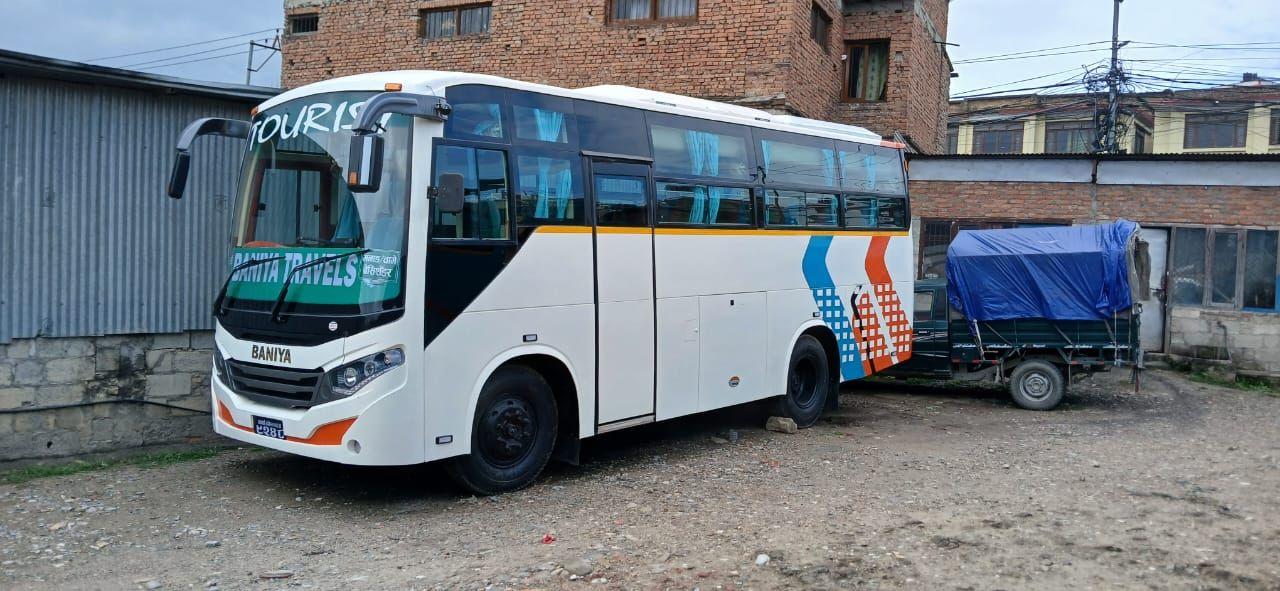
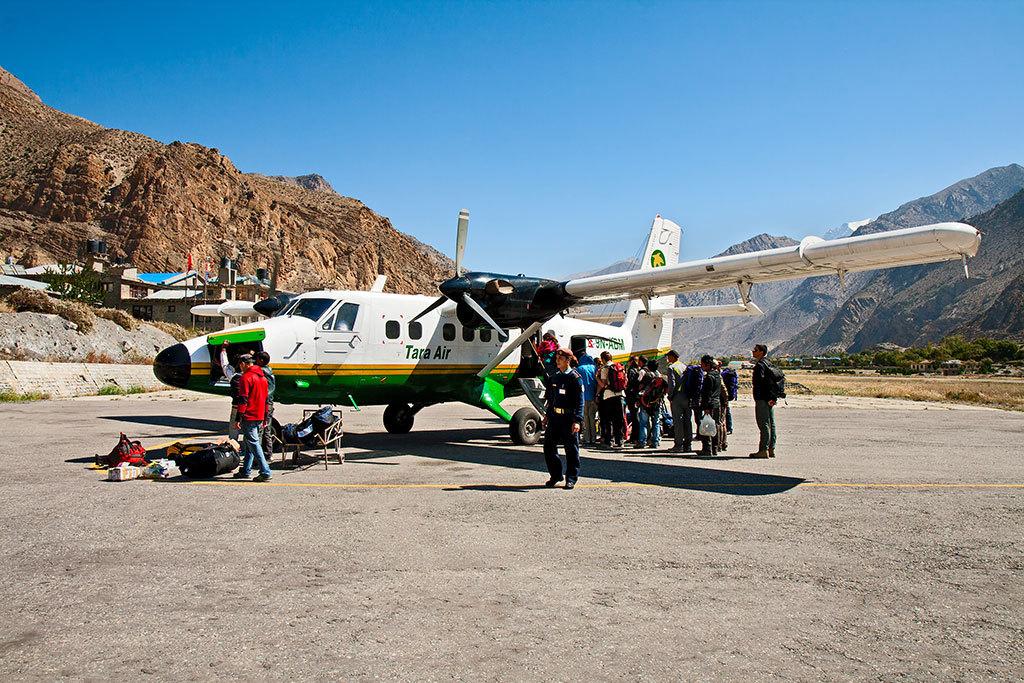
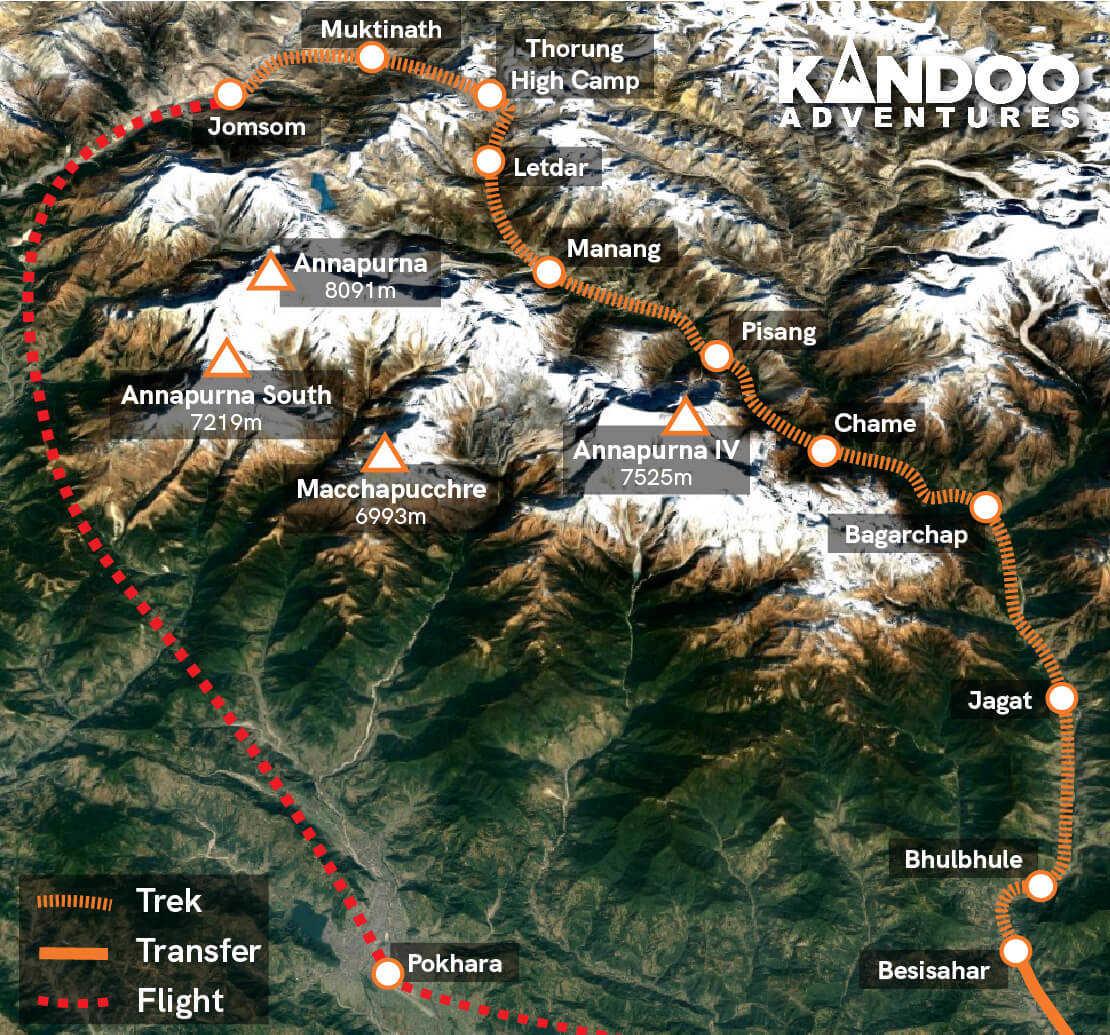
Transport costs depend on route choices and weather conditions.
Transport expenses include travel from Kathmandu or Pokhara to the starting point and return from Jomsom or surrounding areas after completing the trek.
Flights between Jomsom and Pokhara save time but are weather-dependent and more expensive. Road travel is cheaper but slower and more physically tiring.
Hiring a Guide: Cost and Value
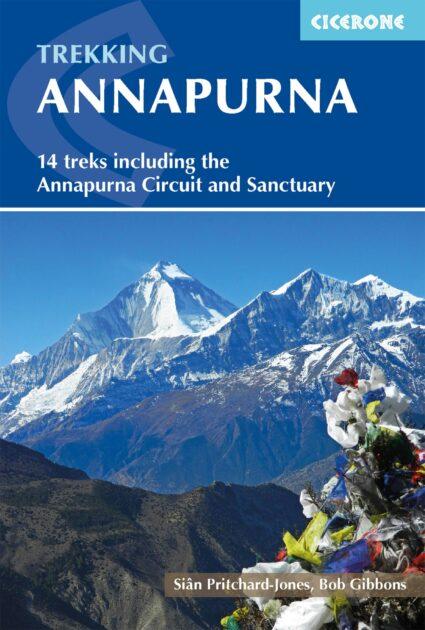
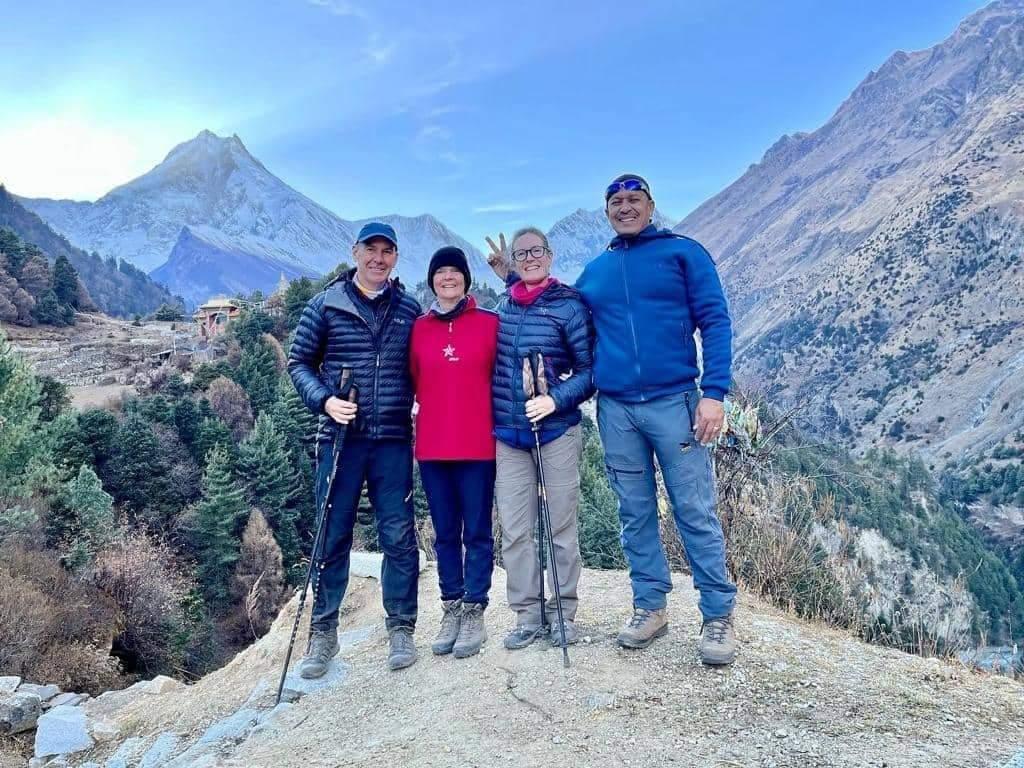
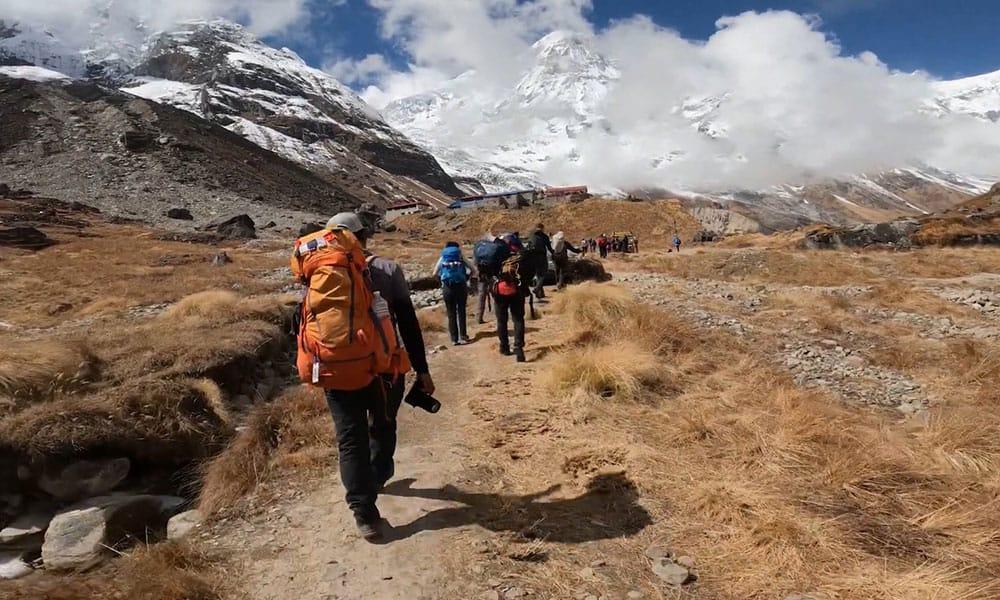
A licensed guide provides safety, logistical support, and local knowledge.
Hiring a licensed guide increases overall cost but also significantly improves safety and convenience. Guides assist with navigation, health monitoring, accommodation arrangements, and communication.
Guide fees are typically charged per day and vary depending on experience and season.
Hiring a Porter
Porters carry the main load, allowing trekkers to walk more comfortably. Hiring a porter is especially helpful for those carrying heavy gear or trekking for extended periods.
Ethical operators ensure fair wages and reasonable load limits. Hiring a porter also supports local livelihoods.
Independent Trekking: Pros and Cons
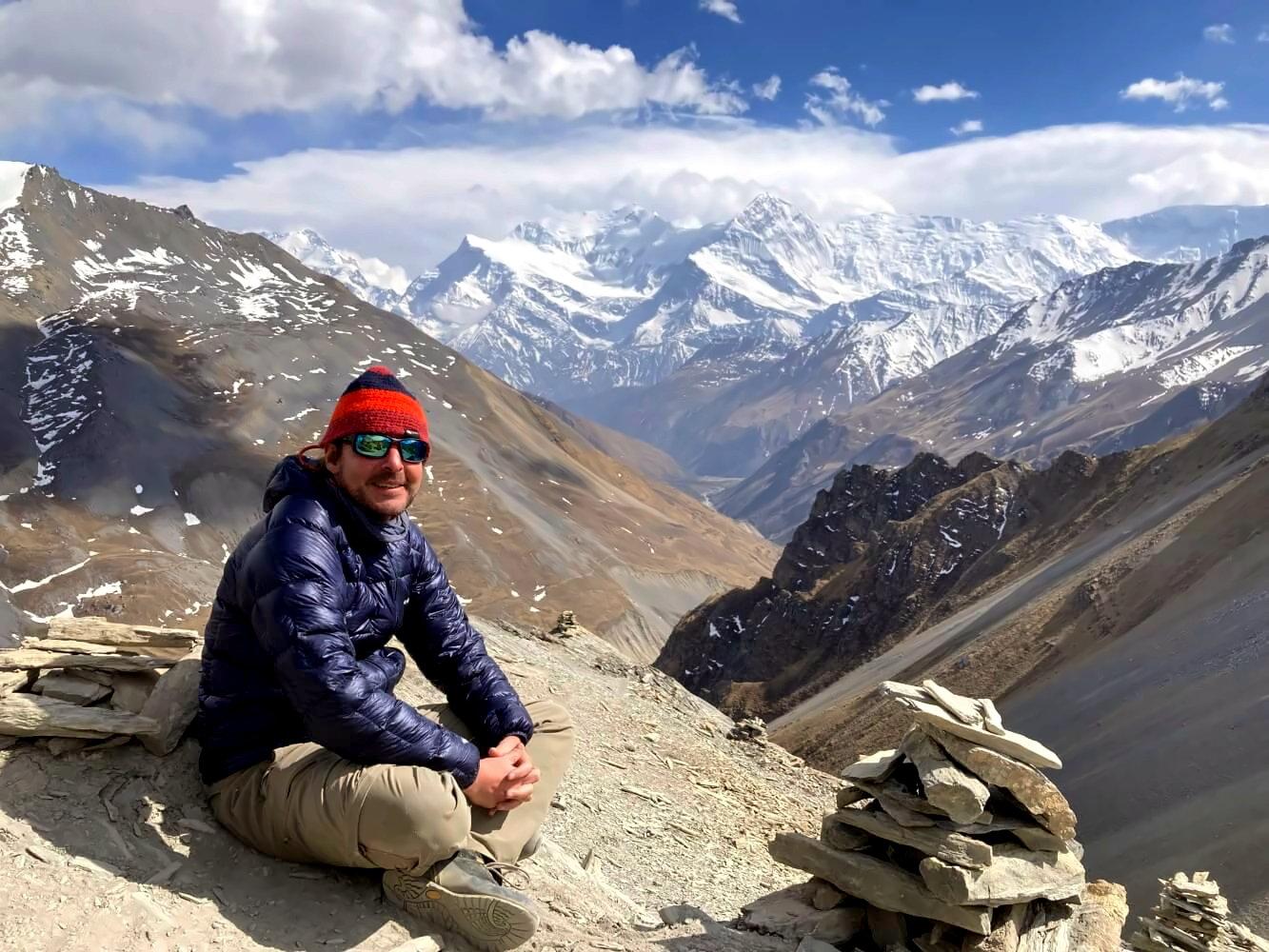
Independent trekking offers flexibility but increases personal responsibility.
Independent trekking reduces costs and offers schedule flexibility. However, trekkers must manage navigation, health decisions, accommodation availability, and emergency response themselves.
Independent trekking requires confidence, experience, and discipline. It is not recommended for first-time high-altitude trekkers.
Guided Trekking: Pros and Cons
Guided trekking simplifies logistics and improves safety, particularly at higher elevations. Guides provide reassurance during acclimatization and weather-related decisions.
The main drawback is higher cost and reduced independence. However, many trekkers find the benefits outweigh the limitations.
Typical Budget Ranges (Excluding International Flights)
While costs vary, a realistic estimate for the Annapurna Circuit trek is:
- Independent trekking: moderate daily expenses over 12–18 days
- Guided trekking: higher daily cost including guide fees
- Fully organized packages: higher upfront cost with predictable expenses
Underbudgeting often leads to rushed itineraries or discomfort.
Money Handling on the Trail
There are no ATMs once the trek begins. Trekkers must carry sufficient cash for the entire route.
Nepali currency is used throughout the region. Large bills can be difficult to change in smaller villages.
9. Culture, Etiquette, Responsible Trekking, and Final Assessment
4
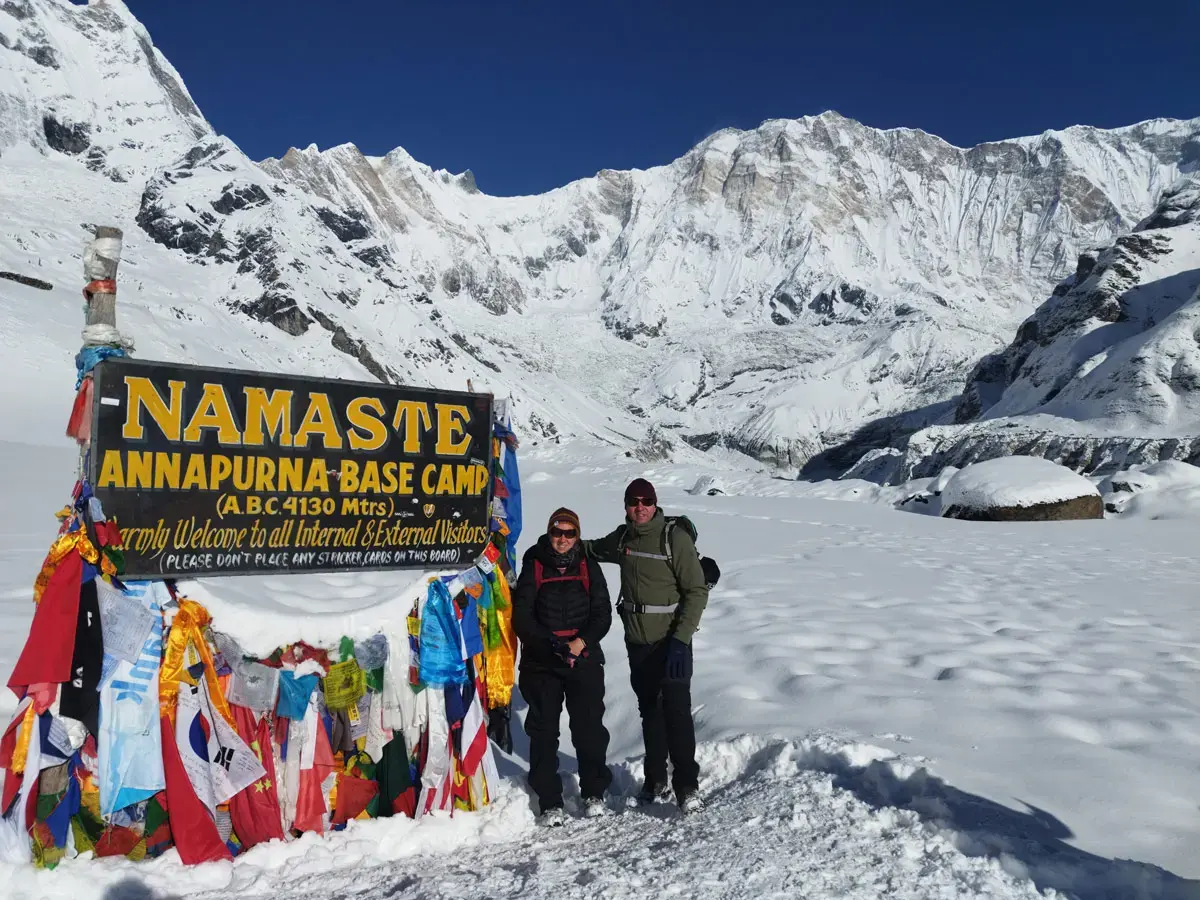
The Annapurna Circuit is not only a mountain journey but a passage through living cultures shaped by geography and faith.
Introduction: More Than a Physical Journey
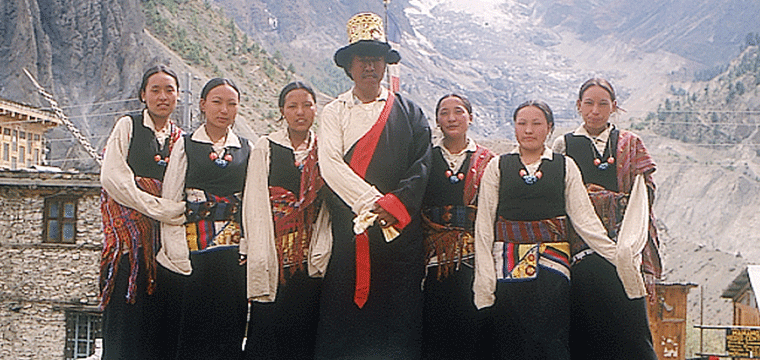
The Annapurna Circuit is often remembered for its landscapes and the crossing of Thorong La Pass , but its deeper value lies in the human dimension. The trek passes through communities that have adapted to life in extreme environments for centuries. Respecting these cultures is as important as physical preparation.
Understanding local customs improves interaction, reduces conflict, and preserves the character of the trail for future trekkers.
Cultural Landscape of the Annapurna Circuit
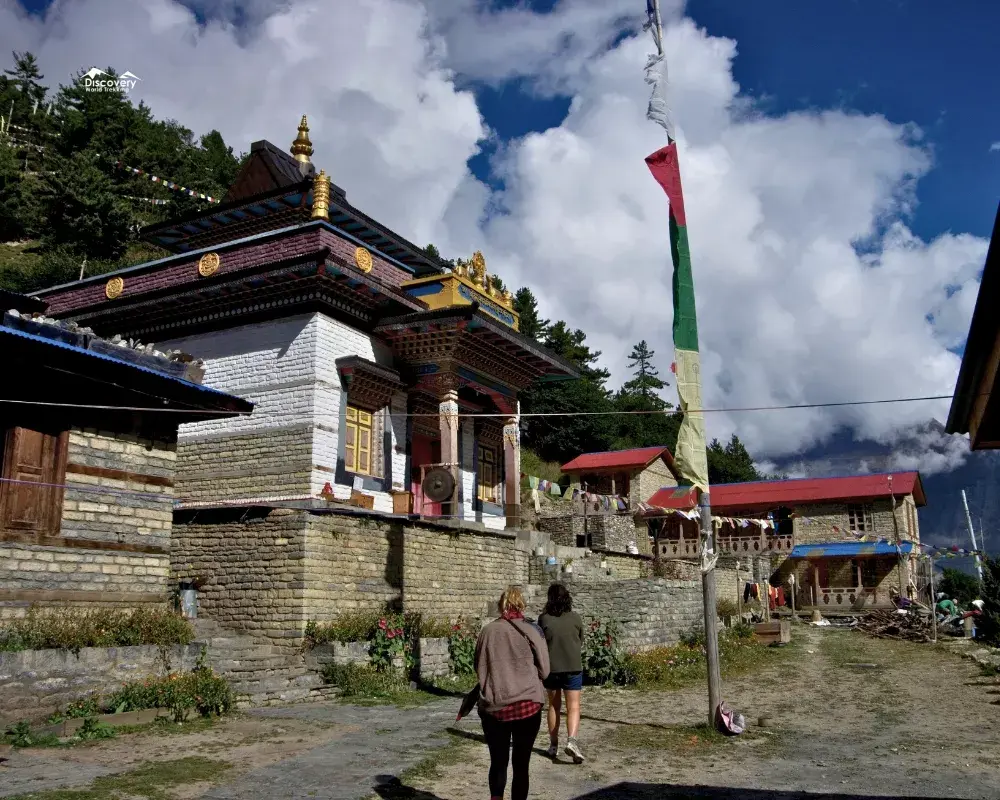
The circuit transitions from Hindu lowlands to Tibetan-influenced Buddhist highlands.
The lower sections of the circuit are predominantly Hindu, with terraced farming villages along the Marsyangdi River. As altitude increases beyond Chame and Pisang, Tibetan Buddhist culture becomes dominant. Prayer flags, mani walls, monasteries, and chortens appear frequently.
Villages such as Manang and Muktinath reflect strong cultural ties with the Tibetan plateau, shaped by trade routes and climate.
Religious Sites and Their Significance
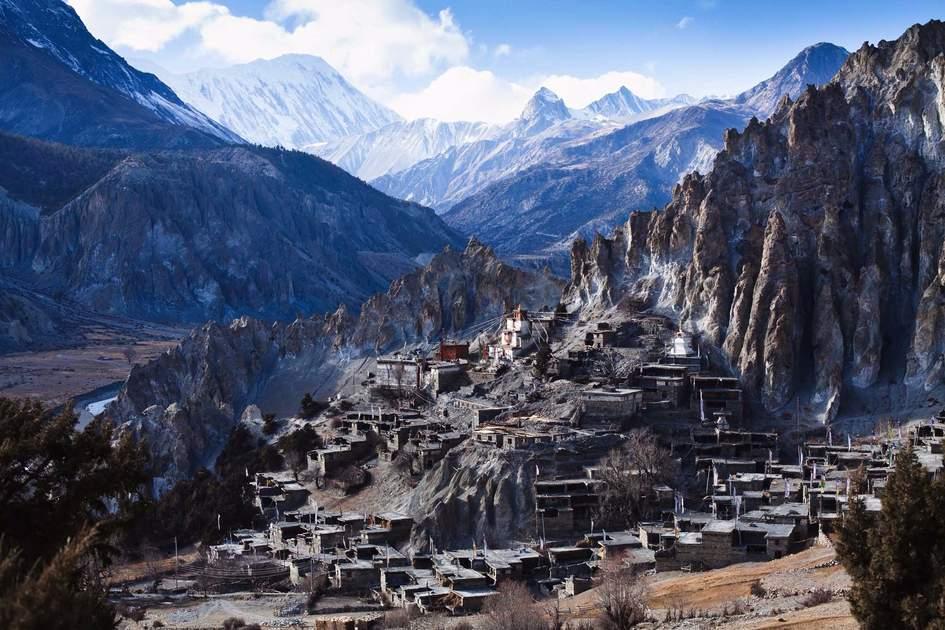
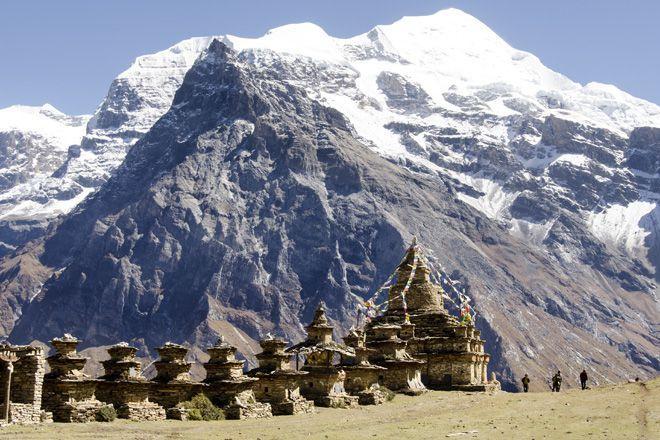
Several sacred sites along the route are actively used by pilgrims, not just visited by trekkers.
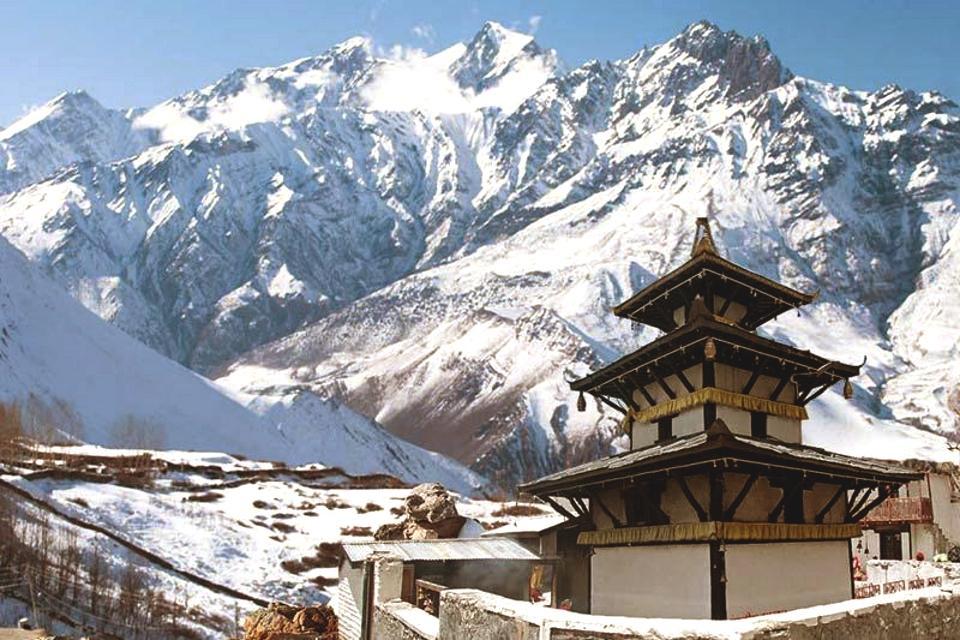
Muktinath is one of the most important pilgrimage destinations in Nepal, revered by both Hindus and Buddhists. Trekkers should be mindful that this is a place of worship, not a tourist attraction.
Braga Monastery near Manang is another culturally significant site, offering insight into Buddhist monastic life in high-altitude regions.
Basic Etiquette for Trekkers
Respectful behavior is simple but essential. When passing religious structures such as mani walls or chortens, trekkers should walk clockwise. Shoes should be removed before entering monasteries or homes.
Photography should always be respectful. Asking permission before photographing people, particularly elders or monks, is considered polite.
Public displays of affection are uncommon and should be avoided in villages.
Interaction with Local Communities
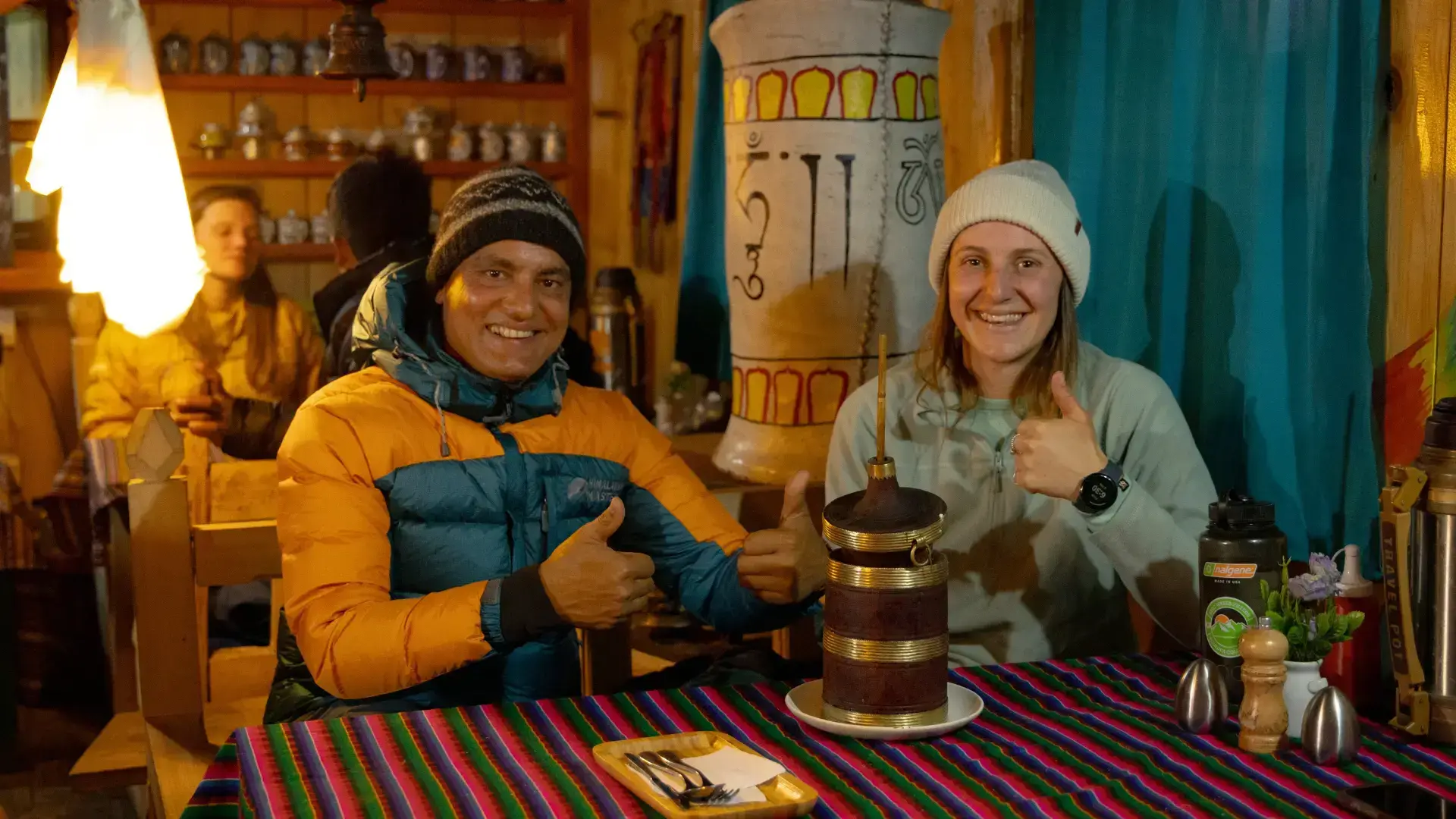
Teahouse trekking relies on mutual respect between hosts and trekkers.
Teahouse owners and staff work long seasons under challenging conditions. Patience and courtesy go a long way, especially during busy periods or bad weather.
Simple gestures such as greeting hosts, thanking kitchen staff, and following lodge rules contribute positively to the trekking experience.
Environmental Responsibility on the Annapurna Circuit
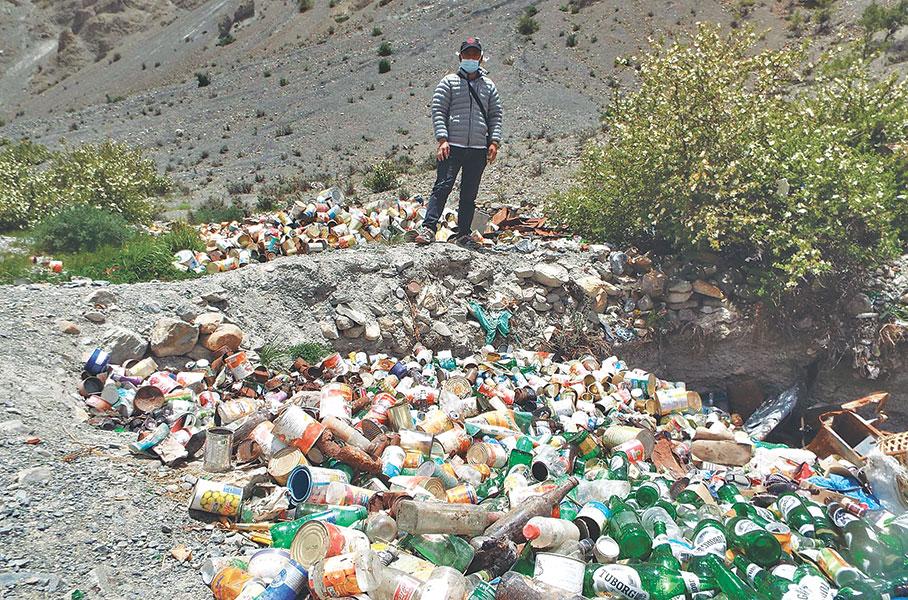
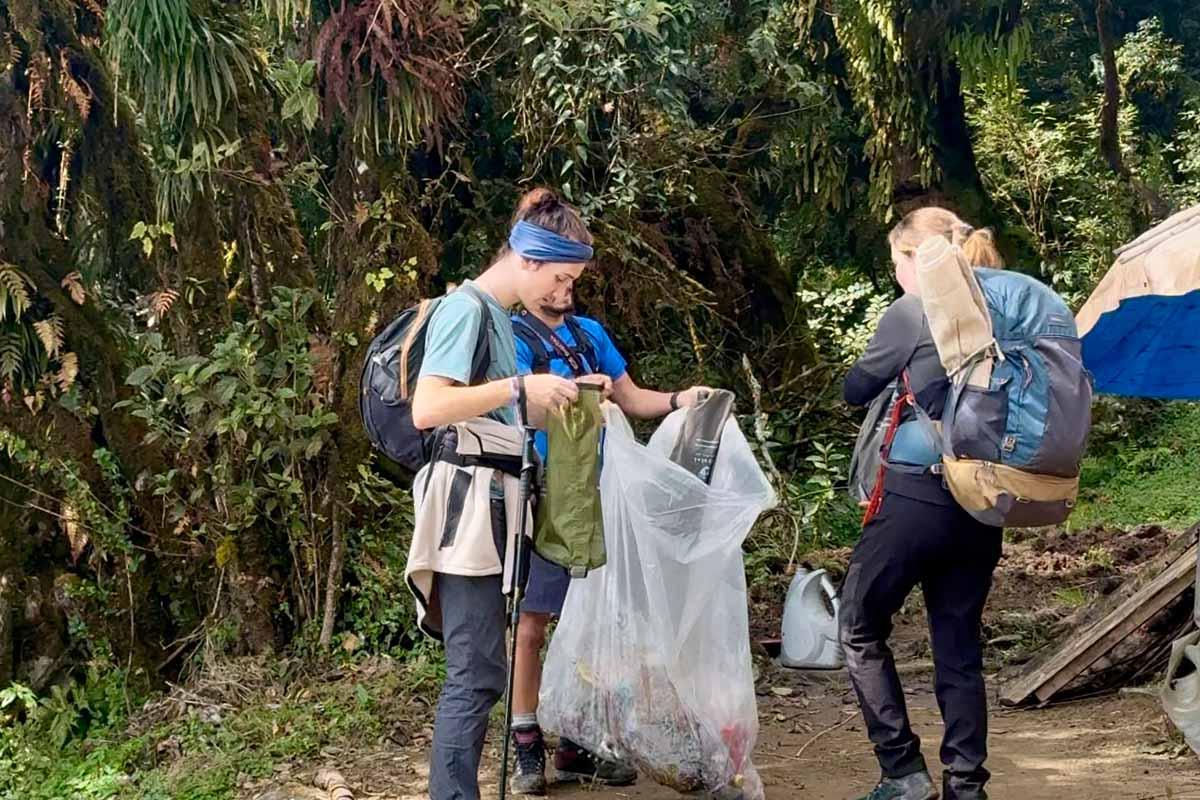
Environmental pressure on the Annapurna region has increased with trekking popularity.
The Annapurna Conservation Area faces growing environmental challenges. Waste management, deforestation, and water contamination are ongoing concerns.
Trekkers are expected to minimize plastic use, carry out non-biodegradable waste, and use refillable water bottles with purification systems. Responsible behavior directly affects trail sustainability.
Supporting the Local Economy Ethically
Hiring local guides and porters, staying in locally owned lodges, and purchasing goods from village shops helps distribute trekking income more fairly.
Ethical trekking is not about charity, but about fair exchange and respect for labor.
How the Annapurna Circuit Has Changed
Road construction has altered sections of the original trail, particularly in the lower valleys. While this has improved local access, it has also changed the trekking experience.
Despite these changes, the core of the Annapurna Circuit—its cultural diversity, altitude challenge, and dramatic landscapes—remains intact for those who plan carefully.
Final Professional Assessment
The Annapurna Circuit remains one of the most complete long-distance treks in the world. It offers a rare combination of cultural immersion, environmental diversity, and high-altitude challenge without requiring technical climbing skills.
It is best suited for trekkers who value process over speed, cultural understanding over checklists, and adaptability over rigid schedules.
Those who approach the trek with patience, preparation, and respect often describe it as a defining travel experience rather than simply a hike.
(Image credit: Wikimedia Commons,Alamy)

![K2 Base Camp Trek: Ultimate Guide k2 Trek 2026 [UPDATED]](https://karakoramdiaries.com/storage/ultimate-guide-to-k2-base-camp-trek-full-document-150x150.png)