Andrew Skurka The Great Western Loop (11,000 km on foot)
1. The Decision to Walk a Continent

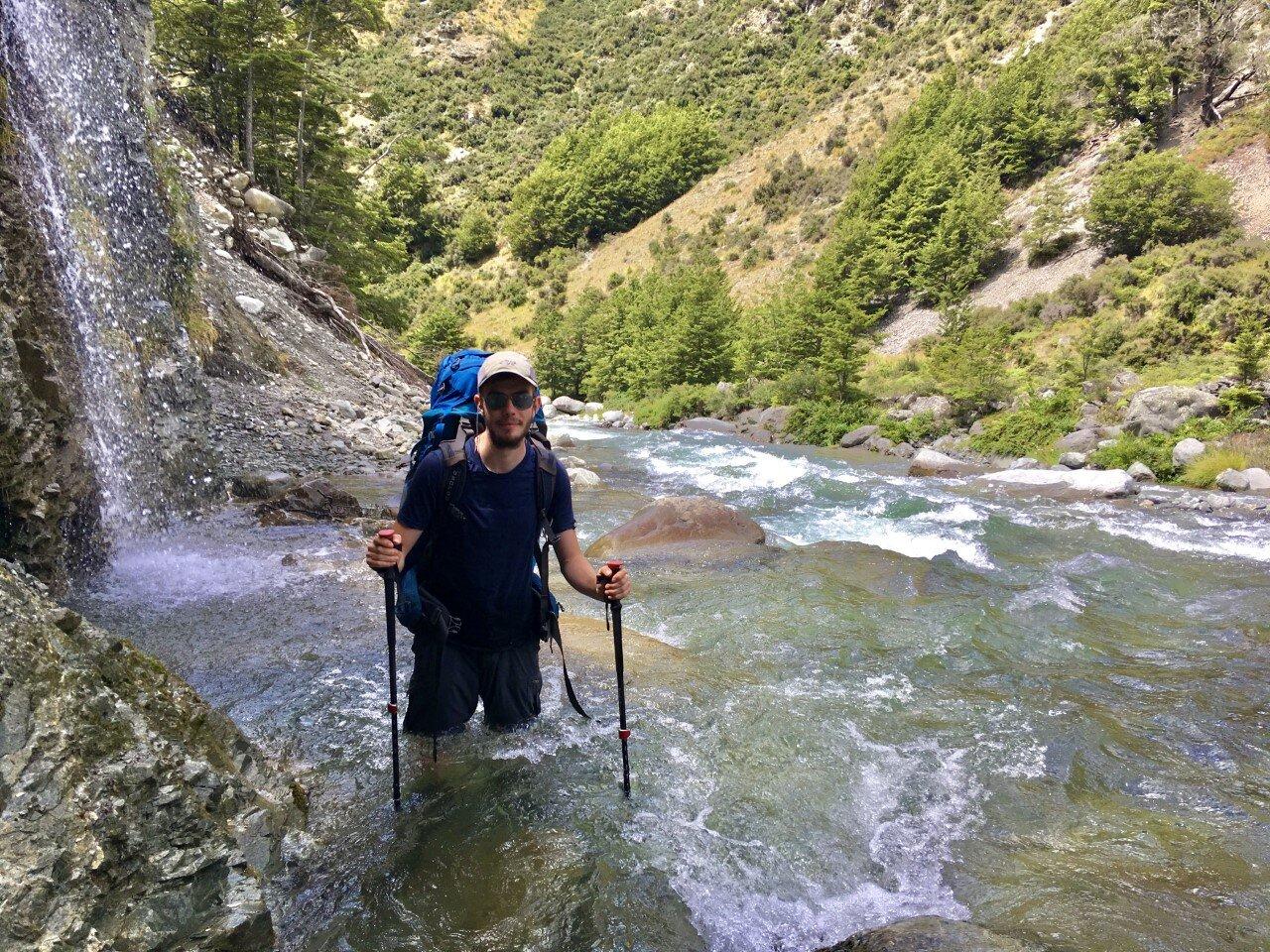
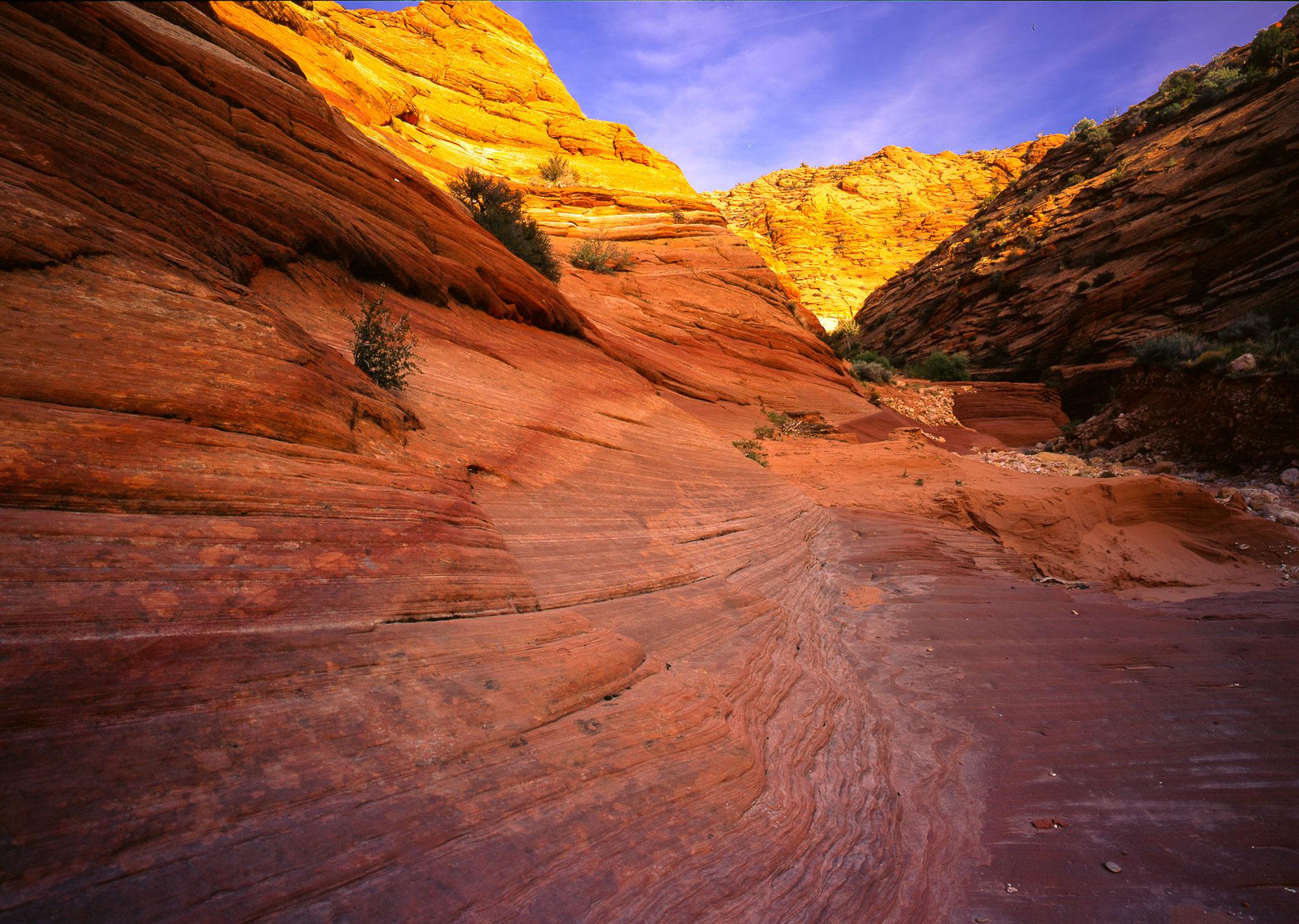
Caption: The kinds of landscapes Andrew Skurka would link together on a single continuous foot journey.
In 2007, Andrew Skurka did not set out to “break a record.” He set out to answer a question: Is it possible to connect the greatest wilderness areas of the United States into one continuous trek on foot?
Most hikers complete one famous trail at a time — the Pacific Crest Trail, the Continental Divide Trail, or sections of the Grand Canyon. Skurka planned something different. He drew a giant loop on the map linking all of them into a single, uninterrupted route. No vehicles between sections. No shortcuts. Just walking.
This meant months of carrying supplies, mailing food boxes to small towns ahead, studying maps for weeks, and planning routes through areas with no trails at all. Some sections would follow established paths; others would be pure navigation through wilderness where no marked route existed.
When he took his first steps, he was not starting a hike. He was starting a continental-scale trek.
The early days moved through the Grand Canyon region, where heat, steep descents, and limited water forced careful timing. He walked during cooler hours, rested in shade, and learned quickly that desert trekking demands patience rather than speed.
Linking Famous Trails Into One Journey
As weeks passed, Skurka moved into the Sierra Nevada mountains. Granite peaks, cold rivers, and high passes replaced desert heat. Here he joined sections of the Pacific Crest Trail, but unlike most hikers, he was not finishing at the usual endpoints. He was simply passing through, because his destination was thousands of kilometers away.
Food became a constant concern. Every 5–7 days he needed to reach a small town where he had mailed himself supplies. Missing one pickup could mean running out of food in remote wilderness. Rain, snow at high altitude, swollen rivers, and wildlife encounters were routine parts of daily life.
Some days he walked 40 kilometers. Other days he was slowed by terrain so difficult that progress was painfully slow. The journey was not linear — it was shaped by geography.
The Rocky Mountains and Mental Fatigue
By the time he entered the Rocky Mountains, Skurka had already been walking for months. Physical endurance was no longer the biggest challenge. Mental fatigue began to appear. The routine of waking, walking, eating, and sleeping repeated without variation. There were long stretches without seeing another human.
Storms rolled across mountain ridges without warning. Trails disappeared under snow. River crossings required careful decision-making. Every mistake carried consequences because help was often days away.
Yet he continued because the journey had its own rhythm now. Stopping felt stranger than continuing.
Completing the Loop
After nearly seven months, Skurka returned to his starting region, having completed an 11,000 km loop entirely on foot. He had linked the most iconic trekking landscapes in America into one continuous path — something no one had documented at that scale before.
His story is powerful for trekkers because it is not about one mountain, one trail, or one survival moment. It is about living on foot for months, navigating deserts, alpine passes, forests, and canyons as part of a single uninterrupted journey.
This is considered by many in the trekking community as one of the greatest long-distance hikes ever completed.
2. Sierra Granite, Snowfields, and Logistics
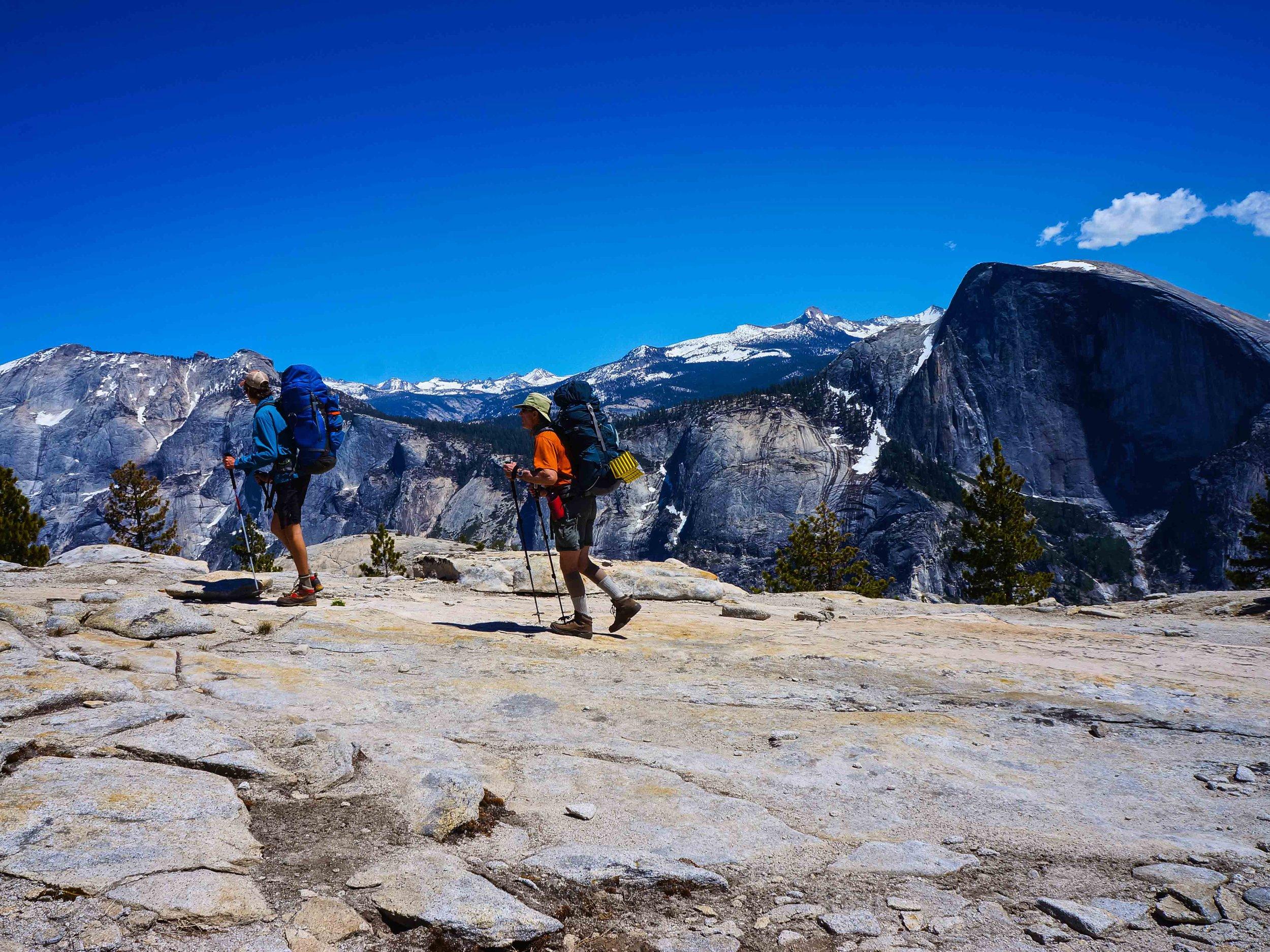
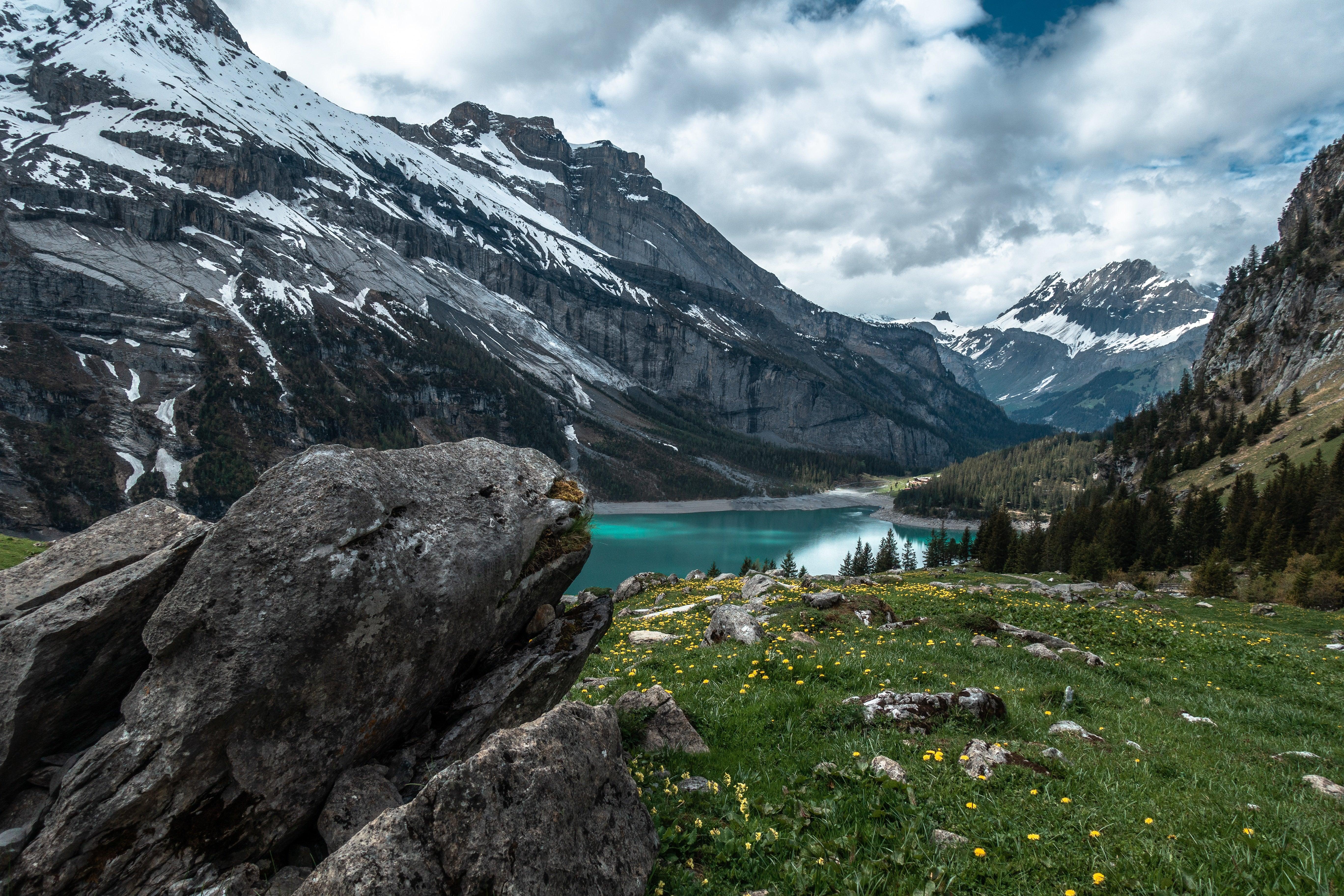
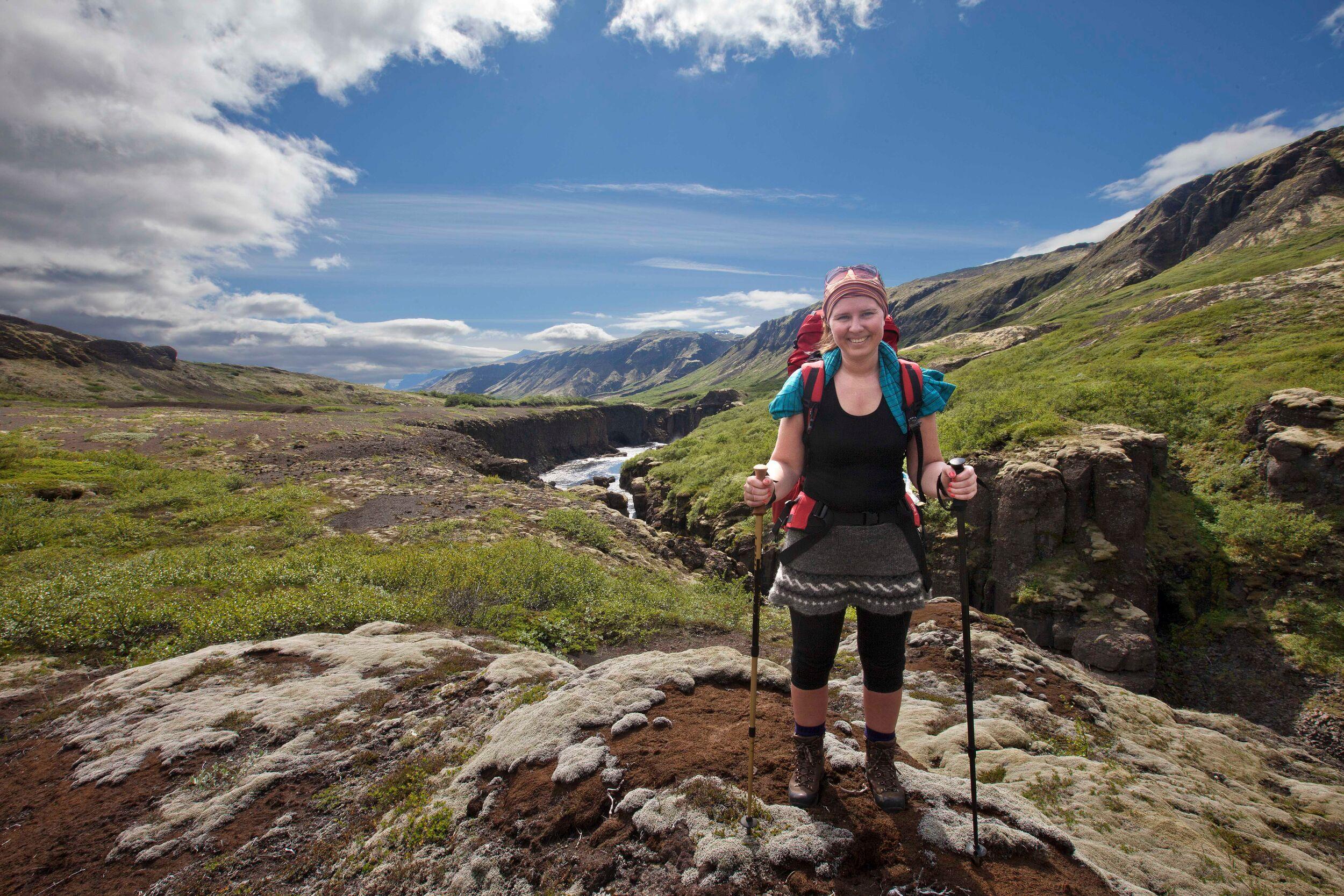
Caption: High Sierra terrain where granite, snow, and rivers dictate the day’s pace.
After the desert miles near the Grand Canyon, Andrew Skurka’s loop bent west into California’s Sierra Nevada. This section joined long stretches of the Pacific Crest Trail, but for Skurka it wasn’t a thru-hike with a defined end. It was a connector — one link in a continent-scale chain.
The Sierra changed the rules immediately. Heat and water scarcity were replaced by altitude, snowfields, and icy river crossings. Mornings started early to walk on firm snow before it softened. Afternoons were for careful descents on loose granite and scouting safe places to ford streams that swelled with meltwater.
Food, Maps, and Timing
What made this stretch uniquely stressful wasn’t just terrain — it was logistics.
Skurka had mailed food boxes to tiny post offices and stores weeks in advance. Each box was timed to his projected pace. If snow, storms, or slow travel delayed him too much, he risked arriving after a store closed for the weekend — or running short before the next pickup.
So every day had two tracks running in parallel:
- The physical track: passes, lakes, ridges, rivers
- The logistics track: miles to next resupply, calories left, weather window
He wasn’t just hiking; he was constantly calculating.
Moving Through the High Country
On paper, Sierra miles look straightforward. On foot, they aren’t. A 25 km day could shrink to 12 when:
- A pass was loaded with late-season snow
- A river required an hour of searching for a safe crossing
- A thunderstorm forced him to wait below treeline
There were days when the landscape was breathtaking — turquoise lakes under granite spires — and days when visibility dropped, wind cut through layers, and progress slowed to a crawl. Skurka often camped alone above treeline, choosing flat rock shelves where tents could be anchored against gusts.
The Mental Shift
By now, the journey had been going for weeks. The novelty had worn off. What replaced it was rhythm.
Wake. Walk. Filter water. Check map. Eat. Walk. Camp.
He began to think less about the total distance and more about micro-goals:
- Reach that pass
- Reach that lake
- Reach that resupply town
The Great Western Loop was too large to hold in mind all at once. Breaking it into daily problems made it manageable.
Exiting the Sierra
When Skurka finally dropped out of the high Sierra toward his next resupply, he had:
- Crossed multiple alpine passes
- Timed snow travel with precision
- Kept his food schedule intact despite delays
- Added another major wilderness to the loop
But the Sierra was only one piece. Ahead lay Idaho, Montana, and the long spine of the Rocky Mountains, where trails would thin out and navigation would get harder.
The loop was no longer an idea on a map. It was becoming a lived sequence of landscapes stitched together by foot.
3. The Rockies, Isolation, and Closing the Loop
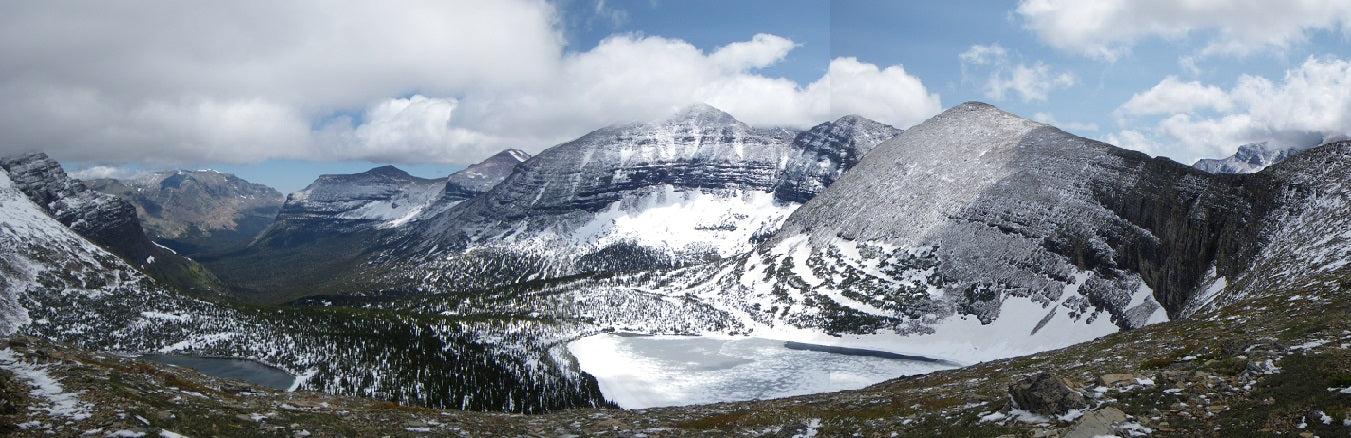
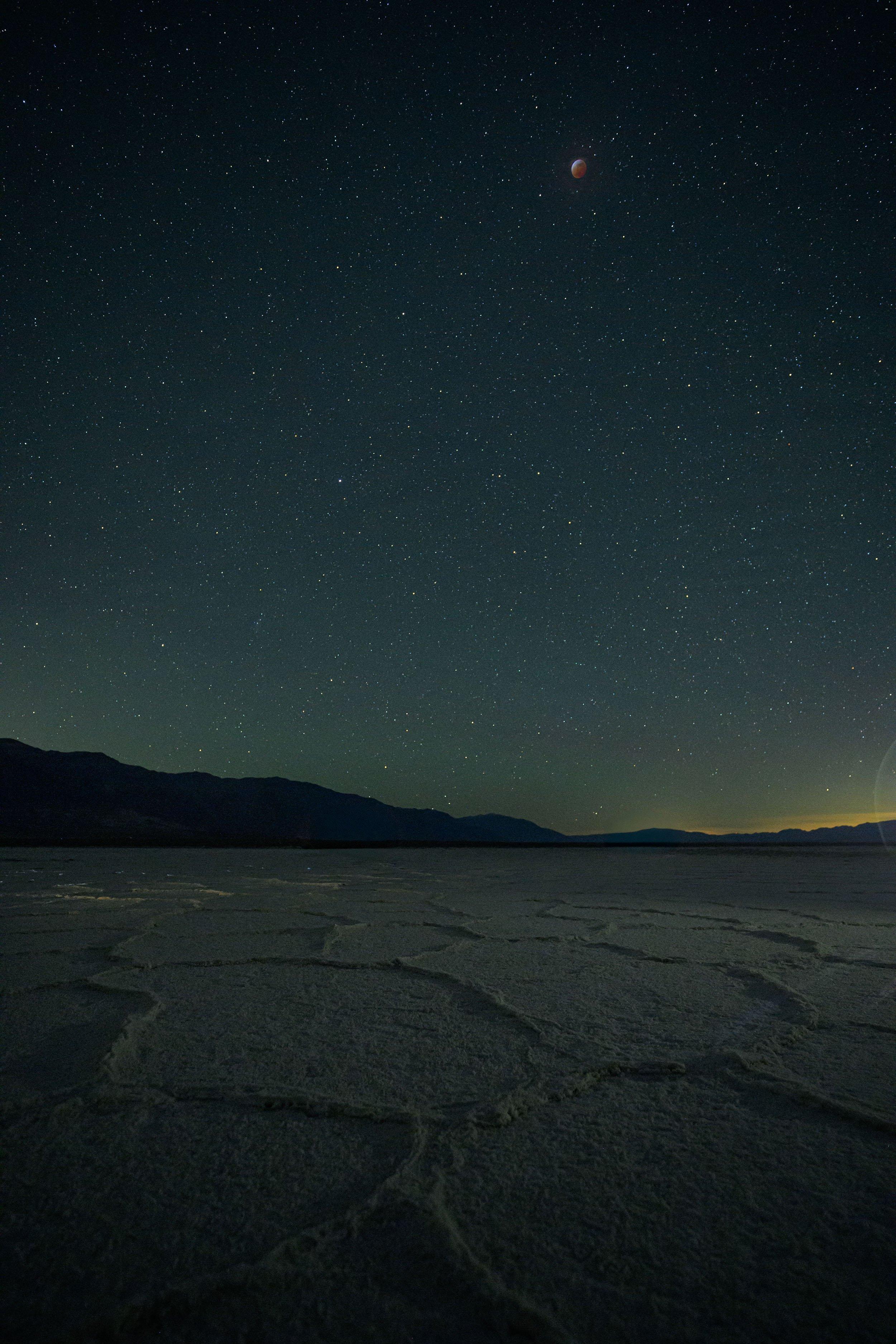
Caption: High ridgelines in the Rockies where weather and navigation decide the day.
Leaving the Sierra behind, Skurka angled northeast toward Idaho and Montana, gradually merging with long stretches of the Continental Divide Trail. Compared to the Pacific Crest Trail, the Divide felt wilder and less defined. In many places, the “trail” was only a suggestion on a map. On the ground, it was open country — meadows, ridges, forests — where navigation mattered more than footsteps.
Here, the challenge shifted again.
The Rockies brought frequent storms that built quickly in the afternoon. Mornings were calm and clear; by midday, clouds stacked high and thunder rolled across ridgelines. Skurka learned to move early, cross exposed sections before weather turned, and drop to safer elevations when lightning moved in. Some days ended short not because of fatigue, but because the sky said stop.
Long Stretches Without People
This section introduced a different kind of difficulty: extended isolation. There were days — sometimes a week — without seeing another person. No trail registers, no distant voices, no campsites with signs of recent use. Just wind in grass and the sound of boots on dirt.
With fewer defined paths, progress depended on reading terrain:
- Following natural contours instead of switchbacks
- Avoiding marshy basins that looked passable on maps
- Choosing ridgelines for visibility and firmer footing
Wildlife was more present here. Elk moved through valleys at dawn. Bear tracks appeared in mud near streams. Food storage and campsite choice became careful nightly decisions.
Wear and Tear
By now, months had passed. Shoes wore thin and were replaced in trail towns. Pack straps had been repaired more than once. The routine of resupply — walk in, collect box, eat a hot meal, walk out — felt automatic. Town stops were brief because comfort made it harder to leave again.
Fatigue was no longer dramatic. It was quiet and constant. Legs worked, but the mind needed reasons to keep going. Skurka focused on small targets: the next pass, the next valley, the next resupply.
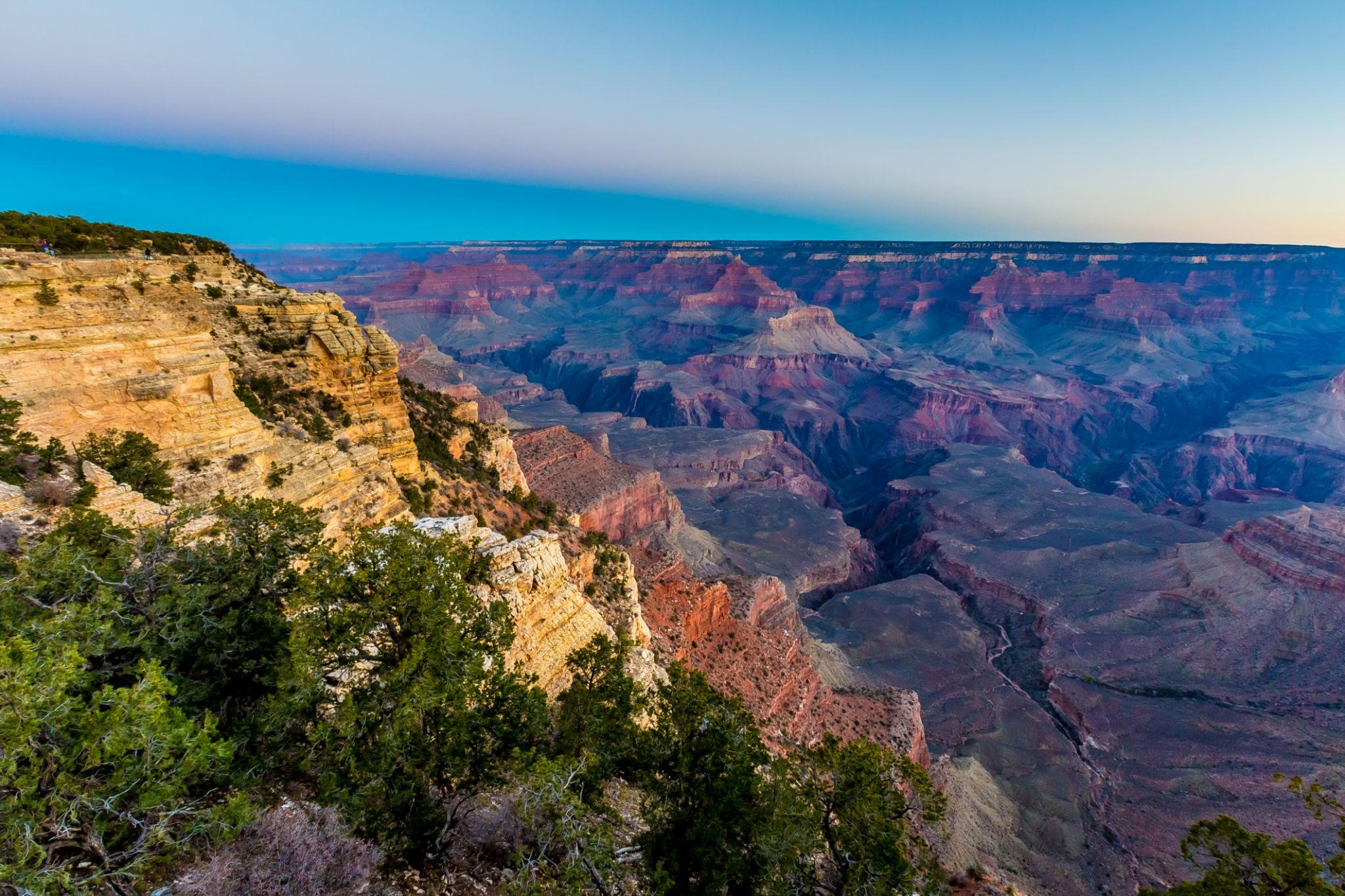
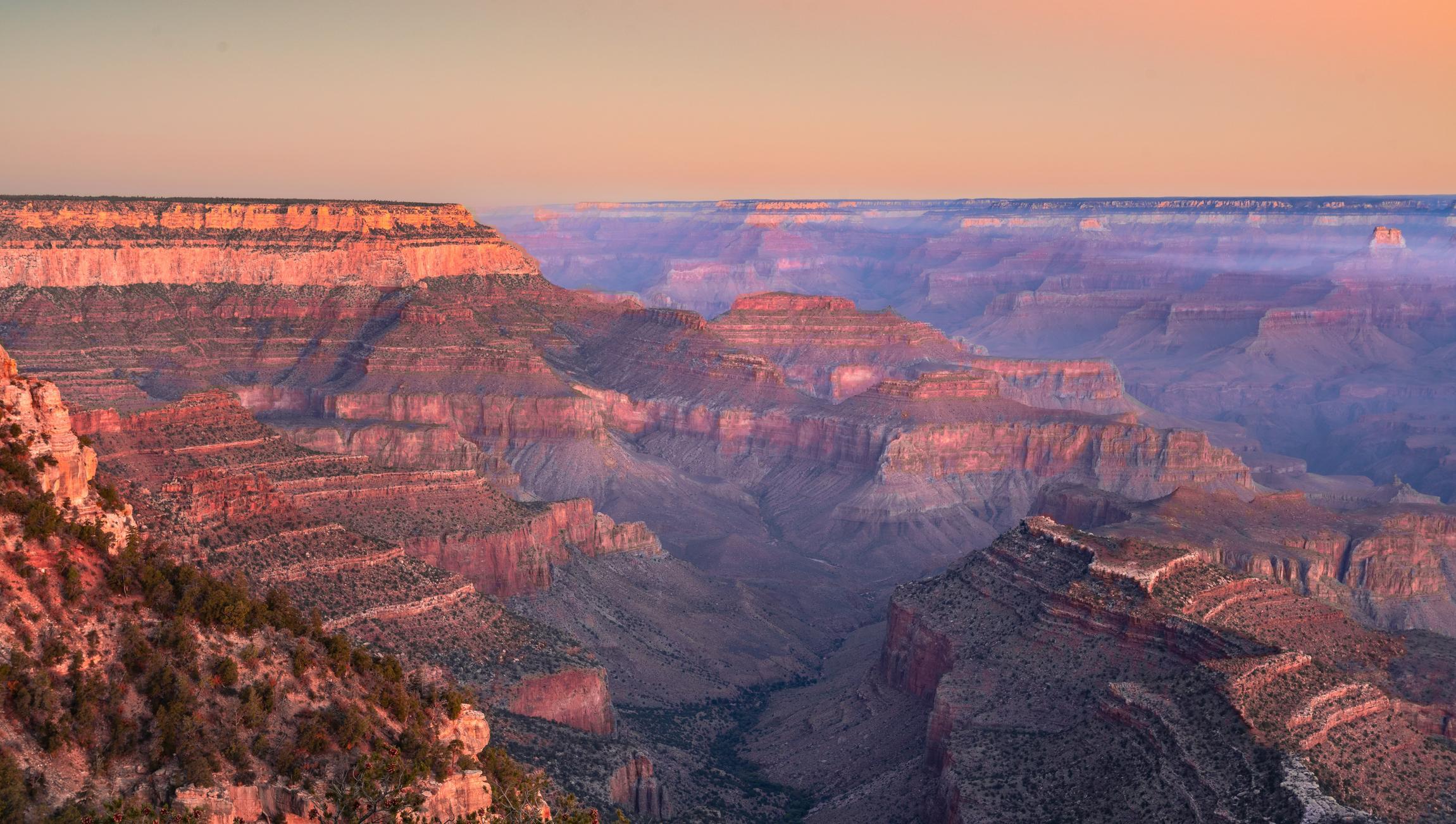
Caption: Canyon country where the loop gradually returned to its starting landscapes.
As summer turned toward fall, the route bent south and west, guiding him back toward the canyon country where the journey had begun. The terrain looked familiar — desert plateaus, carved cliffs, long dry stretches between water sources — but Skurka was not the same walker who had started months earlier.
He now carried the memory of thousands of kilometers across mountains, forests, and ridges. Navigation felt instinctive. Logistics felt routine. The scale of the loop, once overwhelming, had been reduced to a long chain of completed days.
Closing the Circle
When he finally re-entered the broader Grand Canyon region, the realization came quietly: the loop was nearly closed. There was no finish line, no crowd, no marker announcing completion. Just a map with lines that now connected in reality.
After roughly 7 months and about 11,000 kilometers on foot, Andrew Skurka had linked America’s most iconic wilderness areas into a single continuous trek. Not by speed, not by spectacle, but by consistency — day after day of walking, navigating, eating, sleeping, and repeating.
Why This Journey Matters in Trekking History
The Great Western Loop stands out because it wasn’t one famous trail. It was many — stitched together by wilderness navigation and patient logistics. It showed that long-distance trekking is not only about endurance, but about planning, adaptability, and mental steadiness over time.
For trekkers, Skurka’s journey is proof that the biggest challenges are rarely single dramatic moments. They are the accumulation of ordinary days handled well, over and over, until an extraordinary distance has been covered.
4. What Months on Foot Actually Change
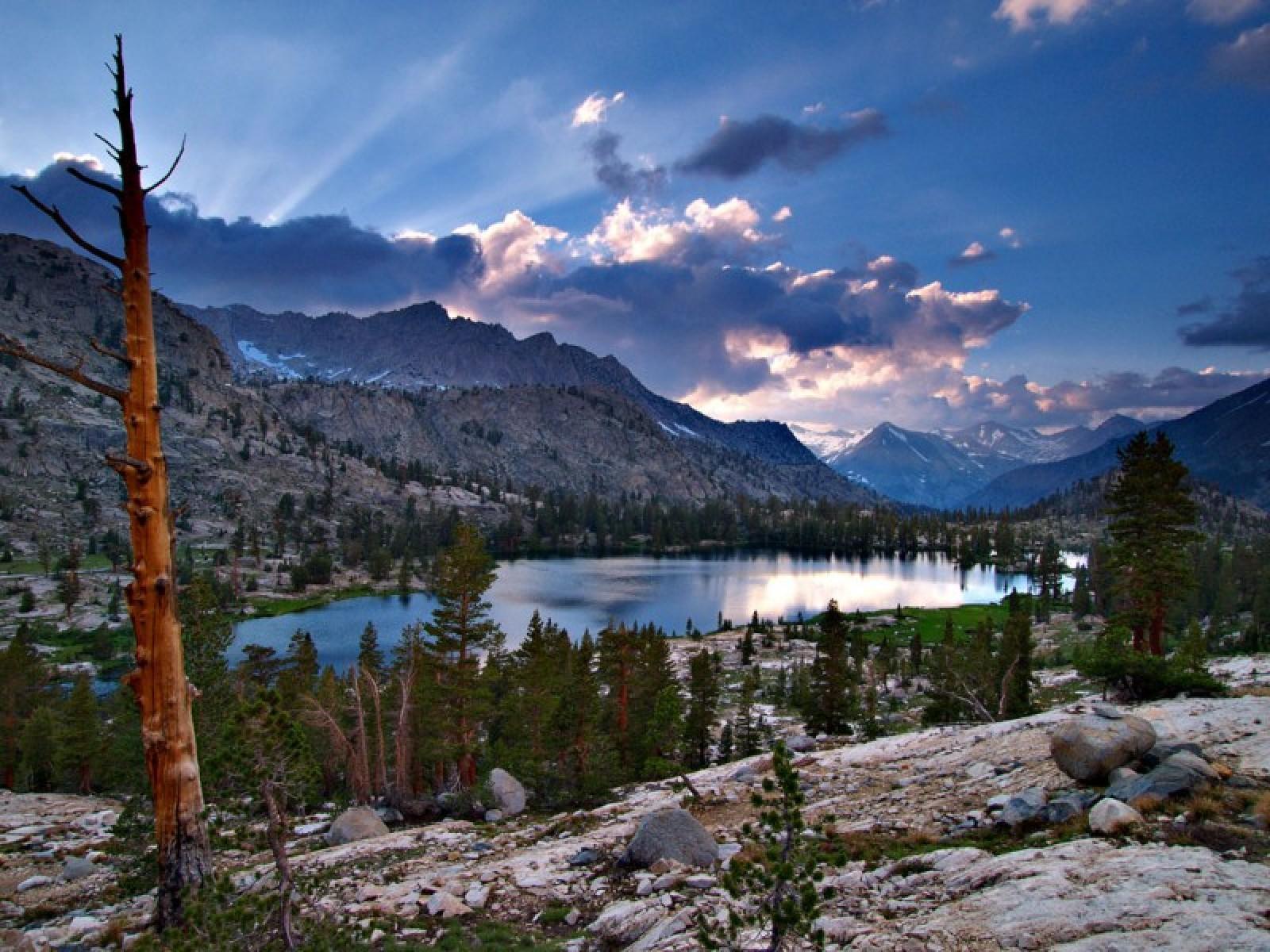
Caption: Long wilderness stretches where routine replaces novelty and walking becomes a way of living.
By the time Andrew Skurka closed the physical loop of his route, something less visible had also completed a cycle — his relationship with walking itself. In the early weeks, every landscape felt dramatic: canyons, granite peaks, alpine passes. Months later, scenery was still beautiful, but it no longer surprised him. What mattered was rhythm.
Wake up. Pack. Walk. Filter water. Walk. Eat. Walk. Camp. Sleep. Repeat.
This repetition, sustained for nearly seven months, changed the nature of the journey. The Great Western Loop stopped feeling like an expedition and started feeling like daily life conducted outdoors. Decisions that once required thought became automatic:
- How much water to carry for the next stretch
- Where to camp before weather turned
- How to read terrain without depending entirely on trail markers
- How to ration food without feeling deprived
The Mental Landscape
Long-distance trekking at this scale does not create constant excitement. It creates long periods of neutrality. There are no daily highs, no constant drama. Instead, there is space — space to think, to remember, to plan, and sometimes to feel nothing at all.
Skurka later described how mental fatigue differed from physical tiredness. Legs recover overnight. The mind, however, grows tired of decision-making. Every day requires choices about direction, pace, weather, safety, and logistics. Over time, he simplified everything. Fewer options meant less mental strain.
He stopped measuring progress in kilometers and started measuring it in good decisions made consistently.
Towns Feel Stranger Than Wilderness
One unexpected effect after months on foot was how unfamiliar towns began to feel. Resupply stops were necessary, but noisy streets, menus, and conversations felt overwhelming compared to the quiet predictability of trails. He would collect his food boxes, eat a large meal, and feel an unusual desire to leave quickly — to return to the clarity of walking.
Wilderness had become normal. Civilization felt temporary.
Caption: Landscapes that stop being destinations and start becoming daily surroundings.
What the Loop Proved
The Great Western Loop is remembered in trekking history not because of a single dangerous moment, but because of what it proved:
- That multiple iconic wilderness areas can be connected by foot with careful planning
- That navigation skills can replace reliance on marked trails
- That endurance is built from routine, not bursts of effort
- That long journeys are sustained by logistics as much as strength
For Skurka, the end of the loop did not feel like triumph. It felt like the quiet conclusion of a long habit. He had simply kept walking long enough for a massive line on a map to become real.
After the Walk
Returning to regular life required adjustment. Sleeping indoors felt strange. Not packing a backpack each morning felt unfamiliar. The scale of the journey was easier for others to admire than for him to explain, because for him it had unfolded as thousands of ordinary decisions made one after another.
That is why the story resonates with trekkers worldwide. It shows that extraordinary distances are not covered through heroics. They are covered through patience, preparation, and the willingness to repeat simple actions for a very long time.
Narrated by KarakoramDiaries

![K2 Base Camp Trek: Ultimate Guide k2 Trek 2026 [UPDATED]](https://karakoramdiaries.com/storage/ultimate-guide-to-k2-base-camp-trek-full-document-150x150.png)