Reinhold Messner Crossing Antarctica Without Machines
Expedition Quick Facts
- Explorer: Reinhold Messner
- Expedition: Crossing Antarctica Without Machines
- Year: 1989–1990
- Distance: ~2,800 km
- Duration: About 92 days
- Route: Ronne Ice Shelf to Ross Ice Shelf
- Method: Skis and sledges, no machines, no dogs
- Partner: Arved Fuchs
1. Planning to Enter the Most Empty Continent

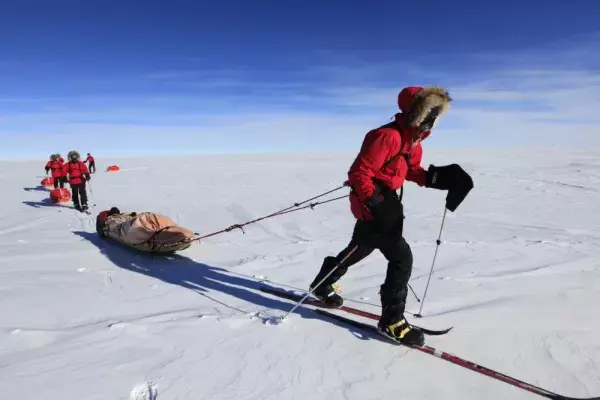
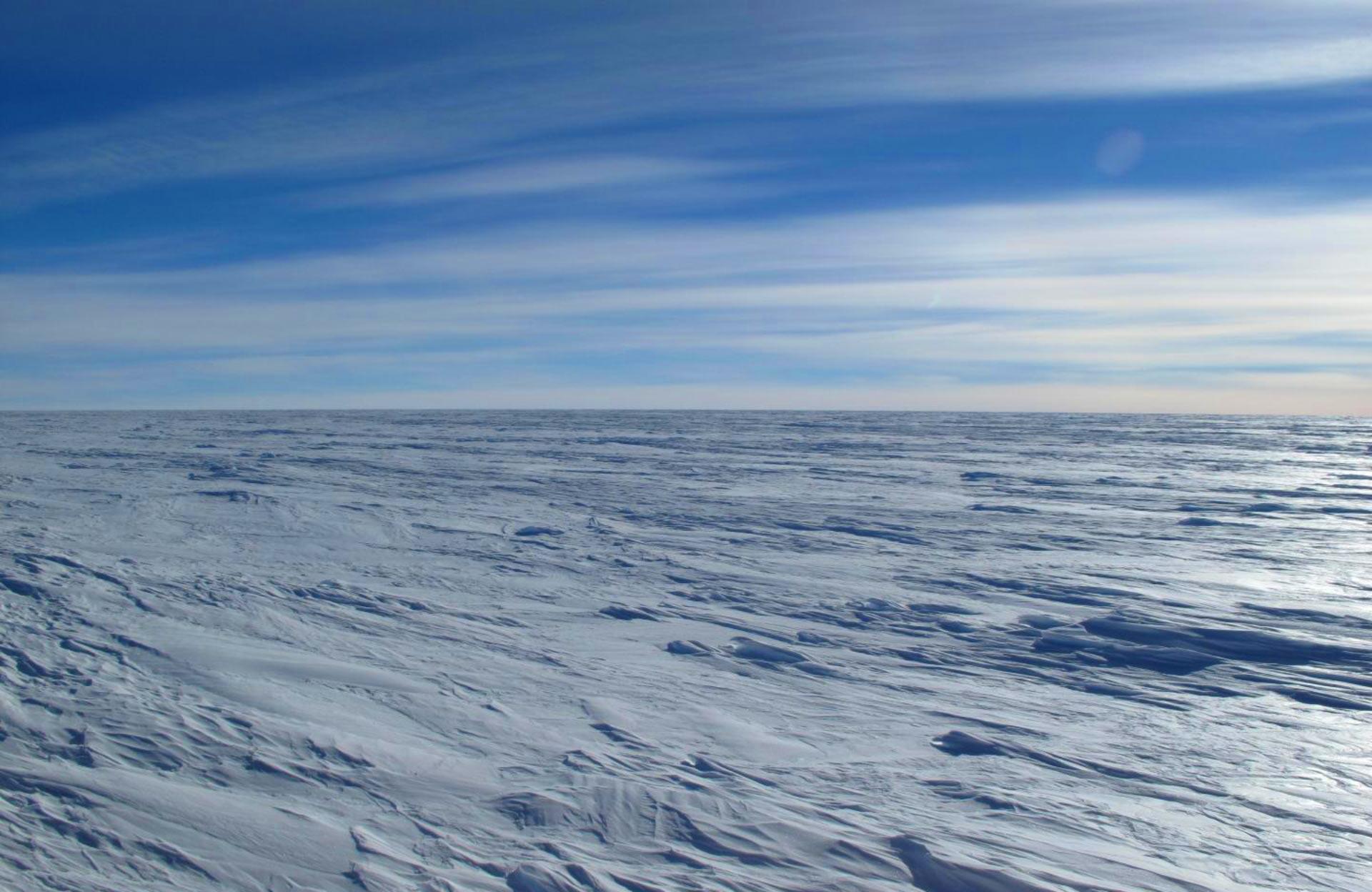
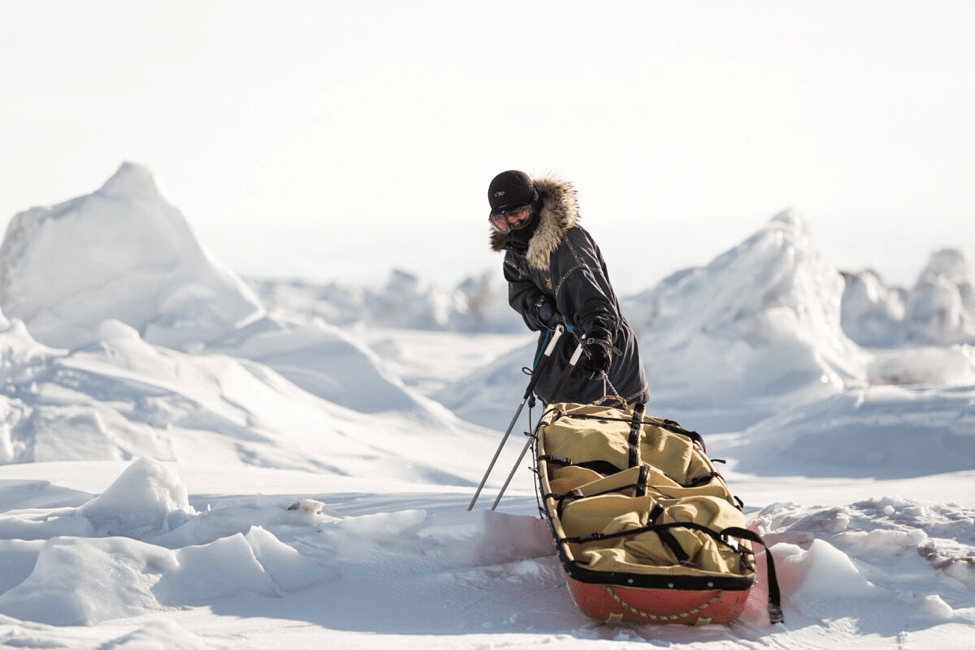
Caption: The Antarctic plateau, where every kilometer must be earned by pulling your own weight.
By the late 1980s, Reinhold Messner had already achieved what most mountaineers spend a lifetime chasing. He had climbed all fourteen 8,000-meter peaks without bottled oxygen. He had crossed deserts and mountains alone.
But Antarctica was different. There are no peaks to conquer in the traditional sense. No vertical drama. No summit photos that capture scale.
Antarctica is horizontal.
The idea was simple in description and brutal in execution: cross the entire continent on foot and skis, pulling sledges, without mechanized transport and without dog teams.
Every calorie, every piece of fuel, every spare glove had to be accounted for before departure.
The distance would stretch roughly 2,800 kilometers depending on route adjustments. Temperatures could fall below minus 40 degrees Celsius. Winds across the plateau regularly exceed 100 kilometers per hour.
There are no villages, no resupply points, and no emergency shelters along the route.
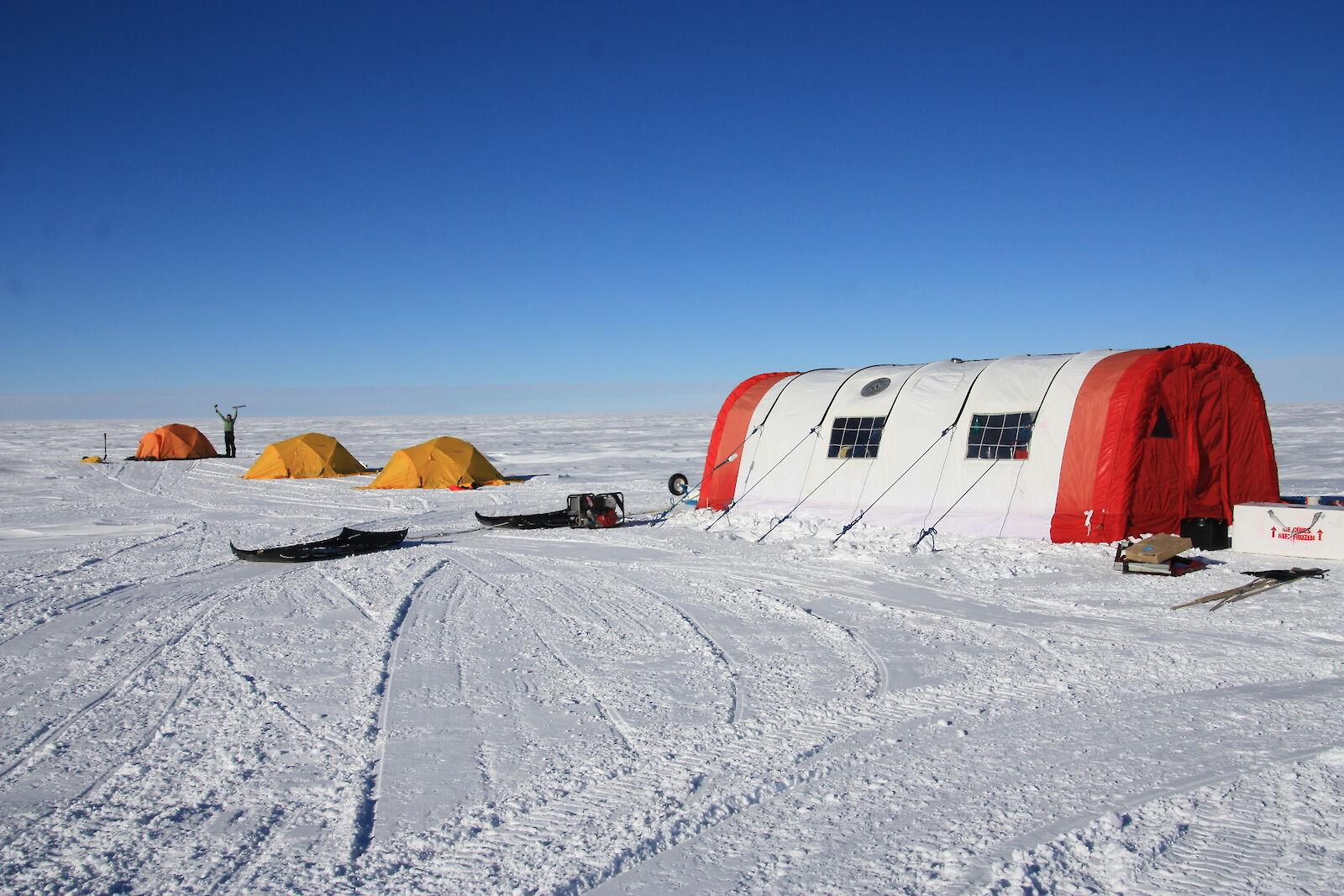
Messner and his partner Arved Fuchs spent months preparing equipment. Sledges were reinforced. Food was rationed by calorie density. Tents were chosen for wind resistance rather than comfort.
Even minor equipment failure in Antarctica can become fatal because repair options are limited.
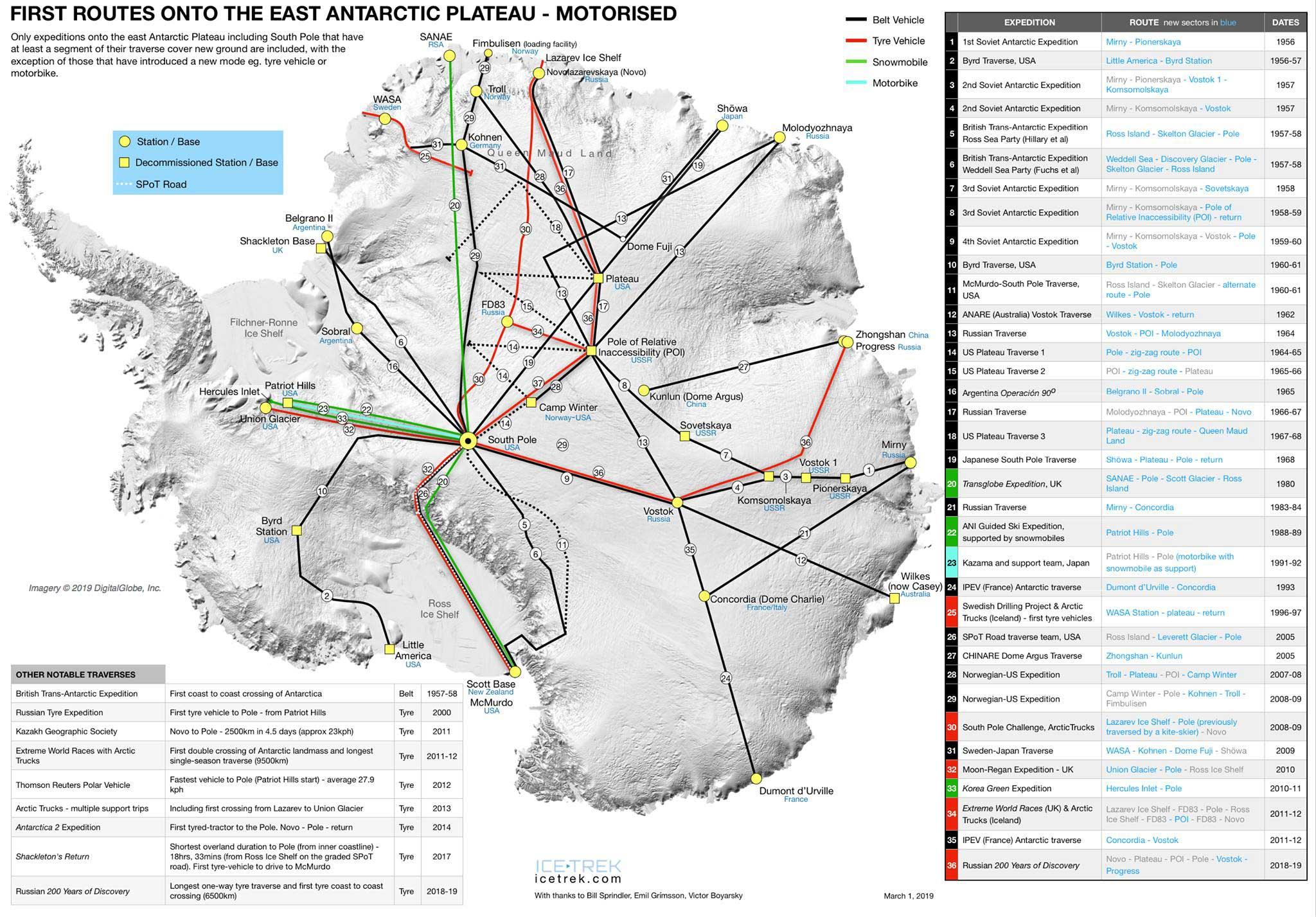
They would begin at the Ronne Ice Shelf and travel toward the Ross Ice Shelf, cutting a path across the interior plateau.
Before departure, Messner made one thing clear in interviews. This was not a race. It was about proving that human-powered exploration was still possible.
The First Weeks on the Ice
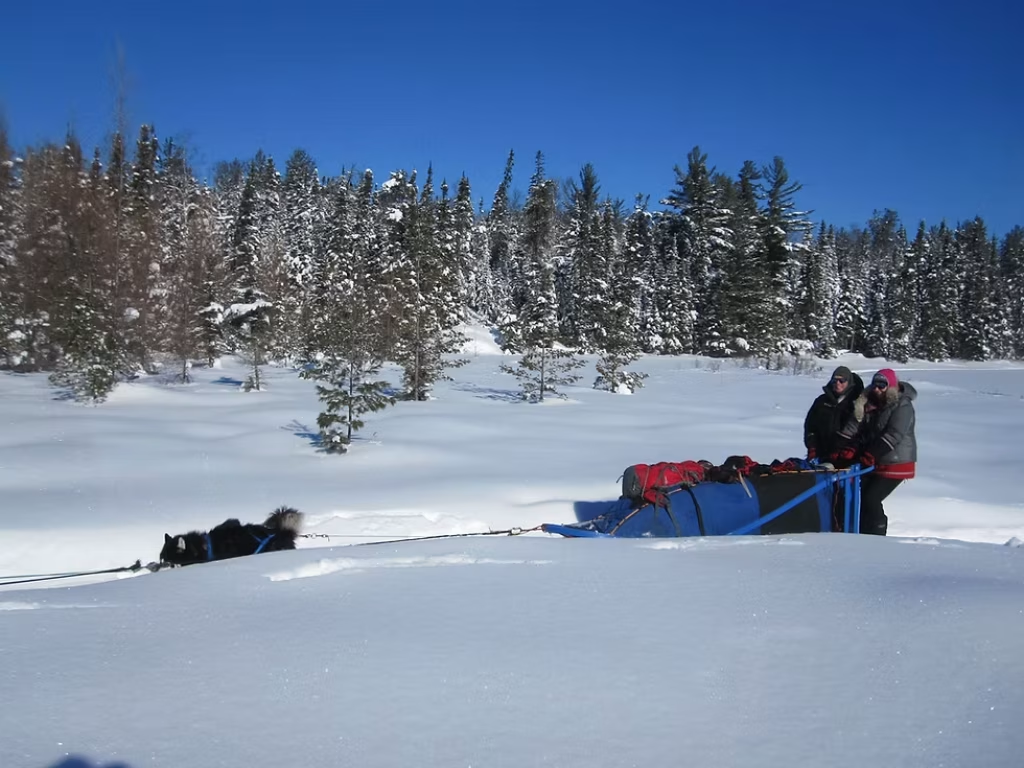
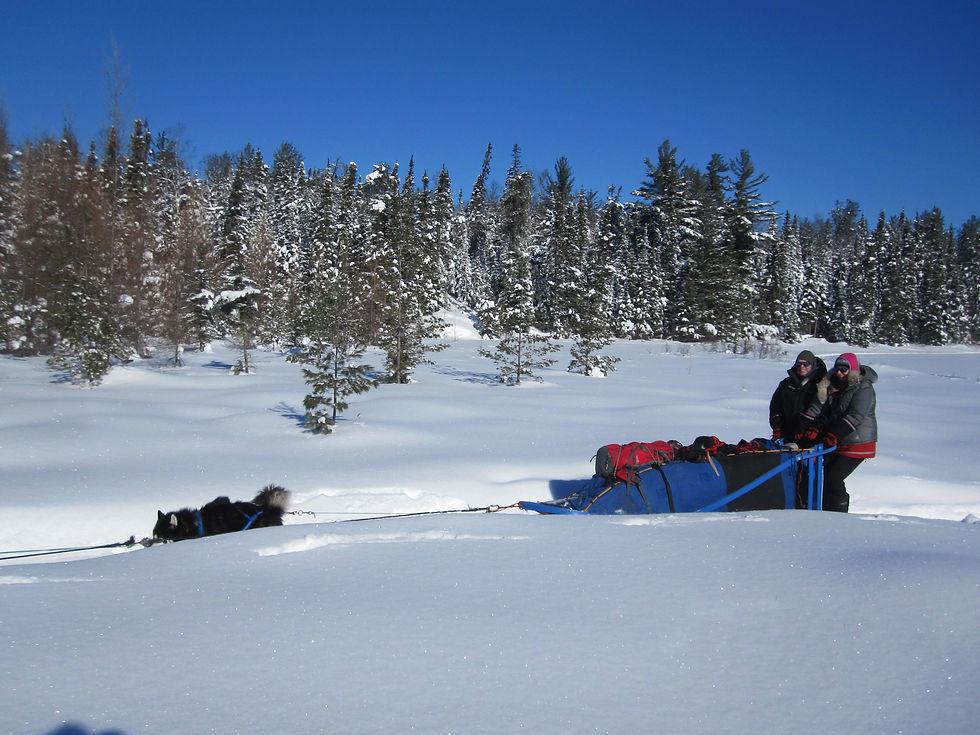
The first days felt manageable. Near the coast, temperatures were severe but tolerable. The sledges were heavy, close to 100 kilograms each when fully loaded.
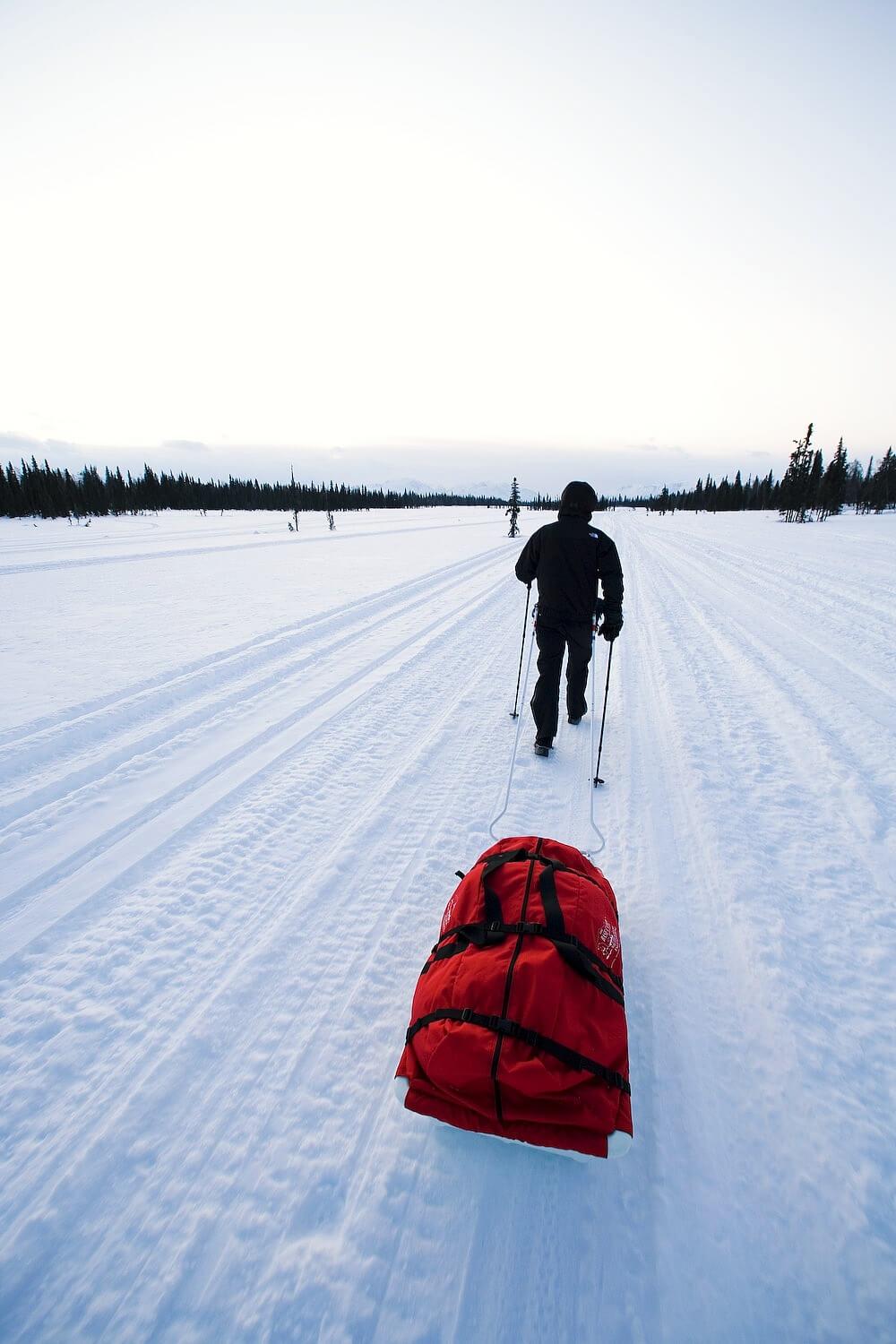
Harnessed to the waist, every step required pulling resistance across snow that was rarely smooth.
Antarctic travel is not visually dramatic at ground level. There are no trees, no rocks, and very little variation in color.
White ground meets white sky. Depth perception becomes unreliable. Distances are difficult to judge.
Each morning followed a strict pattern:
- Wake before the wind strengthened
- Light the stove carefully inside the tent vestibule
- Melt snow for drinking water
- Pack sleeping gear while fingers slowly lost warmth
- Attach harness and begin pulling
Movement was steady but slow. Five to eight hours of hauling each day, broken into timed intervals.
Rest breaks had to be short because standing still in extreme cold drains heat rapidly.
After the first week small physical problems began appearing. Minor frostbite on exposed skin. Numbness in fingers. Shoulders sore from harness pressure.
Feet remained constantly damp from condensation inside boots.
None of it was dramatic. All of it accumulated.
Entering the Interior Plateau
As they moved farther inland elevation increased gradually. Antarctica does not feel like climbing because slopes are gentle, but the continent rises to over 3,000 meters above sea level.
Thin air combined with cold increased fatigue.
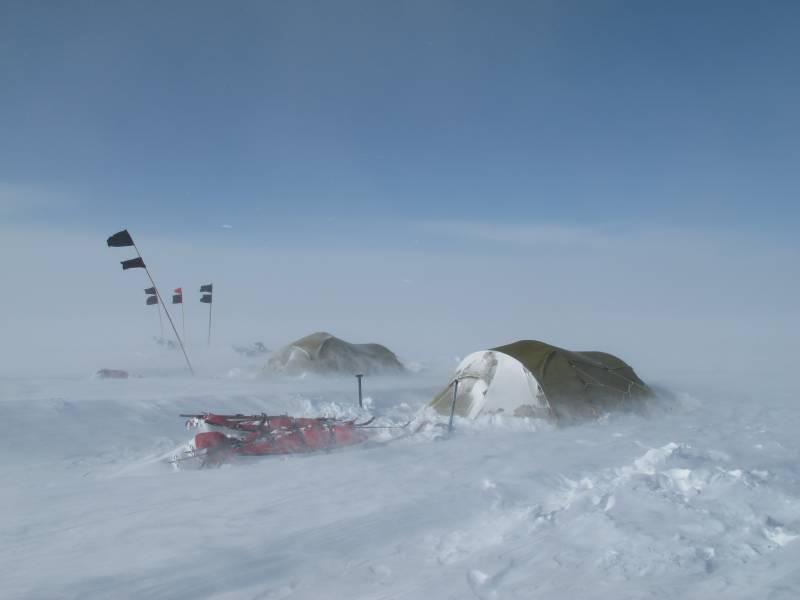
Storms arrived without warning. Whiteout conditions erased the horizon entirely. Navigation depended on compass bearings and instinct.
Walking in a whiteout feels like moving through empty space. There is no shadow and no contrast.
On storm days they stayed inside the tent listening to fabric snap under wind pressure. Waiting consumed food supplies, but moving blindly risked disorientation.
Messner later described the plateau as mentally heavier than any mountain face. Mountains present visible danger. Antarctica offers monotony and long exposure.
After several weeks routine replaced anticipation. The crossing became daily labor.
Pull. Step. Breathe. Repeat.
And they were still only a fraction of the way across.
2. The Long Middle – Wind, Altitude, and Isolation
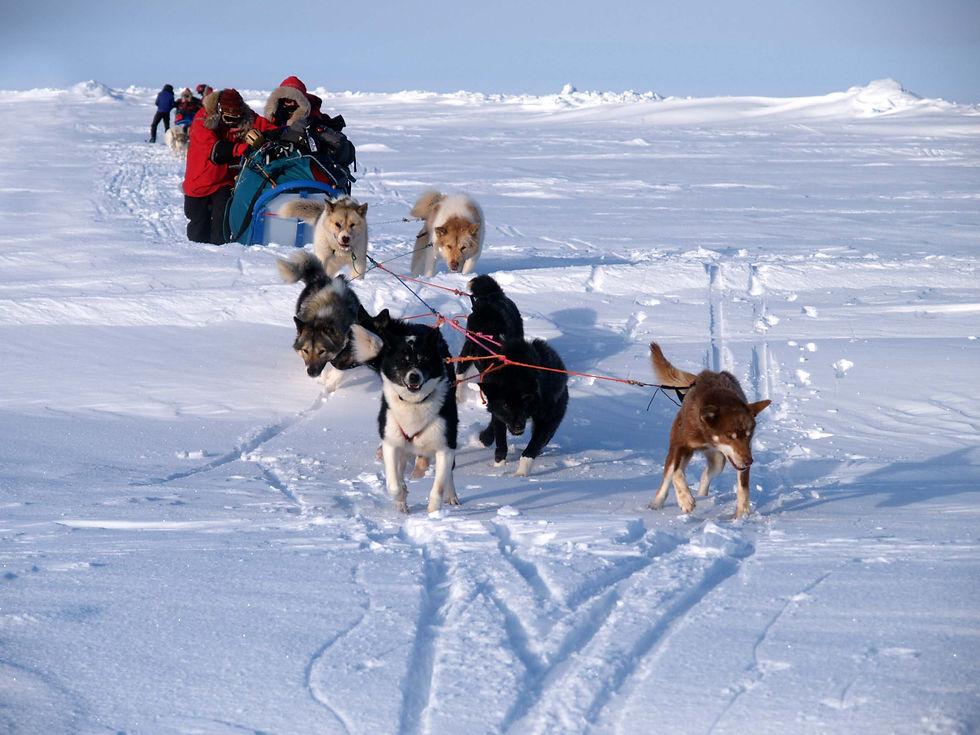
Caption: Weeks into the crossing, the landscape rarely changed, but the strain steadily increased.
By the time Messner and Arved Fuchs had been traveling for several weeks the novelty of the expedition had disappeared completely.
Antarctica had reduced itself to a daily equation of distance, fuel, and food.
They had entered the high interior plateau. The slope upward was gradual but the altitude was real. Breathing became heavier and sleep became lighter.
Each morning required discipline. Fuel had to be used carefully to melt snow for water. Boots were checked for ice buildup. A cracked ski binding could end the expedition.
Once harnessed they leaned forward and began moving again.
Wind remained constant. Not always violent, but rarely absent.
Whiteout Days
Storms on the plateau often arrived gradually. Visibility faded until sky and snow blended together.
In a whiteout depth perception disappears. Navigation depends entirely on compass and discipline.
Sometimes storms forced them to stay inside the tent. Waiting consumed precious food and fuel reserves.
Inside the tent condensation froze into ice crystals that fell onto sleeping bags when touched.
The middle of the expedition stretched longer than expected.
The Mental Shift
After a month on the ice time lost meaning. There were no visual milestones and no outside contact.
Messner later reflected that Antarctica forces confrontation with silence.
Mountains demand attention through danger. Antarctica demands endurance through emptiness.
They began dividing each day into smaller segments.
One hour of pulling. Ten minutes of rest. Repeat.
They were only halfway across.
3. The Breaking Point on the Polar Plateau
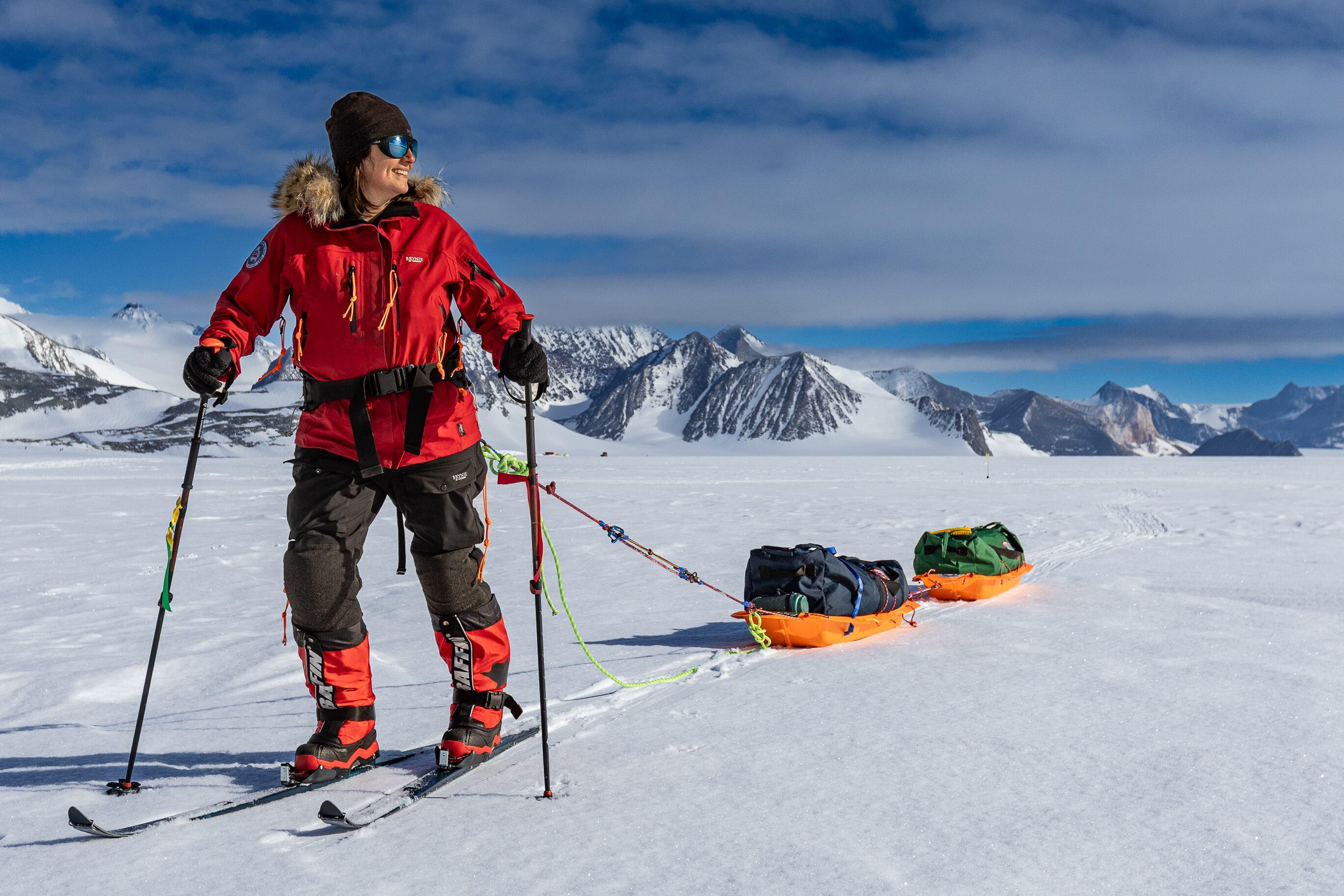
Caption: Deep in the Antarctic interior where wind and repetition test more than physical strength.
By the midpoint of the crossing, physical hardship was no longer surprising. What began to change was mental resilience.
The Antarctic plateau offers no external reference for progress. Day after day the horizon remains unchanged. The sledges grow lighter as food is consumed, but bodies grow thinner as well.
Calorie intake was calculated precisely, yet energy expenditure in constant cold always exceeded comfort.
Messner understood something critical at this stage. Antarctica does not defeat people with sudden violence. It erodes them slowly.
Small issues began to accumulate. Minor frostbite threatened exposed skin when wind cut across their faces. A stove malfunction required delicate repair with numb fingers. Goggles iced over repeatedly, forcing them to stop and clear vision.
Sleep became fragmented. Even inside the tent wind noise and cold penetrated constantly.
There were moments of tension between partners. Not dramatic arguments, but short responses and brief silences. Weeks of isolation amplify even small frustrations.
In Antarctica emotional discipline becomes as important as navigation.
To manage the strain they reduced their focus even further.
Not thinking about the coast. Not thinking about the total distance. Only thinking about the next hour.
One hour of pulling. Ten minutes of rest. Repeat.
4. Crossing the Polar High Point
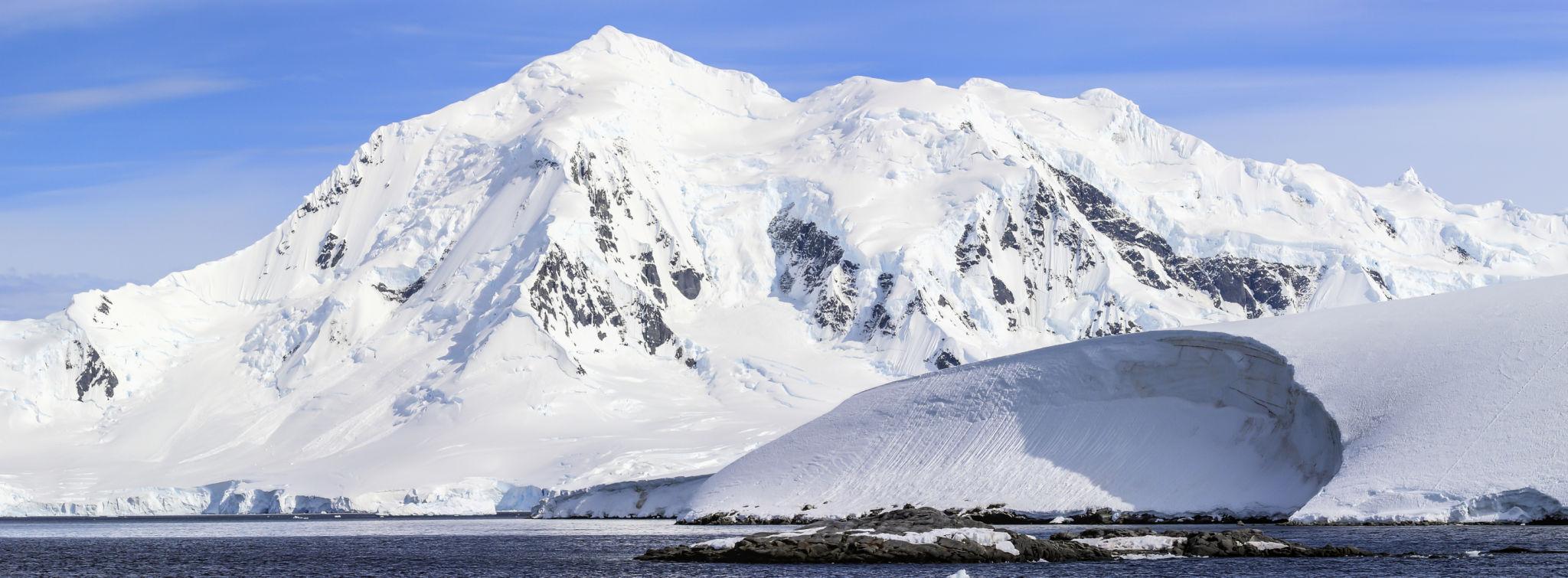
Caption: The subtle rise of Antarctica’s interior where elevation increases without visible mountains.
At roughly 3,000 meters above sea level the interior plateau reaches its high point. There is no summit marker and no dramatic ridge.
The rise is gradual and almost invisible. Only instruments confirm that the highest section has been reached.
Altitude combined with cold creates quiet fatigue. Appetite decreases slightly, yet food must still be consumed to maintain energy.
Dehydration becomes a constant risk because every liter of water requires melting snow and burning precious fuel.
When they passed the approximate high point there was no celebration. Just a small acknowledgment and a confirmation on navigation equipment.
From there the slope would gradually descend toward the Ross Ice Shelf.
Descending in Antarctica does not feel like descending in mountains. The horizon remains flat and unchanged.
But the sledges begin to pull slightly easier. Progress improves gradually.
After weeks of climbing the subtle assistance of gravity became noticeable.
For the first time the idea of completion felt real.
Not guaranteed. But possible.
5. The Long Descent Toward the Ross Ice Shelf
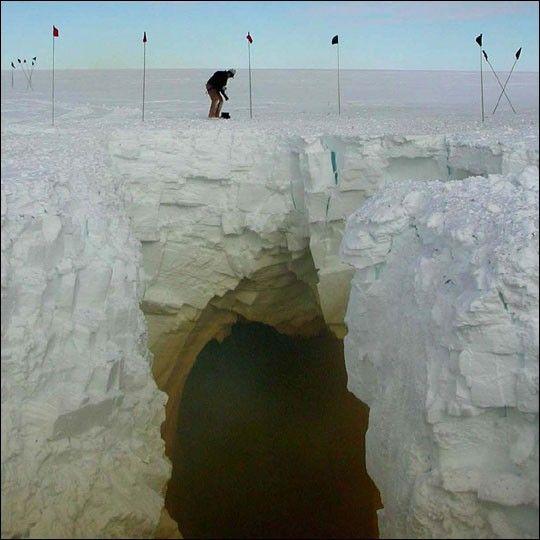
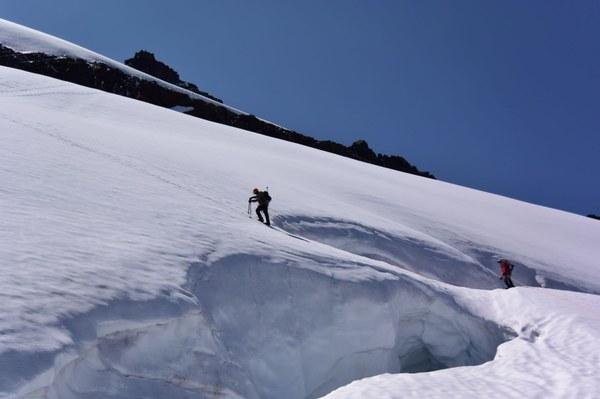
Caption: The gradual descent toward the Ross Ice Shelf where hidden crevasses replace open plateau.
After crossing the high interior plateau the terrain began to change slowly. The slope tilted downward toward the Ross Ice Shelf.
The sledges pulled easier but new dangers replaced the exhaustion of climbing.
Crevasses became more frequent.
On the central plateau the snow had been stable and wind packed. Near the coastal regions the ice sheet fractured more often.
Some crevasses appeared as sharp blue lines across the snow. Others were hidden beneath fragile snow bridges.
Every few kilometers required caution.
Messner and Fuchs adjusted their spacing and watched each other carefully. A sudden collapse beneath a ski could have ended the expedition instantly.
Probing with ski poles became routine before committing weight to uncertain surfaces.
Wind patterns also changed. Katabatic winds accelerated downhill from the interior plateau.
These winds were colder and stronger than before.
Food supplies were now noticeably reduced. Rations had been calculated precisely from the beginning and the margin for delay was minimal.
Each remaining kilometer represented both relief and pressure.
After nearly three months on the continent subtle changes in light and color began appearing on the horizon.
The coast was approaching.
6. Reaching the Opposite Edge
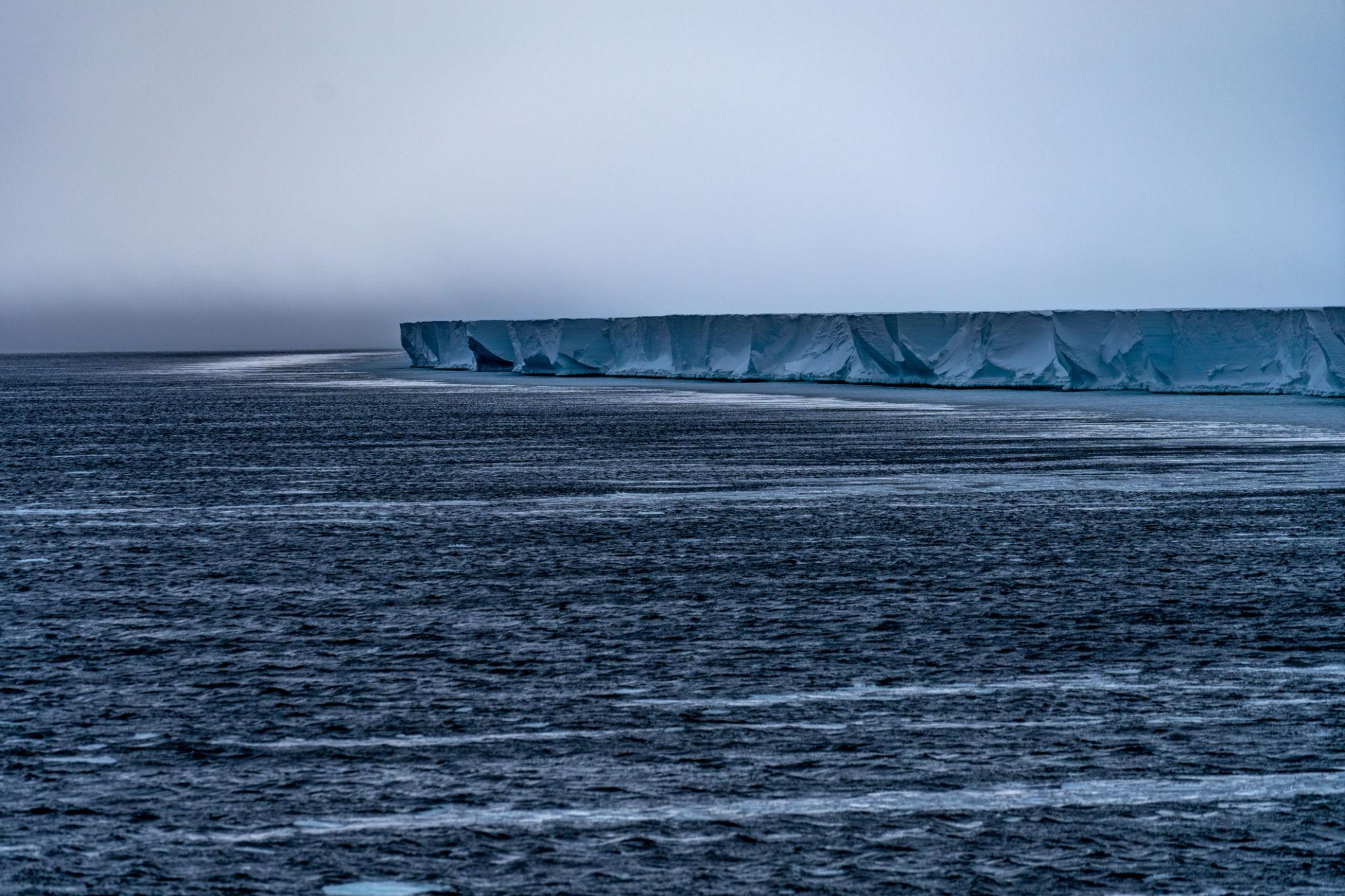
Caption: The moment when land gives way to the vast ice shelf at the continent’s edge.
When they finally reached the edge of the Ross Ice Shelf there was no crowd waiting.
Only wind and frozen sea.
The crossing had taken nearly three months. Roughly 2,800 kilometers had been covered entirely under human power.
No vehicles. No dogs. No mechanical assistance.
The achievement was not dramatic. It was quiet.
They had started at one edge of Antarctica and pulled their own weight across the highest and coldest continent on Earth.
There had been no single defining crisis. No rescue. No collapse.
The success came from discipline.
Pulling every day. Maintaining routine. Repairing small problems before they became fatal. Managing morale in silence.
Antarctica does not reward speed. It rewards endurance.
Messner later explained that polar crossings demand a different strength than mountaineering. Mountains present visible danger. Antarctica slowly drains energy and patience.
The expedition proved that even in the modern era of mechanized exploration a continent could still be crossed through patient human effort.
It remains one of the most respected polar trekking journeys in modern exploration history.
Narrated by KarakoramDiaries


![K2 Base Camp Trek: Ultimate Guide k2 Trek 2026 [UPDATED]](https://karakoramdiaries.com/storage/ultimate-guide-to-k2-base-camp-trek-full-document-150x150.png)