The Long Walk Across the Australian Desert The Real Journey of Robyn Davidson

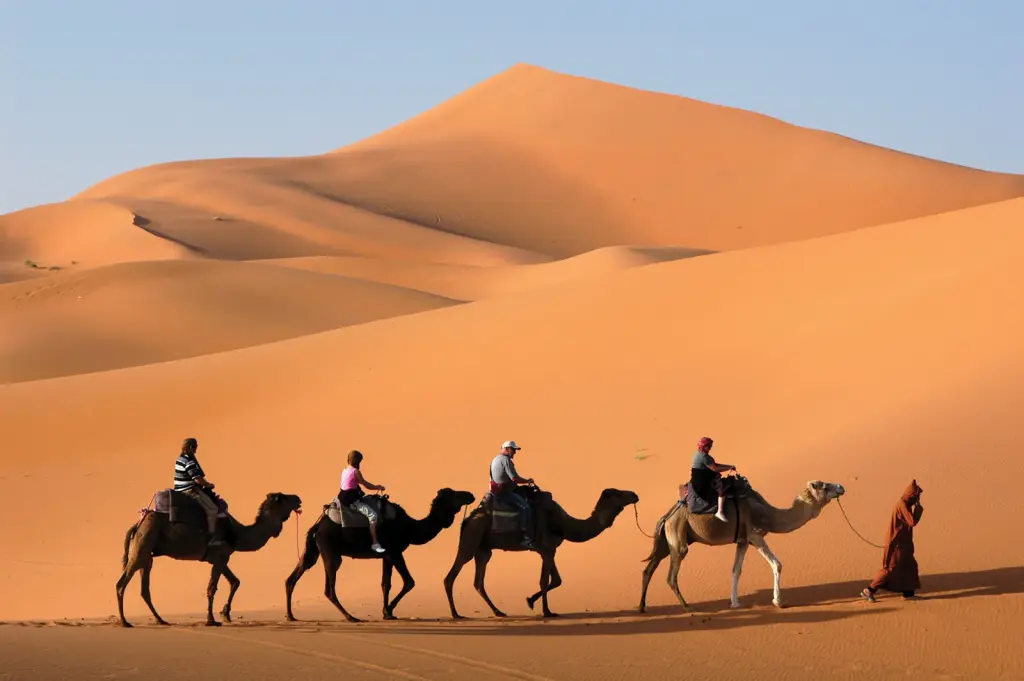
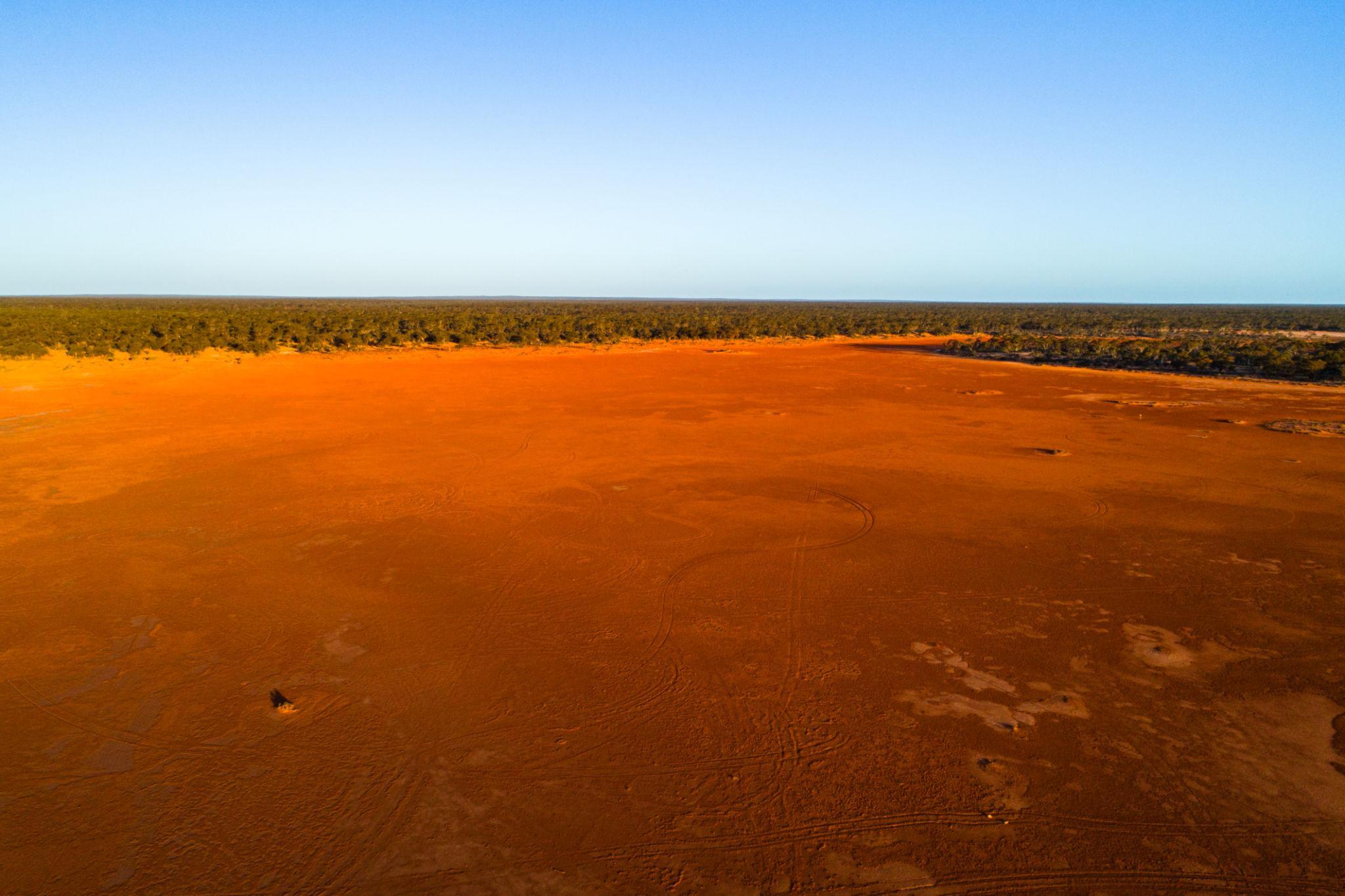
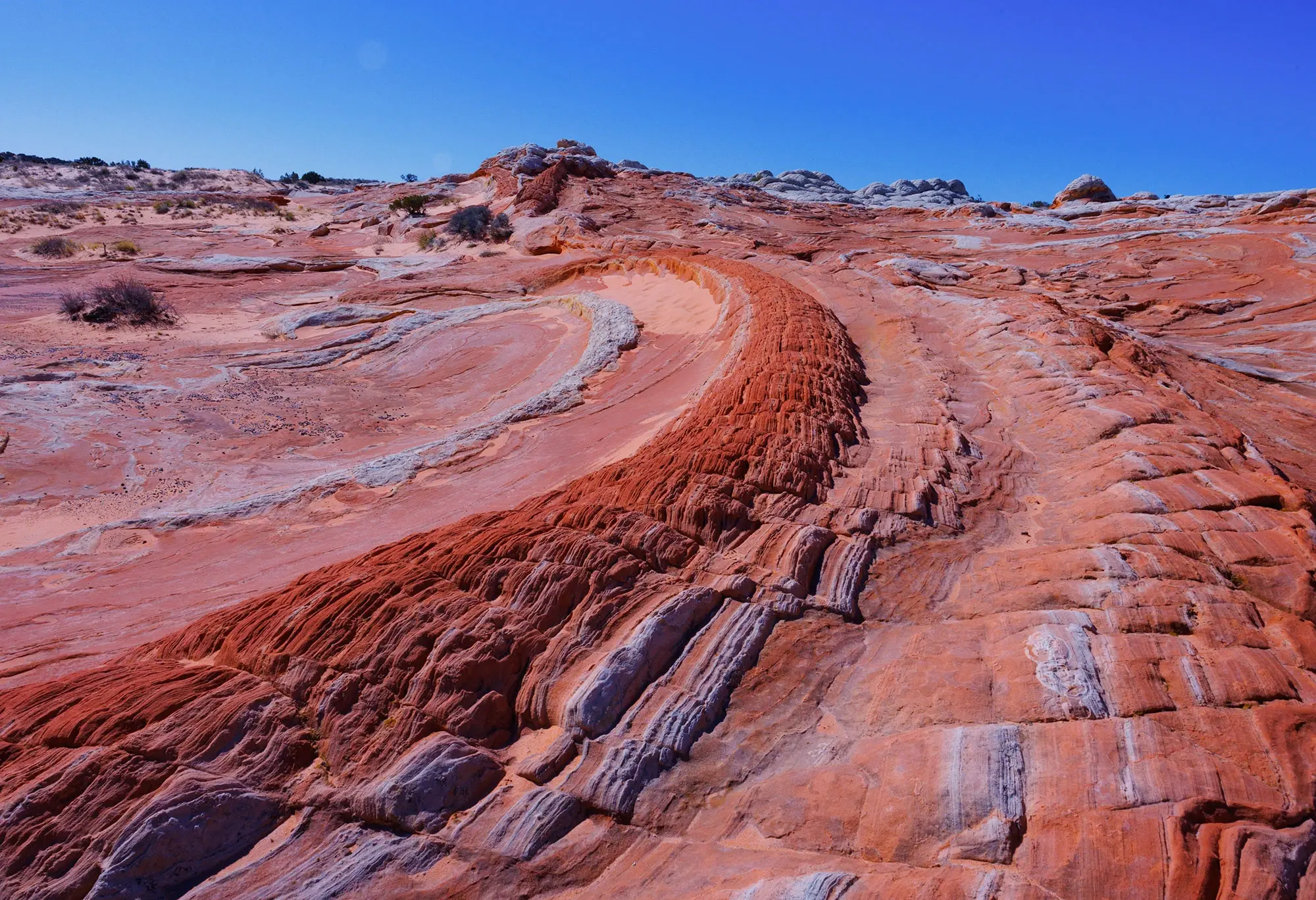
The Australian Outback, where vast distances are measured not only in kilometers but also in silence.
In the mid-1970s, an Australian woman named Robyn Davidson began preparing for an unusual journey. Her goal was to walk nearly 2,700 kilometers across the Australian desert, starting from Alice Springs and continuing west toward the Indian Ocean. She was not pursuing records or publicity. Instead, she wanted to experience independence and explore the landscape beyond the routines of ordinary life.
At that time the Australian Outback was widely regarded as harsh and unpredictable. Large areas consisted of dry plains, rocky terrain, and scattered vegetation. Water sources were limited, and distances between settlements were often extremely long. Many people questioned whether such a journey was realistic for a single traveler.
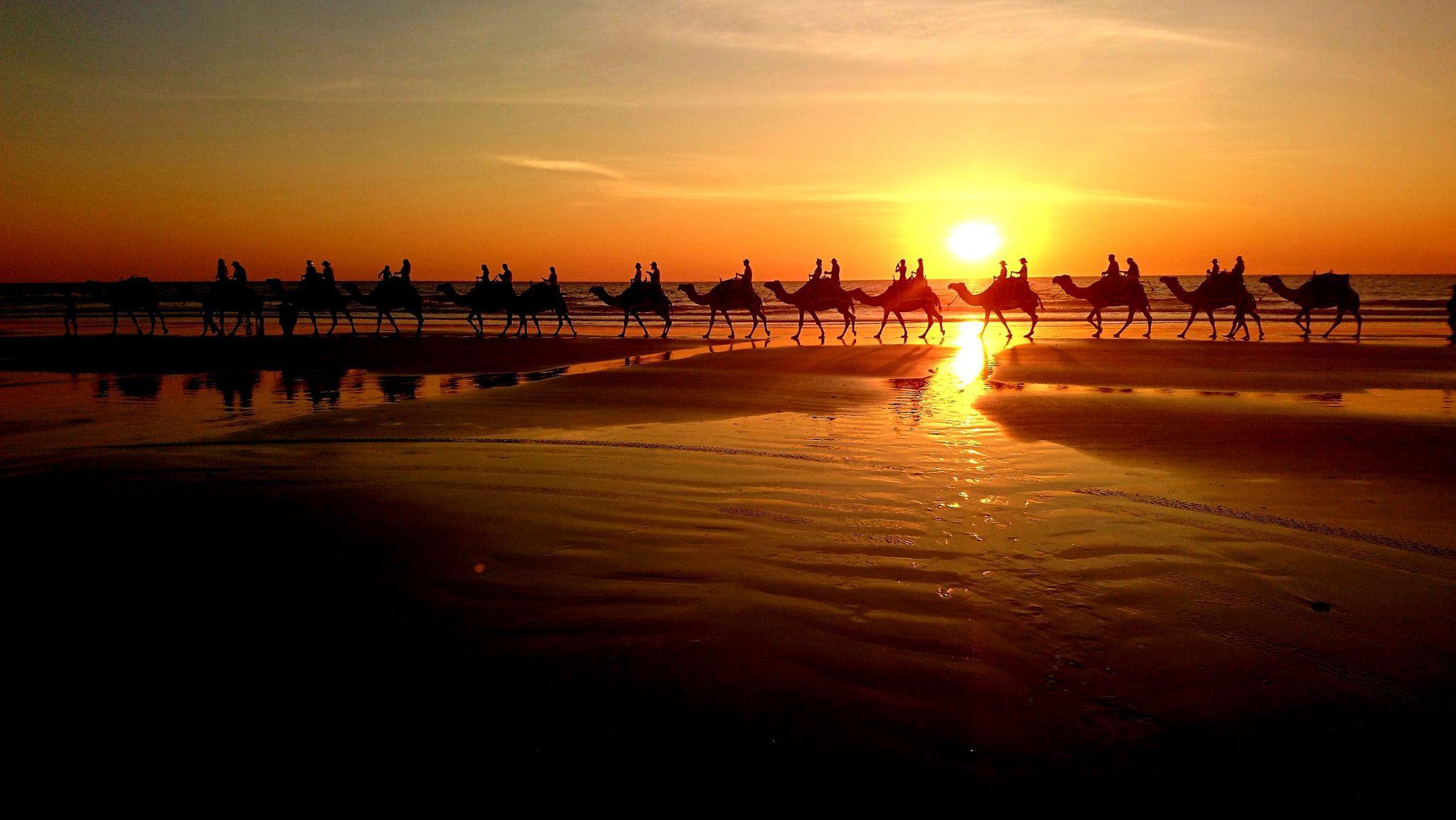
Rather than abandoning the idea, Robyn focused on preparation. She spent several years learning how to work with camels, animals historically used for transport in desert regions. Camels were chosen because they could travel long distances and carry heavy loads where vehicles often failed.
During this preparation period she also practiced navigation, learned how to manage water supplies, and familiarized herself with the rhythms of desert travel. These years of training became the foundation that allowed the expedition to begin.
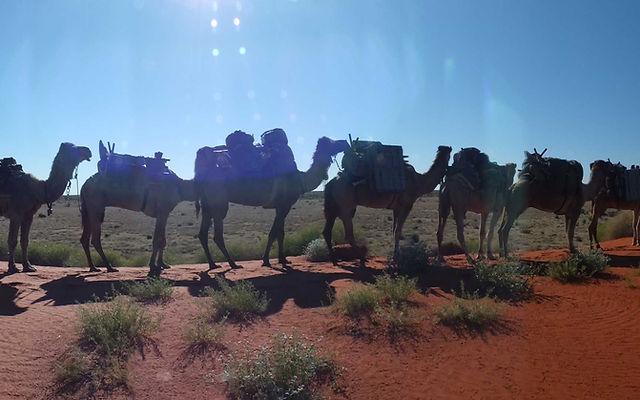
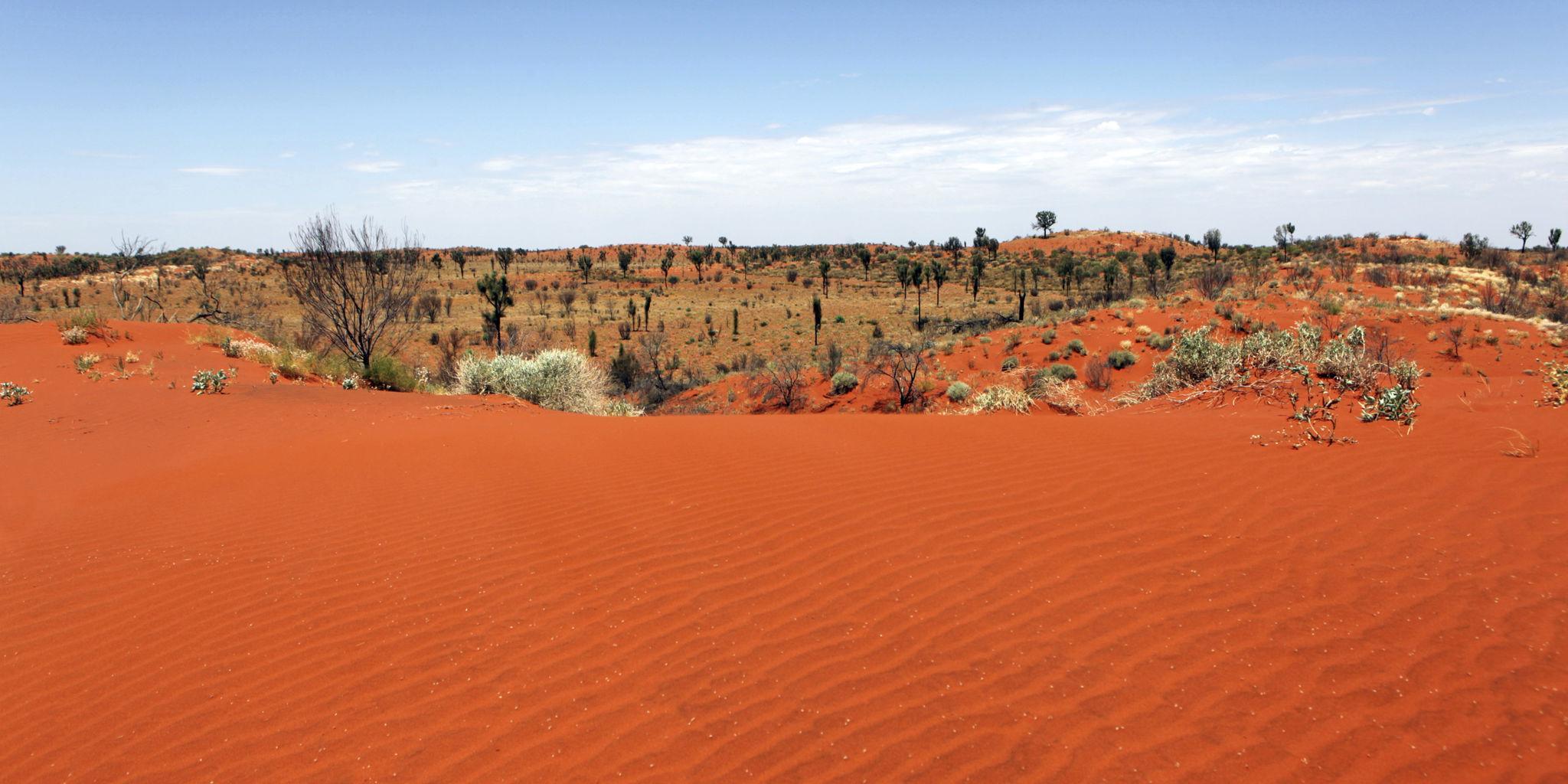
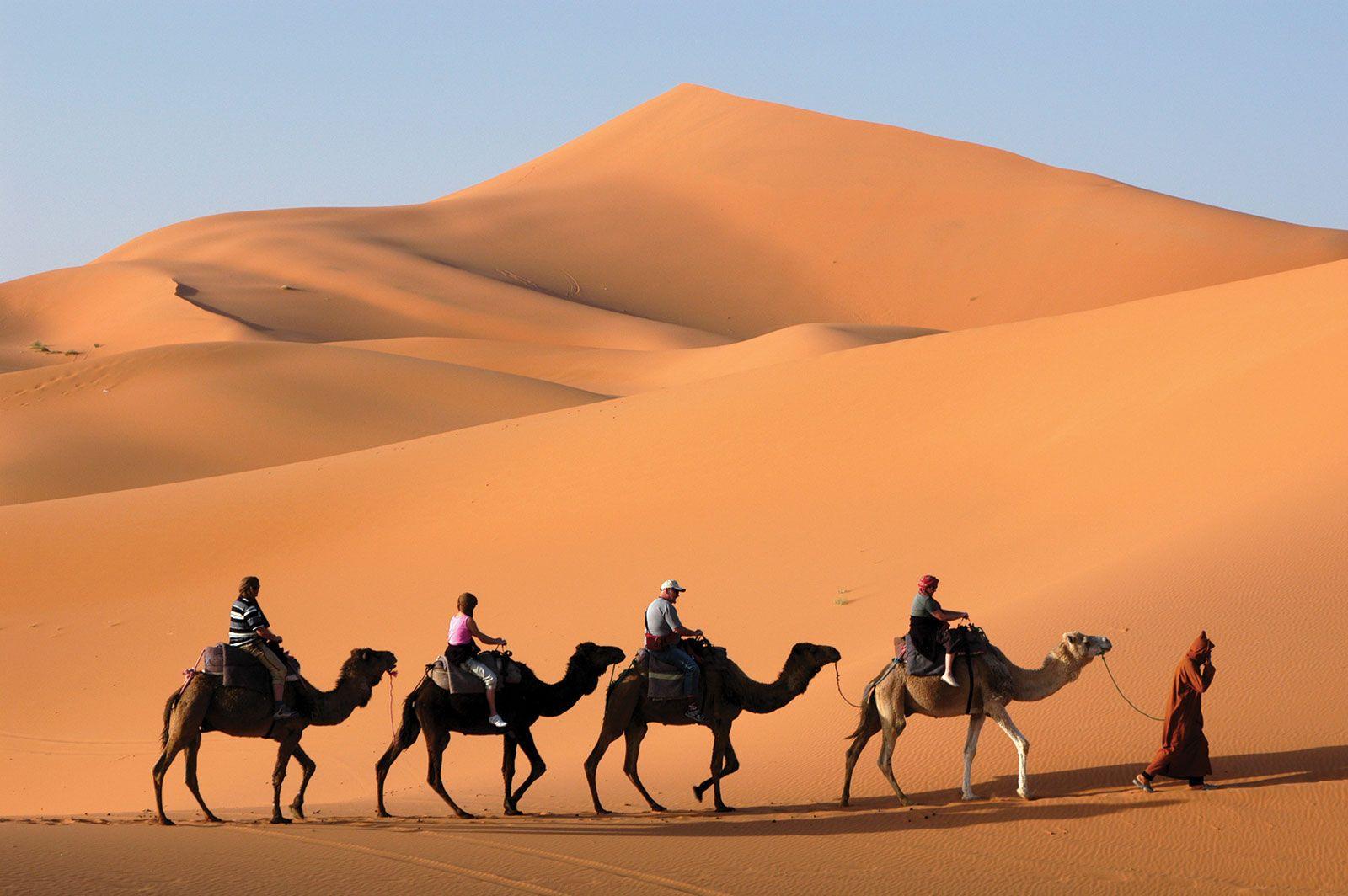
Long desert days where the sun defines the pace of travel and the horizon rarely appears closer.
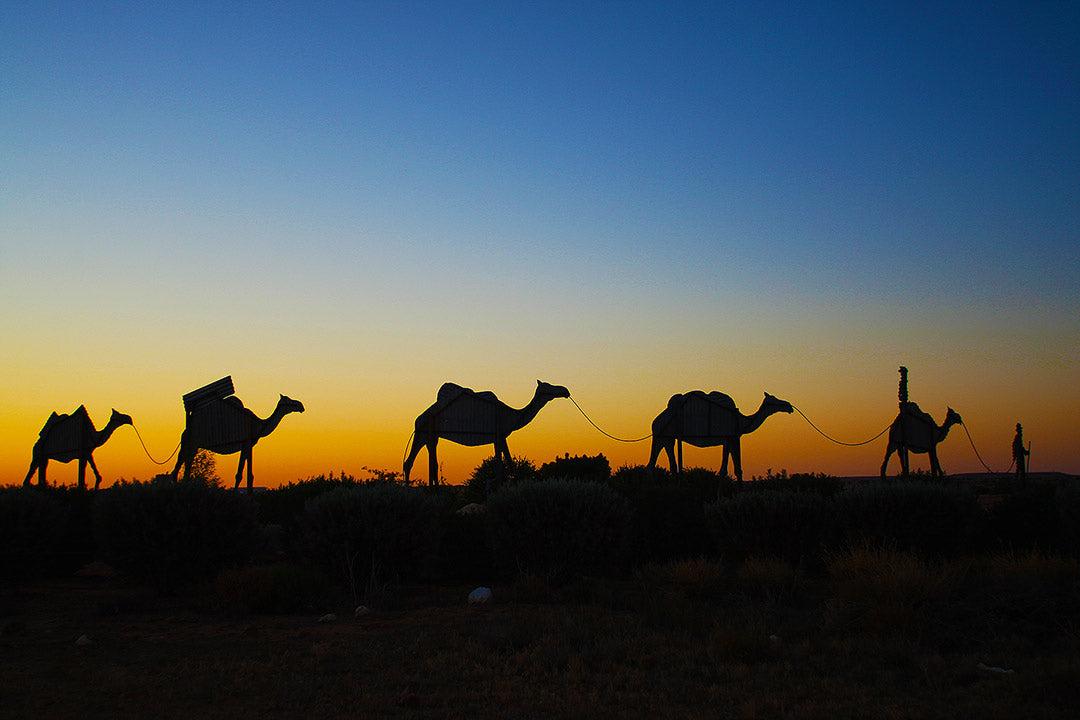
When the journey finally began, Robyn traveled with four camels carrying supplies and a dog that accompanied her along the route. The early days required constant adjustment. Managing the animals, organizing supplies, and understanding the pace of desert travel took patience and discipline.
The desert environment introduced challenges that were less dramatic than expected but consistently demanding. Heat built quickly during the day, while nights often became unexpectedly cold. Sand entered boots and equipment, and long distances between water sources required careful planning.
Gradually a daily rhythm developed. She began walking early in the morning while temperatures were cooler, resting during the hottest hours, and continuing again in the late afternoon. Evenings were spent setting camp beneath clear skies where the stars were visible with remarkable clarity.
Traveling in such remote areas removed most of the noise and distractions of modern life. The landscape provided long periods of quiet reflection where thoughts and memories naturally surfaced.
Occasionally Robyn encountered Indigenous communities or workers from remote stations. These meetings were brief but meaningful, offering water, conversation, and local knowledge about the terrain ahead.
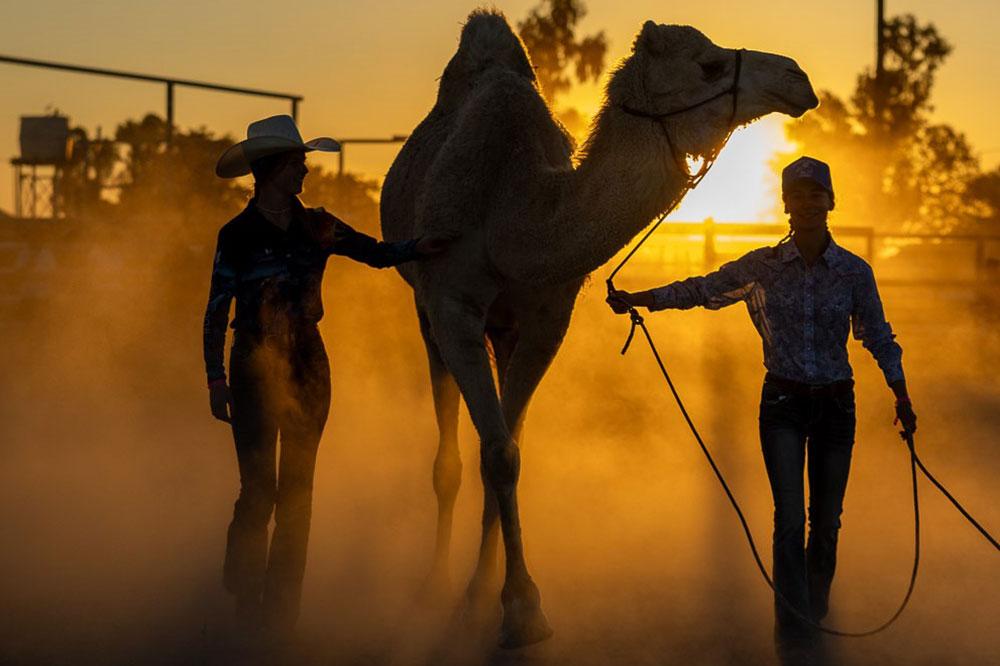
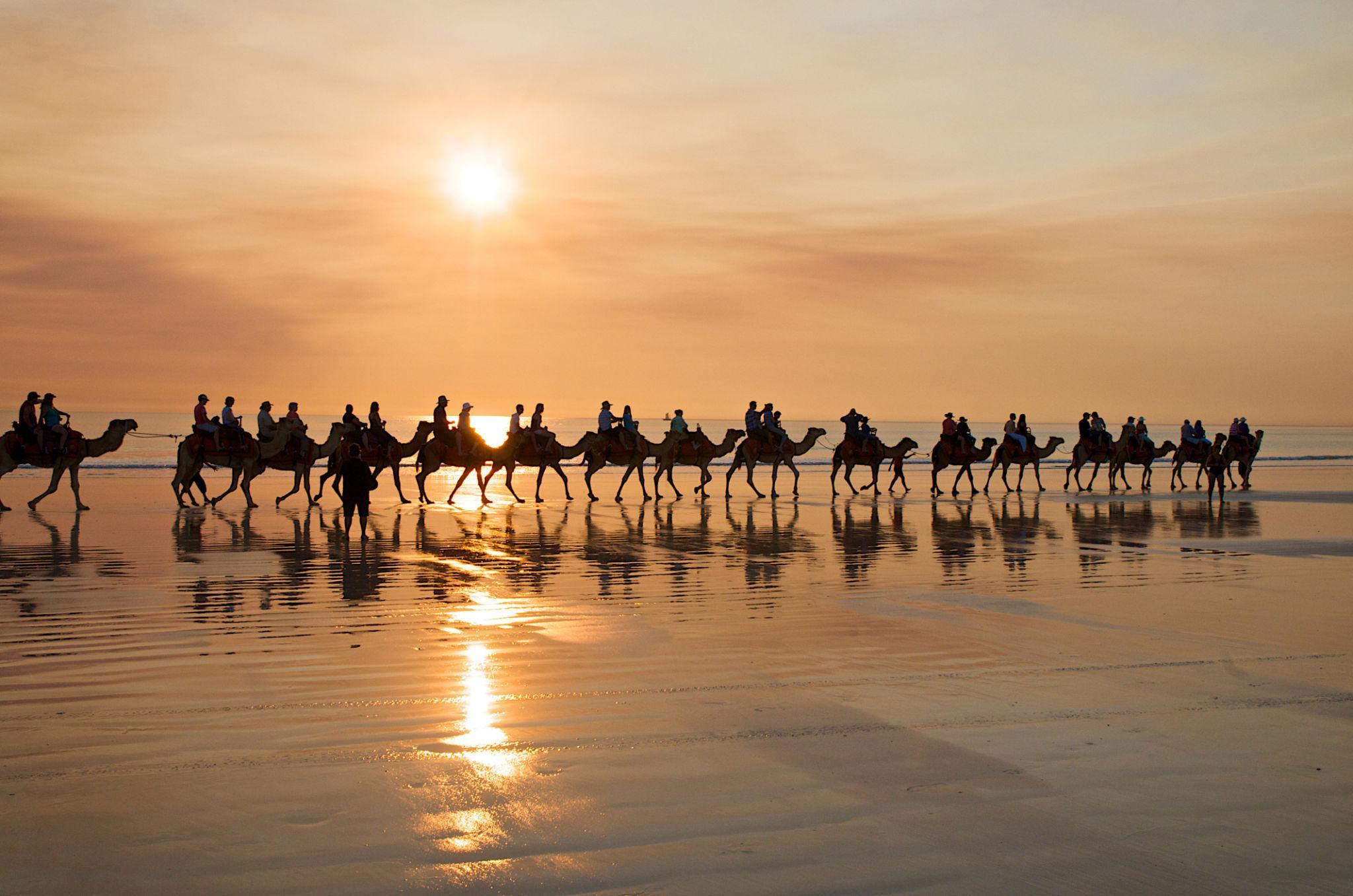
The Outback shifting between quiet beauty and unpredictable challenge.
As the weeks passed, the desert revealed many different forms. Some mornings brought calm winds and soft light across the dunes, while other days produced dust storms that reduced visibility and erased tracks almost immediately.
The camels gradually became reliable companions. Their steady pace determined how far the group could travel each day. Over time the animals that had once seemed difficult to manage became essential partners in the journey.
Although solitude was a constant presence, it did not always feel like isolation. The absence of crowds and schedules created a sense of freedom rarely found in modern travel. Each day’s progress was measured simply by distance walked and supplies managed successfully.
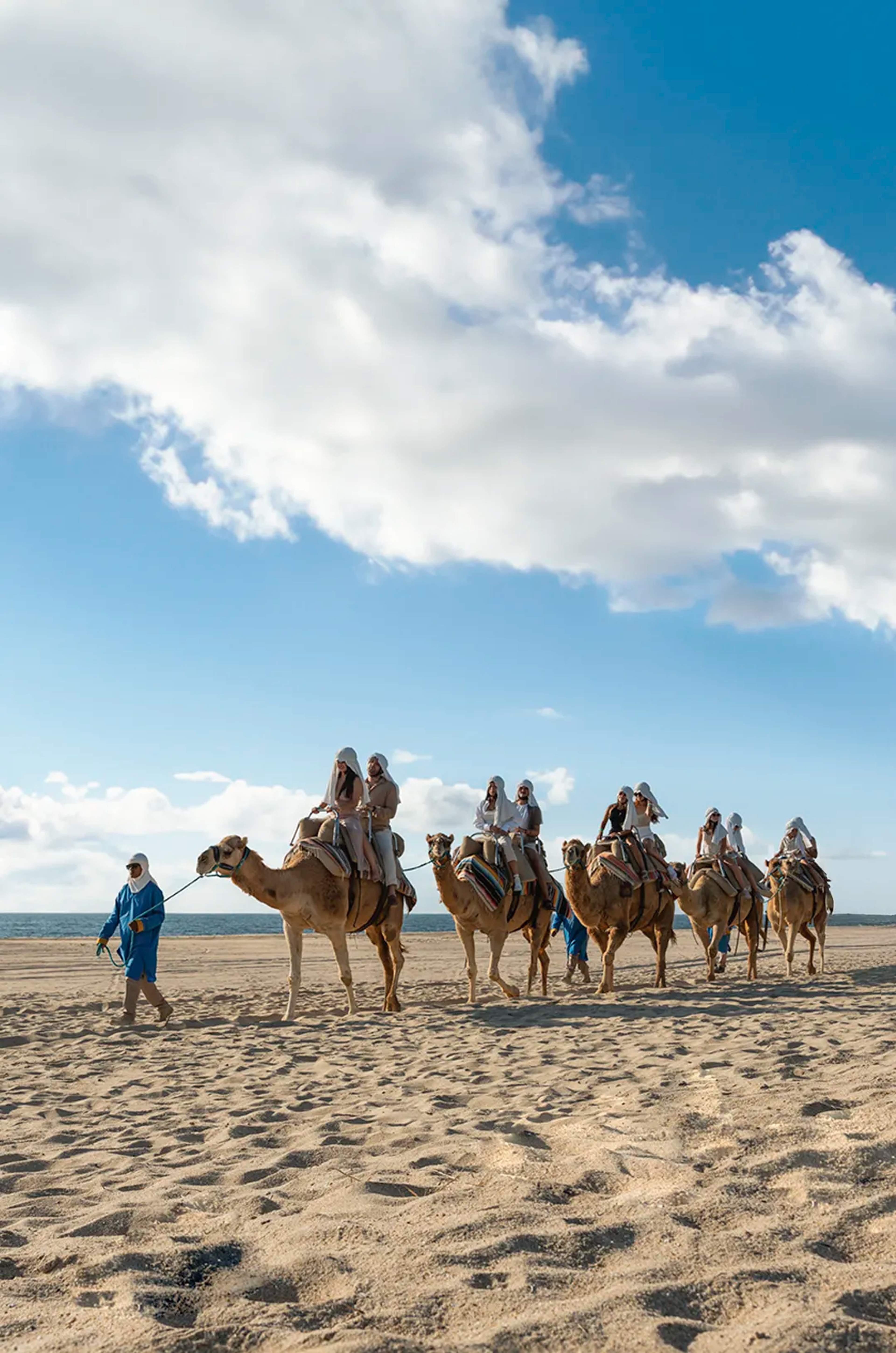
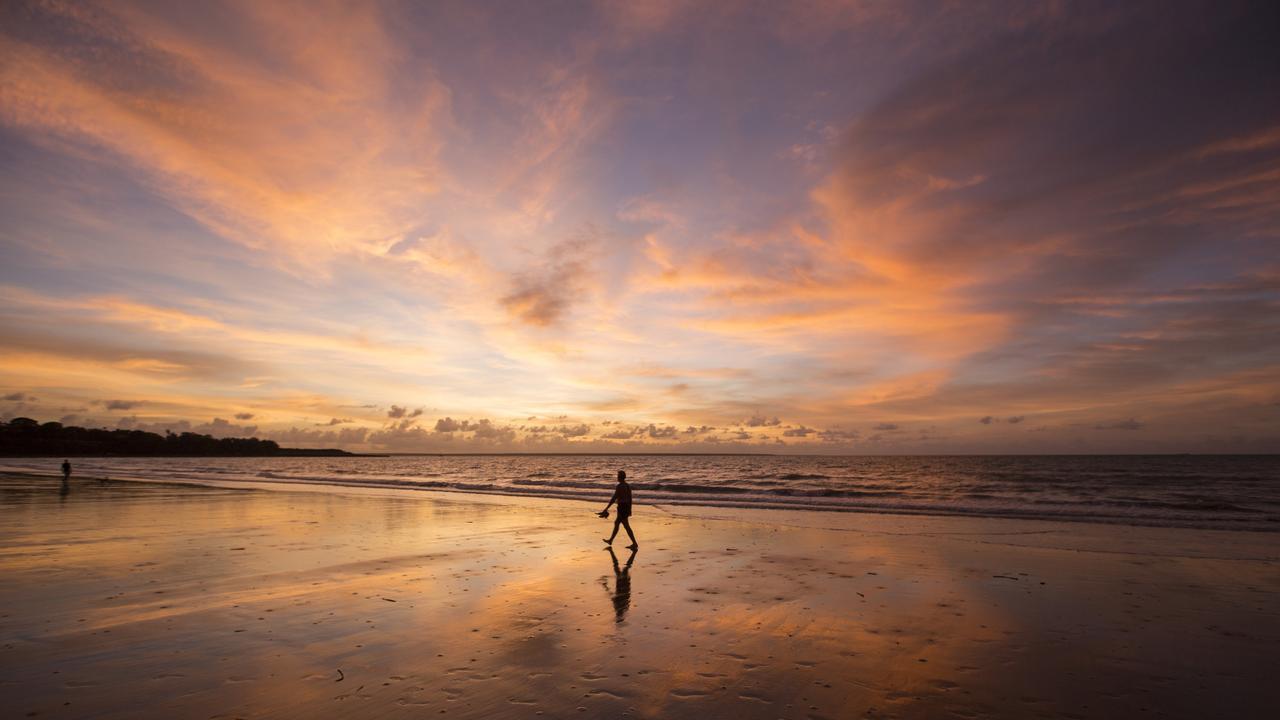
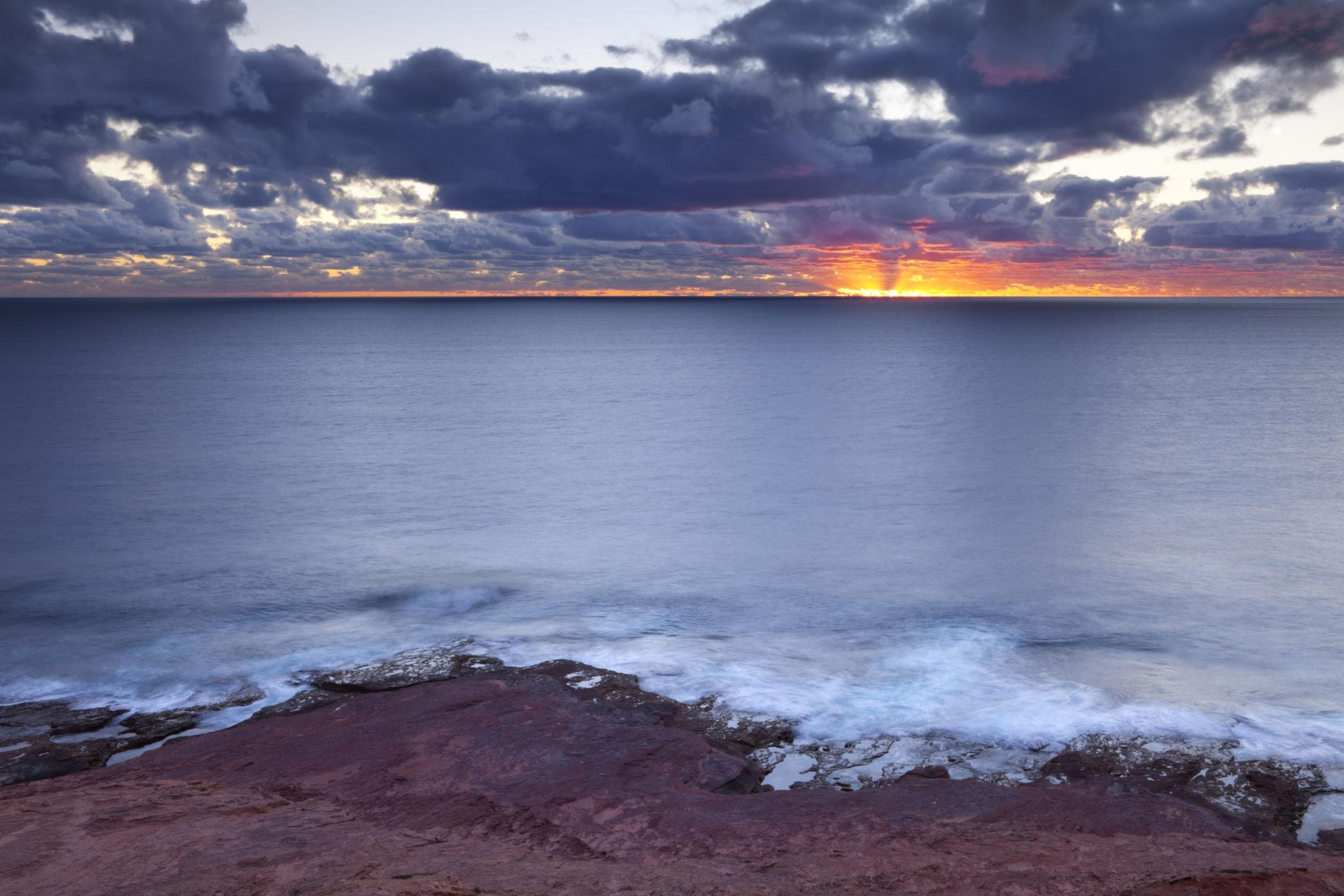
The moment when months of desert travel finally meet the waters of the Indian Ocean.
After several months of walking across remote landscapes, the environment slowly began to change. The dry red earth gradually transitioned toward coastal terrain, and the air carried traces of ocean moisture.
Eventually the vast blue horizon of the Indian Ocean appeared ahead. The journey ended quietly on the shoreline, without ceremony or celebration. After months of movement, simply standing still at the water’s edge marked the completion of the expedition.
Robyn Davidson’s journey later became widely known through her book Tracks, which documented the preparation, challenges, and personal reflections from the expedition.
The story continues to inspire travelers because it demonstrates that exploration is not always about speed or records. Sometimes it is about patience, preparation, and the willingness to move through unfamiliar landscapes with humility and respect.
Narrated by KarakoramDiaries

![K2 Base Camp Trek: Ultimate Guide k2 Trek 2026 [UPDATED]](https://karakoramdiaries.com/storage/ultimate-guide-to-k2-base-camp-trek-full-document-150x150.png)