• 06 Mar, 2026

The Endurance Expedition - A Real Antarctic Survival Trek

The Endurance Expedition - A Real Antarctic Survival Trek

In 1914, at a time when large parts of Antarctica were still unmapped and barely understood, Ernest Shackleton set out with a bold objective: to complete the first land crossing of the Antarctic continent.

Ernest Shackleton

The Endurance Expedition - A Real Antarctic Survival Trek

  1. The Ship That Entered the Ice (1914)

Image

Image

Image

Image

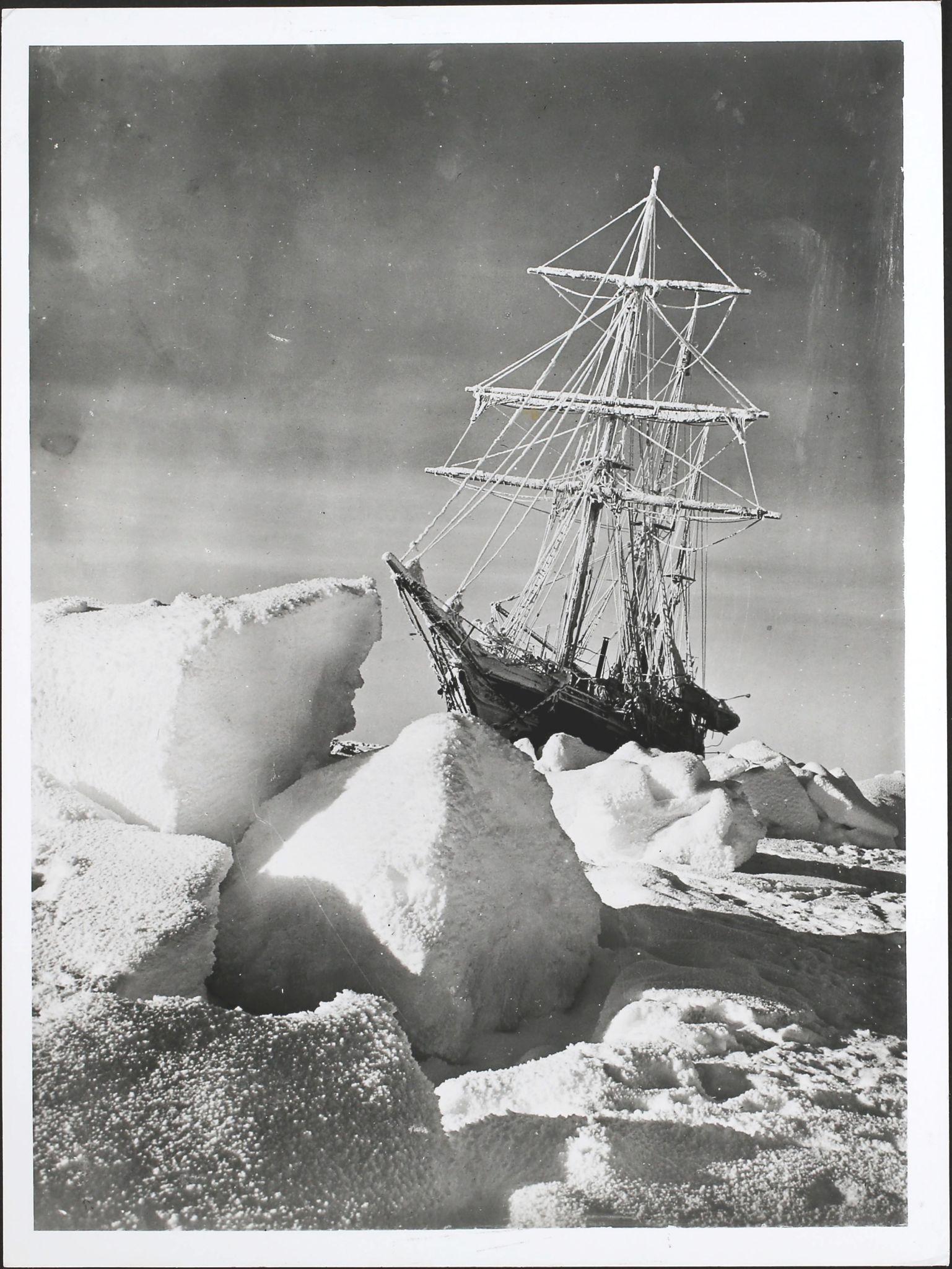
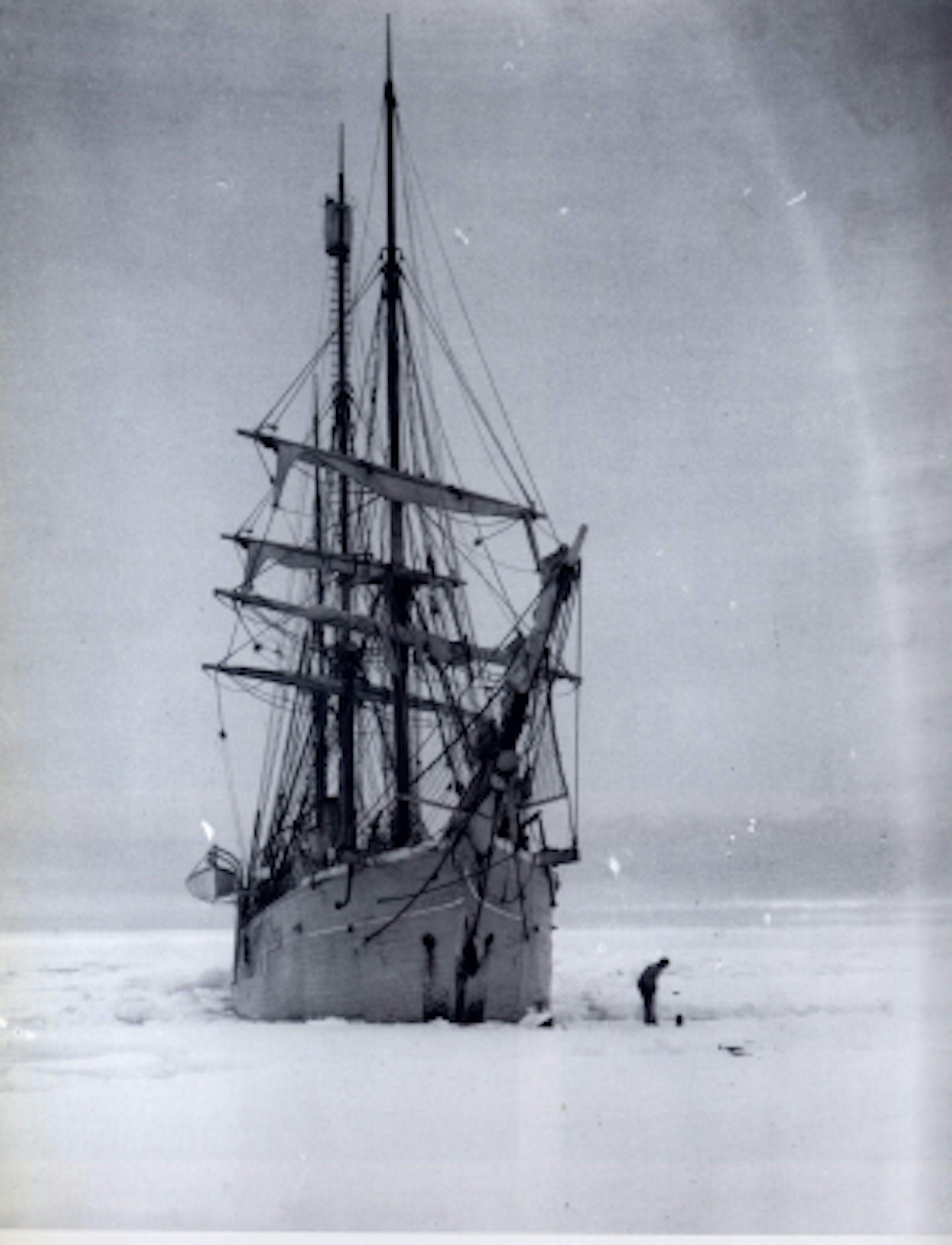
Caption: The Endurance trapped in Antarctic pack ice during the Imperial Trans-Antarctic Expedition.

In 1914, at a time when large parts of Antarctica were still unmapped and barely understood, Ernest Shackleton set out with a bold objective: to complete the first land crossing of the Antarctic continent. The expedition was officially called the Imperial Trans-Antarctic Expedition, but history remembers it simply by the name of the ship that carried the men south - Endurance.

Shackleton was already an experienced polar explorer. He had previously come close to the South Pole and understood the risks of Antarctic travel. But this new plan was larger than anything he had attempted before. The idea was straightforward in concept: sail to the Weddell Sea, land a team on the Antarctic coast, and trek across the continent to the Ross Sea on the opposite side.

The expedition left England in 1914 and headed south through the Atlantic, stopping briefly in South Georgia before pushing into the Antarctic ice. The crew consisted of sailors, scientists, carpenters, and navigators - 28 men in total. They carried sledges, dogs, provisions, and equipment necessary for a multi-month land journey.

But the crossing never began.


Trapped Before the Trek Began

By January 1915, as the Endurance entered the Weddell Sea, the ship encountered heavy pack ice. At first, it was manageable. Ice pressure slowed progress, but movement was still possible. Then the temperature dropped further, and the ice thickened. Within days, the ship became completely locked in place.

There was no dramatic crash or storm. The sea simply froze around them.

For months, the crew waited. They hoped shifting currents would release the ship. Instead, the ice tightened. Pressure from surrounding floes began crushing the wooden hull. The Endurance creaked and groaned as the frozen sea slowly compressed it.

By October 1915, the situation became irreversible. The ice broke the ship’s structure. Water flooded compartments. Shackleton gave the order to abandon ship. Supplies were unloaded onto the ice. Tents were pitched on floating sea ice hundreds of kilometers from solid land.

The original Antarctic crossing plan ended before a single step across the continent had been taken.

The expedition had transformed into something entirely different: a survival mission.


Life on the Ice

Image

Image

Image

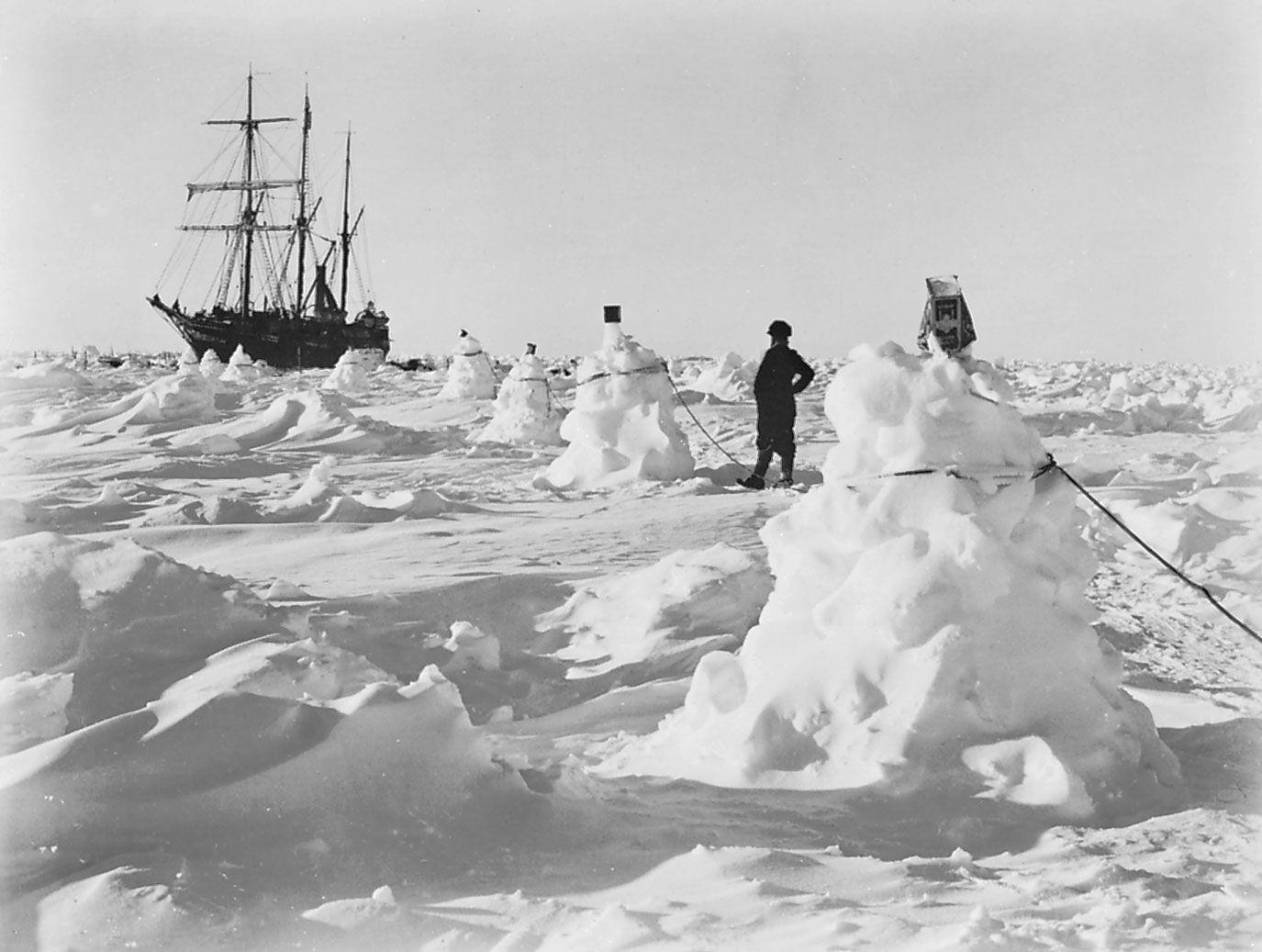
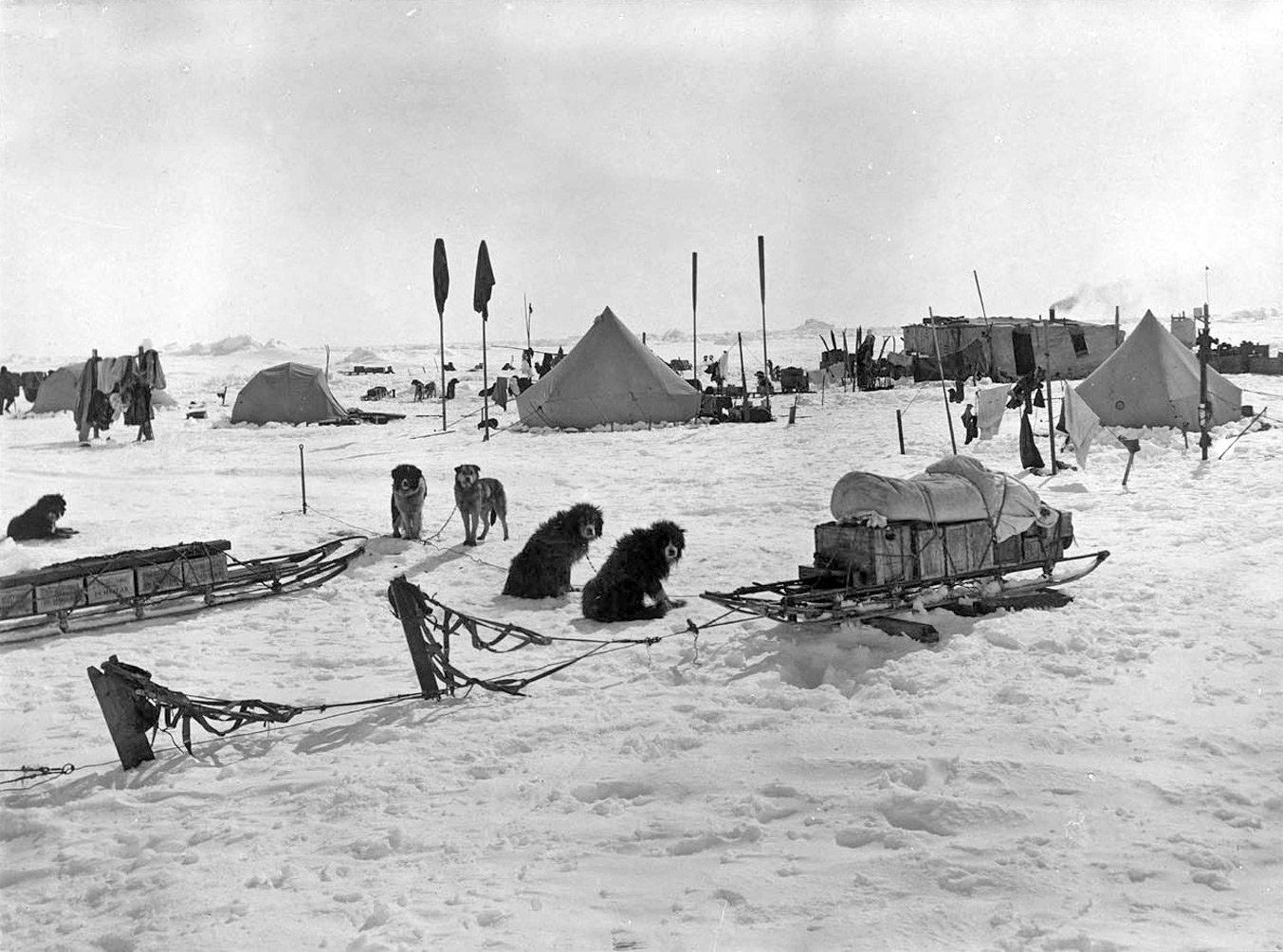
Caption: The crew camped on drifting sea ice after abandoning the ship.

For nearly five months, the men lived on drifting sea ice. The ice floe became their camp, their platform, and their only connection to survival. Temperatures dropped far below freezing. Wind swept across the open expanse without obstruction. Food supplies were limited and carefully rationed.

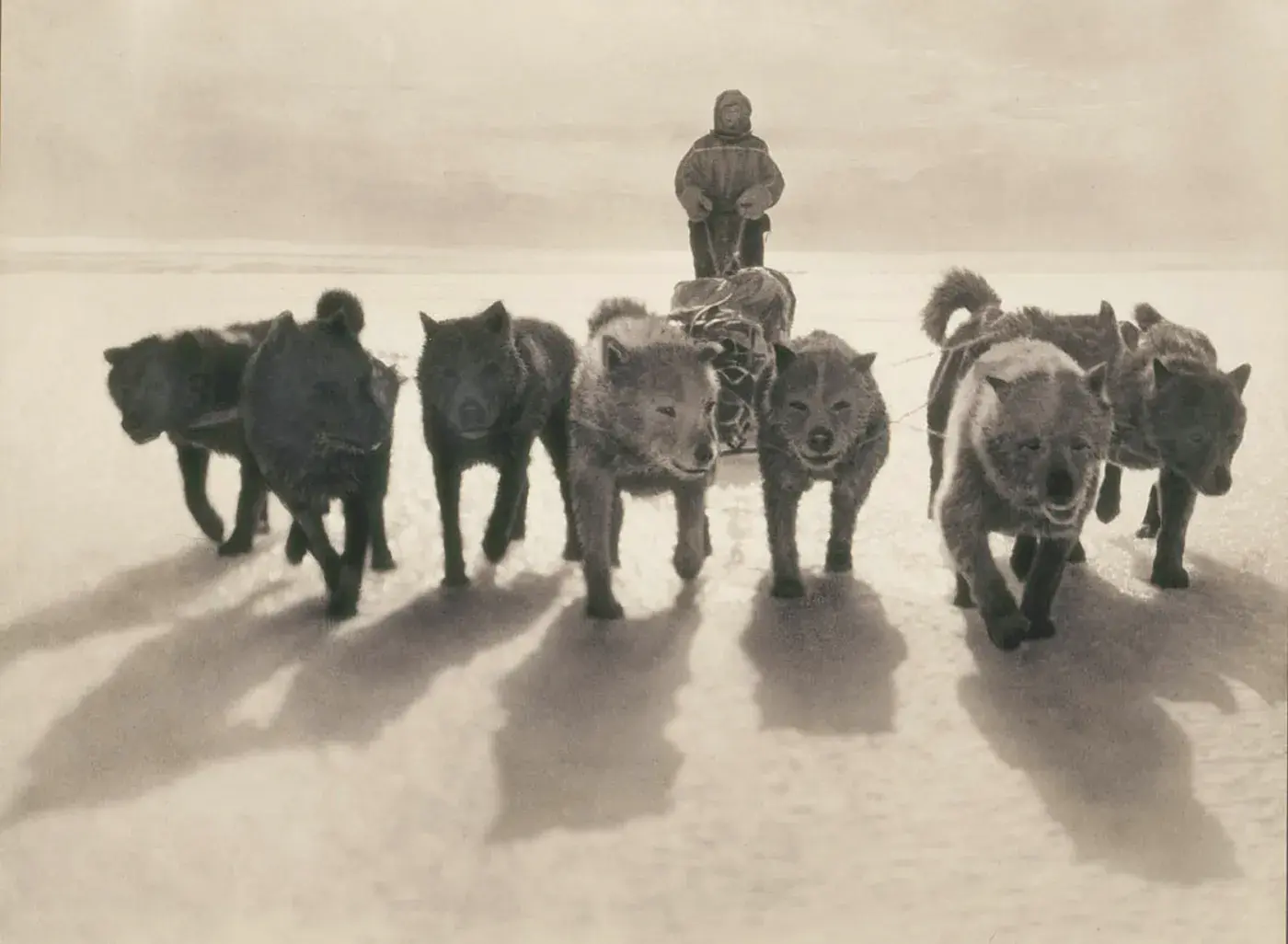
They hunted seals and penguins to supplement rations. Dogs were used for hauling sledges, but as food became scarcer, difficult decisions had to be made about resources. Every day, the ice beneath them shifted and cracked. The entire camp drifted slowly north, carried by ocean currents.

Shackleton’s leadership during this period became critical. He understood that morale could collapse faster than supplies. He enforced routines:

  • Regular meal times
  • Assigned duties
  • Structured work tasks
  • Evening social gatherings

The men were not yet trekking across Antarctica, but they were enduring something equally severe — uncertainty.

Then, in November 1915, the Endurance finally sank beneath the ice. The ship that had carried them south disappeared into the freezing sea.

From that moment onward, there was no possibility of rescue by chance encounter. The only way home would be by their own effort.

The ice beneath them would not last forever. Cracks widened as temperatures shifted. Shackleton knew that eventually they would have to move — not across the continent as planned, but toward open water.

The true trek was about to begin.


Ernest Shackleton - The Endurance Expedition

2. The Ice Breaks and the Open Sea

Image

Image

Image

Image

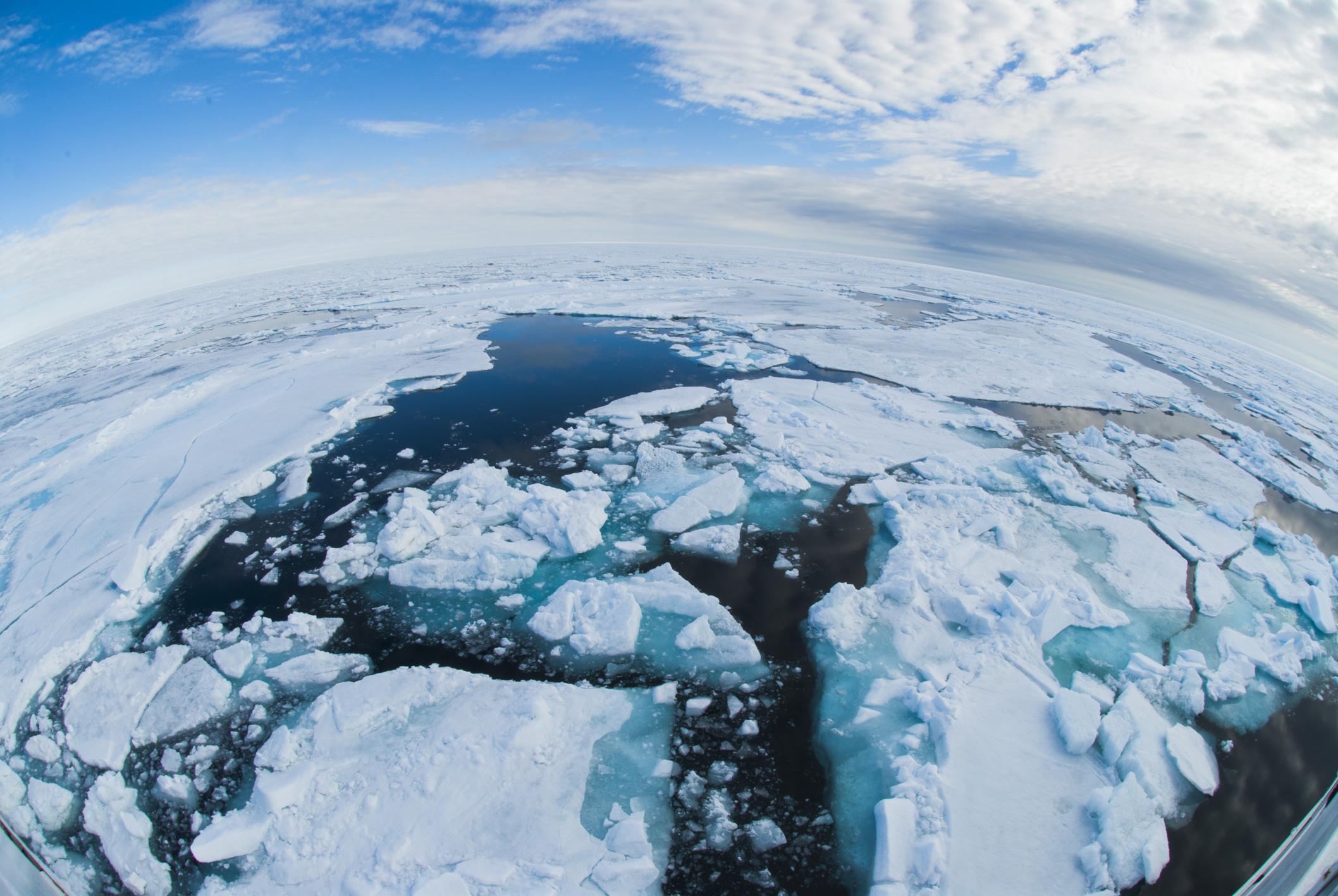
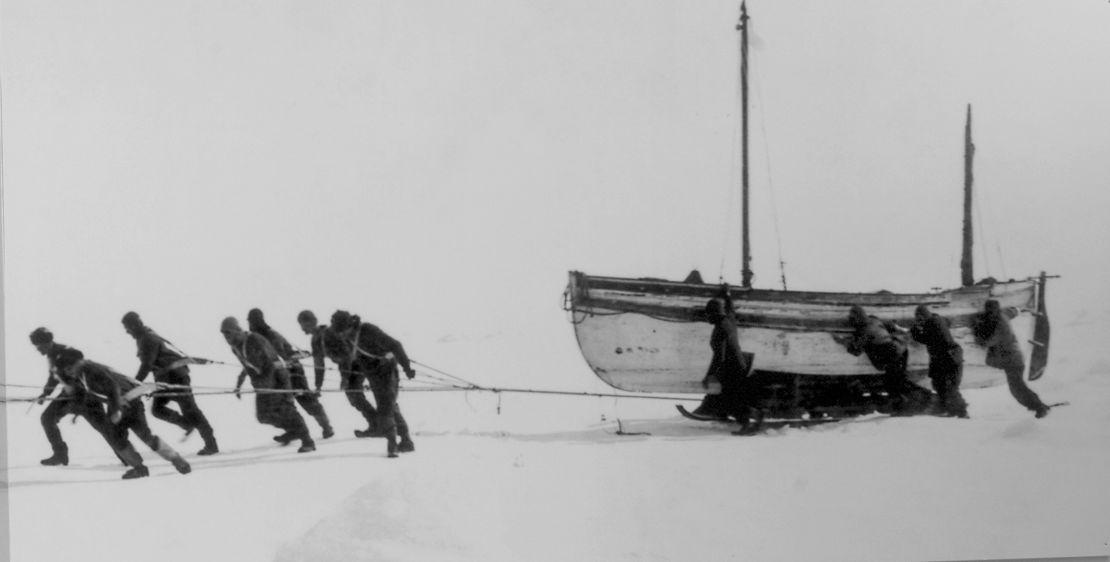
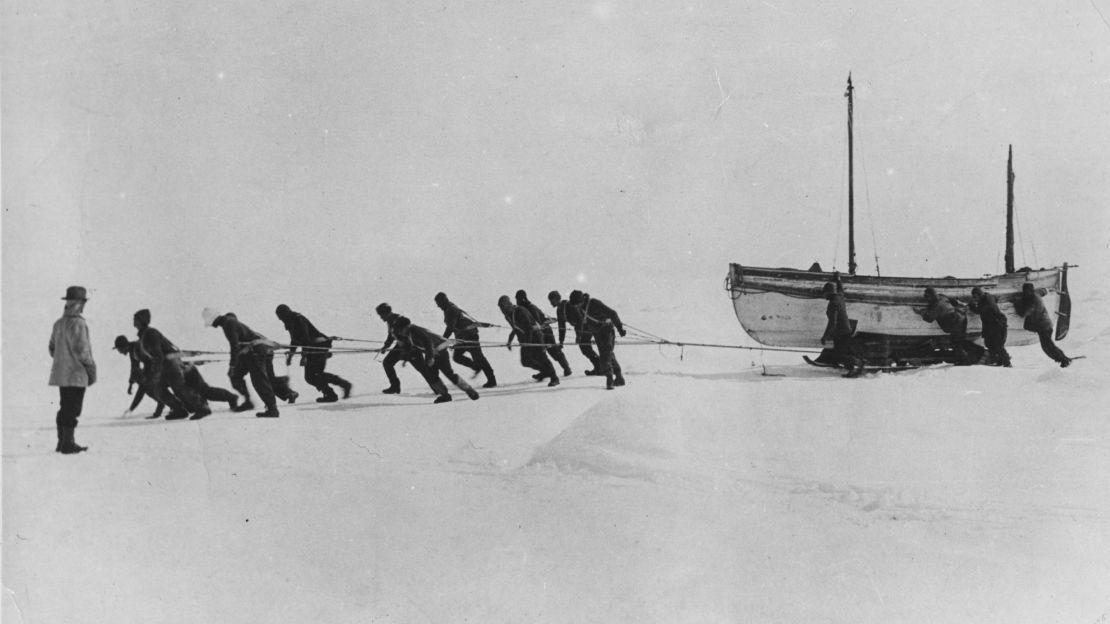
Caption: The pack ice breaking apart, forcing the crew to drag lifeboats across unstable floes.

By early 1916, the ice that had held the crew of the Endurance for months began to fracture. Large floes split without warning. Cracks widened overnight. Tents had to be moved repeatedly as the surface beneath them became unstable.

Shackleton understood the situation clearly: if they waited too long, the ice would break under them and scatter the camp into the sea. The only chance of survival was to reach open water using the three small lifeboats salvaged from the ship.

But reaching water was not simple.

The men had to drag heavy wooden lifeboats — each weighing nearly a ton — across uneven, shifting ice. Progress was painfully slow. Some days they managed only a few hundred meters. The surface was not flat; it was ridged, cracked, and sometimes tilted. Pulling boats across it exhausted everyone.

After several attempts, Shackleton made a difficult decision. They would stop hauling and wait for the ice to carry them closer to open sea. The floe drifted north for weeks, breaking gradually into smaller pieces.

Then, in April 1916, the ice beneath them finally split enough to force action. The camp disintegrated into floating fragments. With no stable platform left, the men launched their lifeboats into freezing Antarctic waters.

The expedition had moved from ice survival to ocean survival.


3. Eight Hundred Miles in Open Boats

Image

Image

Image

Image

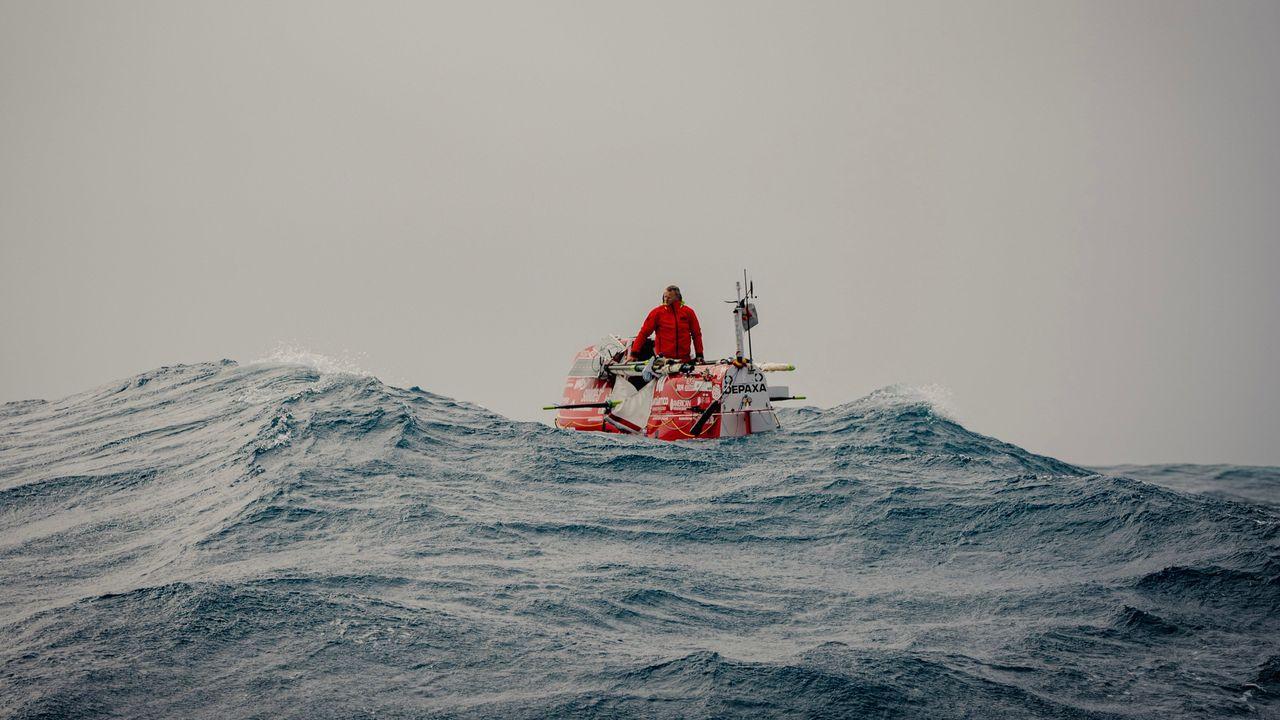
Caption: Small lifeboats battling the Southern Ocean after leaving the ice.

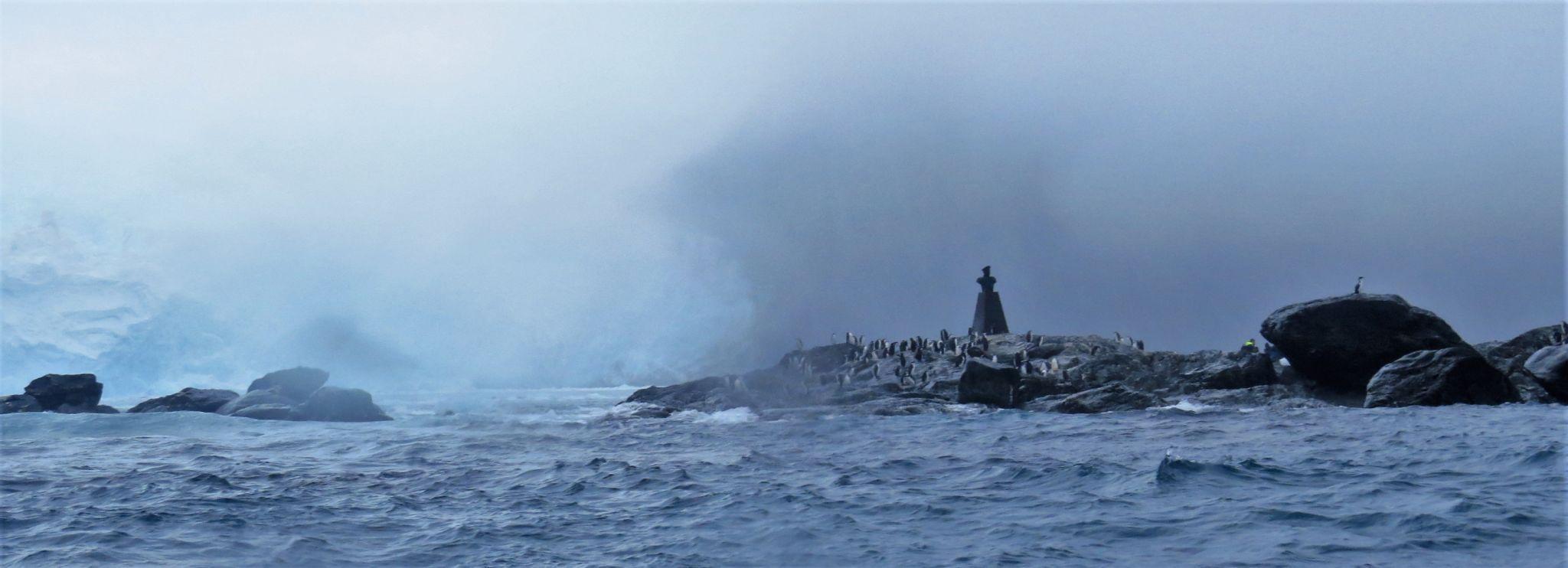
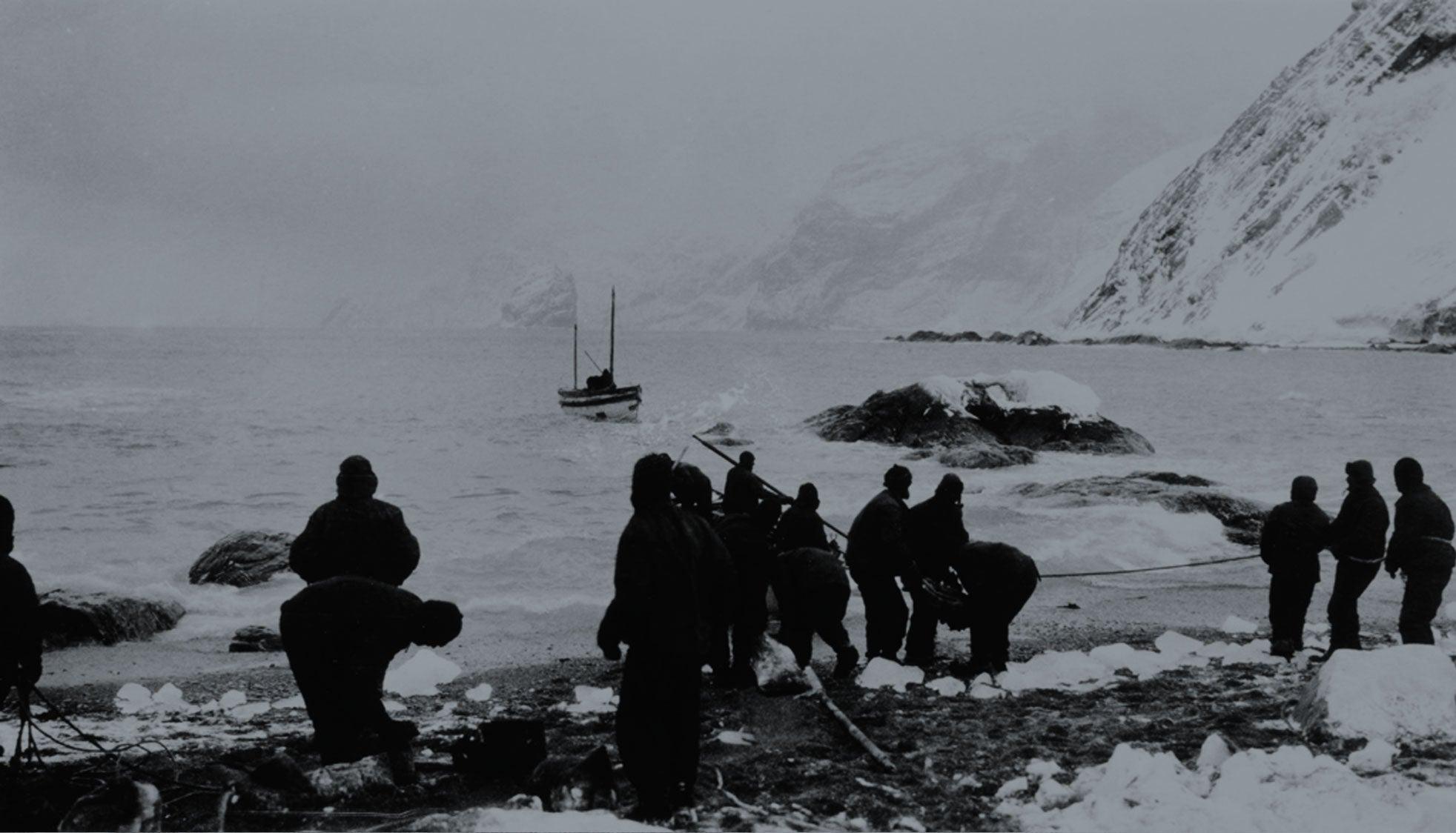
The crew divided among three open lifeboats and navigated through drifting ice toward the nearest possible land — Elephant Island, a remote and uninhabited piece of rock at the edge of Antarctica. The journey took nearly a week across some of the roughest waters in the world.

These were not reinforced ships. They were small wooden boats with minimal protection from waves. Men bailed water constantly to prevent sinking. Temperatures remained below freezing. Ice formed on clothing and equipment. Sleep came in brief, uncomfortable intervals.

When they finally reached Elephant Island, it was the first solid ground they had stood on in nearly 500 days. But it was also a place where no rescue ships passed. Landing there did not mean safety. It meant temporary shelter.

Shackleton knew that staying would eventually lead to starvation. Someone had to leave and attempt a rescue.

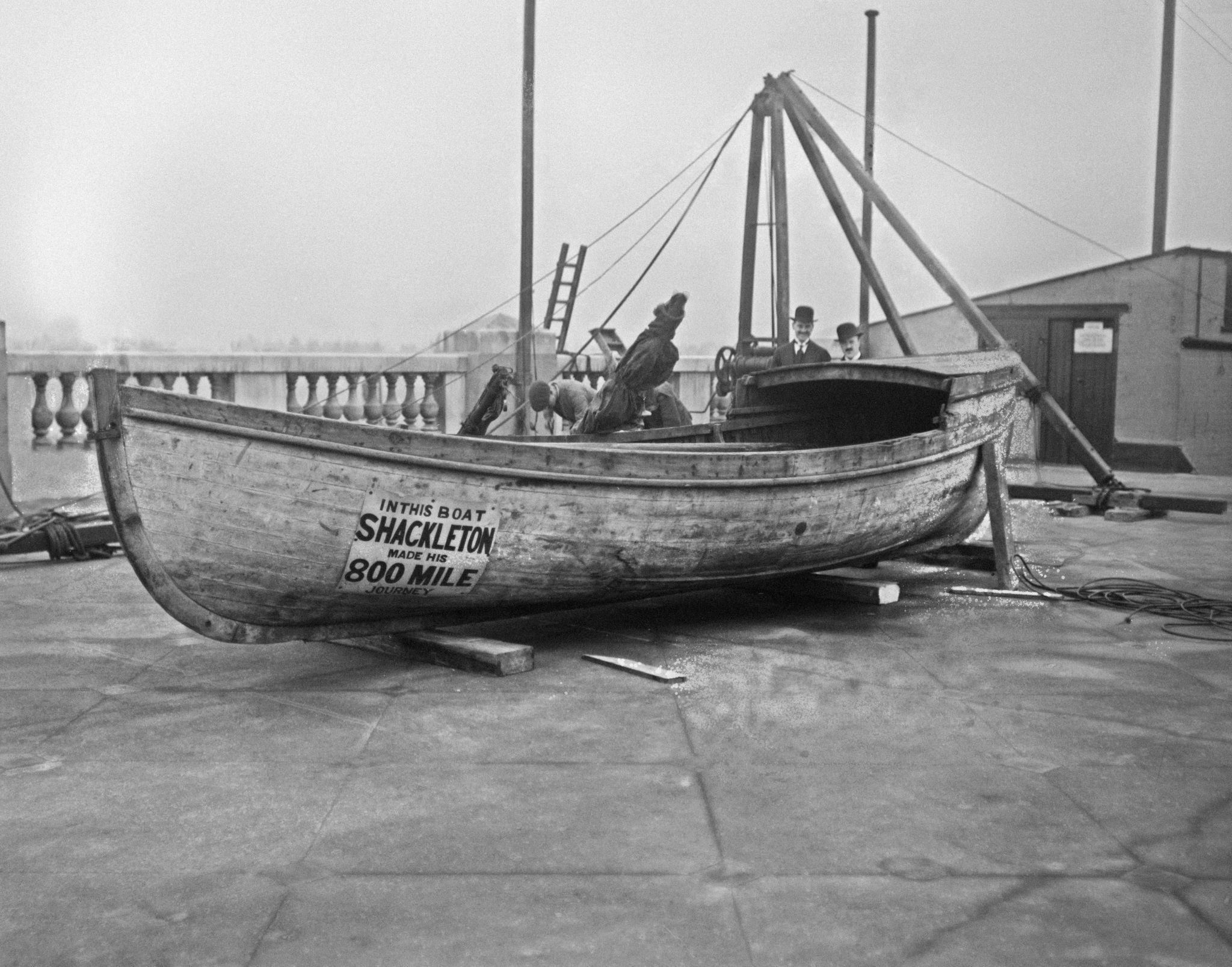
He selected five men and prepared the strongest of the three boats — the James Caird — for a journey that many historians consider nearly impossible: an 800-mile voyage across the open Southern Ocean to South Georgia, a whaling station far to the north.

The remaining crew stayed behind on Elephant Island, waiting without certainty that help would ever return.

The expedition that began as a continental trek had now turned into one of the most dangerous small-boat journeys in polar history.


Ernest Shackleton - The Endurance Expedition

4. The Voyage of the James Caird

Image

Image

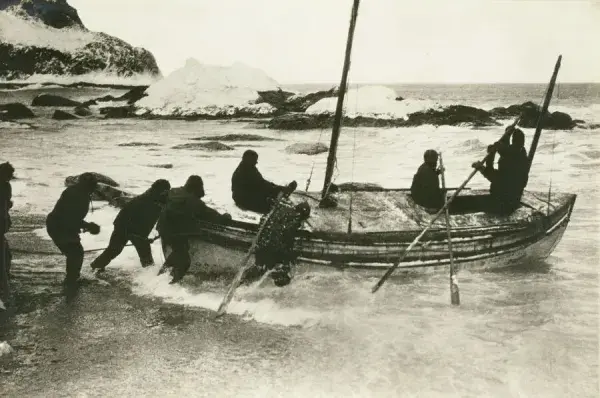
Caption: The modified lifeboat James Caird preparing to cross 800 miles of the Southern Ocean.

On April 24, 1916, Shackleton and five selected men left Elephant Island in the reinforced lifeboat James Caird. Their destination was South Georgia, nearly 800 miles away across the Southern Ocean — one of the most violent maritime environments on Earth.

The boat was barely 22 feet long.

Navigator Frank Worsley relied on brief sightings of the sun between storms to calculate position. There were no radios, no engines, no accurate forecasts. Waves regularly rose higher than the boat itself. Ice formed on the hull, adding weight and threatening stability. The men were constantly wet. Sleep was almost nonexistent.

For over two weeks, they endured freezing spray, relentless winds, and near-capsizing conditions. One miscalculation in direction could have sent them into open ocean with no landfall. But Worsley’s navigation held true.

On May 10, 1916, they sighted South Georgia — but reaching it was not immediate relief. Violent winds pushed them away from safe landing points. After days of maneuvering, they finally landed on the southern coast of the island.

They were alive — but not safe.


5. The Mountain Crossing of South Georgia

Image

Image

Image

Image

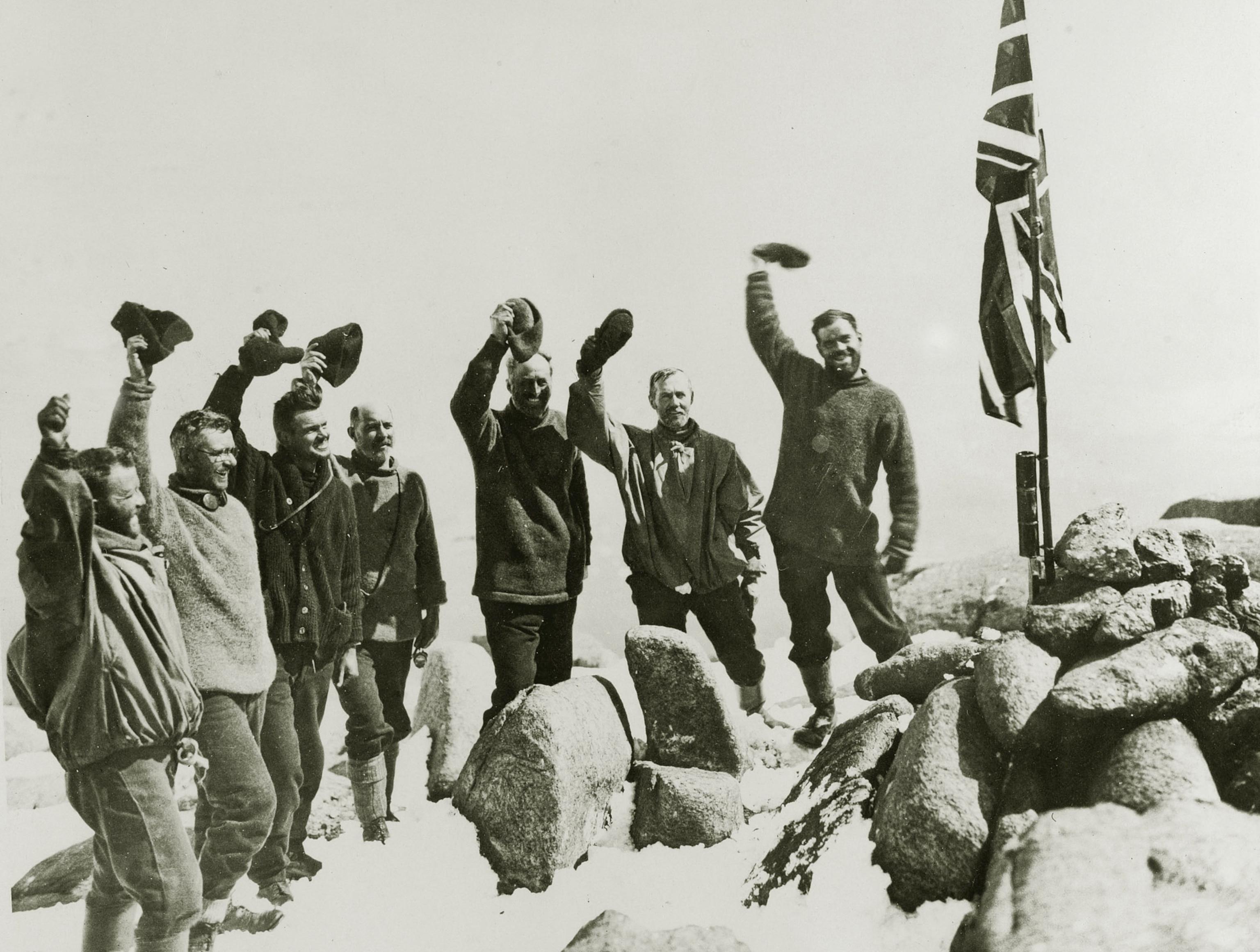
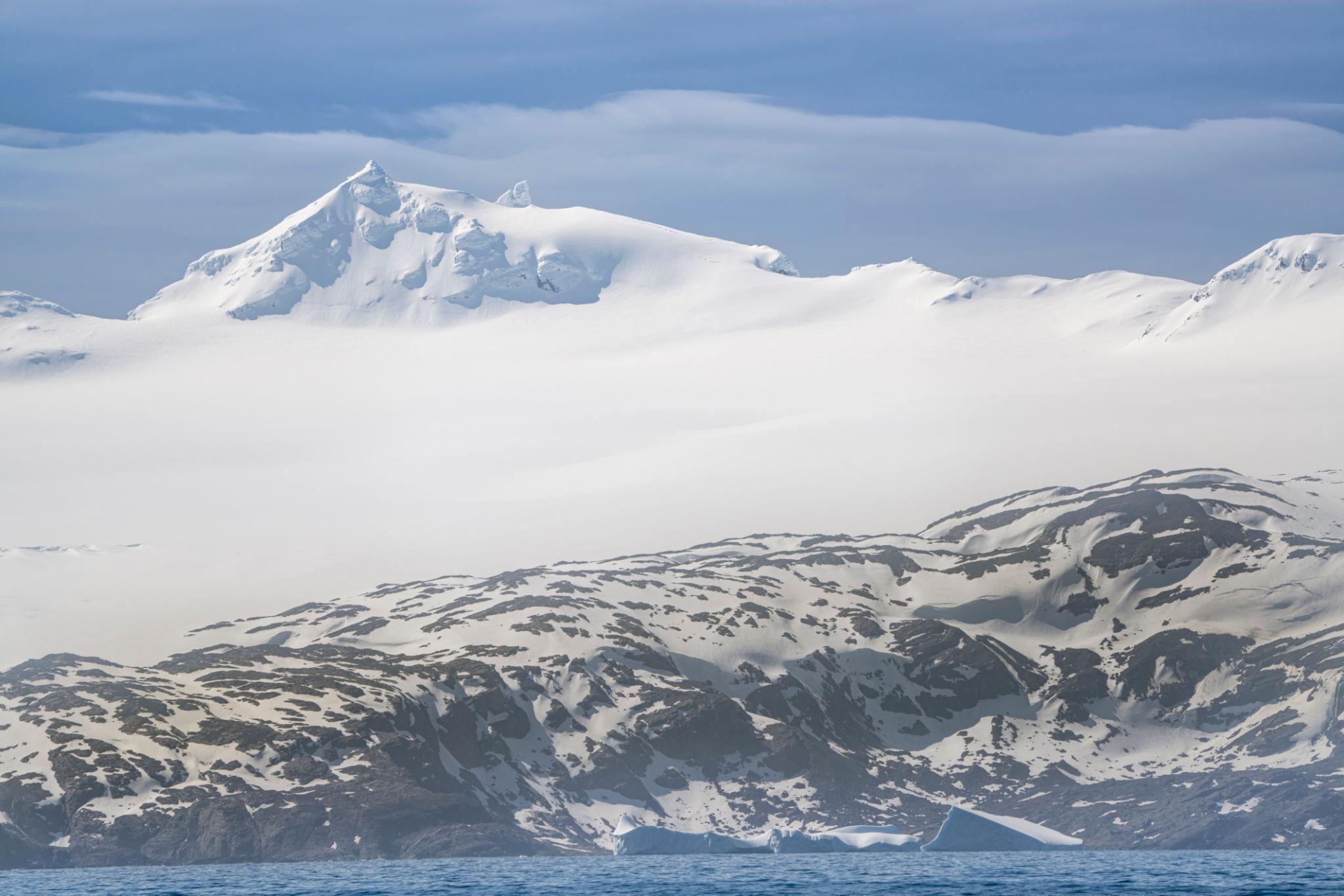
Caption: The unmapped mountains of South Georgia that Shackleton crossed on foot.

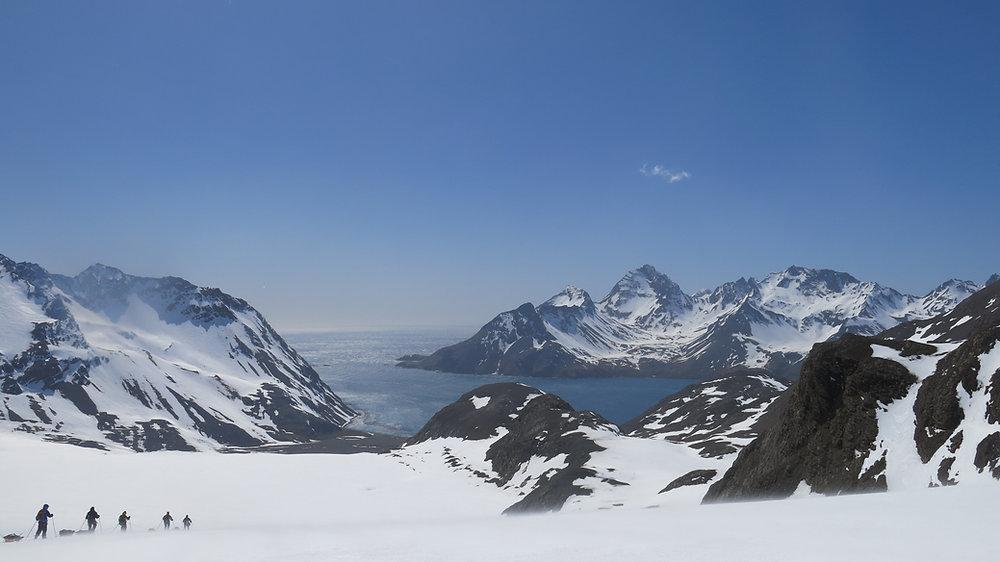
The whaling stations — their only chance of rescue — were located on the northern side of South Georgia. No one had ever crossed the island’s mountainous interior. It was unmapped, glaciated, and steep.

Shackleton chose two companions and left the remaining three at the landing site. Without tents or sleeping bags, carrying minimal equipment, the three men began trekking across the island’s interior.

They climbed over ridges, slid down icy slopes, and crossed glaciers using improvised techniques. With no detailed maps, they relied on observation and instinct. At one point, to avoid freezing overnight without shelter, they slid down a snow slope blindly, risking injury to save time.

After approximately 36 hours of continuous movement without proper rest, they heard a sound — the whistle of a whaling station.

When they finally walked into the station at Stromness in May 1916, their appearance shocked those who saw them. They had crossed ocean and mountain under conditions that most would consider fatal.

But the mission was not complete.


6. The Rescue of the Remaining Crew

Shackleton immediately began organizing a rescue for the men left behind on Elephant Island. Ice conditions and war-related ship shortages delayed attempts. Several rescue missions failed due to heavy pack ice blocking access.

Finally, in August 1916 - over four months after leaving them - Shackleton returned aboard a Chilean vessel that broke through the ice.

All 22 men on Elephant Island were still alive.

Not a single member of the Endurance expedition was lost.


Why This Expedition Endures in History

The Endurance expedition never achieved its original goal of crossing Antarctica. Yet it became one of the most studied survival expeditions in history because of:

  • Shackleton’s leadership under prolonged crisis
  • The 800-mile open-boat voyage
  • The first crossing of South Georgia’s interior
  • The complete survival of all crew members

It was not a successful exploration by objective. It was a successful survival by resilience.

The Antarctic crossing never happened - but the endurance shown by the crew became more significant than the original mission itself.


Image Credit: Imperial Trans-Antarctic Expedition Archives (Public Domain)

Narrated by KarakoramDiaries ✧