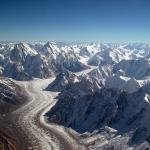
The 1978 Oxygen-less Ascent of K2
Caption: Reinhold Messner and Peter Habeler during the 1978 K2 expedition, the first climbers to reach the summit of K2 without supplemental oxygen.
The Context of the Expedition
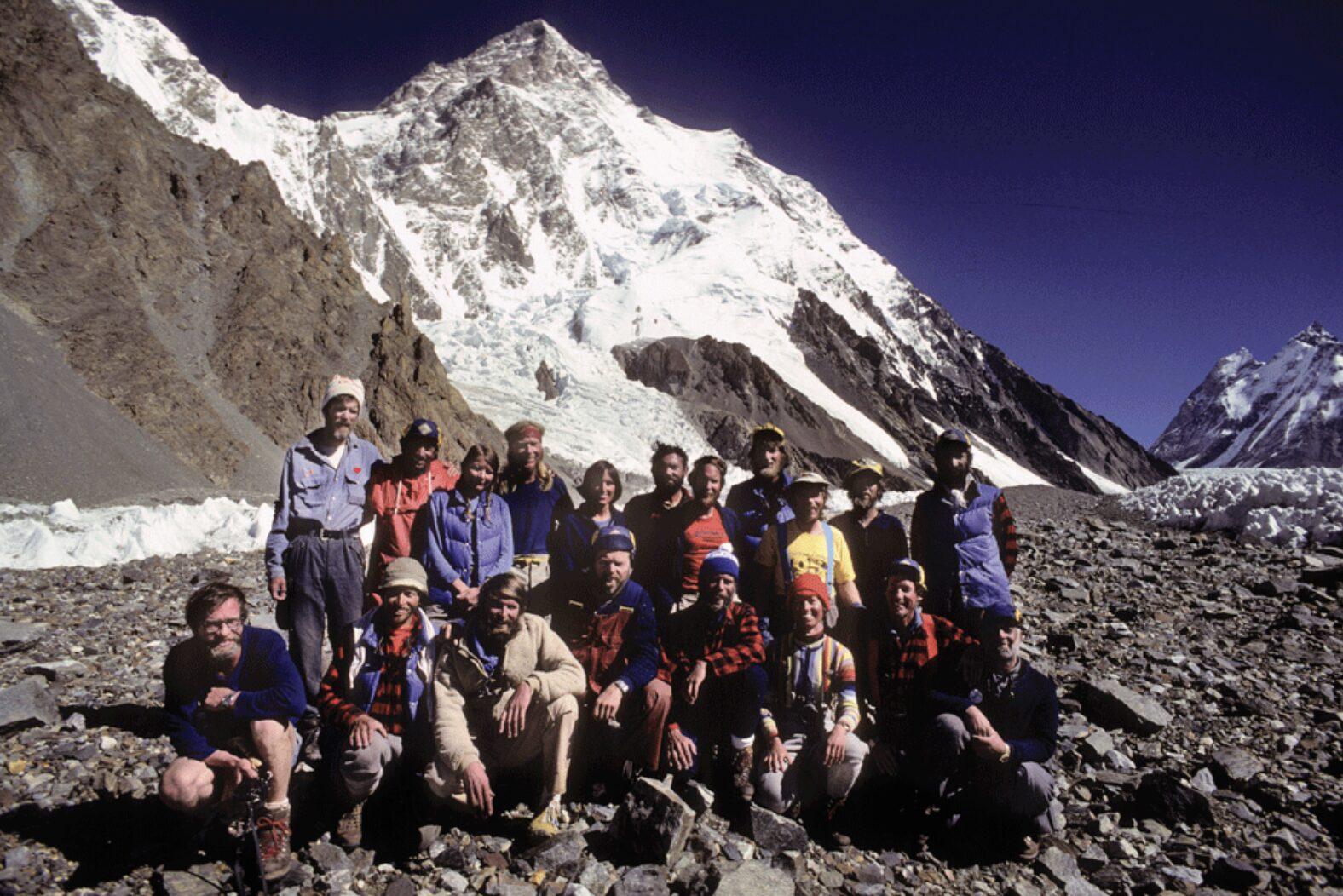
In the summer of 1978, an international expedition was organized to attempt K2 , the world’s second-highest mountain. At that time, K2 had been climbed only a few times, and it was already known for its steep terrain, unstable weather, and high fatality rate.
Most climbers on the expedition planned to use supplemental oxygen above 8,000 meters, which was considered essential for survival at extreme altitude. Two climbers, however, stated clearly that they intended to climb without oxygen. These climbers were Reinhold Messner and Peter Habeler .
Their decision was controversial because, at the time, many medical experts believed that sustained physical effort above 8,000 meters without oxygen could lead to unconsciousness or death.
Progress on the Abruzzi Spur
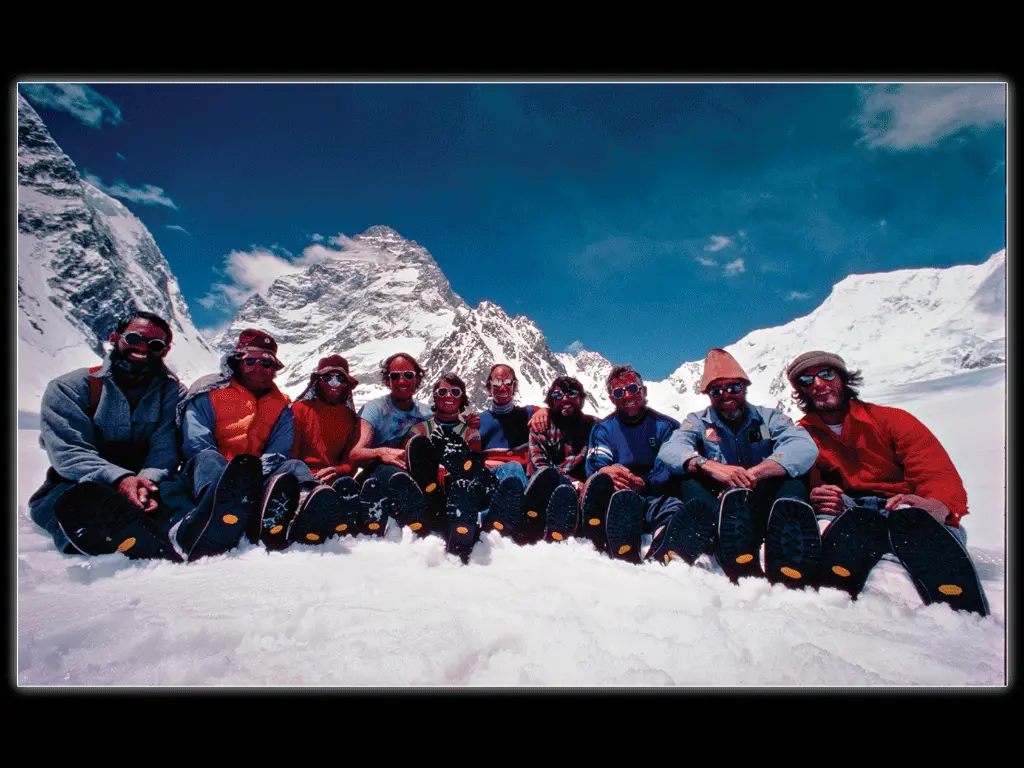
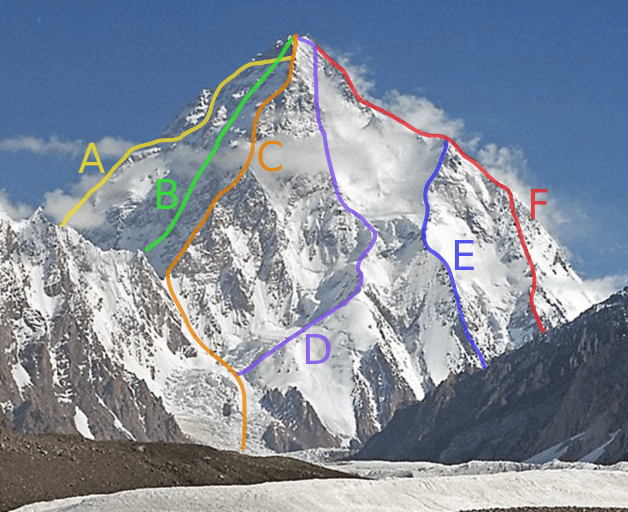
Caption: Members of the 1978 expedition ascending the Abruzzi Spur using fixed camps and 1970s-era climbing equipment.
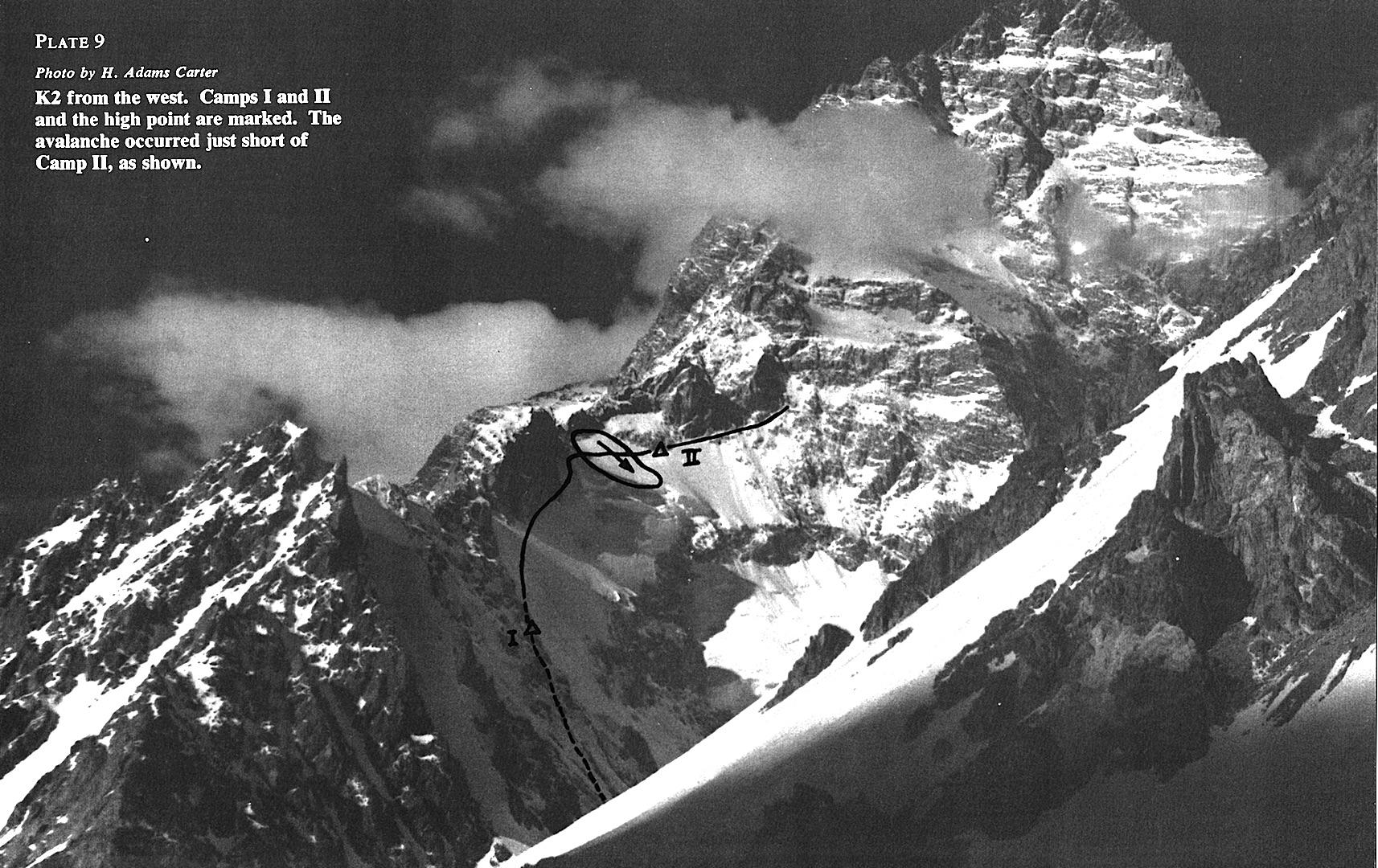
The expedition followed the Abruzzi Spur, which had become the standard route on K2. Camps were established progressively higher on the mountain. Messner and Habeler moved with the rest of the team but avoided unnecessary load carries in order to conserve energy.
Other climbers used oxygen during carries and acclimatization. Messner and Habeler did not. Their approach relied on prior high-altitude experience and careful pacing rather than technological assistance.
Summit Day: 6 September 1978
On 6 September 1978, weather conditions were stable enough to allow a summit attempt. Messner and Habeler began their final ascent without supplemental oxygen, while other climbers ascended using oxygen systems.
As they climbed above 8,000 meters, both men experienced the physical effects of extreme altitude. Their breathing became slow and shallow, and their movement required careful coordination. Despite these conditions, they continued upward at a controlled pace.
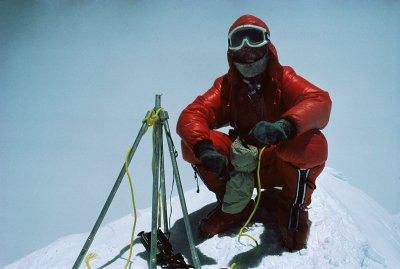
After several hours of climbing, they reached the summit of K2. This marked the first time in history that the mountain had been climbed without supplemental oxygen.
They remained on the summit briefly and then began their descent without delay.
The Descent
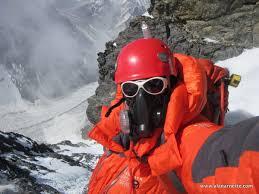
Caption: Climbers descending from the upper slopes of K2 during the 1978 expedition, where fatigue and oxygen deprivation posed serious risks.
During the descent, Messner experienced severe exhaustion and loss of coordination. At one point, he collapsed and was unable to continue without assistance. Habeler helped him resume movement, and both climbers continued downward with extreme difficulty.
They eventually reached lower camps safely. Both climbers survived, although they were physically exhausted and required extended recovery.
Other members of the expedition, including climbers who used oxygen, suffered frostbite and serious injuries. The ascent demonstrated that oxygen use did not eliminate danger on K2.
Historical Significance
The 1978 oxygen-less ascent of K2 proved that humans could reach extreme altitude without supplemental oxygen under specific conditions. It also confirmed that K2’s primary dangers were its terrain, weather, and narrow margin for error rather than altitude alone.
The ascent did not lead to widespread adoption of oxygen-less climbing on K2. Instead, it reinforced the understanding that such attempts carried extreme risk and were suitable only for a small number of highly experienced climbers.
Conclusion
The 1978 ascent of K2 without oxygen was a documented historical event that changed mountaineering knowledge about human limits at extreme altitude. It was achieved without loss of life during the summit push, but it did not reduce the mountain’s overall danger.
K2 remained one of the most lethal mountains in the world, regardless of equipment or climbing style.
References
- Messner, Reinhold. All 14 Eight-Thousanders. Mountaineers Books.
- American Alpine Journal, 1979. “The 1978 K2 Expedition.”
- The Alpine Journal, Vol. 84 (1979). Expedition reports and summit accounts.
- National Geographic Archive. “K2: The Savage Mountain.”
- Austrian Alpine Club historical interviews with Peter Habeler.



![K2 Base Camp Trek: Ultimate Guide k2 Trek 2026 [UPDATED]](https://karakoramdiaries.com/storage/ultimate-guide-to-k2-base-camp-trek-full-document-150x150.png)