Best Places to Visit in Canada
Canada is the second largest country in the world by land area. It stretches from the Atlantic Ocean to the Pacific Ocean and into the Arctic. The country is defined by vast wilderness, glacier-fed lakes, mountain systems, coastal fjords, and modern multicultural cities.
Travel in Canada is regional. Distances are large, and each province has a distinct landscape and identity. To understand Canada properly, it must be explored through structured geographic sections.
Table of contents [Show]
1. Major Cities and Cultural Centers
Toronto
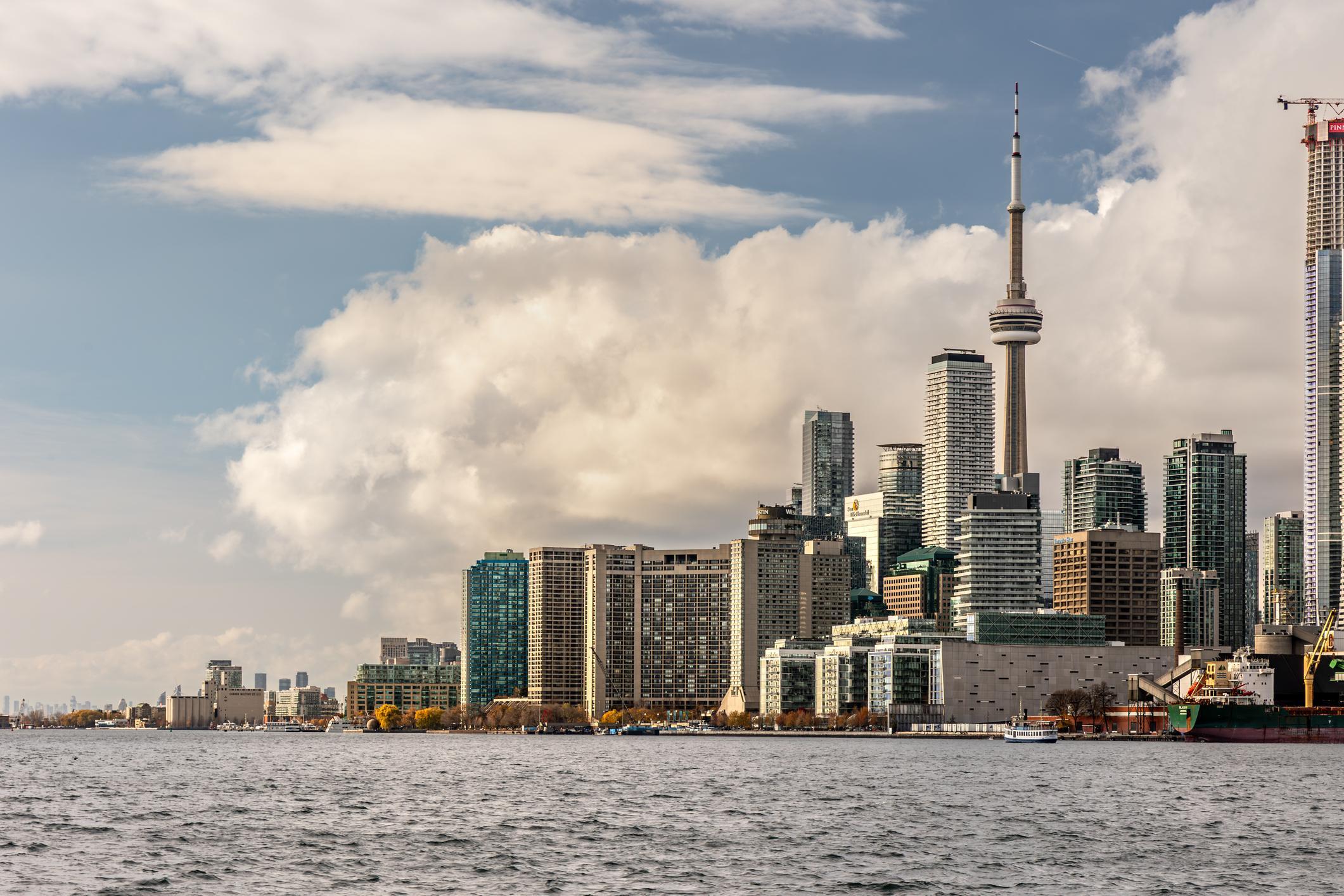
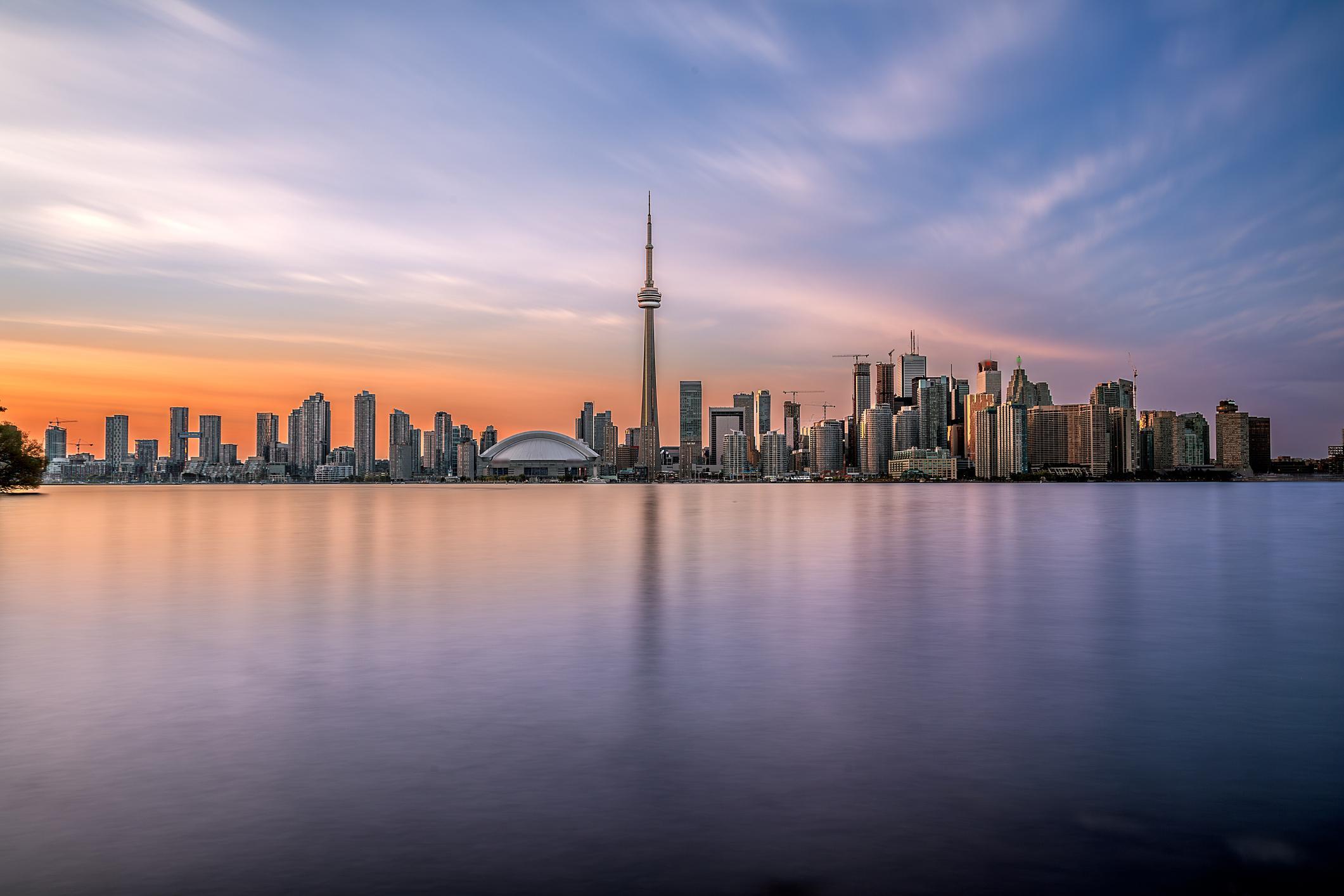
Toronto skyline and waterfront
Toronto is Canada’s largest city and financial center. It sits on the northern shore of Lake Ontario.
Key areas include:
- CN Tower and downtown core
- Distillery District
- Harbourfront
- Kensington Market
Toronto is multicultural and urban, with strong museum infrastructure and international cuisine.
Montreal
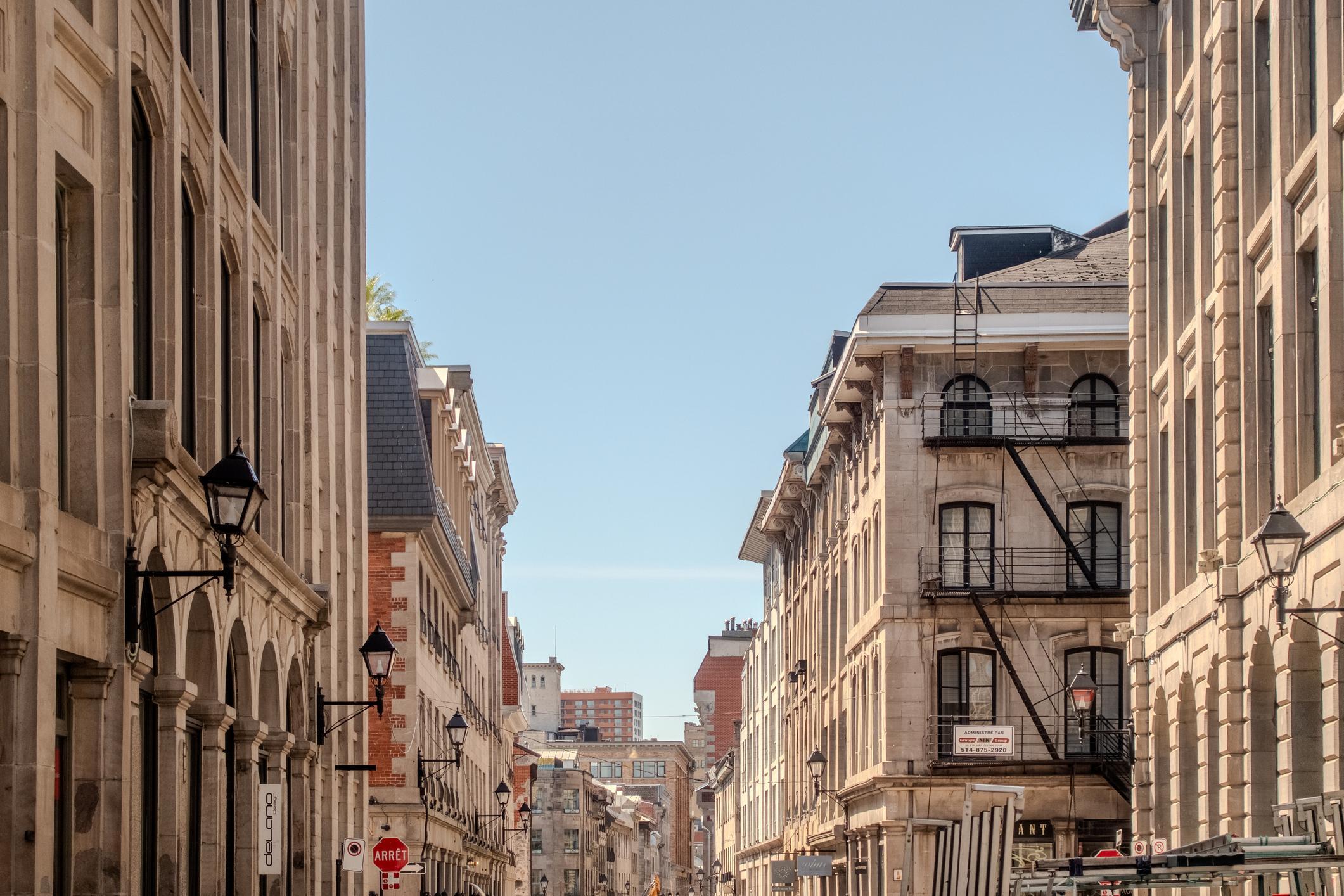
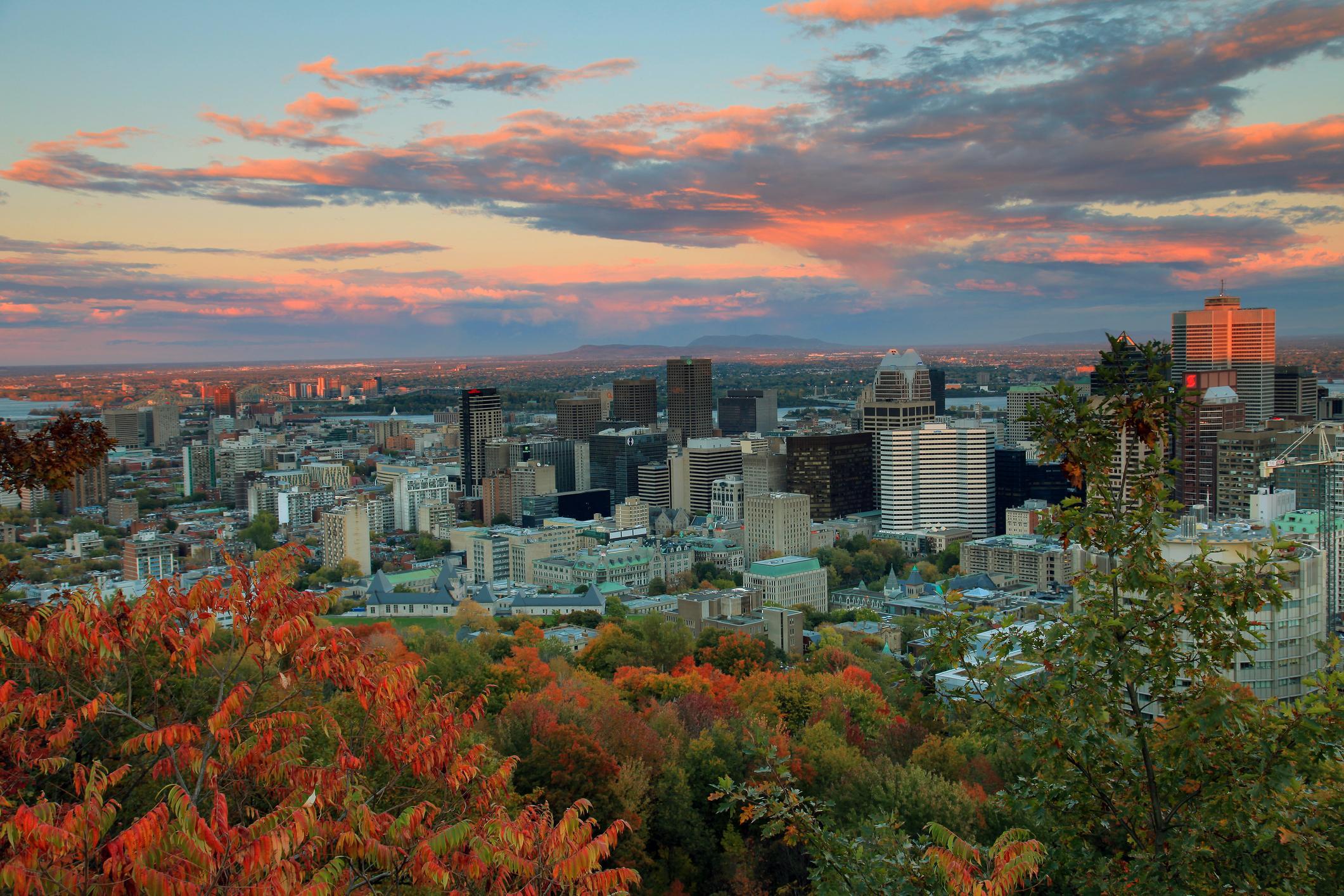
Old Montreal streets and Mount Royal view
Montreal blends French heritage with North American urban design. The historic district, Old Montreal, preserves stone architecture and cathedral structures.
Mount Royal Park provides elevated city views. Montreal also has a strong festival culture during summer months.
Vancouver
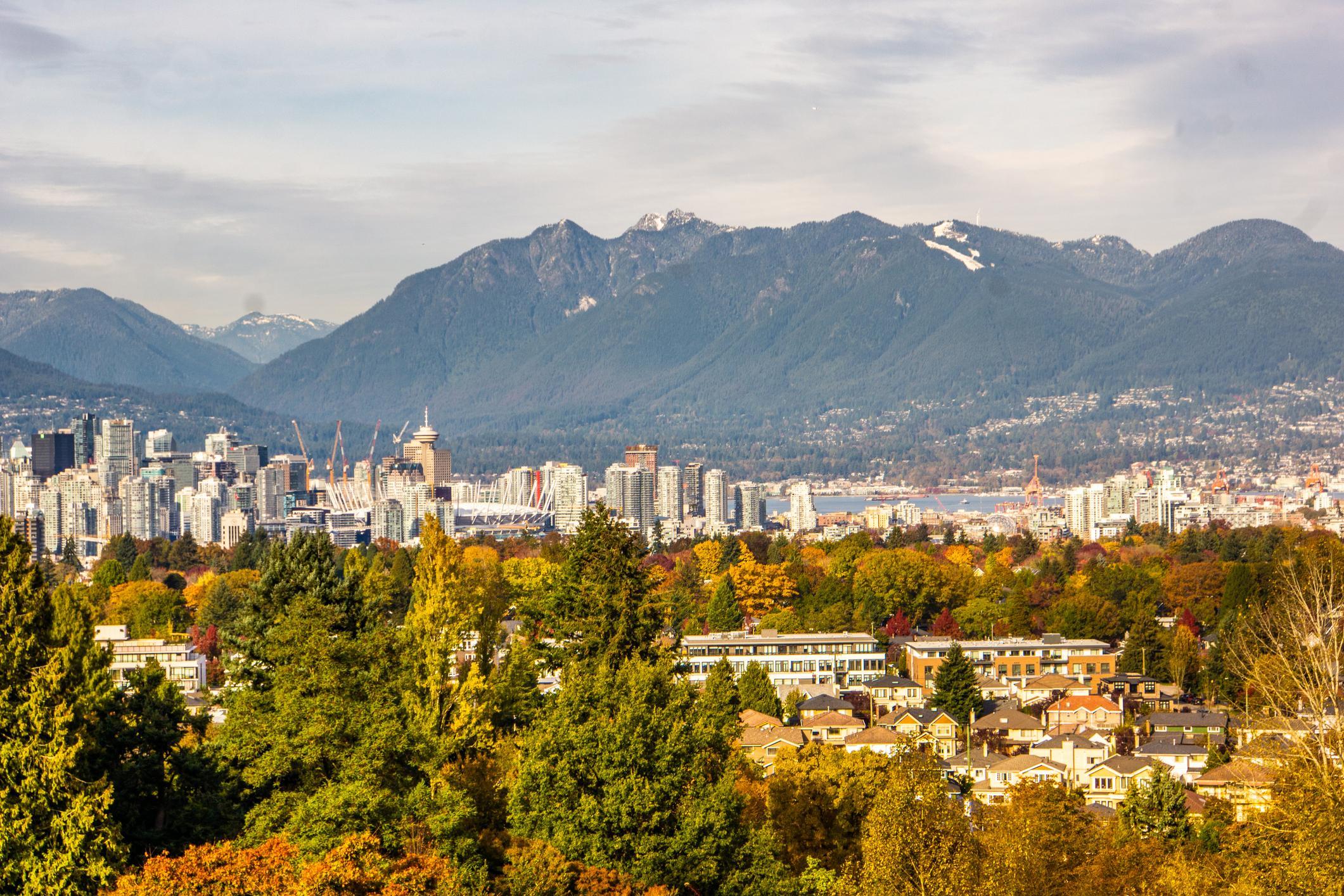
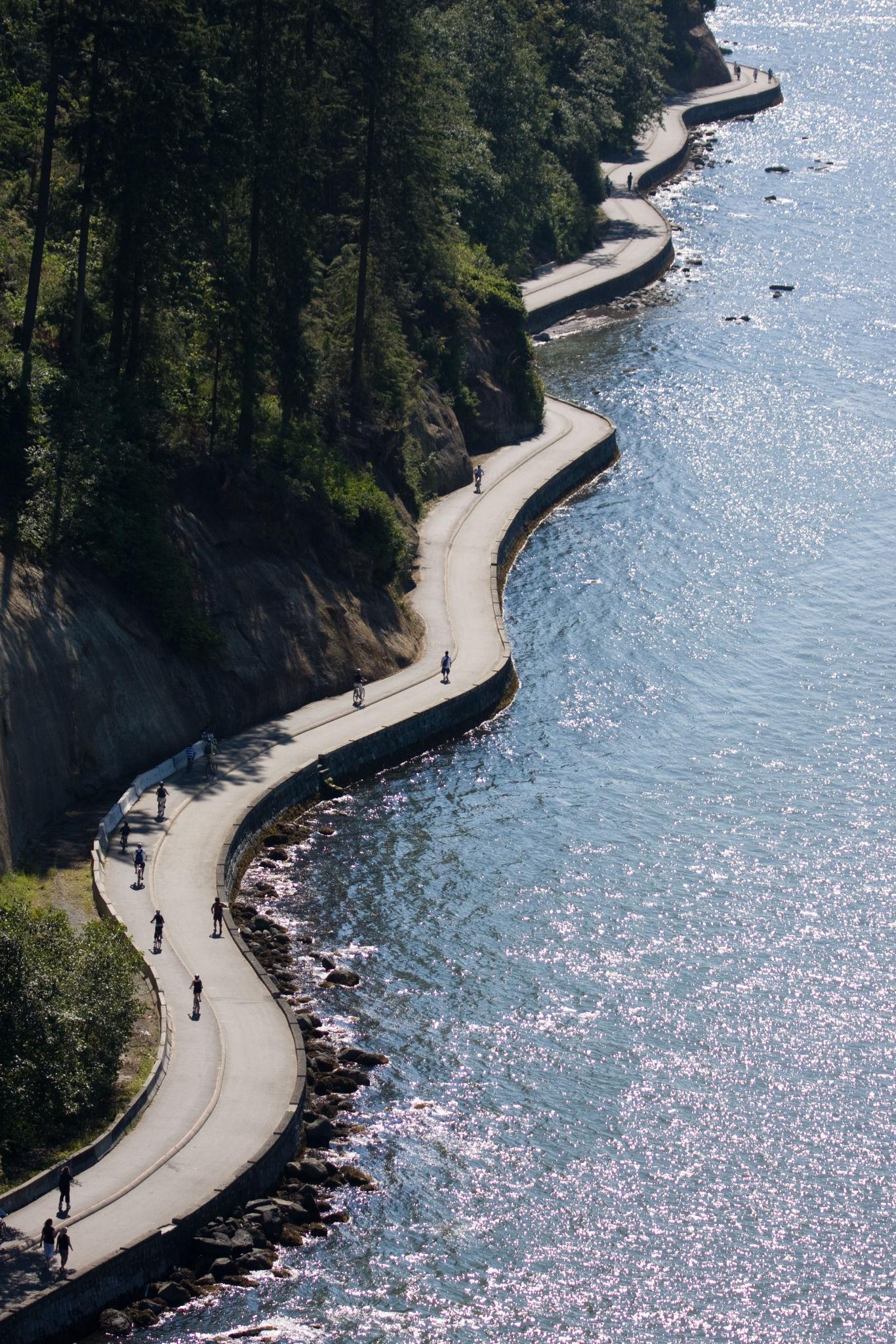
Vancouver skyline with coastal mountains
Vancouver is located between the Pacific Ocean and the Coast Mountains. It is known for its natural setting and outdoor access.
Stanley Park, Granville Island, and the seawall define the central experience.
Vancouver serves as a gateway to the Rocky Mountains and Vancouver Island.
2. Rocky Mountains and Alpine Regions
Western Canada contains some of the most dramatic mountain scenery in North America.
Banff National Park
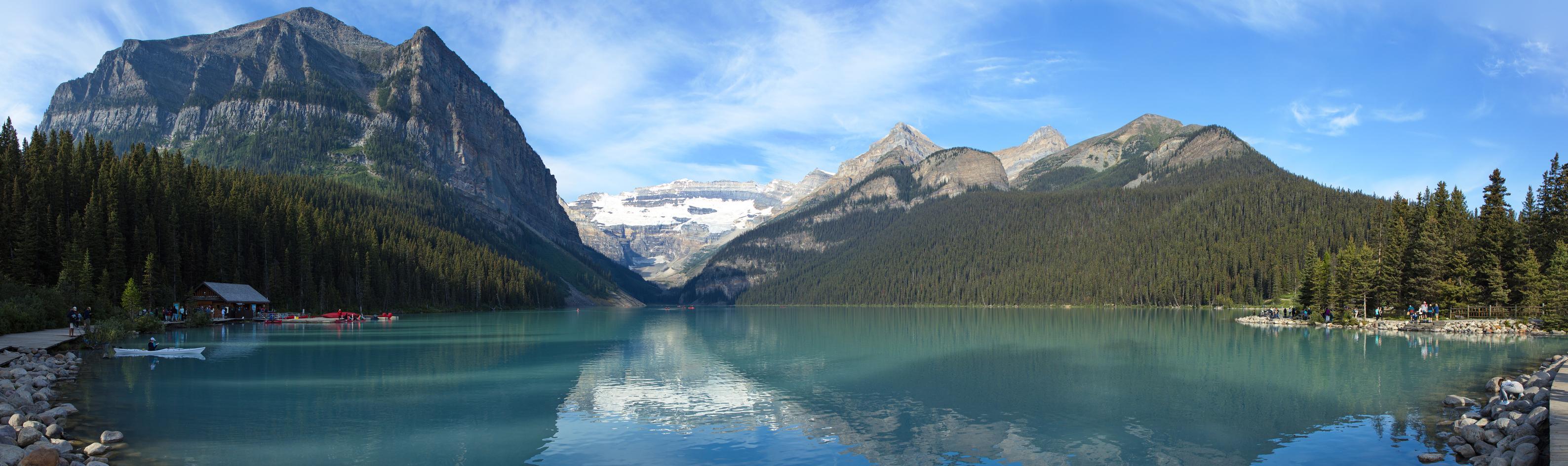
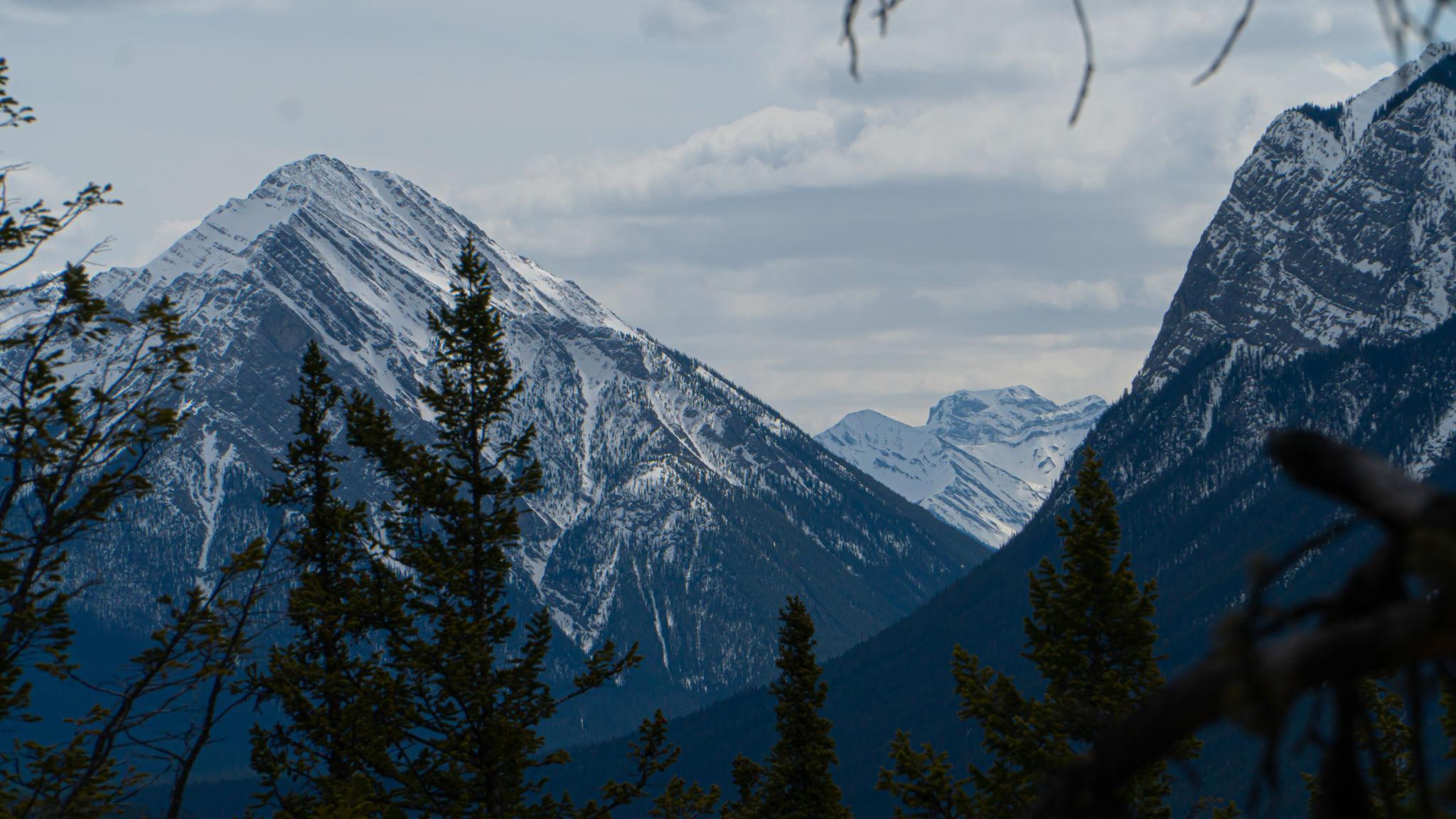
Lake Louise and Banff town
Banff National Park in Alberta is Canada’s most visited mountain park. It includes glacier-fed lakes, alpine passes, and wildlife corridors.
Lake Louise and Moraine Lake are major highlights.
Jasper National Park
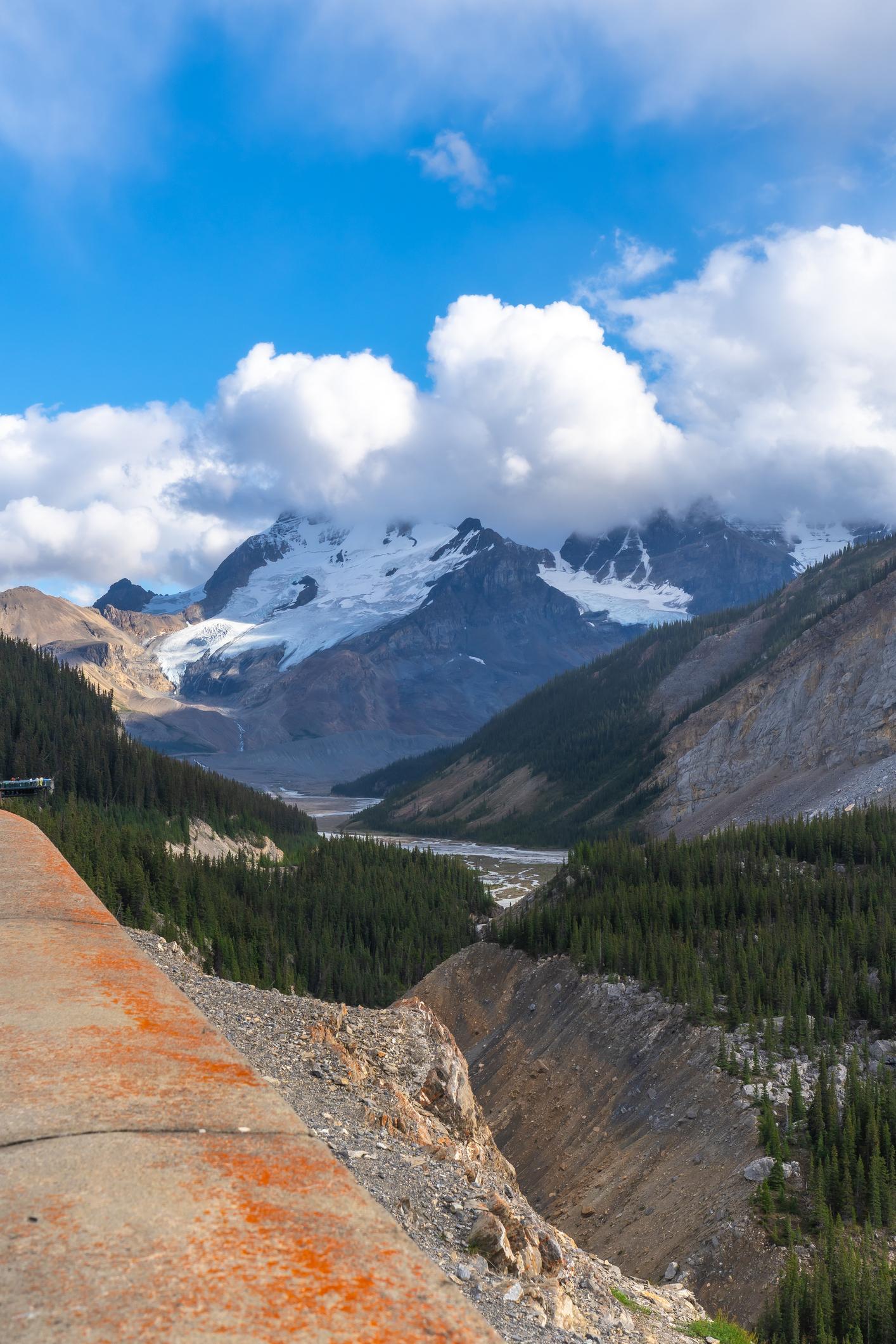
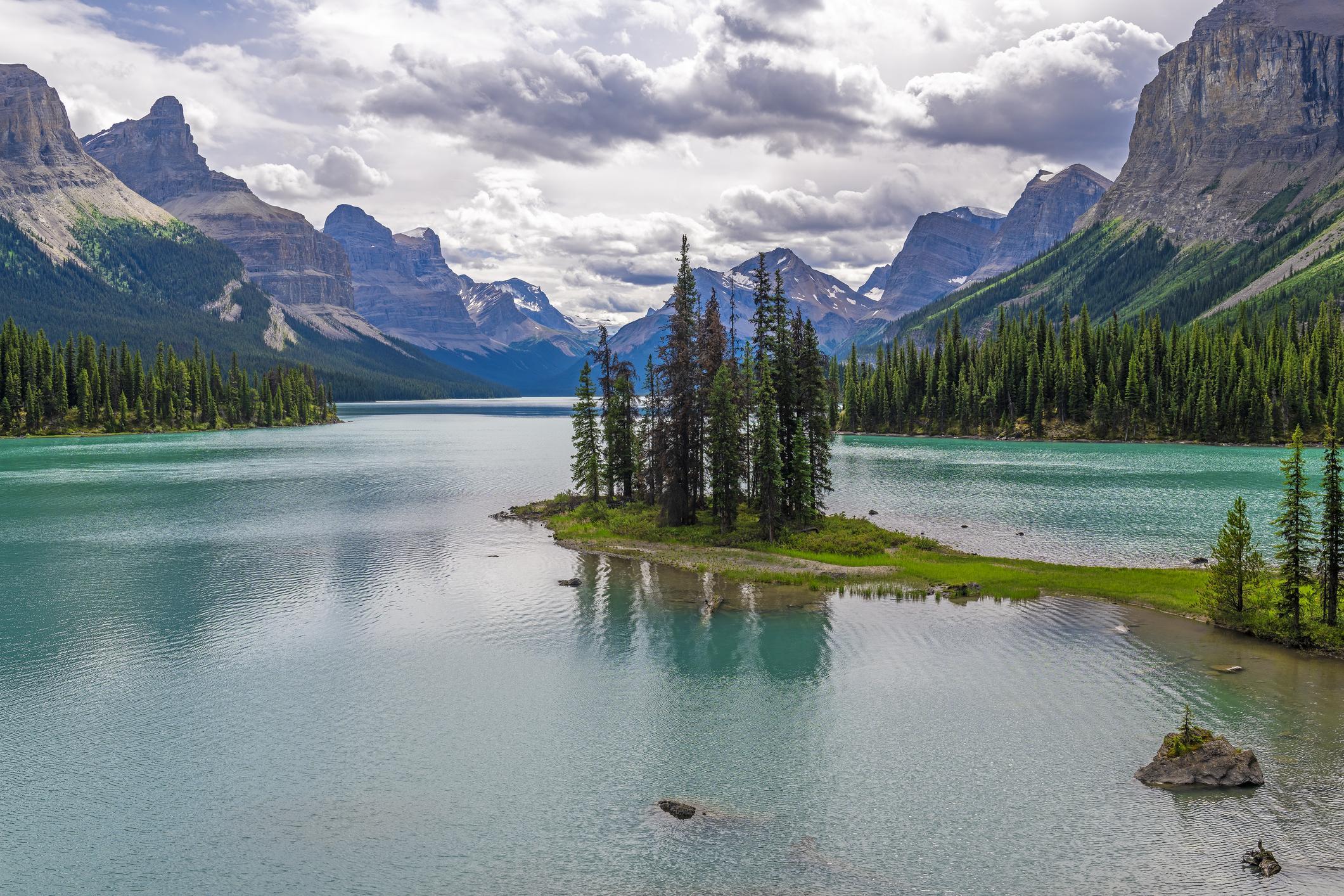
Athabasca Glacier and Maligne Lake
Jasper is larger and less developed than Banff. It offers darker night skies and extended wilderness.
The Icefields Parkway connects Banff and Jasper and is one of the most scenic mountain drives in the world.
3. Coastal and Island Regions
Vancouver Island
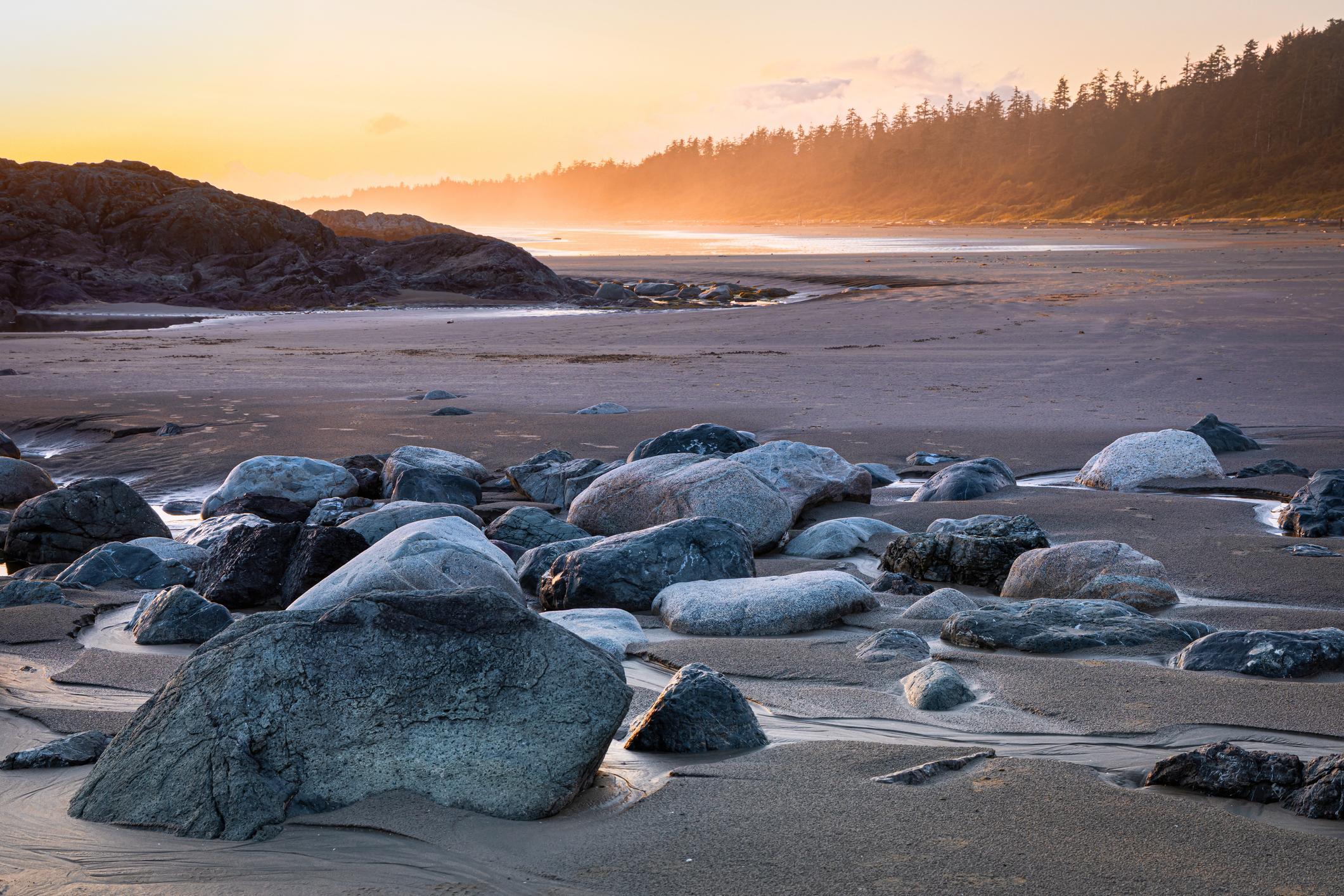
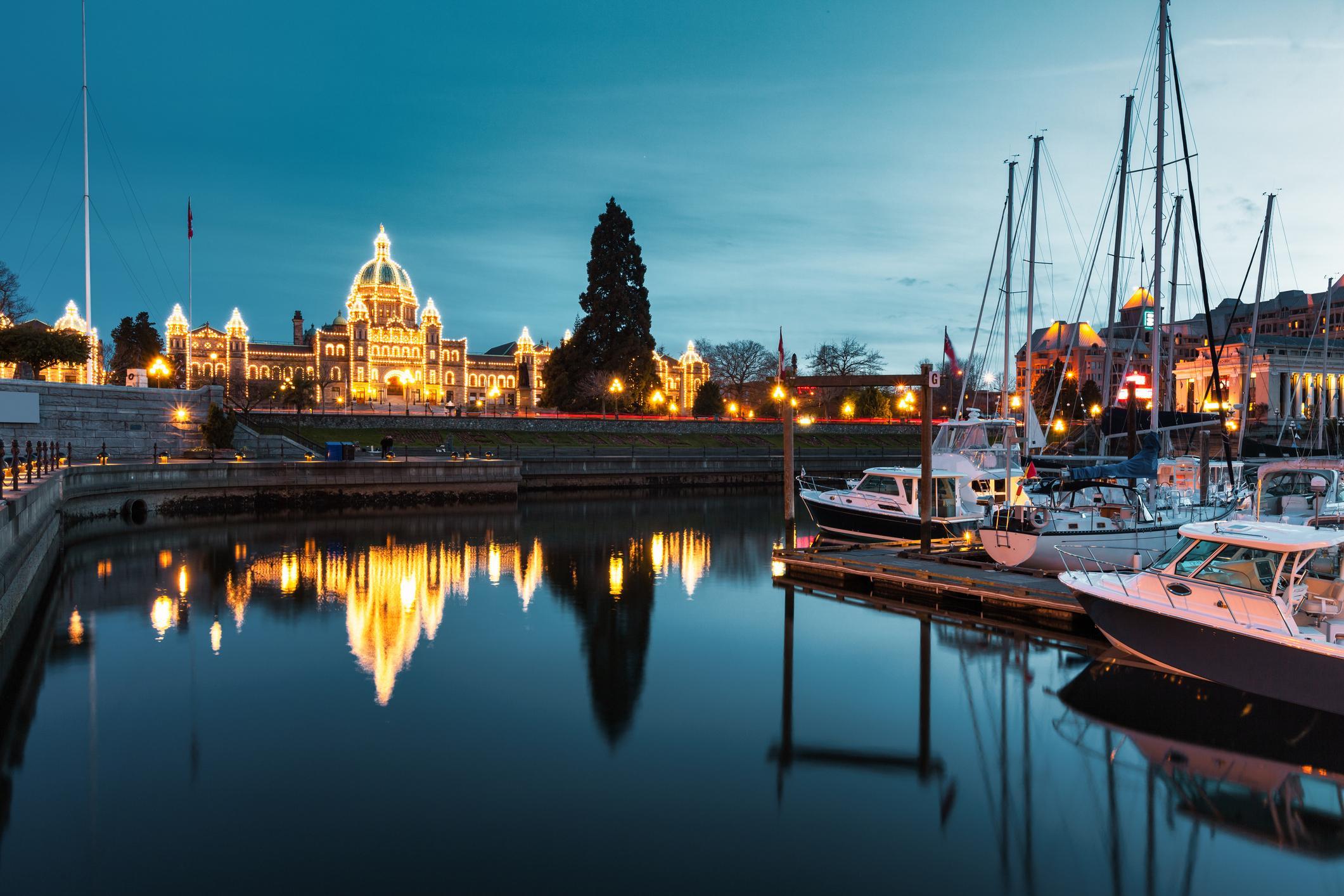
Tofino coastline and Victoria harbor
Vancouver Island includes temperate rainforest, Pacific beaches, and the provincial capital Victoria.
Tofino is known for surfing and storm watching. Victoria preserves British colonial architecture.
Gros Morne National Park
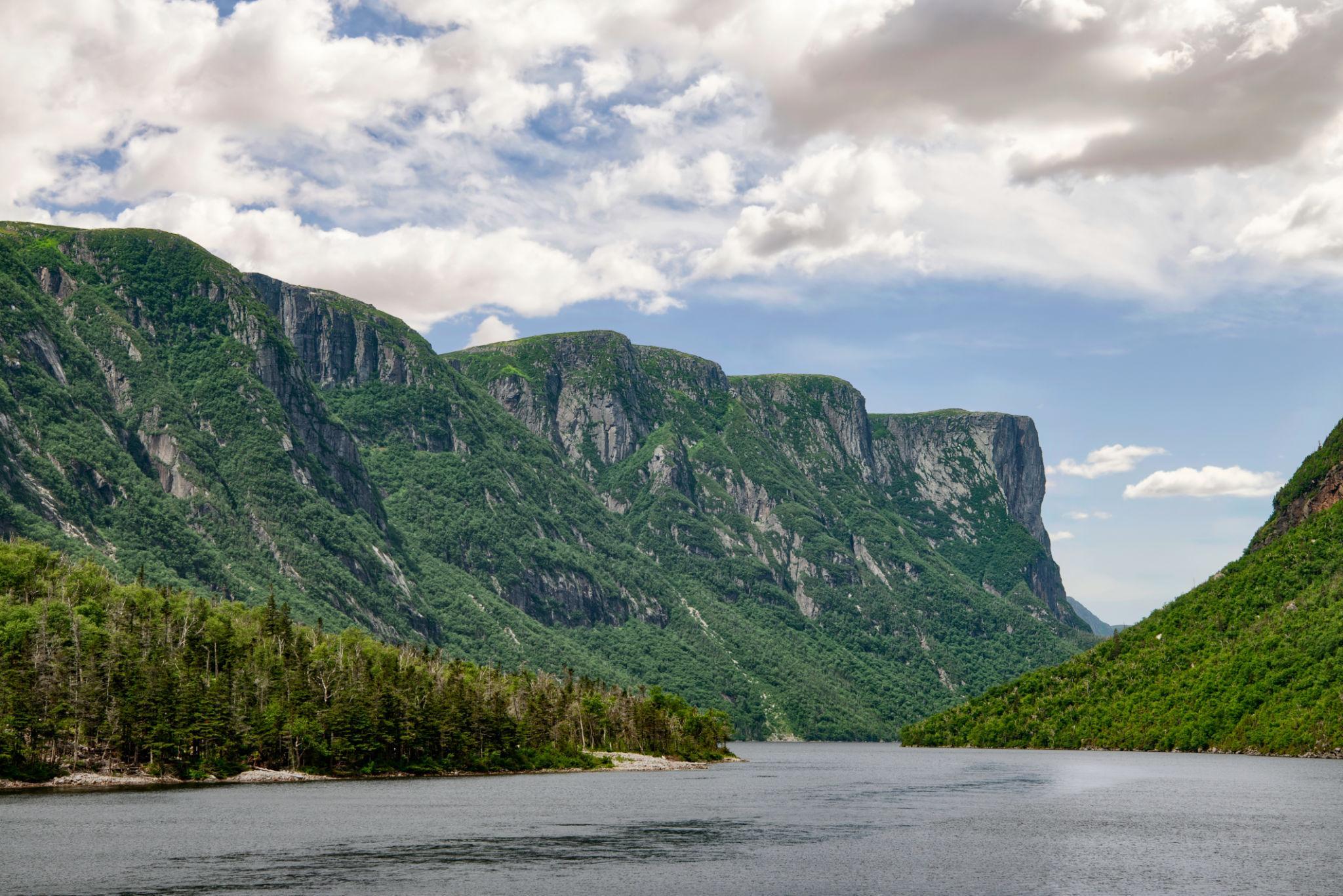
Fjords and geological formations in Gros Morne
Located in Newfoundland, Gros Morne features fjord-like landscapes and exposed mantle rock formations.
It represents eastern Canada’s rugged Atlantic geography.
4. Arctic and Northern Wilderness
Canada’s northern territories are sparsely populated and dominated by tundra and boreal forest.
Auyuittuq National Park
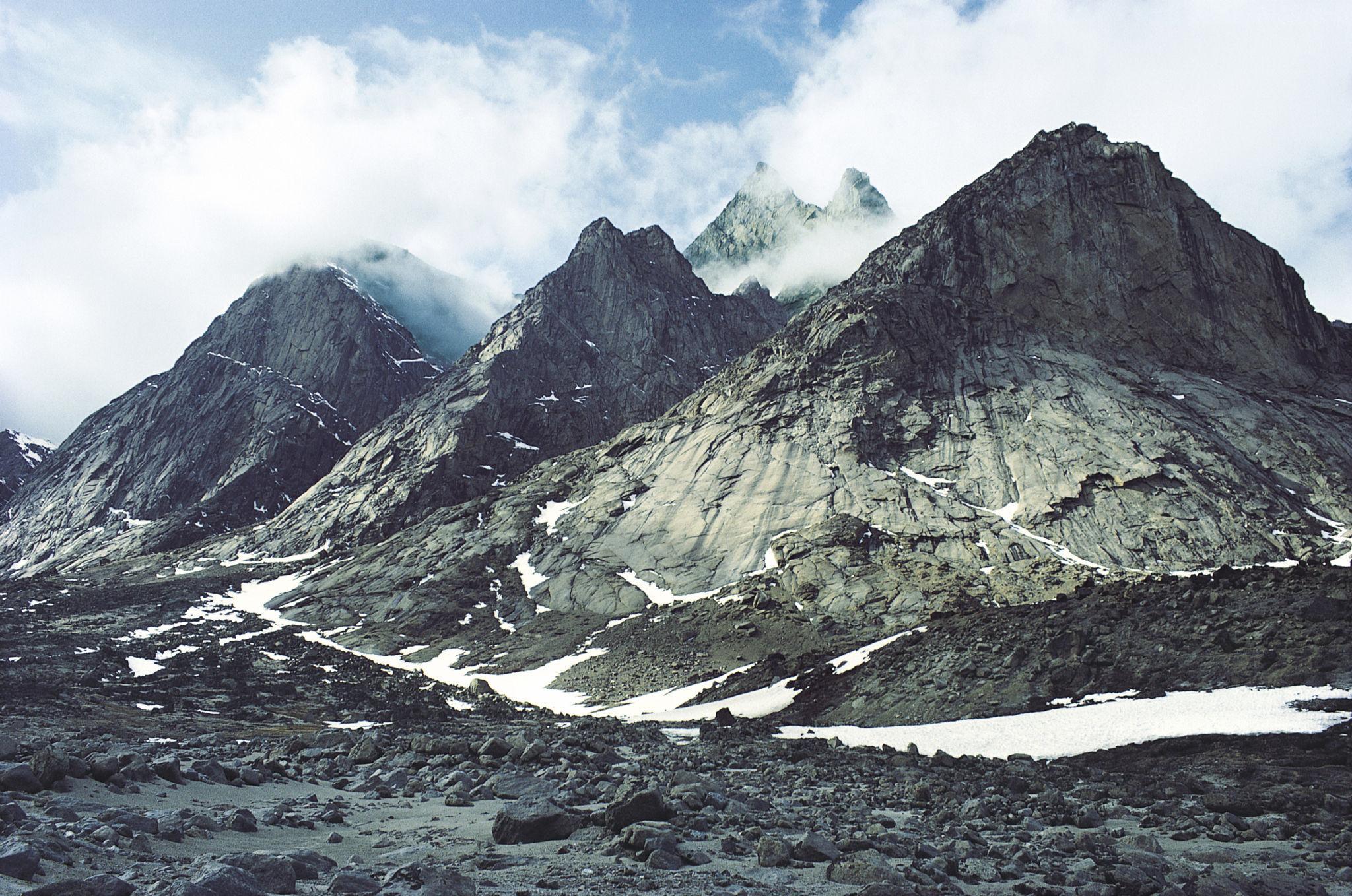
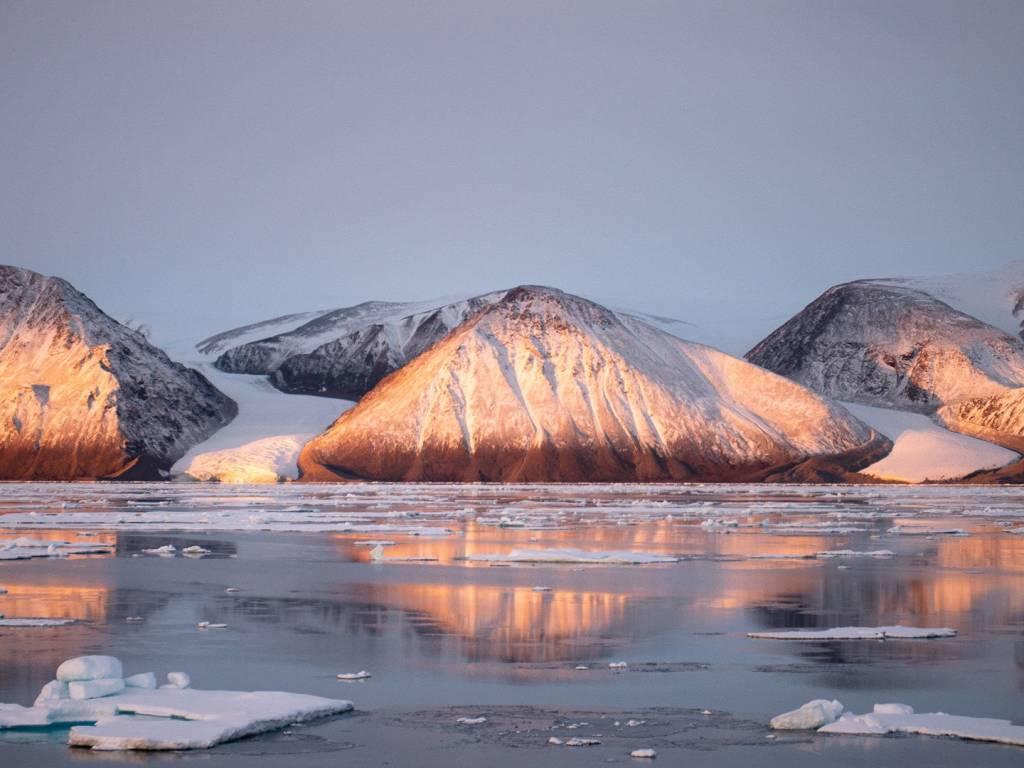
Arctic mountains and fjord systems
Auyuittuq National Park in Nunavut contains dramatic granite peaks and Arctic fjords.
Travel here requires advanced planning and guided logistics.
5. Scenic Routes and Rail Journeys
Canada’s large distances make scenic routes a major attraction.
Important routes include:
- Icefields Parkway in Alberta
- Cabot Trail in Nova Scotia
- Sea to Sky Highway in British Columbia
Rail travel such as the cross-country train routes offers long-distance landscape viewing.
6. Trekking and Outdoor Culture
Canada supports multi-day hiking routes including:
- West Coast Trail on Vancouver Island
- Skyline Trail in Jasper
- Fundy Footpath in New Brunswick
Backcountry permits are often required in national parks.
Outdoor infrastructure is highly organized and regulated.
7. Wildlife and Nature Observation
Wildlife viewing is a central travel theme in Canada.
Common species include:
- Grizzly bears
- Moose
- Elk
- Bald eagles
- Orcas on the Pacific coast
Wildlife encounters require distance awareness and safety compliance.
8. Seasonal Travel Strategy
Summer
Best for national parks and hiking.
Autumn
Short foliage season, especially in Quebec and Ontario.
Winter
Major ski destinations in British Columbia and Alberta.
Spring
Variable weather but fewer tourists.
Canada Overview
Canada offers:
- Major multicultural cities
- Large protected wilderness systems
- Alpine glacier landscapes
- Atlantic coastal fjords
- Arctic terrain
- Structured outdoor infrastructure
Travel distances are significant, so regional planning is essential.
Image Credits
All images used in this Canada guide are sourced via public search queries corresponding to:
- Toronto skyline
- Montreal Old Town
- Vancouver skyline
- Banff Lake Louise
- Jasper Athabasca Glacier
- Vancouver Island Tofino
- Gros Morne National Park
- Auyuittuq Arctic landscape
The information in this guide is intended for general planning purposes only. Trail conditions, permit requirements, costs, and access routes can change due to weather, seasonal closures, or local regulations. The itinerary provided is a suggested framework and may need to be adjusted based on your fitness level, acclimatization, and conditions on the ground. Always consult a local guide or trekking agency before departing and verify current conditions with authorities or affiliated company.
![K2 Base Camp Trek: Ultimate Guide k2 Trek 2026 [UPDATED]](https://karakoramdiaries.com/storage/ultimate-guide-to-k2-base-camp-trek-full-document-150x150.png)