Best Places to Visit in Japan
Japan is an island nation in East Asia known for its mix of modern cities, historic temples, mountain landscapes, and coastal scenery. The country stretches from the northern island of Hokkaido to the subtropical islands of Okinawa. Travel is efficient due to a strong rail network, including high speed trains.
Japan is best understood by region. The main island of Honshu contains most major cities, while other islands offer different climate and culture.
Table of contents [Show]
I. Tokyo and the Kanto Region
Tokyo
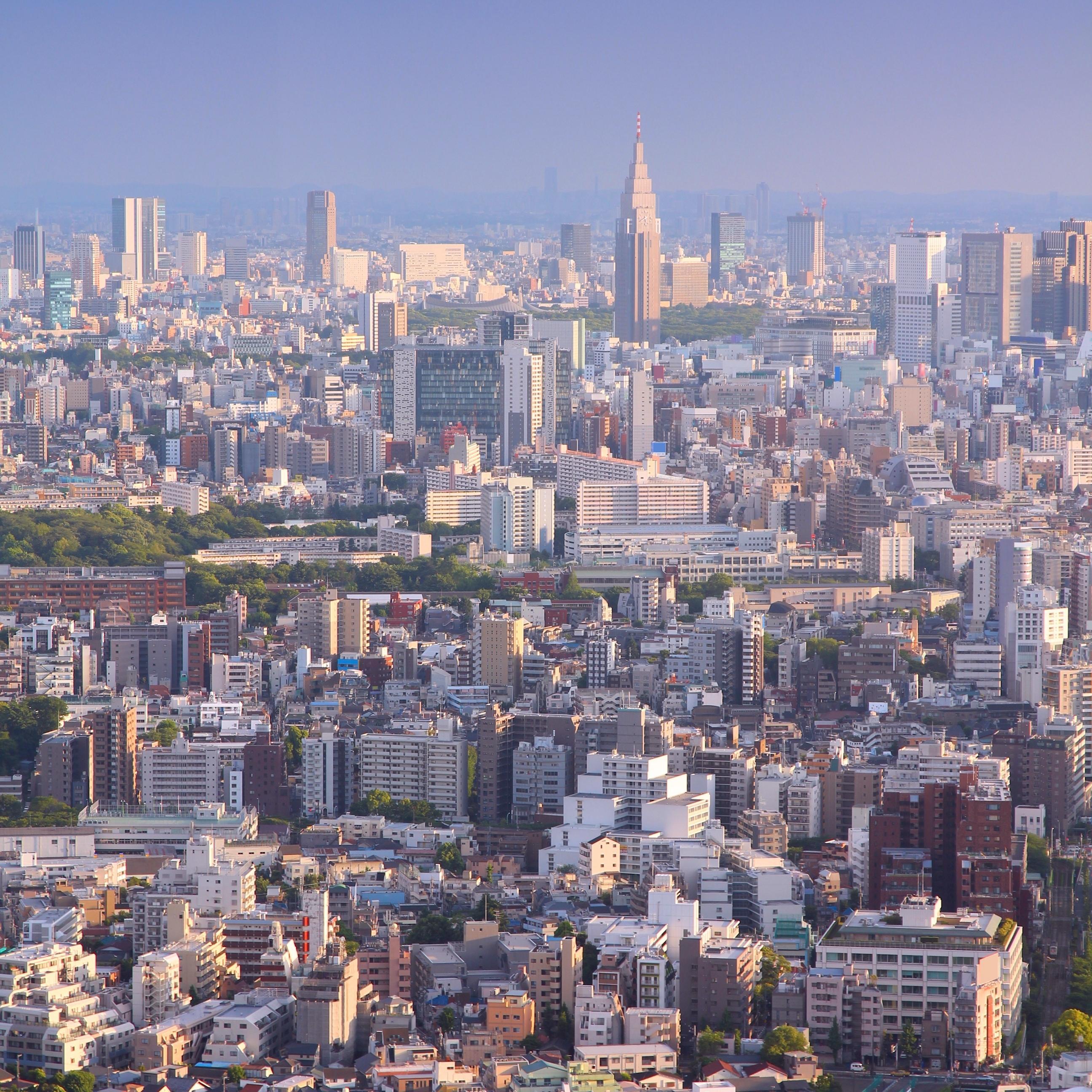
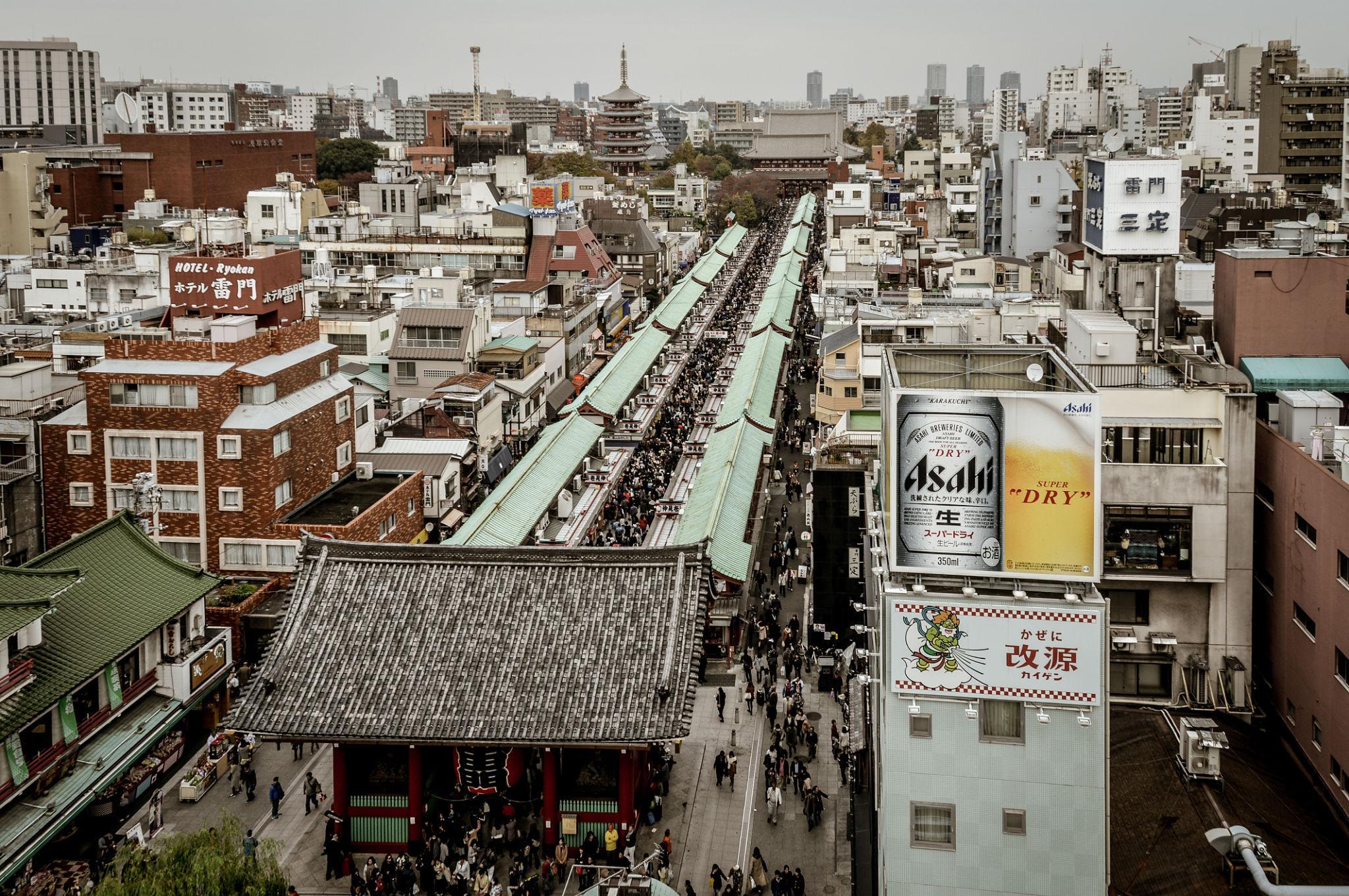
Tokyo skyline and Senso ji temple
Tokyo is Japan’s capital and largest city. It is a global financial center and one of the most populated metropolitan areas in the world.
The city includes modern districts such as Shinjuku and Shibuya, known for business towers and shopping areas. At the same time, historic areas like Asakusa preserve traditional architecture and temple complexes.
Important landmarks include:
- Senso ji Temple
- Meiji Shrine
- Tokyo Skytree
- Shibuya Crossing
Tokyo combines technology, commerce, and historic religious sites within one metropolitan area.
Best time to visit is March to May for cherry blossom season and October to November for mild weather.
Yokohama
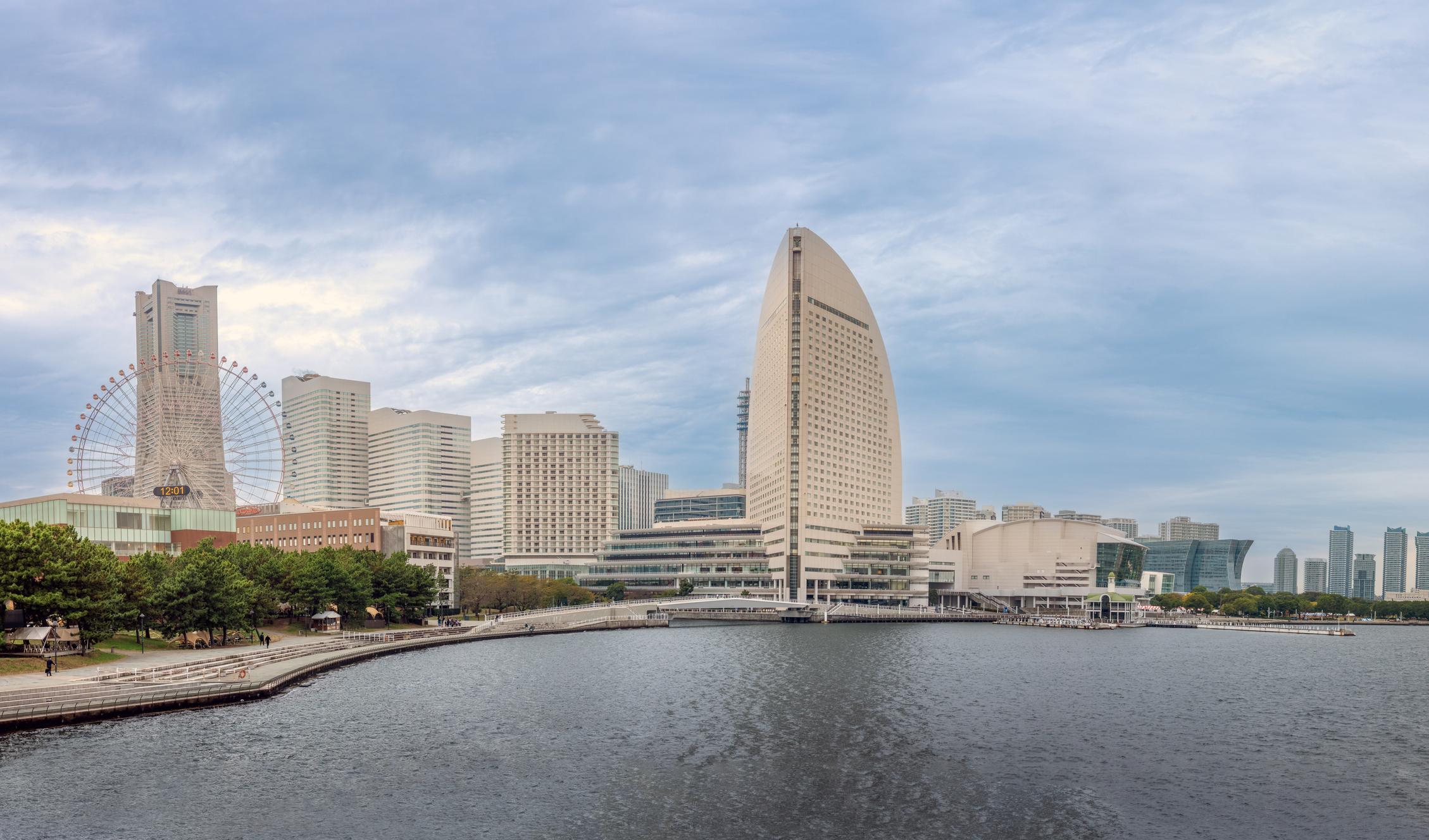
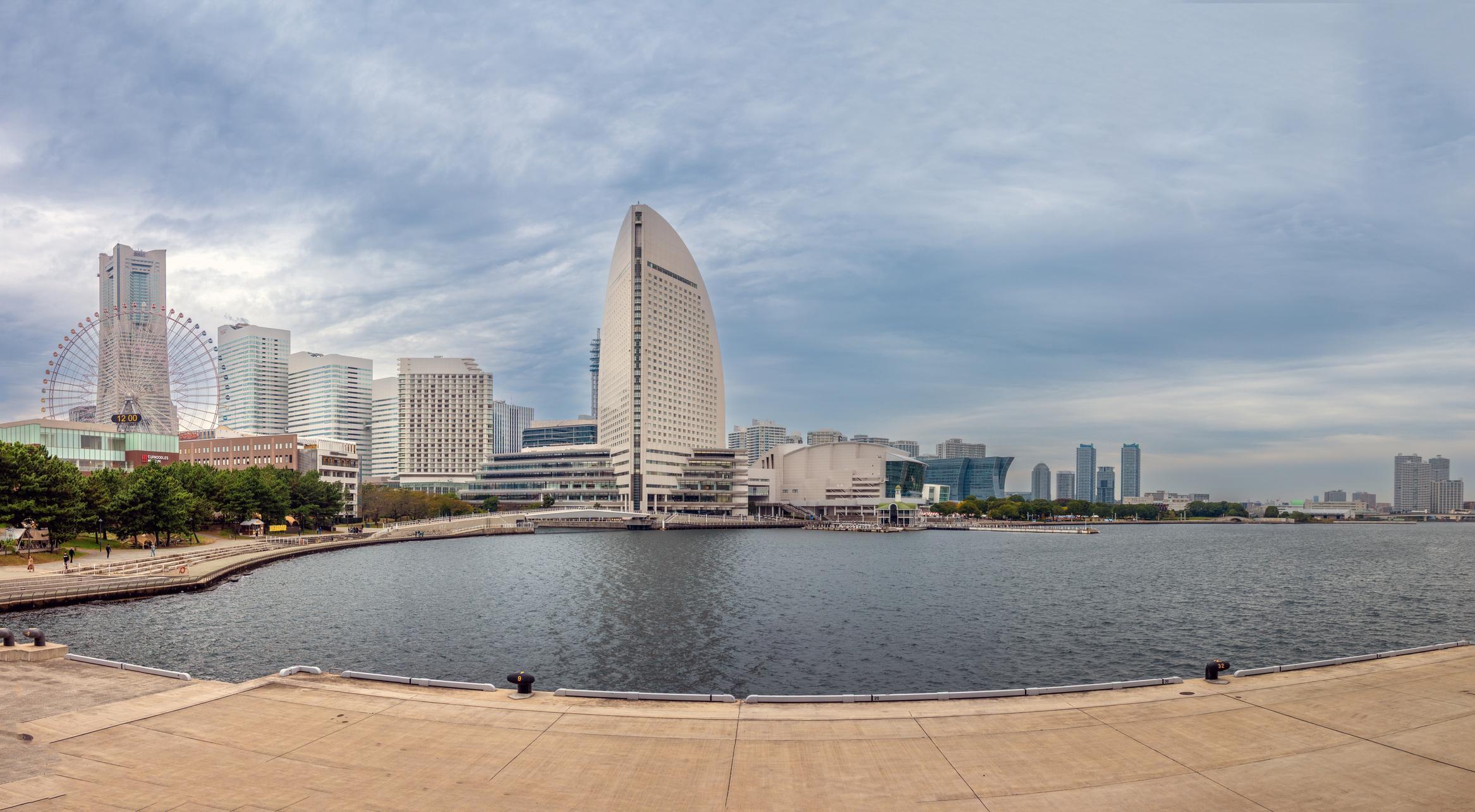
Yokohama waterfront and skyline
Yokohama is located south of Tokyo and forms part of the greater metropolitan region. It is known for its waterfront development, large port, and international history.
The Minato Mirai district contains modern buildings and shopping areas. Yokohama can be visited as a day trip from Tokyo.
II. Kyoto and the Kansai Region
Kyoto
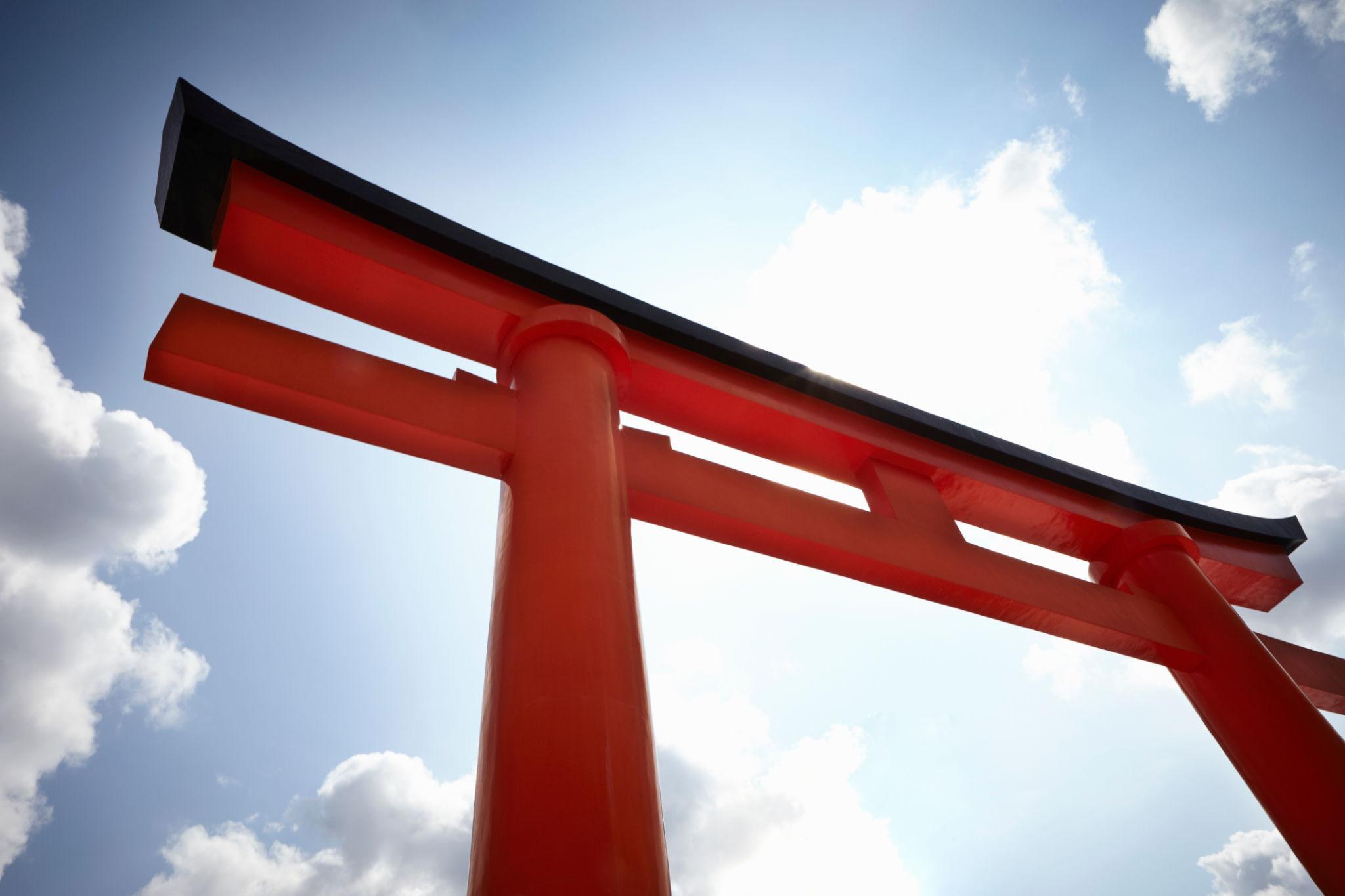
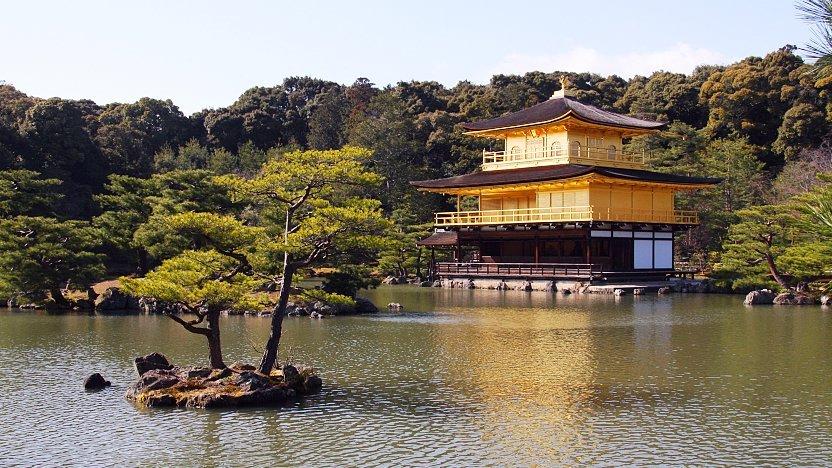
Fushimi Inari gates and Kinkaku ji temple
Kyoto served as Japan’s imperial capital for more than one thousand years. The city contains a large number of temples, shrines, and preserved historic districts.
- Fushimi Inari Shrine
- Kinkaku ji Golden Pavilion
- Kiyomizu dera
- Gion district
Kyoto is more traditional in appearance compared to Tokyo and is central to understanding Japanese cultural heritage.
Best time to visit is spring for cherry blossoms and autumn for foliage.
Osaka
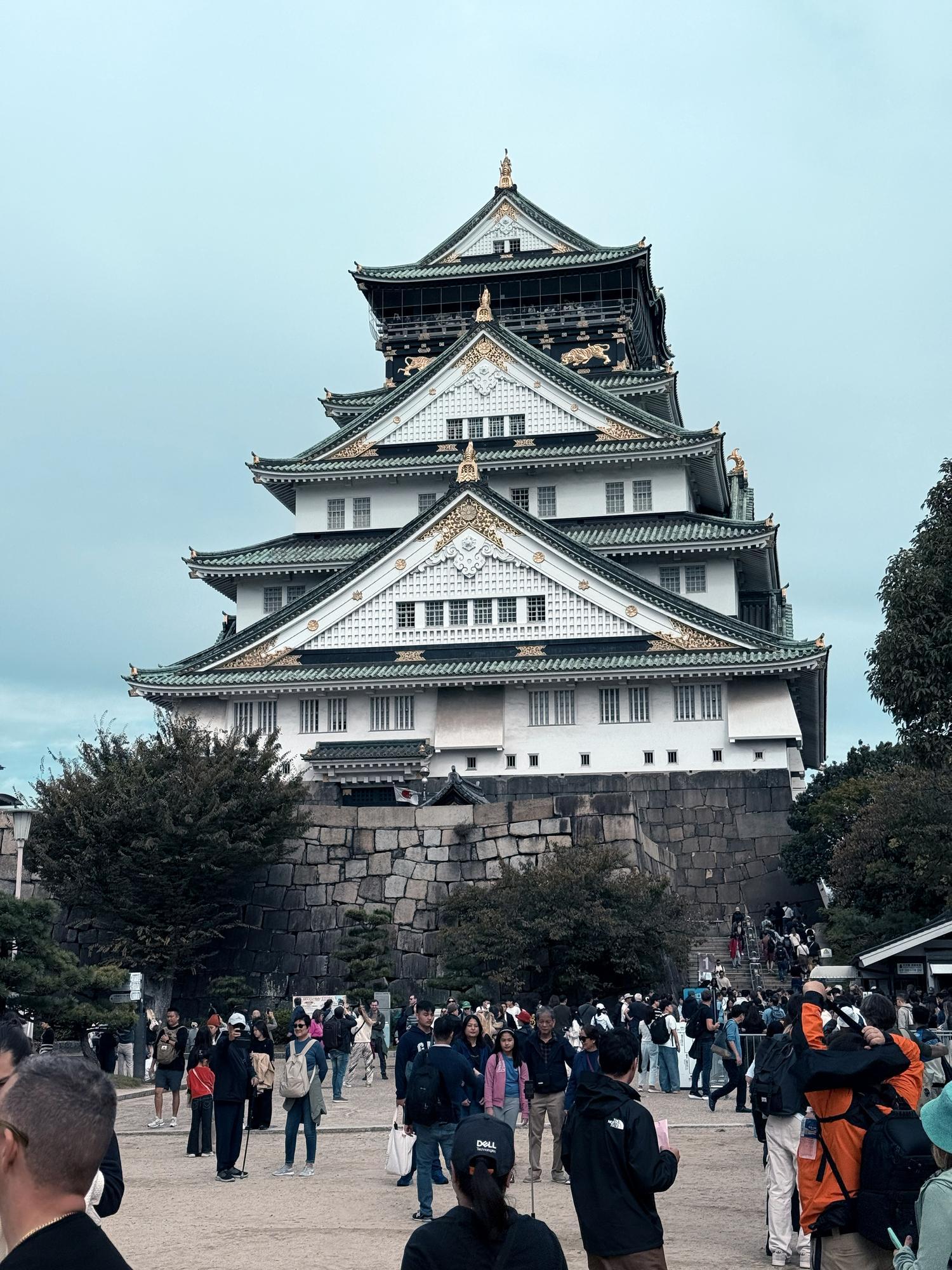
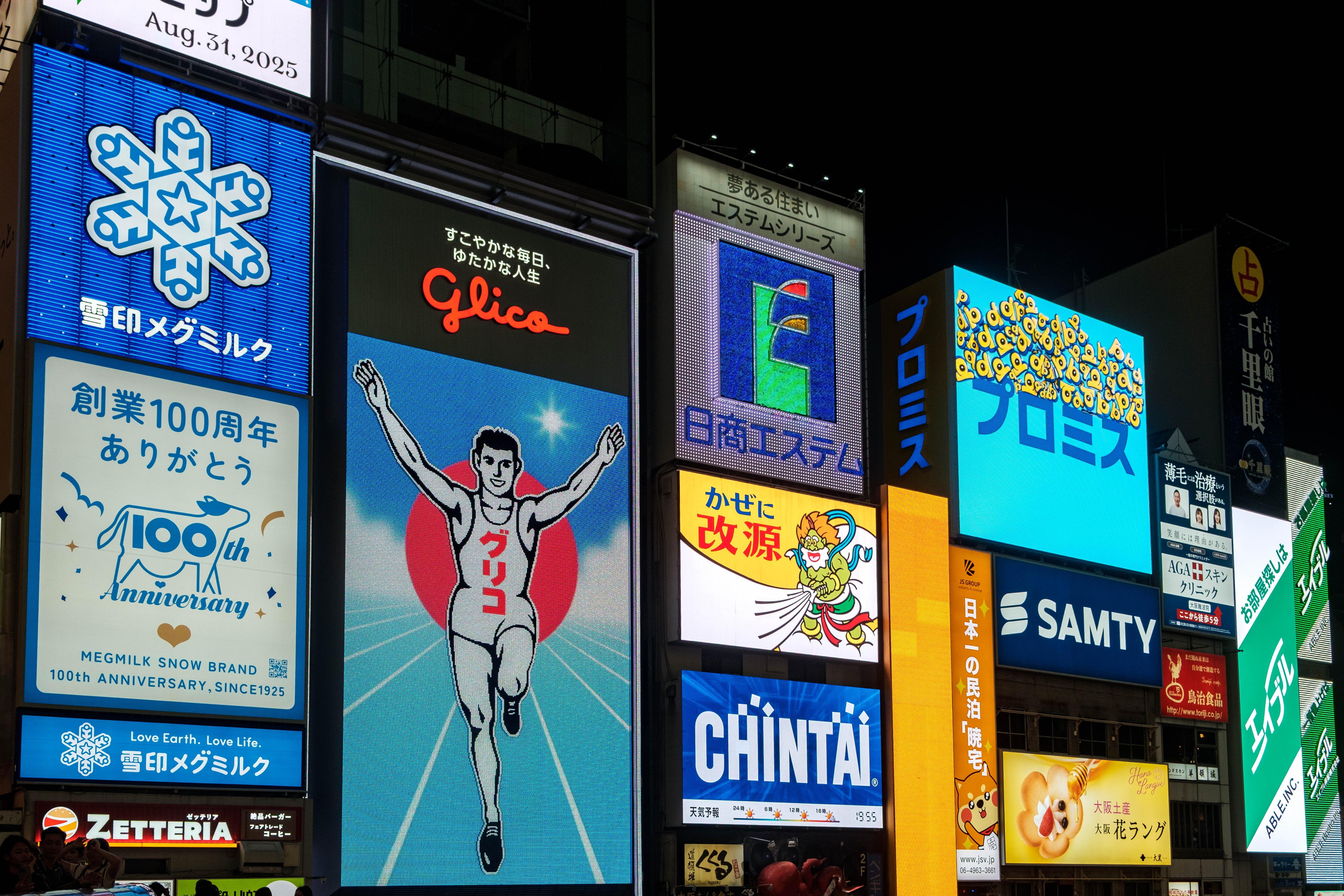
Osaka Castle and Dotonbori district
Osaka is Japan’s third largest city and is known for food culture and commercial activity.
Osaka Castle is one of the city’s historic landmarks. Osaka also serves as a transport hub for the Kansai region.
III. Mount Fuji and Central Honshu
Mount Fuji
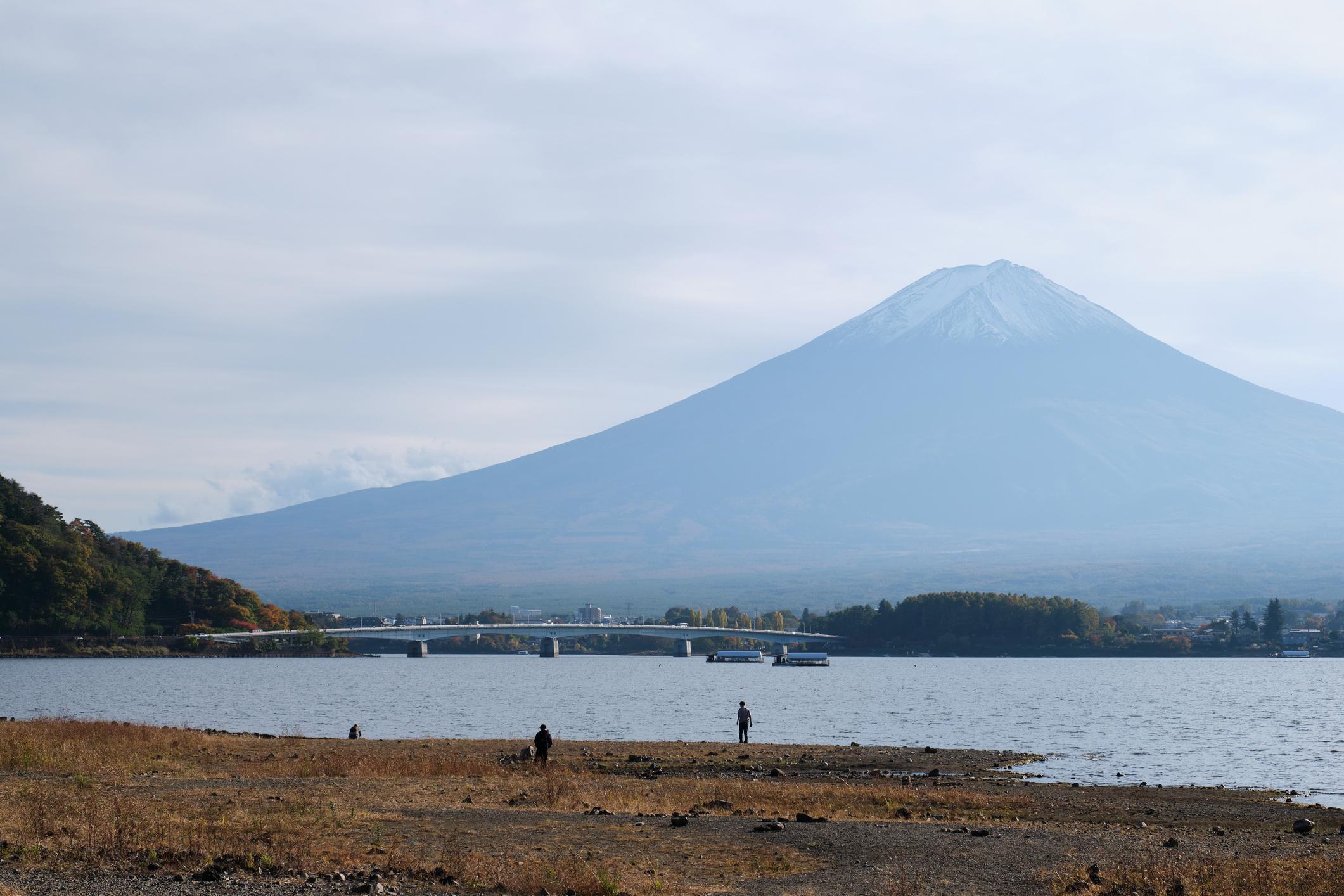

Mount Fuji viewed from Lake Kawaguchi
Mount Fuji is Japan’s highest mountain and one of the country’s most recognized symbols.
Hakone
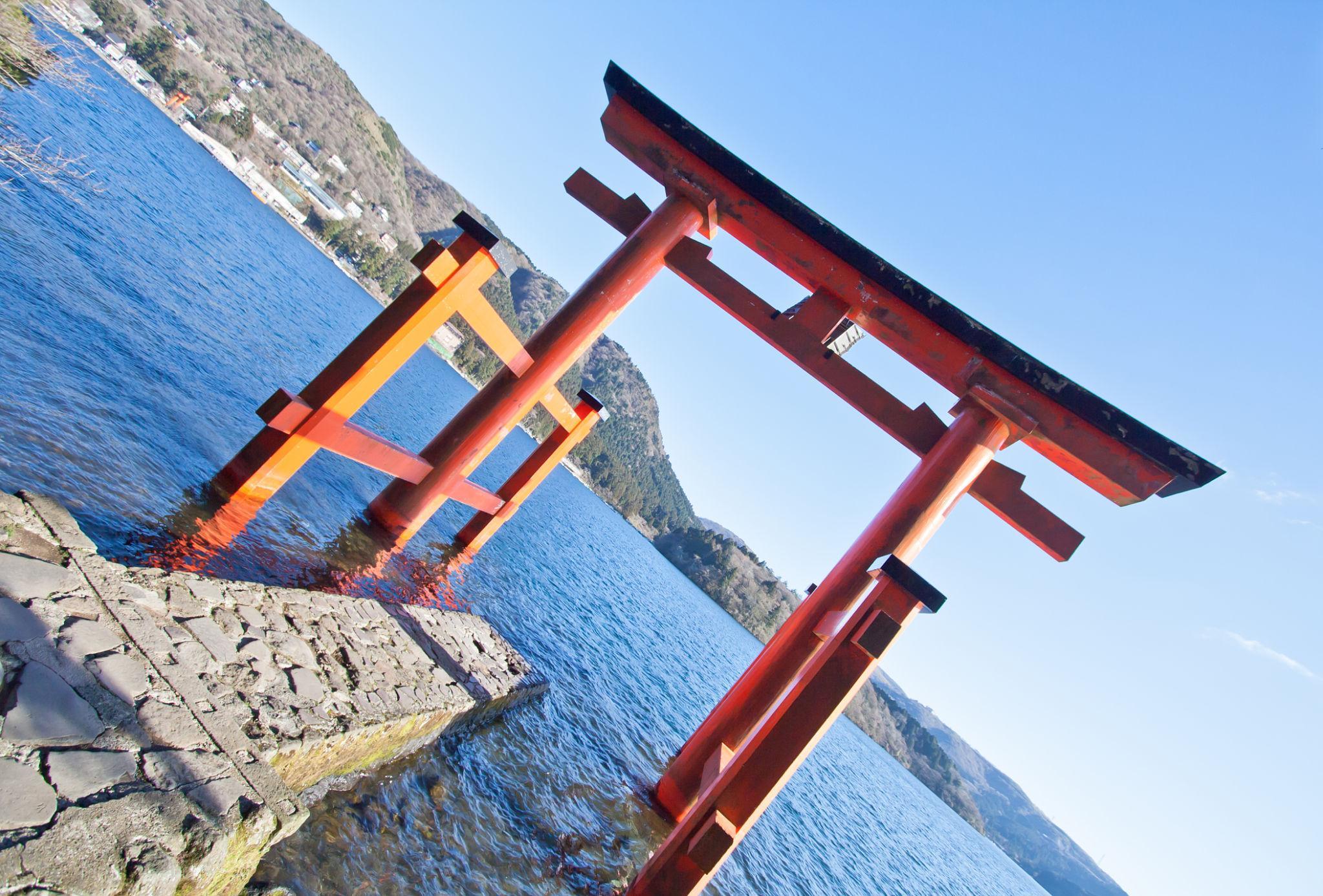
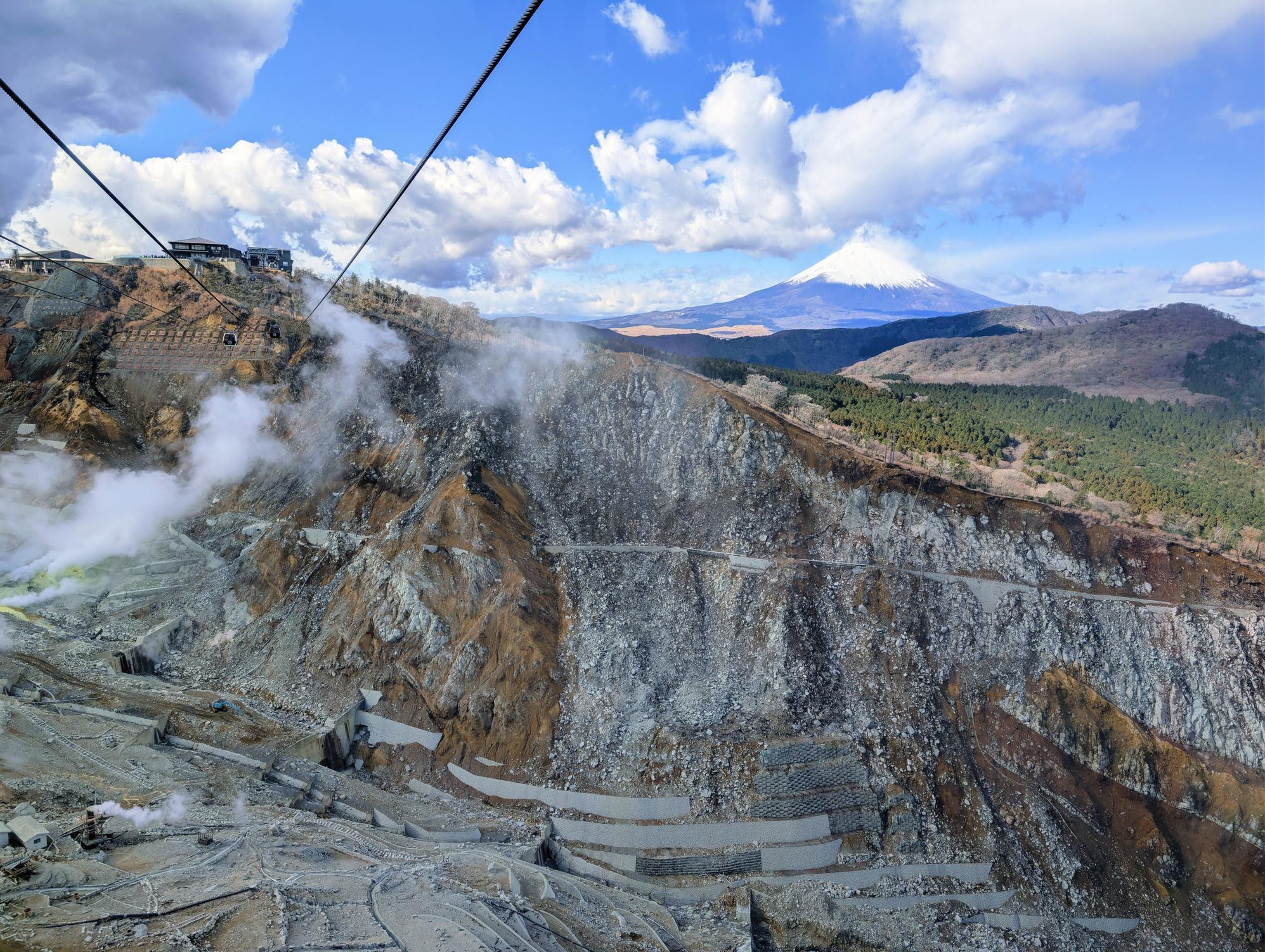
Lake Ashi and volcanic valley in Hakone
IV. Hiroshima and Western Honshu
Hiroshima
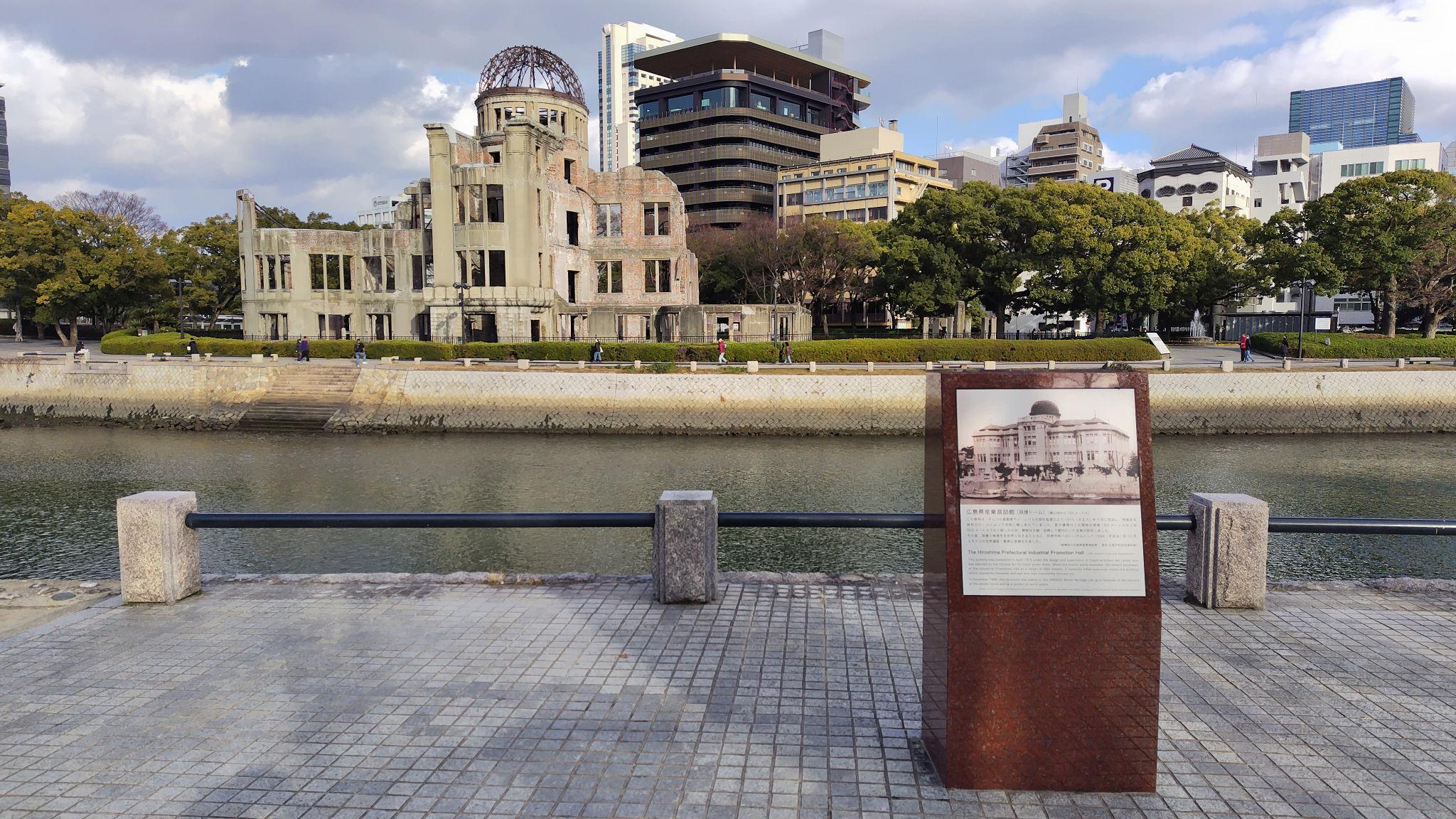
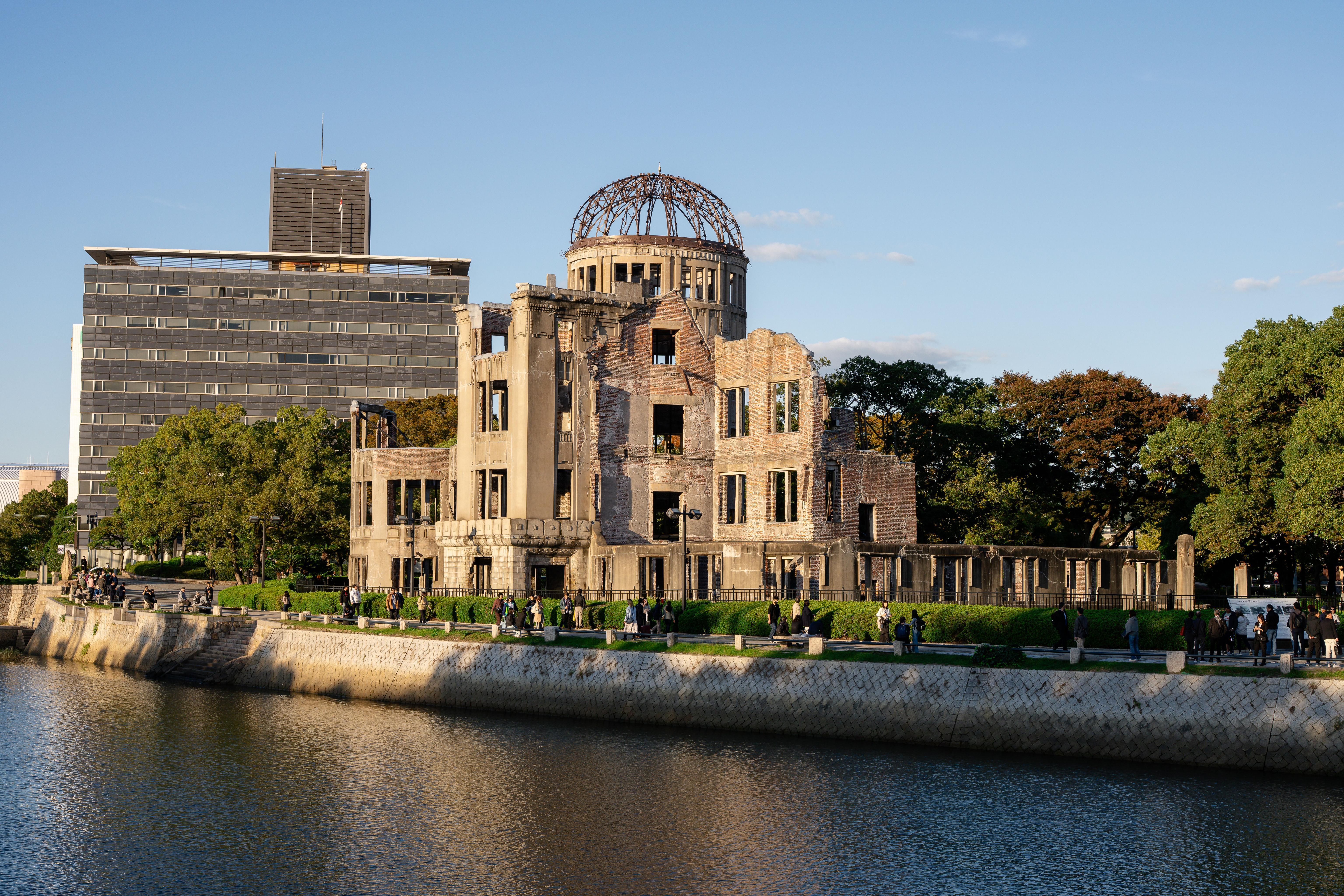
Peace Memorial Park and Atomic Bomb Dome
Miyajima
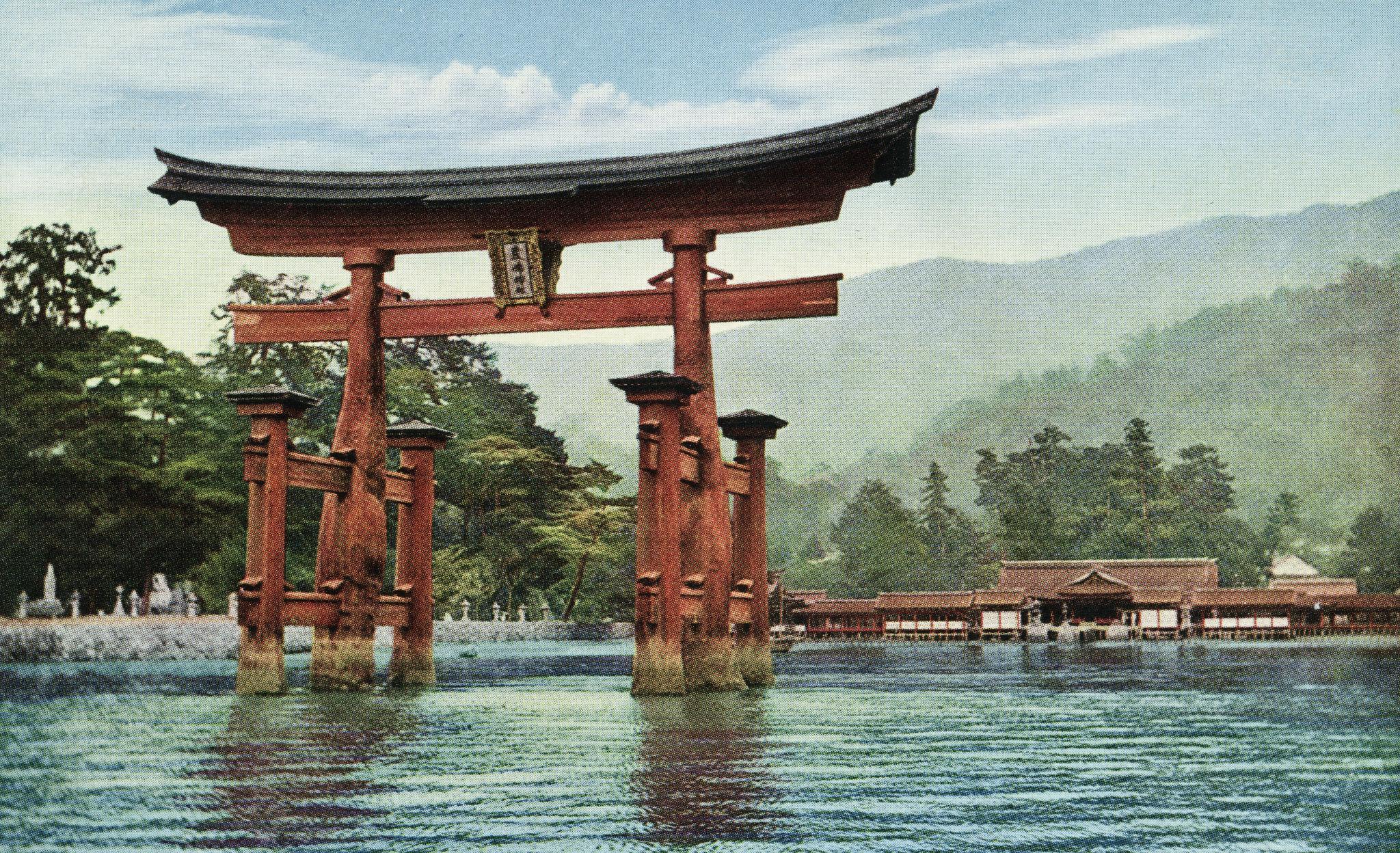
Itsukushima Shrine and torii gate in the water
V. Nara and Early Japanese History
Nara
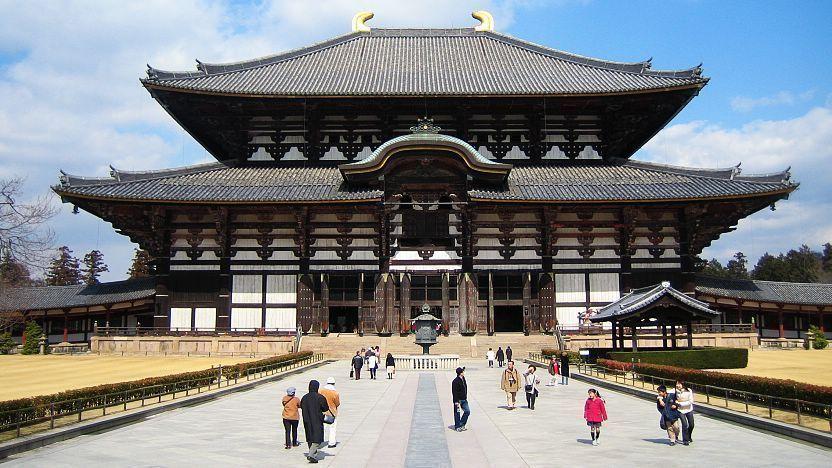
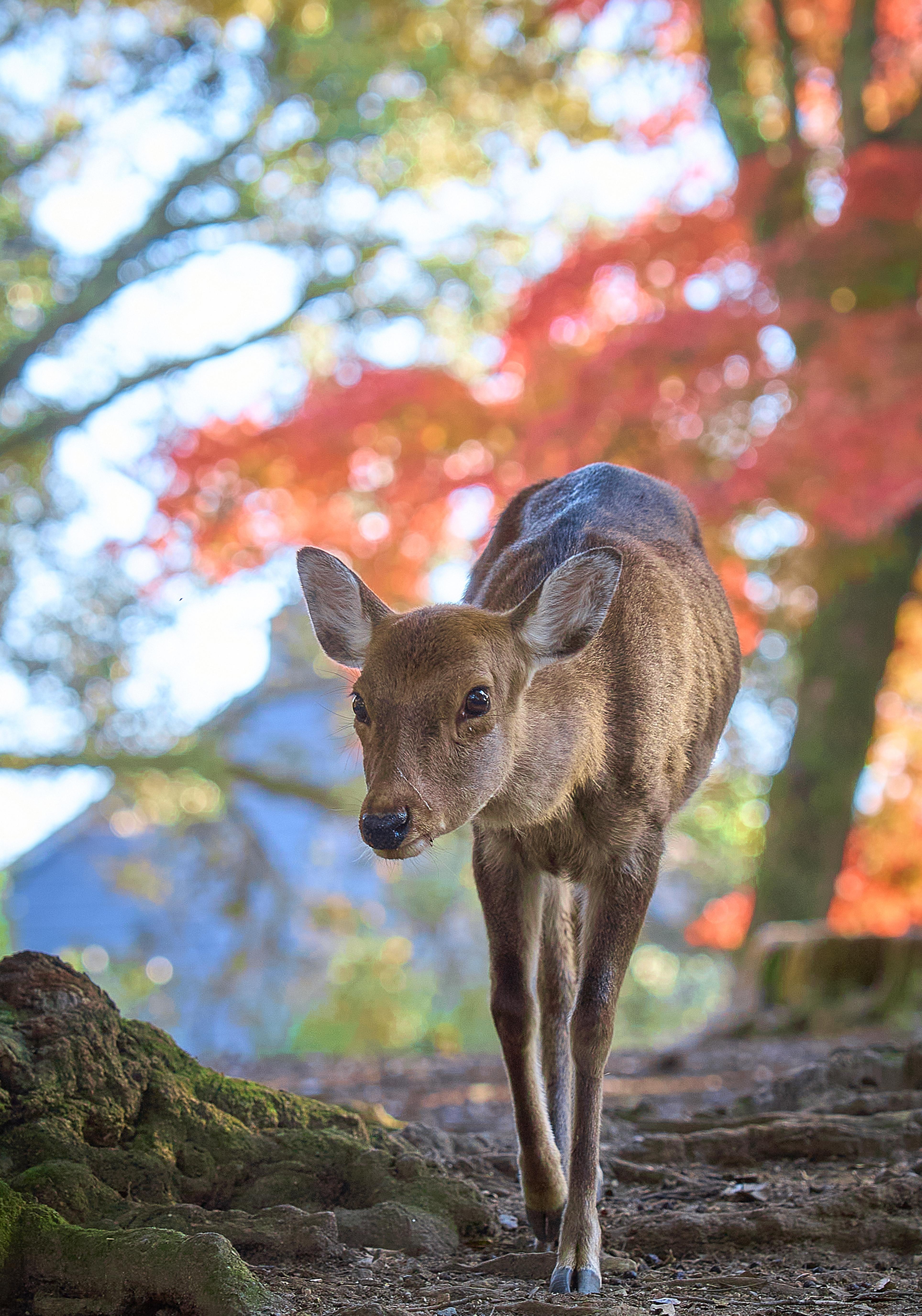
Todaiji Temple and deer in Nara Park
VI. The Japanese Alps
Takayama
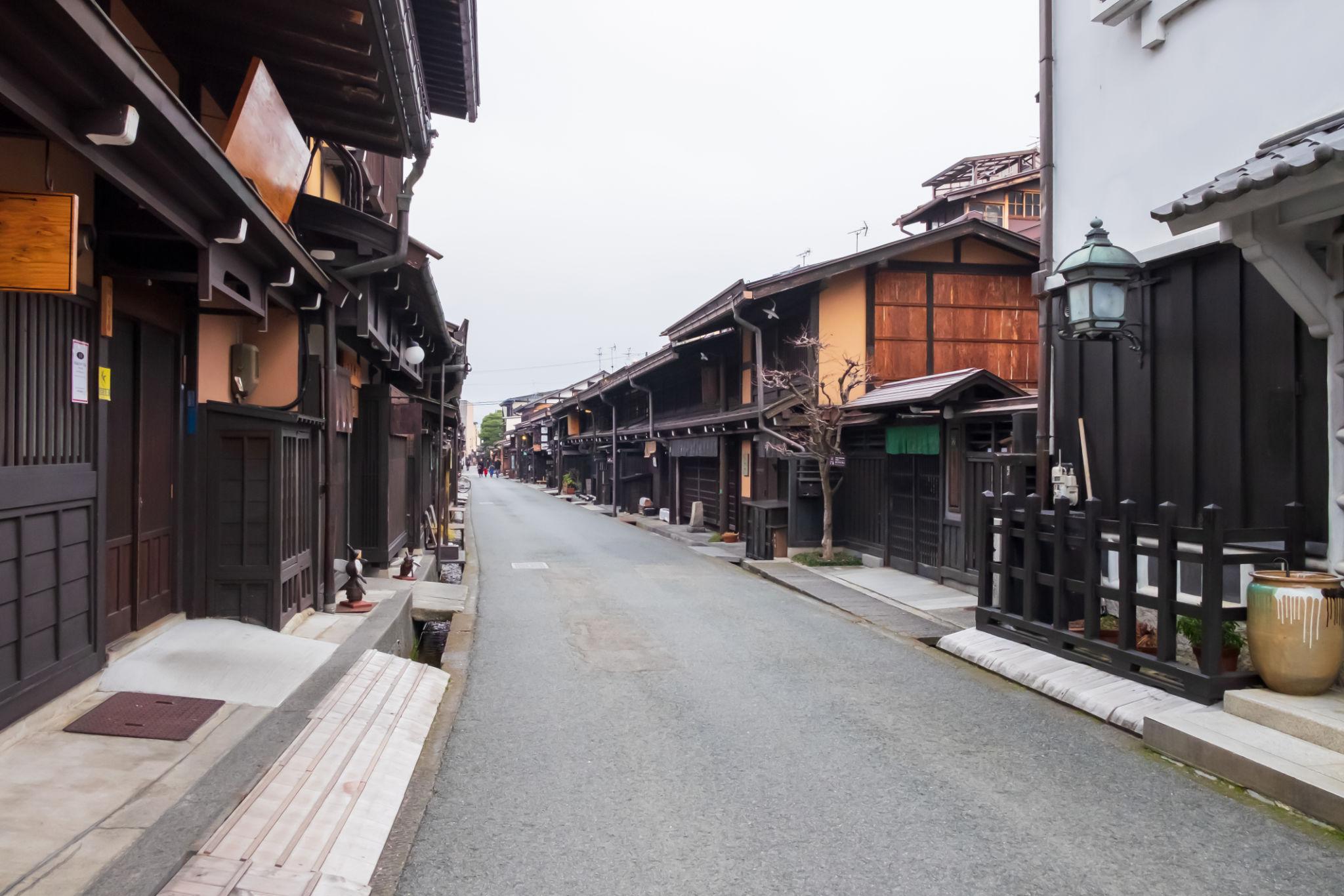
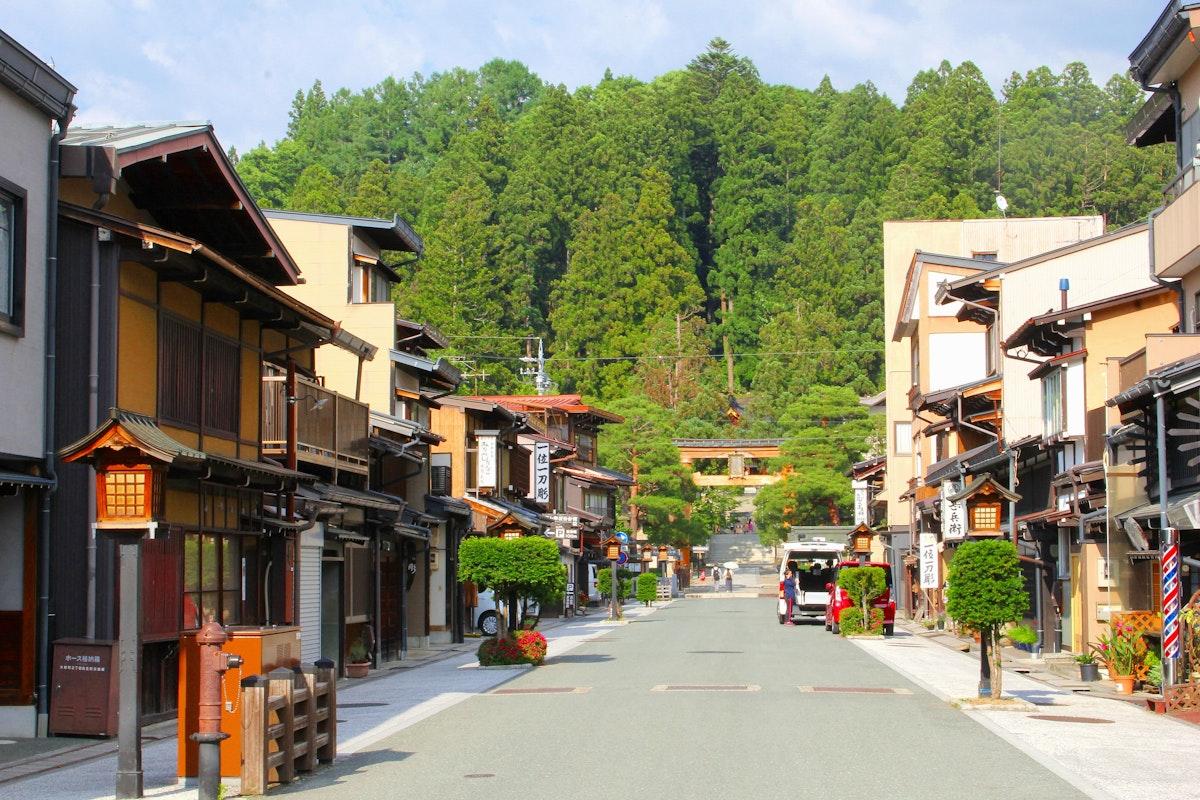
VII. Northern and Southern Islands
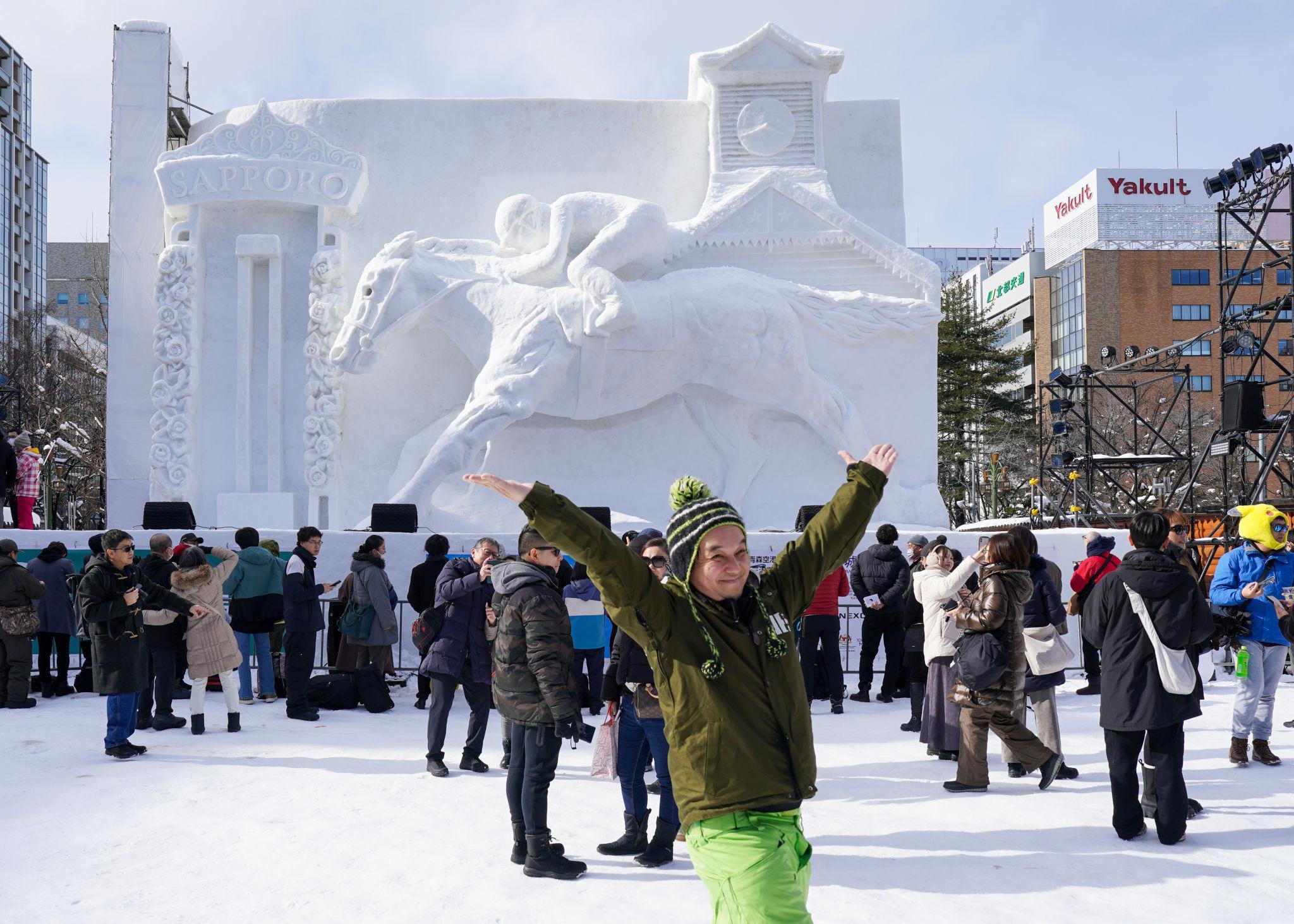
Hokkaido

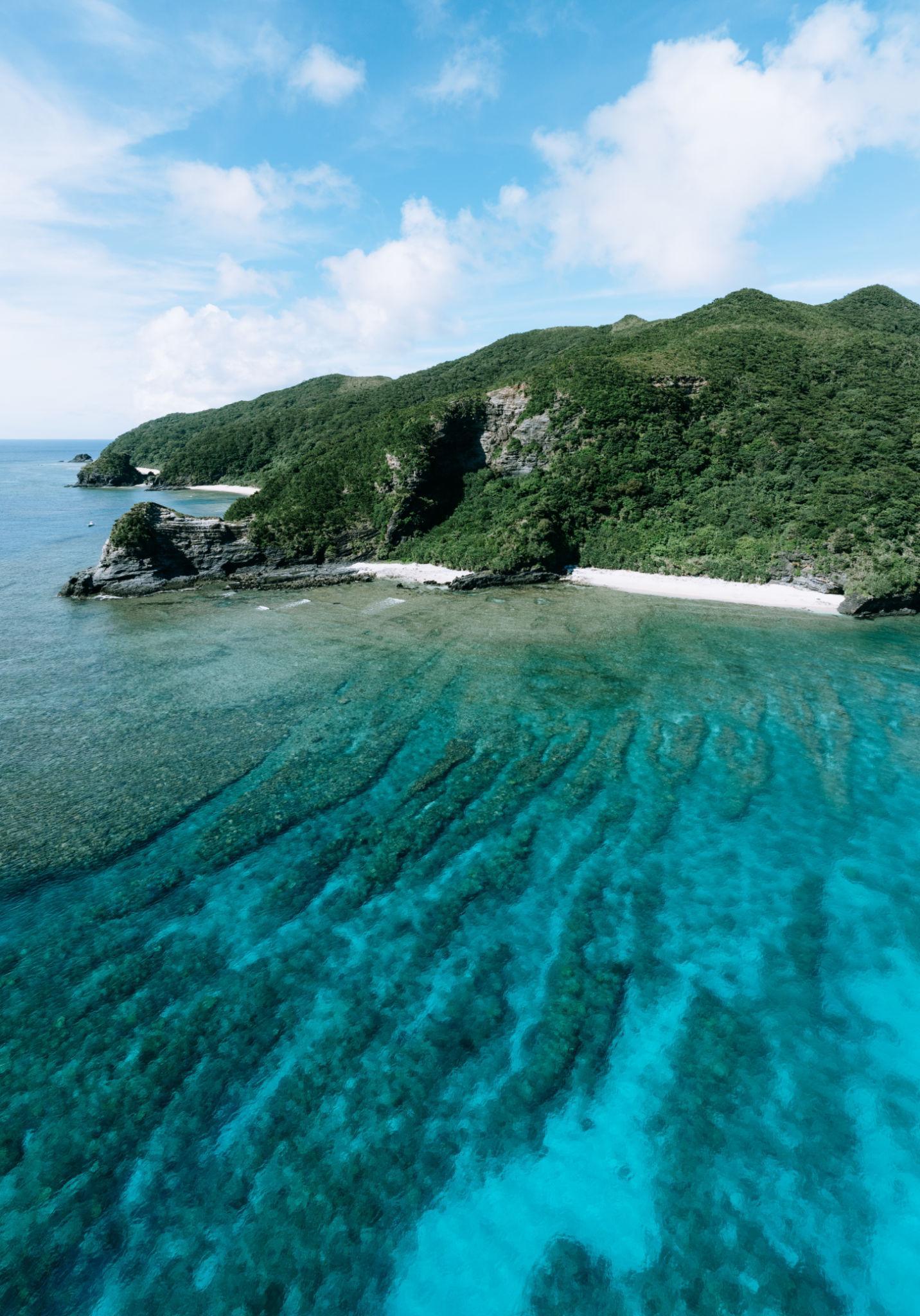
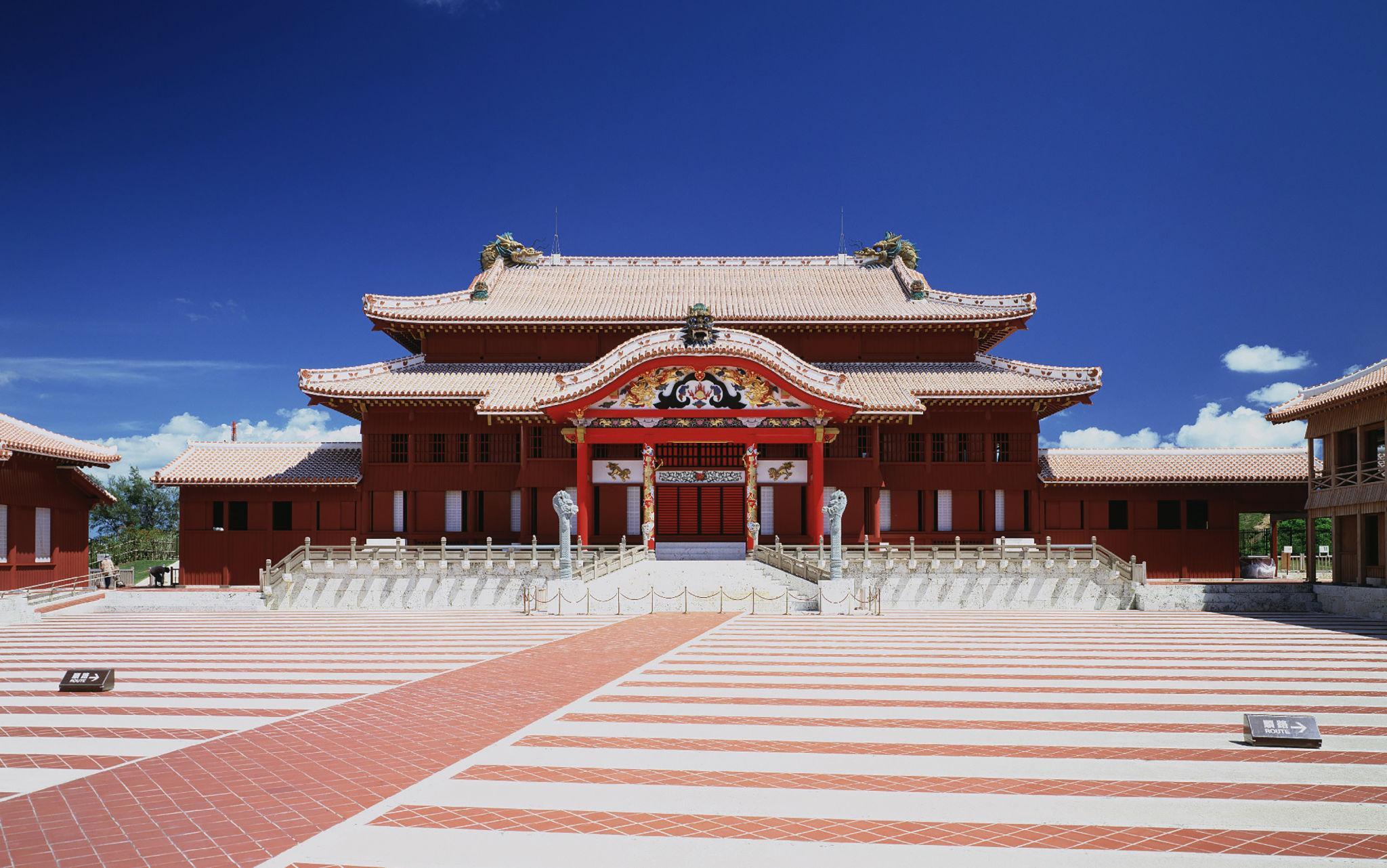
Okinawa
Japan Overview
- A global capital in Tokyo
- Historic temples in Kyoto
- Early capitals such as Nara
- Volcanic landscapes around Mount Fuji
- Peace memorials in Hiroshima
- Mountain villages in the Japanese Alps
- Cold climate landscapes in Hokkaido
- Subtropical islands in Okinawa
Image Credits
- Tokyo skyline and Senso ji
- Yokohama waterfront
- Kyoto temples
- Osaka Castle
- Mount Fuji
- Hakone
- Hiroshima Peace Memorial
- Miyajima torii gate
- Nara Todai ji
- Takayama old town
- Hokkaido landscapes
- Okinawa beaches

![K2 Base Camp Trek: Ultimate Guide k2 Trek 2026 [UPDATED]](https://karakoramdiaries.com/storage/ultimate-guide-to-k2-base-camp-trek-full-document-150x150.png)