Best Places to Visit in Poland
Poland sits at the crossroads of Central and Eastern Europe. It combines medieval cities, Baltic coastline, mountain ranges, forest reserves, and strong historical identity shaped by shifting borders and twentieth century conflict.
The country is compact enough to explore by train, yet diverse enough to require regional planning. Poland is structured geographically into northern Baltic coast, central plains, southern mountain systems, and eastern forest regions.
Table of contents [Show]
- 1. Major Cities and Cultural Centers
- 2. Historic and Cultural Heritage Sites
- 3. Mountain Regions and Trekking
- 4. National Parks and Forest Landscapes
- 5. Baltic Coastline and Maritime Regions
- 6. Scenic Routes and Rural Poland
- 7. Seasonal Travel Strategy
- 8. Lake Districts and Northern Landscapes
- 9. Underground and Geological Sites
- 10. Lesser Known but Important Cities
- 11. Industrial and Modern Heritage
- 12. Rock Climbing and Outdoor Adventure
- 13. Jewish Heritage and Cultural Memory
- 14. Scenic Routes and Railway Corridors
- 15. Southern Border and Sudetes Mountains
- Image Credits
1. Major Cities and Cultural Centers
Warsaw
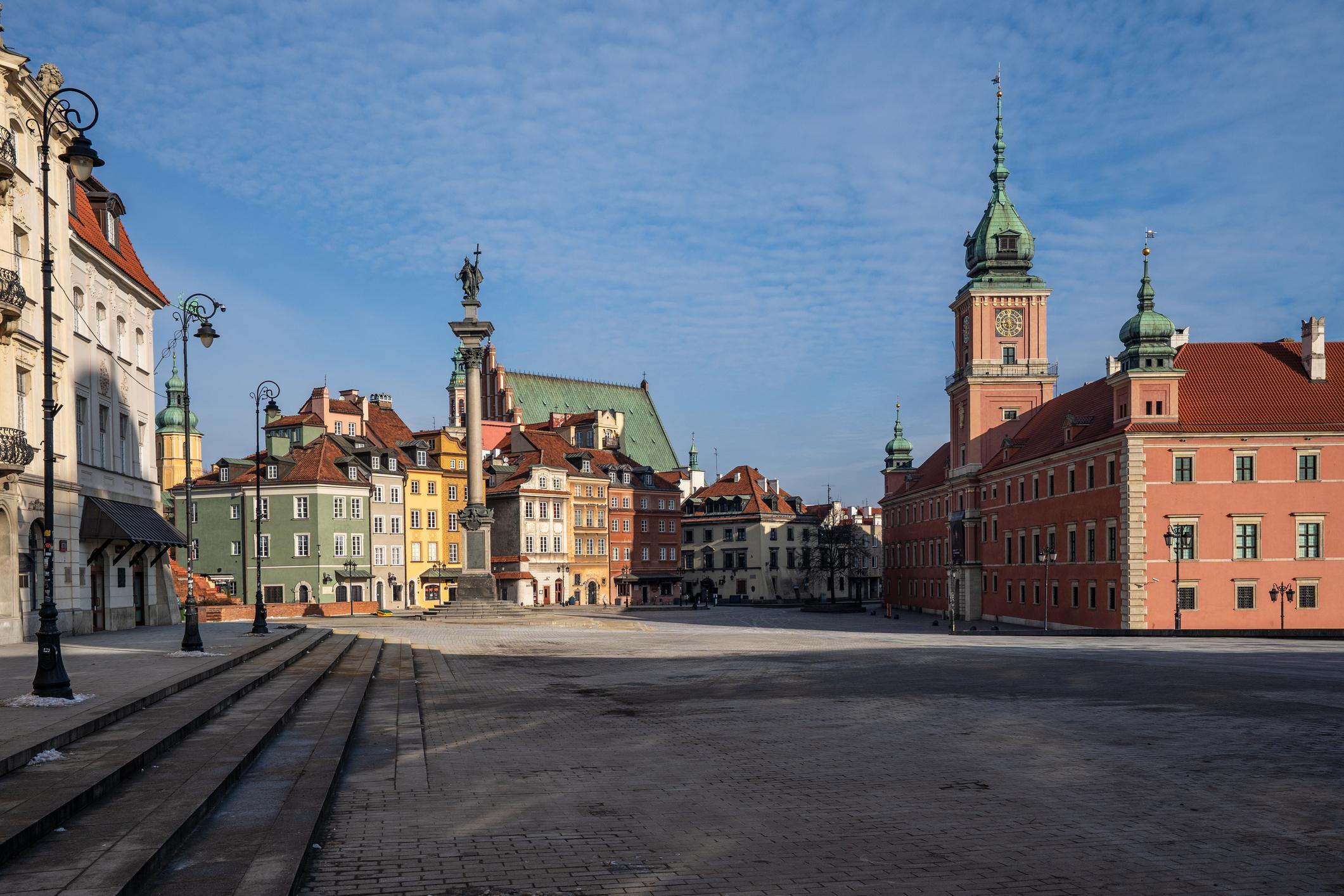
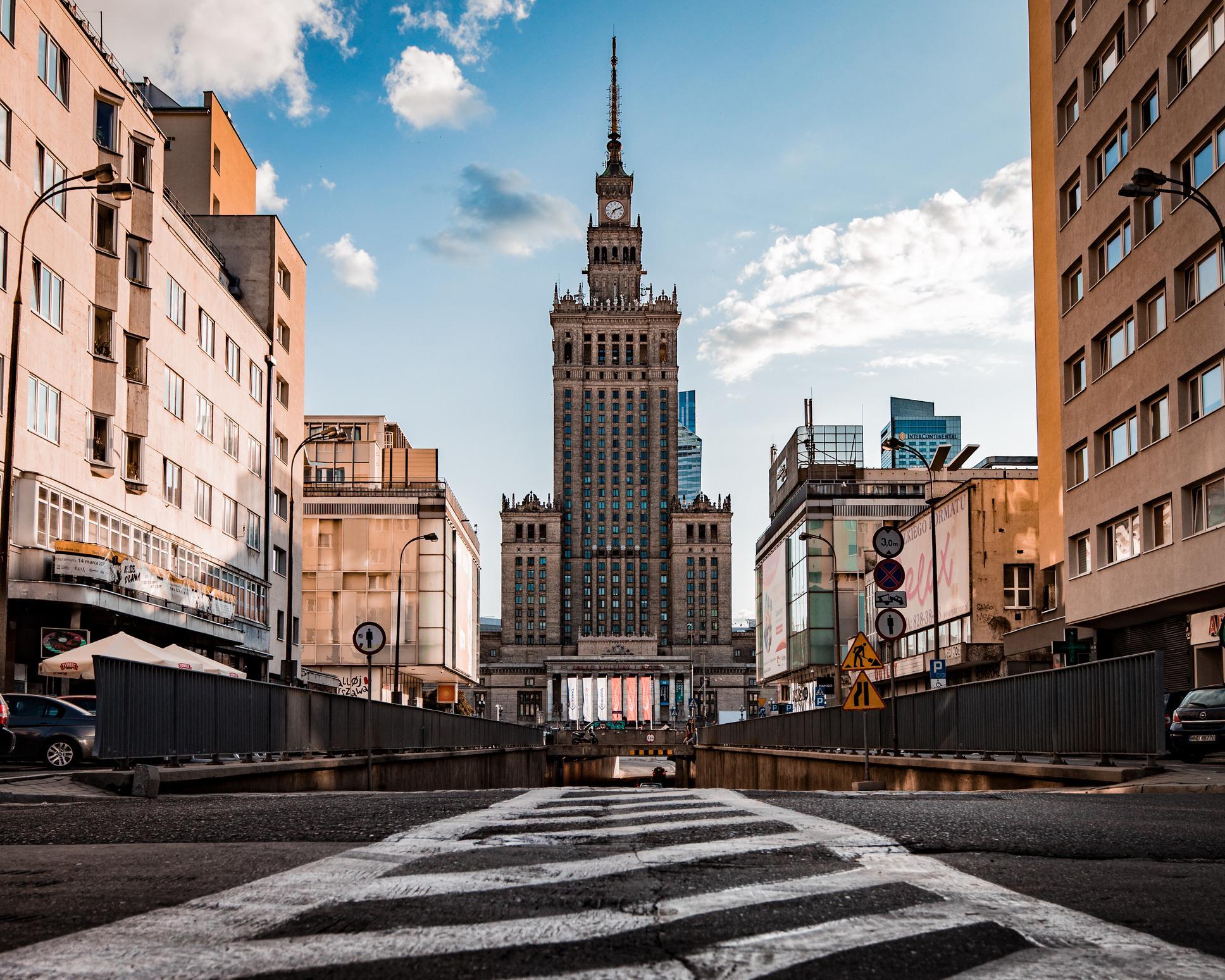
Warsaw Old Town and Palace of Culture skyline
Warsaw is Poland’s capital and largest city. The historic Old Town was almost completely destroyed during World War II and later reconstructed using archival paintings and documentation. It now stands as a UNESCO listed restoration project.
The city combines:
- Royal Castle and Old Town Square
- Palace of Culture and Science
- Łazienki Park
- Museum of the History of Polish Jews
Warsaw represents both Poland’s wartime destruction and post-war resilience.
Kraków
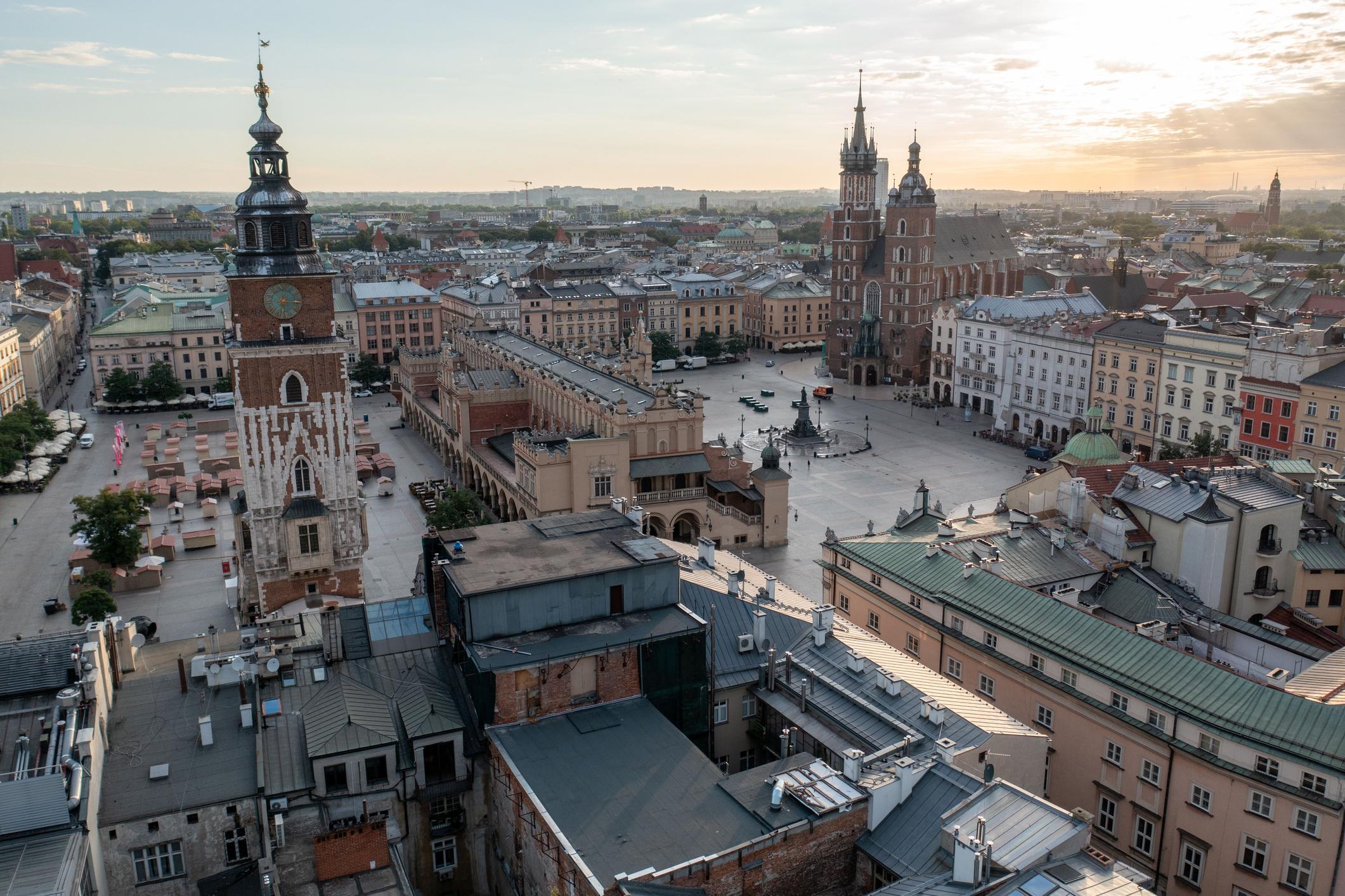
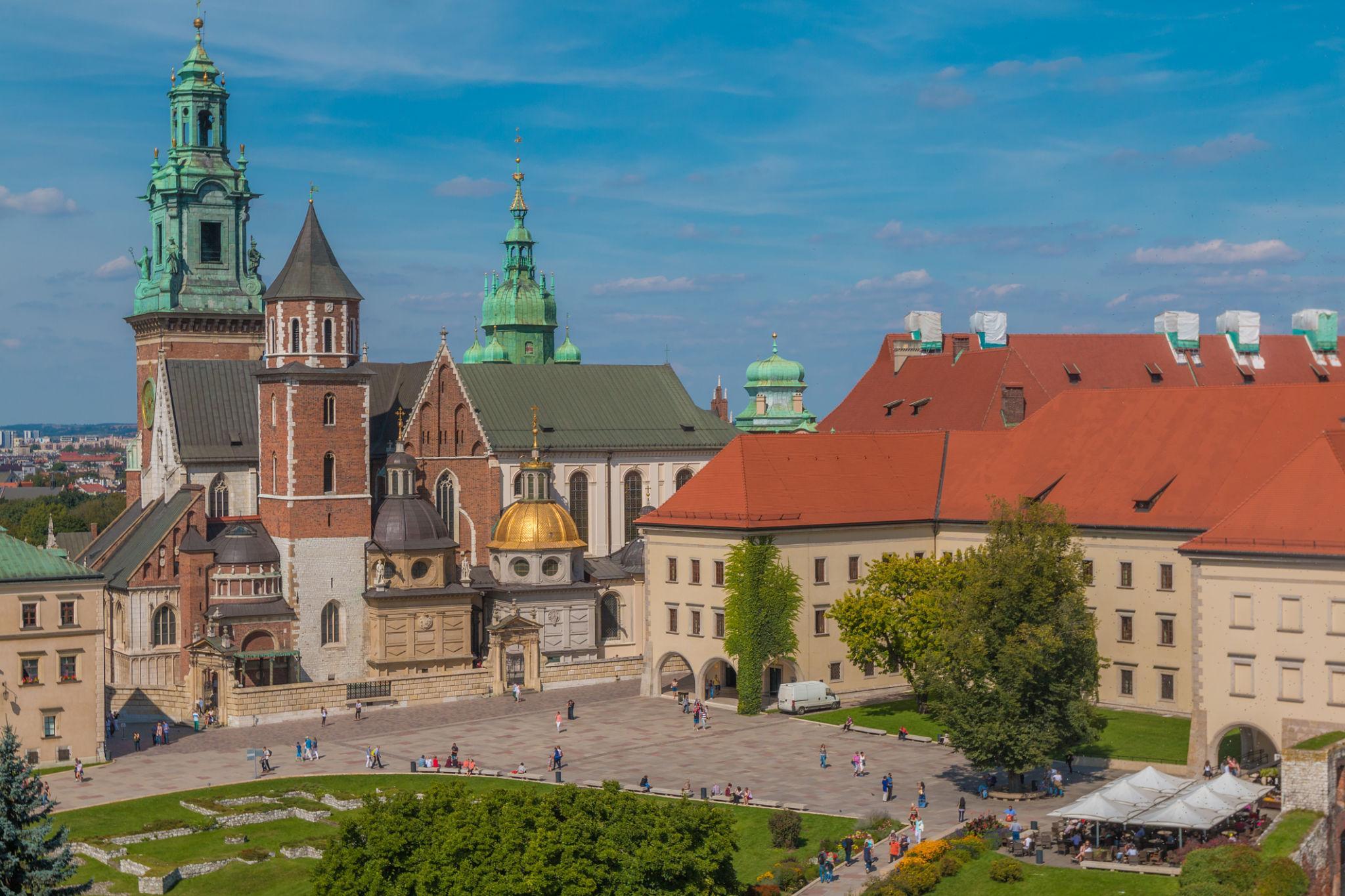
Kraków Main Market Square and Wawel Castle
Kraków was Poland’s royal capital for centuries and remains its most architecturally preserved city.
Key areas include:
- Main Market Square
- Wawel Castle and Cathedral
- Kazimierz Jewish Quarter
Kraków functions as a gateway to southern Poland’s mountains and historical sites.
Gdańsk
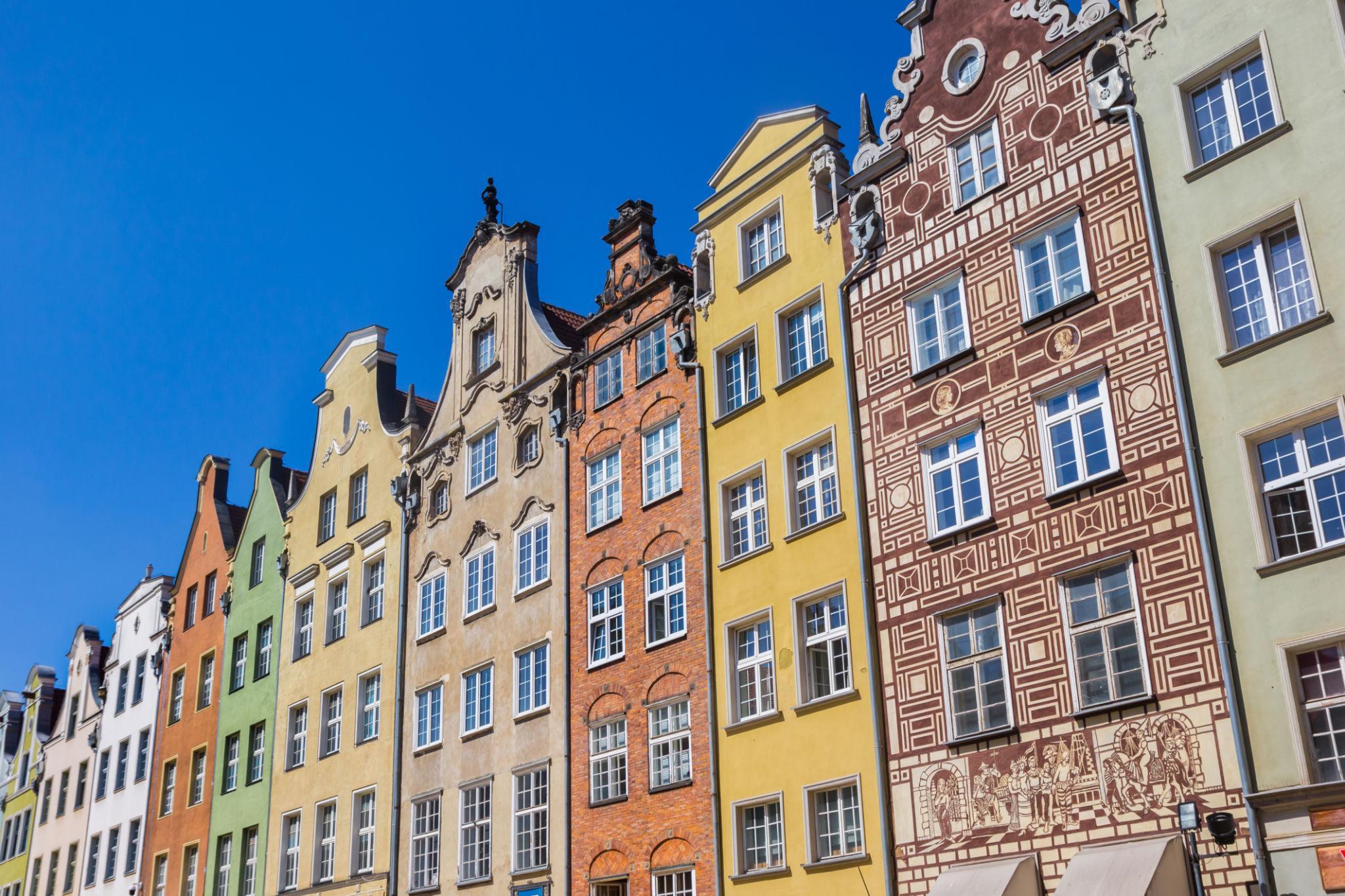
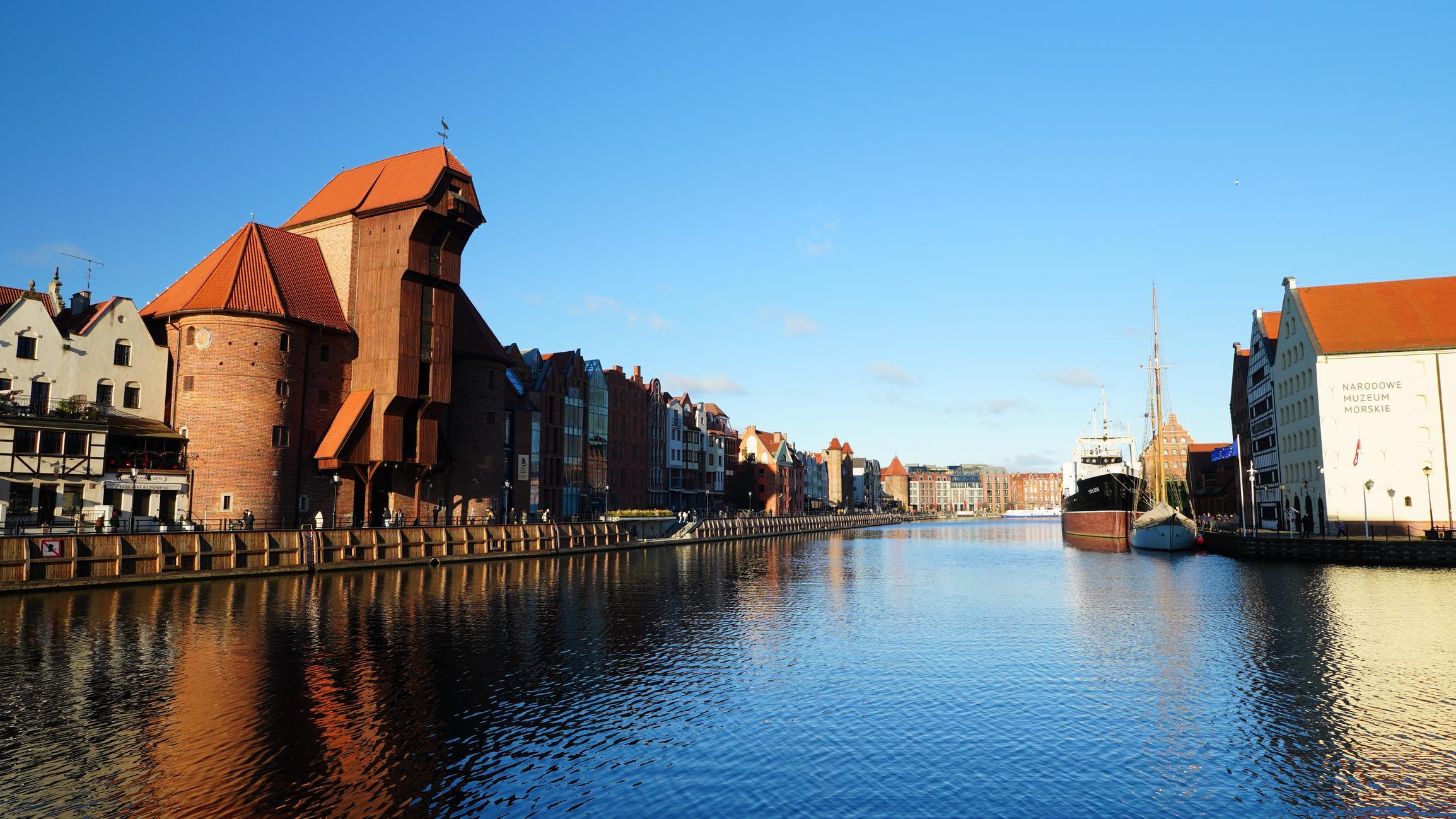
Gdańsk Long Market and historic waterfront
Gdańsk sits on the Baltic coast and reflects Hanseatic trading heritage. Its colorful facades and port history define northern Poland.
It also played a major role in twentieth century European political history as the birthplace of the Solidarity movement.
2. Historic and Cultural Heritage Sites
Auschwitz-Birkenau
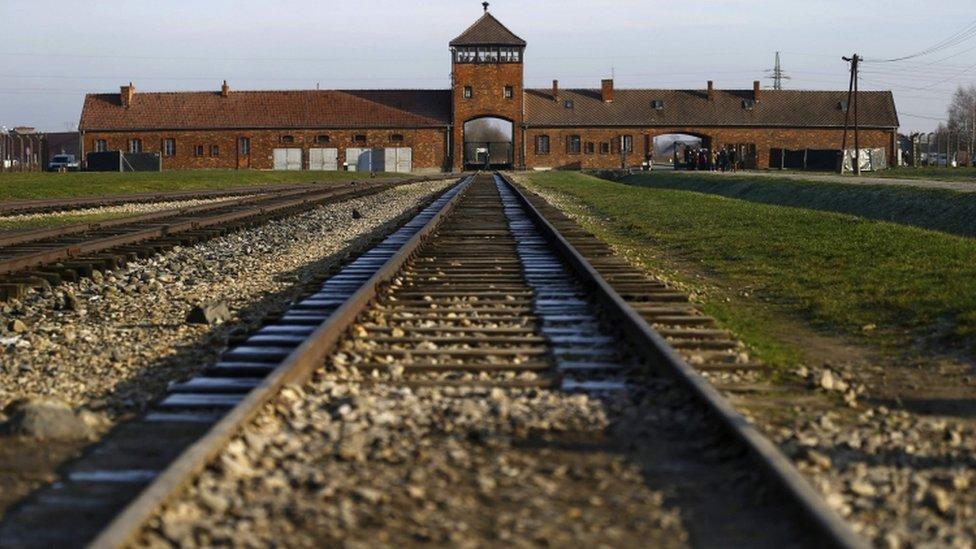
Entrance gate and railway tracks at Auschwitz-Birkenau
Located near Oświęcim, Auschwitz-Birkenau is a preserved concentration and extermination camp. It is one of the most significant memorial sites in Europe.
Visits are structured and guided to preserve educational integrity.
Wrocław
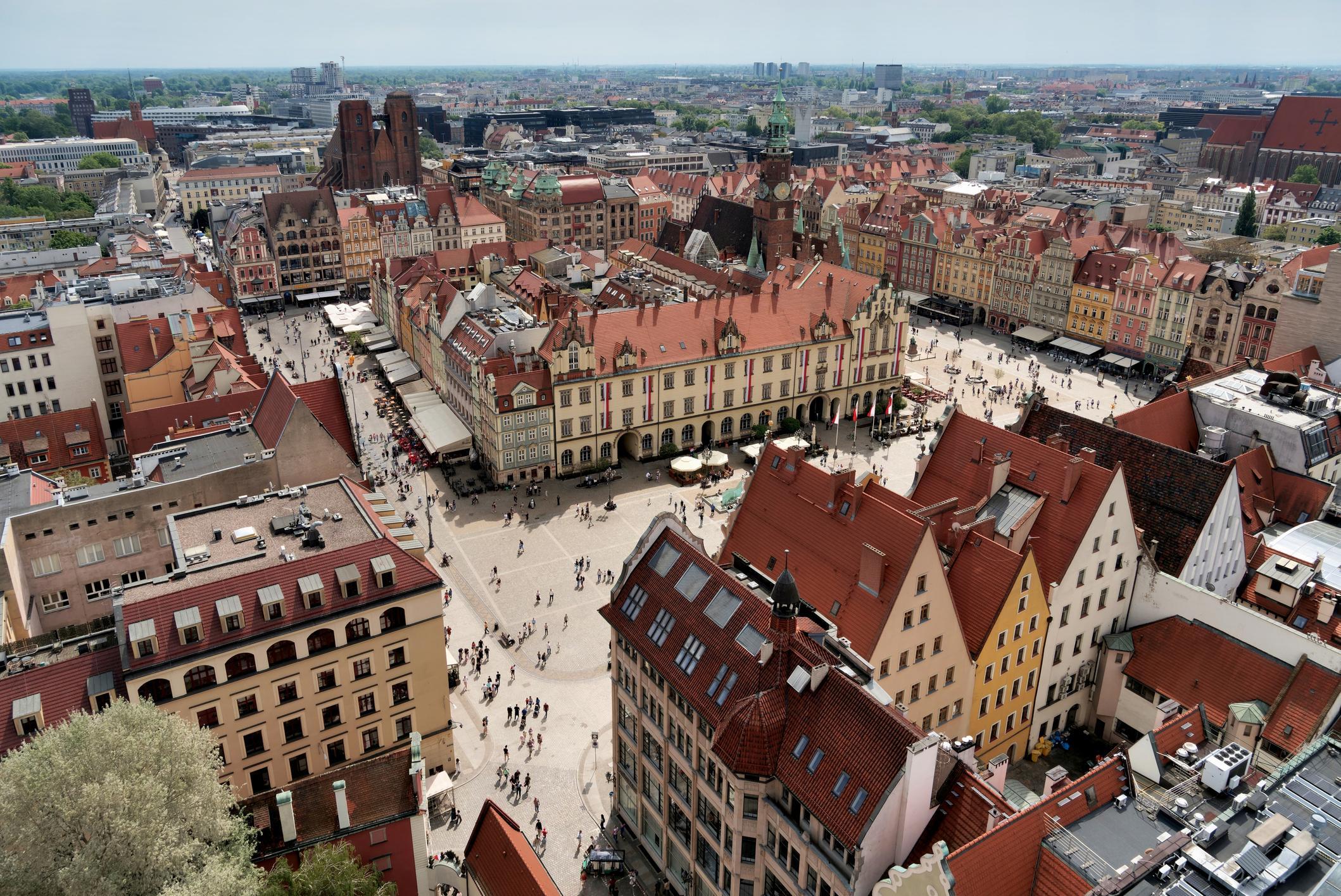
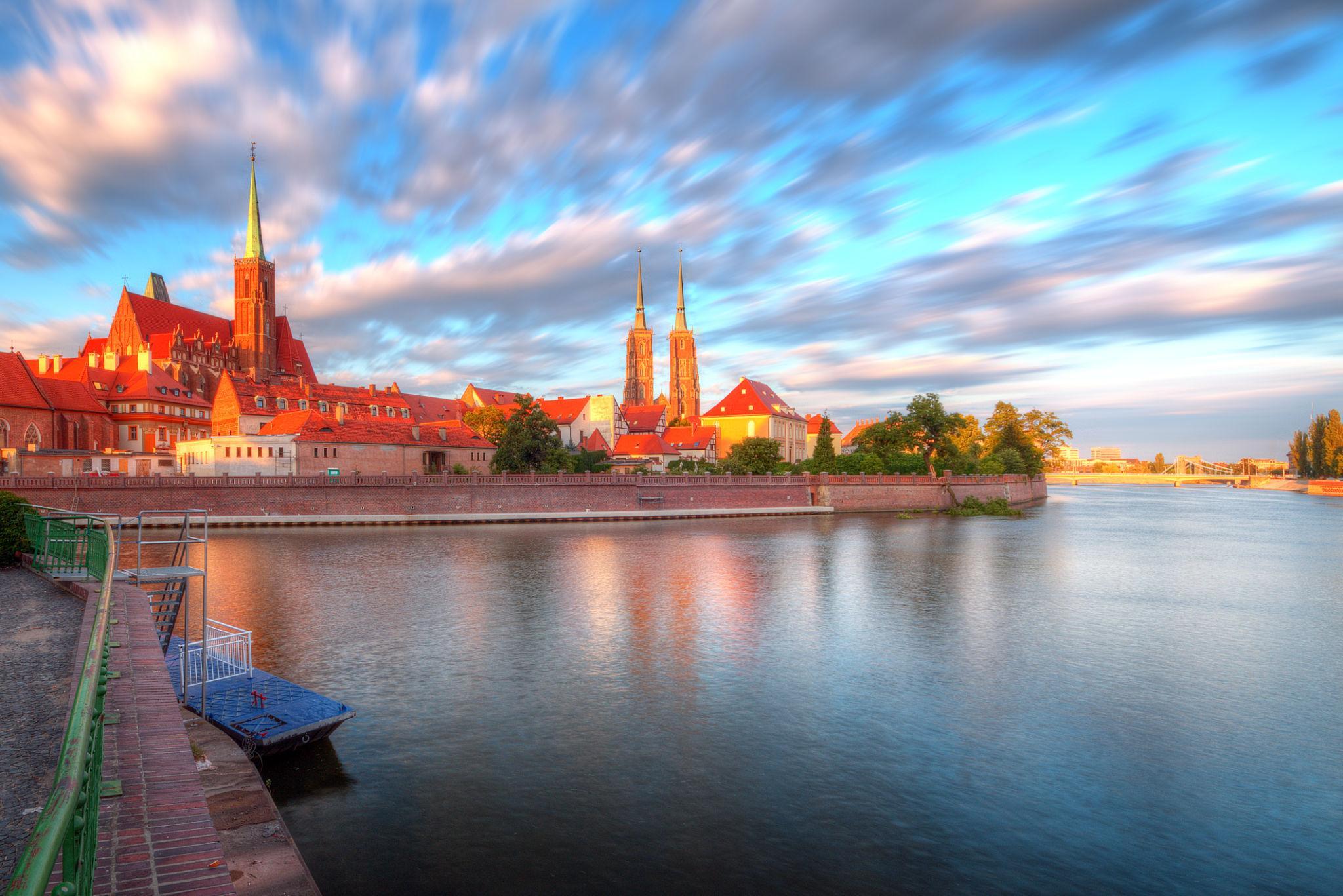
Wrocław Market Square and Cathedral Island
Wrocław features colorful architecture and over one hundred bridges. Its Cathedral Island preserves Gothic church complexes.
The city reflects Central European influences due to historical border changes.
3. Mountain Regions and Trekking
Southern Poland contains two primary mountain systems.
Tatra Mountains
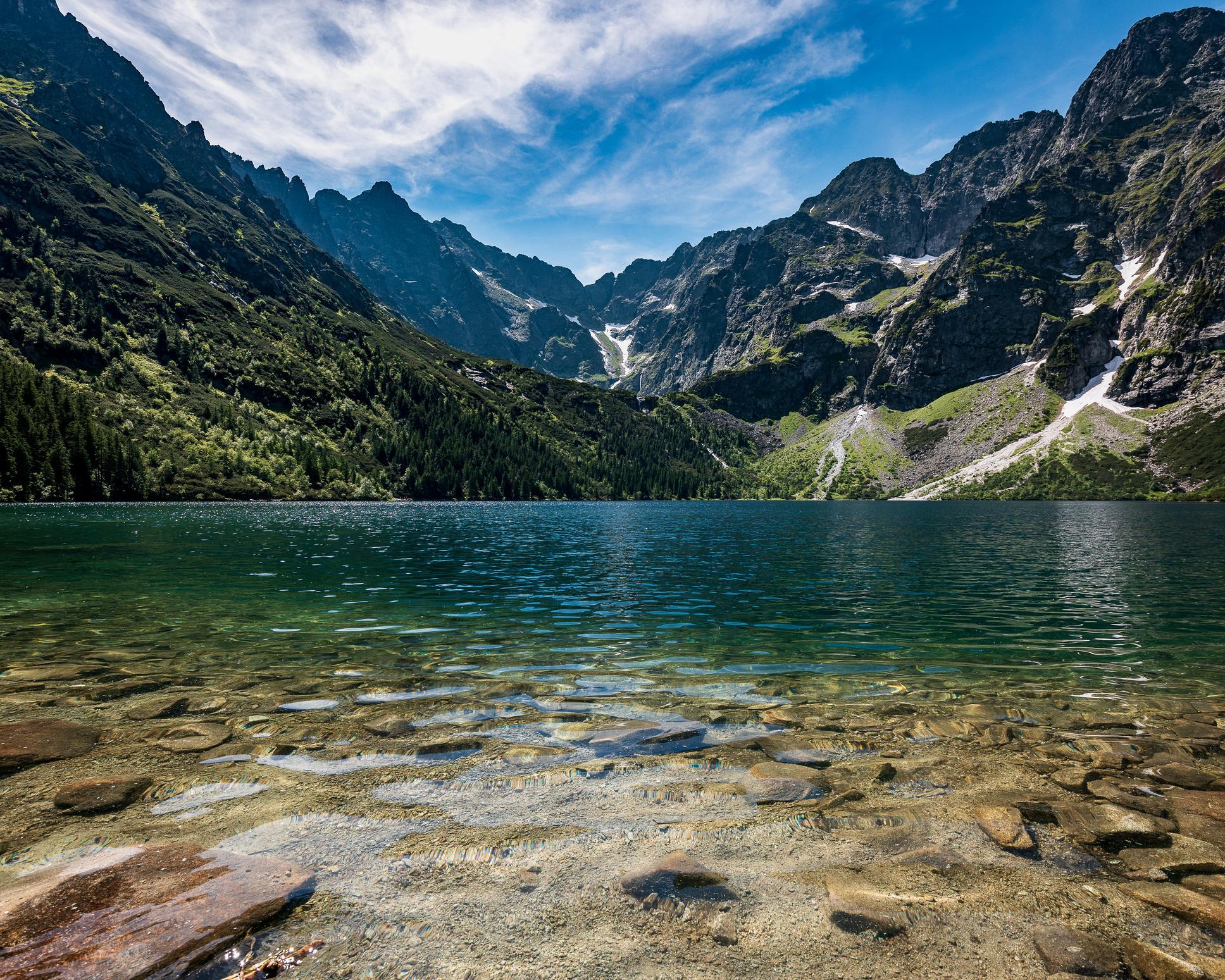
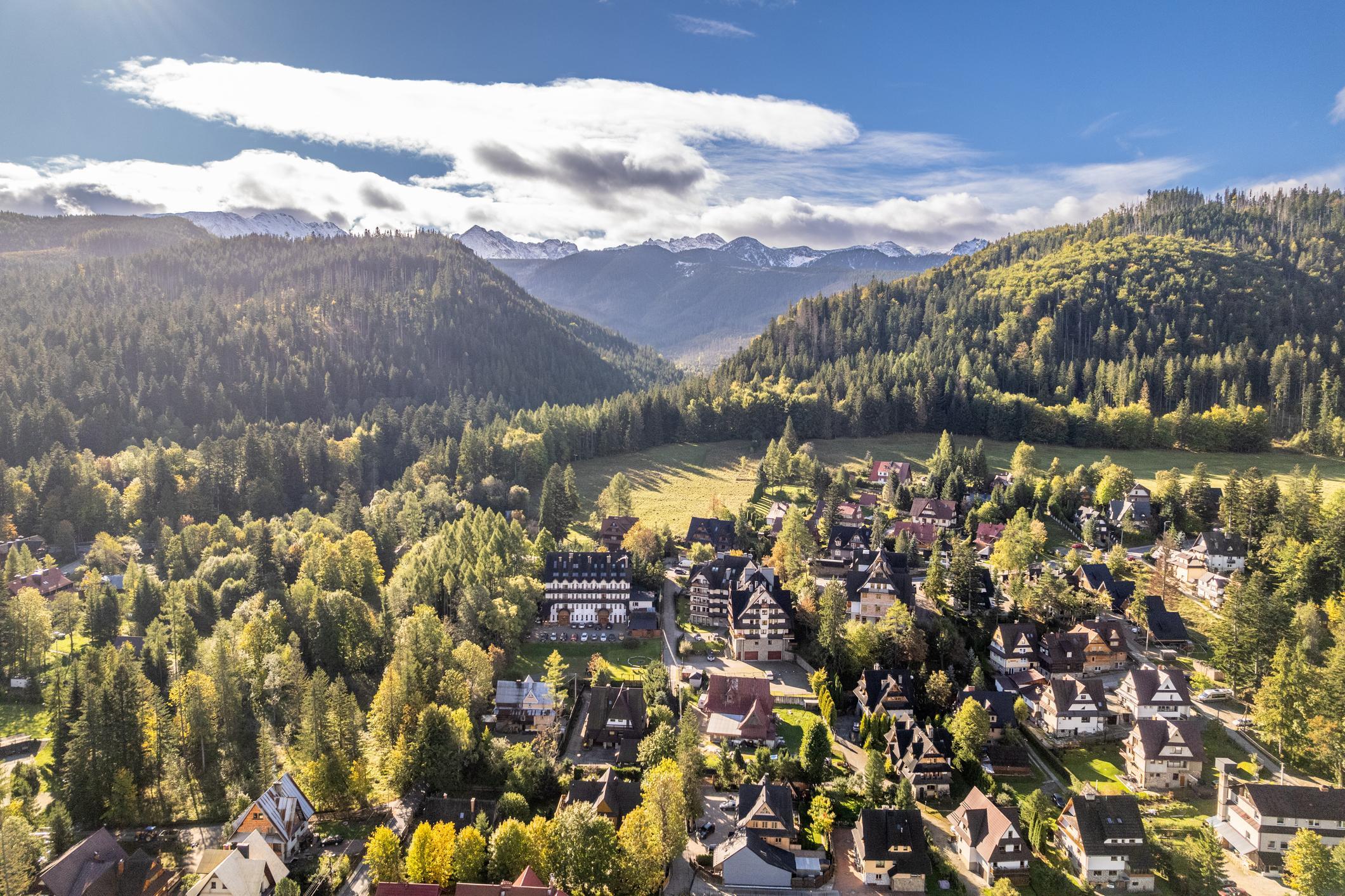
Morskie Oko lake and Zakopane
The Tatra Mountains form Poland’s highest alpine region along the border with Slovakia.
Zakopane is the primary mountain town and base for hiking. Trails range from moderate valley walks to high elevation ridge routes.
Winter transforms the region into a ski destination.
Bieszczady Mountains
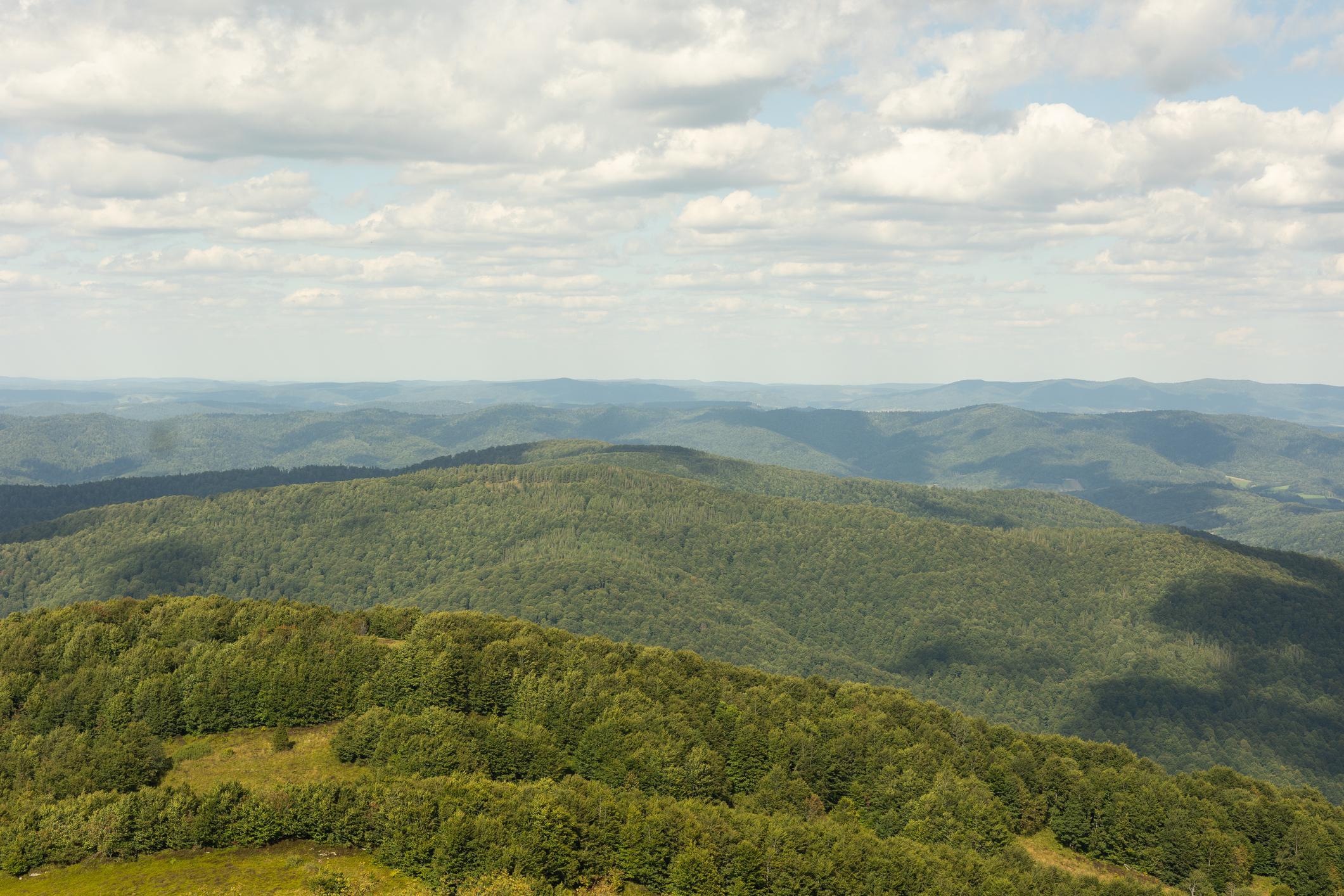
Rolling hills and hiking trails in Bieszczady
Located in southeastern Poland, Bieszczady offers quieter, forested terrain with fewer visitors.
This region is suitable for multi-day hiking with less alpine exposure than the Tatras.
4. National Parks and Forest Landscapes
Białowieża National Park
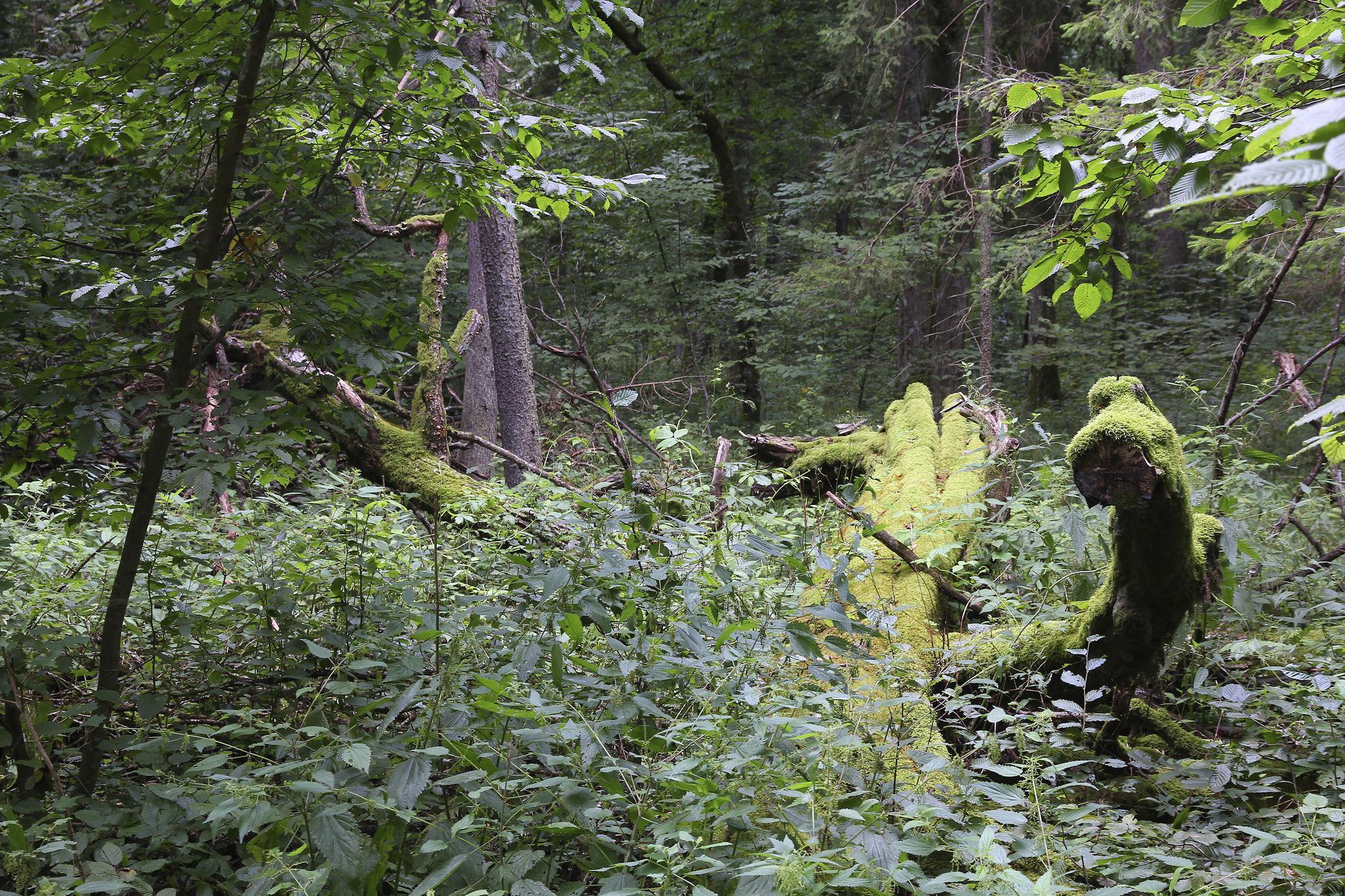
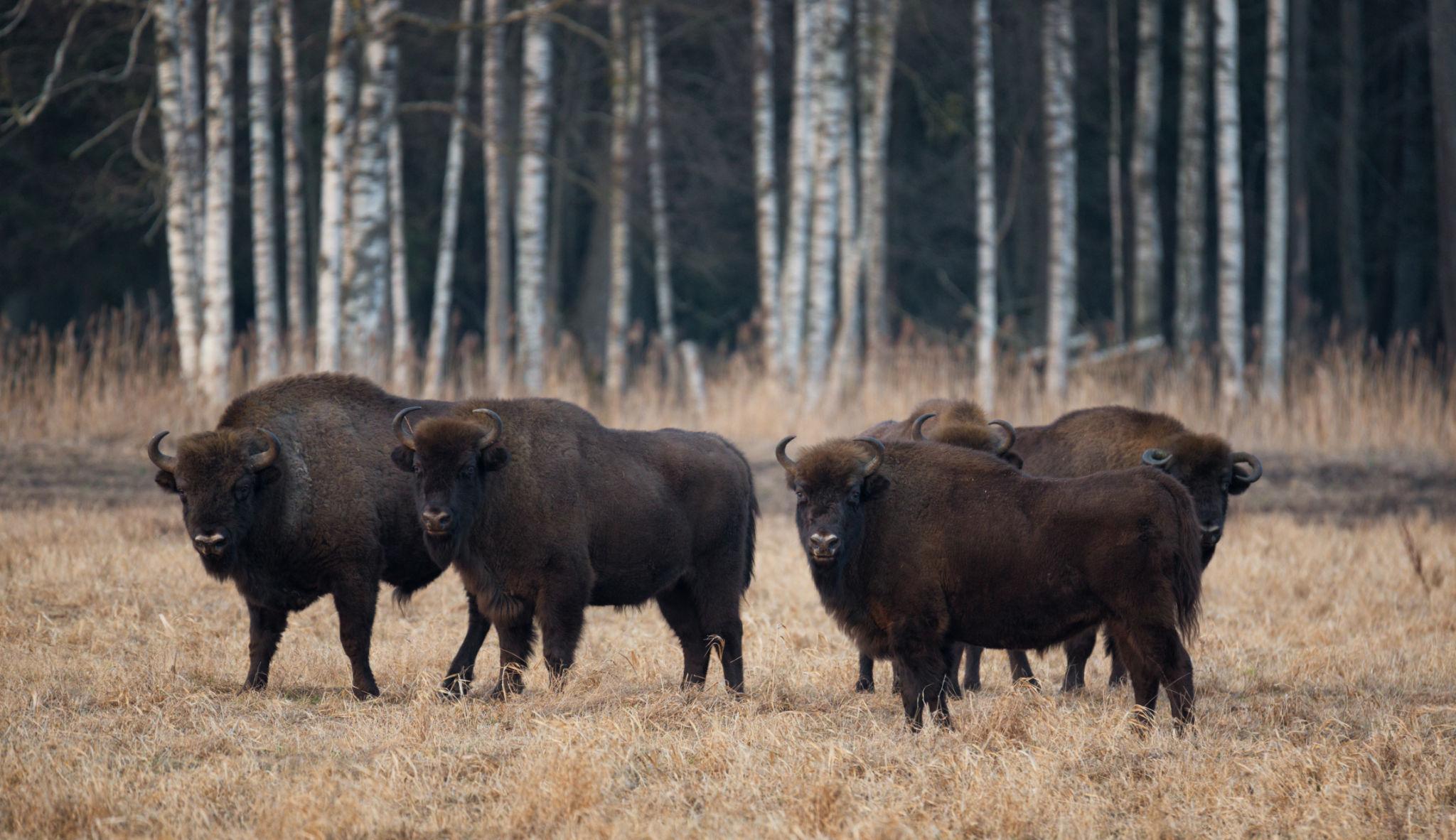
Primeval forest and European bison
Białowieża contains one of Europe’s last remaining primeval forests. It is home to the European bison.
This eastern forest region reflects Poland’s biodiversity rather than alpine landscapes.
5. Baltic Coastline and Maritime Regions
Northern Poland borders the Baltic Sea.
Słowiński National Park
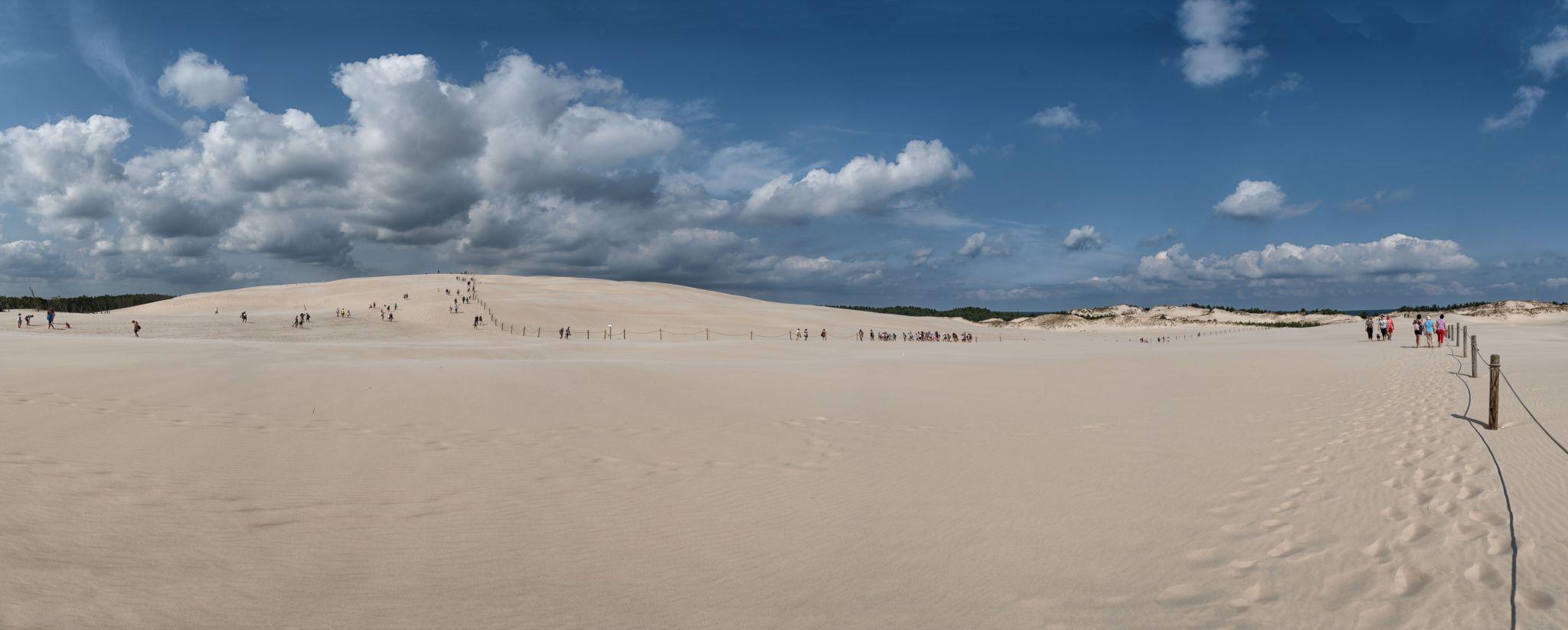
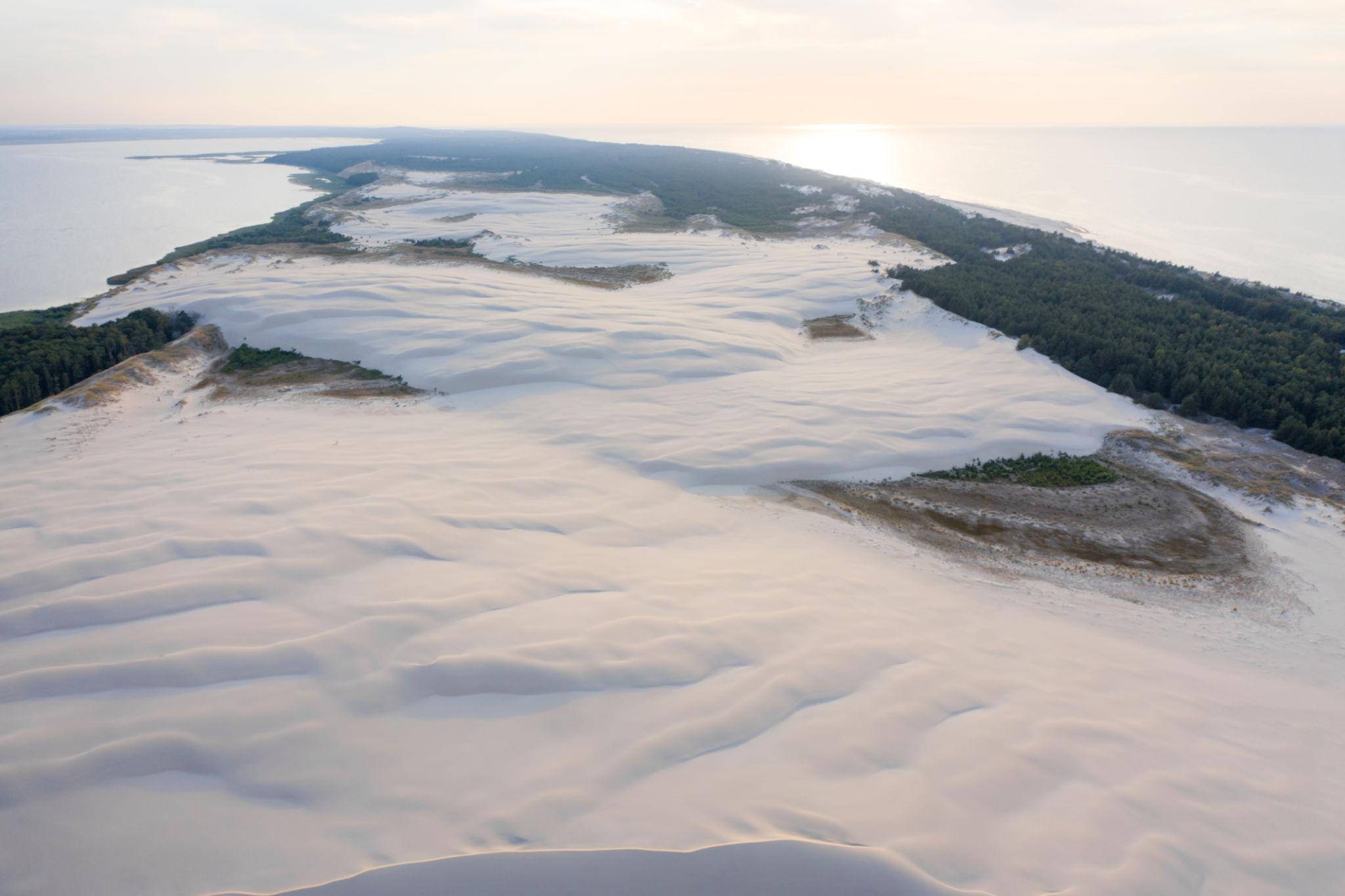
Shifting sand dunes along the Baltic coast
Słowiński National Park features large moving sand dunes, creating desert-like formations along the Baltic shoreline.
Summer is peak season for coastal travel.
6. Scenic Routes and Rural Poland
Poland’s countryside includes lake districts and rural farmland.
The Masurian Lake District in northeastern Poland contains interconnected lakes suitable for boating and cycling.
Rail infrastructure allows efficient travel between major cities, while car rental is useful for mountain and lake regions.
7. Seasonal Travel Strategy
Spring
Mild temperatures and fewer crowds.
Summer
Best for mountains and Baltic coast.
Autumn
Colorful forests, especially in Bieszczady and Białowieża.
Winter
Ski season in Zakopane and mountain regions.
8. Lake Districts and Northern Landscapes
Masurian Lake District
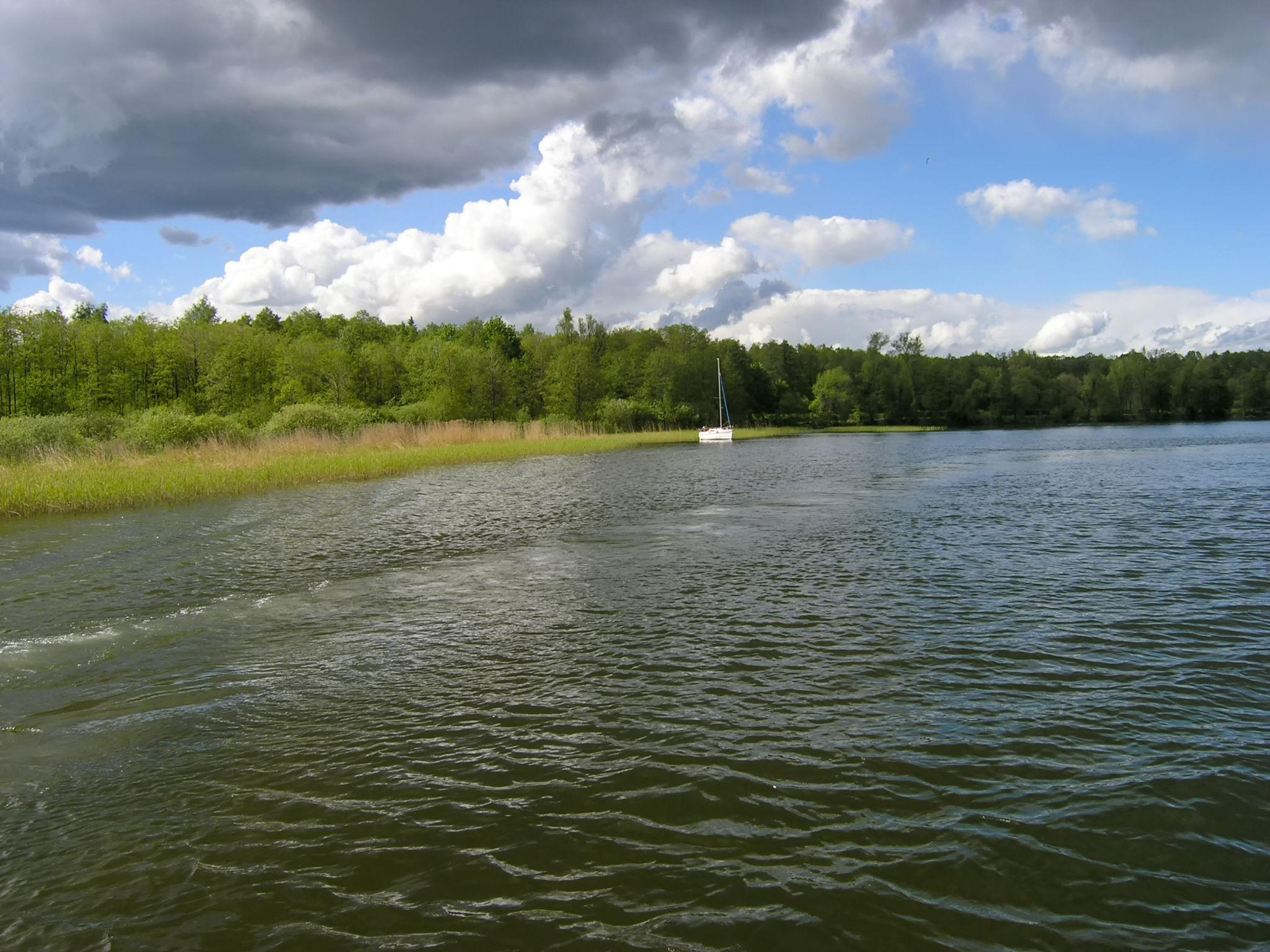
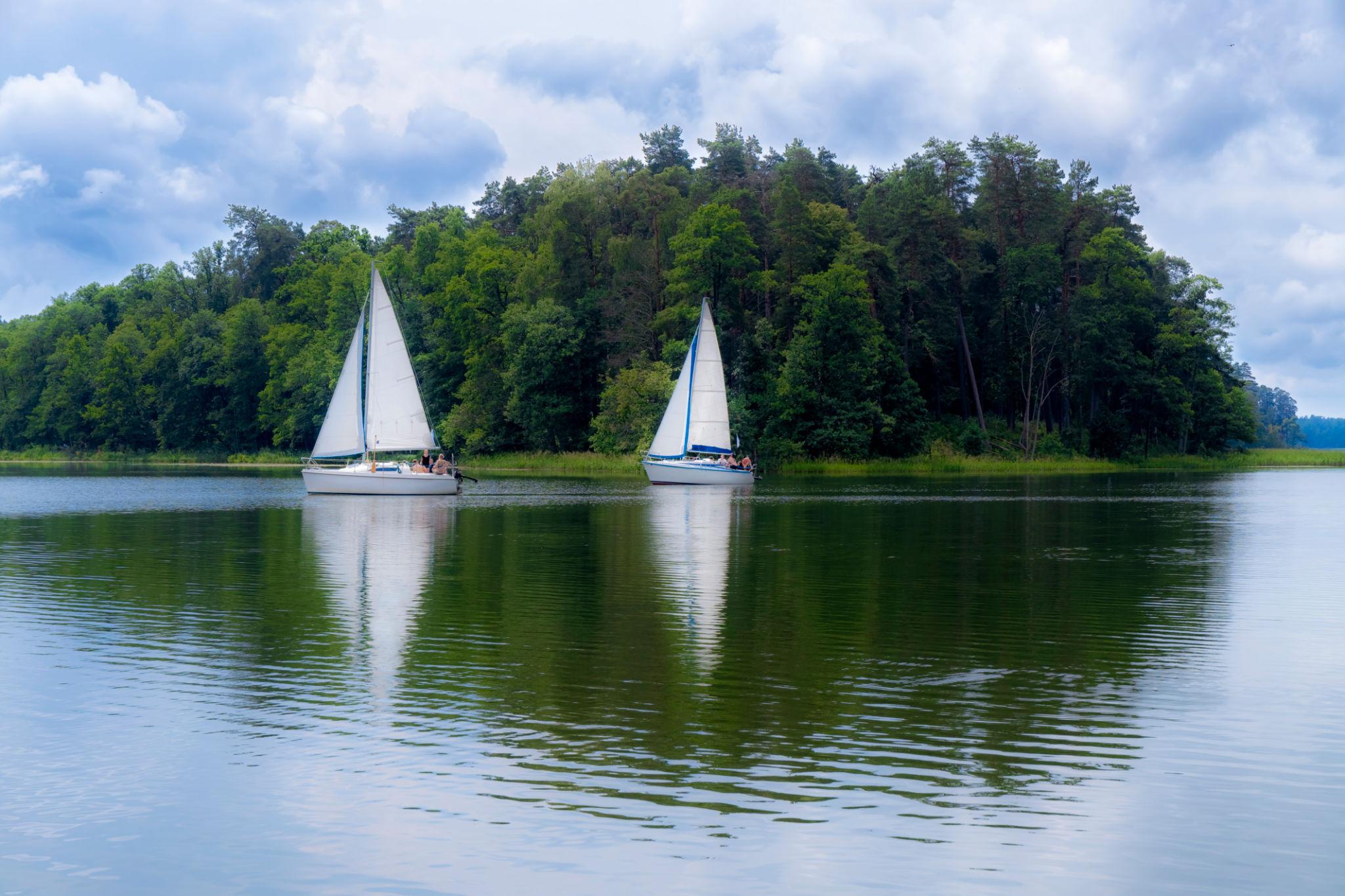
Interconnected lakes in the Masurian region
The Masurian Lake District contains more than 2,000 lakes connected by rivers and canals. It is one of Central Europe’s primary sailing and freshwater recreation regions.
The landscape is flat and forested, making it suitable for:
- Kayaking
- Sailing
- Cycling routes
- Rural guesthouse stays
Unlike the Tatras, this region is about water networks rather than elevation.
Summer is peak season.
9. Underground and Geological Sites
Wieliczka Salt Mine
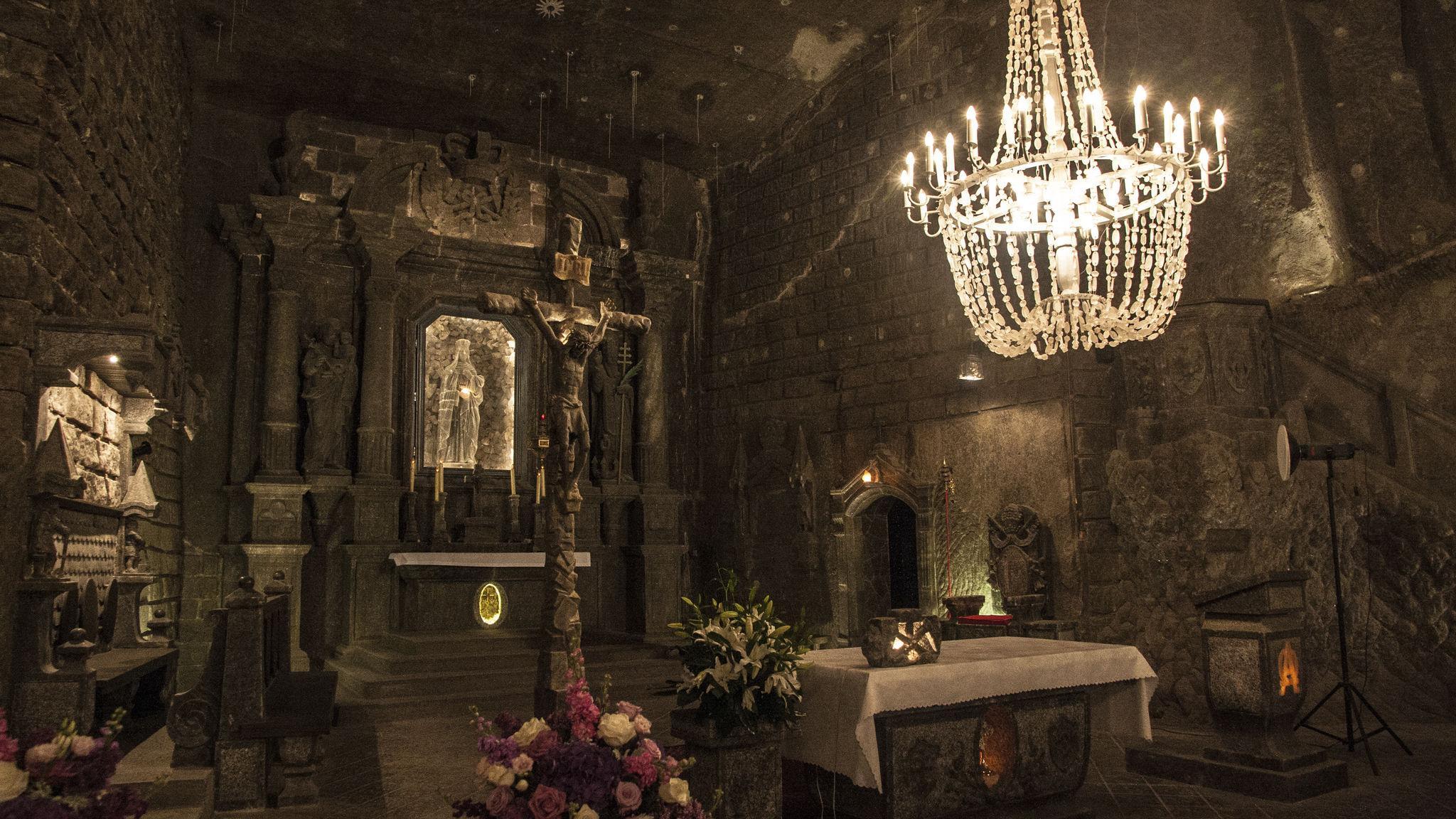
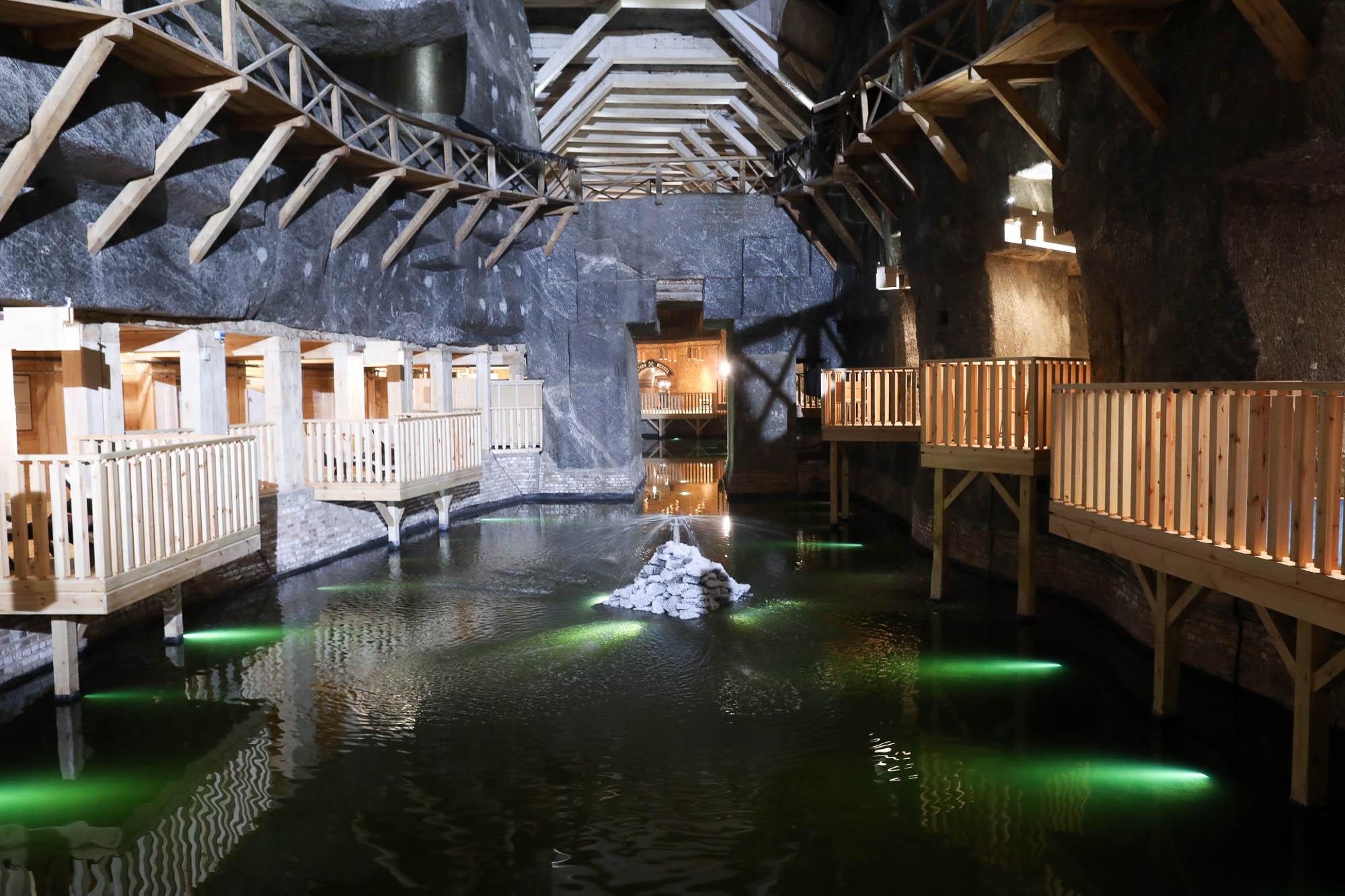
Underground chapel carved in salt
Located near Kraków, the Wieliczka Salt Mine is a UNESCO listed underground complex.
It contains:
- Carved salt chambers
- Underground chapels
- Sculptures
- Historic mining tunnels
This site represents Poland’s industrial heritage rather than its natural landscapes.
10. Lesser Known but Important Cities
Lublin
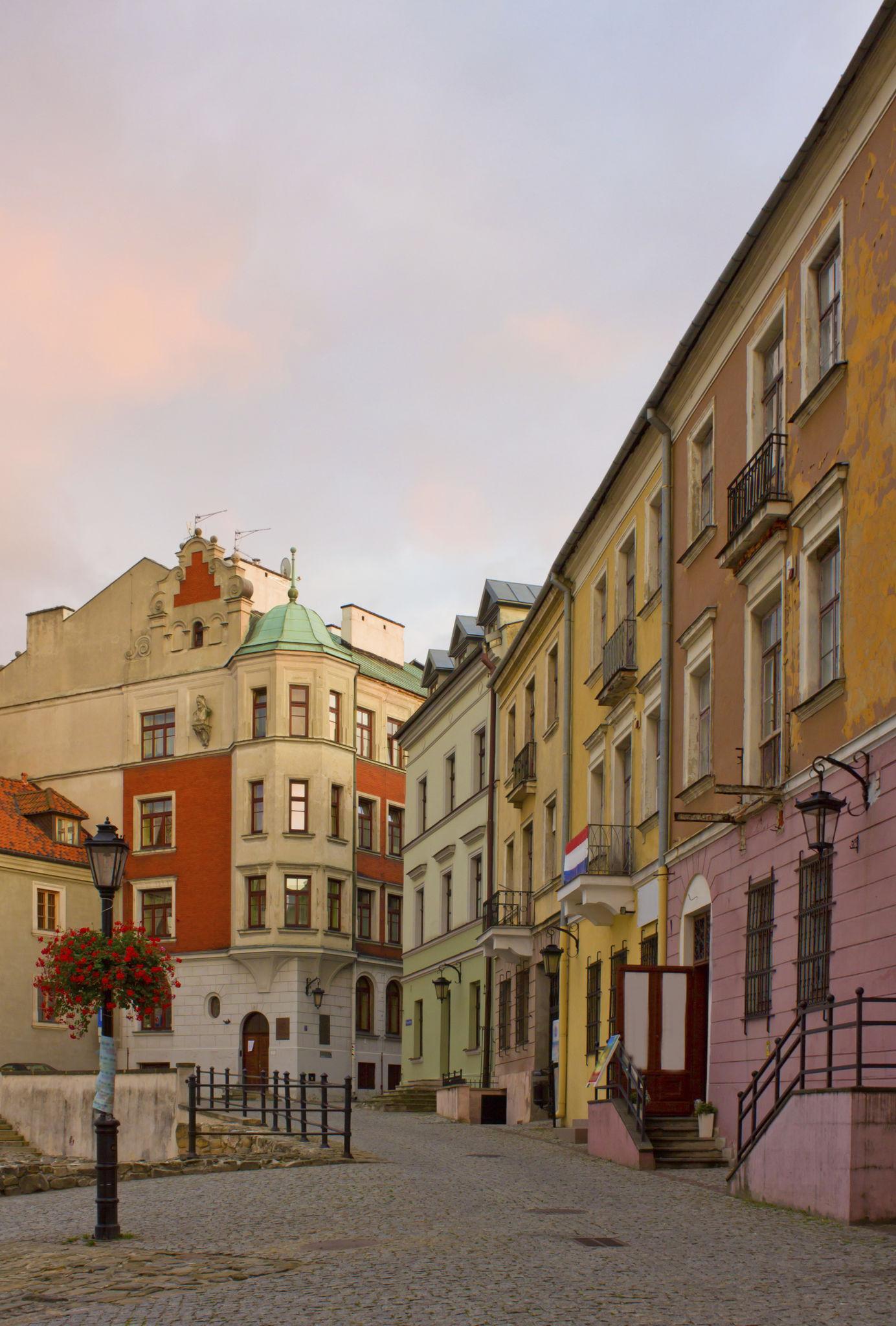
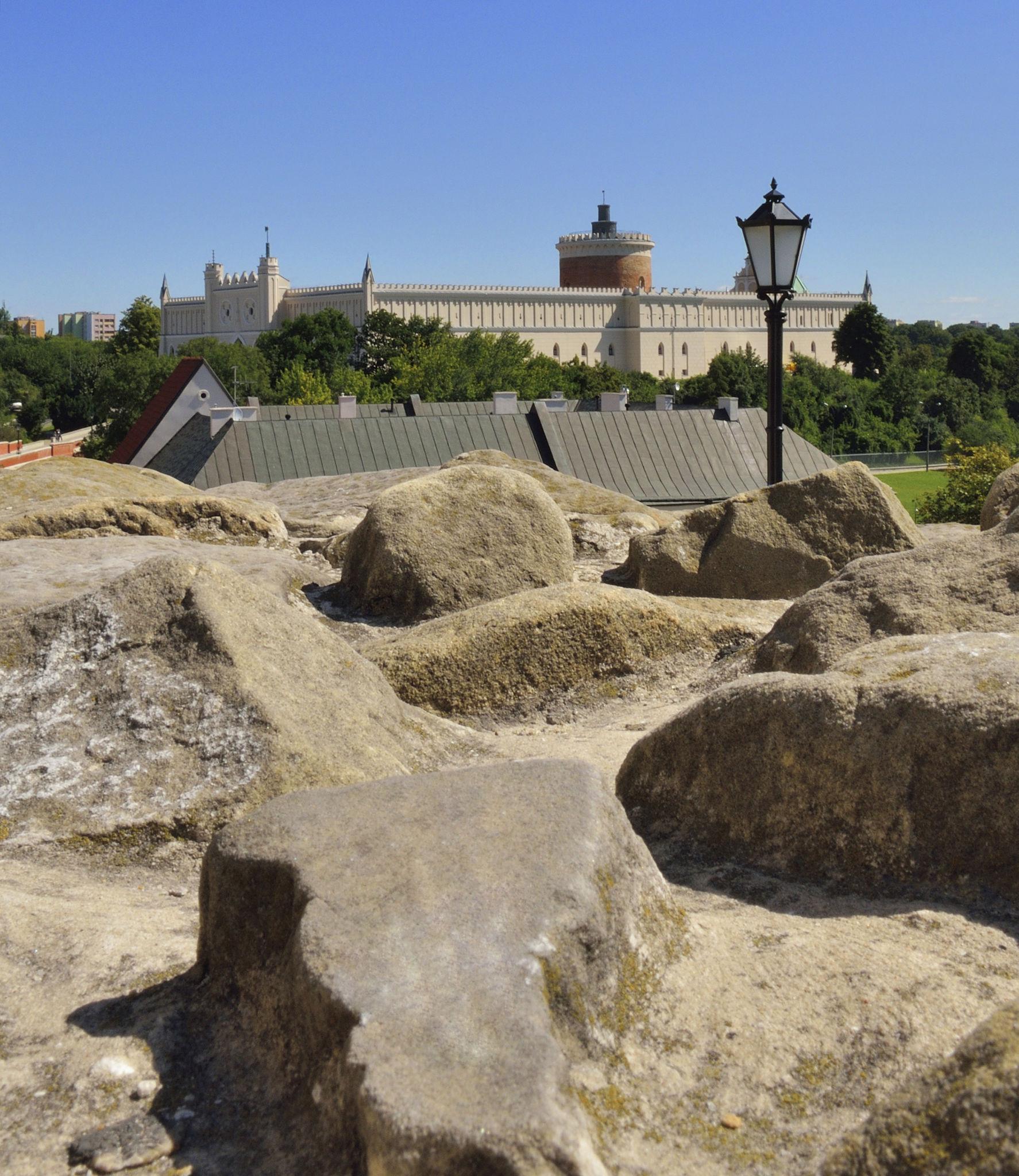
Lublin Old Town and castle
Lublin sits in eastern Poland and preserves Renaissance architecture. It was historically a political bridge between Poland and Lithuania.
The city is less visited than Kraków but culturally significant.
Poznań
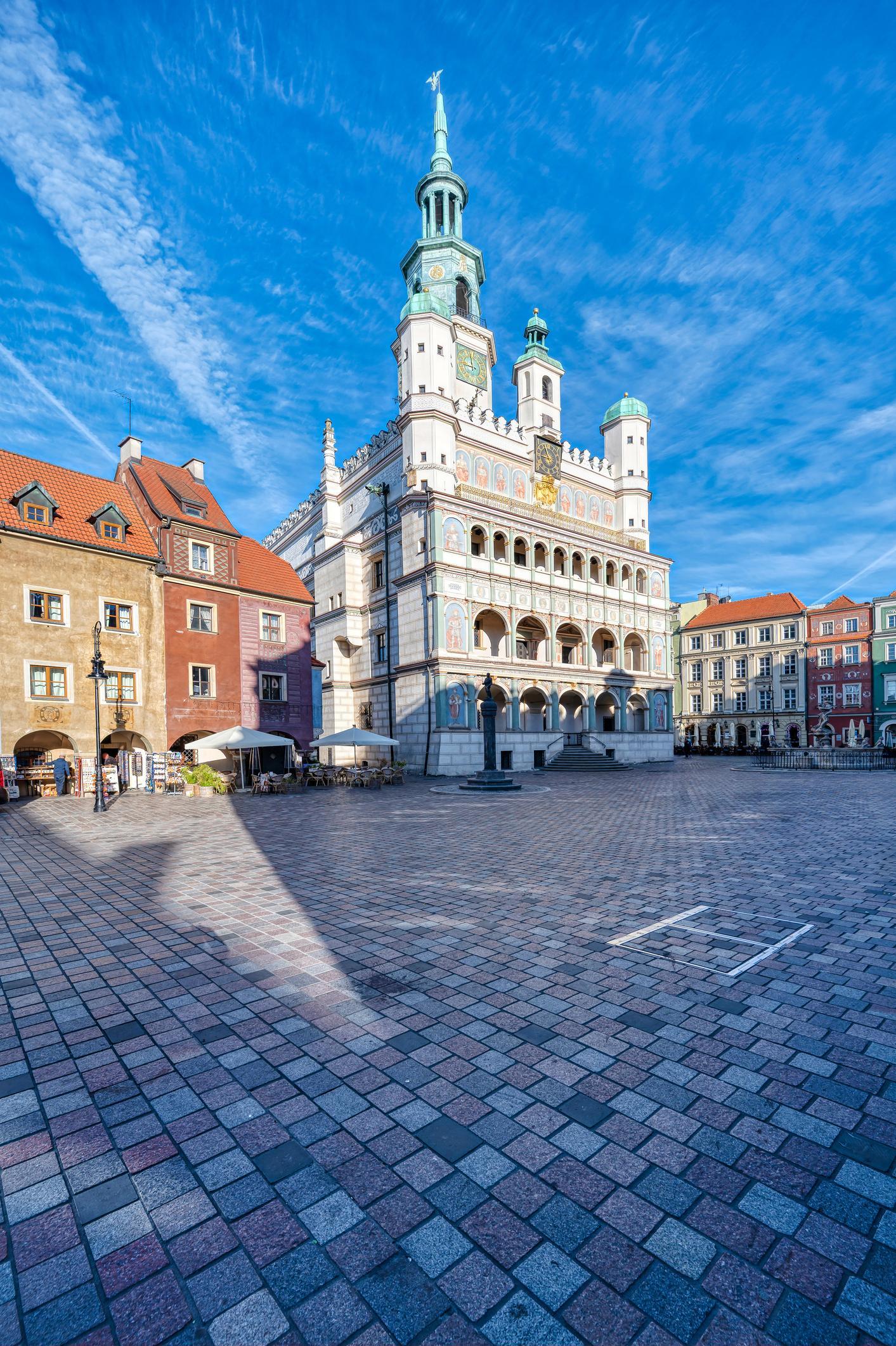
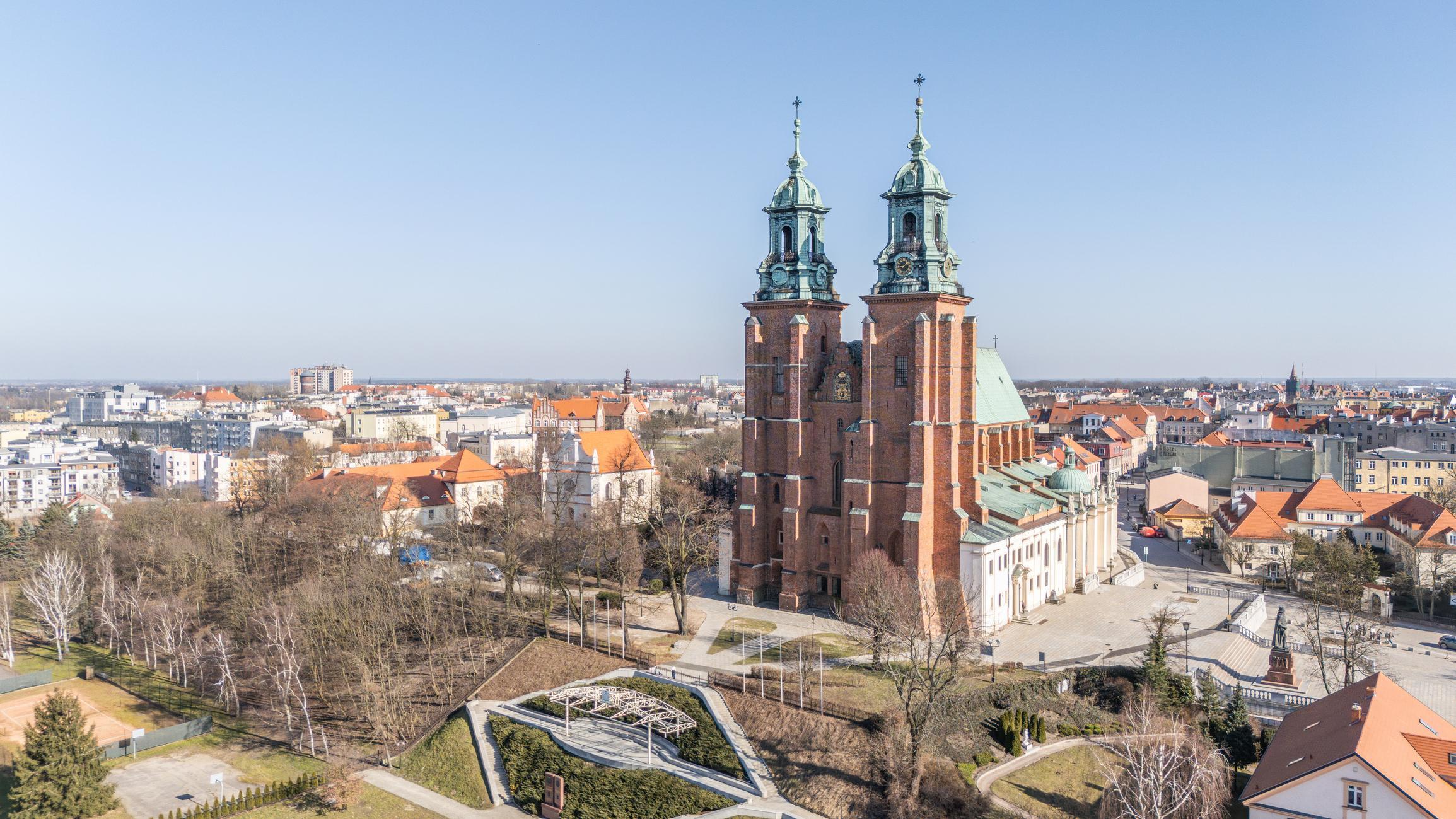
Poznań Market Square and Cathedral Island
Poznań is considered one of Poland’s oldest cities. It plays a central role in early Polish statehood.
The Old Market Square and colorful facades define the central area.
11. Industrial and Modern Heritage
Katowice
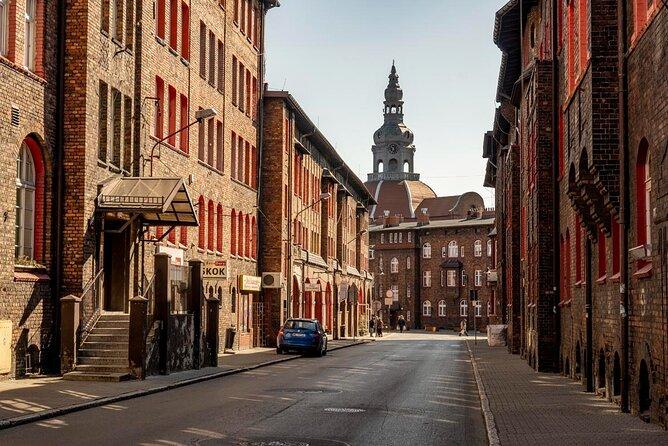
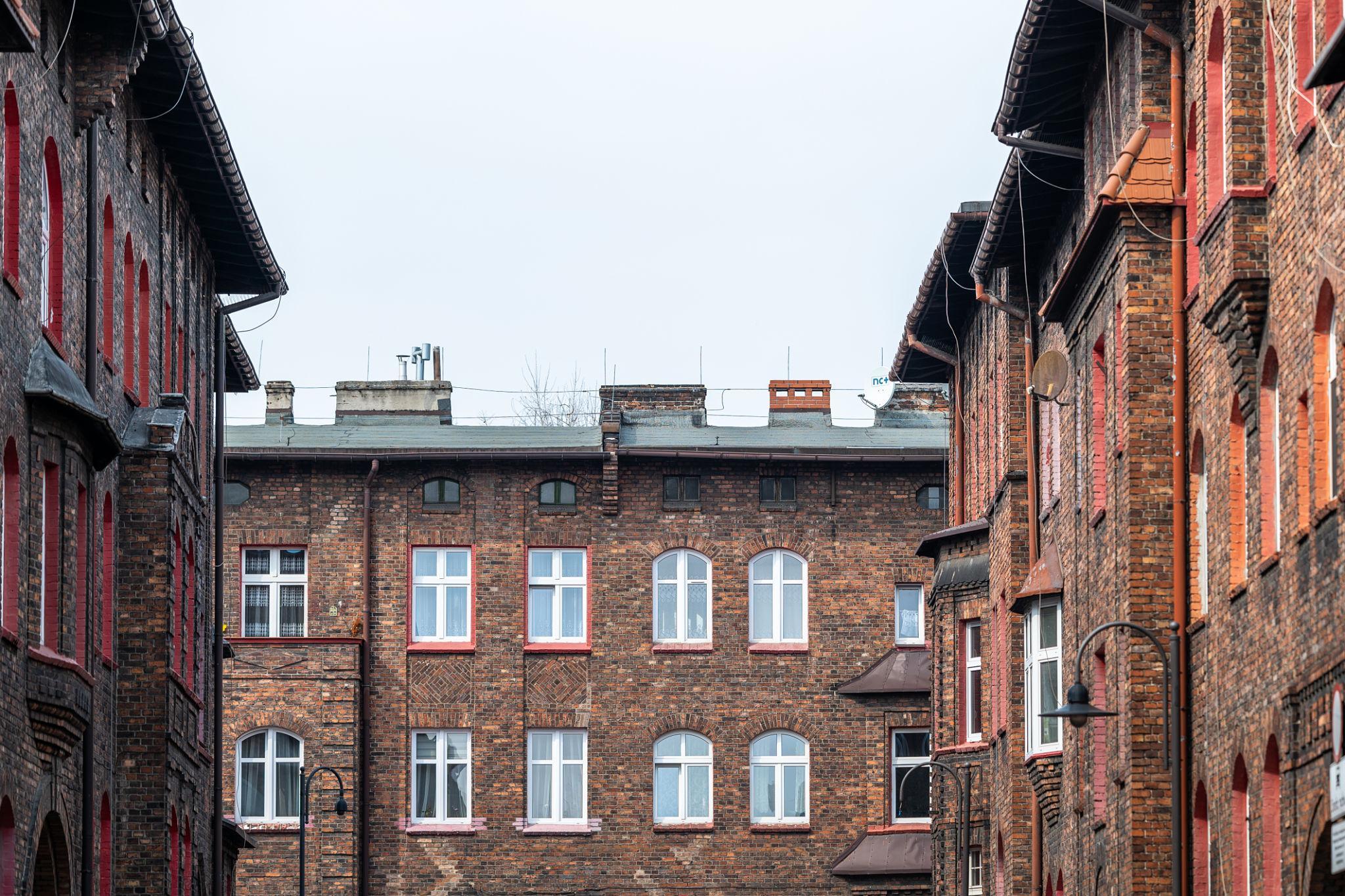
Industrial architecture and workers’ housing
Katowice represents Poland’s industrial Silesian region. Historic coal mining areas have been converted into cultural and museum spaces.
Nikiszowiec preserves early twentieth century workers’ housing.
12. Rock Climbing and Outdoor Adventure
Poland is not only about hiking.
Kraków-Częstochowa Upland
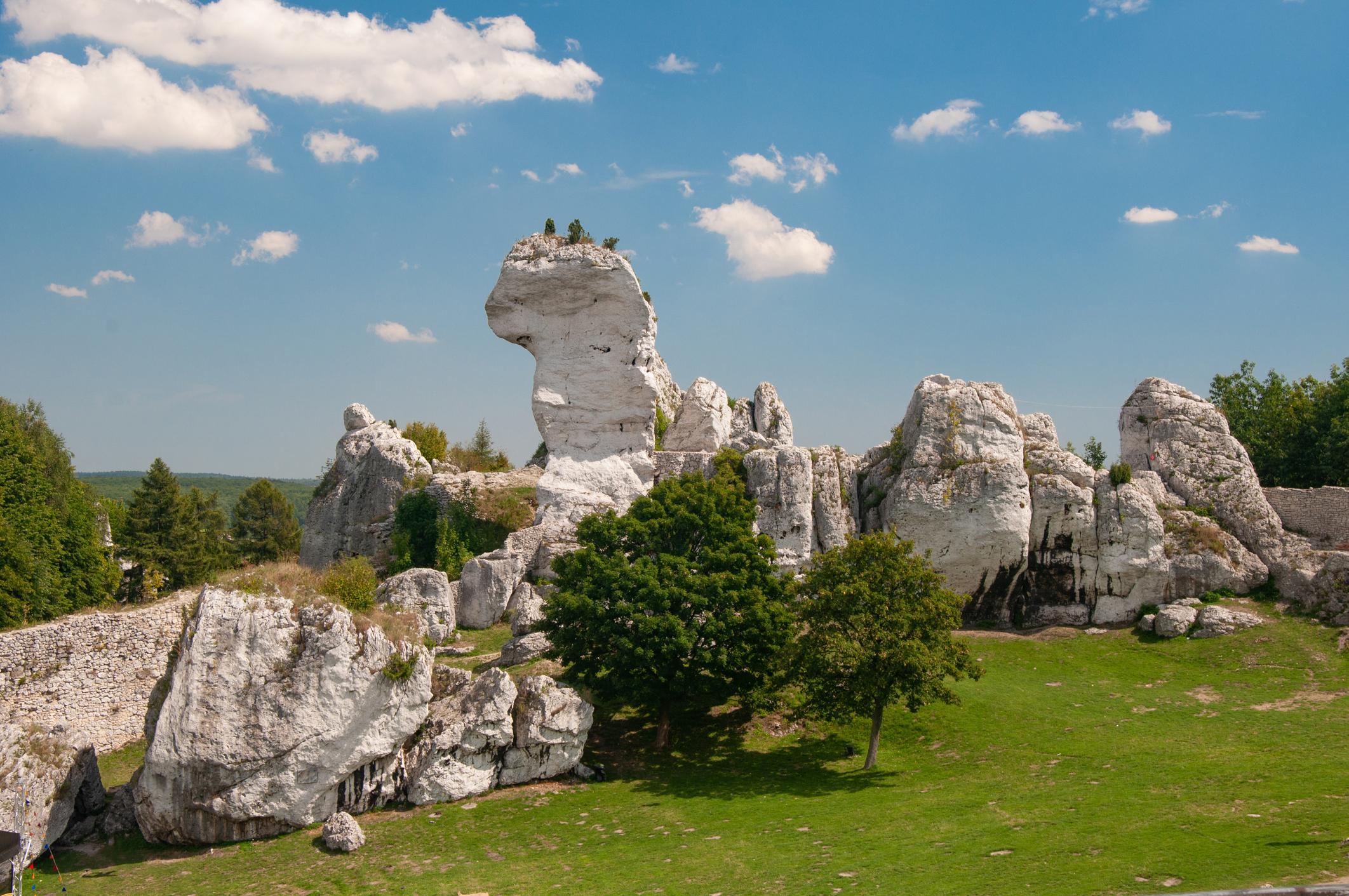
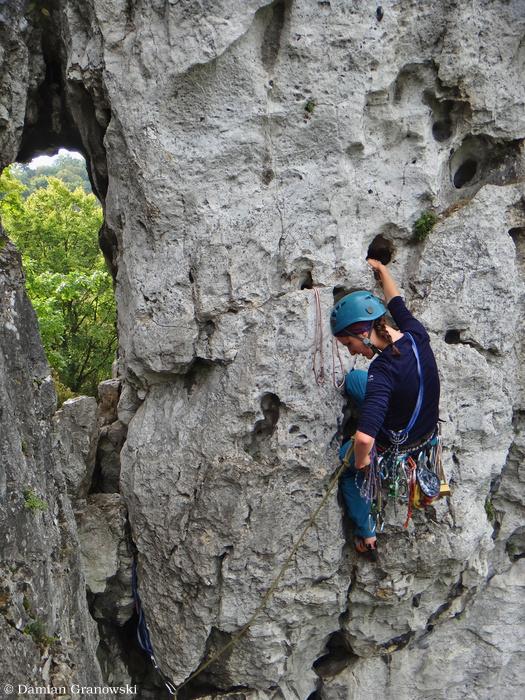
Limestone towers in the Polish Jura
The Kraków-Częstochowa Upland, also known as the Polish Jura, contains limestone rock formations suitable for sport climbing.
The area also includes medieval castle ruins built along defensive lines.
13. Jewish Heritage and Cultural Memory
Poland holds one of the most important Jewish heritage landscapes in Europe.
Kraków
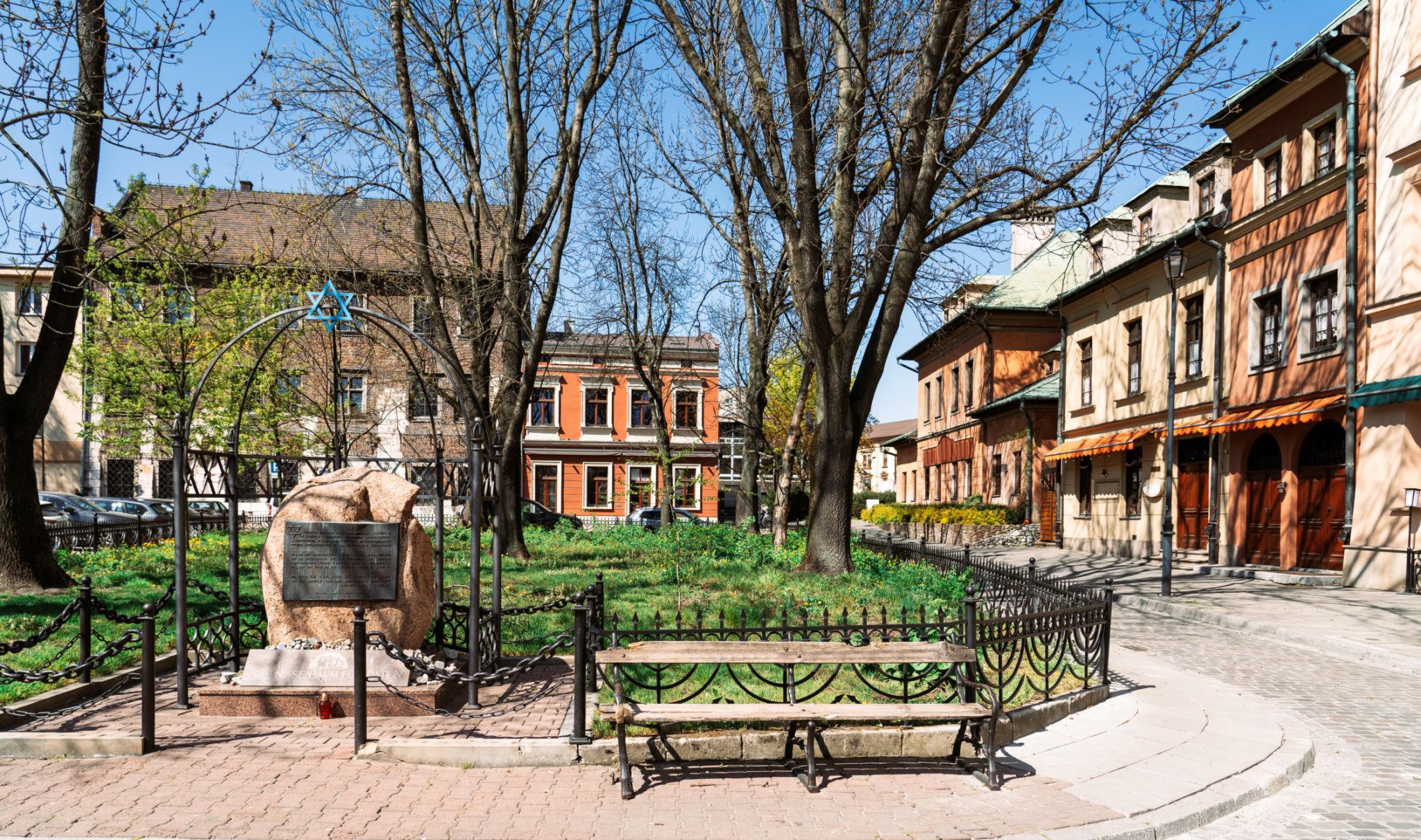
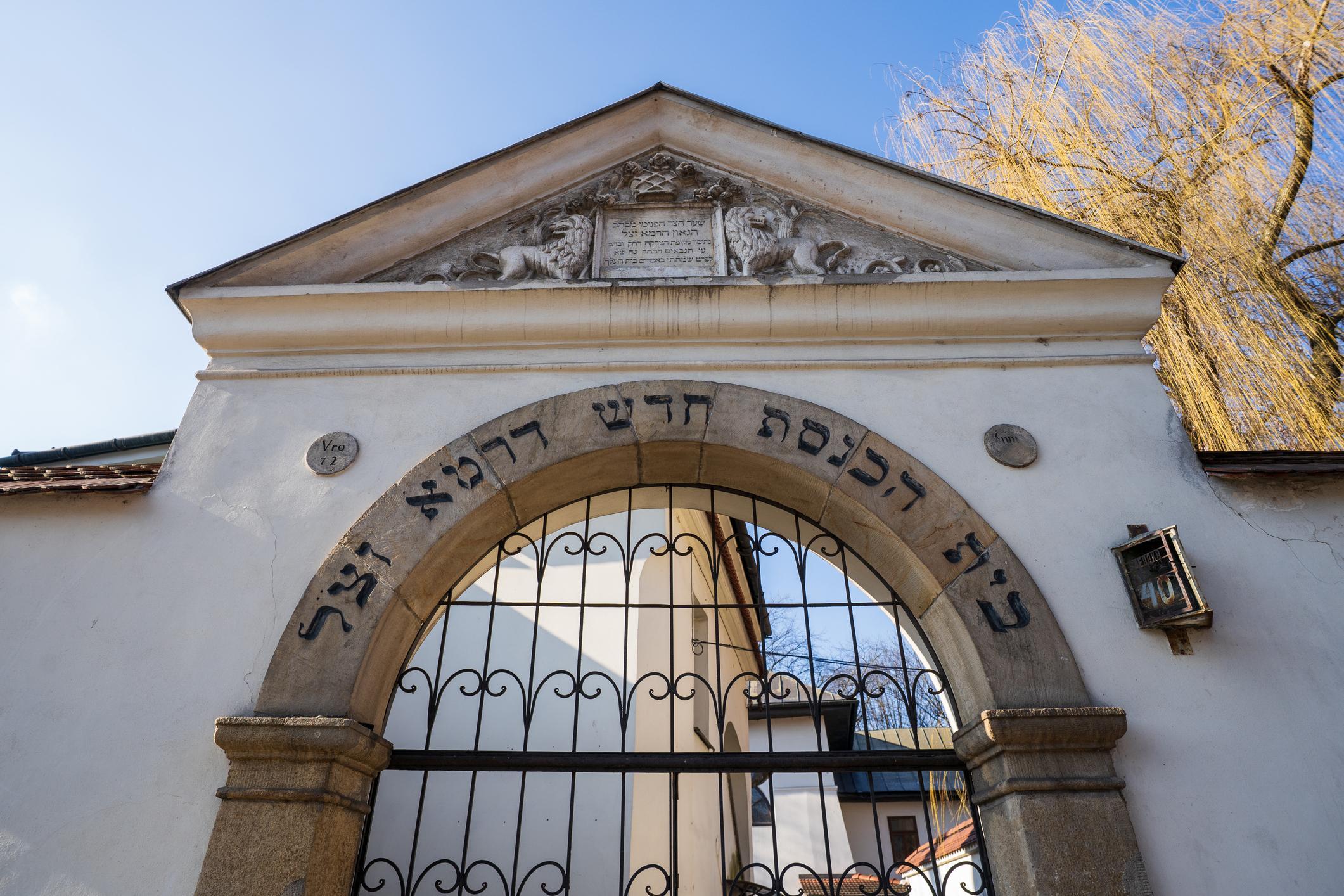
Kazimierz district and historic synagogue
Kraków’s Kazimierz district preserves synagogues, cemeteries, and historical memory sites connected to pre-war Jewish life.
This region adds cultural depth beyond architectural tourism.
14. Scenic Routes and Railway Corridors
Important scenic routes include:
- Zakopane mountain railway
- Baltic coastal drives
- Sudetes mountain routes along the Czech border
Rail travel connects Warsaw, Kraków, Gdańsk, Wrocław, and Poznań efficiently.
15. Southern Border and Sudetes Mountains
Sudetes

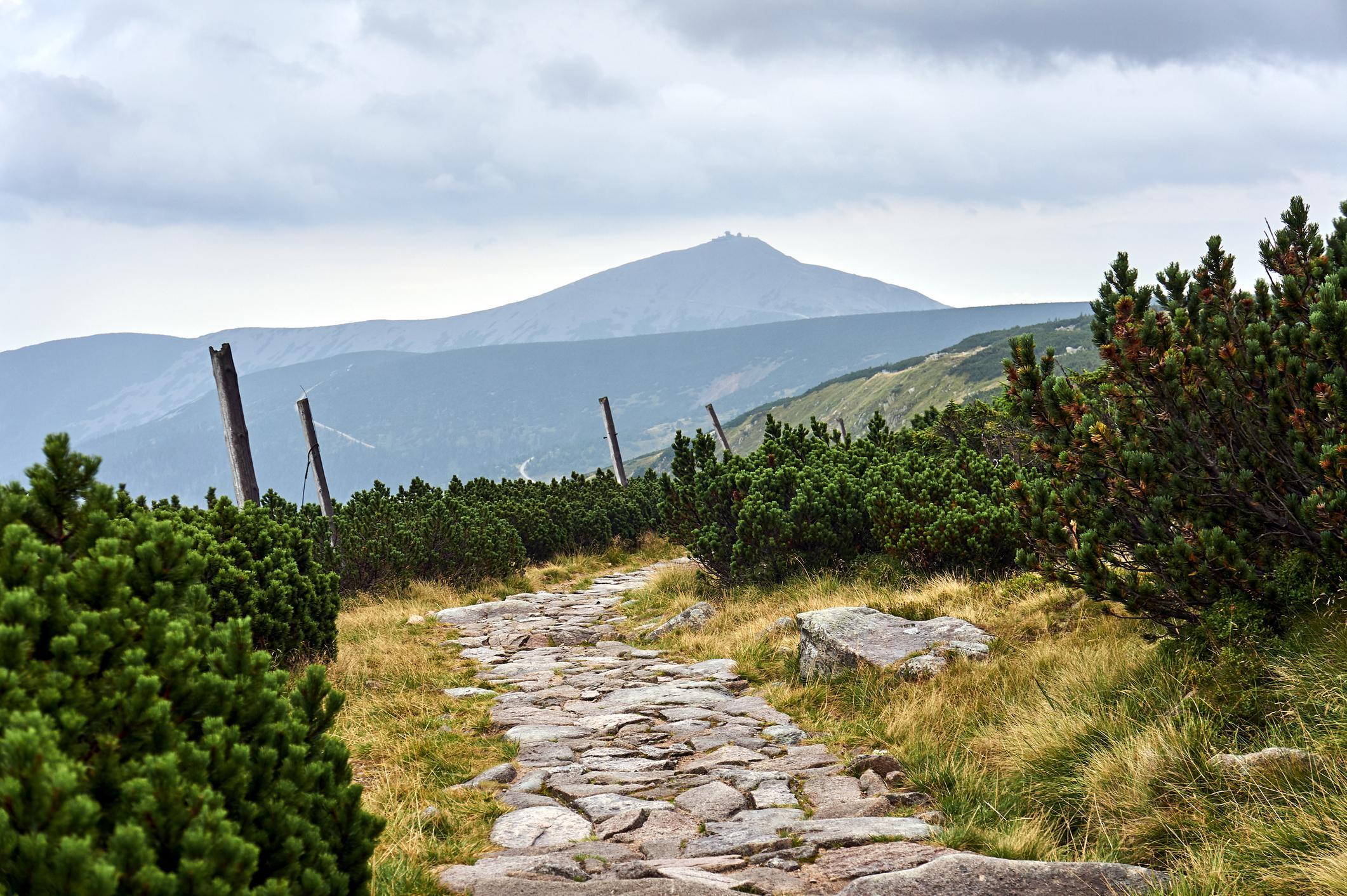
Sudetes and Karkonosze mountain range
The Sudetes form Poland’s southwestern mountain border. The Karkonosze subrange includes Śnieżka peak.
These mountains are lower than the Tatras but less crowded.
Image Credits
All images used in this Poland guide are sourced via public search queries corresponding to:
- Warsaw Old Town
- Kraków Market Square
- Gdańsk waterfront
- Auschwitz-Birkenau memorial
- Wrocław Market Square
- Tatra Mountains and Zakopane
- Bieszczady Mountains
- Białowieża Forest
- Słowiński sand dunes
The information in this guide is intended for general planning purposes only. Trail conditions, permit requirements, costs, and access routes can change due to weather, seasonal closures, or local regulations. The itinerary provided is a suggested framework and may need to be adjusted based on your fitness level, acclimatization, and conditions on the ground. Always consult a local guide or trekking agency before departing and verify current conditions with authorities or affiliated company.
![K2 Base Camp Trek: Ultimate Guide k2 Trek 2026 [UPDATED]](https://karakoramdiaries.com/storage/ultimate-guide-to-k2-base-camp-trek-full-document-150x150.png)