Best Places to Visit in South Korea
South Korea is a mountainous peninsula in East Asia bordered by the Yellow Sea, the East Sea, and North Korea. More than 70 percent of the country is mountainous, yet it also contains high density urban regions, historic capitals, coastal fishing communities, and volcanic island systems.
It is compact geographically but diverse in landscape, culture, and seasonal change.
Table of contents [Show]
- 1. Cities and Cultural Centers
- 2. Historic Kingdom Sites
- 3. National Parks and Mountain Systems
- 4. Long Distance Hiking and Ridge Systems
- 5. Coastal and Maritime Regions
- 6. Jeju Island and Volcanic Geography
- 7. National Parks and Mountain Systems
- 8. Long Distance Hiking and Ridge Systems
- 9. Coastal and Maritime Regions
- 10. Jeju Island and Volcanic Geography
1. Cities and Cultural Centers
Seoul
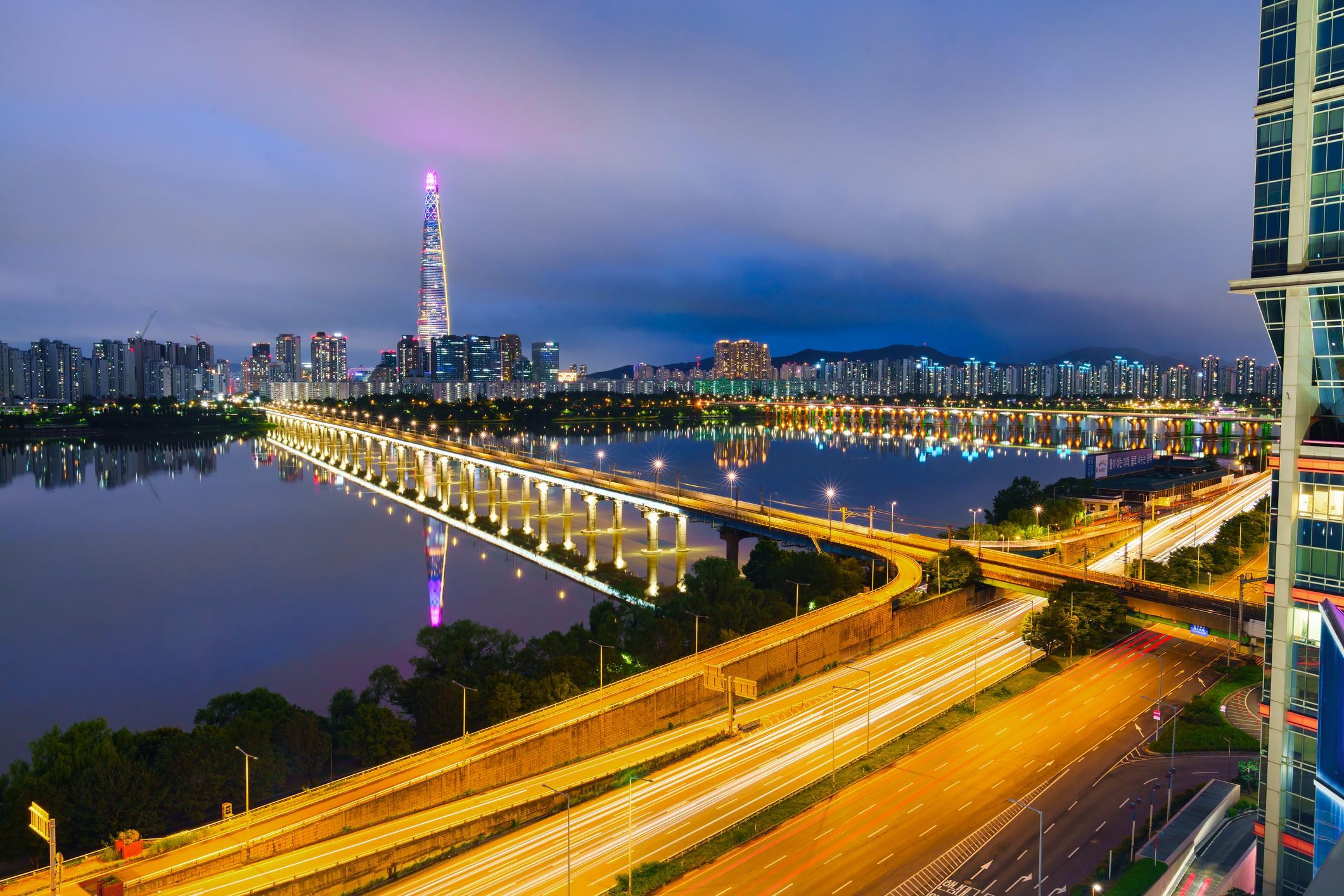
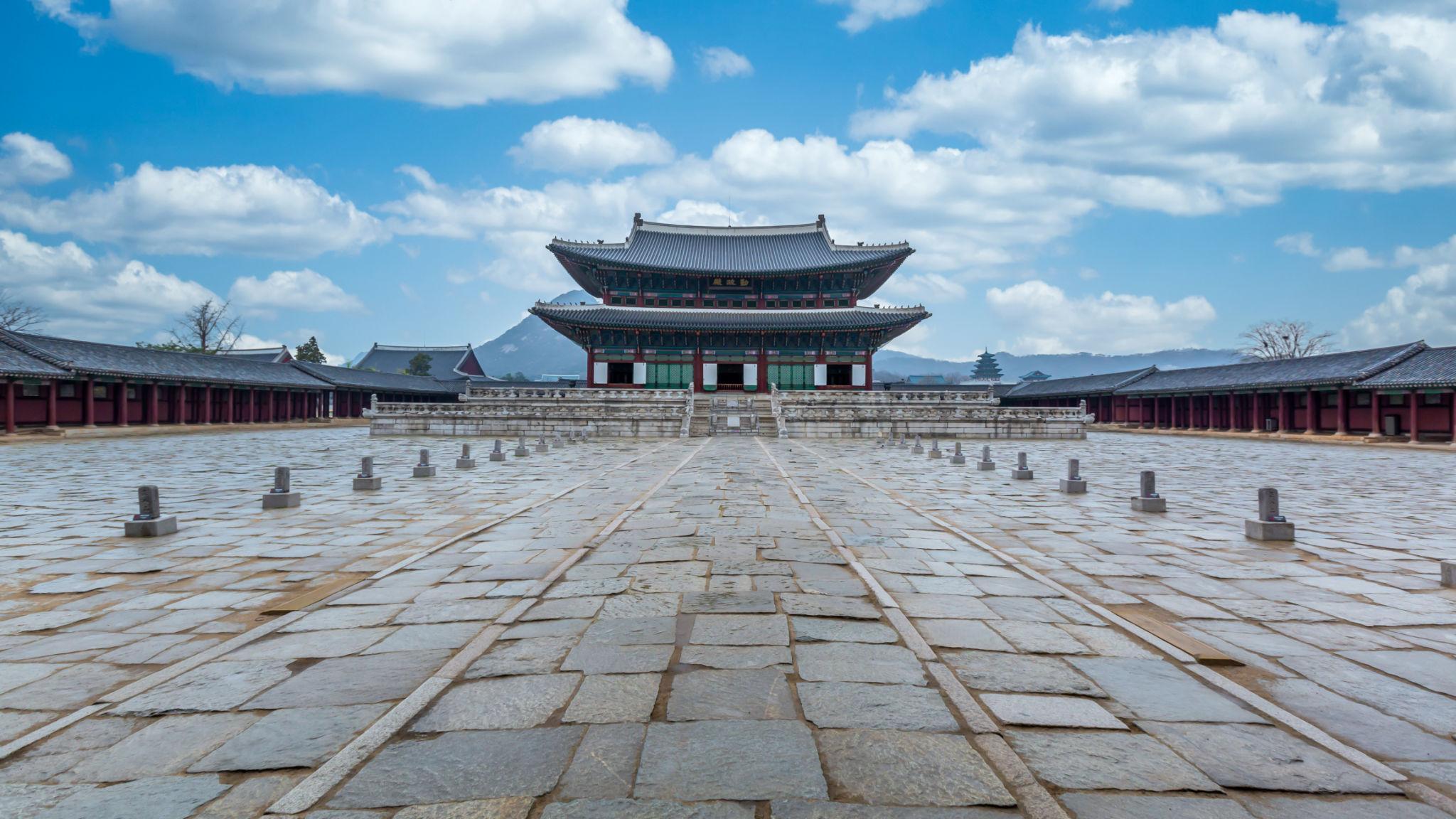
Seoul skyline along the Han River and Gyeongbokgung Palace courtyard
Seoul is not just the capital. It is the core of Korean history, politics, economy, and pop culture.
The city is structured around the Han River and multiple mountain ridges. Despite rapid modernization, it preserves Joseon dynasty palaces and fortress walls.
Key districts include:
- Jongno for royal palaces
- Bukchon Hanok Village for preserved wooden houses
- Insadong for traditional crafts
- Gangnam for modern commercial development
- Hongdae for youth culture
Major historic complexes include:
- Gyeongbokgung Palace
- Changdeokgung Palace
- Deoksugung Palace
Seoul requires at least four full days for meaningful exploration.
Busan
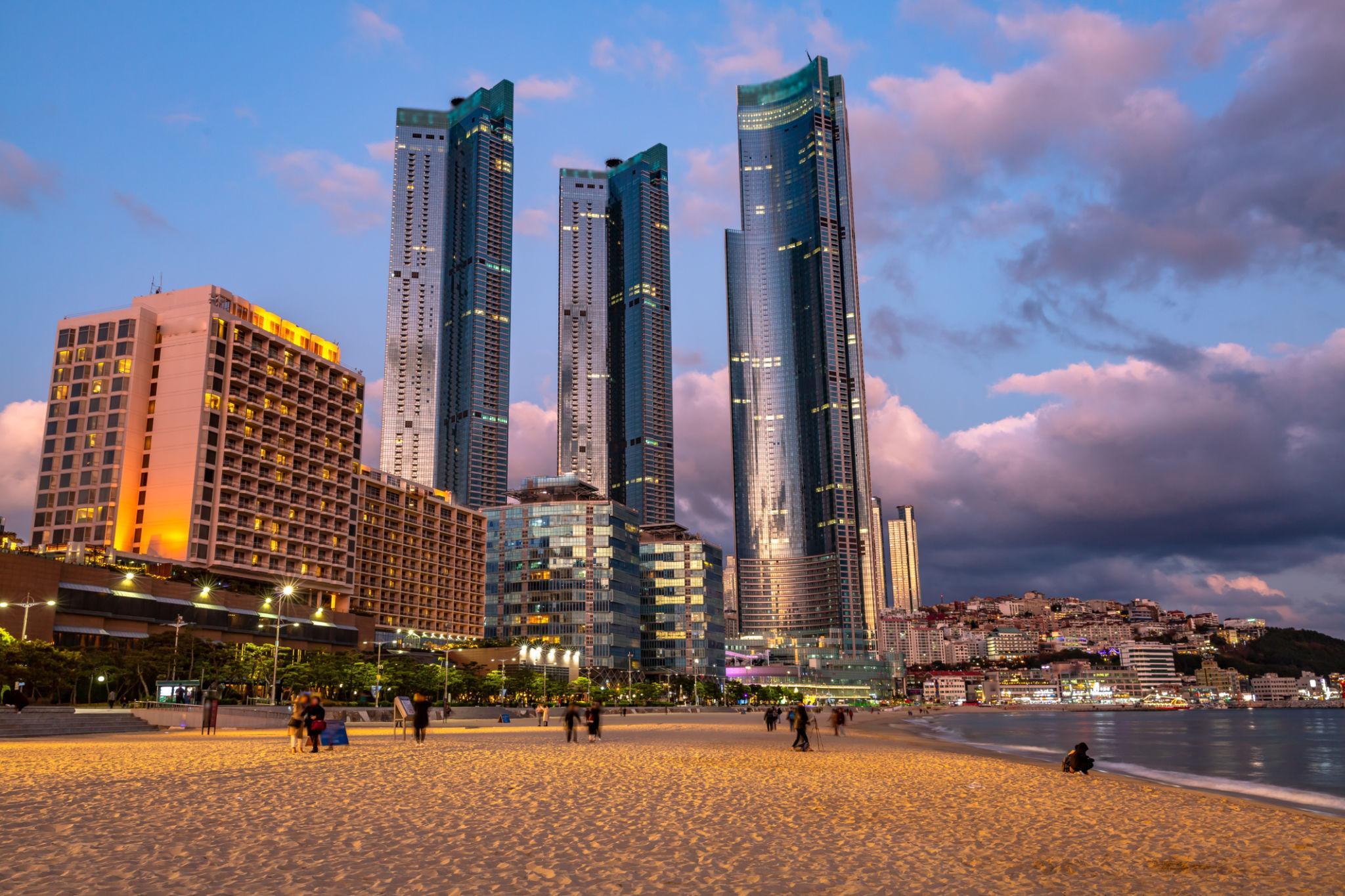
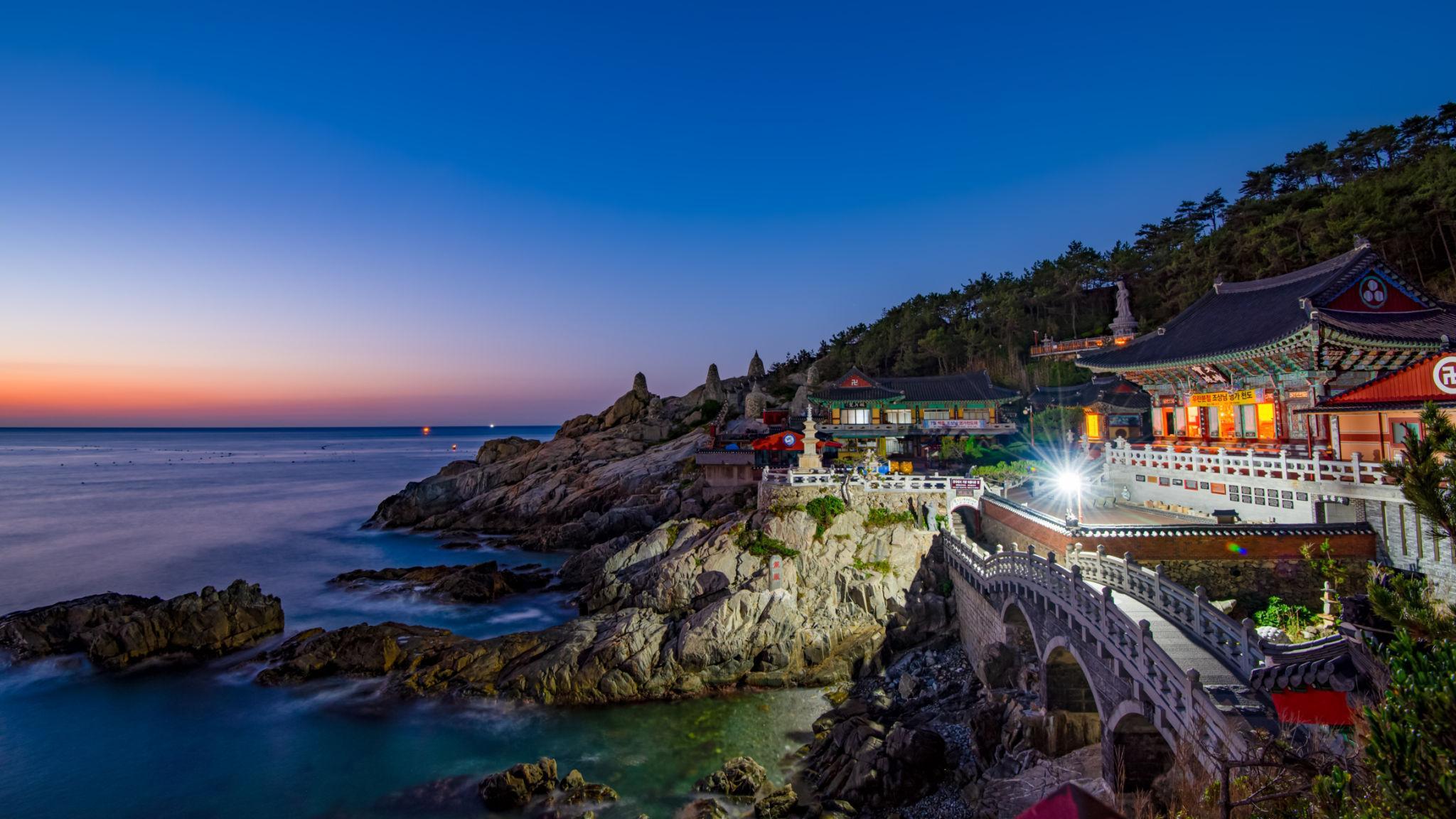
Haeundae Beach skyline and Haedong Yonggungsa Temple
Busan is South Korea’s second largest city and principal maritime gateway.
It combines:
- Beaches such as Haeundae and Gwangalli
- Jagalchi Fish Market
- Seaside temples
- Port activity
Busan presents a more open, coastal atmosphere compared to Seoul.
Incheon
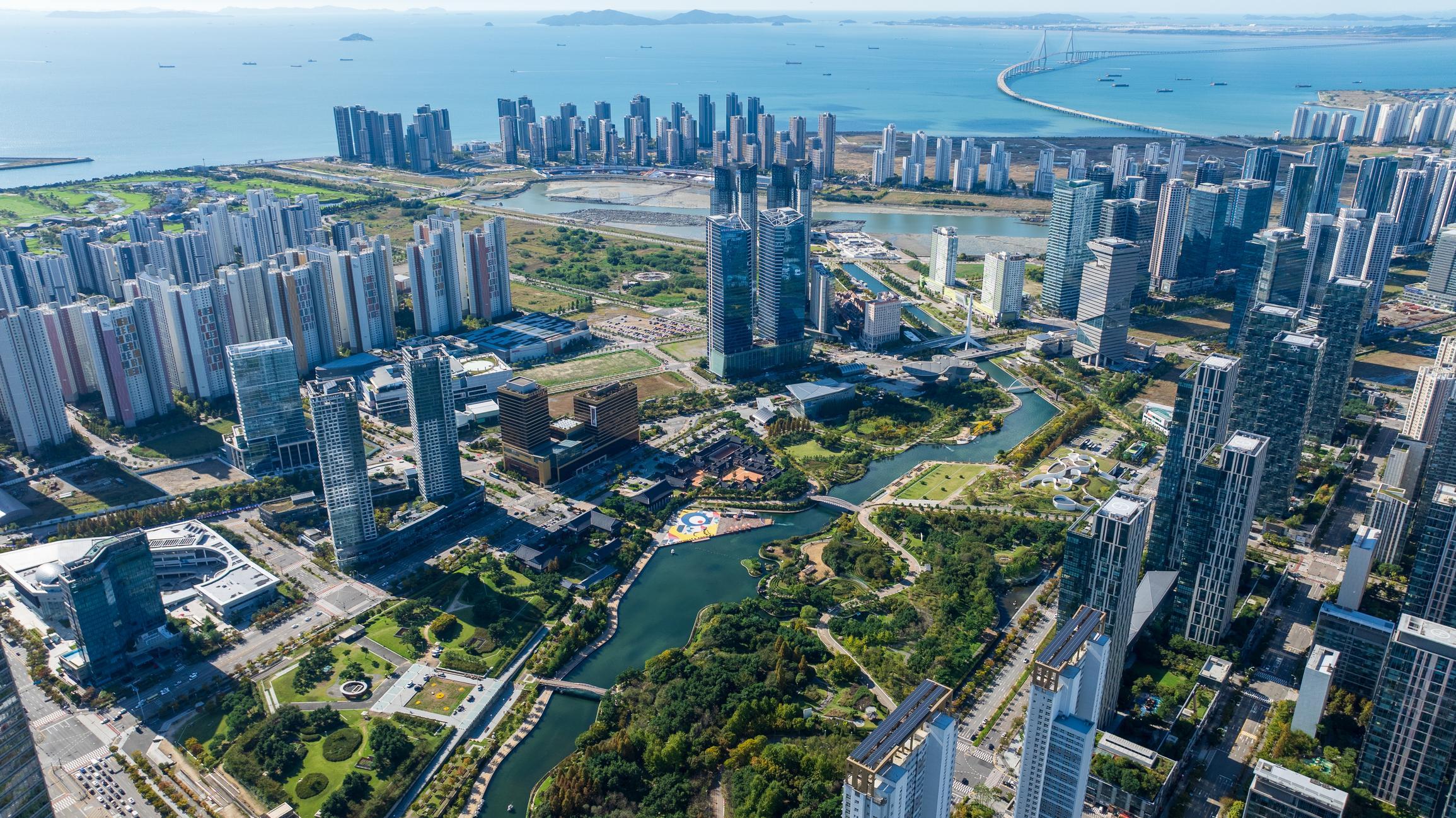
Incheon Chinatown and Songdo modern district
Incheon is more than an airport hub. It contains historic trade districts and the planned city of Songdo.
It represents Korea’s transition into a global economic center.
2. Historic Kingdom Sites
South Korea’s identity is rooted in the Three Kingdoms period and later Joseon dynasty rule.
Gyeongju
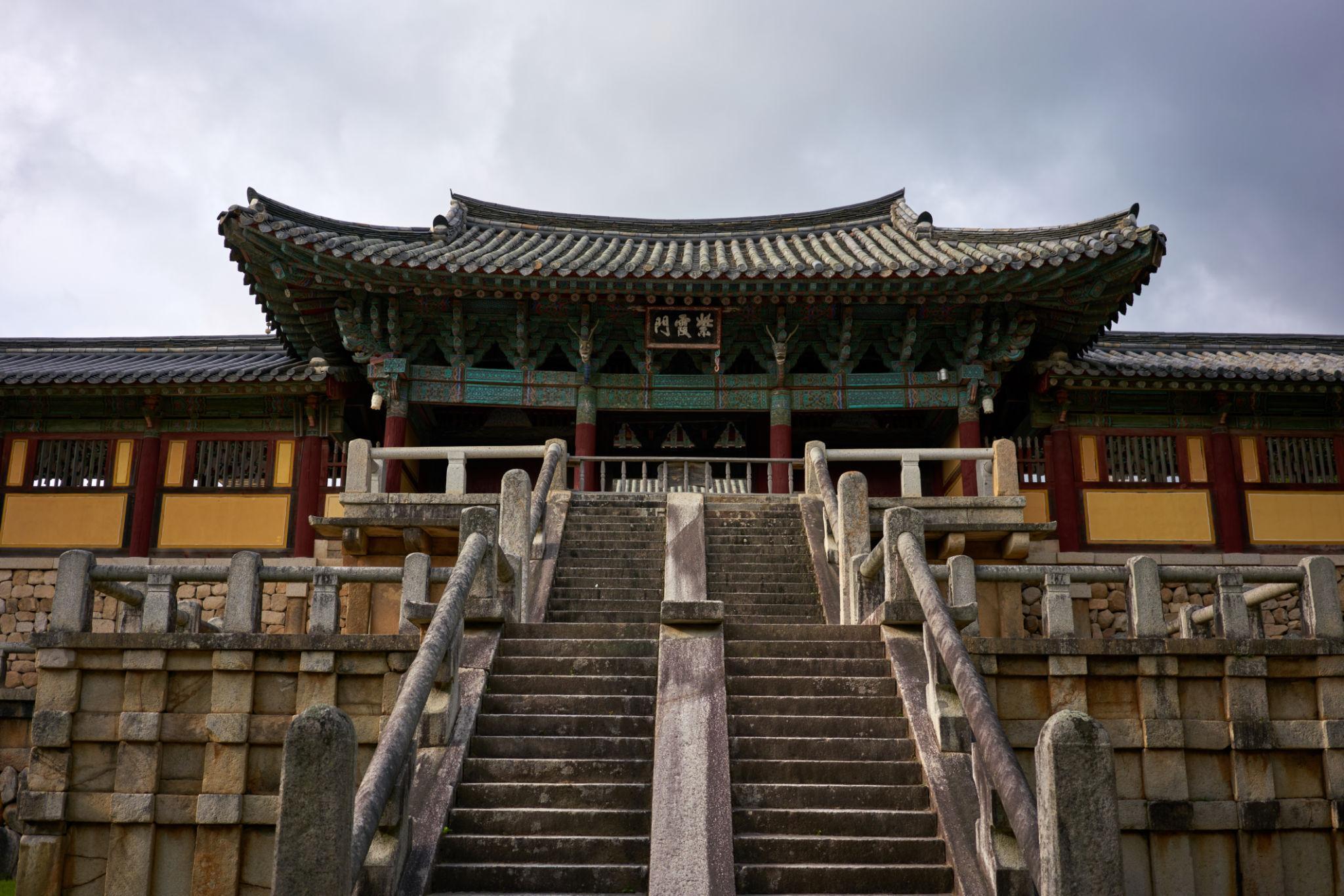
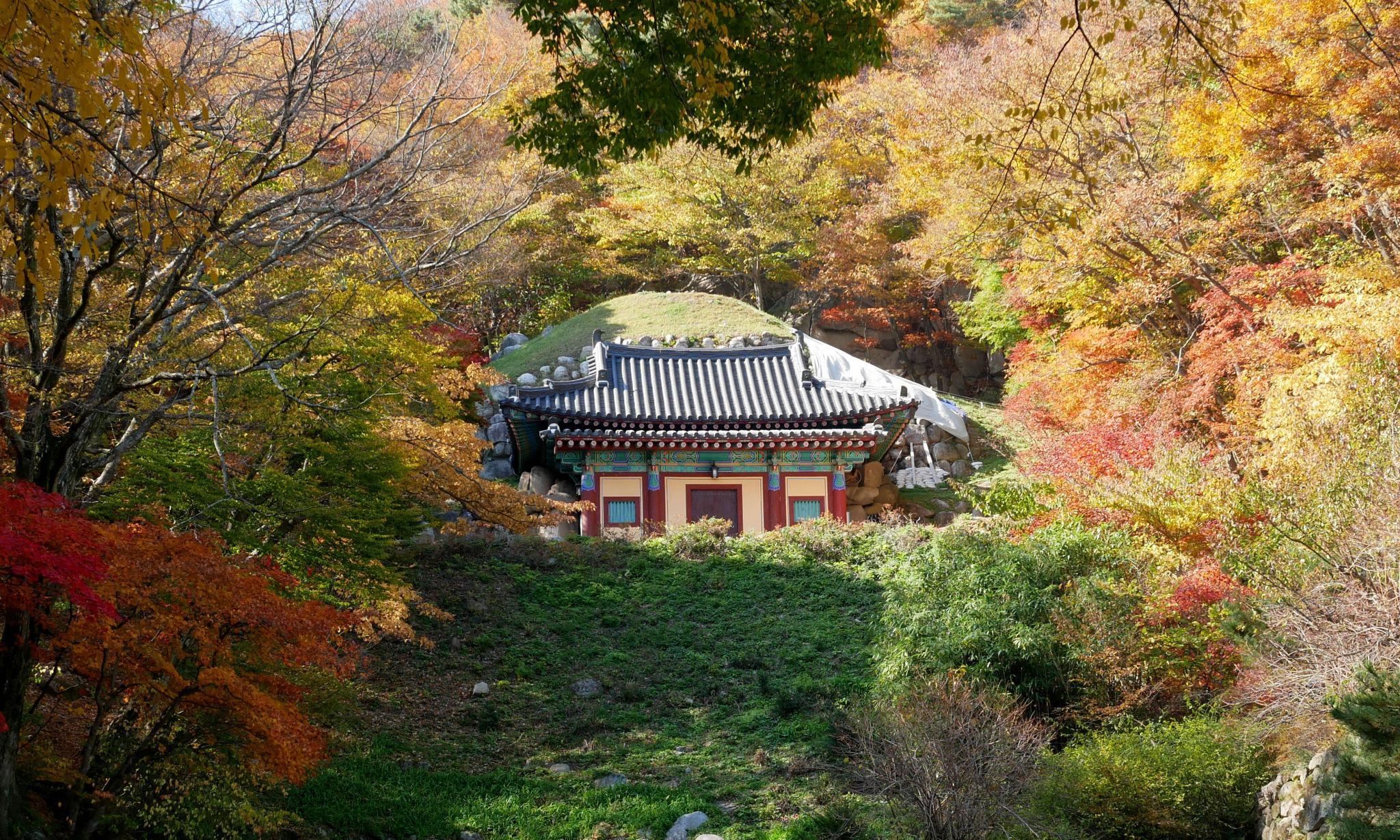
Bulguksa Temple and Seokguram Grotto
Gyeongju was the capital of the Silla Kingdom for nearly one thousand years.
It contains:
- Royal burial mounds
- Ancient observatories
- Buddhist temples
- Stone pagodas
The city functions as an open air historical archive.
Suwon
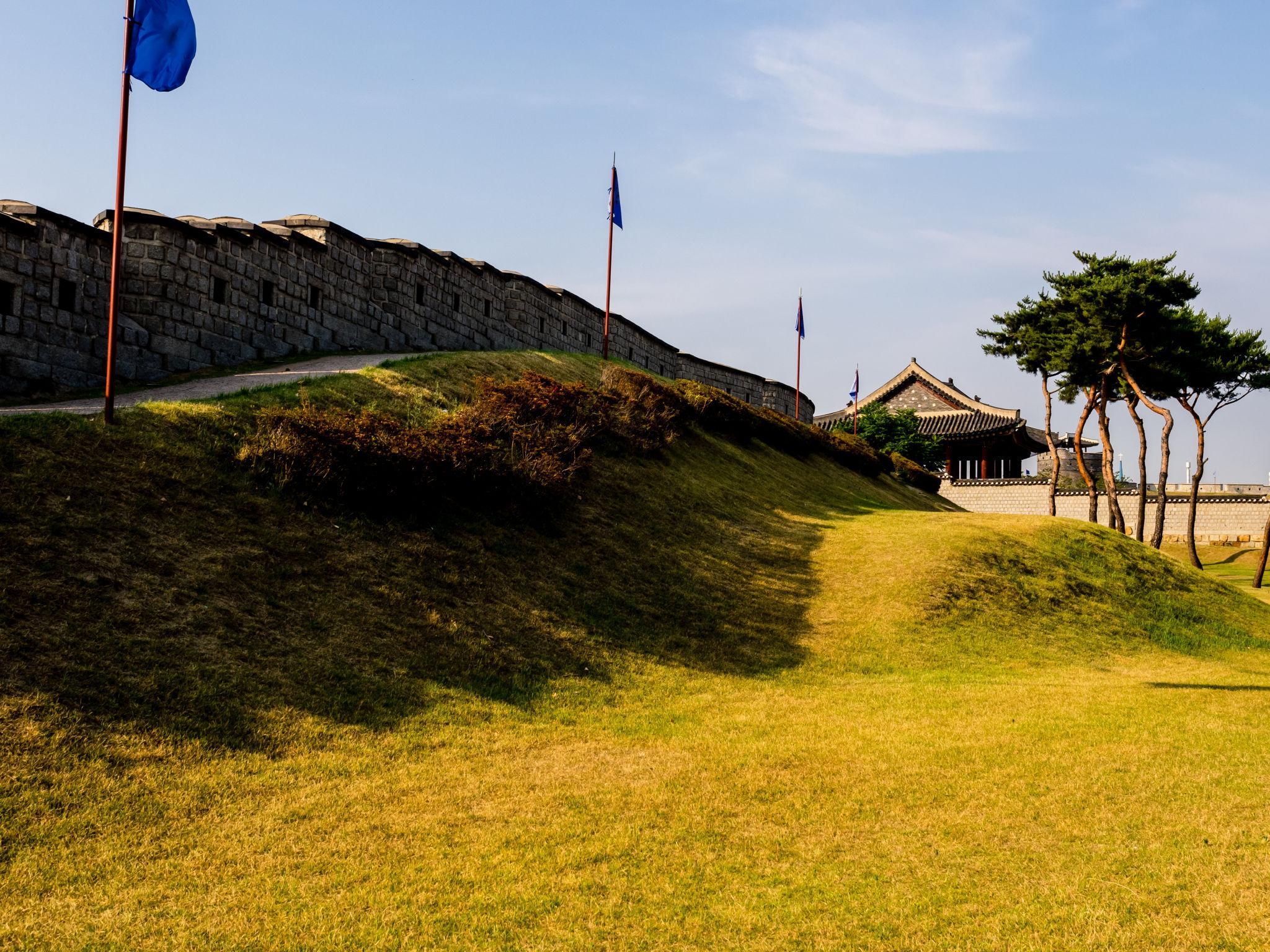
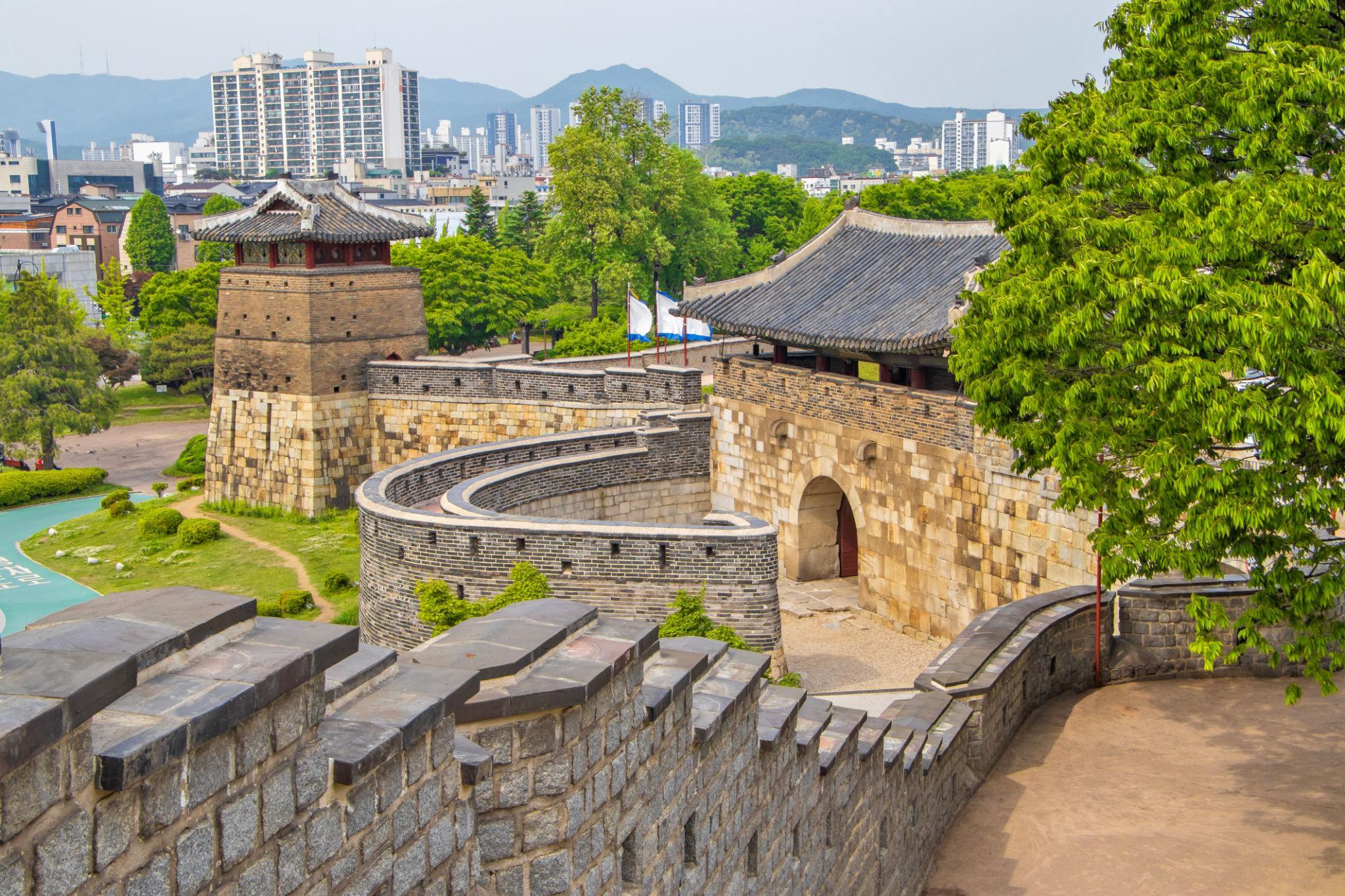
Hwaseong Fortress walls in Suwon
Suwon preserves the Hwaseong Fortress, a late eighteenth century defensive structure surrounding the old town.
It can be visited as a day trip from Seoul.
3. National Parks and Mountain Systems
More than two thirds of South Korea is mountainous. Hiking is part of daily life, not a niche activity. National parks are well maintained, clearly marked, and heavily used by domestic hikers.
Seoraksan National Park
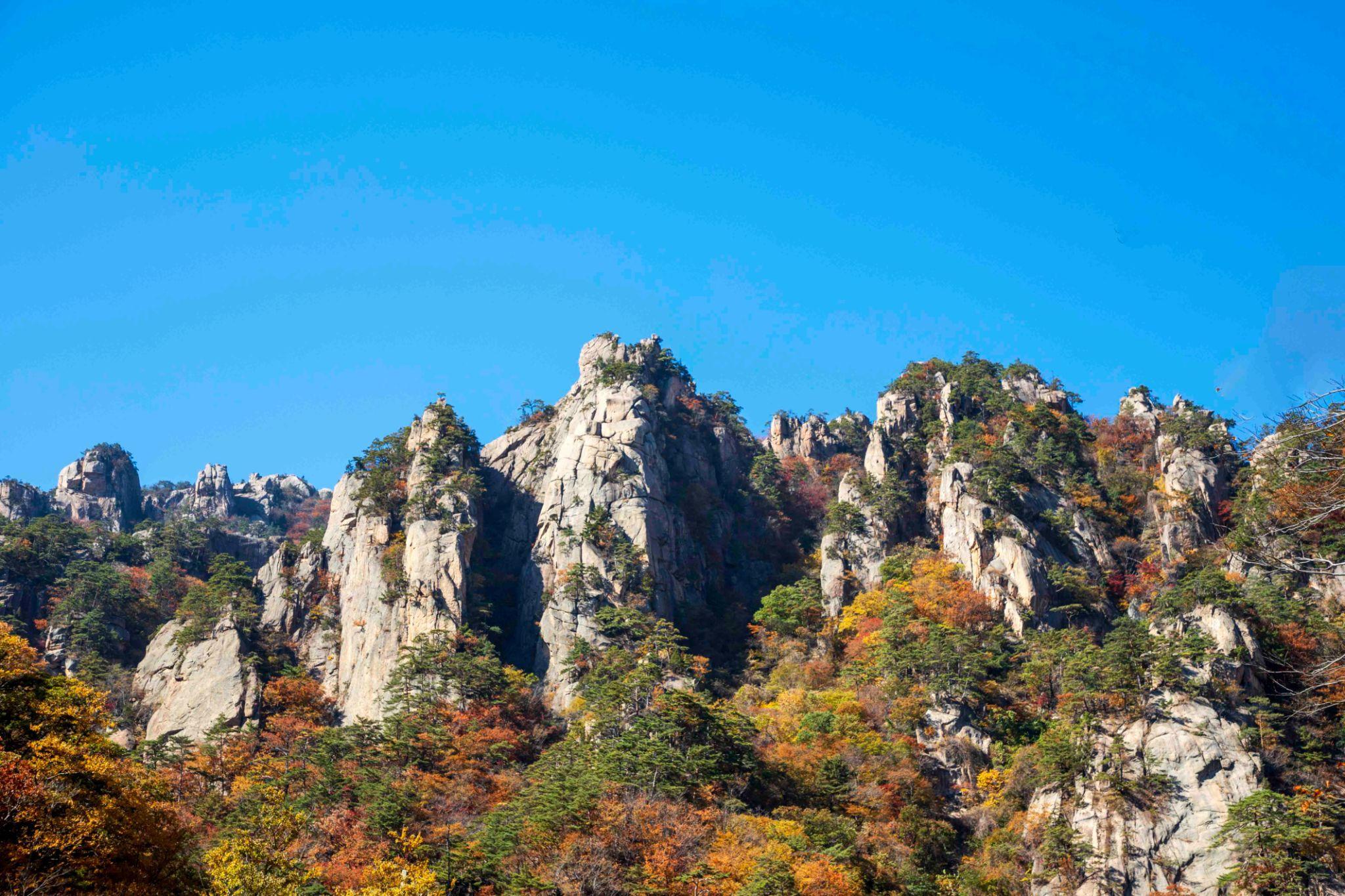
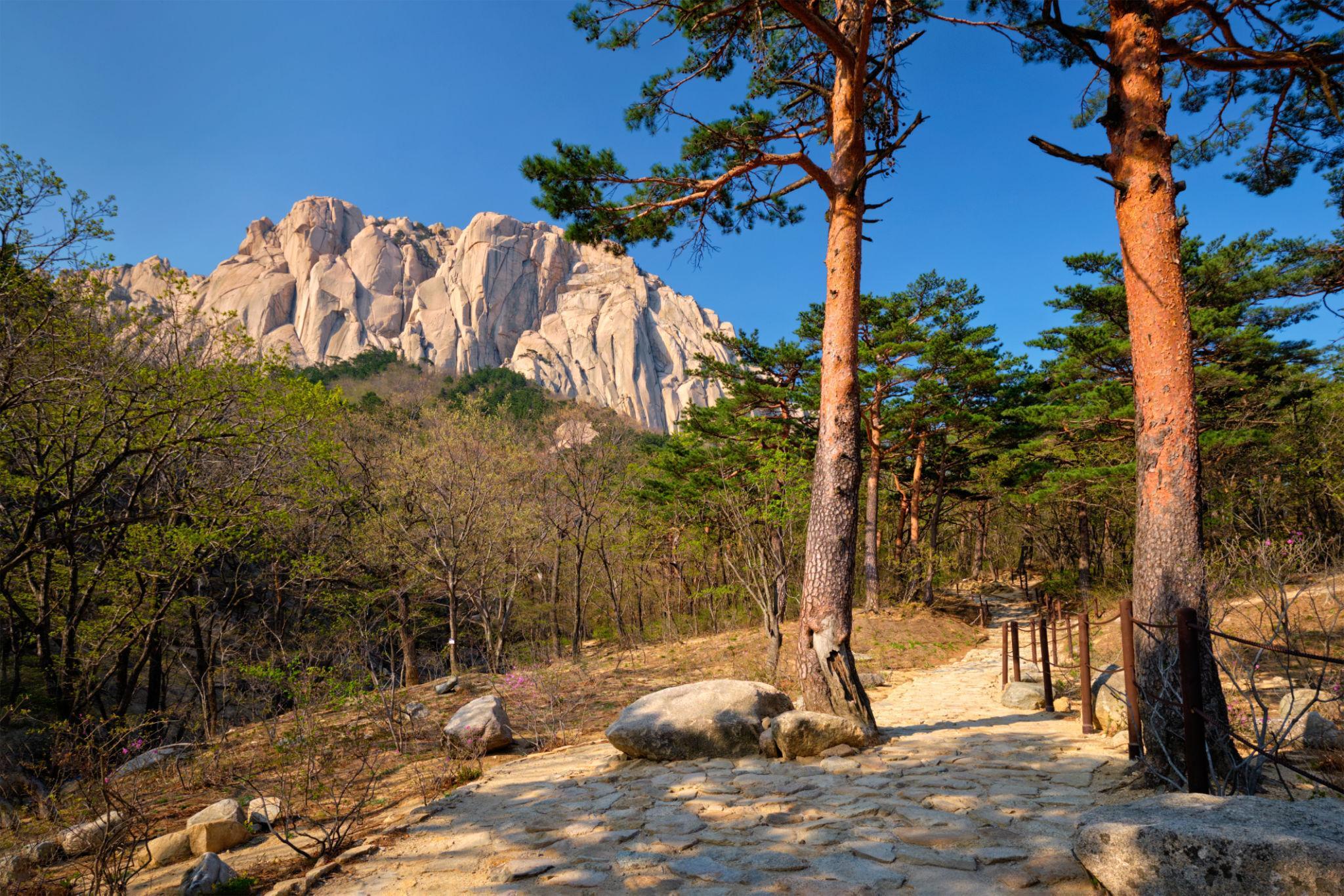
Granite peaks and Ulsanbawi Rock in Seoraksan
Located in Gangwon Province near the east coast, Seoraksan is considered the most dramatic mountain park in the country.
The park is defined by:
- Sharp granite ridgelines
- Deep forested valleys
- Buddhist temples such as Sinheungsa
- Seasonal color change, especially in October
Ulsanbawi Rock is one of the most recognizable granite formations. Trails range from short valley walks to steep summit ascents.
Autumn foliage season attracts heavy domestic tourism, so weekday visits are preferable.
Jirisan National Park
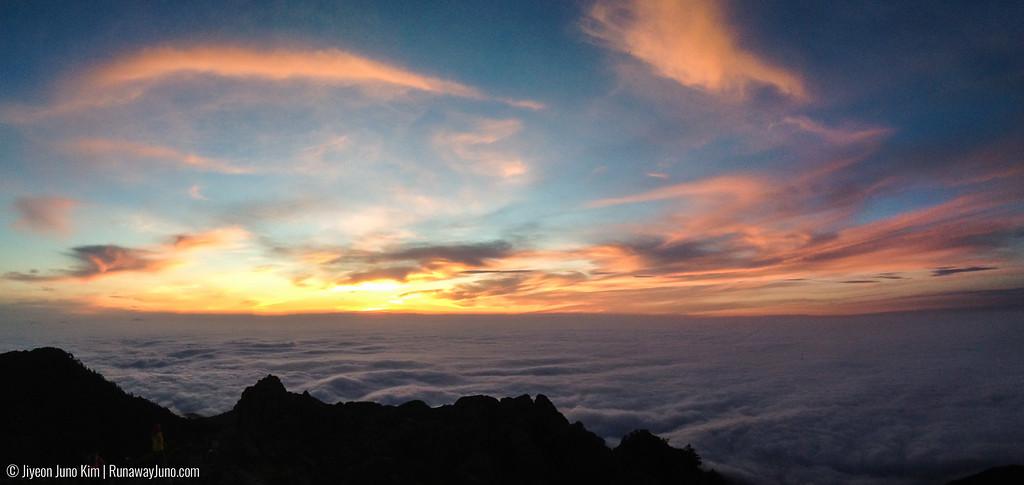
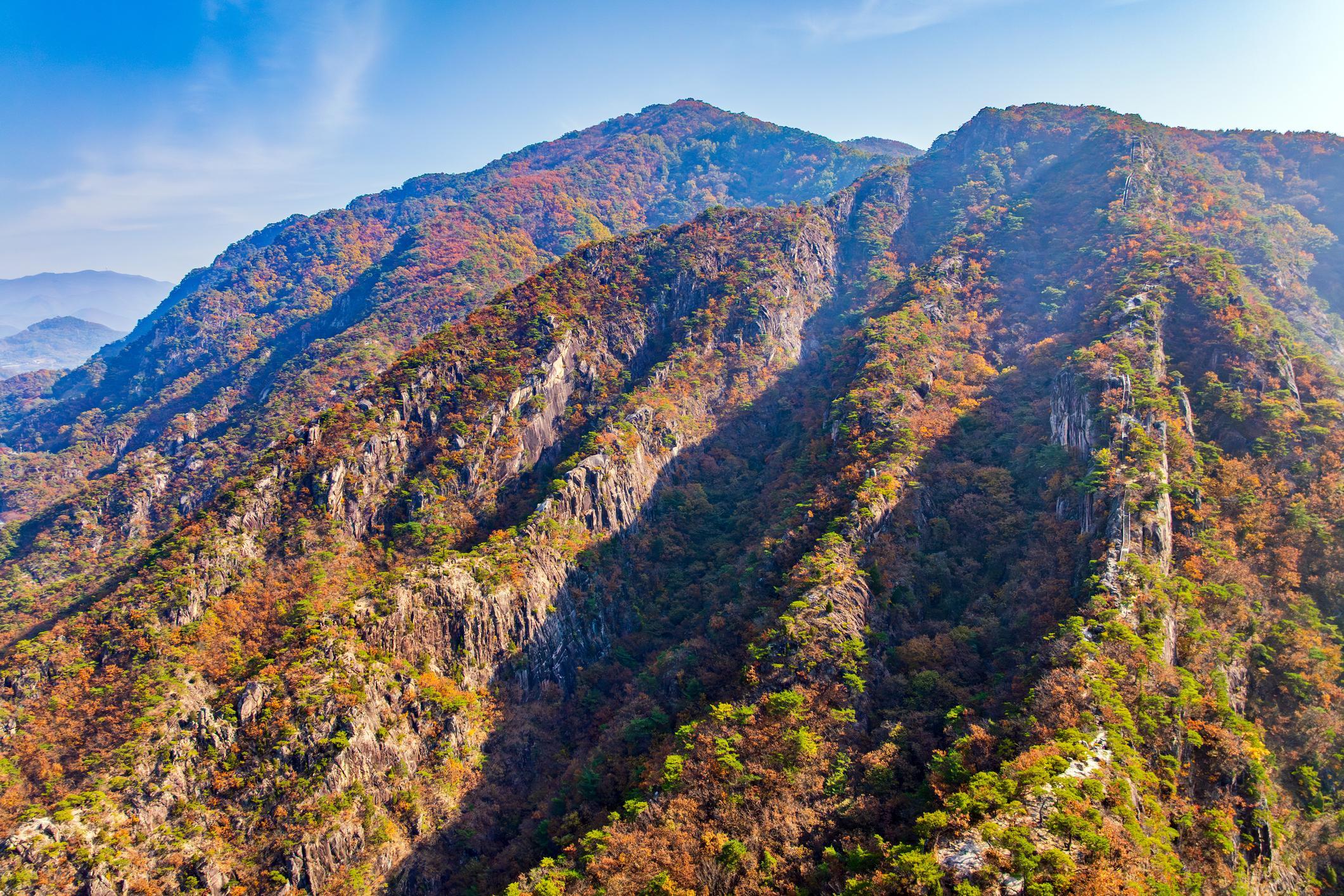
High ridge trails and Cheonwangbong Peak
Jirisan is one of South Korea’s largest and oldest national parks. It sits in the southern region and contains long ridge traverses.
Cheonwangbong Peak is the highest summit in mainland South Korea. Multi day hiking routes cross forested ridges and temple valleys.
Unlike Seoraksan, Jirisan supports extended trekking rather than short summit hikes.
Bukhansan National Park
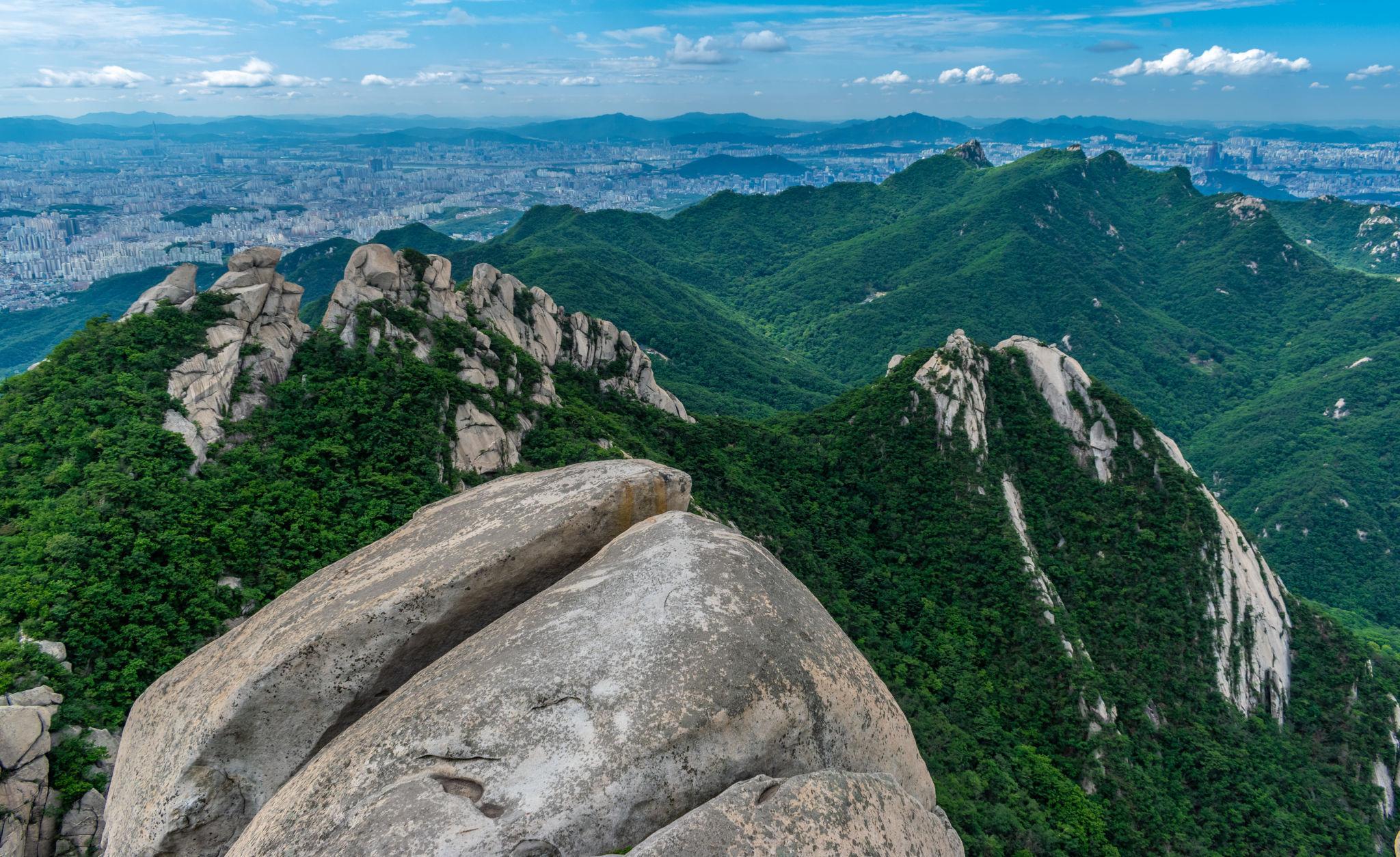
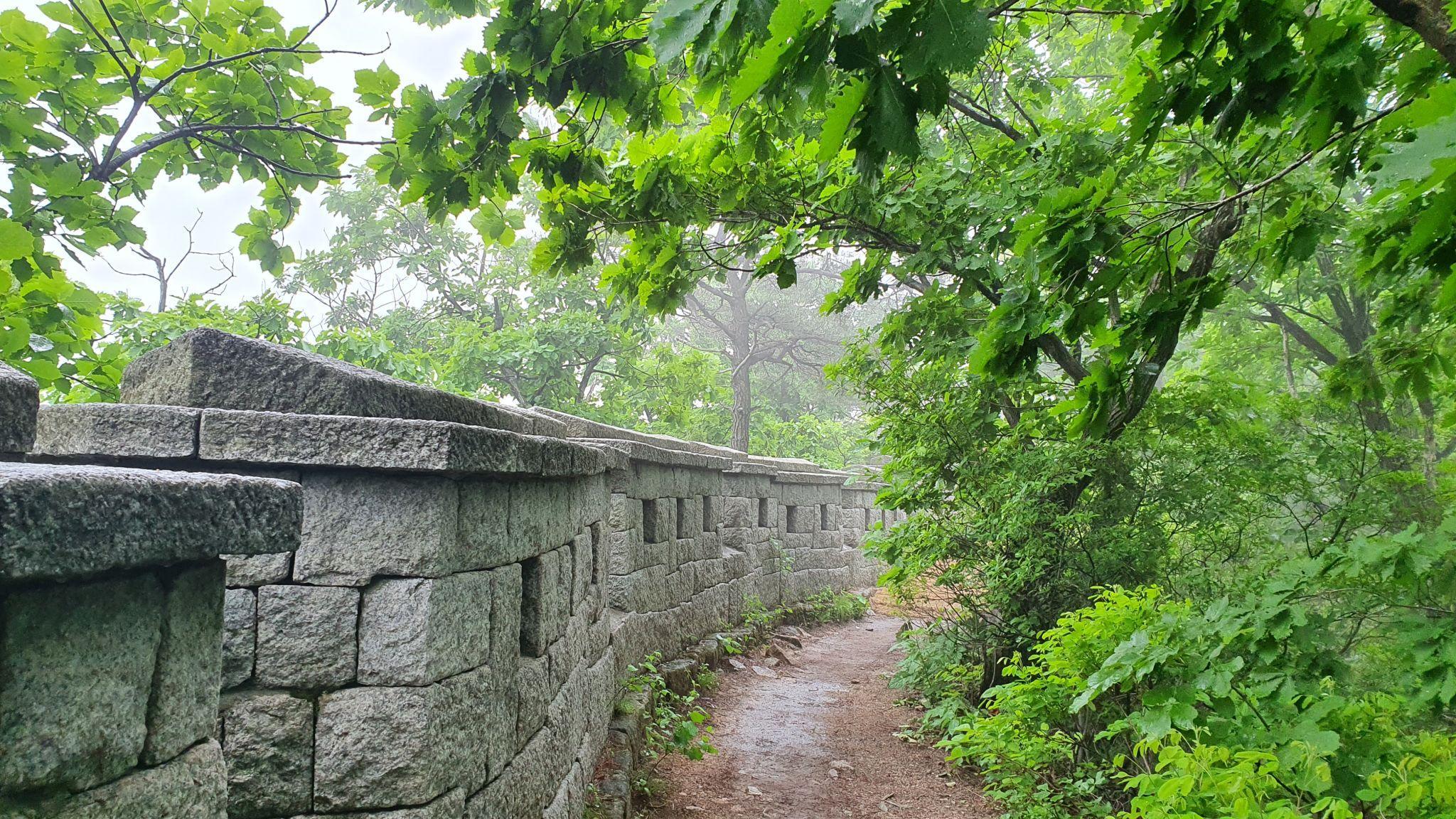
Granite peaks rising above Seoul
Bukhansan sits directly north of Seoul and is one of the most accessible urban mountain parks in the world.
It features:
- Granite domes
- Fortress wall remnants
- Steep stair climbs
- High volume weekend hiking culture
The park shows how deeply hiking is embedded in Korean society.
4. Long Distance Hiking and Ridge Systems
South Korea has a defined mountain spine known as the Baekdu Daegan.
Baekdu-daegan Trail
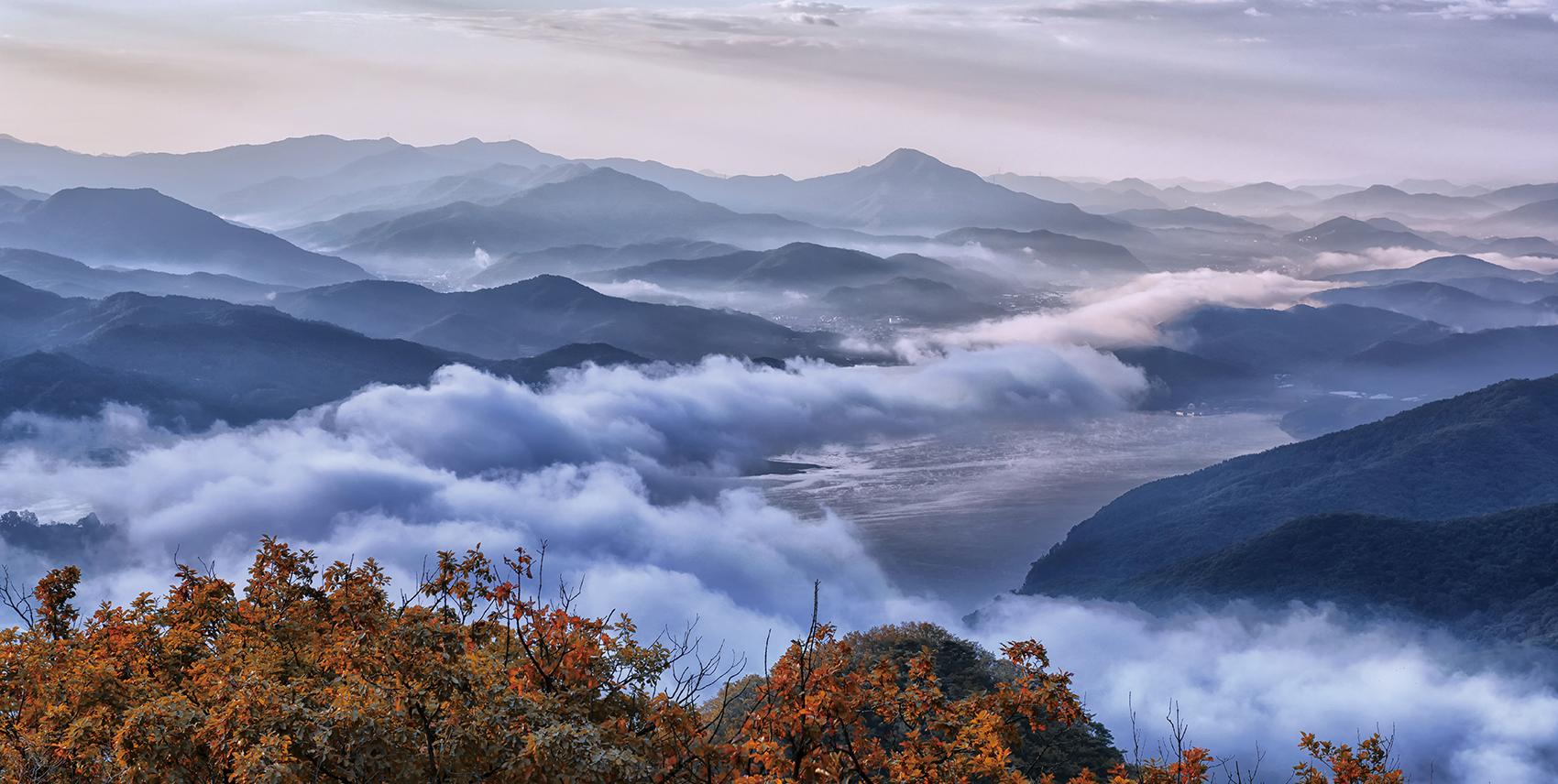
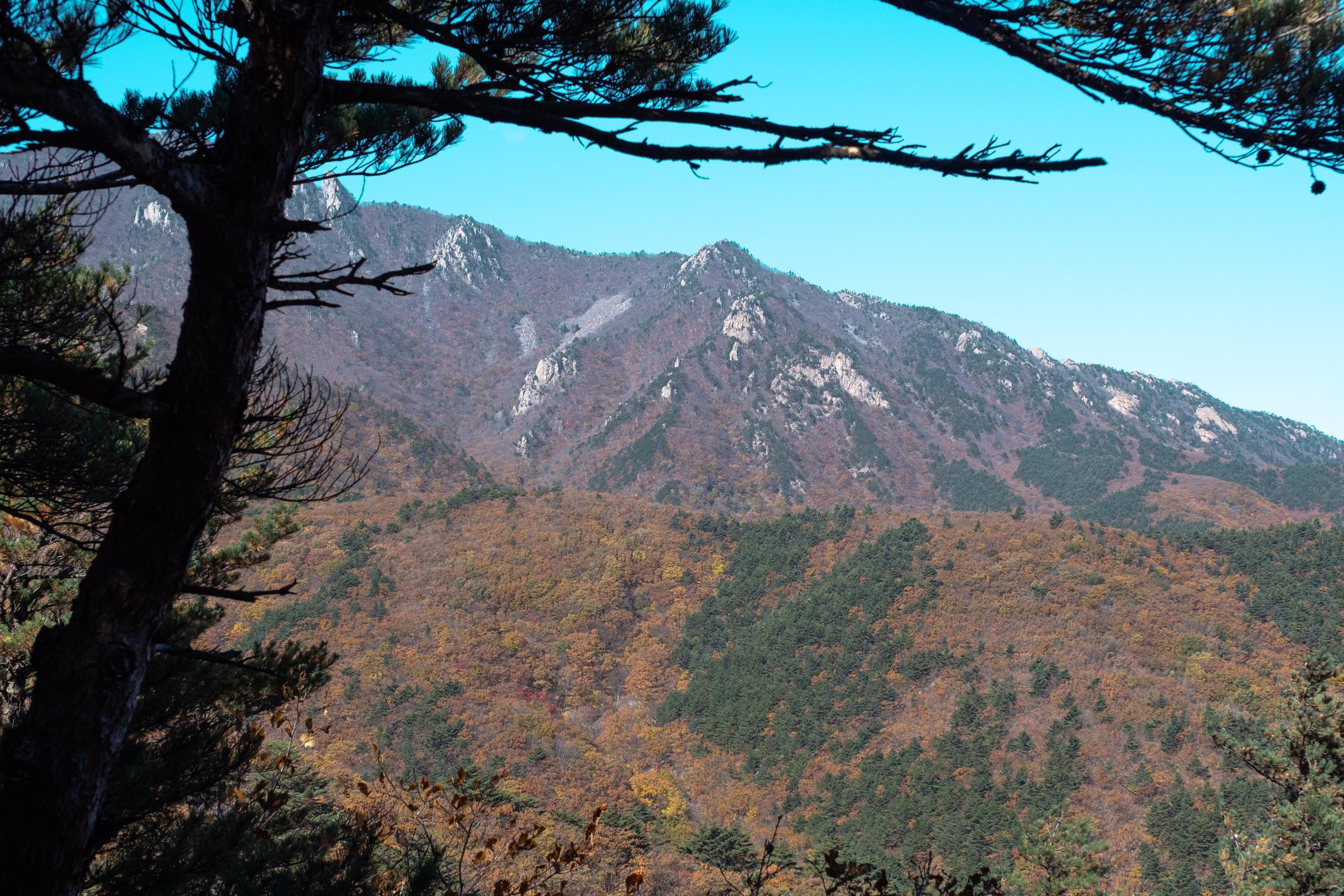
Ridgeline hiking along the Korean mountain spine
The Baekdu Daegan is a long ridge system that runs from north to south across the Korean Peninsula. The South Korean section can be hiked in segments.
It connects:
- Seoraksan
- Odaesan
- Taebaeksan
- Jirisan
This is not a single continuous marked trail like the Appalachian Trail, but a network of ridge routes requiring planning and logistics.
It appeals to experienced hikers seeking sustained elevation change and cultural immersion.
5. Coastal and Maritime Regions
South Korea’s coastline varies between sandy beaches, fishing harbors, and rocky eastern cliffs.
Busan
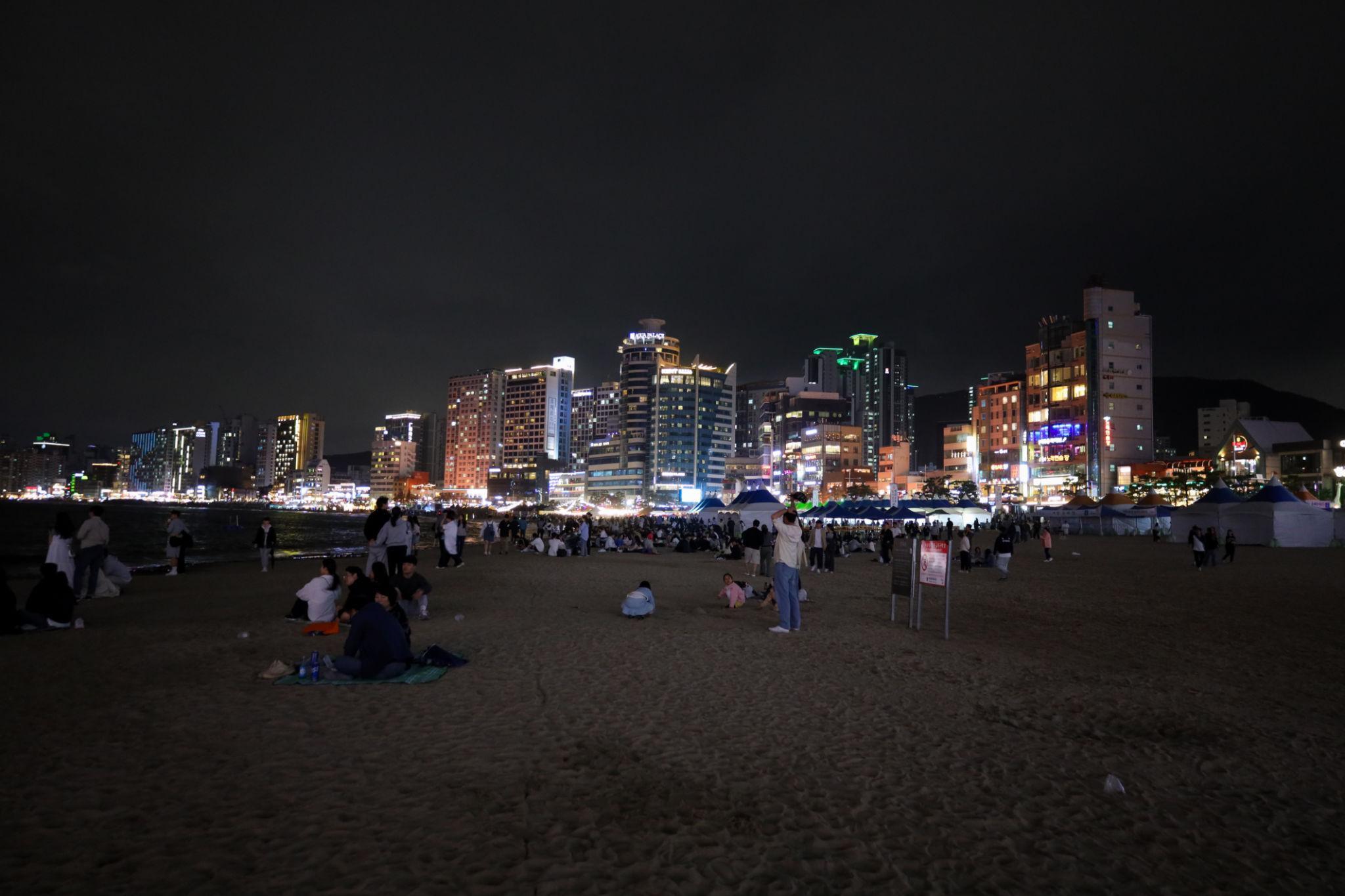
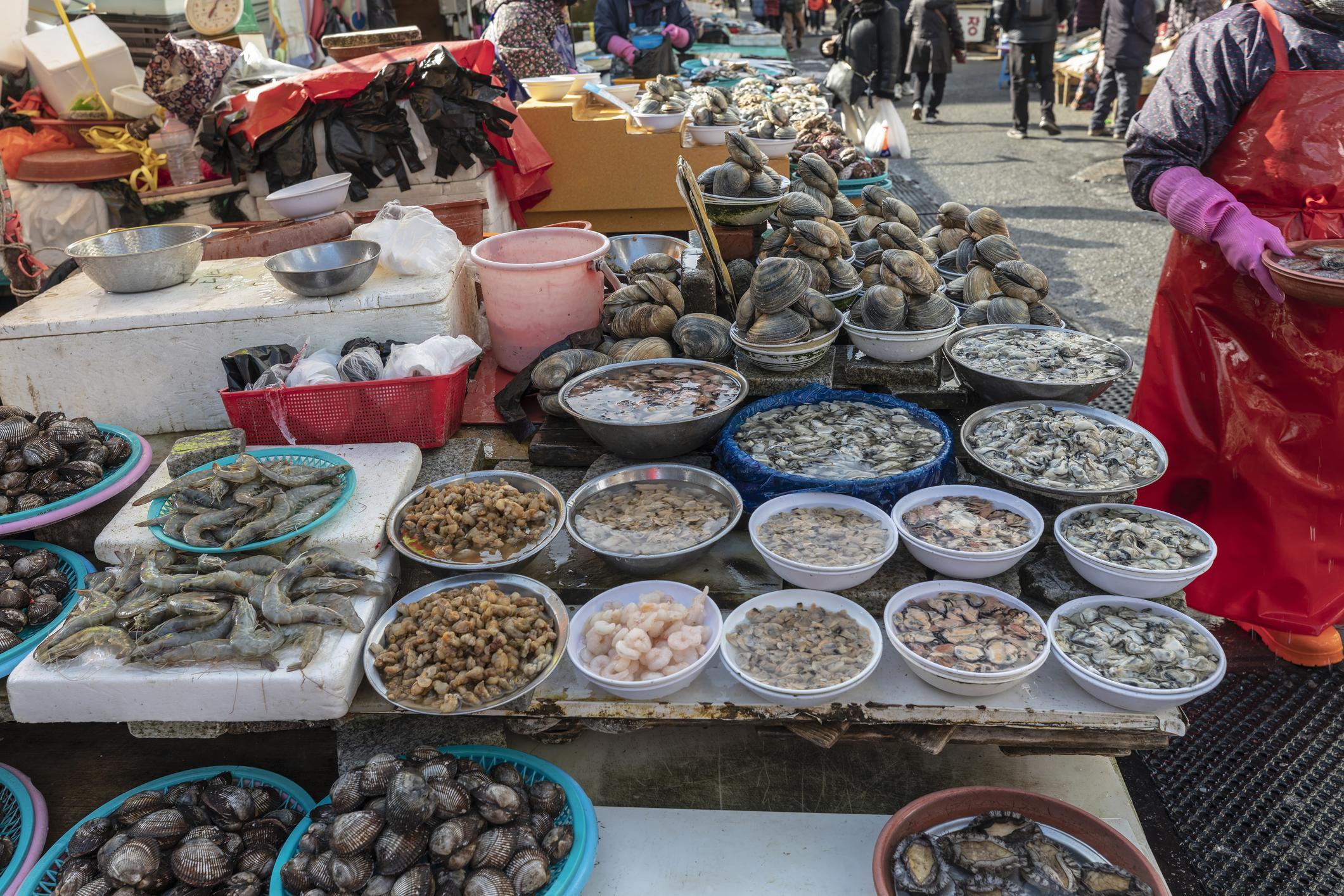
Gwangalli Beach skyline and Jagalchi Market
Busan’s coastline is active and urban. Beaches are organized and well maintained. Seafood markets remain central to local culture.
Evenings along Gwangalli Beach offer views of the Gwangan Bridge illuminated at night.
Gangneung
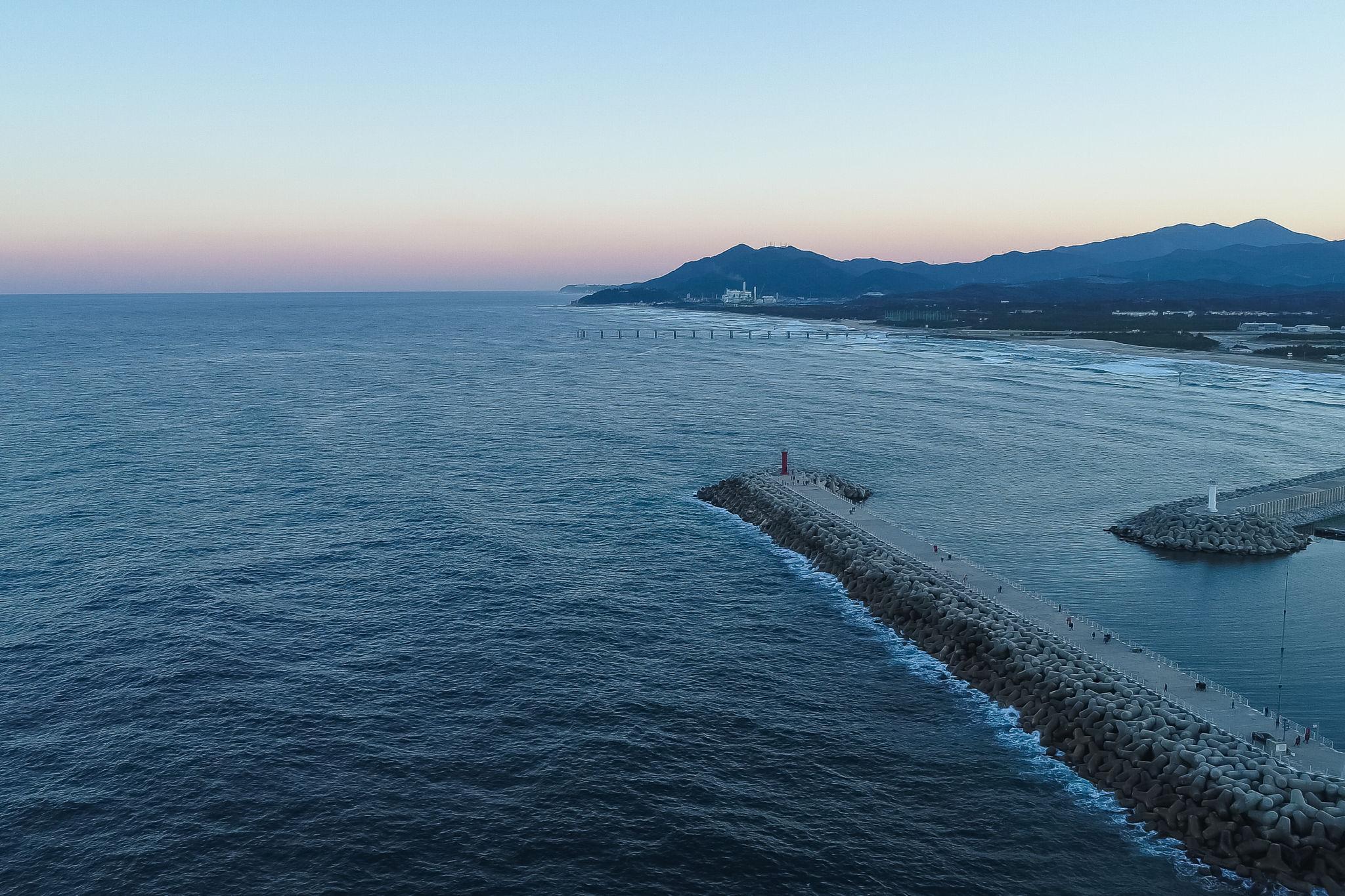
Sunrise beaches and coastal cafés in Gangneung
Gangneung sits on the east coast and is known for long sandy beaches and a calmer atmosphere than Busan.
It is also known for café culture along the shoreline and winter sea views.
6. Jeju Island and Volcanic Geography
Jeju Island
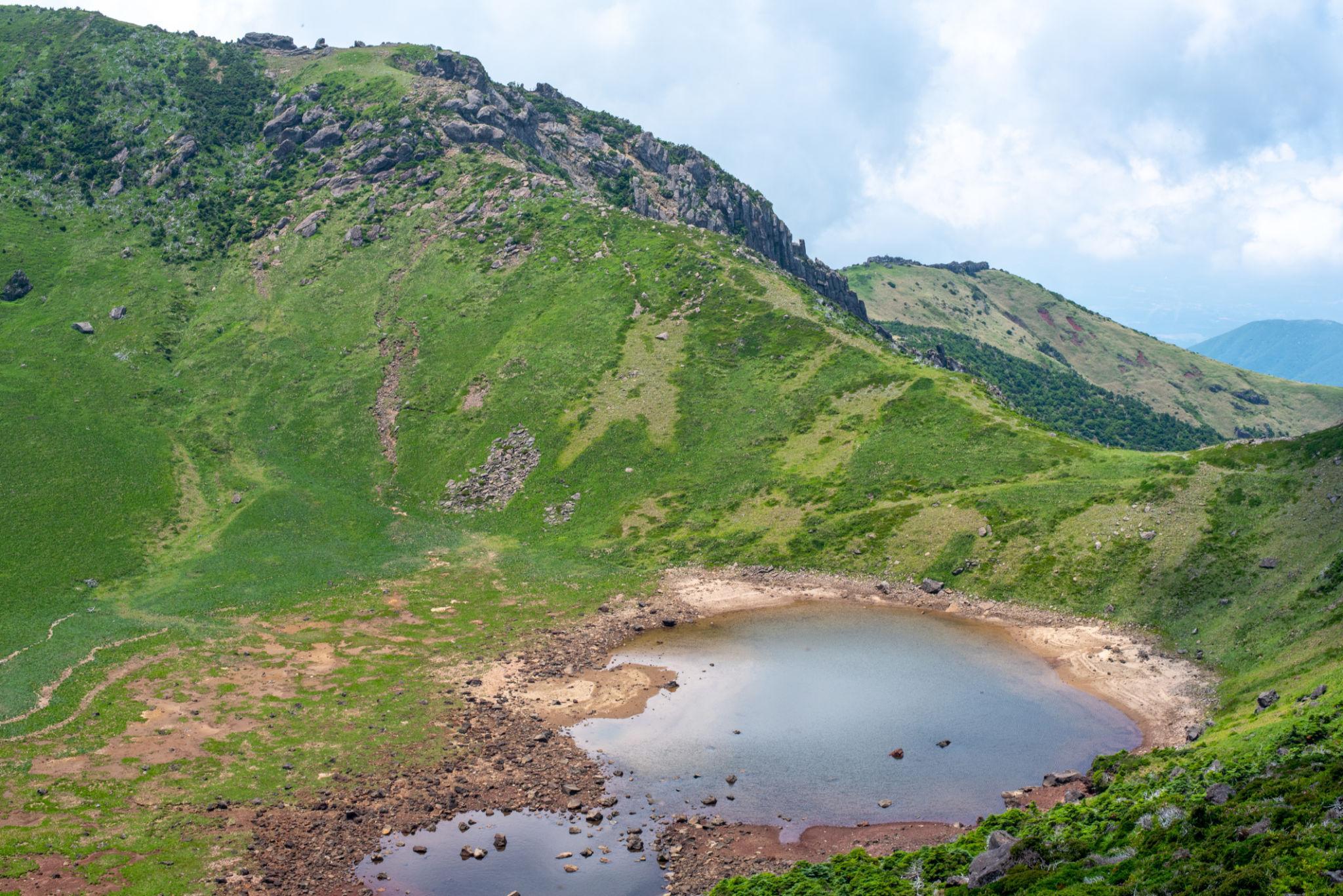
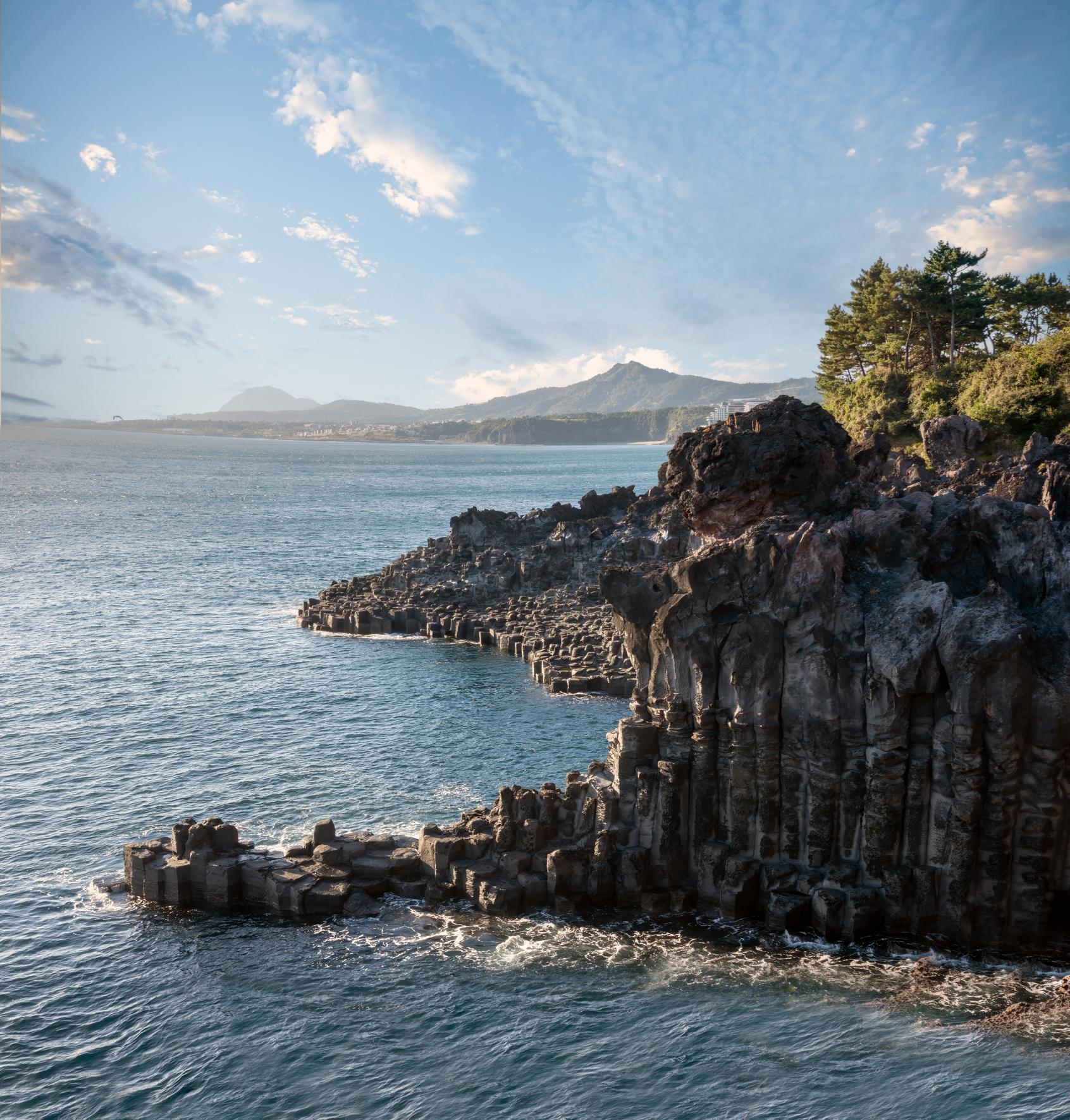
Hallasan crater summit and volcanic coastline
Jeju Island is a volcanic island formed by basalt flows and lava tubes.
Hallasan, a shield volcano, dominates the island. Hiking to the summit crater requires a full day and early start.
Jeju also contains:
- Lava tube cave systems
- Black volcanic rock coastlines
- Waterfalls such as Cheonjiyeon
- Coastal walking paths
Jeju is both a geological site and a domestic honeymoon destination.
7. National Parks and Mountain Systems
More than two thirds of South Korea is mountainous. Hiking is part of daily life, not a niche activity. National parks are well maintained, clearly marked, and heavily used by domestic hikers.
Seoraksan National Park
Granite peaks and Ulsanbawi Rock in Seoraksan
Located in Gangwon Province near the east coast, Seoraksan is considered the most dramatic mountain park in the country.
The park is defined by:
- Sharp granite ridgelines
- Deep forested valleys
- Buddhist temples such as Sinheungsa
- Seasonal color change, especially in October
Ulsanbawi Rock is one of the most recognizable granite formations. Trails range from short valley walks to steep summit ascents.
Autumn foliage season attracts heavy domestic tourism, so weekday visits are preferable.
Jirisan National Park
High ridge trails and Cheonwangbong Peak
Jirisan is one of South Korea’s largest and oldest national parks. It sits in the southern region and contains long ridge traverses.
Cheonwangbong Peak is the highest summit in mainland South Korea. Multi day hiking routes cross forested ridges and temple valleys.
Unlike Seoraksan, Jirisan supports extended trekking rather than short summit hikes.
Bukhansan National Park
Granite peaks rising above Seoul
Bukhansan sits directly north of Seoul and is one of the most accessible urban mountain parks in the world.
It features:
- Granite domes
- Fortress wall remnants
- Steep stair climbs
- High volume weekend hiking culture
The park shows how deeply hiking is embedded in Korean society.
8. Long Distance Hiking and Ridge Systems
South Korea has a defined mountain spine known as the Baekdu Daegan.
Baekdu-daegan Trail
Ridgeline hiking along the Korean mountain spine
The Baekdu Daegan is a long ridge system that runs from north to south across the Korean Peninsula. The South Korean section can be hiked in segments.
It connects:
- Seoraksan
- Odaesan
- Taebaeksan
- Jirisan
This is not a single continuous marked trail like the Appalachian Trail, but a network of ridge routes requiring planning and logistics.
It appeals to experienced hikers seeking sustained elevation change and cultural immersion.
9. Coastal and Maritime Regions
South Korea’s coastline varies between sandy beaches, fishing harbors, and rocky eastern cliffs.
Busan
Gwangalli Beach skyline and Jagalchi Market
Busan’s coastline is active and urban. Beaches are organized and well maintained. Seafood markets remain central to local culture.
Evenings along Gwangalli Beach offer views of the Gwangan Bridge illuminated at night.
Gangneung
Sunrise beaches and coastal cafés in Gangneung
Gangneung sits on the east coast and is known for long sandy beaches and a calmer atmosphere than Busan.
It is also known for café culture along the shoreline and winter sea views.
10. Jeju Island and Volcanic Geography
Jeju Island
Hallasan crater summit and volcanic coastline
Jeju Island is a volcanic island formed by basalt flows and lava tubes.
Hallasan, a shield volcano, dominates the island. Hiking to the summit crater requires a full day and early start.
Jeju also contains:
- Lava tube cave systems
- Black volcanic rock coastlines
- Waterfalls such as Cheonjiyeon
- Coastal walking paths
Jeju is both a geological site and a domestic honeymoon destination.
The information in this guide is intended for general planning purposes only. Trail conditions, permit requirements, costs, and access routes can change due to weather, seasonal closures, or local regulations. The itinerary provided is a suggested framework and may need to be adjusted based on your fitness level, acclimatization, and conditions on the ground. Always consult a local guide or trekking agency before departing and verify current conditions with authorities or affiliated company.
![K2 Base Camp Trek: Ultimate Guide k2 Trek 2026 [UPDATED]](https://karakoramdiaries.com/storage/ultimate-guide-to-k2-base-camp-trek-full-document-150x150.png)