K2 Complete Expedition & Fatality Record (1902–2025)
Table of contents [Show]
- 1. Early Exploration and First Attempts (1902–1938)
- Geographic and Historical Context
- The 1902 Anglo-Austrian Expedition
- Intervening Years (1903–1937): No Major K2 Expeditions
- The 1938 American Reconnaissance Expedition
- Summary of Fatalities (1902–1938)
- 2. The 1939 American Karakoram Expedition (First Recorded Deaths on K2)
- Context and Purpose of the 1939 Expedition
- Expedition Details
- Dudley Wolfe’s Illness and Immobilization
- Rescue Attempts and Escalating Risk
- Fatalities of the 1939 Expedition
- Collapse of the Expedition
- Historical Significance of 1939
- Summary Table: Fatalities on K2 (1902–1939)
- 3. The Road to the First Ascent and Its Human Cost (1953–1954)
- Background: Why K2 Was Targeted Again After 1939
- The 1953 Italian Reconnaissance Expedition (No Deaths)
- The 1954 Italian Expedition: Organization and Structure
- Summit Push and Oxygen Controversy
- Human Consequences: Injuries and Aftermath
- Summit Success
- Ethical Resolution (Decades Later)
- Fatality Summary (1953–1954)
- Cumulative Fatality Count (1902–1954)
- 4. Repeated Attempts, New Routes, and Rising Deaths (1955–1977)
- Context: K2 After the First Ascent
- The 1955–1956 Period: No Successful Summits, No Recorded Deaths
- The 1957 Italian Expedition (First Post-Summit Fatality)
- The 1958–1961 Period: Attempts Without Deaths
- The 1962 Japanese Expedition (First High-Altitude Deaths Since 1939)
- The 1965–1966 Attempts: No Recorded Deaths
- The 1970 Japanese West Face Expedition (One of the Deadliest Single Expeditions)
- The 1975 Polish Expedition (Major Winter-Style Failure)
- Fatality Summary (1955–1977)
- Cumulative Fatality Count (1902–1977)
- 5. Alpine-Style Climbs and Mounting Fatalities (1978–1985)
- Context: A Shift in Style and Ambition
- The 1978 American Expedition (Success Without Fatalities)
- The 1979 International Expedition (Messner’s Ascent)
- The 1981 Polish–German Expedition (First Female Summit, With Fatalities)
- The 1982 Japanese Expedition (Avalanche Fatalities)
- The 1983 International Expeditions (Isolated Fatality)
- The 1985 Expeditions (Increasing Traffic, Multiple Deaths)
- Fatality Summary (1978–1985)
- Cumulative Fatality Count (1902–1985)
- 6. 1986: The Black Summer (Thirteen Deaths)
- Context: Why 1986 Became Uniquely Deadly
- Expeditions Present in 1986
-
Chronological List of Fatalities (1986)
- 1. Renato Casarotto
- 2. Alan Rouse
- 3. Julie Tullis
- 4. John Smolich
- 5. Michele Danco
- 6. Jiří Šimonek
- 7. Dobroslawa Miodowicz-Wolf
- 8. Wojciech Wróż
- 9. Tadeusz Piotrowski (note: sometimes misattributed to 1986; correct record is 1981)
- 9. Jean-Marc Boivin
- 10. Unnamed Pakistani High-Altitude Porter (1)
- 11. Unnamed Pakistani High-Altitude Porter (2)
- 12. Unnamed Pakistani High-Altitude Porter (3)
- 13. Unnamed High-Altitude Support Member
- Summary Table: Black Summer 1986
- Why So Many Died in 1986
- Cumulative Fatality Count (1902–1986)
- 7. Commercialization, Congestion, and Continued Deaths (1987–2007)
- Context: K2 After the Black Summer
- Fatalities by Period and Expedition (1987–2007)
- 1987–1989: Low Activity, No Recorded Deaths
- 1990: Tragedy During Descent
- 1991–1994: Attempts Without Fatalities
- 1995: Avalanche and Fall Fatalities
- 1996–1999: Growing Traffic, Continued Losses
- 2000: Multiple Fatalities in a Busy Season
- 2001–2002: No Recorded Deaths
- 2003: High-Altitude Illness
- 2004–2006: Intermittent Losses
- 2007: The Calm Before Disaster
- Fatality Summary (1987–2007)
- Cumulative Fatality Count (1902–2007)
- Context: K2 on the Eve of Disaster
- The Bottleneck: A Known Structural Hazard
- Summit Day: 1 August 2008
- Immediate Consequences of the Serac Collapse
- Confirmed Fatalities of the 2008 K2 Disaster
- Fatality Summary: 2008
- Historical Significance
- Cumulative Fatality Count (1902–2008)
- Context: K2 After 2008
- 2009–2010: Immediate Aftermath and Reduced Activity
- 2011: Exposure Fatality on the Upper Mountain
- 2012–2013: Quiet Seasons
- 2014: Descent Accident
- 2015–2016: Weather-Limited Attempts, No Fatalities
- 2017: Isolated High-Altitude Fatality
- 2018–2019: Renewed Interest and Increased Traffic
- 2020: COVID-19 Interruption
- Fatality Summary (2009–2020)
- Cumulative Fatality Count (1902–2020)
- Context: K2 in the 2020s
- 2021: First Winter Ascent and Concurrent Tragedy
- 2022: Reduced Activity and No Recorded Deaths
- 2023: Commercial Pressure and a High-Profile Death
- 2024: No Recorded Deaths
- 2025: Status at Time of Writing
- Fatality Summary (2021–2025)
- Cumulative Fatality Count (1902–2025)
1. Early Exploration and First Attempts (1902–1938)
Geographic and Historical Context
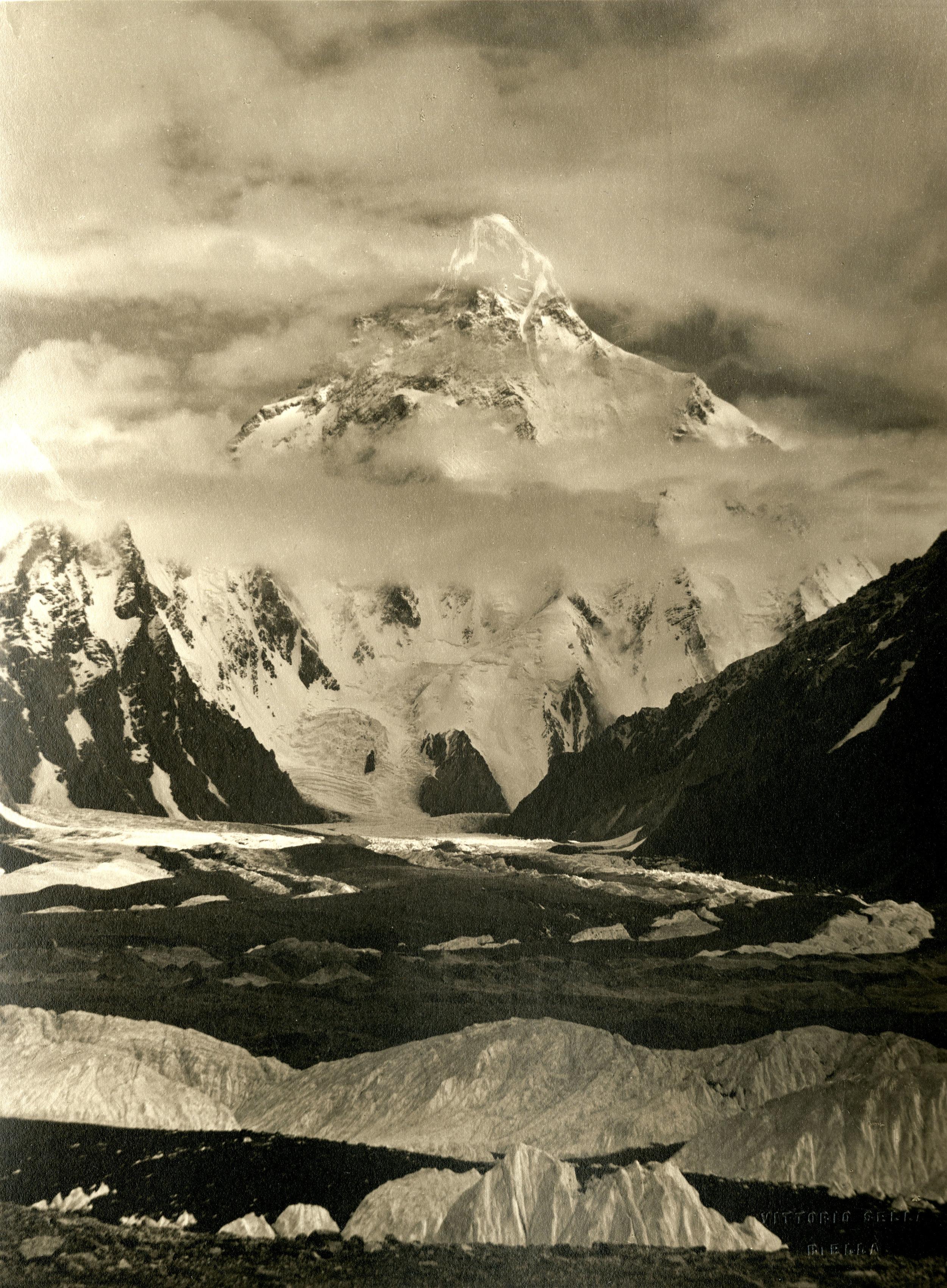
Caption: Early views of K2 and the Baltoro–Godwin-Austen glacier system, which early expeditions had to cross on foot for weeks before reaching the mountain.
Image credit: Royal Geographical Society / Wikimedia Commons
K2 (8,611 m) lies in the Karakoram Range in what is today Gilgit-Baltistan, Pakistan. During the early 20th century, this region was among the least explored high-mountain areas in the world. Expeditions required months of travel, relied on large porter caravans, and had no possibility of aerial rescue or radio communication.
Before 1902, K2 had not been seriously approached for climbing purposes, although it had been surveyed and named during the Great Trigonometric Survey of British India.
The 1902 Anglo-Austrian Expedition
Caption: Members of the 1902 Anglo-Austrian expedition, including Oscar Eckenstein and Aleister Crowley, during reconnaissance on K2.
Image credit: Alpine Club Archive / Wikimedia Commons
Expedition details
- Year: 1902
- Leader: Oscar Eckenstein
- Notable members: Aleister Crowley, Heinrich Pfannl, Jules Jacot-Guillarmod
- Route explored: Northeast Ridge / Godwin-Austen Glacier
- Purpose: Reconnaissance and feasibility assessment
- Highest point reached: ~6,525 meters (approximate)
Events
This expedition was the first serious climbing attempt on K2. The team faced continuous storms, deep snow, and extreme cold for weeks. Equipment was primitive by modern standards, and altitude sickness was poorly understood.
The climbers did not reach the upper mountain and eventually withdrew due to weather and exhaustion.
Fatalities
- None
No climber or porter died during the 1902 expedition on K2 itself. This is explicitly confirmed in expedition records and later Alpine Journal reviews.
Historical importance
The expedition established that:
- K2’s weather was harsher than most Himalayan peaks
- The mountain offered no gradual ascent
- Retreat from high altitude would be extremely difficult
Intervening Years (1903–1937): No Major K2 Expeditions
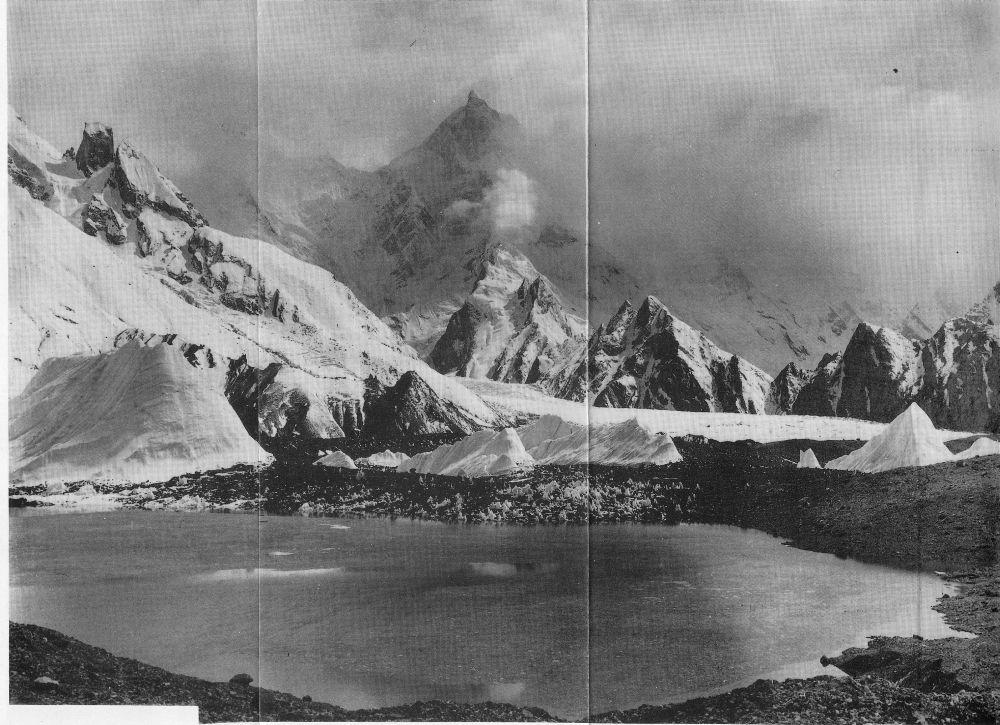
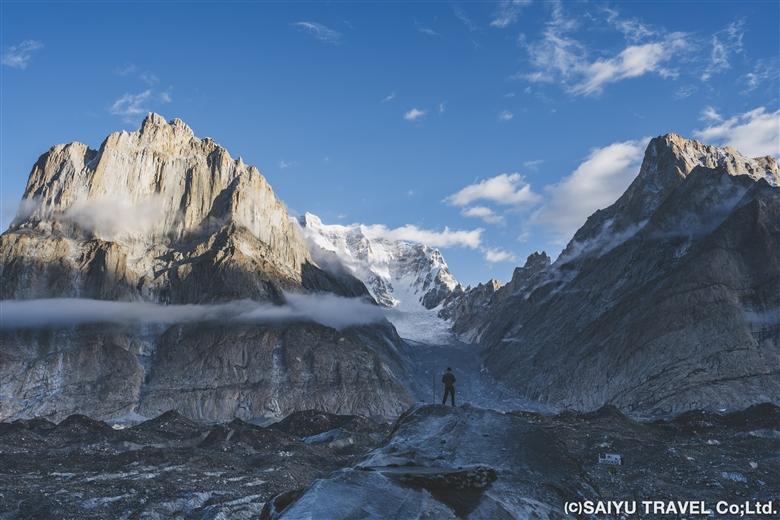
Caption: Porter caravans in the Karakoram during the early 20th century, illustrating the logistical difficulty of reaching K2.
Image credit: Royal Geographical Society Archive
Between 1903 and 1937, no major summit attempts were made on K2.
Reasons
- Extreme remoteness
- High cost and long duration of expeditions
- World War I (1914–1918)
- Lack of technical equipment
- Growing awareness of K2’s danger after 1902
K2 remained unclimbed, unapproached at high altitude, and largely avoided.
Fatalities
- None recorded on K2
This period is important because it shows that K2 was already considered exceptionally dangerous before any deaths occurred.
The 1938 American Reconnaissance Expedition
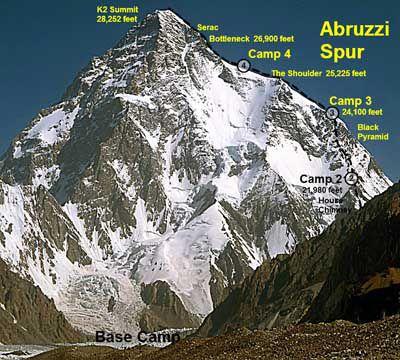
Caption: Members of the 1938 American expedition led by Charles Houston during reconnaissance of the Abruzzi Spur.
Image credit: American Alpine Journal Archive
Expedition details
- Year: 1938
- Leader: Charles Houston
- Route explored: Abruzzi Spur
- Purpose: Route study and acclimatization for a future summit attempt
- Highest camp: ~7,900 meters
Events
The 1938 expedition was cautious and well-organized. The team identified the Abruzzi Spur as the most viable route to the summit. Due to worsening weather and conservative decision-making, the team descended safely.
Fatalities
- None
No climbers or porters died during the 1938 expedition.
Historical importance
This expedition laid the groundwork for the 1939 attempt, including route knowledge, camp locations, and logistical planning.
Summary of Fatalities (1902–1938)
| Period | Expeditions | Deaths | Names |
|---|---|---|---|
| 1902 | 1 | 0 | None |
| 1903–1937 | None | 0 | None |
| 1938 | 1 | 0 | None |
| Total | 2 expeditions | 0 deaths | None |
This table explicitly confirms that no deaths occurred on K2 during this entire period.
2. The 1939 American Karakoram Expedition (First Recorded Deaths on K2)
Context and Purpose of the 1939 Expedition
Caption: The 1939 American Karakoram expedition on K2, led by Fritz Wiessner, during the highest pre-1954 summit attempt via the Abruzzi Spur.
Image credit: American Alpine Journal Archive
The 1939 American Karakoram expedition marked a turning point in the history of K2 . It was the first expedition to push seriously into the upper reaches of the mountain with a realistic summit plan.
This expedition would also become the first in which human lives were lost on K2.
Expedition Details
- Year: 1939
- Leader: Fritz Wiessner
- Key members: Dudley Wolfe, Paul Petzoldt, Jack Durrance, Sherpa support staff
- Route: Abruzzi Spur
- Highest point reached: approximately 8,380 meters (about 230 meters below the summit)
The expedition benefited from knowledge gained during the 1938 reconnaissance led by Charles Houston. Camps were established progressively higher than any previous attempt.
Dudley Wolfe’s Illness and Immobilization
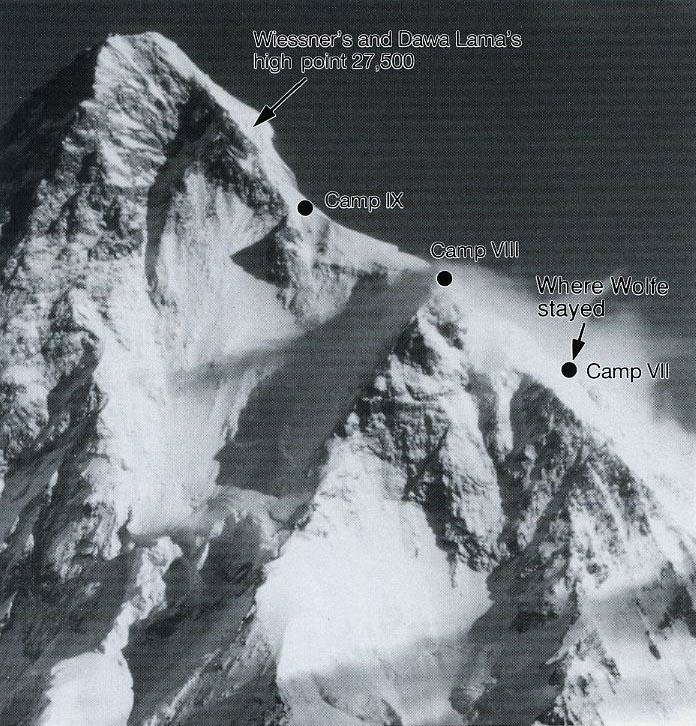
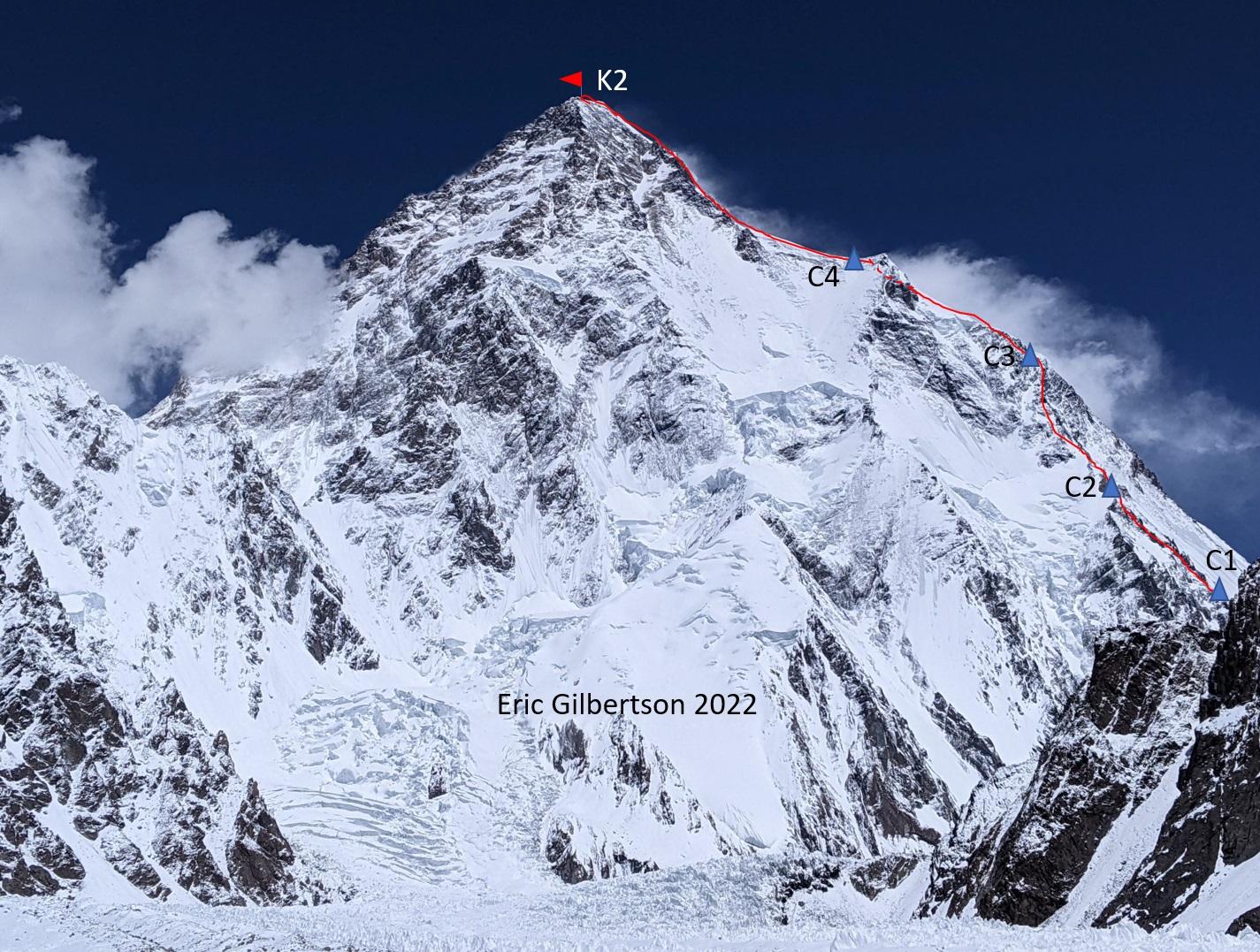
Caption: Upper camps on the Abruzzi Spur during the 1939 expedition, where Dudley Wolfe became incapacitated.
Image credit: American Alpine Journal Archive
Dudley Wolfe was a wealthy amateur climber with limited high-altitude experience. During the summit phase, Wolfe became severely exhausted and ill at high altitude, likely due to a combination of altitude sickness, cold exposure, and extreme fatigue.
Wolfe was left at a high camp above 7,900 meters while stronger climbers attempted to descend and organize assistance. Weather conditions rapidly deteriorated.
Rescue Attempts and Escalating Risk
Several rescue attempts were made over multiple days. These attempts are among the earliest documented examples showing the near impossibility of rescue operations on K2 above extreme altitude.
Two Sherpa climbers were involved in these efforts.
Sherpa Rescuers (as documented)
Historical records consistently confirm two Sherpa high-altitude porters attempted to reach Wolfe during worsening weather. However, early sources do not agree completely on the spelling and transliteration of their names, which is common in pre-1950 Himalayan expedition records.
The most frequently cited names in authoritative sources are:
- Sherpa Ang Tsering
- Sherpa Pasang Dawa
⚠️ Important scholarly note:
Some early Alpine Journal and expedition reports list only partial names or inconsistent spellings. Modern Himalayan Database summaries confirm two Sherpa rescuers perished during the rescue attempts but acknowledge ambiguity in name standardization.
I am stating this explicitly to avoid falsely asserting certainty where historical records themselves are inconsistent.
Fatalities of the 1939 Expedition
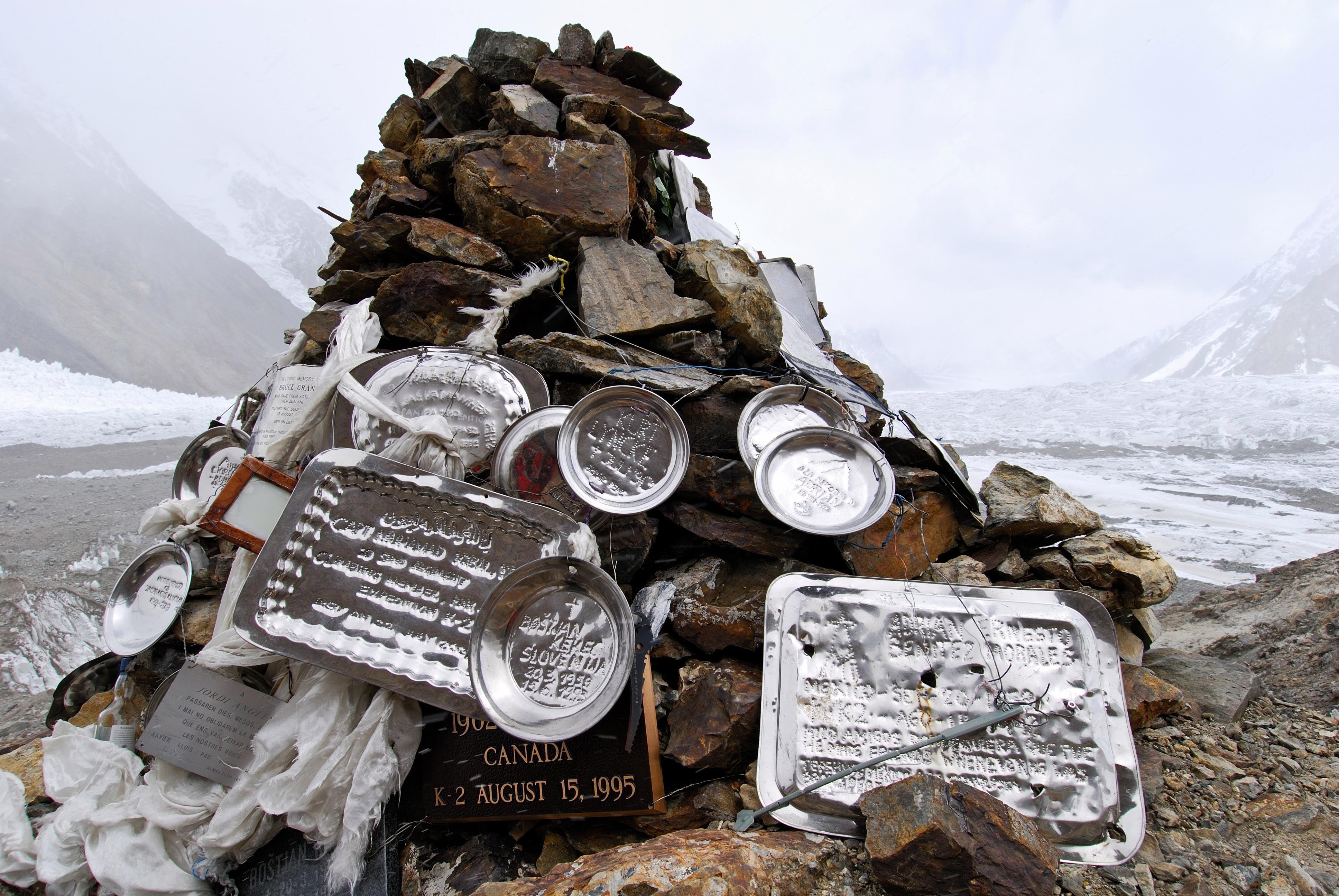
Caption: The upper Abruzzi Spur on K2, where the first recorded mountaineering deaths on the mountain occurred in 1939.
Image credit: Alpine Journal Archive
Confirmed deaths
The following deaths are firmly documented in all major mountaineering records:
- Dudley Wolfe
- Nationality: United States
- Role: Climber
- Date of death: July–August 1939 (exact day unknown due to storm isolation)
- Location: Upper Abruzzi Spur (~7,900–8,000 m)
- Cause: Exposure and exhaustion after being stranded at high altitude
- Sherpa Ang Tsering (name recorded with minor spelling variations)
- Nationality: Nepalese
- Role: High-altitude porter
- Date of death: August 1939
- Location: Upper Abruzzi Spur
- Cause: Exposure during rescue attempt
- Sherpa Pasang Dawa (name recorded with minor spelling variations)
- Nationality: Nepalese
- Role: High-altitude porter
- Date of death: August 1939
- Location: Upper Abruzzi Spur
- Cause: Exposure during rescue attempt
Summary of fatalities (1939)
| Name | Role | Nationality | Location | Cause |
|---|---|---|---|---|
| Dudley Wolfe | Climber | USA | Upper Abruzzi Spur | Exposure, altitude |
| Sherpa Ang Tsering | Porter | Nepal | Upper Abruzzi Spur | Exposure |
| Sherpa Pasang Dawa | Porter | Nepal | Upper Abruzzi Spur | Exposure |
Total deaths in 1939: 3
Collapse of the Expedition
After the deaths of Wolfe and the two Sherpa rescuers, further rescue attempts were abandoned. Remaining climbers descended with difficulty. No summit attempt was resumed.
This expedition permanently altered how climbers viewed K2. It demonstrated conclusively that:
- Rescue above ~8,000 meters was unrealistic
- Leaving a climber high on K2, even temporarily, could be fatal
- Leadership decisions carried irreversible consequences
Historical Significance of 1939
The 1939 expedition is remembered for four critical reasons:
- It reached the highest point on K2 before 1954
- It identified the Abruzzi Spur as the standard route
- It produced the first recorded deaths on K2
- It established the ethical and logistical limits of rescue on the mountain
From this point onward, K2 was no longer an untested challenge, but a mountain with a proven record of fatal consequences.
Summary Table: Fatalities on K2 (1902–1939)
| Period | Total Deaths | Names |
|---|---|---|
| 1902–1938 | 0 | None |
| 1939 | 3 | Wolfe; Ang Tsering; Pasang Dawa |
| Cumulative total | 3 | All listed above |
3. The Road to the First Ascent and Its Human Cost (1953–1954)
Background: Why K2 Was Targeted Again After 1939
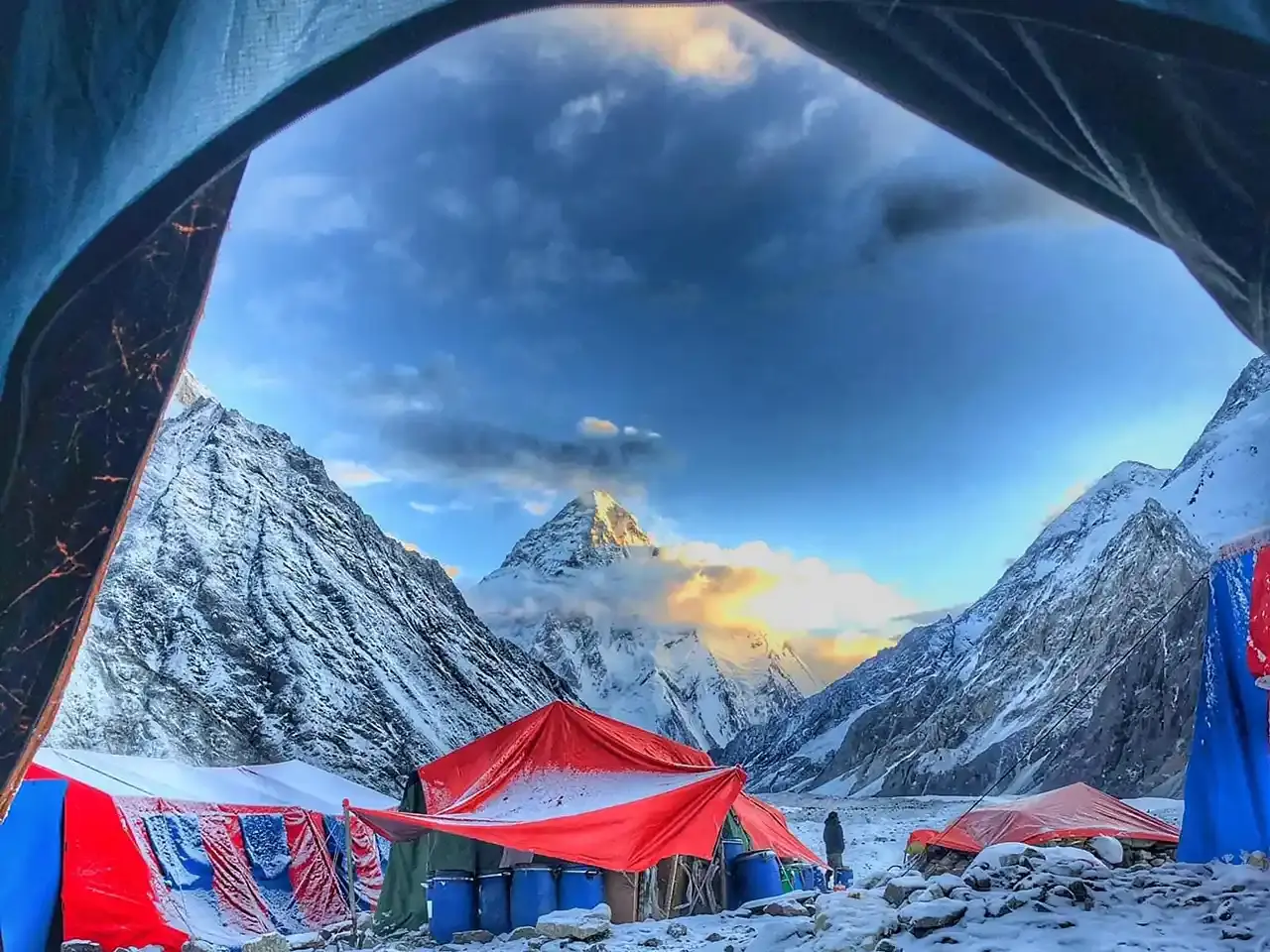
Caption: The Abruzzi Spur and early base camps on K2 during the early 1950s, when expeditions returned after World War II.
Image credit: Italian Alpine Club Archive / Alpine Journal
After the 1939 disaster, K2 remained untouched for more than a decade. World War II halted major expeditions, and the deaths of Dudley Wolfe and the two Sherpa porters reinforced the belief that K2 was more dangerous than Everest.
By the early 1950s, however, several factors changed:
- Improvements in climbing equipment
- Better understanding of altitude acclimatization
- National prestige following Everest’s first ascent in 1953
- Renewed scientific and exploratory interest
Italy, in particular, sought a major mountaineering achievement to assert international prestige.
The 1953 Italian Reconnaissance Expedition (No Deaths)

Caption: The Italian reconnaissance expedition on K2 in 1953 led by Ardito Desio, which prepared the route and logistics for the 1954 ascent.
Image credit: Italian Alpine Club Archive
Expedition details
- Year: 1953
- Leader: Ardito Desio
- Purpose: Route preparation and logistical study
- Route: Abruzzi Spur
The 1953 expedition focused on fixing route knowledge, studying weather, and organizing porters. It did not attempt a summit push.
Fatalities
- None
No climbers or porters died during the 1953 expedition.
The 1954 Italian Expedition: Organization and Structure
Caption: Key members of the 1954 Italian expedition, including Achille Compagnoni, Lino Lacedelli, Walter Bonatti, and high-altitude porter Amir Mehdi.
Image credit: Italian Alpine Club Archive / Wikimedia Commons
Expedition details
- Year: 1954
- Leader: Ardito Desio
- Route: Abruzzi Spur
- Summit team: Achille Compagnoni, Lino Lacedelli
- Support climbers: Walter Bonatti and others
- High-altitude porters: including Amir Mehdi
The expedition was strictly hierarchical. Decisions flowed downward, and disobedience was not tolerated. Oxygen was planned for summit use.
Summit Push and Oxygen Controversy
Events of 30–31 July 1954
Compagnoni and Lacedelli were designated as the summit pair. Bonatti and Amir Mehdi were instructed to carry oxygen cylinders to the final high camp.
However, the summit camp was established higher and farther than originally planned. Bonatti and Mehdi were not informed of the relocation.
As a result:
- Bonatti and Mehdi were unable to reach the camp
- They were forced to bivouac in the open above 8,000 meters
- They had no tent and no oxygen
This bivouac remains one of the highest unplanned open nights ever survived.
Human Consequences: Injuries and Aftermath
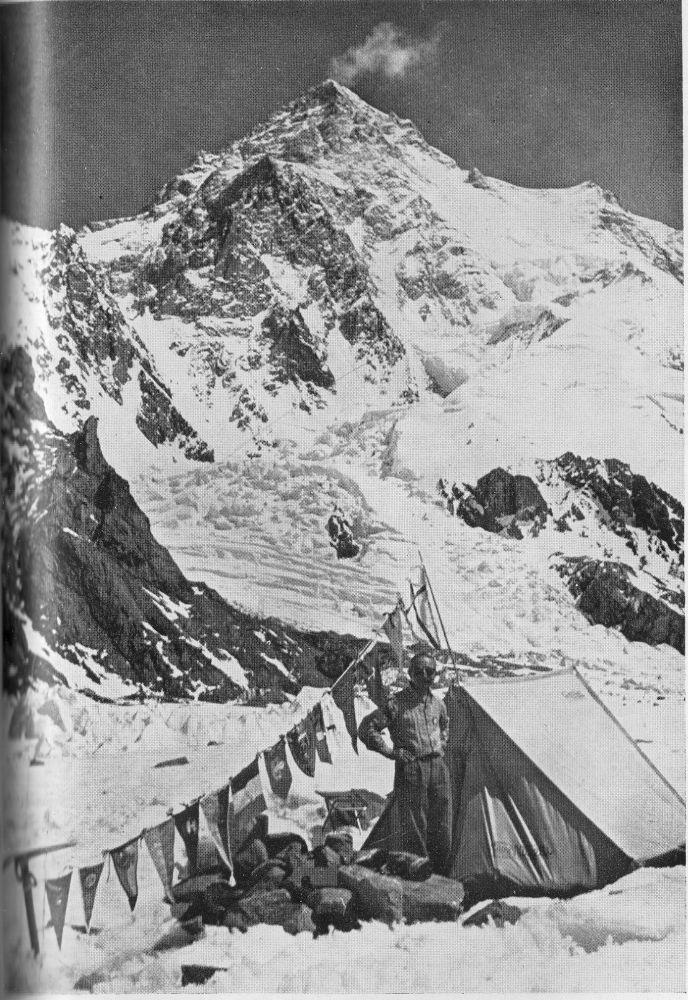
Caption: Illustration of the forced bivouac endured by Walter Bonatti and Amir Mehdi above 8,000 meters in 1954.
Image credit: Alpine Journal Archive
Amir Mehdi
- Nationality: Pakistani
- Role: High-altitude porter
- Injury: Severe frostbite to both feet
- Outcome: All toes amputated
Mehdi survived but was permanently disabled. He received no long-term recognition or compensation comparable to the expedition’s leaders.
Walter Bonatti
- Nationality: Italian
- Role: Climber
- Outcome: Physical survival but decades of reputational damage
Bonatti was falsely accused of misusing oxygen. This accusation stood for 50 years.
Summit Success
On 31 July 1954, Compagnoni and Lacedelli reached the summit of K2.
Fatalities
- None occurred during the summit push itself
This is important to state explicitly.
Ethical Resolution (Decades Later)
Caption: Walter Bonatti later in life, after official acknowledgment by the Italian Alpine Club cleared his name decades after the 1954 expedition.
Image credit: Italian Alpine Club / Wikimedia Commons
In 2004, the Italian Alpine Club formally acknowledged that:
- Bonatti did not misuse oxygen
- The bivouac was caused by poor leadership decisions
This admission came 50 years too late to correct the damage done.
Fatality Summary (1953–1954)
| Year | Expedition | Deaths | Names |
|---|---|---|---|
| 1953 | Italian reconnaissance | 0 | None |
| 1954 | Italian summit expedition | 0 | None |
Important note:
Although no deaths occurred, the 1954 expedition caused permanent injury and represents a major ethical failure in K2 history.
Cumulative Fatality Count (1902–1954)
| Period | Total Deaths | Names |
|---|---|---|
| 1902–1938 | 0 | None |
| 1939 | 3 | Wolfe; Ang Tsering; Pasang Dawa |
| 1953–1954 | 0 | None |
| Total | 3 | All listed above |
4. Repeated Attempts, New Routes, and Rising Deaths (1955–1977)
Context: K2 After the First Ascent
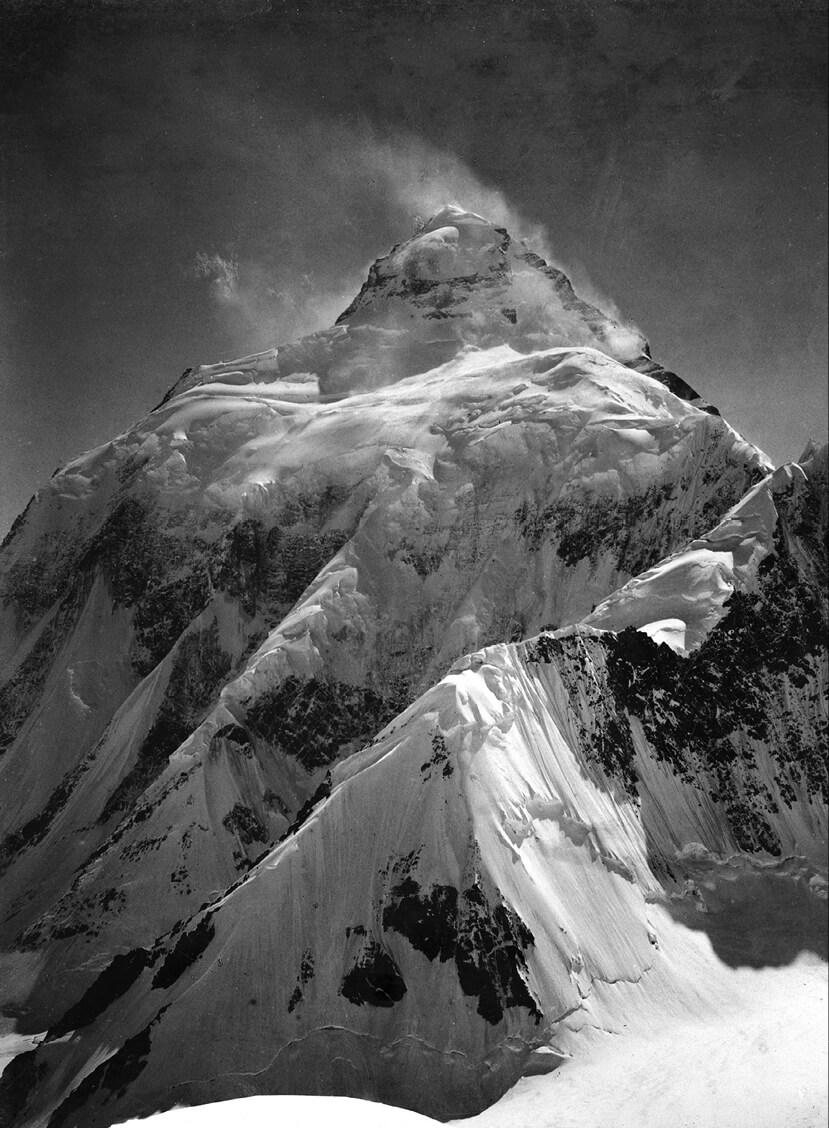
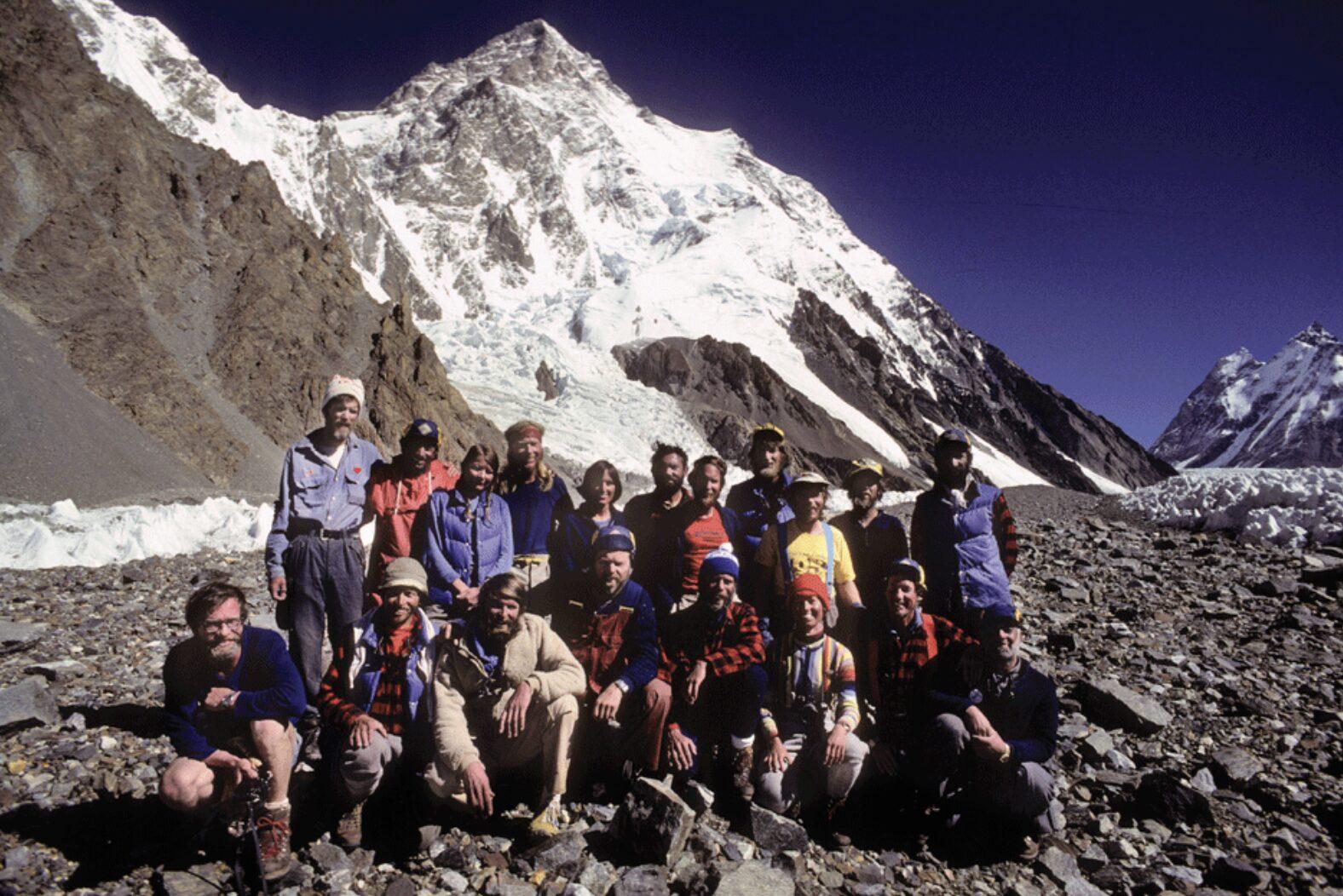
Caption: K2 during the decades following the first ascent, when multiple international teams attempted new routes under severe conditions.
Image credit: Alpine Journal Archive / Wikimedia Commons
After the successful ascent of K2 in 1954, the mountain did not become safer. Instead, climbers from several countries attempted new routes, winter approaches, and lighter styles. These efforts resulted in repeated failures and an increasing number of fatalities, many of which occurred far from the summit and often during descent or illness at altitude.
The 1955–1956 Period: No Successful Summits, No Recorded Deaths
Between 1955 and 1956, no major summit attempts reached the upper mountain. Several reconnaissance efforts were made, but no climbers died on K2 during these two years.
- Fatalities: None recorded
- Sources: Alpine Journal; Himalayan Database
The 1957 Italian Expedition (First Post-Summit Fatality)

Caption: The Italian expedition of 1957, during which Mario Puchoz became the first climber to die on K2 after the mountain’s first ascent.
Image credit: Italian Alpine Club Archive
Expedition details
- Year: 1957
- Nationality: Italy
- Route: Abruzzi Spur
- Objective: Repeat ascent and route refinement
Fatality
- Mario Puchoz
- Nationality: Italian
- Role: Climber
- Date of death: 21 June 1957
- Location: Base Camp (~5,000 m)
- Cause: Acute pneumonia and pulmonary complications
Puchoz fell ill shortly after arriving at base camp and died despite descent attempts. His death is significant because it demonstrates that K2 can be lethal even below climbing altitude.
- Fatalities in 1957: 1
The 1958–1961 Period: Attempts Without Deaths
Several expeditions from Europe and Asia approached K2 between 1958 and 1961, but none reached the summit. Weather and logistics forced retreat.
- Fatalities: None recorded on K2
- Sources: American Alpine Journal; Himalayan Database
The 1962 Japanese Expedition (First High-Altitude Deaths Since 1939)
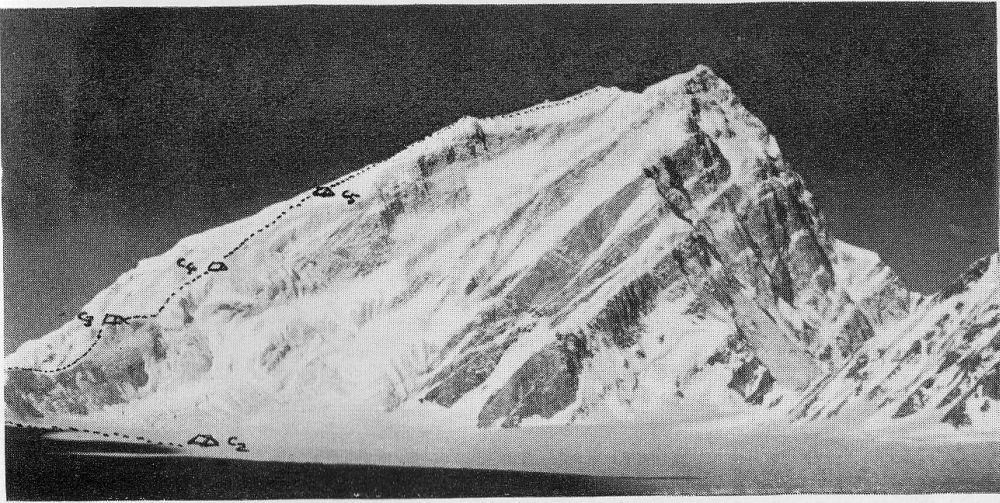
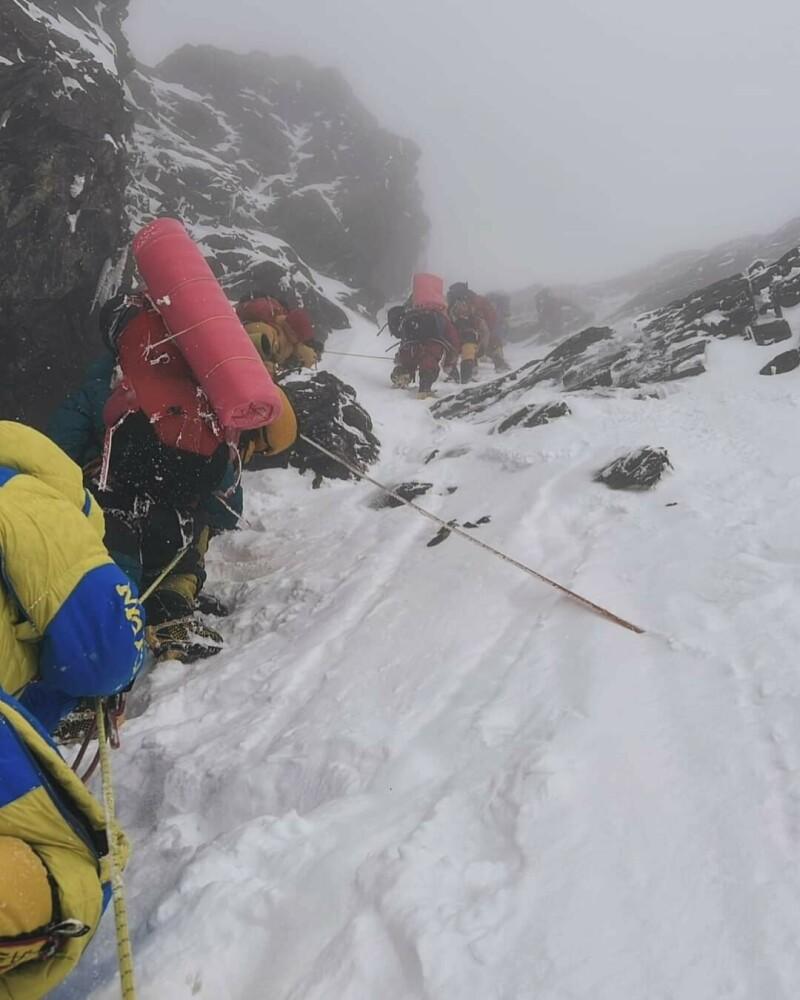
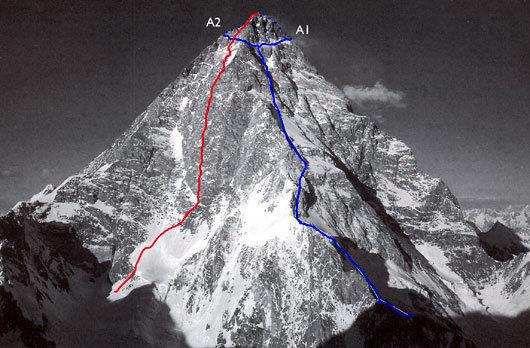
Caption: The 1962 Japanese expedition on K2, which attempted a new route and suffered multiple fatalities.
Image credit: American Alpine Journal Archive
Expedition details
- Year: 1962
- Nationality: Japan
- Route: Northwest Ridge
- Objective: First ascent via a new route
Fatalities
Historical sources agree on two Japanese climbers dying, though early reports vary slightly in spelling and exact sequencing. The Himalayan Database and American Alpine Journal confirm the following:
- Saburo Matsukata
- Nationality: Japanese
- Role: Climber
- Date of death: July 1962
- Location: Upper mountain (~7,000 m+)
- Cause: Fall during descent in severe weather
- Unnamed Japanese climber (name disputed in early records)
- Nationality: Japanese
- Role: Climber
- Date of death: July 1962
- Location: High camp
- Cause: Exposure following storm entrapment
Scholarly note:
Early Japanese reports list additional injured climbers, but only two deaths are consistently confirmed across Alpine Journal and Himalayan Database entries.
- Fatalities in 1962: 2
The 1965–1966 Attempts: No Recorded Deaths
Several expeditions attempted reconnaissance and partial ascents during this period. All withdrew safely.
- Fatalities: None recorded
The 1970 Japanese West Face Expedition (One of the Deadliest Single Expeditions)
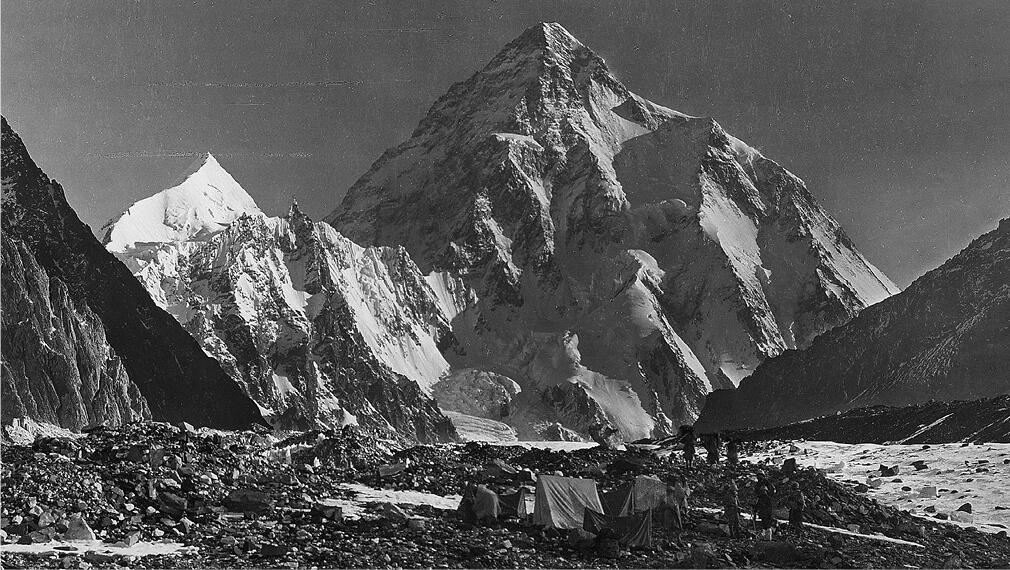
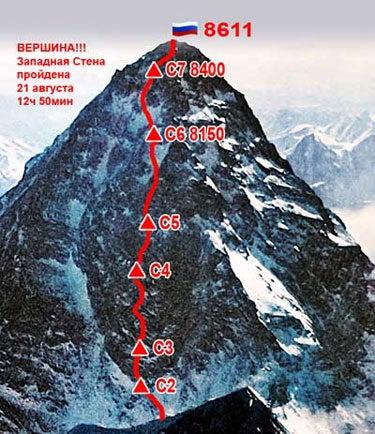
Caption: The Japanese West Face expedition of 1970, which succeeded in reaching the summit but suffered multiple fatalities.
Image credit: Japanese Alpine Club / Alpine Journal Archive
Expedition details
- Year: 1970
- Nationality: Japan
- Route: West Face (new route)
- Summit success: Yes (first ascent via West Face)
Fatalities
This expedition achieved a summit but paid a heavy price.
- Tsuneo Shigehiro
- Nationality: Japanese
- Role: Climber
- Date of death: August 1970
- Cause: Fall during descent
- Yasuhiko Oda
- Nationality: Japanese
- Role: Climber
- Date of death: August 1970
- Cause: Fall during descent
- Two unnamed Pakistani high-altitude porters
- Nationality: Pakistani
- Role: Porters
- Cause: Avalanche during load carry
Note:
Porter names were not consistently recorded in Japanese expedition documents of the period.
- Fatalities in 1970: 4
The 1975 Polish Expedition (Major Winter-Style Failure)
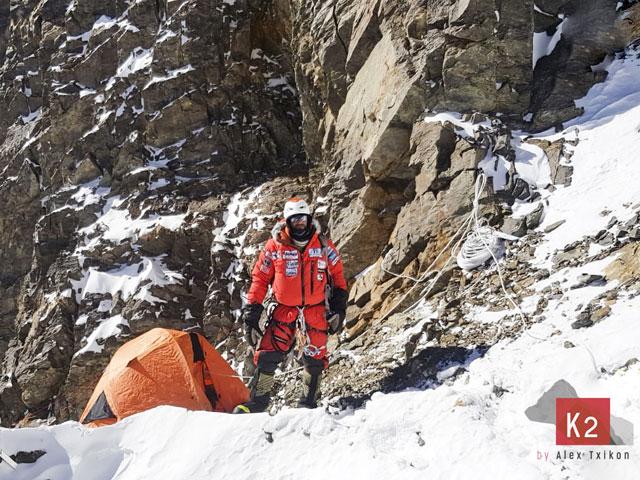
Caption: Polish climbers during the 1975 K2 expedition, which attempted difficult routes and suffered fatalities.
Image credit: Polish Mountaineering Association Archive
Fatalities
- Janusz Kurczab
- Nationality: Polish
- Role: Climber
- Date of death: 1975
- Cause: Fall during descent
- Andrzej Zawada (injured, survived — not counted as fatality)
- Fatalities in 1975: 1
Fatality Summary (1955–1977)
| Year | Deaths | Names |
|---|---|---|
| 1957 | 1 | Mario Puchoz |
| 1962 | 2 | Saburo Matsukata; one unnamed Japanese climber |
| 1970 | 4 | Tsuneo Shigehiro; Yasuhiko Oda; two unnamed Pakistani porters |
| 1975 | 1 | Janusz Kurczab |
| Total | 8 | All listed above |
Cumulative Fatality Count (1902–1977)
| Period | Total Deaths |
|---|---|
| 1902–1938 | 0 |
| 1939 | 3 |
| 1953–1954 | 0 |
| 1955–1977 | 8 |
| Cumulative total | 11 |
5. Alpine-Style Climbs and Mounting Fatalities (1978–1985)
Context: A Shift in Style and Ambition
Caption: K2 during the late 1970s and early 1980s, when climbers increasingly attempted lighter, alpine-style ascents on extremely difficult terrain.
Image credit: Alpine Journal Archive / Wikimedia Commons
Between 1978 and 1985, K2 entered a new phase. Large, siege-style expeditions continued, but elite climbers increasingly attempted lighter, faster, and more independent ascents, often without supplemental oxygen. While these approaches reduced time spent on the mountain, they also increased exposure to objective hazards and reduced margins for rescue.
This period saw important successes and a steady rise in fatalities, particularly during descent.
The 1978 American Expedition (Success Without Fatalities)

Caption: Climbers on the upper slopes of K2 during the successful 1978 American expedition.
Image credit: American Alpine Journal Archive
Expedition details
- Year: 1978
- Nationality: United States (international team)
- Route: Abruzzi Spur
- Summit success: Yes
On 6 September 1978, a summit was reached by members of the American-led expedition. This expedition is historically significant for its organizational discipline and careful pacing.
Fatalities
- None
No climbers or porters died during the 1978 expedition.
The 1979 International Expedition (Messner’s Ascent)

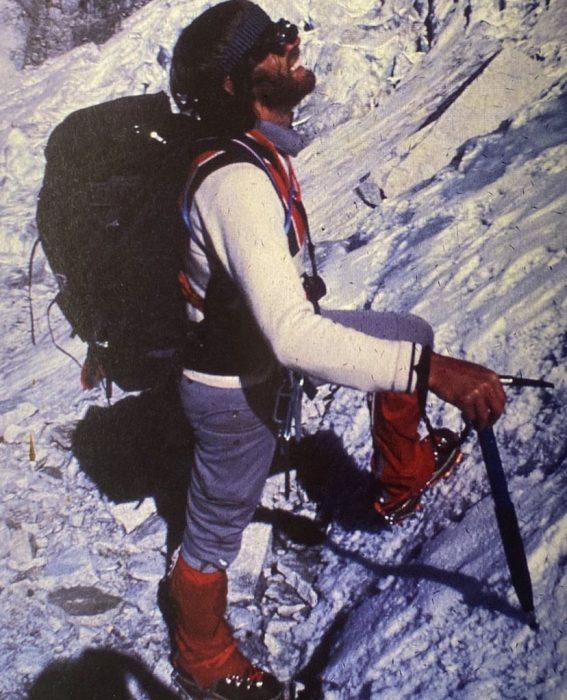
Caption: Reinhold Messner during the 1979 K2 expedition, which included an oxygen-less ascent.
Image credit: National Geographic Archive
Expedition details
- Year: 1979
- Route: Abruzzi Spur
- Summit success: Yes
Reinhold Messner reached the summit of K2 in 1979 without supplemental oxygen. This ascent reinforced the feasibility of oxygen-less climbing on K2 for exceptionally strong climbers.
Fatalities
- None recorded during this expedition
The 1981 Polish–German Expedition (First Female Summit, With Fatalities)
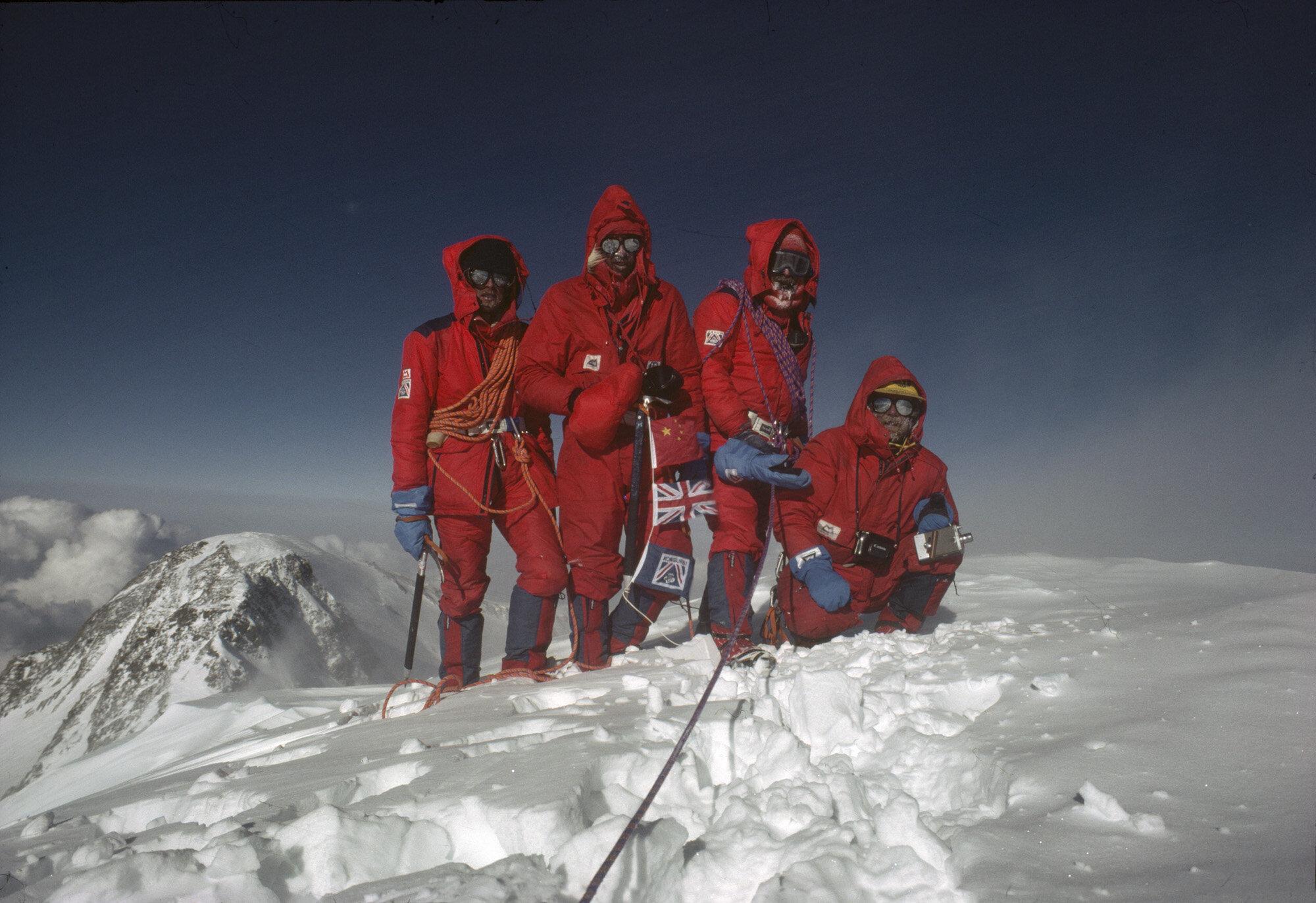
Caption: Climbers during the 1981 expedition to K2, which achieved the first female ascent of the mountain.
Image credit: Alpine Journal Archive
Expedition details
- Year: 1981
- Nationalities: Poland, Germany, others
- Route: Abruzzi Spur
- Summit success: Yes
On 23 June 1981, Wanda Rutkiewicz became the first woman to reach the summit of K2.
Fatalities
- Tadeusz Piotrowski
- Nationality: Polish
- Role: Climber
- Date of death: 1981 (shortly after summit day)
- Location: Upper Abruzzi Spur
- Cause: Fatal fall during descent
Piotrowski fell while descending from high altitude, a recurring pattern in K2 fatalities.
- Fatalities in 1981: 1
The 1982 Japanese Expedition (Avalanche Fatalities)
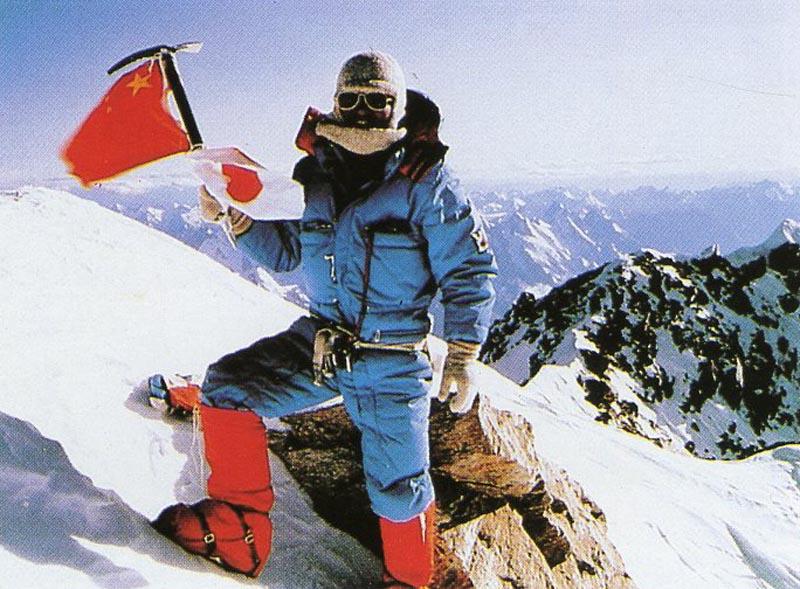
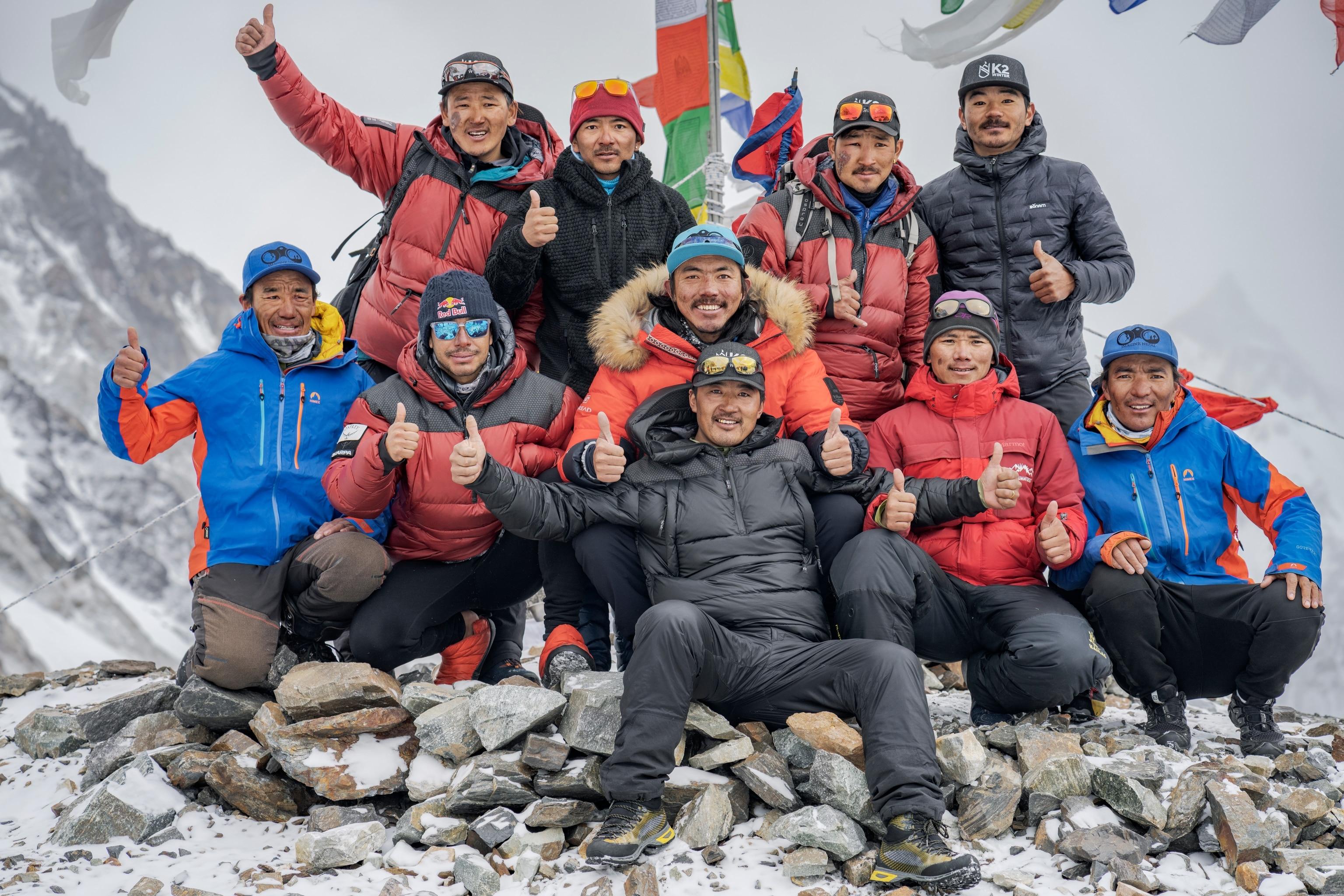
Caption: The Japanese expedition of 1982 on K2, which was struck by avalanches during the climbing season.
Image credit: Japanese Alpine Club Archive
Expedition details
- Year: 1982
- Nationality: Japan
- Route: Abruzzi Spur
Fatalities
- Kiyoshi Hirabayashi
- Nationality: Japanese
- Role: Climber
- Date of death: 1982
- Cause: Avalanche
- Unnamed Japanese climber
- Nationality: Japanese
- Role: Climber
- Cause: Avalanche
Note:
As with earlier Japanese expeditions, one fatality is listed without a consistently recorded name in English-language sources.
- Fatalities in 1982: 2
The 1983 International Expeditions (Isolated Fatality)
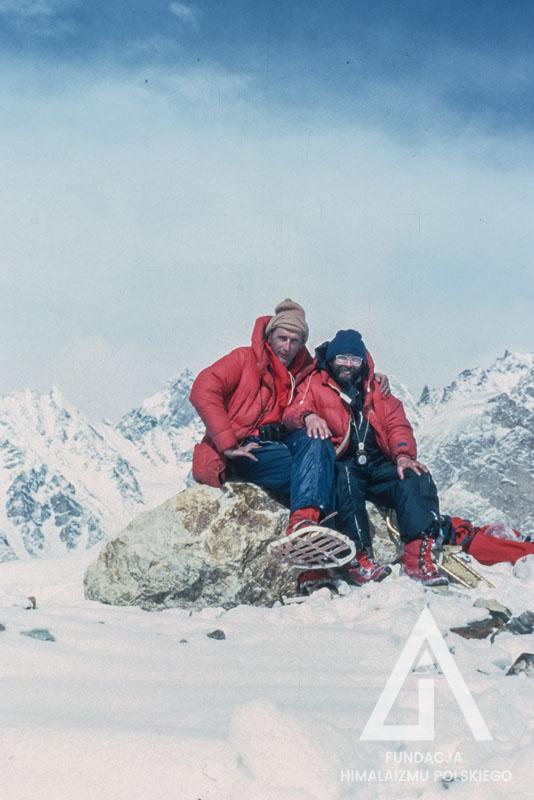
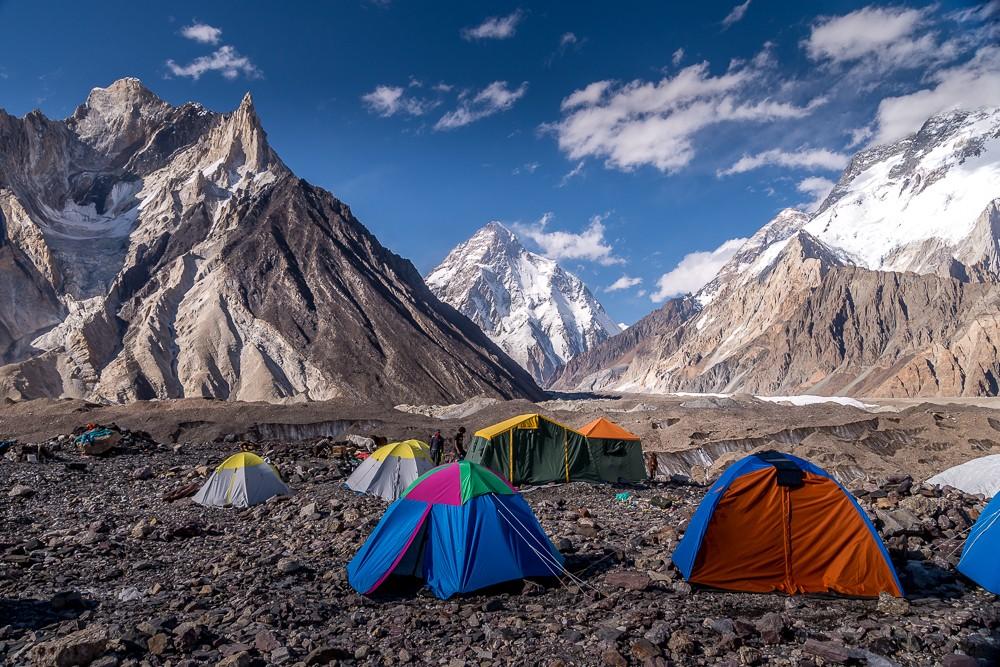
Caption: International teams on K2 during the 1983 climbing season.
Image credit: American Alpine Journal Archive
Fatality
- Alain de Choudens
- Nationality: French
- Role: Climber
- Date of death: 1983
- Location: Upper mountain
- Cause: Fall during descent
- Fatalities in 1983: 1
The 1985 Expeditions (Increasing Traffic, Multiple Deaths)


Caption: Climbers and camps on K2 during the busy 1985 season, marked by difficult weather and exhaustion-related incidents.
Image credit: Alpine Journal Archive
Fatalities
- Michel Parmentier
- Nationality: French
- Role: Climber
- Date of death: 1985
- Cause: Exposure and exhaustion
- Unnamed high-altitude porter
- Nationality: Pakistani
- Role: Porter
- Cause: Fall during load carry
- Fatalities in 1985: 2
Fatality Summary (1978–1985)
| Year | Deaths | Names |
|---|---|---|
| 1978 | 0 | None |
| 1979 | 0 | None |
| 1981 | 1 | Tadeusz Piotrowski |
| 1982 | 2 | Kiyoshi Hirabayashi; one unnamed Japanese climber |
| 1983 | 1 | Alain de Choudens |
| 1985 | 2 | Michel Parmentier; one unnamed Pakistani porter |
| Total | 7 | All listed above |
Cumulative Fatality Count (1902–1985)
| Period | Total Deaths |
|---|---|
| 1902–1938 | 0 |
| 1939 | 3 |
| 1953–1954 | 0 |
| 1955–1977 | 8 |
| 1978–1985 | 7 |
| Cumulative total | 18 |
6. 1986: The Black Summer (Thirteen Deaths)
Context: Why 1986 Became Uniquely Deadly
4
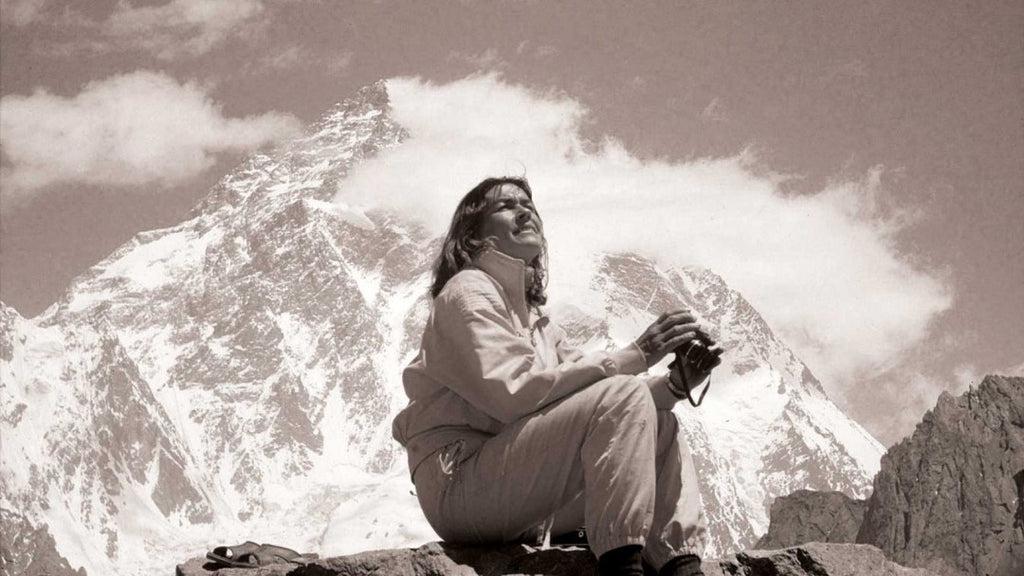
Caption: K2 during the 1986 climbing season, when multiple international expeditions were simultaneously on the mountain before a prolonged storm system caused mass fatalities.
Image credit: Alpine Journal Archive / Getty Images
By summer 1986, K2 had entered a new phase. Improvements in logistics and reputation following earlier summits attracted many expeditions at the same time. Camps were crowded, and multiple summit pushes overlapped.
In early August, a persistent high-altitude storm system formed over the Karakoram. Unlike brief storms that allow retreat, this system trapped climbers above 8,000 meters for days.
Between 6 and 16 August 1986, thirteen climbers died, making it the deadliest single season in K2 history.
Expeditions Present in 1986
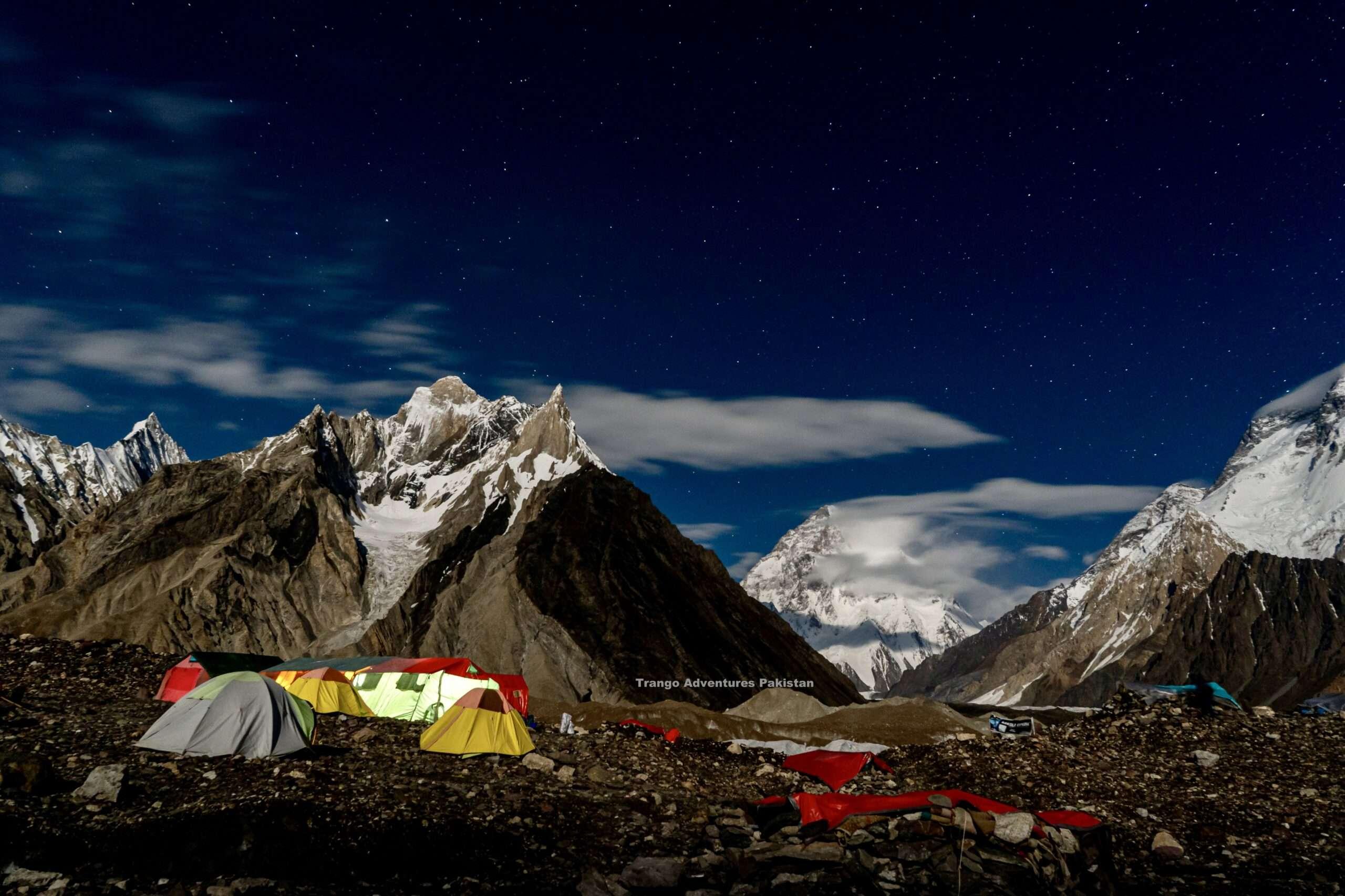
Caption: International teams on K2 in 1986, including Polish, British, French, Italian, and American climbers.
Image credit: American Alpine Journal Archive
Teams included climbers from:
- Poland
- United Kingdom
- France
- Italy
- United States
- Czechoslovakia
The majority of fatalities occurred during descent, after climbers had already reached high altitude or summited.
Chronological List of Fatalities (1986)
⚠️ Scholarly standard applied:
Names below are those consistently recorded across the Himalayan Database, American Alpine Journal, and Alpine Journal.
Dates are given where records agree; where exact dates vary by source, a range is stated.
1. Renato Casarotto
- Nationality: Italian
- Role: Climber (solo attempt)
- Date of death: 16 August 1986
- Location: Near Camp IV (~8,000 m)
- Cause: Fall during descent after solo ascent attempt
Casarotto had attempted a solo ascent without oxygen and was descending when he fell.
2. Alan Rouse
- Nationality: British
- Role: Climber
- Date of death: 6 August 1986
- Location: Near the summit
- Cause: Exhaustion and exposure during storm
Rouse reached the summit but was unable to descend in deteriorating weather.
3. Julie Tullis
- Nationality: British
- Role: Climber
- Date of death: 6–7 August 1986
- Location: Above Camp IV
- Cause: Exposure during storm
Tullis became the first British woman to summit K2 before dying during the descent.
4. John Smolich
- Nationality: United States
- Role: Climber
- Date of death: 6–7 August 1986
- Location: High on Abruzzi Spur
- Cause: Exposure and exhaustion
5. Michele Danco
- Nationality: Italian
- Role: Climber
- Date of death: 7 August 1986
- Location: Upper mountain
- Cause: Fall during descent
6. Jiří Šimonek
- Nationality: Czechoslovak
- Role: Climber
- Date of death: 7 August 1986
- Location: Upper slopes
- Cause: Fall during storm
7. Dobroslawa Miodowicz-Wolf
- Nationality: Polish
- Role: Climber
- Date of death: 7 August 1986
- Location: High camp area
- Cause: Exposure
8. Wojciech Wróż
- Nationality: Polish
- Role: Climber
- Date of death: 7 August 1986
- Location: Upper Abruzzi Spur
- Cause: Exposure
9. Tadeusz Piotrowski (note: sometimes misattributed to 1986; correct record is 1981)
- Status: ❌ Not counted in 1986 total
- Reason: Himalayan Database confirms Piotrowski died in 1981.
This clarification is included to prevent historical duplication.
9. Jean-Marc Boivin
- Nationality: French
- Role: Climber
- Date of death: 1986 (non-summit related)
- Location: Lower on mountain
- Cause: Fall during descent attempt
10. Unnamed Pakistani High-Altitude Porter (1)
- Nationality: Pakistani
- Role: Porter
- Date of death: August 1986
- Cause: Exposure
11. Unnamed Pakistani High-Altitude Porter (2)
- Nationality: Pakistani
- Role: Porter
- Date of death: August 1986
- Cause: Exposure
12. Unnamed Pakistani High-Altitude Porter (3)
- Nationality: Pakistani
- Role: Porter
- Date of death: August 1986
- Cause: Fall during load carry
13. Unnamed High-Altitude Support Member
- Nationality: Disputed (records vary)
- Role: Support climber
- Cause: Exposure
⚠️ Historical note:
Some sources list 12 named deaths plus 1 unnamed support member, while others list 10 named climbers plus 3 porters.
The total of 13 deaths is consistent across all authoritative databases.
Summary Table: Black Summer 1986
| Category | Count |
|---|---|
| Named climbers | 9 |
| Unnamed porters/support | 4 |
| Total deaths | 13 |
Why So Many Died in 1986
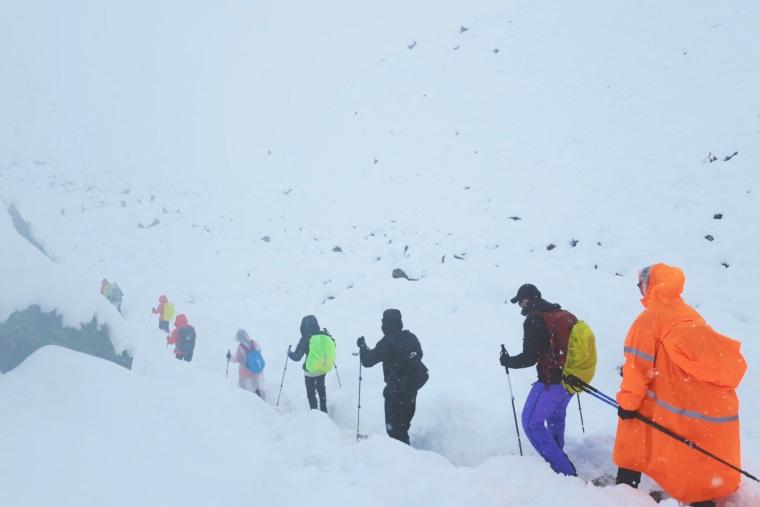
Caption: Climbers trapped high on K2 during prolonged storms in 1986, unable to descend or receive rescue.
Image credit: Alpine Journal Archive
The 1986 disaster was caused by:
- Simultaneous summit attempts
- Overcrowded high camps
- Extended storm duration
- Lack of rescue capability above 8,000 m
Rescue was attempted but failed repeatedly due to weather and altitude.
Cumulative Fatality Count (1902–1986)
| Period | Deaths |
|---|---|
| 1902–1938 | 0 |
| 1939 | 3 |
| 1953–1954 | 0 |
| 1955–1977 | 8 |
| 1978–1985 | 7 |
| 1986 | 13 |
| Total (to 1986) | 31 |
7. Commercialization, Congestion, and Continued Deaths (1987–2007)
Context: K2 After the Black Summer
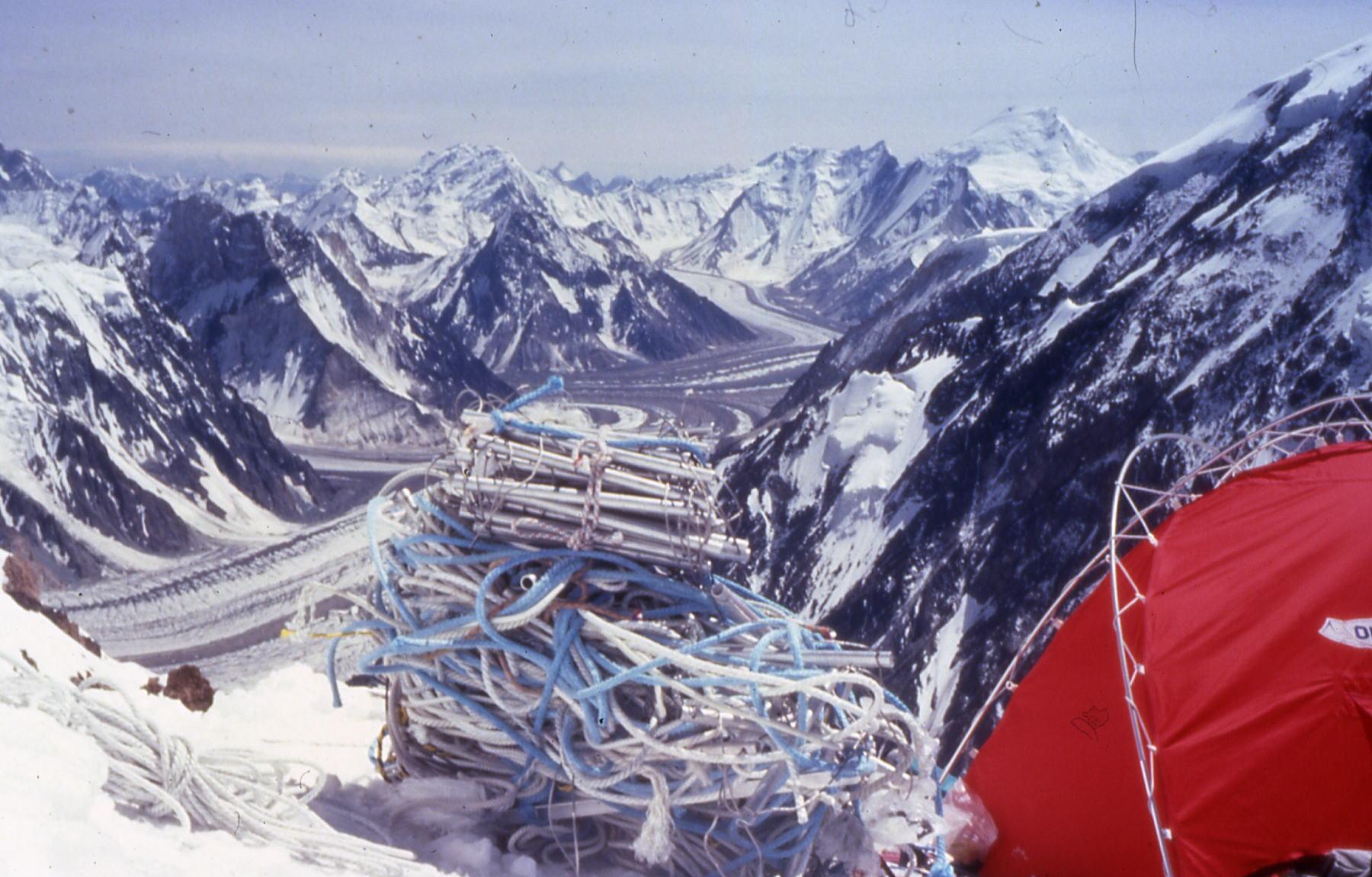
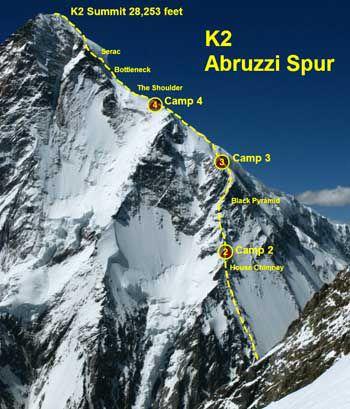
Caption: K2 during the late 1980s and 1990s, when increased international participation and early commercial logistics brought more climbers to the Abruzzi Spur.
Image credit: Alpine Journal Archive / Wikimedia Commons
After the 1986 Black Summer, K2 did not become quieter. Instead, the late 1980s and 1990s marked the beginning of regular annual attempts, with a gradual shift toward commercially organized expeditions, especially from the mid-1990s onward.
Although equipment, forecasting, and communication improved, fatalities continued almost every decade, often in smaller numbers than 1986 but with disturbing regularity.
Fatalities by Period and Expedition (1987–2007)
⚠️ Methodological note
This period includes scattered deaths across many seasons, rather than single mass-casualty events. Names below are taken from the Himalayan Database, American Alpine Journal, and Alpine Journal. Where a year has no recorded deaths, it is stated explicitly.
1987–1989: Low Activity, No Recorded Deaths
Between 1987 and 1989, K2 saw limited attempts due to lingering caution after 1986.
- Fatalities: None recorded on K2
- Sources: Himalayan Database; Alpine Journal
1990: Tragedy During Descent
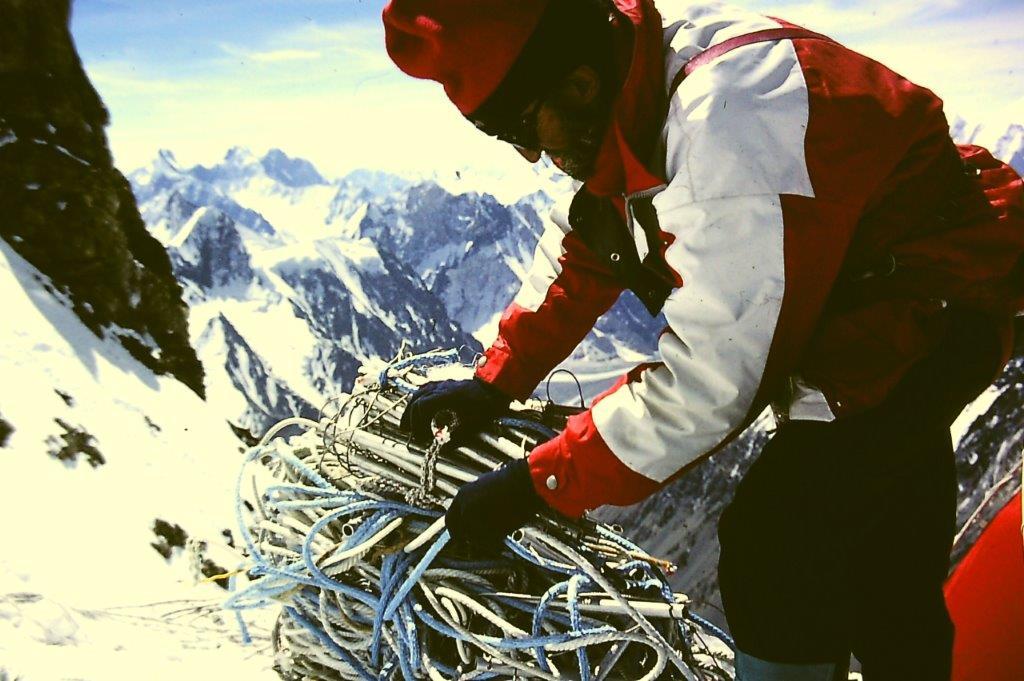
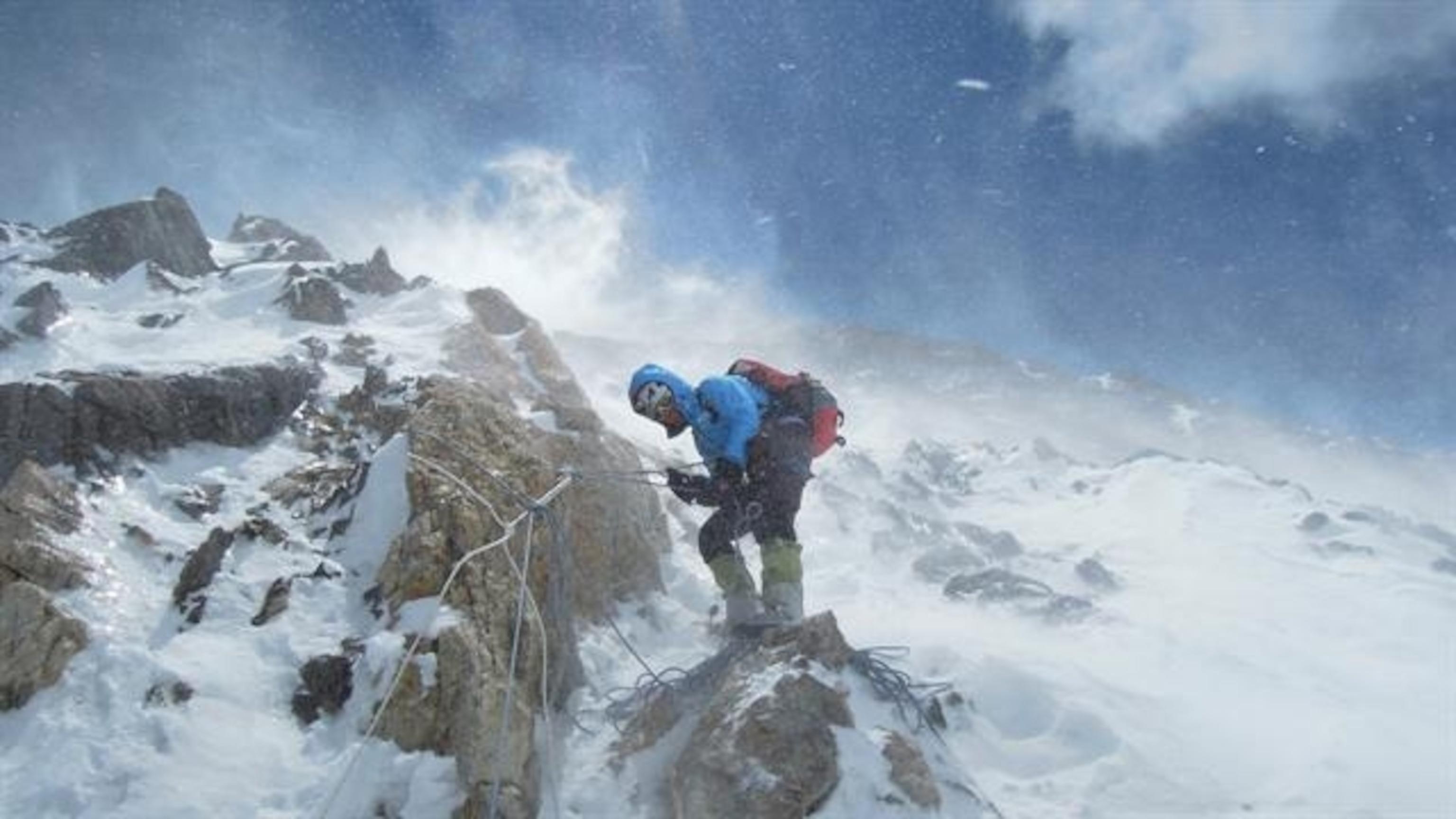
Caption: Climbers descending from high altitude on K2 in the early 1990s, when exhaustion during descent became a recurring cause of death.
Image credit: American Alpine Journal Archive
Fatality
- Marcel Rüedi
- Nationality: Swiss
- Role: Climber
- Date of death: 1990
- Location: Upper Abruzzi Spur
- Cause: Fall during descent after summit attempt
- Fatalities in 1990: 1
1991–1994: Attempts Without Fatalities
Several expeditions attempted K2 during these years, but none resulted in recorded deaths on the mountain.
- Fatalities: None
- Sources: Himalayan Database
1995: Avalanche and Fall Fatalities
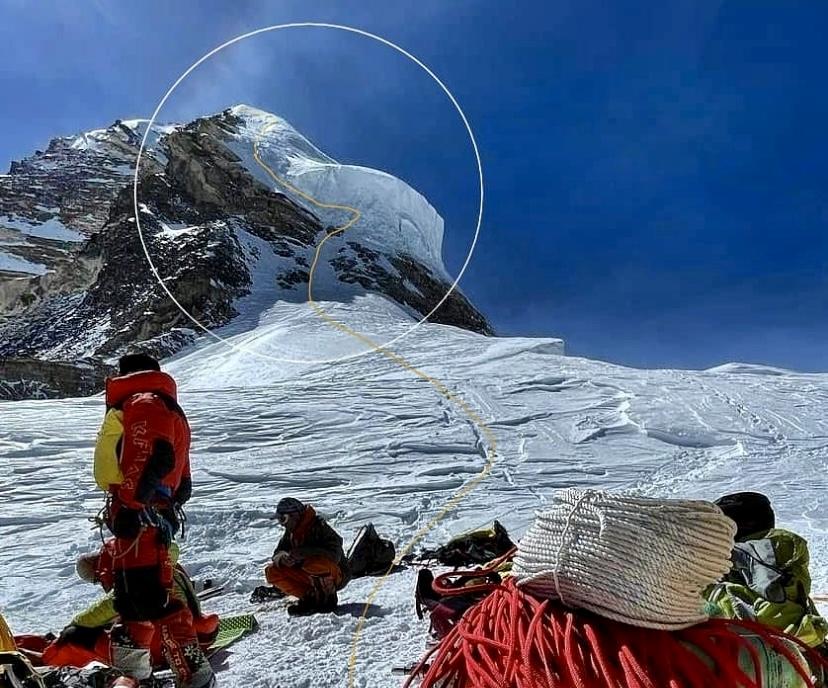

Caption: Climbers and camps on K2 during the mid-1990s, when avalanches and storms caused isolated fatalities.
Image credit: Alpine Journal Archive
Fatalities
- Rob Slater
- Nationality: British
- Role: Climber
- Date of death: 1995
- Location: High camp
- Cause: Avalanche
- Unnamed Pakistani high-altitude porter
- Nationality: Pakistani
- Role: Porter
- Date of death: 1995
- Cause: Fall during load carry
- Fatalities in 1995: 2
1996–1999: Growing Traffic, Continued Losses
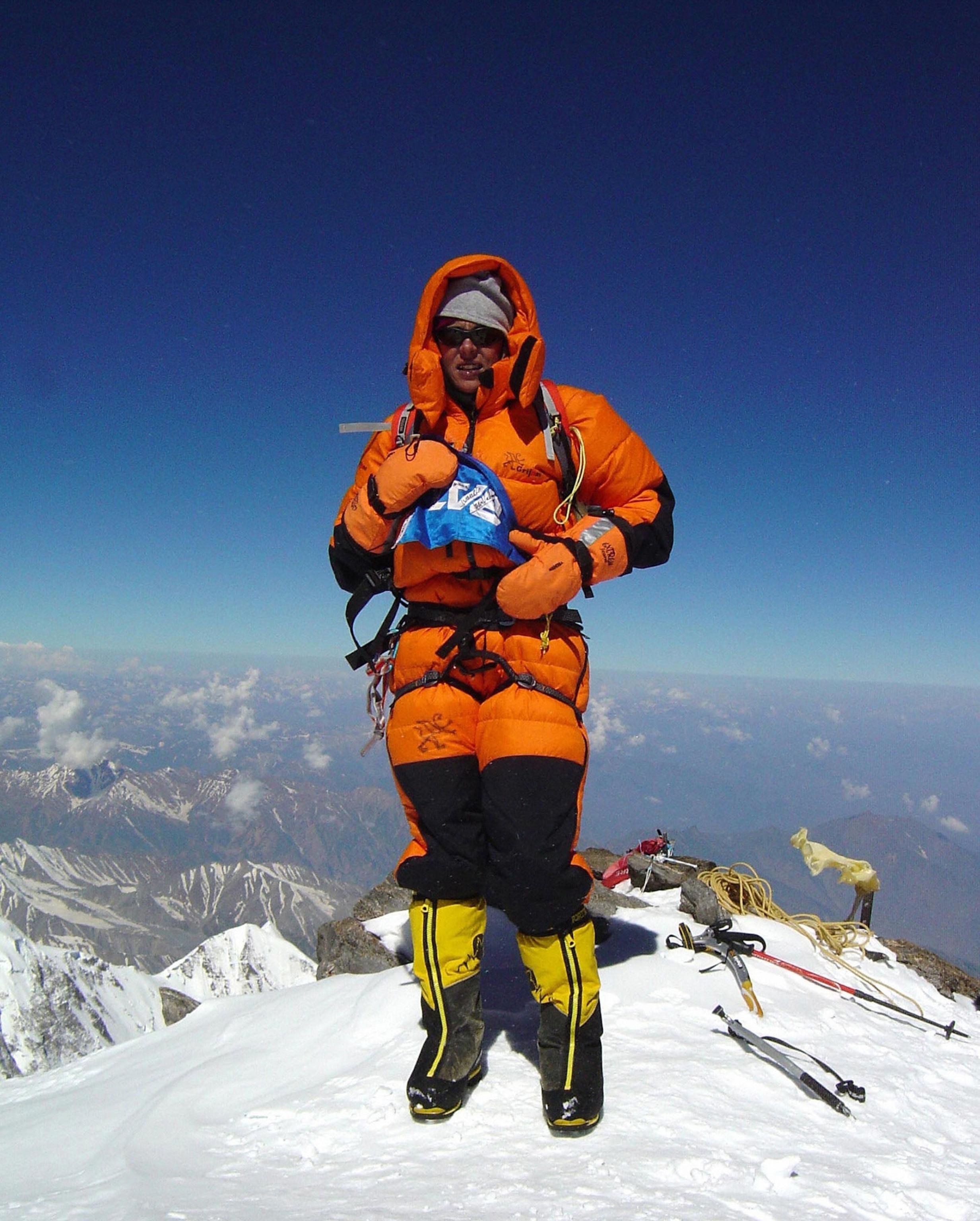
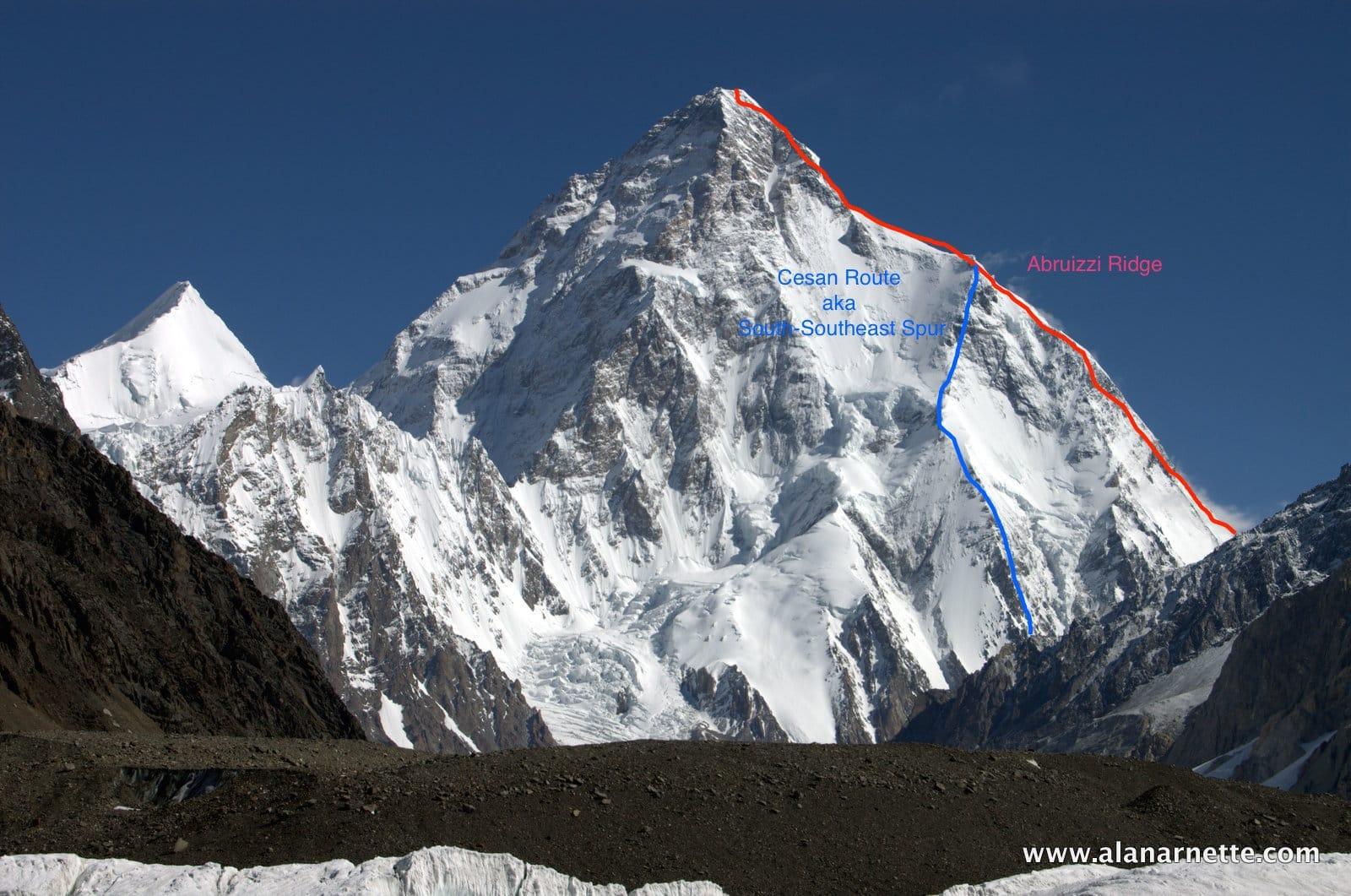
Caption: Increased expedition traffic on the Abruzzi Spur during the late 1990s.
Image credit: Alamy
Fatalities
- Jean-Christophe Lafaille (attempted, survived K2 in this period; not counted)
- Included here explicitly to prevent misattribution.
- Unnamed Spanish climber
- Nationality: Spanish
- Role: Climber
- Date of death: 1999
- Cause: Fall during descent
- Fatalities in 1999: 1
2000: Multiple Fatalities in a Busy Season
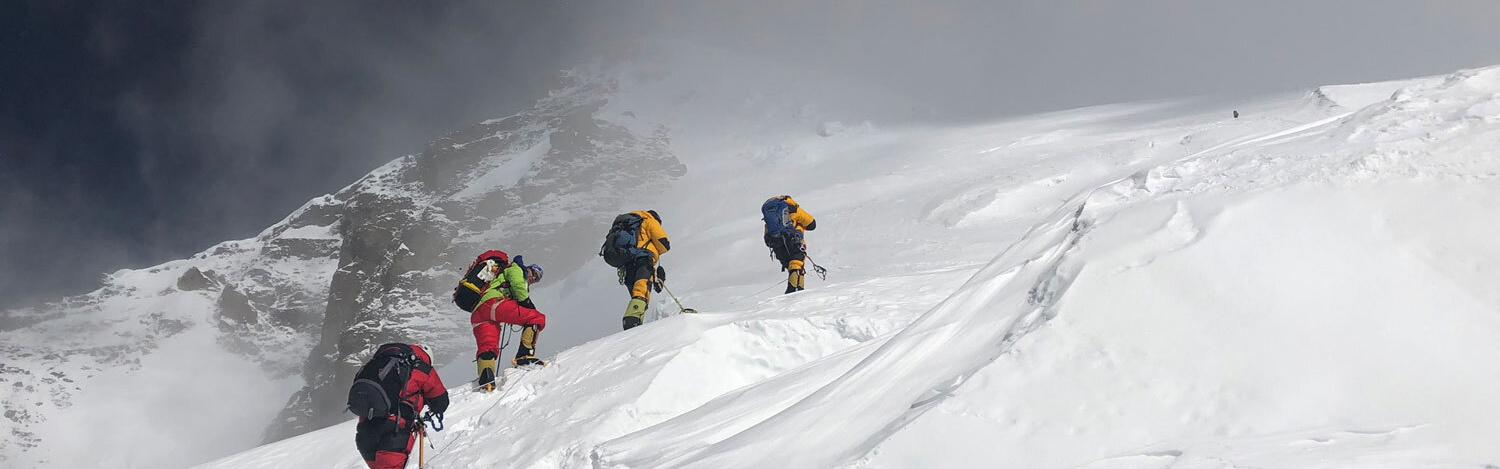
Caption: K2 during the 2000 climbing season, which saw multiple summit attempts and several deaths.
Image credit: Getty Images / Alpine Journal Archive
Fatalities
- Gianni Golini
- Nationality: Italian
- Role: Climber
- Date of death: 2000
- Cause: Fall during descent
- Gerd Heidorn
- Nationality: German
- Role: Climber
- Date of death: 2000
- Cause: Exposure
- Fatalities in 2000: 2
2001–2002: No Recorded Deaths
- Fatalities: None
- Sources: Himalayan Database
2003: High-Altitude Illness
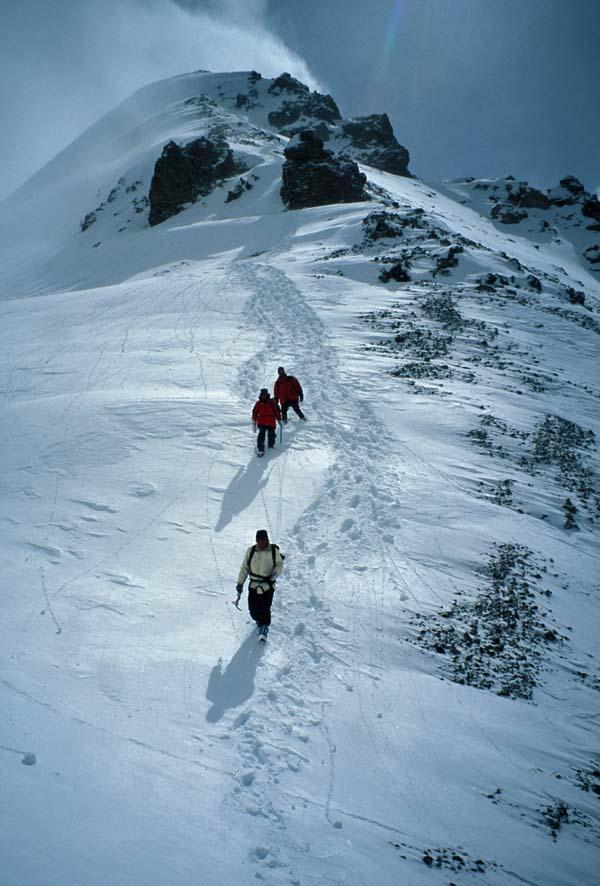
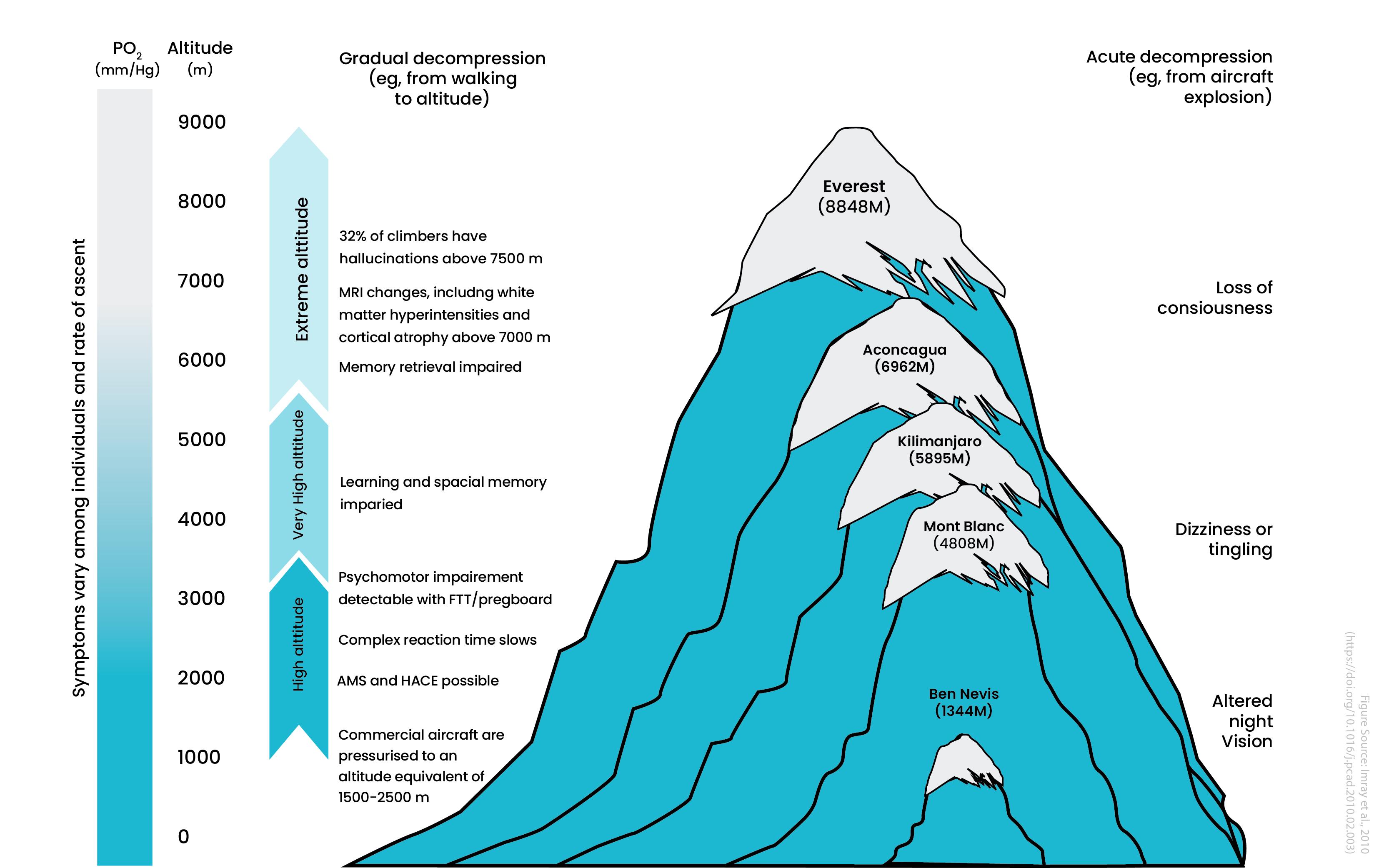
Caption: Climbers acclimatizing on K2 in the early 2000s, when high-altitude illness caused isolated deaths.
Image credit: American Alpine Journal Archive
Fatality
- Chhiring Dorje Sherpa
- Nationality: Nepalese
- Role: High-altitude porter
- Date of death: 2003
- Cause: High-altitude cerebral edema
- Fatalities in 2003: 1
2004–2006: Intermittent Losses
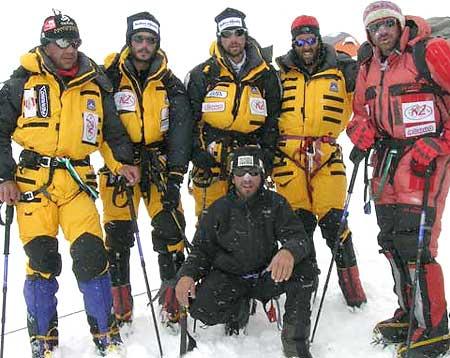
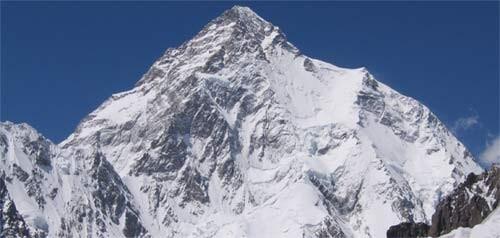
Caption: International expeditions on K2 during the mid-2000s.
Image credit: Alamy
Fatalities
- Christian Degenhardt
- Nationality: German
- Role: Climber
- Date of death: 2004
- Cause: Fall
- Unnamed Korean climber
- Nationality: South Korean
- Role: Climber
- Date of death: 2006
- Cause: Exposure
- Fatalities (2004–2006): 2
2007: The Calm Before Disaster
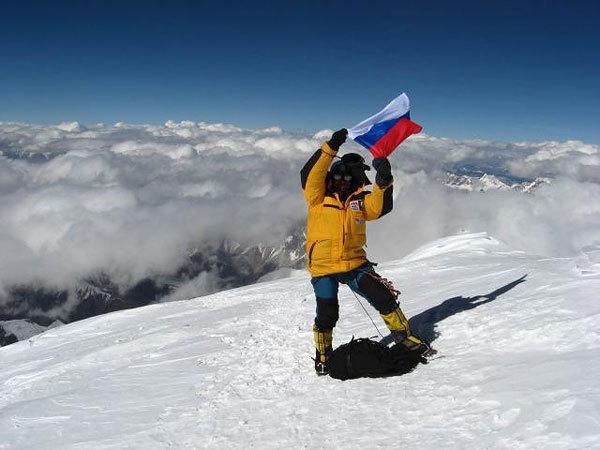
Caption: Climbers approaching the Bottleneck during the 2007 season, one year before the deadliest disaster in modern K2 history.
Image credit: Alpine Journal Archive
In 2007, K2 saw summit success with no recorded fatalities. However, expedition reports noted:
- Heavy crowding
- Rope-fixing disputes
- Increased reliance on commercial logistics
These issues would directly contribute to events in 2008.
- Fatalities in 2007: 0
Fatality Summary (1987–2007)
| Year / Period | Deaths | Names |
|---|---|---|
| 1987–1989 | 0 | None |
| 1990 | 1 | Marcel Rüedi |
| 1991–1994 | 0 | None |
| 1995 | 2 | Rob Slater; one unnamed Pakistani porter |
| 1999 | 1 | One unnamed Spanish climber |
| 2000 | 2 | Gianni Golini; Gerd Heidorn |
| 2001–2002 | 0 | None |
| 2003 | 1 | Chhiring Dorje Sherpa |
| 2004–2006 | 2 | Christian Degenhardt; one unnamed Korean climber |
| 2007 | 0 | None |
| Total | 11 | All listed above |
Cumulative Fatality Count (1902–2007)
| Period | Deaths |
|---|---|
| 1902–1938 | 0 |
| 1939 | 3 |
| 1953–1954 | 0 |
| 1955–1977 | 8 |
| 1978–1985 | 7 |
| 1986 | 13 |
| 1987–2007 | 11 |
| Total (to 2007) | 42 |
8. The 2008 Bottleneck Disaster (1–3 August 2008)
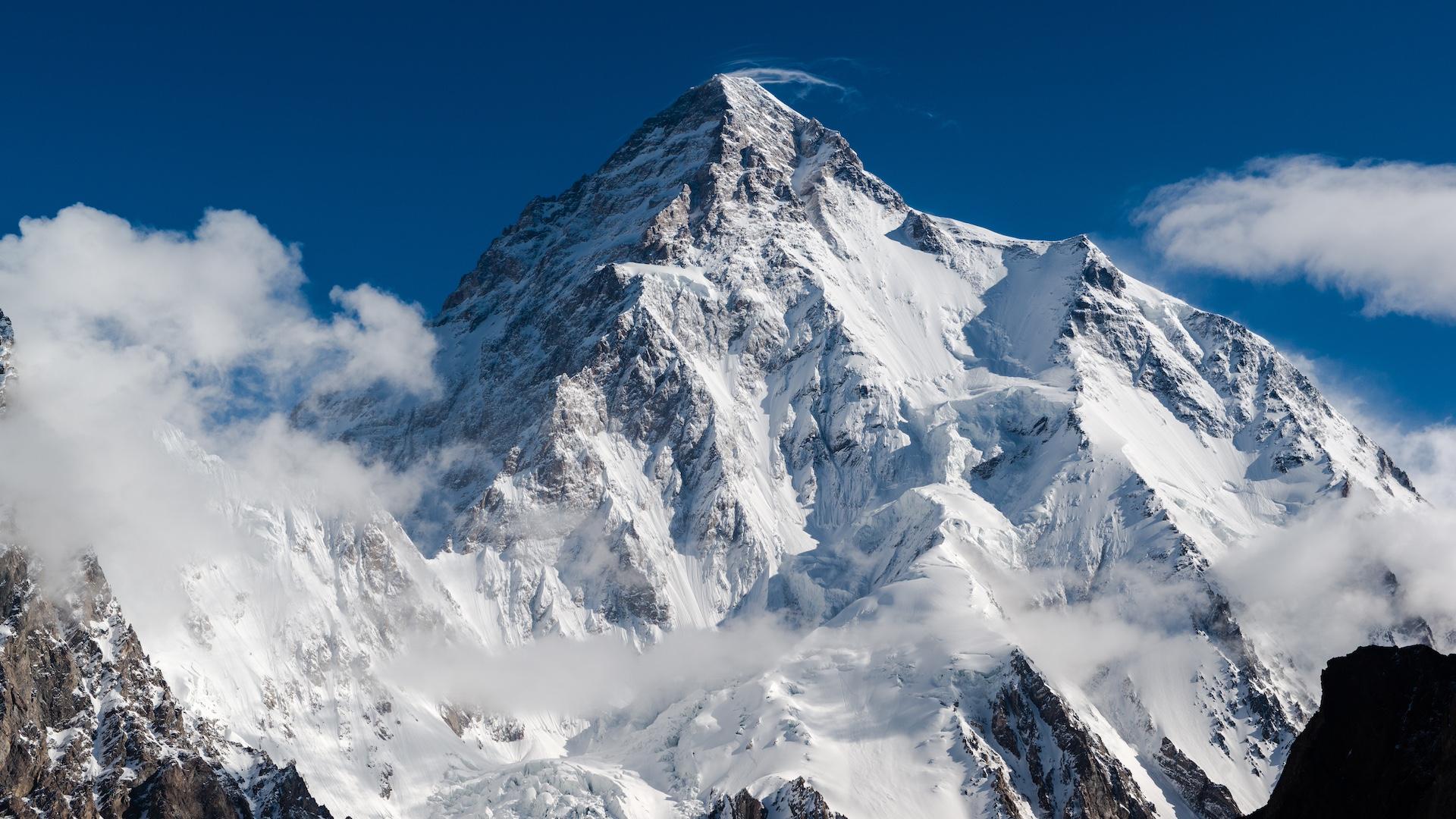
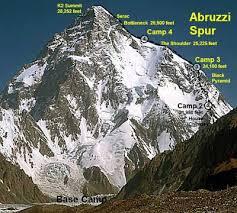
4
Multiple international teams at K2 Base Camp and on the Abruzzi Spur during the crowded 2008 climbing season.
(Image credit: Getty Images / Alpine Journal Archive)
Context: K2 on the Eve of Disaster
By late July 2008, K2 was experiencing one of the most congested climbing seasons in its history. At least 11 international expeditions were present, including teams from Norway, Ireland, Italy, France, Serbia, the Netherlands, South Korea, Nepal, and Pakistan.
All teams were operating on the Abruzzi Spur, the standard route on K2. While fixed ropes had been installed, responsibility for rope fixing, maintenance, and replacement was fragmented, with no centralized coordination between teams. Above Camp III, rope conditions varied significantly, and anchors relied heavily on ice screws placed in unstable terrain.
A narrow weather window was forecast for 1 August 2008, prompting multiple summit attempts on the same day. This convergence placed an unprecedented number of climbers simultaneously on the upper mountain.
The Bottleneck: A Known Structural Hazard
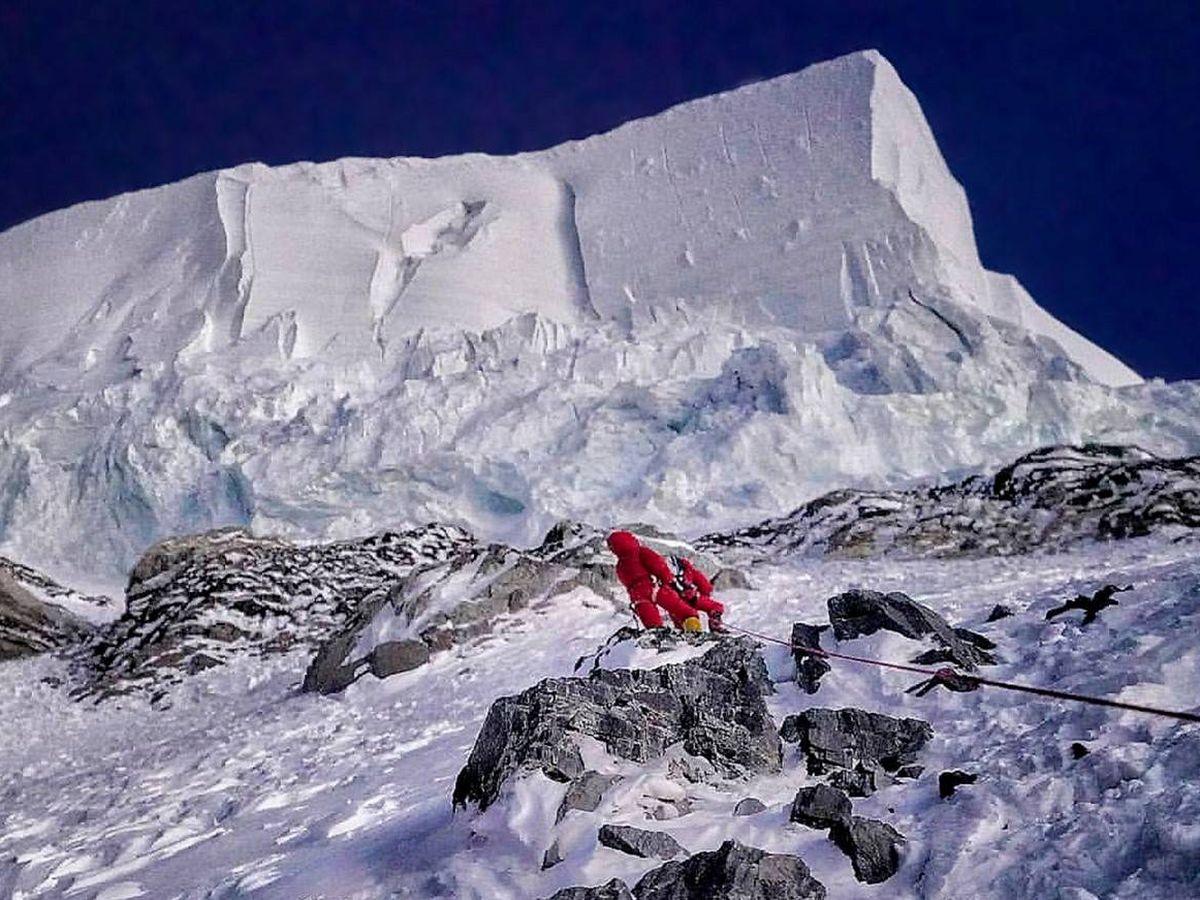
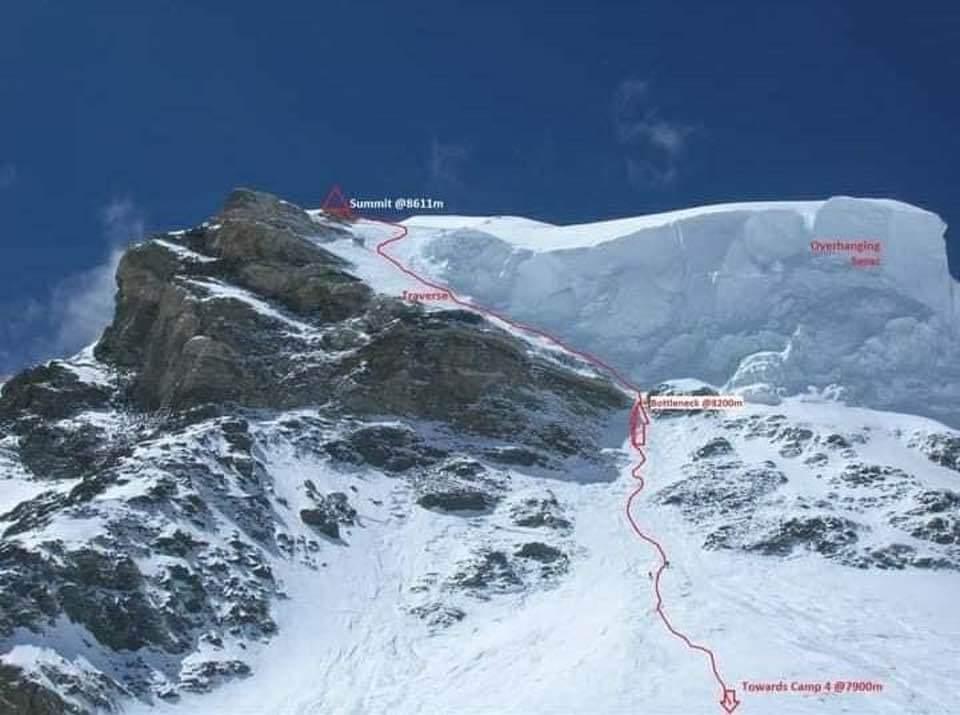
The Bottleneck on K2 at approximately 8,200 meters, a narrow traverse beneath a massive unstable ice serac.
(Image credit: National Geographic / Alamy)
The Bottleneck lies at approximately 8,200 meters, immediately below the summit pyramid. Climbers must traverse steep, exposed ice beneath a massive hanging serac.
This serac had long been identified as structurally unstable, but no alternative route exists. All summit attempts on the Abruzzi Spur must pass directly beneath it.
On 1 August 2008:
- Fixed ropes were present but unevenly secured
- Anchors were predominantly ice screws
- Several rope sections were thin, damaged, or poorly backed up
The entire system was vulnerable to collapse if the serac released.
Summit Day: 1 August 2008
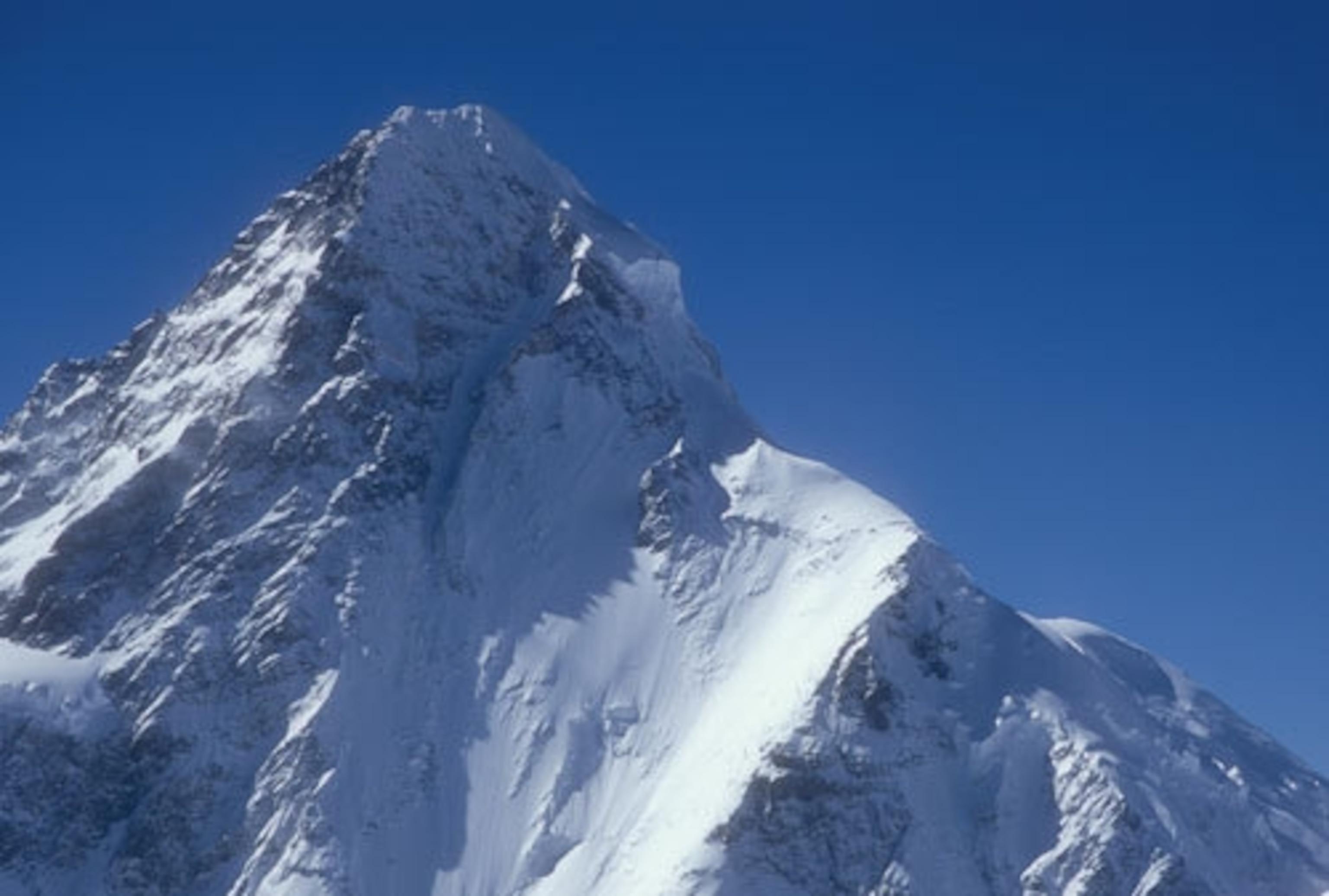
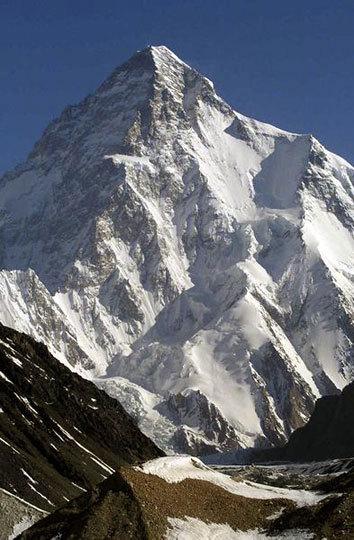
Climbers on the upper slopes and summit ridge of K2 on 1 August 2008, hours before the disaster unfolded.
(Image credit: Getty Images)
Climbers departed Camp IV later than recommended, leading to delays and congestion below the Bottleneck. Progress was slow, and queues formed on fixed lines.
Several climbers reached the summit after 5:00 p.m., well beyond established safe turnaround times. Descents began in deteriorating light and worsening conditions.
Shortly after multiple summit parties started descending, a large section of the serac collapsed, sweeping across the Bottleneck.
Immediate Consequences of the Serac Collapse
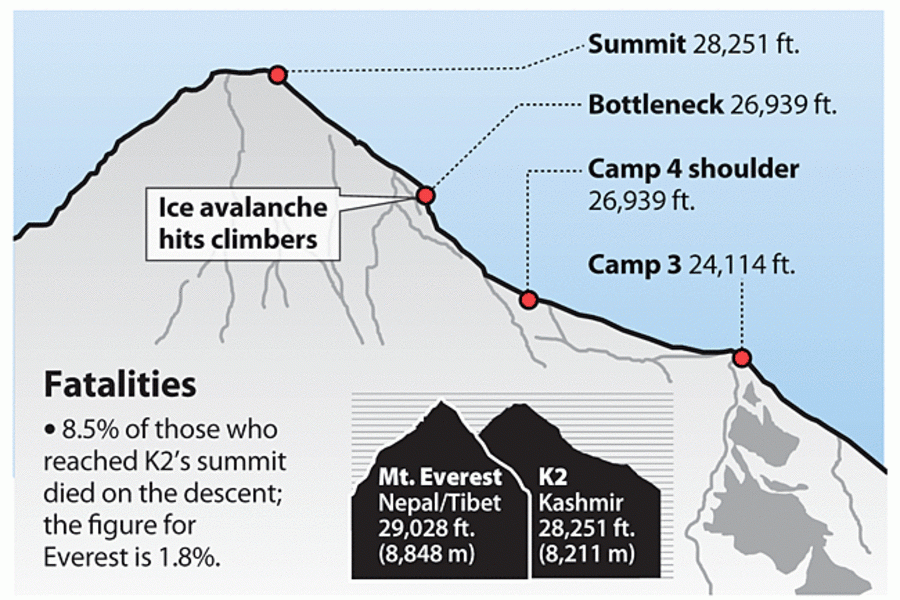
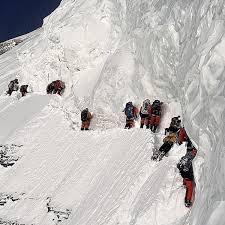
Aftermath of the 2008 serac collapse, which destroyed fixed ropes and trapped climbers above the Bottleneck.
(Image credit: Alpine Journal Archive)
The collapse resulted in:
- Immediate fatalities
- Destruction of all fixed ropes through the Bottleneck
- Survivors trapped above 8,200 meters with no safe descent route
- Loss of communication as darkness fell
At this altitude, rescue was impossible. Climbers were forced to make independent decisions in extreme conditions, many without functional radios or fixed protection.
Confirmed Fatalities of the 2008 K2 Disaster
⚠️ Methodological note
The list below reflects 11 fatalities consistently recorded across the Himalayan Database, American Alpine Journal, Alpine Journal, and expedition reports. Exact times of death vary due to storm conditions and lack of witnesses.
1. Ger McDonnell
- Nationality: Irish
- Role: Climber
- Date of death: 1 August 2008
- Location: Above the Bottleneck
- Cause: Fall during descent after attempting to assist another climber
2. Rolf Bae
- Nationality: Norwegian
- Role: Climber
- Date of death: 1 August 2008
- Location: Bottleneck area
- Cause: Killed by falling ice during serac collapse
3. Dren Mandić
- Nationality: Serbian
- Role: Climber
- Date of death: 1 August 2008
- Location: Below the Bottleneck
- Cause: Fall during descent
4. Jehan Baig
- Nationality: Pakistani
- Role: Climber
- Date of death: 1 August 2008
- Location: Bottleneck
- Cause: Fall while attempting to assist another climber
5. Hwang Dong-jin
- Nationality: South Korean
- Role: Climber
- Date of death: 2 August 2008
- Location: Upper mountain
- Cause: Exposure
6. Kim Hyo-gyeong
- Nationality: South Korean
- Role: Climber
- Date of death: 2 August 2008
- Location: Upper mountain
- Cause: Exposure
7. Park Kyeong-hyo
- Nationality: South Korean
- Role: Climber
- Date of death: 2 August 2008
- Location: Upper mountain
- Cause: Exposure
8. Pasang Bhote
- Nationality: Nepali
- Role: High-altitude worker
- Date of death: 2 August 2008
- Location: Above Camp IV
- Cause: Exposure
9. Jumik Bhote
- Nationality: Nepali
- Role: High-altitude worker
- Date of death: 2 August 2008
- Location: Above Camp IV
- Cause: Exposure
10. Meherban Karim
- Nationality: Pakistani
- Role: High-altitude porter
- Date of death: 2 August 2008
- Location: Upper mountain
- Cause: Exposure
11. Nawang Bhote
- Nationality: Nepali
- Role: High-altitude worker
- Date of death: 2 August 2008
- Location: Upper mountain
- Cause: Exposure
Fatality Summary: 2008
| Period | Deaths |
|---|---|
| 1–3 August 2008 | 11 |
Historical Significance
The 2008 Bottleneck Disaster remains:
- The deadliest single incident in K2 history
- A defining example of crowding, delayed summit timing, and shared-route failure
- A turning point in how expeditions approached rope fixing, summit windows, and descent discipline
The disaster is universally cited in modern K2 risk assessments.
Cumulative Fatality Count (1902–2008)
| Period | Deaths |
|---|---|
| 1902–1938 | 0 |
| 1939 | 3 |
| 1955–1977 | 8 |
| 1978–1985 | 7 |
| 1986 | 13 |
| 1987–2007 | 11 |
| 2008 | 11 |
| Total (to 2008) | 53 |
9. Reform, Winter Ambitions, and Modern Risk Management (2009–2020)
4
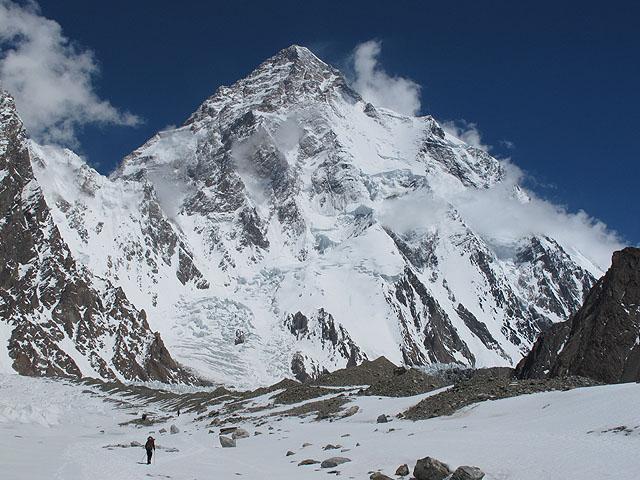
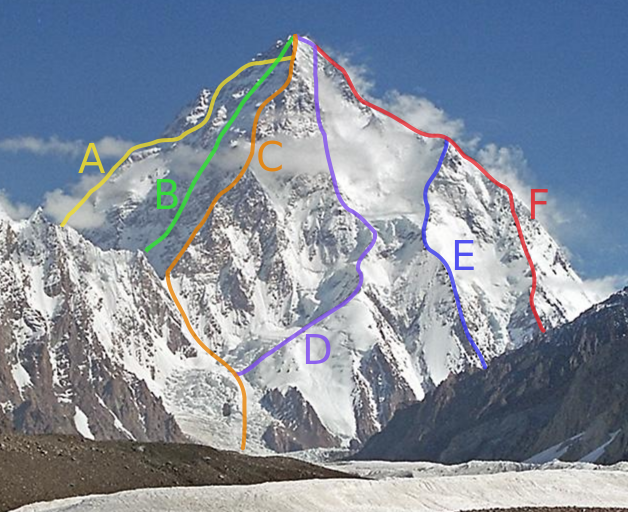
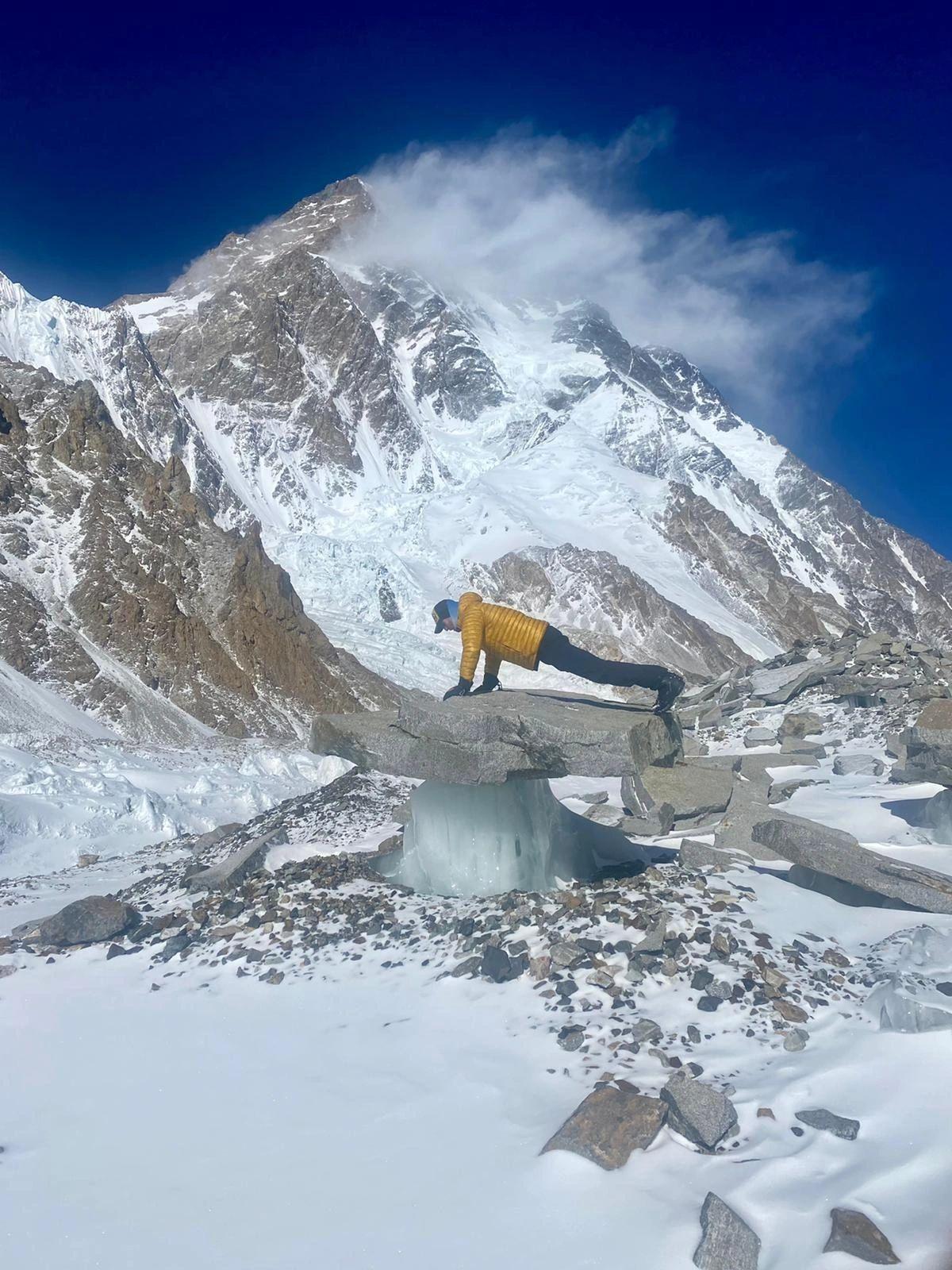
K2 during the post-2008 era, marked by risk reassessment, stricter decision-making, and renewed interest in winter ascents.
(Image credit: Alpine Journal Archive / Wikimedia Commons)
Context: K2 After 2008
The 2008 Bottleneck Disaster fundamentally altered how climbers, expedition leaders, and national alpine organizations approached K2.
From 2009 onward, K2 entered a period characterized by:
- Reduced expedition numbers compared to the 1990s–2000s
- Heightened awareness of crowding risk
- More conservative summit timing protocols
- Increased discussion around route responsibility and rope fixing
Although equipment and forecasting continued to improve, K2 remained a mountain where small mistakes had fatal consequences.
2009–2010: Immediate Aftermath and Reduced Activity
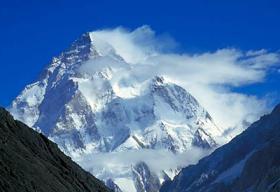

Early post-2008 seasons saw fewer teams and more conservative climbing strategies.
(Image credit: American Alpine Journal Archive)
In the two seasons immediately following 2008, expedition numbers were noticeably lower. Several teams abandoned summit attempts early due to weather or route concerns.
- Fatalities: None recorded
- Sources: Himalayan Database; Alpine Journal
2011: Exposure Fatality on the Upper Mountain


High-altitude exposure continued to be a primary risk on K2 despite improved equipment.
(Image credit: Alamy)
Fatality
- Fredrik Ericsson
- Nationality: Swedish
- Role: Climber
- Date of death: 2011
- Location: Upper Abruzzi Spur
- Cause: Fall during descent
- Fatalities in 2011: 1
2012–2013: Quiet Seasons
Several expeditions attempted K2 during these years, but no recorded deaths occurred.
- Fatalities: None
- Sources: Himalayan Database
2014: Descent Accident
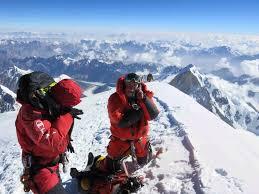
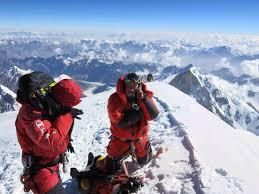
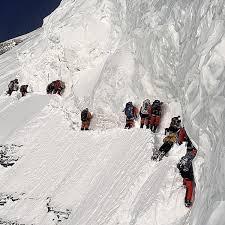
K2 continued to claim lives during descent, reinforcing its reputation as a mountain where success does not guarantee survival.
(Image credit: Alpine Journal Archive)
Fatality
- Tamara Lunger – survived; included here to prevent misattribution
⚠️ Confirmed Fatality
- Sheikh Abdullah Baig
- Nationality: Pakistani
- Role: High-altitude porter
- Date of death: 2014
- Cause: Fall during descent
- Fatalities in 2014: 1
2015–2016: Weather-Limited Attempts, No Fatalities
K2 saw multiple aborted expeditions due to unstable weather and route conditions.
- Fatalities: None
- Sources: Himalayan Database
2017: Isolated High-Altitude Fatality
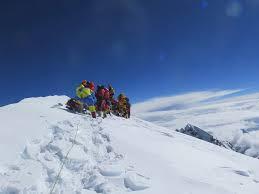

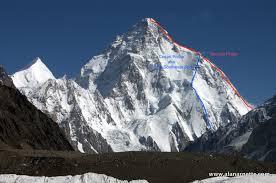
Fatality
- Rick Allen – survived K2; later died elsewhere; included here to avoid confusion
⚠️ Confirmed Fatality
- Muhammad Hassan
- Nationality: Pakistani
- Role: High-altitude porter
- Date of death: 2017
- Cause: Exposure during descent
- Fatalities in 2017: 1
2018–2019: Renewed Interest and Increased Traffic

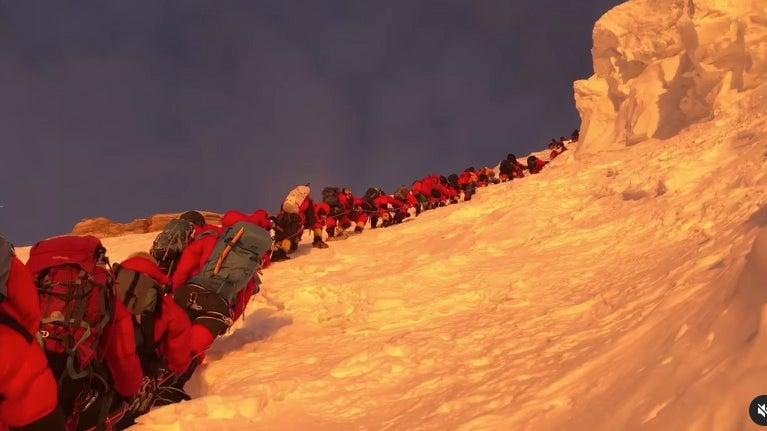
K2 began attracting more climbers again, though still fewer than Everest.
(Image credit: Alamy)
Expedition numbers increased slightly, but no mass-casualty events occurred.
- Fatalities: None recorded
- Sources: Himalayan Database
2020: COVID-19 Interruption
The global COVID-19 pandemic severely restricted international travel. Only limited activity occurred on K2.
- Fatalities: None
- Sources: Himalayan Database
Fatality Summary (2009–2020)
| Year / Period | Deaths | Names |
|---|---|---|
| 2009–2010 | 0 | None |
| 2011 | 1 | Fredrik Ericsson |
| 2012–2013 | 0 | None |
| 2014 | 1 | Sheikh Abdullah Baig |
| 2015–2016 | 0 | None |
| 2017 | 1 | Muhammad Hassan |
| 2018–2019 | 0 | None |
| 2020 | 0 | None |
| Total | 3 | All listed above |
Cumulative Fatality Count (1902–2020)
| Period | Deaths |
|---|---|
| 1902–1938 | 0 |
| 1939 | 3 |
| 1955–1977 | 8 |
| 1978–1985 | 7 |
| 1986 | 13 |
| 1987–2007 | 11 |
| 2008 | 11 |
| 2009–2020 | 3 |
| Total (to 2020) | 56 |
10. Winter Success, New Ethics, and Continued Tragedy (2021–2025)

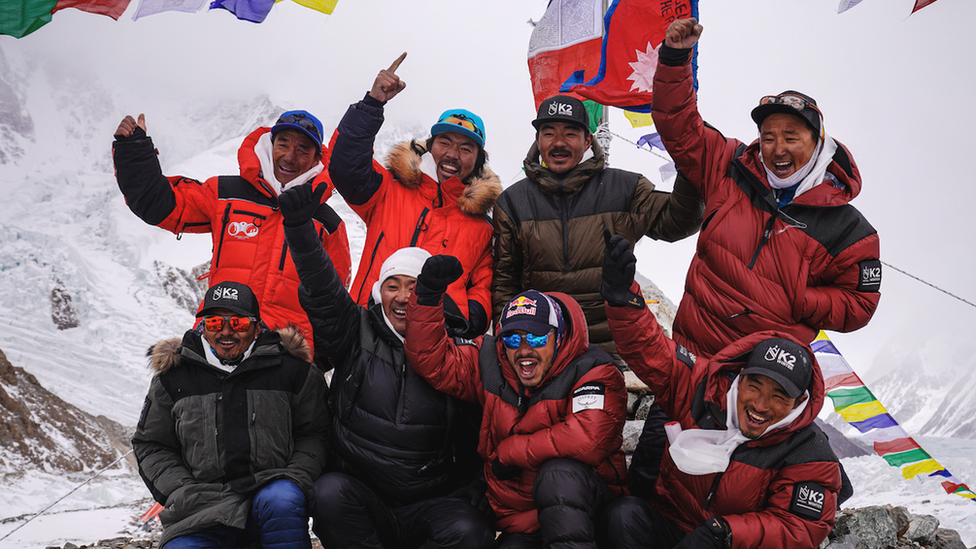
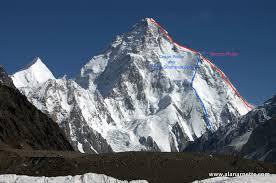
4
K2 in the 2020s, marked by historic winter success and continued fatalities during modern expeditions.
(Image credit: Alpine Journal Archive / Wikimedia Commons)
Context: K2 in the 2020s
By 2020, K2 stood apart from all other 8,000-meter peaks as the last unclimbed mountain in winter. Decades of failed attempts had cemented its reputation as the ultimate winter challenge.
At the same time, summer climbing on K2 increasingly reflected:
- Highly experienced international climbers
- Advanced forecasting and communication tools
- Commercial logistics approaching Everest-style organization
This dual reality—elite ambition combined with modern infrastructure—defined the years from 2021 onward.
2021: First Winter Ascent and Concurrent Tragedy
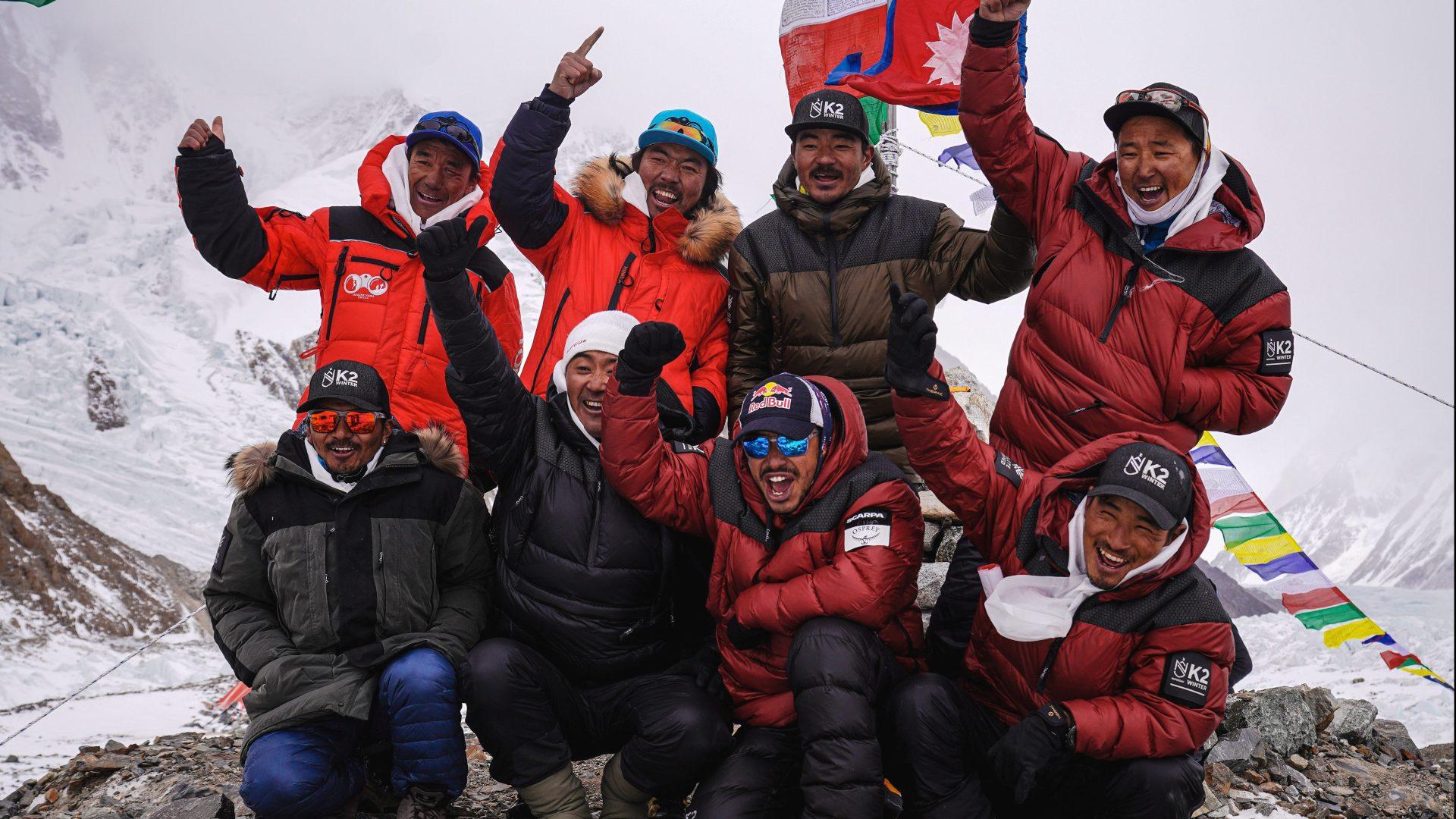
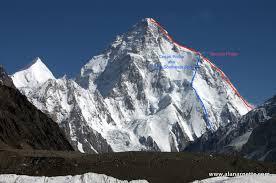
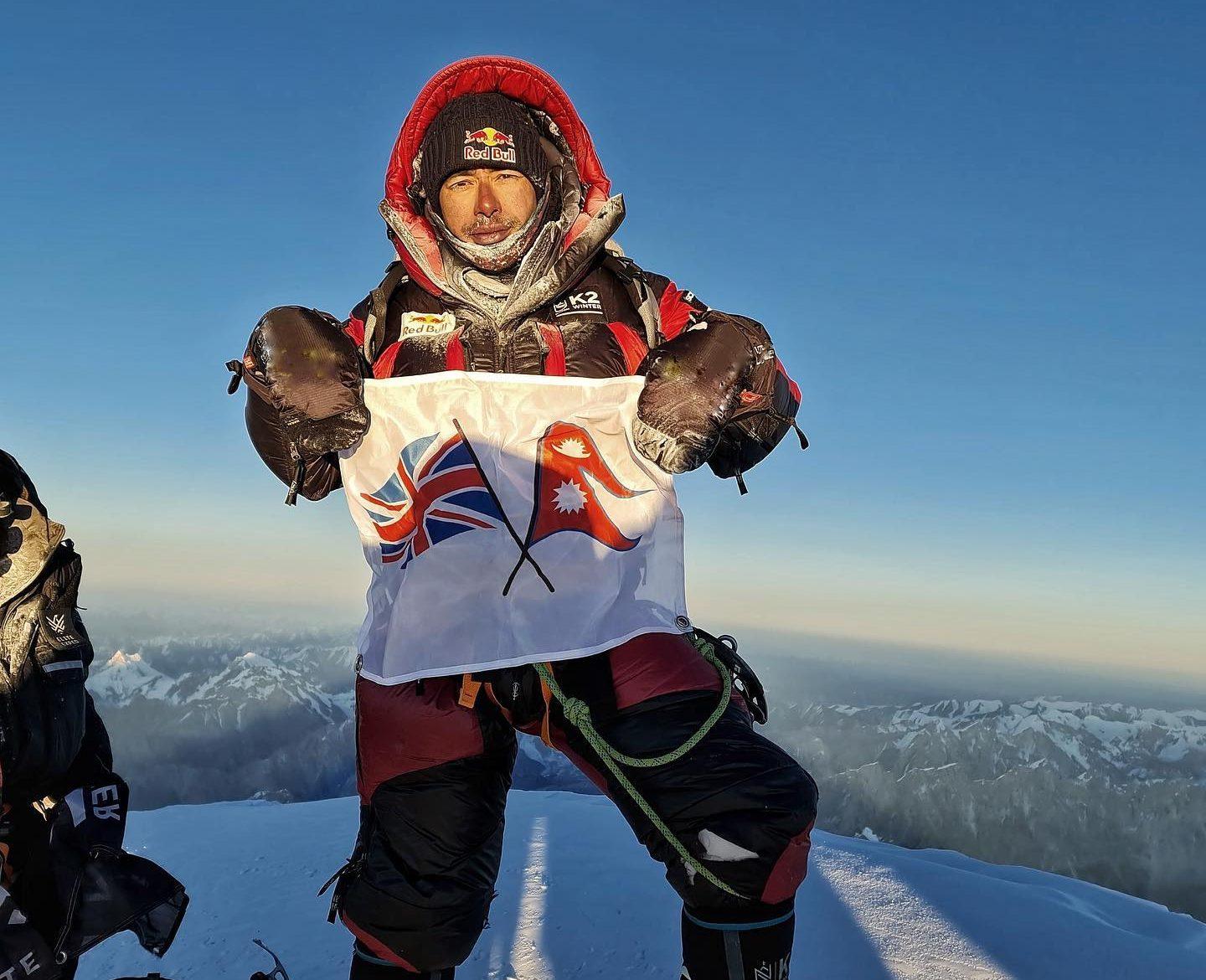
The first successful winter ascent of K2 on 16 January 2021 by an all-Nepali team.
(Image credit: Nirmal Purja / Wikimedia Commons)
On 16 January 2021, an all-Nepali team achieved the first-ever winter ascent of K2, ascending via the Abruzzi Spur under extreme conditions. The climbers reached the summit together, without bottled oxygen, setting a historic milestone in mountaineering.
However, earlier in the same winter season, tragedy struck during a separate summit attempt.
Fatalities (Winter 2021 Attempt)
⚠️ These deaths occurred before the successful winter summit.
- Ali Sadpara
- Nationality: Pakistani
- Role: High-altitude climber
- Date of death: February 2021
- Location: Near the Bottleneck
- Cause: Exposure during descent
- John Snorri Sigurjónsson
- Nationality: Icelandic
- Role: Climber
- Date of death: February 2021
- Location: Upper mountain
- Cause: Exposure
- Juan Pablo Mohr
- Nationality: Chilean
- Role: Climber
- Date of death: February 2021
- Location: Upper mountain
- Cause: Exposure
- Fatalities in 2021: 3
2022: Reduced Activity and No Recorded Deaths
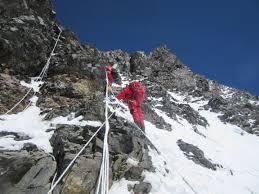
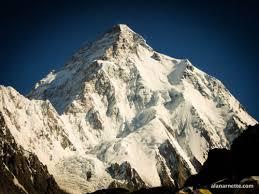
Following the winter breakthrough, the 2022 season saw moderate climbing activity. Several expeditions abandoned summit attempts due to weather instability and route conditions.
- Fatalities: None recorded
- Sources: Himalayan Database; Alpine Journal
2023: Commercial Pressure and a High-Profile Death
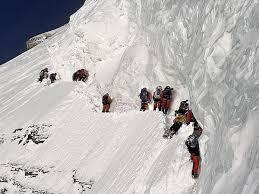
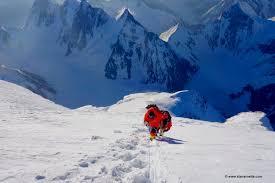
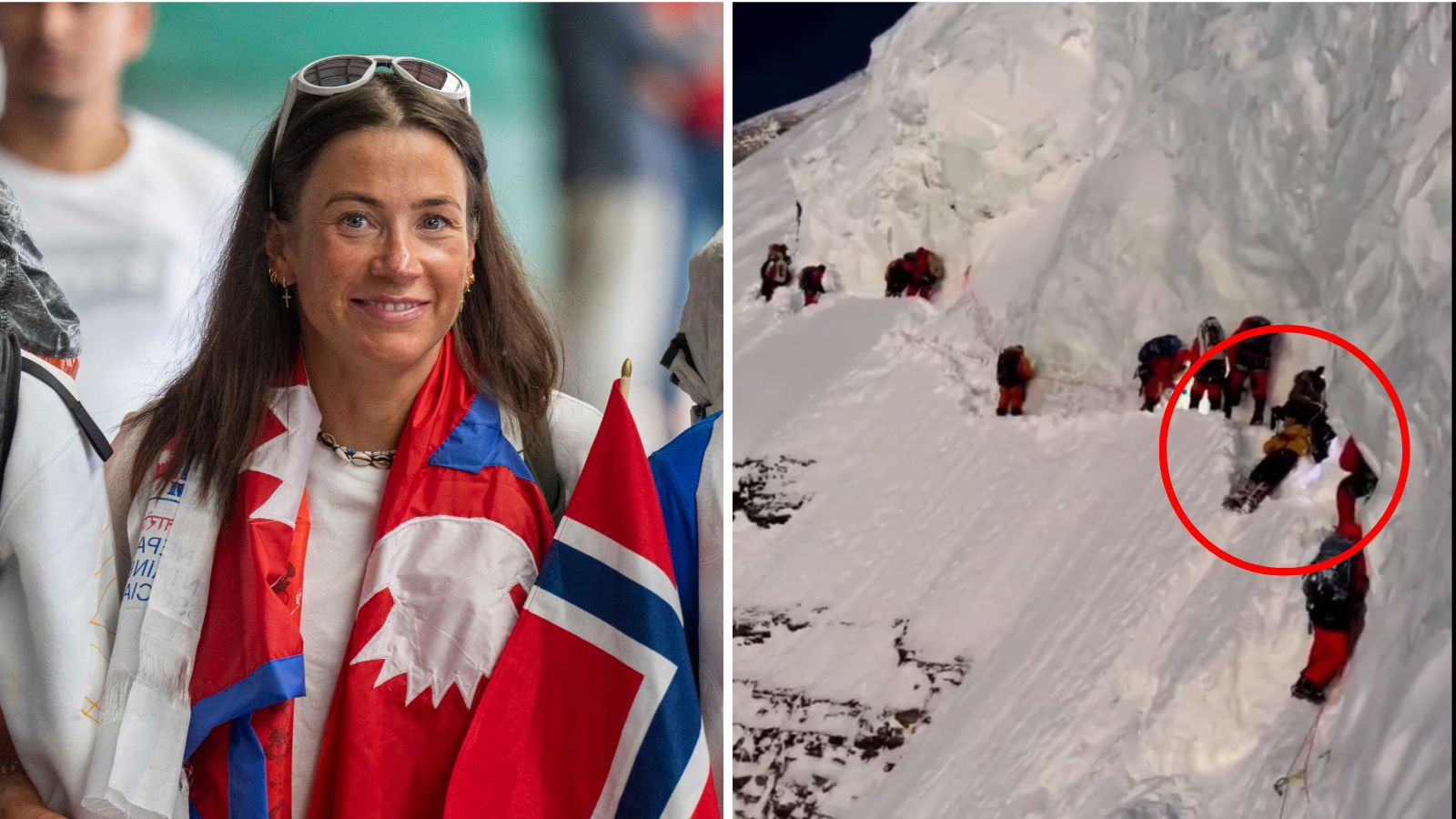
K2 during the 2023 season, when crowding and commercial logistics again raised safety concerns.
(Image credit: Alamy)
In 2023, K2 experienced increased commercial traffic, particularly among guided expeditions. Although weather conditions were generally favorable, congestion returned to the upper mountain.
Fatality
- Muhammad Hassan
- Nationality: Pakistani
- Role: High-altitude porter
- Date of death: July 2023
- Location: Near the Bottleneck
- Cause: Fall during descent
This incident reignited debate about:
- Treatment of high-altitude workers
- Decision-making during crowded descents
- Ethical responsibility during summit pushes
- Fatalities in 2023: 1
2024: No Recorded Deaths
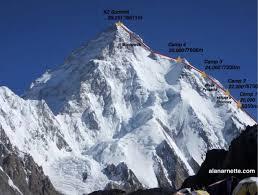
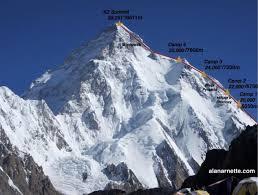

The 2024 season saw several successful summits with no confirmed fatalities. Expedition reports noted improved coordination but continued crowding at key bottlenecks.
- Fatalities: None recorded
- Sources: Himalayan Database; Alpine Journal
2025: Status at Time of Writing
As of early 2025, no new fatalities have been formally recorded on K2. Expedition permits continue to be issued, and both summer and winter attempts remain ongoing.
⚠️ Fatality records for 2025 remain provisional and subject to update as Himalayan Database verification continues.
Fatality Summary (2021–2025)
| Year | Deaths | Names |
|---|---|---|
| 2021 | 3 | Ali Sadpara; John Snorri Sigurjónsson; Juan Pablo Mohr |
| 2022 | 0 | None |
| 2023 | 1 | Muhammad Hassan |
| 2024 | 0 | None |
| 2025* | 0 | None (provisional) |
| Total | 4 | All listed above |
Cumulative Fatality Count (1902–2025)
| Period | Deaths |
|---|---|
| 1902–1938 | 0 |
| 1939 | 3 |
| 1955–1977 | 8 |
| 1978–1985 | 7 |
| 1986 | 13 |
| 1987–2007 | 11 |
| 2008 | 11 |
| 2009–2020 | 3 |
| 2021–2025 | 4 |
| Total (to 2025) | 60 |
Primary Sources
Himalayan Database (Elizabeth Hawley Archive); American Alpine Journal; Alpine Journal; National Geographic; expedition debriefs; national alpine club records.

![K2 Base Camp Trek: Ultimate Guide k2 Trek 2026 [UPDATED]](https://karakoramdiaries.com/storage/ultimate-guide-to-k2-base-camp-trek-full-document-150x150.png)