Top Places to Visit in Germany - The Complete Country Guide
Germany is located in central Europe and shares borders with nine countries. It offers a combination of historic cities, river landscapes, mountain regions, industrial centers, and smaller medieval towns. Travel across the country is efficient due to a strong rail network and well-developed infrastructure.
Germany is best understood by region. The east reflects twentieth century political history. The south is influenced by Alpine geography and Bavarian traditions. The west follows major rivers such as the Rhine. The north faces the North Sea and Baltic Sea and has a maritime character.
We begin with Berlin and eastern Germany.
Table of contents [Show]
I. Berlin and Eastern Germany
Berlin
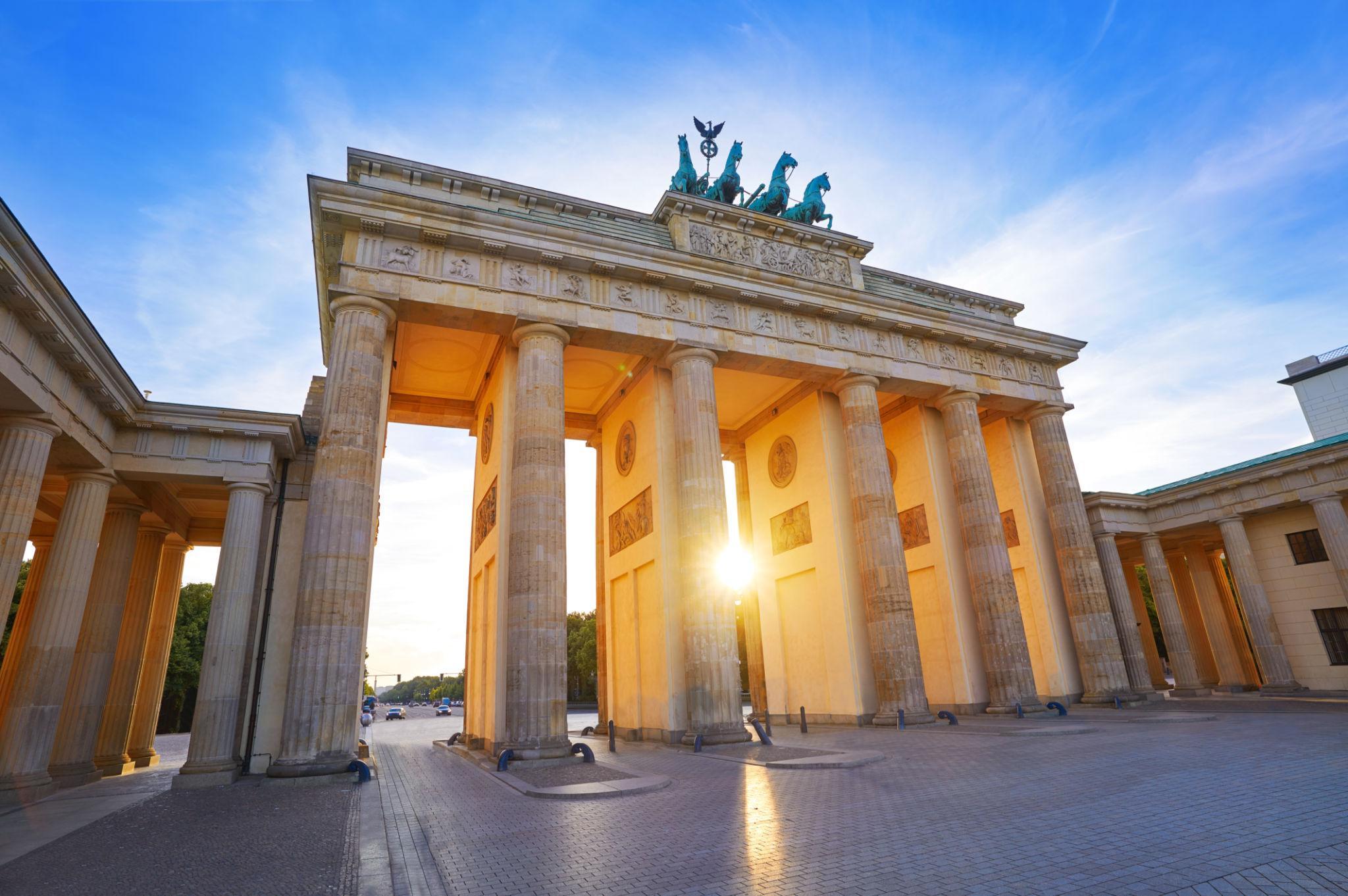
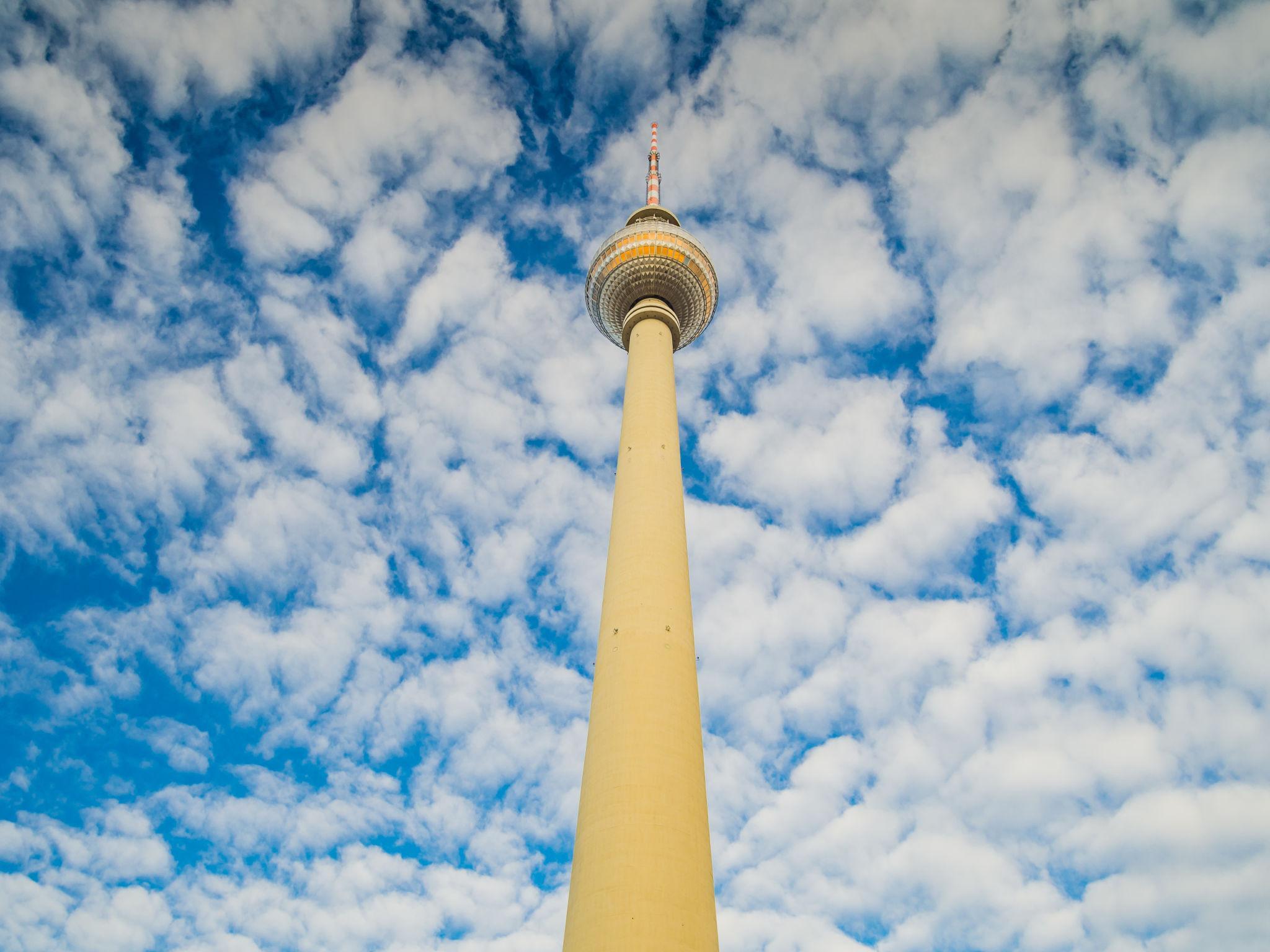
Brandenburg Gate and Berlin skyline
Berlin is the capital of Germany and the country’s political center. It is also one of the most historically important cities in Europe. The city was heavily shaped by the Second World War and later divided during the Cold War. Remnants of these periods are still visible.
The most recognized landmark is the Brandenburg Gate, located near the former border between East and West Berlin. Nearby stands the Reichstag Building, which houses the German parliament. Visitors can access its glass dome for views across the city.
The remains of the Berlin Wall can still be seen at several sites, including the East Side Gallery. Museum Island contains five major museums and is listed as a UNESCO World Heritage Site.
Berlin is spread out and organized into distinct neighborhoods. Mitte contains many historic landmarks. Kreuzberg and Friedrichshain are known for contemporary culture and nightlife. Charlottenburg includes more classical architecture.
Berlin requires at least three days to explore its major sites and understand its historical context.
Best time to visit is May through September when outdoor areas and parks are active.
Dresden
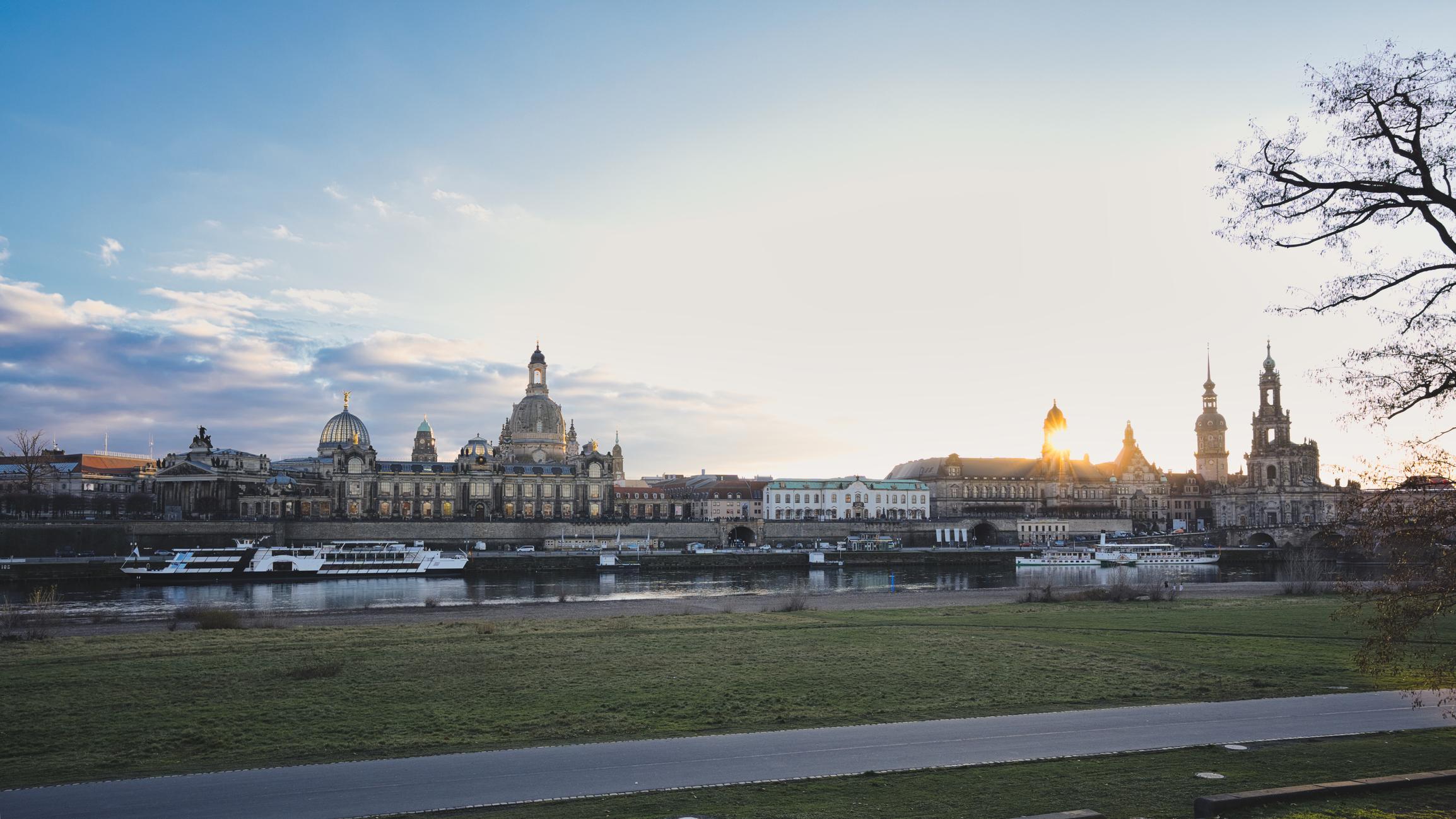
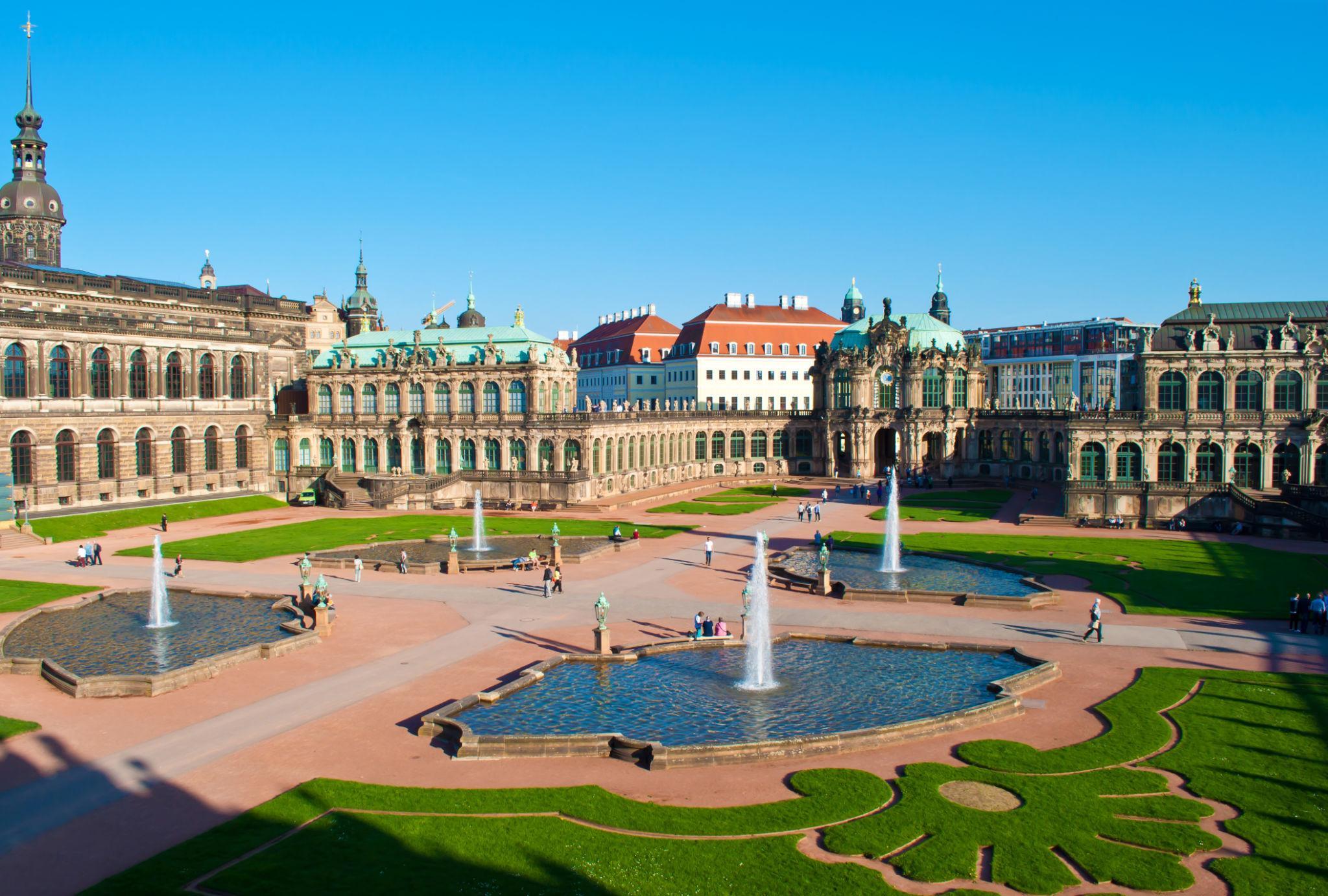
Frauenkirche and Zwinger Palace in Dresden
Dresden is located in the state of Saxony along the Elbe River. The city is known for its baroque architecture and art collections. It was heavily bombed in 1945 and later rebuilt.
The Frauenkirche church was reconstructed after German reunification and now stands as a symbol of restoration. The Zwinger Palace contains museums and formal courtyards. The Semper Opera House is another important building in the city center.
Dresden is smaller and quieter than Berlin. It is often combined with nearby Saxon Switzerland National Park.
Leipzig
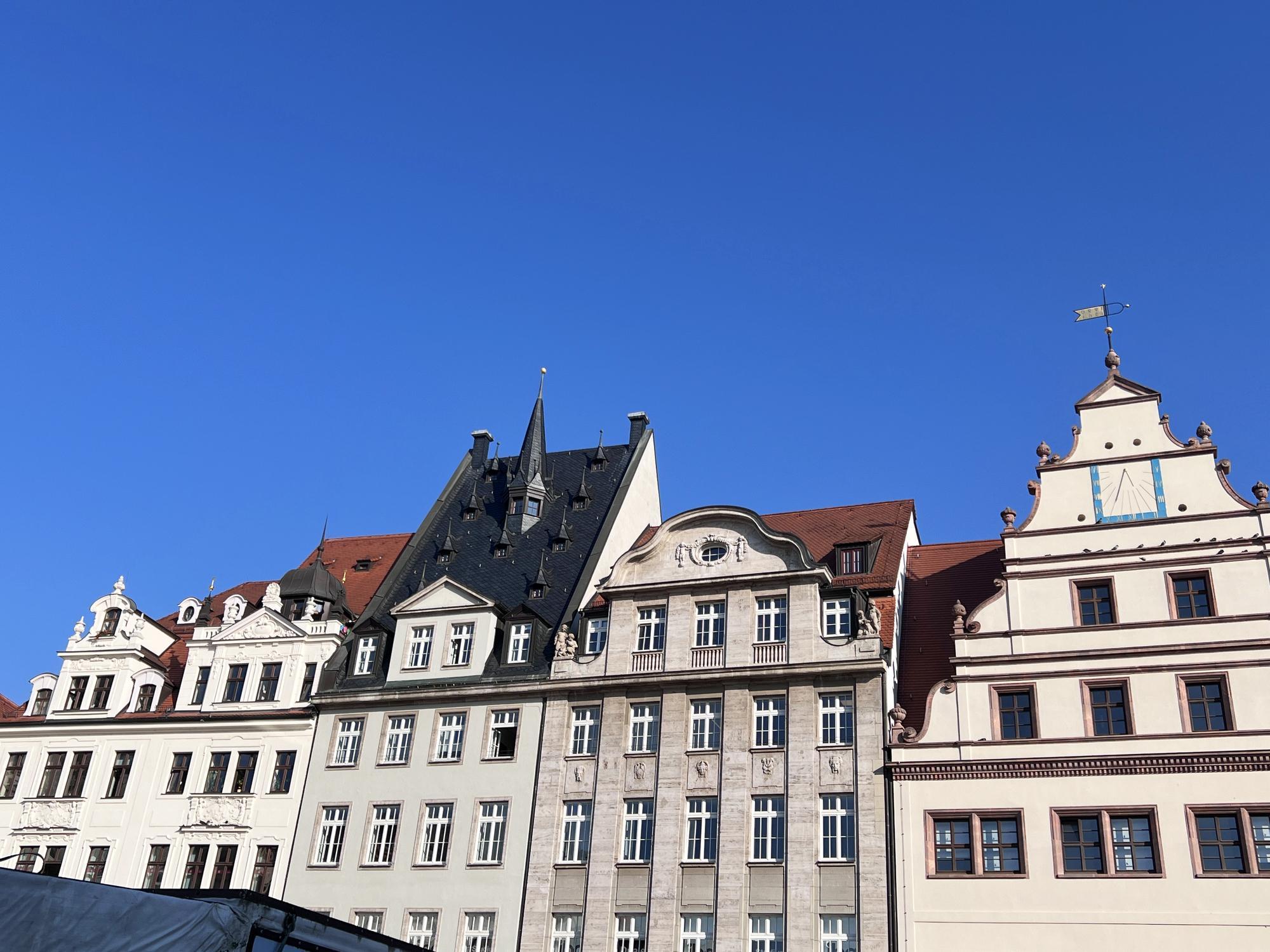
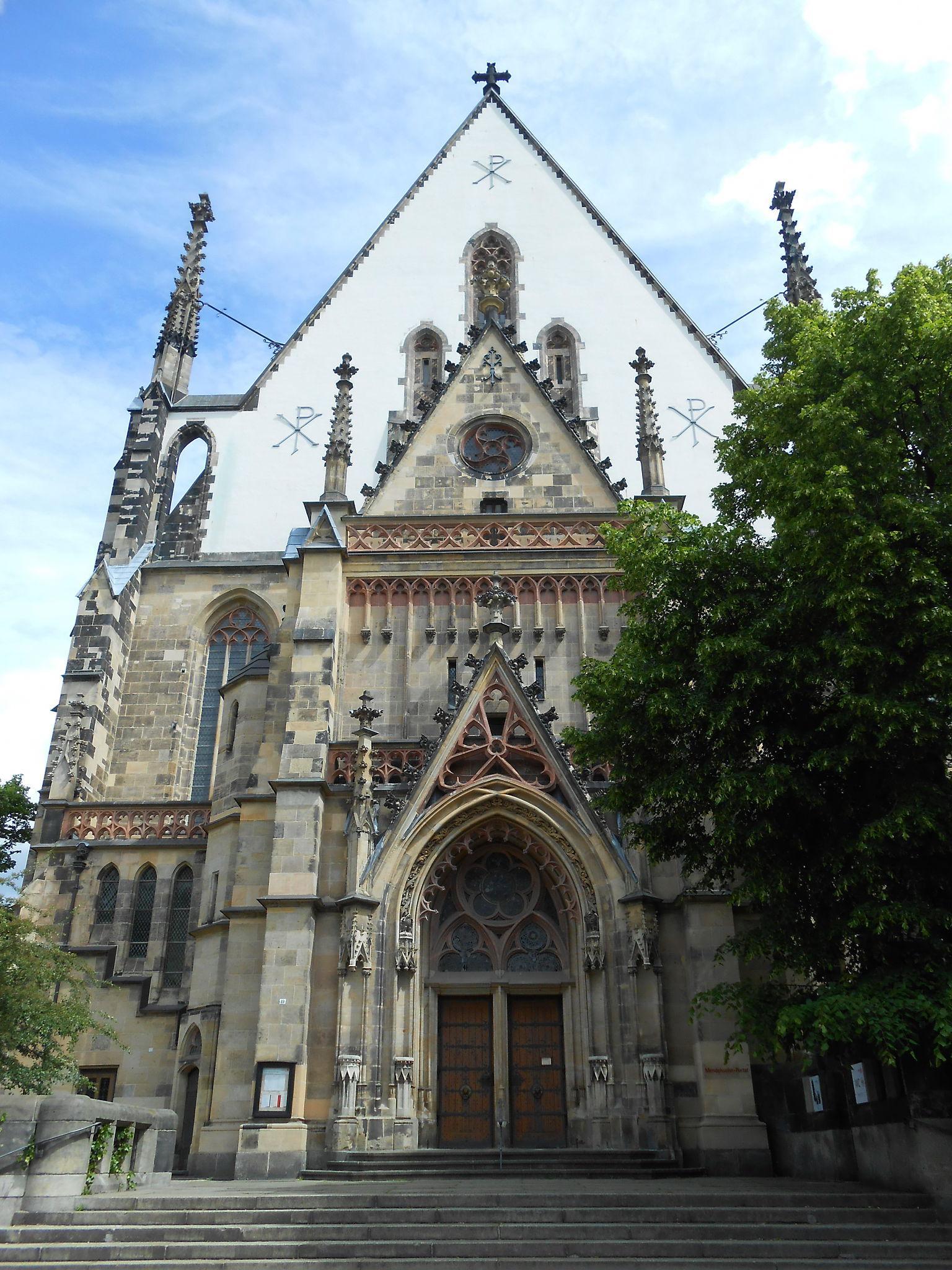
Leipzig market square and St Thomas Church
Leipzig has a long history in music and publishing. St Thomas Church is associated with Johann Sebastian Bach.
II. Bavaria and Southern Germany
Munich
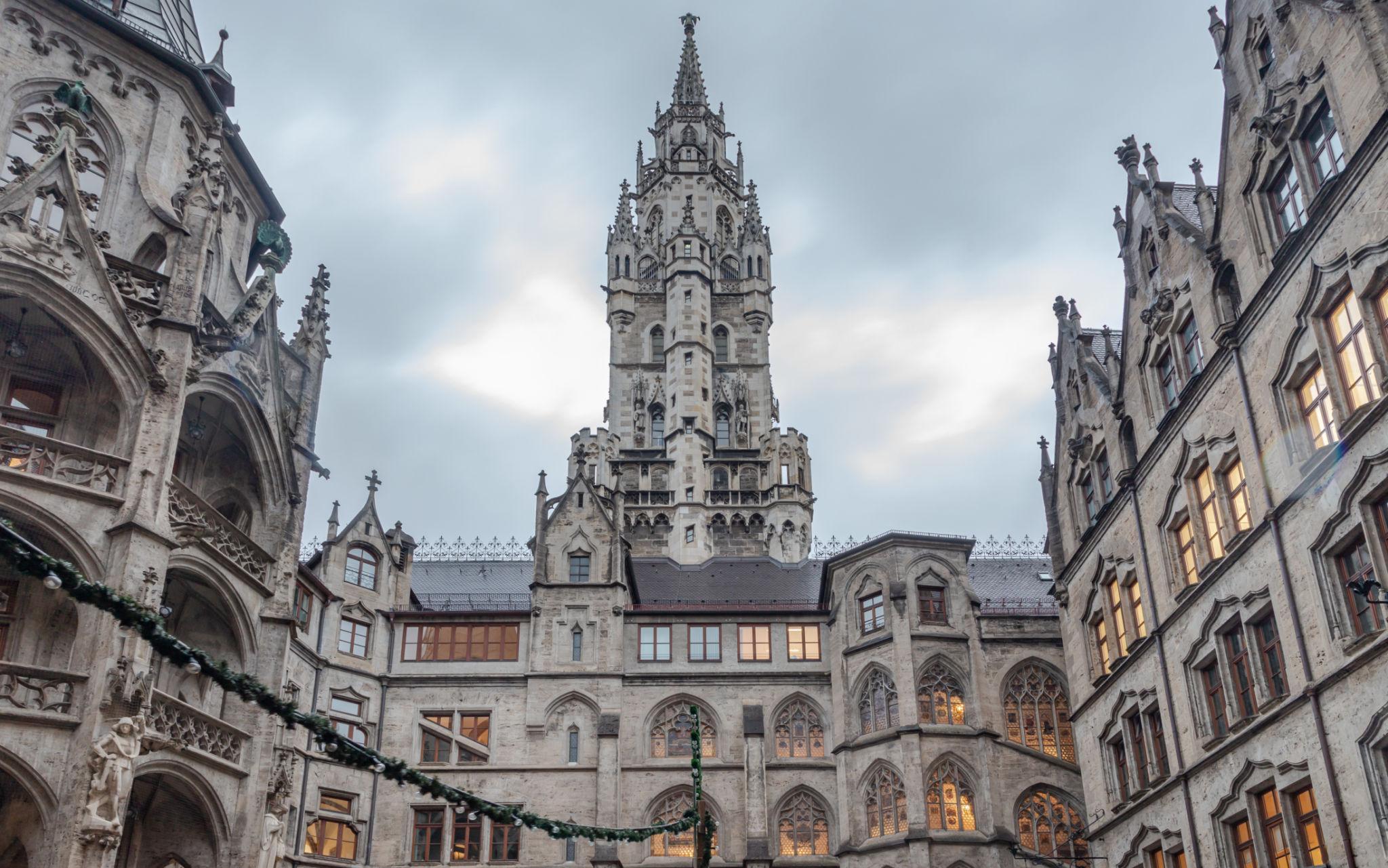
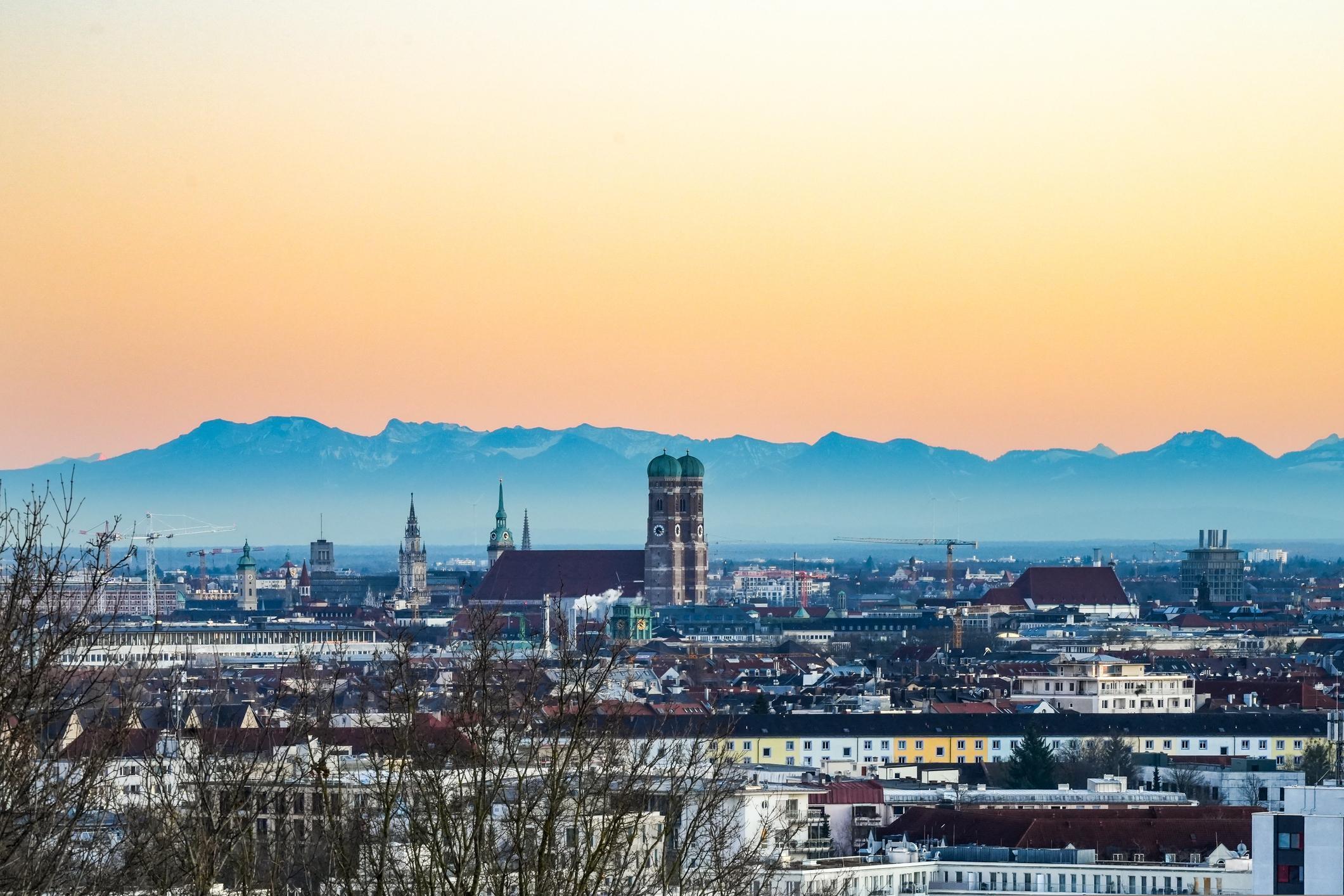
Marienplatz and Munich skyline
Munich is the capital of Bavaria. The center is Marienplatz. The English Garden is one of Europe’s largest urban parks.
Neuschwanstein Castle
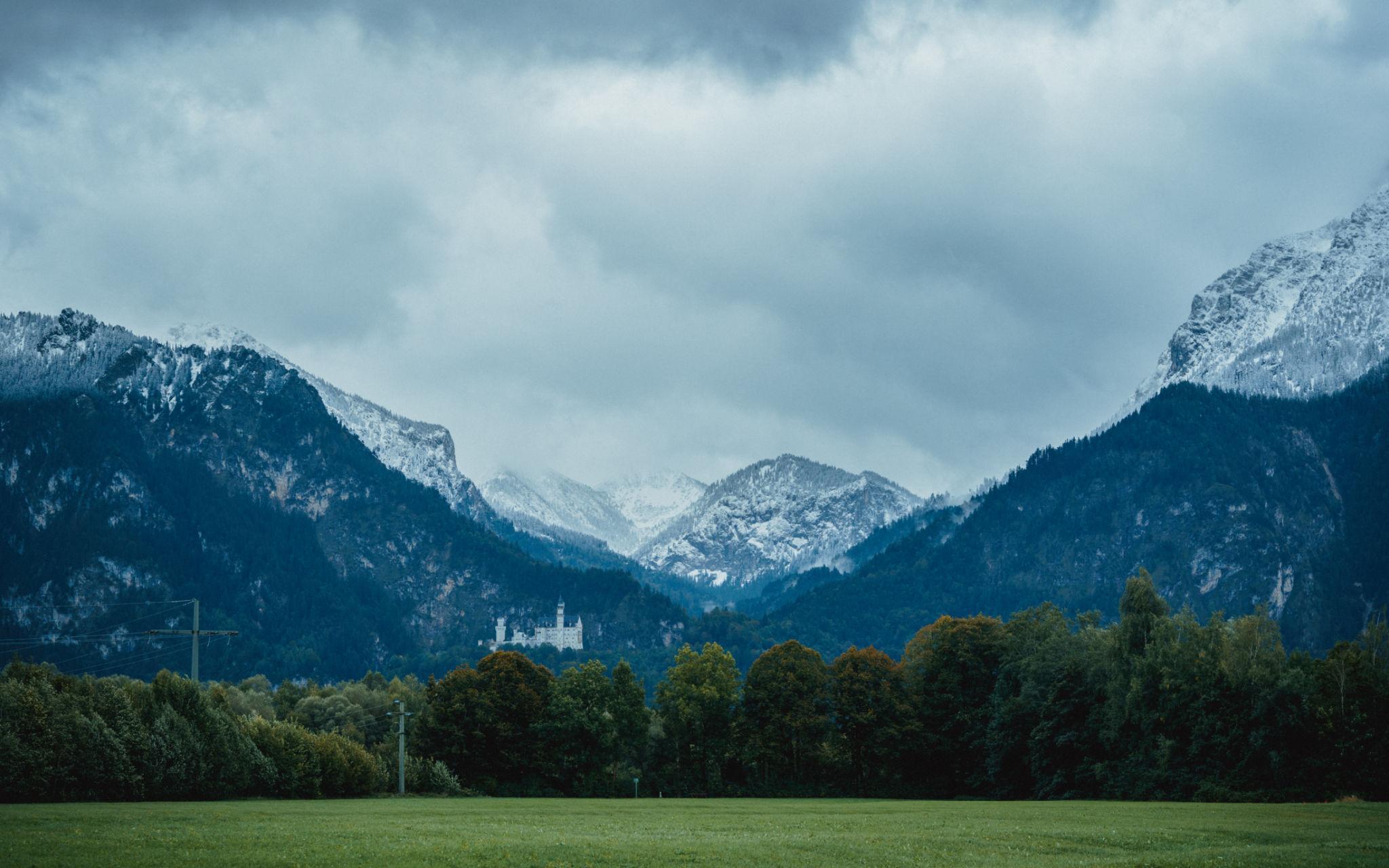
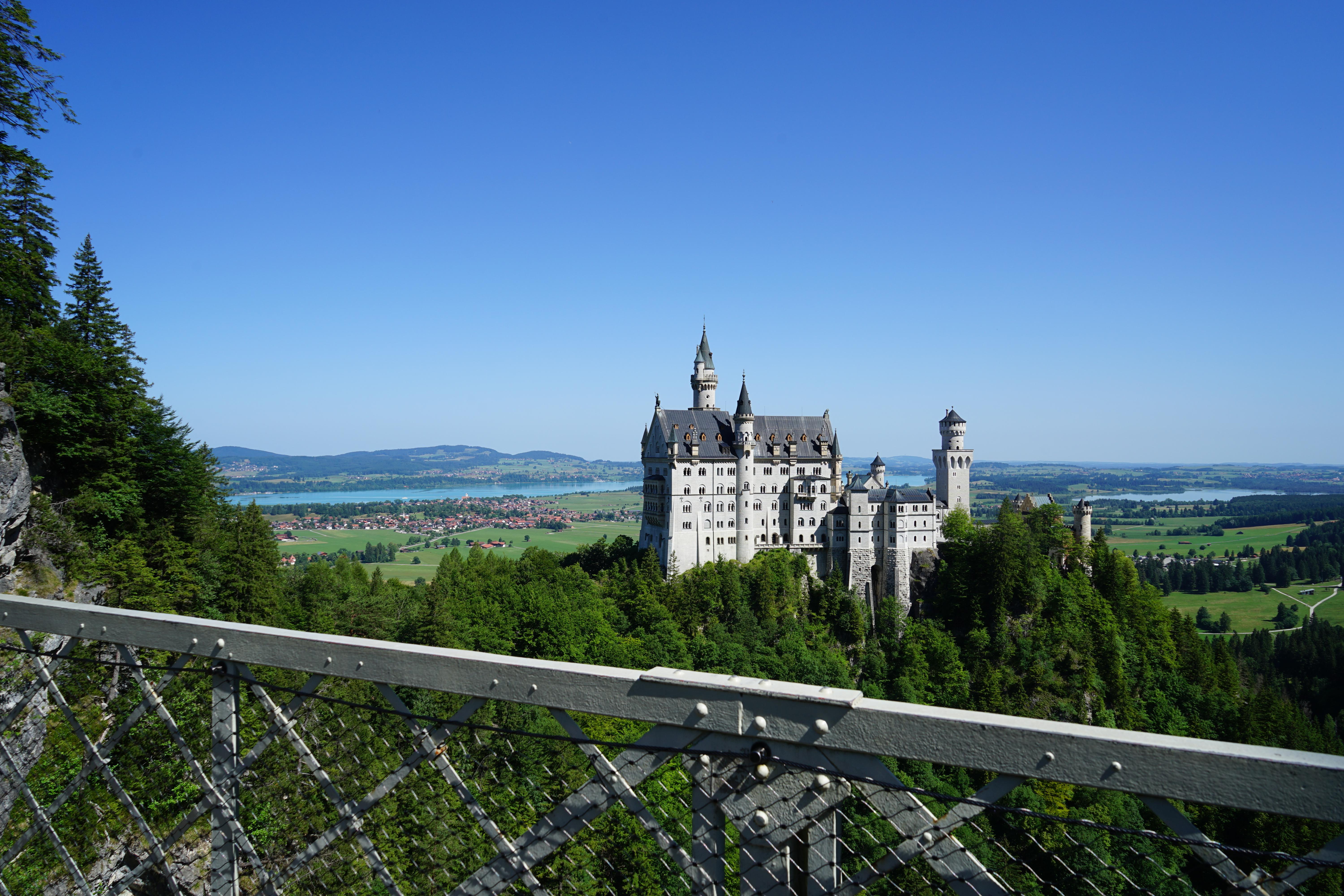
Neuschwanstein Castle and surrounding landscape
Bavarian Alps
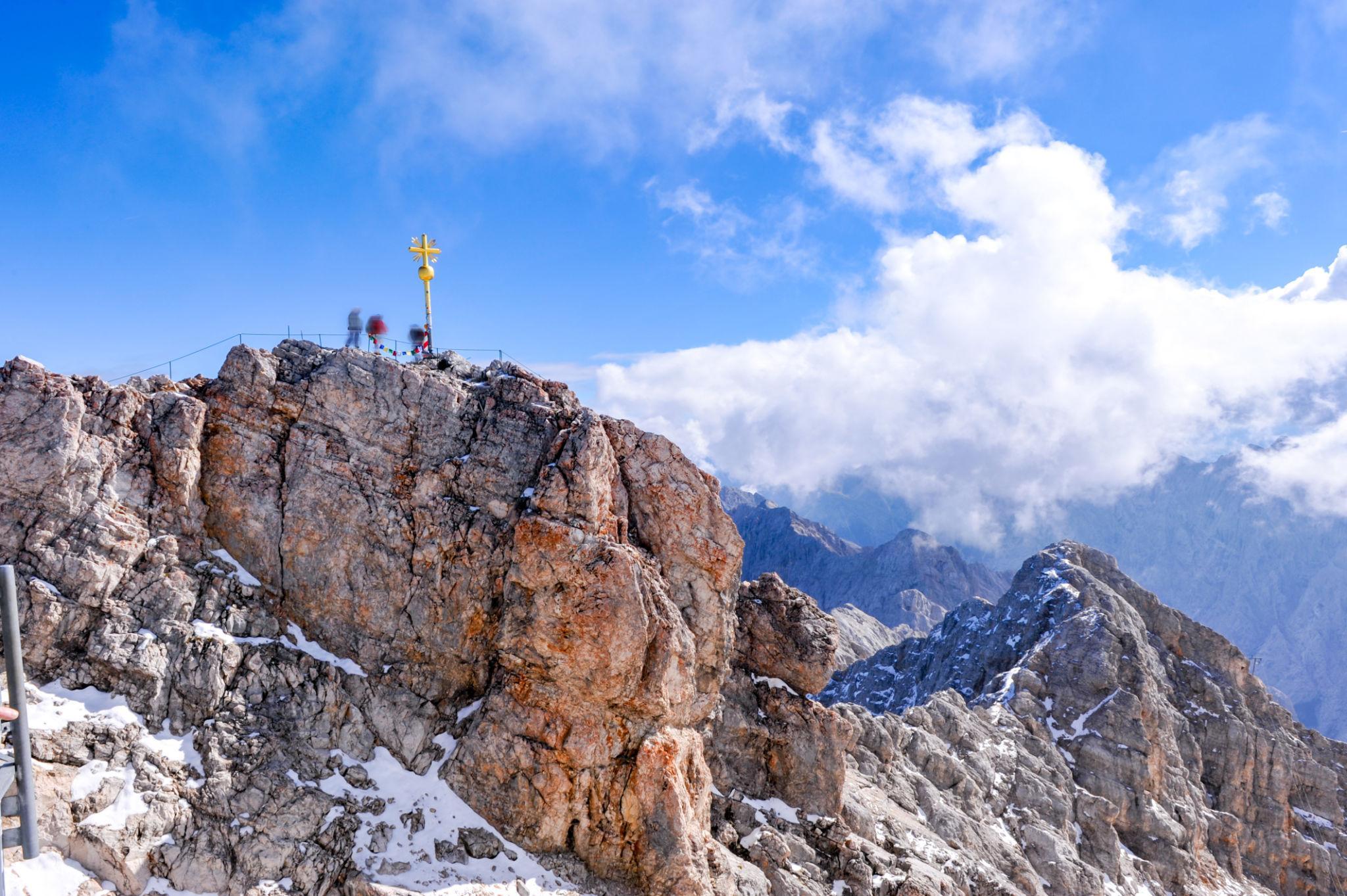
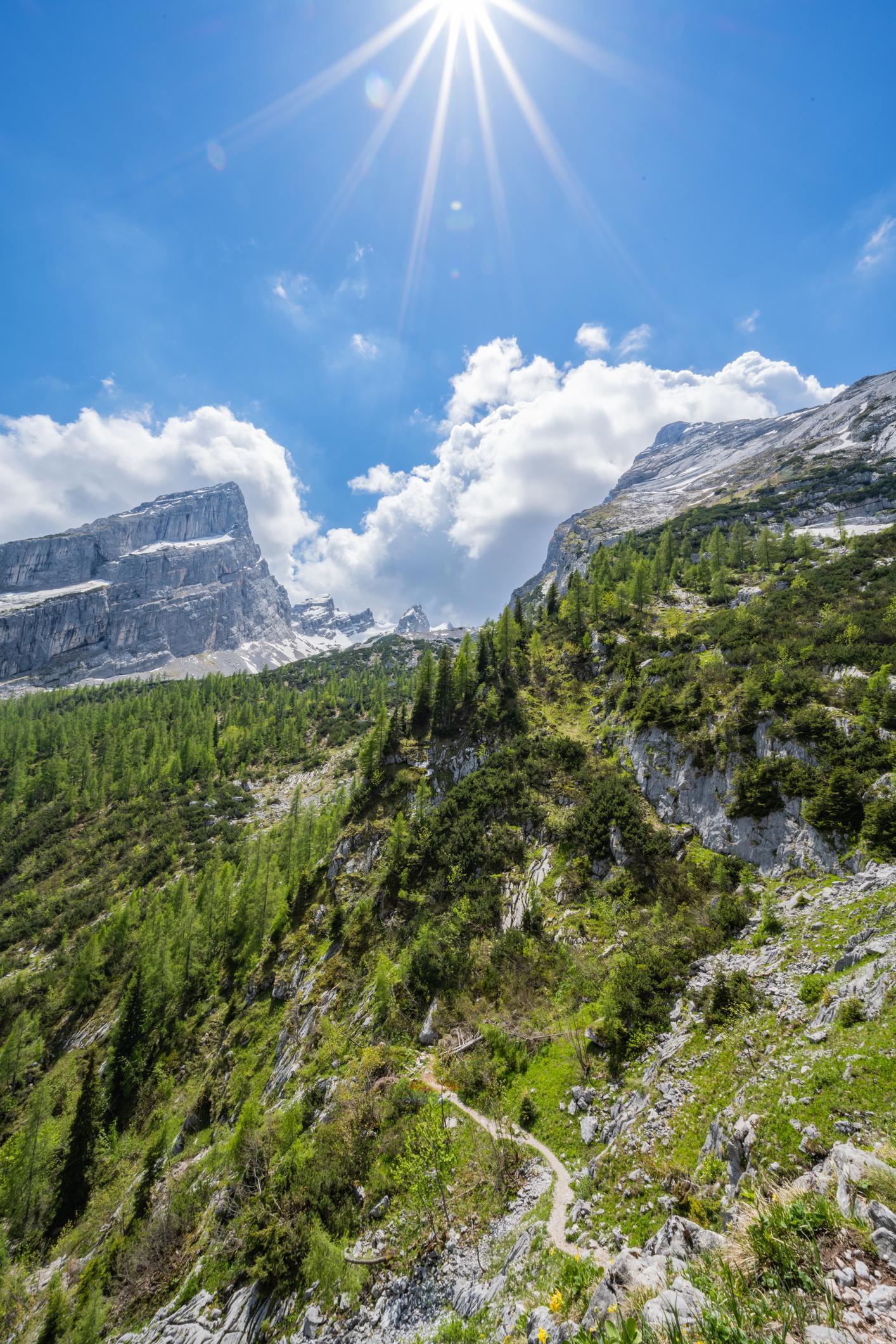
Zugspitze summit and alpine hiking trails
Nuremberg
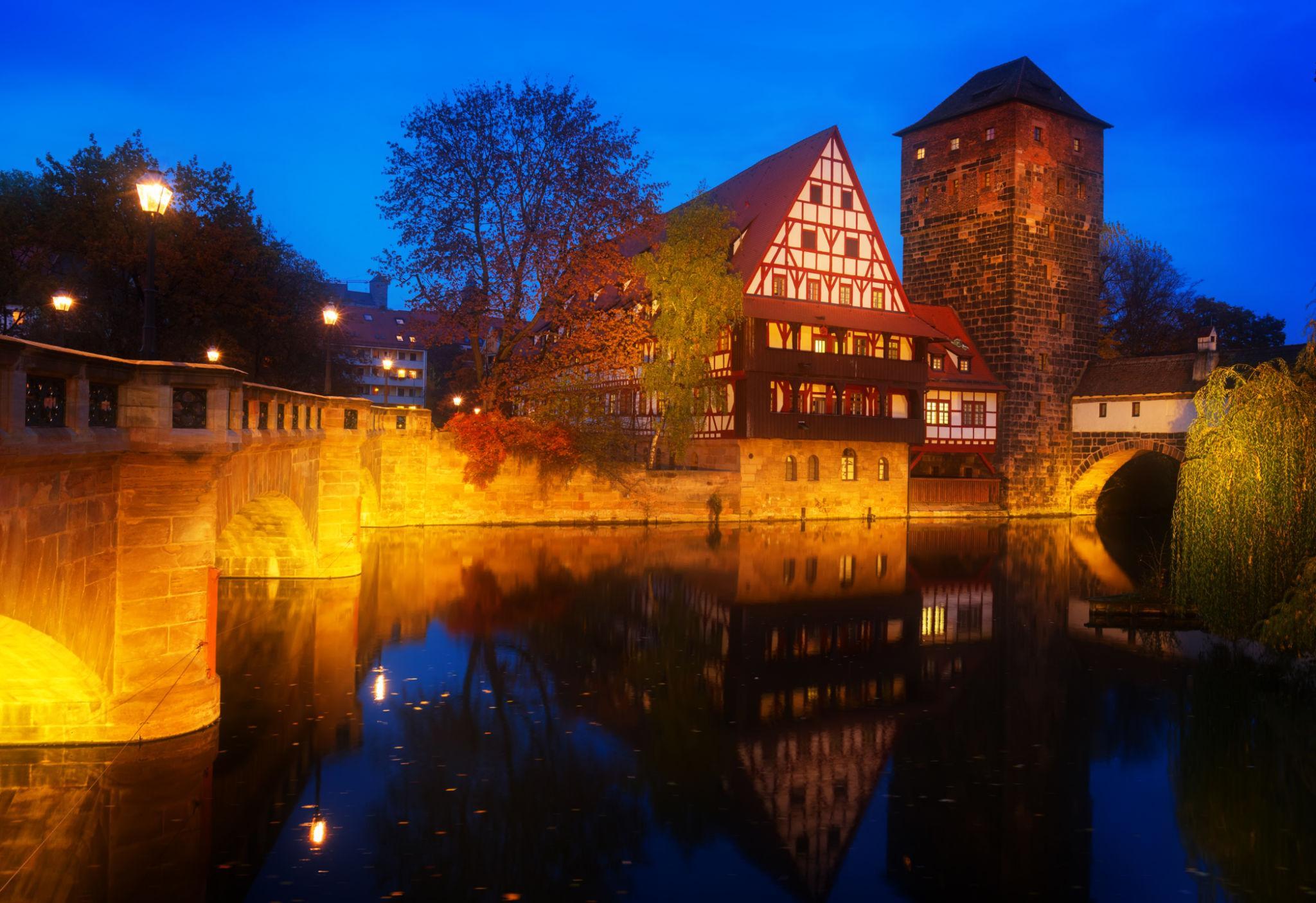
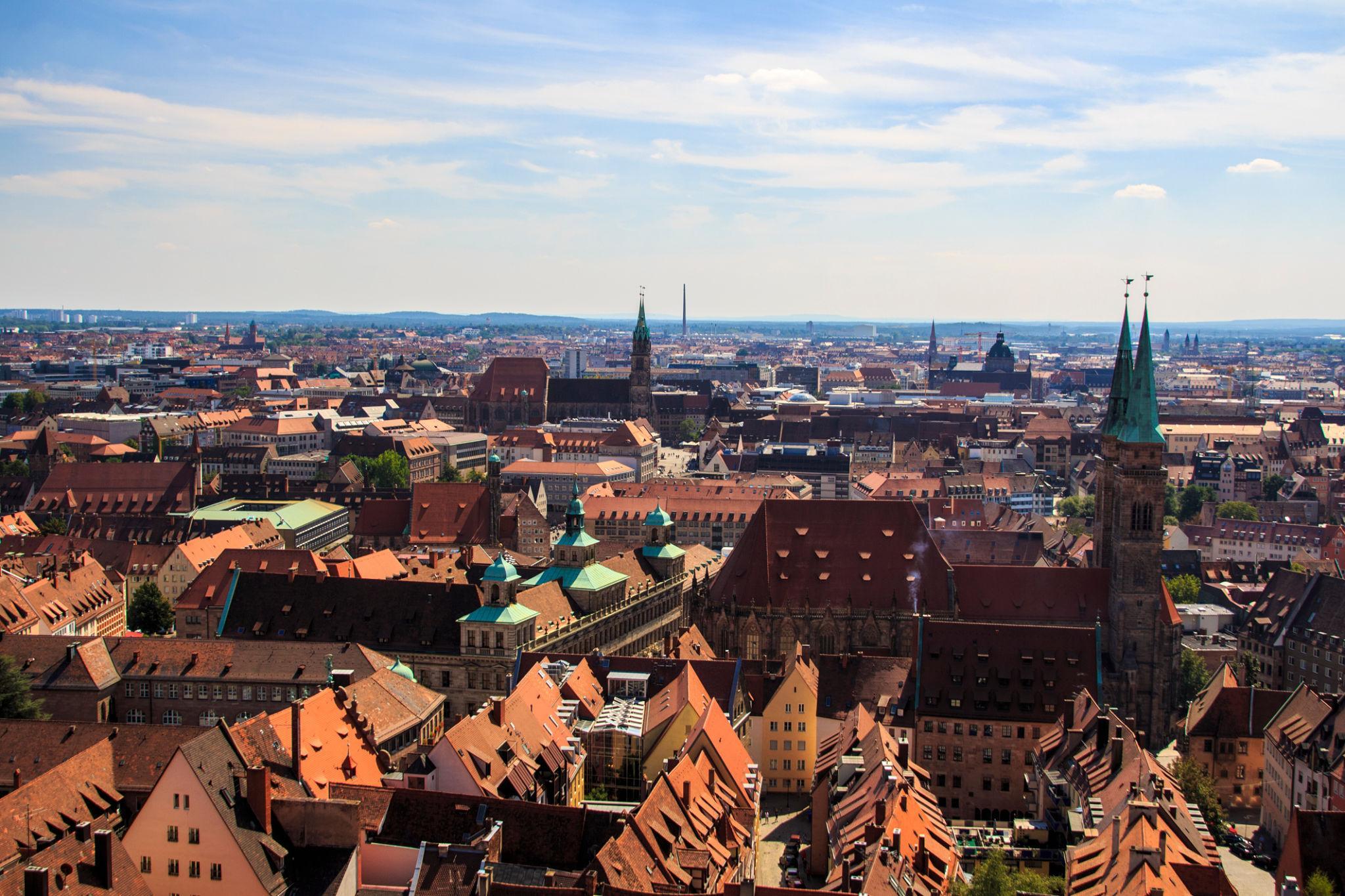
Nuremberg old town and castle
III. Western Germany and the Rhine Region
Cologne
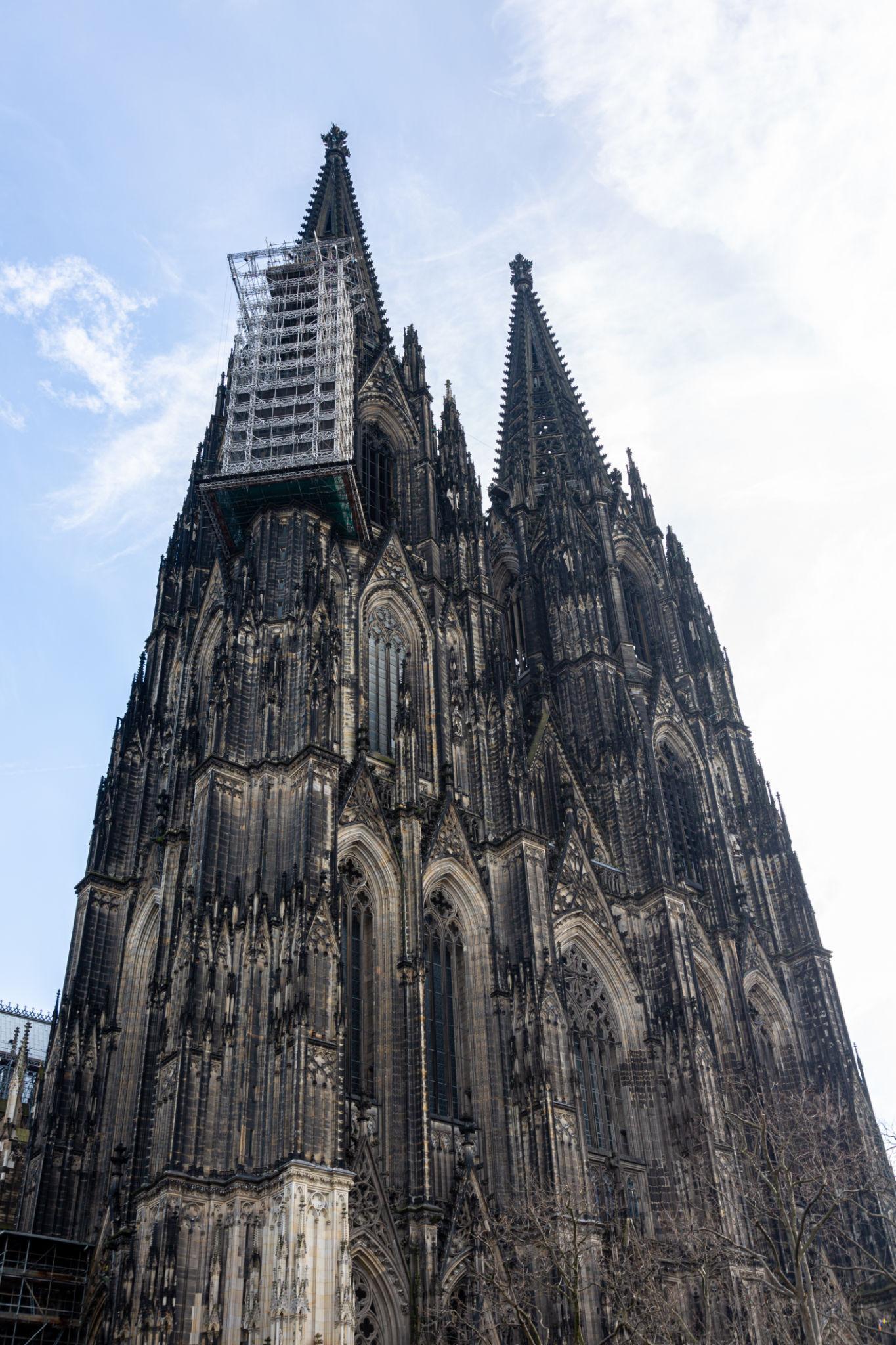
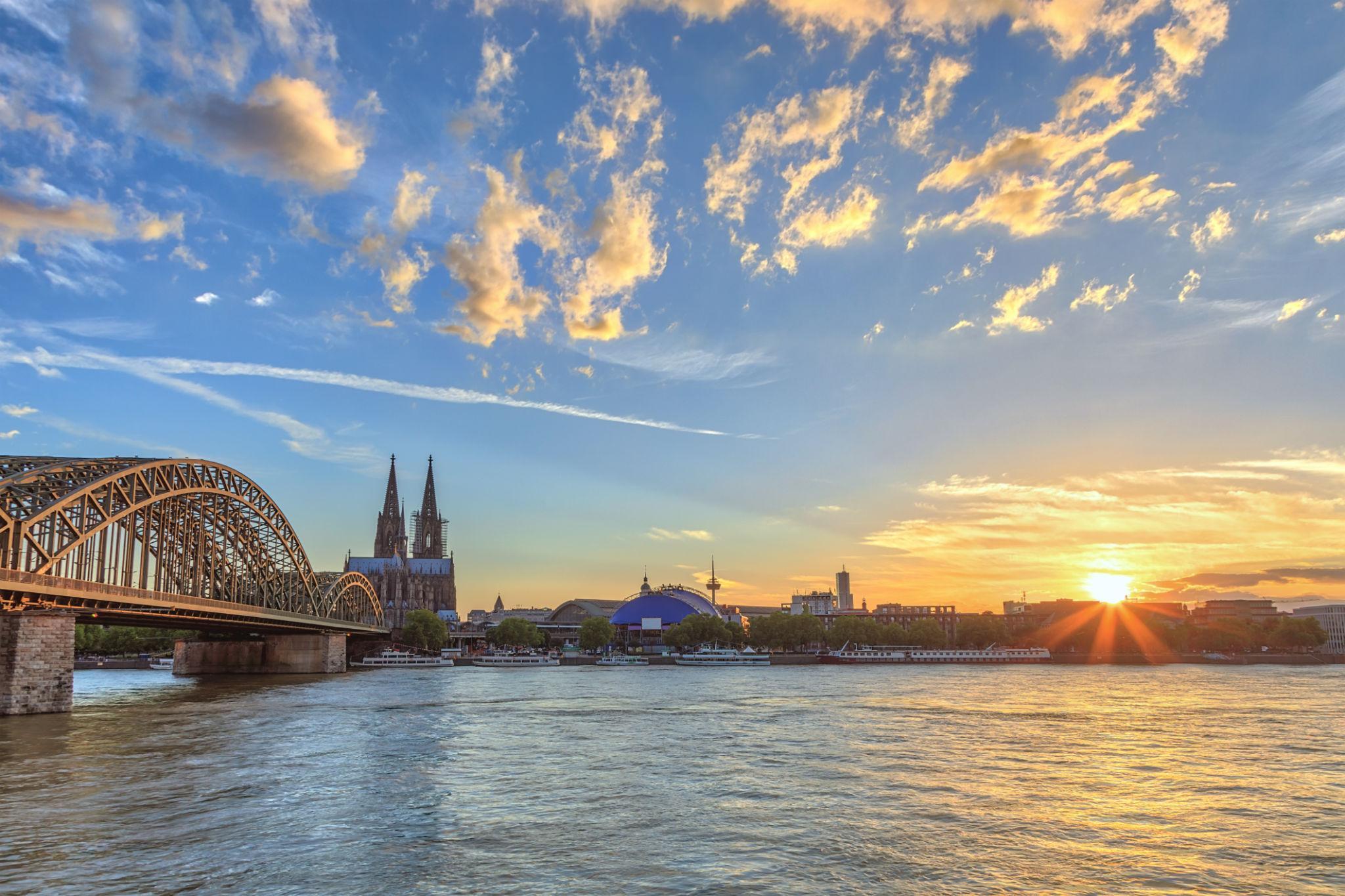
Cologne Cathedral and the Rhine River
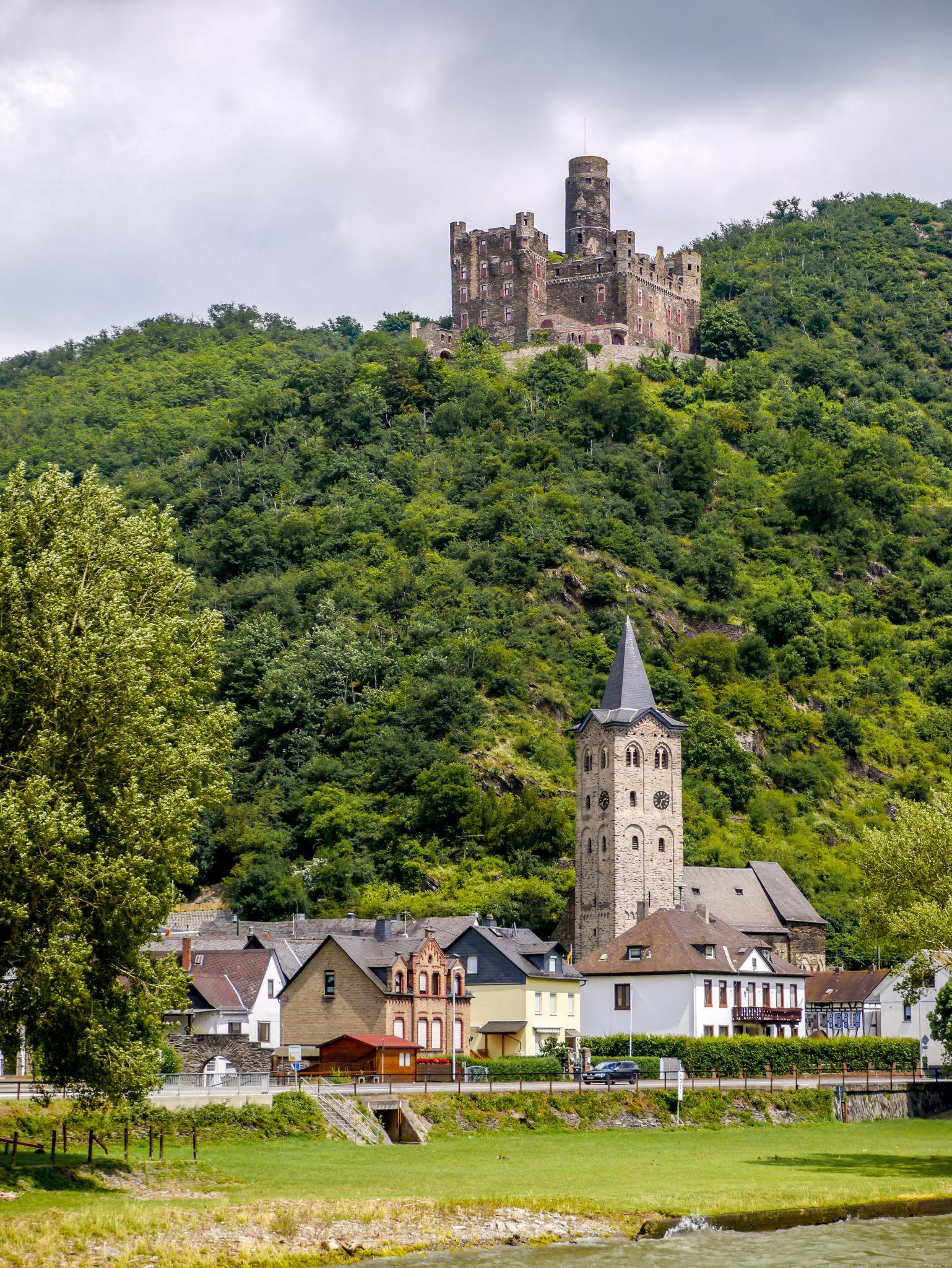
Middle Rhine Valley

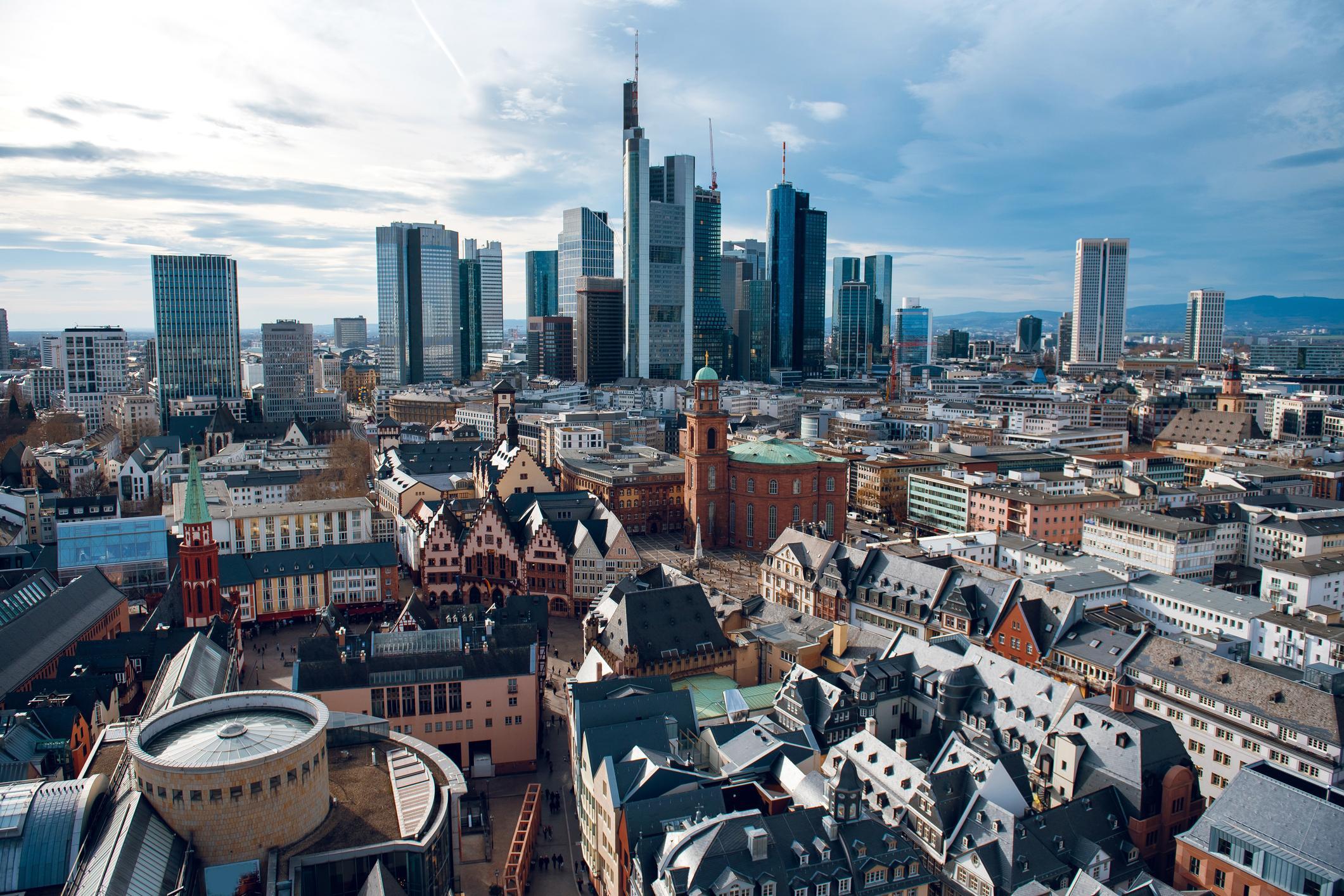
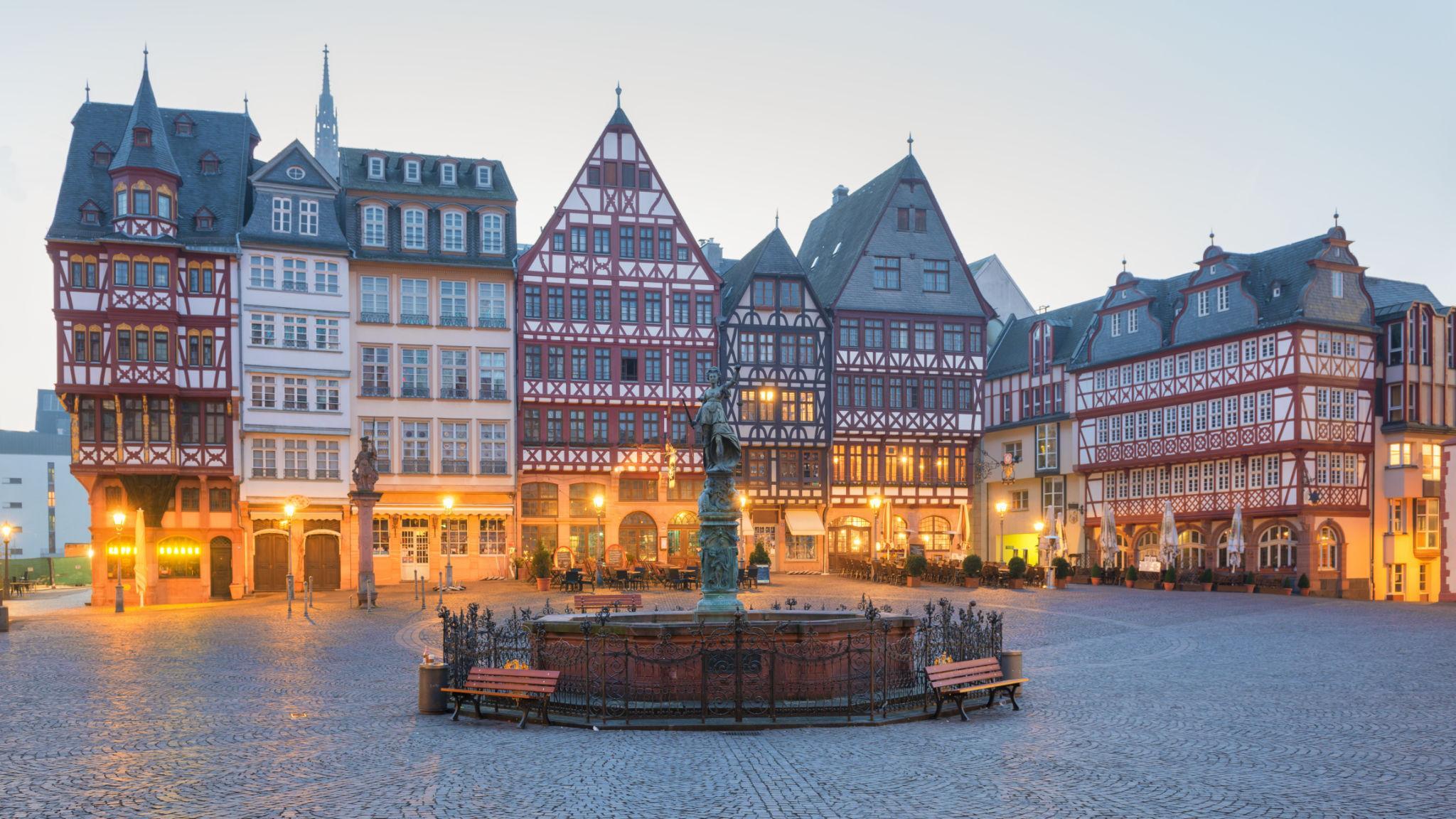
Frankfurt
IV. Southwestern Germany
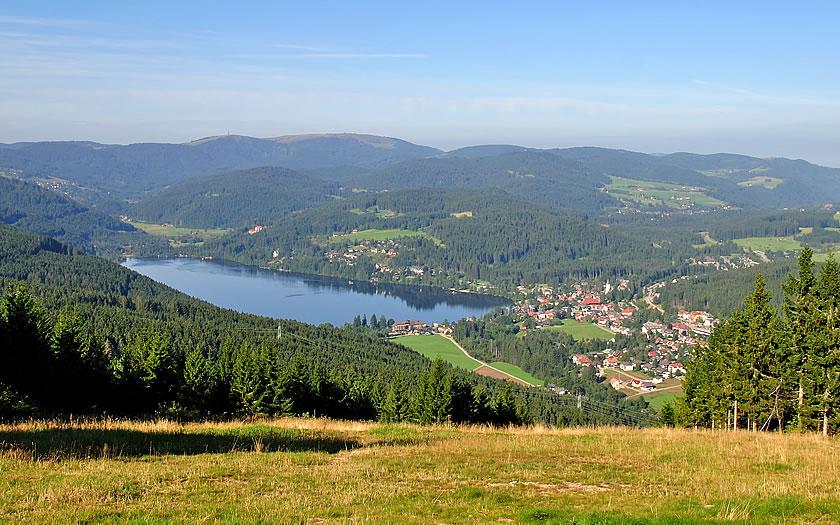
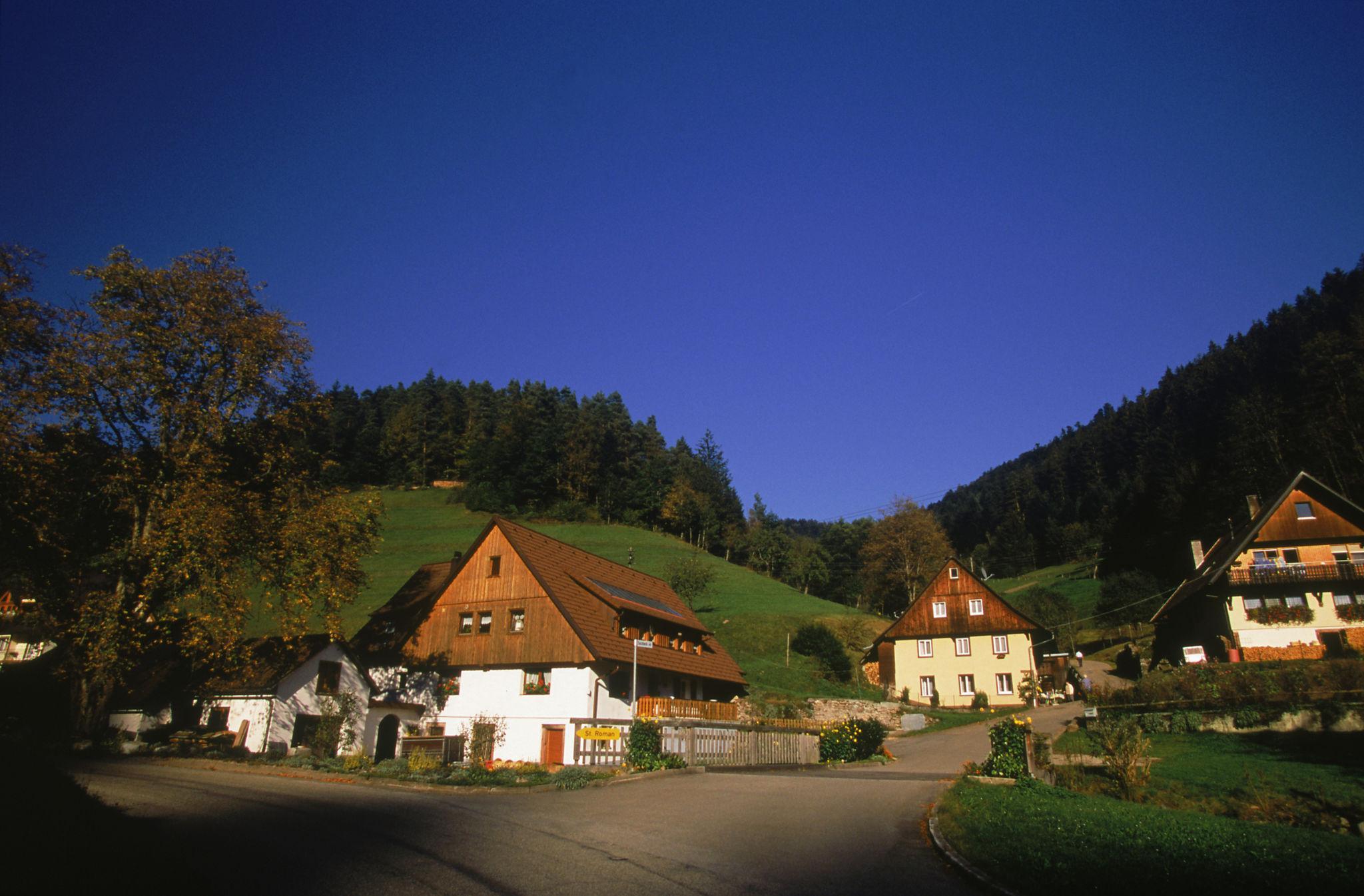
Black Forest
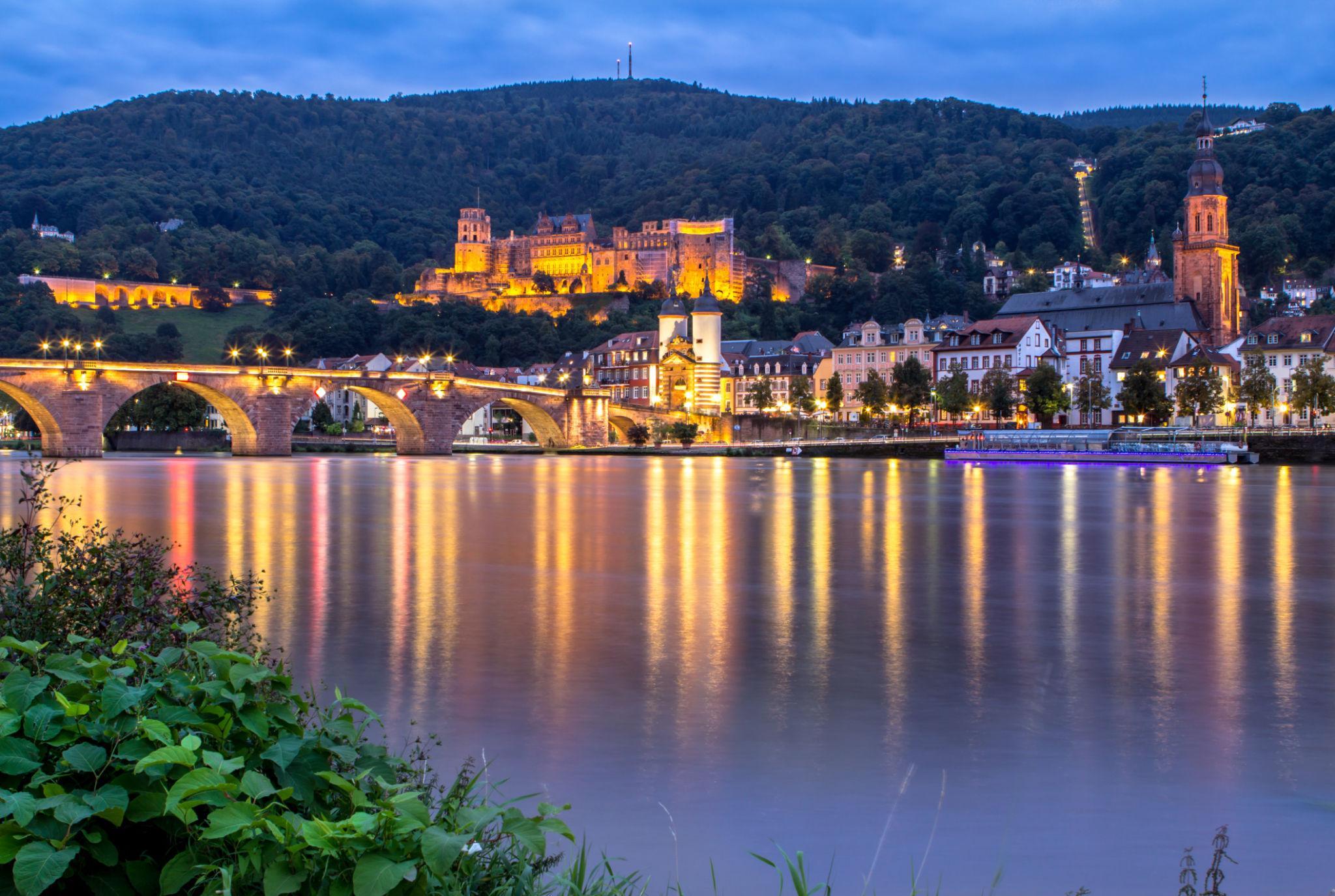
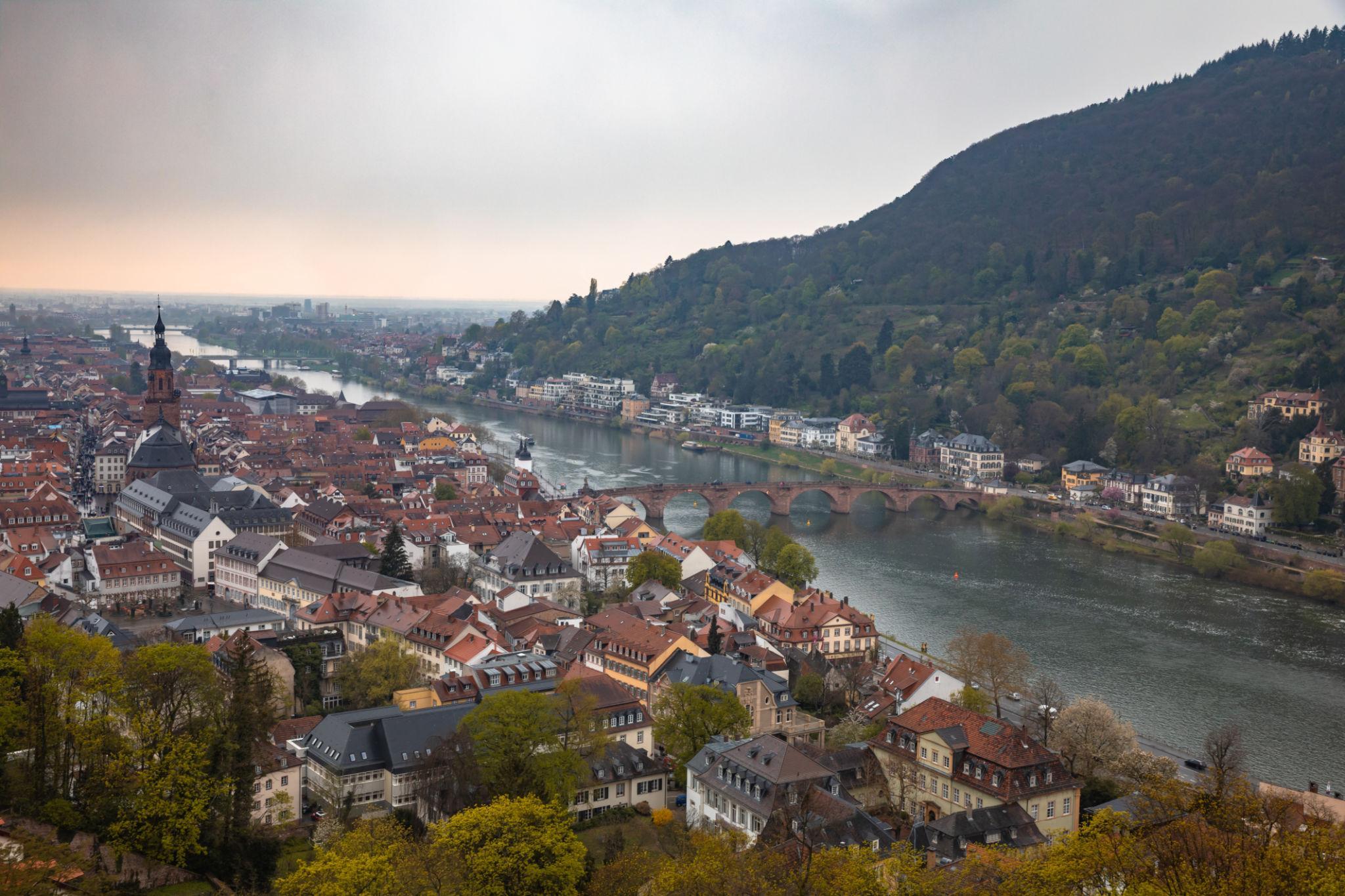
Heidelberg
V. Northern Germany
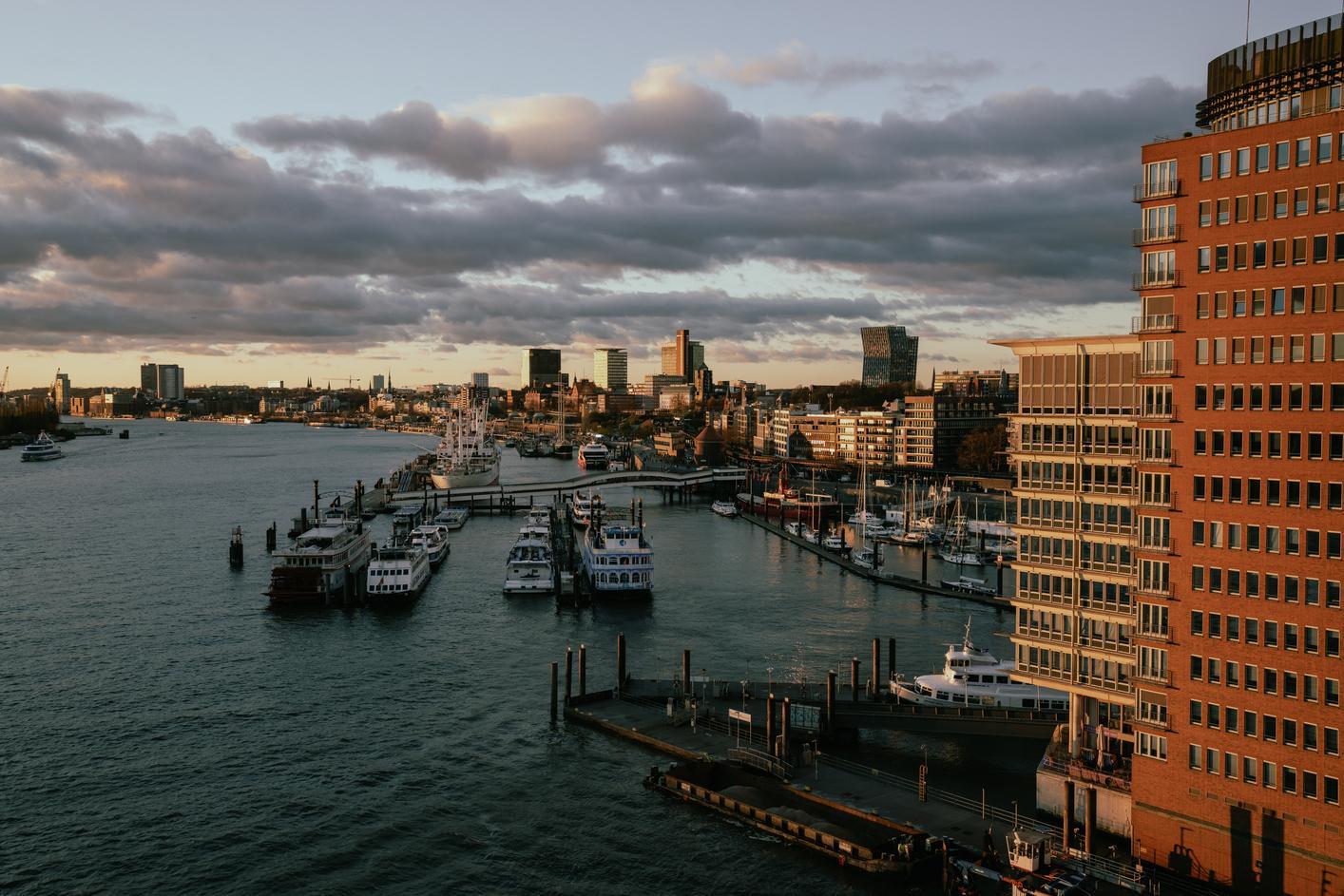
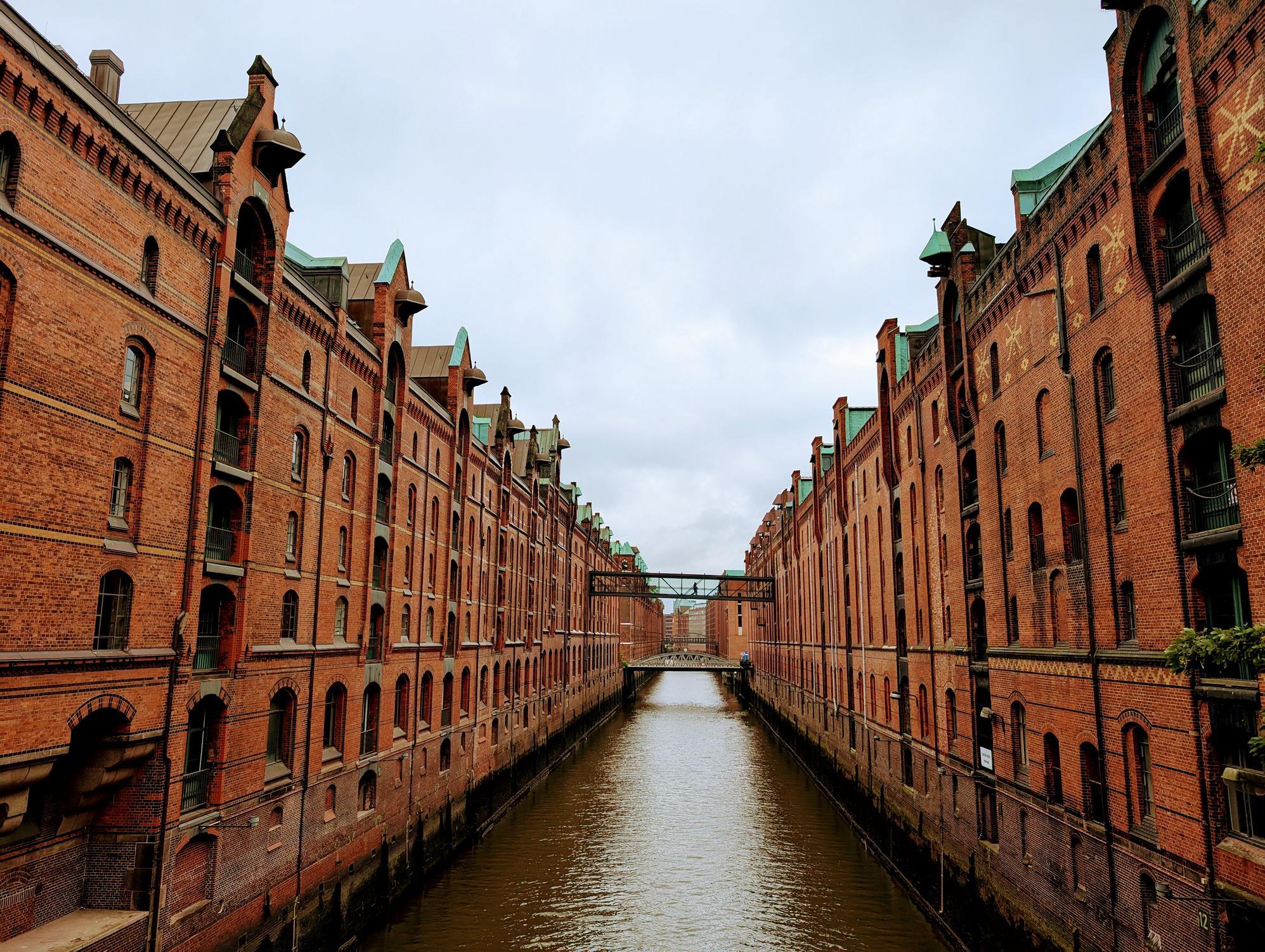
Hamburg
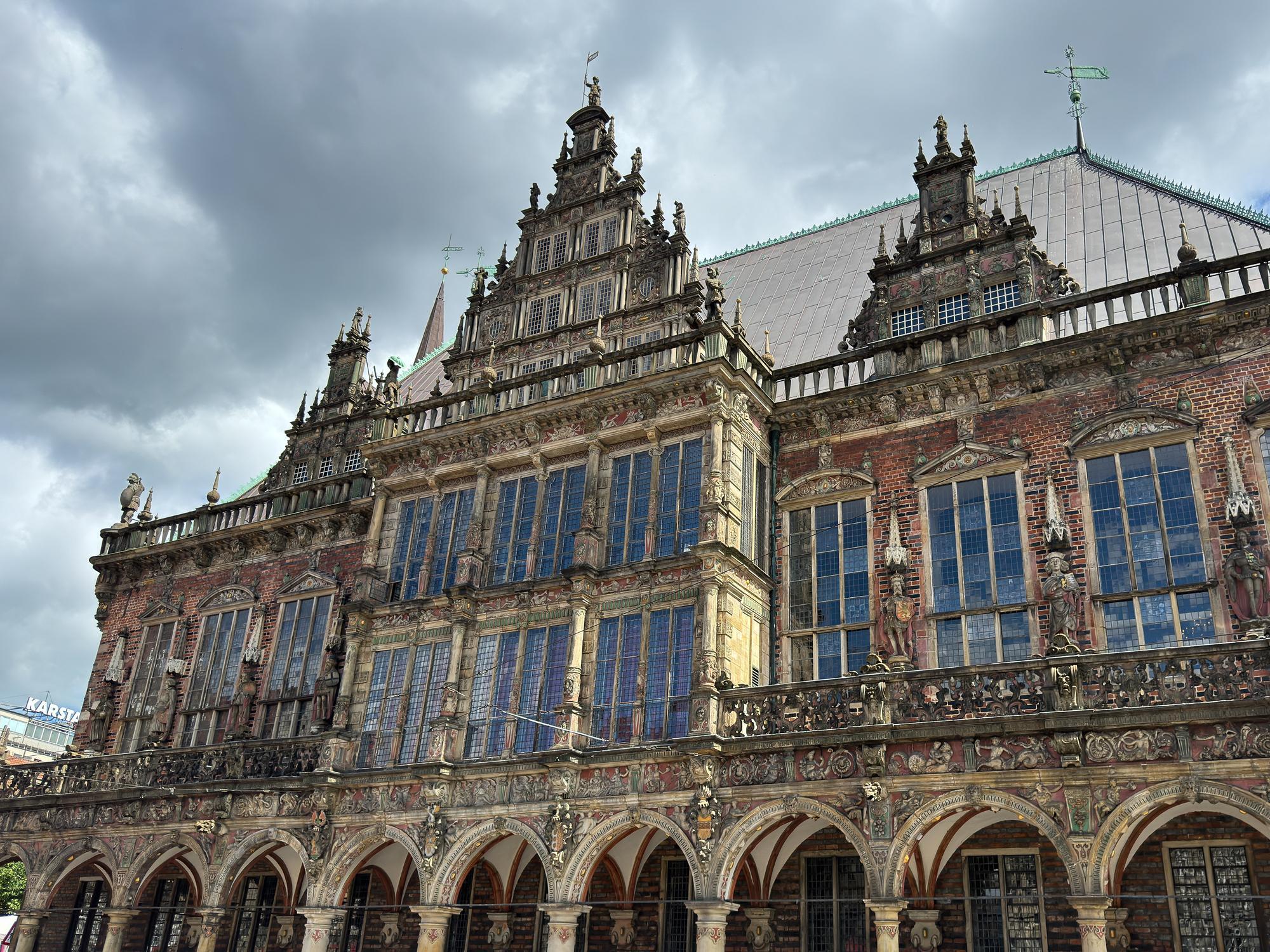
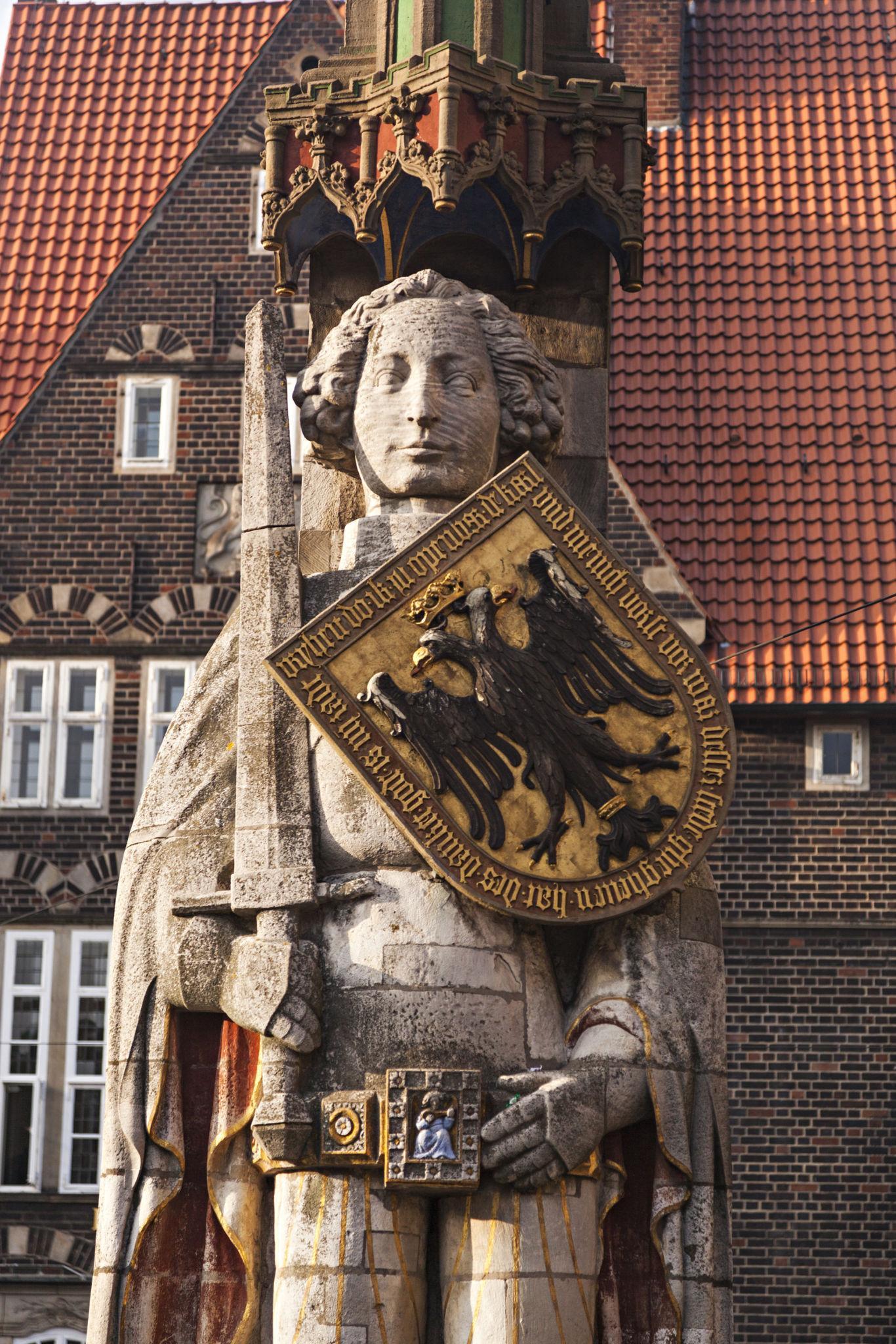
Bremen
Germany Overview
- A capital shaped by modern European history
- Baroque and reconstructed cities in the east
- Alpine landscapes in the south
- River valleys with castles in the west
- Port cities in the north
Image Credits
- Berlin skyline and Brandenburg Gate
- Dresden Frauenkirche
- Leipzig market square
- Munich Marienplatz
- Neuschwanstein Castle
- Bavarian Alps and Zugspitze
- Nuremberg old town
- Cologne Cathedral
- Middle Rhine Valley castles
- Frankfurt skyline
- Black Forest
- Heidelberg Castle
- Hamburg harbor
- Bremen Town Hall

![K2 Base Camp Trek: Ultimate Guide k2 Trek 2026 [UPDATED]](https://karakoramdiaries.com/storage/ultimate-guide-to-k2-base-camp-trek-full-document-150x150.png)