Top Places to Visit in Italy – The Complete Country Guide
Italy is not simply a country of famous landmarks. It is a layered civilization. Every region reflects a different historical period — Roman, Byzantine, Norman, Renaissance, Baroque, or modern. Geography changes dramatically within short distances: snow-covered Alpine peaks in the north, vineyard-covered hills in the center, volcanic islands in the south.
To understand Italy properly, you must understand its regions, not just its cities.
We begin where most travelers begin — but we go deeper than surface-level highlights.
Table of contents [Show]
- I. Rome & Central Italy – The Foundation of Western Civilization
- II. Venice & The Adriatic Identity
- III. Milan & Lombardy – Modern Italy & Historic Grandeur
- IV. The Italian Lakes – Elegance & Alpine Backdrop
- V. The Dolomites – Italy’s Dramatic Alpine Frontier
- VI. Naples & Campania – Energy, Archaeology & Volcanoes
- VII. The Amalfi Coast – Vertical Mediterranean
- VIII. Sicily – Ancient Civilizations & Active Volcano
- IX. Puglia – Italy’s Southeastern Heel
- X. Sardinia – Wild Coast & Mountain Interior
- Final Overview – Understanding Italy as a Whole
I. Rome & Central Italy – The Foundation of Western Civilization
Rome – Living Museum of Antiquity
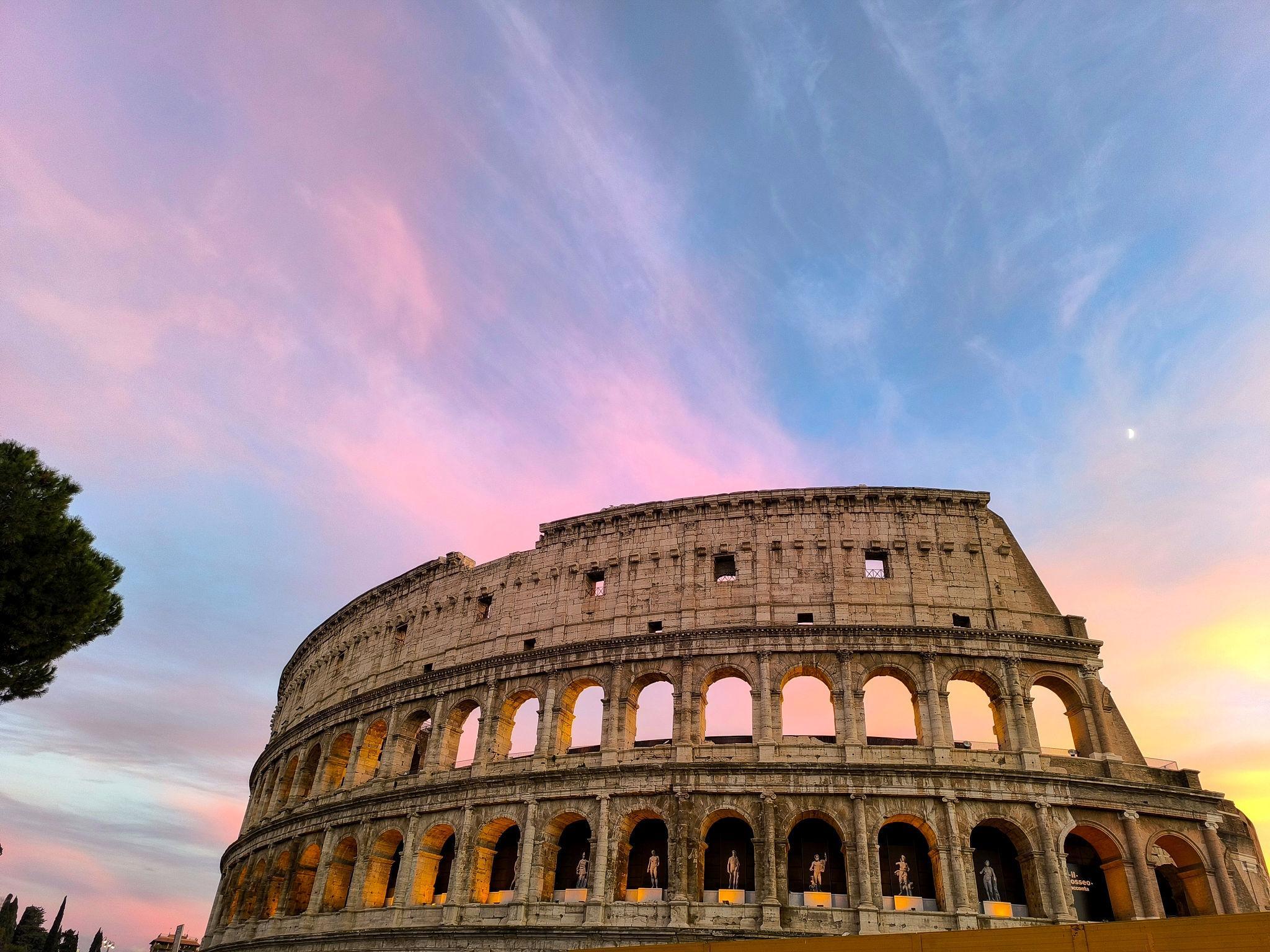
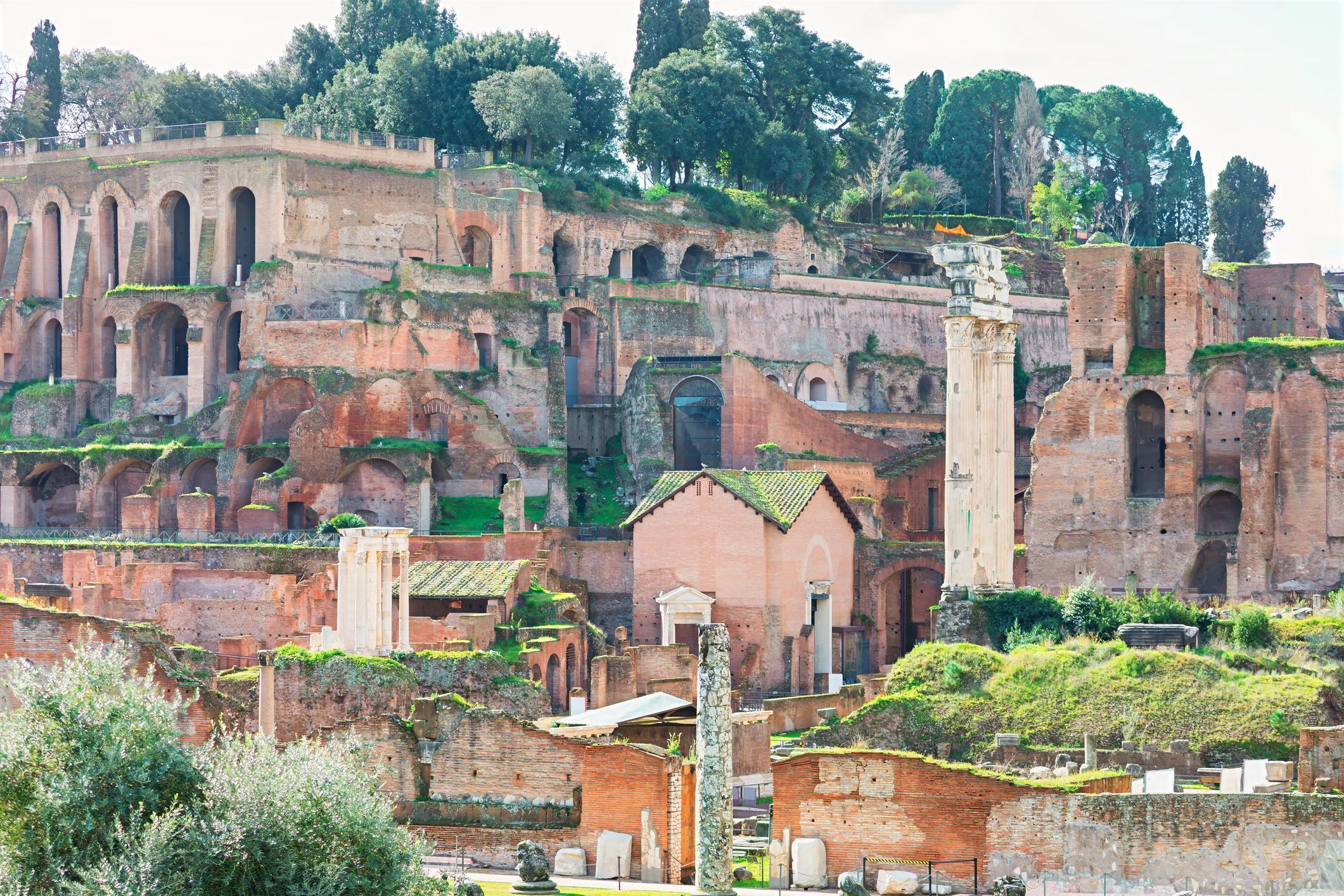
The Colosseum and the Roman Forum at sunset
Rome is not impressive because of one monument. It is overwhelming because of accumulation. No other European capital contains such density of ancient architecture integrated into daily life.
Walking through Rome is walking through layers:
• The Colosseum, once holding 50,000 spectators
• The Roman Forum, where the empire’s political core operated
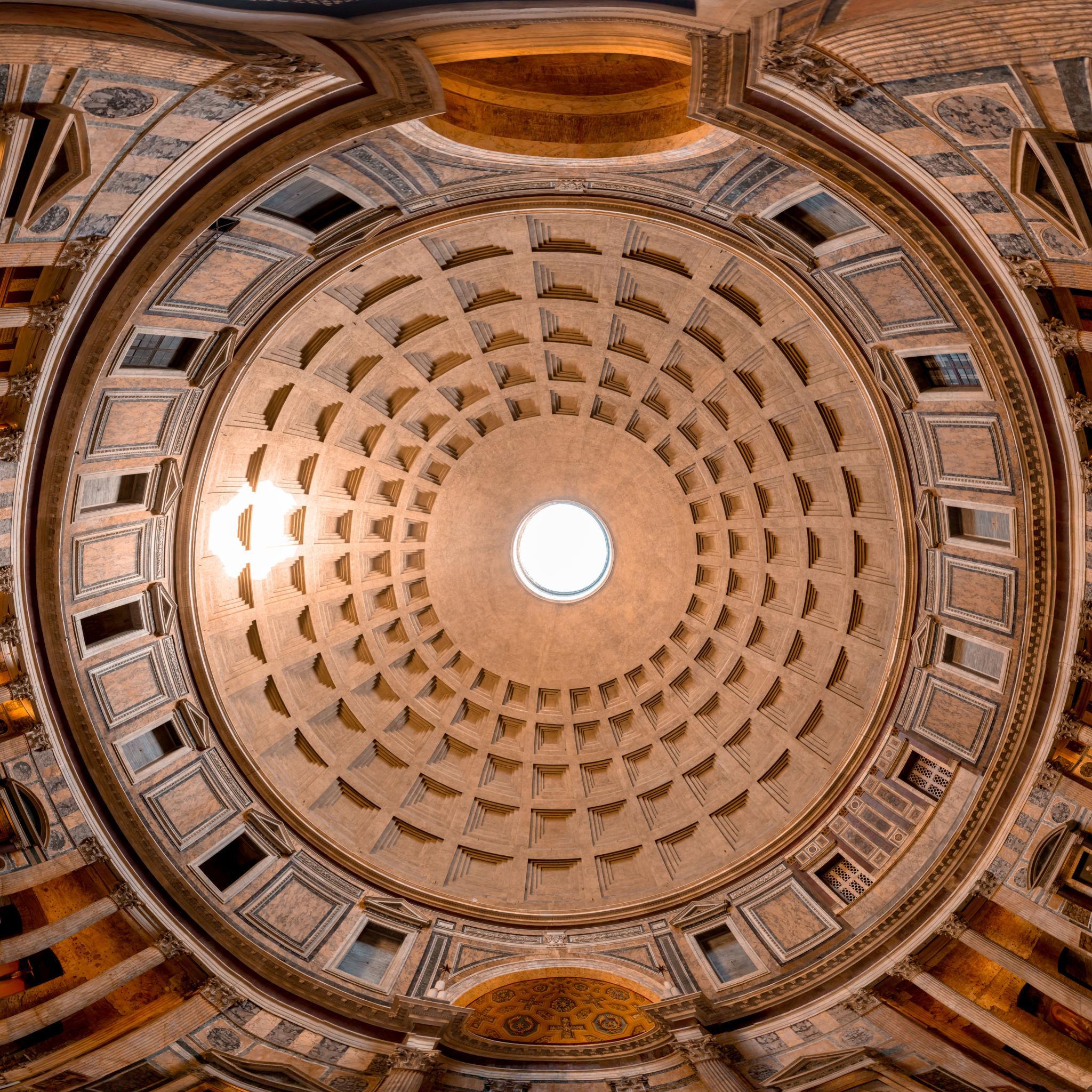
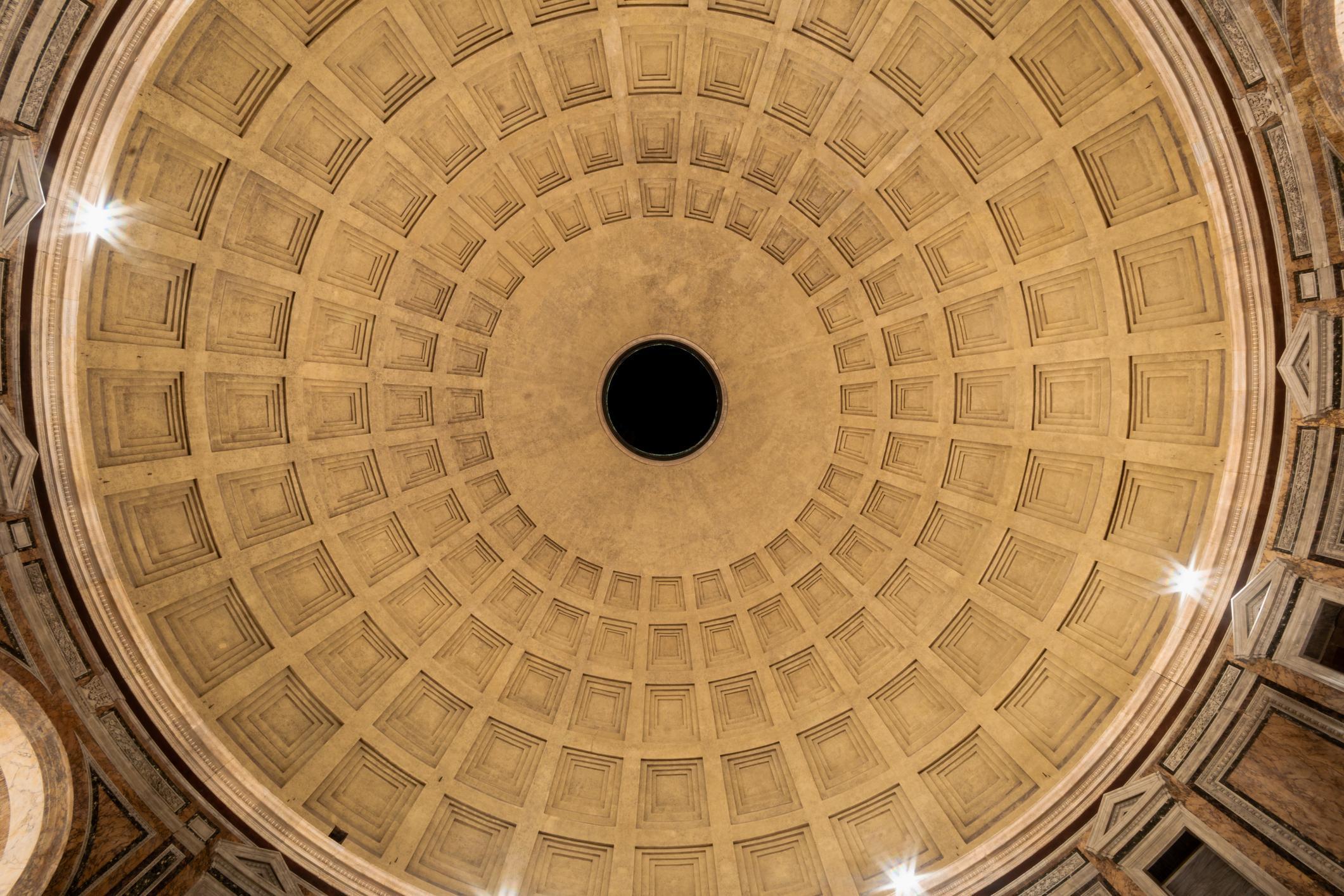
• The Pantheon, whose concrete dome remains an engineering mystery
• The Capitoline Hill, designed by Michelangelo
• Baroque fountains such as the Trevi Fountain
What makes Rome different is how these ruins coexist with cafés, scooters, apartment buildings, and street life. Ancient columns stand beside traffic lights.
Then there is Vatican City, the smallest country in the world but one of the most influential religious centers. The Sistine Chapel ceiling, painted by Michelangelo, is one of the most studied artworks in history. St. Peter’s Basilica dominates the skyline and requires time, not a quick visit.
Rome cannot be rushed. It requires early mornings, shaded piazzas in the afternoon, and long evenings.
Best time: April–June and September–October.
Florence – Renaissance Concentrated
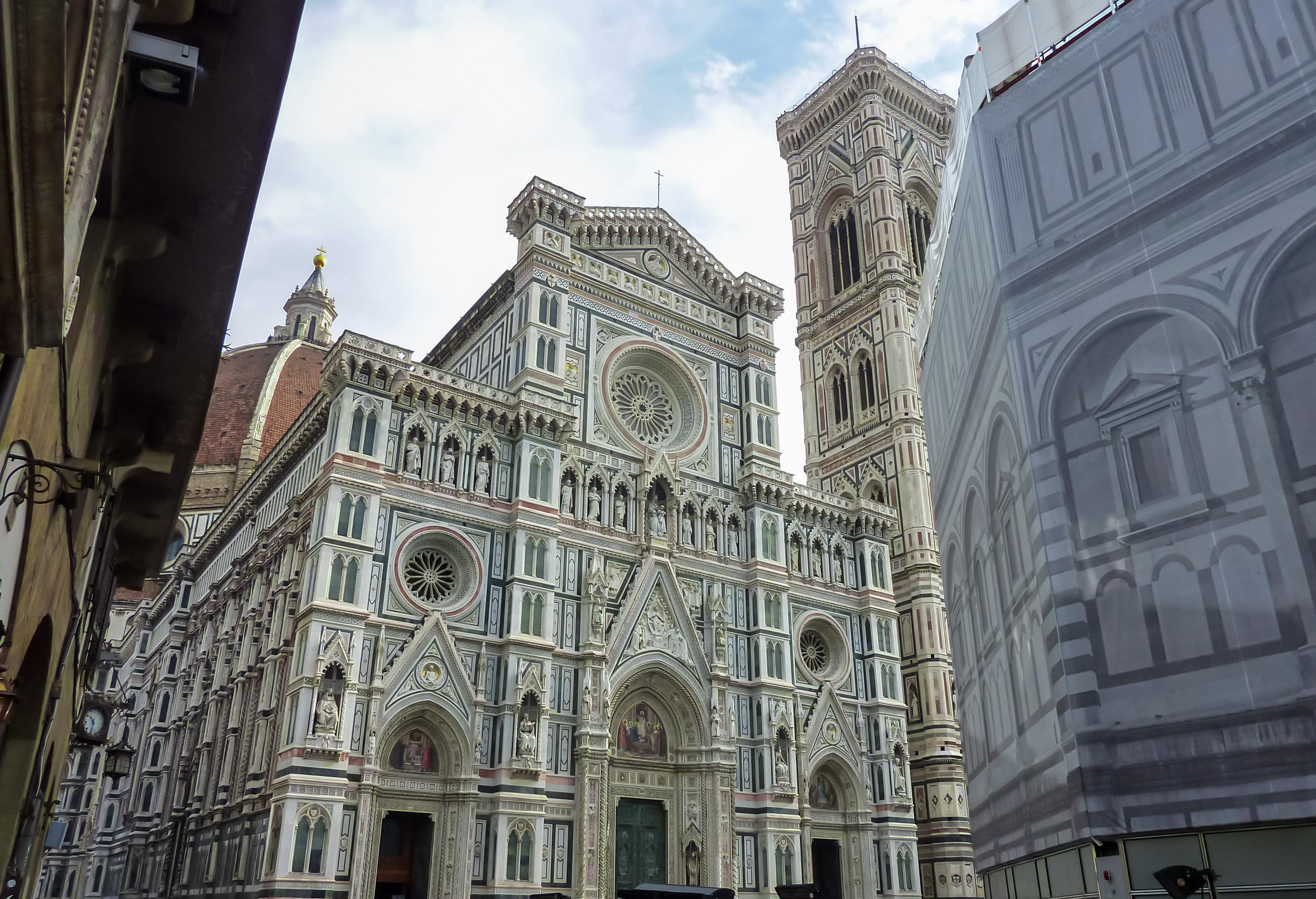
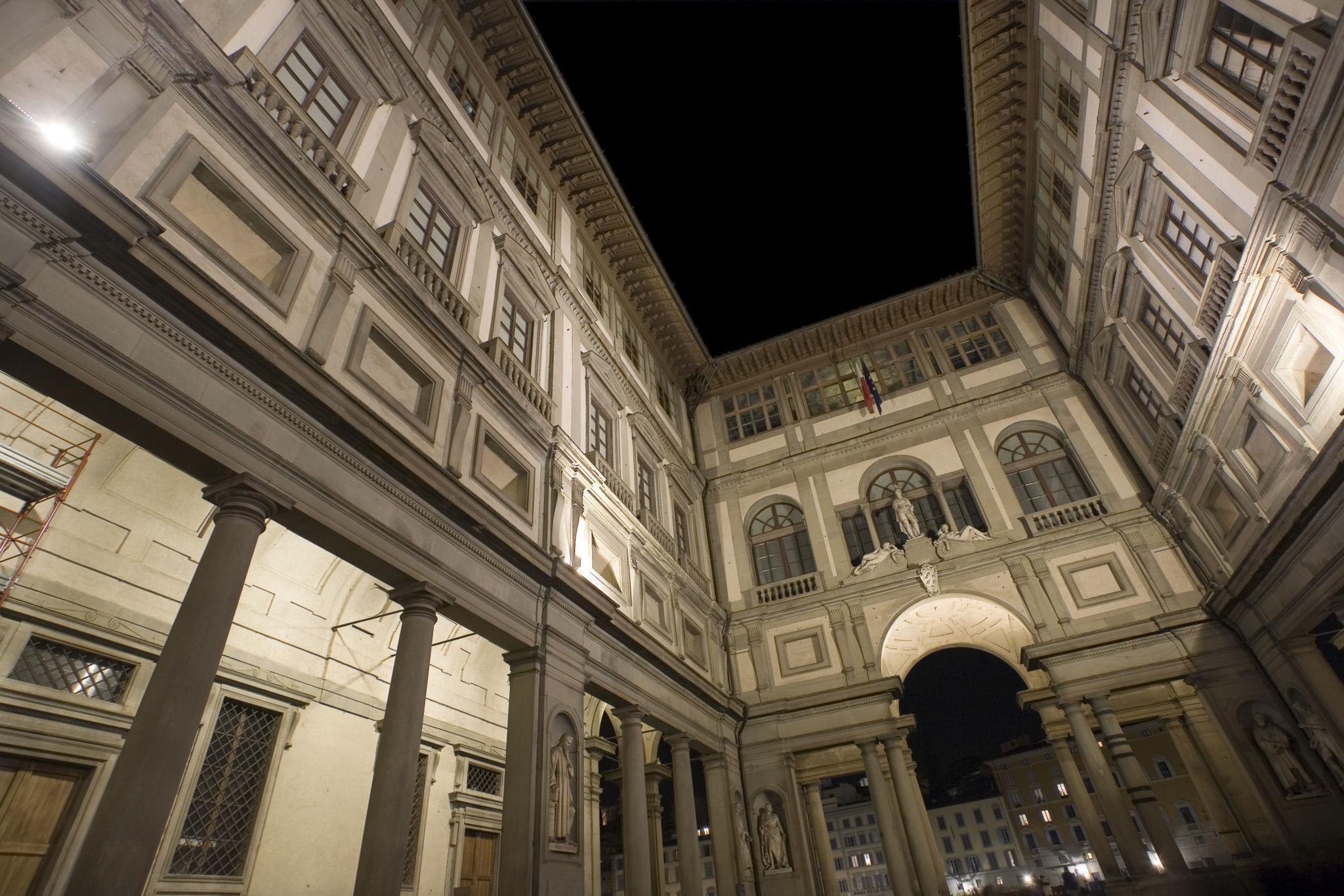
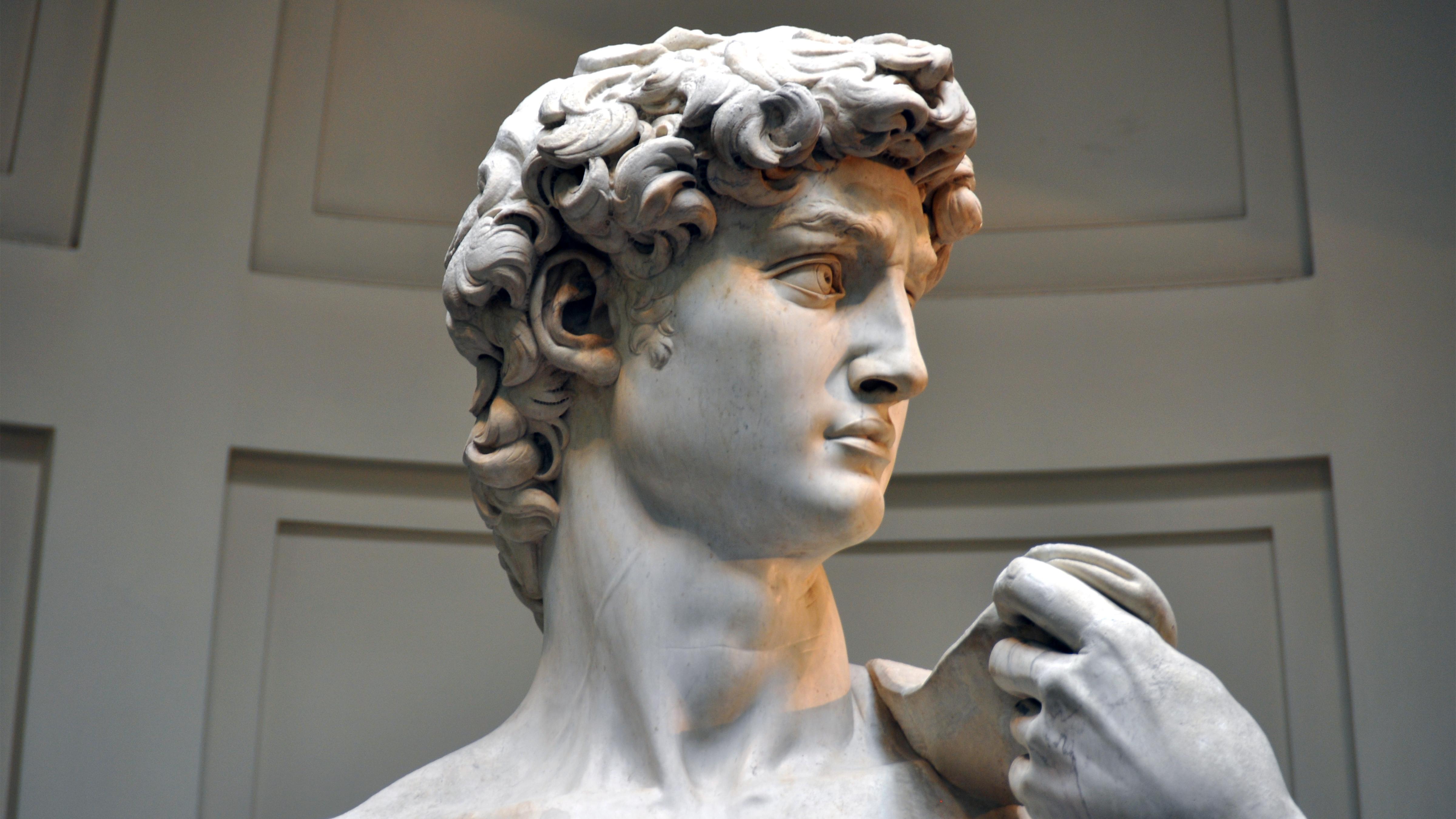
Florence Cathedral and Renaissance art collections
Florence feels different from Rome. It is more compact, more controlled, and intellectually intense. This is where the Renaissance took form.
• The Duomo, with Brunelleschi’s dome, changed architectural engineering
• The Uffizi Gallery houses Botticelli, Leonardo da Vinci, and Caravaggio
• Michelangelo’s David stands as political symbolism from the Florentine Republic
Beyond the museums, the Oltrarno district shows artisan workshops, and sunset from Piazzale Michelangelo gives a full view of the terracotta skyline.
Florence also serves as a transition into the Tuscan countryside.
Best time: May–June and September.
Tuscany – Rural Identity & Timeless Landscapes
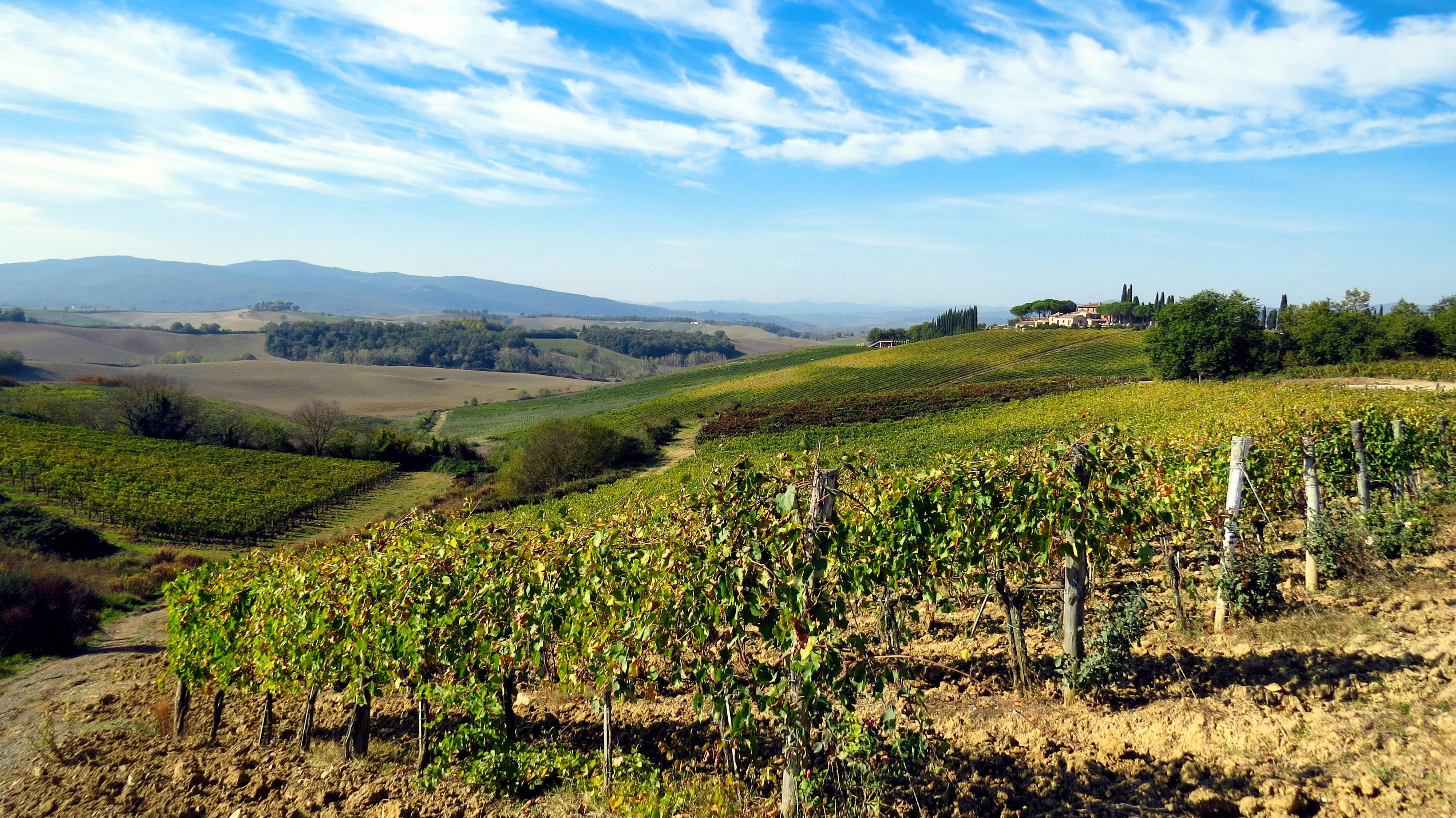
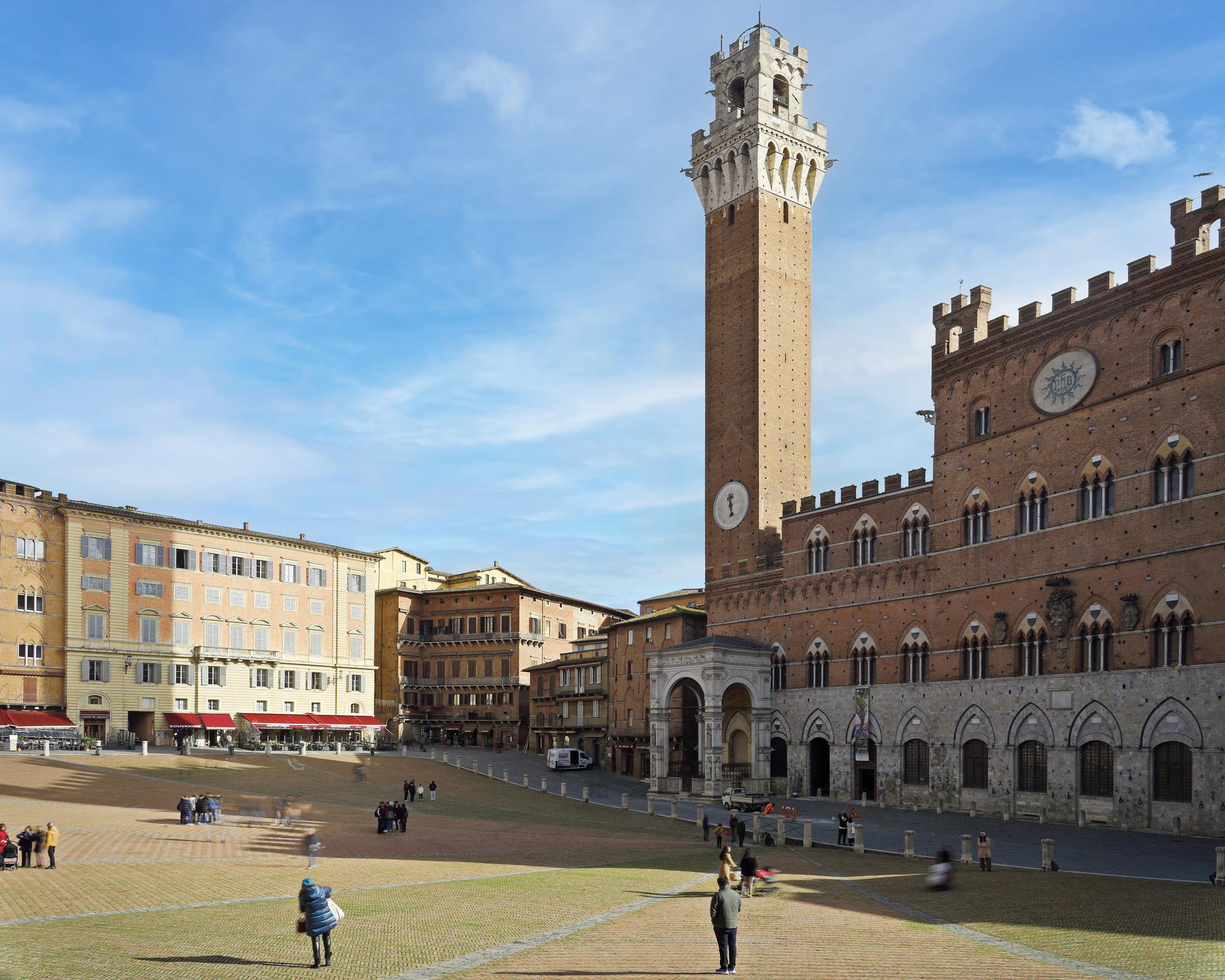
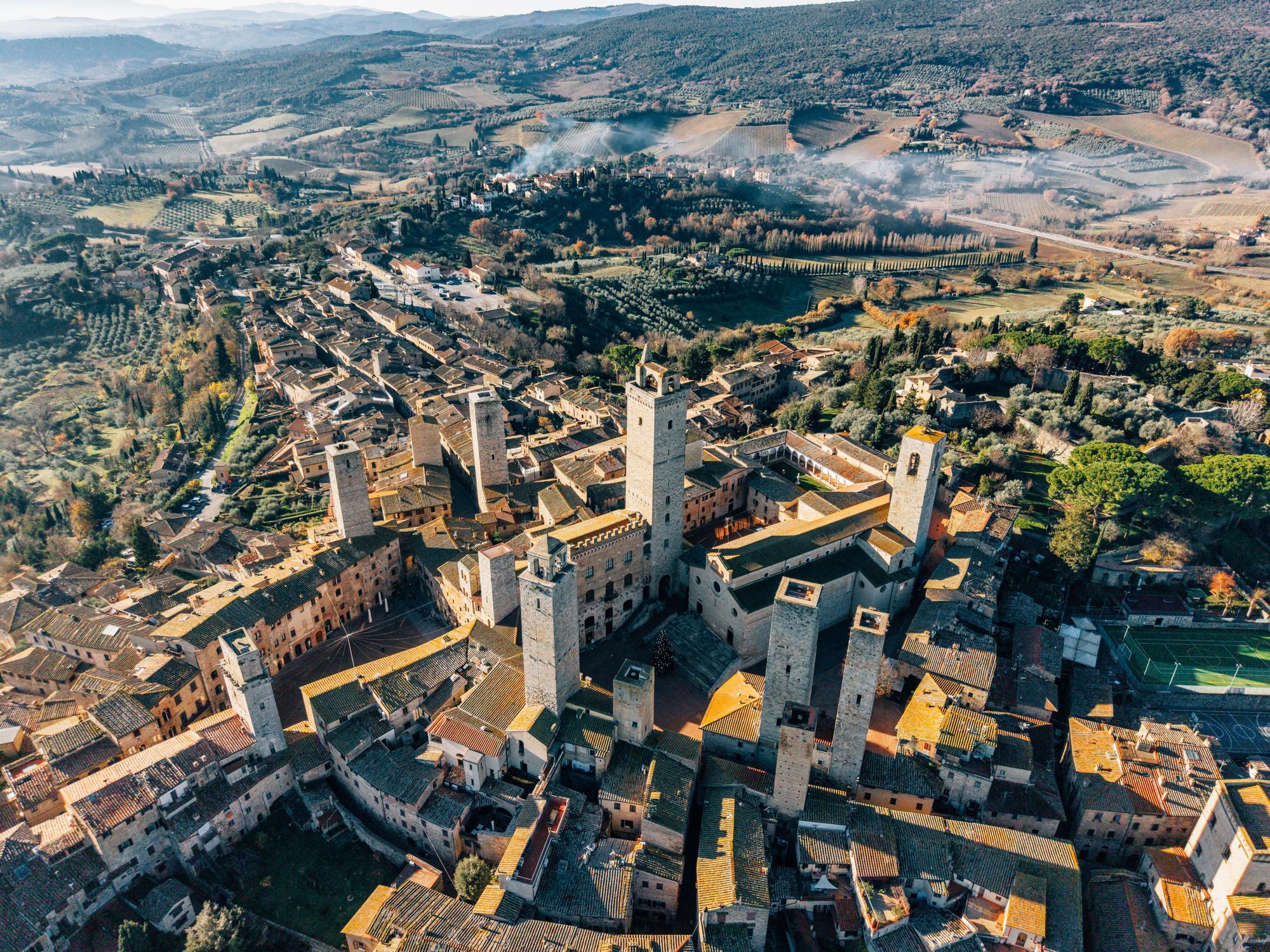
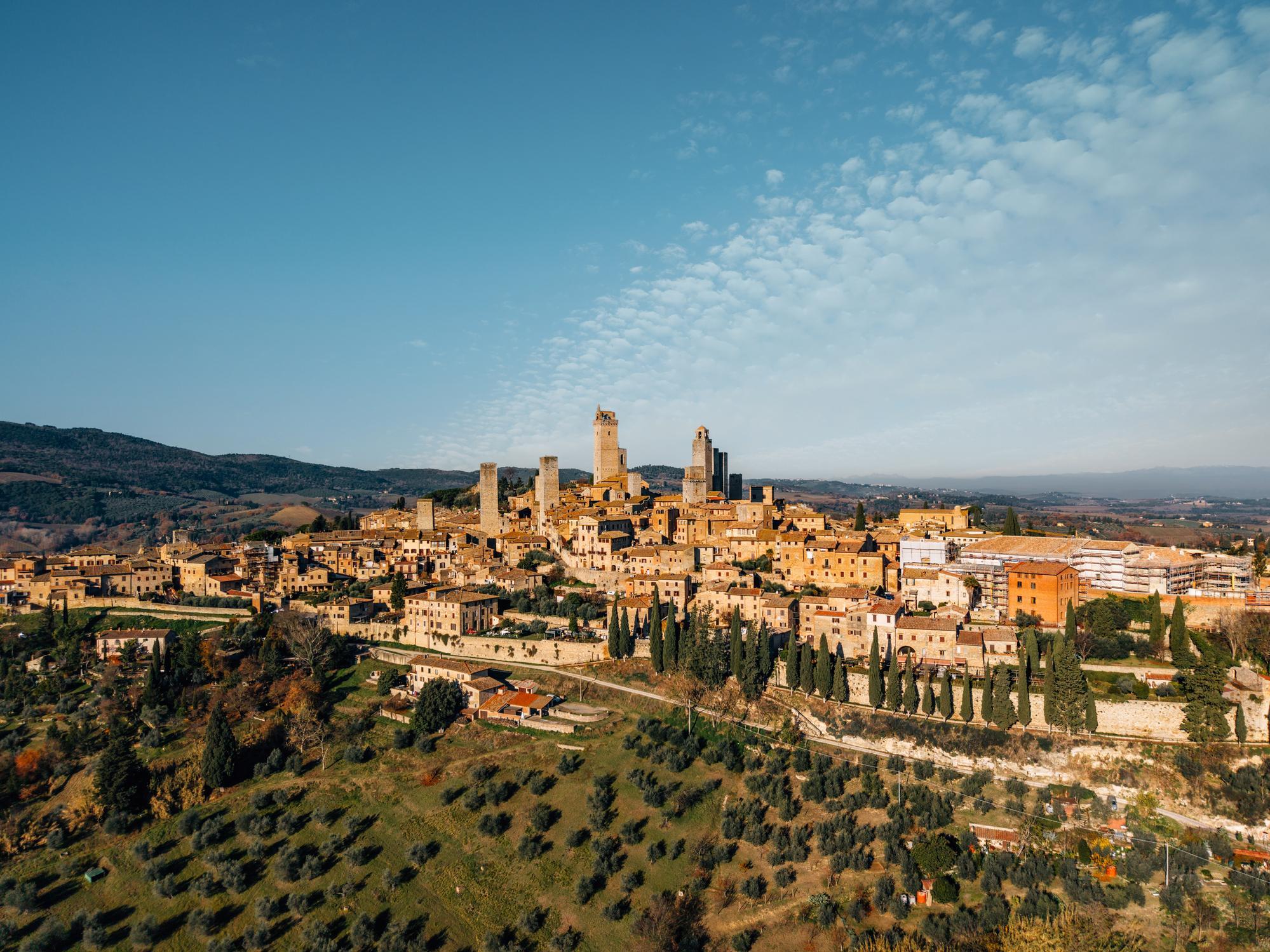
Rolling hills of Tuscany and Siena’s main square
Tuscany is shaped by agriculture, wine production, and medieval rivalry.
• Siena and the dramatic Piazza del Campo
• San Gimignano and its medieval towers
• The Chianti wine region
• Hilltop towns like Pienza and Montepulciano
Tuscany is best explored by car, allowing flexibility to stop at hilltop towns and small trattorias.
Best time: Late spring and early autumn.
II. Venice & The Adriatic Identity
Venice – City of Water & Maritime Power
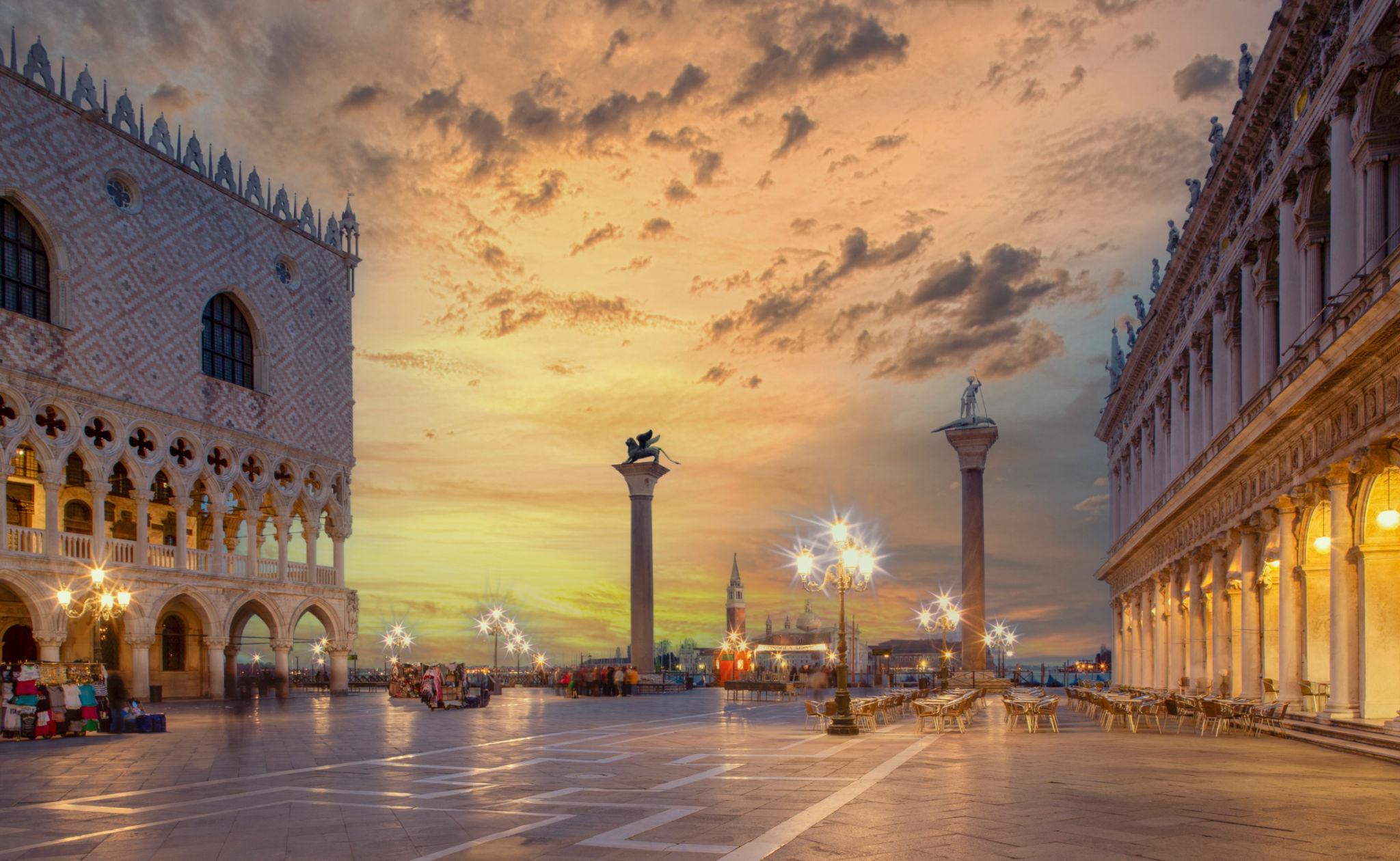
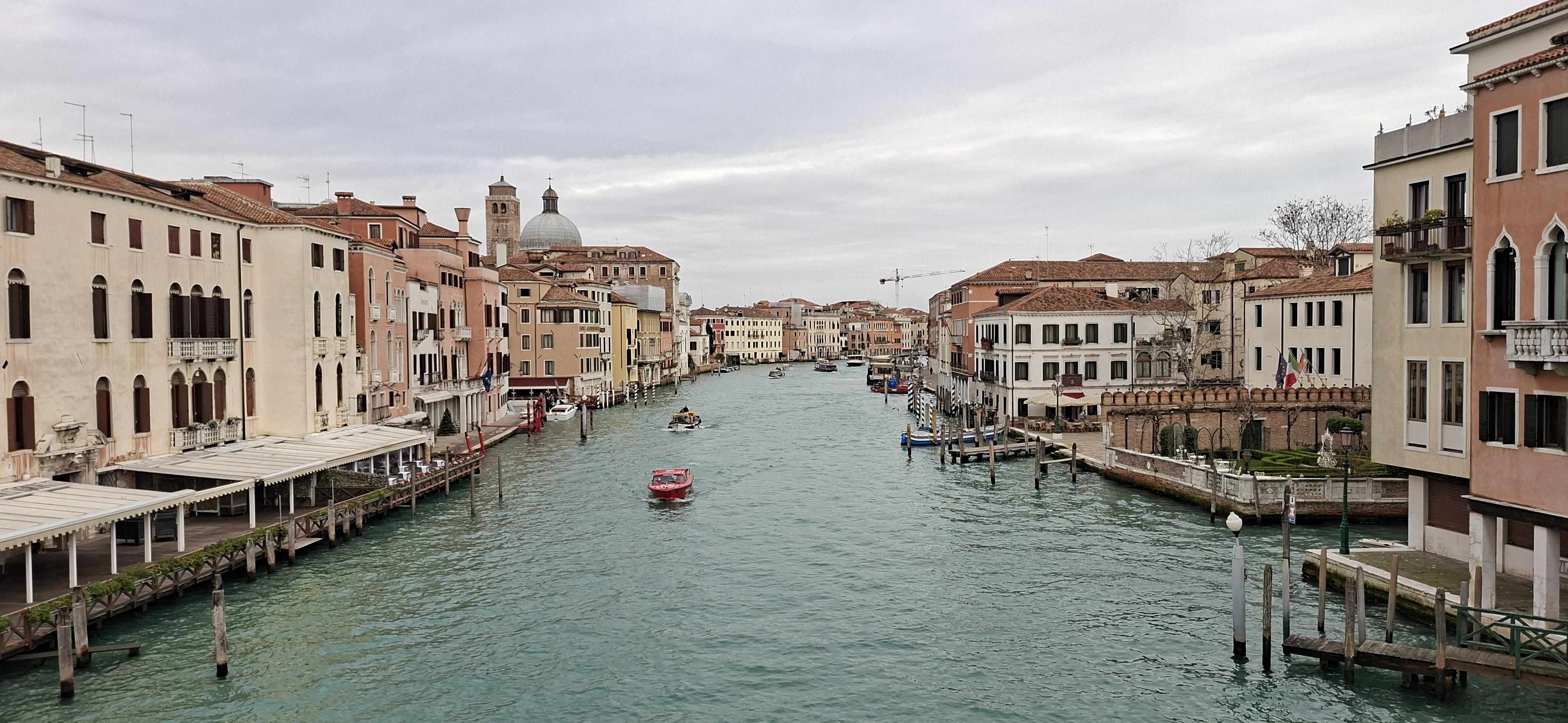
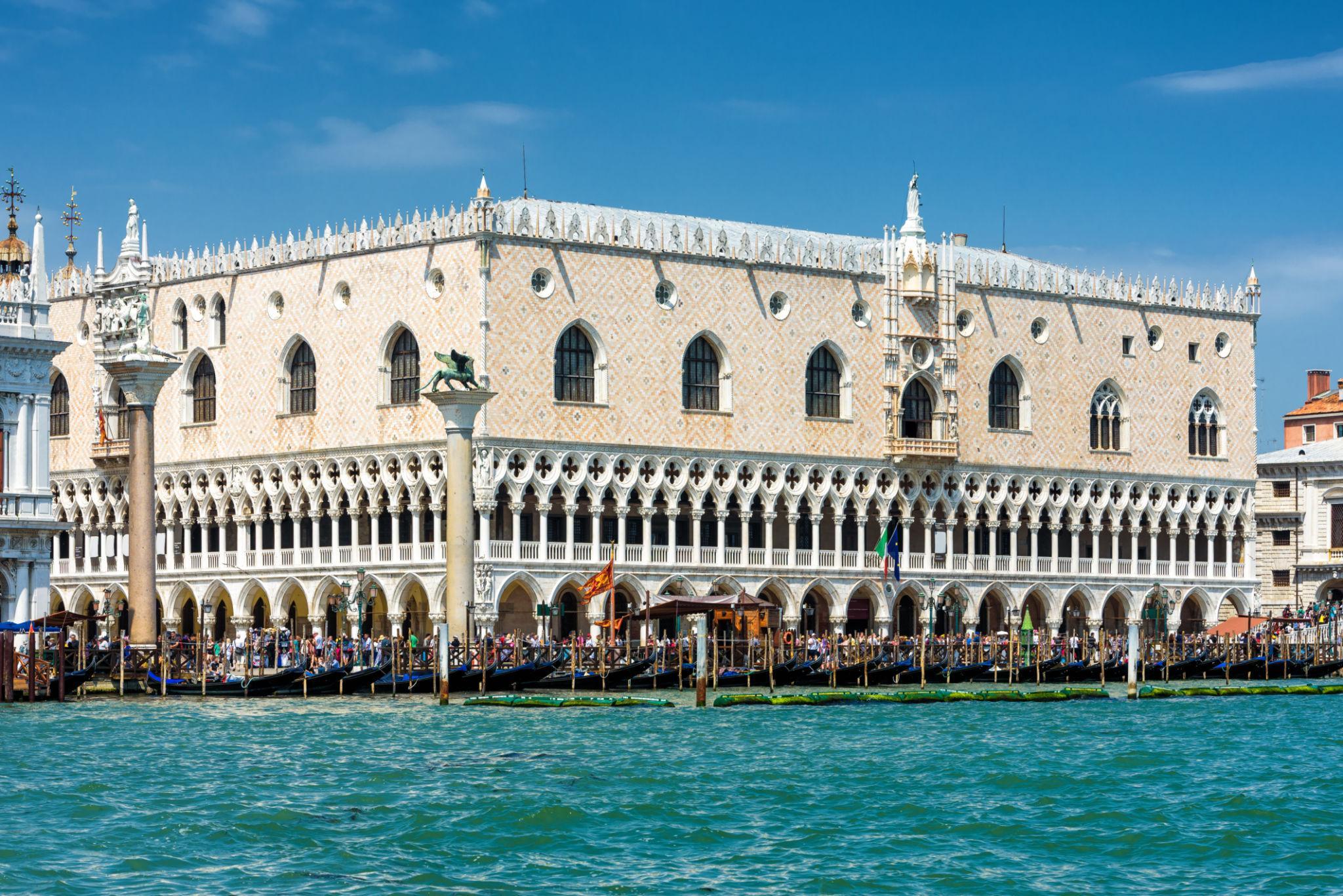
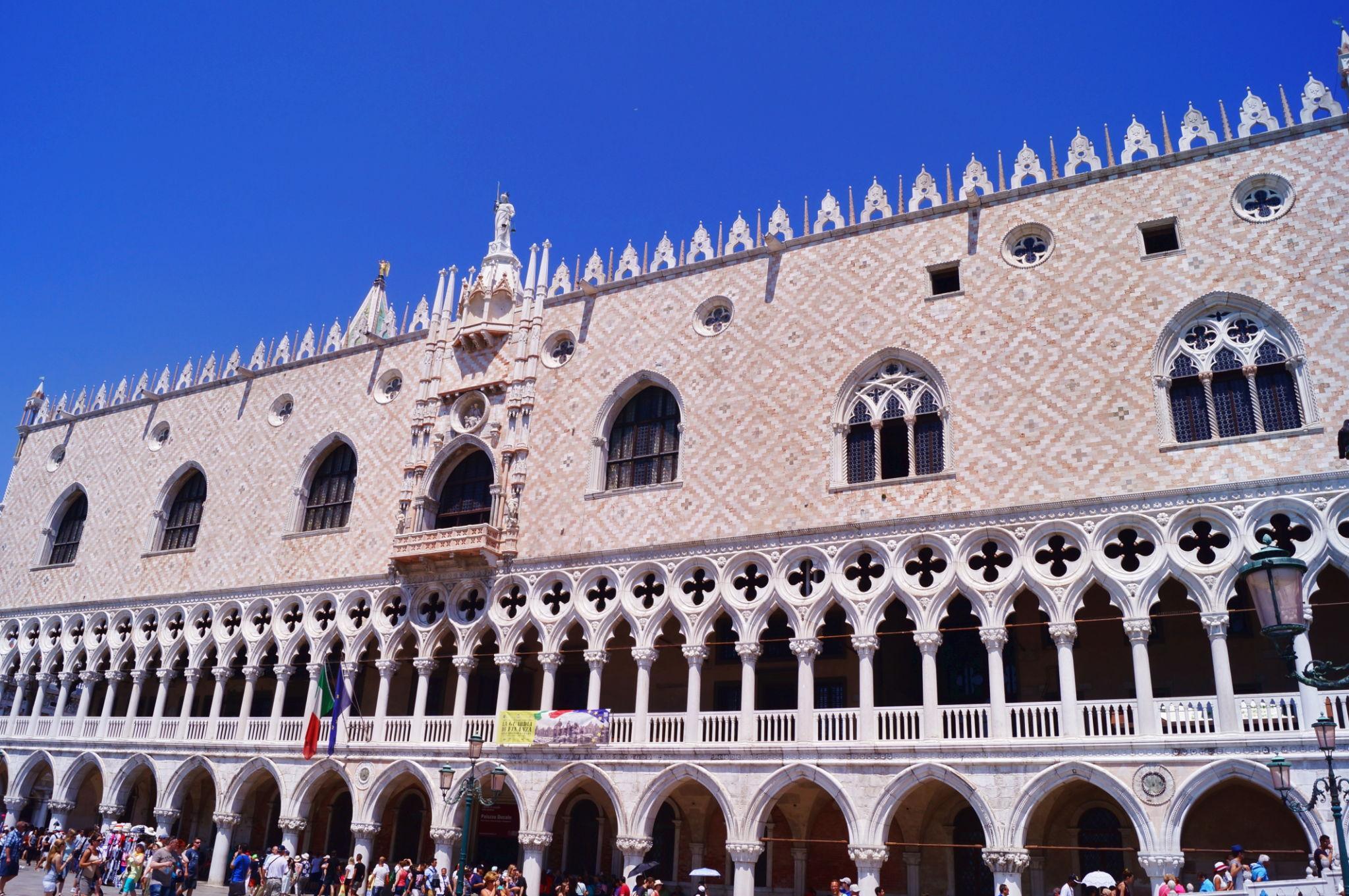
St. Mark’s Square at dawn and the Grand Canal
Venice is built across a lagoon on wooden piles and was once a maritime republic controlling Mediterranean trade.
• St. Mark’s Square
• Basilica di San Marco
• Doge’s Palace
• The Grand Canal
Beyond the main island:
• Murano for glassmaking
• Burano for brightly colored houses
Venice must be experienced early in the morning or late evening to feel its atmosphere.
Best time: April–June and September.
Milan – Gothic Architecture & Contemporary Influence
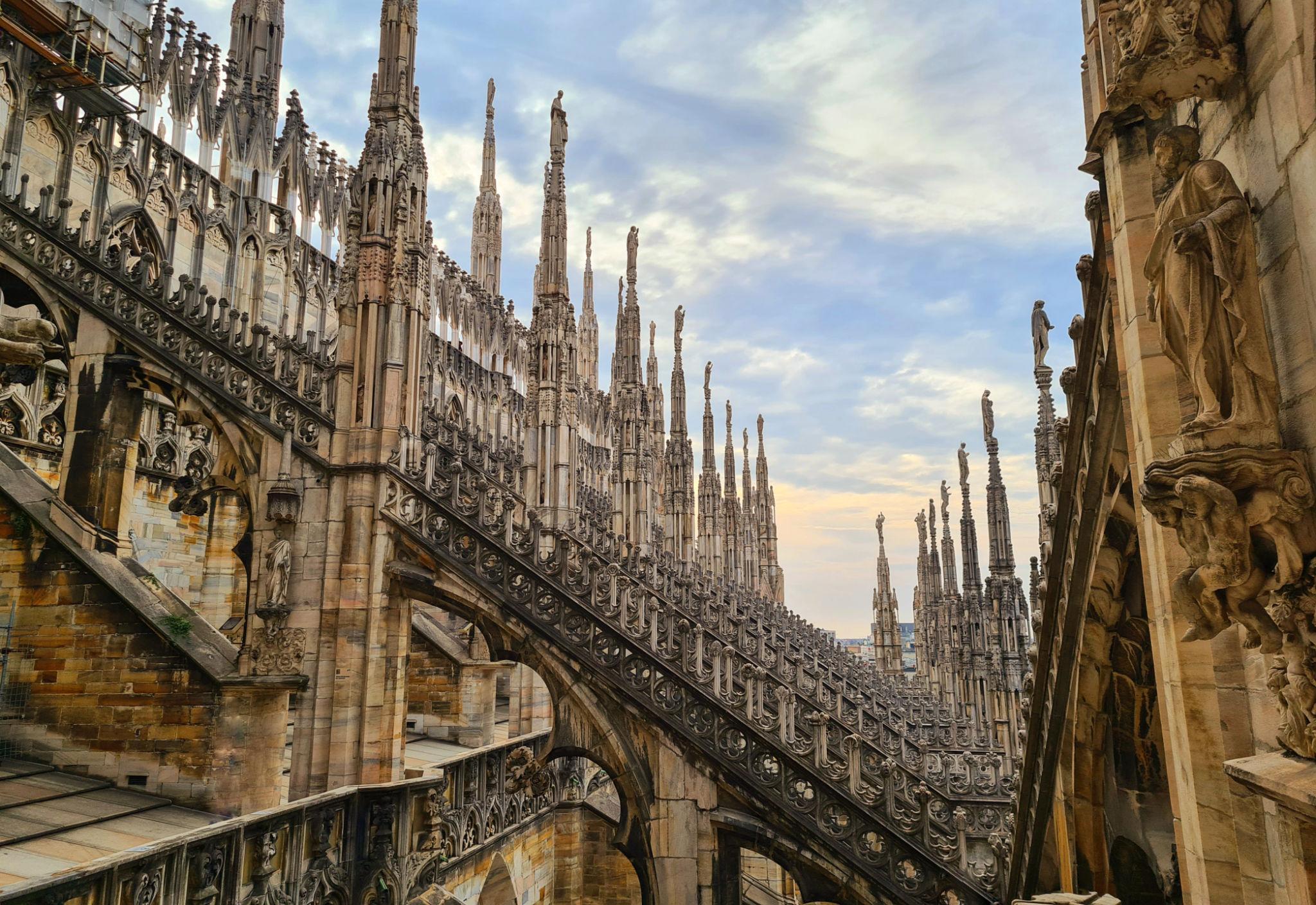
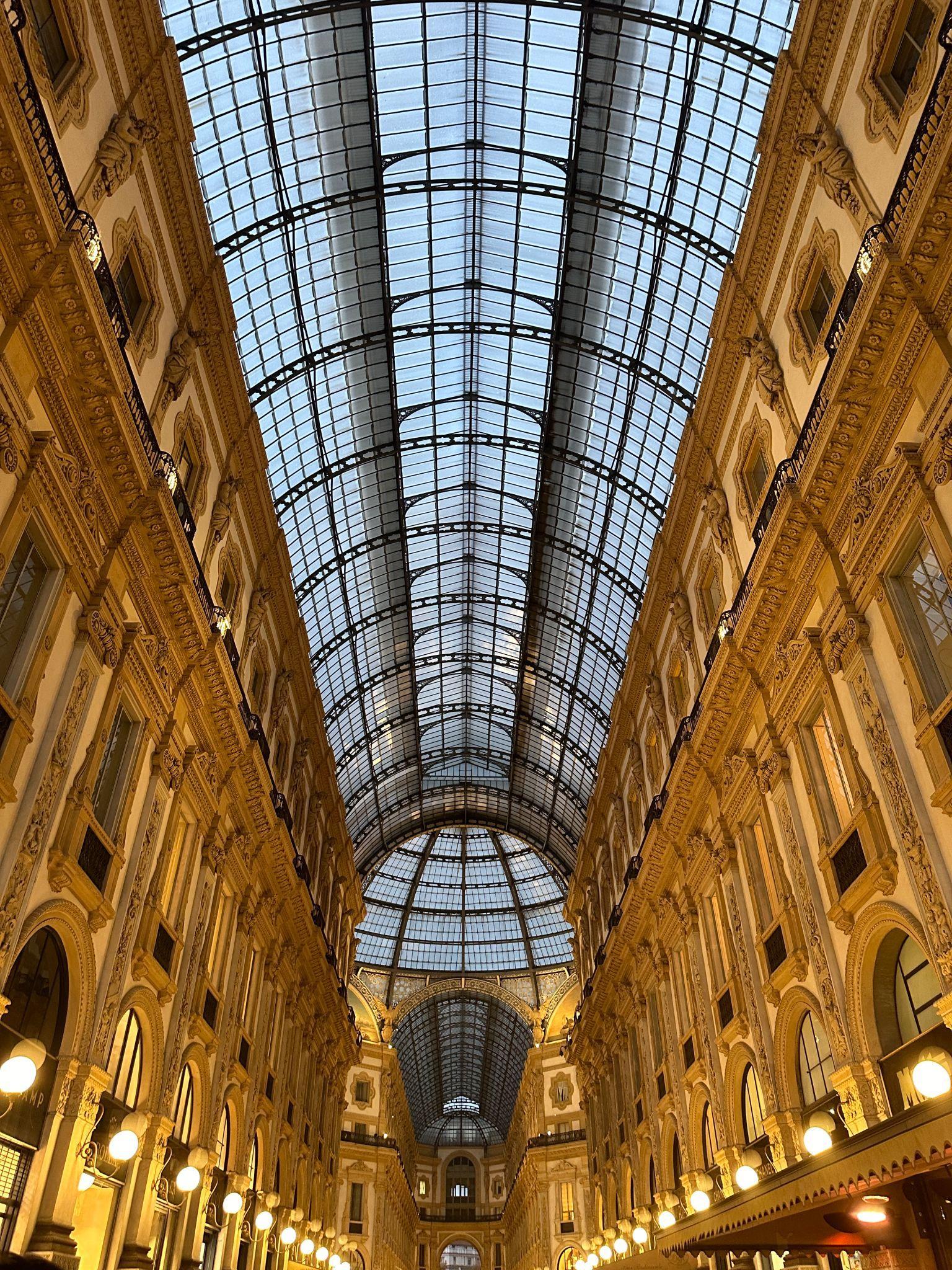
Milan Cathedral and Galleria Vittorio Emanuele II
Milan is Italy’s financial and fashion capital.
• Duomo di Milano
• Galleria Vittorio Emanuele II
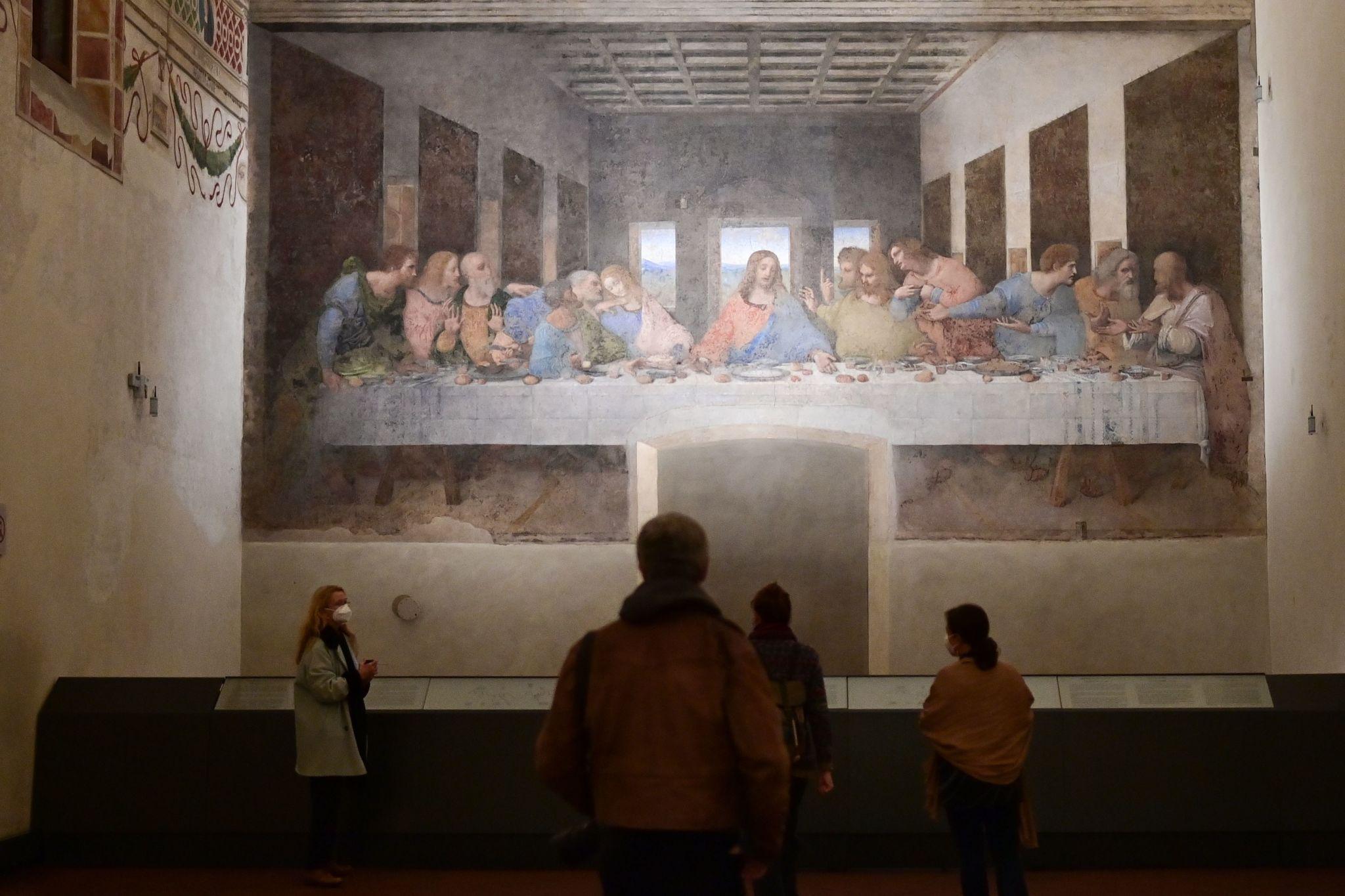
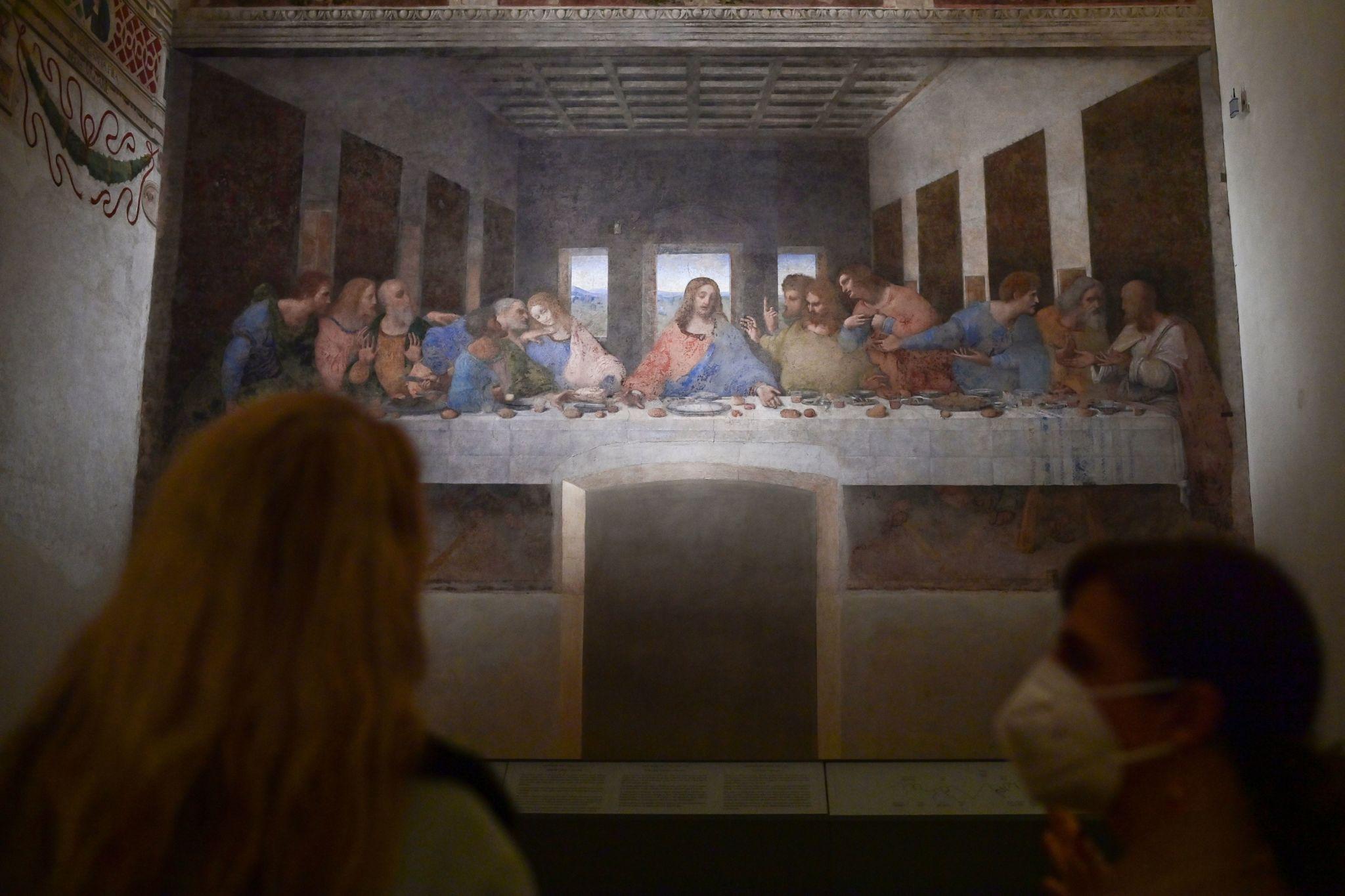
• Leonardo da Vinci’s Last Supper
• Gateway to northern lakes
Milan feels structured and contemporary compared to central and southern Italy.
IV. The Italian Lakes – Elegance & Alpine Backdrop
Lake Como – Refined Beauty
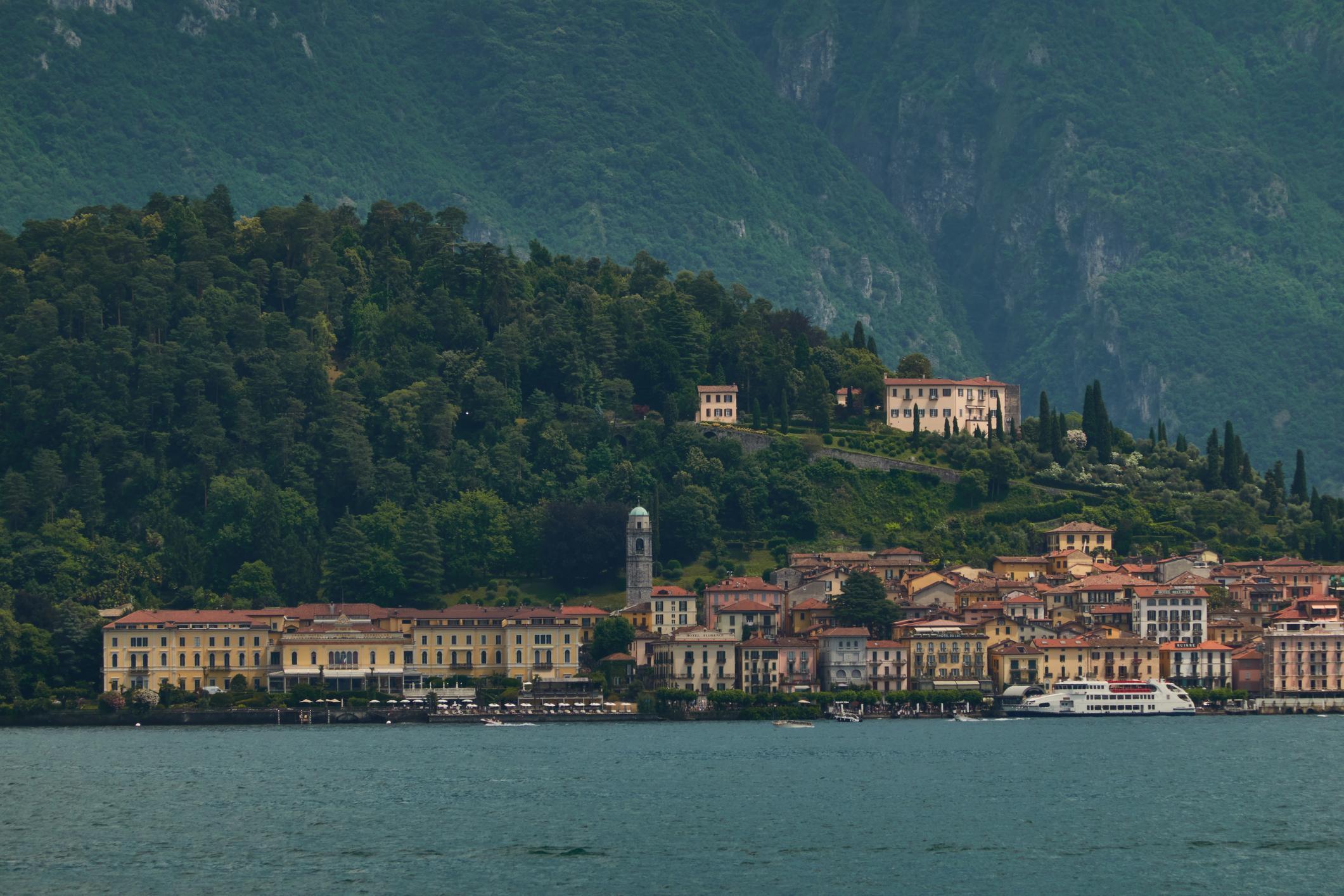
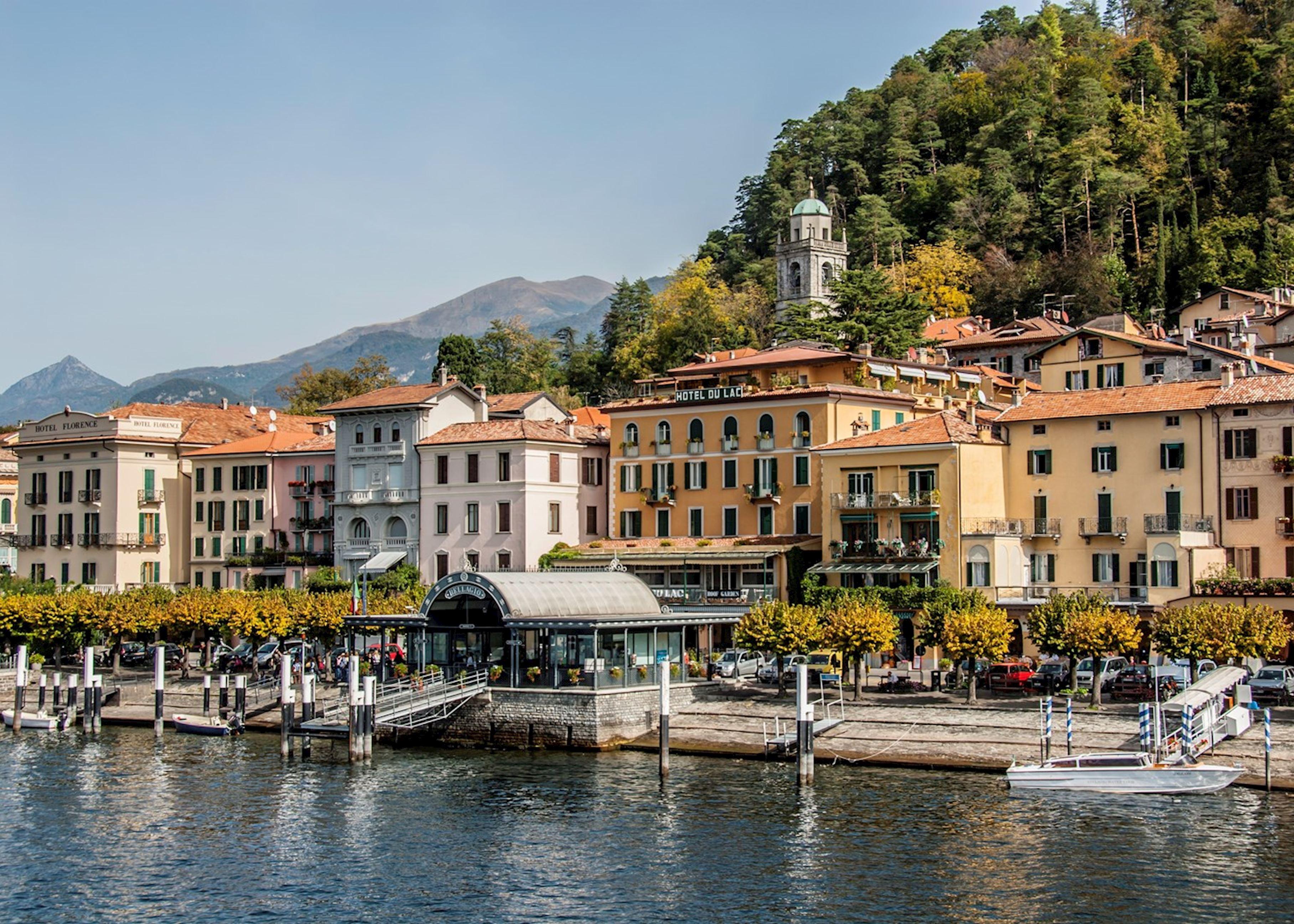
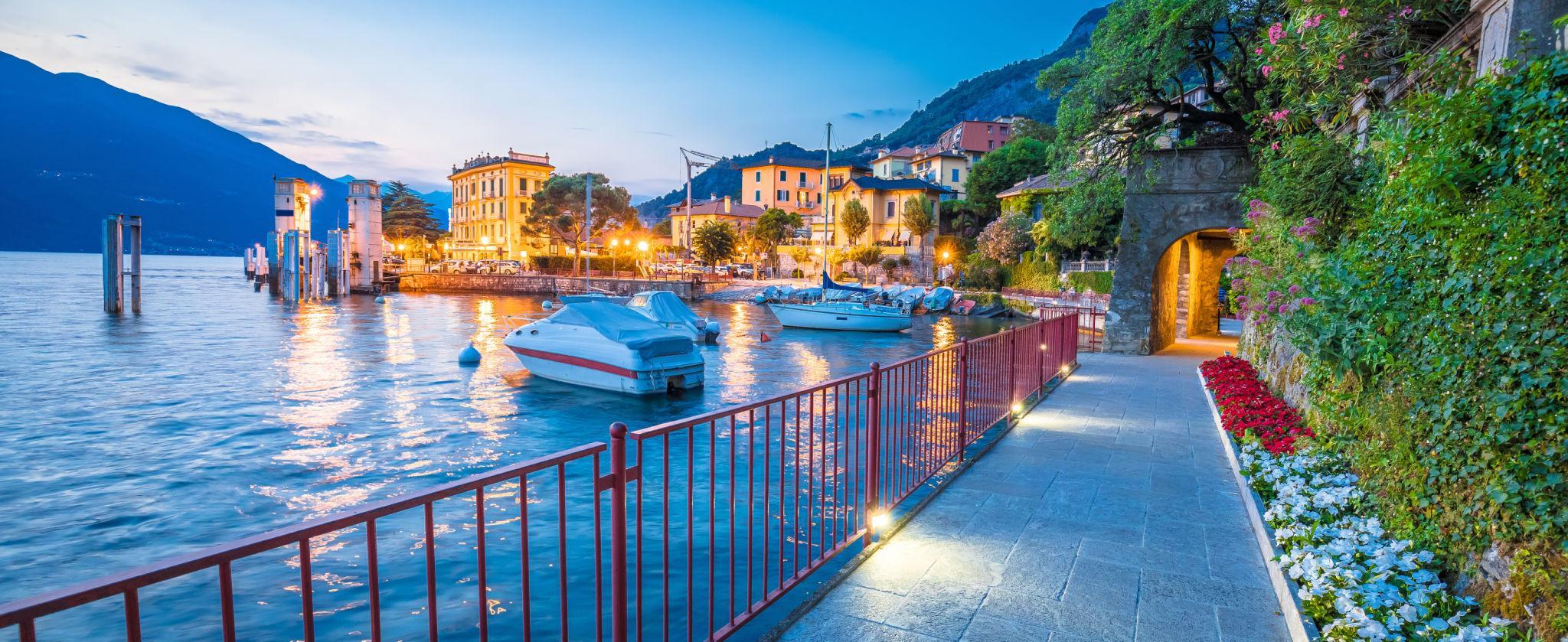
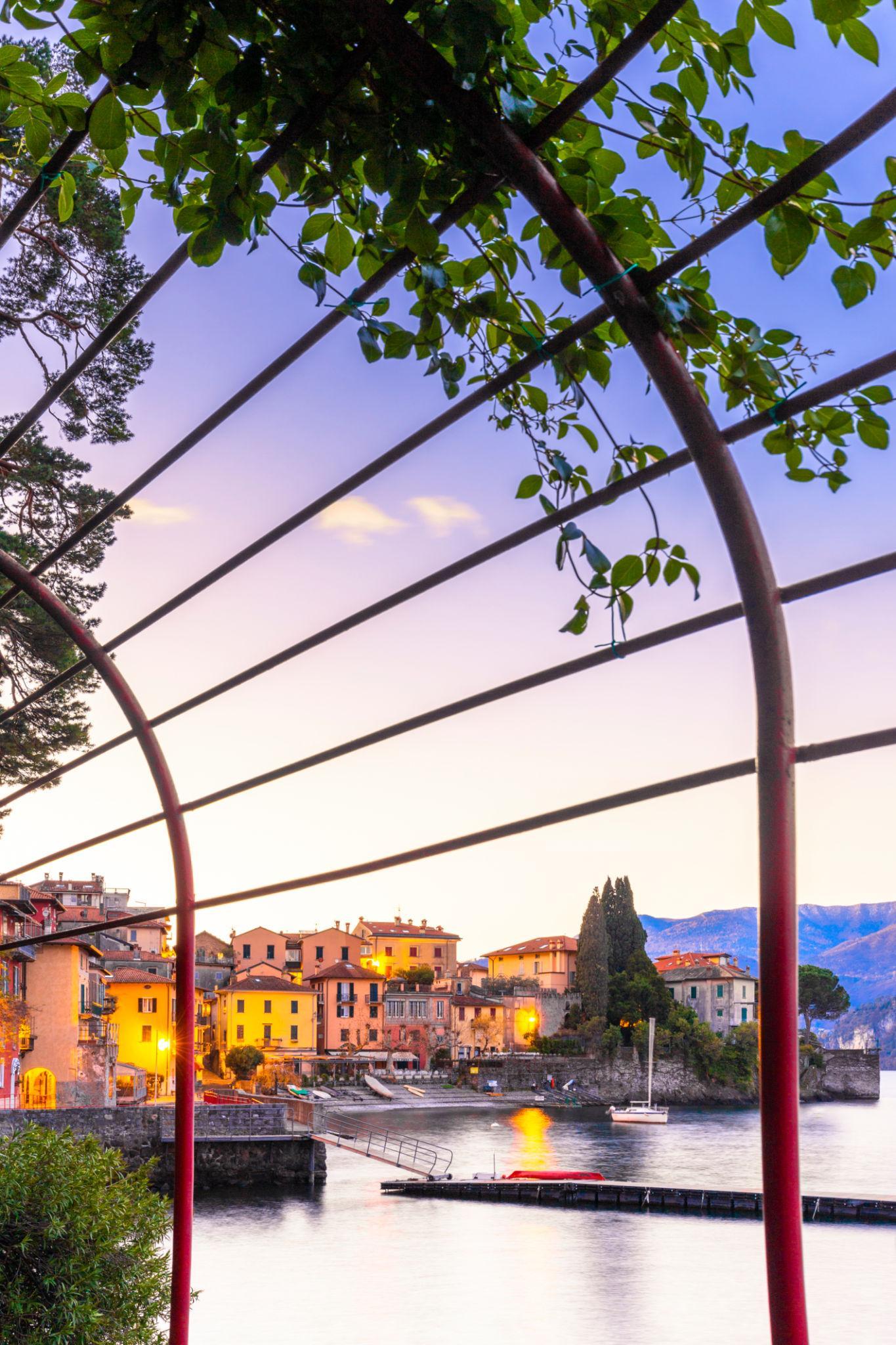
Lake Como villas and Bellagio waterfront
Lake Como curves through steep Alpine foothills.
• Bellagio
• Varenna
• Historic shoreline villas
• Mountain viewpoints
Best time: May–September.
Lake Garda – Italy’s Largest Lake
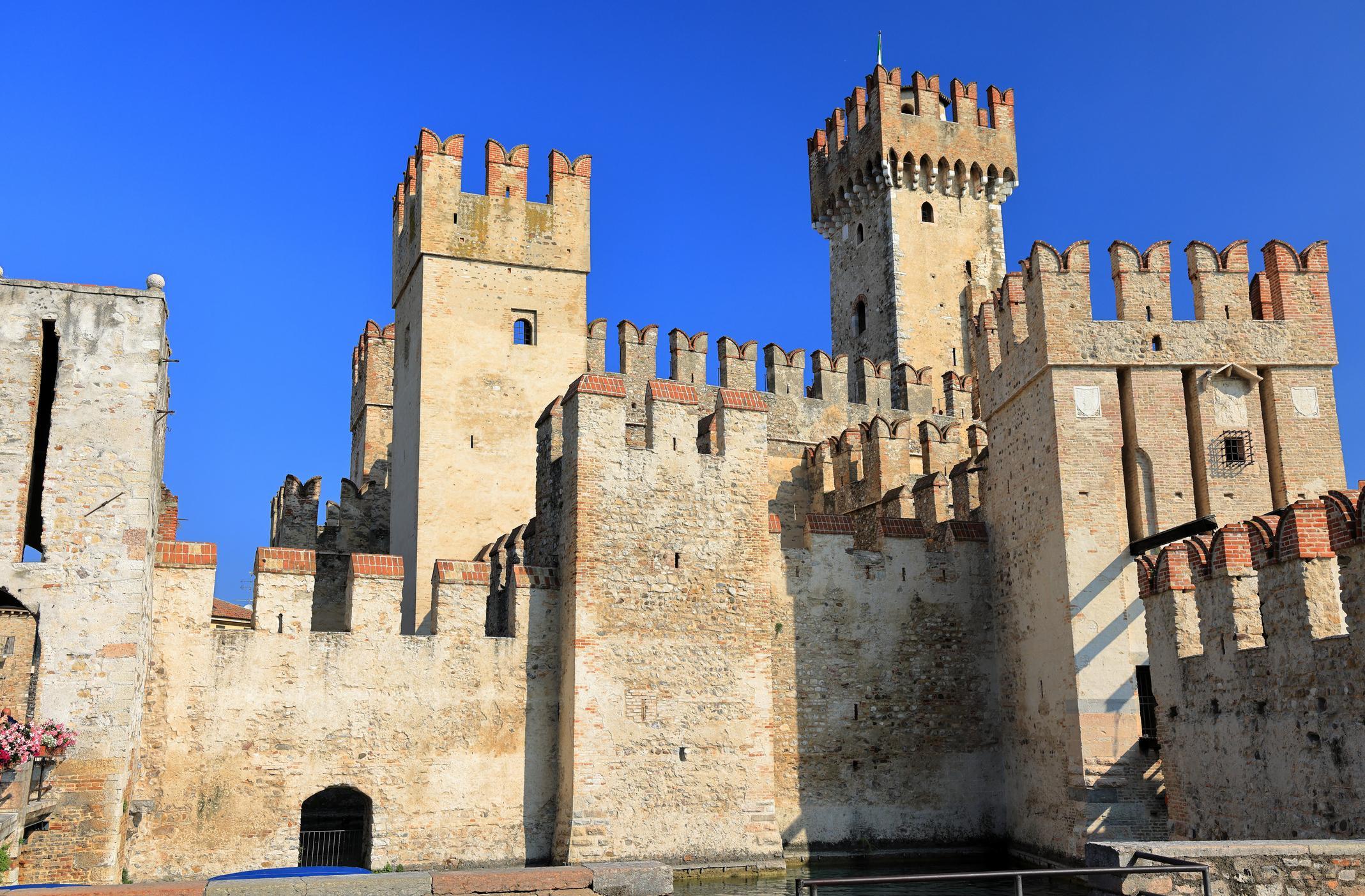
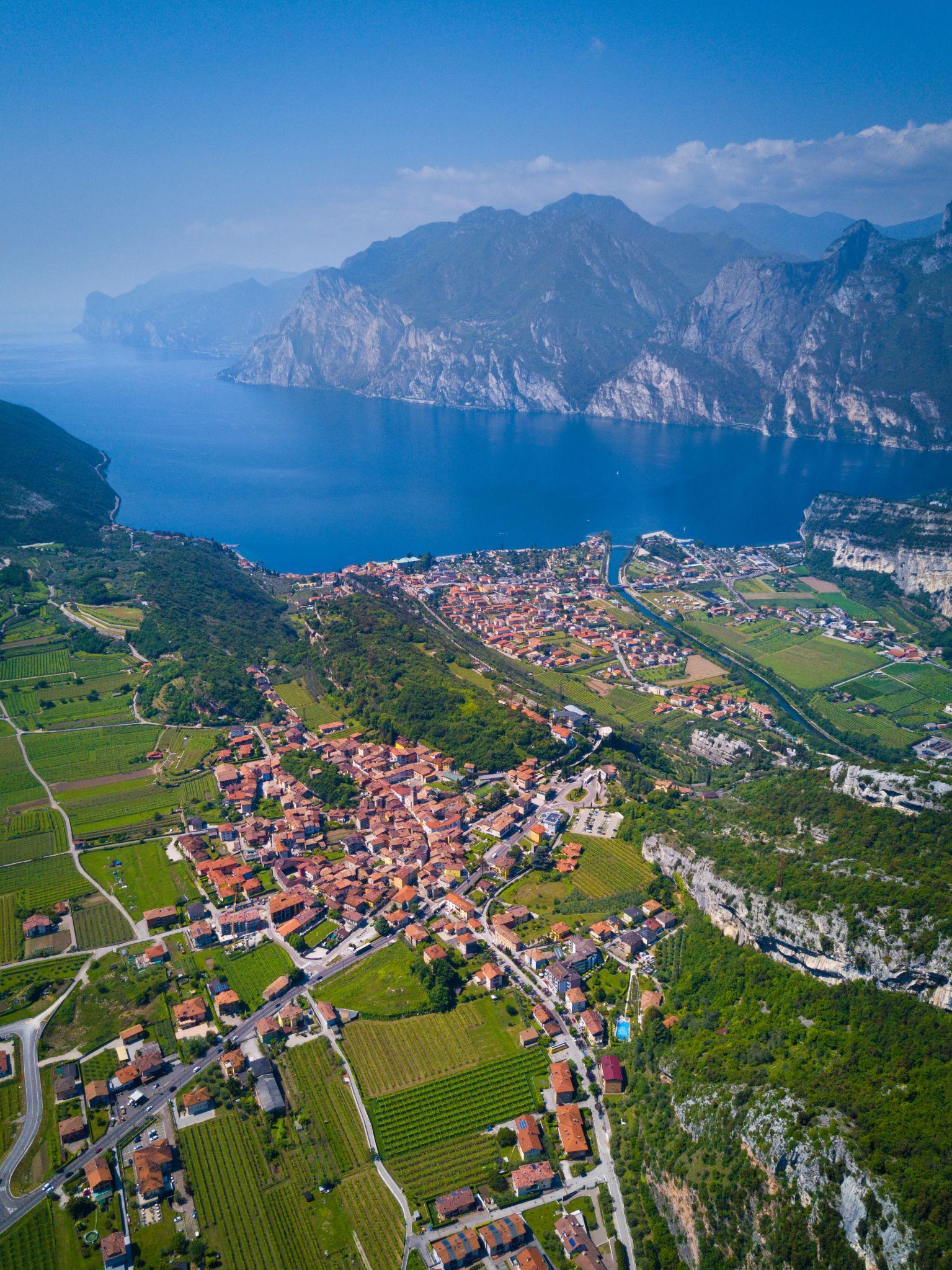
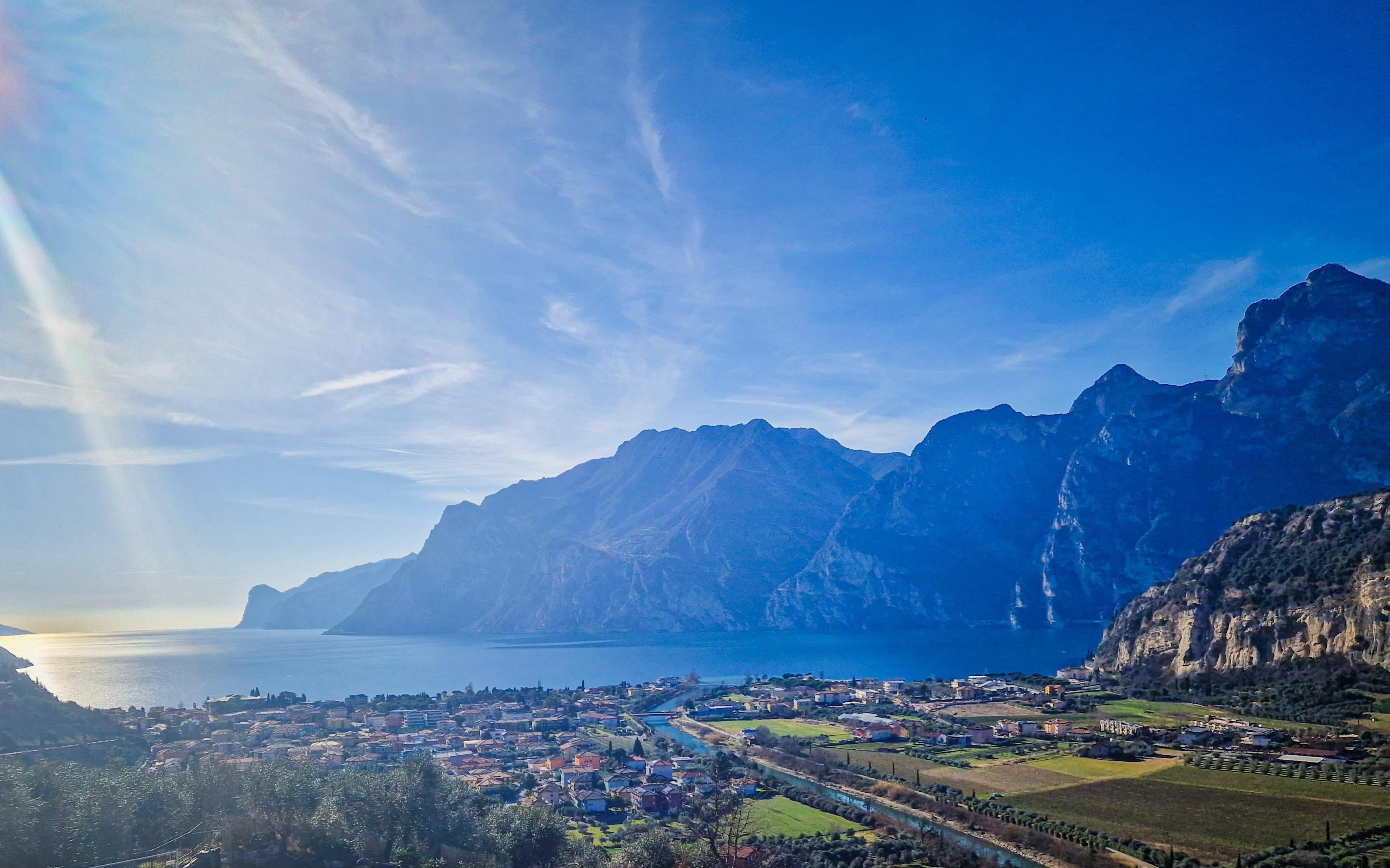
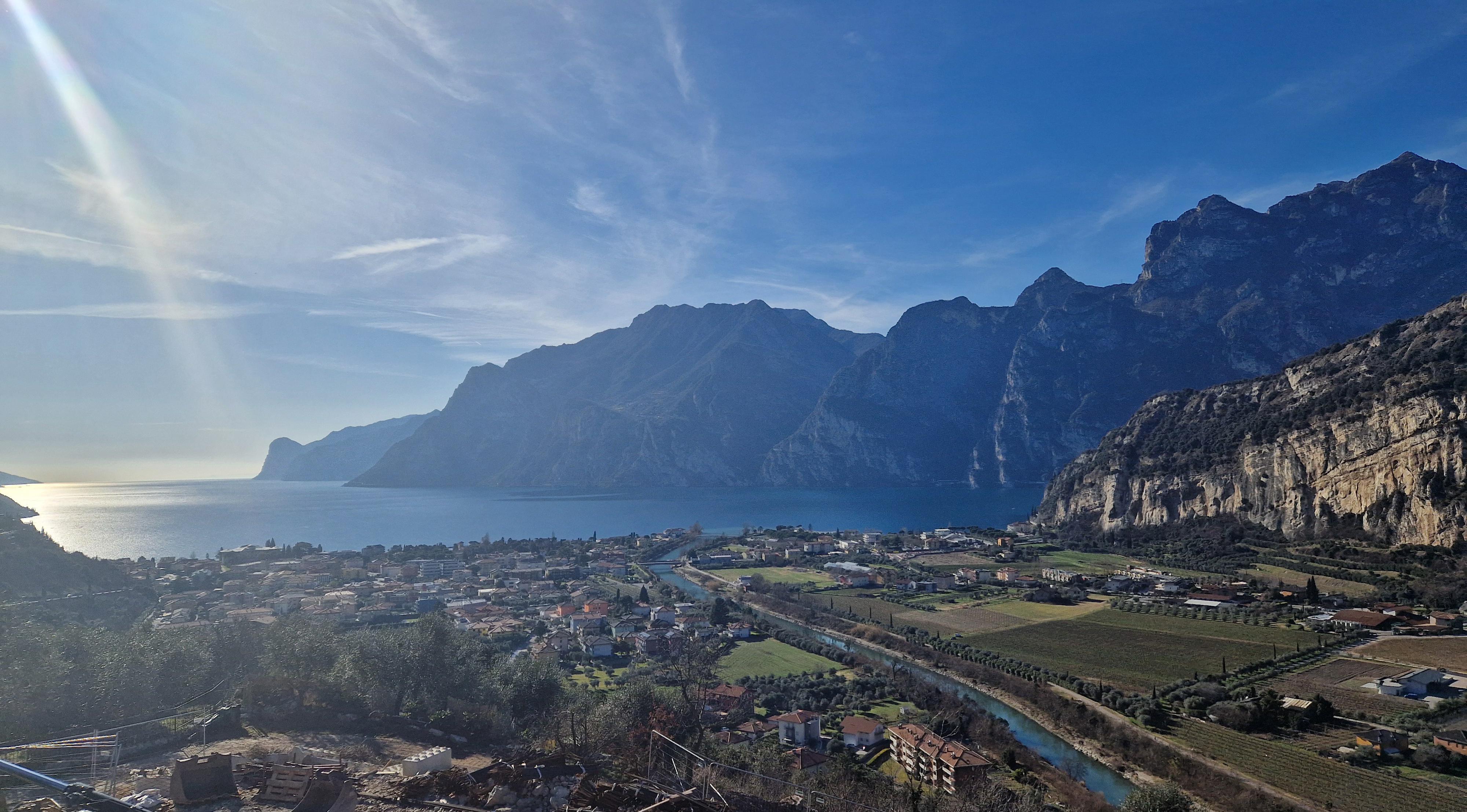
Sirmione castle and Lake Garda landscape
Lake Garda combines Mediterranean atmosphere in the south with Alpine terrain in the north.
• Sirmione peninsula
• Roman ruins
• Access to the Dolomites
V. The Dolomites – Italy’s Dramatic Alpine Frontier
Dolomites – Sharp Peaks & High-Altitude Trails
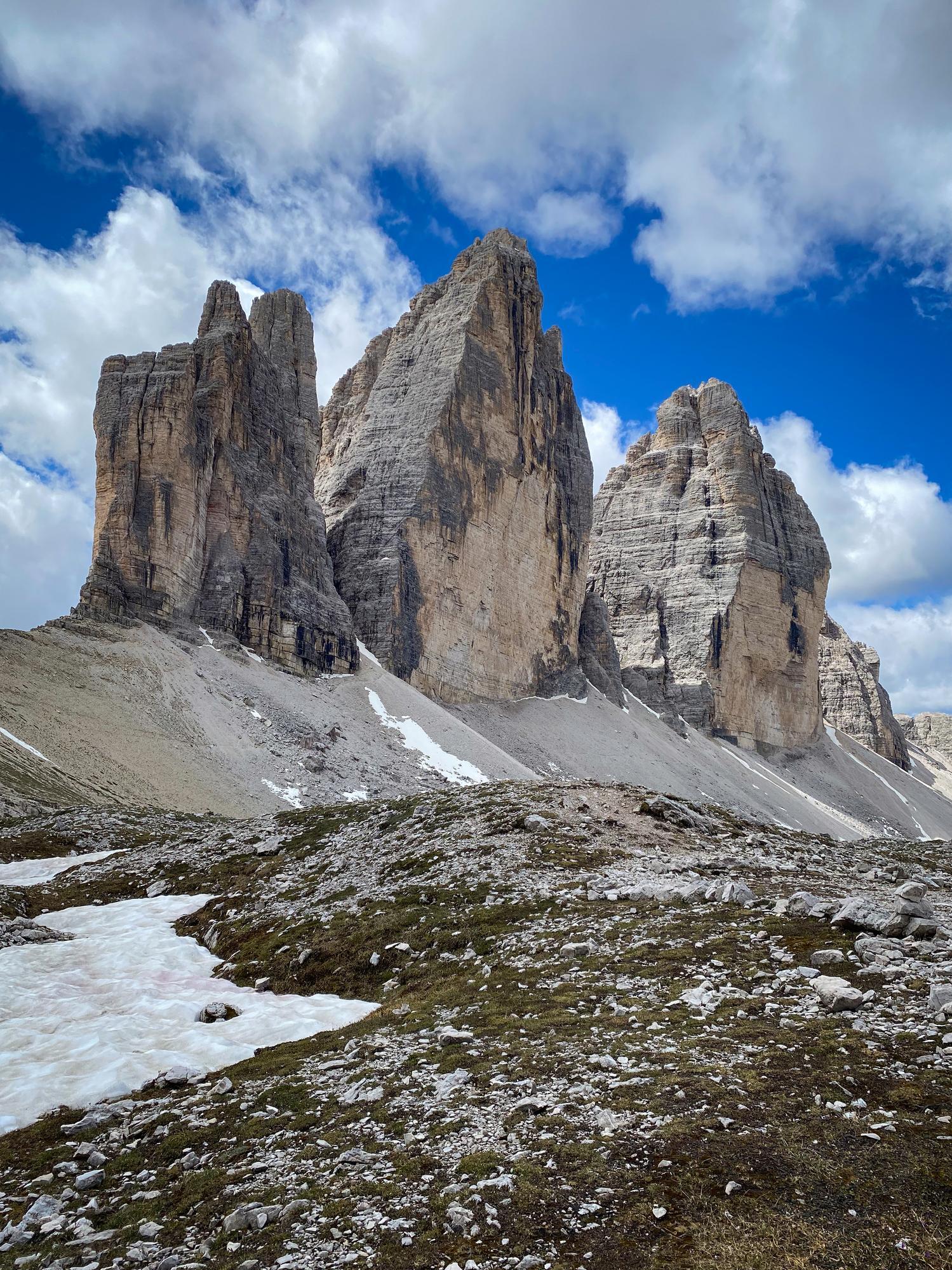
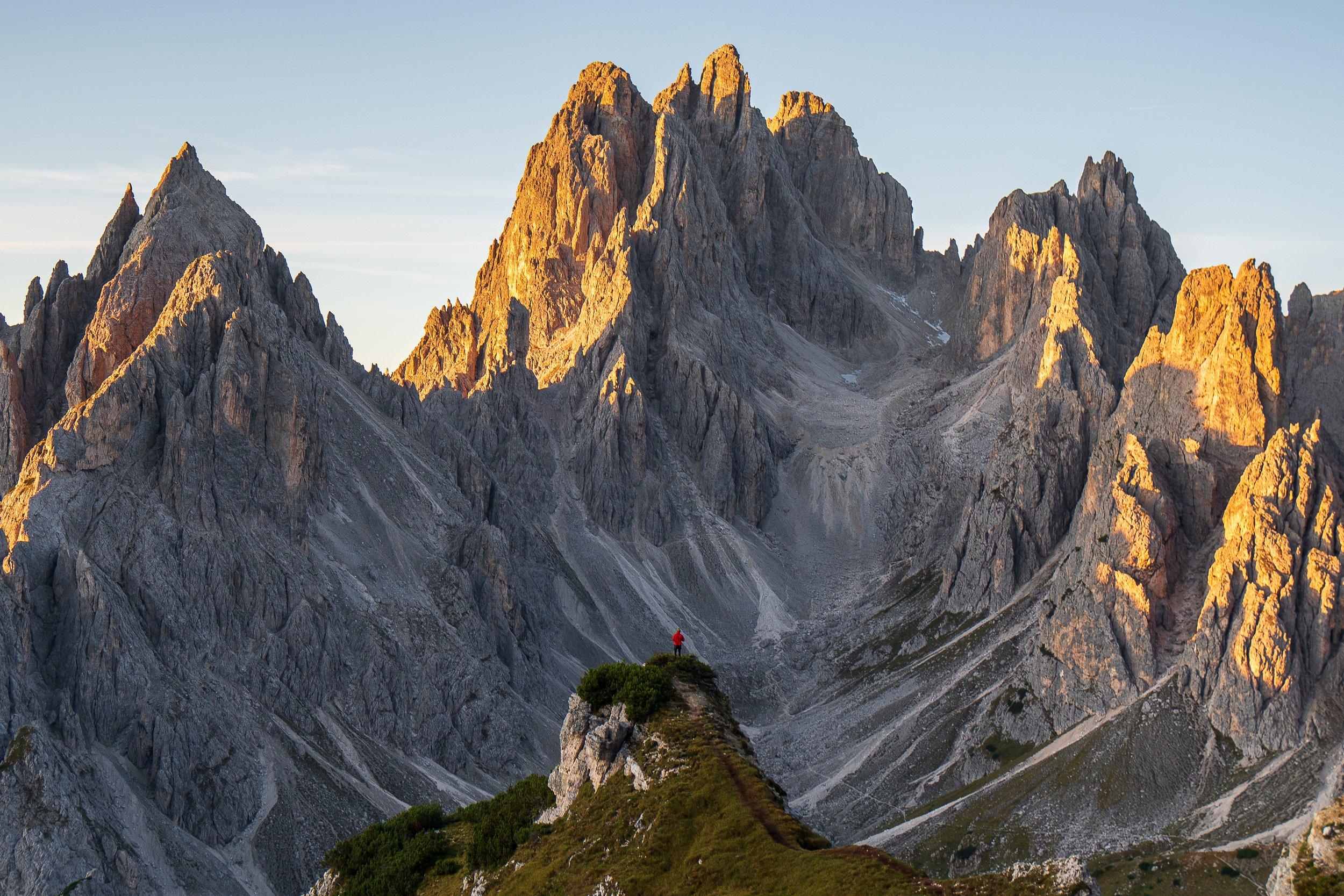
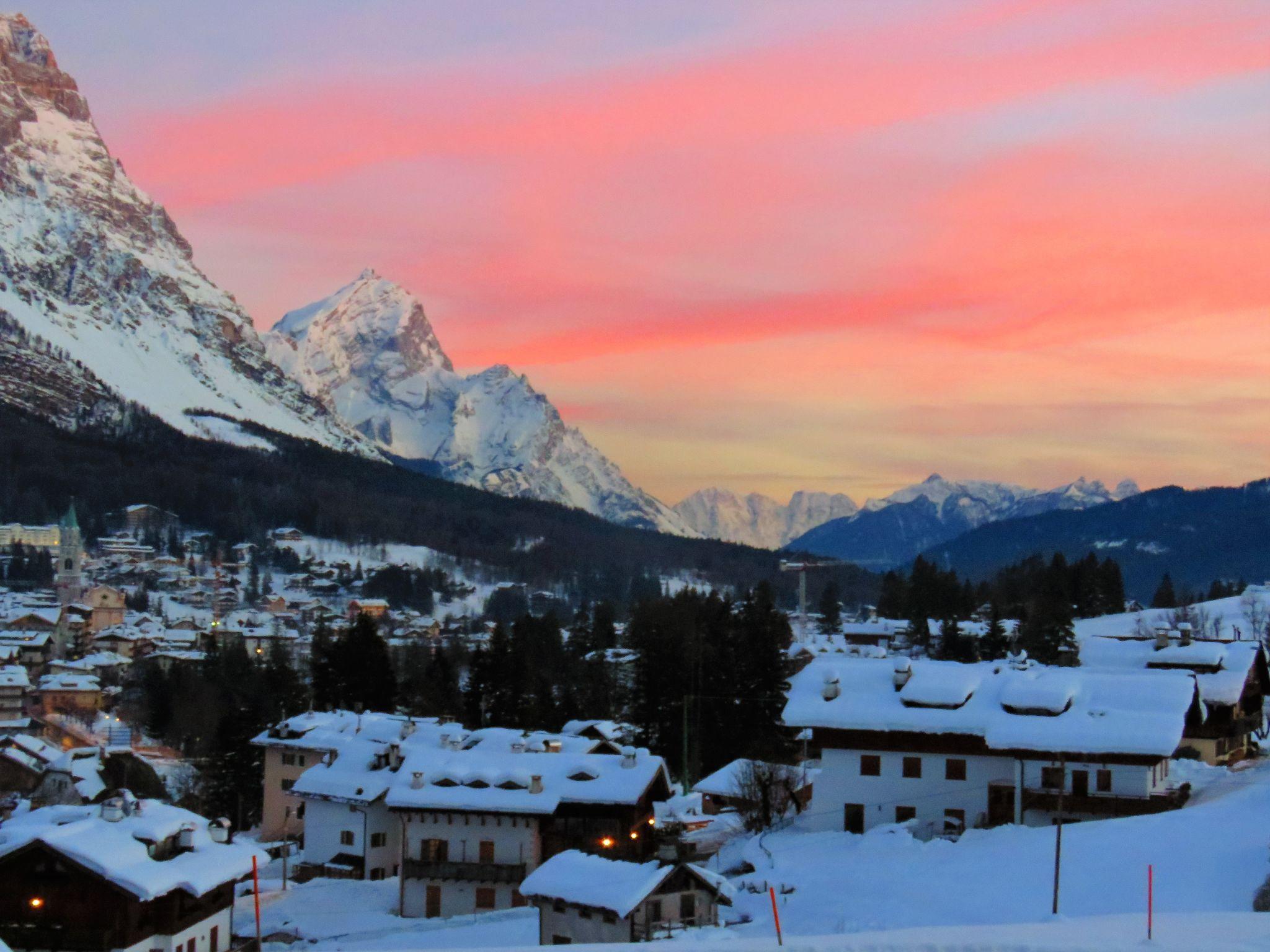
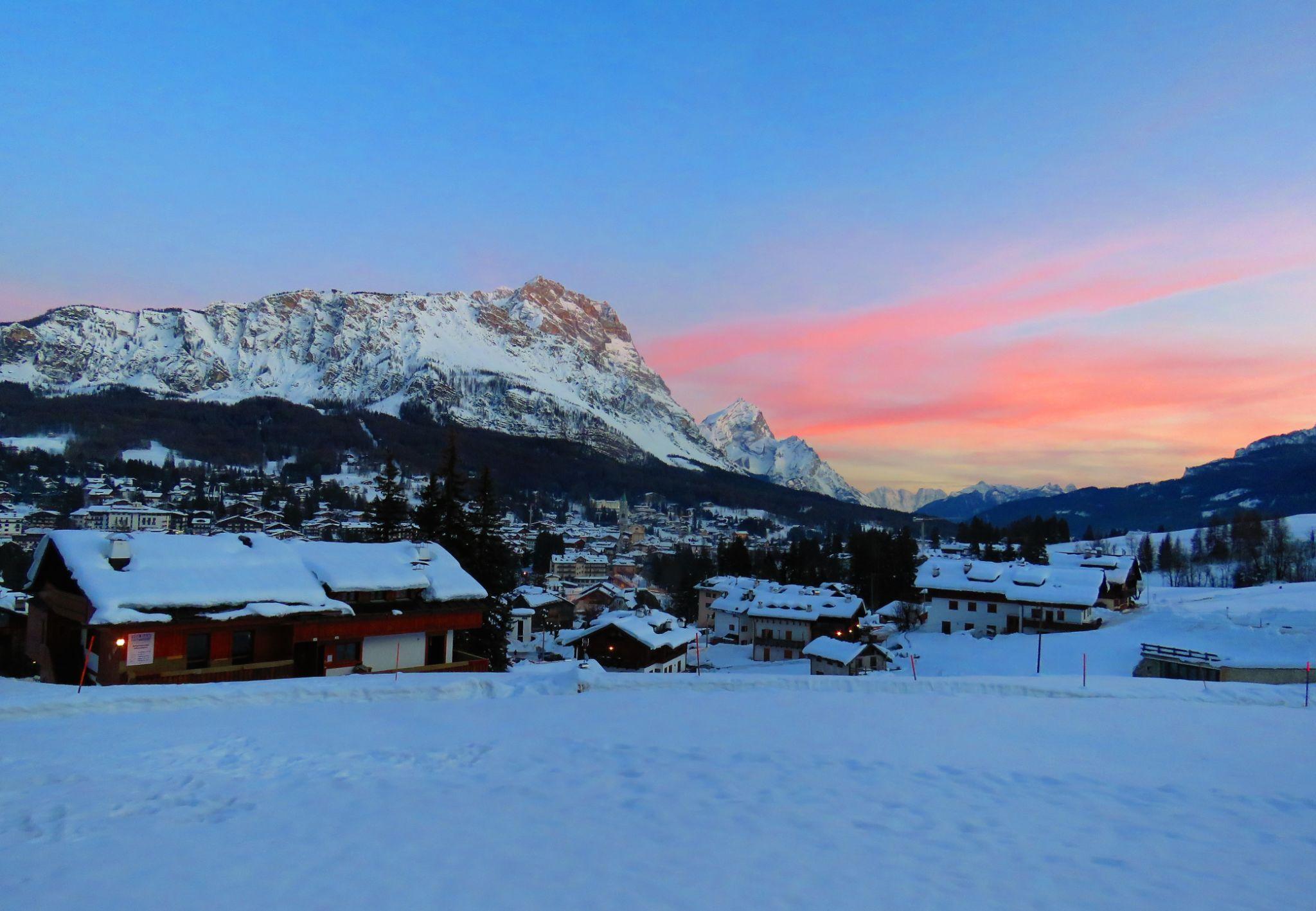
Tre Cime di Lavaredo and alpine trails
Dolomites are geologically distinct limestone peaks glowing pink at sunset.
• Tre Cime di Lavaredo hikes
• Multi-day trekking between rifugi
• Winter ski networks
Best time: June–September for hiking.
VI. Naples & Campania – Energy, Archaeology & Volcanoes
Naples – Southern Italy’s Heartbeat
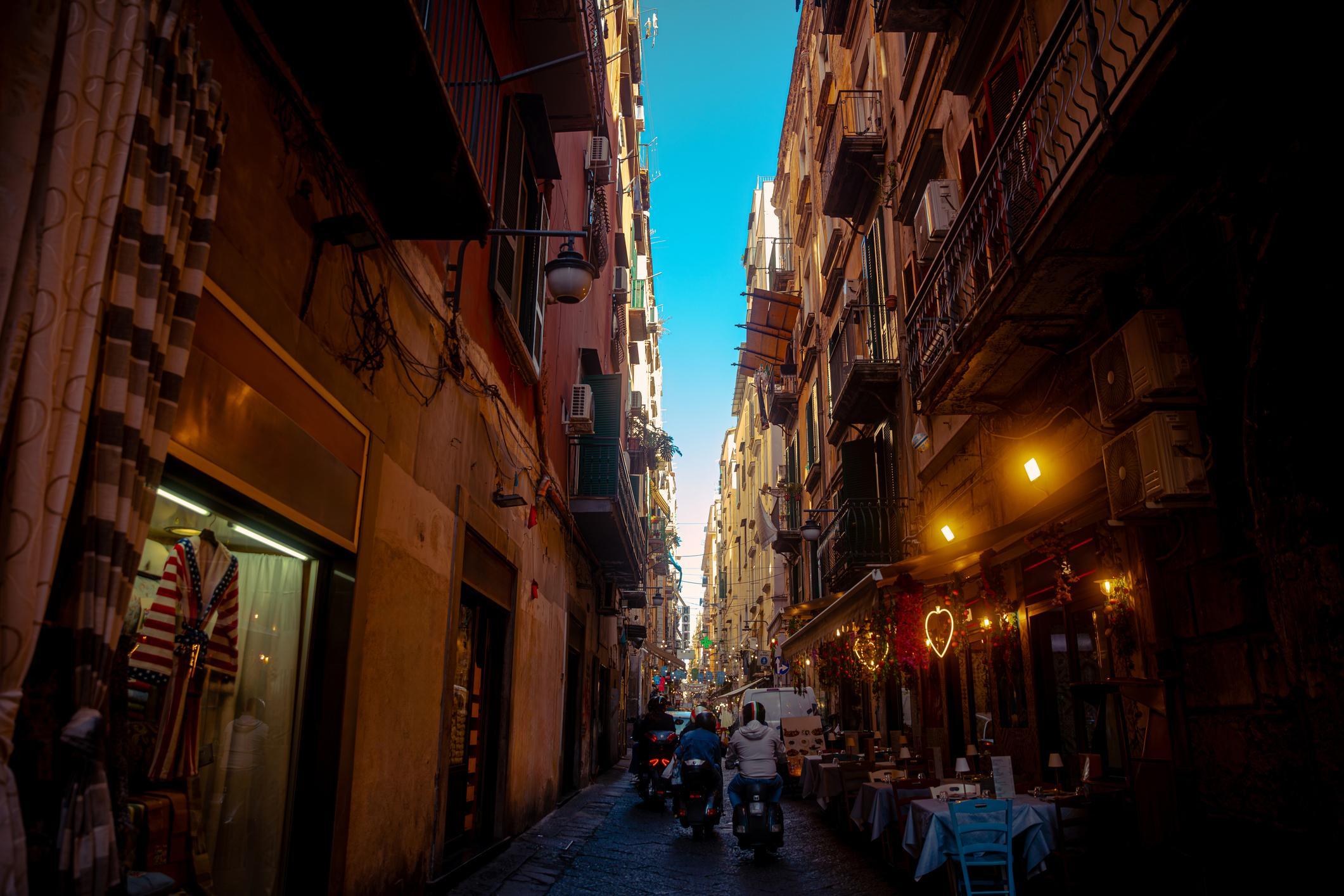
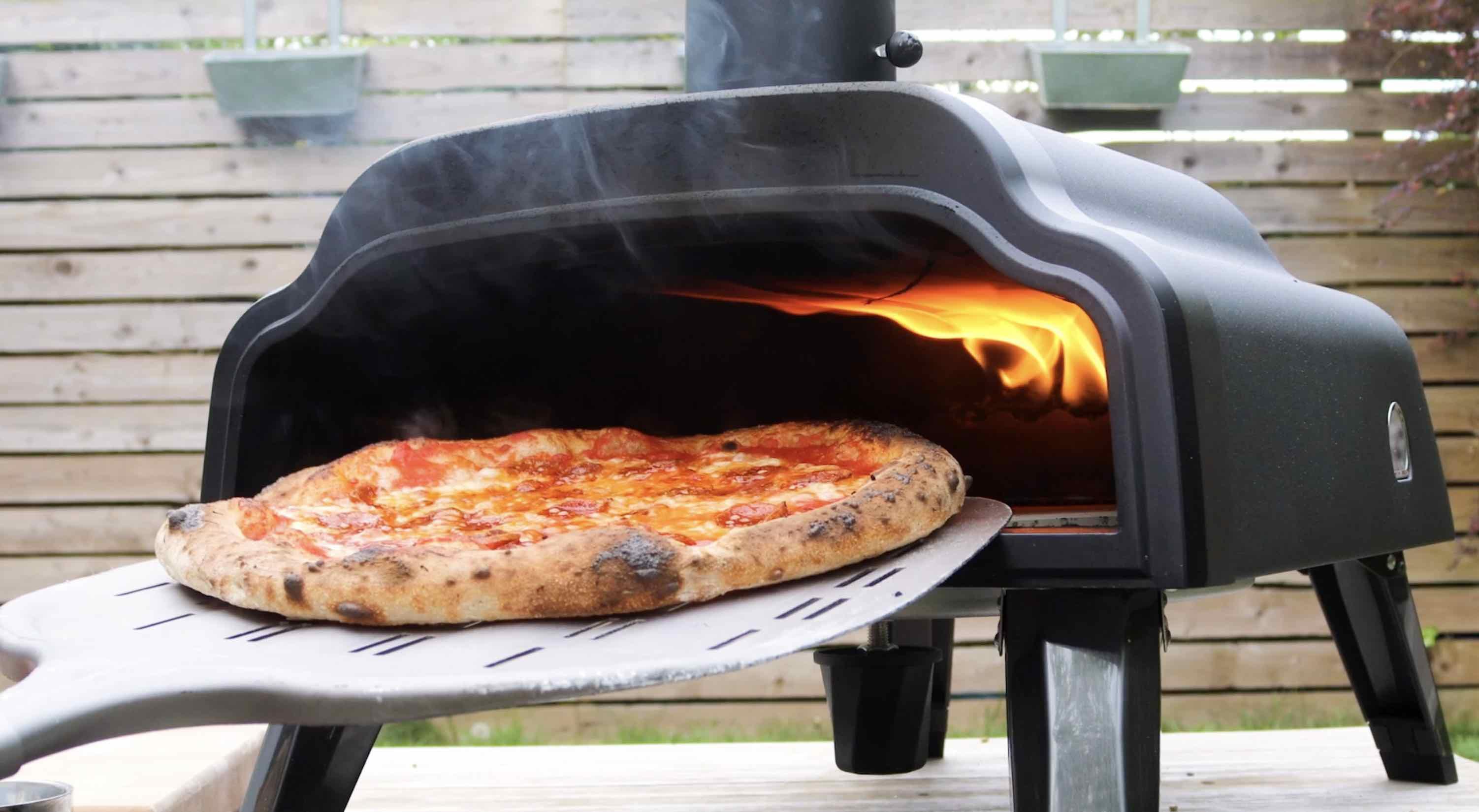
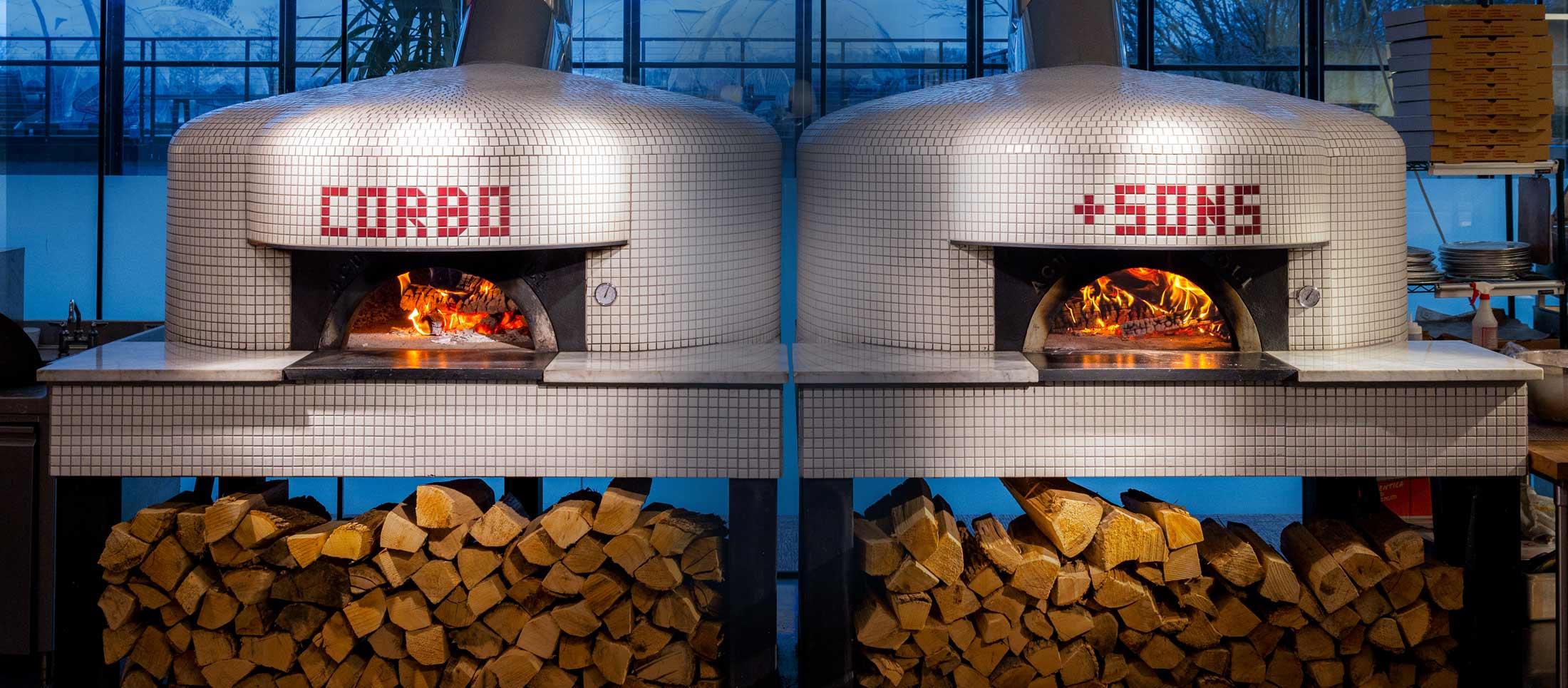
Naples with Mount Vesuvius rising behind the city
Naples is raw and intensely local.
• UNESCO-listed historic center
• Underground tunnels
• Birthplace of Neapolitan pizza
• Proximity to Vesuvius and Pompeii
Pompeii – Frozen Roman Life
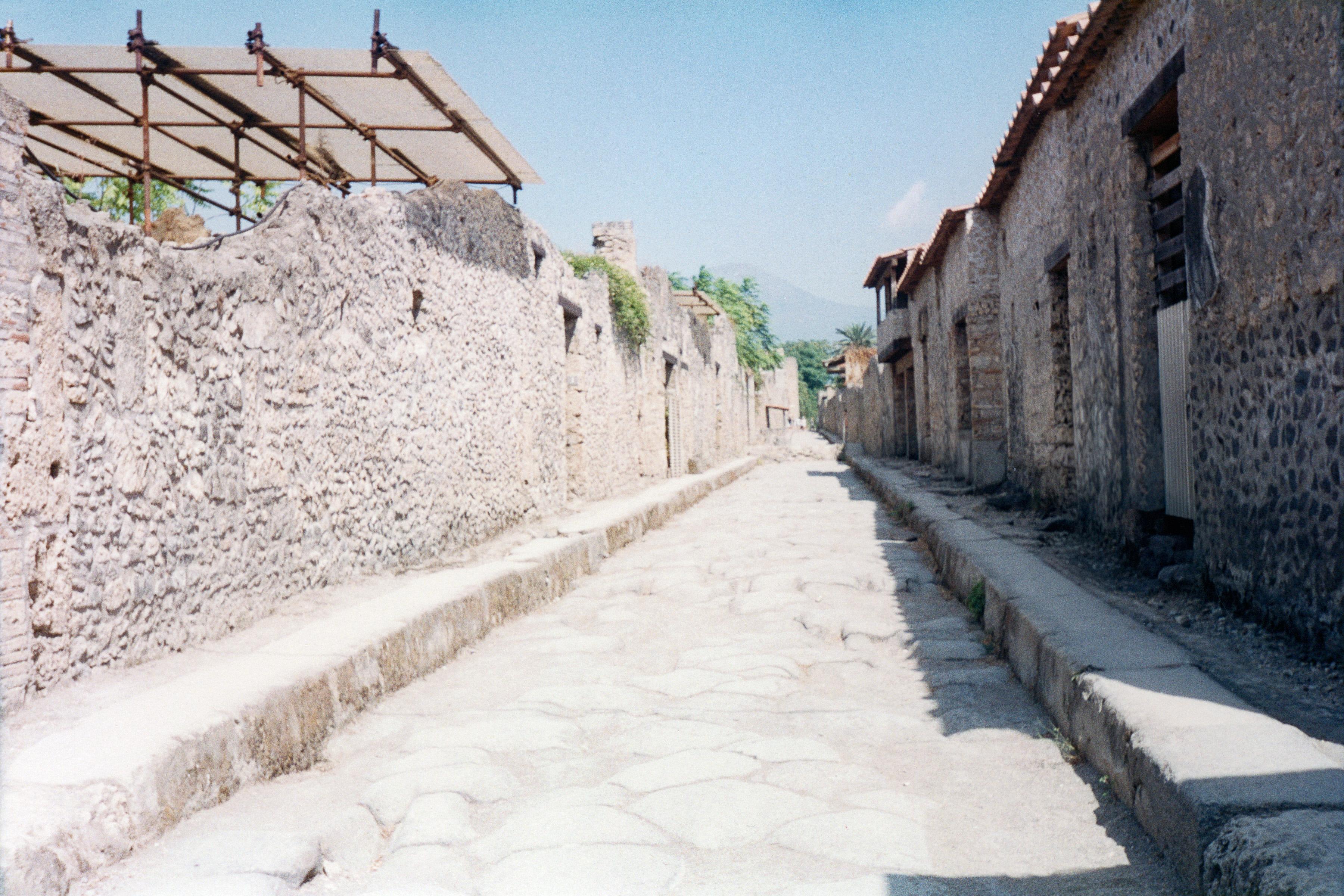
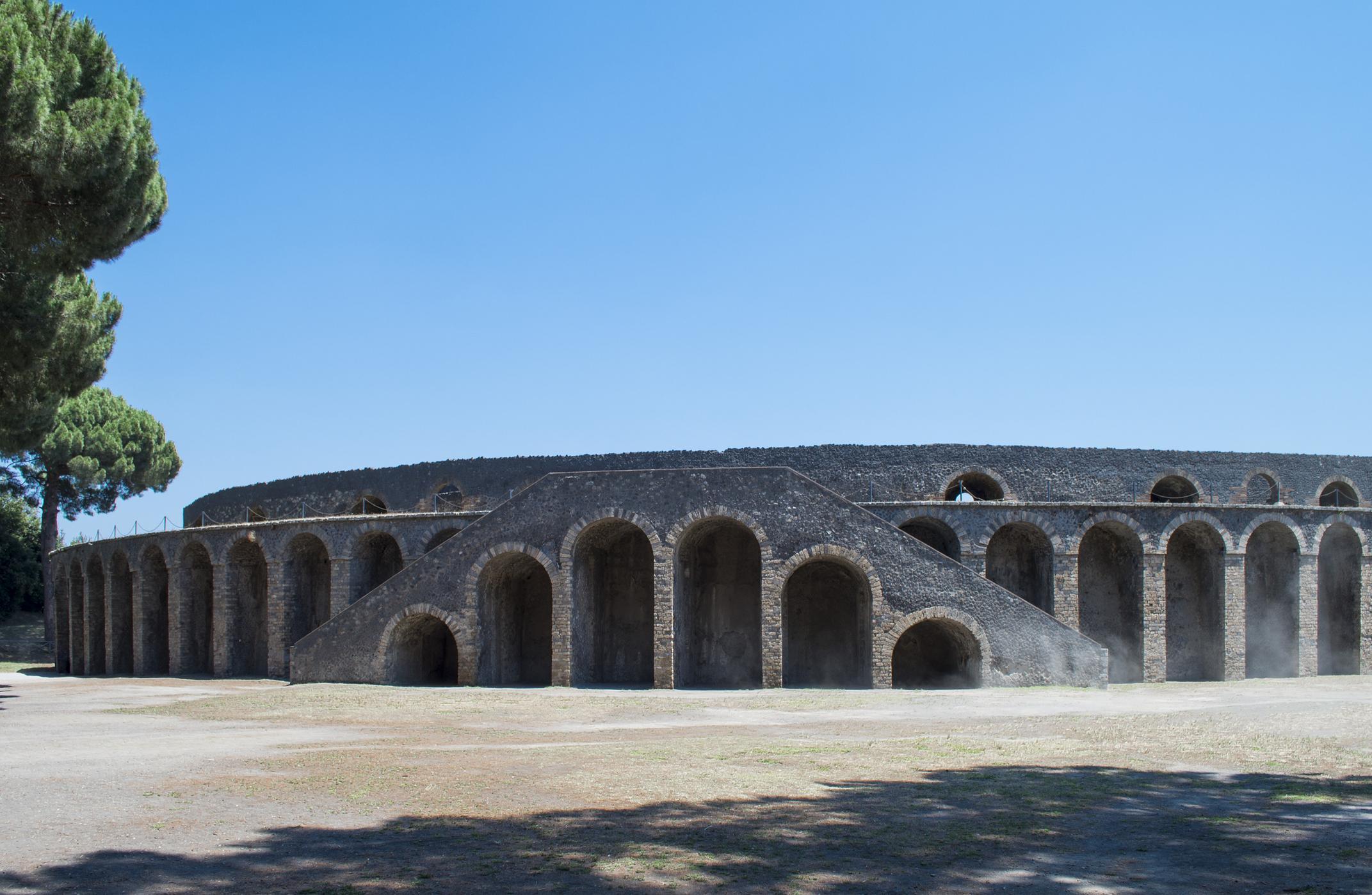
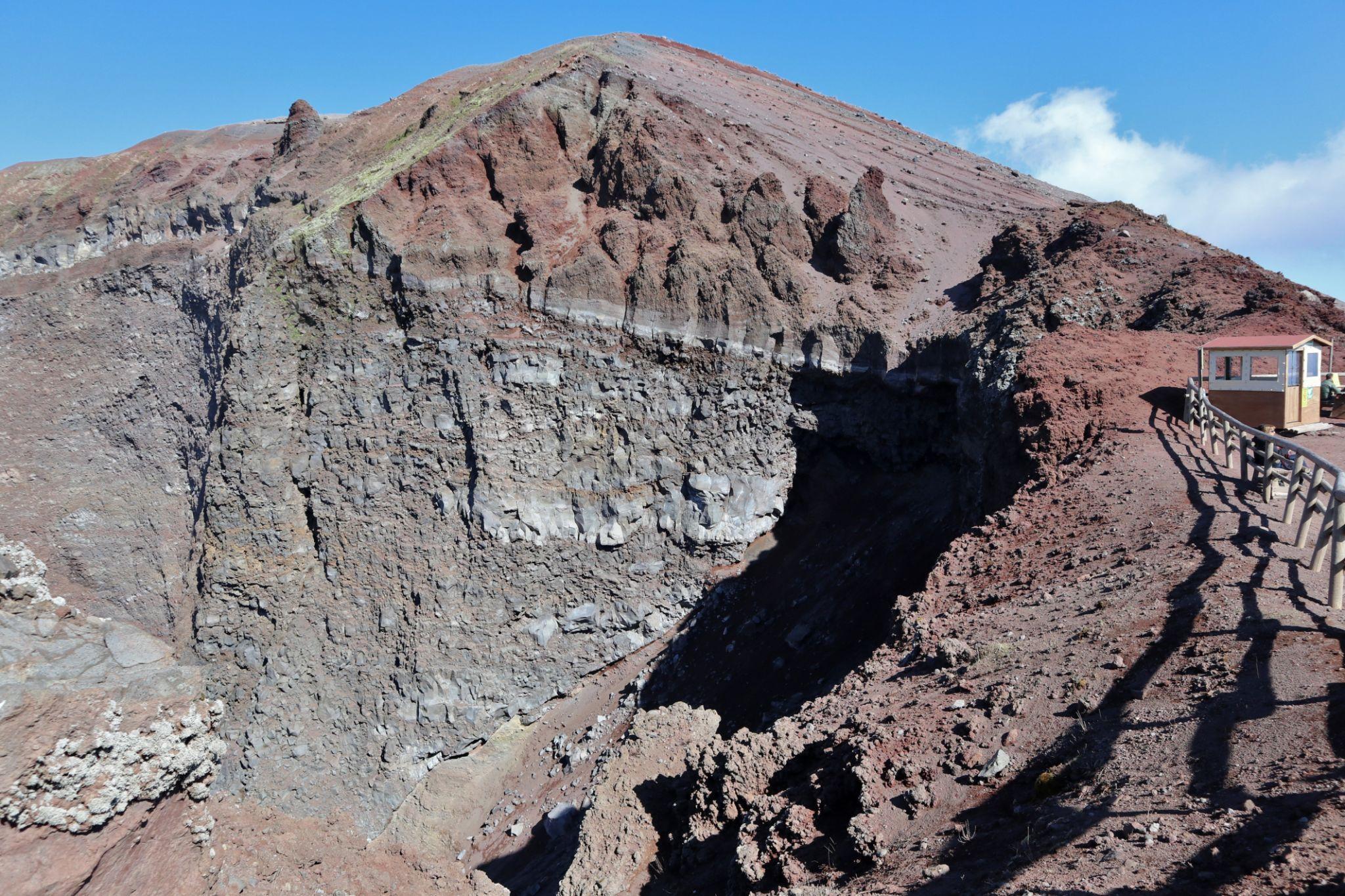
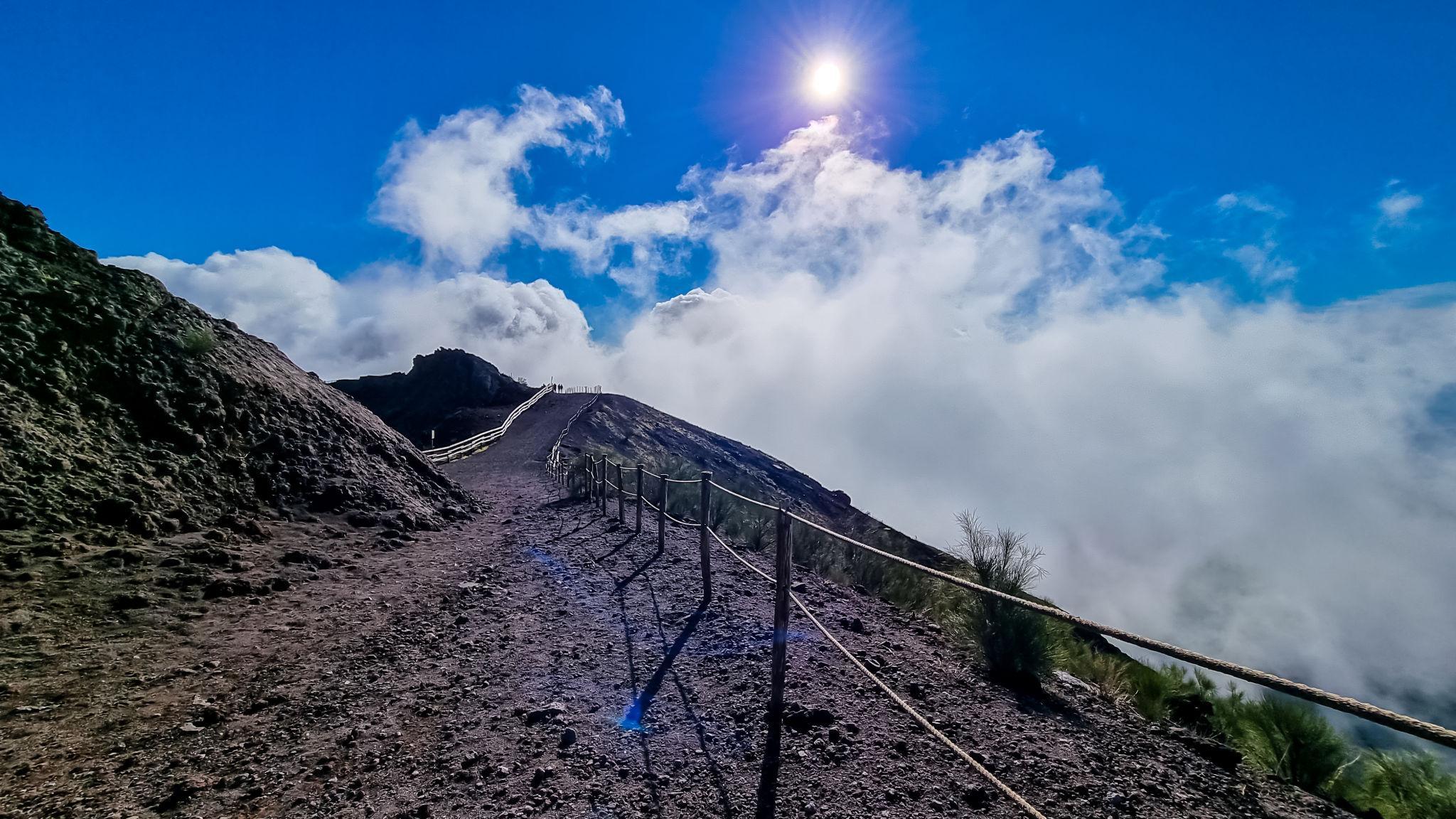
Preserved Roman streets and Mount Vesuvius crater
Pompeii was buried in 79 AD by the eruption of Mount Vesuvius.
• Intact Roman streets
• Mosaics and bathhouses
• Amphitheater
• Nearby Herculaneum
Best time: Spring and autumn.
VII. The Amalfi Coast – Vertical Mediterranean
Amalfi Coast – Cliffside Villages & Coastal Drama
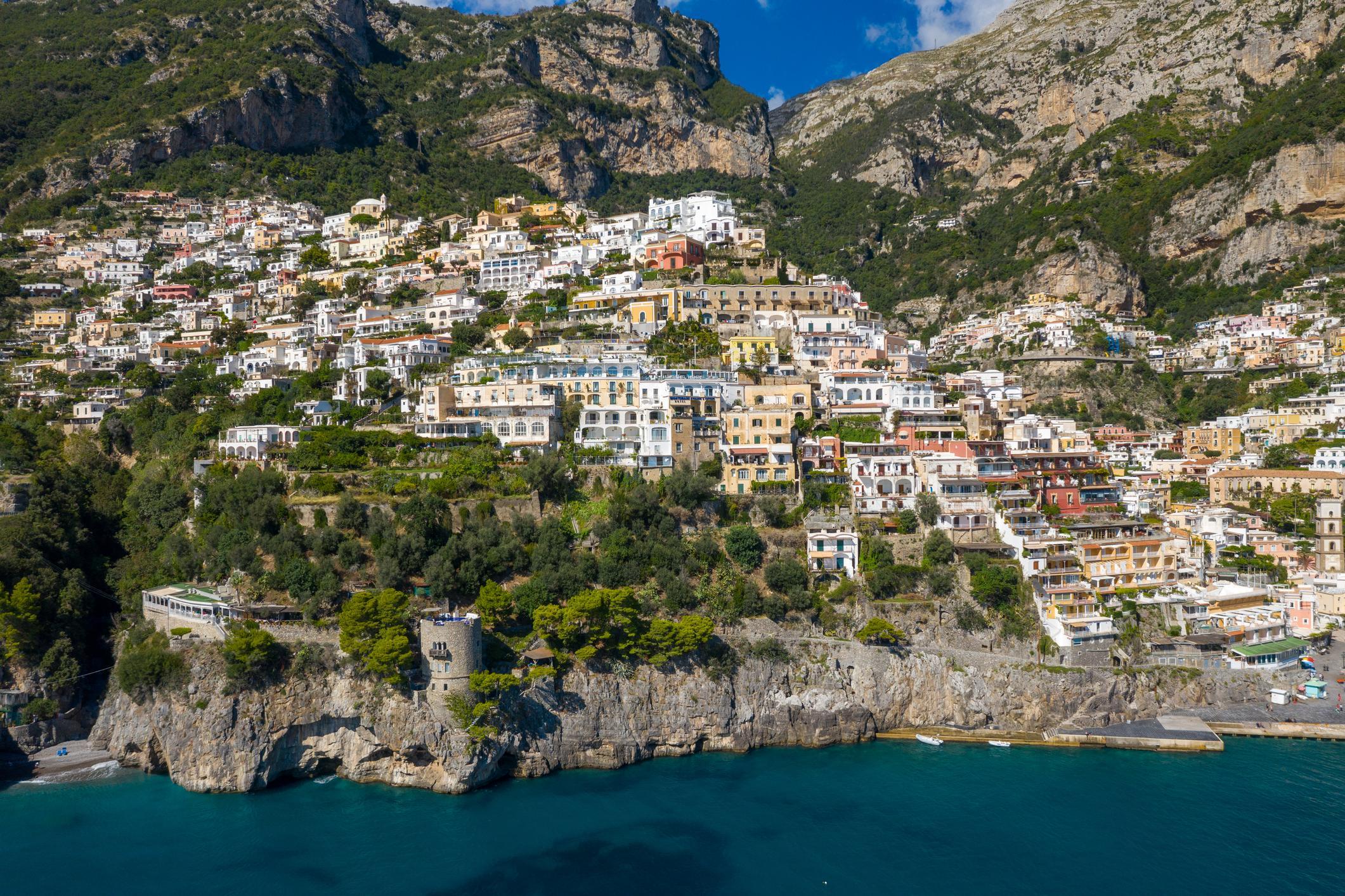
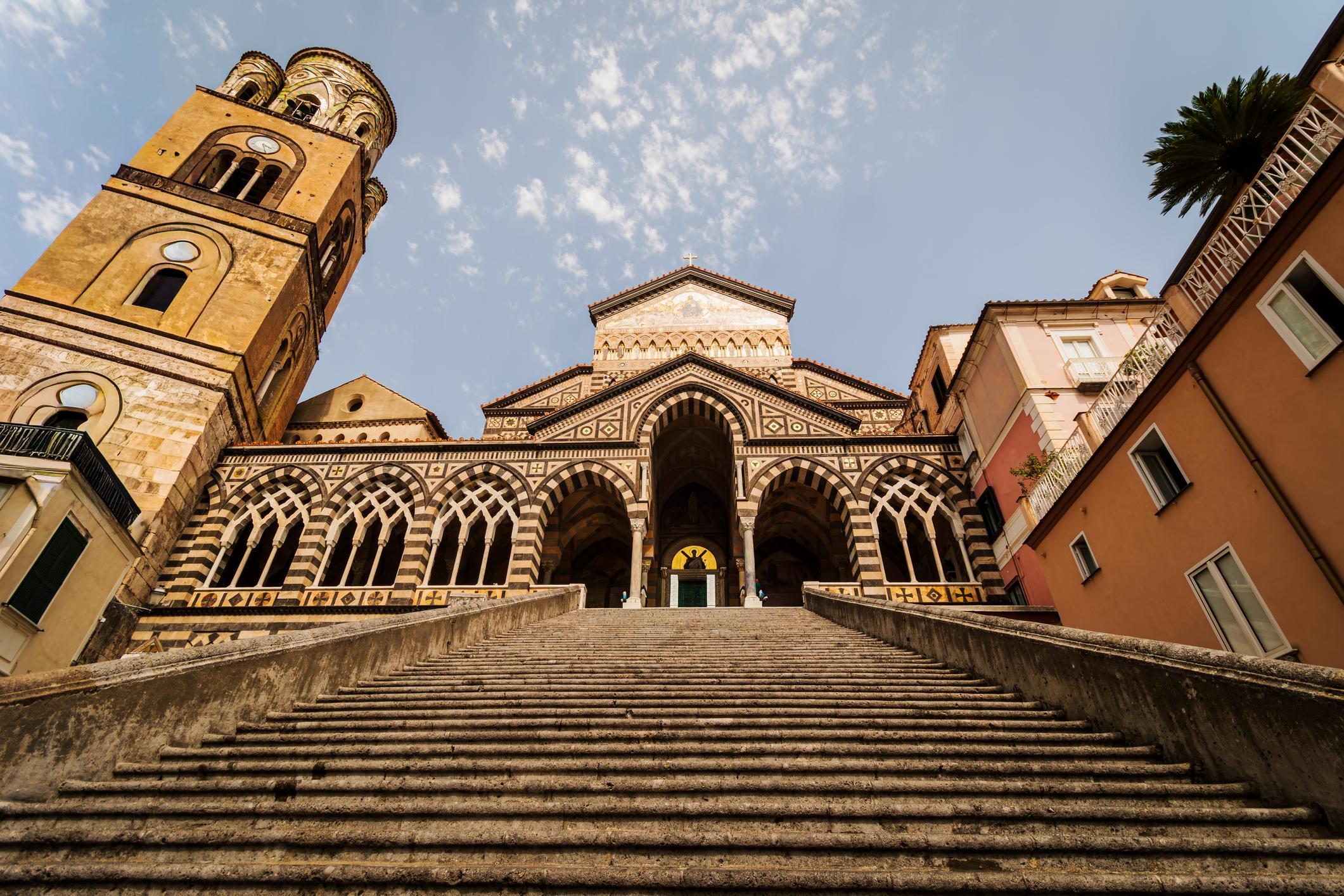
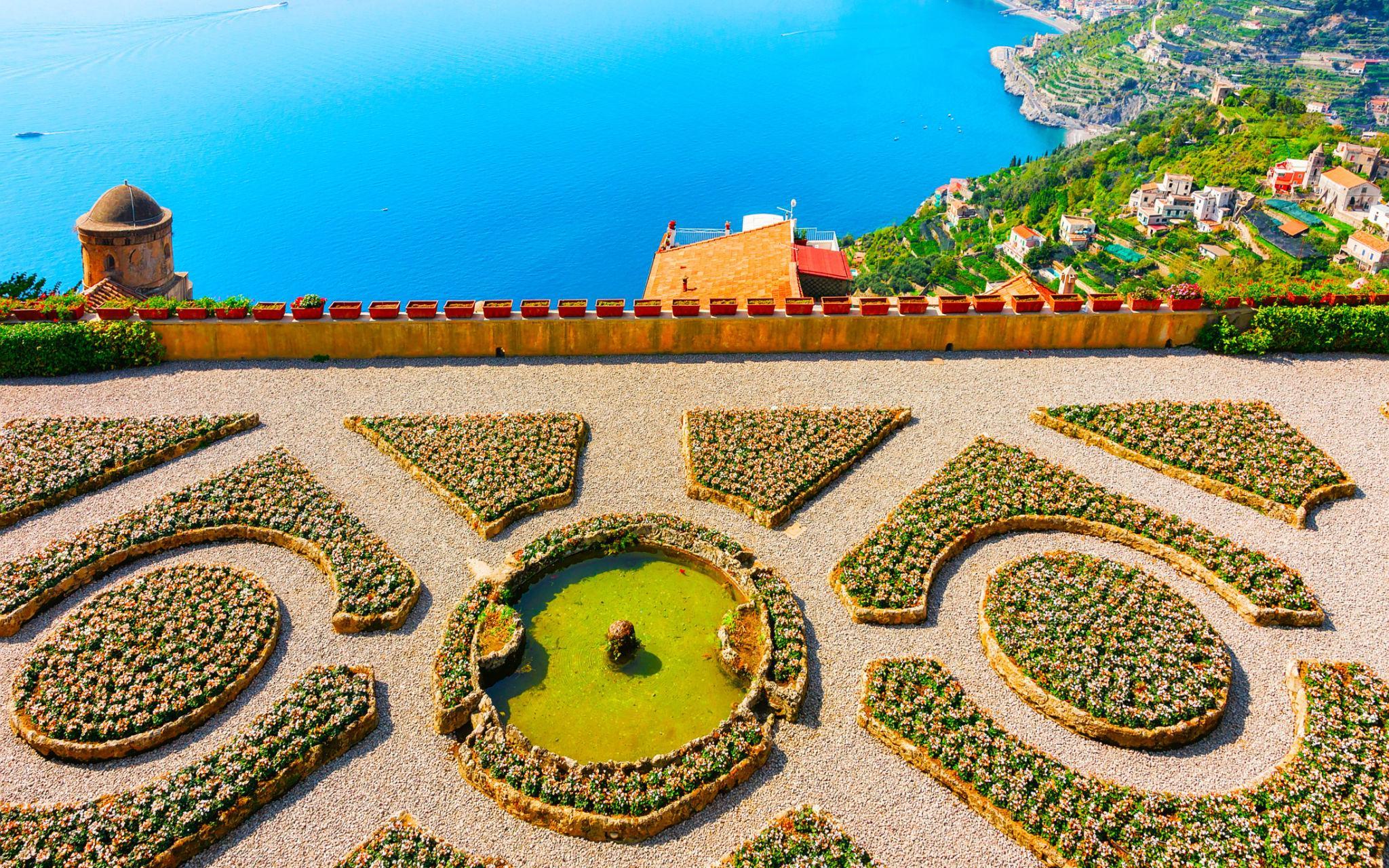
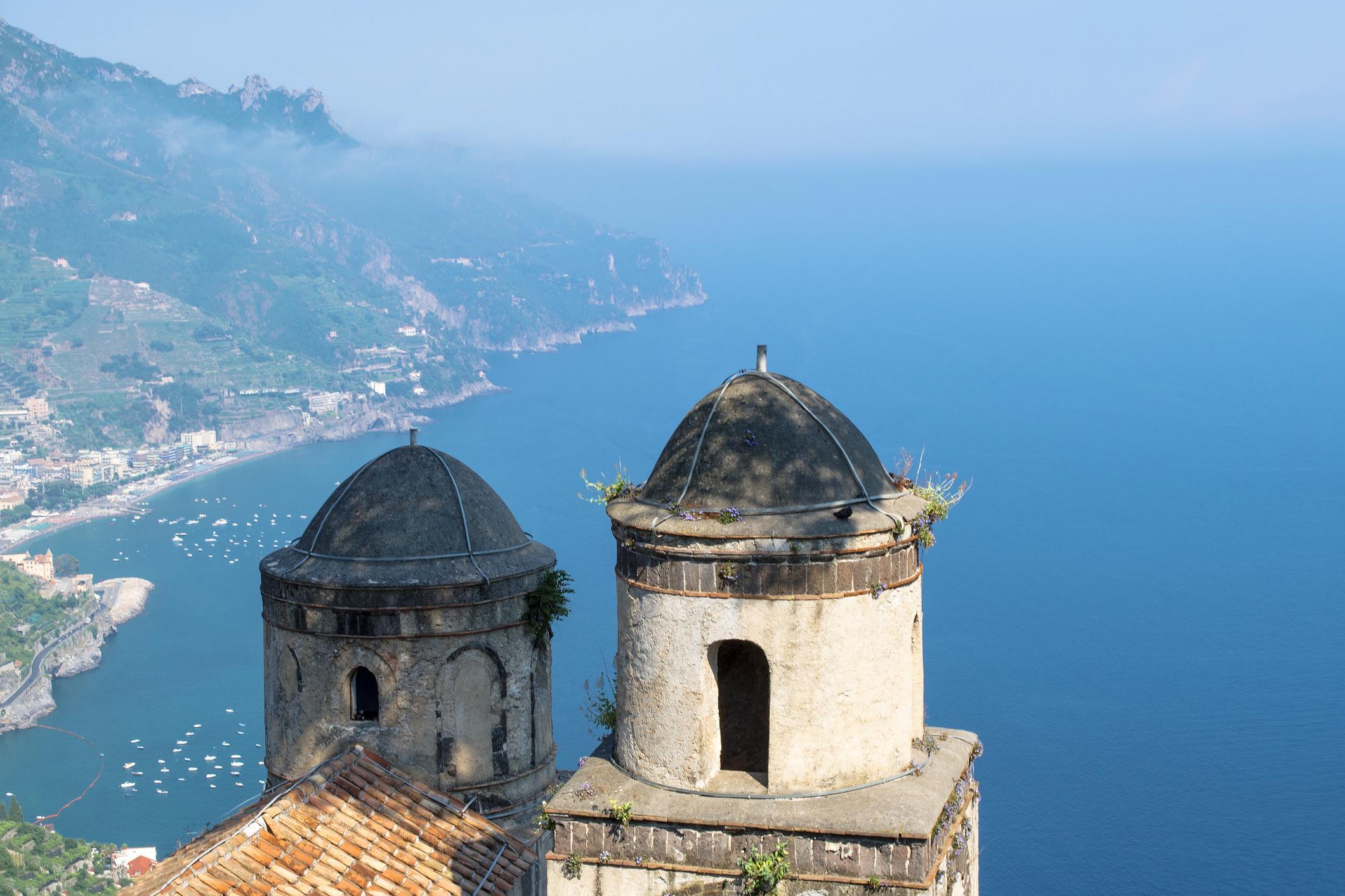
Positano’s cliffside houses and coastal road
Amalfi Coast is defined by vertical geography.
• Positano
• Amalfi
• Ravello
• Narrow cliffside roads
Best time: May–June and September.
VIII. Sicily – Ancient Civilizations & Active Volcano
Sicily – Cultural Crossroads
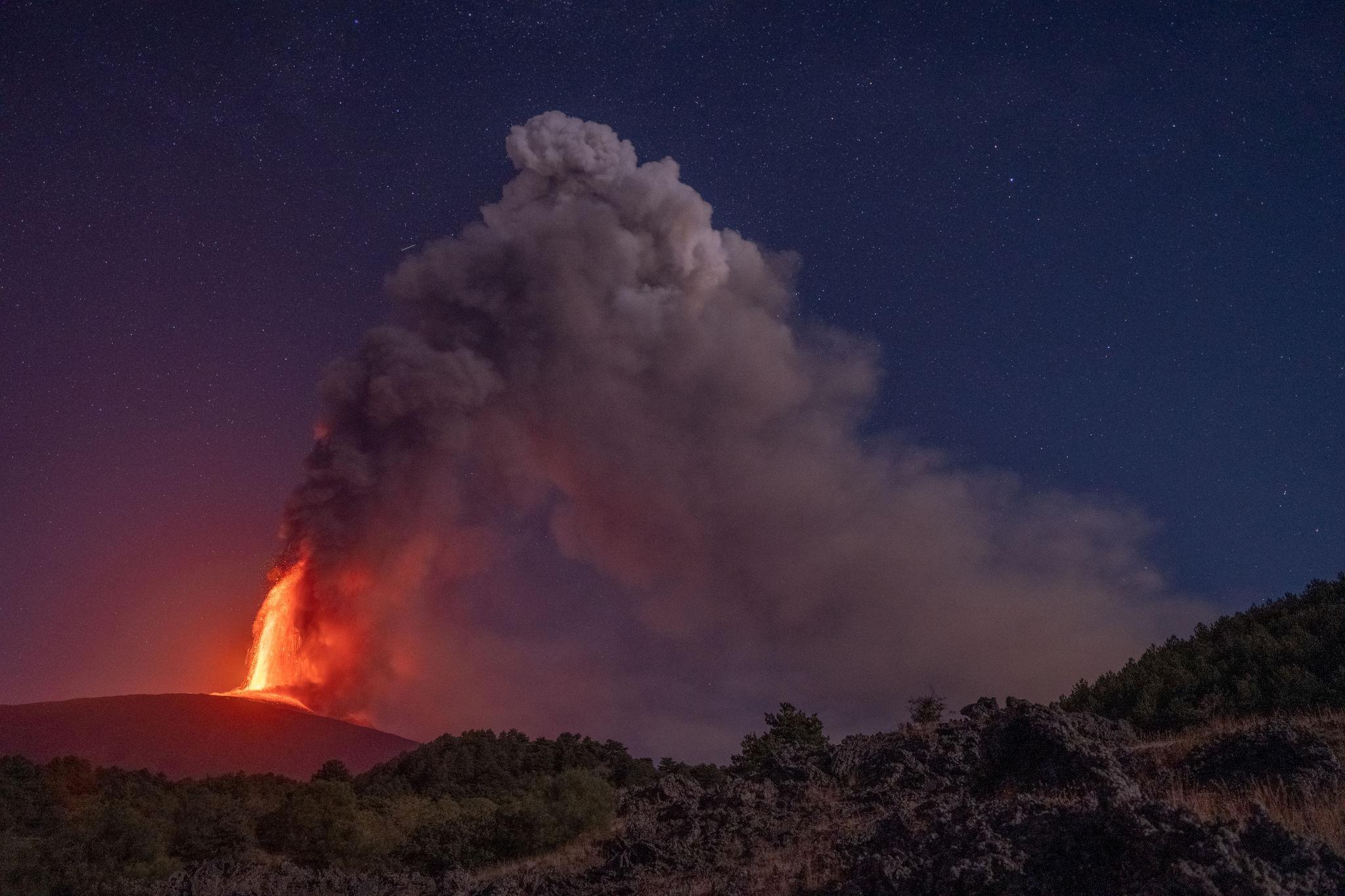
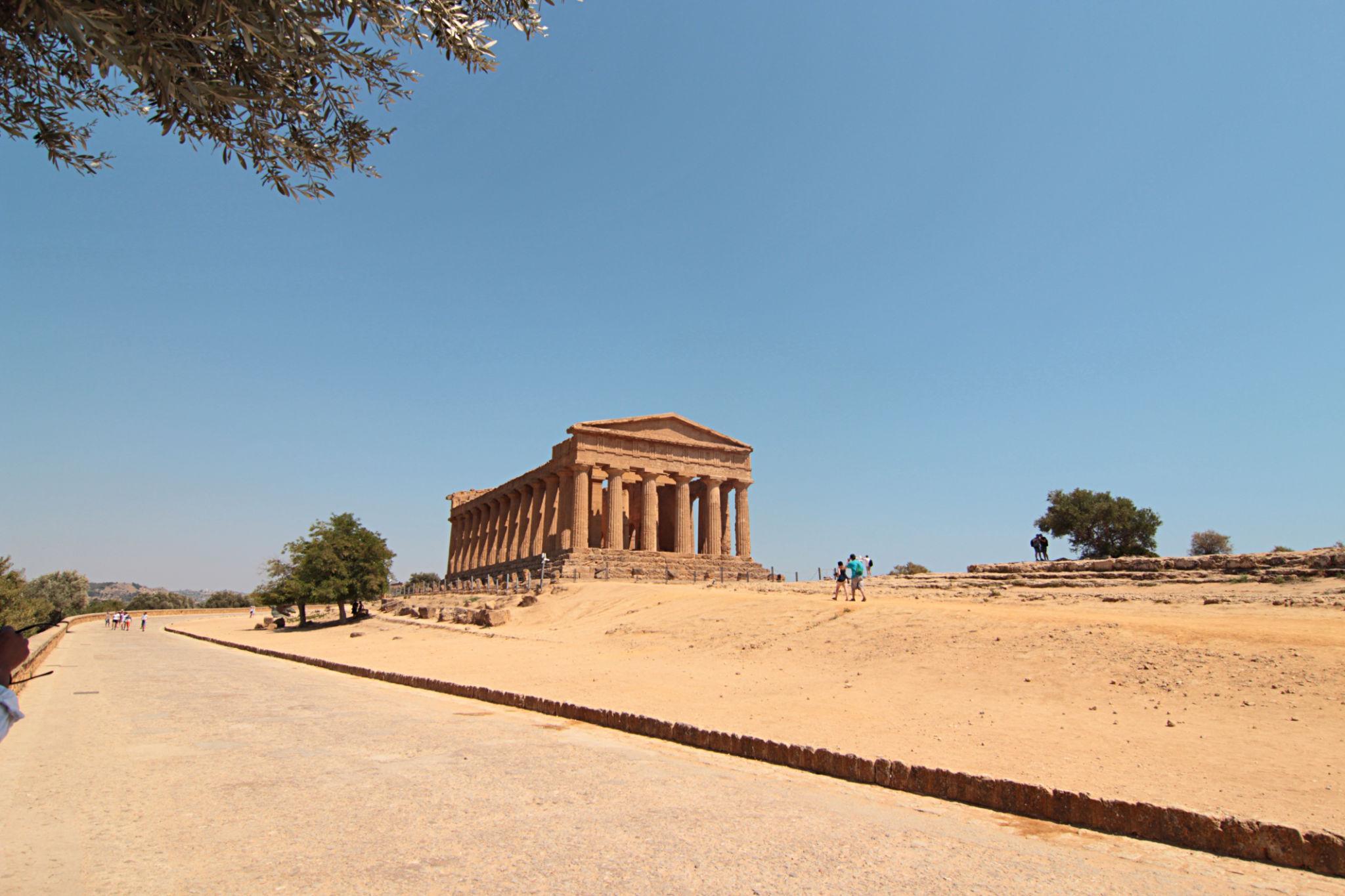
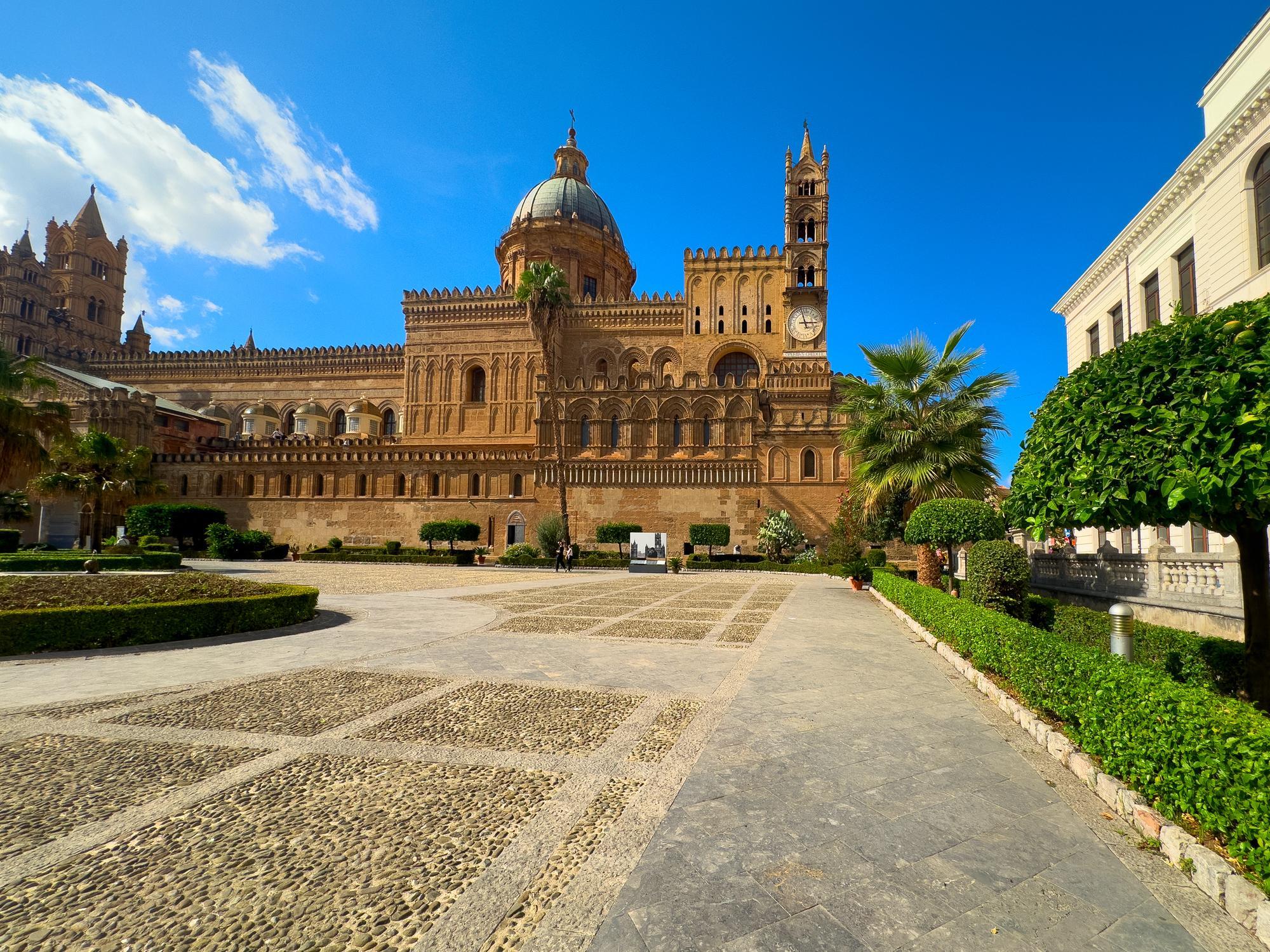
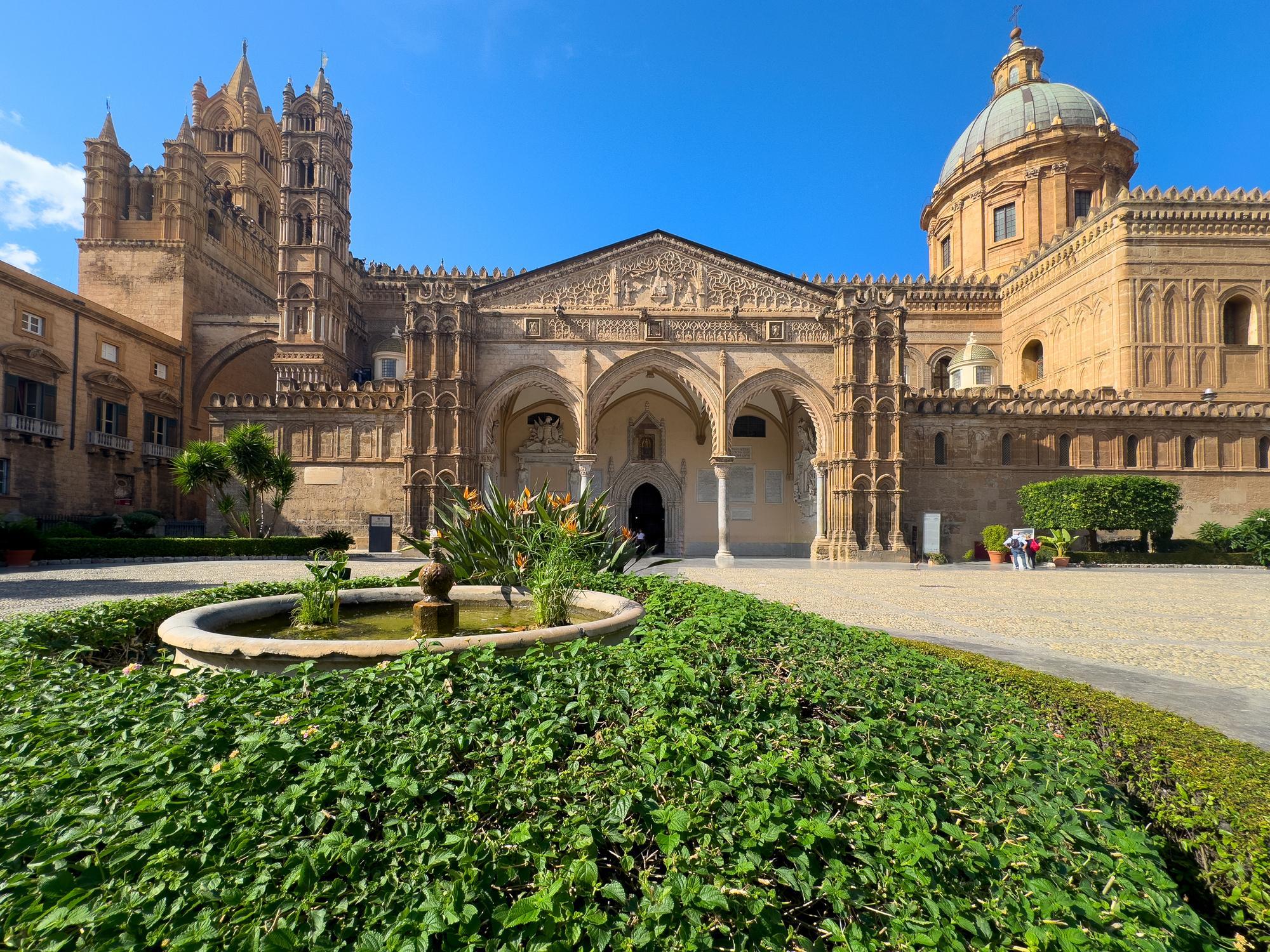
Mount Etna and ancient Greek temples
Sicily reflects Greek, Roman, Arab, Norman, and Spanish influence.
• Mount Etna hikes
• Valley of the Temples
• Palermo’s layered architecture
• Taormina coastal views
Best time: April–June and September–October.
IX. Puglia – Italy’s Southeastern Heel
Puglia – White Towns & Adriatic Light
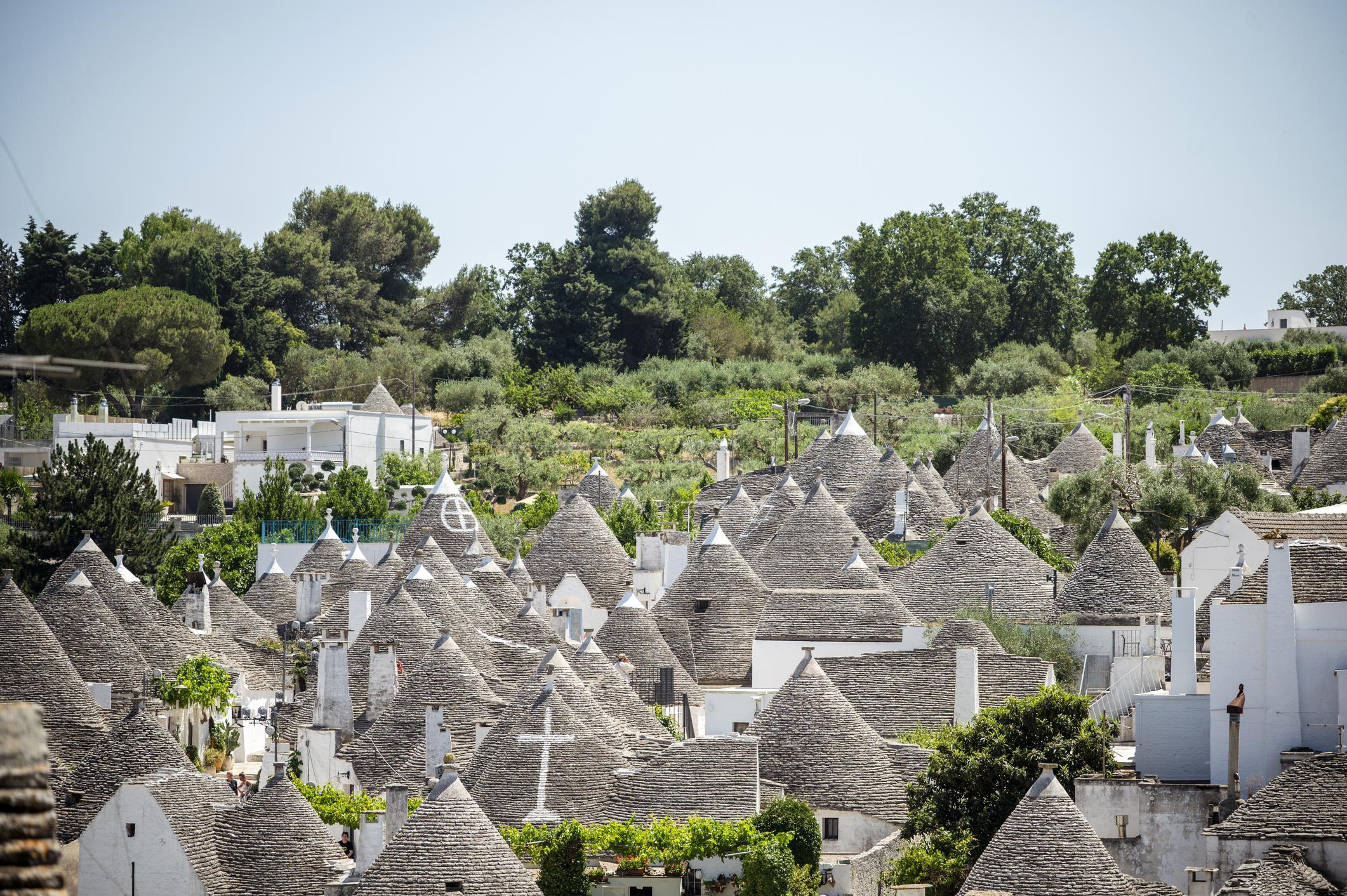
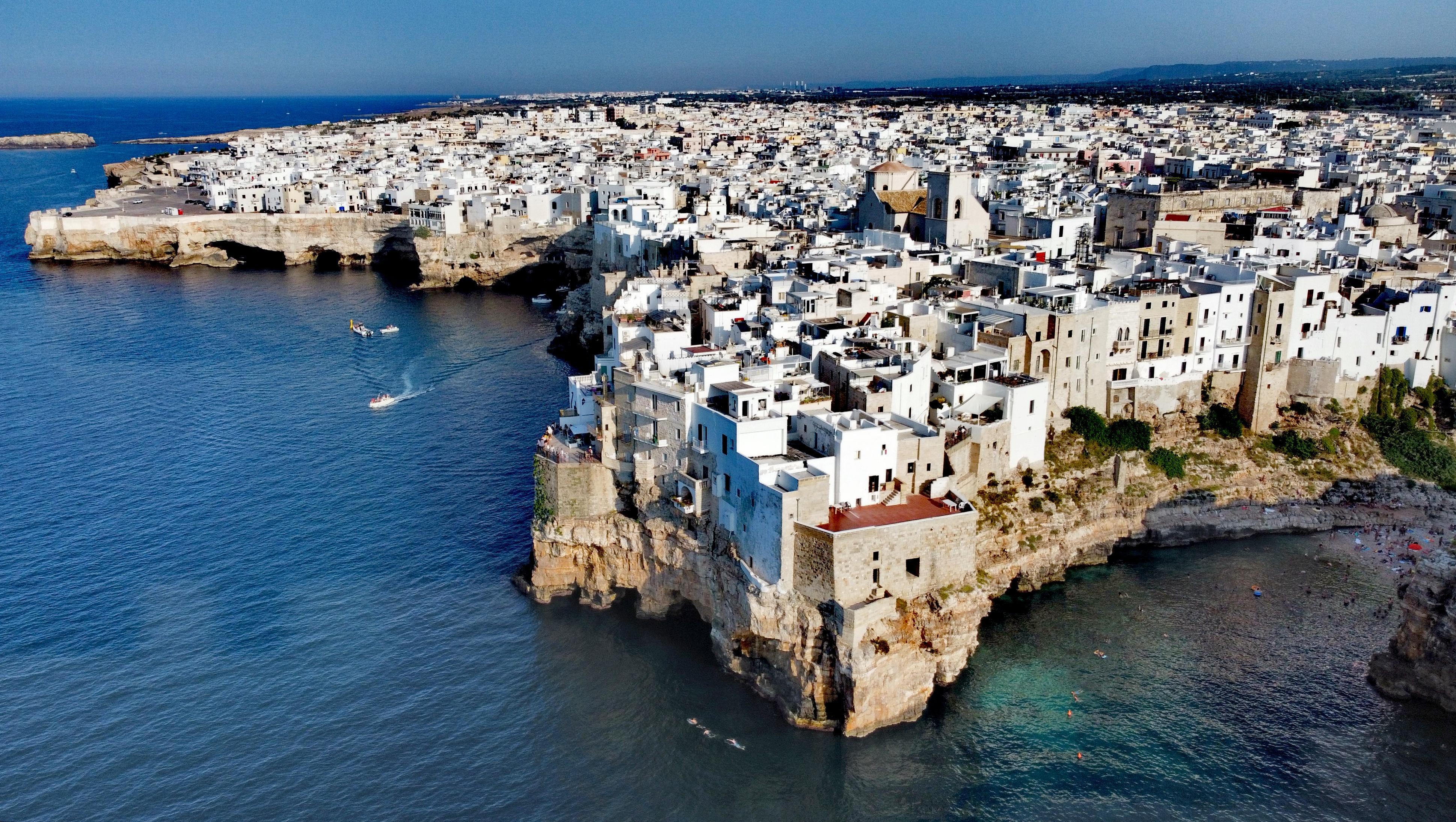
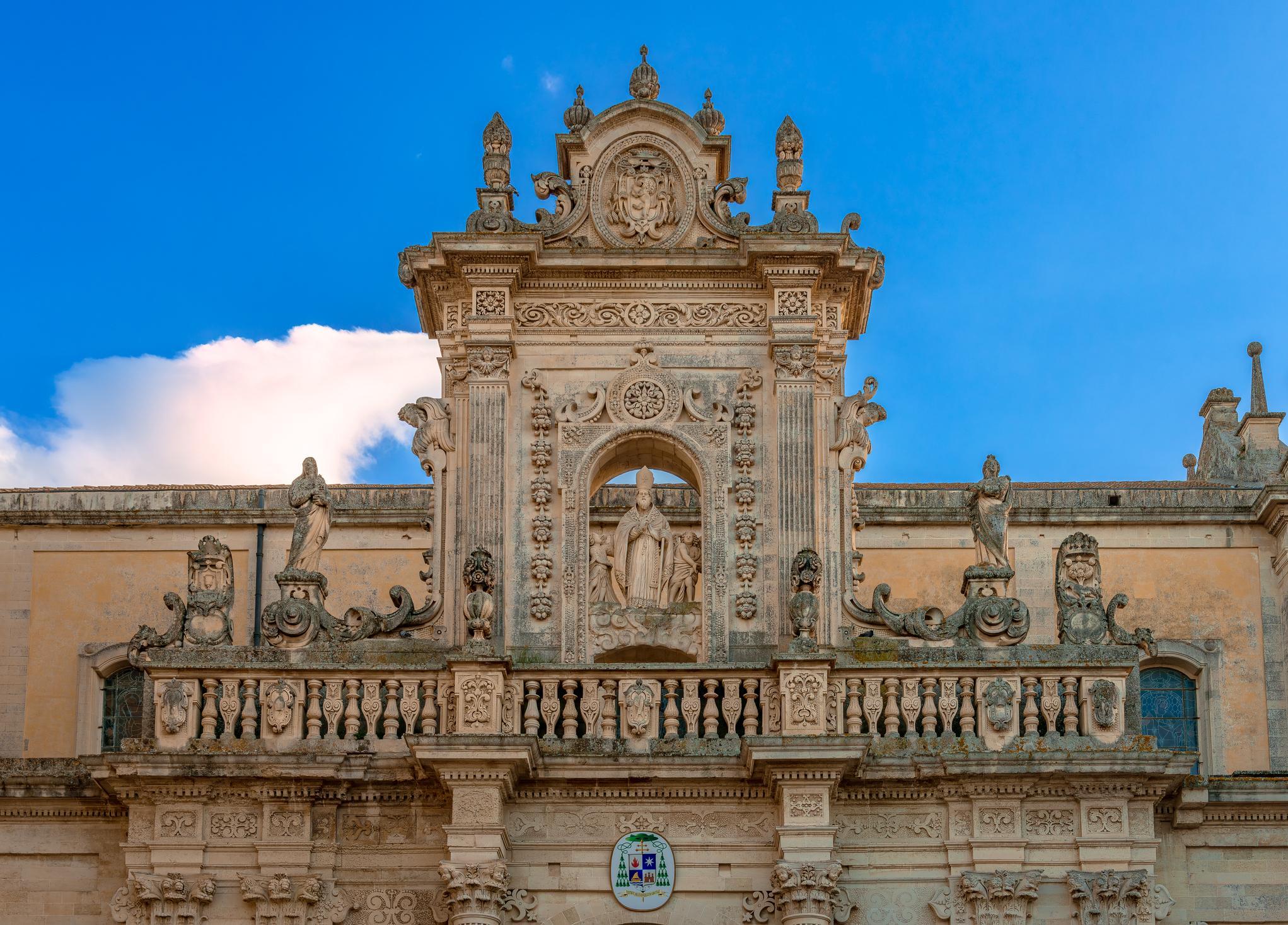
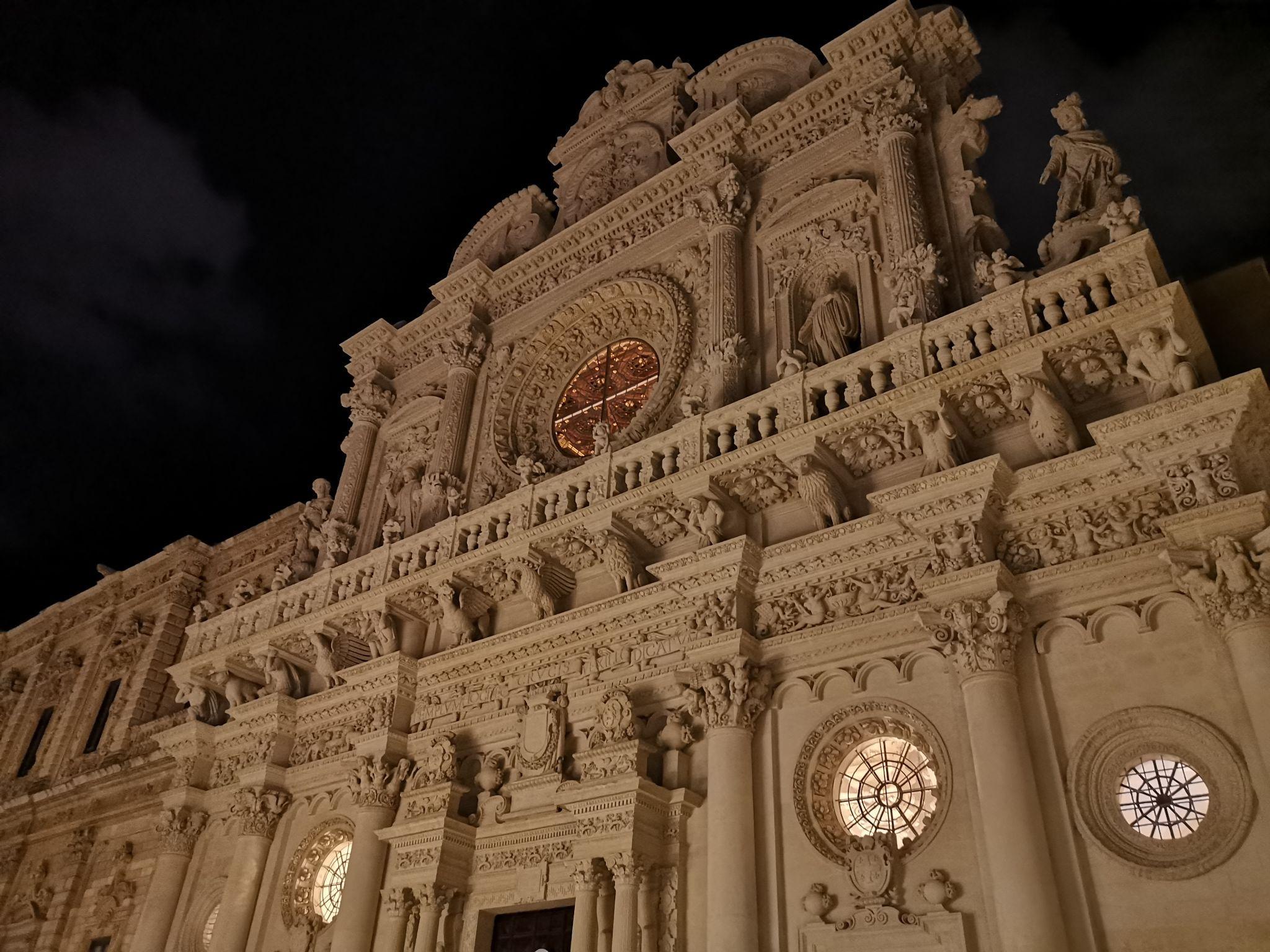
Trulli houses and Adriatic coastline
Puglia stretches along the Adriatic Sea.
• Alberobello trulli
• Polignano a Mare
• Lecce Baroque architecture
• Long sandy beaches
Best time: May–June and September.
X. Sardinia – Wild Coast & Mountain Interior
Sardinia – Mediterranean Wilderness
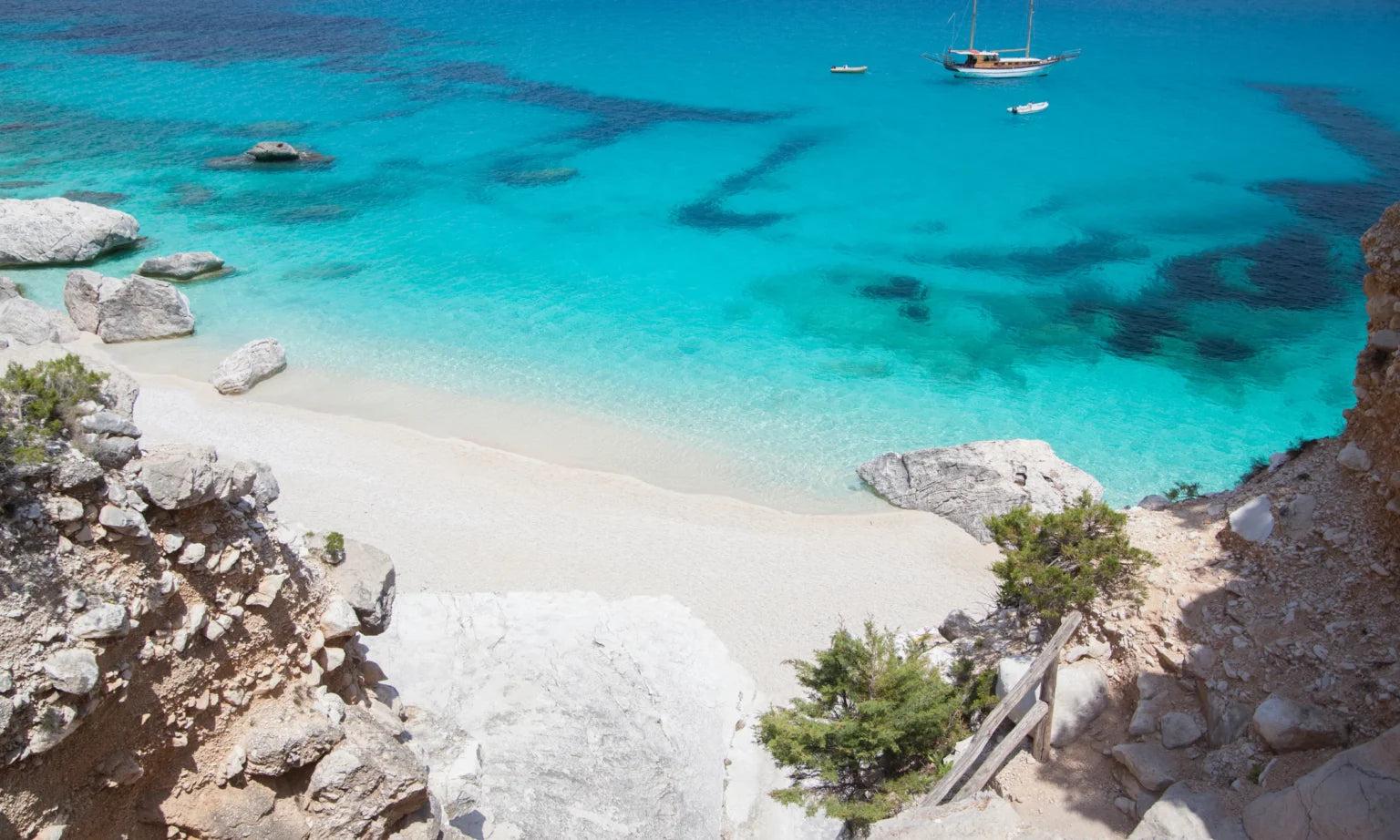
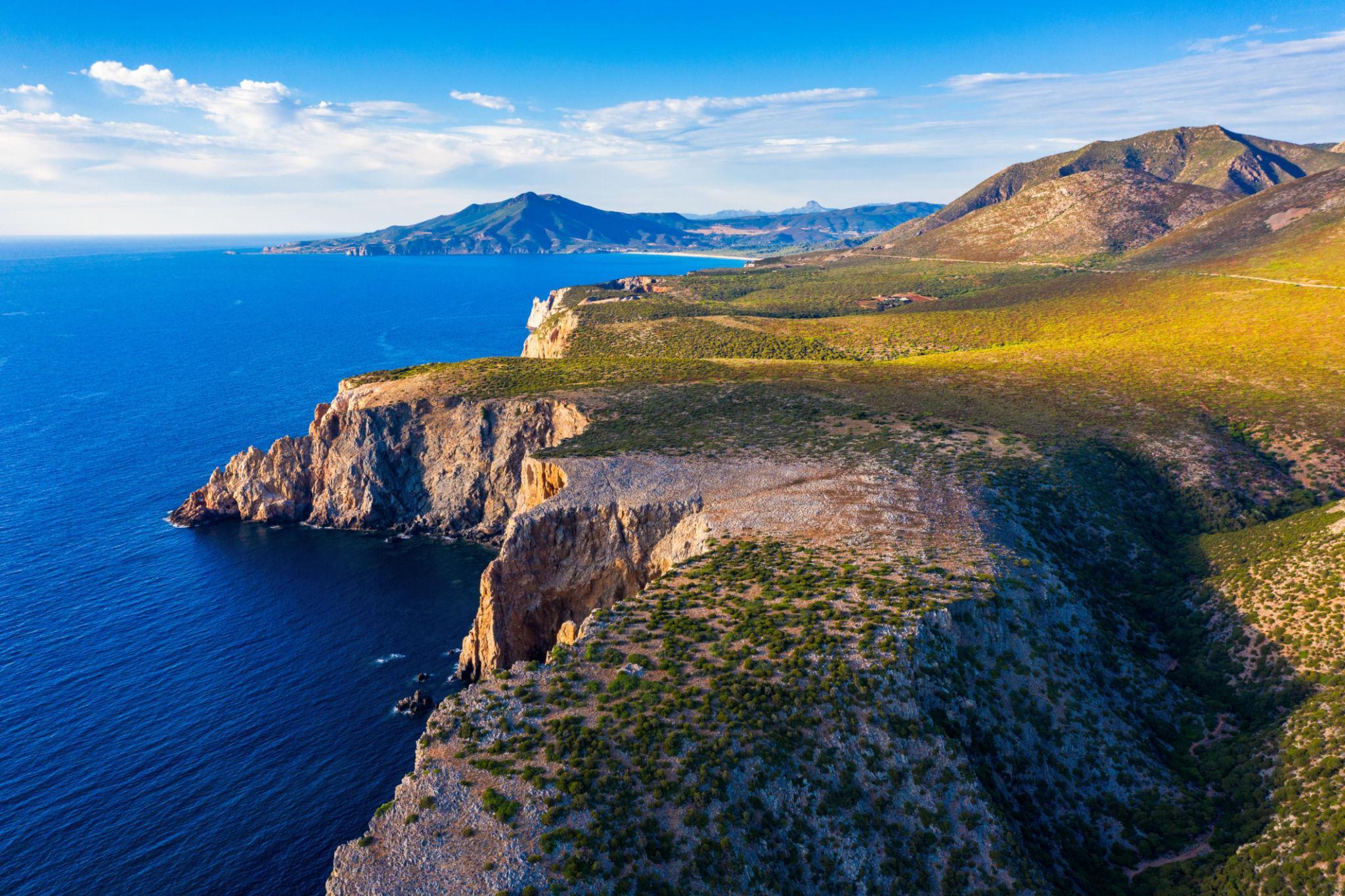
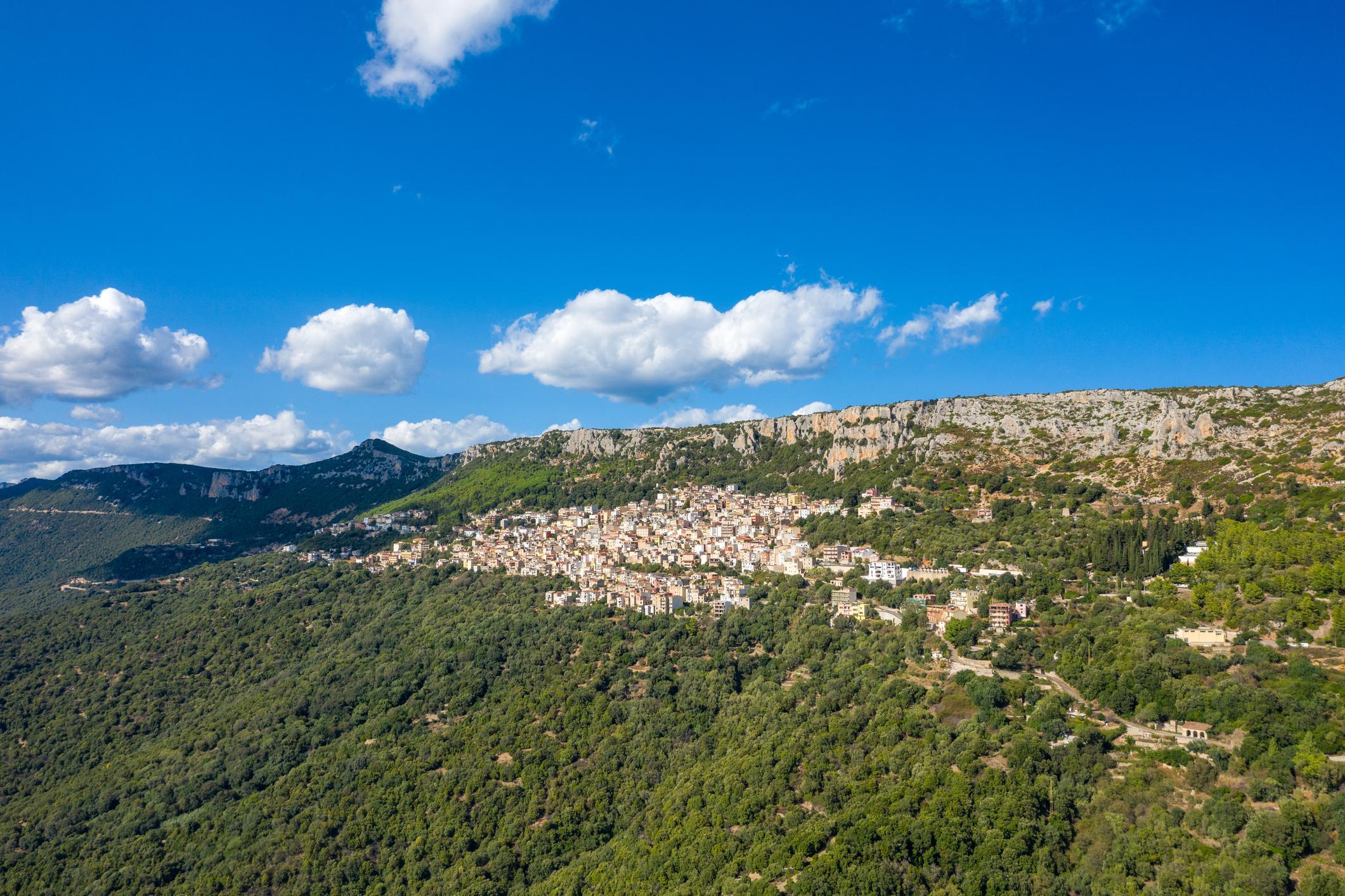
Turquoise coves and rugged coastline
Sardinia offers clear waters and a rugged interior.
• Costa Smeralda
• Mountain villages
• Shepherd culture
• Remote coves
Best time: Late spring and early autumn.
Final Overview – Understanding Italy as a Whole
Italy’s strength lies in contrast:
• Rome represents empire
• Florence represents Renaissance intellect
• Venice represents maritime power
• The Dolomites represent alpine frontier
• Naples and Pompeii represent volcanic history
• Sicily represents layered civilizations
• Puglia and Sardinia represent regional authenticity
Few countries contain such a compressed timeline of human civilization within such short distances.
Image Credits
All images used in this Italy guide are sourced via public search queries corresponding to major cities, regions, landmarks, and landscapes mentioned above.

![K2 Base Camp Trek: Ultimate Guide k2 Trek 2026 [UPDATED]](https://karakoramdiaries.com/storage/ultimate-guide-to-k2-base-camp-trek-full-document-150x150.png)