Top Places to Visit in Mexico – The Complete Country Guide
Mexico is one of the most geographically and culturally diverse countries in the Americas. It stretches from desert landscapes in the north to tropical rainforests in the south. It borders the Pacific Ocean, the Gulf of Mexico, and the Caribbean Sea. Within one country you find ancient civilizations, colonial cities, major modern capitals, beach destinations, volcanoes, and strong regional food traditions.
To understand Mexico properly, it helps to divide it into cultural and geographic regions rather than focusing only on resorts.
Table of contents [Show]
- I. Mexico City and Central Highlands
- II. Yucatán Peninsula and Caribbean Coast
- Top Places to Visit in Mexico – The Complete Country Guide (Part 2)
- III. Oaxaca and Southern Cultural Regions
- IV. Pacific Coast and West Mexico
- V. Colonial Cities of the Interior
- VI. Northern and Desert Landscapes
- Mexico Overview
- Image Credits
I. Mexico City and Central Highlands
Mexico City – Political and Cultural Center
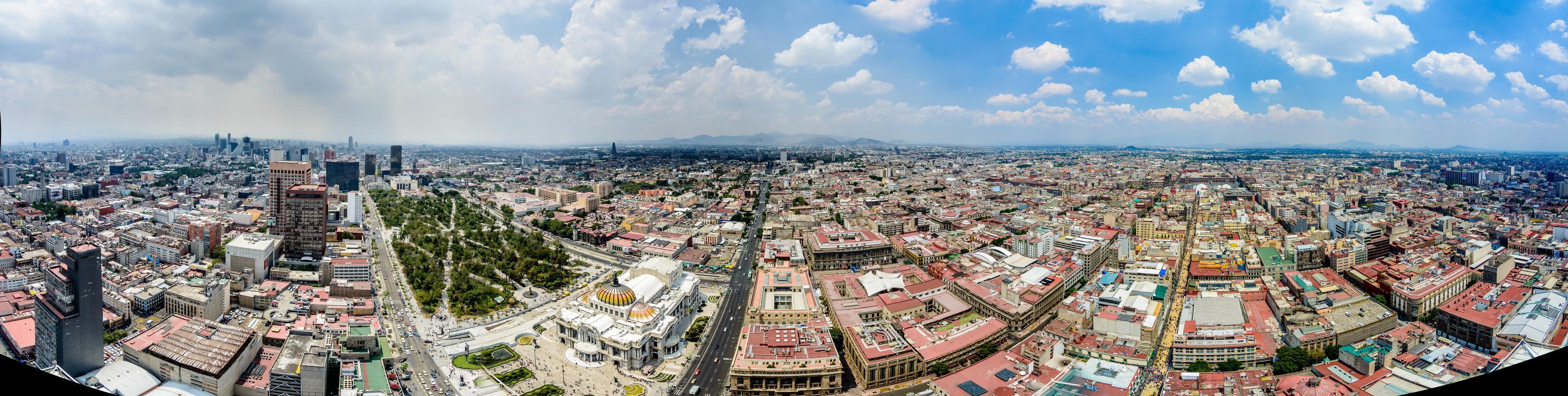
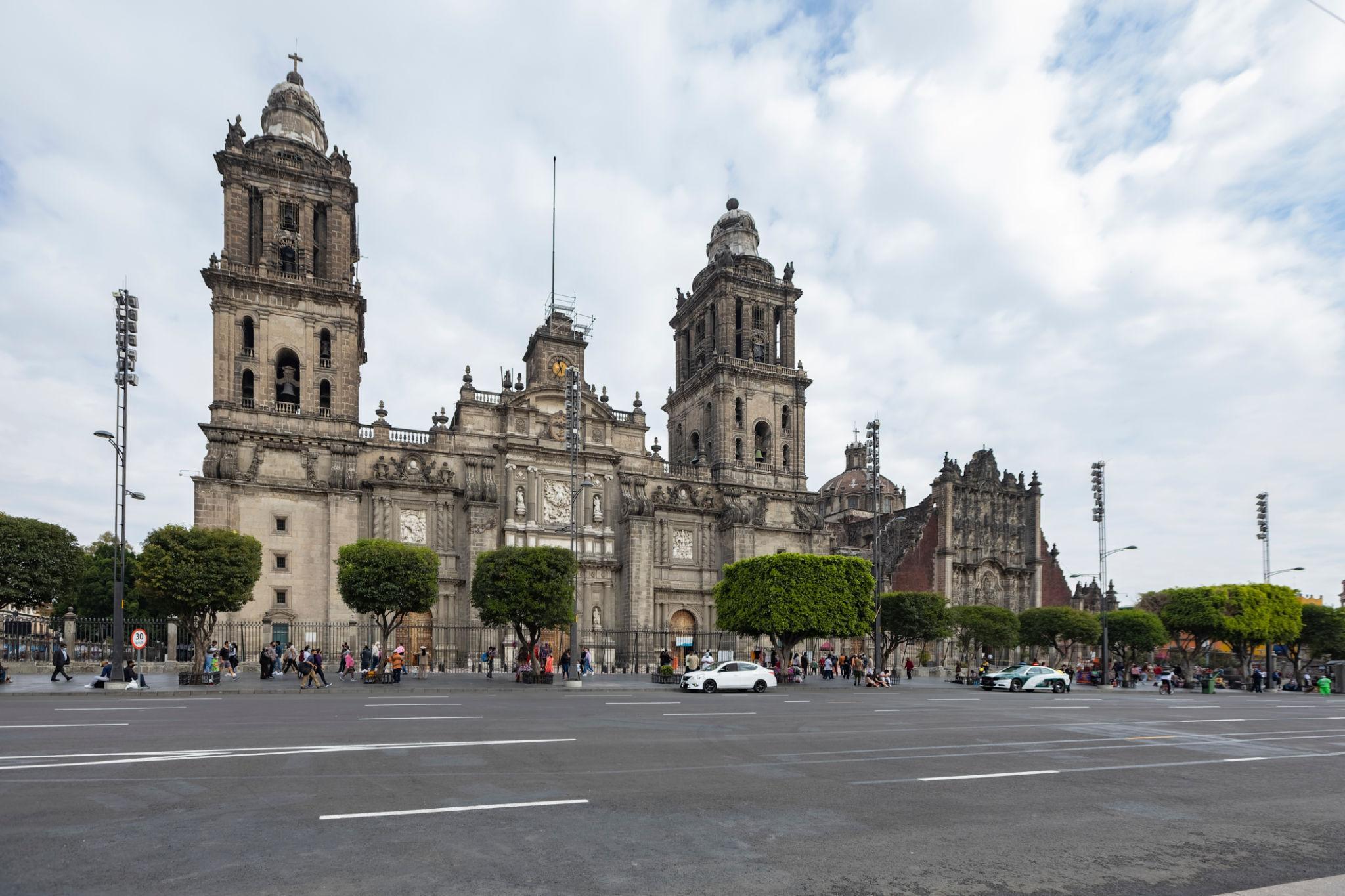
Mexico City skyline and the Zócalo
Mexico City sits at high elevation in the Valley of Mexico. It is one of the largest cities in the world and serves as the country’s political, economic, and cultural center.
The historic core revolves around the Zócalo, one of the largest public squares in the Americas. Here you find the Metropolitan Cathedral and the ruins of the Templo Mayor, which reveal the Aztec foundations beneath the Spanish colonial city.
Important areas include:
- Reforma Avenue, known for monuments and modern business districts
- Chapultepec Park, one of the largest urban parks in the world
- The National Museum of Anthropology, essential for understanding pre-Columbian civilizations
Mexico City is also a leading food destination, with traditional markets and contemporary restaurants.
Best time: March to May and October to November.
Puebla – Colonial Architecture and Culinary Tradition
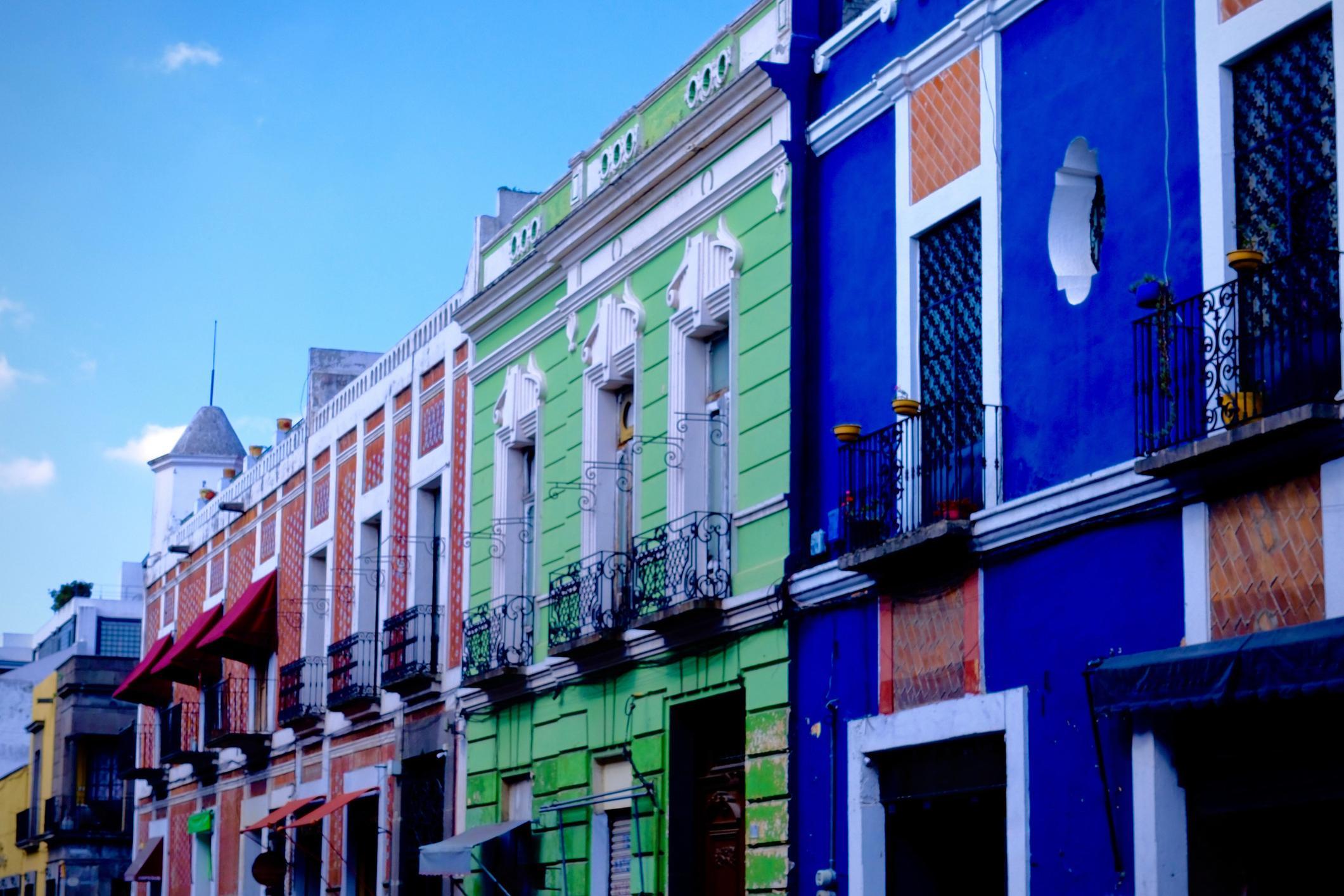
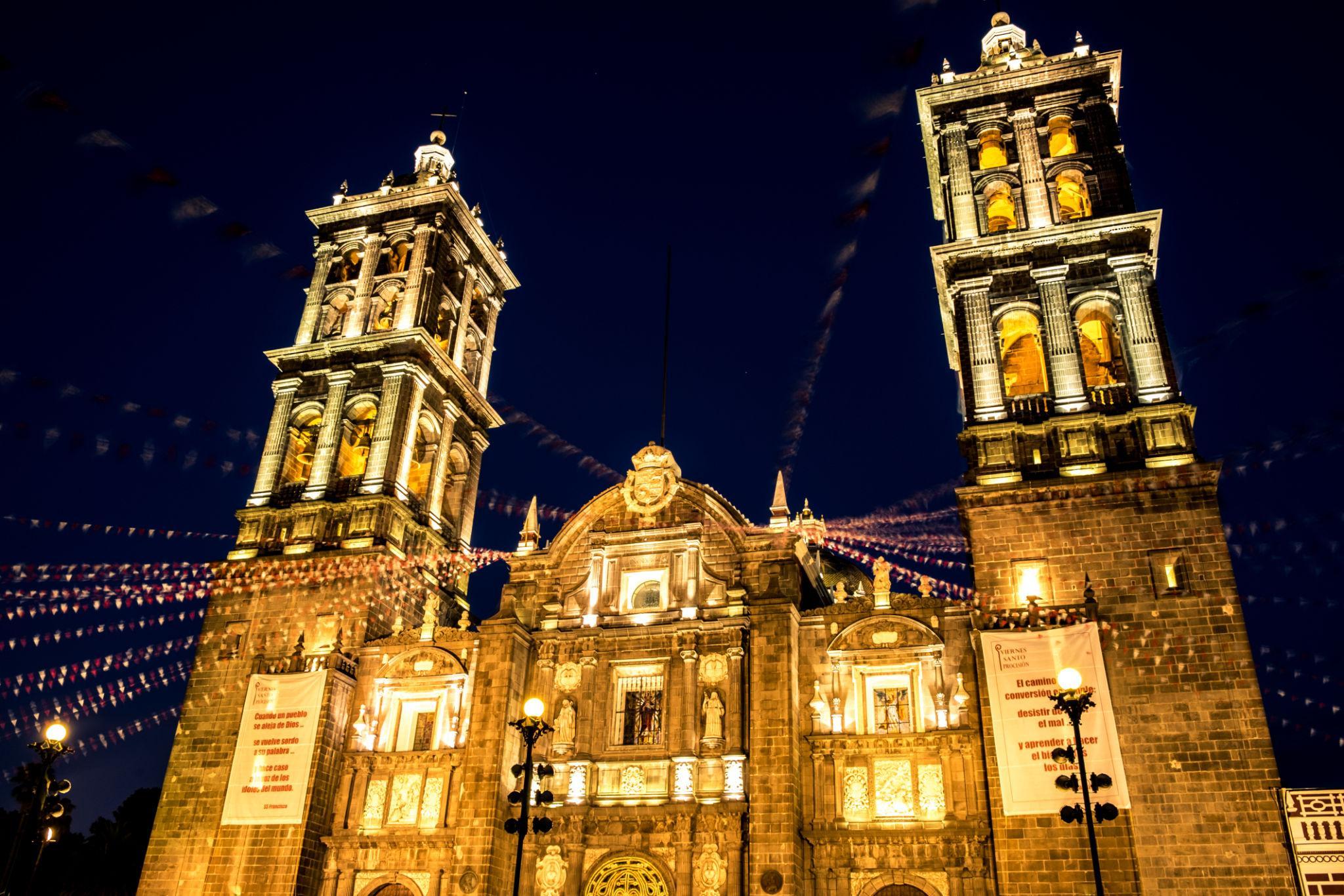
Colorful streets and Puebla Cathedral
Located southeast of Mexico City, Puebla is known for its preserved colonial architecture and distinctive cuisine.
The historic center contains tiled façades and baroque churches. Puebla is also associated with dishes such as mole poblano and chiles en nogada.
Nearby volcanoes, including Popocatépetl, dominate the regional landscape.
II. Yucatán Peninsula and Caribbean Coast
Cancún – Caribbean Gateway
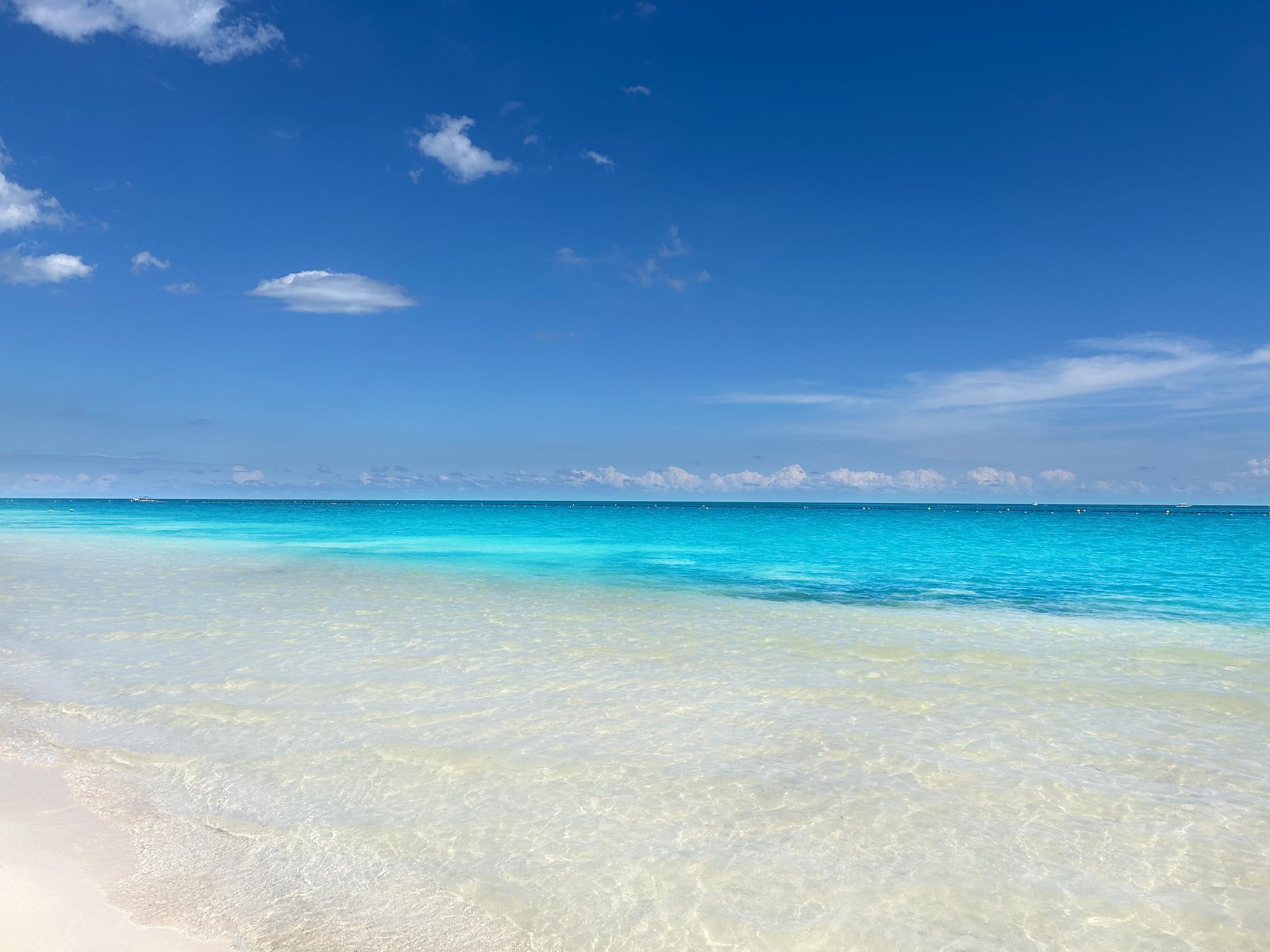
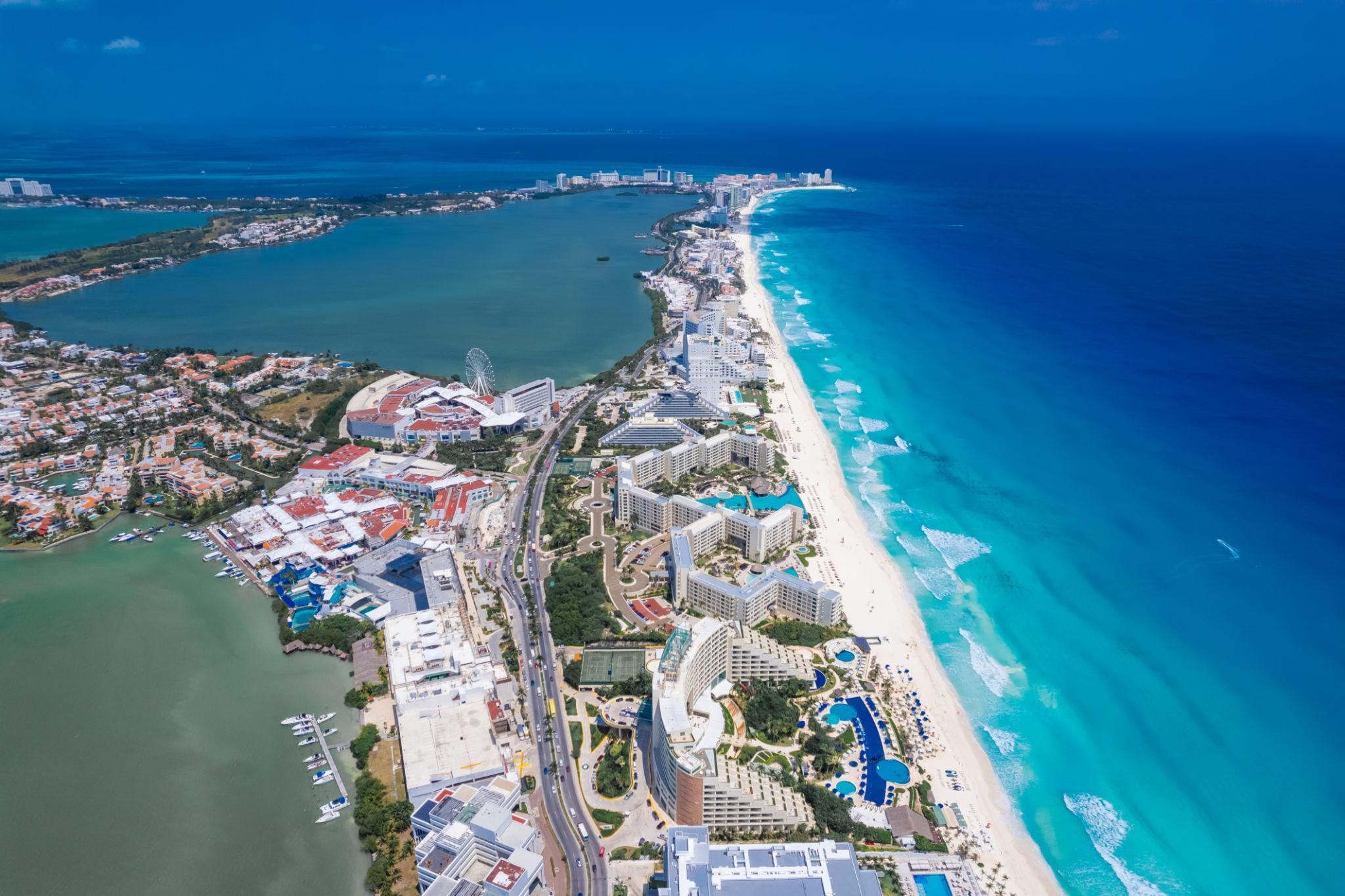
Turquoise Caribbean waters in Cancún
Cancún is one of Mexico’s most visited destinations due to its white sand beaches and direct international connections. The Hotel Zone stretches along a narrow strip of land facing the Caribbean Sea.
While many visitors stay within resort areas, the surrounding region contains important archaeological and natural sites.
Chichen Itza – Mayan Civilization Landmark
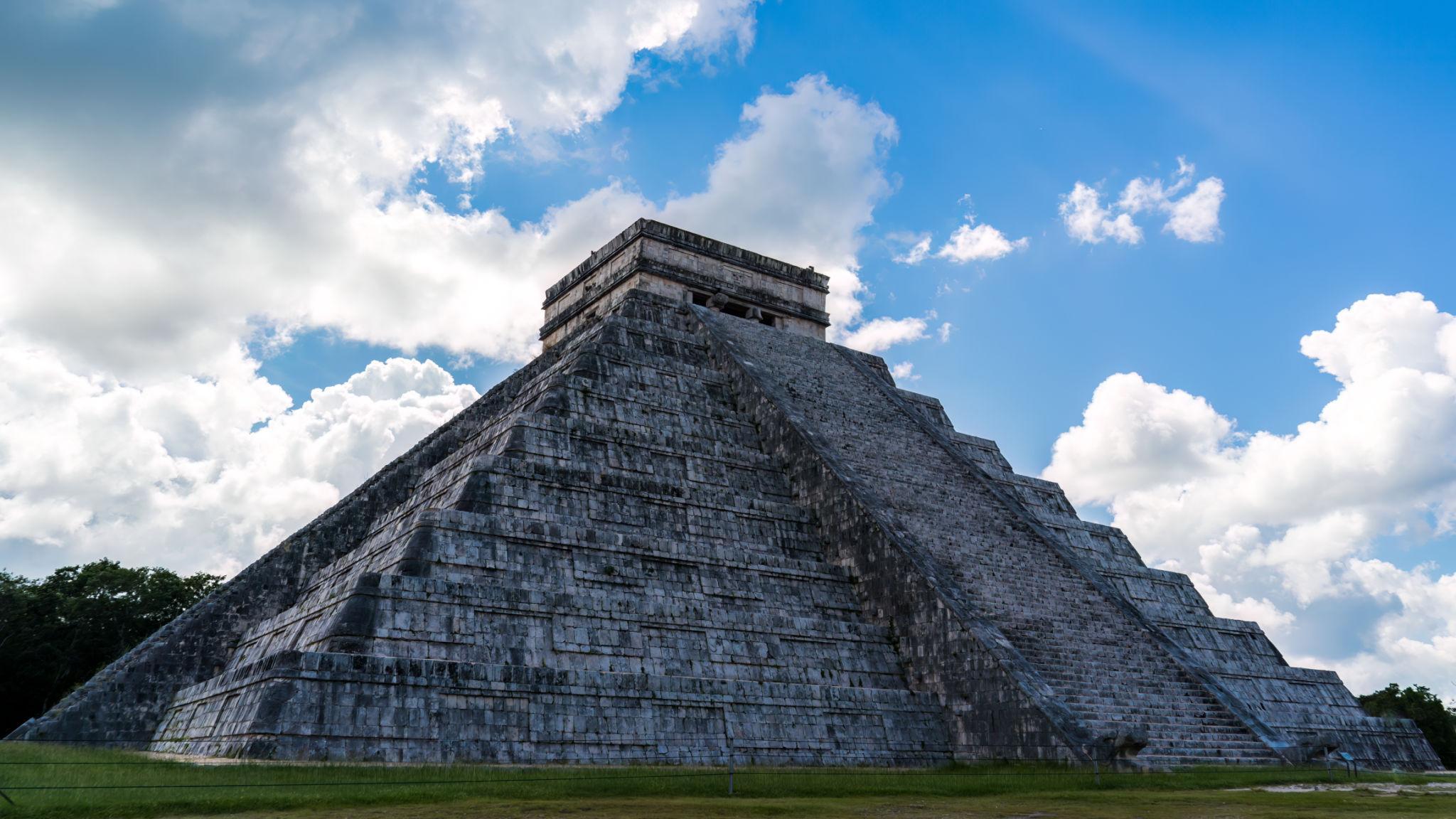
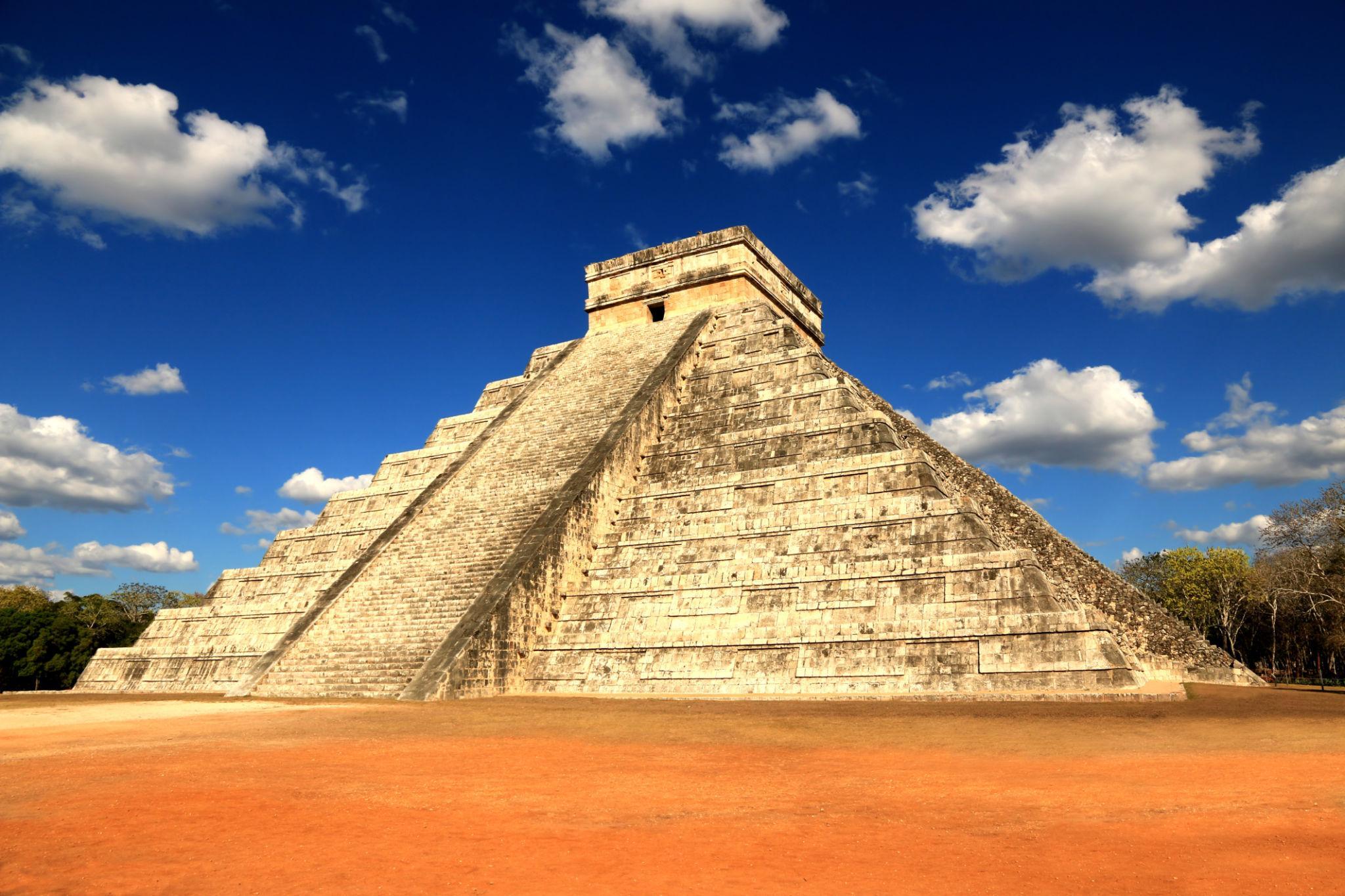
El Castillo pyramid at Chichén Itzá
Chichén Itzá is one of the most significant archaeological sites in Mexico. The pyramid known as El Castillo reflects astronomical and architectural precision.
It represents the advanced knowledge of the Maya civilization and is a UNESCO World Heritage Site.
Best visited early in the morning to avoid crowds.
Tulum – Coastal Ruins and Beaches
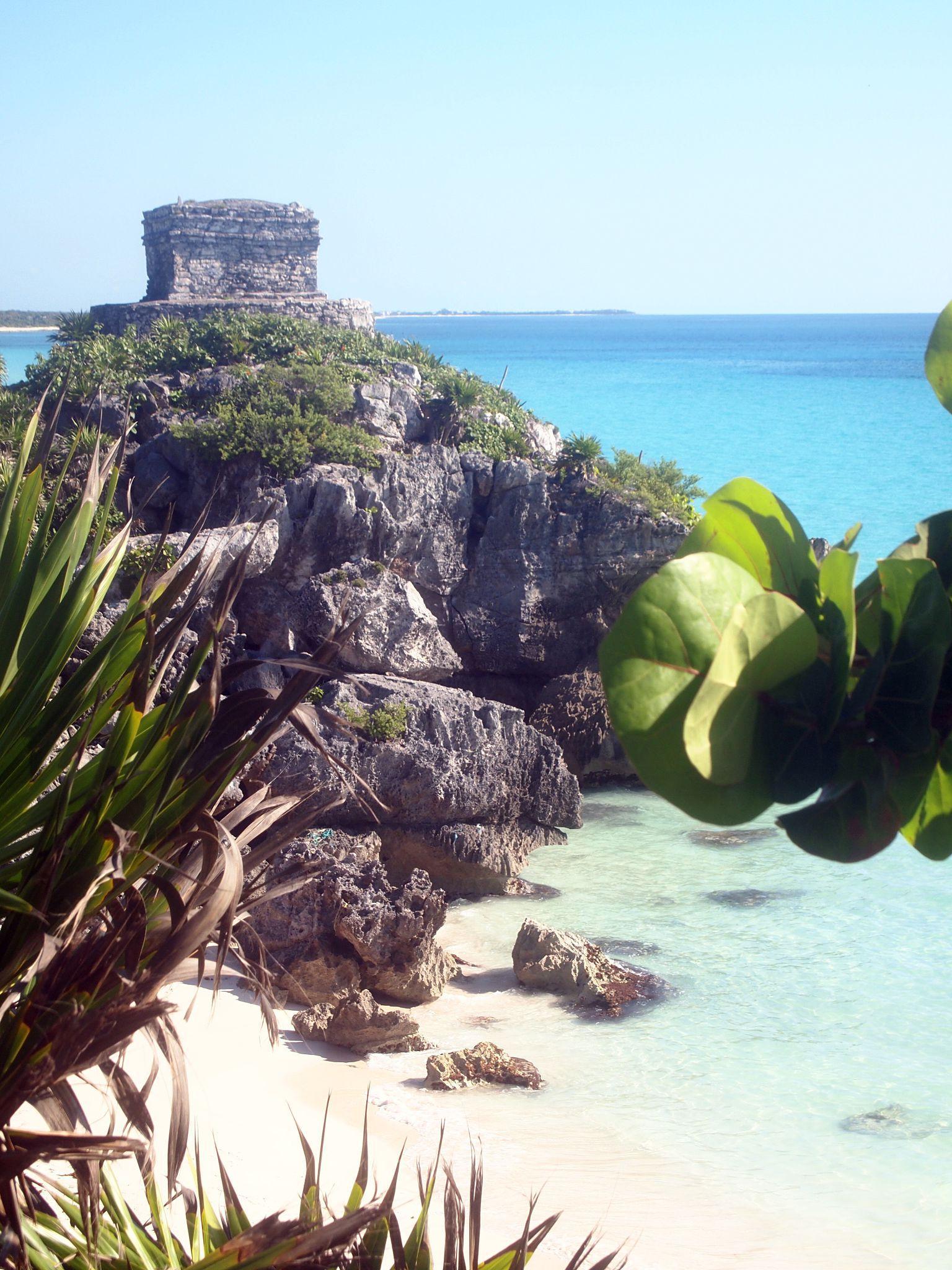
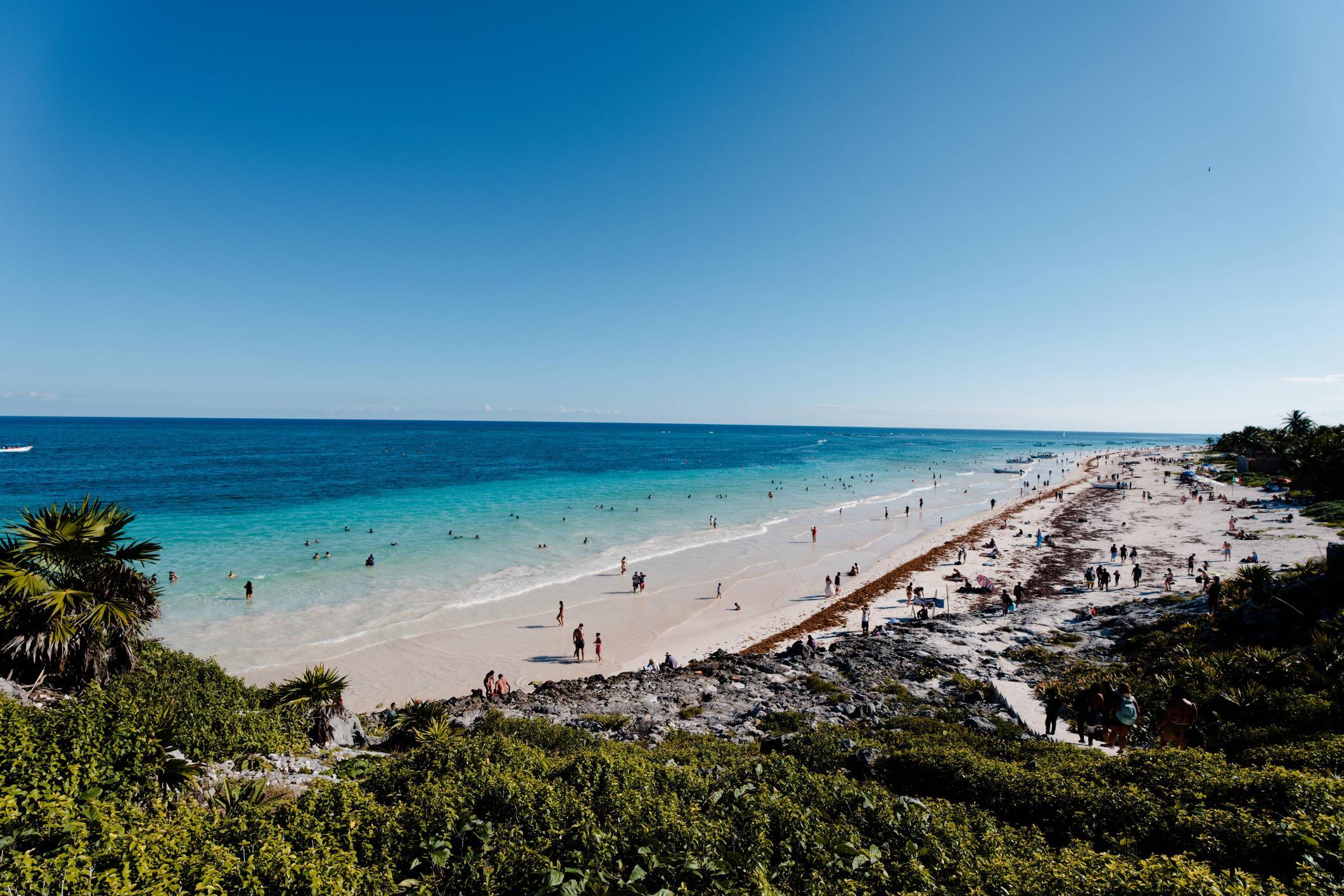
Mayan ruins above the Caribbean Sea
Tulum combines beachfront tourism with archaeological remains. The ruins sit on cliffs above turquoise water, creating one of Mexico’s most photographed coastal scenes.
The area is also known for cenotes, natural freshwater sinkholes formed in limestone terrain.
Top Places to Visit in Mexico – The Complete Country Guide (Part 2)
Mexico’s identity changes significantly as you move west and south. The Pacific coastline, indigenous cultural centers, and colonial cities offer a different experience from the Caribbean side.
III. Oaxaca and Southern Cultural Regions
Oaxaca City – Indigenous Heritage and Regional Cuisine
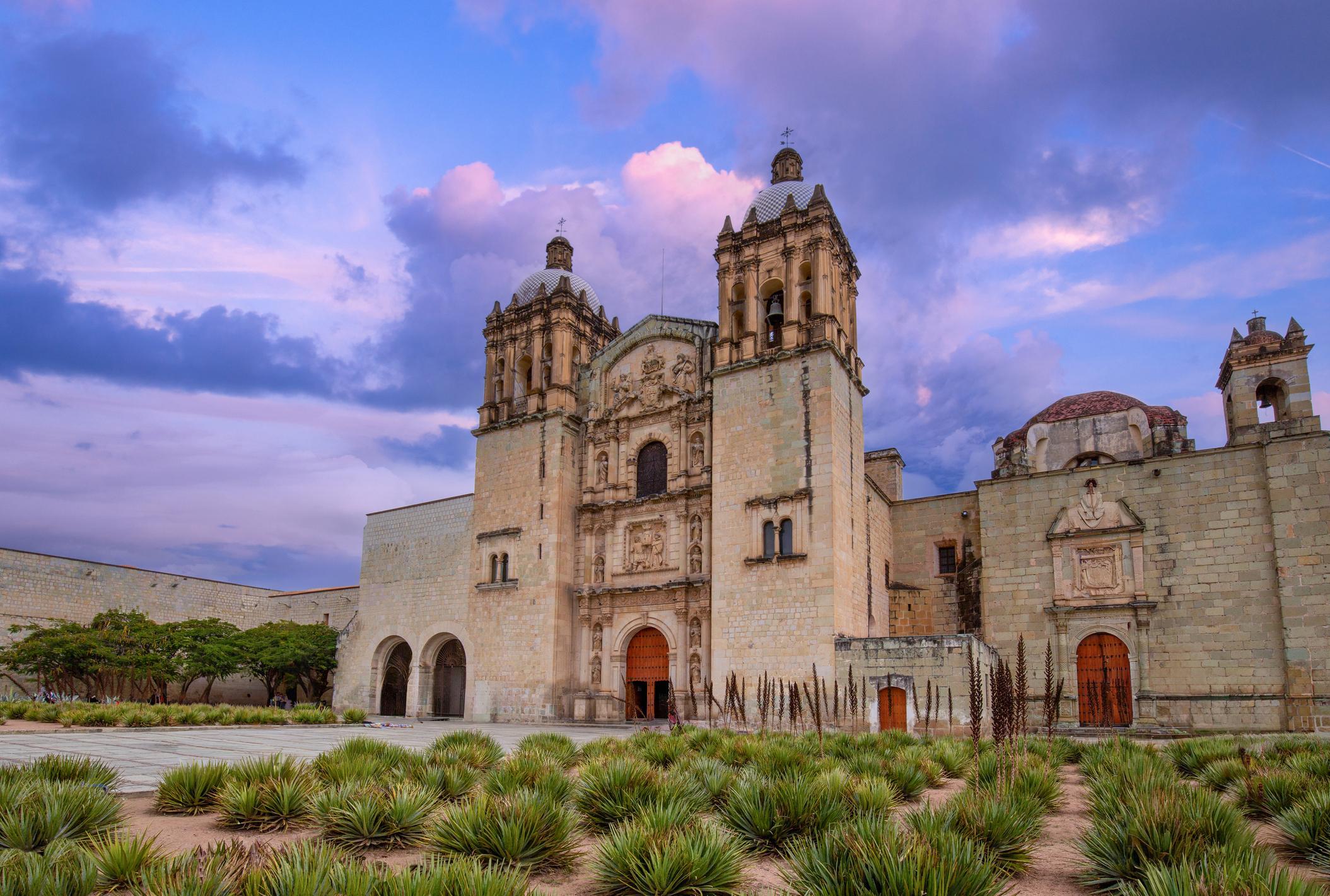
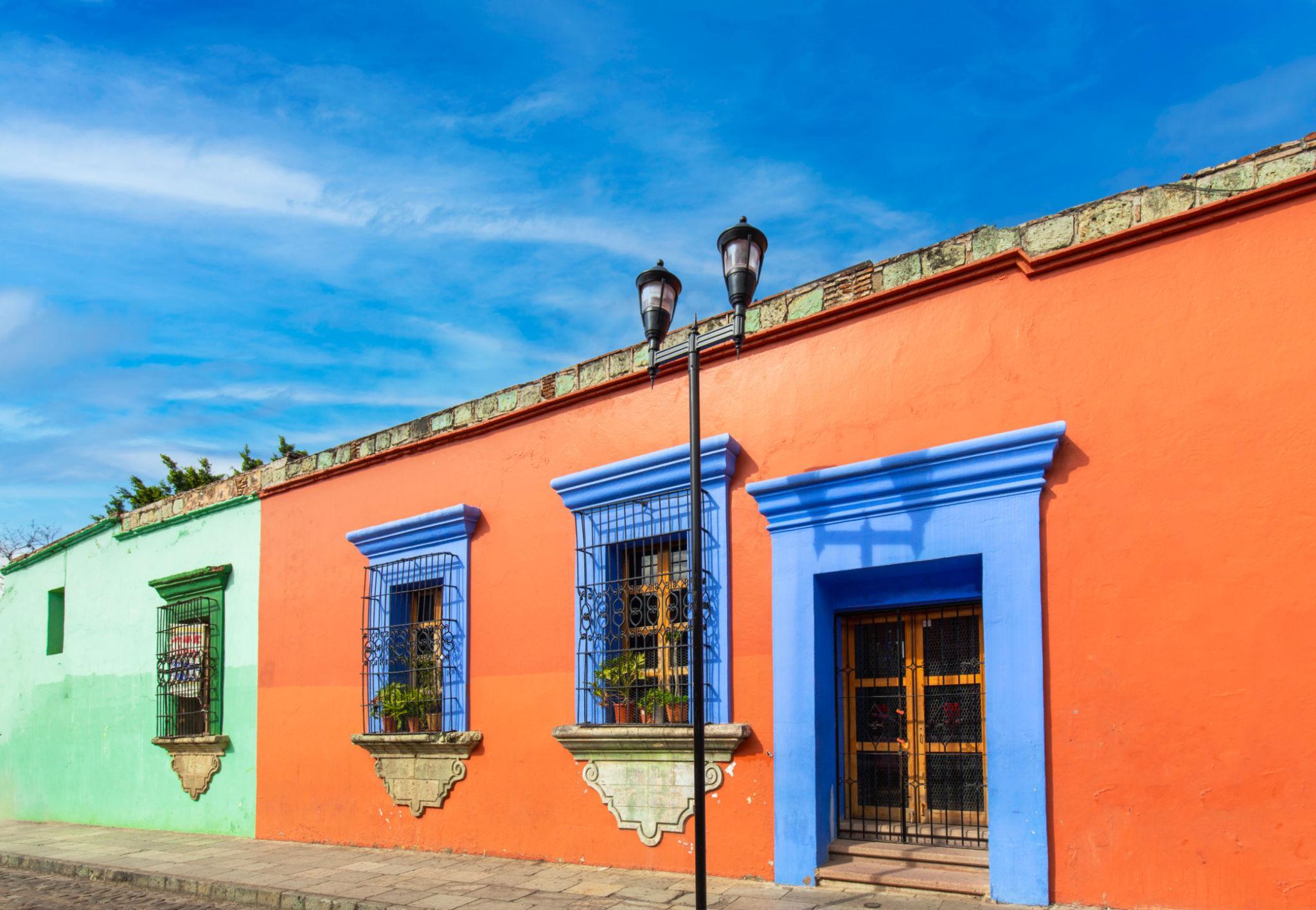
Santo Domingo Church and historic streets in Oaxaca
Oaxaca City is one of Mexico’s most culturally intact destinations. It retains strong indigenous identity and is widely recognized for traditional crafts and regional cuisine.
The historic center is compact and walkable. The Church of Santo Domingo stands as the city’s architectural landmark. Markets such as Mercado Benito Juárez give insight into everyday food culture, including mole varieties and mezcal production.
Just outside the city lies Monte Alban, an ancient Zapotec city built on a flattened mountaintop with sweeping valley views.
Oaxaca attracts travelers interested in culture rather than resort tourism.
Best time: October to March.
IV. Pacific Coast and West Mexico
Puerto Vallarta – Coastal Tourism with Mountain Backdrop
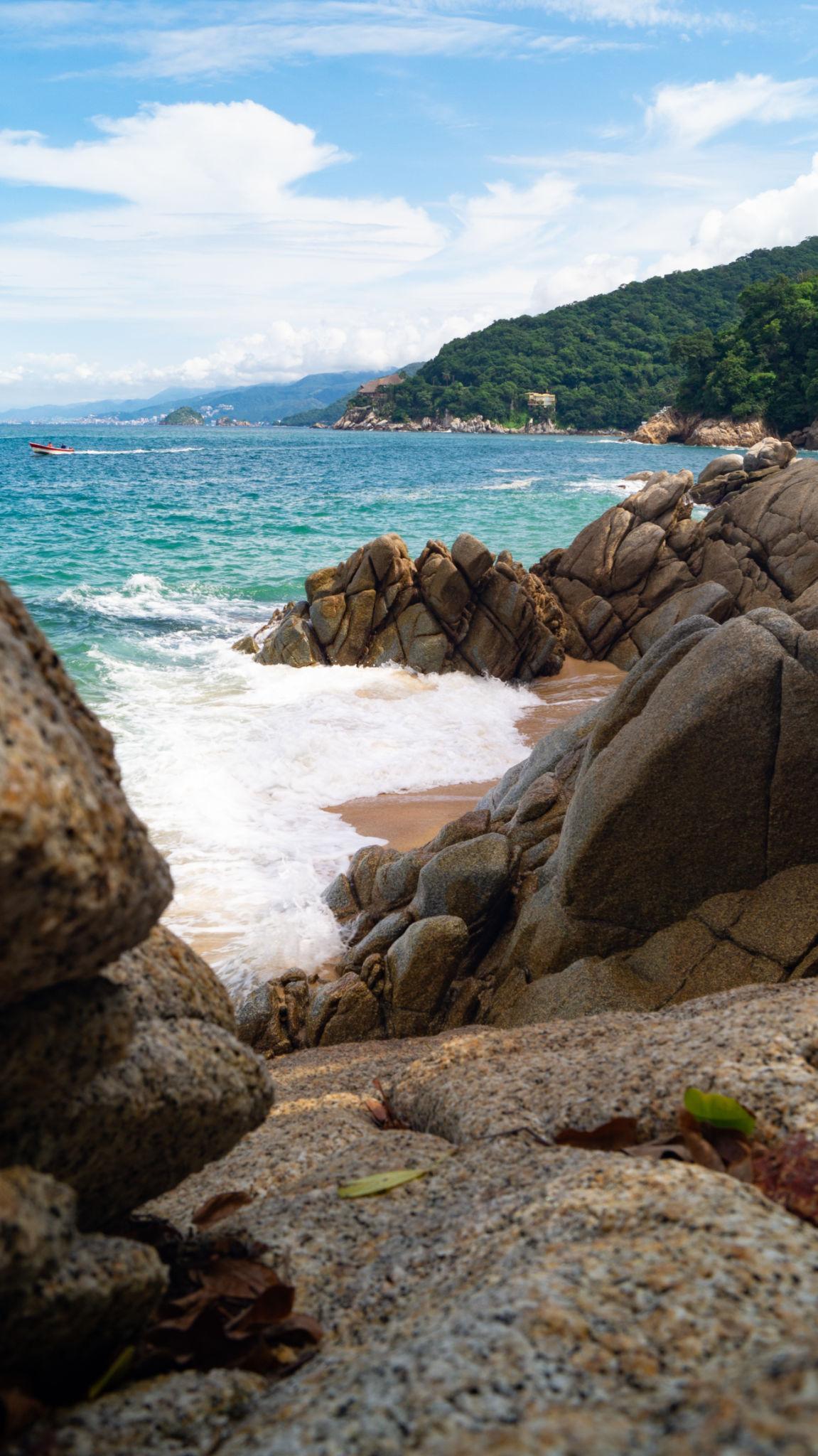
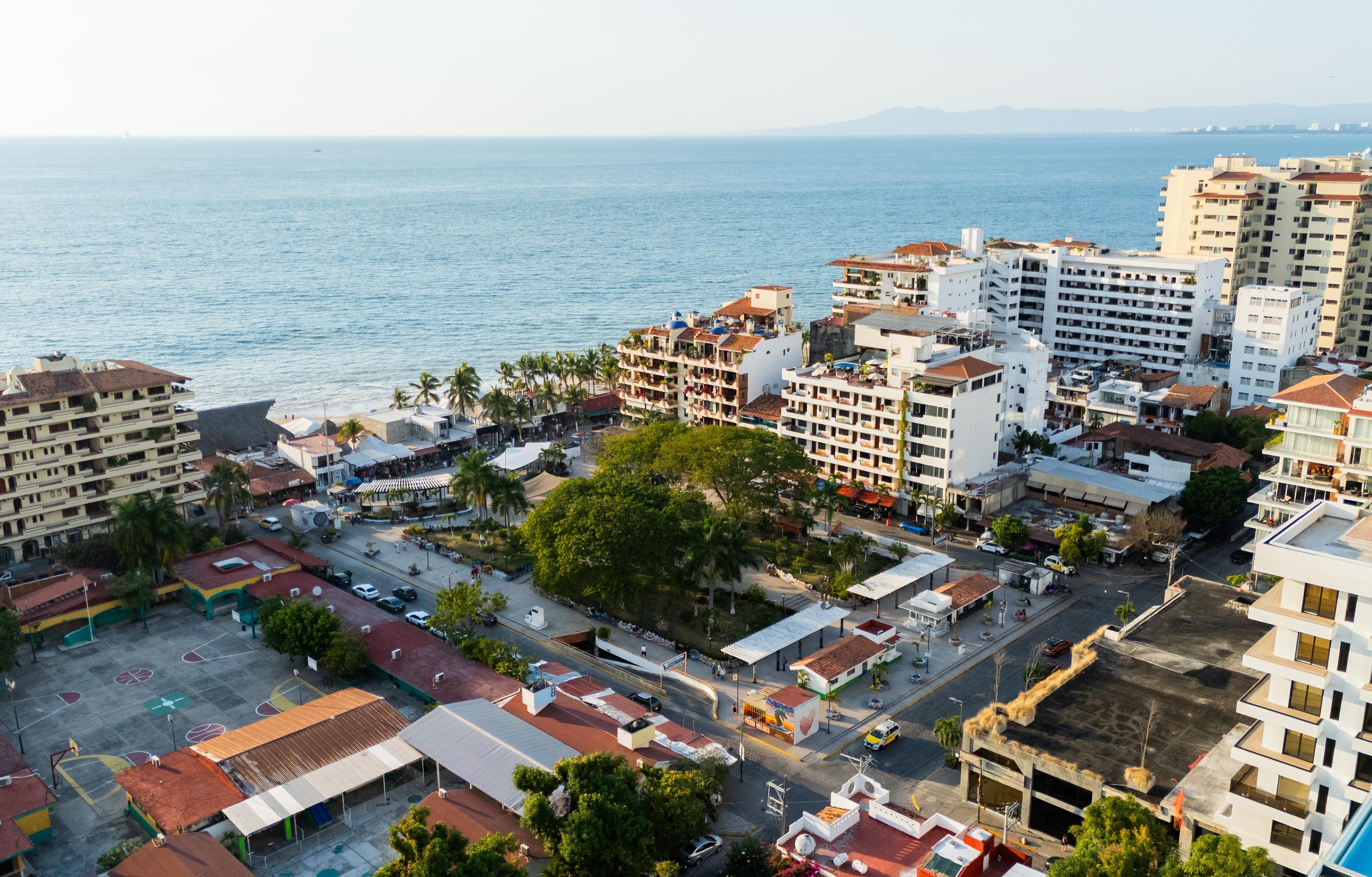
Puerto Vallarta coastline and old town
Puerto Vallarta sits along the Pacific coast in the state of Jalisco. It combines beach tourism with a traditional old town area known as Zona Romántica.
Unlike Cancún, the setting here includes jungle-covered mountains that rise directly behind the coastline. Whale watching is common during winter months.
Guadalajara – Cultural Capital of Jalisco
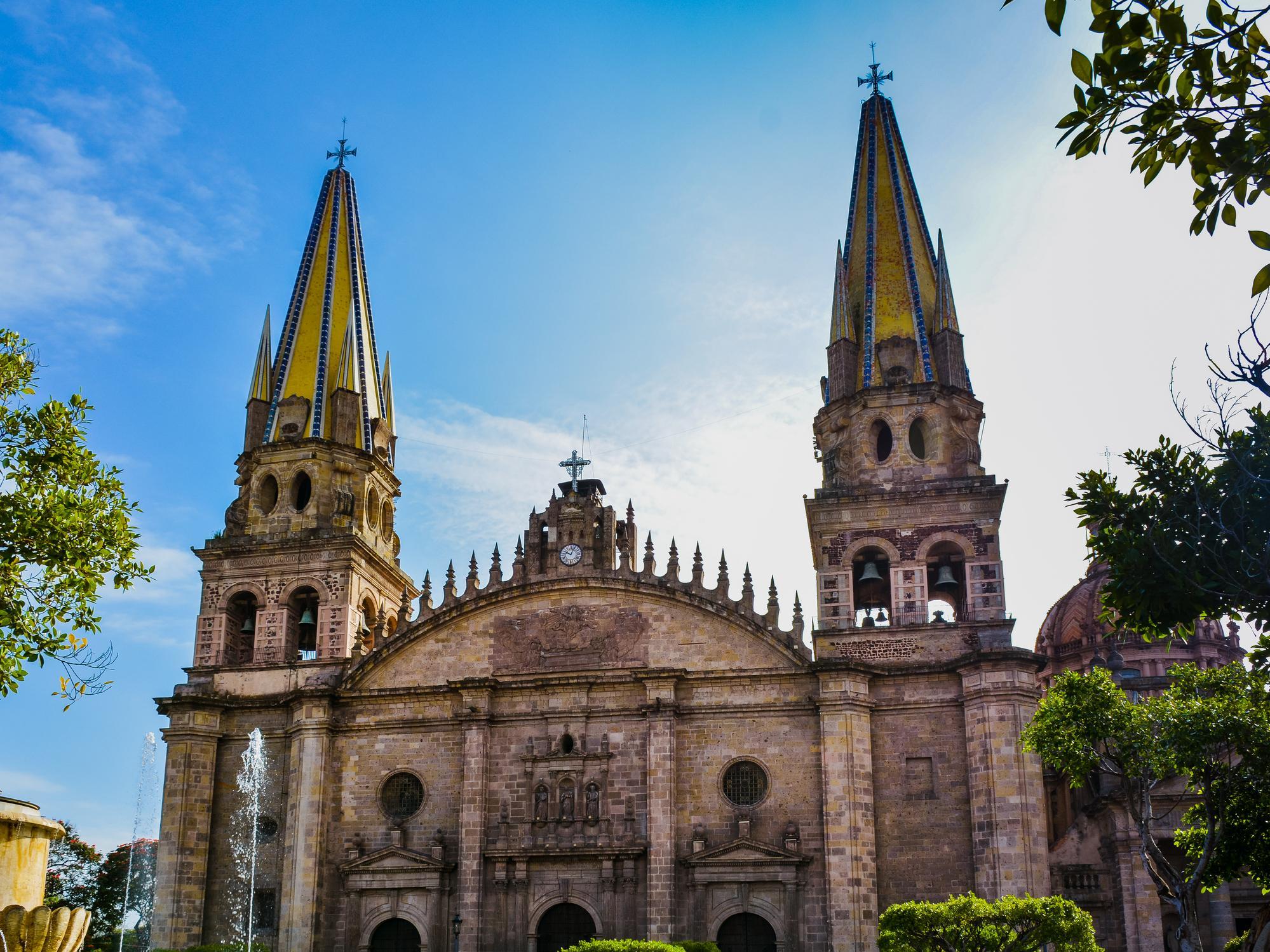
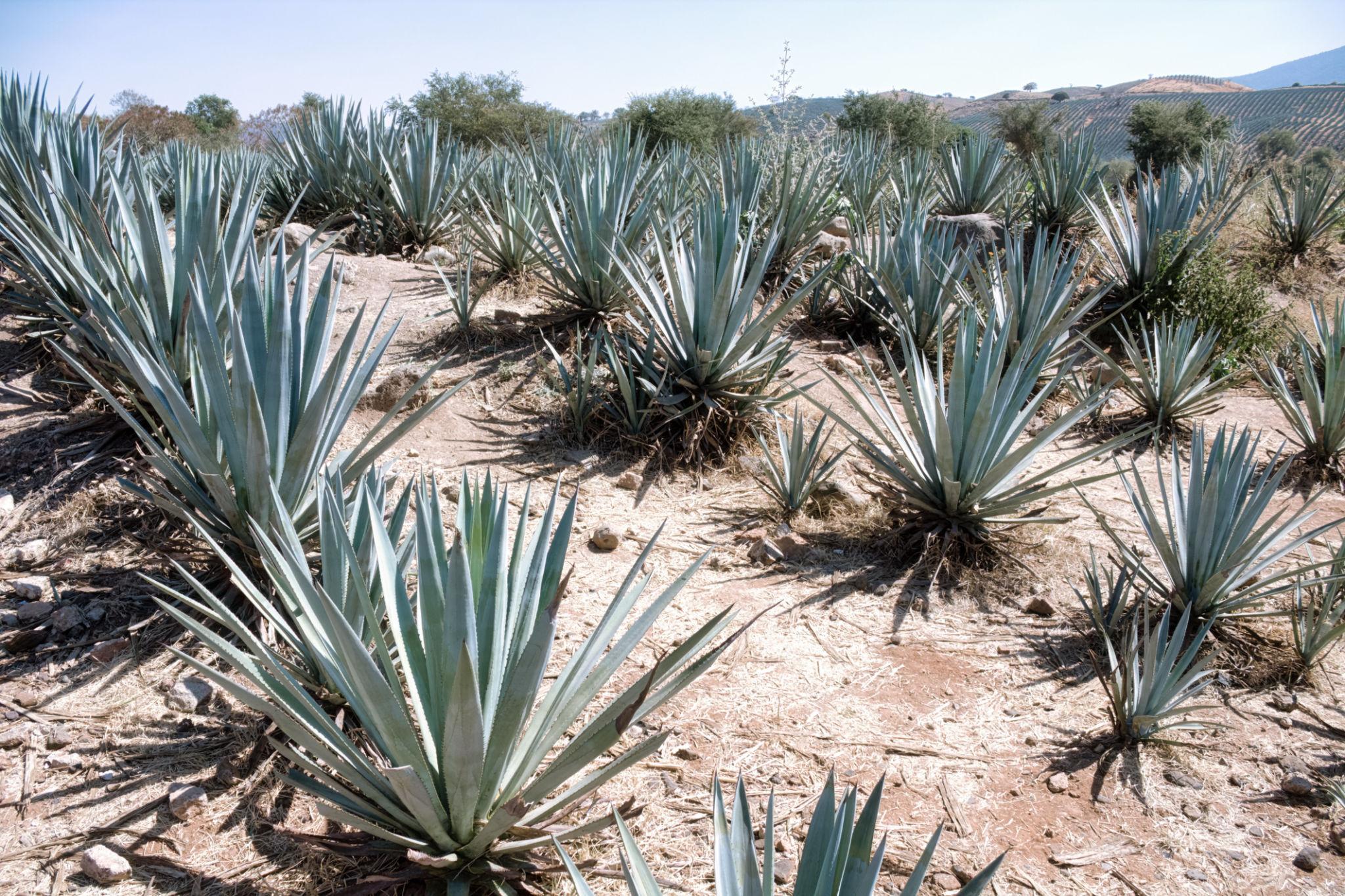
Guadalajara Cathedral and agave fields in Jalisco
Guadalajara is Mexico’s second-largest city and is closely associated with mariachi music and tequila production.
The historic center includes plazas, cathedrals, and government buildings. Outside the city, the town of Tequila and surrounding agave fields are part of a designated cultural landscape.
Guadalajara offers urban life without the scale of Mexico City.
V. Colonial Cities of the Interior
San Miguel de Allende – Preserved Colonial Architecture
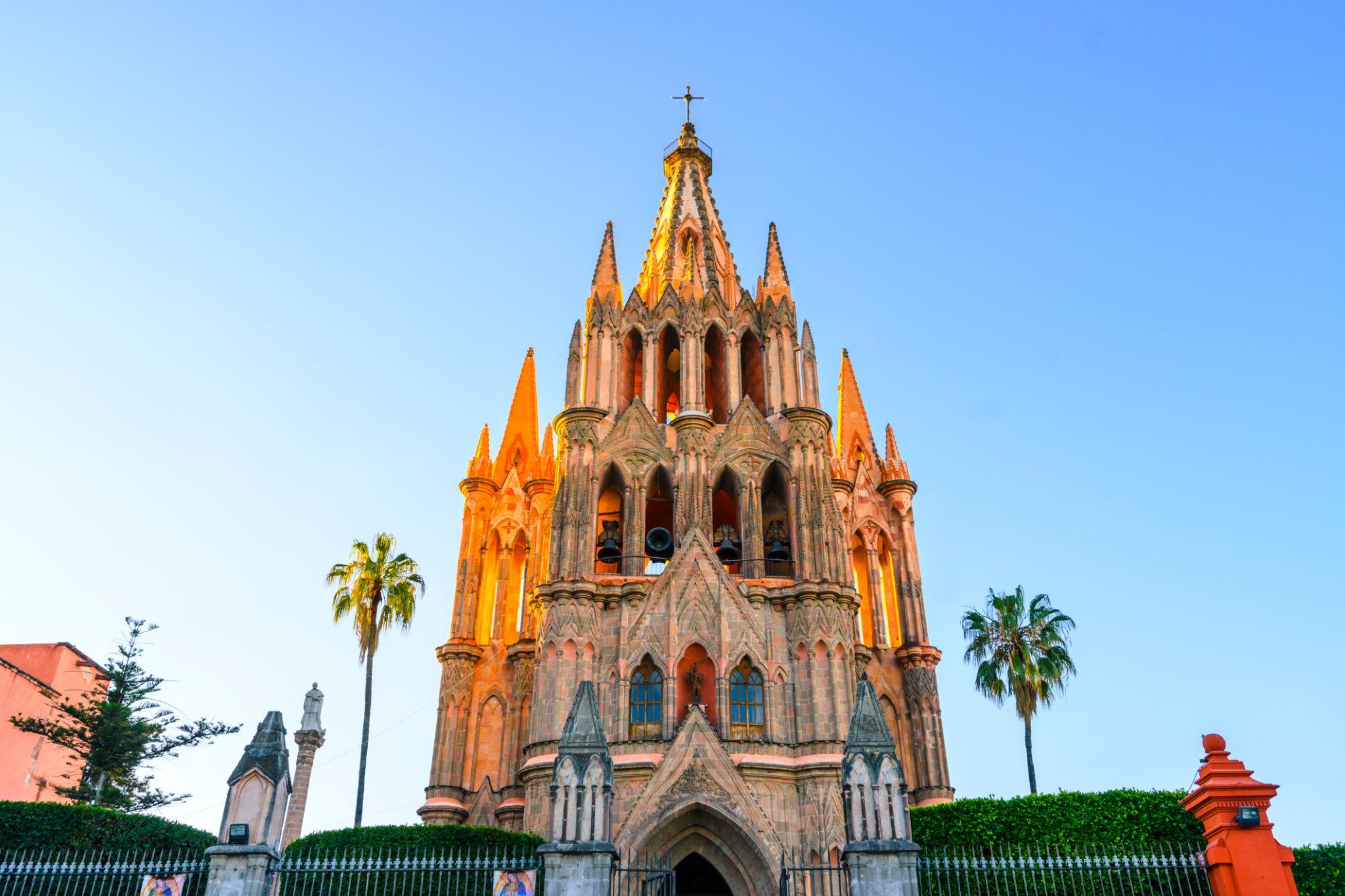
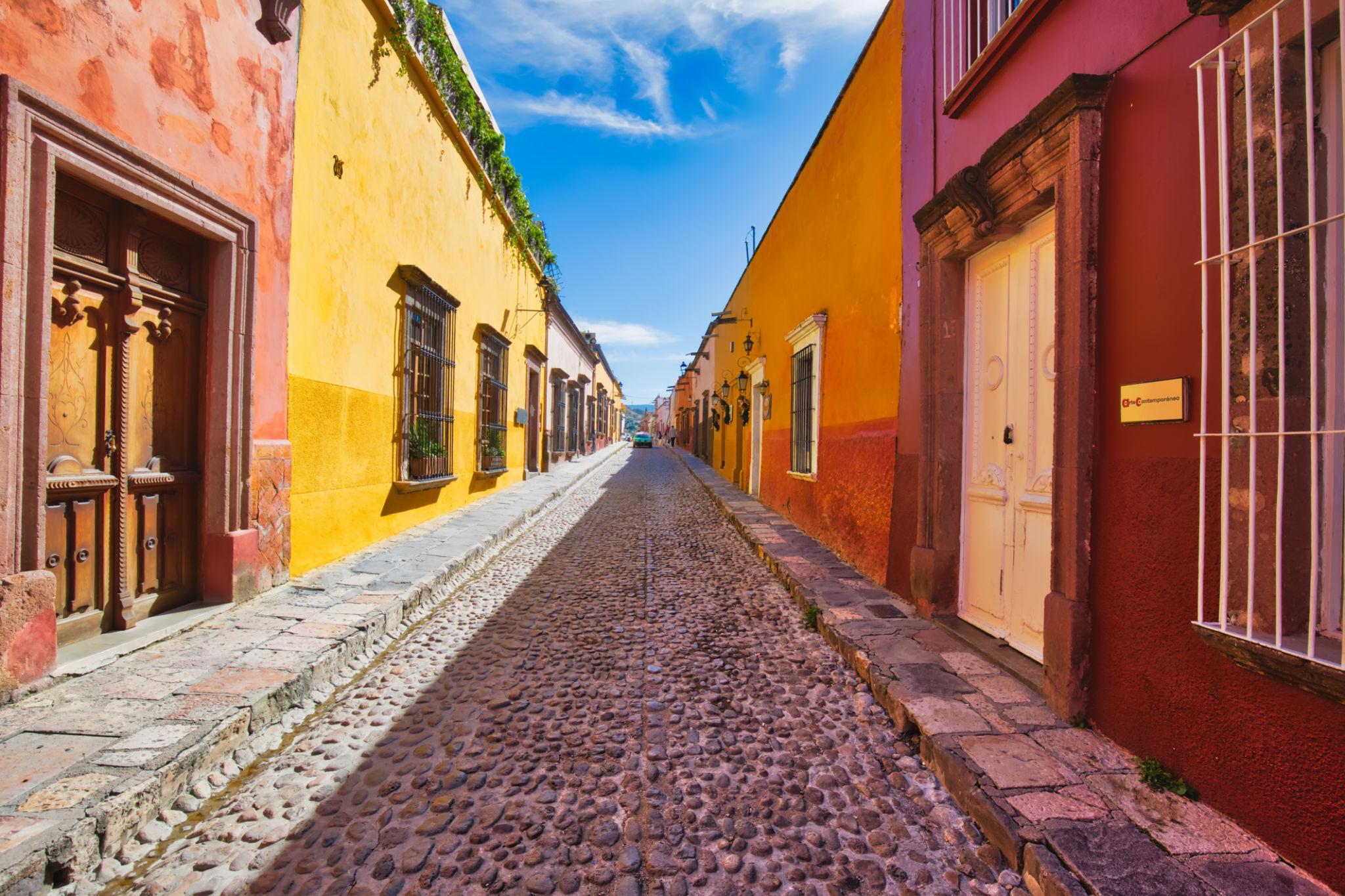
Parroquia church and colonial streets
San Miguel de Allende is known for its well-preserved colonial architecture and artistic community.
The skyline is dominated by the neo-Gothic Parroquia de San Miguel Arcángel. The town has attracted both domestic and international residents, giving it a mixed cultural character.
It is quieter than Mexico City and appeals to travelers looking for architecture and slower pacing.
Guanajuato – Tunnels and Colorful Hillsides
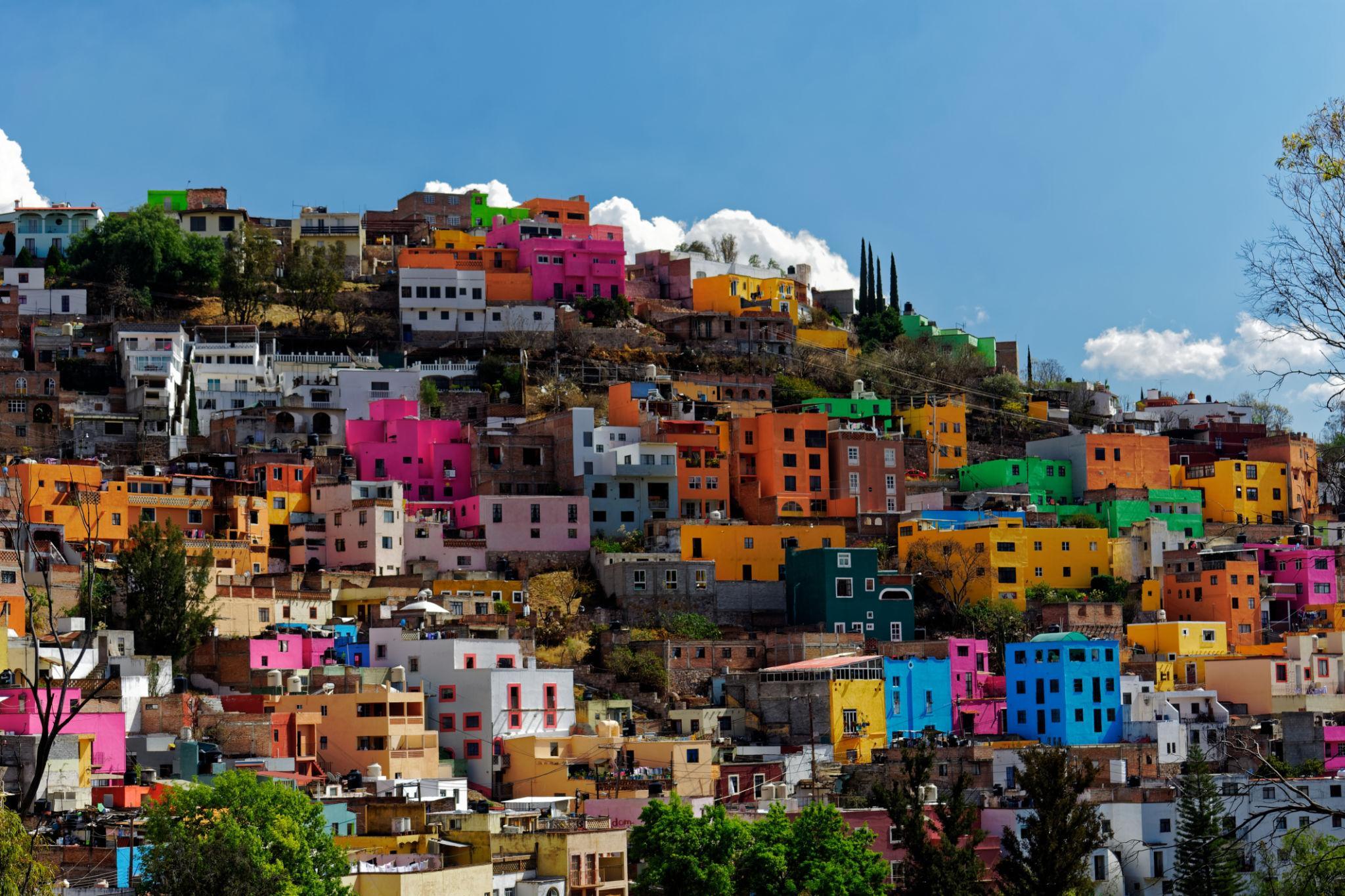
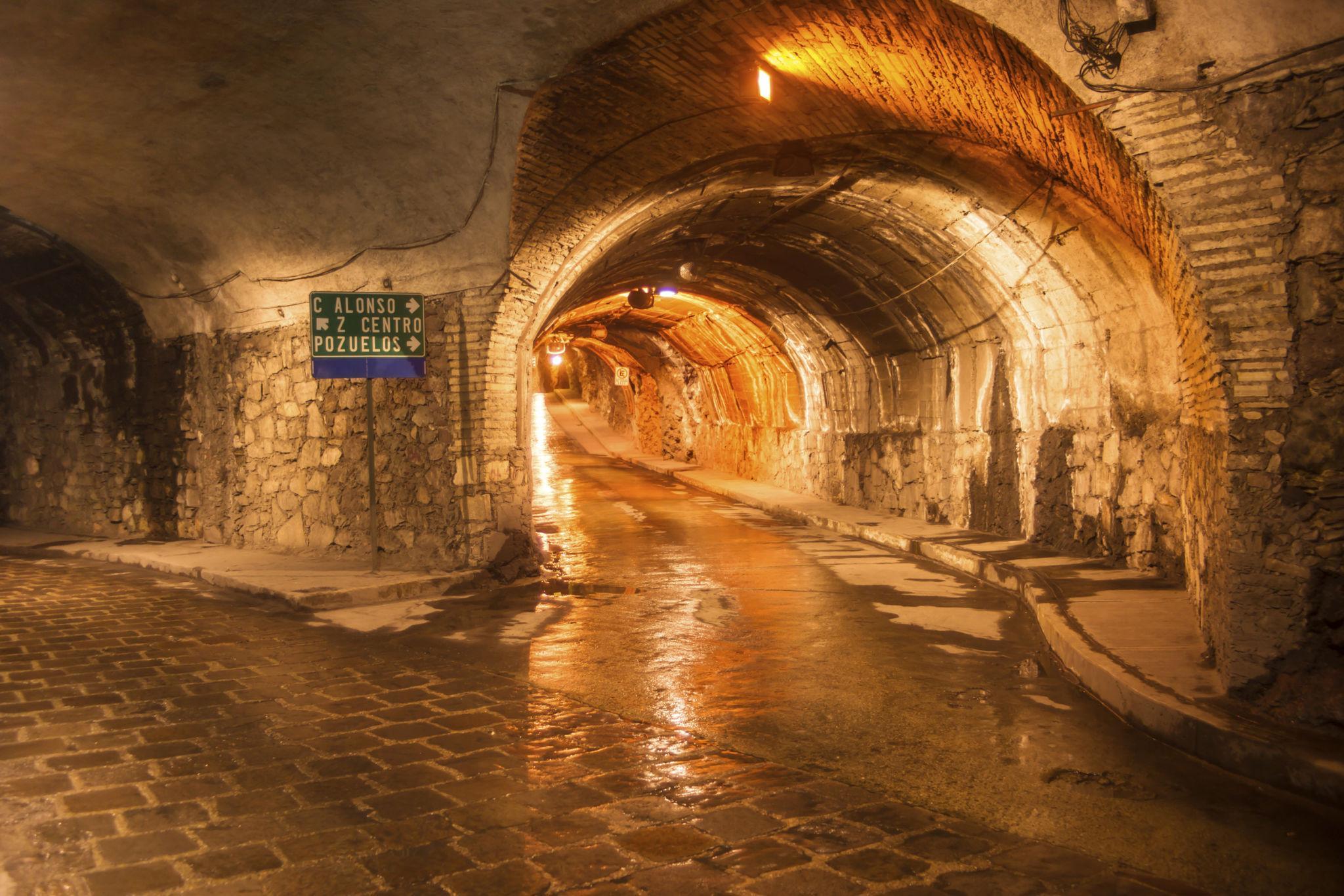
Colorful hillside houses and underground streets
Guanajuato is built into a narrow valley, with colorful houses stacked along steep slopes. The city is known for its underground road network, originally built to manage flooding.
Its historic center is lively, with plazas, museums, and universities.
VI. Northern and Desert Landscapes
Baja California – Desert and Coastline
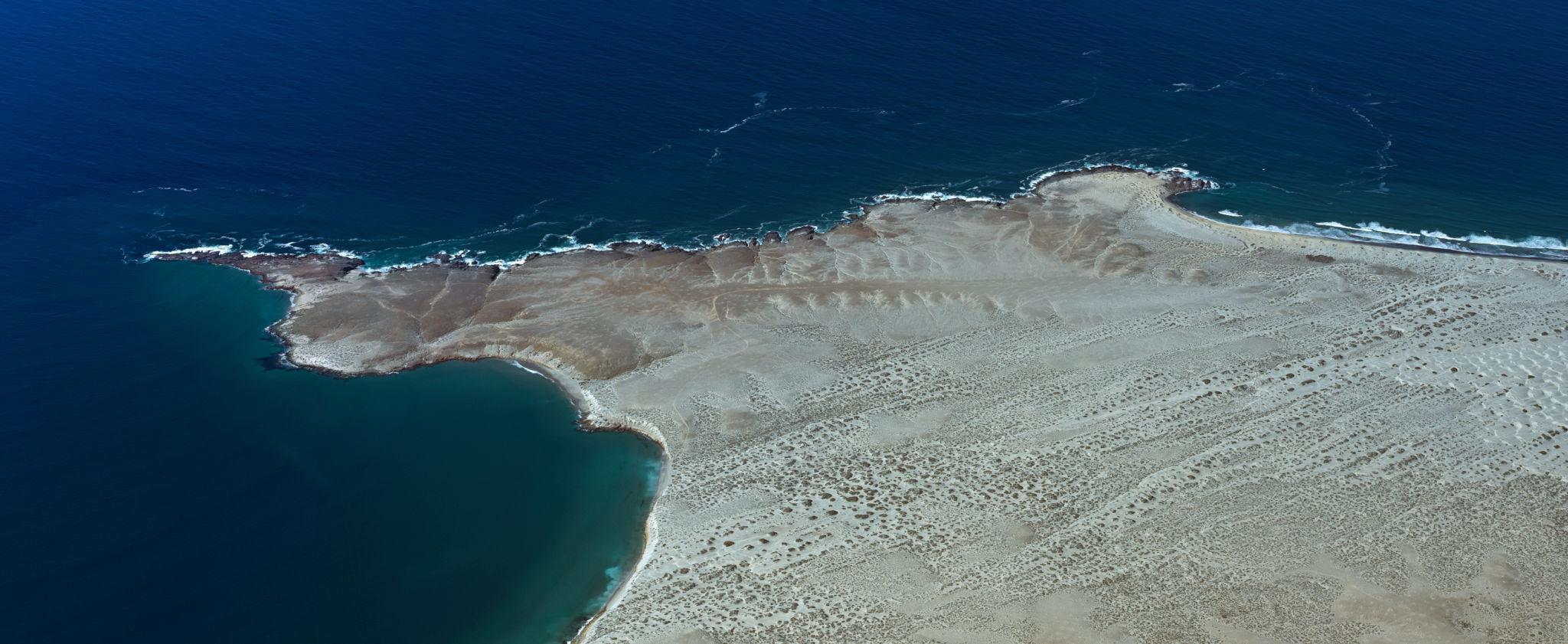
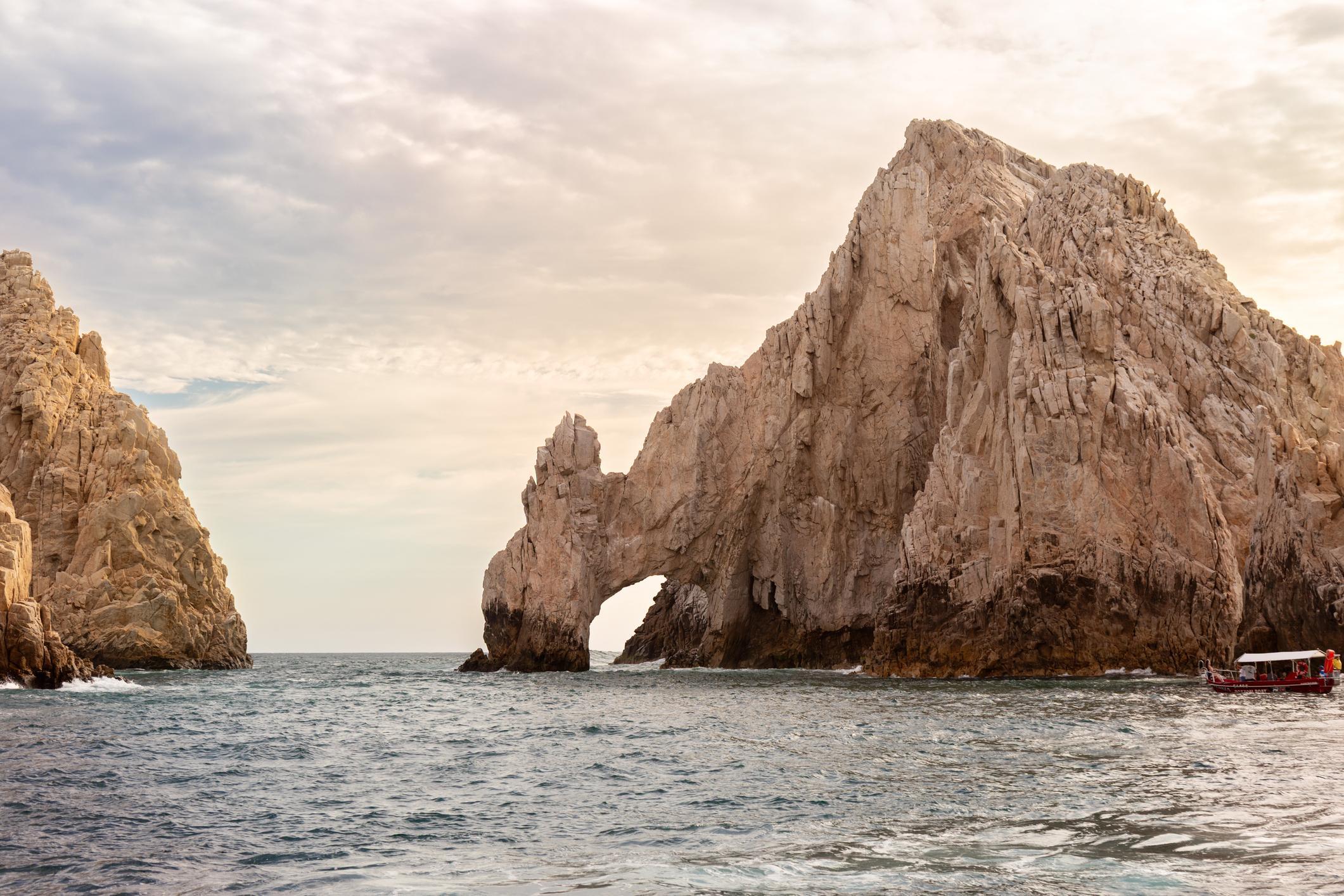
Desert coastline and the Arch of Cabo San Lucas
The Baja California peninsula stretches between the Pacific Ocean and the Sea of Cortez.
At the southern tip, Cabo San Lucas attracts beach tourism. Further north, the region becomes quieter, with desert landscapes and marine biodiversity.
Whale migration routes pass through the region during winter months.
Copper Canyon – Remote Canyon System
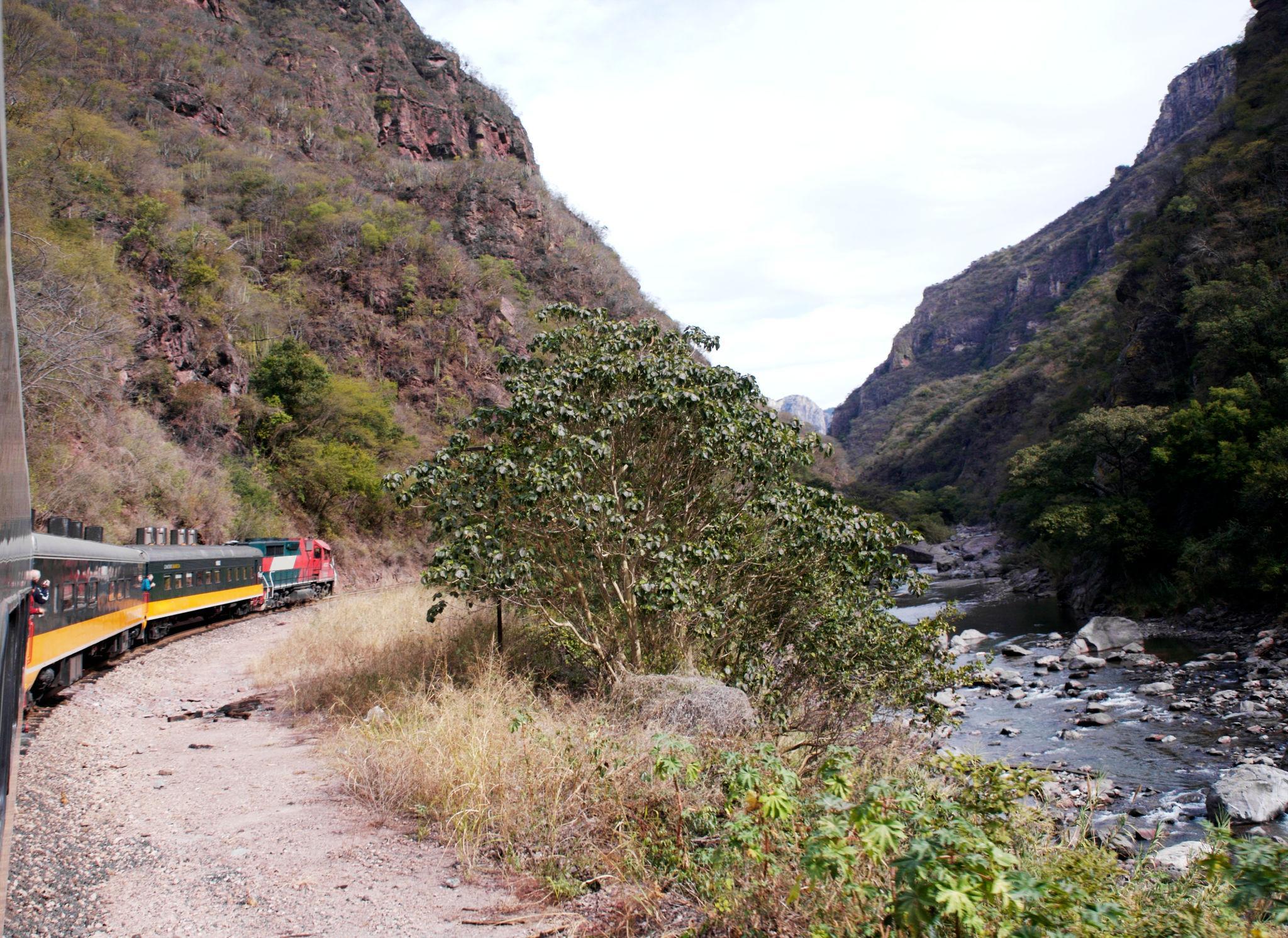
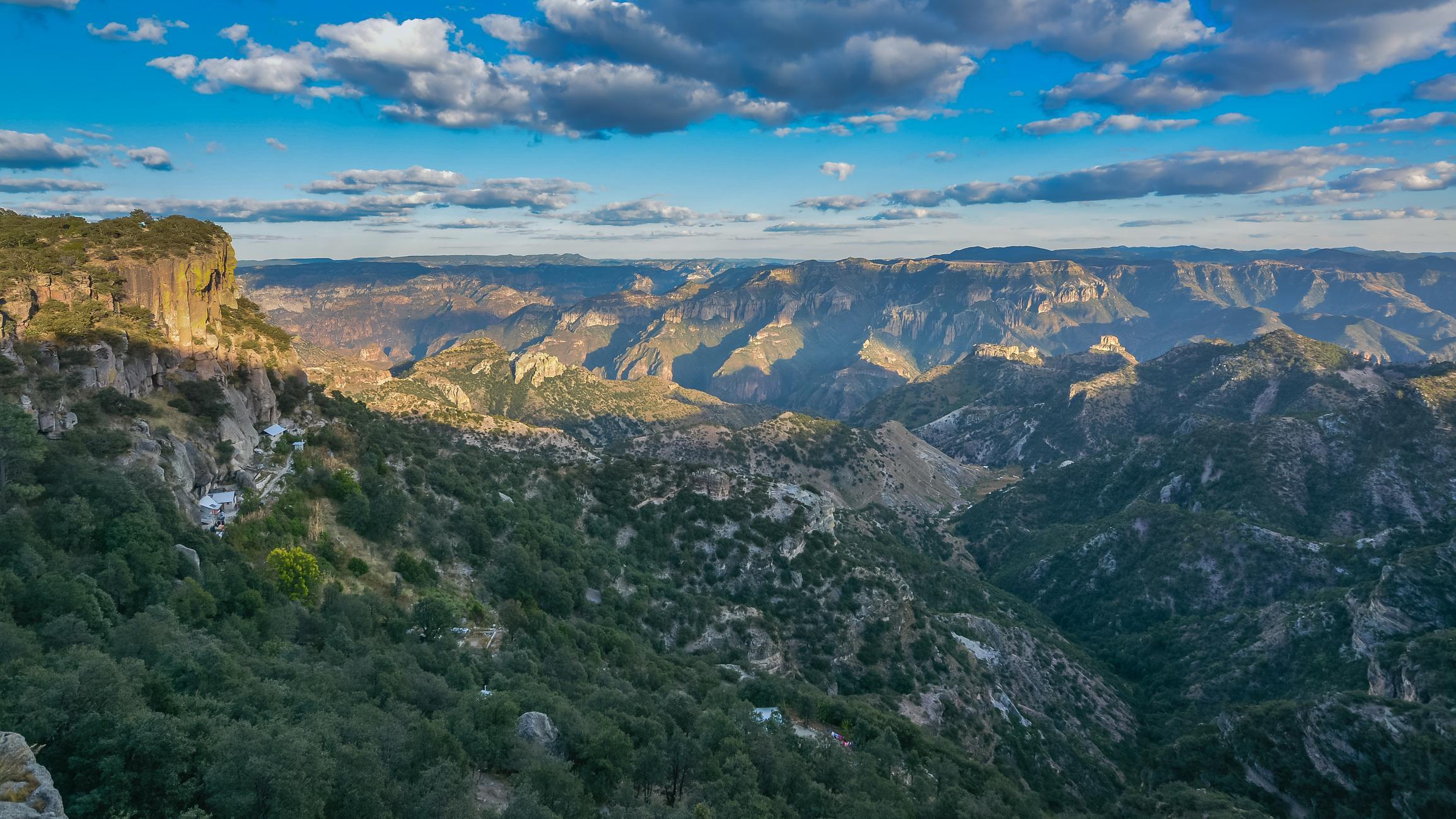
Copper Canyon railway and canyon cliffs
Copper Canyon in the state of Chihuahua is a vast canyon system larger in area than the Grand Canyon.
The Chihuahua al Pacífico railway runs through dramatic mountain and canyon terrain. The region remains less visited than Mexico’s coastal areas.
Mexico Overview
Mexico offers:
- Major urban capital
- Colonial highland cities
- Caribbean and Pacific beaches
- Pre-Columbian archaeological sites
- Indigenous cultural regions
- Desert landscapes
- Canyon systems
- Volcanoes and high-altitude terrain
The country cannot be reduced to resort tourism. Its depth lies in regional identity and historical continuity.
Image Credits
All images used in this Mexico guide are sourced via public search queries corresponding to:
- Mexico City skyline and Zócalo
- Puebla colonial center
- Cancún beaches
- Chichén Itzá
- Tulum ruins
- Oaxaca and Monte Albán
- Puerto Vallarta coastline
- Guadalajara and agave fields
- San Miguel de Allende
- Guanajuato
- Baja California and Cabo San Lucas
- Copper Canyon

![K2 Base Camp Trek: Ultimate Guide k2 Trek 2026 [UPDATED]](https://karakoramdiaries.com/storage/ultimate-guide-to-k2-base-camp-trek-full-document-150x150.png)