Best Winter Destinations in Pakistan
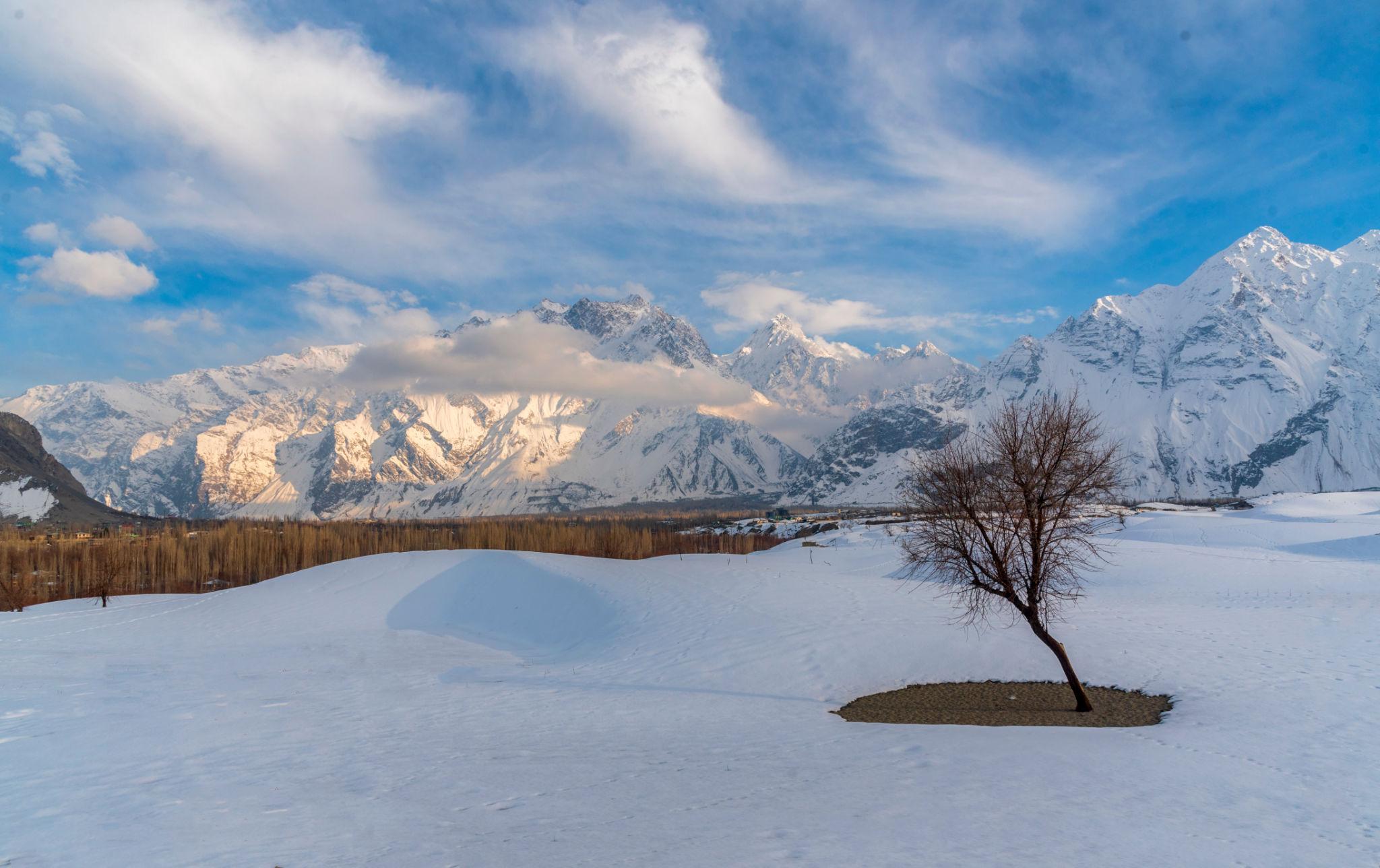
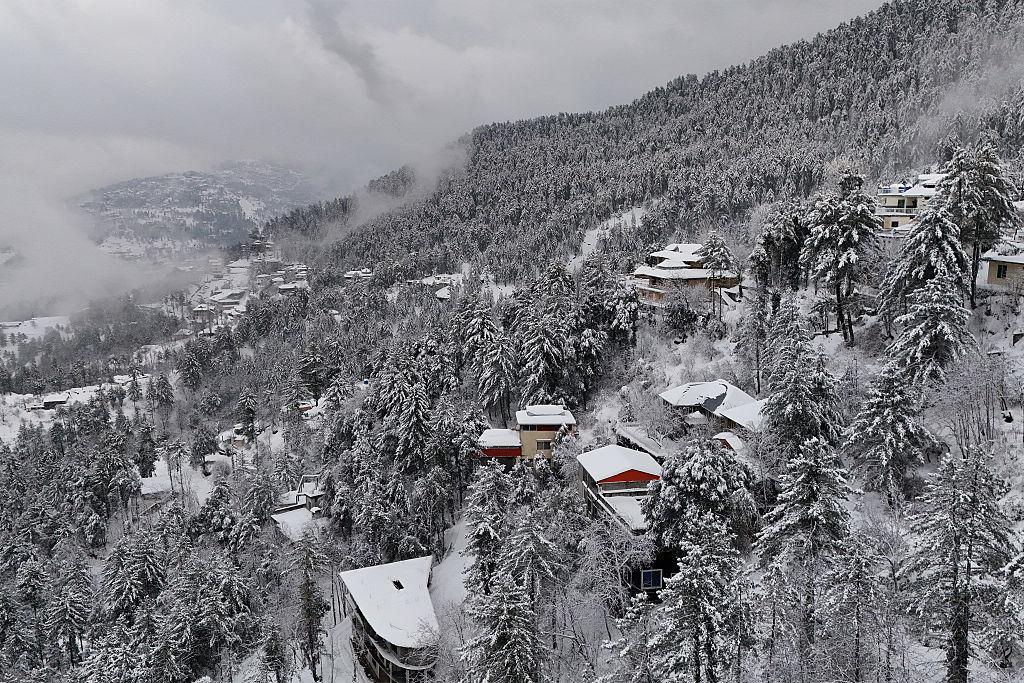
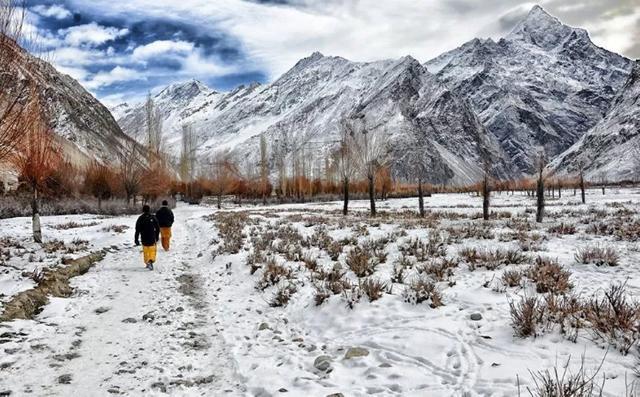
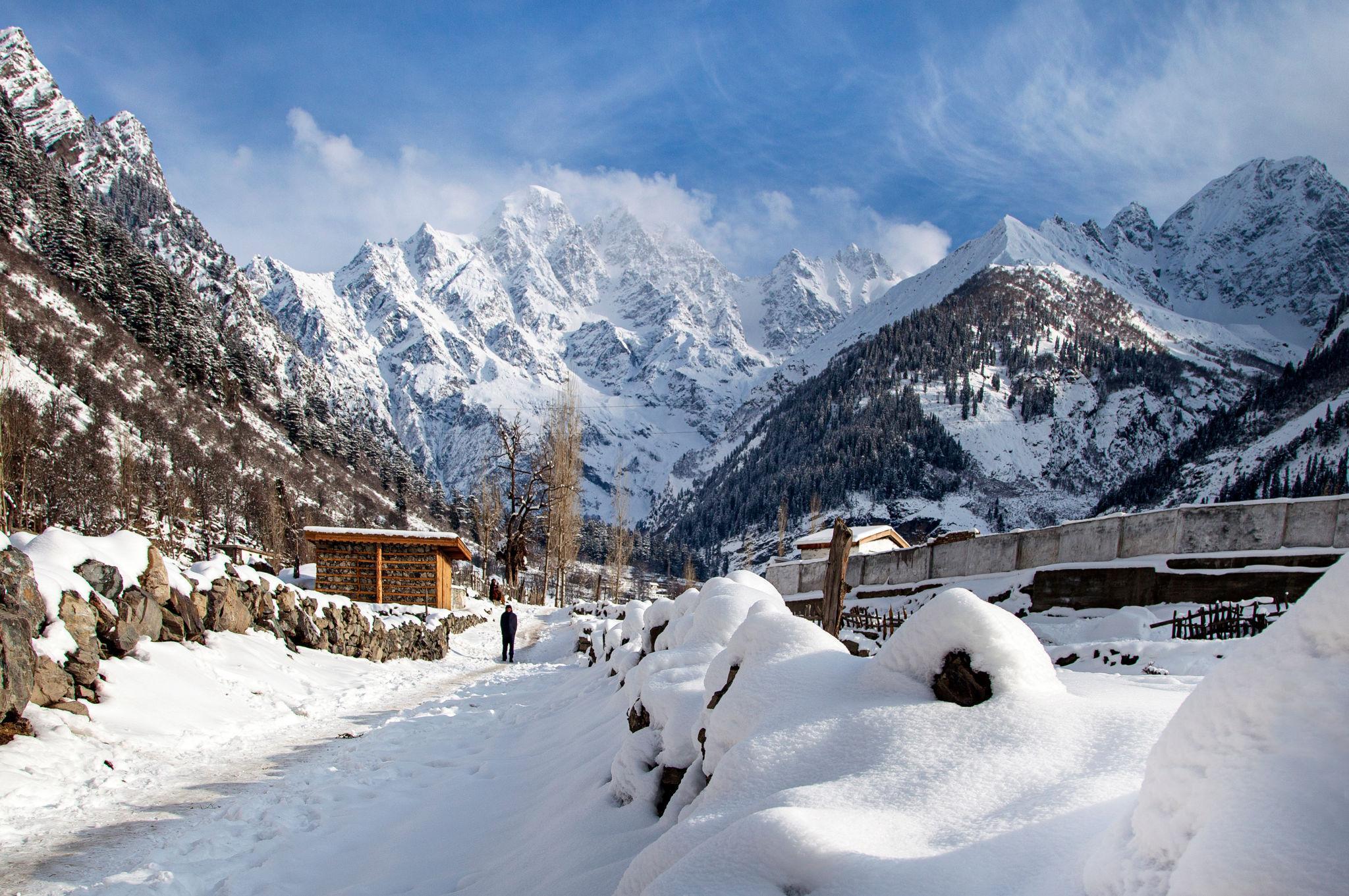
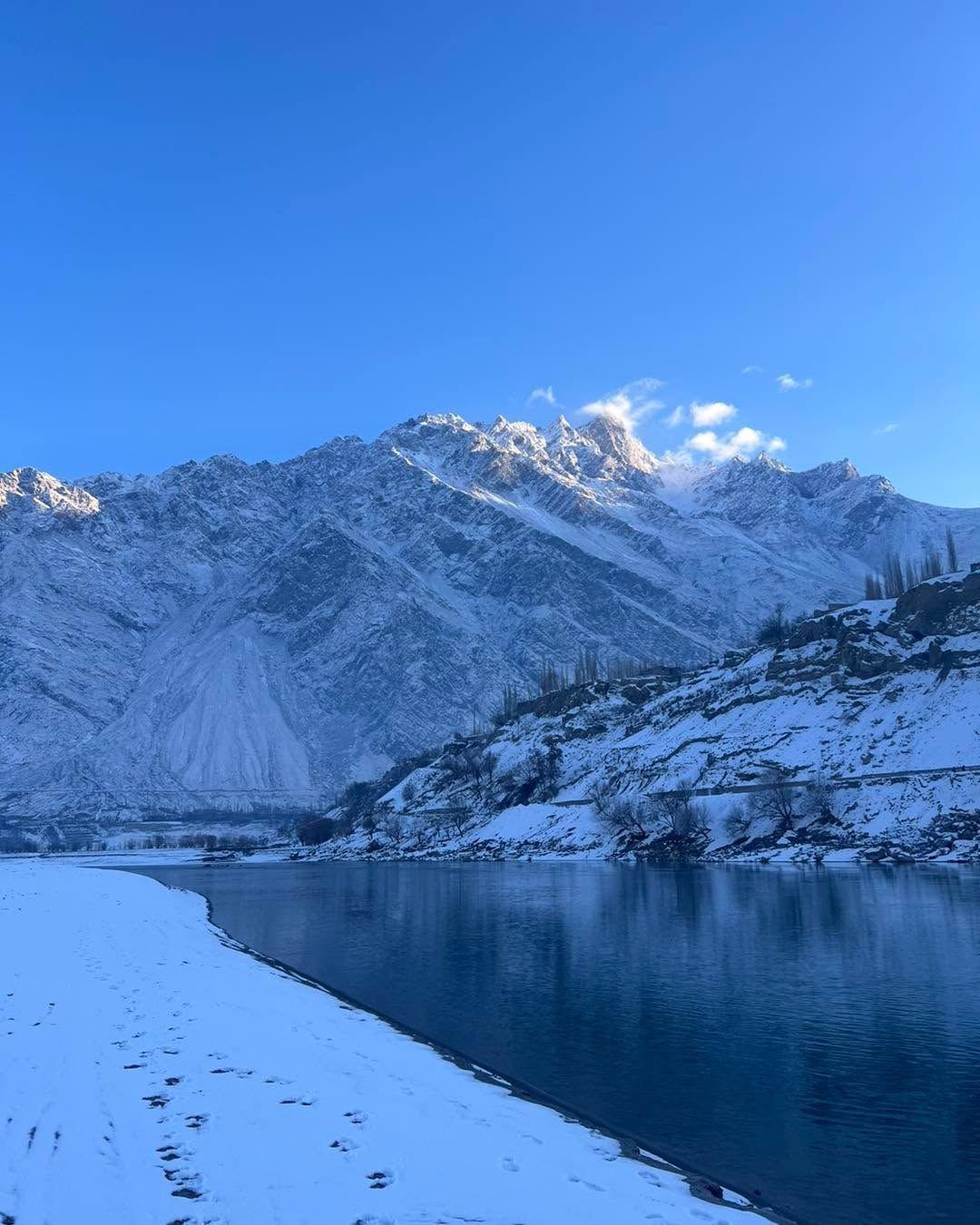
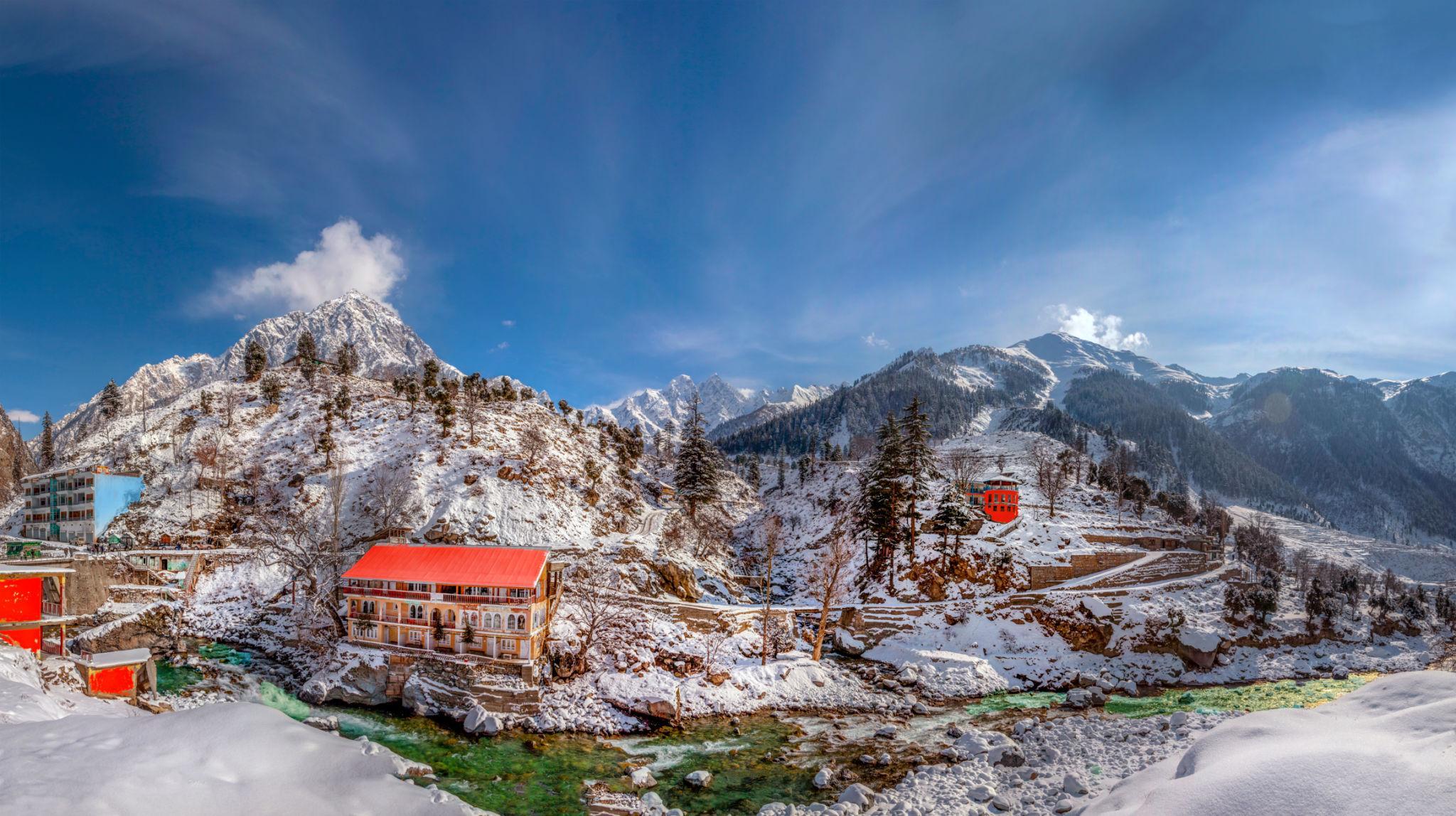
Pakistan offers some of the most varied and dramatic winter landscapes of any country in Asia. From the pine-covered ridges of Murree to the high-altitude terrain of Gilgit-Baltistan, the country transforms significantly between December and February. Snow settles on the Karakoram peaks, the roads to the northern valleys quiet down, and the crowds that fill these destinations in summer all but disappear.
Winter travel in Pakistan is not for everyone. Roads in the upper north can close without warning, flight schedules to Gilgit and Skardu become unpredictable, and temperatures in places like Skardu can drop to -15°C or lower. But for travelers who plan carefully and dress for the conditions, the season offers a version of Pakistan that feels completely different from what guidebooks typically describe. The tourist infrastructure operates, the locals are welcoming, and the landscapes — free of summer dust and crowds — are at their most photogenic.
This guide covers the eight most practical and rewarding winter destinations across Pakistan, from the accessible hill stations near Islamabad to the remote valleys of Azad Kashmir and Khyber Pakhtunkhwa.
Table of contents [Show]
Why Travel to Pakistan in Winter
Summer is undeniably the peak season for northern Pakistan, but winter has advantages that many travelers overlook.
Accommodation prices drop significantly between December and February across Hunza, Skardu, and Murree outside holiday weeks. Hotels that charge premium summer rates become far more affordable, roads carry less traffic, and mountain destinations feel quieter and more authentic.
Winter also transforms the landscapes visually. Frozen lakes, snow-covered forests, empty valleys, and crystal-clear mountain visibility create scenery that looks completely different from summer Pakistan.
For photographers, road trip travelers, and visitors who prefer destinations without crowds, winter is one of the best times to explore Pakistan.
Murree
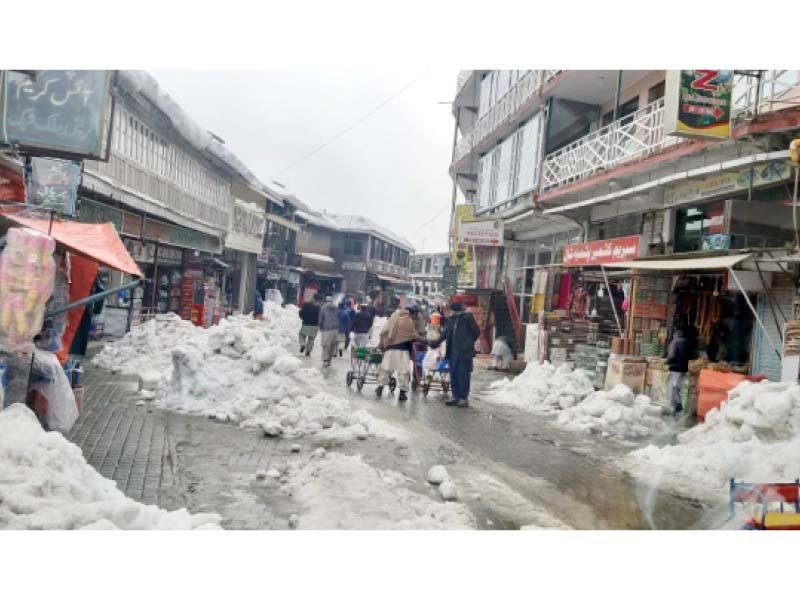
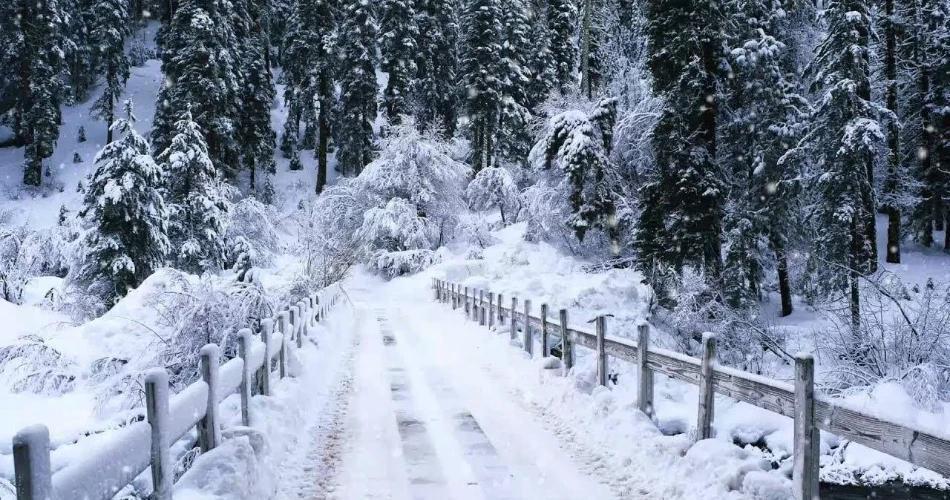
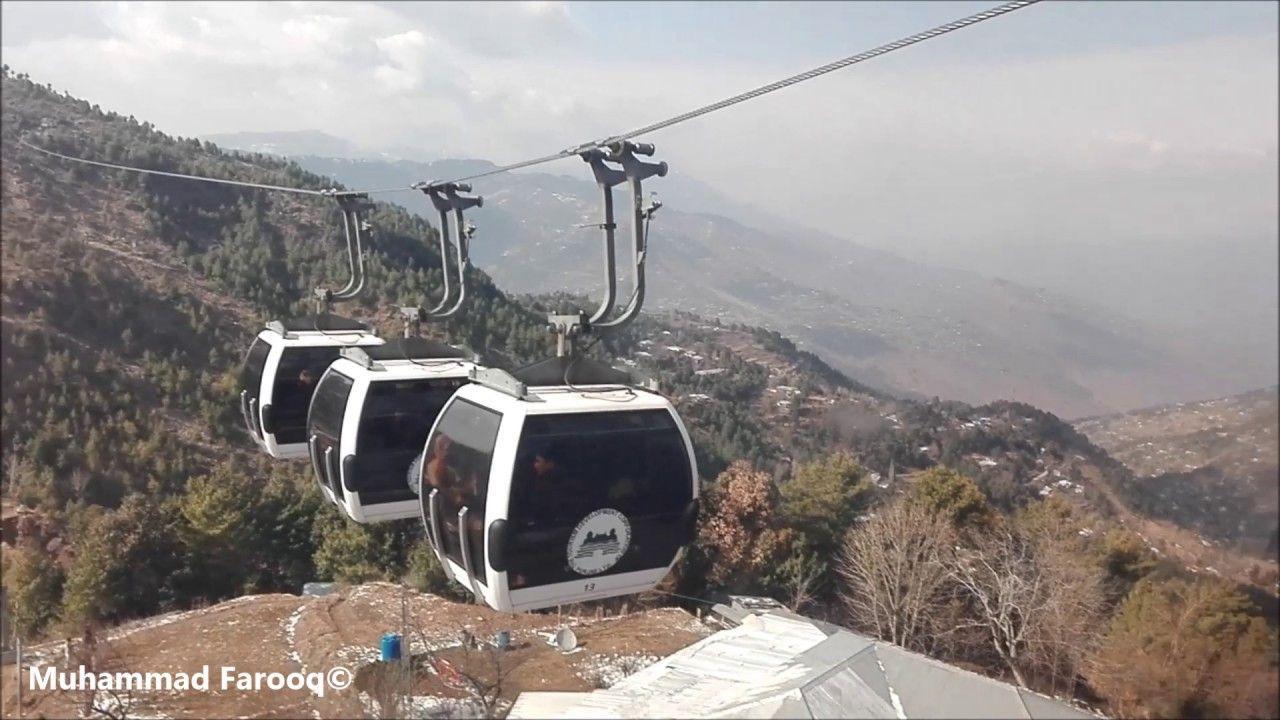
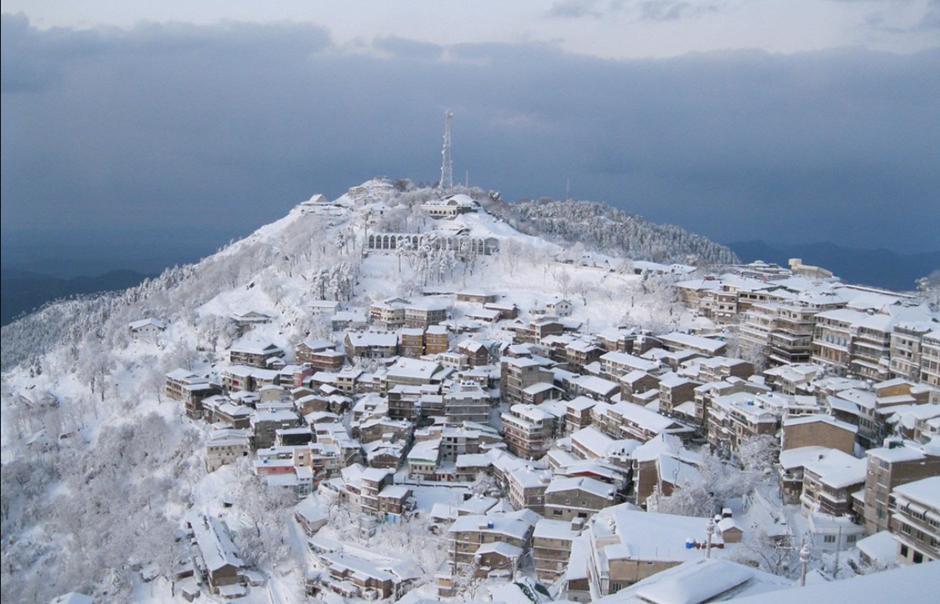
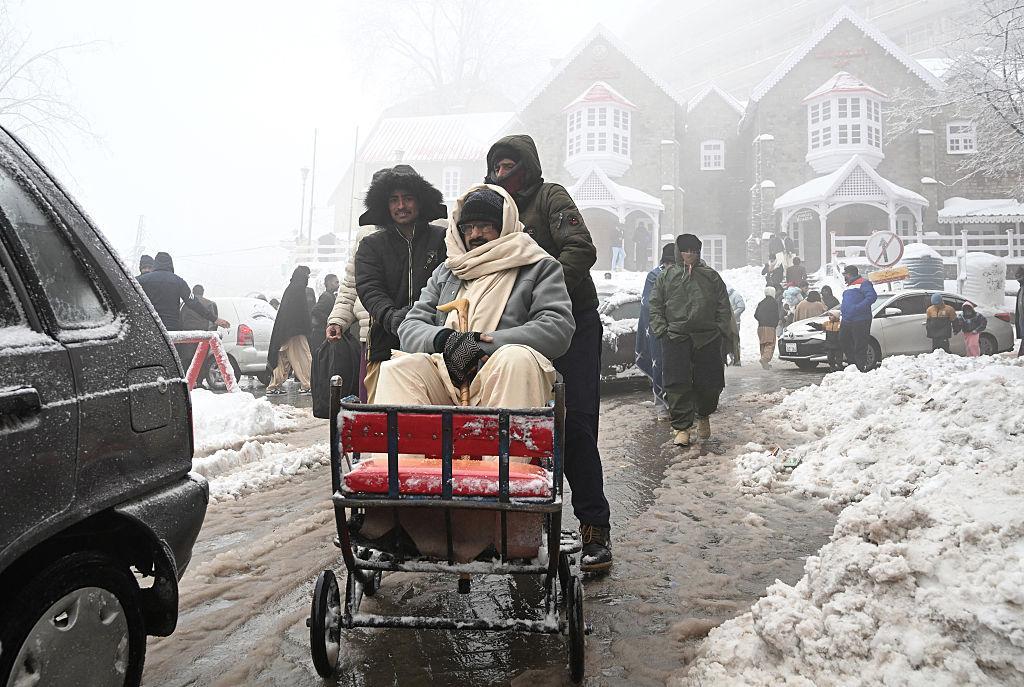
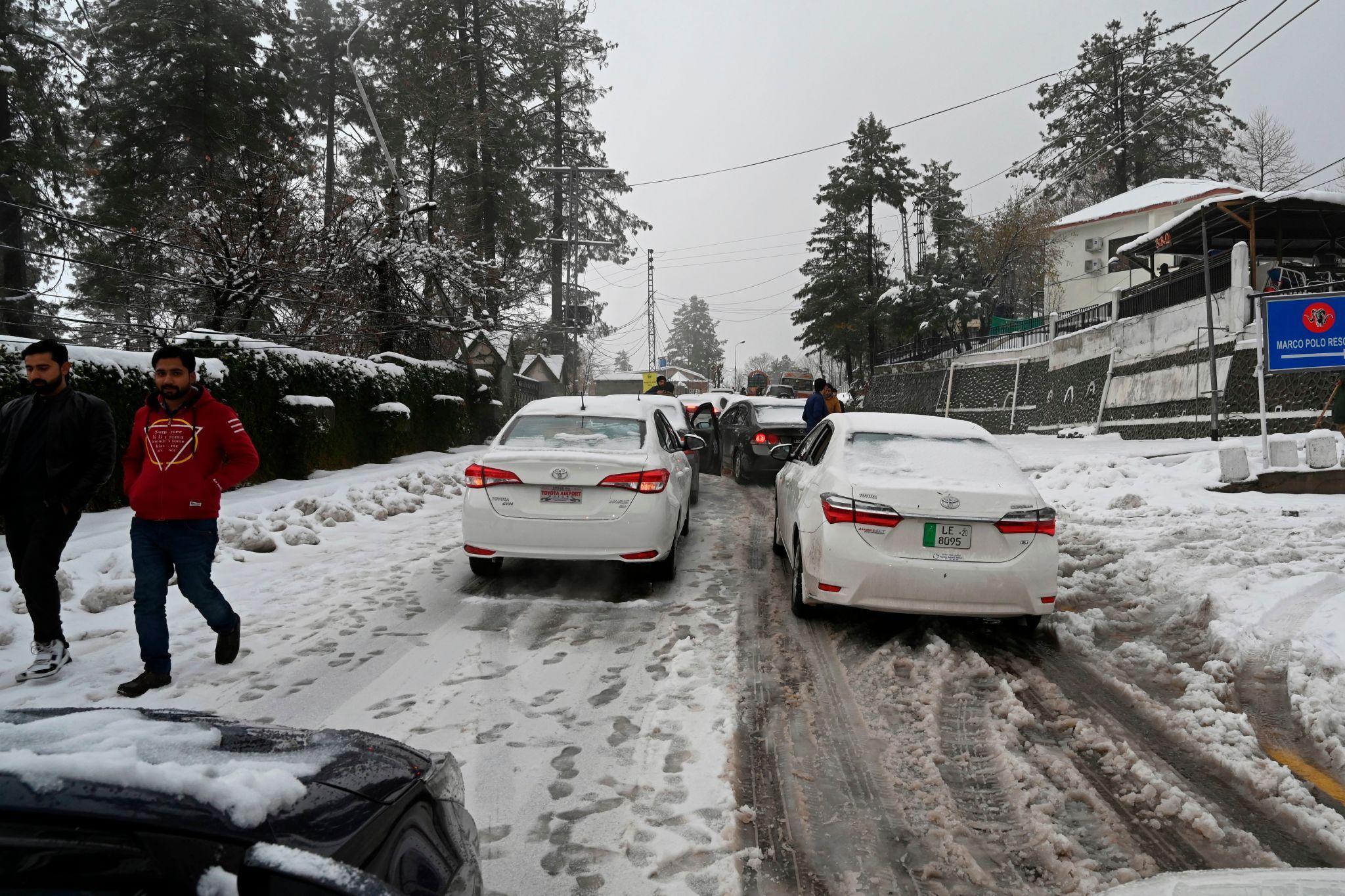
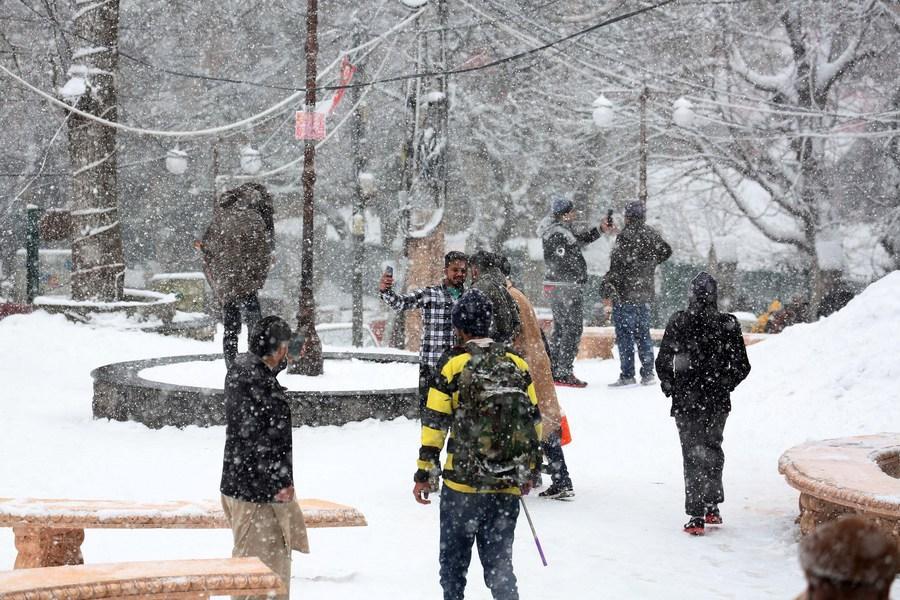
Murree is Pakistan’s most visited winter destination and the country’s easiest snow experience for first-time travelers. Located roughly 51 kilometres northeast of Islamabad, the hill station sits at approximately 2,290 metres and receives regular snowfall between December and February.
The colonial hill station atmosphere still survives around Mall Road, while surrounding areas like Bhurban, Nathia Gali, and Ayubia offer quieter alternatives with better scenery and fewer crowds.
Things to Do in Murree in Winter
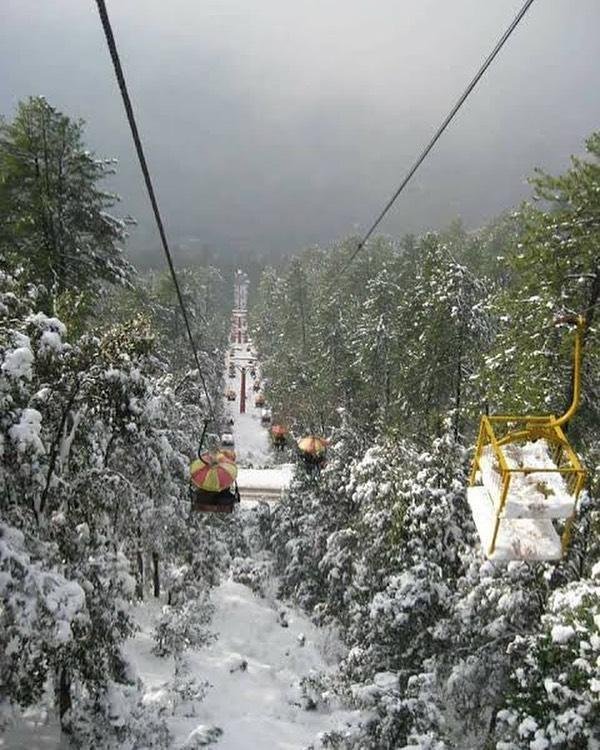
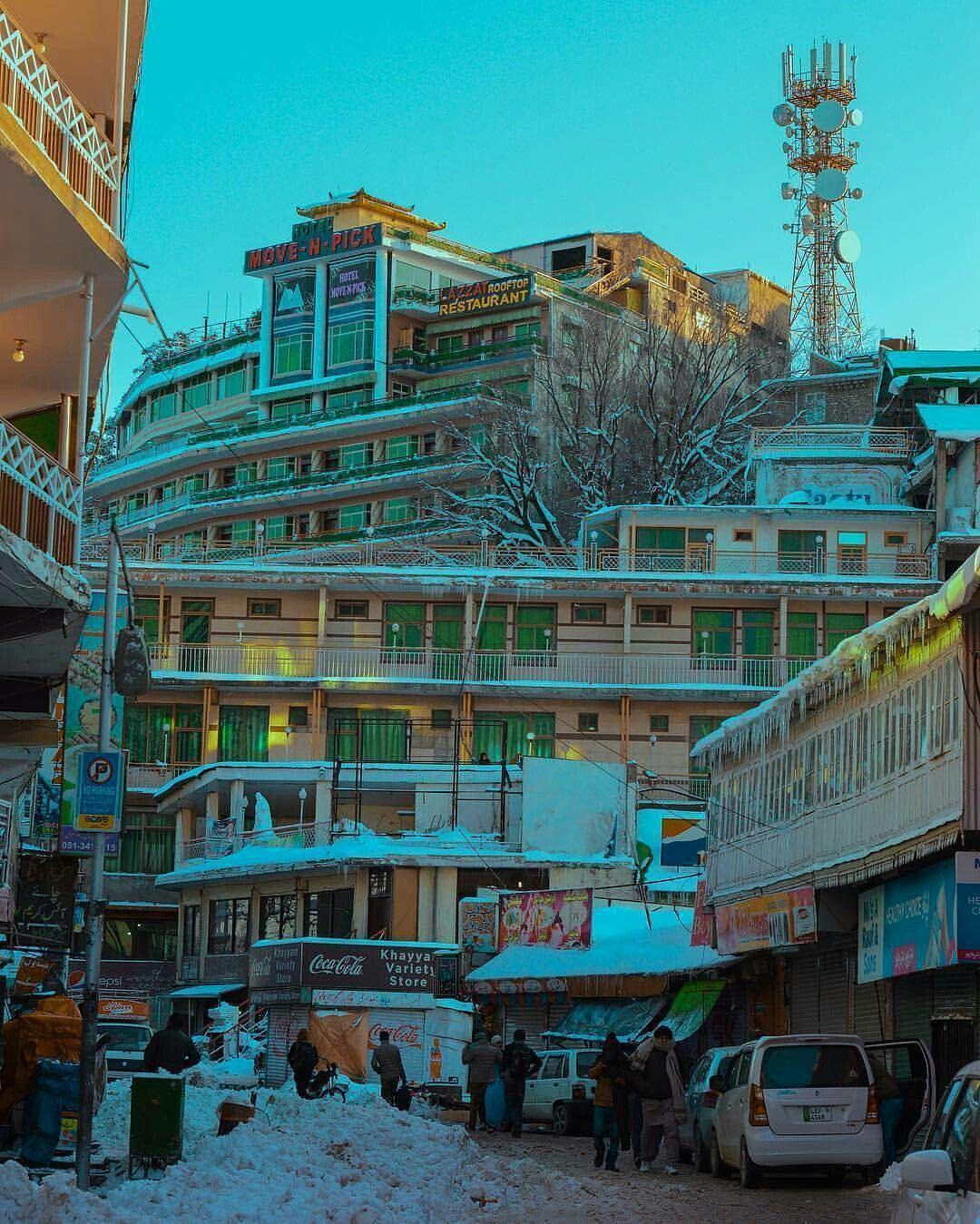
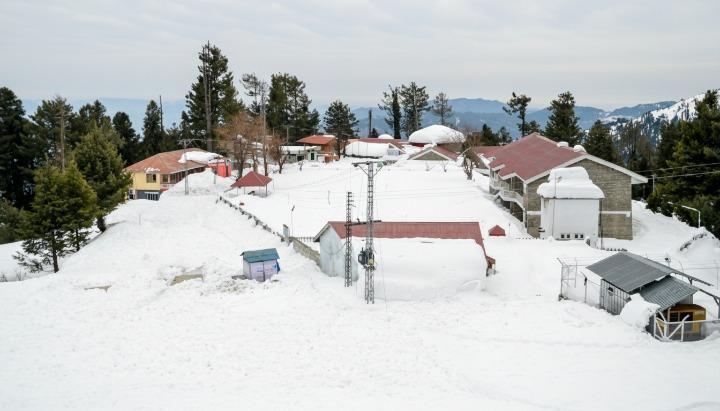
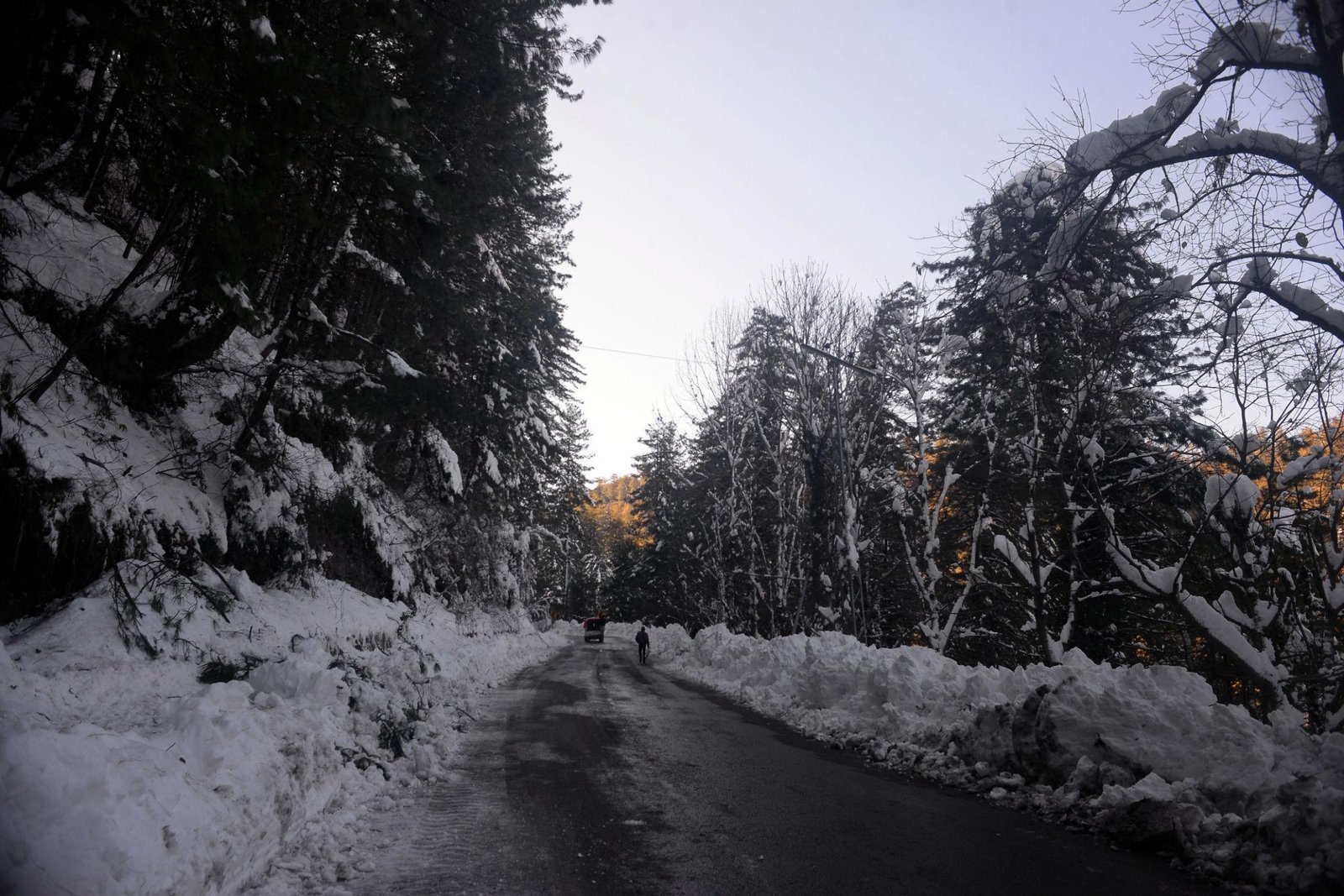
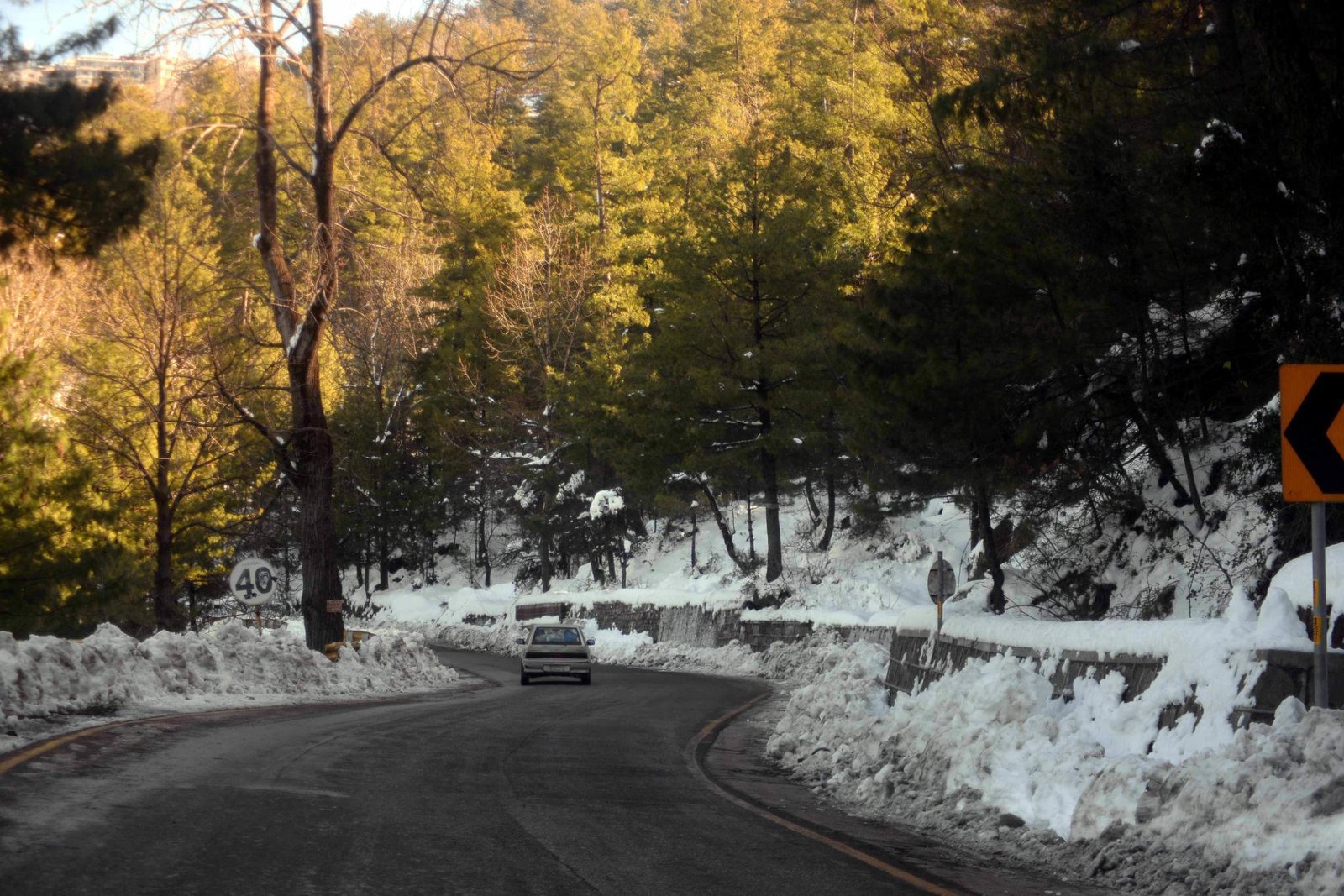
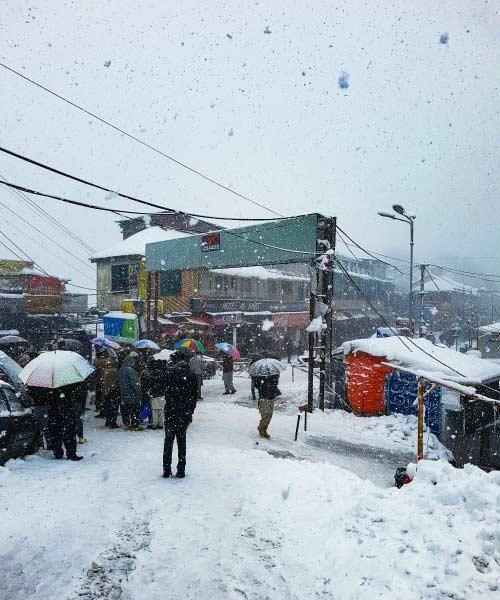
Popular winter activities include:
- Riding the Patriata chairlift and cable car
- Walking through snow-covered pine forests
- Exploring Mall Road during snowfall
- Visiting Ayubia National Park
- Trekking between Murree and Nathia Gali
- Snow sledging in Bhurban and nearby slopes
How to Get to Murree
Murree is accessible from Islamabad via the Murree Expressway (N-75). The drive usually takes around 90 minutes in clear weather but can become significantly longer during snowfall weekends.
Public buses and wagons operate daily from Rawalpindi, while private transport is the most comfortable option during winter.
Where to Stay in Murree
Popular accommodation options include:
- Pearl Continental Bhurban
- Cecil Hotel Murree
- Shangrila Resort Murree
- Budget guesthouses near Mall Road
Best Time to Visit Murree in Winter
January offers the heaviest snowfall. December is quieter with lighter snow, while February combines snowy landscapes with slightly warmer daytime temperatures.
Hunza Valley
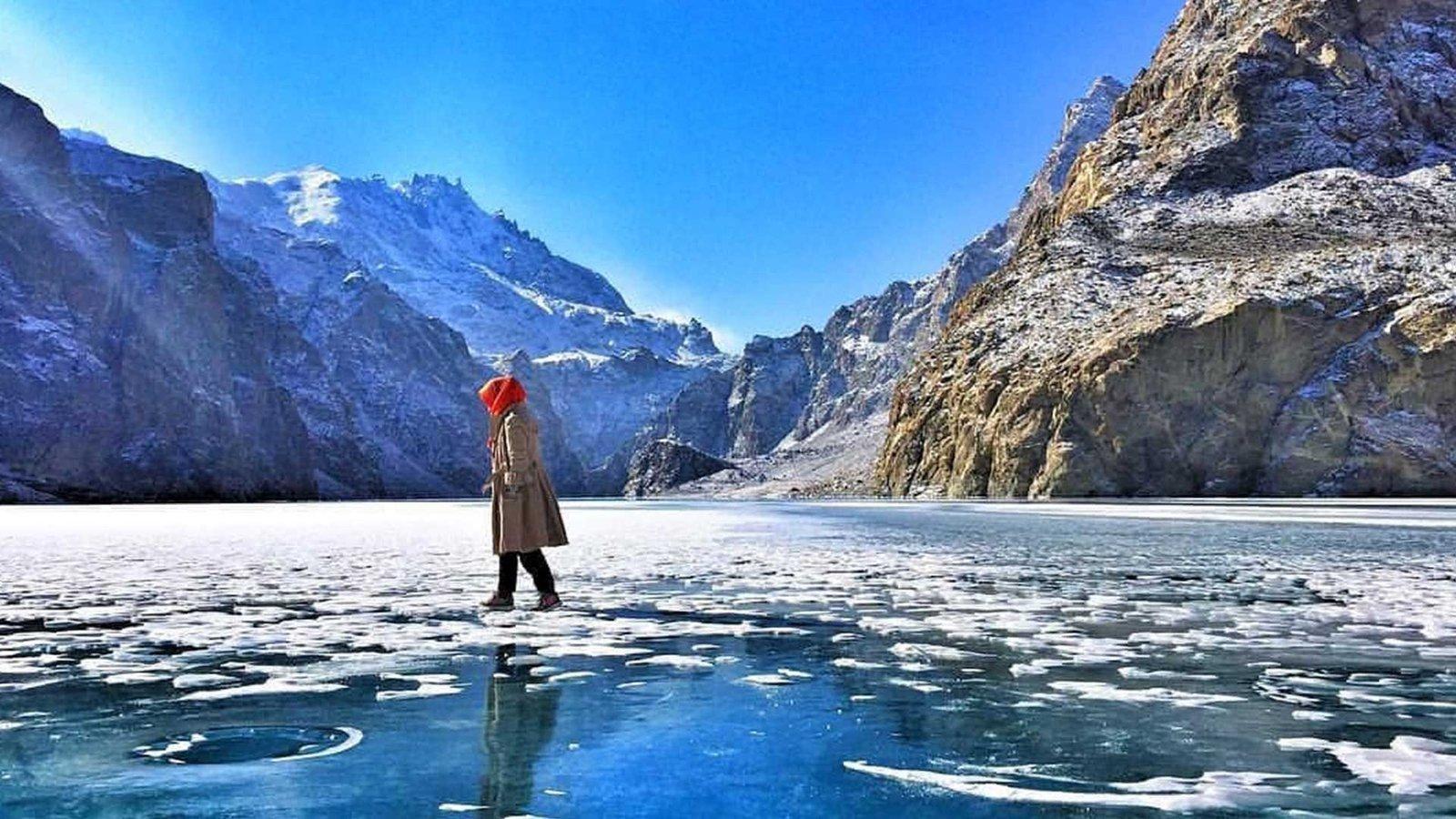
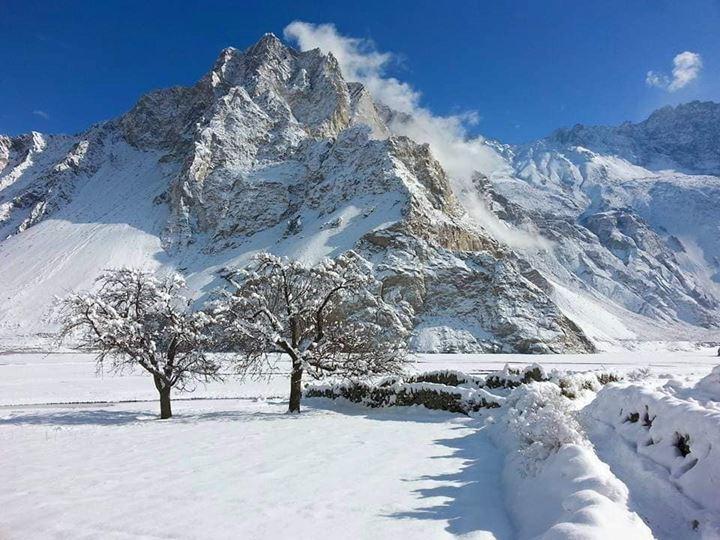
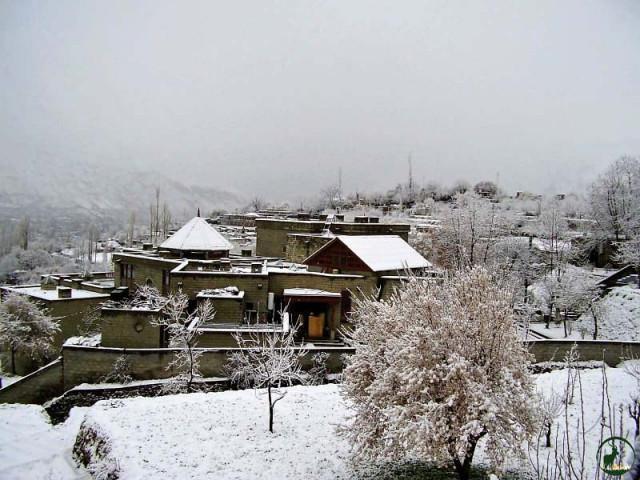
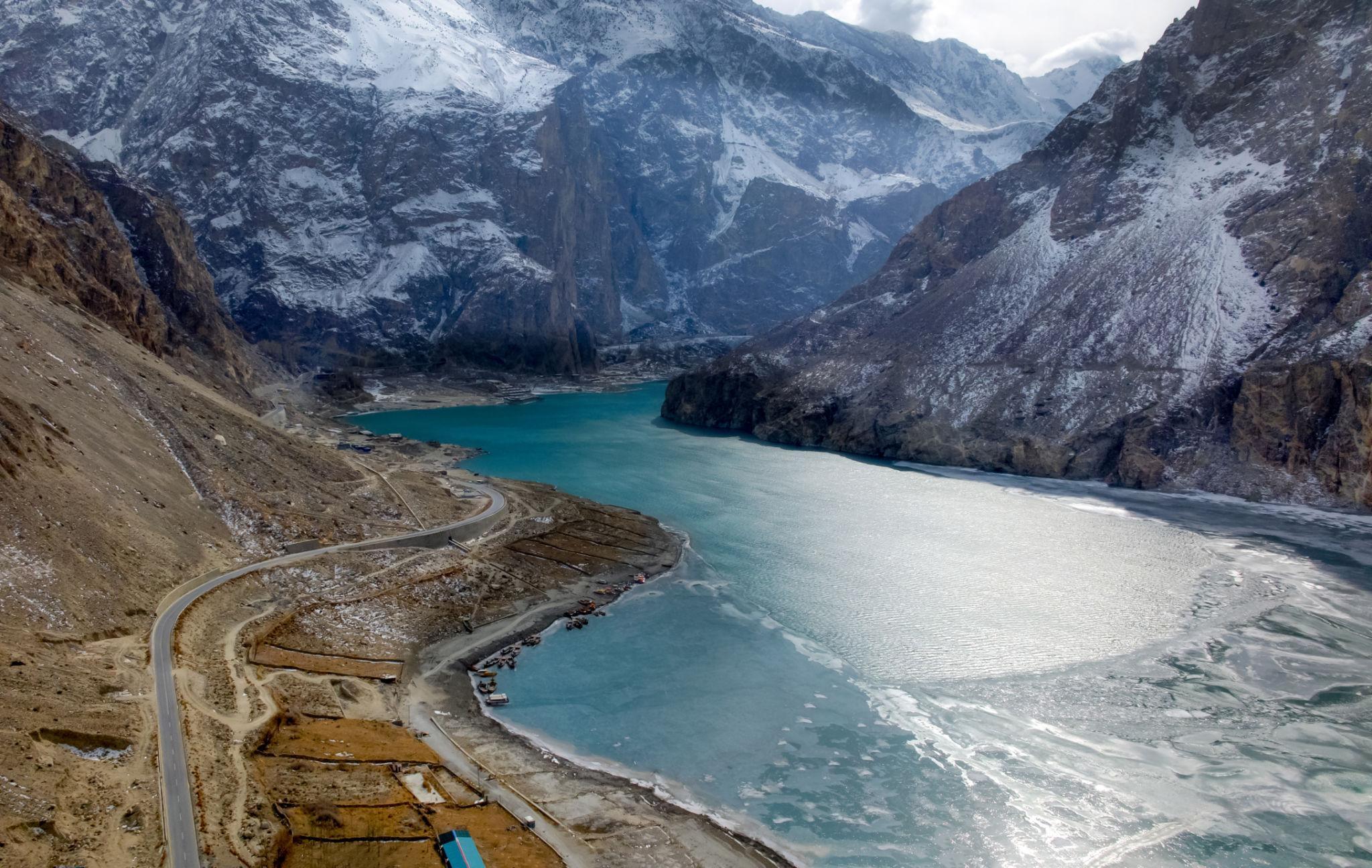
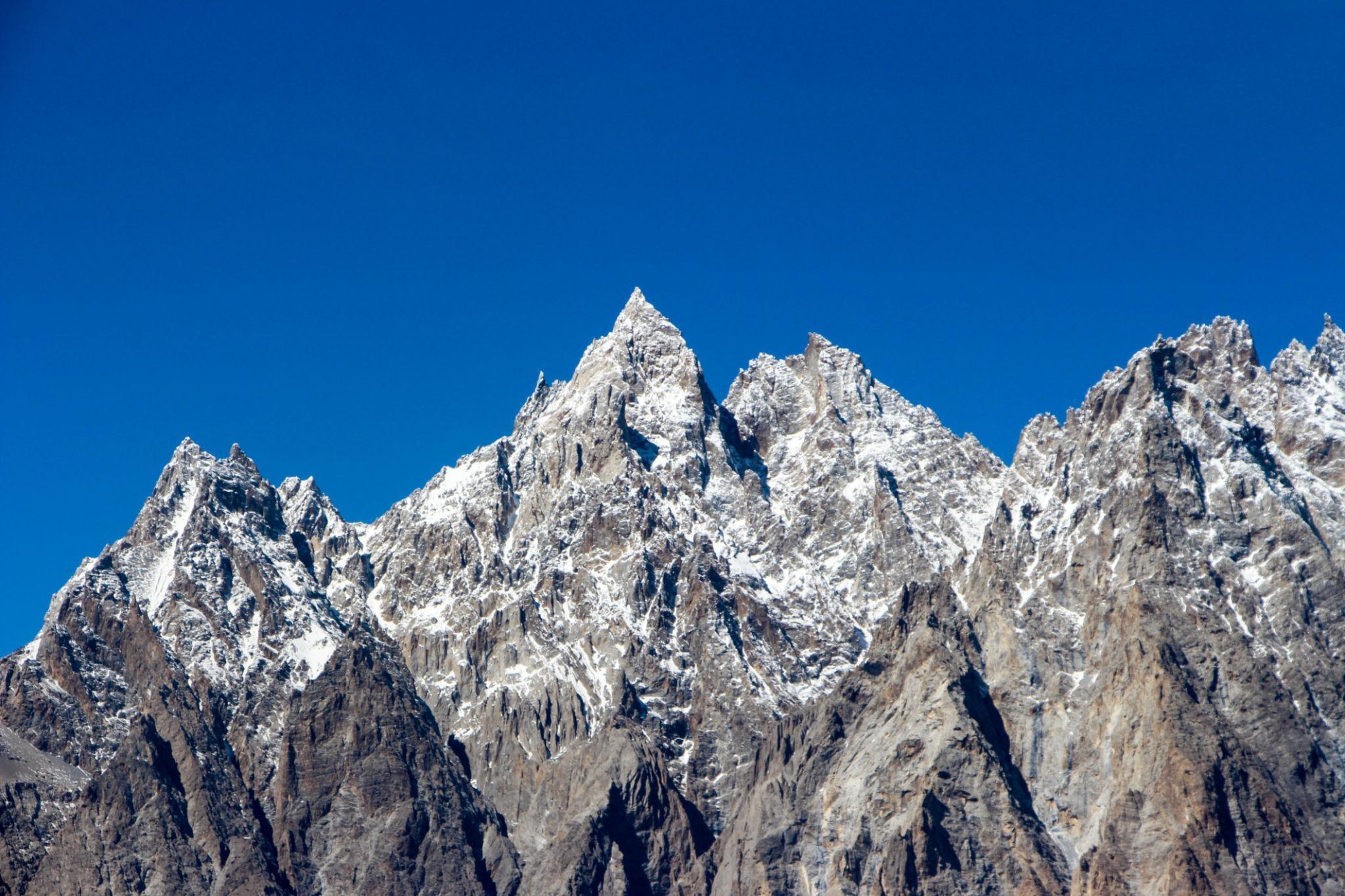
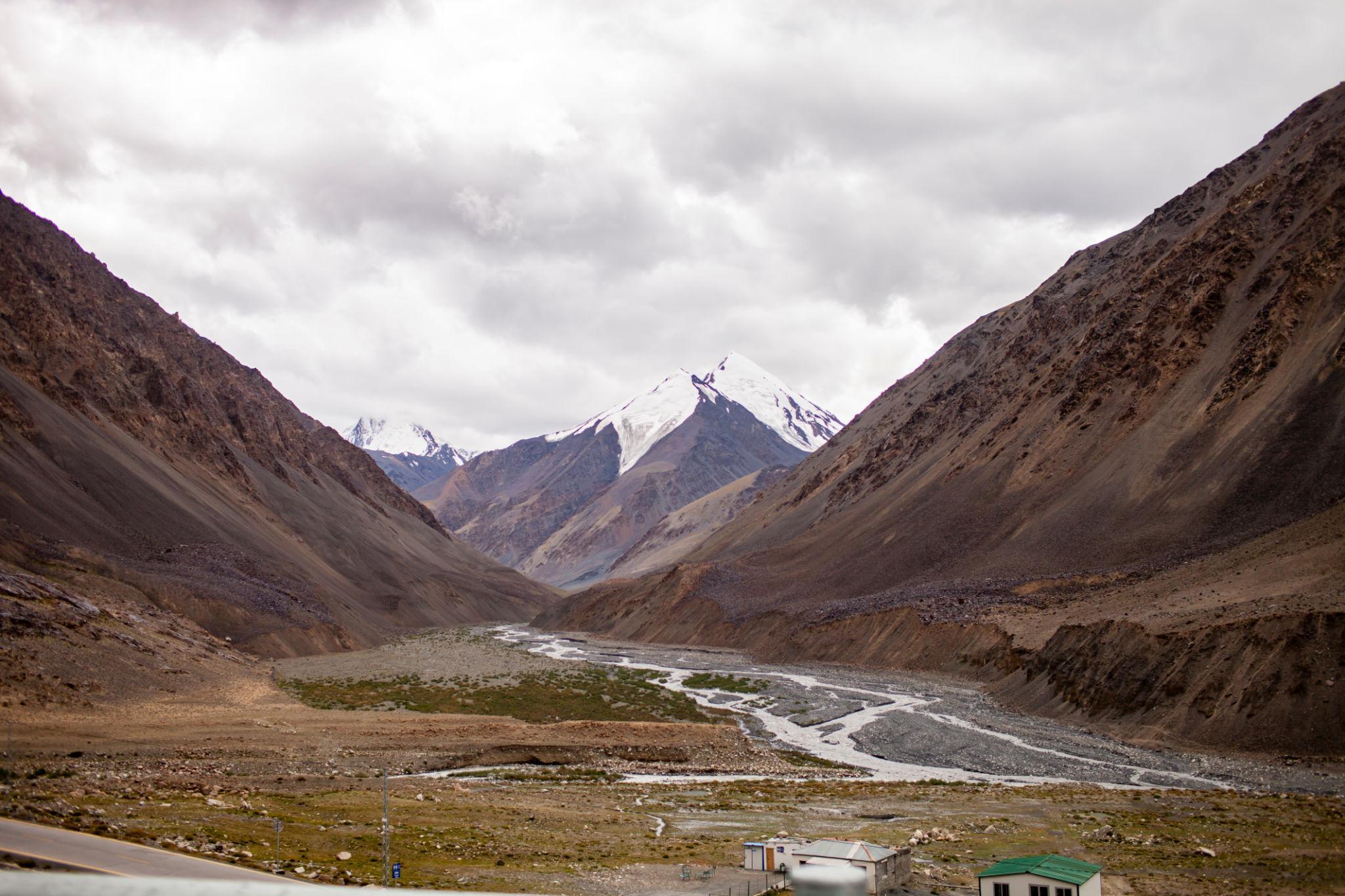
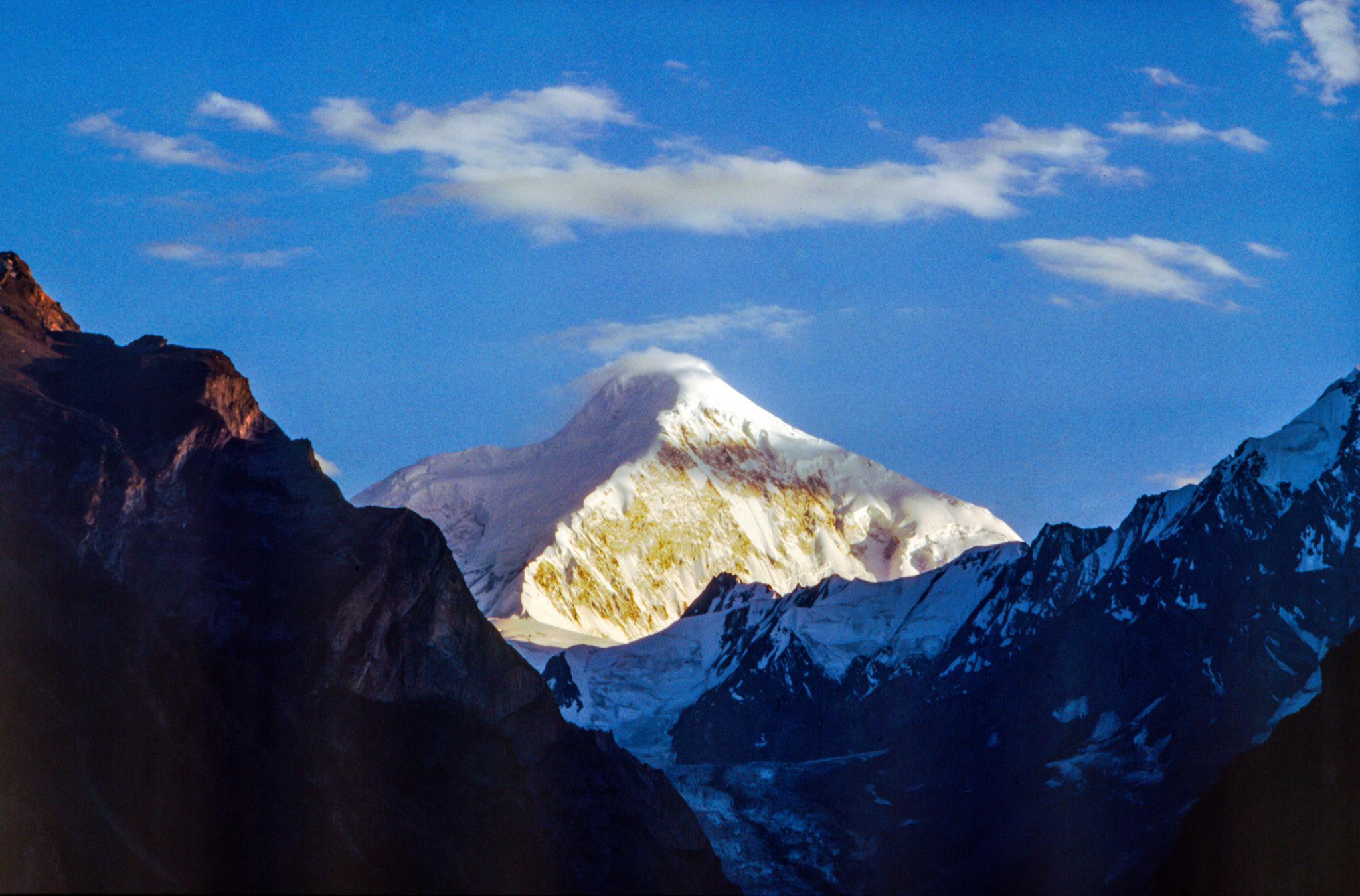
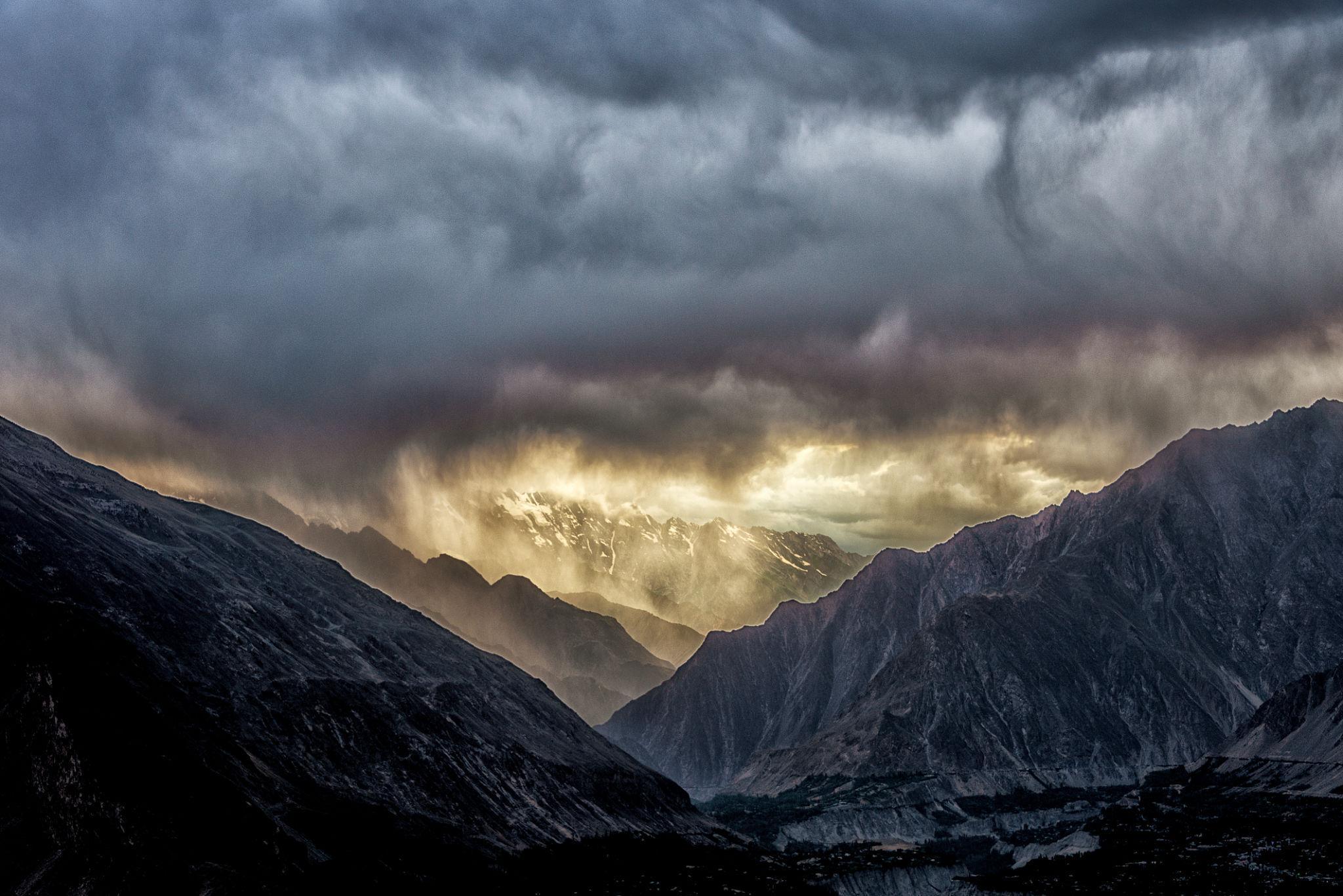
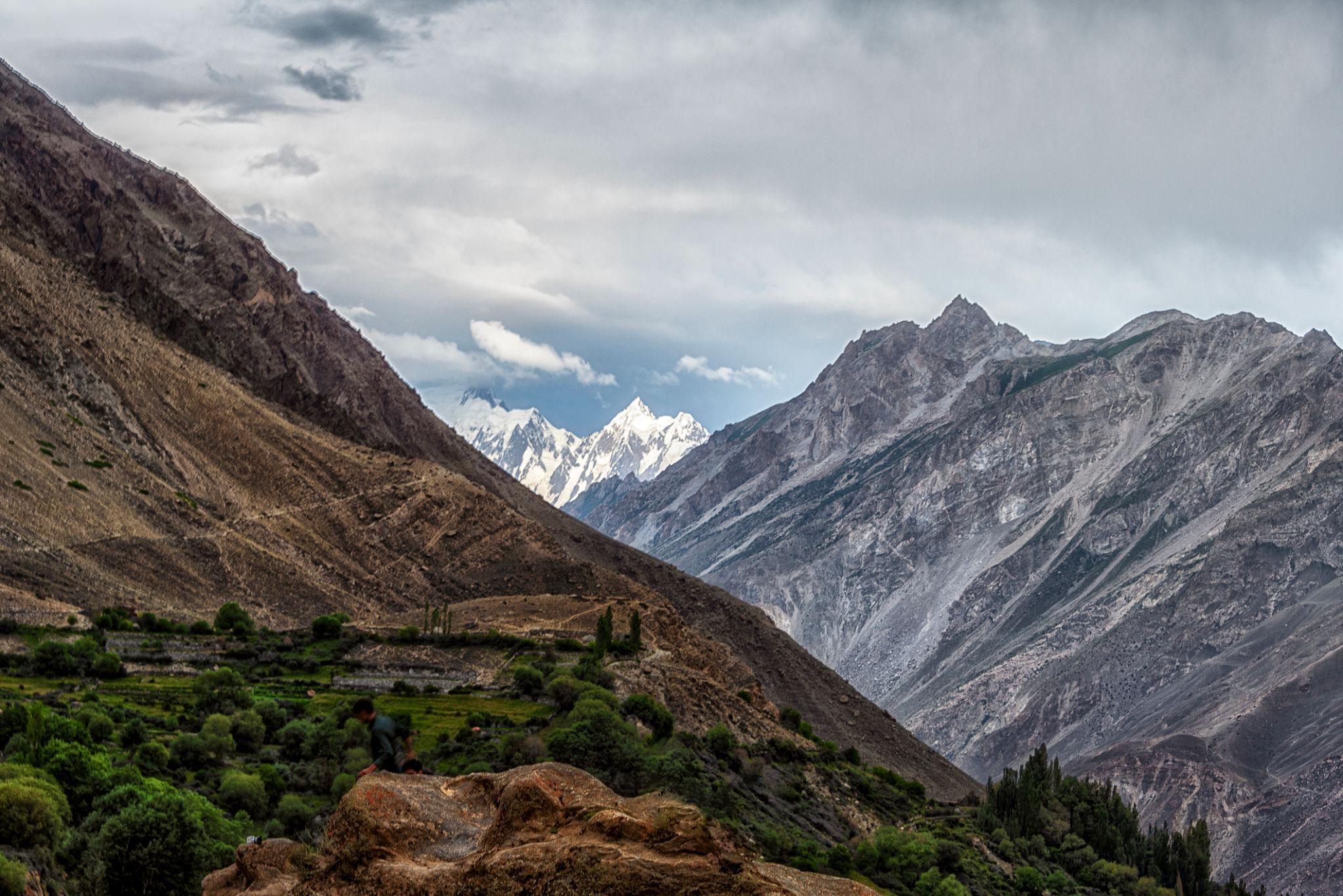
Hunza Valley sits at around 2,438 metres and remains one of Pakistan’s most beautiful winter destinations. Unlike Skardu, snowfall here is usually moderate enough that the valley remains functional and accessible through most of the season.
Winter transforms Hunza into a quieter and more atmospheric destination. Bare apricot orchards, frozen streams, snow-covered villages, and exceptionally clear mountain visibility give the valley an entirely different character from summer.
Things to Do in Hunza in Winter
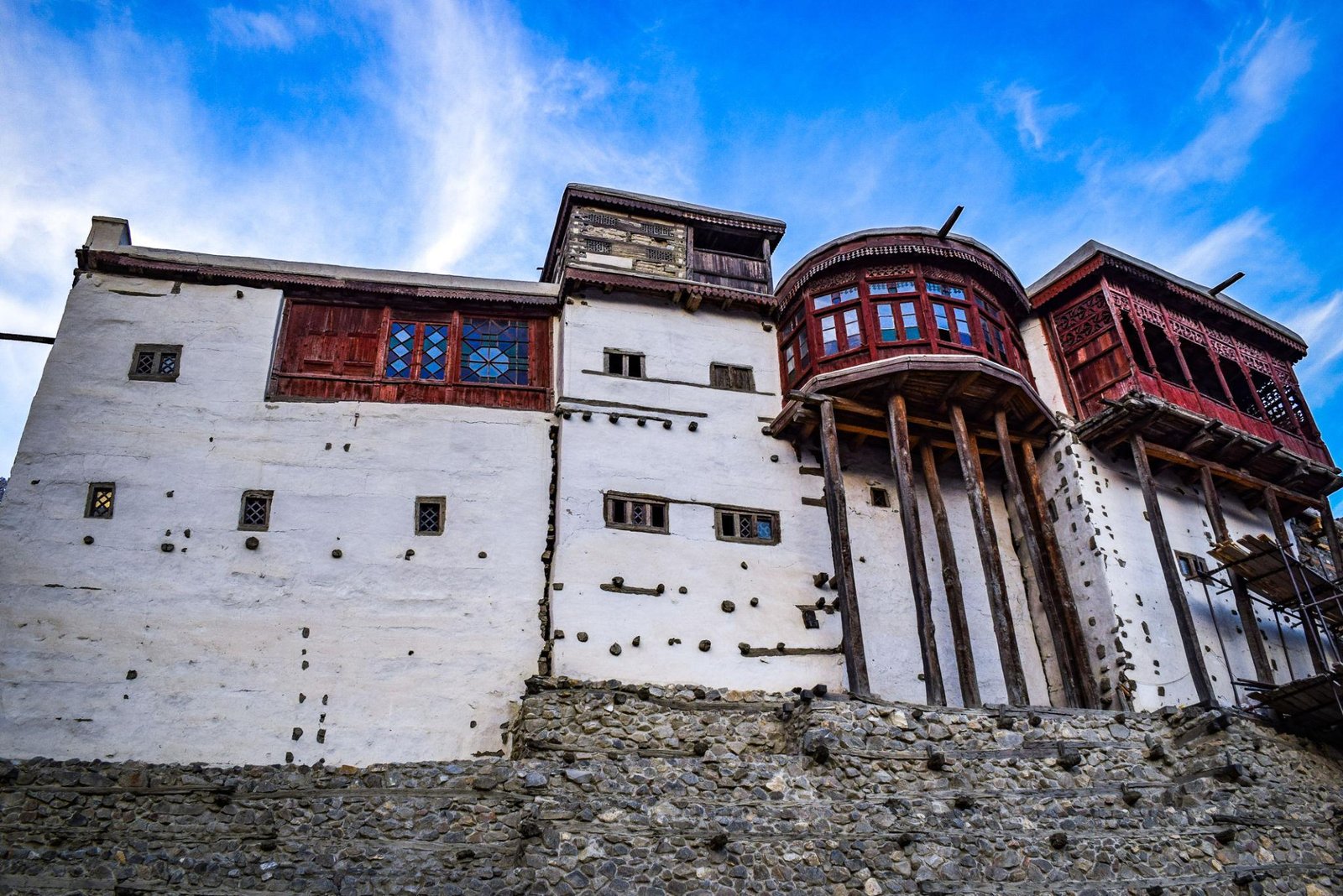
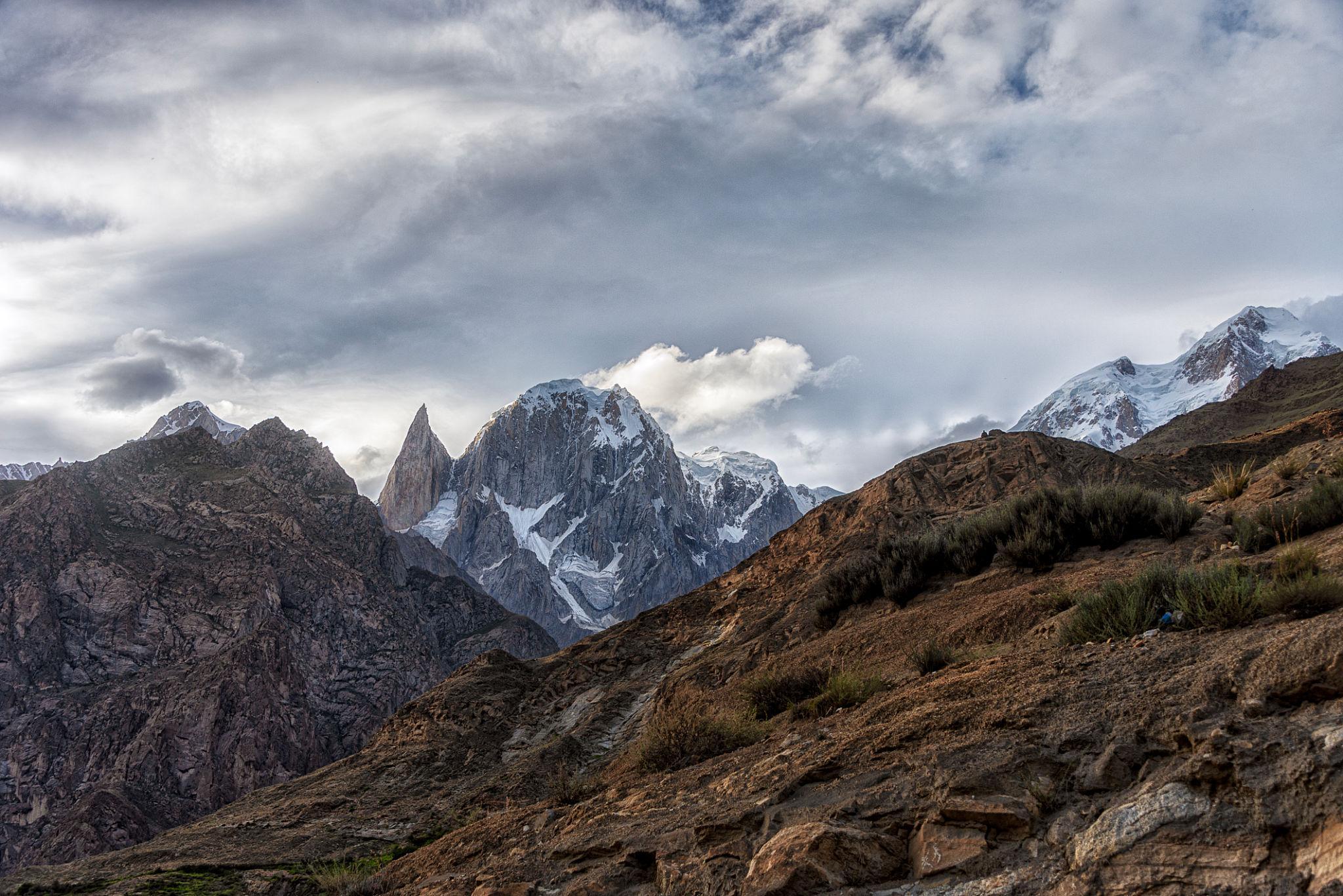
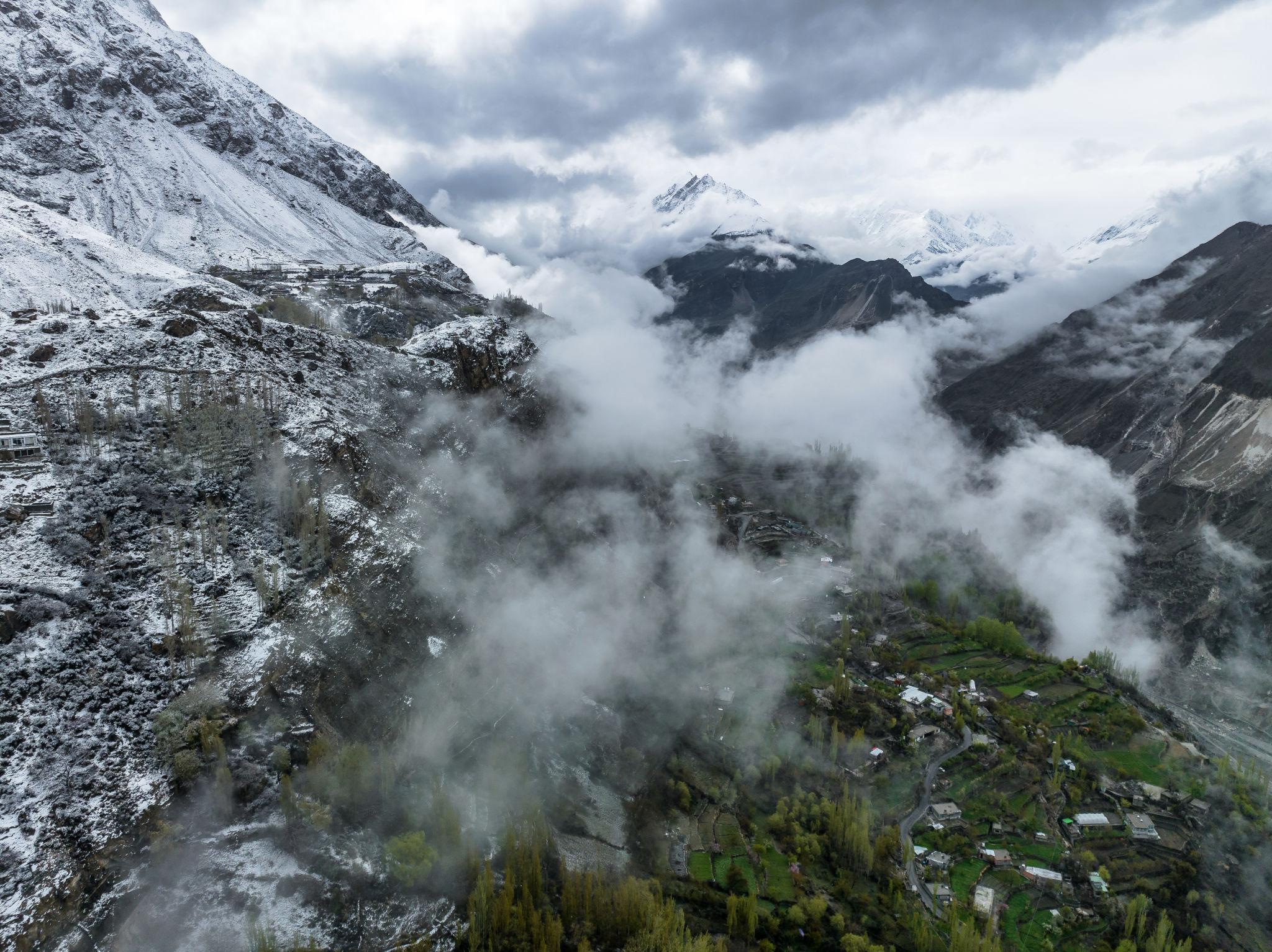
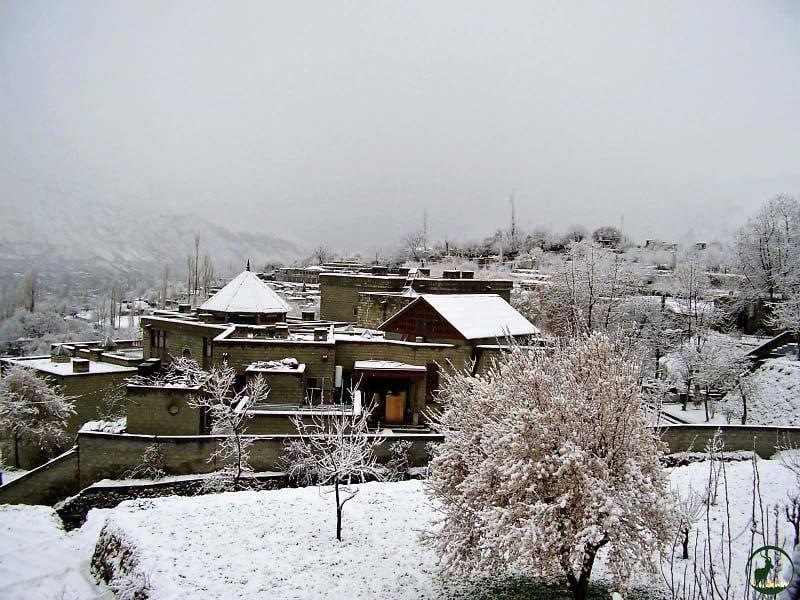
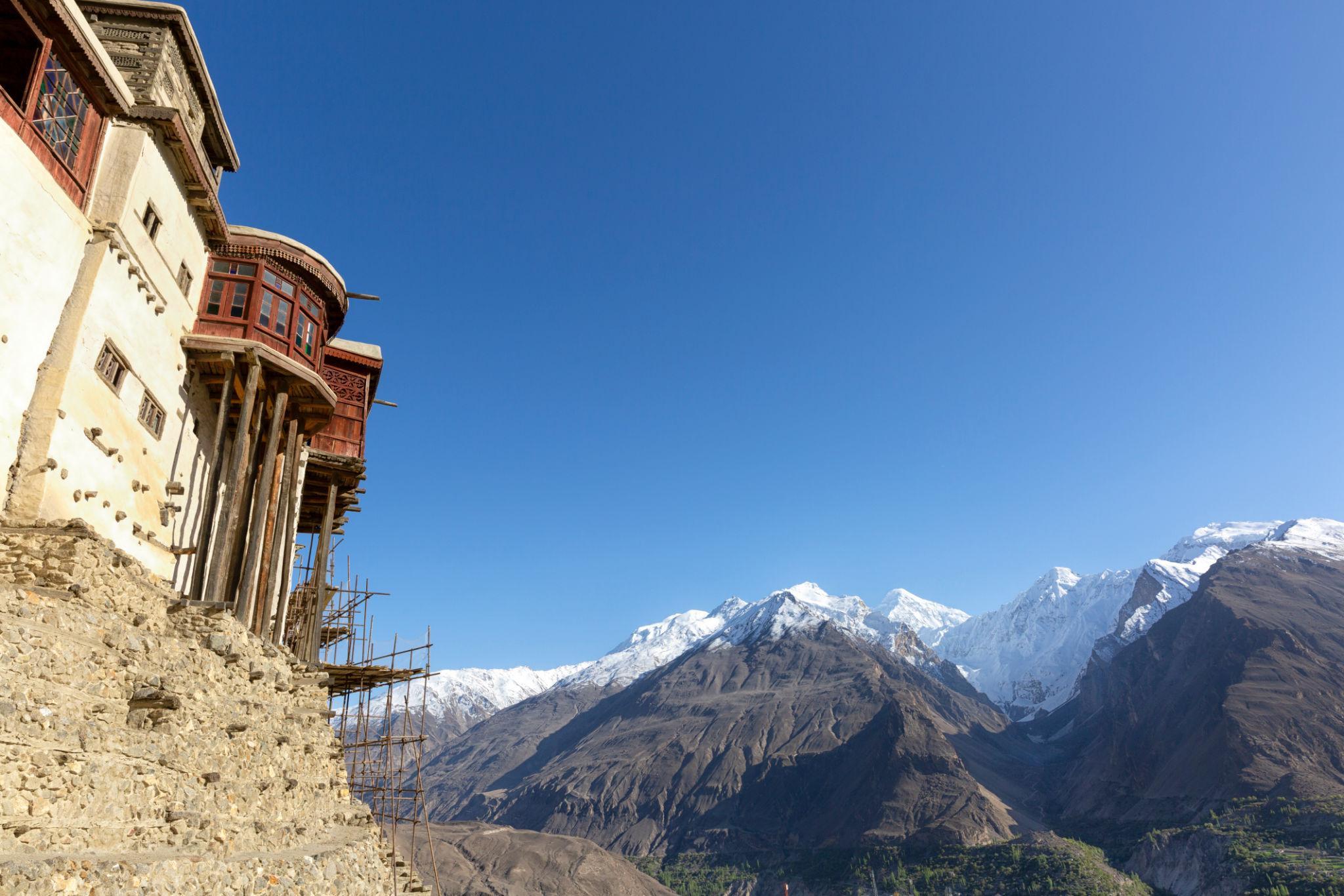
Popular winter experiences include:
- Visiting Baltit Fort and Altit Fort
- Exploring Attabad Lake
- Watching sunrise from Duikar
- Experiencing traditional Hunza culture in Karimabad
- Photography of Rakaposhi and Ultar Sar
How to Reach Hunza Valley
Travelers can:
- Fly from Islamabad to Gilgit
- Continue by road from Gilgit to Karimabad
- Travel entirely by road via the Karakoram Highway
Winter flights to Gilgit are weather dependent, so extra buffer days are essential.
Where to Stay in Hunza
Recommended stays include:
- Serena Hunza
- Eagle’s Nest Hotel
- Old Hunza Inn
- Small guesthouses in Karimabad
Best Time for Winter in Hunza
January and February offer the best winter scenery and photography conditions.
Skardu
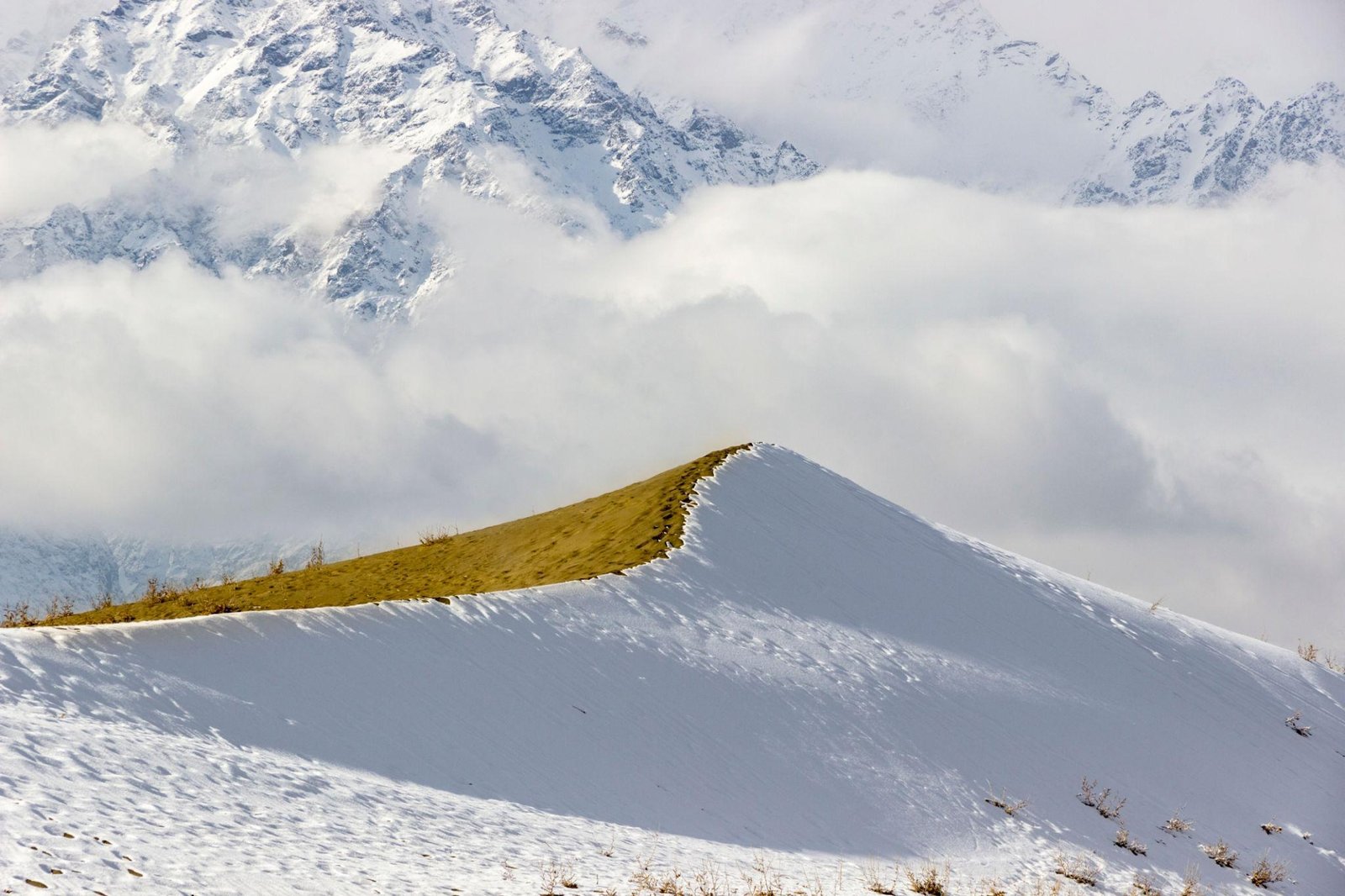
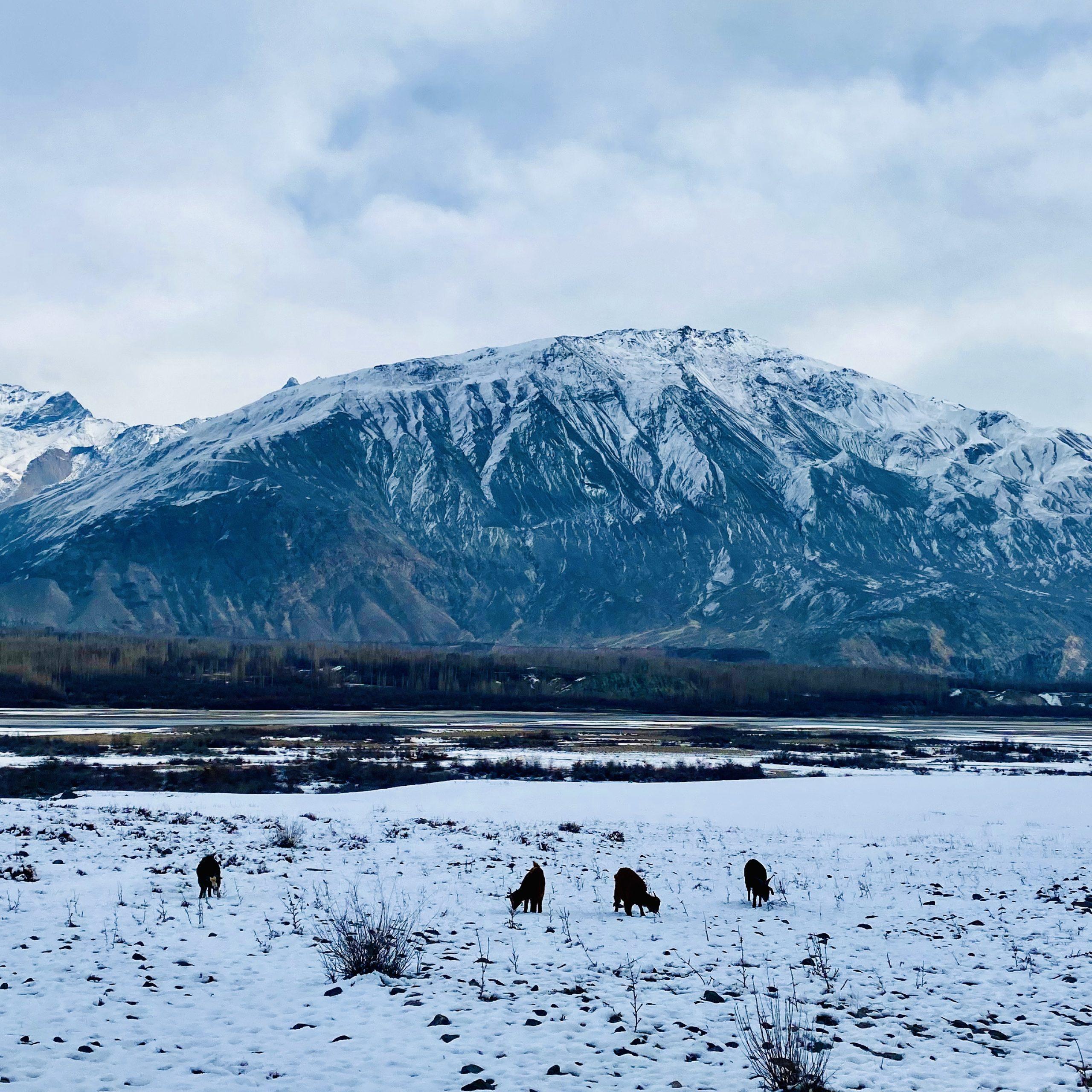
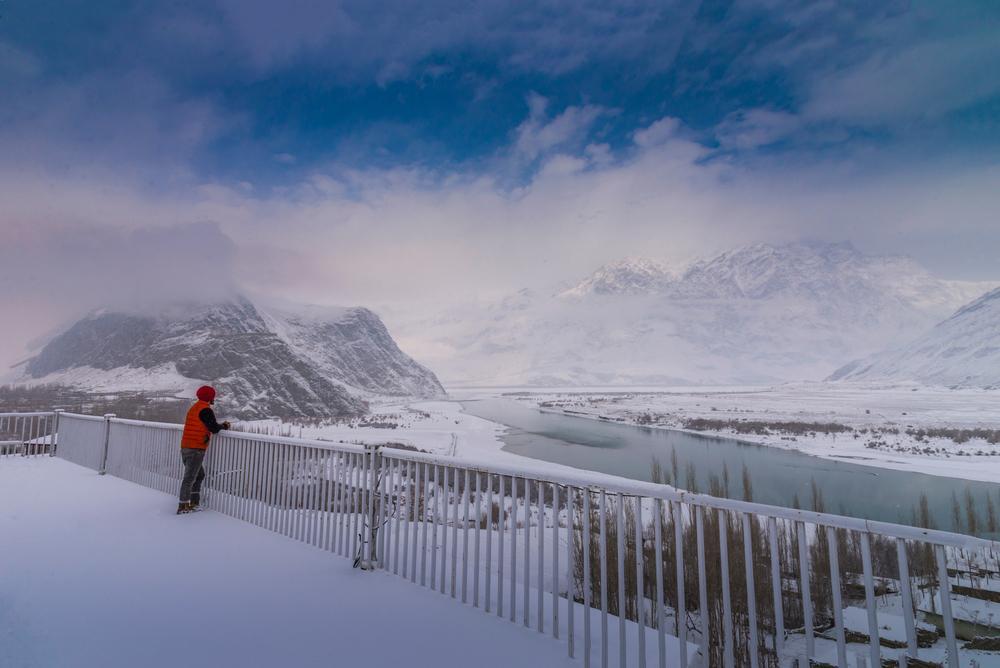
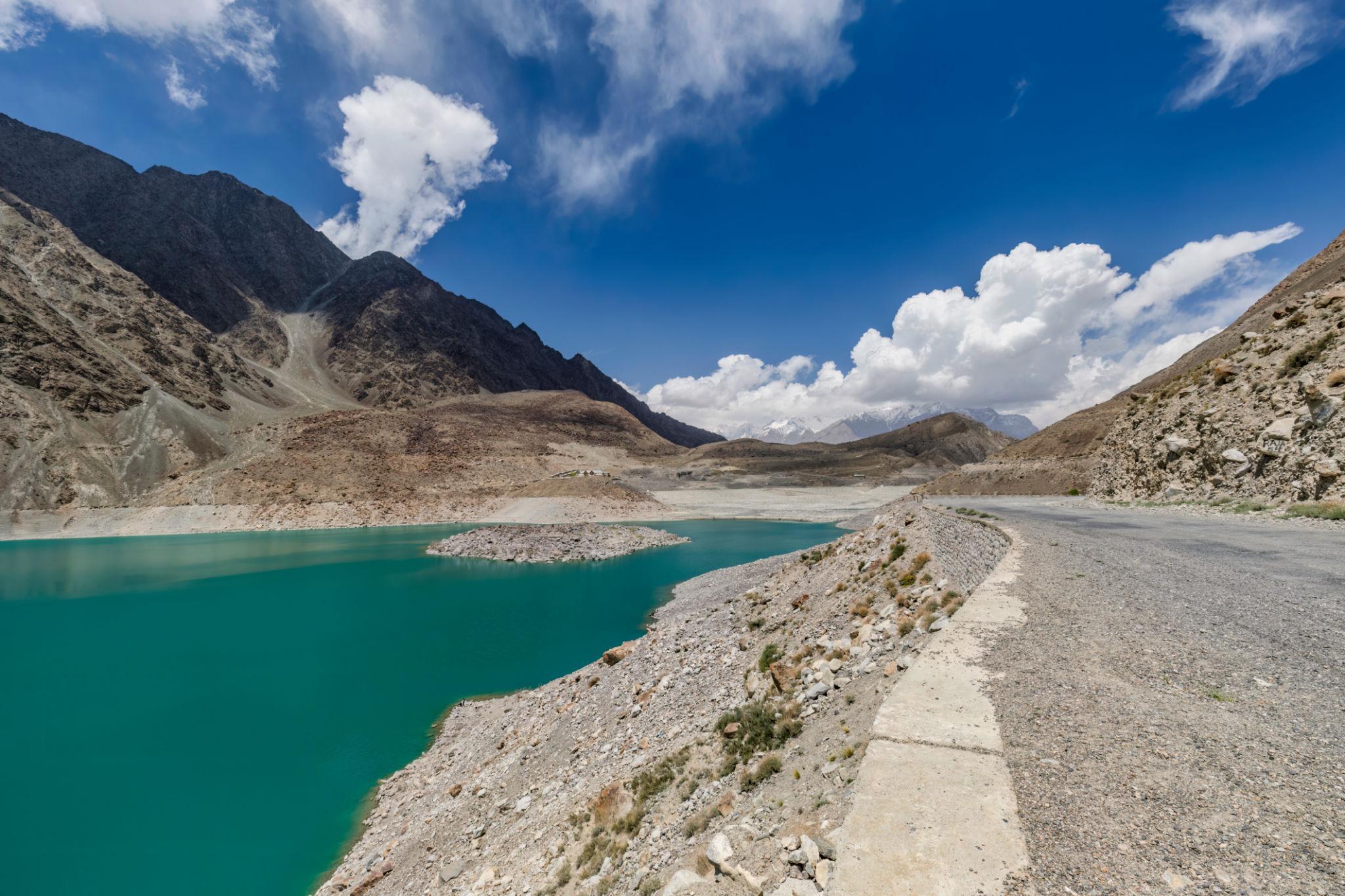
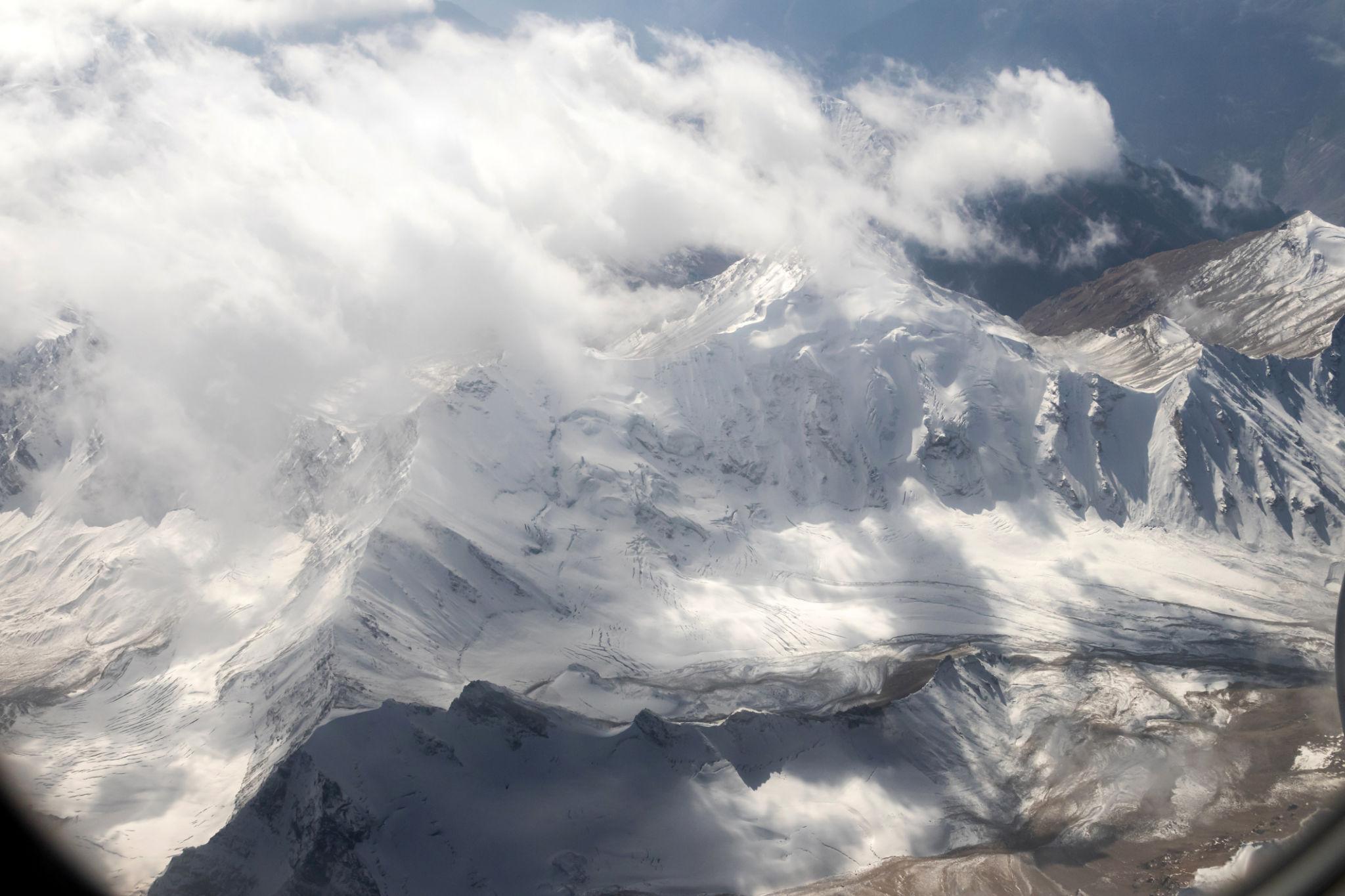
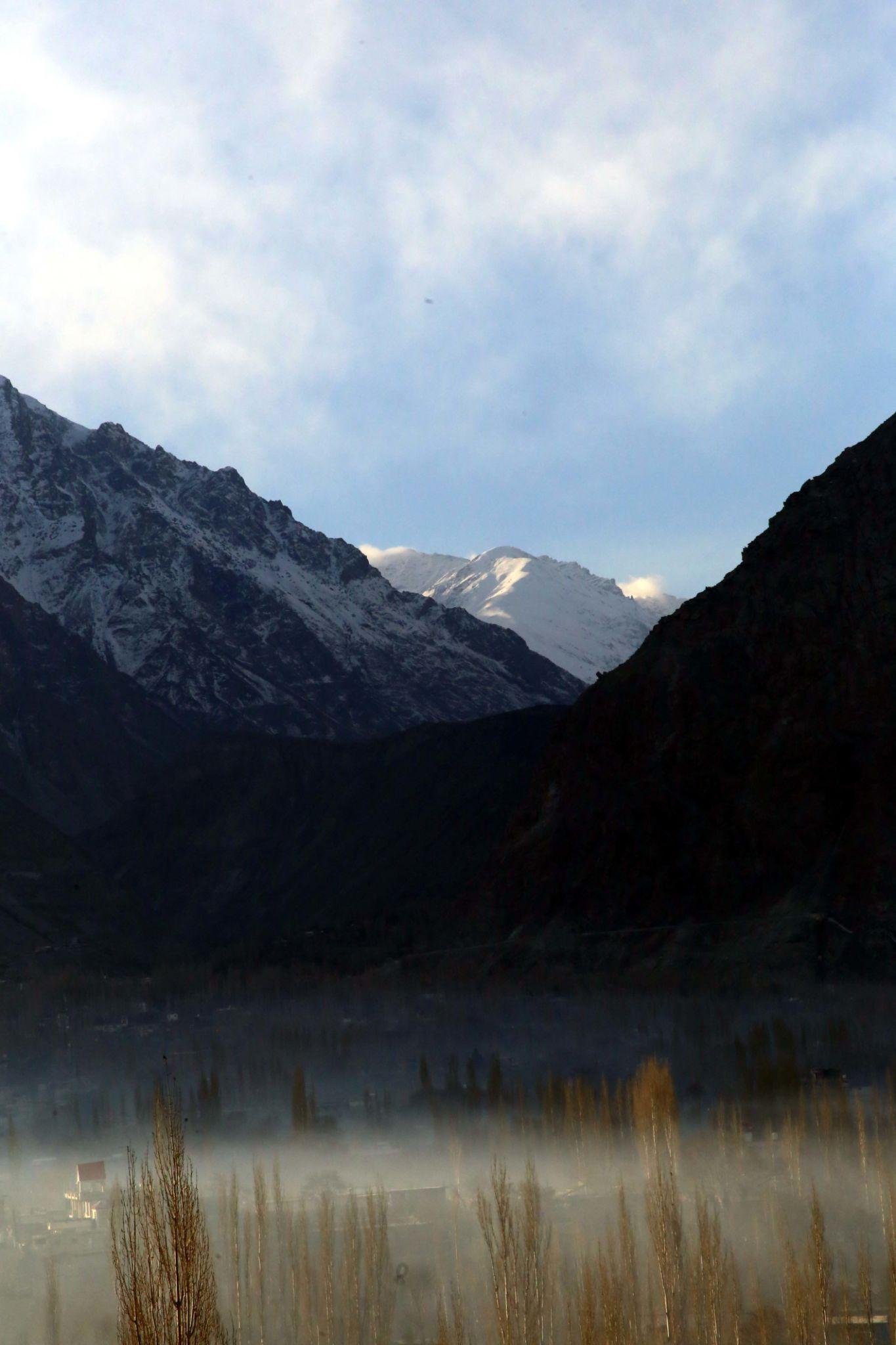
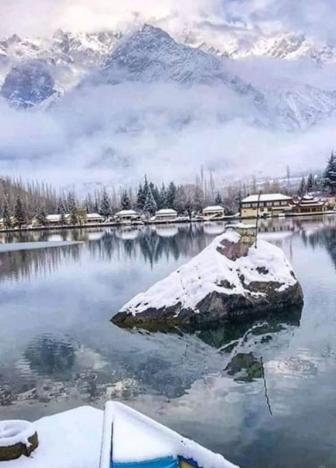
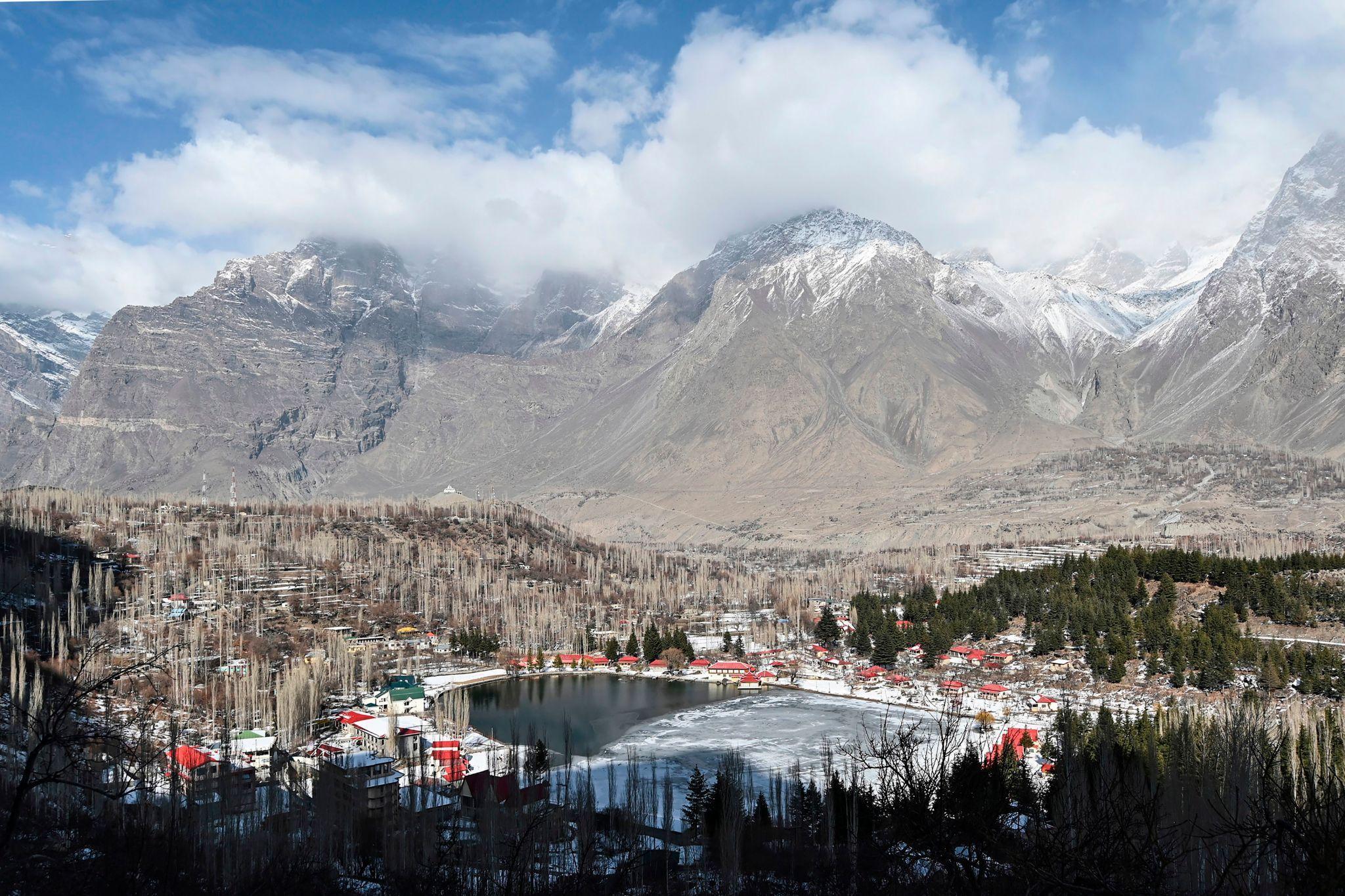
Skardu is one of Pakistan’s harshest but most rewarding winter destinations. Temperatures regularly fall below -10°C, lakes freeze completely, and snowfall transforms the valley into an isolated alpine landscape.
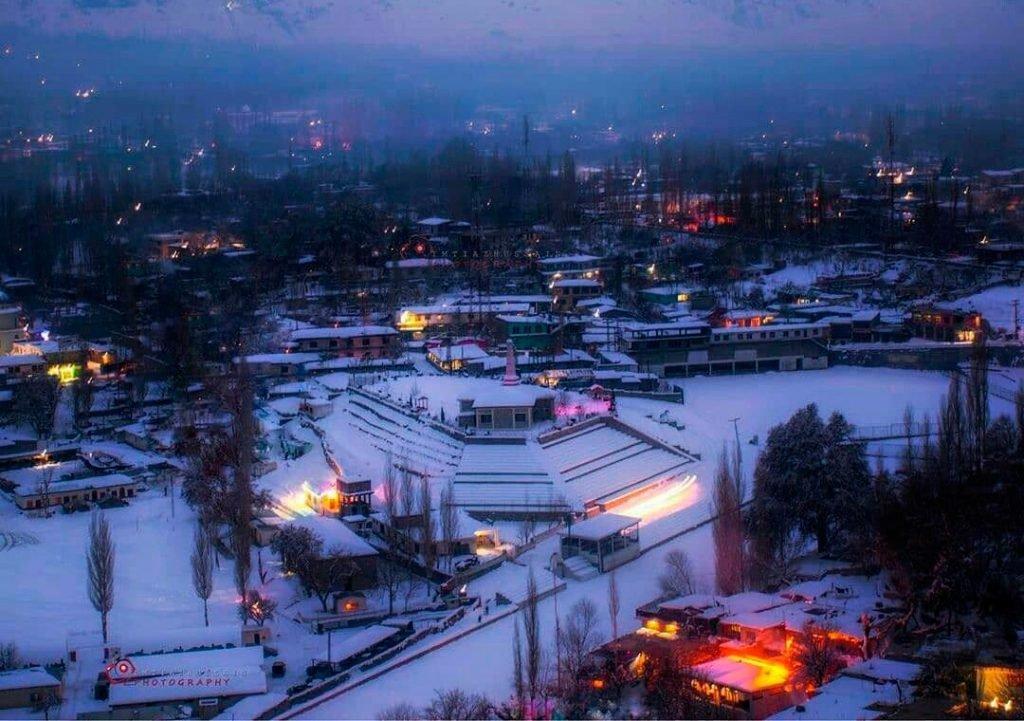
Unlike Murree or Hunza, winter in Skardu feels remote and extreme. Many hotels reduce operations, trekking routes close entirely, and the landscape becomes stark, frozen, and incredibly photogenic.
Things to Do in Skardu in Winter
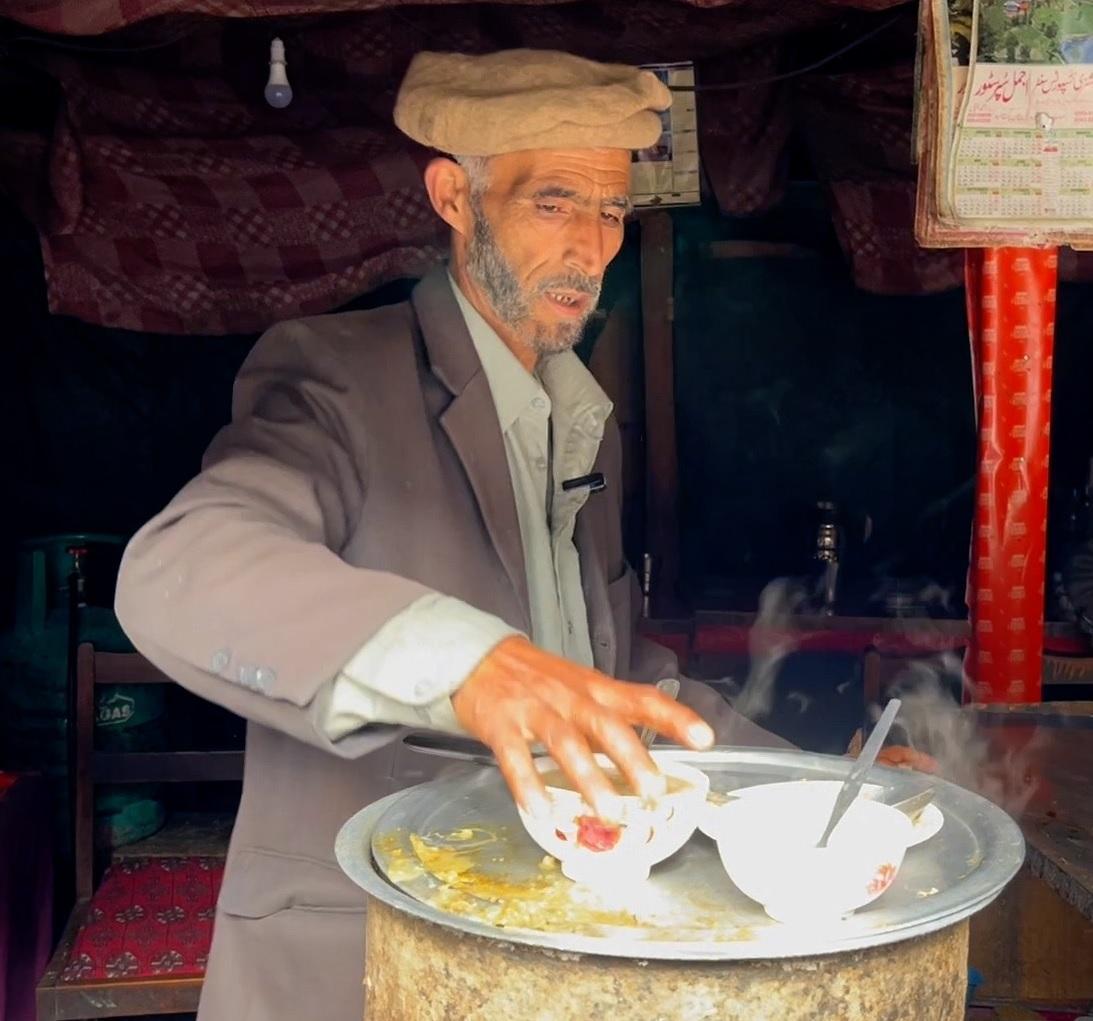
Winter activities include:
- Visiting frozen Satpara Lake
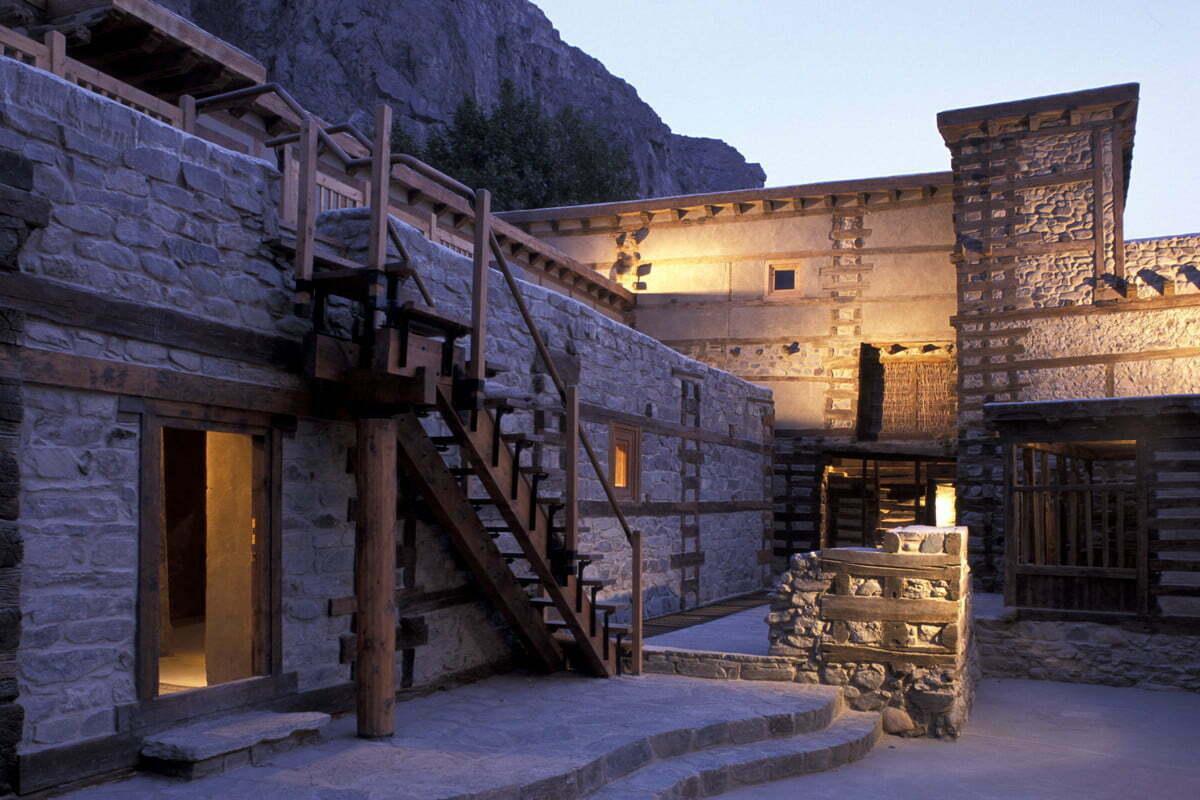
- Exploring Shigar Valley
- Visiting Skardu Fort
- Exploring Kachura Lakes
- Photography around Shangrila and surrounding mountains
How to Reach Skardu
Travelers can:
- Fly from Islamabad to Skardu
- Travel by road via Chilas and the Indus route
Flights frequently cancel during winter because of weather conditions.
Where to Stay in Skardu
Winter accommodation options include:
- Concordia Motel
- Mashabrum Hotel
- Guesthouses near Skardu Bazaar
Best Time for Winter in Skardu
Late January and February offer the best balance between snowfall and manageable temperatures.
Swat Valley and Malam Jabba
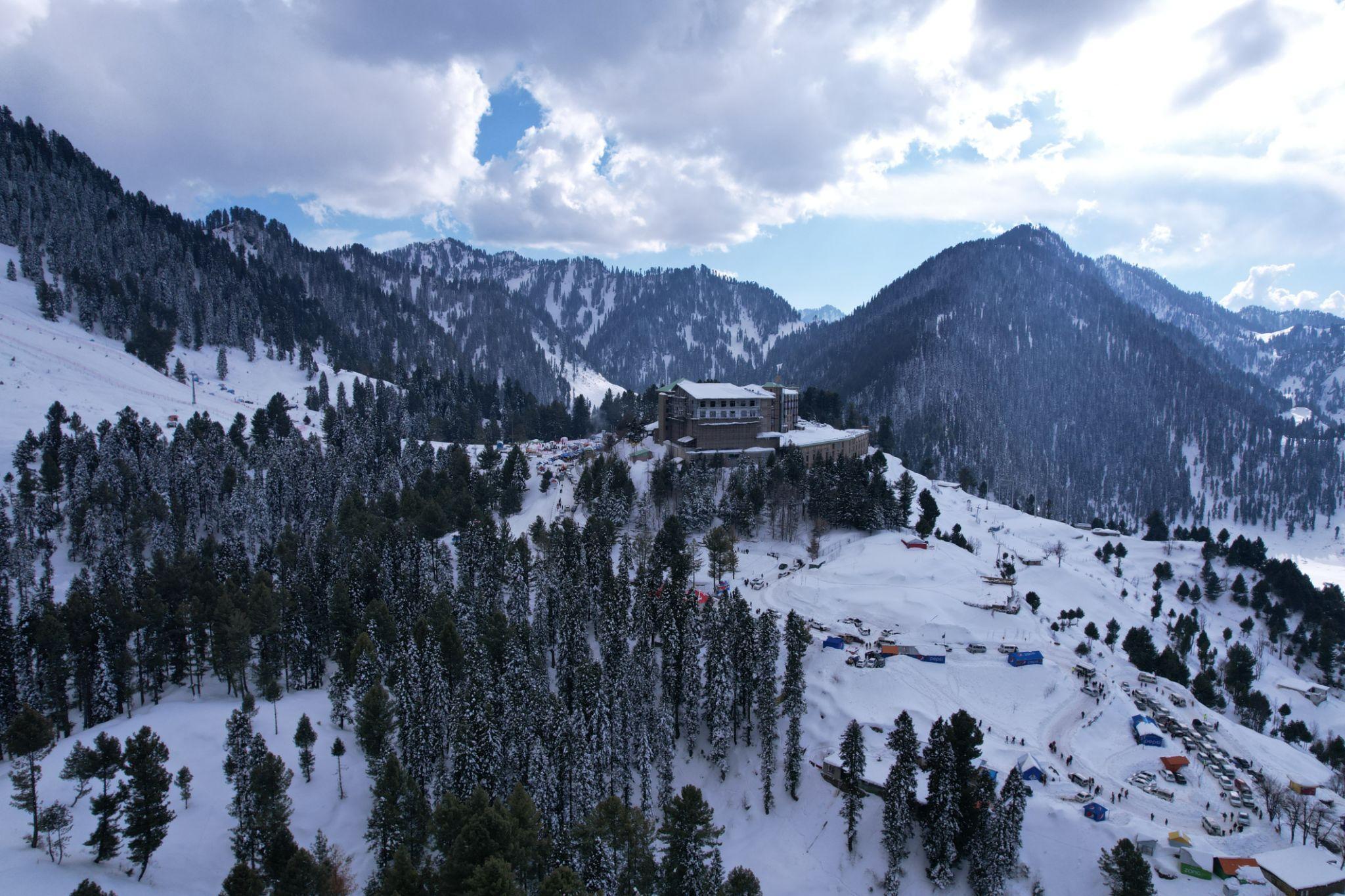
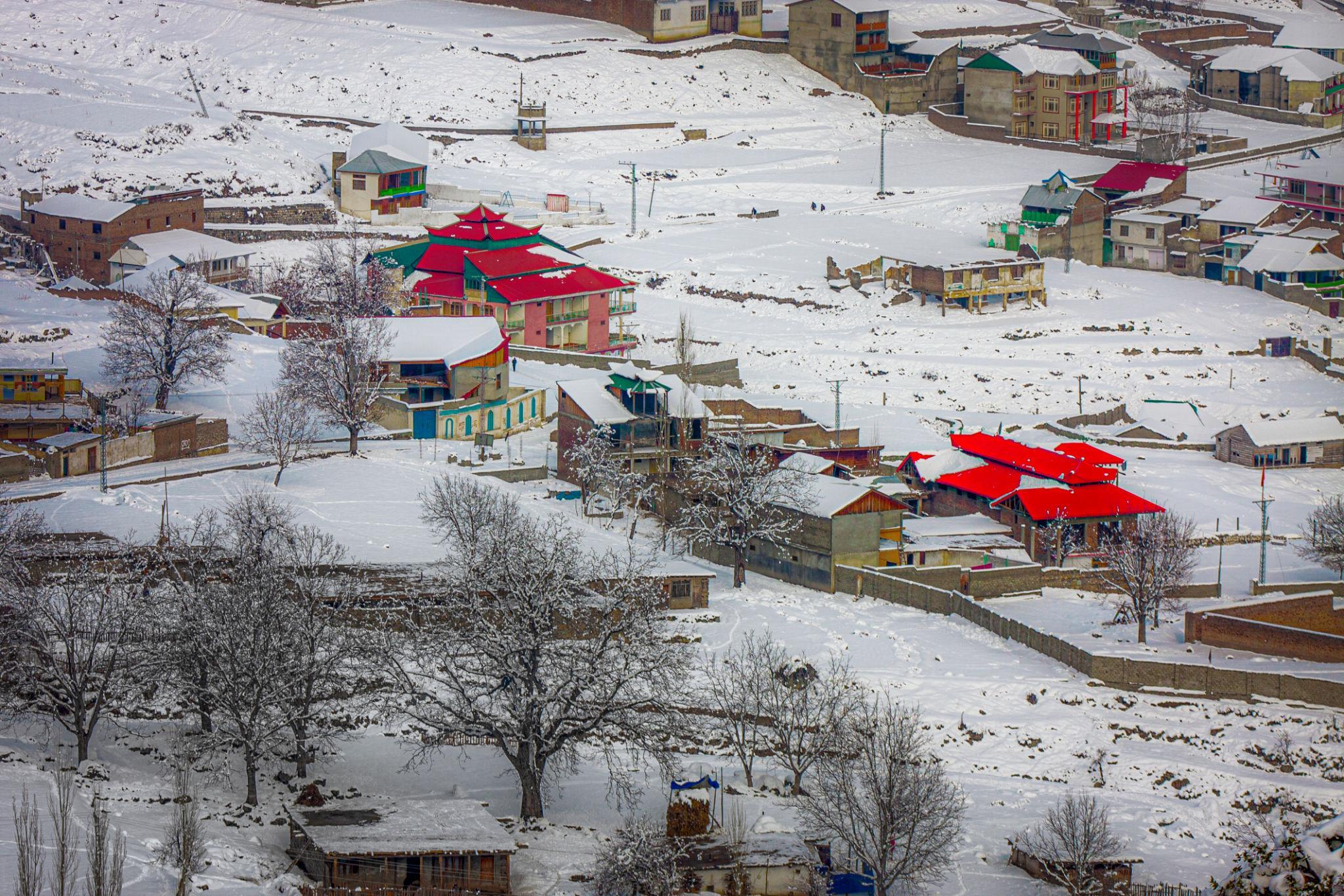
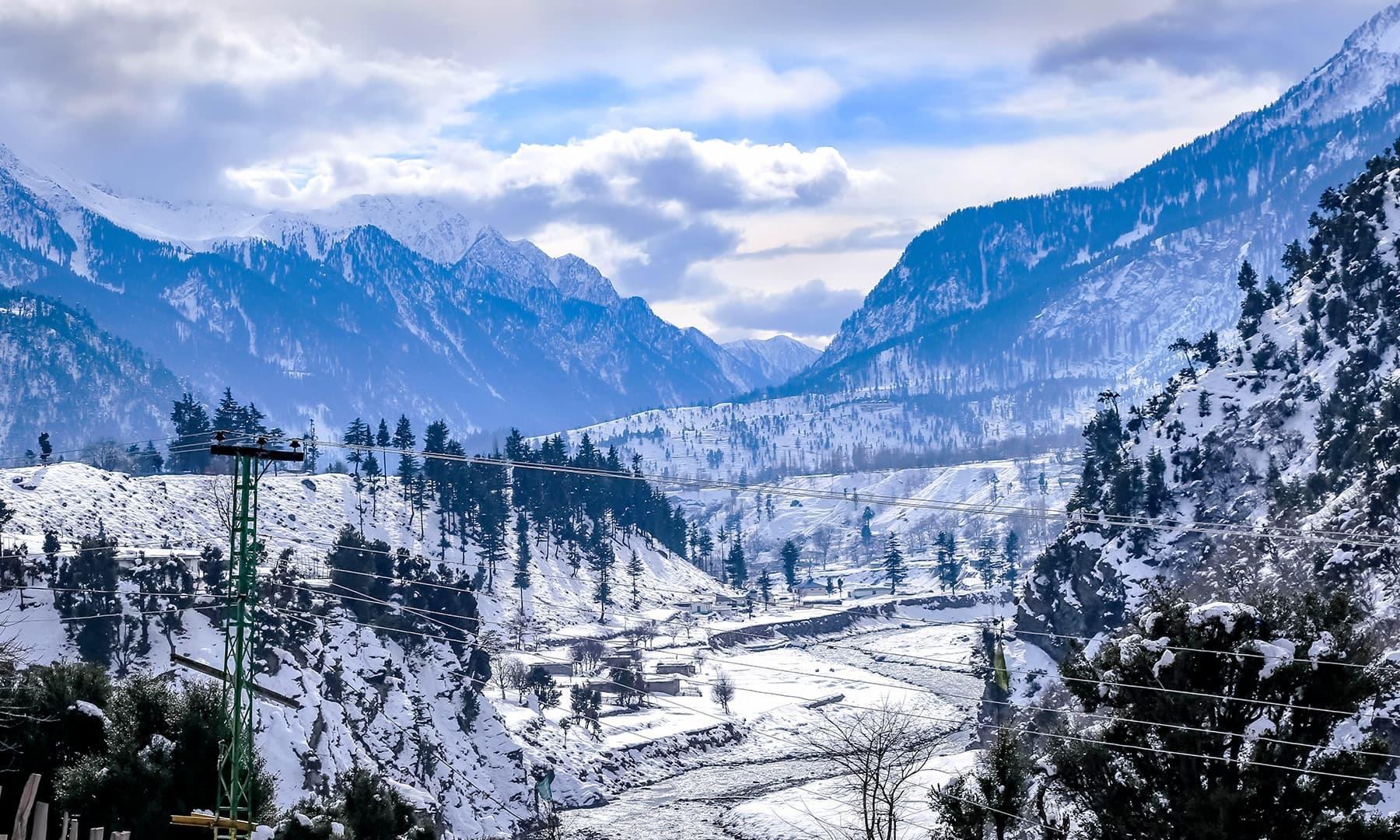
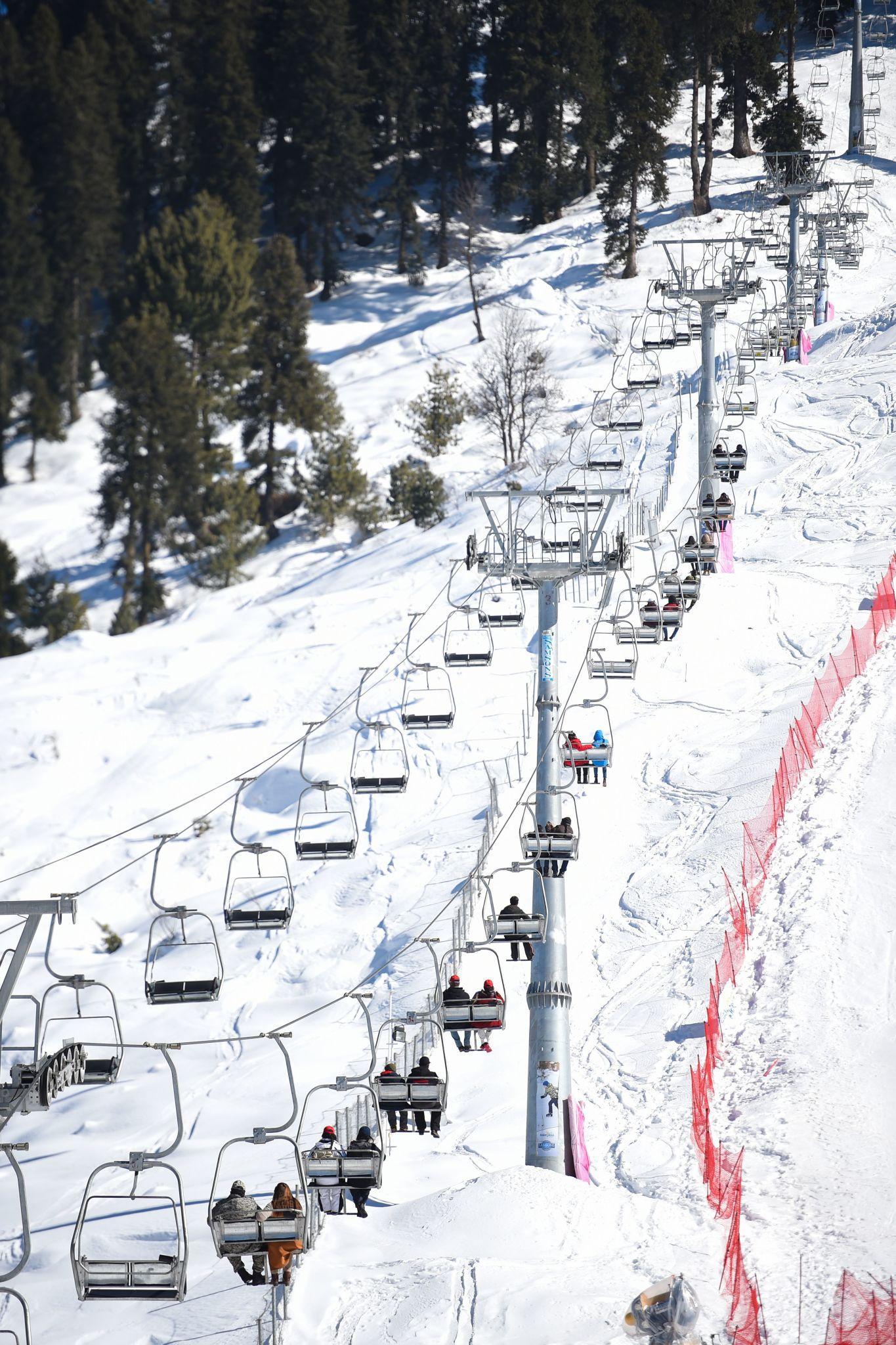
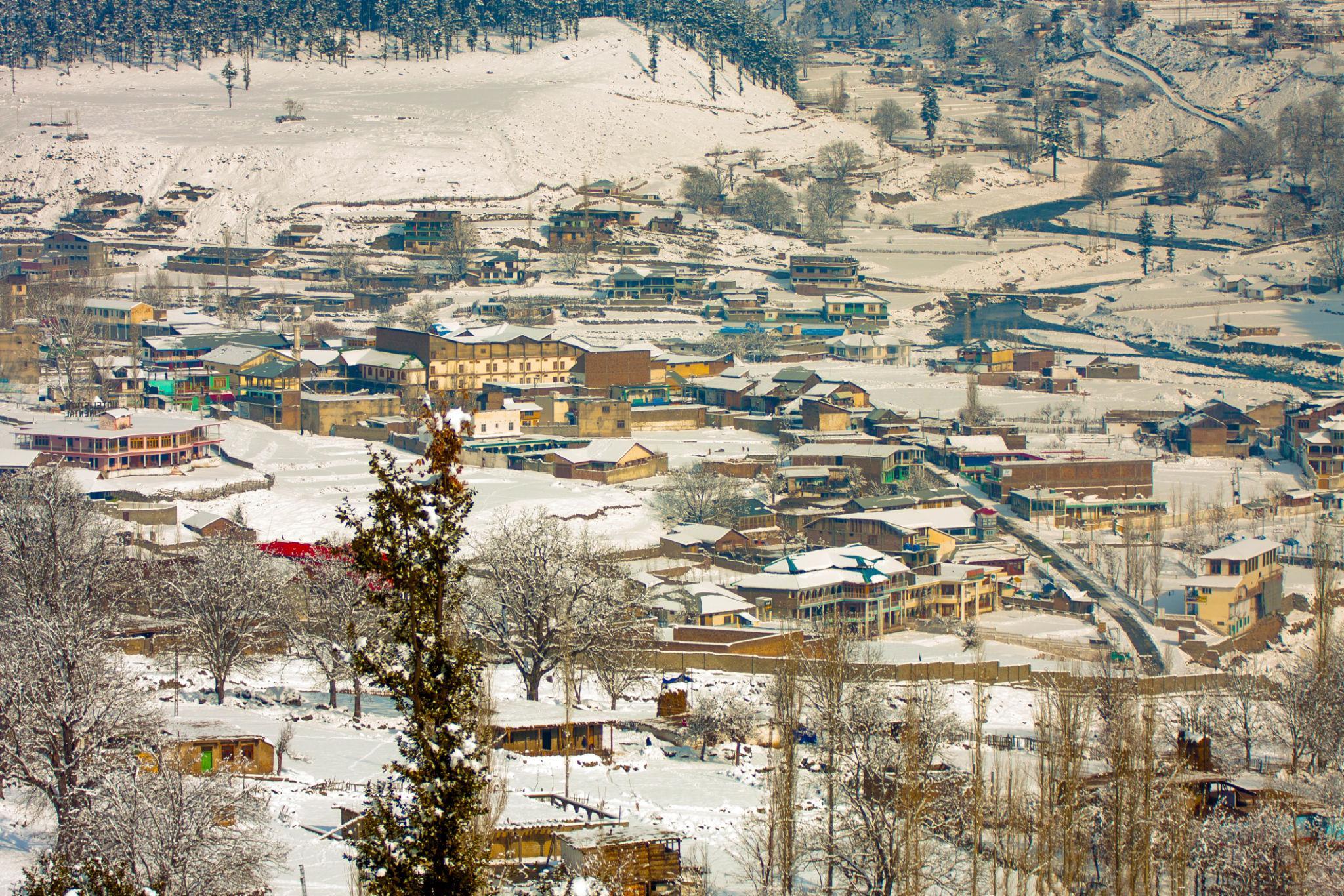
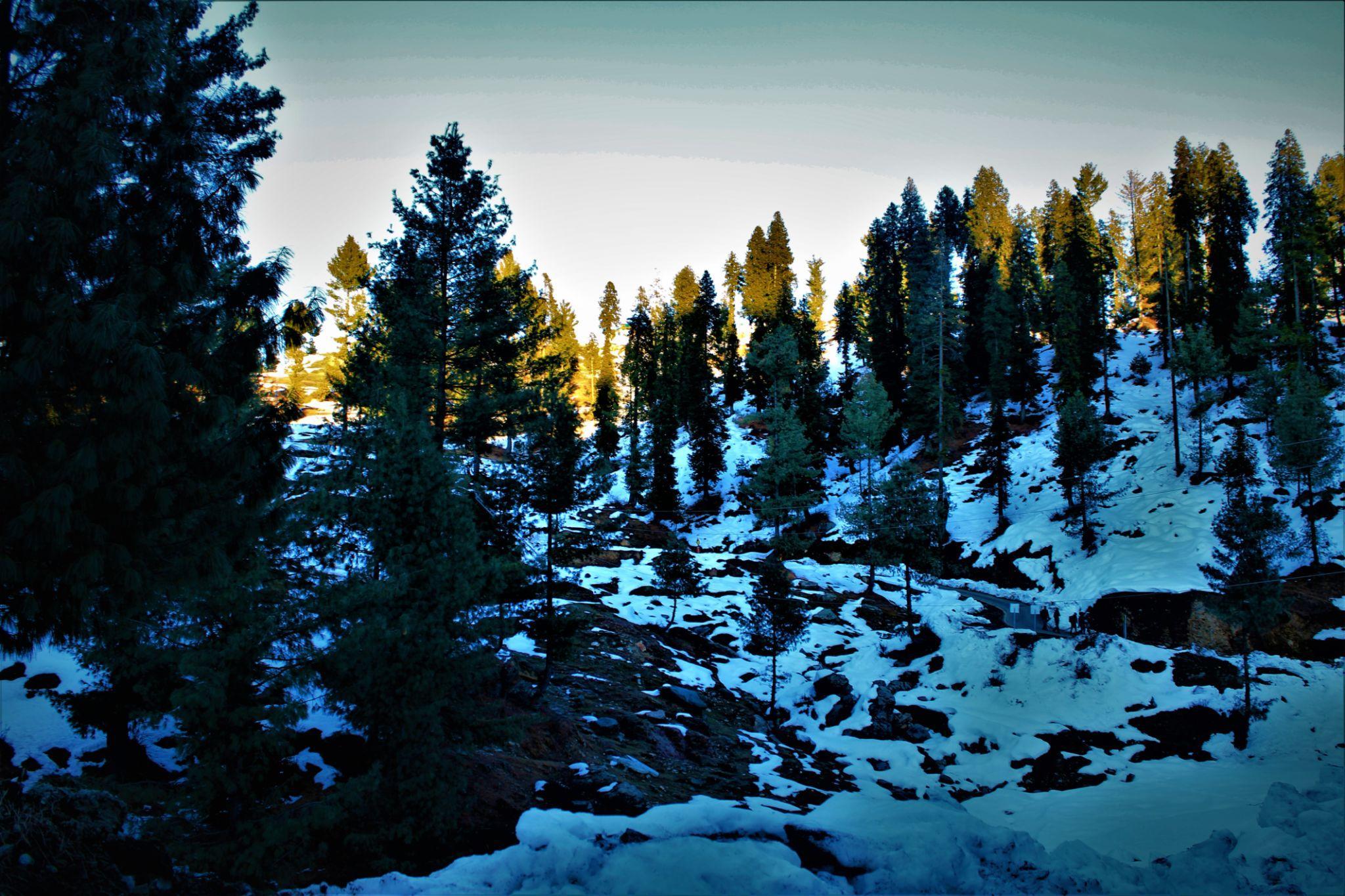
Swat Valley offers one of Pakistan’s most accessible winter mountain experiences. The valley remains relatively mild compared to Gilgit-Baltistan, while upper regions such as Malam Jabba and Kalam receive consistent snowfall.
The main attraction during winter is Malam Jabba Ski Resort, Pakistan’s best-known ski destination.
Skiing at Malam Jabba
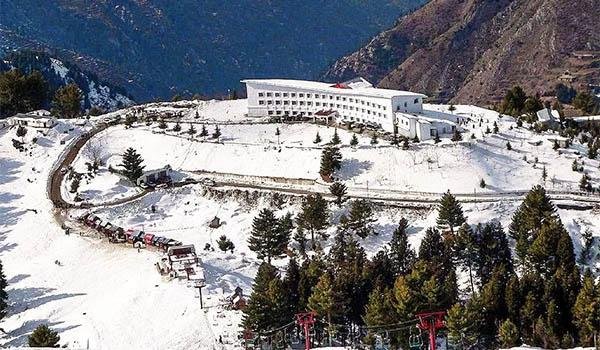
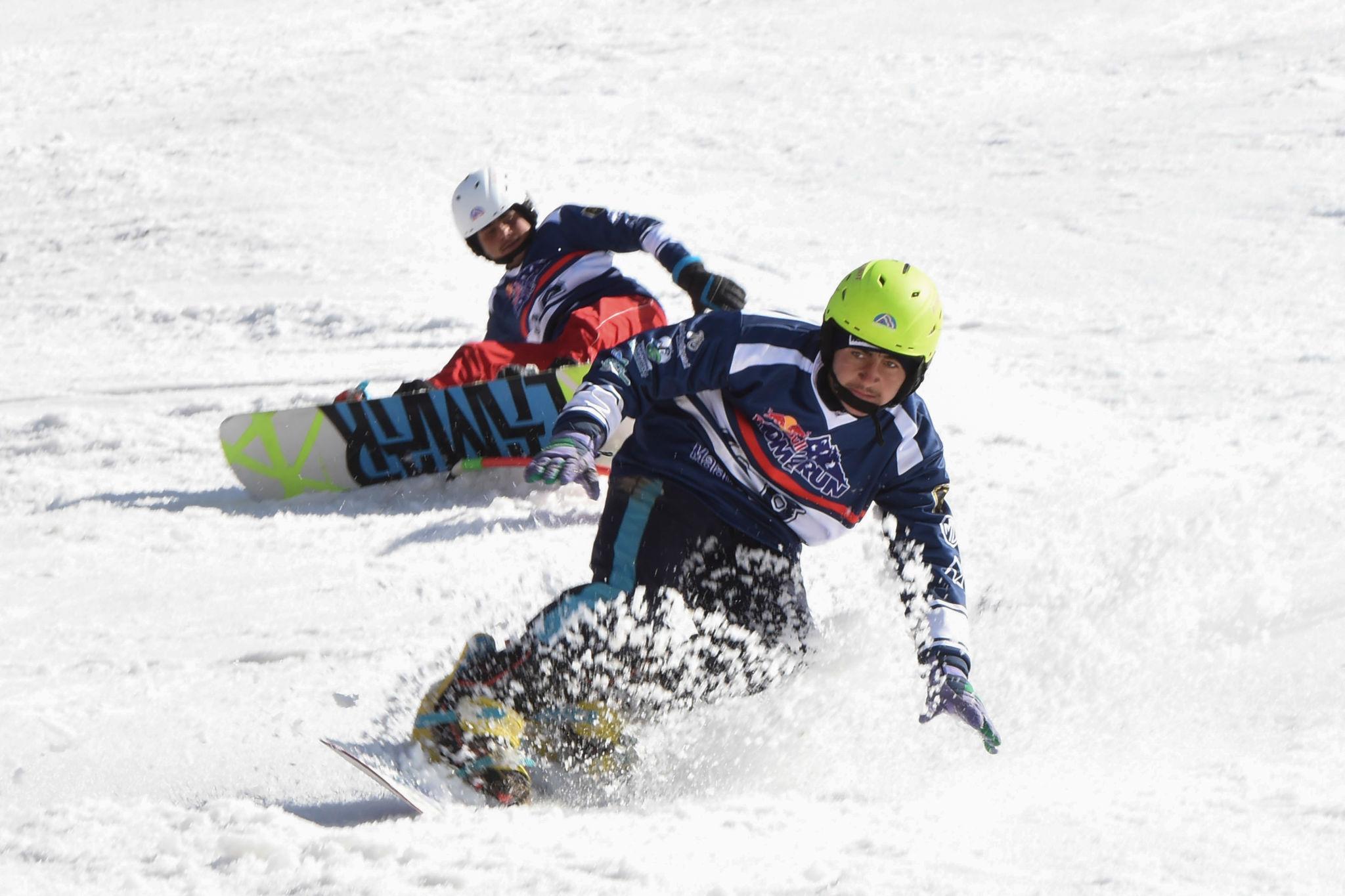
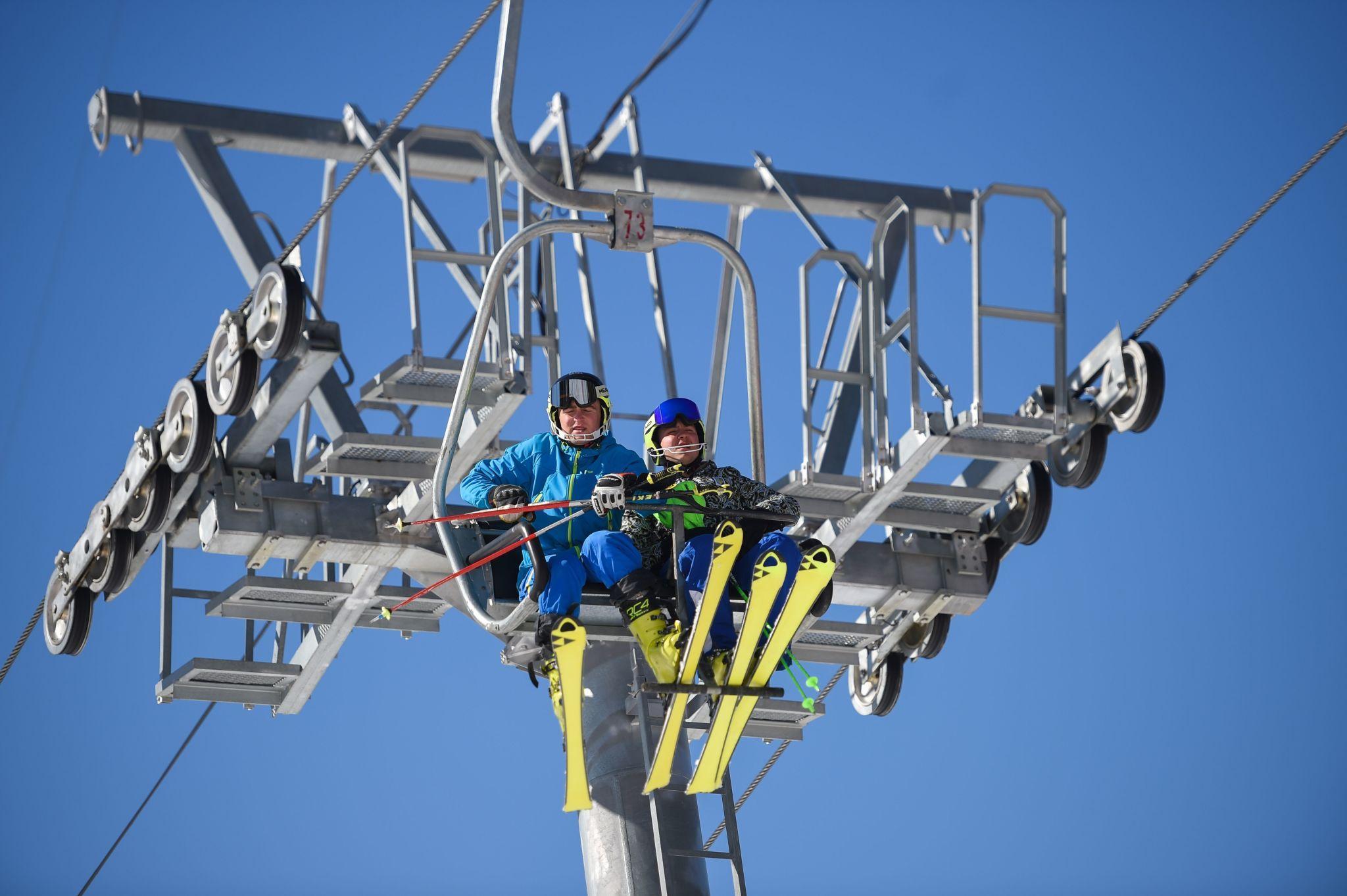
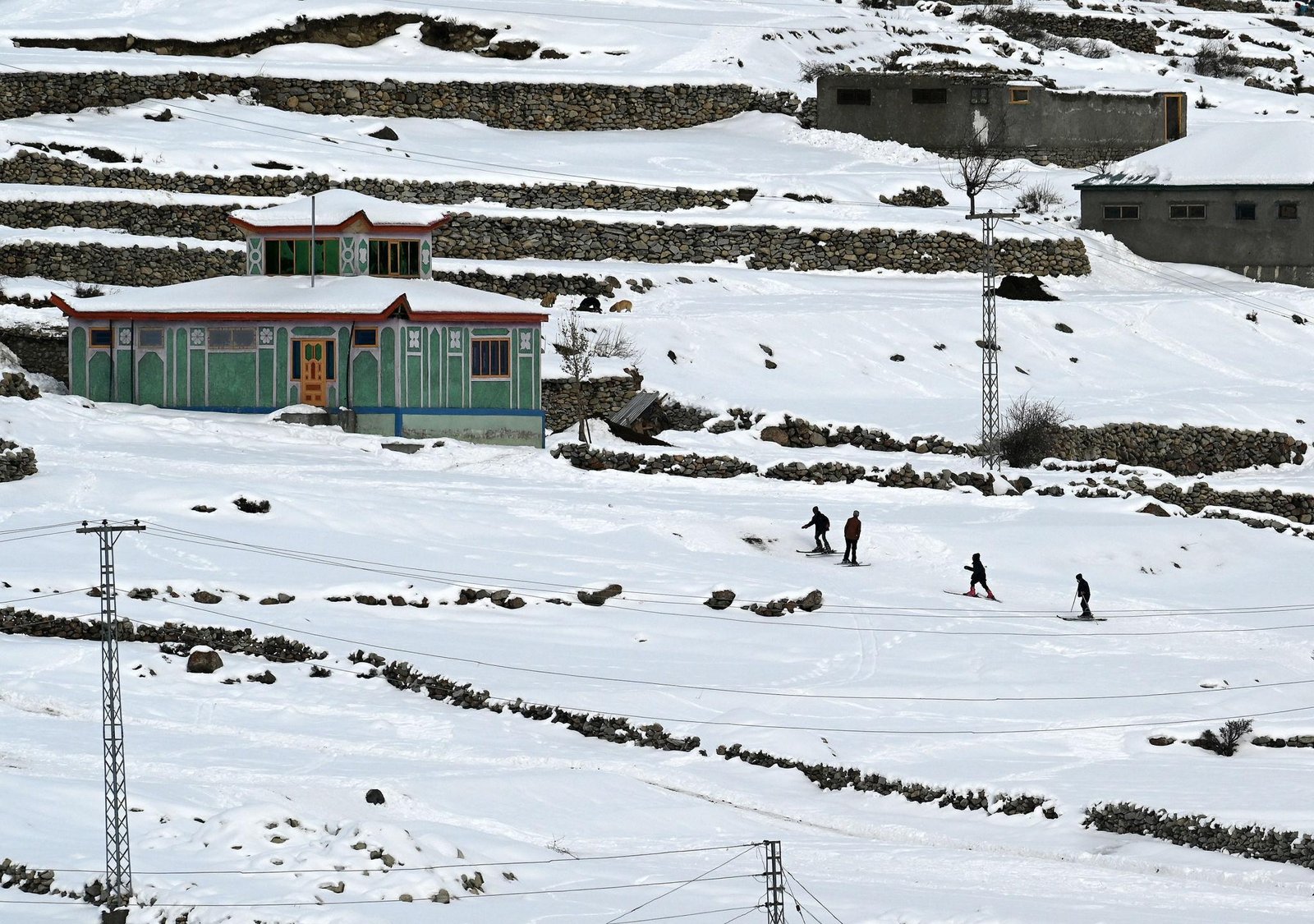
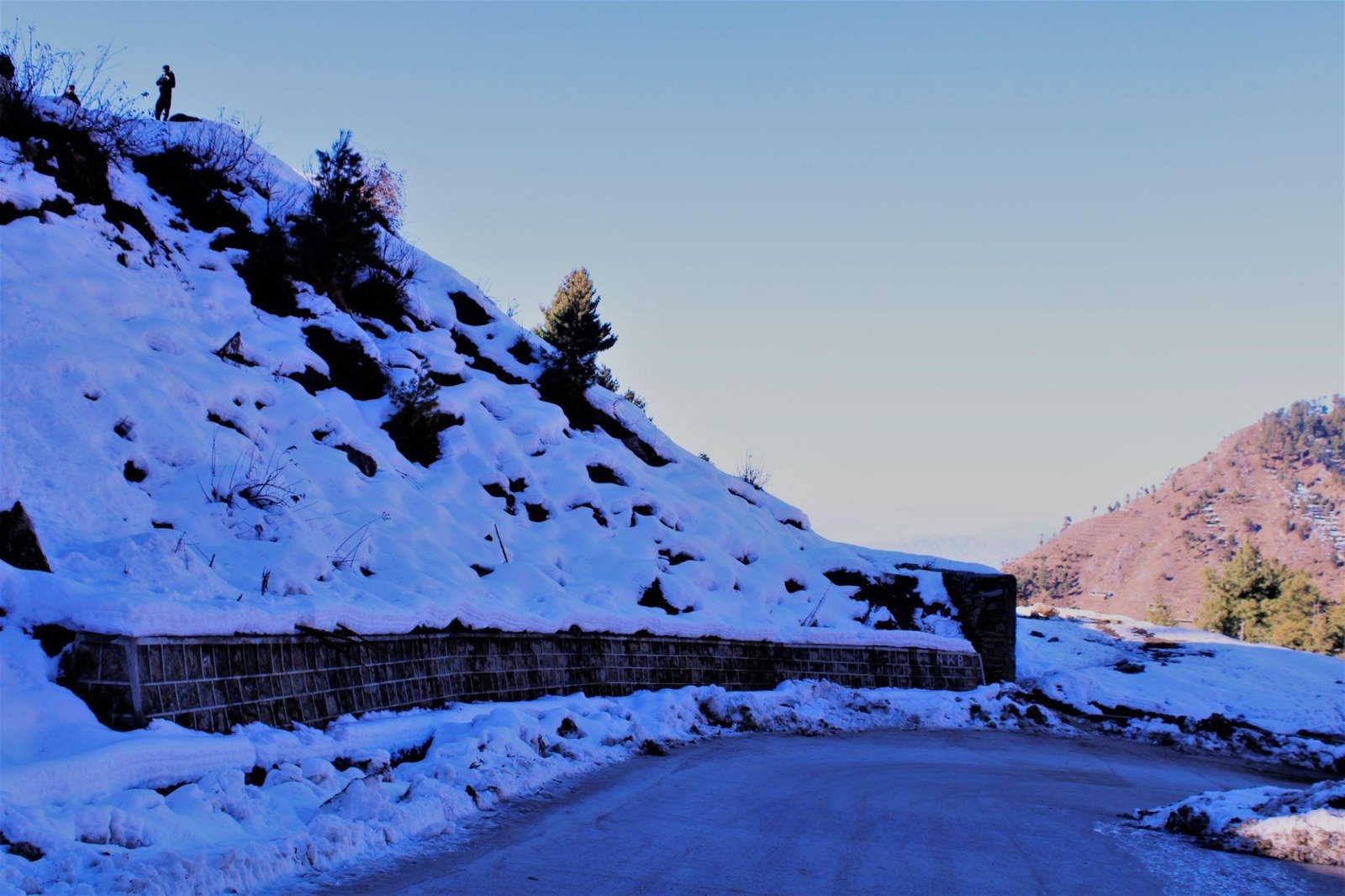
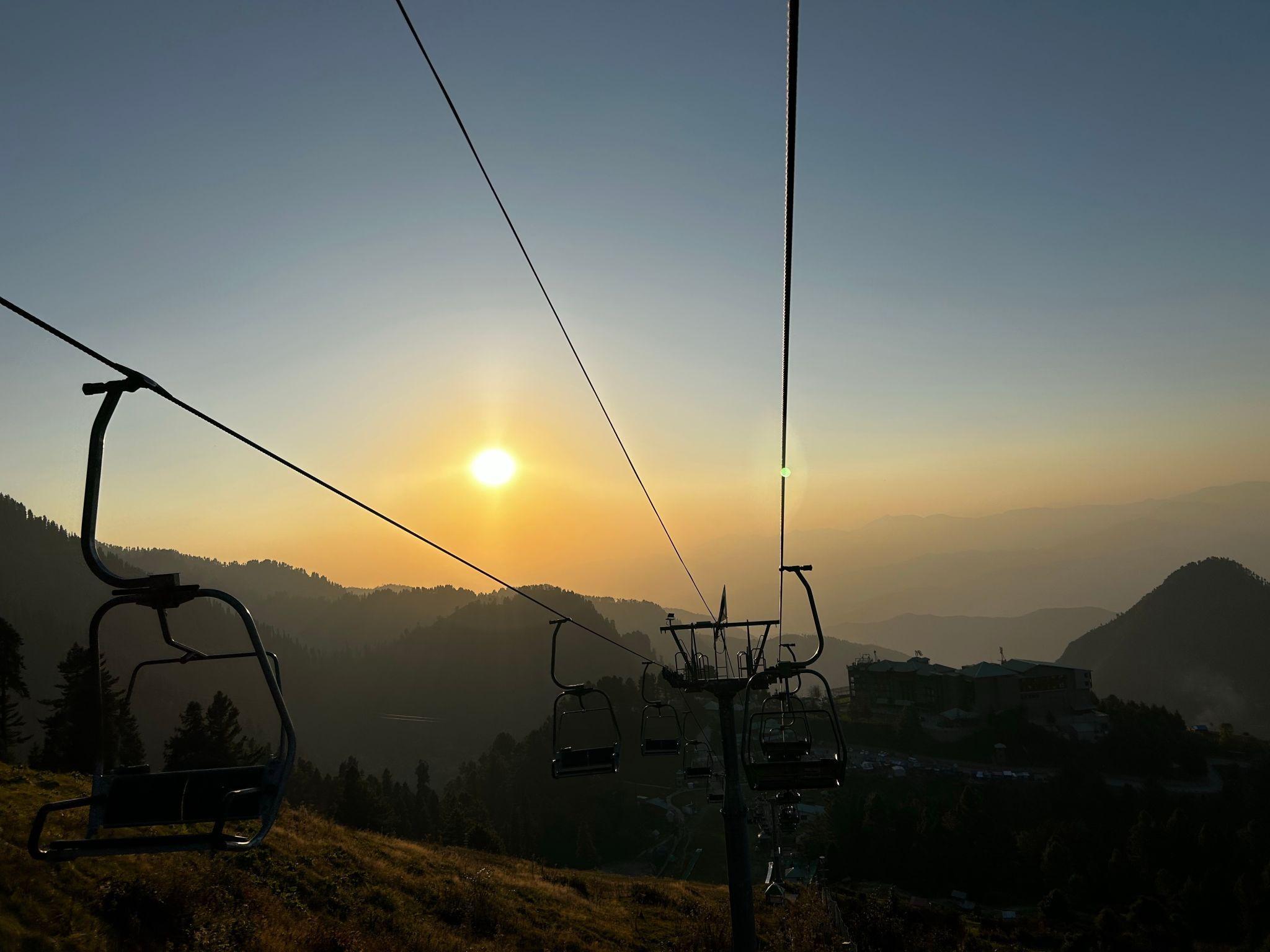
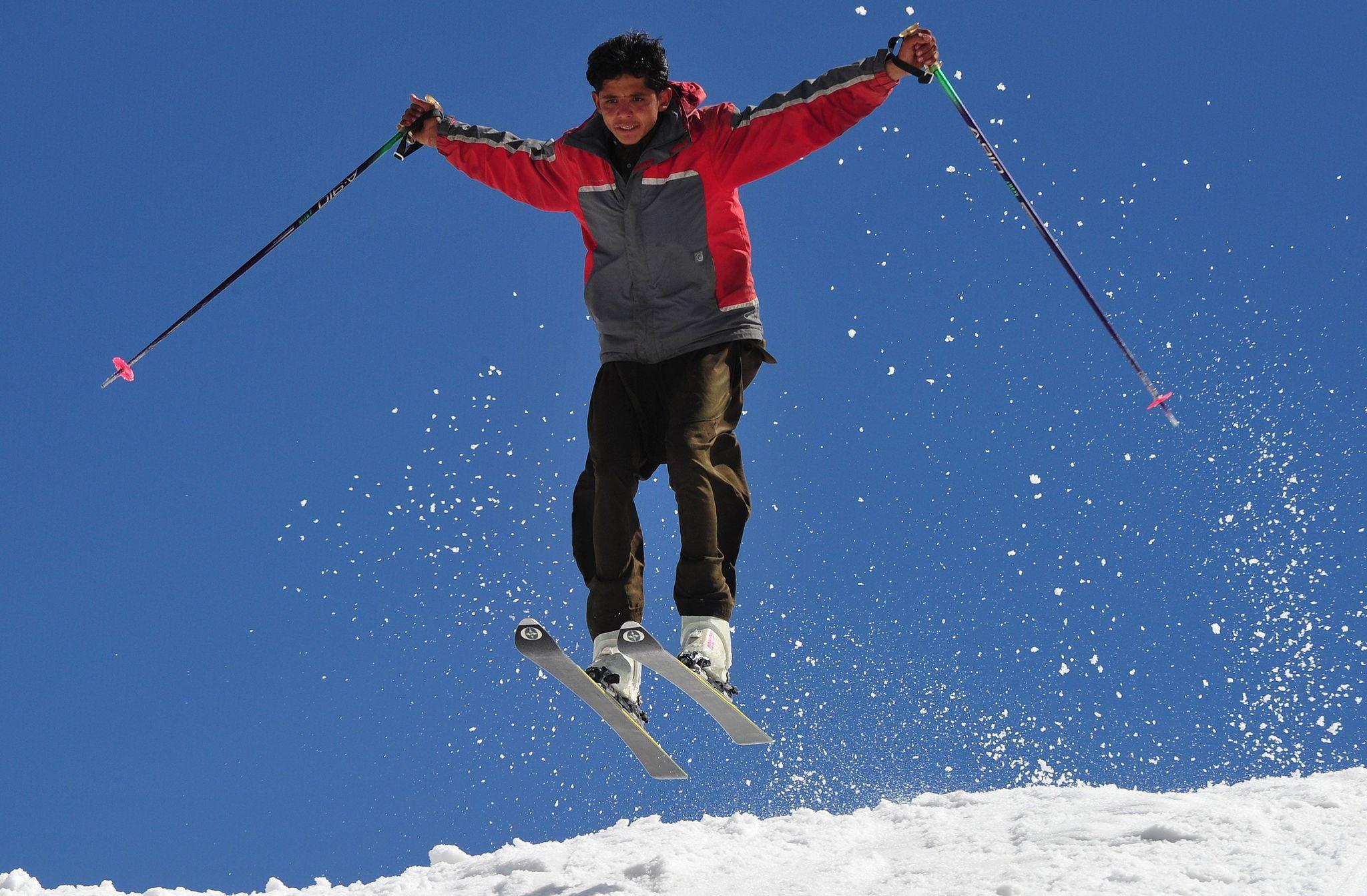
Malam Jabba offers:
- Ski slopes
- Chairlifts
- Snowboarding
- Snow tubing
- Ski equipment rentals
- Beginner ski instruction
The resort typically operates between December and February depending on snowfall.
Other Winter Activities in Swat
Travelers can also:
- Explore Kalam Valley
- Visit Bahrain
- Walk through snow-covered pine forests
- Experience riverside winter landscapes
How to Get to Swat Valley
Swat is accessible from Islamabad through the Swat Motorway.
Approximate travel times:
- Islamabad to Mingora: 4 hours
- Mingora to Malam Jabba: 1 hour
Best Time for Swat in Winter
January and February provide the best ski and snowfall conditions.
Naltar Valley
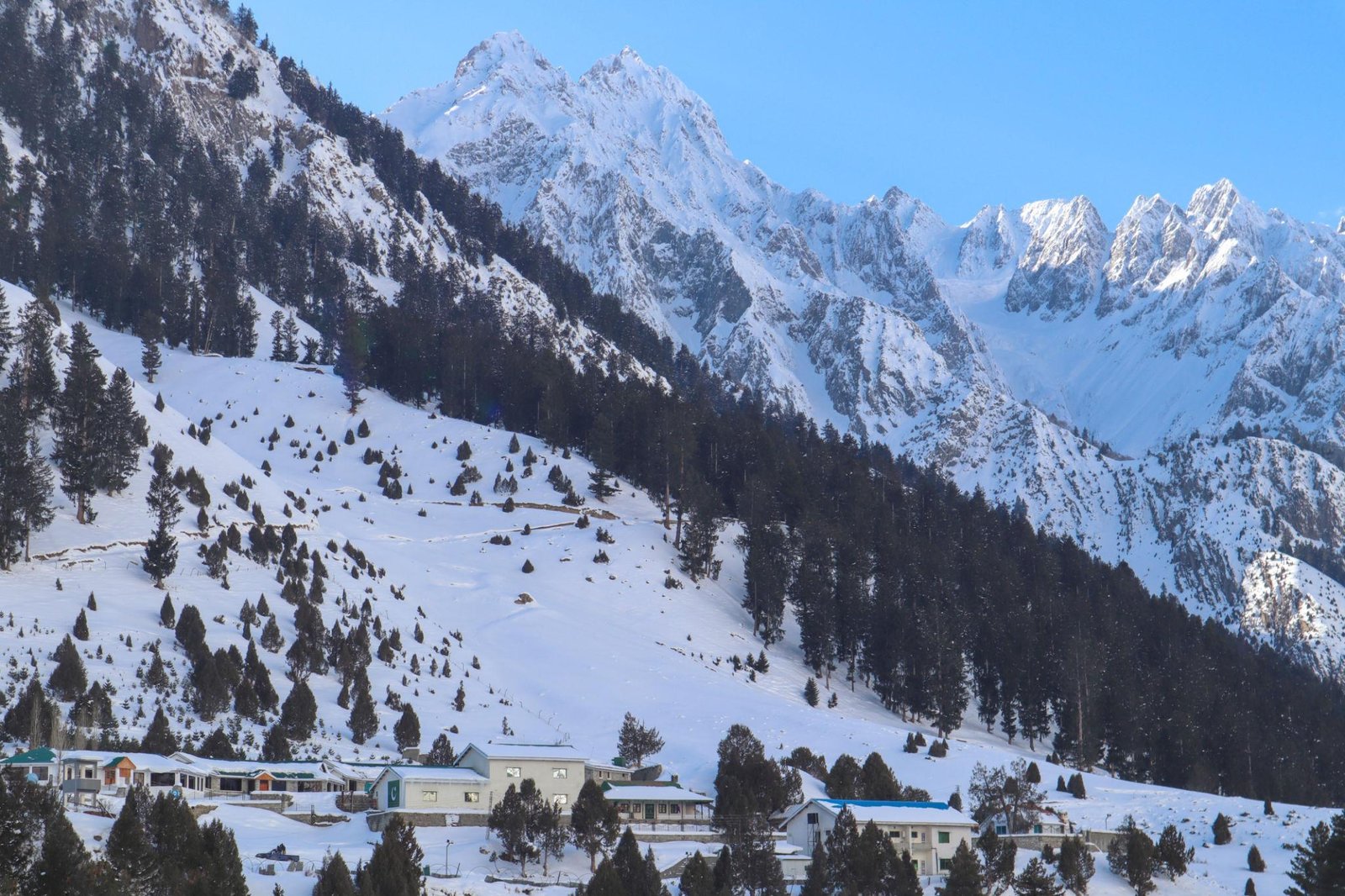
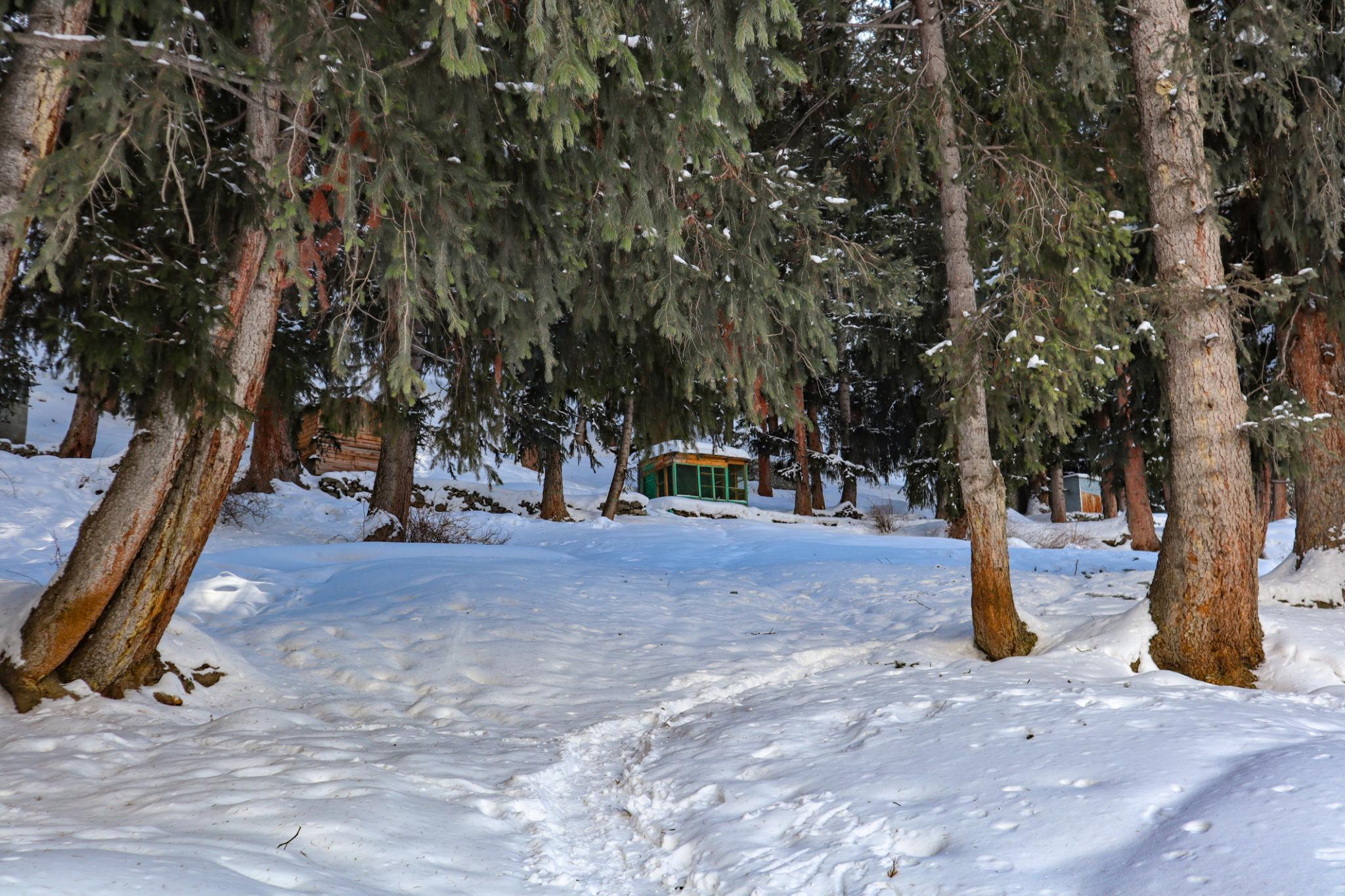
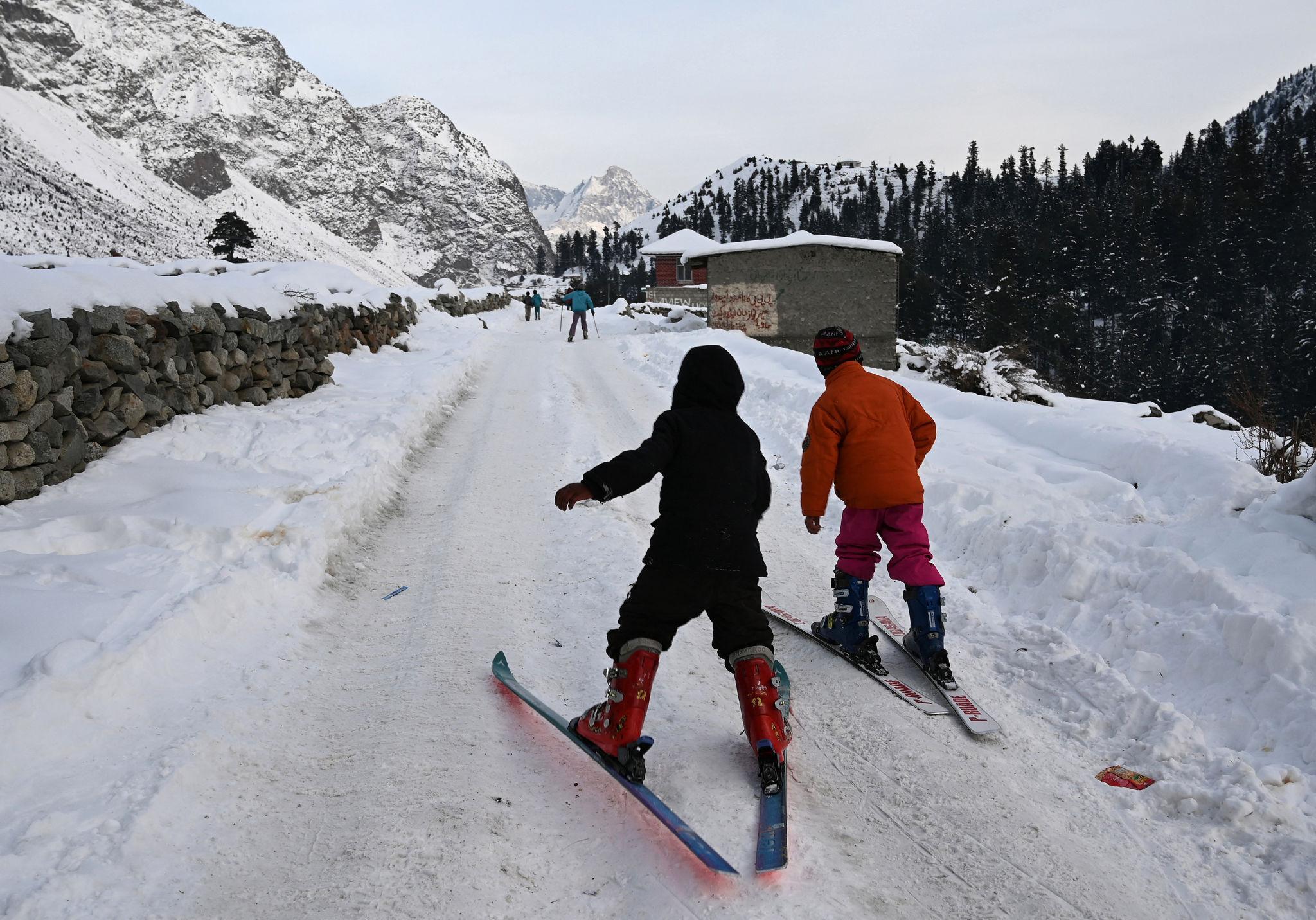
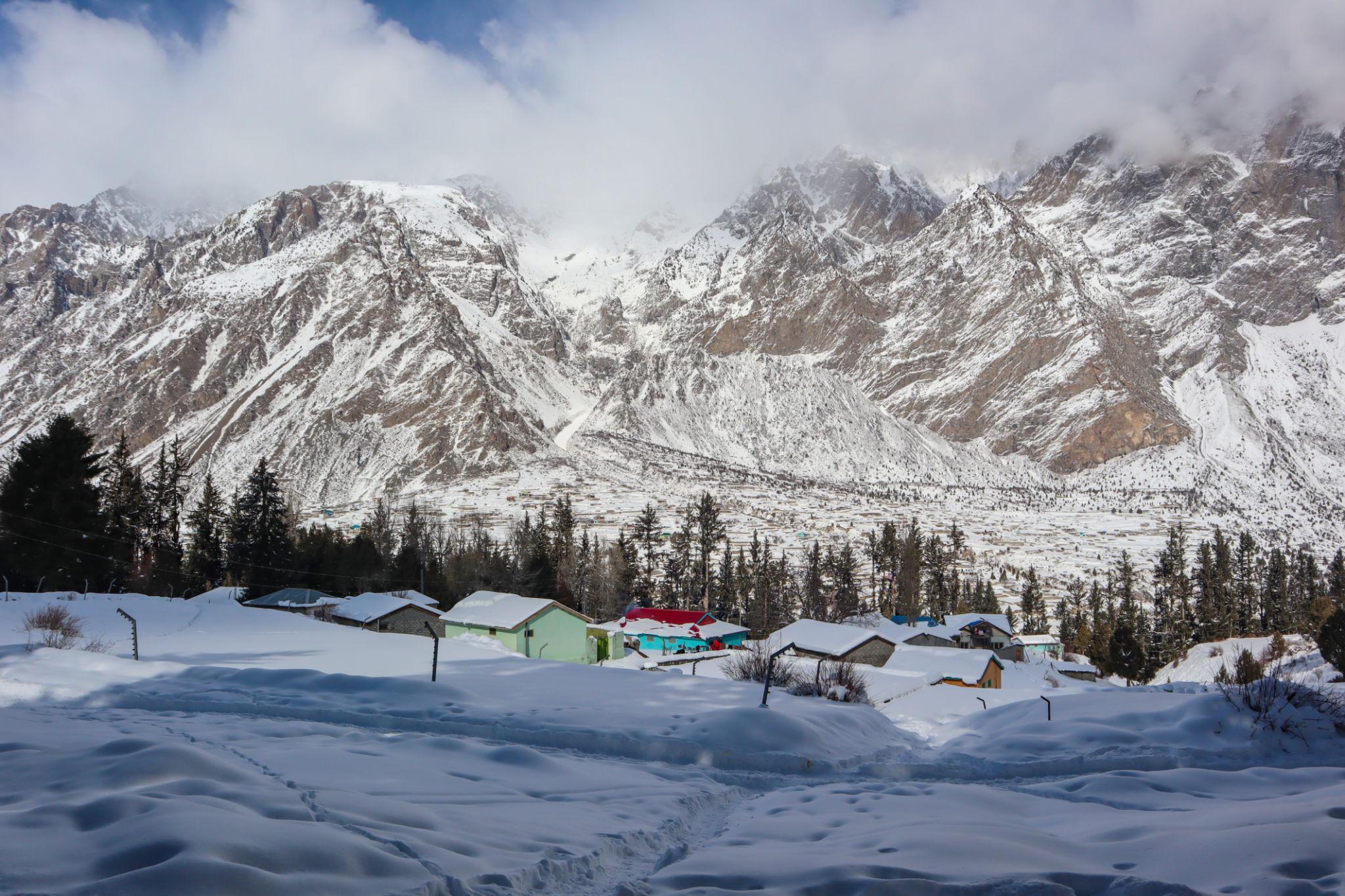
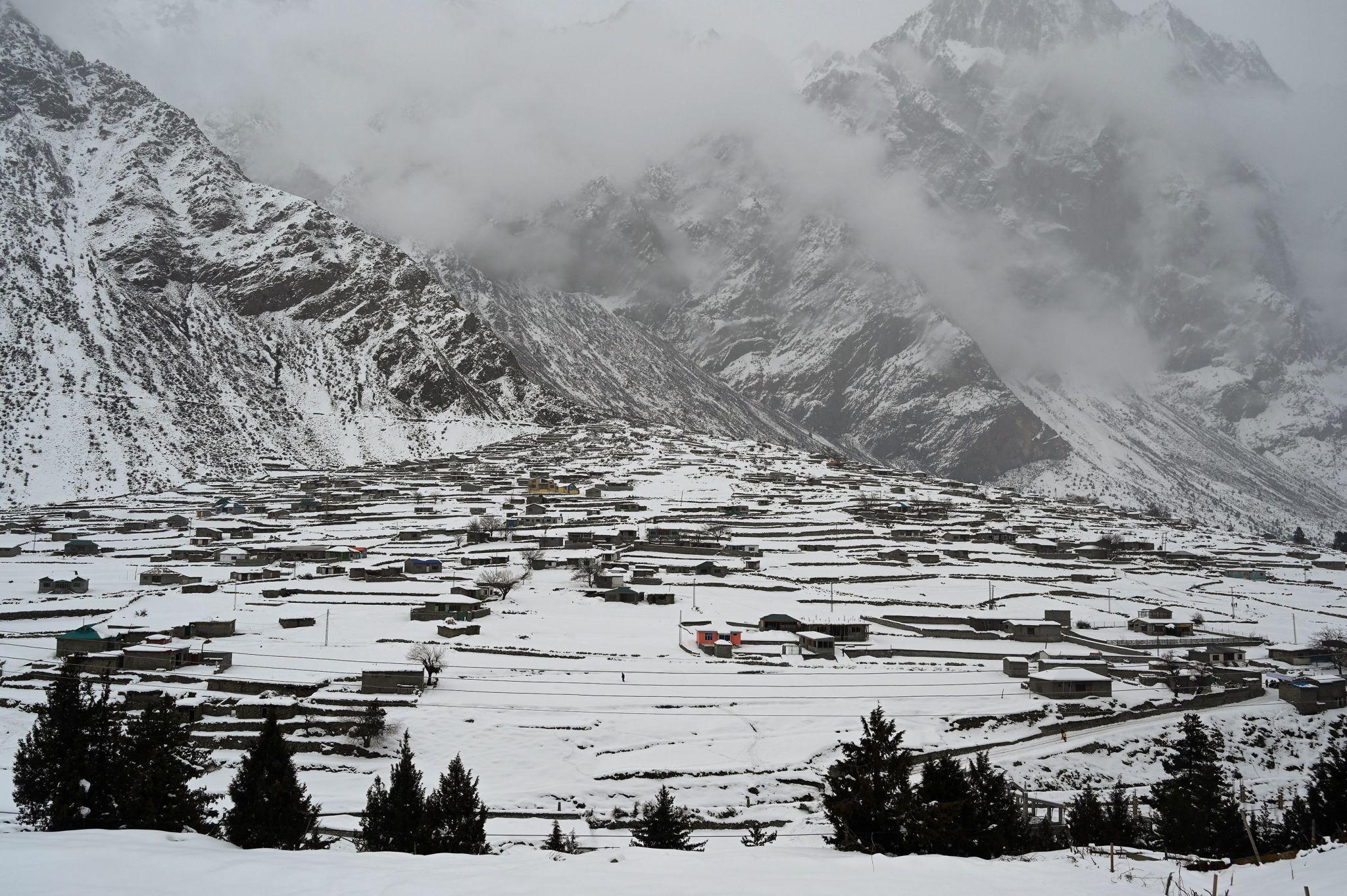
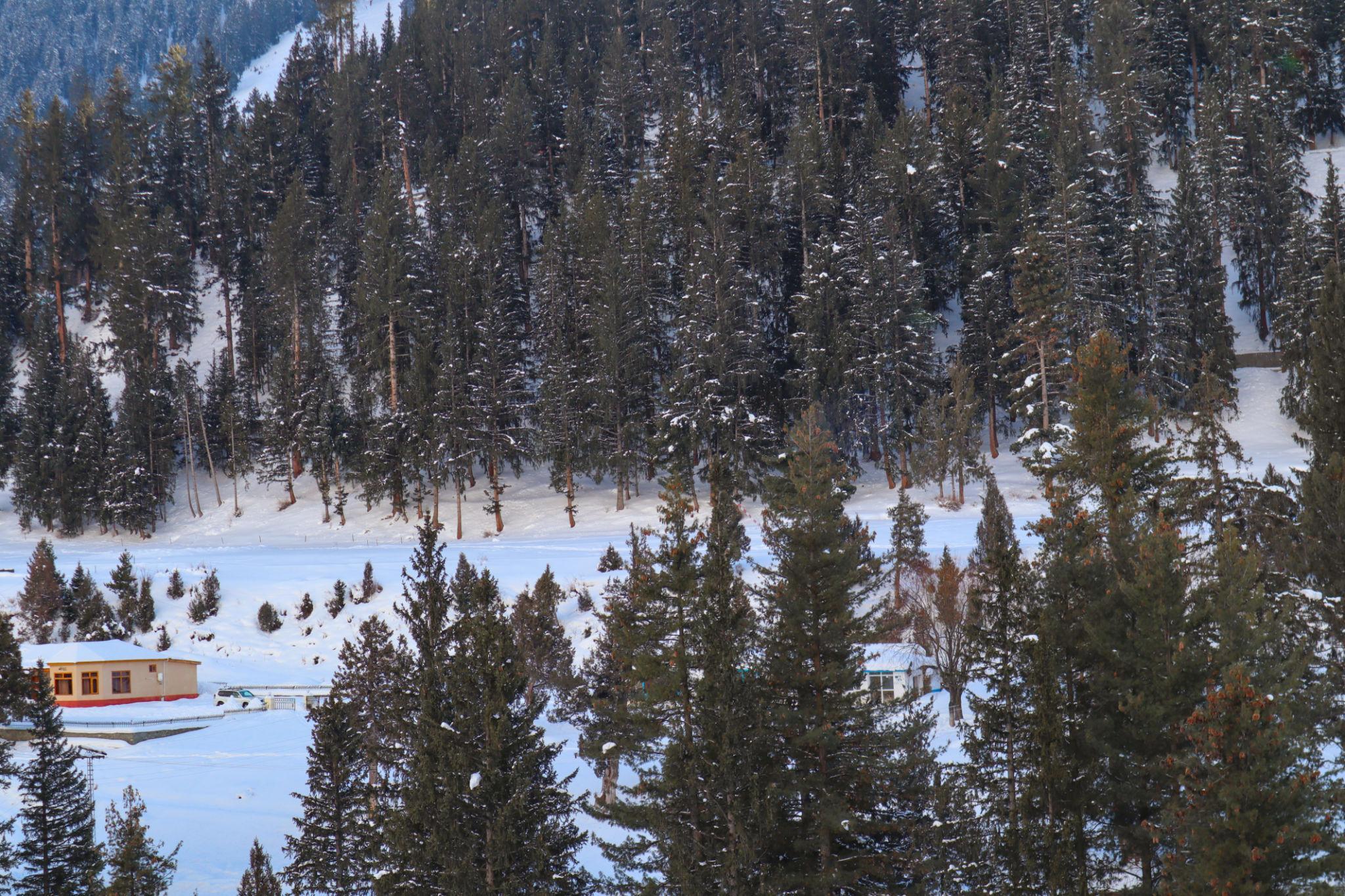
Naltar Valley lies northwest of Gilgit and is one of Pakistan’s best destinations for serious winter sports. Located above 3,000 metres, the valley receives deeper snowfall than Malam Jabba and is known for powder skiing and alpine forest scenery.
The Pakistan Air Force ski resort operates here and occasionally hosts national skiing events.
Things to Do in Naltar Valley
Popular winter activities include:
- Skiing
- Snowboarding
- Forest walks
- Winter photography
- Exploring traditional mountain villages
How to Reach Naltar Valley
Travelers usually:
- Reach Gilgit first
- Hire a jeep or 4WD vehicle to Naltar
The road can become difficult after heavy snowfall.
Best Time for Naltar in Winter
January and February offer the best skiing conditions.
Neelum Valley
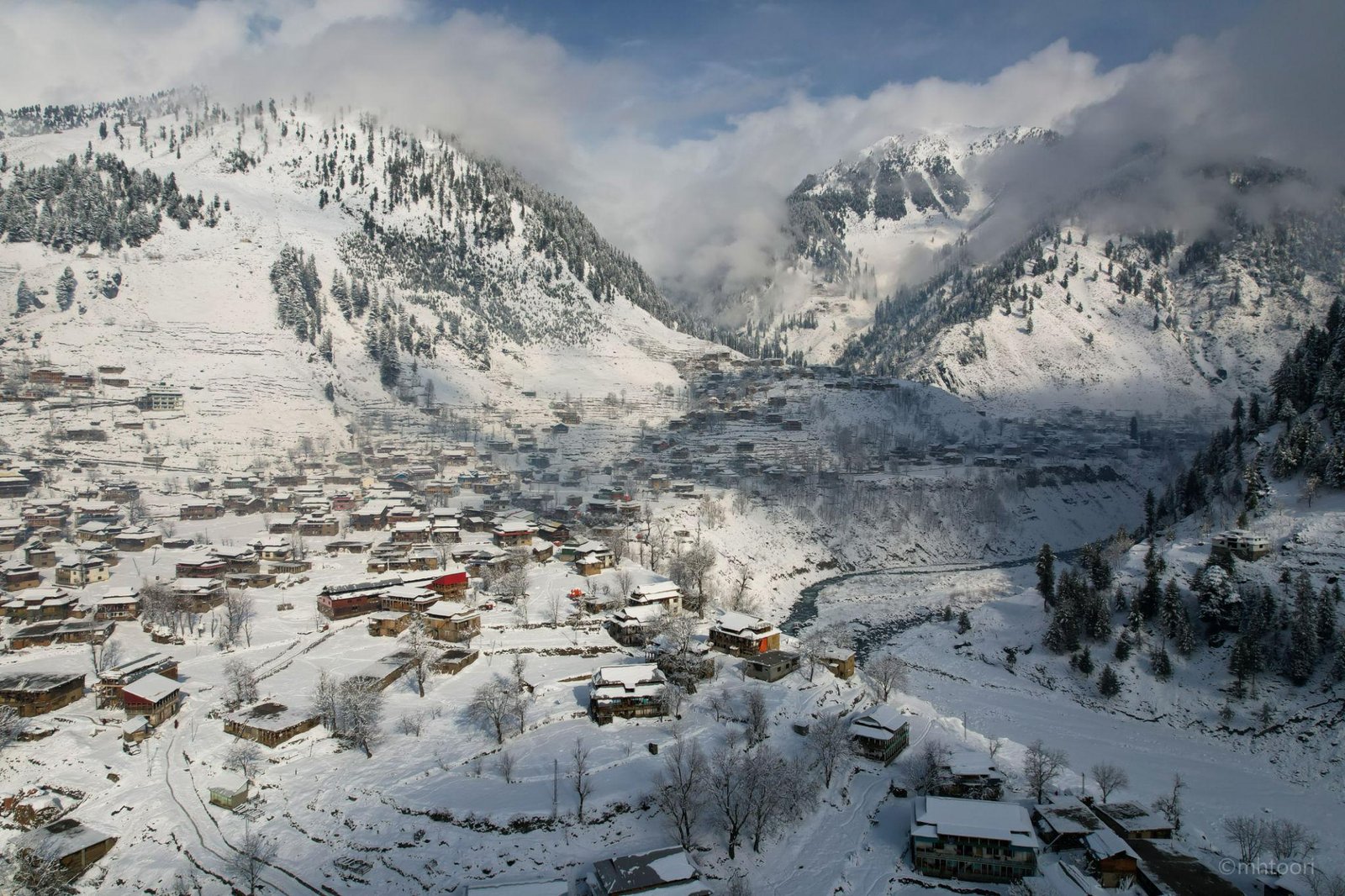
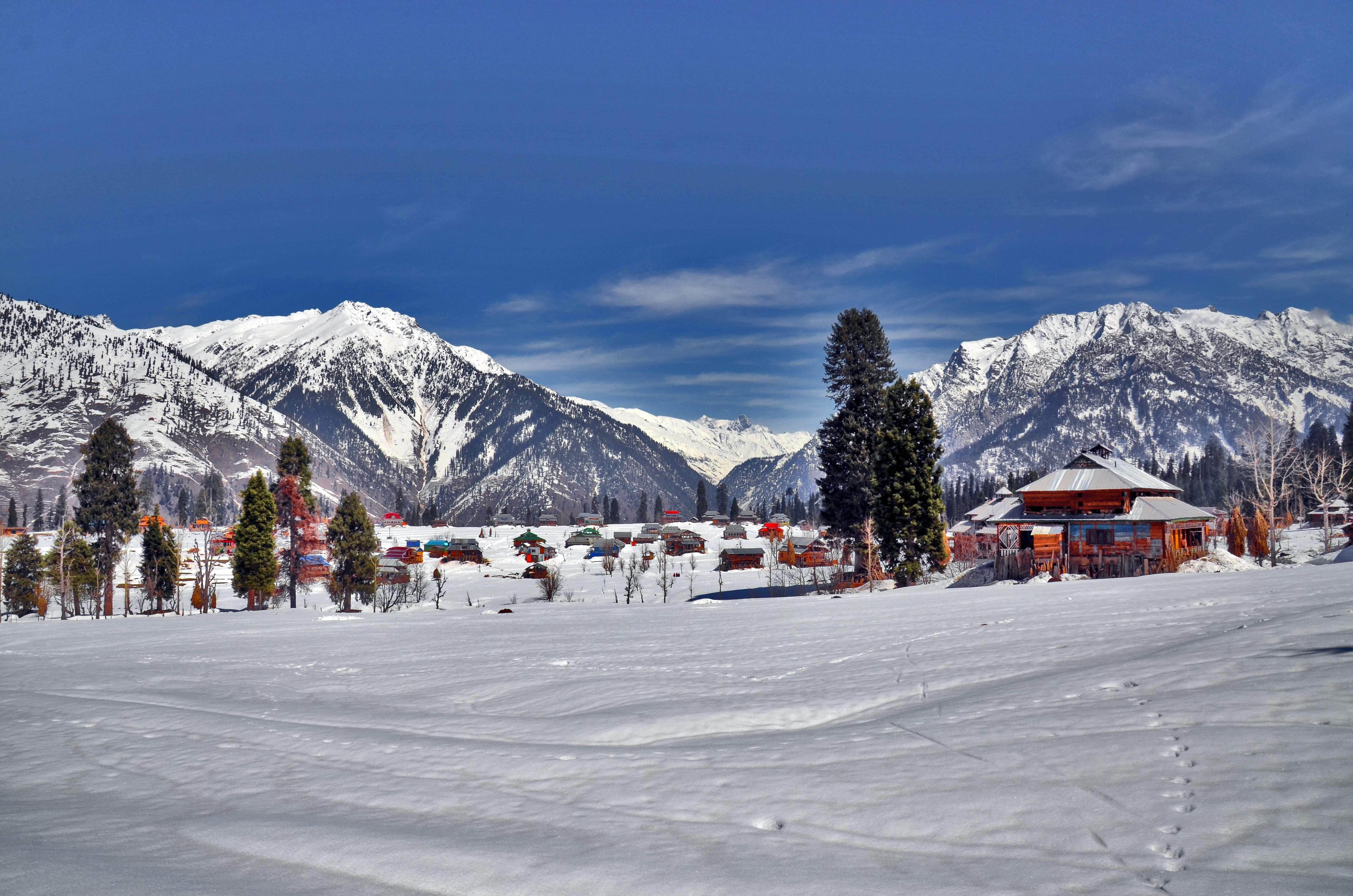
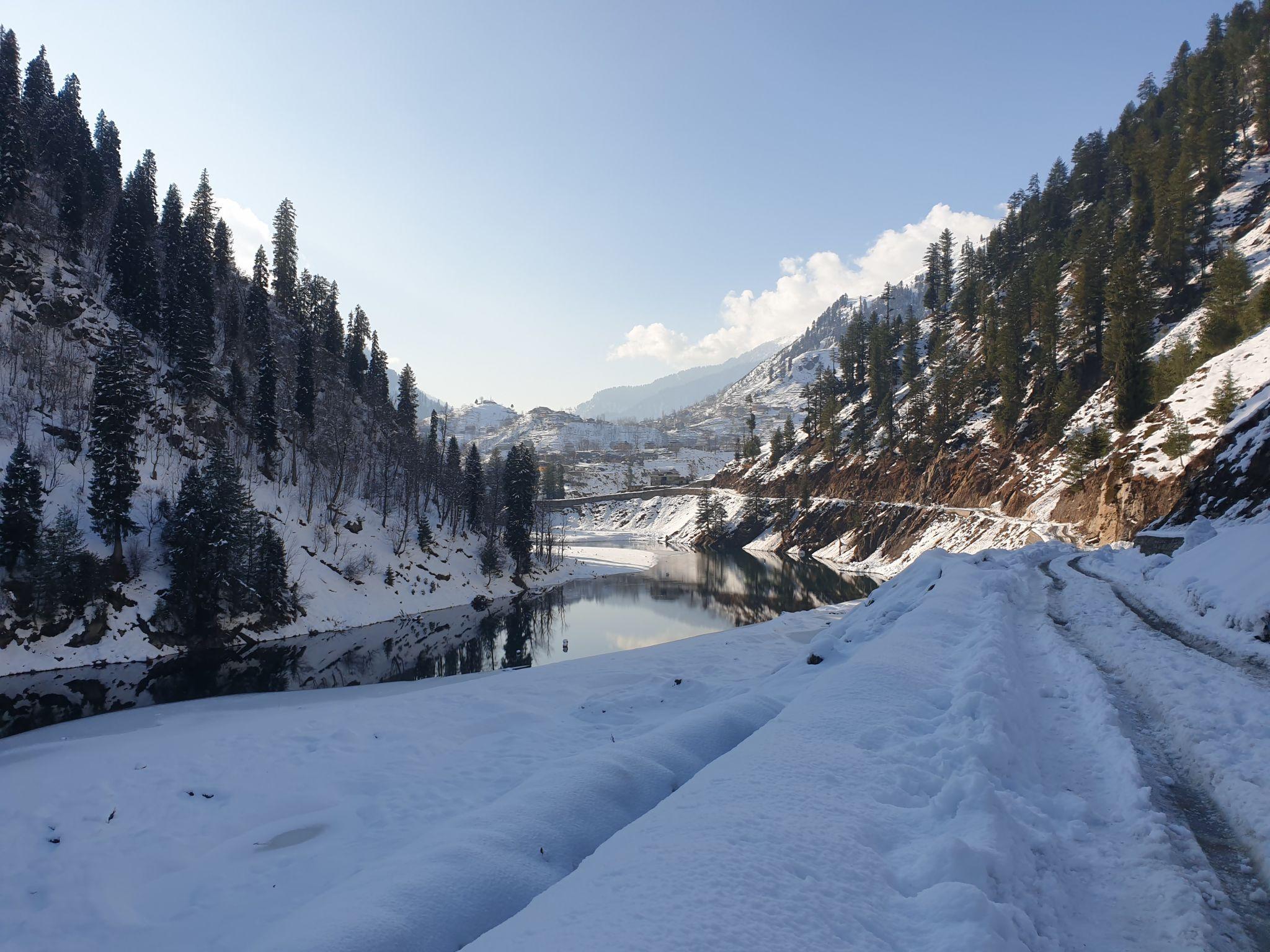
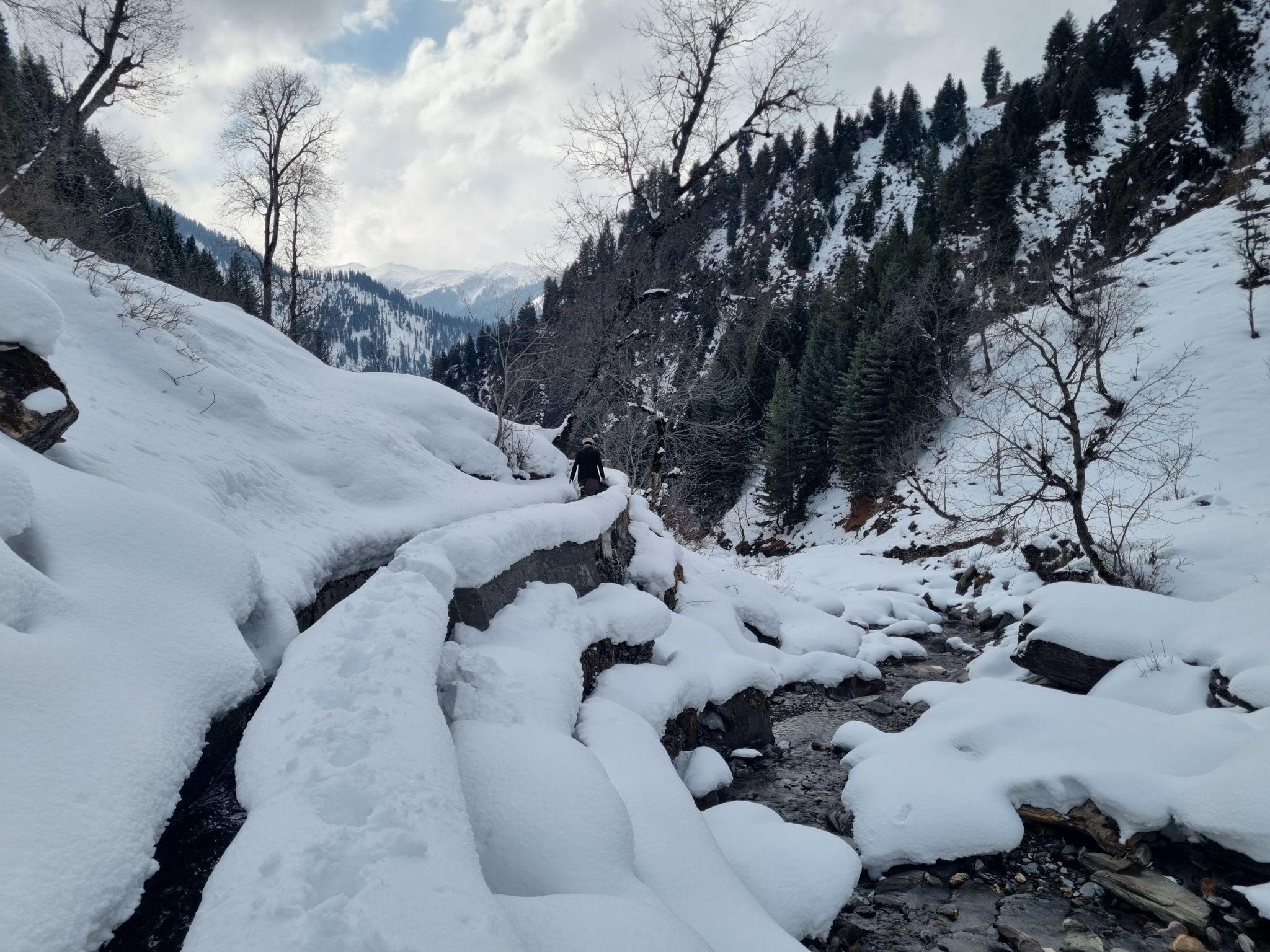
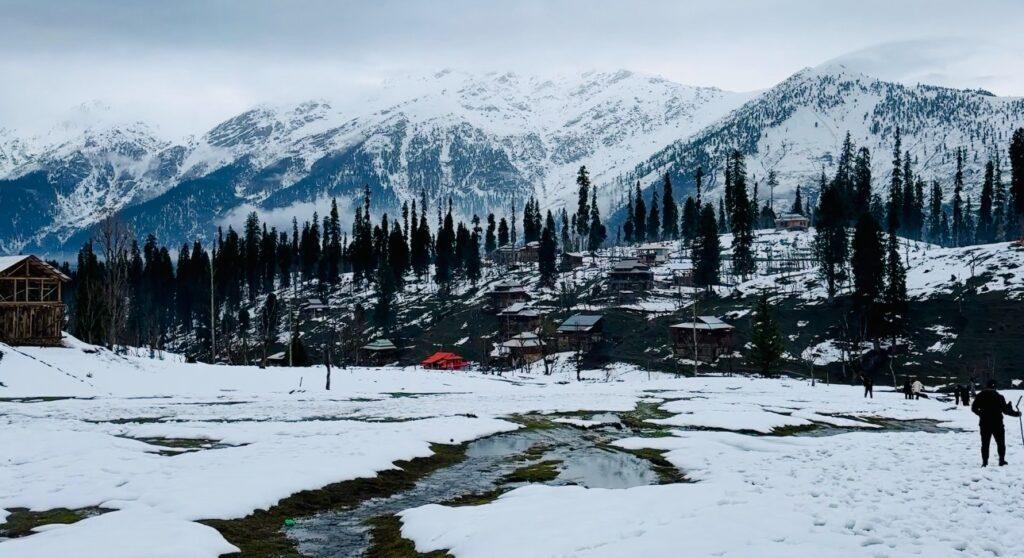
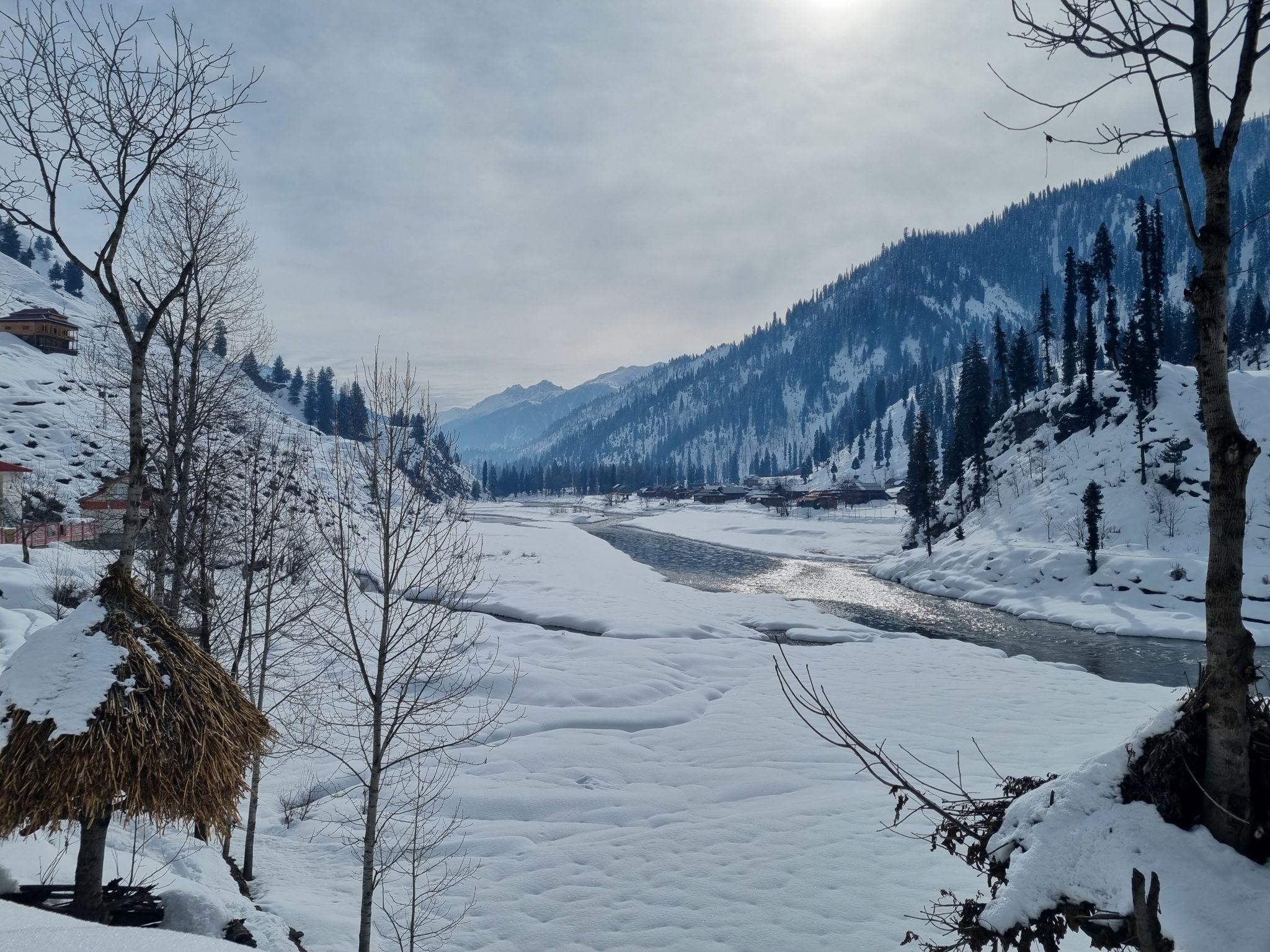
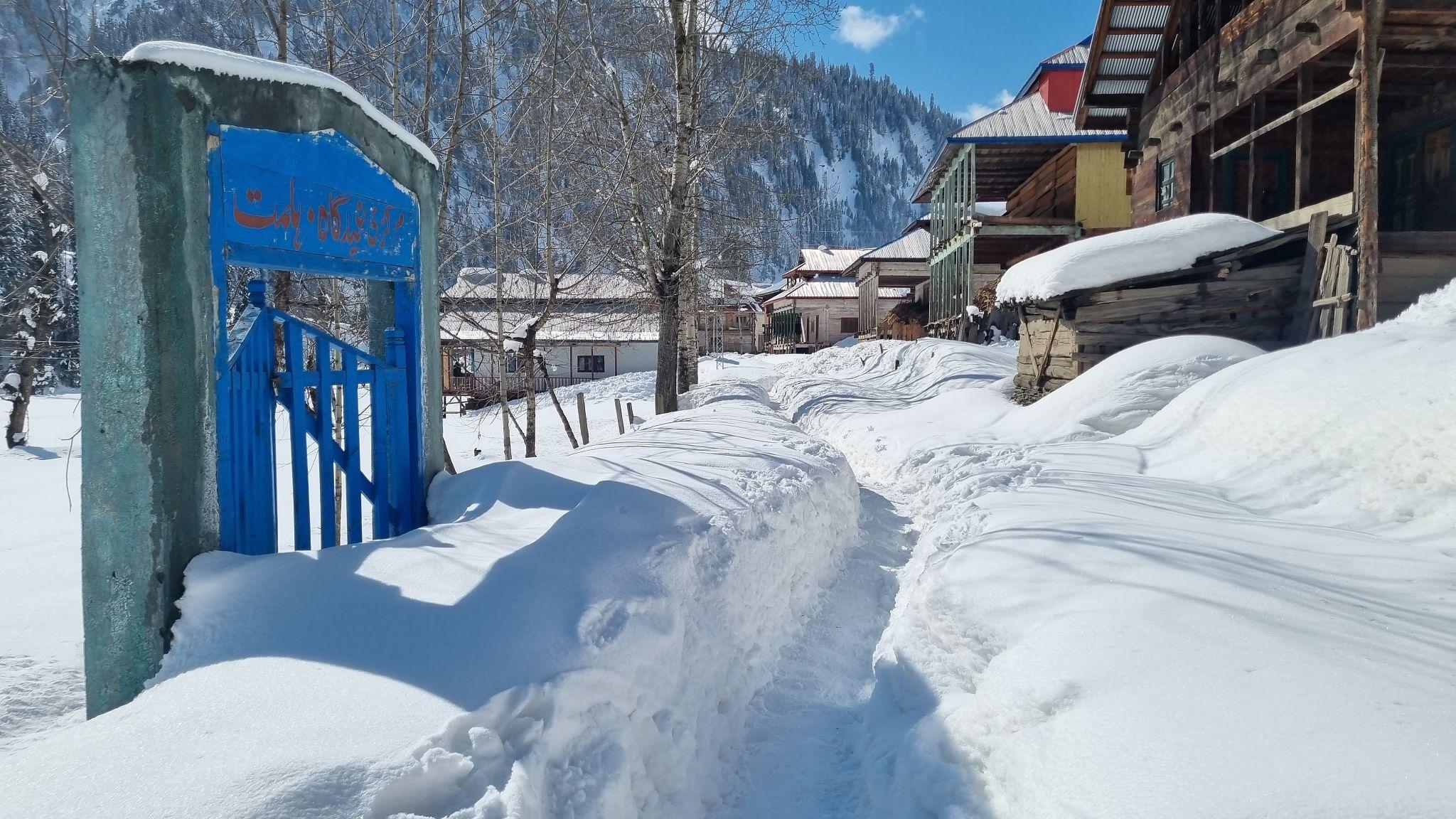
Neelum Valley is one of Pakistan’s quietest winter destinations. Located in Azad Kashmir, the valley follows the Neelum River through dense pine forests and remote mountain settlements.
Winter brings snow-covered forests, frozen riversides, and dramatically fewer tourists compared to summer.
Things to Do in Neelum Valley
Popular experiences include:
- Visiting Keran and Kutton
- Exploring Arang Kel in snow
- Winter fishing
- Forest walks and photography
- Experiencing local Kashmiri village life
How to Get to Neelum Valley
Travelers first reach Muzaffarabad and then continue northeast through the valley by road.
Road conditions above Athmuqam become increasingly difficult during snowfall.
Where to Stay in Neelum Valley
Popular accommodation includes:
- PTDC Motel Keran
- Riverside guesthouses
- Family-run lodges in Kutton and Keran
Best Time for Neelum Valley in Winter
December through February.
Shogran
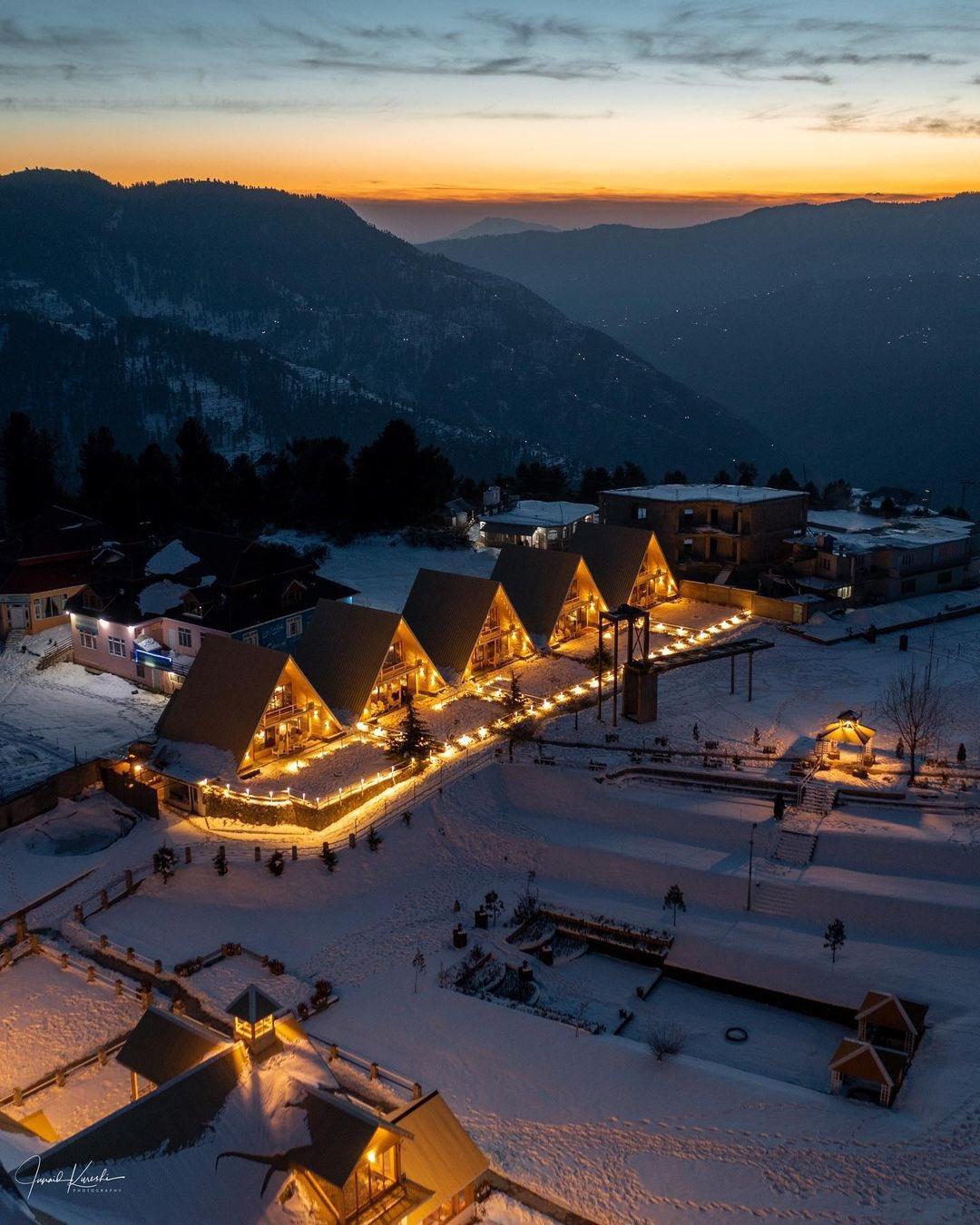
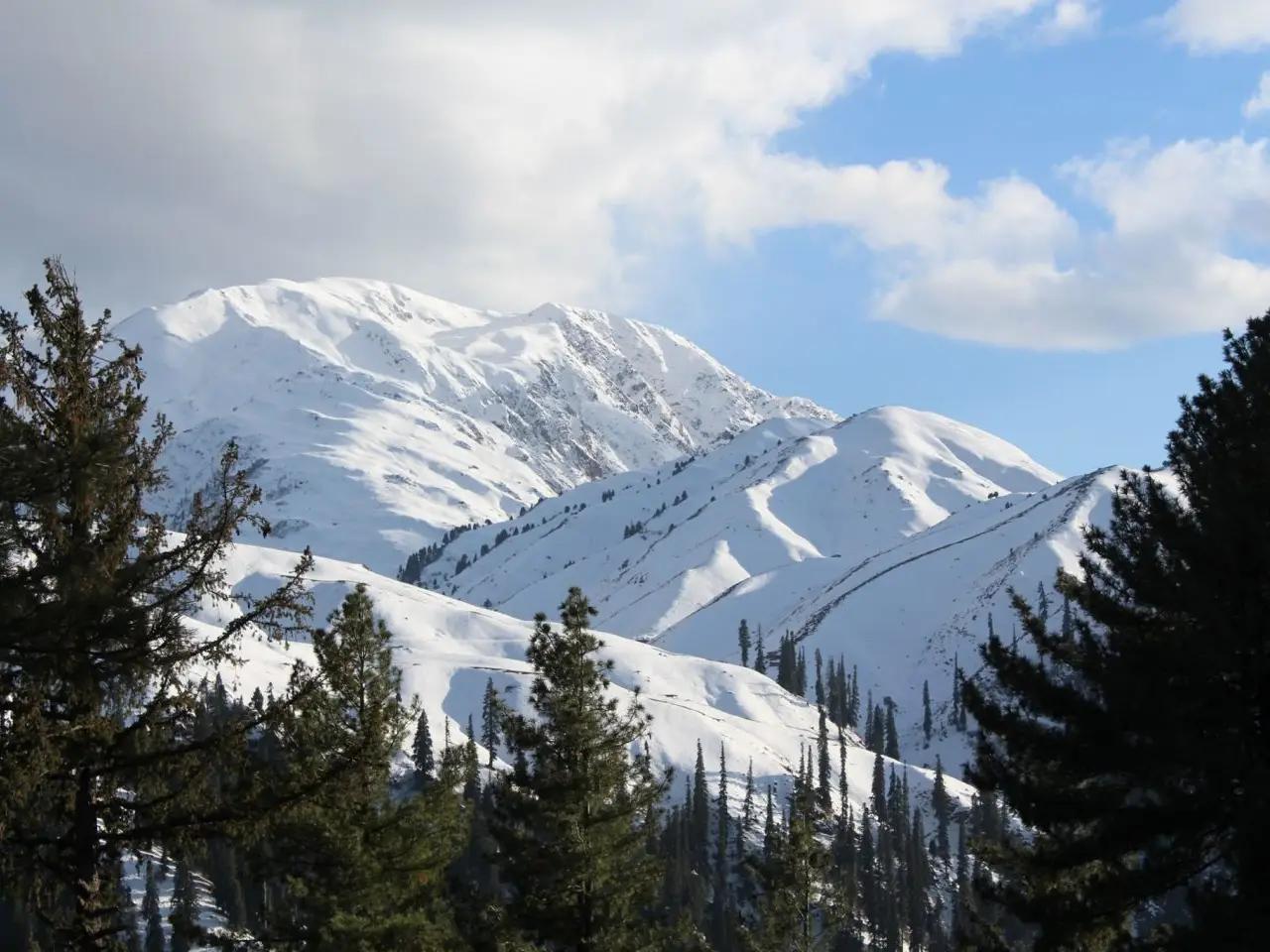
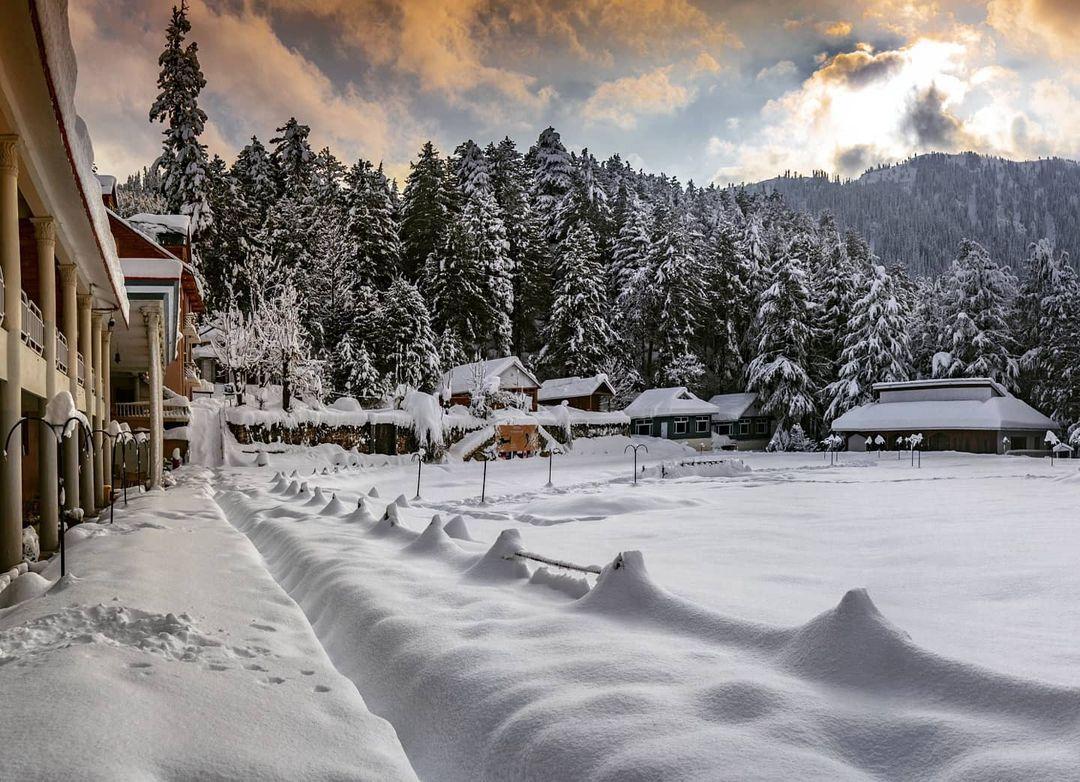
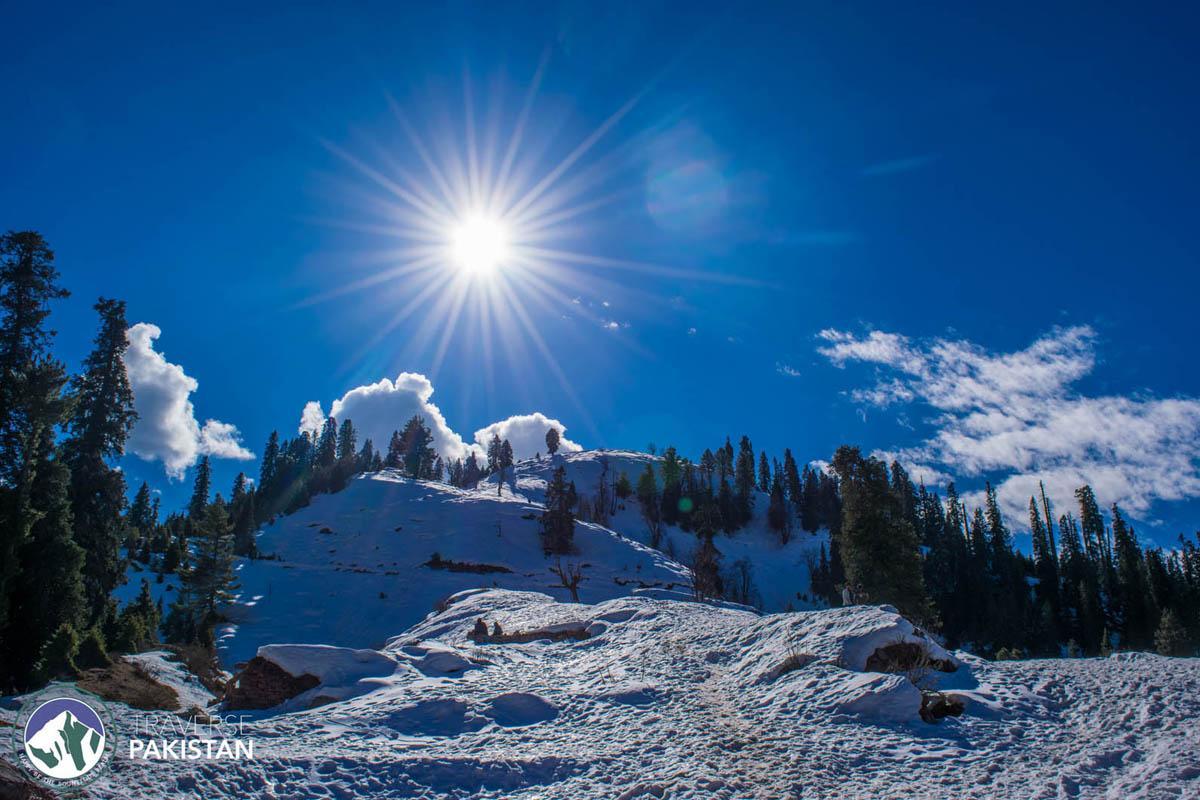
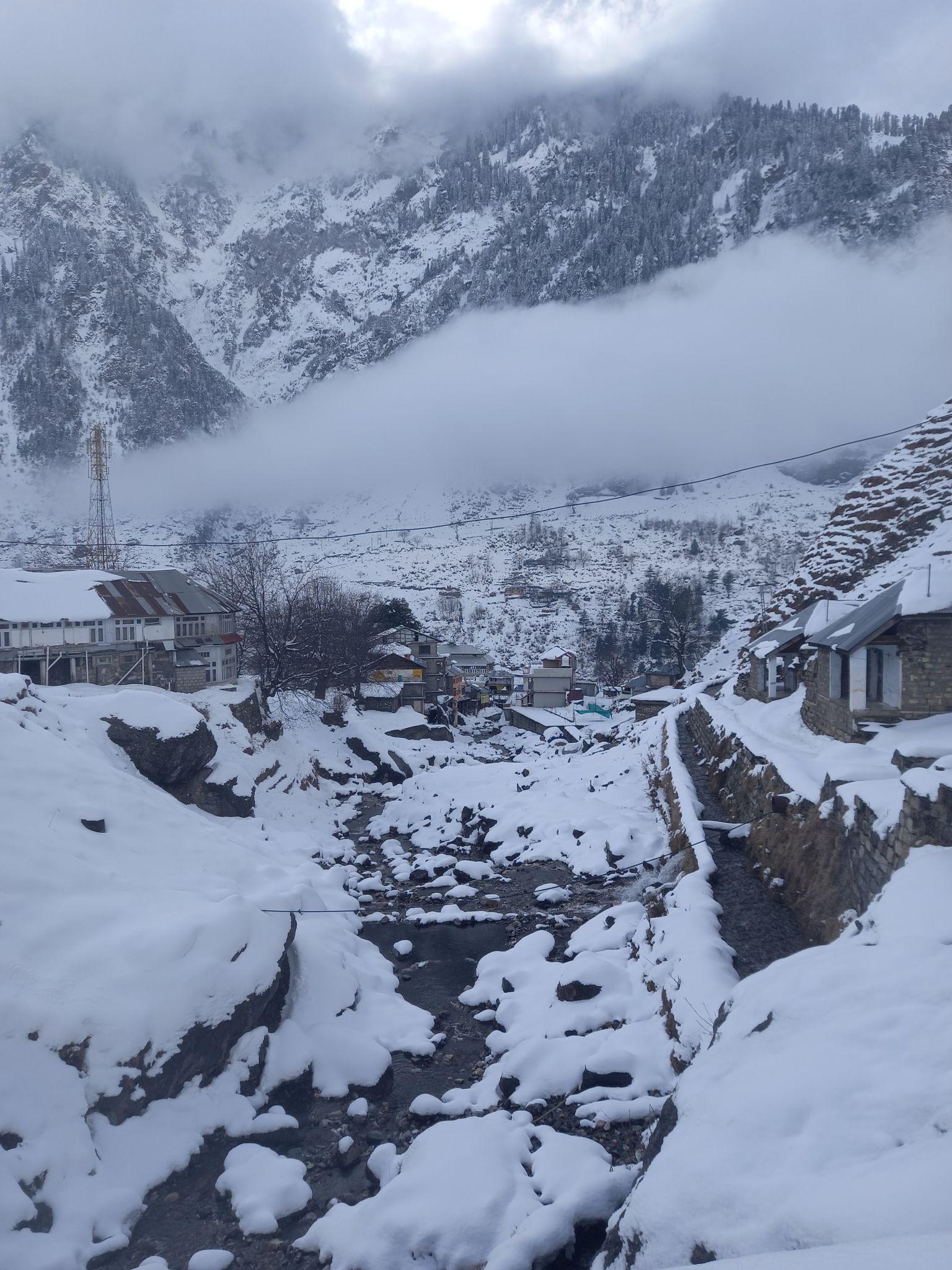
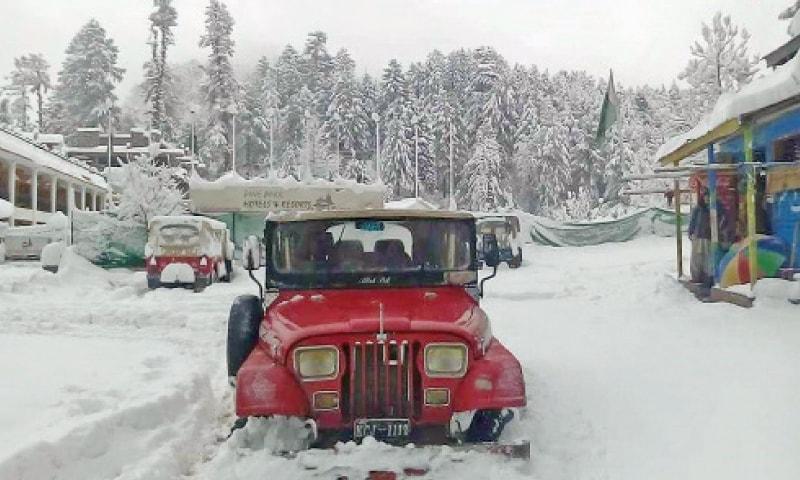
Shogran is one of the most accessible snowy mountain escapes in the Kaghan Valley. Located at approximately 2,362 metres, it remains open through most of winter even when upper Kaghan closes completely.
The area is known for:
- Snow-covered meadows
- Pine forests
- Mountain viewpoints
- Quiet winter atmosphere
Things to Do in Shogran
Popular activities include:
- Visiting Siri Paye Meadows
- Forest walks
- Bonfire evenings
- Winter photography
- Snow hiking
How to Reach Shogran
Travelers reach Balakot first and then continue to Shogran via mountain road.
A 4WD vehicle is strongly recommended during snowfall.
Best Time for Shogran in Winter
January offers the heaviest snowfall while February is slightly easier for road access.
Kalash Valley and Chitral
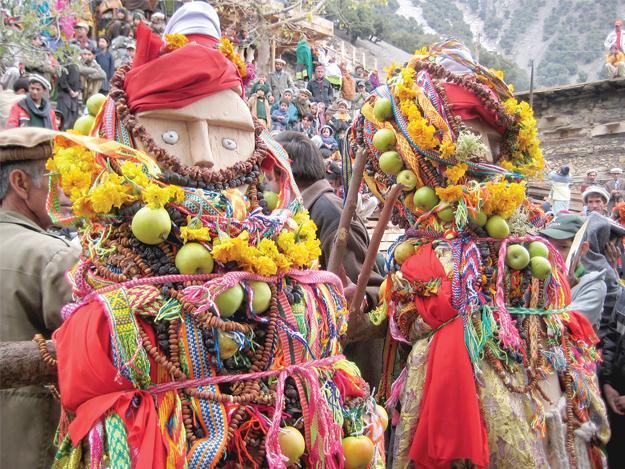
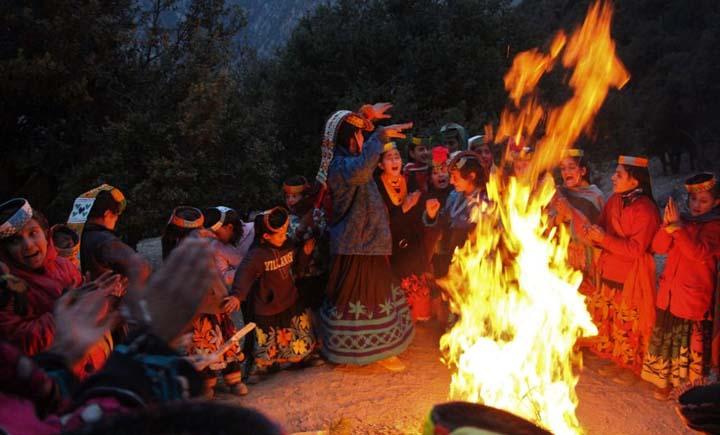
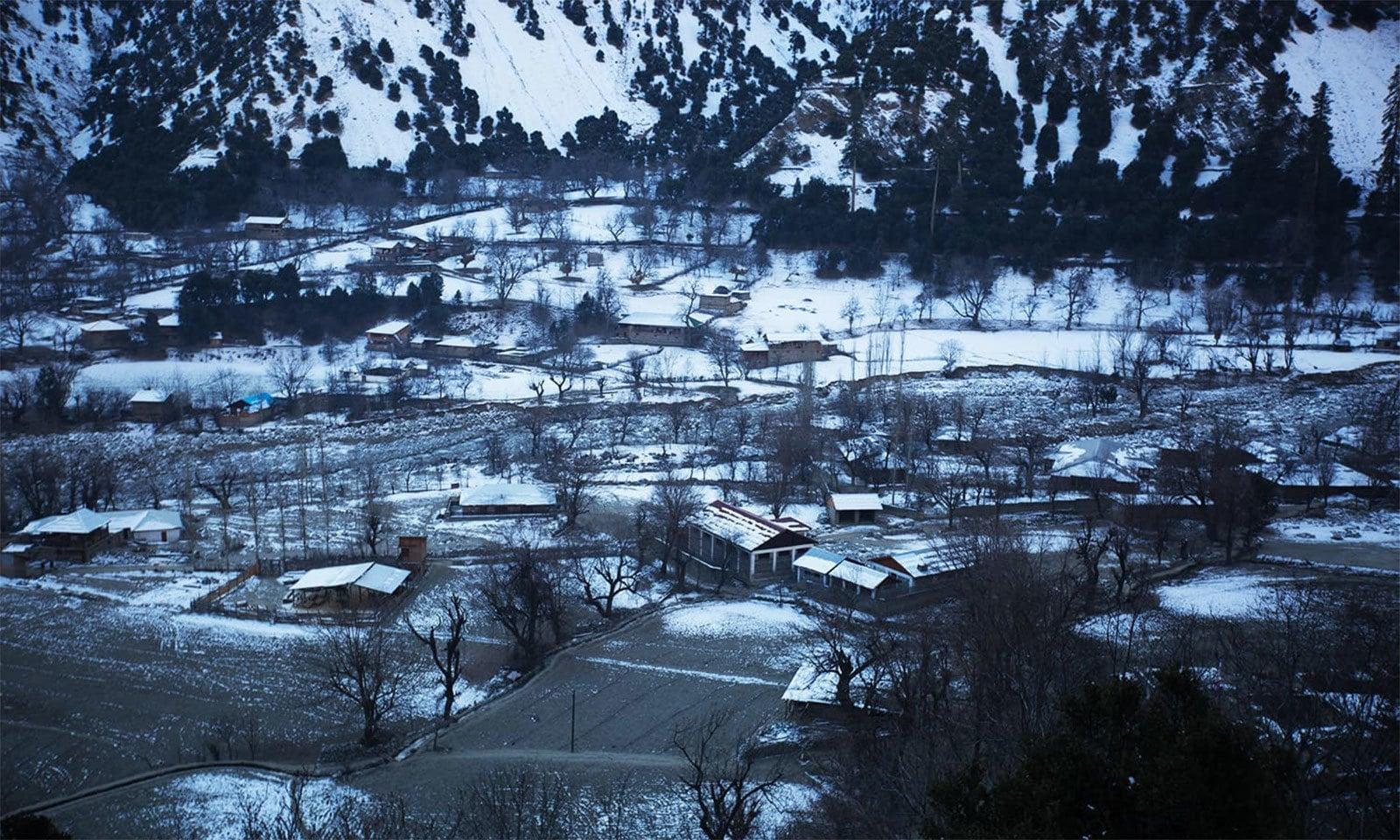
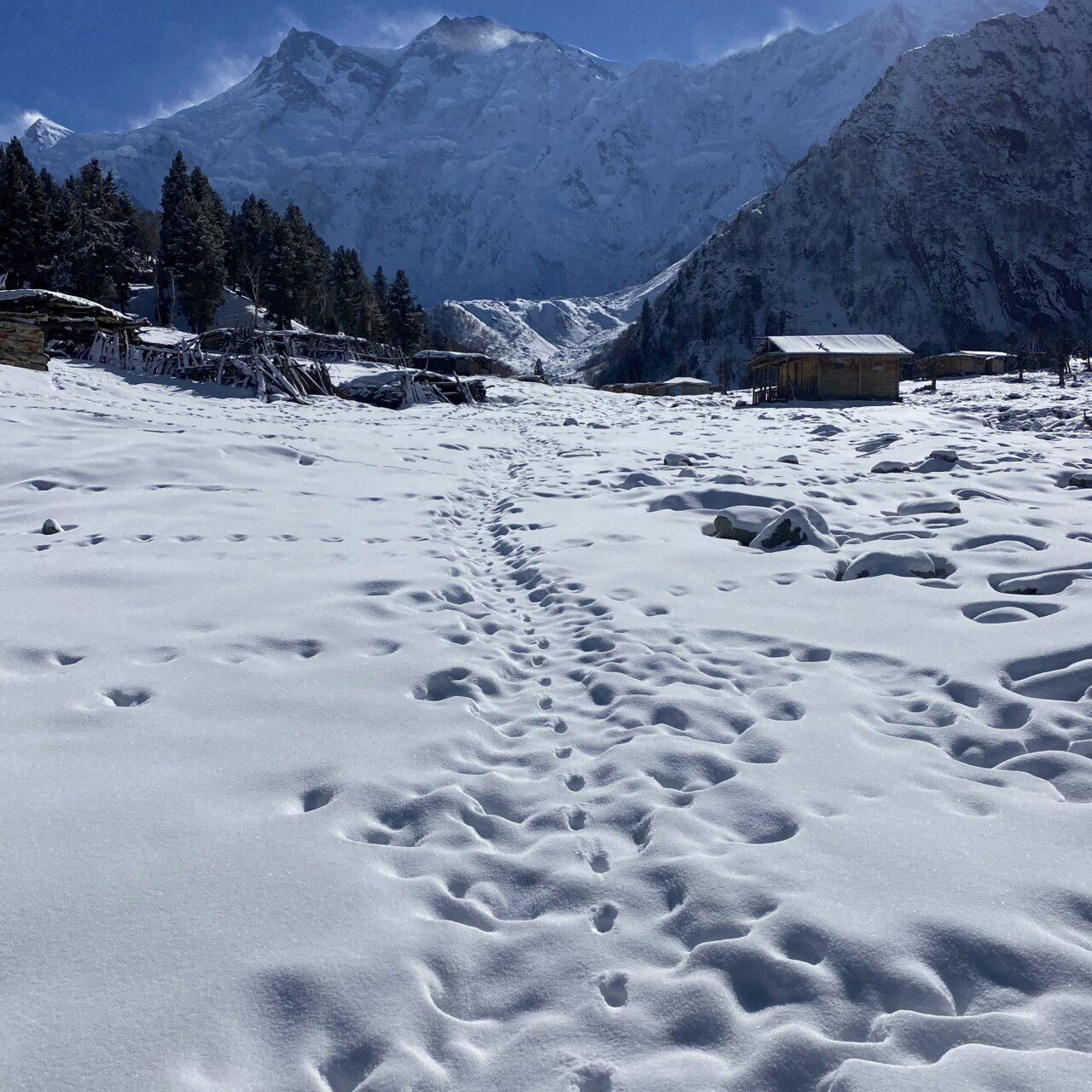
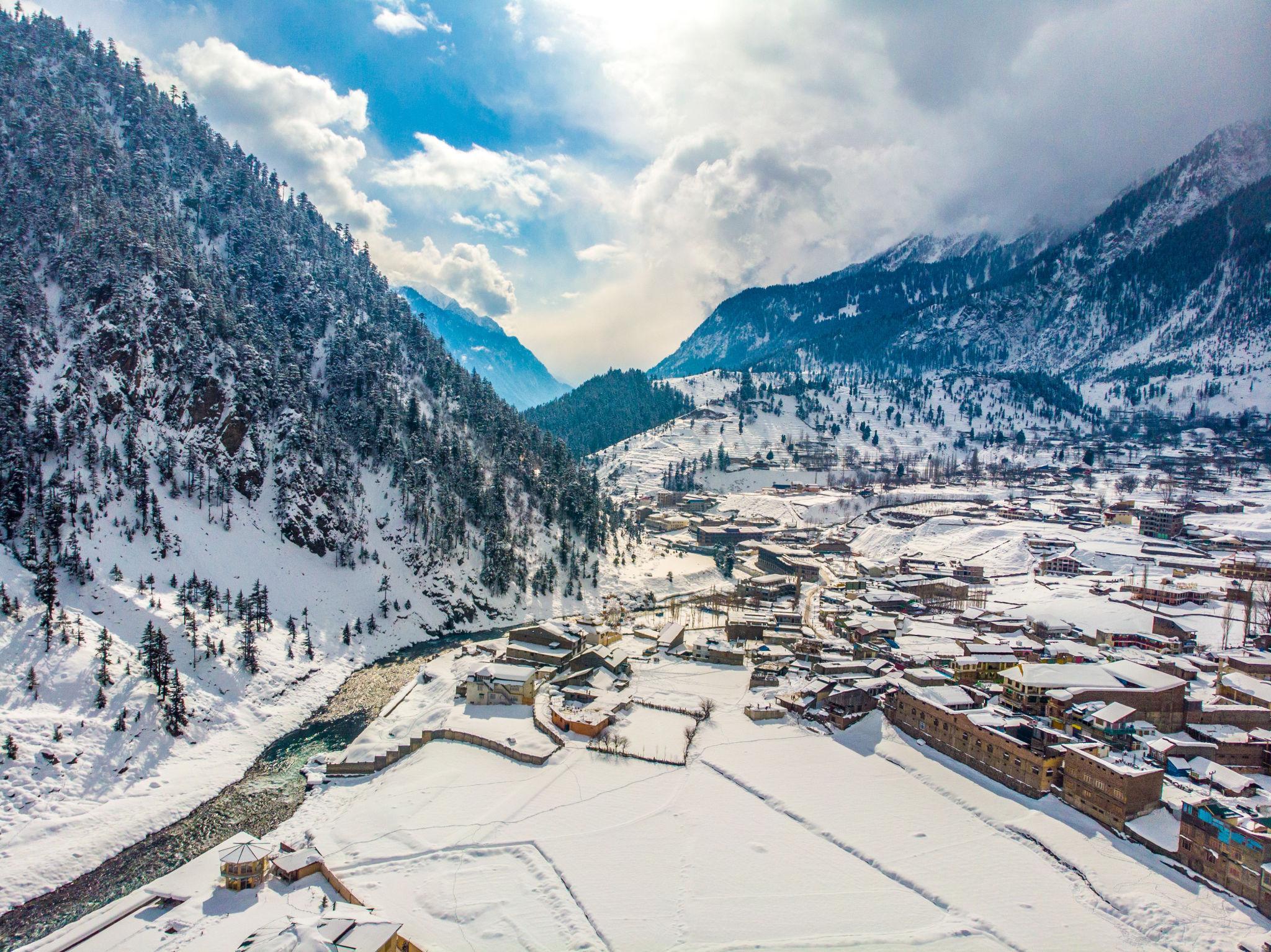
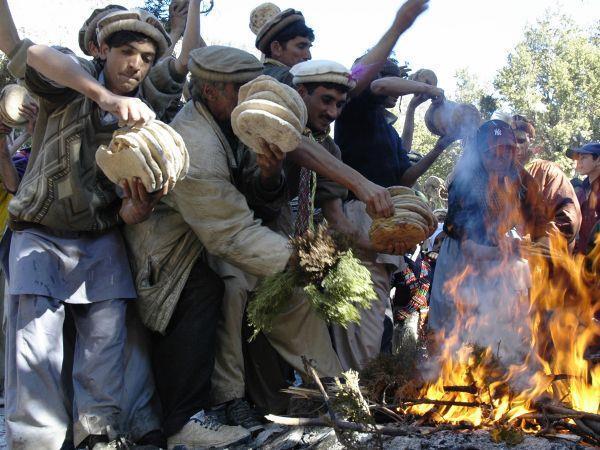
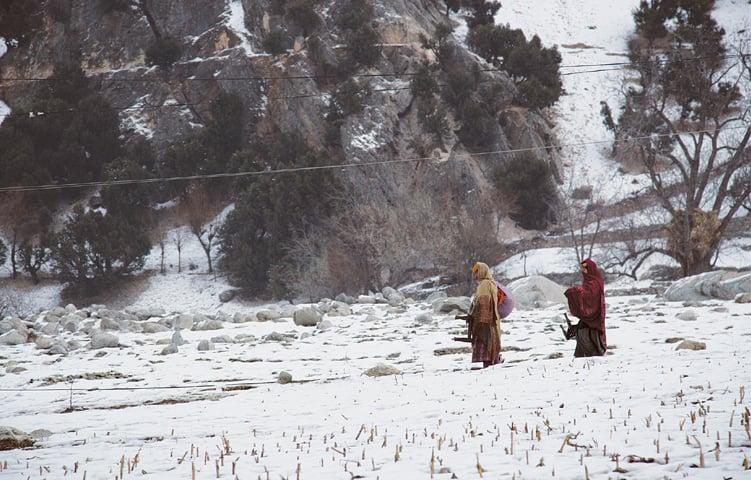
The Kalash Valleys offer one of Pakistan’s most unique cultural winter experiences. Located in Chitral District, the valleys are home to the Kalash people, one of South Asia’s oldest indigenous communities.
Winter is especially important because of the Chaumos Festival, celebrated in December.
Things to Do in Kalash Valley in Winter
Visitors can:
- Experience the Chaumos Festival
- Explore traditional Kalash villages
- Visit Chitral Fort
- Experience local culture and winter traditions
How to Reach Chitral & Kalash
Travelers can:
- Fly to Chitral from Peshawar
- Travel by road via the Lowari Tunnel
Road access remains open through most winters.
Best Time for Kalash Valley in Winter
December is the best month because of the Chaumos Festival.
Winter Travel Planning for Pakistan
What to Pack
Essential winter gear includes:
- Thermal layers
- Waterproof jackets
- Insulated boots
- Gloves and wool hats
- Sunglasses and sunscreen
- Snow chains for vehicles
Getting Around in Winter
Public transport continues operating on major routes, but schedules become less reliable during snowfall.
For remote valleys:
- Hire 4WD vehicles
- Keep extra travel days
- Monitor road conditions closely
Safety & Road Conditions
Always:
- Carry extra food and water
- Keep emergency cash
- Avoid night driving
- Check weather forecasts regularly
Best Time to Visit Pakistan in Winter
The main winter travel season runs from:
- Late November to late February
December
Best for:
- Early snowfall
- Cultural festivals
- Fewer crowds
January
Best for:
- Heavy snowfall
- Winter photography
- Skiing
February
Best for:
- Longer daylight hours
- Slightly warmer conditions
- Continued snow coverage
FAQs About Winter Travel in Pakistan
Is Pakistan safe to visit in winter?
Yes. The main challenges are weather and road conditions rather than security.
Which is the best winter destination for first-time visitors?
Murree is the easiest and most accessible winter destination in Pakistan.
Are flights to Gilgit and Skardu reliable in winter?
No. Weather cancellations are common, especially during January and February.
What is the coldest winter destination in Pakistan?
Skardu is among the coldest major tourist destinations in Pakistan during winter.
Which destination is best for skiing?
Malam Jabba and Naltar Valley are Pakistan’s two main winter sports destinations.

![K2 Base Camp Trek: Ultimate Guide k2 Trek 2026 [UPDATED]](https://karakoramdiaries.com/storage/ultimate-guide-to-k2-base-camp-trek-full-document-150x150.png)