Camino de Santiago Complete Guide: Walking the Camino Francés
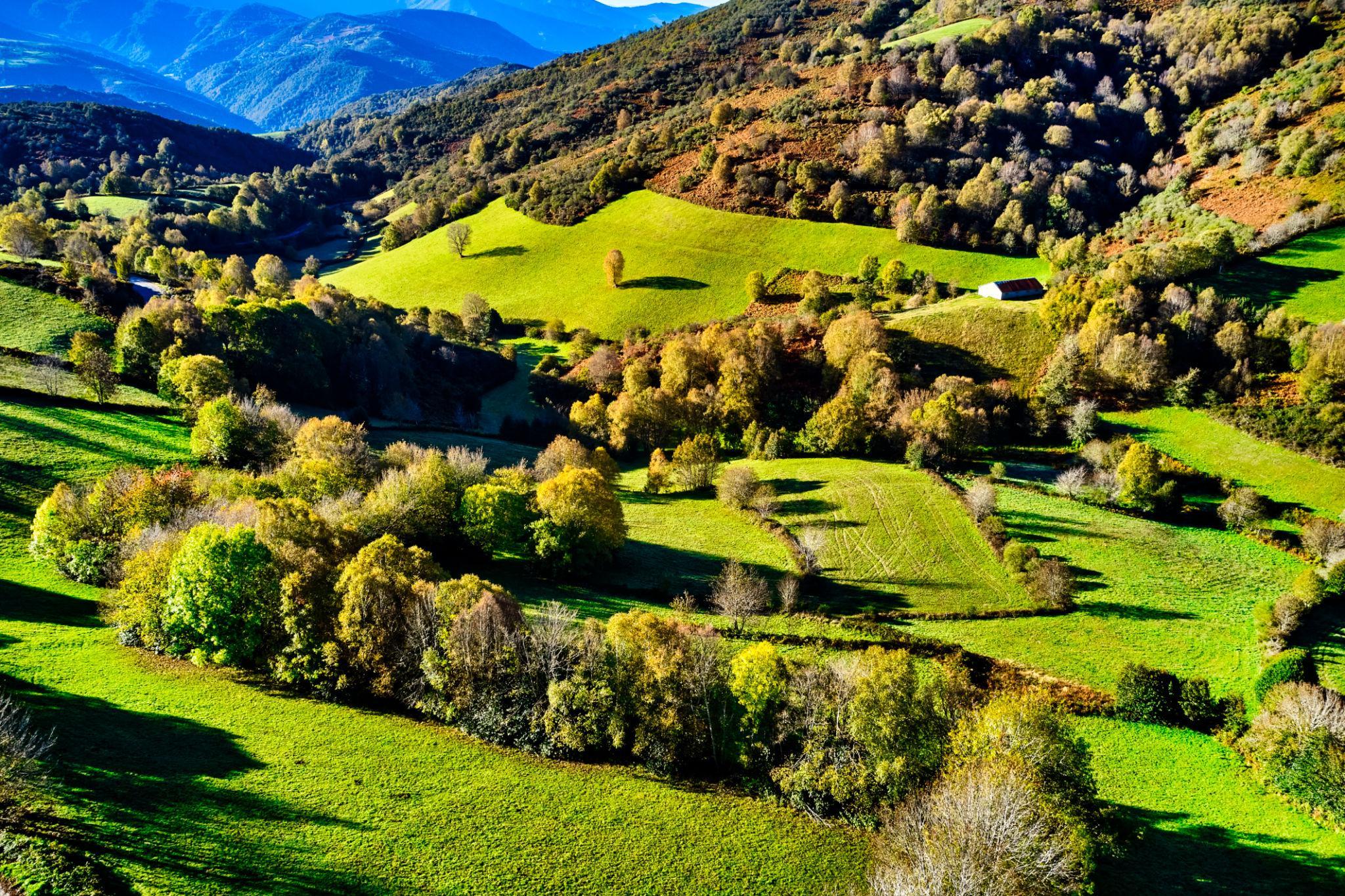
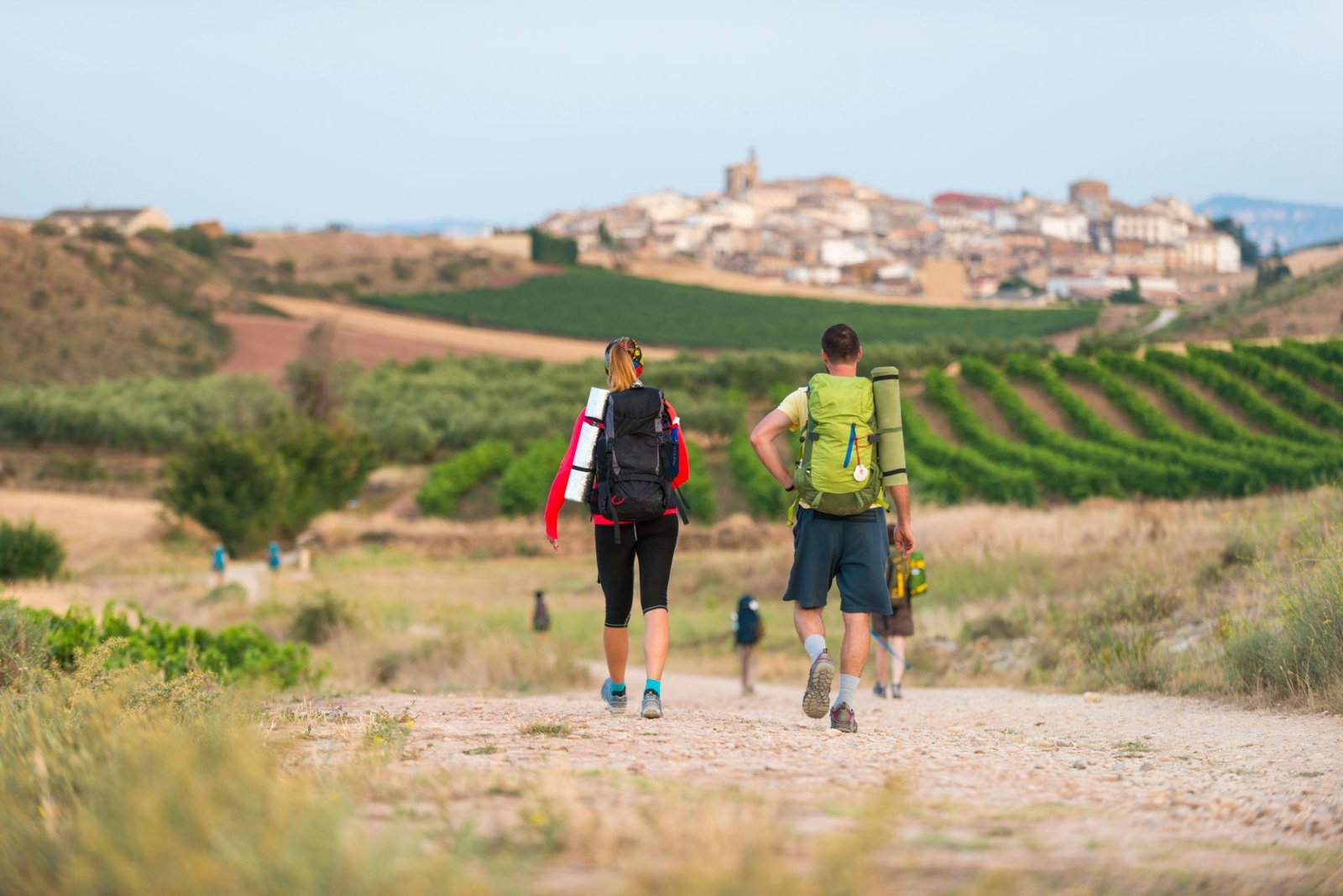
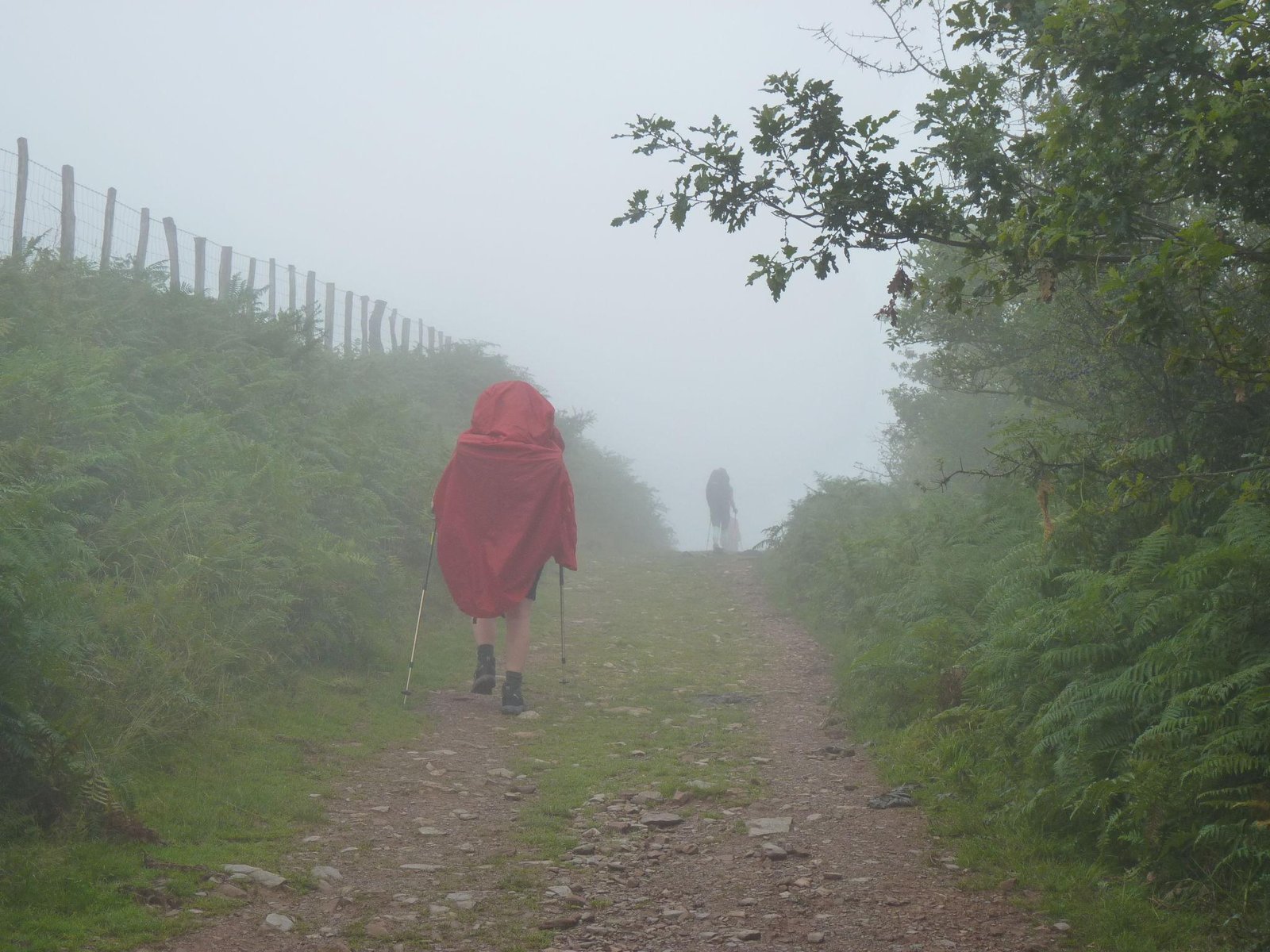
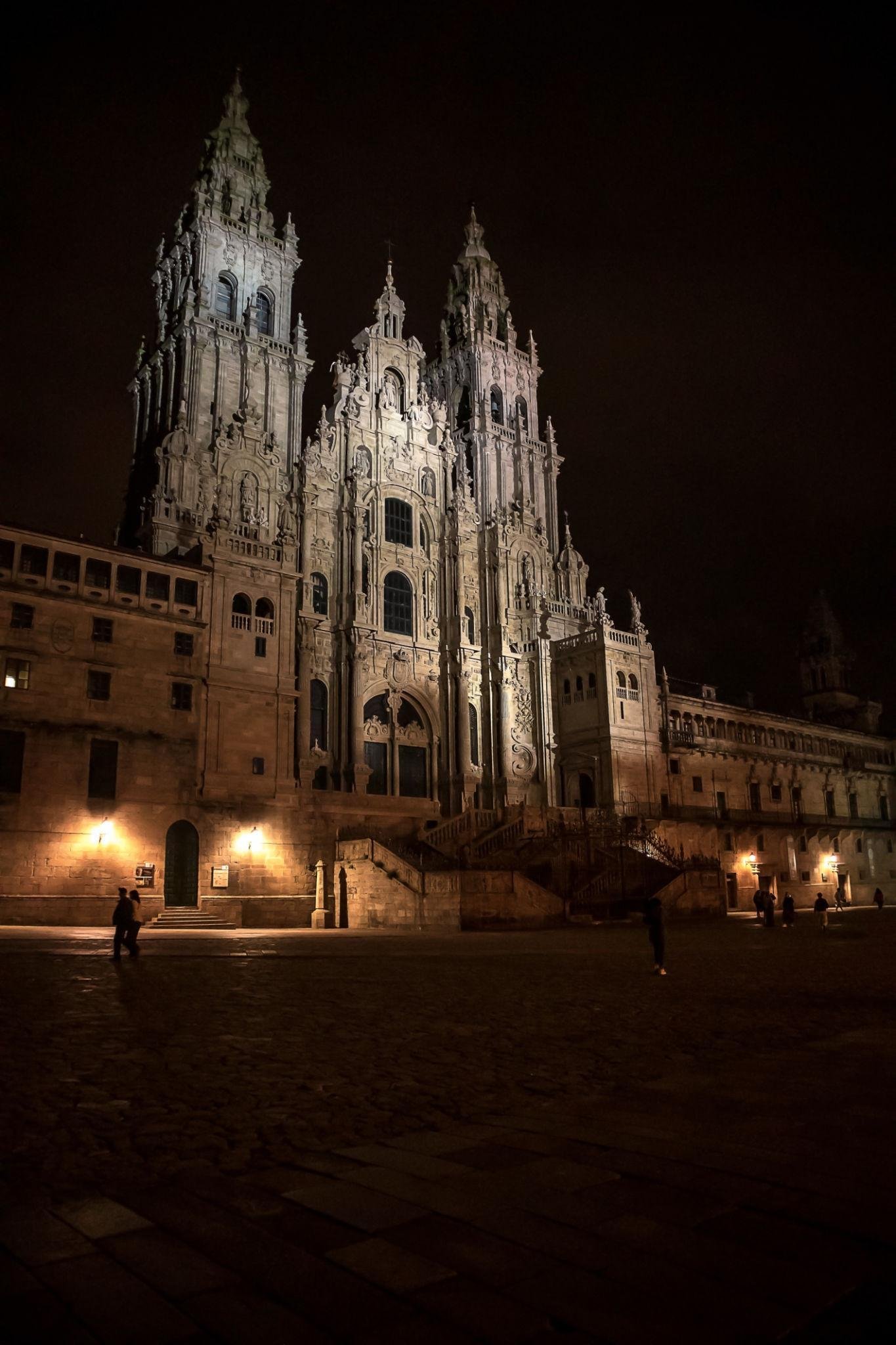
A complete guide to walking the Camino de Santiago on the Camino Frances route from St. Jean Pied de Port to Santiago de Compostela, covering all stages, accommodation, preparation, and practical tips.
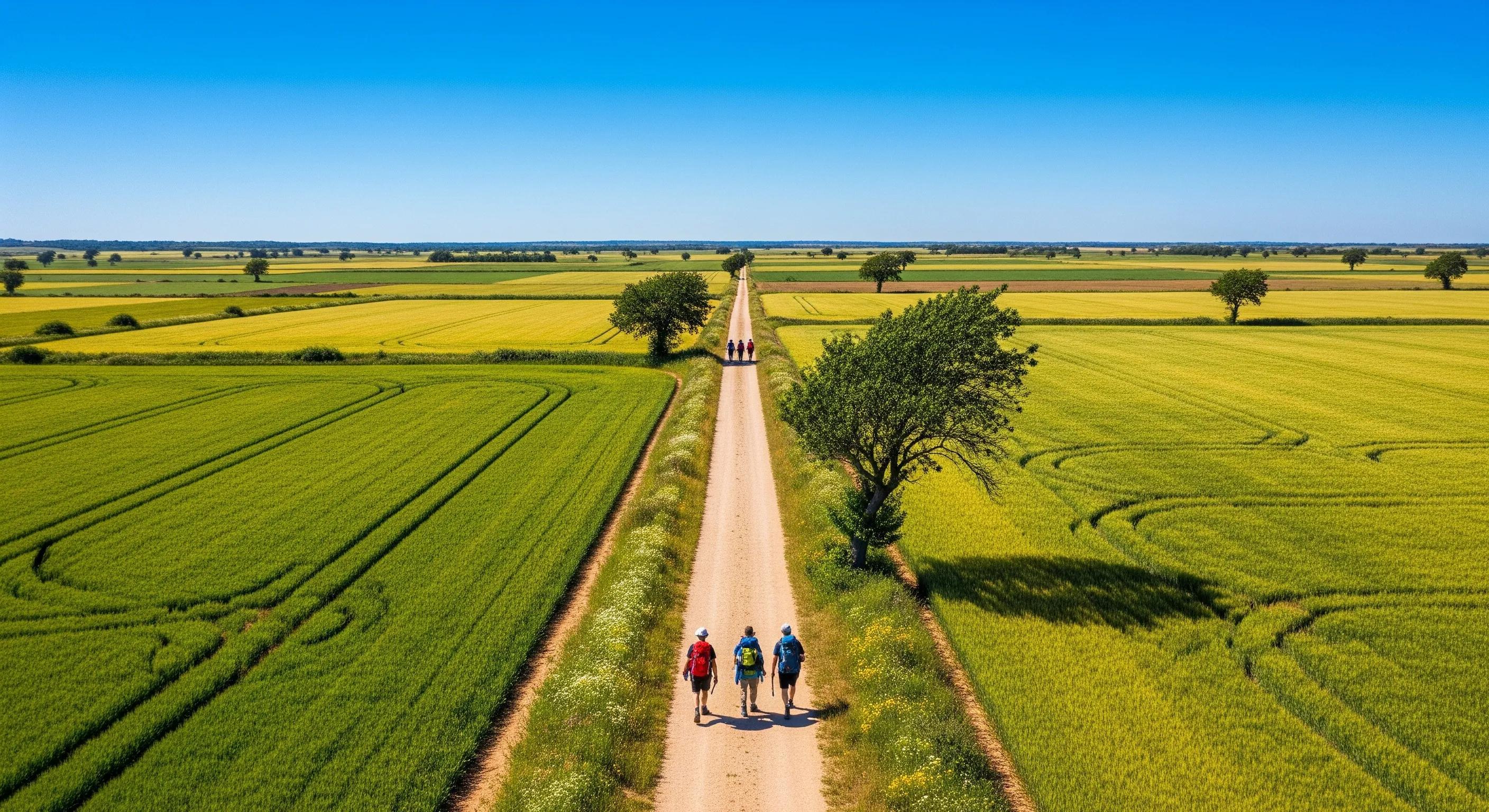
The Camino de Santiago is a network of ancient pilgrimage routes that converge on the city of Santiago de Compostela in northwestern Spain, where the remains of Saint James the Apostle are believed to be buried. Of the many routes that exist today, the Camino Frances — the French Way — is the most widely walked. It begins in Saint-Jean-Pied-de-Port, crosses into Spain at Roncesvalles, and runs approximately 800 kilometres west across Navarra, La Rioja, Castilla y León, and Galicia before reaching Santiago.
Each year, hundreds of thousands of people walk the Camino Frances. Some are religious pilgrims. Others walk for personal reasons, adventure travel, solitude, reflection, or the challenge of crossing northern Spain entirely on foot. Most walkers take between 30 and 35 days to complete the route.
This guide covers everything needed to plan and walk the Camino Frances properly, including route stages, accommodation, costs, preparation, packing, and practical advice for first time pilgrims.
About the Camino Frances
The Camino Frances has existed as a pilgrimage route since at least the 9th century and became one of medieval Europe’s most important religious journeys alongside Rome and Jerusalem. Although the route declined after the Reformation and European wars, it experienced a major revival during the late 20th century and is now one of the world’s busiest long distance walking trails.
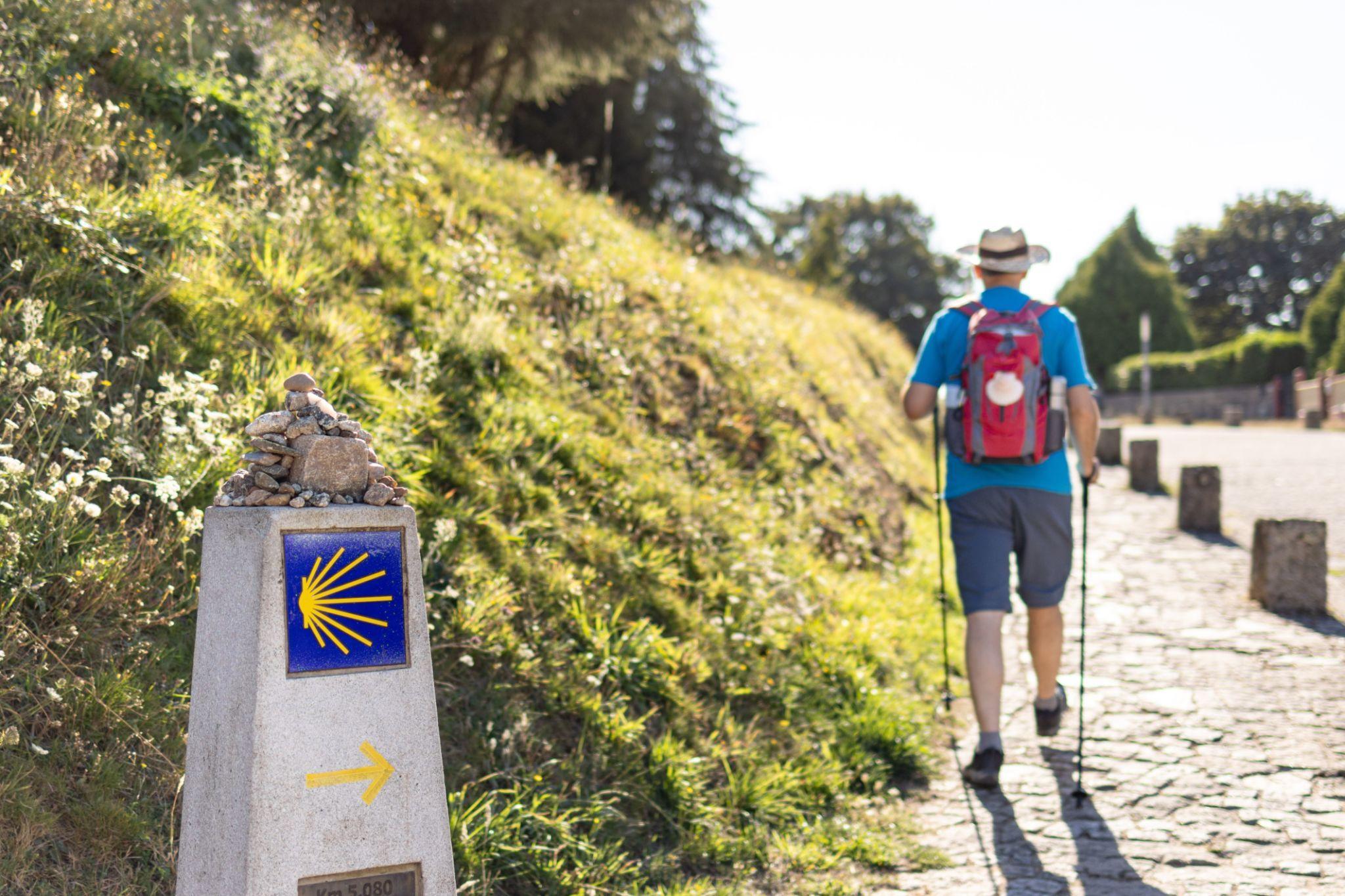
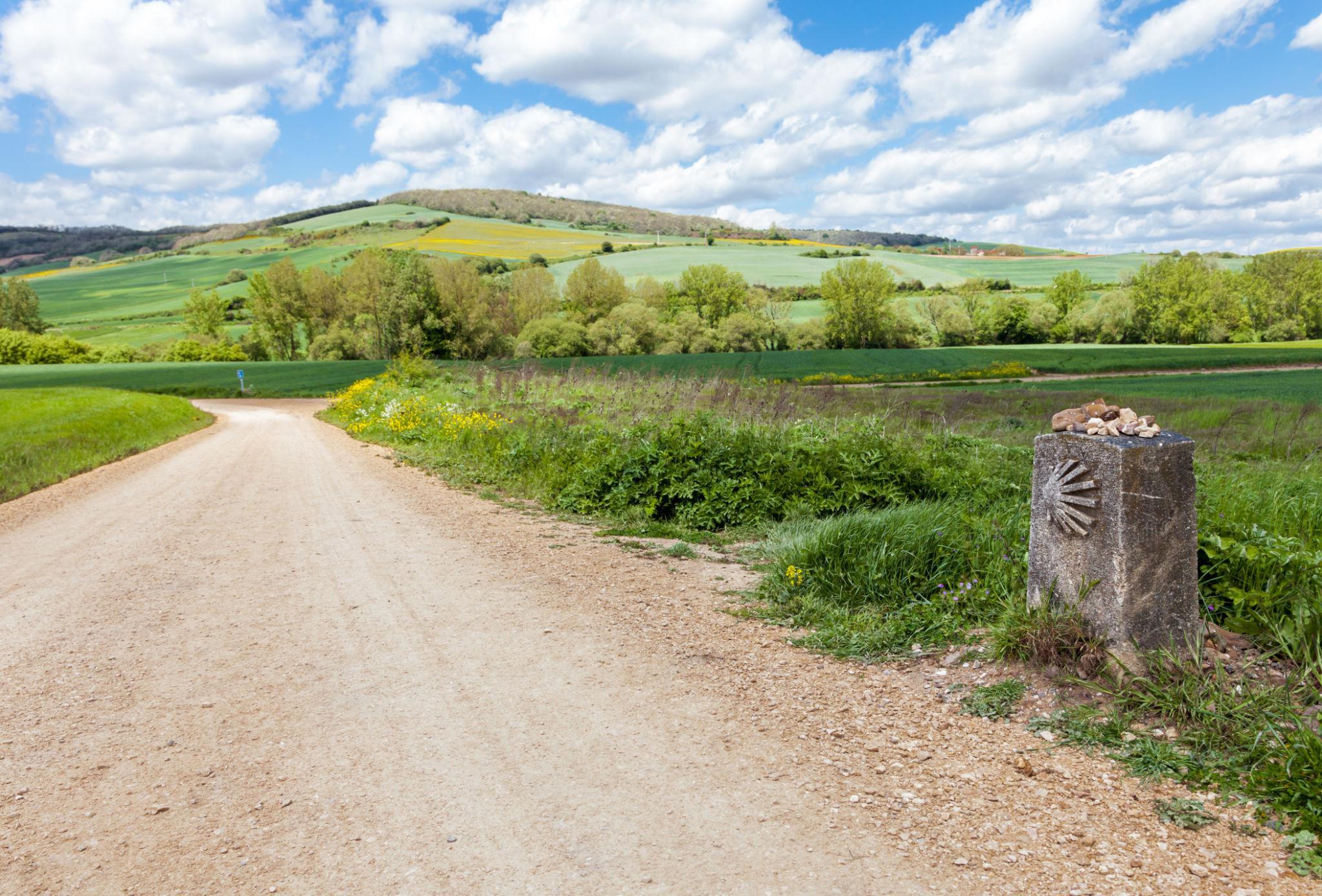
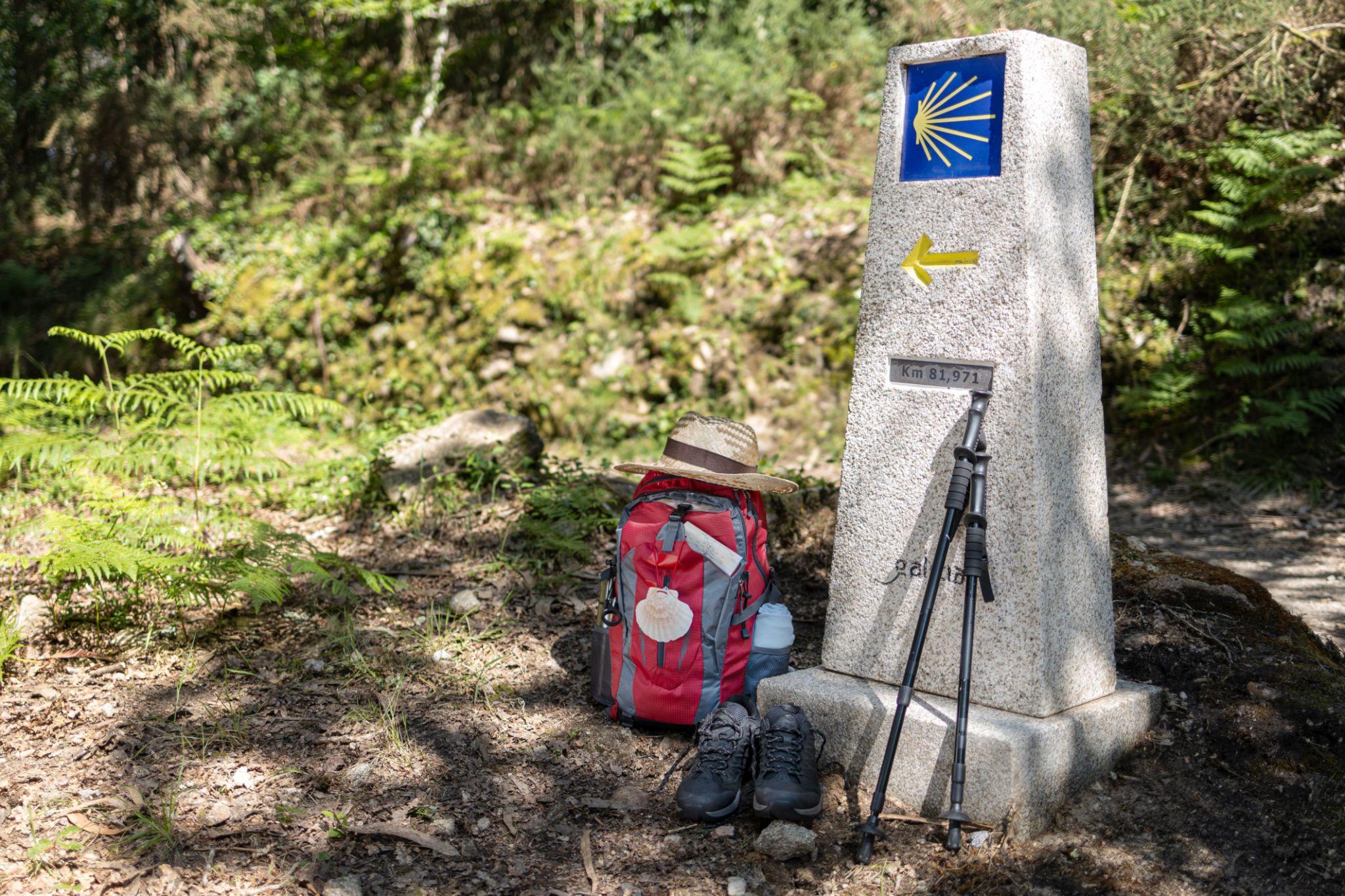
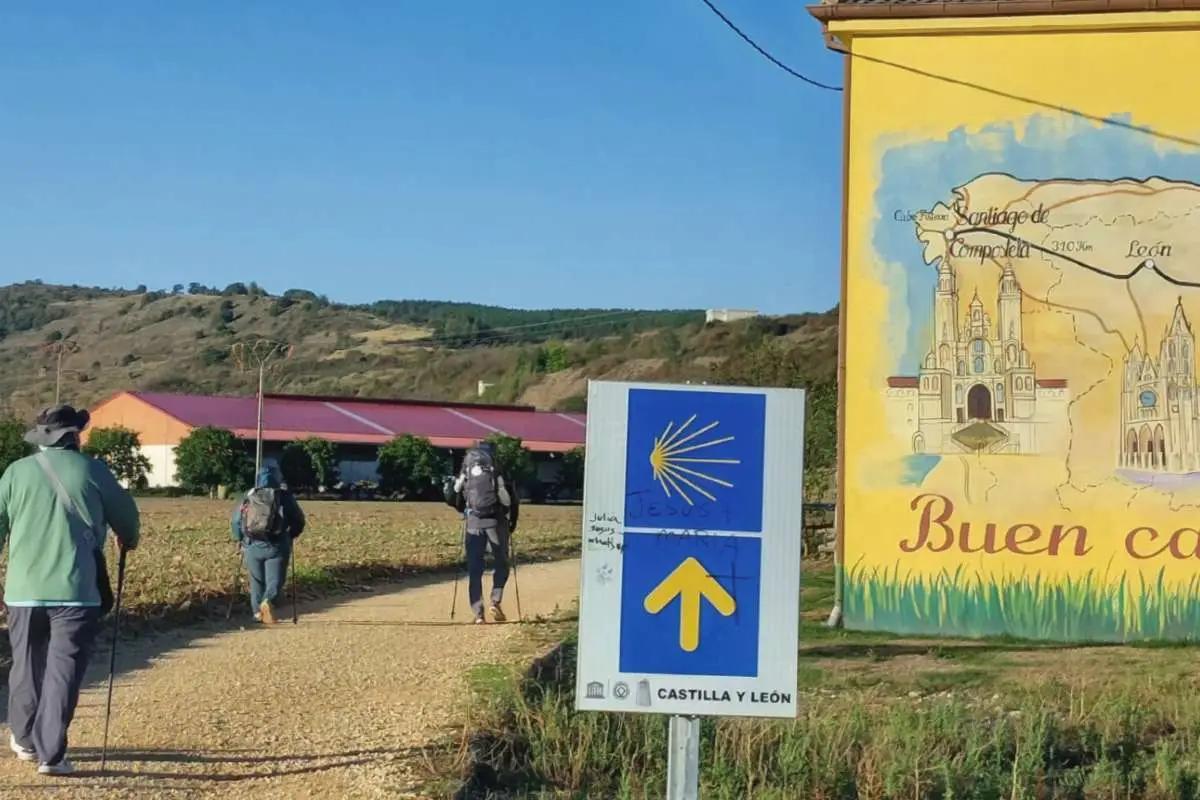
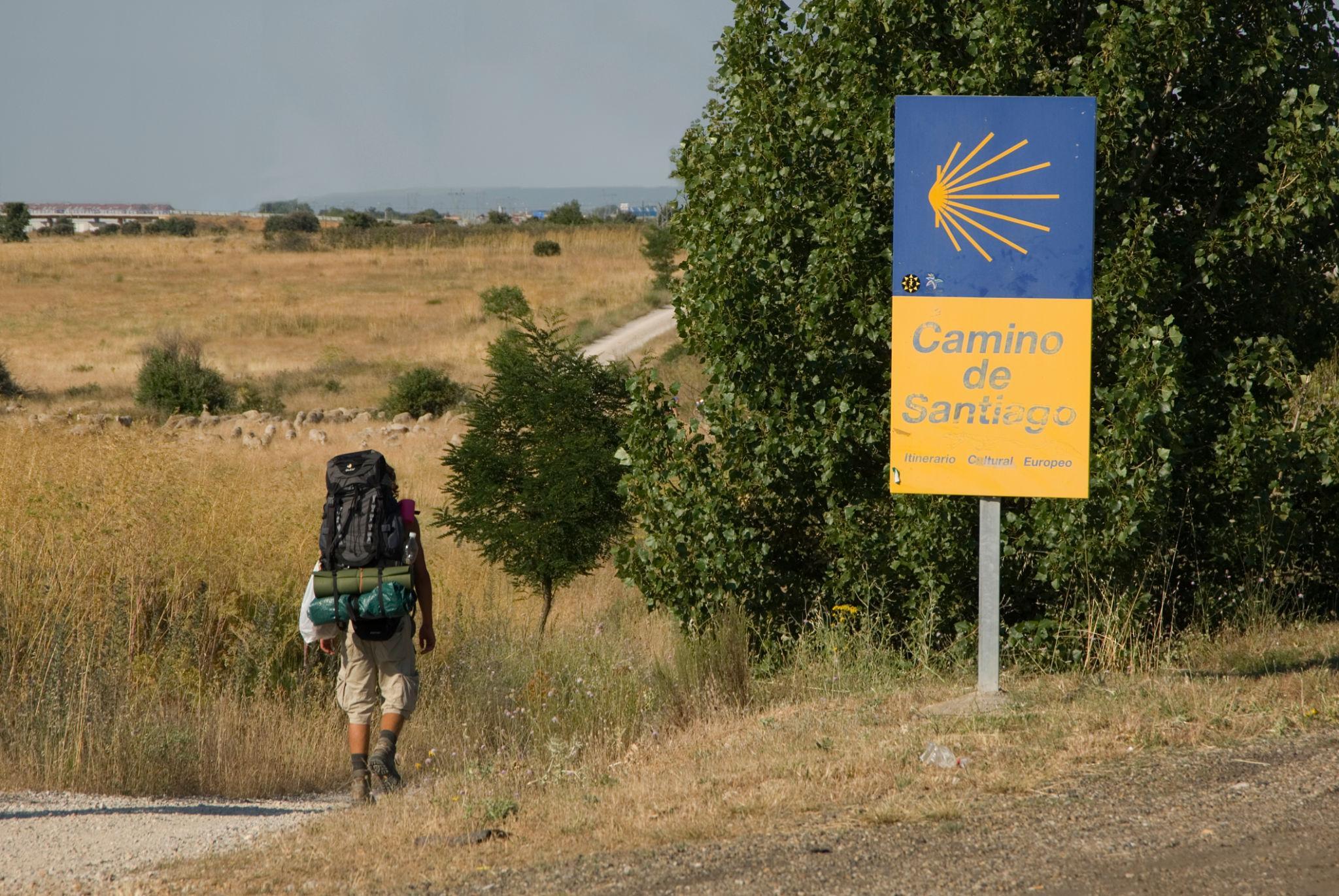
The route is marked throughout with:
- Yellow arrows
- Scallop shell symbols
- Camino markers and milestones
Navigation is straightforward and maps are rarely necessary on the main route.
The Camino Frances is considered the most beginner friendly Camino because of:
- Excellent infrastructure
- Frequent accommodation
- Well maintained trails
- Strong pilgrim community
- Easy navigation
The Pilgrim Passport & Compostela

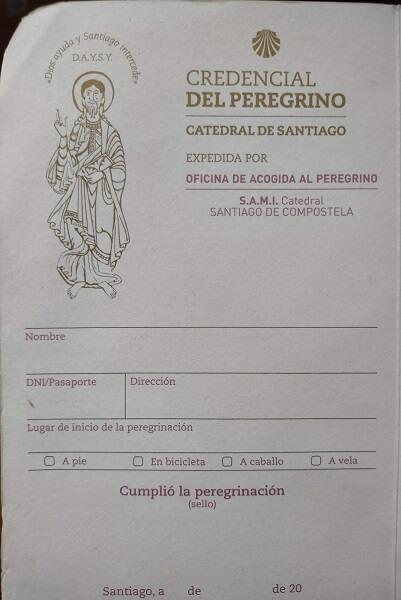
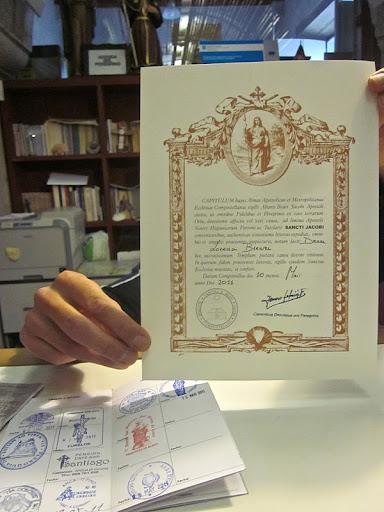
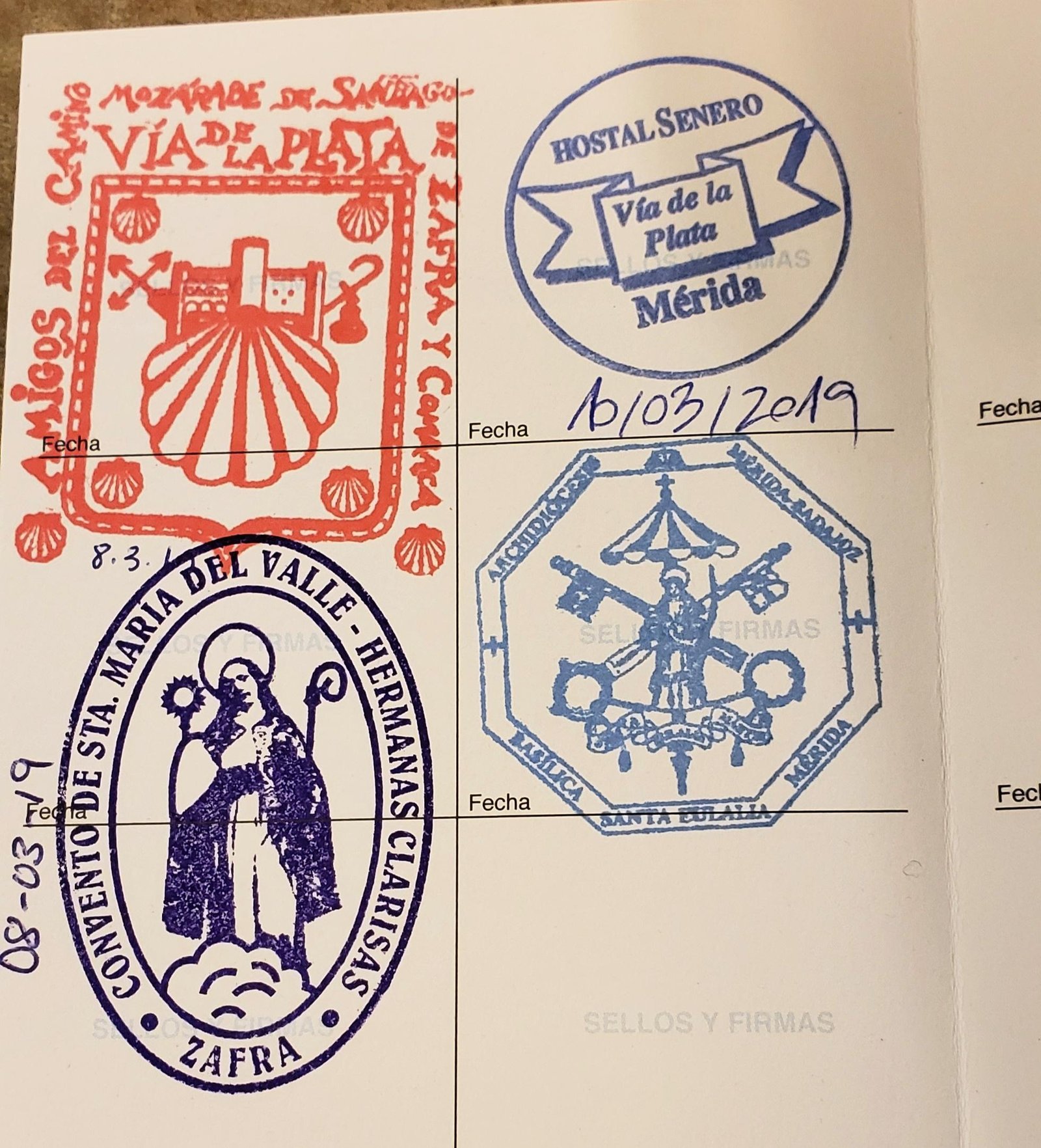
Pilgrims walking the Camino collect stamps in a Credential, also known as the Pilgrim Passport.
To receive the official Compostela certificate in Santiago, walkers must:
- Walk at least the final 100 km
- Collect at least two stamps per day during the final section
Stamps are available from:
- Albergues
- Churches
- Cafes
- Pilgrim offices
The Compostela is issued at the Pilgrim Office in Santiago de Compostela after verification of the Credential.
Planning Your Walk: When to Go
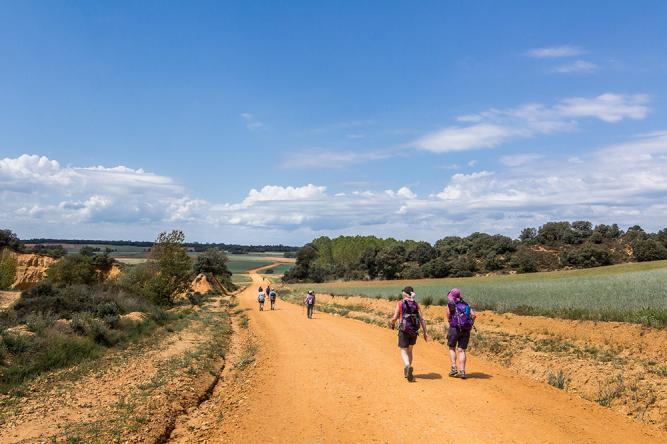
The Camino Frances can technically be walked year round, but the best seasons are generally:
- April to June
- September to October
Table of contents [Show]
- The Napoleon Route vs the Valcarlos Route
- Roncesvalles
- Pamplona
- Alto del Perdón
- Logroño & La Rioja Wine Country
- Nájera & Santo Domingo de la Calzada
- Burgos
- Key Stops on the Meseta
- León
- El Bierzo
- O Cebreiro
- Monte do Gozo
- The Pilgrim Mass & Botafumeiro
- What to Do After Arriving in Santiago
- How long does the Camino Frances take?
- What is the best month to walk the Camino?
- Do I need to book albergues in advance?
- Is the Camino suitable for beginners?
- Can I walk the Camino alone?
- What is the Sarria rule?
Spring
Spring offers:
- Green countryside
- Wildflowers
- Moderate temperatures
- Longer daylight hours
Summer
Summer is the busiest season and brings:
- Crowded trails
- Hot temperatures
- Fully open accommodation
The Meseta region between Burgos and León can exceed 40°C in July and August.
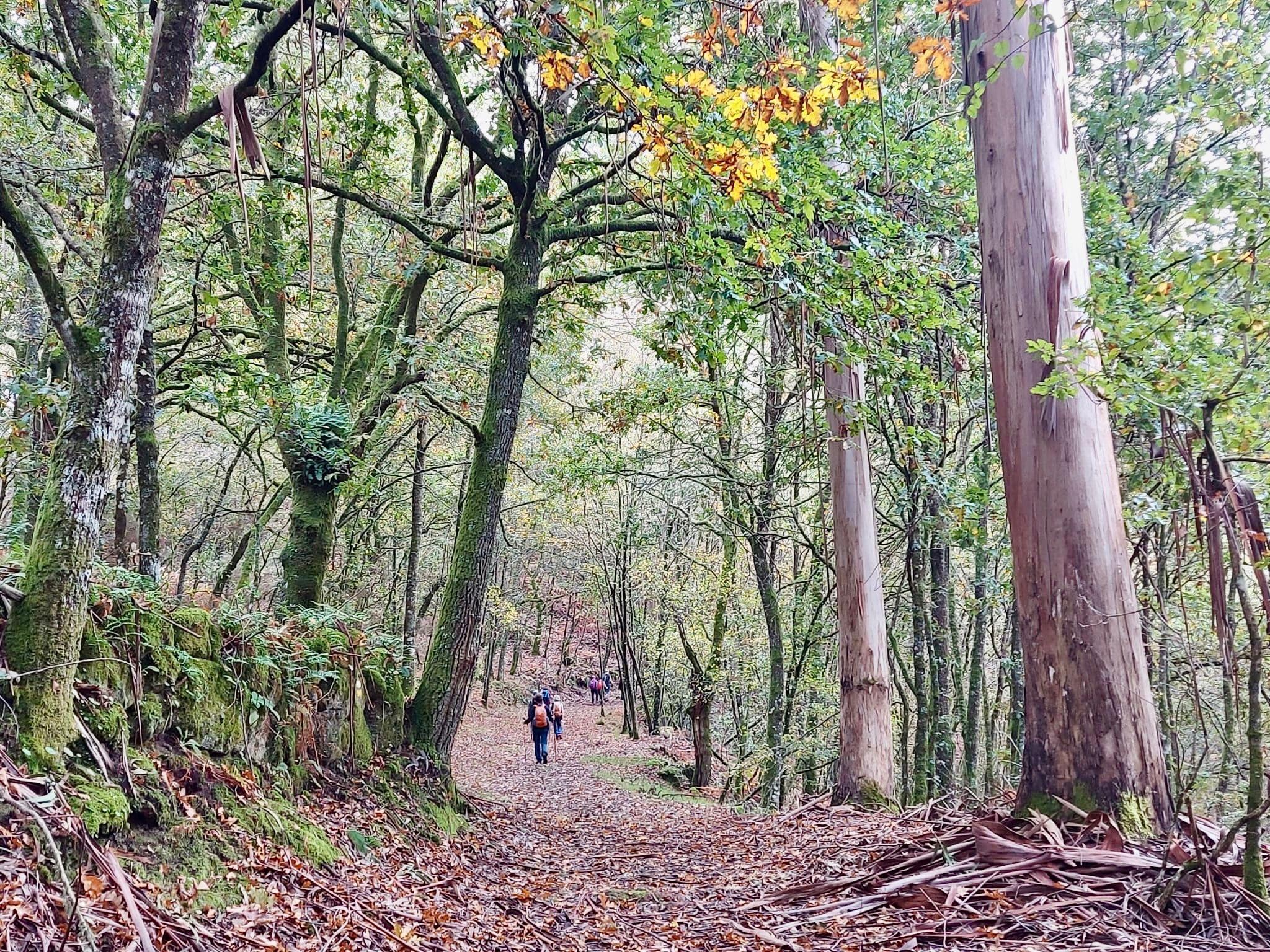
Autumn
Autumn is popular for:
- Cooler walking temperatures
- Harvest season in wine regions
- Fewer crowds
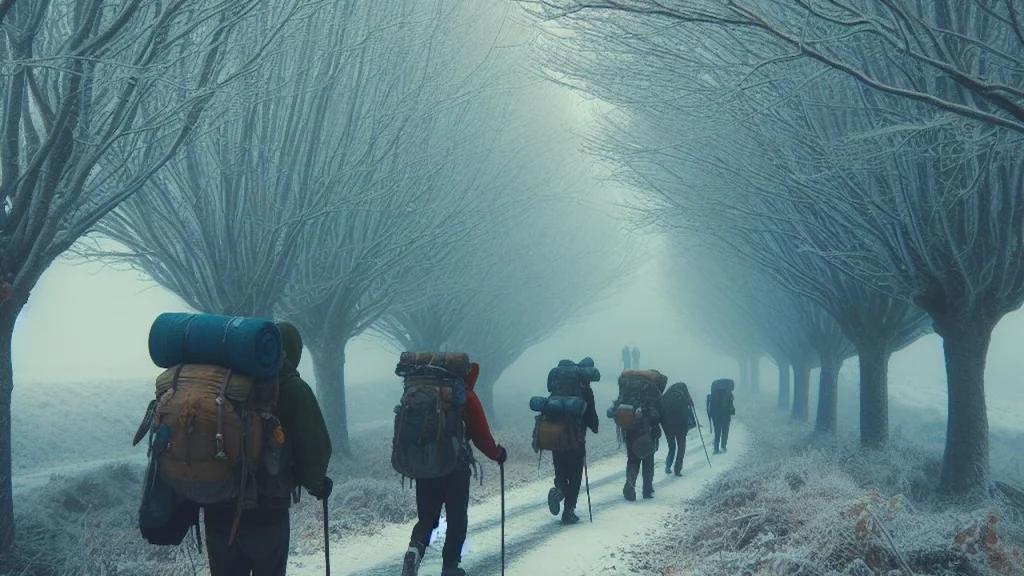
Winter
Winter walking is quieter but more difficult because of:
- Cold weather
- Snow in mountain sections
- Short daylight hours
- Limited accommodation availability
What to Pack
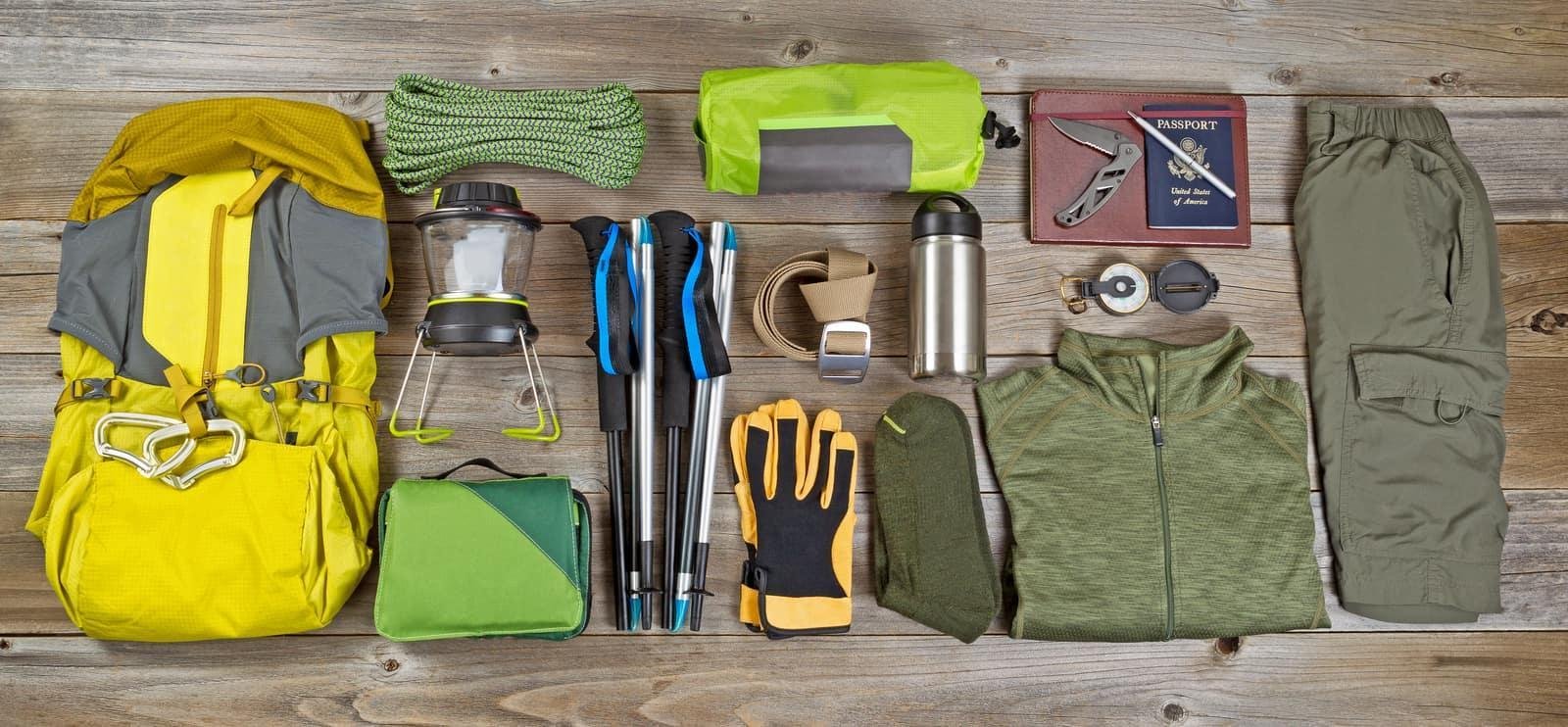
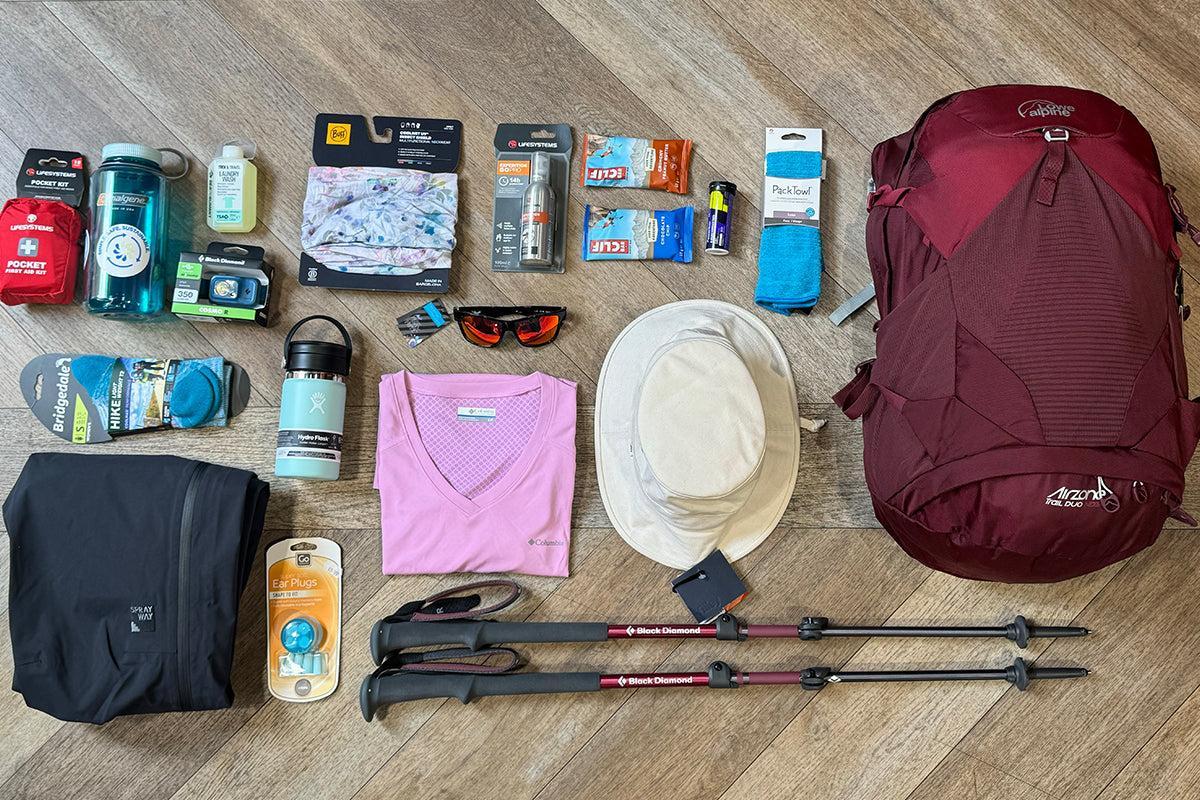
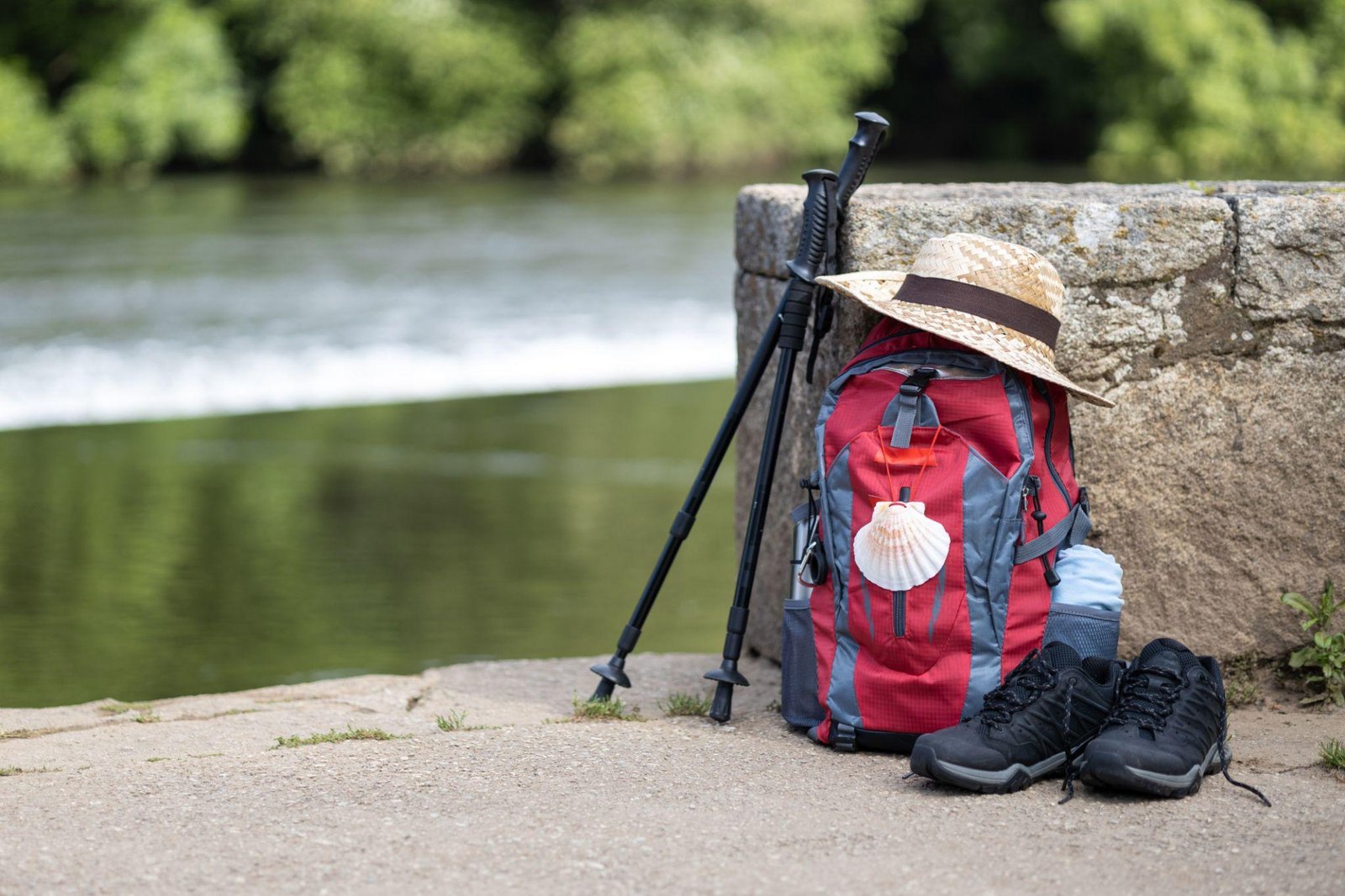

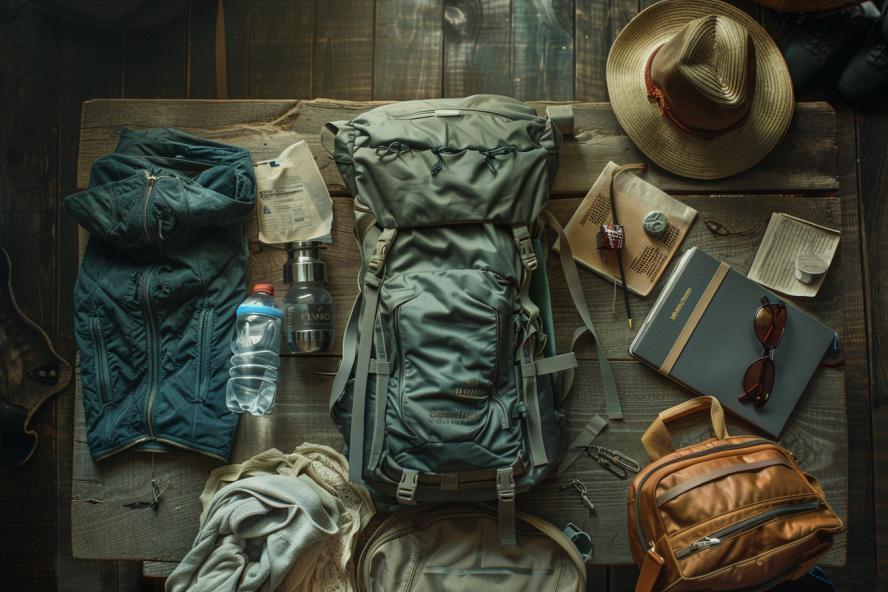
Weight is one of the most important factors on the Camino. Most experienced pilgrims recommend carrying no more than 10 percent of body weight including water.
Essential Items
- 35–45 litre backpack
- Lightweight sleeping bag
- Broken in walking shoes or boots
- Rain jacket
- Trekking poles
- Lightweight clothing layers
- Water bottle
- Blister care supplies
Blister prevention is more important than most gear choices.
Albergues & Accommodation
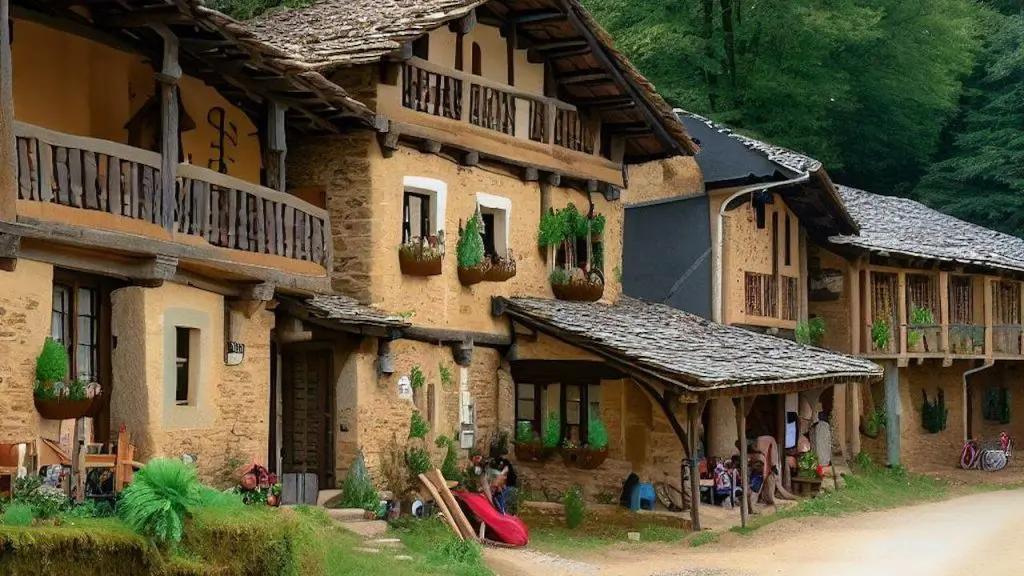
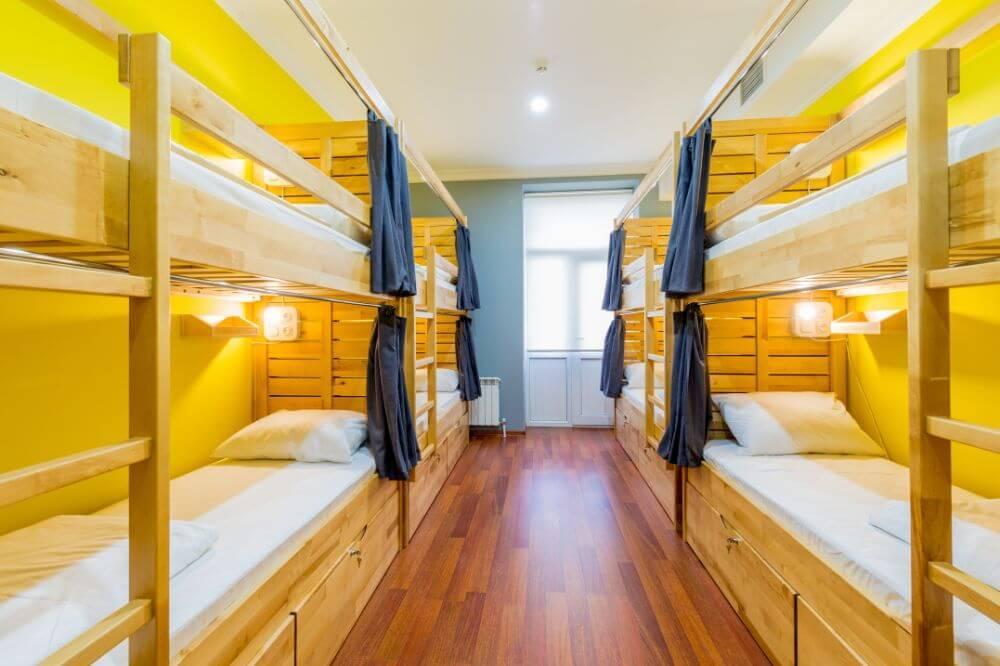
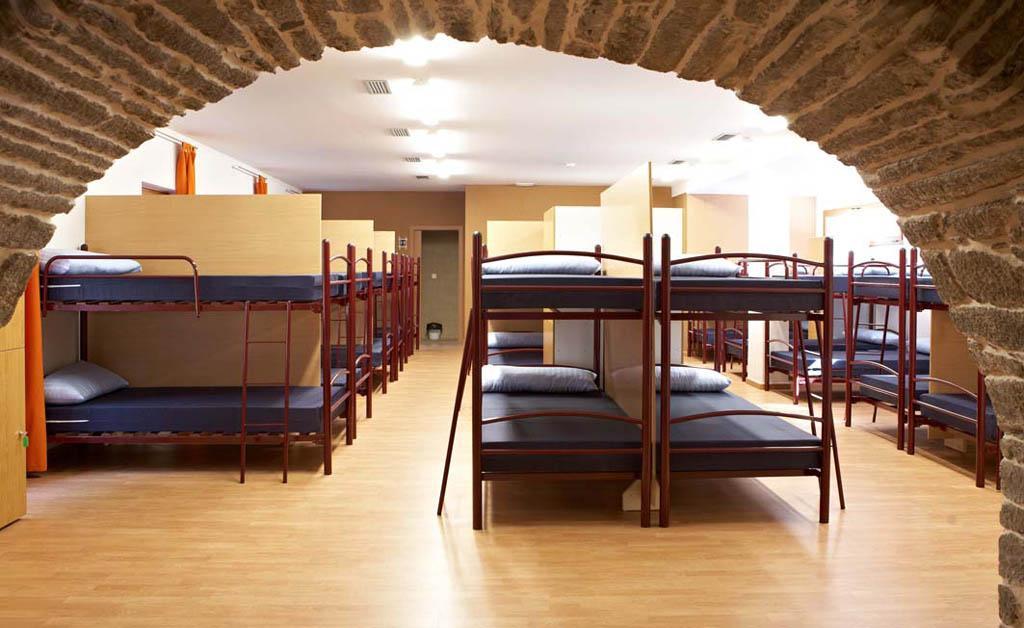
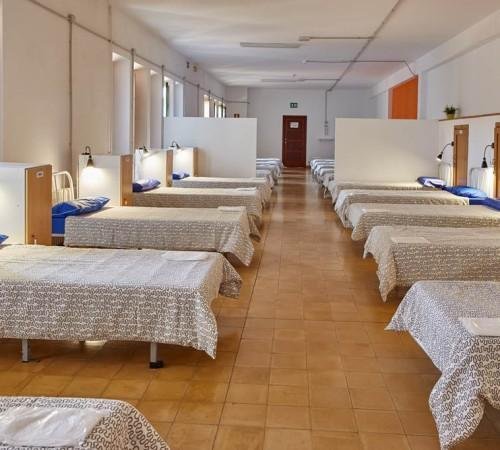
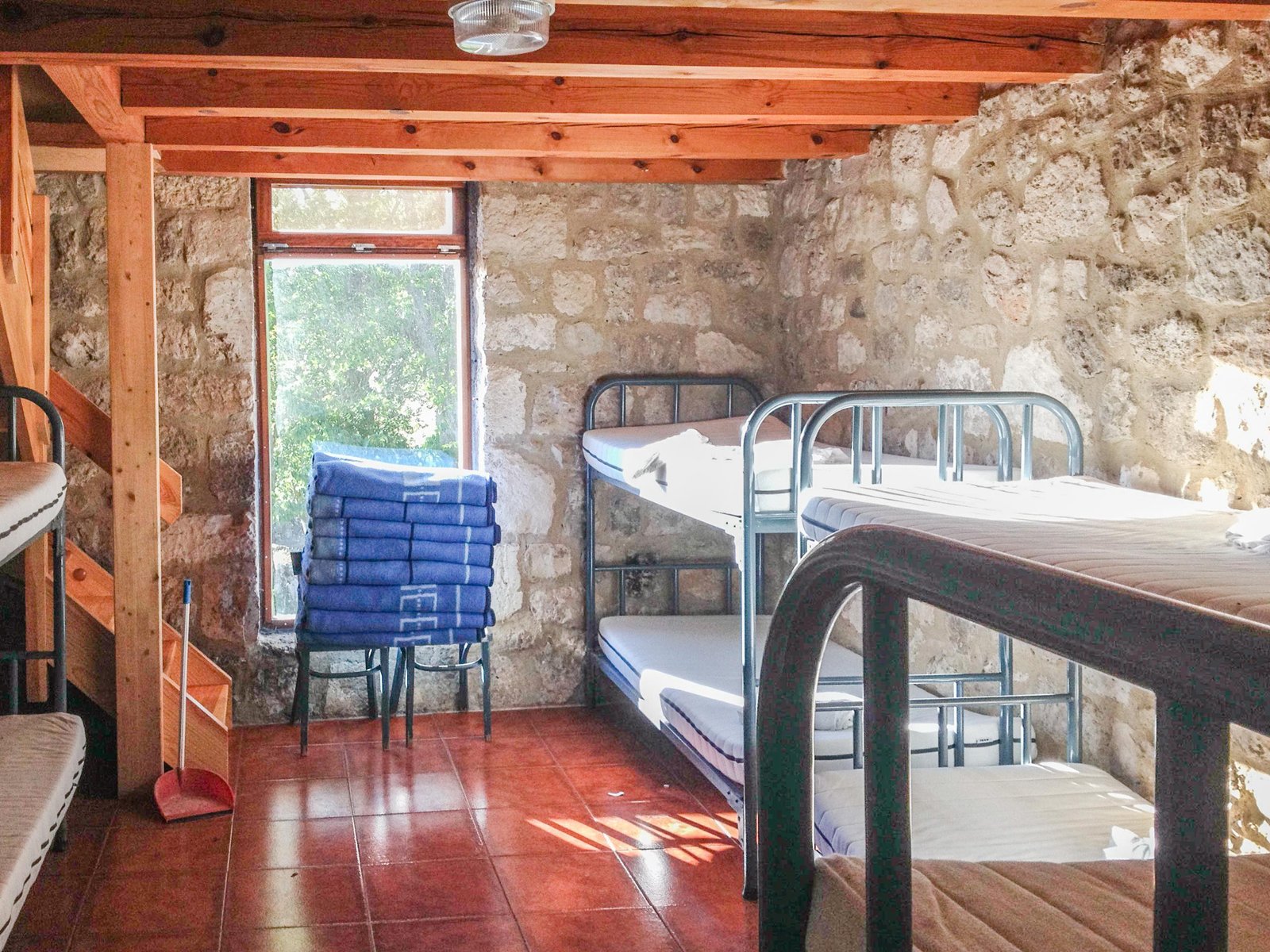
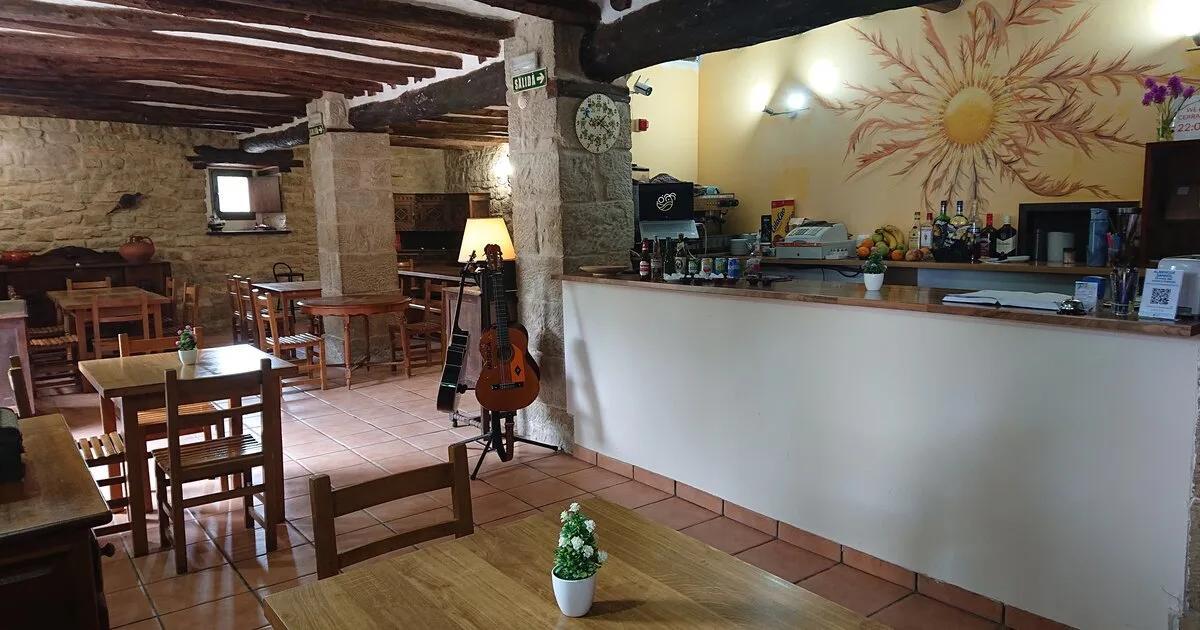
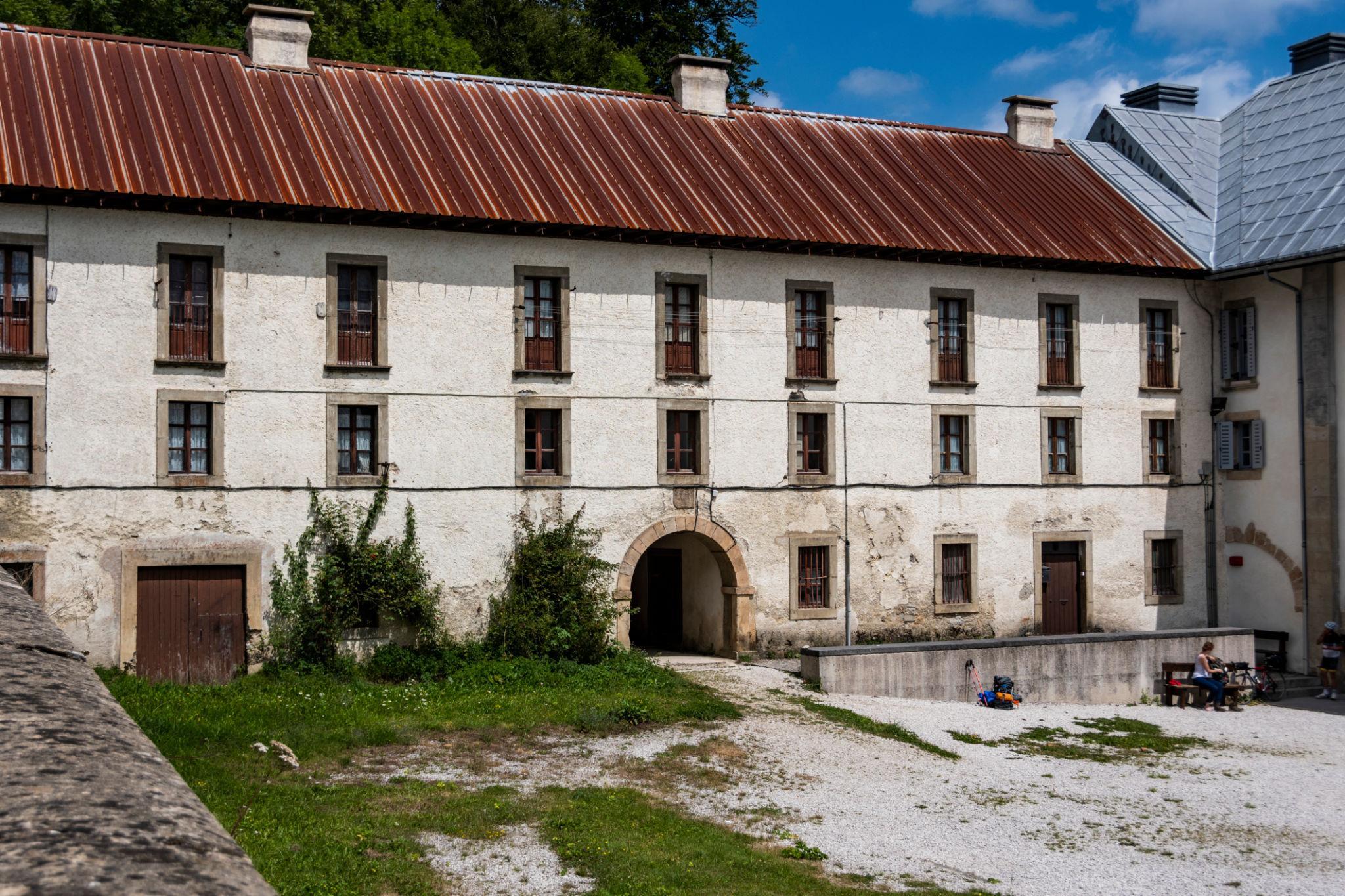
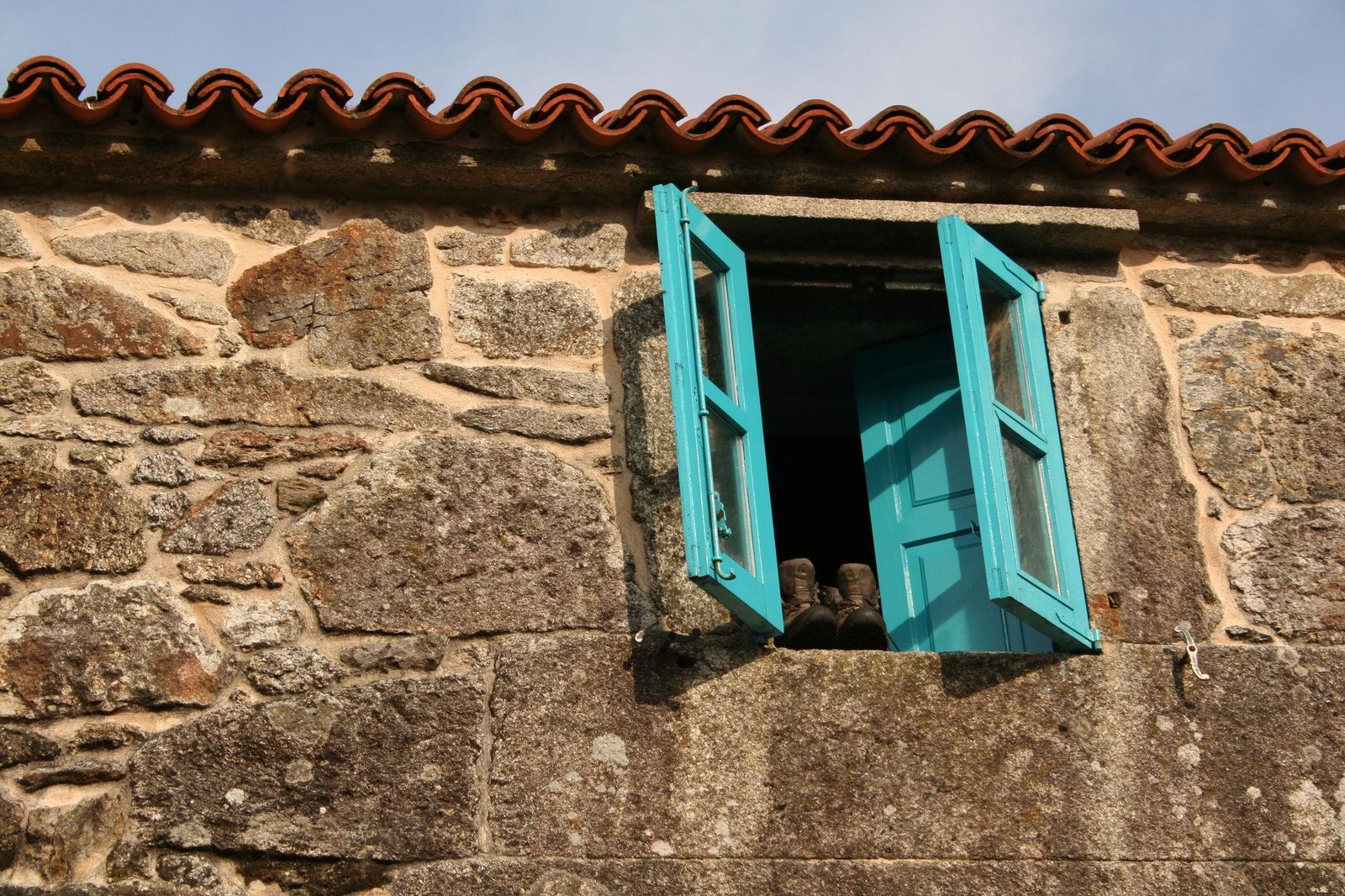
The Camino Frances is supported by a dense network of pilgrim accommodation.
Types of Accommodation
- Municipal albergues
- Private albergues
- Guesthouses
- Hotels
- Rural stays
Dormitory style albergues usually cost:
- €8 to €20 per night
Private albergues often provide:
- Smaller dorms
- Better bathrooms
- Meals
- More comfortable facilities
Reservations are increasingly common during busy seasons, especially from Sarria onward.
Stage 1: St. Jean Pied de Port to Pamplona
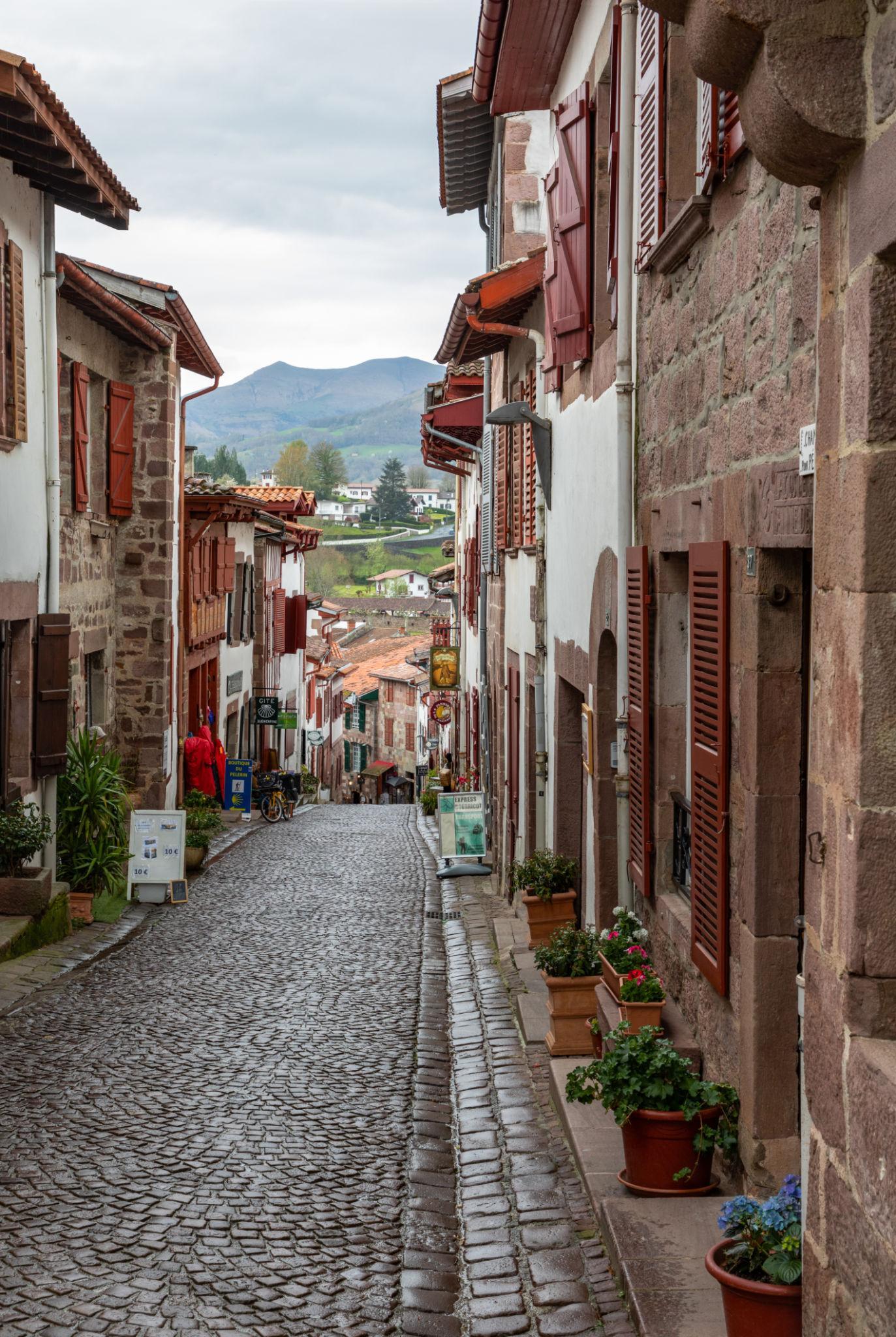
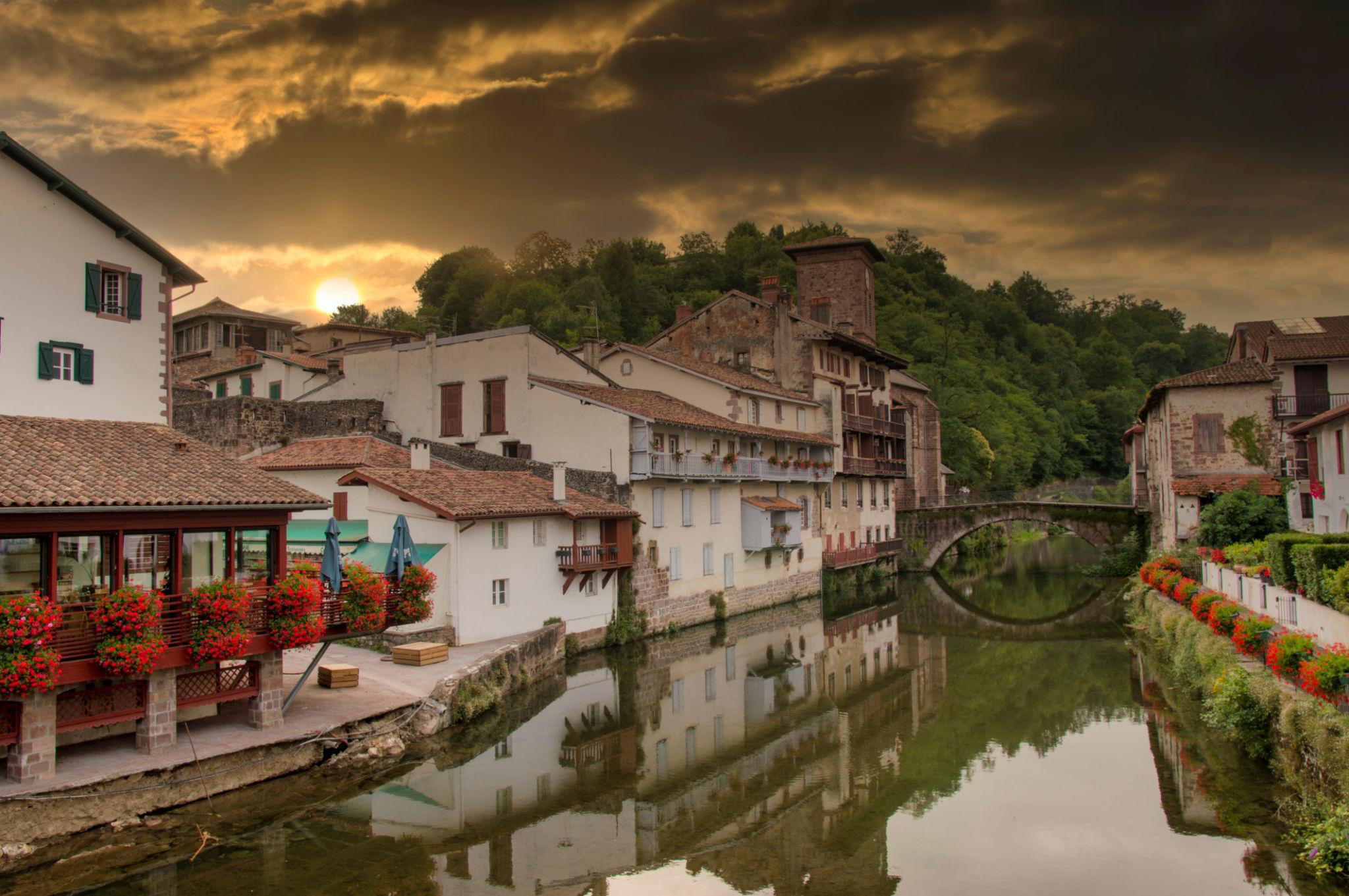
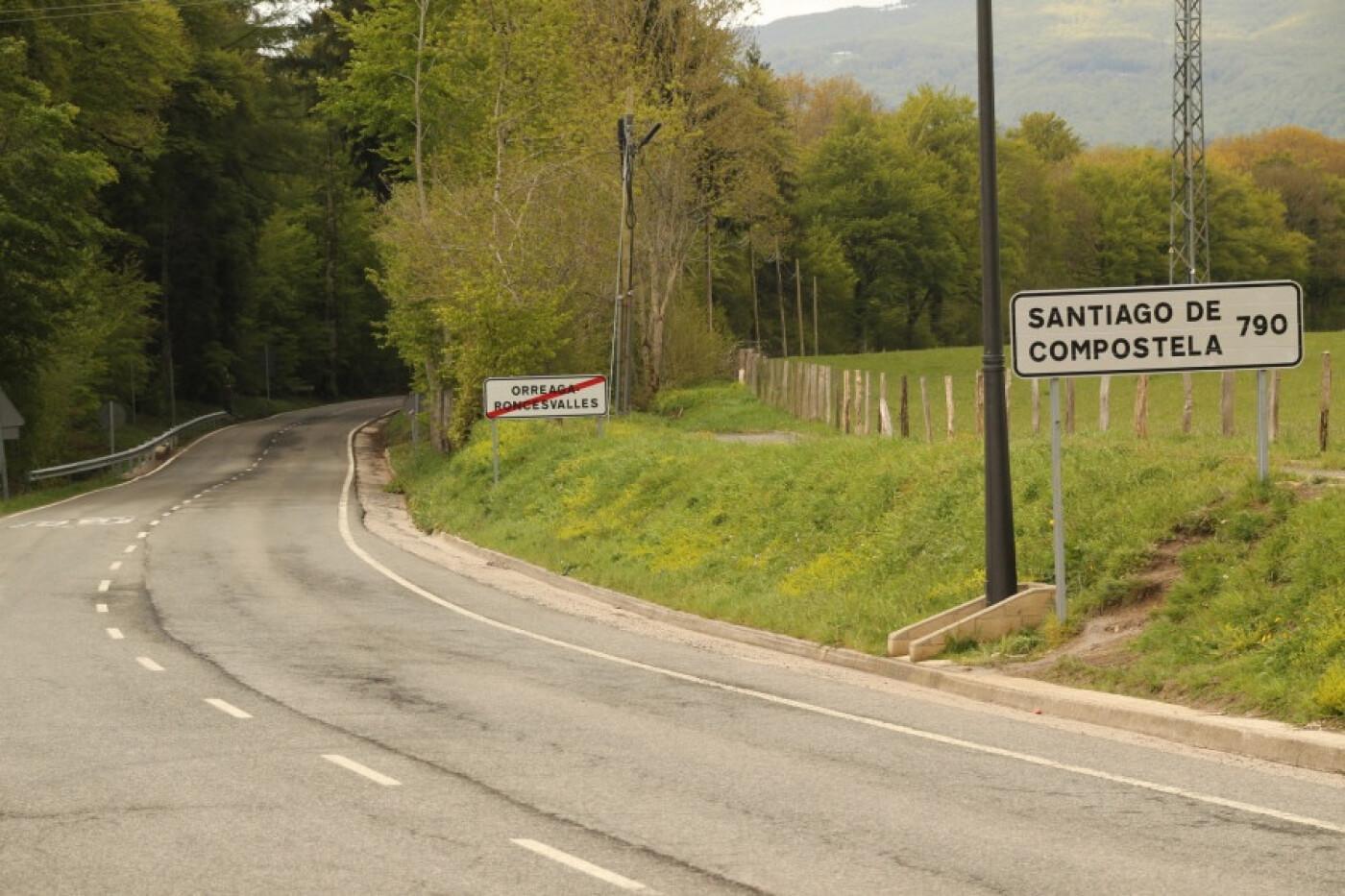
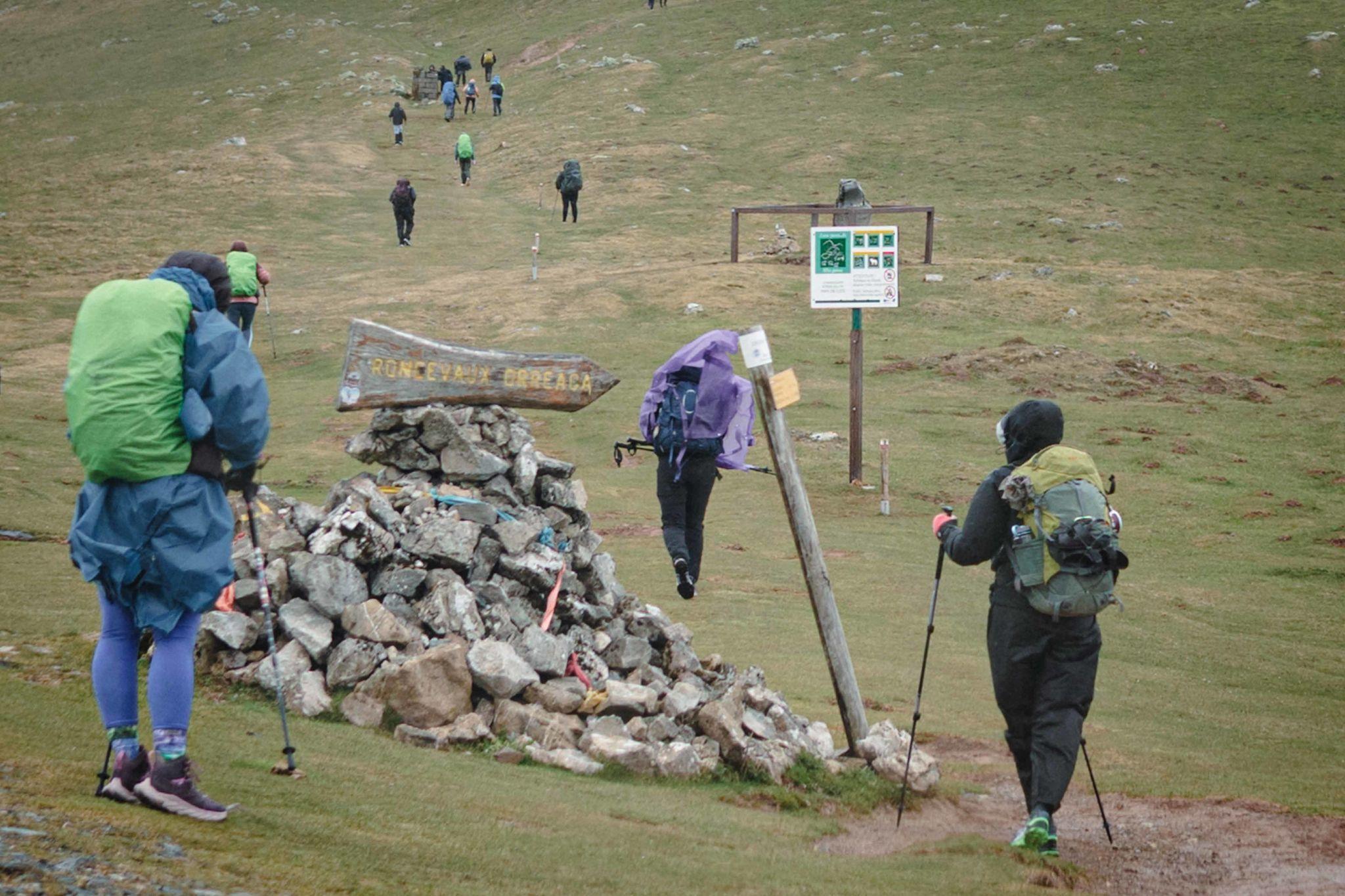
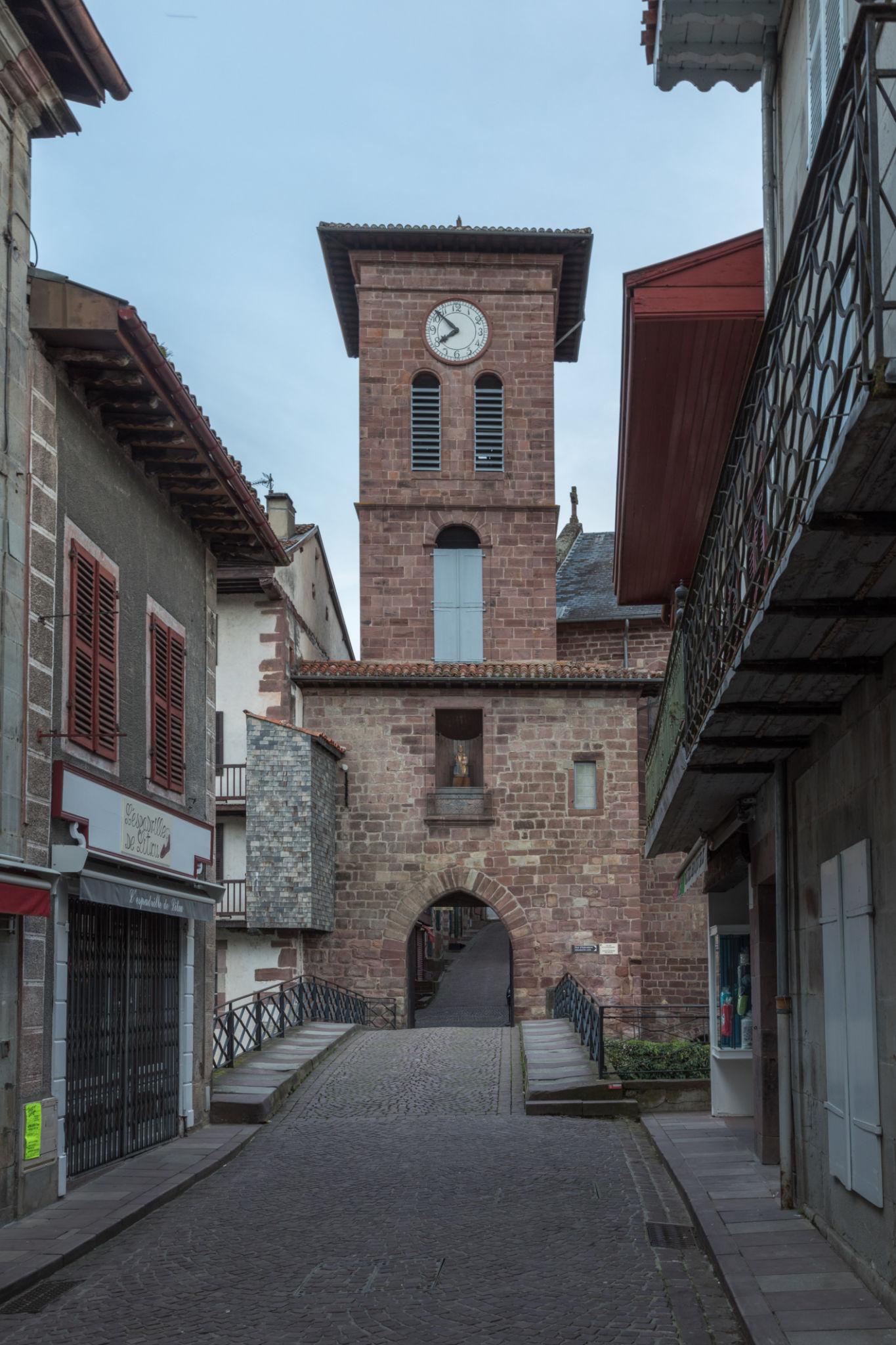
The Camino Frances officially begins in Saint-Jean-Pied-de-Port, a medieval town in the French Basque Country at the foot of the Pyrenees.
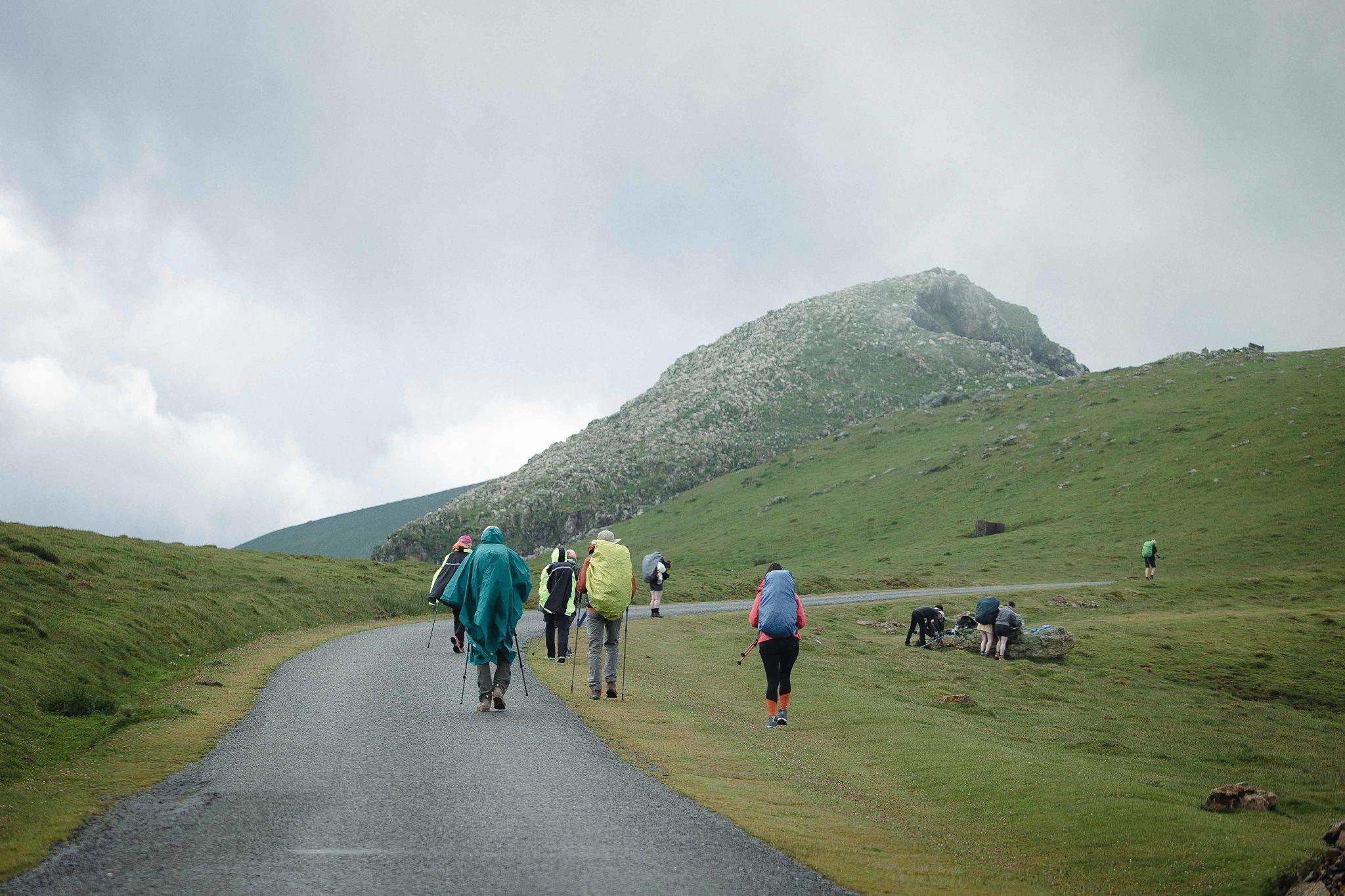
The first stage across the Pyrenees to Roncesvalles is considered the most physically demanding single day on the entire route:
- Approximately 25 km
- More than 1,200 metres of ascent
The Napoleon Route vs the Valcarlos Route
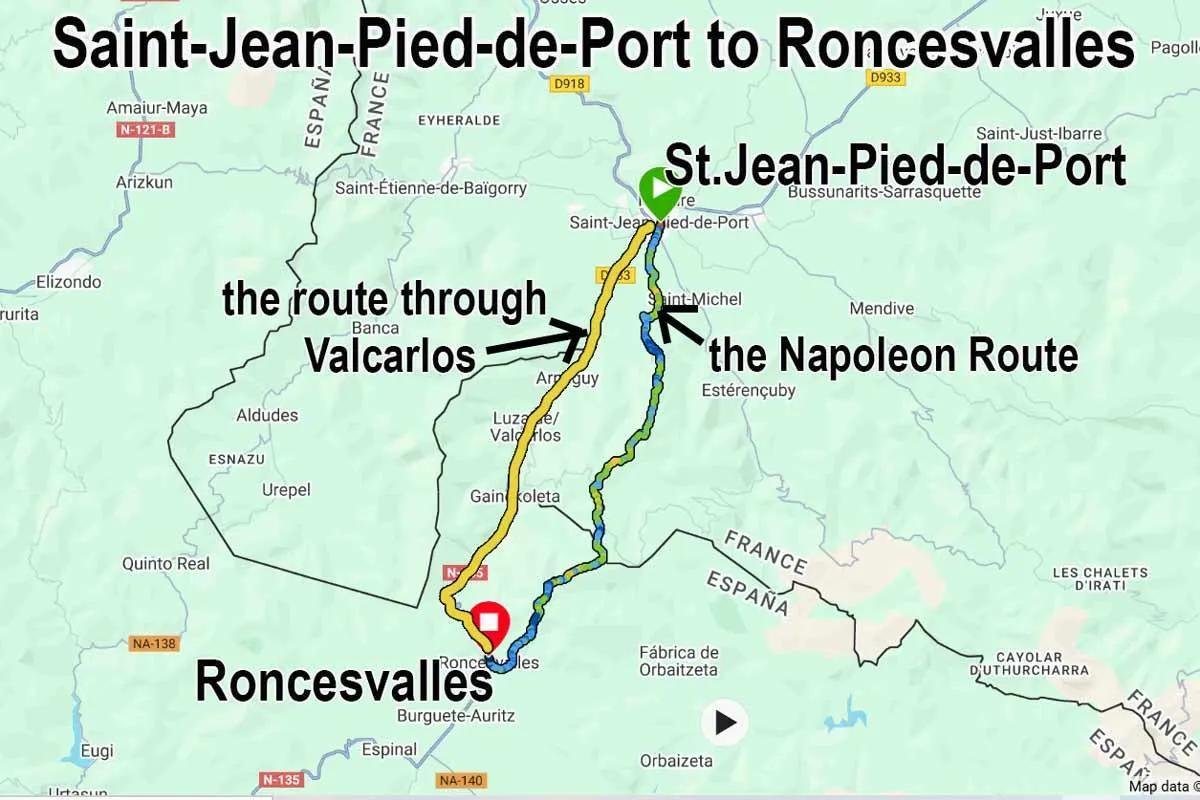
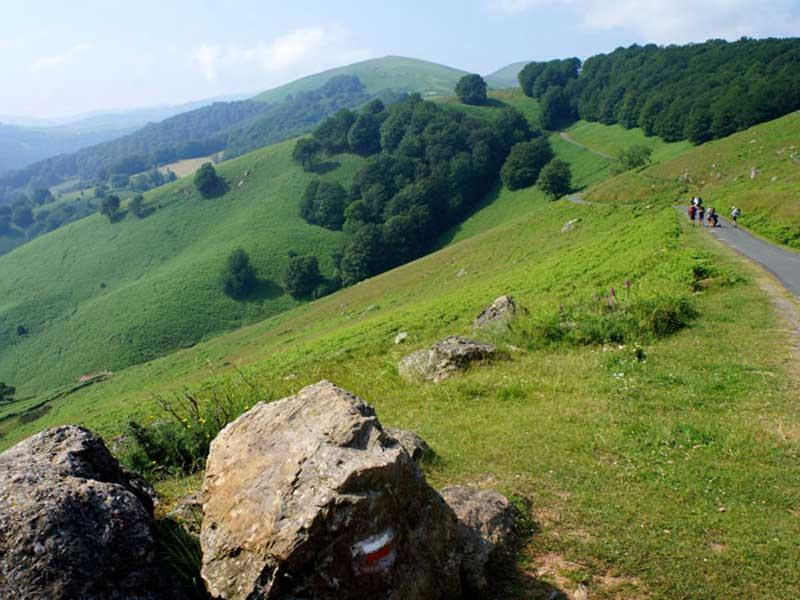
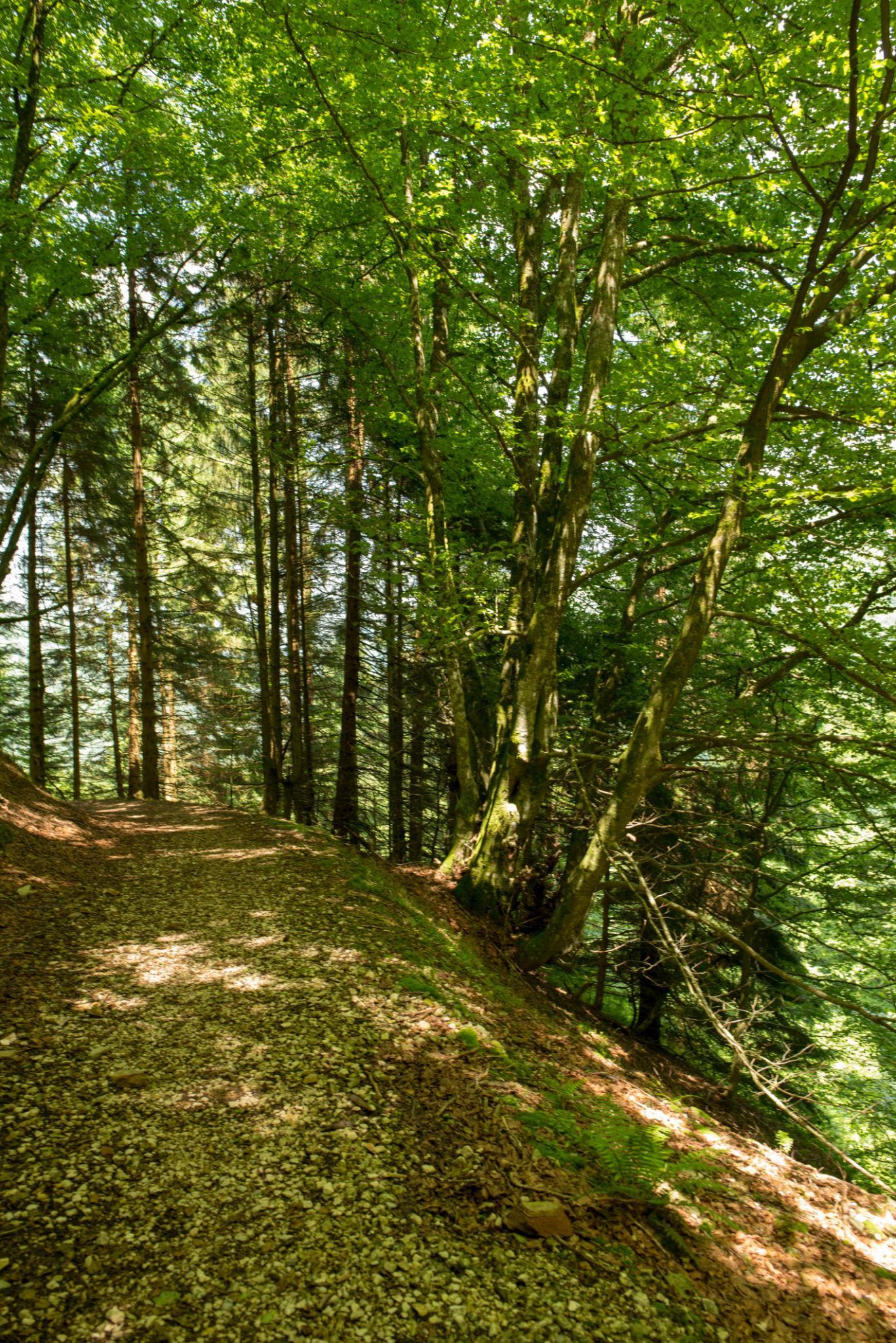
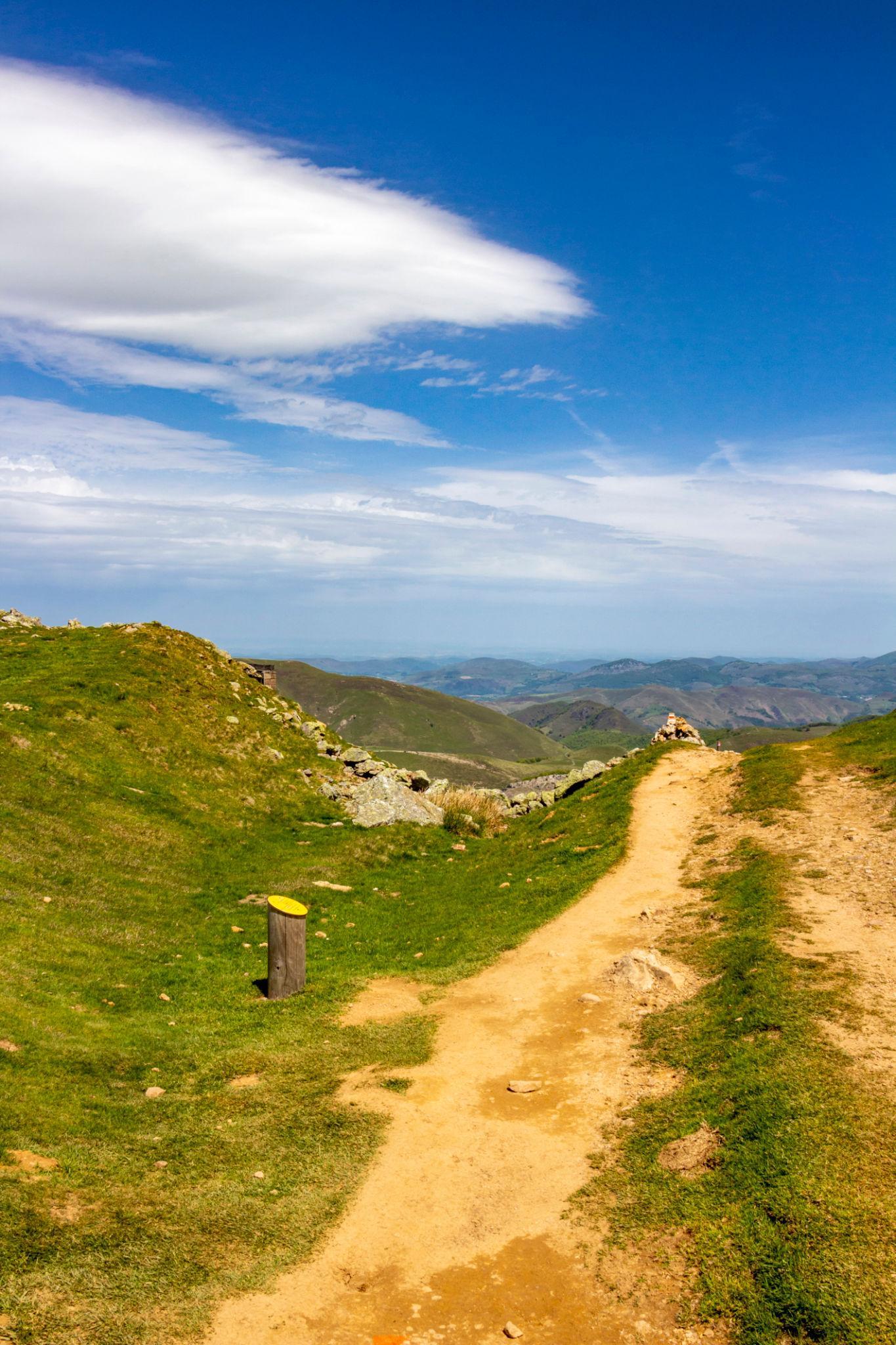
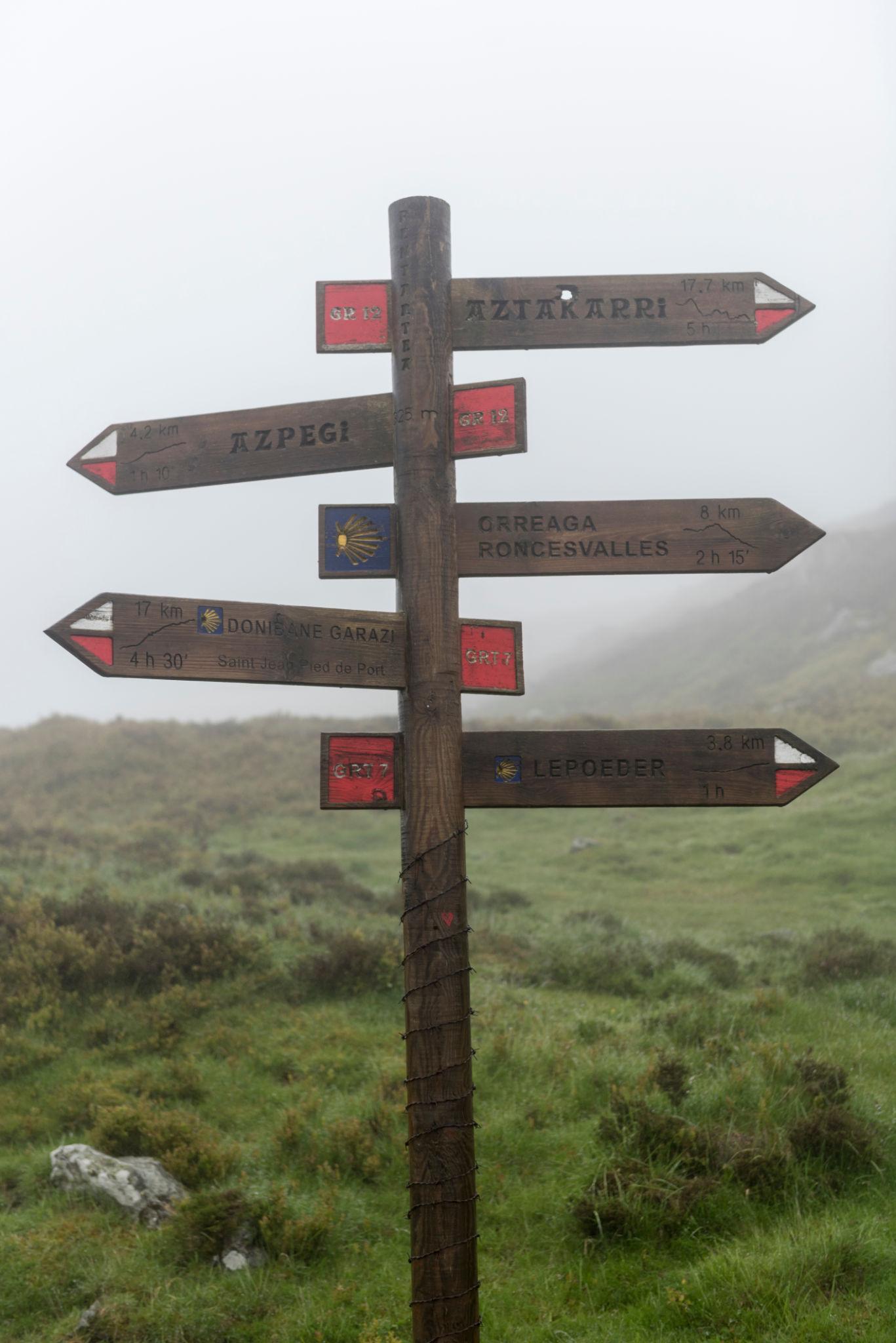
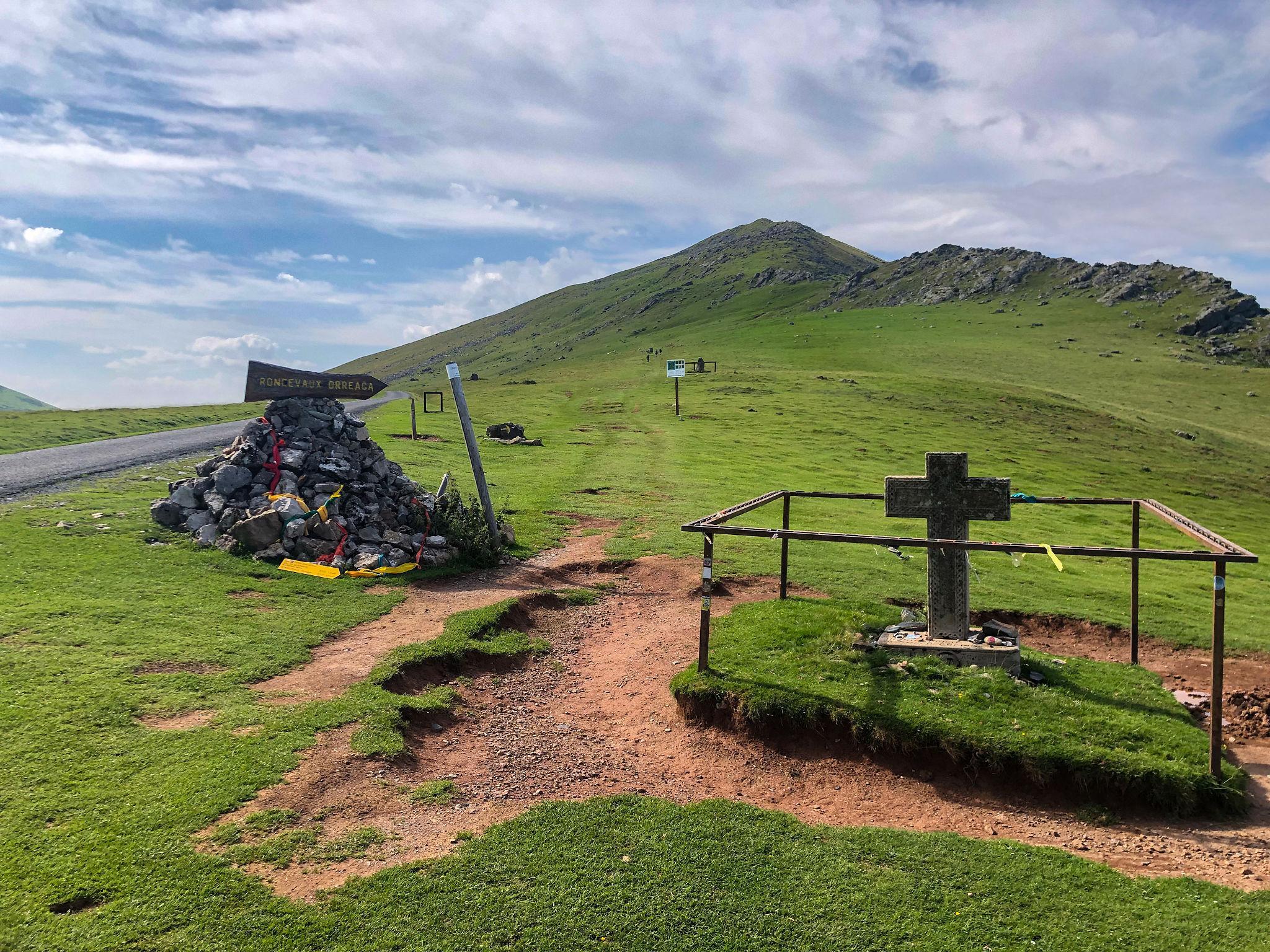
Two routes cross the Pyrenees:
Napoleon Route
- High mountain route
- Panoramic views
- Most popular option
- Exposed to weather conditions
Valcarlos Route
- Valley route
- Safer during storms and winter
- Lower elevation
In good weather, the Napoleon Route is considered one of the highlights of the entire Camino.
Roncesvalles
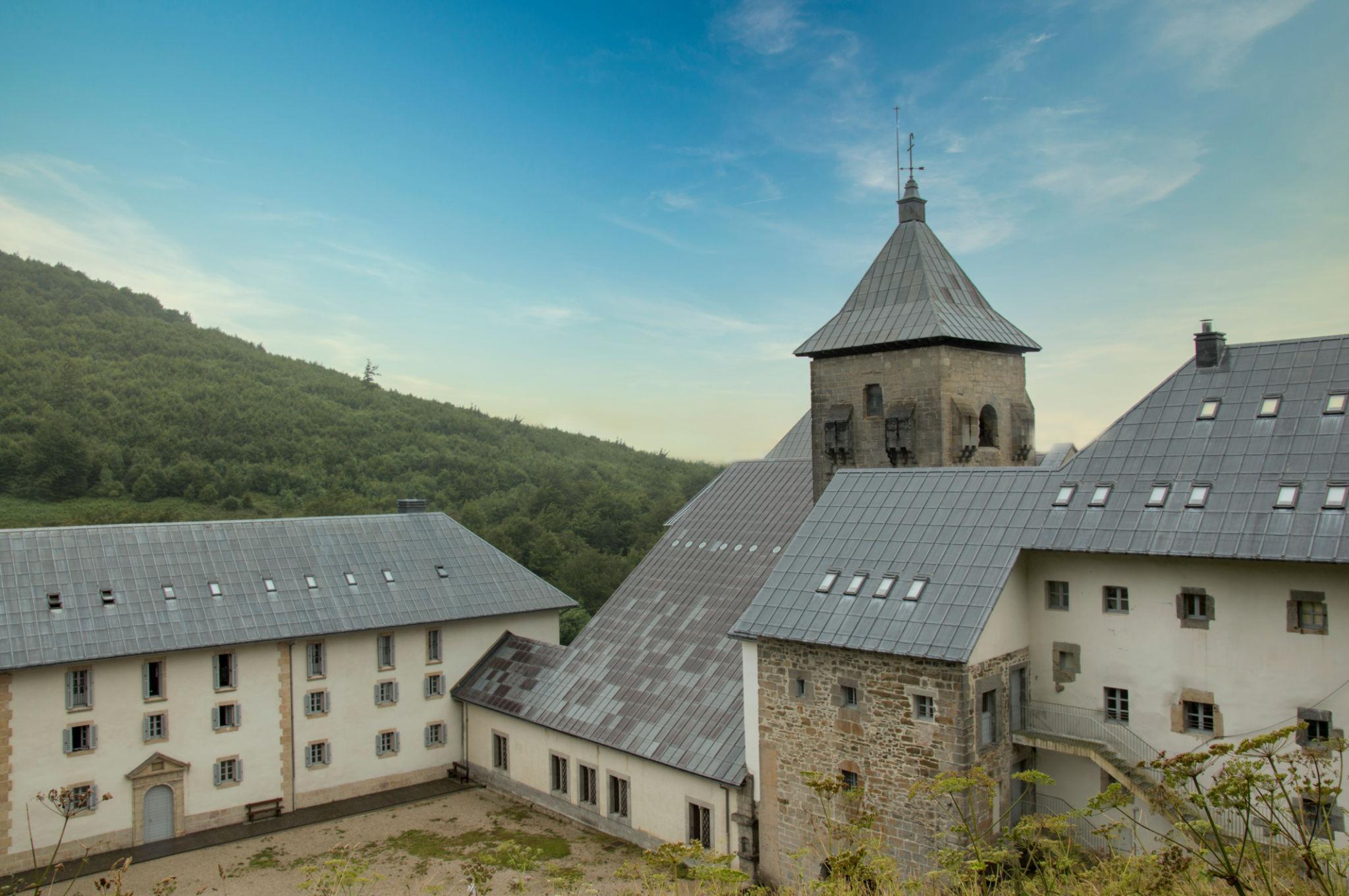
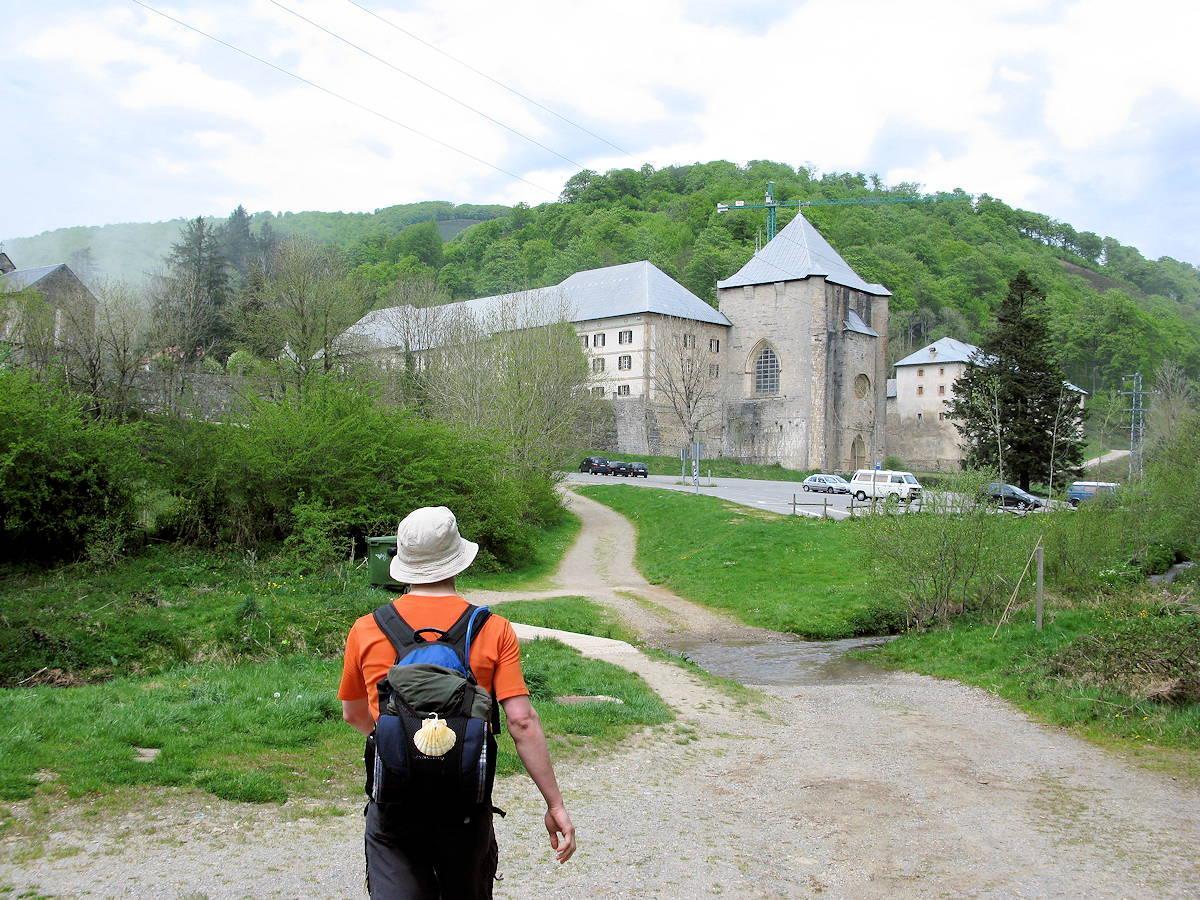
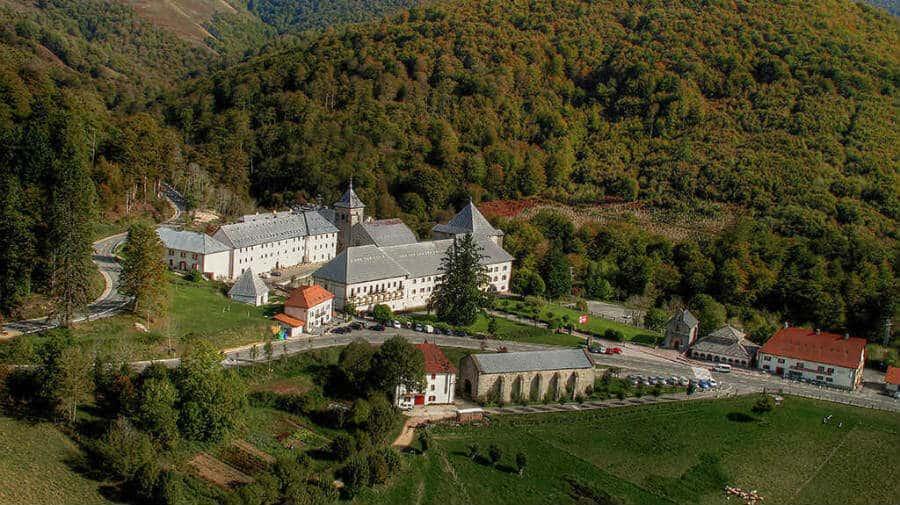
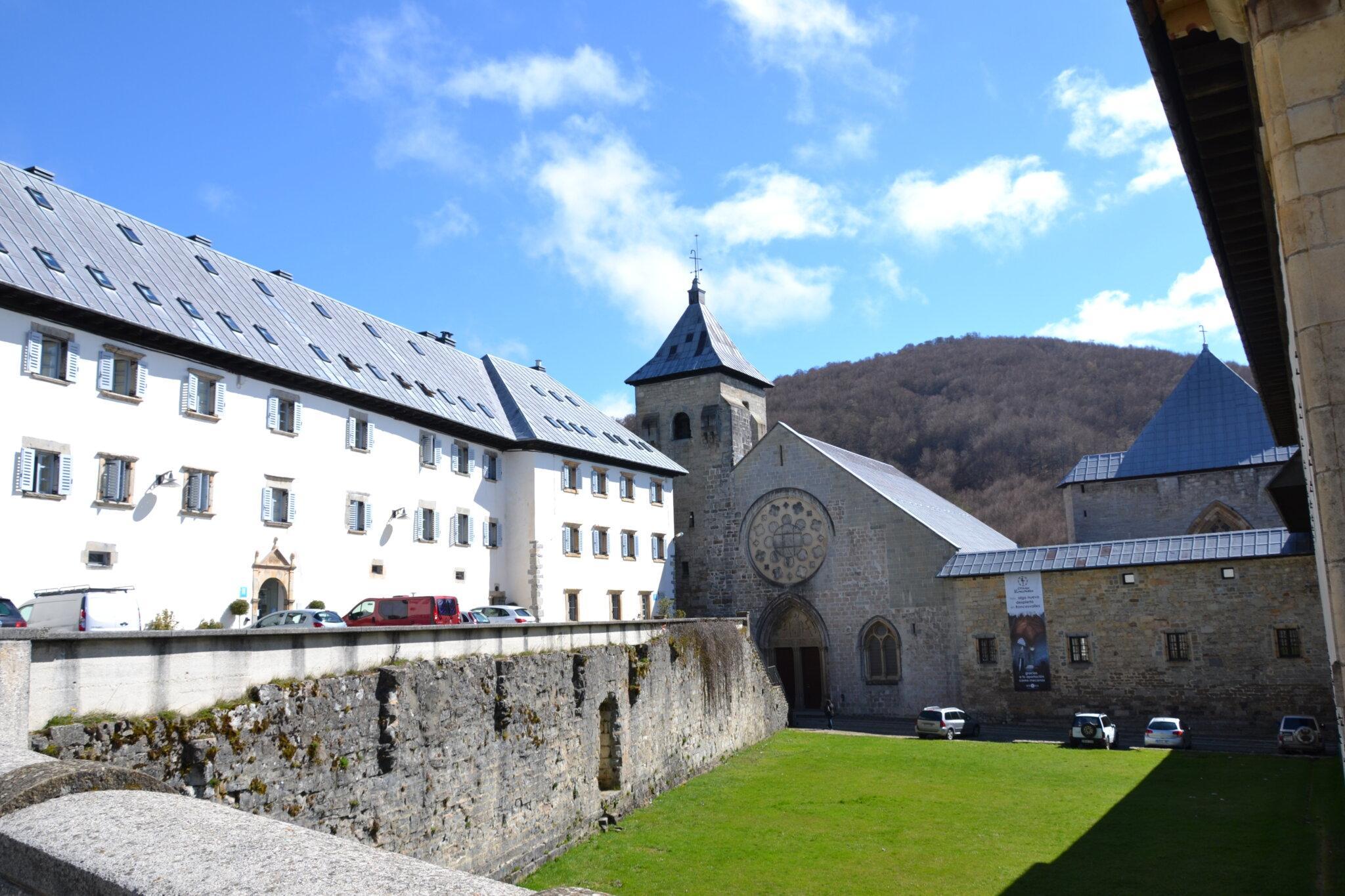
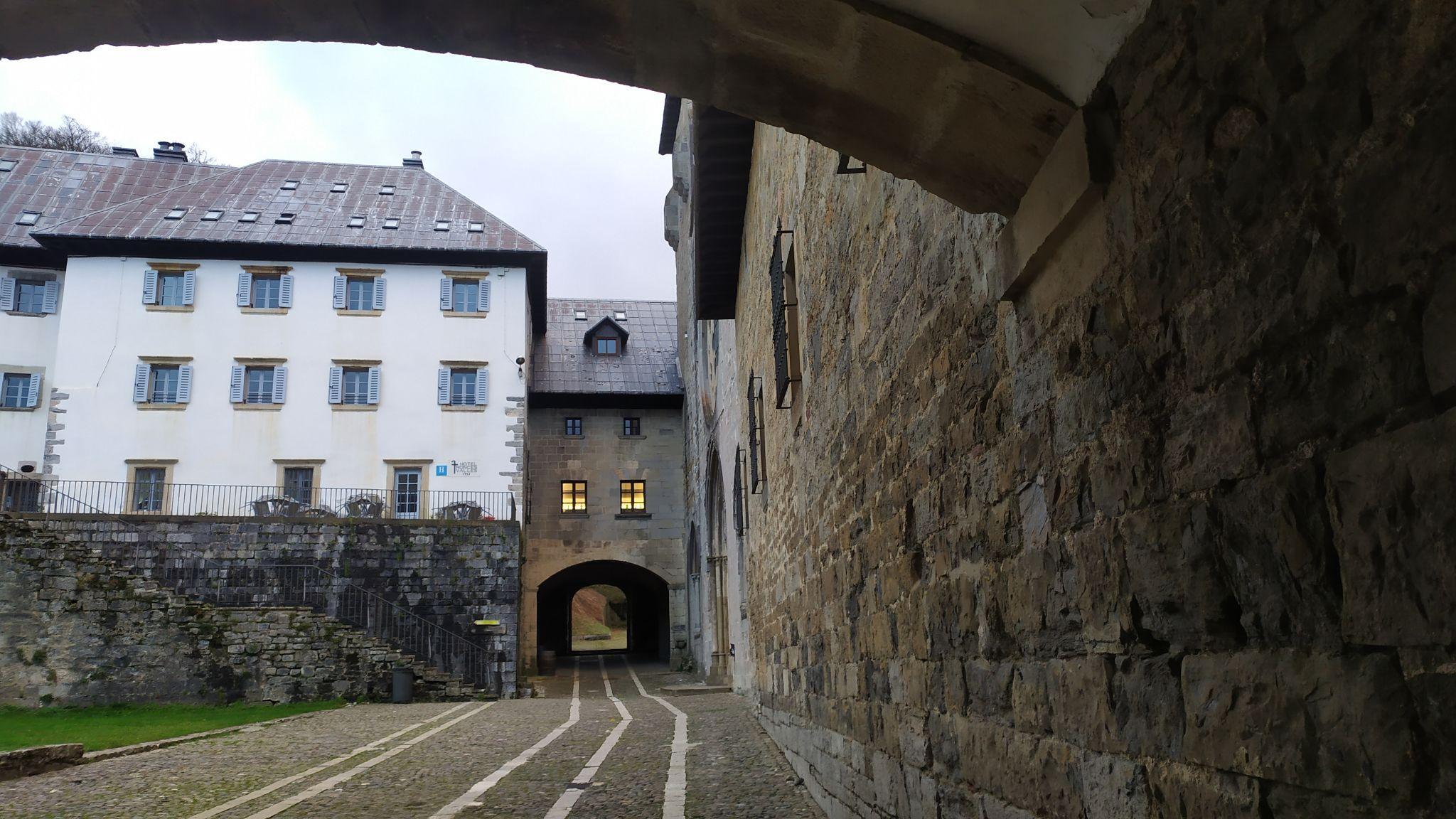
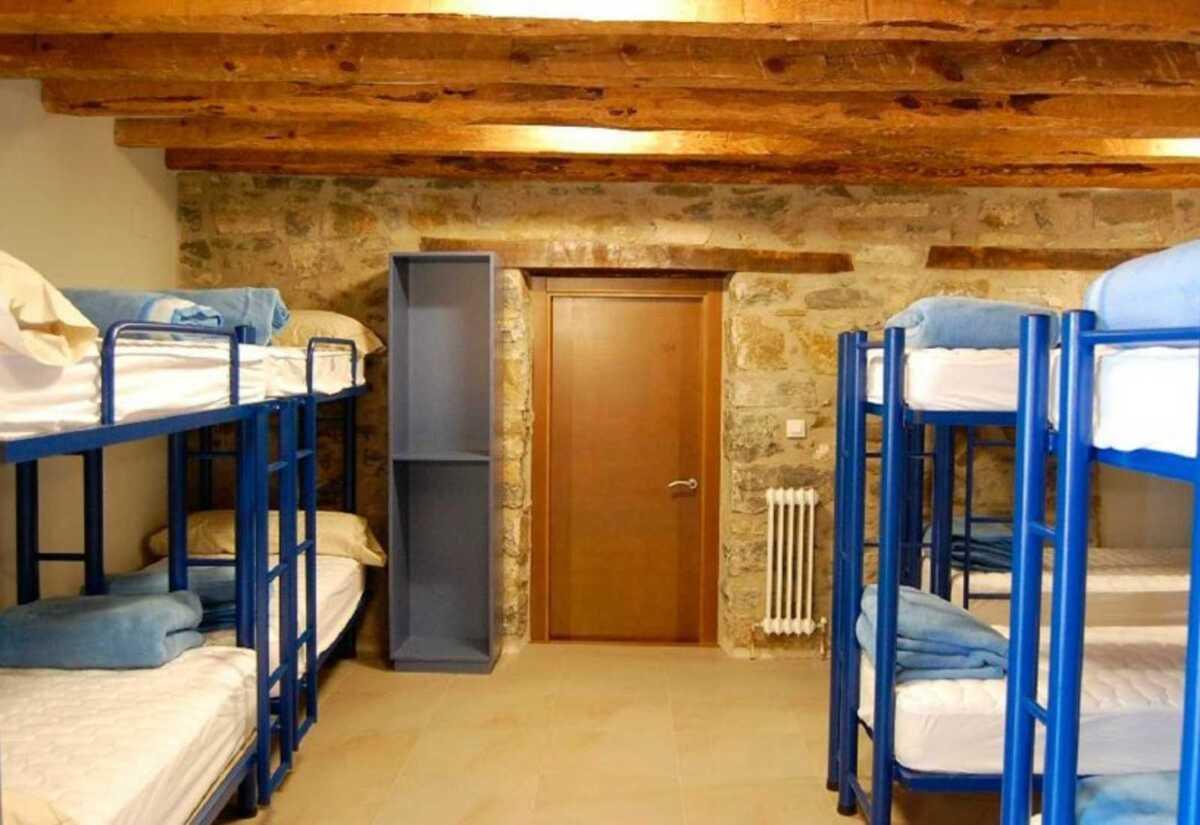
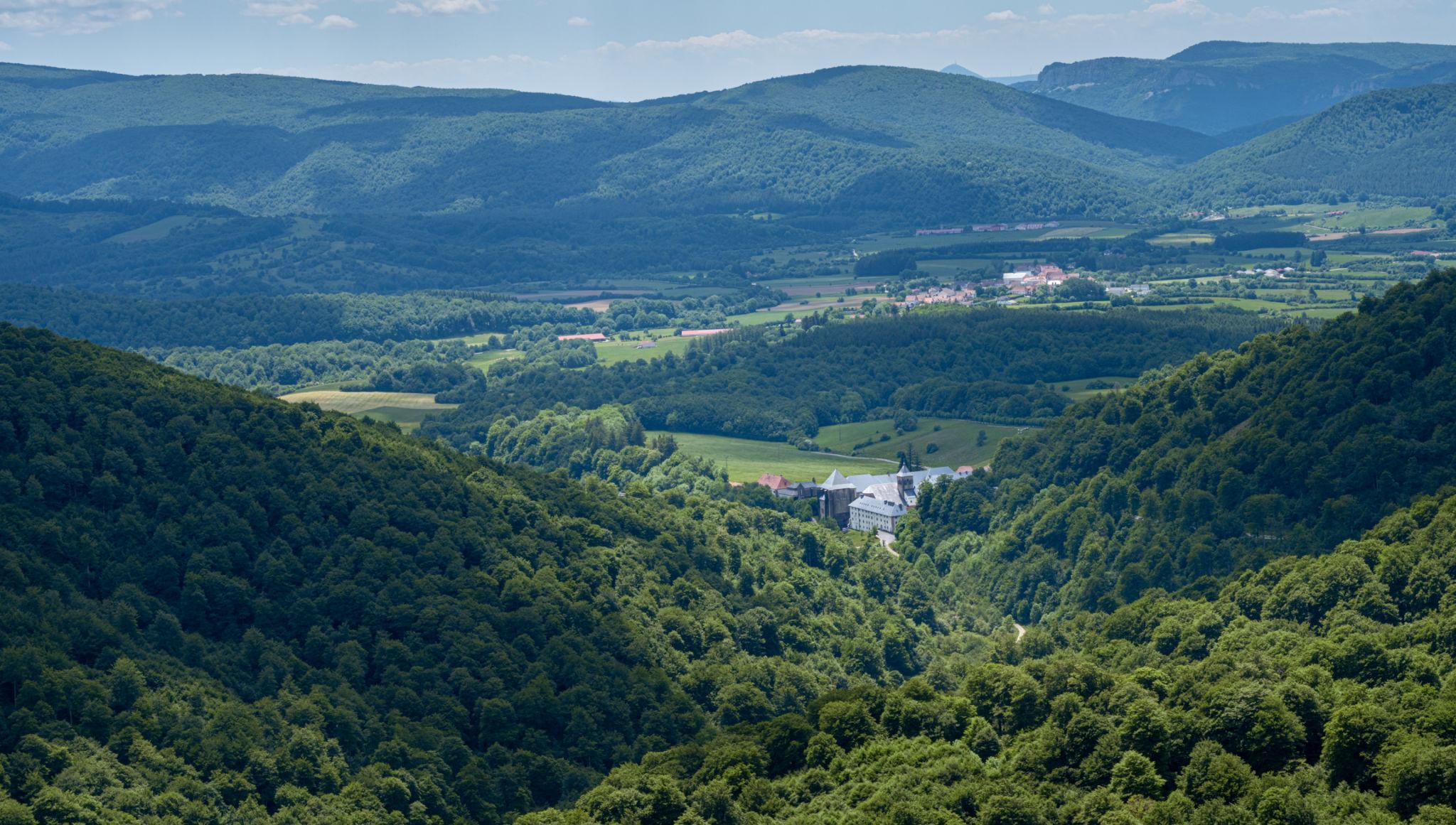
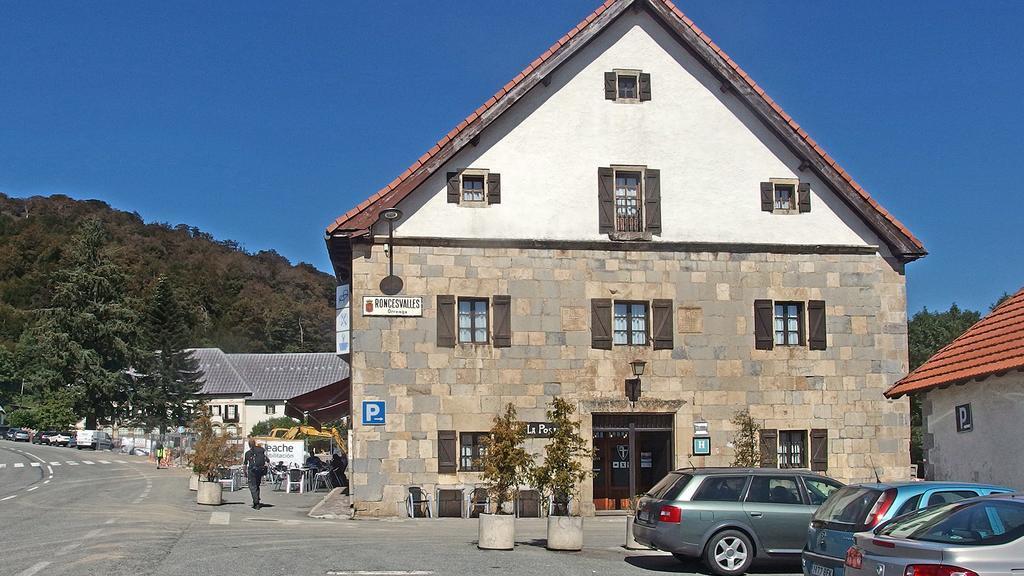
Roncesvalles is the first major stop in Spain and has welcomed pilgrims since medieval times.
Highlights include:
- Historic monastery
- Pilgrim mass
- Traditional albergue
- Mountain atmosphere
Most walkers arrive exhausted from the Pyrenees crossing but recover quickly overnight.
Pamplona
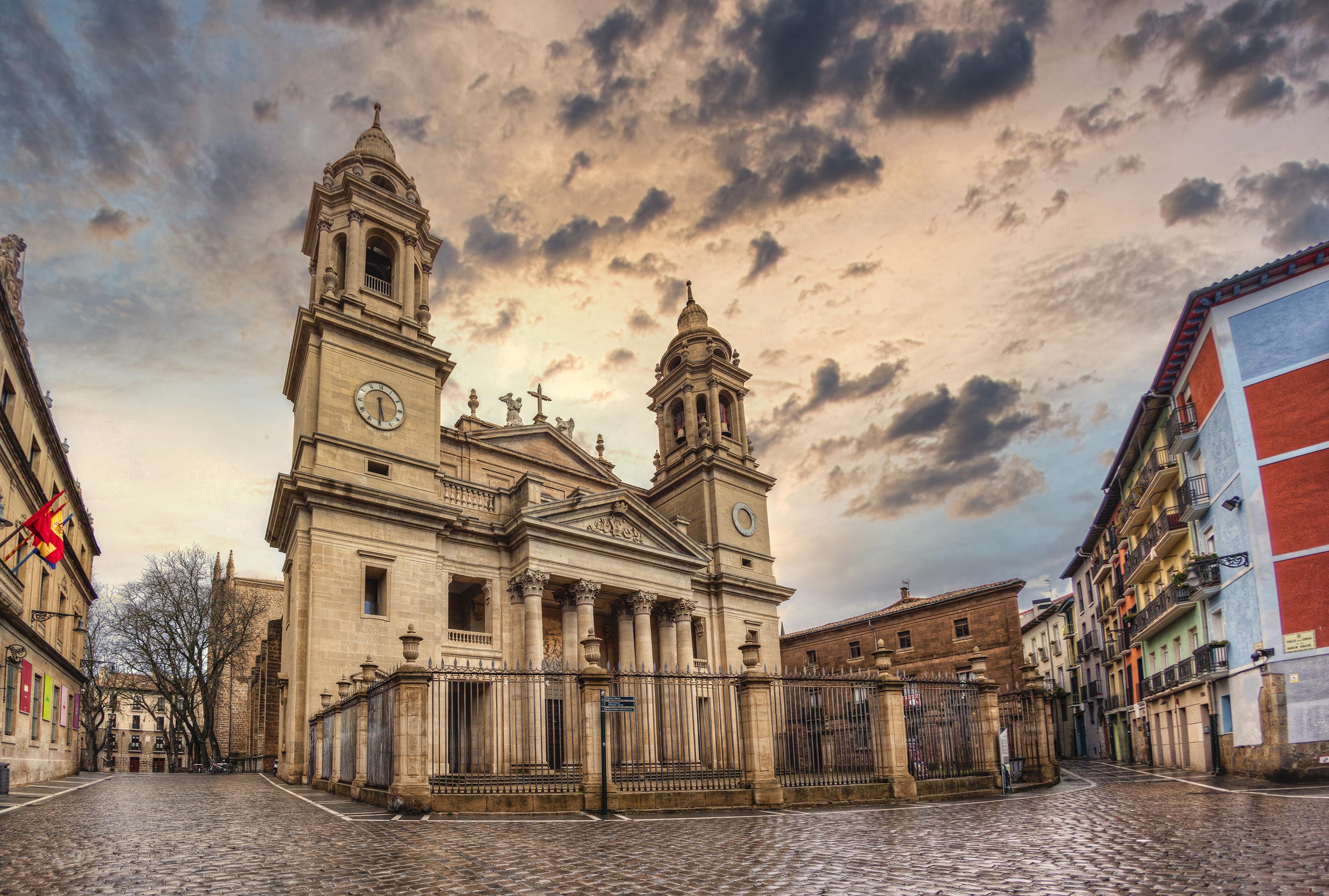
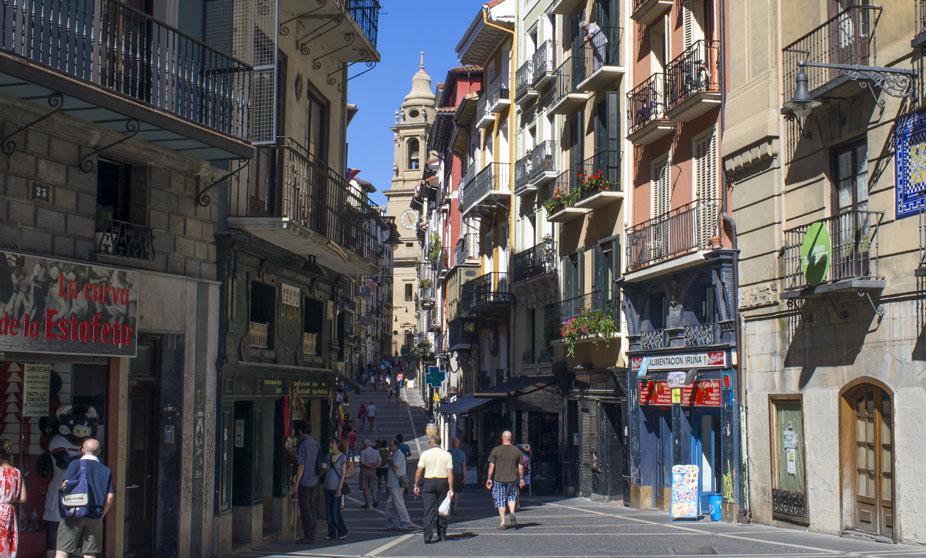
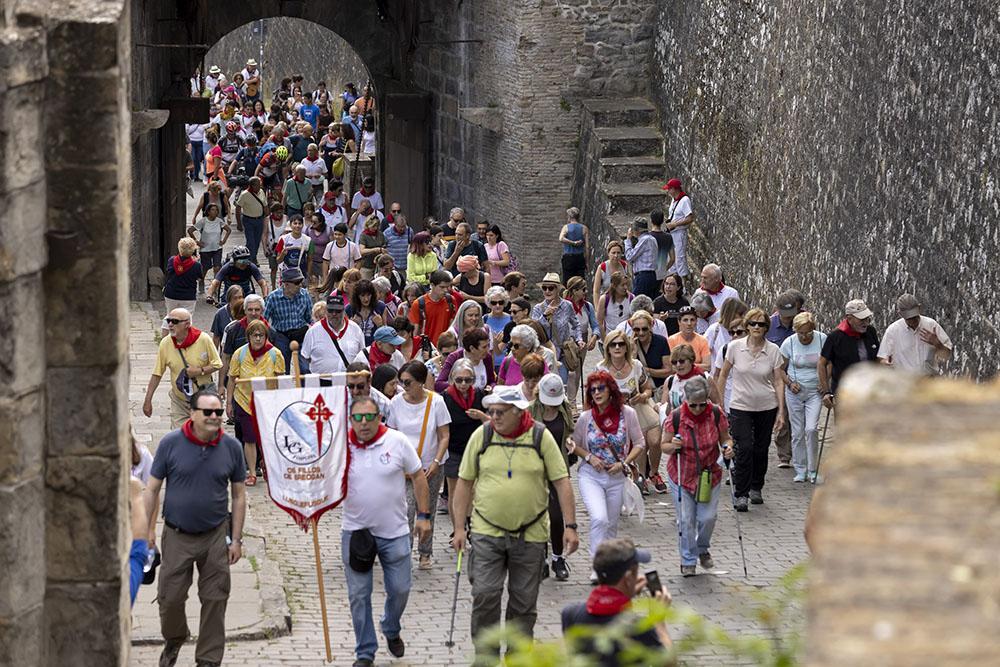
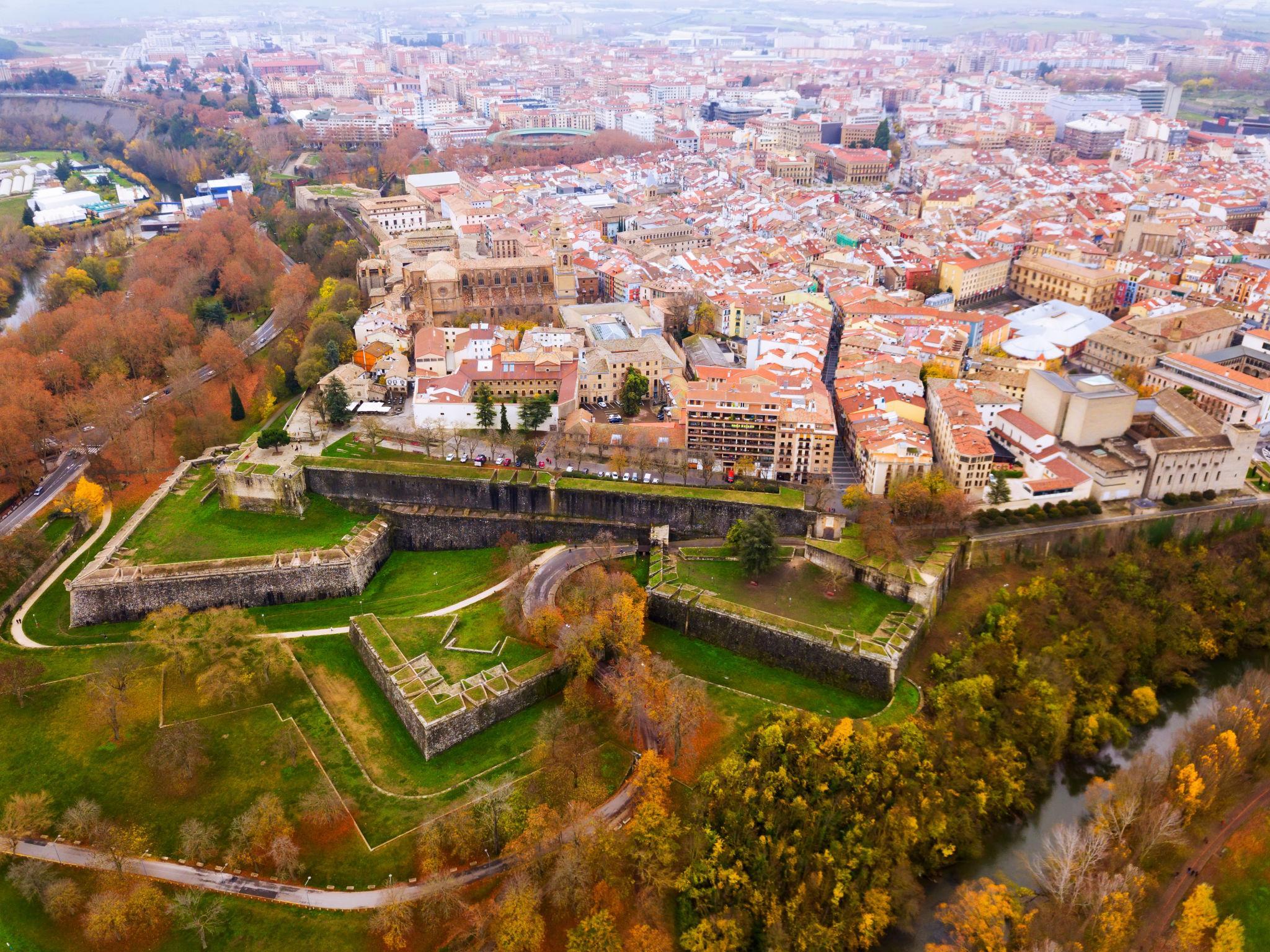
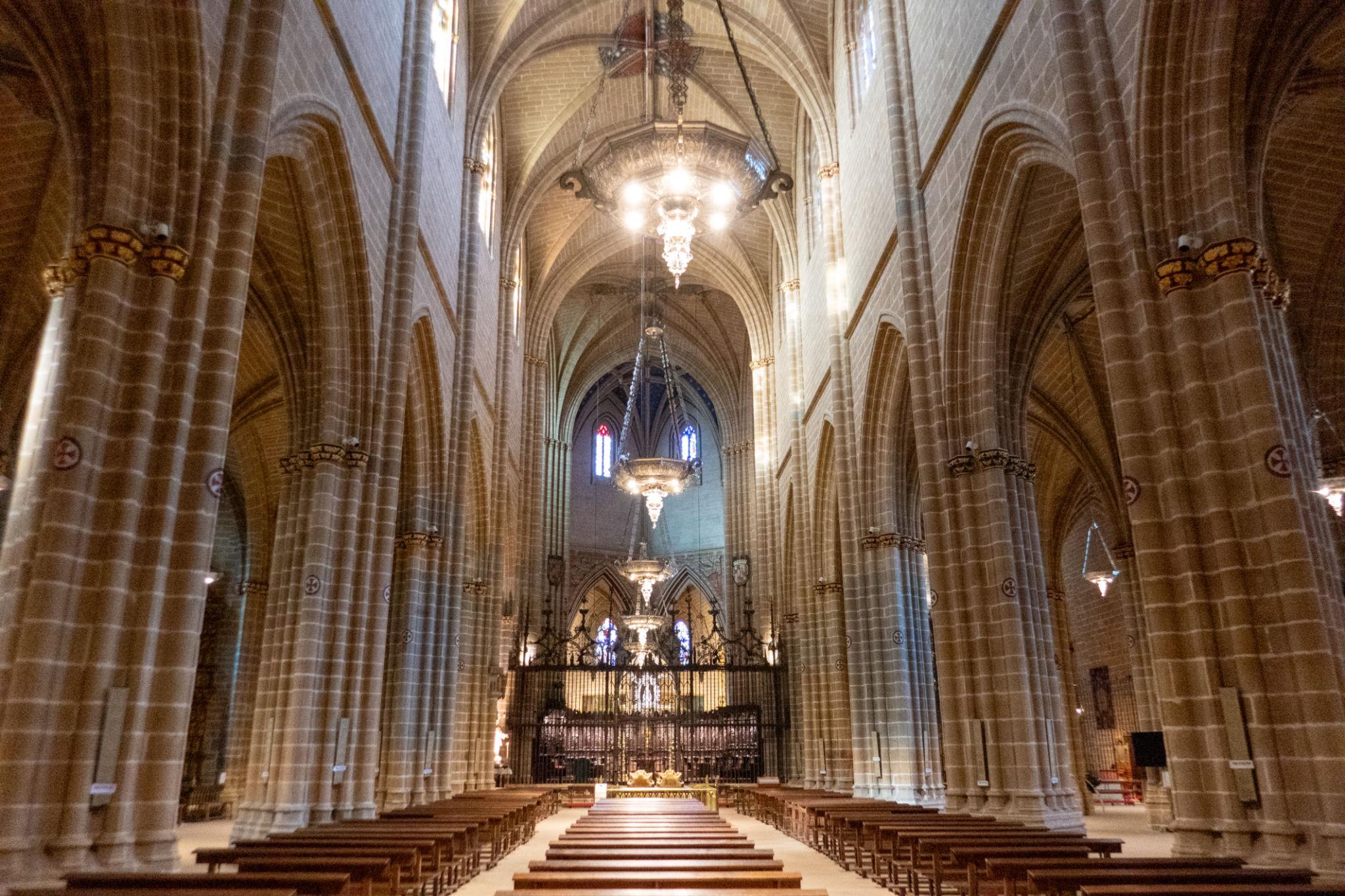
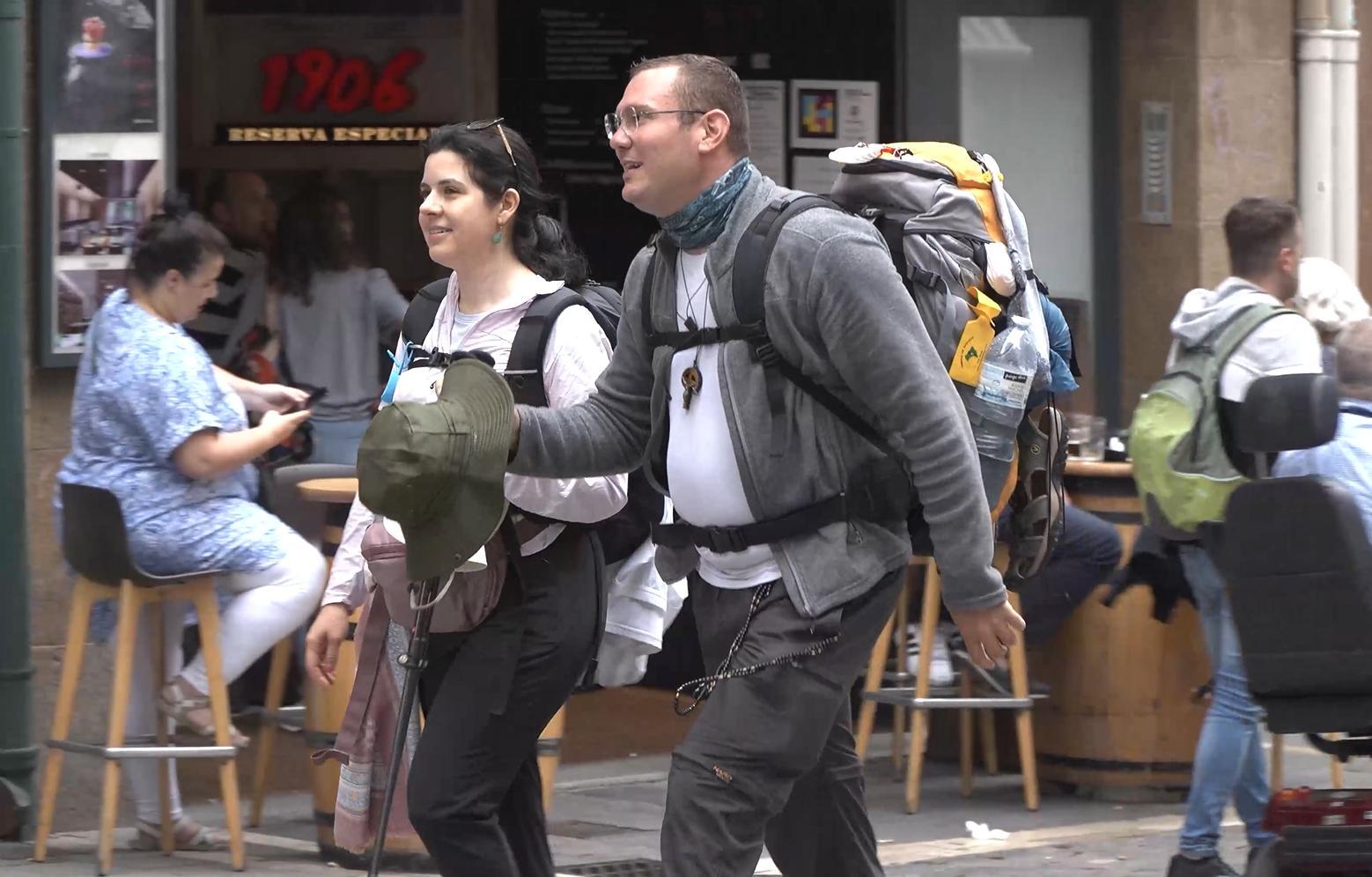
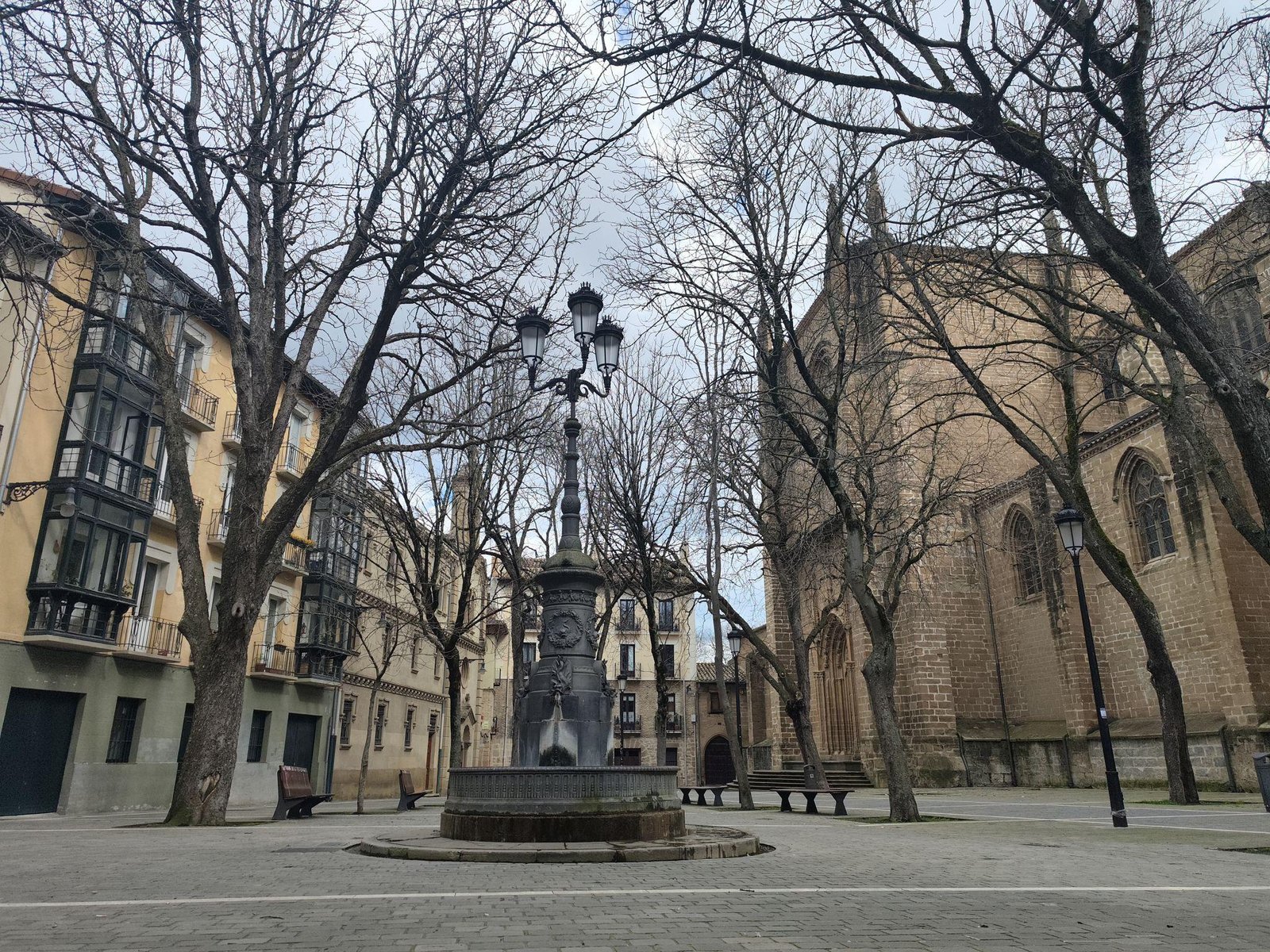
Pamplona is one of the Camino’s major cities and is internationally known for the San Fermín festival and Running of the Bulls.
Highlights
- Medieval walls
- Gothic cathedral
- Pintxos bars
- Historic old city
Leaving Pamplona, the Camino climbs toward Alto del Perdón.
Alto del Perdón
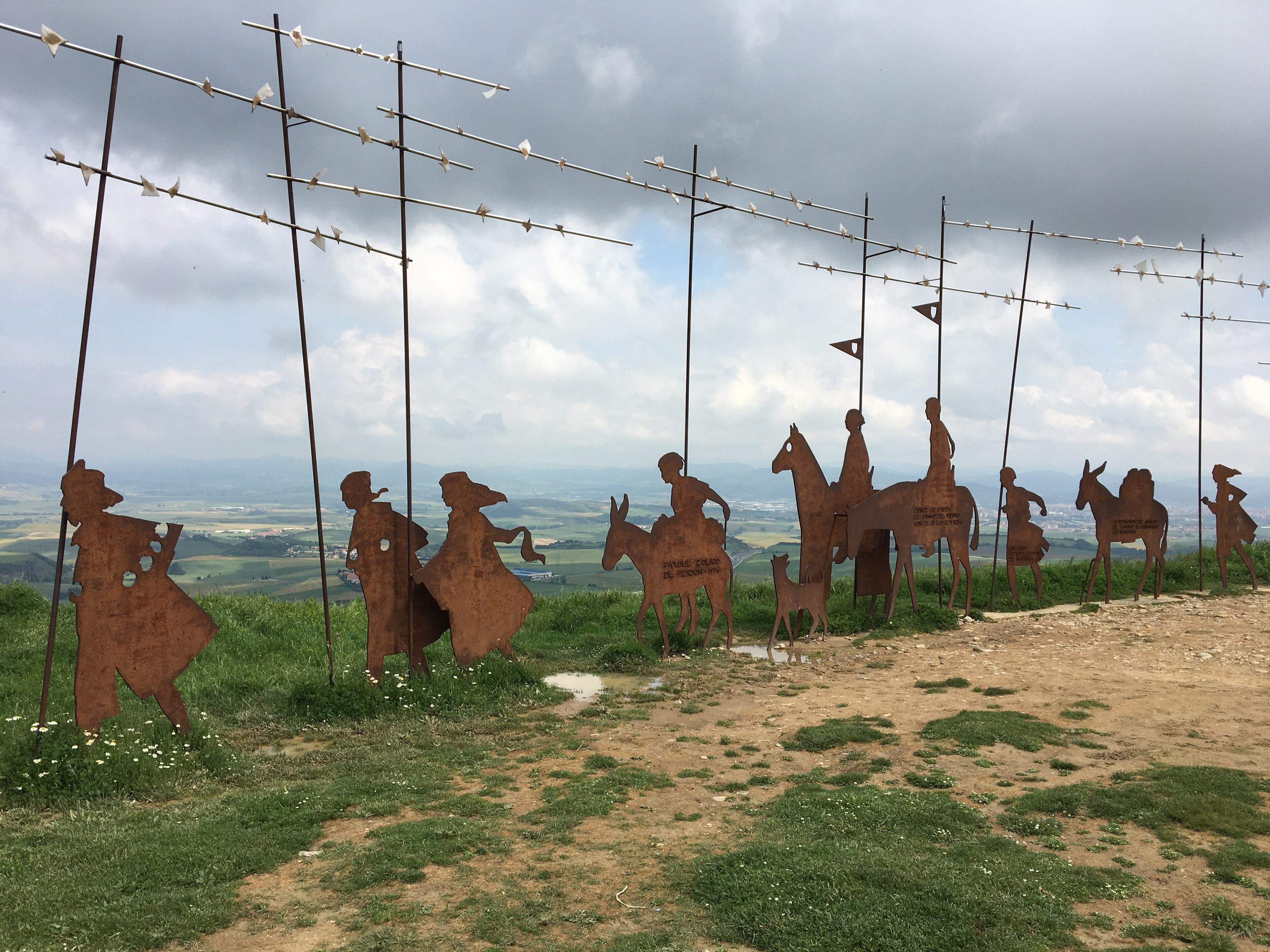
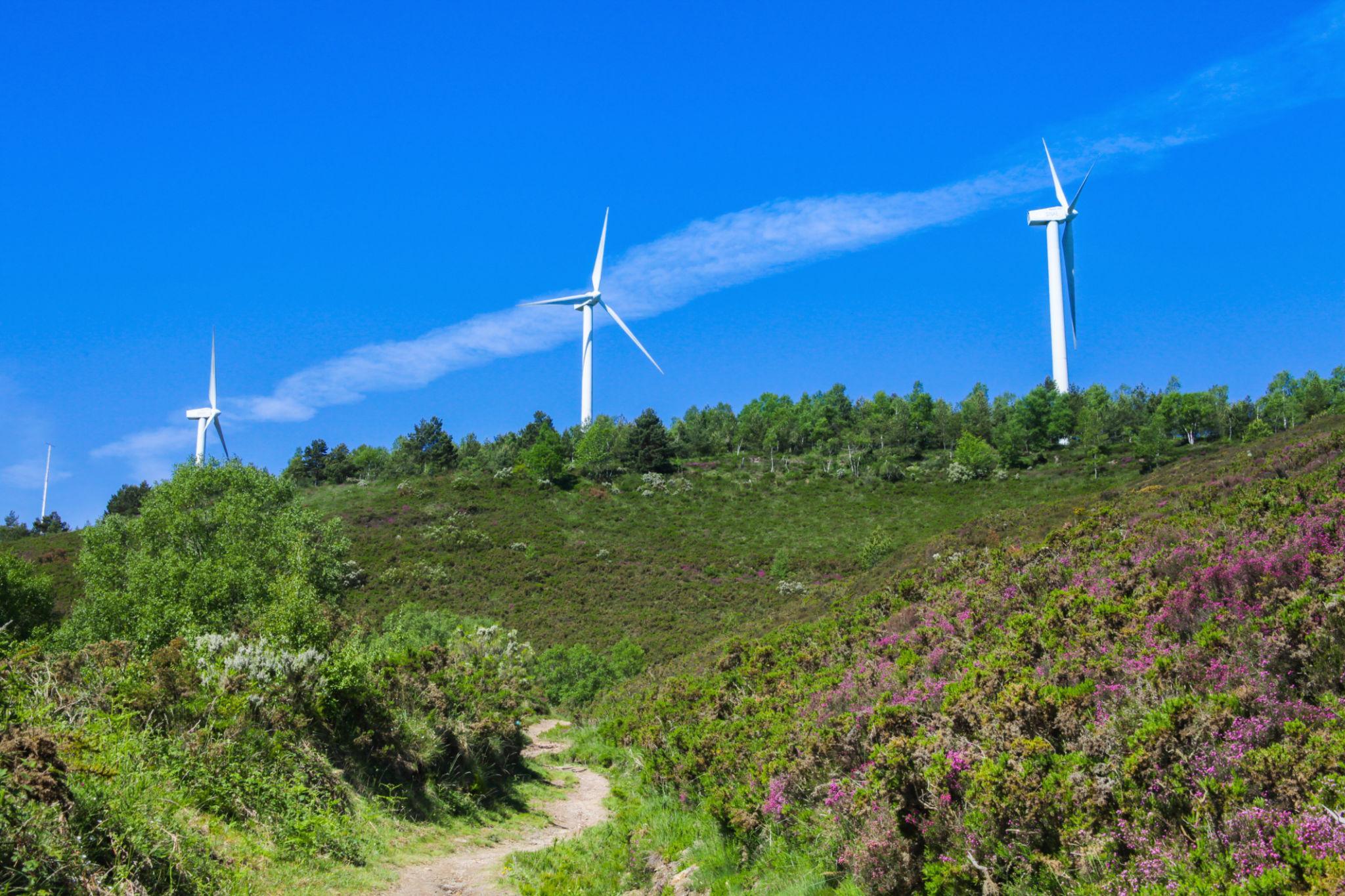
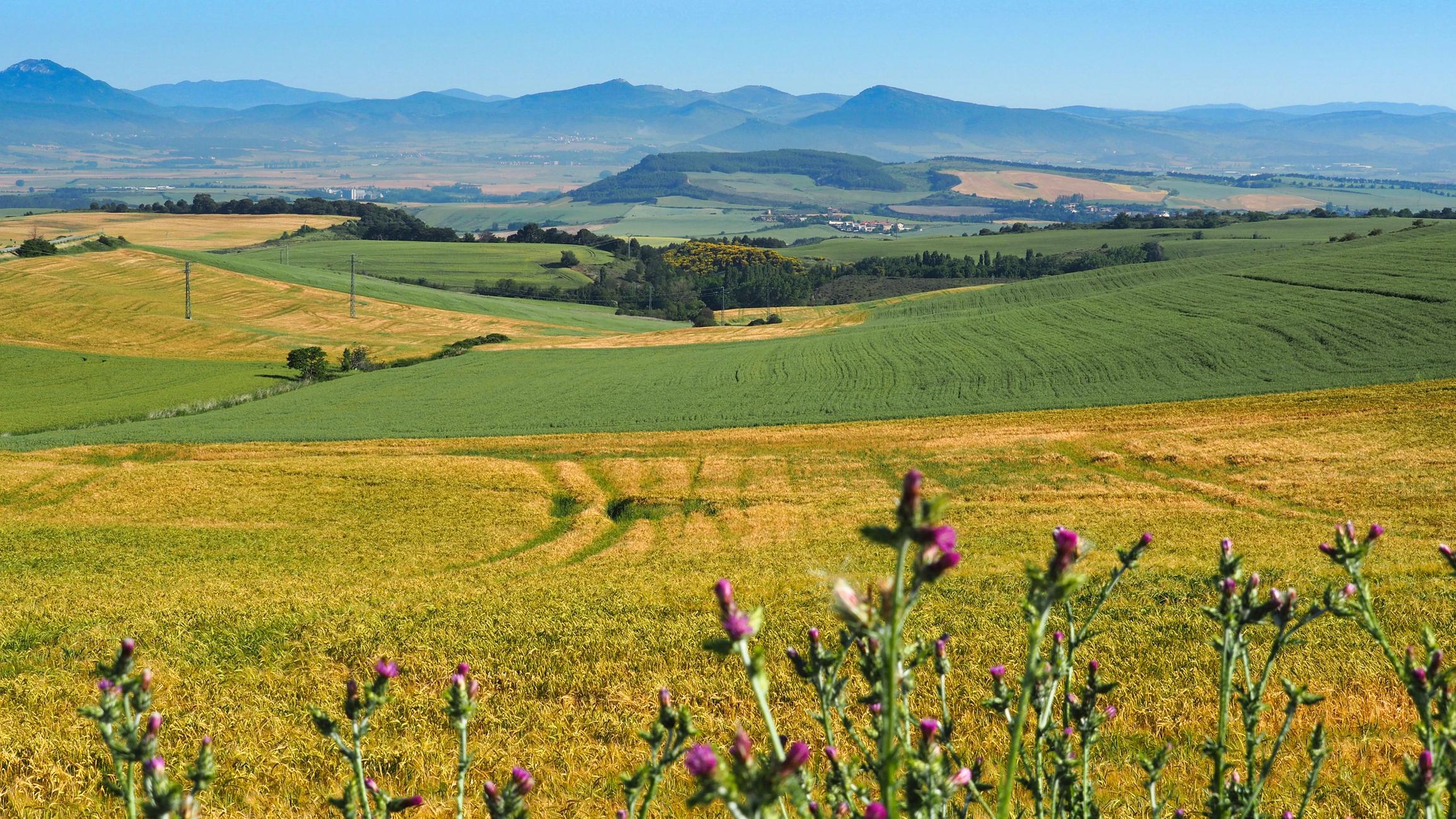
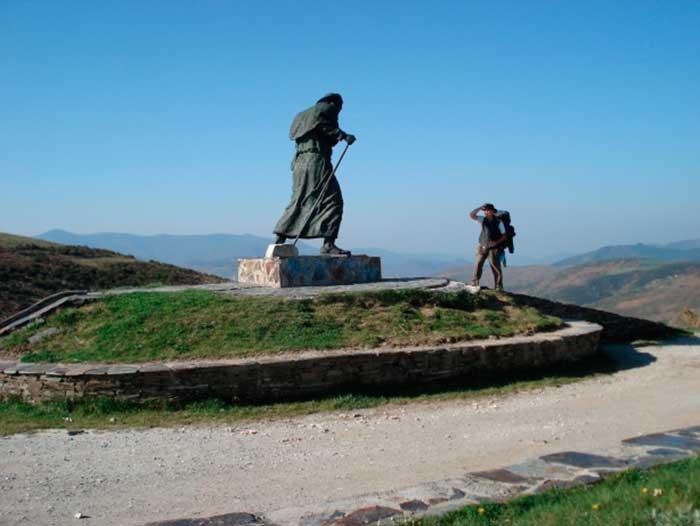
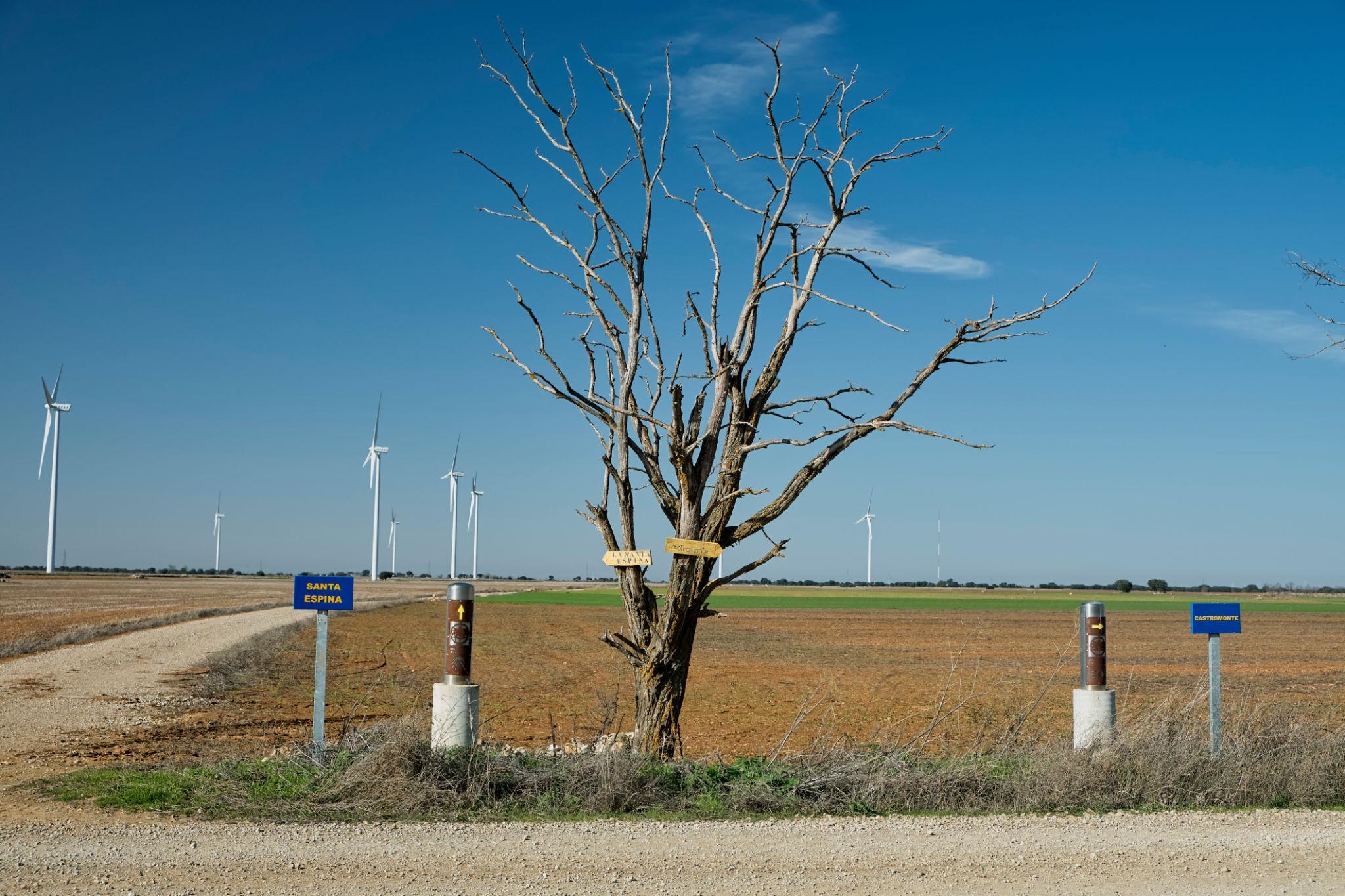
Alto del Perdón is famous for:
- Pilgrim sculptures
- Wind turbines
- Panoramic views across Navarra
It remains one of the Camino’s most photographed viewpoints.
Stage 2: Pamplona to Logroño & Burgos
The route from Pamplona passes through vineyard landscapes and medieval towns across Navarra and La Rioja.
This section is generally:
- Less physically demanding
- More social
- Rich in food and wine culture
Logroño & La Rioja Wine Country
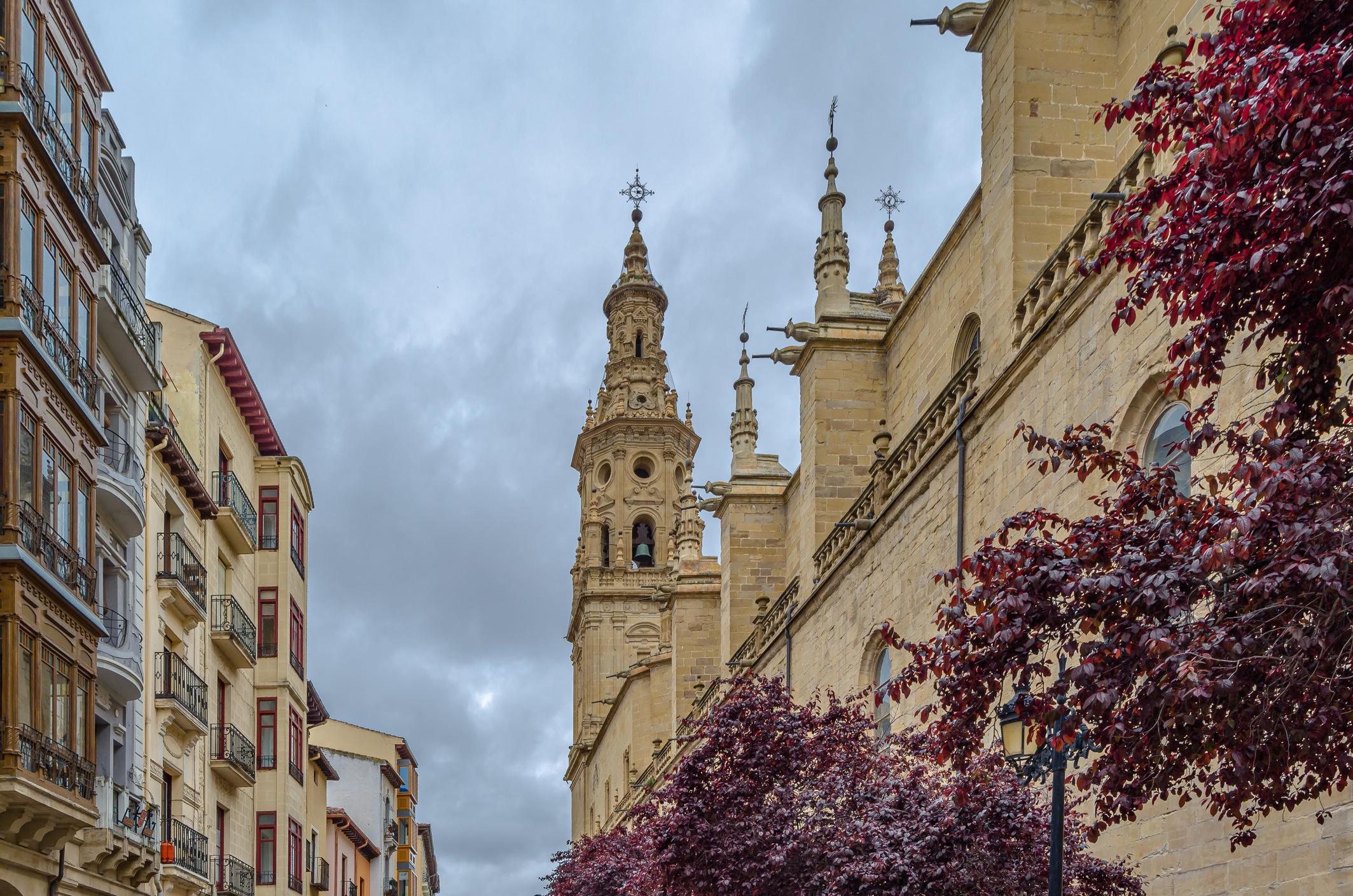
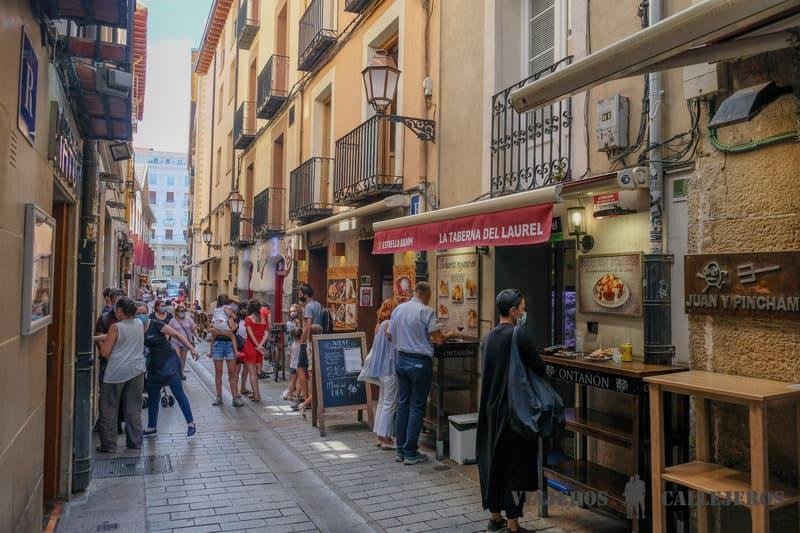
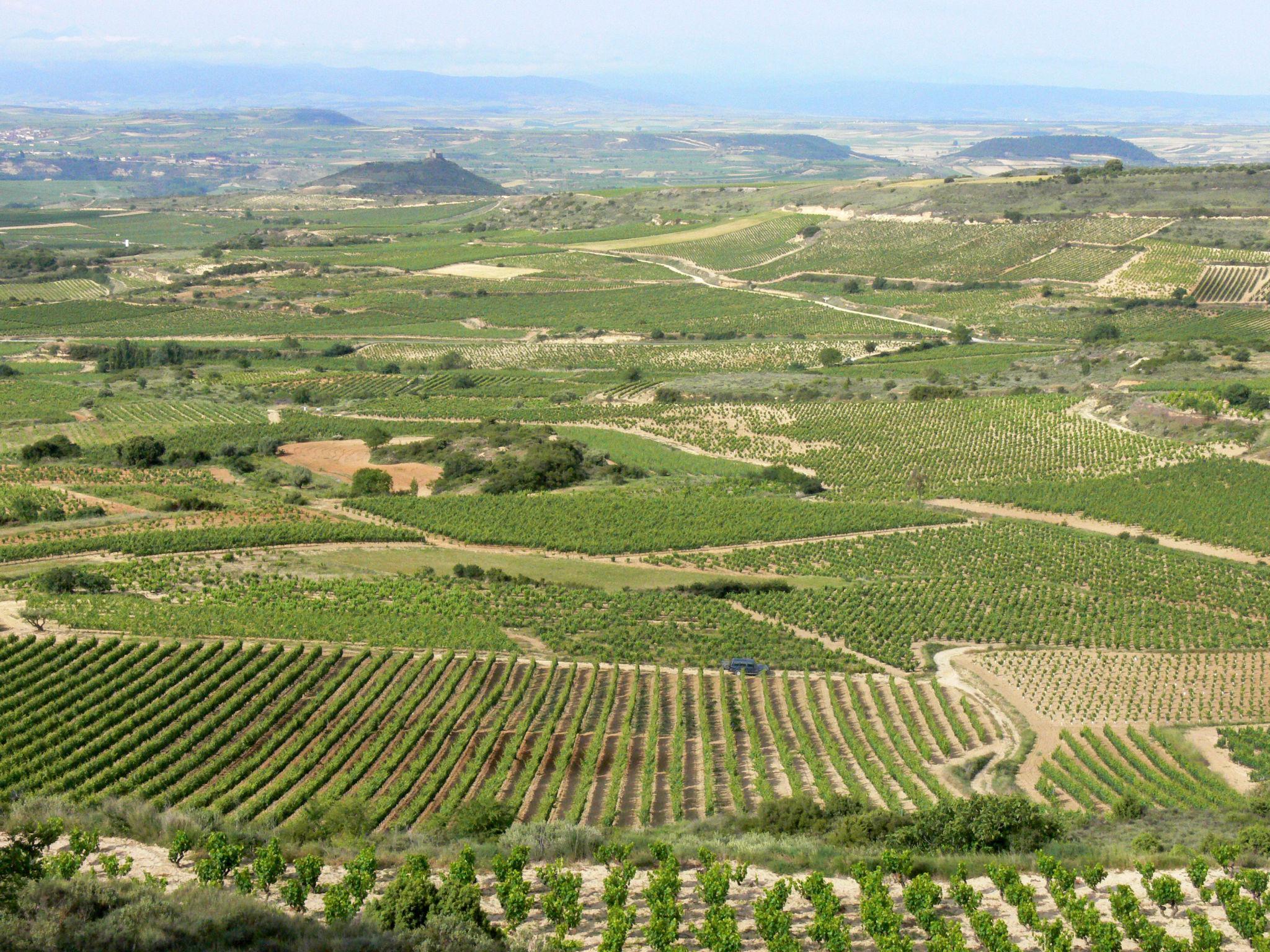
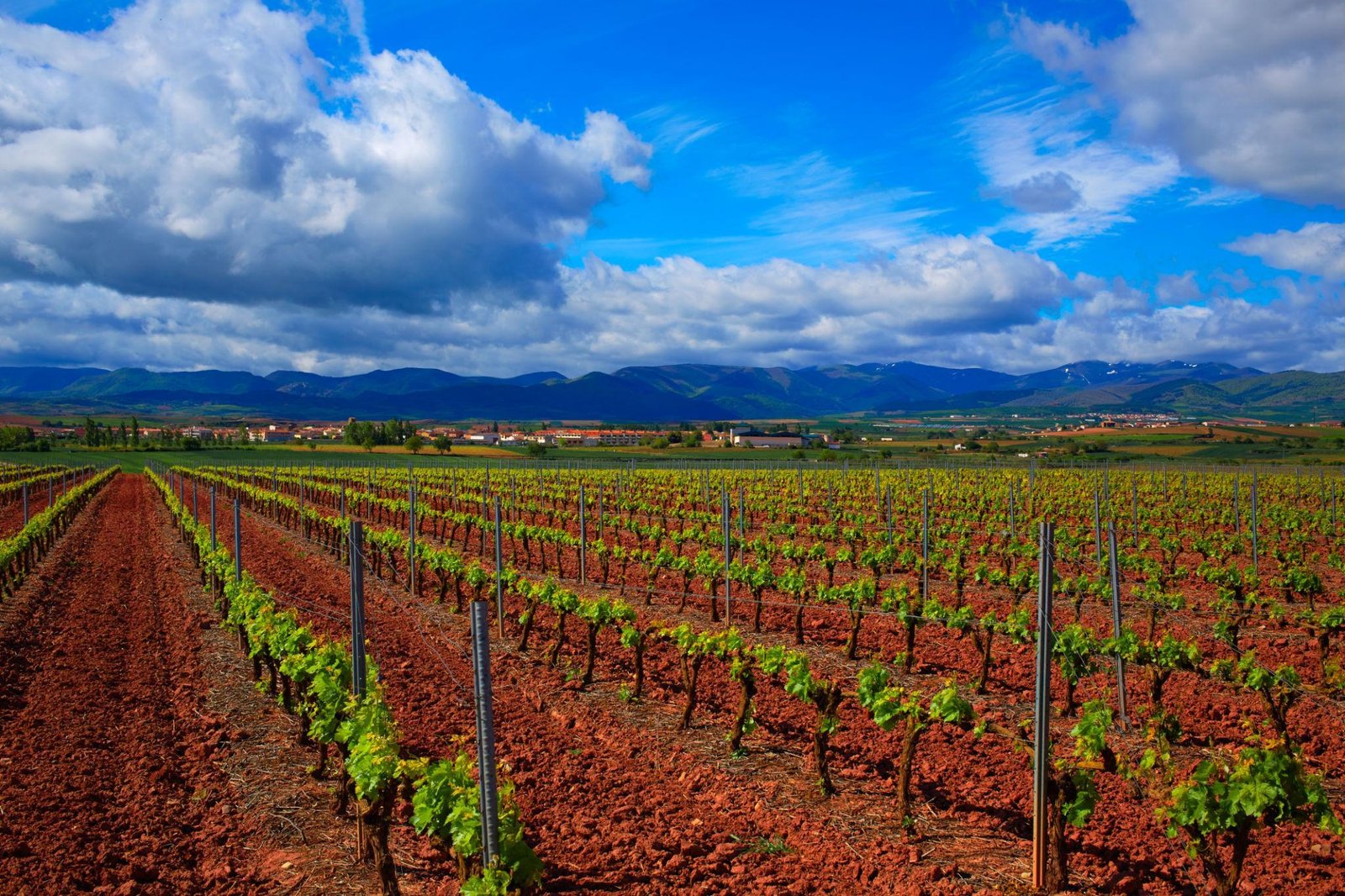
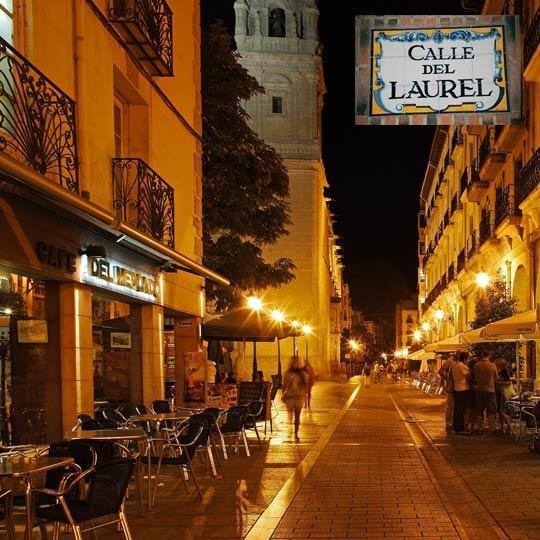
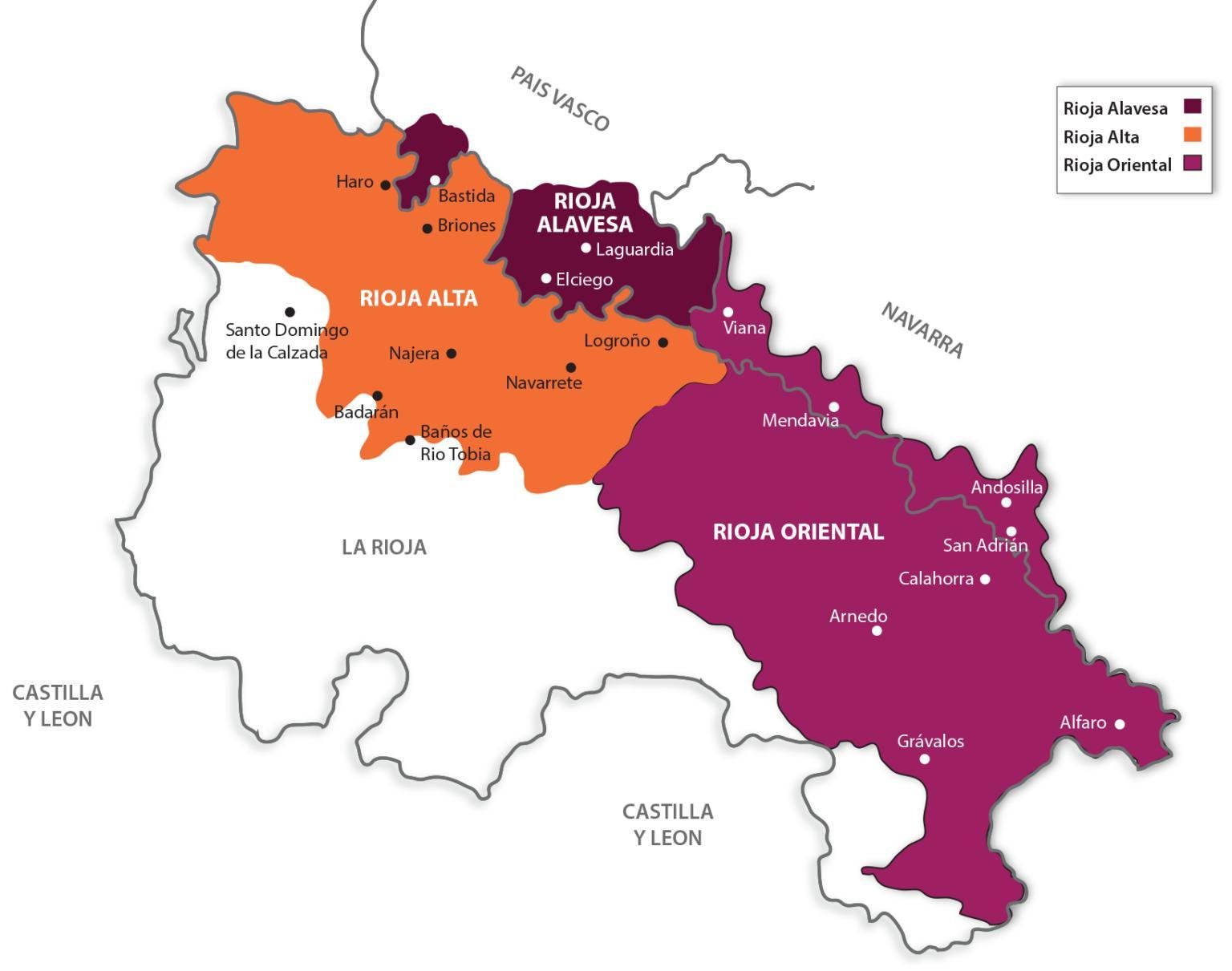
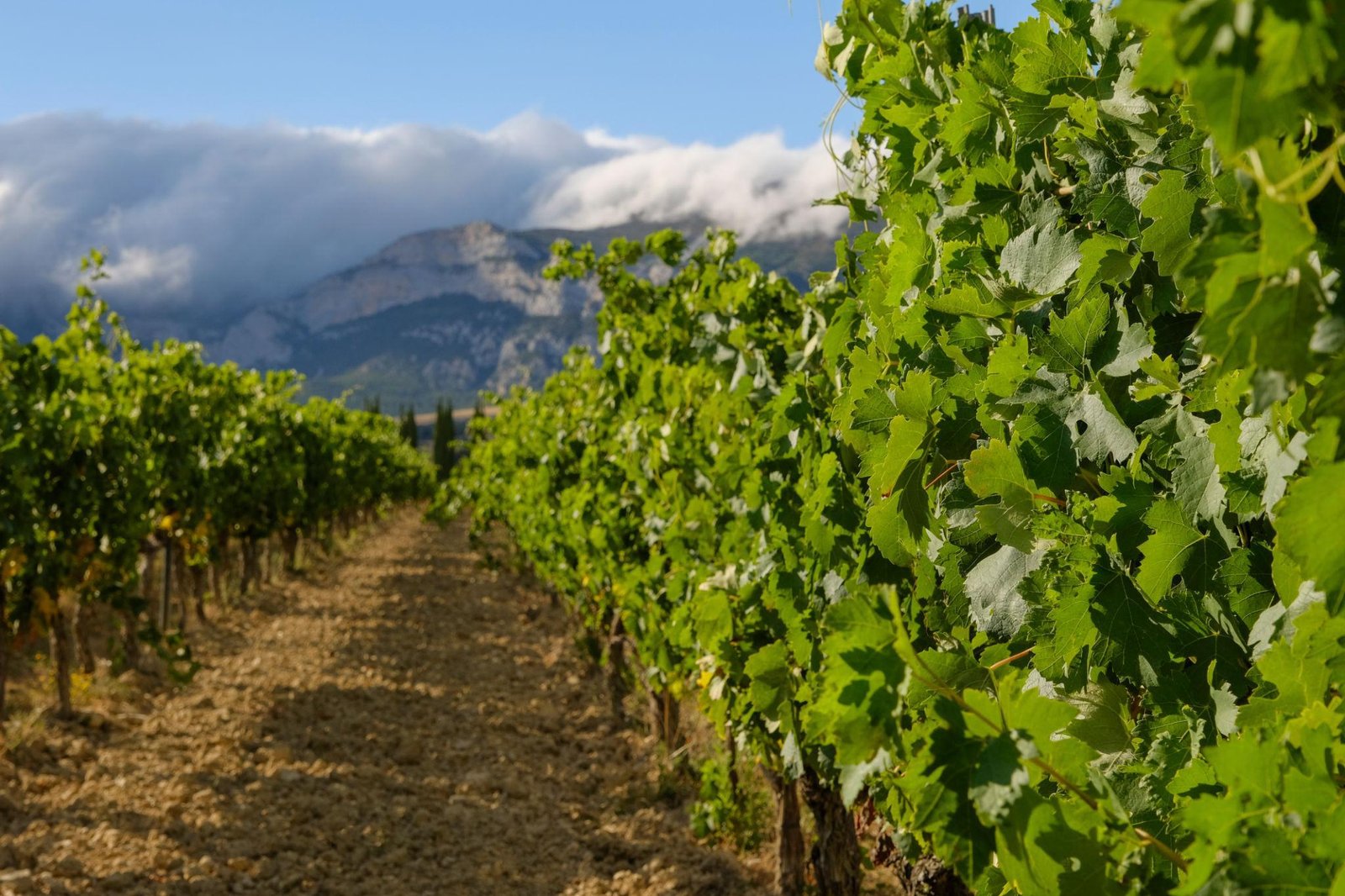
Logroño is the capital of La Rioja and one of the Camino’s great food destinations.
Highlights
- Calle Laurel tapas street
- Rioja vineyards
- Riverside promenades
- Historic churches
Wine country landscapes dominate much of this section.
Nájera & Santo Domingo de la Calzada
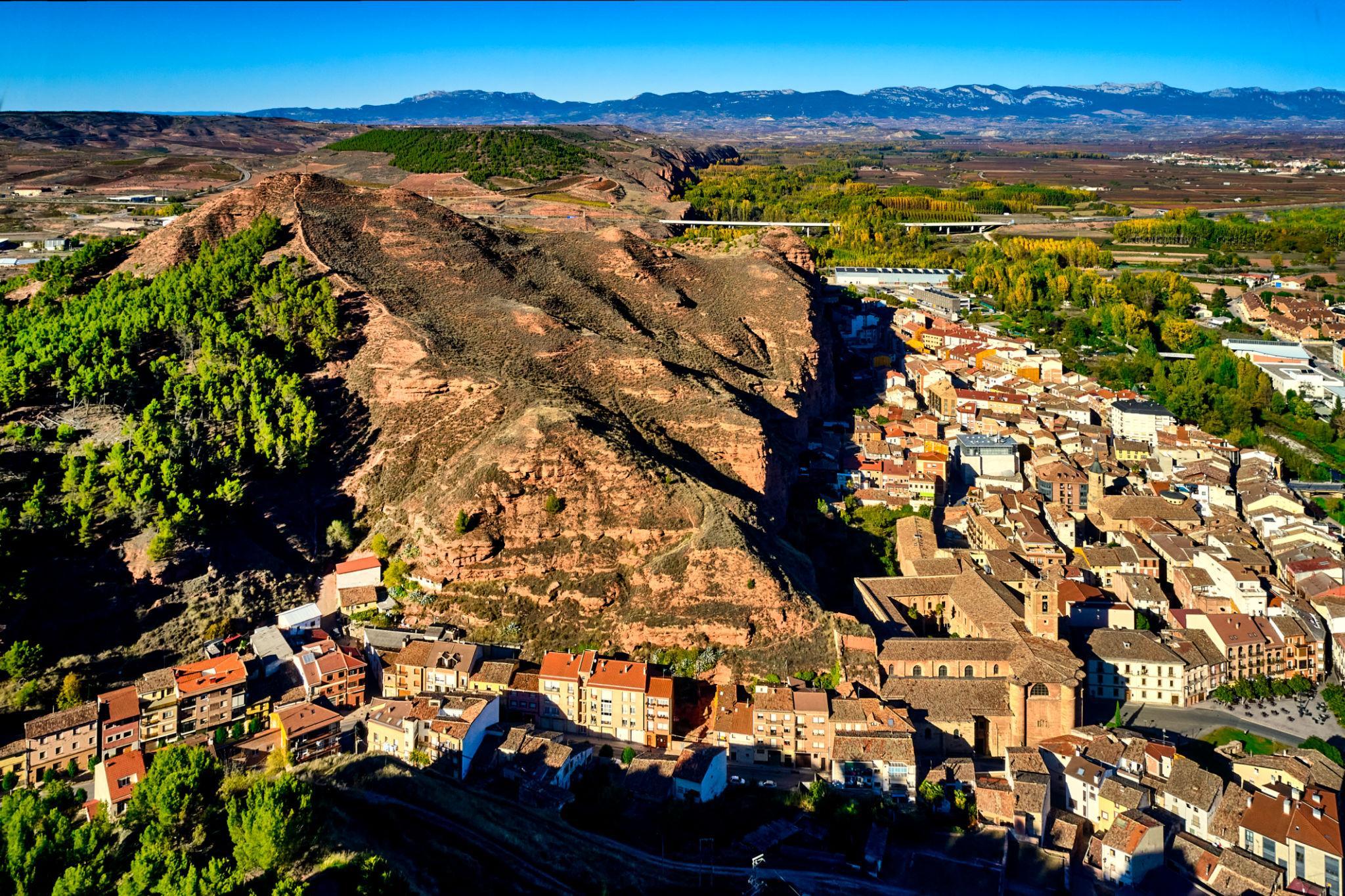
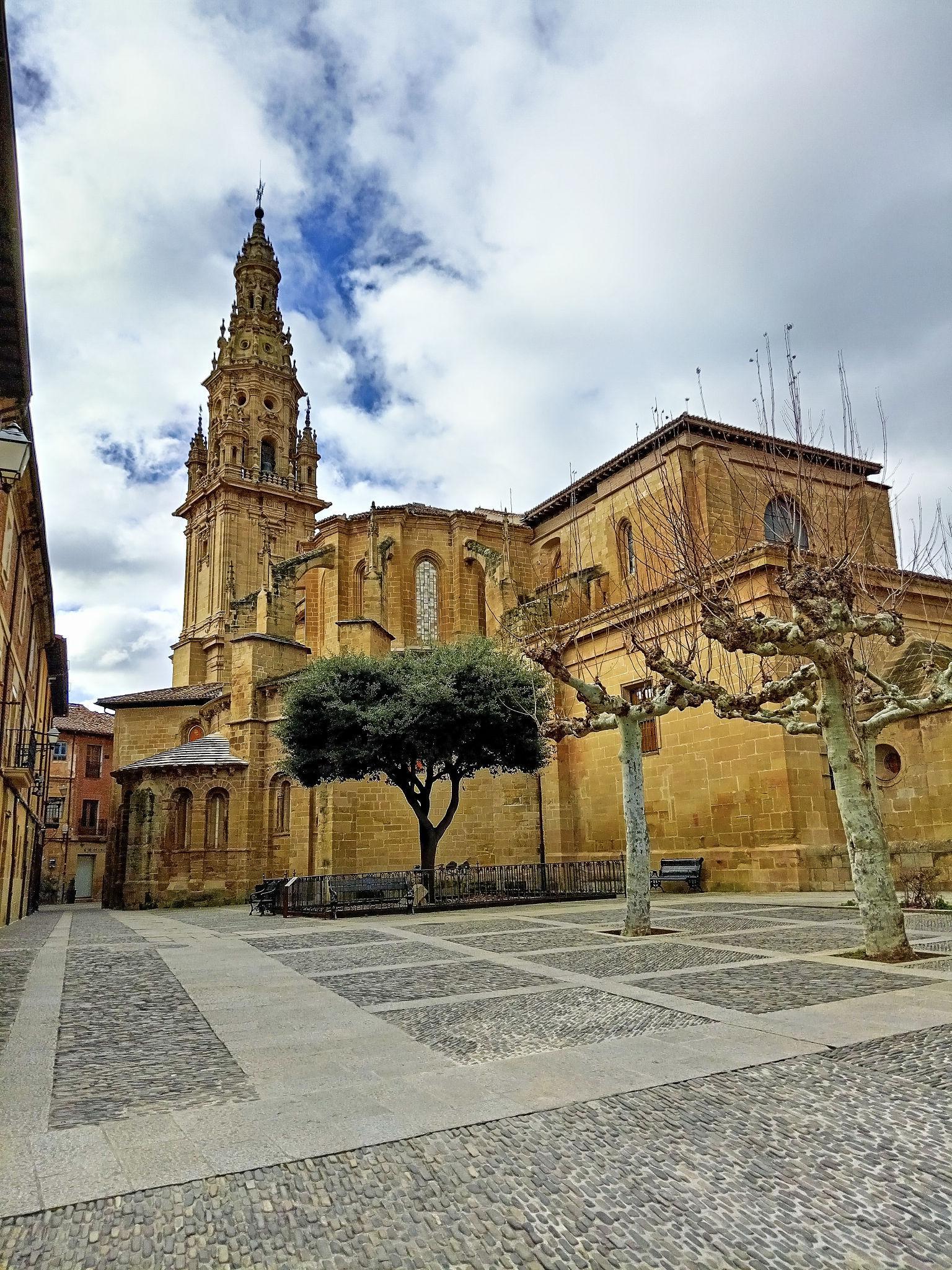
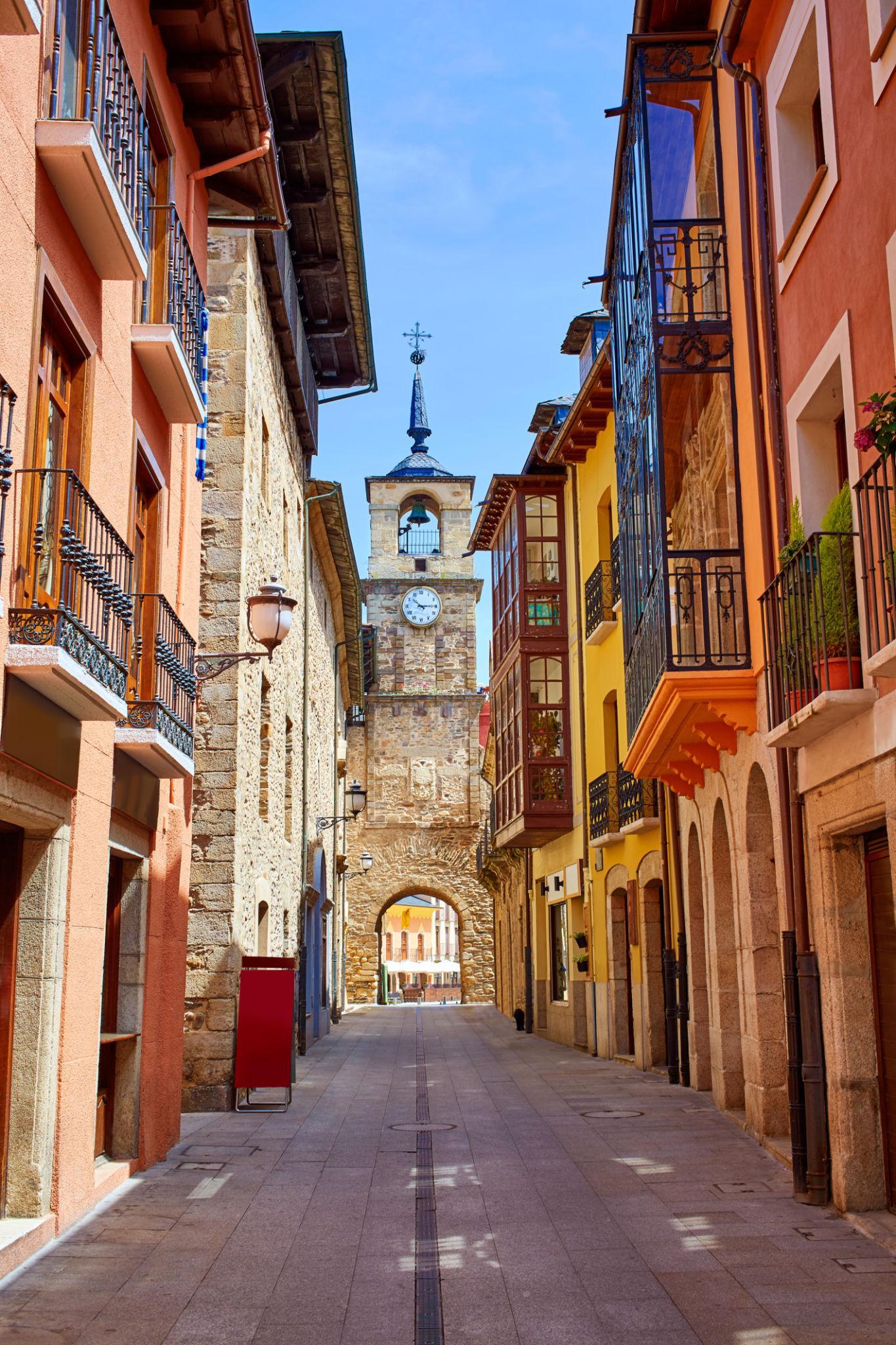
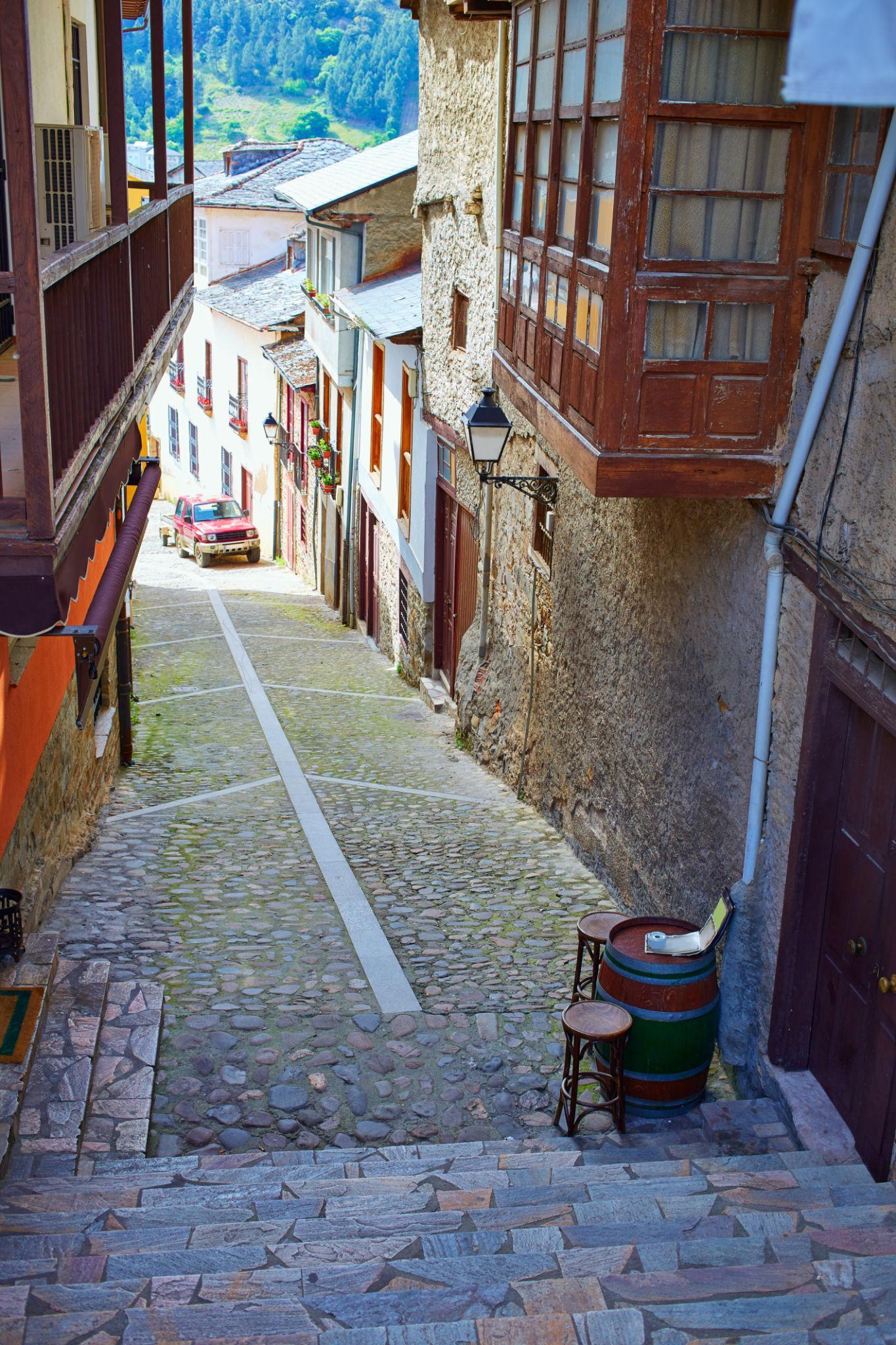
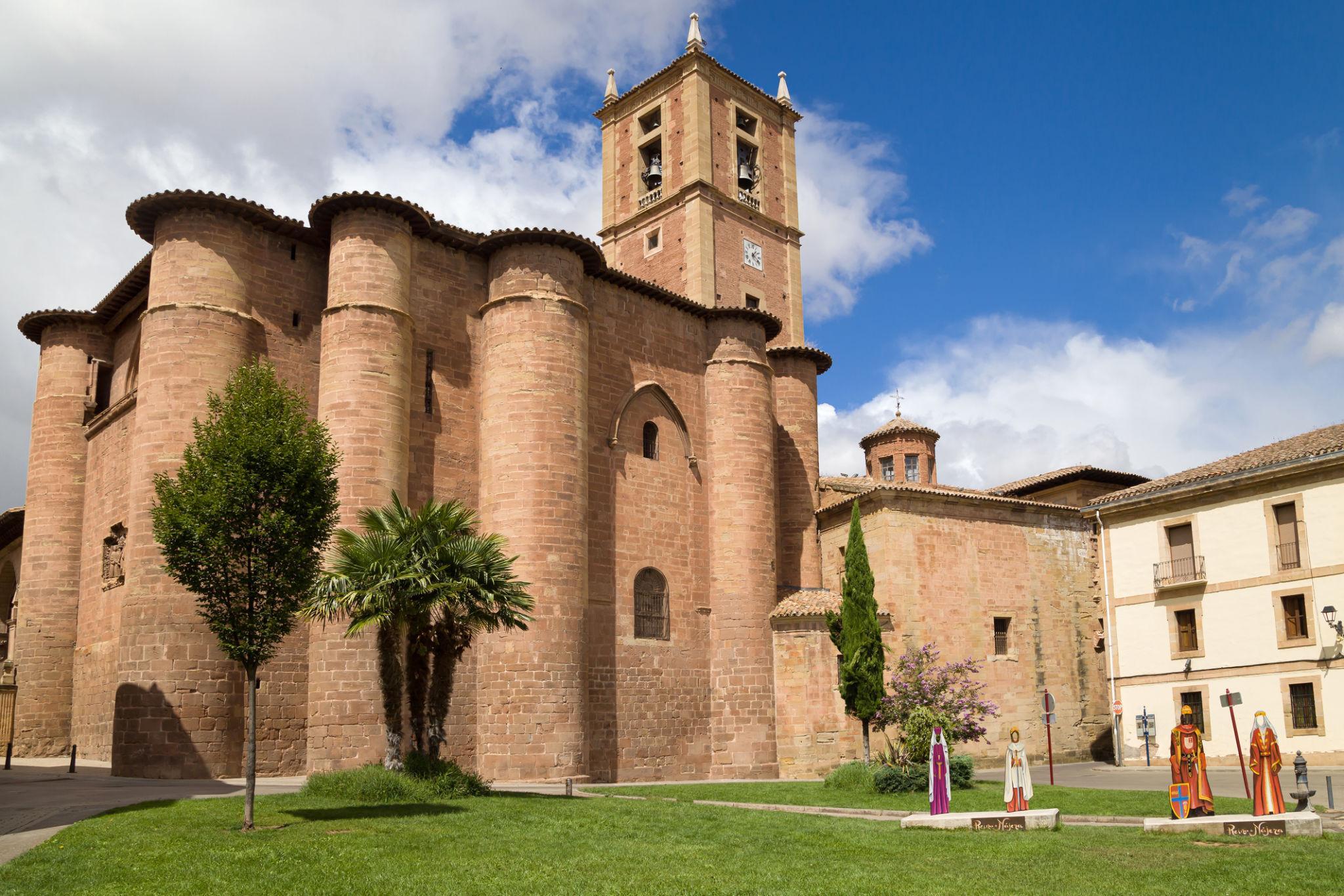
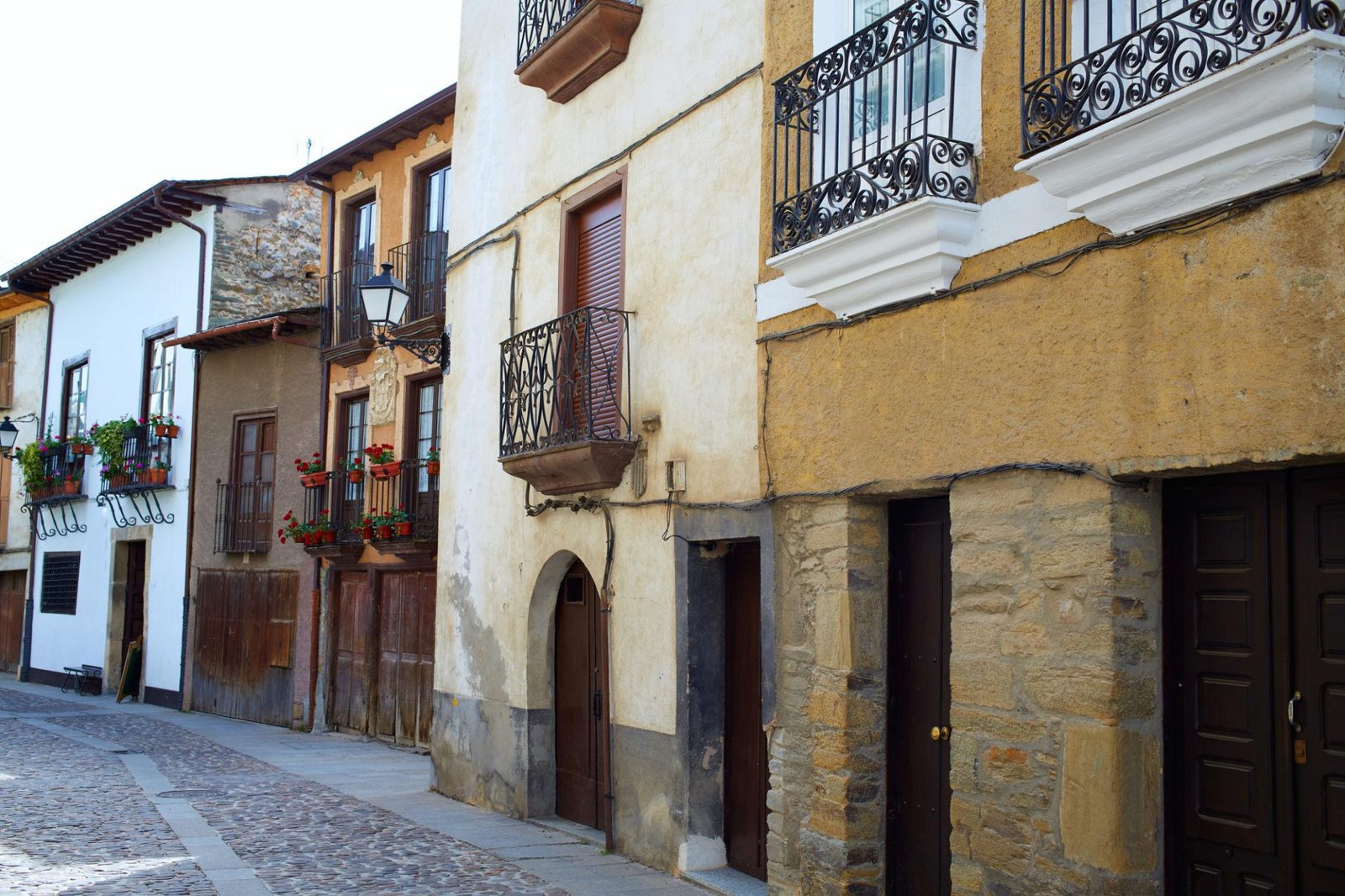
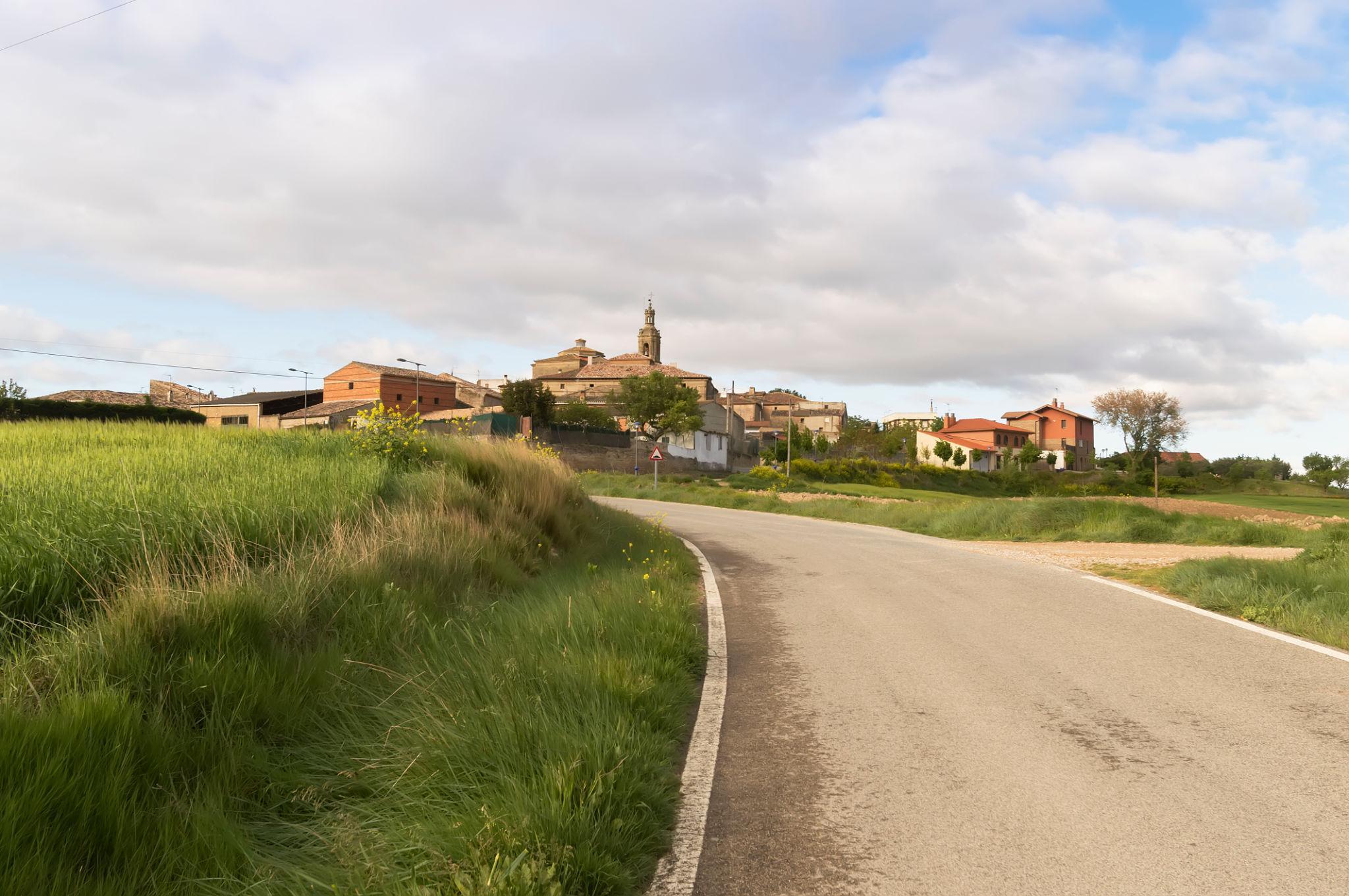
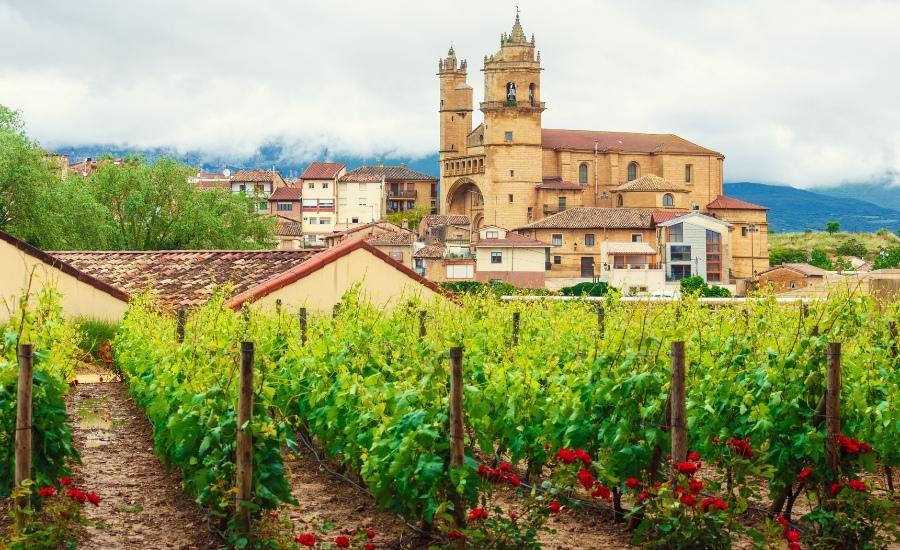
Nájera is built beneath dramatic sandstone cliffs and contains an important royal monastery.
Santo Domingo de la Calzada is famous for:
- Medieval pilgrimage history
- Cathedral traditions
- Camino miracle legends
Burgos
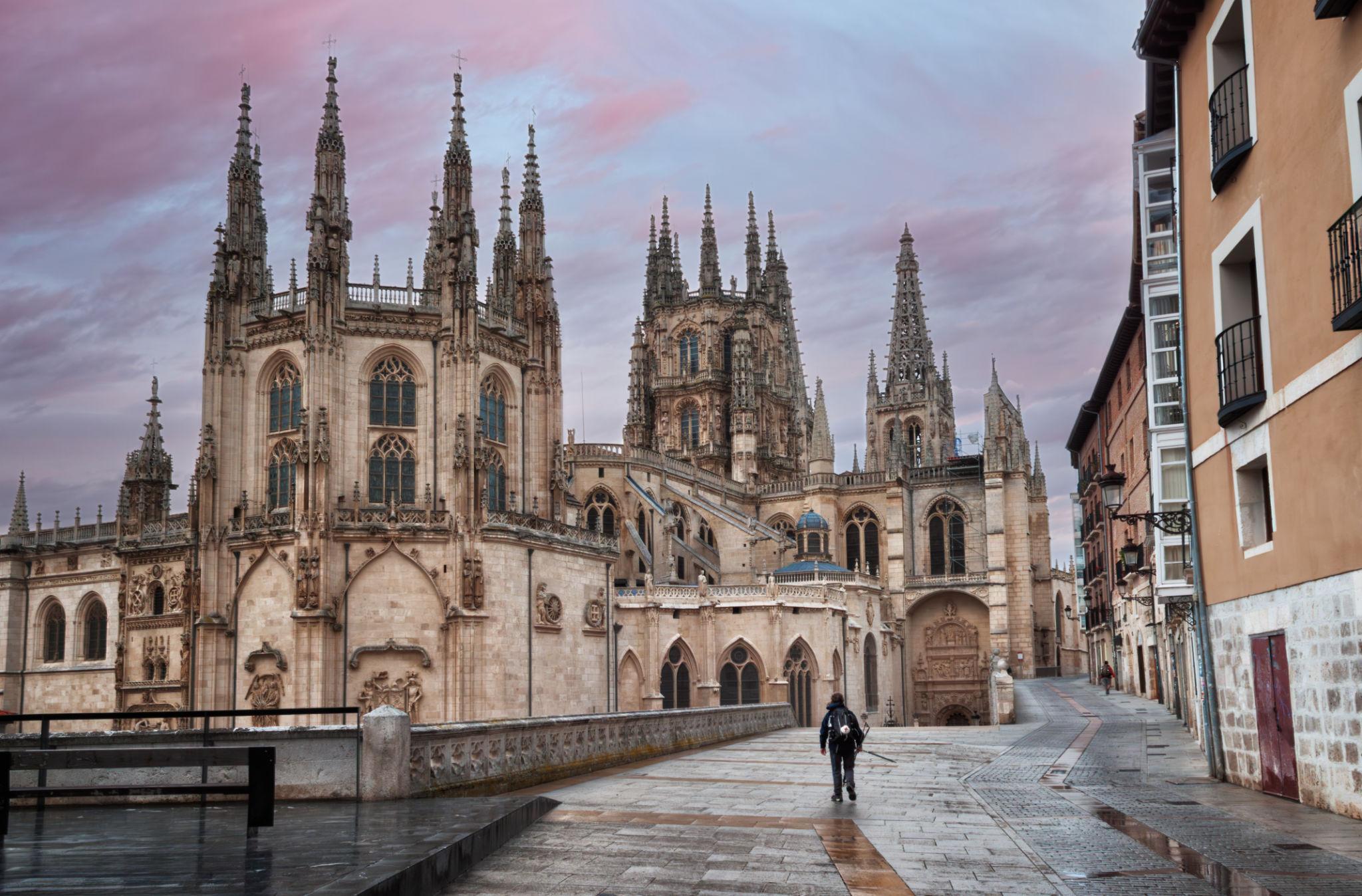
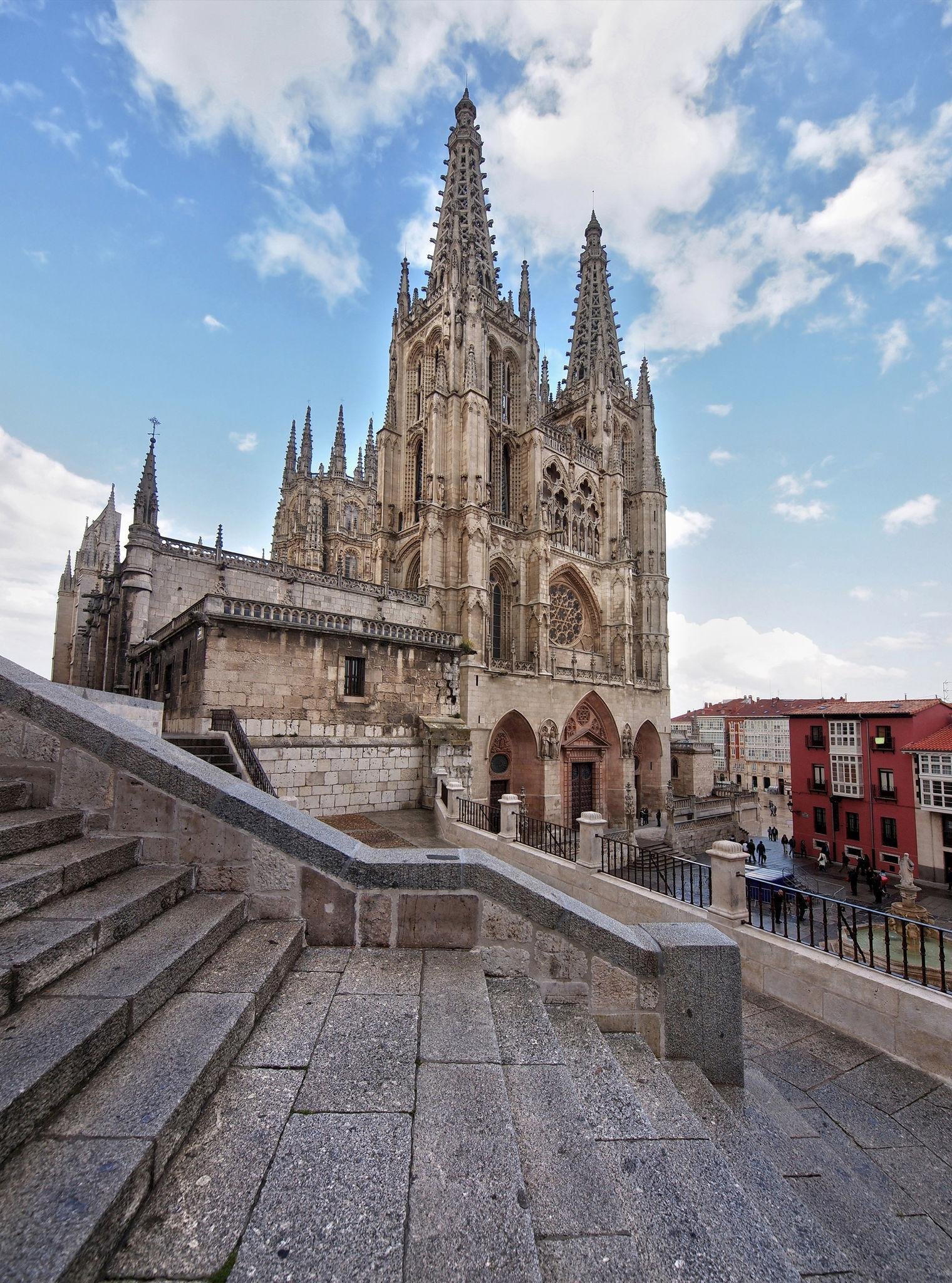
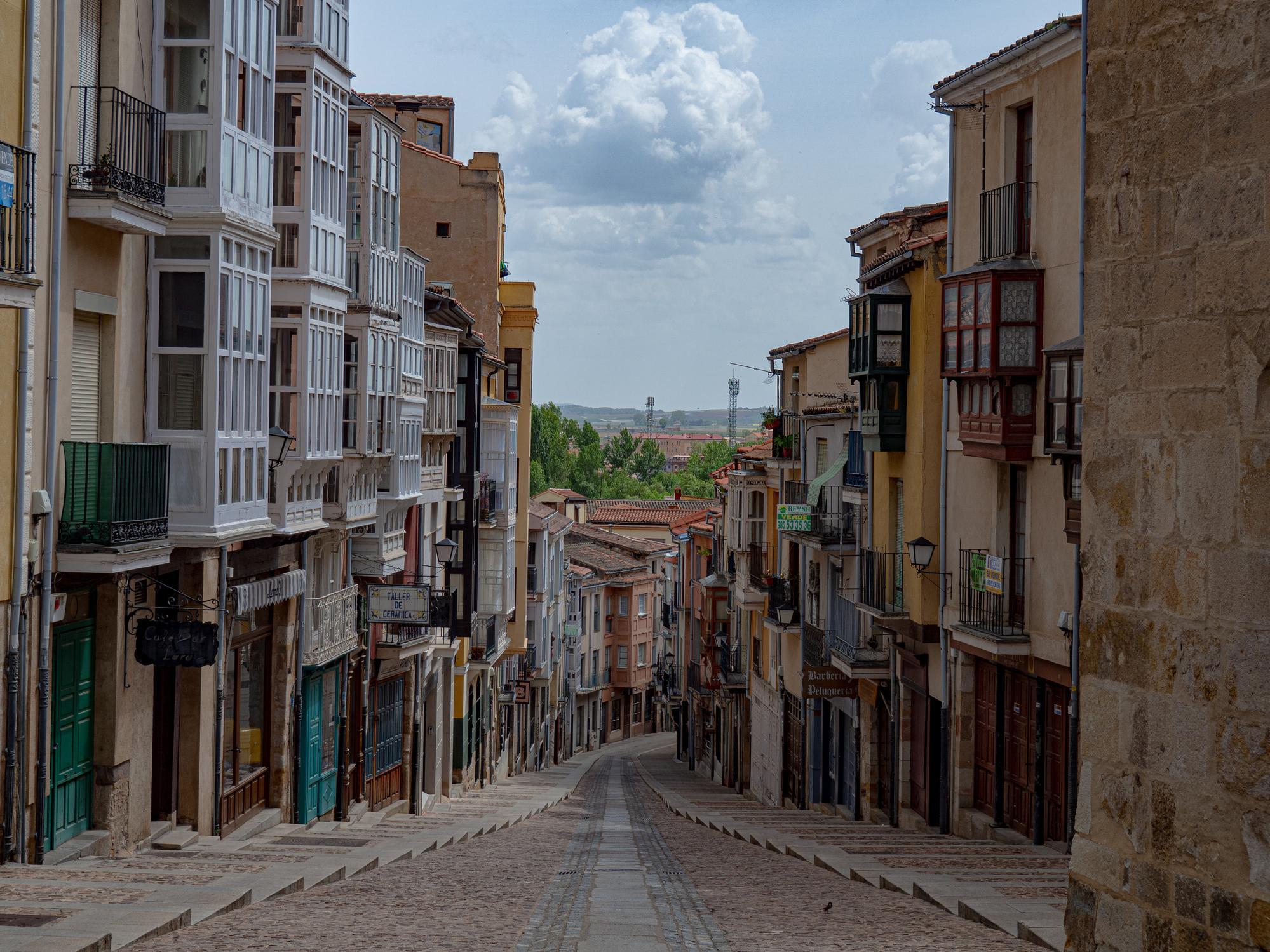
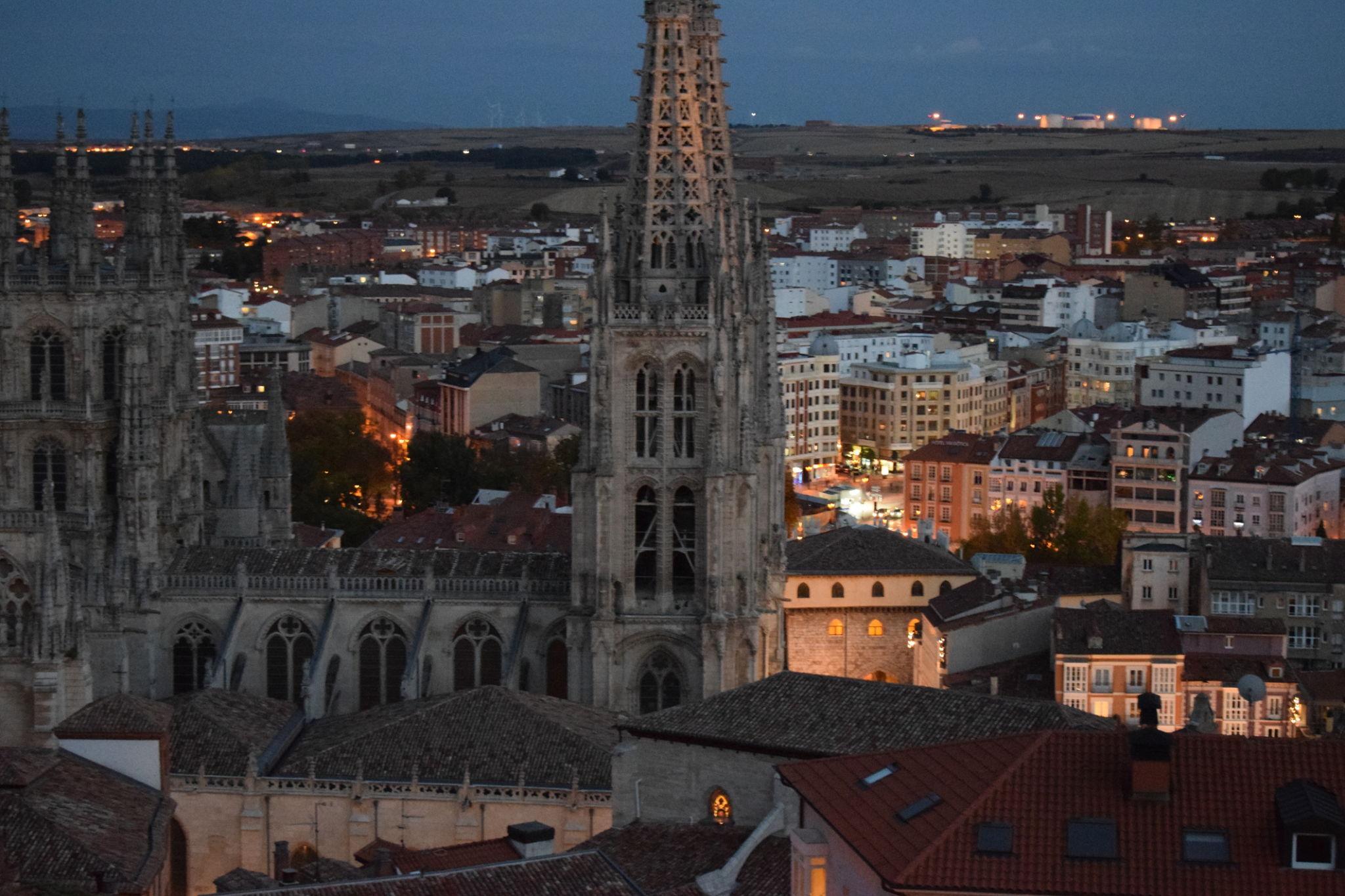
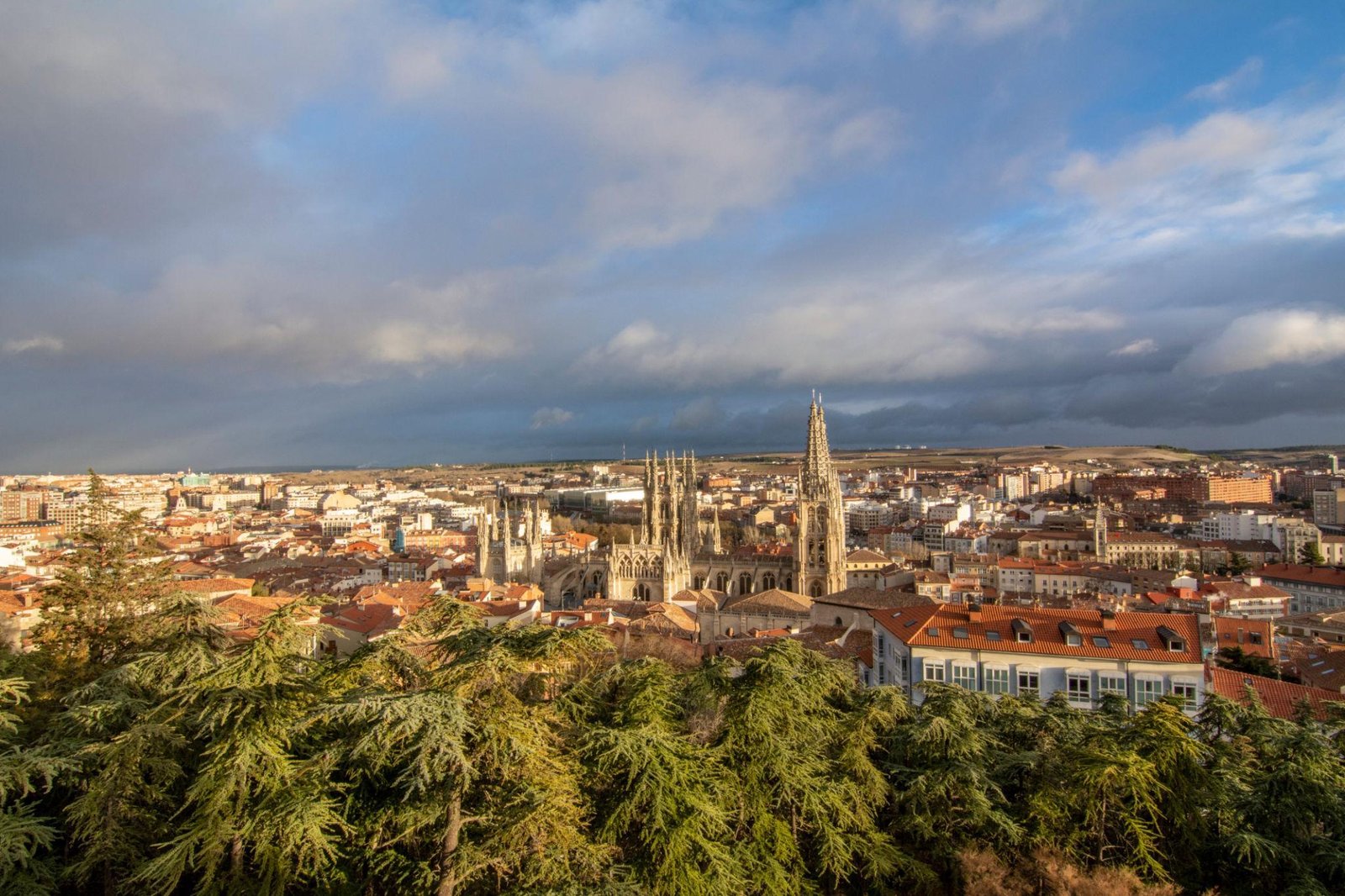
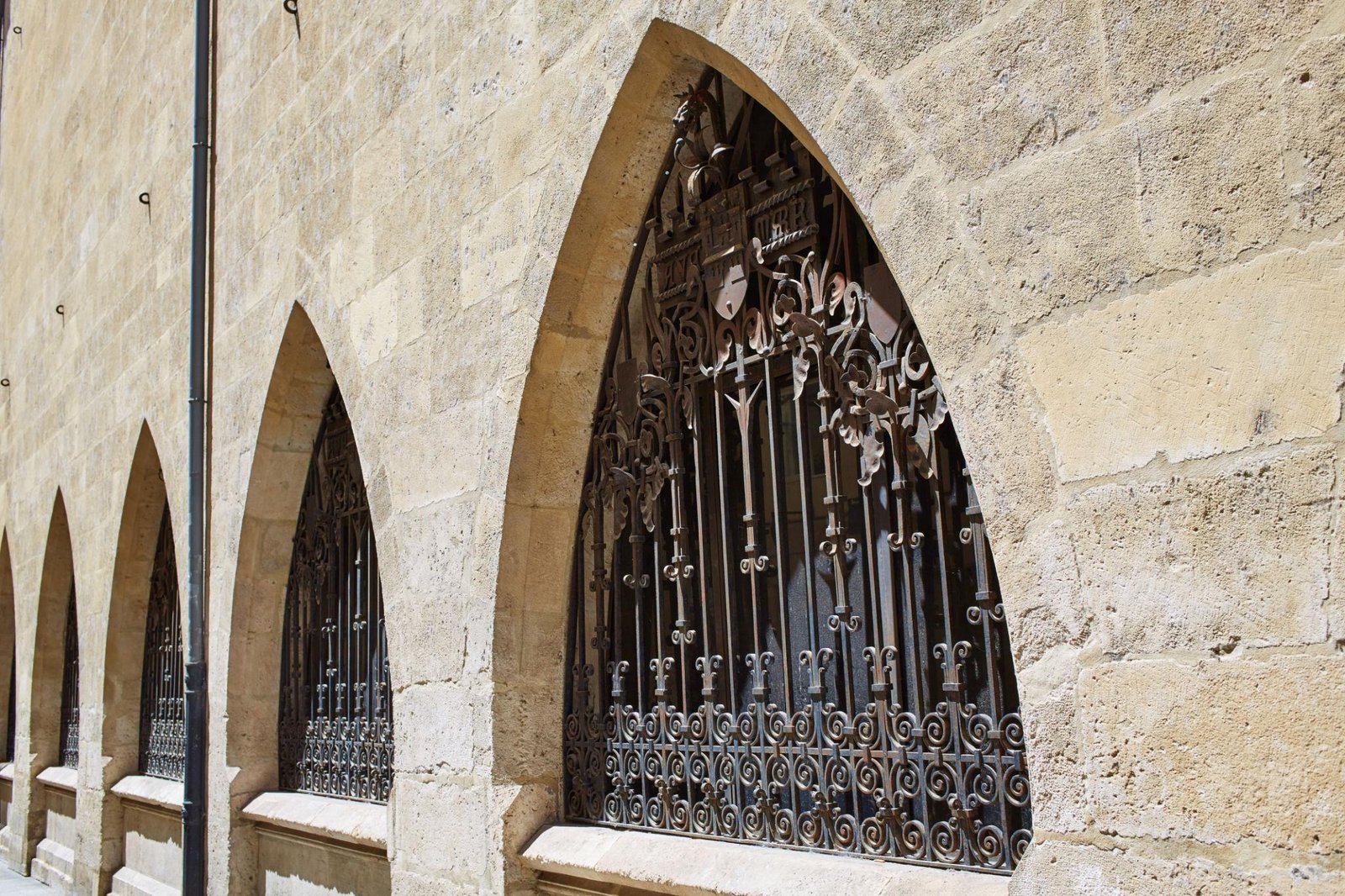
Burgos is one of the Camino’s most important cities and home to one of Spain’s greatest Gothic cathedrals.
Highlights
- UNESCO cathedral
- Medieval old city
- Arco de Santa María
- Excellent food scene
Many pilgrims take a rest day in Burgos.
Stage 3: Burgos & the Meseta Plains
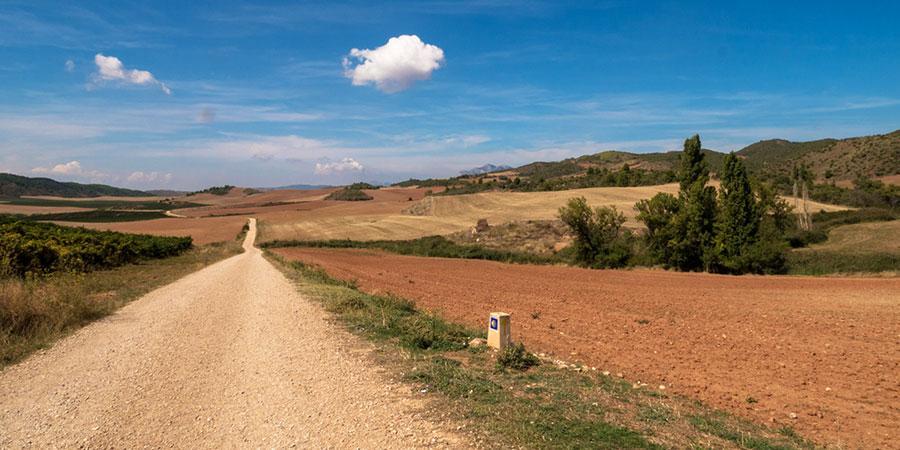
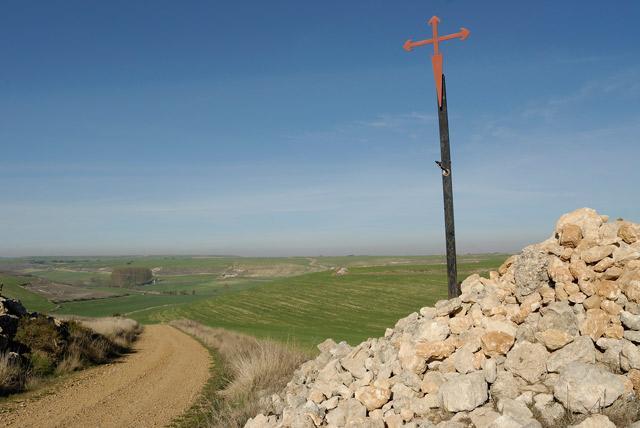
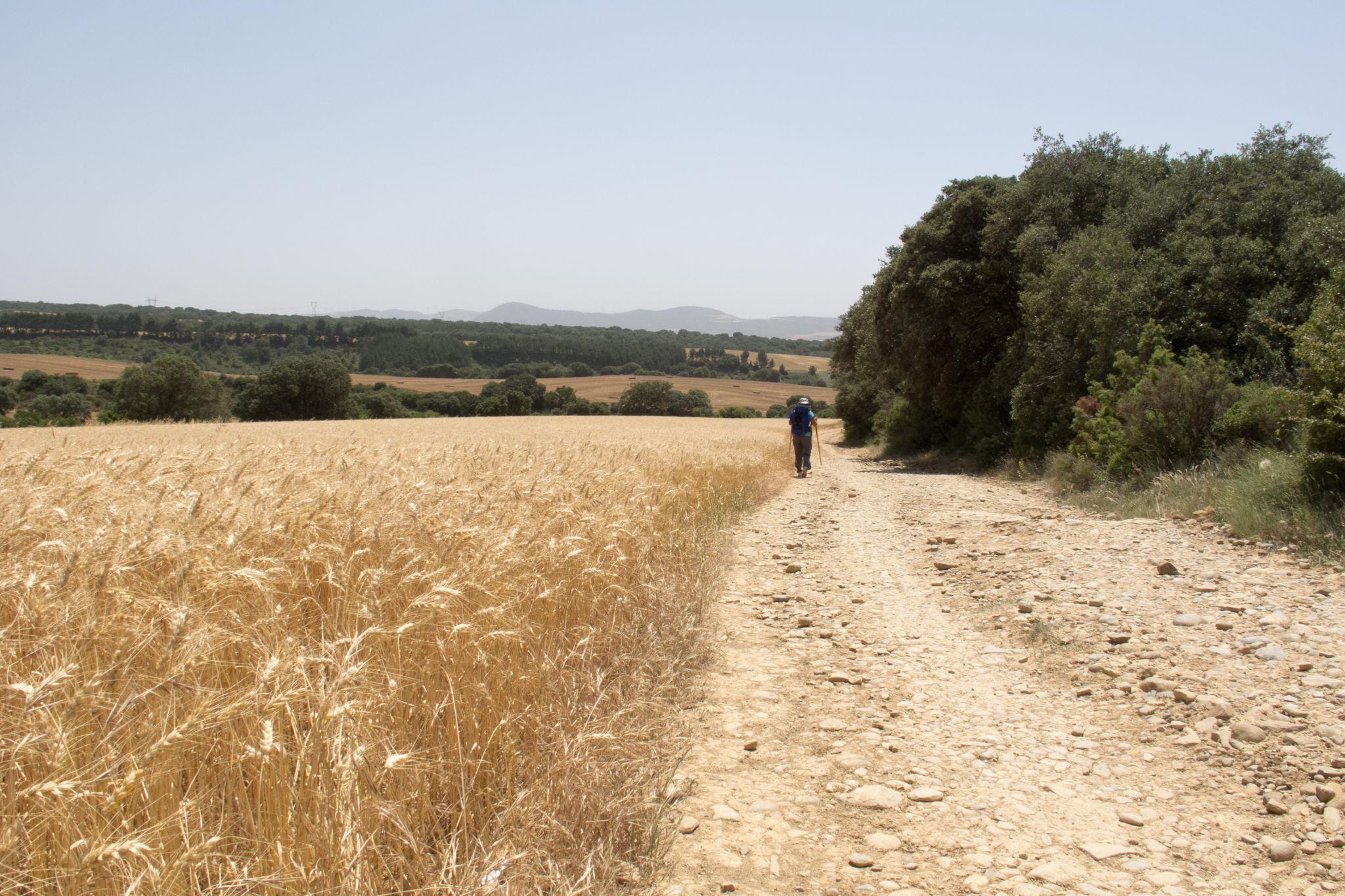
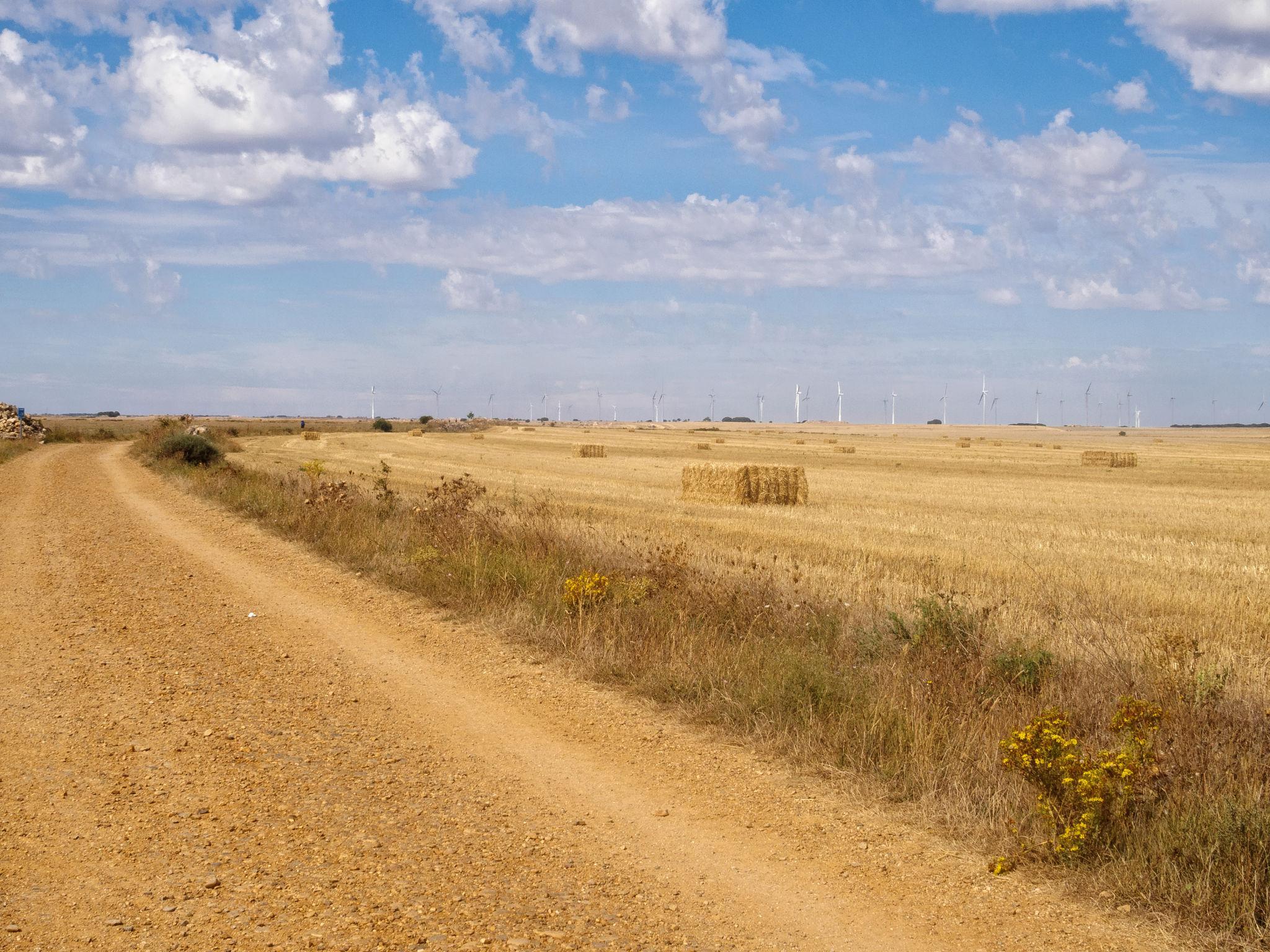
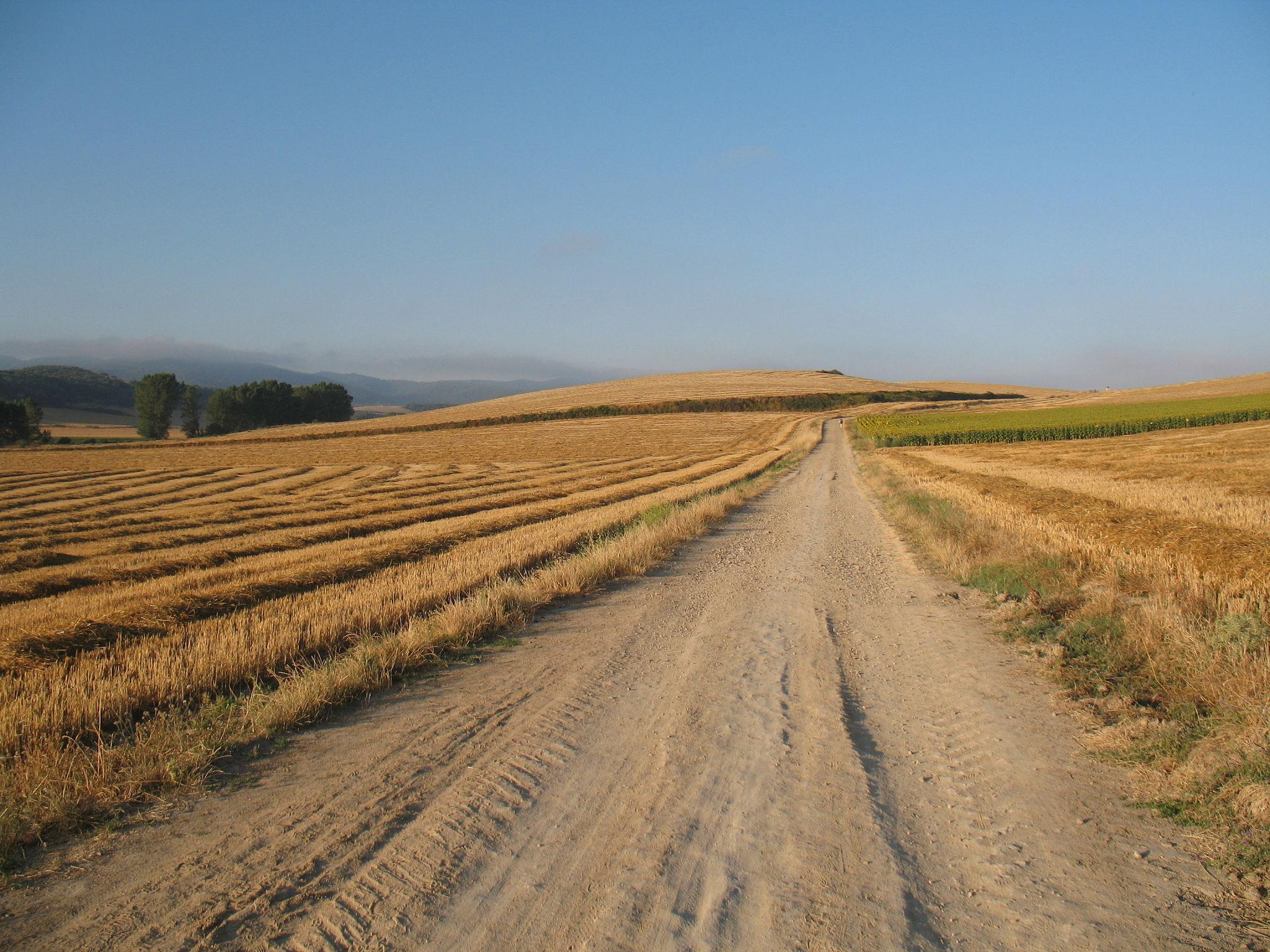
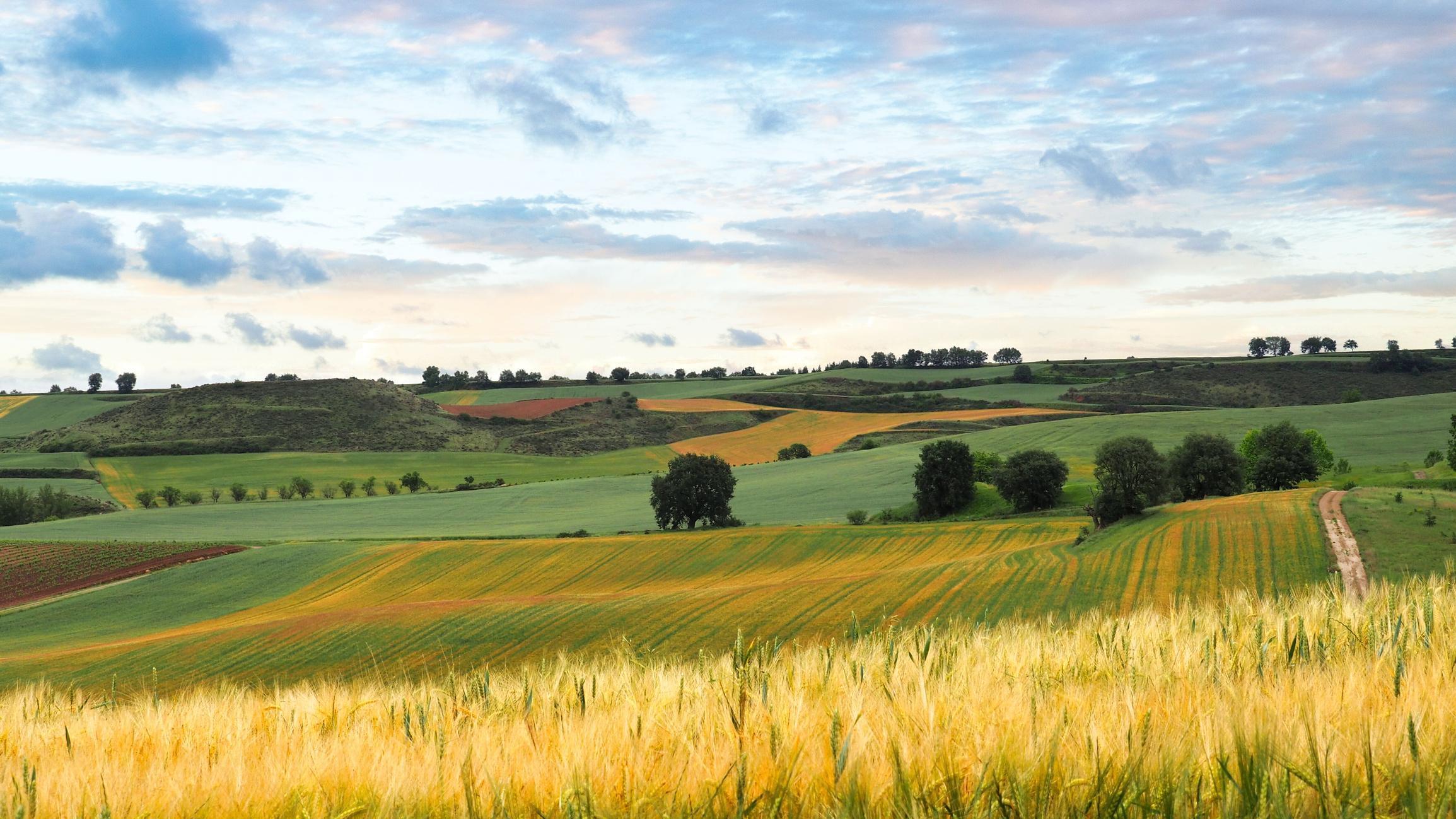
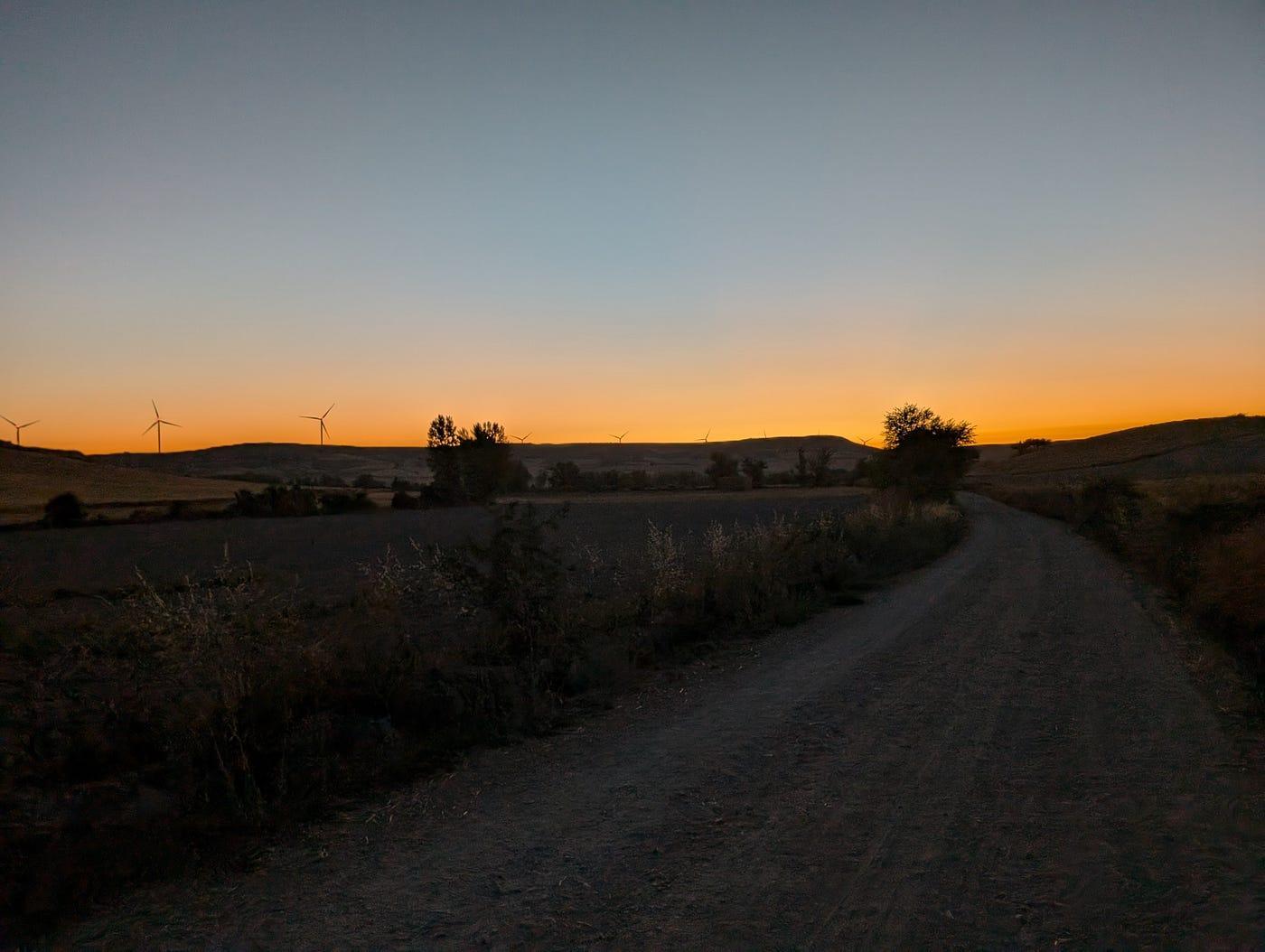
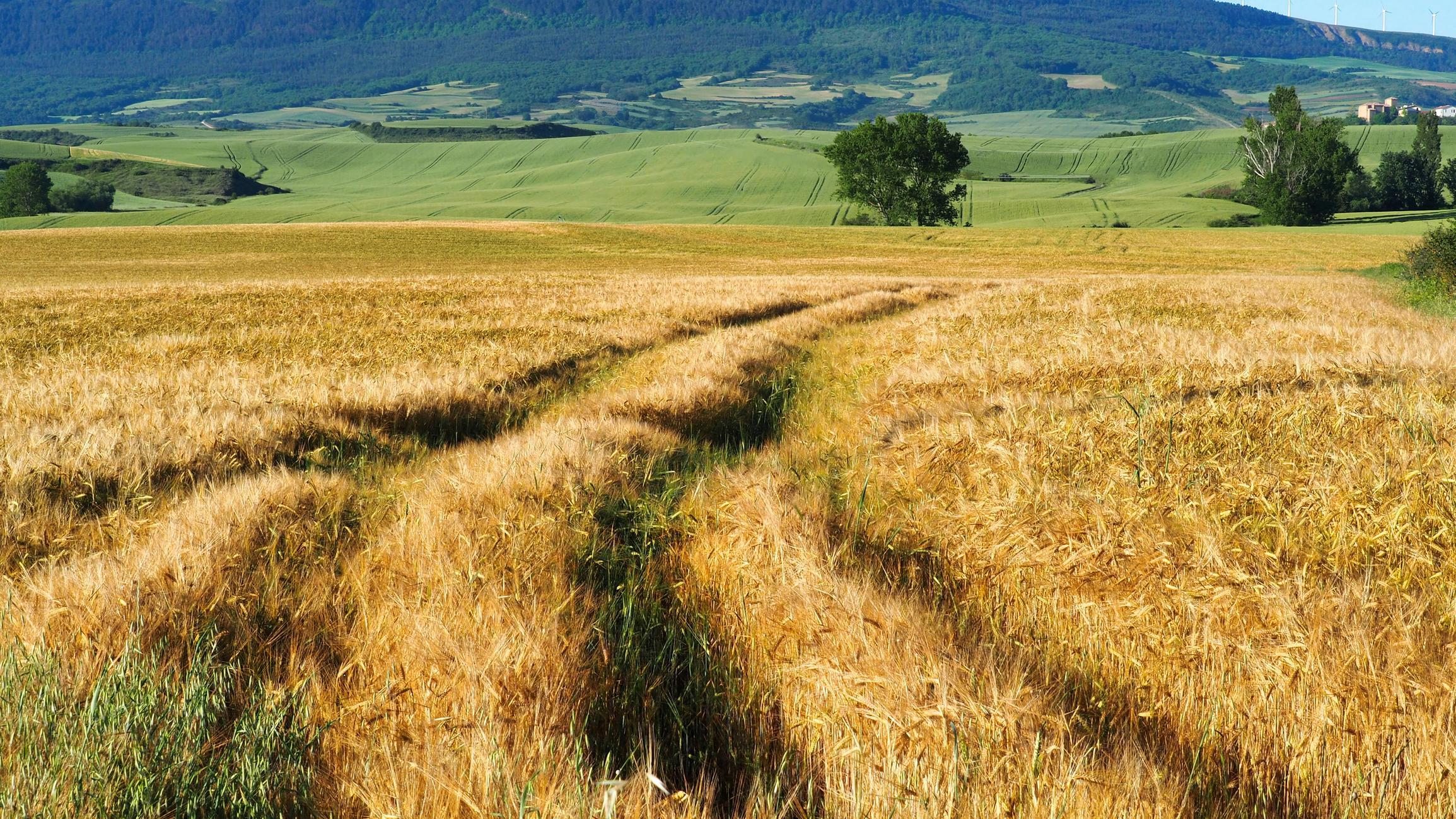
The Meseta is the psychological centrepiece of the Camino Frances.
This high plateau region stretches for roughly:
- 220 km
- Between Burgos and León
The Meseta is known for:
- Open wheat fields
- Huge skies
- Long walking distances
- Minimal shade
- Quiet landscapes
Some pilgrims find the Meseta monotonous while others consider it the most reflective section of the Camino.
Key Stops on the Meseta
Frómista
Known for the Romanesque Church of San Martín.
Carrión de los Condes
Historic pilgrim town with strong Camino traditions.
Sahagún
Marks roughly the halfway point of the Camino Frances.
Stage 4: León & the Approach to Galicia
León
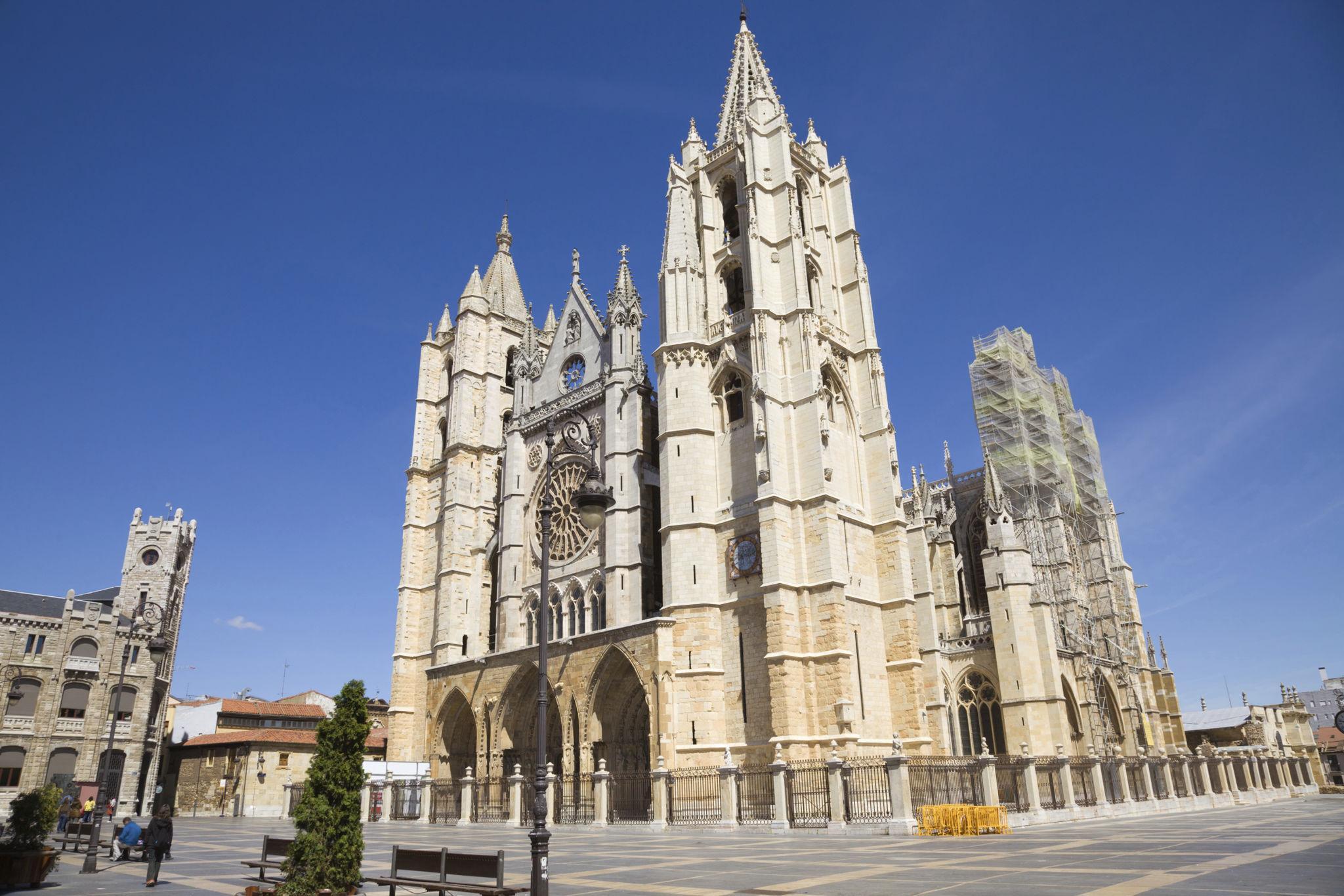
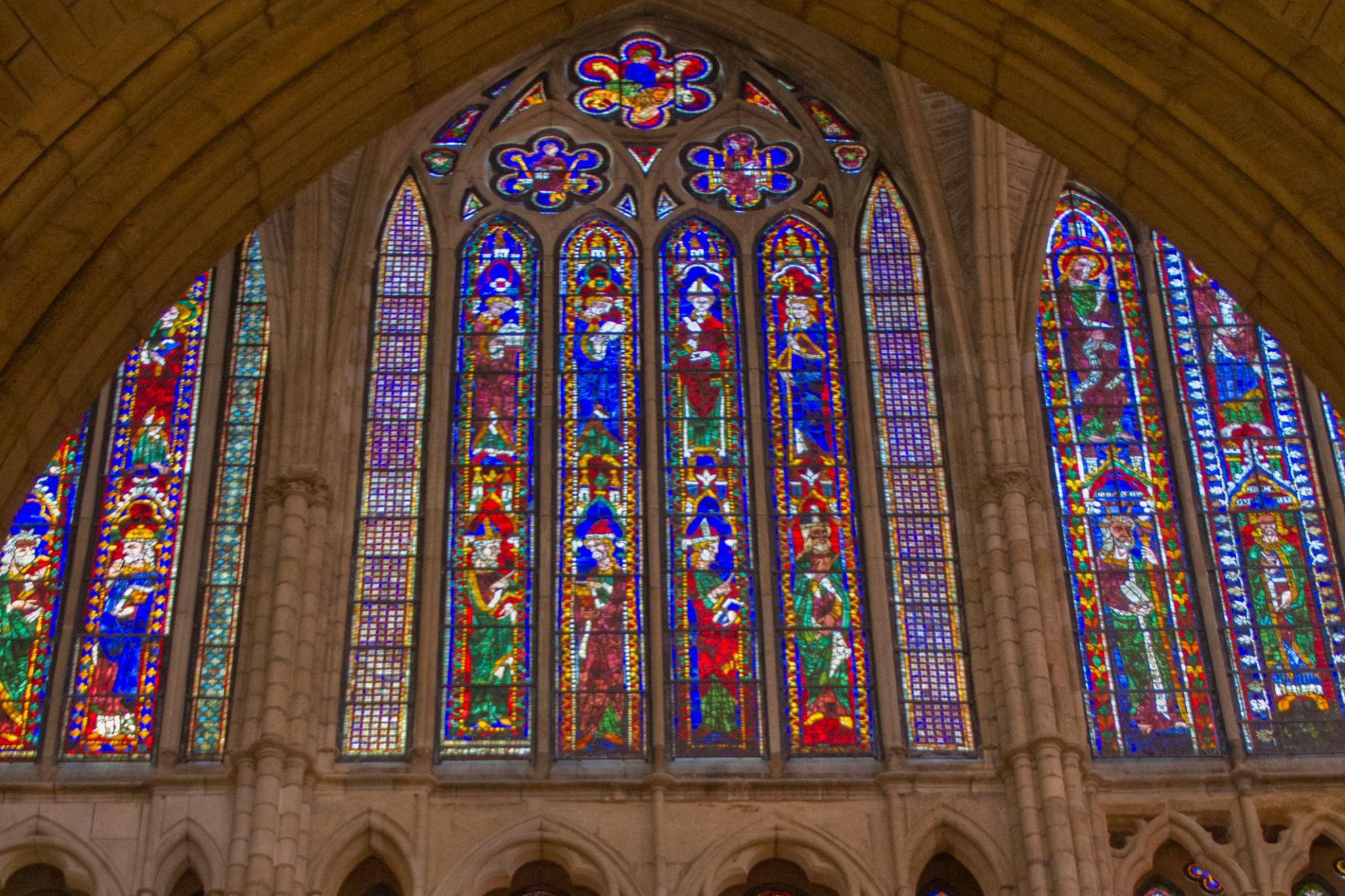
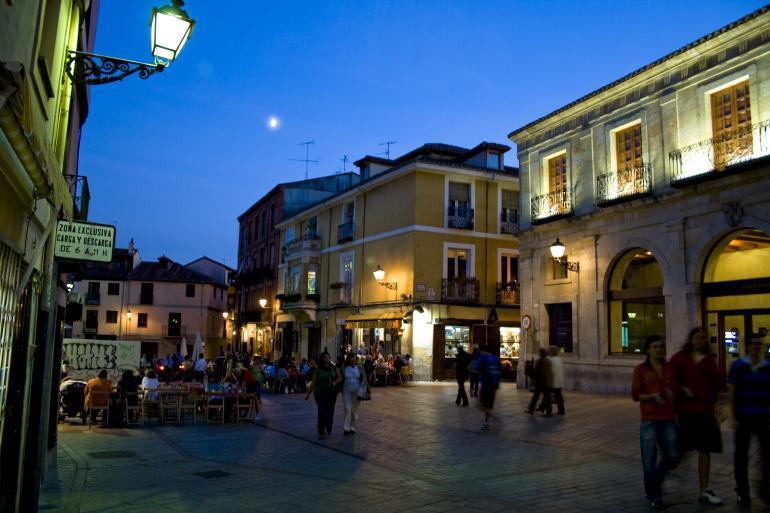
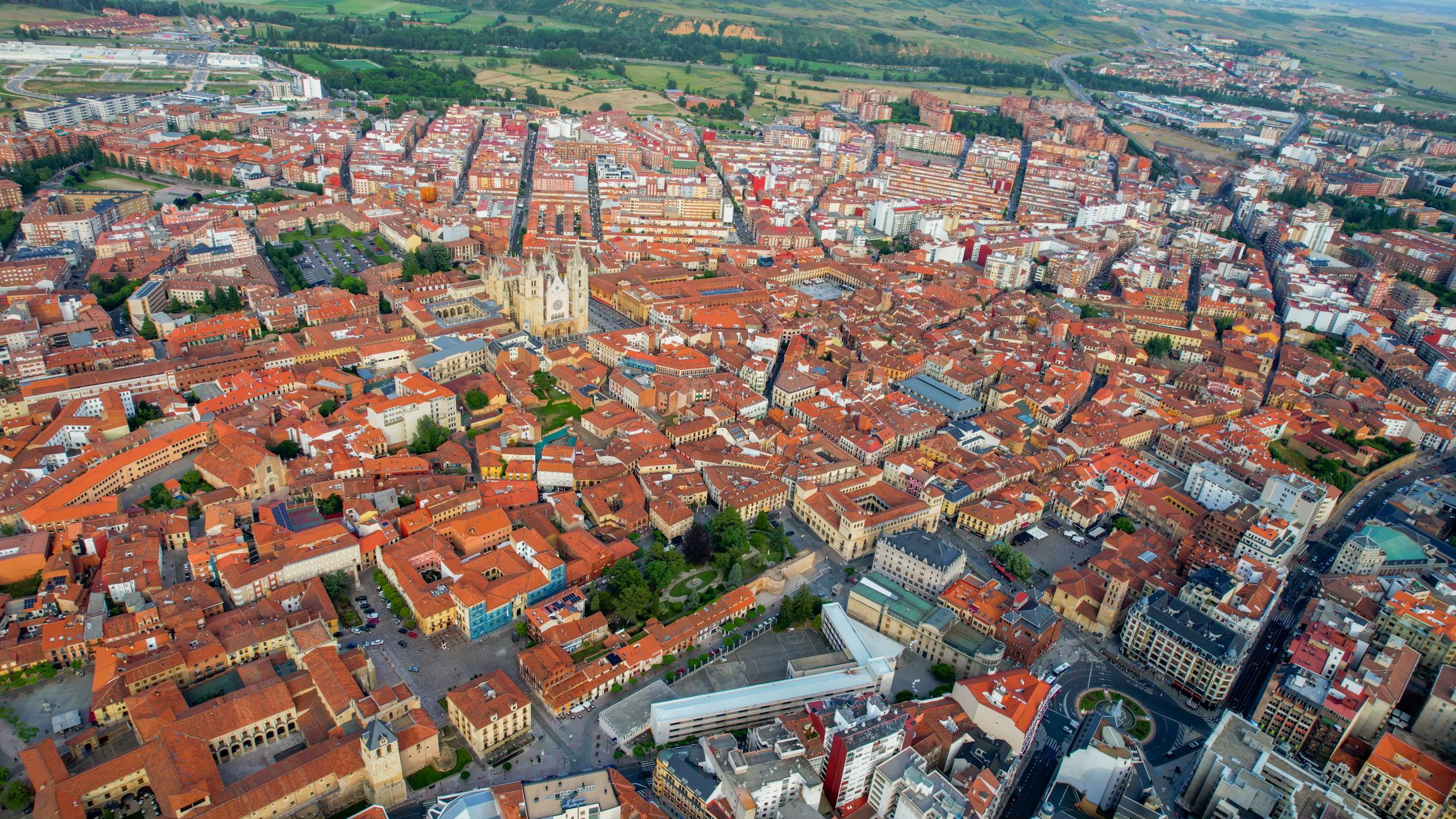
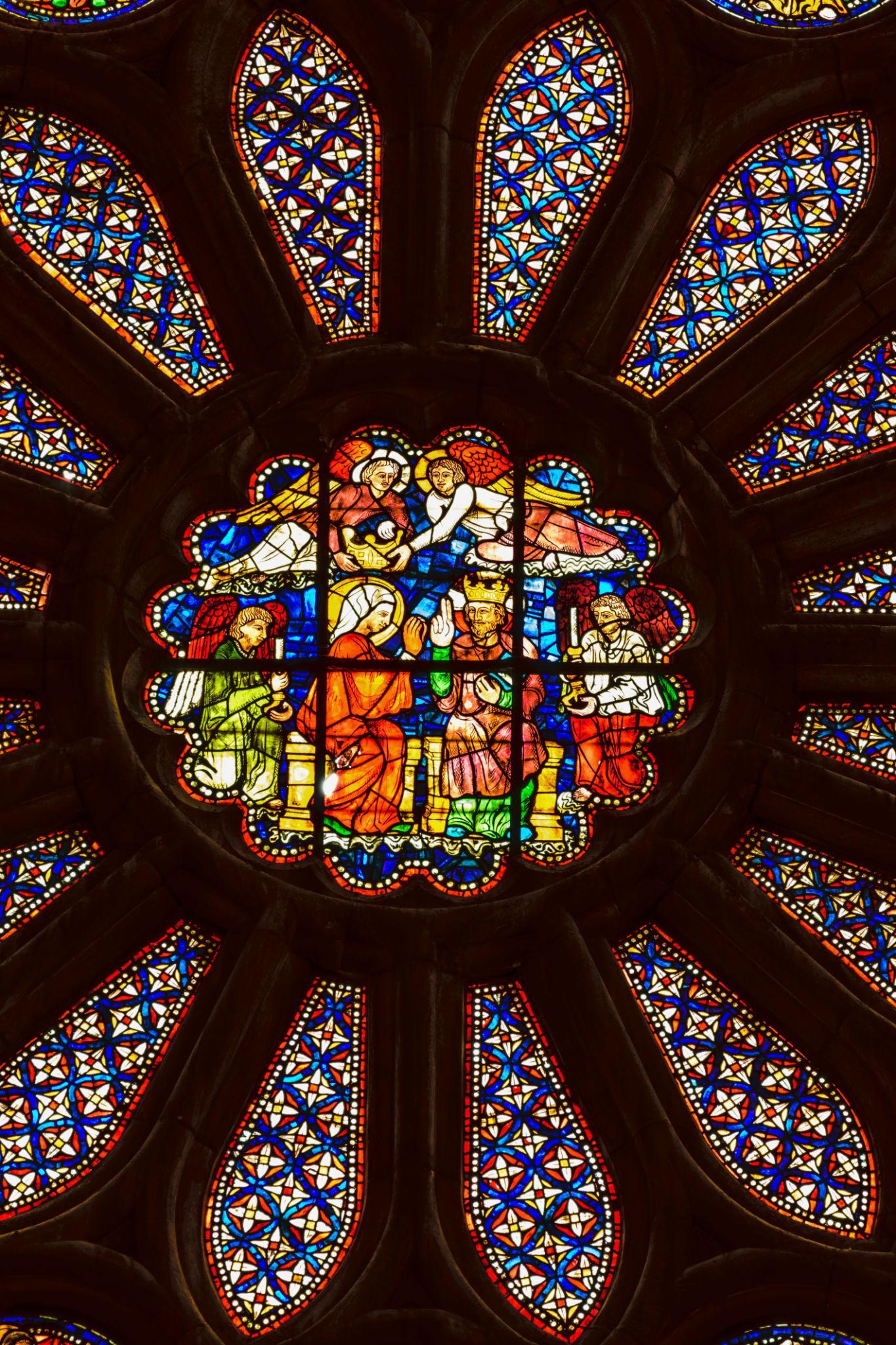
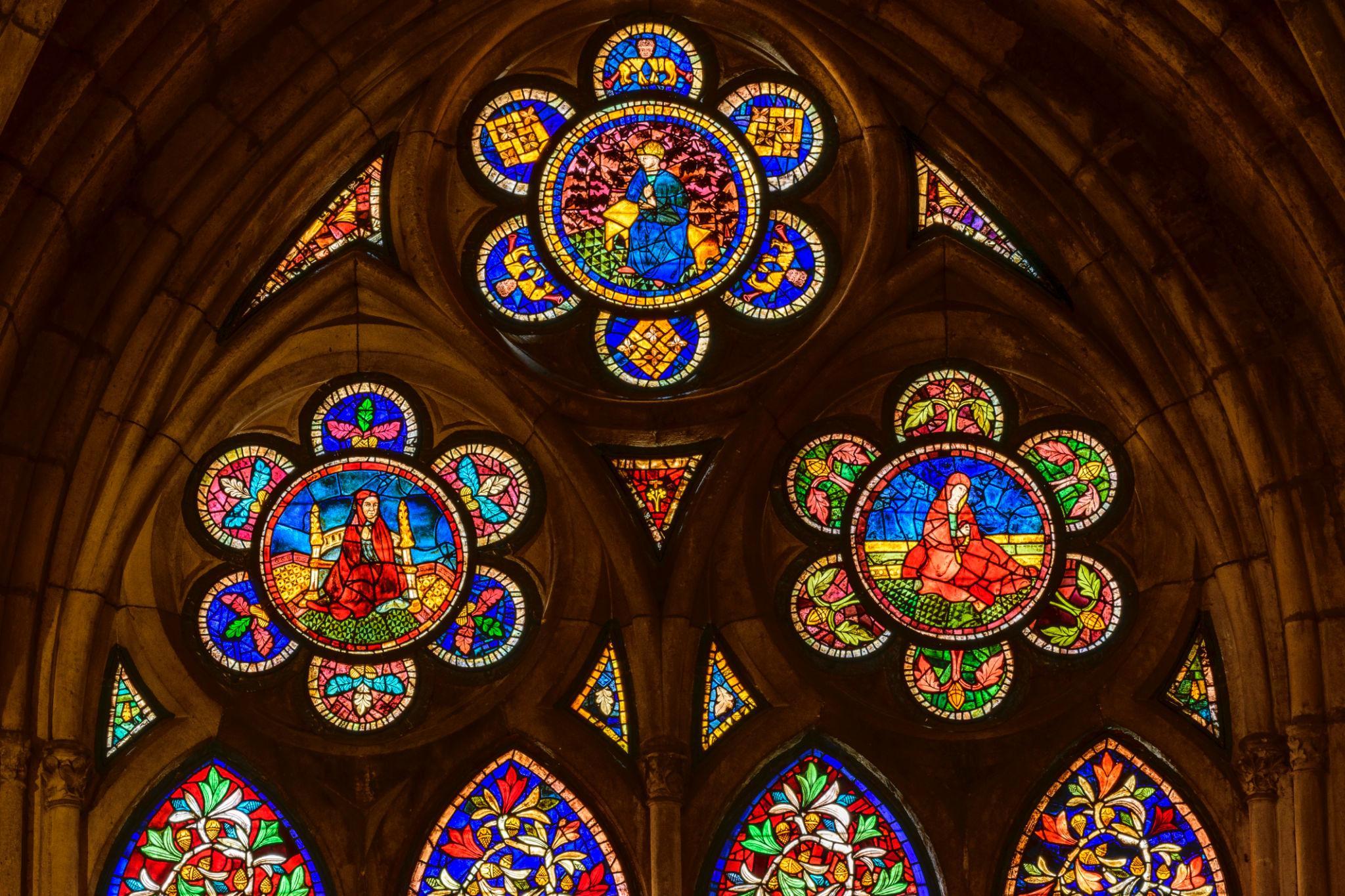
León signals the end of the Meseta and is one of northern Spain’s great medieval cities.
Highlights
- Gothic cathedral
- Massive stained glass windows
- Basilica of San Isidoro
- Historic old town
Most pilgrims spend at least one rest day here.
El Bierzo
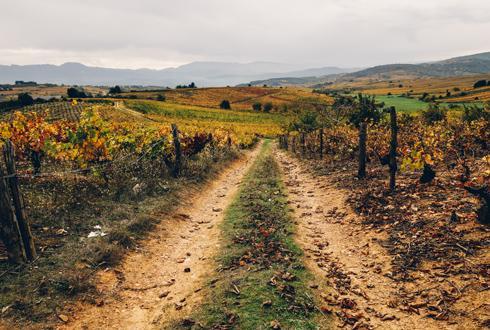
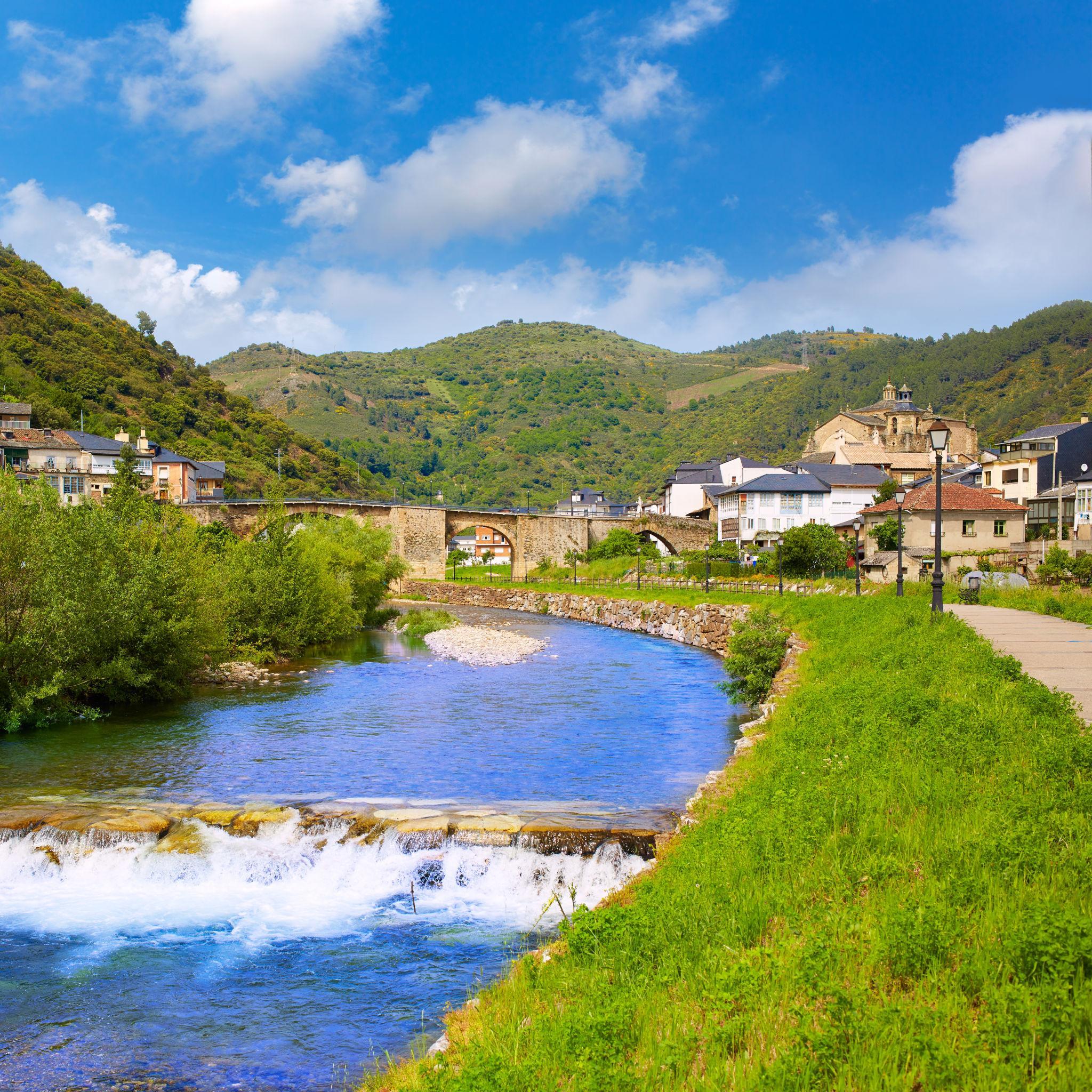
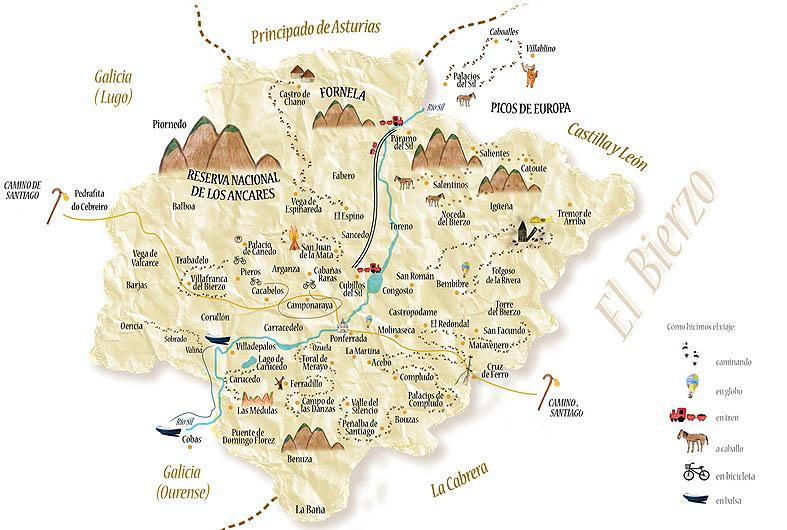
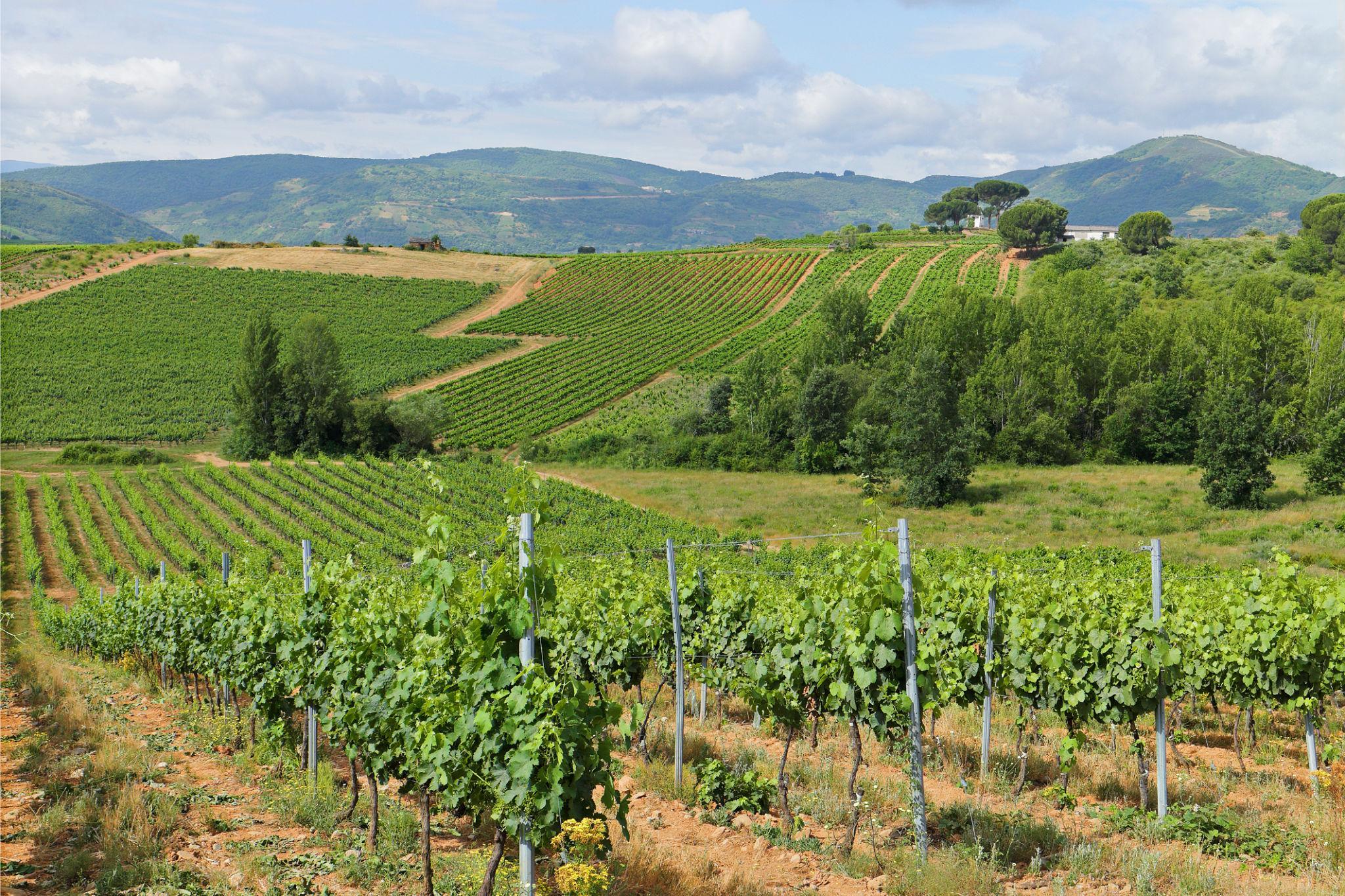
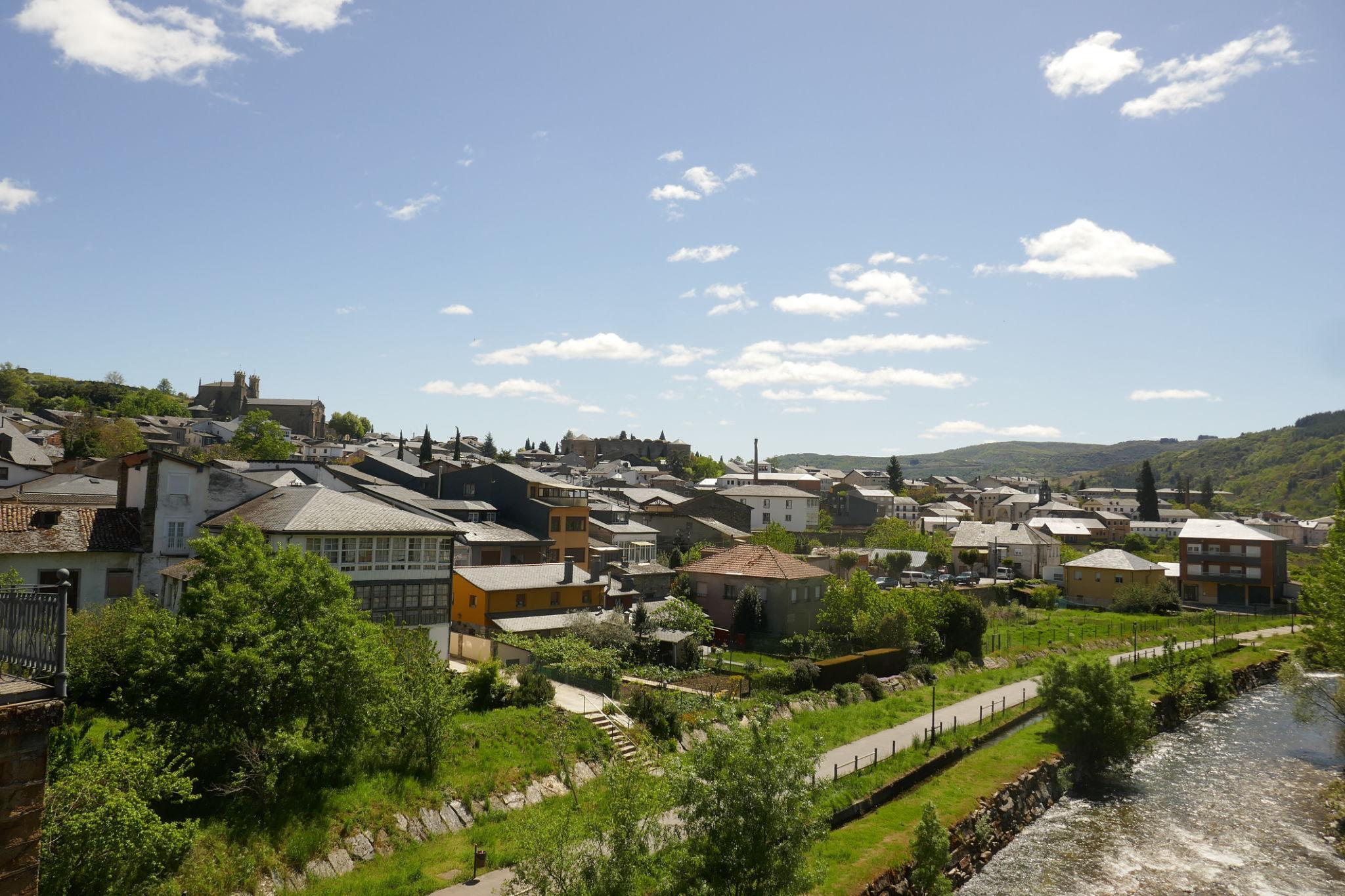
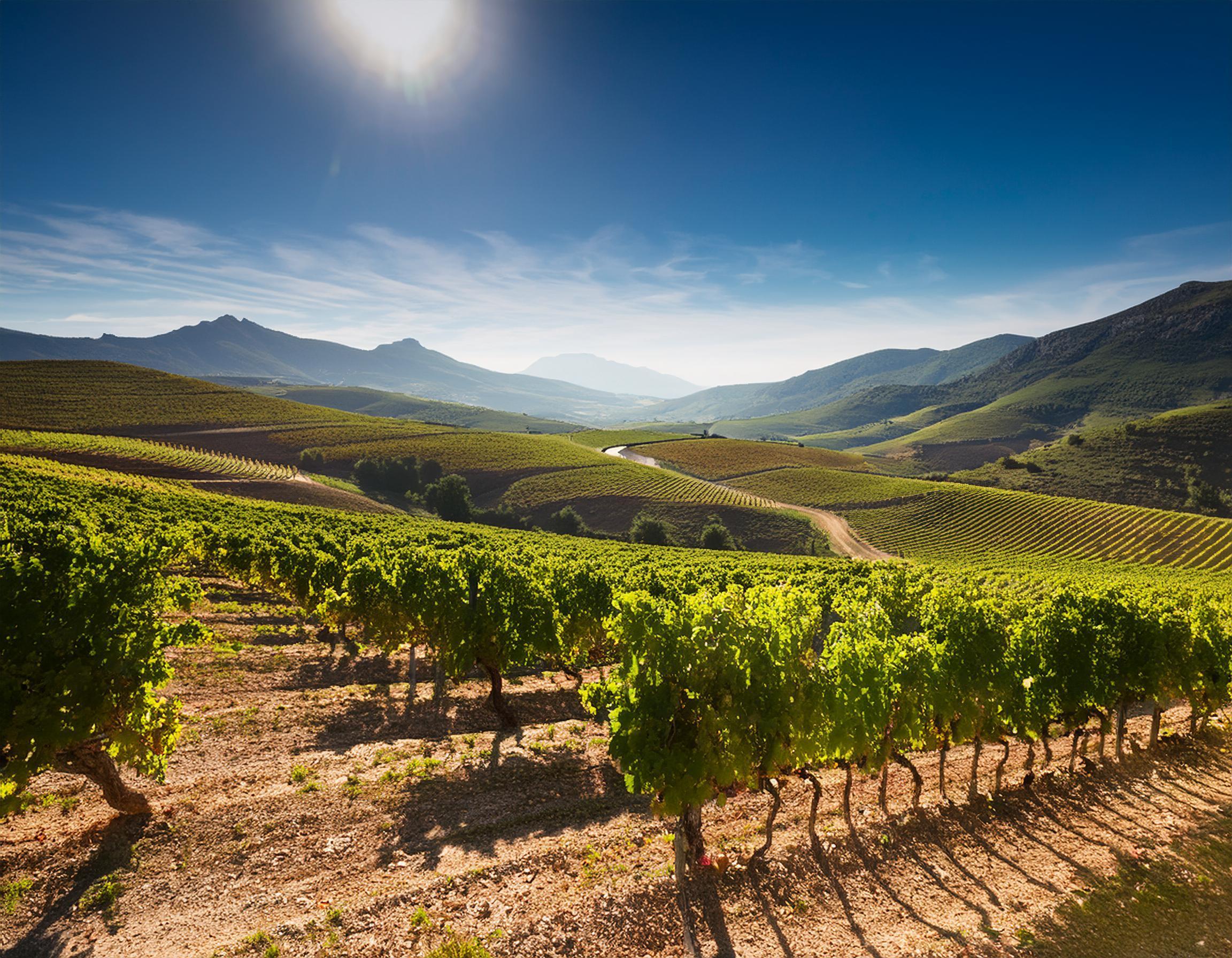
El Bierzo is known for:
- Wine regions
- Medieval villages
- Mountain scenery
- Castle towns
Villafranca del Bierzo is one of the most important towns in this section.
O Cebreiro
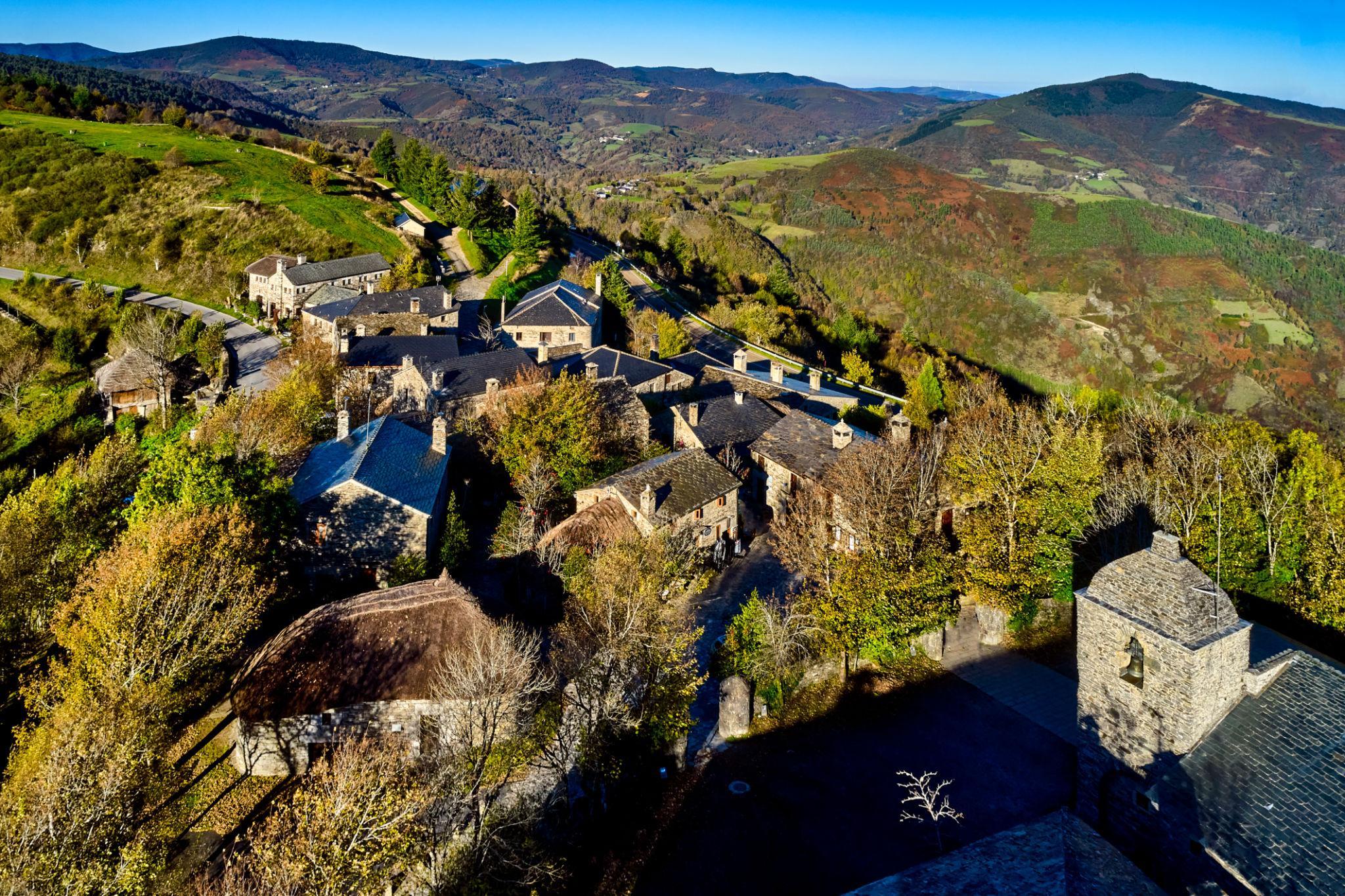
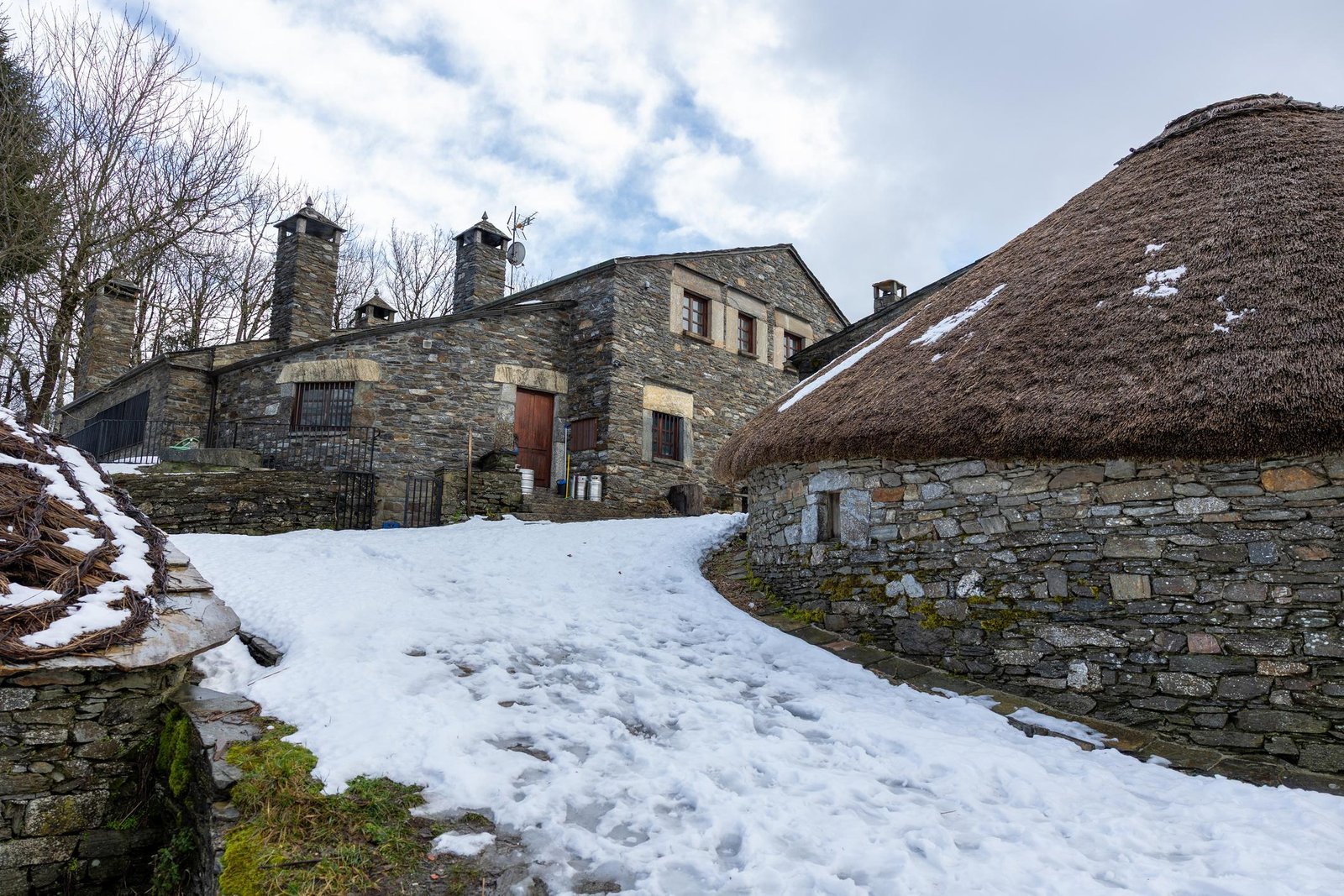
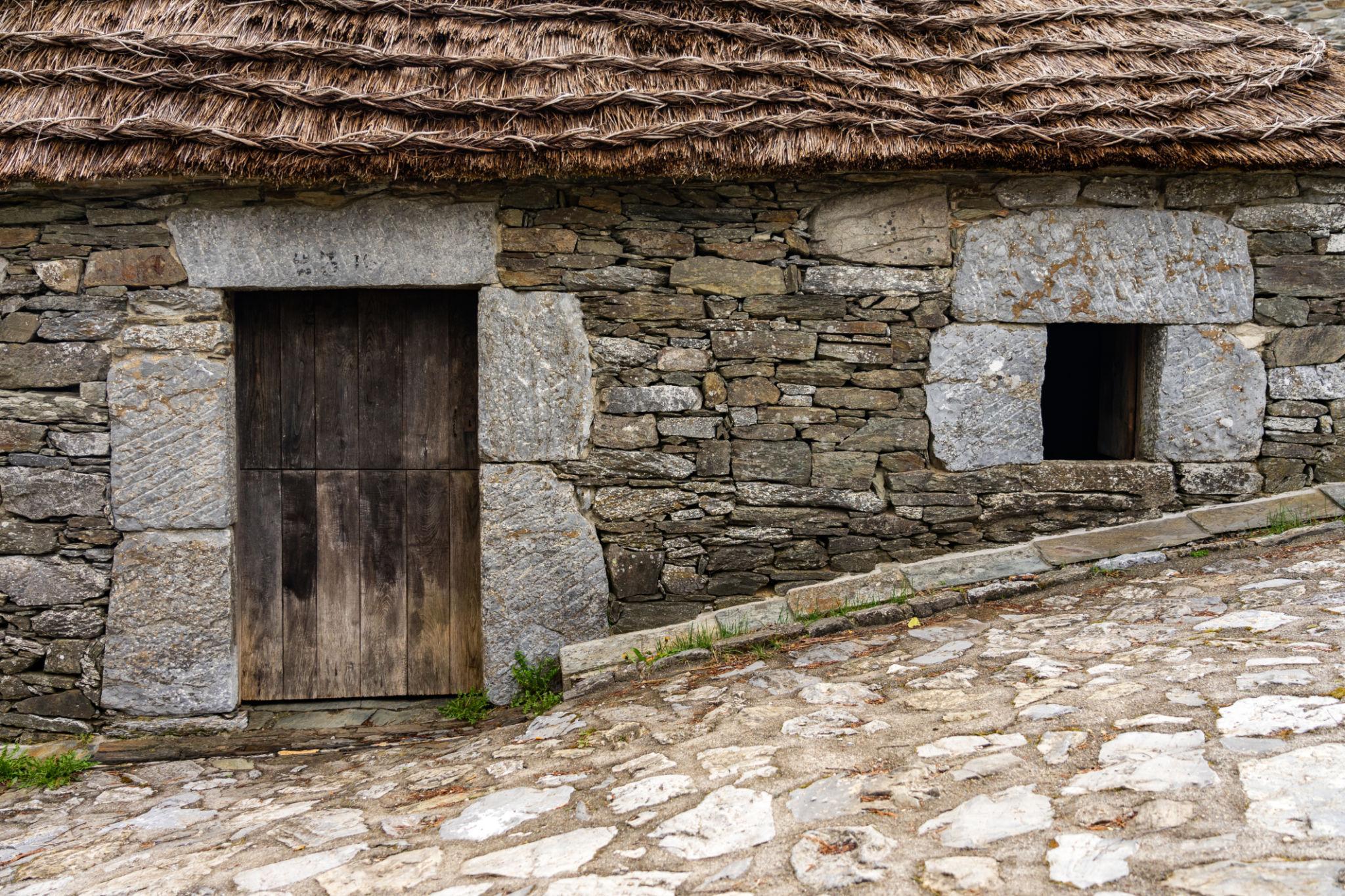
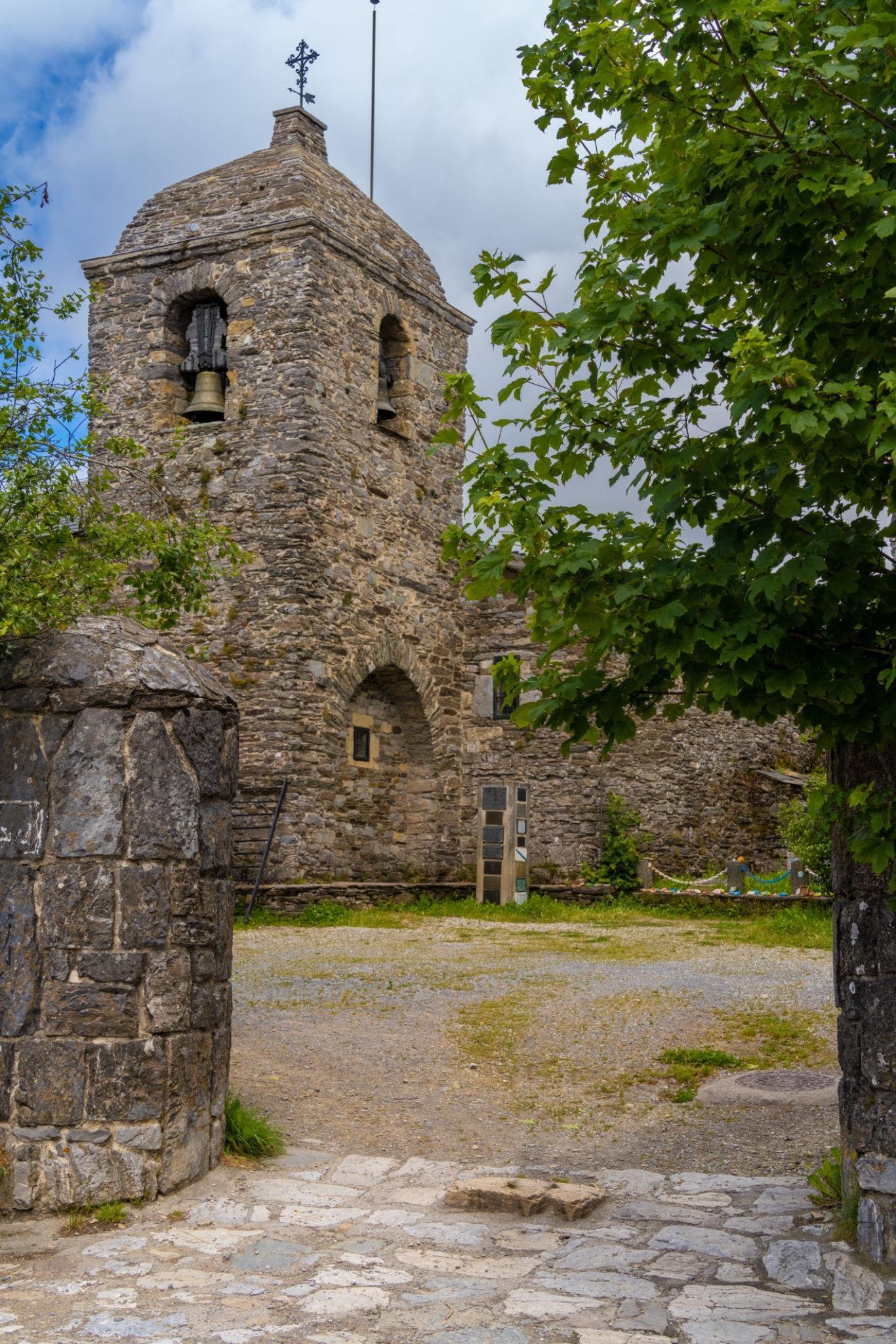
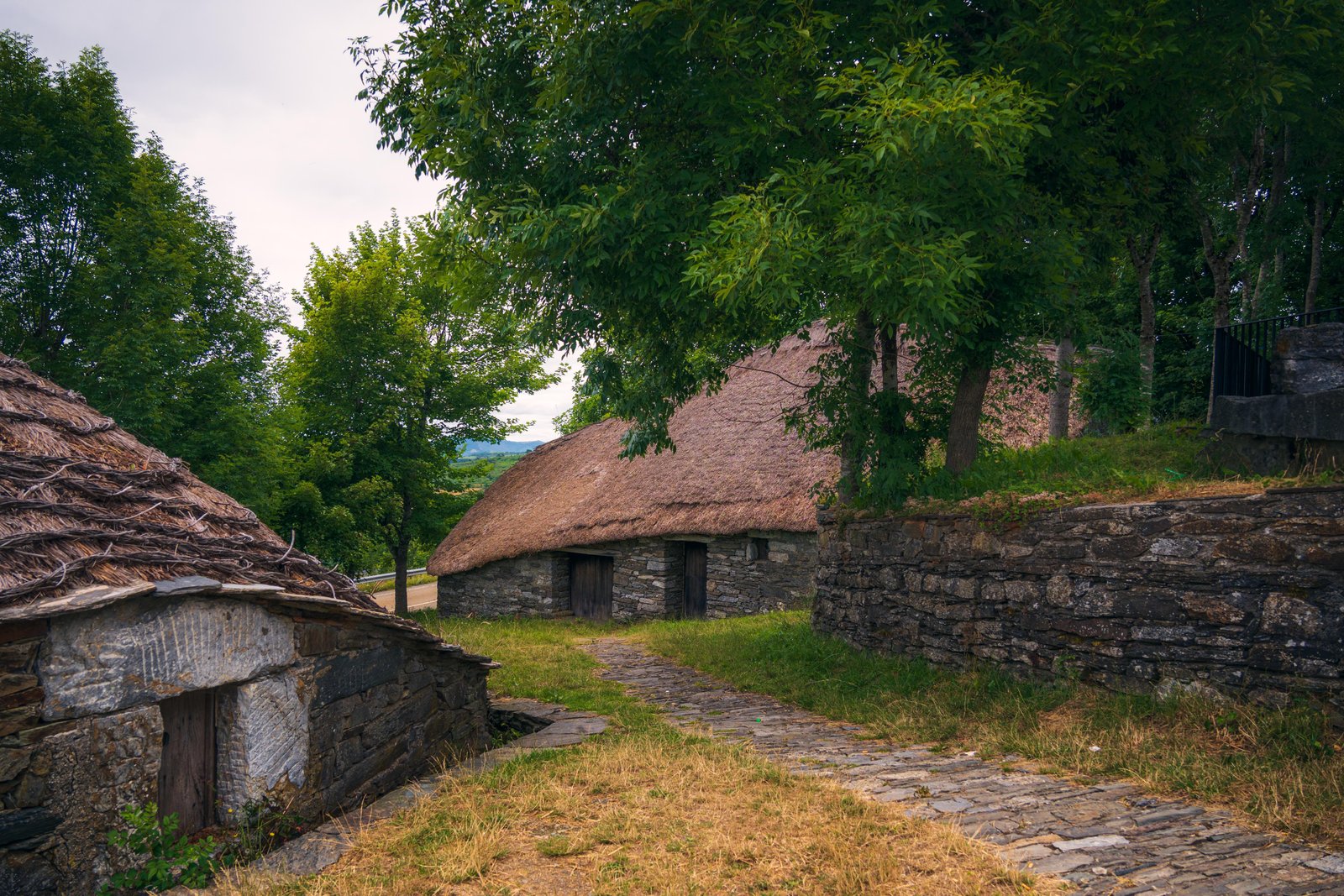
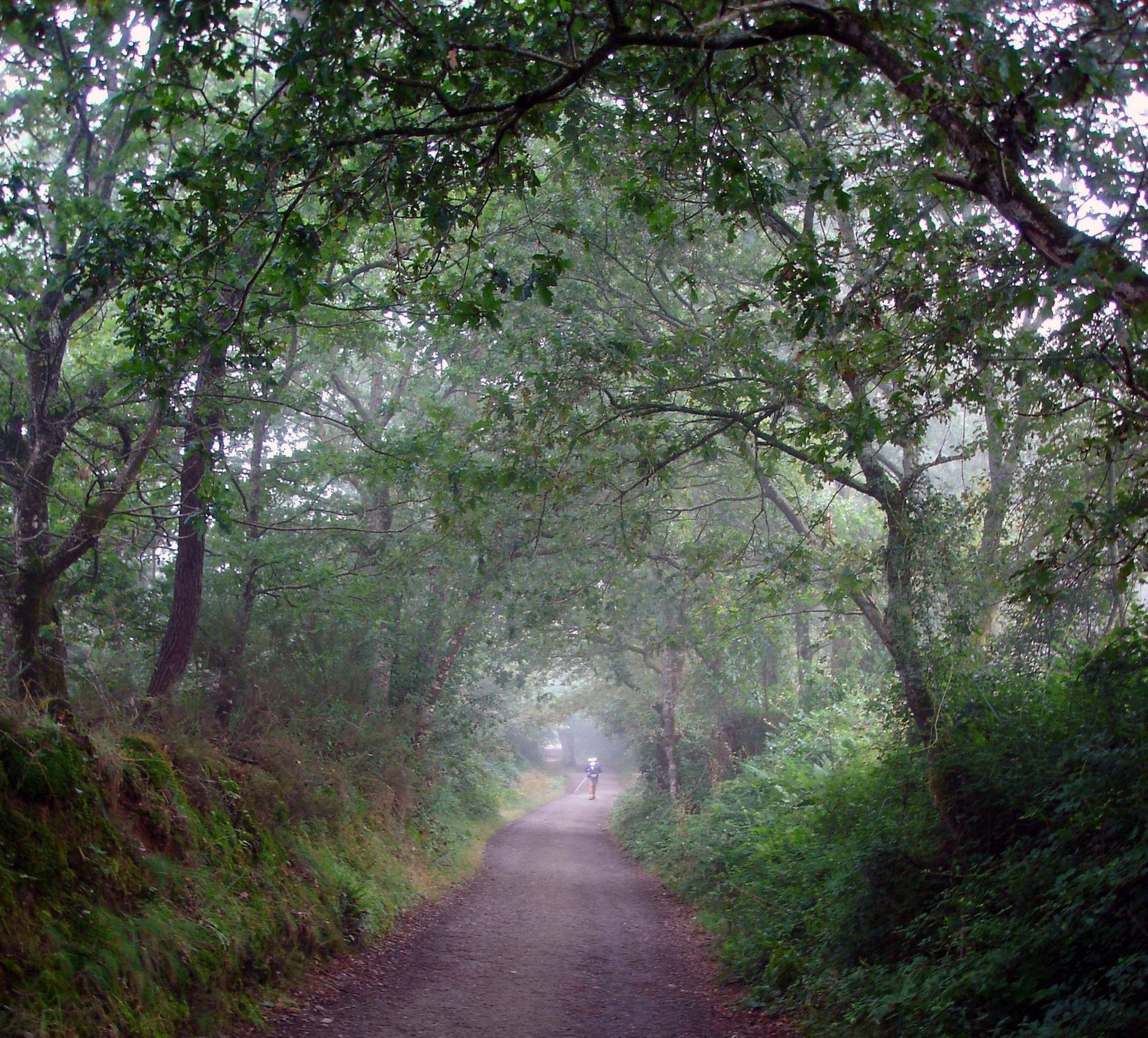
O Cebreiro marks the entrance into Galicia and one of the Camino’s final major climbs.
The village is known for:
- Traditional stone houses
- Mountain landscapes
- Historic pilgrim traditions
- Celtic influenced culture
Stage 5: Into Galicia
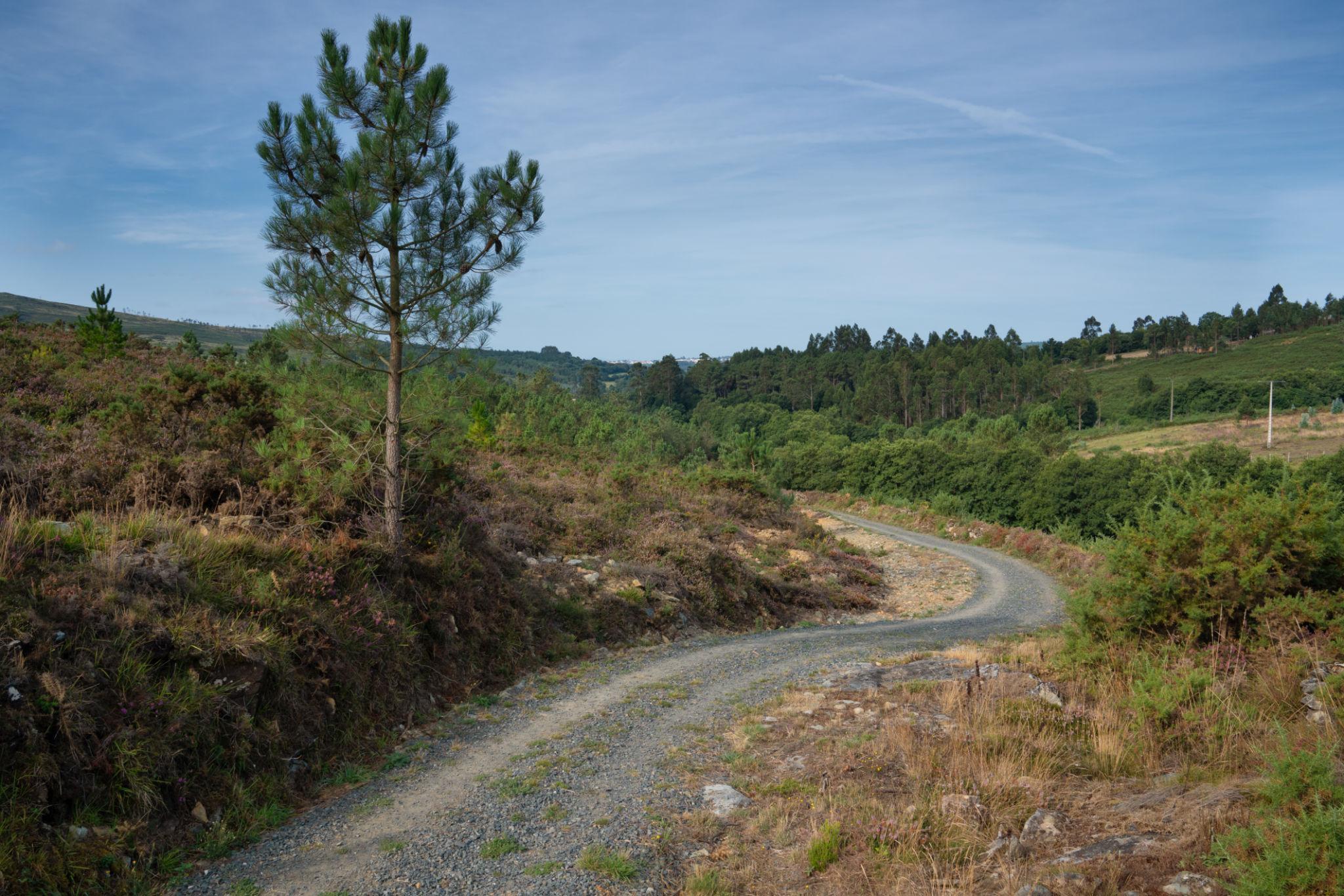
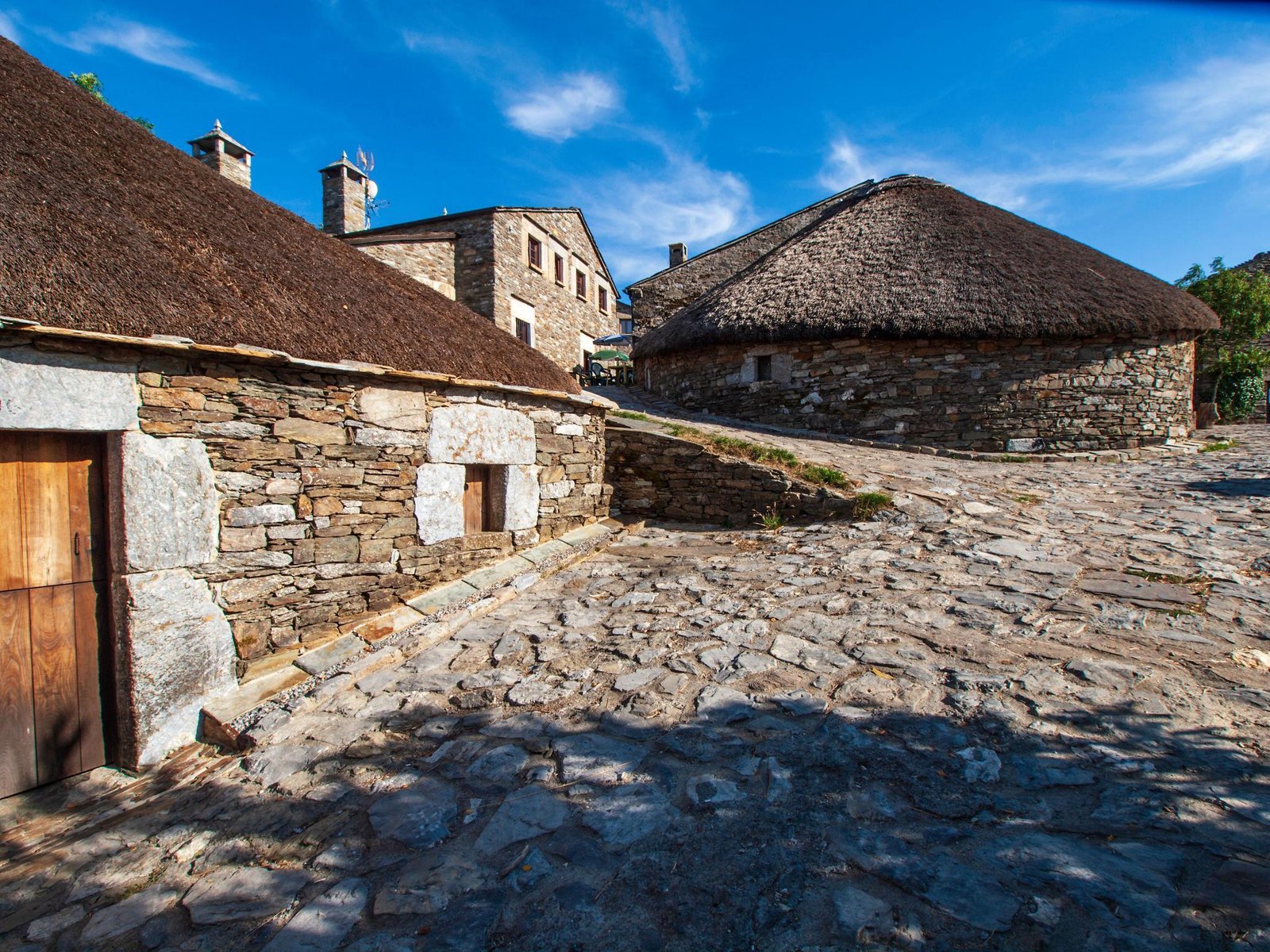
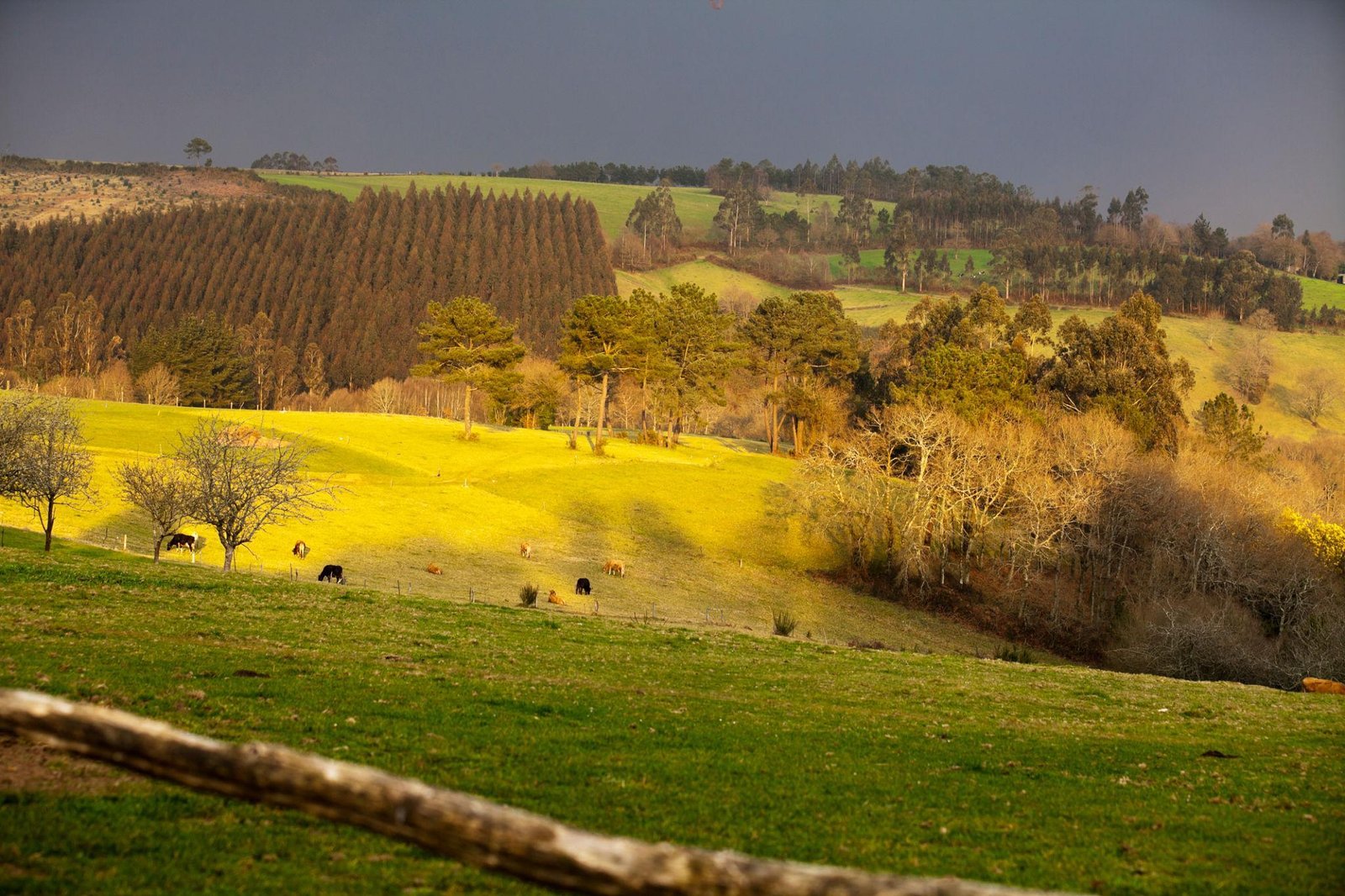
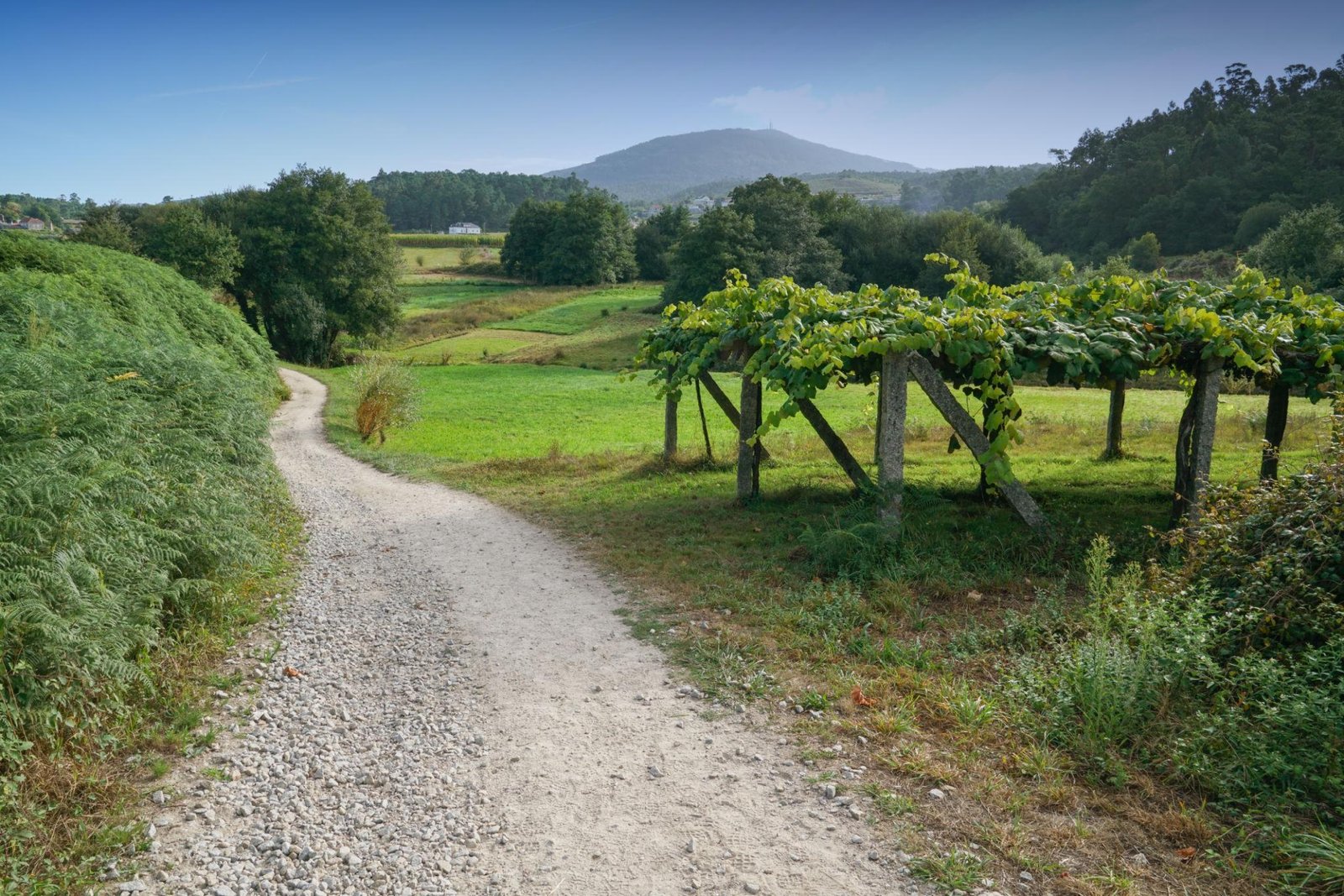
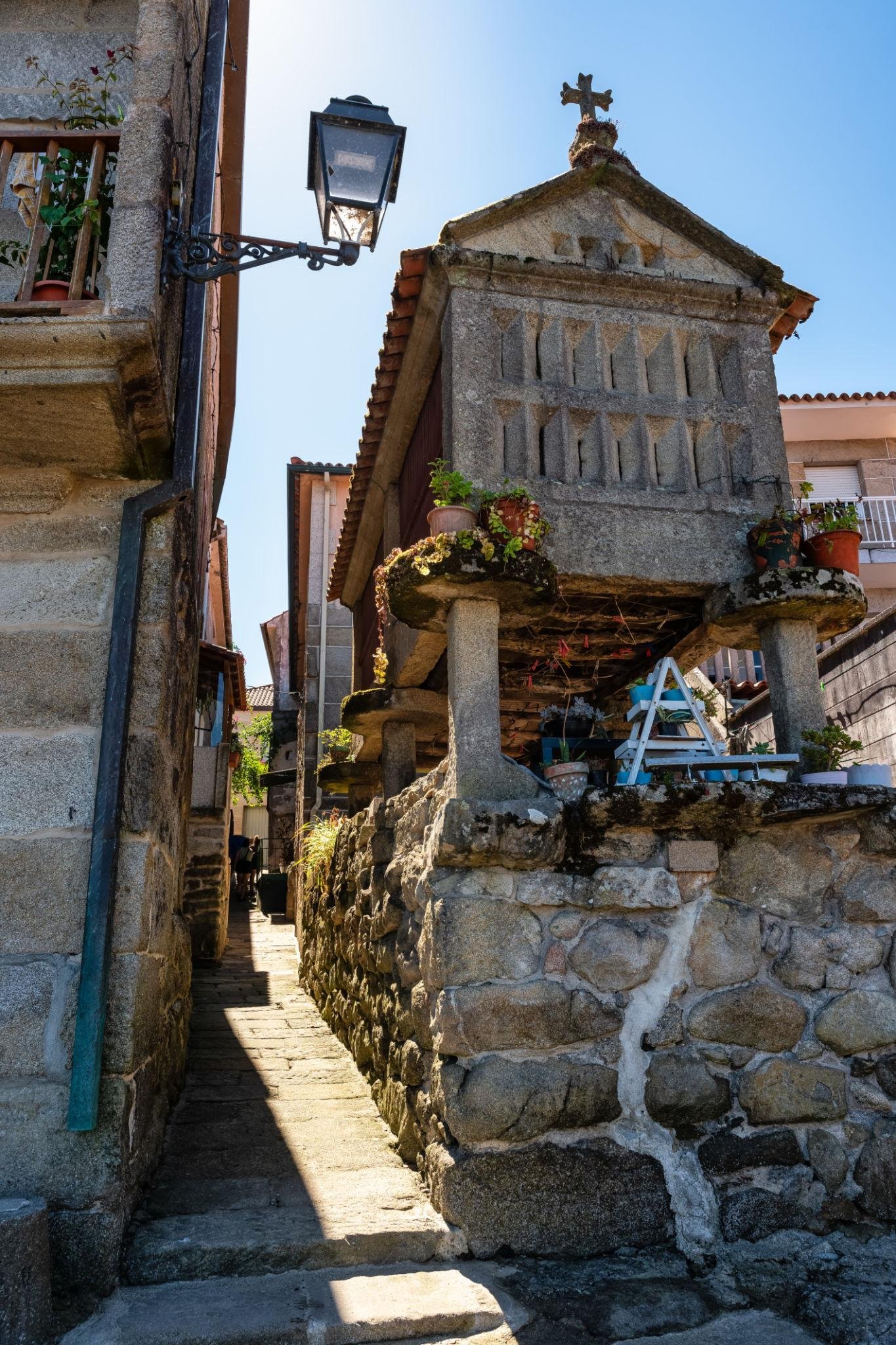
Galicia feels completely different from the earlier sections of the Camino.
The region is known for:
- Green landscapes
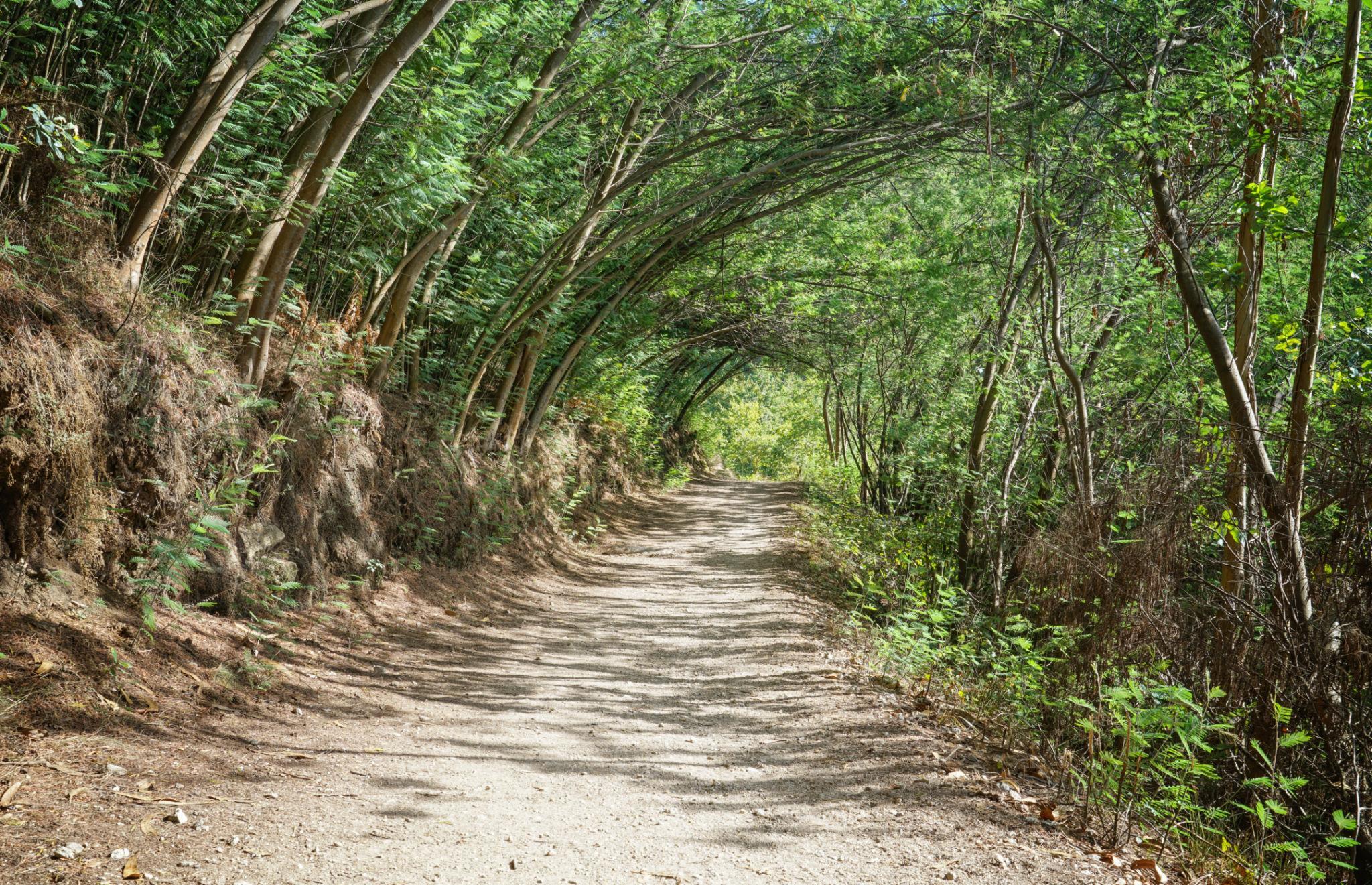
- Forest trails
- Stone villages
- Atlantic climate
- Frequent rain
Many pilgrims consider Galicia the most beautiful section of the Camino Frances.
Monte do Gozo
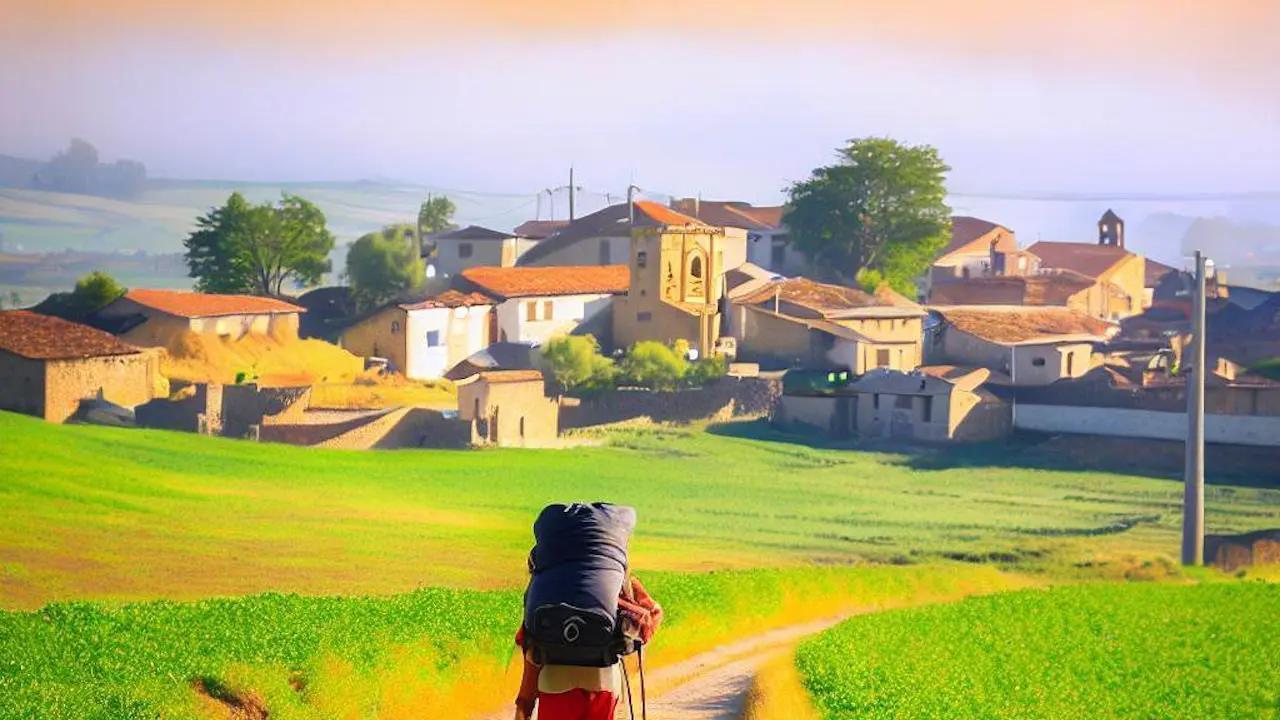
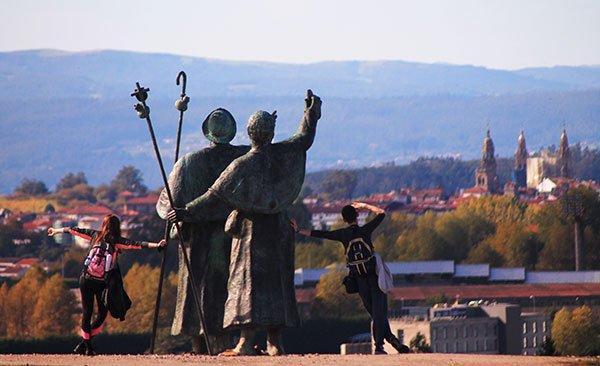
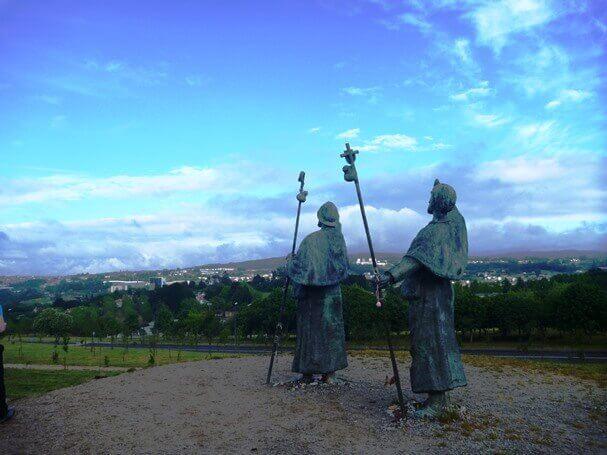
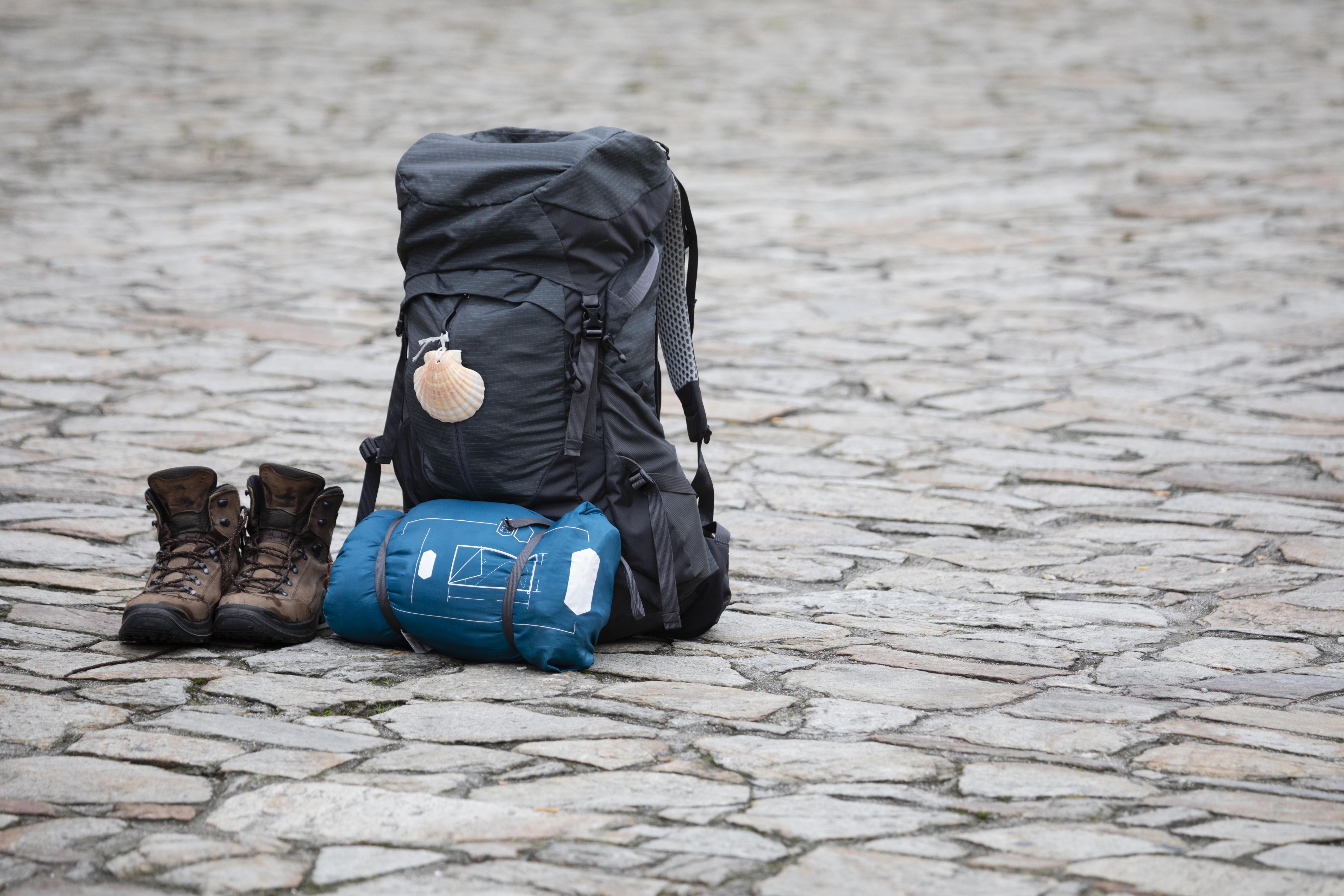
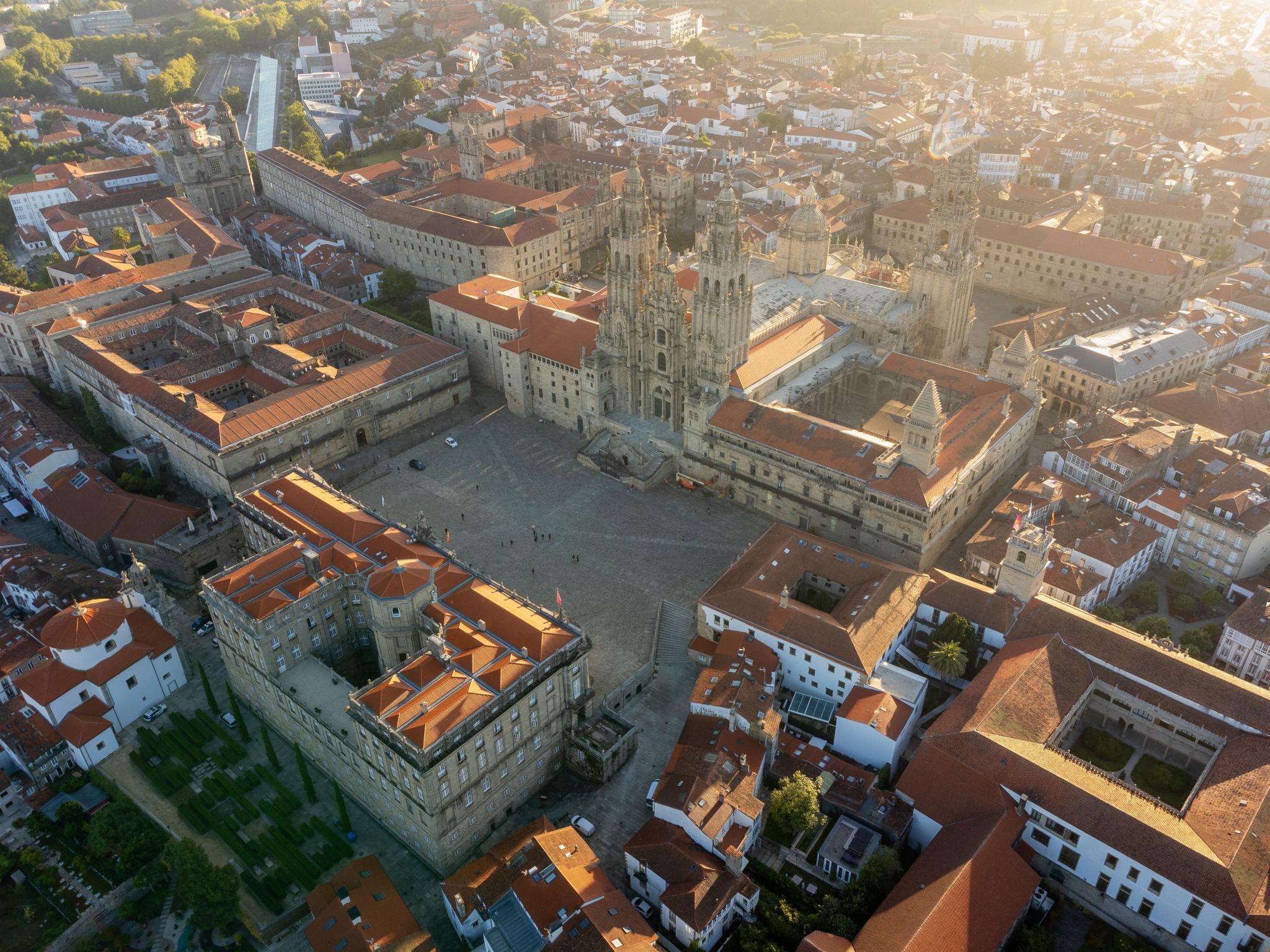
Monte do Gozo — Hill of Joy — is where pilgrims traditionally catch their first distant view of Santiago Cathedral.
After weeks of walking, this moment is highly emotional for many pilgrims.
Santiago de Compostela
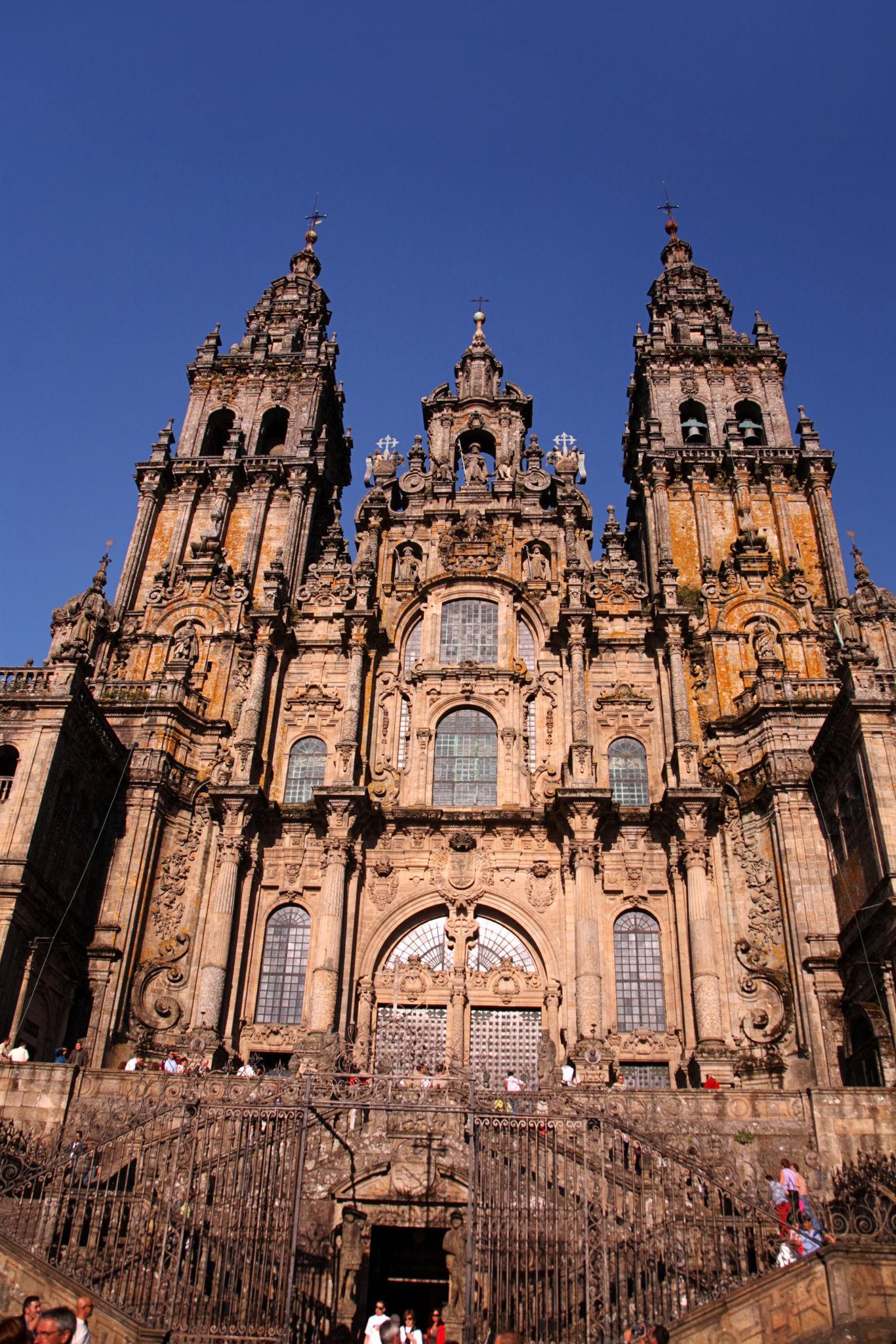
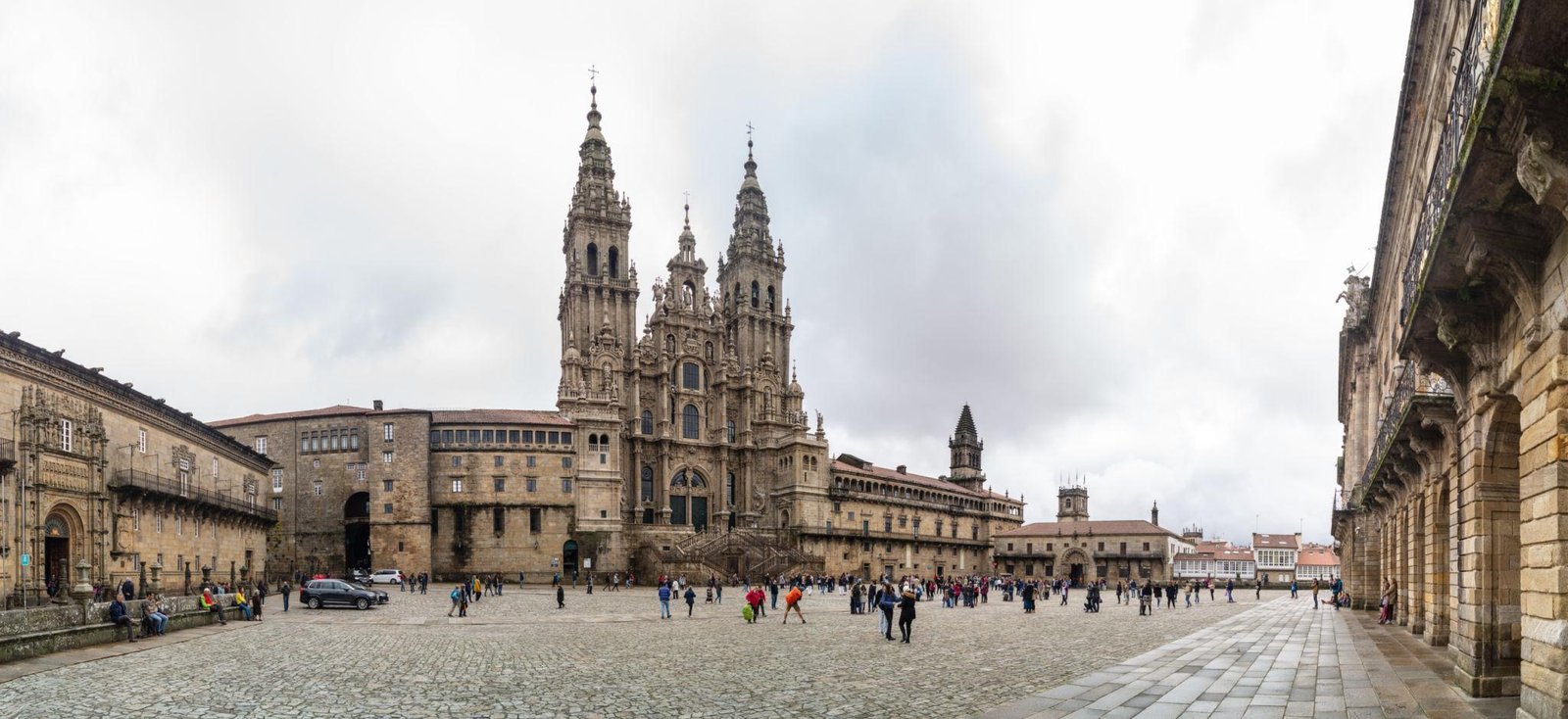
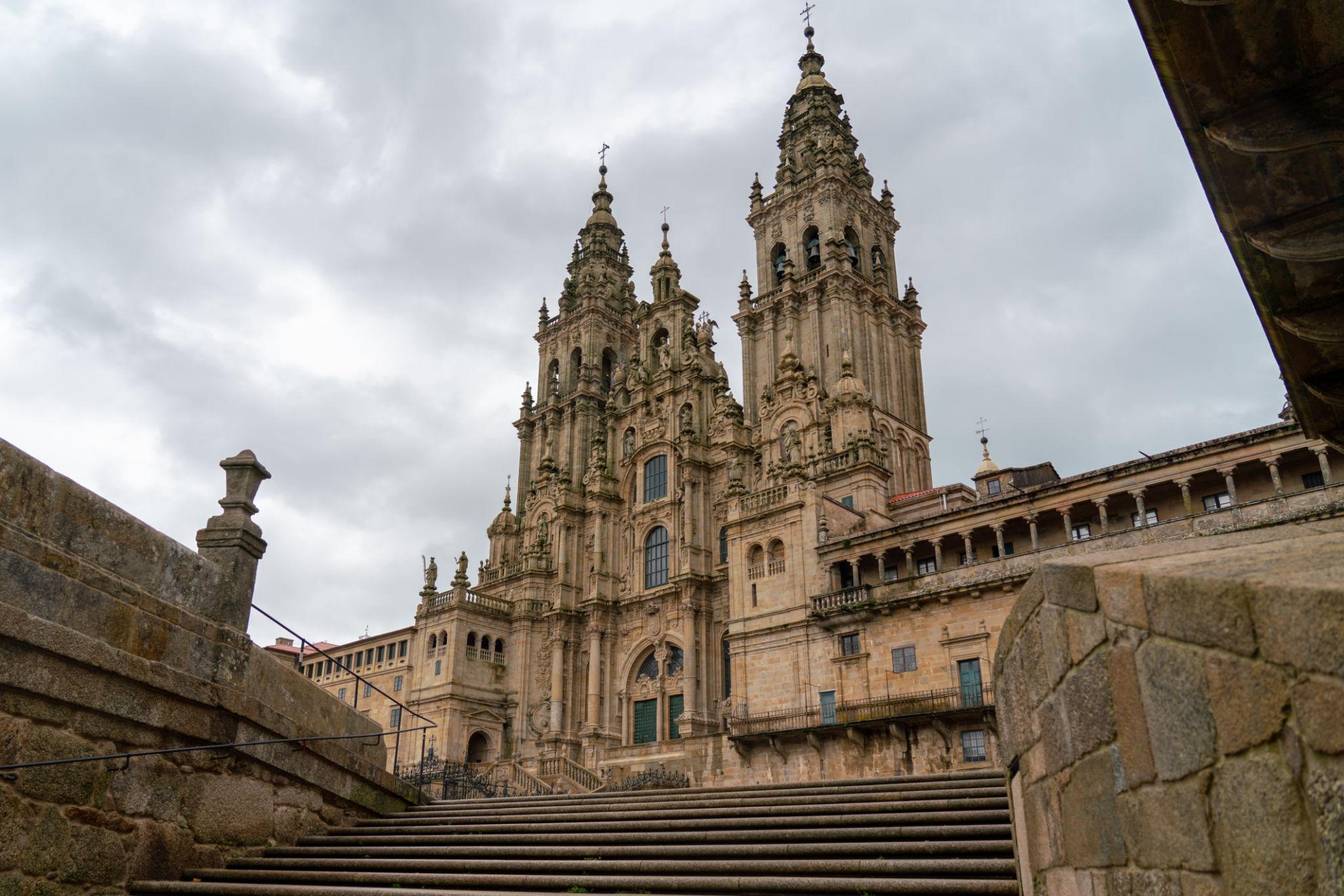
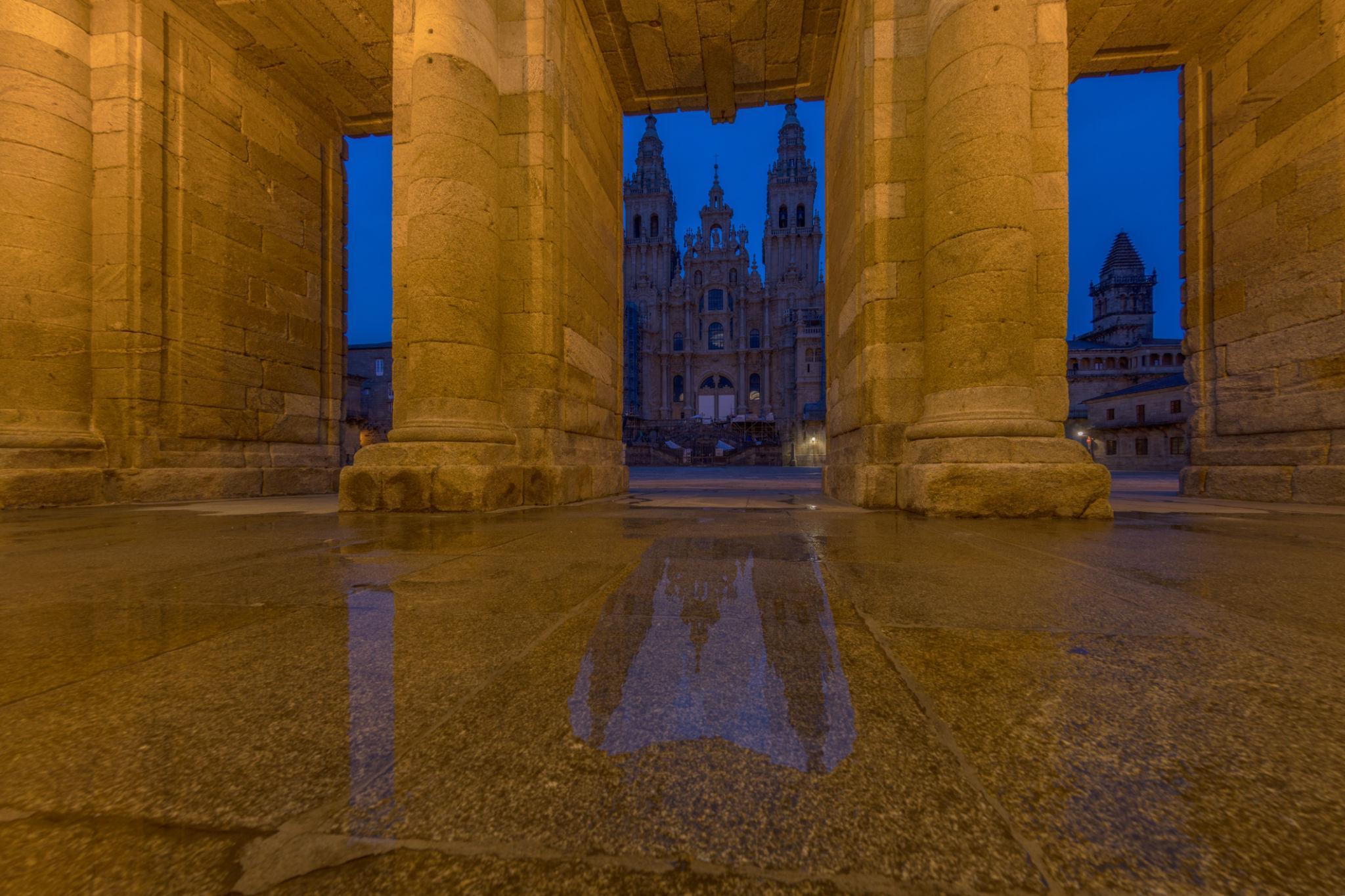
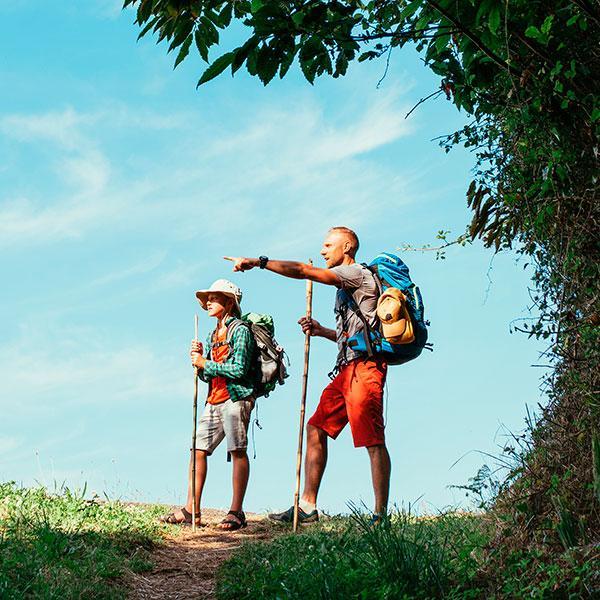
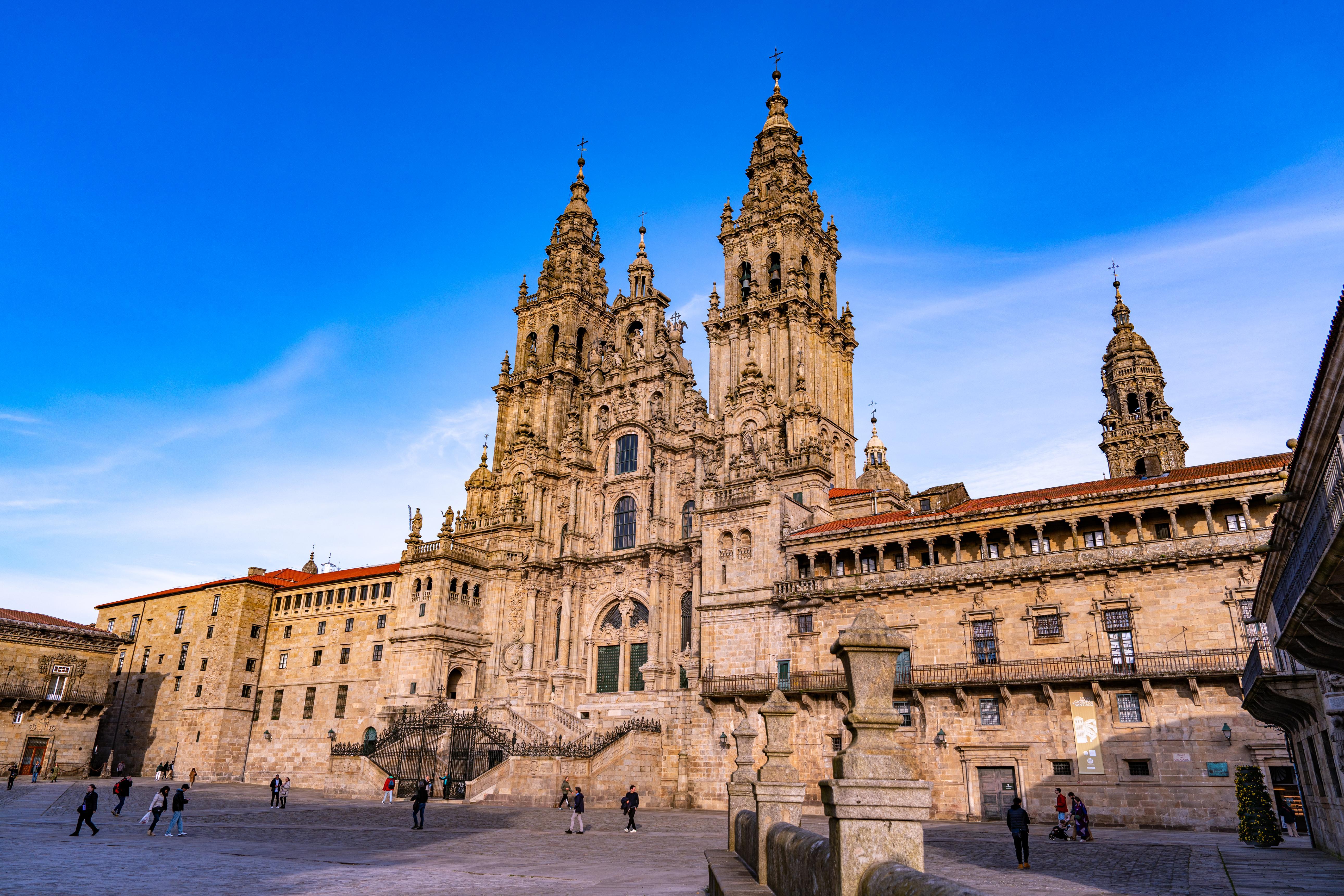
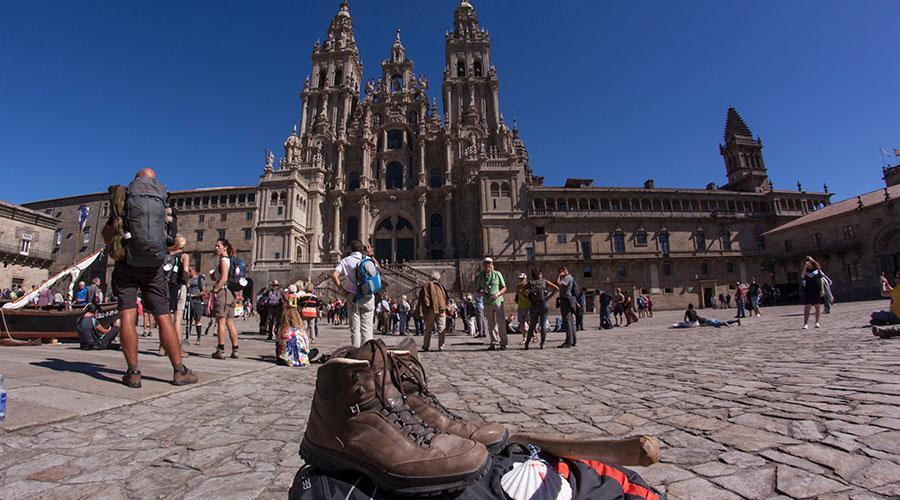
The Camino Frances ends in Santiago de Compostela at the Praza do Obradoiro in front of the cathedral.
For over a thousand years, pilgrims have arrived here after crossing Europe on foot.
Entering the square after walking 800 kilometres is considered one of the defining moments of the Camino experience.
The Pilgrim Mass & Botafumeiro
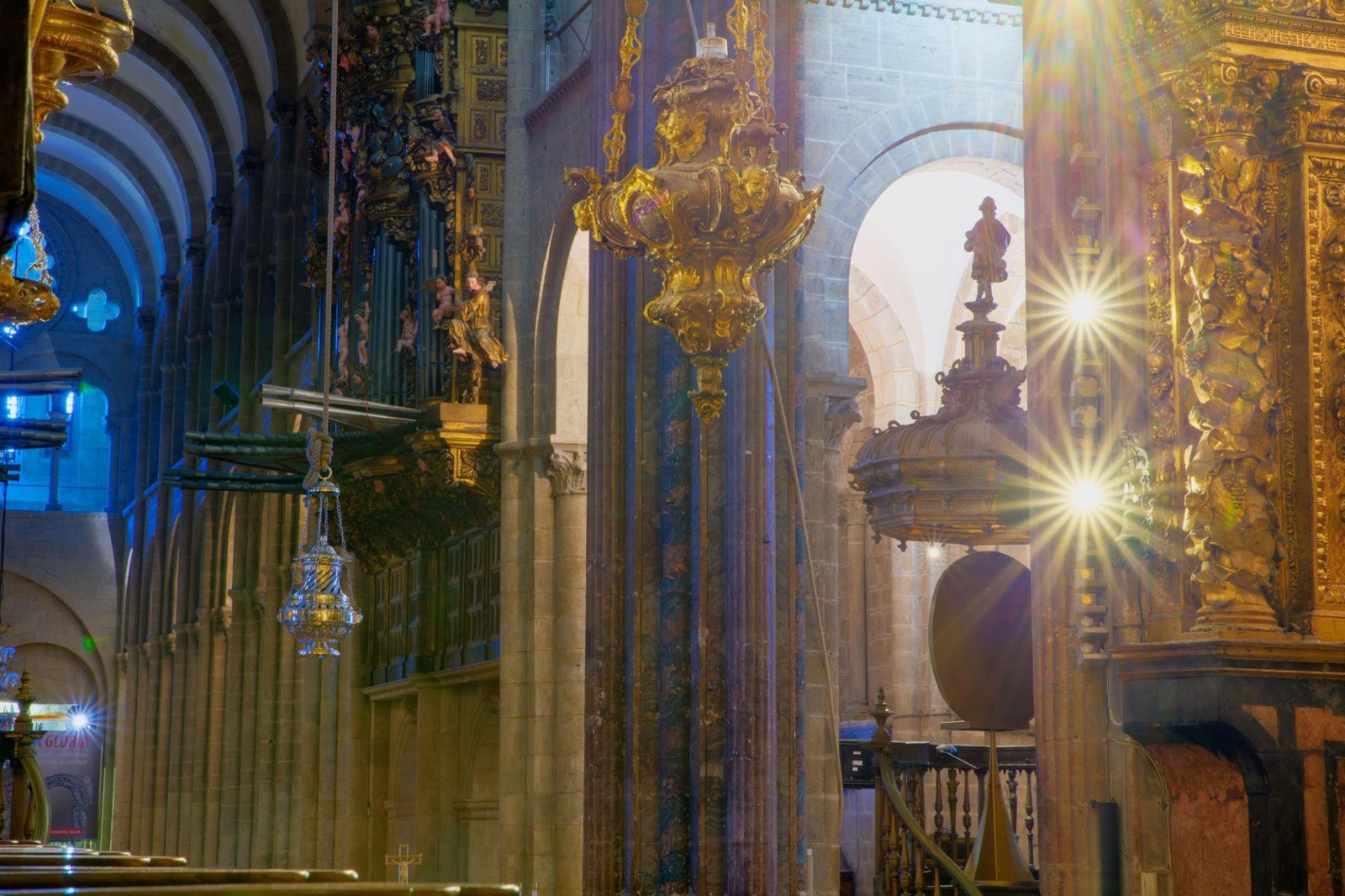
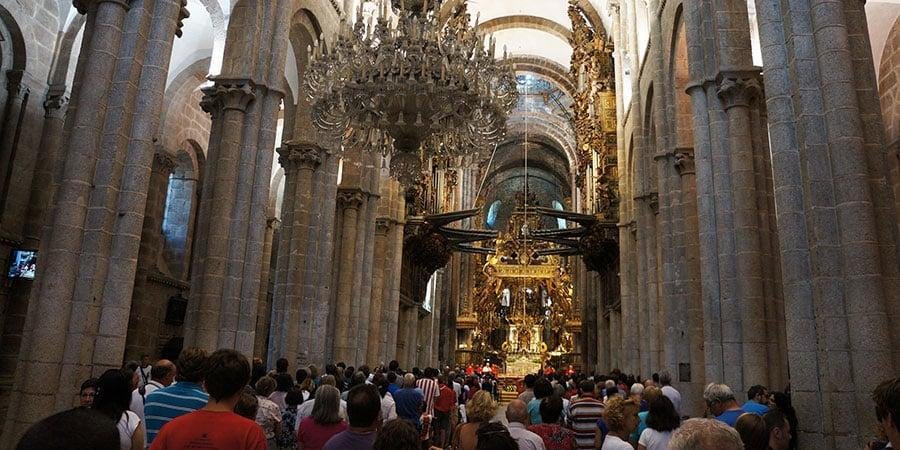
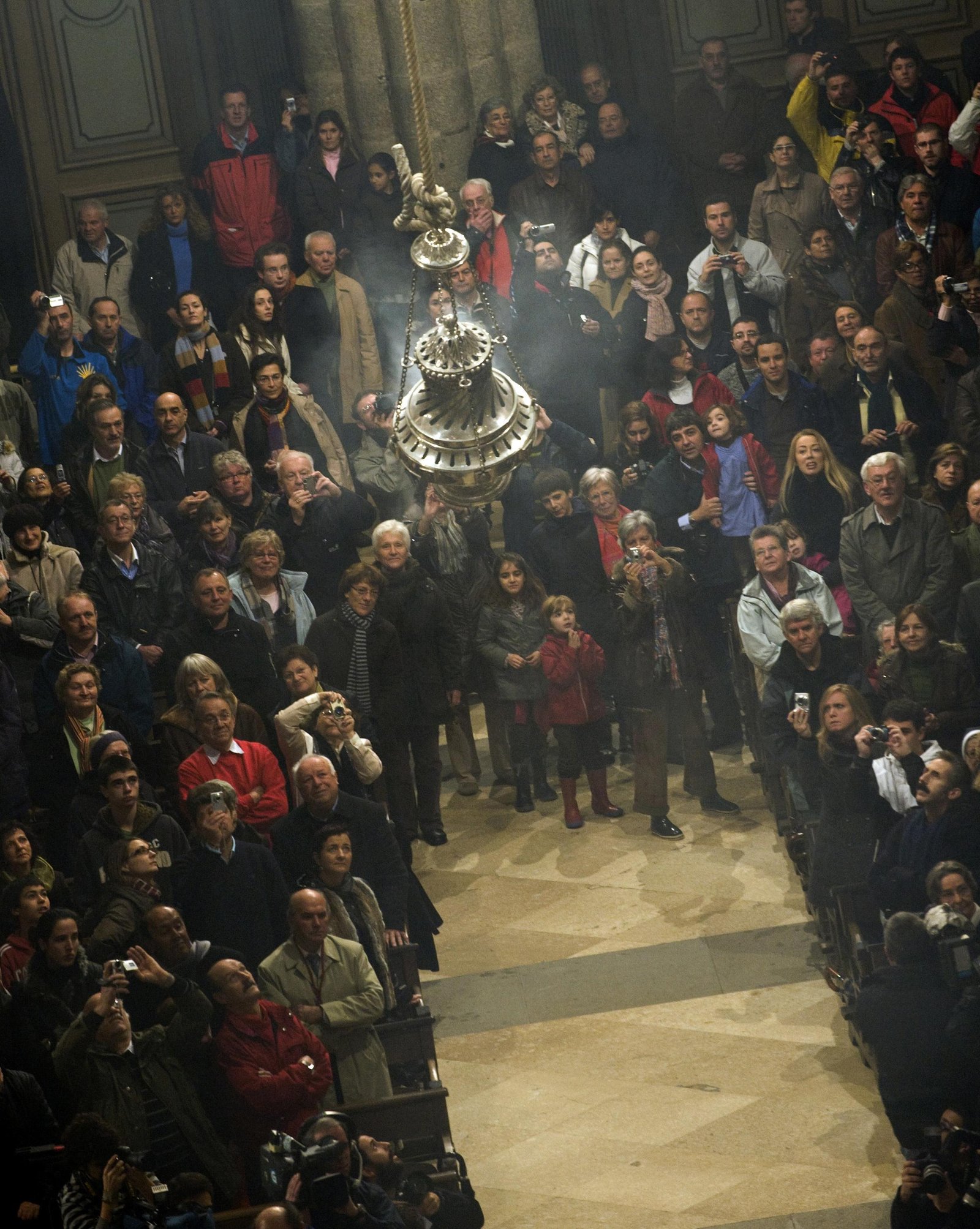
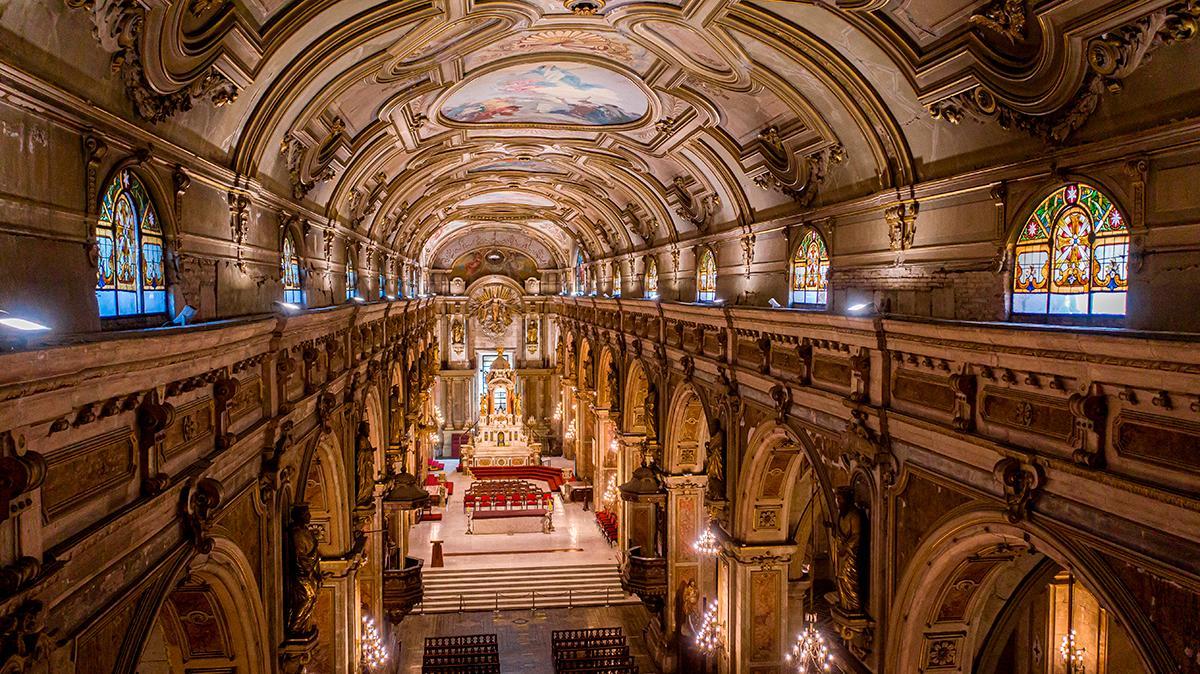
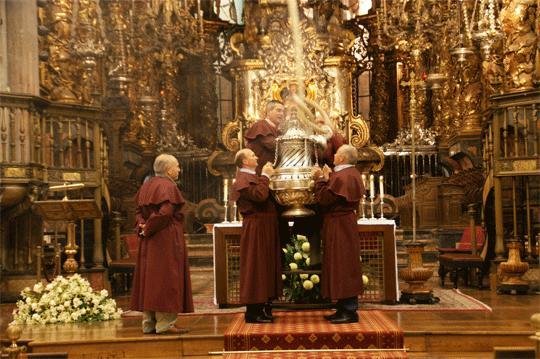
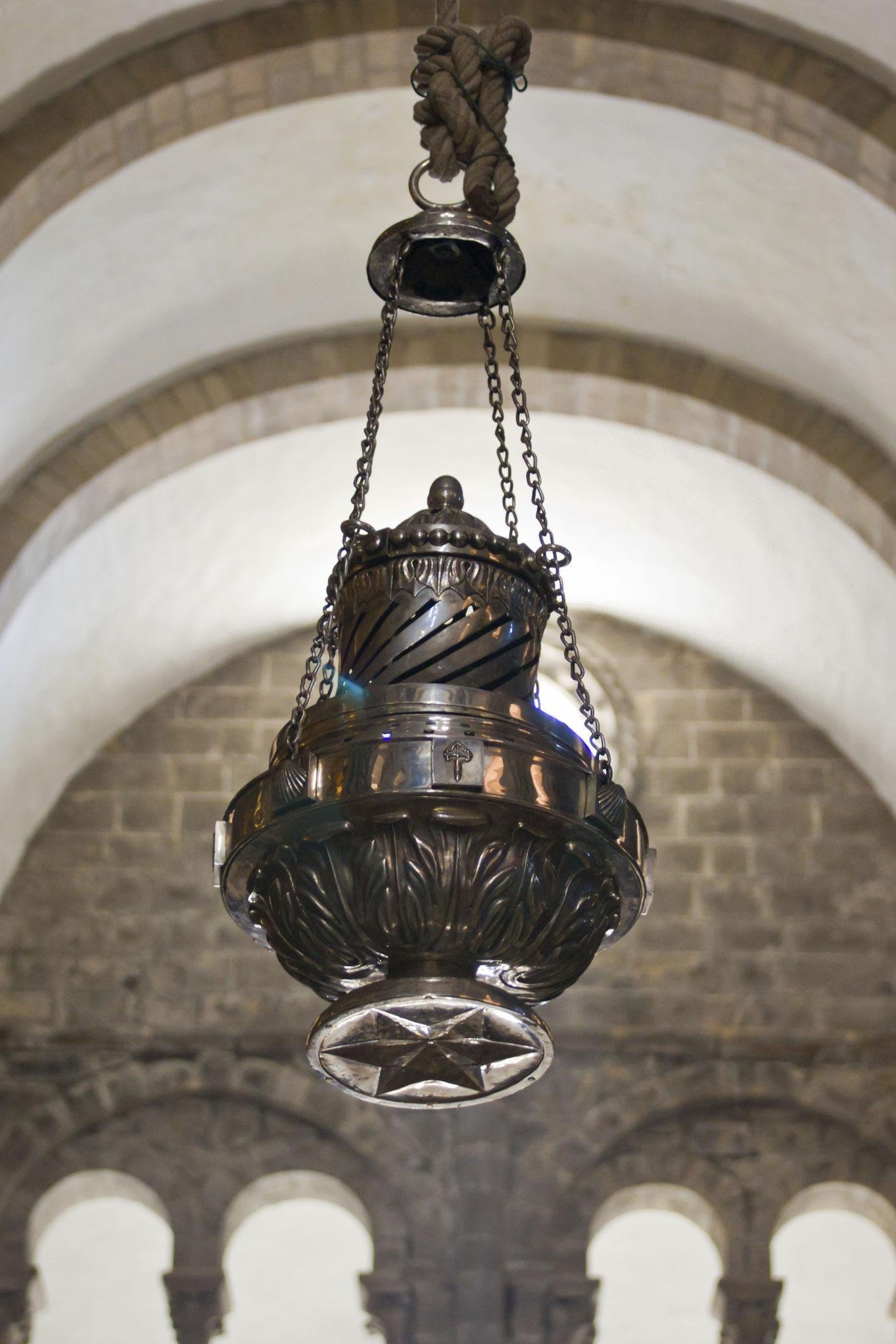
The Pilgrim Mass takes place daily inside the cathedral.
On special occasions, the giant Botafumeiro incense burner swings across the cathedral transept — one of Santiago’s most famous traditions.
What to Do After Arriving in Santiago
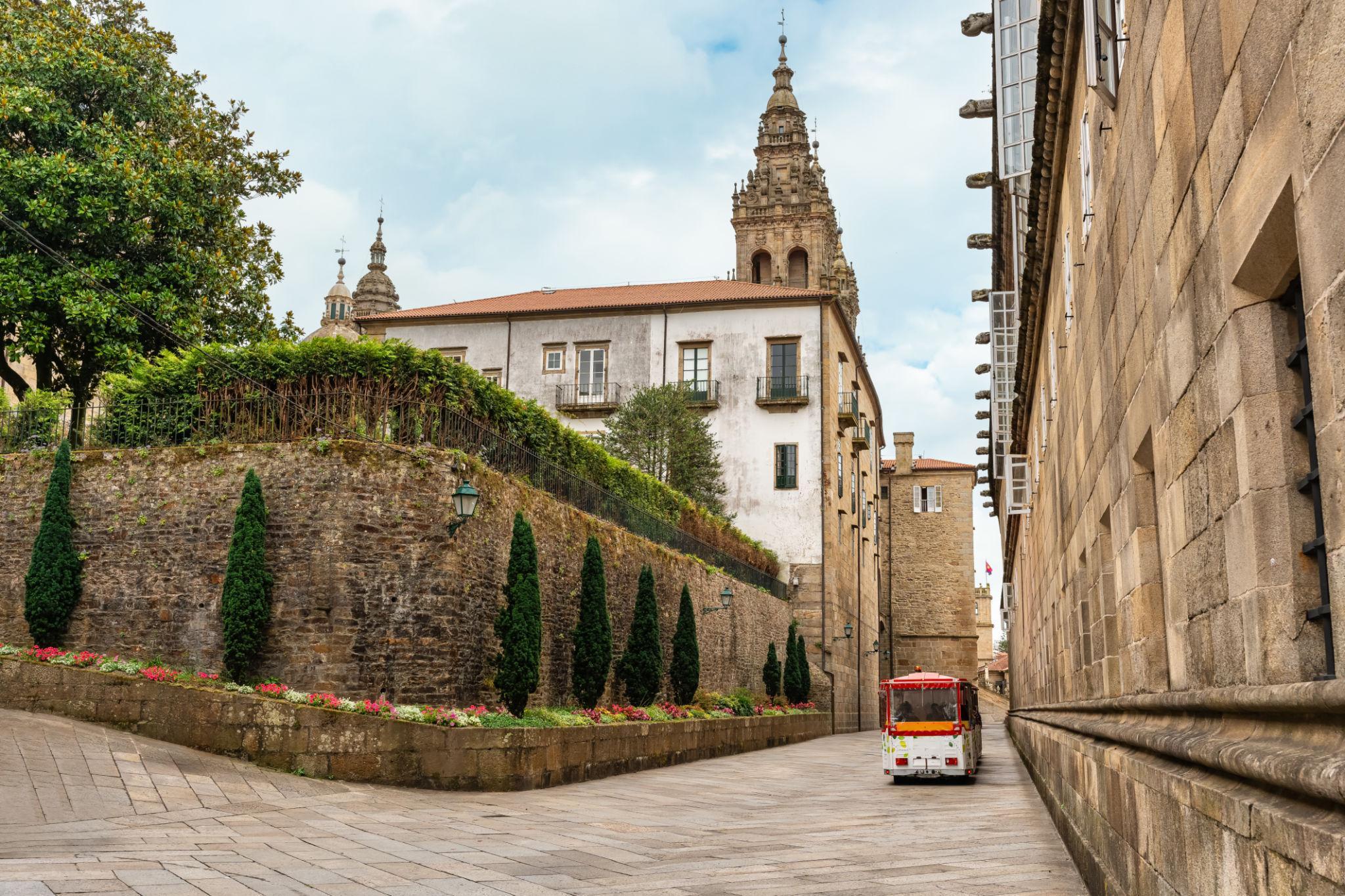
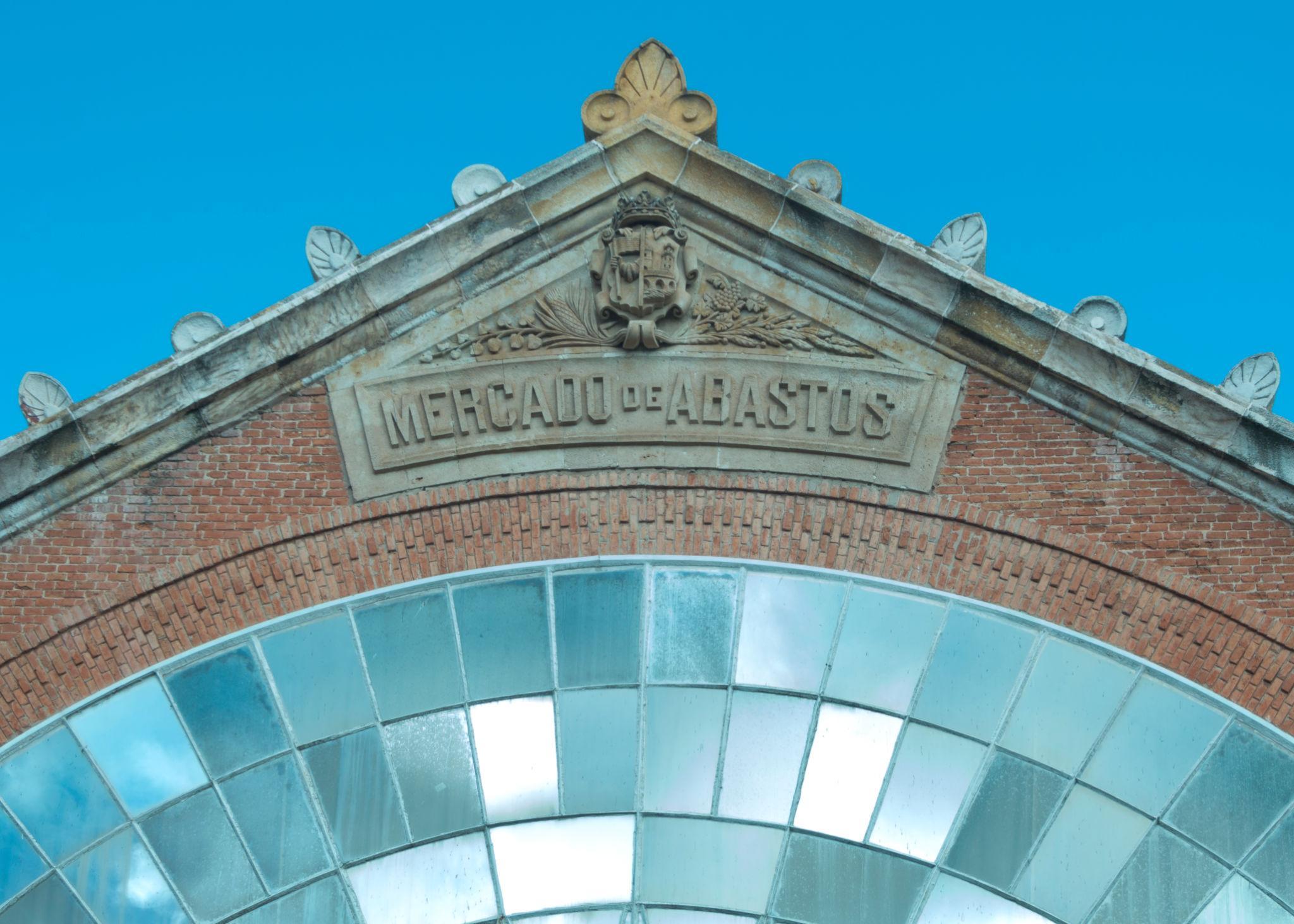
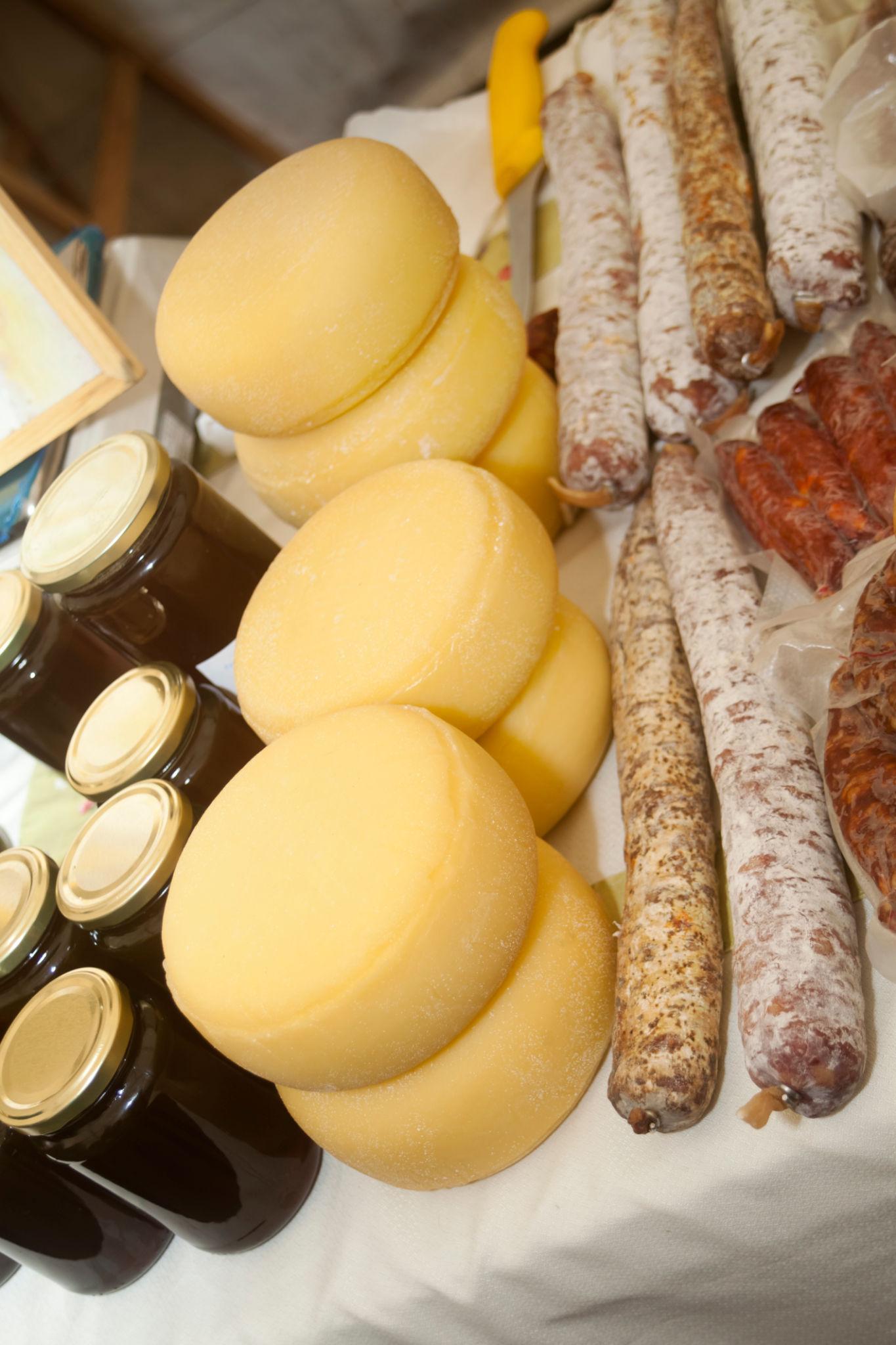
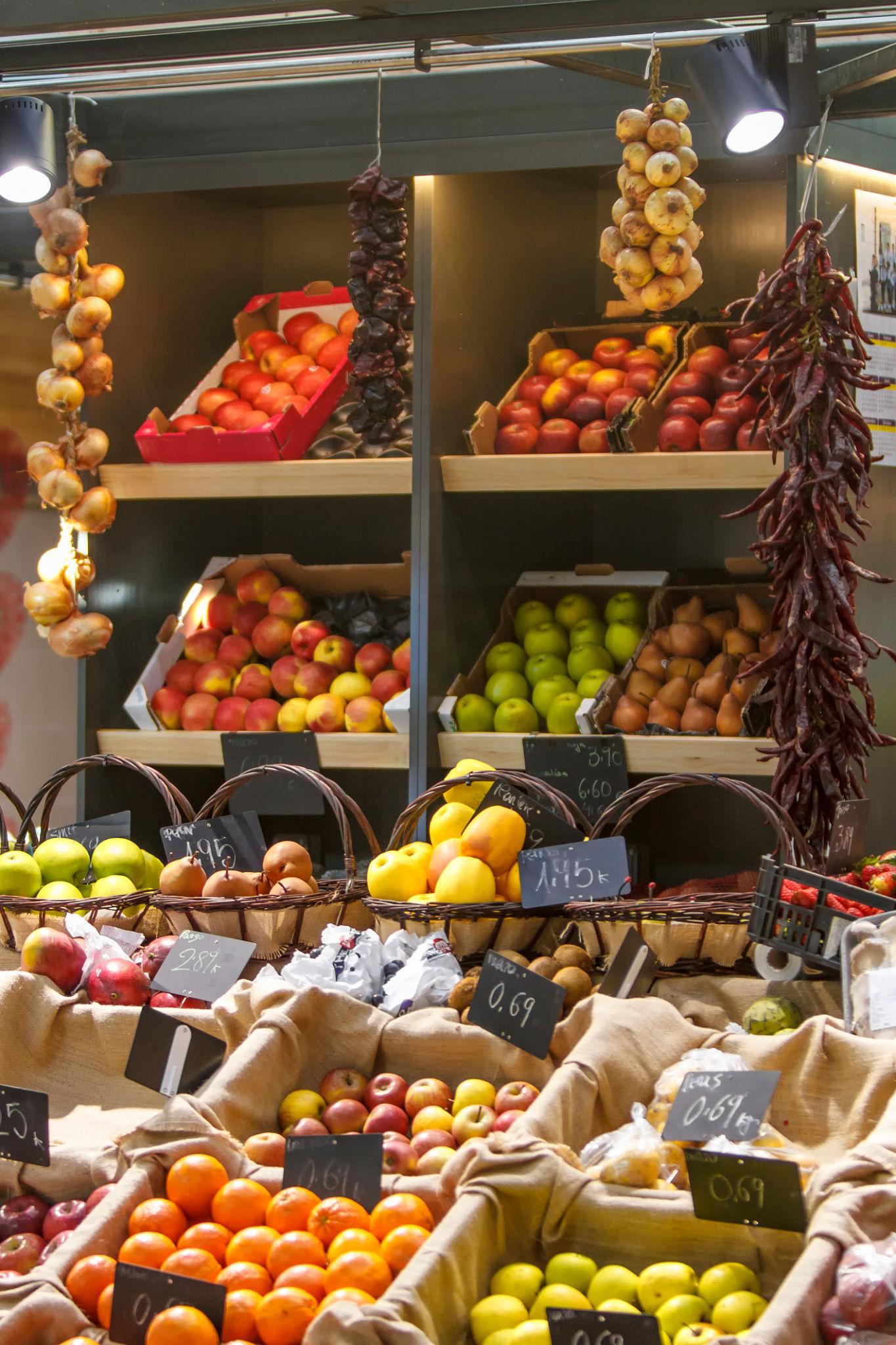
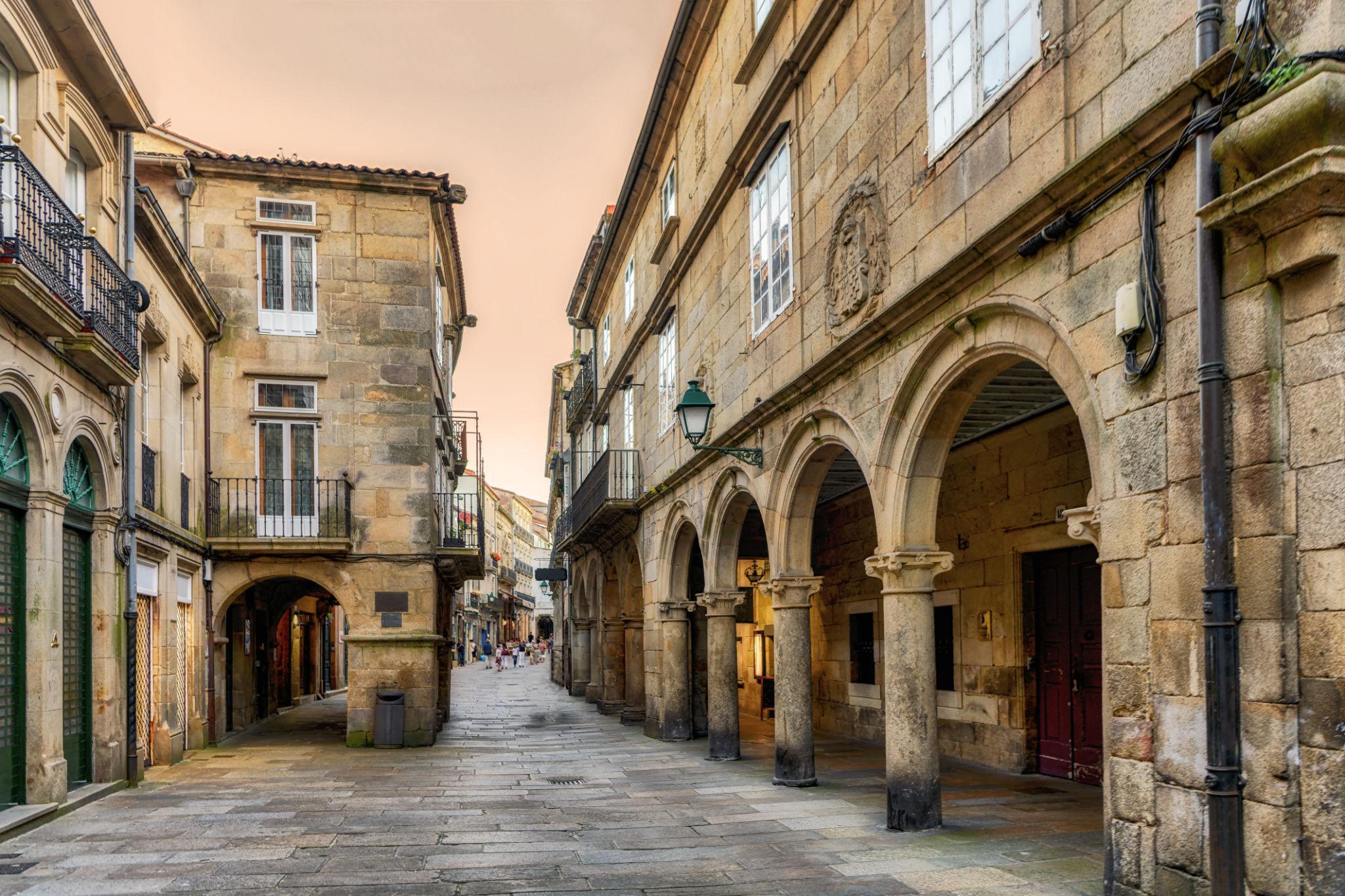
Most pilgrims spend several days exploring Santiago after finishing the Camino.
Popular Experiences
- Visiting the cathedral
- Exploring the old city
- Eating Galician seafood
- Visiting Mercado de Abastos
- Walking to Finisterre
Budget & Costs
Approximate daily costs:
Budget Walkers
€30–50 per day
Mid Range Travelers
€60–90 per day
Main expenses include:
- Accommodation
- Food
- Transport
- Laundry
- Occasional gear replacement
Physical Preparation
The Camino Frances is not technically difficult, but it requires endurance.
Preparation should include:
- Long distance walking
- Backpack training
- Footwear testing
- Building stamina gradually
Most injuries result from:
- Overexertion
- Poor footwear
- Carrying excessive weight
Tips for First Time Pilgrims
- Pack lighter than expected
- Start walking early each morning
- Take rest days when needed
- Stay hydrated
- Do not rush stages
- Prioritize foot care
- Enjoy the smaller villages and local culture
The Camino is best experienced slowly.
FAQs About the Camino Frances
How long does the Camino Frances take?
Most pilgrims complete the route in 30 to 35 days.
What is the best month to walk the Camino?
May, June, September, and October are generally considered ideal.
Do I need to book albergues in advance?
Advance booking is increasingly recommended during busy months, especially after Sarria.
Is the Camino suitable for beginners?
Yes. The Camino Frances is considered the most beginner friendly Camino route.
Can I walk the Camino alone?
Yes. Solo walkers are extremely common and the Camino is generally considered safe.
What is the Sarria rule?
Pilgrims must walk the final 100 km to receive the Compostela certificate, making Sarria the most popular starting point for shorter Camino walks.

![K2 Base Camp Trek: Ultimate Guide k2 Trek 2026 [UPDATED]](https://karakoramdiaries.com/storage/ultimate-guide-to-k2-base-camp-trek-full-document-150x150.png)