Lahore City Guide: Old City, Food, Mughal Architecture, and Culture
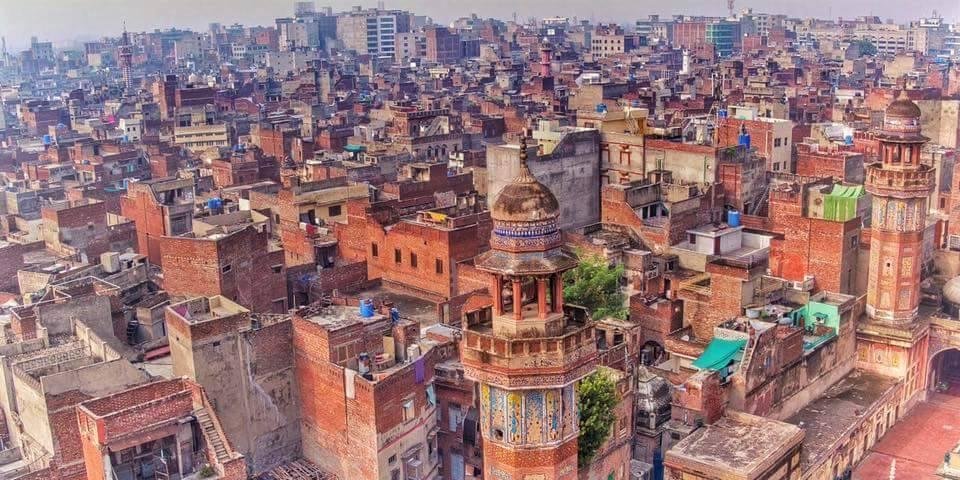
Lahore is Pakistan’s cultural capital and one of South Asia’s most historically layered cities. Located in the heart of Punjab near the Indian border, the city has existed continuously for more than a thousand years and has served as a regional capital under multiple dynasties including the Ghaznavids, Delhi Sultanate, Mughals, Sikhs, and the British Empire.
Today, Lahore combines:
- Mughal architecture
- Historic bazaars
- Colonial boulevards
- Traditional food culture
- Modern commercial districts
- Contemporary arts and education
For travelers, Lahore is not a city that reveals itself quickly. The old city can feel chaotic, crowded, and overwhelming at first, but beneath that intensity is one of the richest urban cultural landscapes in the region. The city rewards slow exploration: walking through narrow Mughal-era lanes, sitting inside centuries-old mosques, eating at roadside dhabas, or watching evening life unfold around the food streets near the old fort.
Unlike mountain destinations in northern Pakistan, Lahore is experienced through architecture, sound, food, history, and street life. The city’s identity is tied closely to its Mughal monuments, Punjabi hospitality, literary traditions, and deep food culture. It is one of the few cities in South Asia where major Mughal architecture survives at such scale while still functioning inside a dense living urban environment.
This guide covers the most important parts of Lahore in detail, including the Walled City, Mughal monuments, bazaars, food districts, transportation, accommodation, and practical travel advice for first-time visitors.
Table of contents [Show]
- Understanding Lahore
- Historic Gates of Lahore
- Visiting the Badshahi Mosque
- Main Attractions Inside Lahore Fort
- Exploring the Wazir Khan Area
- Anarkali Bazaar
- Liberty Market
- Traditional Lahori Breakfast
- Fort Road Food Street
- Foods You Should Try in Lahore
- Lahore Museum
- Minar-e-Pakistan
- Shalimar Gardens
- Modern Lahore: Gulberg & DHA
- Getting to Lahore
- Getting Around Lahore
- Best Time to Visit Lahore
- Where to Stay in Lahore
- Practical Travel Tips
- Frequently Asked Questions
Understanding Lahore
Lahore is often described through a local Punjabi saying:
“Jinne Lahore nai vekhya, o jamya nai.”
Roughly translated, it means:
“Whoever has not seen Lahore has not truly lived.”
The phrase reflects the city’s importance in Punjabi culture and identity. Lahore has long been associated with:
- Poetry
- Music
- Cuisine
- Education
- Architecture
- Literature
- Political history
Historically, Lahore reached its artistic and architectural peak during the Mughal period, particularly under emperors:
- Akbar
- Jahangir
- Shah Jahan
- Aurangzeb
Many of the monuments from that period still dominate the old city today.
Modern Lahore, however, is much larger than its Mughal core. The city stretches across extensive suburban districts with universities, shopping centers, business districts, and modern housing developments. Areas such as Gulberg and DHA represent contemporary urban Lahore, while the Walled City preserves its historic identity.
For travelers, the contrast between these two sides of the city is part of what makes Lahore interesting.
The Walled City of Lahore
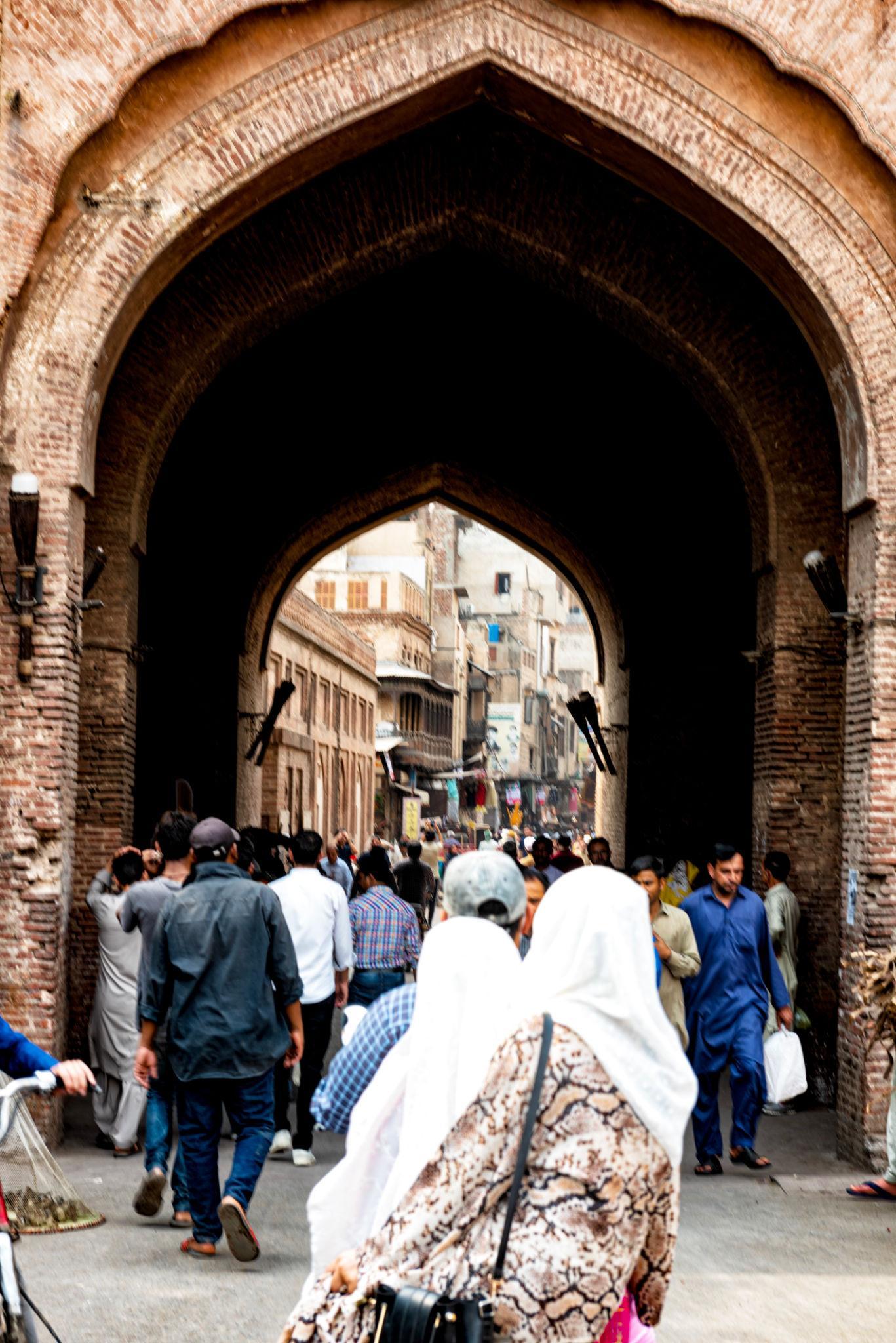
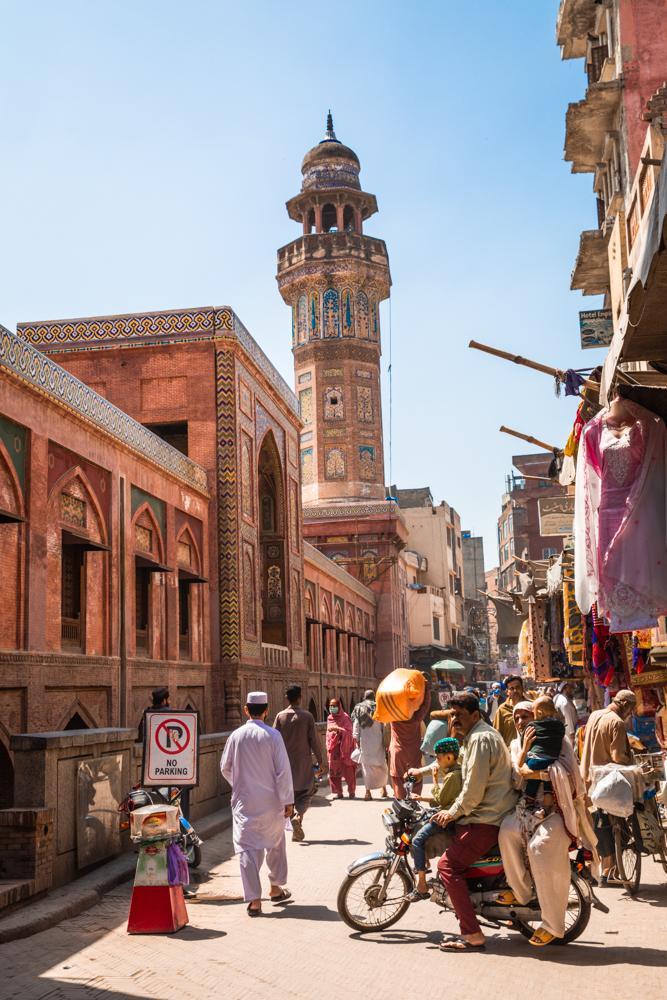
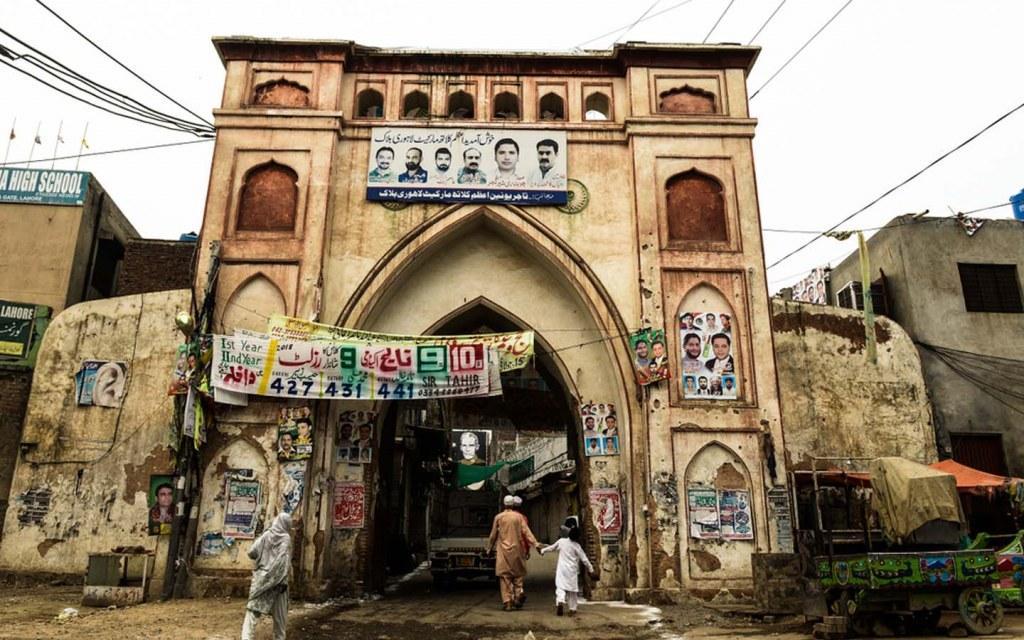
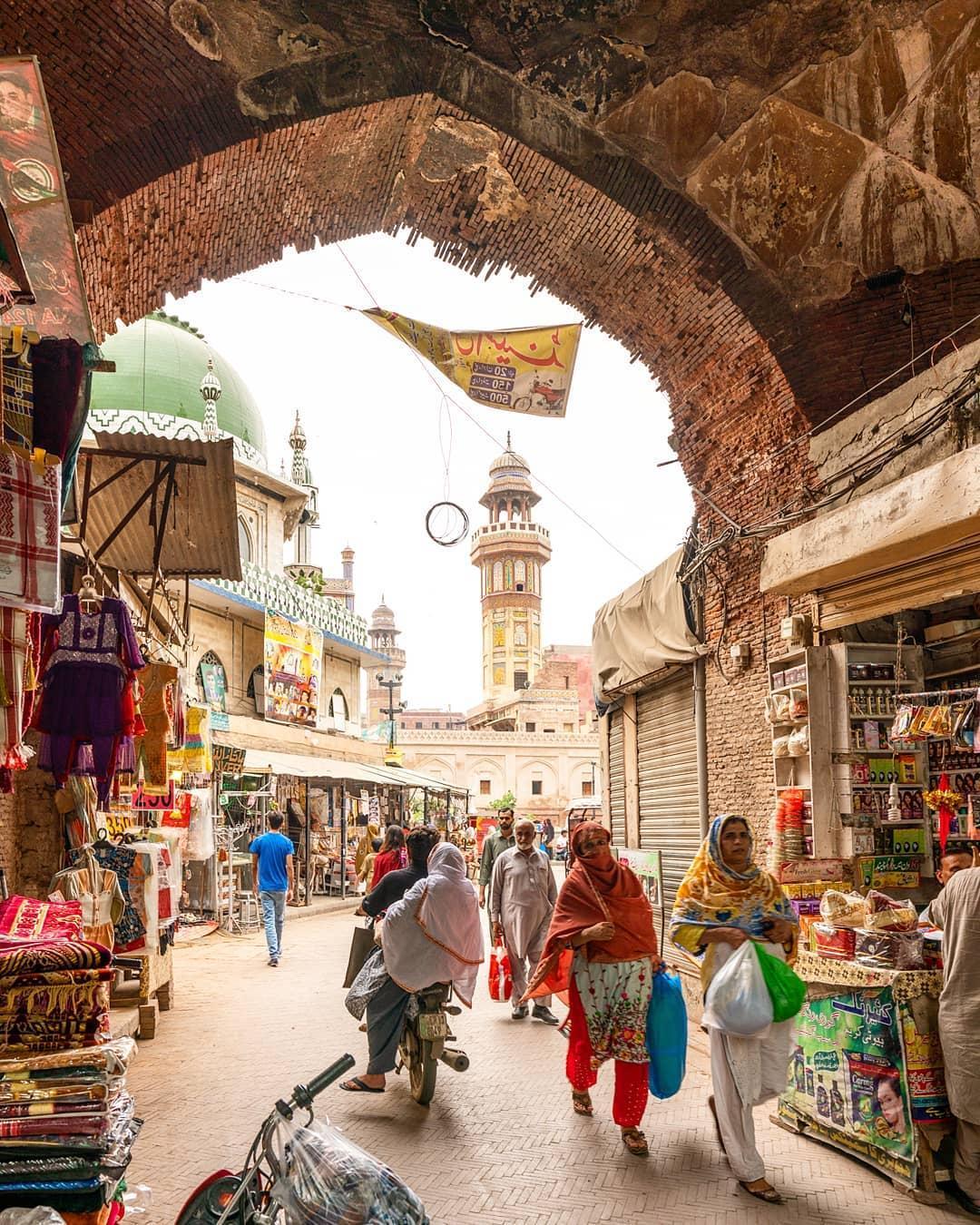
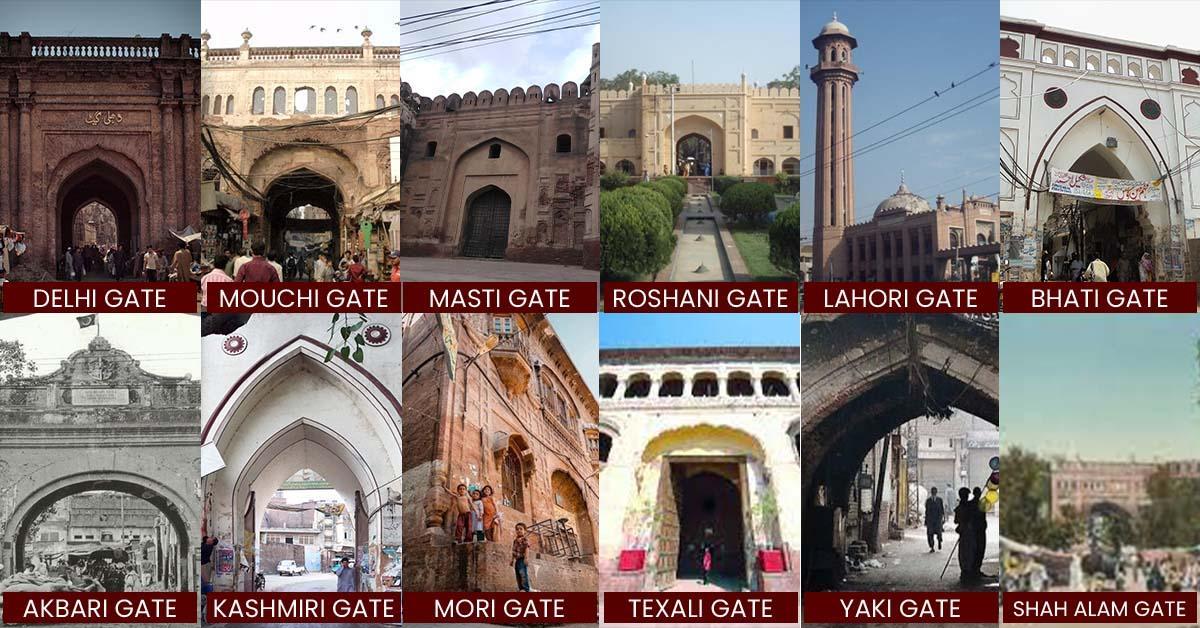
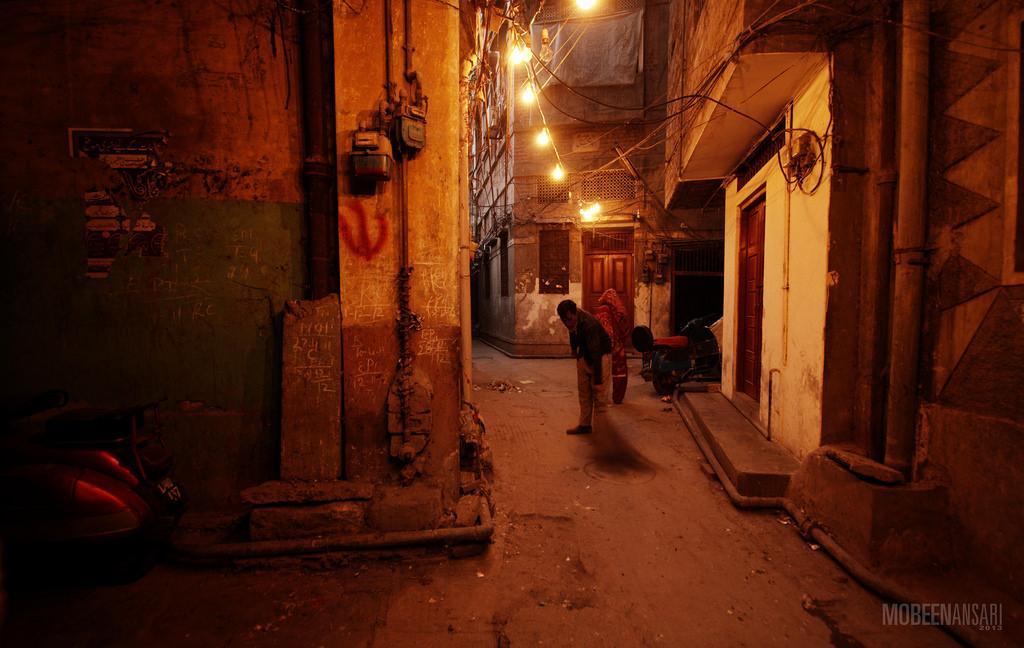
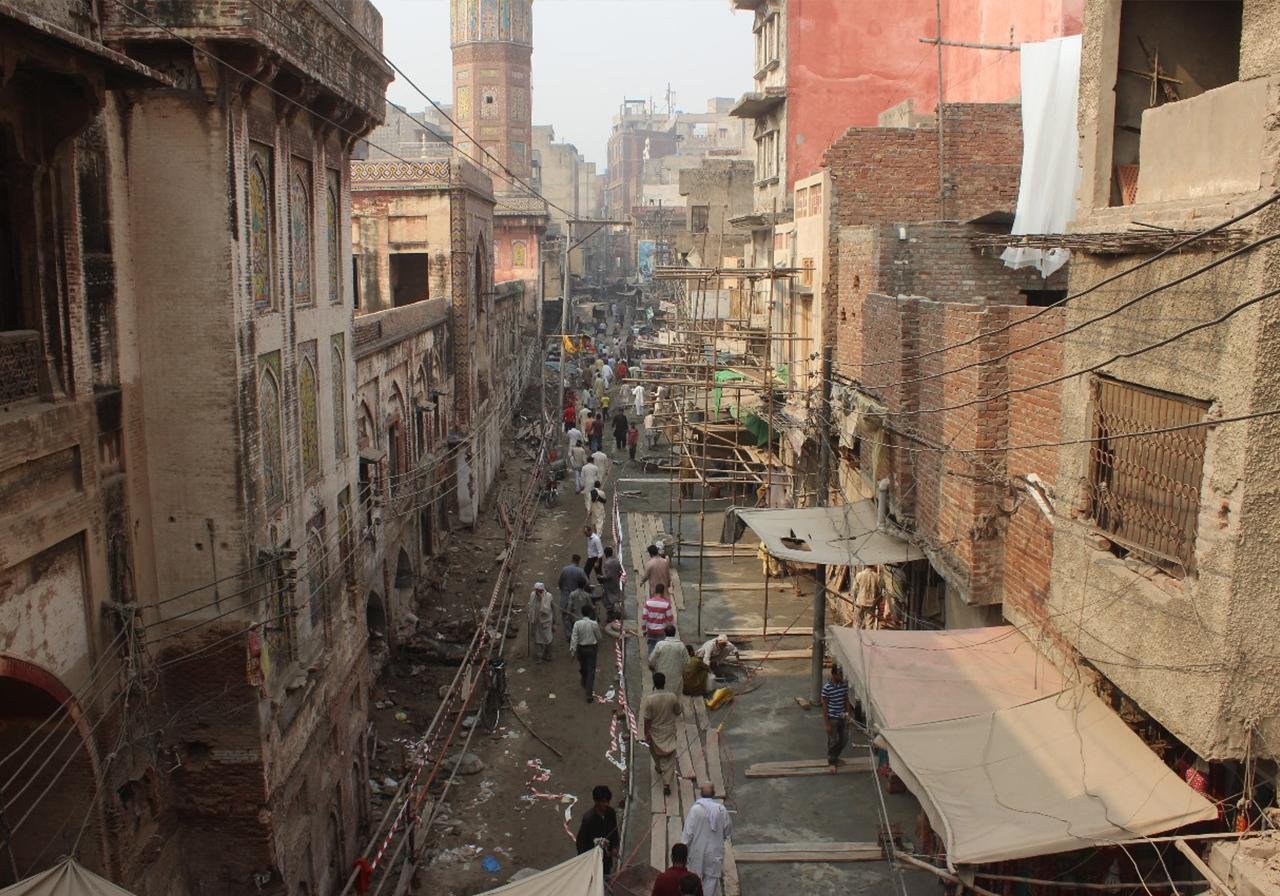
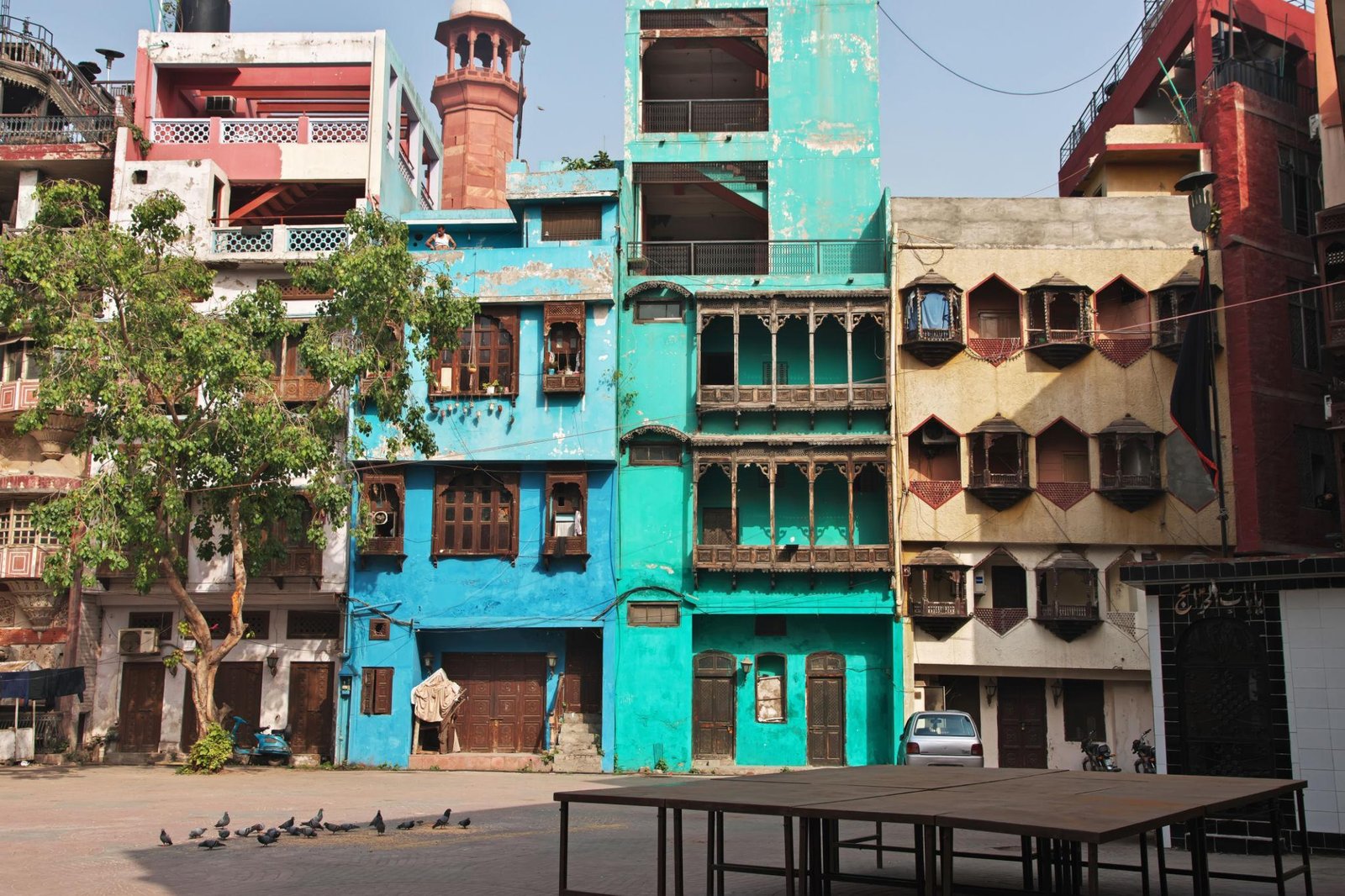
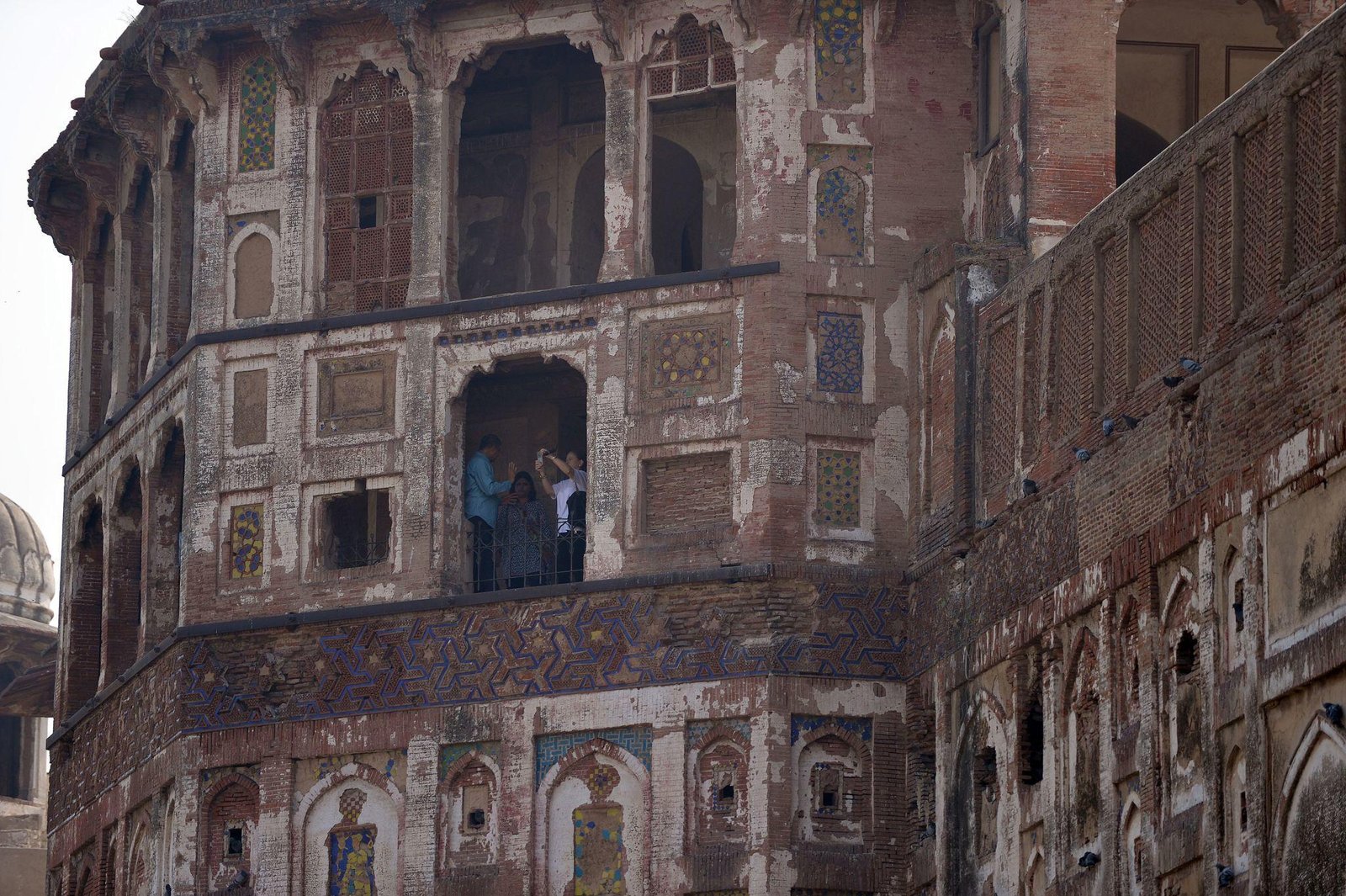
The Walled City, locally known as Androon Lahore, is the historical heart of Lahore. During the Mughal era, the city was enclosed by defensive walls with thirteen gates controlling entry into the urban center.
Although much of the original wall disappeared during British colonial expansion, several gates survive or have been reconstructed.
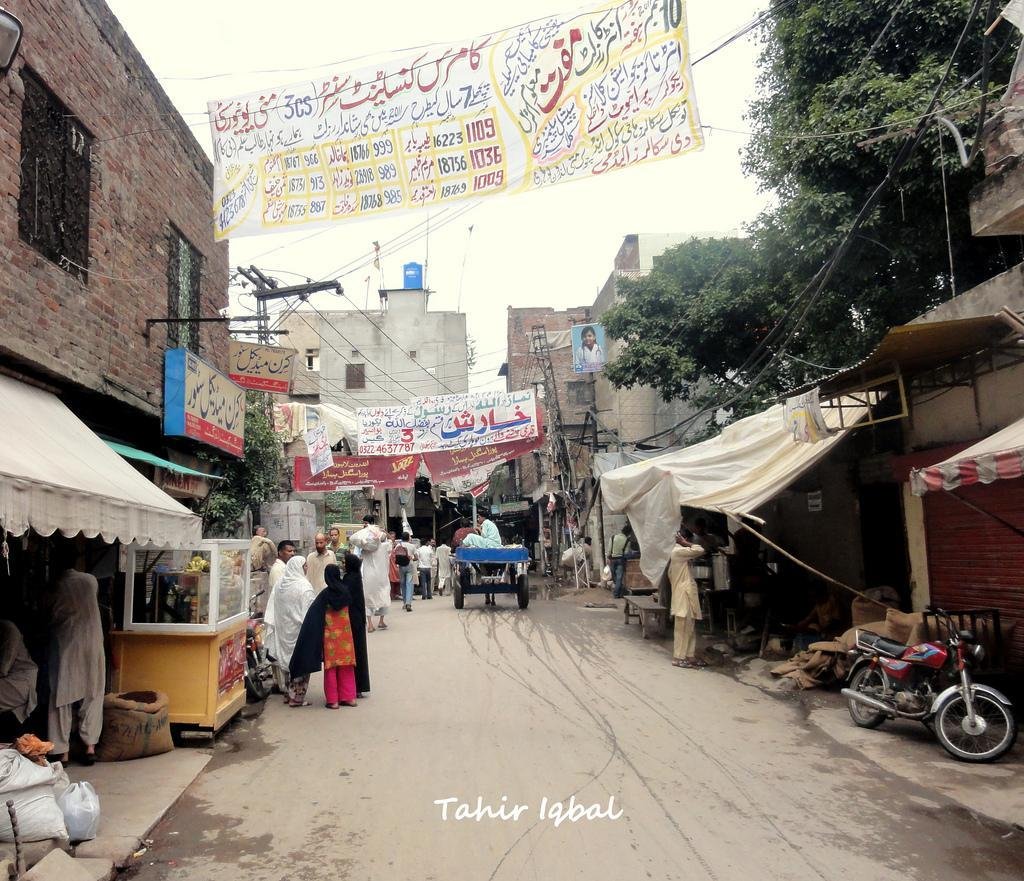
The old city remains one of the most densely populated urban districts in Pakistan.
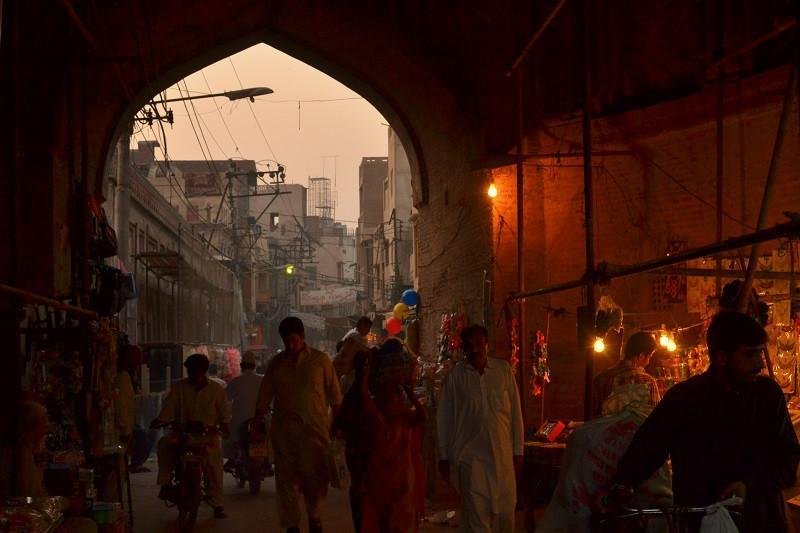
Walking through the Walled City means navigating:
- Narrow alleyways
- Dense bazaars
- Historic mosques
- Traditional havelis
- Colonial-era shopfronts
- Crowded commercial streets
The atmosphere is intense and highly sensory:
- Motorcycle horns echo through the lanes
- Spice shops release strong aromas into the streets
- Electrical wires hang overhead
- Street vendors occupy nearly every corner
- Small workshops operate openly inside centuries-old buildings
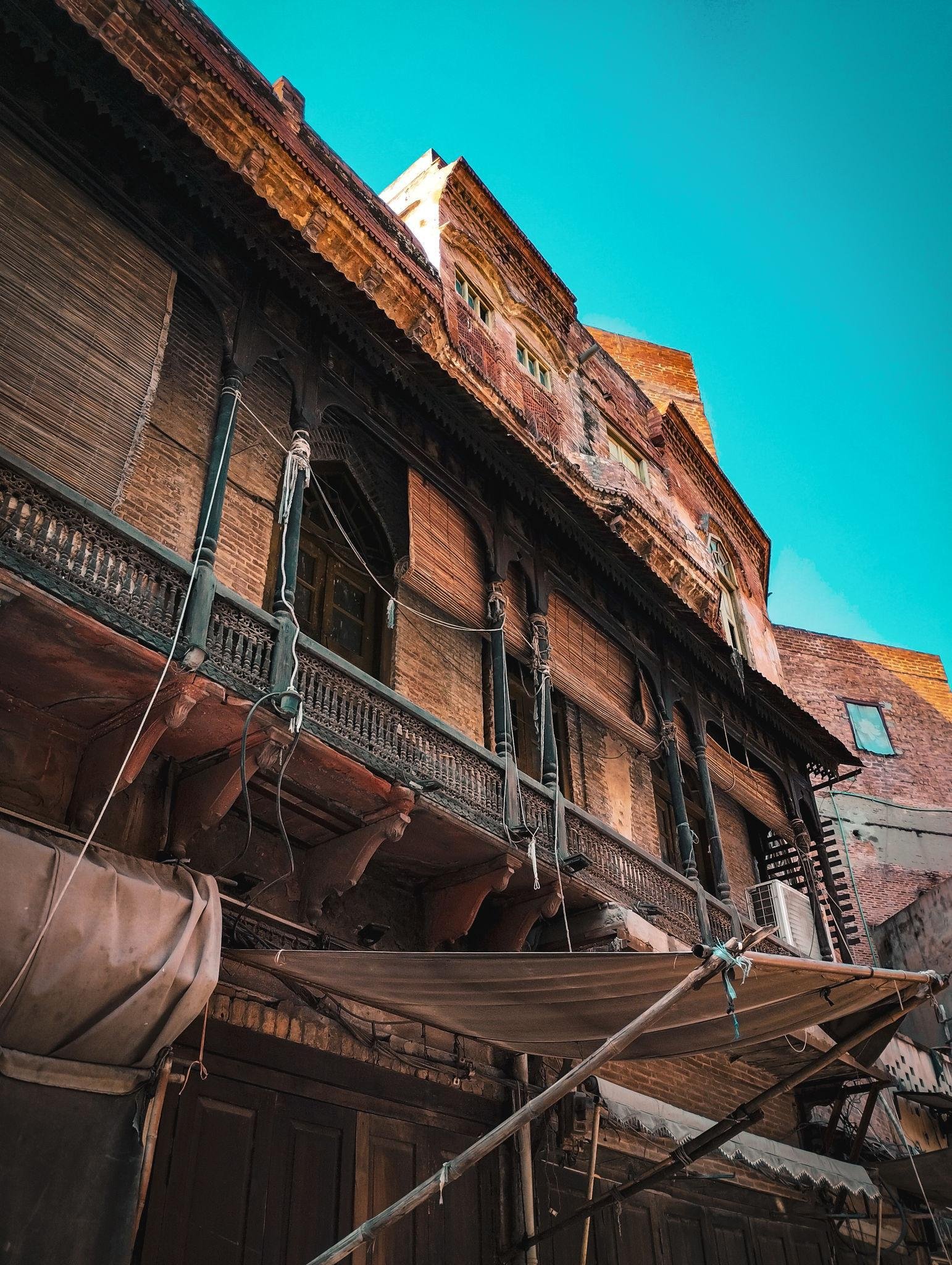
The architecture changes constantly from lane to lane. Some streets contain:
- Mughal brick facades
- Sikh-era balconies
- British colonial structures
- Modern concrete additions
Many buildings are visibly layered with centuries of rebuilding and adaptation.
Historic Gates of Lahore
Delhi Gate
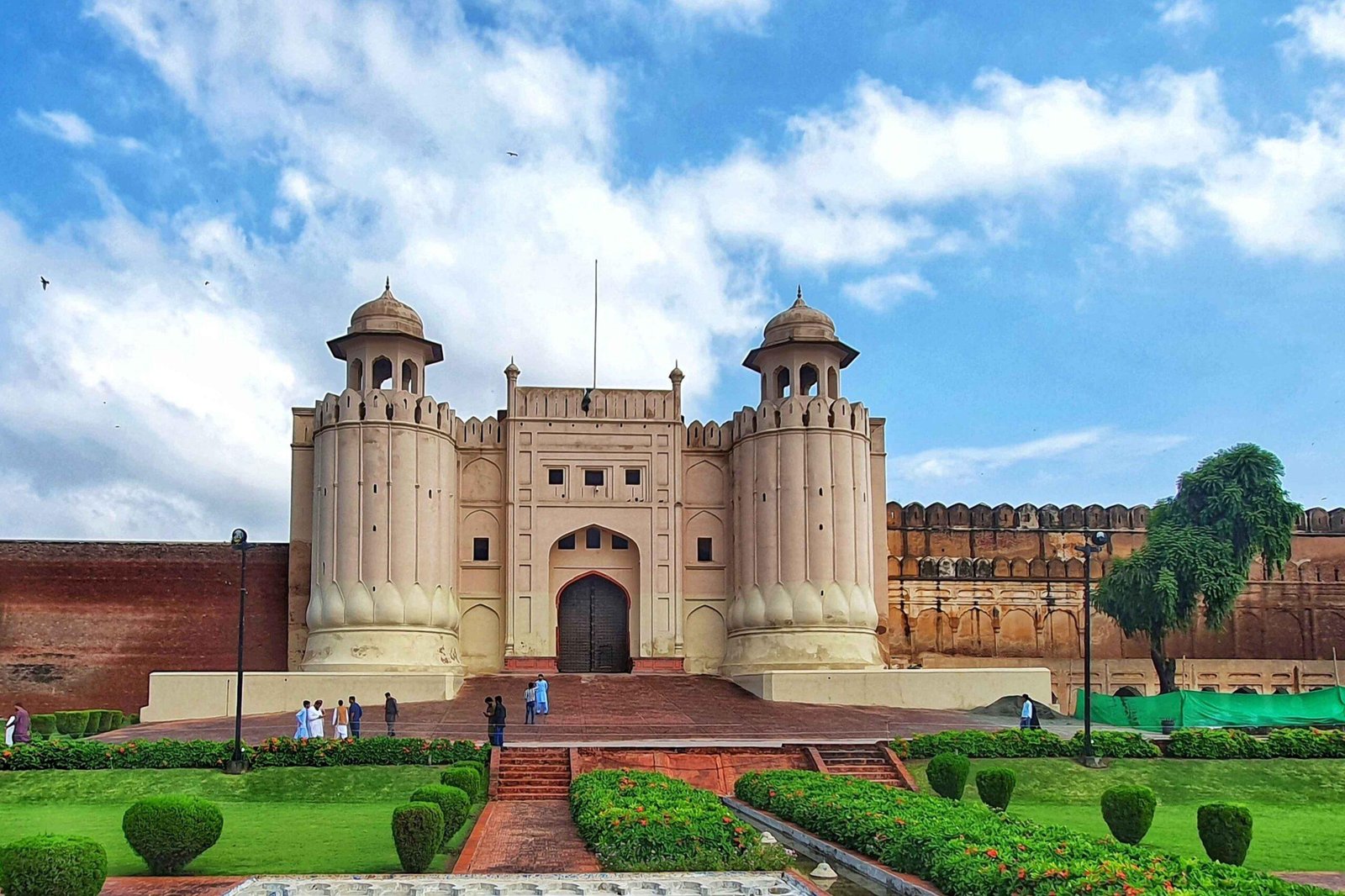
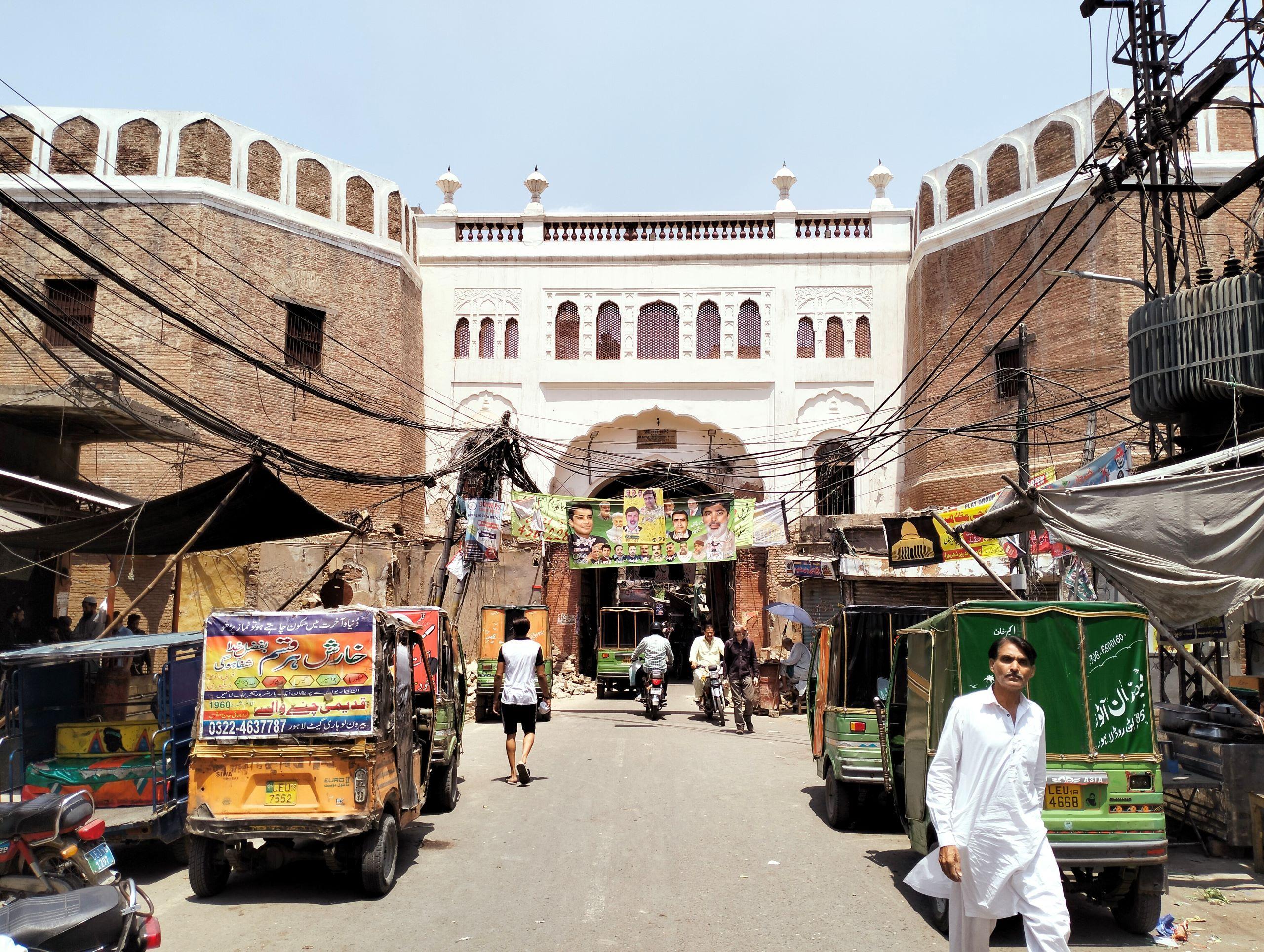
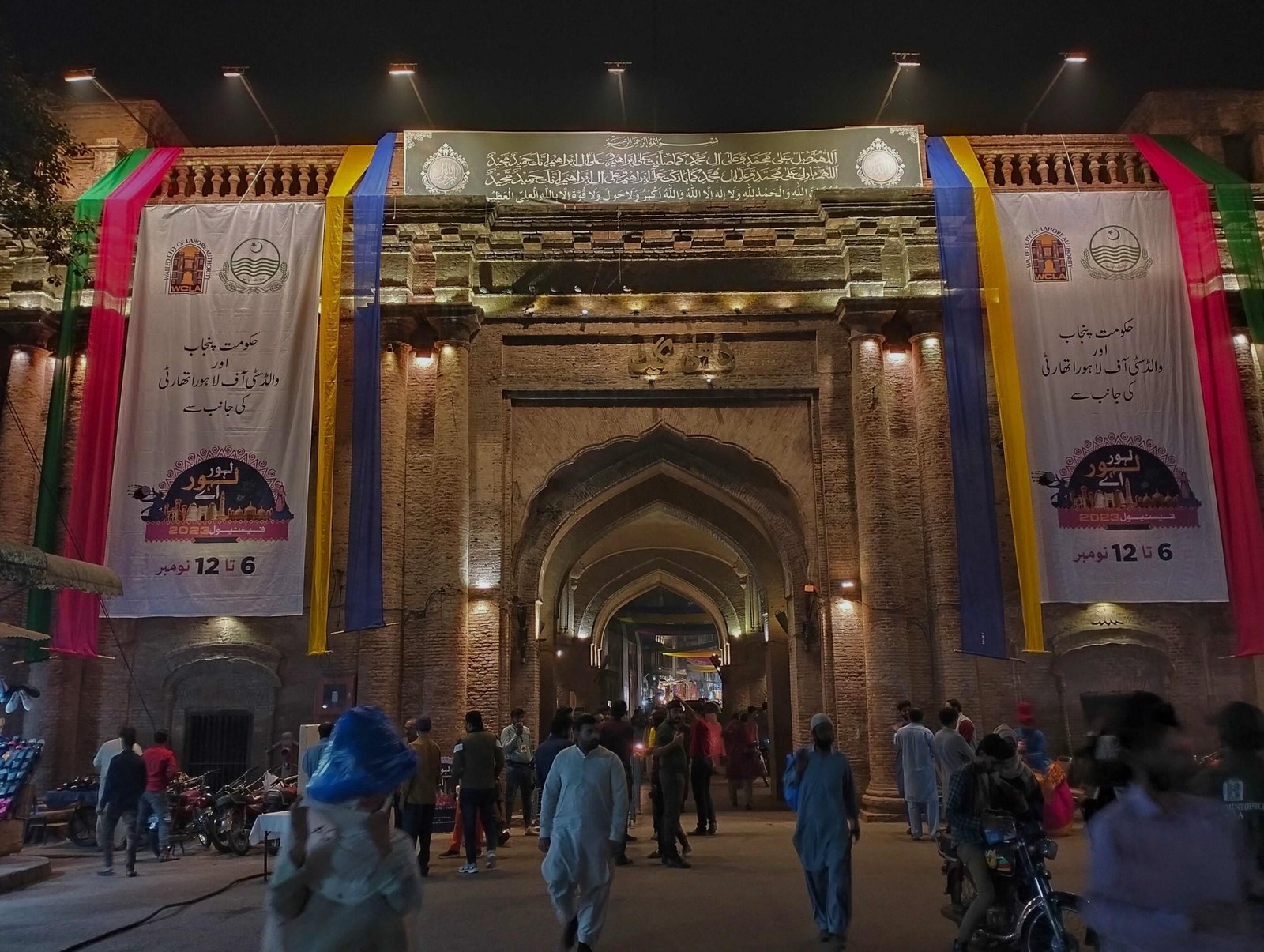
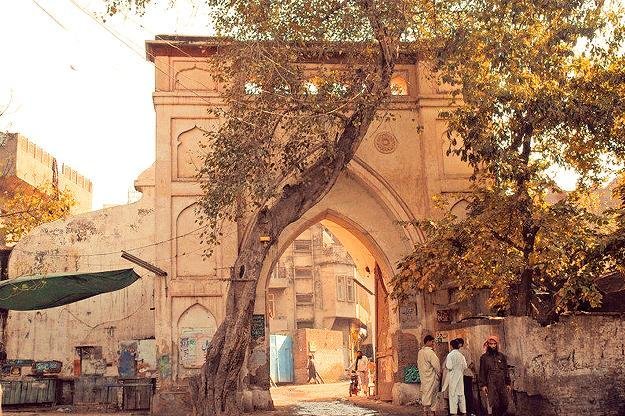
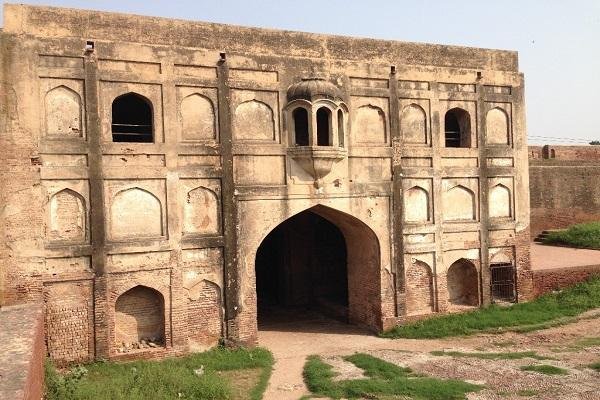
Delhi Gate is the most important surviving entrance into the Walled City and one of the best places for visitors to begin exploring.
Historically, this gate faced toward Delhi during the Mughal period and served as one of the city’s primary ceremonial entrances.
Today the area around Delhi Gate contains:
- Food vendors
- Historic bazaars
- Access toward Wazir Khan Mosque
- Traditional workshops
- Restored pedestrian streets
Bhati Gate
Bhati Gate historically housed many of Lahore’s poets, musicians, and literary figures.
The surrounding district still contains:
- Traditional tea houses
- Old residential lanes
- Historic food vendors
- Cultural landmarks
Badshahi Mosque
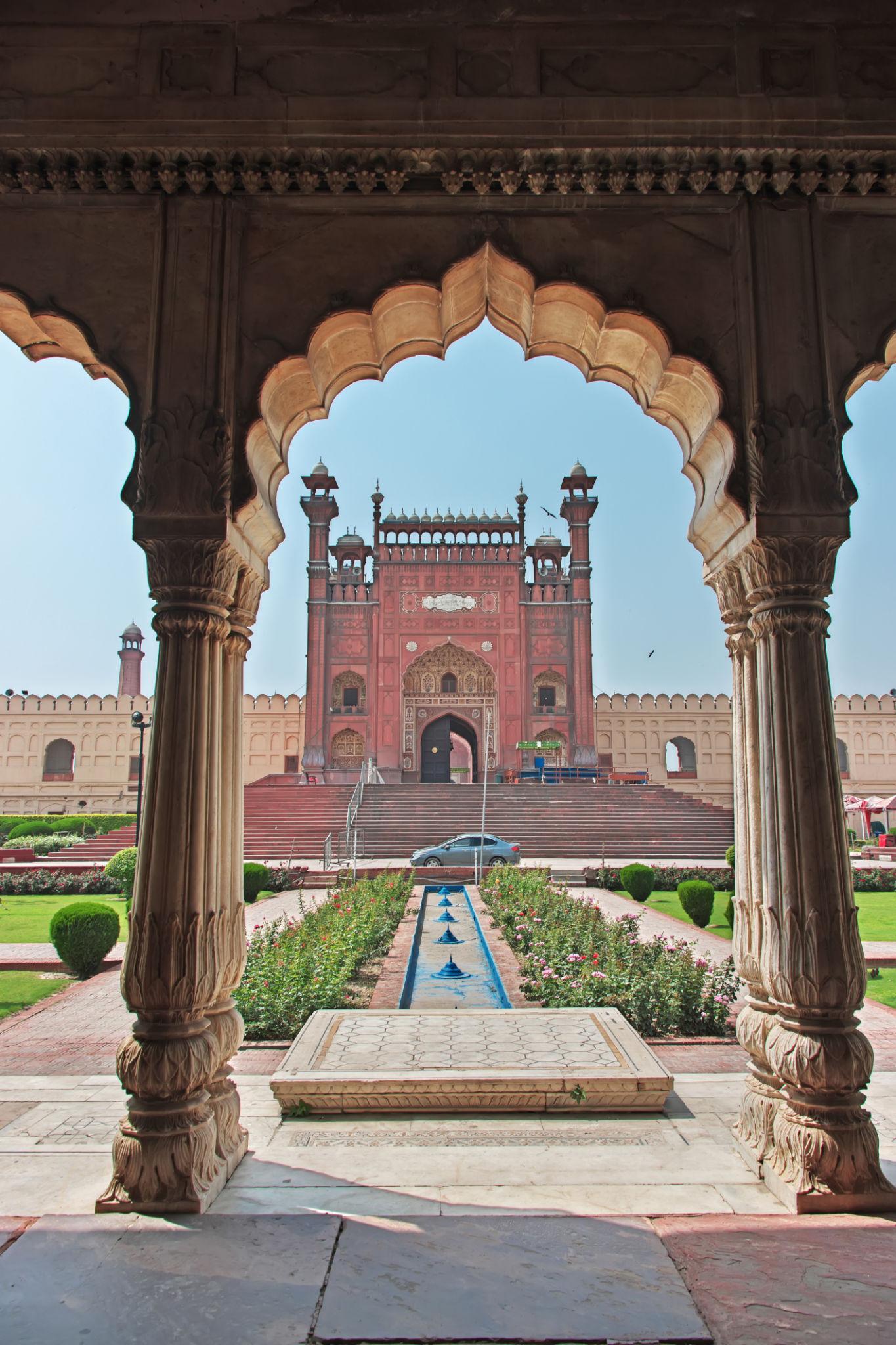
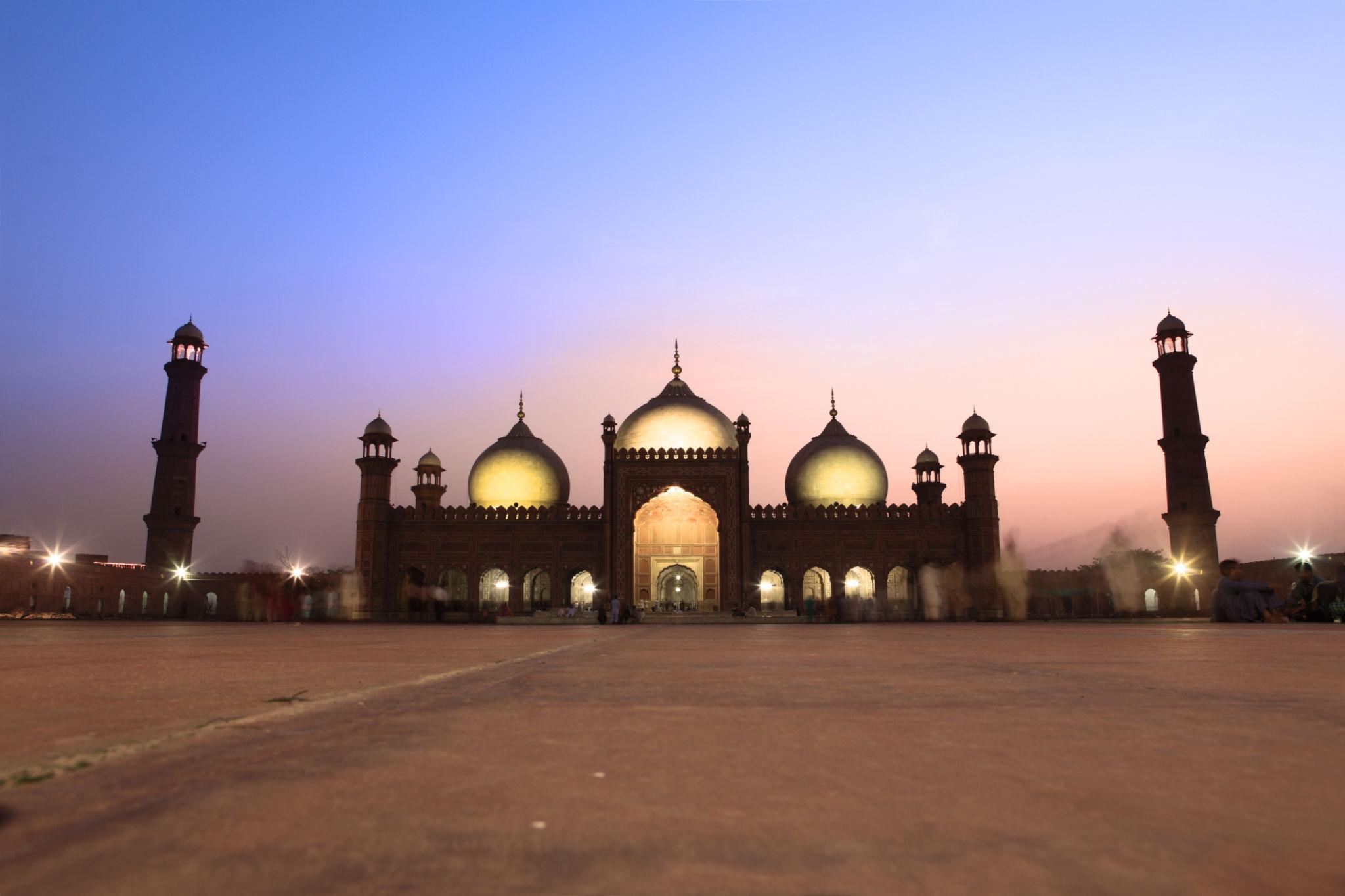
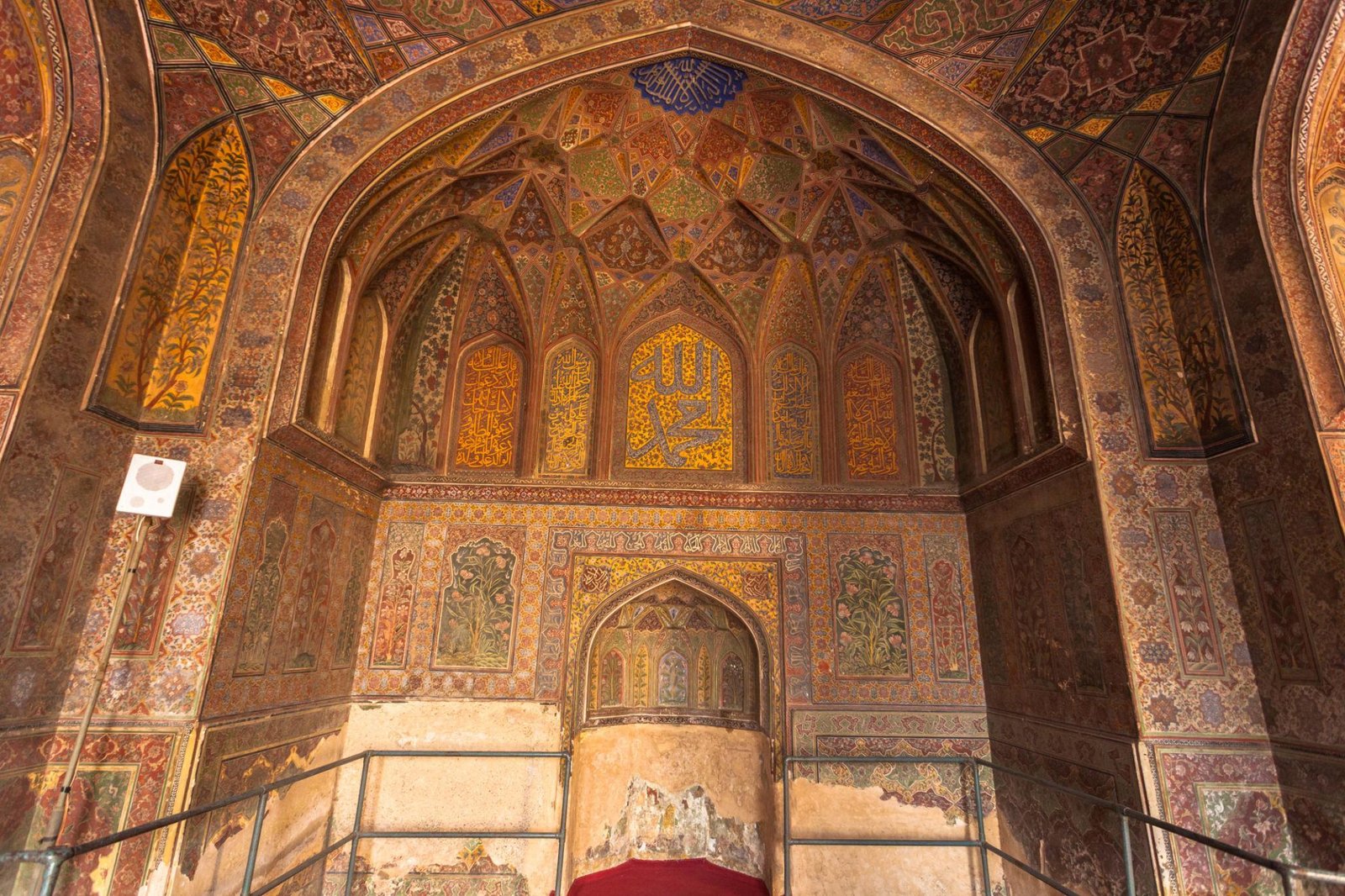
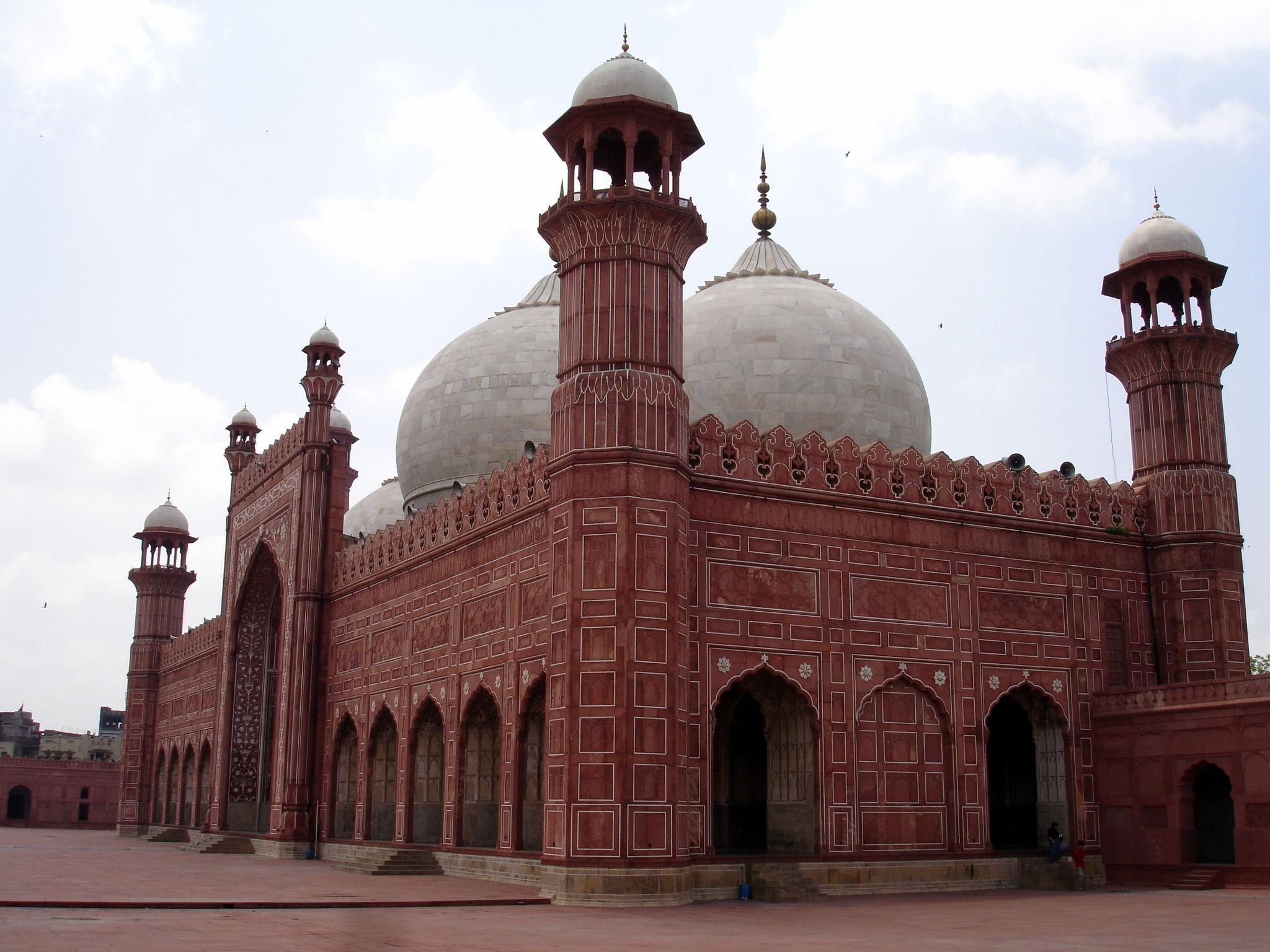
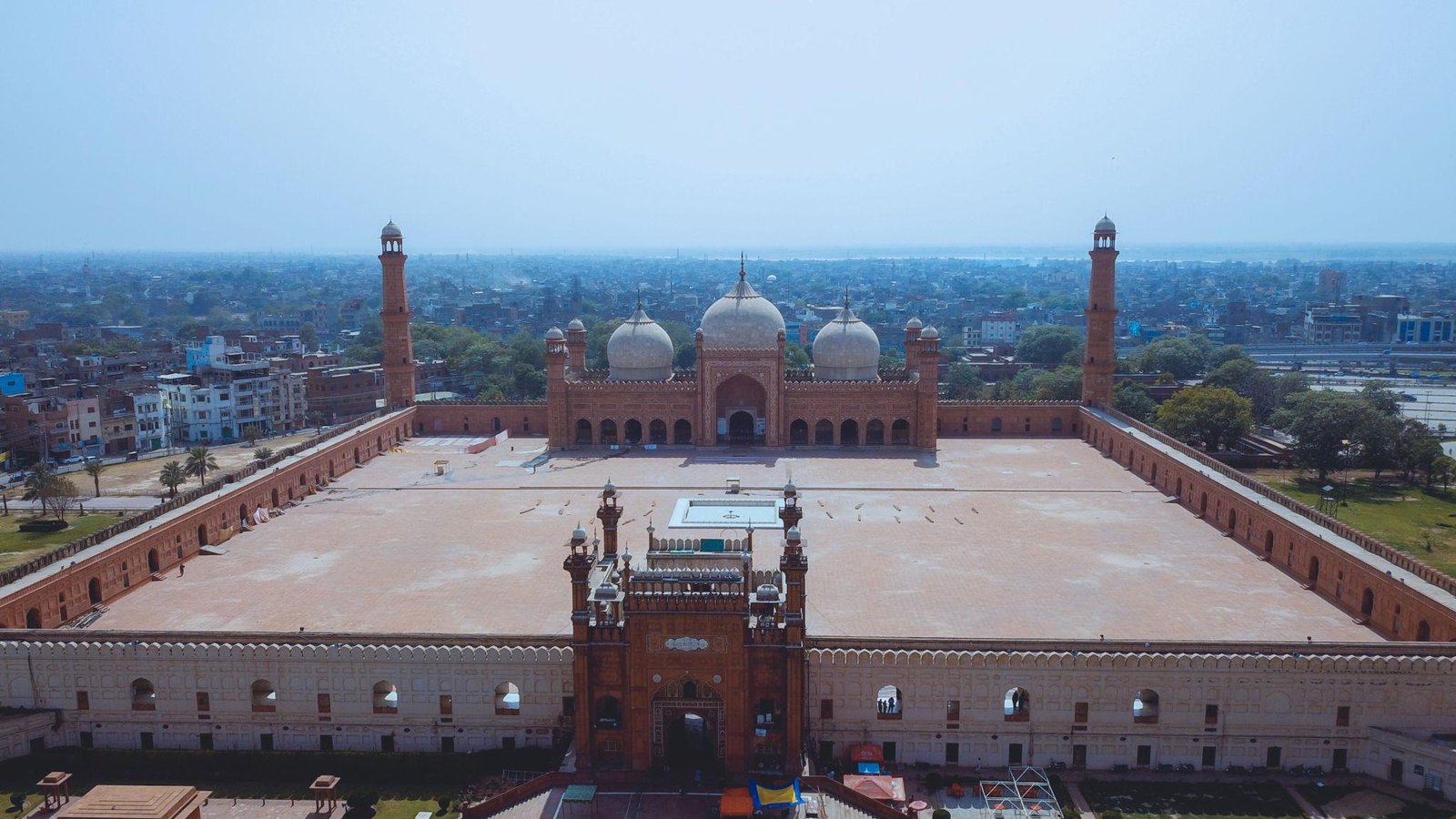
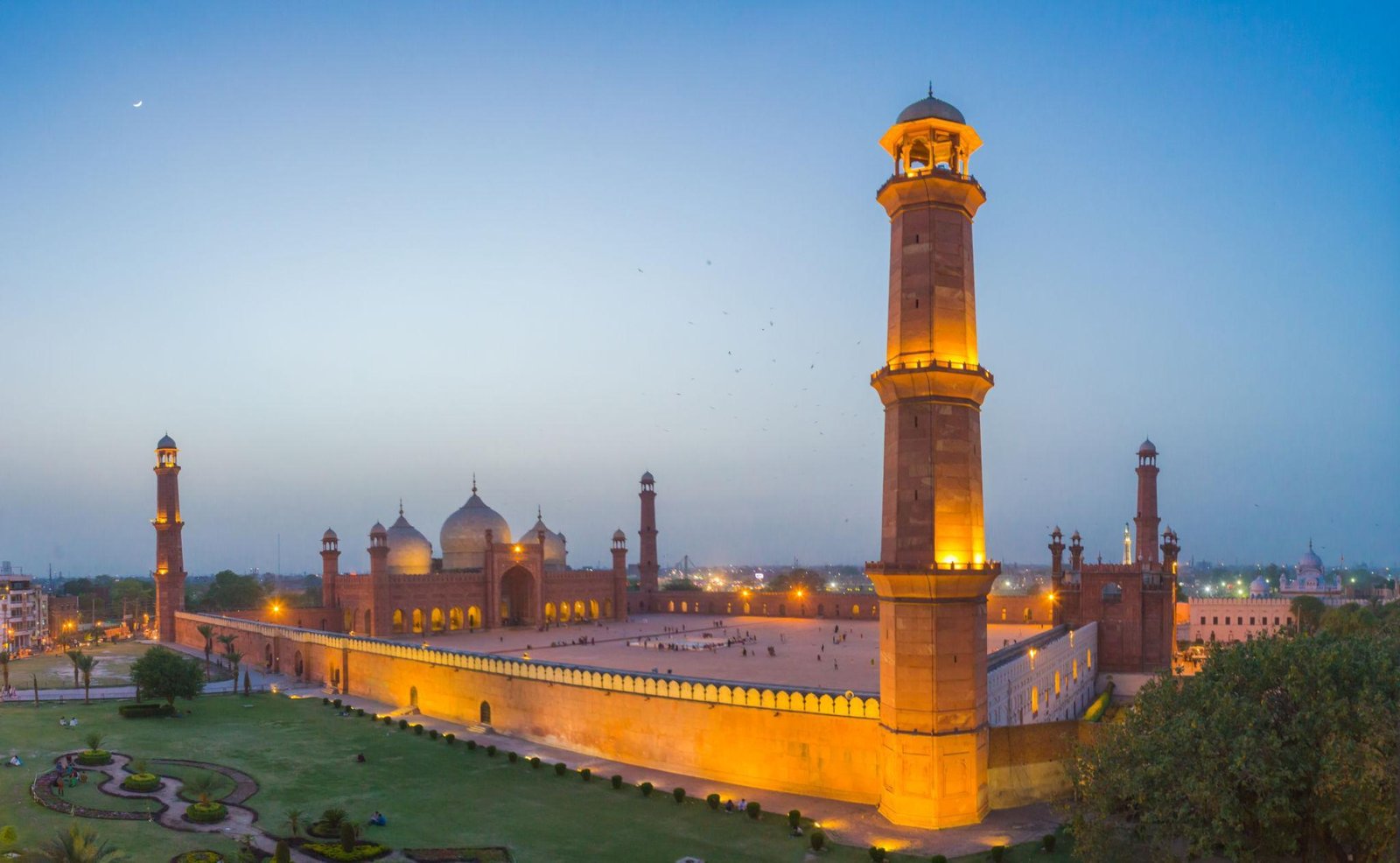
The Badshahi Mosque is one of the largest mosques ever built during the Mughal Empire and remains Lahore’s defining landmark.
Completed in 1673 under Emperor Aurangzeb, the mosque was intended as an imperial congregational mosque reflecting the scale and authority of the Mughal state.
The structure sits opposite Lahore Fort across the Hazuri Bagh gardens, forming one of the greatest surviving examples of Mughal urban planning in South Asia.
Architectural Features
The mosque is famous for:
- Red sandstone construction
- White marble domes
- Four monumental minarets
- Massive courtyard
- Intricate marble inlay work
The main courtyard alone can accommodate tens of thousands of worshippers.
The scale becomes especially striking at sunrise and sunset when the sandstone changes color under shifting light.
Visiting the Badshahi Mosque
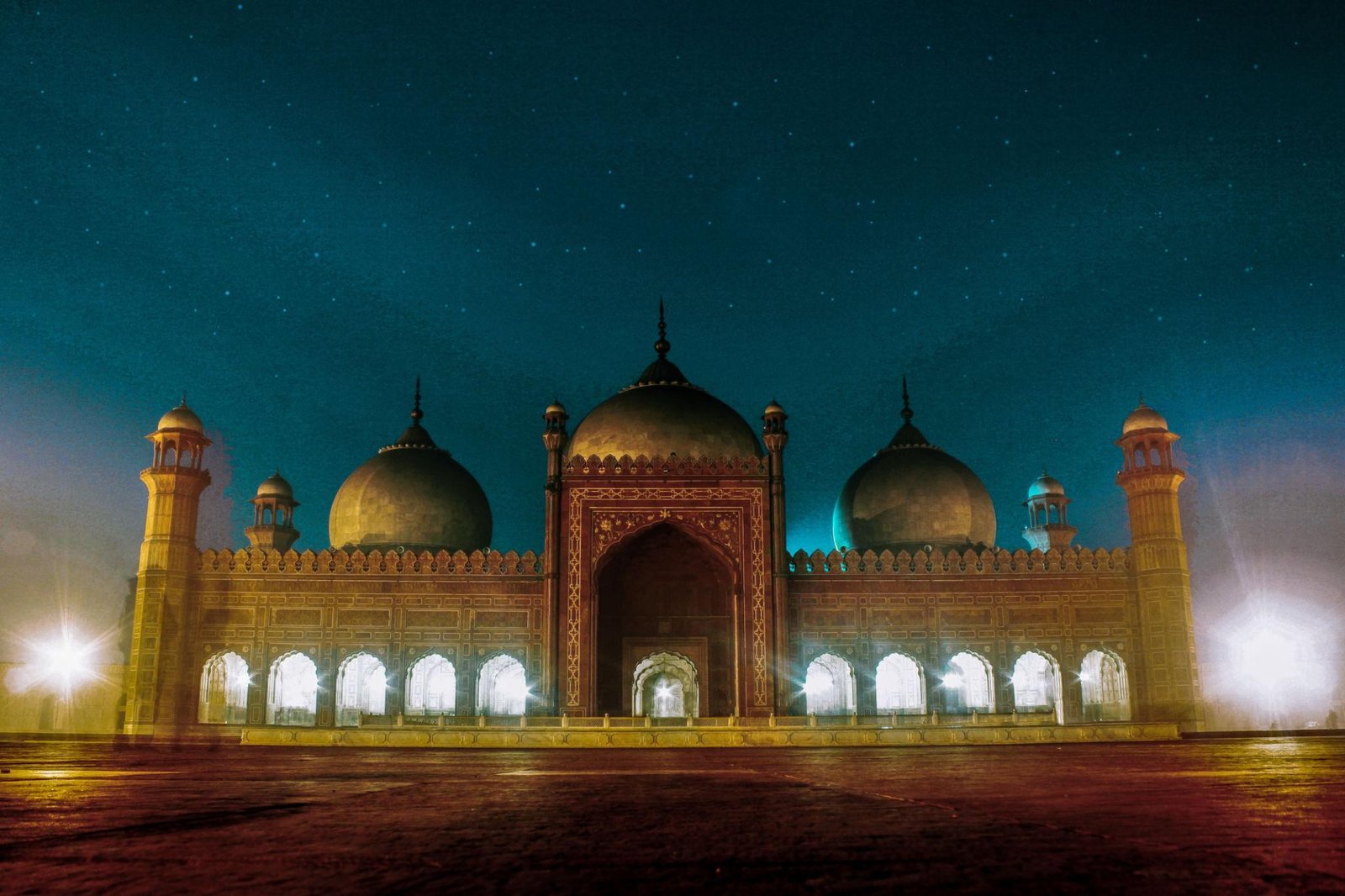
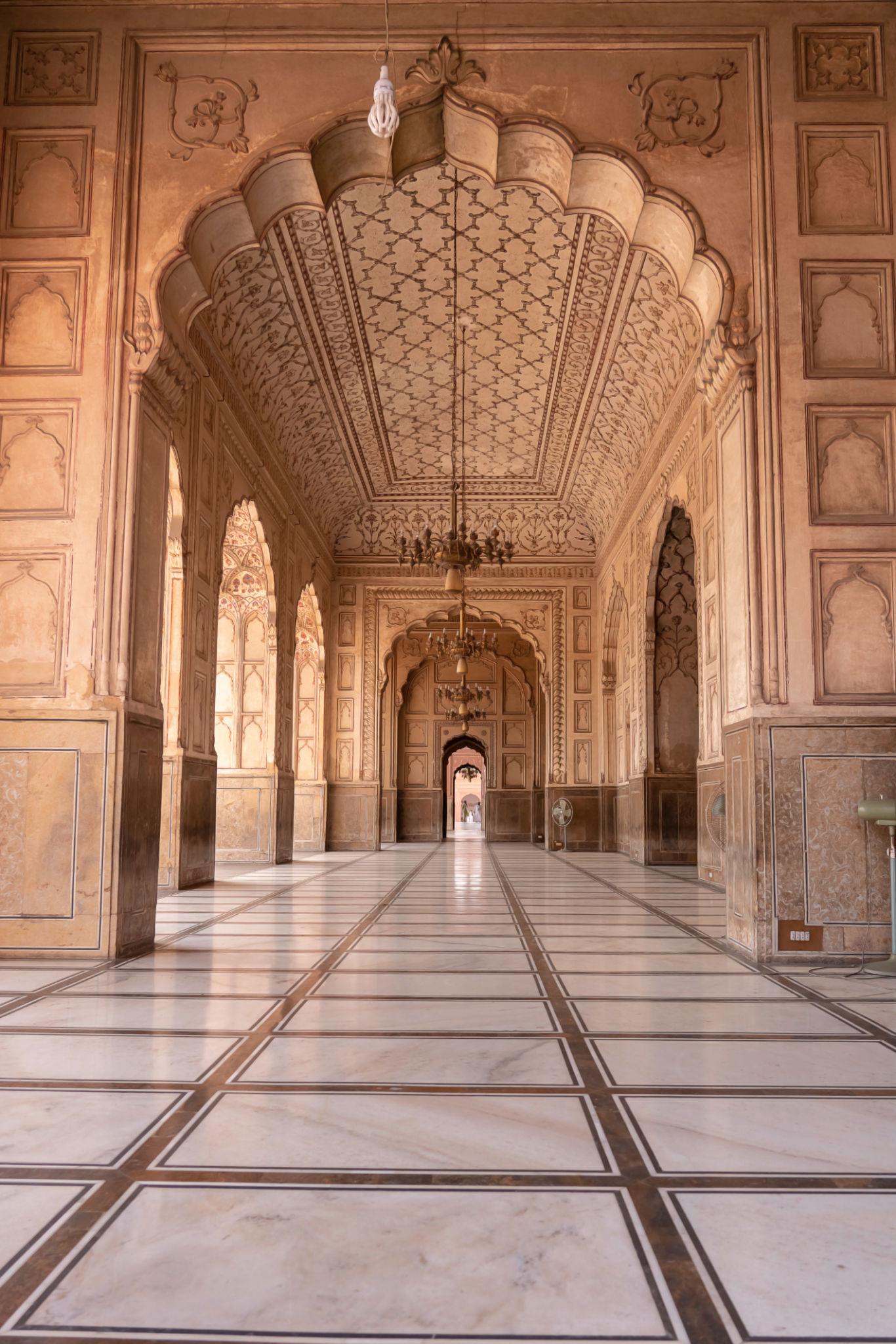
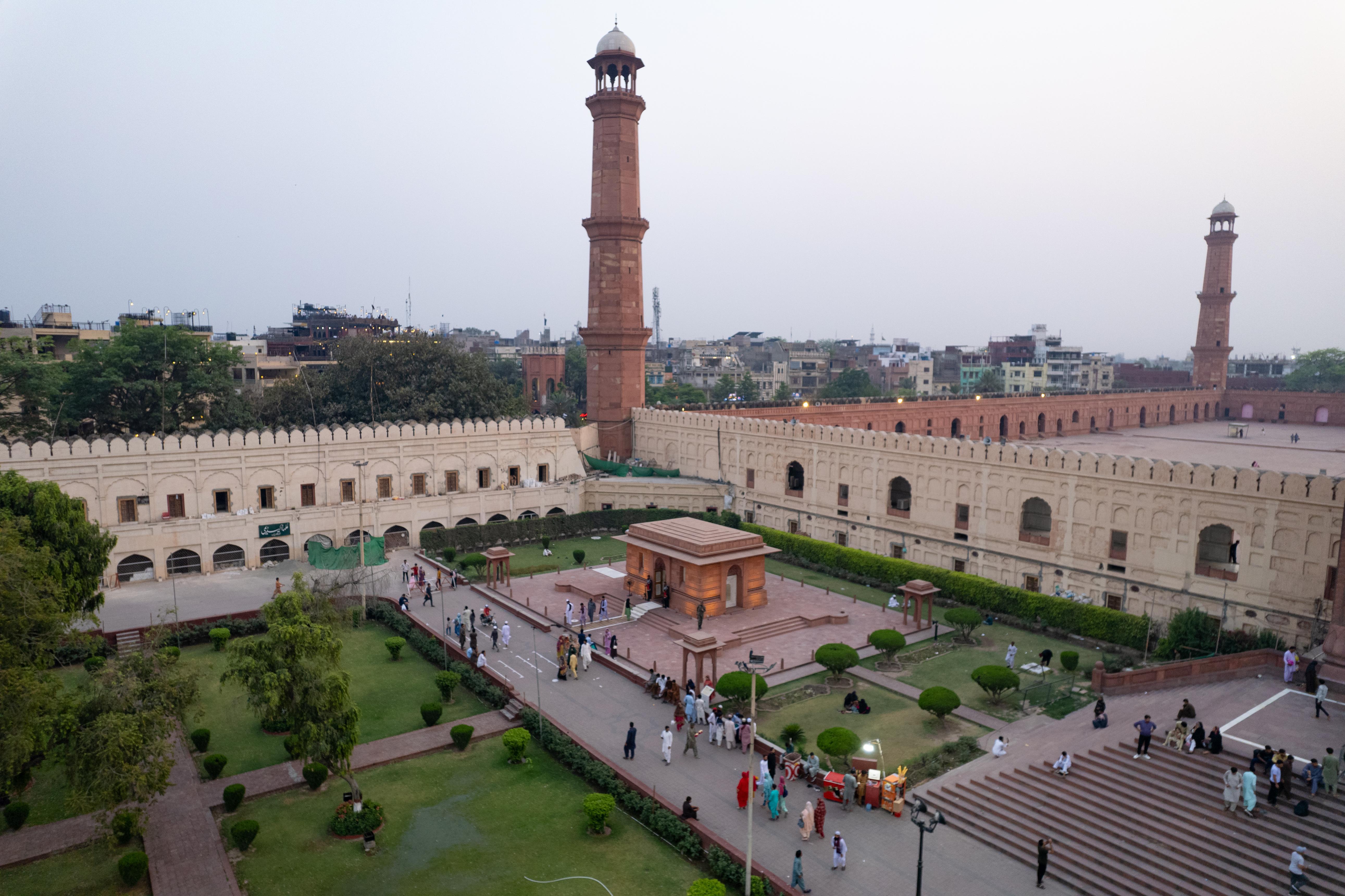
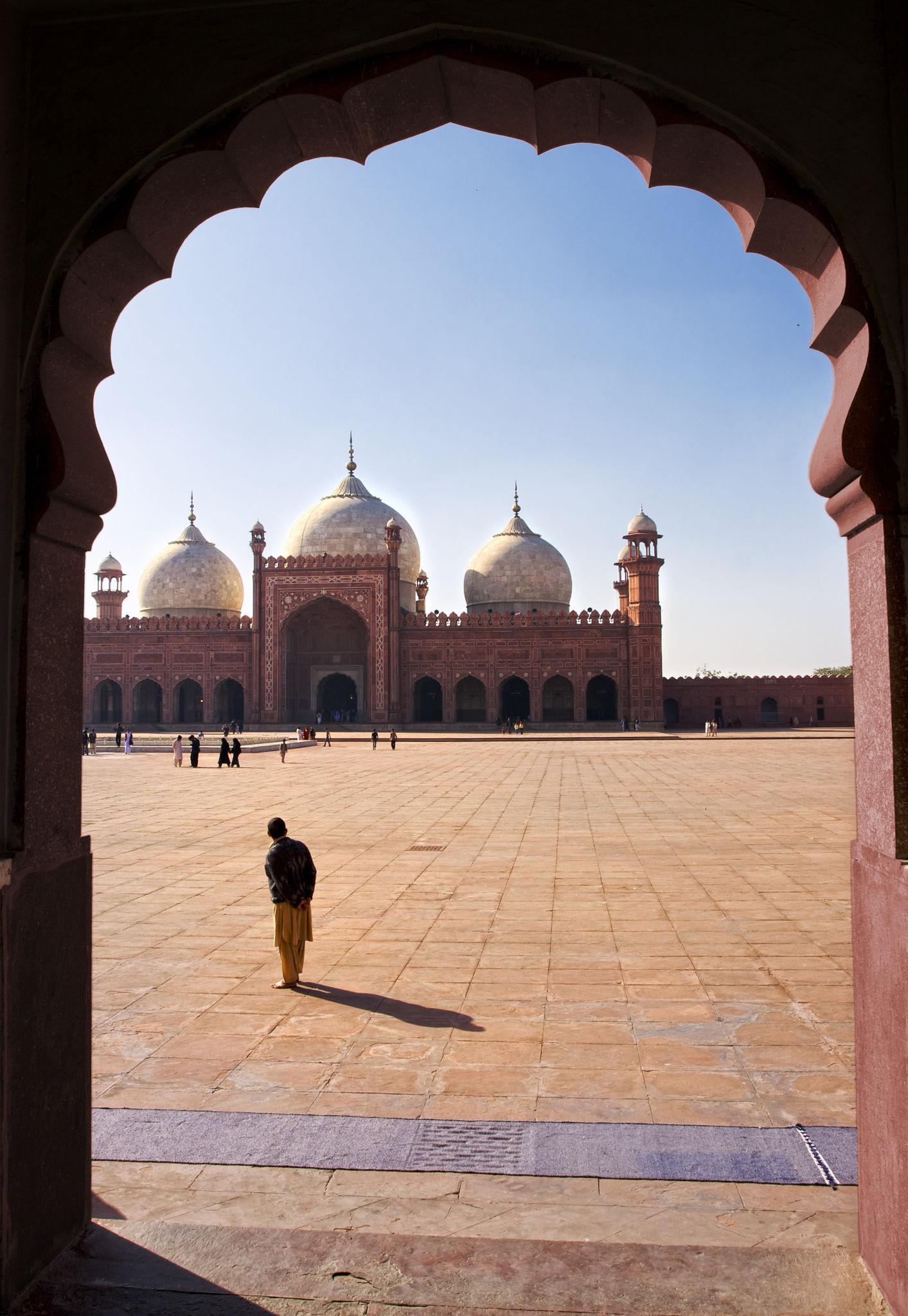
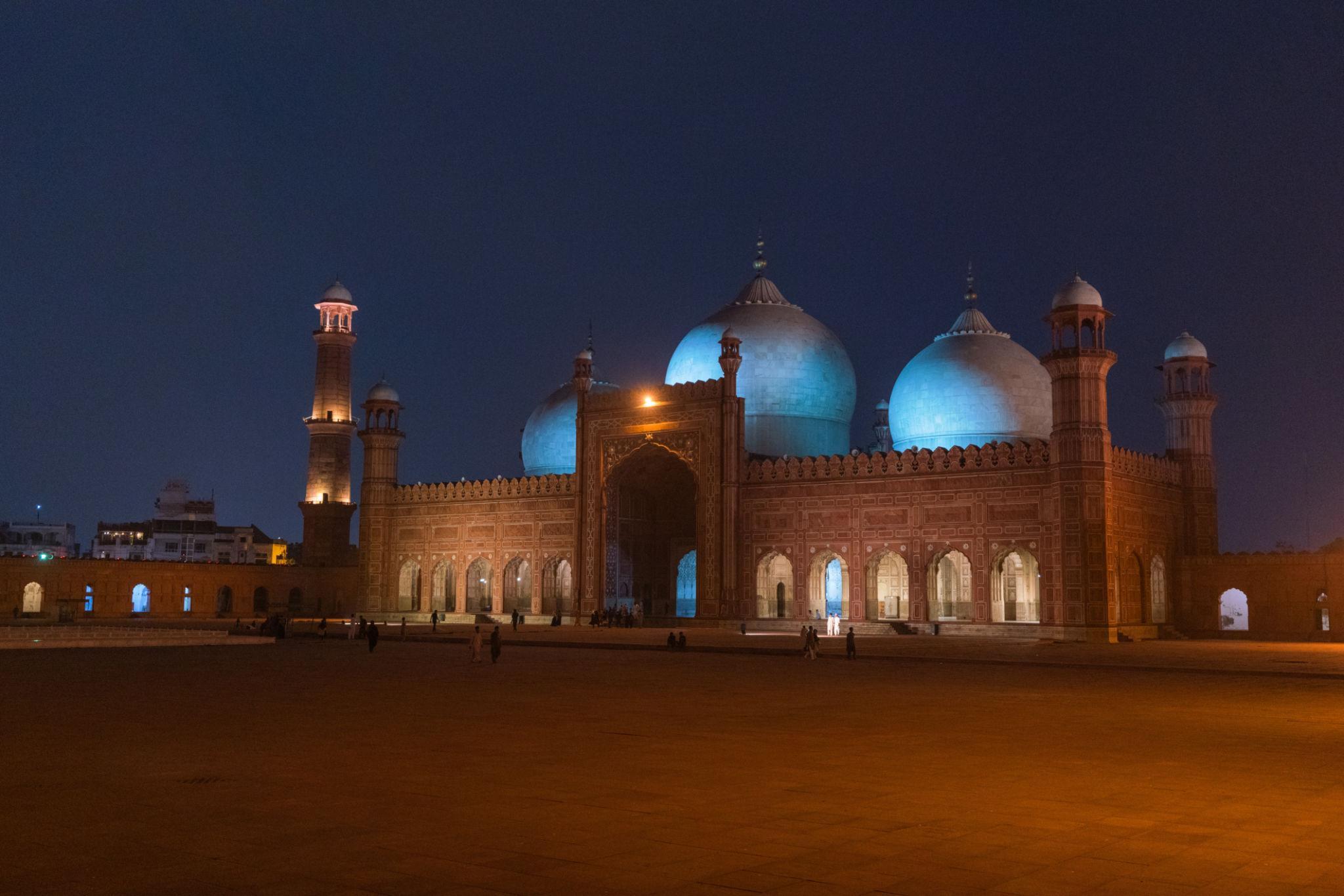
Non-Muslim visitors are allowed outside prayer times.
Visitors should:
- Remove shoes before entering
- Dress conservatively
- Respect active prayer areas
- Cover heads inside religious sections
The best photography conditions are:
- Early morning
- Late afternoon
- Evening illumination after sunset
Nighttime views from Fort Road Food Street are particularly impressive.
Lahore Fort
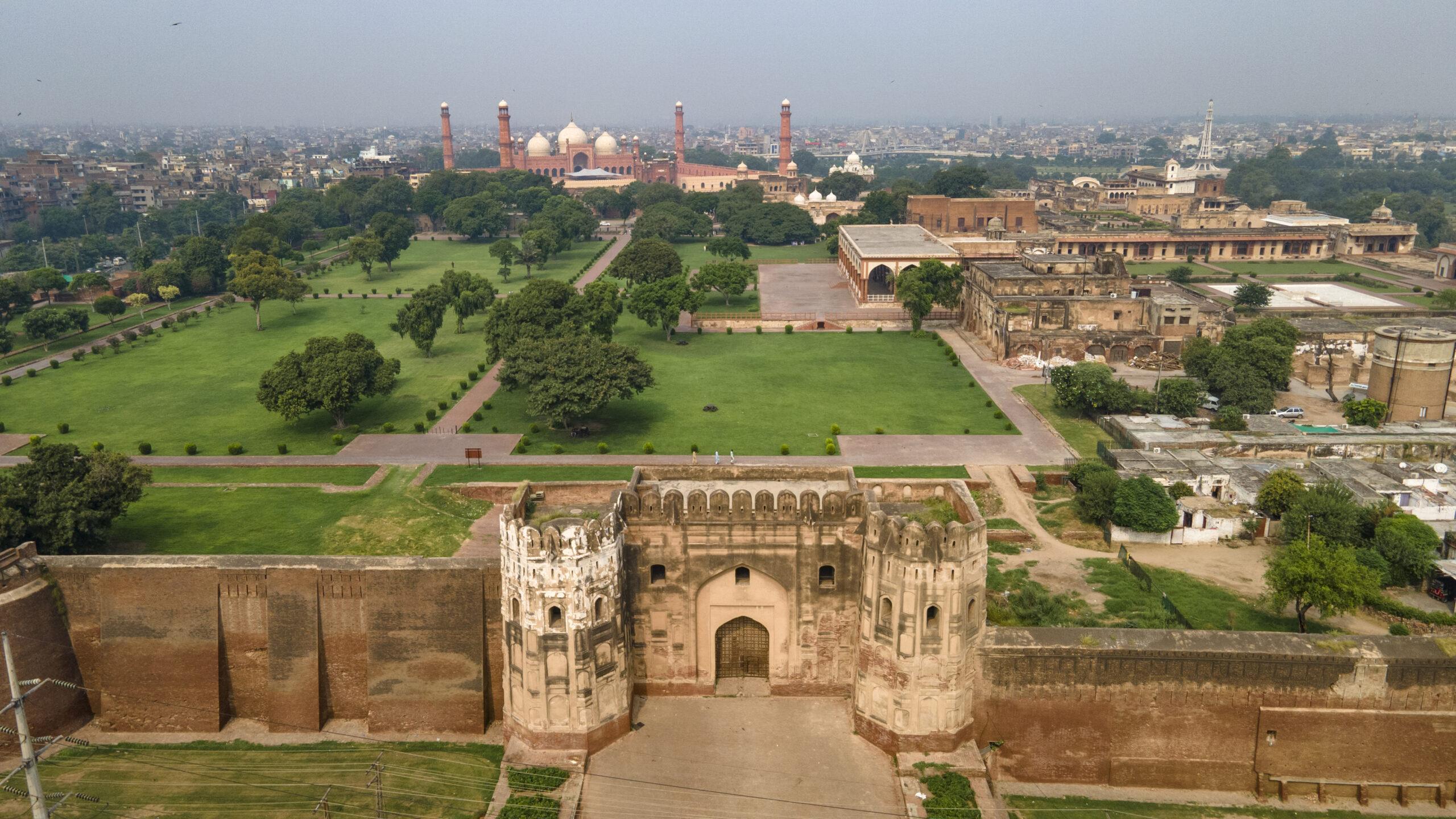
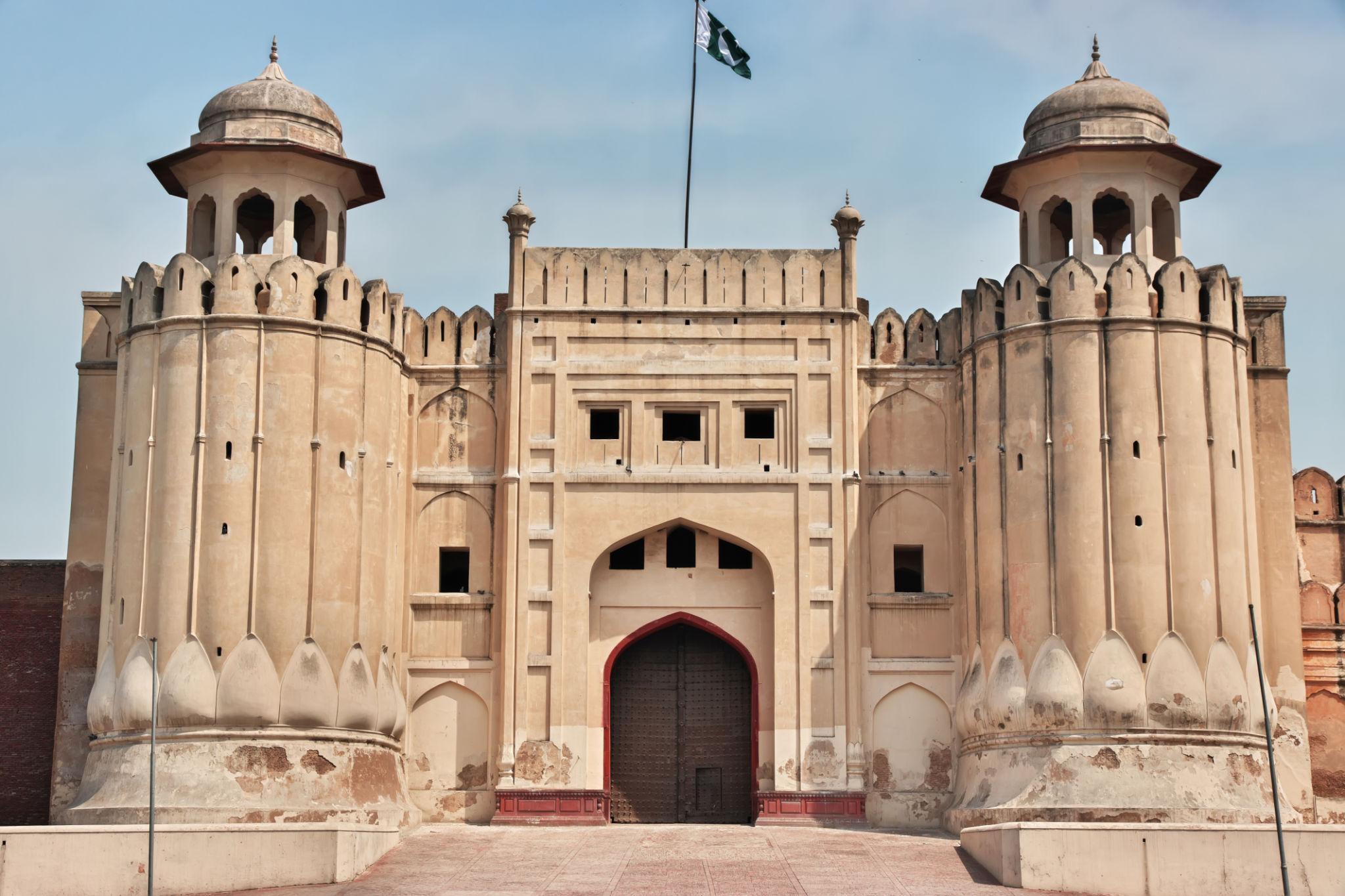
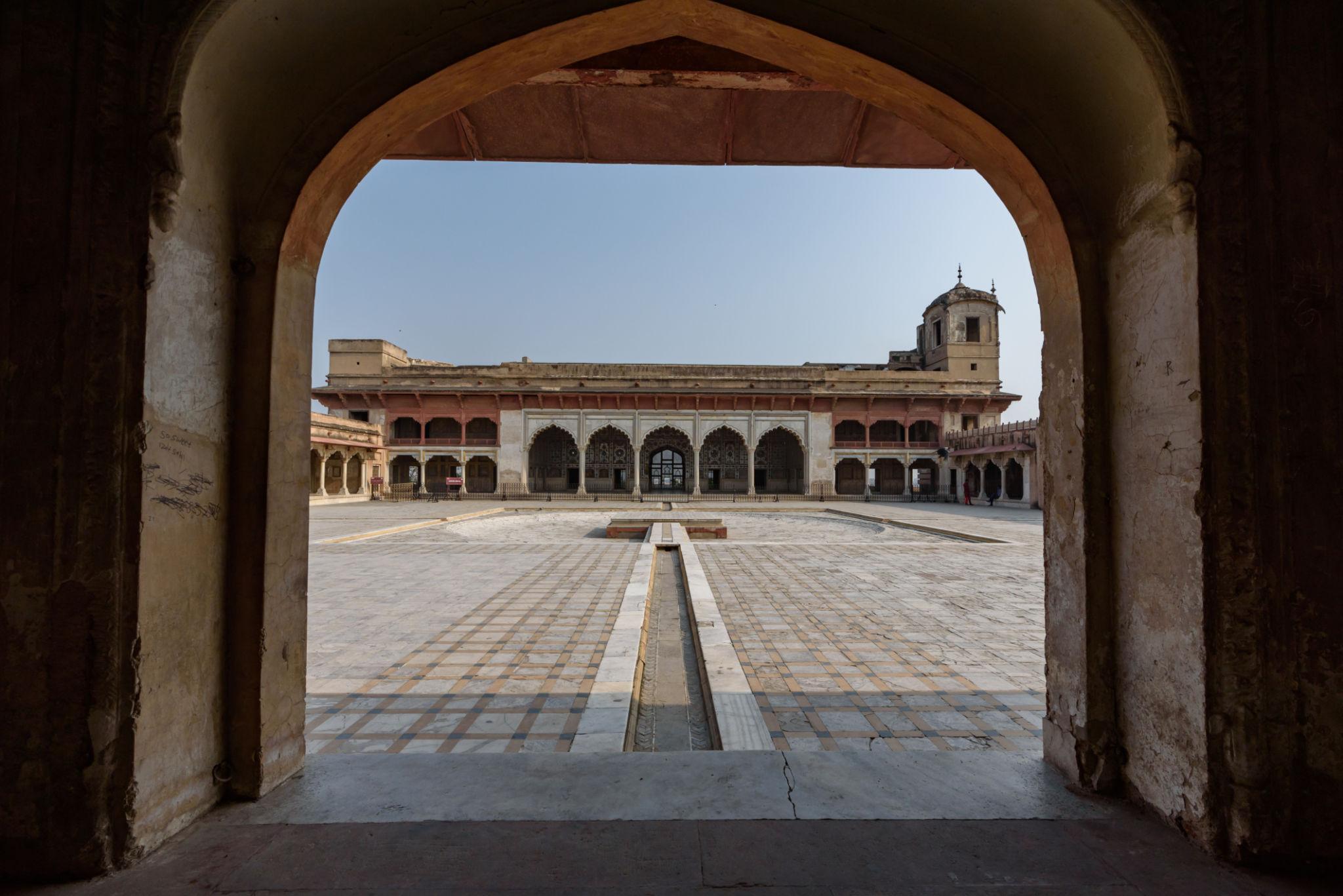
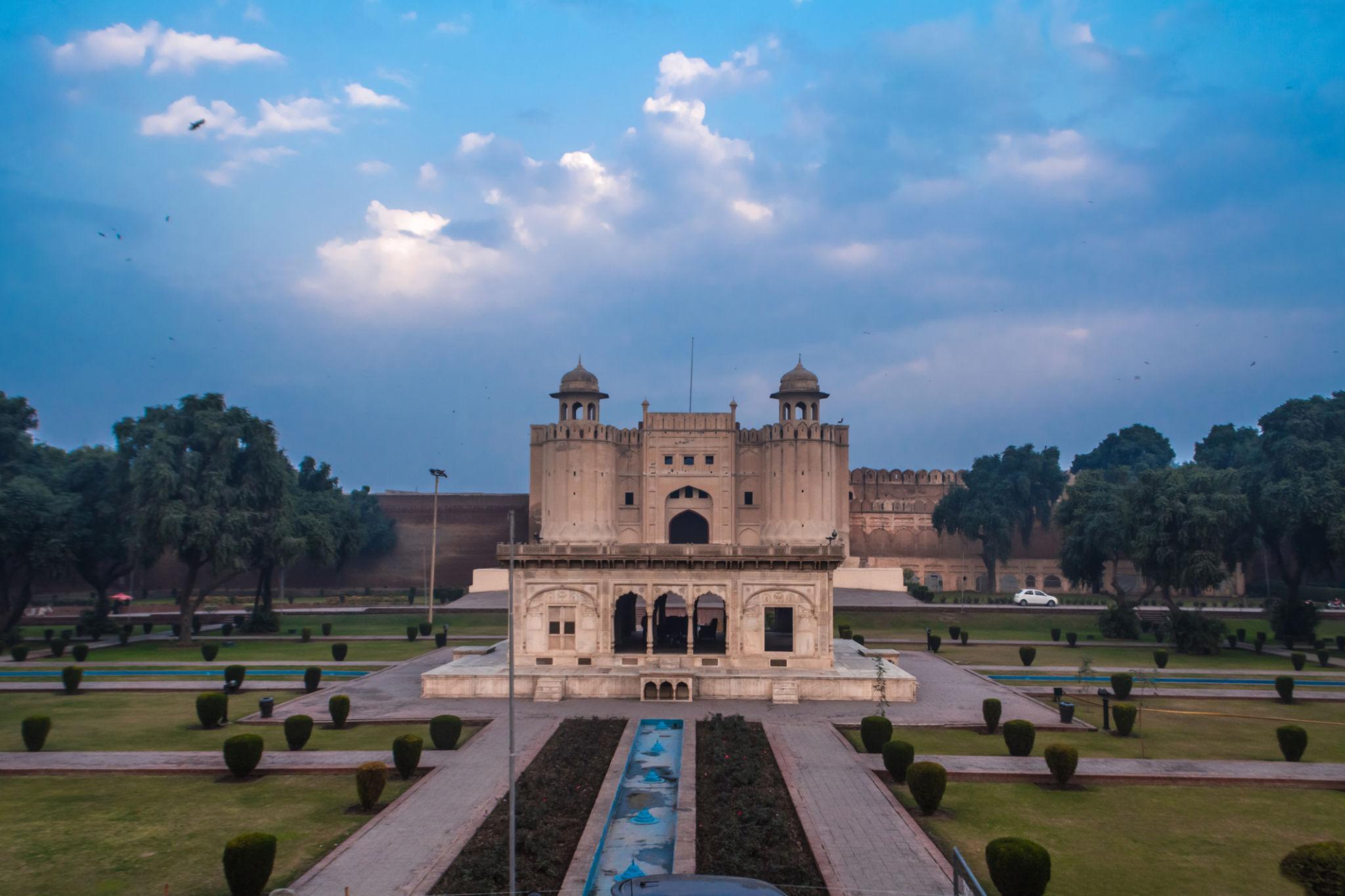
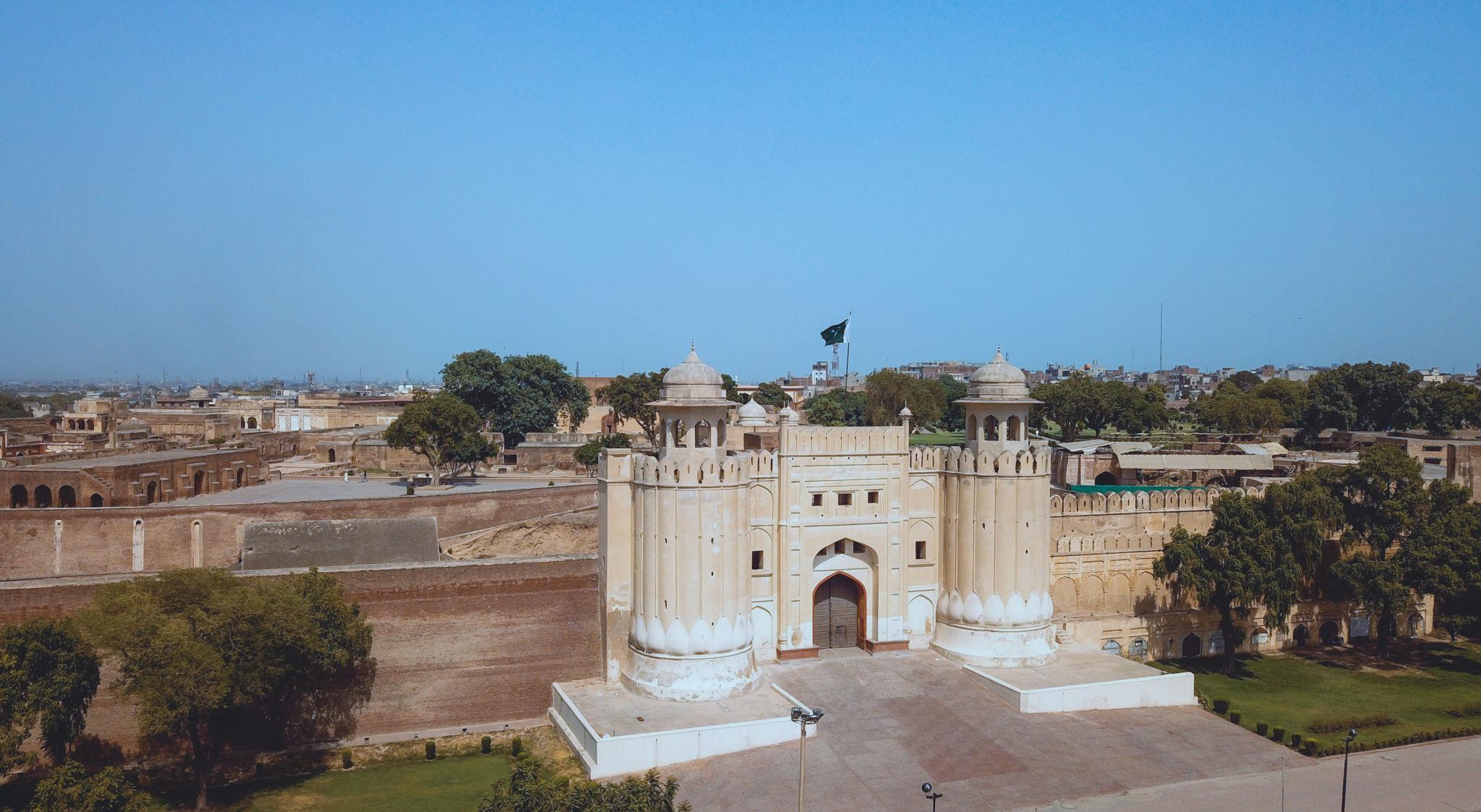
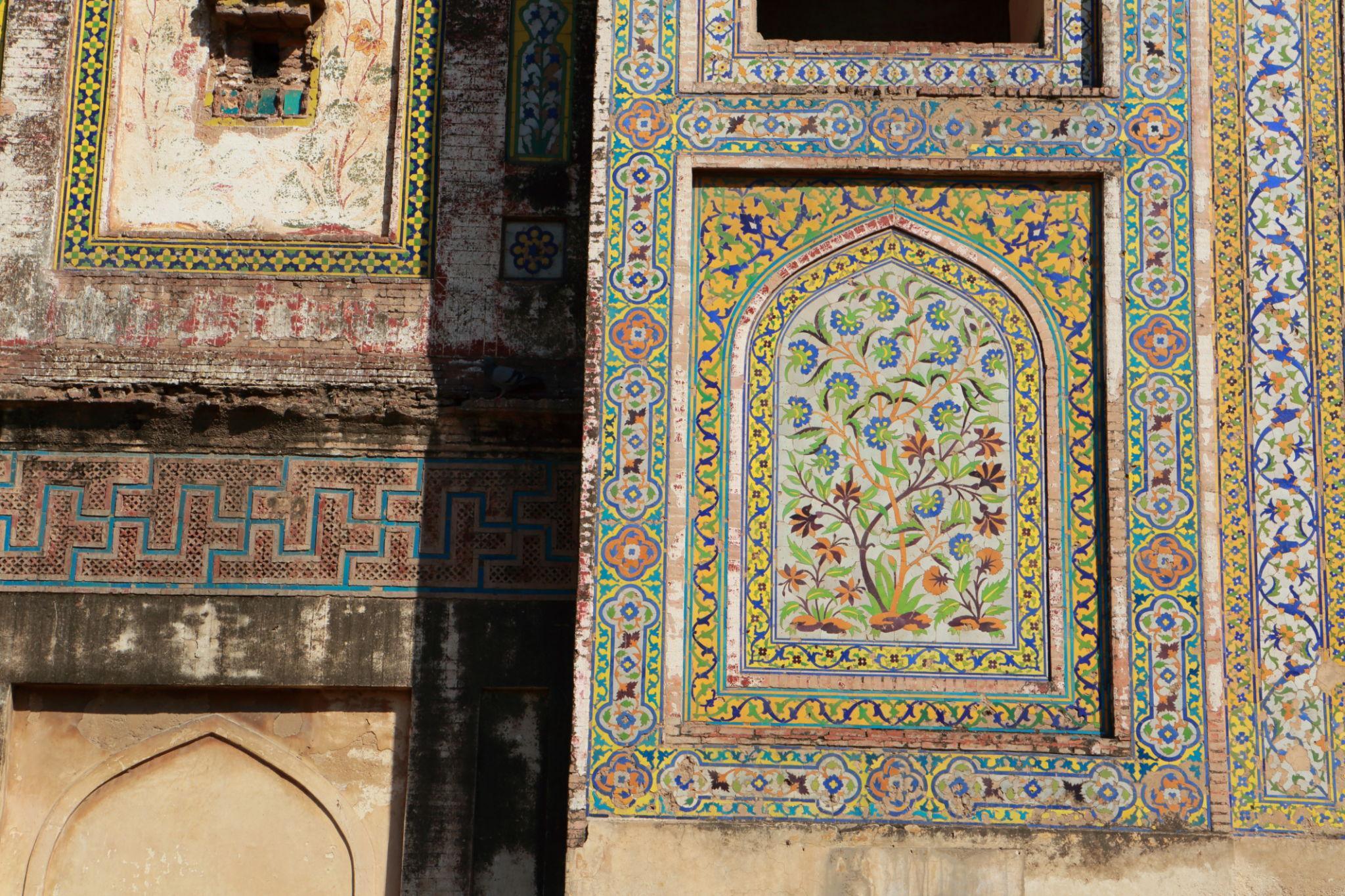
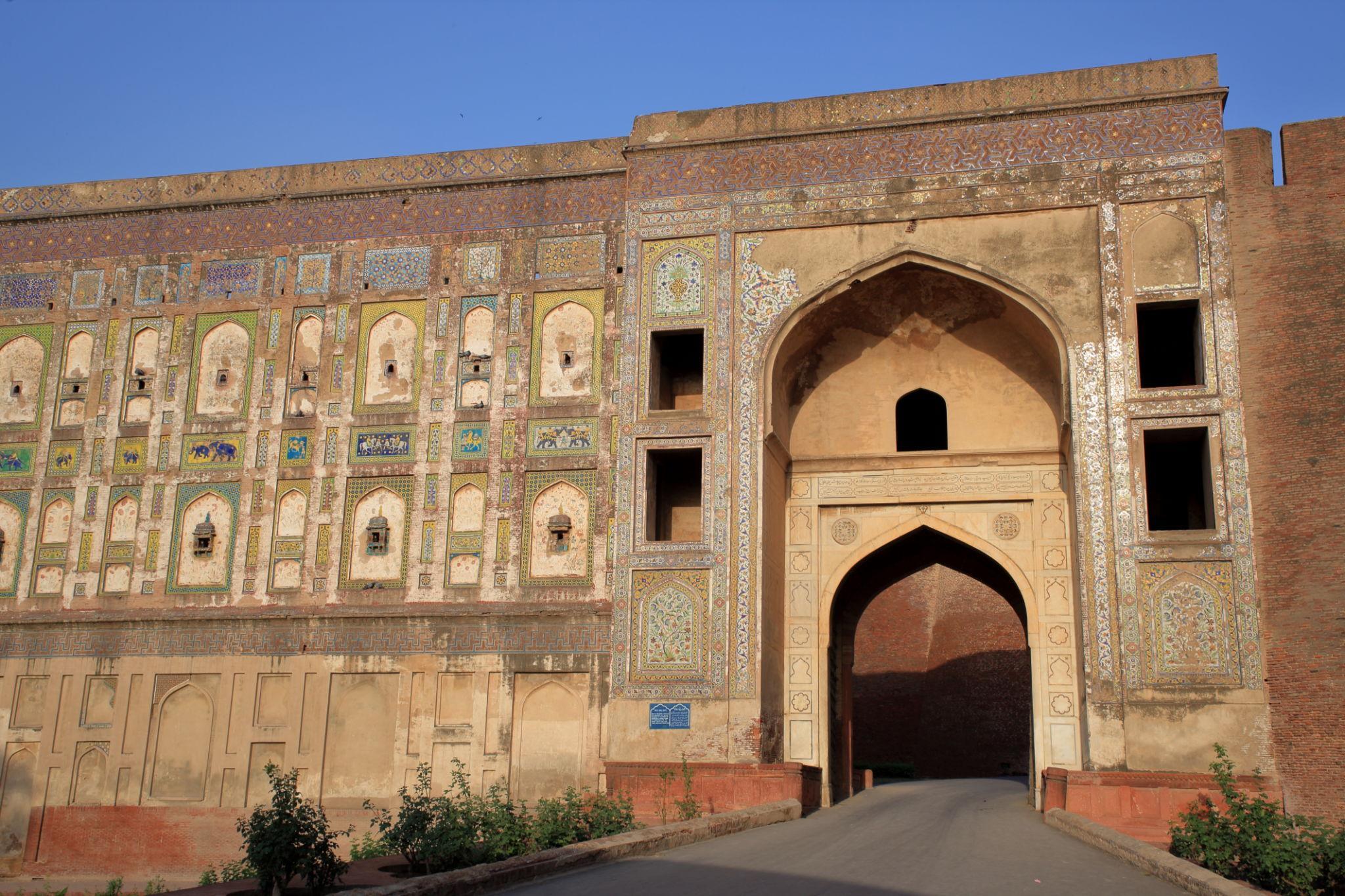
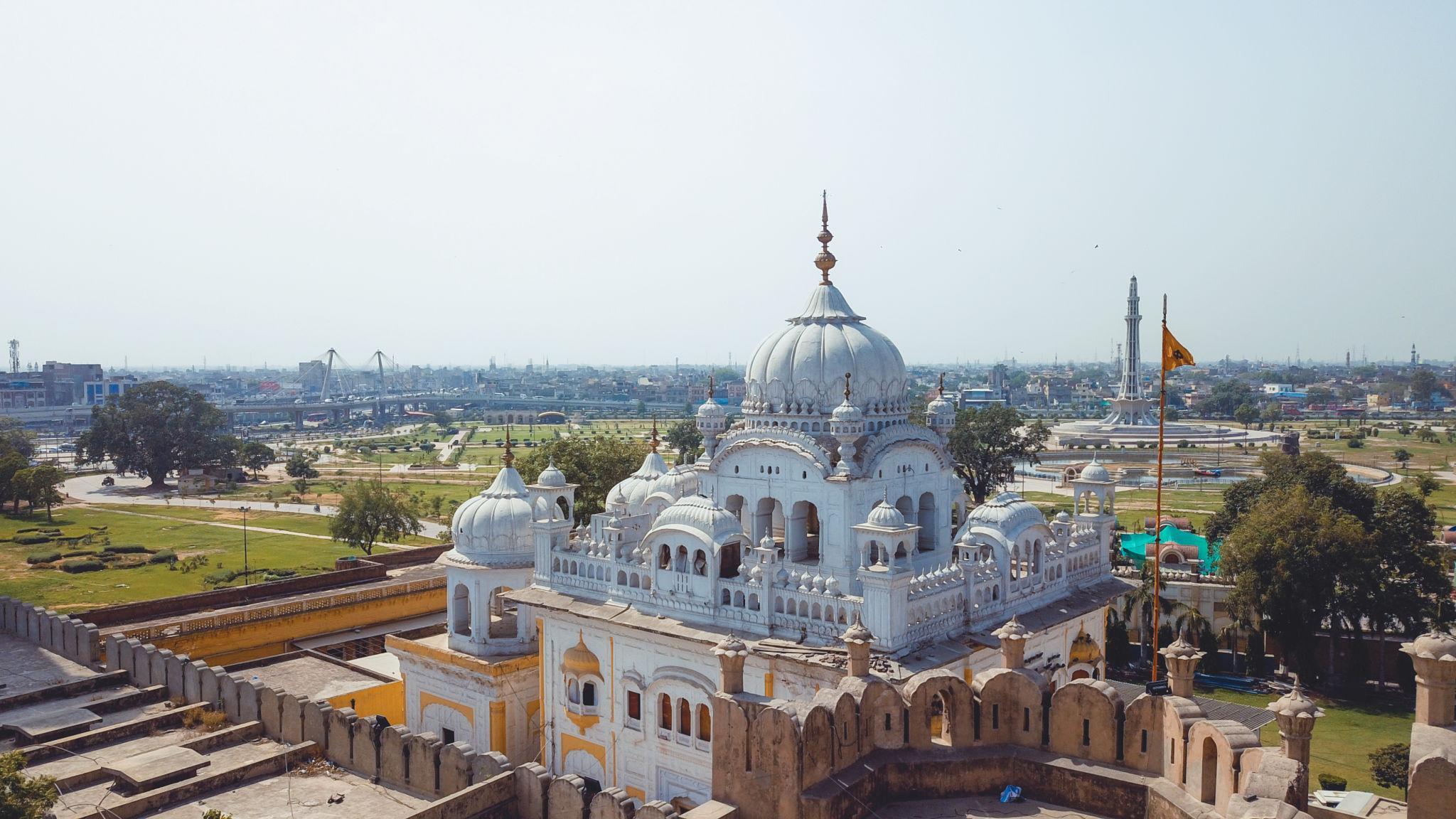
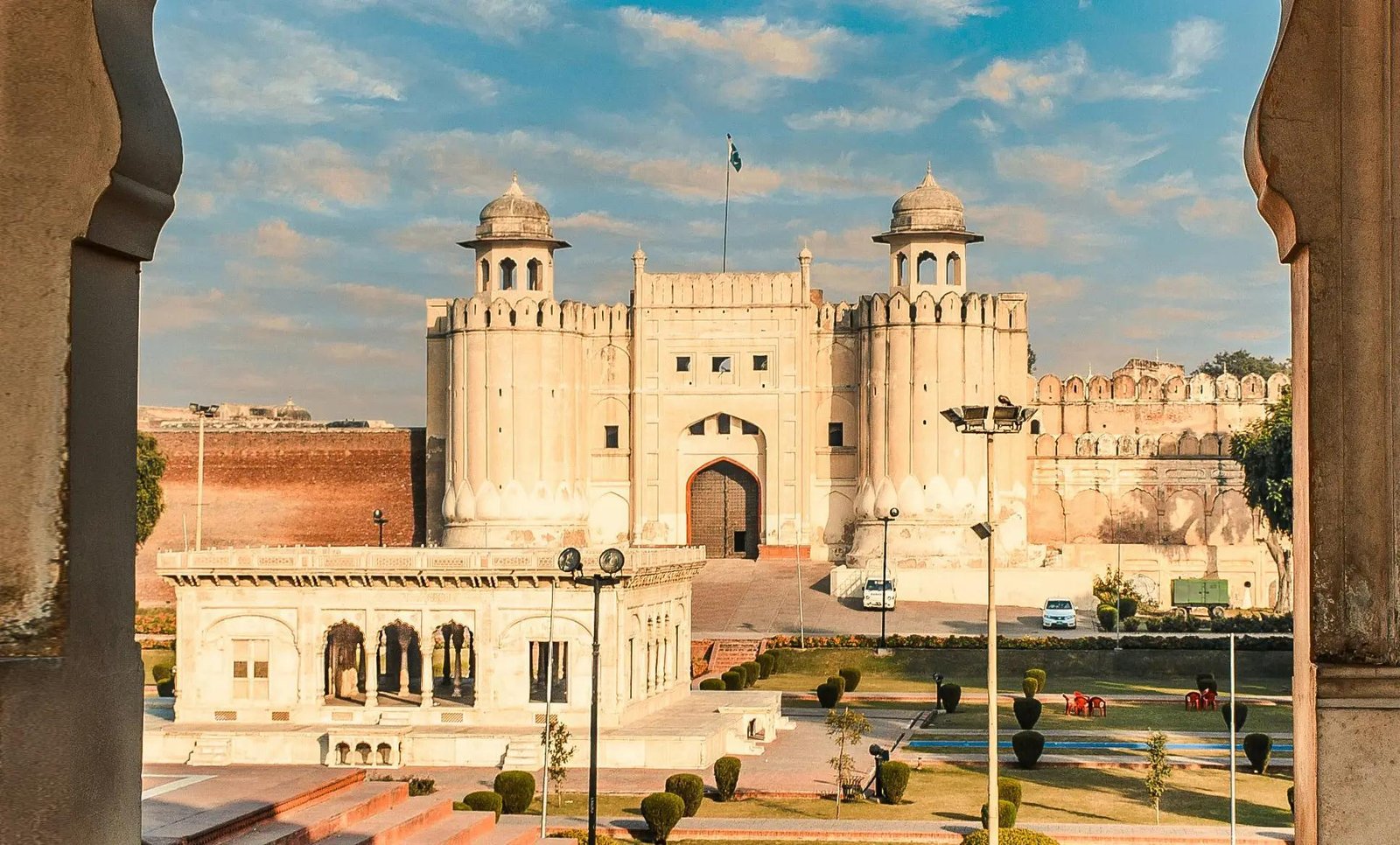
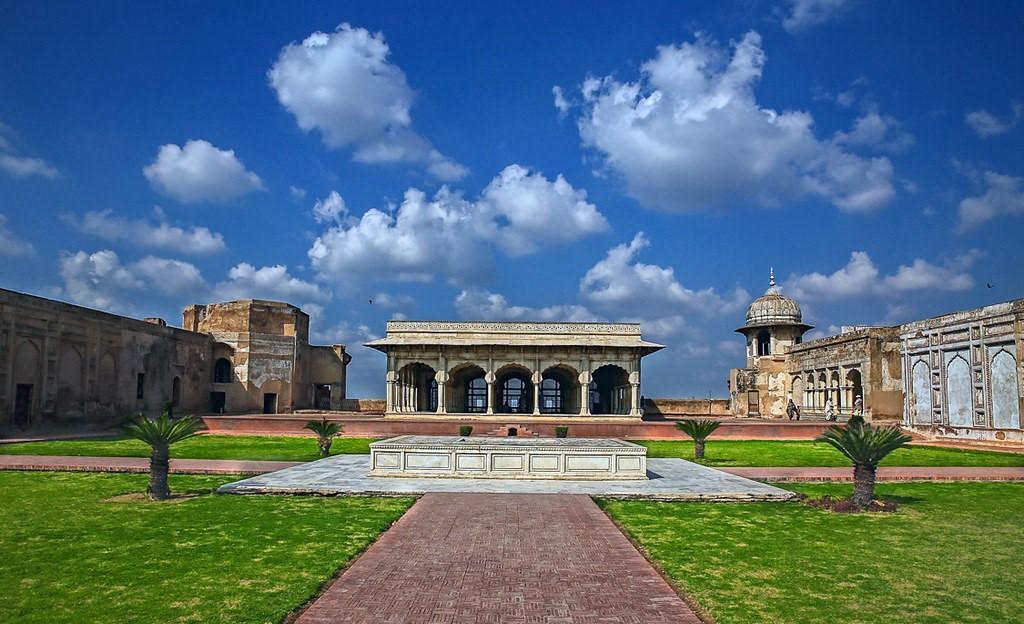
Lahore Fort, locally called Shahi Qila, served as the Mughal royal residence in Lahore for centuries.
Although earlier fortifications existed on the site, much of the present structure dates from Emperor Akbar’s reign in the late sixteenth century.
Subsequent Mughal rulers expanded the complex significantly.
Today the fort covers around 20 hectares and contains:
- Royal palaces
- Audience halls
- Gardens
- Mosques
- Defensive walls
- Residential courtyards
It was designated a UNESCO World Heritage Site in 1981.
Main Attractions Inside Lahore Fort
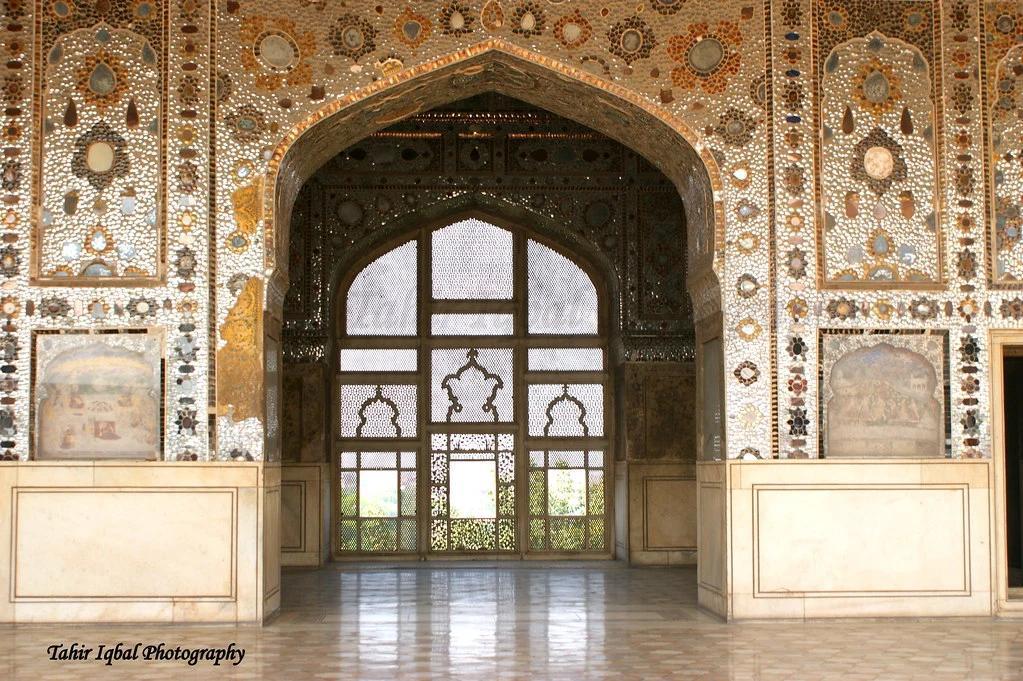
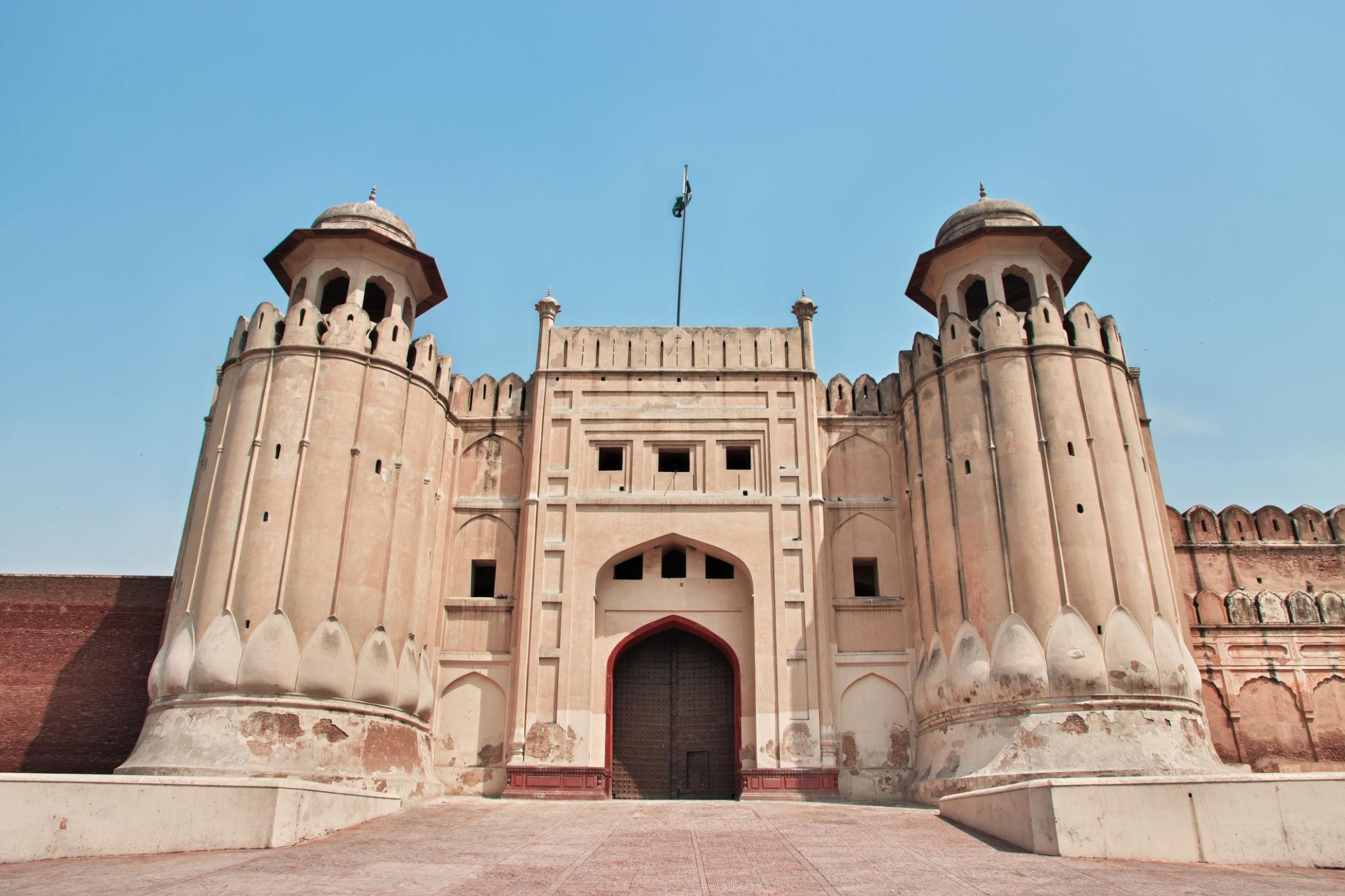
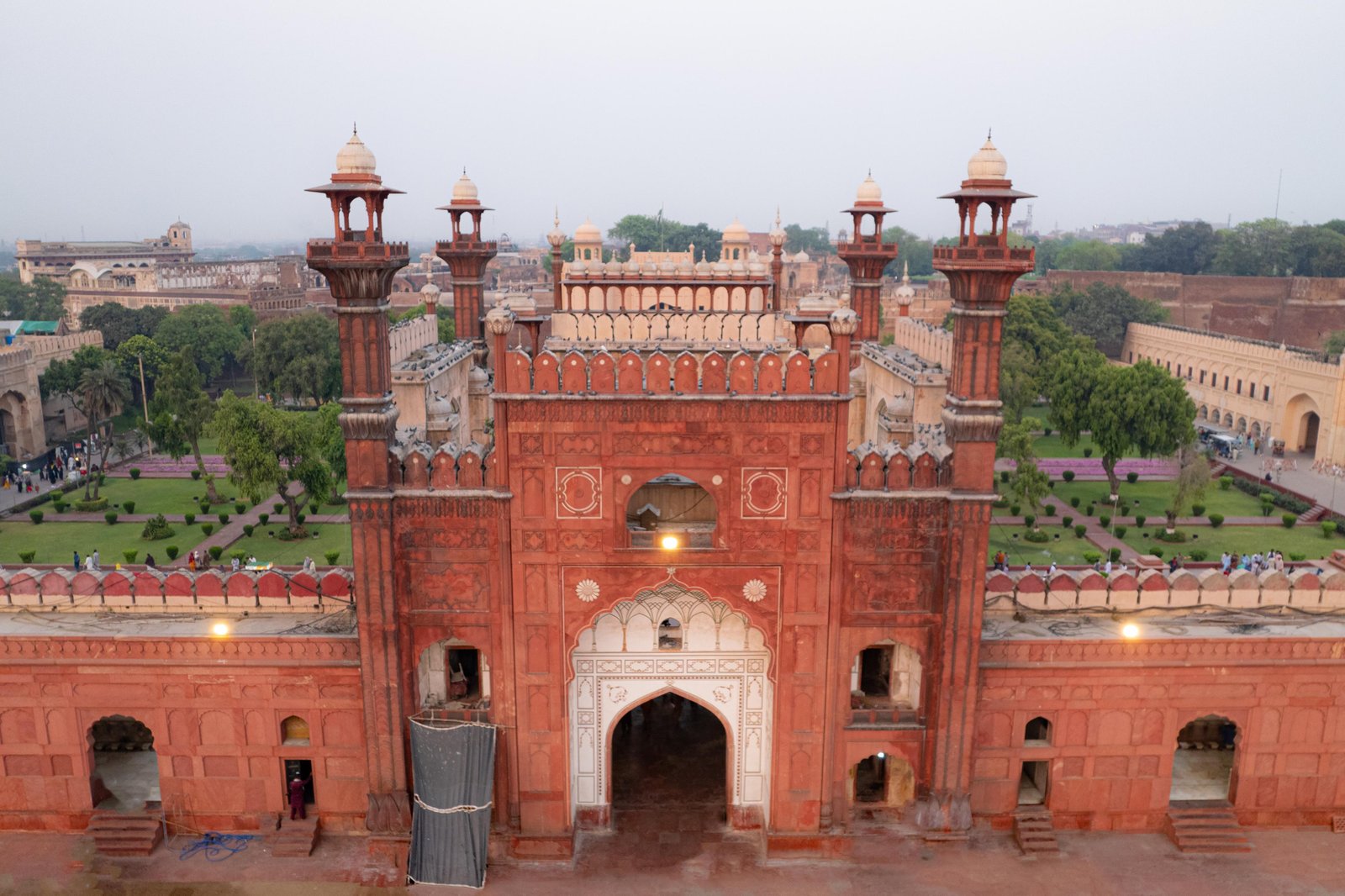
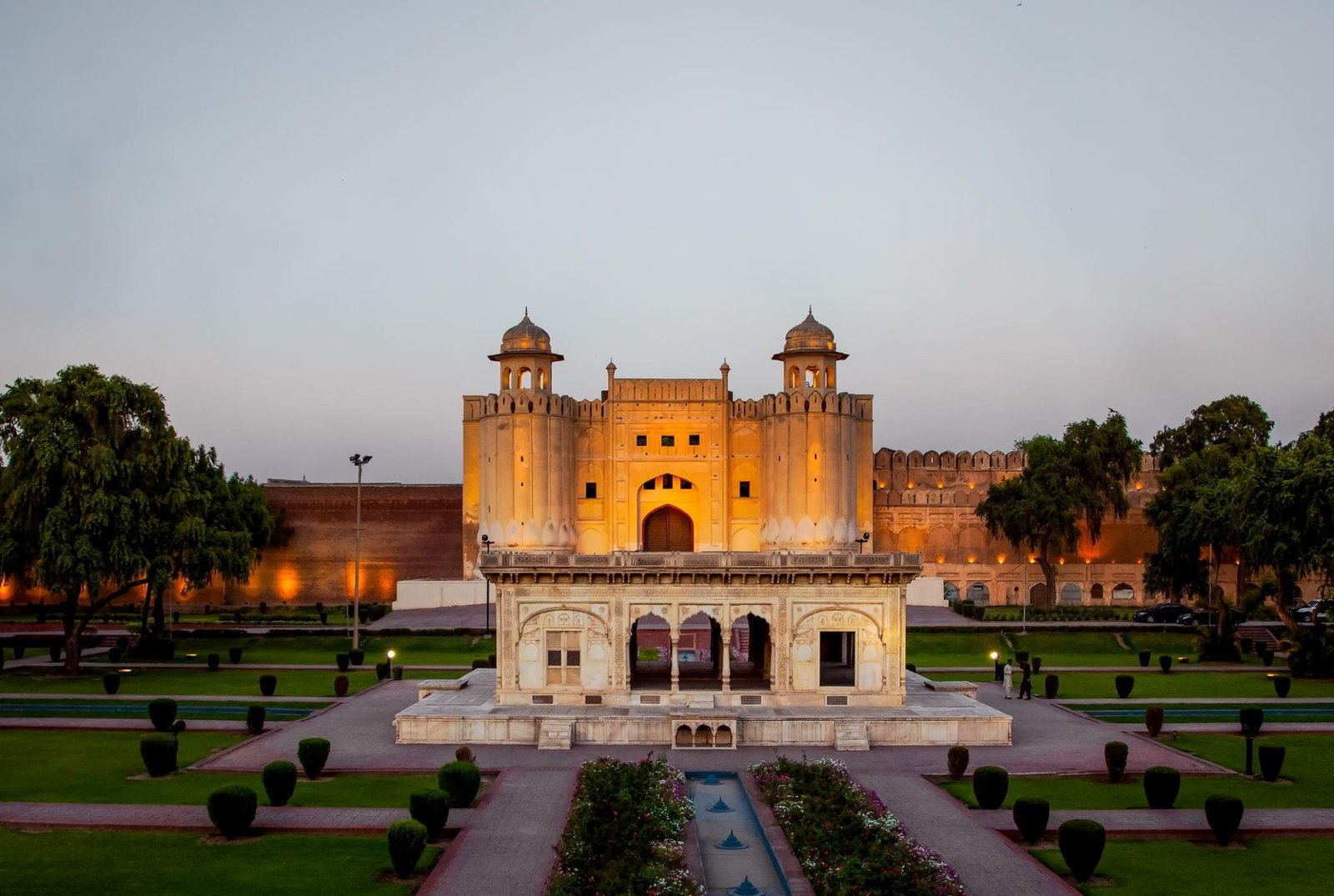
Alamgiri Gate
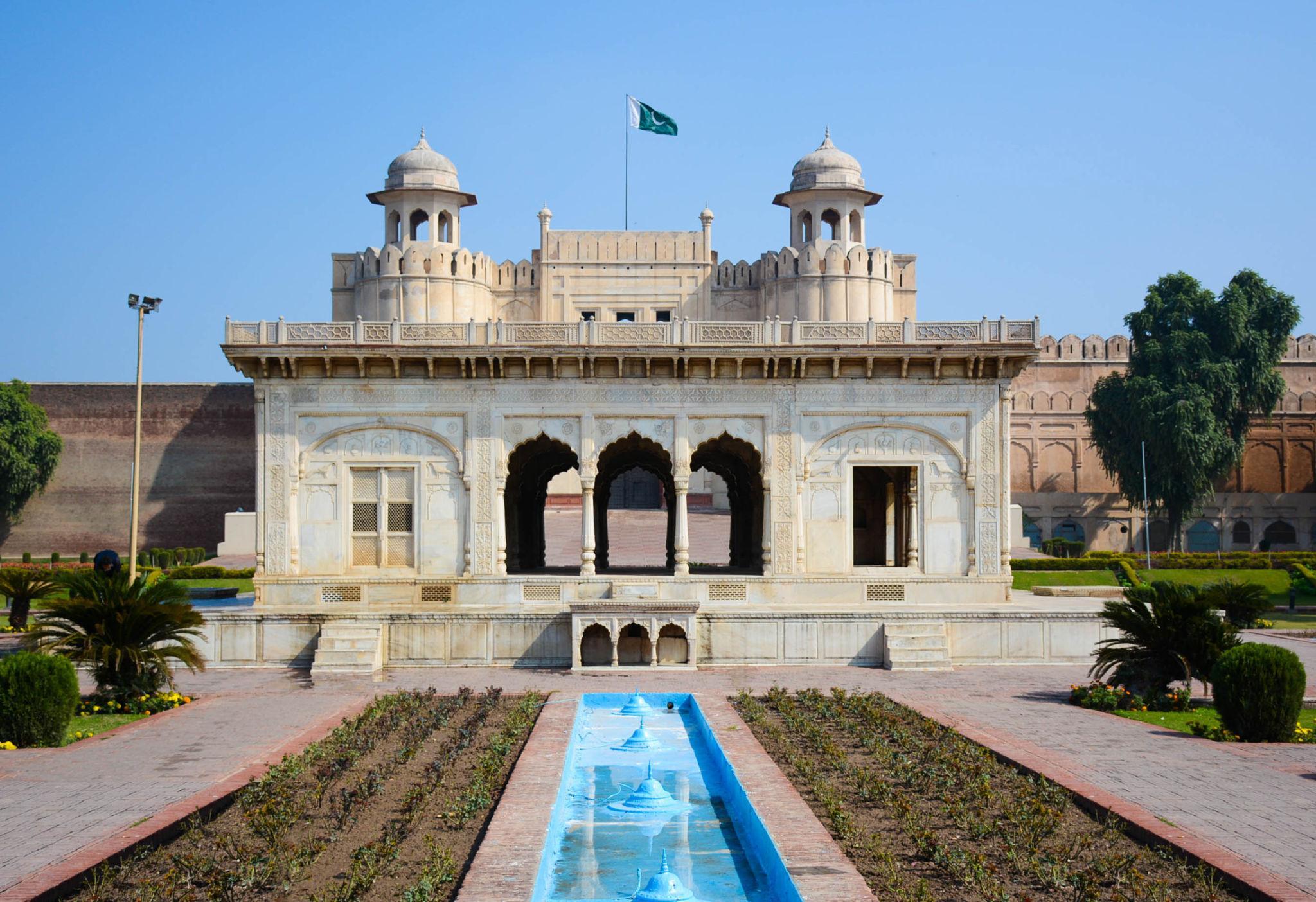
Built under Aurangzeb, this ceremonial entrance faces the Badshahi Mosque and remains one of Lahore’s most iconic Mughal structures.
Sheesh Mahal
The Sheesh Mahal, or Palace of Mirrors, was built by Shah Jahan and is covered in mirror mosaics and decorative plasterwork.
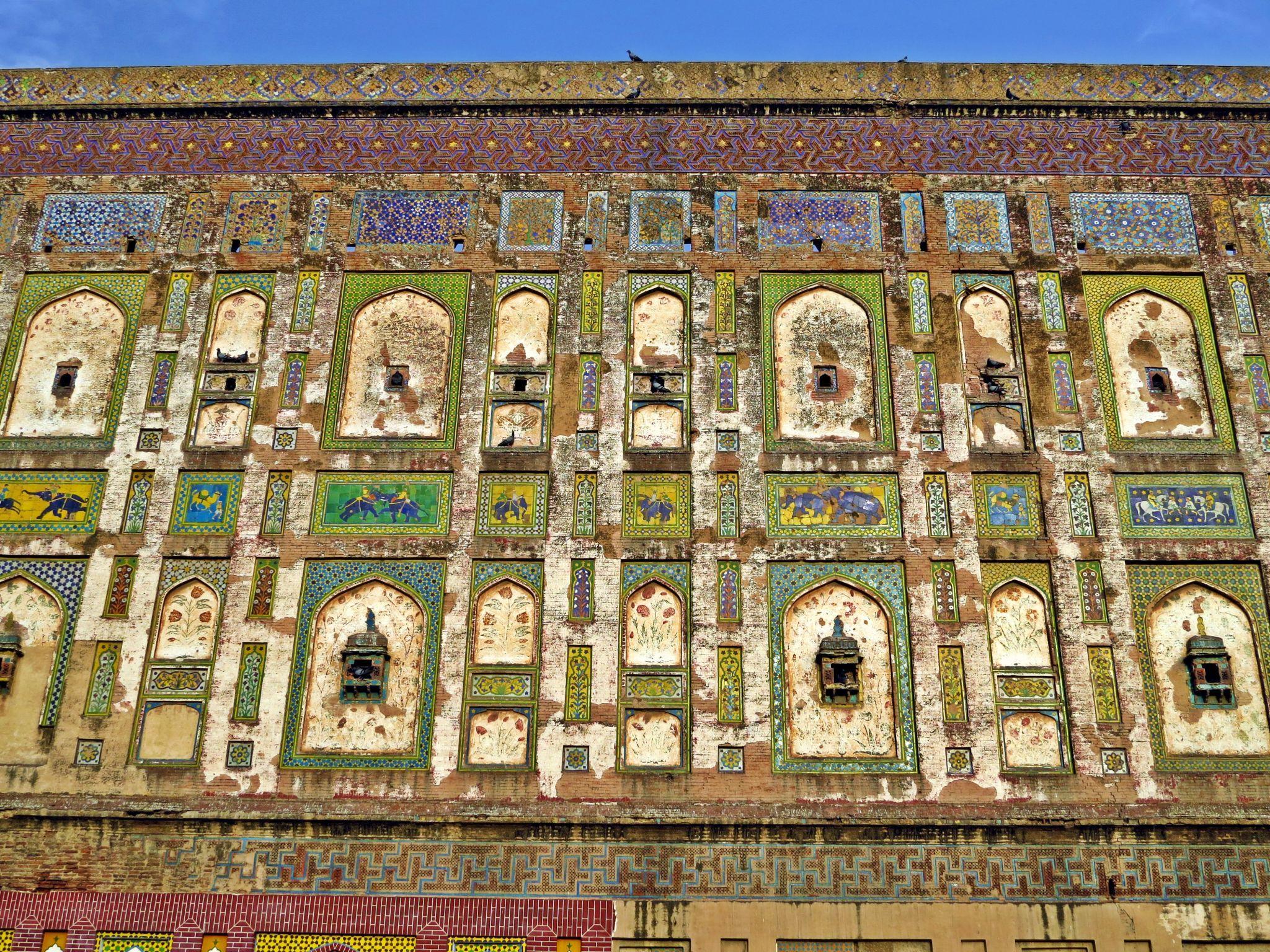
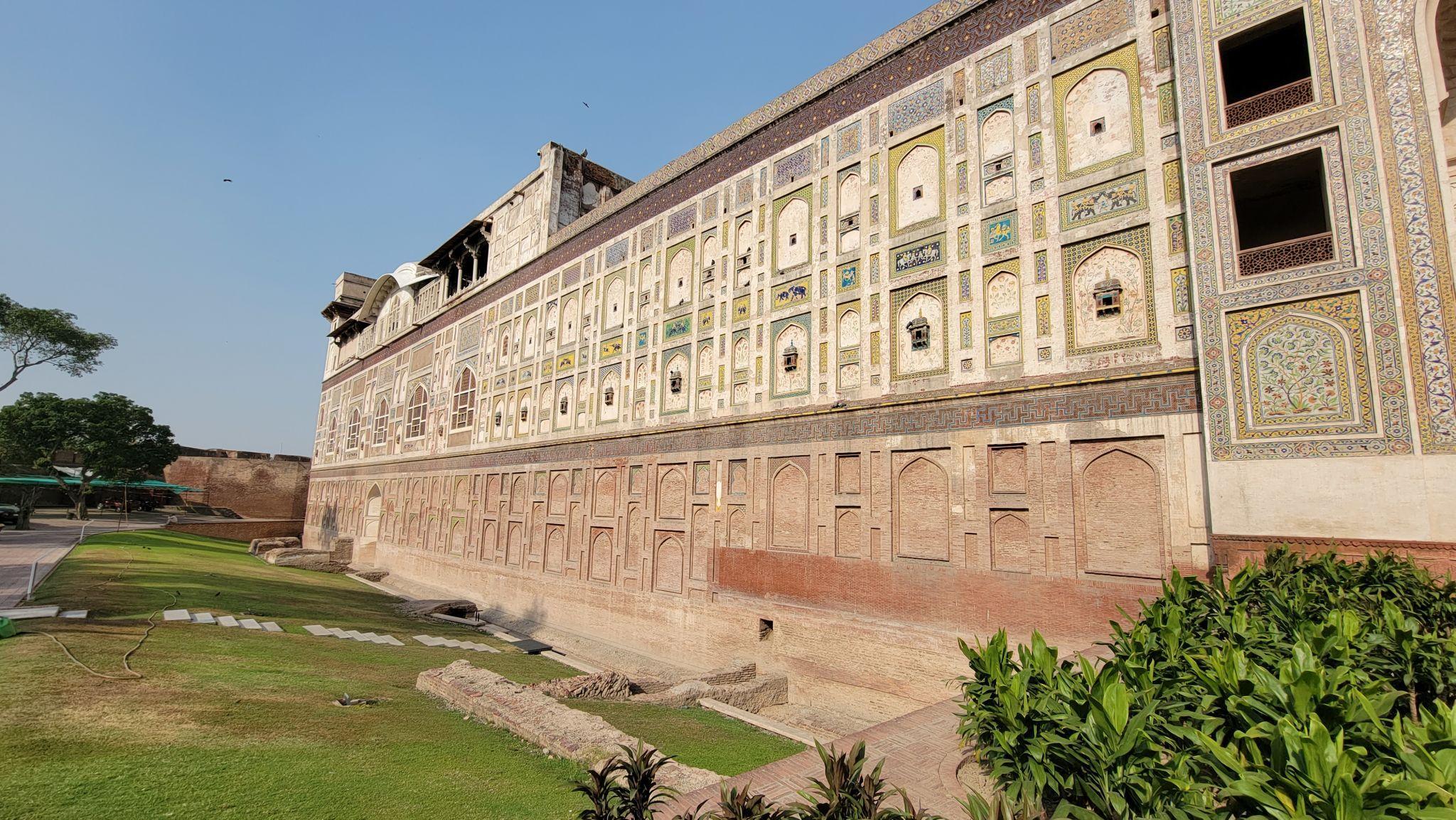
Picture Wall
One of the world’s largest surviving Mughal mural walls, decorated with:
- Tile mosaics
- Hunting scenes
- Floral patterns
- Geometric decoration
Diwan-e-Khas & Diwan-e-Aam
These audience halls were used for imperial court ceremonies and governance.
Wazir Khan Mosque
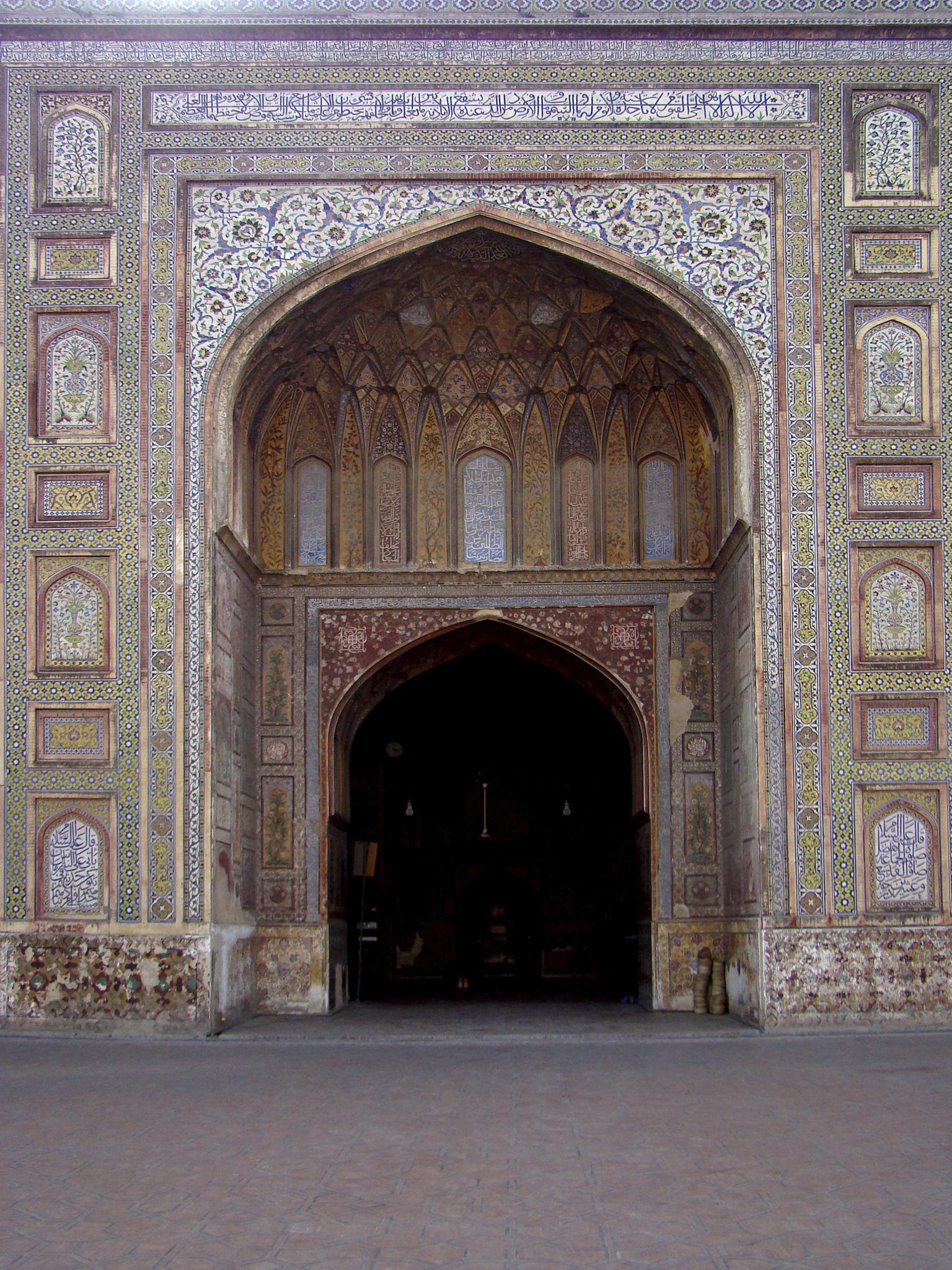
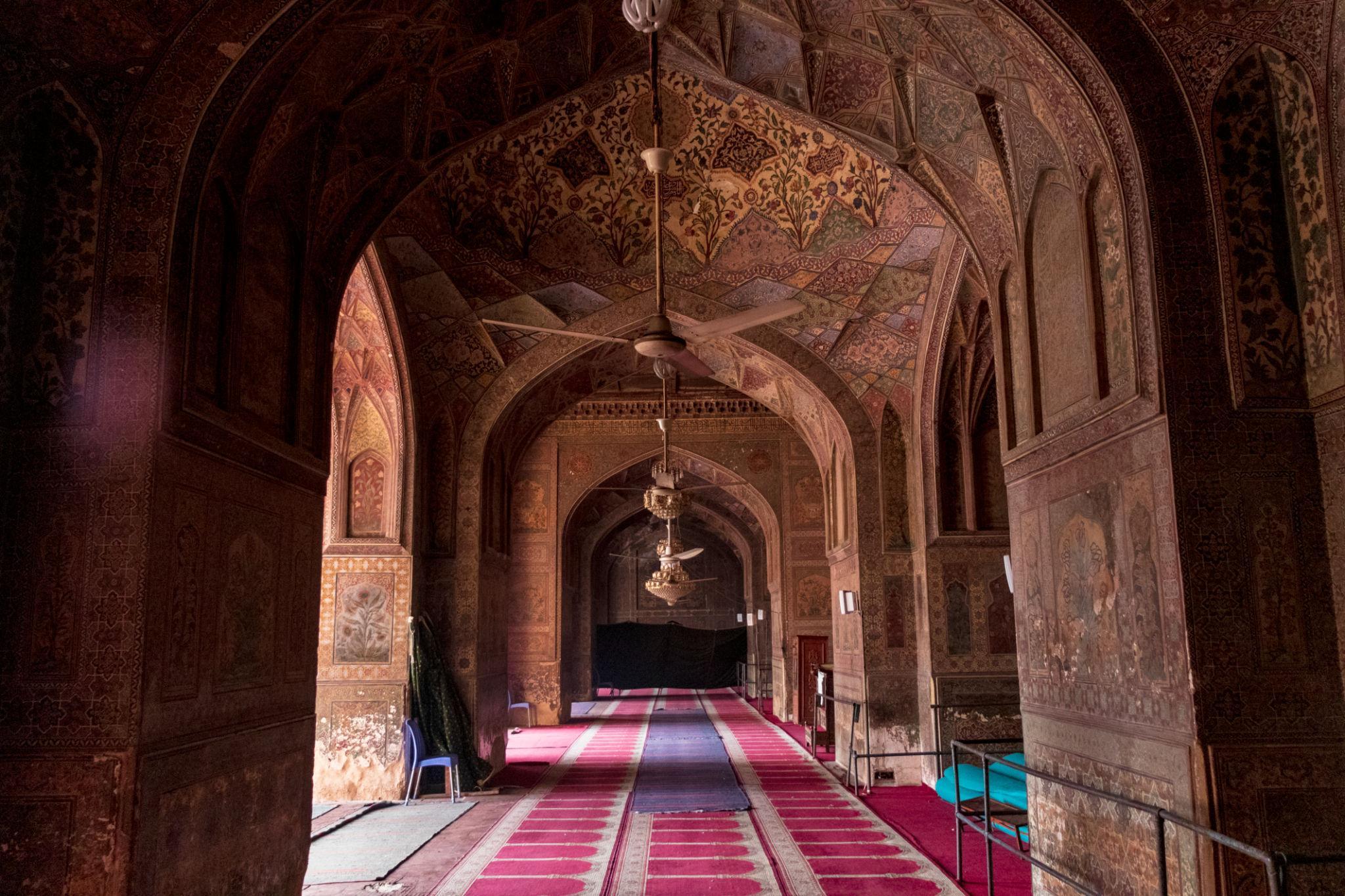
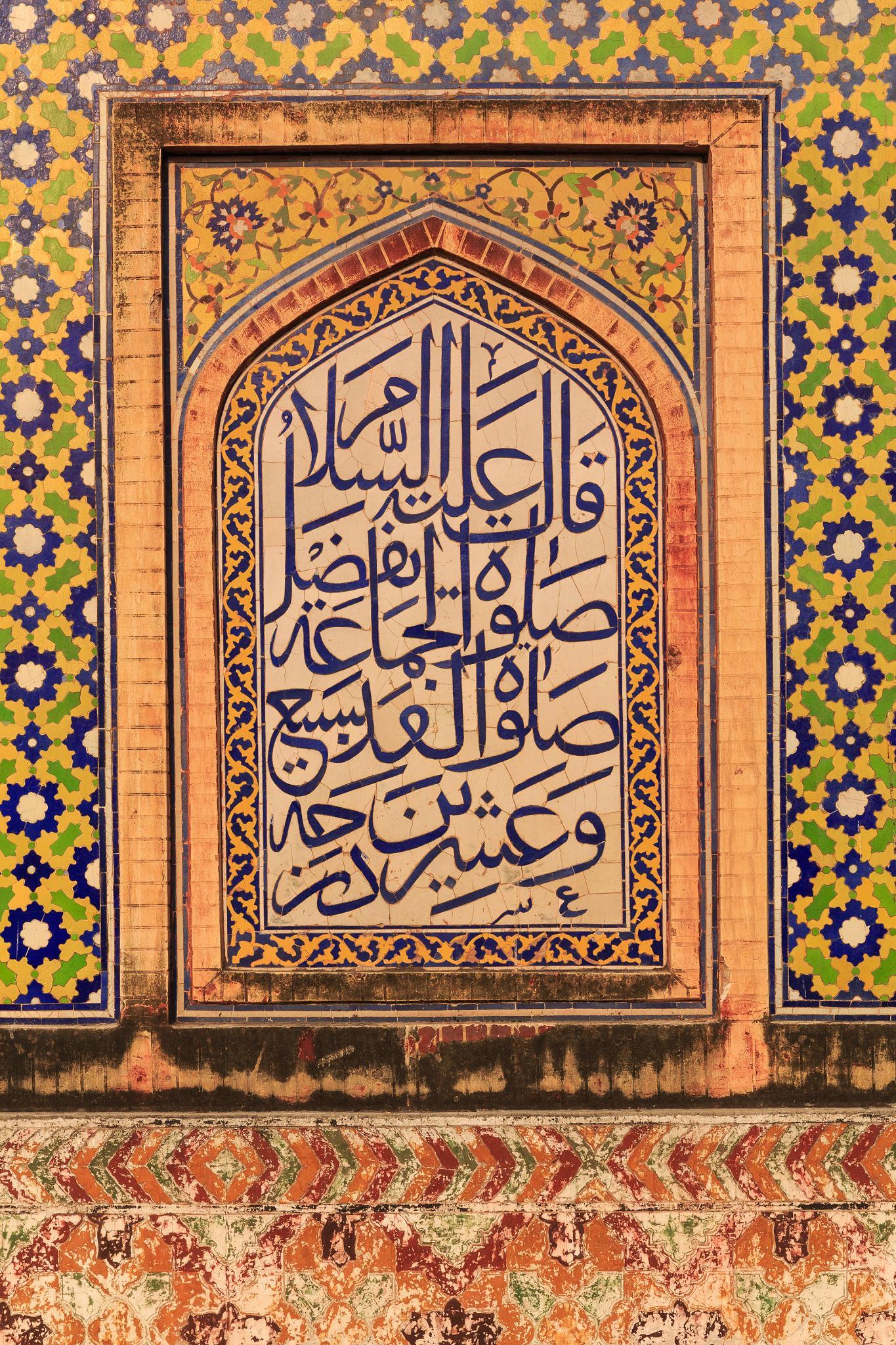
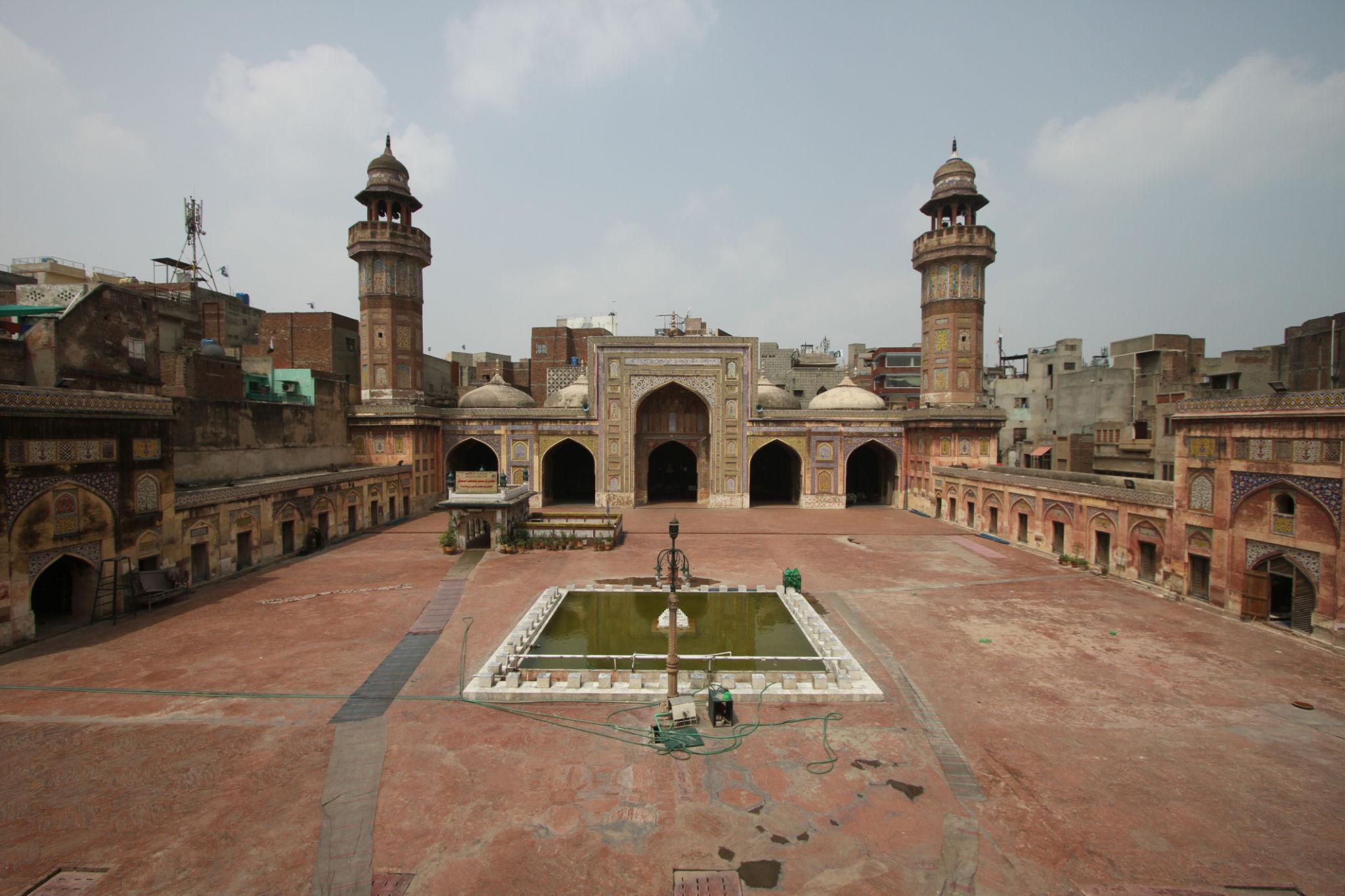
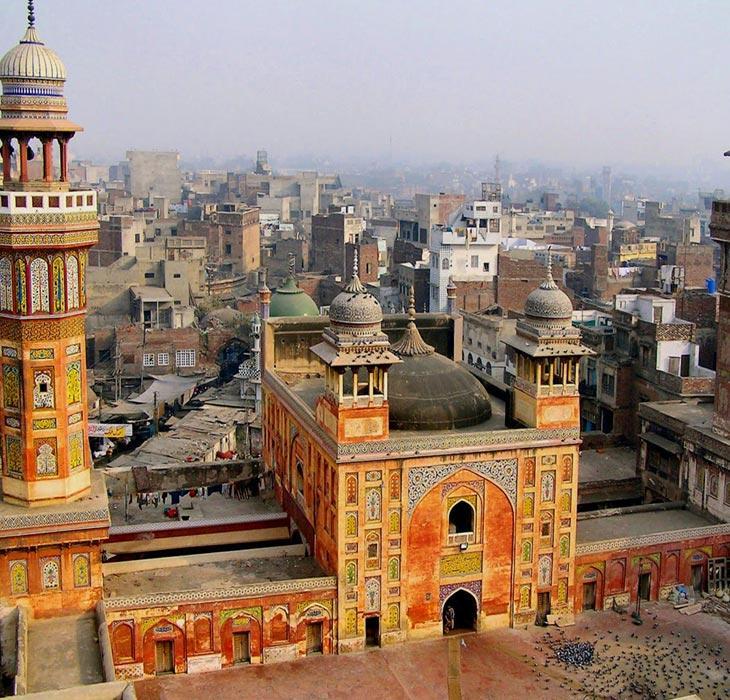
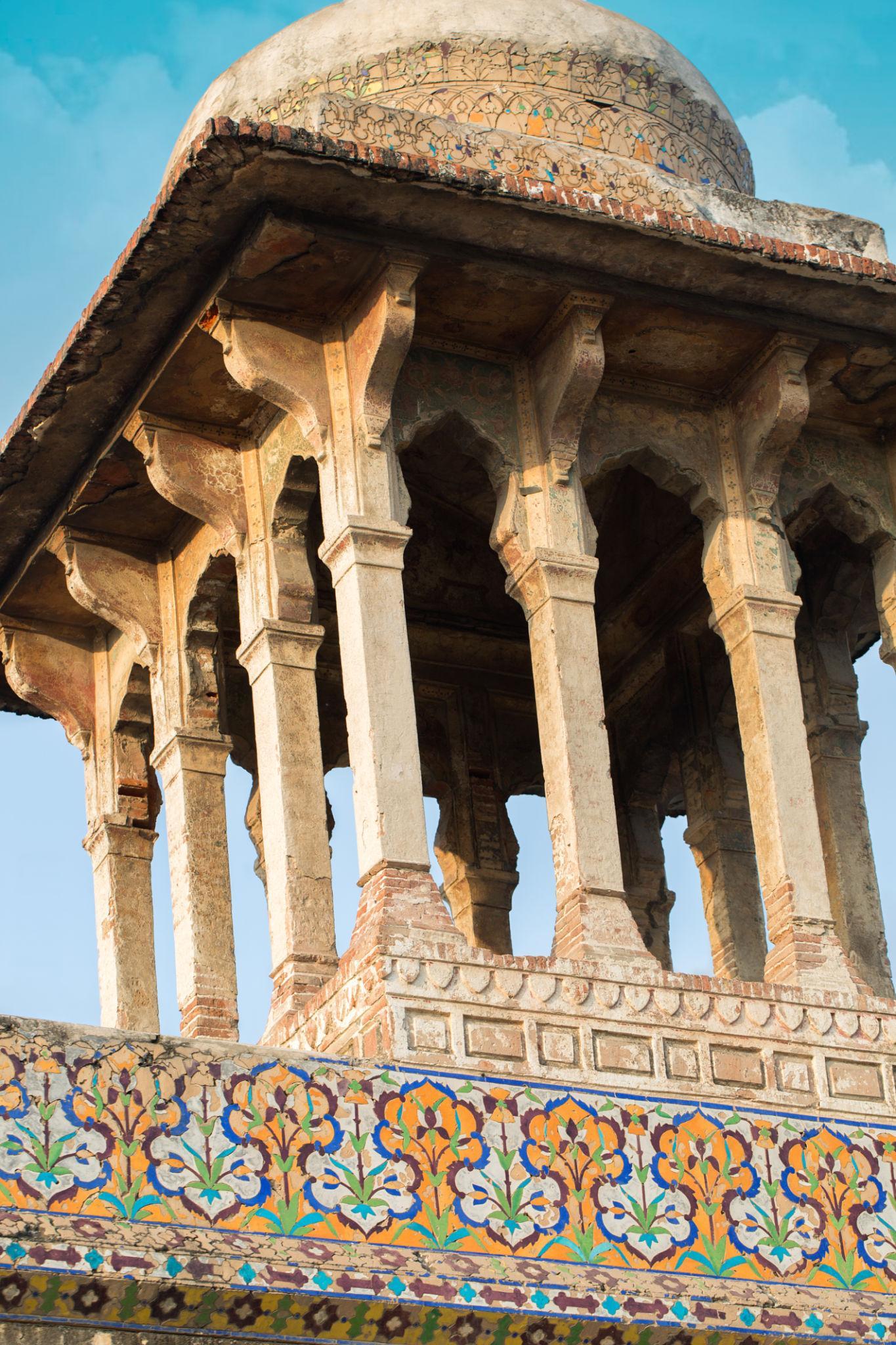
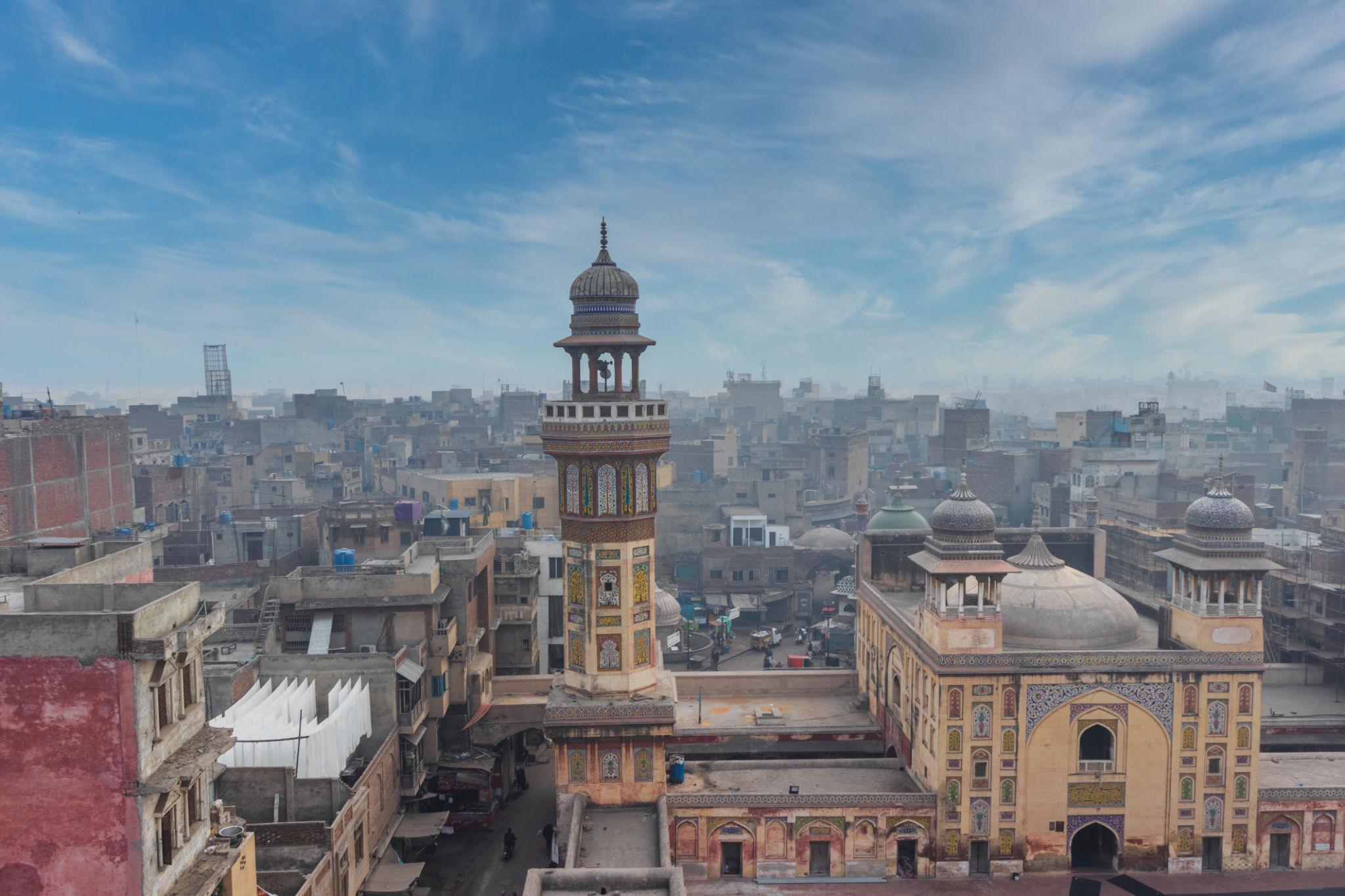
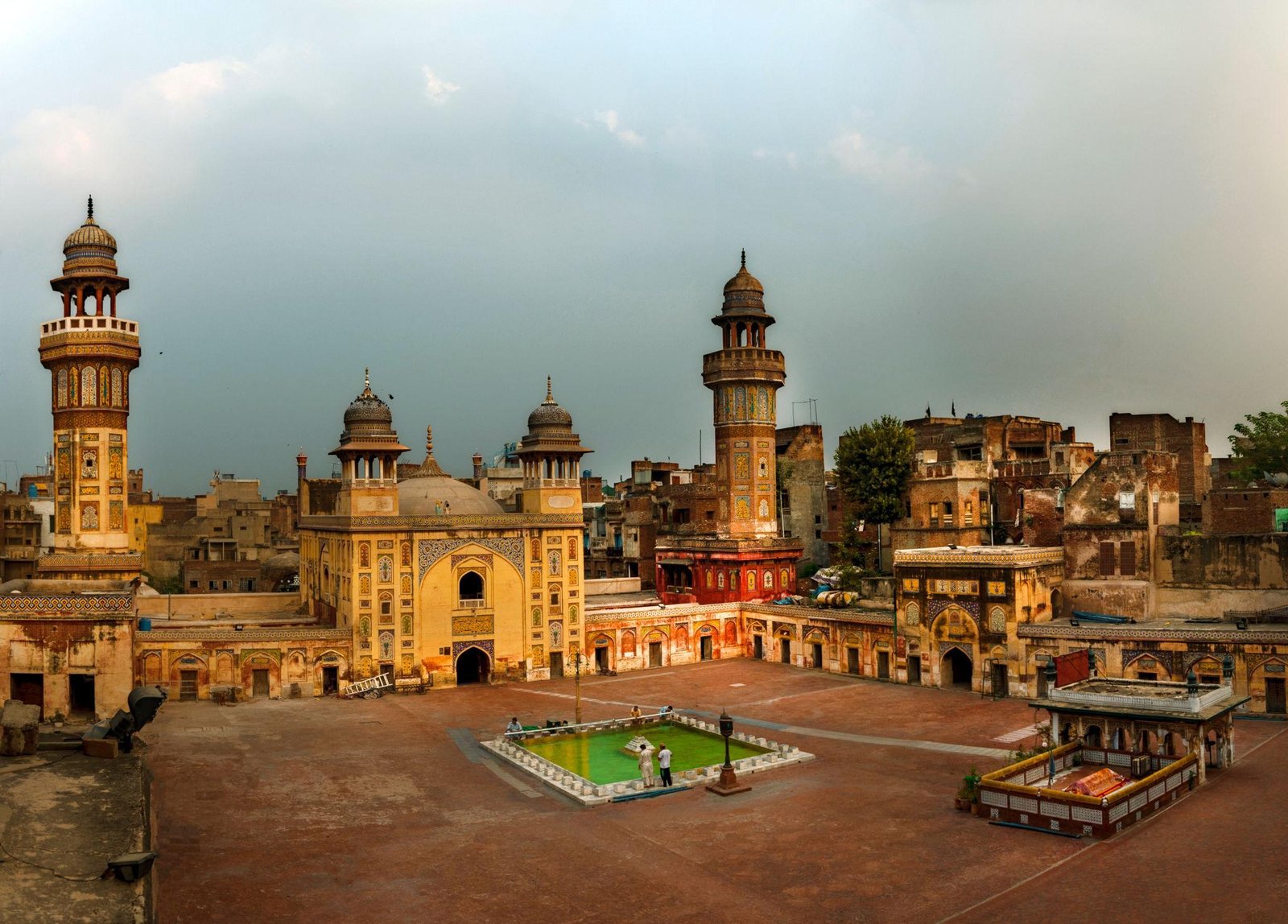
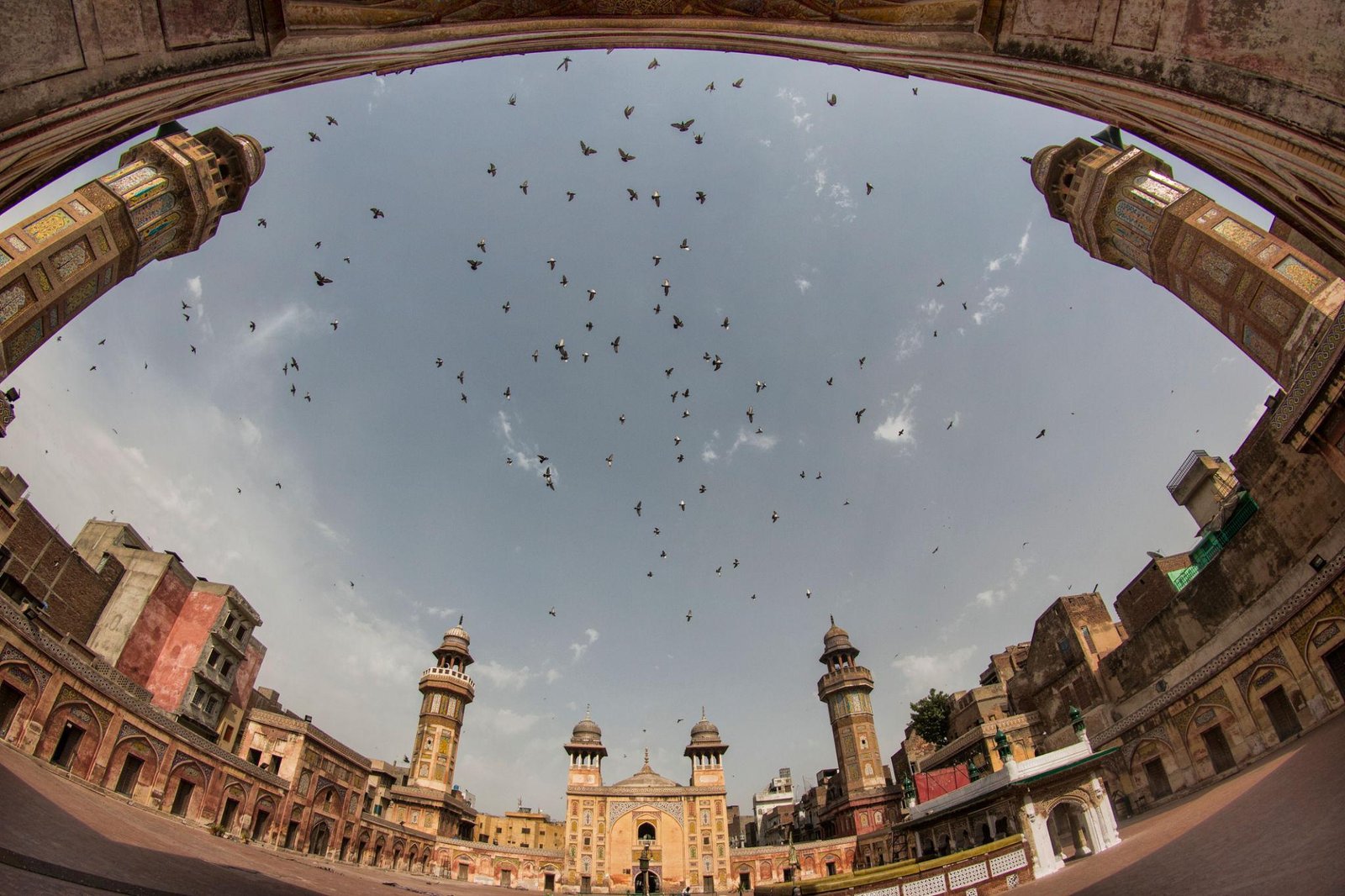
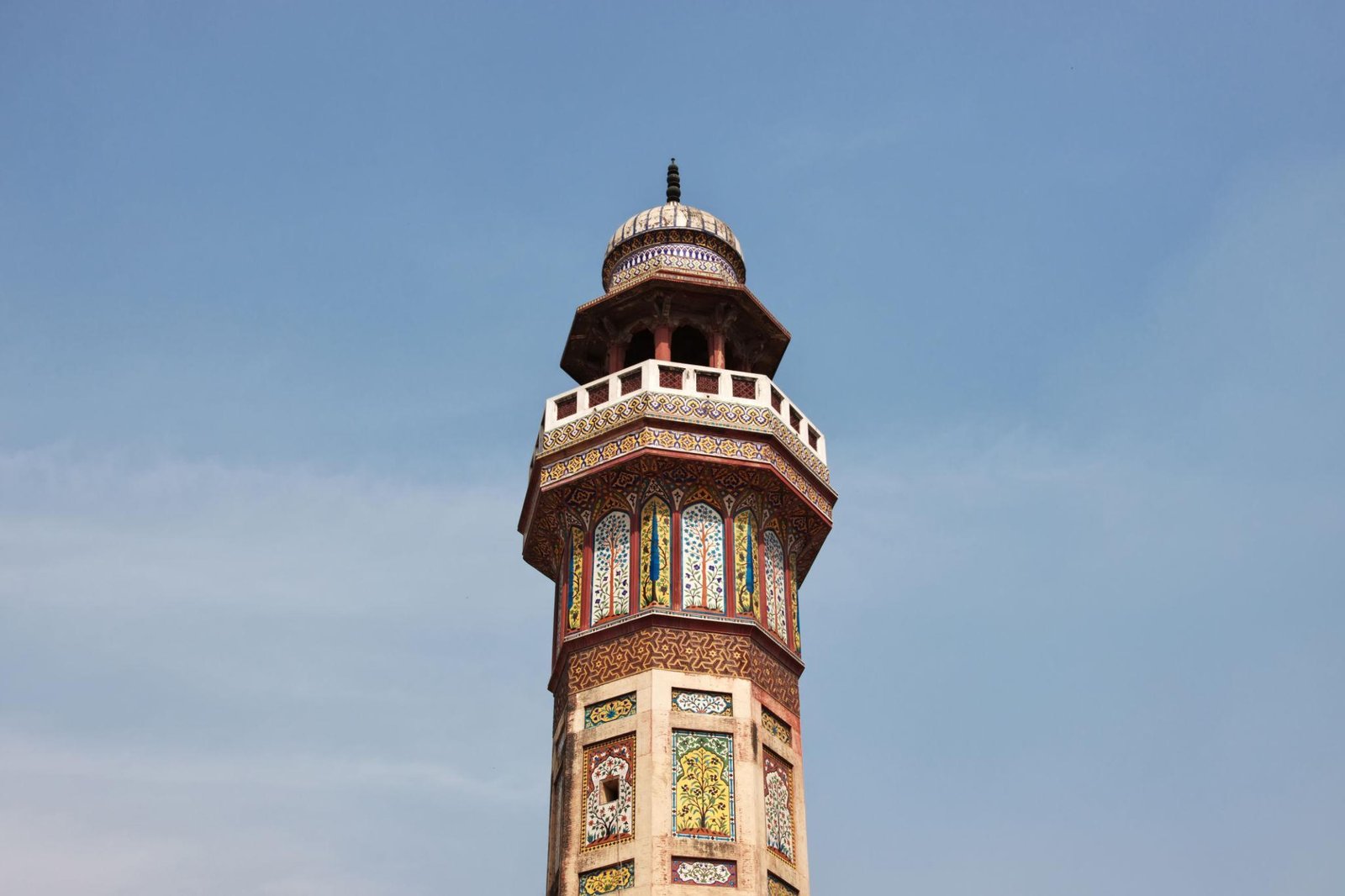
Built between 1634 and 1641 during Shah Jahan’s reign, the Wazir Khan Mosque is widely regarded as the finest surviving example of Mughal tile mosaic work in Pakistan.
Unlike the monumental scale of Badshahi Mosque, Wazir Khan is celebrated for decorative detail.
The mosque contains:
- Persian-style frescoes
- Floral tile mosaics
- Intricate calligraphy
- Geometric ornamentation
- Painted ceilings
The entire complex feels deeply integrated into the surrounding urban environment because it sits directly inside the narrow streets of the Walled City.
Exploring the Wazir Khan Area
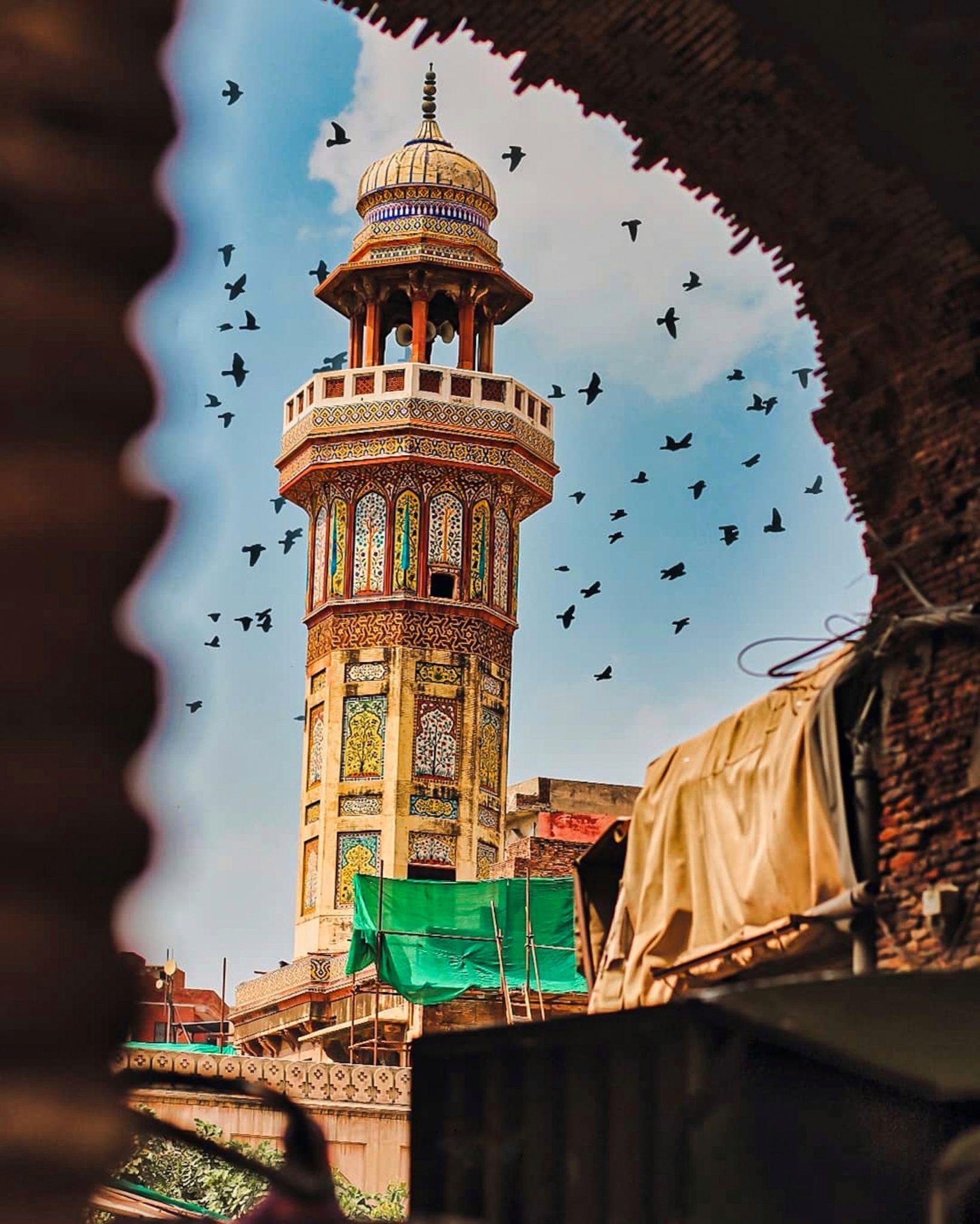
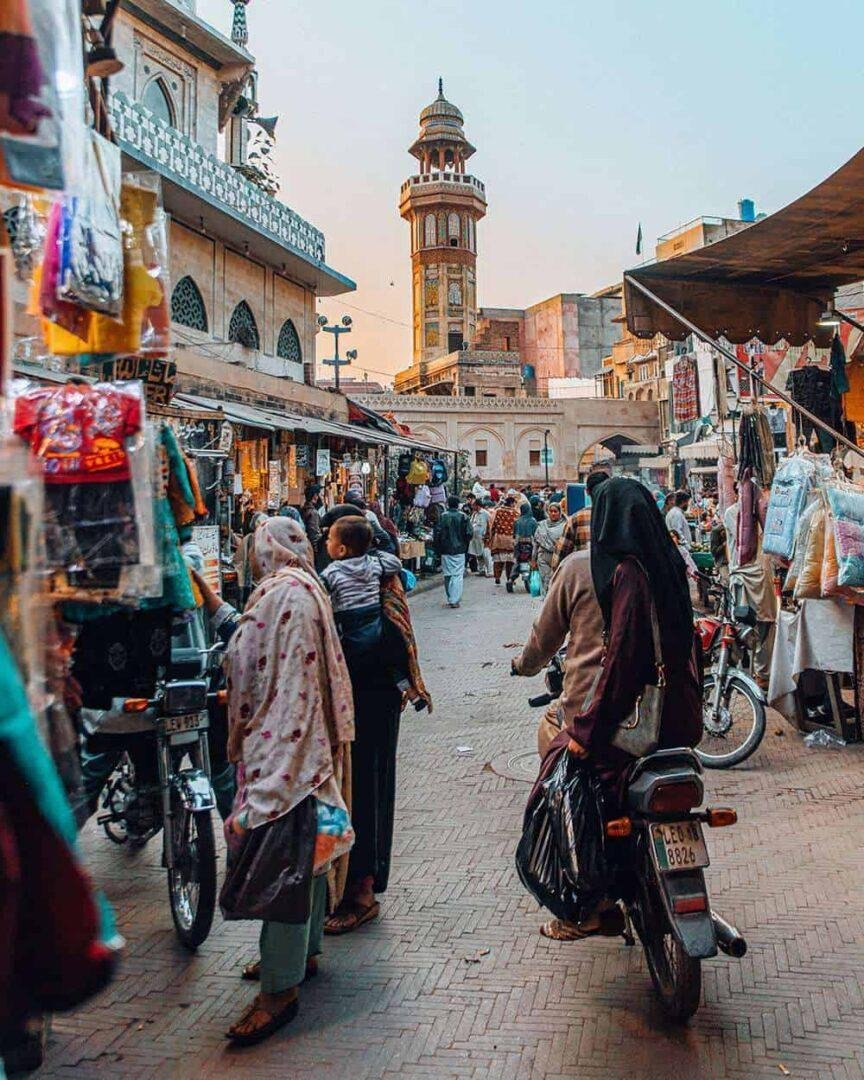
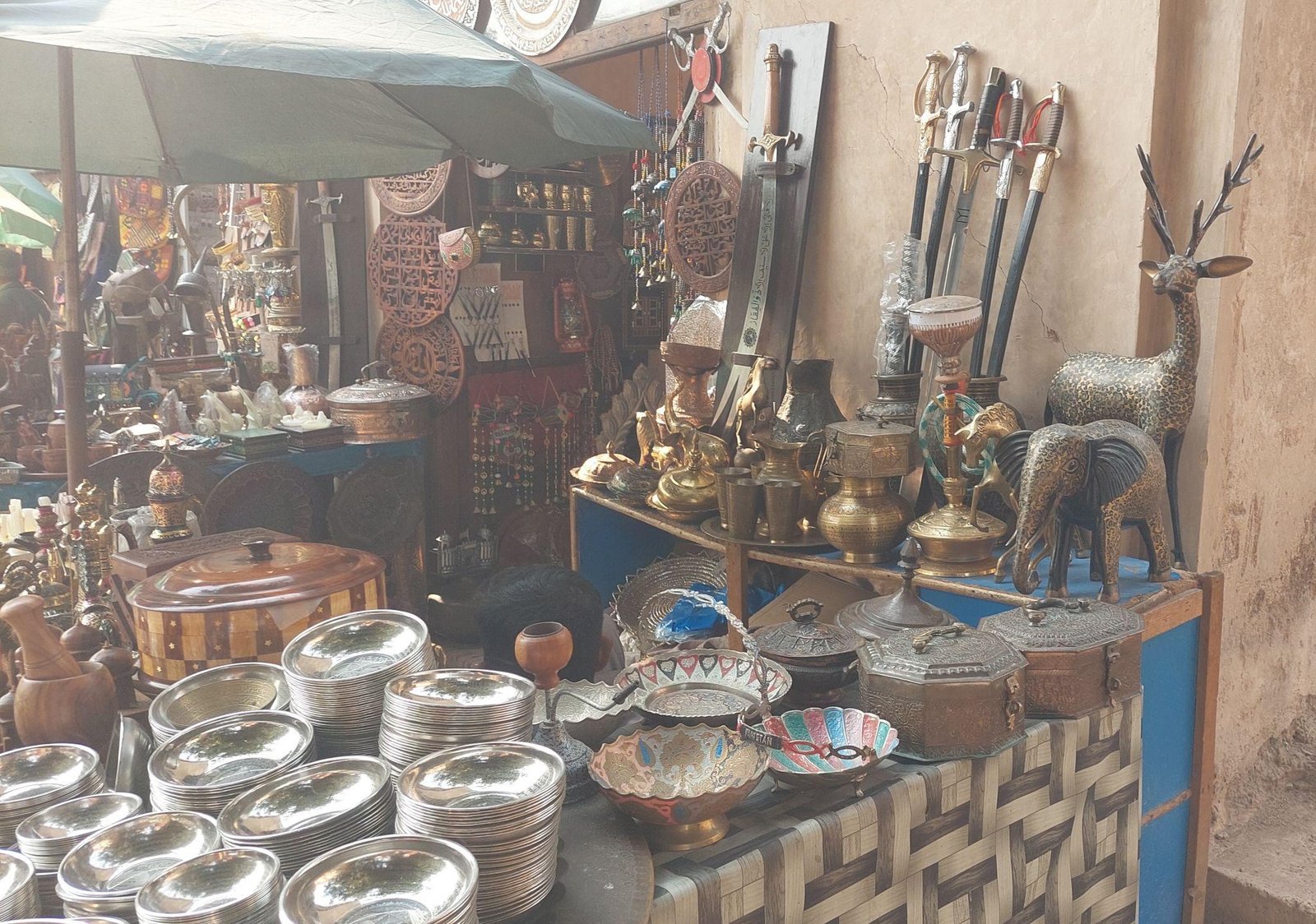
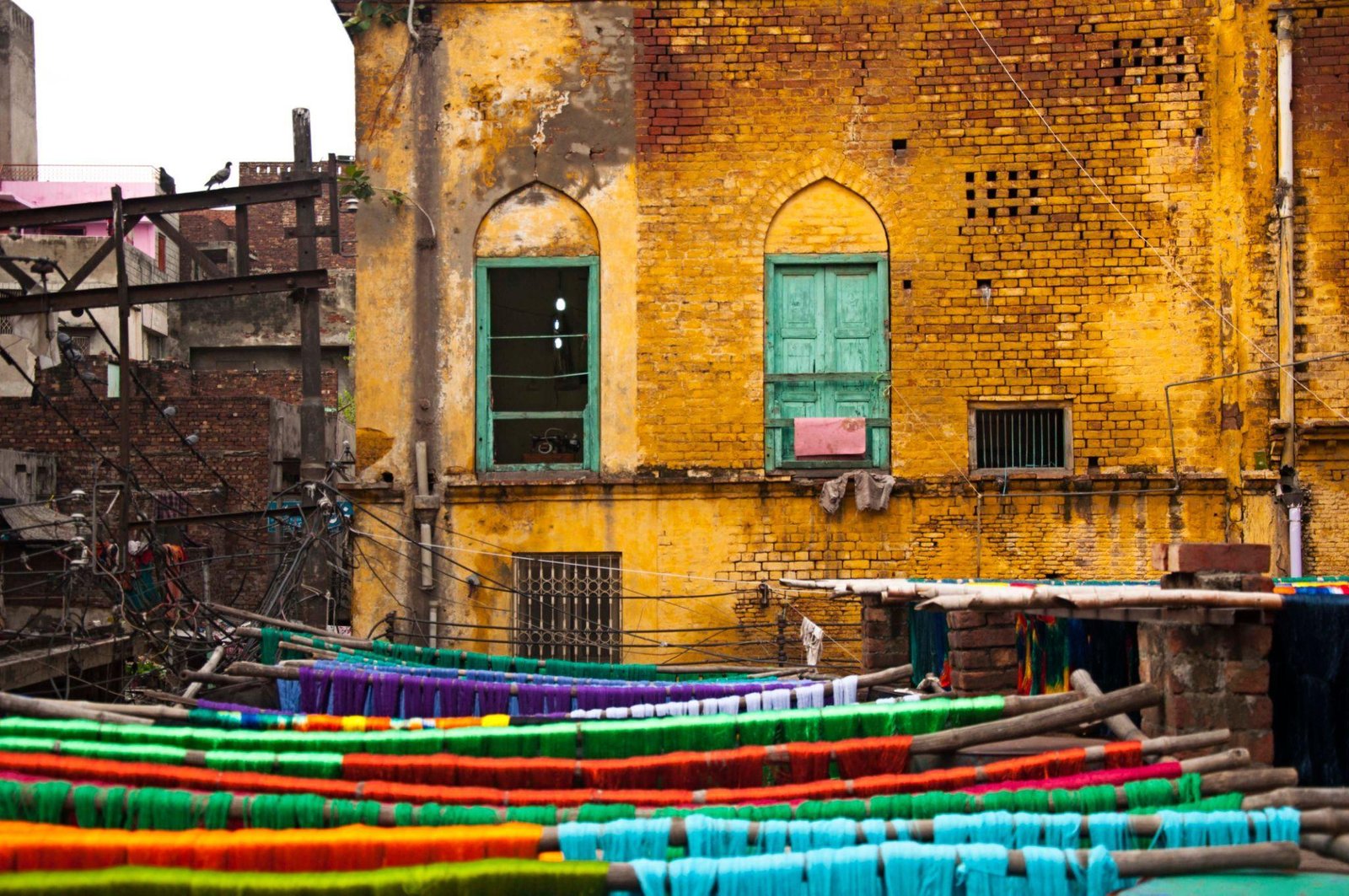
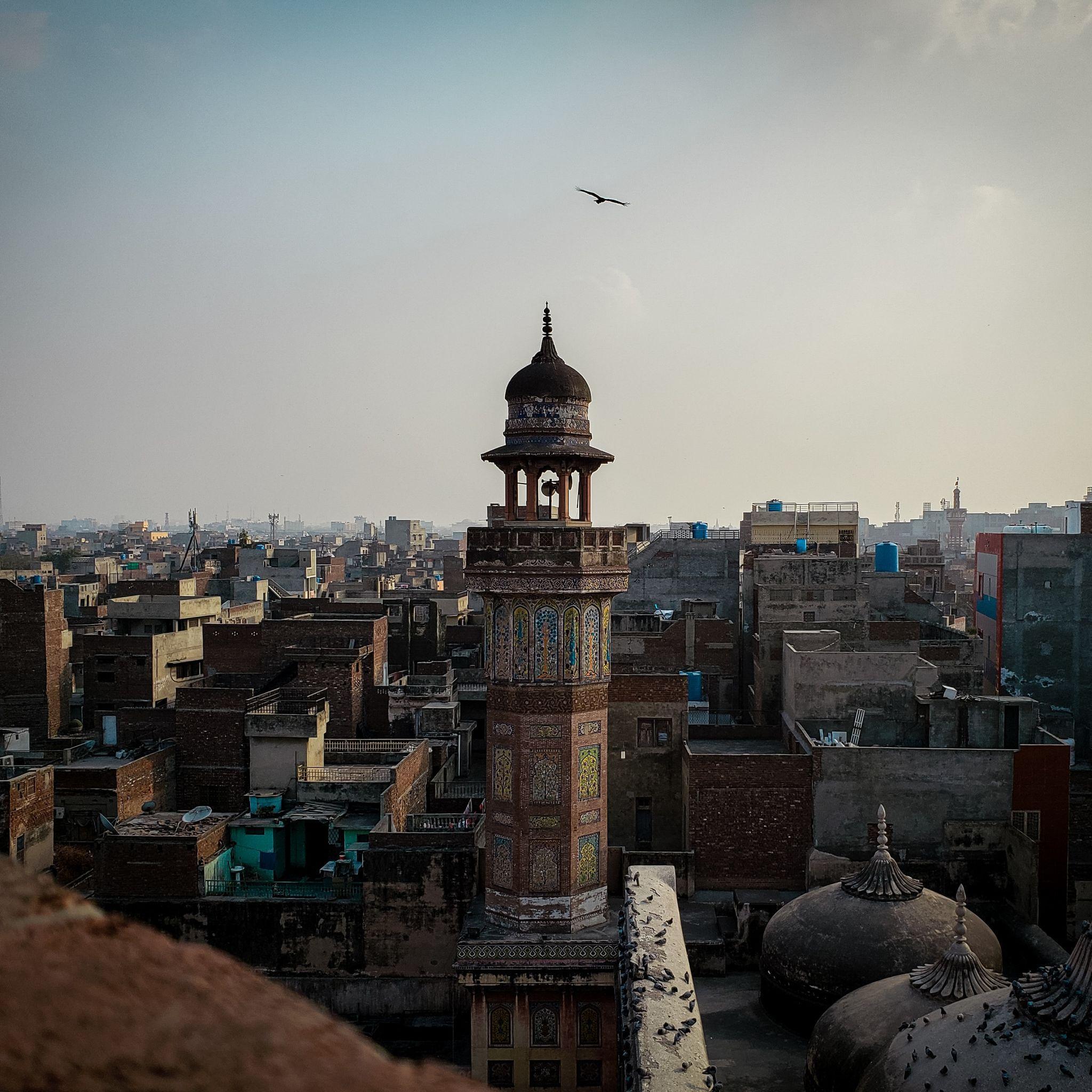
The restored square outside the mosque contains:
- Traditional craft shops
- Tile workshops
- Brassware stalls
- Calligraphy studios
Visitors can also climb parts of the minaret system for views over the old city.
Bazaars and Shopping Districts
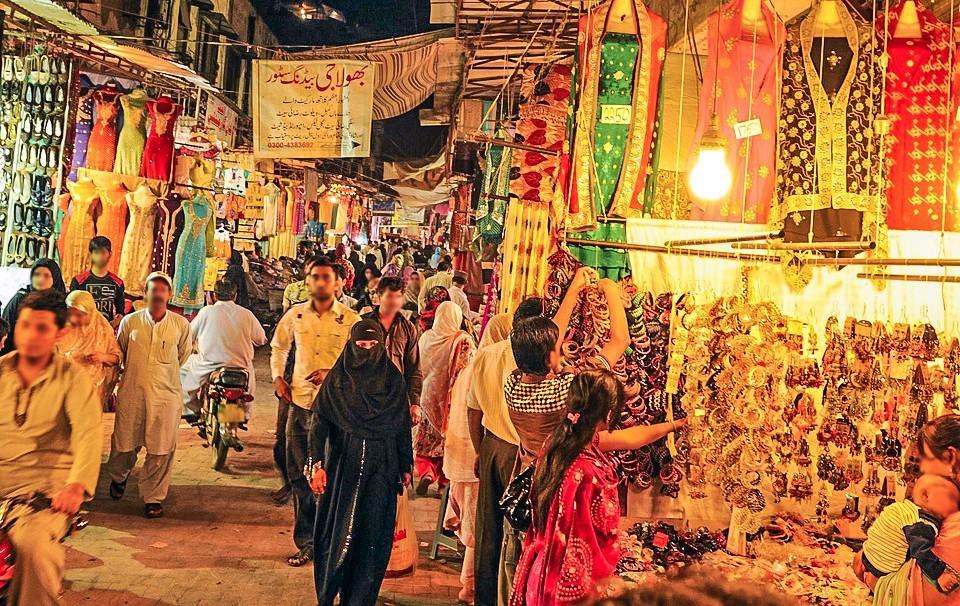
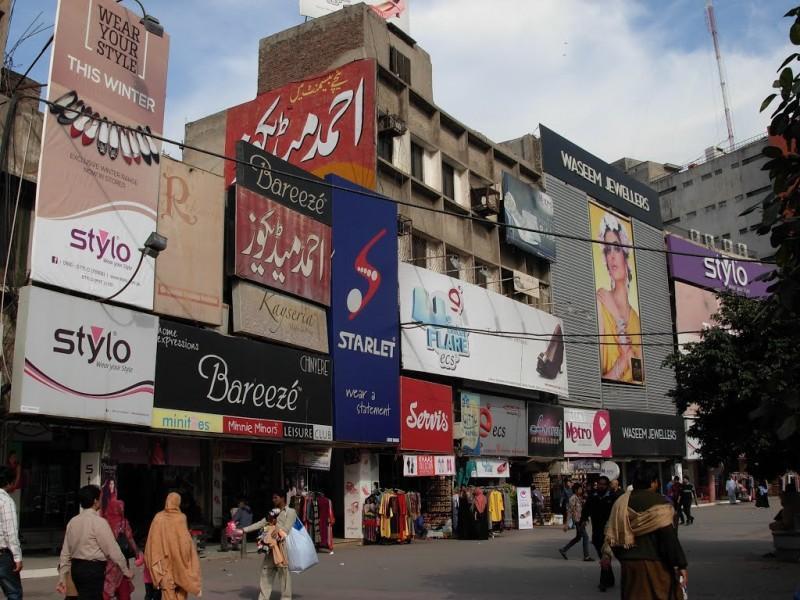
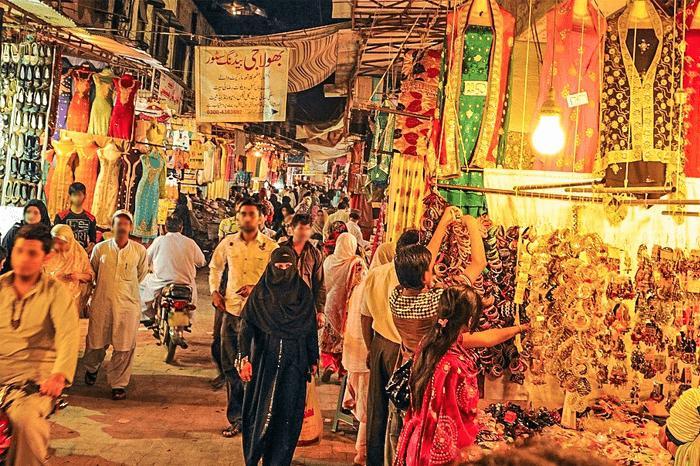
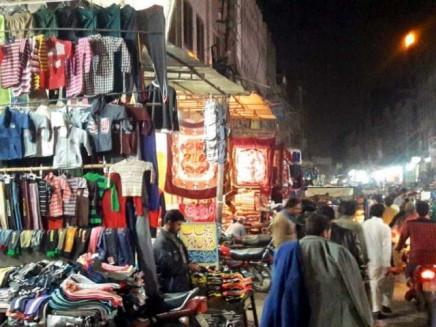
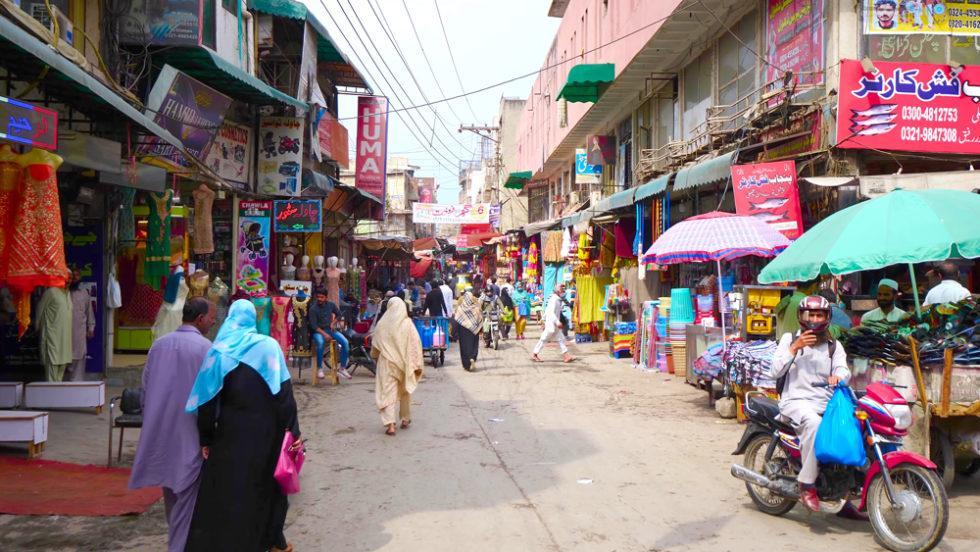
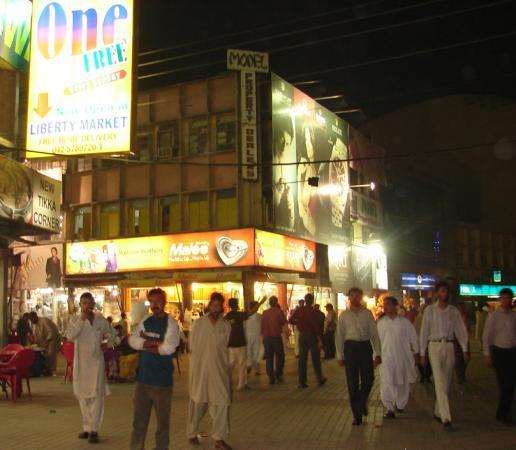
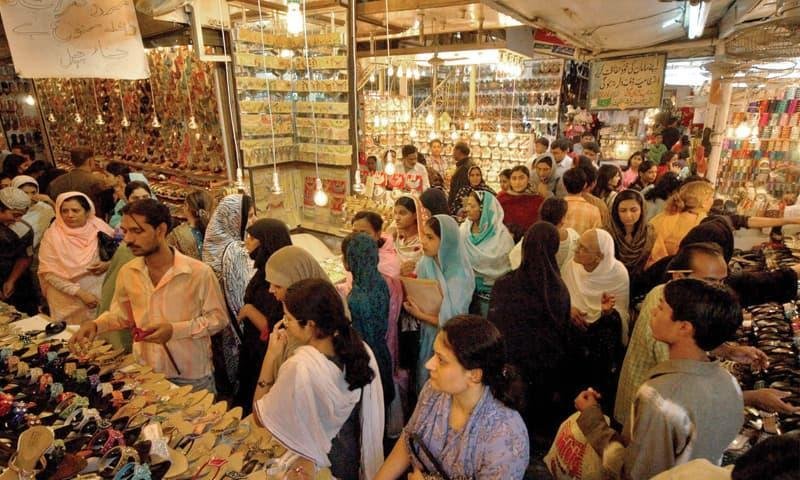
Shopping in Lahore ranges from centuries-old bazaars to modern malls and luxury commercial districts.
The most rewarding areas for travelers remain the traditional markets.
Anarkali Bazaar
Anarkali Bazaar is one of the oldest surviving markets in South Asia and remains one of Lahore’s busiest commercial districts.
The bazaar specializes in:
- Fabrics
- Bridal wear
- Jewellery
- Traditional clothing
- Shoes
- Household goods
The older sections retain much of their historic atmosphere.
Liberty Market
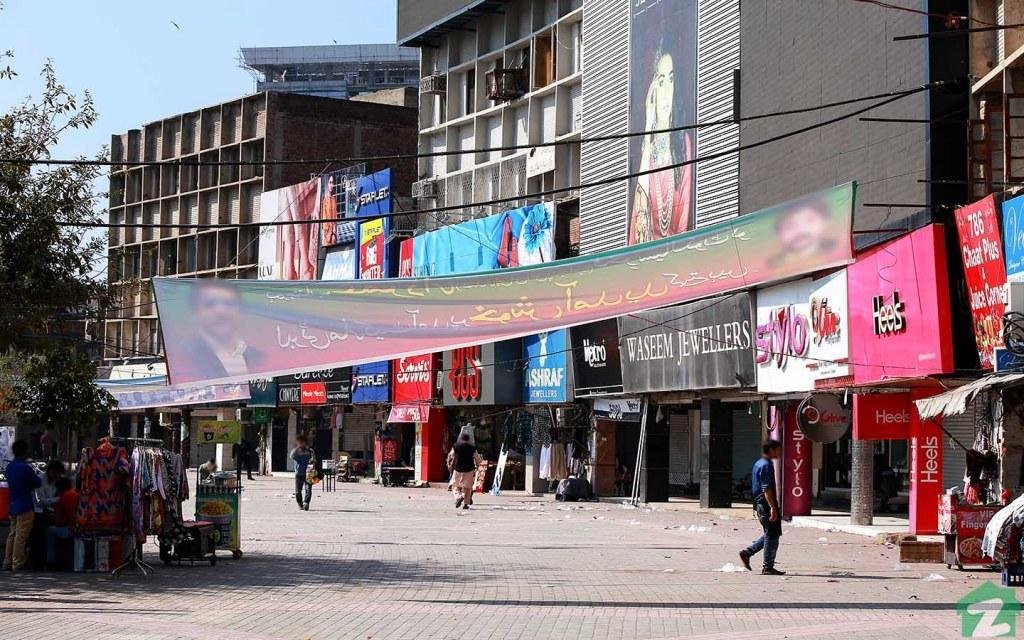
Located in Gulberg, Liberty Market represents modern commercial Lahore and is easier for first-time visitors to navigate.
The area contains:
- Fashion stores
- Restaurants
- Cafes
- Local designer brands
- Electronics shops
Food in Lahore
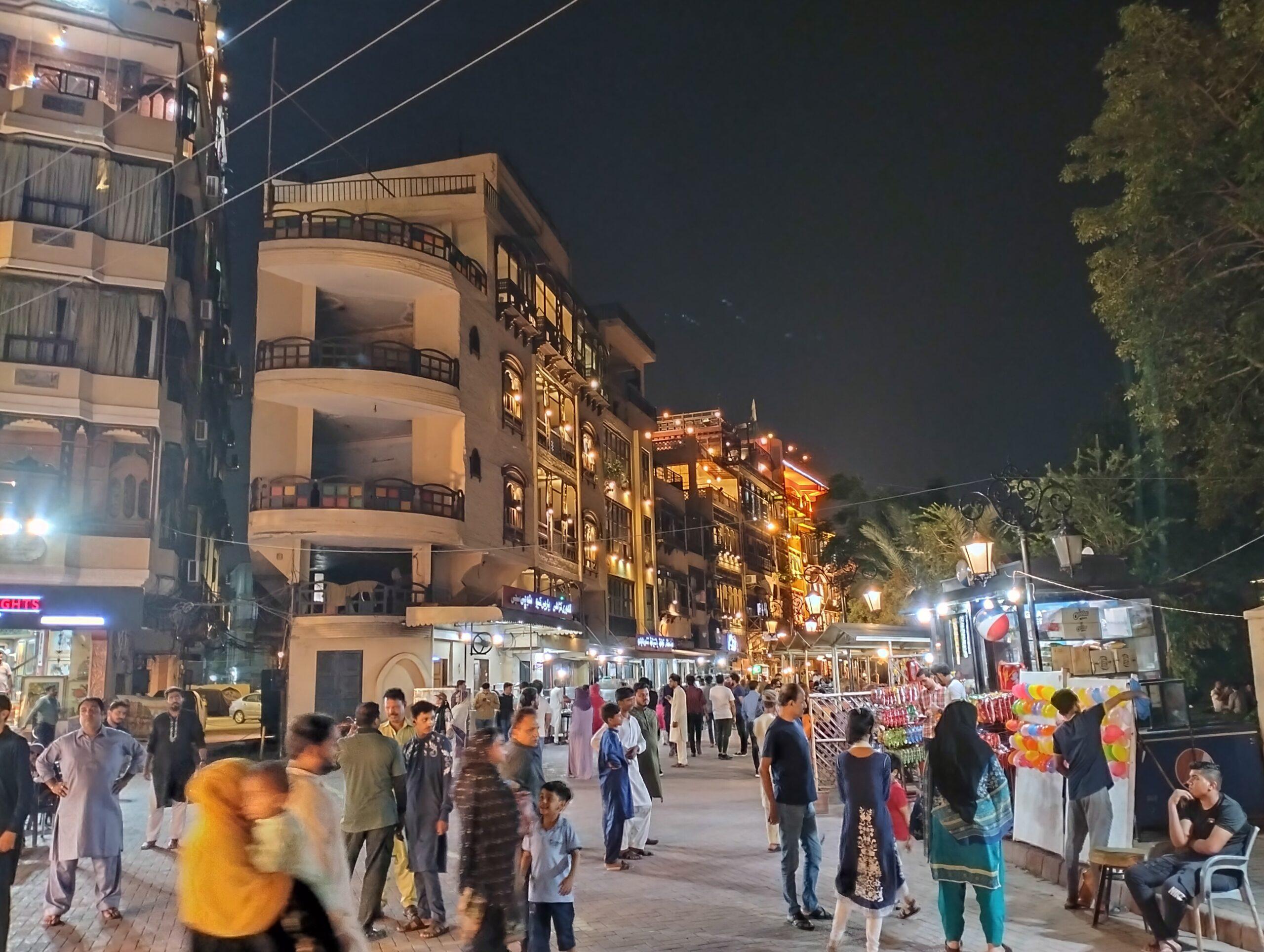
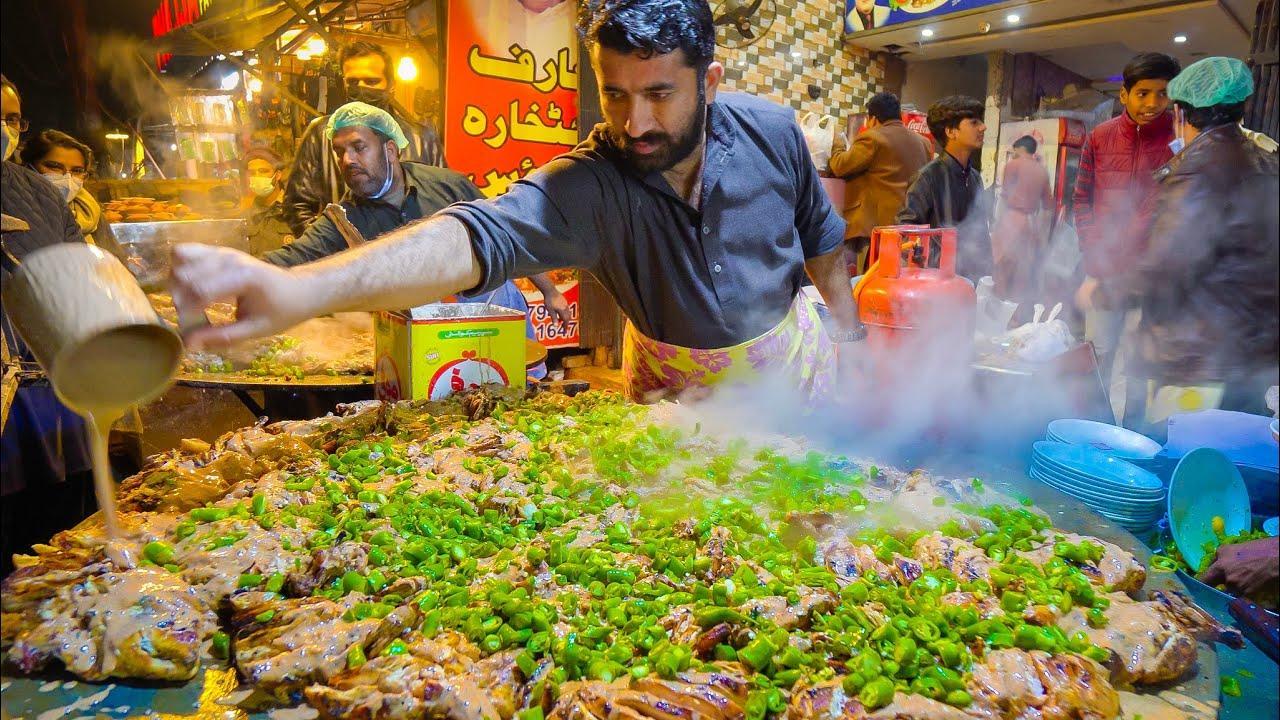
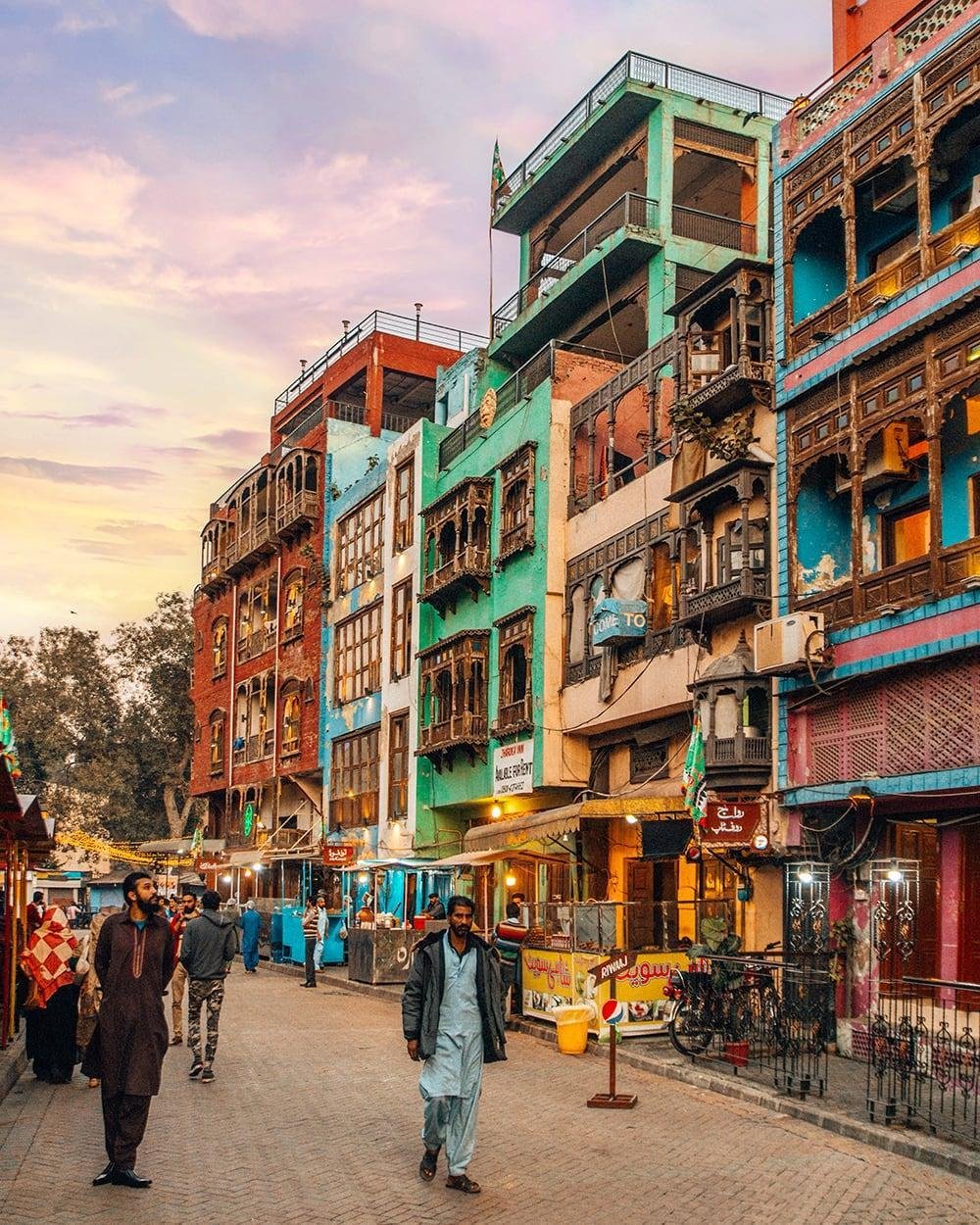
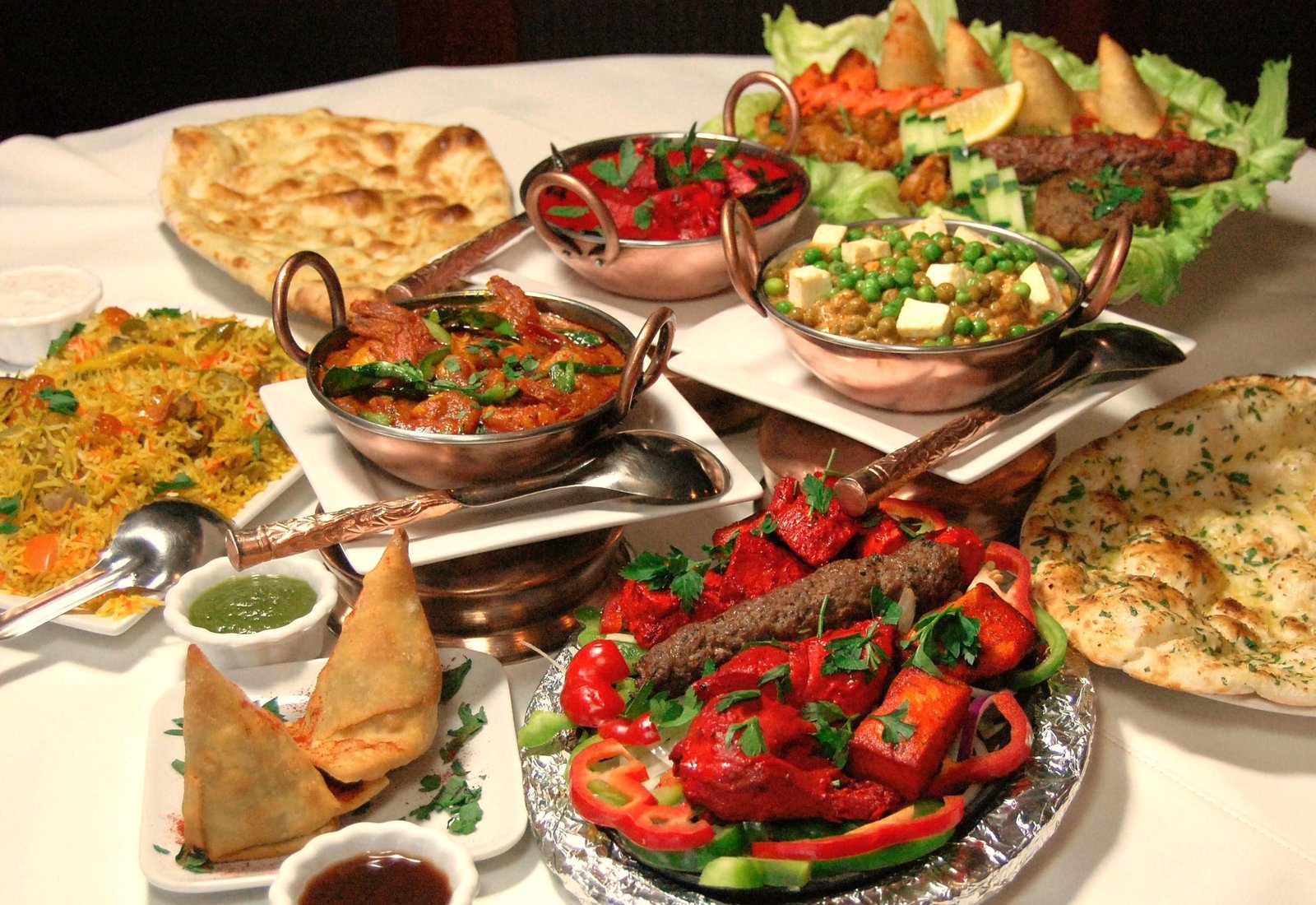
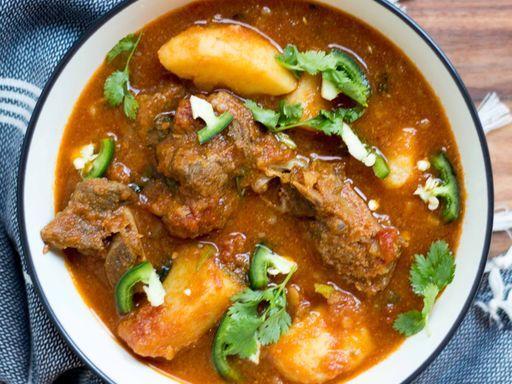
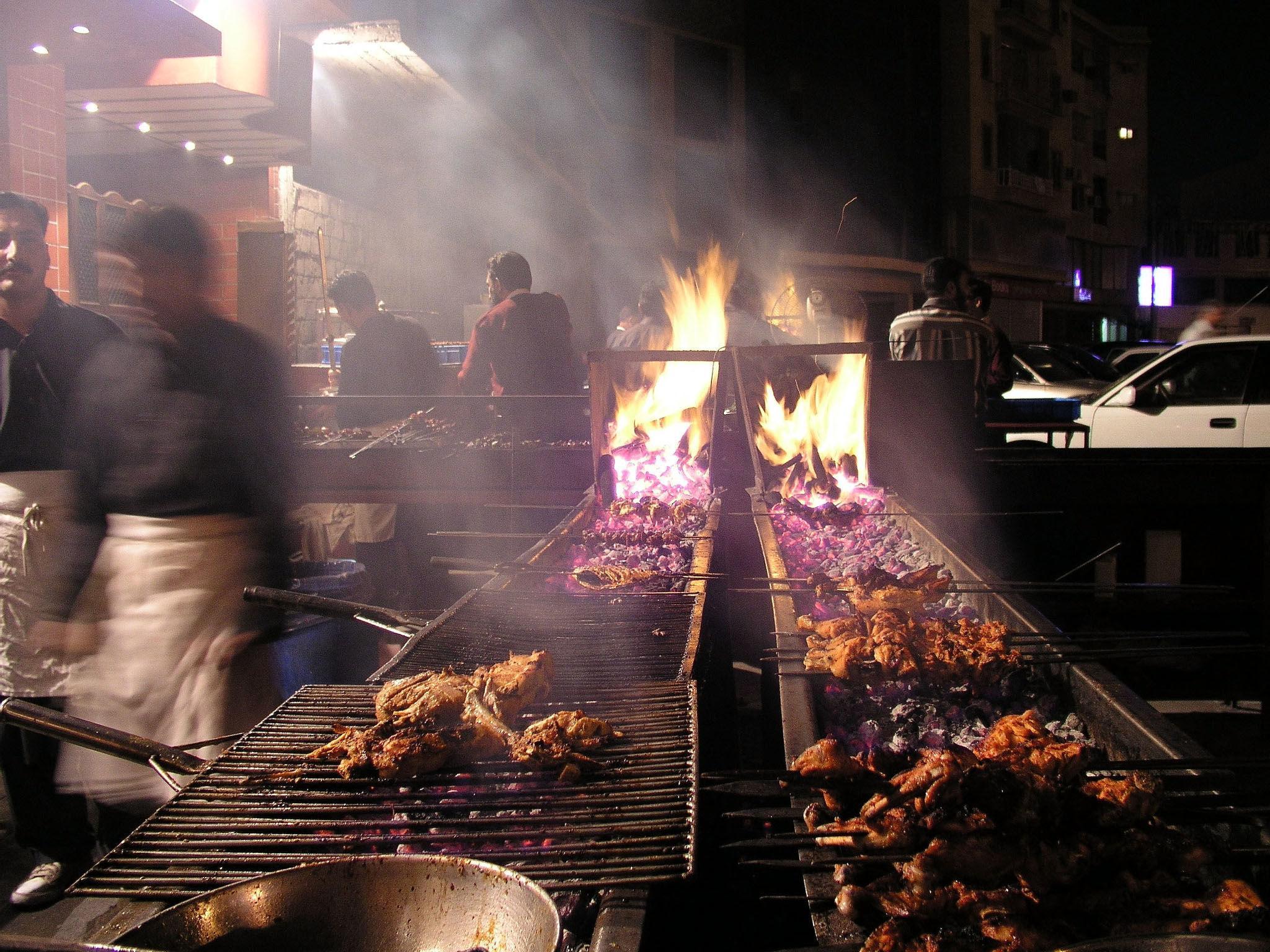
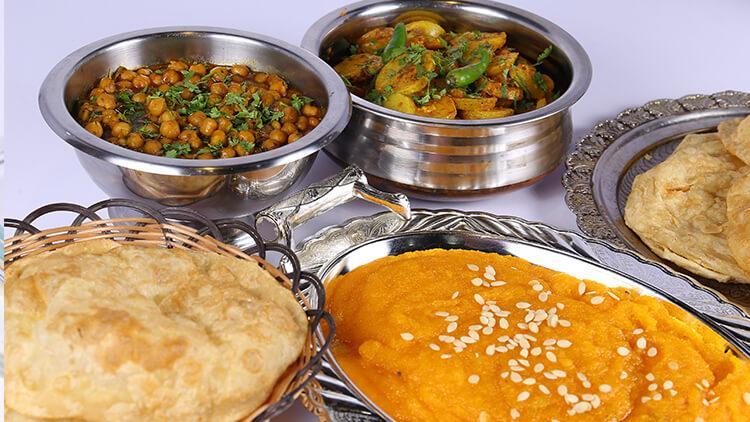
Lahore is widely regarded as Pakistan’s food capital.
Food culture here is deeply social and heavily tied to Punjabi traditions. Eating out is part of daily urban life, and many restaurants remain active late into the night.
The city is famous for:
- Slow-cooked meat dishes
- Rich curries
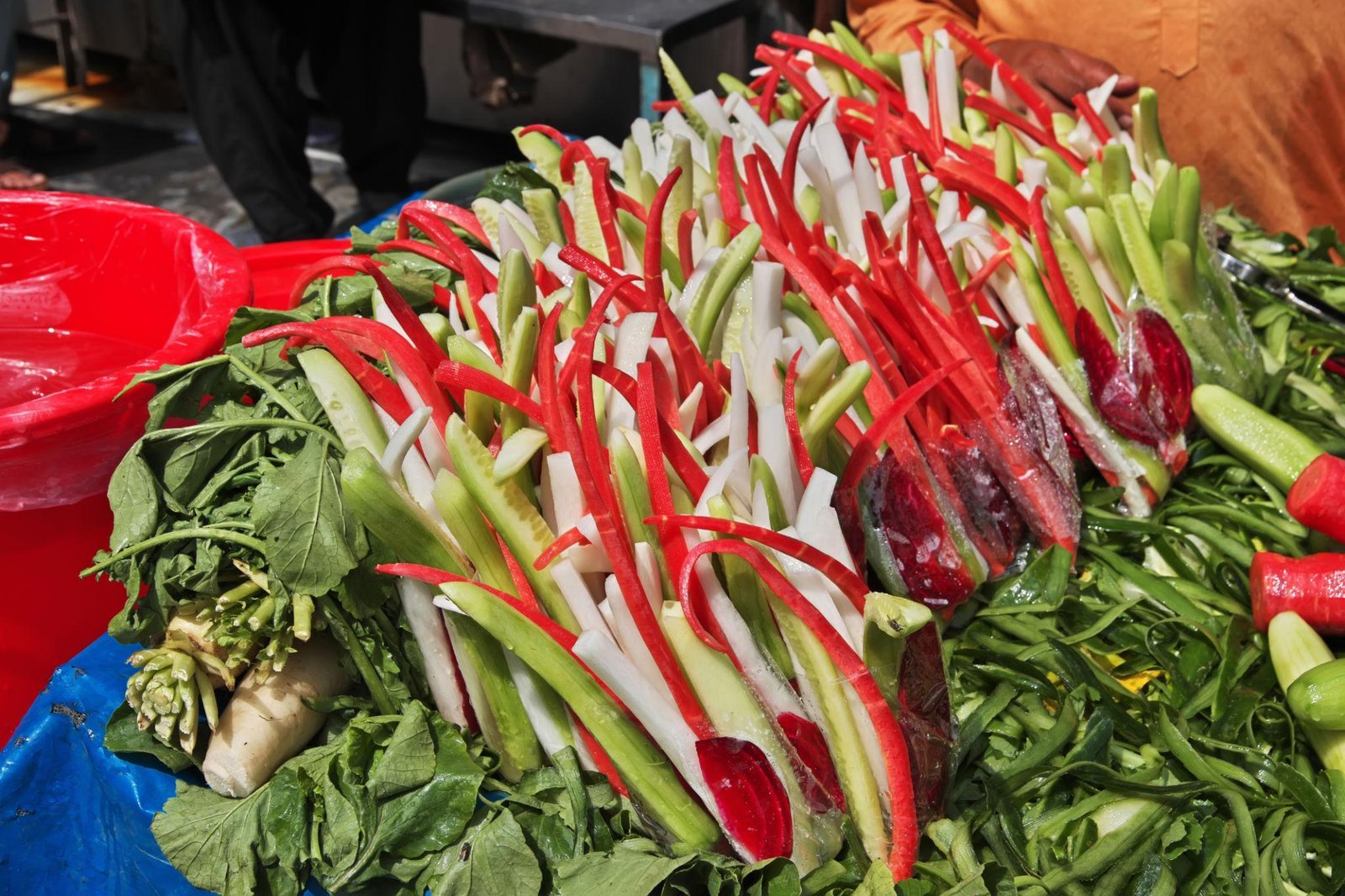
- Street food culture
- Traditional breakfasts
- BBQ cuisine
- Mughlai influences
Traditional Lahori Breakfast
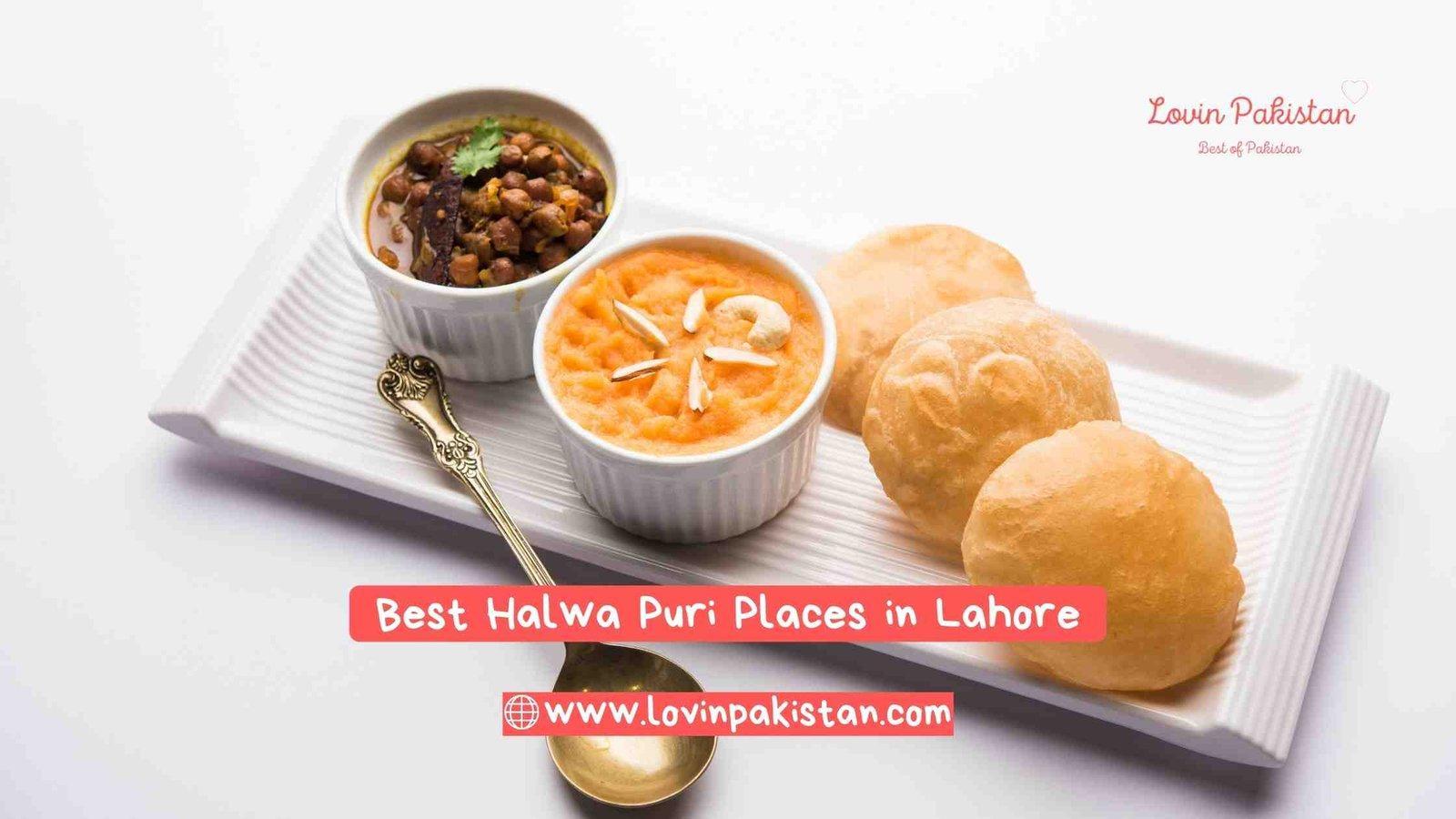
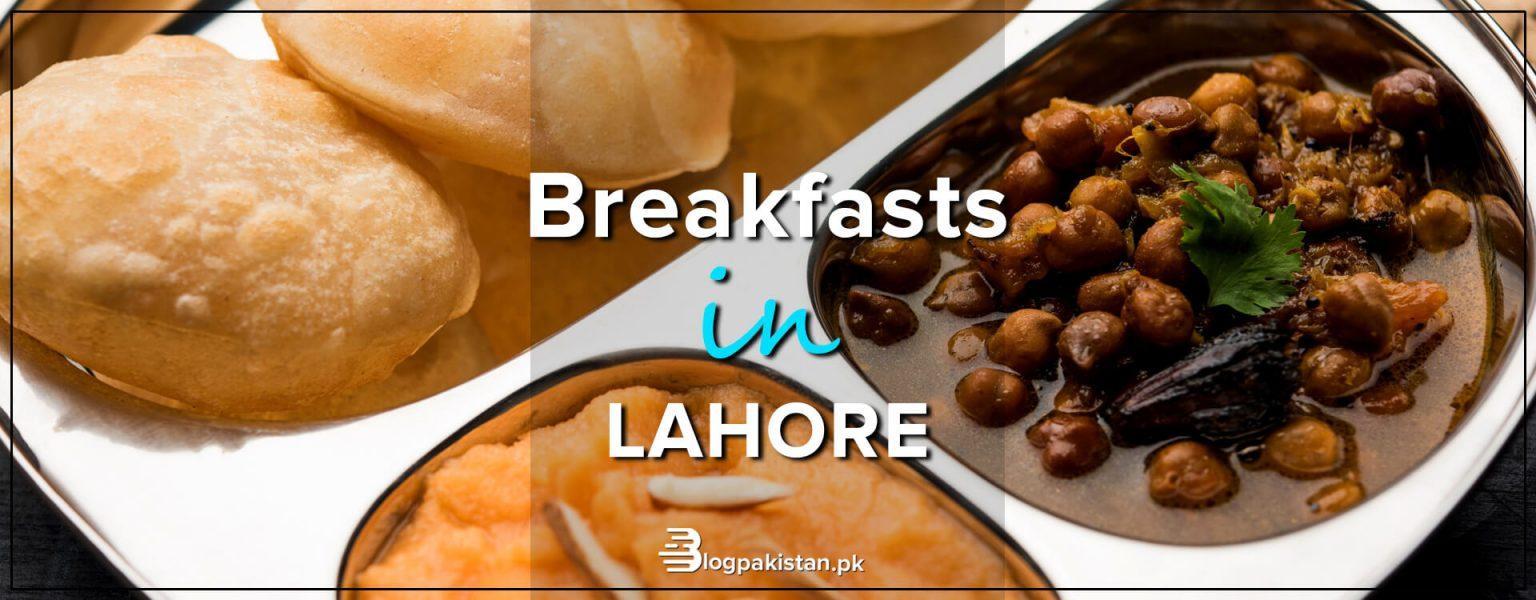
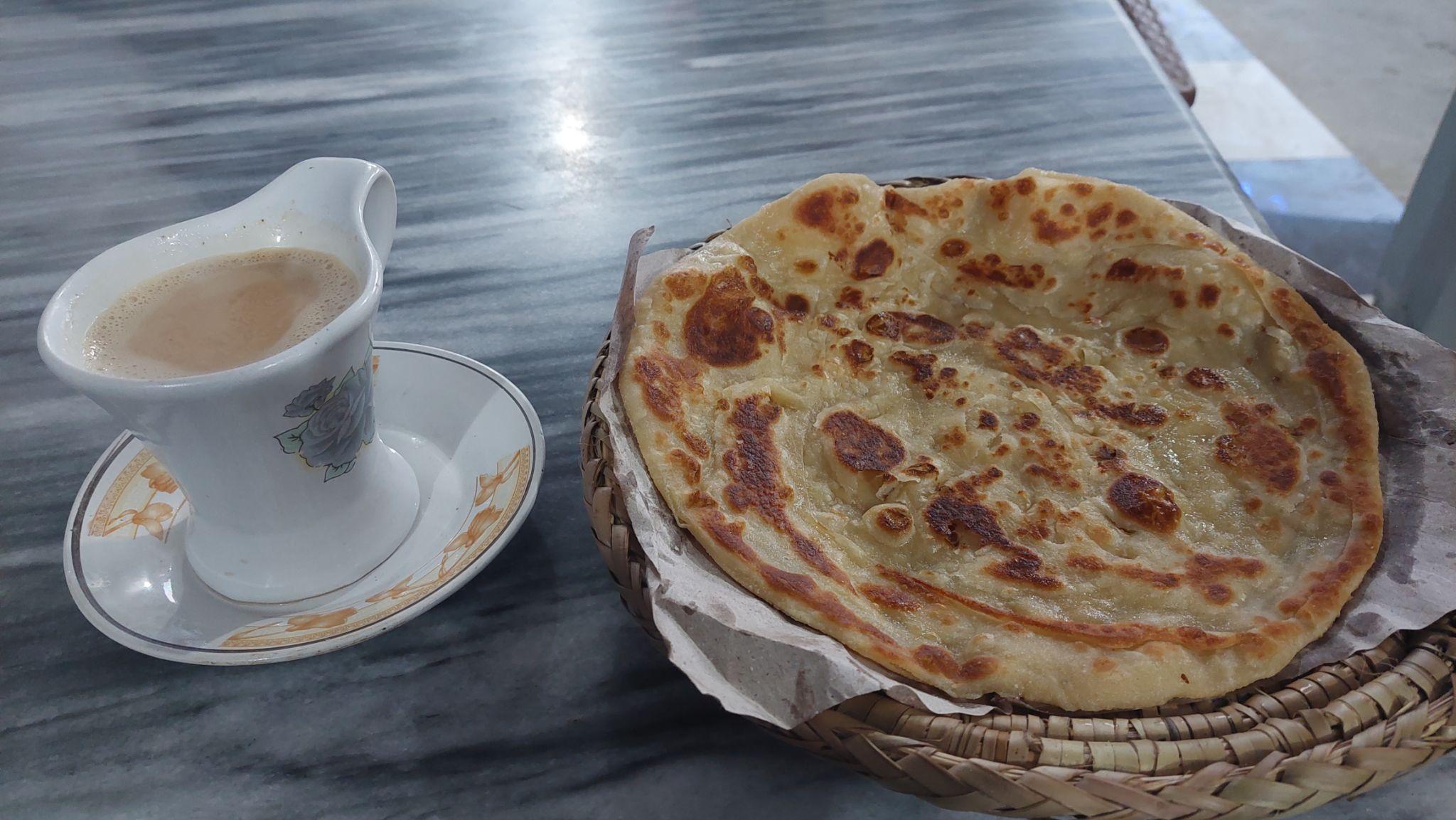
The city’s most famous breakfast is halwa puri.
The meal usually includes:
- Fried puri bread
- Spiced chickpeas
- Sweet semolina halwa
- Pickles
- Yogurt
Popular breakfast spots become extremely crowded on weekends.
Fort Road Food Street
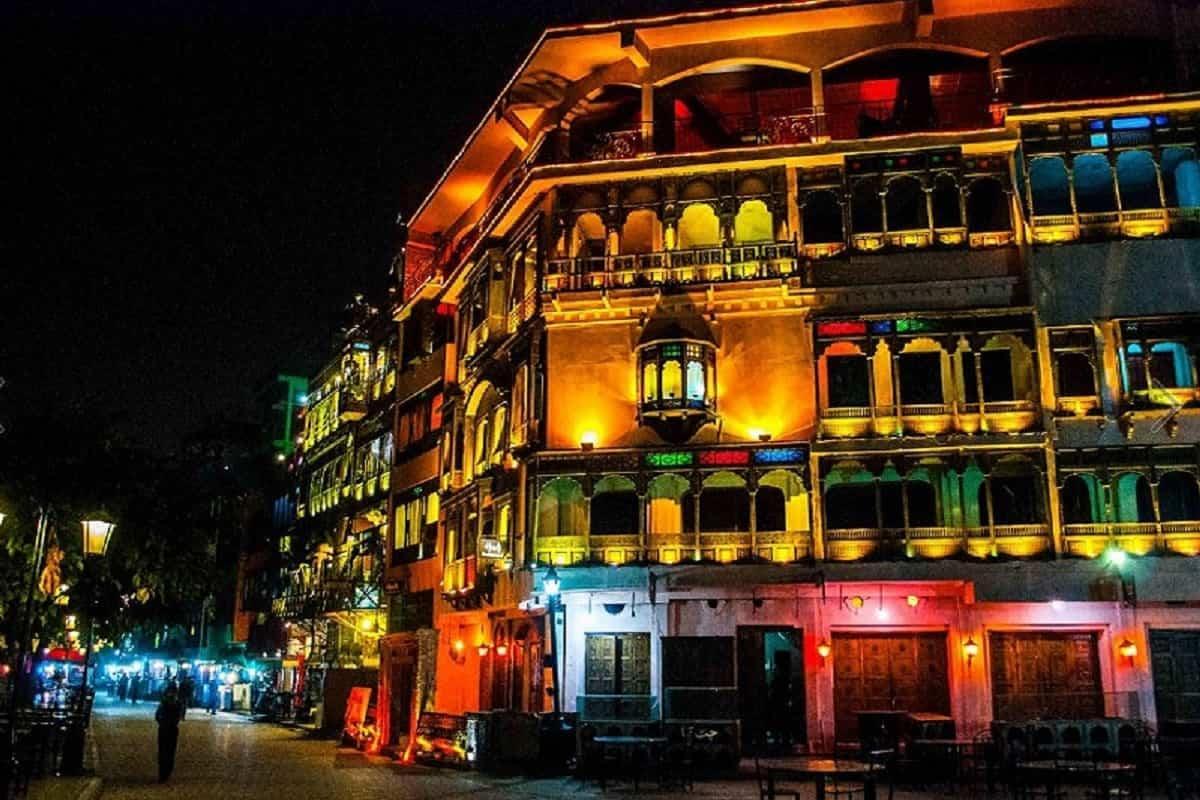
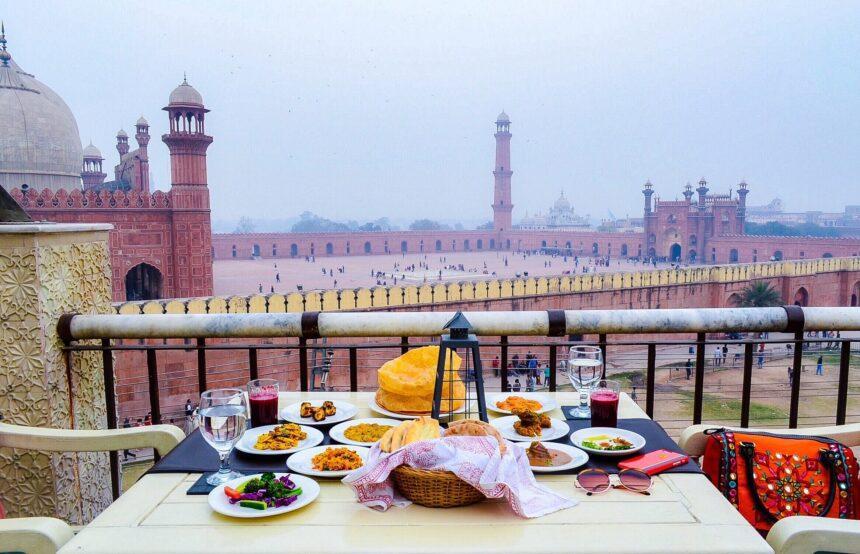
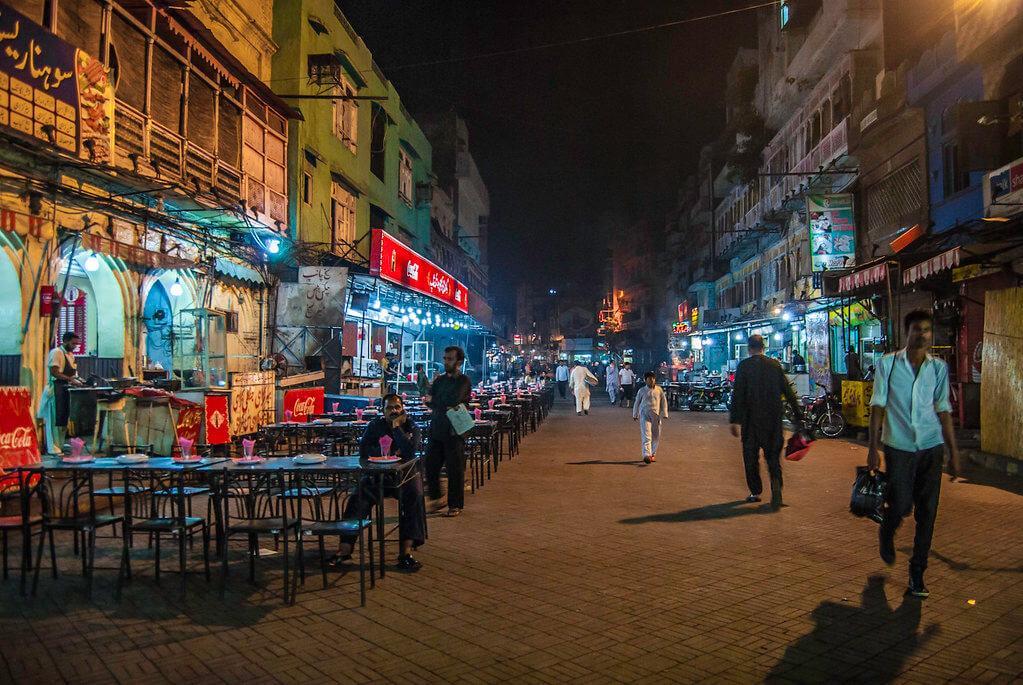
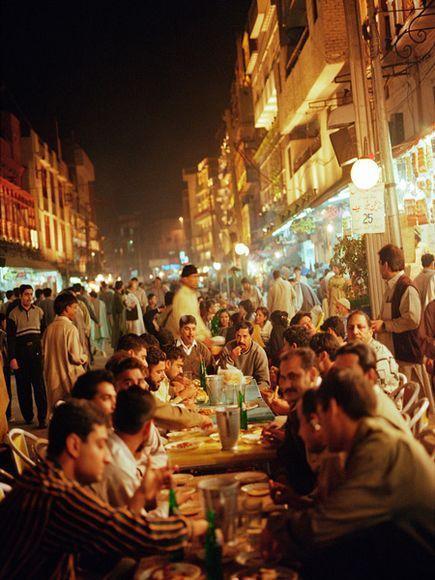
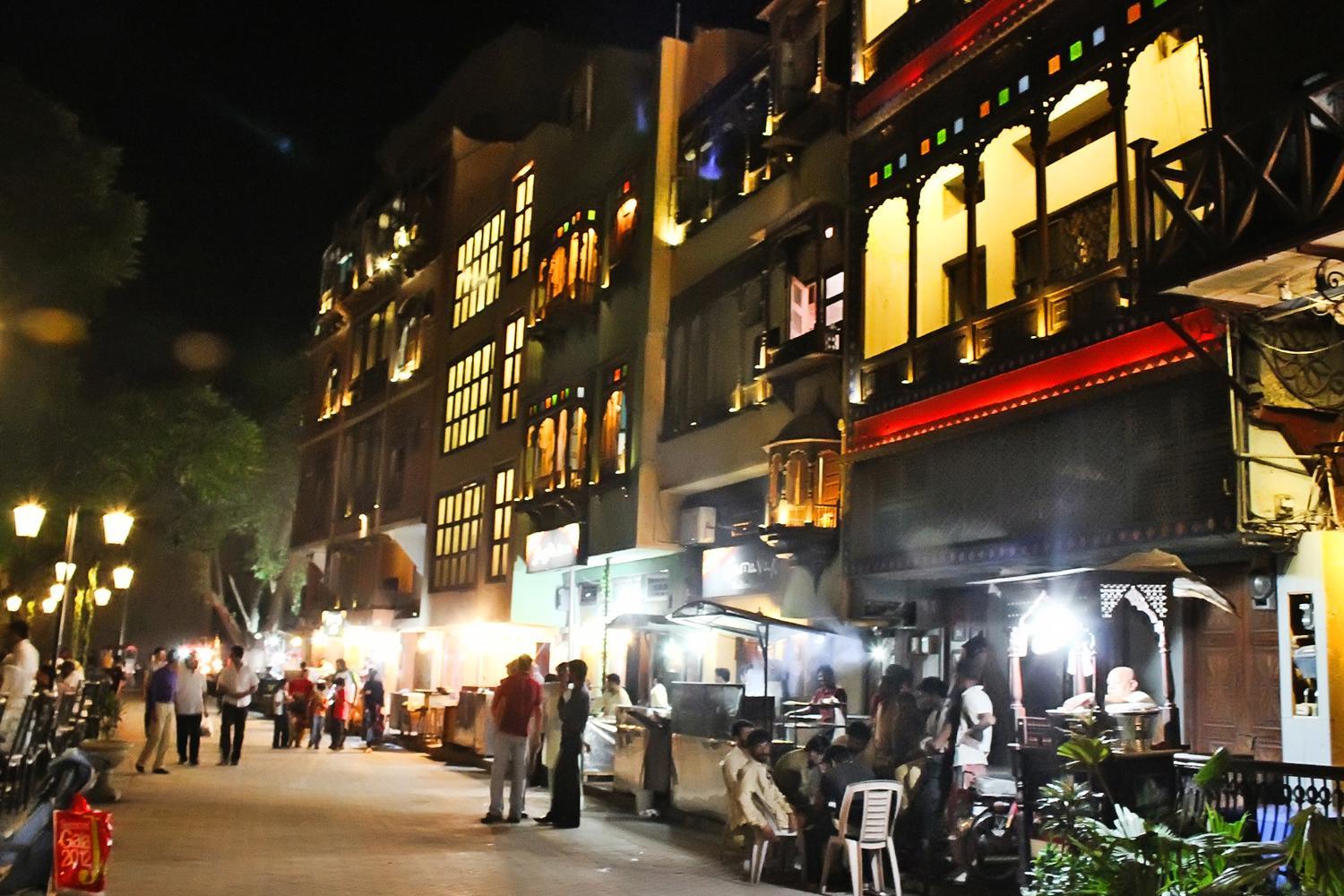
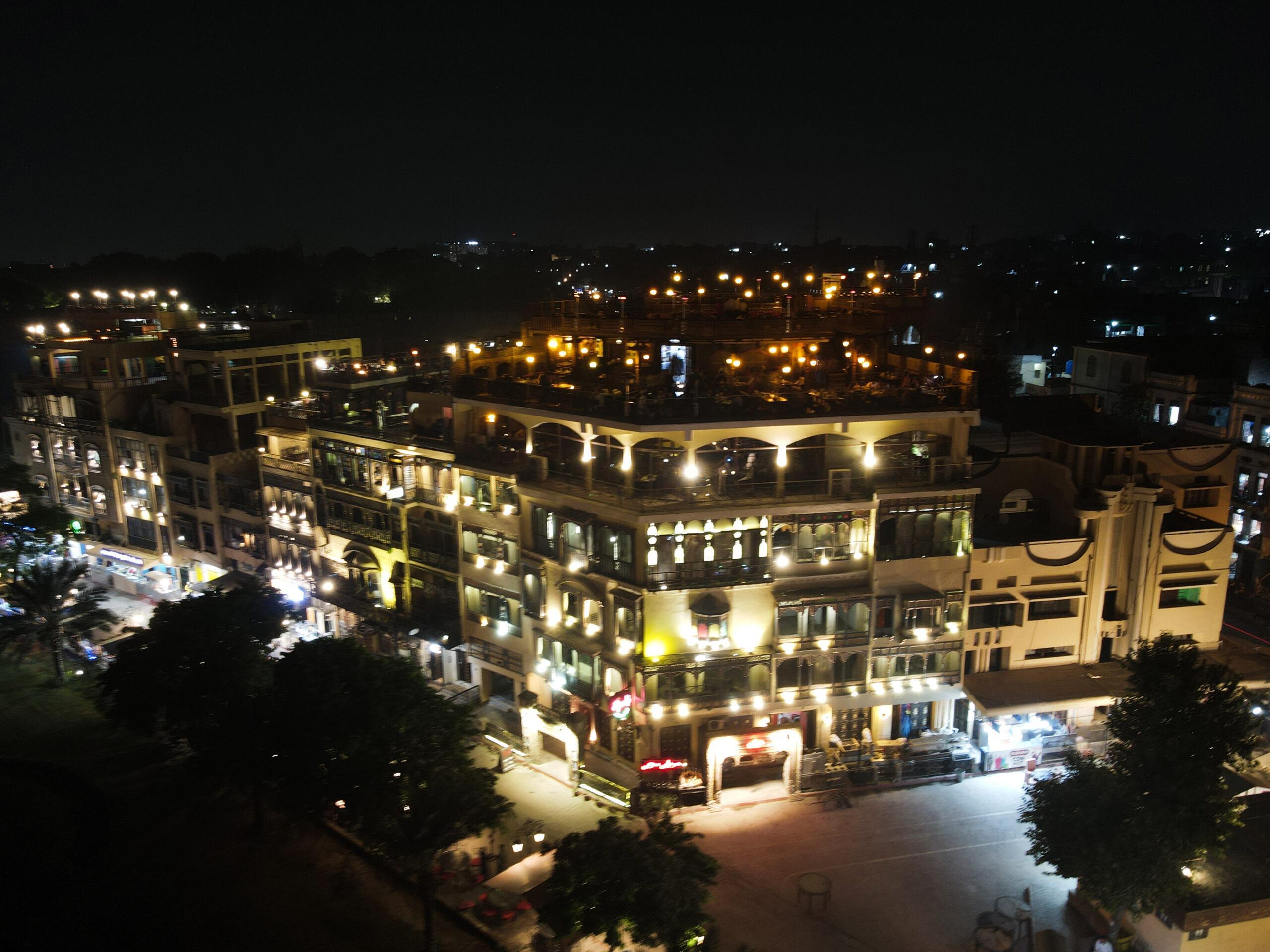
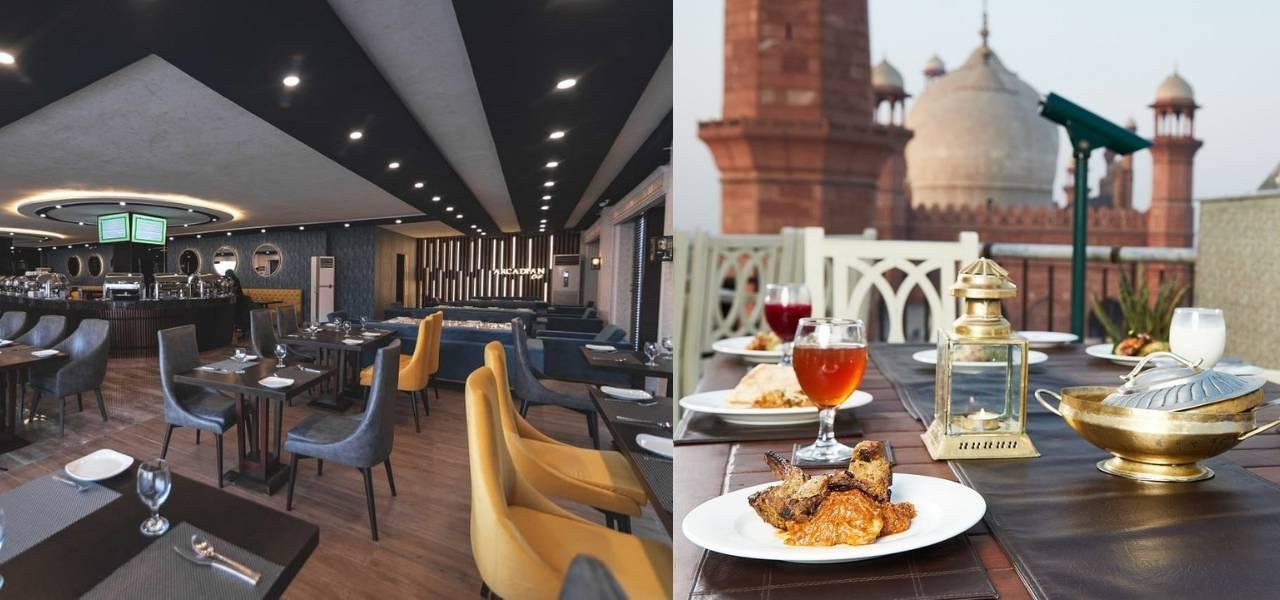
Fort Road Food Street sits beside the Badshahi Mosque and has become Lahore’s most famous dining district for visitors.
The area is known for:
- Rooftop restaurants
- Night views of Badshahi Mosque
- Traditional Lahori dishes
- Restored Mughal-era surroundings
Foods You Should Try in Lahore
Popular Lahori dishes include:
- Nihari
- Haleem
- Paya
- Karahi
- Lahori fried fish
- Seekh kebabs
- Chicken chargha
Museums and Colonial Lahore
Lahore Museum
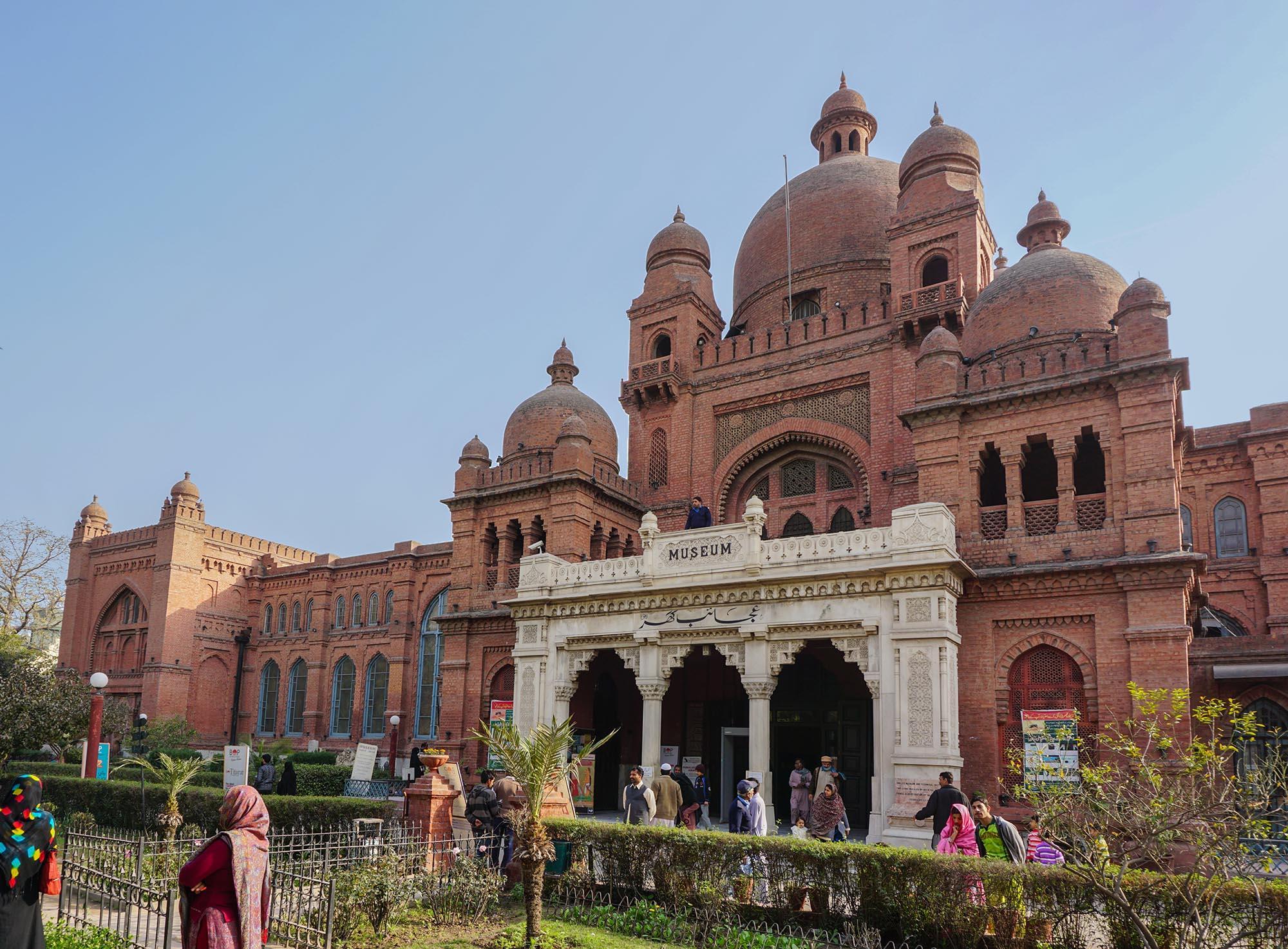
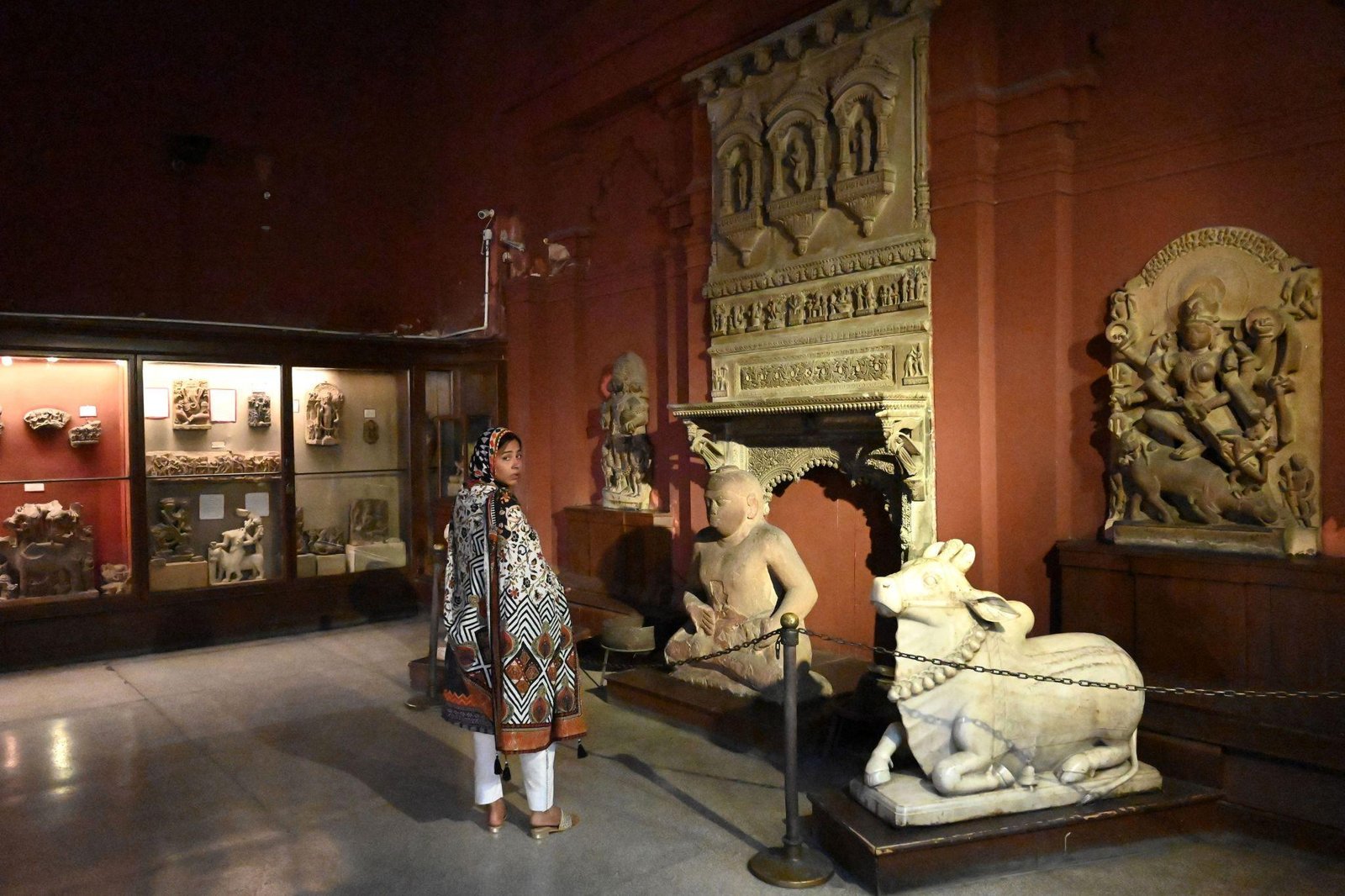
The Lahore Museum is one of South Asia’s most important museums and contains collections covering:
- Gandharan Buddhist art
- Mughal manuscripts
- Colonial artifacts
- Decorative arts
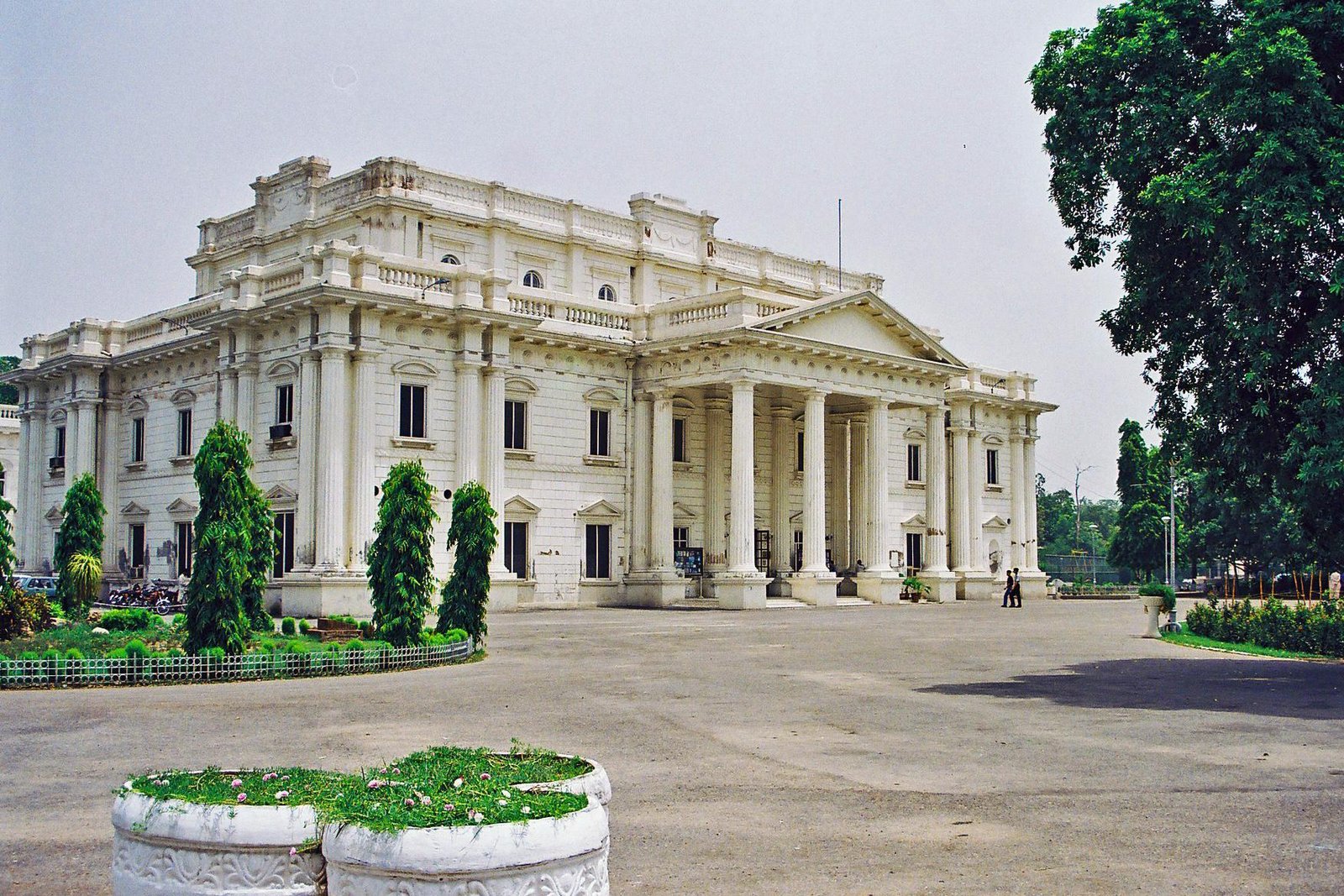
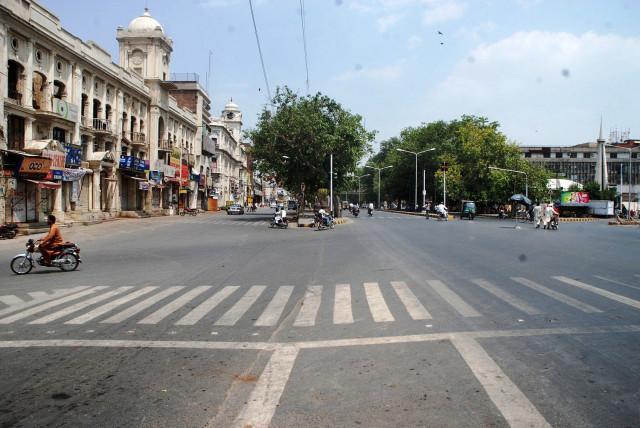
The museum building itself is an important colonial-era structure on Mall Road.
Minar-e-Pakistan
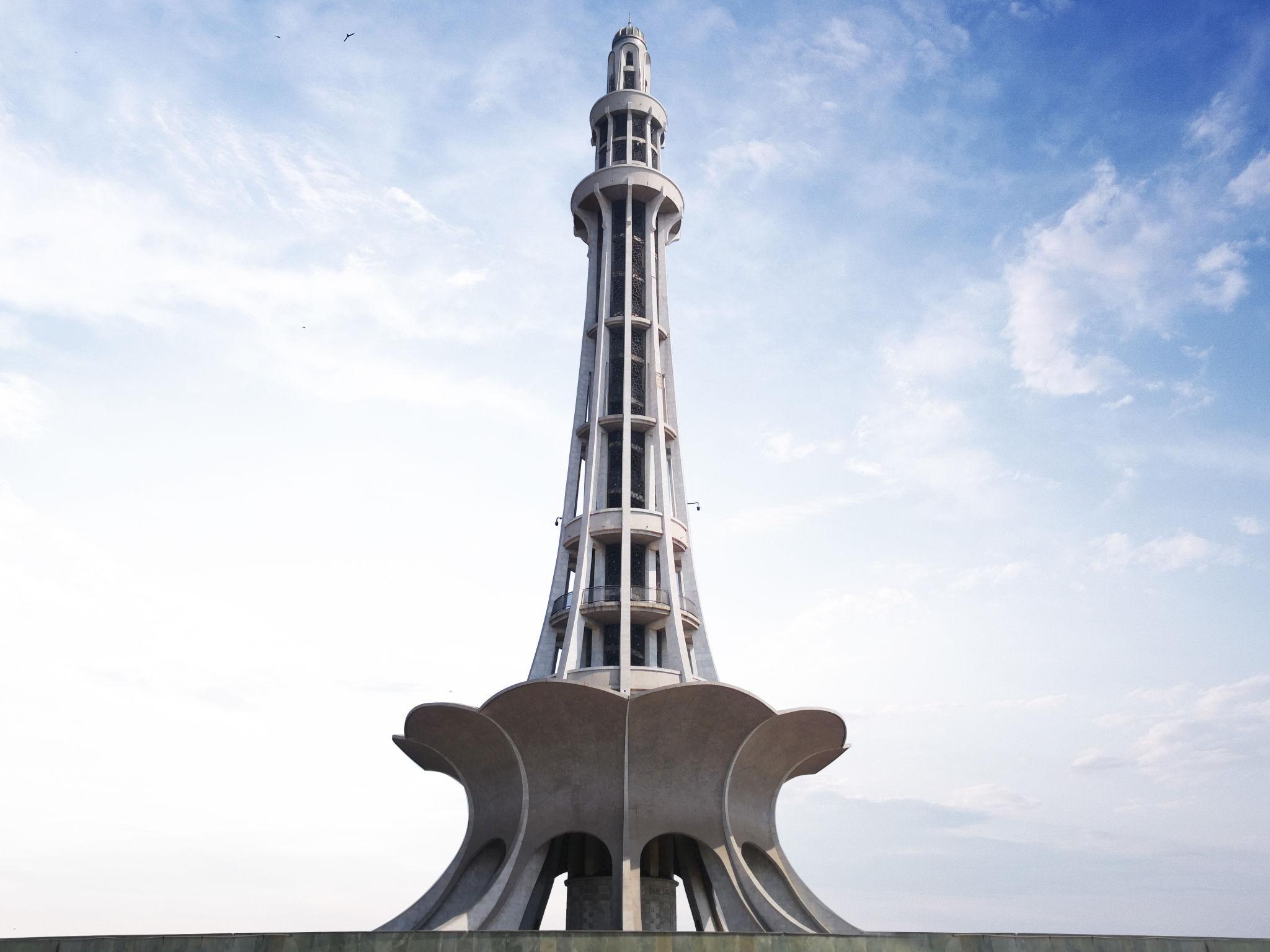
Located in Iqbal Park, Minar-e-Pakistan marks the site where the Lahore Resolution was passed in 1940.
The monument remains one of Pakistan’s most important political landmarks.
Shalimar Gardens
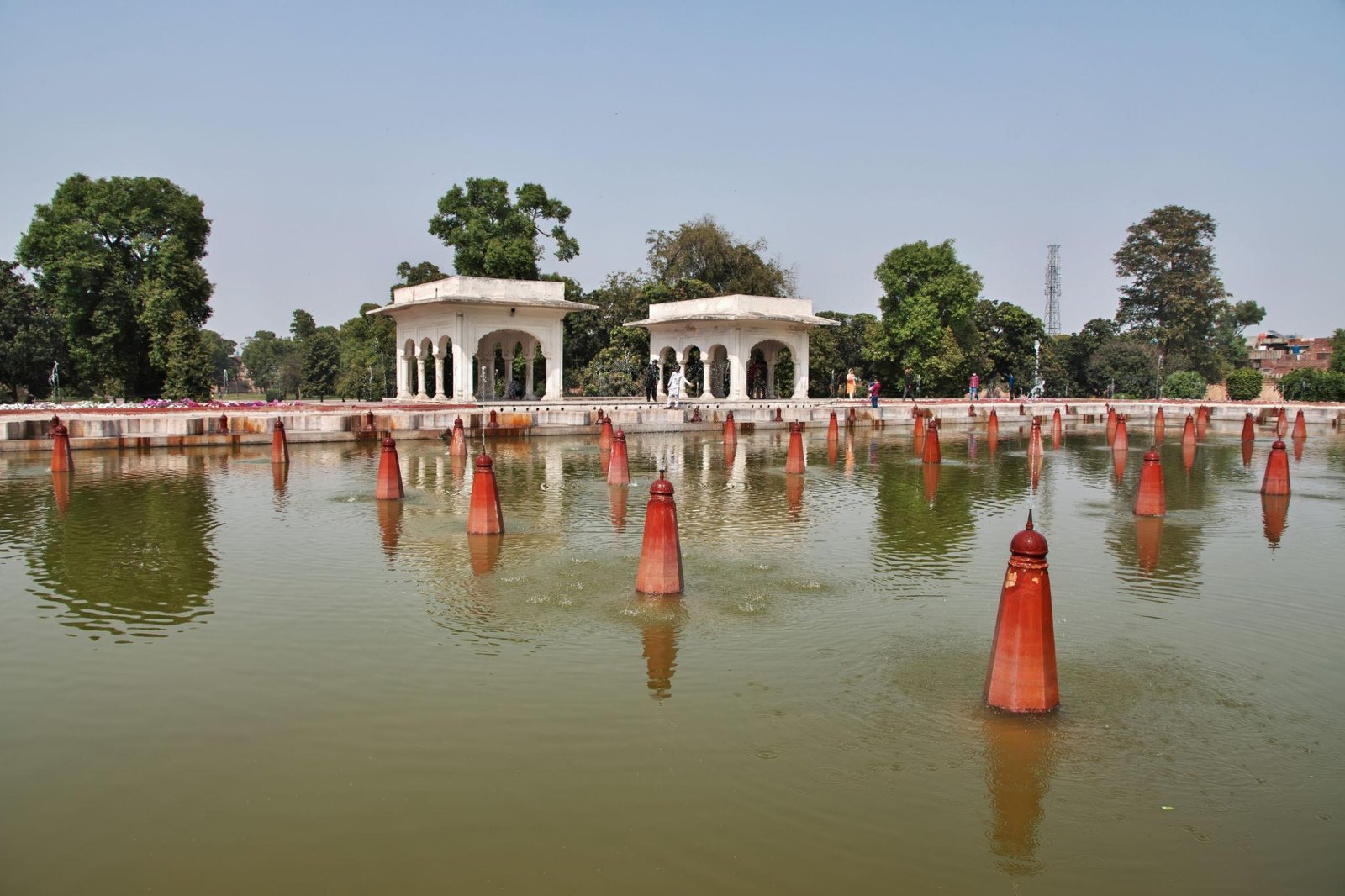
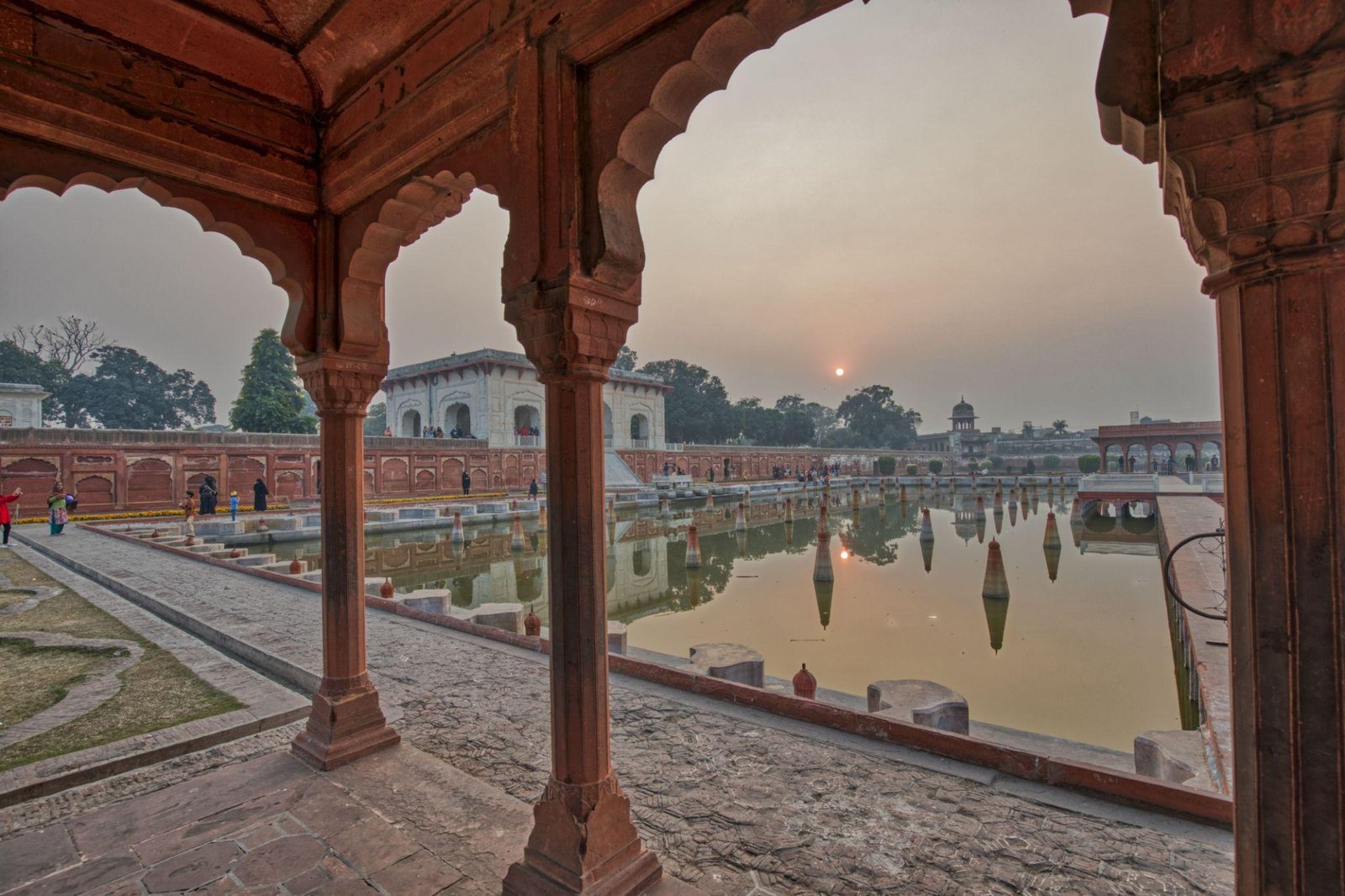
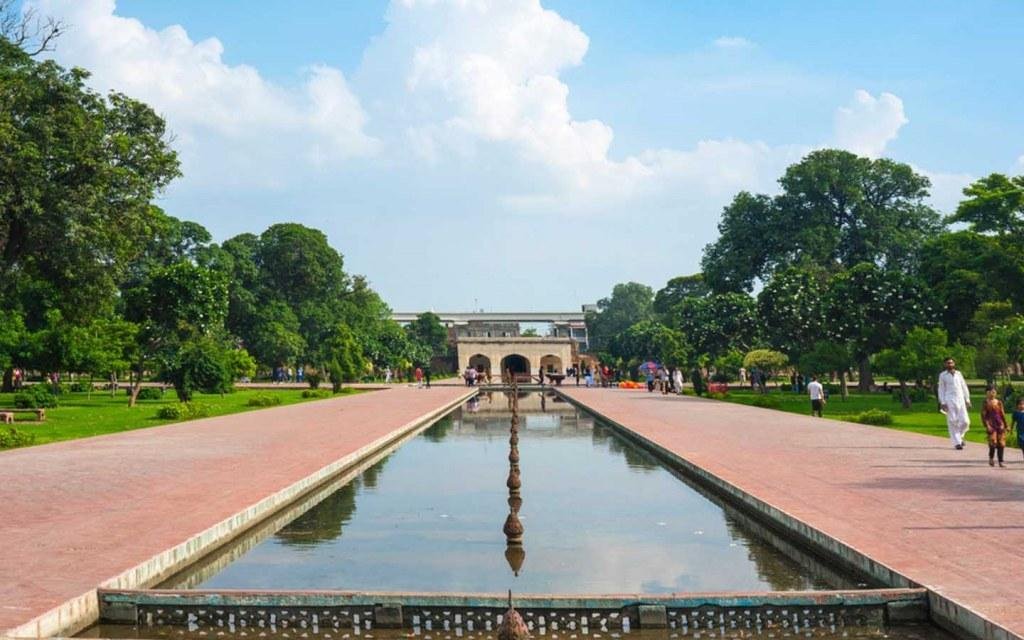
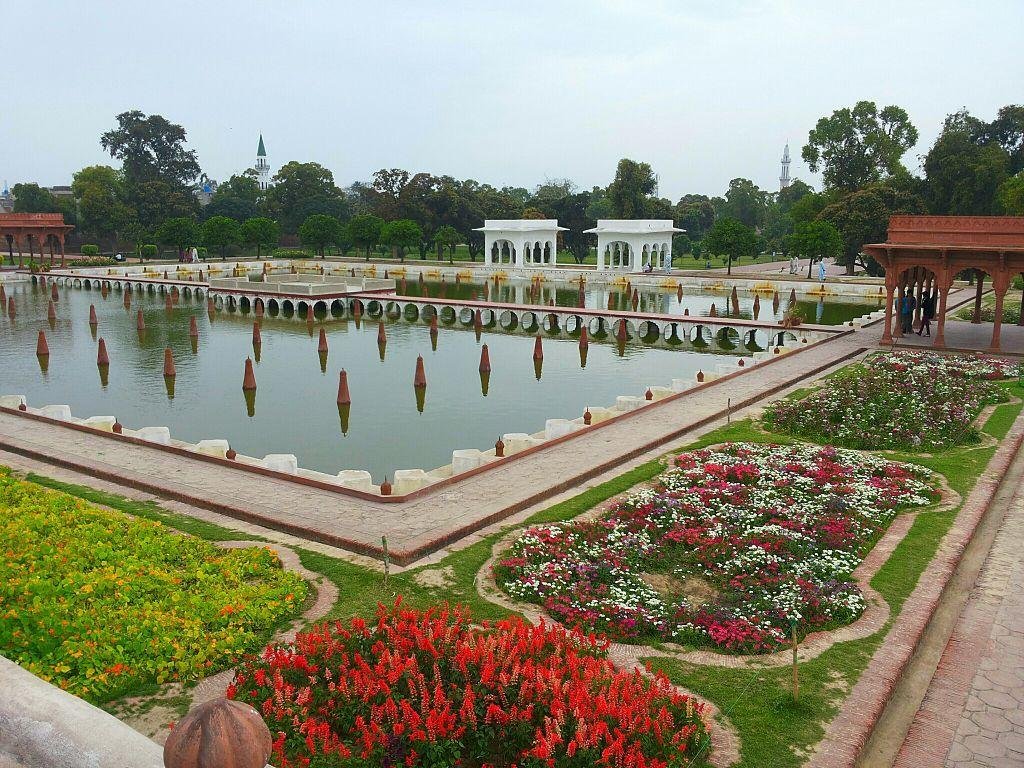
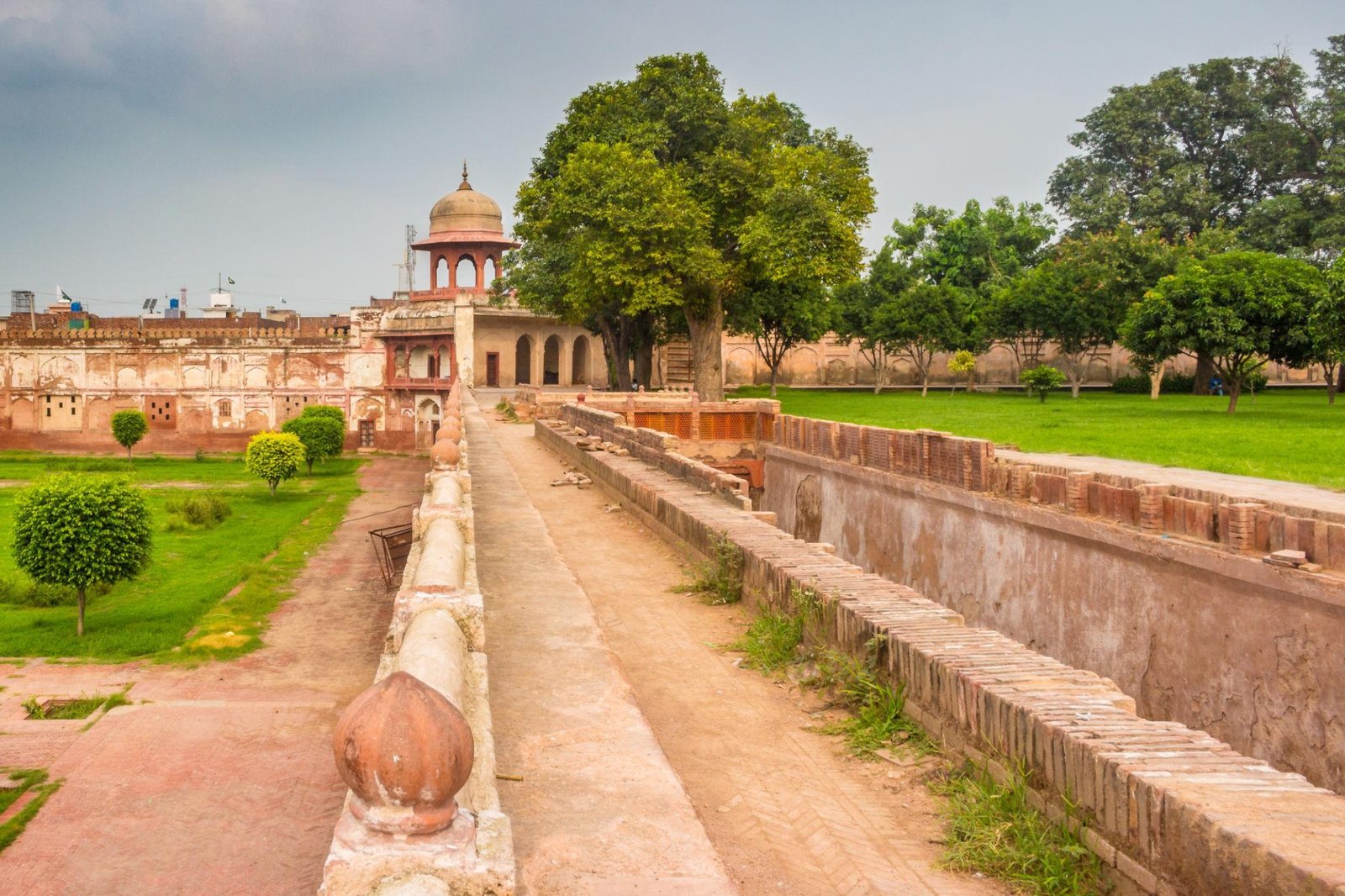
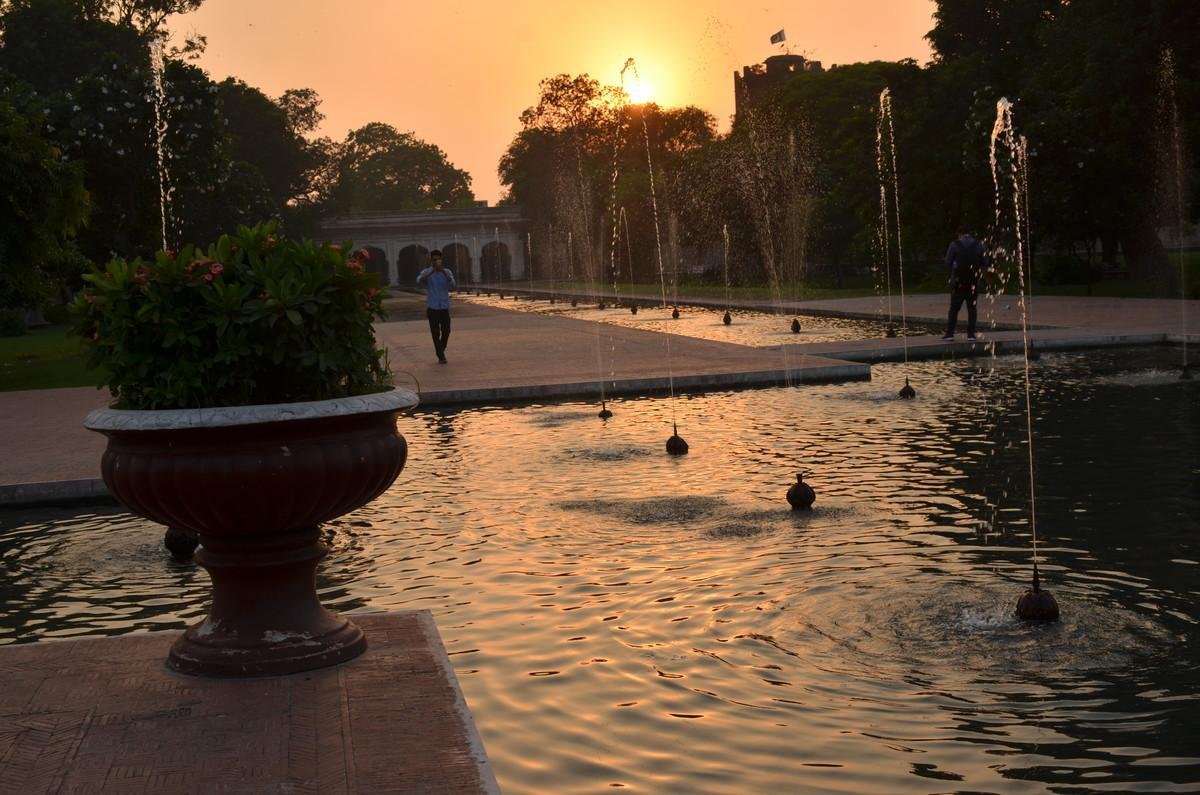
The Shalimar Gardens represents one of the finest surviving examples of Mughal garden design in South Asia. Built in 1641 during the reign of Emperor Shah Jahan, the gardens were designed as a royal retreat away from the dense urban quarters of Lahore.
Unlike the crowded atmosphere of the Walled City, Shalimar Gardens offers a slower and more peaceful experience. Long water channels, marble terraces, geometric lawns, and shaded walkways create an environment that reflects the Mughal preference for symmetry and controlled landscape architecture.
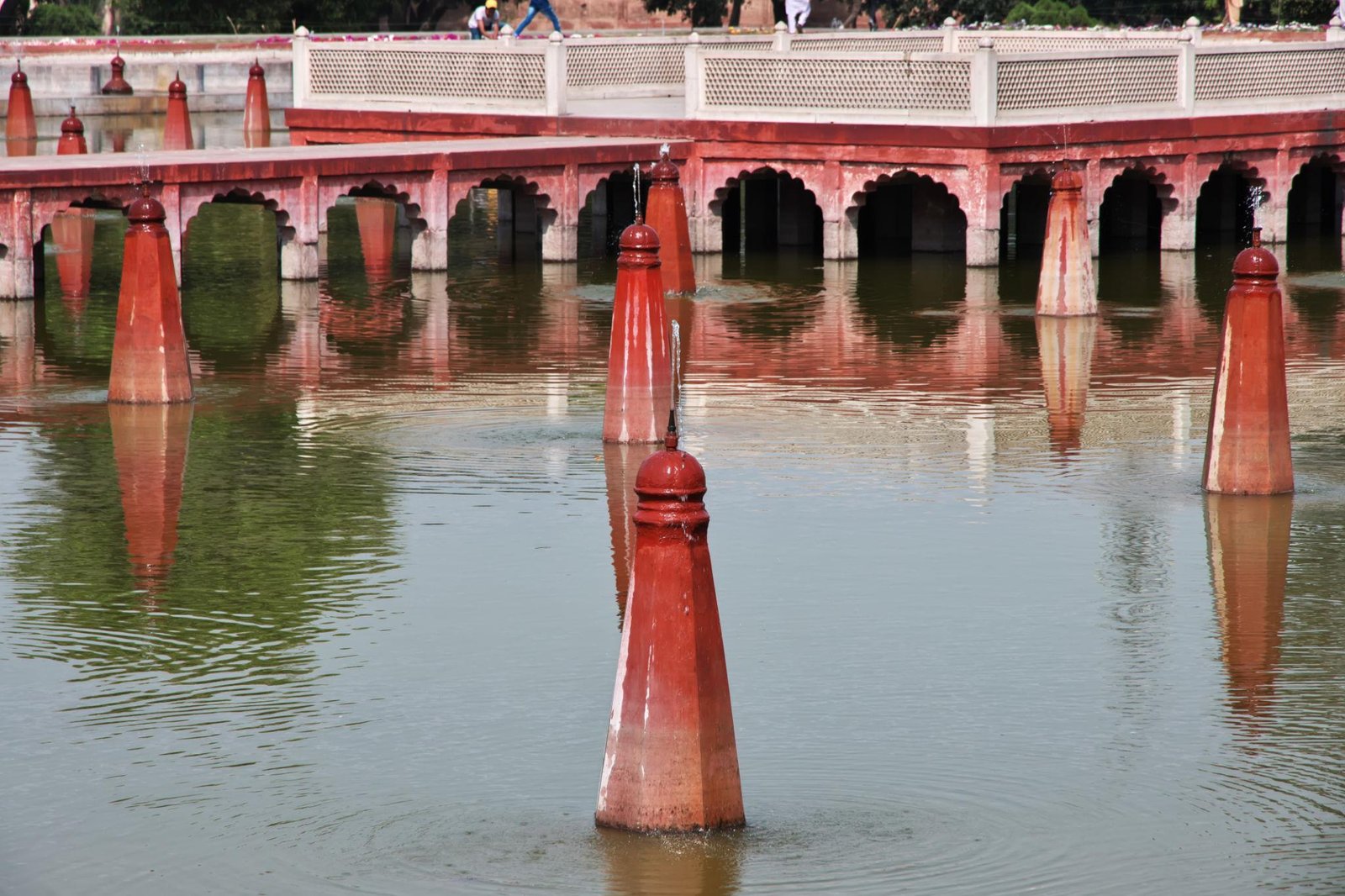
The gardens are divided into three descending terraces, each historically reserved for different levels of royal access. Hundreds of fountains once operated through an advanced hydraulic system that remains impressive even today.
Winter and spring are the best seasons to visit. Morning hours are especially rewarding for photography, with softer light reflecting across the water channels and sandstone pavilions.
Highlights of Shalimar Gardens
- Three-level Mughal garden design
- Historic fountain system
- Marble pavilions and audience halls
- UNESCO World Heritage status
- Symmetrical Persian-inspired landscaping
- Quiet atmosphere away from central Lahore traffic
Modern Lahore: Gulberg & DHA
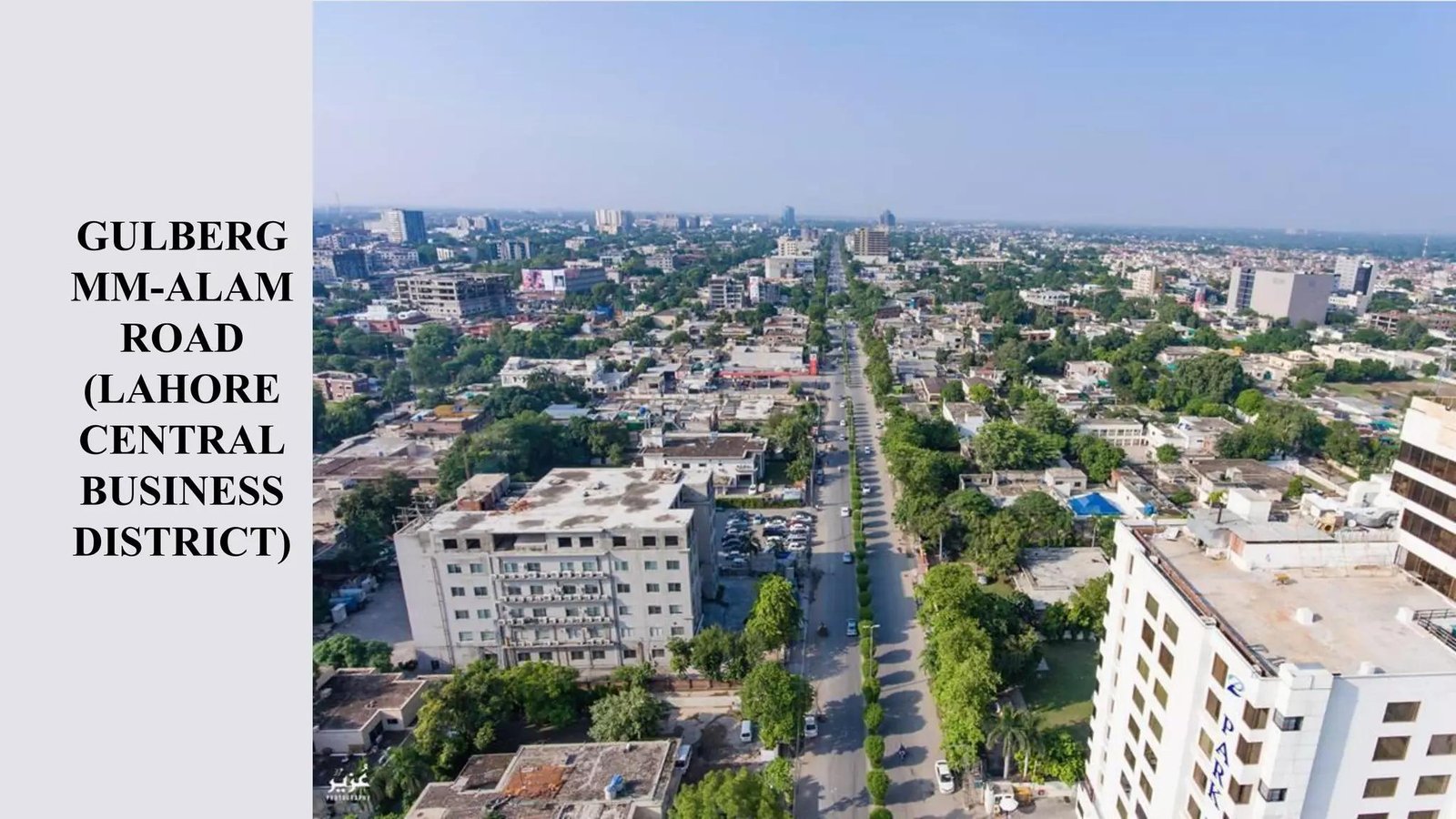
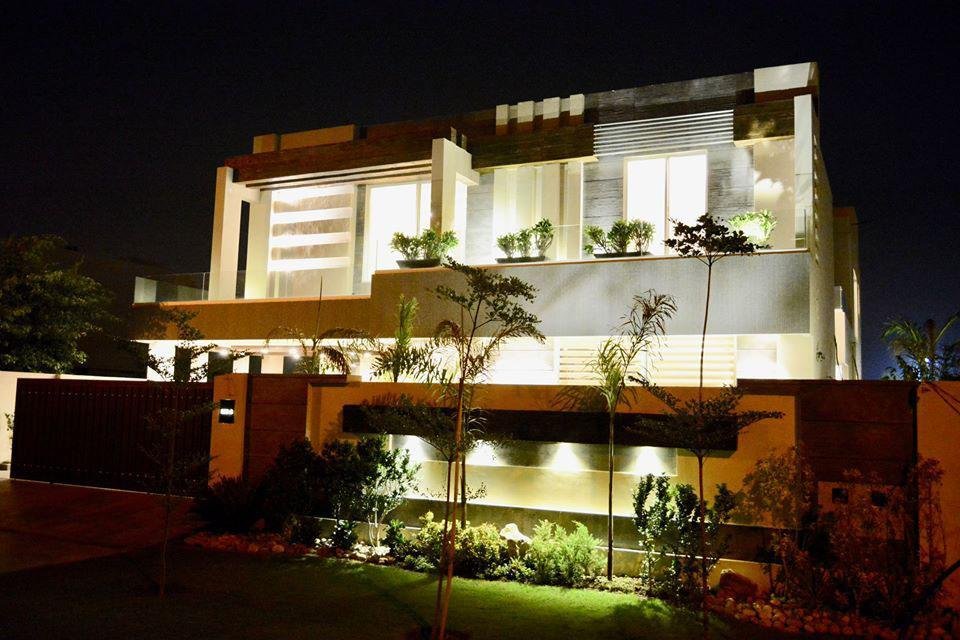
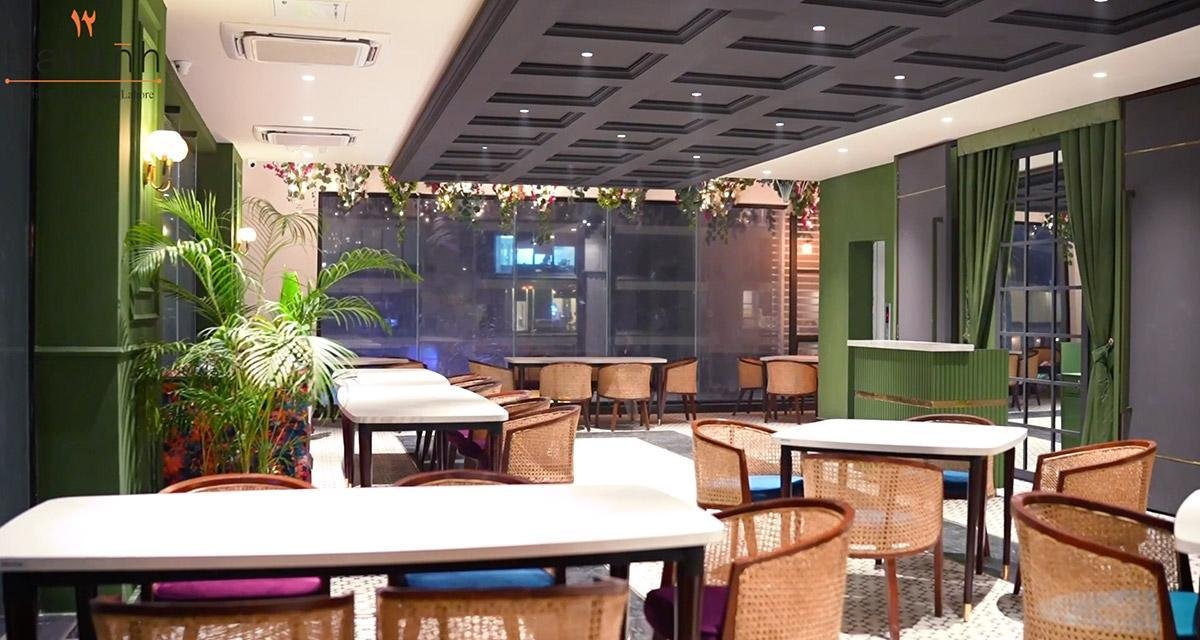
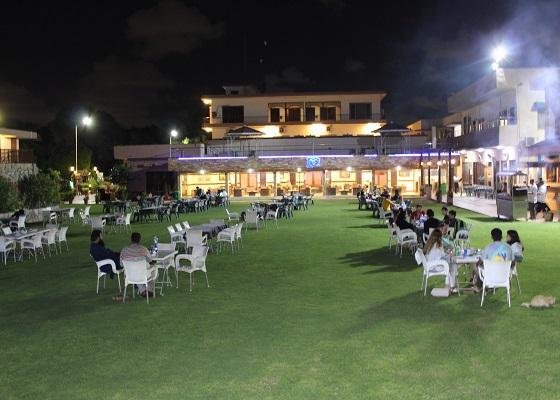
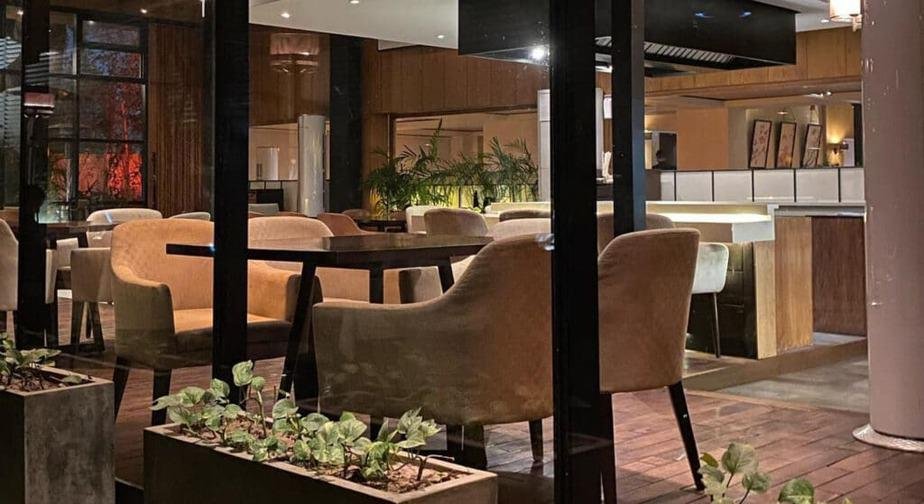
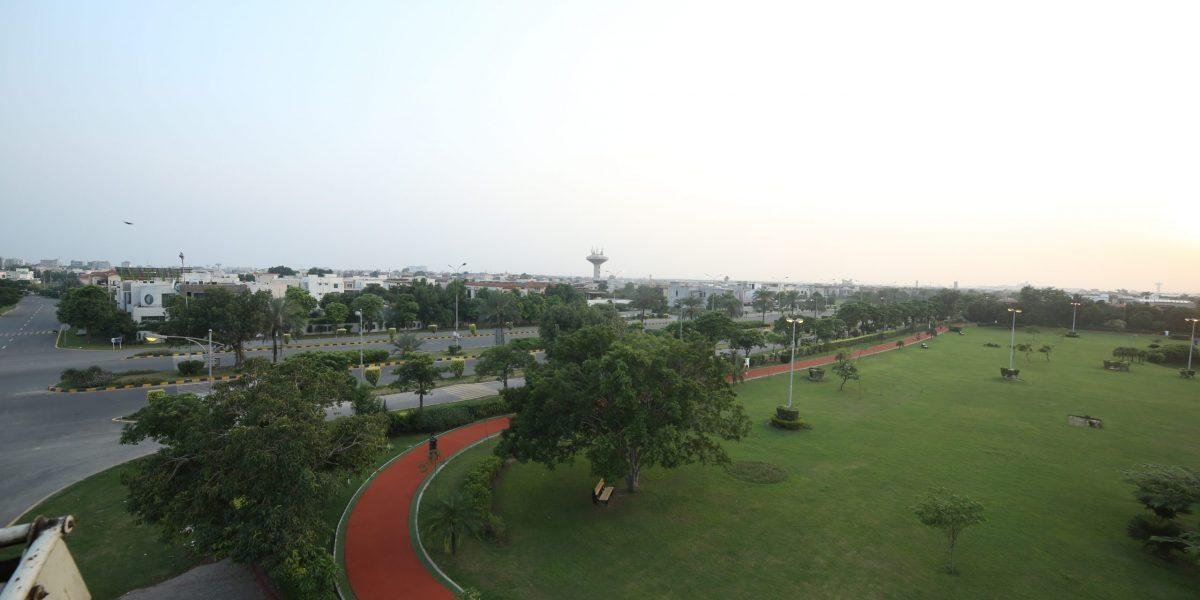
Modern Lahore presents a very different identity compared to the old city districts. Areas such as Gulberg and Defence Housing Authority showcase the city’s contemporary urban culture through modern restaurants, shopping avenues, rooftop cafes, and commercial boulevards.
Gulberg
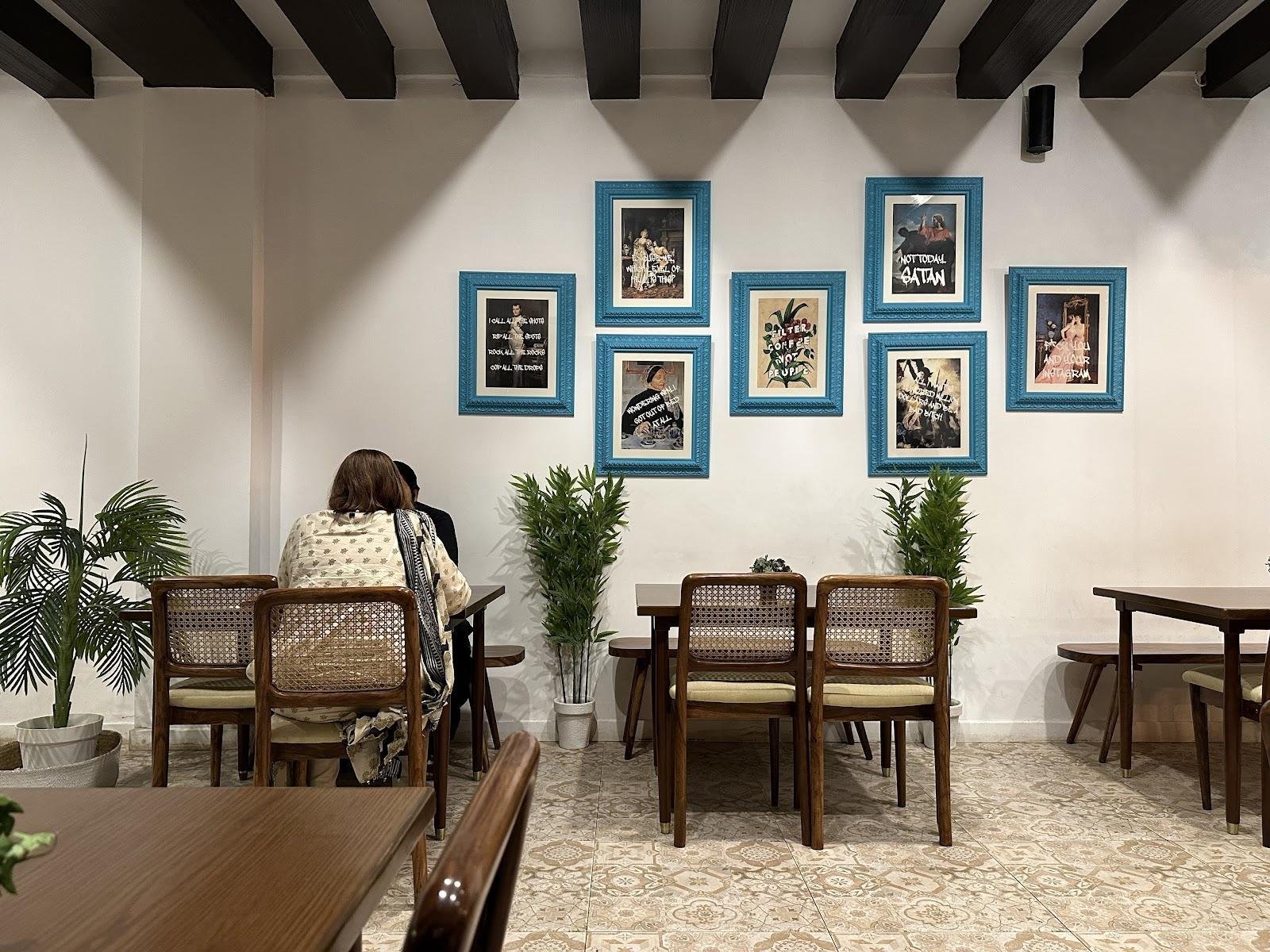
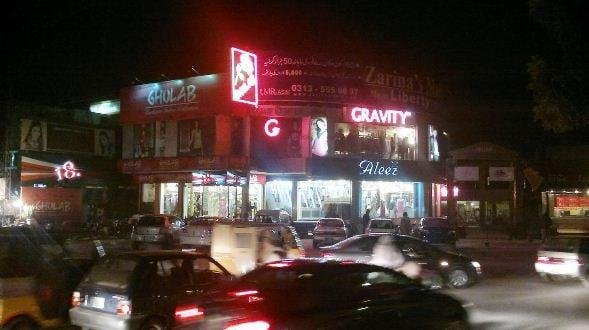
Gulberg remains one of Lahore’s busiest commercial neighborhoods. The district is known for:
- modern restaurants
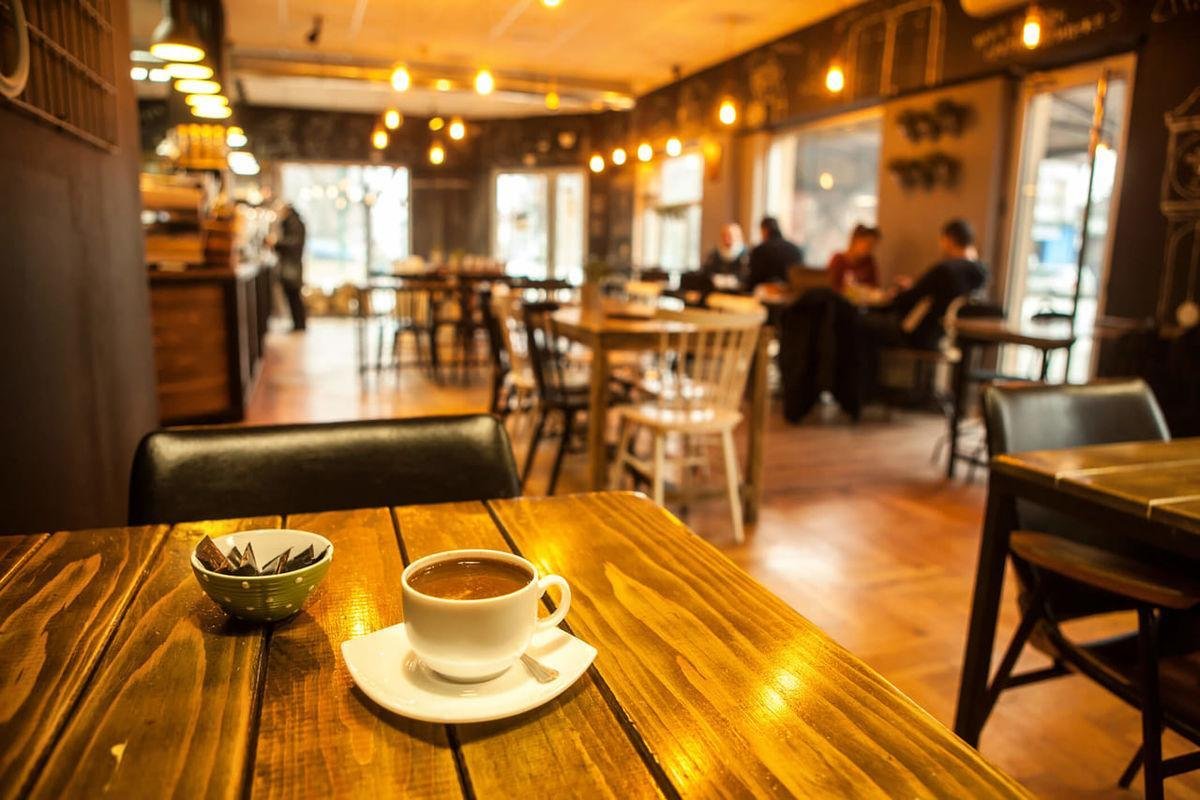
- cafes and dessert shops
- boutique stores
- nightlife
- rooftop dining
MM Alam Road becomes especially active during evenings, attracting both locals and visitors.
DHA Lahore
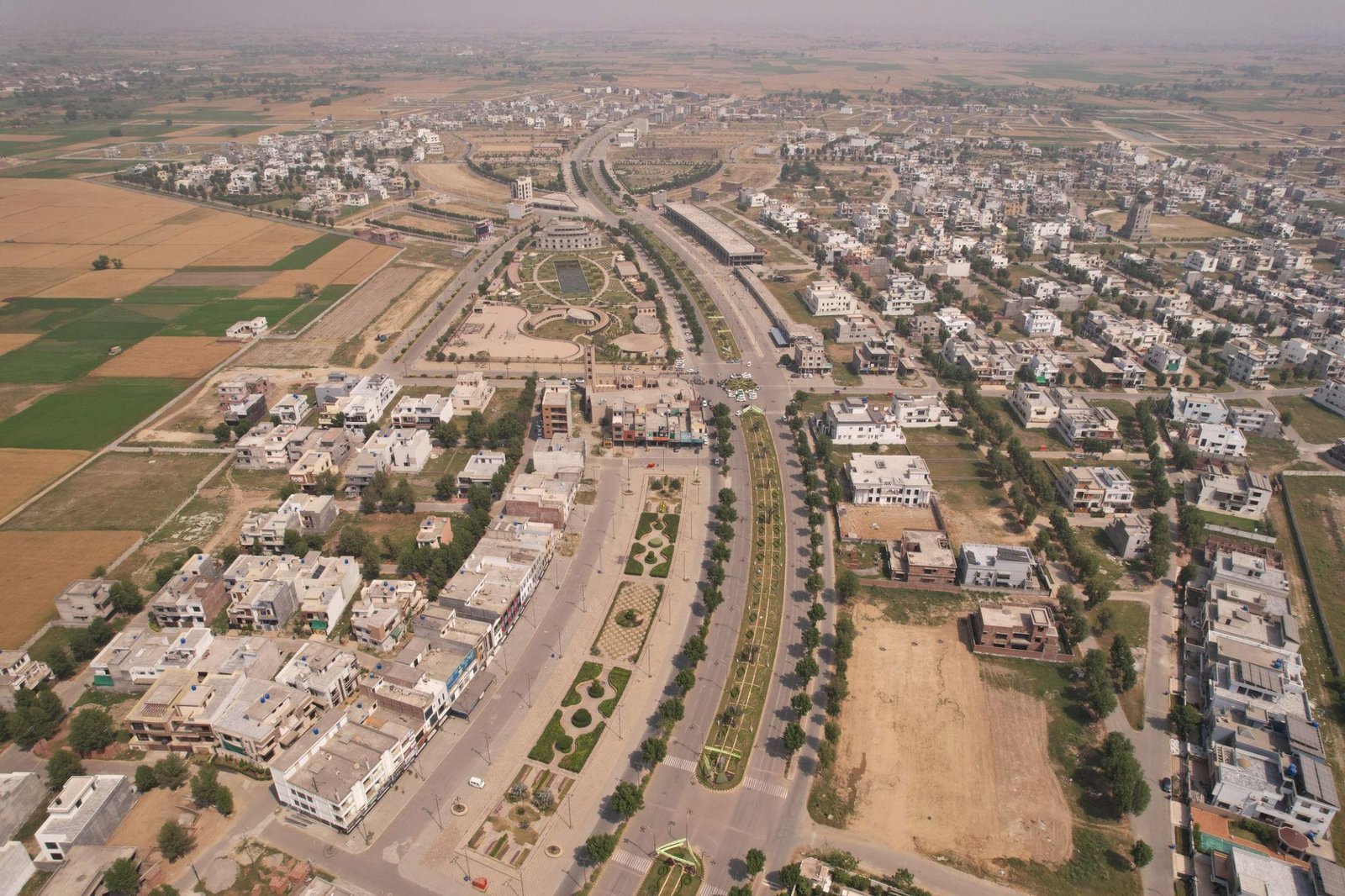
DHA offers a quieter and more spacious environment. Wide roads, organized residential sectors, and newer commercial spaces make it popular among long-term travelers and families.
Travelers often choose DHA for:
- modern accommodations
- international cuisine
- quieter surroundings
- easier late-night movement
- upscale cafes and restaurants
Getting to Lahore
Lahore is one of Pakistan’s most accessible cities and can be reached by air, road, and rail.
By Air
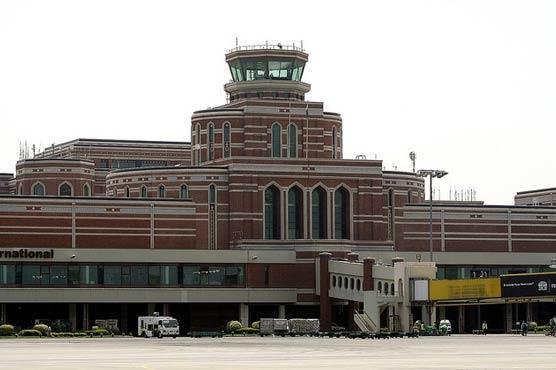
Allama Iqbal International Airport handles domestic and international flights from major cities across the Middle East, Asia, and Pakistan.
By Train
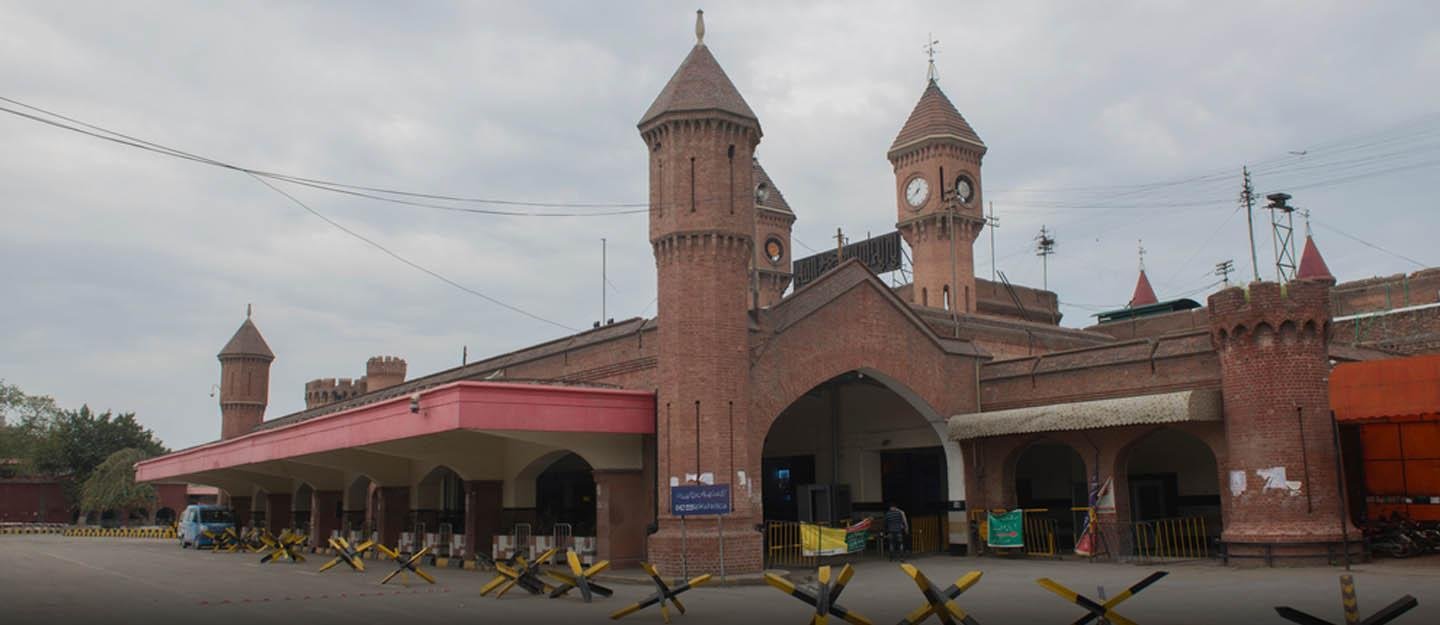
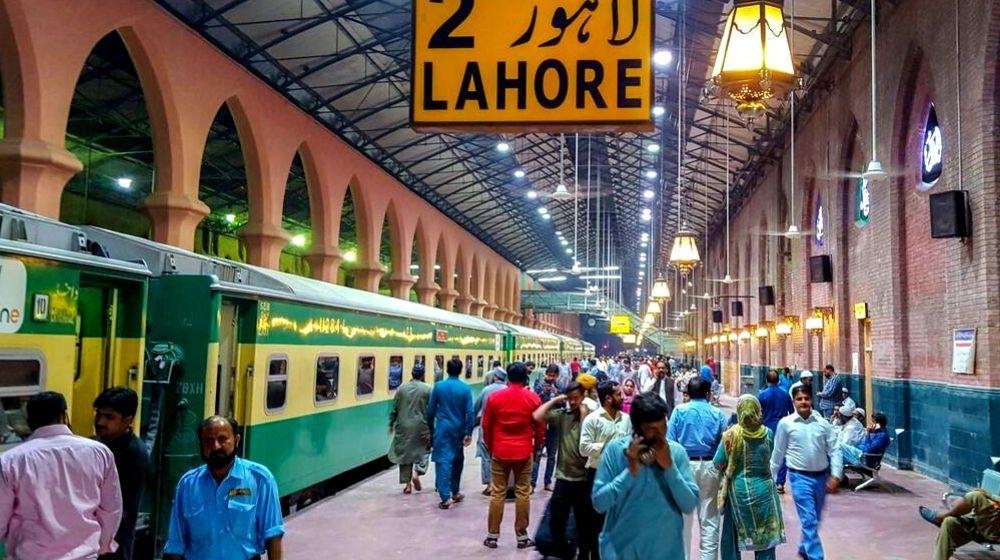
Pakistan Railways connects Lahore with:
- Karachi
- Islamabad
- Rawalpindi
- Multan
- Faisalabad
- Peshawar
Train travel remains a popular experience for domestic travelers.
By Road
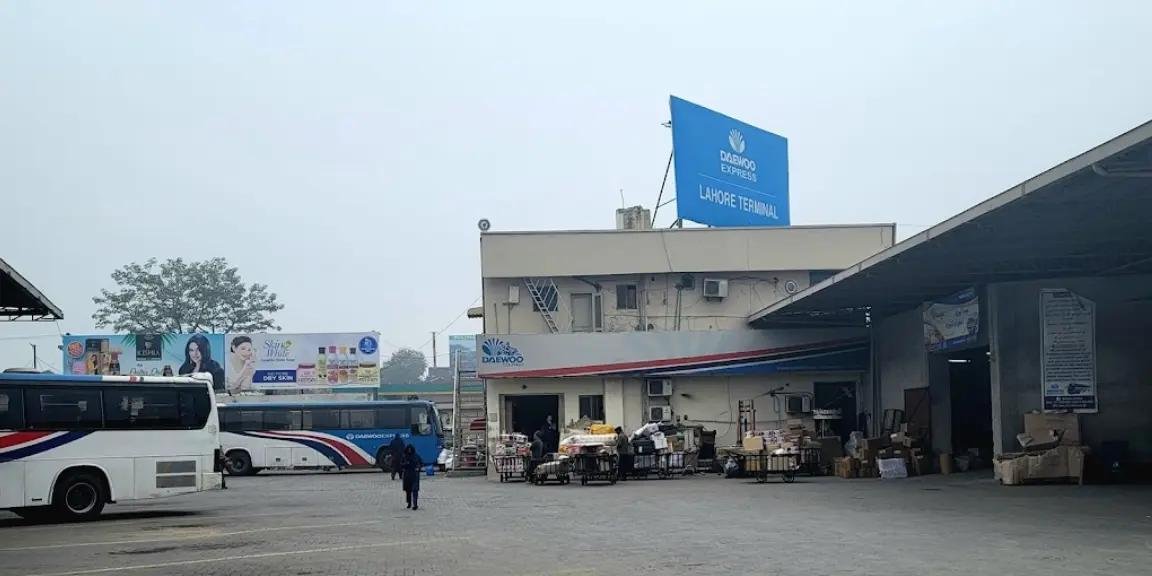
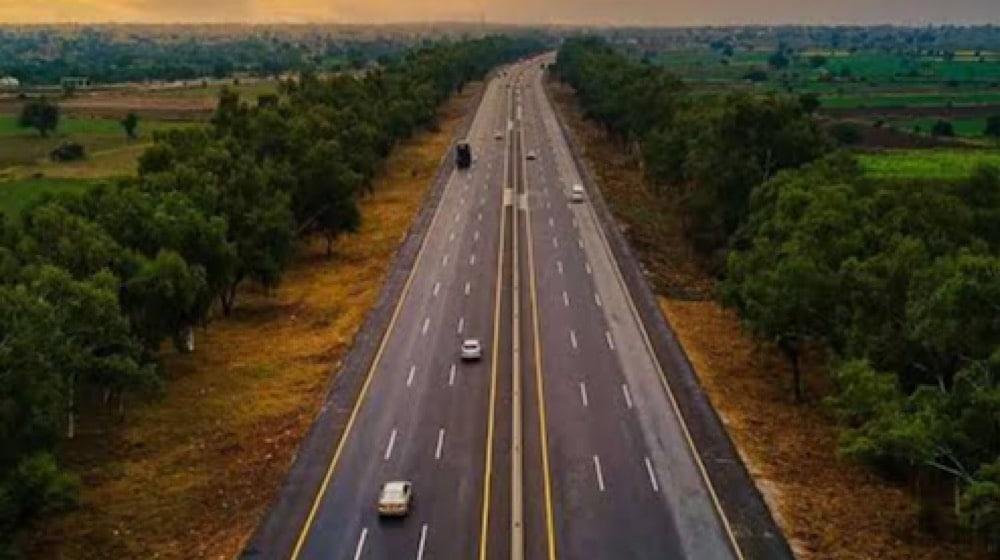
The M-2 Motorway connects Lahore with Islamabad, while luxury bus services operate from most major Pakistani cities.
Getting Around Lahore
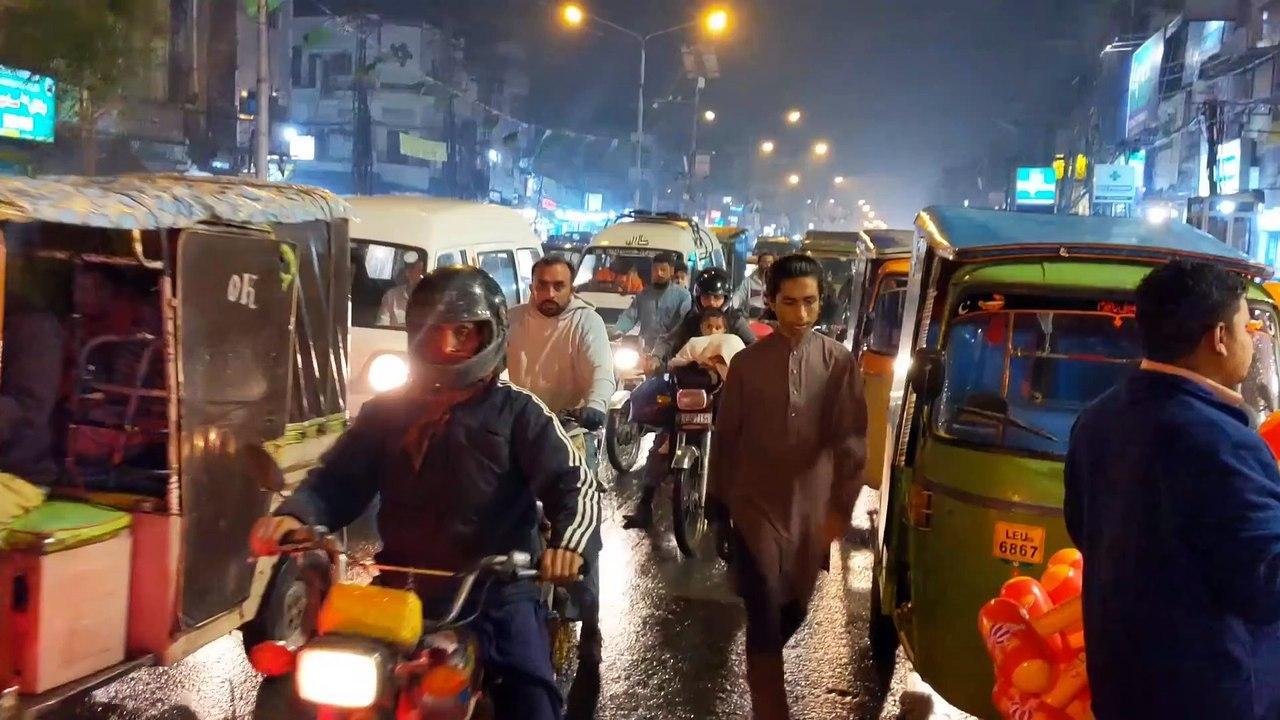
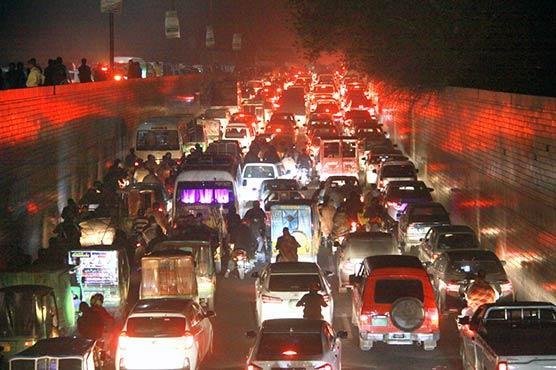
Traffic congestion is common in Lahore, especially during peak evening hours. However, several transportation options are available for visitors.
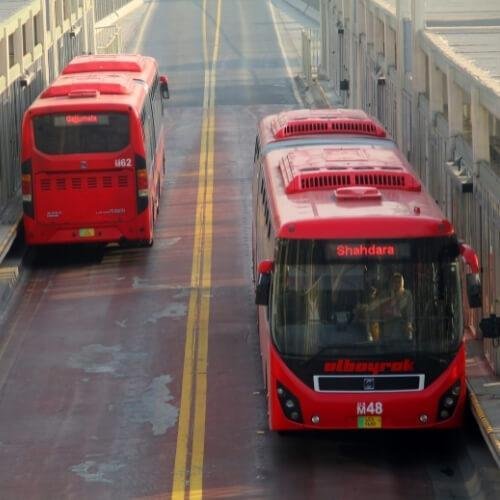
Metro Bus
The Lahore Metrobus offers affordable transportation through dedicated bus lanes.
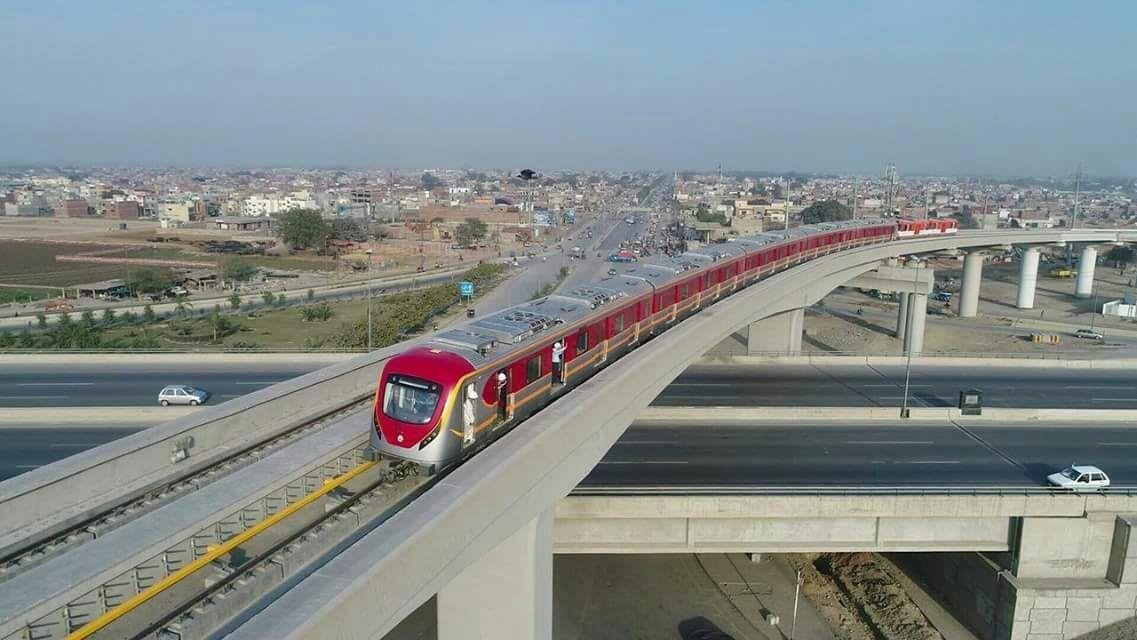
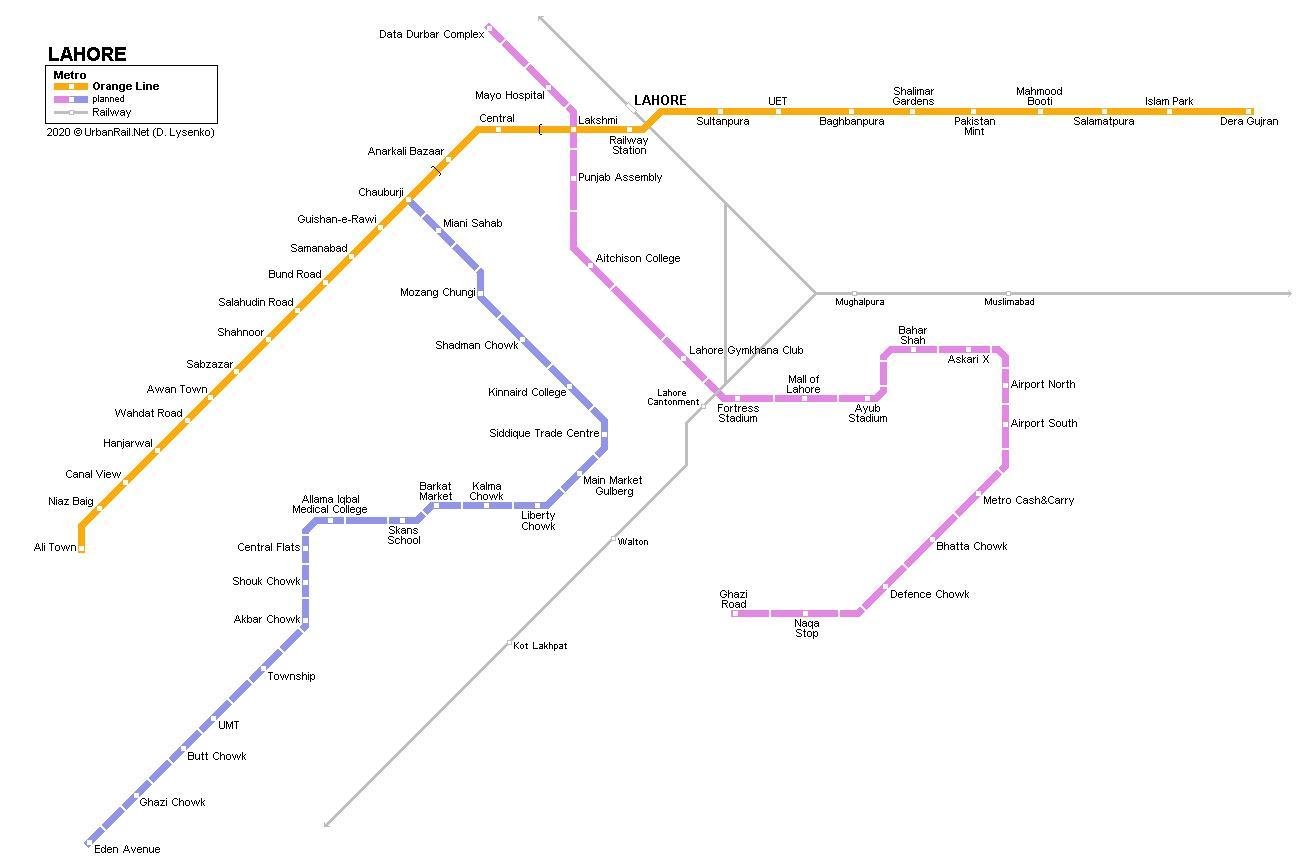
Orange Line Metro Train
The Orange Line Metro Train is Pakistan’s first metro rail system and connects important districts across the city.
Ride-Hailing Apps
Careem and Uber remain the easiest transportation options for tourists unfamiliar with Lahore.
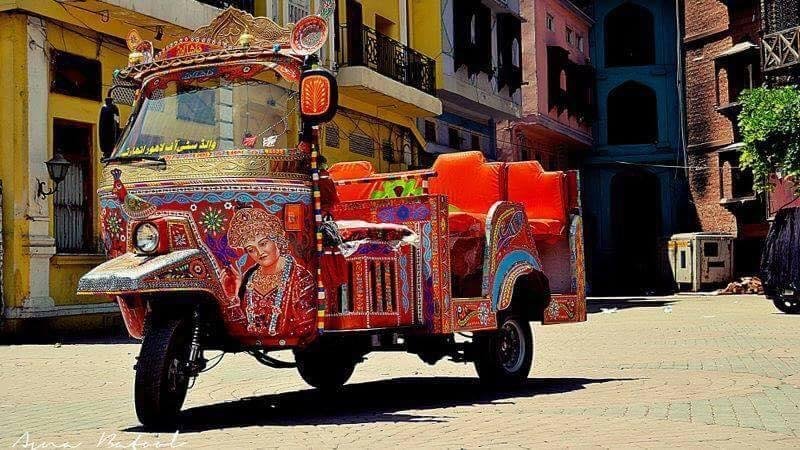
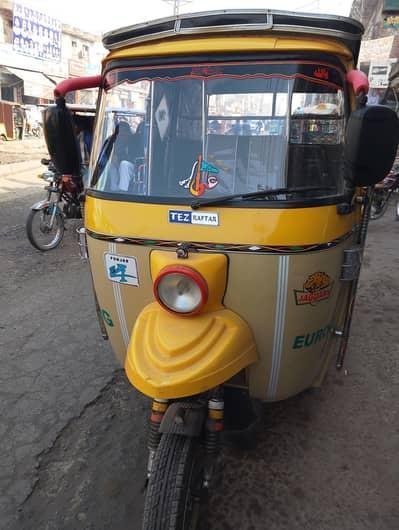
Rickshaws
Rickshaws are useful for short distances, particularly within crowded older districts.
Best Time to Visit Lahore
The ideal period to visit Lahore is between October and March when temperatures become significantly cooler.
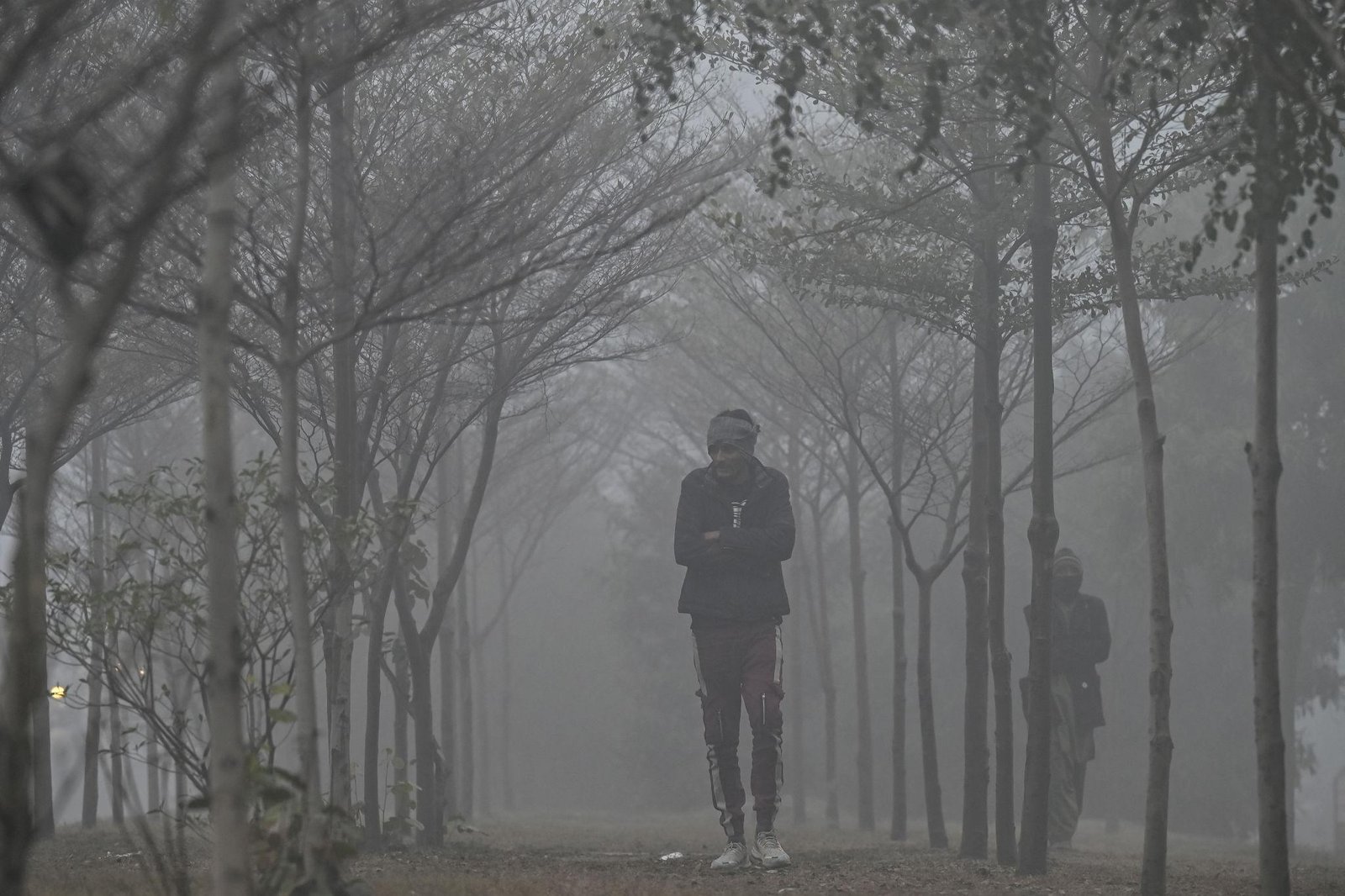
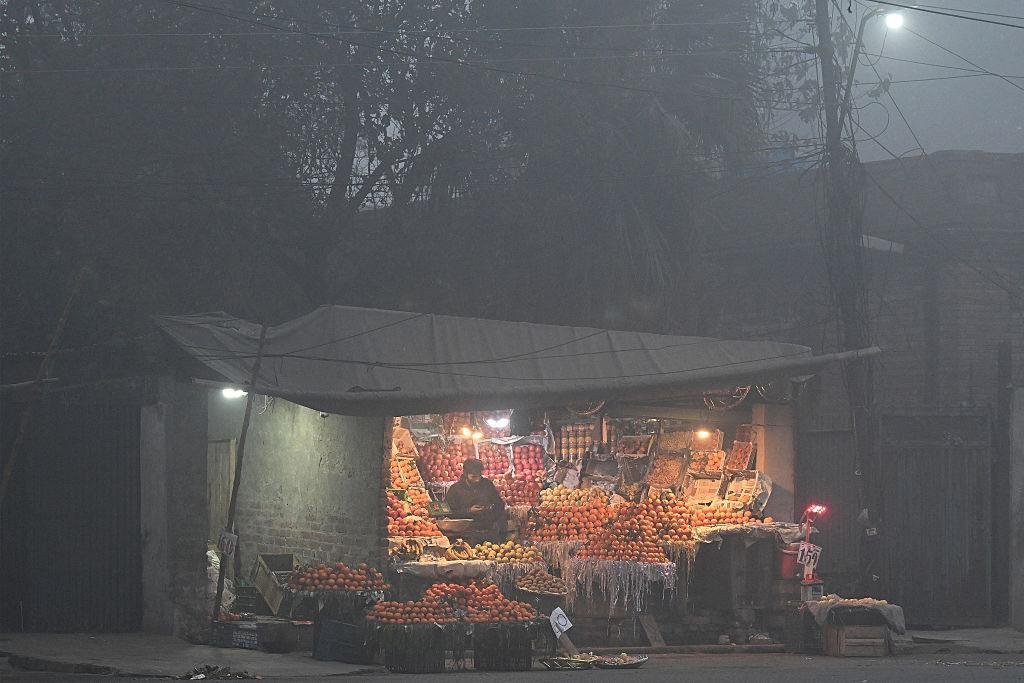
Winter (November–February)
Winter is considered the best season for sightseeing. Foggy mornings and cool evenings create a distinctive atmosphere around historical monuments.
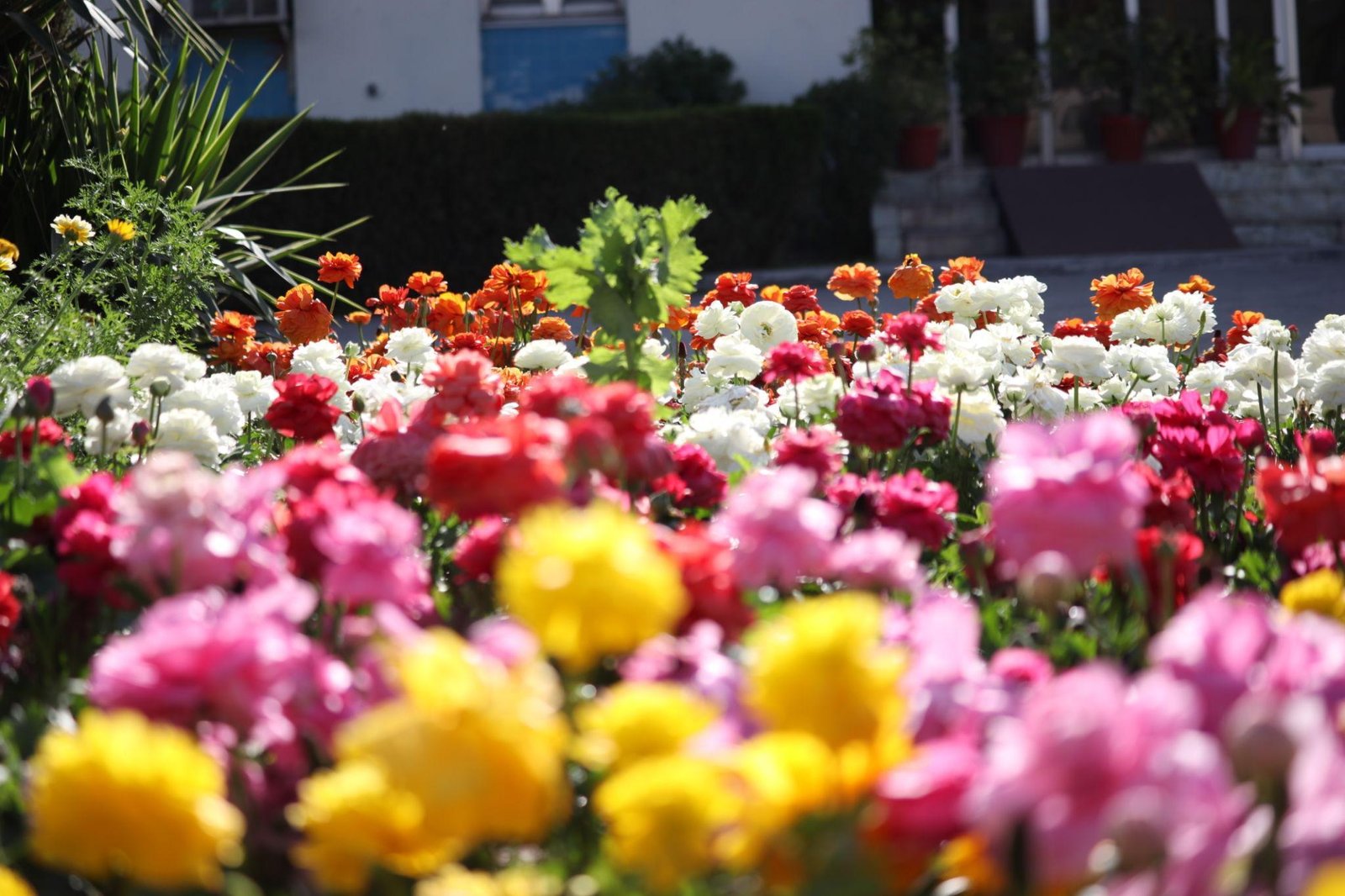
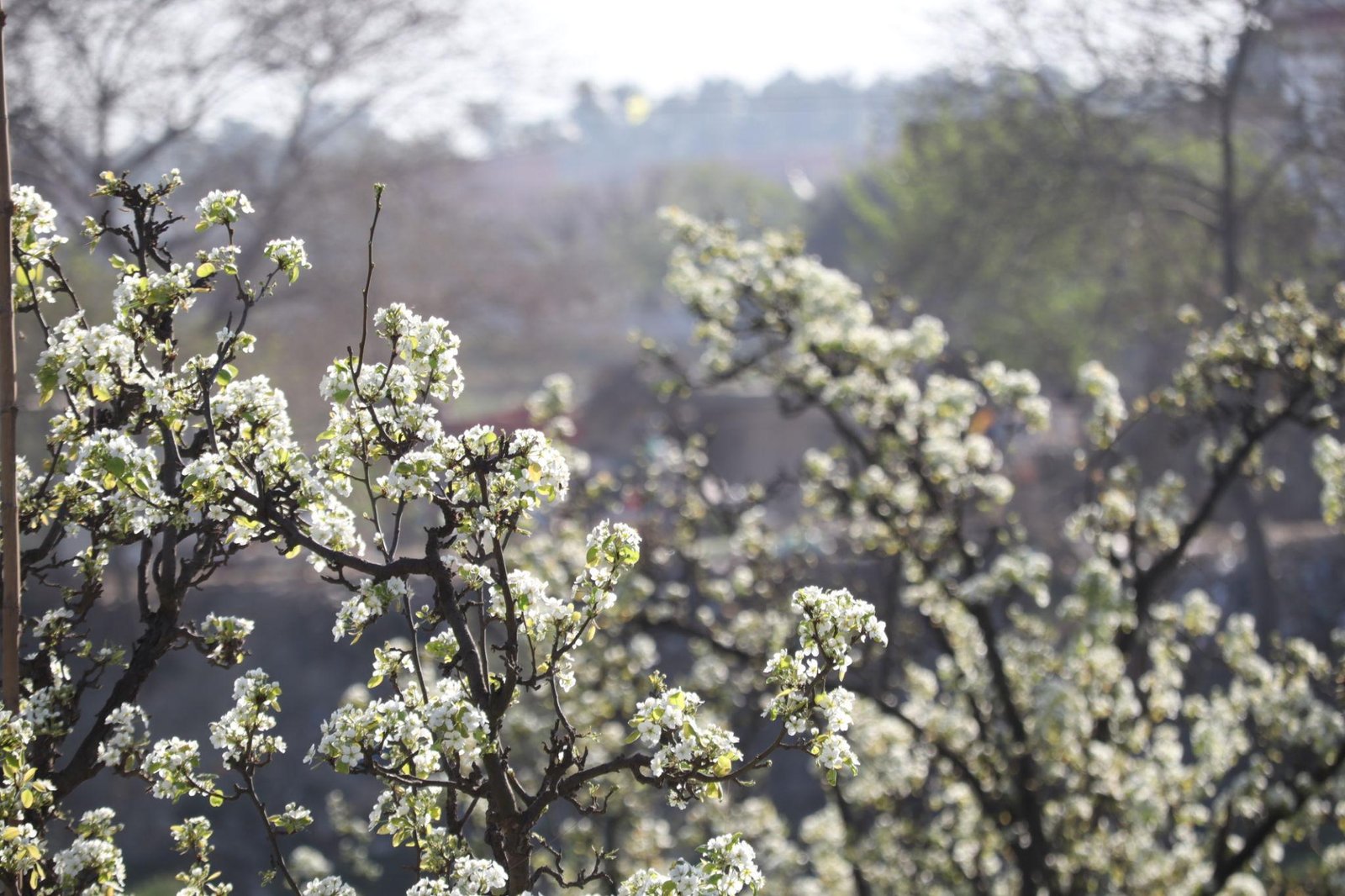
Spring (March–April)
Spring brings blooming gardens and moderate weather conditions, making it one of the city’s most visually appealing seasons.
Summer (May–August)
Summers are extremely hot, often exceeding 40°C during daytime hours.
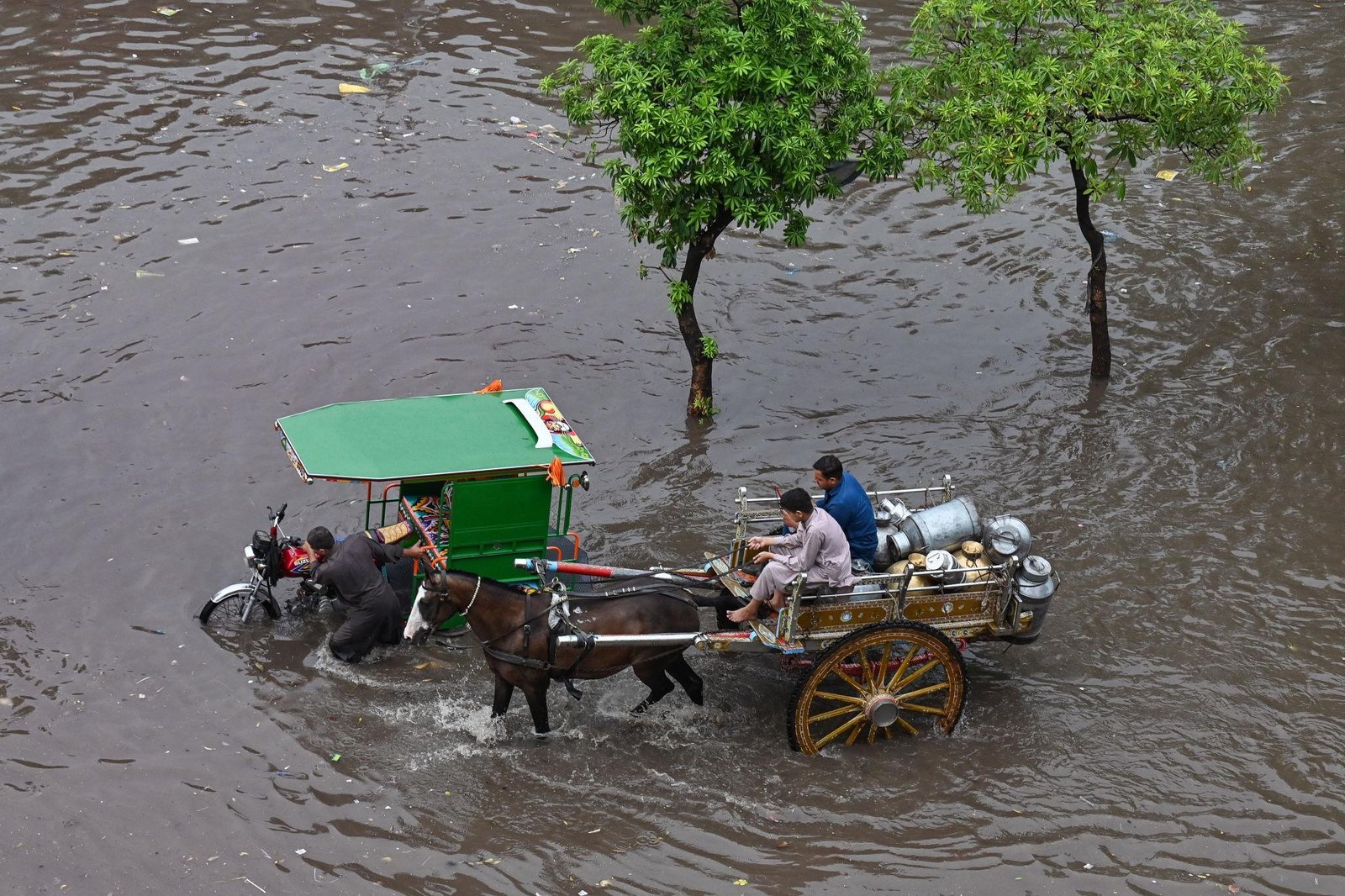
Monsoon Season
Heavy rains occasionally disrupt traffic but temporarily cool the city.
Where to Stay in Lahore
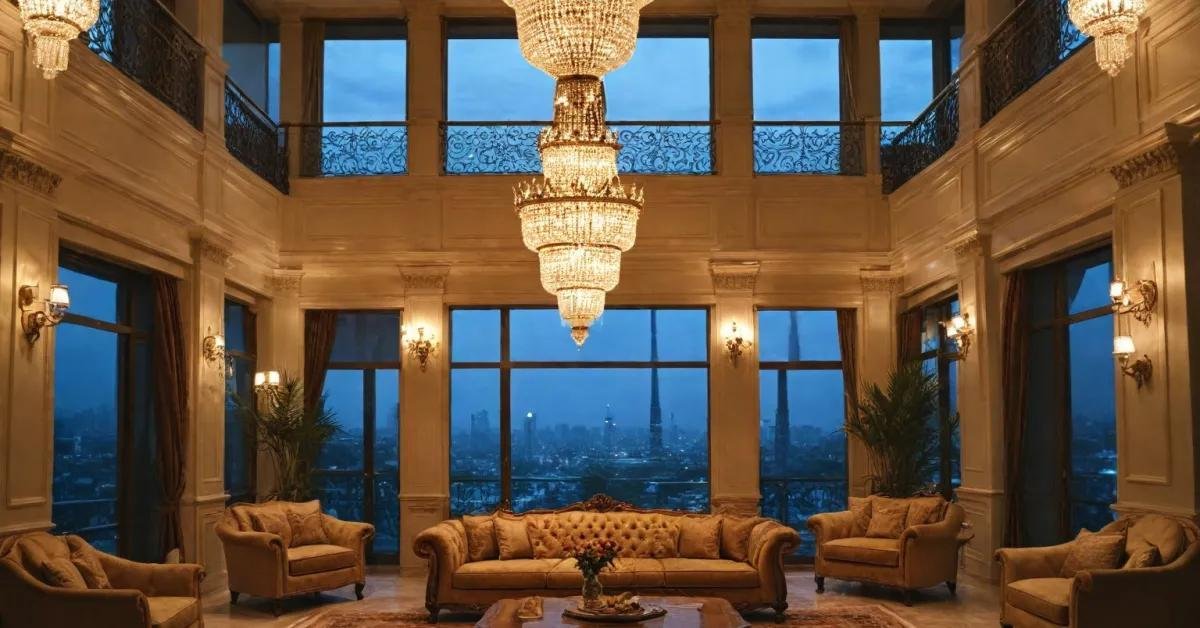
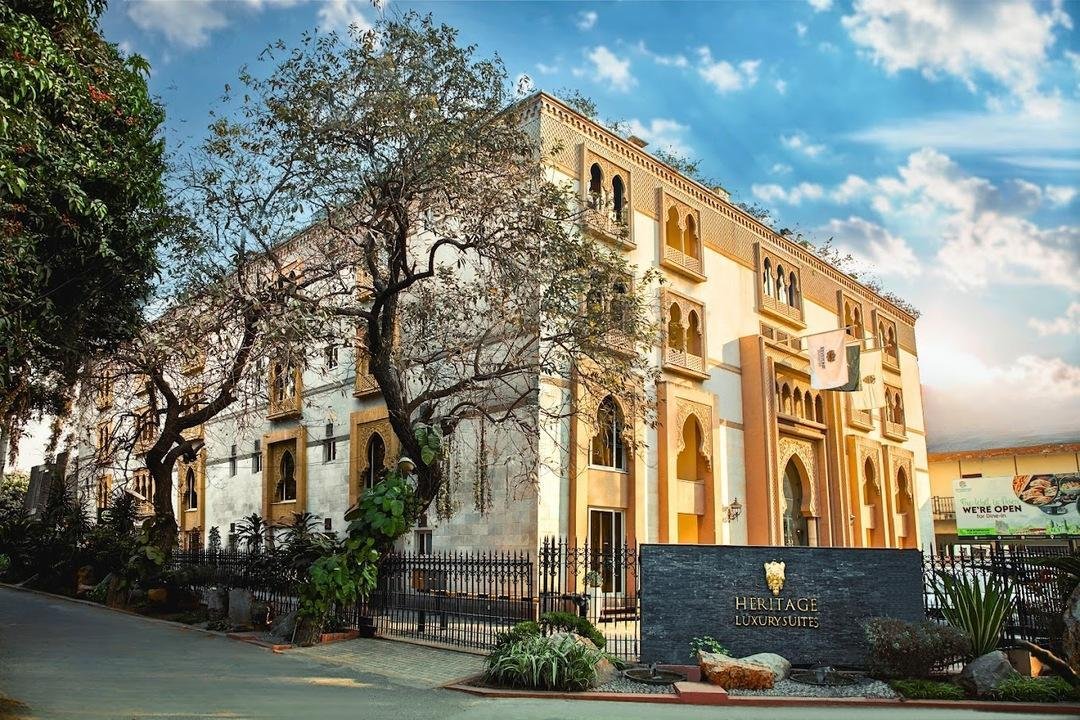
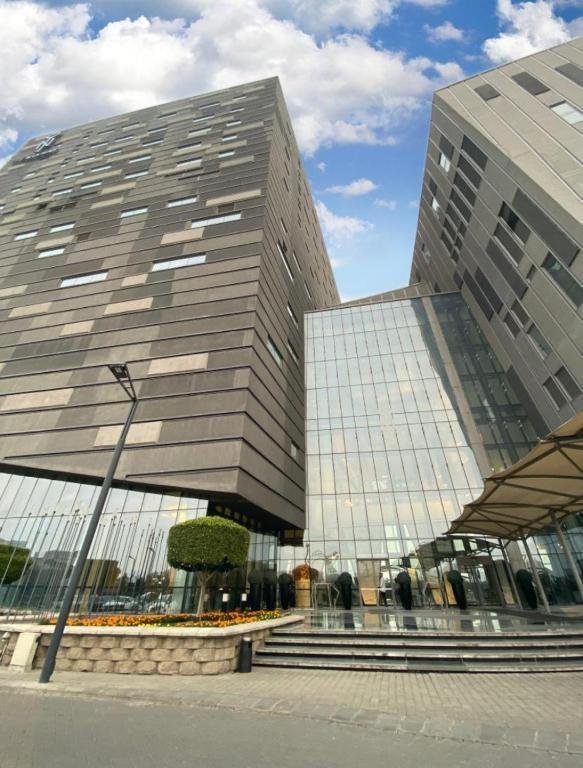
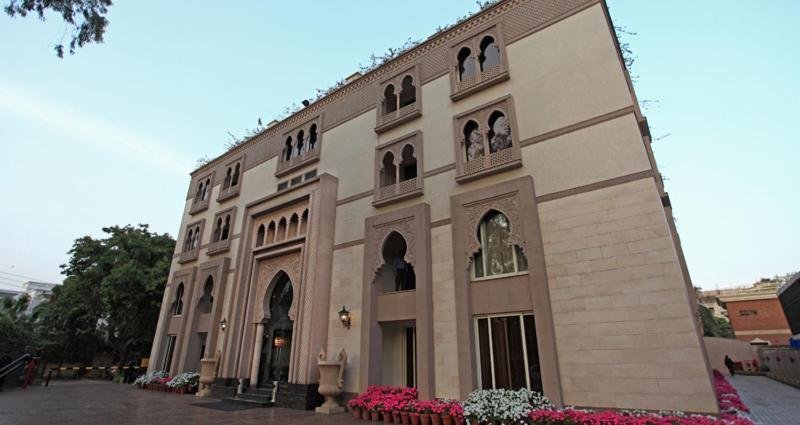
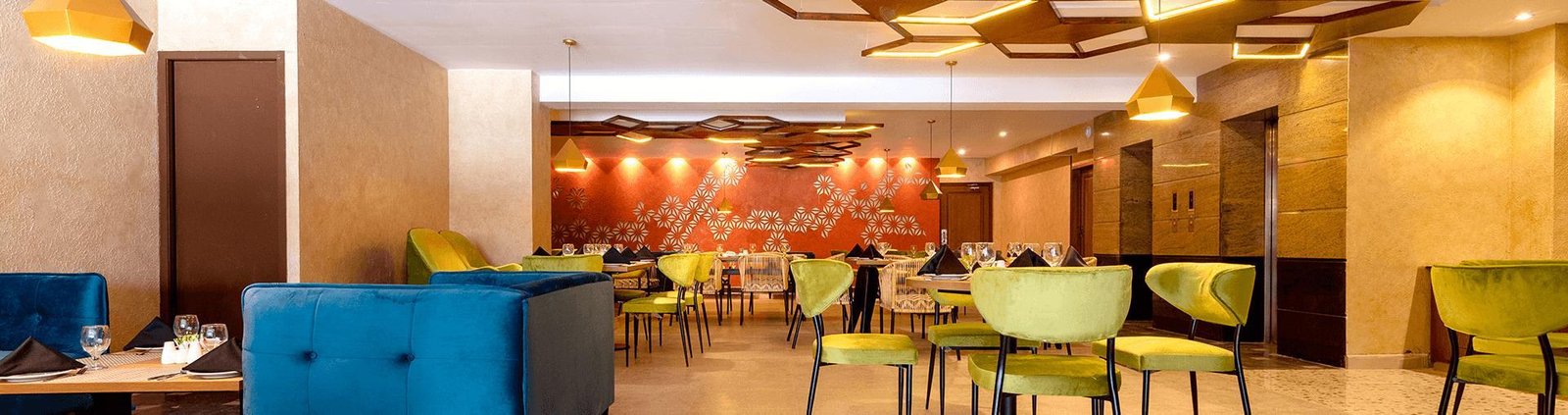
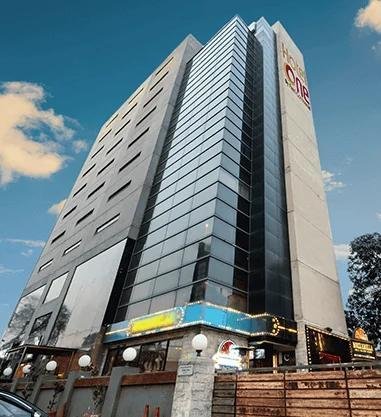
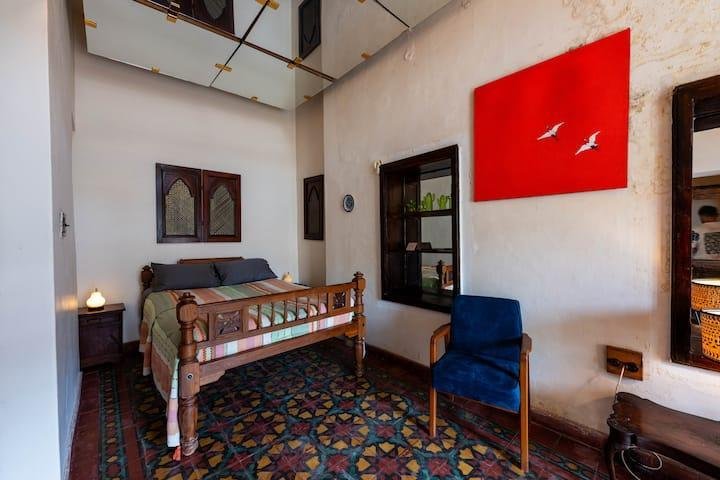
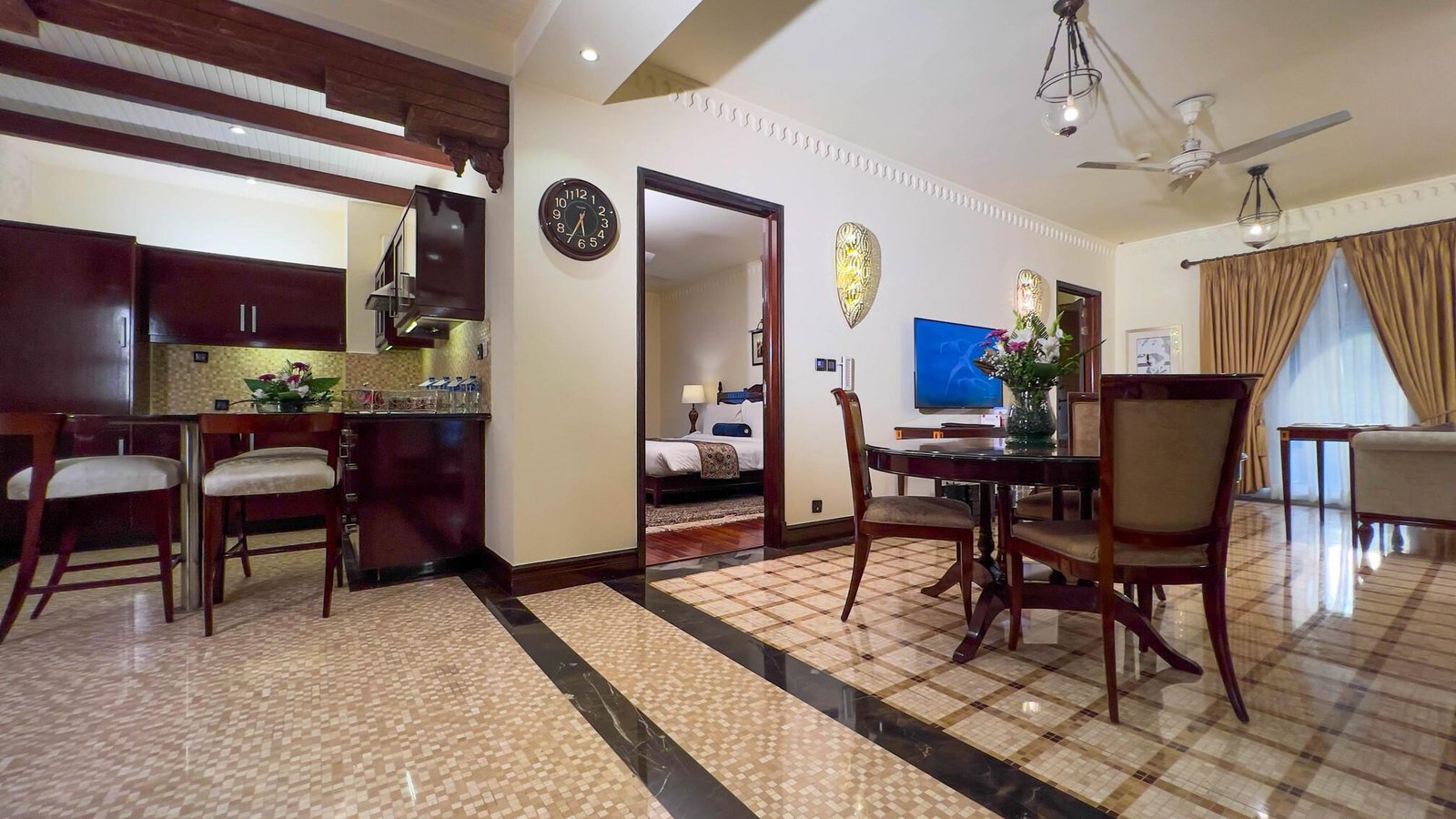
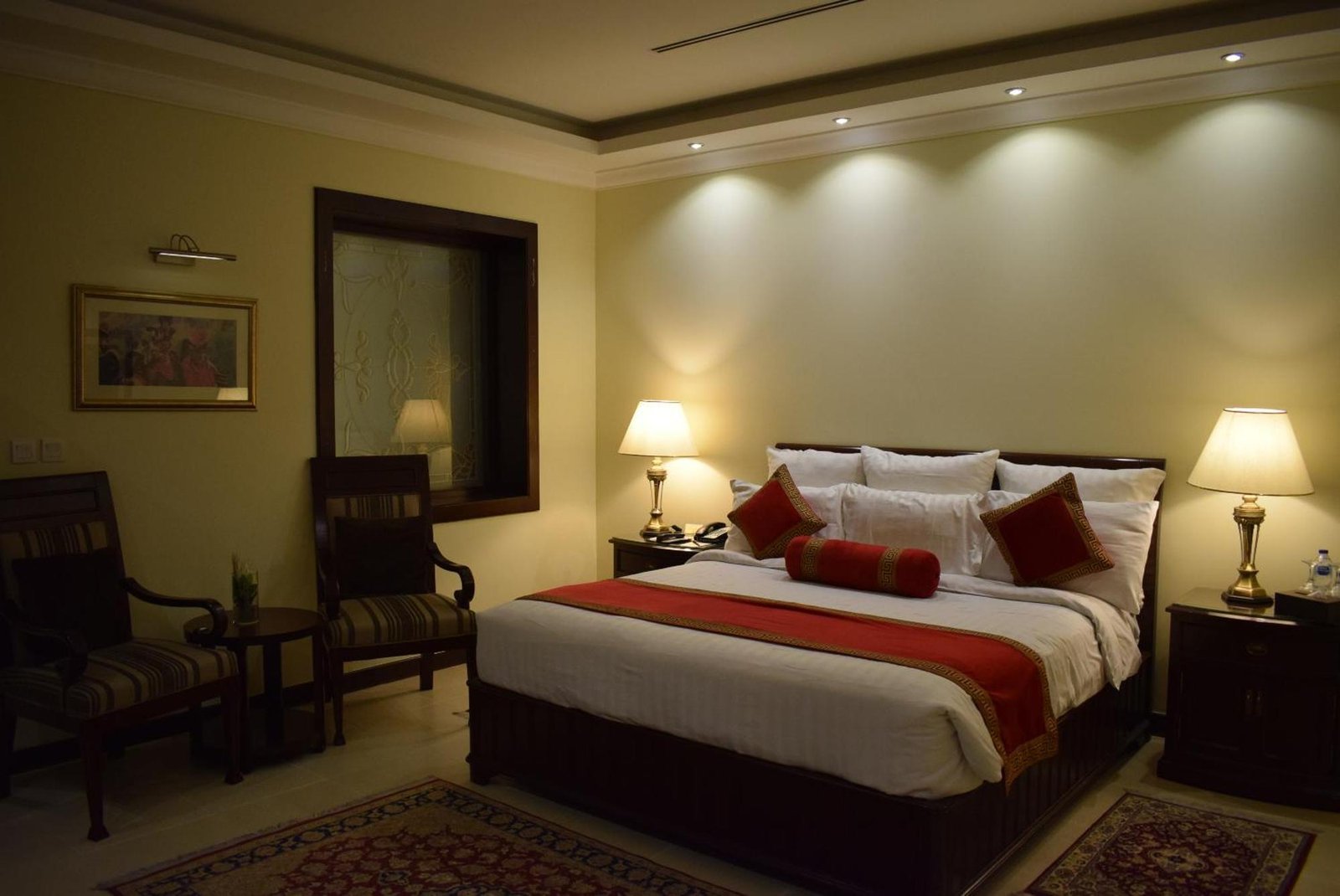
Lahore offers accommodations ranging from budget guesthouses to luxury international hotels.
Luxury Hotels
Popular options include:
- Pearl Continental Hotel Lahore
- Avari Lahore
- Nishat Hotel
Boutique Hotels
Gulberg and DHA contain many modern boutique accommodations ideal for mid-range travelers.
Budget Stays
Affordable guesthouses are available near:
- the railway station
- old city districts
- central commercial areas
Practical Travel Tips
- Carry cash for smaller markets and food stalls
- Dress modestly near religious sites
- Avoid peak traffic hours
- Stay hydrated during summer
- Use ride-hailing apps for easier navigation
- Ask permission before photographing people
Safety
Most tourist districts in Lahore remain active and generally safe during daytime and evening hours. Standard travel precautions are still recommended.
Frequently Asked Questions
Is Lahore safe for tourists?
Yes. Lahore is generally considered one of Pakistan’s safest major cities for tourism.
How many days should I spend in Lahore?
Three to five days are ideal for experiencing the city comfortably.
What is Lahore famous for?
Lahore is famous for:
- Mughal architecture
- food culture
- historical bazaars
- literature and arts
- colonial heritage
What foods should visitors try?
Popular dishes include:
- Nihari
- Paya
- Seekh Kebab
- Lassi
- Lahori chargha
What is the best season for photography in Lahore?
Winter mornings and spring evenings provide the best lighting and weather conditions for photography.

![K2 Base Camp Trek: Ultimate Guide k2 Trek 2026 [UPDATED]](https://karakoramdiaries.com/storage/ultimate-guide-to-k2-base-camp-trek-full-document-150x150.png)