Swat Valley Tour Guide: Kalam, Malam Jabba, and Beyond
Swat Valley is one of Pakistan’s most accessible and diverse mountain destinations. Located in the northern part of Khyber Pakhtunkhwa, the valley combines:
- Dense pine forests
- Alpine rivers
- High-altitude lakes
- Ski slopes
- Buddhist archaeological sites
- Traditional Pashtun culture
Stretching from the lower plains near Chakdara to the glacial valleys above Kalam, Swat offers a rare combination of:
- Adventure travel
- Family tourism
- Cultural exploration
- Road trip experiences
- Trekking opportunities
Unlike the harsher terrain of Gilgit Baltistan, Swat remains relatively easy to access year-round while still offering dramatic mountain scenery and authentic highland culture.
For many travelers, Swat serves as the perfect introduction to northern Pakistan because it combines:
- Good road infrastructure
- Developed tourism facilities
- Beautiful landscapes
- Historical depth
- Lower travel costs compared to Hunza or Skardu
This complete guide covers everything you need to know about Swat Valley including:
- Transportation
- Best places to visit
- Hotels
- Trekking
- Food
- Skiing
- Buddhist heritage sites
- Practical travel tips
Understanding Swat Valley
Swat Valley lies in northern Khyber Pakhtunkhwa and follows the course of the Swat River from the glaciers near Kalam down toward the plains around Chakdara.
The valley is surrounded by:
- Dir District
- Chitral
- Shangla
- Kohistan regions
The geography changes significantly as travelers move northward.
Table of contents [Show]
- The State of Swat
- Pashtun Culture in Swat
- By Road from Islamabad
- By Road from Peshawar
- Transport Within Swat
- Swat Museum
- Mingora Bazaar
- Bahrain
- Trout Restaurants in Bahrain
- Madyan
- Exploring Kalam Town
- Riverside Atmosphere in Kalam
- Best Time to Visit Kalam
- Winter in Kalam
- Journey from Kalam to Mahodand Lake
- Landscape Around Mahodand Lake
- Camping at Mahodand Lake
- Trout Fishing at Mahodand
- Best Time to Visit Mahodand Lake
- Winter Access to Mahodand
- Exploring Ushu Forest
- Camping in Ushu Valley
- Trekking Around Falaksair
- Wildlife & Alpine Ecology
- Journey to Gabral Valley
- Trout Fishing in Gabral River
- Landscape of Utror Valley
- Traditional Villages & Local Culture
- Skiing in Malam Jabba
- Summer Tourism in Malam Jabba
- Zipline & Adventure Activities
- Historical Importance of Butkara
- Hiking to Jahanabad Buddha
- Hiking & Short Treks
- Camping in Upper Swat
- Jeep Adventures & Off-Road Travel
- Best Areas to Stay
- Spring (March to May)
- Summer (June to September)
- Autumn (October)
- Winter (December to February)
- Is Swat Valley safe for tourists?
- How many days are enough for Swat?
- What is Swat famous for?
- Which is better: Swat or Hunza?
-
Can families visit Swat Valley?
- Route
- Travel Time
- Things to Do
- Optional Stop
- Overnight
- Morning
- Afternoon
- Evening
- Overnight
- Morning Drive
- Explore
- Activities
- Evening
- Overnight
- Early Morning
- Activities
- Optional
- Overnight
- Option 1 — Gabral Valley
- Option 2 — Utror Valley
- Activities
- Overnight
- Morning
- Activities
- Winter Highlights
- Summer Highlights
- Overnight
- Morning
- Optional Stops
- Arrival
- Budget Travel
- Mid-Range Travel
- Luxury Travel
Lower Swat
Lower Swat around:
- Mingora
- Saidu Sharif
- Barikot
contains:
- Dense settlements
- Agricultural land
- Historical sites
- Commercial centers
Upper Swat
Upper Swat beyond:
- Bahrain
- Madyan
- Kalam
becomes increasingly alpine with:
- Pine forests
- Fast-flowing rivers
- Snow peaks
- Glacier-fed valleys
- High-altitude meadows
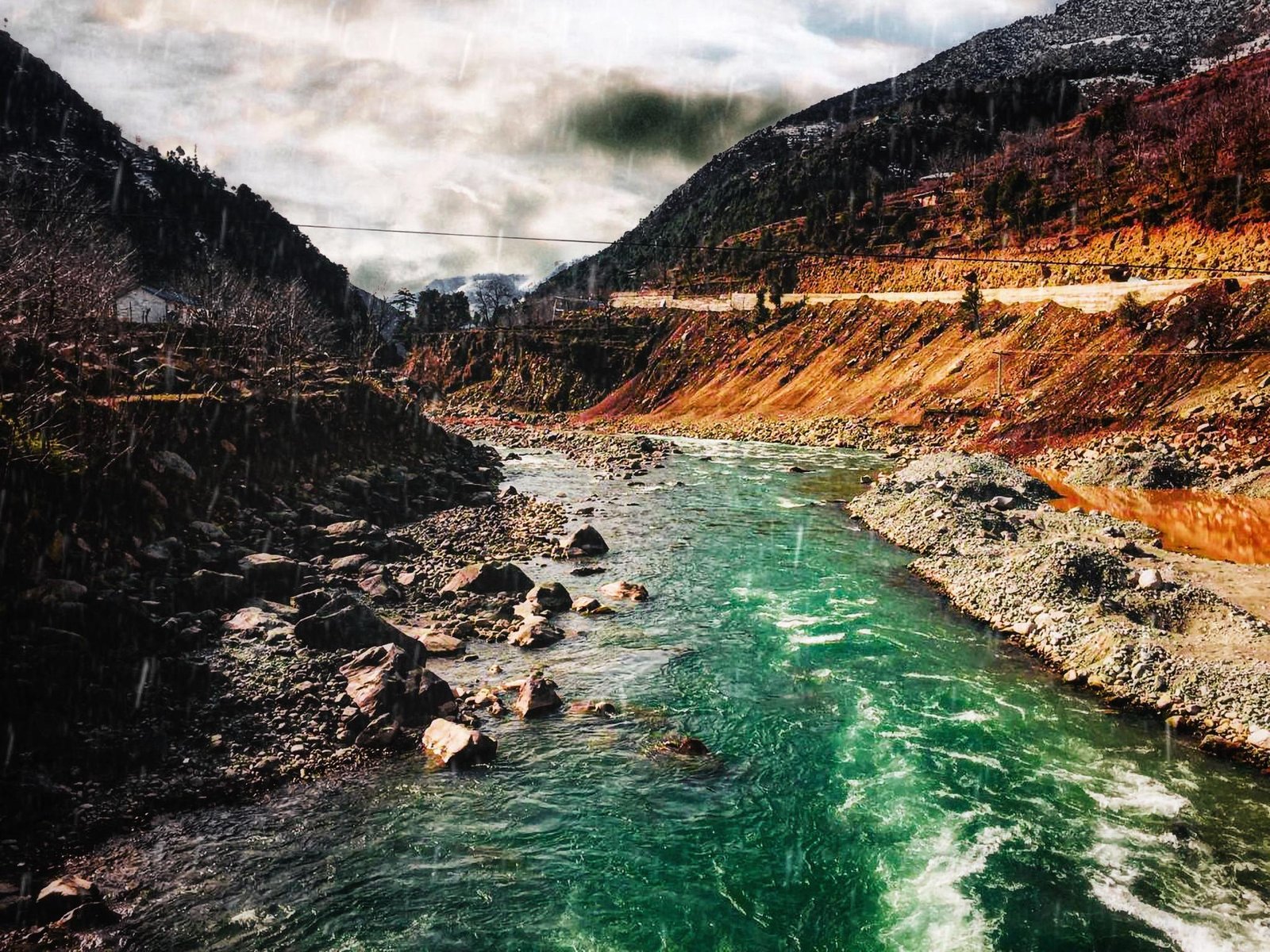
The Swat River itself remains the defining feature of the valley and is fed by:
- Ushu glaciers
- Utror glaciers
- Mahodand watershed systems
- Multiple alpine tributaries
History & Culture of Swat
Swat has one of the richest historical legacies in Pakistan.
The valley was once the center of the ancient Gandhara civilization and became a major Buddhist religious center between:
- The 2nd century BCE
- The 8th century CE
Hundreds of:
- Buddhist monasteries
- Stupas
- Rock carvings
- Archaeological remains
still survive throughout the valley.
Chinese Buddhist pilgrims including Xuanzang traveled through Swat and documented the region’s monasteries and learning centers during the 7th century.
The State of Swat
Before joining Pakistan in 1969, Swat operated as a princely state under the Wali of Swat.
During this period:
- Education expanded rapidly
- Roads were built
- Administrative systems developed
- Tourism infrastructure improved
Many older residents still refer positively to this era because of its strong governance and regional stability.
Pashtun Culture in Swat
The population of Swat is predominantly Pashtun and speaks:
- Pashto
- Urdu in tourist areas
Traditional values remain important, especially in rural areas.
Travelers should:
- Dress modestly
- Respect local customs
- Ask permission before photographing people
- Avoid photographing women directly
Hospitality is an important part of local culture and respectful visitors are generally welcomed warmly.
How to Reach Swat Valley
Swat is one of northern Pakistan’s easiest mountain destinations to access.
By Road from Islamabad
The most common route follows:
- M-1 Motorway
- Swat Motorway
- Chakdara route
Distance & Travel Time
- Islamabad to Mingora: approximately 260 km
- Travel time: 4 to 5 hours
Luxury buses and coasters operate daily from:
- Faizabad
- Pirwadhai terminals
Private vehicles are significantly more comfortable for families and long trips.
By Road from Peshawar
Peshawar to Mingora:
- Approximately 160 km
- Around 3 hours travel time
The drive passes through:
- Mardan
- Malakand Pass
- Chakdara
The Malakand Pass offers the first major mountain views entering Swat Valley.
Transport Within Swat
Shared transport operates between:
- Mingora
- Bahrain
- Madyan
- Kalam
However, upper valley travel often requires:
- Private jeeps
- 4x4 vehicles
- Local drivers
Especially for:
- Mahodand Lake
- Gabral Valley
- Ushu
- Utror
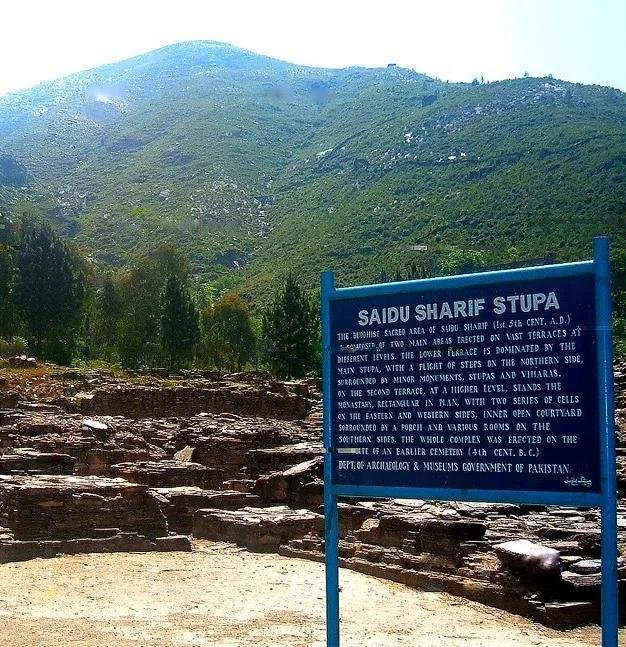
Mingora & Saidu Sharif
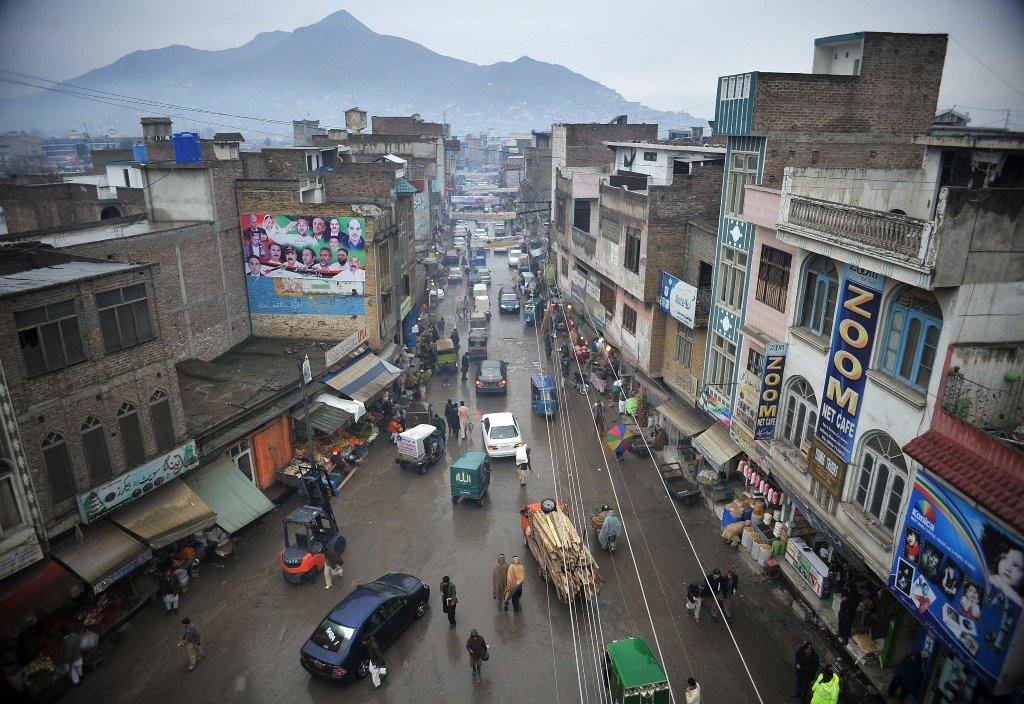
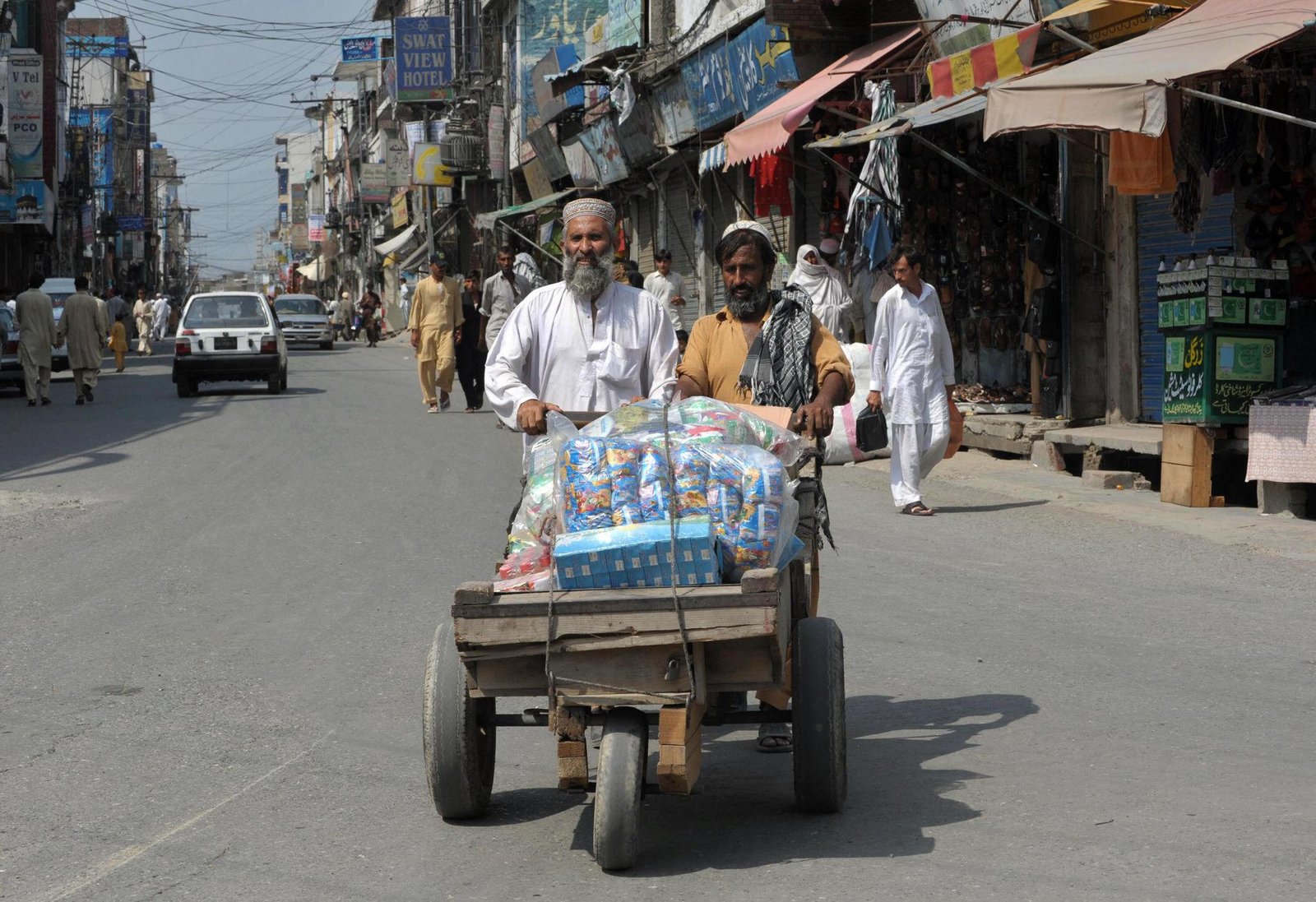
Mingora is the commercial heart of Swat Valley and serves as the primary entry point for most travelers arriving from Islamabad or Peshawar.
Although many visitors continue directly toward Kalam, Mingora contains several worthwhile attractions and remains the best location for:
- Banking
- Supplies
- Transport connections
- Shopping
- Administrative services
Nearby Saidu Sharif functions as the administrative capital of Swat District.
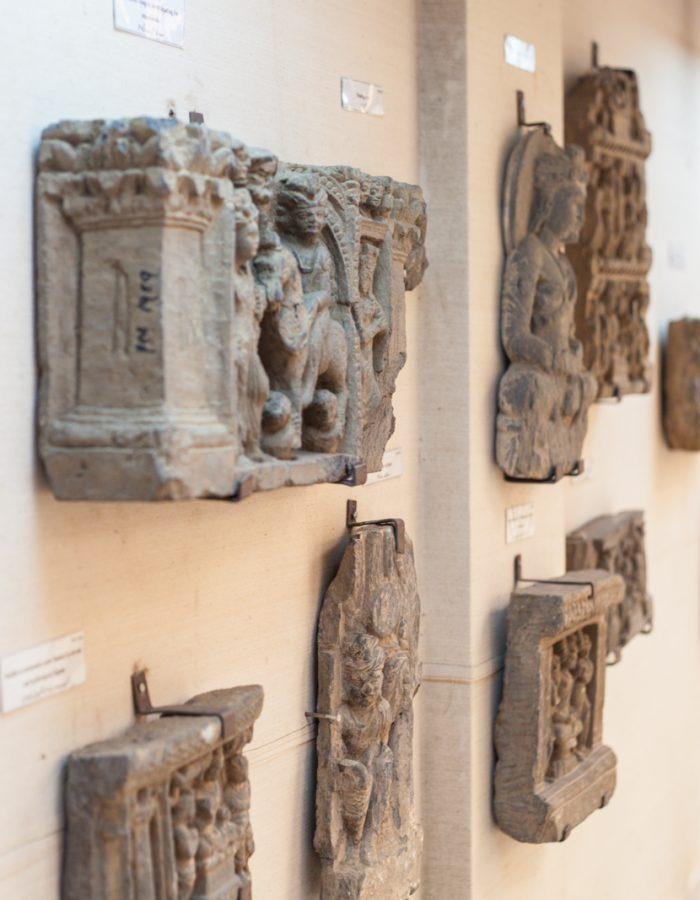
Swat Museum
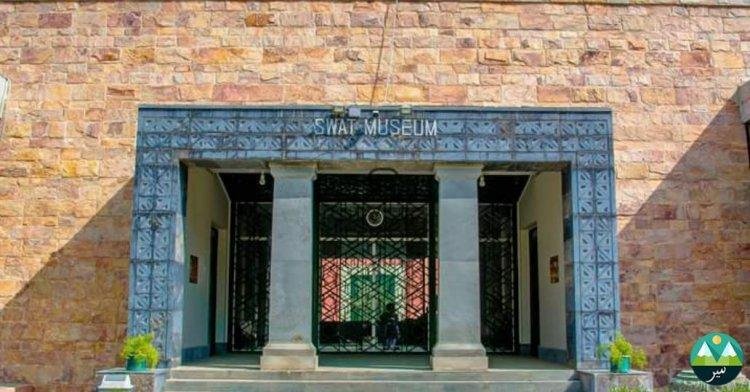
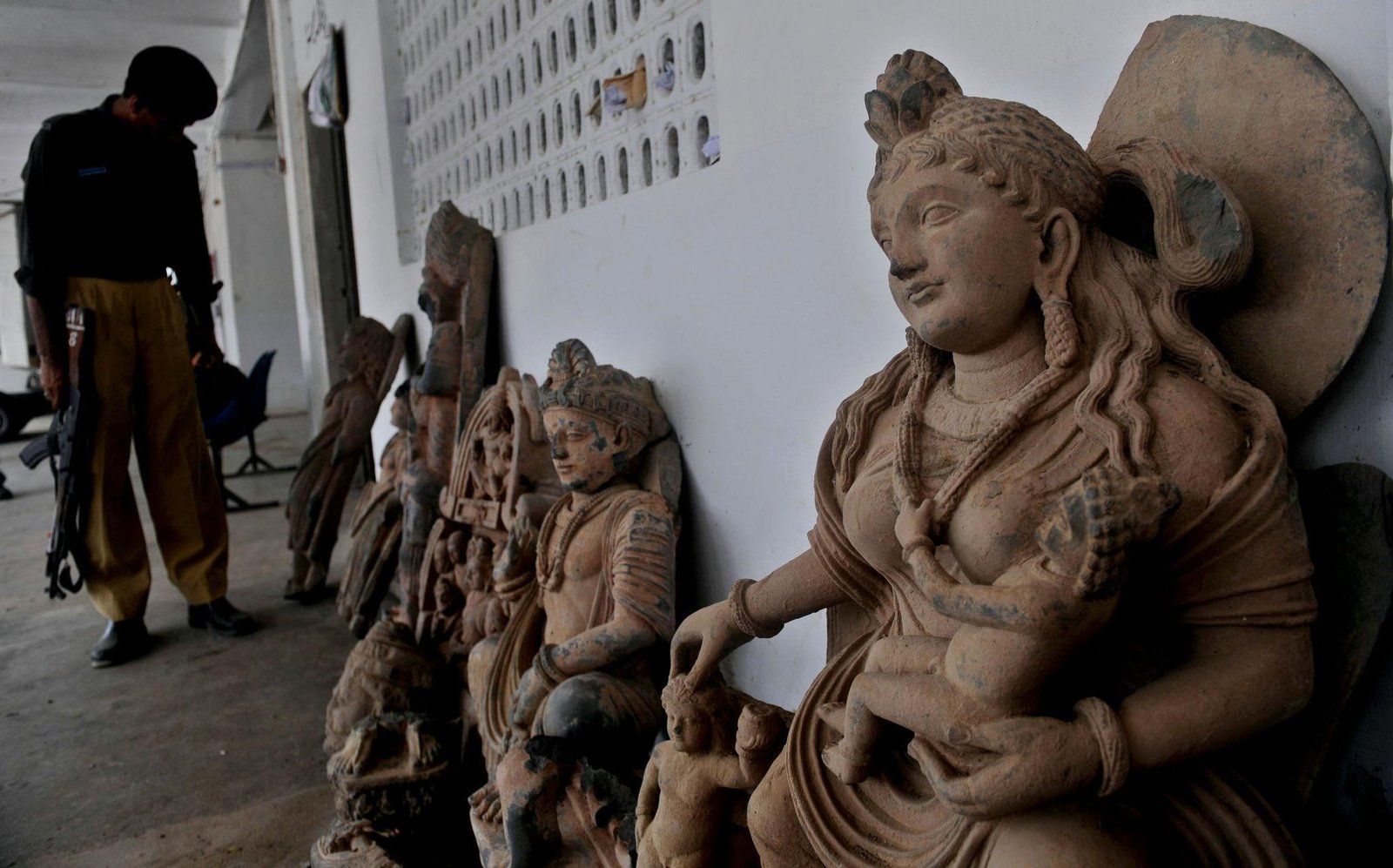
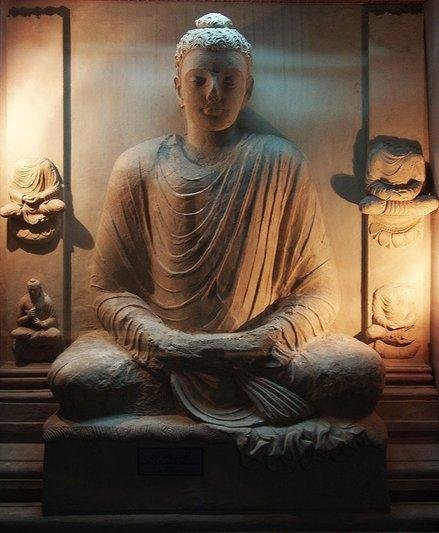
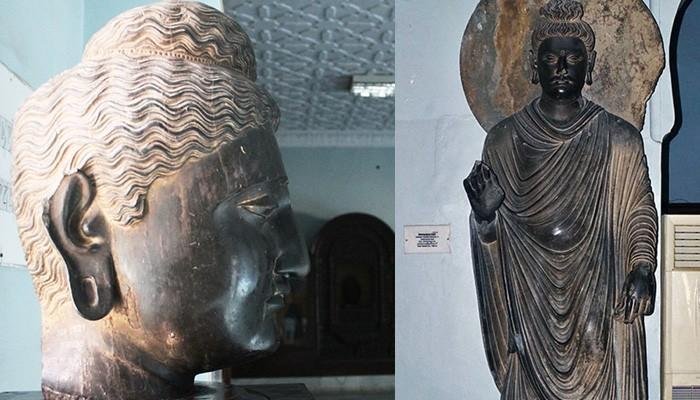
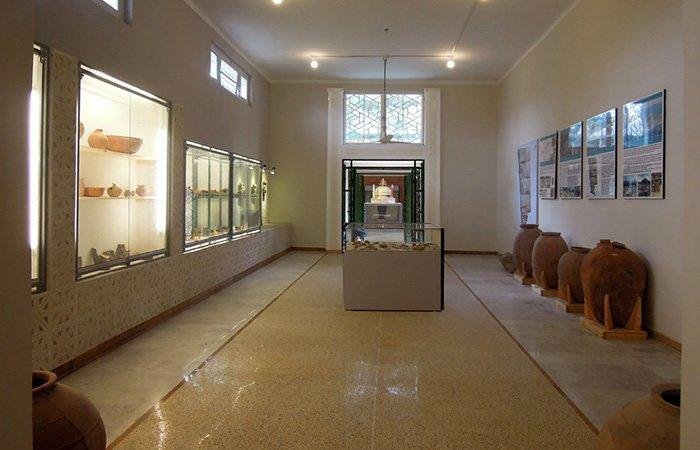
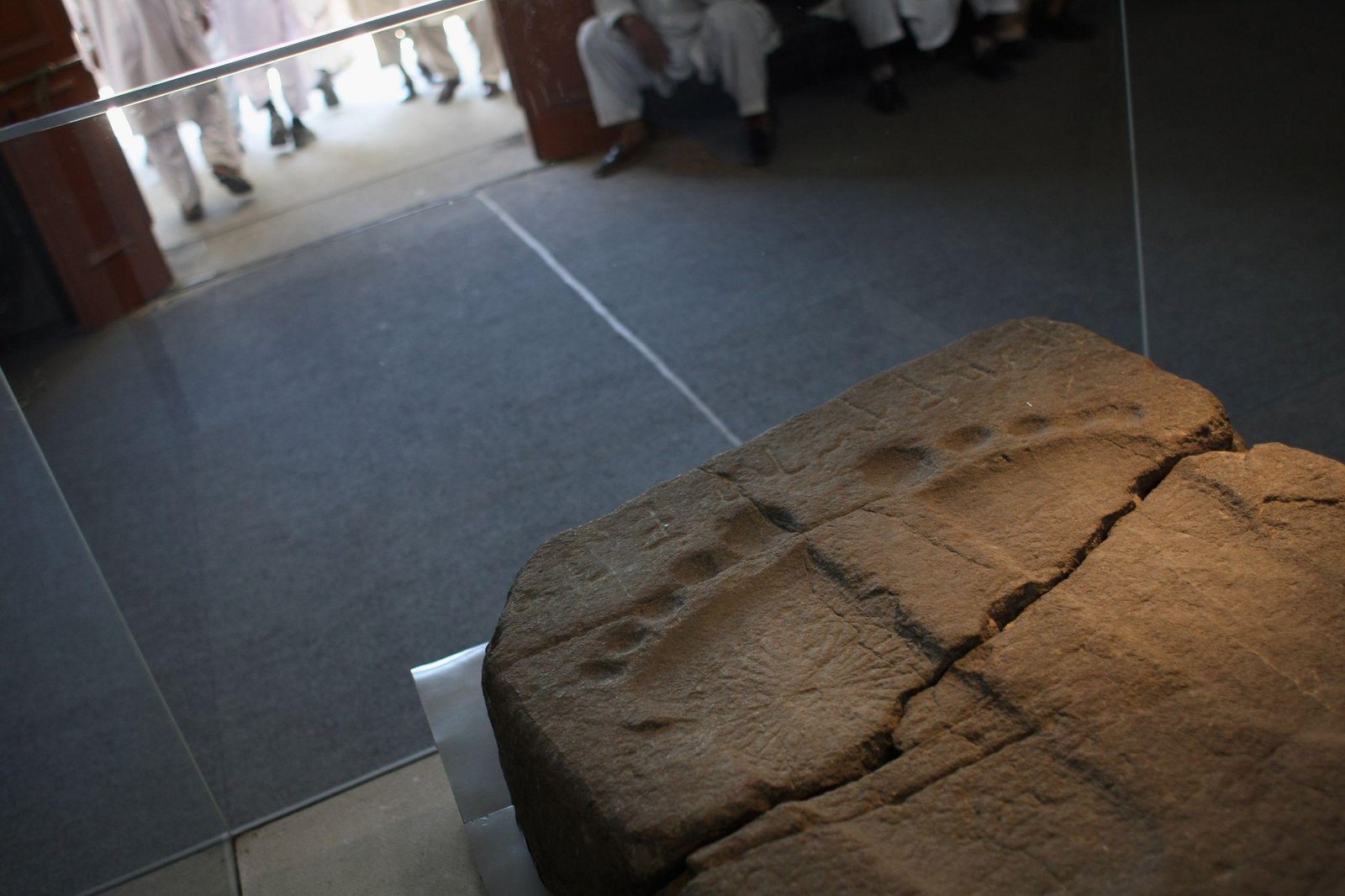
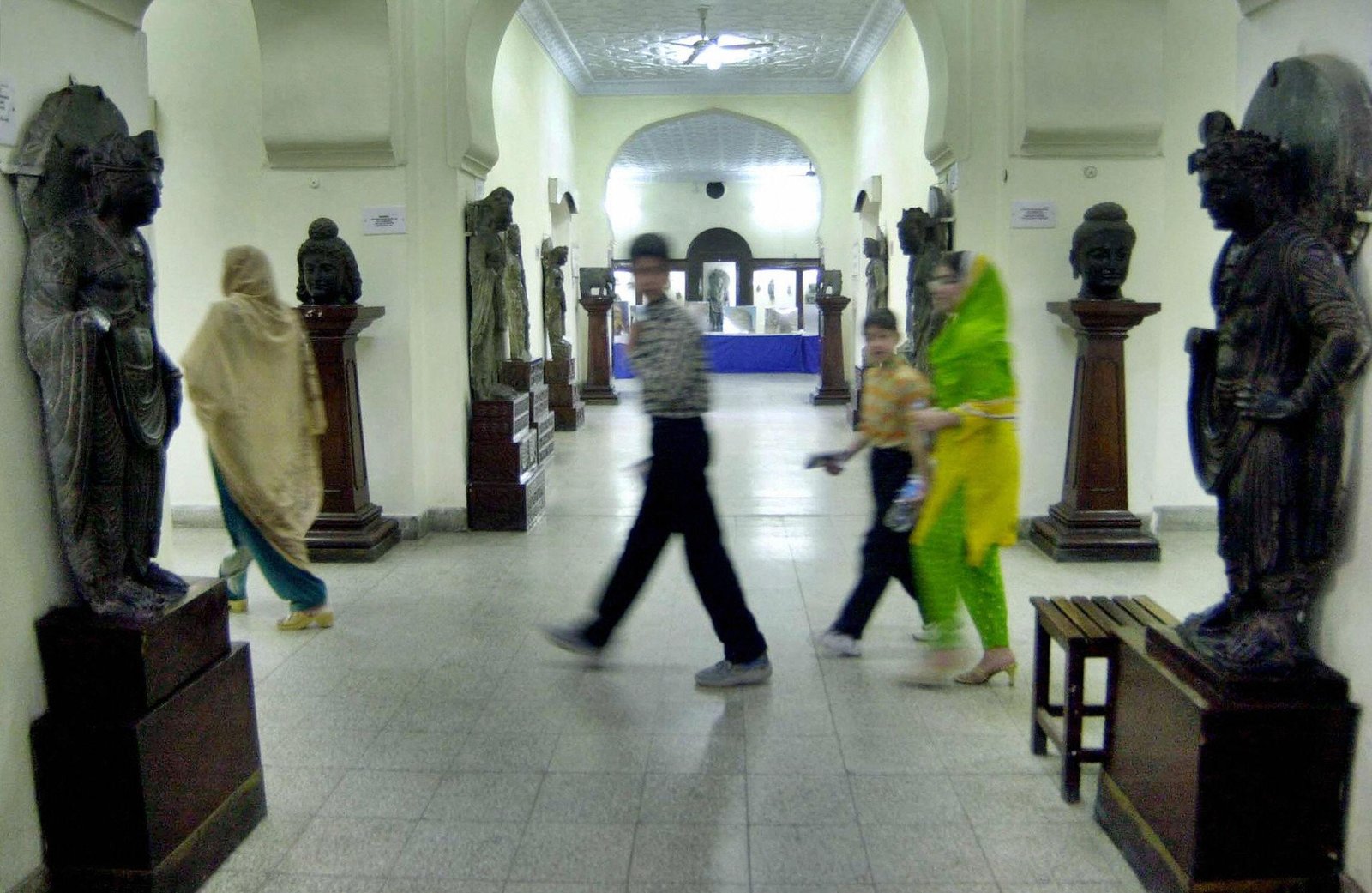
The Swat Museum contains one of Pakistan’s finest collections of Gandharan Buddhist art.
The museum displays:
- Buddha sculptures
- Coins
- Terracotta figurines
- Stone carvings
- Monastery artifacts
covering more than a thousand years of regional history.
For travelers interested in:
- Archaeology
- Buddhism
- Gandhara civilization
- Ancient Silk Road history
the museum is essential.
Mingora Bazaar
The bazaar in Mingora is one of the best places in Swat to buy:
- Dry fruits
- Honey
- Traditional embroidery
- Shawls
- Wood carvings
- Pashtun handicrafts
It is also the best place to:
- Exchange currency
- Buy trekking supplies
- Arrange transport
- Purchase winter clothing if needed
Bahrain & Madyan
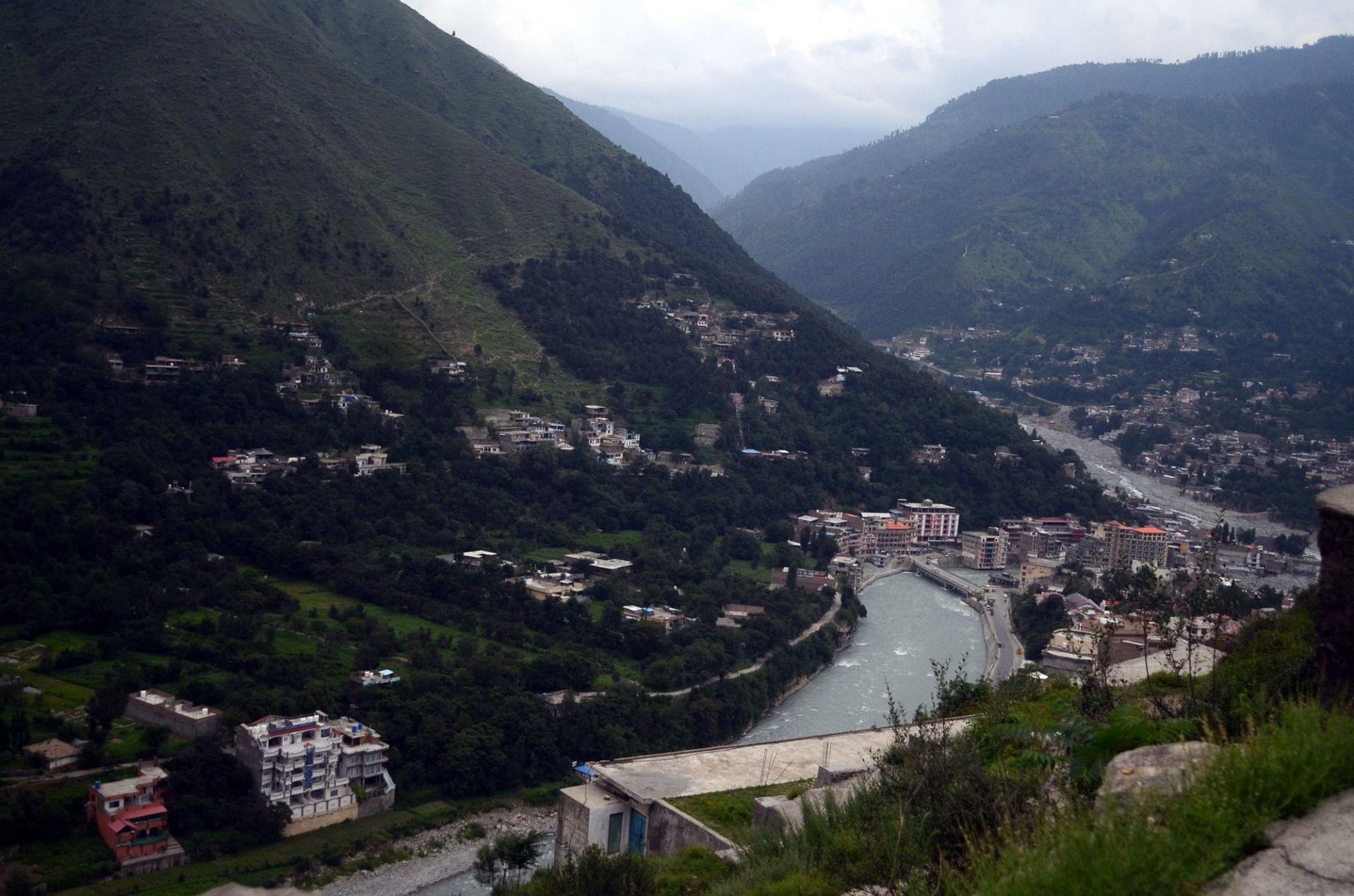
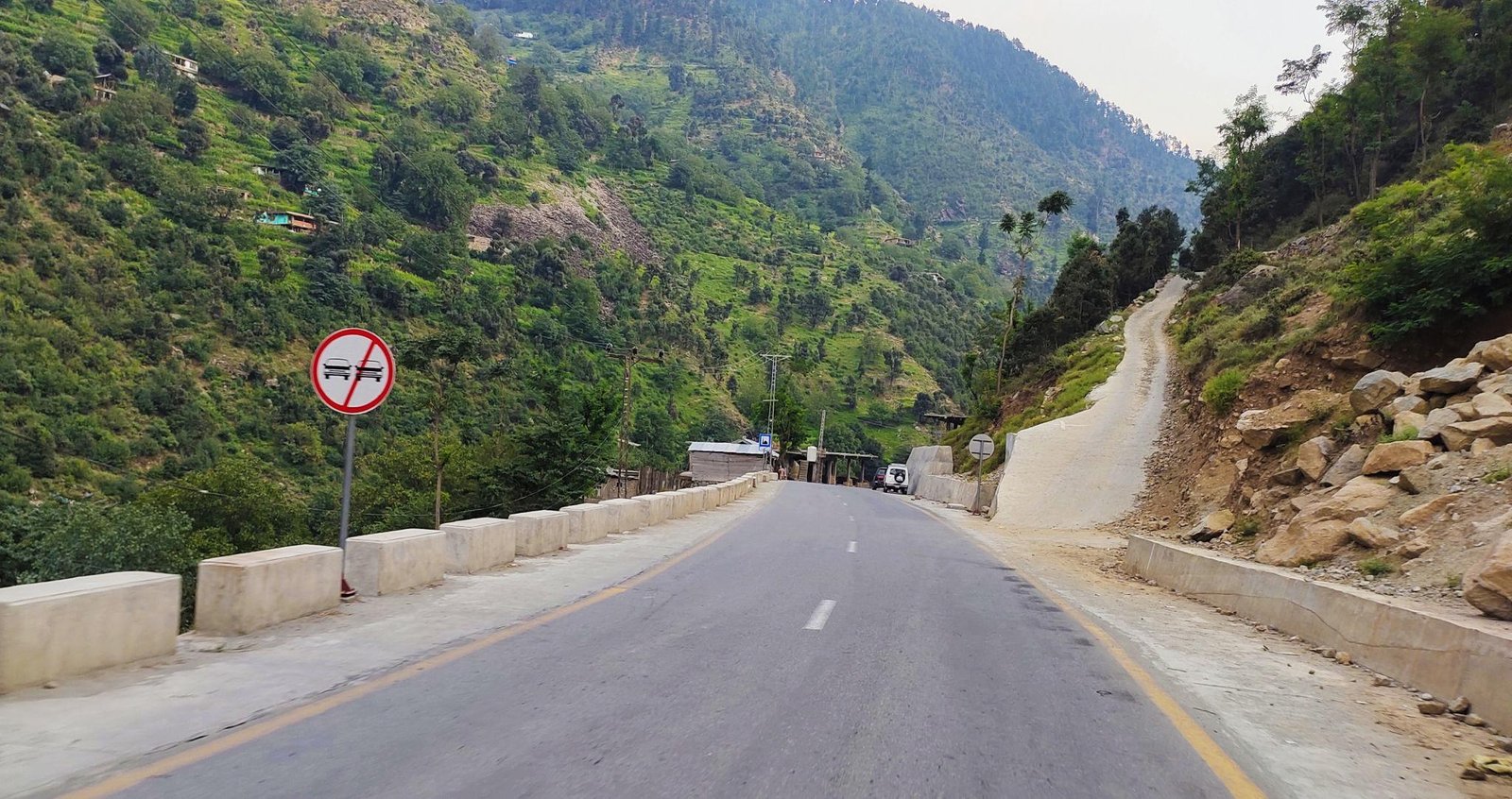
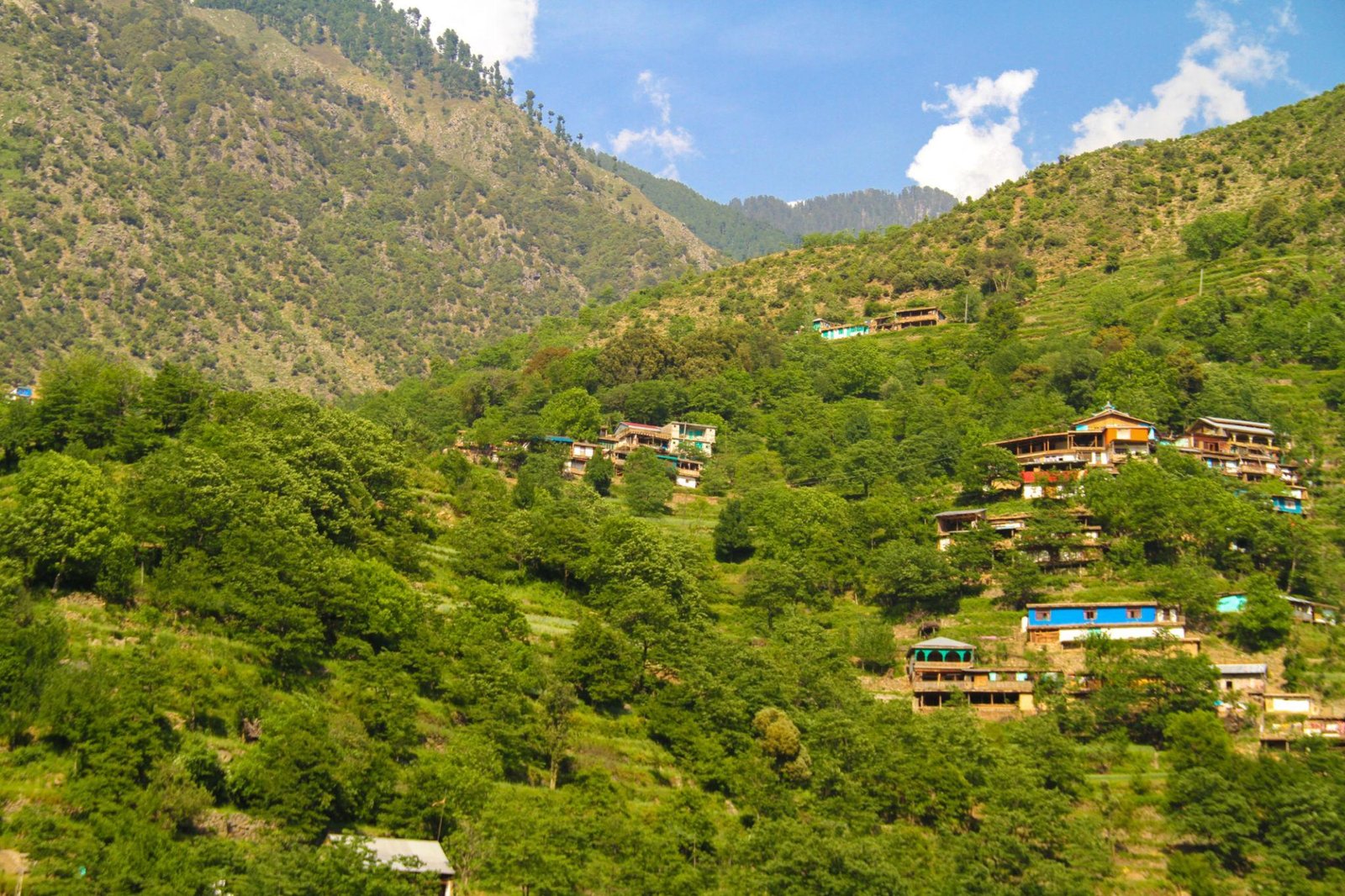
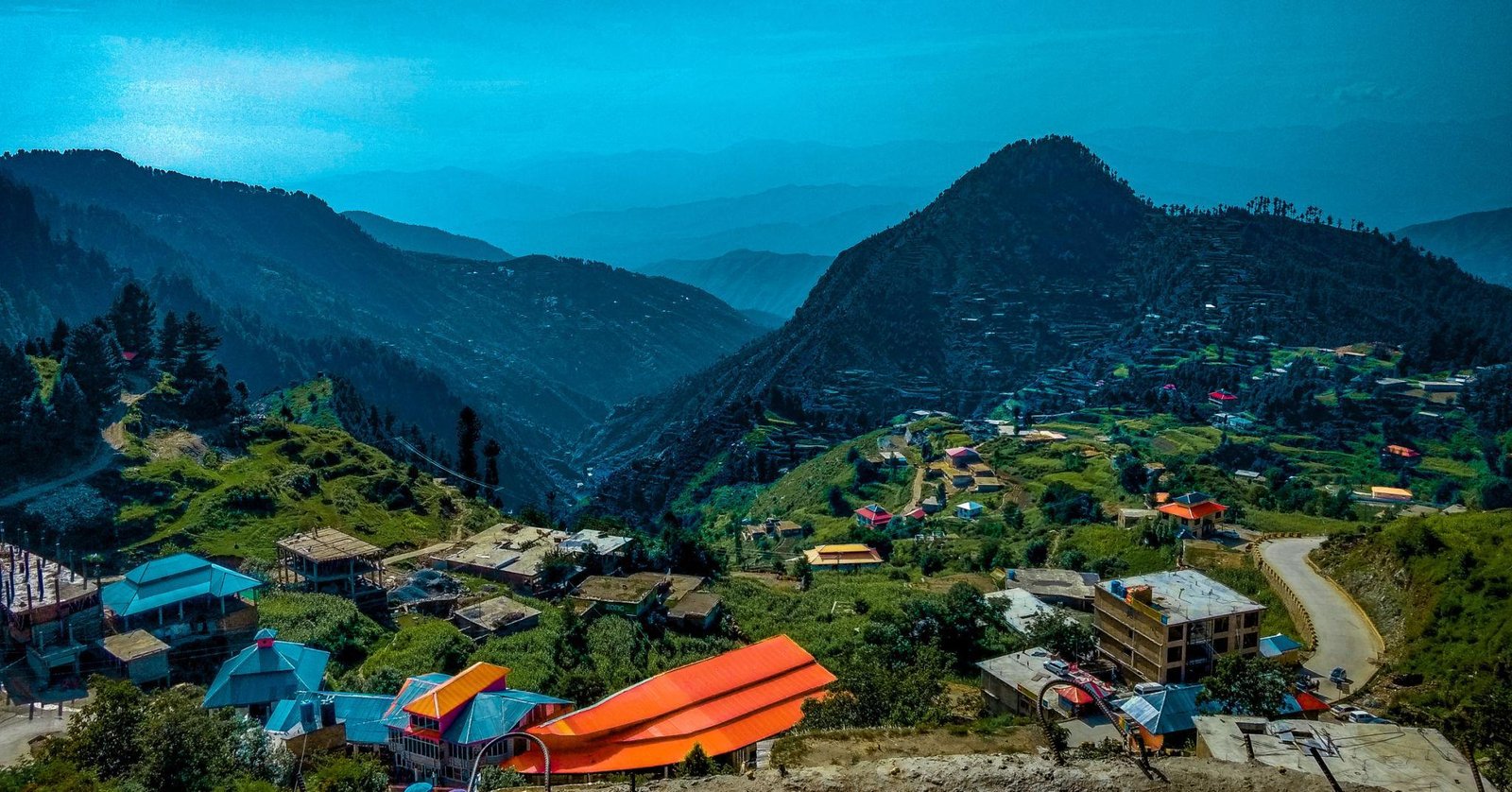
As travelers move north from Mingora toward Kalam, the landscape gradually changes from dense urban settlements into forested mountain valleys.
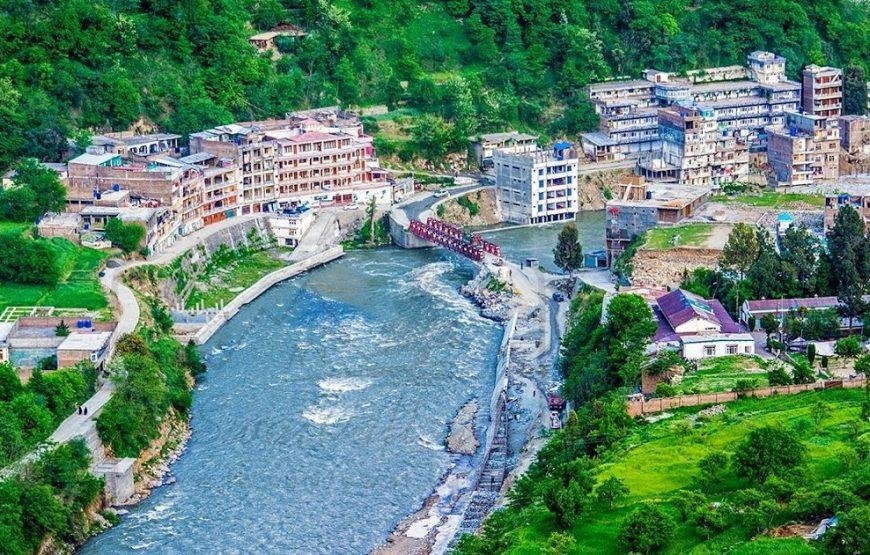
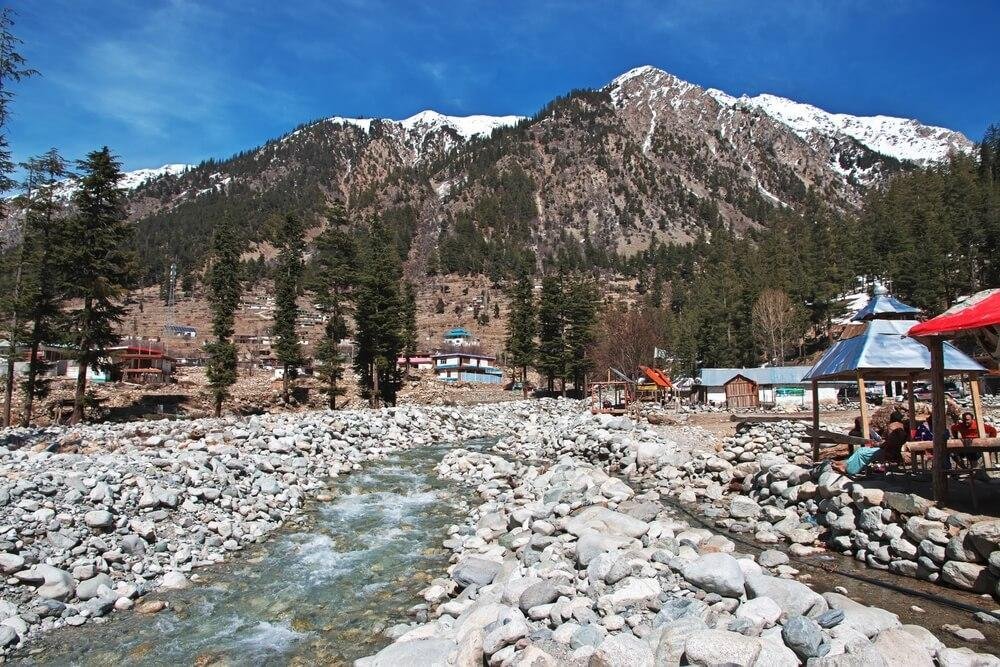
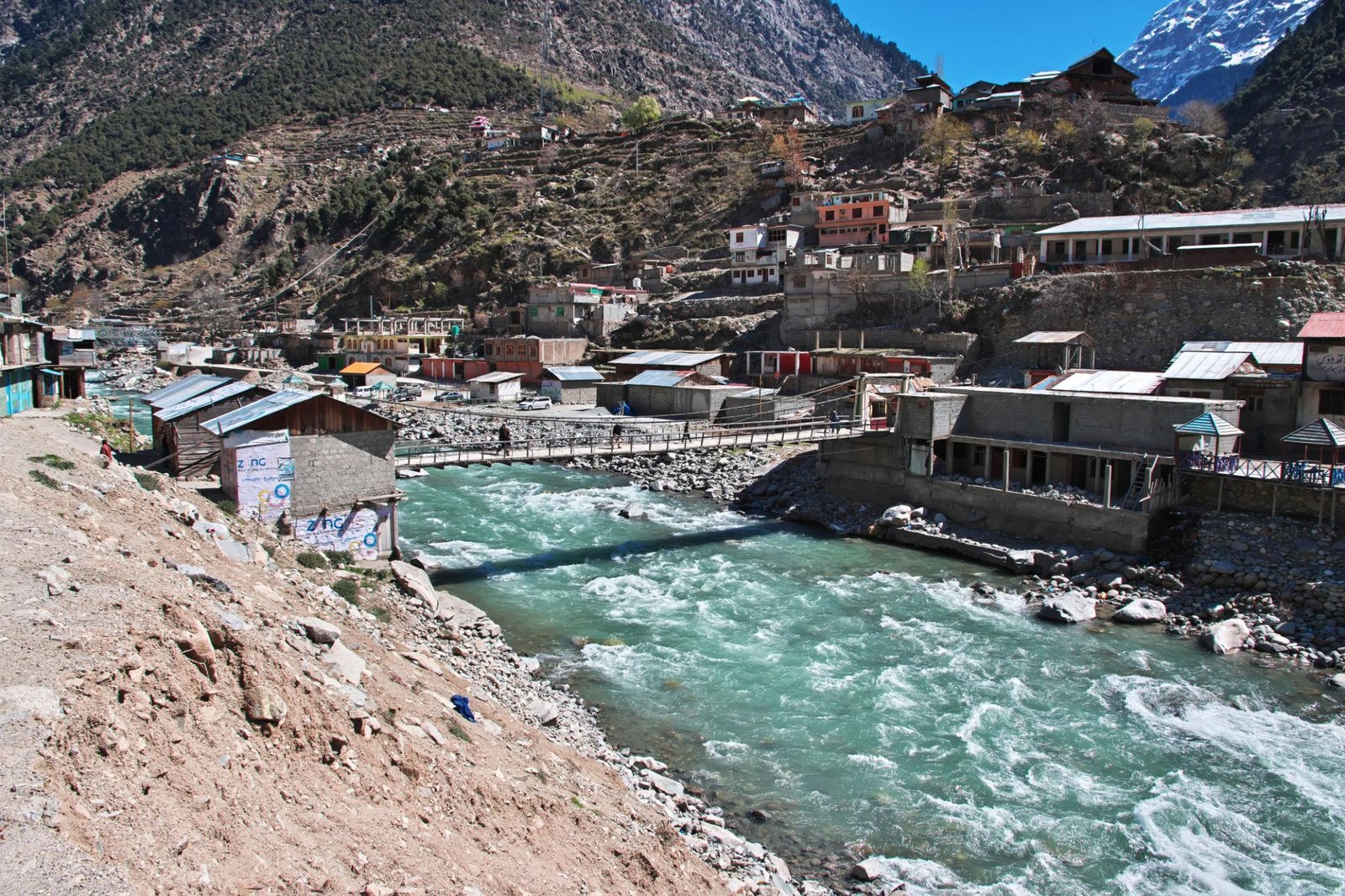
The towns of Bahrain and Madyan sit along the Swat River and serve as the transition between lower and upper Swat.
Both towns are known for:
- Riverside scenery
- Trout restaurants
- Mountain markets
- Cooler temperatures
- Access toward upper valleys
Because of their location along the river, these towns are also popular overnight stops for travelers heading toward Kalam.
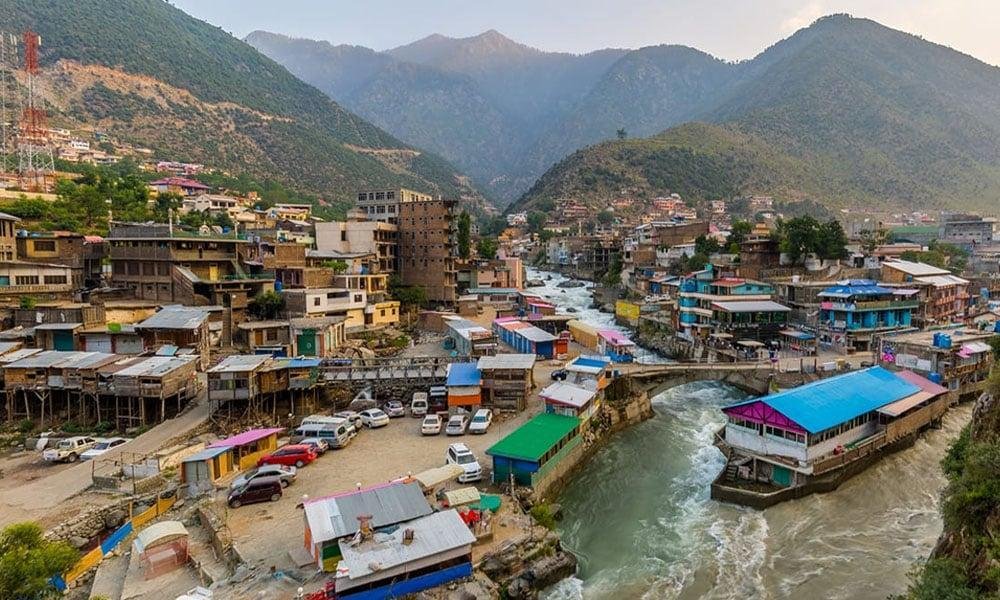
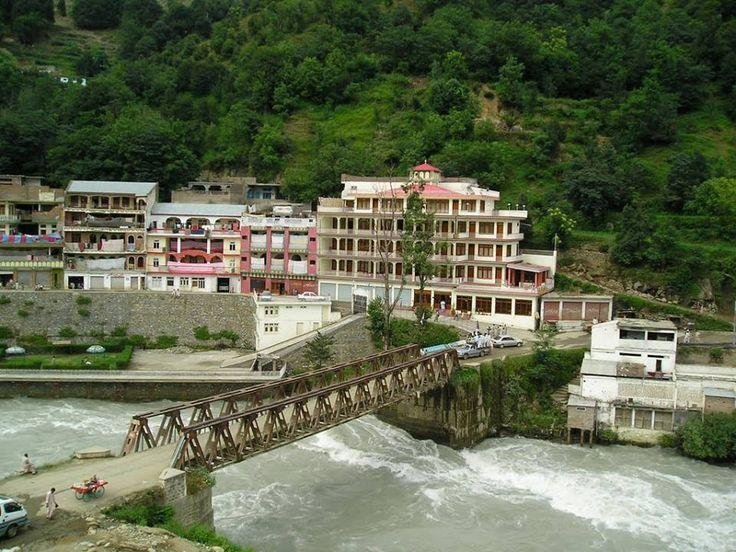
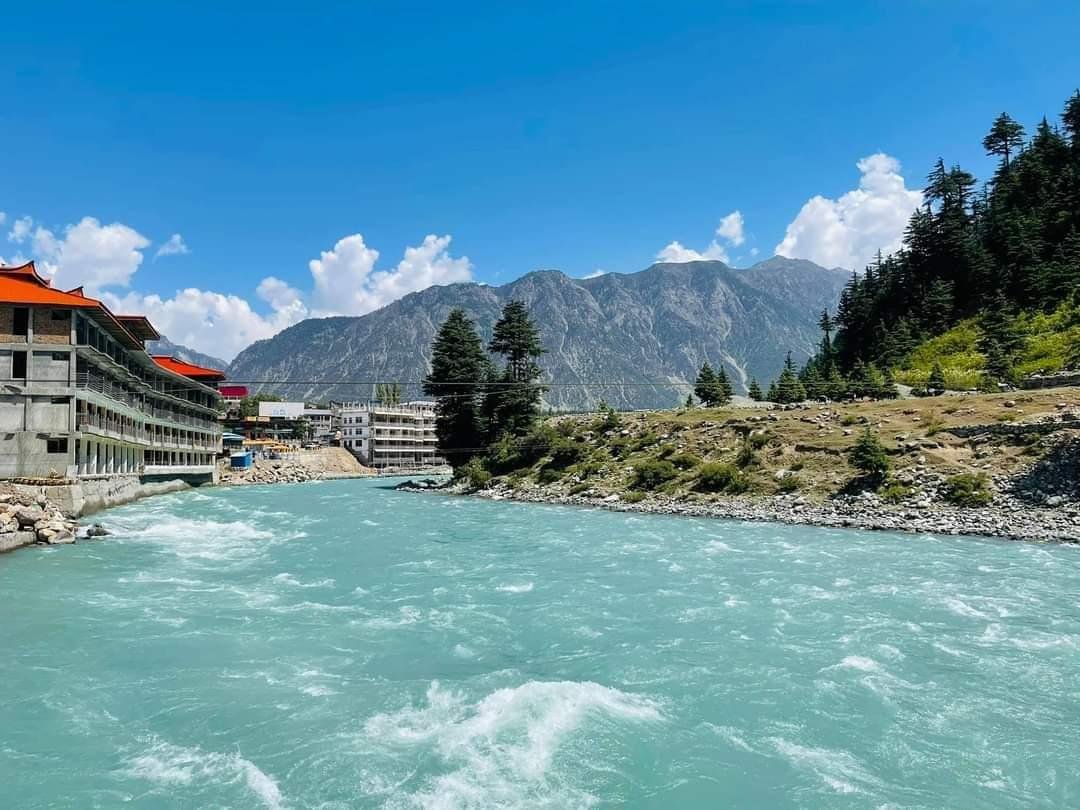
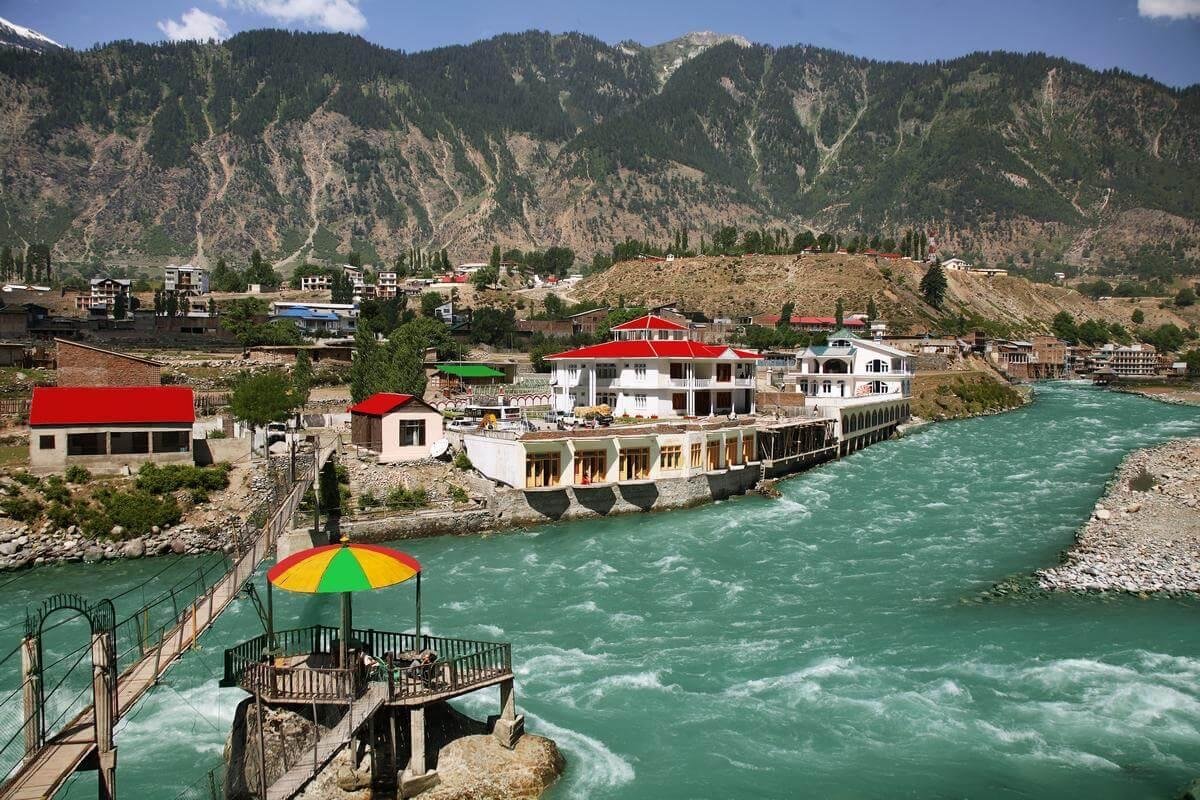
Bahrain
Bahrain lies approximately:
- 55 kilometres north of Mingora
and is one of the most scenic towns in Swat Valley.
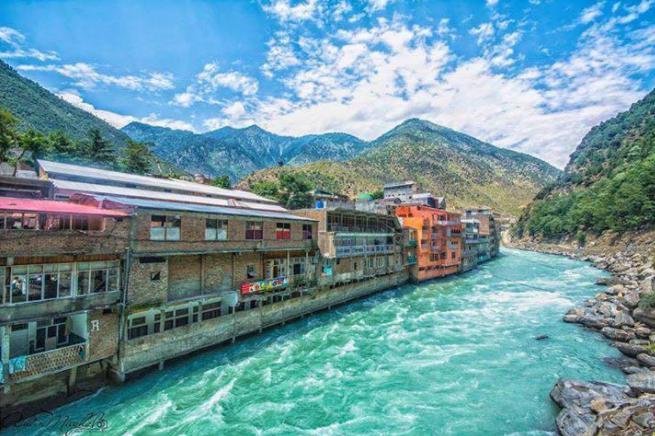
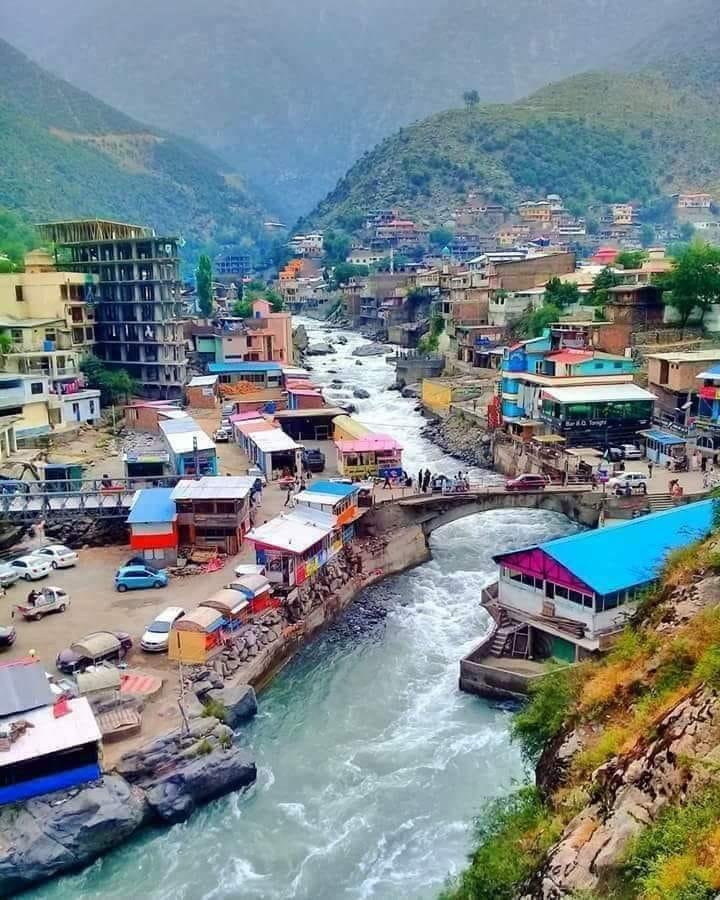
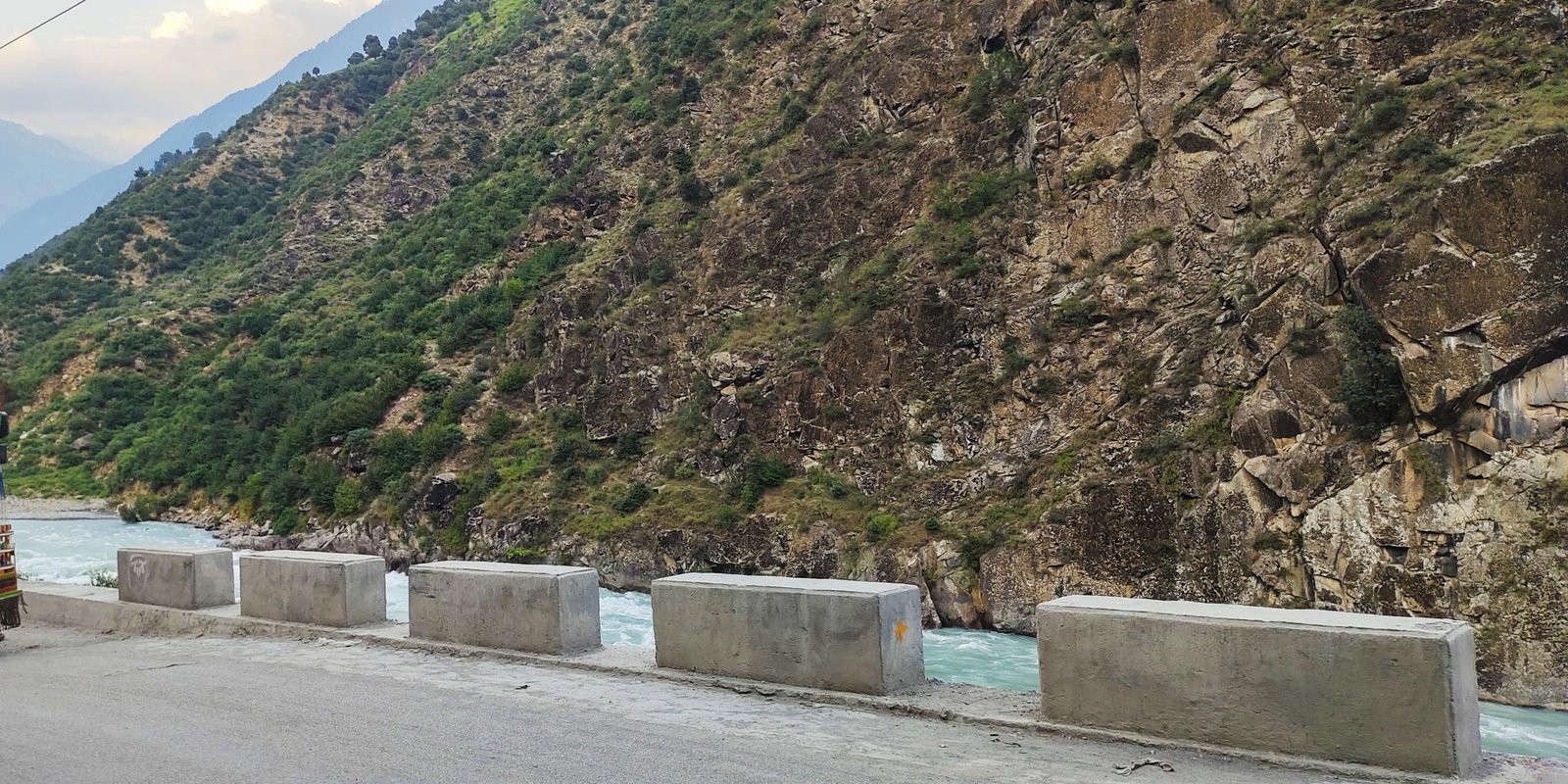
The town sits directly beside the Swat River where fast glacial water flows between steep forested slopes.
The sound of the river dominates the atmosphere throughout the town.
Bahrain is especially popular for:
- Riverside hotels
- Trout restaurants
- Evening walks
- Photography
- Short family stays
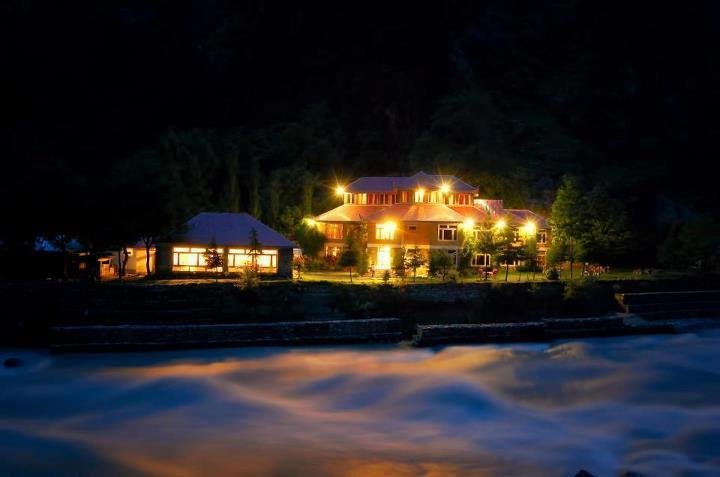
Many hotels feature:
- River-facing balconies
- Outdoor dining areas
- Mountain views
During summer evenings, the riverside areas become lively with:
- Tea stalls
- BBQ restaurants
- Domestic tourists
- Families walking beside the river
Trout Restaurants in Bahrain
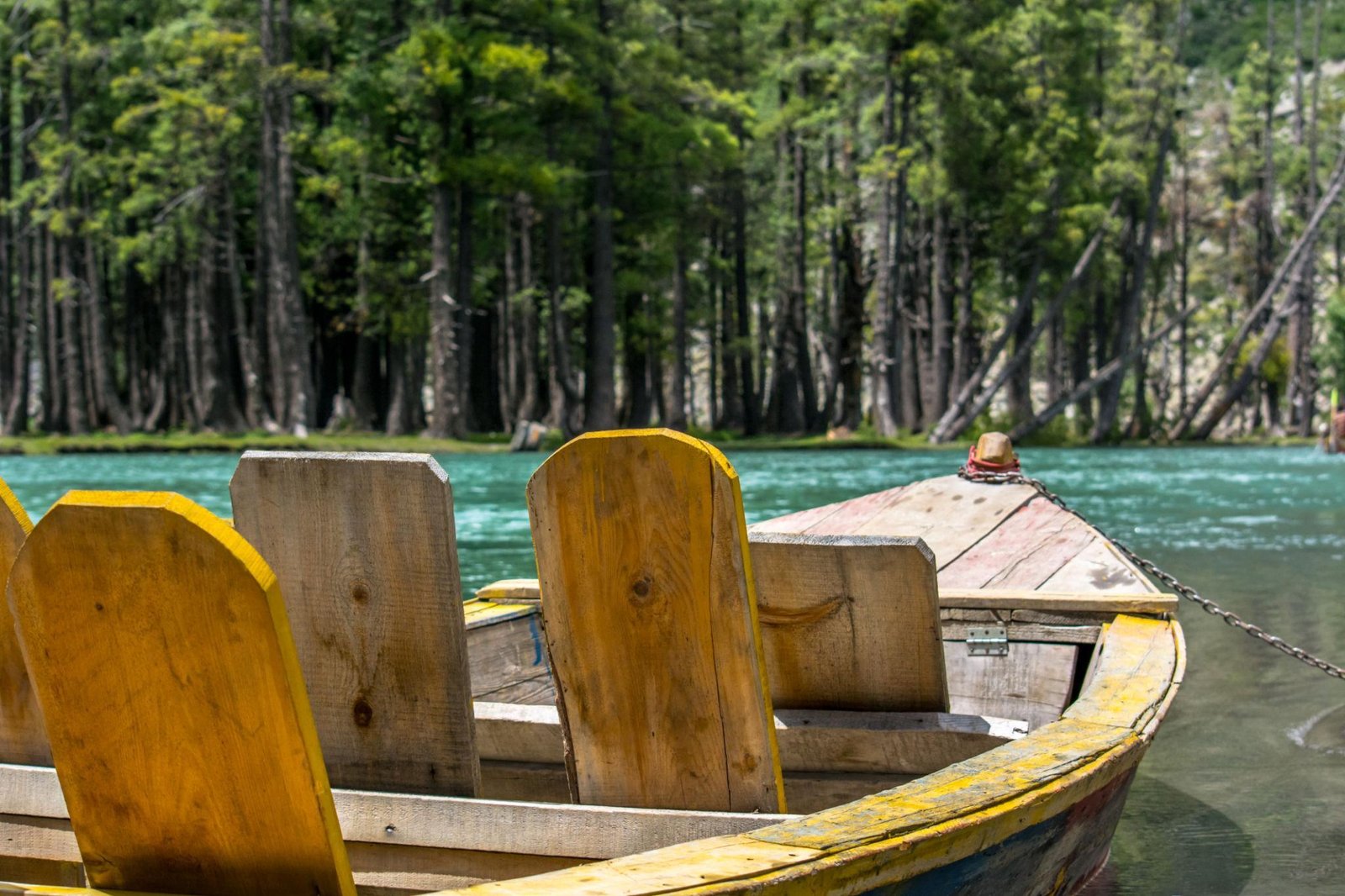
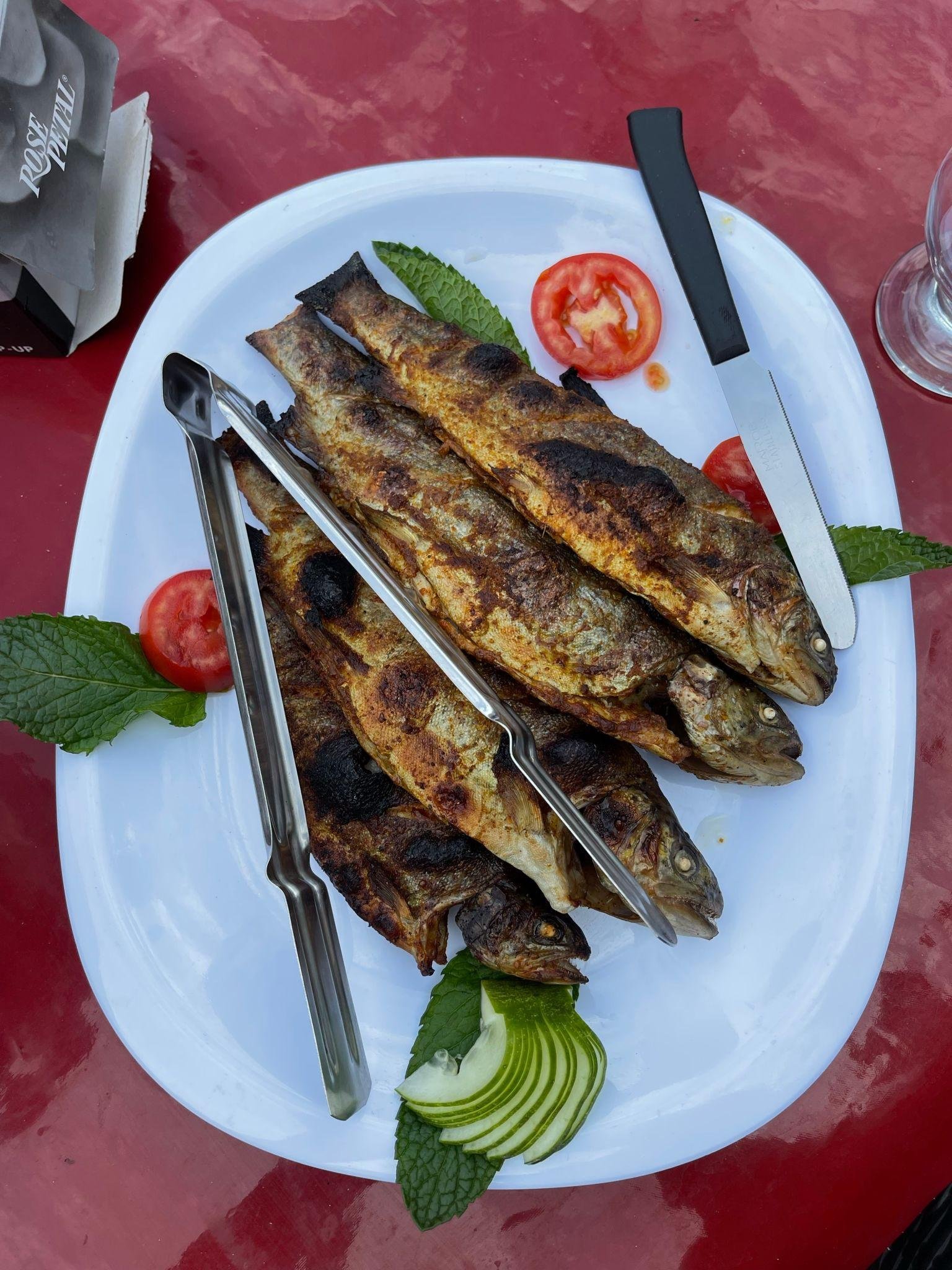
Bahrain is one of the best places in Swat to try fresh trout fish.
The trout is usually:
- River-farmed locally
- Served grilled or fried
- Prepared with minimal spices
Many restaurants allow visitors to:
- Choose fresh fish directly
- Sit beside the river while dining
- Eat outdoors during summer evenings
Fresh trout from upper Swat is considered among the best freshwater fish dishes in Pakistan.
Madyan
Madyan lies between Mingora and Bahrain and offers a quieter, more traditional atmosphere.
Compared to Bahrain:
- Tourism is less commercialized
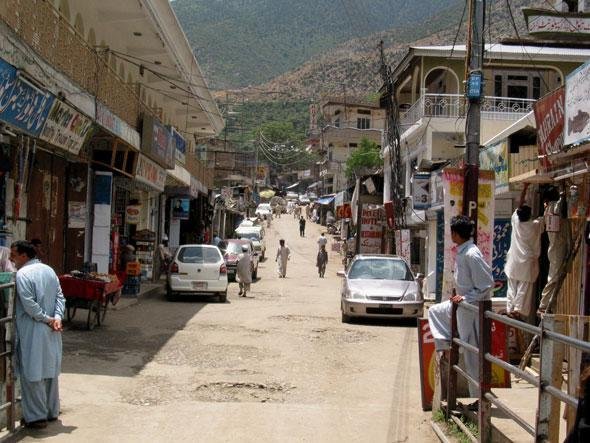
- The bazaar feels more local
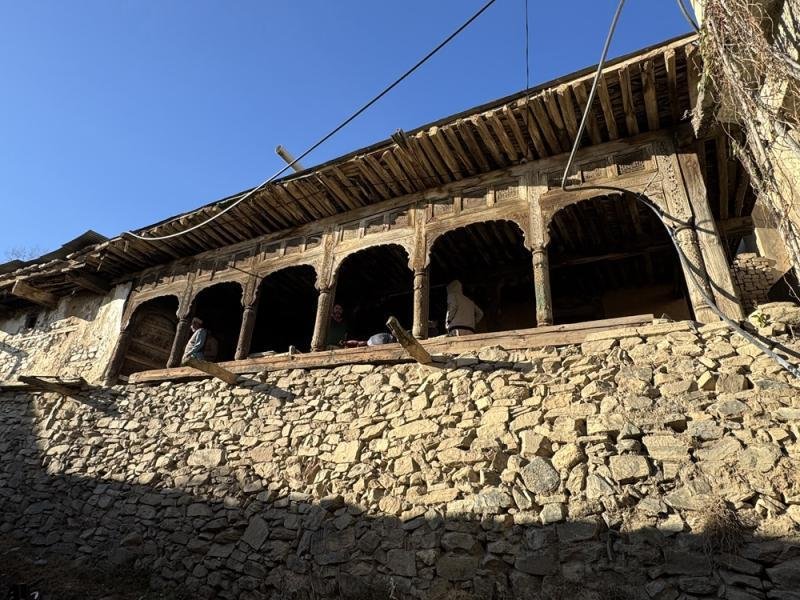
- Traditional architecture survives more clearly
The town is known for:
- Wooden mountain buildings
- Local markets
- Cold weather
- River scenery
A small waterfall near the town center can be reached on foot and is a popular short stop for travelers.
Kalam
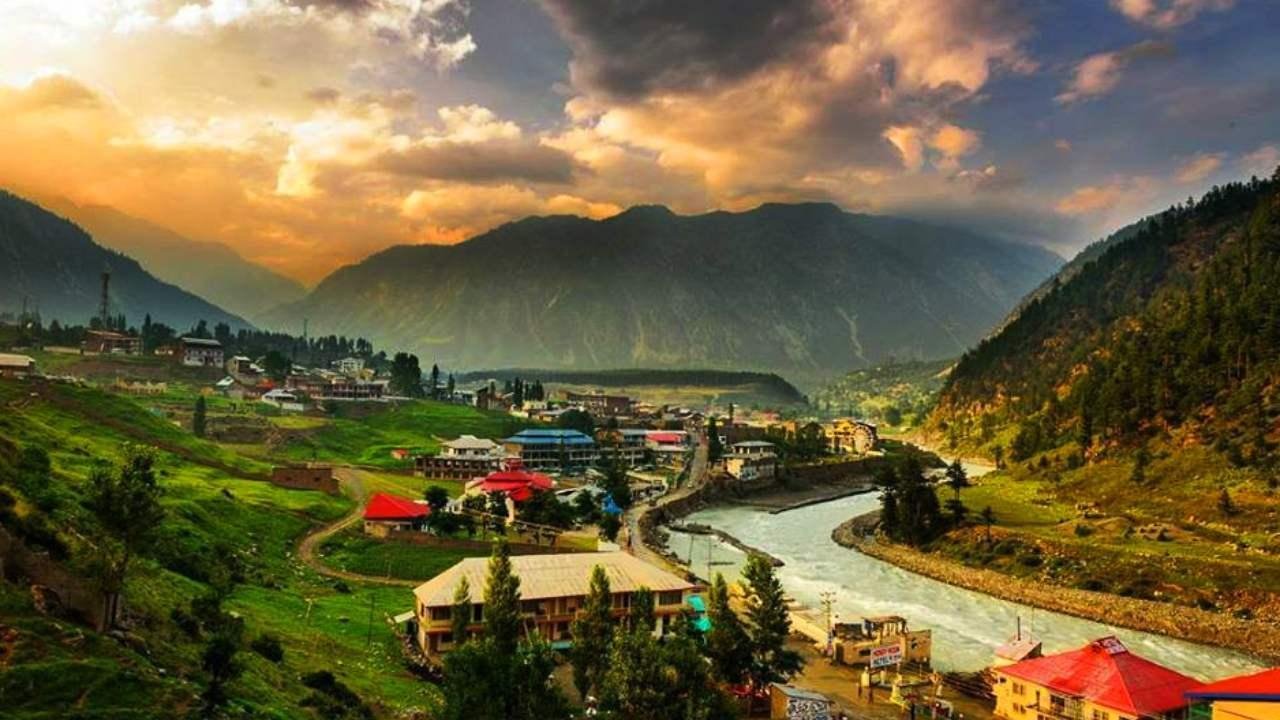
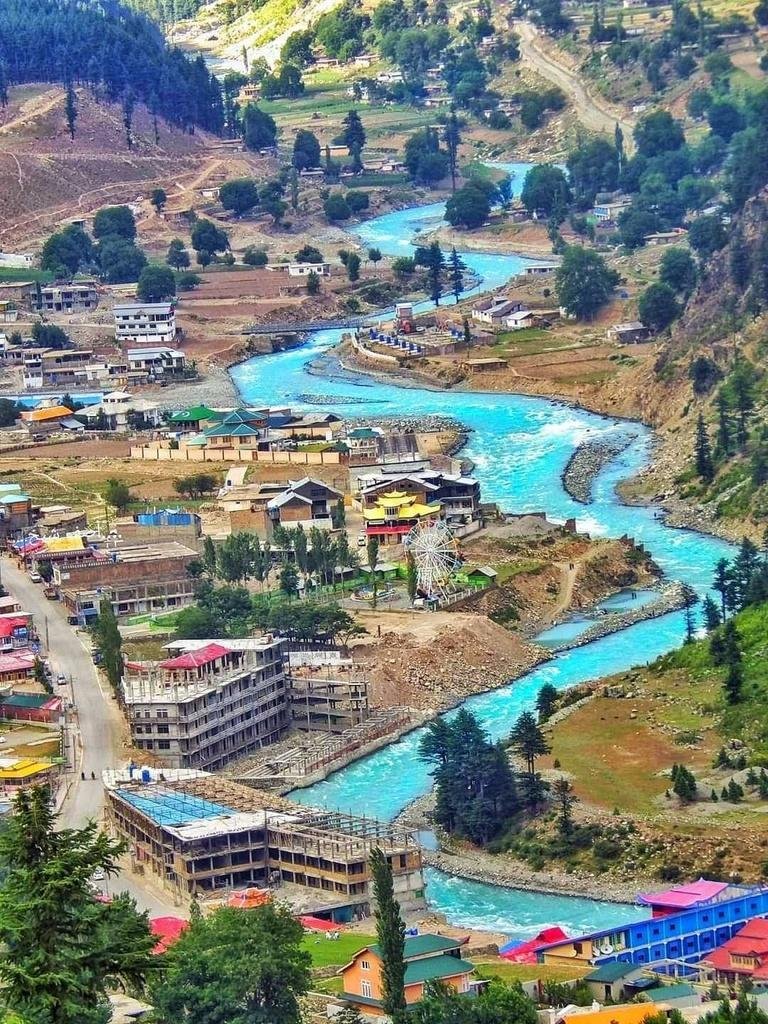
Kalam is the main tourism hub of upper Swat and one of the most visited mountain towns in Pakistan.
Located at approximately:
- 2,000 metres above sea level
Kalam sits at the confluence of:
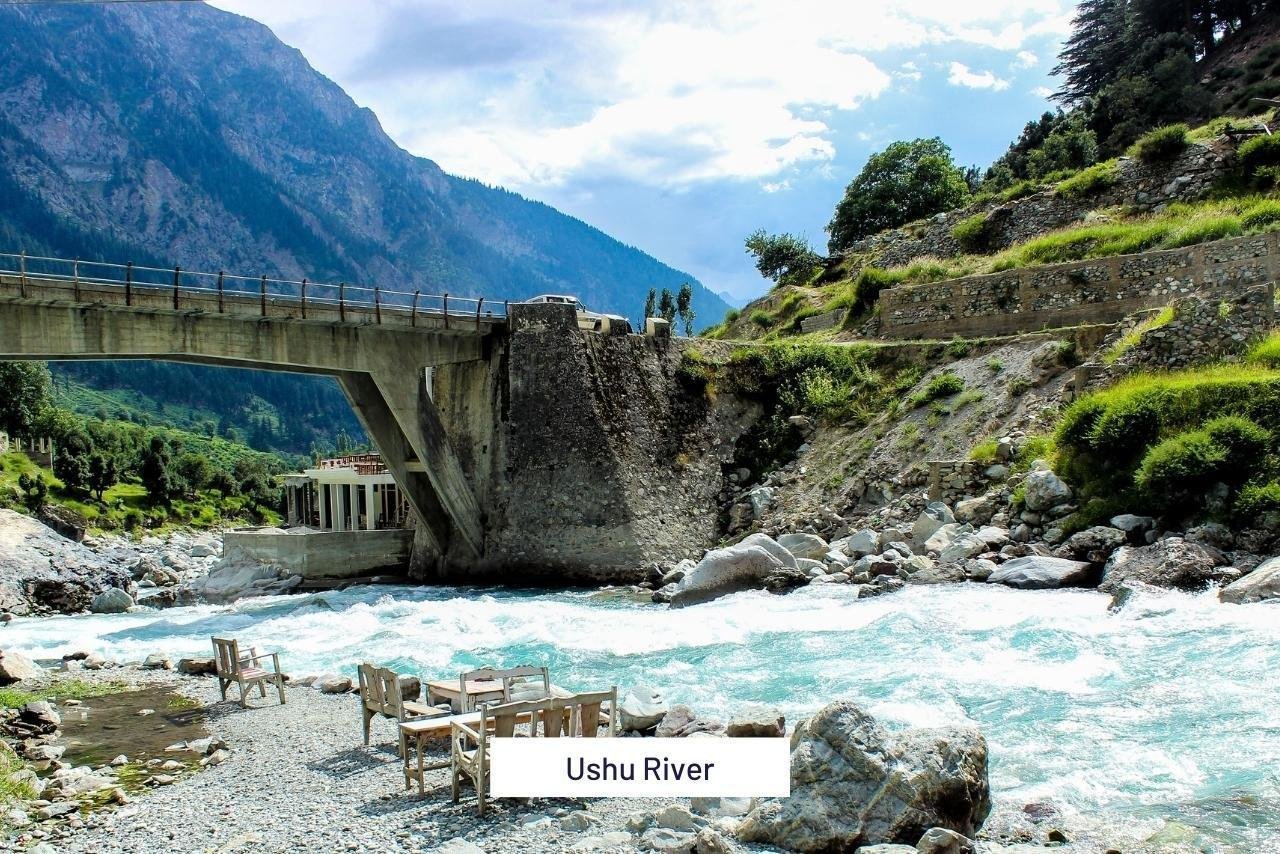
- The Ushu River
- The Utror River
which later form the Swat River.
The town is surrounded by:
- Pine forests
- Snow-covered peaks
- Glacier-fed rivers
- Alpine valleys
and serves as the main base for exploring:
- Mahodand Lake
- Ushu Forest
- Gabral Valley
- Utror Valley
- Falaksair trekking routes
Over the last decade, Kalam has expanded rapidly because of tourism growth. Despite this development, the surrounding scenery remains spectacular.
Exploring Kalam Town
Kalam contains:
- Hotels
- Restaurants
- Cafes
- Tour operators
- Jeep rental services
- ATMs
- Fuel stations
The central bazaar becomes especially busy during:
- July
- August
- Eid holidays
Travelers can arrange:
- Jeep tours
- Camping equipment
- Trekking guides
- Fishing permits
directly from the town.
Riverside Atmosphere in Kalam
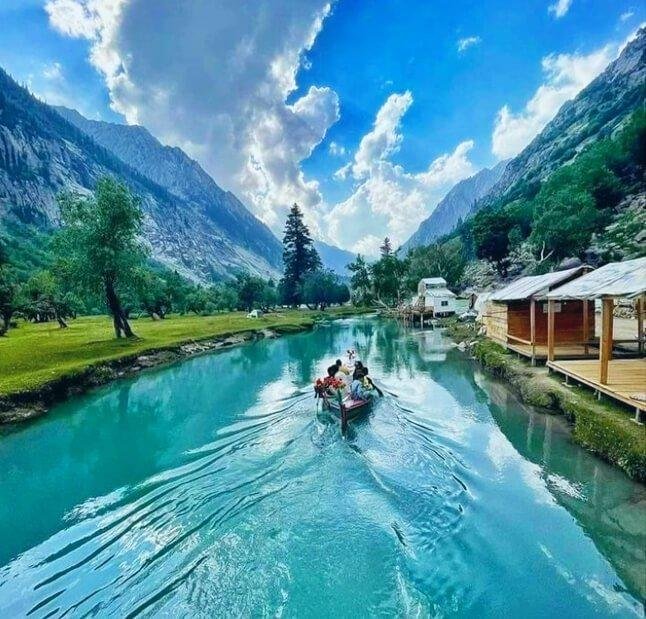
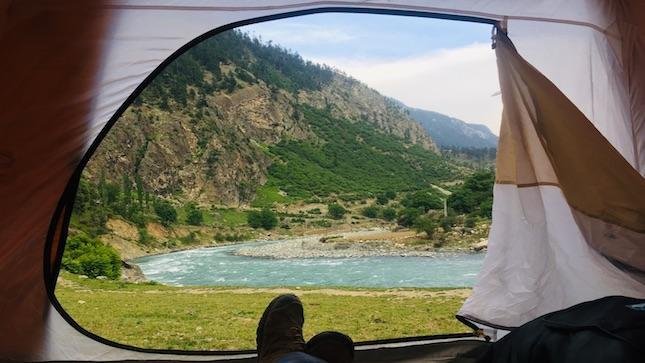
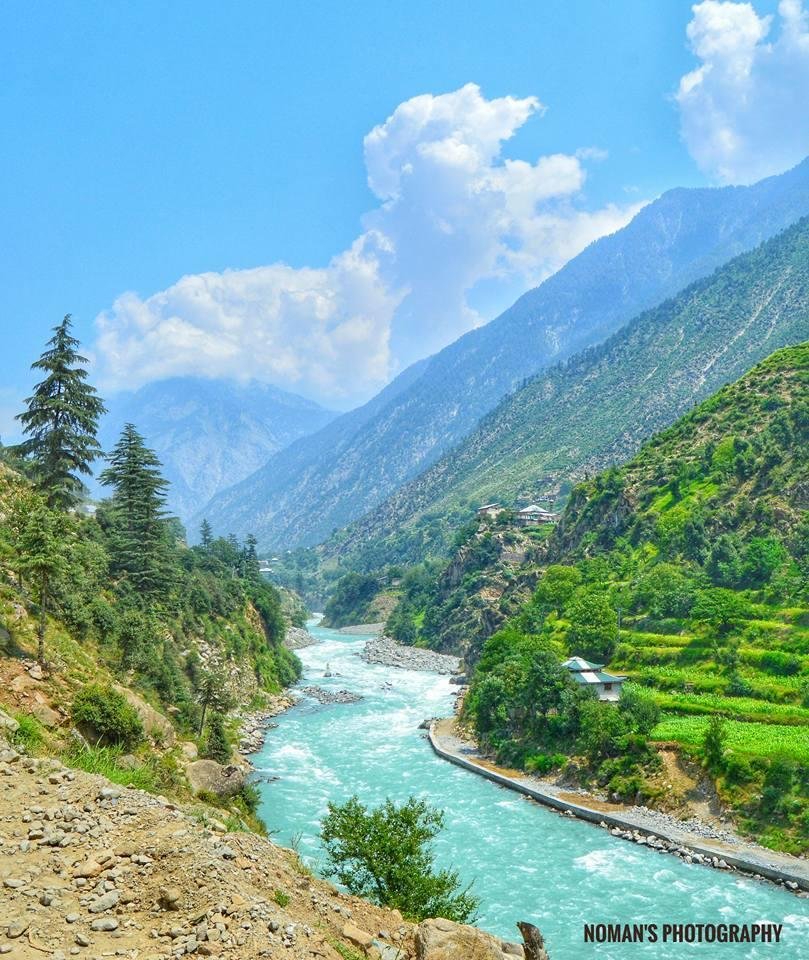
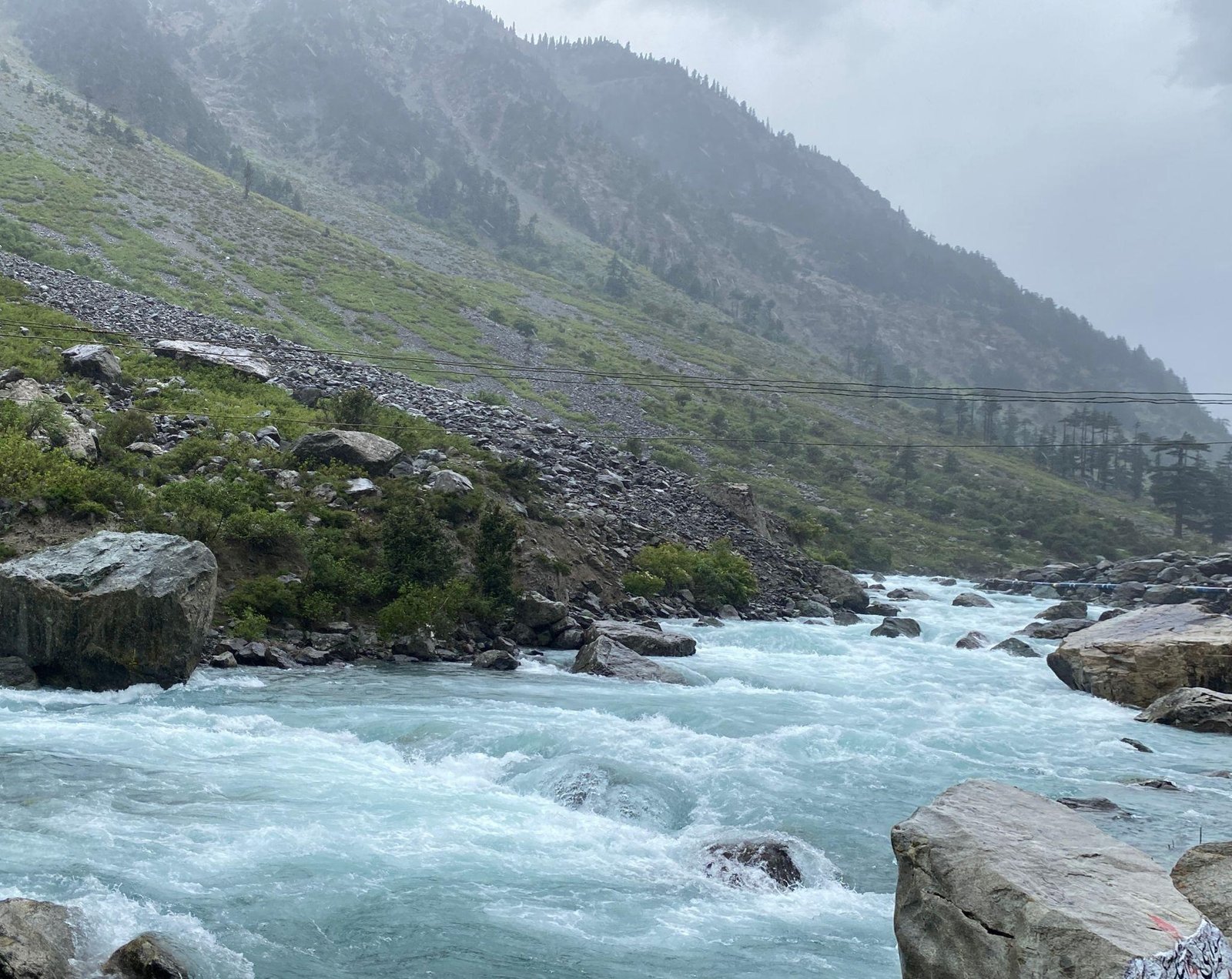
The rivers around Kalam are one of the town’s defining features.
During summer:
- Cold glacial water rushes through the valley
- Riverside cafes fill with visitors
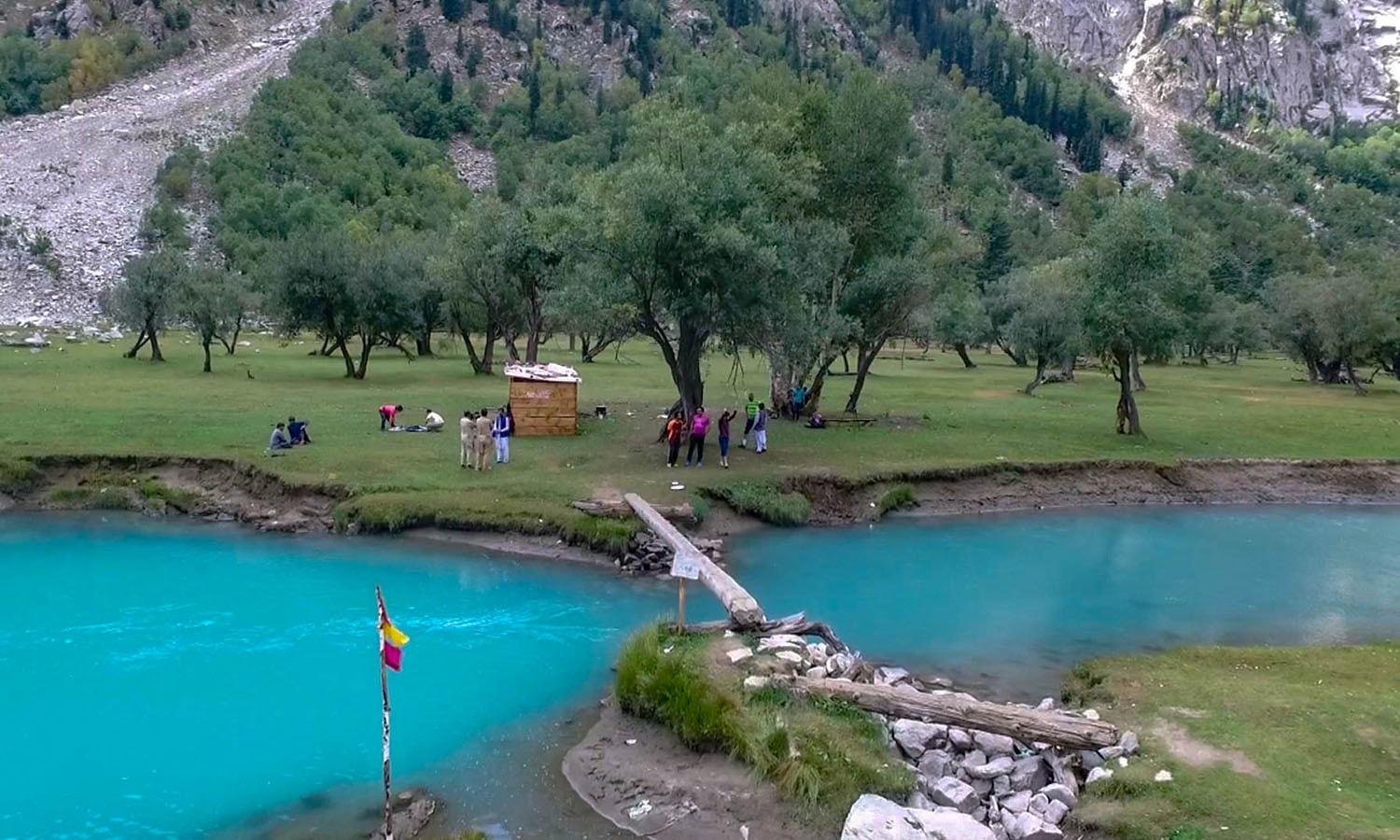
- Families camp near the riverbanks
- Bonfires become common at night
Even during peak tourist season, it is possible to find quieter areas outside the central bazaar by walking along the river toward surrounding forests.
Best Time to Visit Kalam
Summer (June to September)
Summer is the peak season in Kalam because:
- Roads remain fully open
- Valleys become green
- Rivers flow strongly
- Trekking conditions improve
July and August are the busiest months.
Autumn (October)
Autumn offers:
- Golden forest colors
- Clear mountain visibility
- Cooler temperatures
- Smaller tourist crowds
October is one of the best months for photography in upper Swat.
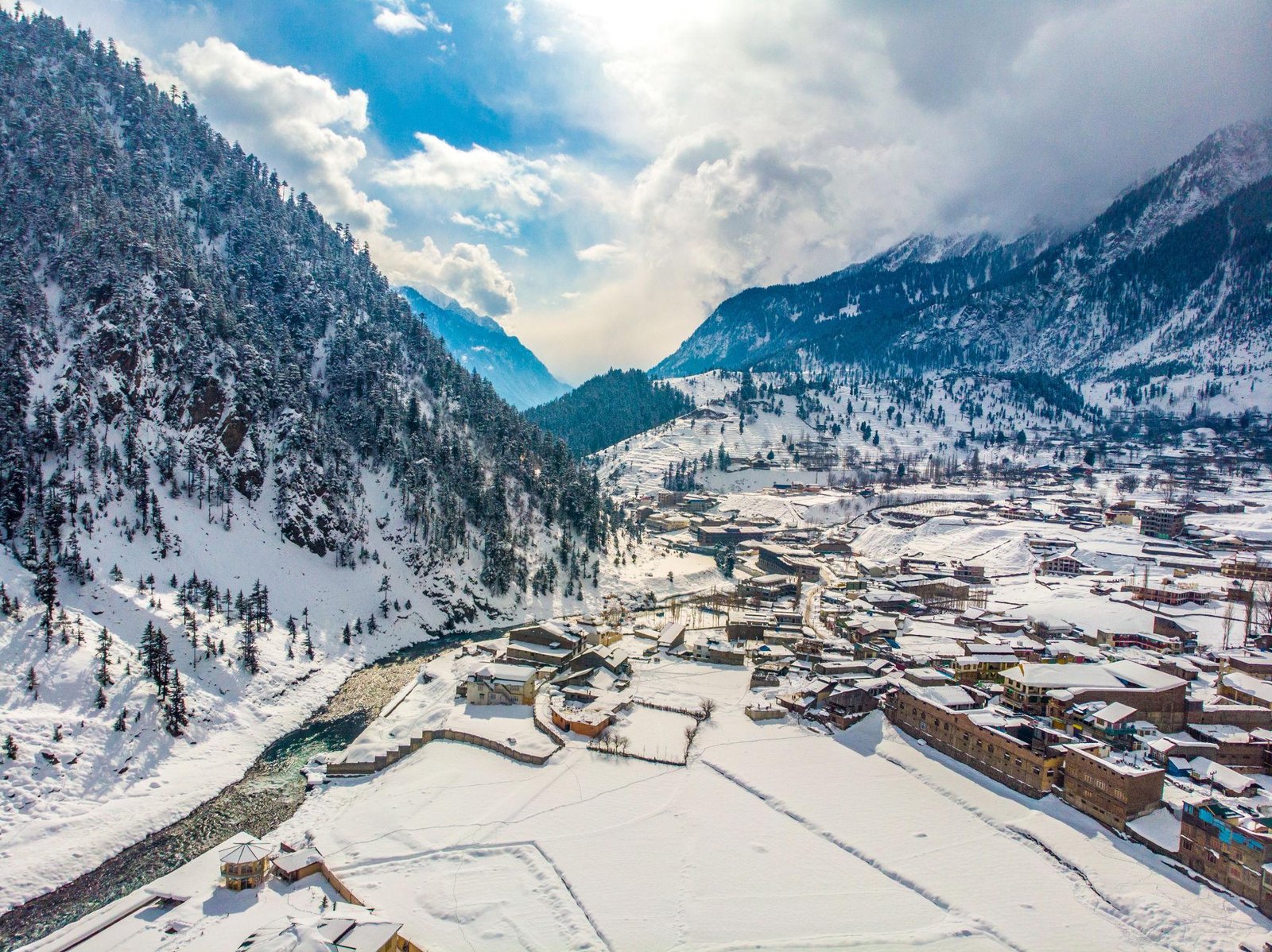
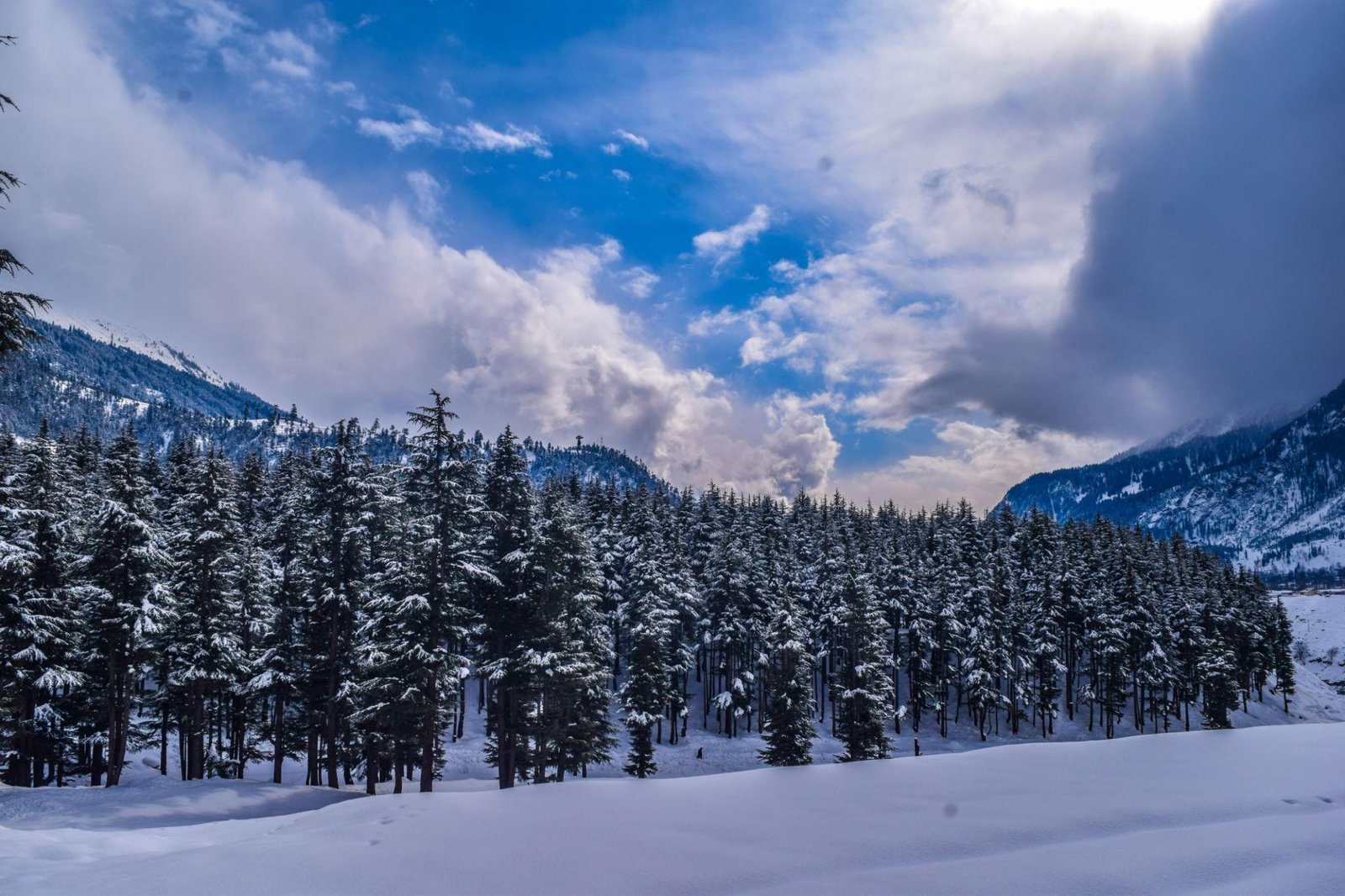
Winter in Kalam
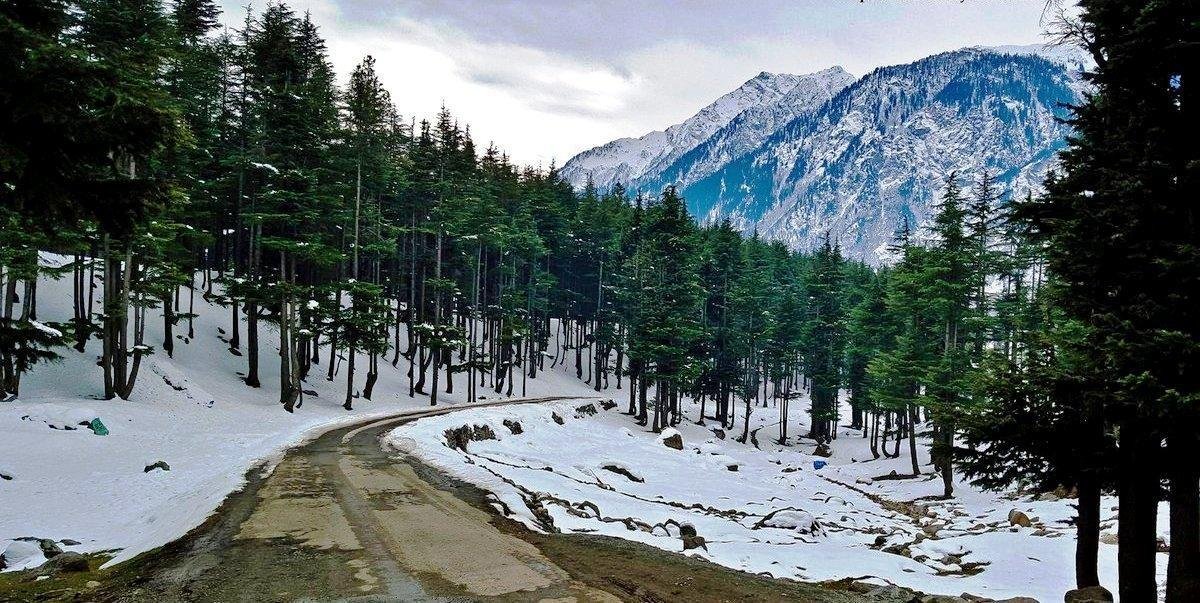
Winter transforms Kalam into a snow-covered alpine town.
However:
- Temperatures fall below freezing
- Roads may close temporarily
- Heavy snowfall affects access
Winter tourism is significantly quieter compared to summer.
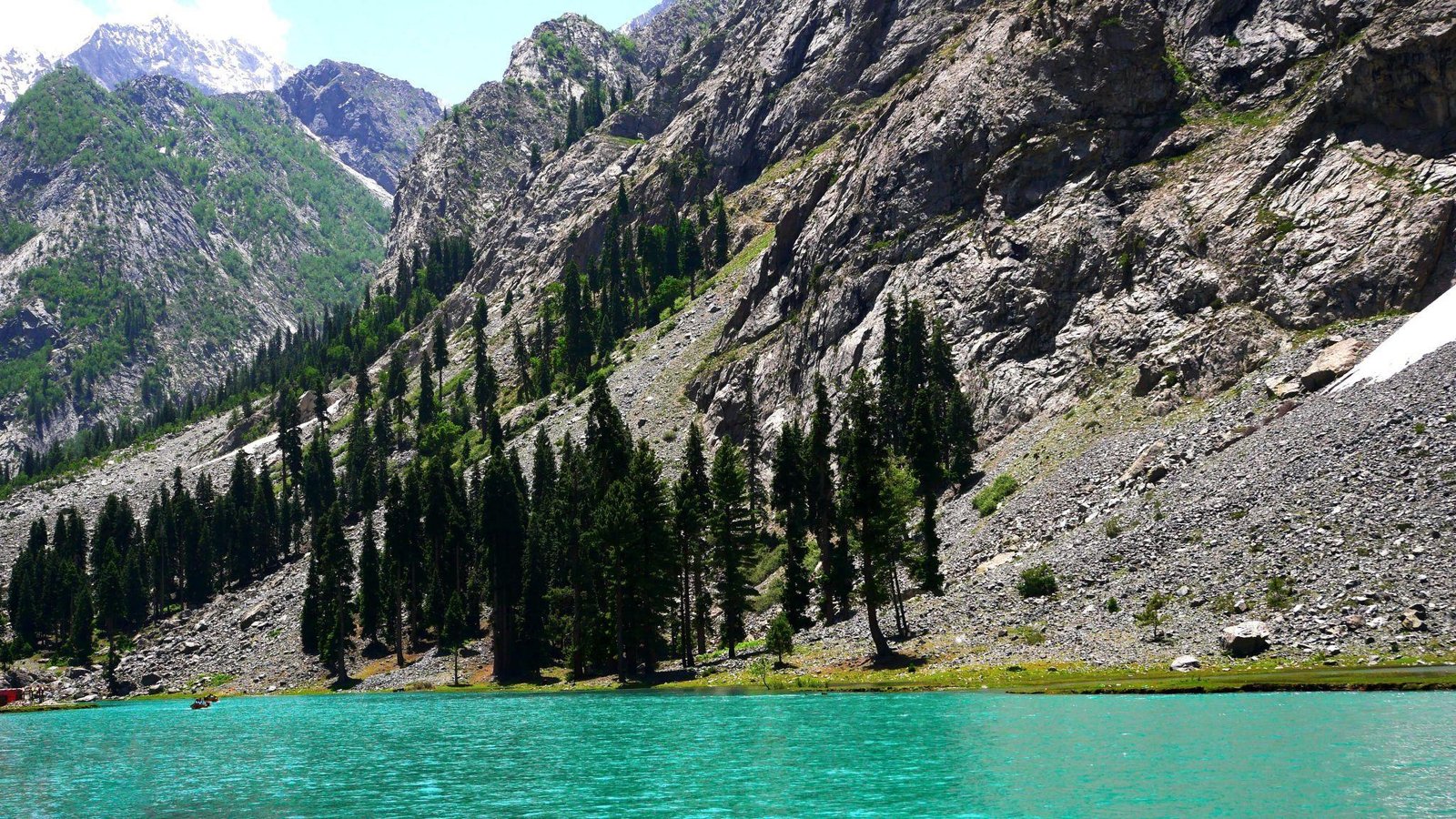
Mahodand Lake
Mahodand Lake is one of the most spectacular alpine lakes in Pakistan and the crown jewel of upper Swat Valley. Located at approximately:
- 2,865 metres above sea level
the lake sits deep within the Ushu Valley north of Kalam and is surrounded by:
- Snow-covered peaks
- Alpine meadows
- Glacial streams
- Rocky mountain ridges
The name “Mahodand” roughly translates to:
“Lake of Fishes”
reflecting the region’s long history of trout fishing.
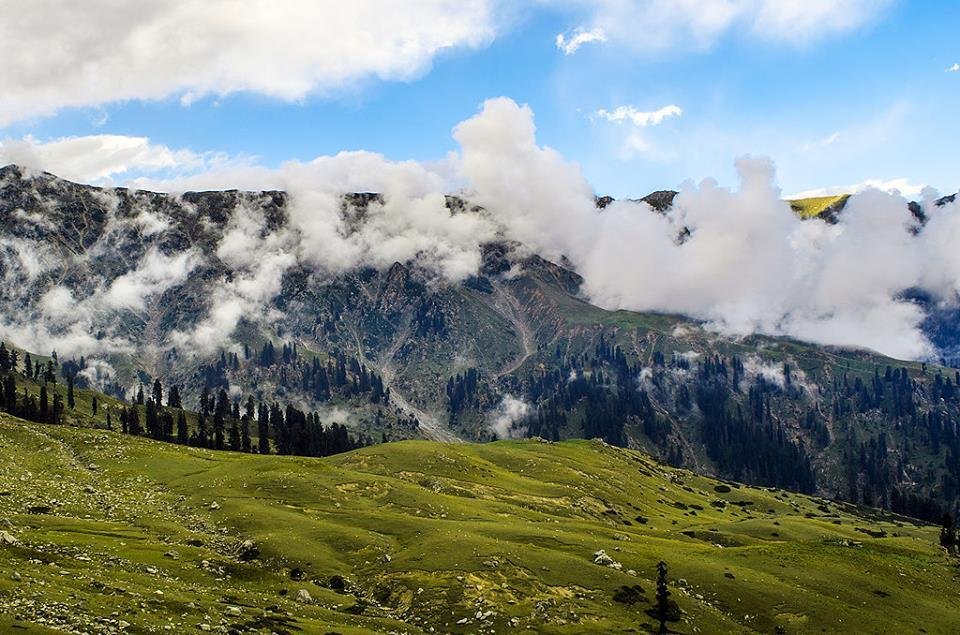
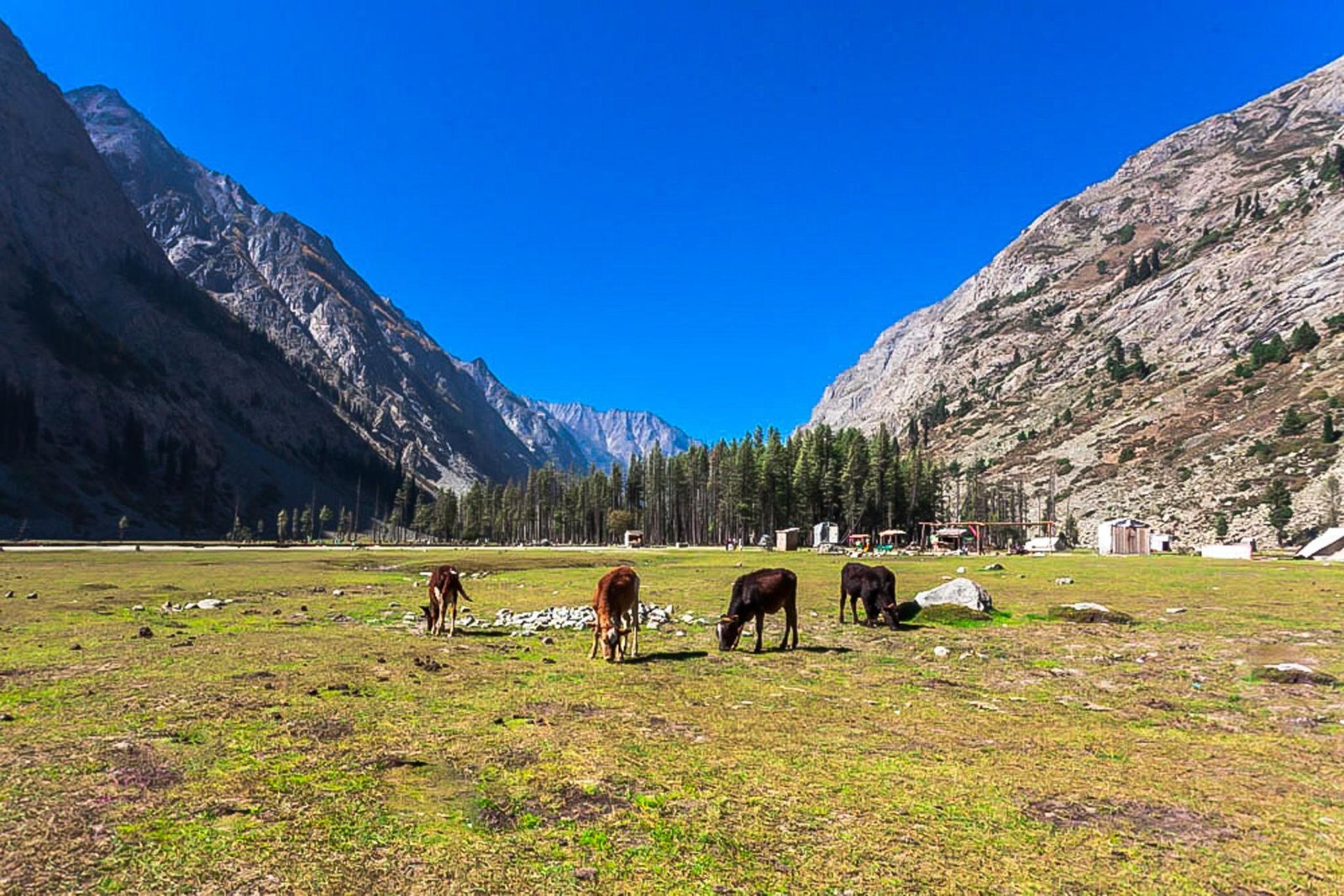
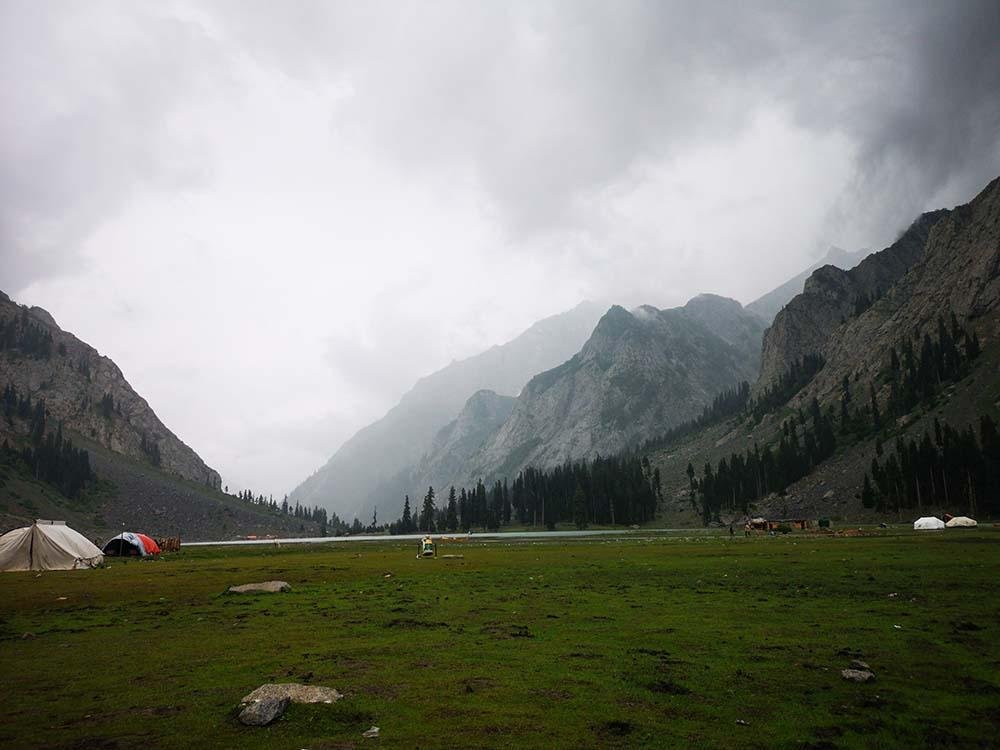
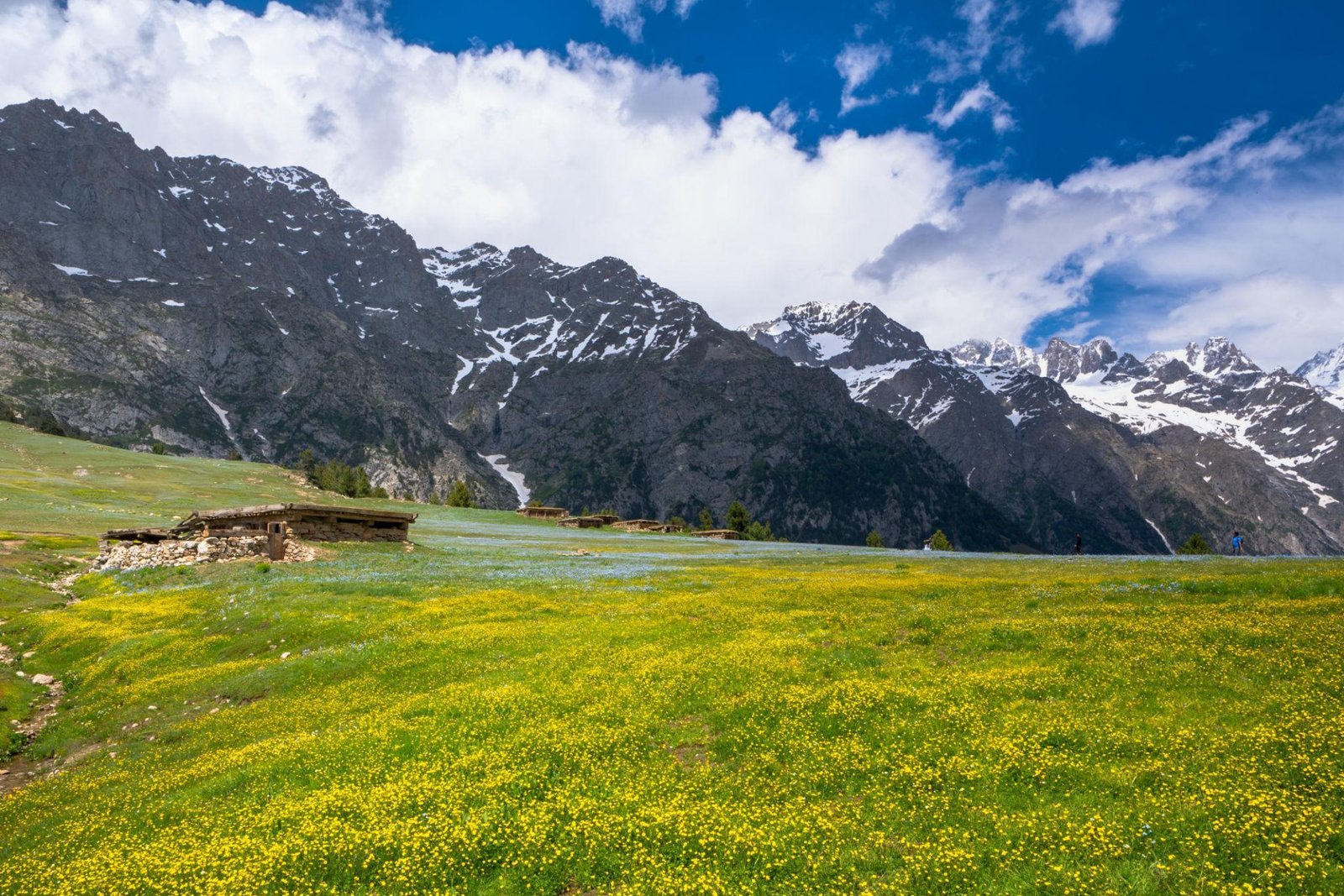
Unlike lower Swat’s forest landscapes, Mahodand feels much more alpine and remote. The valley opens into broad high-altitude grasslands where:
- Horses graze freely
- Nomadic Gujar camps appear during summer
- Rivers braid across open meadows
- Peaks dominate the horizon
For many travelers, Mahodand is the highlight of the entire Swat Valley journey.
Journey from Kalam to Mahodand Lake
Mahodand lies roughly:
- 40 kilometres north of Kalam
but the journey takes:
- 1.5 to 2 hours by jeep
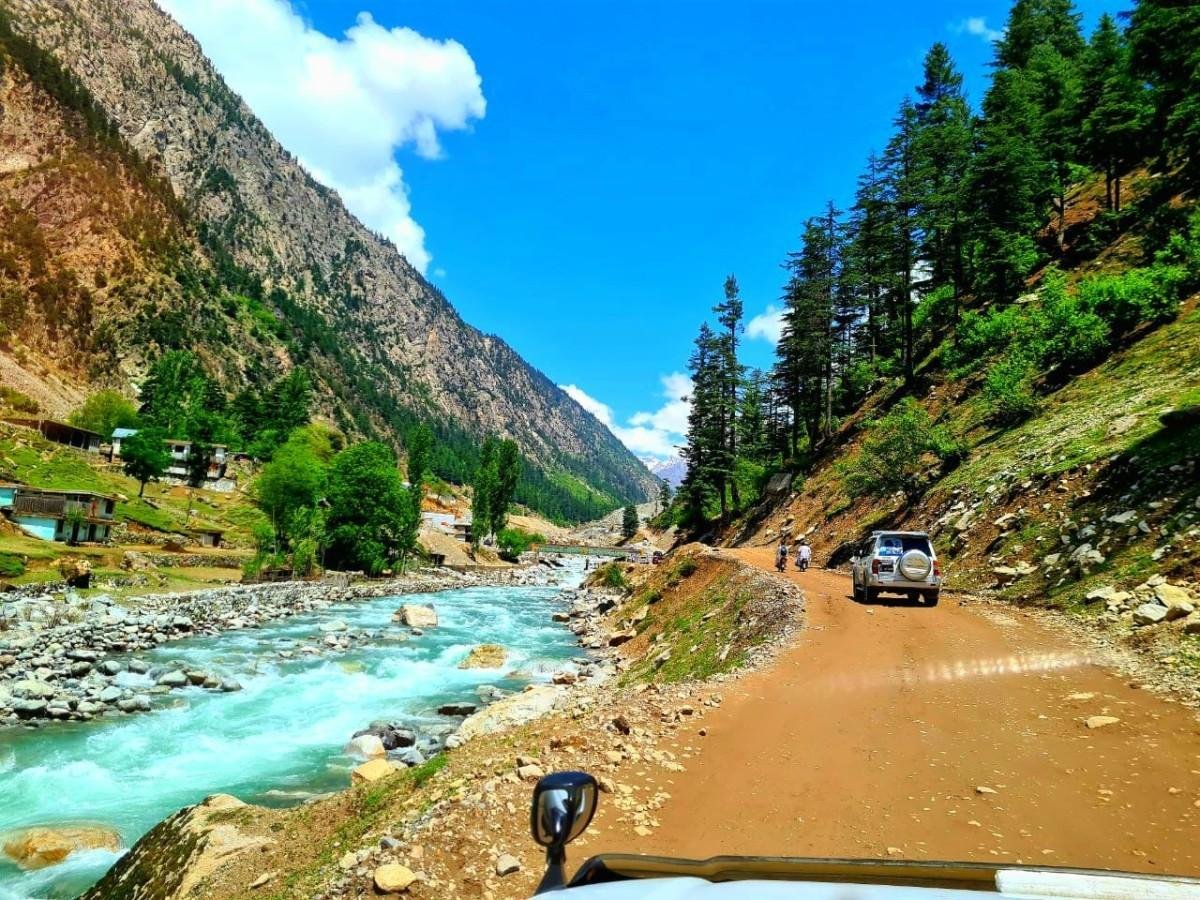
because the road is rough, narrow, and unpaved for most sections.
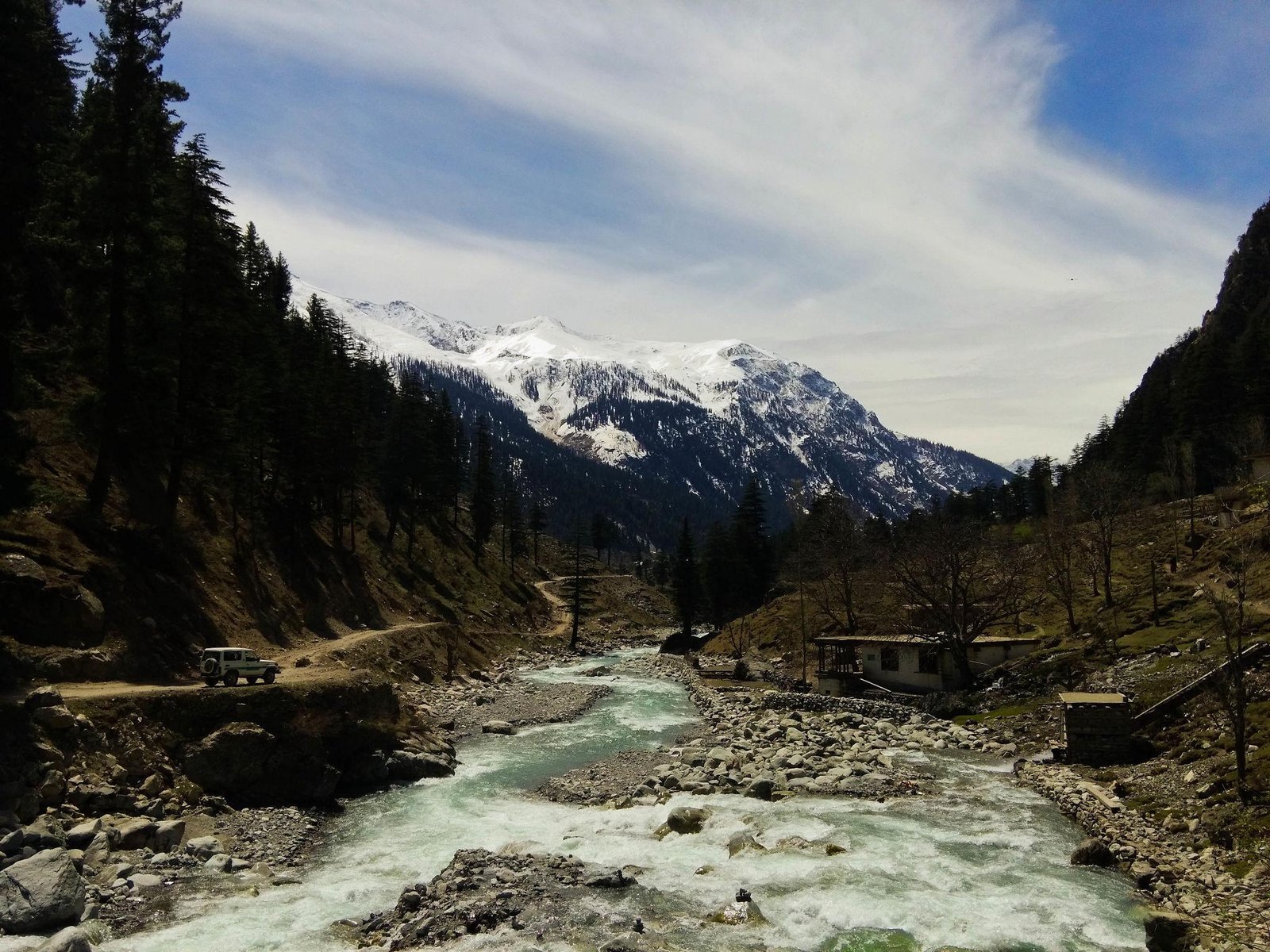
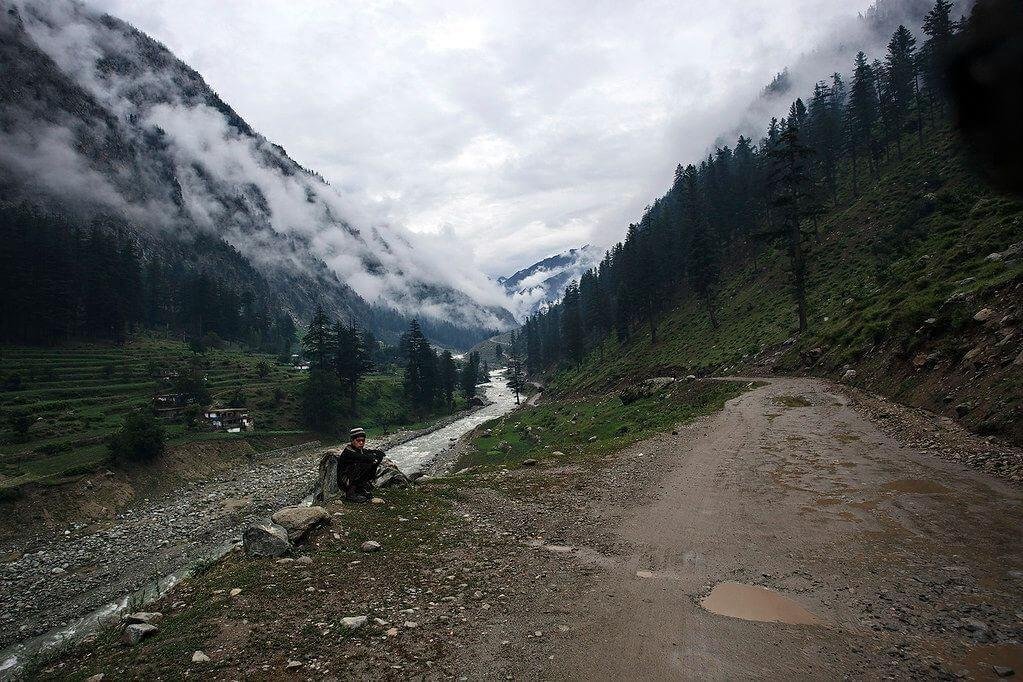
The route follows the Ushu River through:
- Dense forests
- River crossings
- Mountain villages
- Alpine grasslands
- Glacier-fed streams
A proper:
- 4x4 jeep
- high-clearance vehicle
is essential, especially during:
- Monsoon season
- Early summer snowmelt periods
The drive itself is one of the great scenic road trips in Khyber Pakhtunkhwa.
Landscape Around Mahodand Lake
The landscape surrounding Mahodand changes dramatically with the seasons.
During summer:
- Meadows turn bright green
- Wildflowers cover the valley
- Glacial streams swell with snowmelt
- Snow remains visible on higher peaks
The lake itself reflects:
- Blue skies
- Snow mountains
- Cloud formations
- Alpine ridges
creating one of Pakistan’s best mountain photography locations.
Morning conditions are usually calmer and offer the clearest reflections.
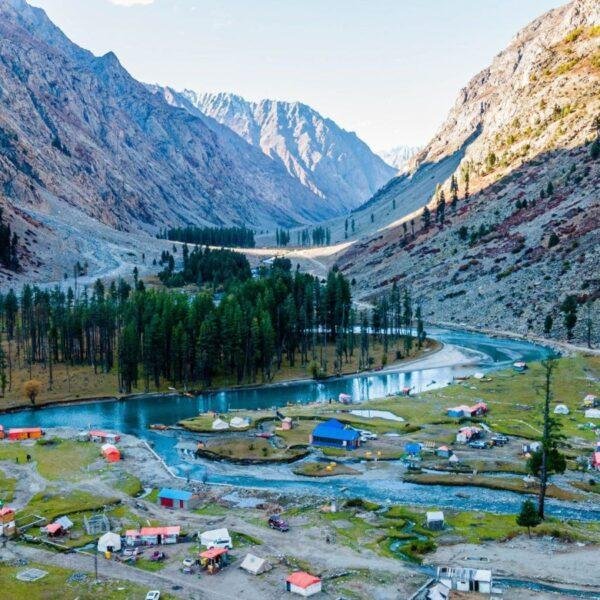
Camping at Mahodand Lake
Camping beside Mahodand Lake is one of the best outdoor experiences in Swat Valley.
Most visitors arrive:
- During late morning
- Spend several hours at the lake
- Return to Kalam before dark
However, overnight camping allows travelers to experience:
- Sunset over the mountains
- Early morning reflections
- Star-filled skies
- Quiet alpine scenery after tourist crowds leave
Temperatures become cold quickly after sunset, even in July.
Essential camping gear includes:
- Warm layers
- Waterproof jackets
- Sleeping bags
- Power banks
- Flashlights
Camping equipment can usually be rented in Kalam.
Trout Fishing at Mahodand
Mahodand is famous for:
- Brown trout fishing
- Cold-water fishing environments
- Crystal-clear alpine streams
Fishing permits are required and can usually be arranged through:
- Local authorities
- Fisheries Department offices
- Tour operators in Kalam
The fishing season generally runs between:
- June and September
Best Time to Visit Mahodand Lake
Summer (June to September)
Summer is the only reliable season for visiting Mahodand because:
- Snow clears from roads
- Jeep access becomes possible
- Meadows turn green
- Temperatures remain comfortable
July and August bring:
- Peak tourist numbers
- Occasional monsoon rain
- Busy weekends
Autumn (Late September to October)
Autumn offers:
- Clearer skies
- Fewer tourists
- Cold nights
- Better photography conditions
Road access may become unpredictable later in October because of early snowfall.
Winter Access to Mahodand
During winter:
- Heavy snowfall blocks the route
- Jeep access becomes impossible
- The lake freezes partially
- Tourism infrastructure closes
Mahodand is generally inaccessible between:
- November and May
Ushu Forest & Falaksair Peak
Beyond Kalam toward Mahodand Lake lies one of the most beautiful forest regions in Pakistan: Ushu Forest.
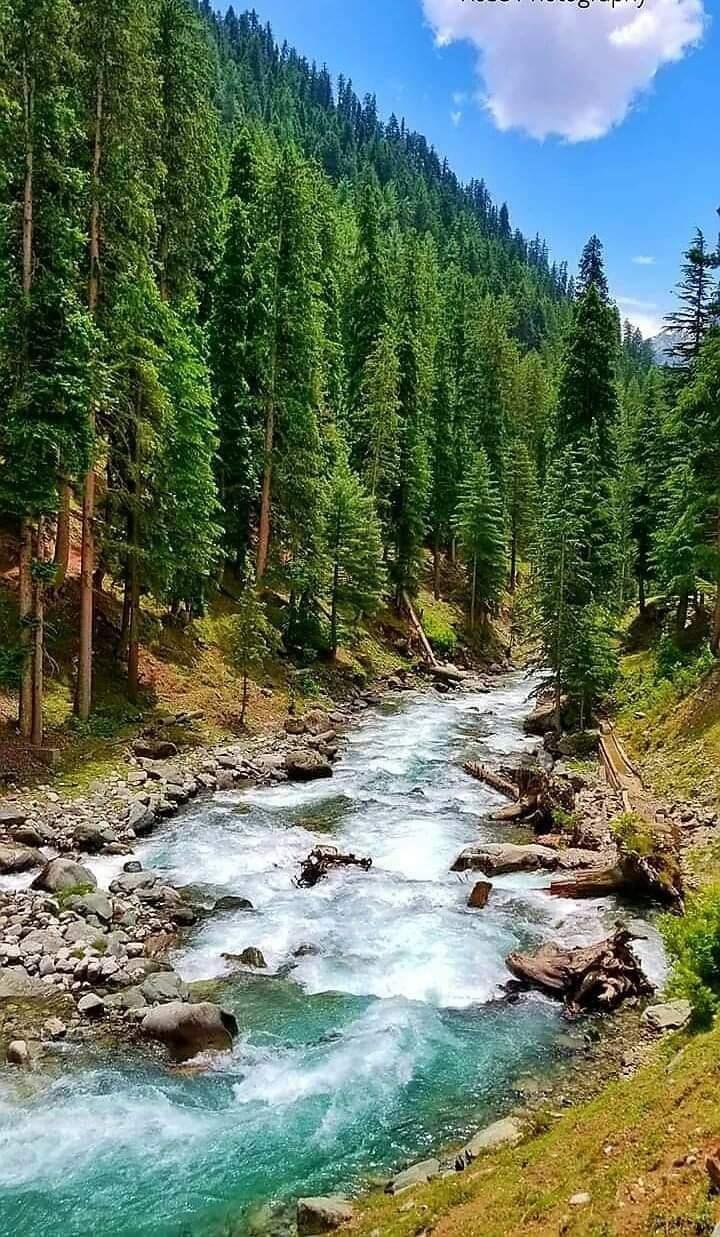
The Ushu Valley follows the upper stretches of the Ushu River through:
- Dense pine forests
- Alpine meadows
- Glacier streams
- Rocky mountain slopes
The atmosphere changes noticeably after leaving Kalam. Tourist crowds become thinner while the landscape becomes increasingly wild and alpine.
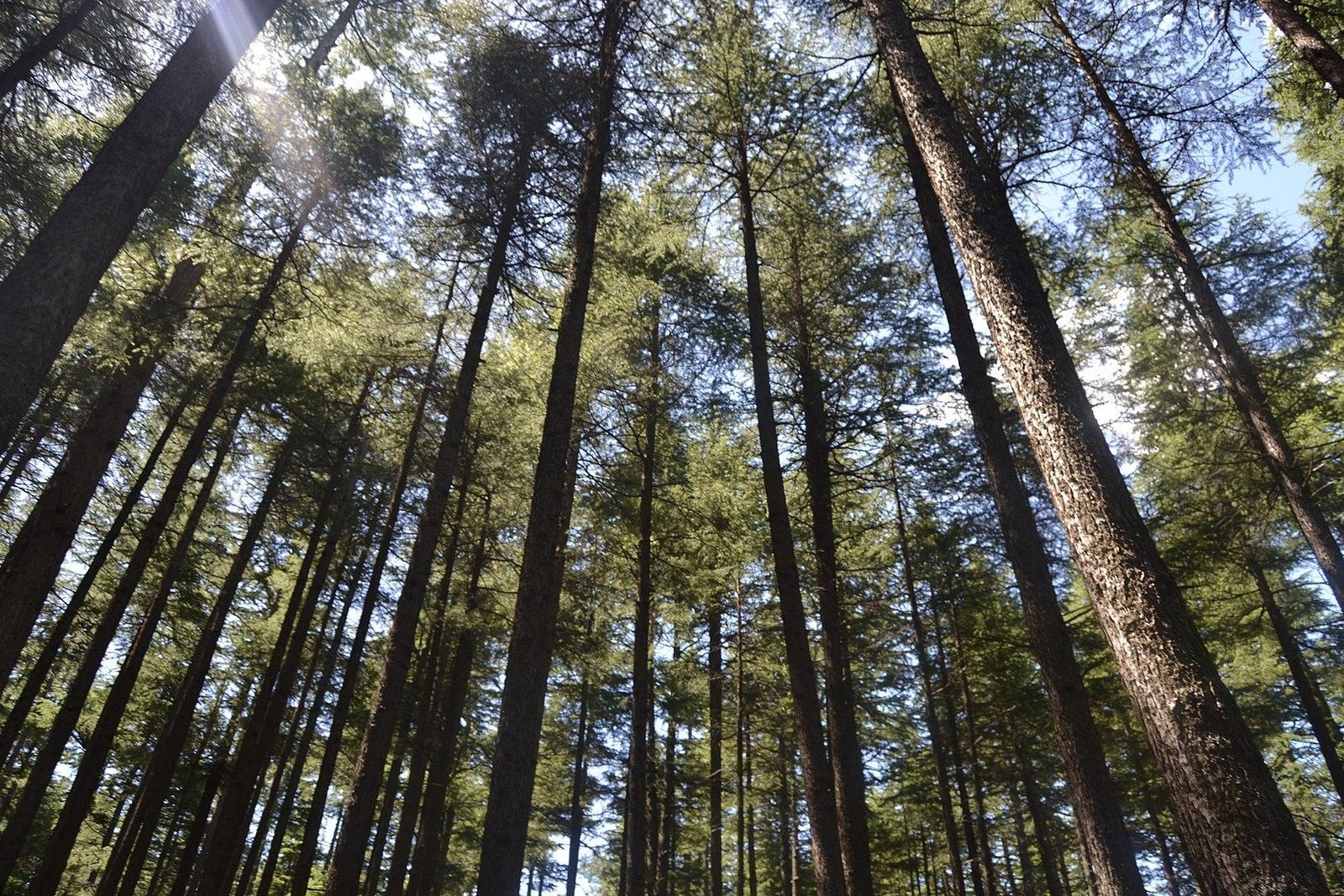
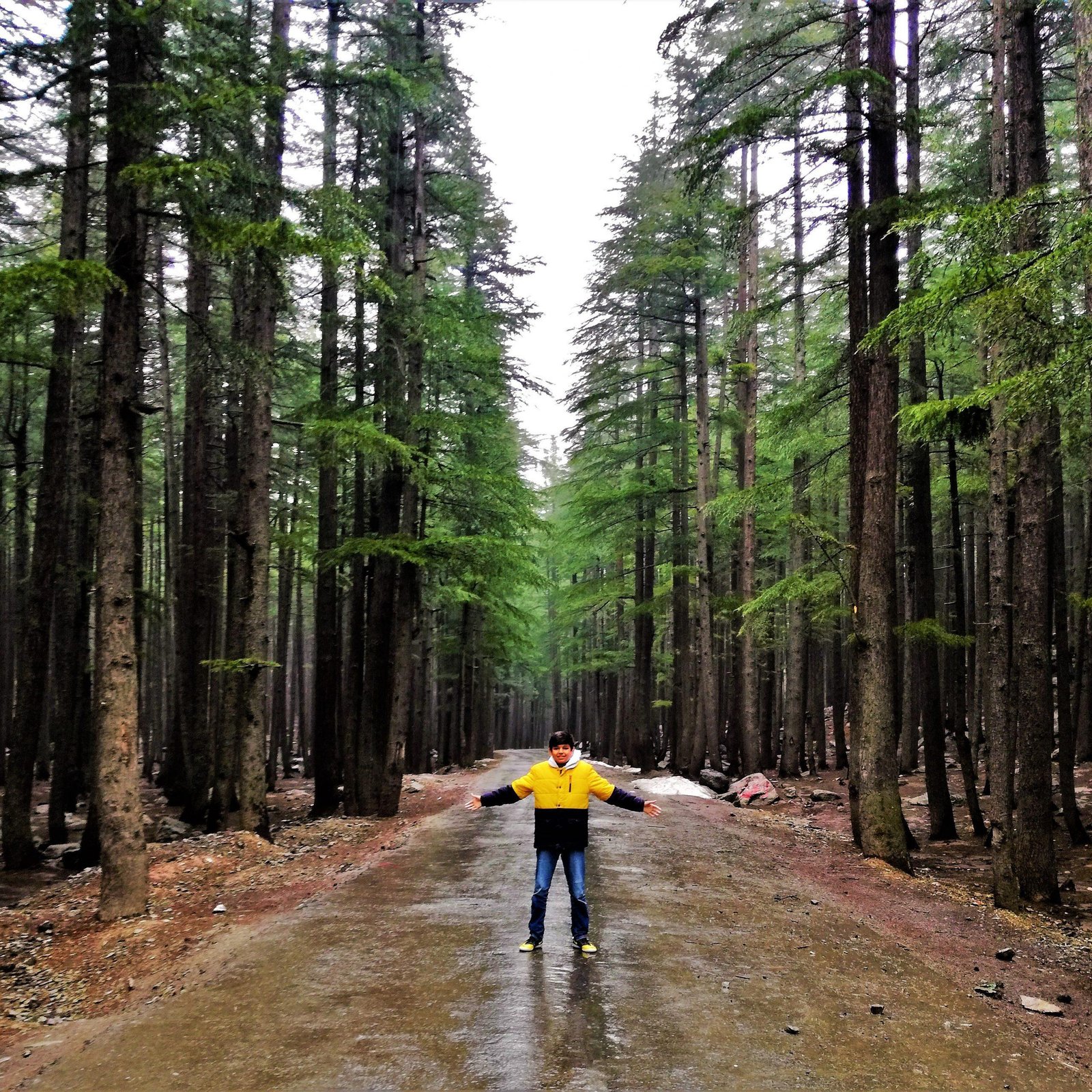
Tall deodar and pine trees cover much of the valley, creating one of northern Pakistan’s most scenic forest corridors.
During summer:
- Mist drifts through the trees
- Rivers swell with glacial melt
- Wildflowers cover open meadows
- Snow remains visible on distant peaks
The valley also serves as the gateway toward:
- Mahodand Lake
- Falaksair trekking routes
- Remote alpine grazing settlements
Exploring Ushu Forest
Ushu Forest is ideal for travelers interested in:
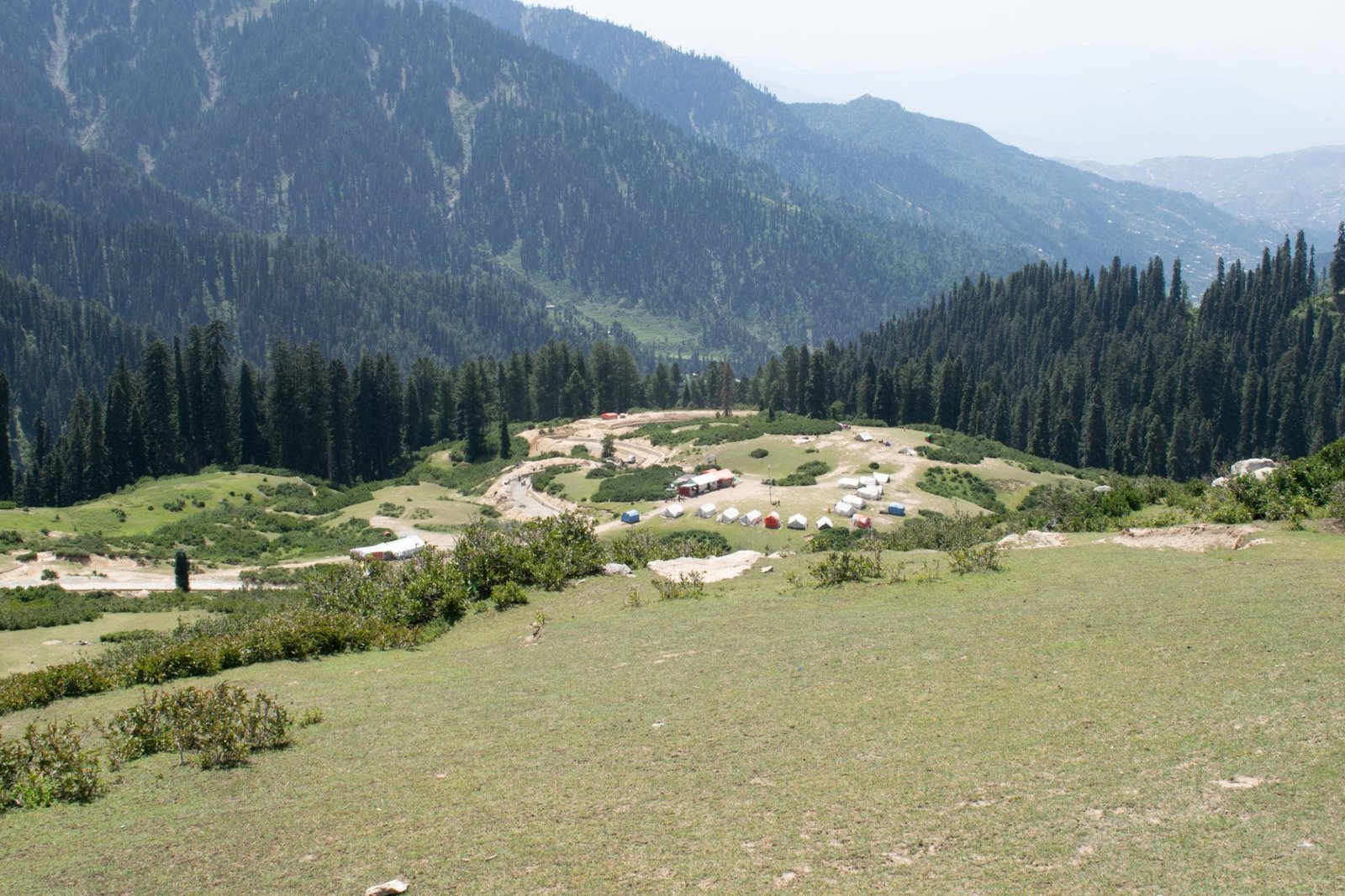
- Camping
- Photography
- Relaxed nature travel
- Hiking
- Forest exploration
Unlike commercial tourist spots, much of Ushu remains undeveloped.
Visitors commonly:
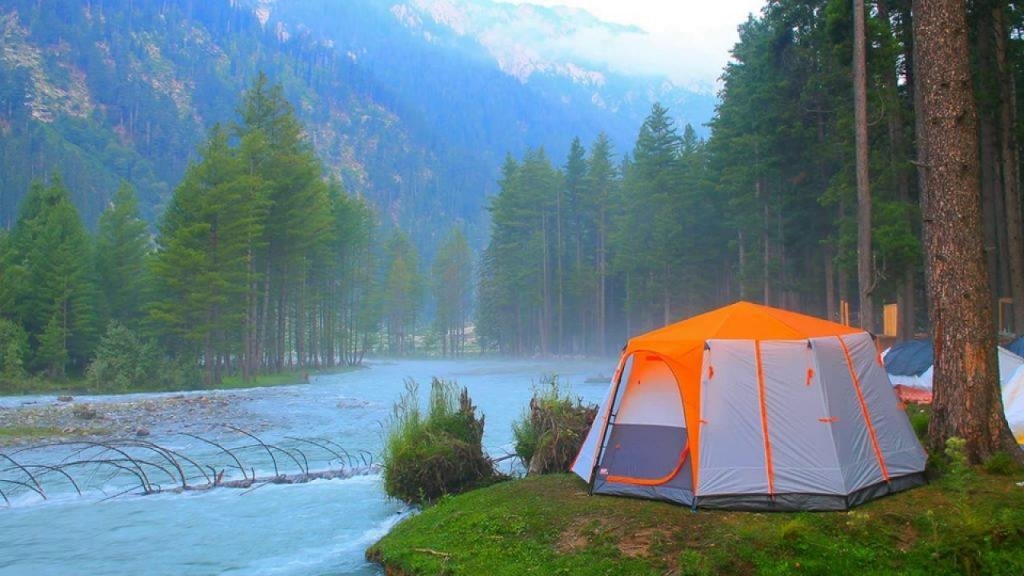
- Camp beside rivers
- Walk forest trails
- Stop for roadside photography
- Explore meadow clearings
The sound of:
- Fast-flowing rivers
- Wind through pine trees
- Birds in the forest canopy
creates one of the calmest natural environments in Swat Valley.
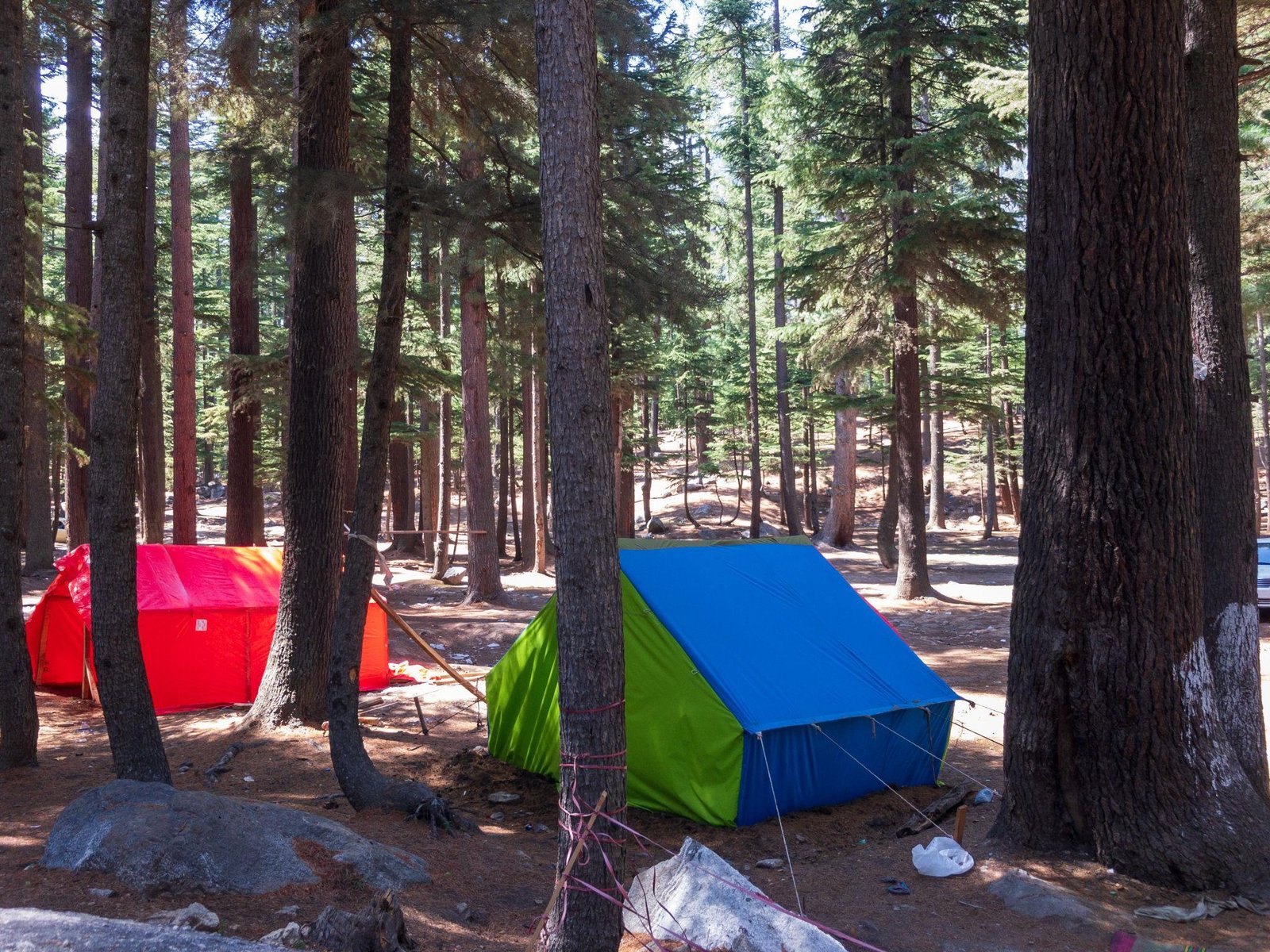
Camping in Ushu Valley
Camping in Ushu is especially popular during:
- June
- July
- August
The valley contains numerous natural camping spots beside:
- Forest clearings
- Rivers
- Meadows
At night:
- Temperatures drop significantly
- Bonfires become common
- Skies remain extremely clear away from settlements
Travelers should carry:
- Warm clothing
- Waterproof gear
- Food supplies
- Flashlights
because facilities outside Kalam remain limited.
Falaksair Peak
Falaksair Peak is the highest mountain in Swat Valley and one of the most important trekking objectives in Khyber Pakhtunkhwa.
The peak rises to approximately:
- 5,918 metres above sea level
and dominates much of the upper Swat skyline.
Falaksair is visible from:
- Kalam
- Ushu Valley
- Mahodand region
- Upper alpine meadows
The mountain remains snow-covered for much of the year and forms part of the glacial watershed feeding the Swat River system.
Trekking Around Falaksair
The trekking routes around Falaksair pass through:
- Forests
- Alpine lakes
- Meadow systems
- Glacier valleys
- Rocky ridges
Most trekking itineraries begin from:
- Kalam
- Ushu
- Mahodand Lake region
The area is suitable for:
- Multi-day trekking
- Camping expeditions
- Landscape photography
- Adventure travel
Experienced trekkers occasionally attempt technical ascents of the peak itself, though this requires:
- Mountaineering skills
- Local guides
- Proper alpine equipment
Wildlife & Alpine Ecology
The upper valleys around Falaksair support:
- Himalayan bird species
- Alpine vegetation
- Mountain foxes
- Grazing livestock
- Seasonal wildflower blooms
During spring and summer:
- Meadows become intensely green
- Streams flood with snowmelt
- Wildlife activity increases
The ecological diversity of upper Swat is one of the reasons the region remains so visually rich compared to drier mountain areas elsewhere in Pakistan.
Gabral Valley
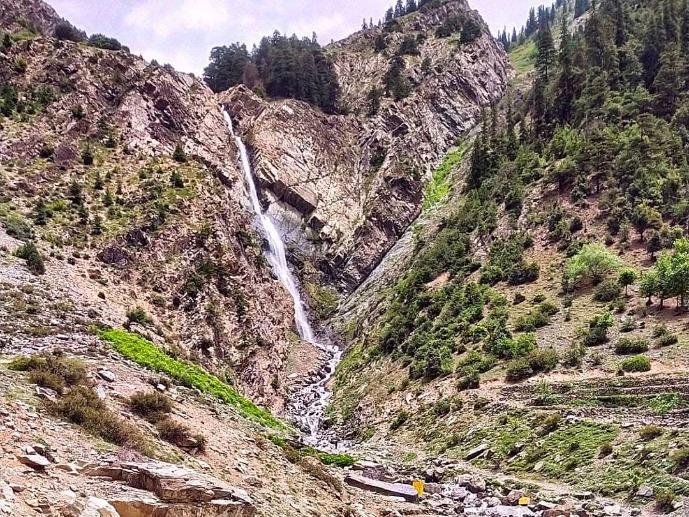
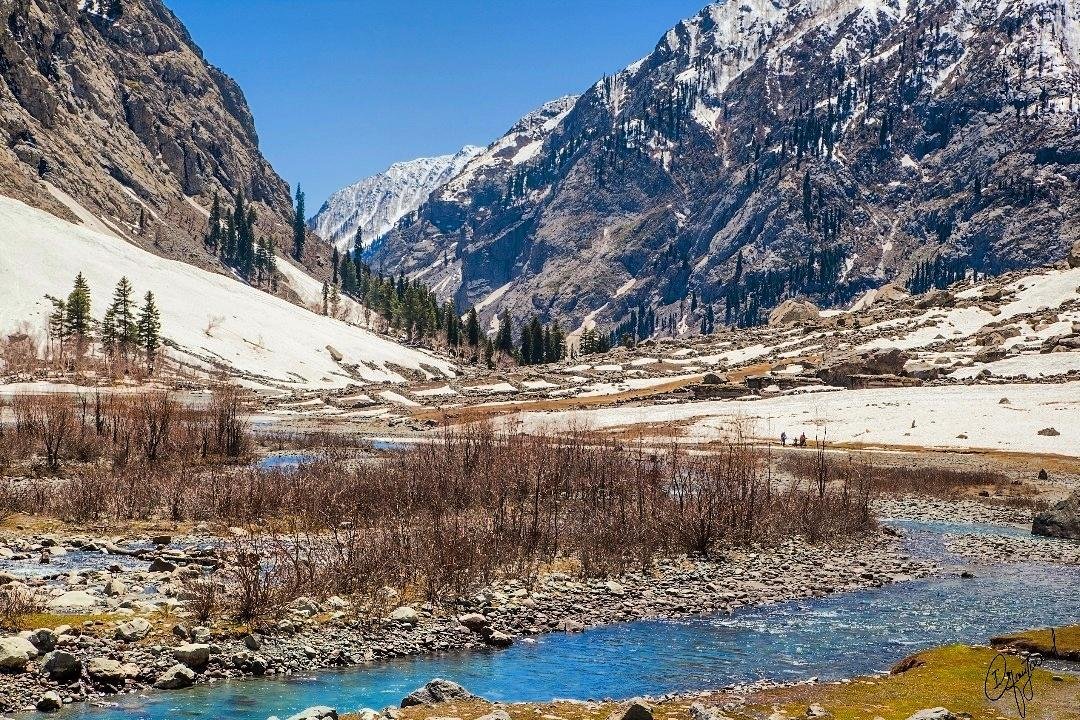
Gabral Valley is one of the least commercialized and most naturally preserved regions in upper Swat. Located northwest of Kalam, the valley stretches deep into alpine terrain fed by glaciers, snowmelt streams, and dense forests.
Compared to Kalam’s busy tourism atmosphere, Gabral feels:
- Quieter
- Wilder
- More remote
- Less developed
The valley is especially attractive for:
- Campers
- Landscape photographers
- Hikers
- Anglers
- Travelers seeking isolation in nature
The Gabral River runs powerfully through the valley and shapes much of its scenery.
Journey to Gabral Valley
The route toward Gabral passes:
- River crossings
- Forest tracks
- Wooden villages
- Meadow systems
- Rocky mountain roads
Depending on weather and season:
- 4x4 transport may be necessary
- Roads may become muddy or damaged
- Glacier melt can affect river crossings
The valley becomes especially dramatic during:
- Late spring
- Peak summer snowmelt season
when rivers flow intensely beneath snow-covered mountains.
Camping & Nature in Gabral Valley
Gabral Valley is considered one of the best camping regions in Swat because of its:
- Open riverside meadows
- Dense pine forests
- Low tourist density
- Untouched alpine scenery
Unlike crowded tourist centers, large sections of Gabral remain completely natural with very limited construction.
Travelers often set up camps near:
- Riverbanks
- Forest clearings
- Alpine grasslands
- Shepherd settlements
At night the valley becomes exceptionally quiet except for:
- River sounds
- Wind through pine trees
- Occasional livestock bells from grazing areas
The absence of heavy urban lighting makes Gabral ideal for:
- Astrophotography
- Night sky viewing
- Bonfire camping experiences
Trout Fishing in Gabral River
The cold glacial waters of the Gabral River support healthy trout populations and attract fishing enthusiasts from across Pakistan.
The river is especially known for:
- Brown trout
- Fast-flowing cold water systems
- Scenic fishing locations
- Fly fishing opportunities
The best fishing months are generally:
- May to September
Fishing permits are required and should be arranged through:
- Local fisheries authorities
- Tourism offices
- Local guides in Kalam
Many travelers combine:
- Fishing
- Camping
- Photography
- Riverside trekking
during multi-day stays in the valley.
Utror Valley
Utror Valley lies northeast of Kalam and is one of the most beautiful upper valleys in Swat District.
The valley gradually rises toward:
- Glacier systems
- Alpine lakes
- High mountain passes
- Seasonal grazing regions
Compared to more developed tourist locations, Utror still preserves much of its:
- Traditional mountain lifestyle
- Wooden architecture
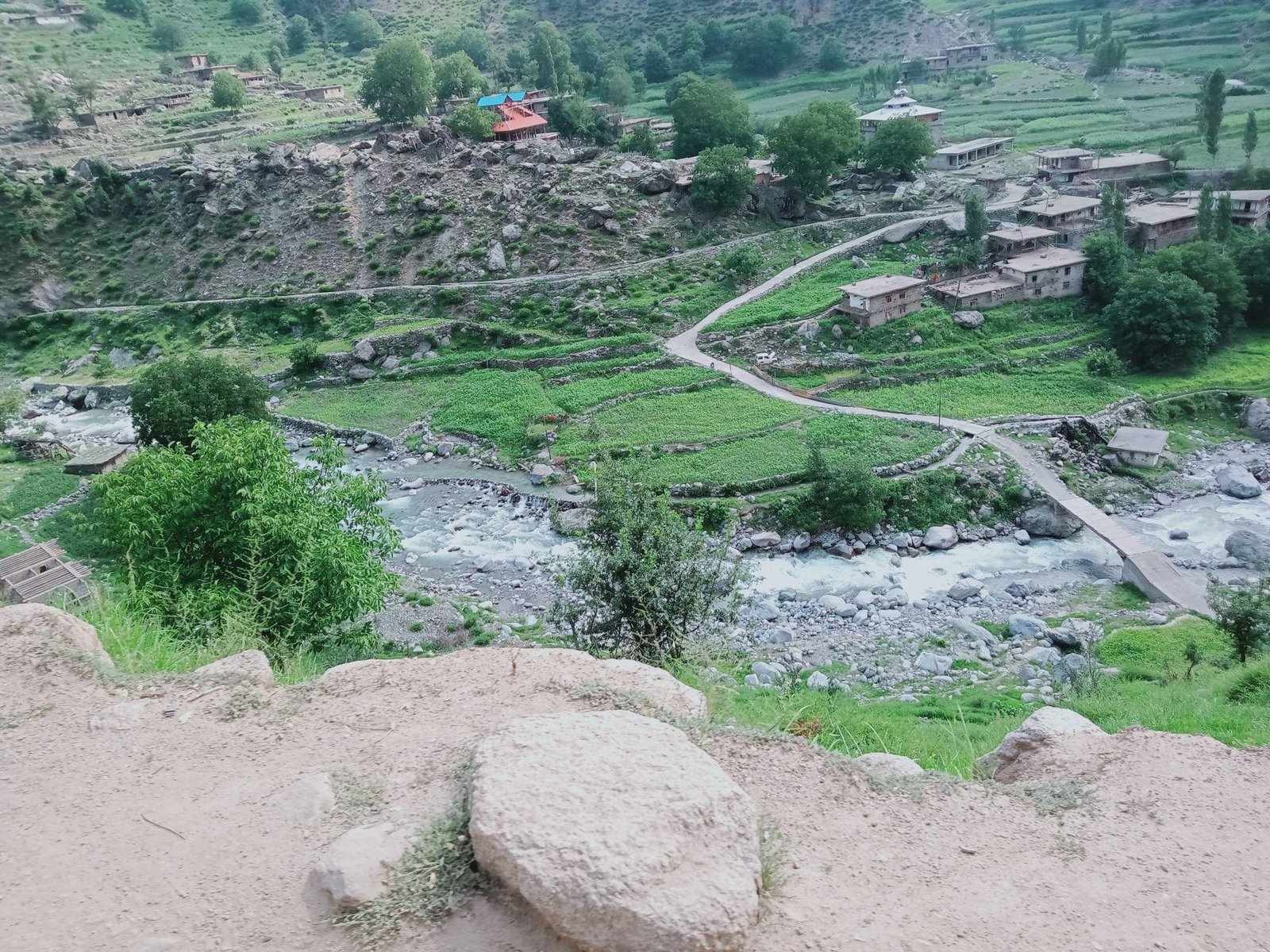
- Agricultural terraces
- Forest landscapes
The valley remains relatively peaceful even during peak tourism months.
Landscape of Utror Valley
The scenery in Utror changes dramatically with elevation.
Lower areas contain:
- Pine forests
- River valleys
- Terraced fields
- Villages
Higher sections transition into:
- Alpine meadows
- Rocky slopes
- Glacier streams
- Snow-covered peaks
During summer:
- Wildflowers bloom across meadows
- Shepherd camps appear in higher pastures
- Streams swell with snowmelt
The valley becomes especially photogenic during:
- Early morning mist
- Autumn foliage season
- Golden sunset hours
Traditional Villages & Local Culture
The villages of Utror provide insight into traditional mountain life in upper Swat.
Local communities depend largely on:
- Agriculture
- Livestock
- Forestry
- Seasonal tourism
Traditional homes often feature:
- Wooden balconies
- Stone foundations
- Sloped roofs for snow conditions
Visitors should:
- Dress modestly
- Respect local customs
- Avoid intrusive photography
- Ask before entering villages or homes
Hospitality remains a defining feature of mountain culture throughout Swat Valley.
Malam Jabba
Malam Jabba is Pakistan’s best-known ski resort and the country’s most developed winter tourism destination.
Located at approximately:
- 2,804 metres above sea level
the resort sits on mountain slopes surrounded by:
- Pine forests
- Snow-covered ridges
- Deep valleys
- Alpine viewpoints
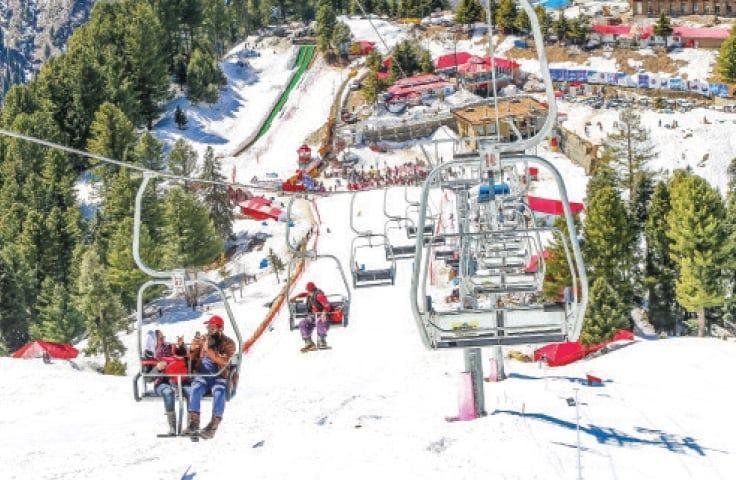
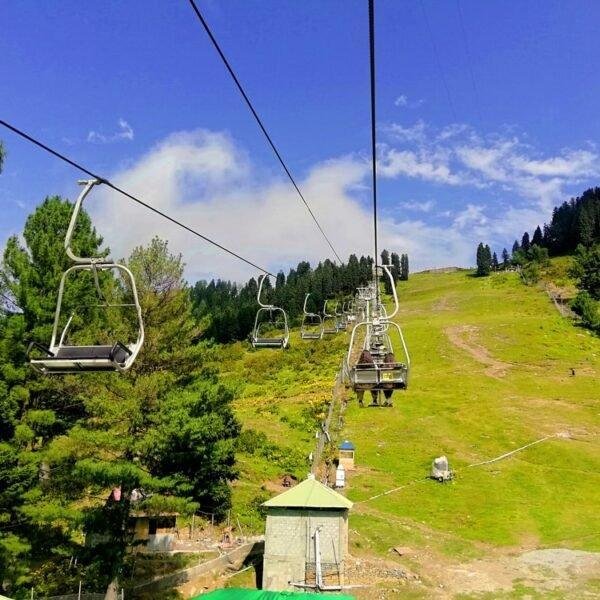
Originally developed during the 1980s, Malam Jabba has undergone major redevelopment in recent years and now includes:
- Modern ski facilities
- Chair lifts
- Zipline attractions
- Hotels
- Restaurants
- Winter sports infrastructure
Skiing in Malam Jabba
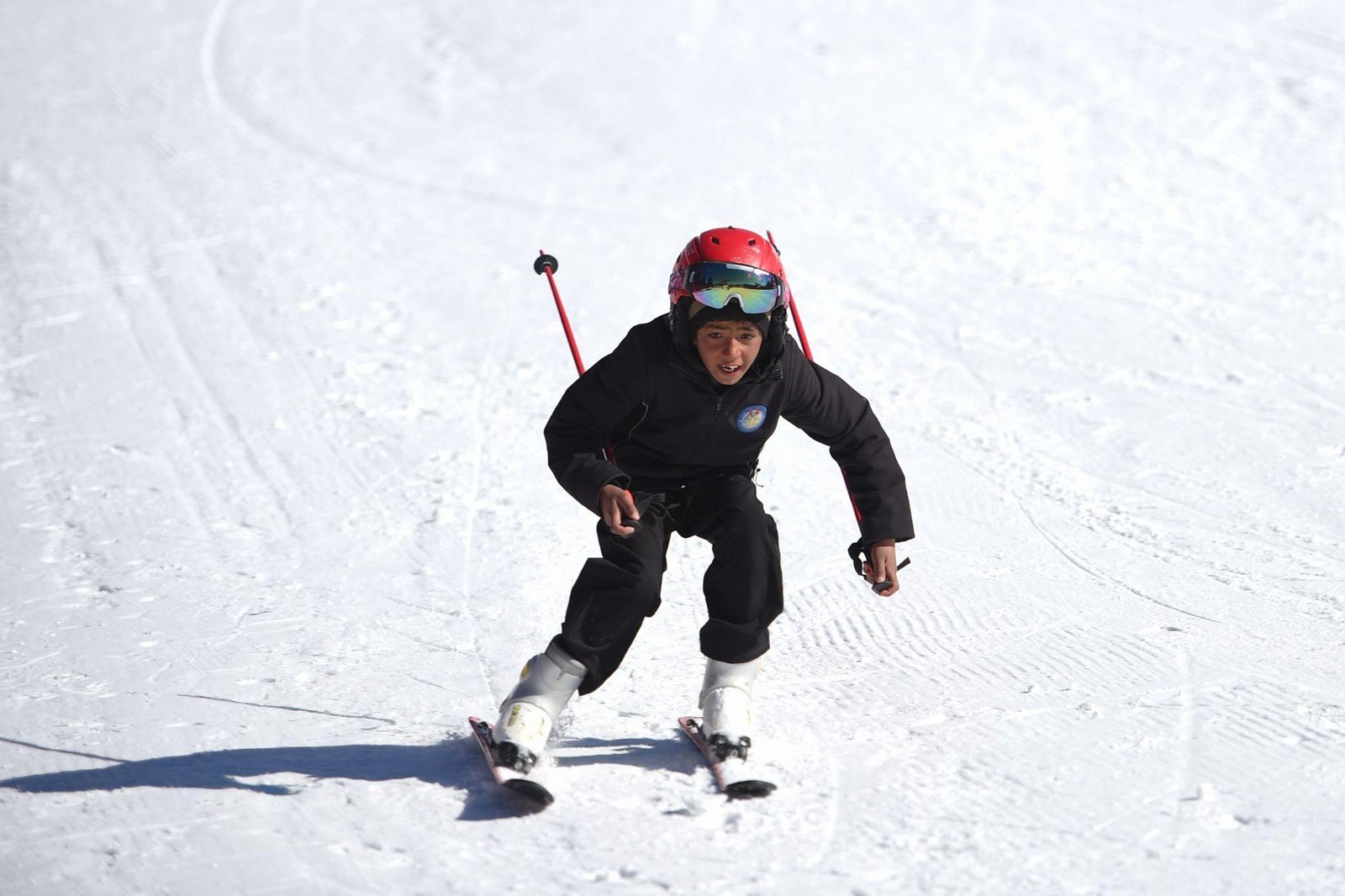
Malam Jabba remains the center of skiing in Pakistan.
The resort attracts:
- Professional skiers
- Families
- Snowboarders
- Winter tourists
- Adventure travelers
Peak snowfall usually occurs between:
- December and February
During heavy snow periods:
- Ski slopes become fully operational
- Winter festivals are occasionally held
- Hotels fill quickly on weekends
Equipment rentals are available on-site including:
- Skis
- Snowboards
- Snow gear
Summer Tourism in Malam Jabba
Although famous for winter tourism, Malam Jabba is also popular during summer.
The cooler climate and forest scenery attract travelers looking to escape:
- Heat in major Pakistani cities
- Urban congestion
- Humid summer weather
Summer activities include:
- Chairlift rides
- Hiking
- Ziplining
- Photography
- Forest walks
Clear days offer panoramic views across surrounding mountain ranges.
Zipline & Adventure Activities
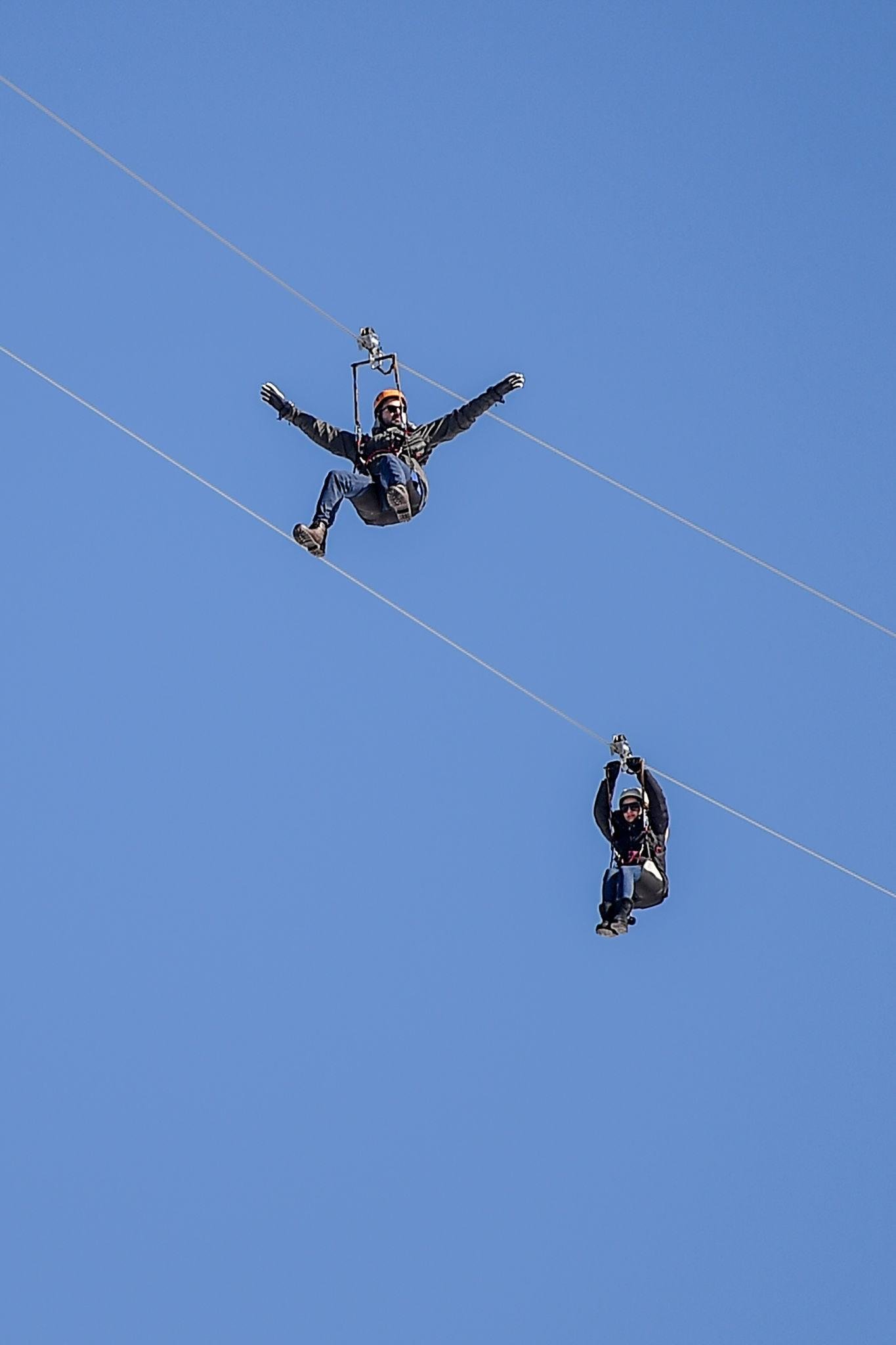
Malam Jabba now includes one of Pakistan’s most popular mountain ziplines.
Adventure facilities include:
- Zipline experiences
- Rope courses
- ATV rides
- Scenic chairlifts
- Mountain cafes
These additions have made the resort popular even among travelers who do not ski.
Buddhist Heritage Sites in Swat Valley
Long before Swat became known for mountain tourism, the valley was one of the most important centers of Buddhism in South Asia.
Between:
- The 2nd century BCE
- The 8th century CE
Swat formed a major part of the ancient Gandhara civilization, a cultural region that blended:
- Greek influence
- Central Asian traditions
- Buddhist philosophy
- South Asian art
At its peak, the valley contained hundreds of:
- Monasteries
- Buddhist universities
- Meditation complexes
- Stupas
- Rock carvings
Chinese monk Xuanzang described Swat as a flourishing Buddhist center during his journey through the region in the 7th century.
Today, many archaeological remains survive throughout the valley and make Swat one of the most historically important destinations in Pakistan.
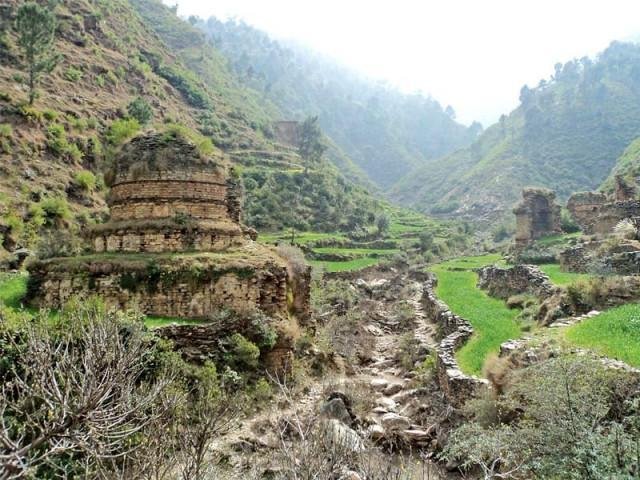
Butkara Stupa
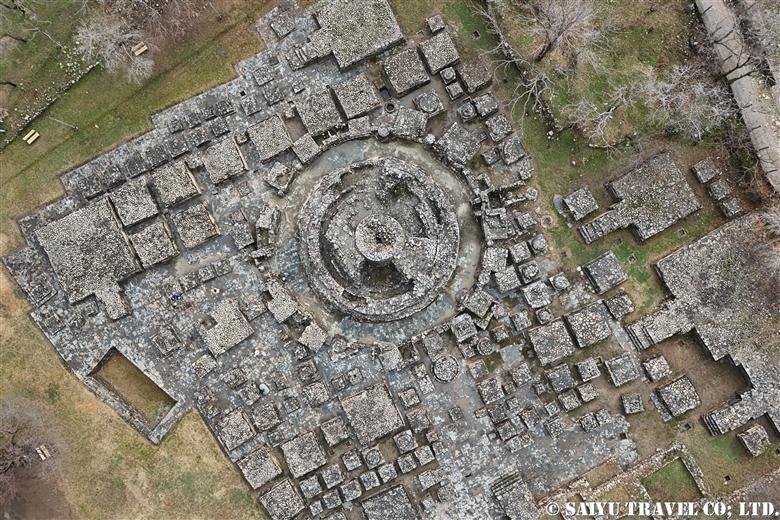
Butkara Stupa is one of the most important Buddhist archaeological sites in Pakistan.
Located near Saidu Sharif, the site dates back more than:
- 2,000 years
and was expanded repeatedly during different Buddhist periods.
Archaeologists discovered:
- Stone stupas
- Meditation chambers
- Sculptures
- Coins
- Monastic remains
during excavations carried out by Italian archaeological teams.
The architecture reflects strong Gandharan influence with artistic styles combining:
- Greek design elements
- Buddhist symbolism
- Regional craftsmanship
Historical Importance of Butkara
The site is believed to have remained active for centuries as:
- A pilgrimage center
- Religious institution
- Monastic settlement
Many smaller stupas were later constructed around the central structure by Buddhist followers over generations.
For travelers interested in:
- Ancient civilizations
- Buddhism
- Archaeology
- Silk Road history
Butkara provides one of Pakistan’s most fascinating historical experiences.
Jahanabad Buddha
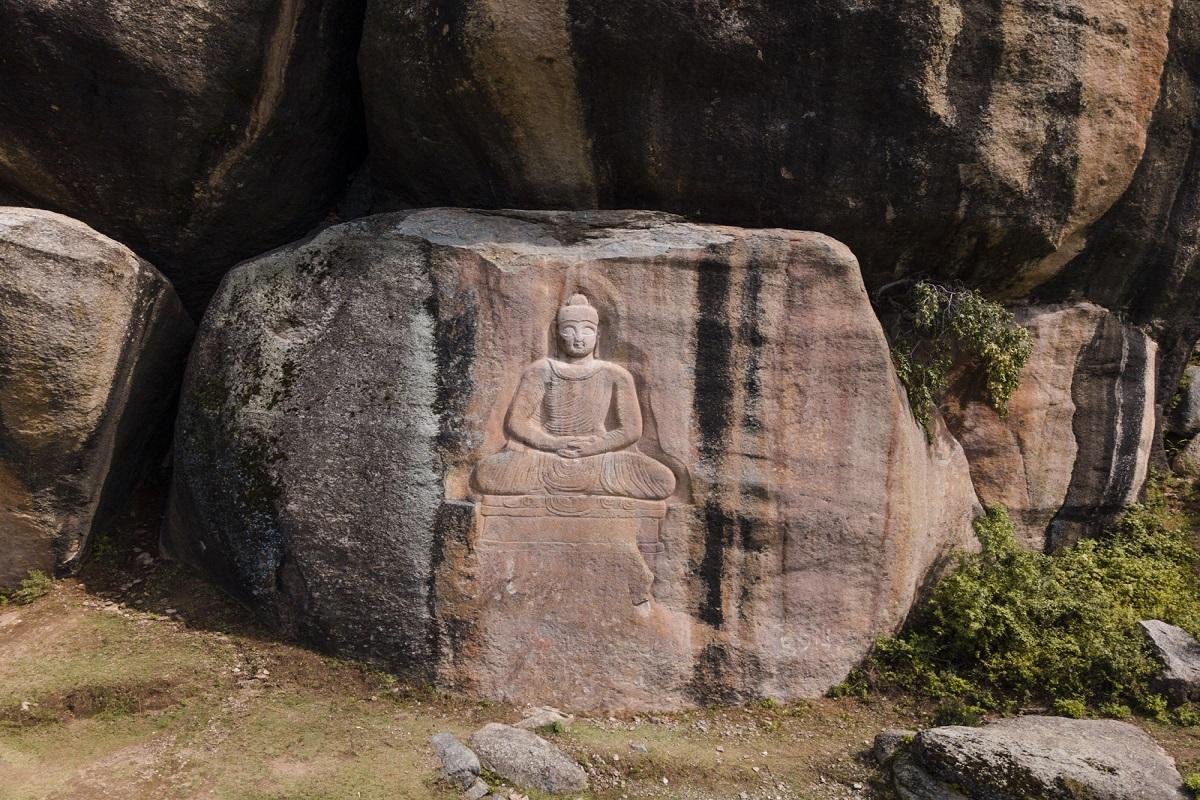
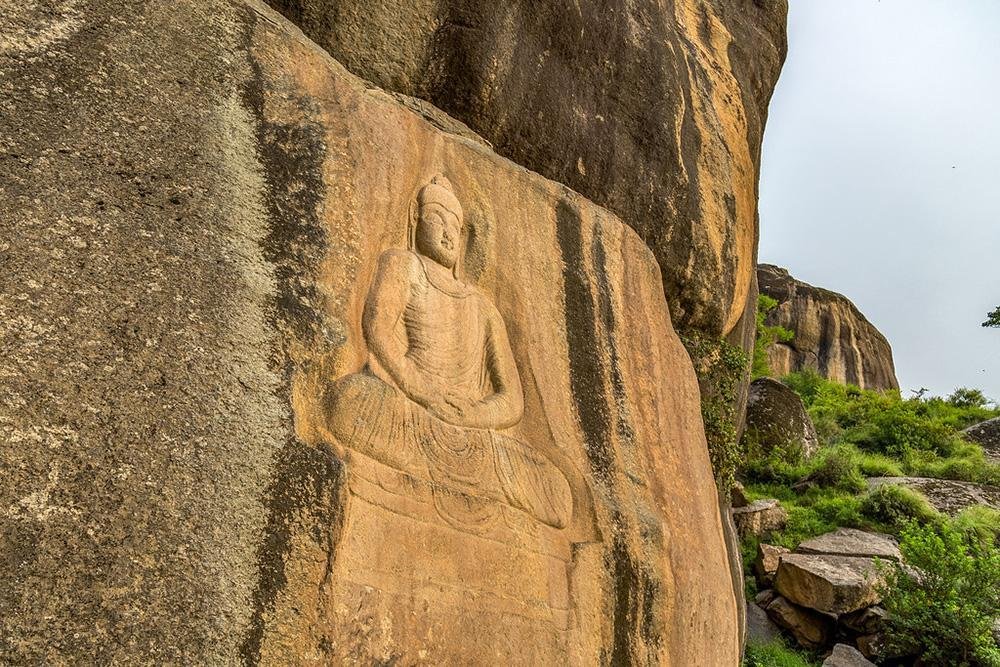
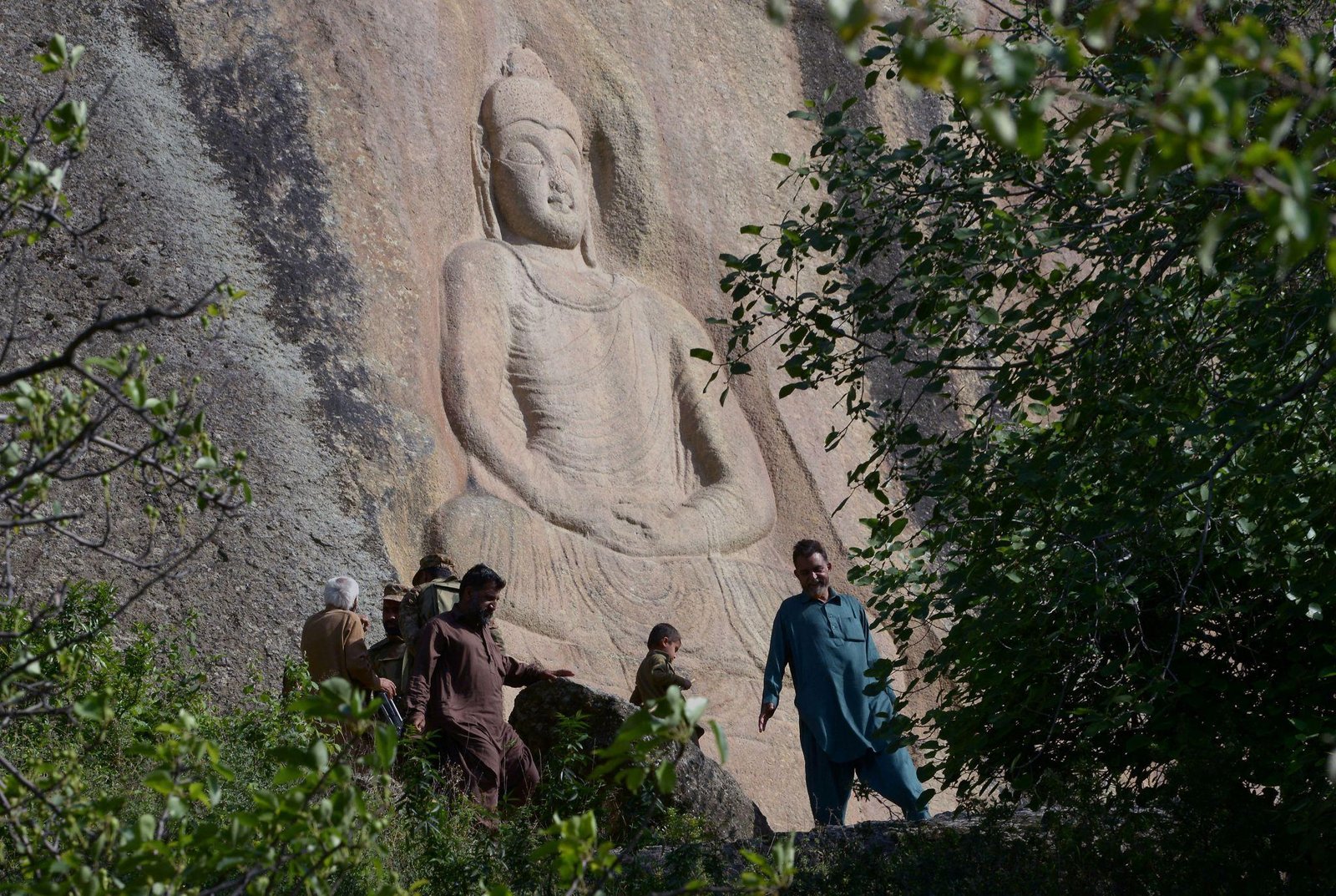
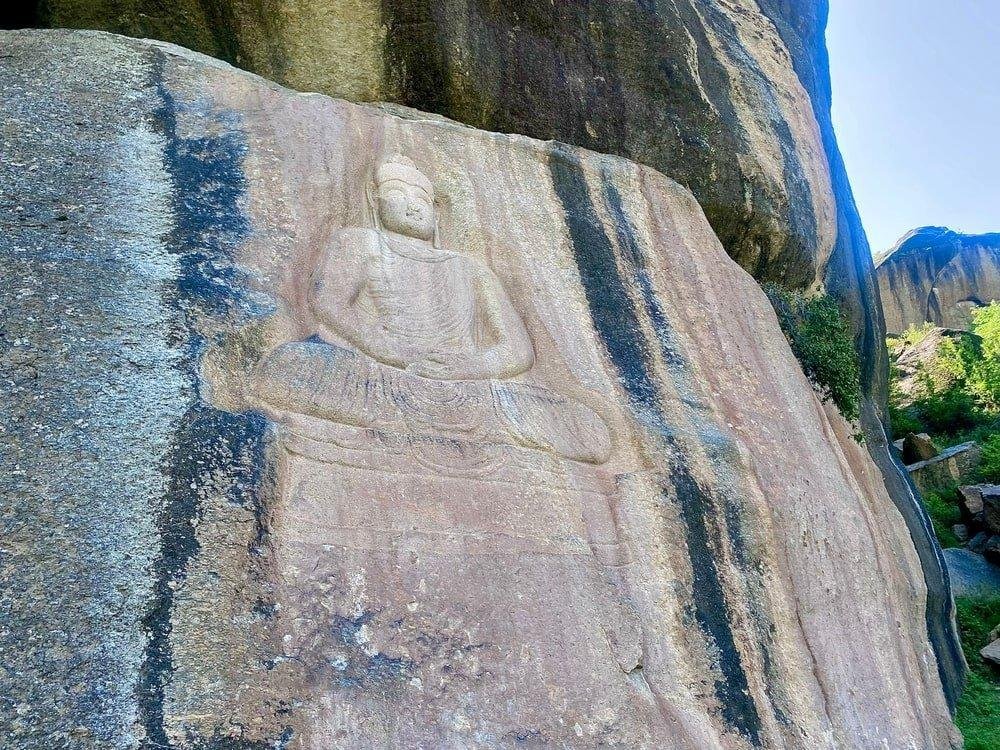
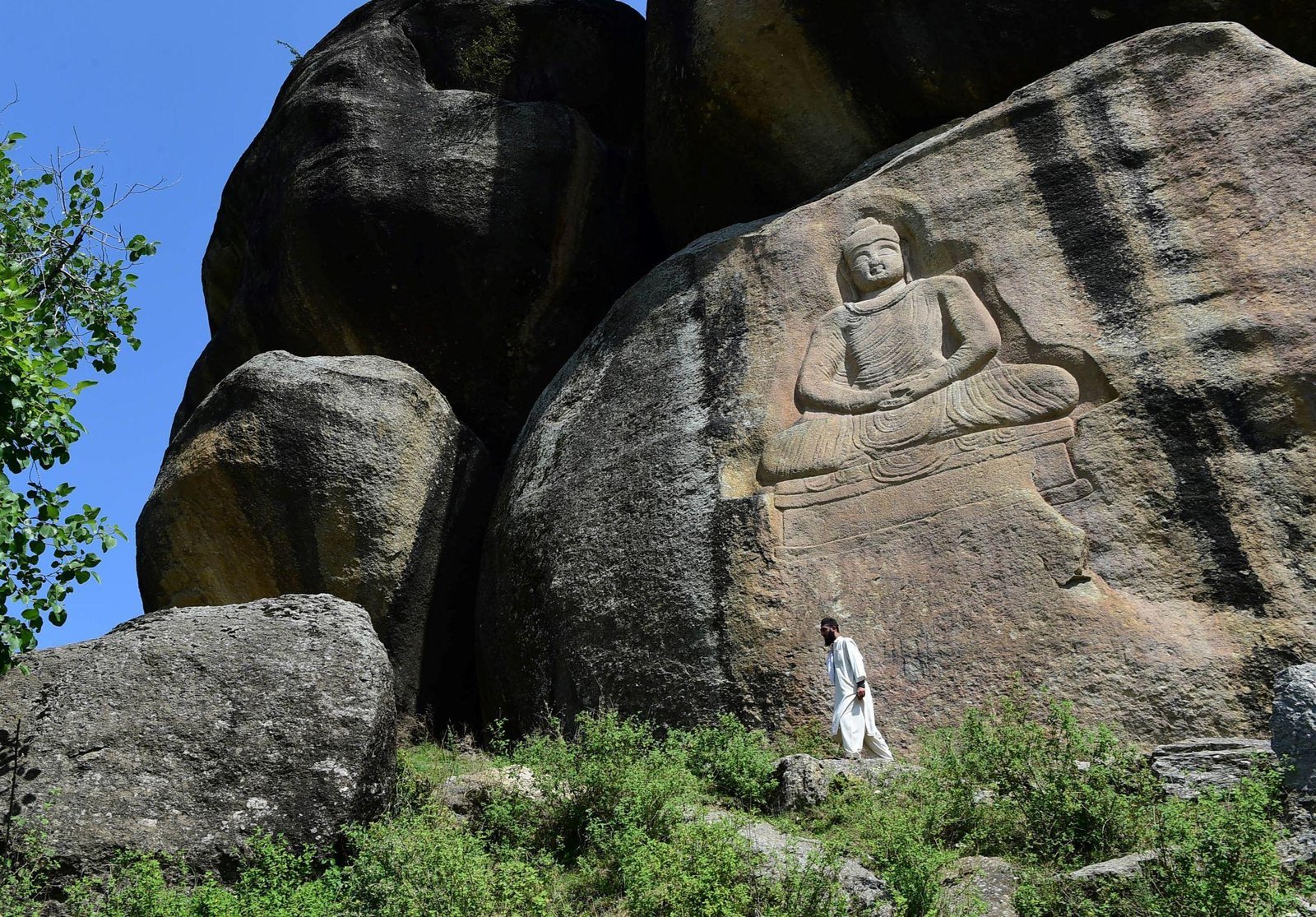
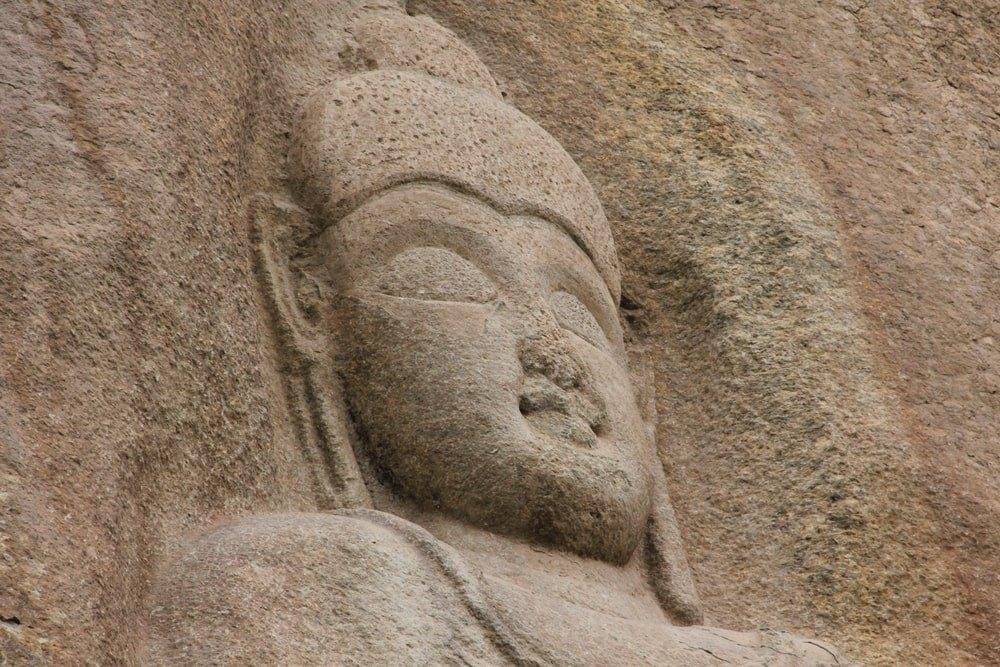
The Jahanabad Buddha is one of Swat Valley’s most iconic archaeological landmarks.
Carved directly into a large rock face overlooking the valley, the Buddha dates to approximately:
- The 7th century CE
The sculpture originally depicted a meditating Buddha seated on a lotus throne.
Although parts of the carving were damaged during periods of militancy in the early 2000s, restoration work later helped preserve the monument.
Today the site stands as:
- A symbol of Swat’s Buddhist heritage
- An important archaeological landmark
- A reminder of the valley’s multicultural history
Hiking to Jahanabad Buddha
Reaching the Buddha requires a short uphill hike through:
- Village paths
- Terraced fields
- Forested slopes
The route offers:
- Scenic valley views
- Rural village landscapes
- Insight into local mountain life
Early morning and late afternoon provide the best lighting for photography.
Swat Museum
The Swat Museum is essential for understanding the historical context behind the valley’s archaeological sites.
The museum contains:
- Gandharan Buddha statues
- Stucco artwork
- Coins
- Ceramics
- Monastic artifacts
- Stone relief panels
Many artifacts discovered from:
- Butkara
- Udegram
- Barikot
- Other archaeological sites
are preserved here.
The museum’s collections demonstrate how Swat once functioned as:
- A center of Buddhist learning
- A crossroads of regional trade
- A meeting point between multiple civilizations
Trekking & Adventure Activities in Swat Valley
Although Swat is famous for family tourism and road trips, the valley also offers excellent adventure travel opportunities.
The upper valleys surrounding:
- Kalam
- Utror
- Ushu
- Gabral
- Mahodand
contain some of Pakistan’s most accessible trekking terrain.
Compared to the harsher expeditions of Gilgit Baltistan, trekking in Swat is generally:
- Less technical
- Lower altitude
- More forested
- Easier logistically
This makes the region ideal for:
- Beginner trekkers
- Campers
- Families interested in soft adventure travel
- Domestic adventure tourism
Hiking & Short Treks
Popular hiking regions include:
- Ushu Forest
- Gabral Valley
- Utror Valley
- Mahodand surroundings
- Alpine meadow trails near Kalam
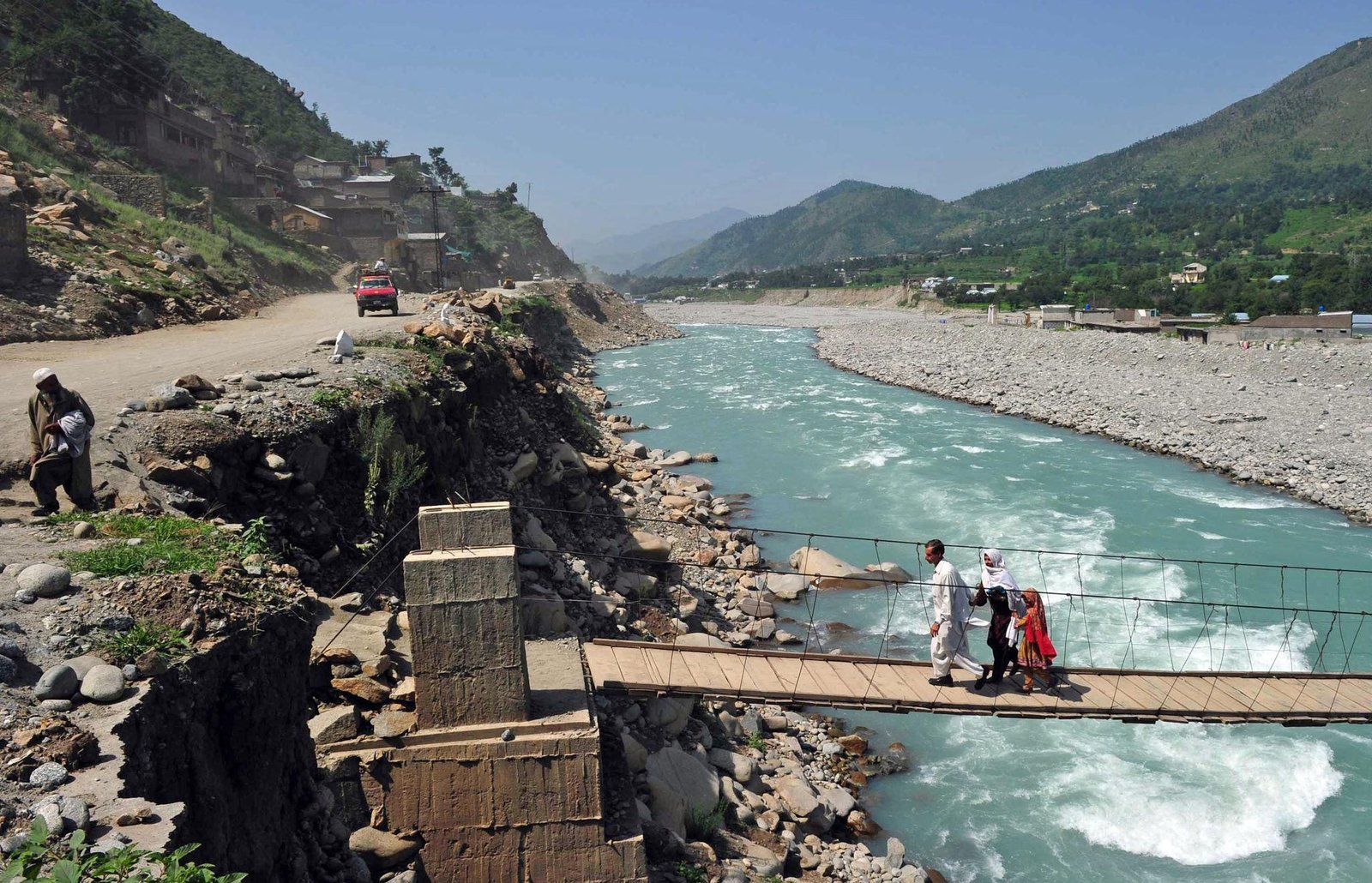
Short hikes often pass through:
- Pine forests
- Suspension bridges
- Shepherd settlements
- Glacier-fed streams
- Wildflower meadows
Camping in Upper Swat
Camping is one of the best ways to experience Swat’s upper valleys.
Popular camping areas include:
- Mahodand Lake
- Ushu Valley
- Gabral Valley
- Riverside areas near Kalam
Night temperatures remain cool even during peak summer.
Travelers should carry:
- Warm clothing
- Waterproof layers
- Flashlights
- Portable chargers
- Proper camping gear
because facilities remain limited outside tourist towns.
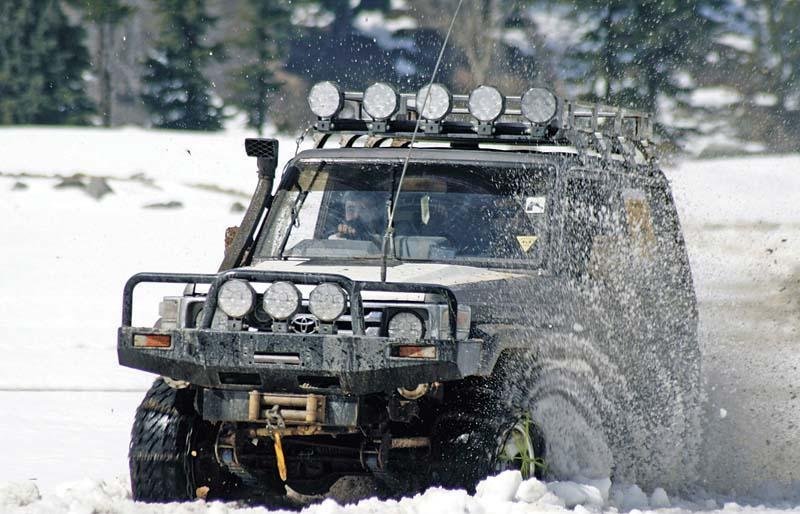
Jeep Adventures & Off-Road Travel
Several of Swat’s most beautiful areas require:
- Jeep transport
- Off-road driving
- River crossings
especially during:
- Summer snowmelt season
- Monsoon months
Adventure travelers often combine:
- Jeep journeys
- Camping
- Hiking
- Fishing
- Photography
during multi-day trips through upper Swat.
Local Food in Swat Valley
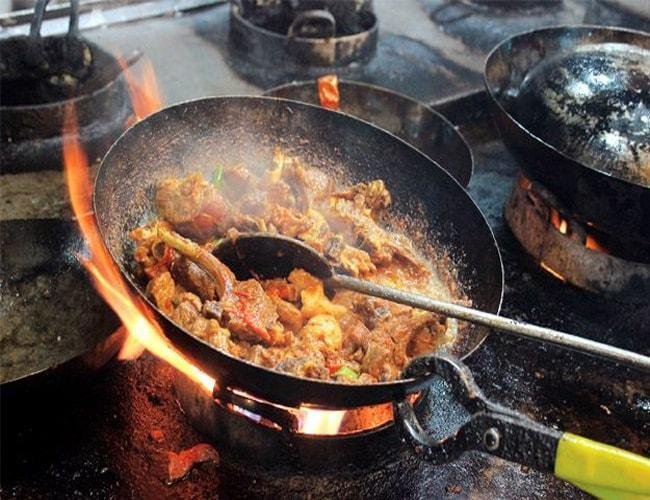
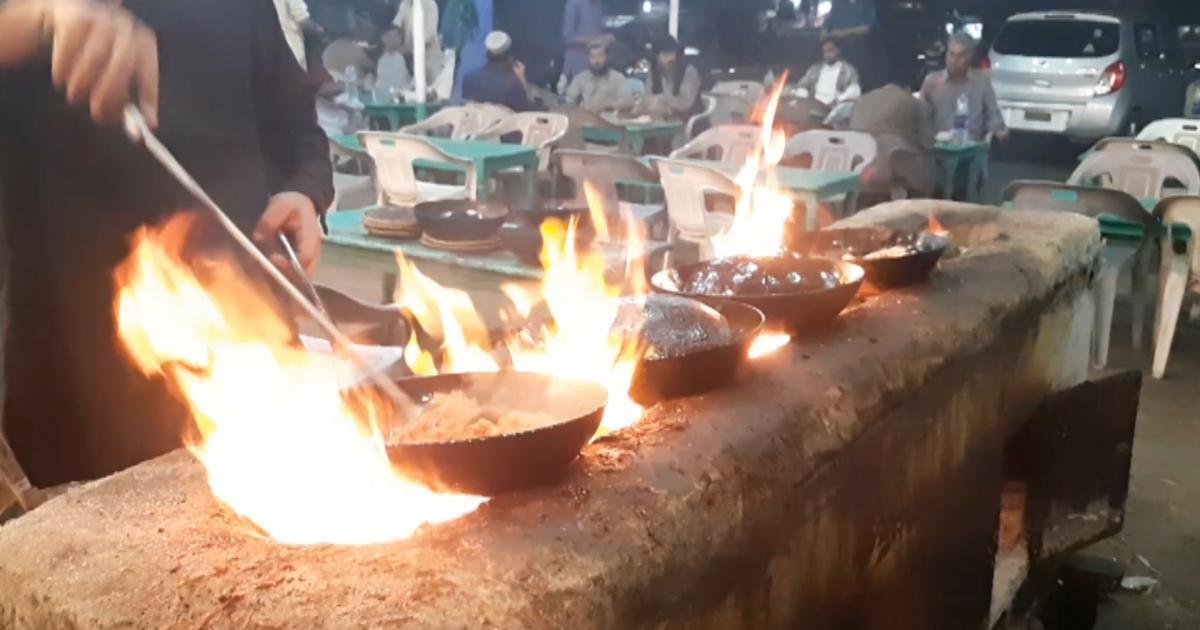
Food in Swat Valley reflects the culinary traditions of northern Khyber Pakhtunkhwa and mountain Pashtun culture. Compared to the rich Mughal cuisine of Punjab, Swati food is generally:
- Simpler
- Meat-focused
- Wood-fire cooked
- Freshly prepared
- Strongly connected to local ingredients
Meals in upper Swat are heavily influenced by:
- Cold mountain weather
- Livestock culture
- River fishing traditions
- Seasonal farming
The best local food experiences are usually found in:
- Small roadside dhabas
- Riverside trout restaurants
- Family-run eateries
- Traditional tea houses
rather than luxury hotels.
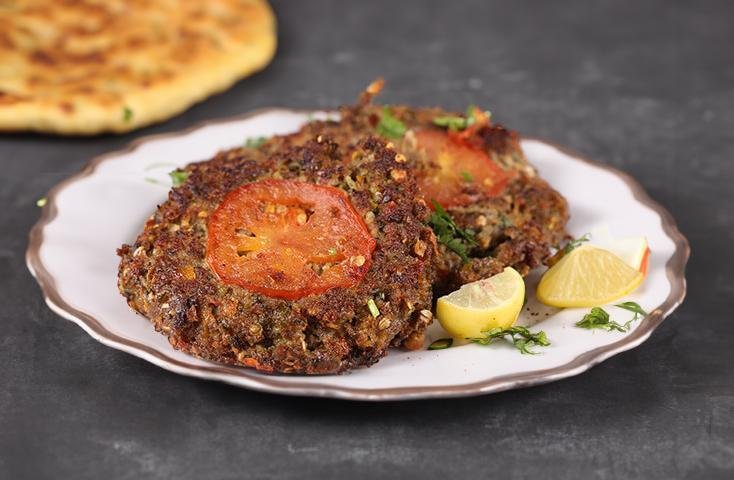
Chapli Kebab
Chapli kebab is one of the signature dishes of Khyber Pakhtunkhwa and is widely eaten throughout Swat Valley.
The kebabs are traditionally prepared using:
- Minced beef or mutton
- Tomatoes
- Coriander
- Chilies
- Crushed spices
- Pomegranate seeds
They are cooked on large flat iron pans over open flames until:
- The edges become crispy
- The center remains juicy
- Smoky flavors develop naturally
Chapli kebabs are usually served with:
- Fresh naan
- Yogurt sauce
- Salad
- Green chutney
Freshly prepared chapli kebabs in Swat taste significantly different from commercial versions served in larger cities.
Swati Trout Fish
Trout fish is one of Swat Valley’s most famous regional foods and one of the main culinary reasons travelers stop in:
- Bahrain
- Madyan
- Kalam
- Gabral Valley
The cold glacial rivers of upper Swat create excellent conditions for trout farming.
Most trout restaurants allow visitors to:
- Select fresh fish directly
- Choose grilling or frying style
- Eat beside the river
The fish is usually cooked simply with:
- Salt
- Lemon
- Minimal spices
allowing the natural flavor to remain dominant.
Fresh Swati trout is considered among the best freshwater fish dishes in Pakistan.
Traditional Pashtun Cuisine
Other traditional foods commonly eaten in Swat include:
- Chicken karahi
- Mutton karahi
- Lamb tikka
- Seekh kebabs
- White rice
- Daal dishes
Meals are typically served with:
- Tandoori naan
- Yogurt
- Green chutneys
- Kehwa tea
Food portions are usually large and intended for sharing among groups or families.
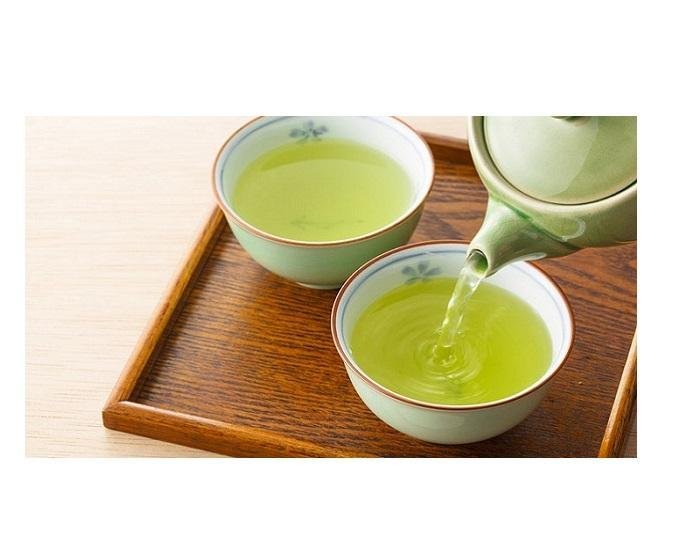
Kehwa & Tea Culture
Tea culture is deeply rooted in Swat Valley.
The most common traditional drink is:
- Kehwa
a light green tea prepared with:
- Cardamom
- Cinnamon
- Sugar or honey
- Occasionally almonds or nuts
Kehwa is especially popular during:
- Cold evenings
- Winter weather
- Mountain travel stops
Small tea stalls throughout Swat serve kehwa alongside:
- Fresh naan
- Biscuits
- Fried snacks
Tea houses in:
- Bahrain
- Kalam
- Malam Jabba
often become social gathering spaces during evenings.
Riverside Dining Experience
One of the most enjoyable parts of dining in Swat is the riverside atmosphere.
Many restaurants in:
- Bahrain
- Kalam
- Madyan
are built directly beside fast-flowing glacial rivers.
Travelers can:
- Sit outdoors beside the water
- Eat with mountain views
- Enjoy cool summer weather
- Listen to river sounds while dining
Summer evenings are especially lively as families gather beside the rivers after sunset.
Where to Stay in Swat Valley
Swat offers accommodation ranging from:
- Budget guesthouses
- Riverside family hotels
- Luxury resorts
- Mountain lodges
- Camping sites
Hotel quality improves significantly in:
- Mingora
- Kalam
- Malam Jabba
while remote valleys still offer basic seasonal accommodation.
Best Areas to Stay
Mingora
Best for:
- Short stays
- Shopping
- Transport access
- Administrative convenience
Bahrain
Best for:
- Riverside hotels
- Relaxed atmosphere
- Midway stopovers
- Trout dining
Kalam
Best for:
- Exploring upper Swat
- Jeep tours
- Adventure tourism
- Trekking access
Malam Jabba
Best for:
- Winter tourism
- Skiing
- Luxury mountain resorts
- Honeymoon trips
Best Time to Visit Swat Valley
Swat can be visited throughout the year, but each season offers a different experience.
Spring (March to May)
Spring brings:
- Blooming orchards
- Fresh greenery
- Pleasant weather
- Moderate tourist crowds
This is one of the best seasons for:
- Family trips
- Photography
- Scenic drives
Summer (June to September)
Summer is peak tourism season because:
- Upper valleys become accessible
- Temperatures remain cool
- Rivers flow strongly
- Meadows turn green
This is the best period for:
- Kalam
- Mahodand Lake
- Gabral Valley
- Camping
- Trekking
Autumn (October)
Autumn offers:
- Golden forests
- Clear skies
- Fewer tourists
- Excellent photography conditions
October is widely considered one of the most beautiful months in Swat Valley.
Winter (December to February)
Winter tourism focuses mainly on:
- Malam Jabba skiing
- Snowfall tourism
- Winter landscapes
Heavy snowfall can block upper valley roads toward:
- Kalam
- Mahodand
- Gabral
- Utror
during severe weather conditions.
Practical Travel Tips for Swat Valley
- Carry warm clothing even during summer nights
- Use 4x4 vehicles for upper valleys
- Start road journeys early in the morning
- Keep cash because ATMs are limited in remote areas
- Respect local customs and dress modestly
- Avoid littering in mountain regions
- Check weather conditions before visiting Mahodand or upper valleys
- Mobile signals weaken in remote alpine areas
Frequently Asked Questions
Is Swat Valley safe for tourists?
Yes. Swat Valley is currently one of Pakistan’s major tourism destinations and receives large numbers of domestic travelers every year.
How many days are enough for Swat?
A complete trip usually requires:
- 5 to 7 days
especially if visiting:
- Kalam
- Mahodand
- Malam Jabba
- Upper valleys
What is Swat famous for?
Swat is famous for:
- Mountain scenery
- Forest landscapes
- Rivers
- Buddhist heritage
- Trout fish
- Ski tourism
Which is better: Swat or Hunza?
Both offer different experiences.
Swat is better for:
- Forest landscapes
- Family tourism
- Easier road access
Hunza is better for:
- Massive Karakoram peaks
- Historic forts
- High-altitude scenery
Can families visit Swat Valley?
Yes. Swat is one of Pakistan’s most family-friendly mountain destinations because of:
- Good road connectivity
- Hotel availability
- Moderate travel difficulty
- Scenic accessibility
Final Thoughts on Swat Valley
Swat Valley remains one of Pakistan’s most balanced tourism destinations because it combines:
- Natural beauty
- Cultural depth
- Historical significance
- Adventure travel
- Comfortable accessibility
From the forests of Ushu and the alpine waters of Mahodand to the ski slopes of Malam Jabba and the Buddhist ruins of ancient Gandhara, Swat offers experiences that appeal to nearly every type of traveler.
For first-time visitors to northern Pakistan, few regions provide a better introduction to the country’s mountain landscapes and cultural diversity.
Suggested 7-Day Swat Valley Itinerary
Planning a structured itinerary is important in Swat because travel times between valleys can vary depending on:
- Weather
- Traffic
- Road conditions
- Seasonal tourism crowds
This itinerary balances:
- Sightseeing
- Relaxation
- Adventure travel
- Cultural exploration
while avoiding unnecessary long driving days.
Day 1 — Islamabad to Mingora
Route
- Islamabad → Swat Motorway → Chakdara → Mingora
Travel Time
- Approximately 5 hours
Things to Do
- Explore Mingora Bazaar
- Visit local handicraft markets
- Try chapli kebab
- Relax after the drive
Optional Stop
- Malakand Pass viewpoints
Overnight
- Mingora or Saidu Sharif
Day 2 — Swat Museum & Drive to Bahrain
Morning
Visit:
- Swat Museum
- Butkara archaeological site
- Saidu Sharif surroundings
Afternoon
Drive toward:
- Madyan
- Bahrain
The route becomes increasingly scenic with:
- Pine forests
- River valleys
- Mountain views
Evening
- Riverside dinner in Bahrain
- Trout fish experience
- Relax beside Swat River
Overnight
- Bahrain riverside hotel
Day 3 — Kalam Exploration
Morning Drive
Travel from Bahrain to Kalam.
Explore
- Kalam Bazaar
- Riverside areas
- Forest viewpoints
- Local cafes
Activities
- Short riverside walks
- Photography
- Jeep booking for Mahodand
Evening
- Bonfire by the river
- Traditional kehwa tea
Overnight
- Kalam
Day 4 — Mahodand Lake & Ushu Valley
Early Morning
Depart by jeep toward:
- Ushu Forest
- Mahodand Lake
Activities
- Lakeside photography
- Camping
- Trout fishing
- Forest exploration
- Horse riding
Optional
- Overnight camping beside the lake
Overnight
- Kalam or Mahodand camp
Day 5 — Gabral Valley or Utror Valley
Option 1 — Gabral Valley
Best for:
- Camping
- Fishing
- Isolation
- Nature photography
Option 2 — Utror Valley
Best for:
- Cultural exploration
- Village scenery
- Alpine meadows
- Relaxed jeep travel
Activities
- Hiking
- River photography
- Tea house visits
- Forest walks
Overnight
- Return to Kalam
Day 6 — Malam Jabba
Morning
Drive toward Malam Jabba.
Activities
Depending on season:
- Skiing
- Chairlift rides
- Zipline
- Hiking
- Forest photography
Winter Highlights
- Snow tourism
- Ski slopes
- Snowboarding
Summer Highlights
- Cool weather
- Forest landscapes
- Mountain cafes
Overnight
- Malam Jabba resort
Day 7 — Return to Islamabad
Morning
Begin return journey toward Islamabad.
Optional Stops
- Local fruit stalls
- Mountain viewpoints
- Handicraft shopping
Arrival
- Islamabad by evening
Budget Estimate for Swat Valley Trip
Budget Travel
Approximate daily cost:
- PKR 8,000–15,000 per person
Includes:
- Budget hotels
- Shared transport
- Local food
Mid-Range Travel
Approximate daily cost:
- PKR 18,000–35,000
Includes:
- Comfortable hotels
- Private transport
- Jeep tours
Luxury Travel
Approximate daily cost:
- PKR 45,000+
Includes:
- Premium resorts
- Private SUVs
- Guided experiences
- Resort dining
Photography Tips for Swat Valley
Best Photography Times
- Sunrise
- Sunset
- Blue hour after sunset
Best Photography Locations
- Mahodand Lake
- Ushu Forest
- Bahrain riverside
- Kalam Valley
- Malam Jabba viewpoints
Recommended Gear
- Wide-angle lens
- Tripod
- ND filter
- Waterproof protection for gear
Weather can change rapidly in upper Swat, especially during monsoon season.
Why Swat Valley Should Be on Your Pakistan Travel List
Swat Valley remains one of Pakistan’s most complete travel destinations because it combines:
- Forest landscapes
- Alpine lakes
- Winter tourism
- Buddhist archaeology
- Adventure travel
- Family-friendly tourism
Unlike more remote northern regions, Swat offers:
- Easier access
- Better infrastructure
- Lower travel difficulty
- Year-round tourism possibilities
Whether you are looking for:
- Camping beside alpine rivers
- Exploring ancient Buddhist ruins
- Skiing in winter
- Trekking through forests
- Relaxing in mountain towns
Swat provides one of the most rewarding travel experiences in Pakistan.