Everest Base Camp Trek – Complete Guide
Table of contents [Show]
Overview, Location & Why It Is So Famous
What Is the Everest Base Camp Trek?
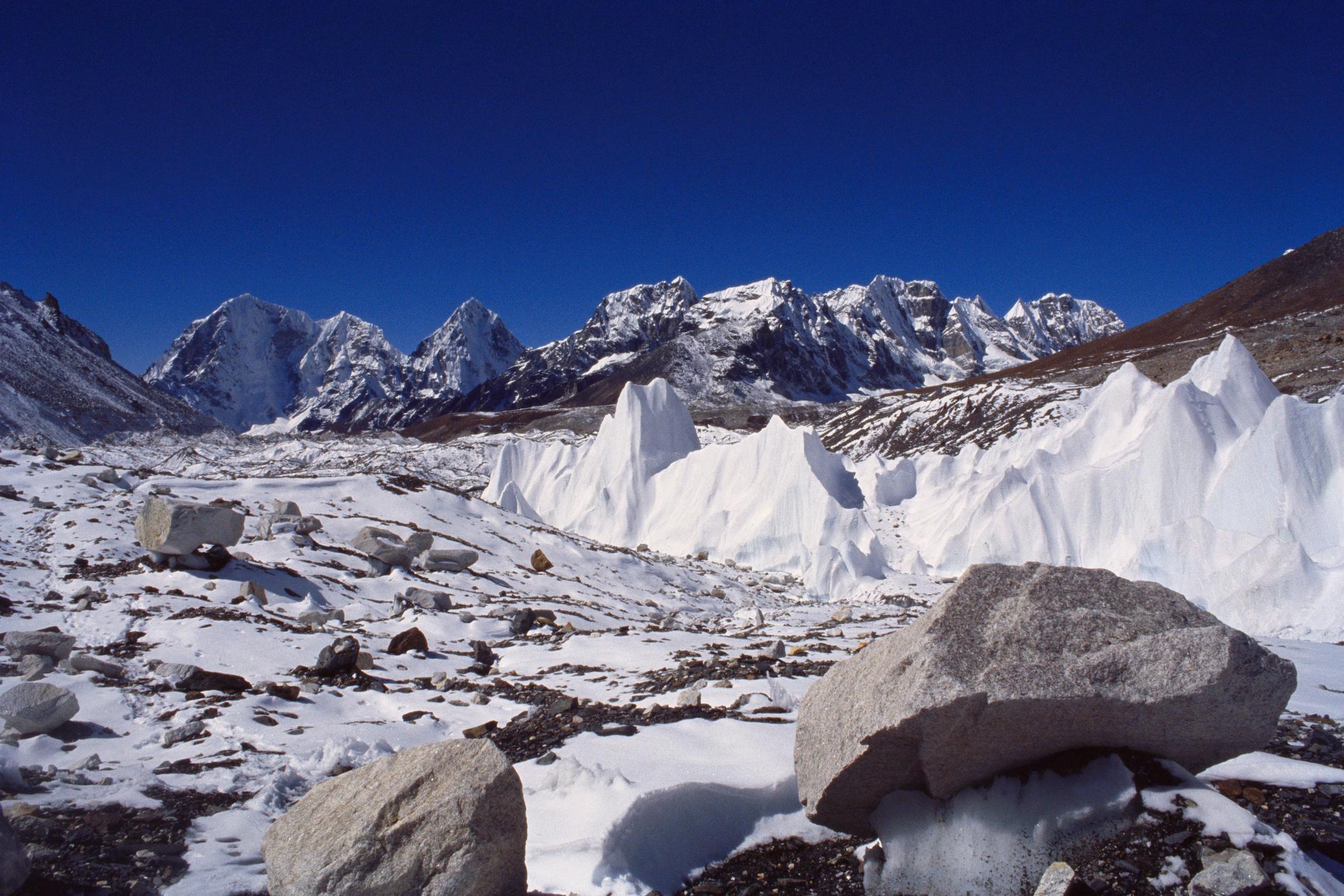
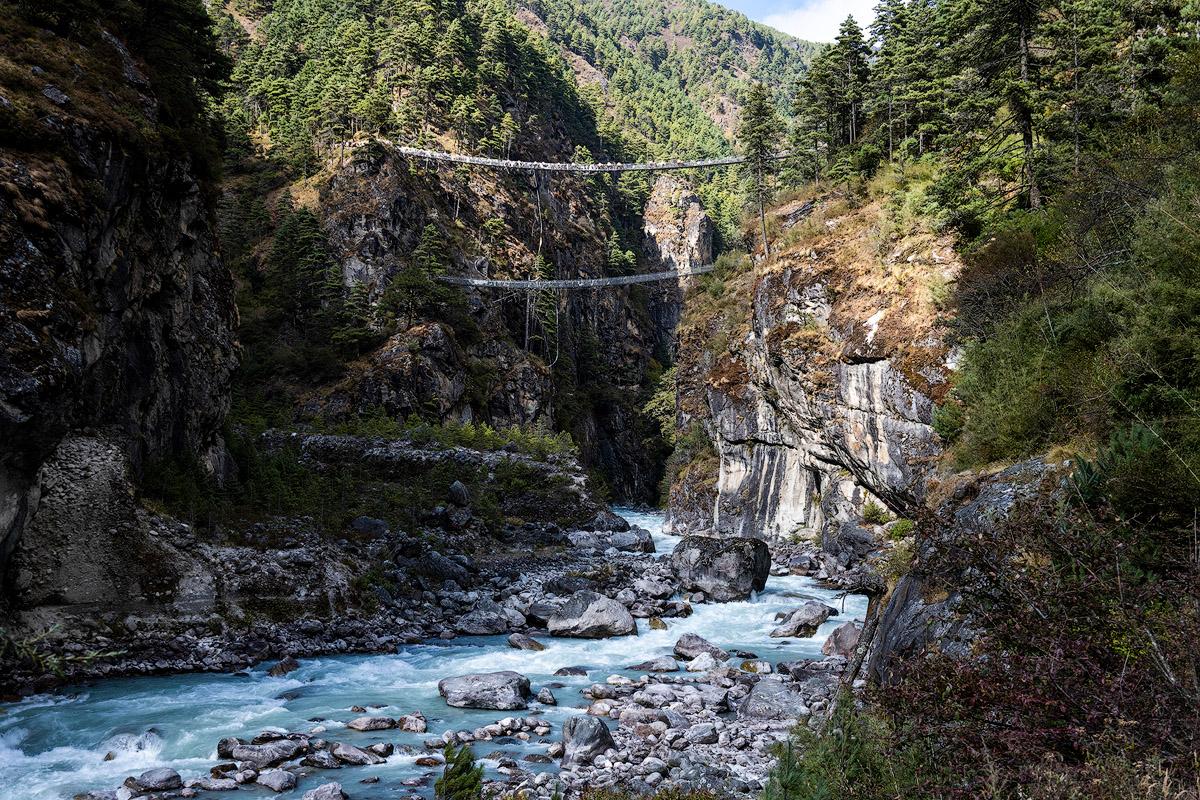
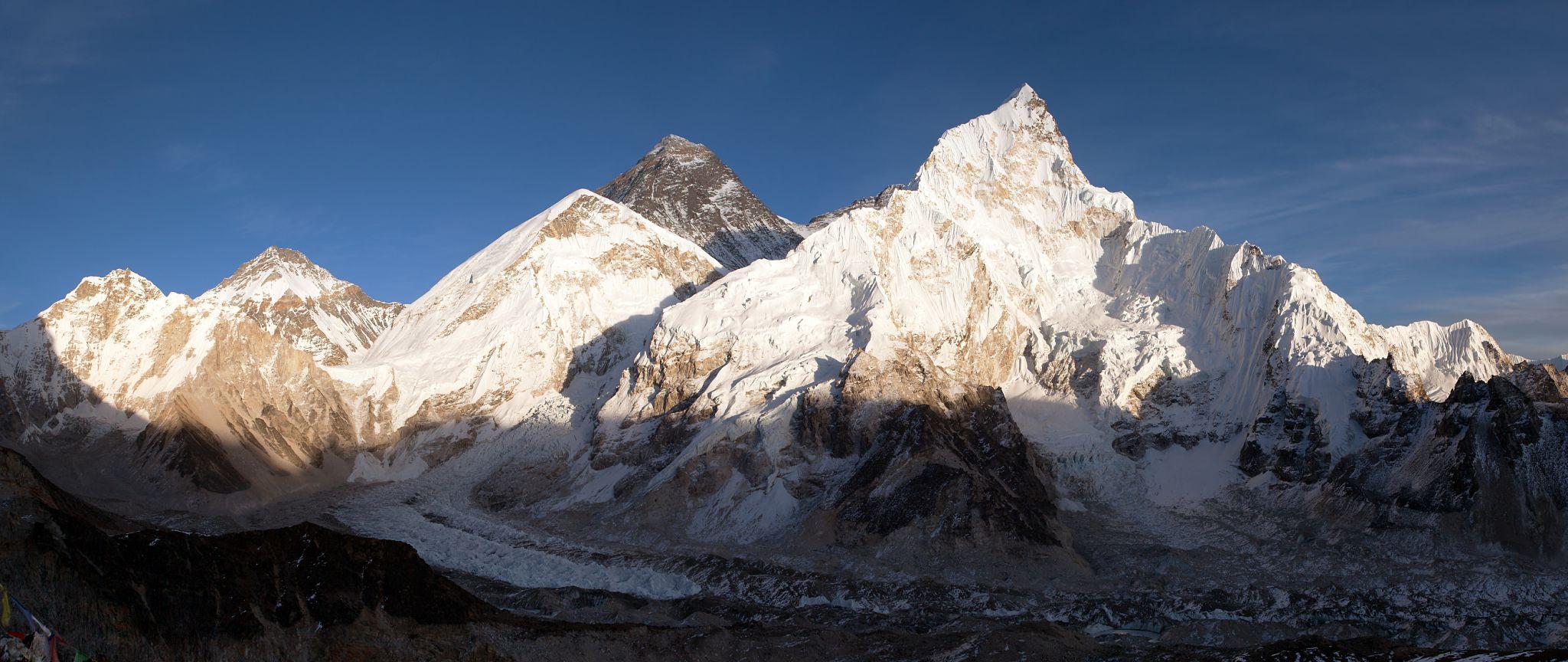
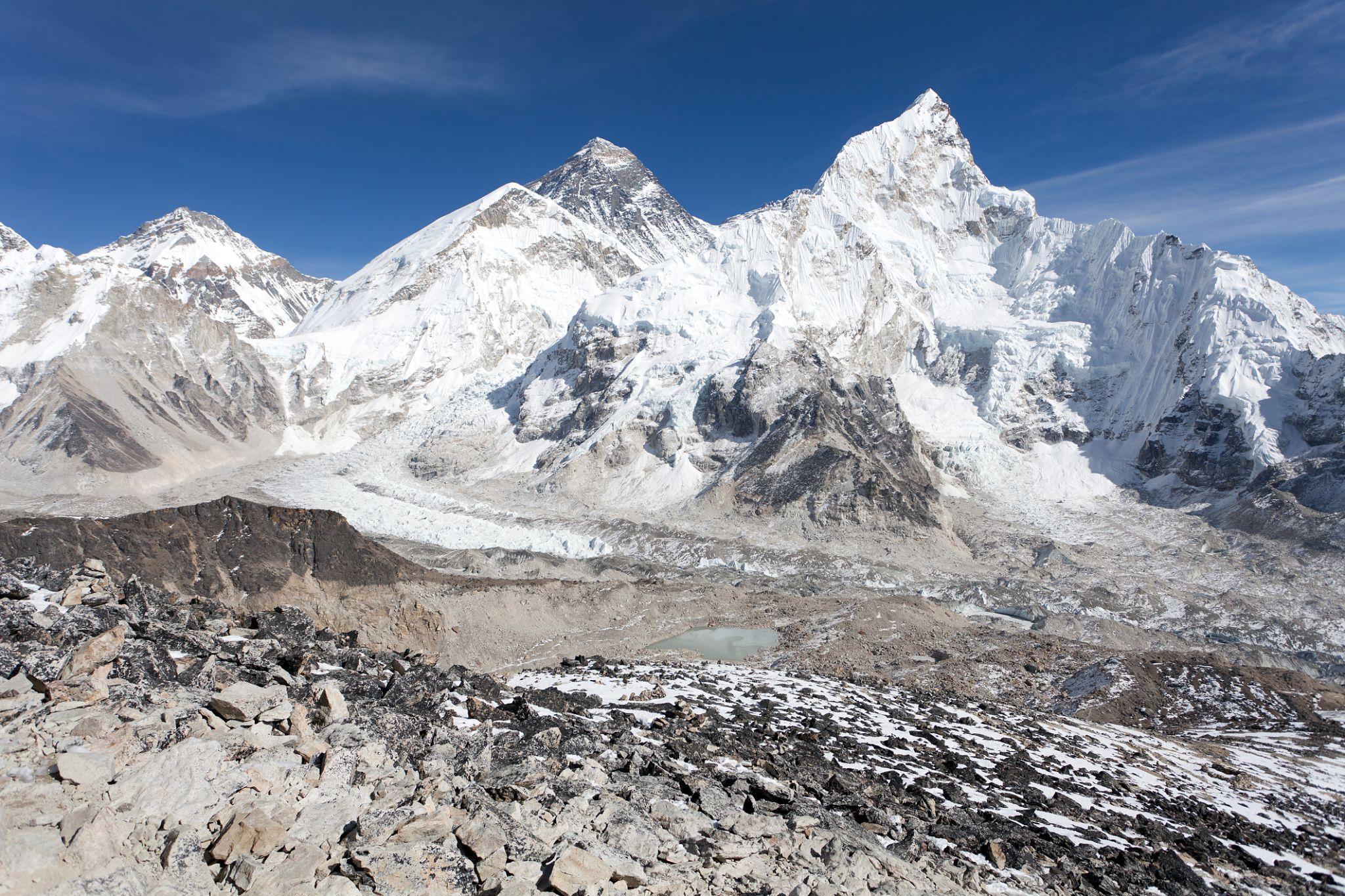
Trekkers walking toward Everest Base Camp across the Khumbu Glacier and iconic suspension bridges
The Everest Base Camp Trek is one of the most famous multi-day treks in the world. It takes you into the heart of the Himalayas in Nepal and brings you face-to-face with the highest mountain on Earth, Mount Everest.
Unlike climbing Everest, this is a non-technical trekking journey. You walk village to village through the Khumbu region, gradually ascending to Base Camp at 5,364 meters.
It combines:
• High mountain scenery
• Sherpa culture
• Suspension bridges
• Glacial landscapes
• A clear and achievable trekking goal
Where the Trek Is Located
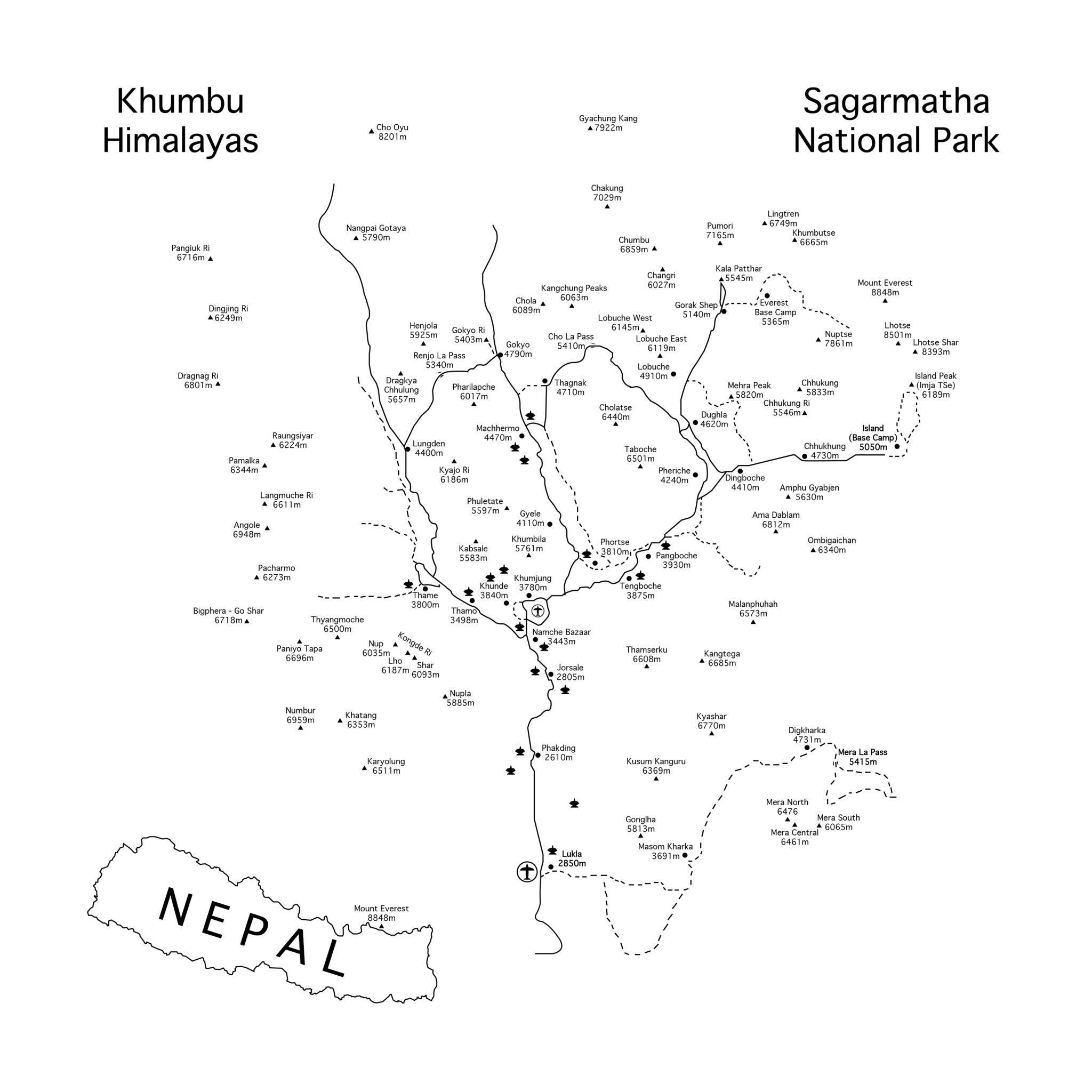
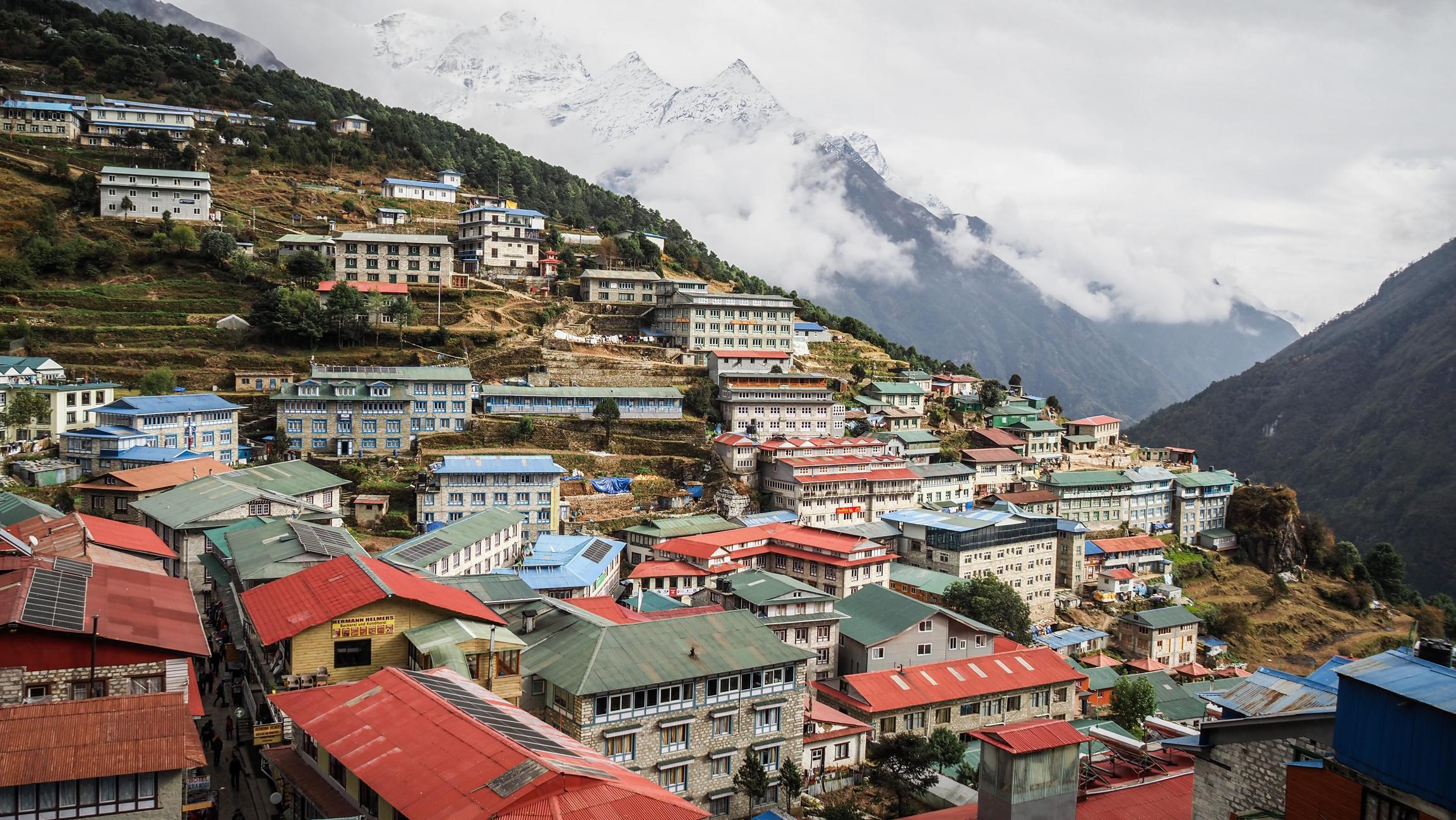
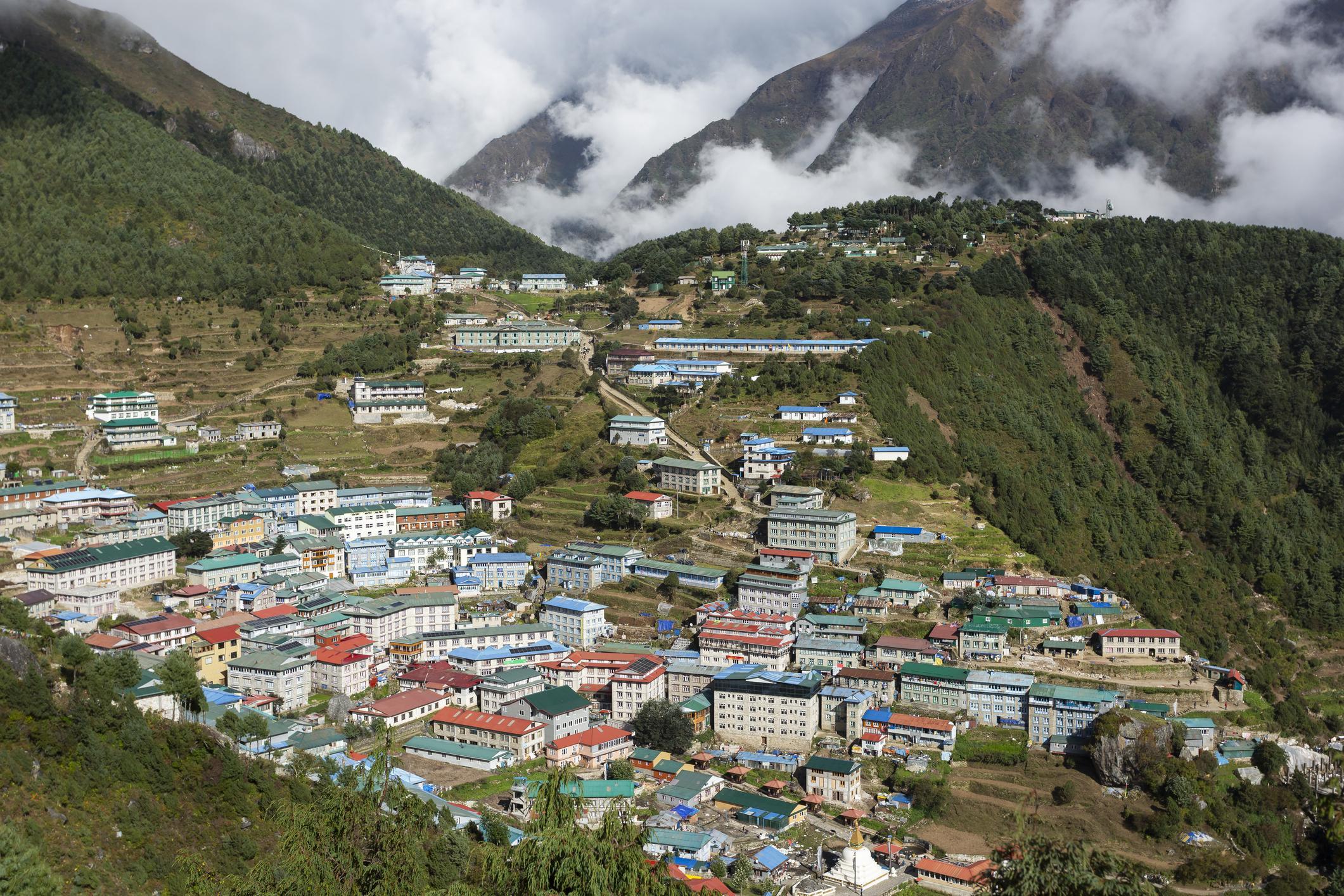
Route map and Namche Bazaar, the main hub of the Khumbu region
The trek is located in northeastern Nepal inside Sagarmatha National Park.
The route begins after flying to Tenzing-Hillary Airport in Lukla. From there, the trail passes through:
• Phakding
• Namche Bazaar
• Tengboche
• Dingboche
• Lobuche
• Gorak Shep
Before reaching Everest Base Camp.
Why This Trek Is So Popular
The Everest Base Camp Trek is globally known because:
• It brings ordinary trekkers close to Mount Everest
• It has a clear 12–14 day structure
• It uses a teahouse accommodation system
• It does not require climbing skills
• It is achievable for fit beginners
It is challenging because of altitude, not technical terrain.
Standard Itinerary, Route Flow & Difficulty Level
Standard Everest Base Camp Itinerary (12–14 Days)
Classic route from Lukla through Namche Bazaar to Everest Base Camp
The Everest Base Camp Trek follows a well-established route designed for gradual altitude gain and acclimatization.
A standard itinerary usually looks like this:
• Day 1: Fly from Kathmandu to Lukla, trek to Phakding
• Day 2: Trek to Namche Bazaar
• Day 3: Acclimatization day in Namche
• Day 4: Trek to Tengboche
• Day 5: Trek to Dingboche
• Day 6: Acclimatization day in Dingboche
• Day 7: Trek to Lobuche
• Day 8: Trek to Gorak Shep, visit Everest Base Camp
• Day 9: Early morning hike to Kala Patthar, descend to Pheriche
• Day 10–12: Return to Lukla
• Final Day: Fly back to Kathmandu
The route is not circular. You return the same way.
What Makes the Route Special
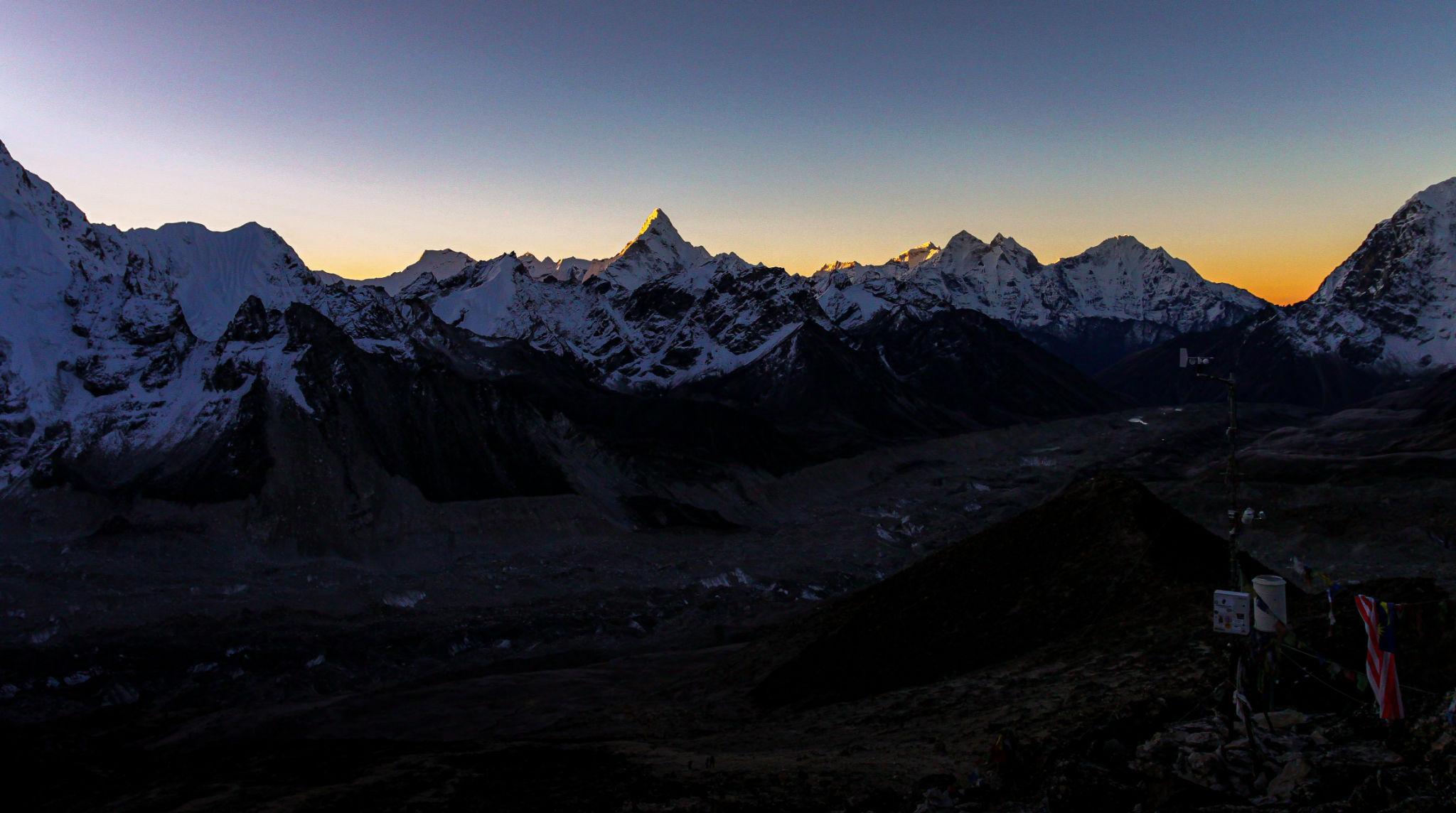
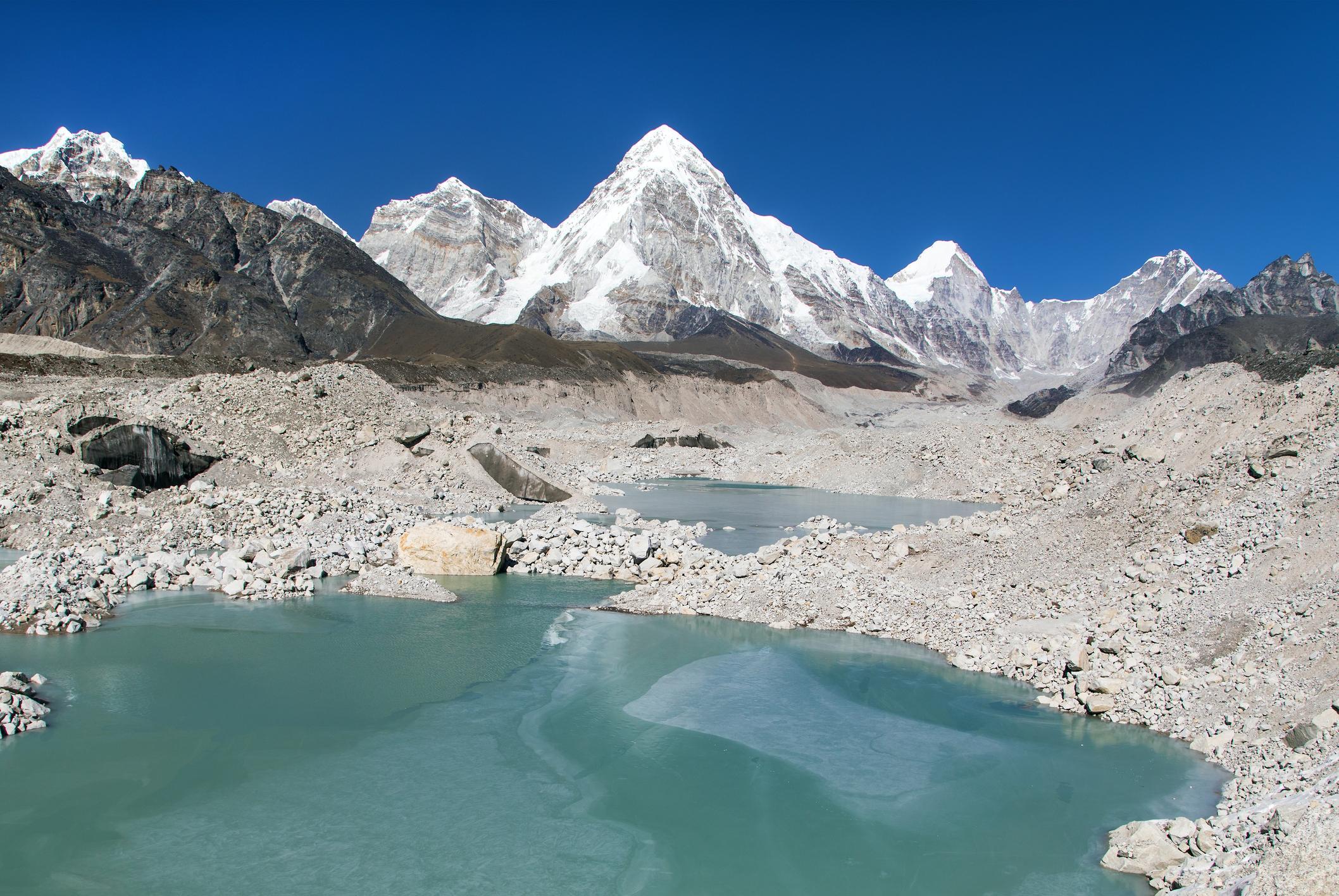
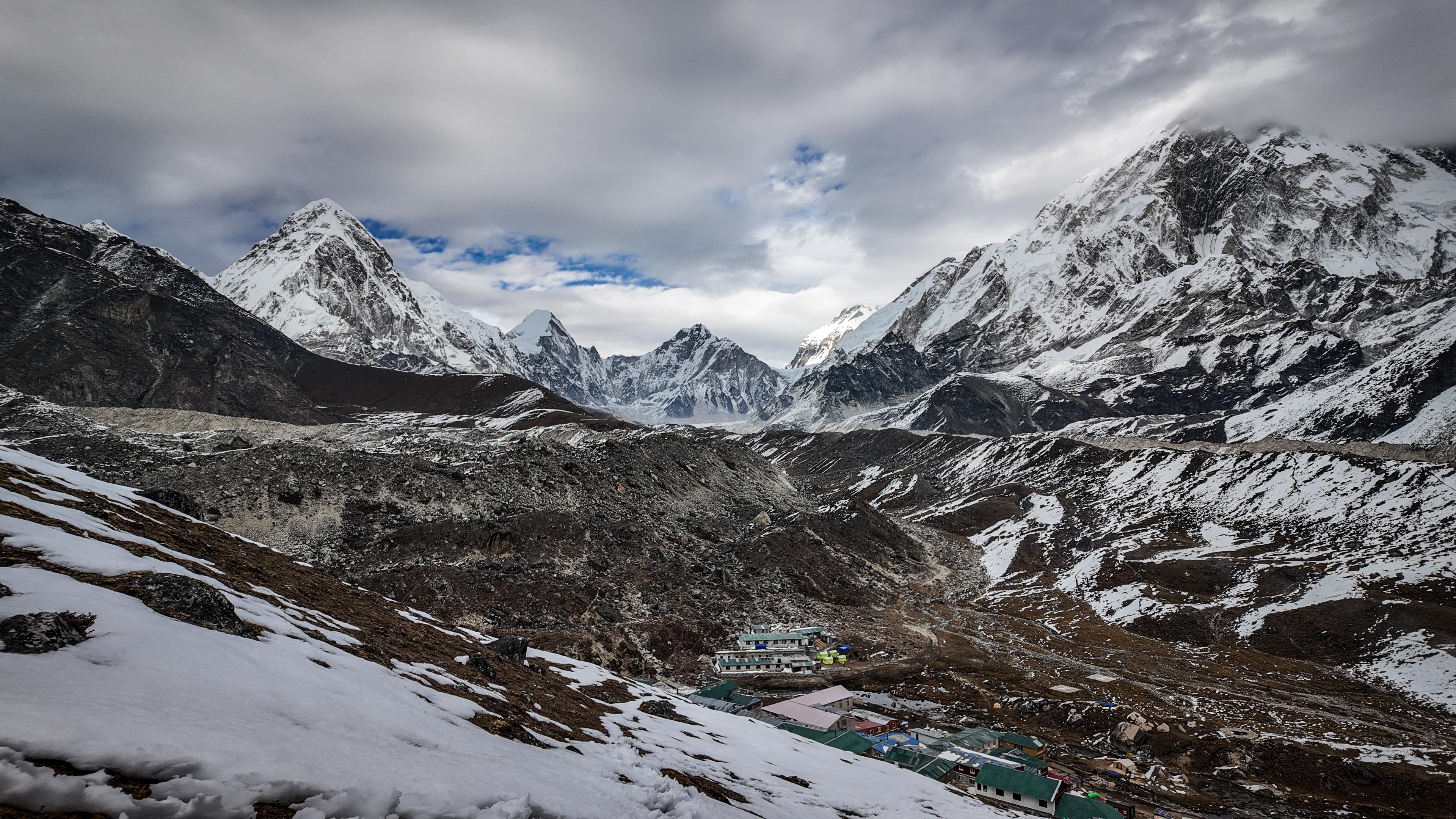
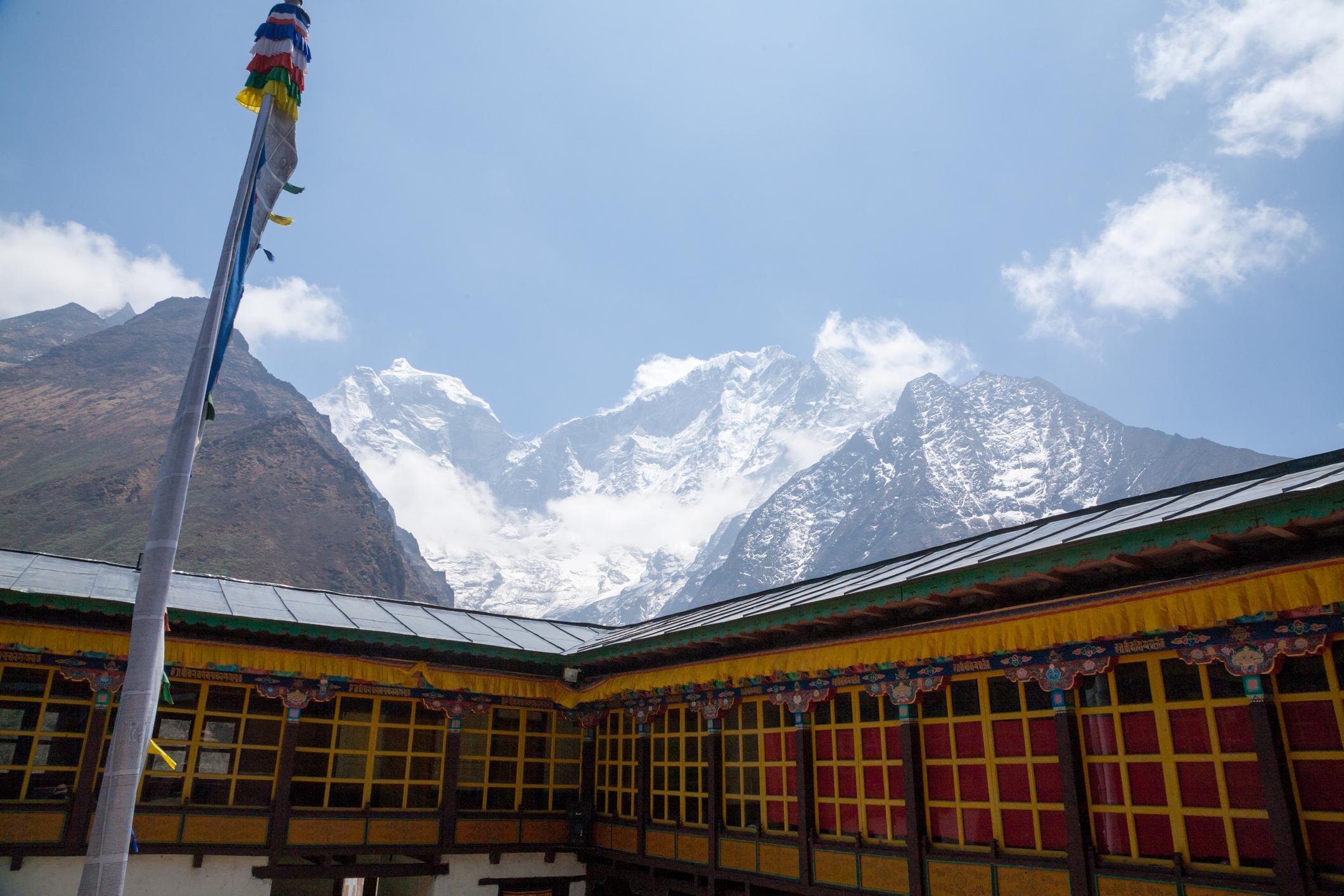
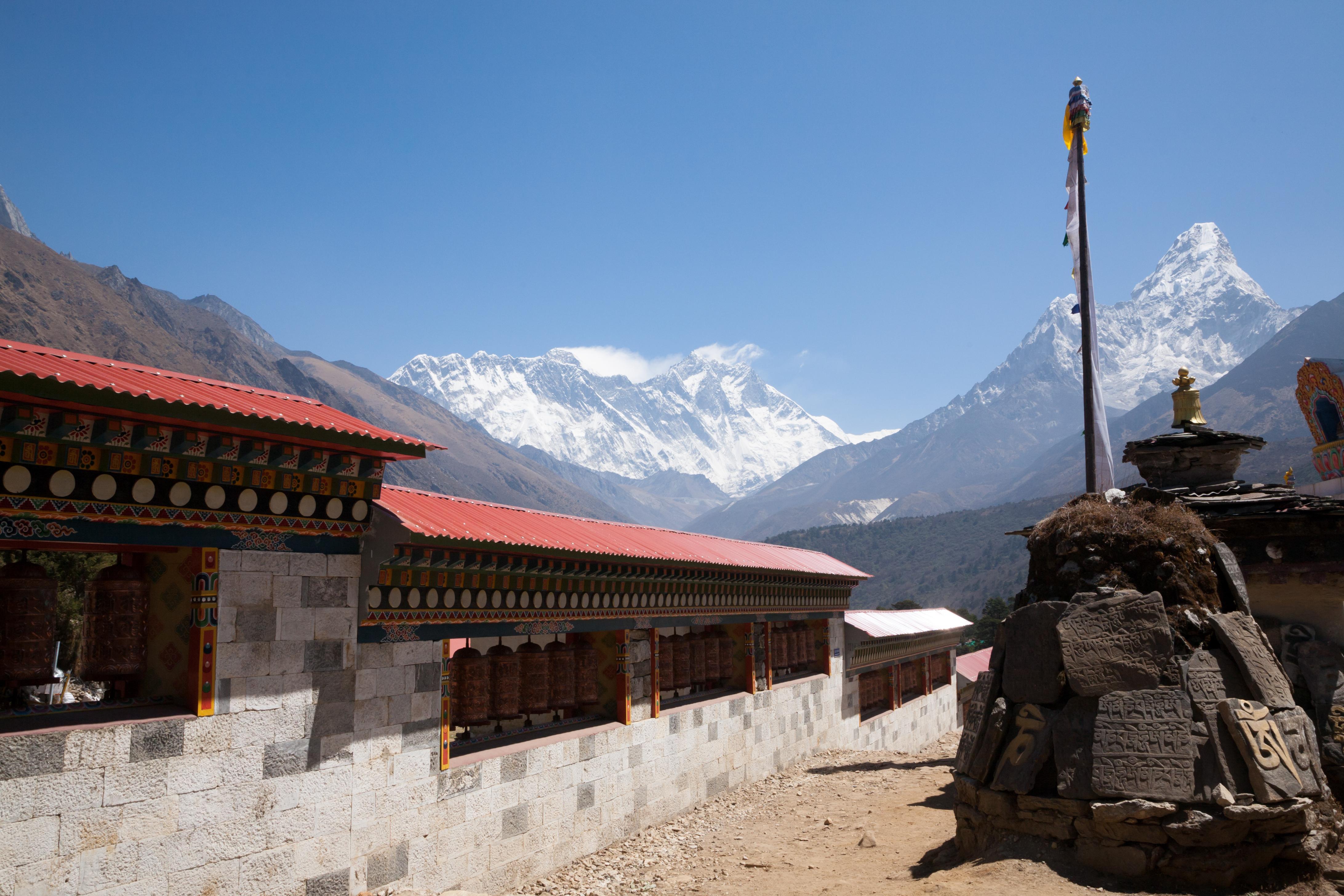
Tengboche Monastery and the sunrise view from Kala Patthar
Key highlights along the route:
• Namche Bazaar, the Sherpa capital
• Tengboche Monastery with Himalayan backdrop
• Khumbu Glacier near Base Camp
• Kala Patthar viewpoint for the best Everest views
Kala Patthar is often the visual highlight, offering a clearer view of Everest than Base Camp itself.
Difficulty Level & Physical Demand
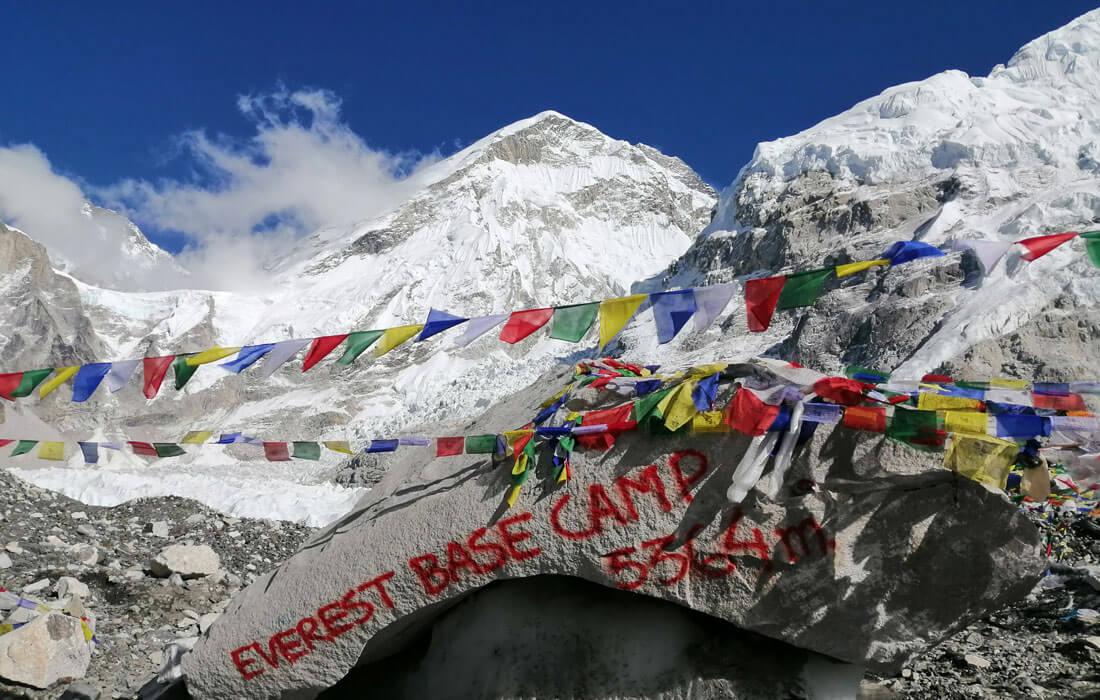
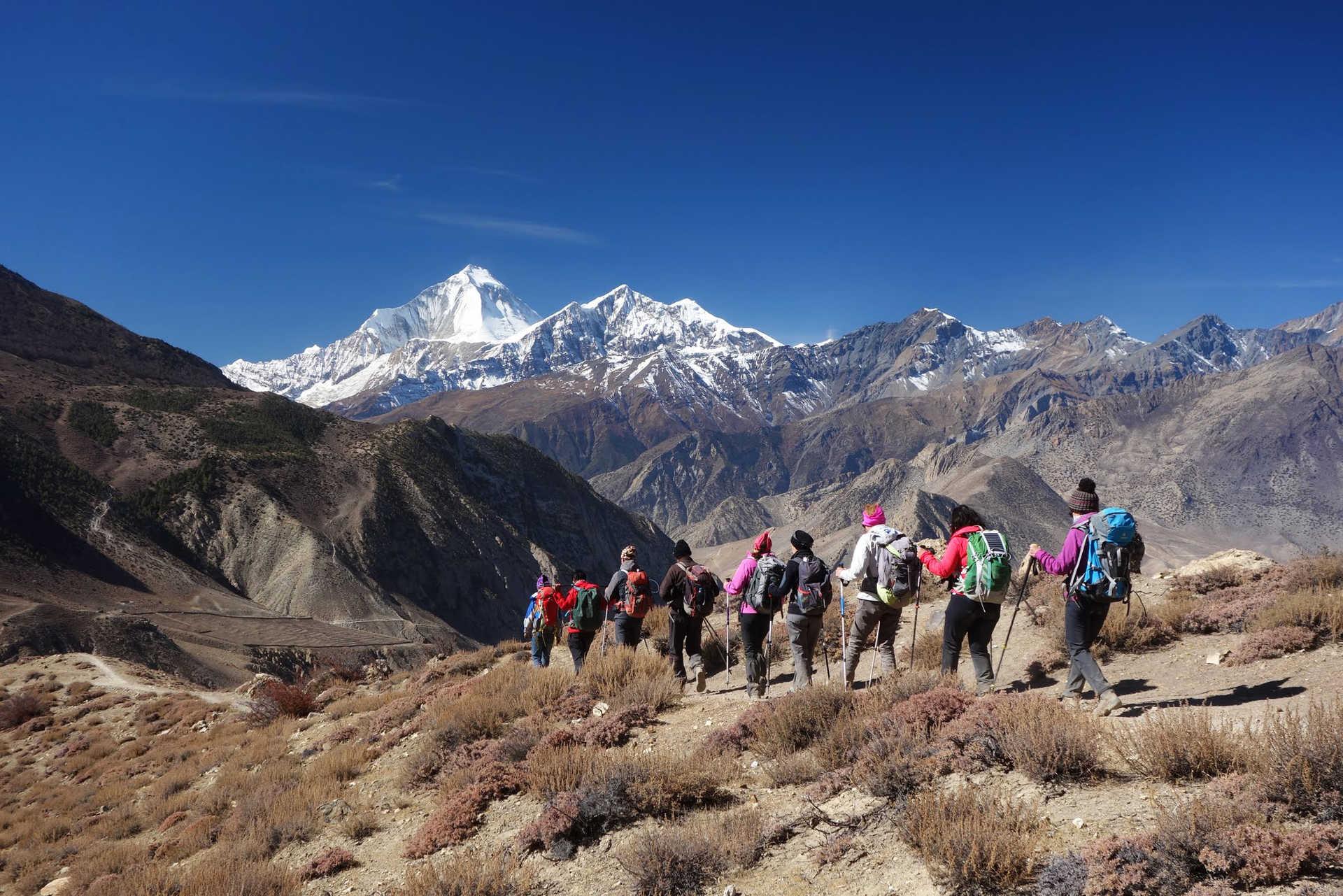
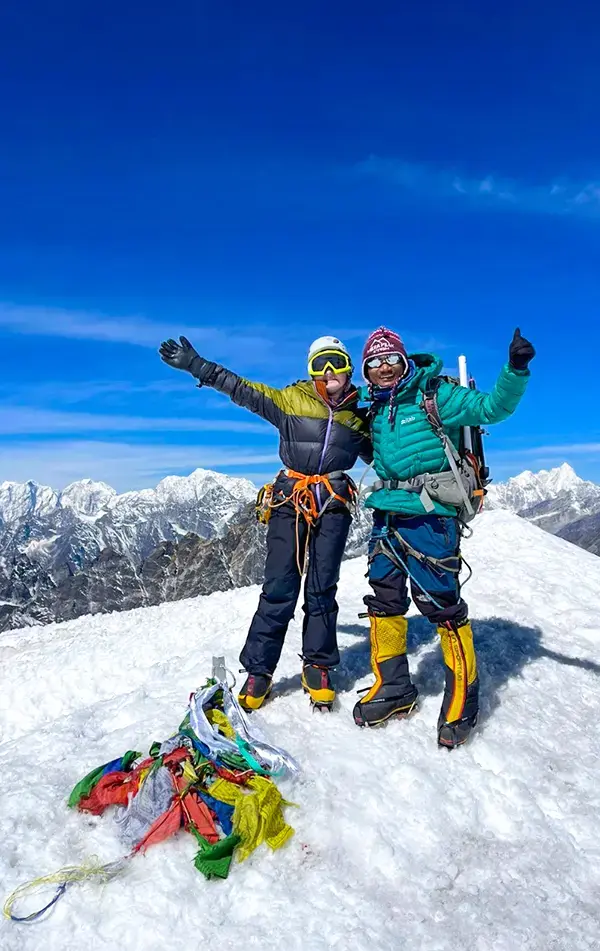
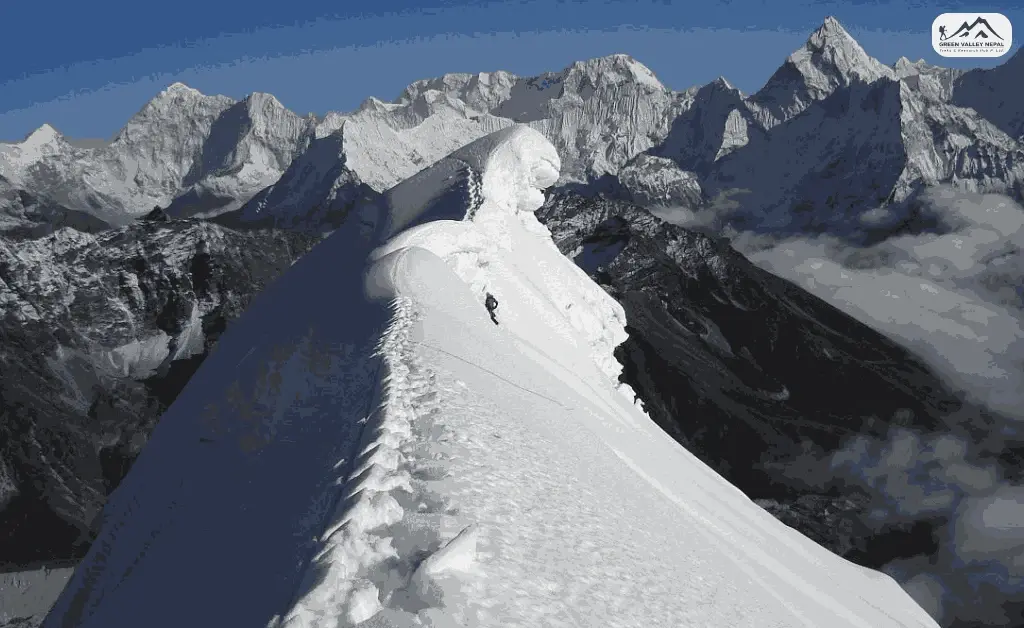
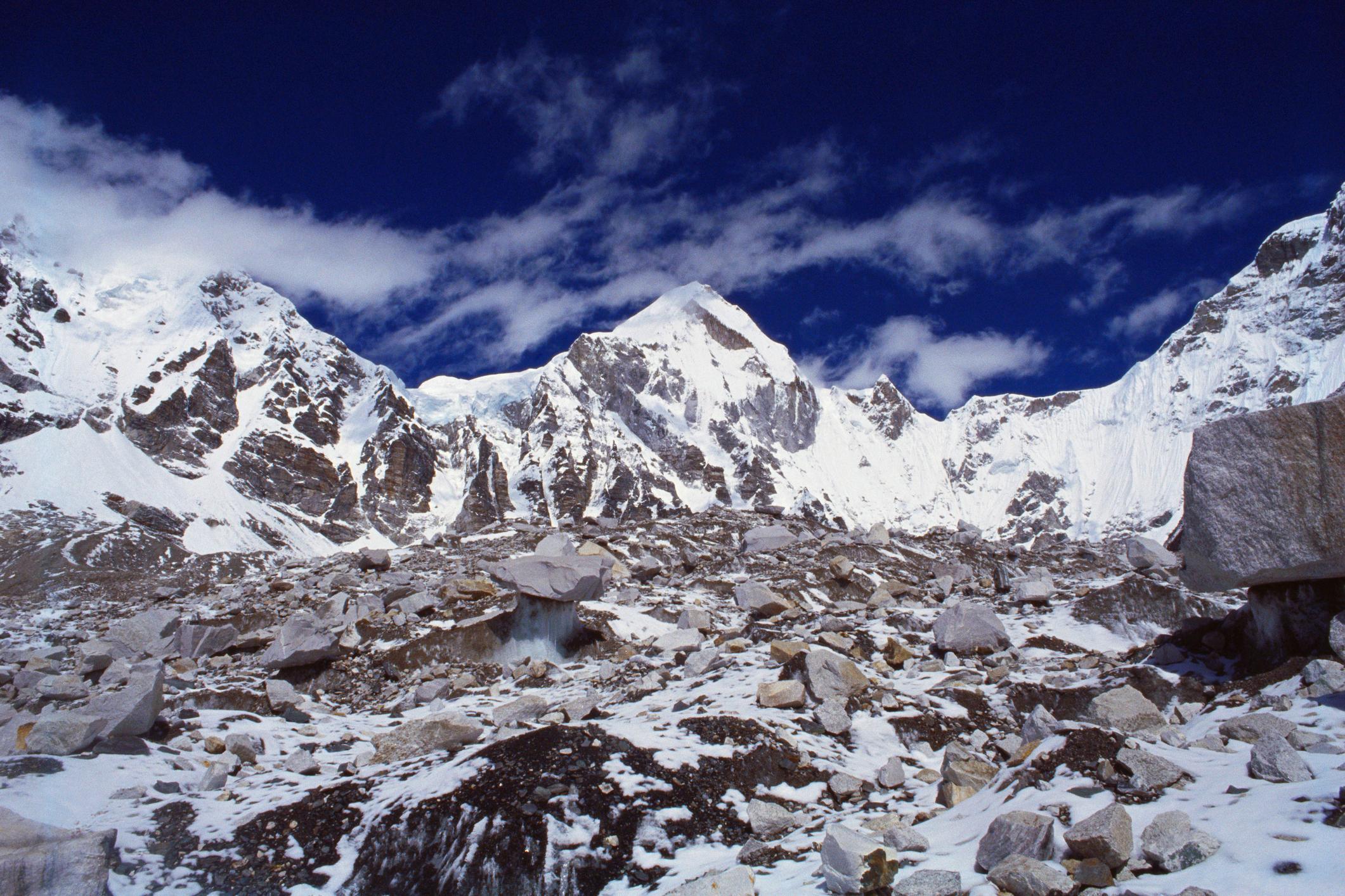
Rocky moraine trails and thin air increase physical demand
The Everest Base Camp Trek is rated moderate to challenging.
Main difficulty factors:
• High altitude (5,364 meters at Base Camp)
• Long walking days (5–7 hours average)
• Cold temperatures at higher elevations
• Thin air reducing stamina
No technical climbing is required. The challenge comes from altitude and endurance, not steep or dangerous terrain.
Good cardiovascular fitness and mental discipline are important.
Tour Types Available
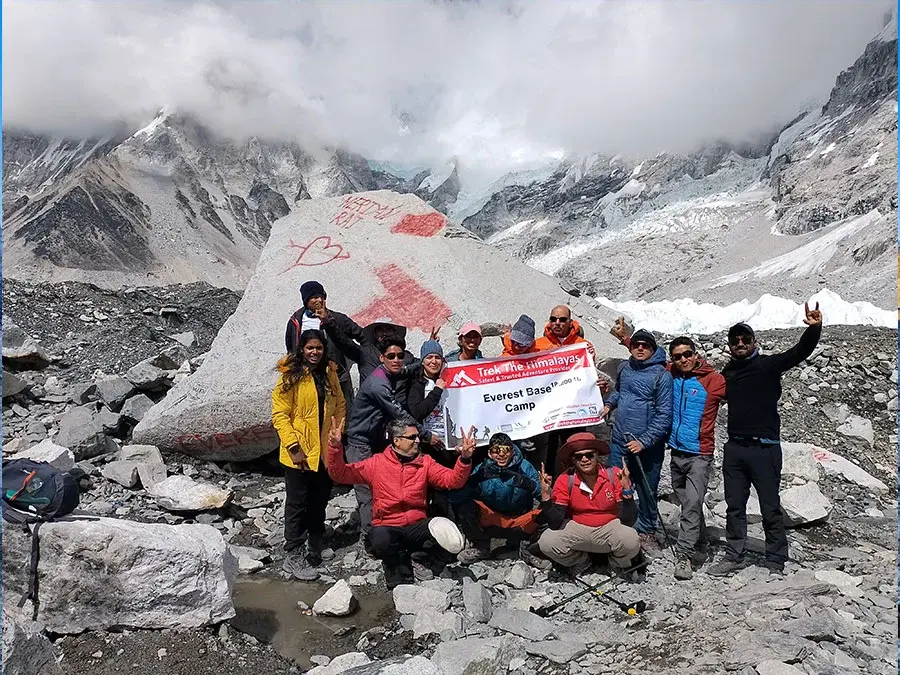
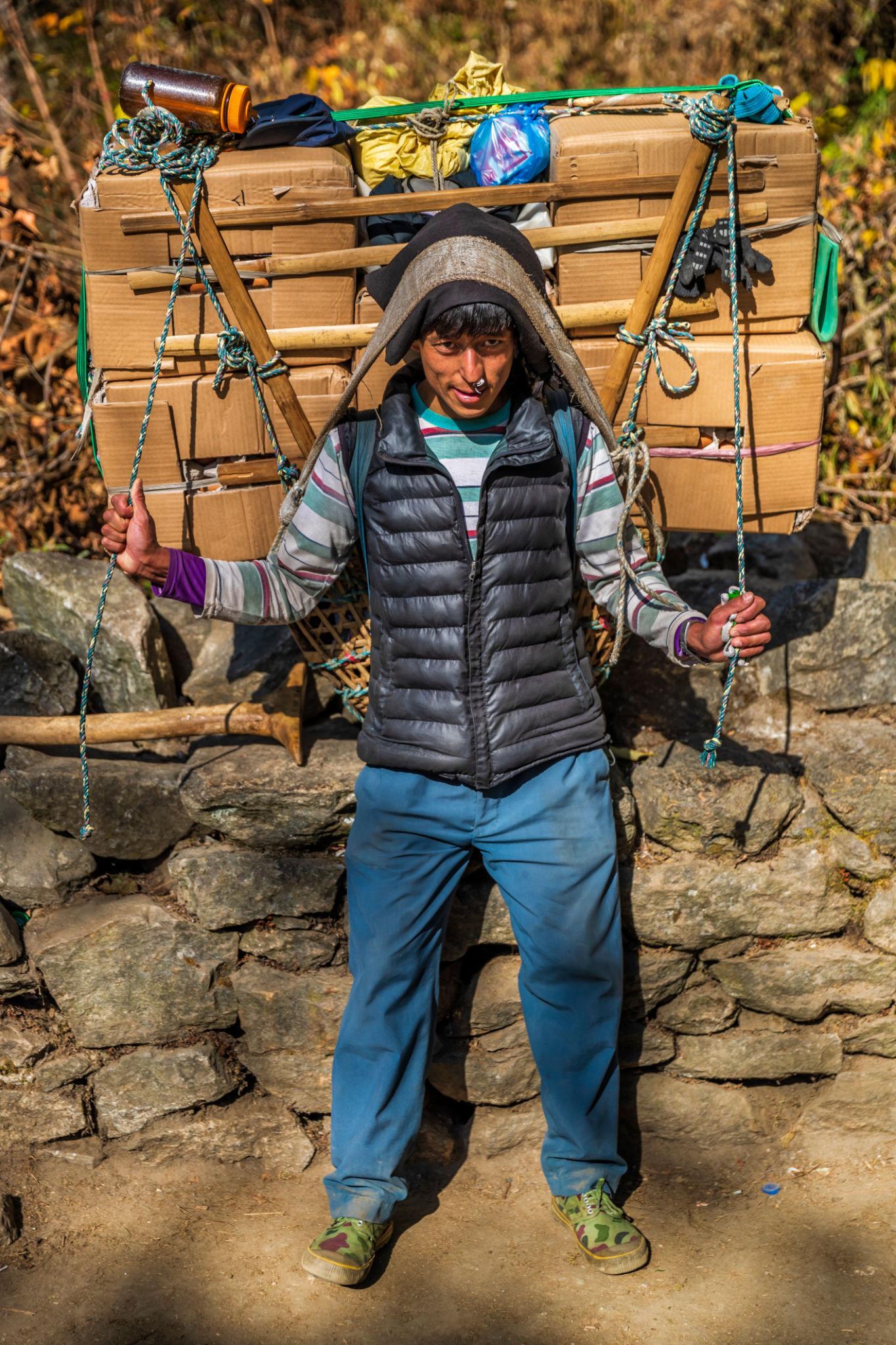
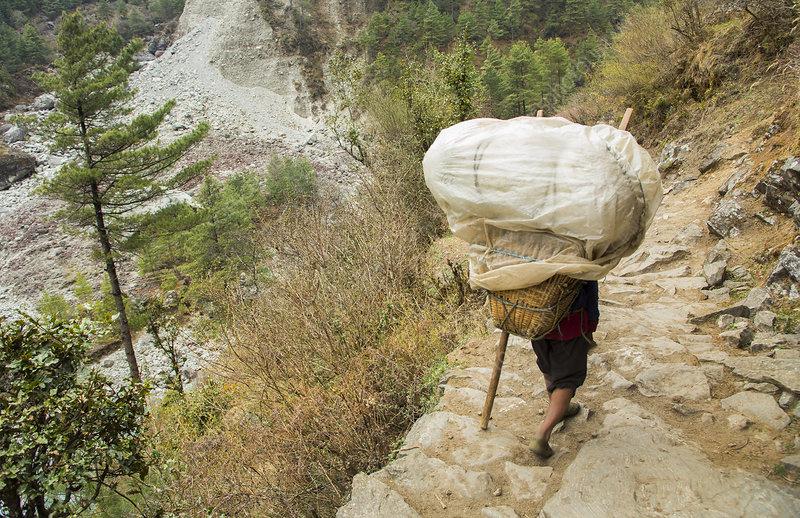
Teahouse accommodation and guided trekking groups are common on this route
There are three main ways to complete the trek:
- Fully Guided Group Tour
• Guide, permits, accommodation arranged
• Fixed itinerary
• Most popular for first-time trekkers
- Private Guide & Porter
• Flexible pace
• Personalized support
• Slightly higher cost
- Independent Trek
• Legally allowed
• You arrange permits and lodges yourself
• Suitable for experienced trekkers
A guide is not mandatory but highly recommended.
Best Time to Trek, Weather & Crowd Conditions
Best Time to Do the Everest Base Camp Trek
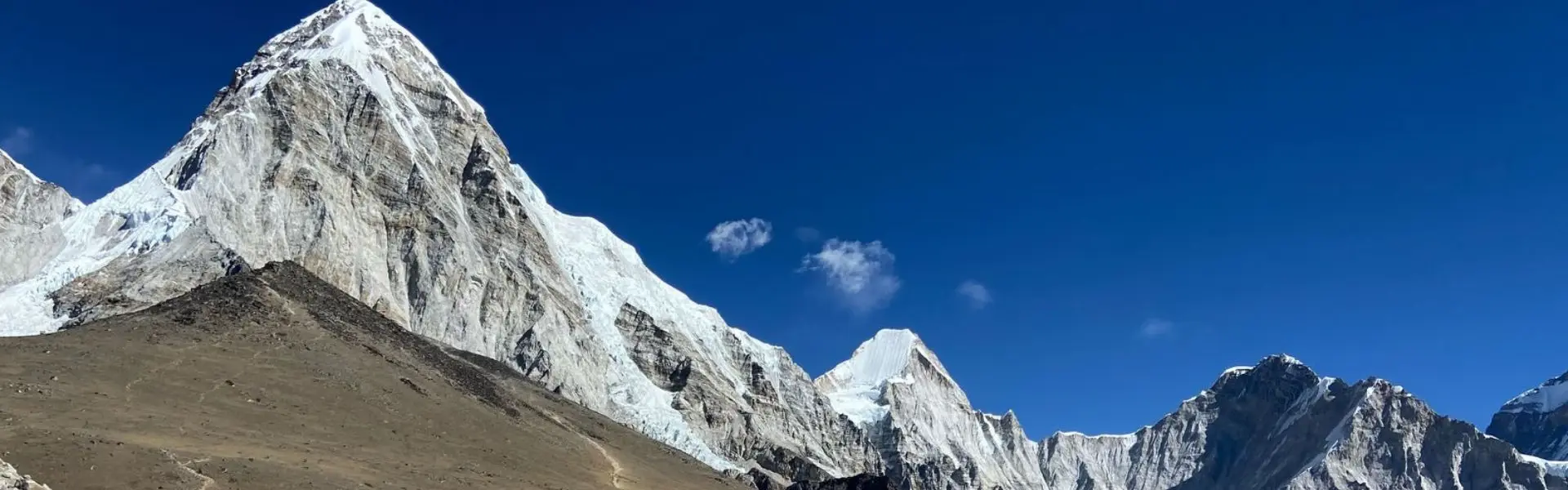
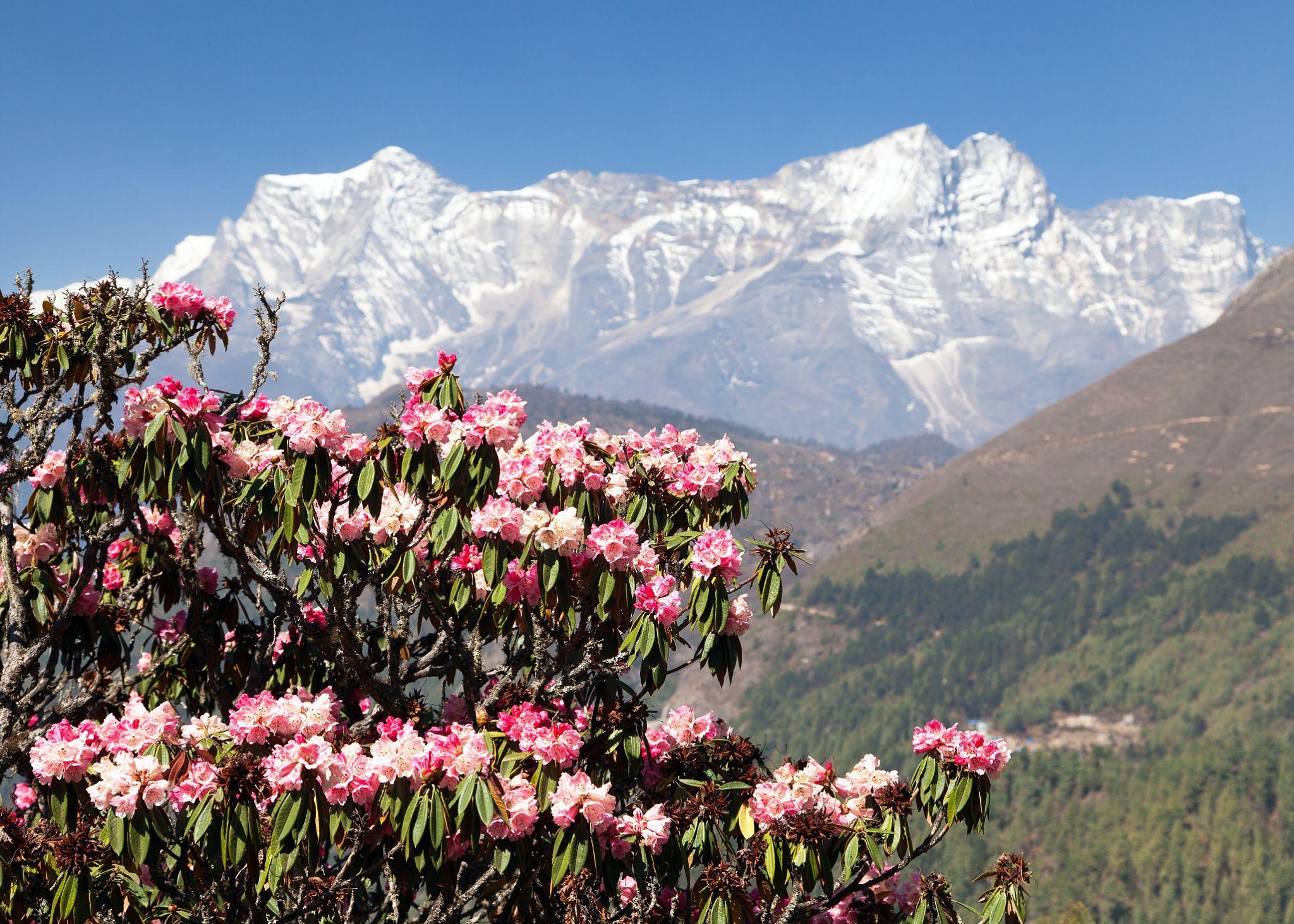
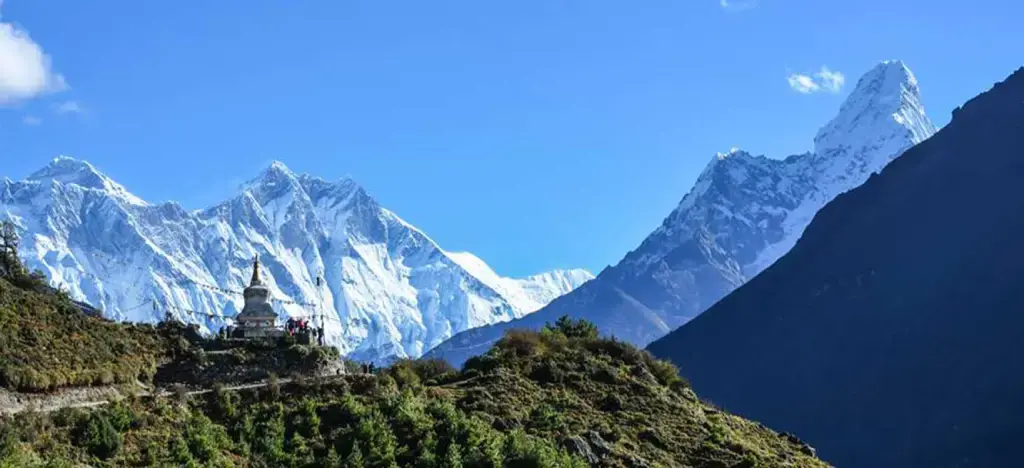
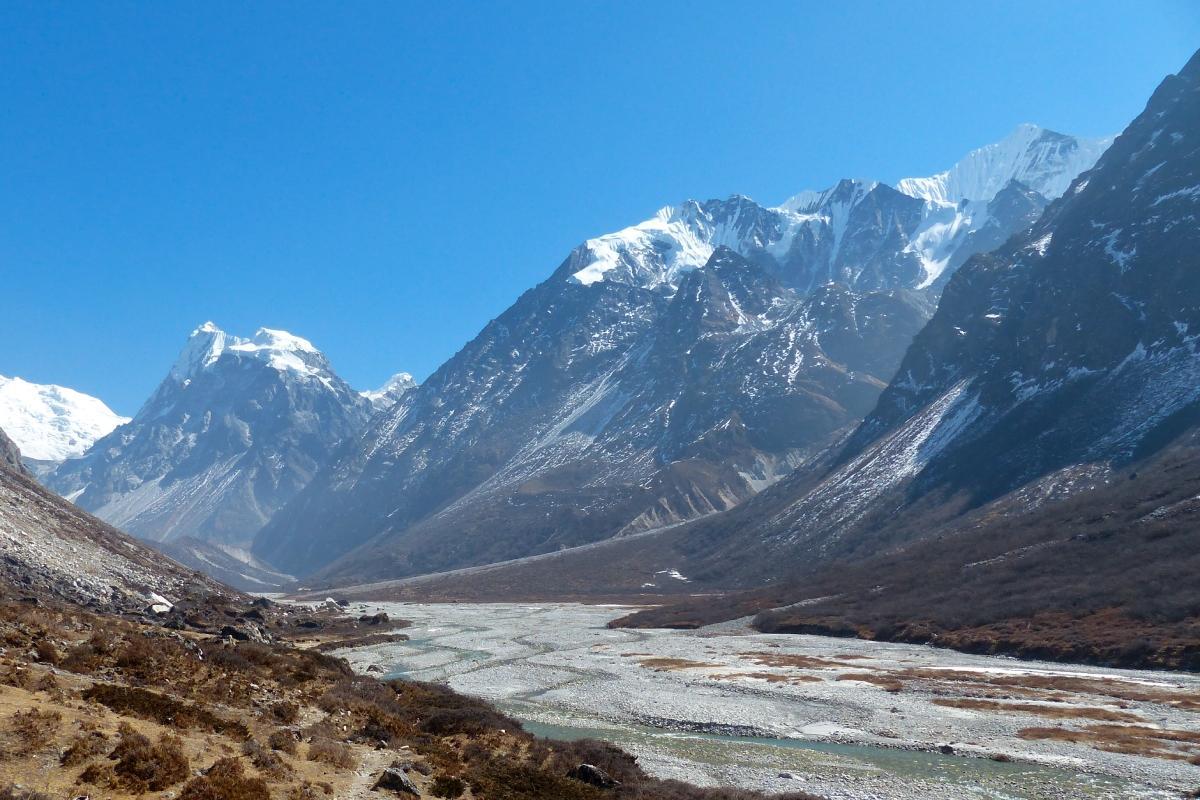
Clear autumn skies and colorful spring forests along the Everest trail
The Everest Base Camp Trek has two main trekking seasons:
- Spring (March–May)
- Autumn (October–November)
These months offer:
• Stable weather
• Clear mountain views
• Good trail conditions
• Fully open teahouses
These are the safest and most popular times to trek.
Trekking in Spring (March–May)
Spring is one of the best seasons for Everest Base Camp.
Conditions include:
• Moderate daytime temperatures
• Blooming rhododendron forests at lower altitudes
• Expedition teams at Base Camp preparing for summit season
• Clear mornings with occasional afternoon clouds
This is a lively and active time on the trail.
Trekking in Autumn (October–November)
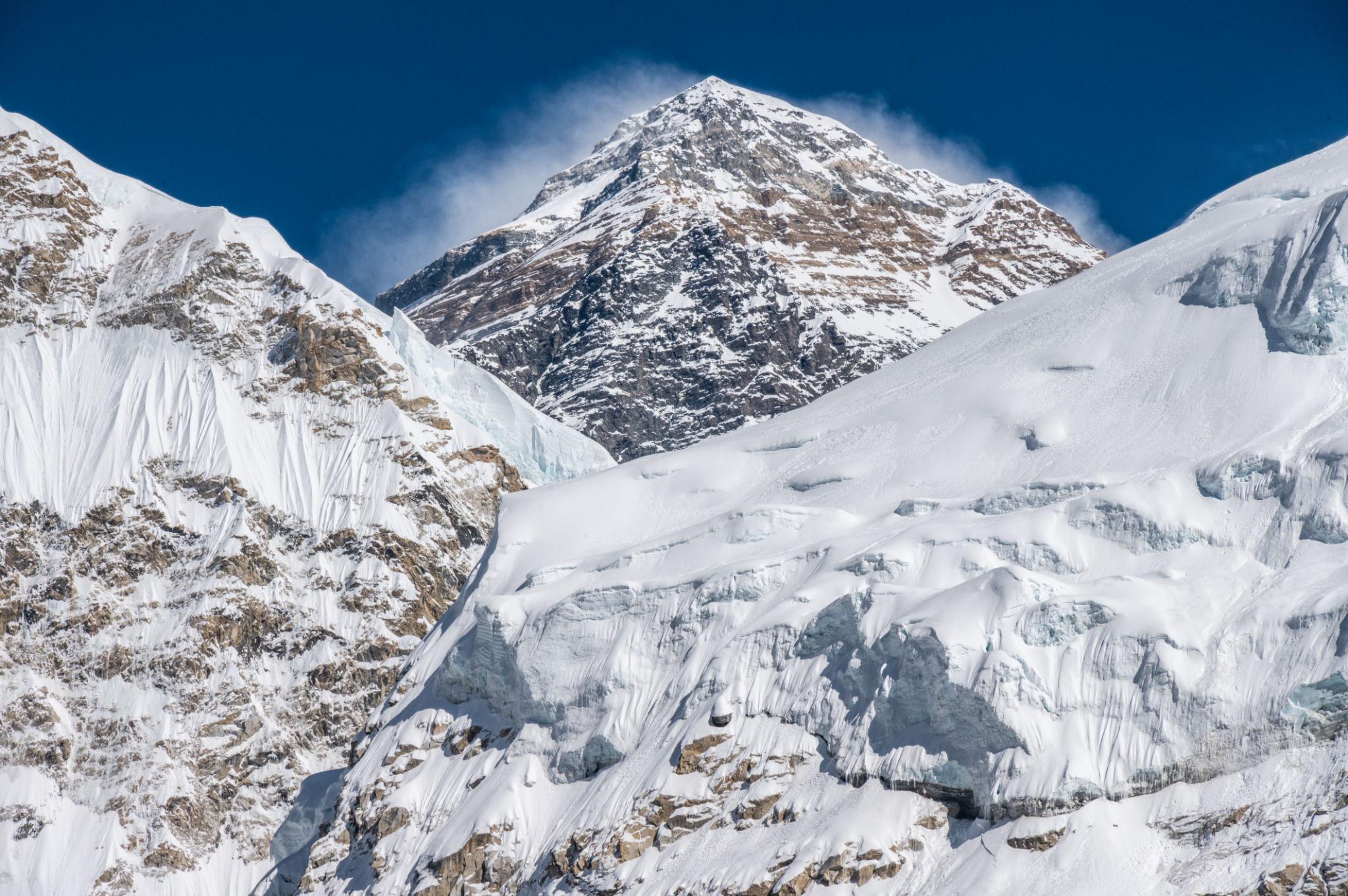
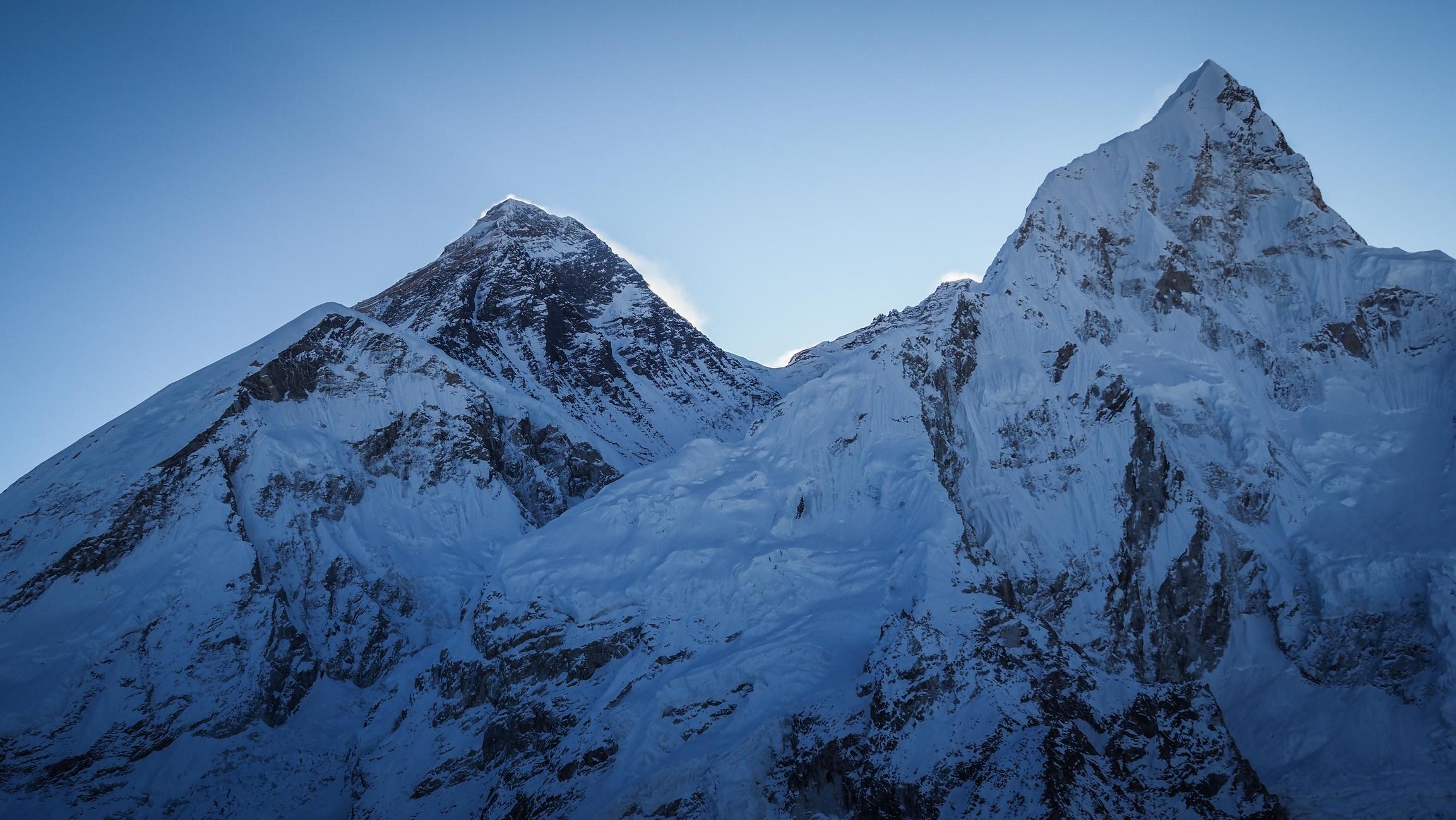
Autumn offers crystal-clear mountain visibility and busy trekking villages
Autumn is often considered the best overall season.
What to expect:
• Very clear skies after the monsoon
• Dry trails
• Excellent photography conditions
• High number of trekkers
Accommodation can fill quickly during peak weeks.
Seasons to Avoid (Monsoon & Winter)
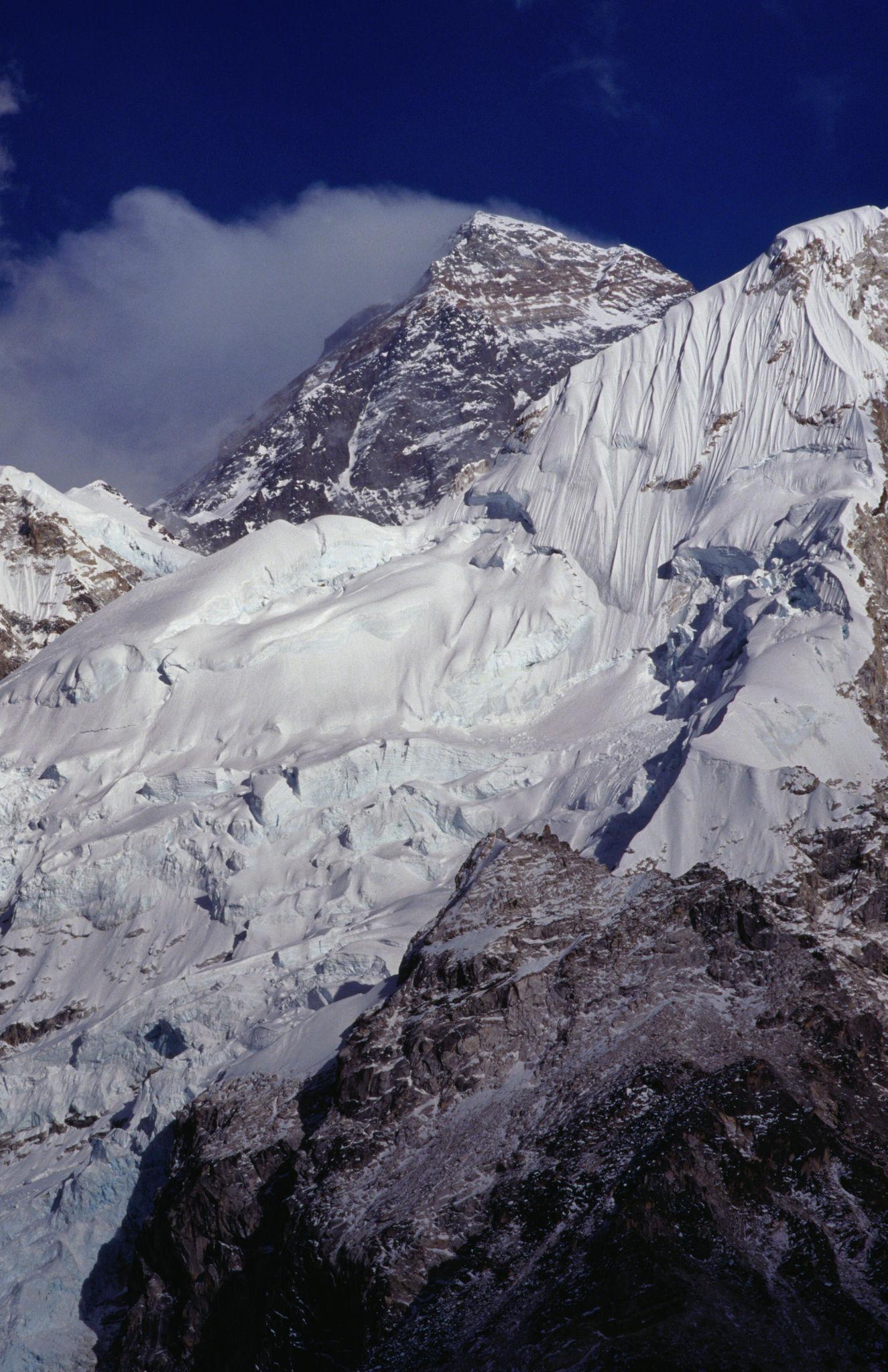
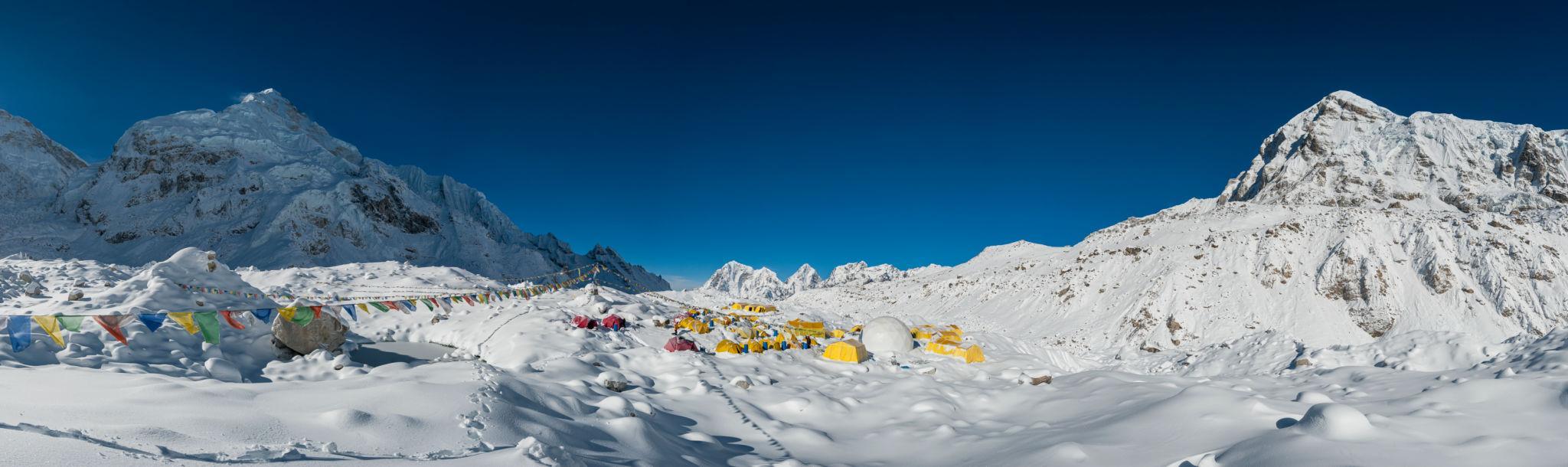
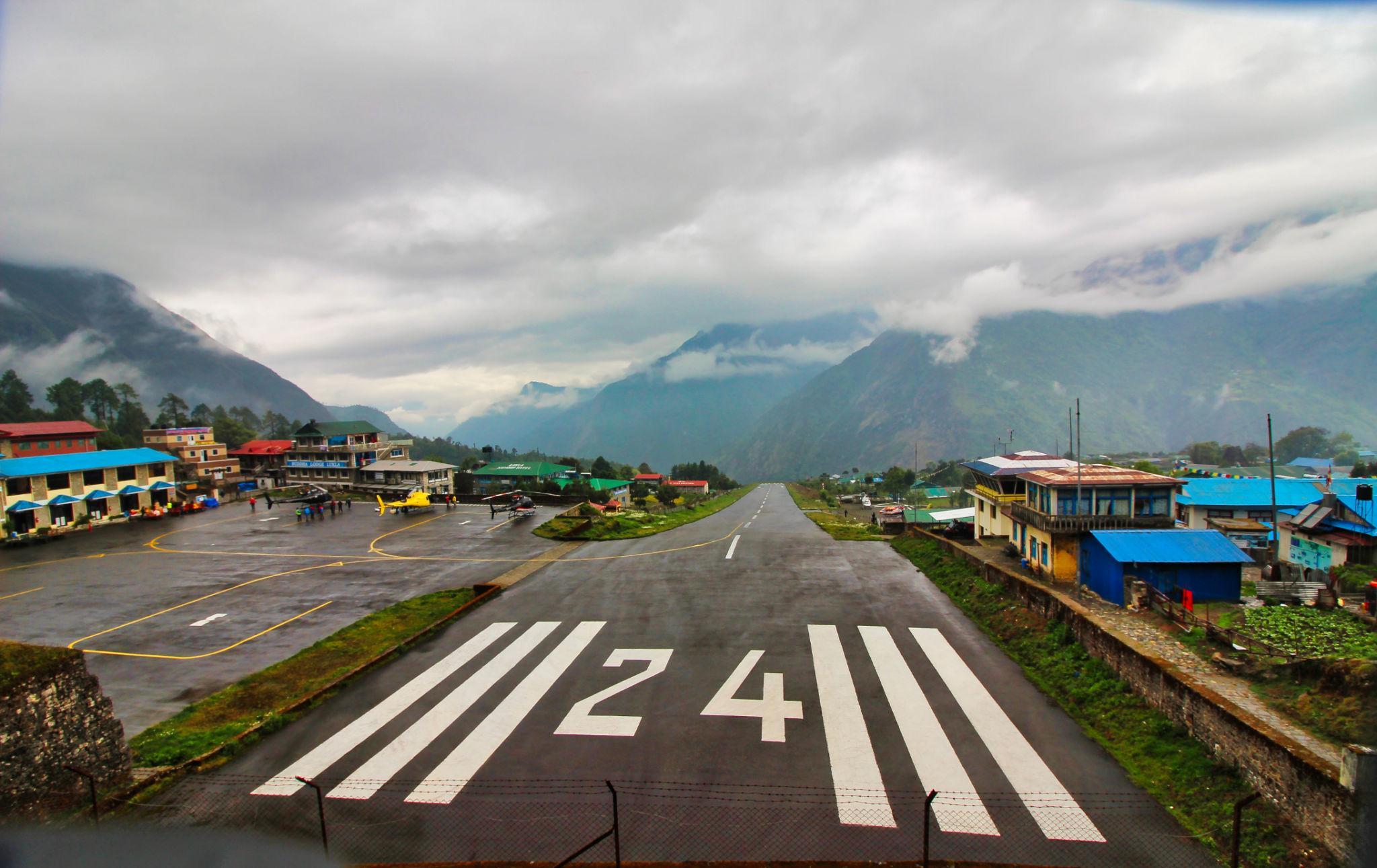
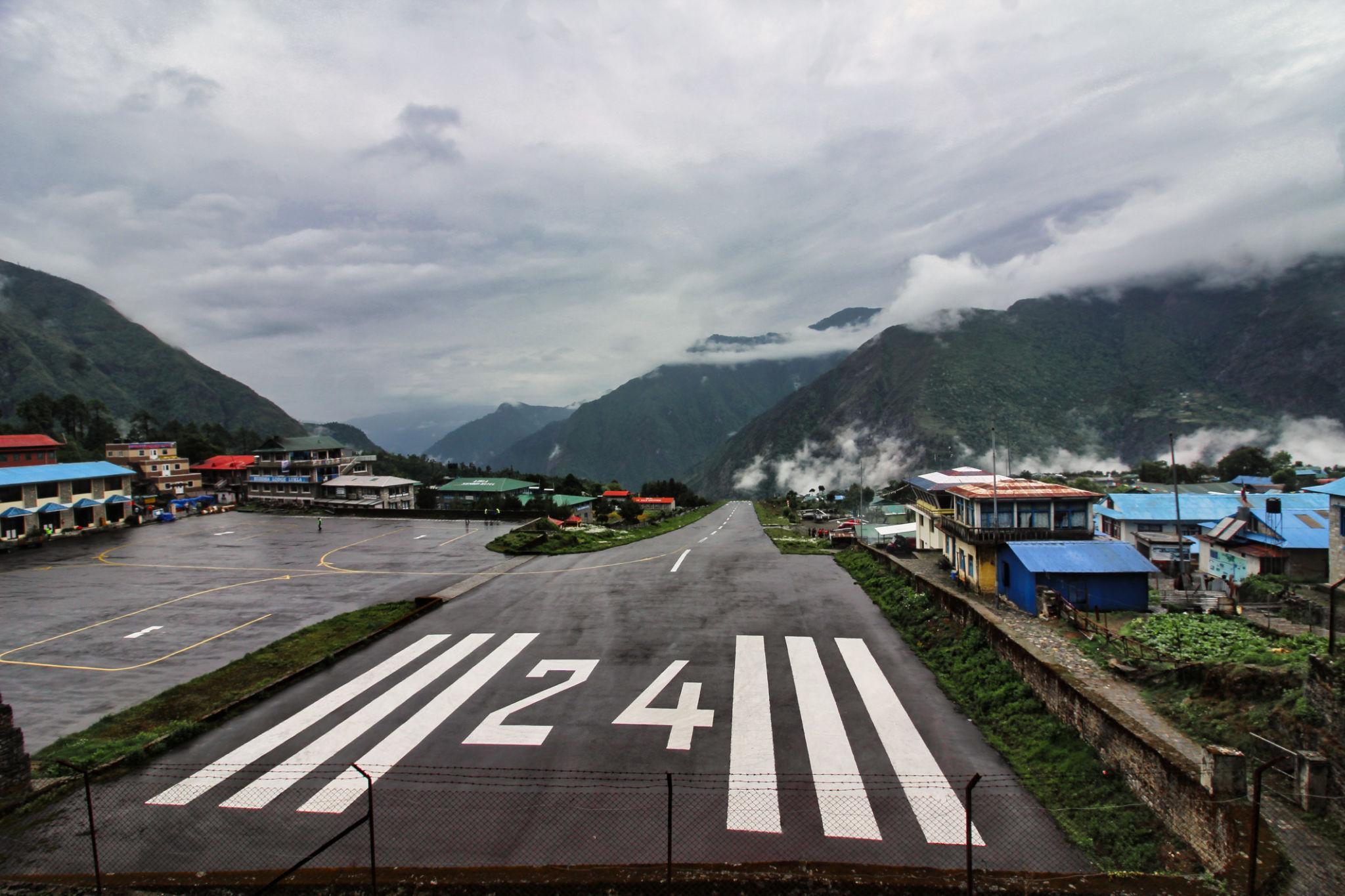
Monsoon brings rain and clouds, while winter brings snow and cold temperatures
Monsoon (June–September)
• Frequent rain
• Cloudy mountain views
• Slippery trails
• Flight delays to Lukla
Winter (December–February)
• Very cold nights
• Snow at higher elevations
• Fewer trekkers
• Some teahouses closed
Experienced trekkers may still go, but conditions are tougher.
Crowd Levels on the Trail
Everest Base Camp is one of the busiest trekking routes in the world during peak season.
General crowd pattern:
• Spring: Busy but manageable
• Autumn: Very busy
• Winter: Quiet
• Monsoon: Very quiet
Villages like Namche Bazaar and Tengboche are noticeably active during peak months.
How to Get There, Entry Process, Permits & Guide Rules
Step 1 – Entering Nepal
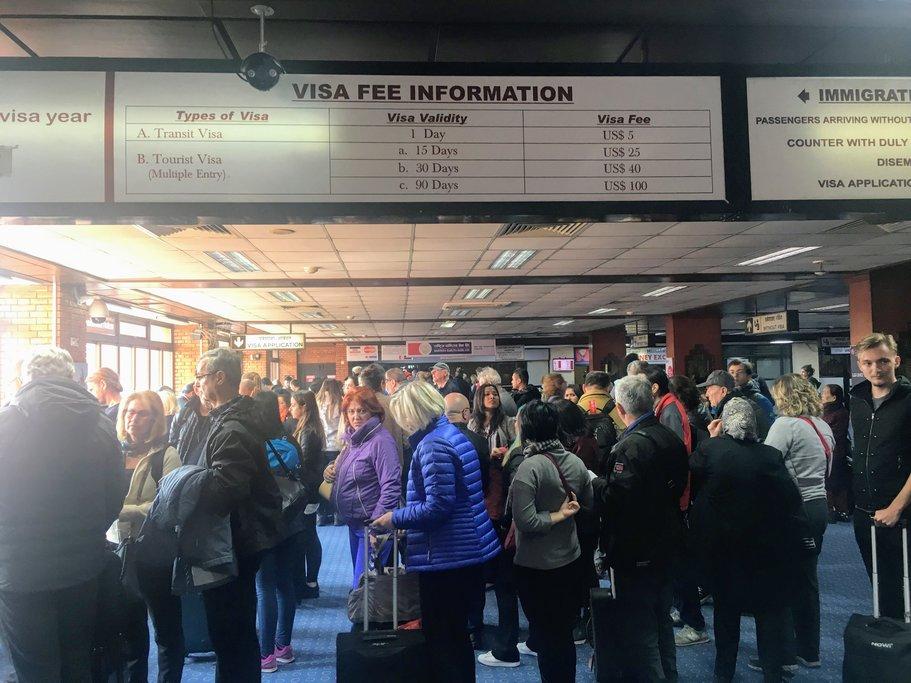
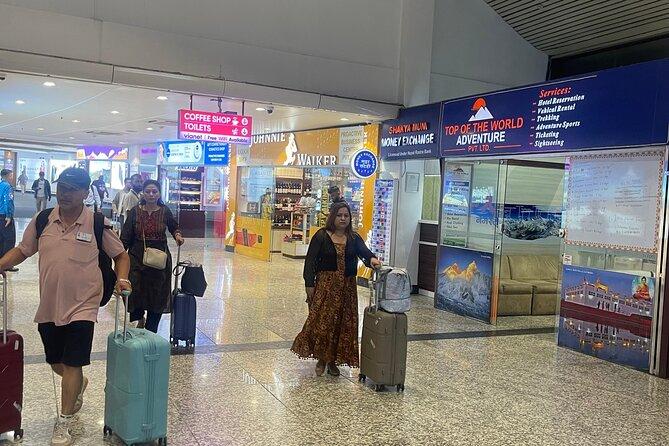
Arrival at Tribhuvan International Airport and visa-on-arrival process in Kathmandu
To begin the Everest Base Camp Trek, you must first enter Nepal.
Most international travelers arrive at:
• Tribhuvan International Airport in Kathmandu.
Visa Process
Most nationalities can obtain a Visa on Arrival at the airport.
Steps:
• Fill out an arrival form (online or airport kiosk)
• Pay visa fee in USD (recommended)
• Receive tourist visa stamp
Common visa options:
• 15 days
• 30 days
• 90 days
A 30-day visa is ideal for the Everest Base Camp trek.
Always check official Nepal immigration rules before travel.
Step 2 – Kathmandu to Lukla (Start of Trek)
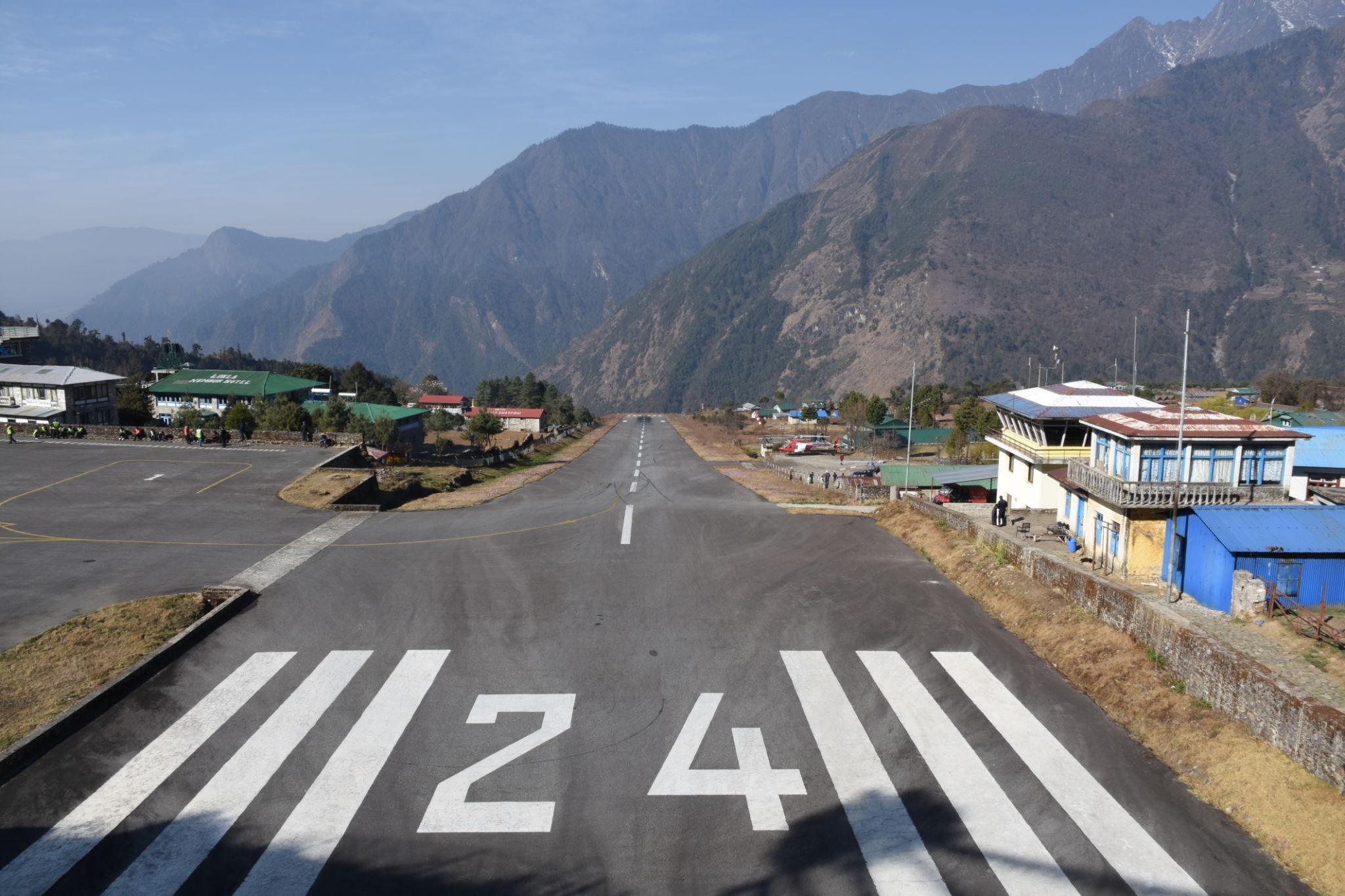
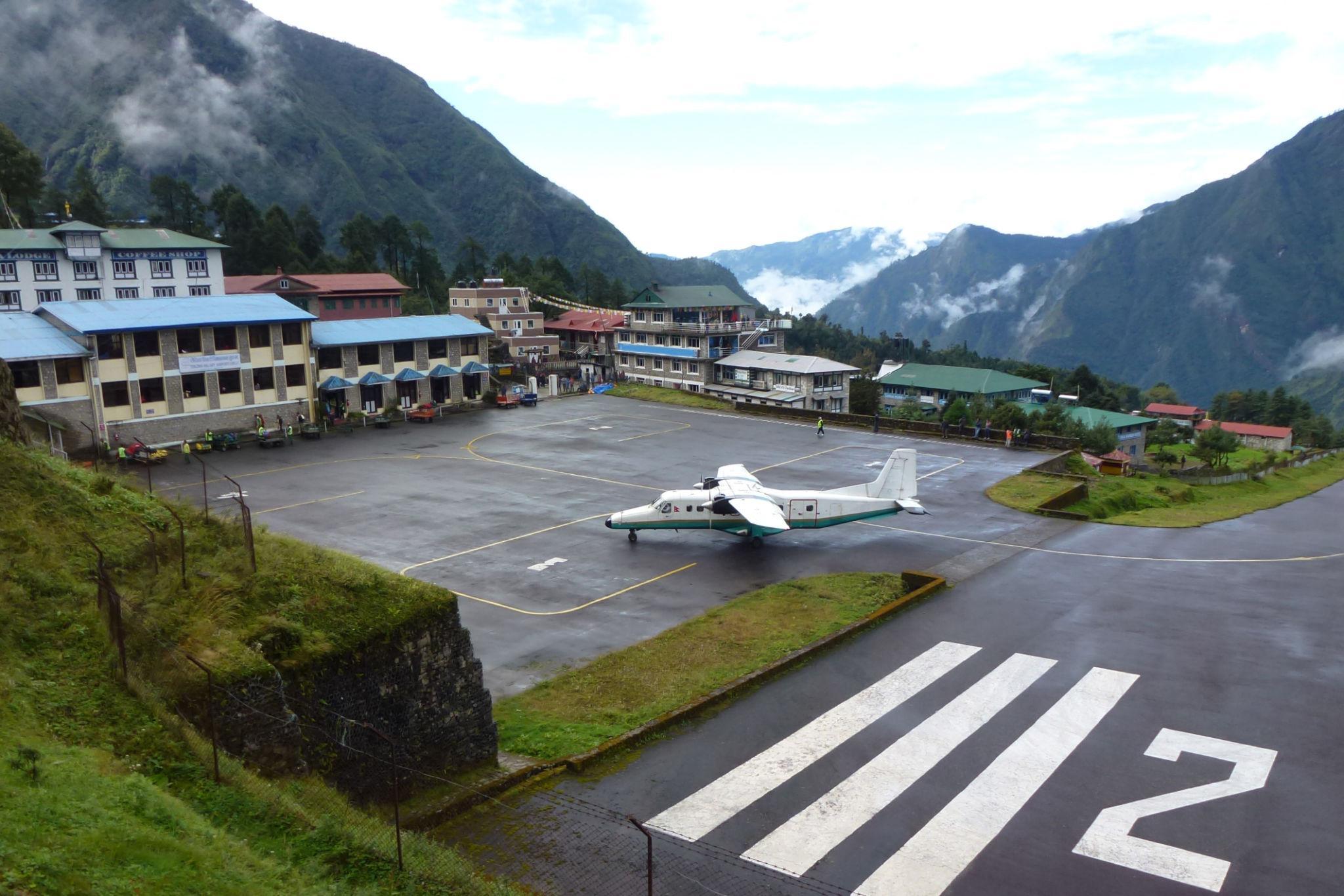
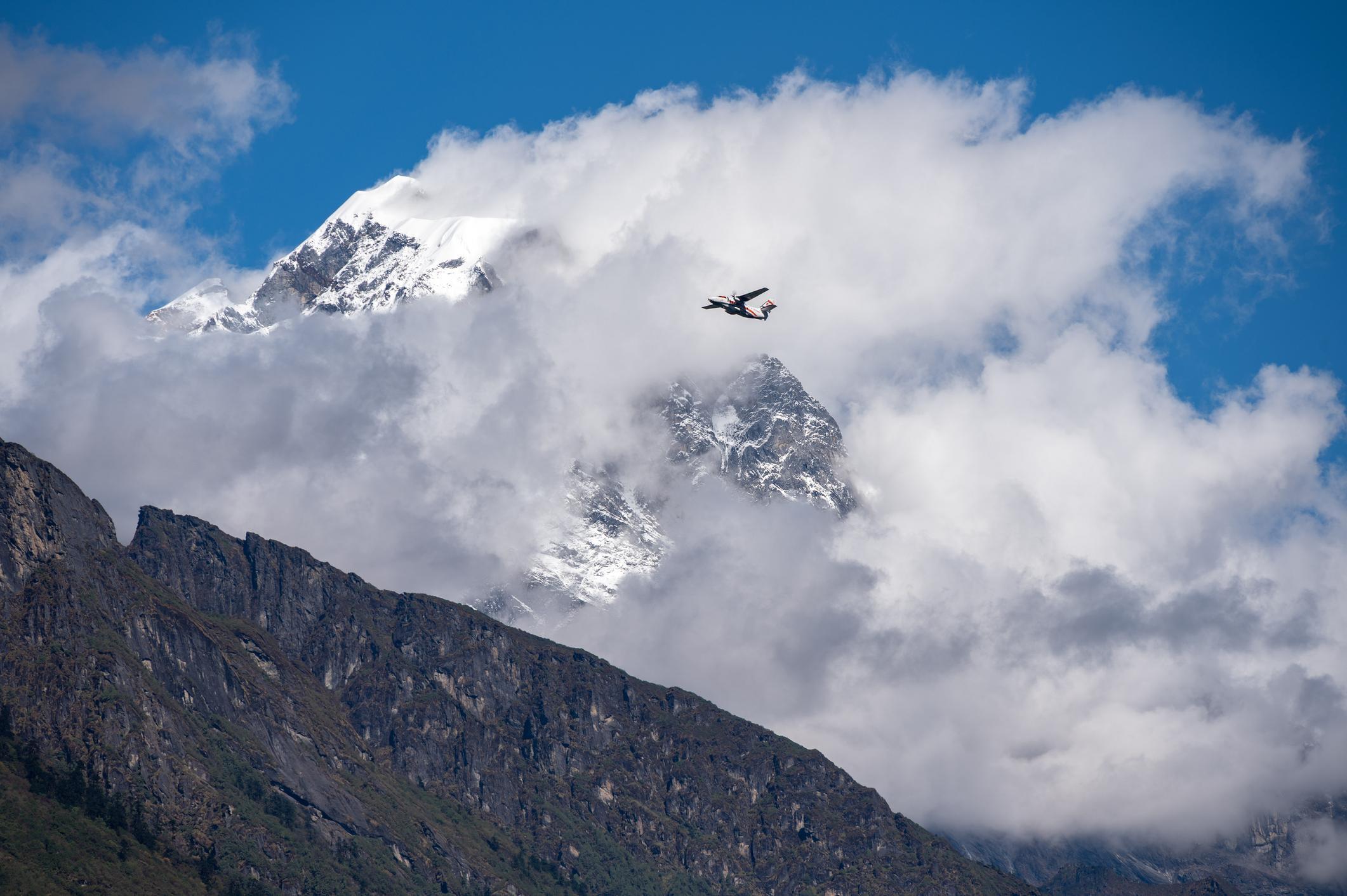
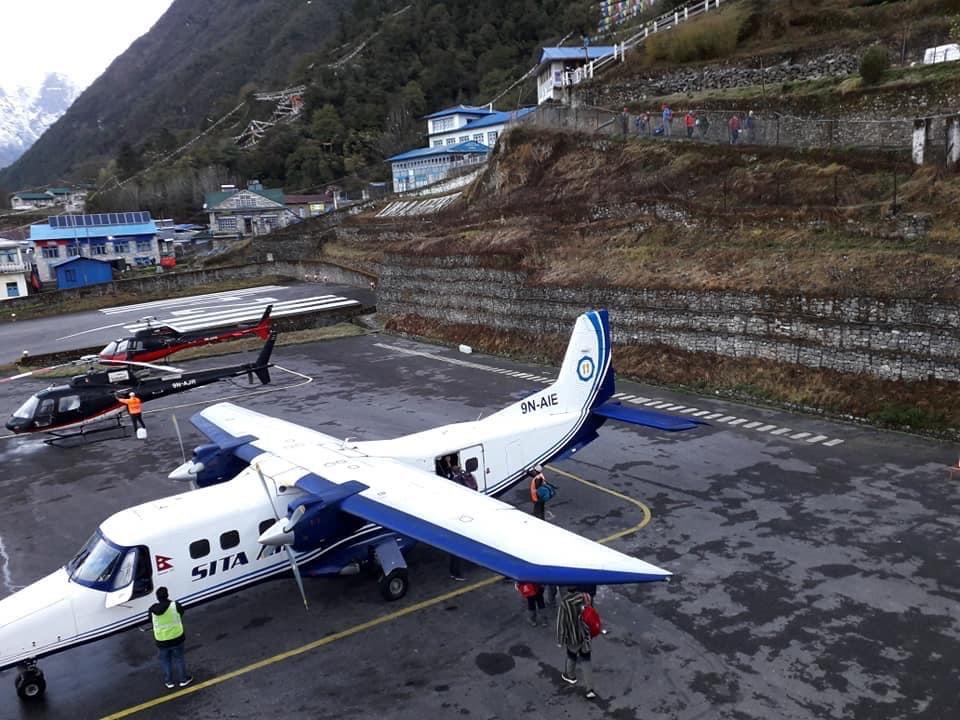
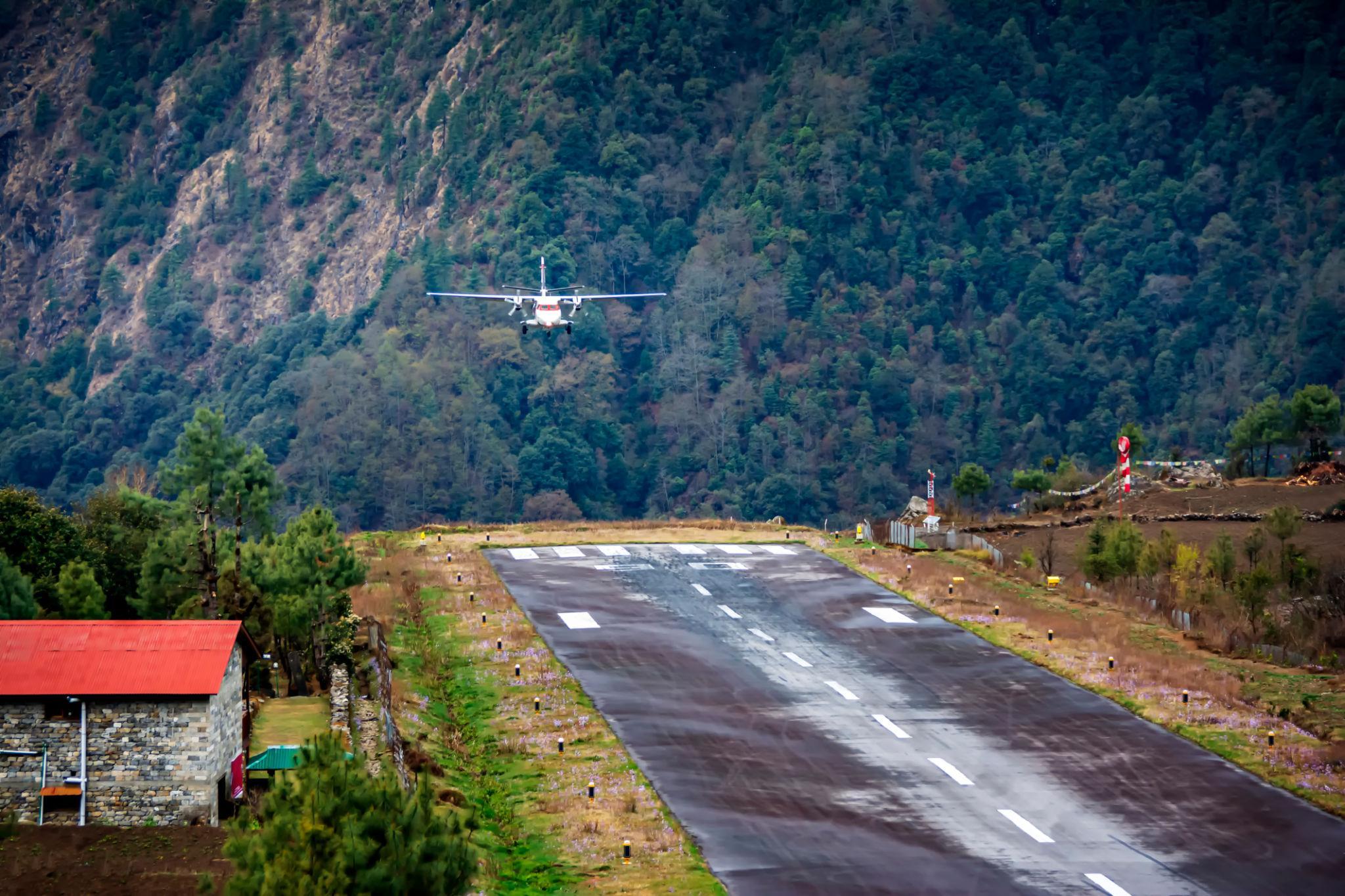
Flight landing at Lukla, the gateway to the Everest region
The trek officially begins in Lukla.
You reach Lukla by flying from Kathmandu to:
• Tenzing-Hillary Airport
Important notes:
• Flight time is about 30 minutes
• Early morning departures only
• Weather delays are common
• Keep 1–2 buffer days in your itinerary
If flights are canceled, alternative routes via road to Salleri or Phaplu may be used, adding extra trekking days.
Required Permits for Everest Base Camp
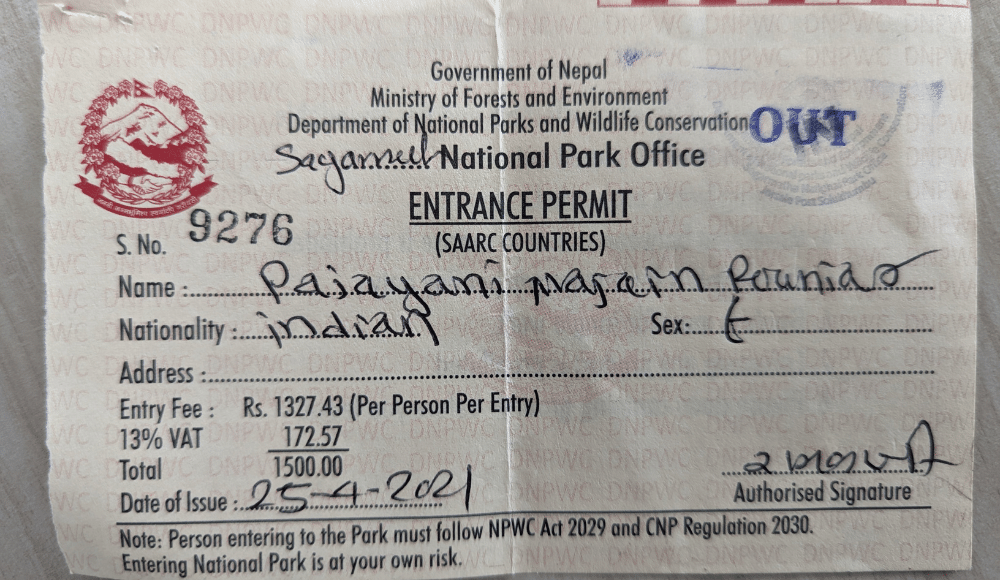
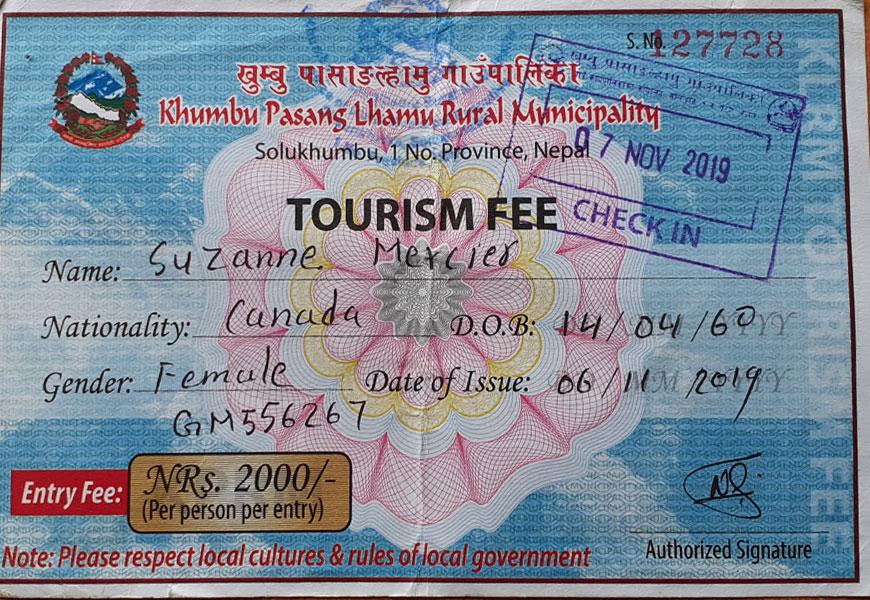
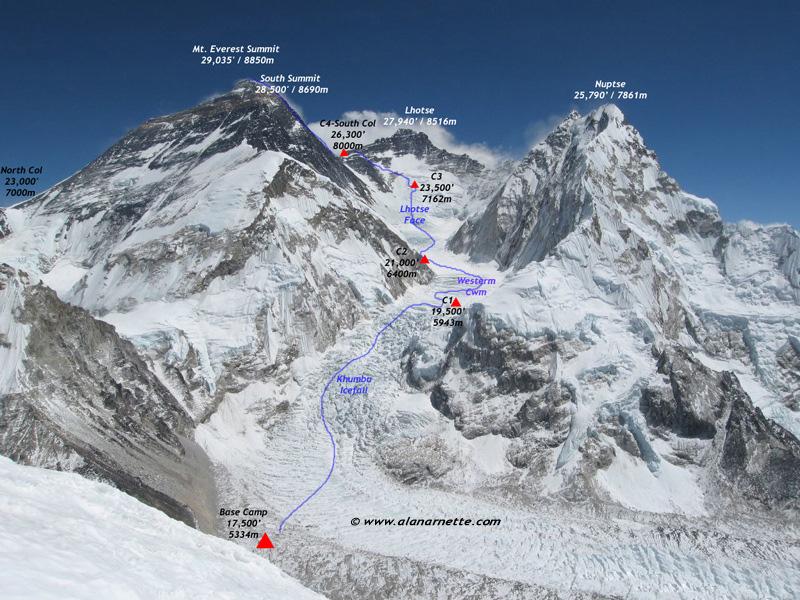
Permit checkpoints along the Everest Base Camp route
You need two permits:
• Sagarmatha National Park Entry Permit
• Khumbu Pasang Lhamu Rural Municipality Permit
These are checked along the trail.
If you book a guided tour, the company arranges permits. Independent trekkers can obtain them in Kathmandu or at entry points.
No Everest climbing permit is required because you are not summiting the mountain.
Do You Need a Guide?
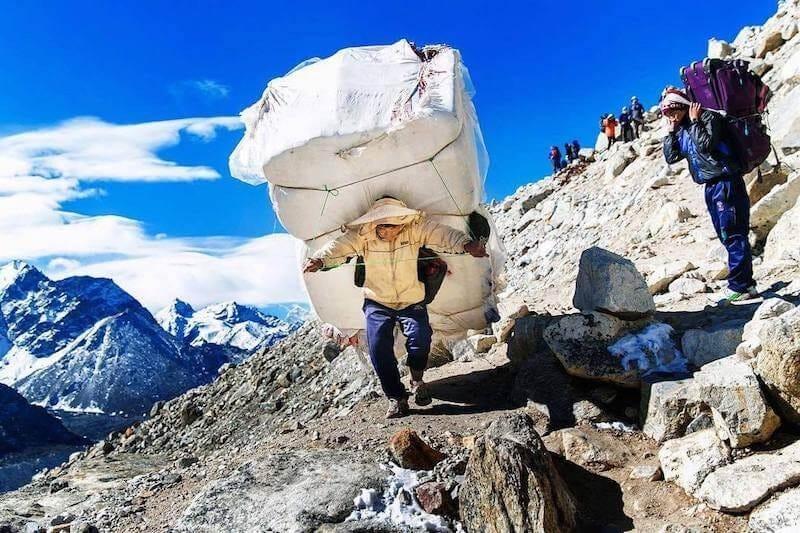
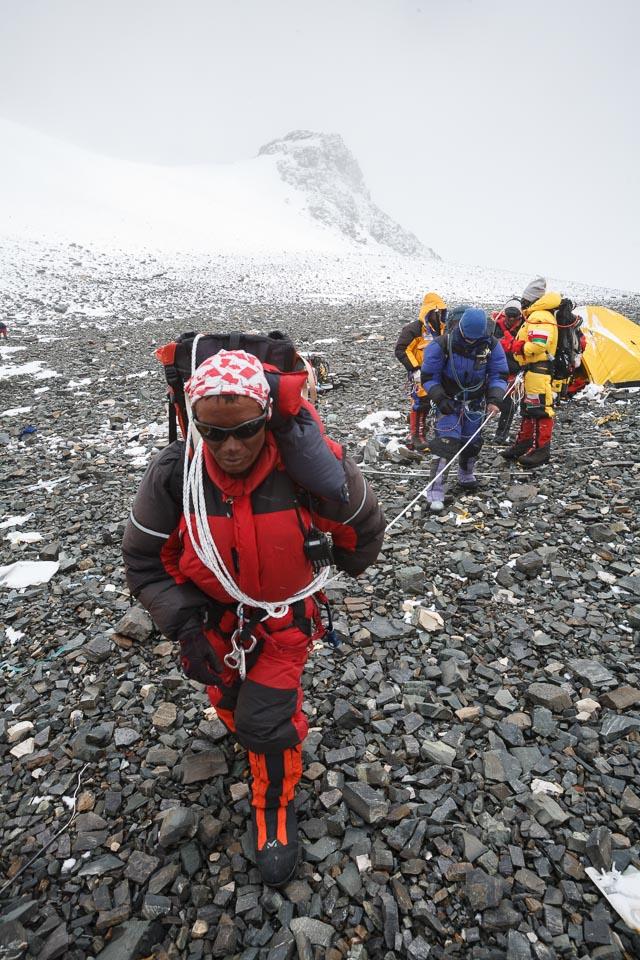
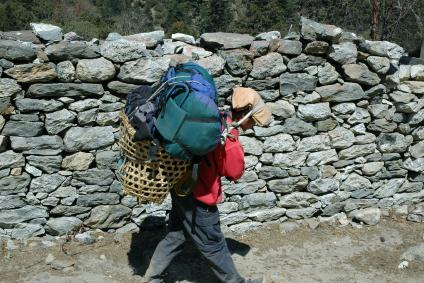
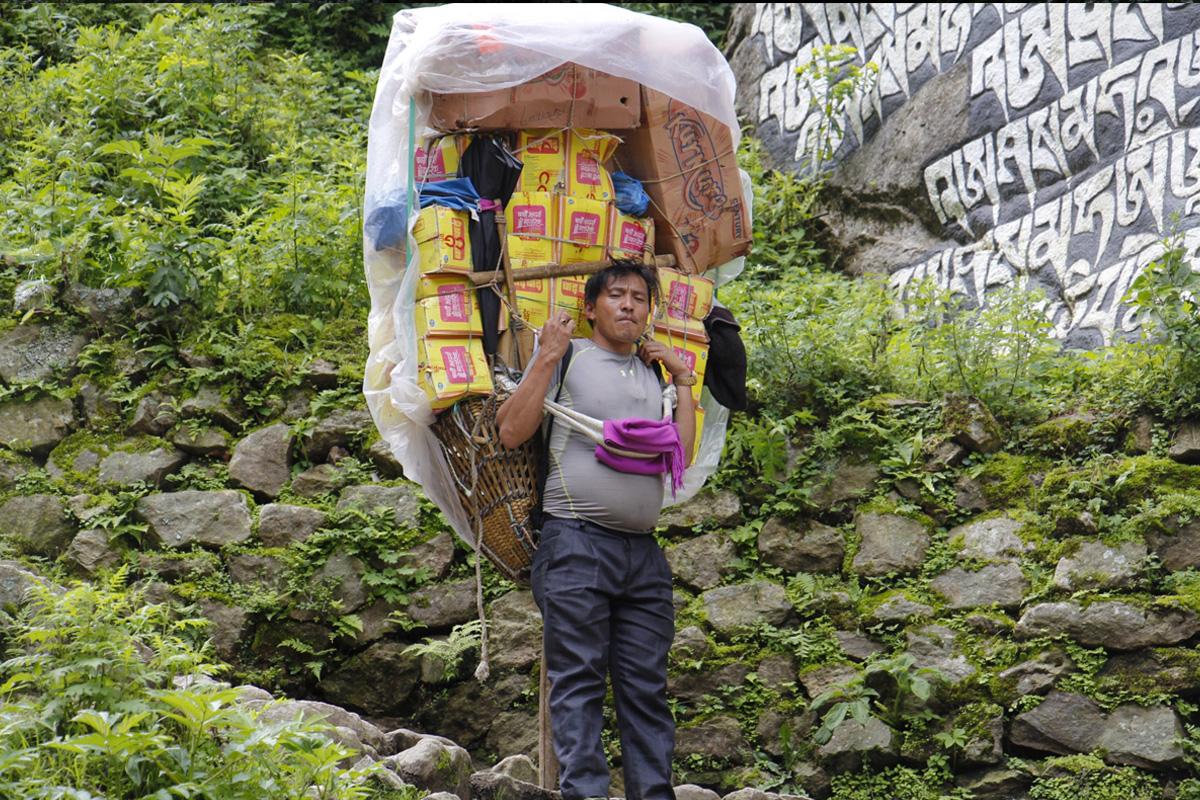
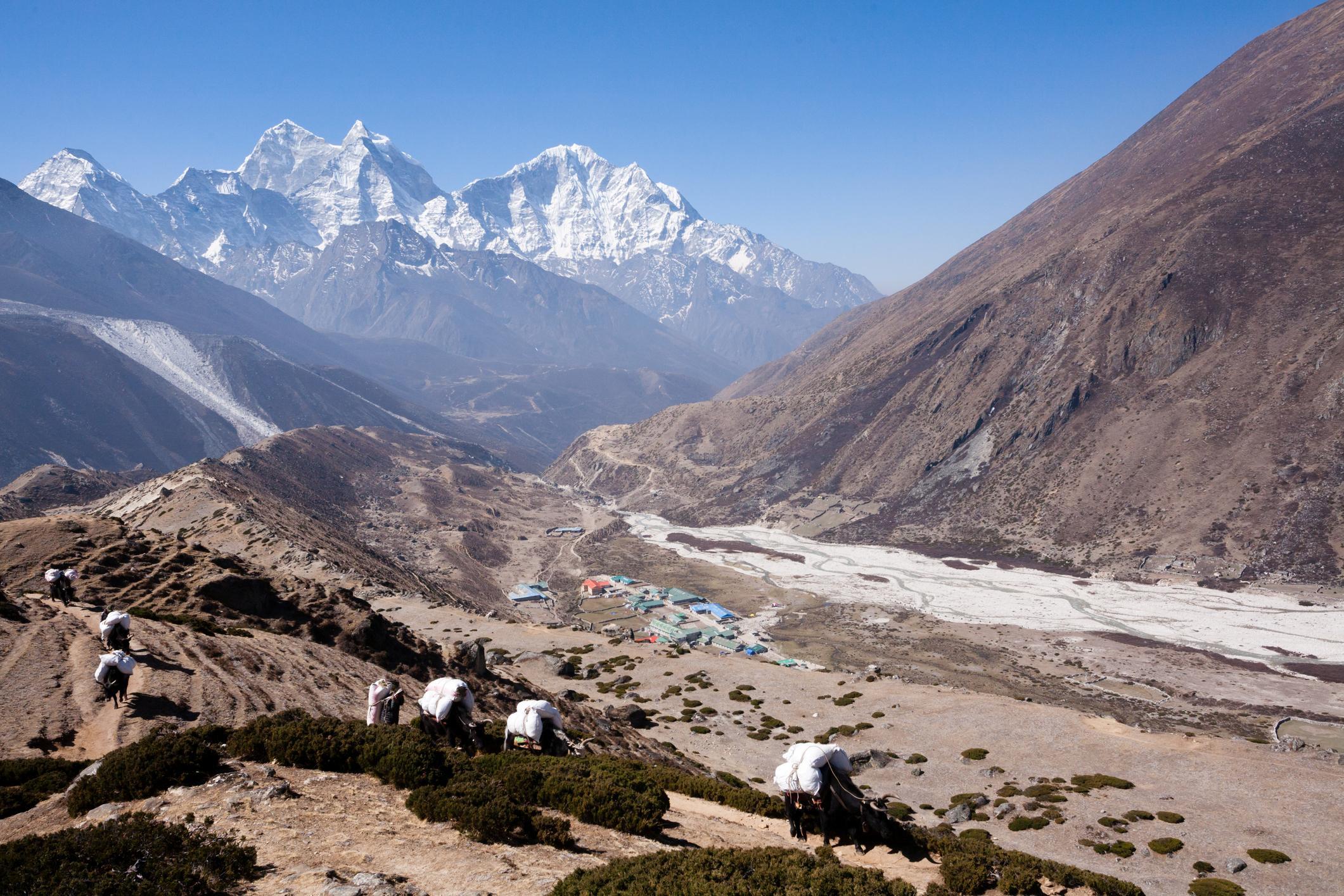
Guides and porters supporting trekkers along the trail
A guide is not legally mandatory, but it is strongly recommended.
Benefits of hiring a guide:
• Navigation assistance
• Lodge booking during busy season
• Altitude sickness monitoring
• Emergency coordination
Porters can carry heavy bags, reducing physical strain.
Many trekkers choose at least a porter for comfort.
Typical Costs Overview
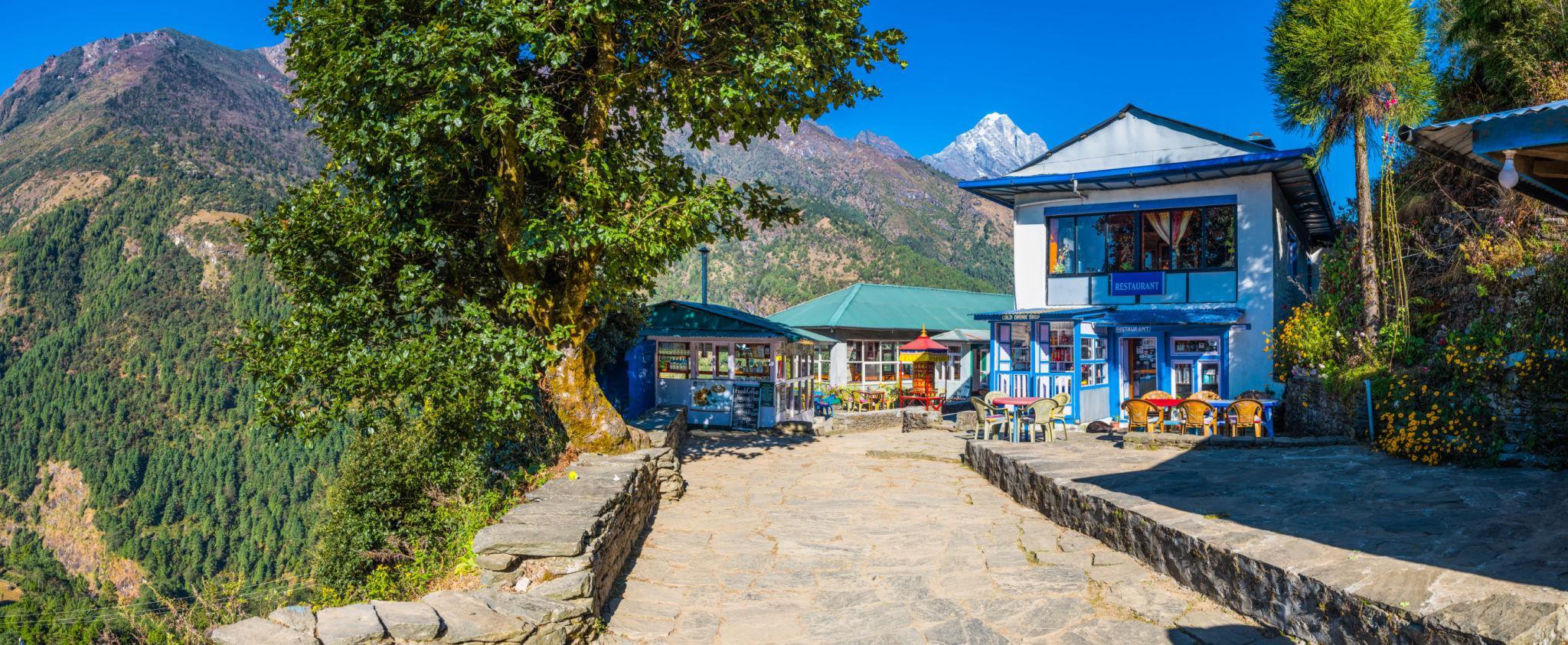
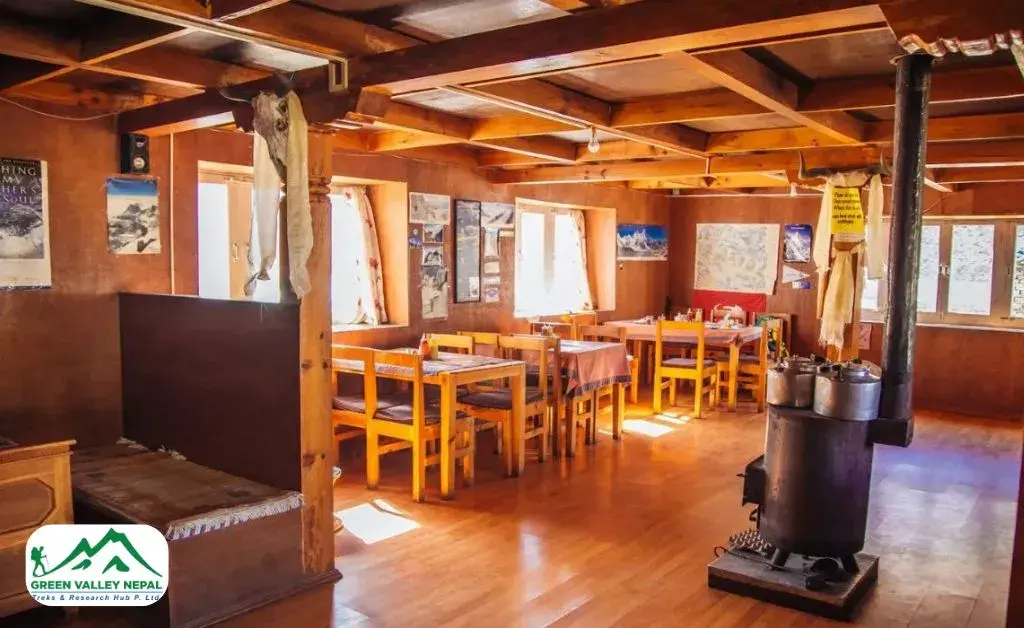
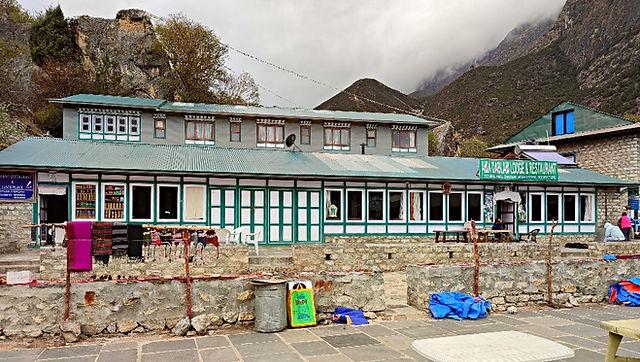
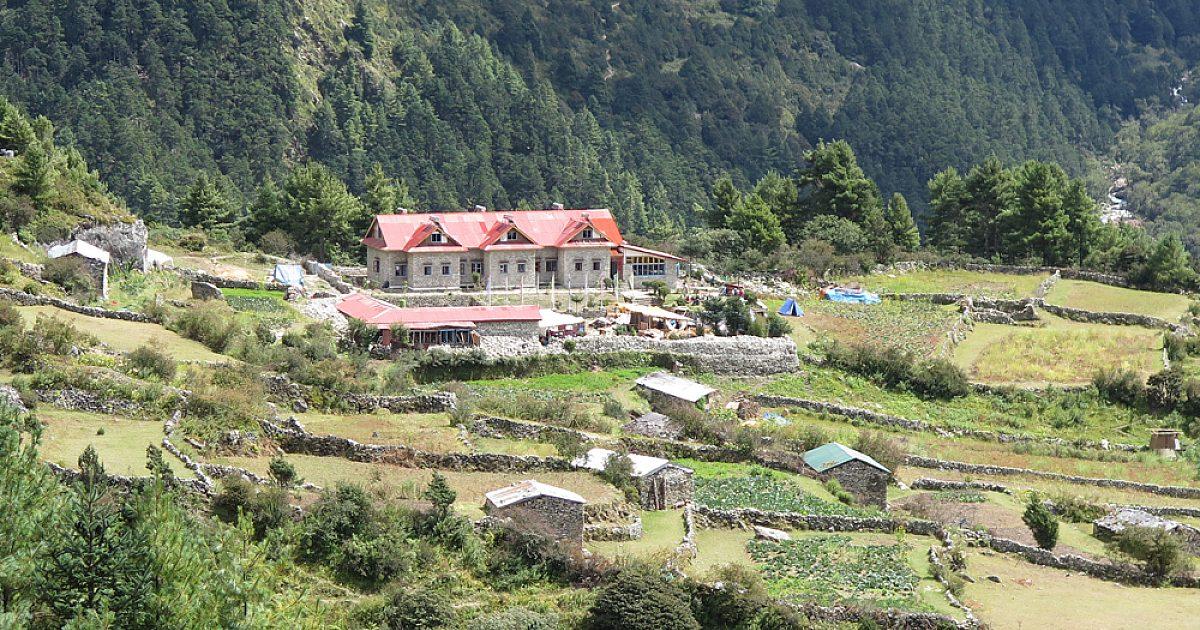
Teahouse accommodation along the Everest Base Camp trail
Approximate cost range per person:
• Independent Trek: 900–1,200 USD
• Guide & Porter: 1,400–2,000 USD
• Full Package Tour: 2,000–3,000 USD
Costs include:
• Lukla flights
• Permits
• Accommodation
• Food
• Guide/porter wages (if hired)
International flights and gear are not included.
Packing, Accommodation, Food, Common Mistakes & Final Advice
What to Pack for Everest Base Camp
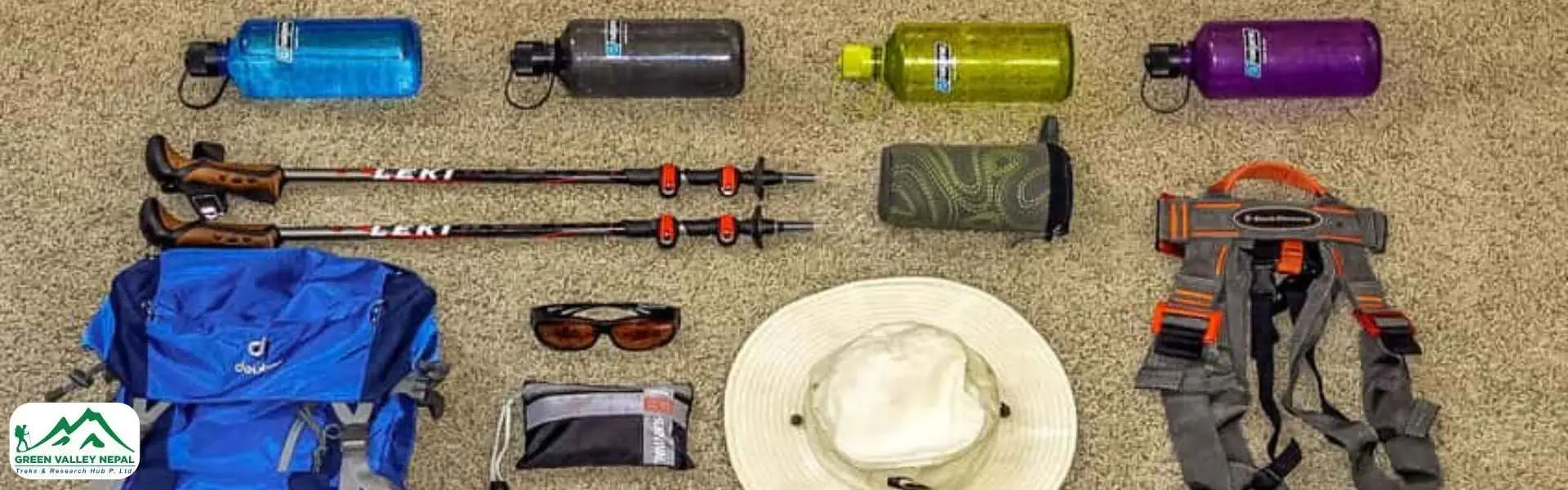
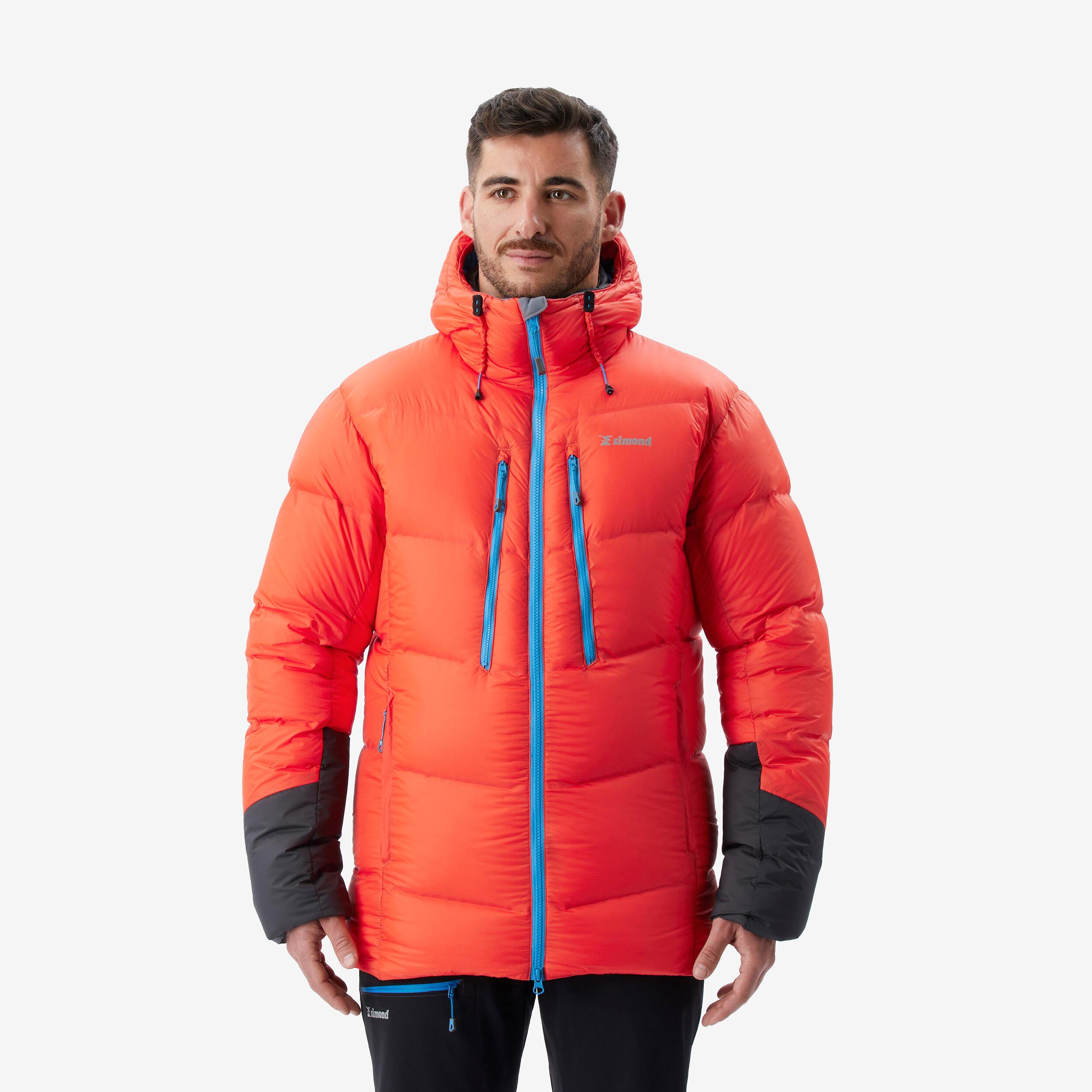
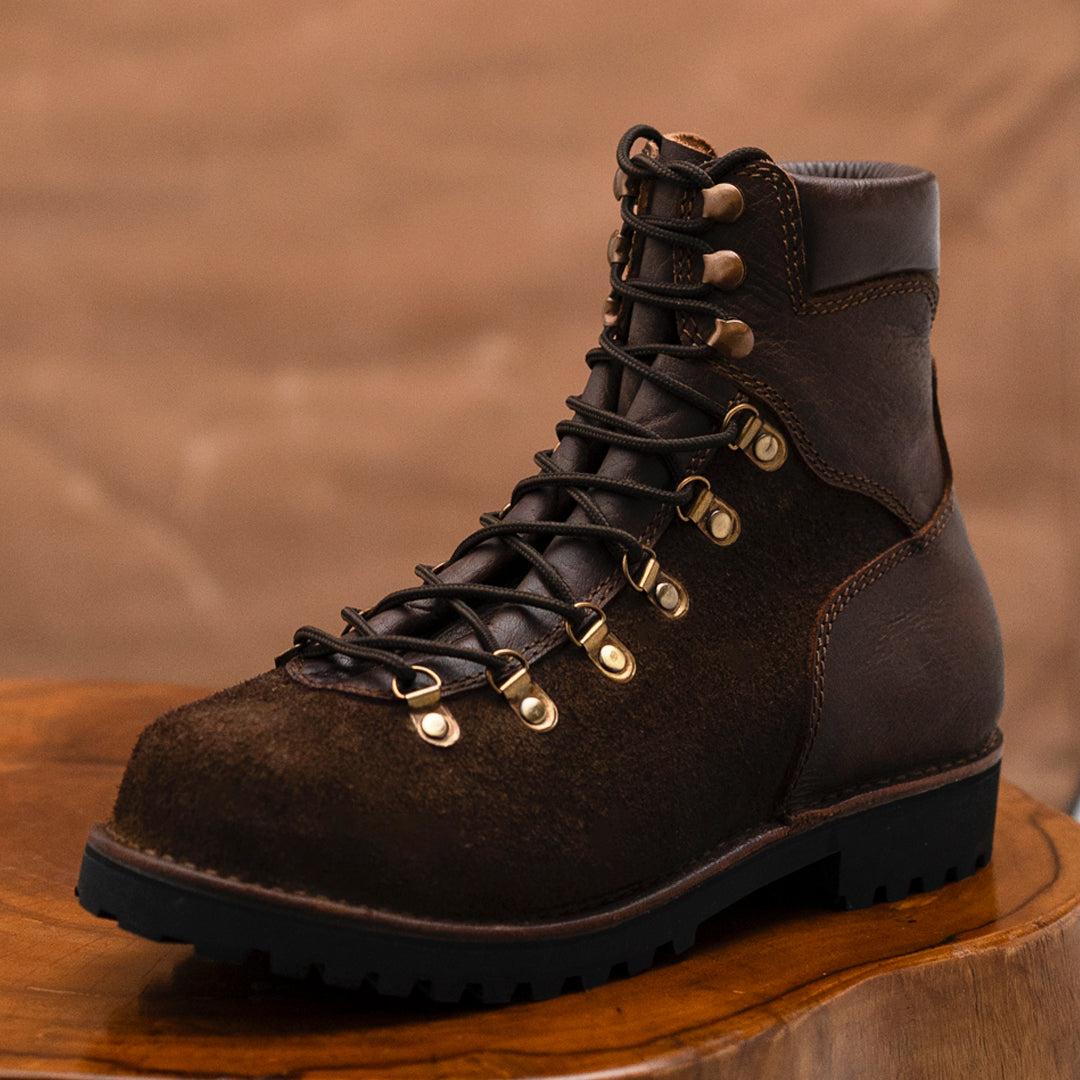
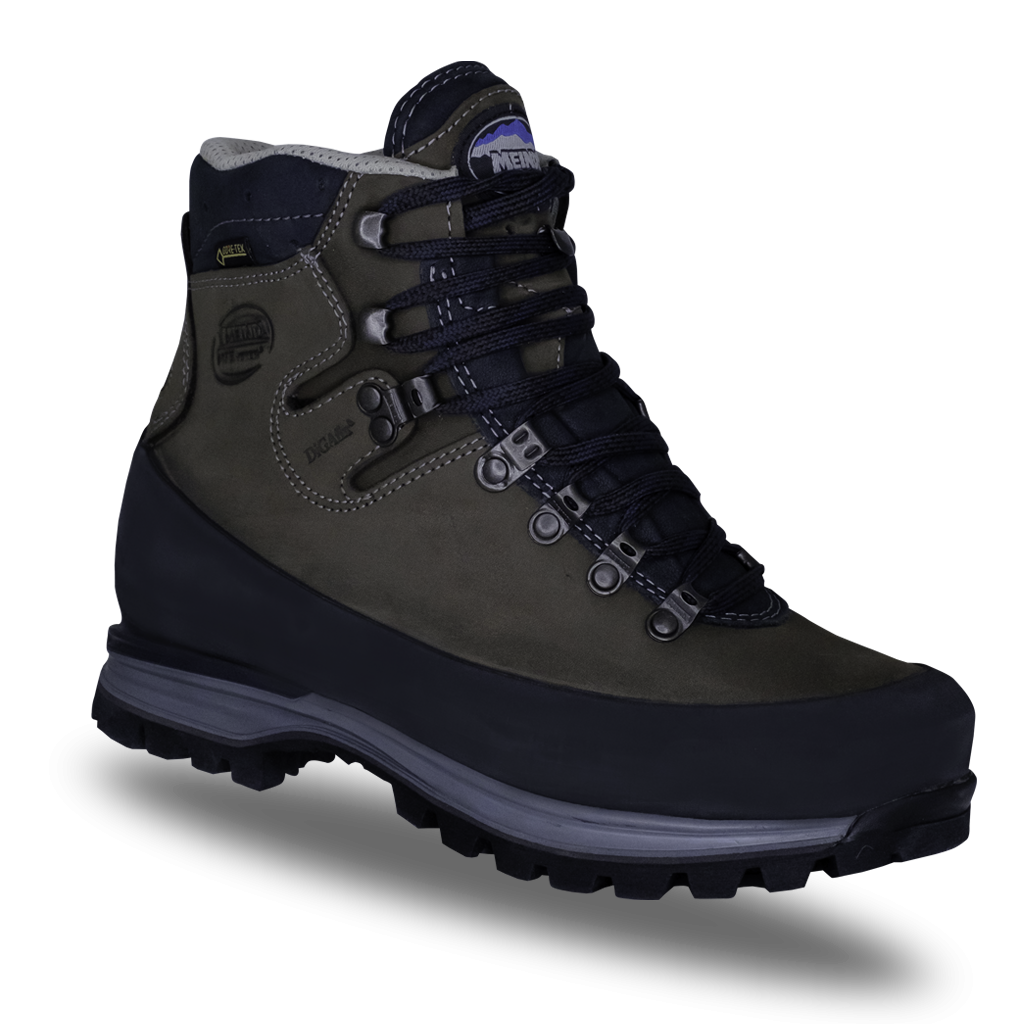
Layered clothing and proper trekking gear are essential for high-altitude conditions
Packing correctly is critical because temperatures and conditions change with altitude.
Essential items:
• Warm down jacket
• Thermal base layers
• Waterproof jacket and pants
• Good trekking boots (already broken in)
• Gloves, wool hat, neck buff
• Sunglasses and sunscreen
• Headlamp for early morning hikes
• Reusable water bottles
• Personal medication and basic first aid
Layering is more important than carrying heavy clothing.
Accommodation on the Trail (Teahouse System)
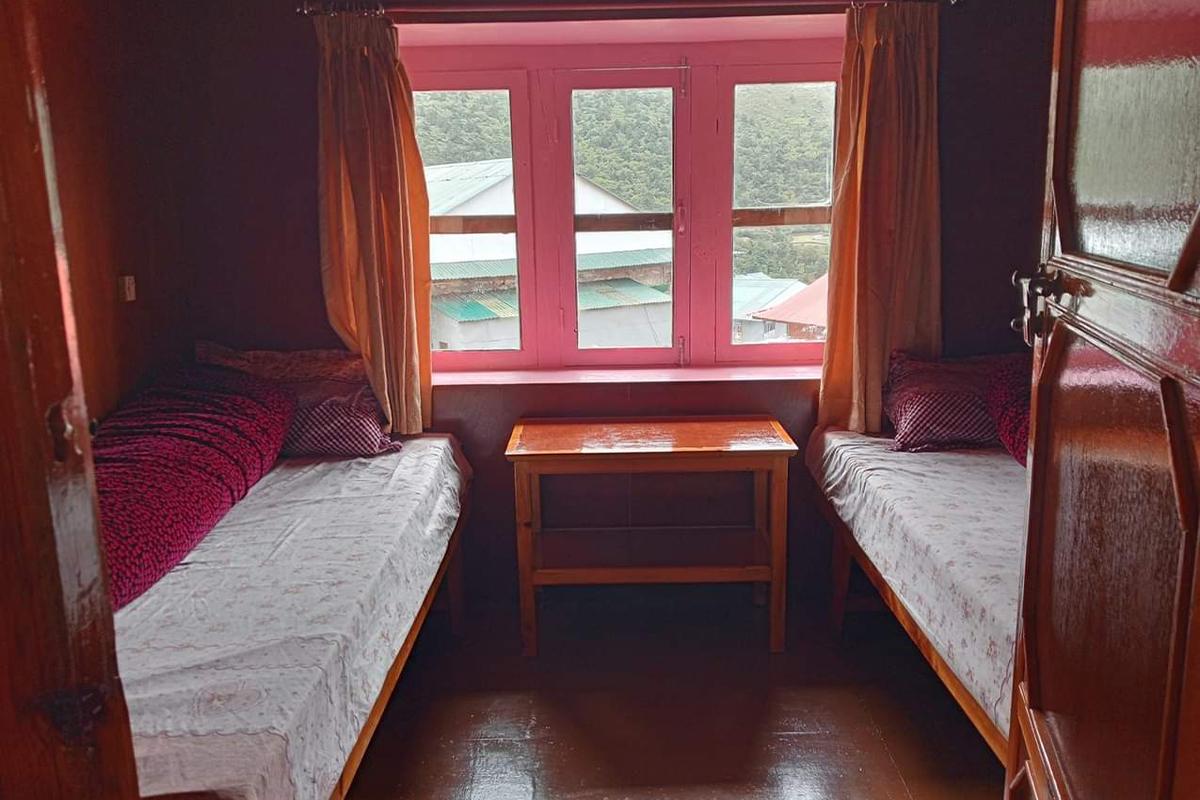
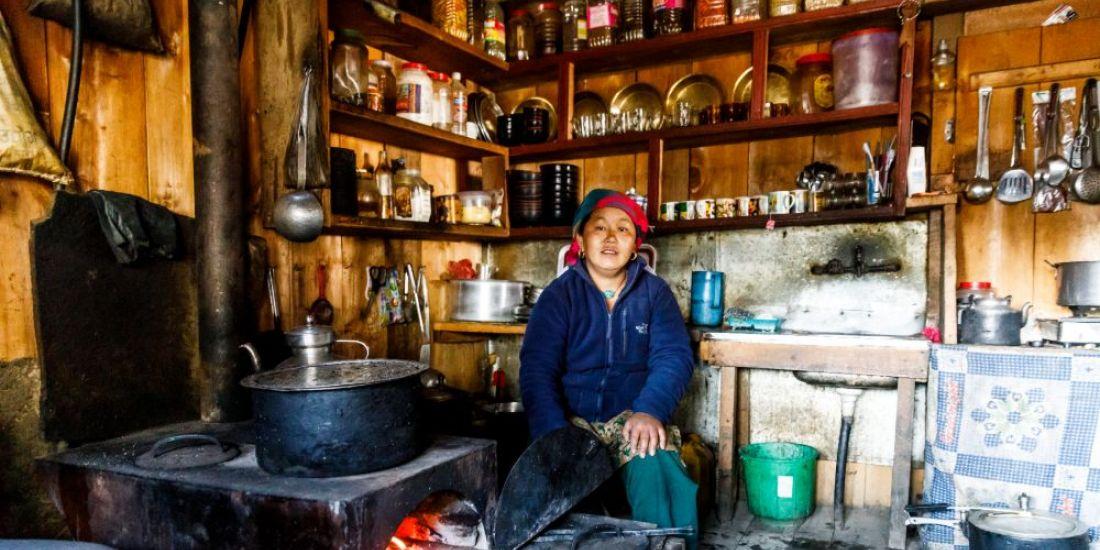
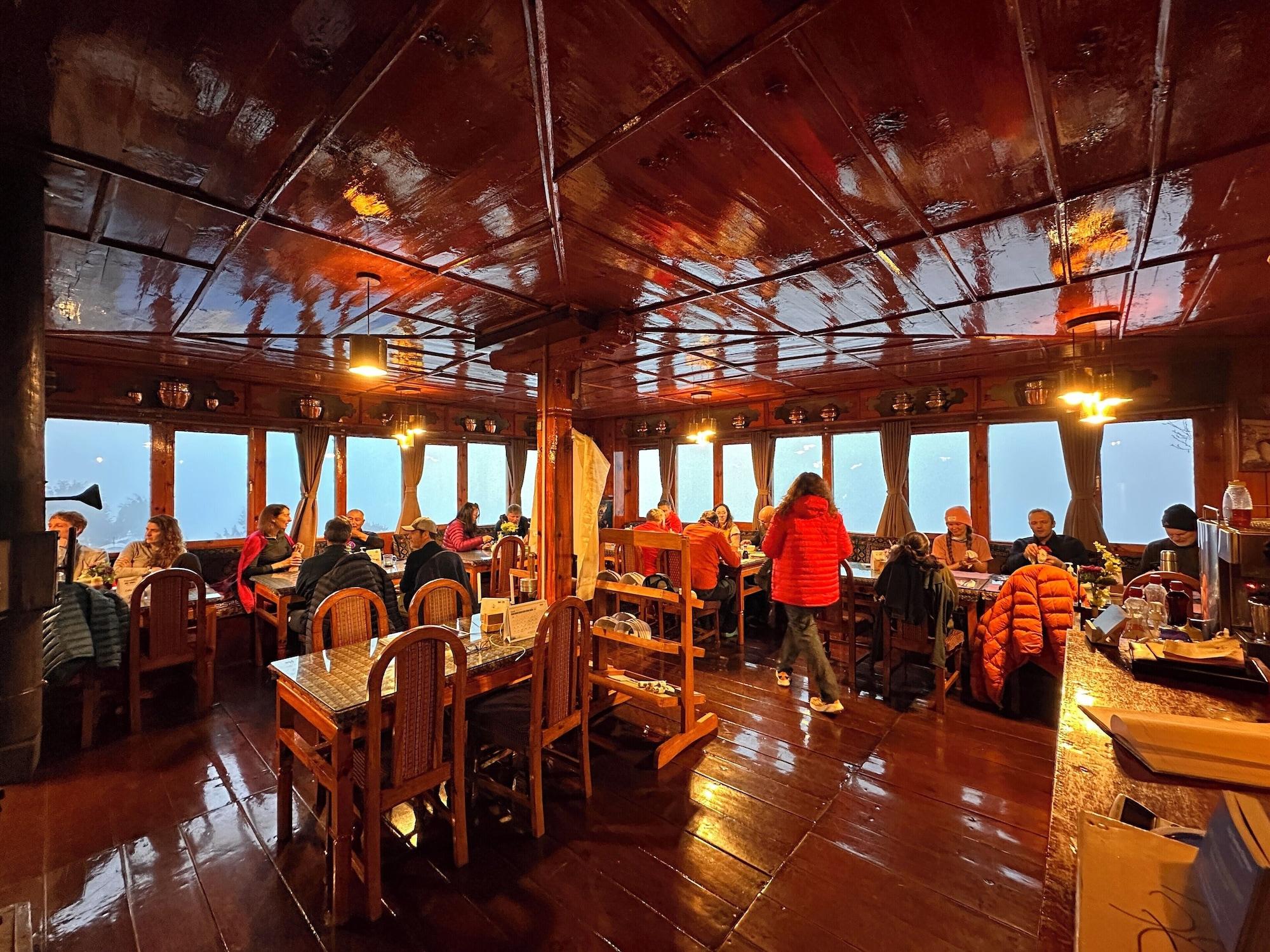
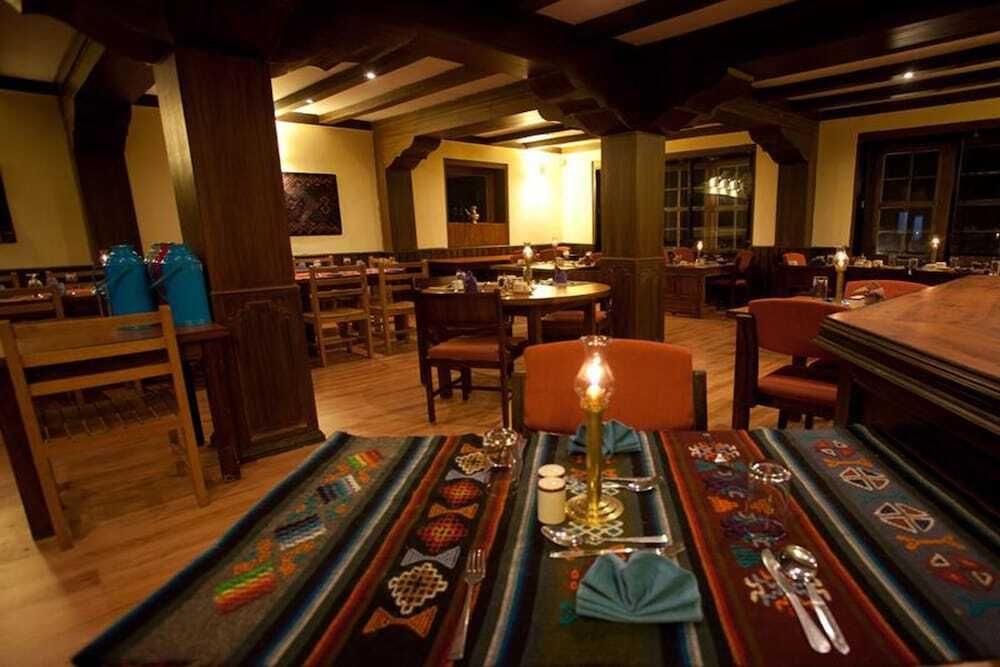
Simple teahouse rooms and warm communal dining areas along the route
The Everest Base Camp route uses a teahouse system, not camping.
What to expect:
• Basic twin-bed rooms
• Shared bathrooms
• Warm dining rooms with central stove
• Charging and Wi-Fi (for extra fee in some villages)
Rooms become more basic as you gain altitude.
Food and Drinking Water
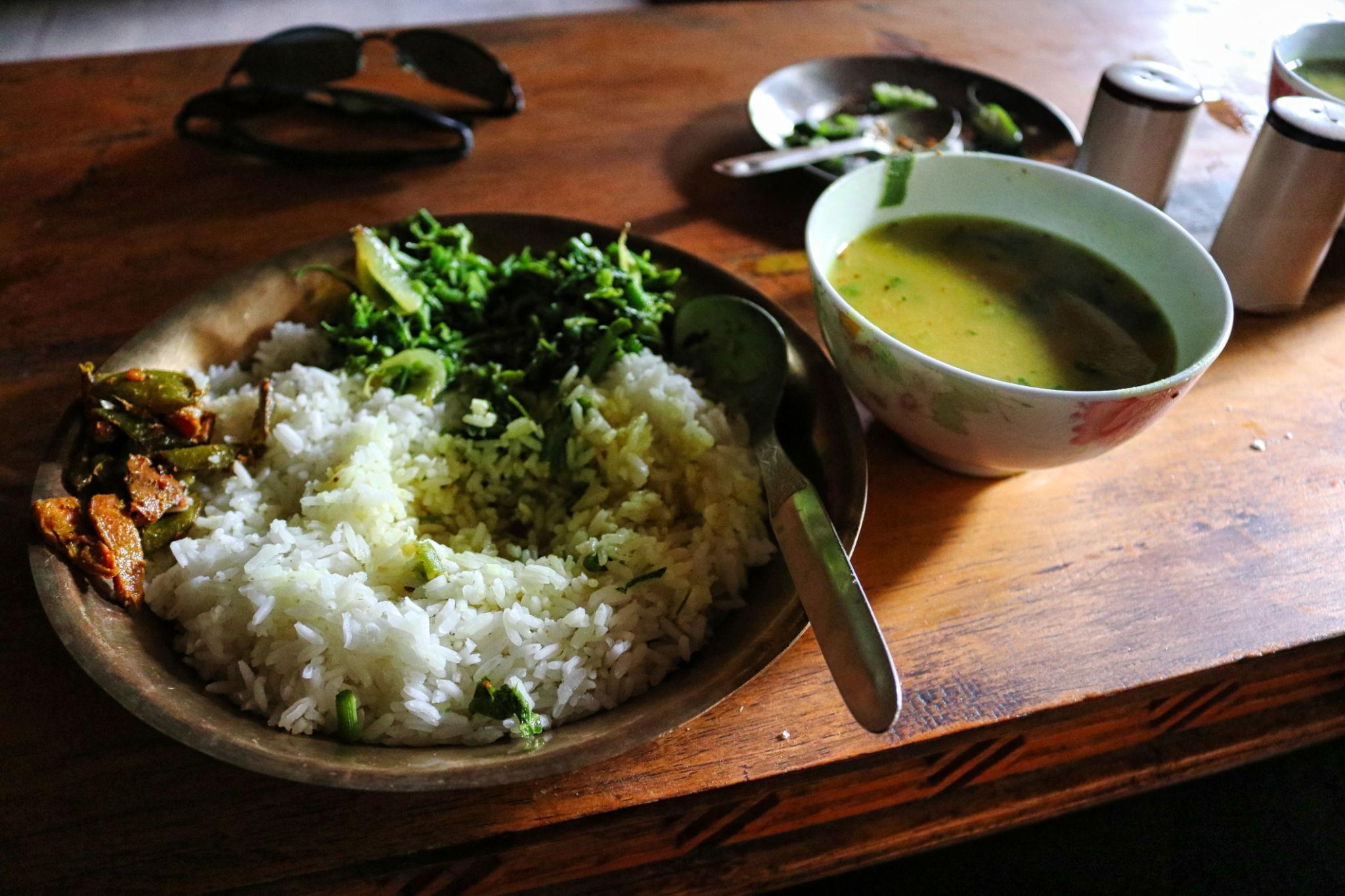
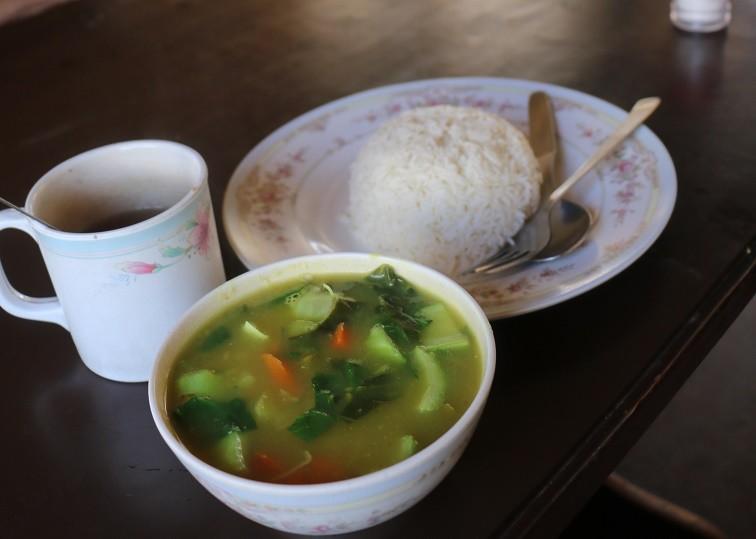
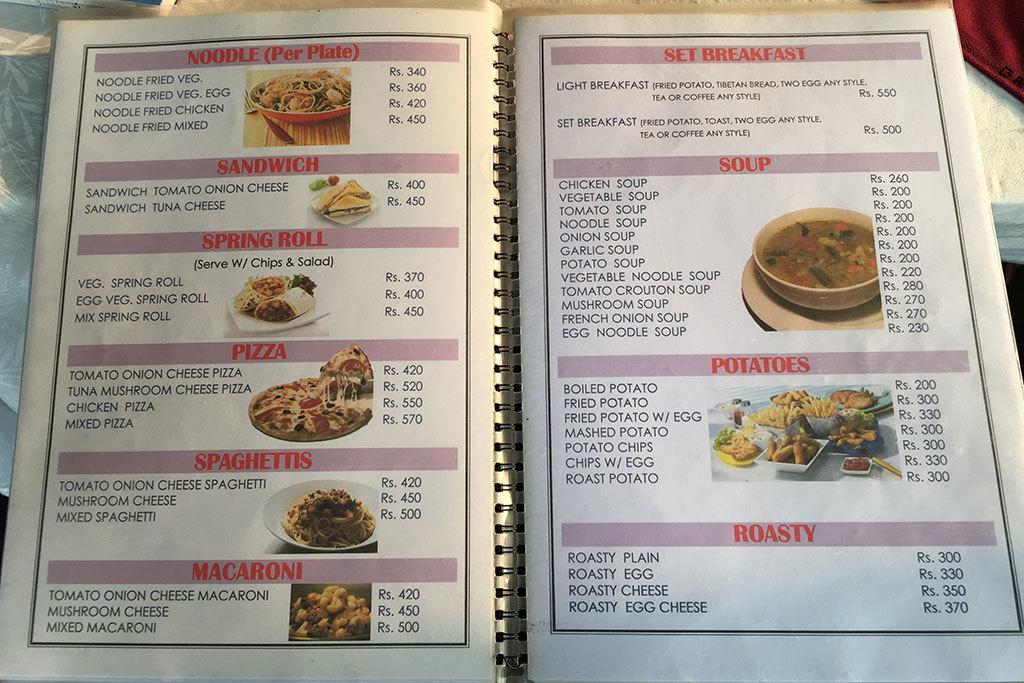

Dal Bhat and hot soups are common meals during the trek
Teahouses provide filling meals designed for trekkers.
Common options:
• Dal Bhat (rice, lentils, vegetables)
• Noodles and pasta
• Potatoes and eggs
• Soup and bread
• Tea, coffee, and hot chocolate
Drinking water can be purchased boiled or purified with tablets. Avoid untreated water sources.
Common Mistakes Trekkers Make
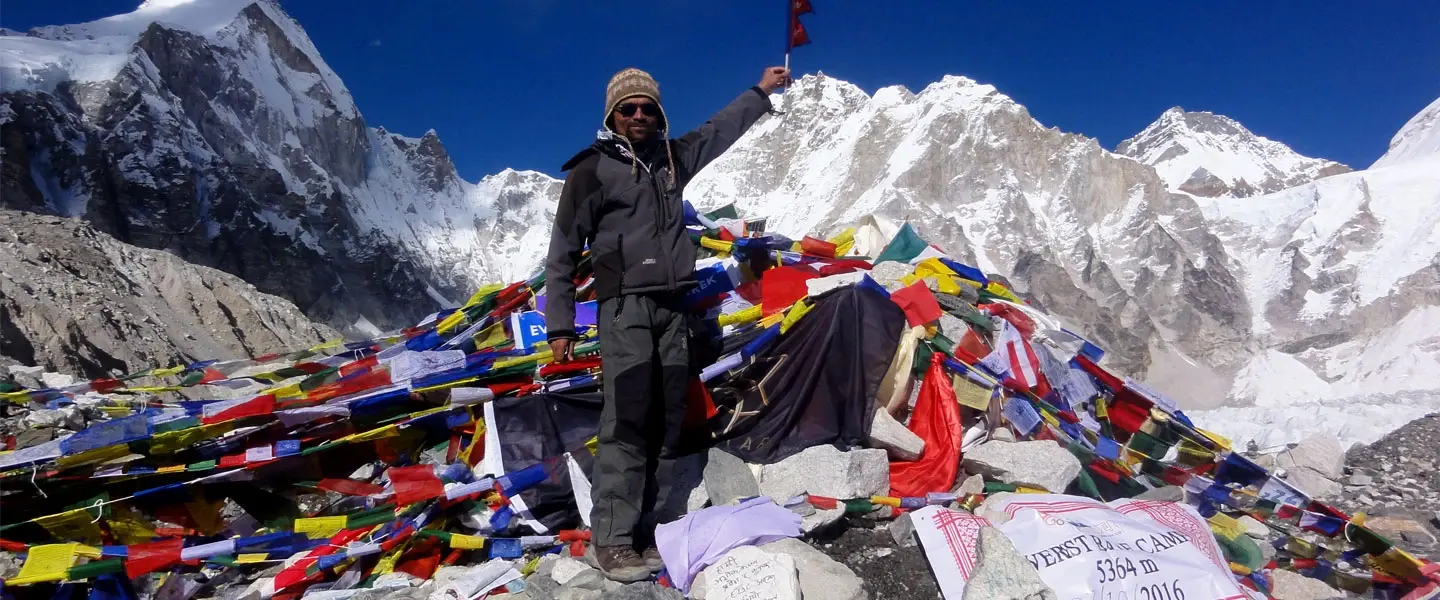
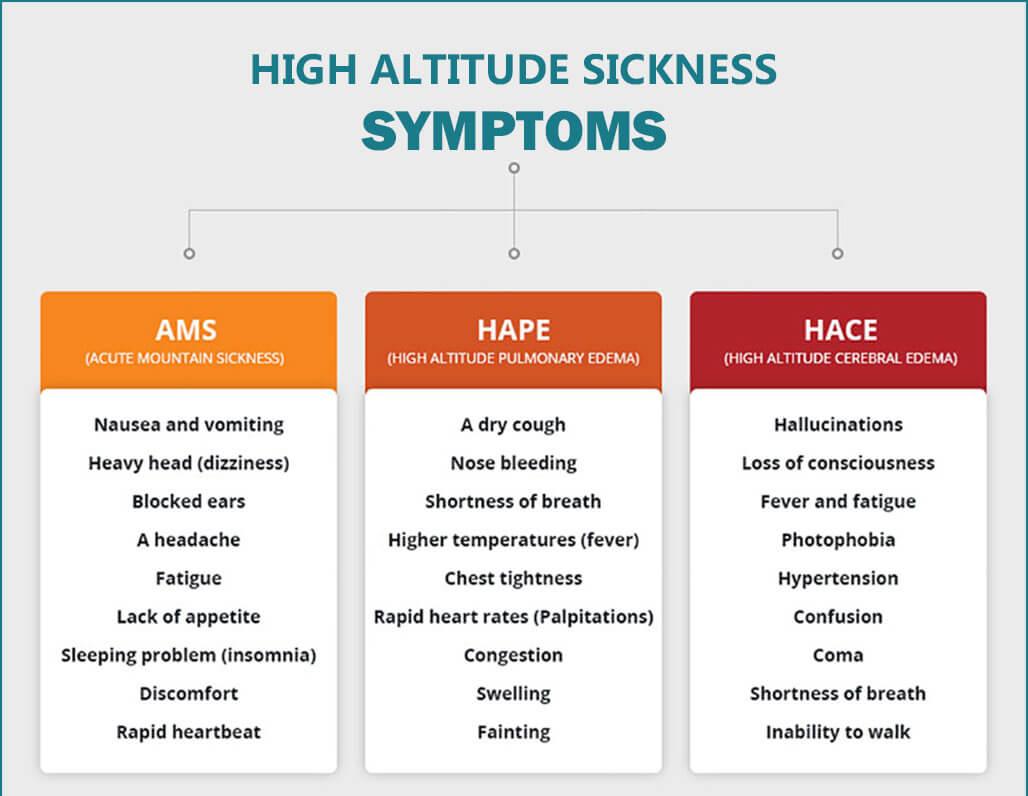
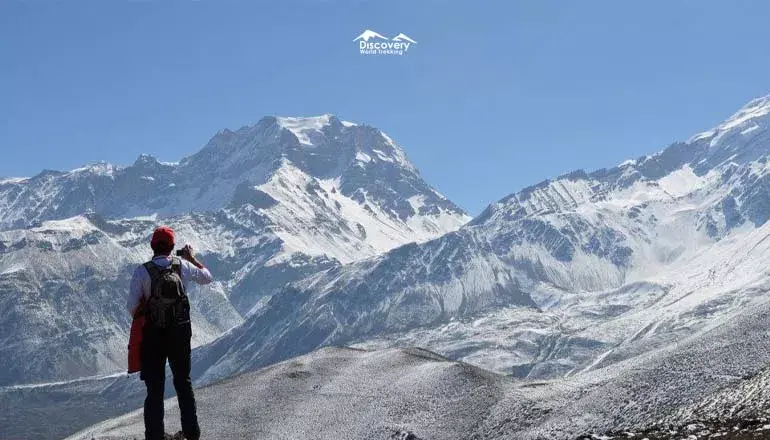
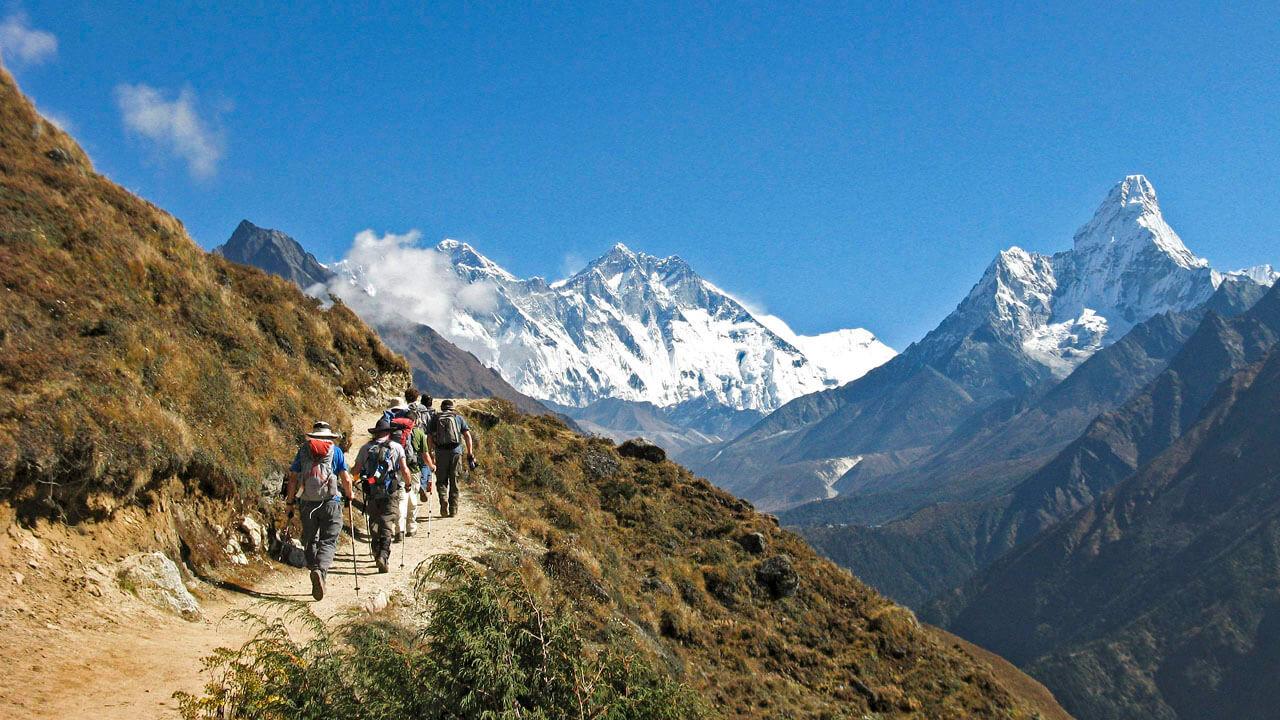
Fatigue and altitude issues often result from rushing or ignoring symptoms
Avoid these common errors:
• Walking too fast instead of maintaining a slow pace
• Ignoring early signs of altitude sickness
• Skipping acclimatization days
• Not carrying enough cash
• Underestimating cold temperatures
The key to success is “walk slowly, drink water, and rest when needed.”
Final Advice – Is Everest Base Camp Worth It?
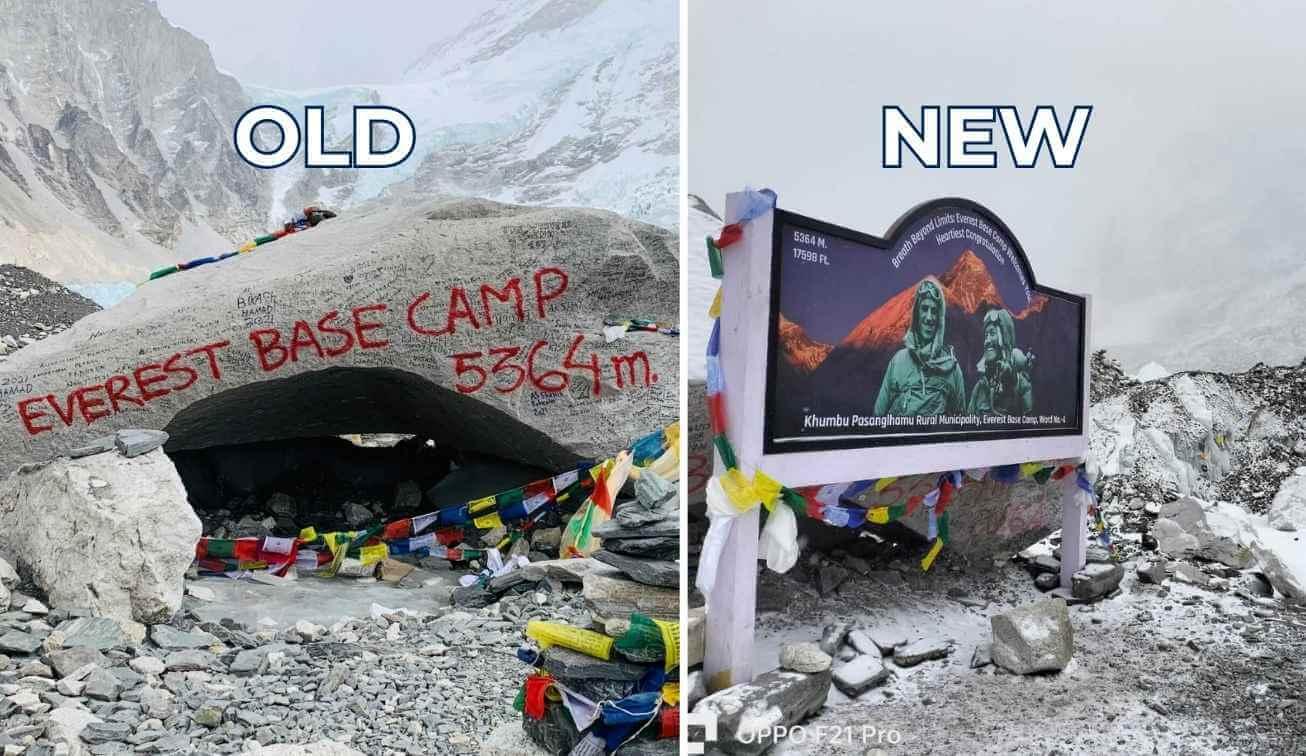
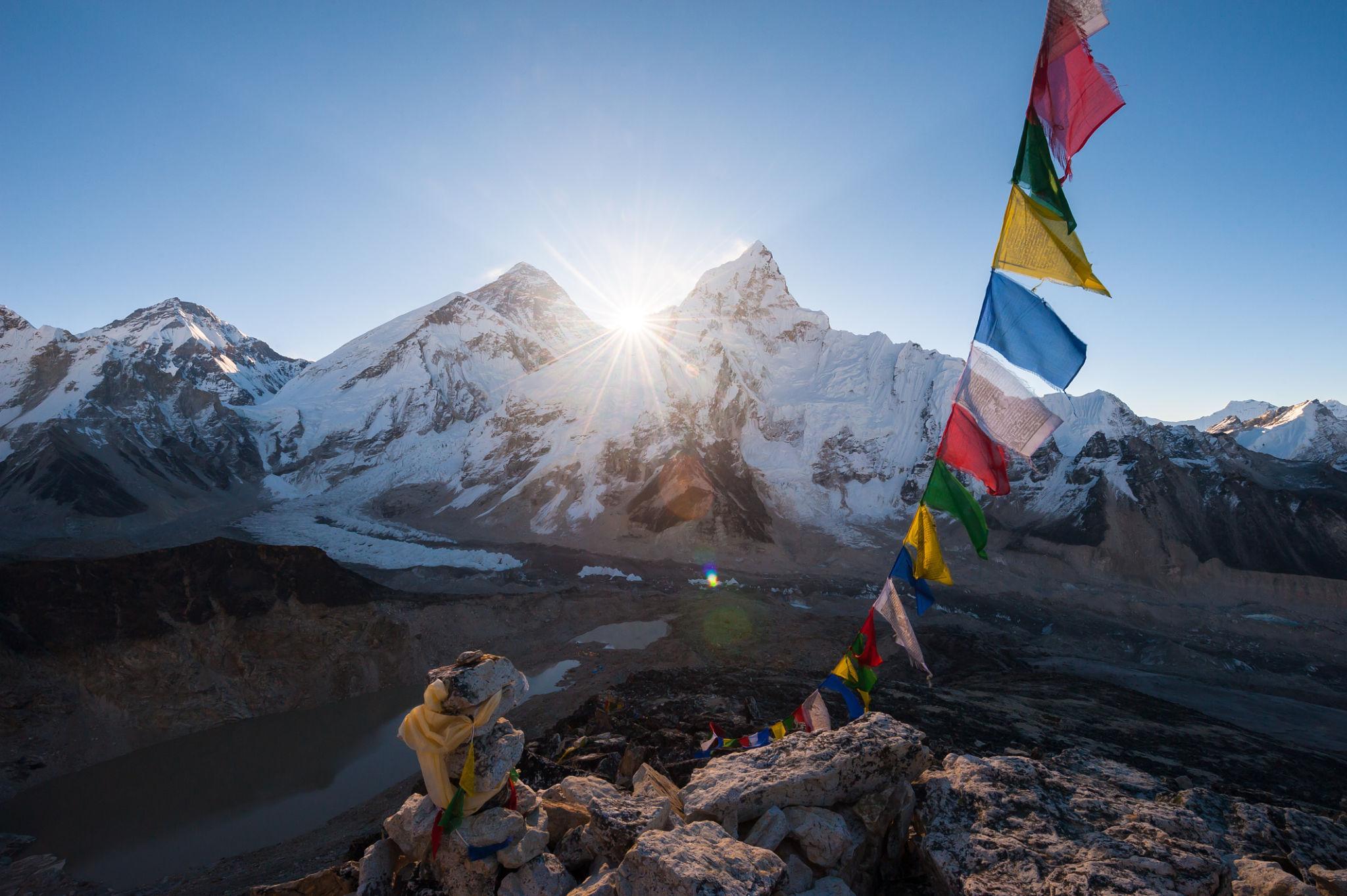
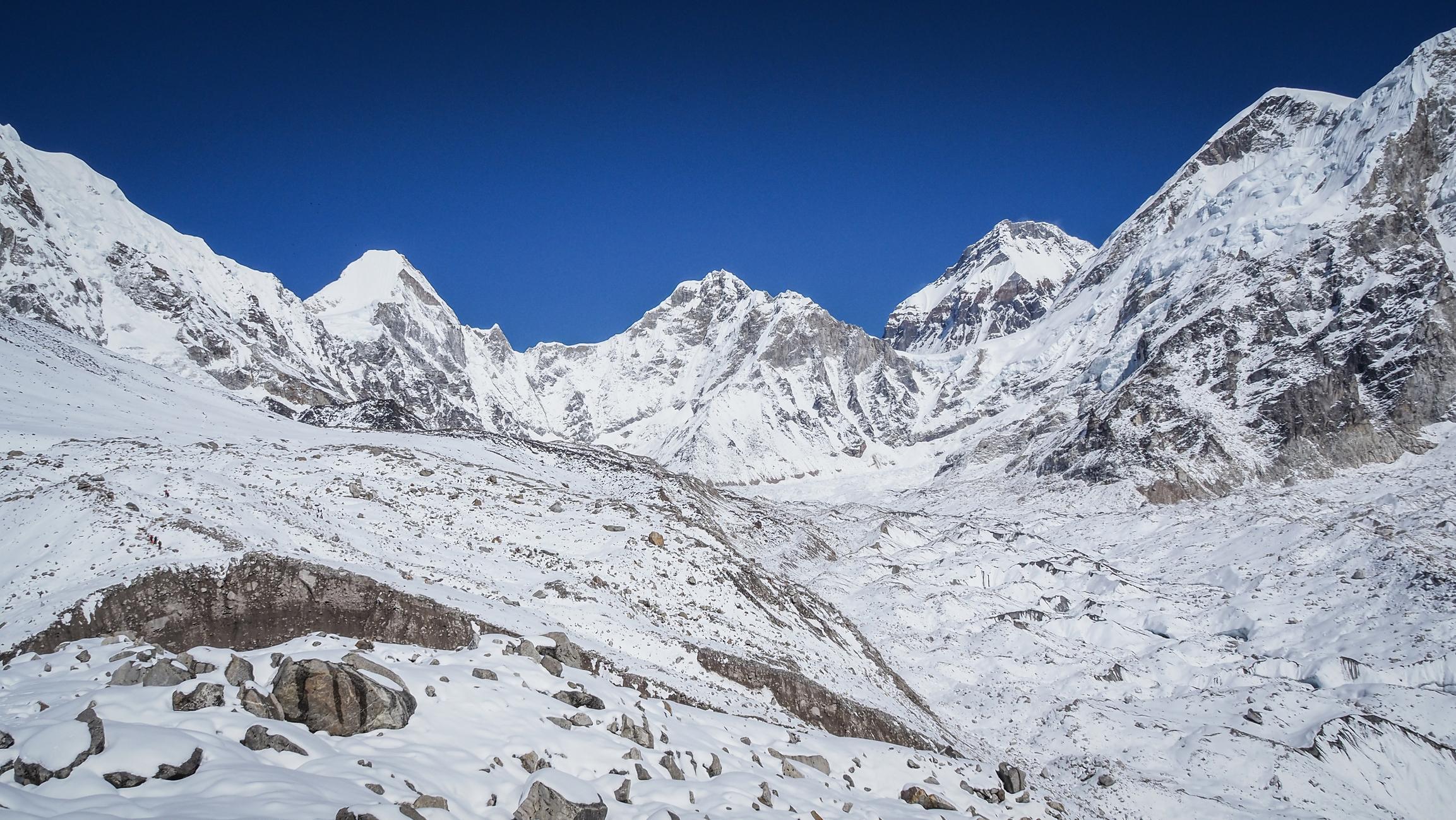
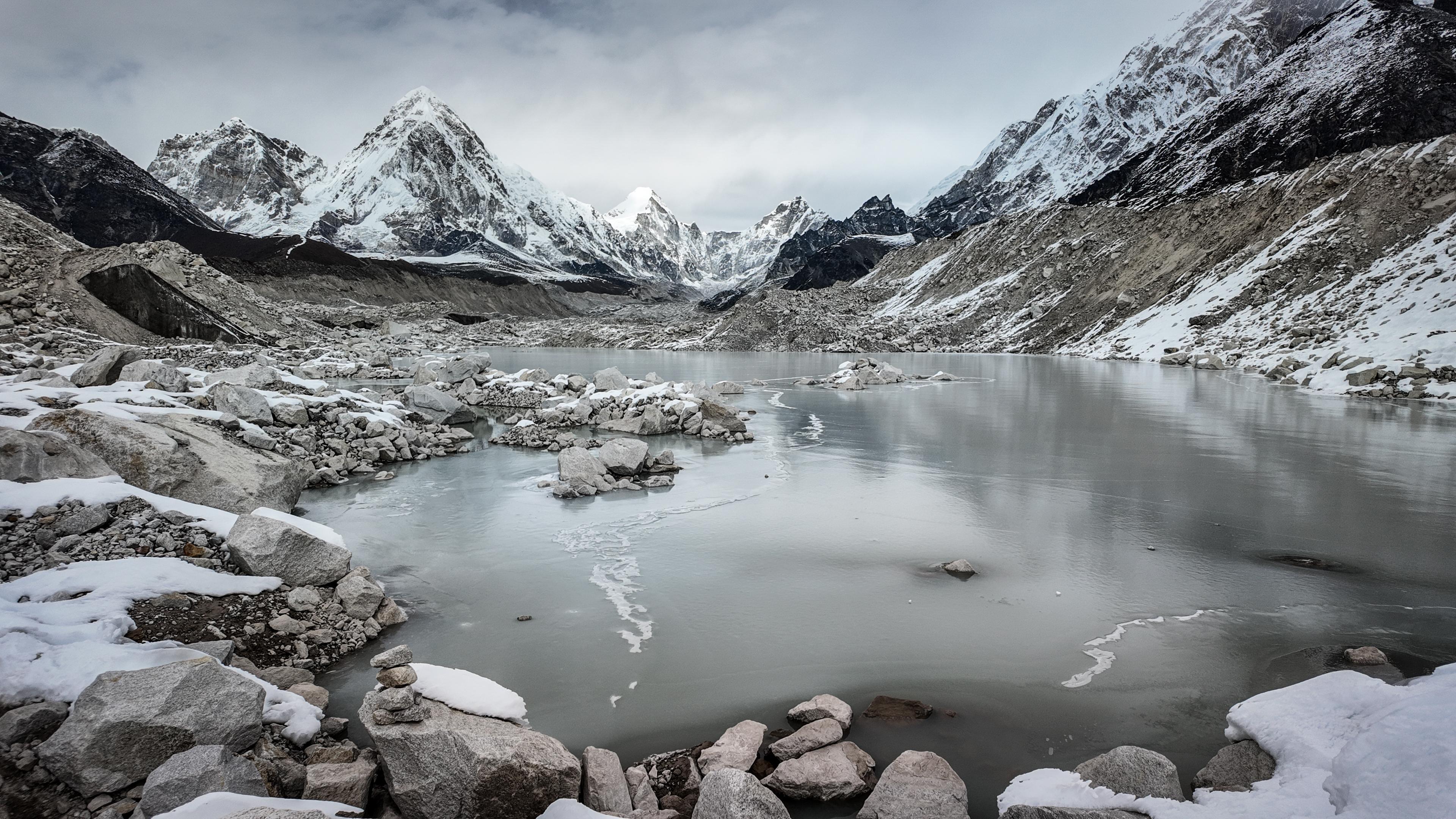
Reaching Base Camp and watching sunrise from Kala Patthar are unforgettable moments
The Everest Base Camp Trek is challenging but achievable for many fit travelers. It offers one of the most iconic mountain experiences in the world without requiring technical climbing.
You will experience:
• Sherpa culture
• Himalayan landscapes
• Glaciers and high passes
• A strong sense of achievement
Walk at your own pace, respect the altitude, and enjoy the journey.
Image Credits
Images sourced via public search queries for Everest Base Camp Trek, Lukla Airport, Sagarmatha National Park, Namche Bazaar, Kala Patthar, and Himalayan teahouses.

![K2 Base Camp Trek: Ultimate Guide k2 Trek 2026 [UPDATED]](https://karakoramdiaries.com/storage/ultimate-guide-to-k2-base-camp-trek-full-document-150x150.png)