Machu Picchu Travel Guide: Everything You Need to Know Before Visiting Peru’s Lost City
4
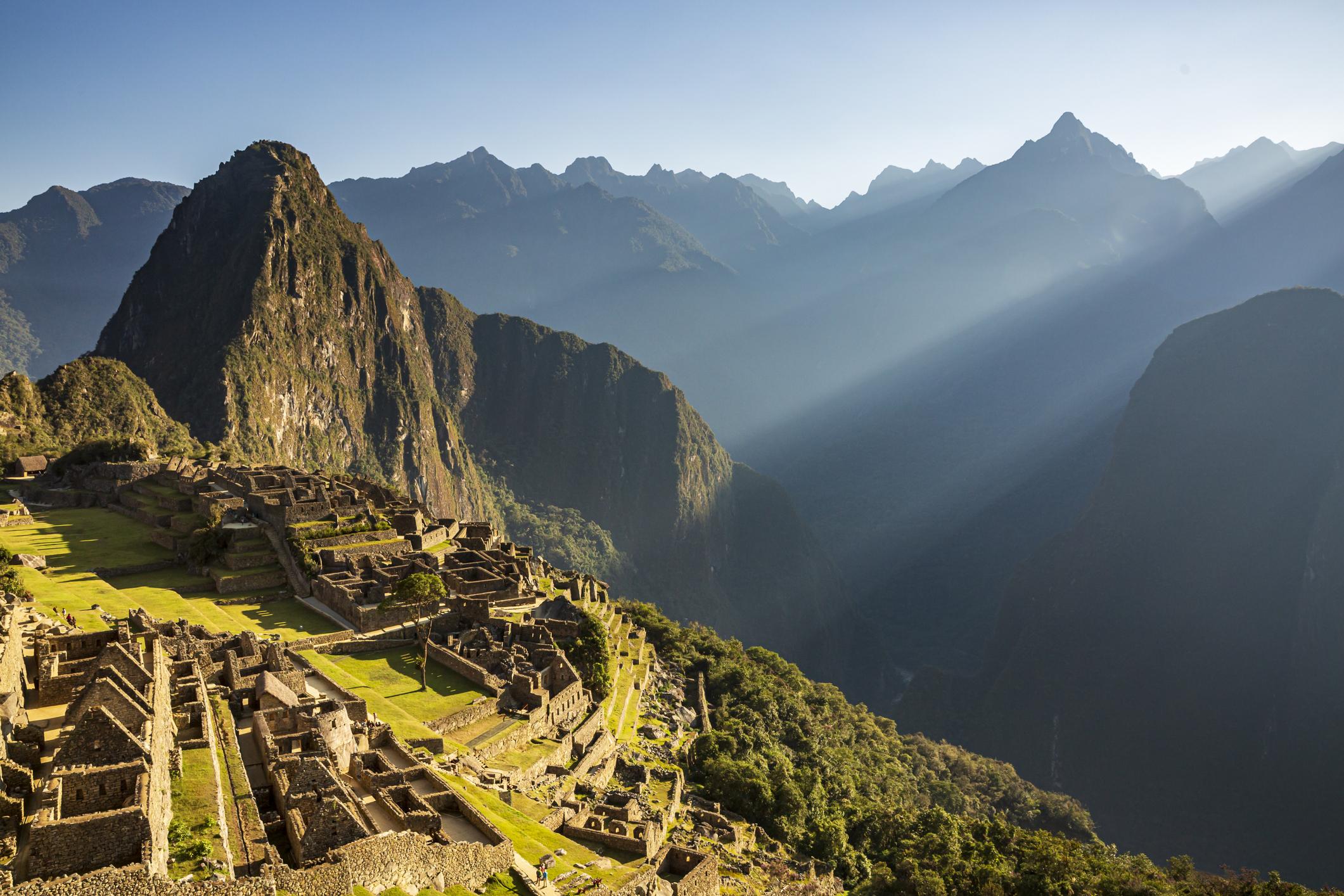
The ancient Inca citadel of Machu Picchu perched high above the Sacred Valley.
Table of contents [Show]
- Introduction: Why Machu Picchu Captivates the World
- Where Machu Picchu Is Located
- A Brief History of Machu Picchu
- Why Machu Picchu Is So Special
- Best Time to Visit Machu Picchu
- How to Get to Machu Picchu
- Entry Tickets and Visitor Regulations
- What to Bring and Wear
- Cultural Etiquette and Responsible Tourism
- Is Machu Picchu Worth Visiting?
- Final Thoughts
Introduction: Why Machu Picchu Captivates the World
Hidden high in the Andes Mountains of Peru, Machu Picchu is not just a historical site—it is one of the most powerful symbols of human ingenuity and harmony with nature. Built in the 15th century by the Inca civilization and abandoned shortly after the Spanish conquest, the site remained unknown to the outside world for centuries.
Today, Machu Picchu is one of the most visited and studied archaeological sites on Earth. Its dramatic mountain setting, precise stonework, and unresolved mysteries continue to attract travelers, historians, and adventurers from every corner of the world.
Where Machu Picchu Is Located
Machu Picchu lies in southern Peru, approximately 80 kilometers northwest of Cusco, the former capital of the Inca Empire. The site sits at an altitude of about 2,430 meters above sea level, above the Urubamba River and surrounded by steep, forested peaks.
Despite its remote appearance, Machu Picchu is well connected through a combination of rail, road, and trekking routes.
A Brief History of Machu Picchu
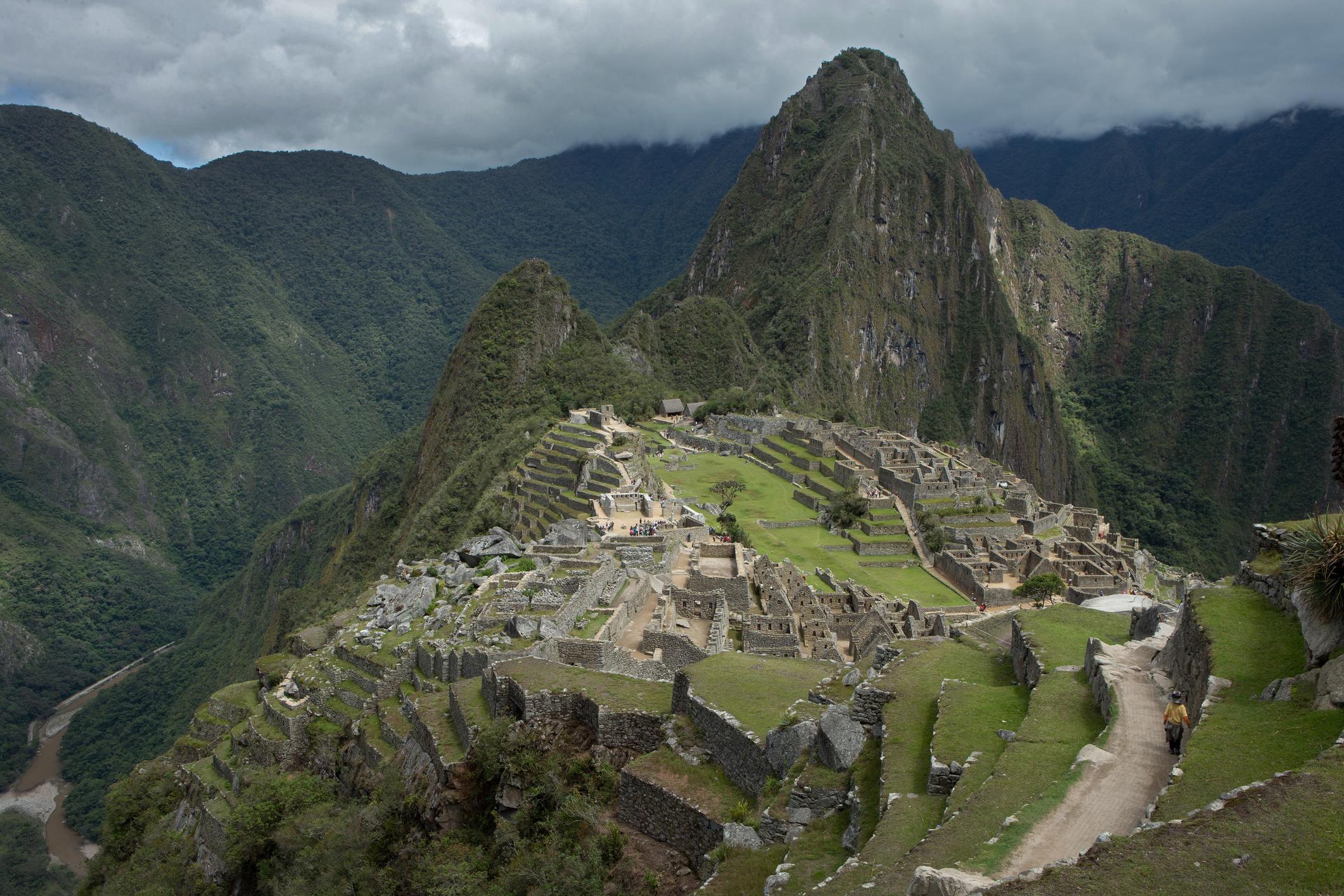
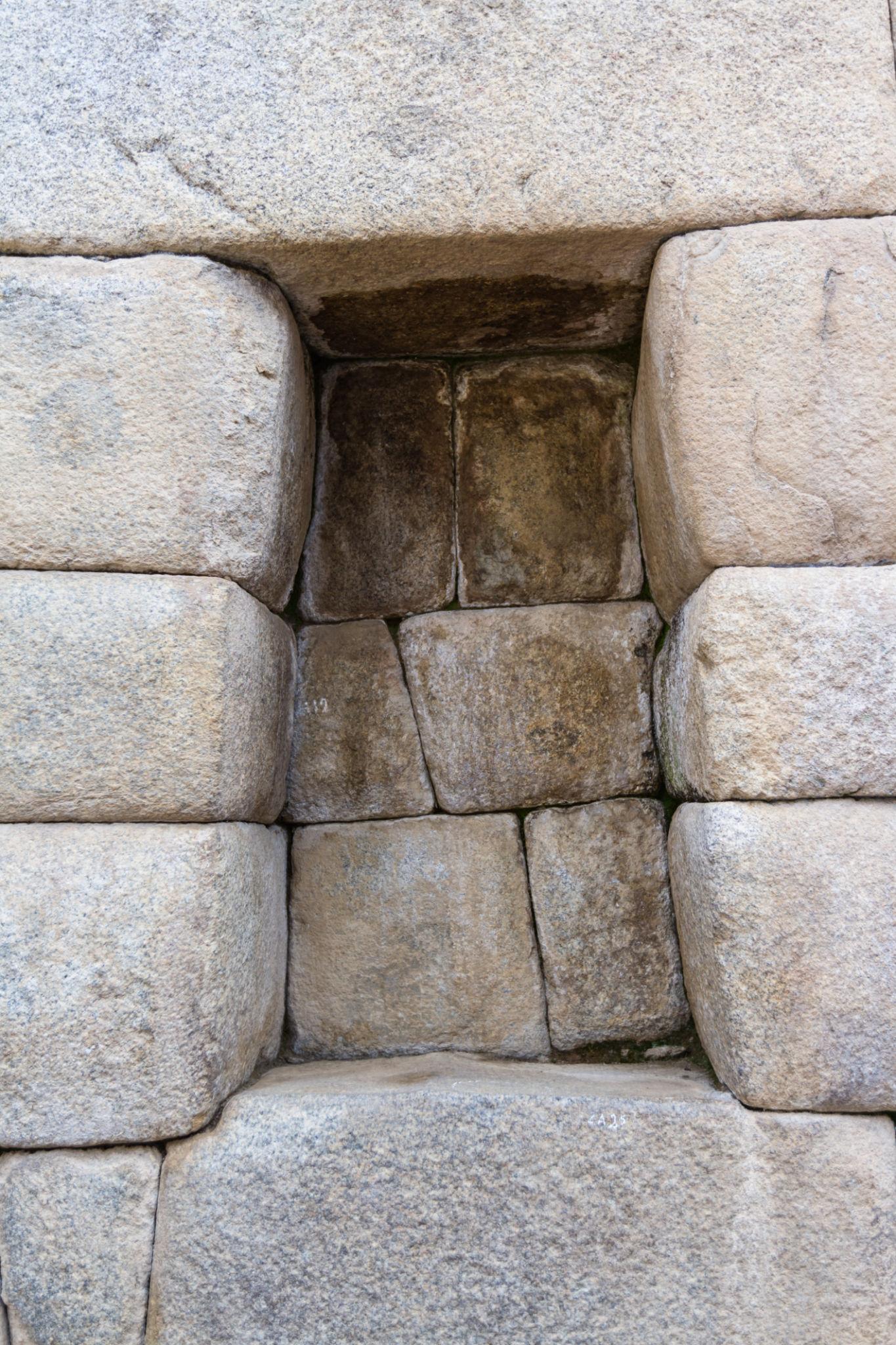
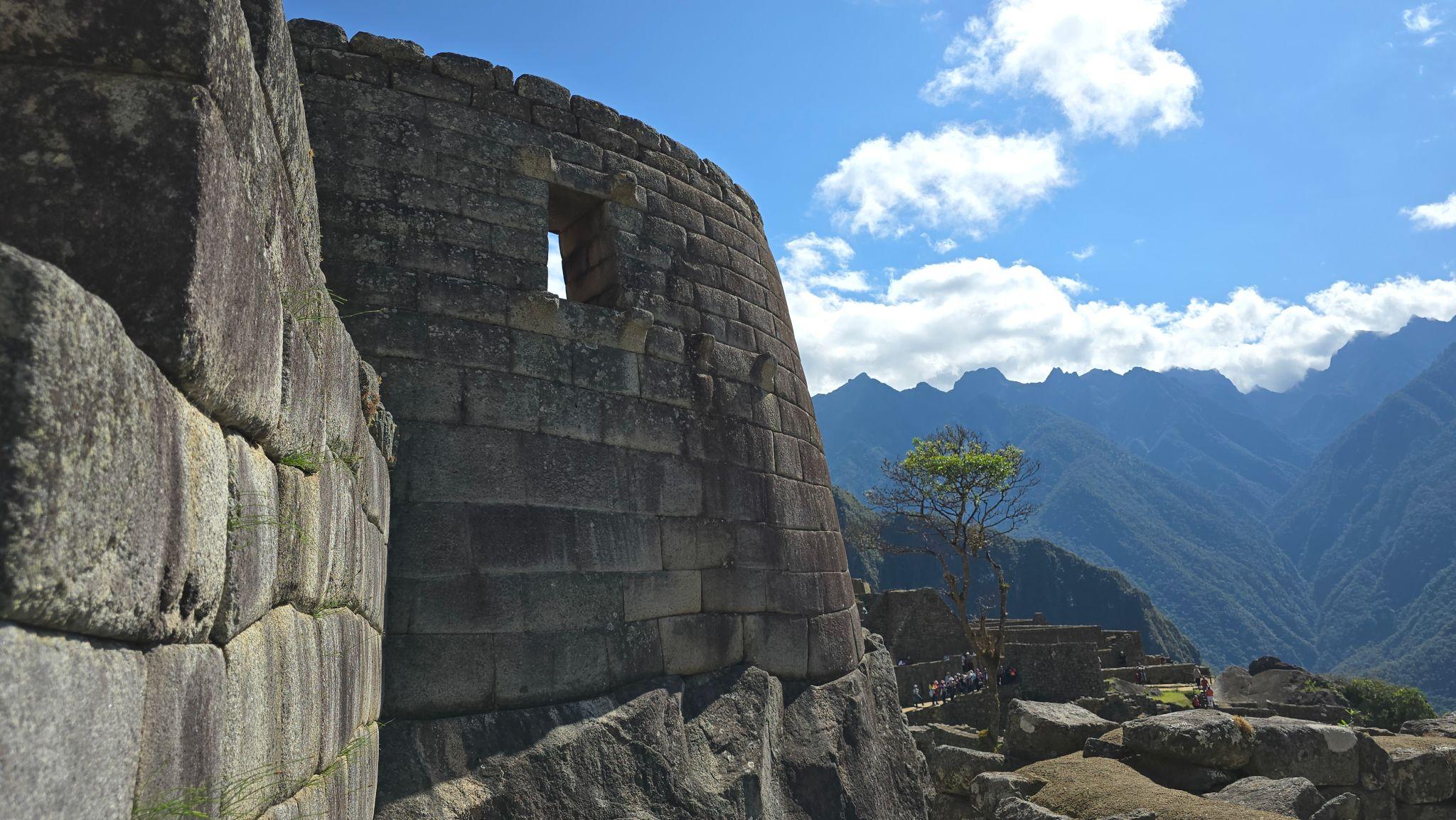
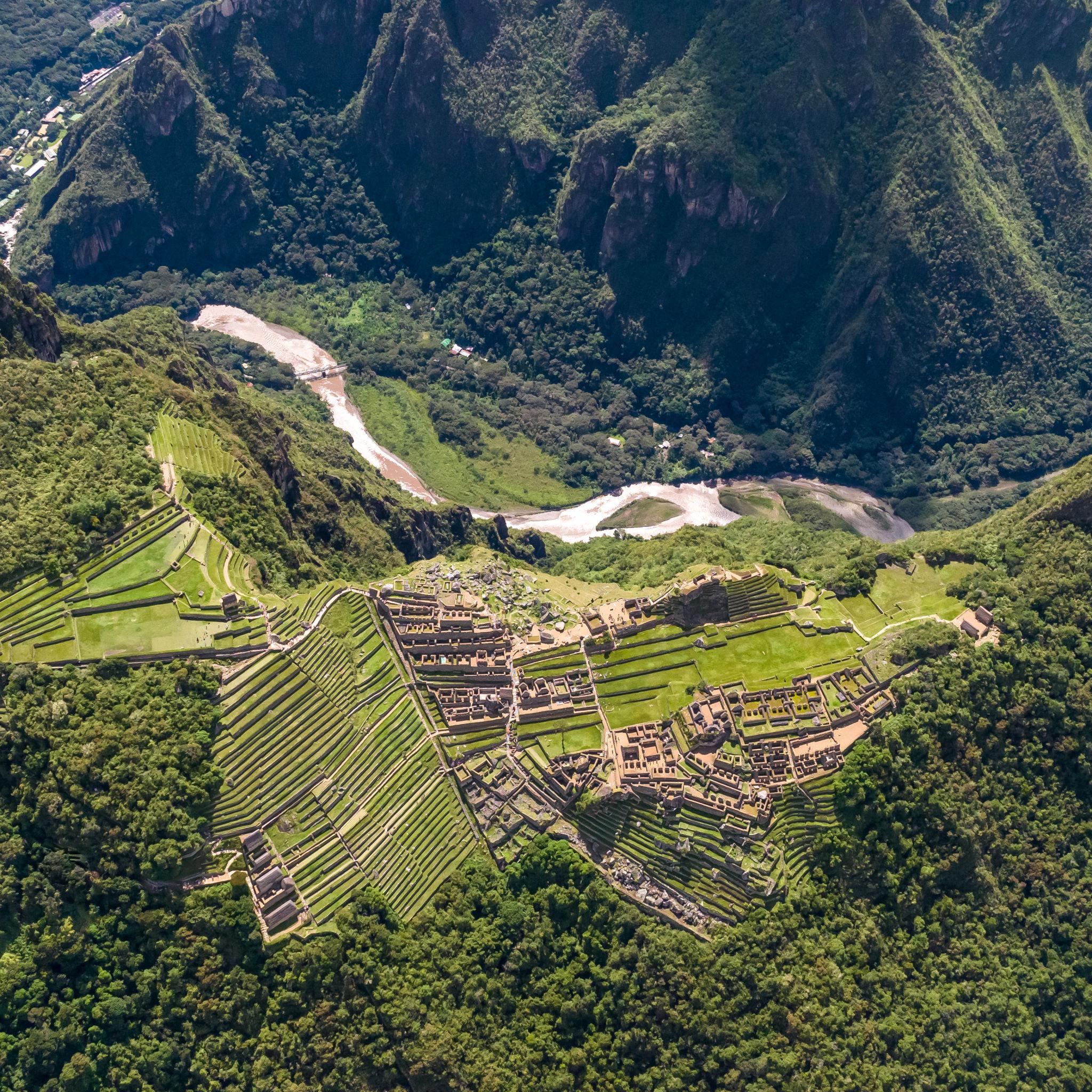
Finely crafted Inca stone structures that have withstood centuries of earthquakes and weather.
Machu Picchu was constructed during the reign of the Inca emperor Pachacuti in the mid-1400s. Scholars believe it served as a royal estate, ceremonial center, or retreat rather than a large urban settlement.
The site was carefully engineered with agricultural terraces, water channels, temples, and residential areas. Remarkably, it was built without mortar, using precisely cut stones that fit together so tightly that even modern blades cannot slip between them.
When the Spanish arrived in Peru, Machu Picchu was already abandoned, likely due to disease and political collapse. This abandonment spared it from destruction, allowing it to remain intact until its rediscovery in 1911 by Hiram Bingham.
Why Machu Picchu Is So Special
Machu Picchu stands out not because of size or ornamentation, but because of balance. Every structure aligns with the surrounding landscape. Mountains are treated as sacred entities, and buildings are positioned in harmony with solar events and natural features.
Key highlights include:
- The Temple of the Sun, aligned with solstice events
- The Intihuatana stone, believed to function as a solar marker
- Extensive agricultural terraces that prevented erosion
These features demonstrate advanced knowledge of astronomy, engineering, and environmental adaptation.
Best Time to Visit Machu Picchu
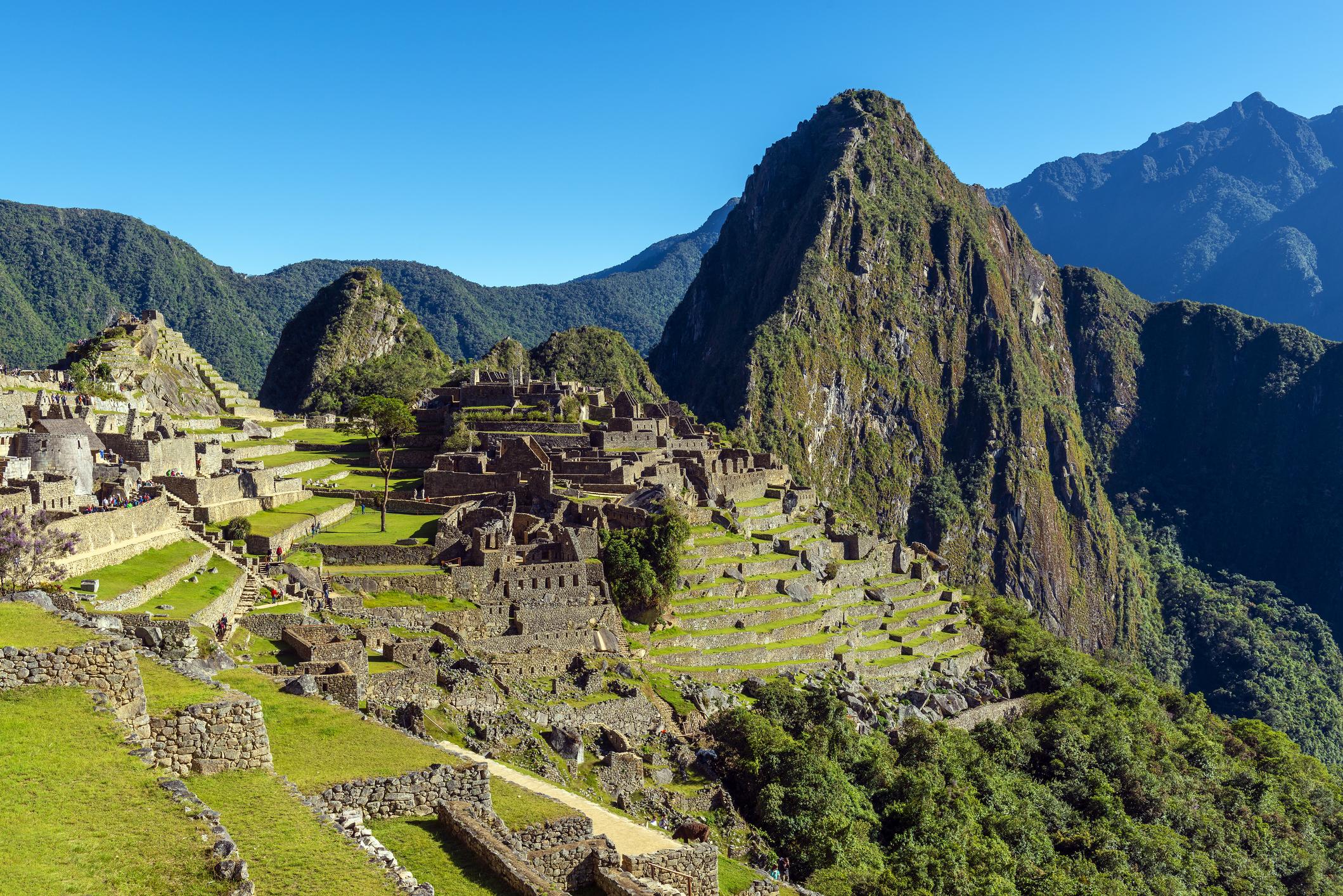
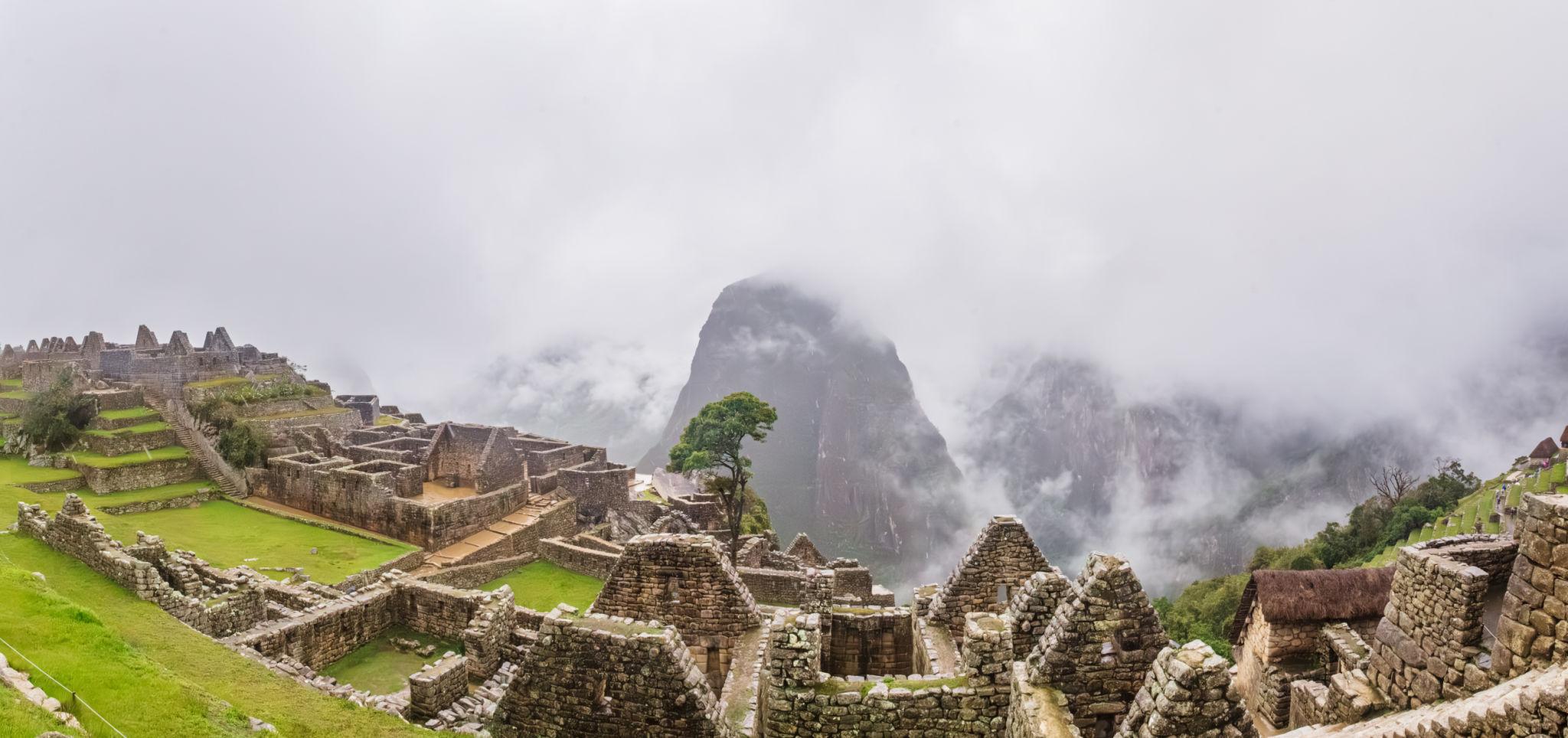
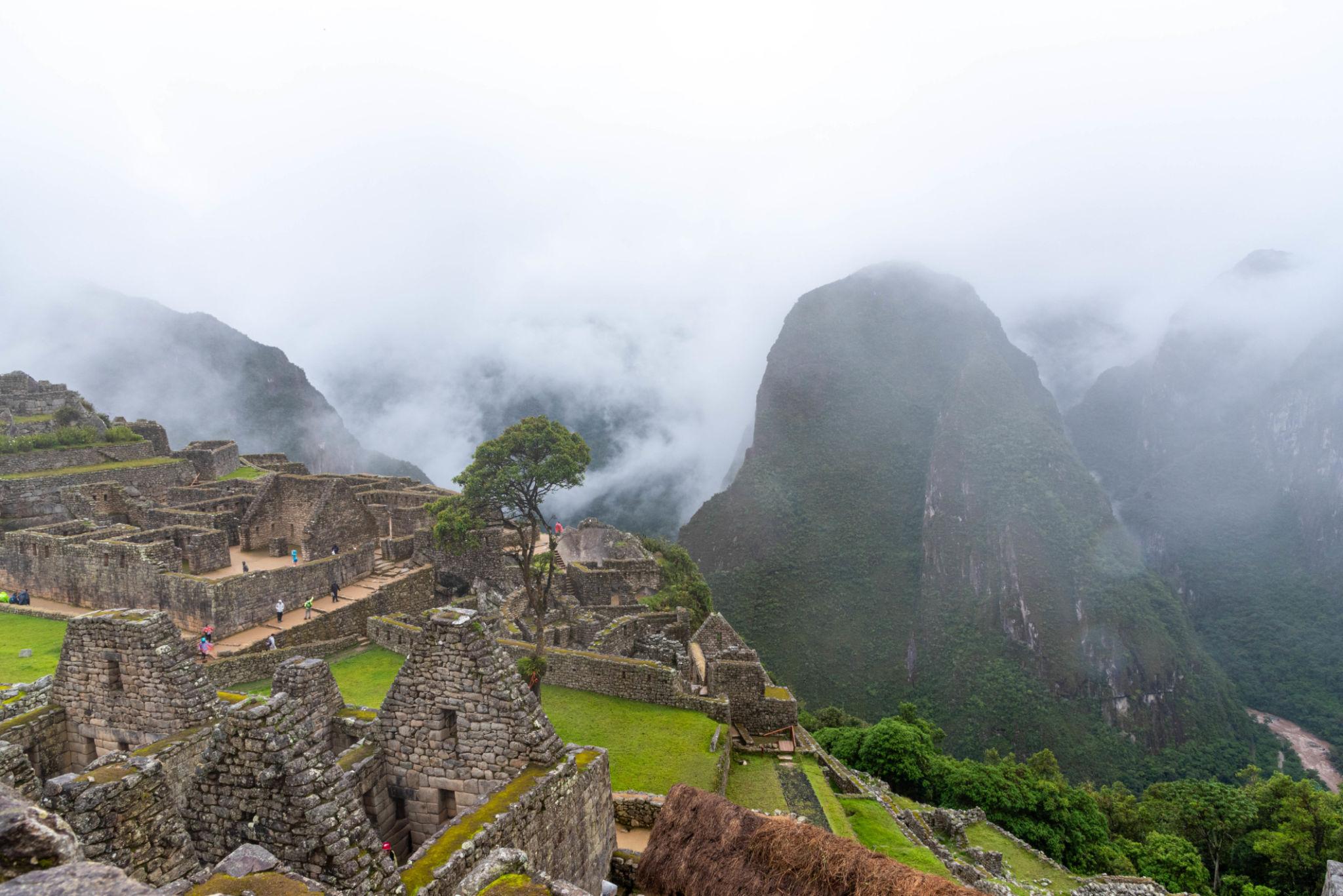
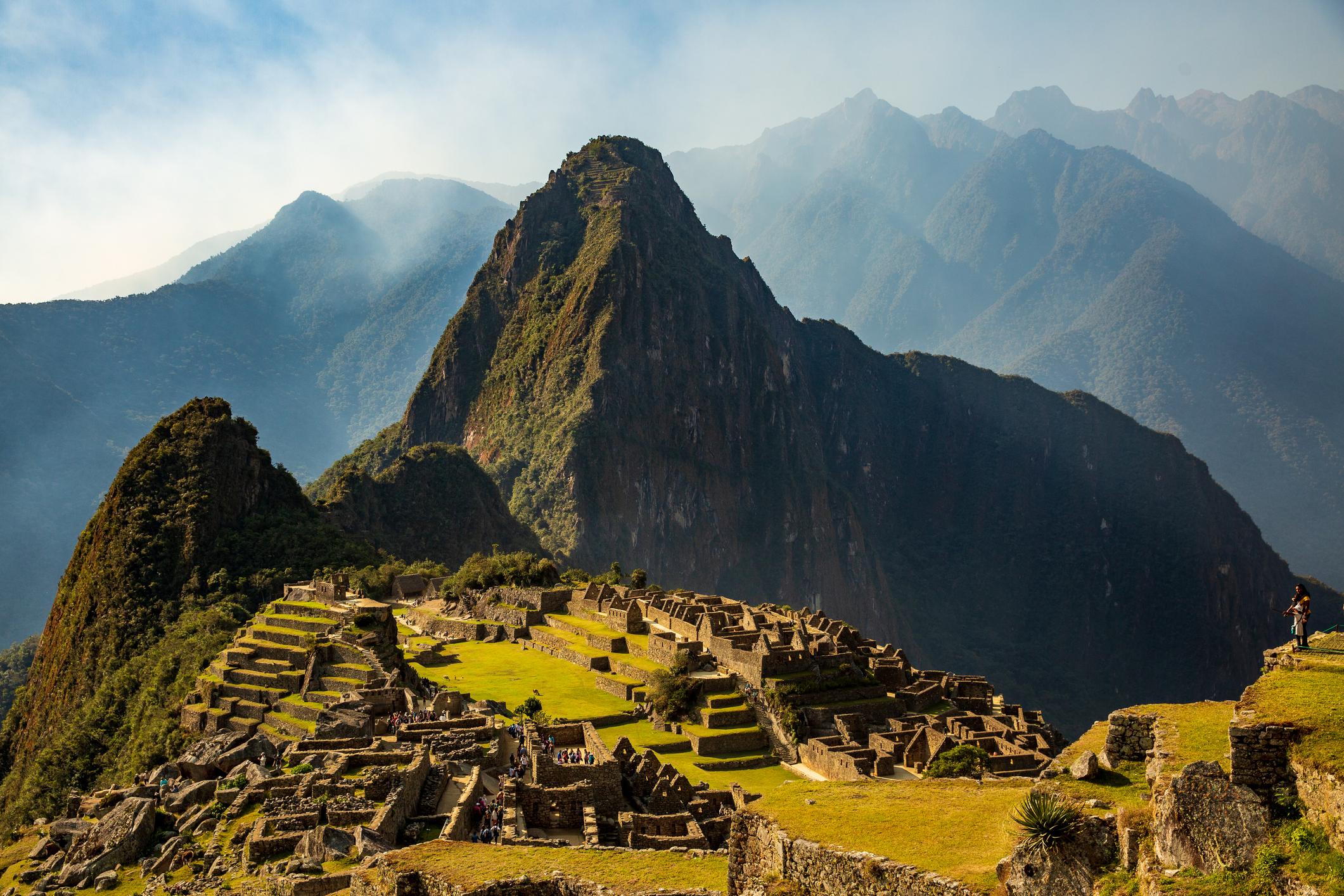
Morning mist lifting over Machu Picchu during the dry season.
Machu Picchu can be visited year-round, but conditions vary significantly.
The dry season (May to September) offers clearer skies and better visibility, making it the most popular time to visit. However, this period also brings larger crowds.
The wet season (November to March) sees fewer visitors and greener landscapes, but rain and cloud cover are more common. February is the rainiest month and often sees trail closures.
How to Get to Machu Picchu
Reaching Machu Picchu requires planning, as private vehicles are not allowed at the site.
Most travelers begin in Cusco, then proceed to Aguas Calientes (also known as Machu Picchu Pueblo) by train. From there, shuttle buses or guided hikes take visitors up to the entrance.
Those seeking a deeper experience may choose one of several trekking routes, including the famous Inca Trail.
Entry Tickets and Visitor Regulations
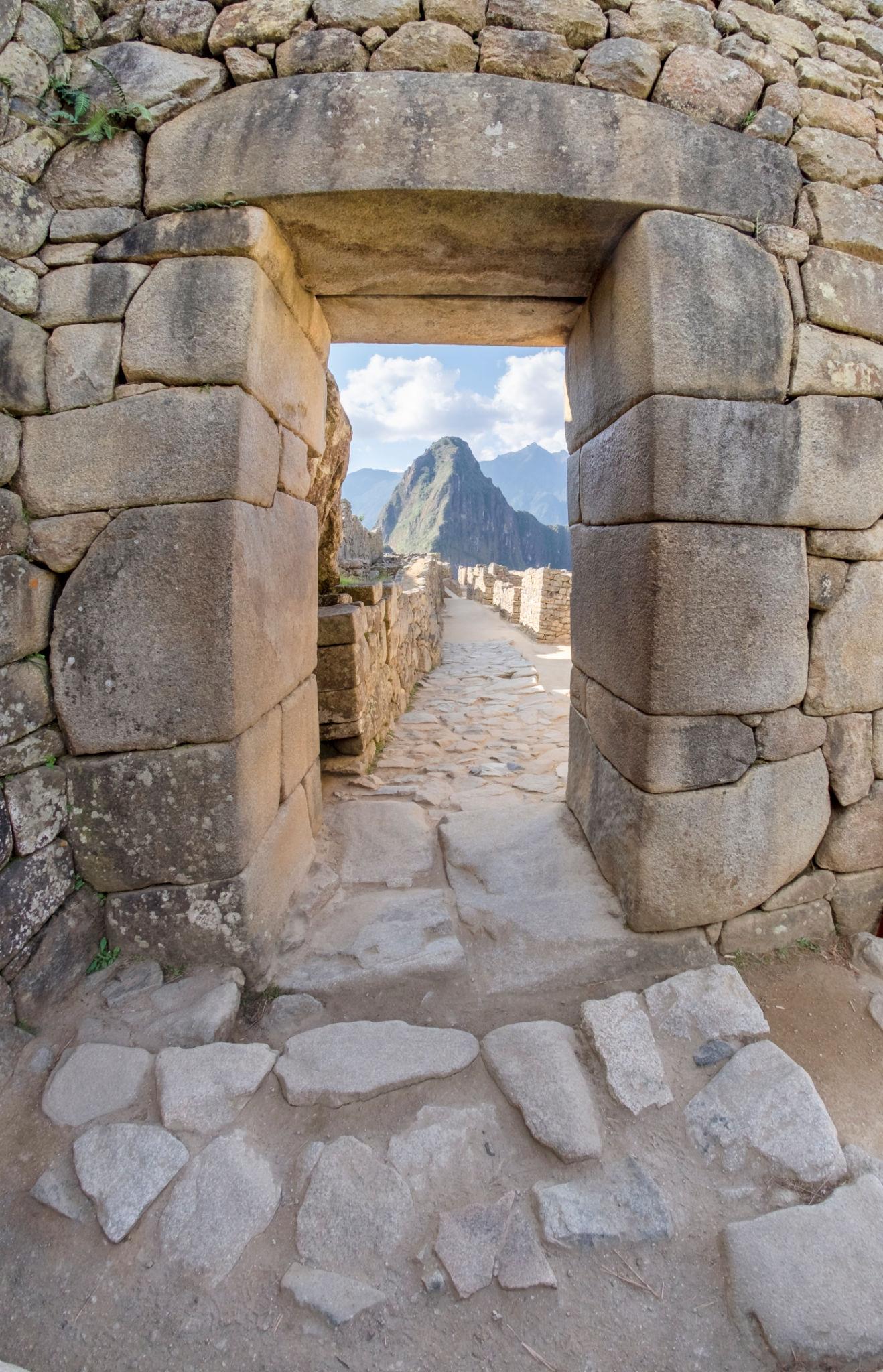
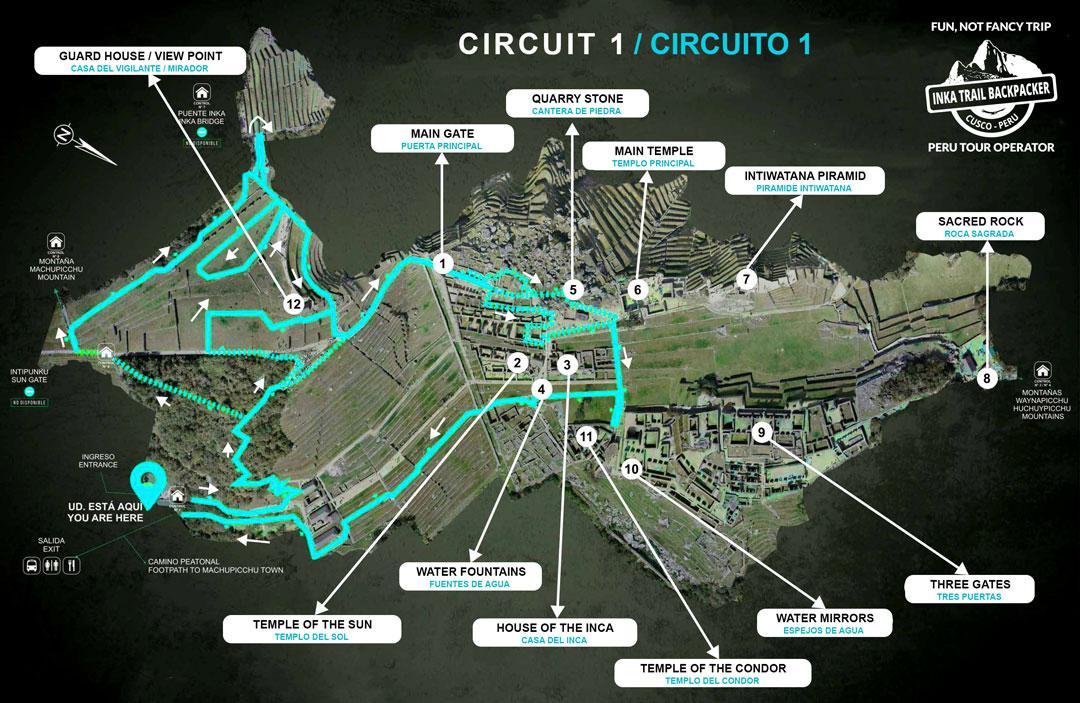
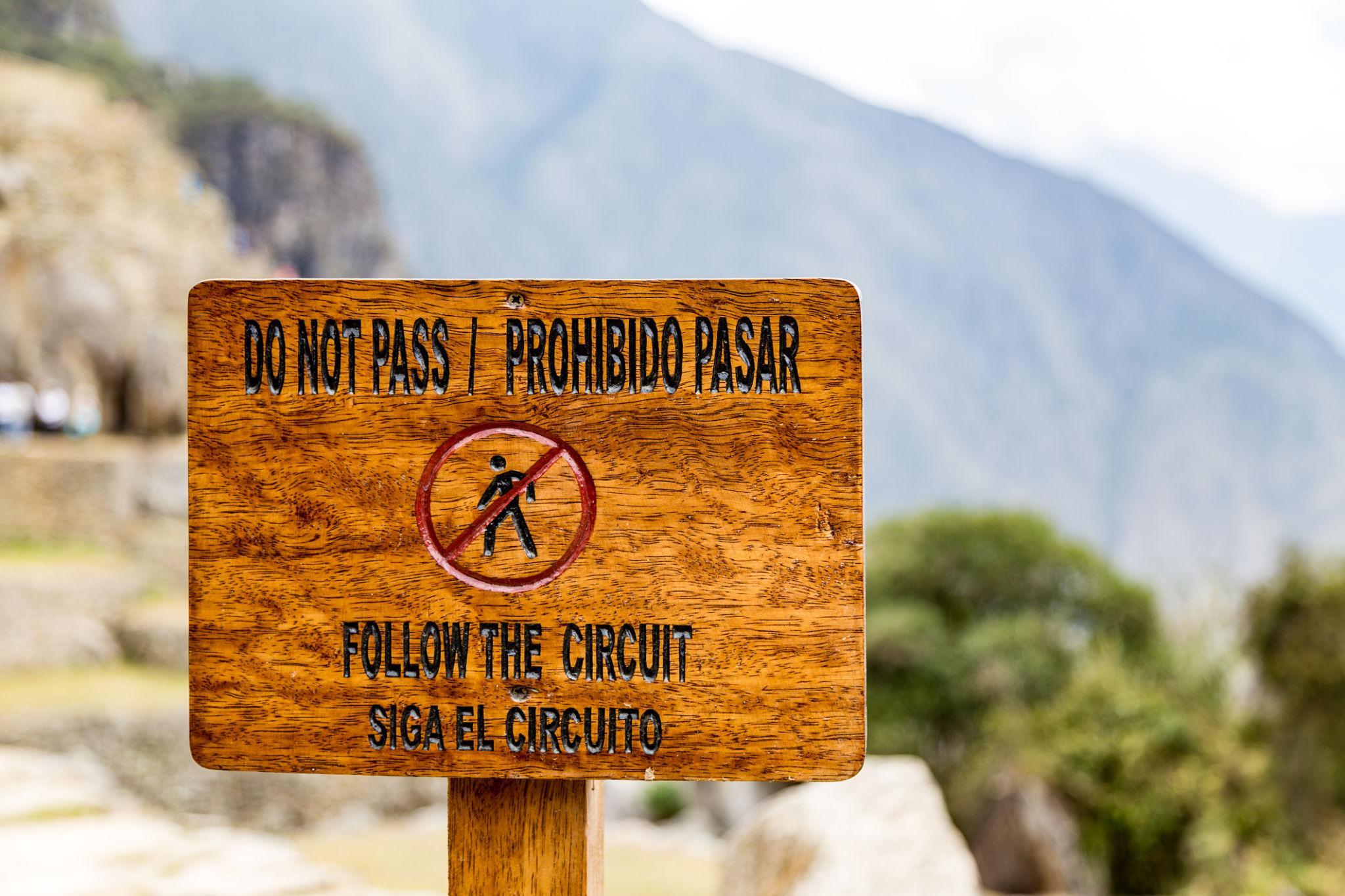
Controlled entry systems introduced to protect Machu Picchu from over-tourism.
Machu Picchu operates under strict daily visitor limits. Entry tickets are divided into time slots and circuits to reduce crowding and environmental impact.
Tickets should be purchased well in advance, especially during peak season. Some areas, such as Huayna Picchu and Machu Picchu Mountain, require separate permits.
Guided visits are mandatory for first-time entry, ensuring both safety and preservation.
What to Bring and Wear
Due to changing weather and uneven terrain, preparation is essential. Comfortable walking shoes, layered clothing, rain protection, and sun protection are all necessary.
Large backpacks, tripods, and drones are prohibited to protect the site.
Cultural Etiquette and Responsible Tourism
Machu Picchu is not just a tourist attraction—it is a sacred heritage site. Visitors are expected to respect marked paths, avoid touching structures, and refrain from loud or disruptive behavior.
Responsible tourism ensures that Machu Picchu remains preserved for future generations.
Is Machu Picchu Worth Visiting?
For many travelers, Machu Picchu is a once-in-a-lifetime experience. Its combination of history, natural beauty, and mystery is unmatched. While the logistics require effort and planning, the reward is a deeper understanding of one of humanity’s greatest civilizations.
Final Thoughts
Machu Picchu is not a place to rush through. It rewards patience, curiosity, and respect. Whether you arrive by train, trail, or guided tour, the experience is as much about the journey as the destination.

![K2 Base Camp Trek: Ultimate Guide k2 Trek 2026 [UPDATED]](https://karakoramdiaries.com/storage/ultimate-guide-to-k2-base-camp-trek-full-document-150x150.png)