Paris Travel Guide: Why the City of Light Is the World’s Most Visited Destination
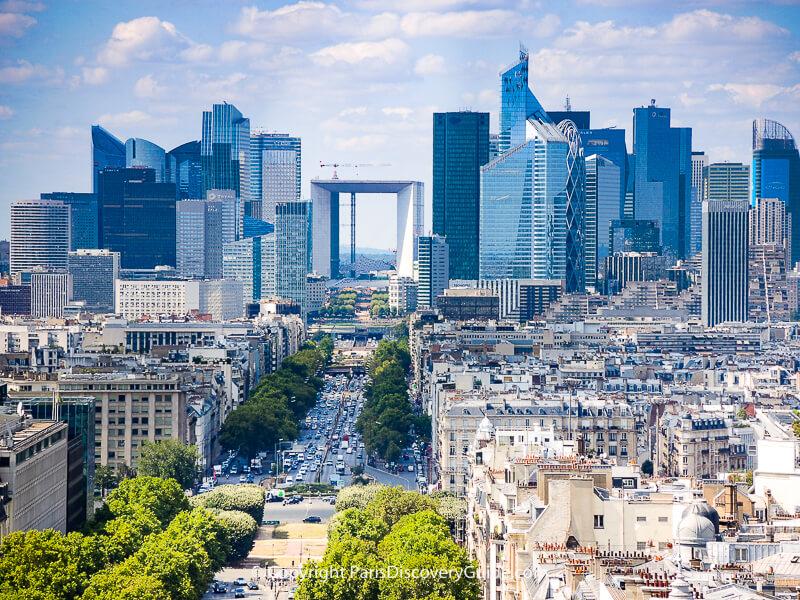
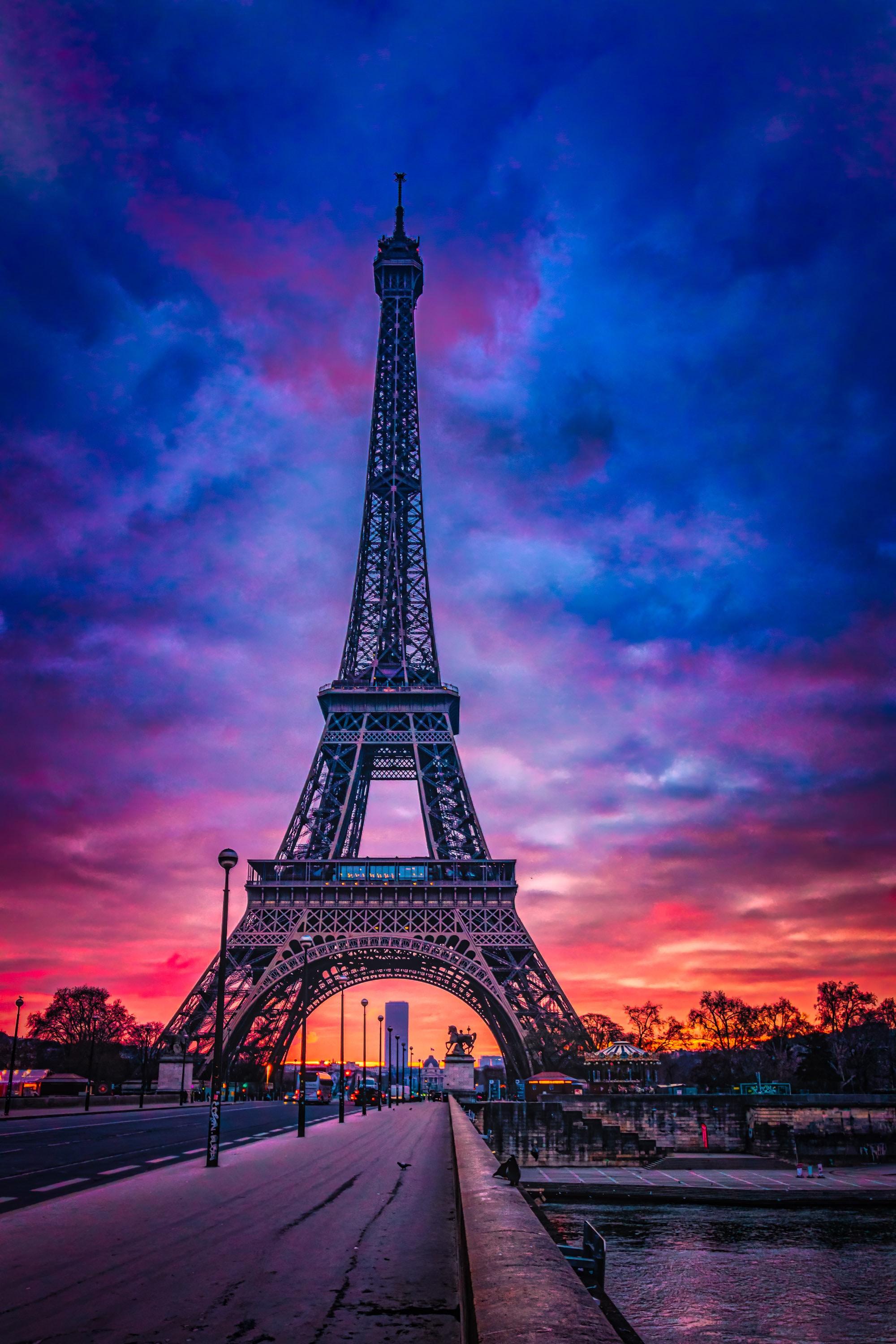
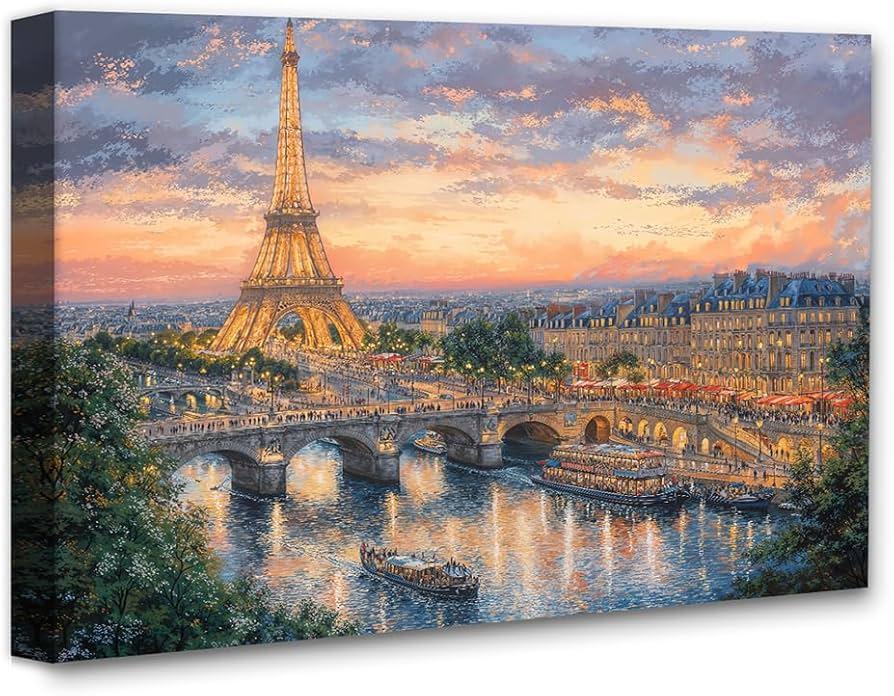
Paris skyline along the River Seine, with the Eiffel Tower rising above the historic city center.
Table of contents [Show]
- Introduction
- Where Is Paris Located?
- A Brief History of Paris
- Why Paris Is Called the “City of Light”
- Iconic Landmarks of Paris
- Paris Neighborhoods (Arrondissements)
- Parisian Food and Cuisine
- Transportation in Paris
- Best Time to Visit Paris
- Why Paris Remains the World’s Most Visited City
- Final Thoughts
- References
Introduction
Paris is one of the most visited cities in the world and consistently ranks at the top of global tourism statistics. Millions of people travel to Paris every year to experience its history, architecture, art, cuisine, and cultural influence.
Unlike destinations known for a single attraction, Paris is famous because of its complete identity as a city. It combines over two thousand years of history with modern life, while preserving a distinctive urban character that has influenced cities, fashion, literature, and politics worldwide.
This guide presents a complete and detailed overview of Paris, covering its history, famous landmarks, cultural importance, neighborhoods, food, transportation, best time to visit, and practical travel information.
Where Is Paris Located?
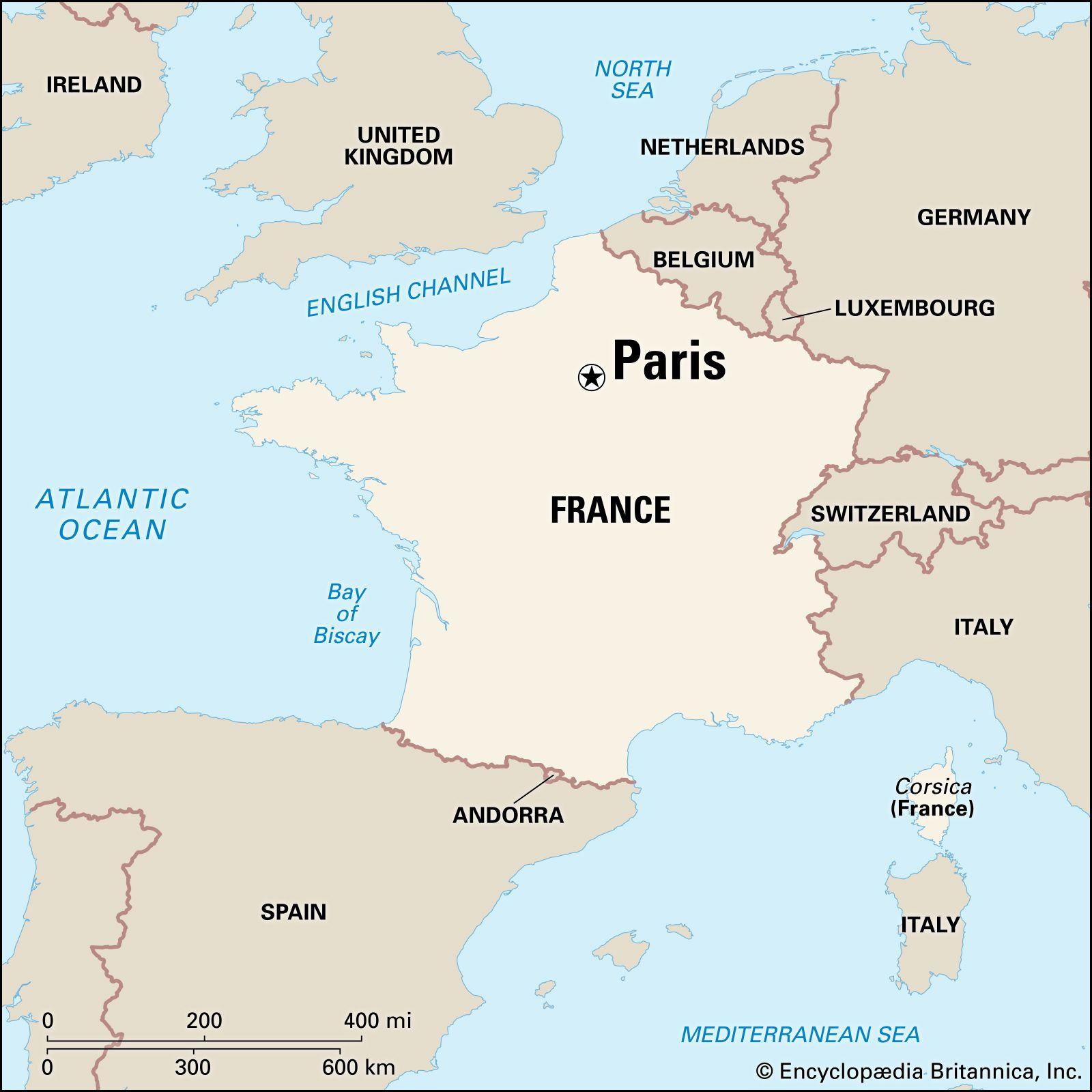
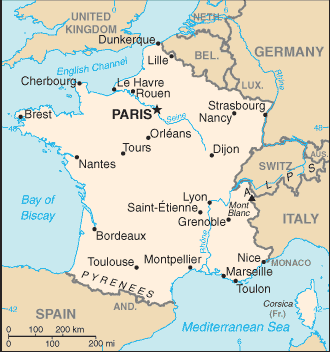
Paris is located in northern France on the River Seine, within the Île-de-France region.
Paris is situated in northern France, along the River Seine, approximately 105 kilometers from the English Channel. The city is the center of the Île-de-France region and serves as the political, economic, and cultural capital of France.
The metropolitan area of Paris is home to more than 12 million people, making it one of the largest urban regions in Europe.
A Brief History of Paris
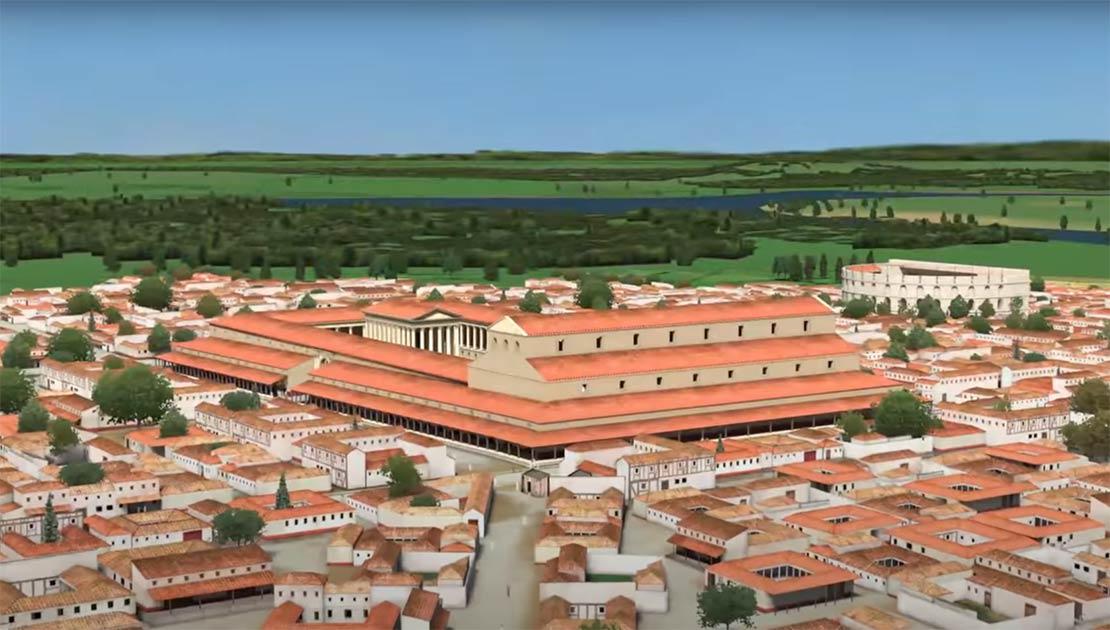
Historical development of Paris from Roman Lutetia through medieval expansion and 19th-century urban redesign.
Paris began as a small settlement called Lutetia, founded by the Parisii tribe before being conquered by the Romans around 52 BCE. Over centuries, it grew into a major medieval city and later became the center of royal power in France.
Key historical periods include:
- Medieval Paris, with the construction of Notre-Dame
- The Renaissance, when Paris became a center of art and learning
- The French Revolution (1789), which reshaped France and Europe
- 19th-century modernization, led by Baron Haussmann, who created wide boulevards and the modern city layout
Paris played a central role in European intellectual movements, including the Enlightenment, Romanticism, and Modernism.
Why Paris Is Called the “City of Light”
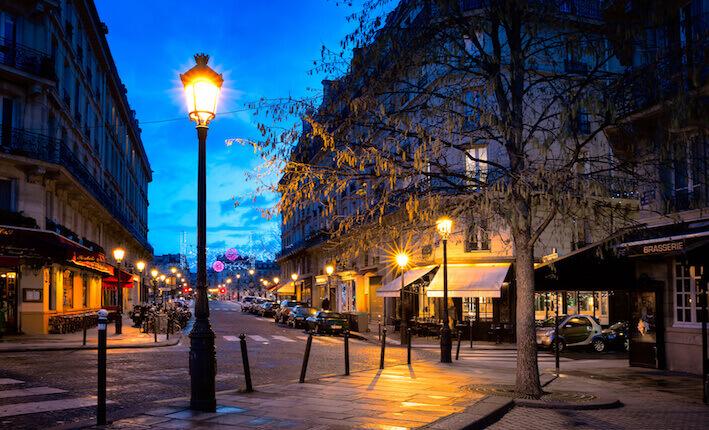
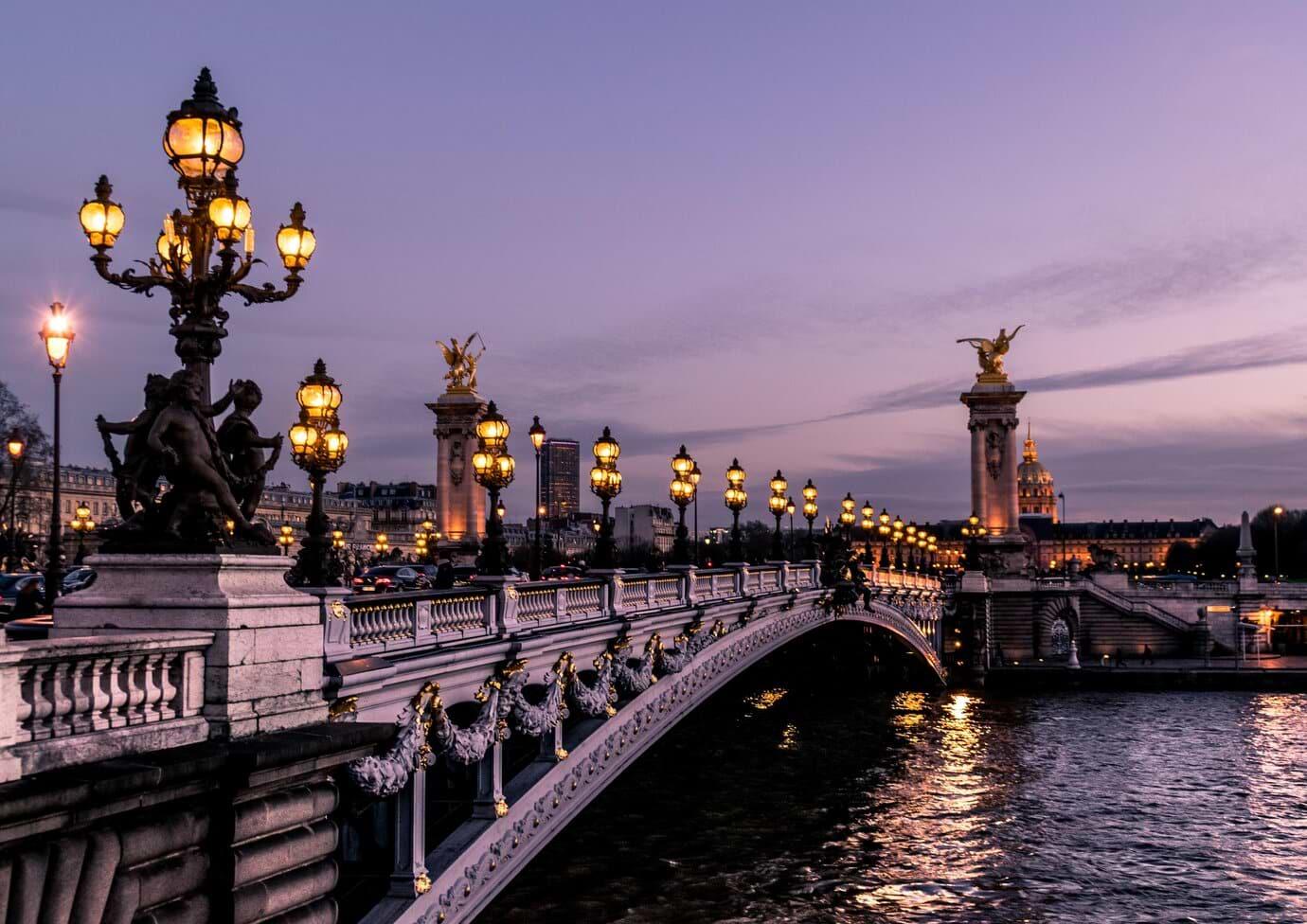
Paris illuminated at night, reflecting both its early adoption of street lighting and its role in the Enlightenment.
The nickname “City of Light” has two meanings:
- Paris was one of the first European cities to introduce extensive street lighting.
- It was a leading center of the Enlightenment, where philosophers promoted reason, science, and education.
Today, Paris remains famous for its night-time atmosphere and carefully designed lighting of monuments.
Iconic Landmarks of Paris
Eiffel Tower
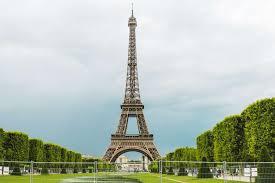
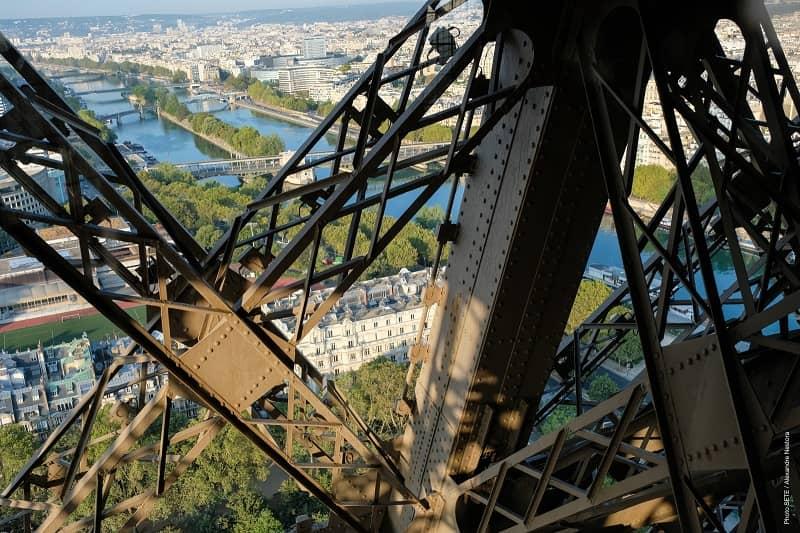
The Eiffel Tower, completed in 1889, remains the most recognizable symbol of Paris.
The Eiffel Tower was built for the 1889 World’s Fair. Initially criticized, it later became the defining symbol of Paris and France.
Louvre Museum
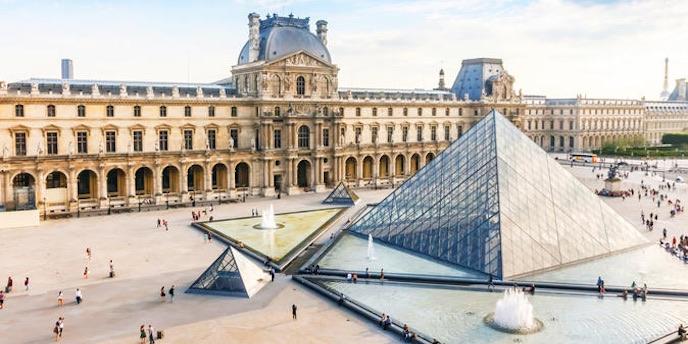
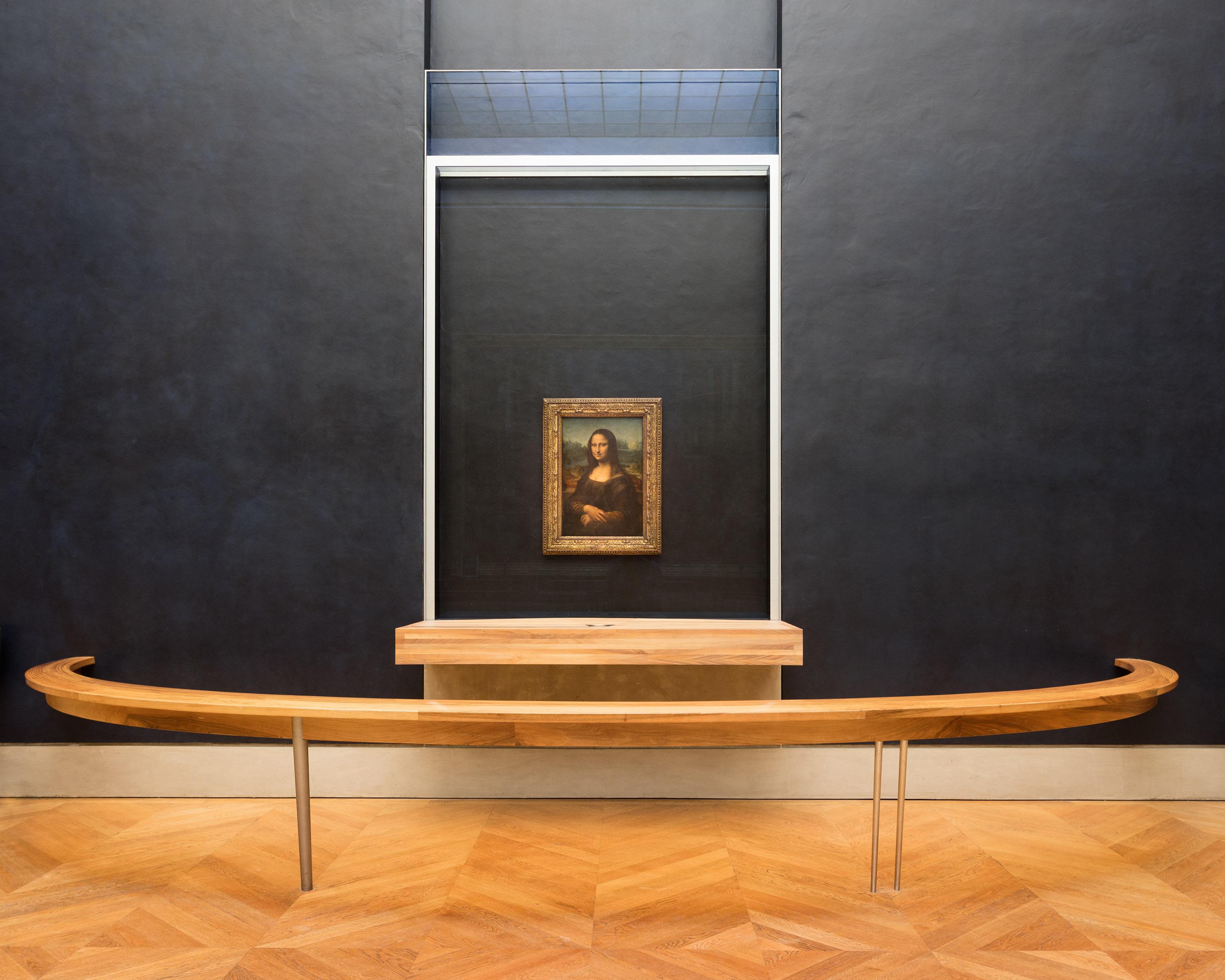
The Louvre Museum, the world’s most visited museum, housing thousands of works including the Mona Lisa.
The Louvre contains over 35,000 artworks, spanning ancient civilizations to the 19th century.
Notre-Dame Cathedral
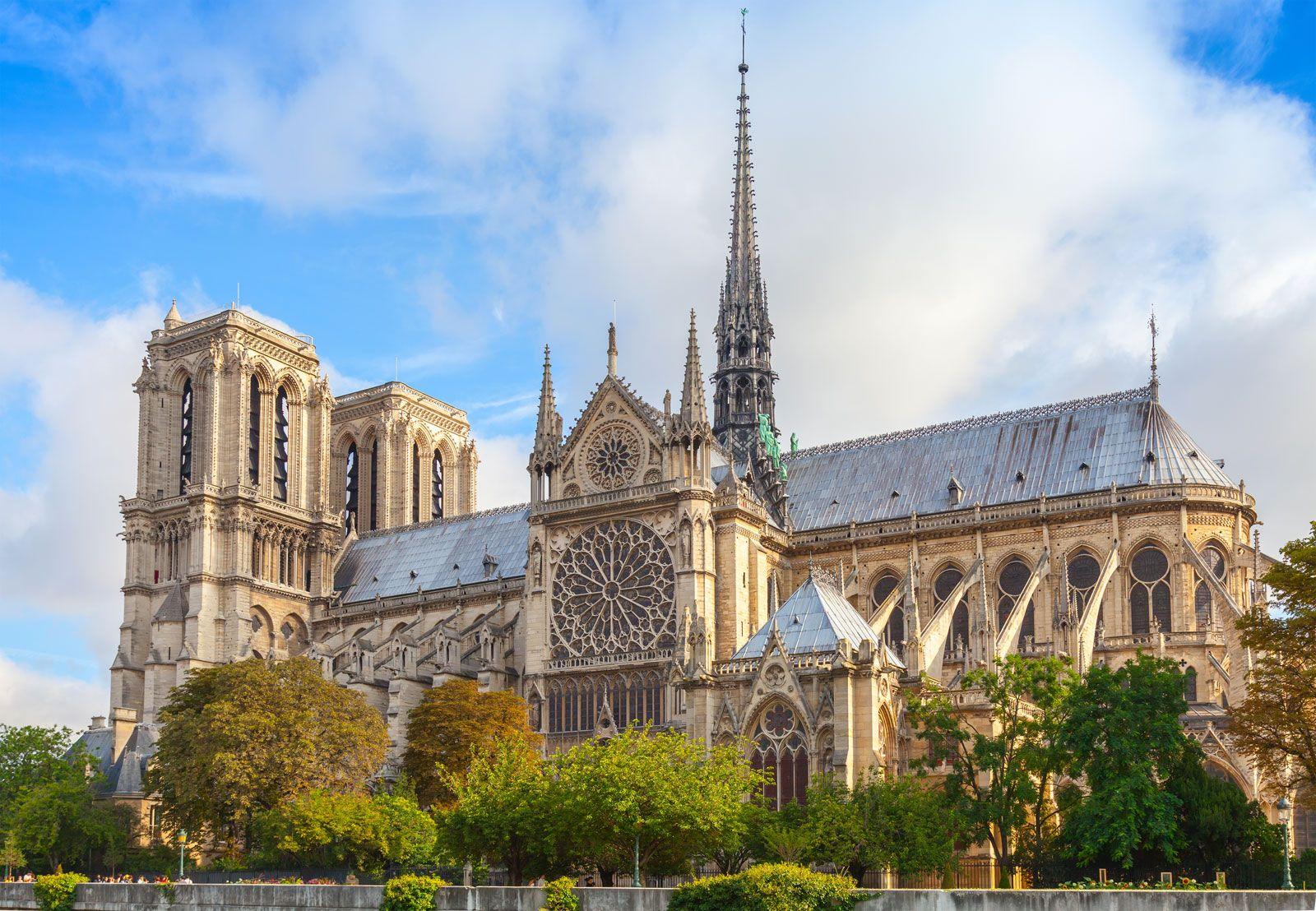
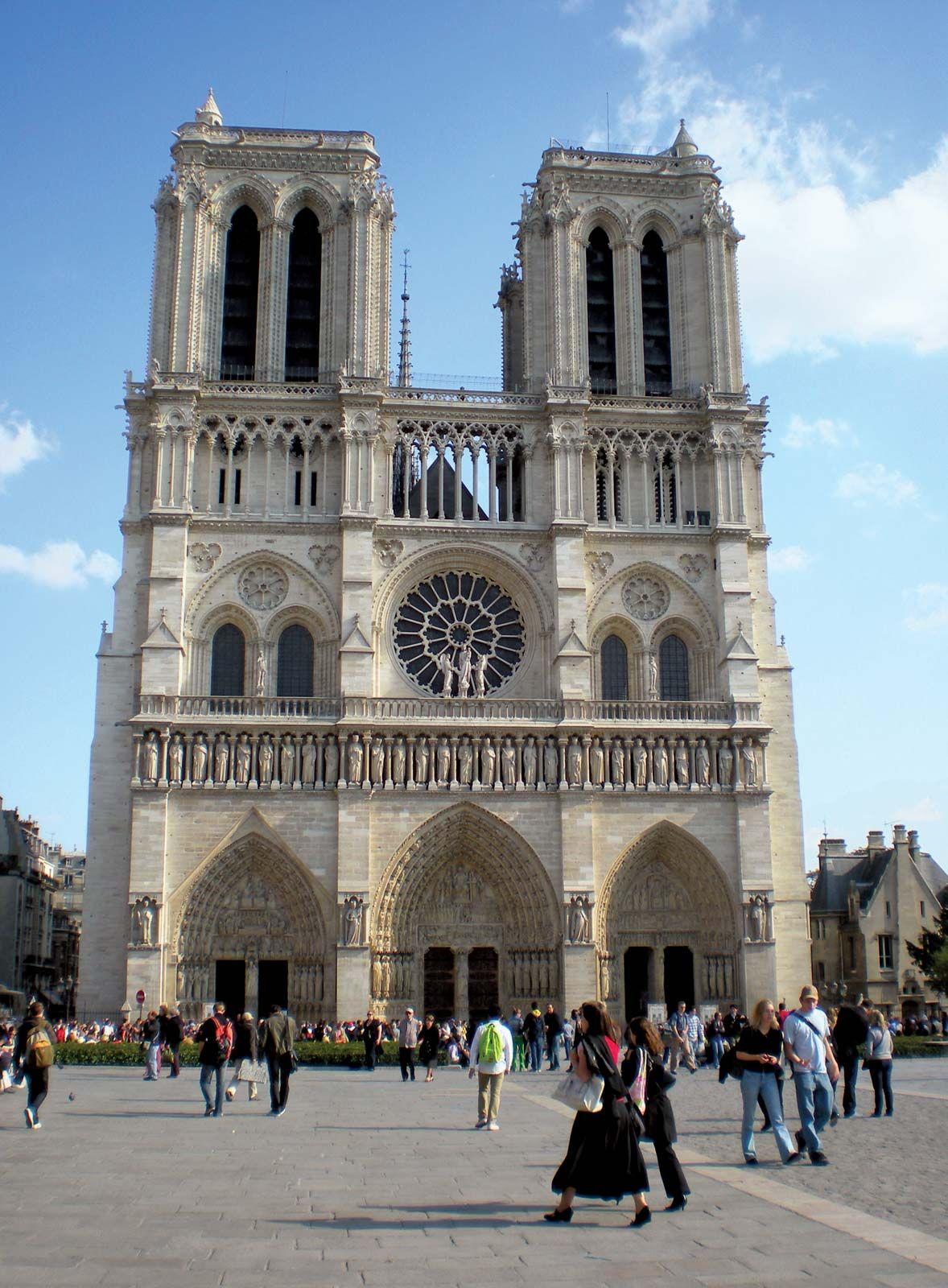
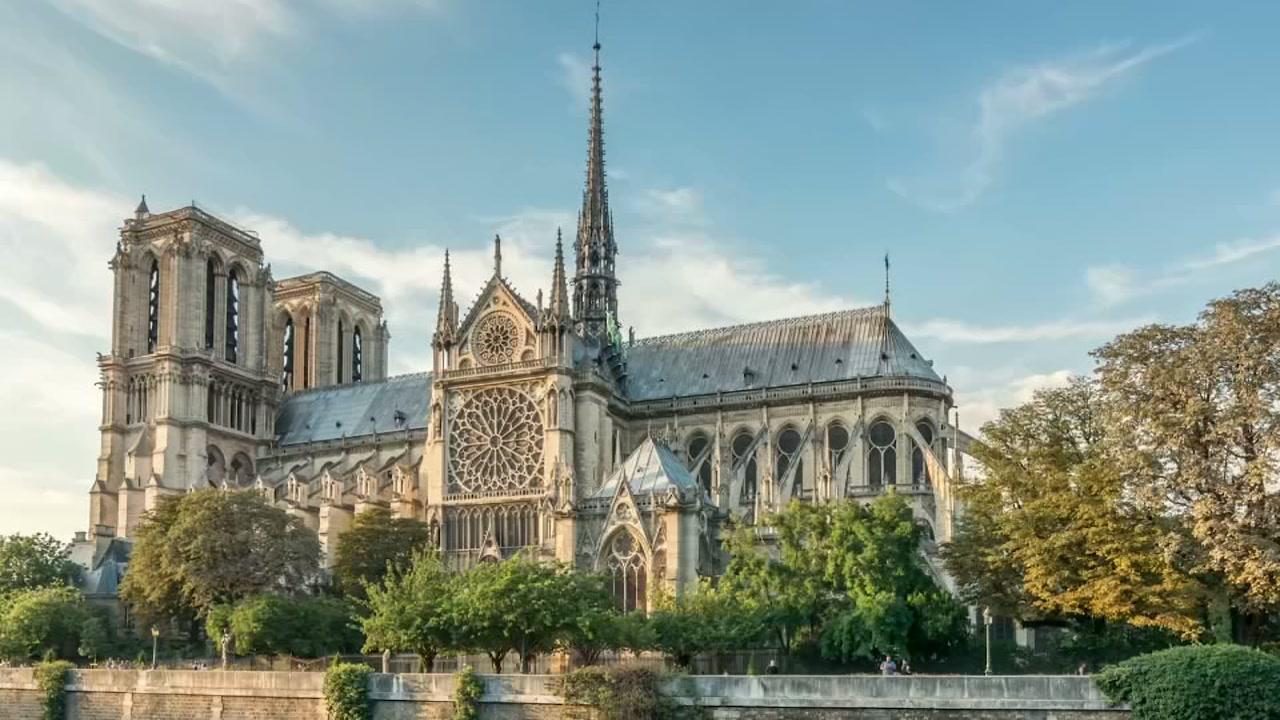
Notre-Dame Cathedral, a masterpiece of French Gothic architecture located on the Île de la Cité.
Construction began in 1163. Despite the 2019 fire, Notre-Dame remains one of the most important religious buildings in Europe.
Paris Neighborhoods (Arrondissements)
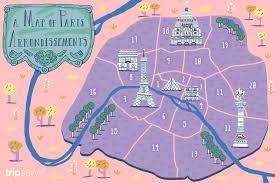
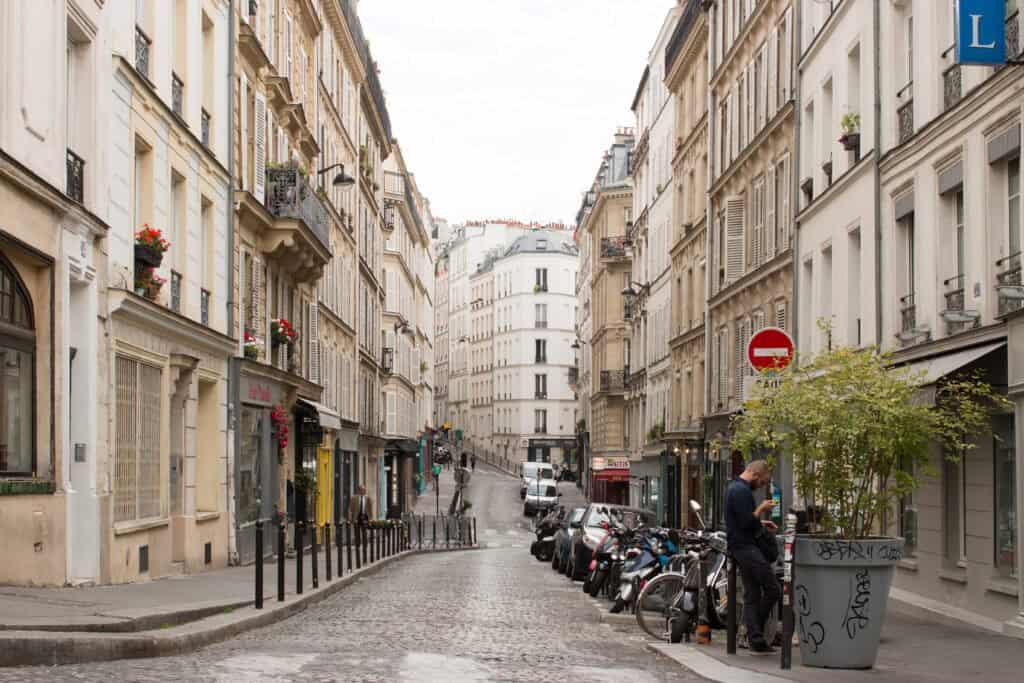
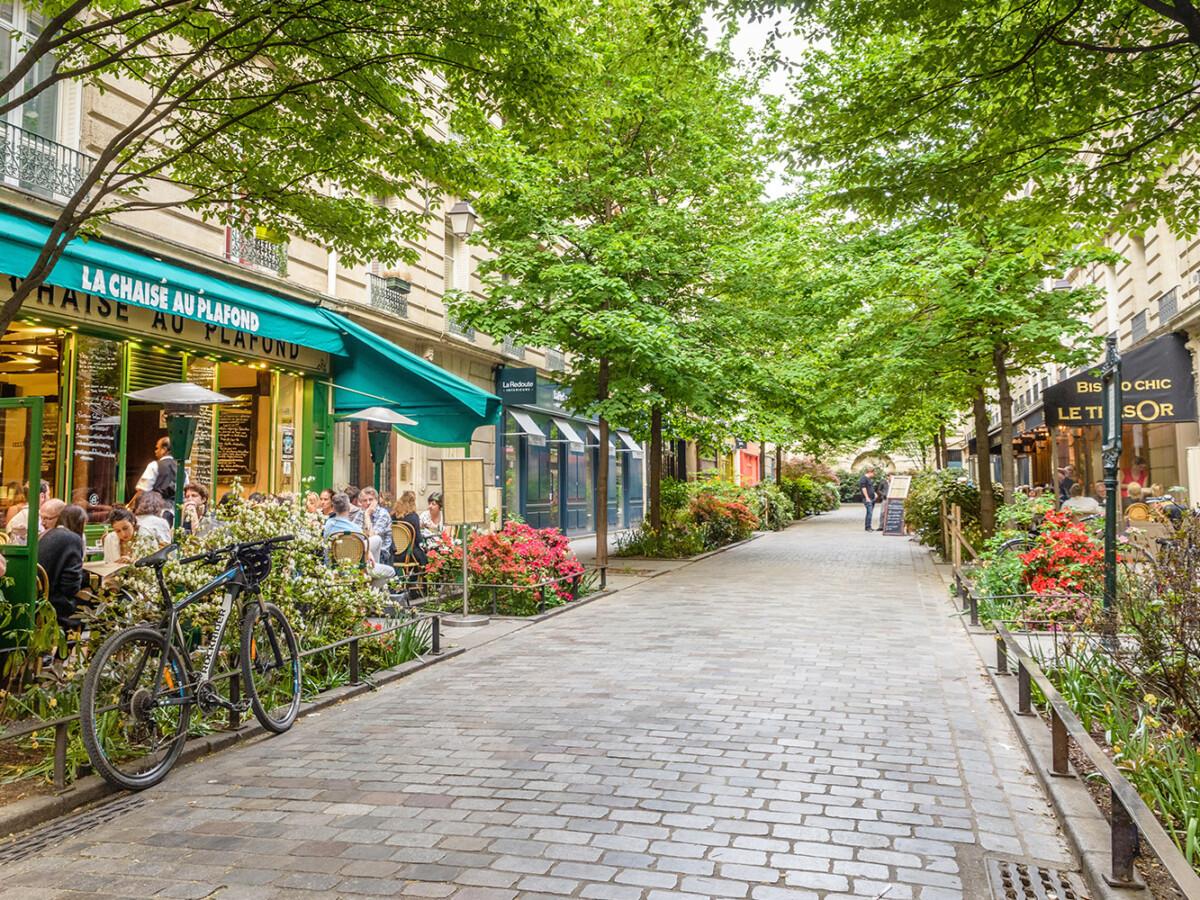
Paris is divided into 20 arrondissements, each with a distinct character and atmosphere.
Paris is divided into 20 arrondissements, arranged in a spiral pattern.
Notable areas include:
- Montmartre – historic artists’ quarter
- Le Marais – medieval streets and museums
- Latin Quarter – universities and bookshops
- Champs-Élysées – luxury shopping and landmarks
Each arrondissement functions almost like a small town within the city.
Parisian Food and Cuisine
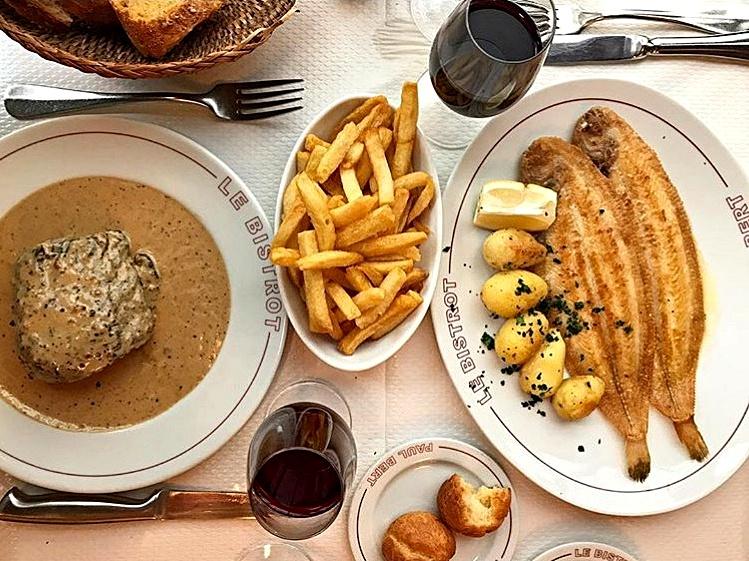
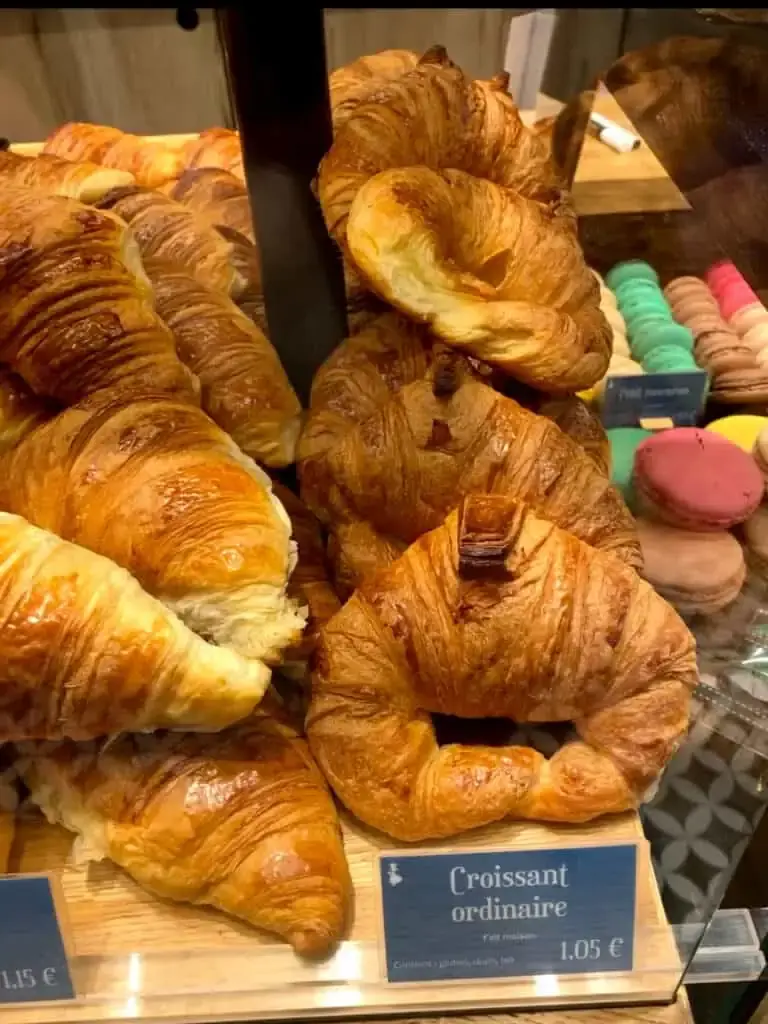
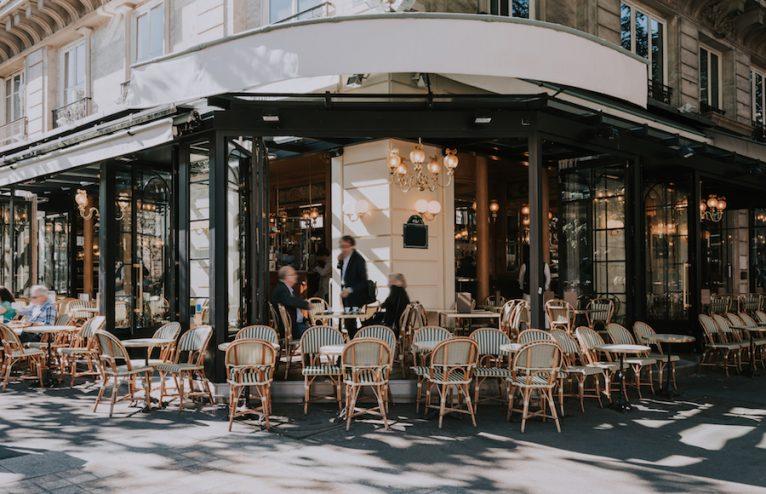
Traditional Parisian cuisine, from croissants and cafés to formal French dining.
Paris is considered one of the world’s culinary capitals. Classic foods include:
- Croissants and baguettes
- Cheese and wine
- French pastries
- Traditional bistro dishes
Café culture is central to daily life in Paris.
Transportation in Paris![]()
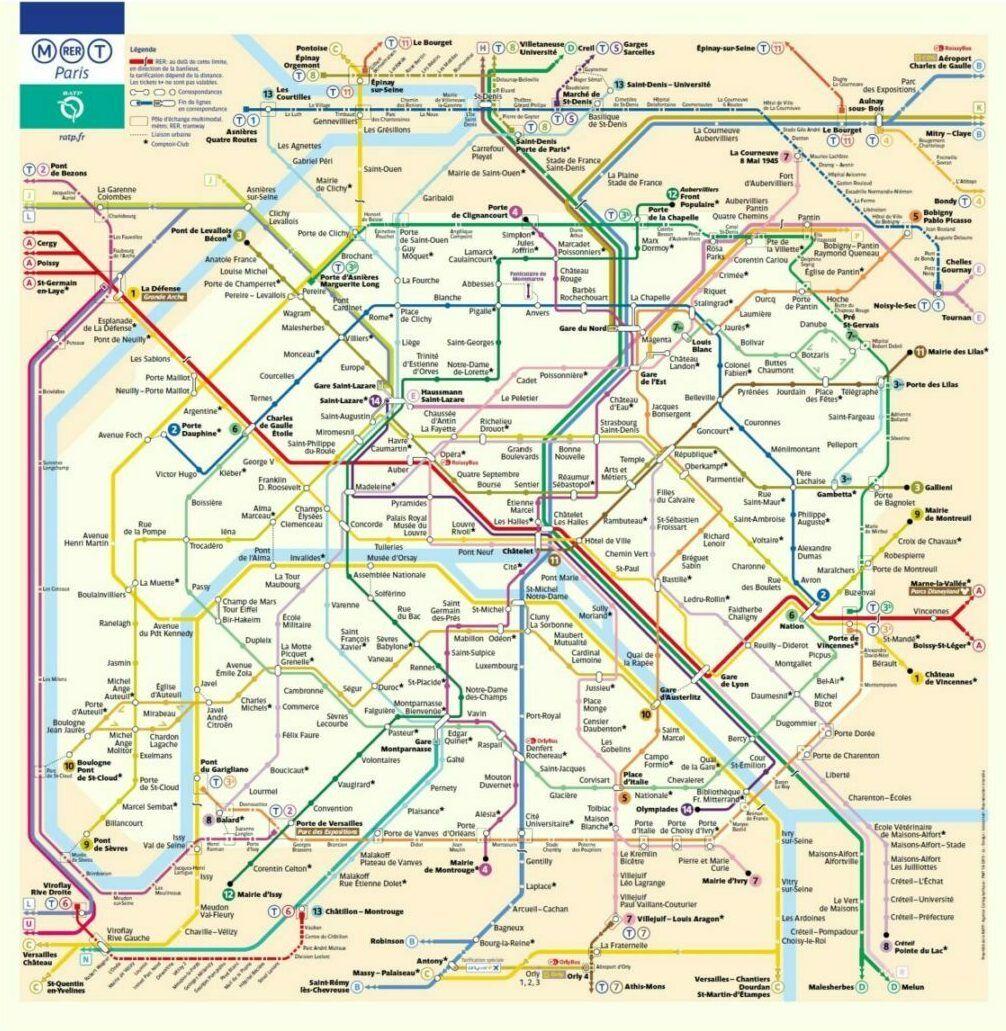
The Paris Metro system is one of the oldest and most efficient urban transport networks in the world.
Paris has:
- An extensive Metro system
- Buses and trams
- Regional trains (RER)
- Walkable city center
Public transportation is reliable and affordable.
Best Time to Visit Paris
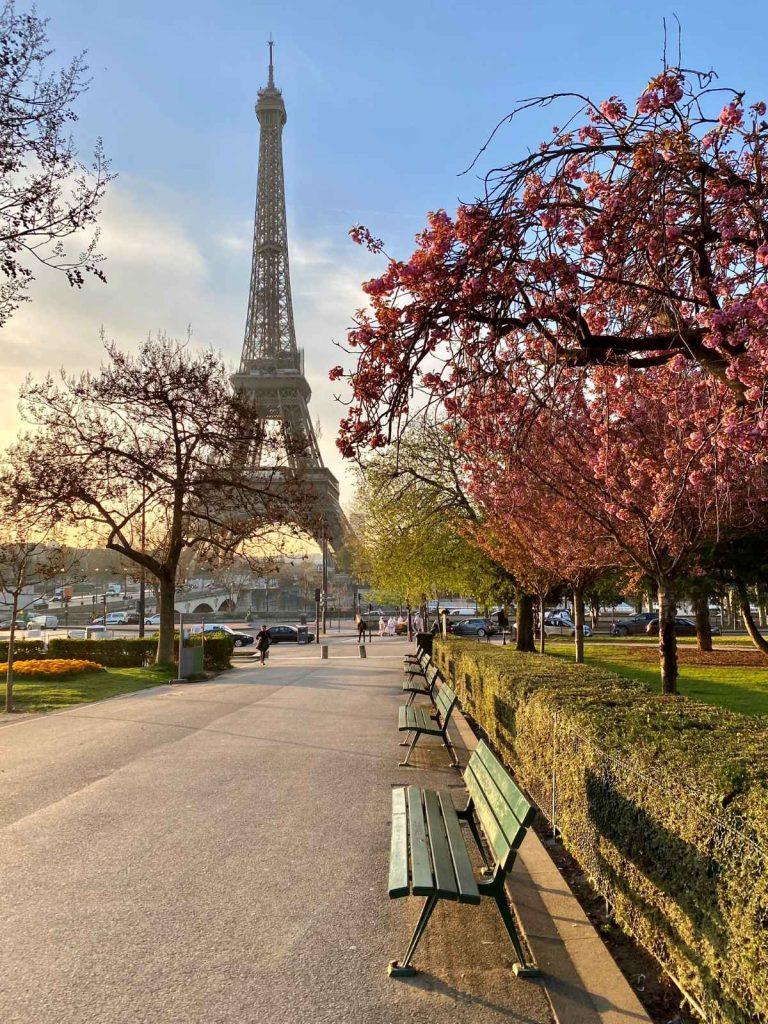
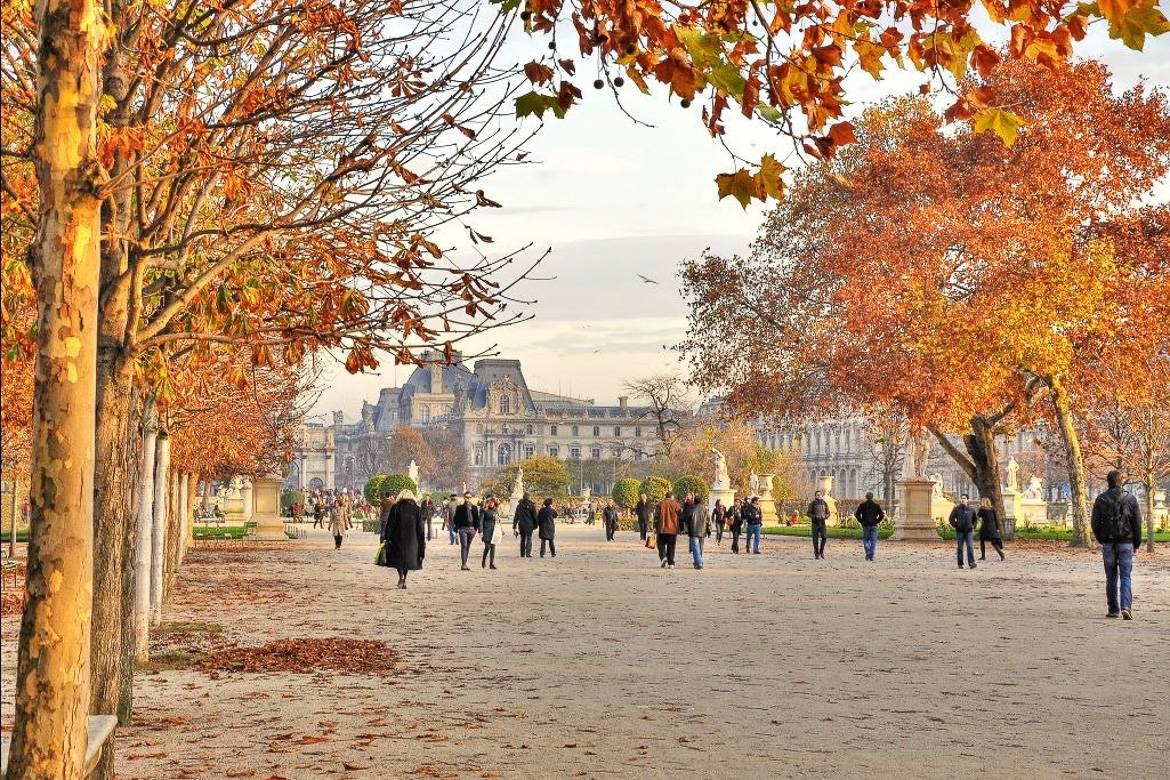
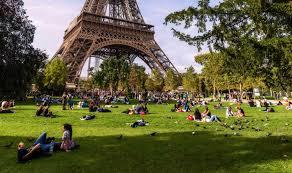
Seasonal changes in Paris, from spring blossoms to autumn colors.
- Spring (April–June): Mild weather, fewer crowds
- Summer (July–August): Busy but lively
- Autumn (September–October): Ideal balance
- Winter (November–March): Fewer tourists, colder weather
Why Paris Remains the World’s Most Visited City
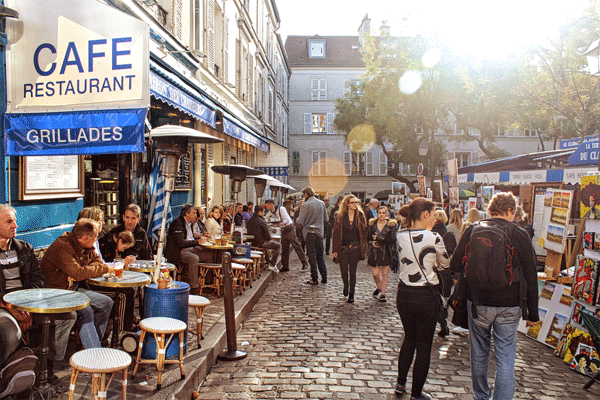
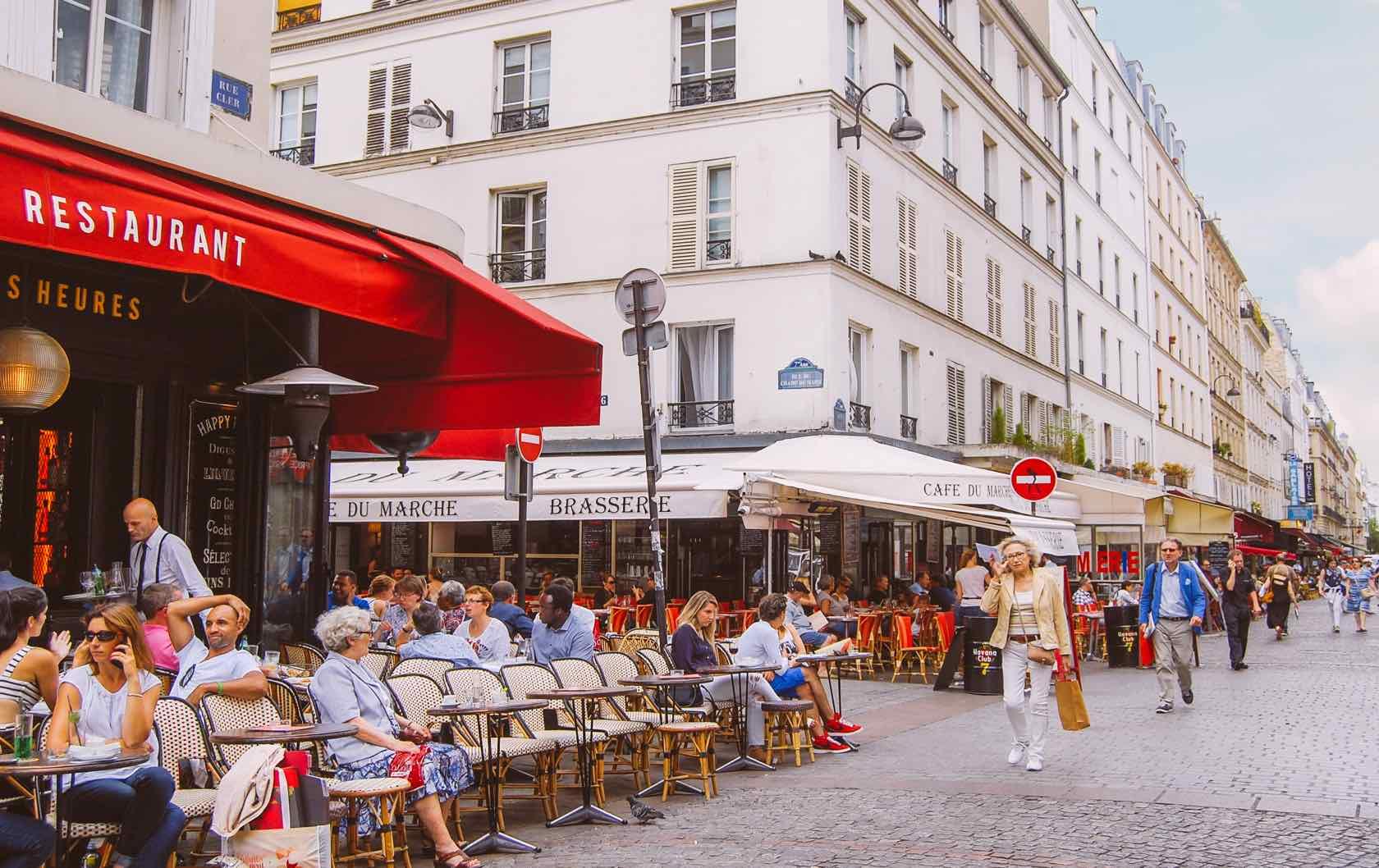
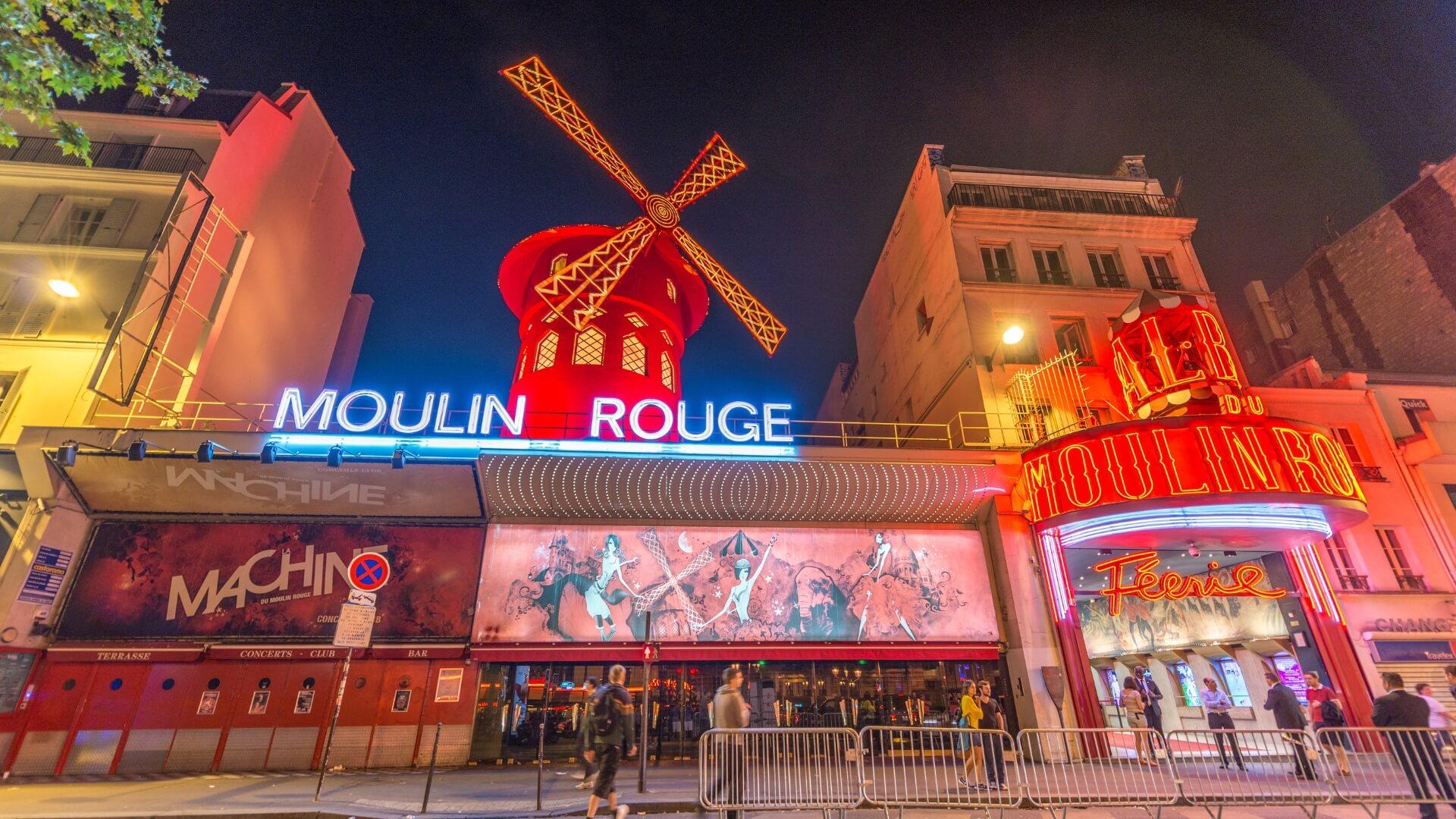
Daily life in Paris blends historic surroundings with modern urban culture.
Paris remains unmatched because it offers:
- Deep historical continuity
- Iconic landmarks
- Art and culture
- Food and lifestyle
- Accessibility from anywhere in the world
Final Thoughts
Paris is not famous because of a single monument. It is famous because the entire city functions as a cultural experience. Its streets, buildings, museums, and daily life reflect centuries of history and influence.
For travelers seeking history, art, food, or simply a sense of place, Paris continues to justify its position as the world’s most visited destination.
References
- Encyclopaedia Britannica (Paris)
- UNESCO World Heritage Centre
- French Ministry of Culture
- Paris Tourism Office
Historical records of Île-de-France
(Image credit: Wikimedia Commons)

![K2 Base Camp Trek: Ultimate Guide k2 Trek 2026 [UPDATED]](https://karakoramdiaries.com/storage/ultimate-guide-to-k2-base-camp-trek-full-document-150x150.png)