Naltar Valley Tour
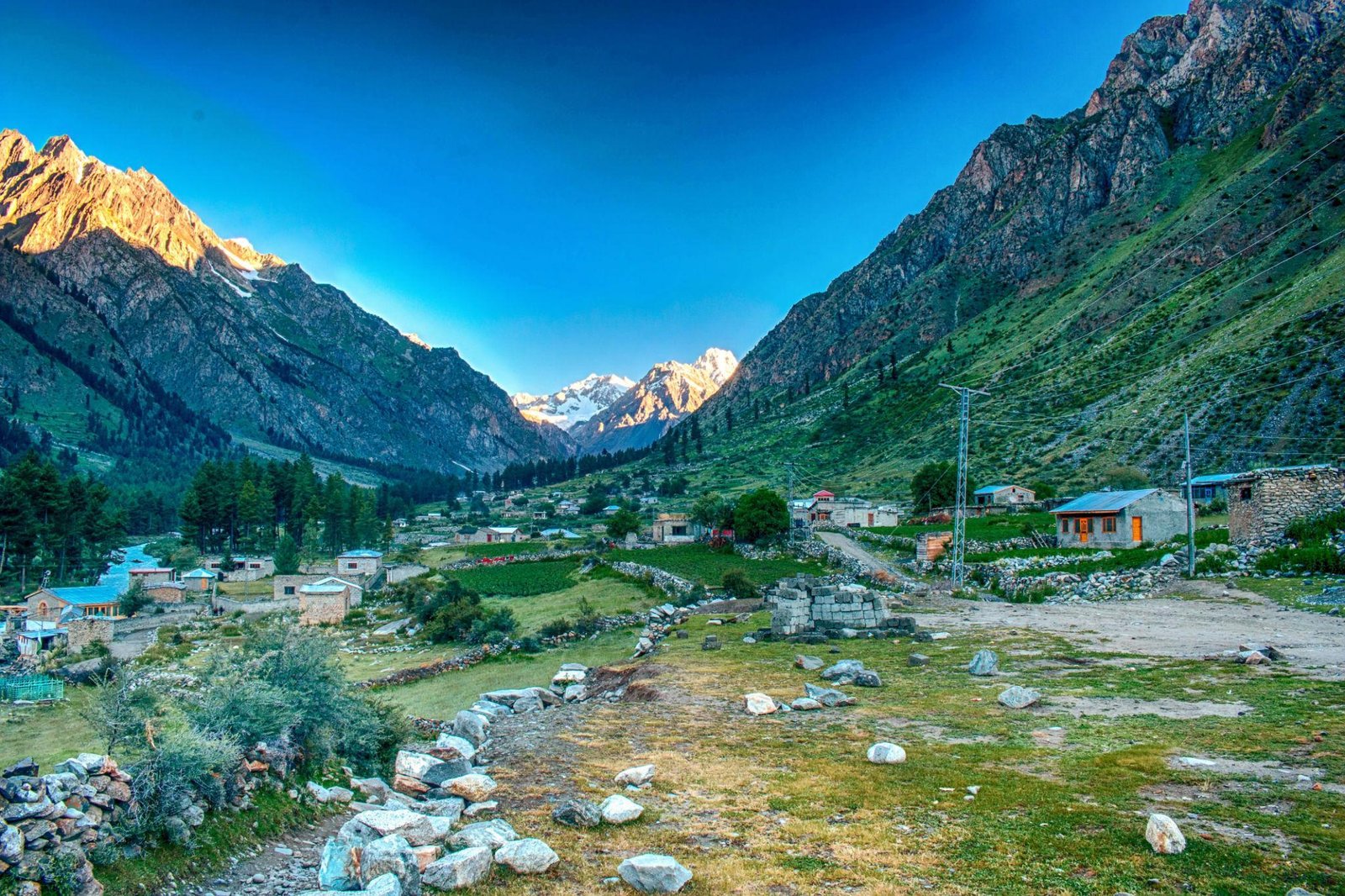
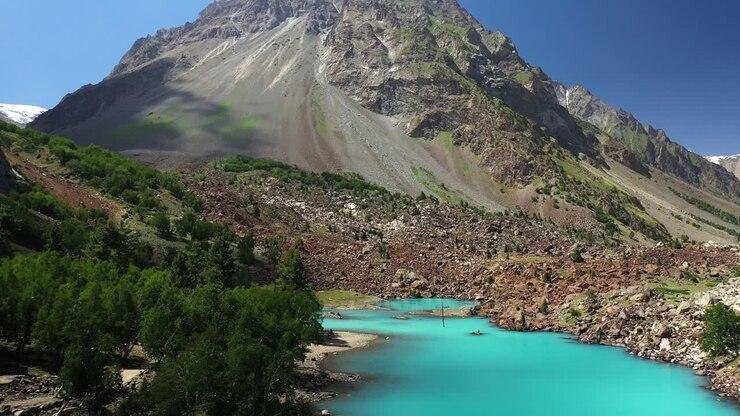
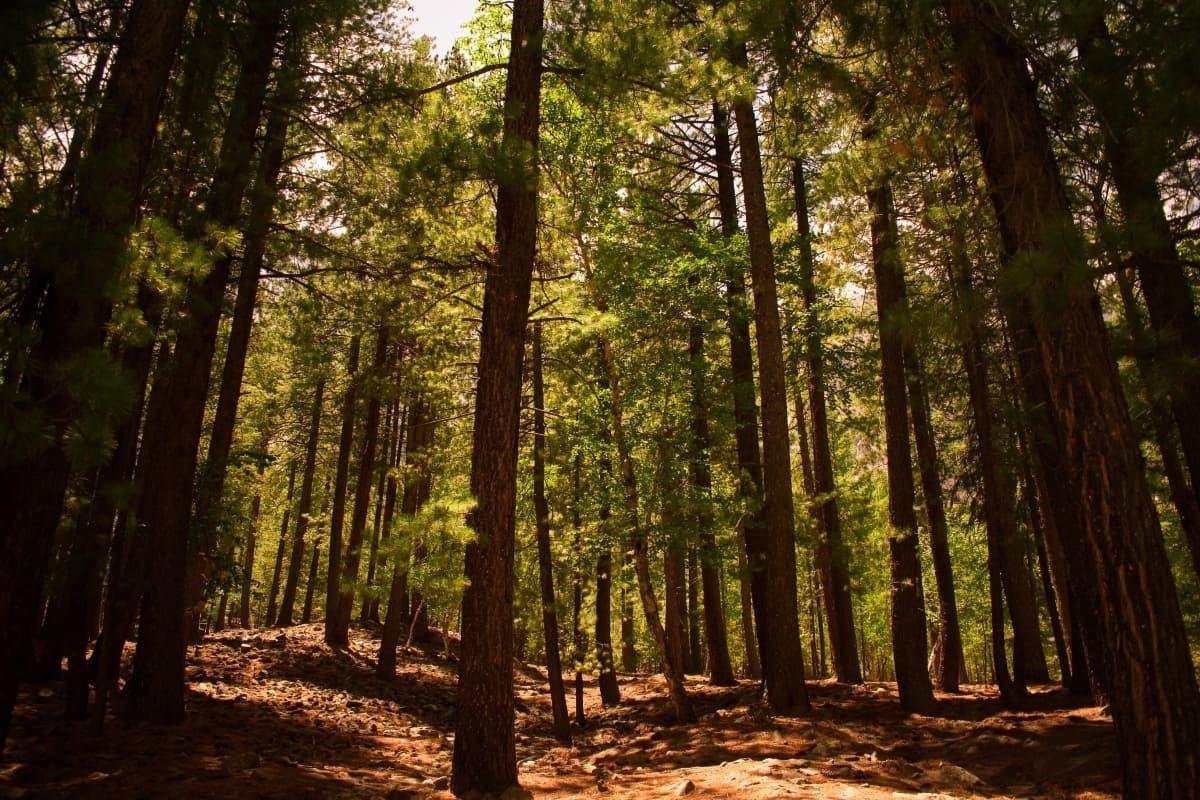
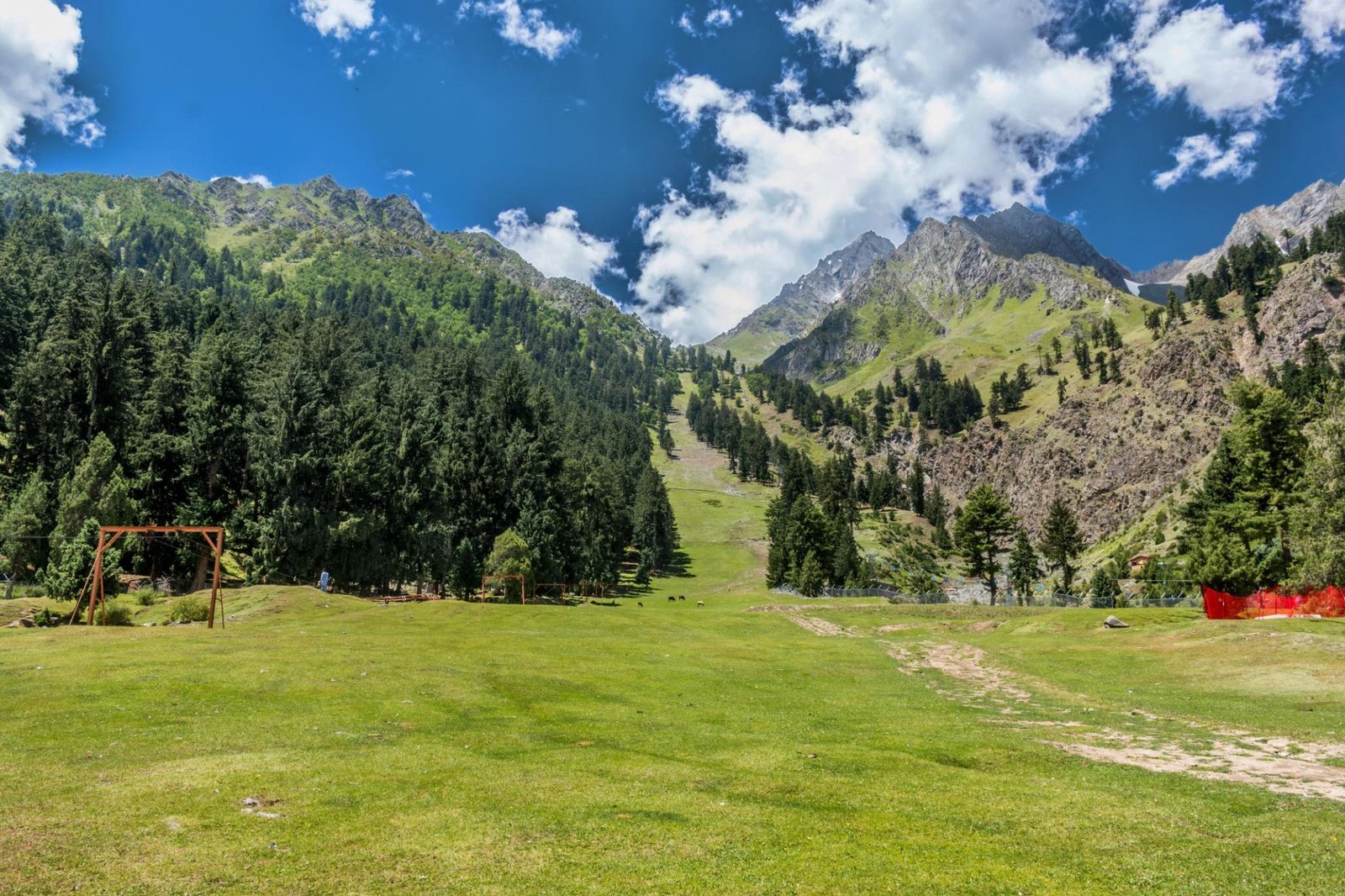
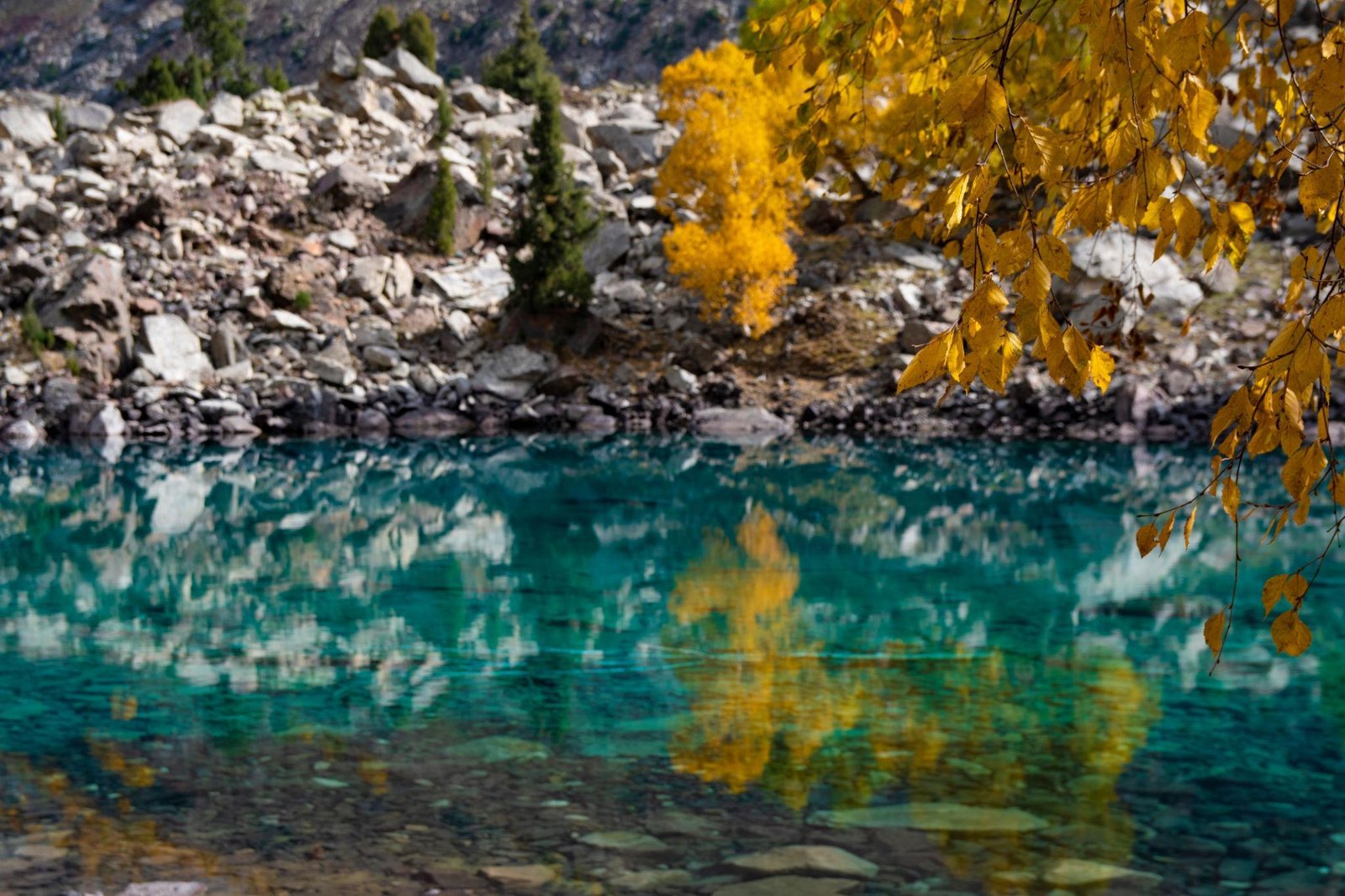
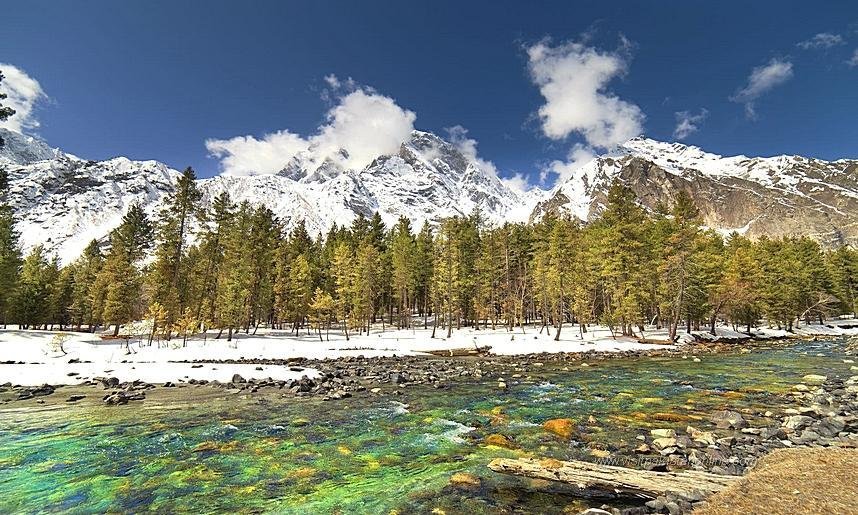
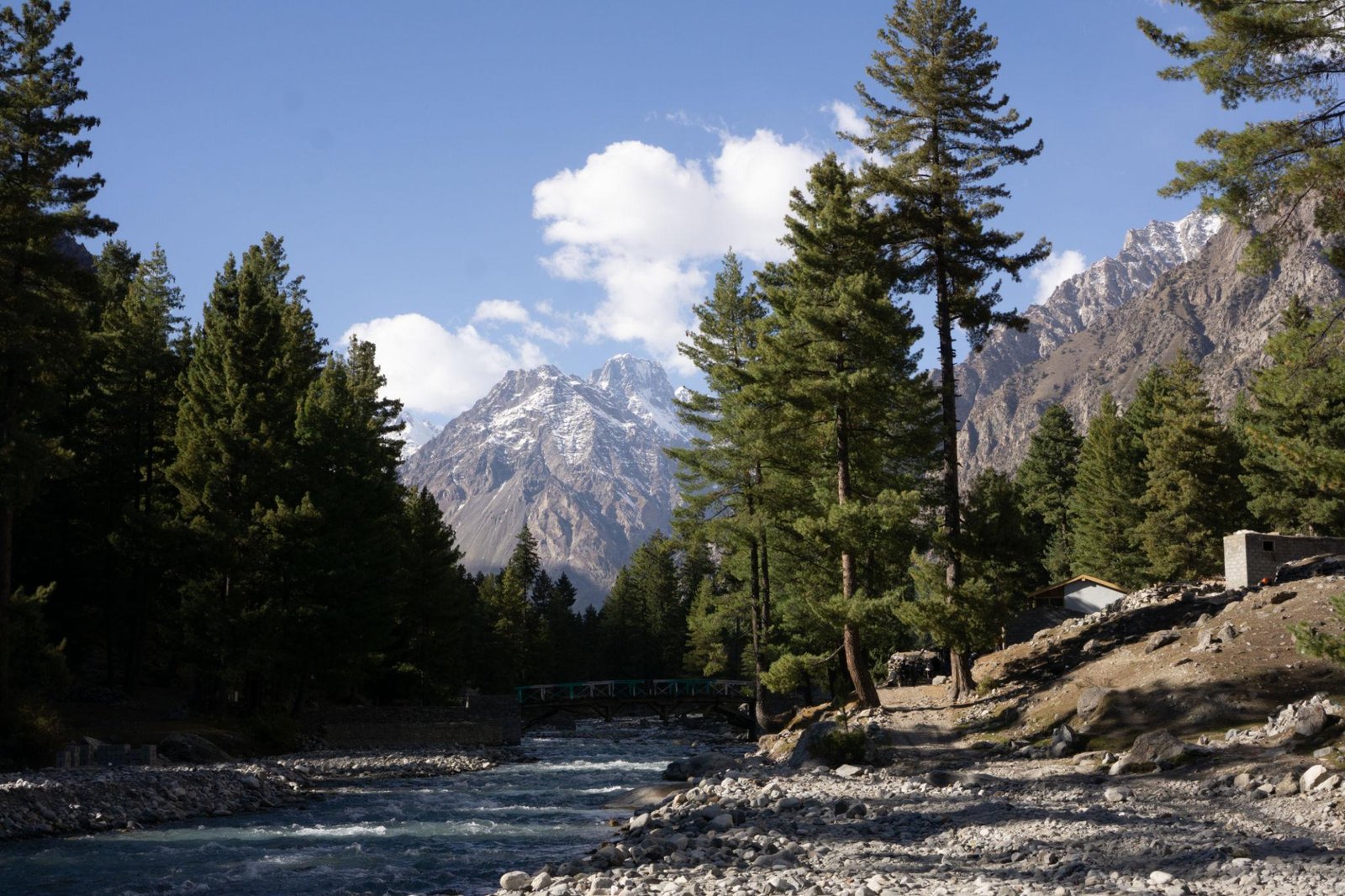
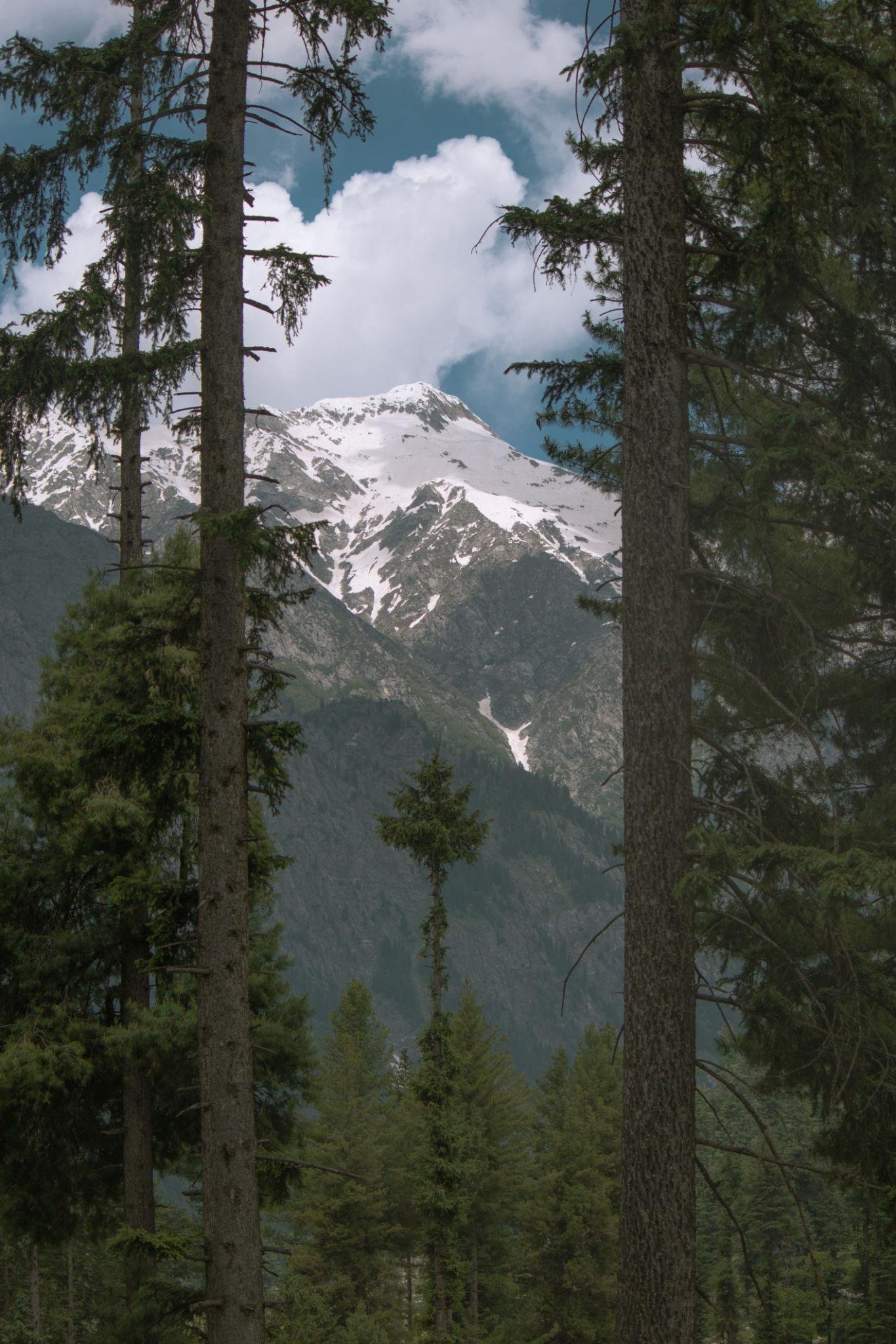
Table of contents [Show]
- Introduction to Naltar Valley
- Why Visit Naltar – Lakes, Skiing & Untouched Scenery
- Best Time to Visit
- How to Get to Naltar Valley
- Naltar Lakes – The Rainbow Lakes
- Naltar Ski Resort
- Trekking from Naltar
- Naltar Village & Local Life
- Wildlife & Forest
- Where to Stay in Naltar
- Recommended Itinerary
- Travel Budget & Costs
- Packing List
- FAQs
- Disclaimer
Introduction to Naltar Valley
Hidden within the mountains west of Gilgit, Naltar Valley is one of the most beautiful alpine destinations in northern Pakistan.
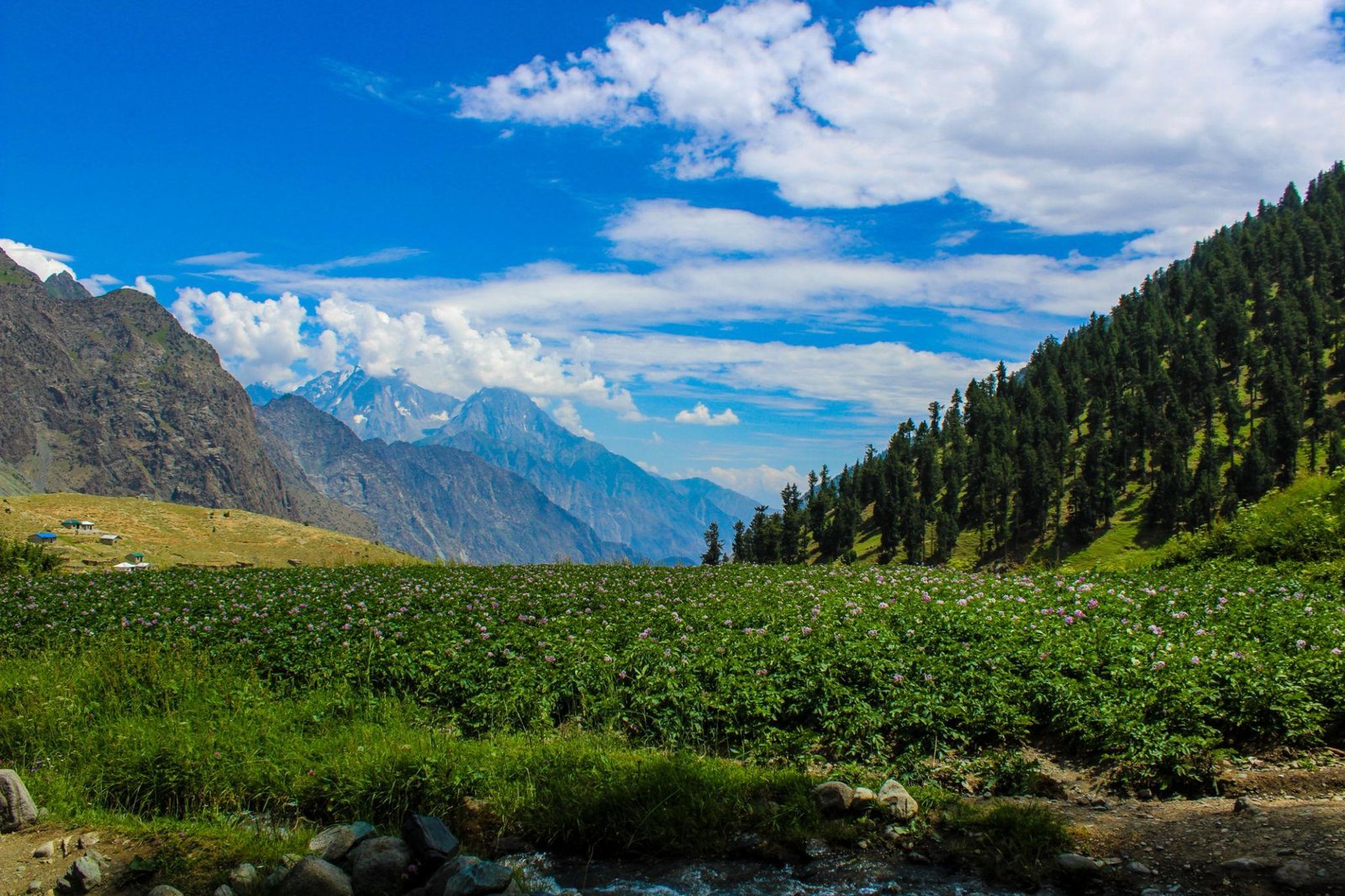
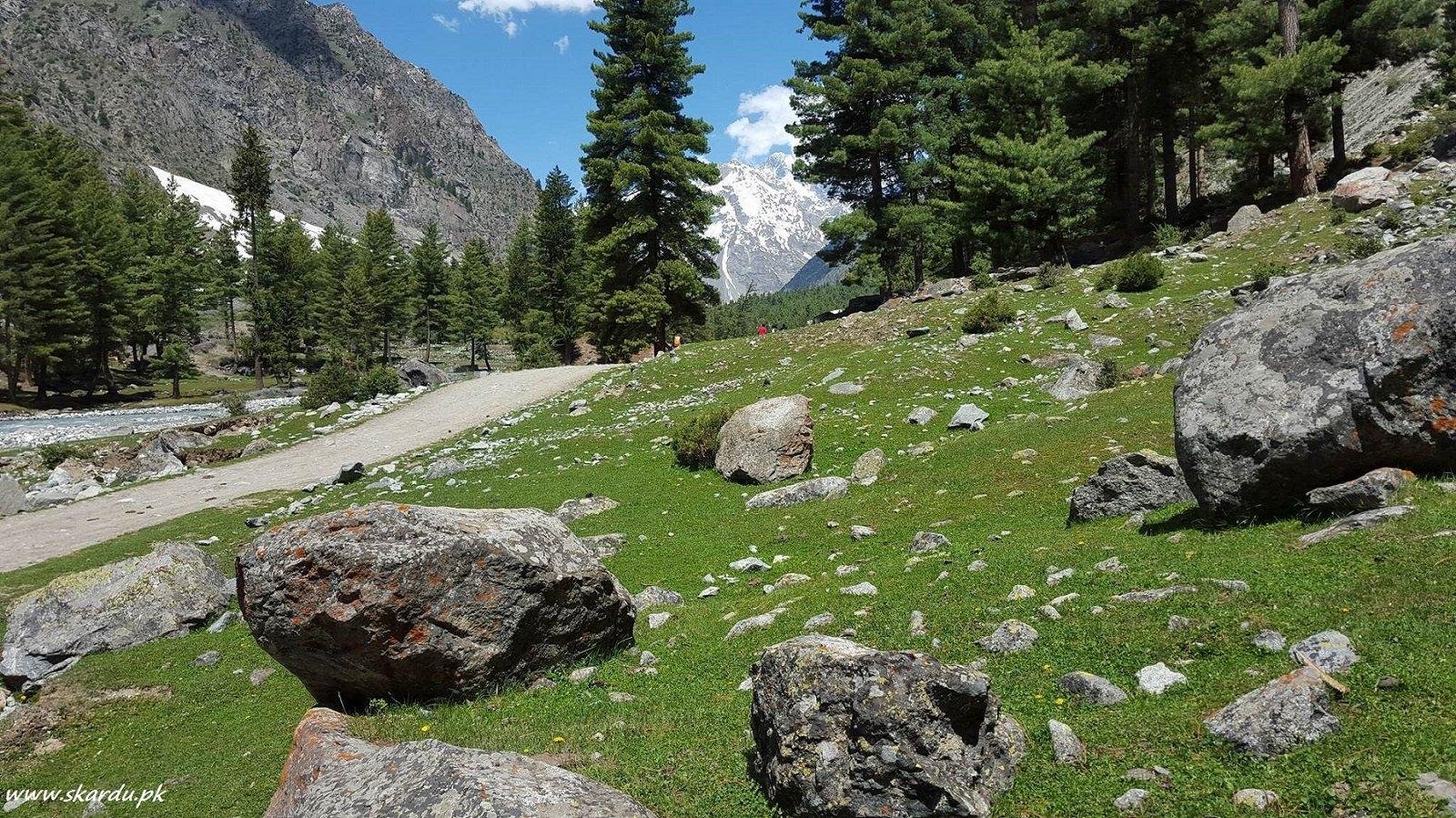
Known for its colorful lakes, dense pine forests, ski slopes, and dramatic mountain scenery, Naltar offers a different experience from the high-altitude deserts of Hunza and Skardu. The valley is characterized by thick forests, green meadows, glacier-fed streams, and a cooler climate that attracts visitors throughout the year.
While many travelers visit for the famous Naltar Lakes, the valley also serves as Pakistan's premier ski destination and provides access to several trekking routes through the surrounding mountains.
Despite being located relatively close to Gilgit, Naltar retains a remote atmosphere because access beyond the lower valley requires specialized vehicles and mountain driving experience.
Why Visit Naltar – Lakes, Skiing & Untouched Scenery
Naltar is often considered one of Gilgit-Baltistan's most underrated destinations.
Visitors come for:
- colorful alpine lakes
- pine forests
- mountain photography
- skiing
- trekking
- wildlife observation
- peaceful landscapes
- cool summer weather
Unlike more developed destinations, much of Naltar remains relatively untouched, allowing travelers to experience a quieter side of northern Pakistan.
The valley offers striking seasonal contrasts.
In summer:
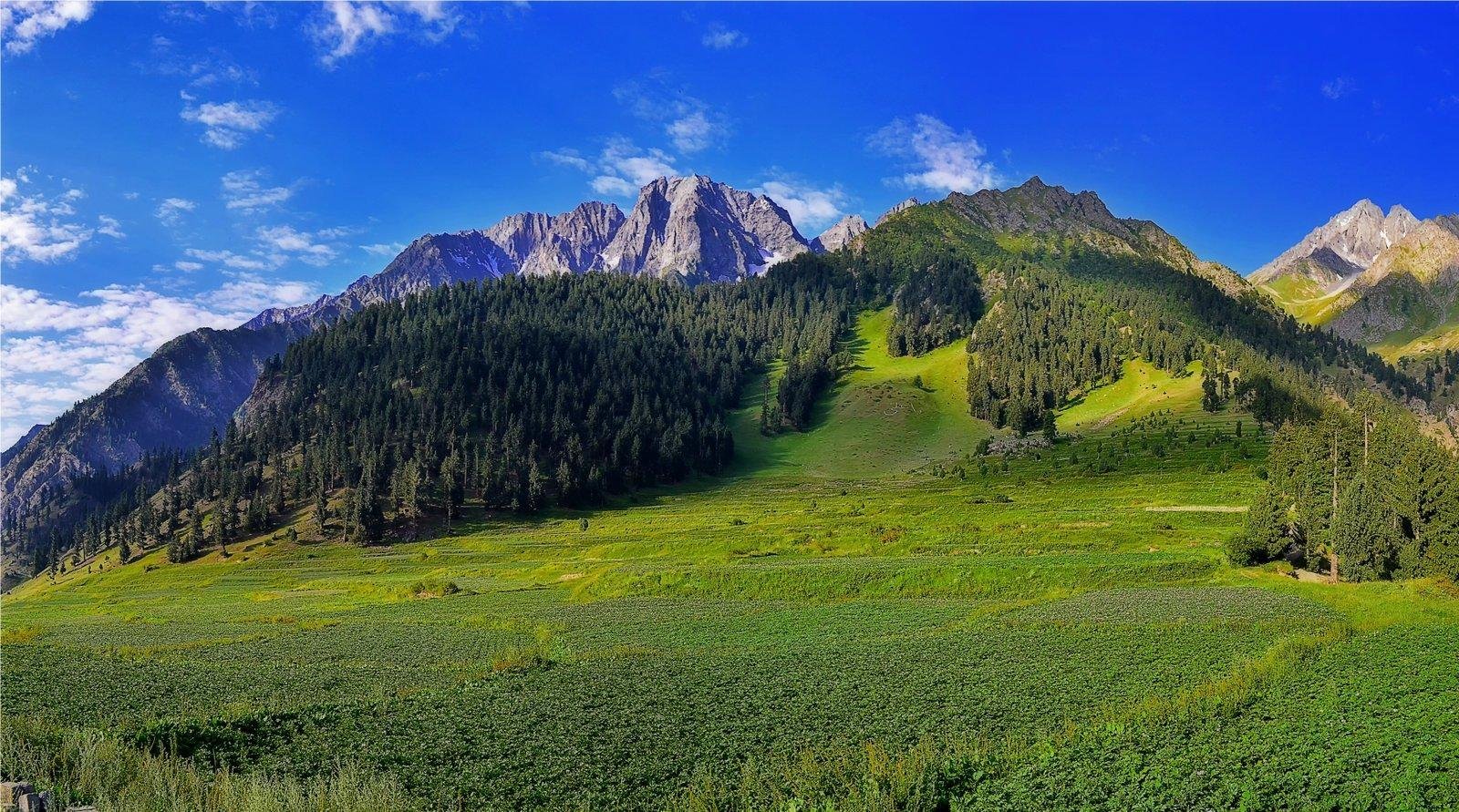
- forests are lush and green
- lakes display vibrant colors
- trekking routes become accessible
In winter:
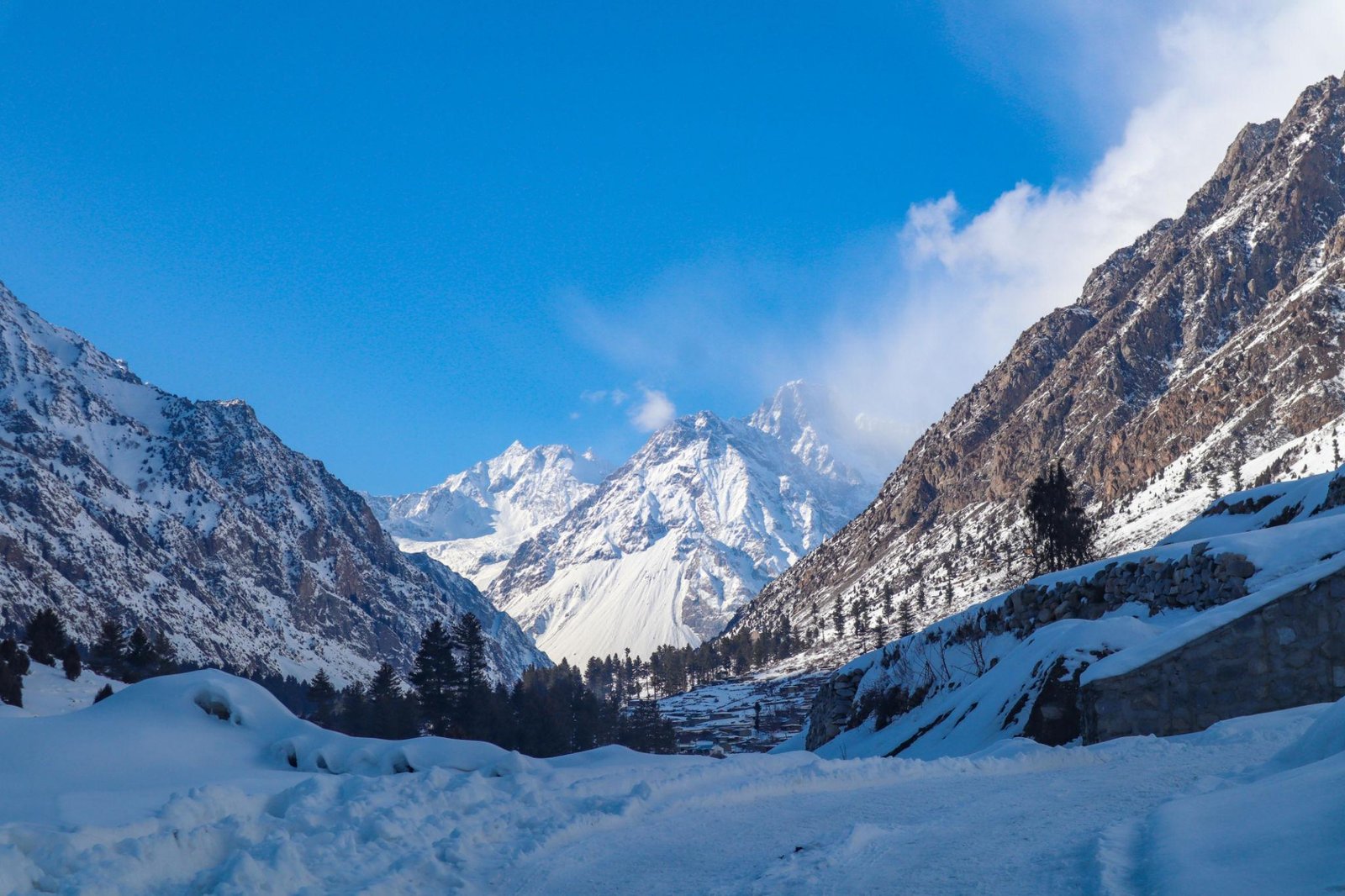
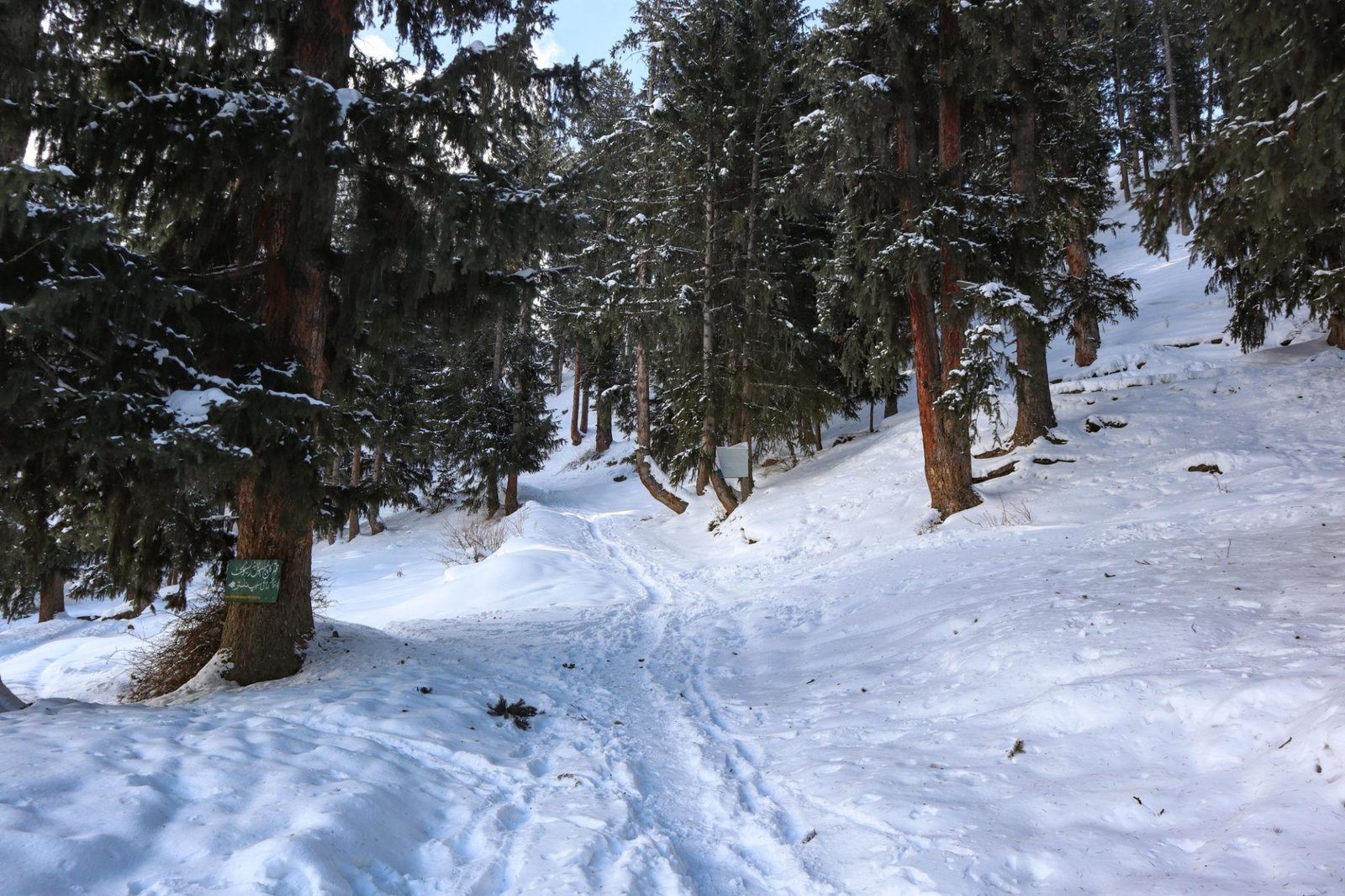
- heavy snowfall transforms the landscape
- ski slopes become active
- frozen forests create spectacular scenery
Best Time to Visit
Naltar can be visited throughout the year, although the experience differs significantly by season.
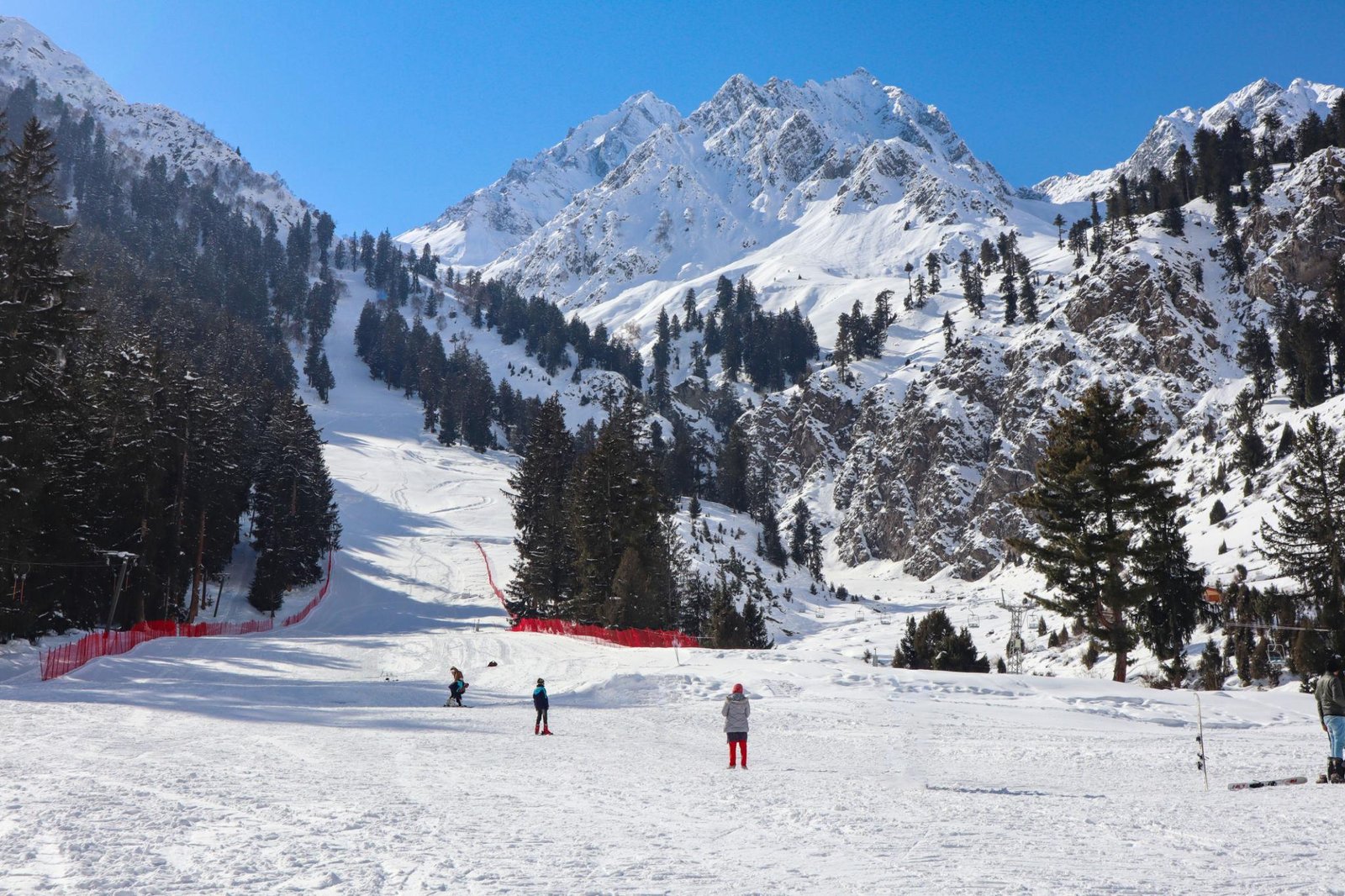
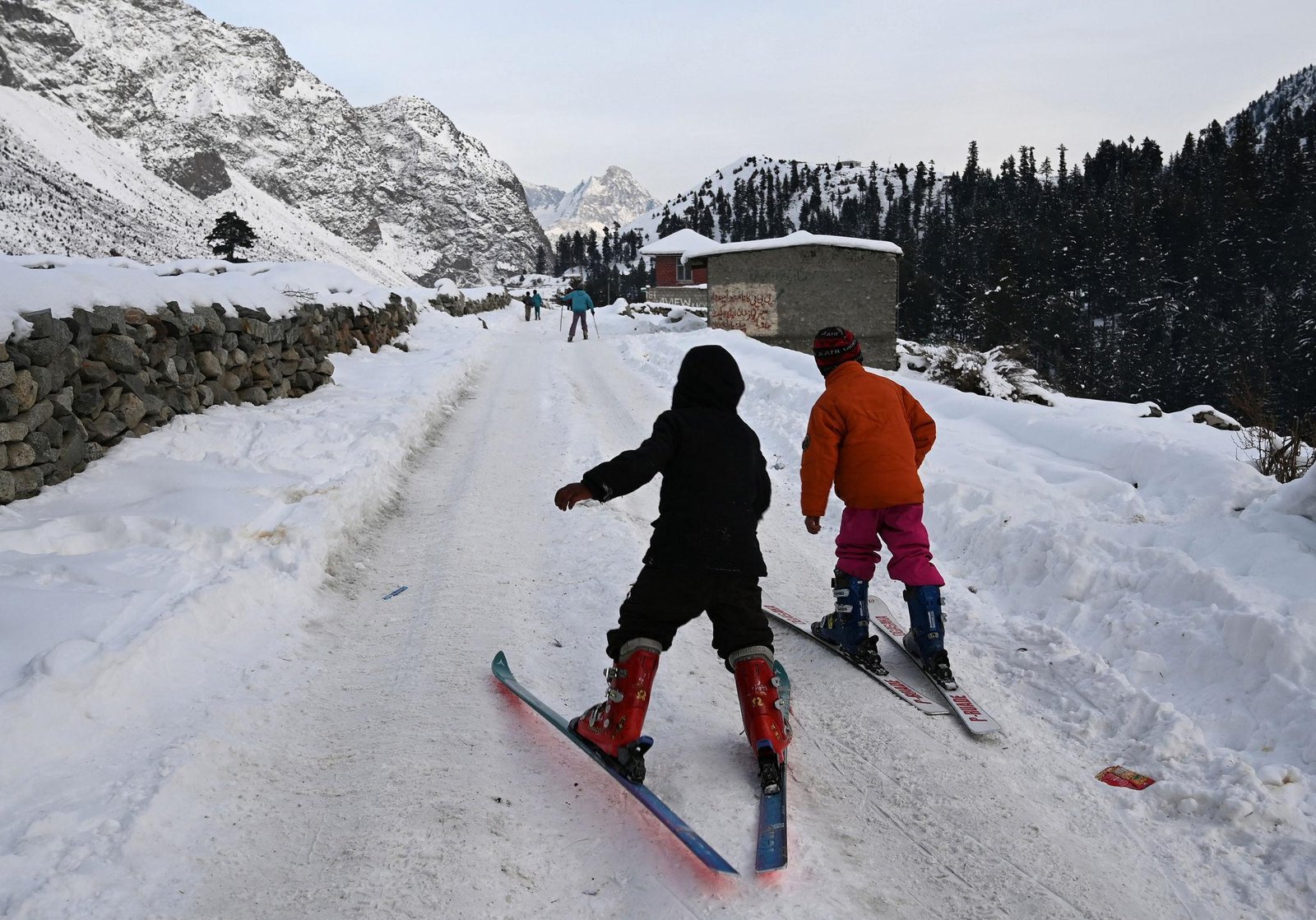
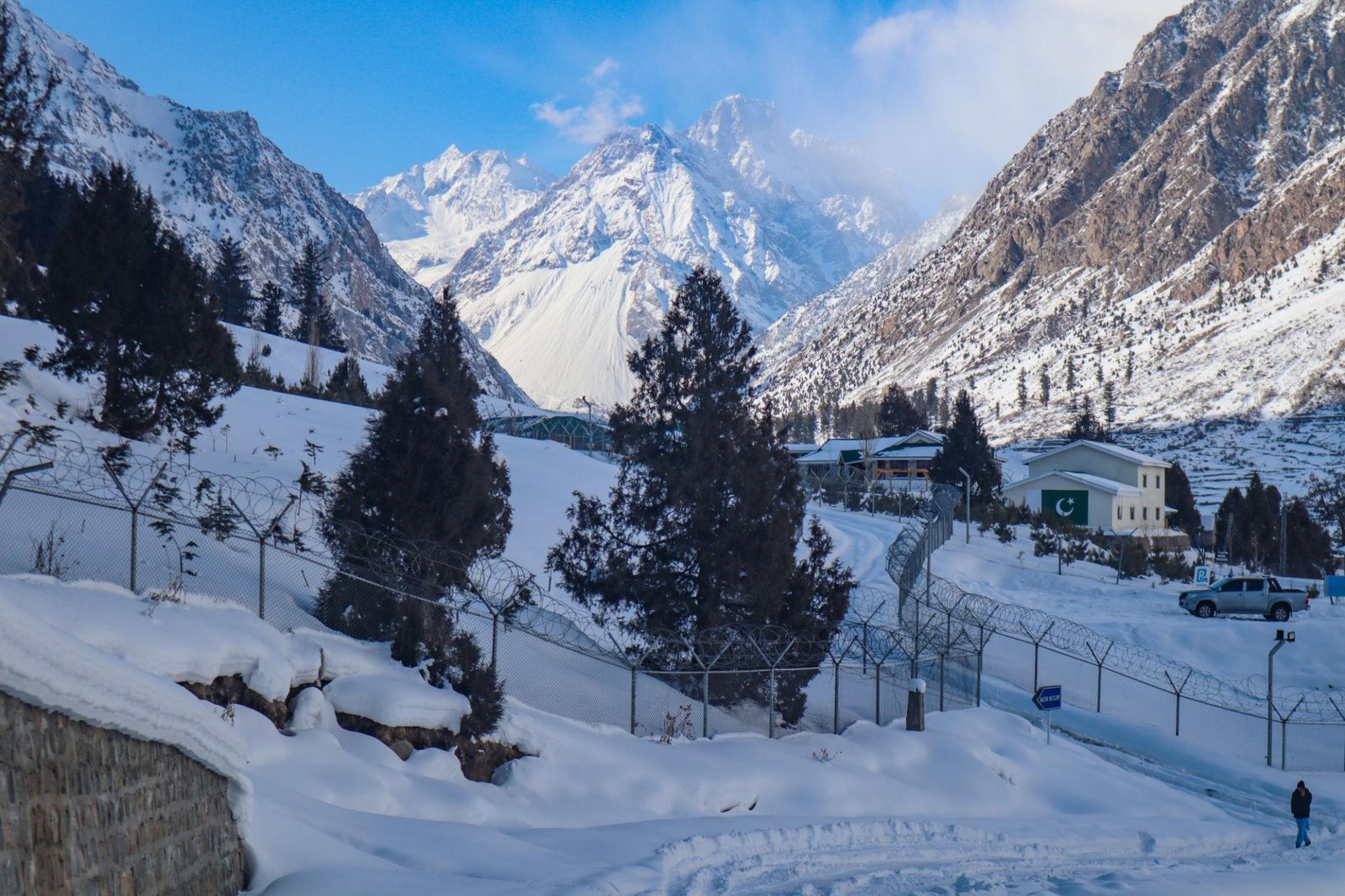
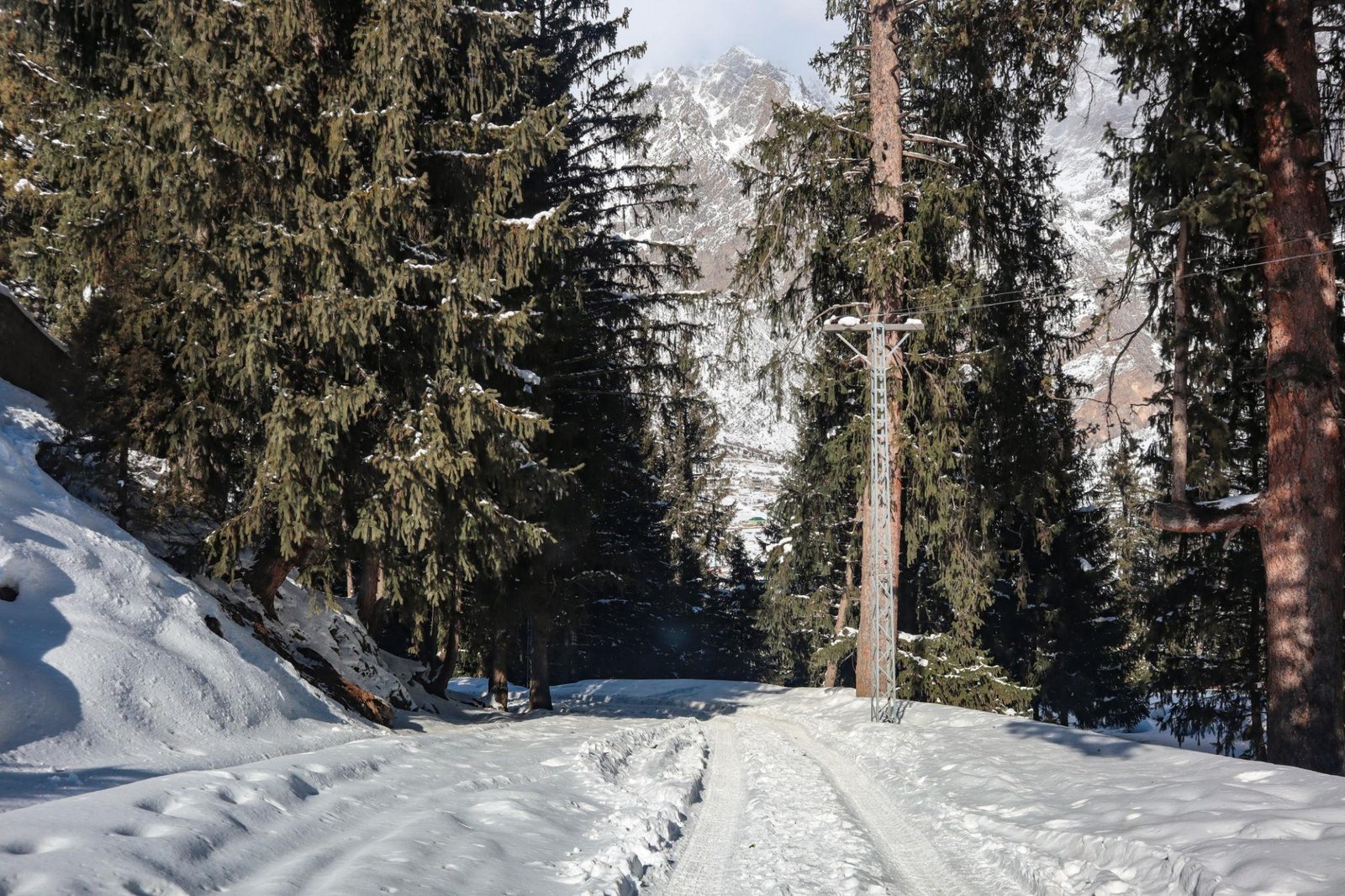
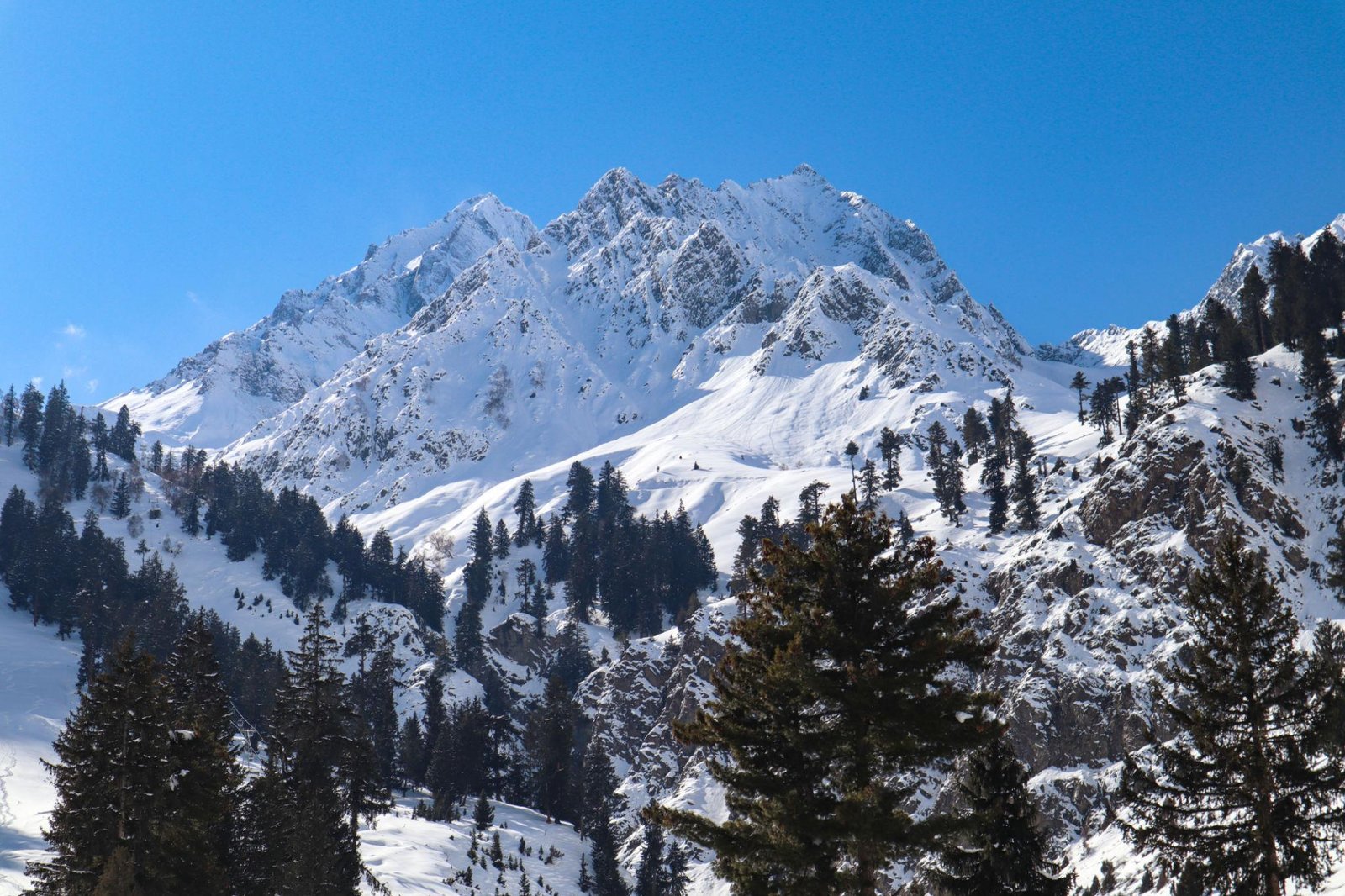
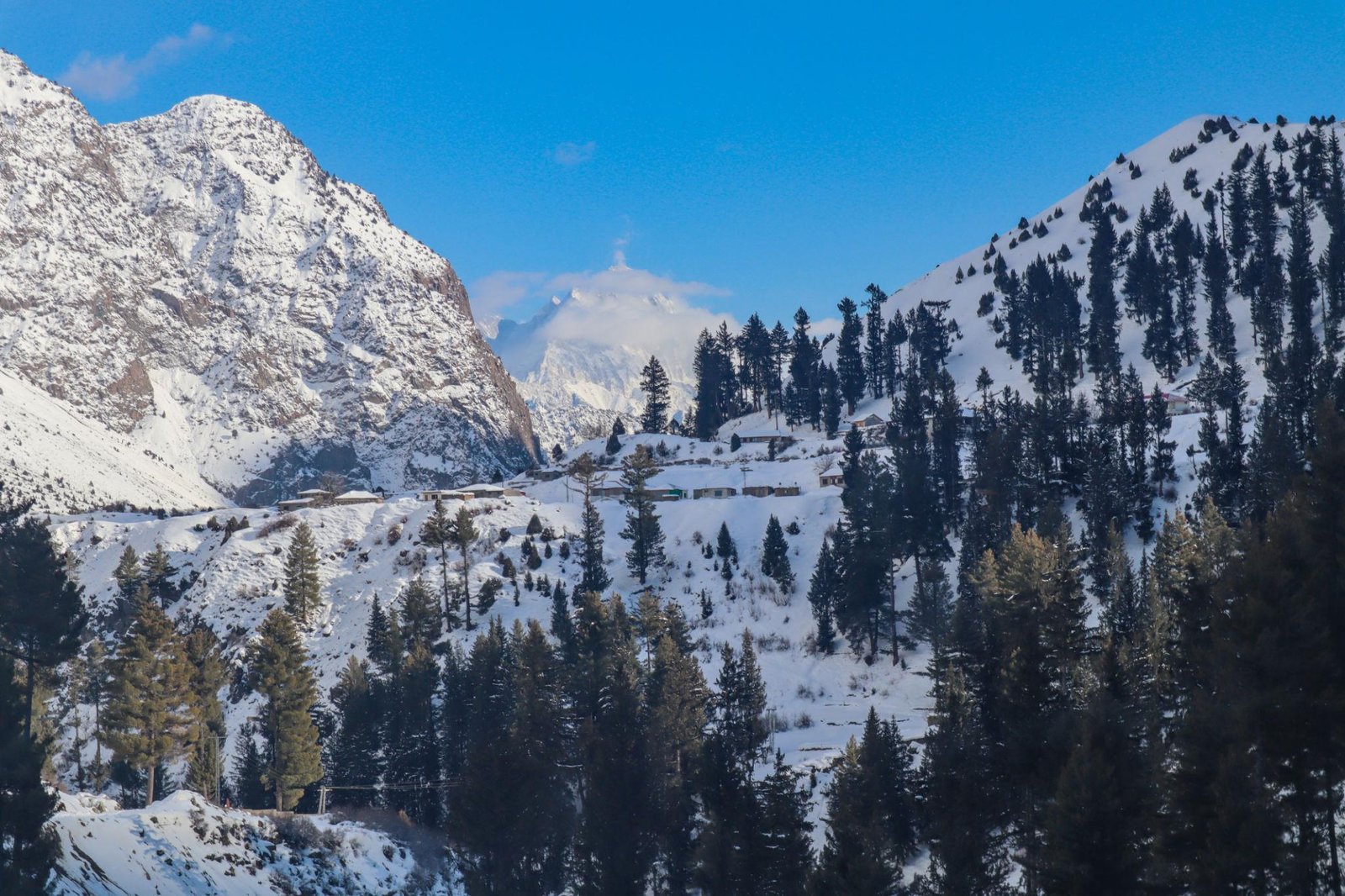
Winter (December–March) for Skiing
Winter transforms Naltar into Pakistan's leading ski destination.
Heavy snowfall covers:
- forests
- villages
- mountain slopes
- surrounding peaks
The season attracts:
- skiers
- snowboarders
- winter photographers
- adventure travelers
Temperatures can fall well below freezing, and access occasionally becomes difficult during heavy snow periods.
Summer (May–September) for Lakes & Trekking
Summer is the most popular season for general tourism.
Visitors can enjoy:
- colorful lakes
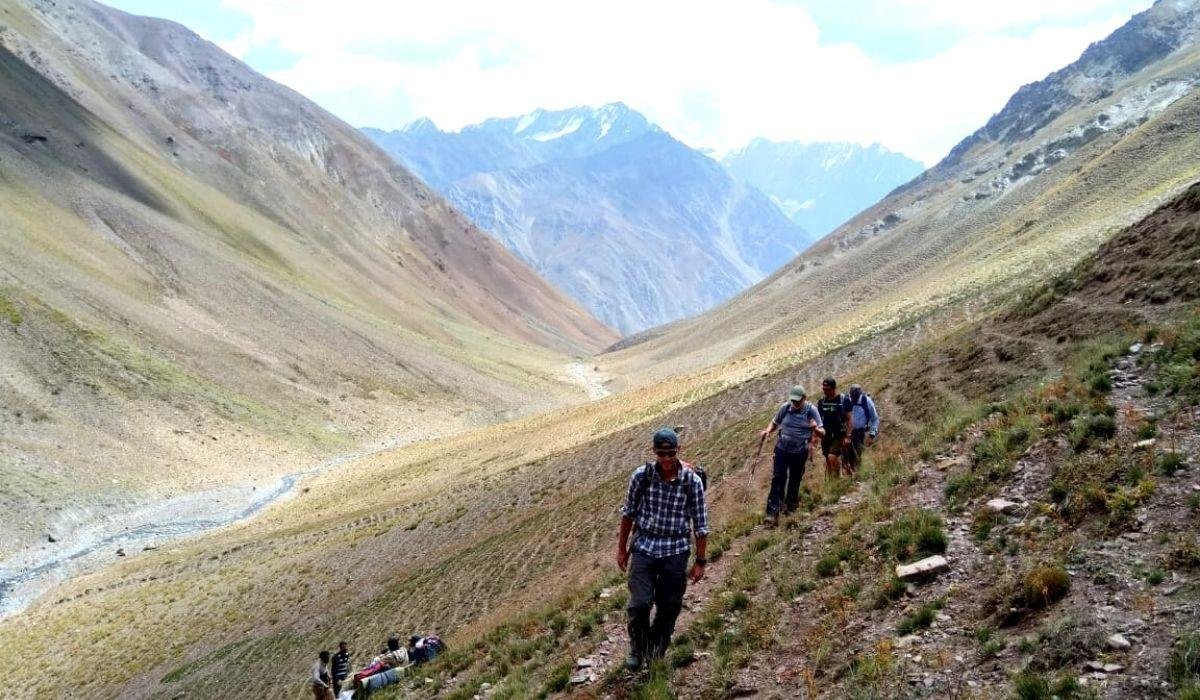
- trekking routes
- forest walks
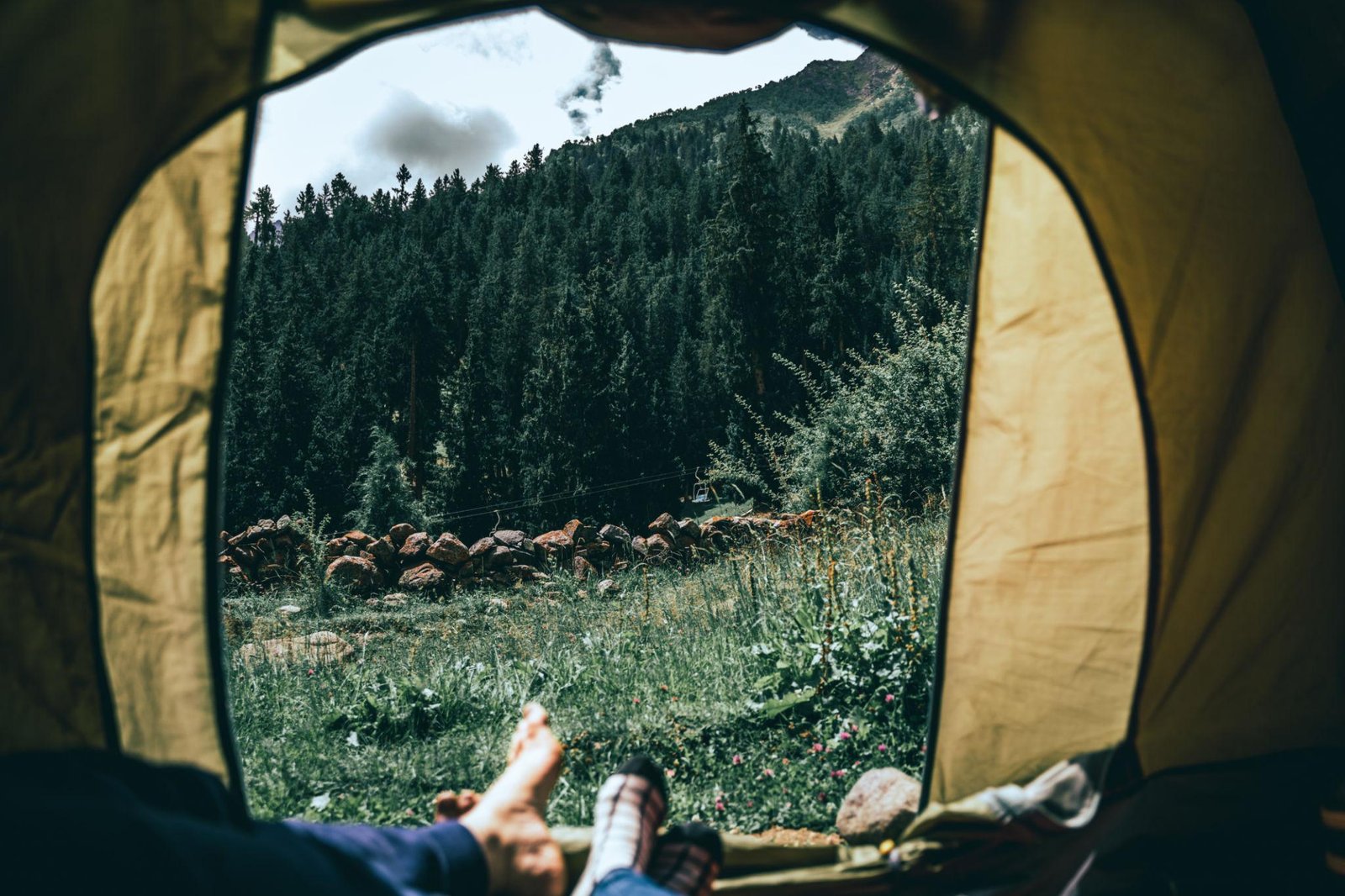
- camping
- photography
Daytime temperatures remain pleasant, making Naltar an excellent escape from the warmer lowlands of Pakistan.
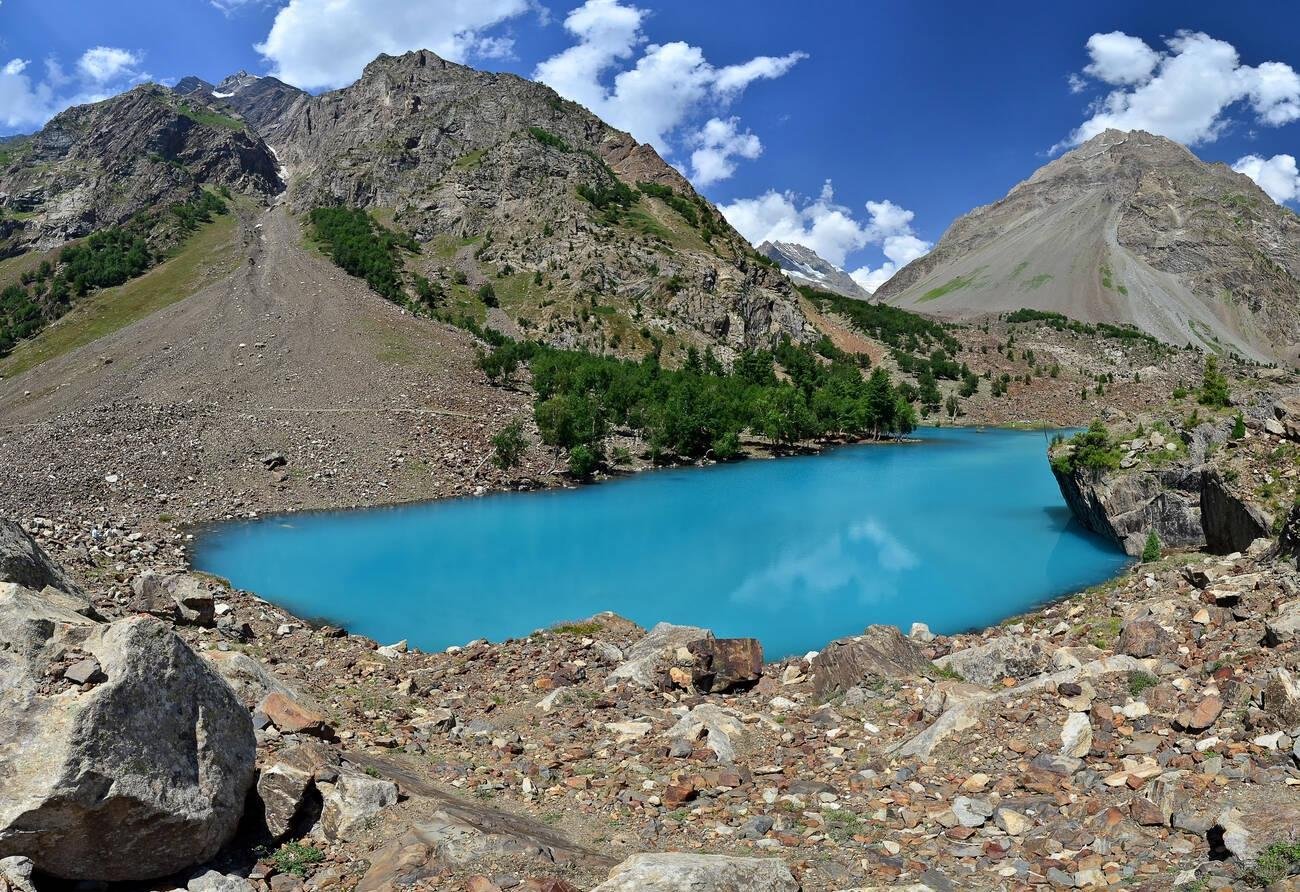
The lakes are typically at their most vibrant between June and September.
How to Get to Naltar Valley
Reaching Naltar requires traveling through Gilgit before continuing into the valley.
From Gilgit (45 km, 2 Hours by Jeep)
The valley lies approximately 45 kilometers from:
Gilgit
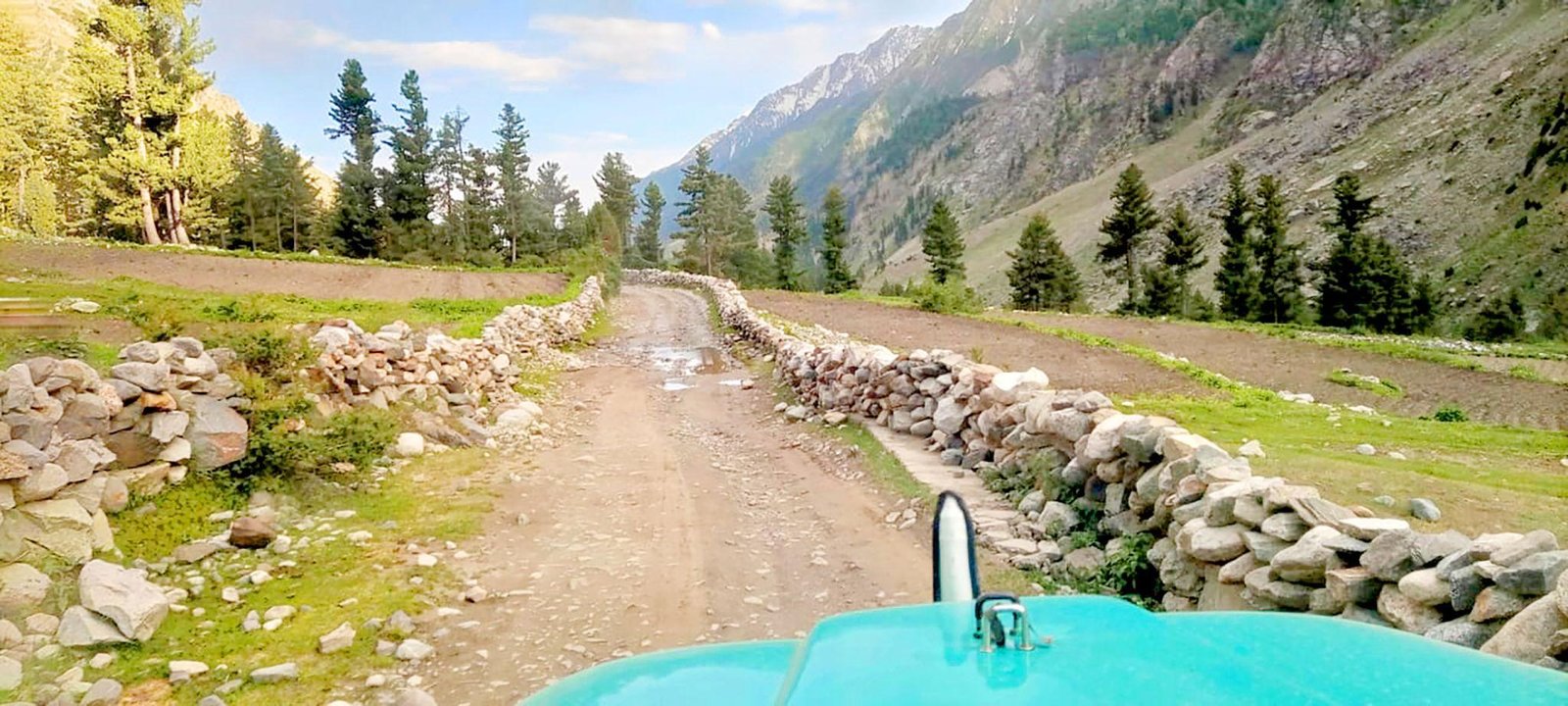
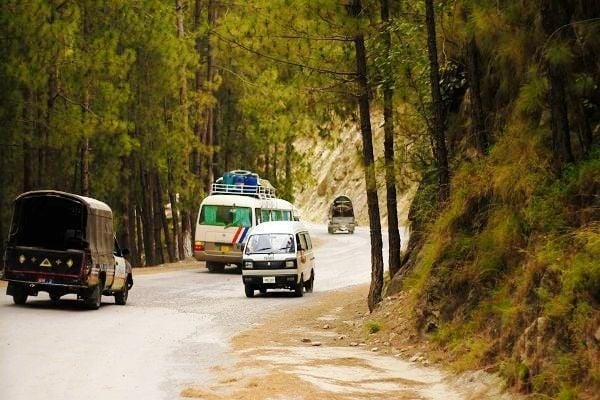
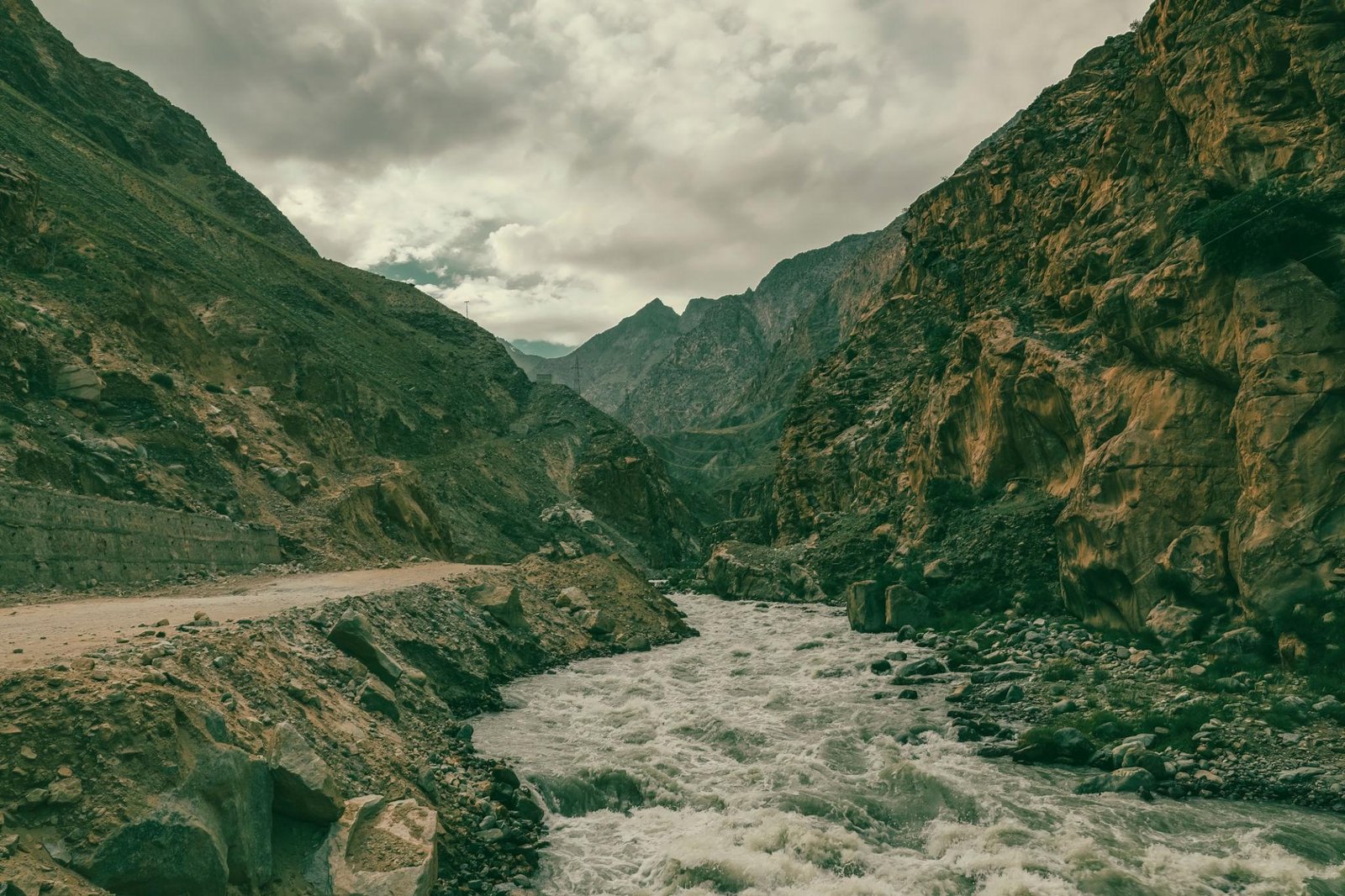
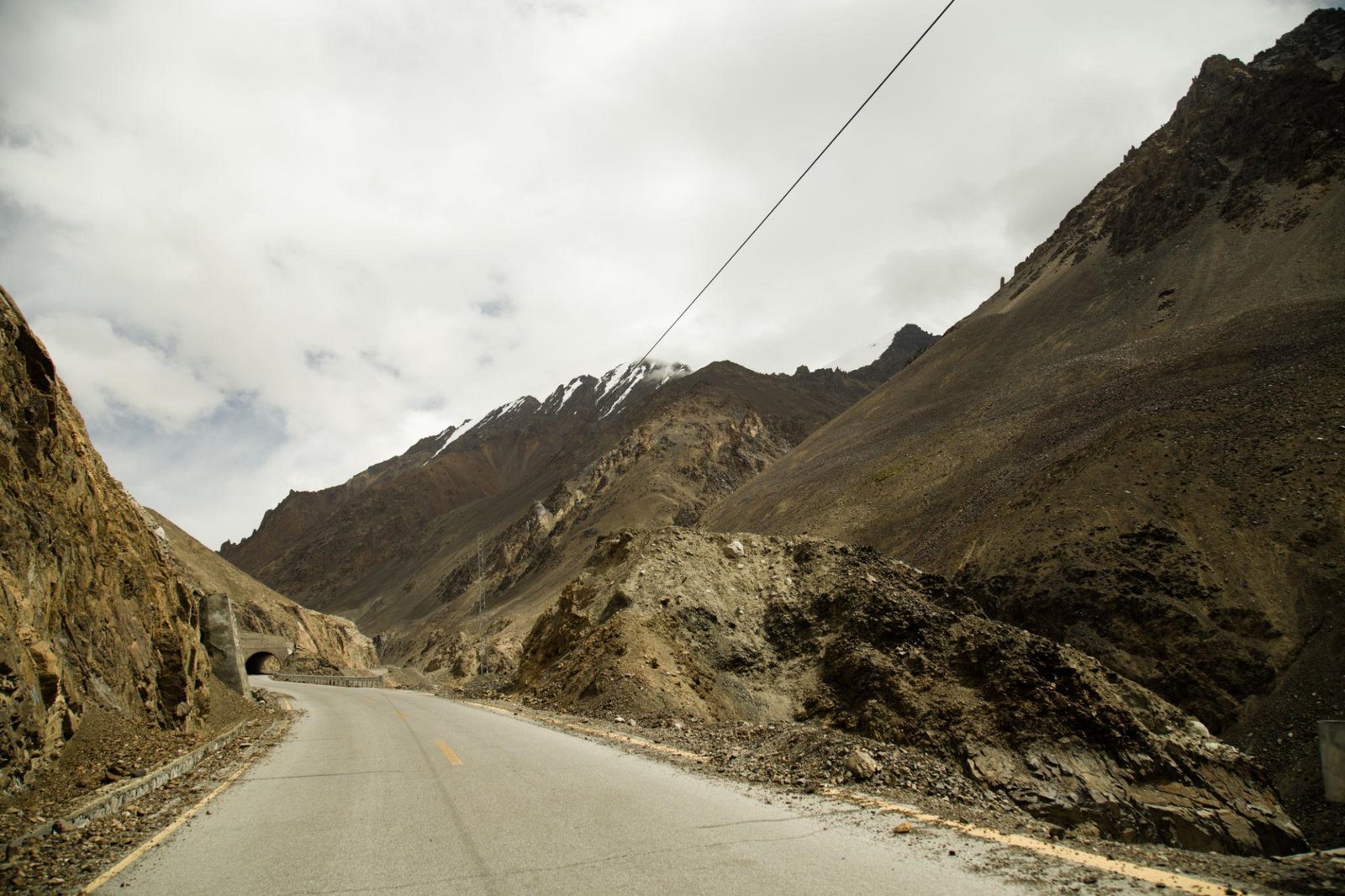
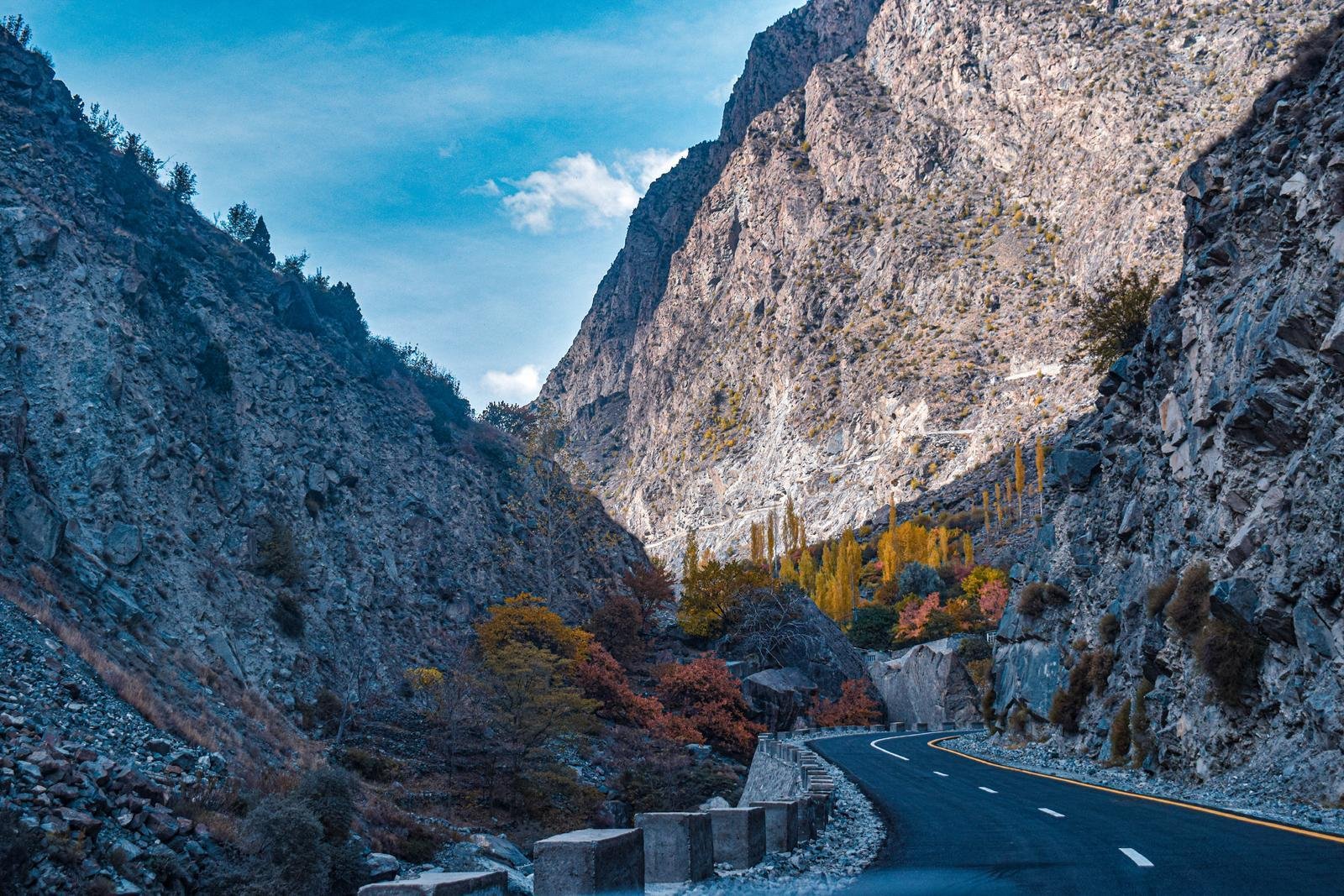
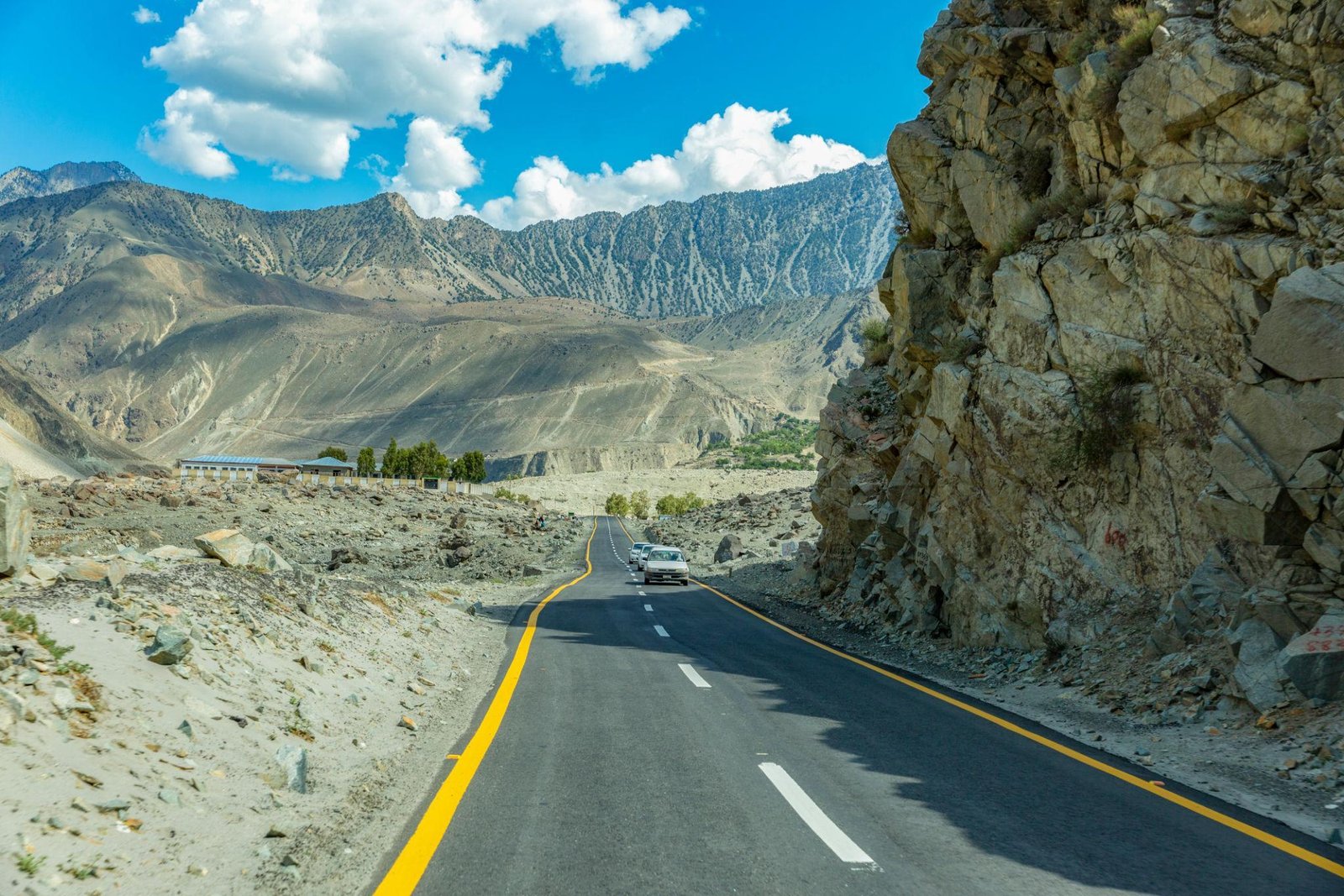
The journey begins on a paved road before transitioning into rough mountain tracks deeper into the valley.
Although the distance is relatively short, the journey generally takes around two hours because of road conditions and steep terrain.
Travelers are rewarded with increasingly dramatic scenery as forests replace the dry landscapes surrounding Gilgit.
Road Conditions & Jeep Hire
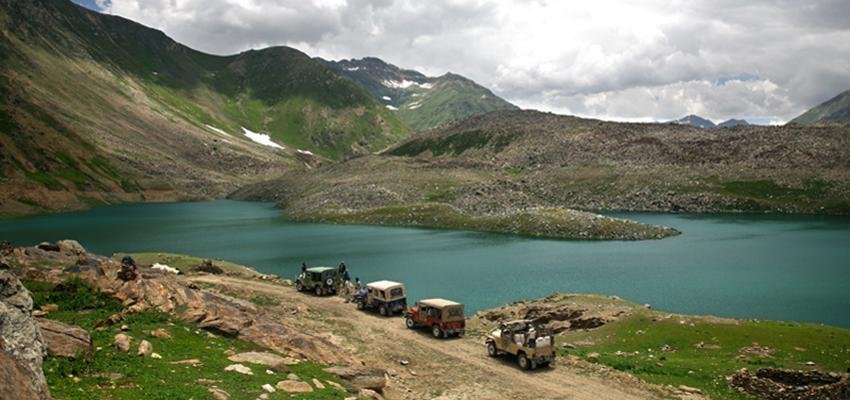
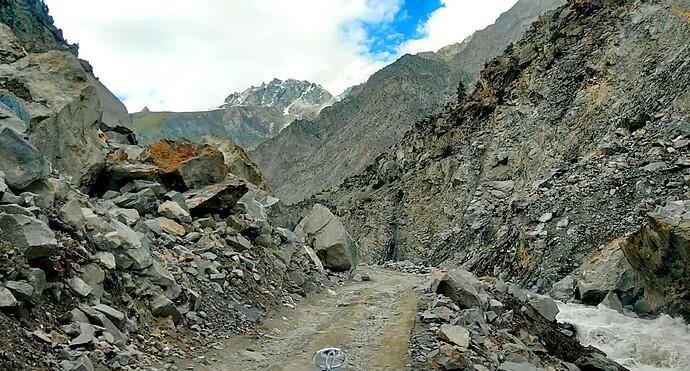
Road conditions beyond the lower valley are rough and often unsuitable for ordinary vehicles.
Most visitors hire:
- local jeeps
- experienced drivers
- tour operators
The road contains:
- rocky sections
- steep climbs
- narrow mountain tracks
- seasonal water crossings
Hiring a local driver familiar with Naltar's terrain is highly recommended.
PAF Naltar Permit Requirements
Parts of the Naltar region fall under the management of the Pakistan Air Force due to the presence of ski facilities and associated infrastructure.
Permit requirements can occasionally change.
Visitors should verify:
- access regulations
- identification requirements
- photography restrictions
before traveling.
Travel agencies and local authorities in Gilgit can usually provide updated guidance regarding access procedures.
Naltar Lakes – The Rainbow Lakes
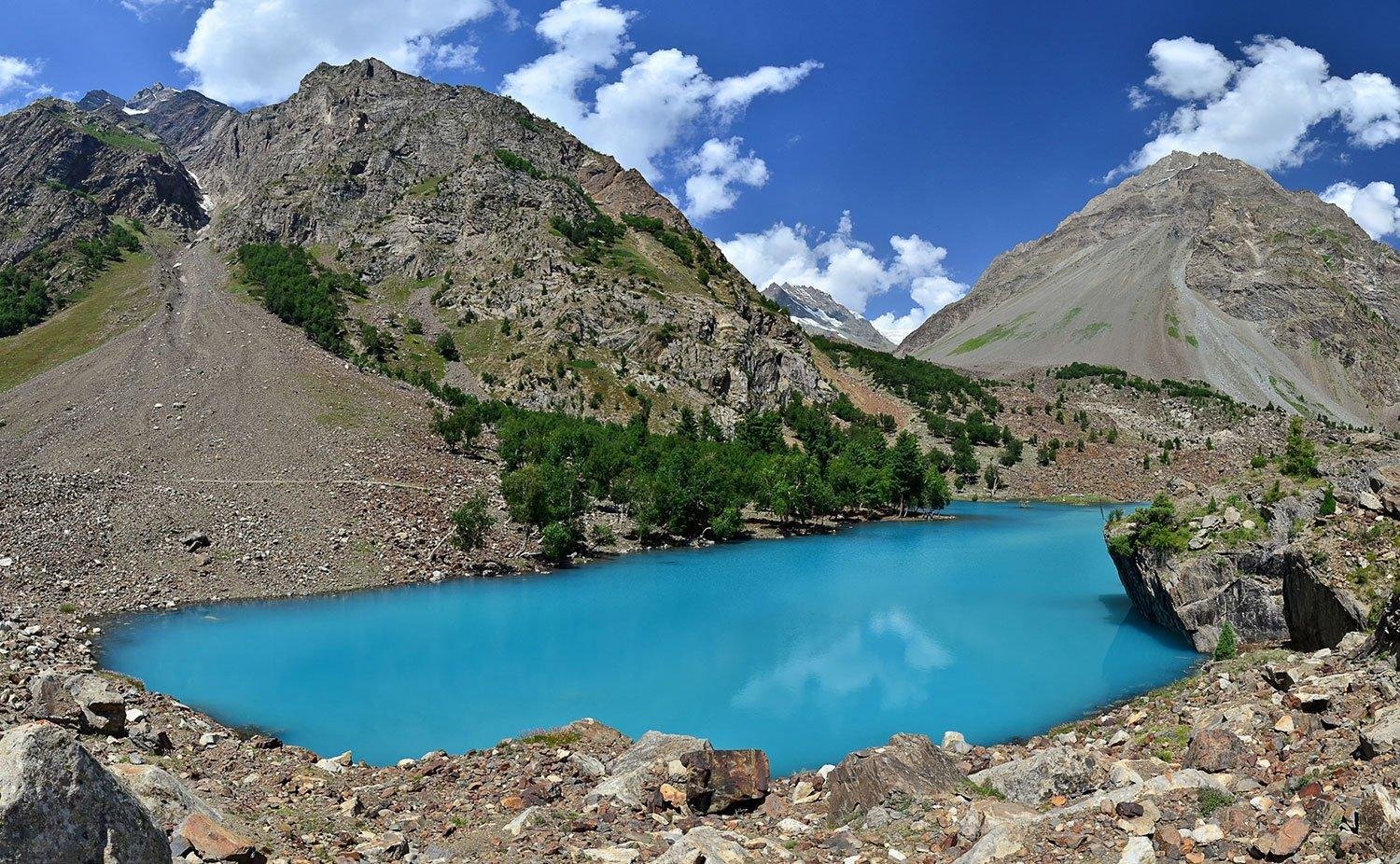
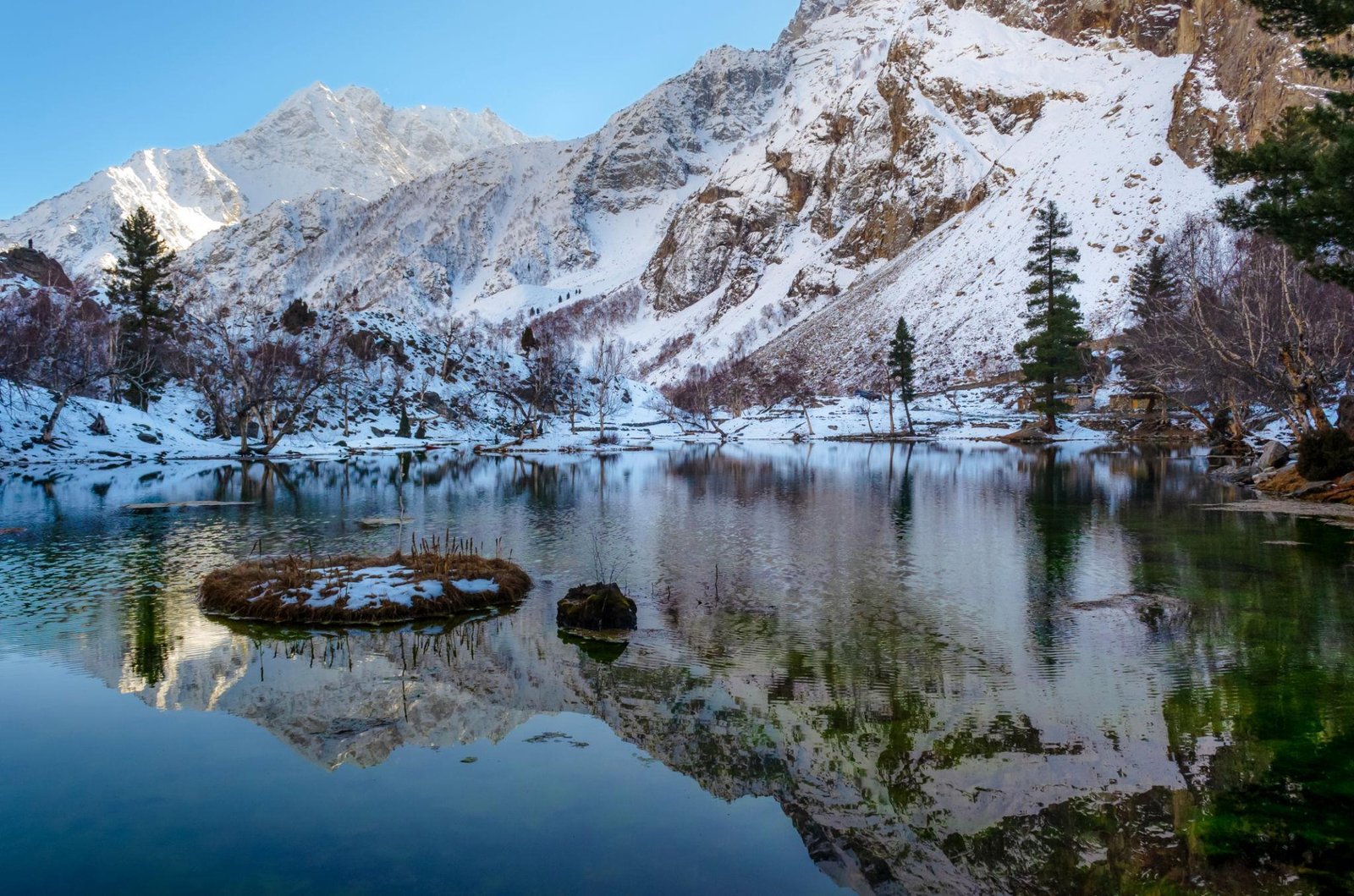
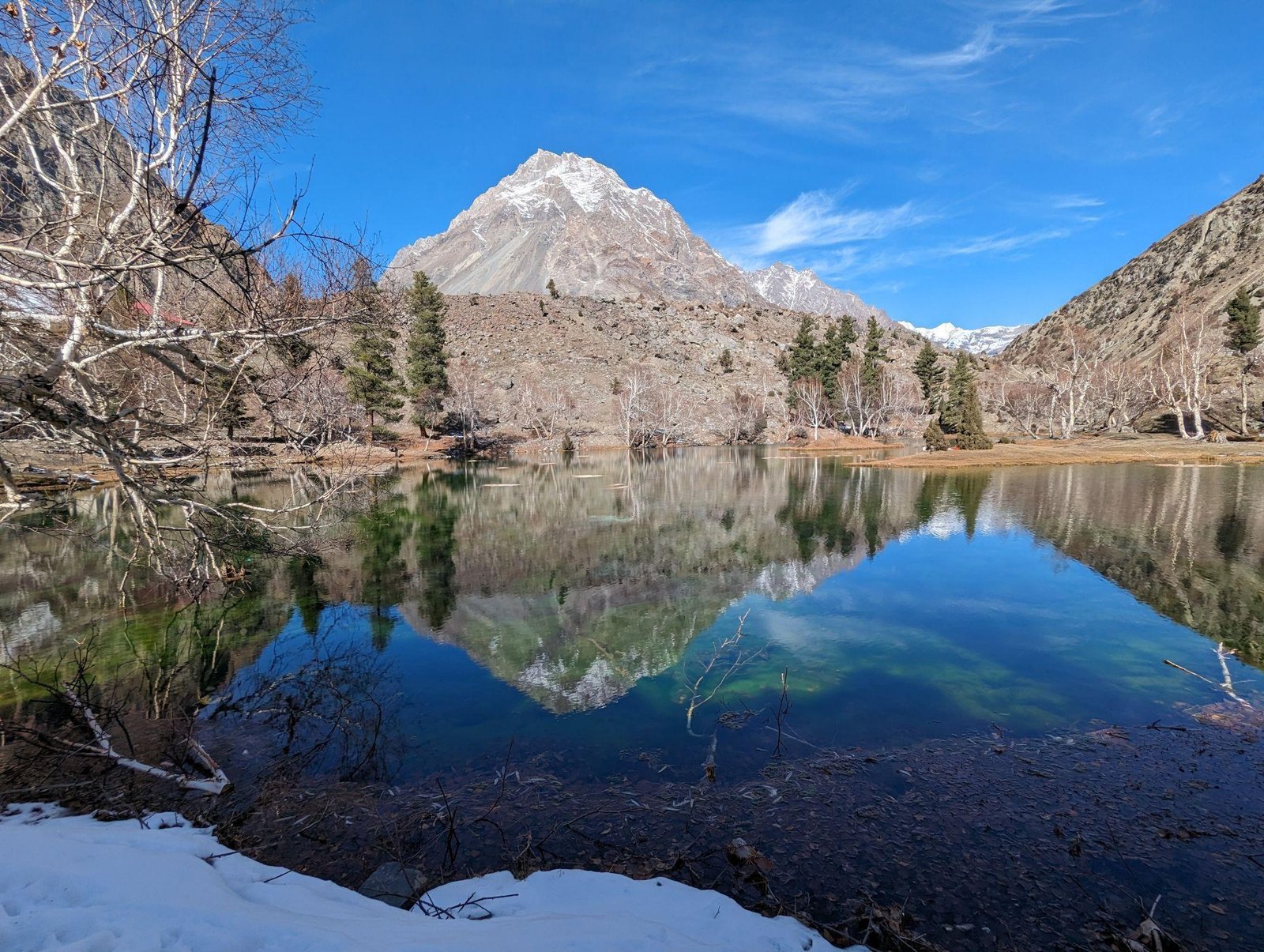
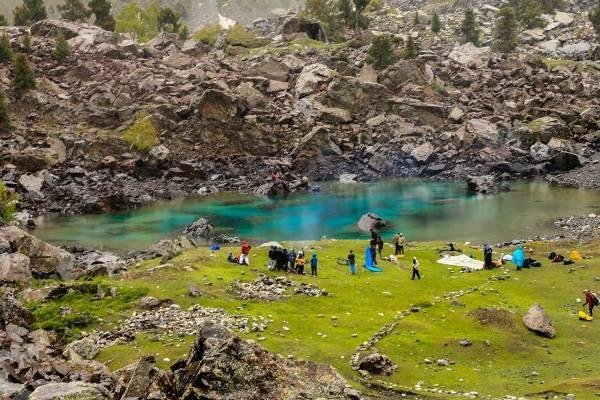
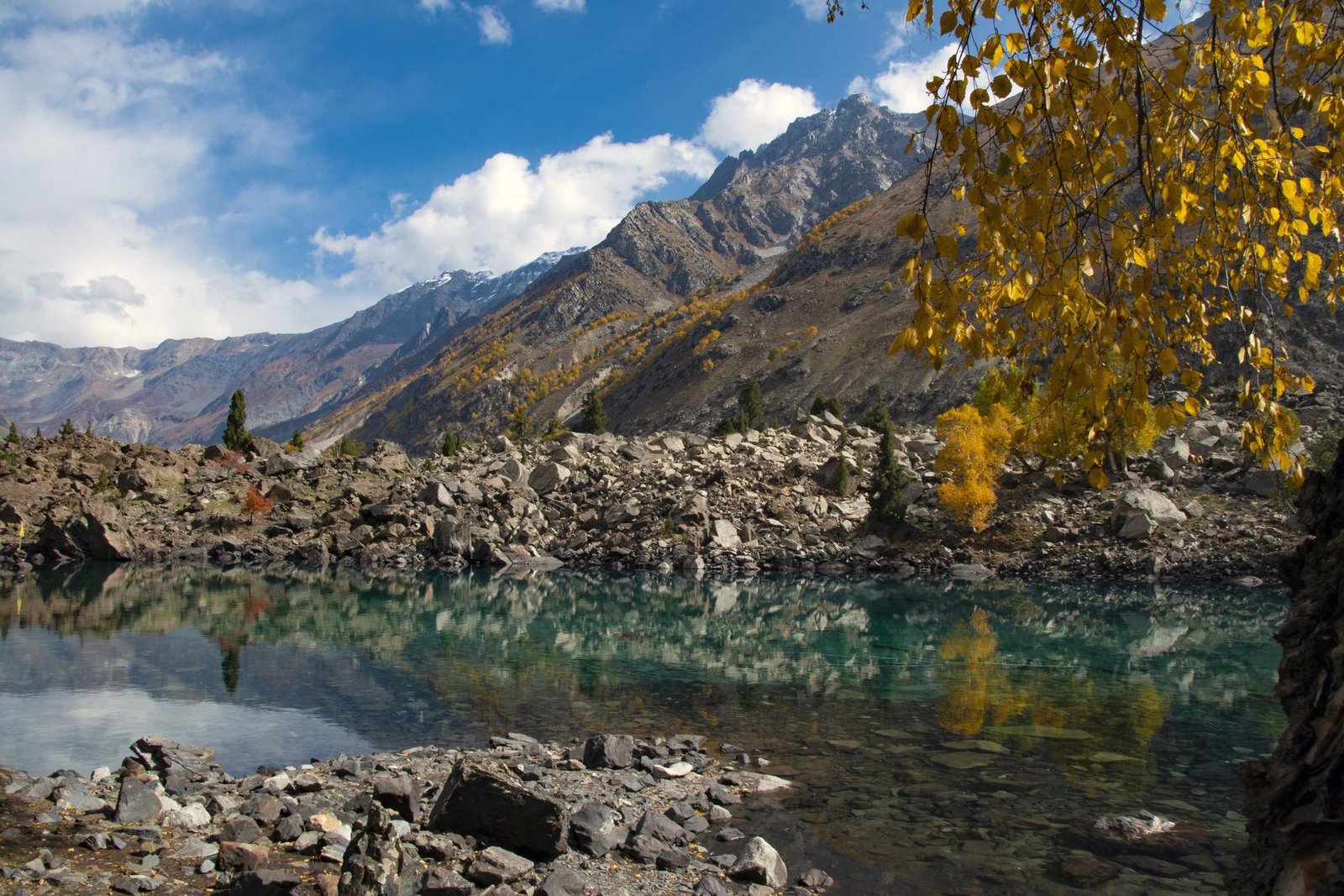
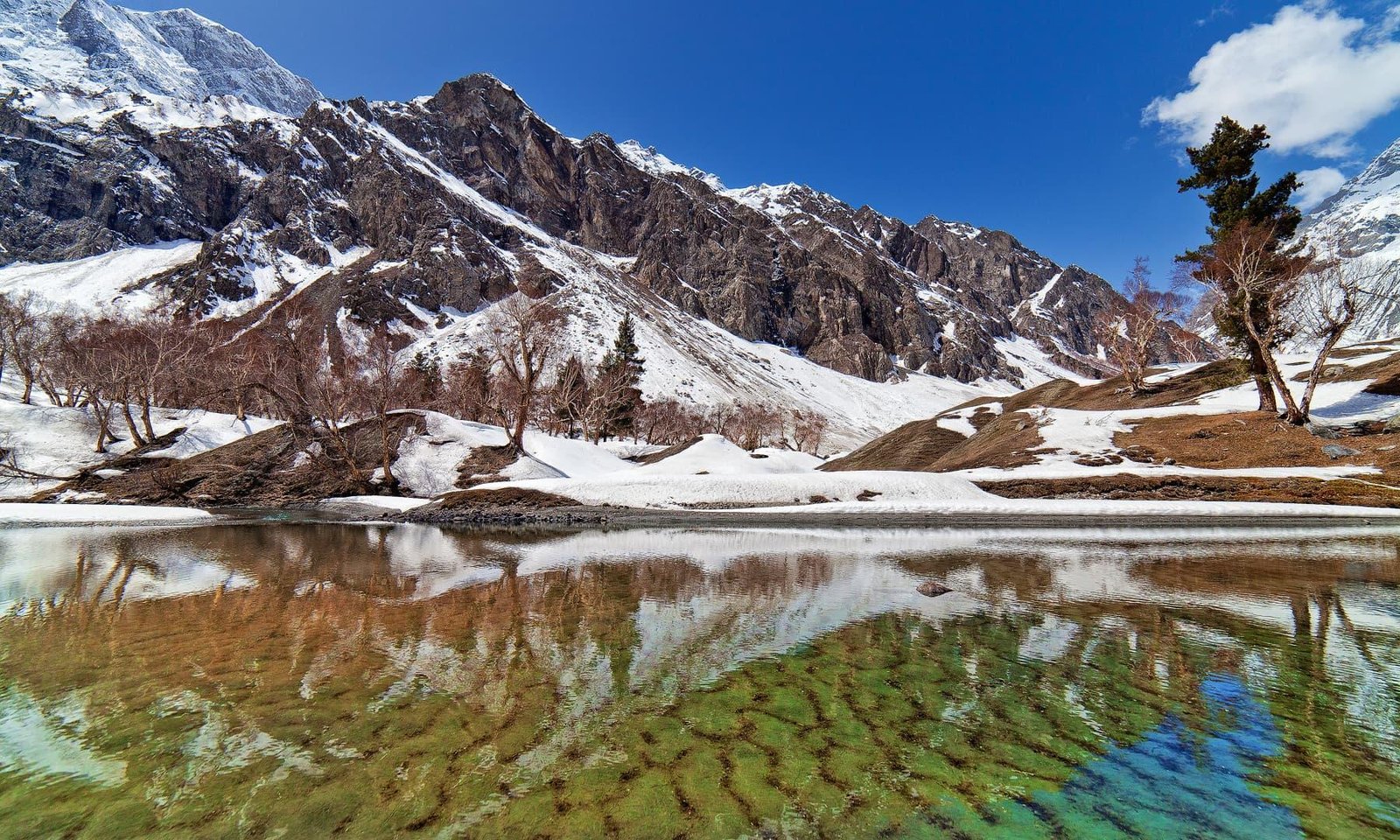
The lakes of Naltar are the valley's most famous attraction.
Their unusual colors result from:
- mineral-rich water
- varying depths
- surrounding vegetation
- changing sunlight conditions
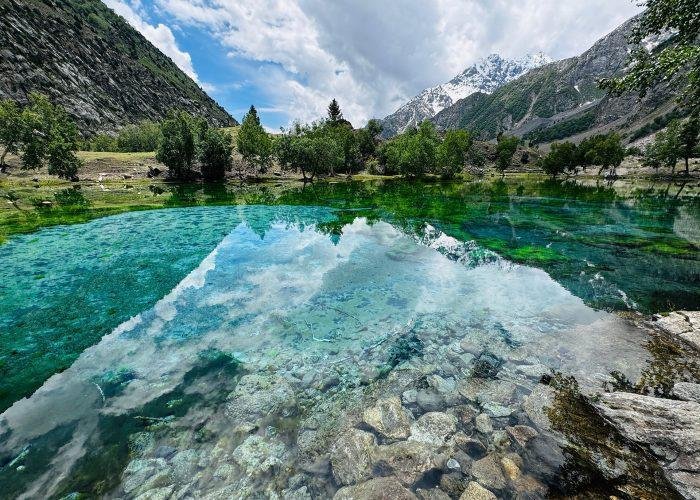
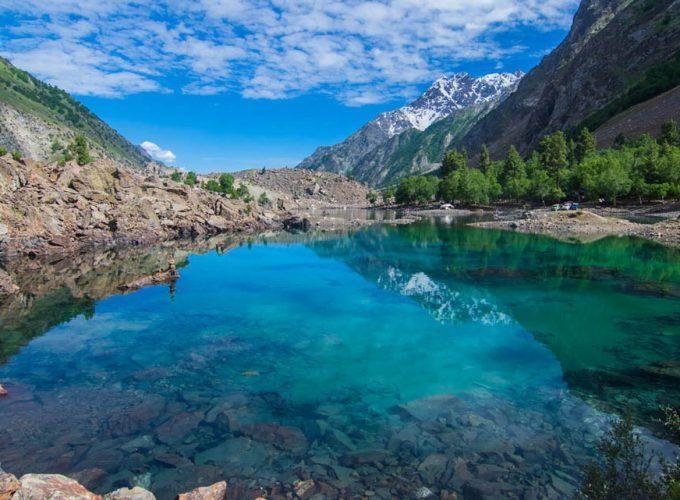
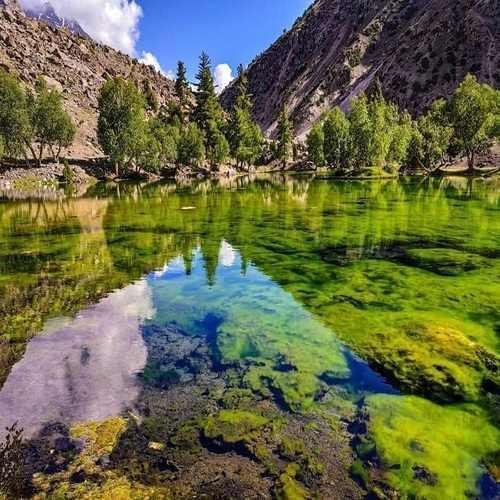
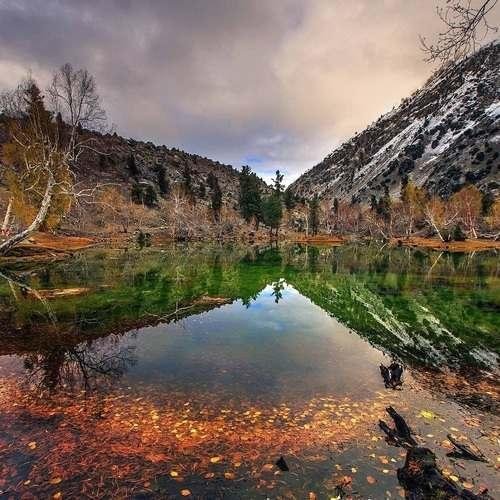
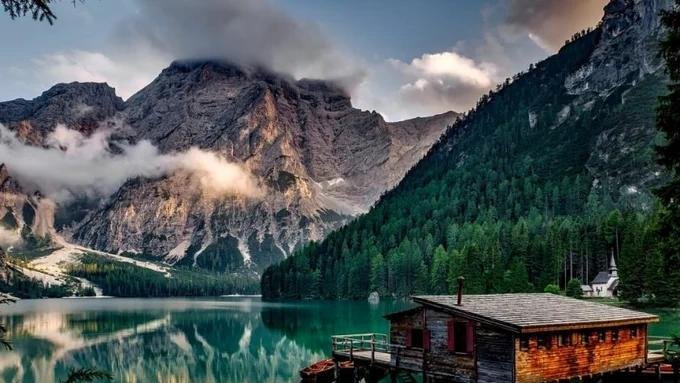
The lakes are surrounded by forests, meadows, and mountains, creating some of the most photogenic landscapes in Gilgit-Baltistan.
Naltar Lake (Blue Lake)
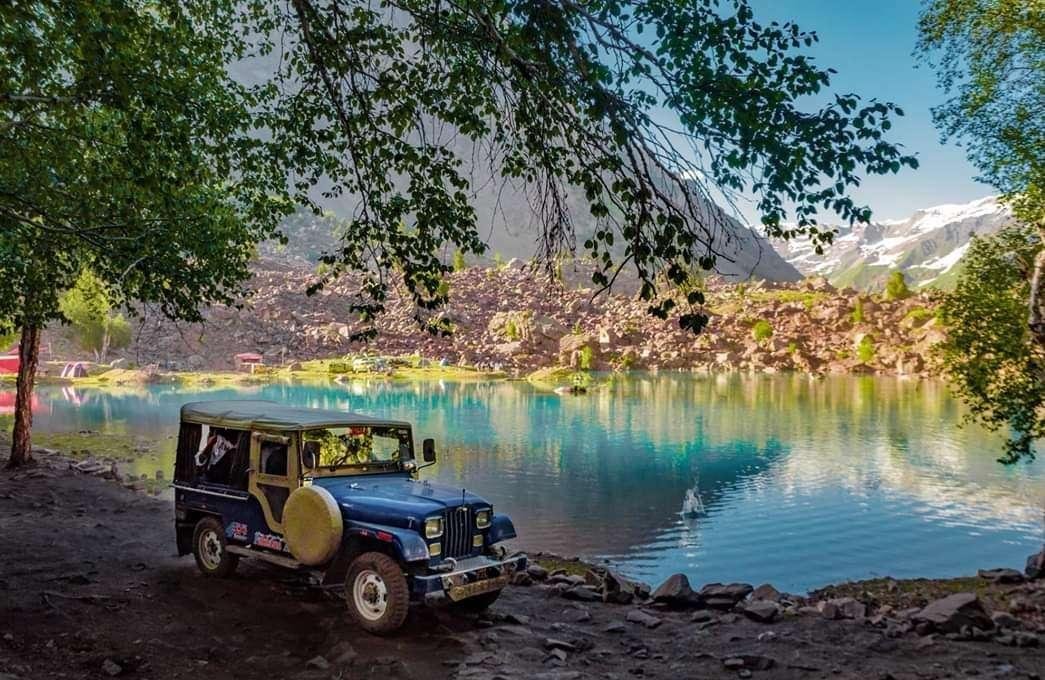
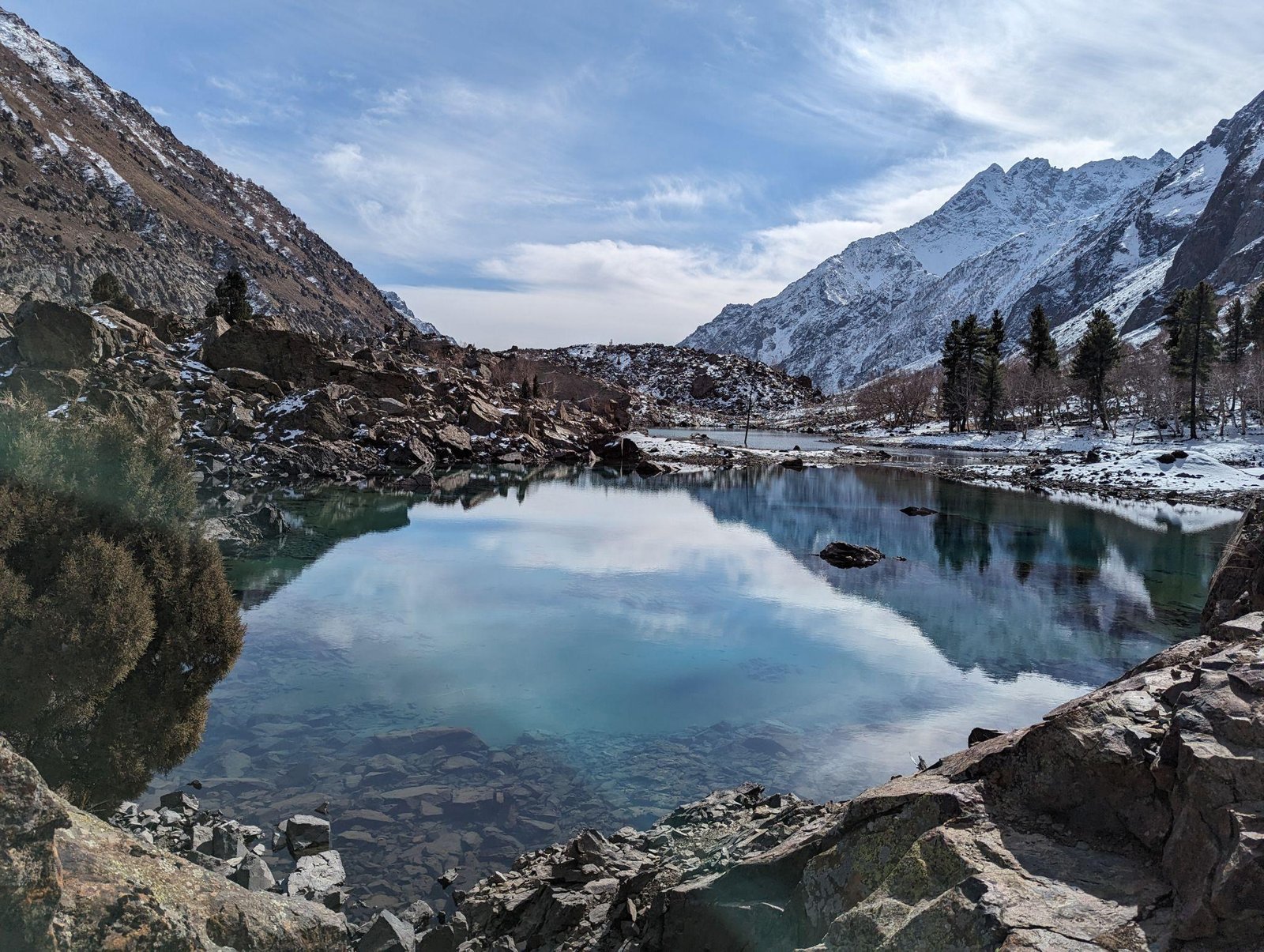
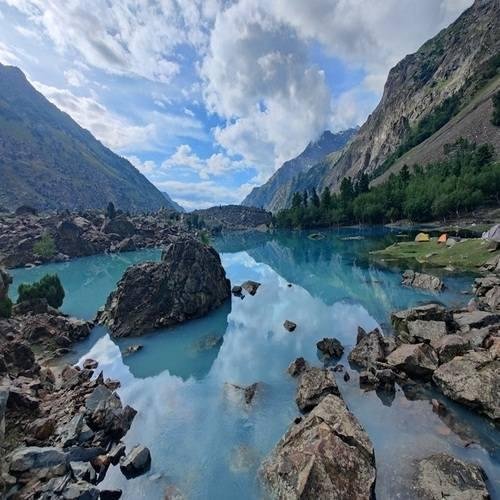
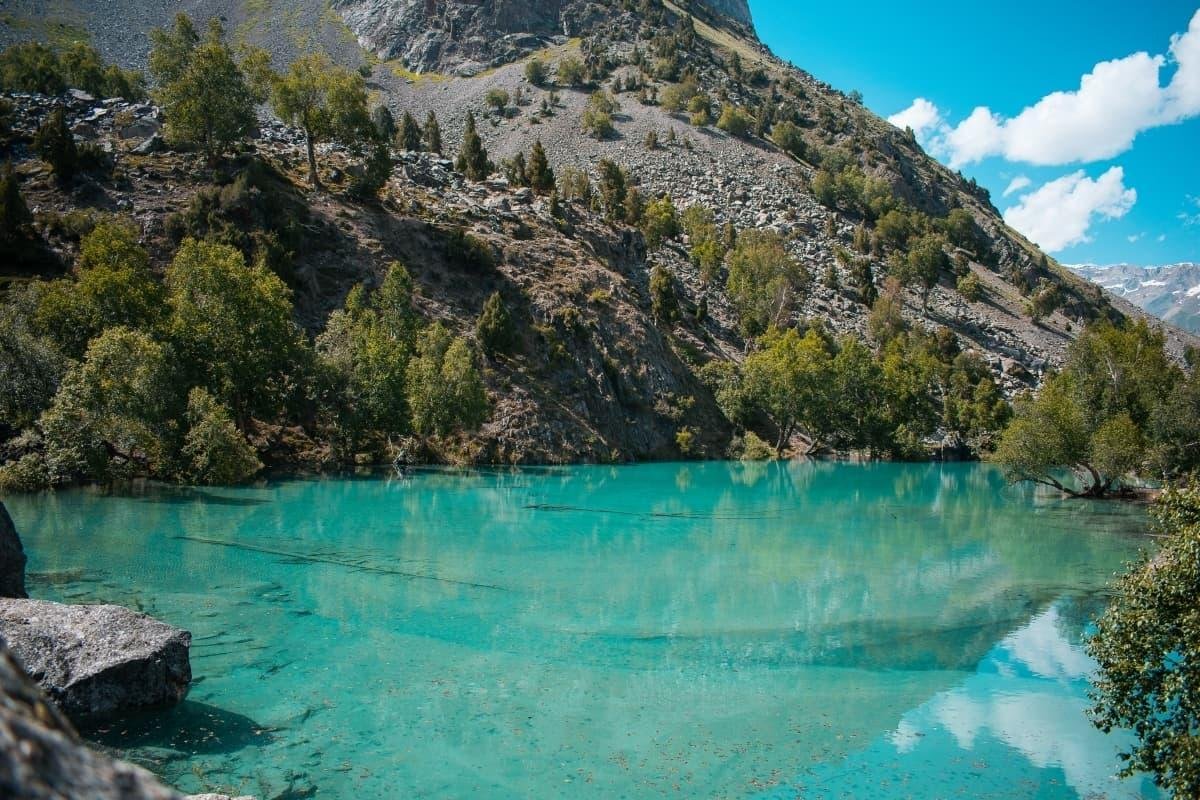
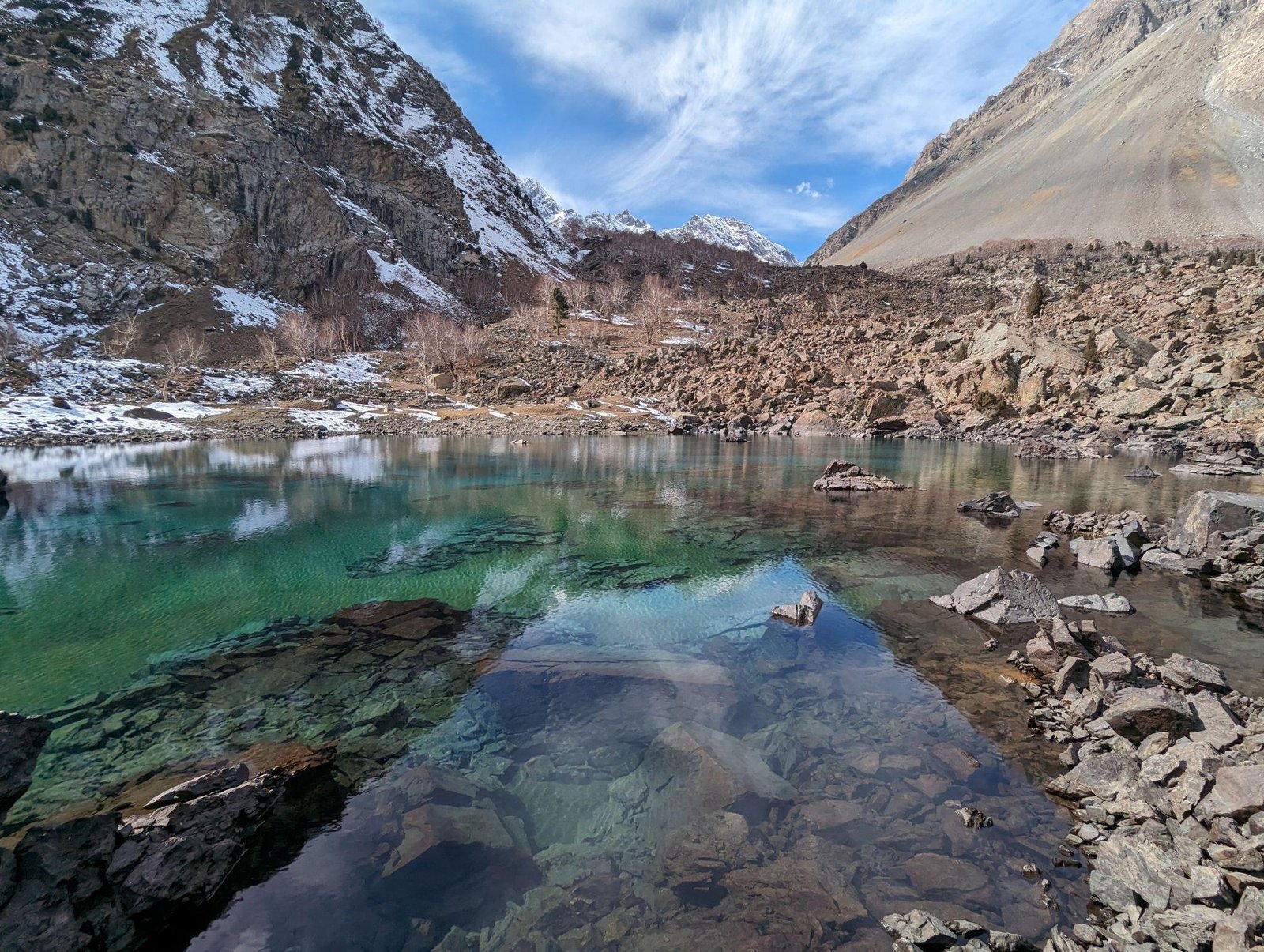
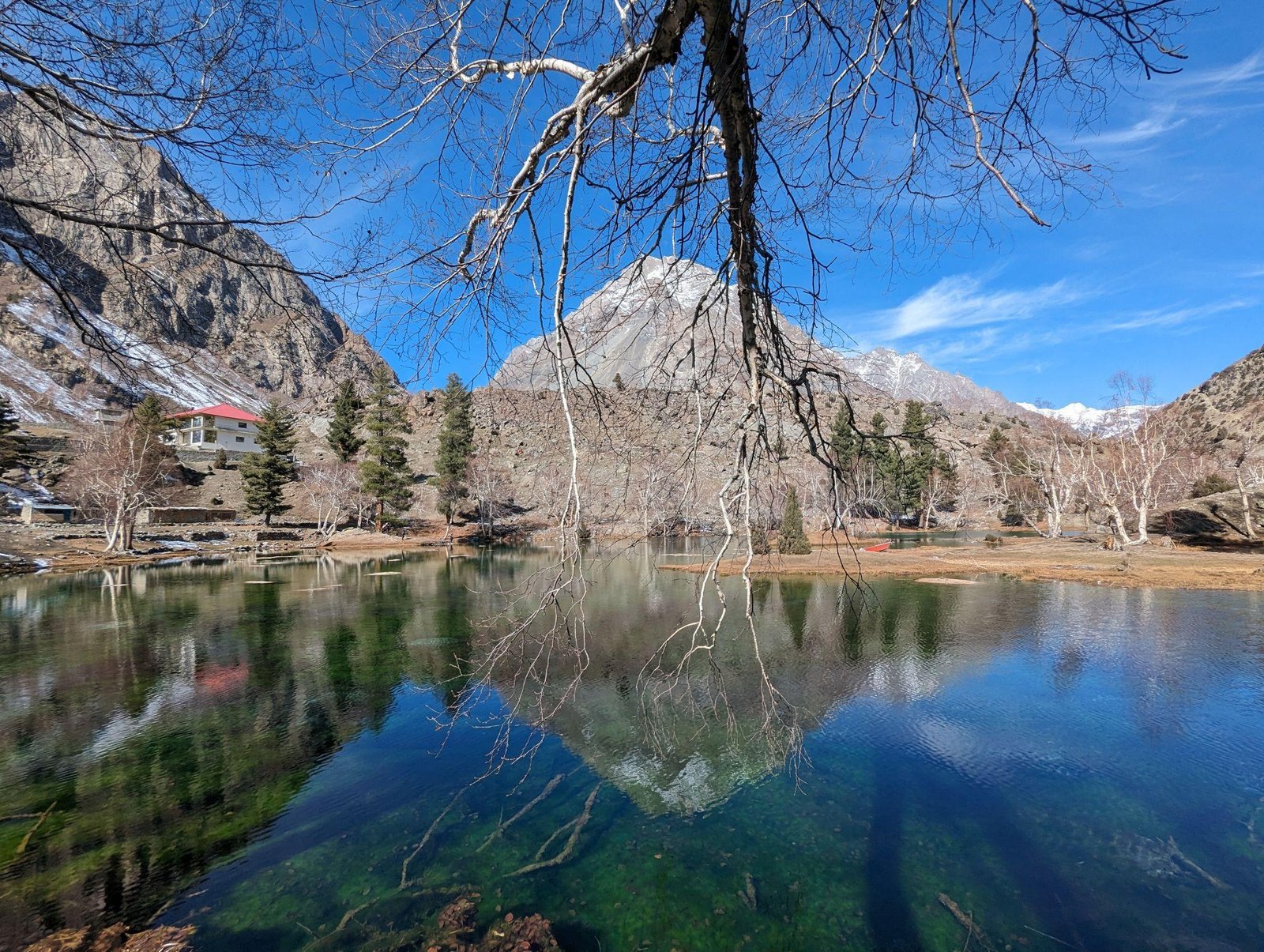
Naltar Lake is often called the Blue Lake because of its deep turquoise color.
Surrounded by pine forests and mountain slopes, it is typically the first major lake encountered by visitors.
The lake appears particularly vibrant during:
- clear summer mornings
- sunny afternoons
- calm weather conditions
Its reflections and forest backdrop make it one of the most photographed locations in the valley.
Satrangi Lake (Seven-Coloured Lake)
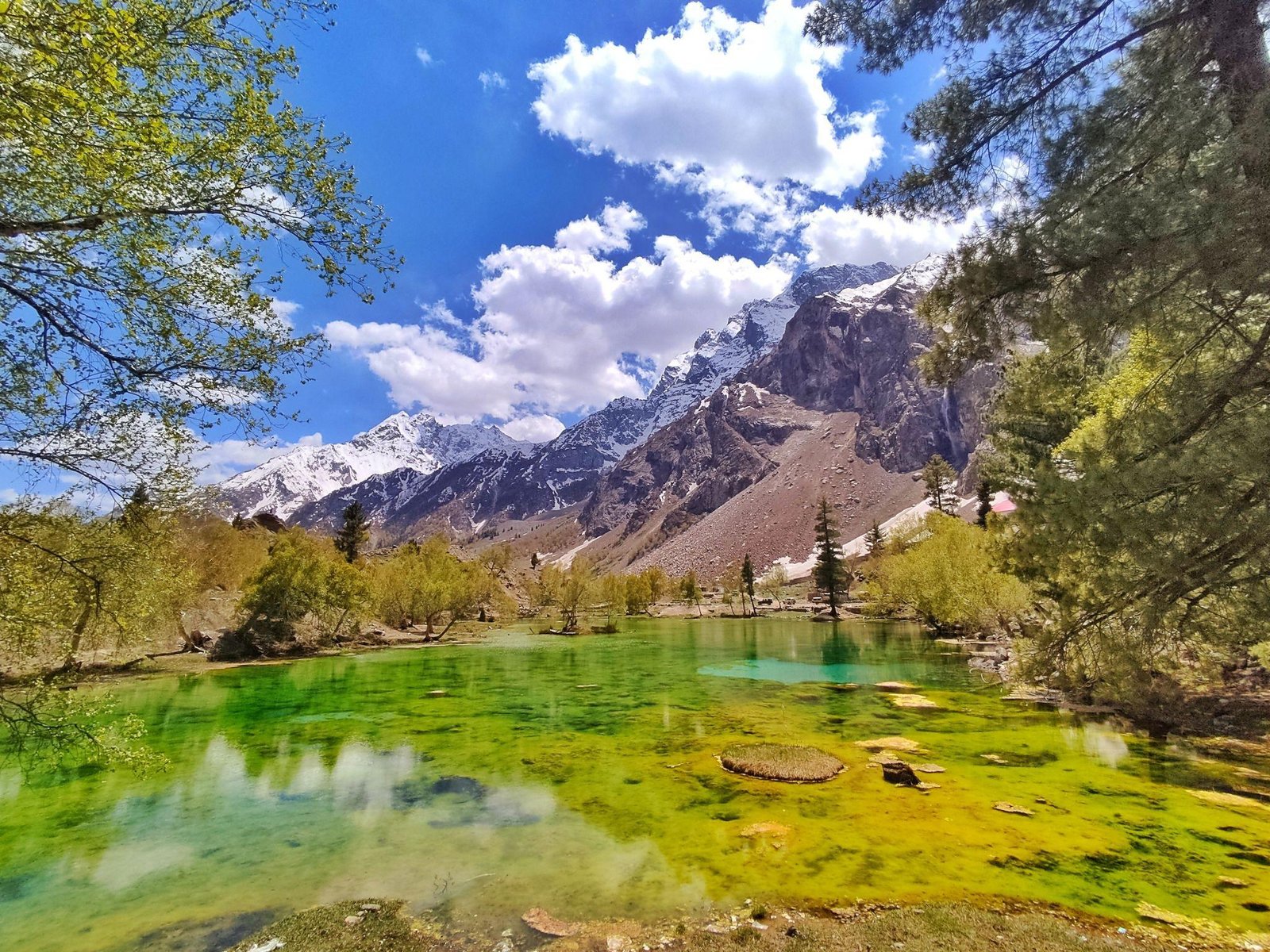
Satrangi Lake is the most famous lake in the valley.
The name translates to "Seven-Coloured Lake" and refers to the varying shades visible on the water surface under different lighting conditions.
Visitors often observe:
- blue tones
- green reflections
- turquoise shades
- changing colors throughout the day
The lake's setting among dense forests and mountains creates one of the most iconic scenes in northern Pakistan.
Upper Naltar Lake
Located farther into the valley, the Upper Naltar Lake receives fewer visitors than the more accessible lakes below.
The area offers:
- quieter surroundings
- alpine scenery
- mountain reflections
- fewer crowds
Travelers willing to continue beyond the main tourist stops are often rewarded with some of the valley's most peaceful landscapes.
Best Time of Day for Photos
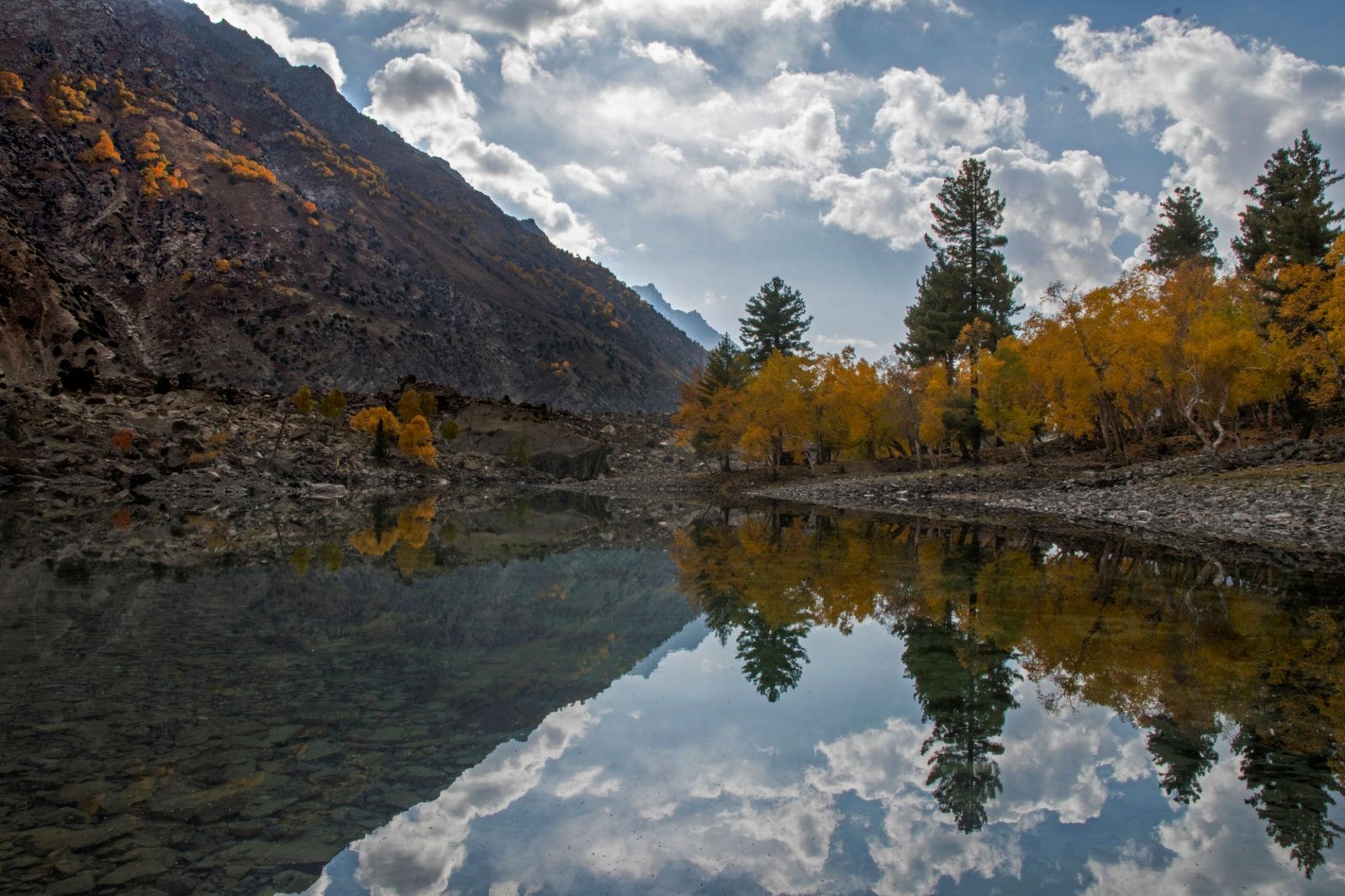
Photography conditions in Naltar vary significantly throughout the day.
The best times are generally:
- early morning
- late afternoon
- sunset hours
These periods offer:
- softer light
- calmer lake surfaces
- stronger reflections
- better color contrast
Midday sunlight can create harsh shadows and reduce the visibility of lake colors.
Landscape photographers often prefer arriving shortly after sunrise when the forests and mountains remain evenly illuminated.
Naltar Ski Resort
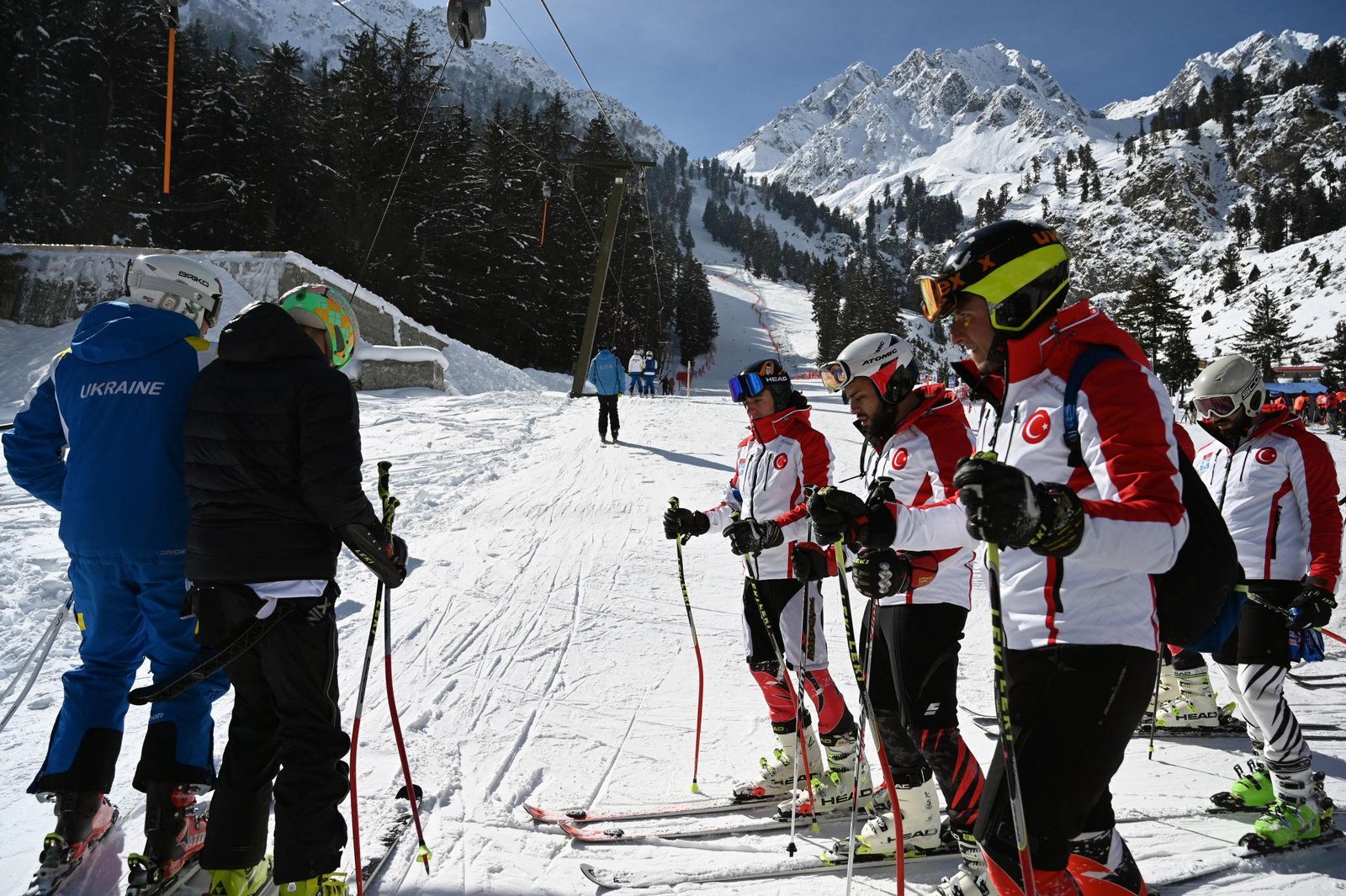
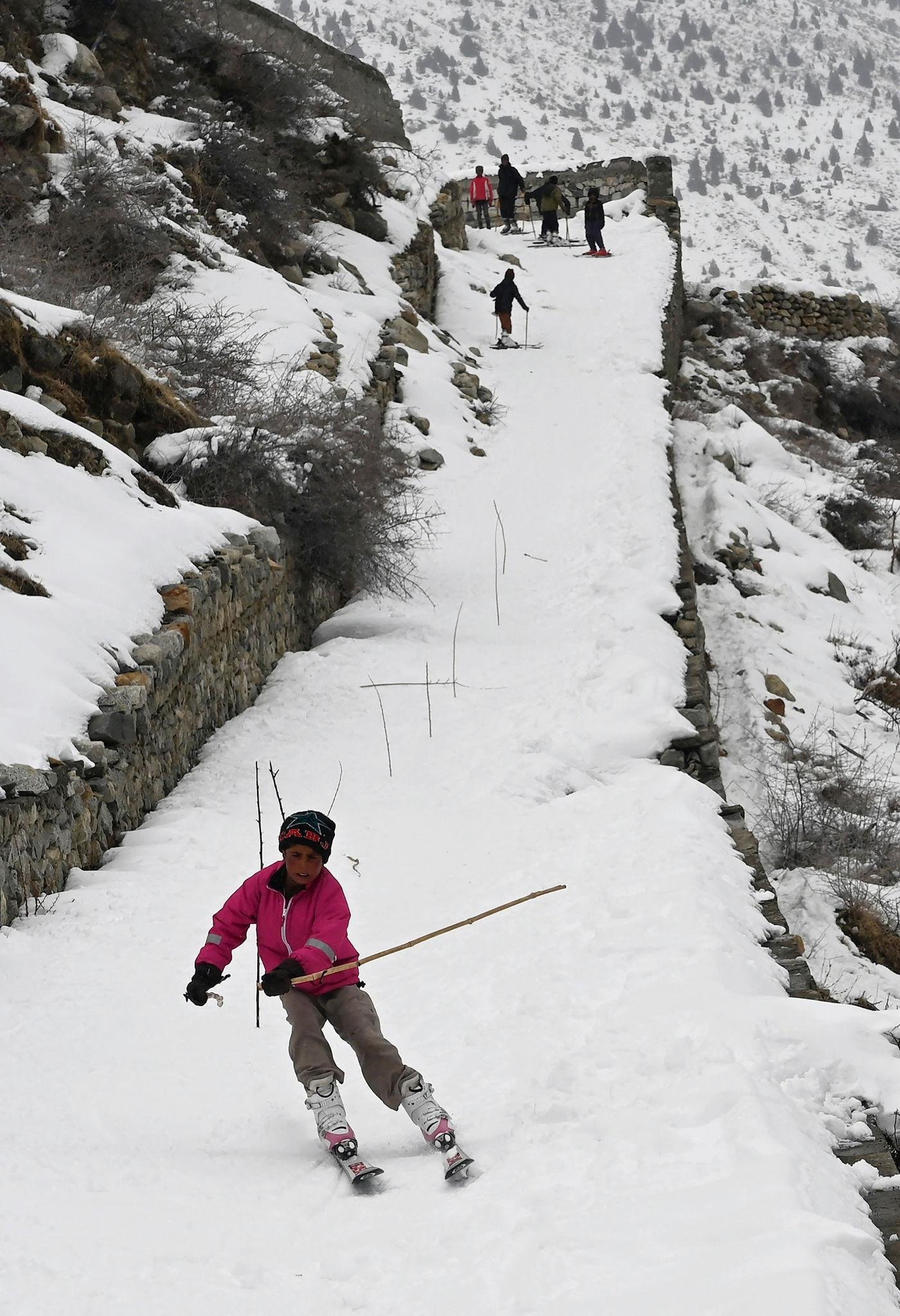
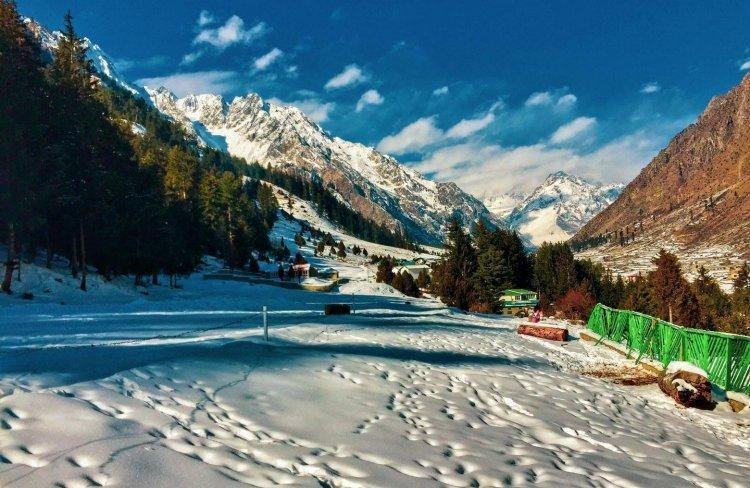
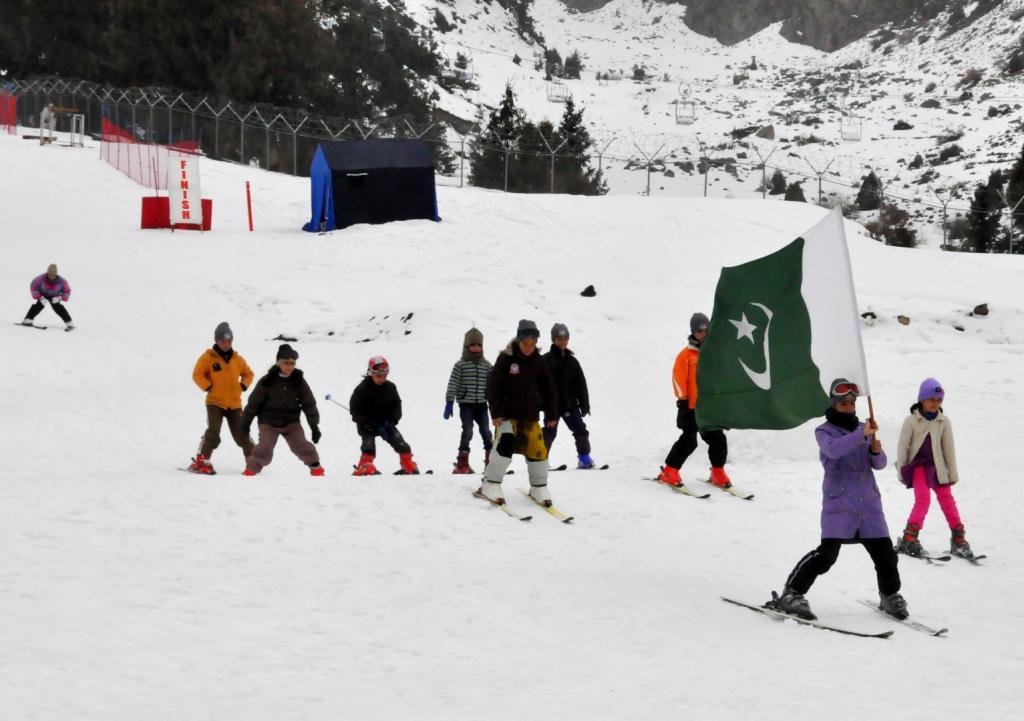
The Naltar Ski Resort has played a significant role in the development of winter sports in Pakistan.
Located within the forested mountains of Naltar, the resort attracts athletes, ski enthusiasts, and winter adventure travelers from across the country.
Pakistan's Premier Ski Destination
Naltar Ski Resort is widely regarded as Pakistan's most established skiing venue.
The resort has hosted:
- national ski championships
- winter sports competitions
- military skiing events
- training programs for athletes
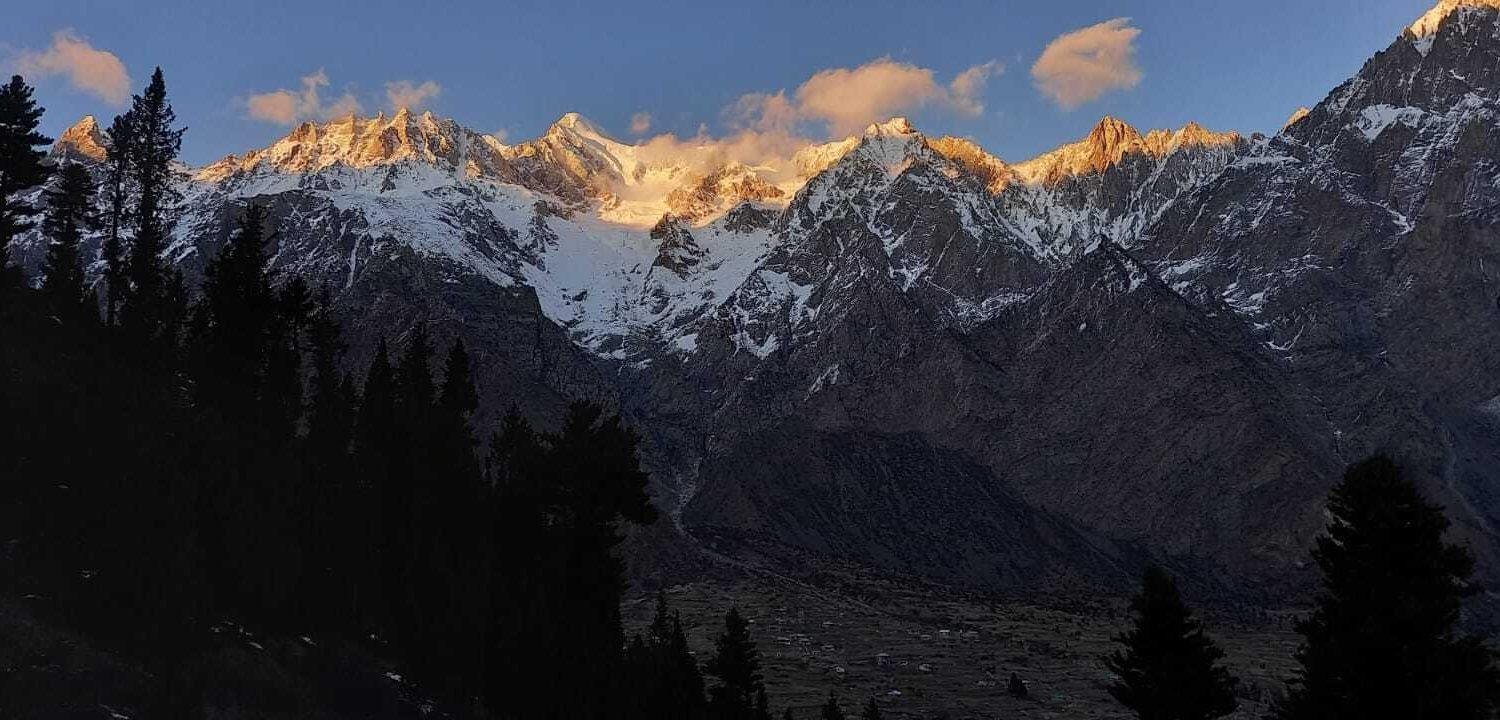
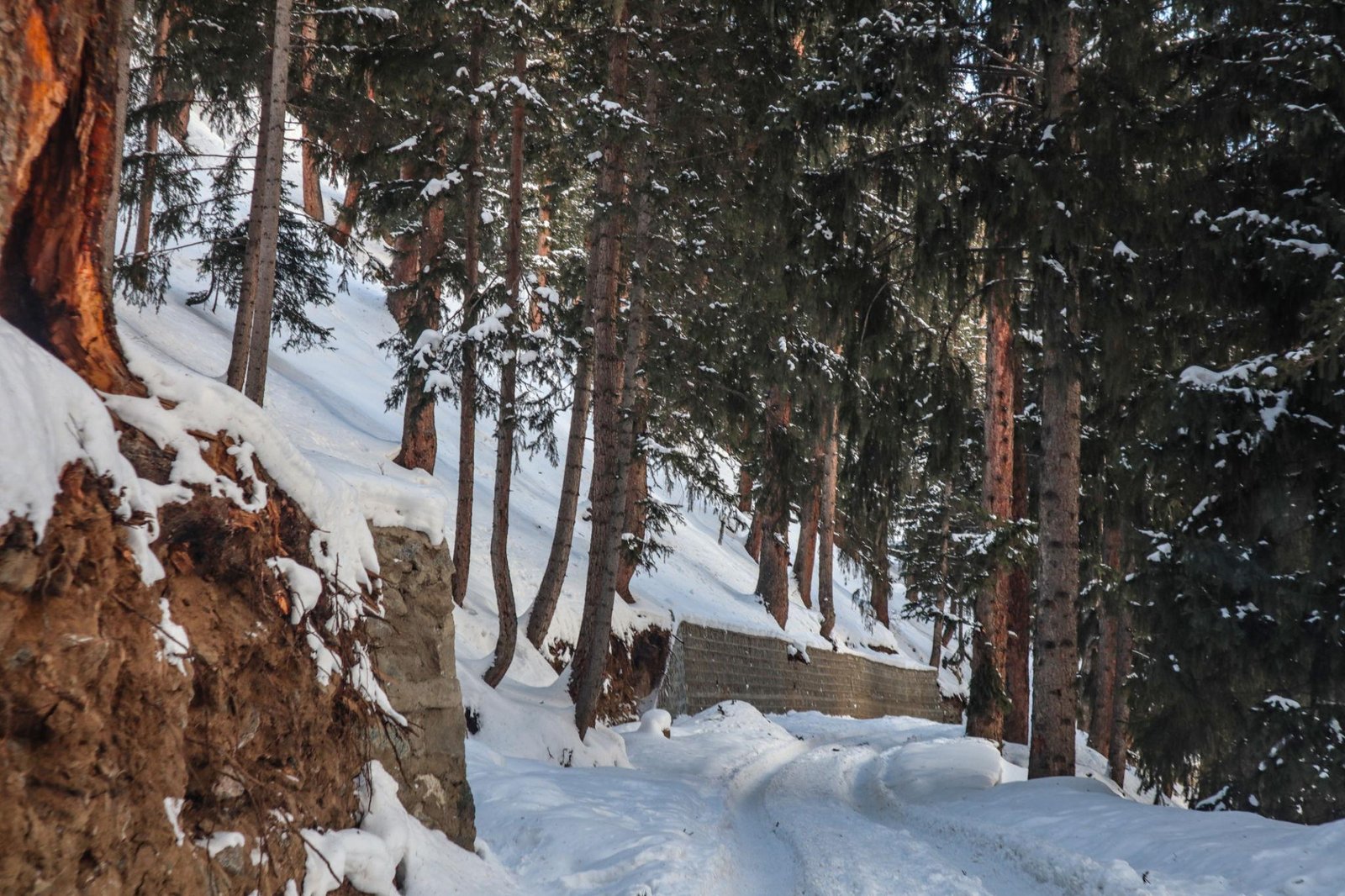
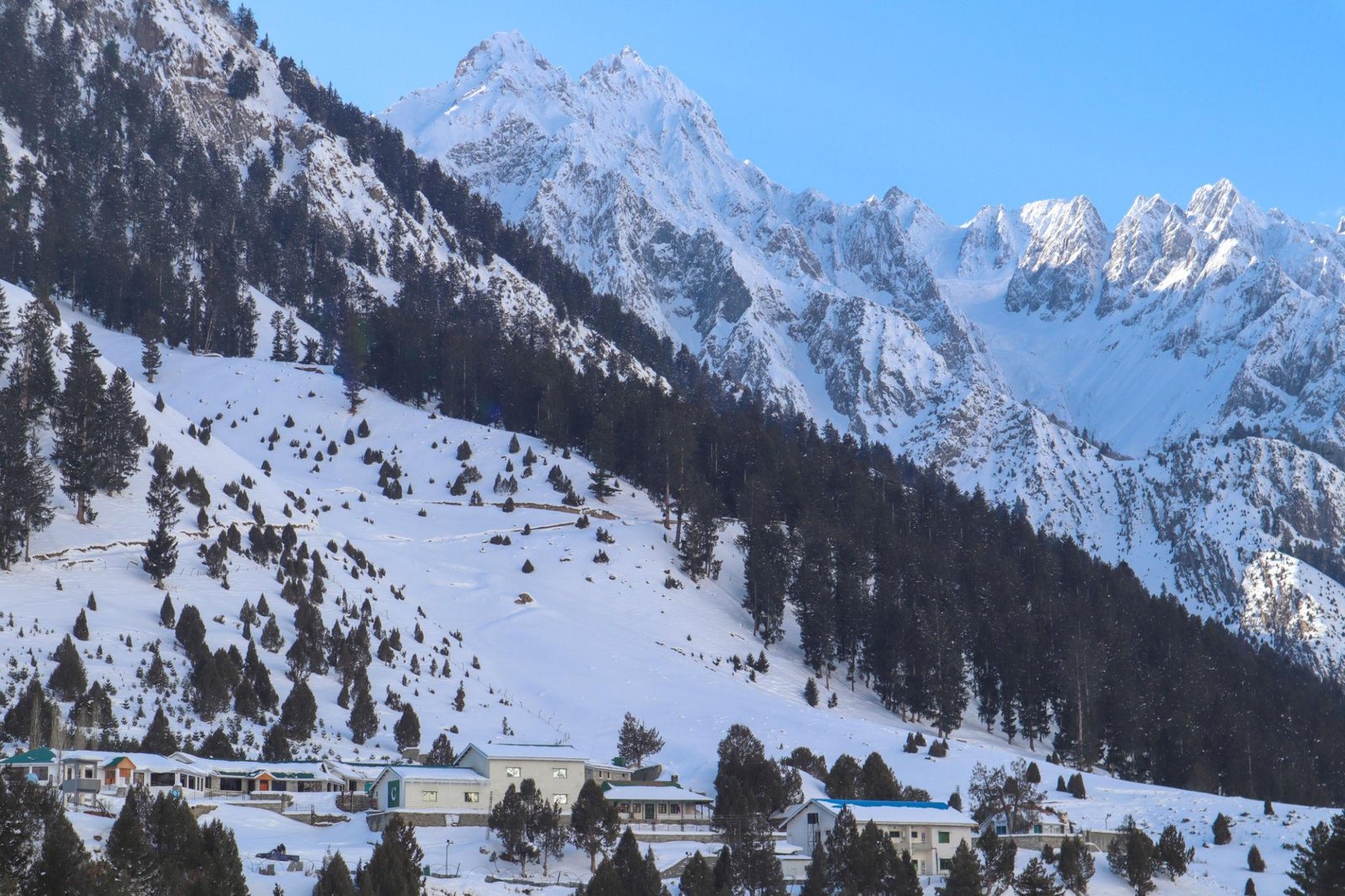
Its location within dense pine forests distinguishes it from many ski destinations around the world, where slopes are often found above the tree line.
The combination of:
- reliable winter snowfall
- high-altitude terrain
- forested landscapes
- scenic surroundings
makes Naltar one of the country's most important winter tourism destinations.
During peak winter months, the valley transforms into a landscape of snow-covered forests and white mountain slopes stretching in every direction.
Slopes, Lifts & Facilities
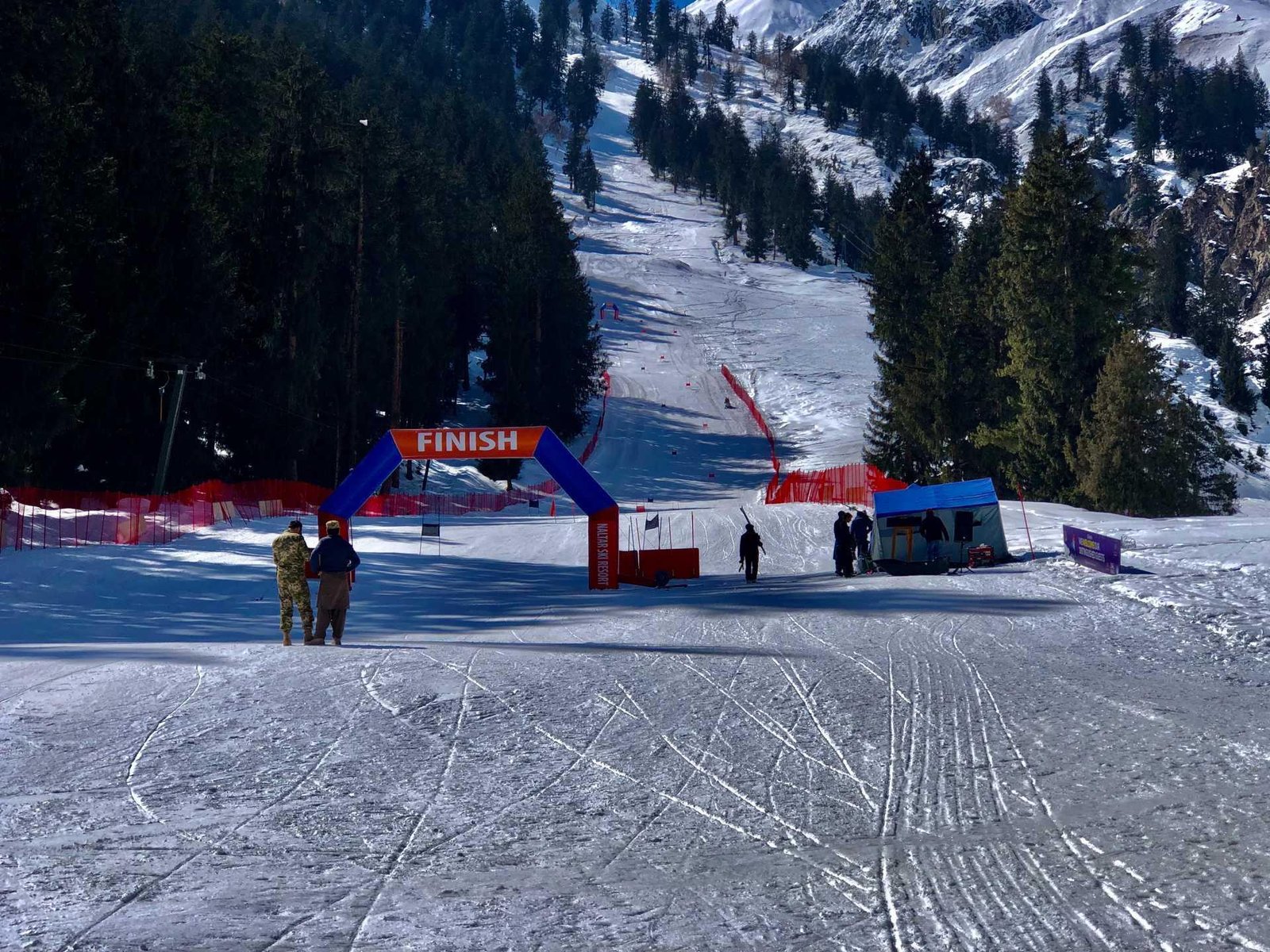
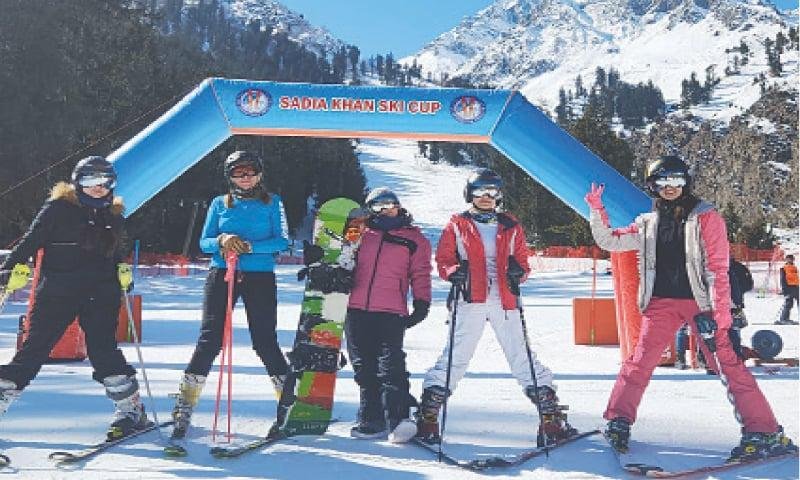
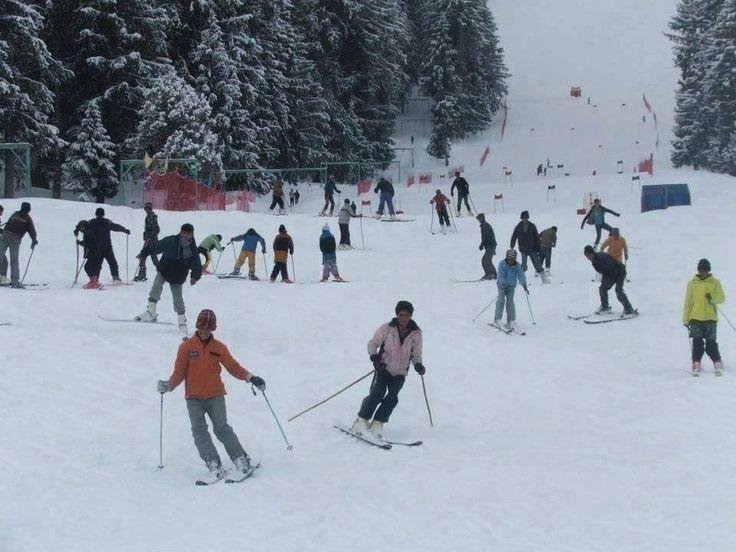
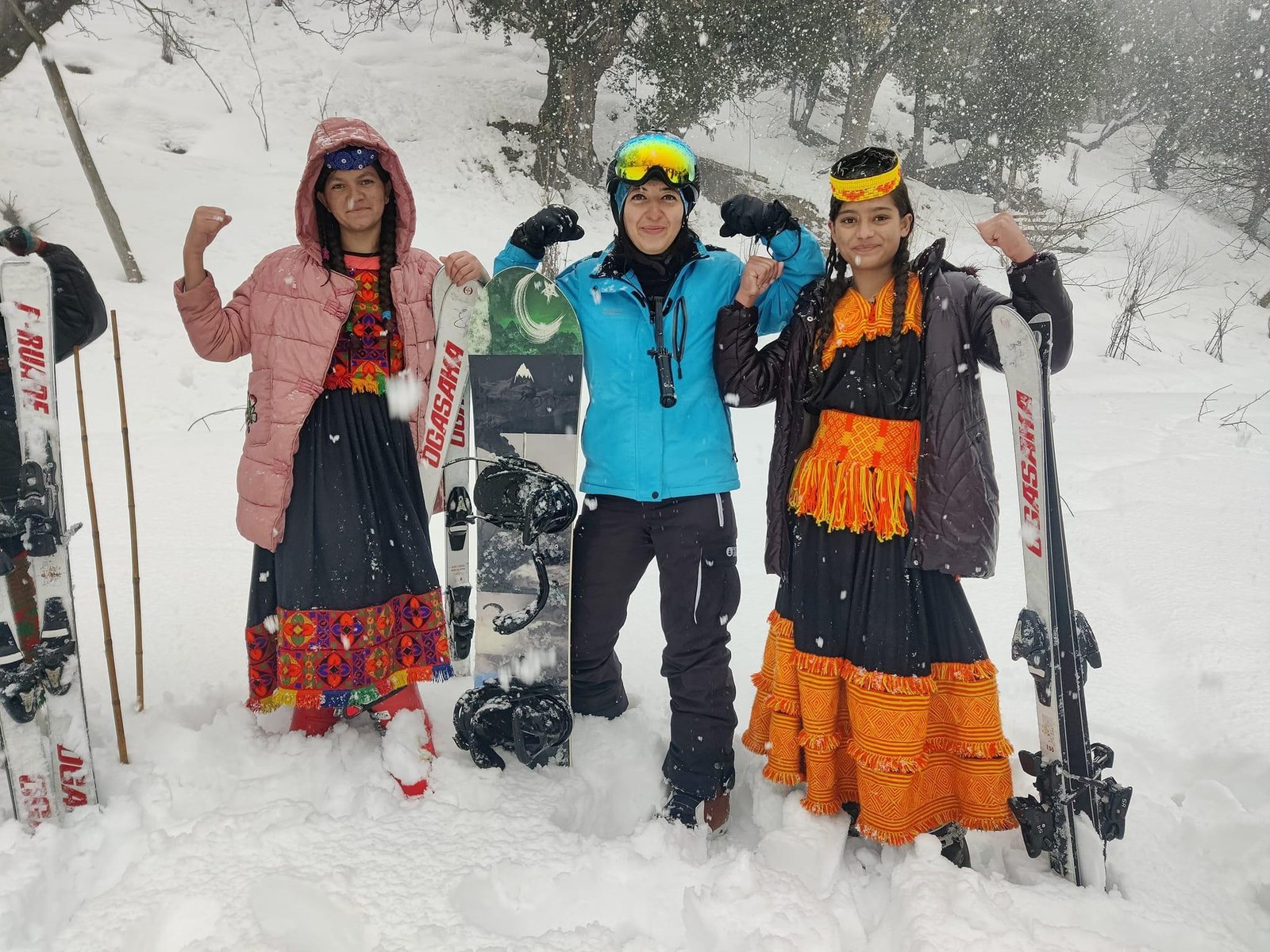
The ski area offers facilities suitable for:
- recreational skiers
- intermediate athletes
- competitive winter sports participants
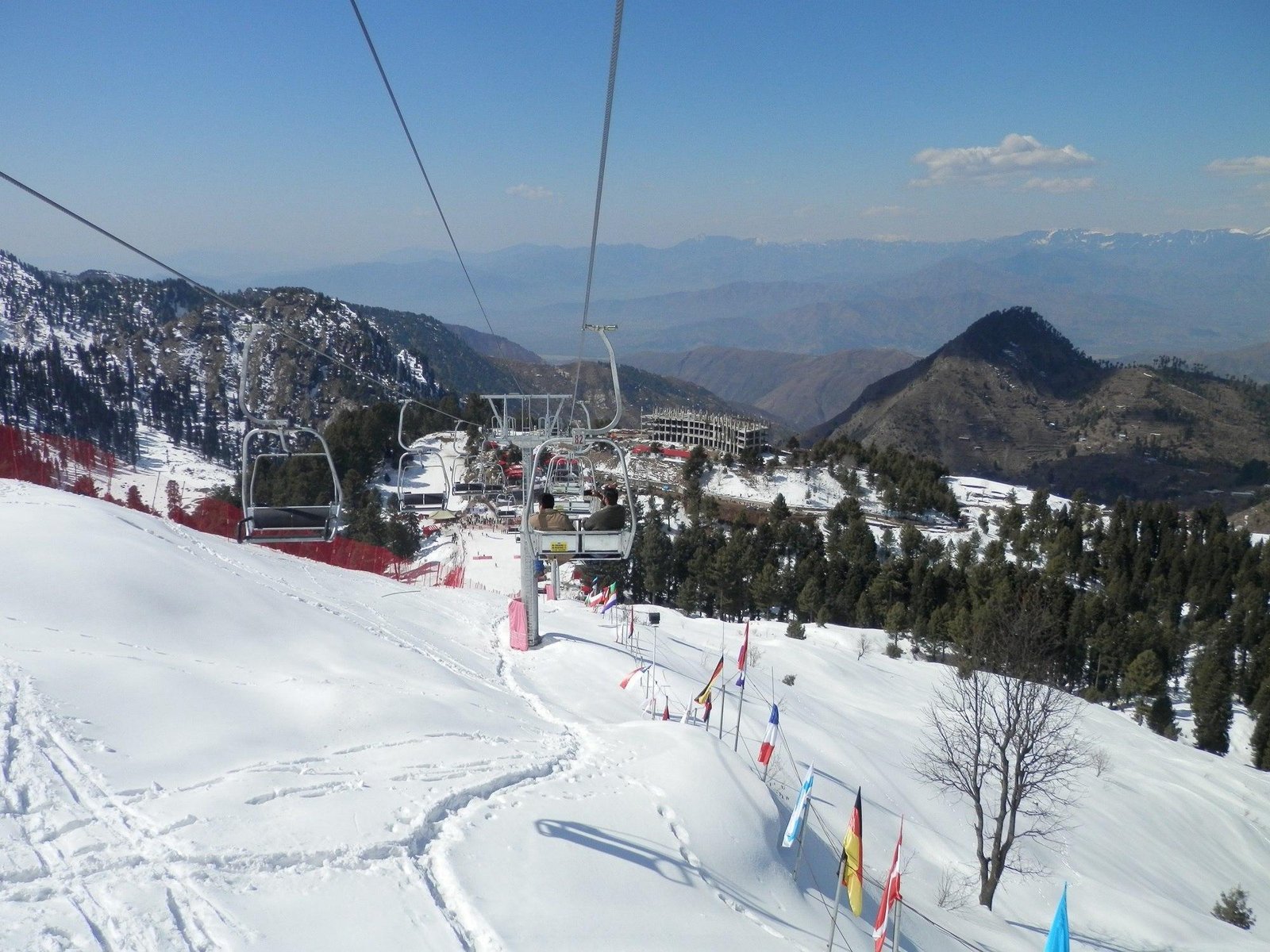
Infrastructure may vary from season to season, but visitors generally find:
- ski runs
- chairlift facilities
- training slopes
- event areas
The surrounding terrain provides excellent conditions for:
- alpine skiing
- snow photography
- winter trekking
- snowboarding
Visitors should verify current operational status before travel, particularly after major snowfall events.
Winter weather can occasionally affect:
- access roads
- lift operations
- accommodation availability
Annual Naltar Ski Cup
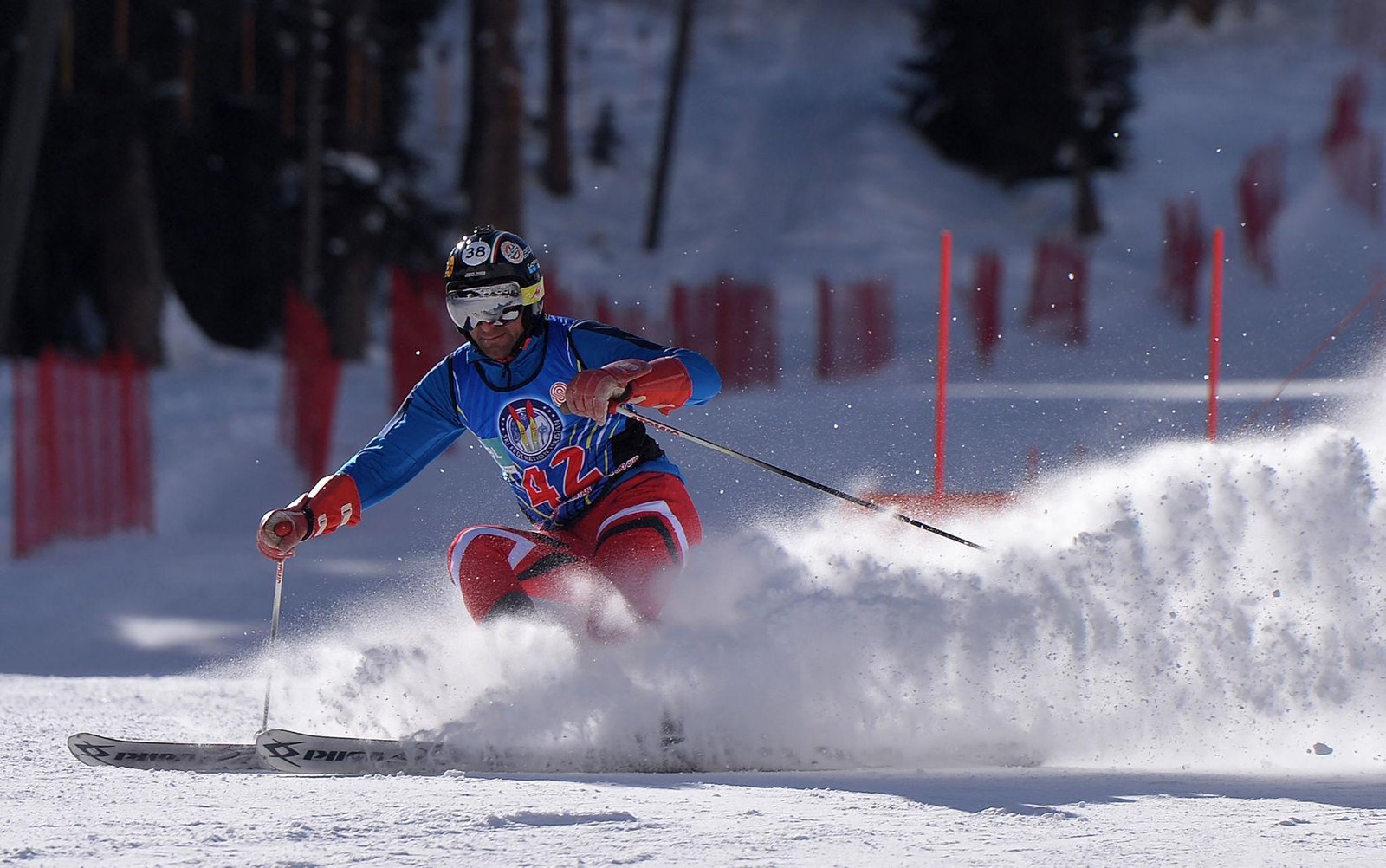
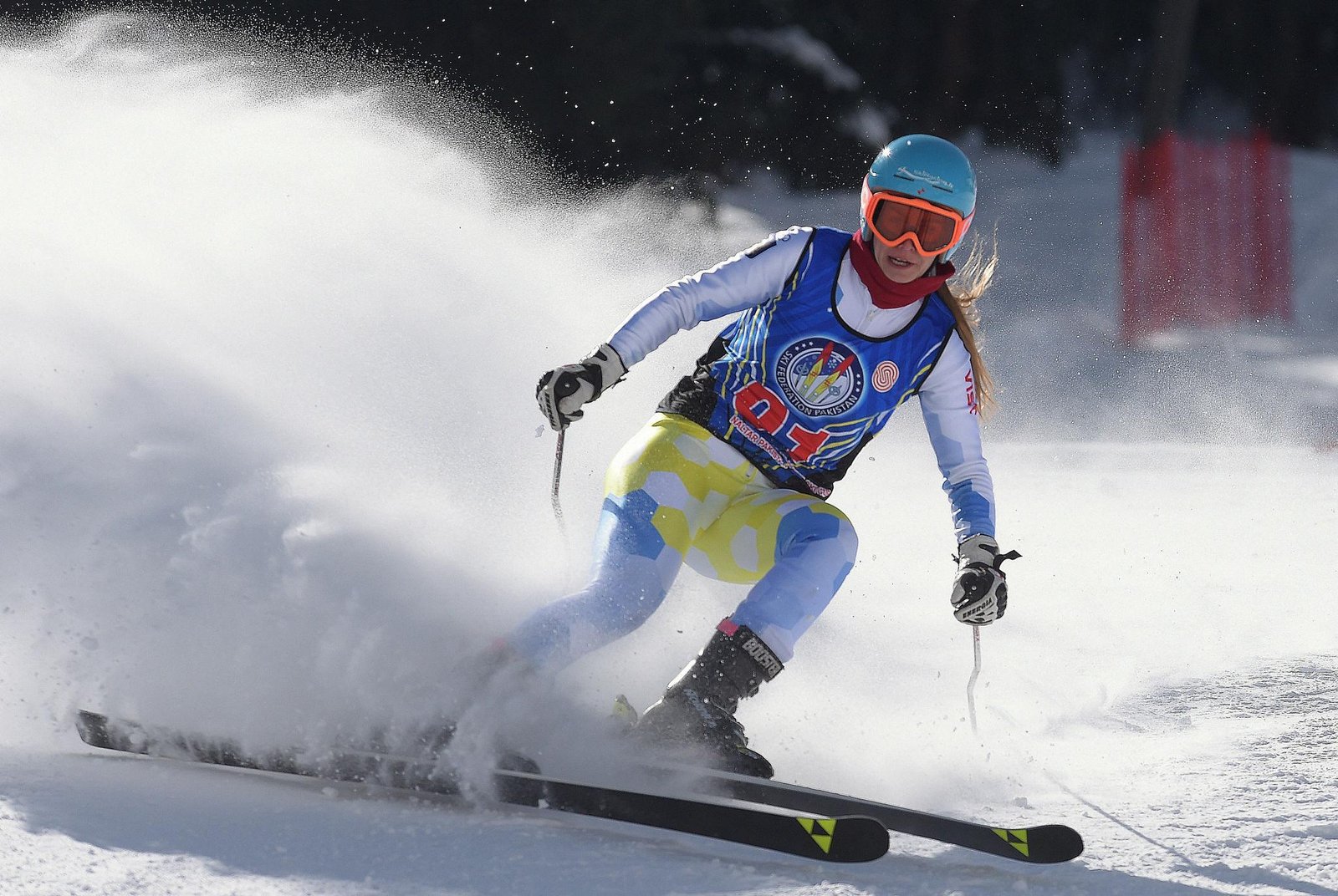
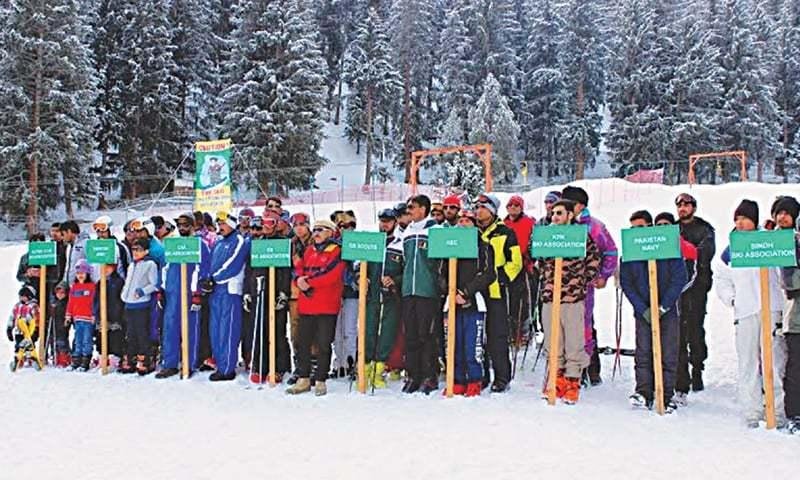
One of the highlights of Pakistan's winter sports calendar is the Annual Naltar Ski Cup.
The event attracts:
- competitive skiers
- sports organizations
- media coverage
- spectators from across Pakistan
Competitions typically feature:
- alpine skiing events
- slalom races
- winter sports demonstrations
The tournament has helped promote skiing and winter tourism within Gilgit-Baltistan and remains one of the country's most important snow sports events.
For travelers visiting during competition season, the event provides a unique opportunity to experience Pakistan's growing winter sports culture.
Trekking from Naltar
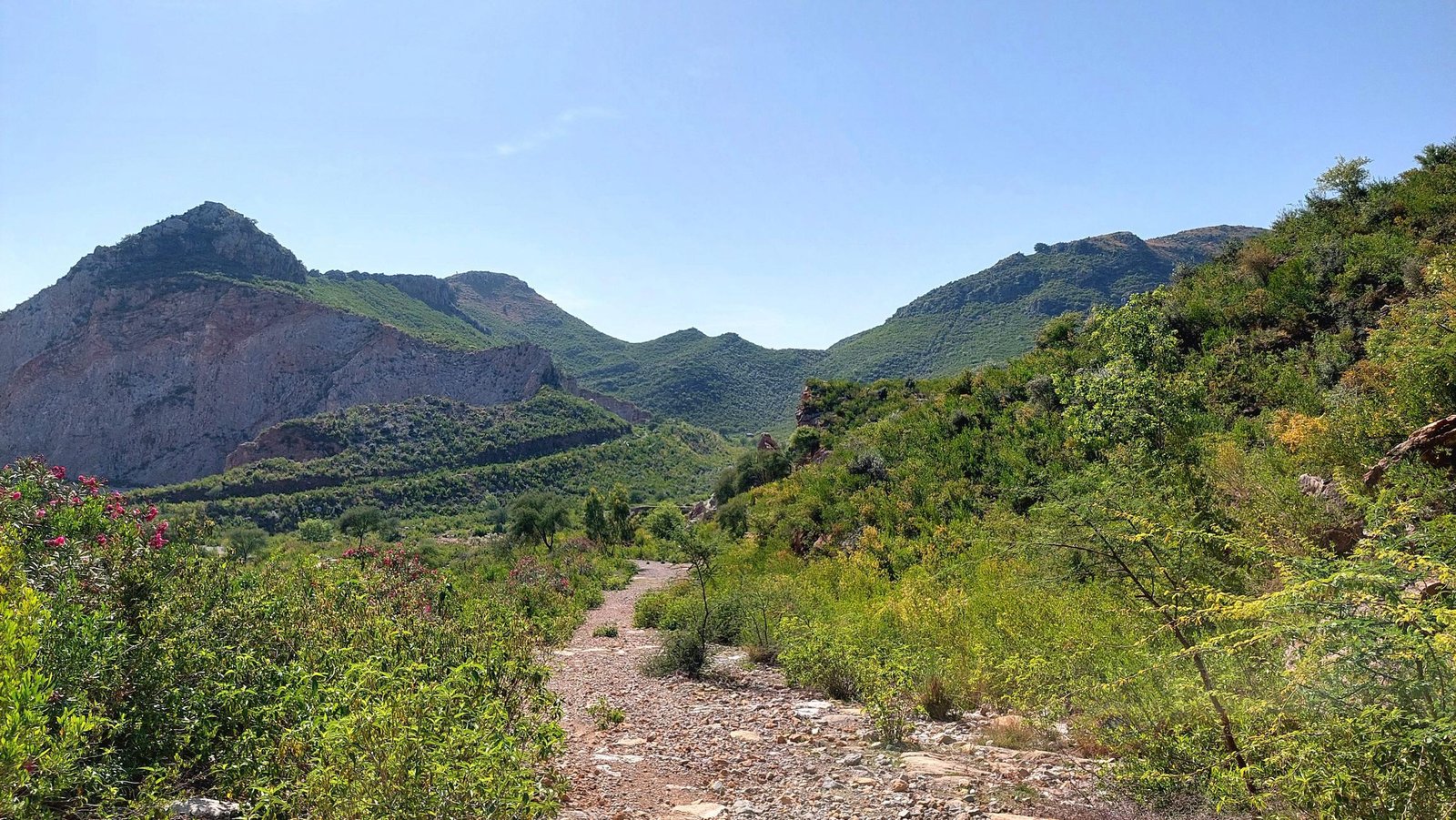
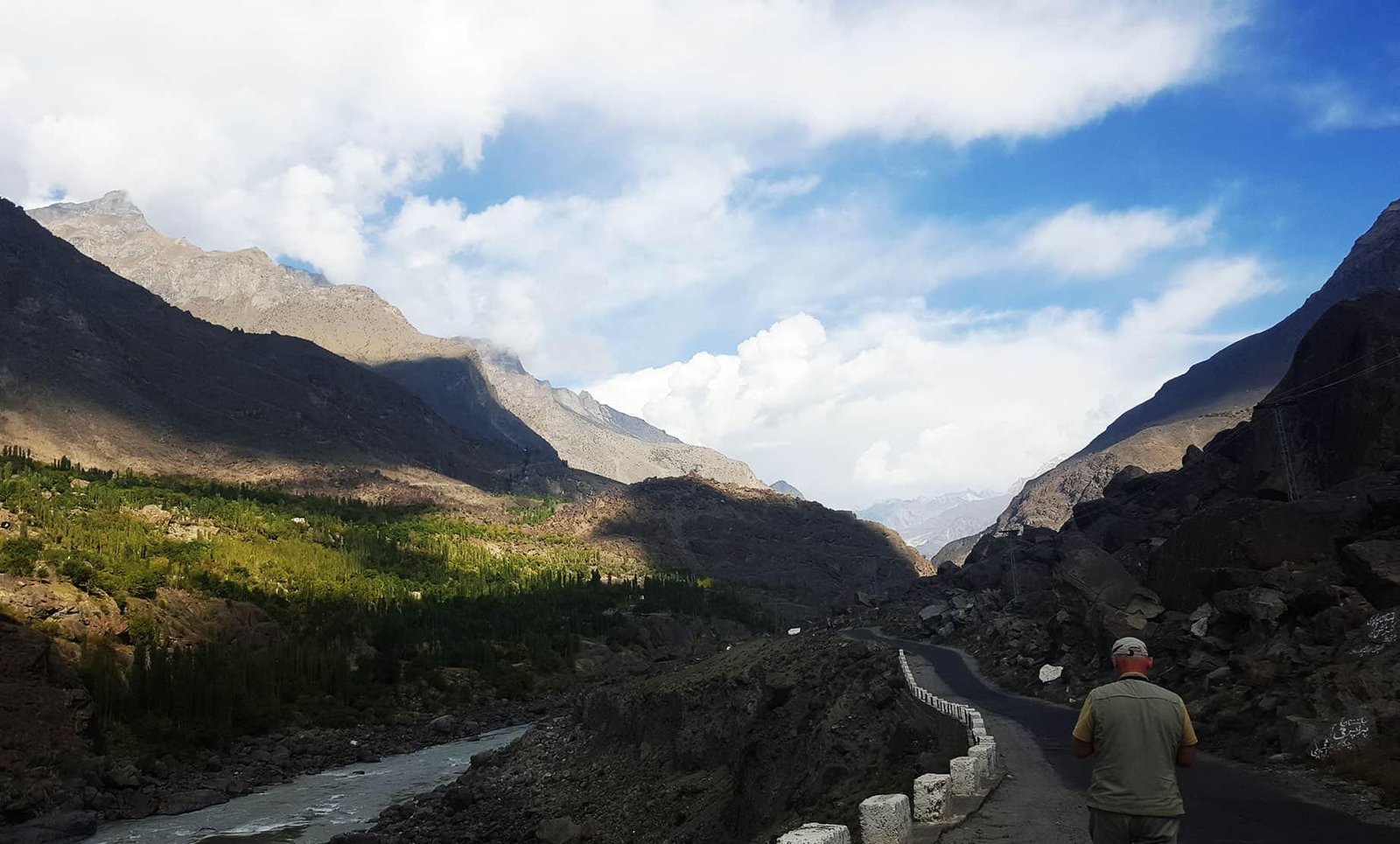
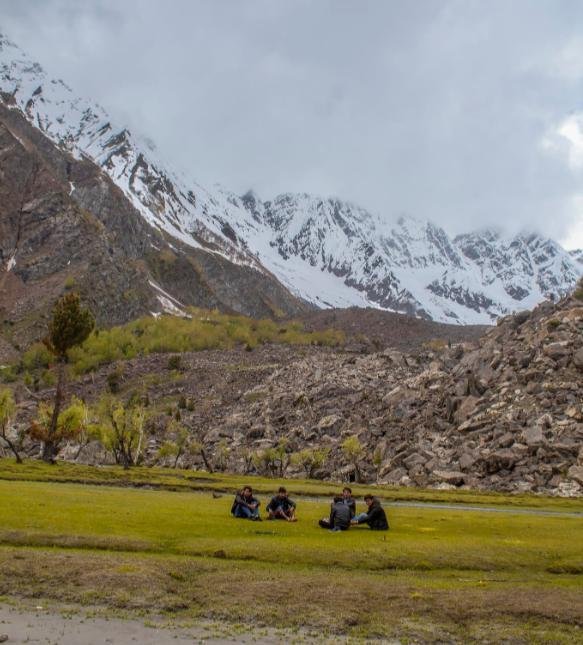
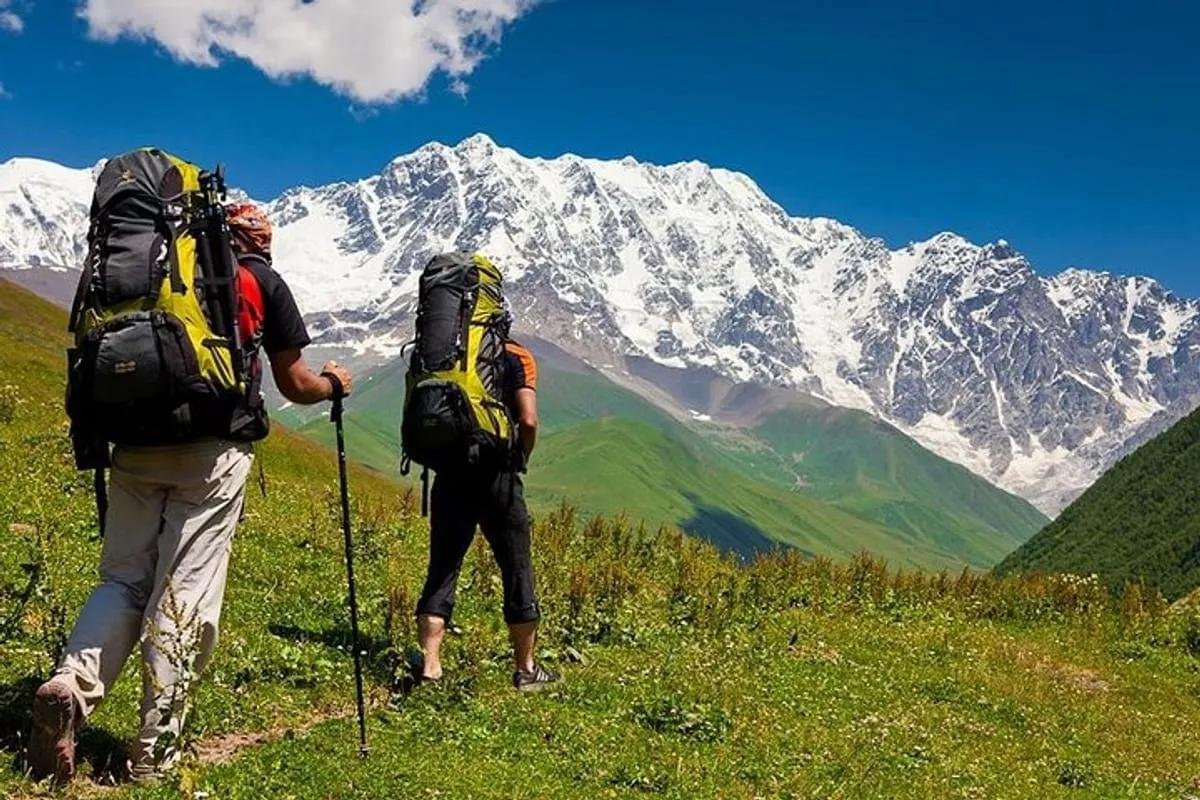
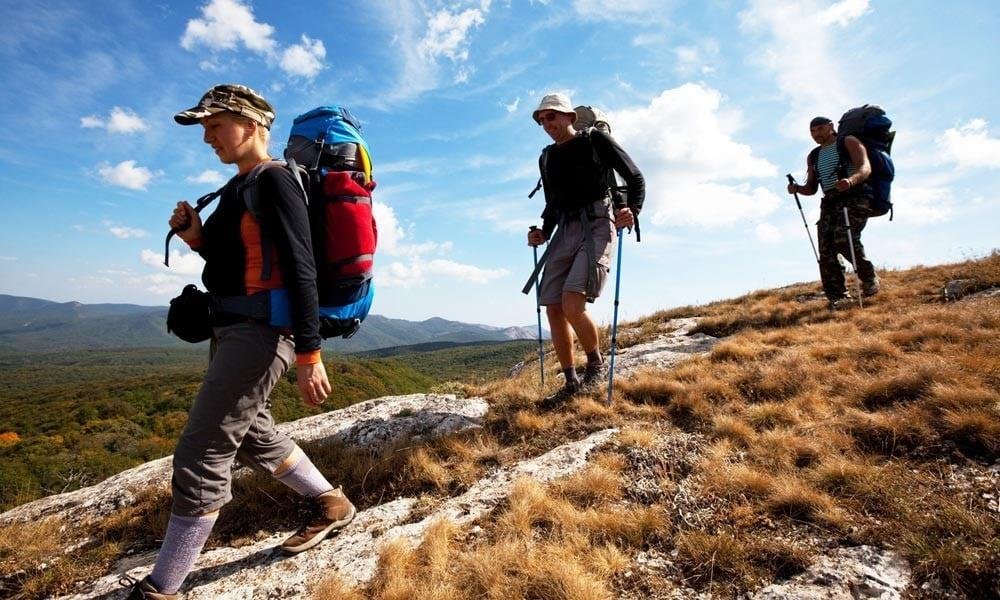
While the lakes receive most visitor attention, Naltar is also an excellent base for trekking.
Several routes connect the valley with neighboring regions through mountain passes, alpine meadows, and remote wilderness areas.
Popular trekking opportunities range from short day hikes to multi-day expeditions.
Naltar Pass Trek (to Nomal Valley)
The Naltar Pass Trek is one of the valley's classic routes.
The trail connects:
Naltar Valley
with
Nomal Valley
The route passes through:
- alpine meadows
- mountain passes
- glacial landscapes
- high viewpoints
Trekkers enjoy panoramic views of:
- surrounding peaks
- forested valleys
- remote mountain terrain
Depending on conditions and fitness levels, the trek can be completed as a challenging day hike or as part of a longer itinerary.
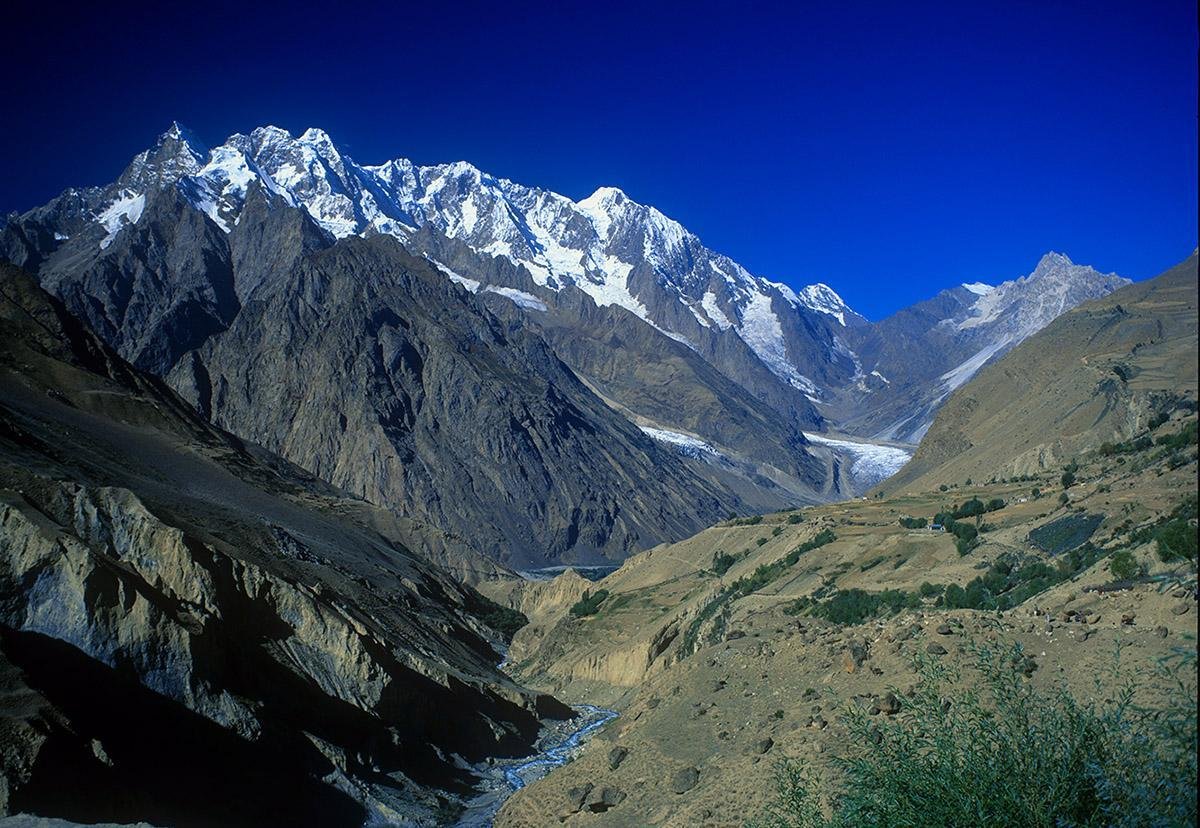
Shani Valley Trek
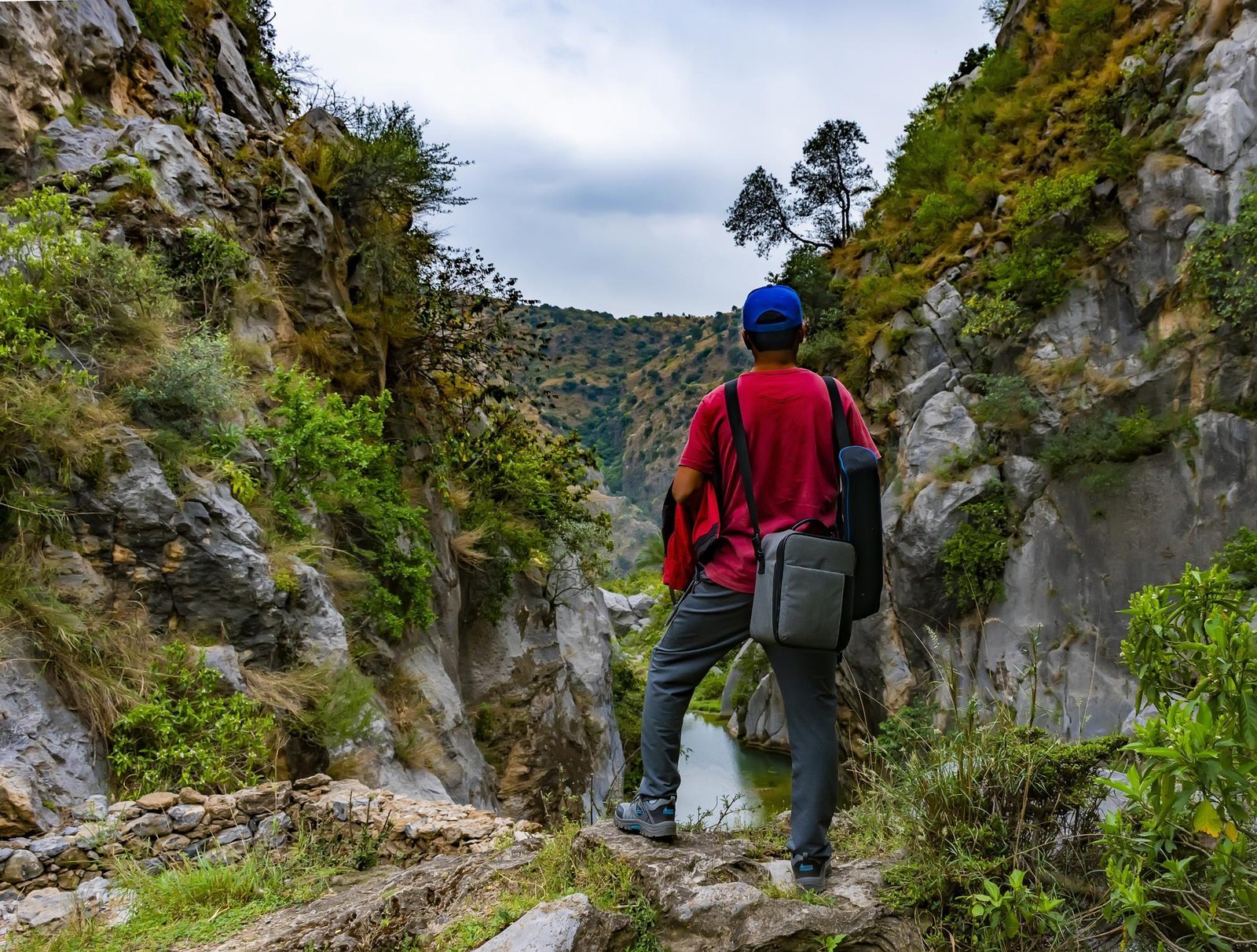
The Shani Valley Trek offers another rewarding adventure for hikers seeking less-traveled routes.
The trail explores:
- forest corridors
- mountain streams
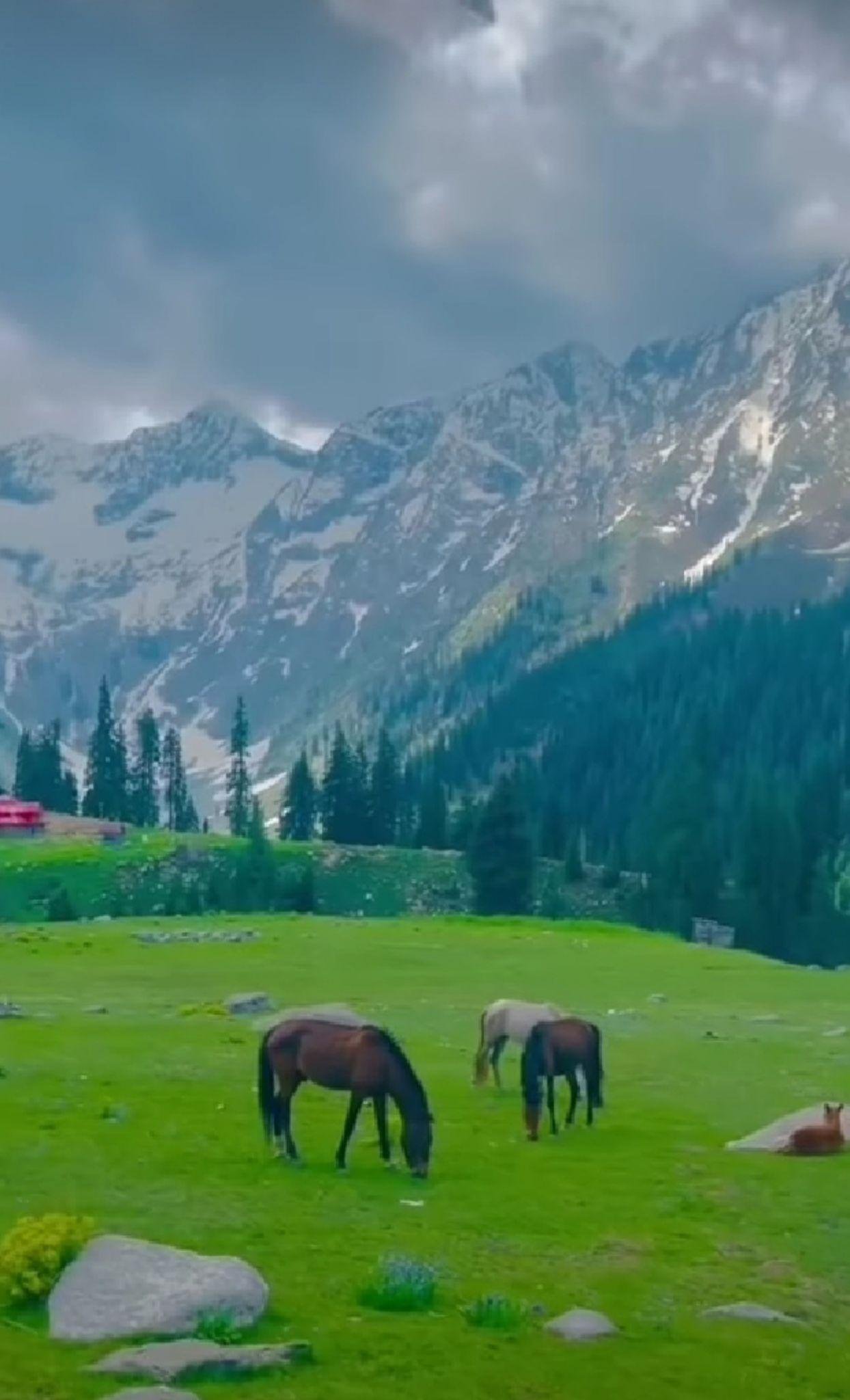
- alpine pastures
- remote valleys
Compared to the more famous trekking routes of Hunza and Skardu, Shani Valley receives relatively few visitors.
This creates opportunities for:
- solitude
- wildlife observation
- landscape photography
- wilderness camping
The trek is particularly attractive during summer when wildflowers and green meadows cover much of the landscape.
Naltar Village & Local Life
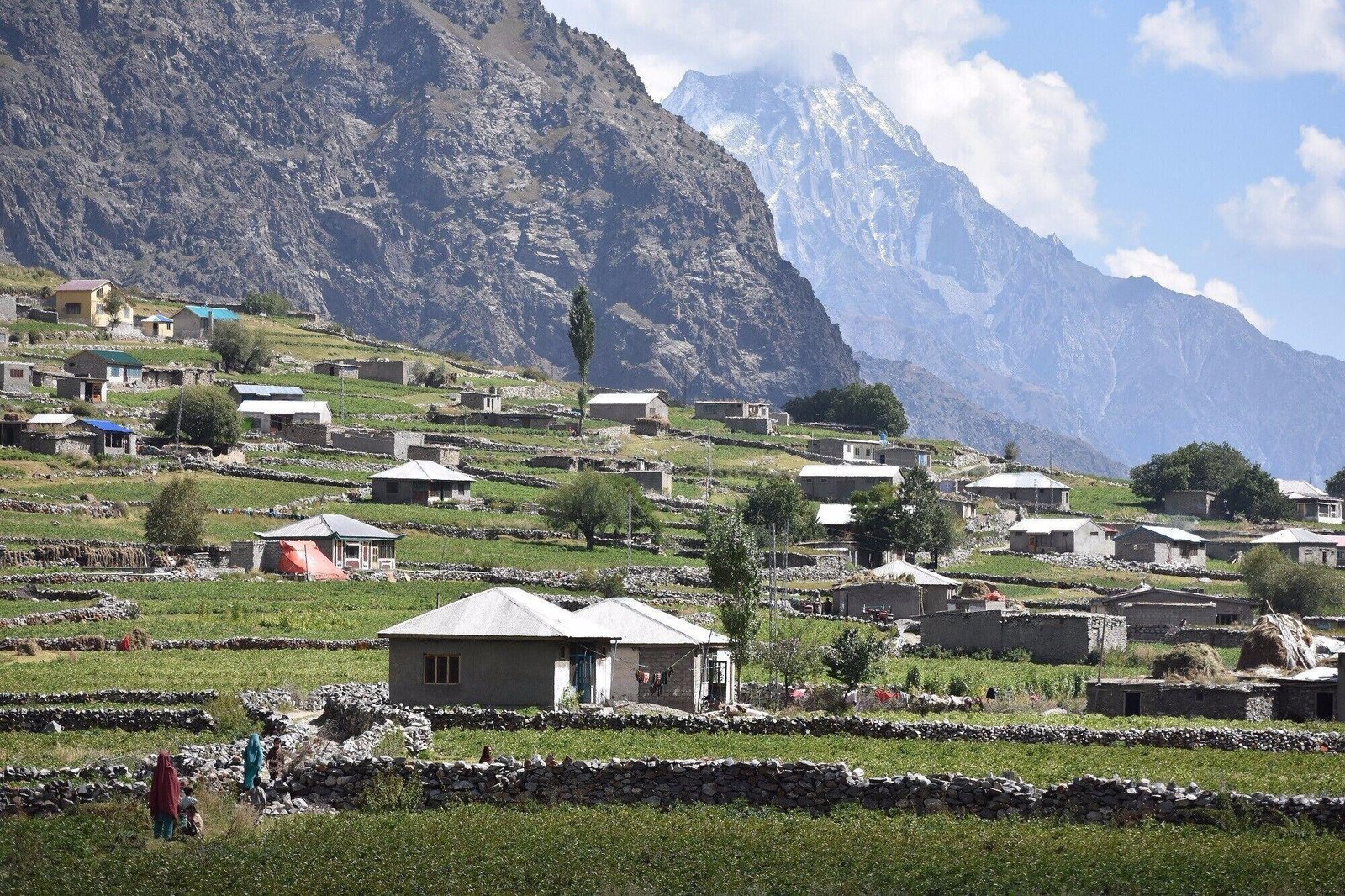
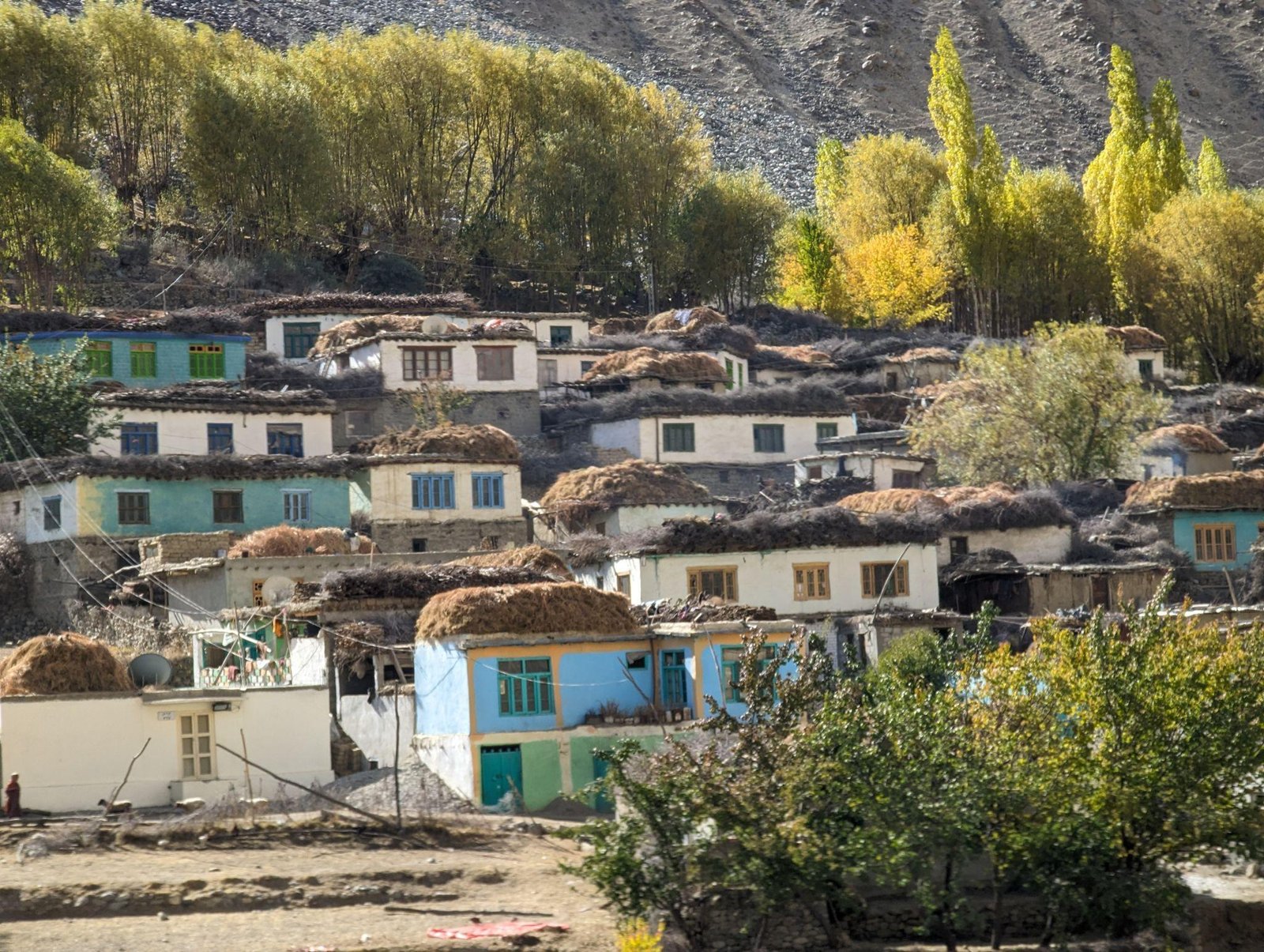
The communities of Naltar maintain a lifestyle closely connected to the valley's natural environment.
Traditional livelihoods include:
- agriculture
- livestock raising
- forestry-related activities
- seasonal tourism services
Village life moves at a slower pace than in the larger towns of Gilgit-Baltistan.
Visitors often encounter:
- traditional homes
- cultivated fields
- grazing livestock
- local hospitality
The valley's relative isolation has helped preserve many aspects of local culture and daily life.
Walking through the villages provides insight into how mountain communities adapt to long winters and challenging terrain.
Wildlife & Forest
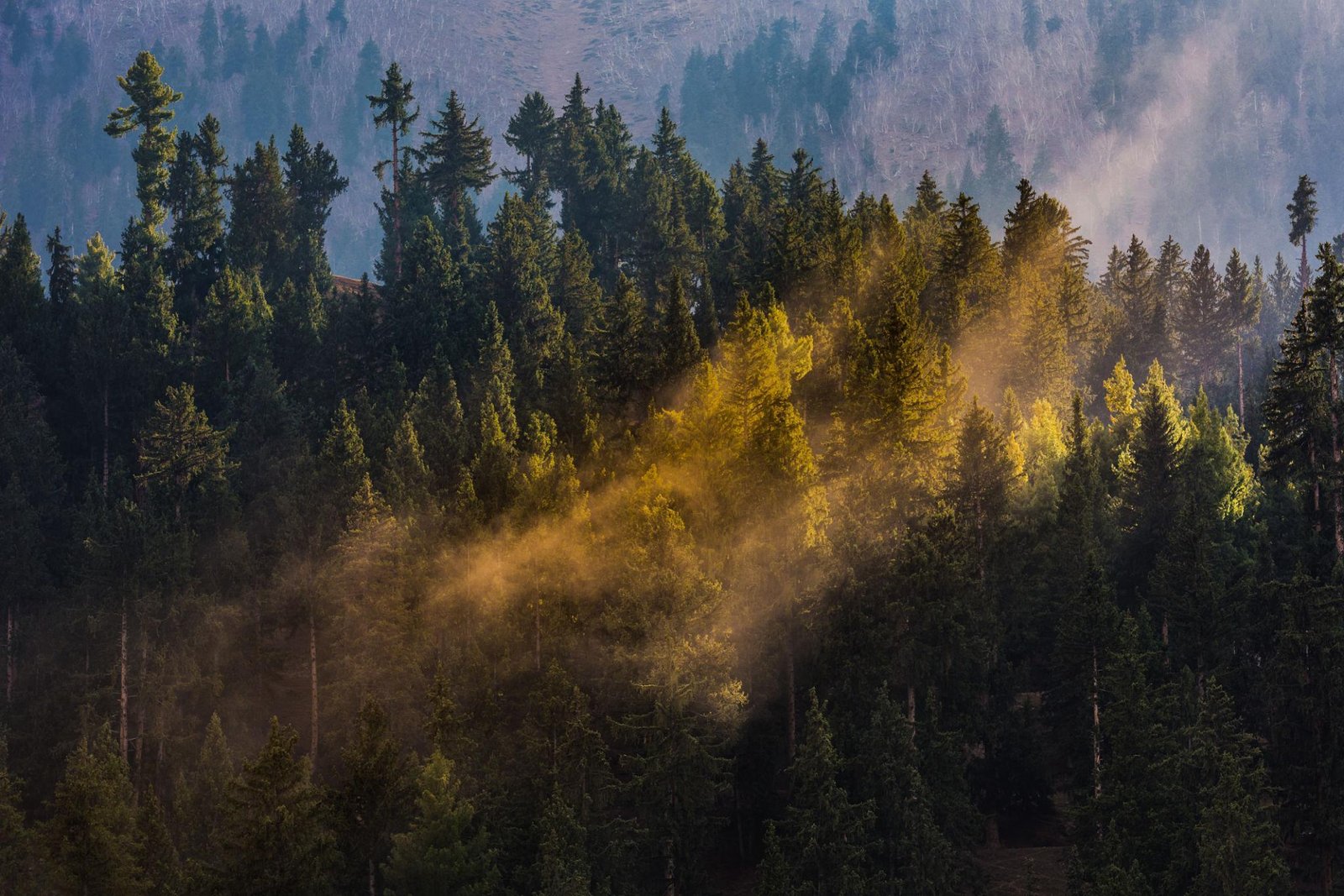
The forests and mountains surrounding Naltar support a diverse range of wildlife.
Because large portions of the valley remain relatively undisturbed, the area serves as an important habitat for numerous species.
Visitors interested in nature and wildlife often find Naltar among the most rewarding destinations near Gilgit.
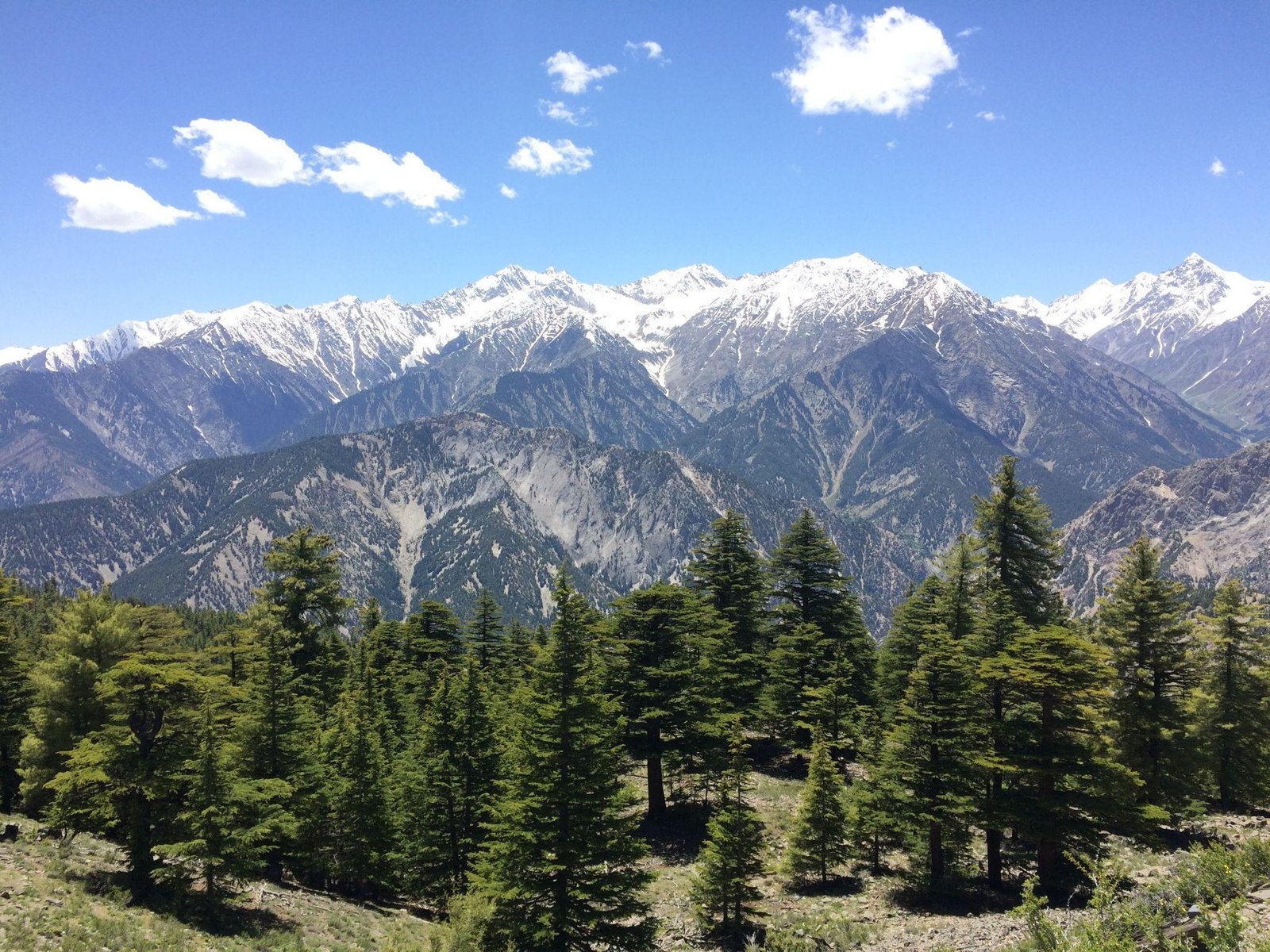
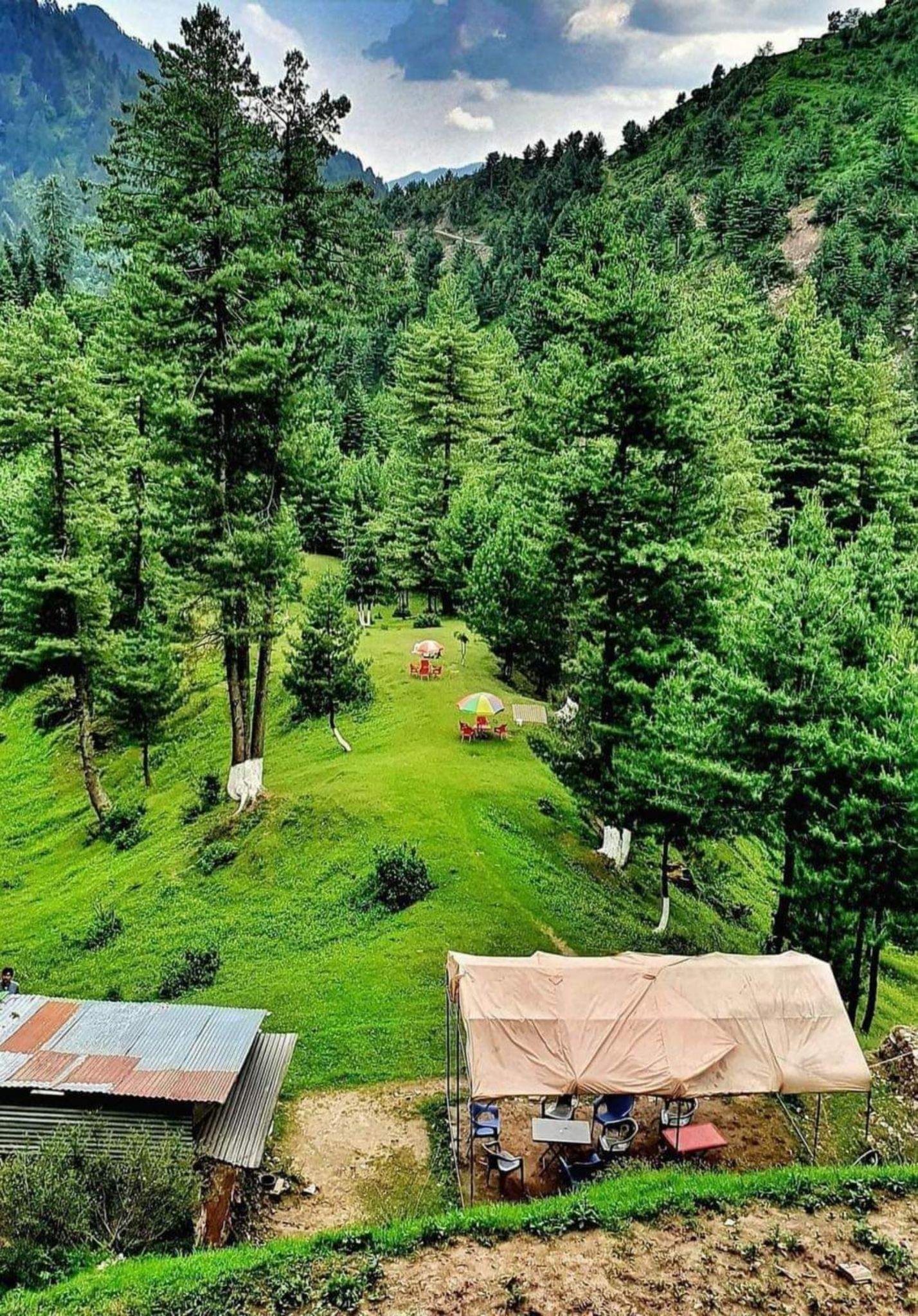
Chilgoza Pine Forests
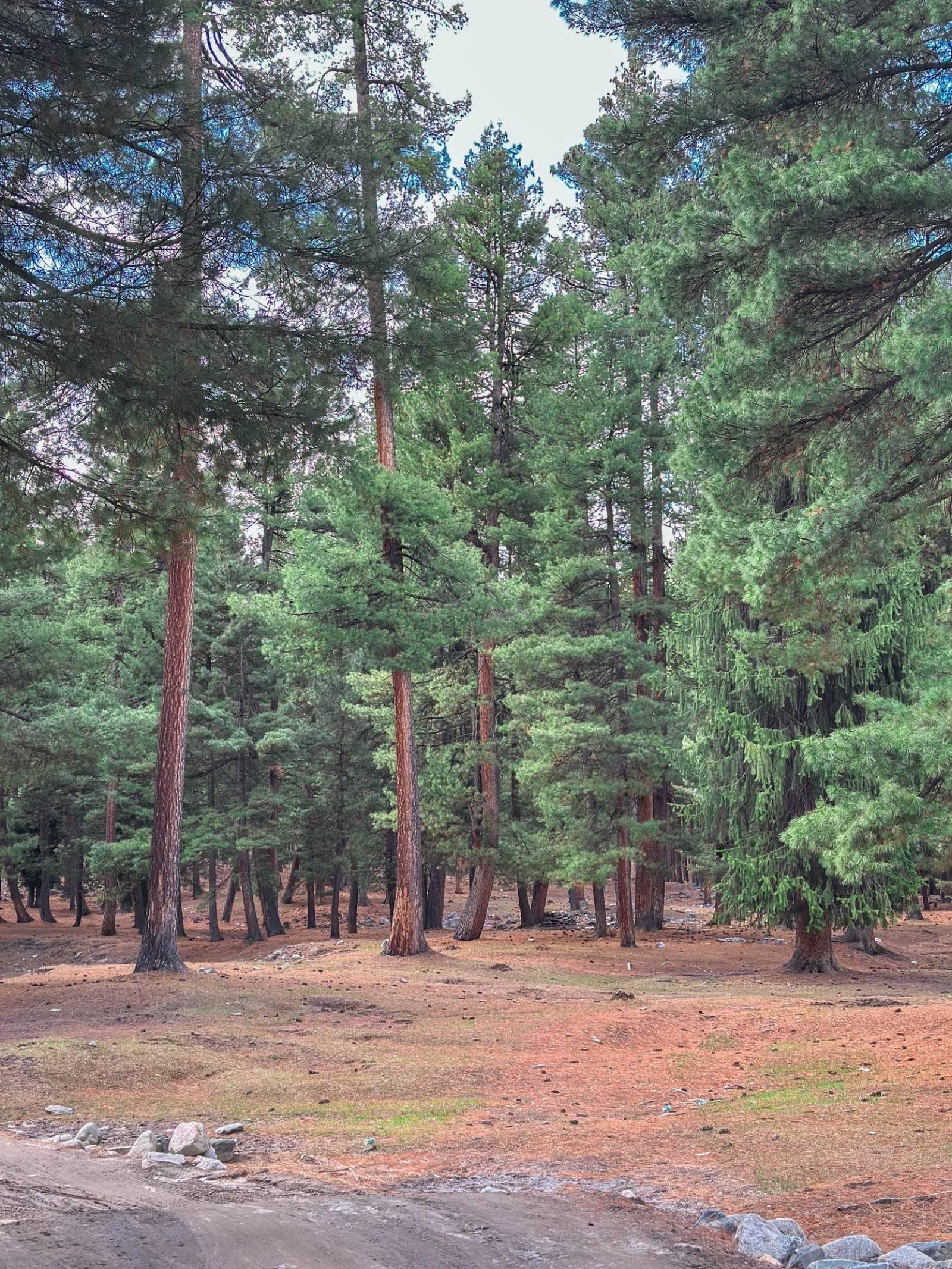
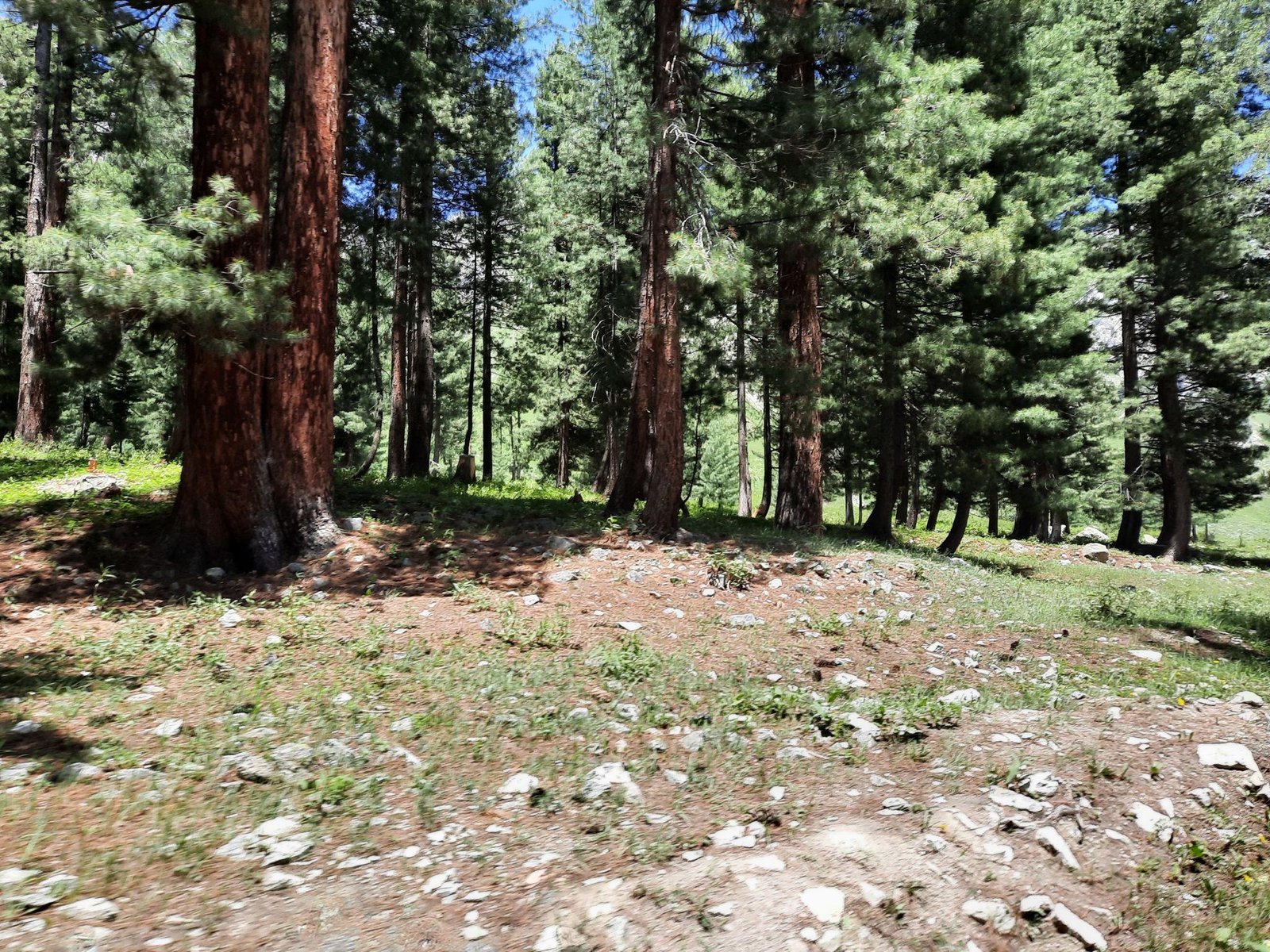
The forests of Naltar contain important stands of:
Chilgoza Pine
These forests contribute significantly to:
- local biodiversity
- watershed protection
- wildlife habitat
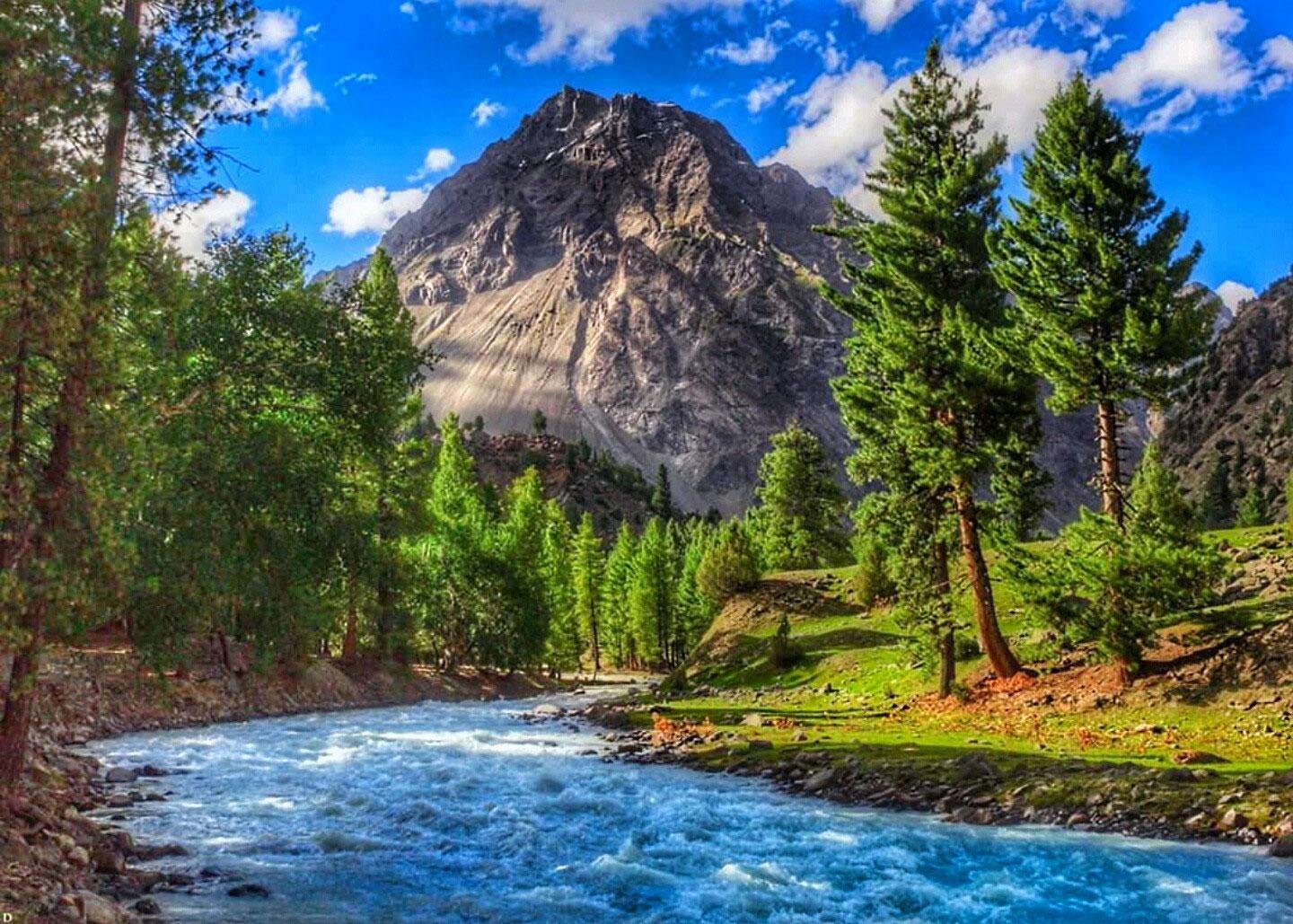
The dense tree cover creates a landscape that differs markedly from the drier valleys found elsewhere in Gilgit-Baltistan.
During summer, the forests provide:
- shade
- cooler temperatures
- scenic walking opportunities
Autumn brings subtle seasonal color changes that enhance the valley's photographic appeal.
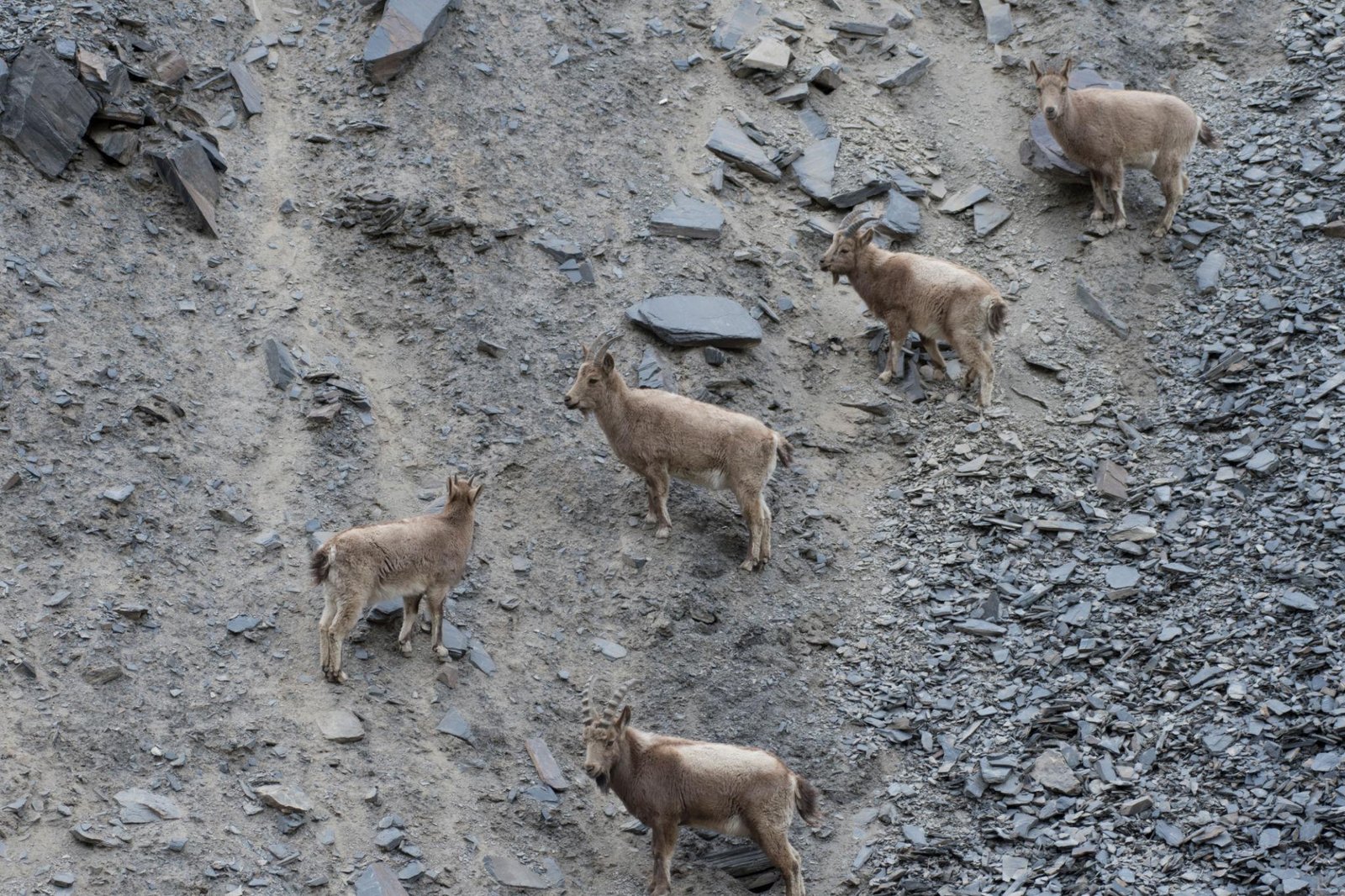
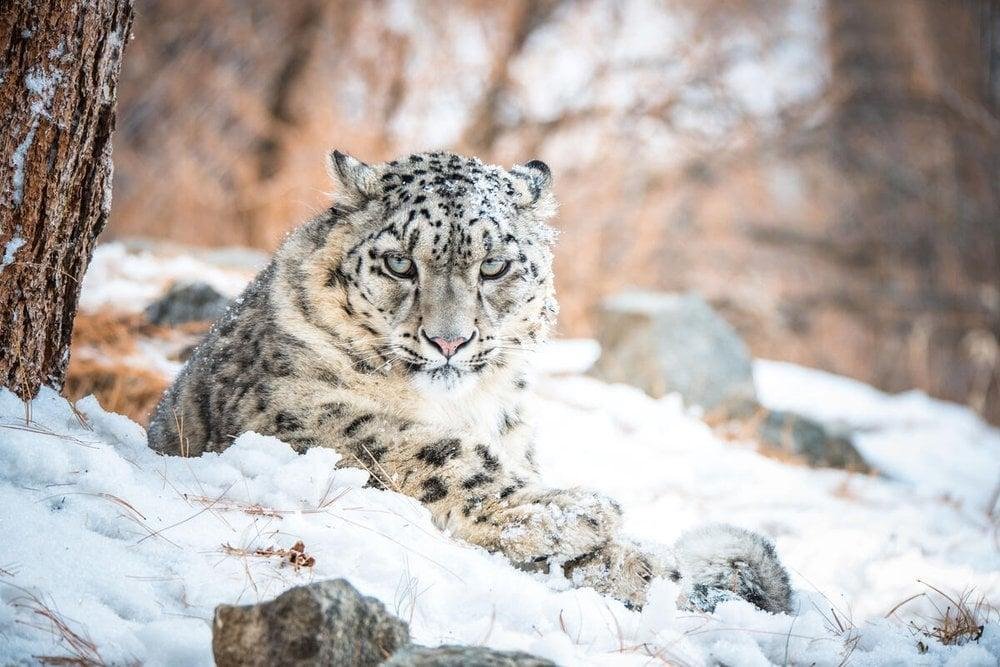
Snow Leopard Territory
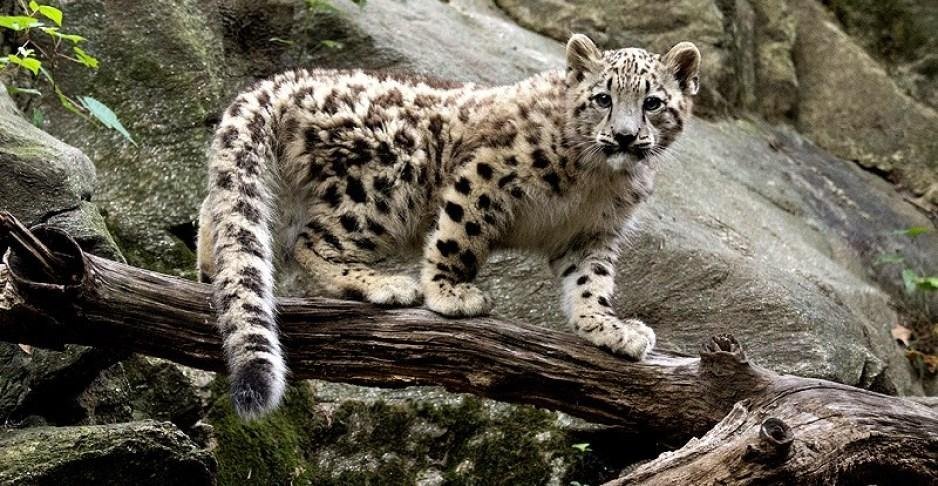
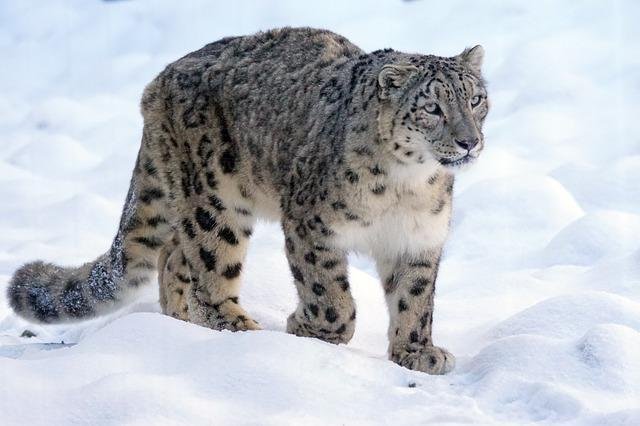
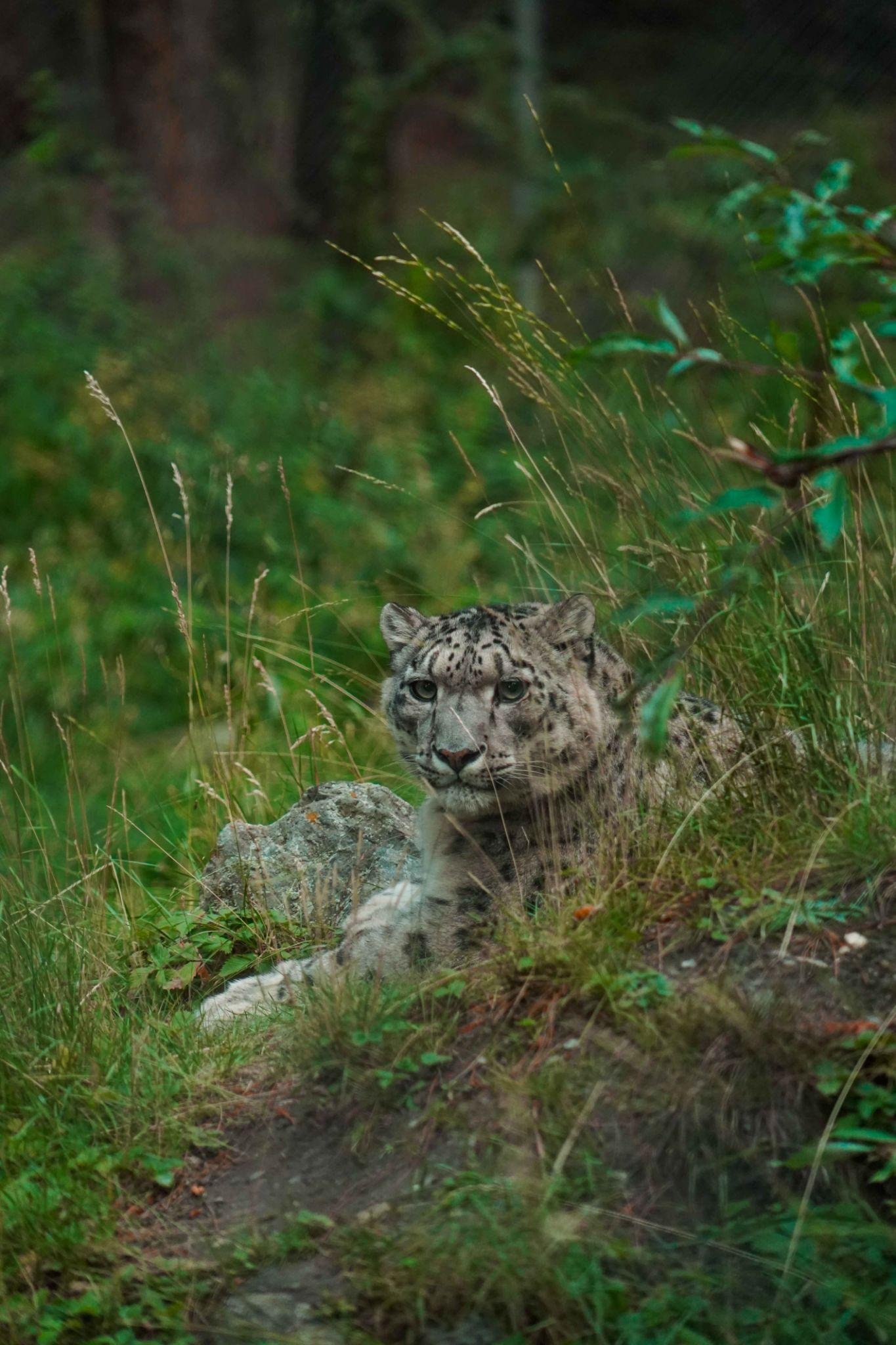
The remote mountains surrounding Naltar form part of the broader habitat of the Snow Leopard.
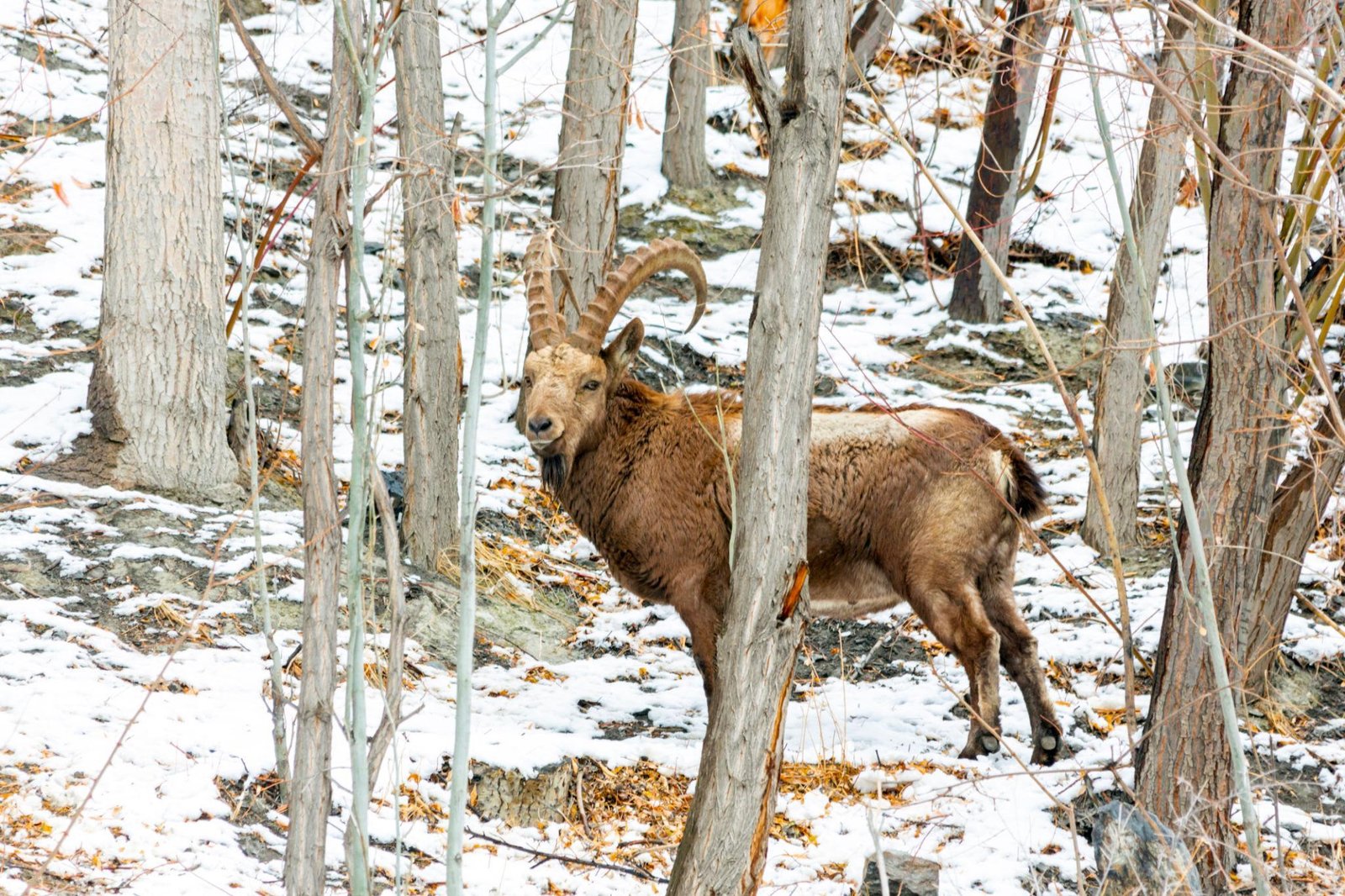
Although sightings are exceptionally rare, the region supports wildlife that includes:
- snow leopards
- ibex
- foxes
- various bird species
Most visitors are unlikely to encounter large mammals, but the presence of these animals highlights the ecological importance of the valley.
Wildlife enthusiasts may have better opportunities during:
- early mornings
- quieter seasons
- guided nature excursions
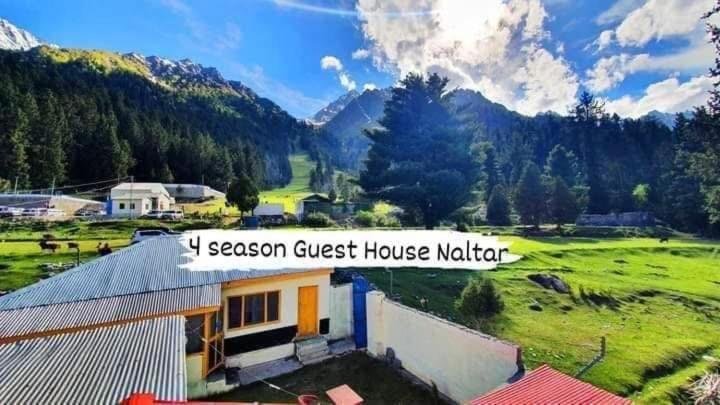
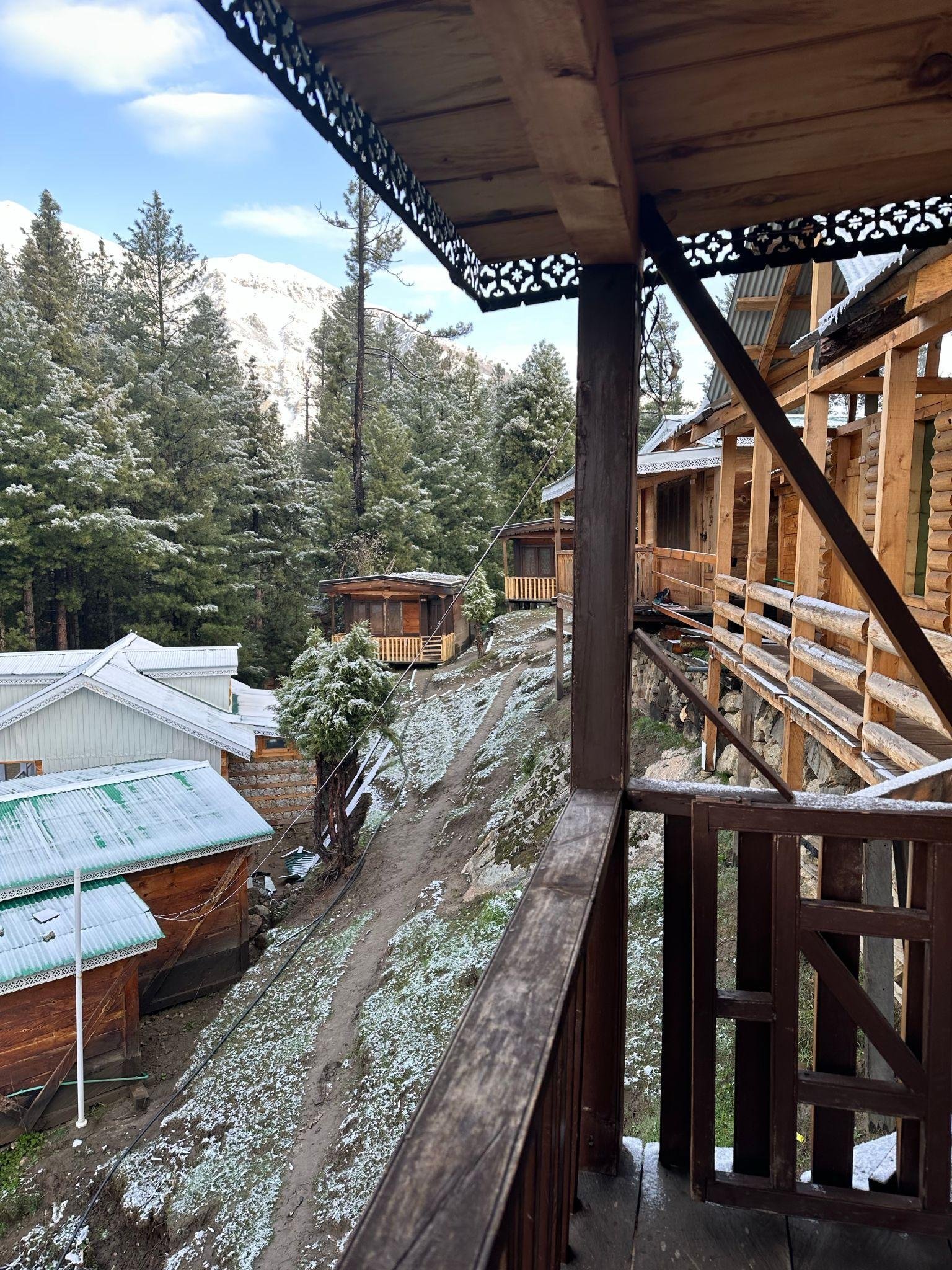
Where to Stay in Naltar
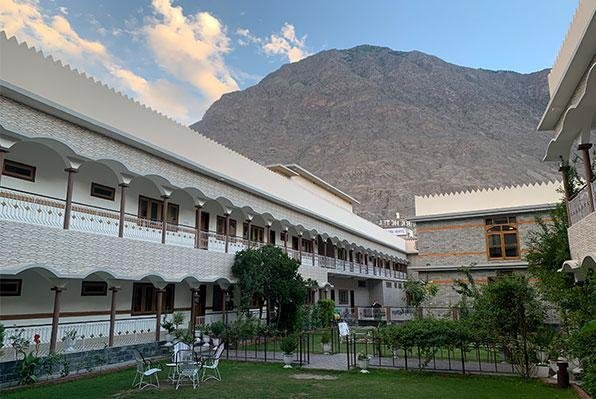
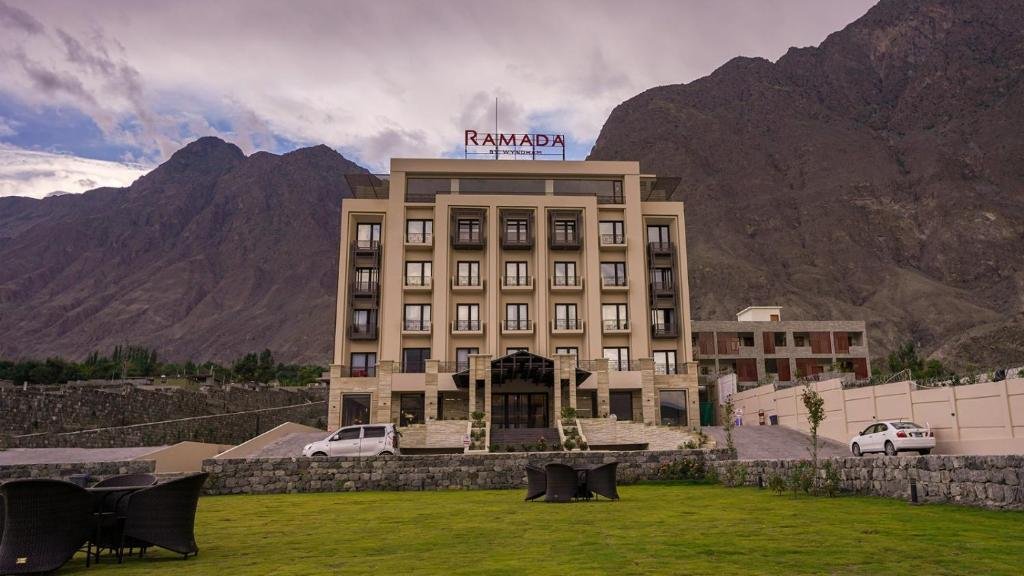
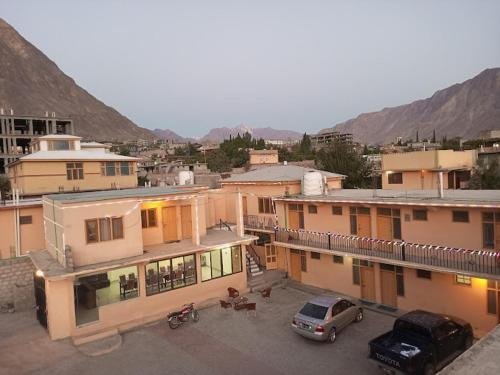
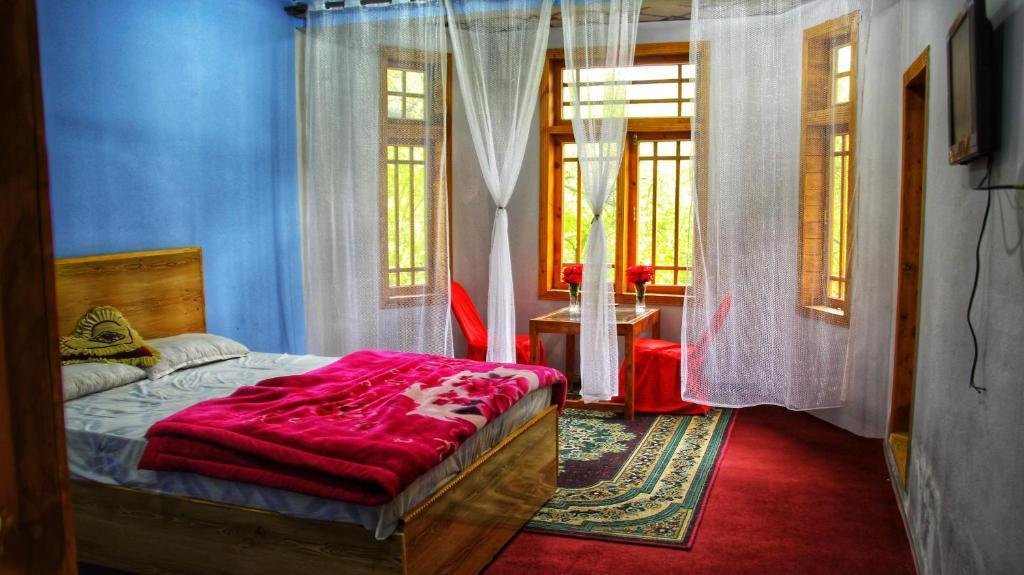
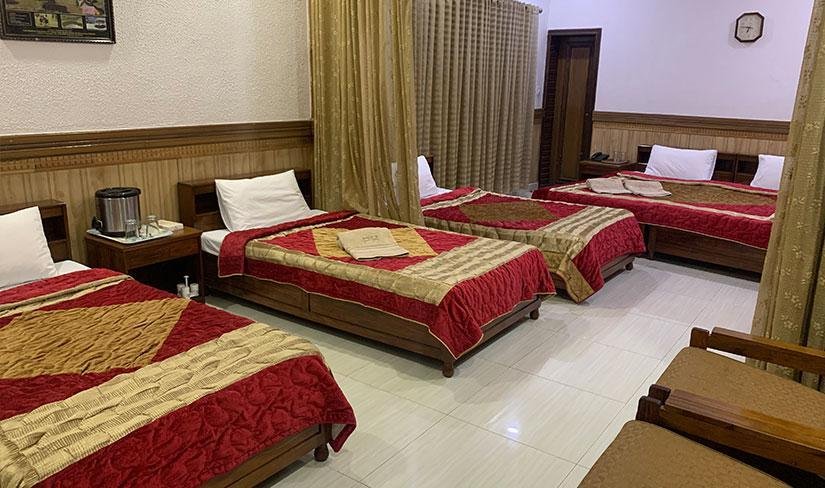
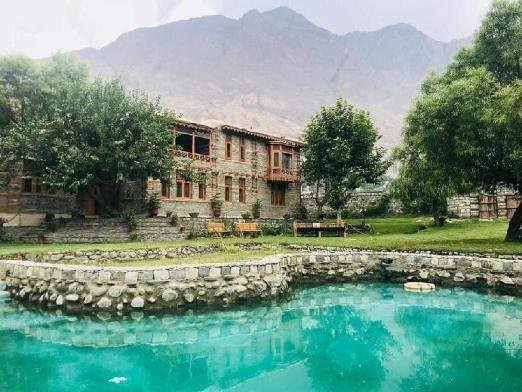
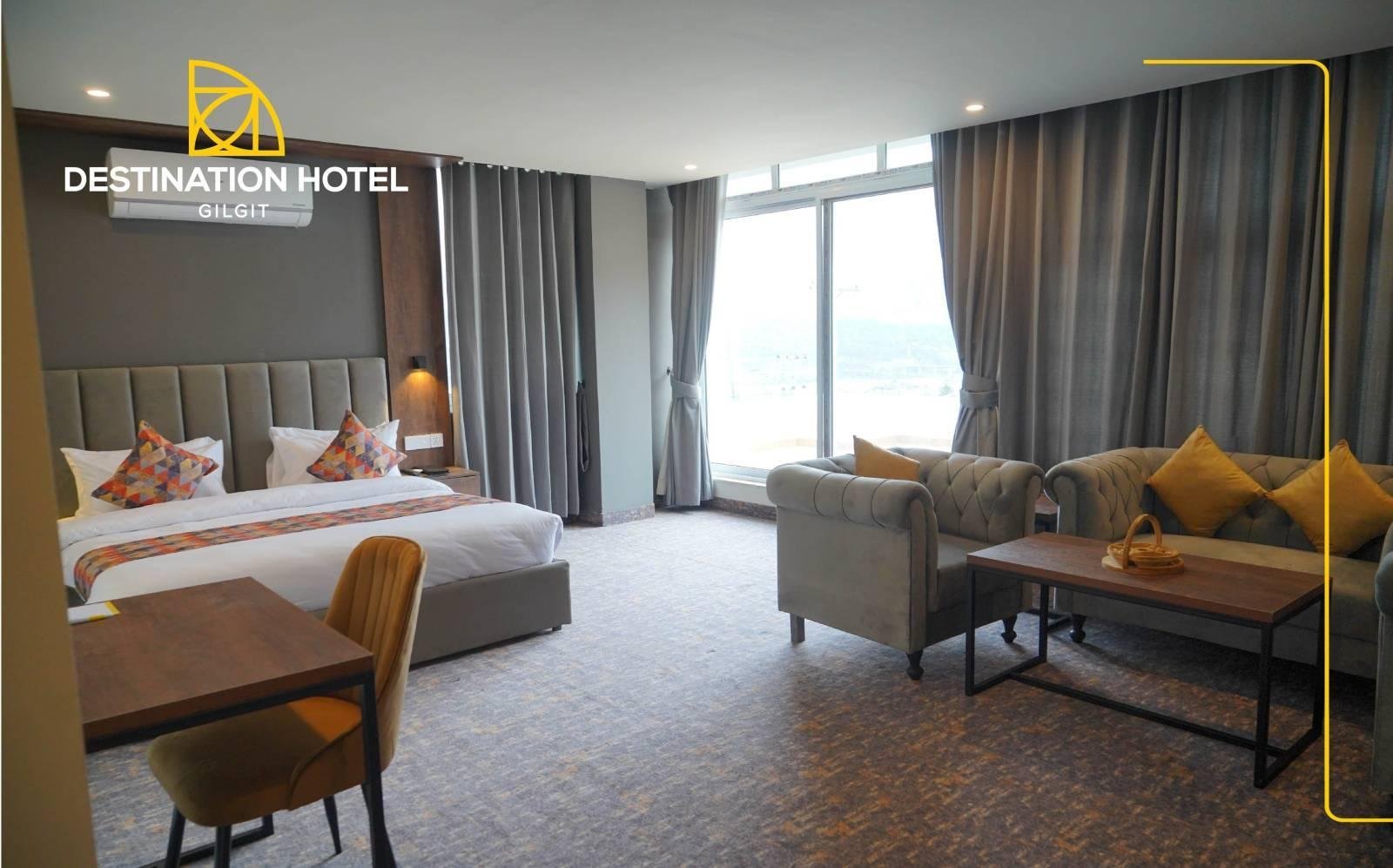
Accommodation options inside Naltar Valley remain relatively limited compared to larger tourism destinations such as Hunza or Skardu. Most visitors either stay within the valley itself or use Gilgit as a base.
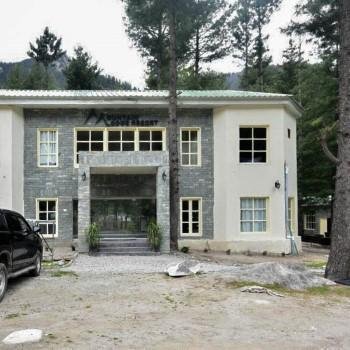
PAF Rest House
The PAF Rest House Naltar is among the best-known accommodation facilities in the valley.
Its location provides convenient access to:
- ski facilities
- surrounding forests
- Naltar's mountain scenery
The property is particularly popular during:
- ski season
- national sporting events
- summer tourism months
Availability can be limited during peak travel periods.
PTDC Motel
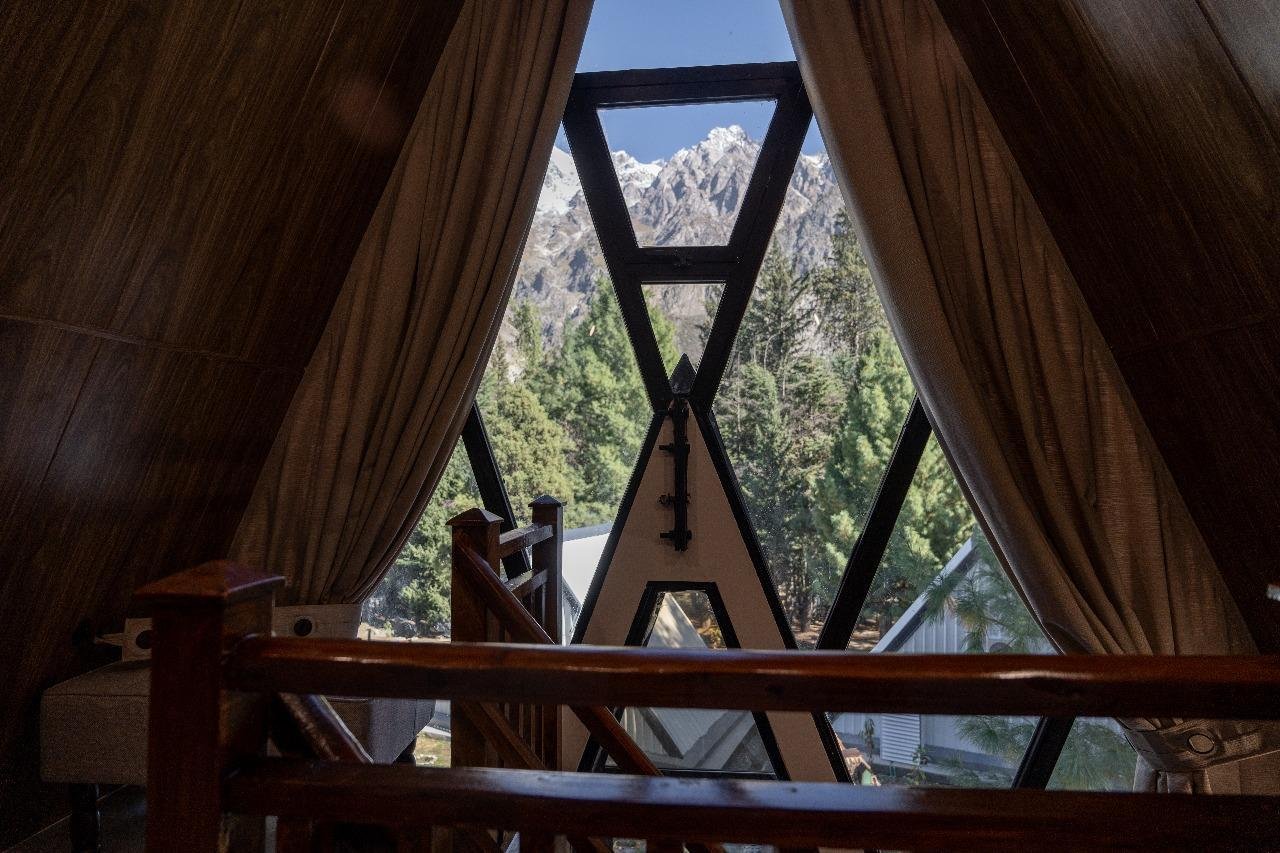
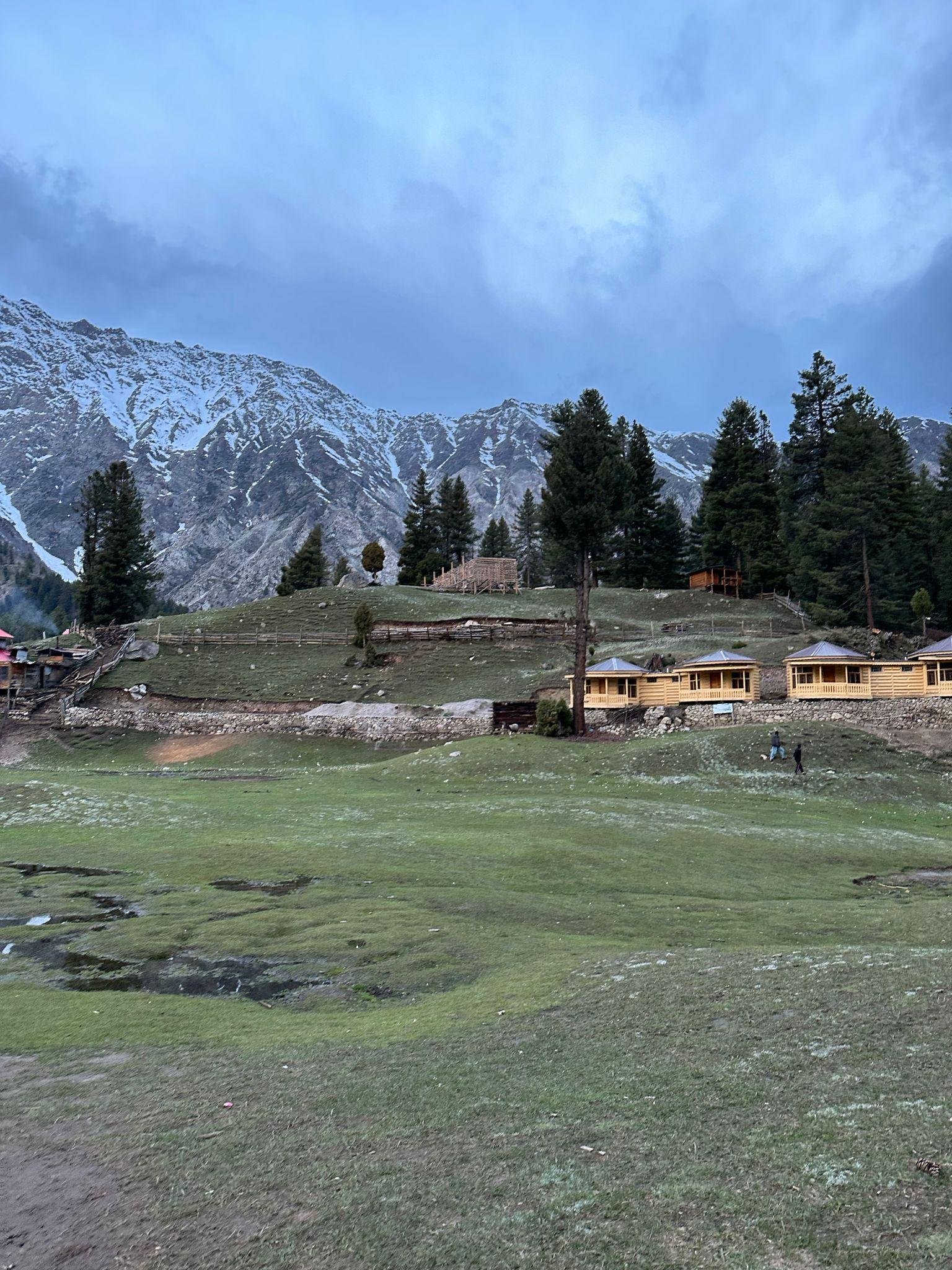
PTDC Motel Naltar has historically served travelers seeking accommodation within the valley.
Its setting offers:
- mountain views
- access to nearby attractions
- a peaceful environment
Operational status and facilities can vary over time, so visitors should verify availability before planning their stay.
The location provides a useful base for exploring:
- Naltar Lakes
- nearby forests
- trekking routes
- ski facilities
Local Guesthouses in Gilgit
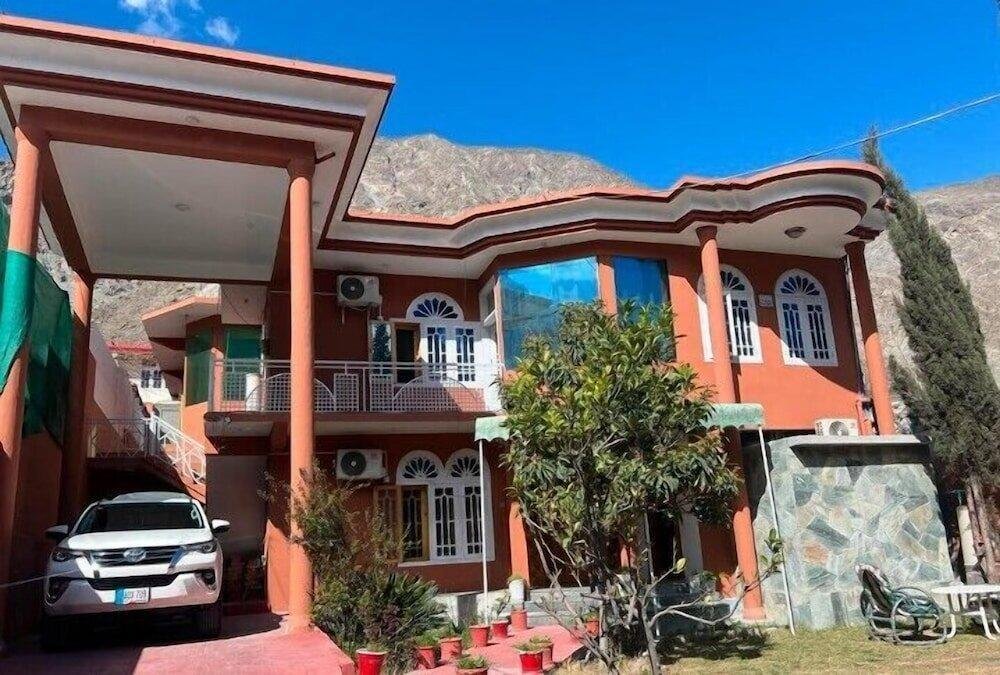
Many travelers choose to stay in Gilgit and visit Naltar as a day excursion.
Advantages include:
- greater accommodation choice
- easier transportation arrangements
- restaurants and cafes
- banking facilities
- reliable utilities
This option works particularly well for visitors with limited time or those planning to explore multiple destinations around Gilgit.
Recommended Itinerary
Naltar can be explored as either a day trip or an overnight excursion depending on your schedule and interests.
1-Day Day Trip from Gilgit
Ideal for travelers with limited time.
Morning
- Depart from Gilgit early
- Scenic jeep journey into Naltar Valley
- Forest and mountain photography stops
Midday
- Visit Naltar Lake
- Explore Satrangi Lake
- Enjoy views of surrounding forests and mountains
Afternoon
- Continue to Upper Naltar viewpoints
- Short nature walks
- Return toward Gilgit
Evening
- Arrive back in Gilgit
This itinerary provides enough time to experience the valley's most famous lakes while avoiding an overnight stay.
2-Day Overnight in Naltar
Recommended for travelers who want to experience both the lakes and the valley atmosphere.
Day 1
- Travel from Gilgit to Naltar
- Visit Naltar Lake
- Explore Satrangi Lake
- Photography during golden hour
- Overnight in Naltar
Day 2
- Sunrise photography
- Forest walks
- Explore Upper Naltar
- Optional short trekking excursion
- Return to Gilgit
An overnight stay allows visitors to enjoy the valley before and after day-trip crowds arrive.
Travel Budget & Costs
Travel costs vary depending on:
- group size
- transportation choice
- accommodation preferences
- season
Budget Travelers
Typical expenses include:
- shared transport
- guesthouse accommodation
- local meals
Mid-Range Travelers
Generally includes:
- private jeep transport
- hotel stays
- guided excursions
Photography and Adventure Travelers
Additional costs may include:
- specialized transport
- overnight camping
- trekking guides
- extended itineraries
Winter ski trips often require higher budgets because of equipment, accommodation demand, and transport logistics.
Jeep Hire, Permits & Accommodation
The largest expense for most visitors is jeep transportation.
Costs typically involve:
- round-trip jeep hire from Gilgit
- driver charges
- waiting time
- fuel
Additional expenses may include:
- accommodation
- meals
- permits if required
- guide services
Traveling in groups can significantly reduce transportation costs by sharing vehicle expenses.
Packing List
The appropriate packing list depends on the season of travel.
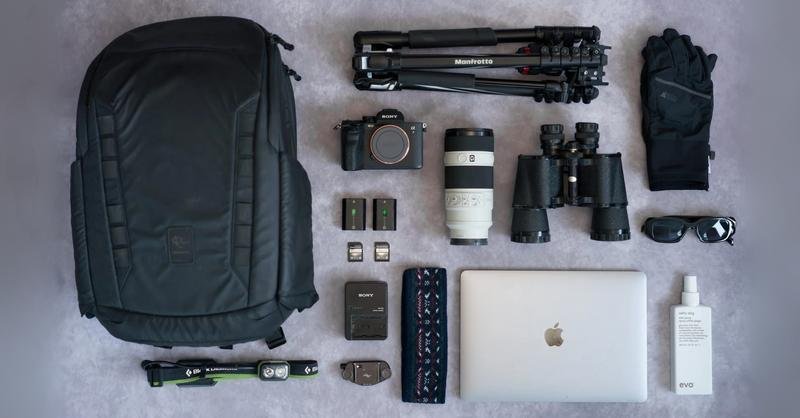
Essential Items
- valid identification
- sunglasses
- sunscreen
- reusable water bottle
- camera equipment
- power bank
- personal medications
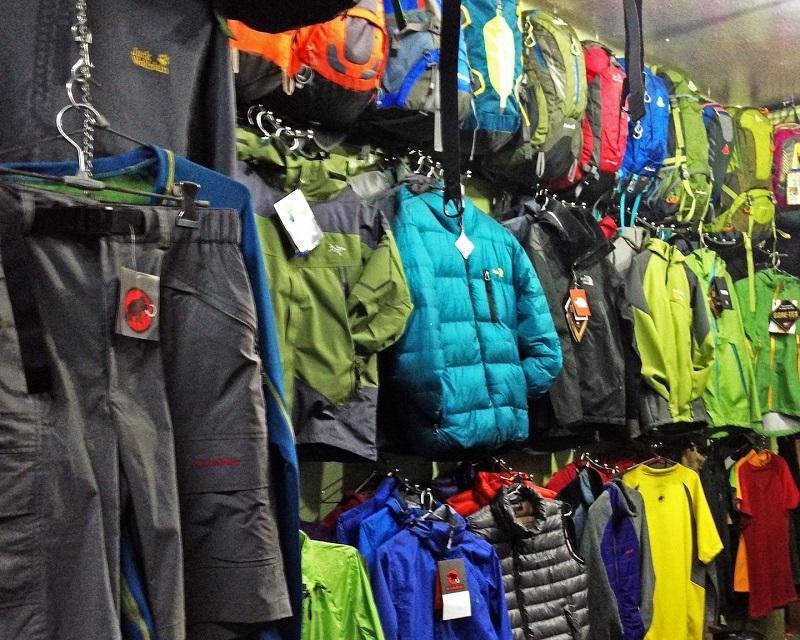
Summer Packing
- light hiking clothes
- waterproof jacket
- trekking shoes
- warm evening layers
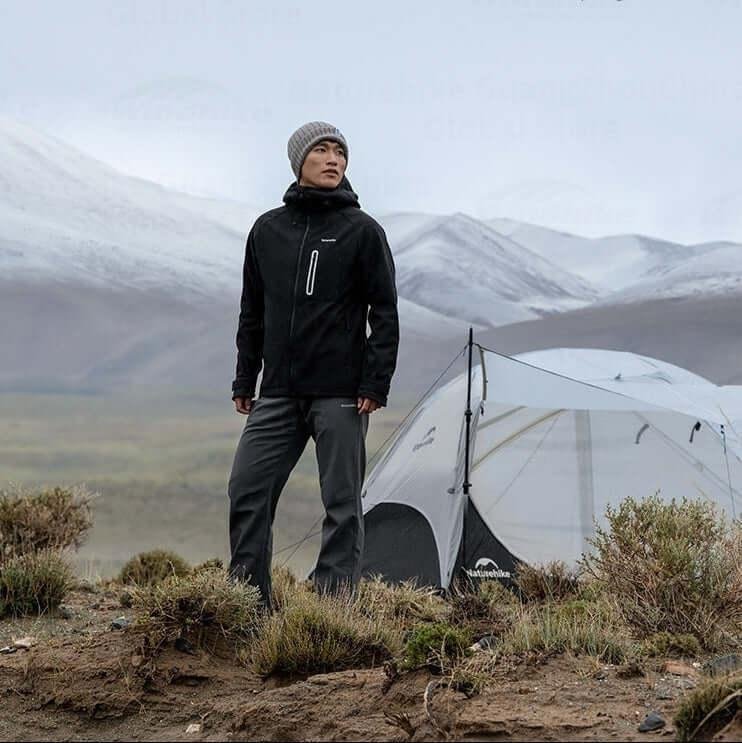
Winter Packing
- insulated jacket
- thermal clothing
- gloves
- winter boots
- wool hat
- snow gear
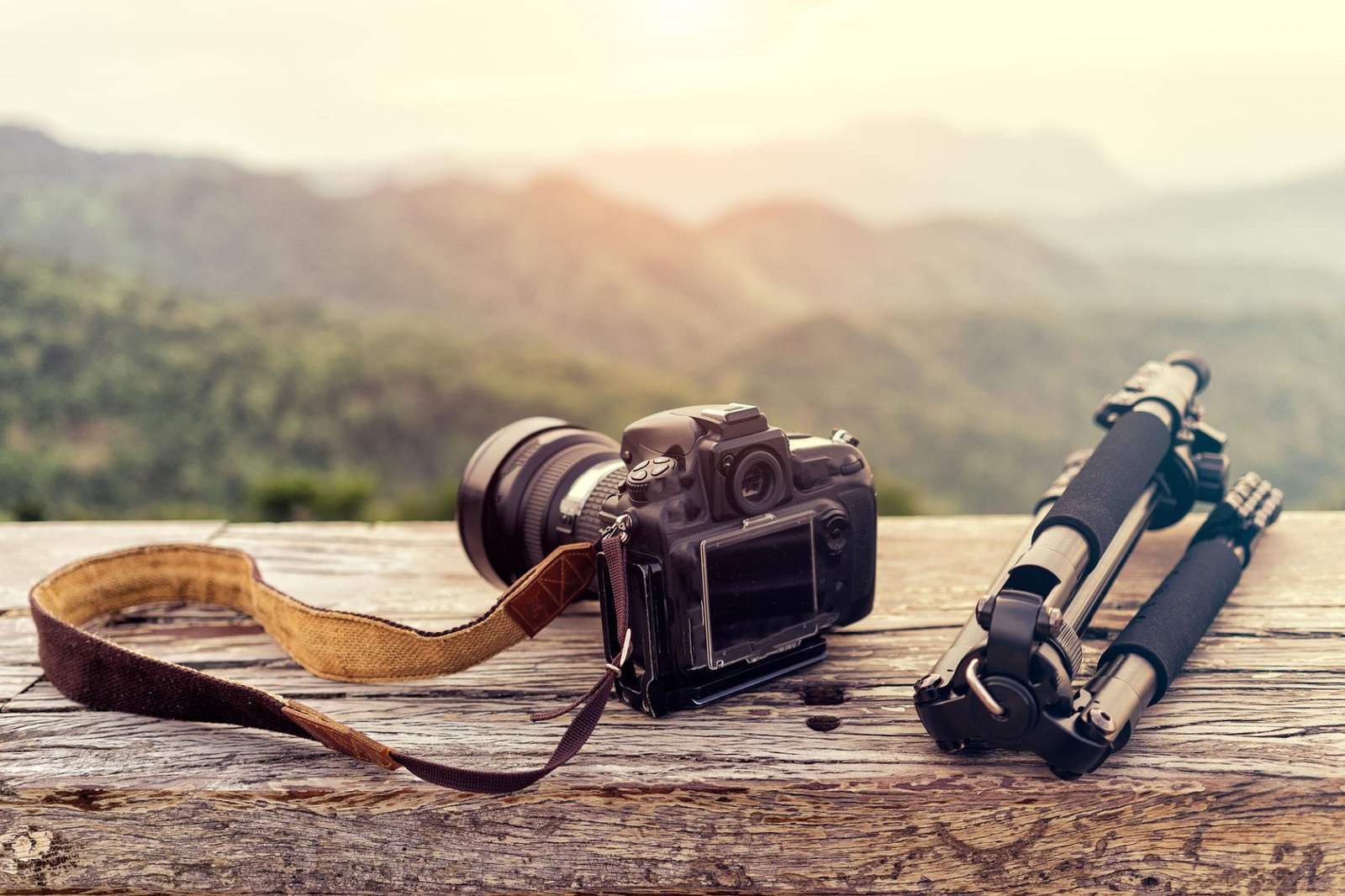
Photography Equipment
Naltar is one of the most photogenic destinations near Gilgit.
Recommended gear includes:
- wide-angle lens
- telephoto lens
- spare batteries
- tripod
- waterproof protection
Cold weather can reduce battery performance during winter months.
FAQs
Is Naltar Valley Worth Visiting?
Yes. Naltar offers a combination of:
- colorful lakes
- pine forests
- skiing
- trekking
- mountain scenery
that differs significantly from other destinations in Gilgit-Baltistan.
How Far Is Naltar from Gilgit?
The valley is approximately 45 kilometers from Gilgit and typically requires around two hours of travel by jeep.
Do I Need a 4x4 Vehicle?
Yes. Most sections beyond the lower valley require a jeep or high-clearance vehicle because of rough road conditions.
What Is the Most Famous Lake in Naltar?
Satrangi Lake is generally considered the most famous due to its striking colors and scenic surroundings.
Can I Visit Naltar in Winter?
Yes. Winter is one of the most popular seasons because of skiing and snow-covered landscapes.
Is Naltar Suitable for Families?
Yes. Families frequently visit during summer for sightseeing, lake visits, and nature excursions.
How Many Days Should I Spend in Naltar?
One day is sufficient for the main lakes, while two days provides a more relaxed experience with opportunities for trekking and photography.
Disclaimer
The information in this guide is intended for general planning purposes only. Road conditions, permit requirements, accommodation availability, transportation schedules, access regulations, and weather conditions can change due to seasonal factors, infrastructure maintenance, snowfall, landslides, or local administrative decisions.
The itineraries provided are suggested frameworks and may require adjustment based on:
- weather conditions
- road accessibility
- personal fitness
- transportation availability
- local guidance
Travelers should always verify current conditions with local authorities, accommodation providers, transportation operators, tourism offices, or affiliated tour companies before departure.
Responsible travel helps preserve the natural beauty, wildlife habitats, forests, and alpine ecosystems that make Naltar Valley one of Gilgit-Baltistan's most distinctive destinations.

![K2 Base Camp Trek: Ultimate Guide k2 Trek 2026 [UPDATED]](https://karakoramdiaries.com/storage/ultimate-guide-to-k2-base-camp-trek-full-document-150x150.png)