Shandur Pass & Polo Festival Guide: The World’s Highest Polo Ground in Northern Pakistan
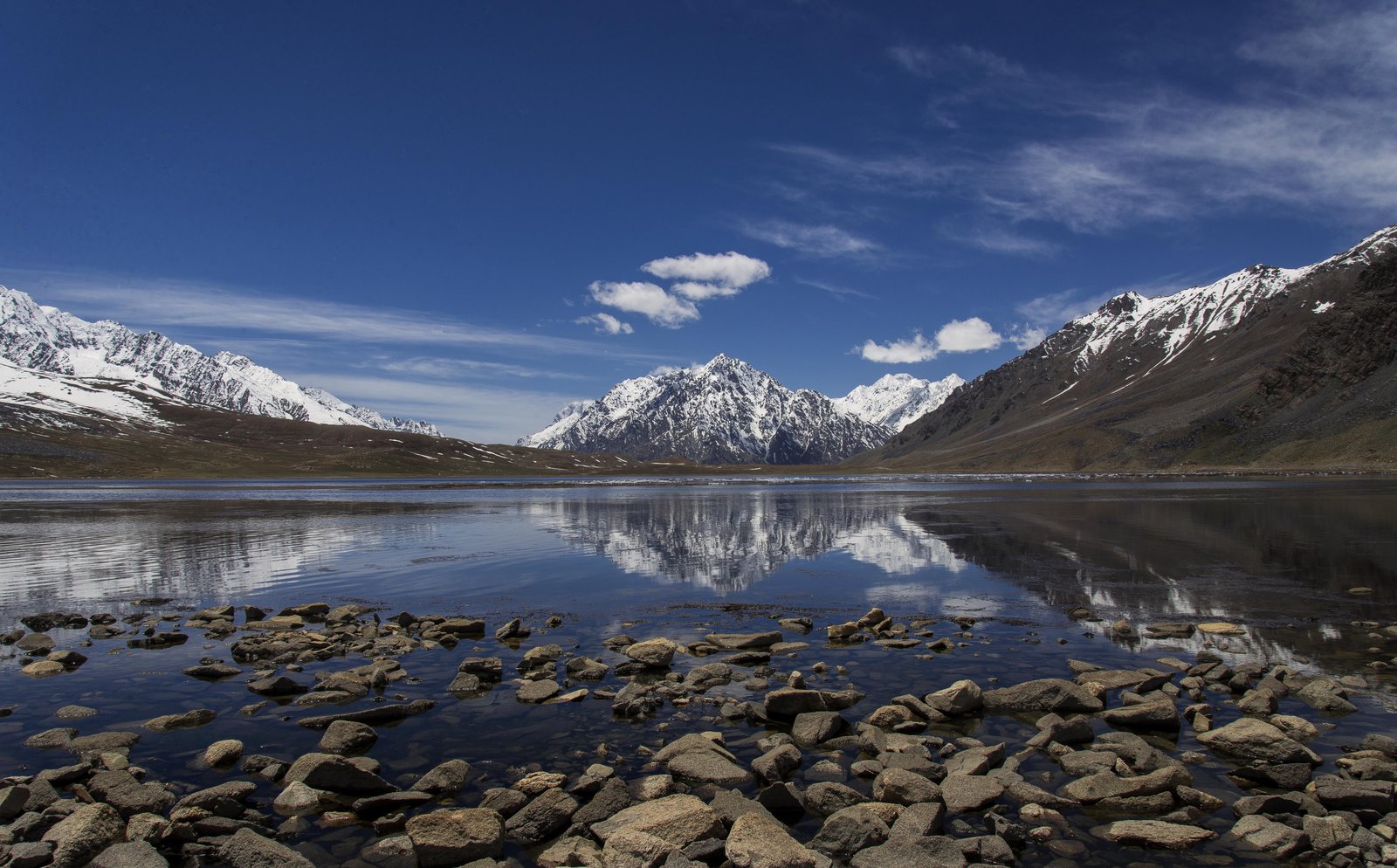
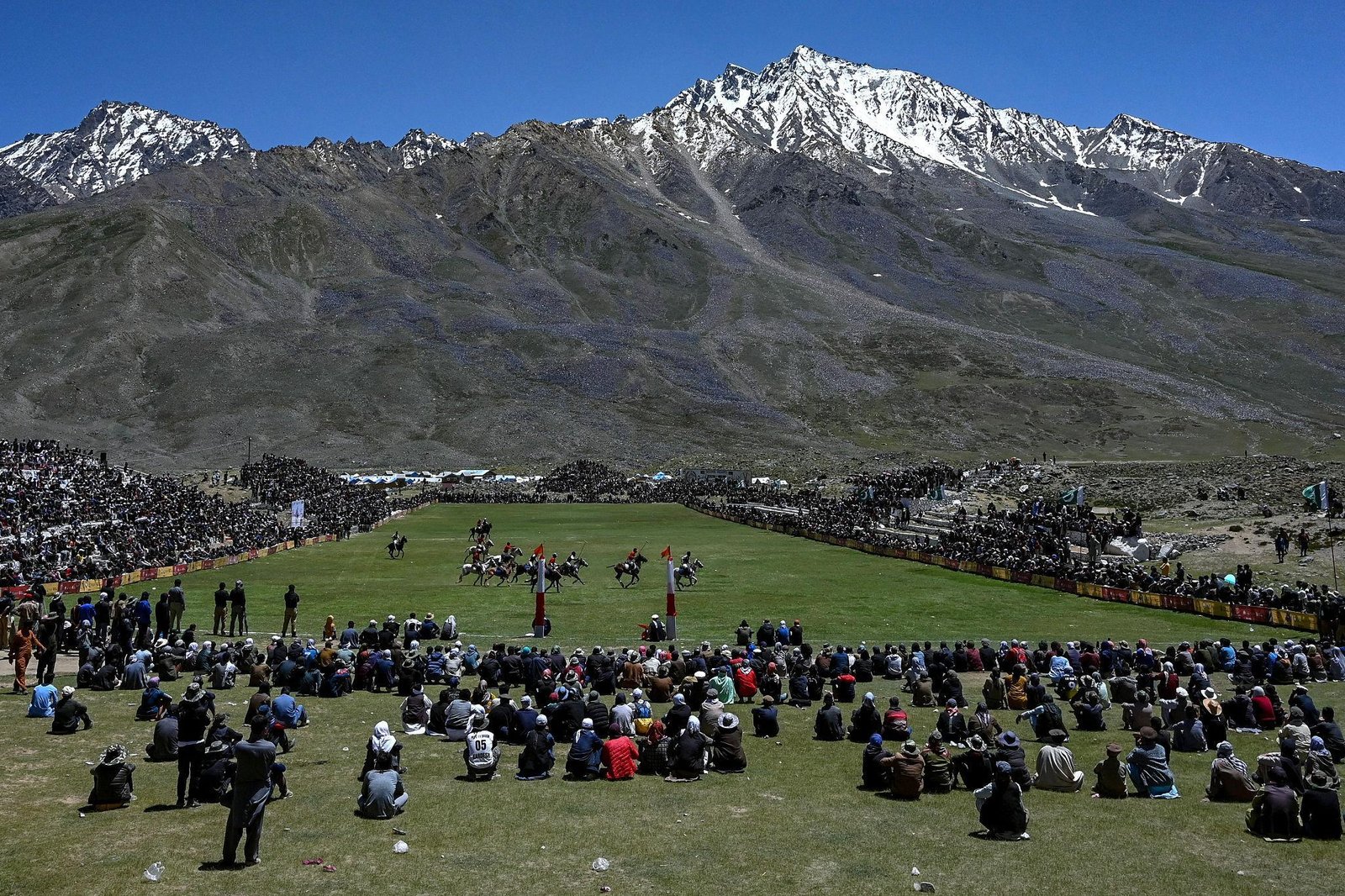
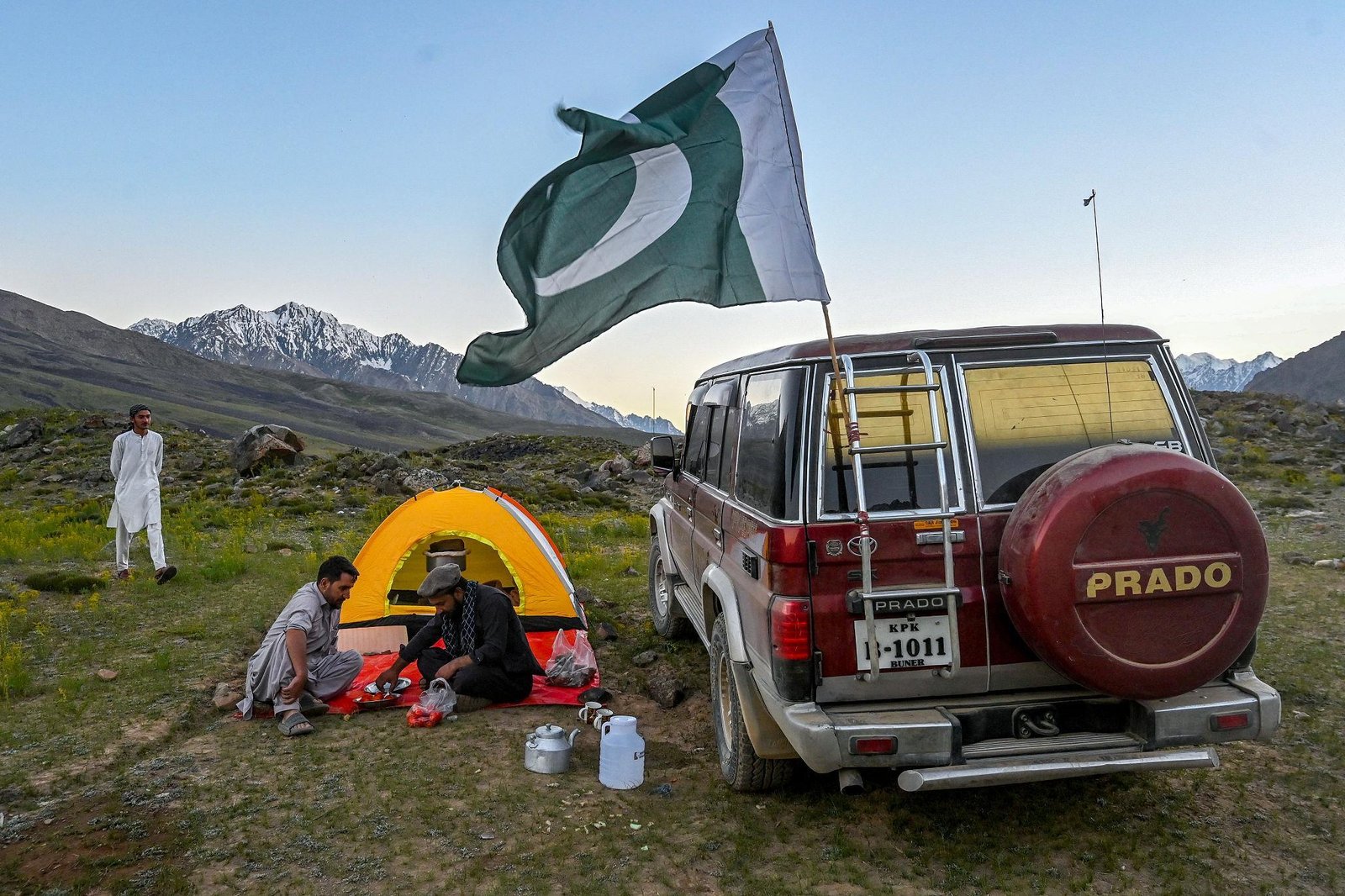
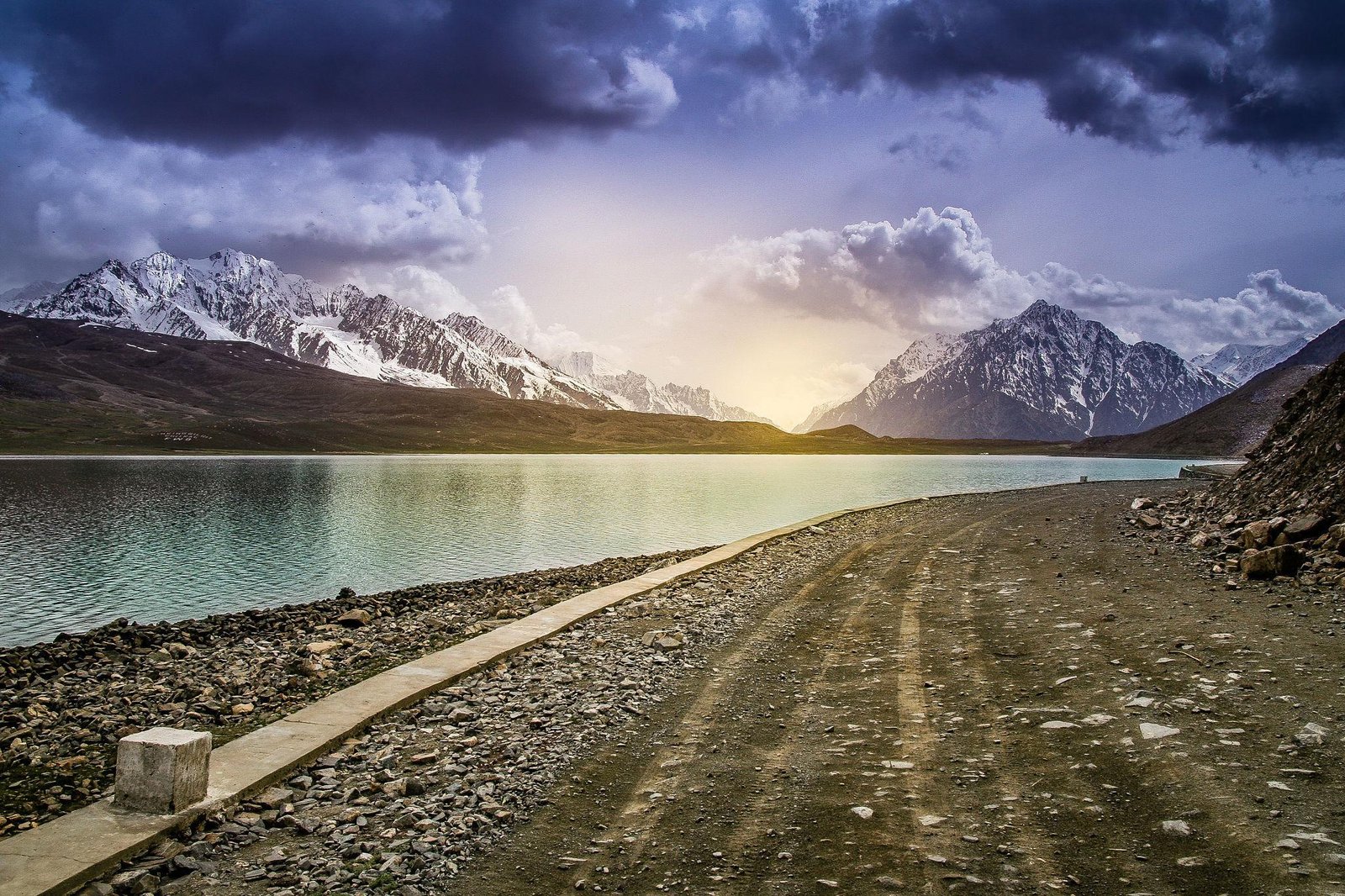
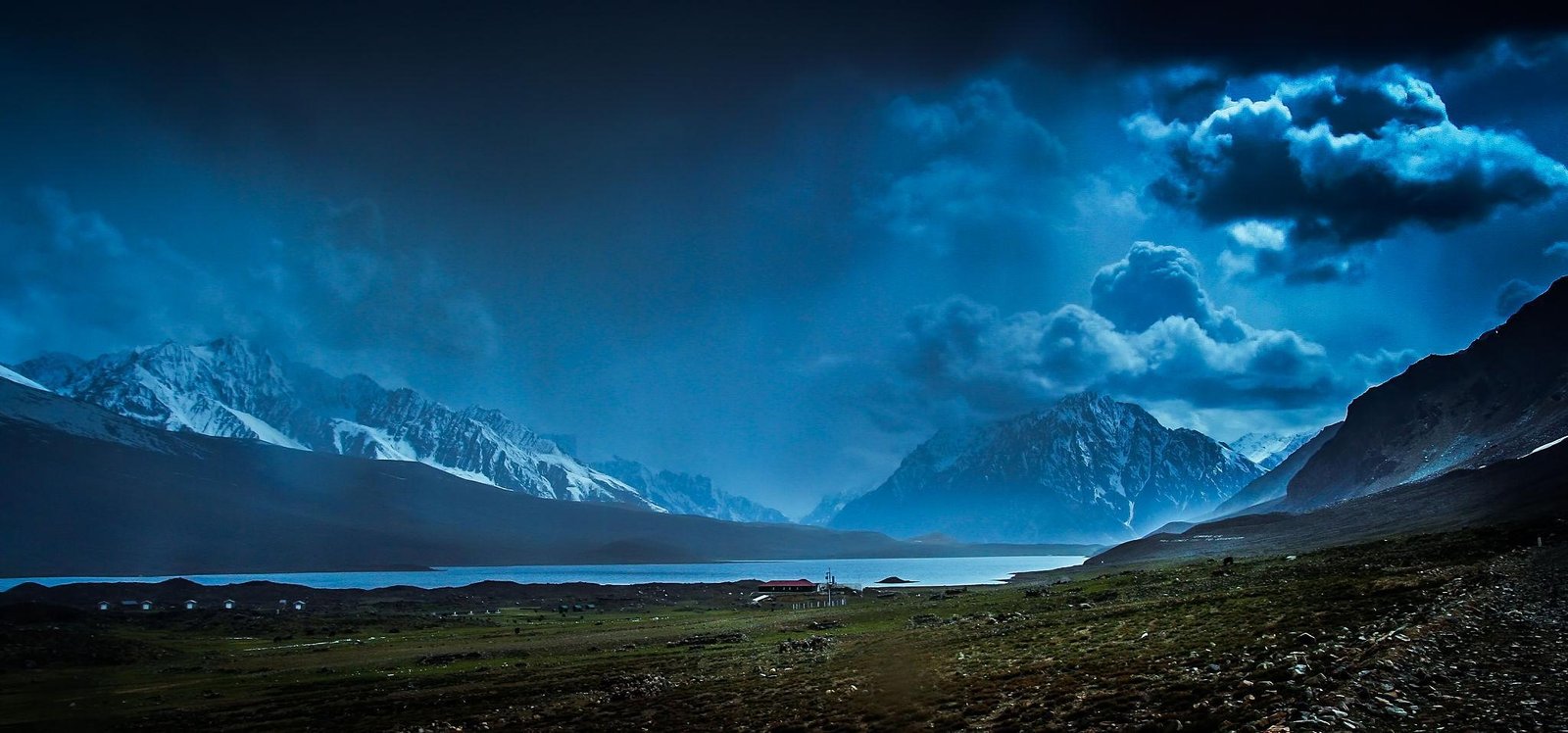
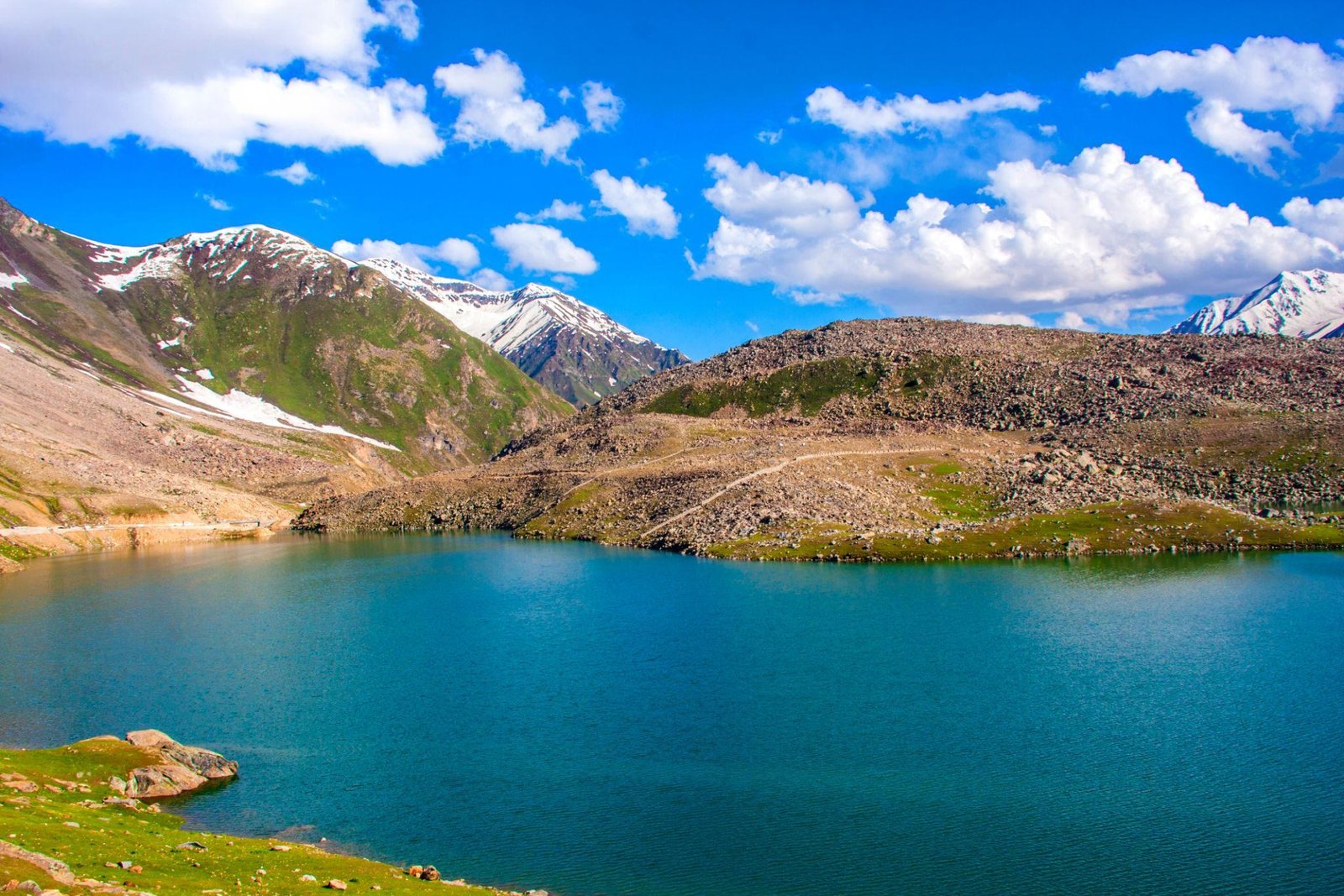
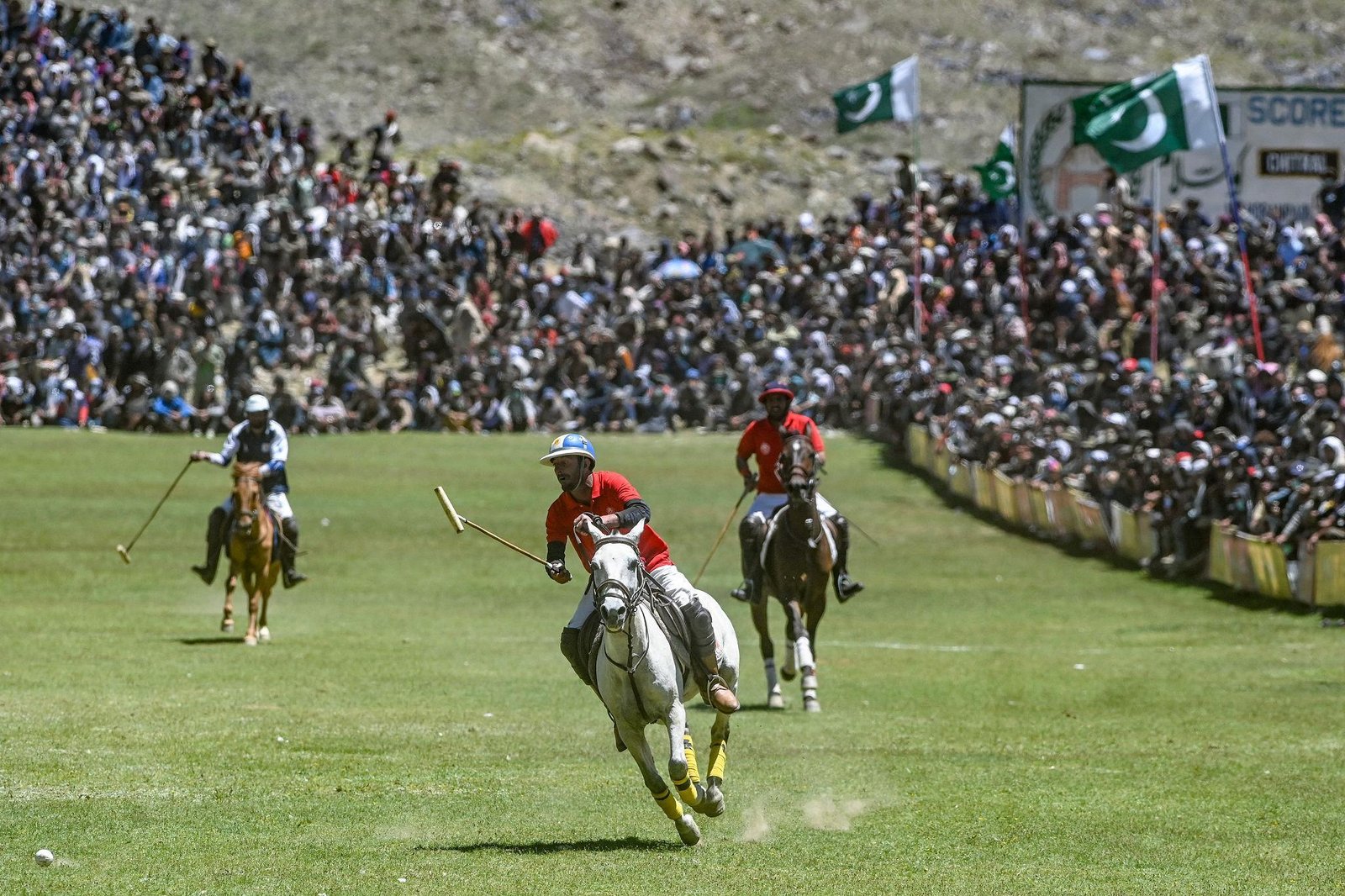
Table of contents [Show]
- About Shandur Pass
- The Shandur Polo Festival
- History of the Festival
- How It Works (Teams, Rules, Format)
- Festival Atmosphere and Culture
- How to Get There
- Road Conditions and Permits
- Best Time to Visit
- What to See Around Shandur
- Where to Stay
- Practical Travel Tips
- Recommended Itinerary
- Frequently Asked Questions
About Shandur Pass
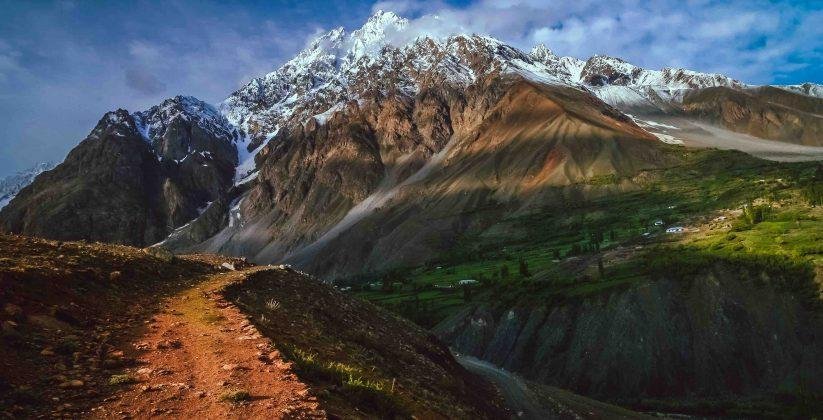
Shandur Pass is one of Pakistan’s most remarkable high-altitude mountain passes, located between the regions of Gilgit-Baltistan and Chitral at an elevation of approximately 3,700 meters.
Widely known as the “Roof of the World,” Shandur is famous for:
- vast alpine plateaus
- dramatic mountain scenery
- high-altitude lakes
- nomadic summer landscapes
- the annual Shandur Polo Festival
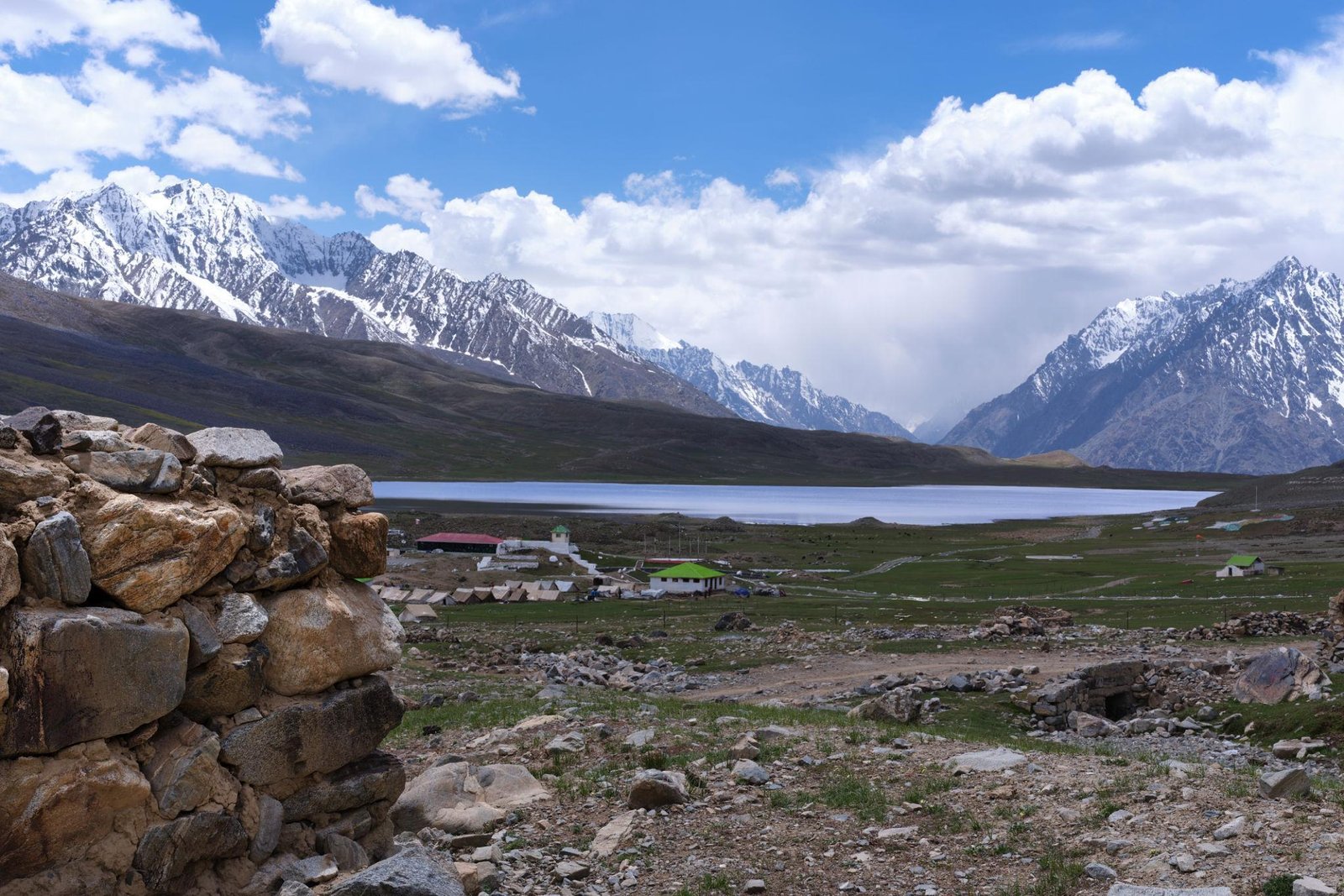
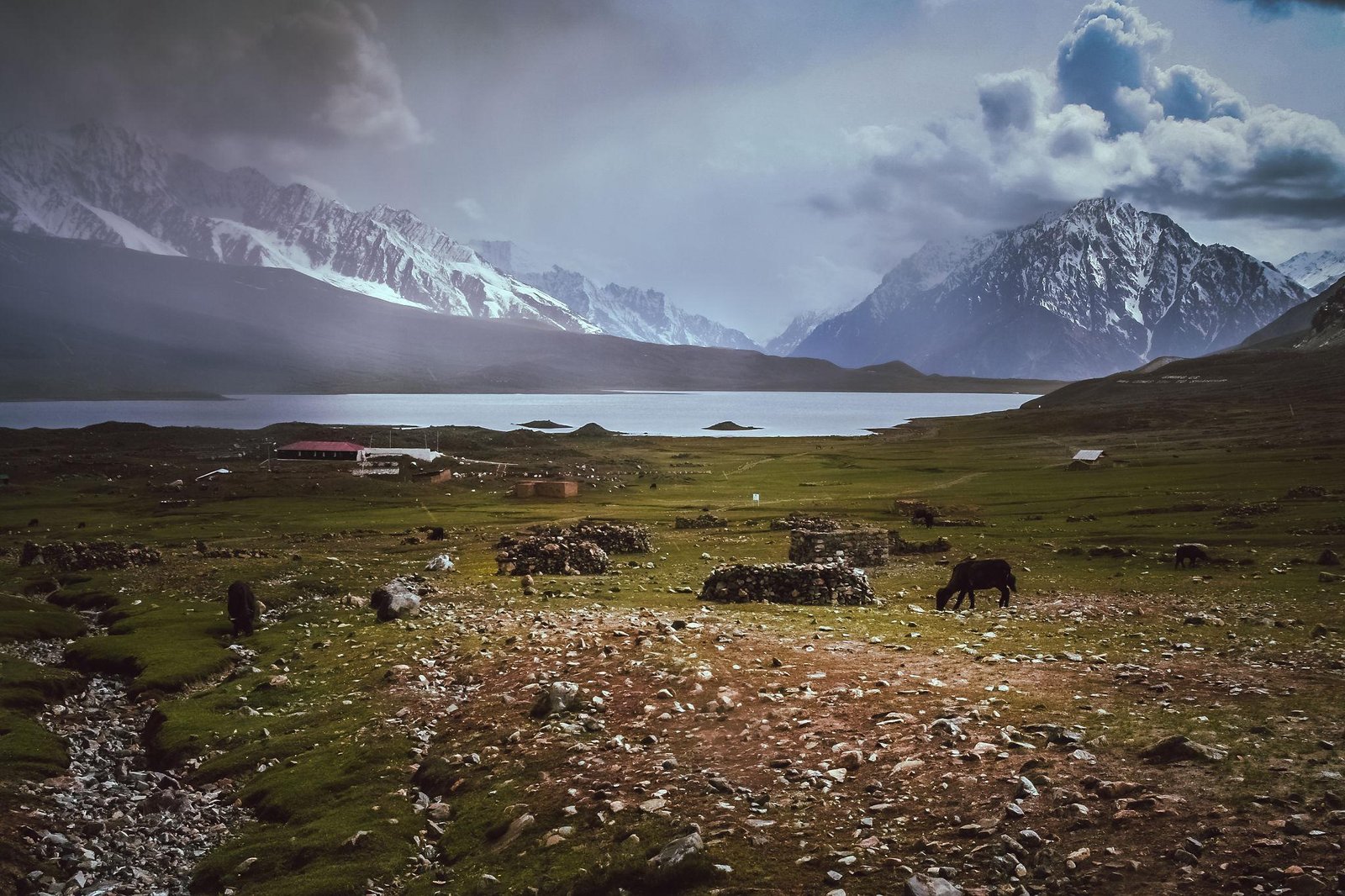
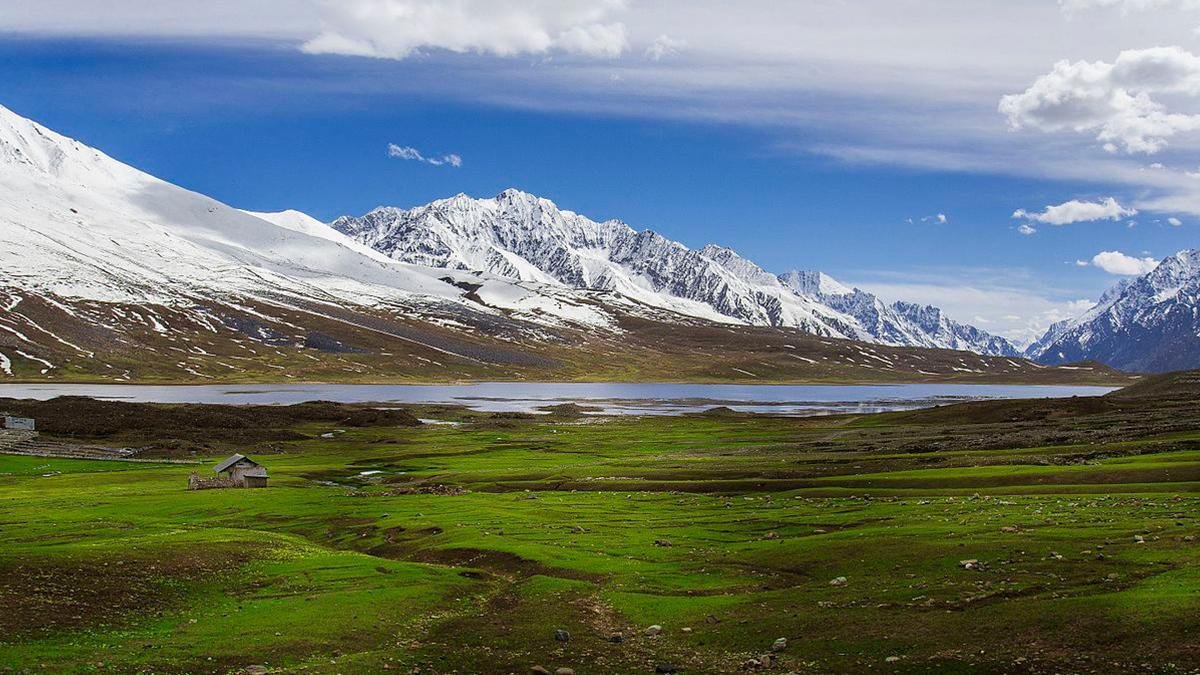
Unlike the narrow rocky passes common in the Karakoram, Shandur opens into an unusually broad plateau surrounded by rolling grasslands, snow-covered peaks, and cold mountain lakes.
During summer, the area becomes one of northern Pakistan’s most distinctive cultural and sporting destinations as travelers gather to witness freestyle mountain polo between teams from:
- Chitral
- Gilgit
The combination of remote mountain scenery and traditional polo culture gives Shandur a very different atmosphere from the trekking destinations of Hunza or Skardu.
The Shandur Polo Festival
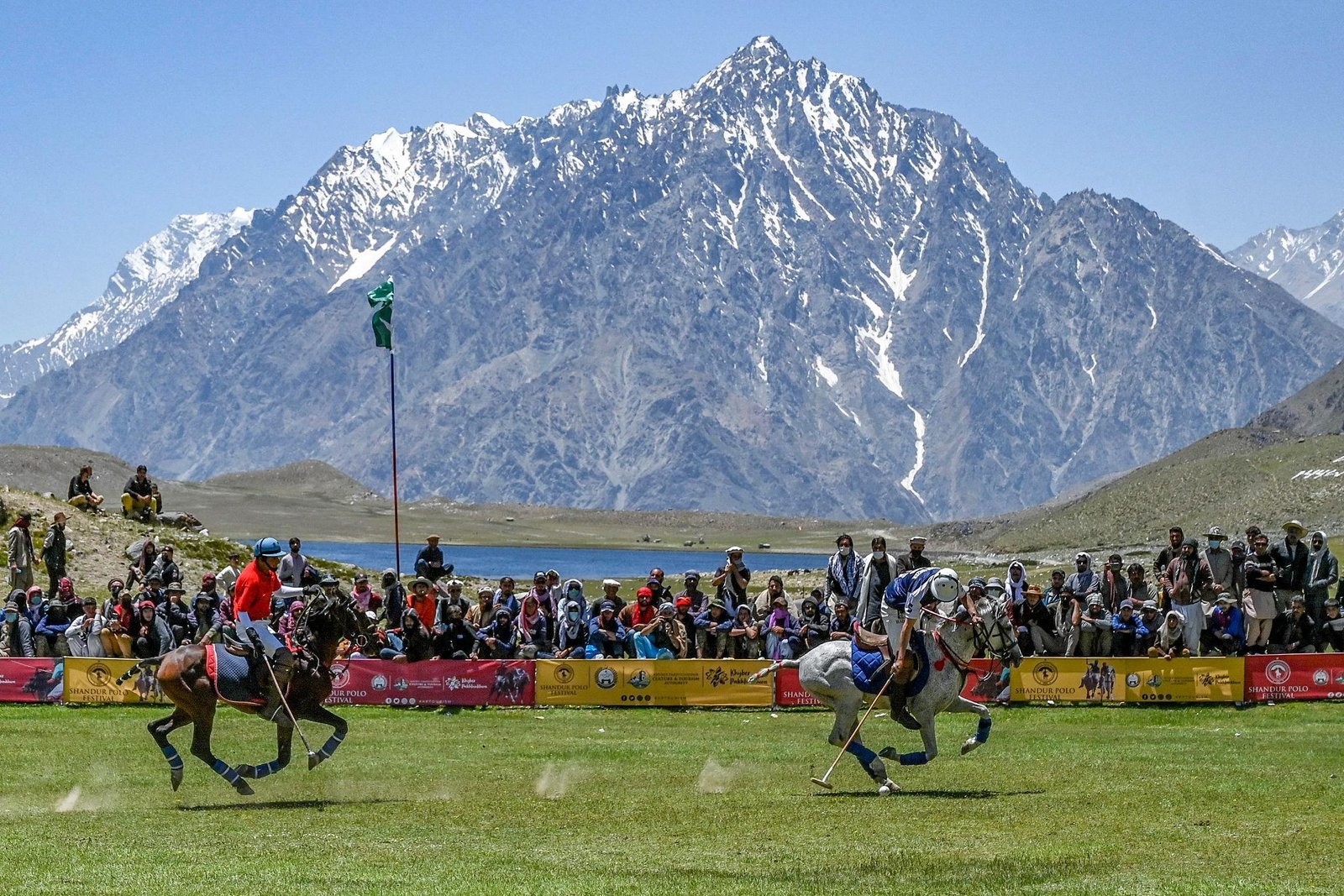
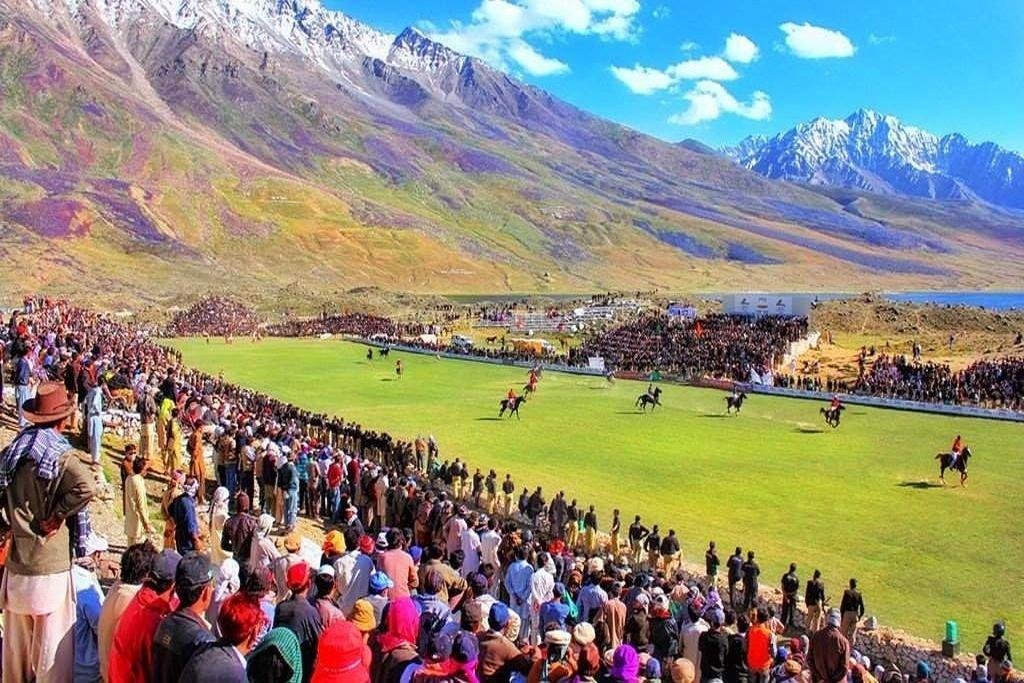
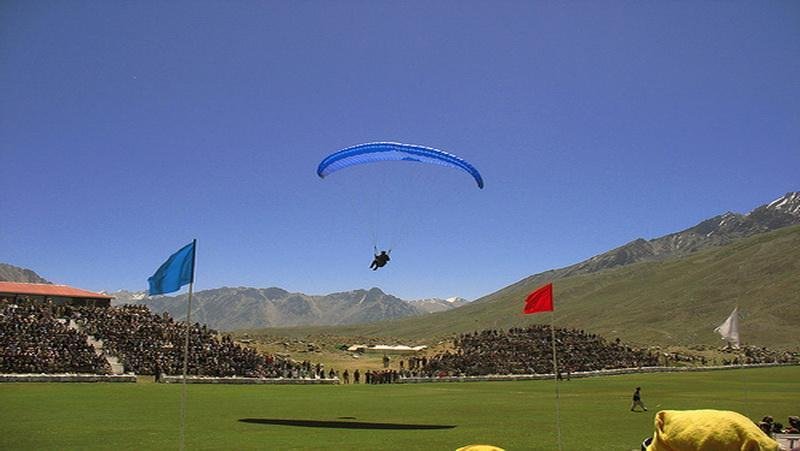
The Shandur Polo Festival is Pakistan’s most famous traditional polo event and one of the country’s most recognizable mountain festivals.
Held annually during summer, usually in July, the festival transforms the quiet alpine plateau into a temporary cultural gathering attended by:
- local communities
- domestic tourists
- photographers
- international travelers
- media crews
- adventure travelers
The event combines:
- freestyle polo matches
- traditional music
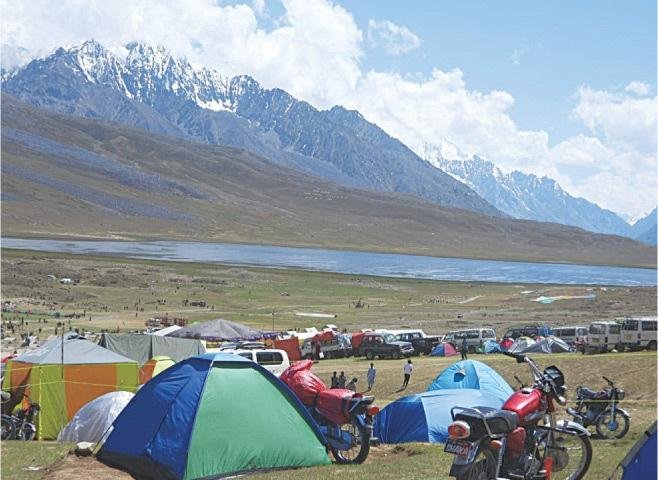
- camping
- folk performances
- local food stalls
- regional cultural exhibitions
Unlike formal international polo, Shandur polo retains a raw and traditional style deeply connected to mountain communities.
History of the Festival
Polo has existed in the mountain regions of Chitral and Gilgit for centuries and remains deeply tied to local identity.
The modern Shandur Polo Festival developed during the twentieth century as organized matches between Chitral and Gilgit became formalized.
Historically, the festival symbolized:
- regional rivalry
- horsemanship
- endurance
- mountain culture
Local traditions describe polo in these northern valleys as:
- fast-paced
- aggressive
- minimally restricted
- physically demanding
Unlike regulated international polo fields, the Shandur matches maintain a traditional freestyle format played at high altitude.
The event gradually evolved into a major tourism attraction while still retaining strong local cultural participation.
How It Works (Teams, Rules, Format)
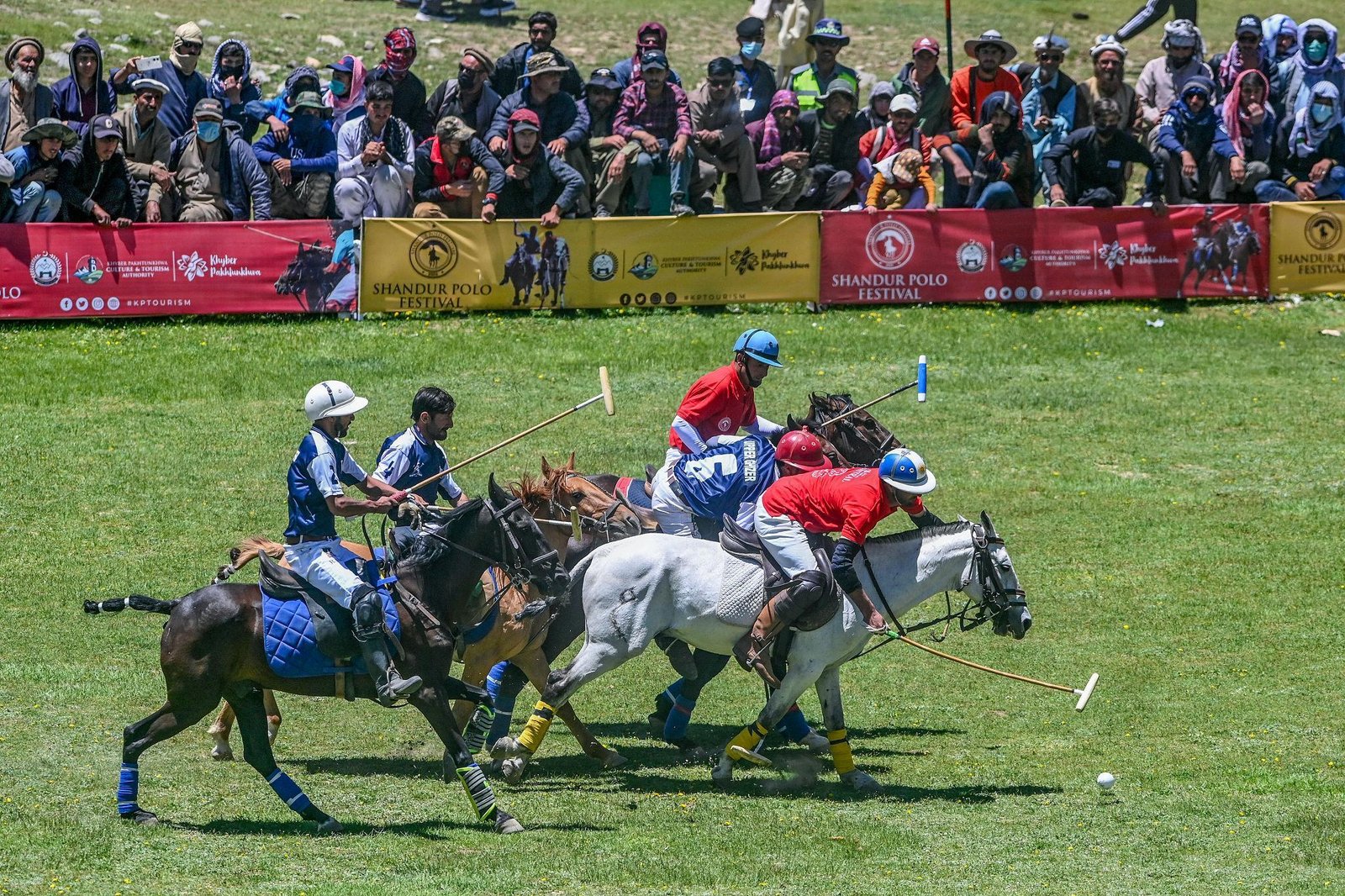
The festival’s main attraction is the polo competition between teams representing:
- Chitral
- Gilgit
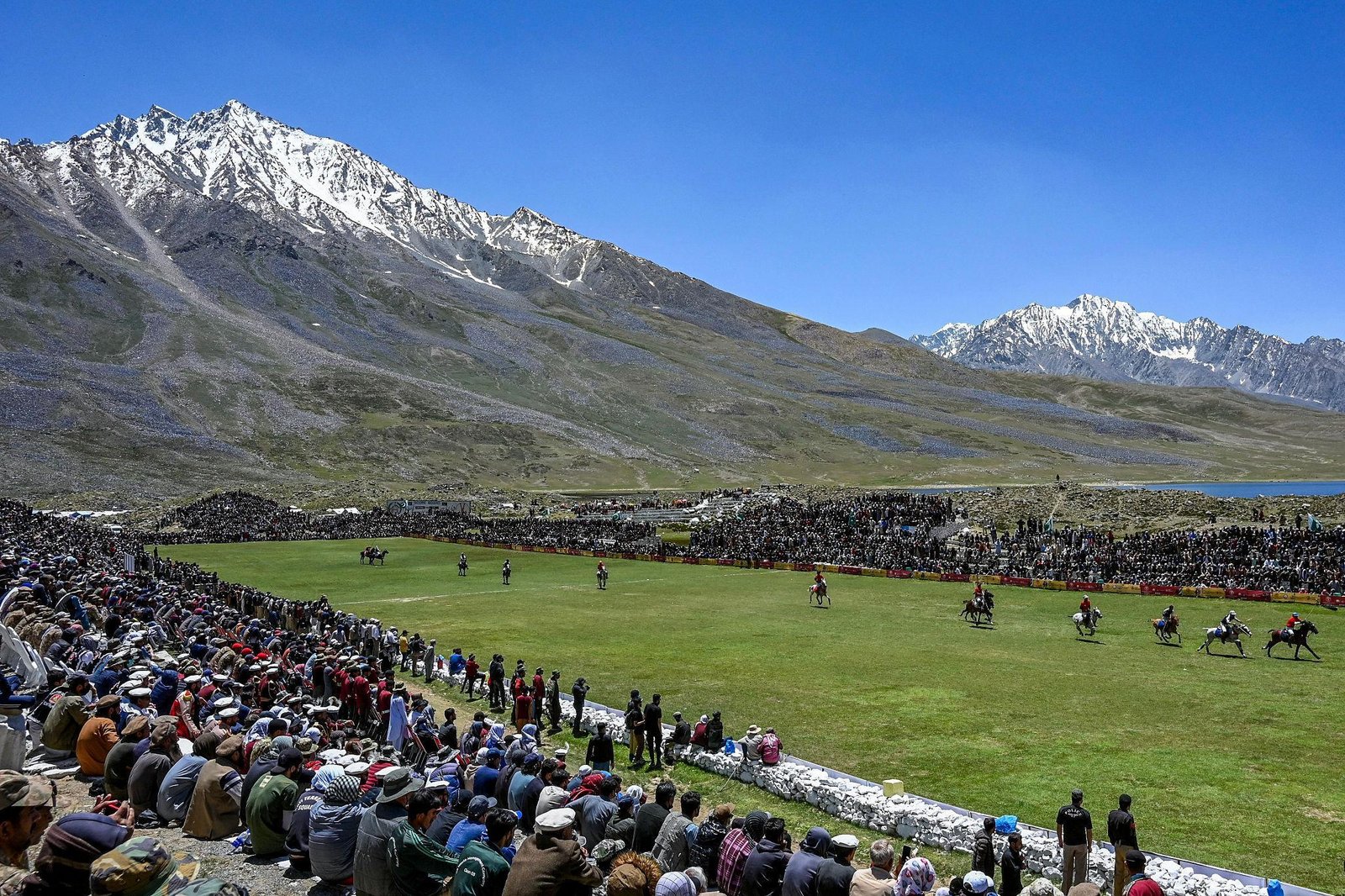
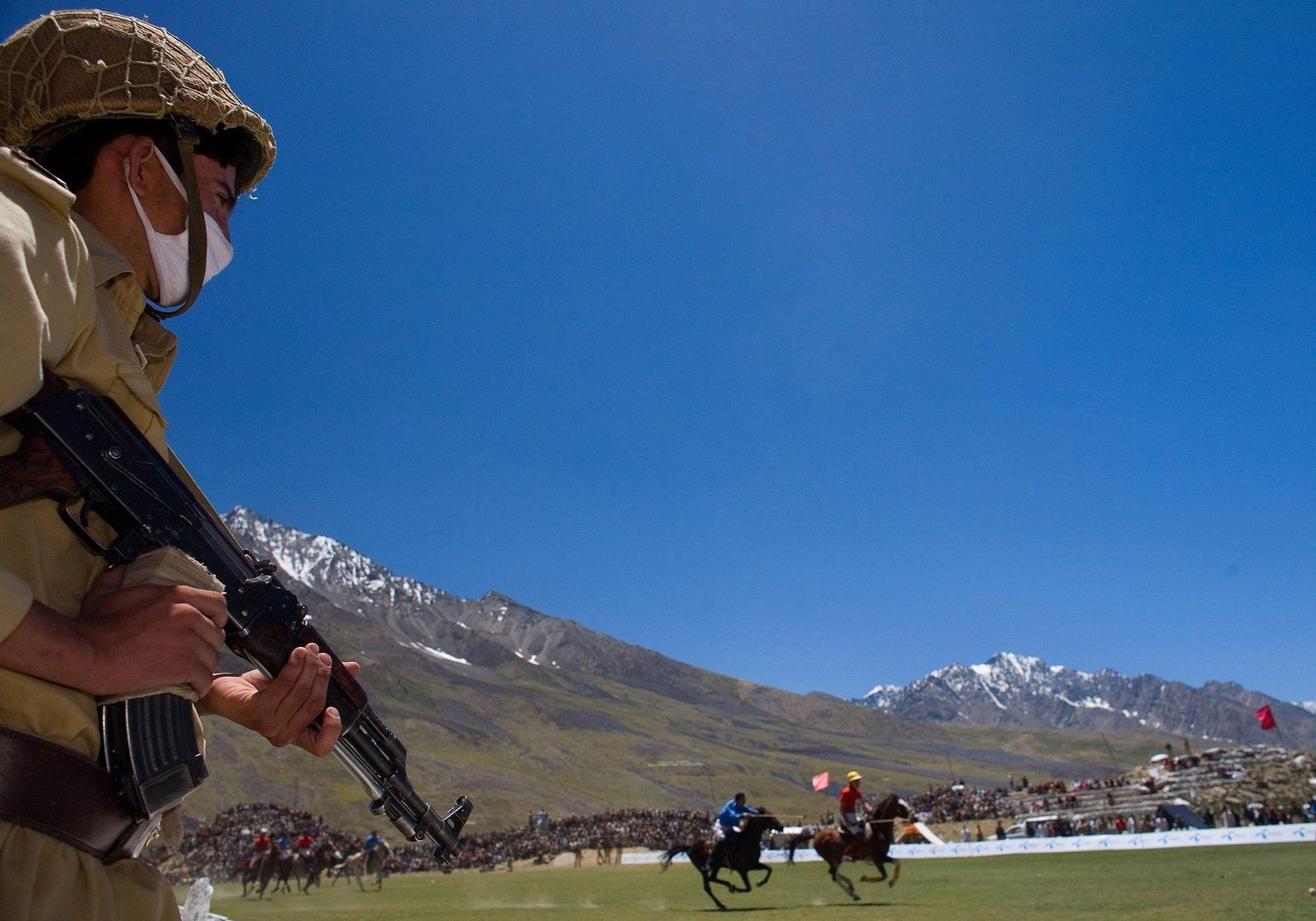
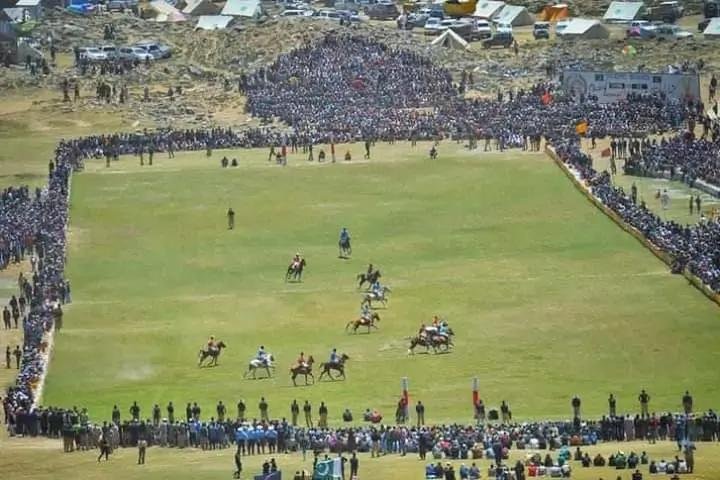
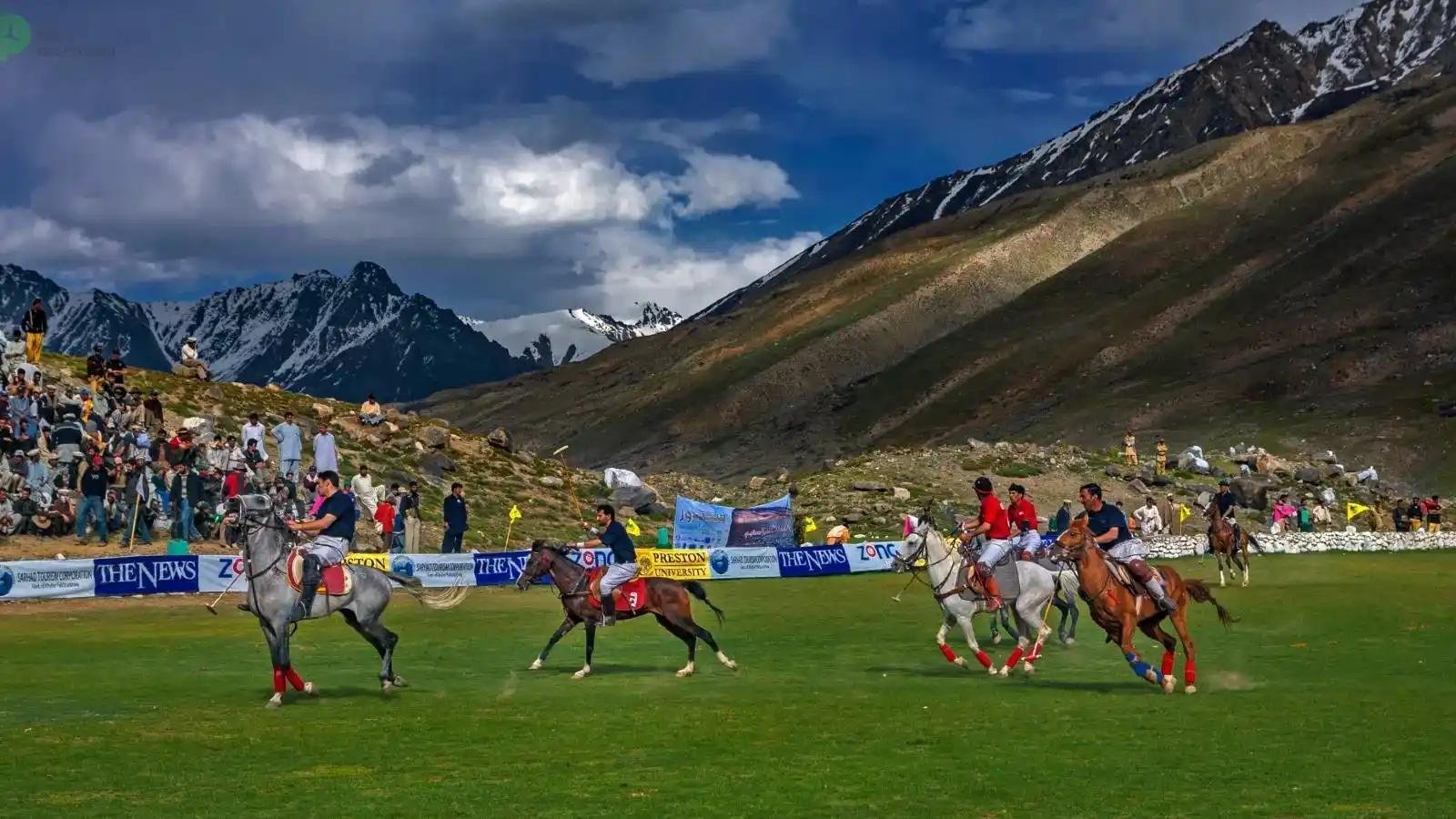
Matches are played on what is often described as the world’s highest polo ground.
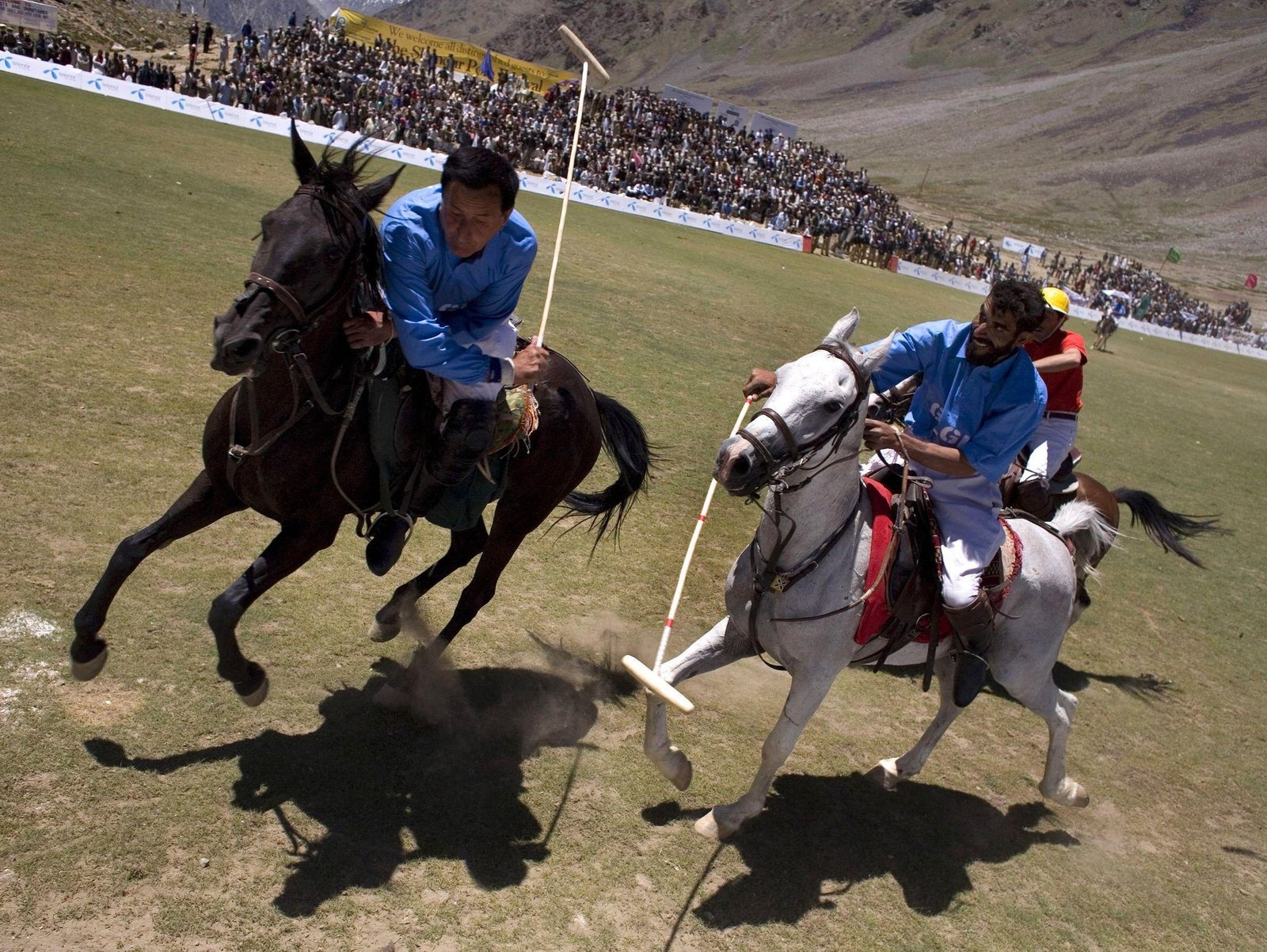
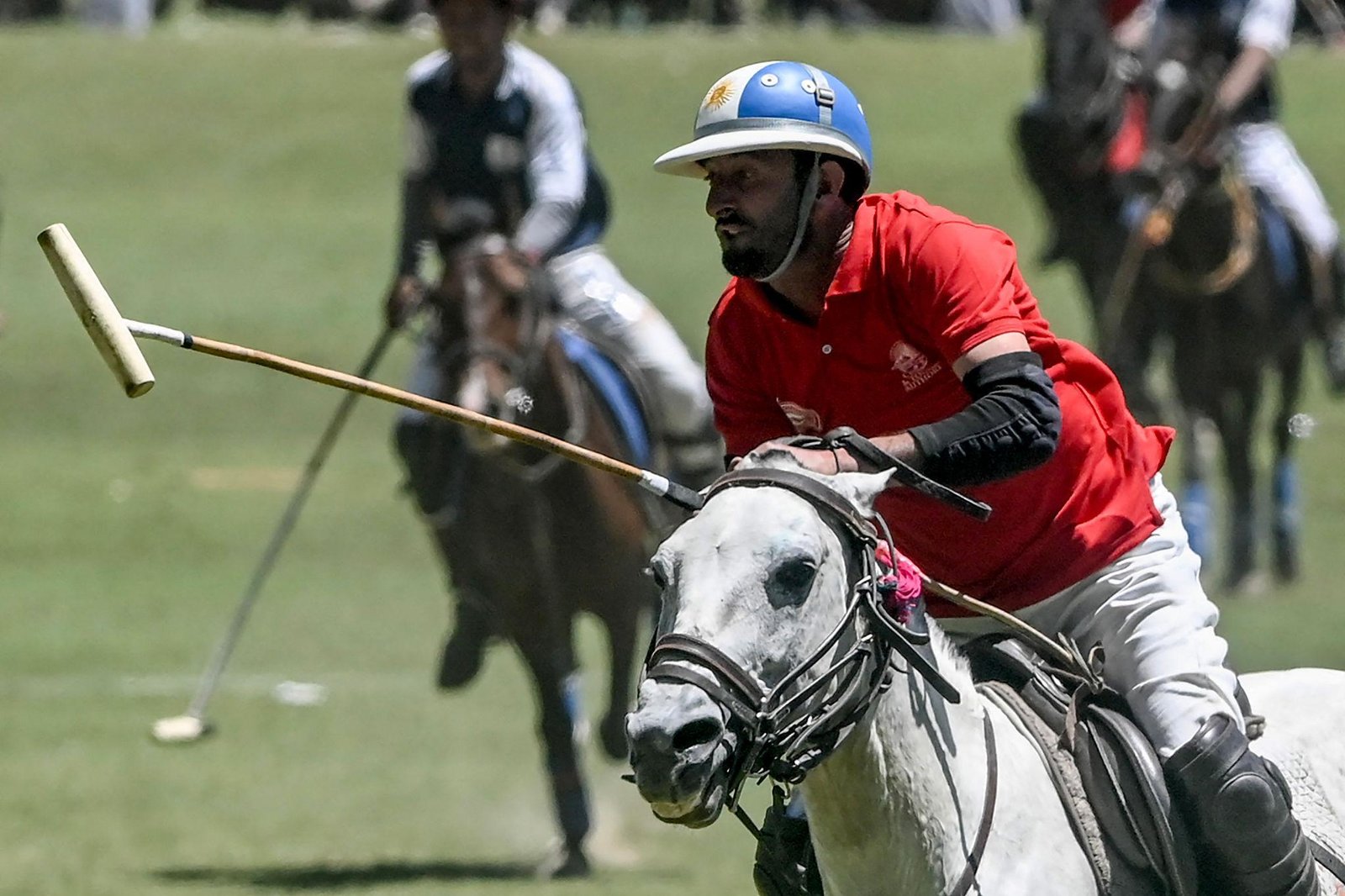
Traditional freestyle polo differs significantly from modern professional polo.
Key characteristics include:
- fewer formal restrictions
- continuous aggressive gameplay
- fast horse riding
- limited pauses
- strong emphasis on endurance
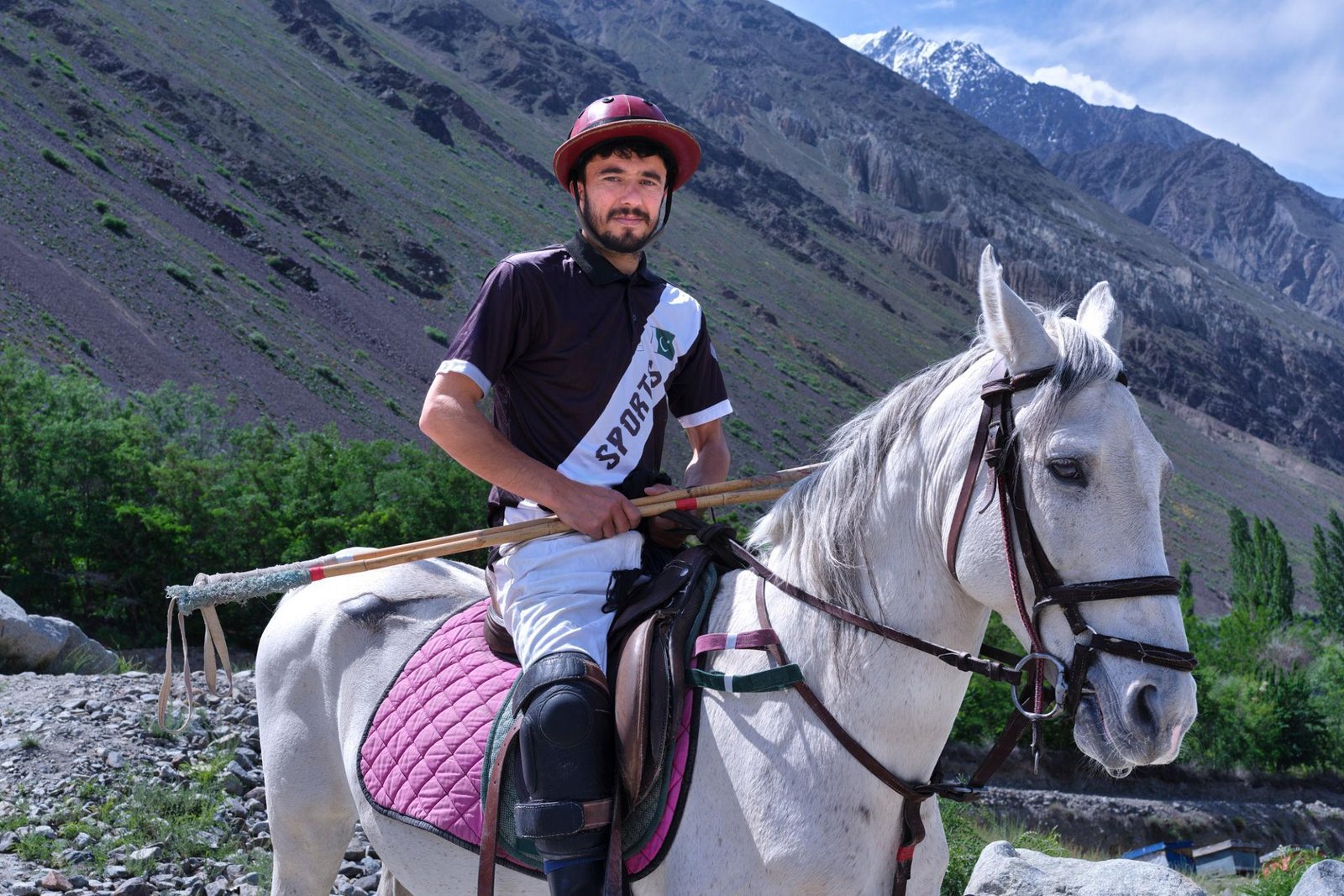
Players often ride local mountain-bred horses adapted for high-altitude terrain.
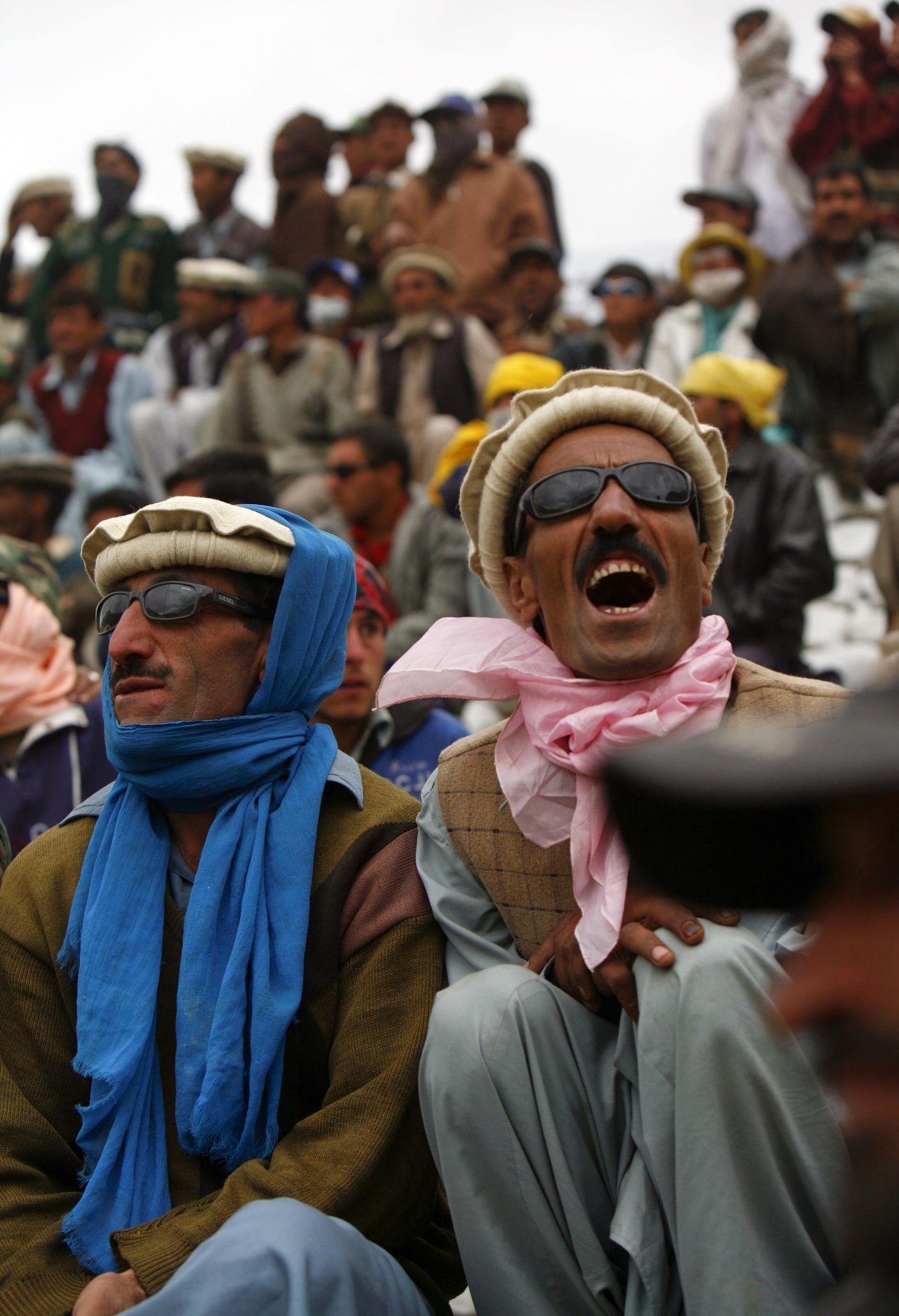
The atmosphere during major matches becomes highly energetic with crowds gathering around the field while music and commentary continue throughout the event.
Festival Atmosphere and Culture
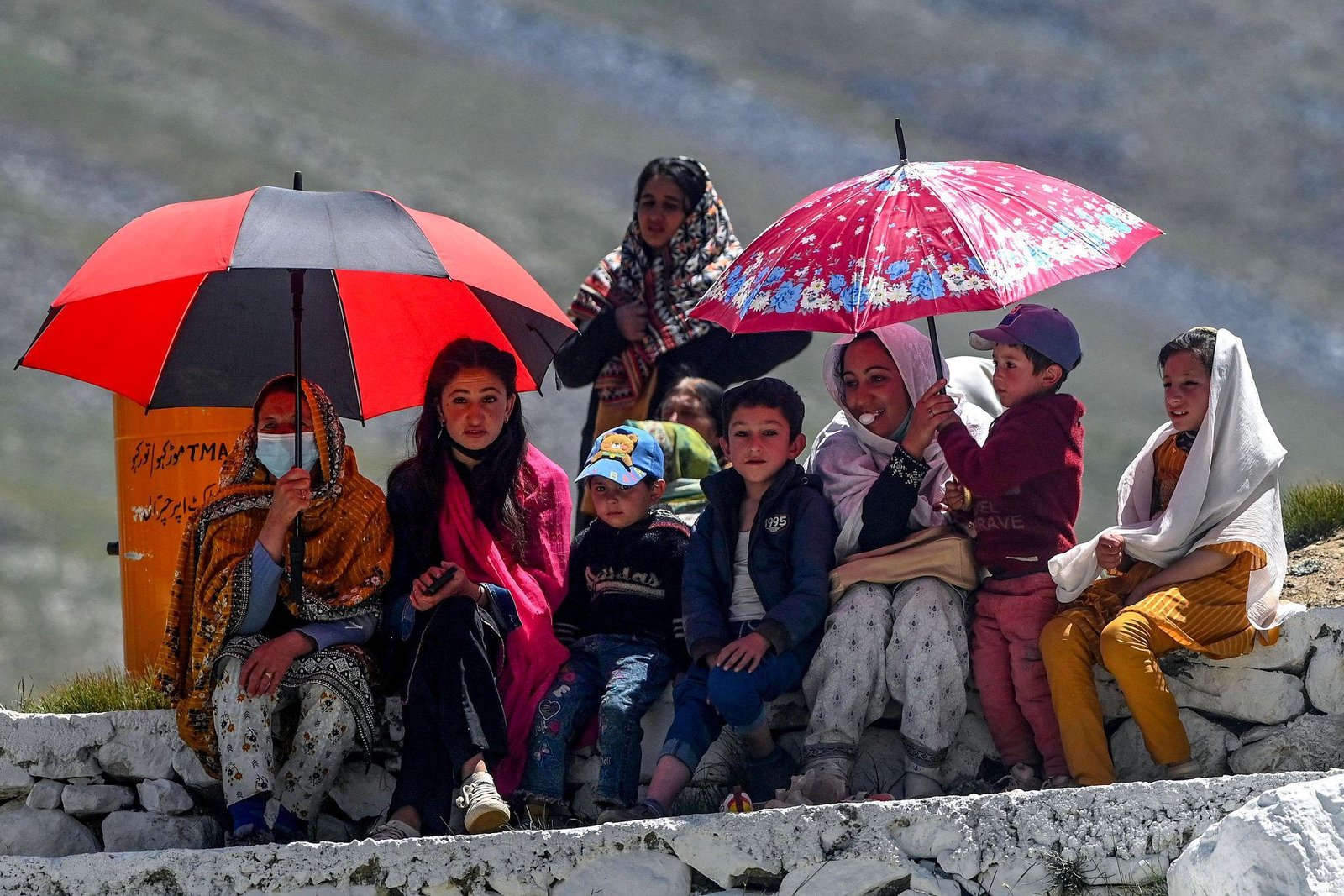
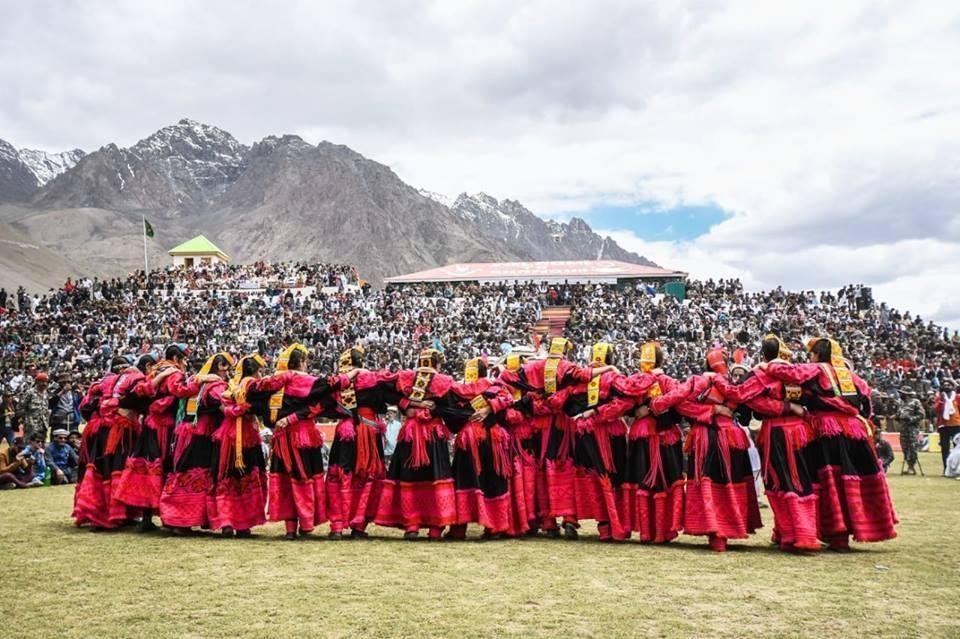
The Shandur Polo Festival is as much a cultural gathering as a sporting event.
Temporary camps spread across the plateau while visitors experience:
- traditional music
- local cuisine
- bonfires
- folk dances
- regional handicrafts
- mountain hospitality
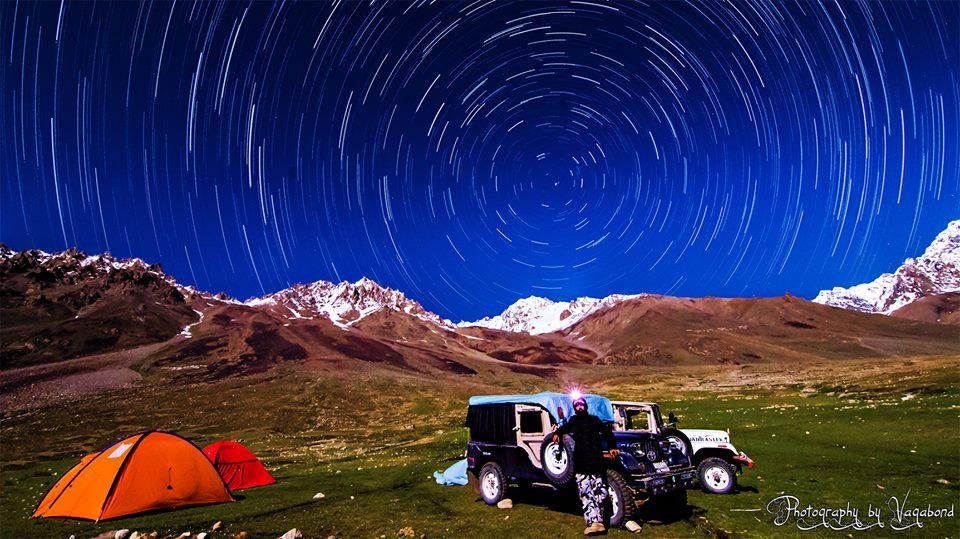
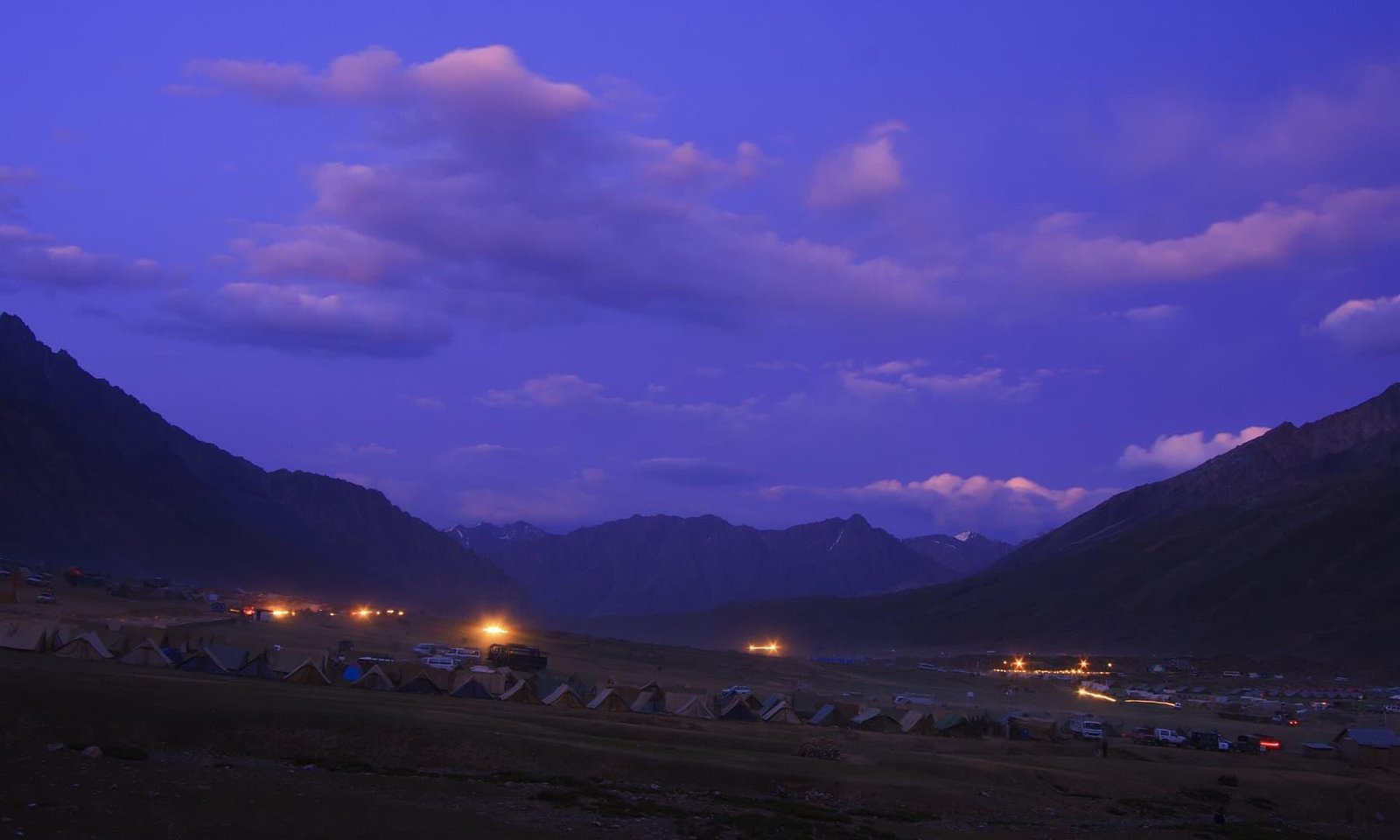
At night, the high-altitude landscape becomes especially atmospheric as campfires and tents illuminate the grasslands beneath clear mountain skies.
The festival attracts travelers interested in:
- documentary photography
- cultural tourism
- landscape photography
- mountain festivals
- regional traditions
Because of Shandur’s remote location, the event still feels significantly less commercialized than many large South Asian festivals.
How to Get There
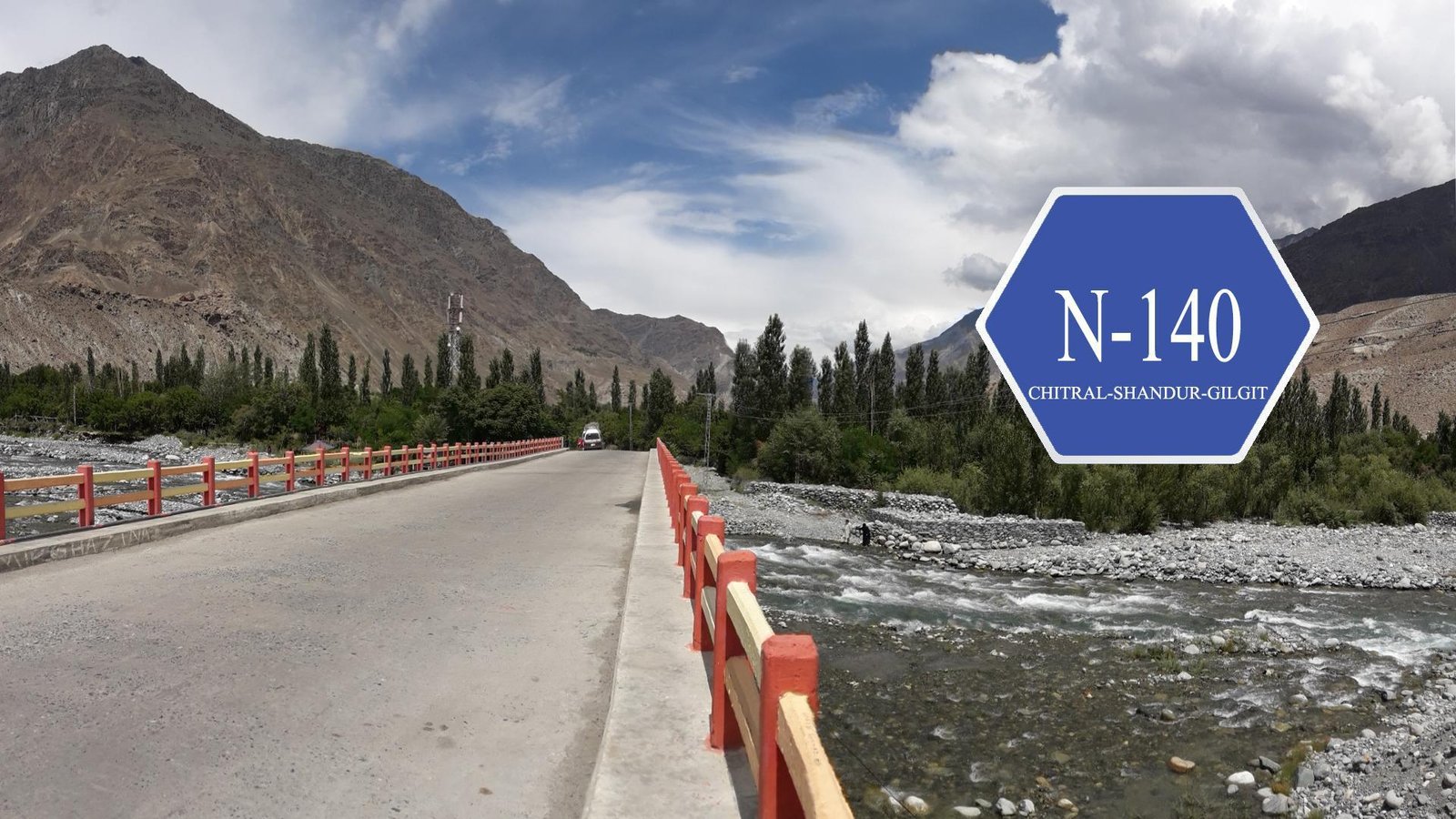
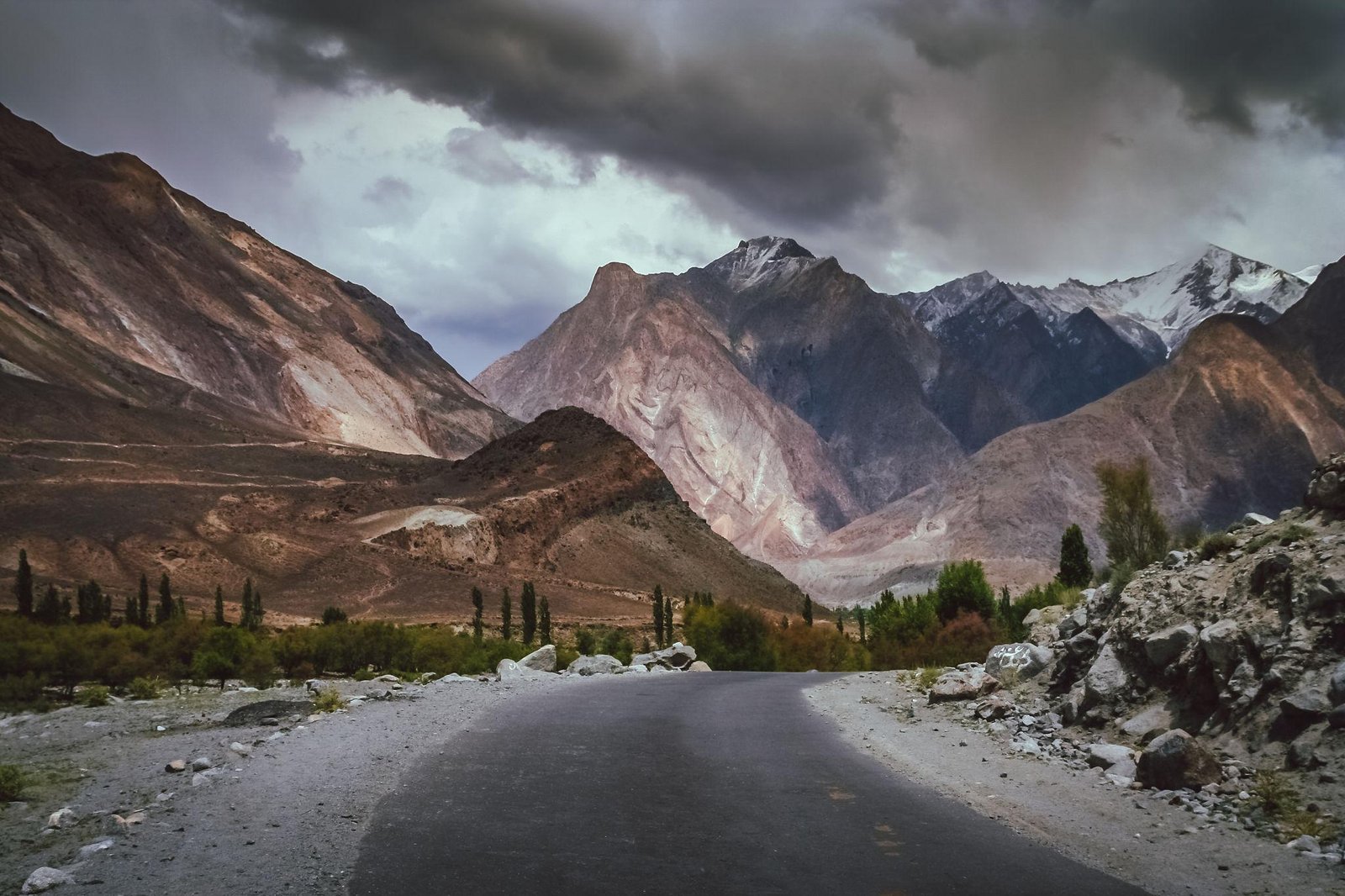
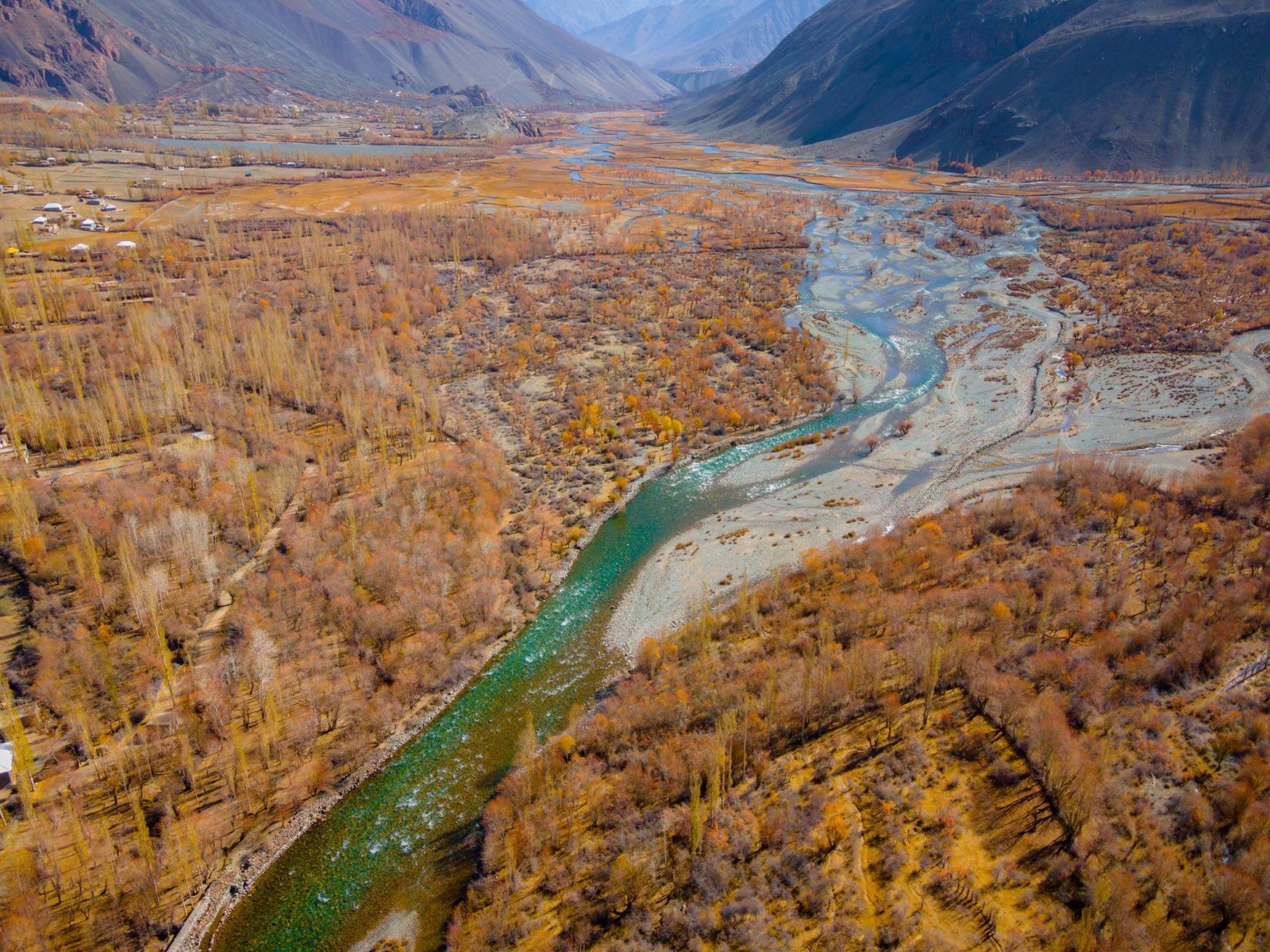
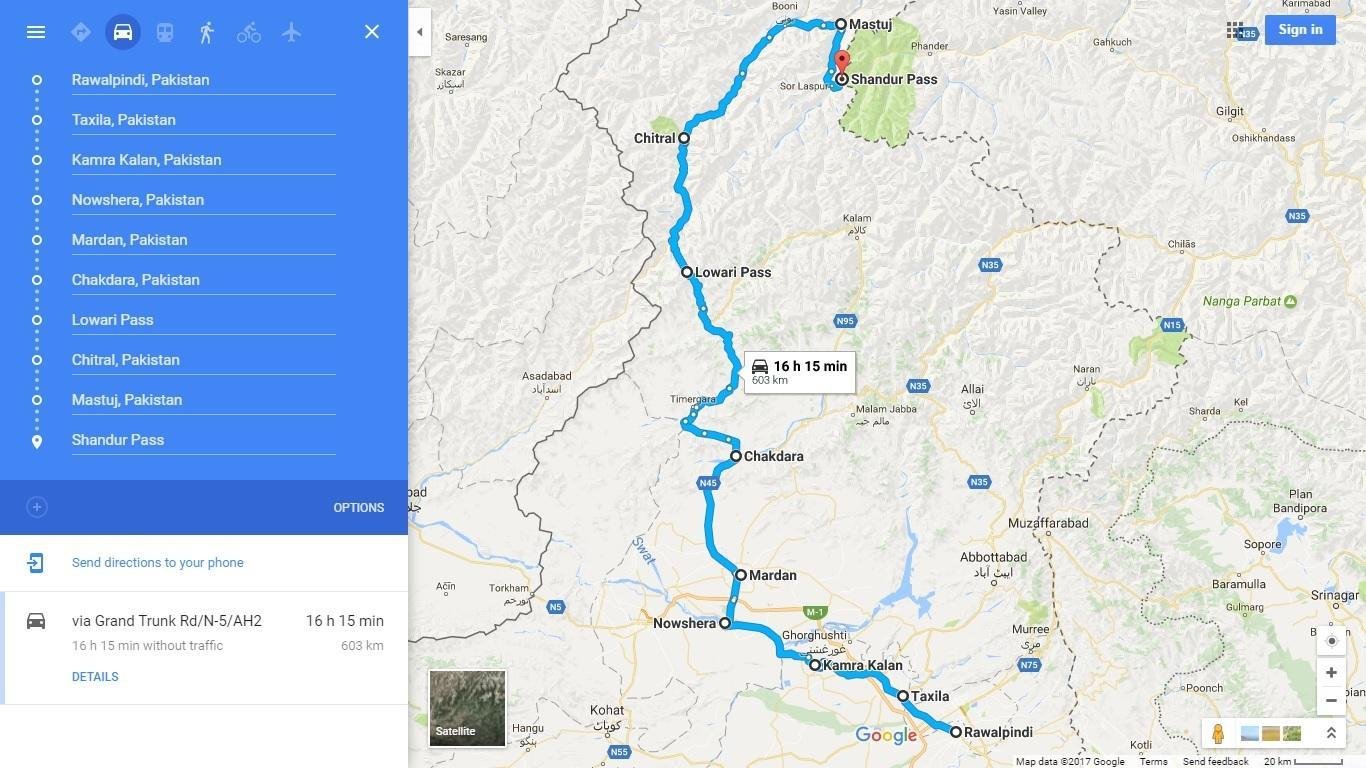
Reaching Shandur Pass involves long mountain road journeys through either Chitral or Gilgit-Baltistan.
Road travel remains the primary access method.
From Chitral
Most travelers approaching from Khyber Pakhtunkhwa begin from:
Chitral
The route toward Shandur passes through:
- Mastuj
- Laspur Valley
- high mountain plateaus
The drive typically requires:
- 5 to 7 hours depending on weather and road conditions
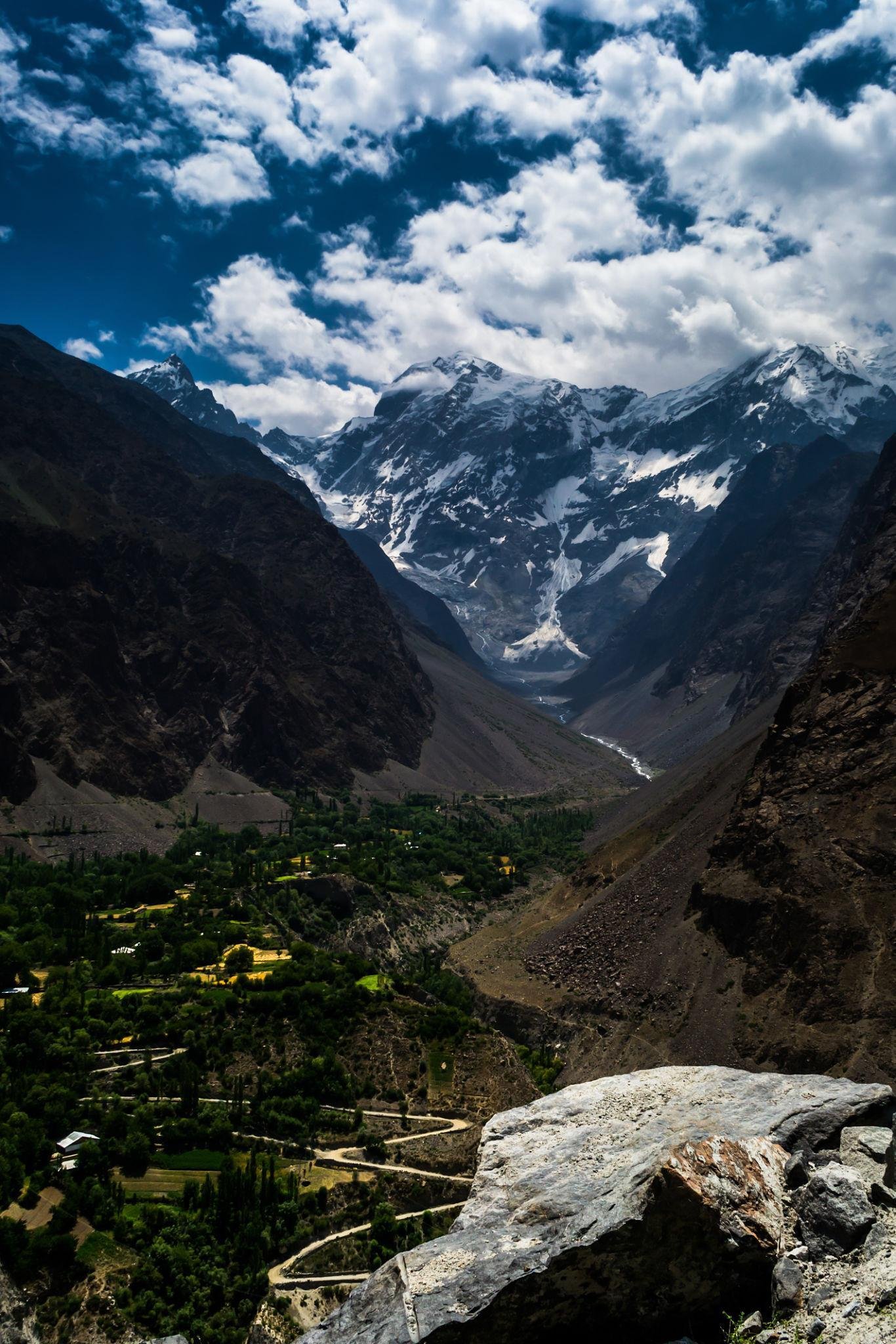
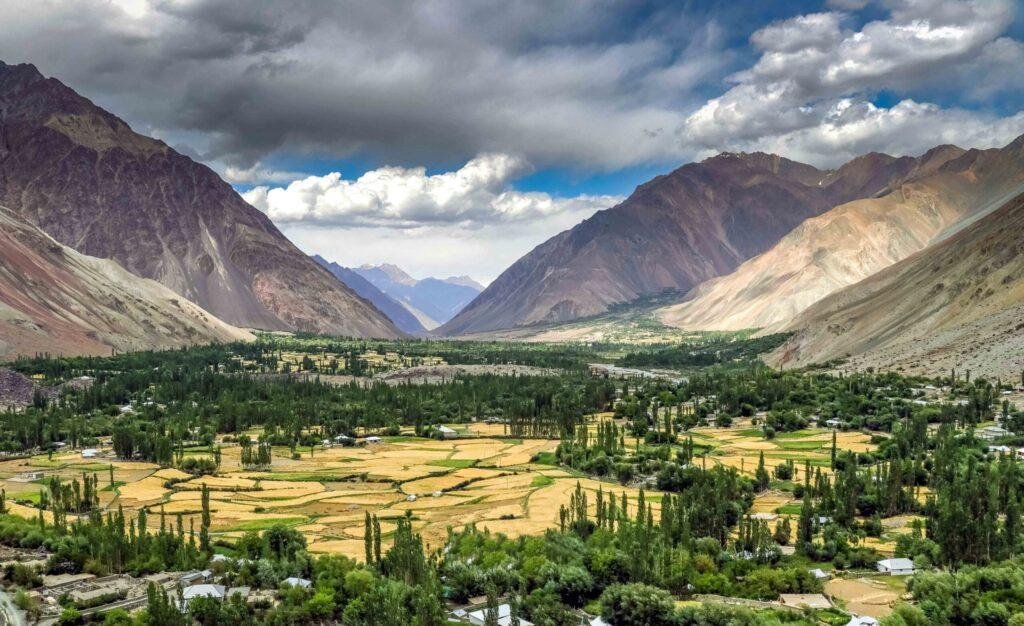
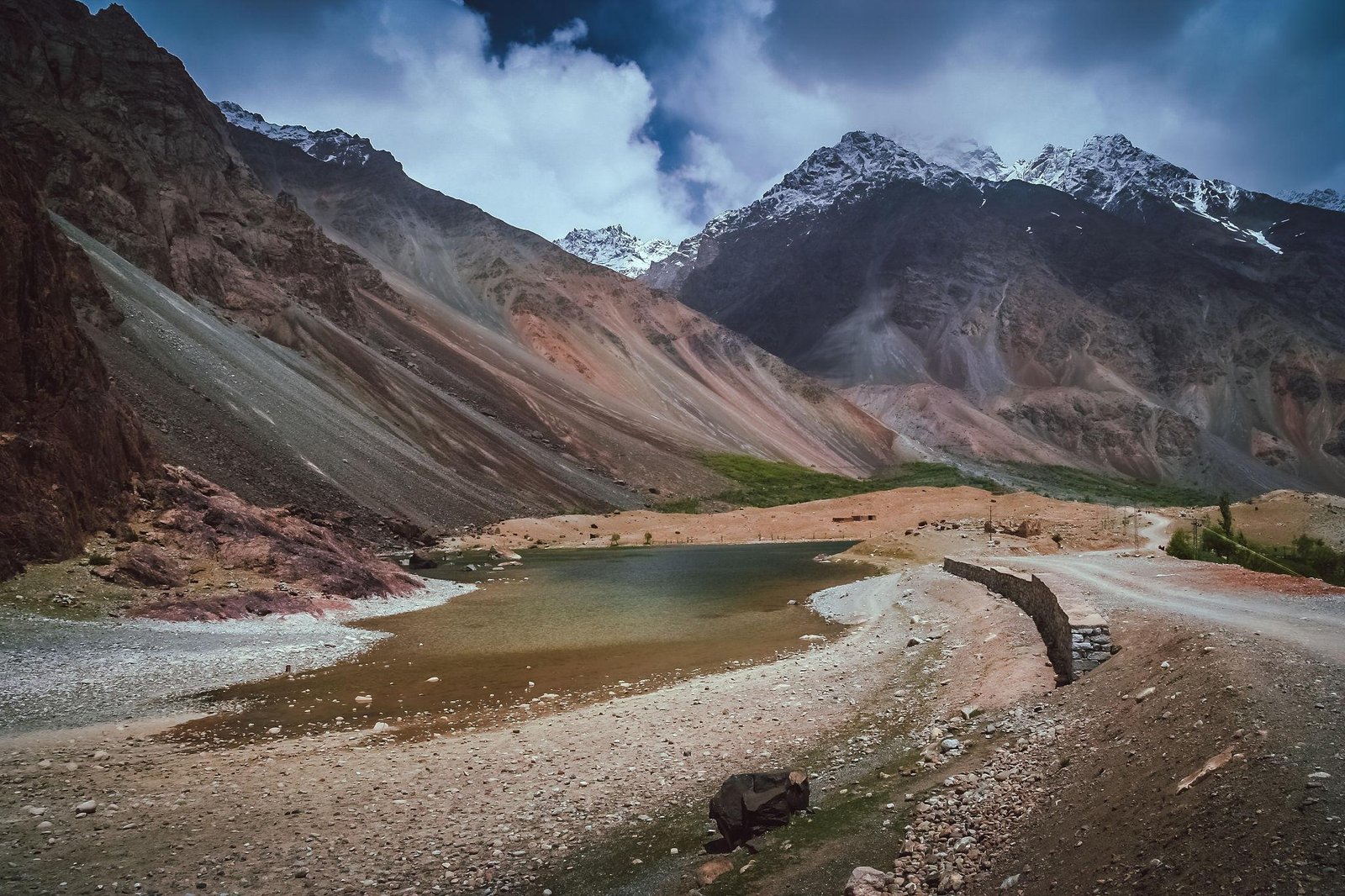
The Chitral side is known for:
- dramatic valleys
- traditional villages
- rugged mountain landscapes
From Gilgit
Travelers from Gilgit-Baltistan usually approach from:
Gilgit
The route passes through:
- Ghizer Valley
- Gupis
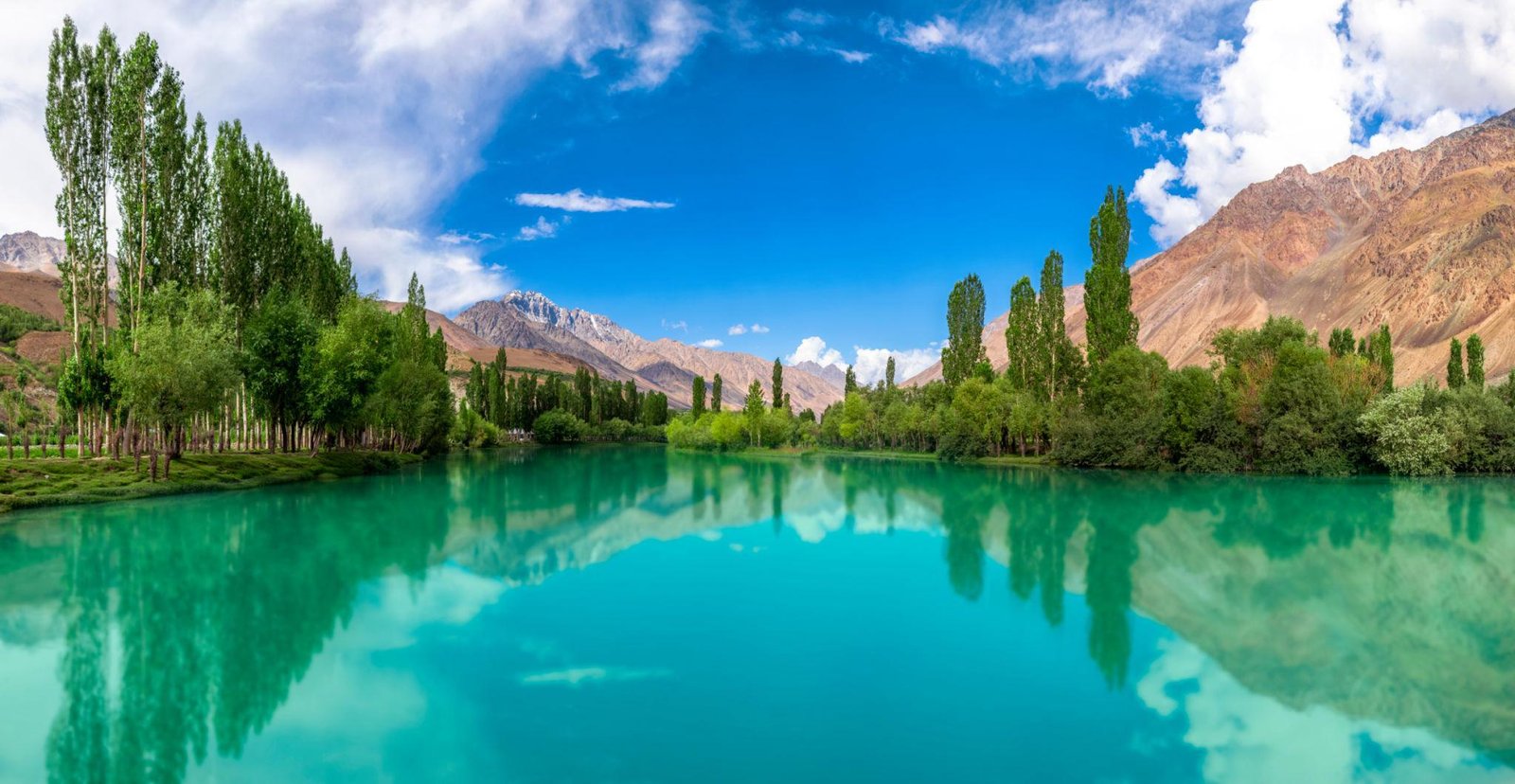
- Phander
- Shandur plateau
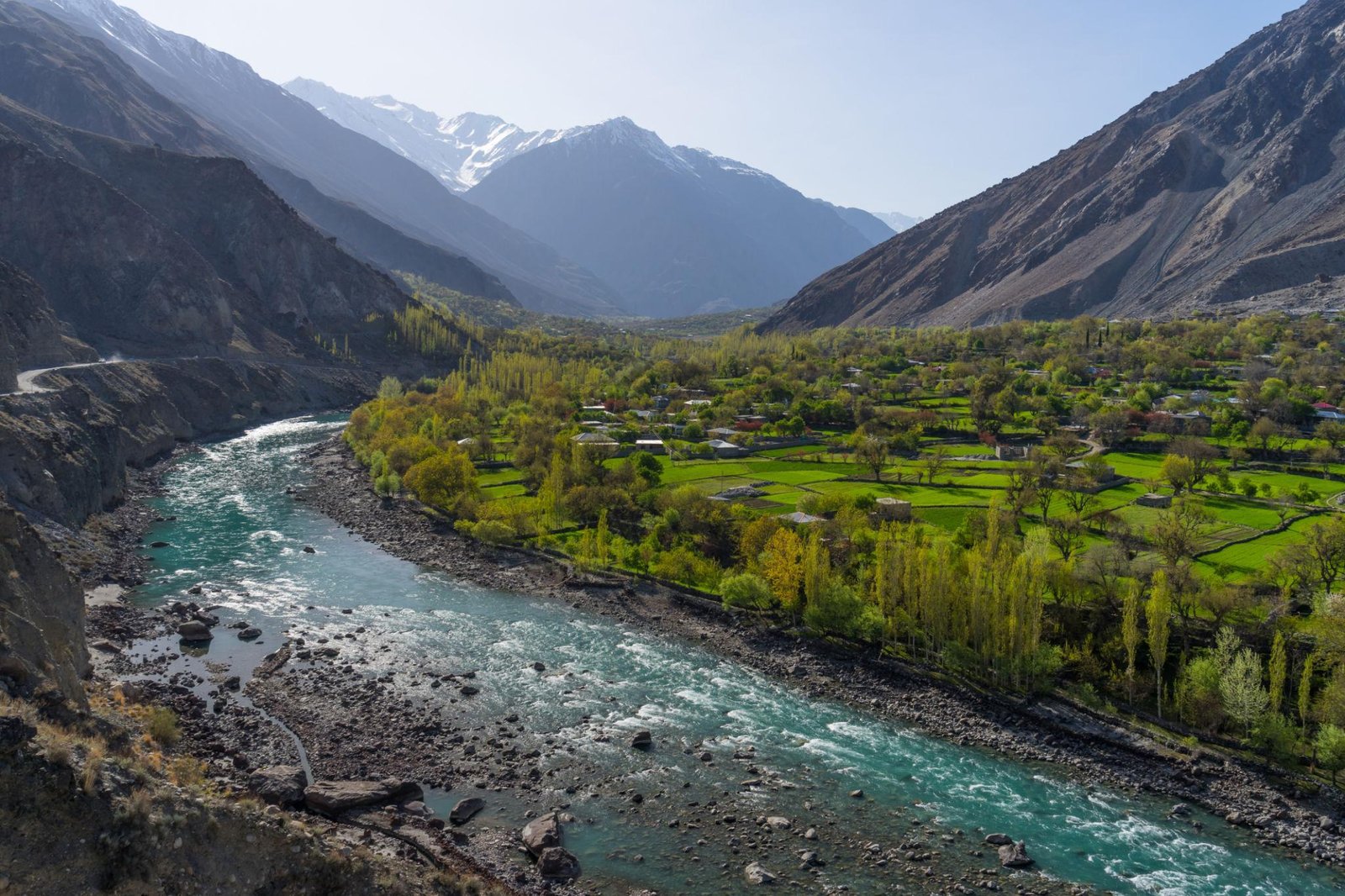
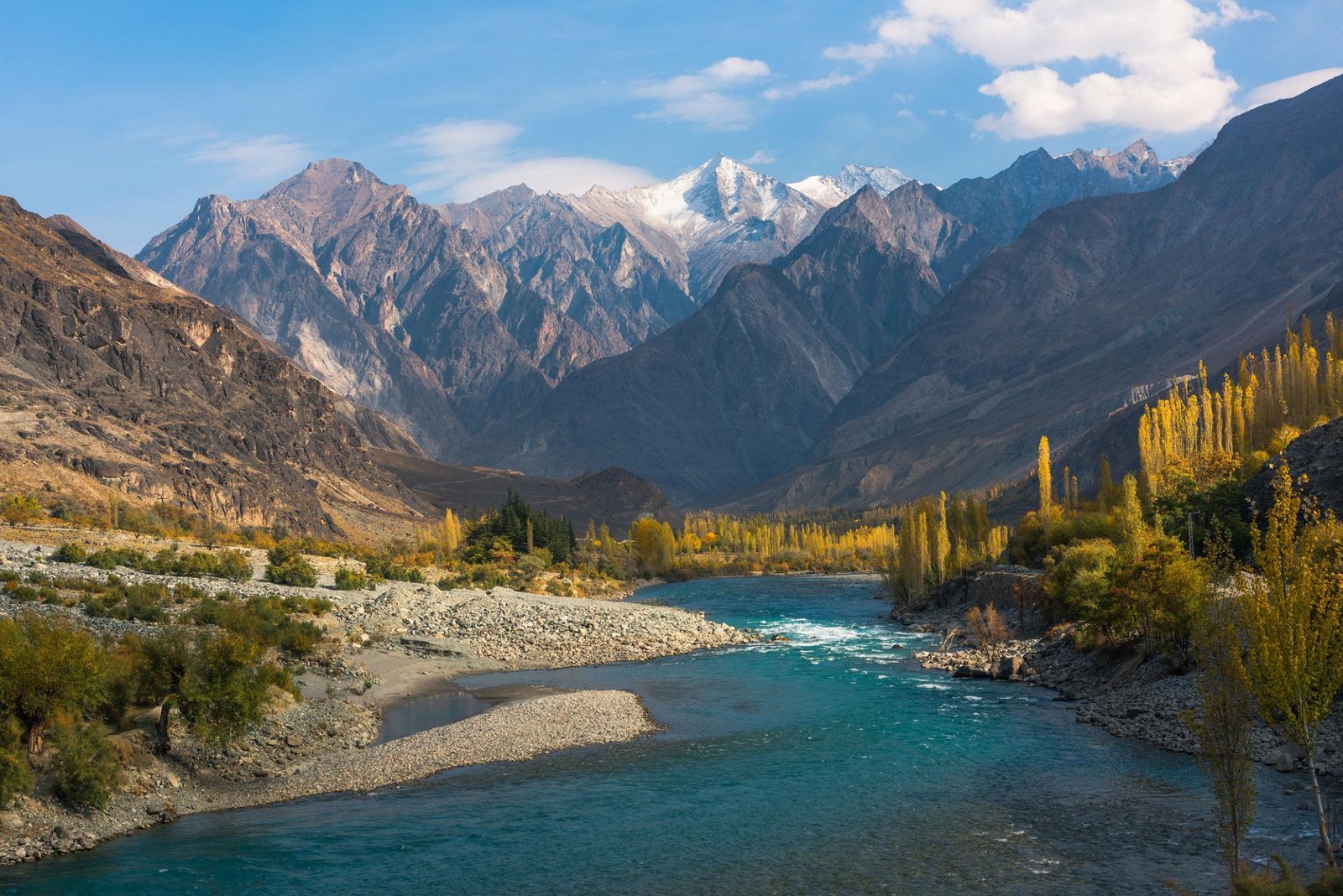
This side of the journey is particularly scenic with:
- lakes
- rivers
- wide valleys
- alpine grasslands
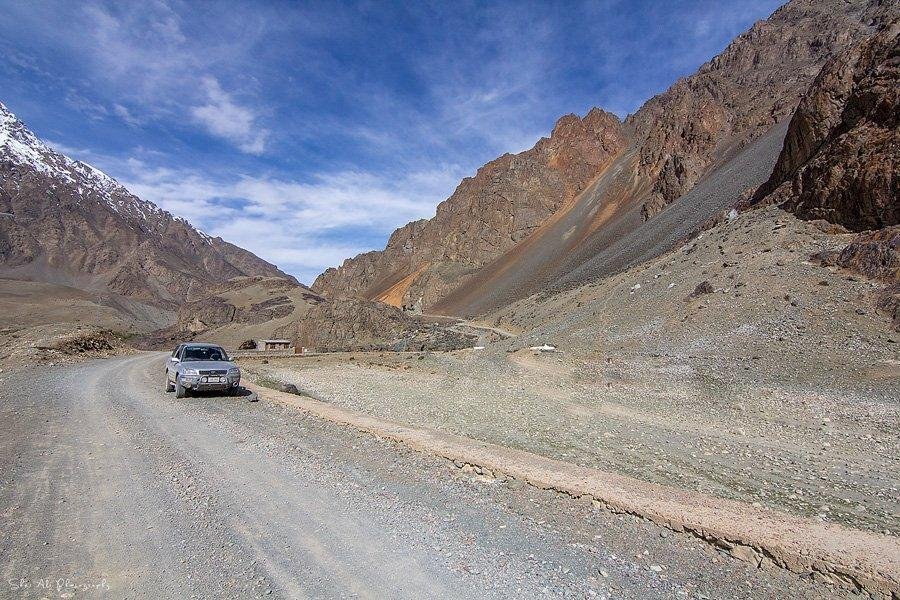
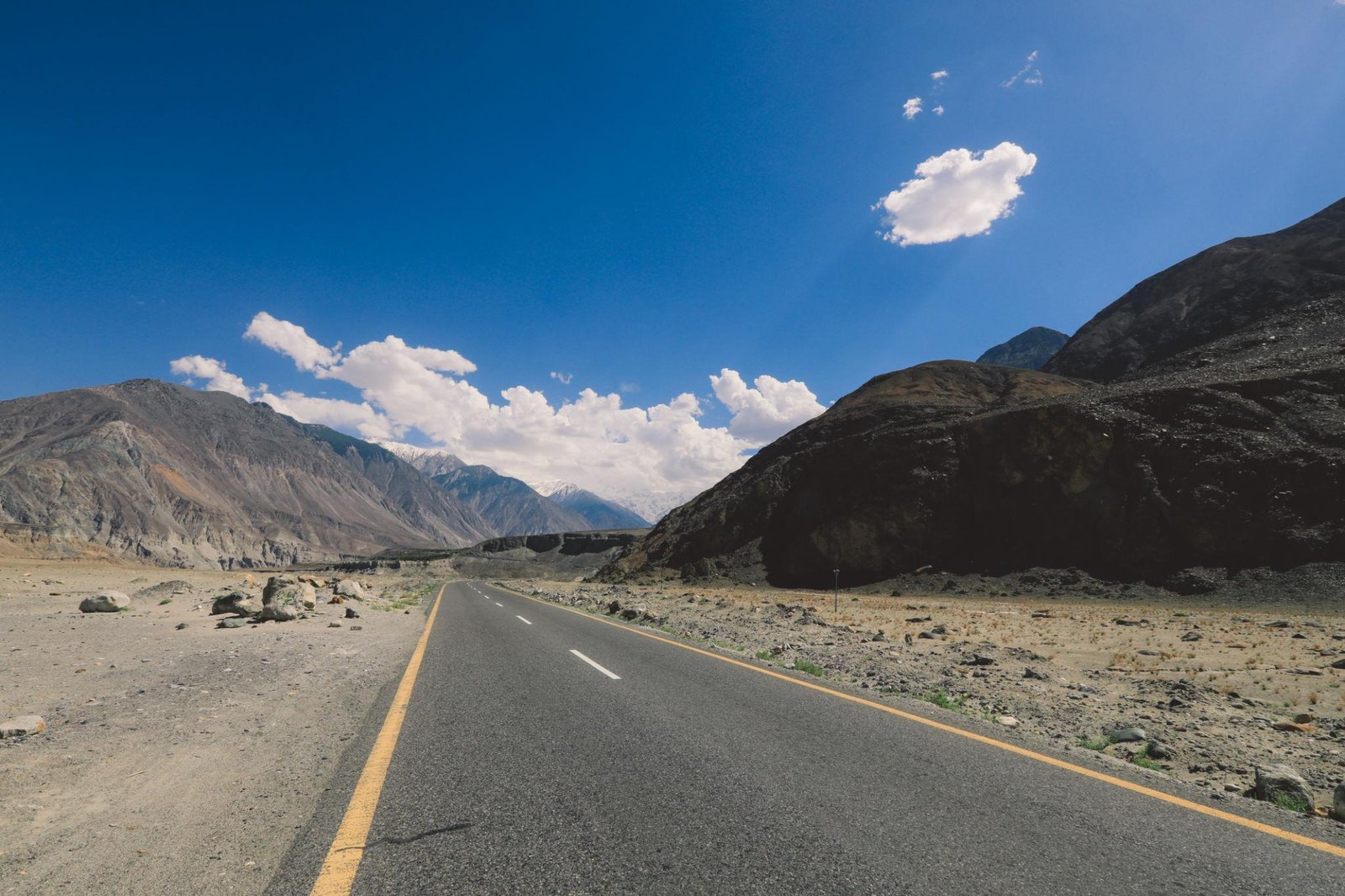
Road conditions vary depending on season and maintenance.
Road Conditions and Permits
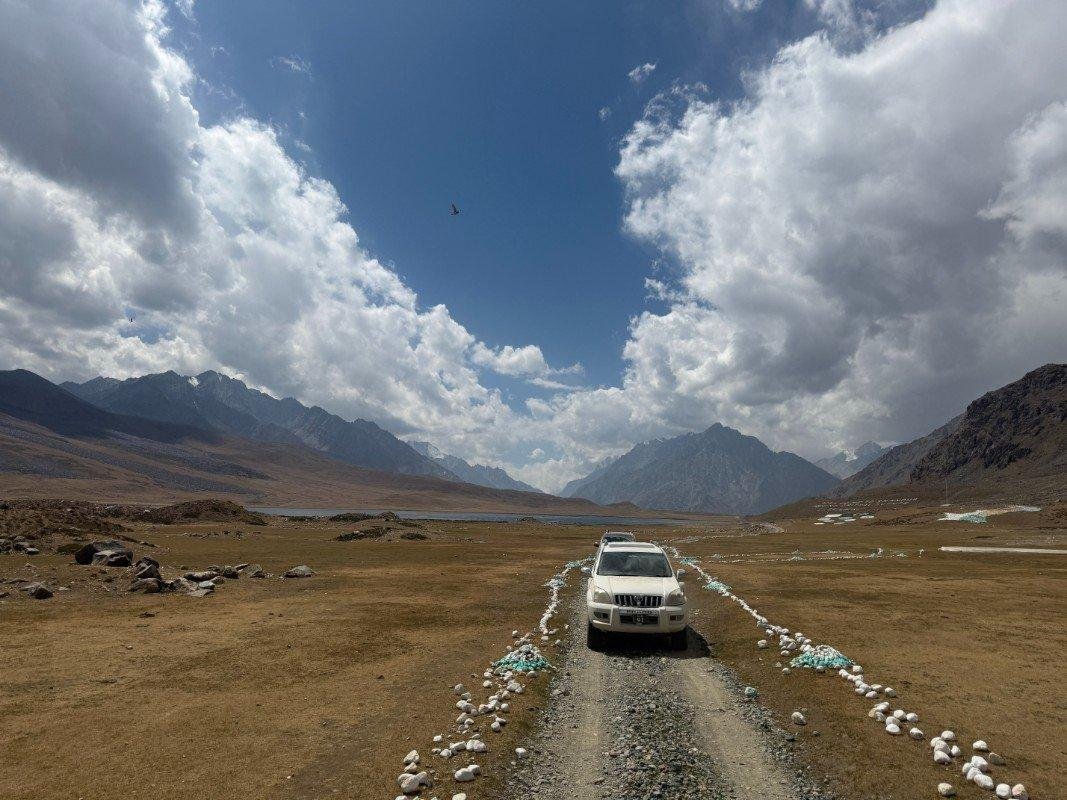
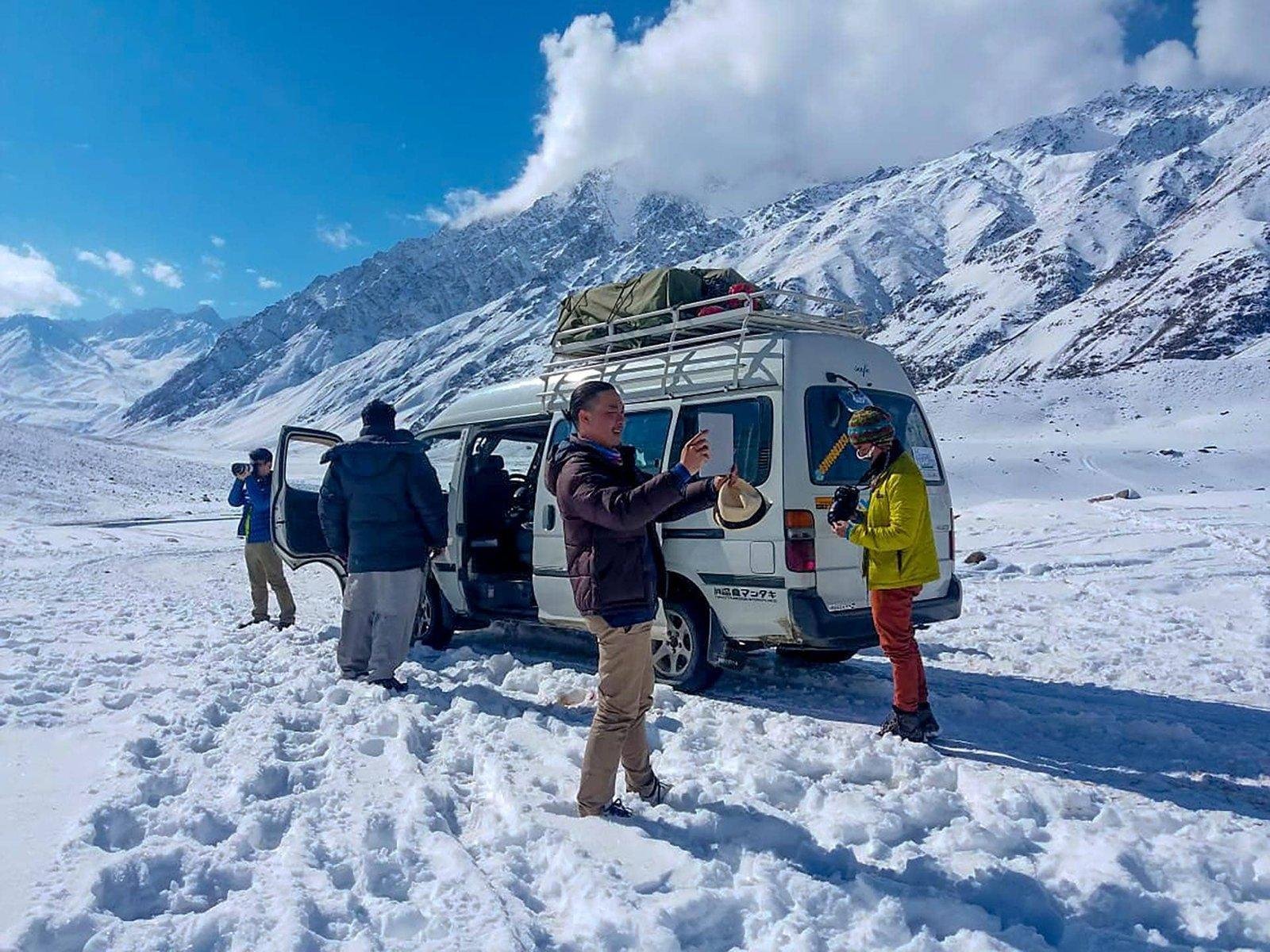
Road conditions toward Shandur can change significantly depending on:
- rainfall
- snowfall
- landslides
- seasonal maintenance
Travelers should expect:
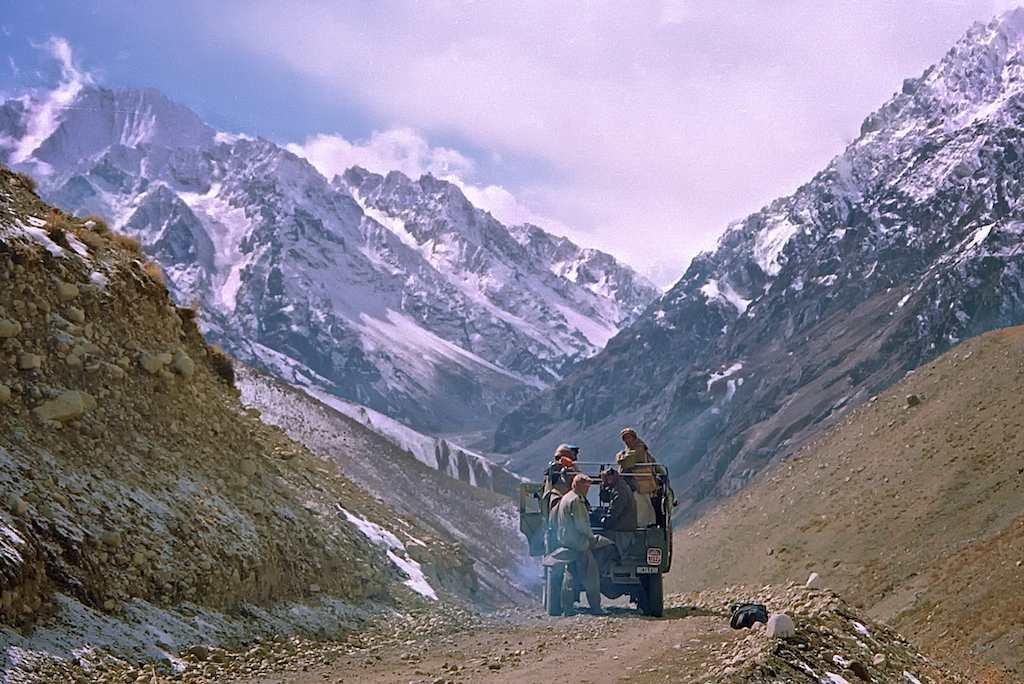
- rough mountain roads
- narrow sections
- river crossings
- unpaved stretches
During the festival season, traffic increases considerably.
Pakistani citizens generally do not require permits for visiting Shandur.
Foreign travelers should still verify:
- regional travel requirements
- identification procedures
- current security advisories
before departure.
Best Time to Visit
The ideal time to visit Shandur Pass is between:
- late June
- July
- August
The polo festival itself usually takes place in July.
Summer Season
Summer brings:
- accessible roads
- green plateaus
- active festival camps
- clear mountain scenery
Temperatures remain cool because of the altitude.
Shoulder Season
Early autumn offers:
- quieter conditions
- fewer crowds
- colder nights
- excellent landscape photography
Outside summer, heavy snowfall often blocks access routes.
What to See Around Shandur
Although the polo festival is the main reason many travelers visit, the wider Shandur region contains some of the most scenic alpine landscapes in northern Pakistan.
The surrounding valleys and plateaus are known for:
- high-altitude lakes
- wide grasslands
- glacier-fed streams
- mountain wildlife
- dramatic open scenery
Unlike the dense valleys of Hunza or Neelum, the Shandur region feels expansive and remote with long stretches of open alpine terrain.
Shandur Lake
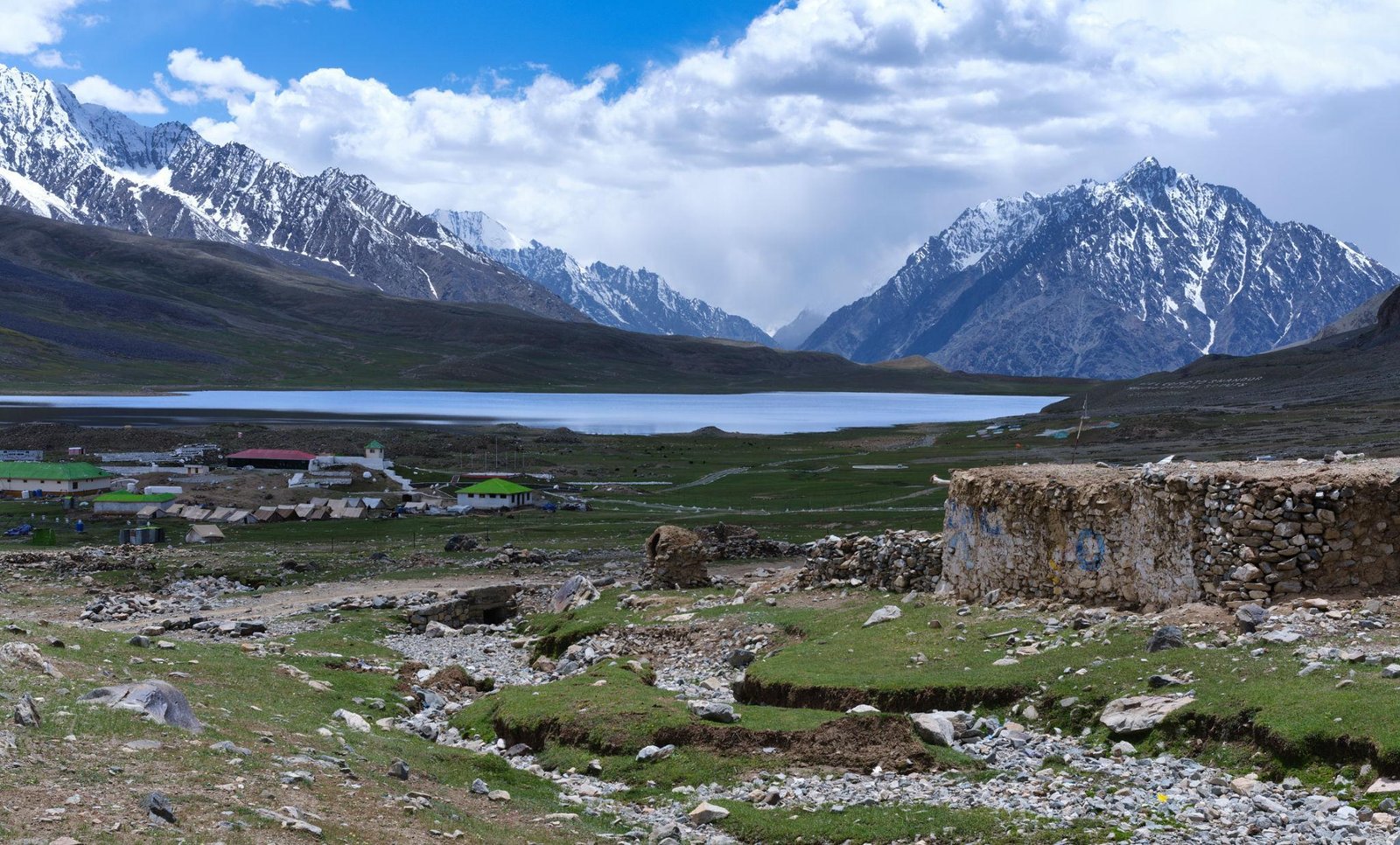
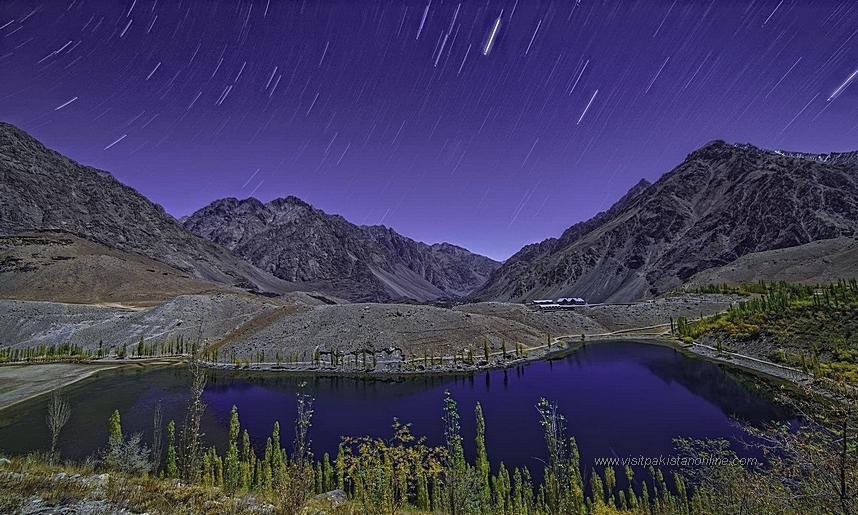
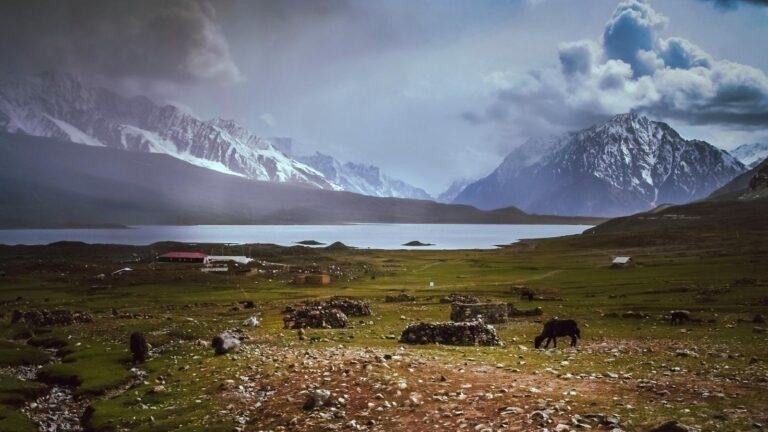
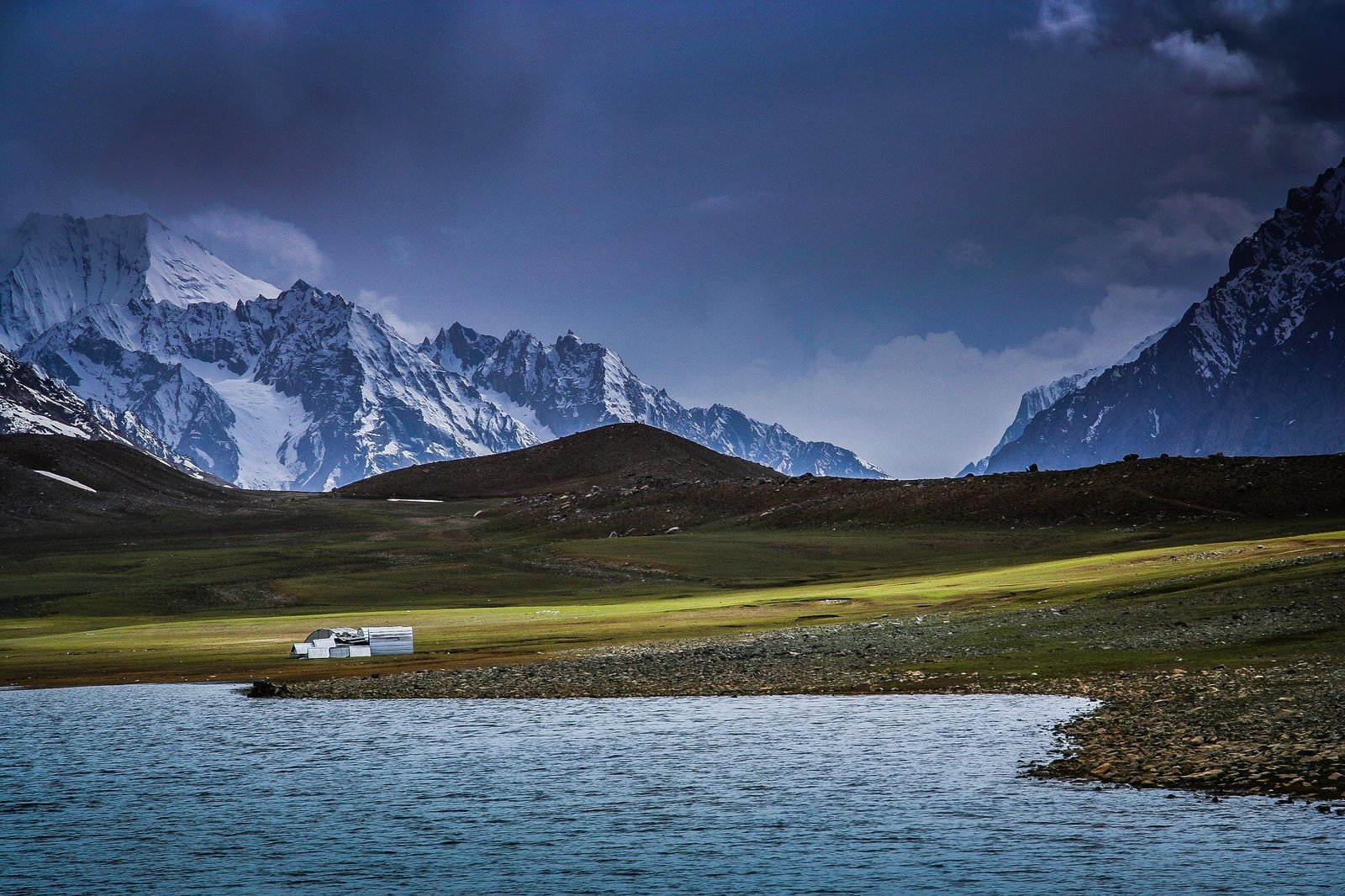
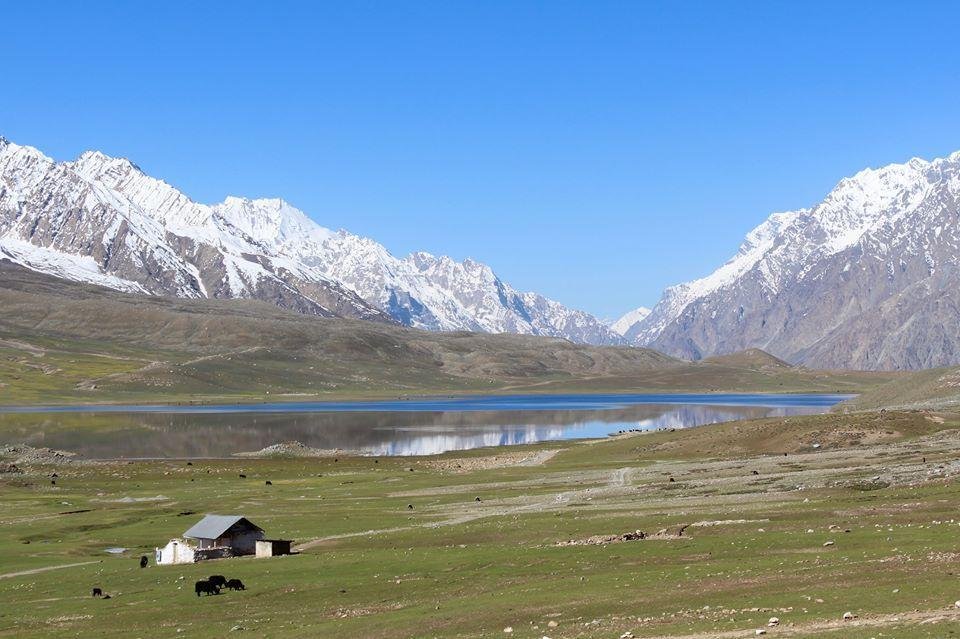
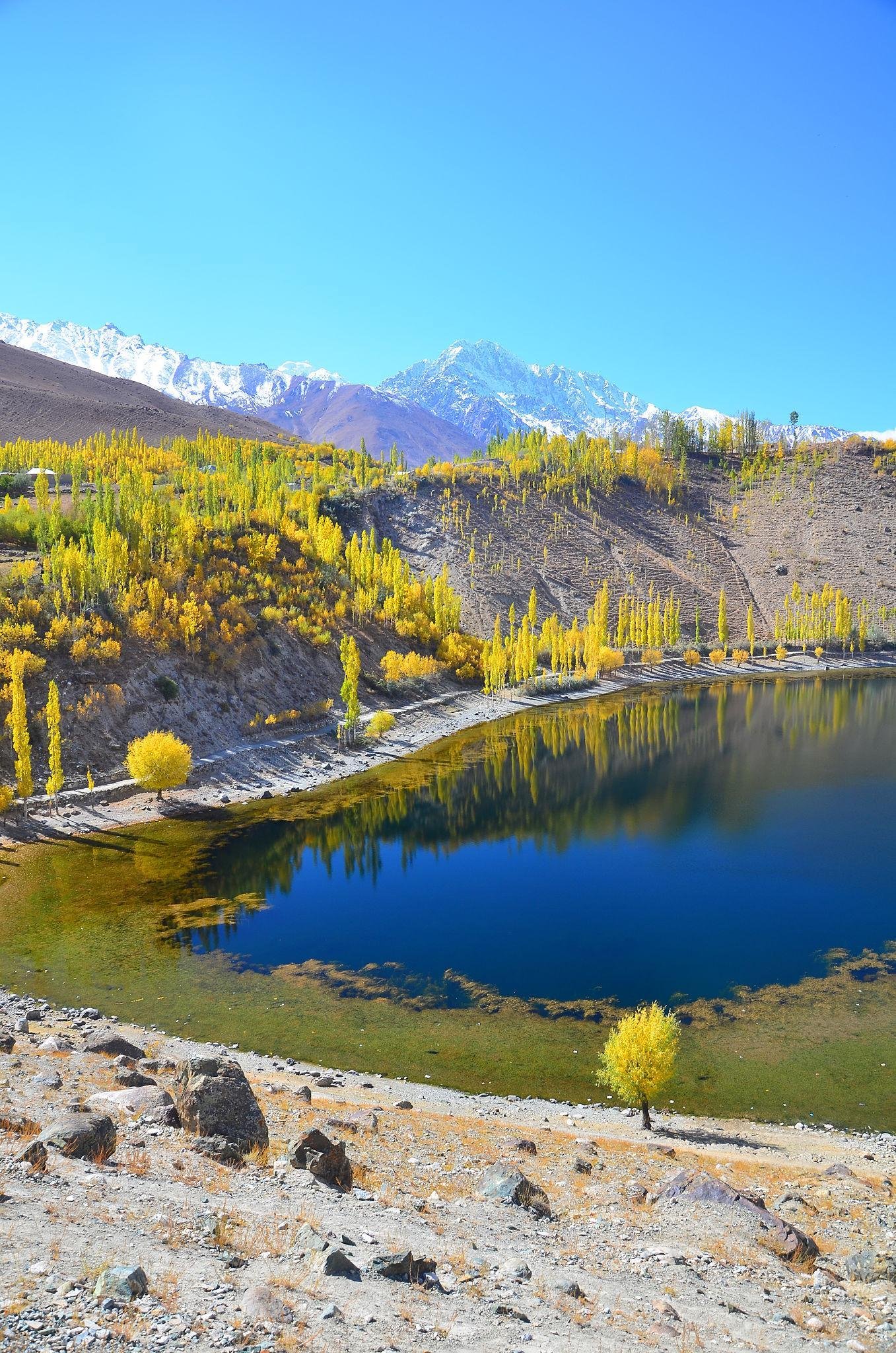
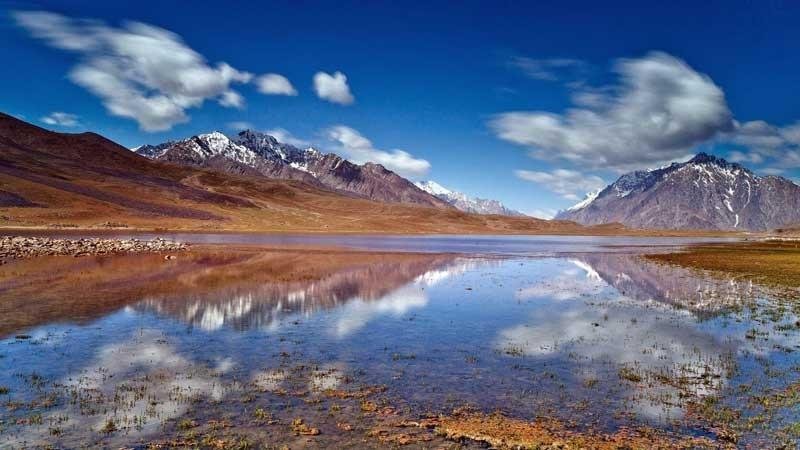
Shandur Lake sits beside the polo ground and remains one of the most recognizable features of the pass.
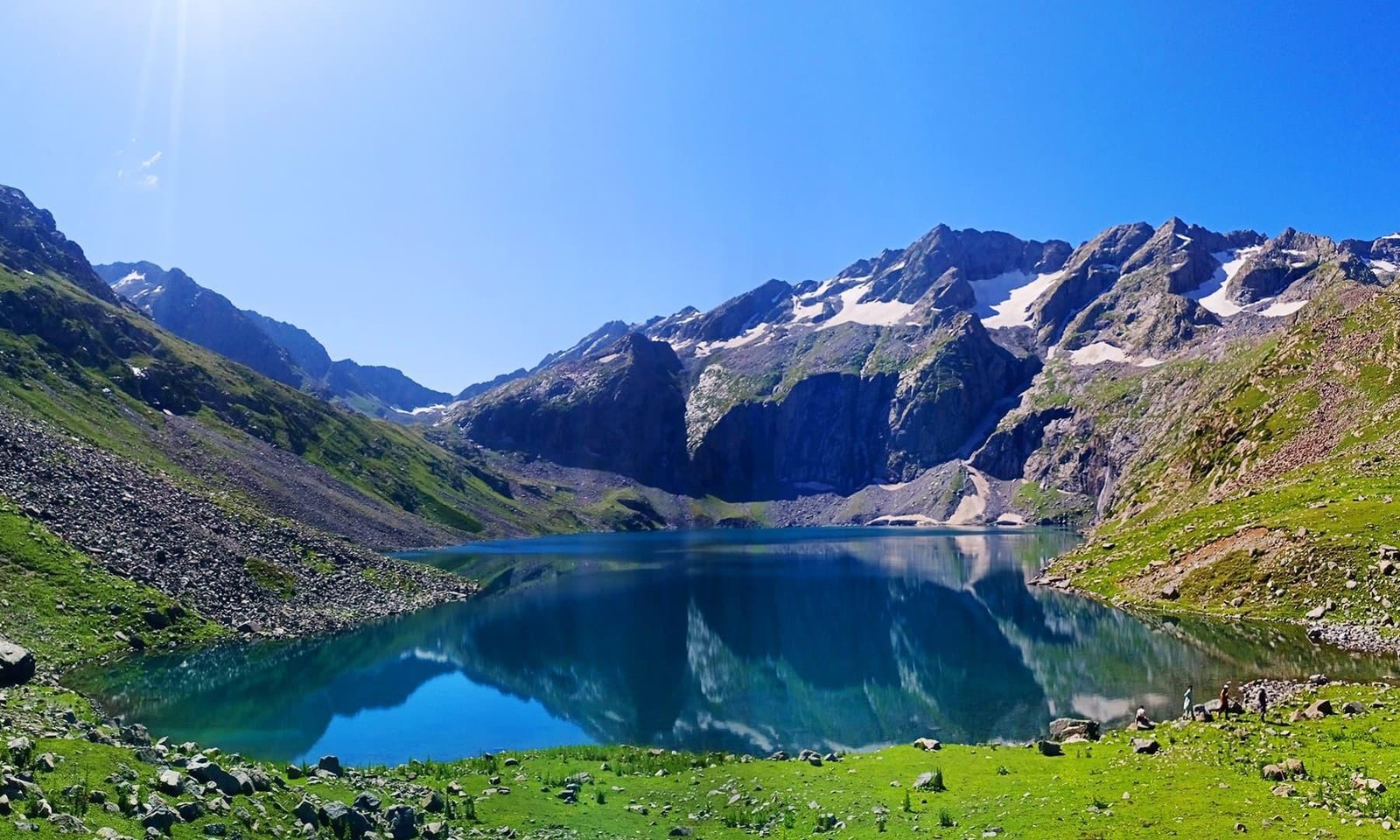
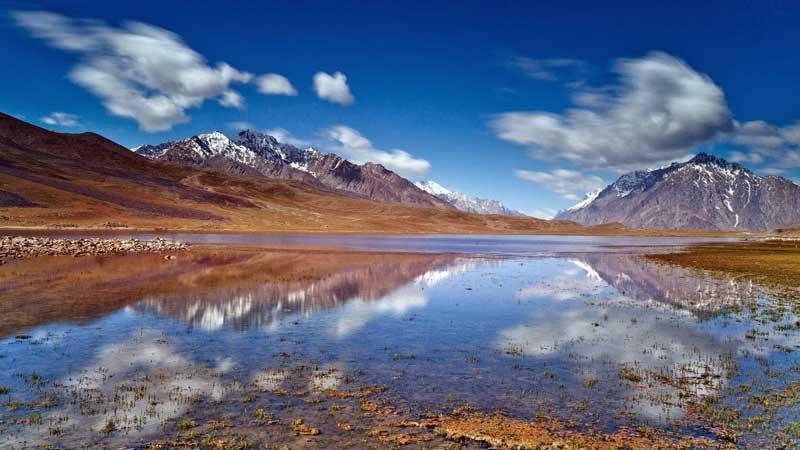
The lake reflects the surrounding mountains and alpine grasslands, particularly during calm early mornings.
Visitors often spend time:
- walking along the lakeshore
- photographing reflections
- camping nearby
- observing sunrise and sunset light
During summer, wildflowers and grazing animals add additional color to the landscape.
Because of the altitude, temperatures near the lake remain cold even during daytime.
Surrounding Plateaus and Landscape
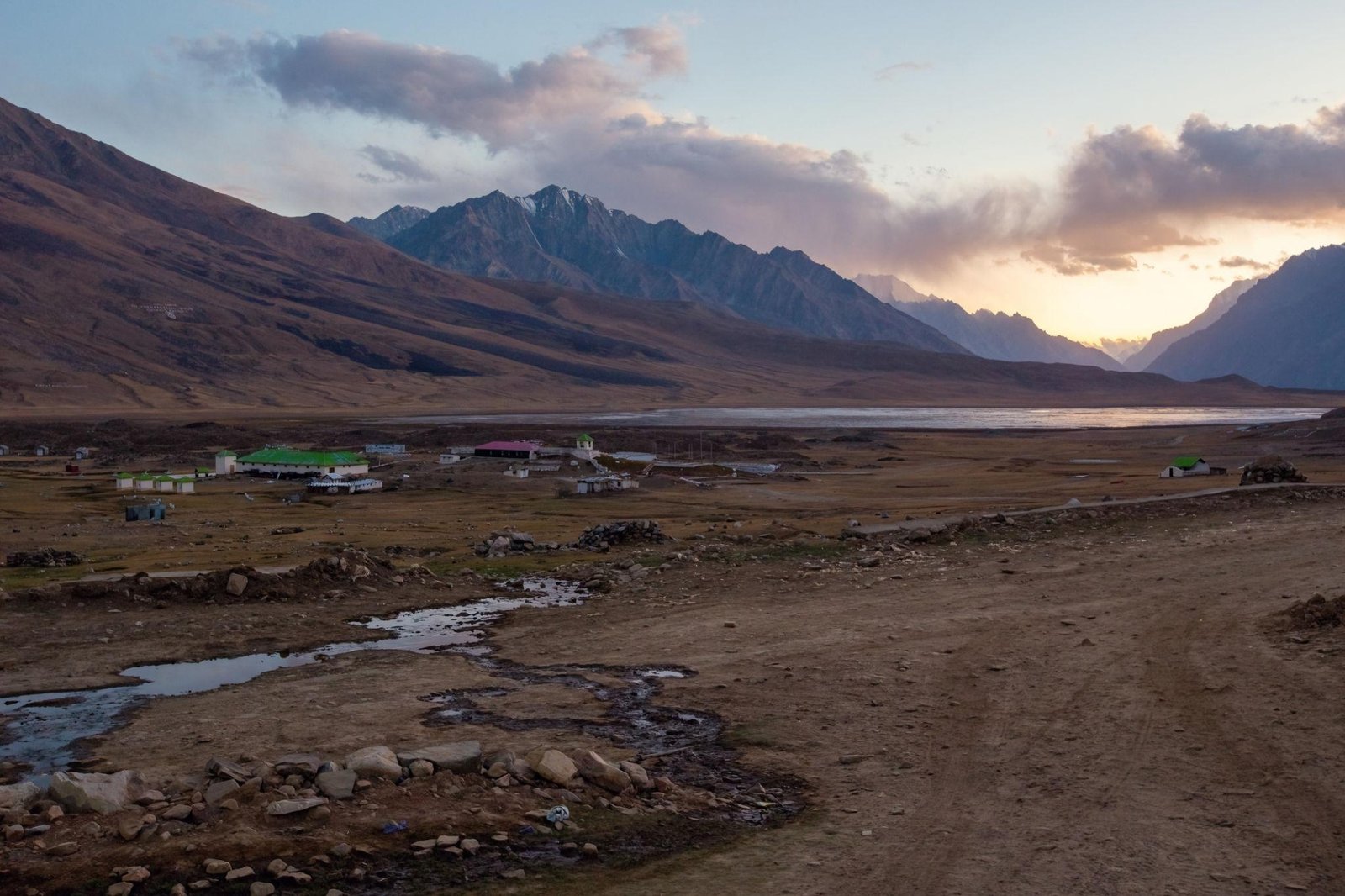
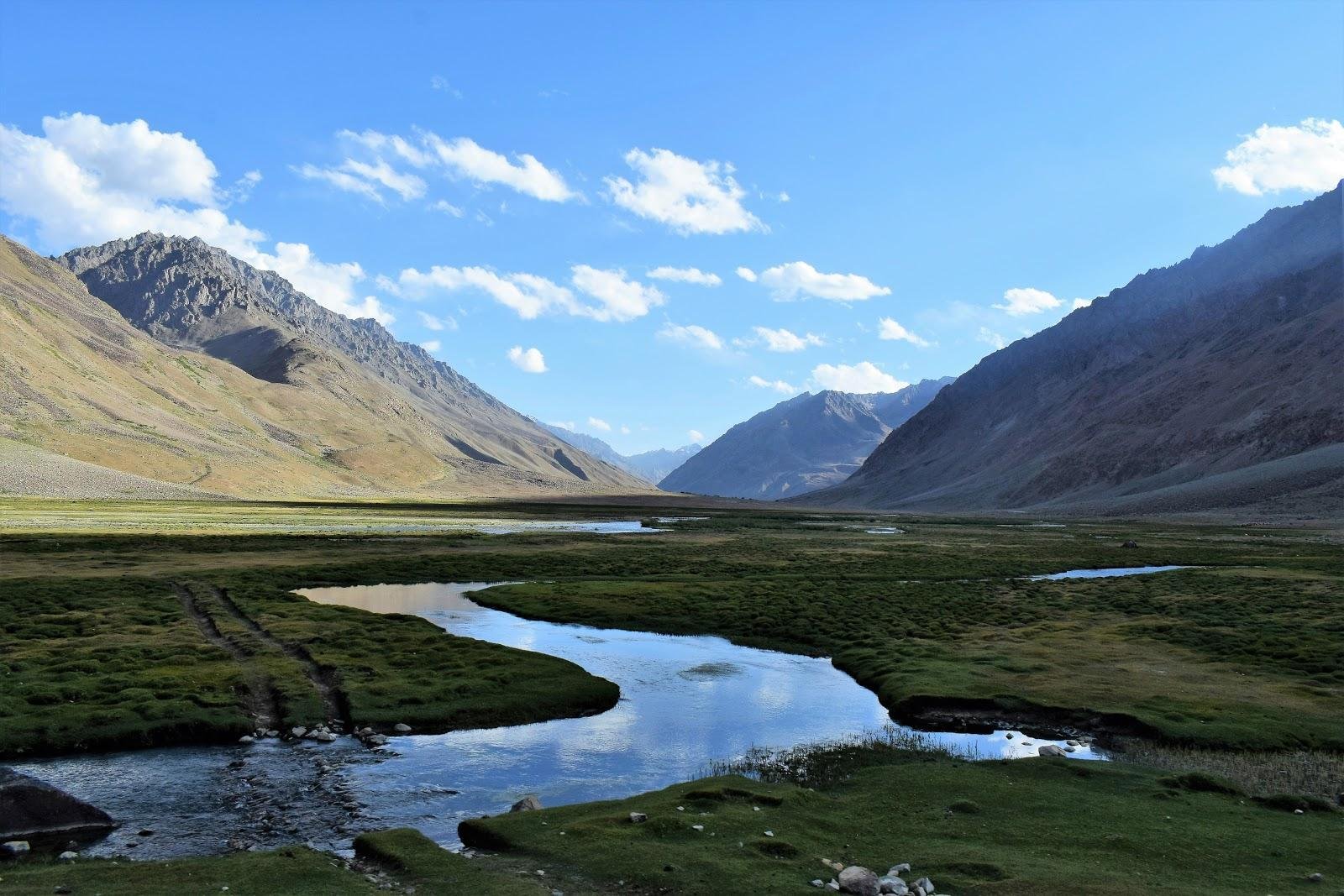
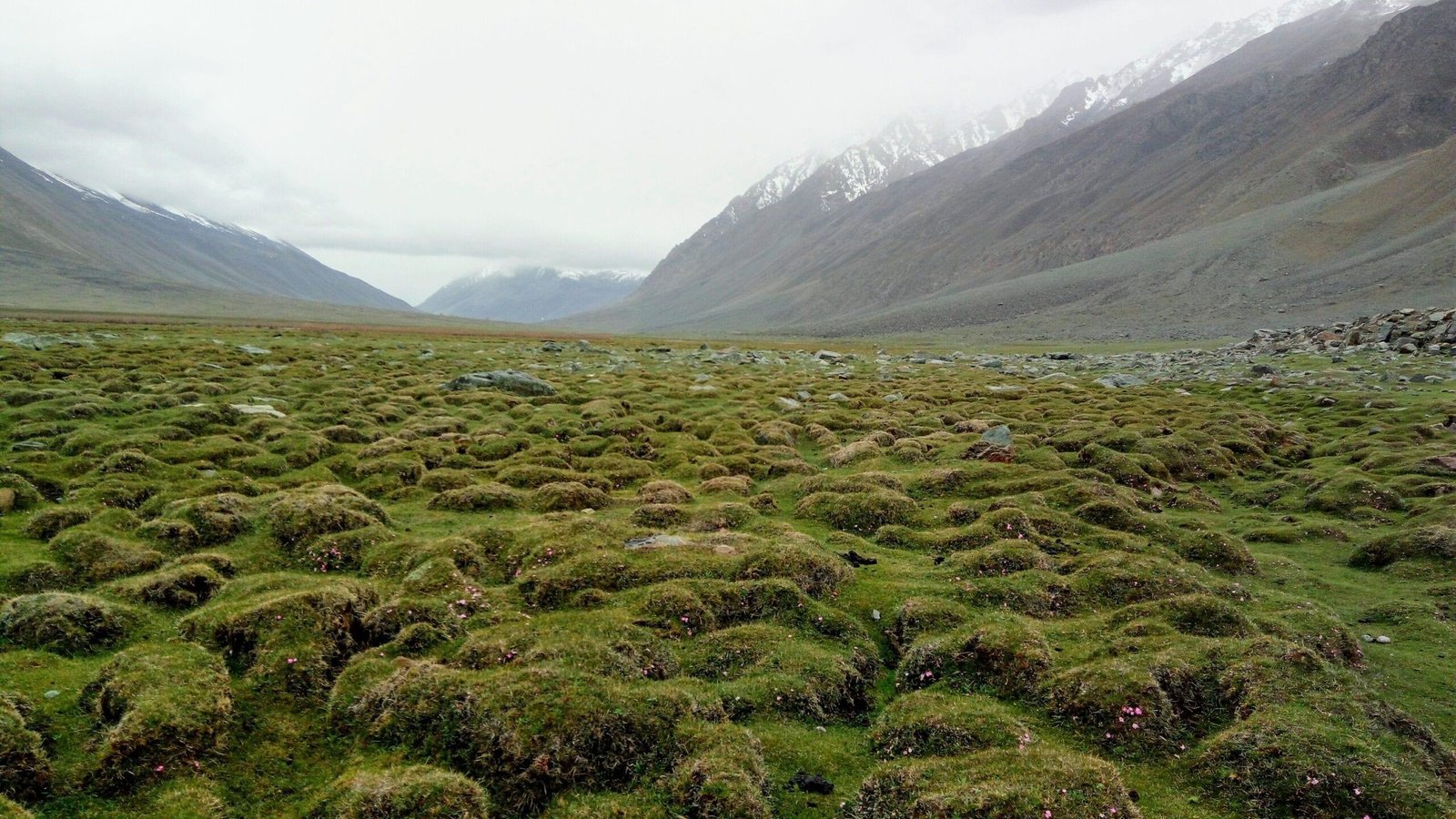
One of Shandur’s most distinctive characteristics is the openness of its terrain.
The surrounding landscape contains:
- rolling alpine plateaus
- grazing fields
- snow-covered peaks
- rocky ridges
- mountain streams
The scenery changes dramatically throughout the day depending on:
- cloud movement
- weather
- sunlight angles
Photographers often prefer:
- sunrise
- late afternoon
- blue hour after sunset
because of softer lighting conditions across the grasslands.
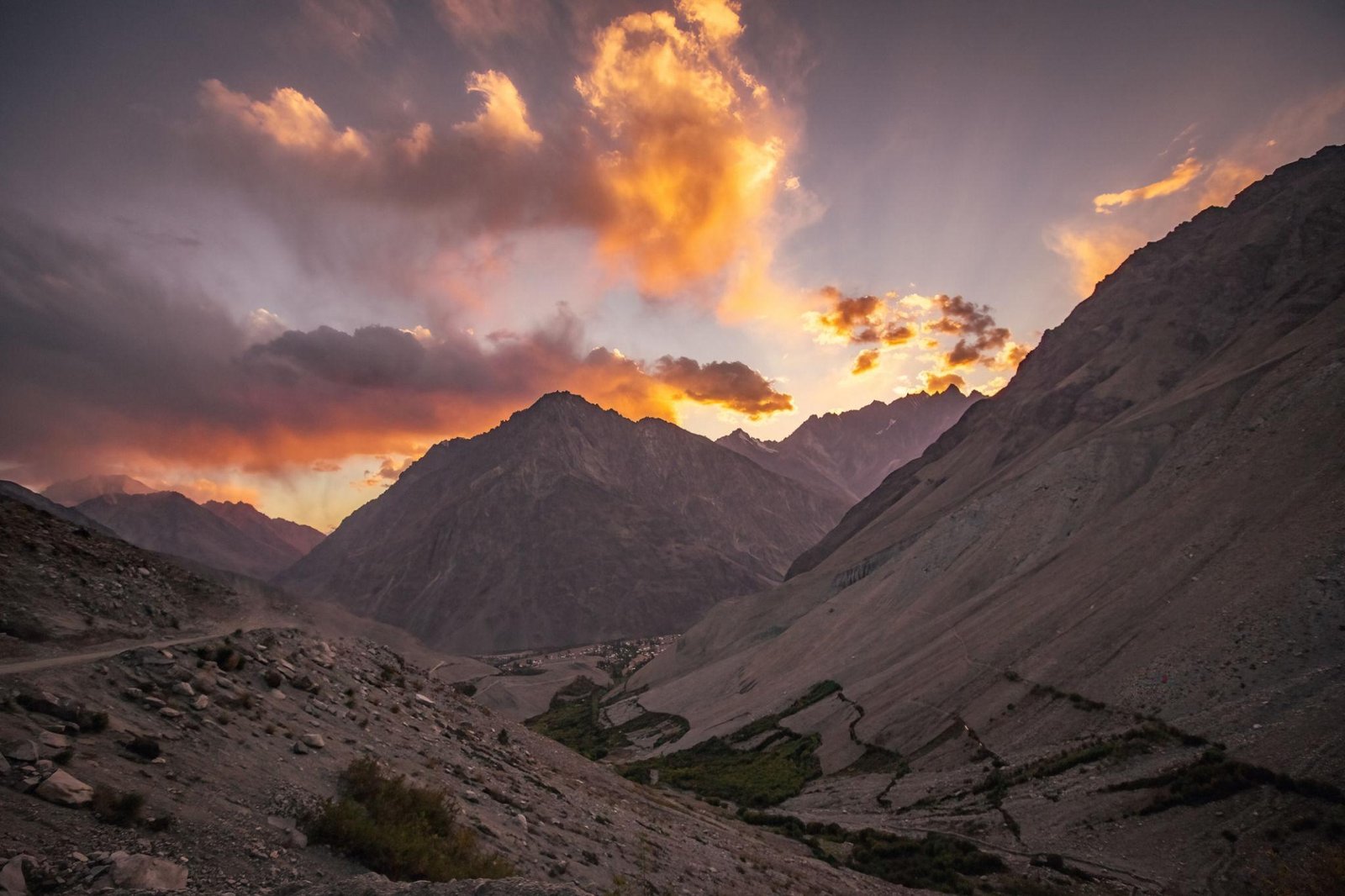
The region becomes especially atmospheric during storms when clouds move rapidly across the plateau.
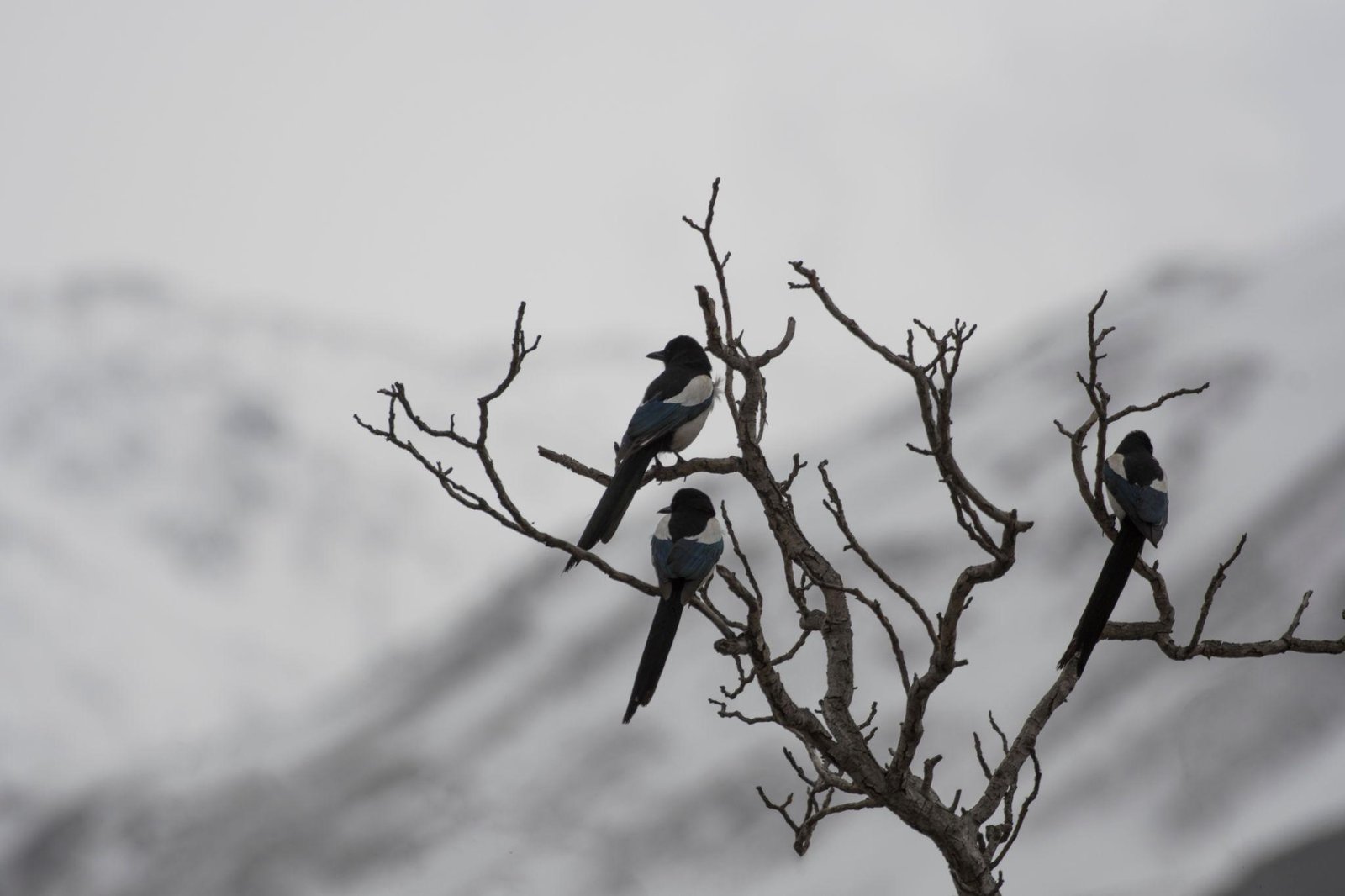
Wildlife
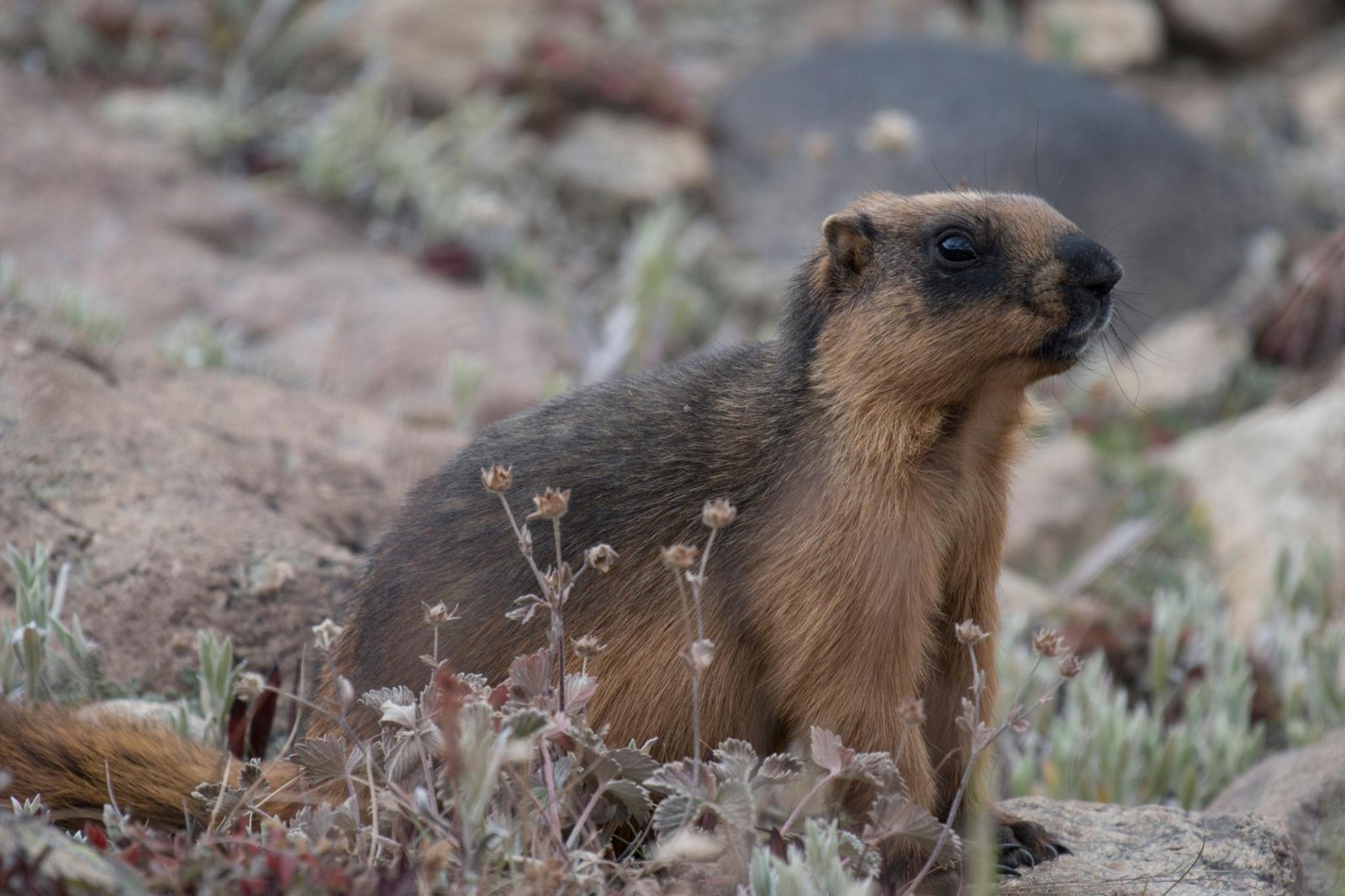
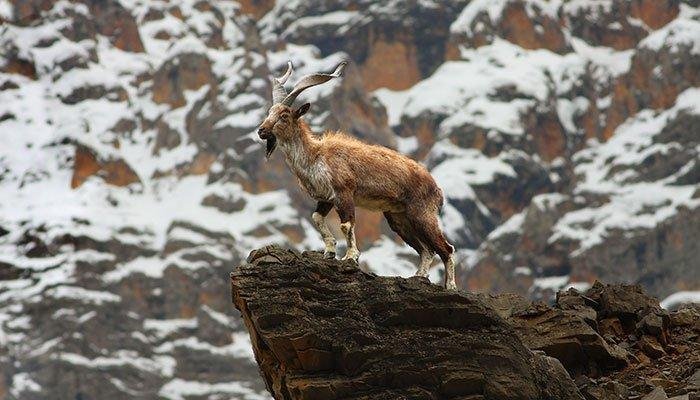
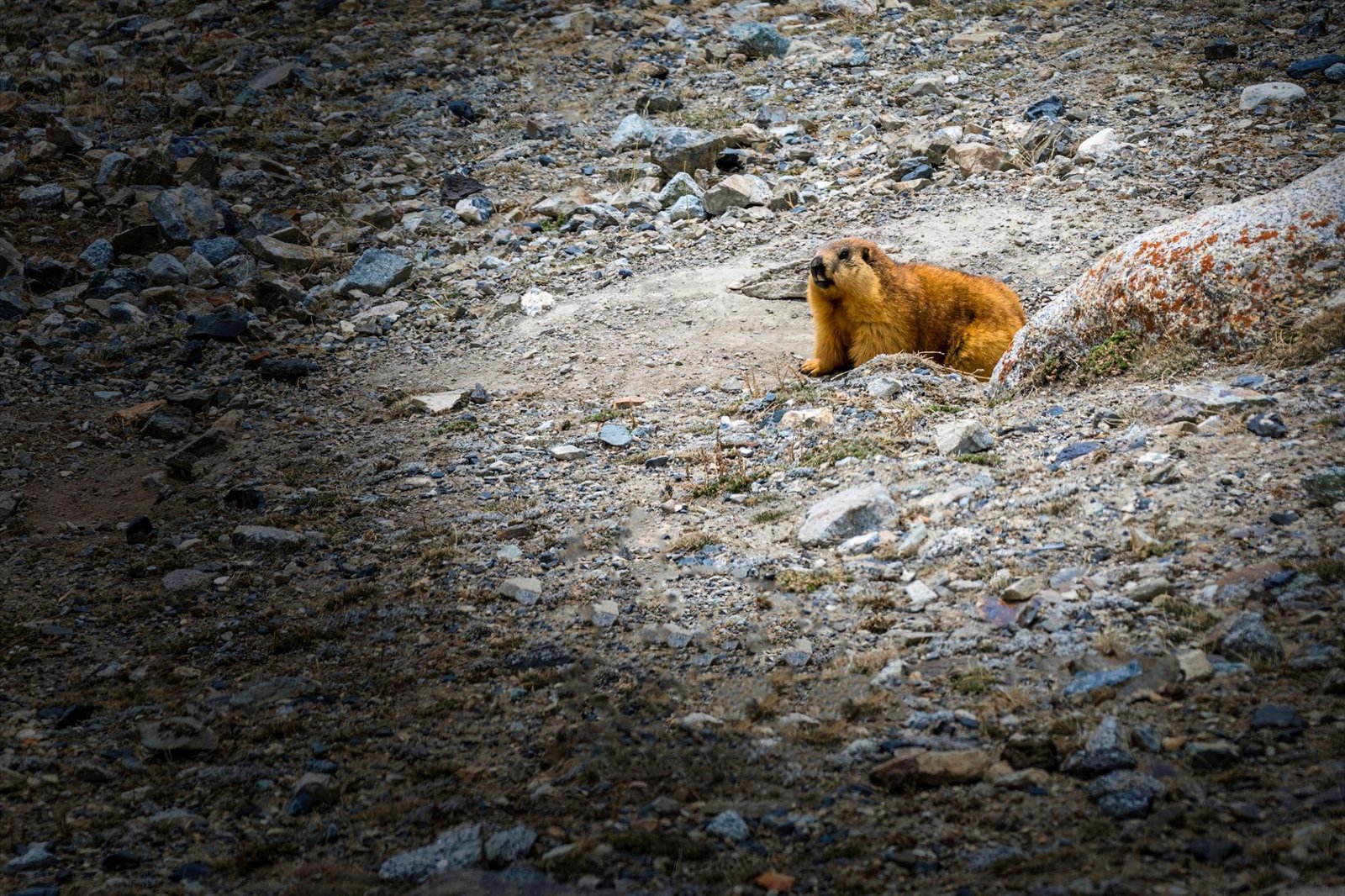
The Shandur region supports various forms of mountain wildlife, particularly in quieter areas away from festival crowds.
Wildlife occasionally spotted includes:
- marmots
- foxes
- migratory birds
- mountain livestock
- high-altitude bird species
Birdwatchers sometimes visit the region during summer migration periods.
Wildlife sightings are more common:
- early in the morning
- during quieter shoulder seasons
- away from the main festival area
Travelers should avoid disturbing animals or leaving waste behind in alpine habitats.
Where to Stay
Accommodation around Shandur Pass remains relatively basic compared to major tourist destinations.
Most visitors choose between:
- camping
- guesthouses in nearby valleys
- temporary festival camps
Camping at Shandur
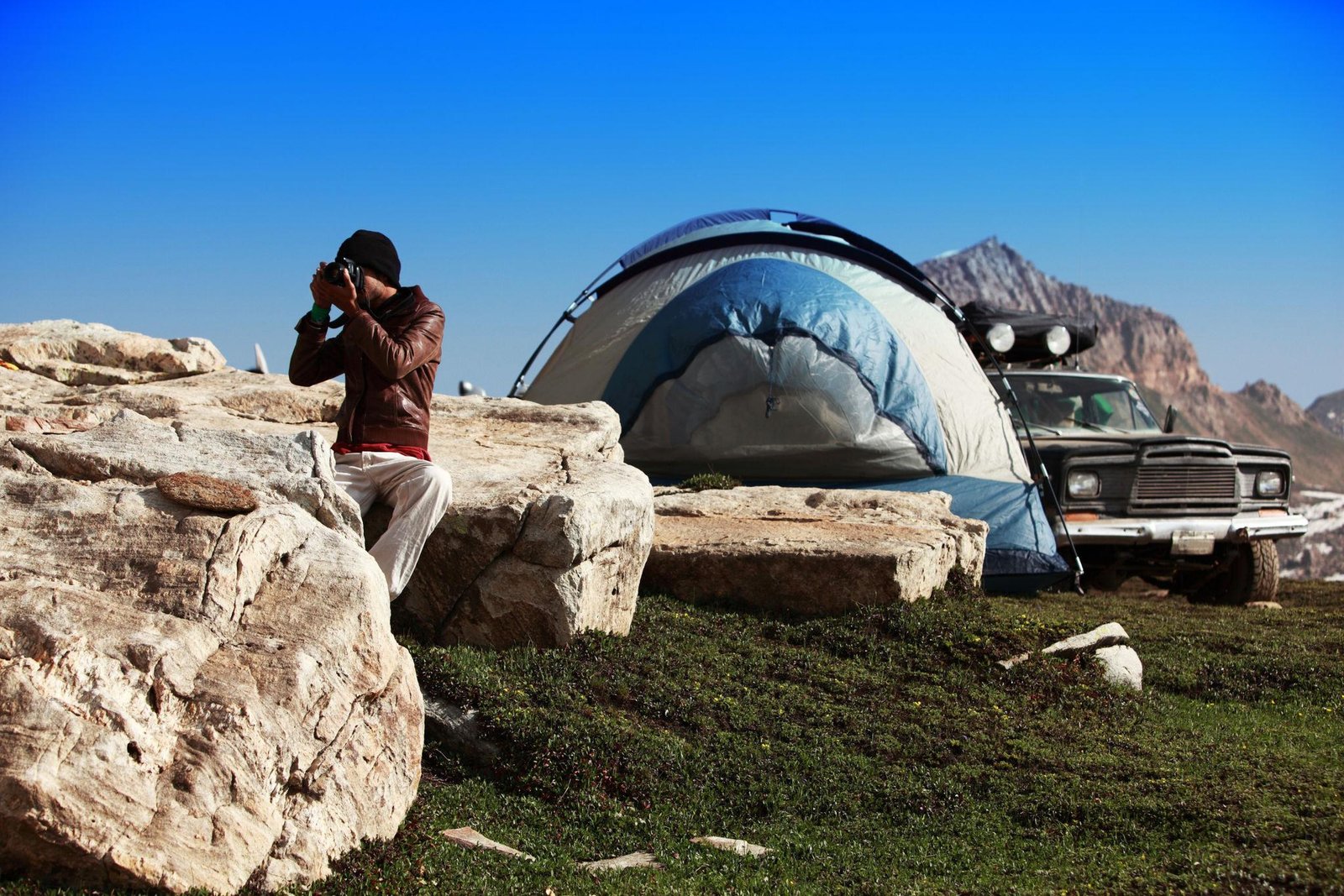
Camping is the most popular way to experience the festival atmosphere.
During the polo festival:
- organized camps are established
- private tour operators provide tents
- food stalls operate across the plateau
- bonfire gatherings become common at night
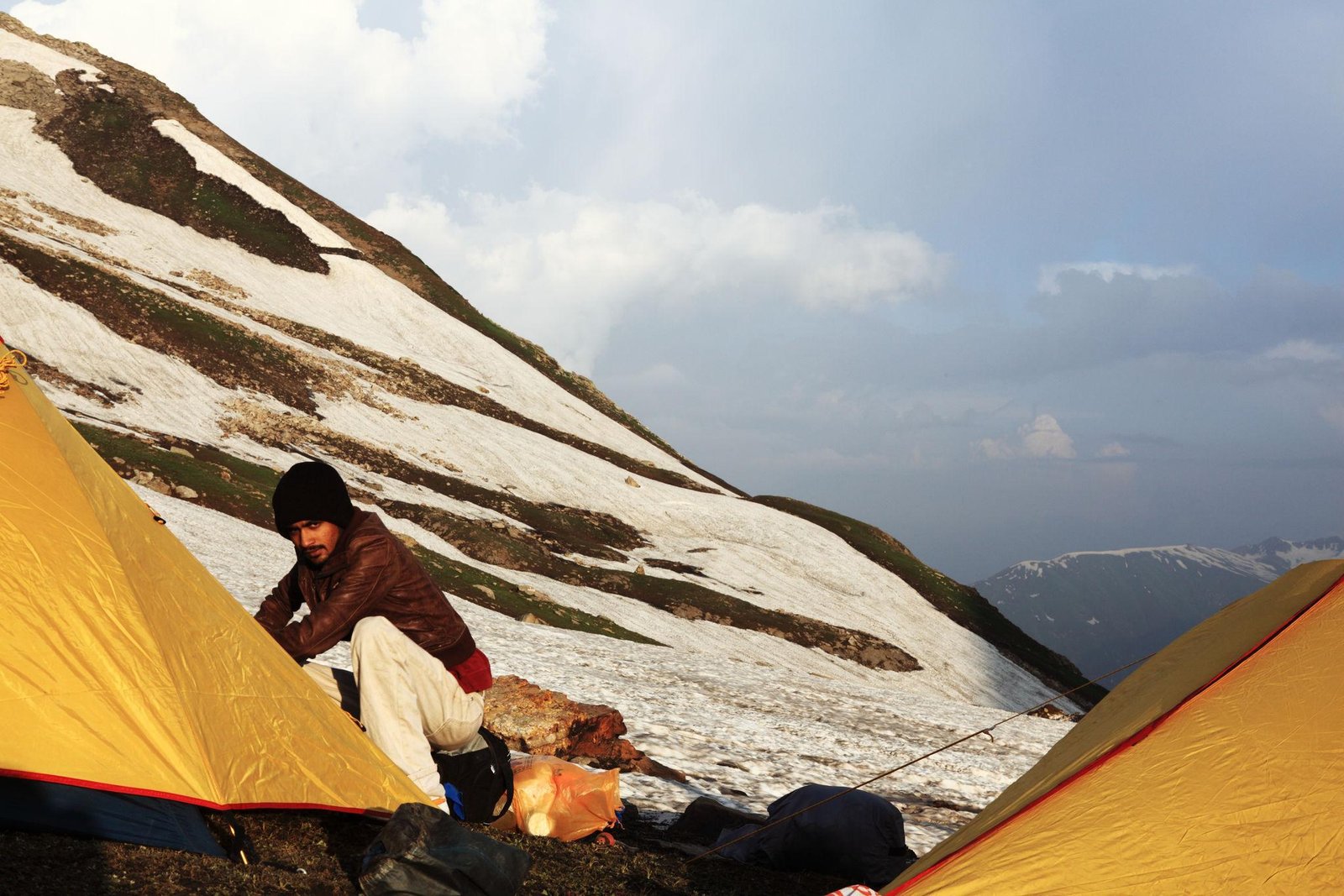
Night temperatures can become very cold because of the altitude.
Travelers camping independently should carry:
- insulated sleeping bags
- waterproof tents
- warm clothing
- backup lighting
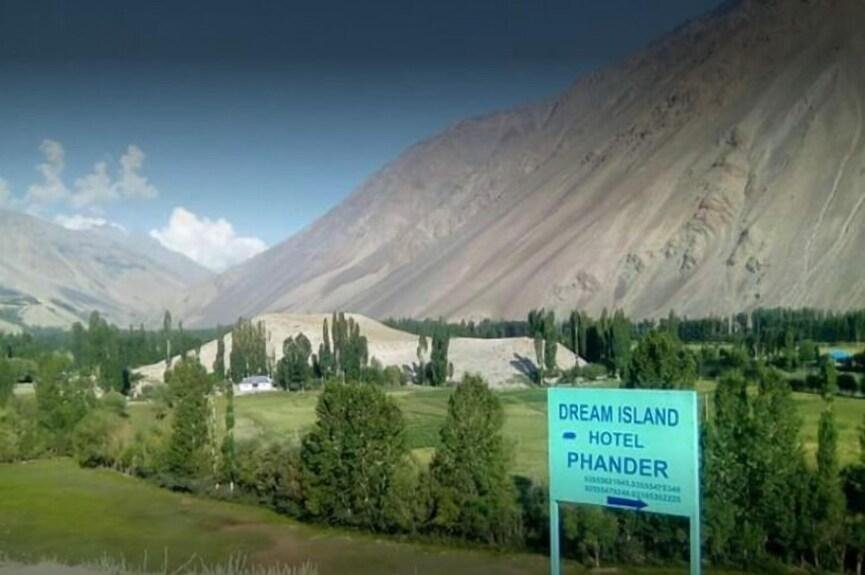
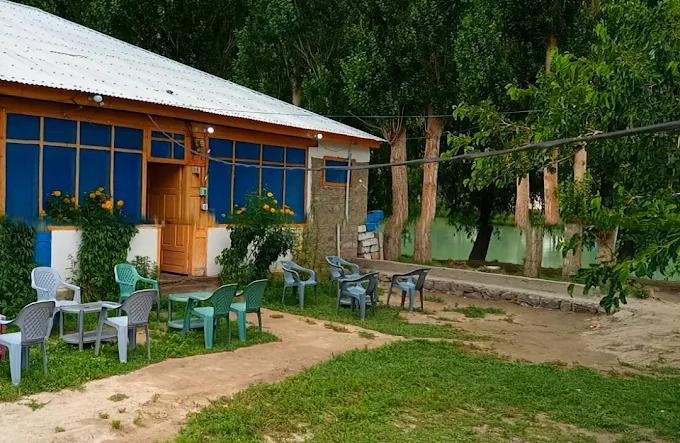
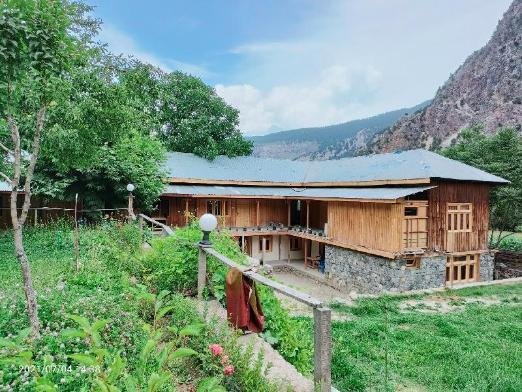
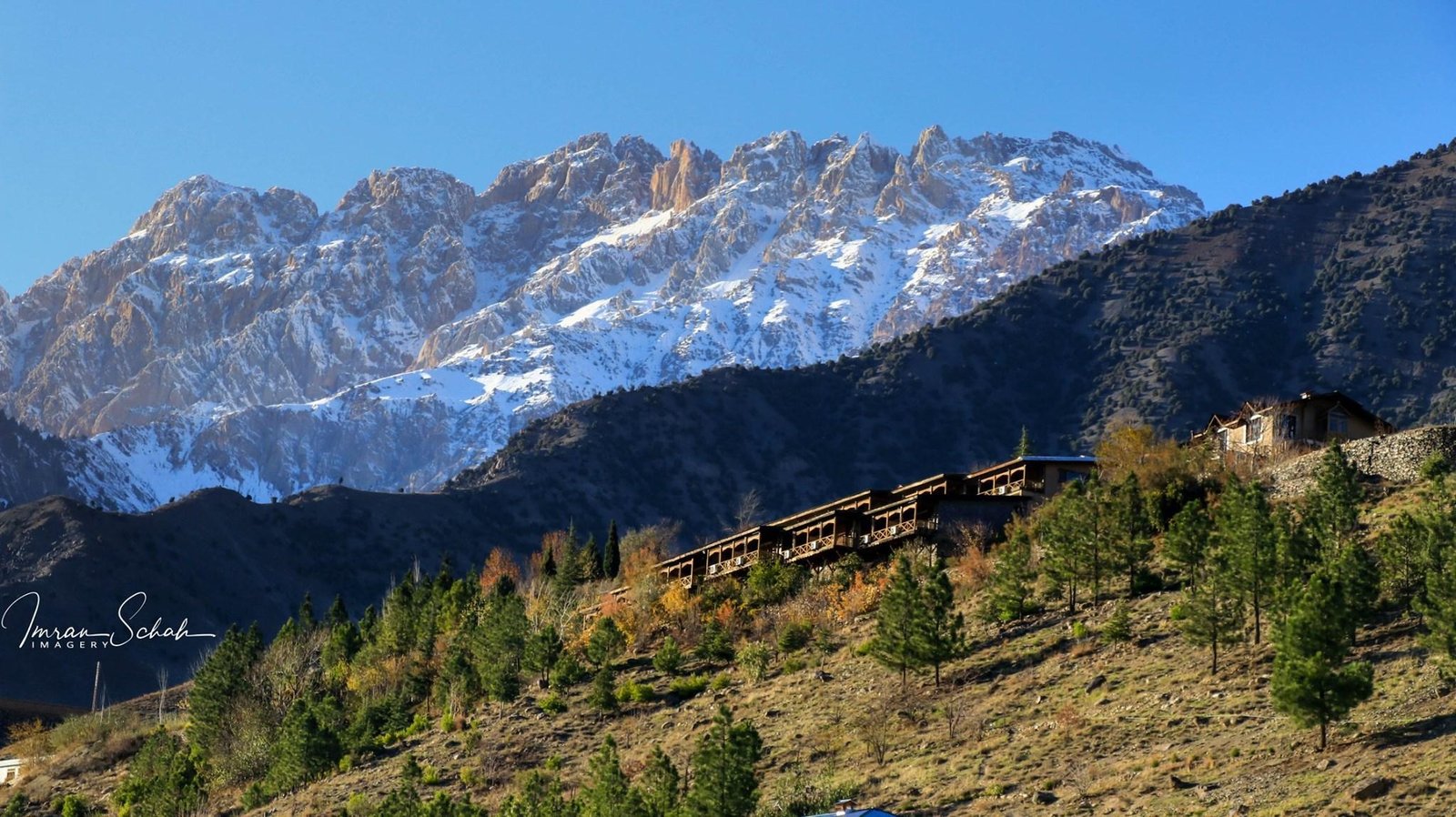
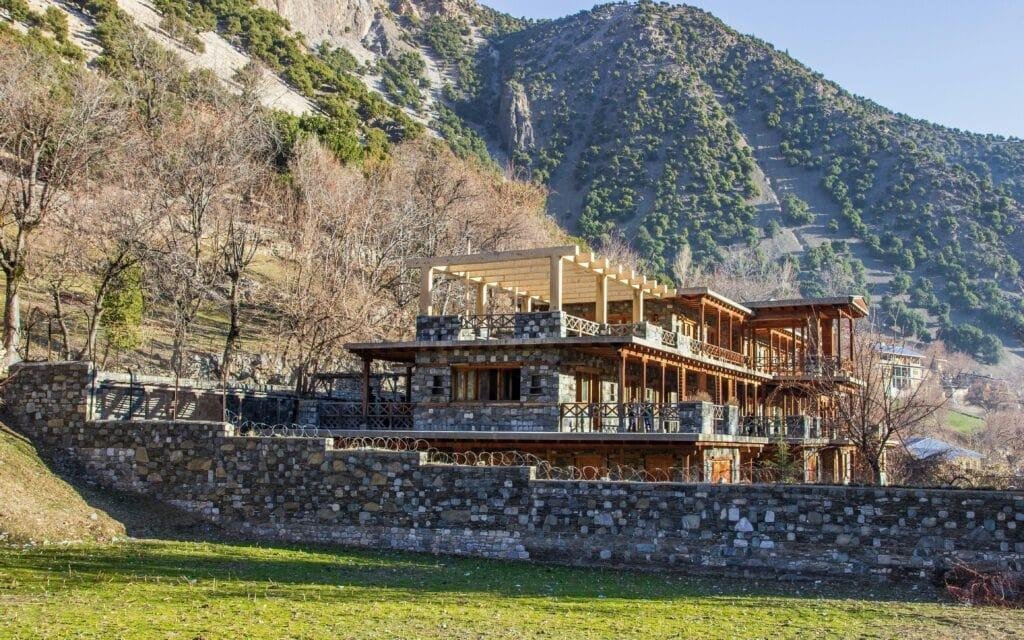
Hotels and Guesthouses Nearby
Travelers preferring permanent accommodation often stay in:
- Phander
- Mastuj
- Chitral
- nearby villages in Ghizer Valley
These areas offer:
- riverside hotels
- family guesthouses
- basic lodges
- scenic valley accommodations
Phander is particularly popular because of its lake scenery and quieter atmosphere.
Practical Travel Tips
Travel to Shandur requires preparation because of:
- remote terrain
- high altitude
- changing weather
- limited facilities
Travelers should:
- begin journeys early
- carry warm layers
- prepare for cold nights
- keep offline maps downloaded
- carry sufficient cash
- expect limited connectivity
Fuel stations and mechanical services become limited in upper mountain areas.
Altitude and Health
At approximately 3,700 meters, some travelers may experience mild altitude symptoms.
Possible symptoms include:
- headaches
- fatigue
- shortness of breath
- dizziness
To reduce discomfort:
- stay hydrated
- avoid excessive exertion immediately after arrival
- avoid alcohol at altitude
- spend time acclimatizing gradually
Visitors with medical conditions should consult a doctor before traveling to high-altitude regions.
Cash and Mobile Coverage
ATM access near Shandur is extremely limited.
Travelers should withdraw cash in:
- Gilgit
- Chitral
Mobile coverage varies significantly depending on:
- weather
- provider
- exact location
Internet connectivity may become unreliable during the festival because of heavy usage.
Power banks and backup charging solutions are highly recommended.
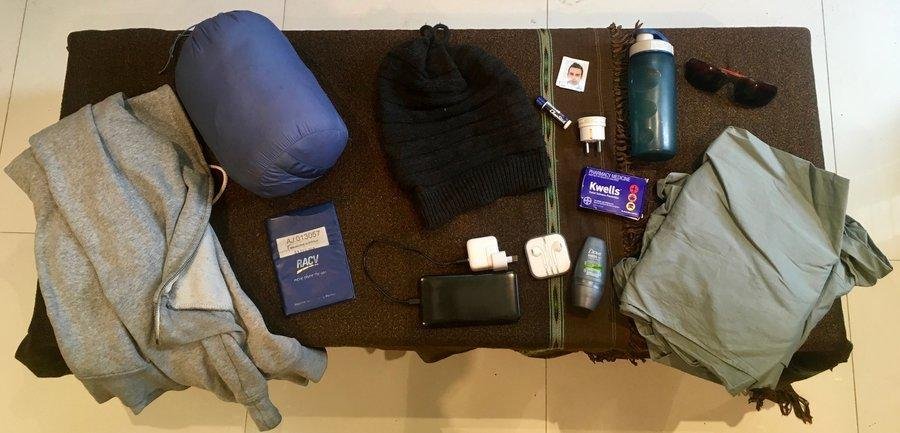
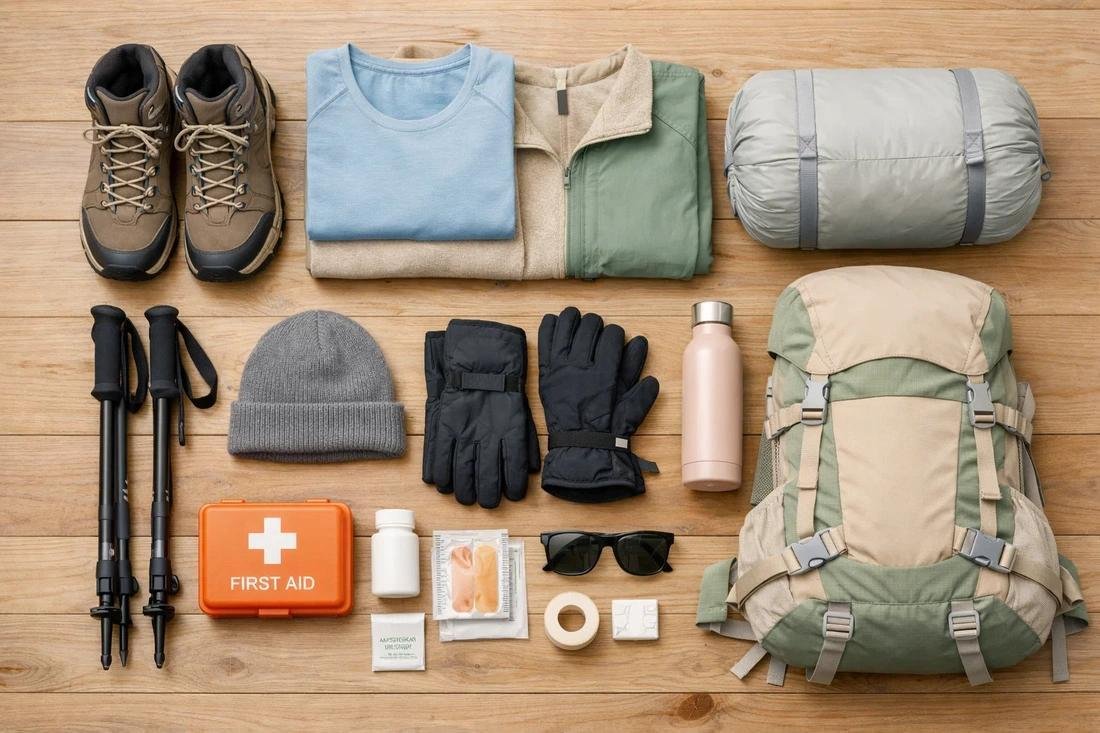
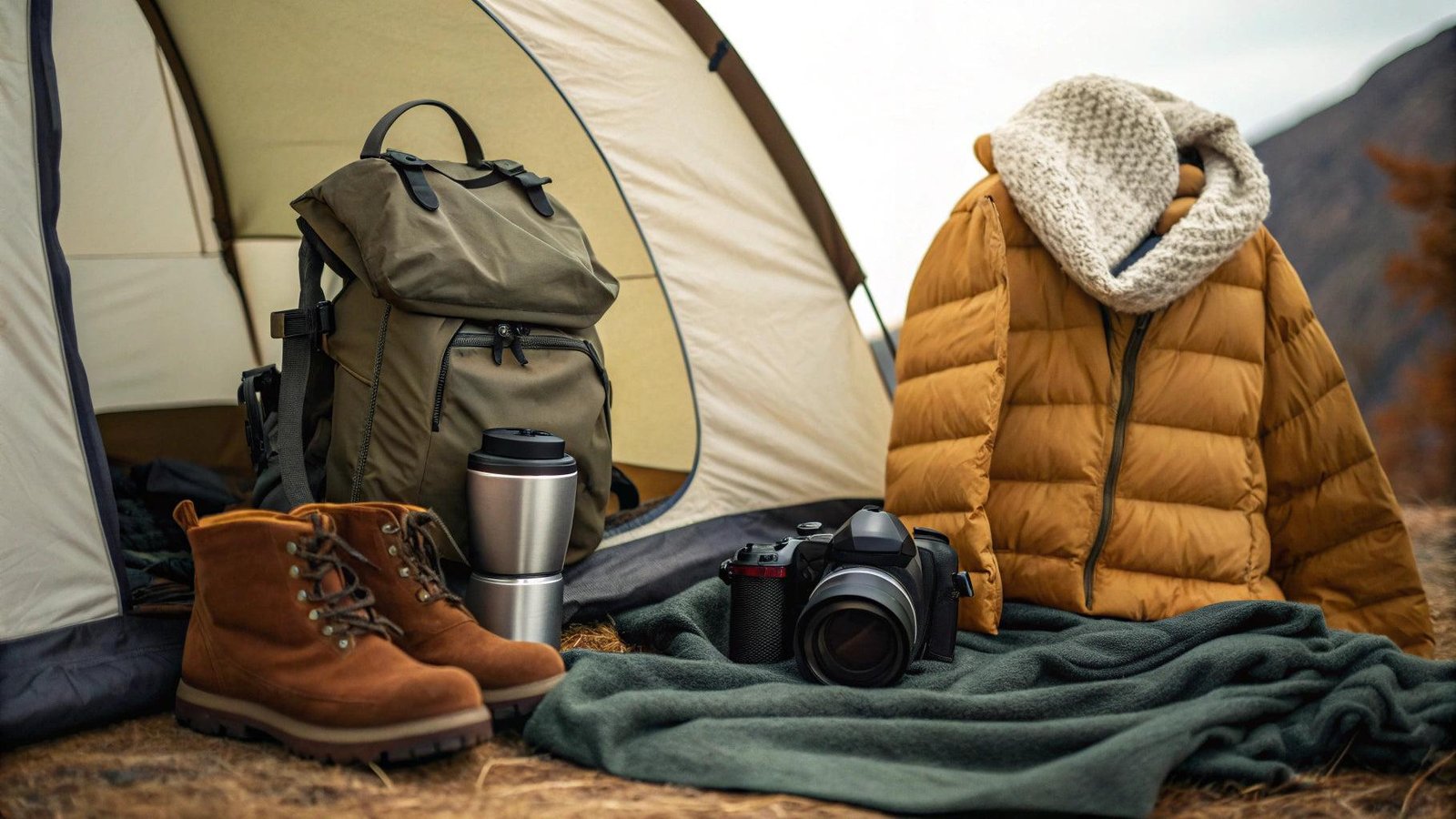
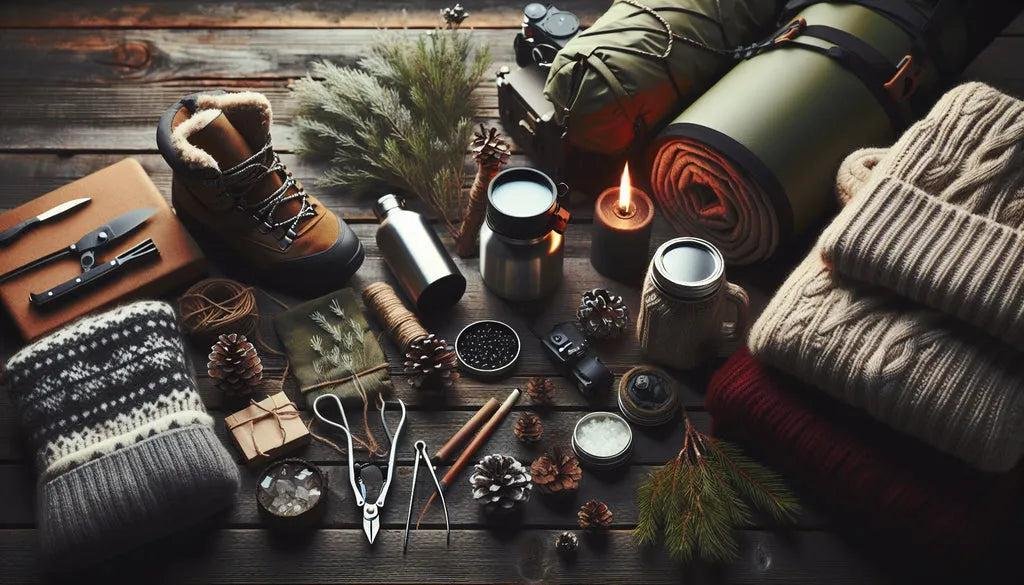
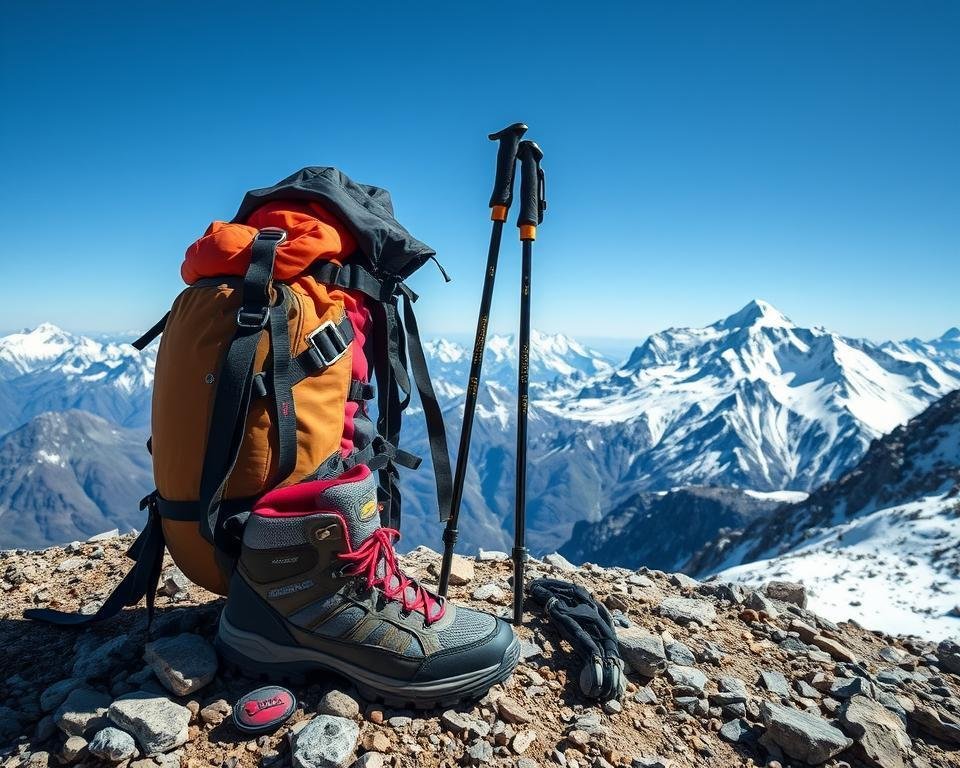
What to Pack
Recommended items include:
- insulated jackets
- gloves
- waterproof clothing
- hiking shoes
- sunglasses
- sunscreen
- flashlight or headlamp
- power banks
- medicines
- reusable water bottles
Even during summer, nighttime temperatures can become unexpectedly cold.

Recommended Itinerary
3-Day Shandur Festival Itinerary
Ideal for travelers with limited time focused mainly on the festival.
Day 1 — Chitral or Gilgit to Shandur
Activities:
- Scenic mountain drive
- Photography stops
- Arrival at festival grounds
- Evening camping
Day 2 — Polo Festival Experience
Activities:
- Watch polo matches
- Explore festival camps
- Traditional music performances
- Sunset photography around Shandur Lake
Day 3 — Return Journey
Travel back toward:
- Chitral
- Gilgit
- Phander
5-Day Chitral to Gilgit Route
This is one of the best ways to fully experience the region.
Day 1 — Arrival in Chitral
Explore:
- local bazaars
- Chitral town
- nearby valleys
Day 2 — Chitral to Shandur
Scenic drive through:
- Mastuj
- Laspur Valley
- alpine plateaus
Day 3 — Festival and Exploration
Activities:
- polo matches
- landscape photography
- camping
- cultural exploration
Day 4 — Shandur to Phander
Relaxed drive toward:
Phander
Day 5 — Phander to Gilgit
Scenic return through Ghizer Valley.
Frequently Asked Questions
When Is the Shandur Polo Festival Held?
The festival usually takes place in July each year, though dates can vary slightly.
Is Shandur Pass Difficult to Reach?
The journey involves long mountain drives and rough roads, but it is accessible by standard vehicles during summer.
Do I Need Camping Equipment?
If staying directly at Shandur during the festival, camping equipment is highly recommended unless using organized camps.
Is the Festival Safe for Families?
Yes. The festival attracts families, photographers, and domestic tourists from across Pakistan.
How Cold Does It Get at Night?
Night temperatures can become very cold even during summer because of the high altitude.
Which Route Is Better: Chitral or Gilgit?
Both routes are highly scenic:
- Chitral offers rugged mountain culture and dramatic valleys
- Gilgit and Ghizer provide lakes, rivers, and broader alpine scenery
Many travelers prefer completing a full cross-route journey between both regions.

![K2 Base Camp Trek: Ultimate Guide k2 Trek 2026 [UPDATED]](https://karakoramdiaries.com/storage/ultimate-guide-to-k2-base-camp-trek-full-document-150x150.png)