Table of contents [Show]
- What to See on the Trek
- Permits and Regulations
- Best Time to Trek
- Gear and Equipment
- Guides, Porters and Costs
- Where to Stay
- Practical Travel Tips
- Recommended Itinerary
- Frequently Asked Questions
- Travel Advisory and Disclaimer
What to See on the Trek
The Rakaposhi Base Camp trek is less about reaching a technical mountaineering camp and more about experiencing the dramatic landscapes surrounding one of the Karakoram’s most prominent peaks.
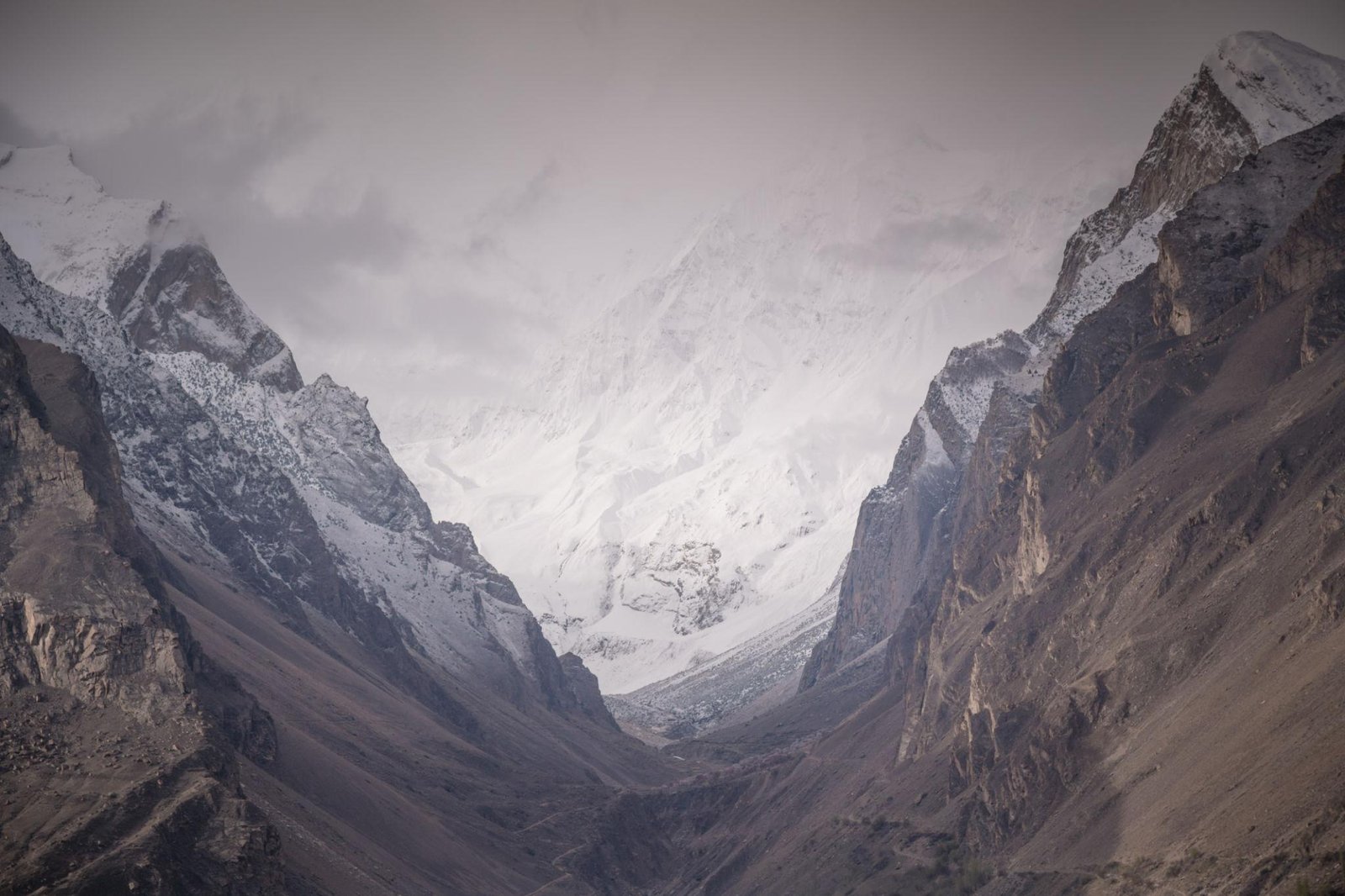
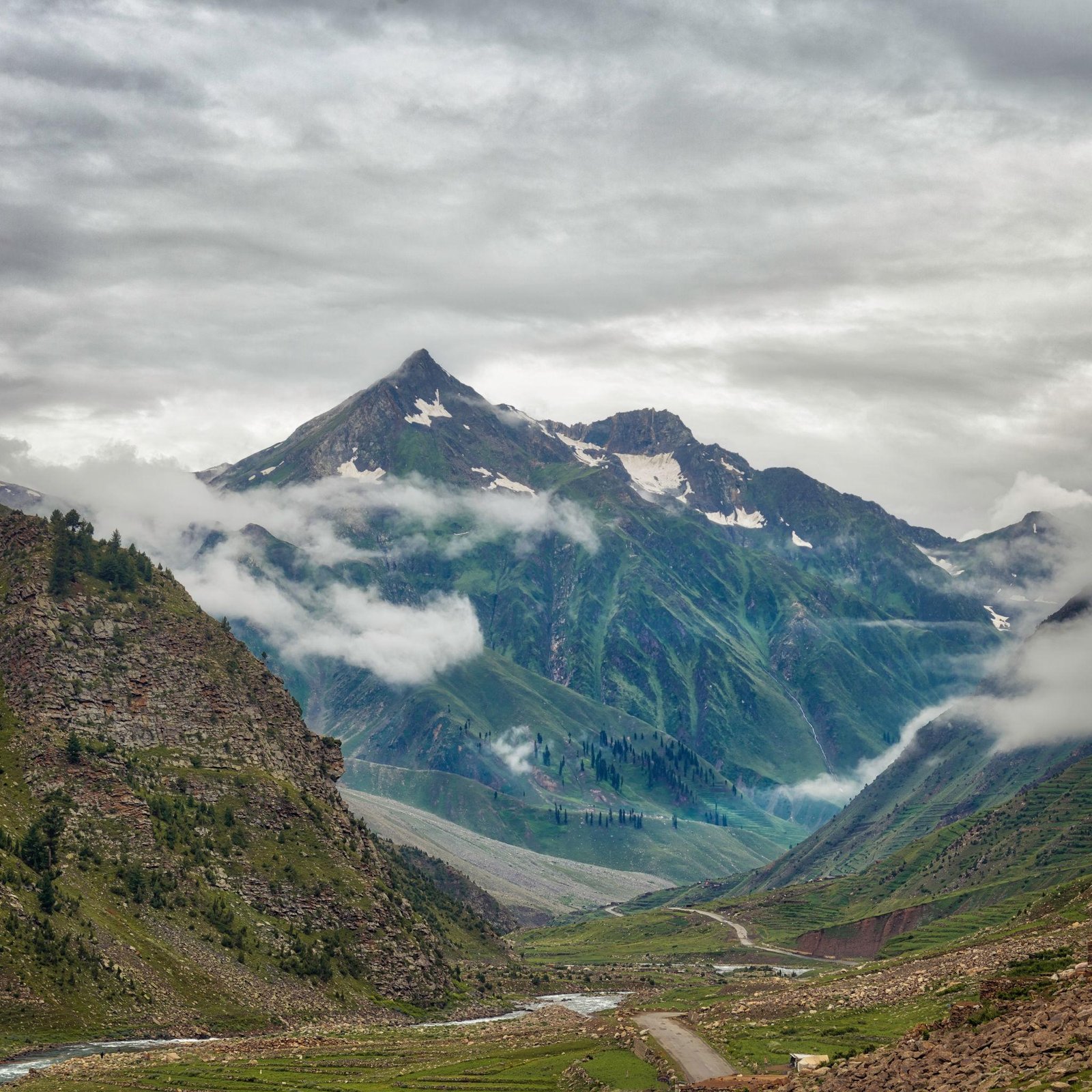
The scenery changes rapidly throughout the route, moving from cultivated mountain villages into forests, alpine meadows, moraine fields, and glacier viewpoints.
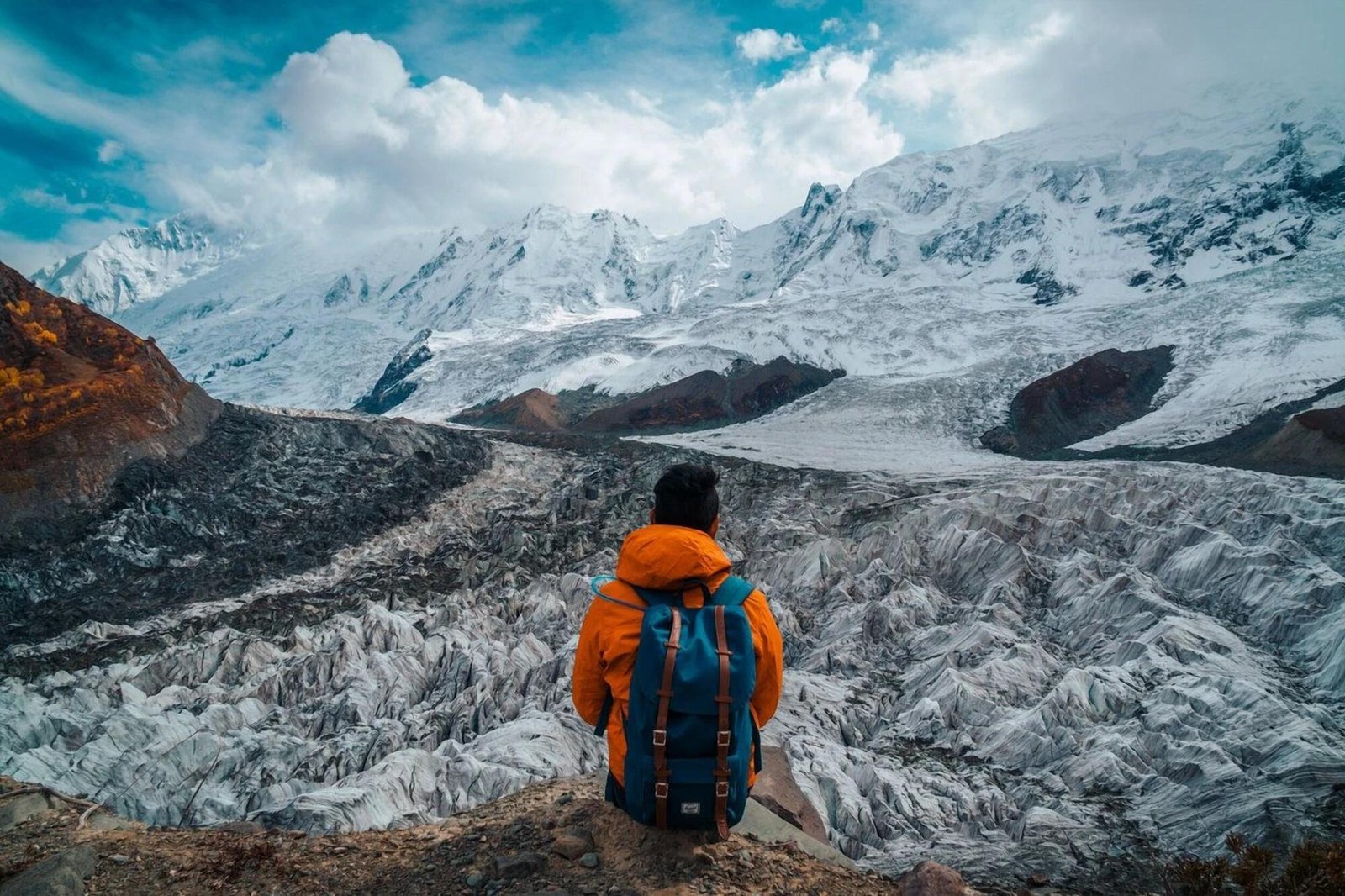
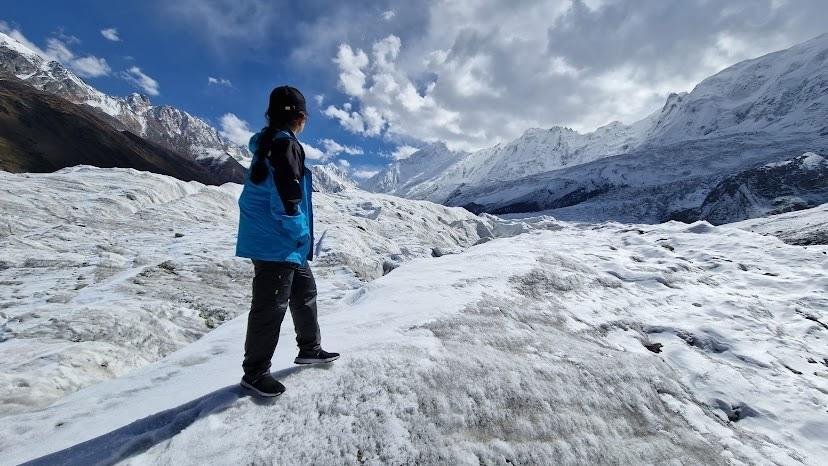
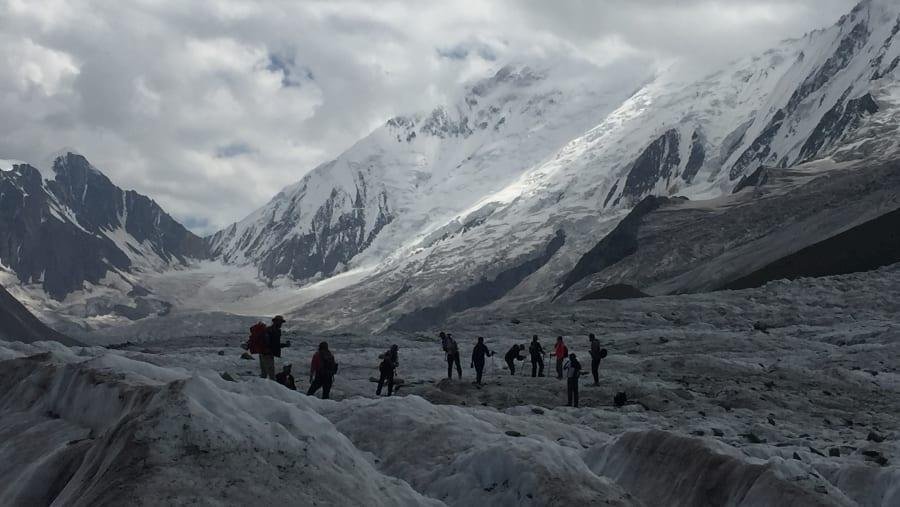
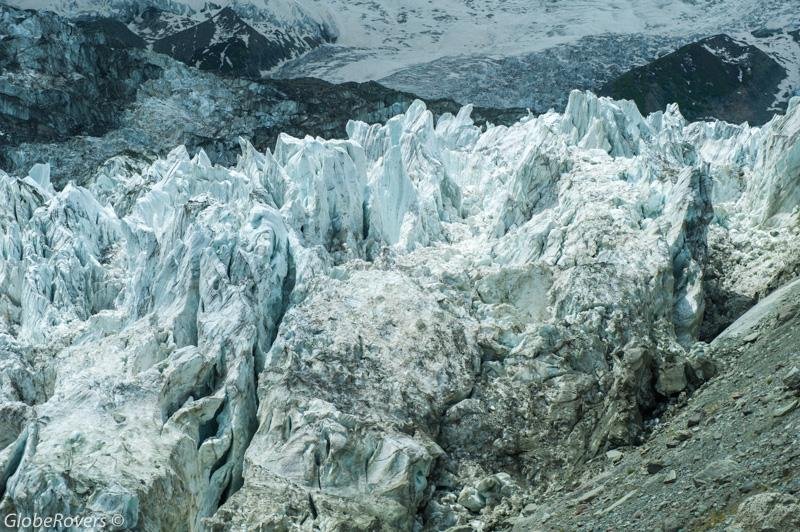
Minapin Glacier
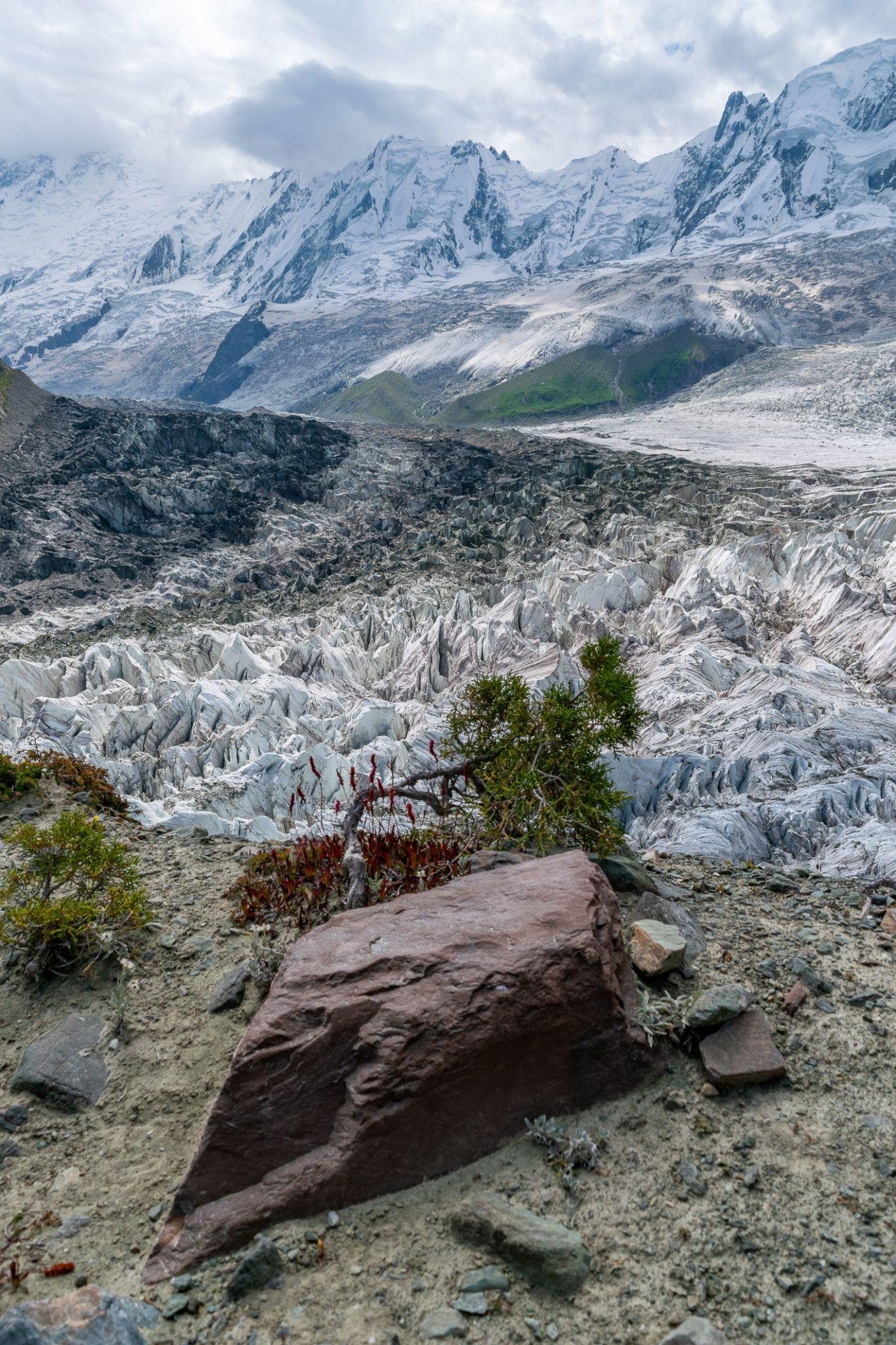
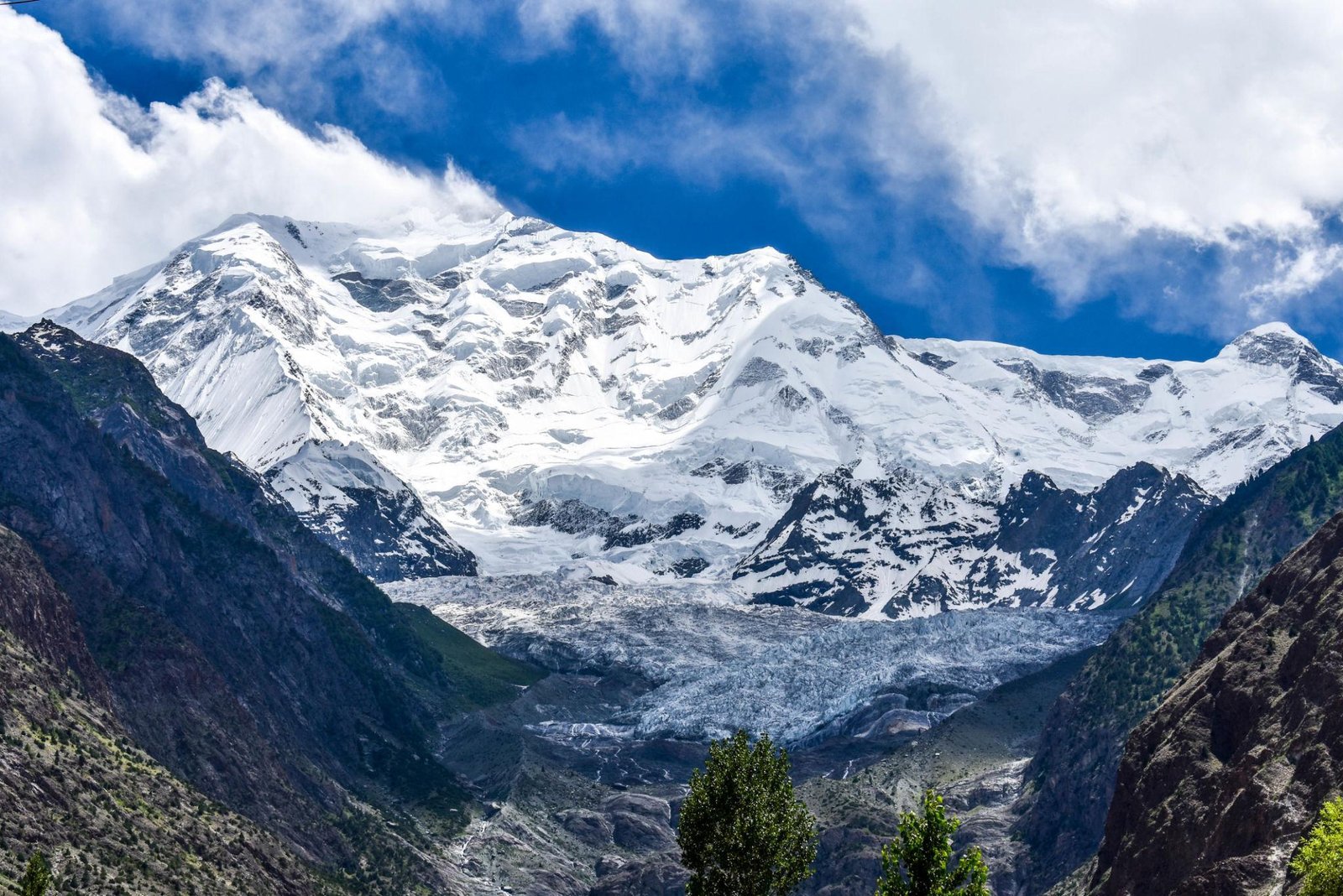
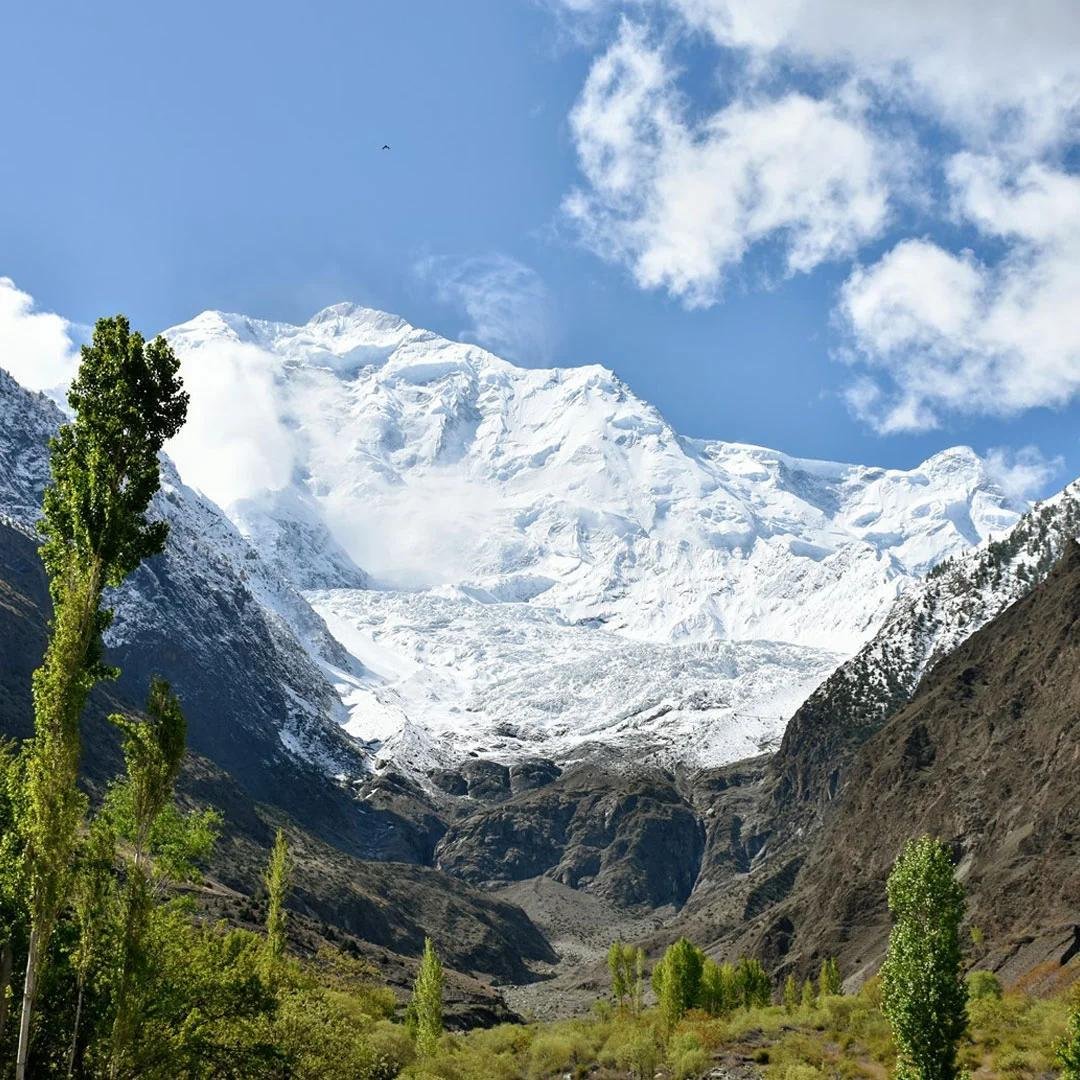
The Minapin Glacier forms one of the major visual highlights of the trek.
From higher sections of the trail, trekkers gain views across:
- glacier streams
- ice formations
- moraine ridges
- avalanche slopes
The glacier landscape changes noticeably throughout the season.
Early summer often retains:
- larger snow patches
- cleaner glacier surfaces
- colder trail conditions
By late summer, moraine and exposed rock become increasingly visible.
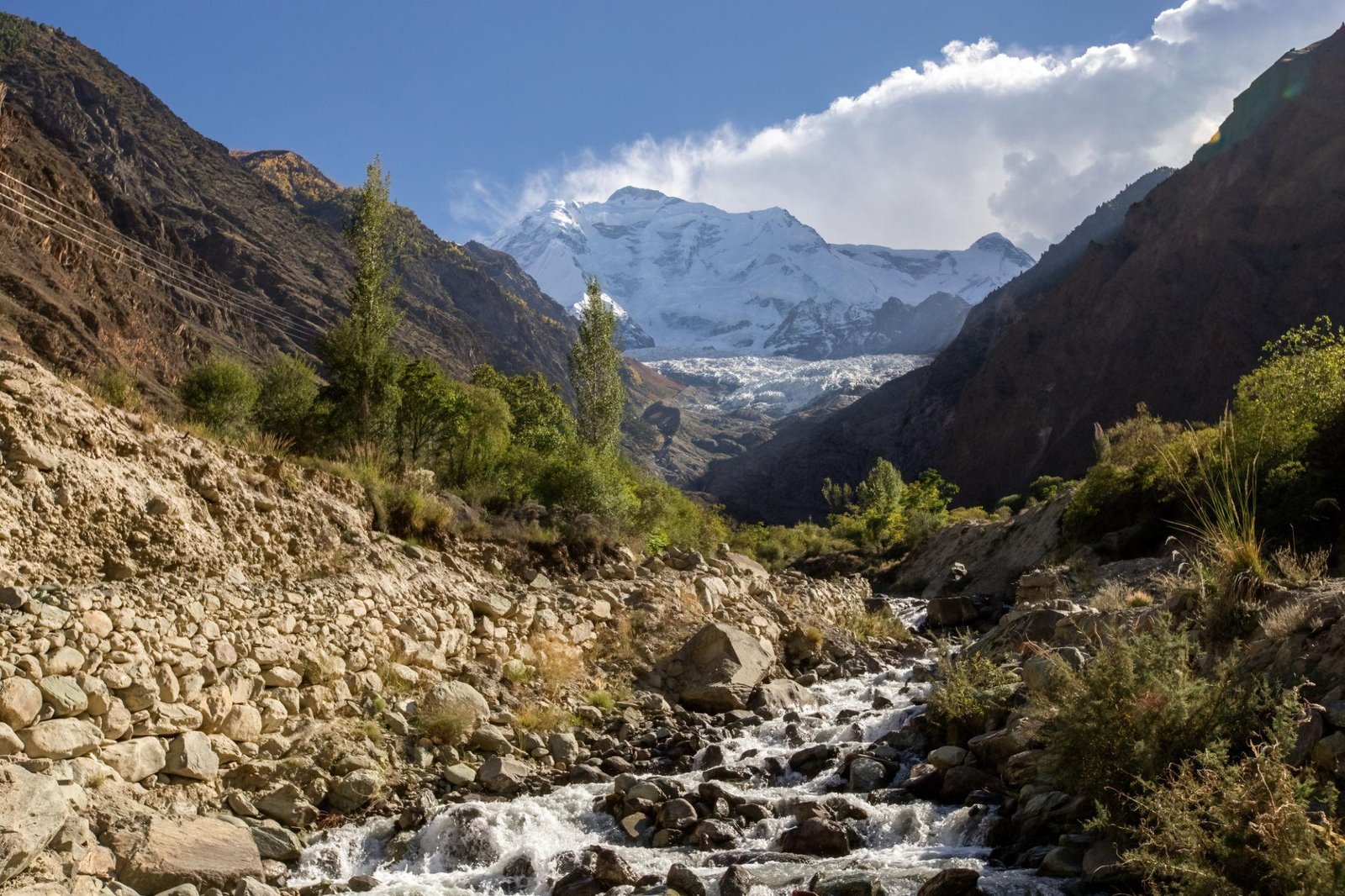
Rakaposhi North Face Views
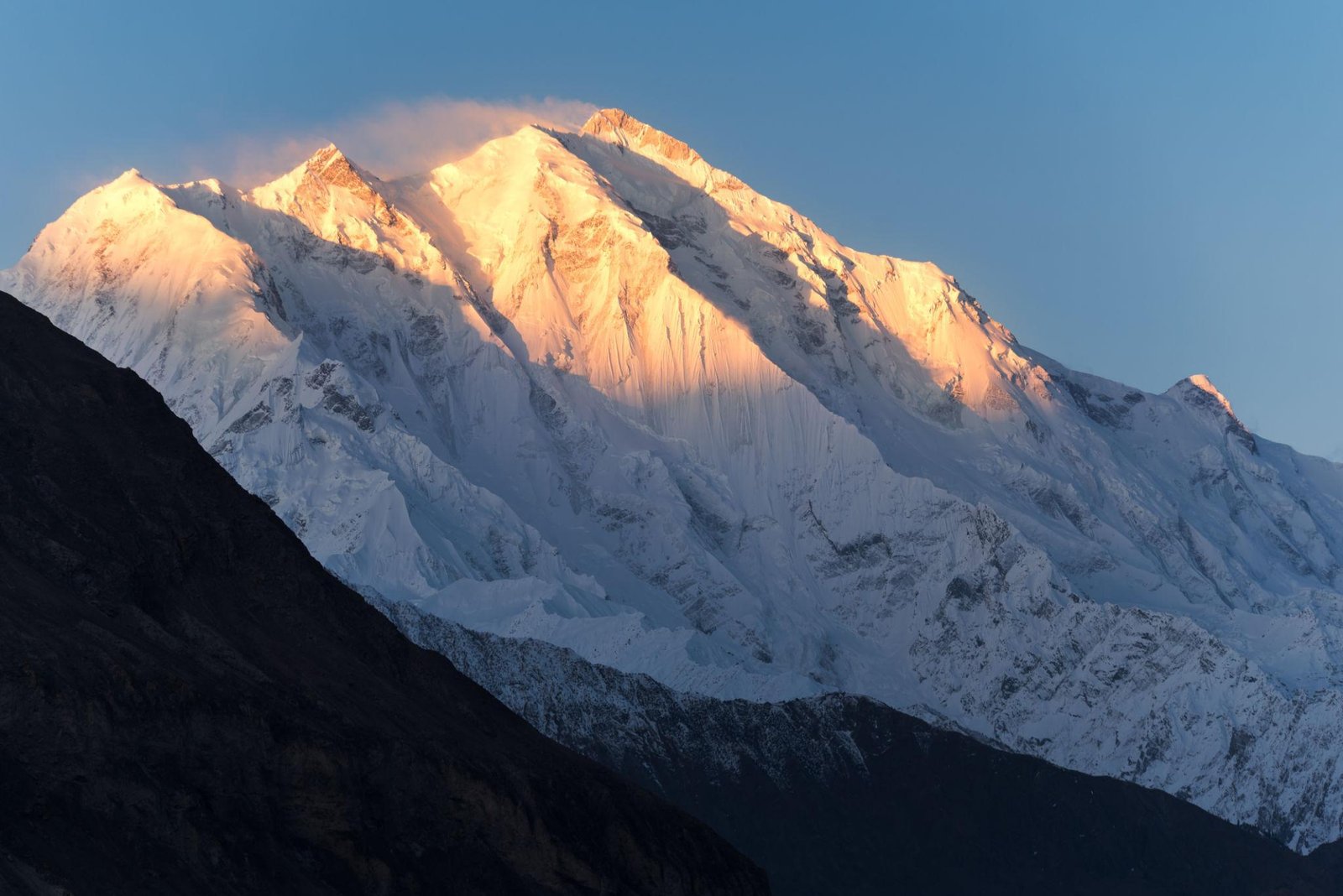
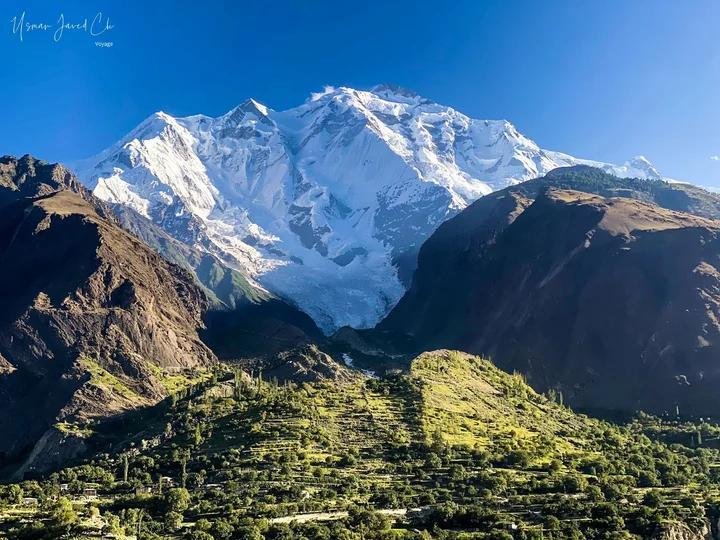
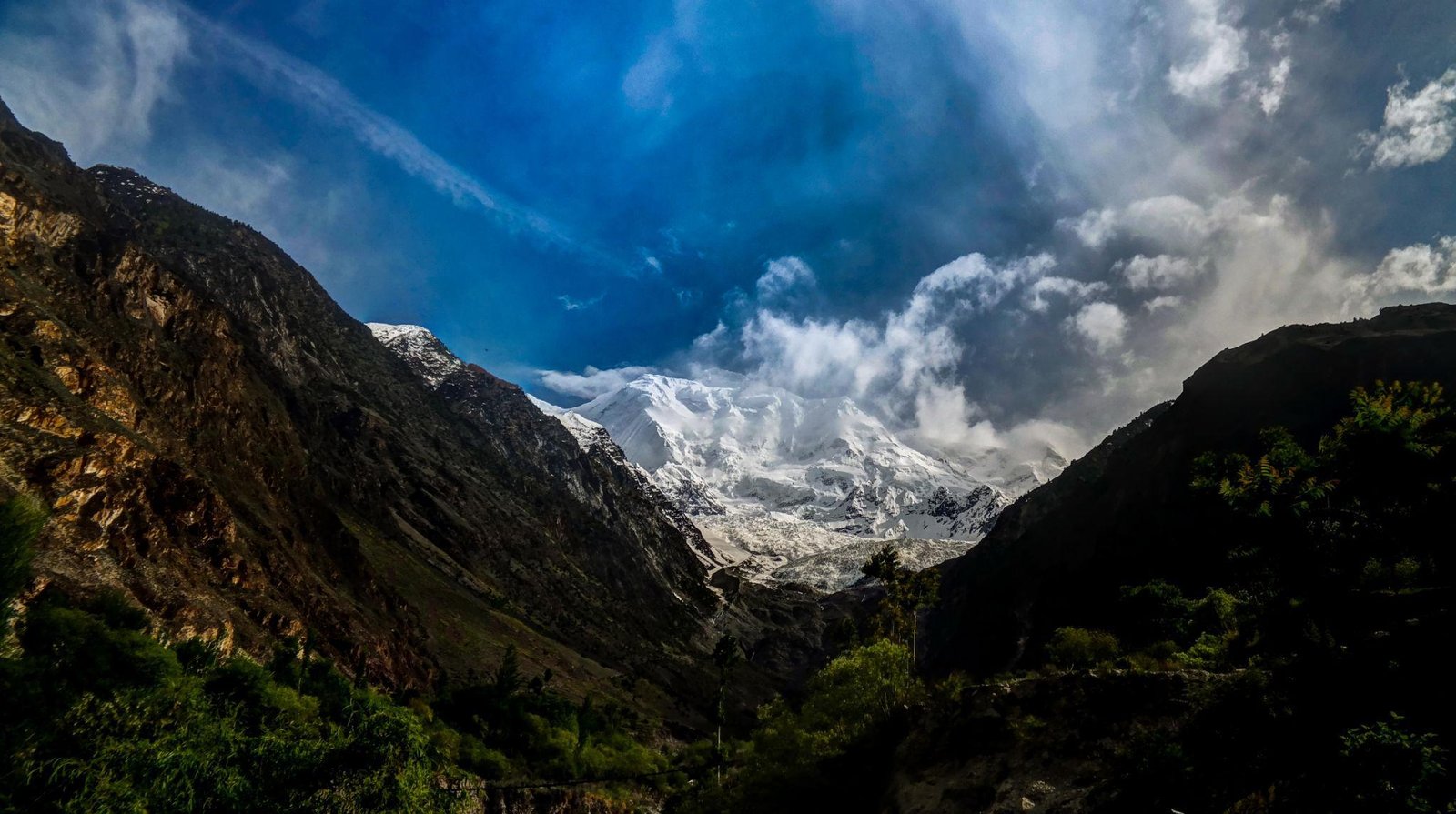
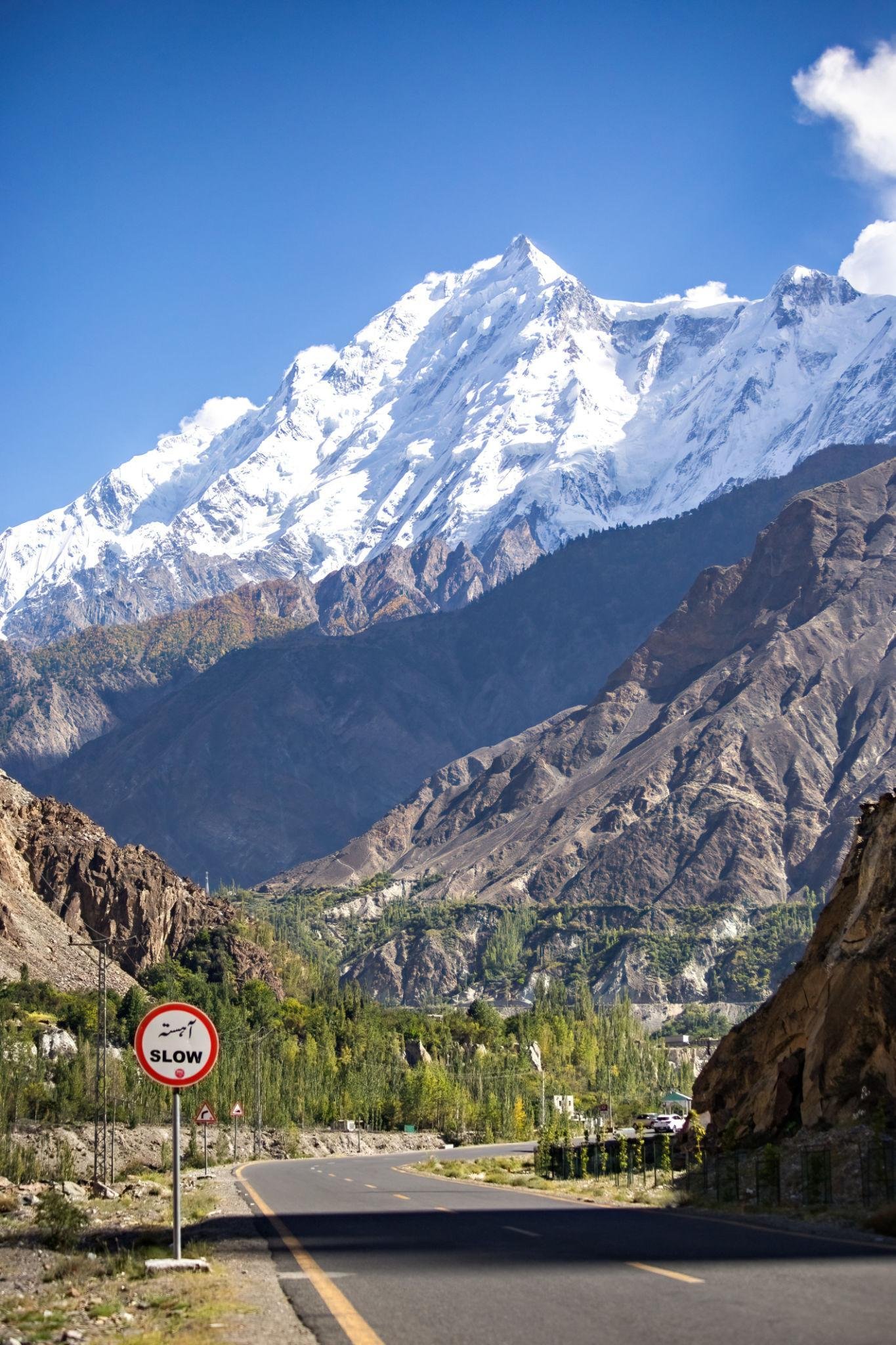
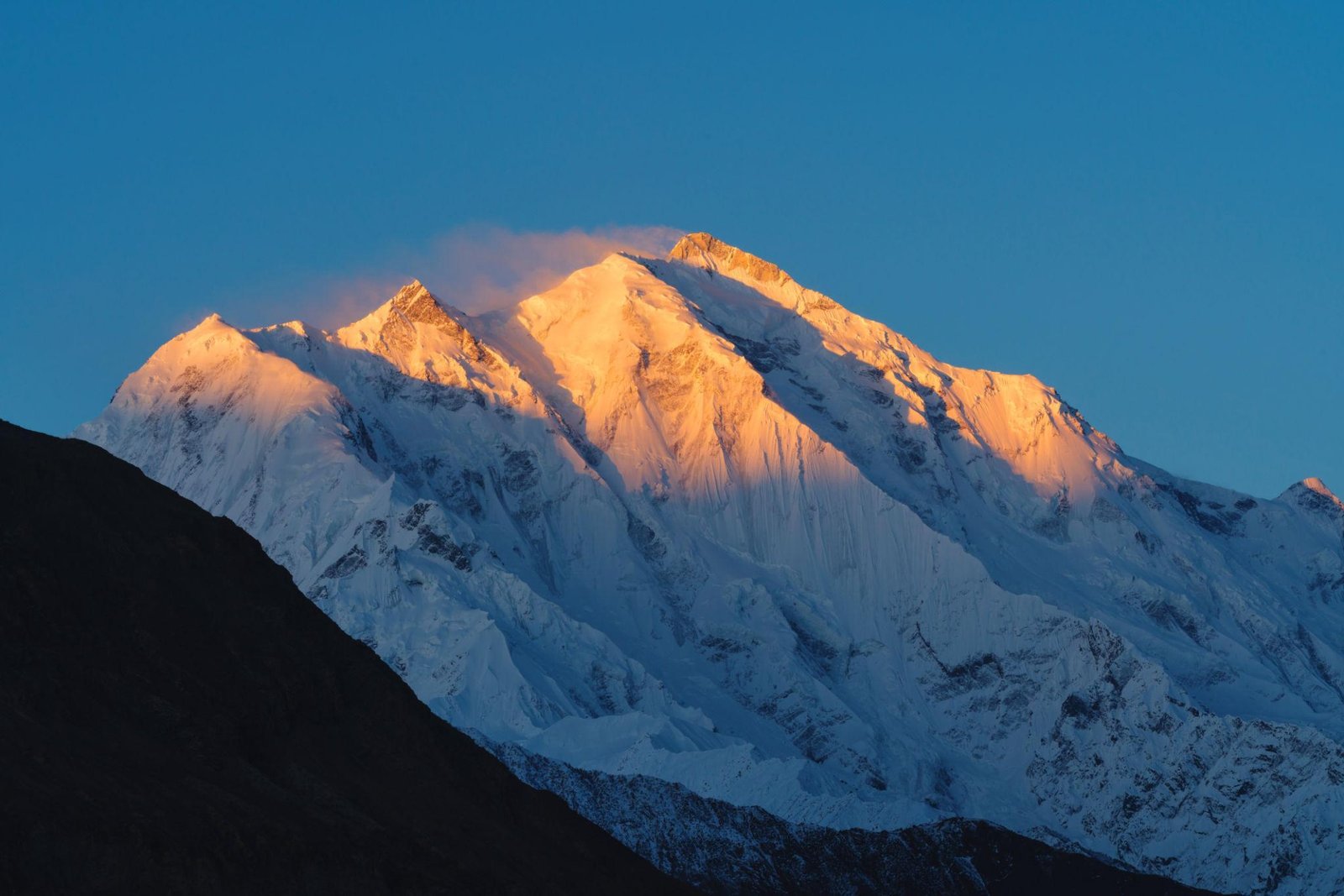
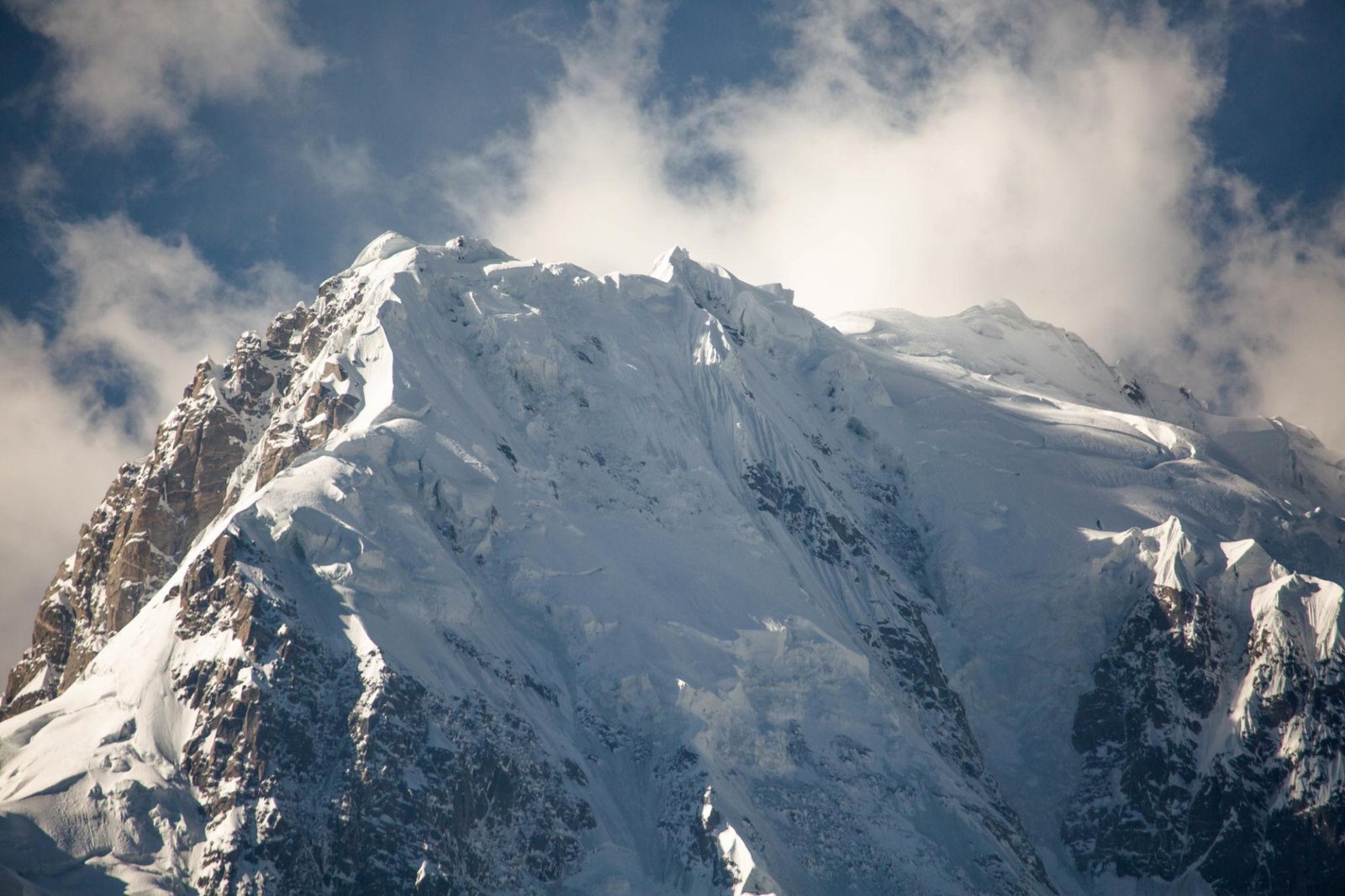
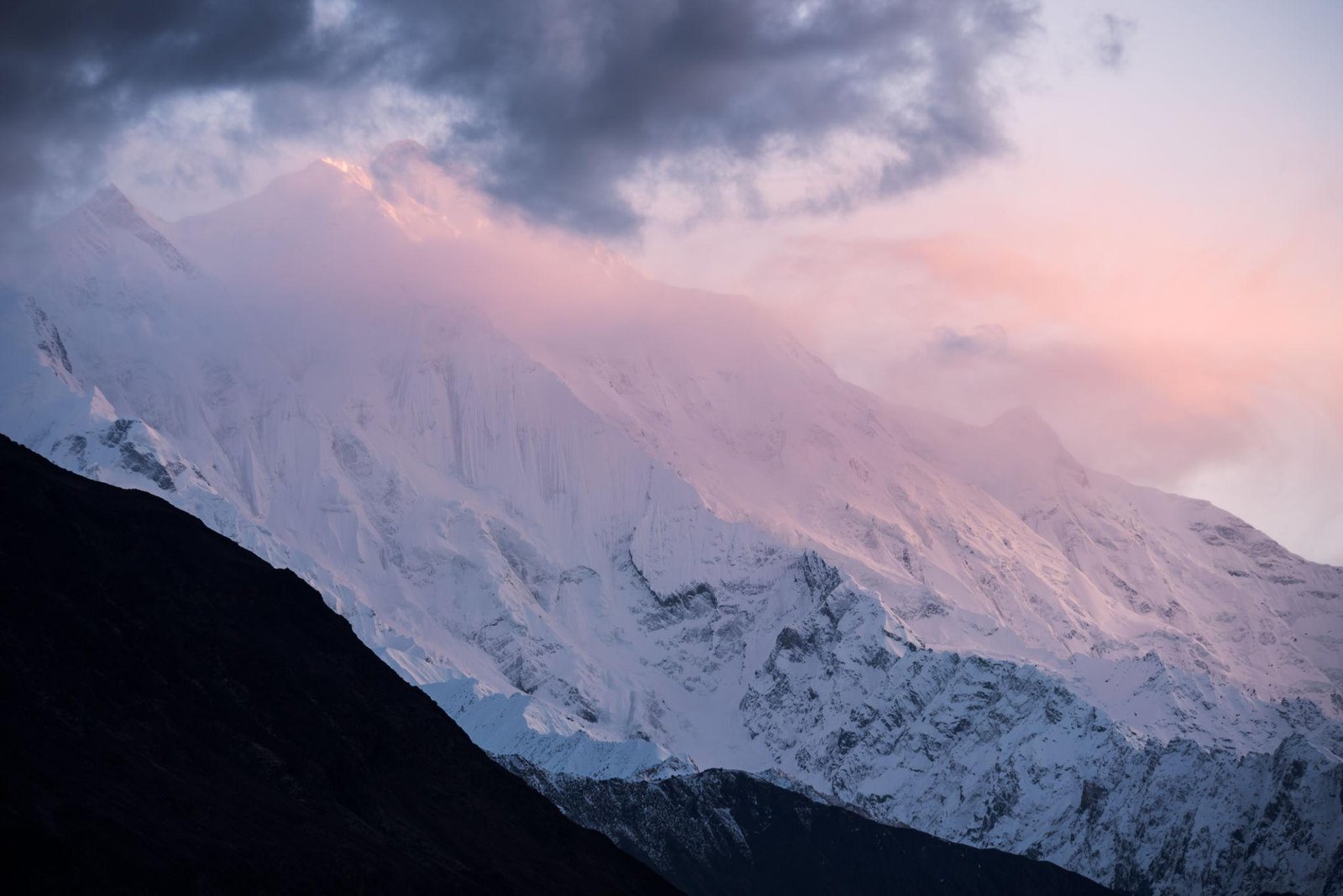
The enormous north face of Rakaposhi dominates the upper sections of the trek and is widely considered one of the finest mountain viewpoints in Pakistan.
What makes Rakaposhi particularly impressive is its dramatic vertical rise directly above inhabited valleys.
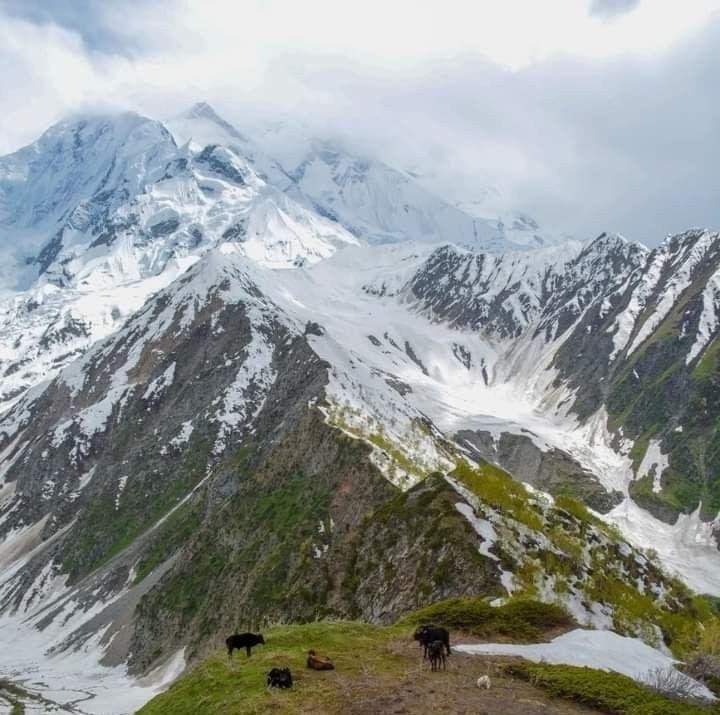
Near base camp, trekkers experience:
- massive ice walls
- hanging glaciers
- avalanche zones
- steep snow-covered ridges
- uninterrupted mountain panoramas
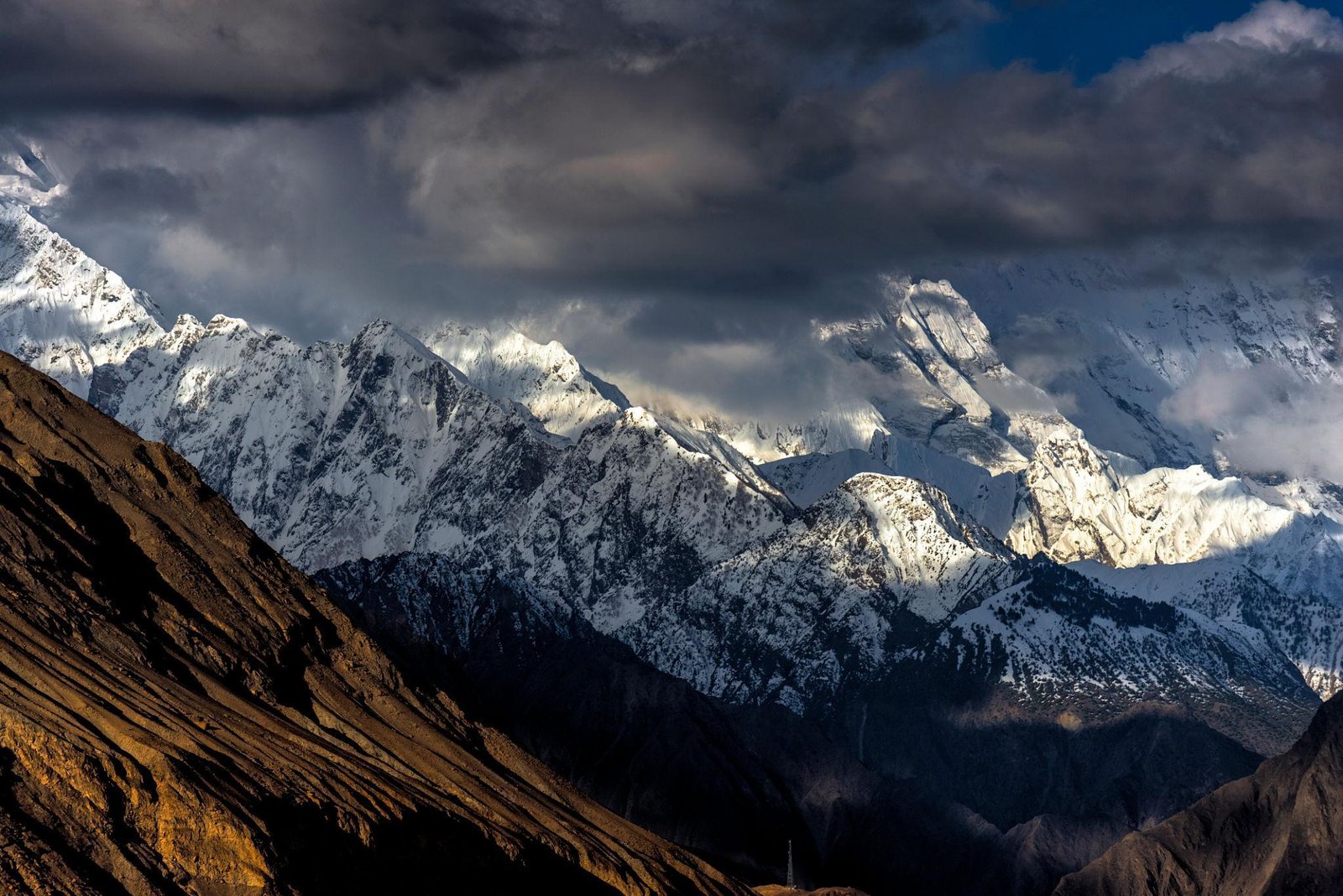
Weather conditions change the appearance of the mountain constantly throughout the day.
Early mornings typically provide:
- clearer visibility
- calmer weather
- better photography conditions
Alpine Meadows and Moraine
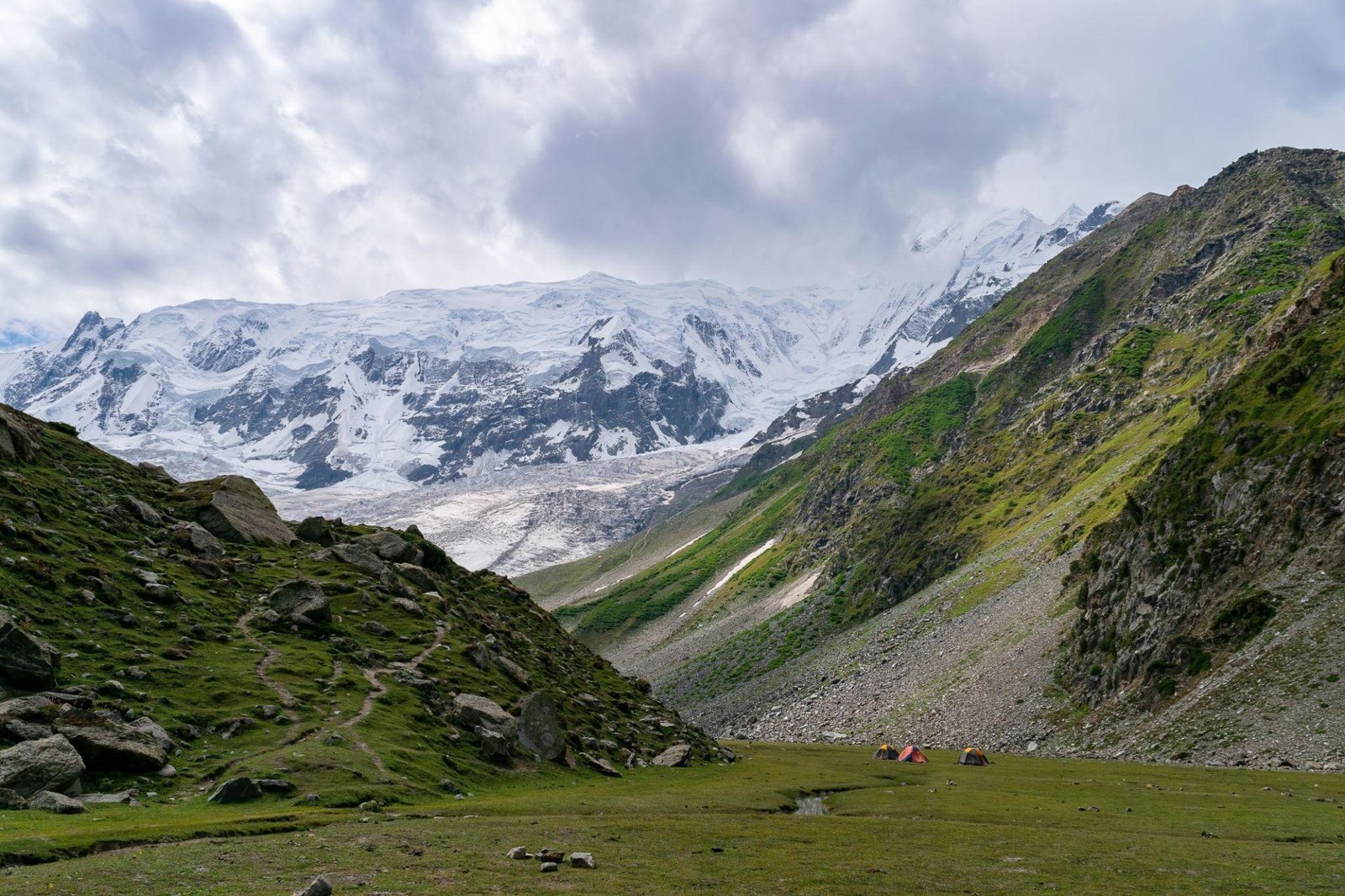
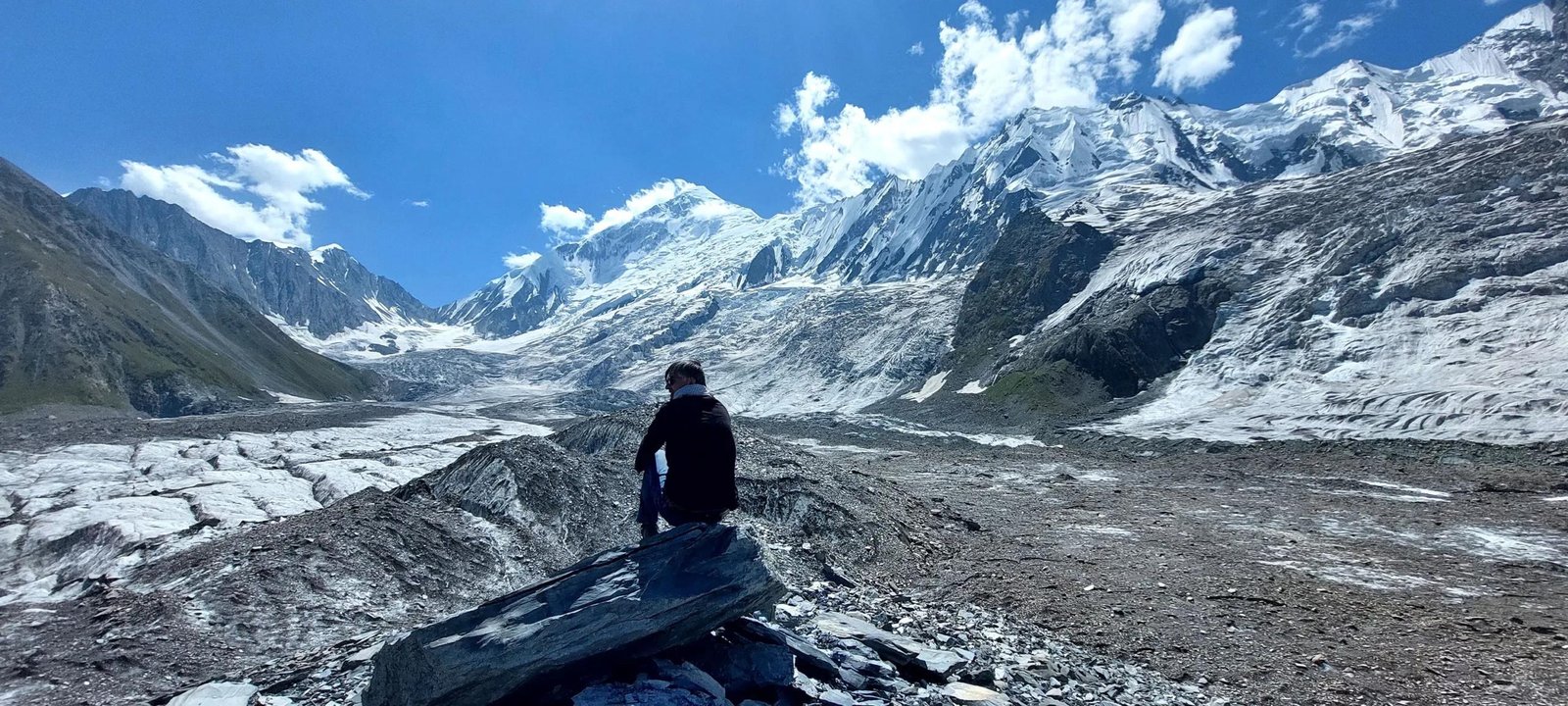
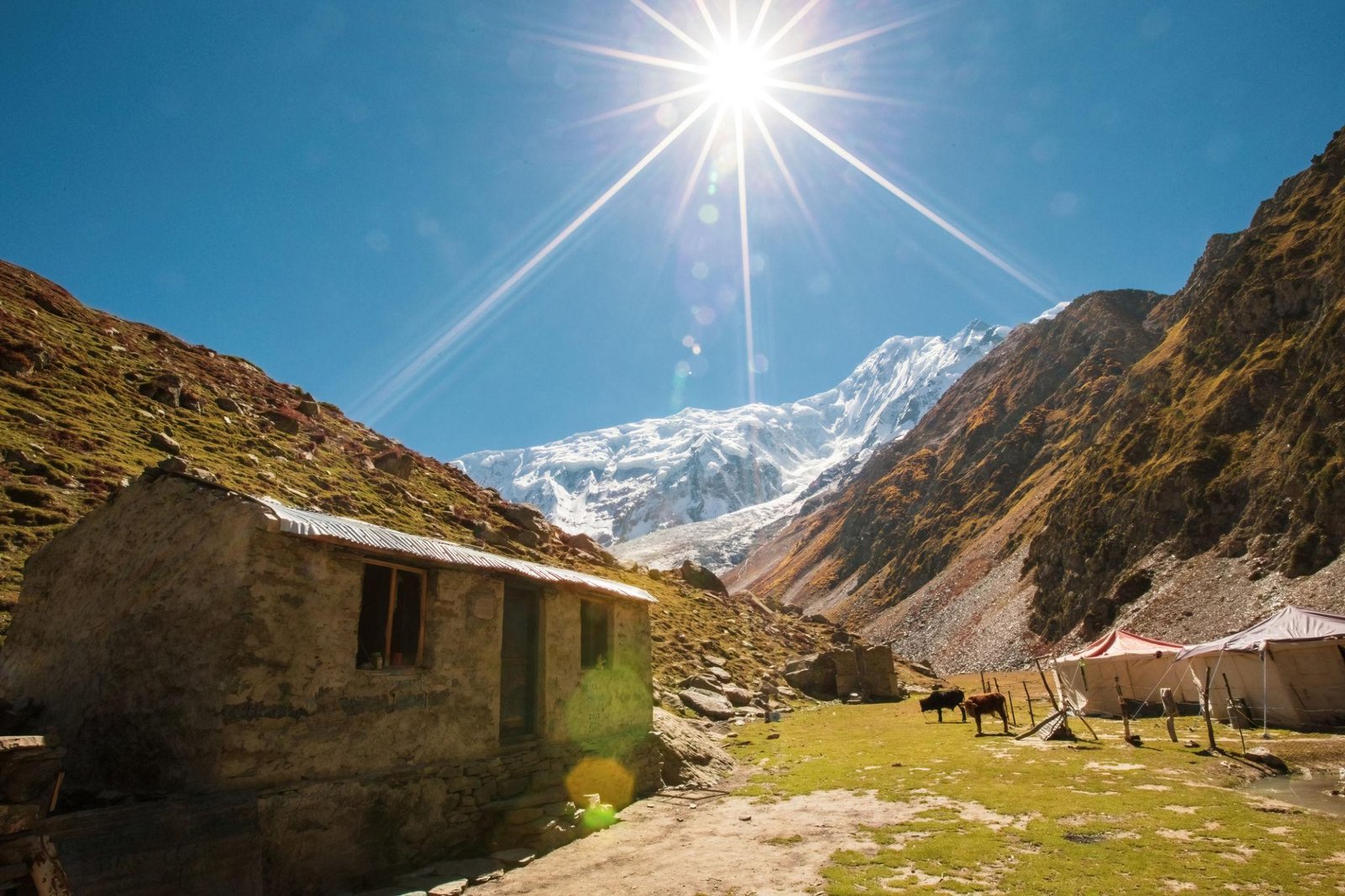
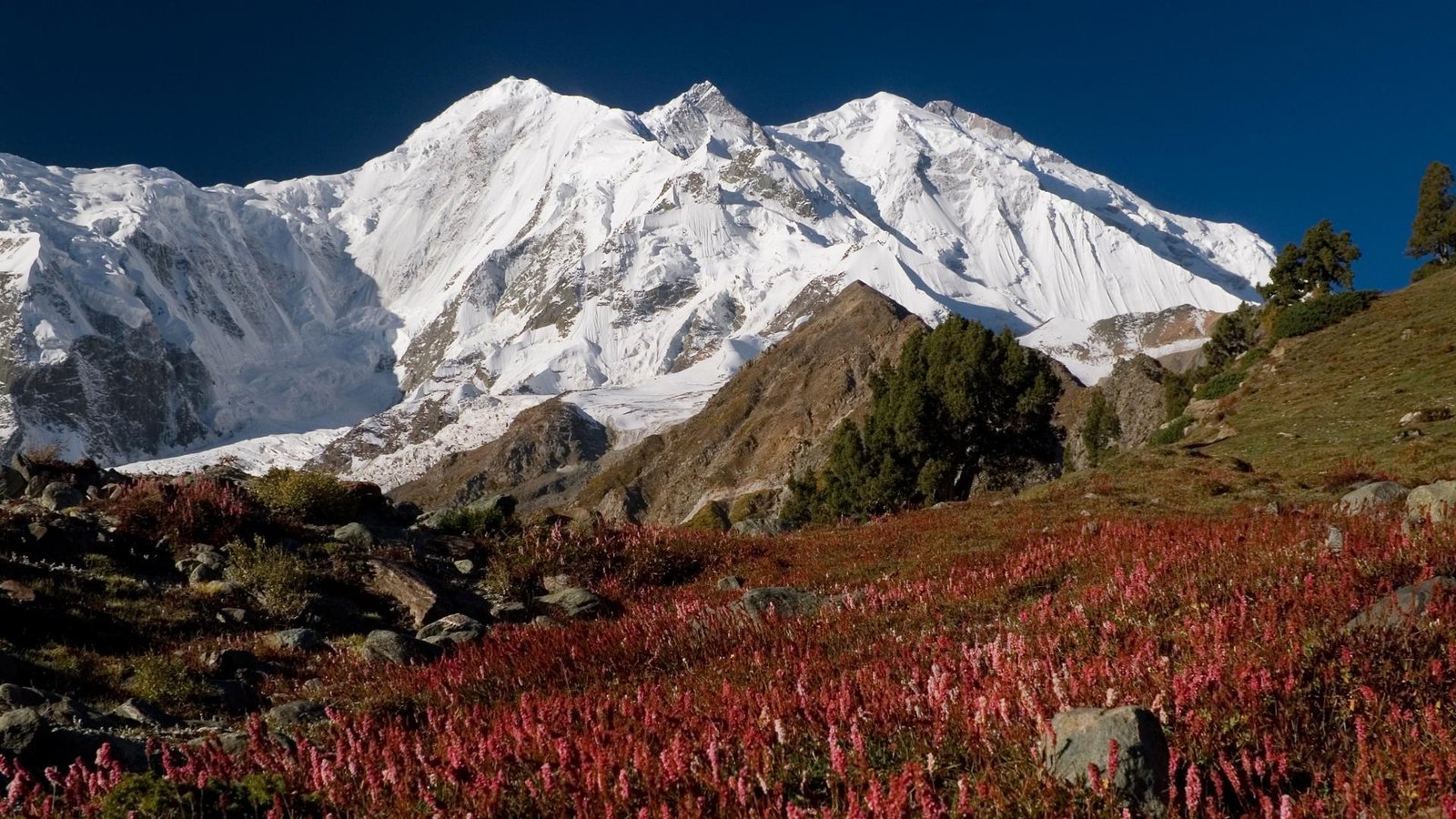
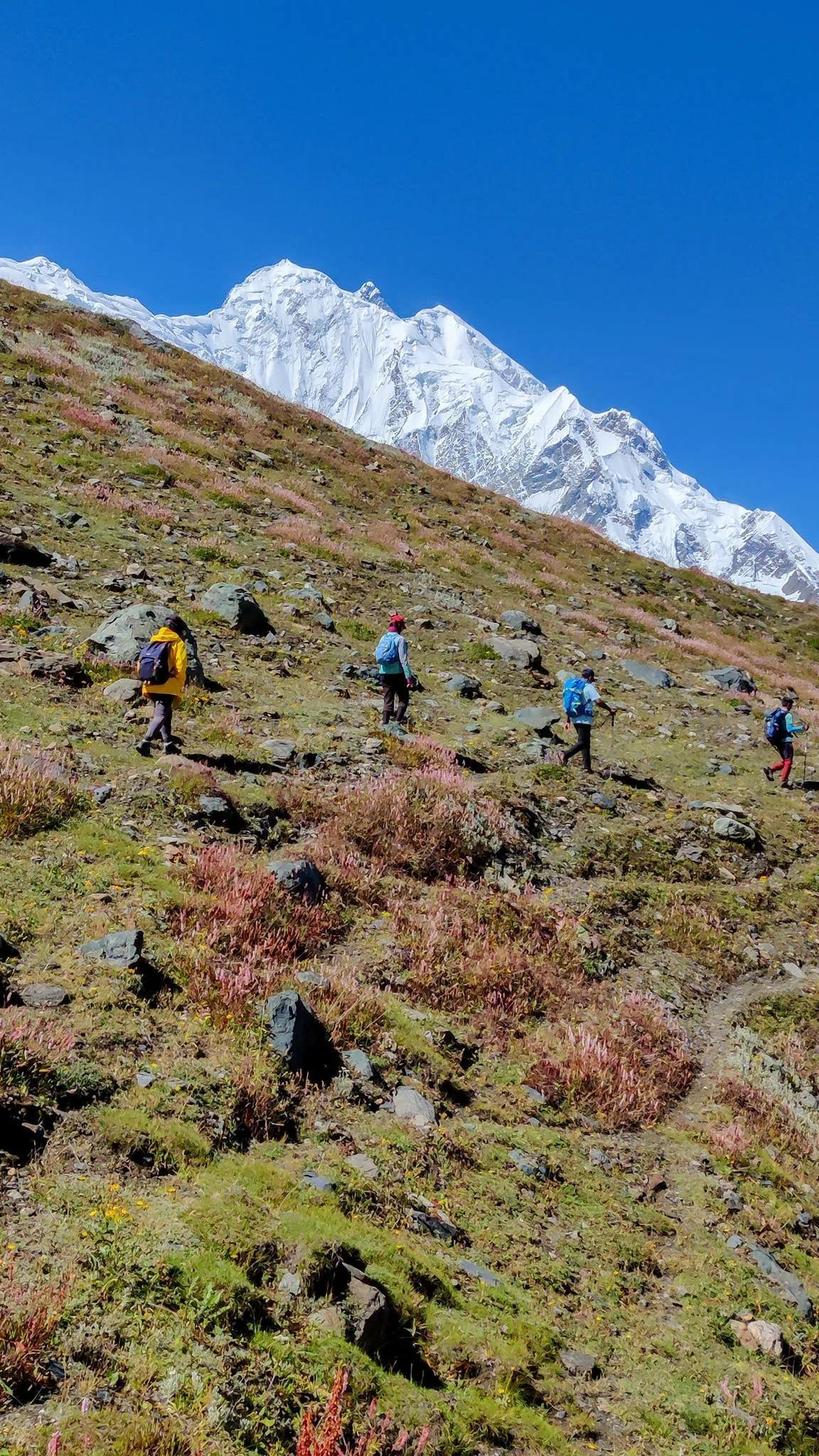
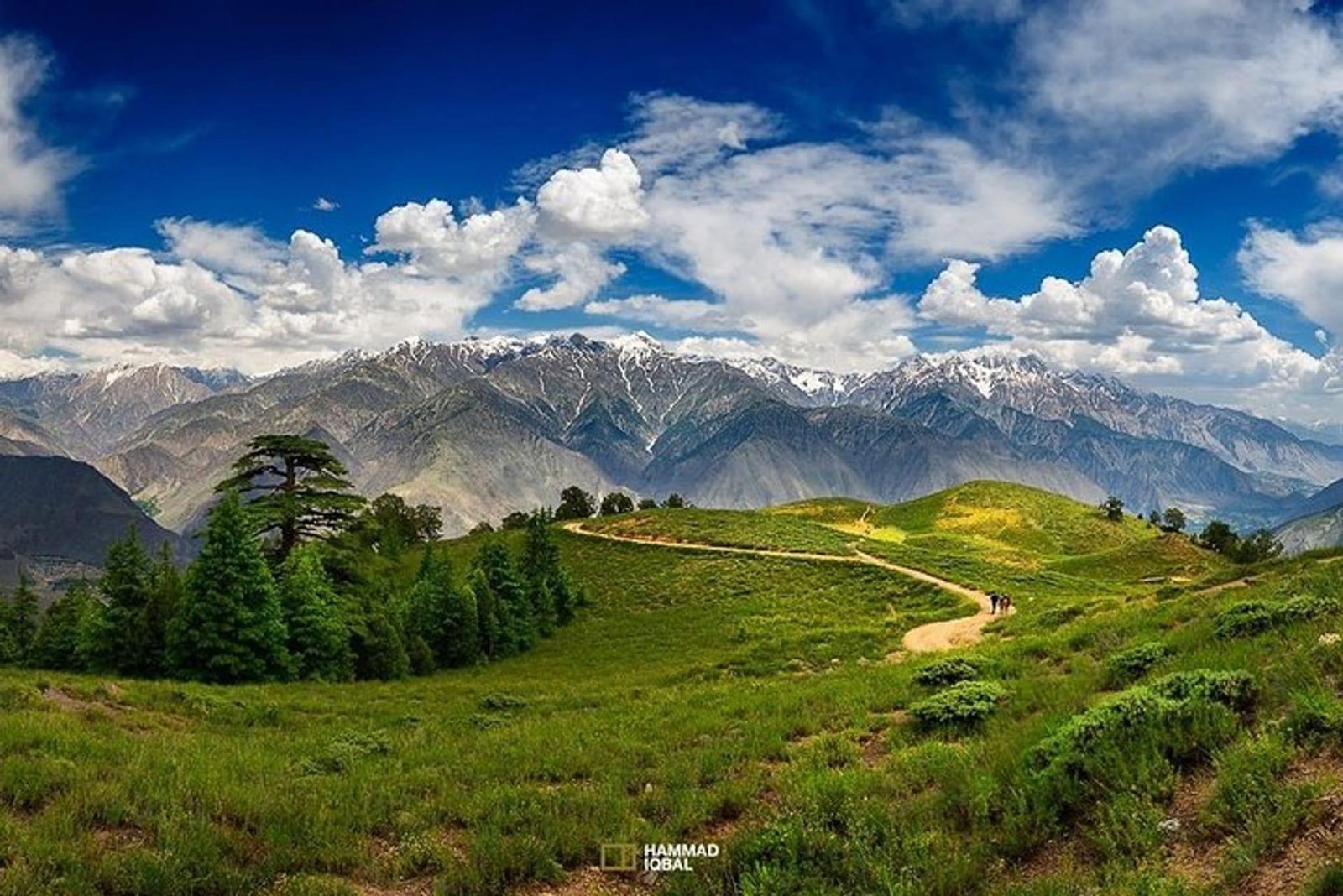
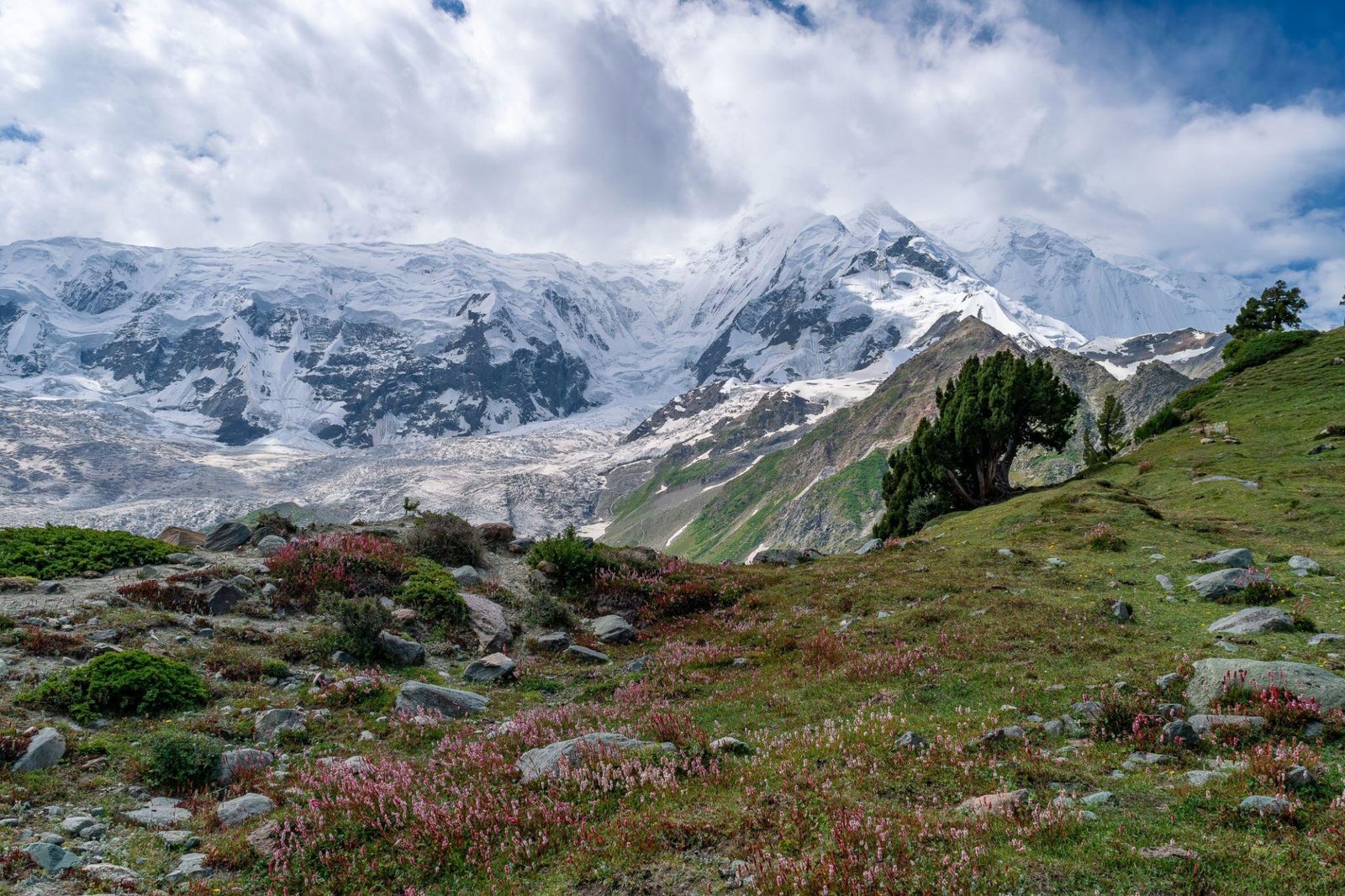
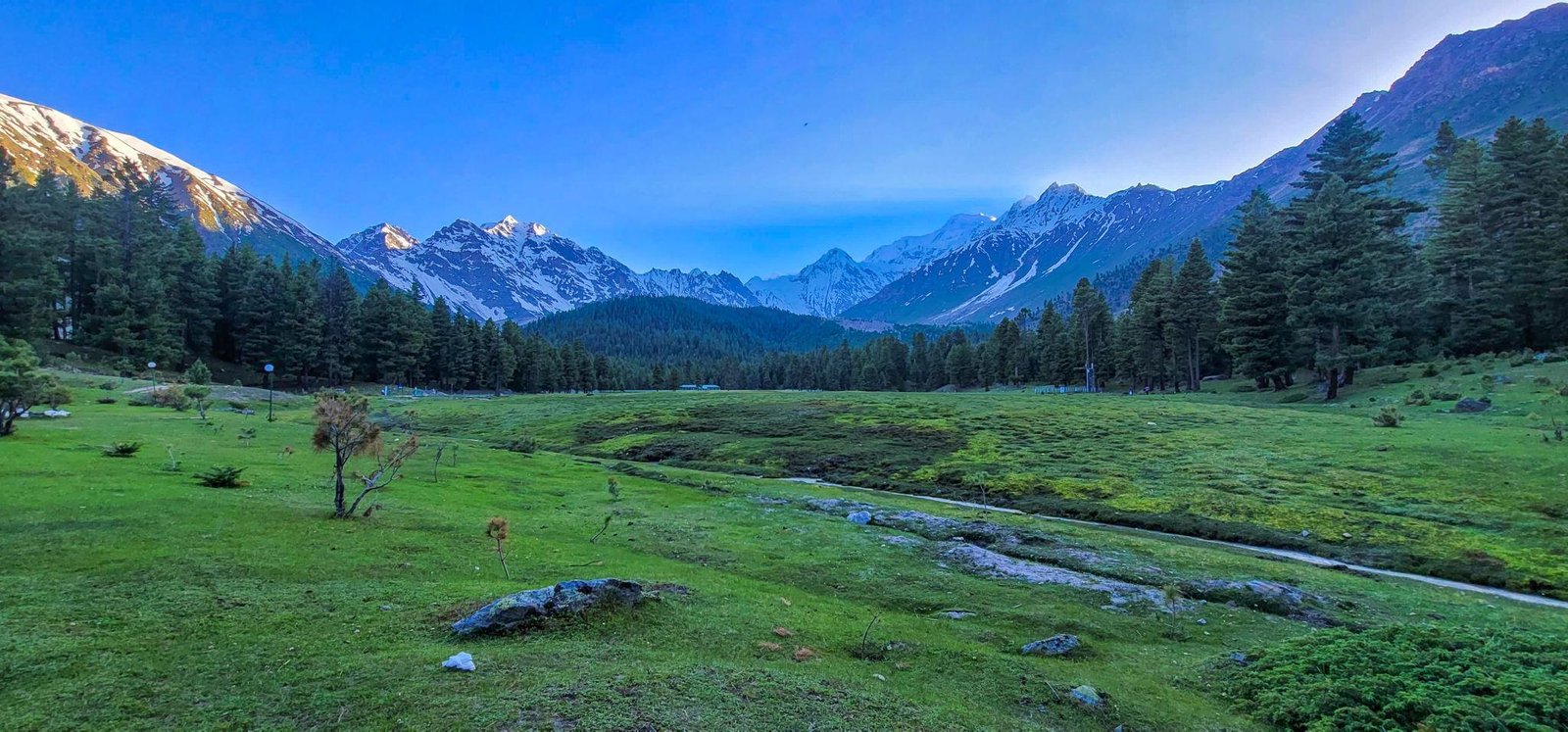
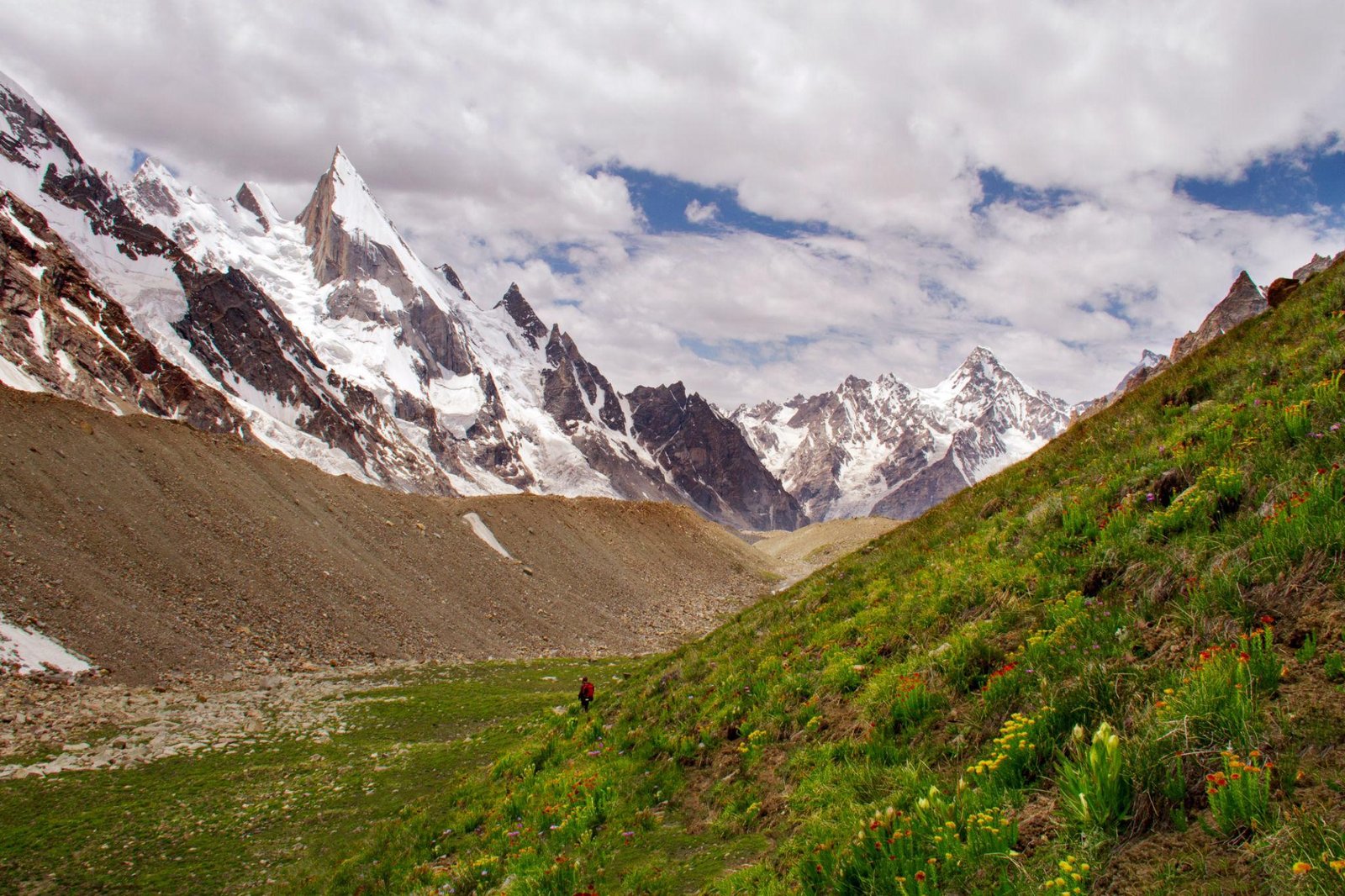
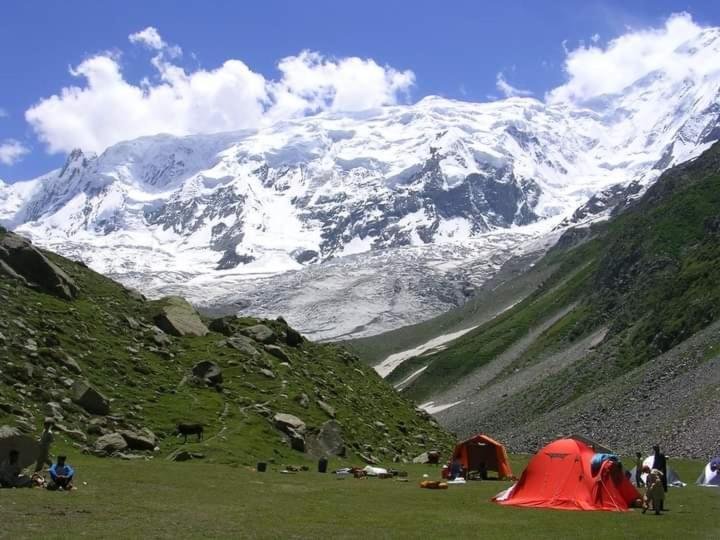
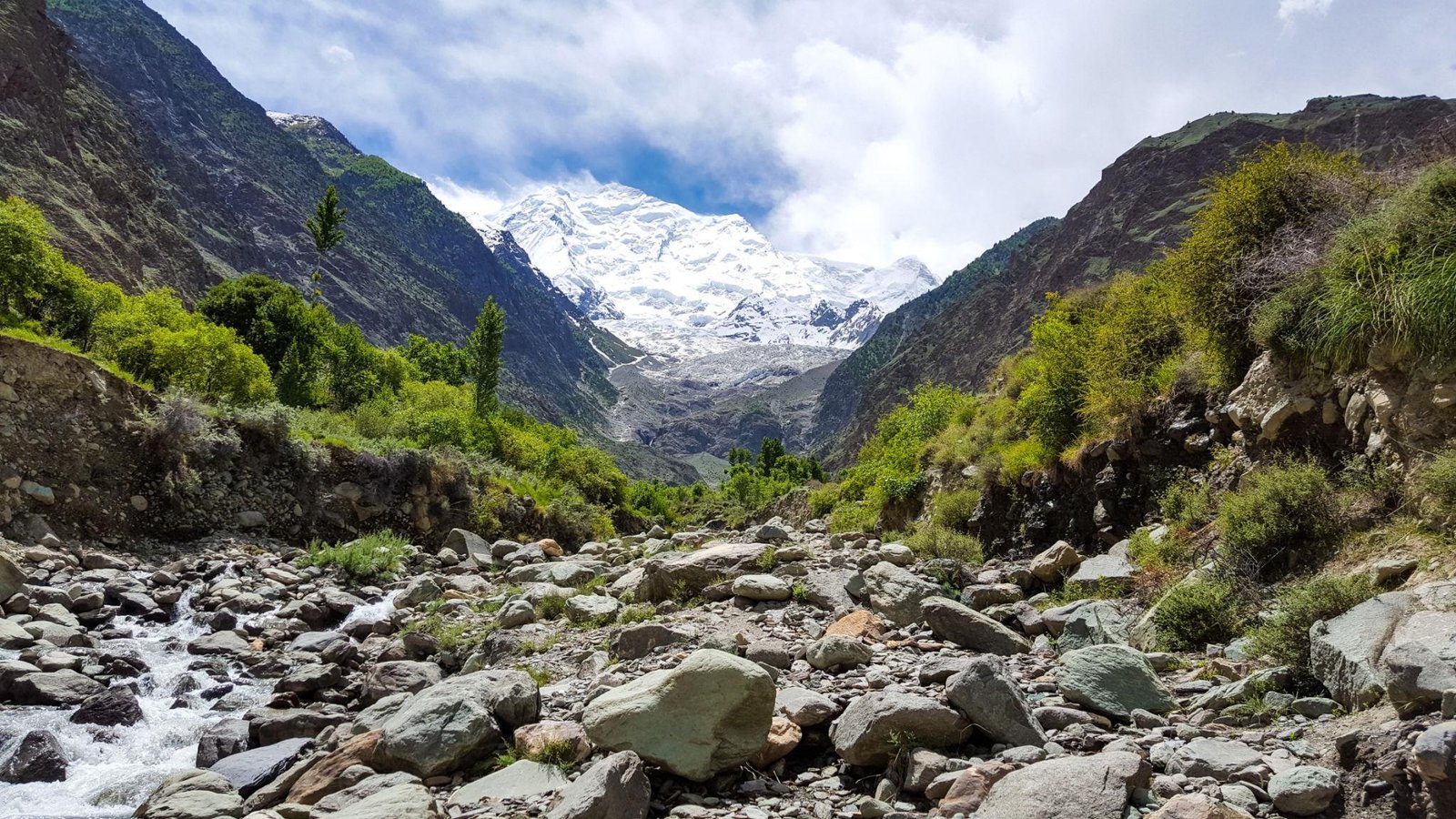
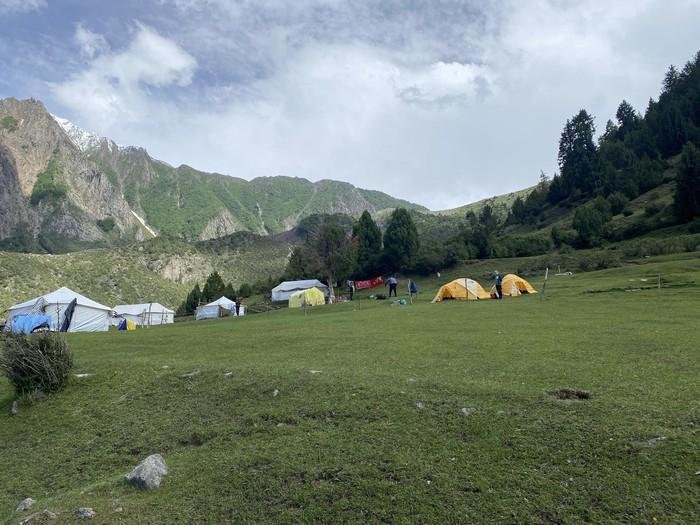
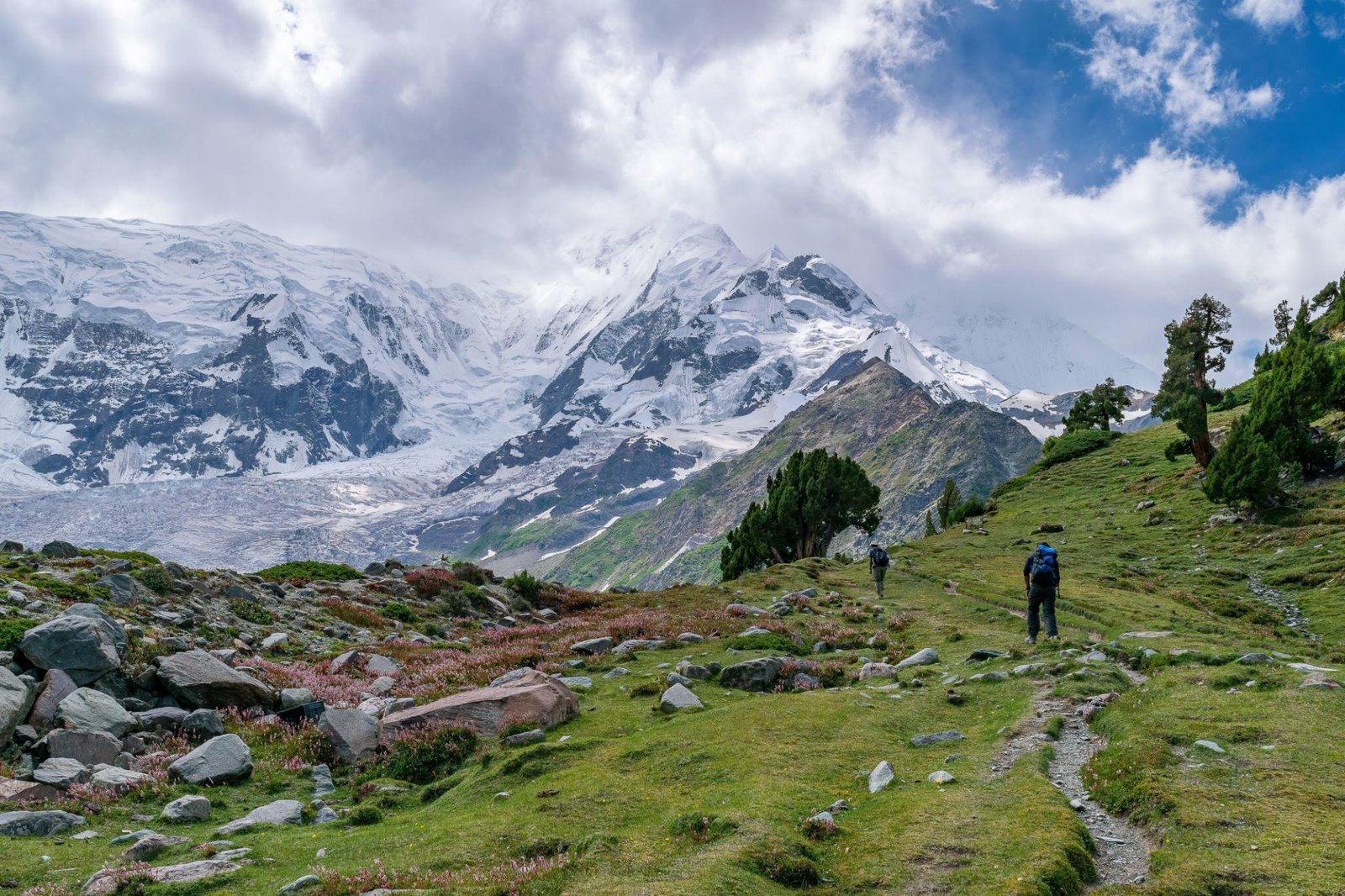
The alpine meadows near Hapakun remain among the most scenic sections of the route.
During summer, these meadows contain:
- wildflowers
- grazing livestock
- shepherd camps
- open mountain views
The contrast between green meadows and the icy slopes of Rakaposhi creates some of the trek’s most photogenic landscapes.
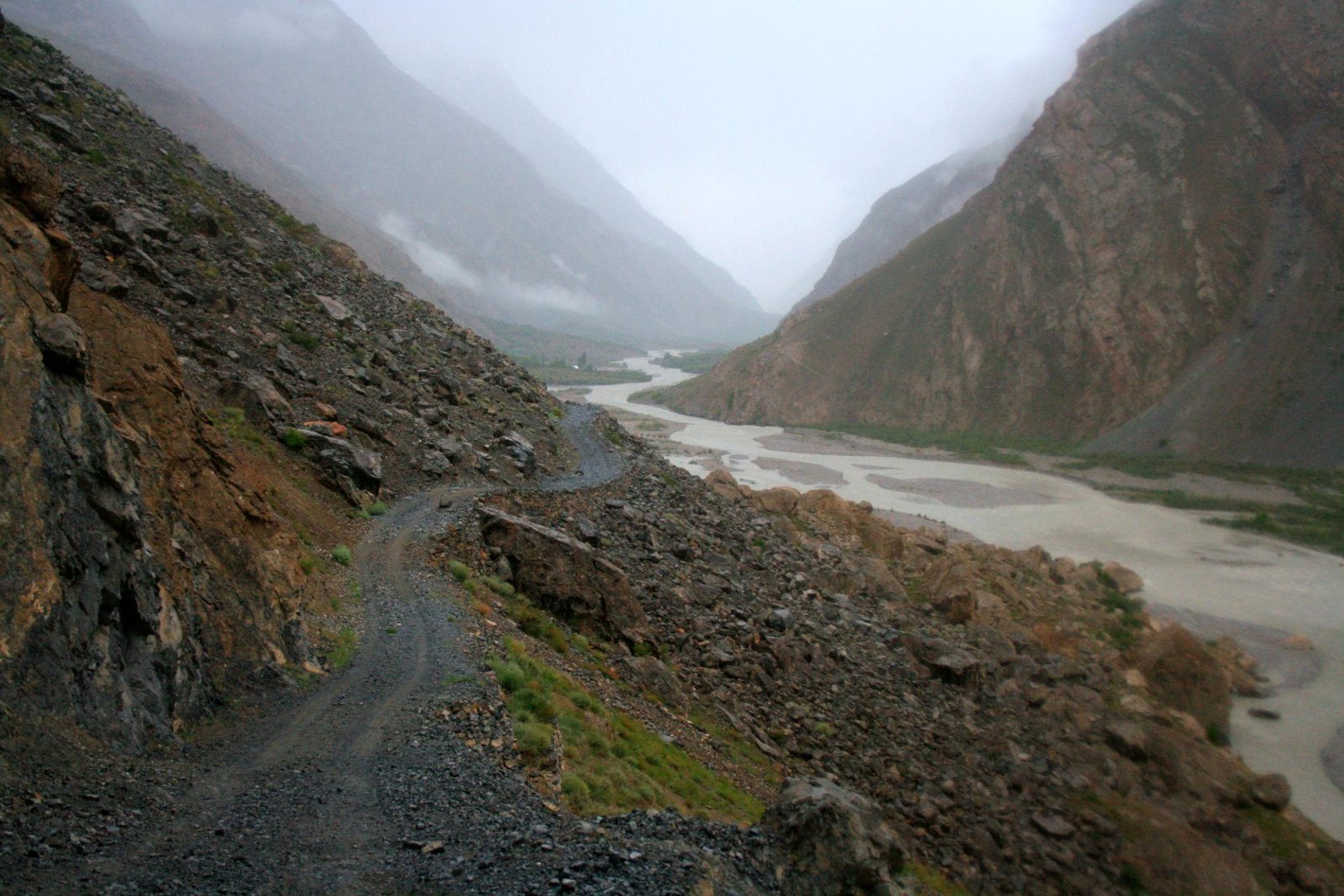
Higher sections transition into moraine terrain consisting of:
- loose rock
- glacial debris
- exposed alpine slopes
Trekkers should move carefully through these sections, particularly after rainfall.
Permits and Regulations
At present, Pakistani citizens usually do not require special trekking permits for the standard Rakaposhi Base Camp route.
However, regulations can change depending on:
- regional administration
- security conditions
- seasonal restrictions
Foreign trekkers may occasionally require:
- passport registration
- local reporting
- trekking documentation
- guide requirements
Travelers should always verify current regulations before departure through:
- local tourism offices
- registered tour operators
- local authorities in Gilgit-Baltistan
Environmental responsibility is increasingly important on popular trekking routes.
Trekkers should:
- avoid littering
- minimize campfire use
- carry waste back when possible
- respect local grazing areas
- avoid damaging alpine vegetation
Best Time to Trek
The ideal trekking season for Rakaposhi Base Camp is between:
- May and October
Weather conditions outside this period become increasingly unpredictable because of snow accumulation and colder temperatures.
Spring Season (May–June)
Spring offers:
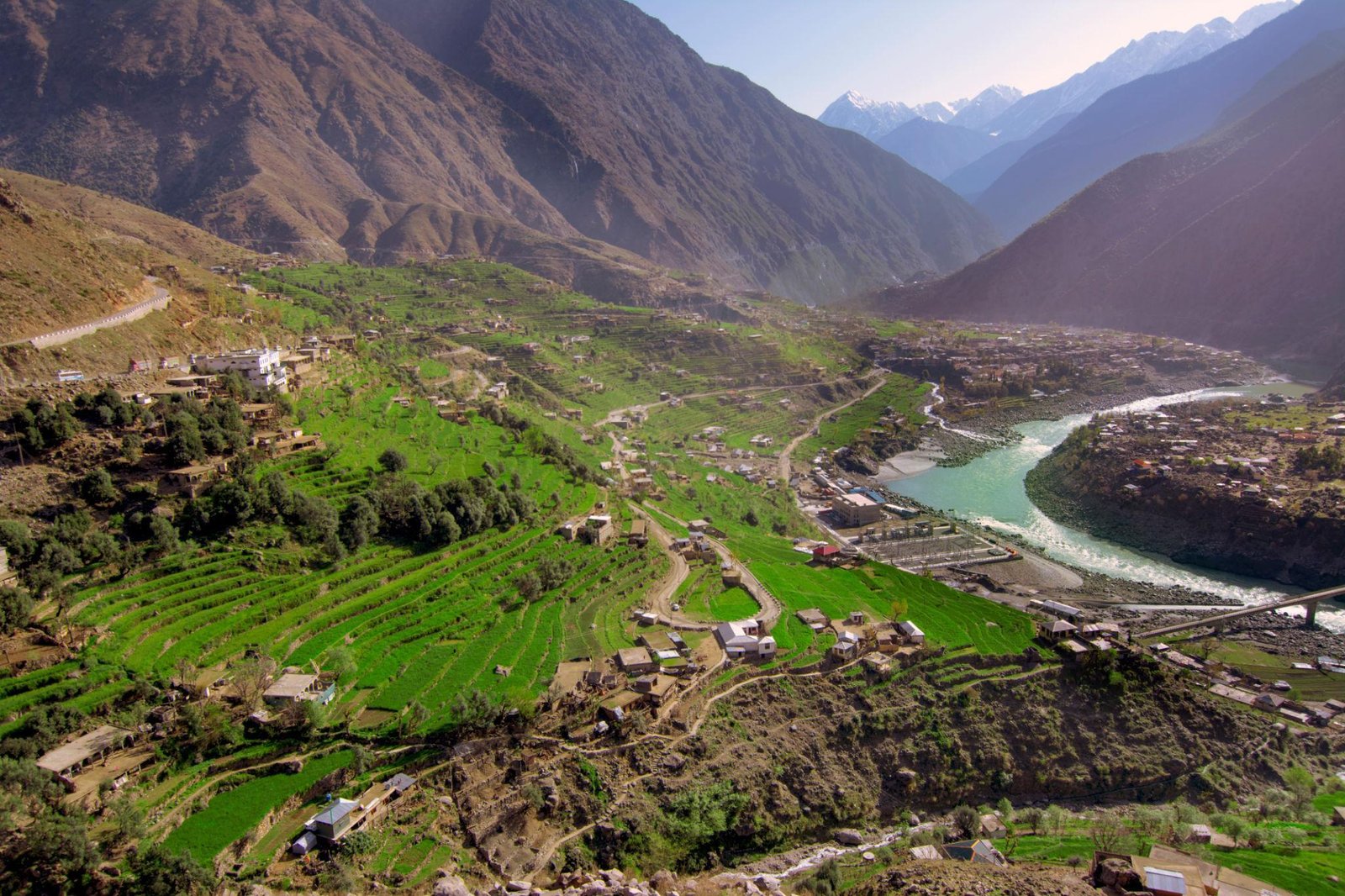
- greener lower valleys
- snow-covered upper slopes
- fewer crowds
- cooler hiking conditions
Trail sections may still contain snow early in the season.
Summer Season (July–August)
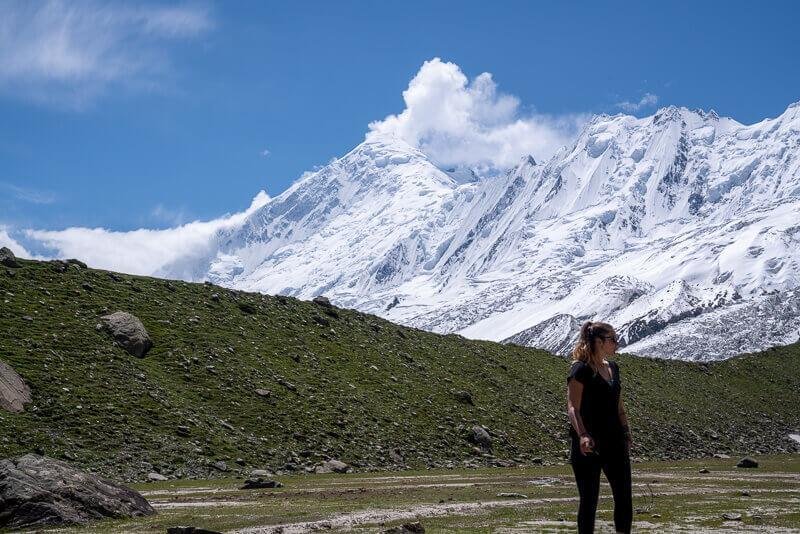
Summer is the busiest trekking period.
Conditions generally include:
- accessible trails
- warmer temperatures
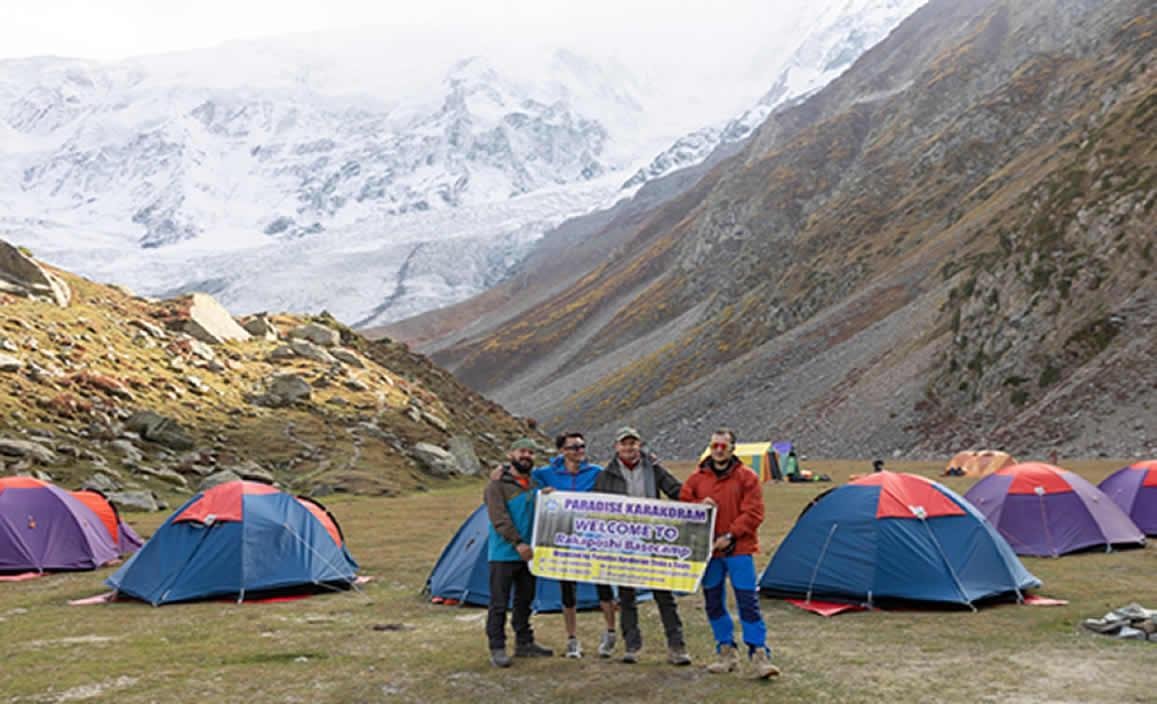
- active campsites
- stable weather windows
Afternoon cloud buildup is common during this season.
Autumn Season (September–October)
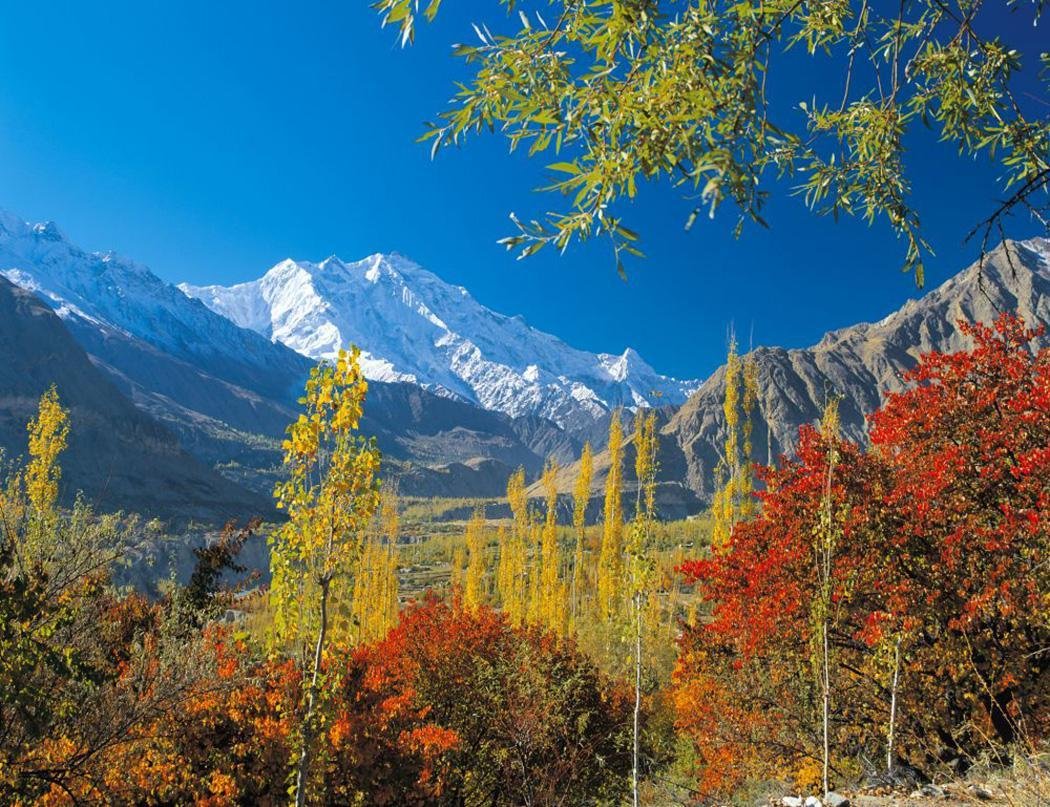
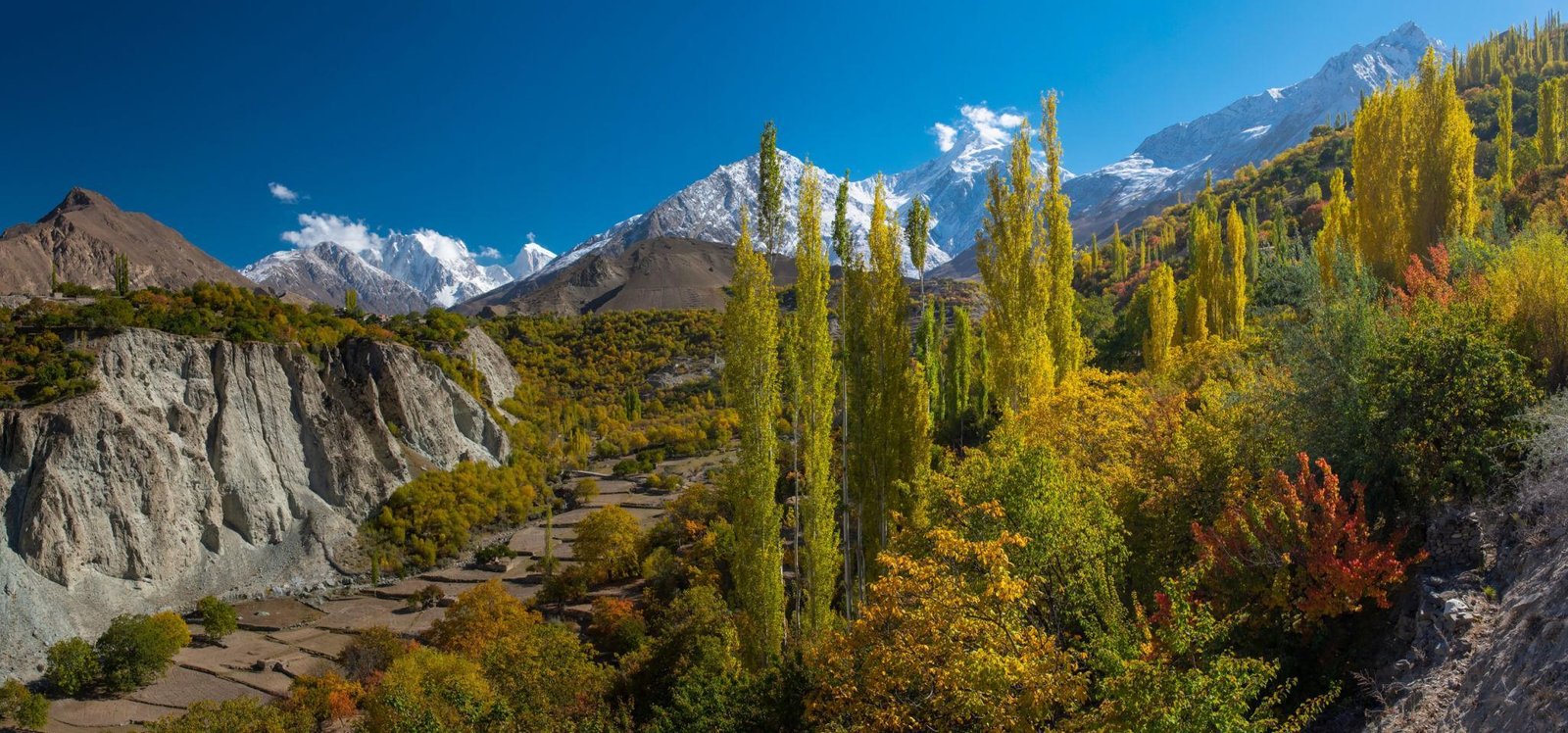
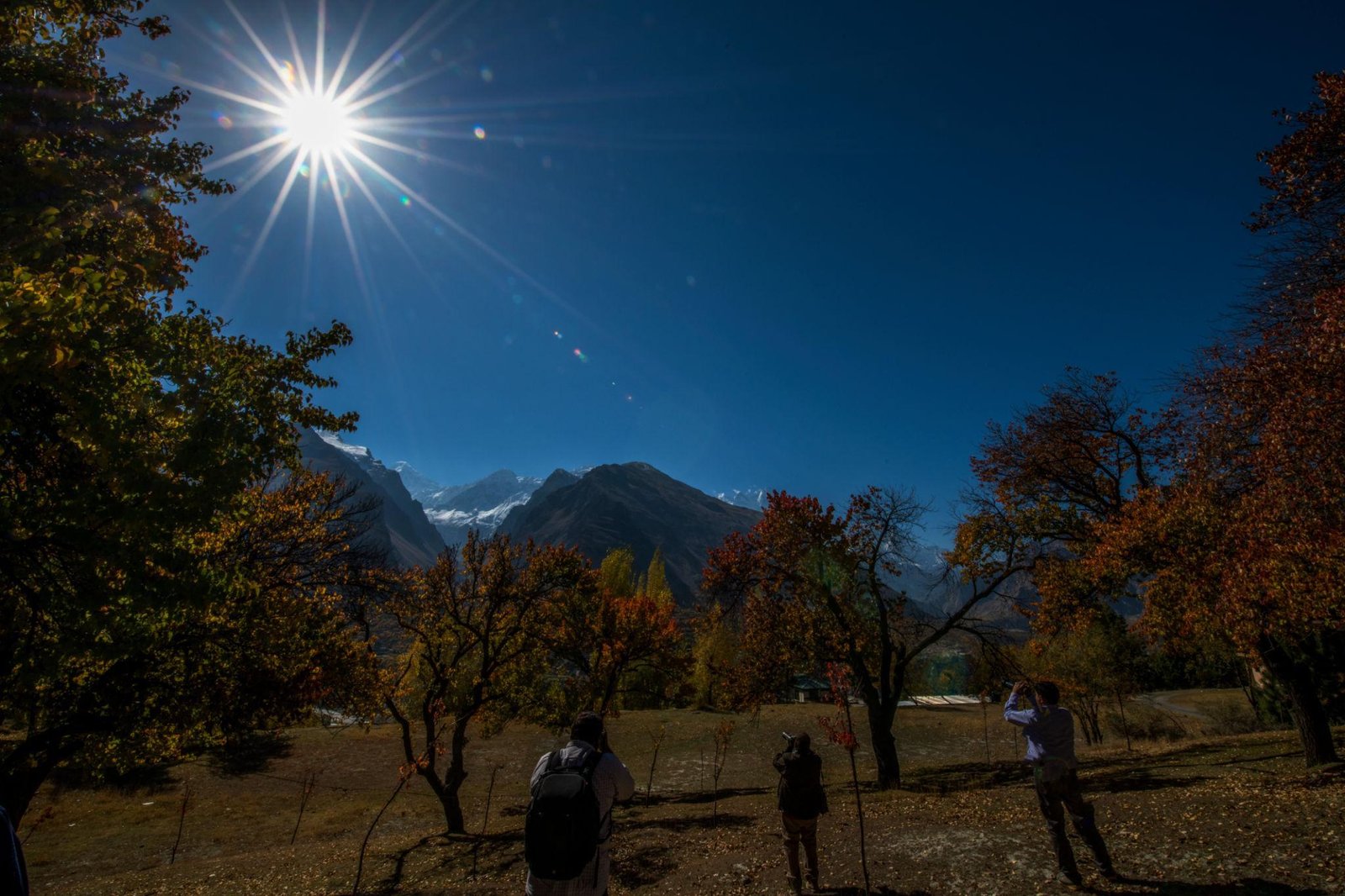
Autumn is often considered the best season for photography.
Conditions typically include:
- clearer skies
- lower humidity
- golden vegetation
- reduced tourist traffic
Night temperatures become colder at higher campsites.
Gear and Equipment
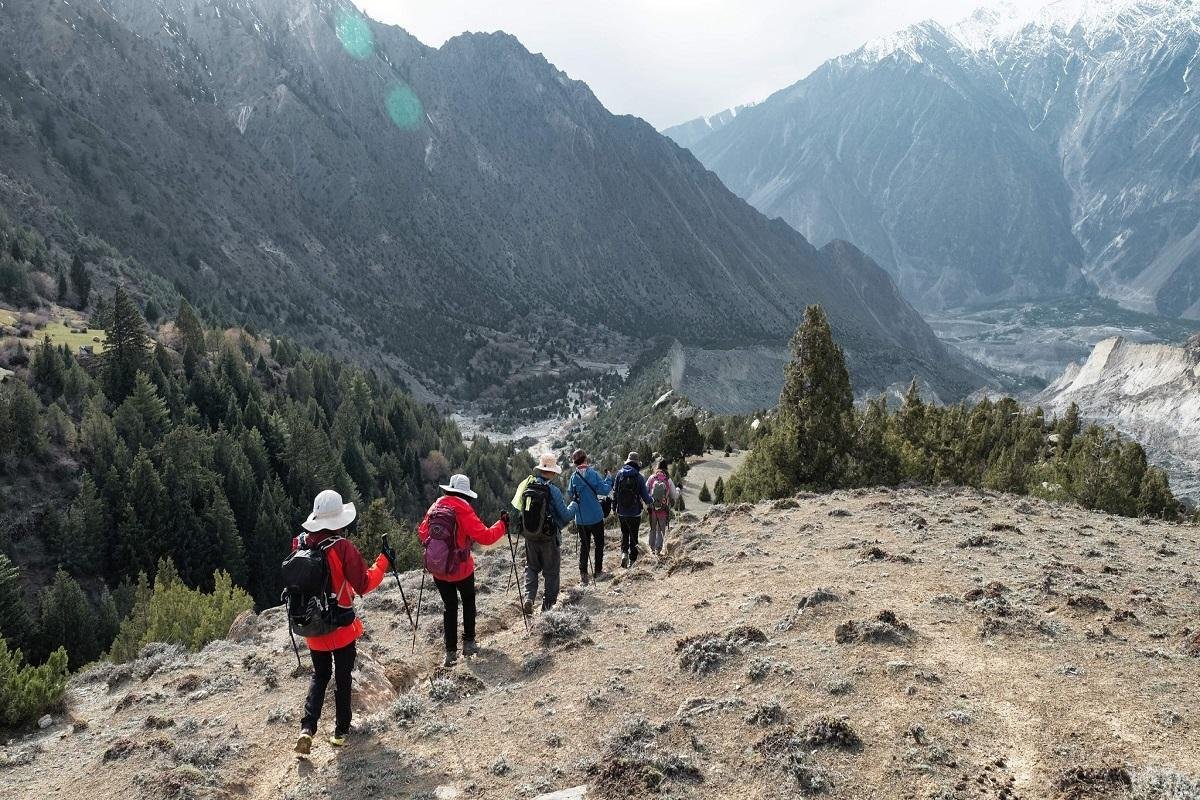
Although Rakaposhi Base Camp is considered a moderate trek, proper equipment remains essential because of changing mountain weather and rough terrain.
Recommended gear includes:
- waterproof hiking boots
- layered clothing
- insulated jacket
- trekking poles
- sunglasses
- sunscreen
- gloves
- rain protection
- backpack
- sleeping bag for camping
Weather can change rapidly even during summer months.
Night temperatures near base camp can become cold, especially during spring and autumn.
Photography Equipment
Photographers should consider carrying:
- wide-angle lenses
- spare batteries
- lightweight tripods
- waterproof camera protection
Cold temperatures reduce battery performance significantly at higher elevations.
Guides, Porters and Costs
Hiring local guides and porters is common on the Rakaposhi Base Camp trek, especially for:
- first-time trekkers
- foreign visitors
- photographers carrying equipment
- multi-day camping trips
Local Guides
Guides provide:
- route navigation
- weather advice
- campsite assistance
- local knowledge
- emergency support
Hiring local guides also supports communities in:
Minapin and nearby villages.
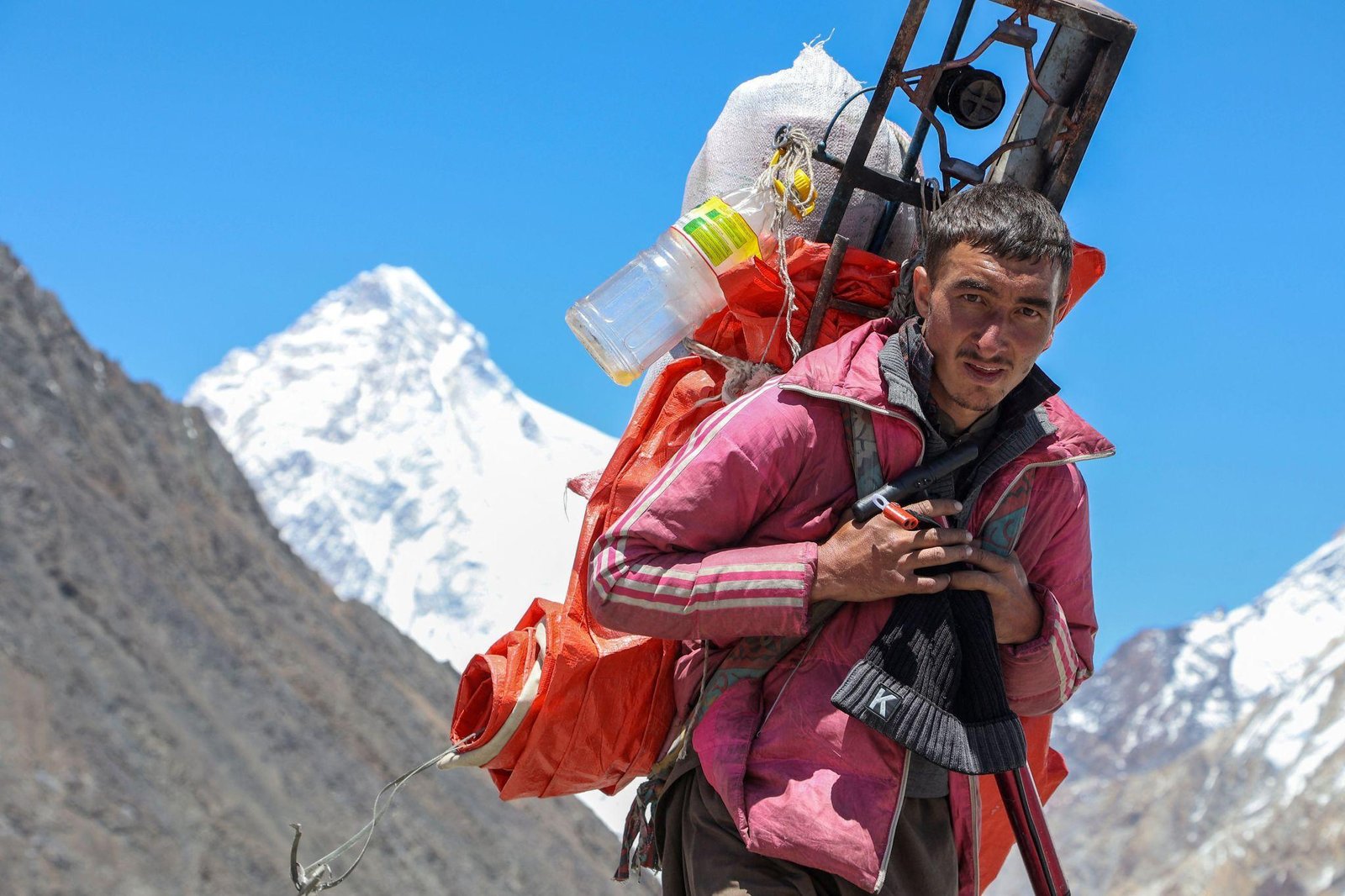
Porters
Porters are available for:
- camping gear
- food supplies
- photography equipment
- heavy backpacks
Approximate Costs
Prices vary depending on:
- season
- group size
- trekking duration
- guide experience
Travelers should expect:
- higher costs during peak summer
- negotiable local pricing
- additional camping expenses
Always confirm:
- total charges
- included meals
- equipment arrangements
- transportation costs
before beginning the trek.
Where to Stay
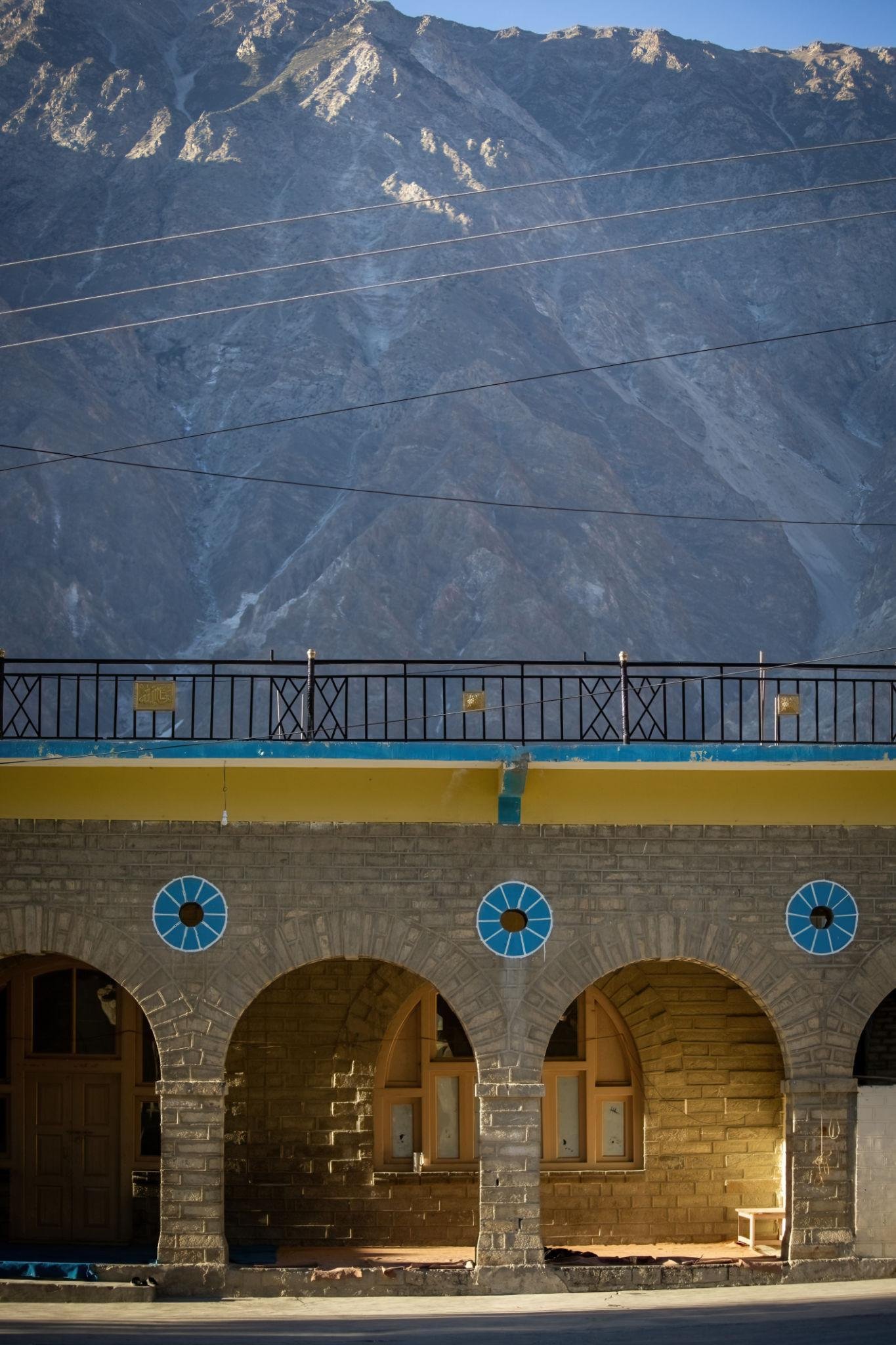
Accommodation options for the Rakaposhi Base Camp trek range from village guesthouses to campsite stays along the trekking route.
Most trekkers spend at least one night in:
Minapin before or after the trek.
In Minapin Village
Minapin serves as the primary trekking hub for Rakaposhi Base Camp and contains:
- family-run guesthouses
- small hotels
- trekking support services
- local restaurants
- camping supply access
Most accommodations are simple but comfortable, often offering:
- traditional meals
- hot tea
- mountain views
- guide arrangements
- jeep coordination
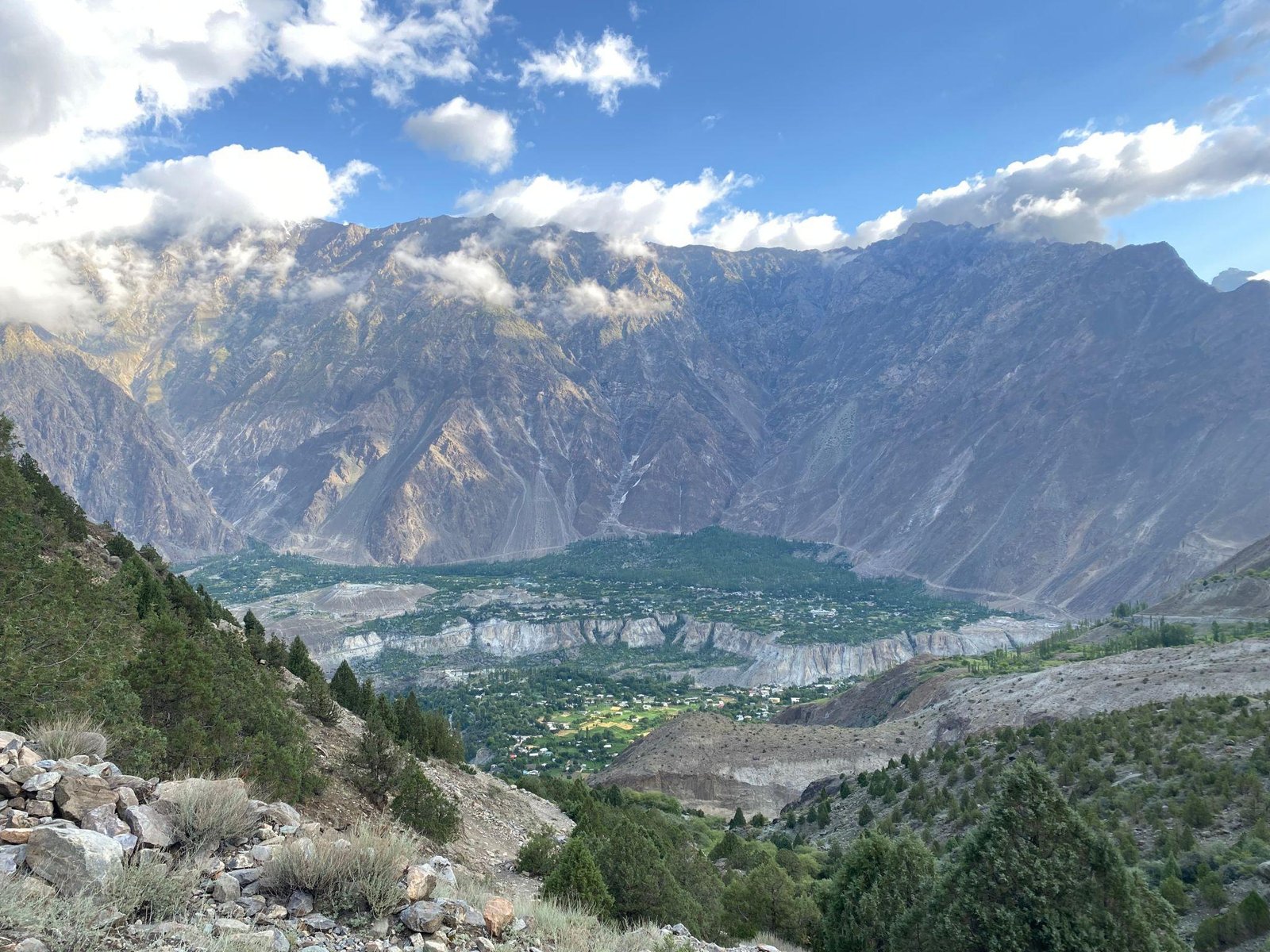
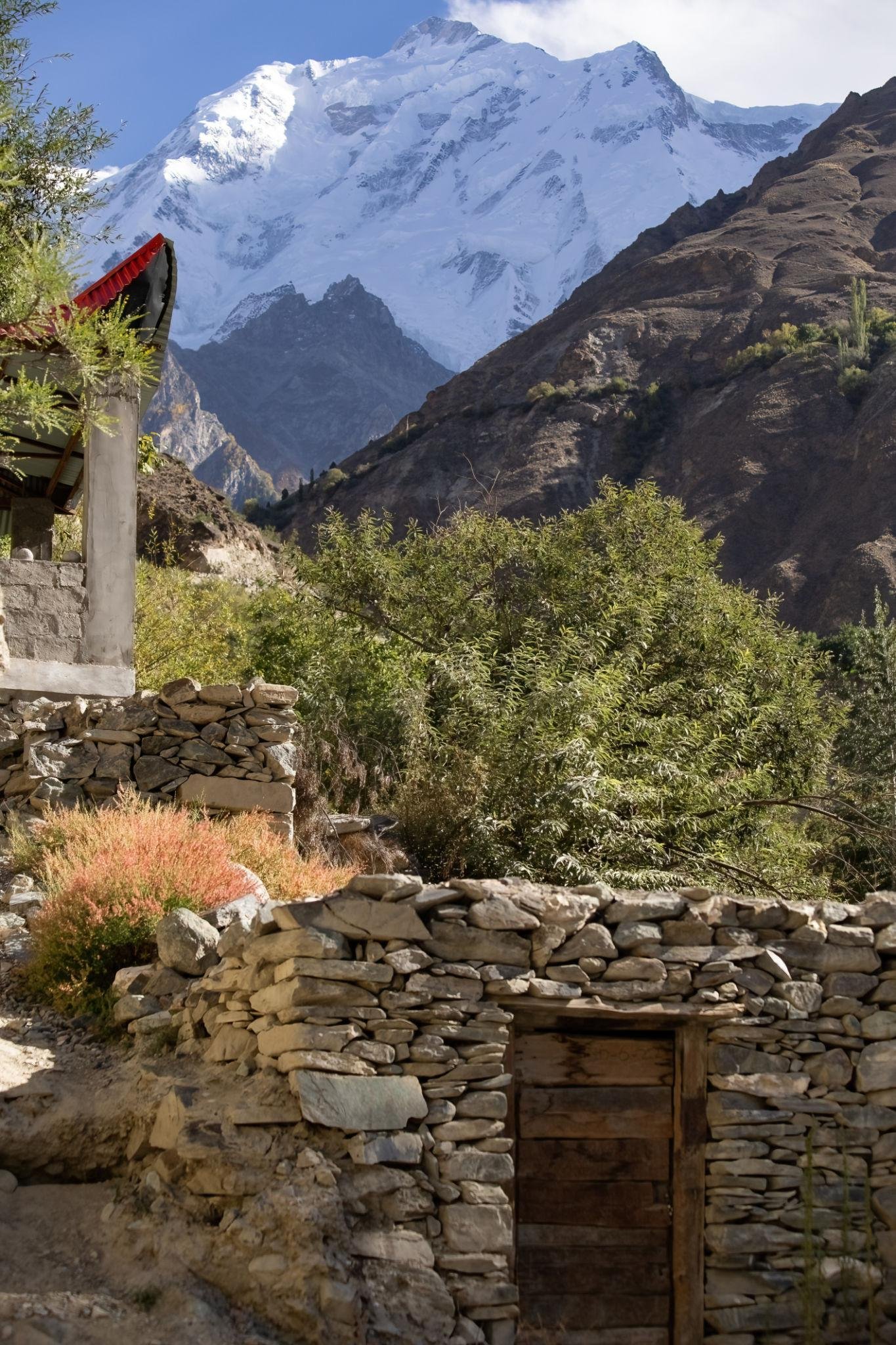
The village itself is highly scenic, surrounded by:
- orchards
- terraced fields
- pine forests
- snow-covered peaks
Many guesthouses offer direct views of Rakaposhi during clear mornings.
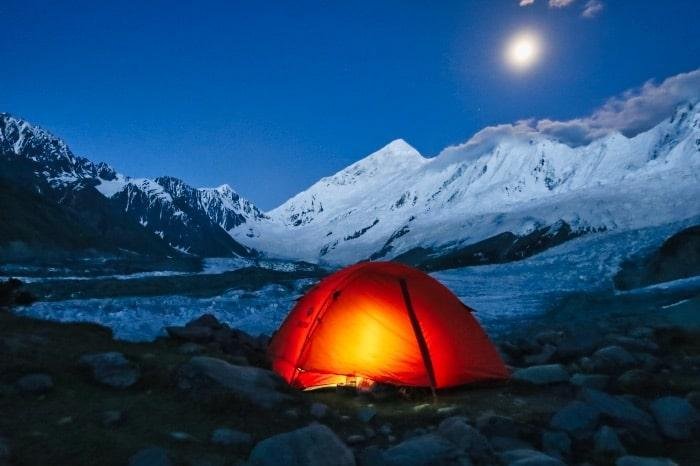
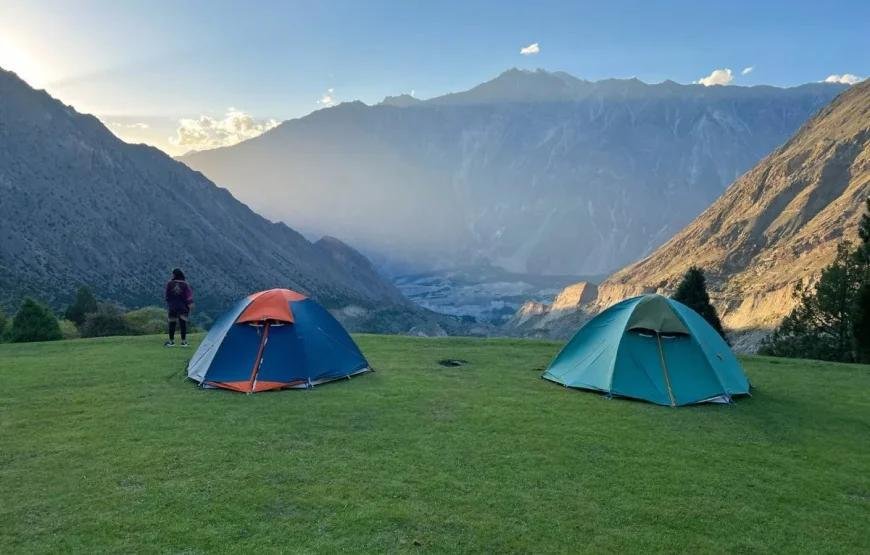
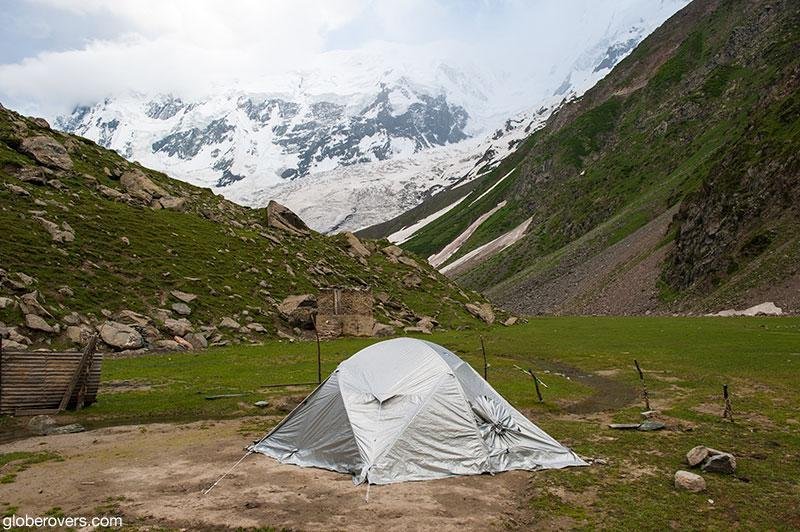
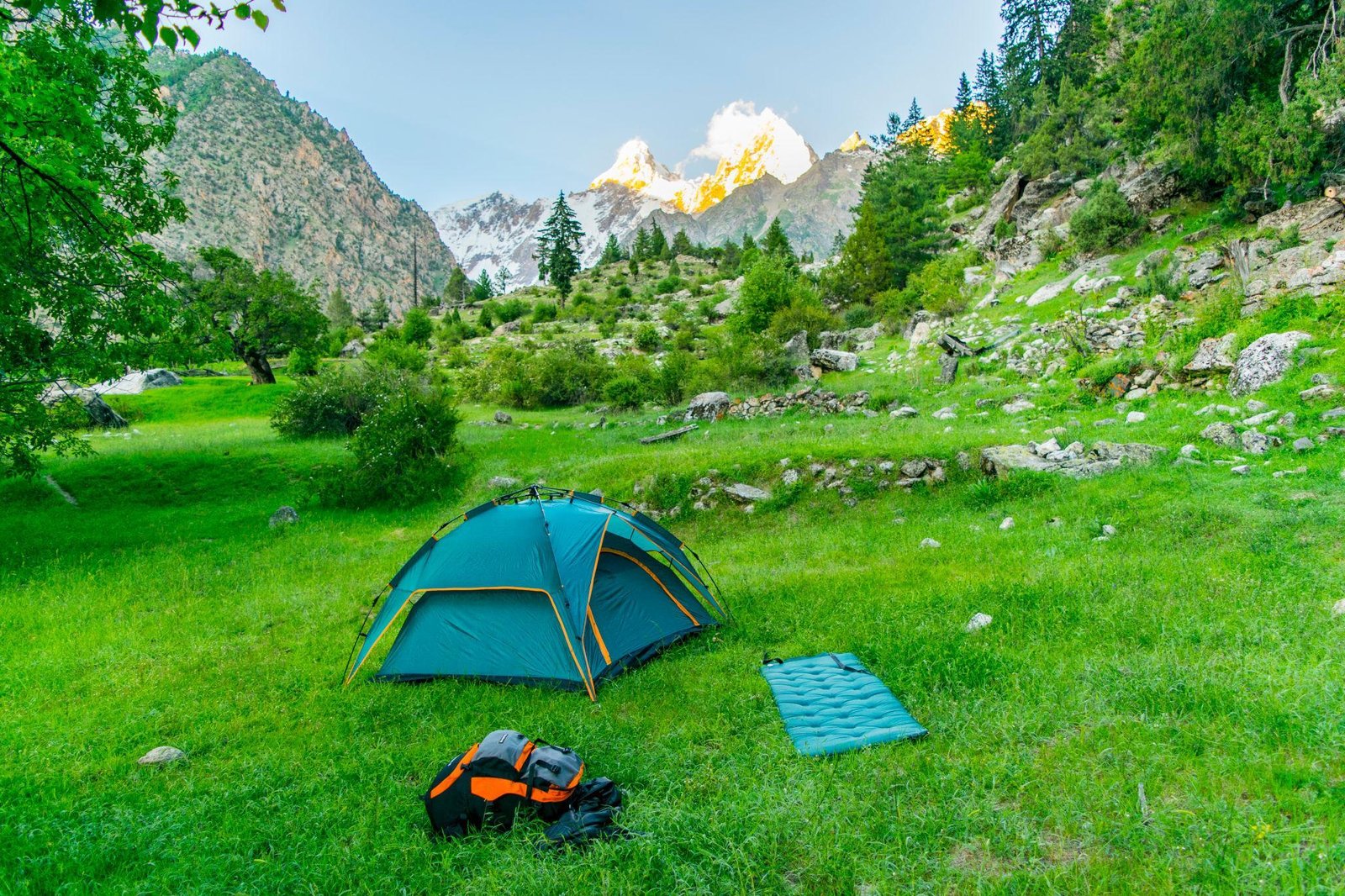
Camping on the Trek
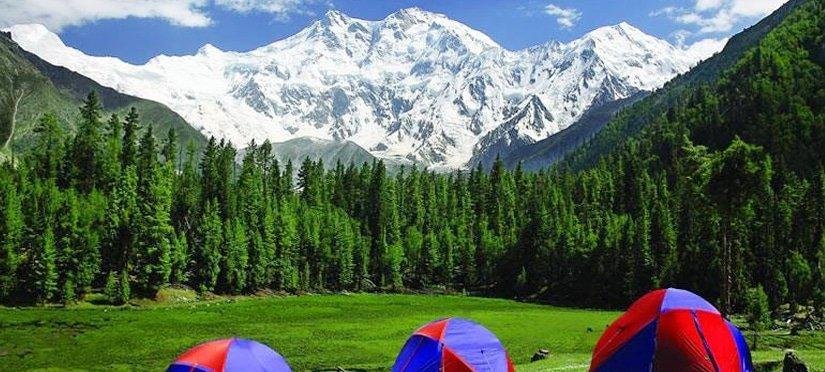
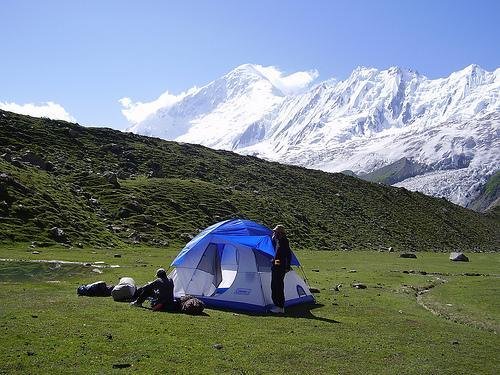
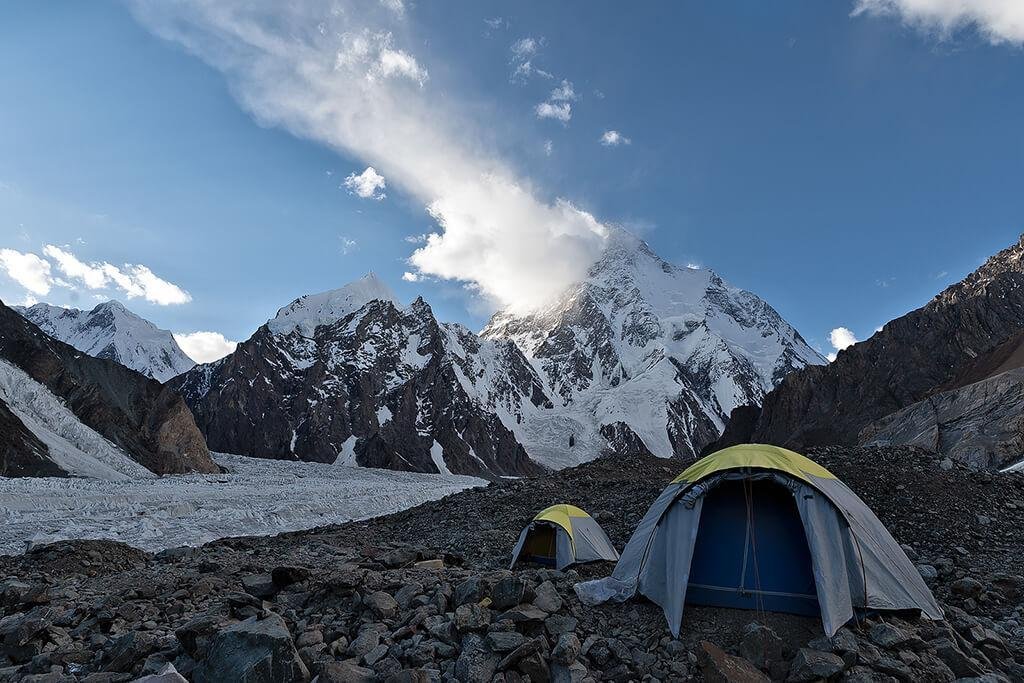
Camping remains one of the best ways to experience the upper sections of the trek.
The most common camping area is:
- Hapakun campsite
This meadow campsite offers:
- panoramic mountain views
- access toward base camp
- open alpine scenery
- sunrise and sunset photography opportunities
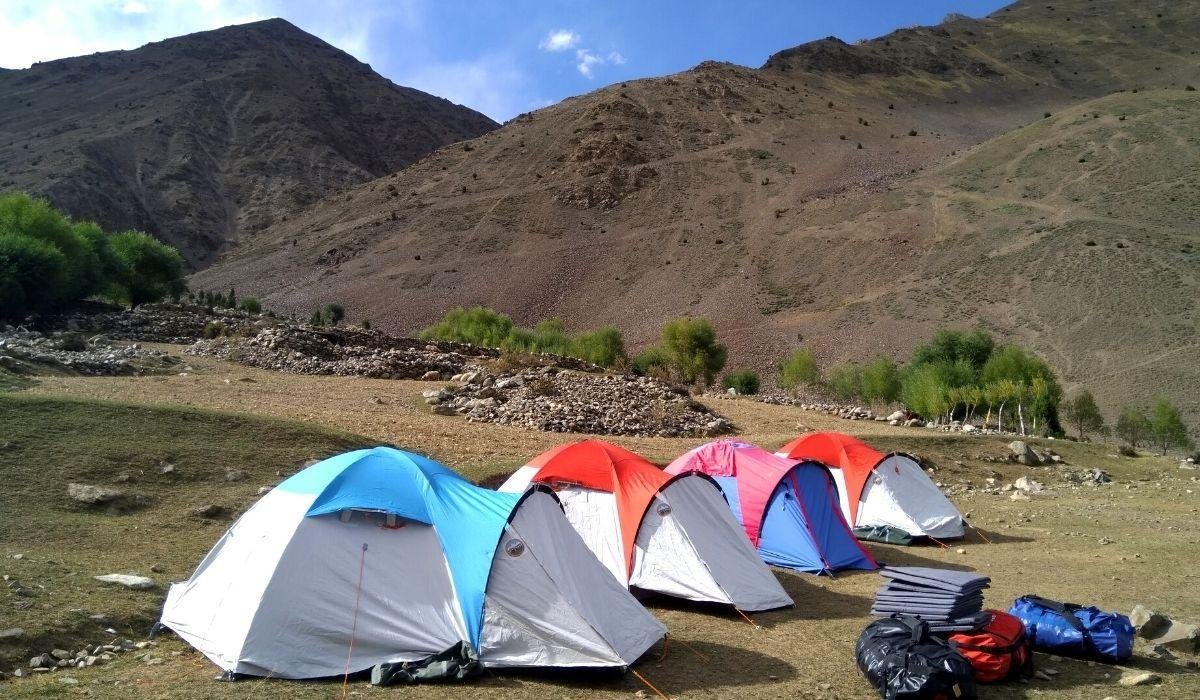
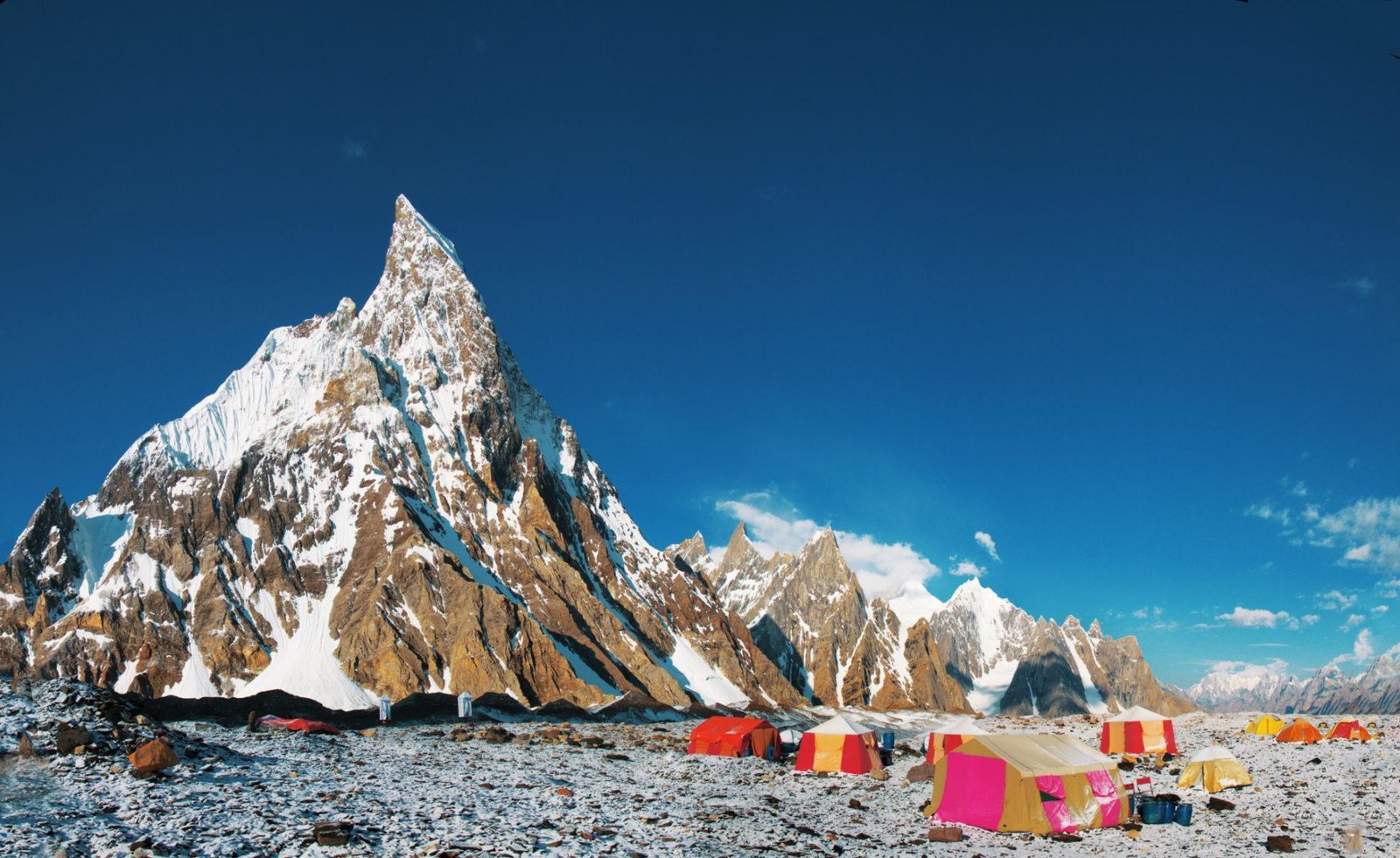
Trekkers using organized tours often receive:
- tents
- mattresses
- cooking equipment
- porter support
- camp meals
Independent trekkers should carry proper camping equipment because facilities remain limited above Minapin.
Night temperatures can drop significantly, even during summer.
Practical Travel Tips
The Rakaposhi Base Camp trek is relatively accessible compared to many high-altitude Karakoram expeditions, but proper preparation remains important.
Travelers should:
- begin trekking early each morning
- maintain slow and consistent pacing
- stay hydrated throughout the climb
- avoid overpacking
- monitor changing weather conditions
- carry cash before reaching Minapin
ATMs and reliable banking facilities become limited in remote mountain regions.
Mobile coverage also weakens significantly higher on the trail.
Acclimatization
Although the trek remains below extreme altitude, acclimatization still matters for travelers arriving directly from lower elevations.
To reduce altitude-related discomfort:
- spend a night in Hunza or Nagar before trekking
- avoid rapid ascent
- hydrate regularly
- avoid excessive physical exertion early in the trek
Symptoms such as headaches and fatigue can occur even at moderate elevations.
Water and Food
Most organized treks provide meals and basic cooking support.
Typical trekking meals include:
- rice
- lentils
- noodles
- eggs
- chapati
- tea
- soup
Trekkers should carry:
- water purification tablets
- reusable water bottles
- snacks and energy foods
Natural water sources exist along the route, but purification is strongly recommended.
Weather Conditions
Mountain weather in the Karakoram changes rapidly throughout the day.
Trekkers may experience:
- strong sunlight
- rain showers
- fog
- snowfall at higher elevations
- sudden temperature drops
Afternoon cloud buildup is especially common during summer.
Starting hikes early in the morning improves:
- safety
- visibility
- photography conditions
Recommended Itinerary
The Rakaposhi Base Camp trek can be completed through multiple pacing options depending on fitness level, photography goals, and acclimatization needs.
2-Day Rakaposhi Base Camp Trek
Suitable for:
- experienced hikers
- travelers with limited time
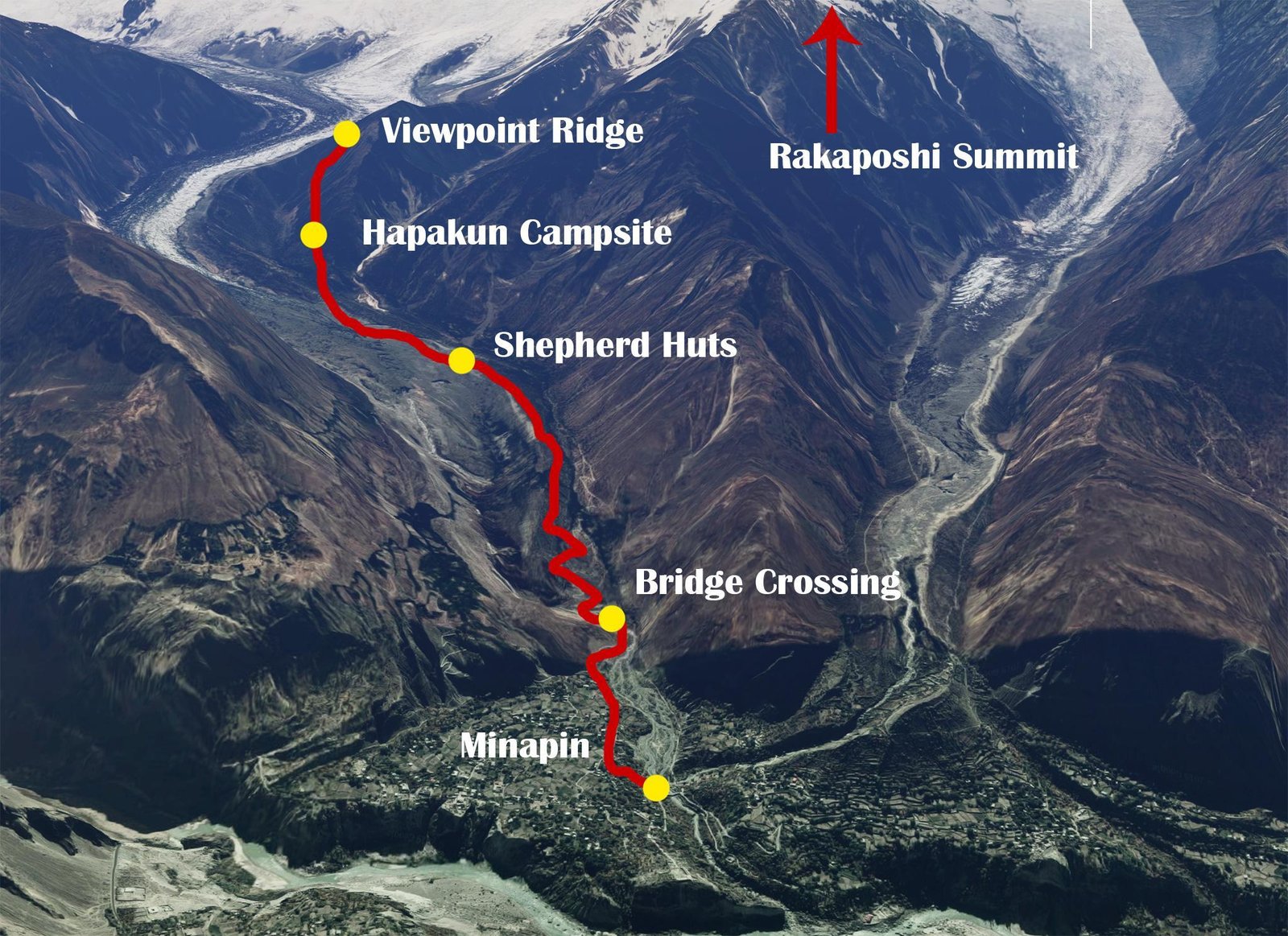
Day 1 — Minapin to Hapakun
Activities:
- Begin trek from Minapin
- Forest ascent
- Meadow crossings
- Overnight camping at Hapakun
Day 2 — Base Camp Excursion and Return
Activities:
- Early morning hike toward Rakaposhi Base Camp
- Glacier viewpoints
- Return descent to Minapin
This itinerary is physically demanding because of long hiking hours.
3-Day Rakaposhi Base Camp Trek
This is the most balanced itinerary for most trekkers.
Day 1 — Arrival in Minapin
Activities:
- Rest and acclimatization
- Meet guides and porters
- Prepare trekking equipment
Day 2 — Trek to Hapakun
Activities:
- Steady forest climb
- Lunch at meadow sections
- Sunset photography near campsite
Day 3 — Base Camp and Return
Activities:
- Morning excursion toward Rakaposhi viewpoint
- Return descent to Minapin
This itinerary allows a more relaxed trekking pace.
4-Day Photography and Camping Itinerary
Ideal for:
- photographers
- slow travelers
- campers
Day 1 — Islamabad to Hunza/Nagar
Overnight stay in Nagar Valley.
Day 2 — Trek to Hapakun
Slow-paced ascent with photography stops.
Day 3 — Full Base Camp Exploration
Activities:
- glacier photography
- alpine meadow exploration
- sunrise and sunset shooting
Day 4 — Return to Minapin
Descent through forest trails and village landscapes.
Frequently Asked Questions
Is the Rakaposhi Base Camp Trek Difficult?
The trek is considered moderate but includes steep sections and sustained uphill hiking.
Reasonable fitness and prior hiking experience are recommended.
Do I Need a Guide for Rakaposhi Base Camp?
Experienced trekkers sometimes hike independently, but local guides are strongly recommended for:
- navigation
- weather awareness
- logistics
- safety
Can Beginners Do the Trek?
Yes, many beginners complete the trek successfully with proper pacing and preparation.
What Is the Best Season for the Trek?
The ideal trekking months are:
- May
- June
- July
- August
- September
- early October
Is Camping Necessary?
Camping improves the overall experience and allows sunrise views near the upper meadow sections.
How Cold Does It Get?
Night temperatures can become cold even during summer, particularly near higher campsites.
Warm clothing and proper sleeping gear are essential.
Travel Advisory and Disclaimer
The information in this guide is intended for general planning purposes only. Trail conditions, permit requirements, costs, and access routes can change due to weather, seasonal closures, or local regulations.
The itinerary provided is a suggested framework and may need to be adjusted based on:
- fitness level
- acclimatization
- weather conditions
- local guidance
Travelers should always consult:
- local guides
- trekking agencies
- regional authorities
before beginning the trek and verify current conditions on the ground.

![K2 Base Camp Trek: Ultimate Guide k2 Trek 2026 [UPDATED]](https://karakoramdiaries.com/storage/ultimate-guide-to-k2-base-camp-trek-full-document-150x150.png)