The Grand Canyon Explained: A Complete Travel Guide for First-Time Visitors
Table of contents [Show]
- 1. Understanding the Canyon & Planning Your Visit
- Introduction: Why the Grand Canyon Still Amazes the World
- Where the Grand Canyon Is Located
- Understanding the Different Rims
- Best Time to Visit the Grand Canyon
- How Much Time You Need
- Entry Fees and Park Access
- What Makes the Grand Canyon Different from Other Natural Wonders
- Who the Grand Canyon Is Best For
- 2. How to Get There, Where to Stay, and Practical Costs
- How to Get to the Grand Canyon
- Transportation Inside the Park
- Where to Stay: Inside vs Outside the Park
- Food and Dining Options
- Entrance Fees and Budget Planning
- Accessibility and Visitor Services
- Common Planning Mistakes to Avoid
- 3. Weather Risks, Park Rules, Permits, and Responsible Travel
- Understanding Weather Risks at the Grand Canyon
- Altitude and Physical Effects
- Park Rules and Visitor Regulations
- Permits: When You Need Them and Why
- Emergency Services and Rescue Reality
- Responsible and Sustainable Tourism
- Common Mistakes That Lead to Emergencies
- Is the Grand Canyon Safe to Visit?
1. Understanding the Canyon & Planning Your Visit
4
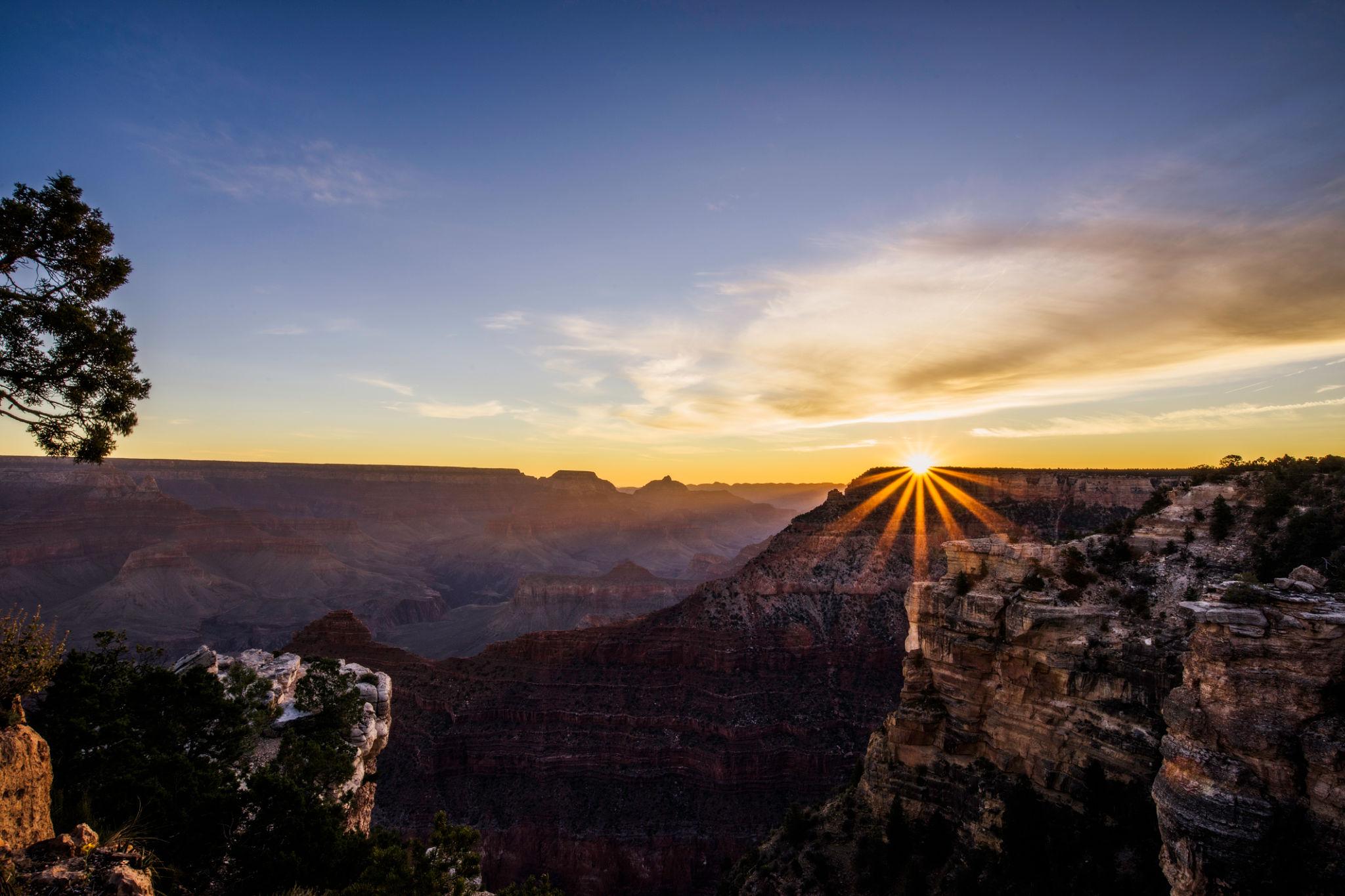
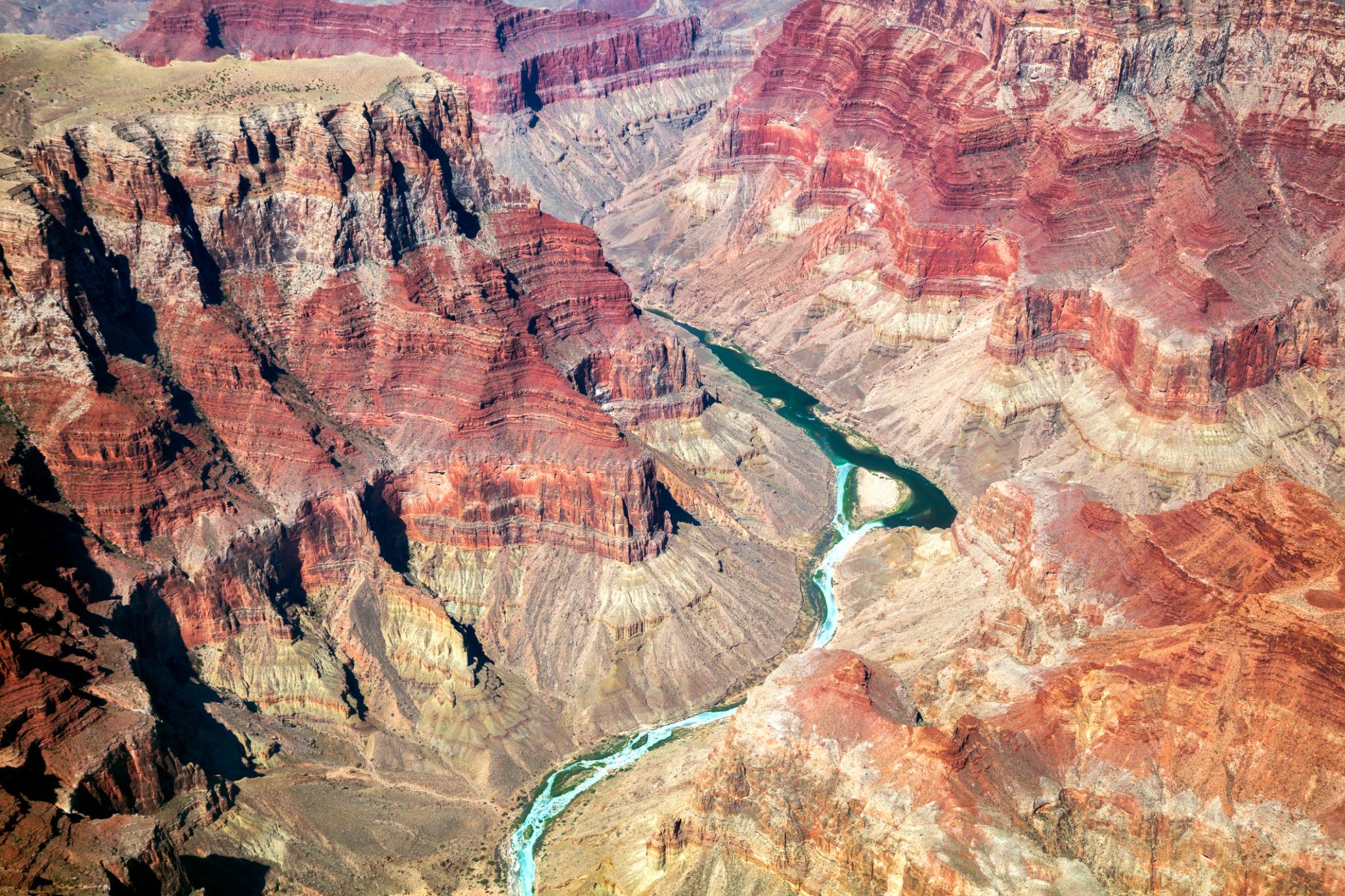
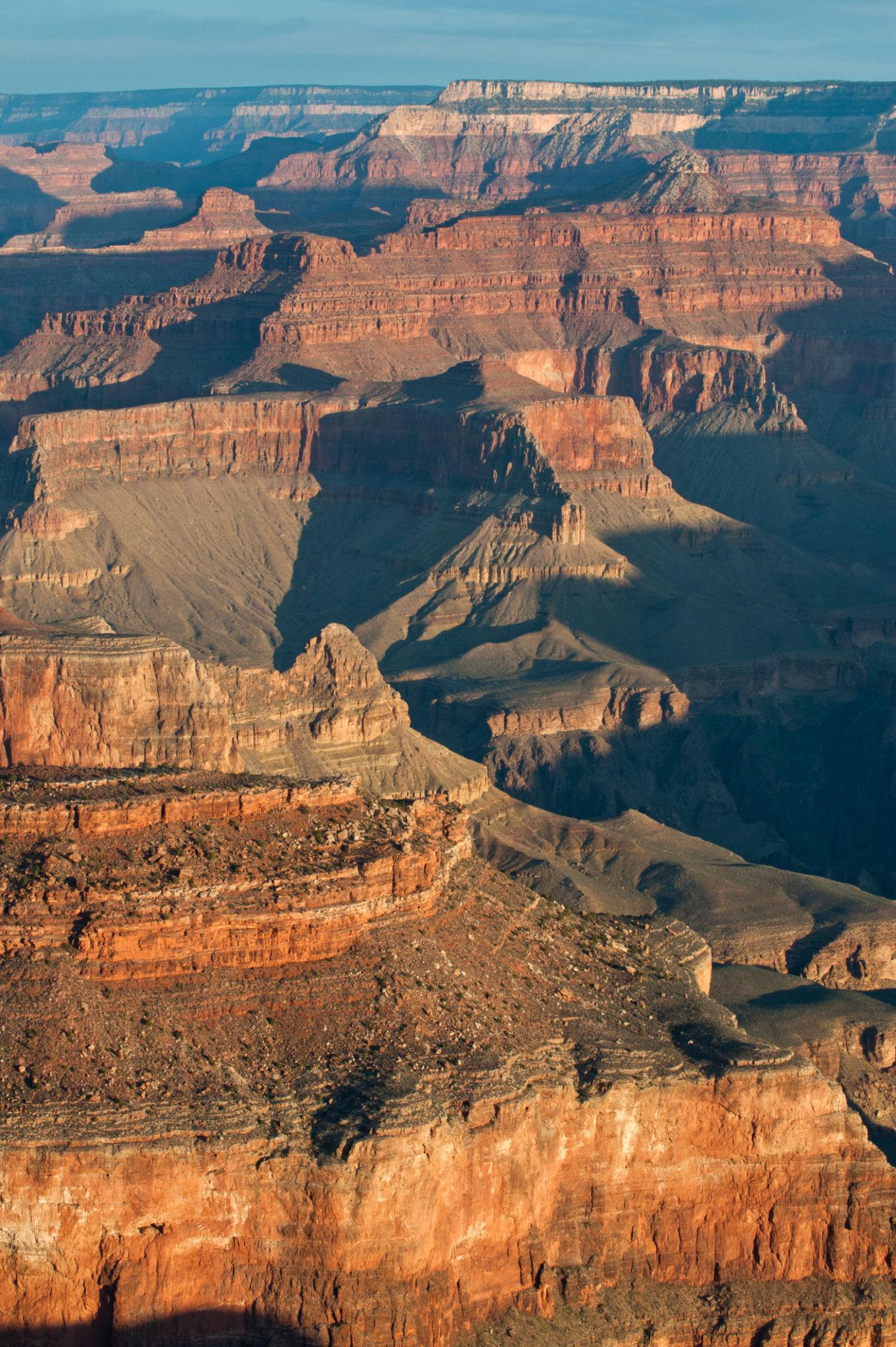
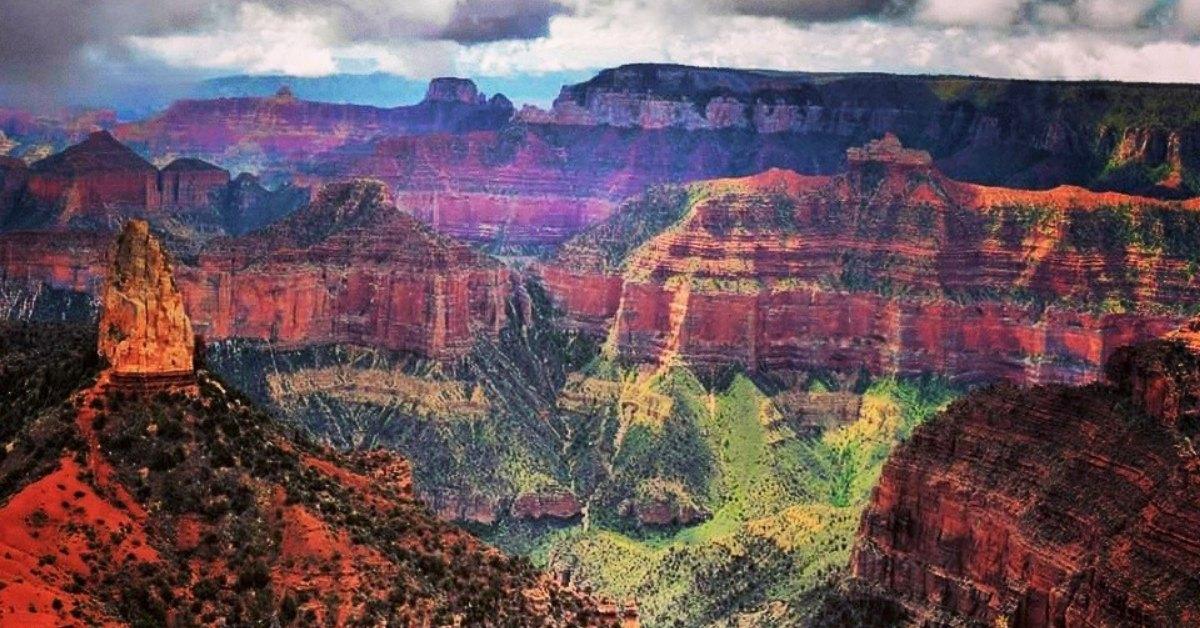
The immense scale of the Grand Canyon carved by the Colorado River over millions of years.
Introduction: Why the Grand Canyon Still Amazes the World
The Grand Canyon is not simply a large canyon. It is one of the most powerful geological records on Earth, exposing nearly two billion years of planetary history through layered rock formations that stretch across the Arizona desert.
Unlike destinations that impress instantly and fade quickly, the Grand Canyon grows more profound the longer you stay. Its scale is difficult to comprehend at first glance, and many travelers only begin to understand it after walking along the rim, watching light change the colors, and realizing how vast the silence truly is.
This guide is written for travelers who want to experience the Grand Canyon properly, not just stop for photos.
Where the Grand Canyon Is Located
The Grand Canyon is located in northern Arizona, United States, and stretches approximately 446 kilometers along the Colorado River. The majority of visitors explore it through Grand Canyon National Park, which is divided into distinct regions known as rims.
Each rim offers a very different experience, and choosing the right one is one of the most important planning decisions.
Understanding the Different Rims
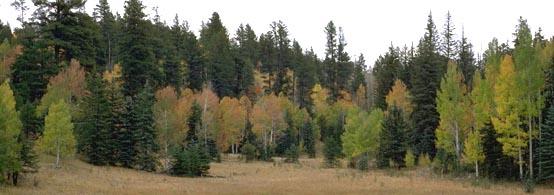
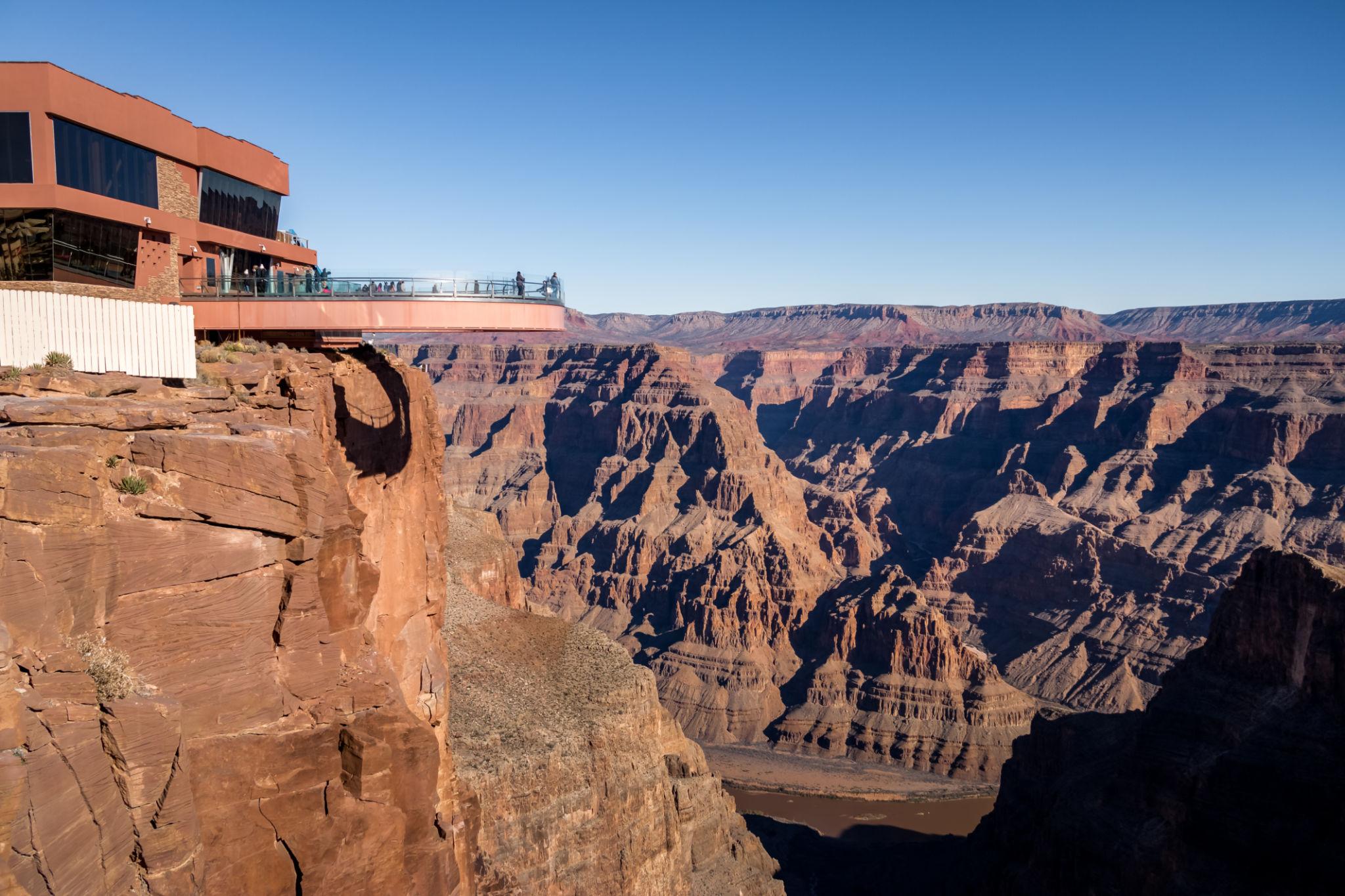
4
Different rims of the Grand Canyon offer dramatically different landscapes and visitor experiences.
South Rim
The South Rim is the most visited and most accessible area. It is open year-round and offers classic viewpoints, visitor centers, museums, and a wide range of accommodation options. Most first-time visitors should start here.
North Rim
The North Rim sits at a higher elevation and feels quieter, greener, and more remote. It is only open seasonally, usually from mid-May to mid-October due to snow. This rim is ideal for travelers seeking solitude.
West Rim
The West Rim is not part of the national park and is managed by the Hualapai Tribe. It is closest to Las Vegas and home to the famous Skywalk glass bridge. This area focuses more on short visits and commercial attractions.
East Rim
The East Rim includes Desert View and Watchtower viewpoints. It is less crowded and often combined with scenic drives toward Page and Horseshoe Bend.
Best Time to Visit the Grand Canyon
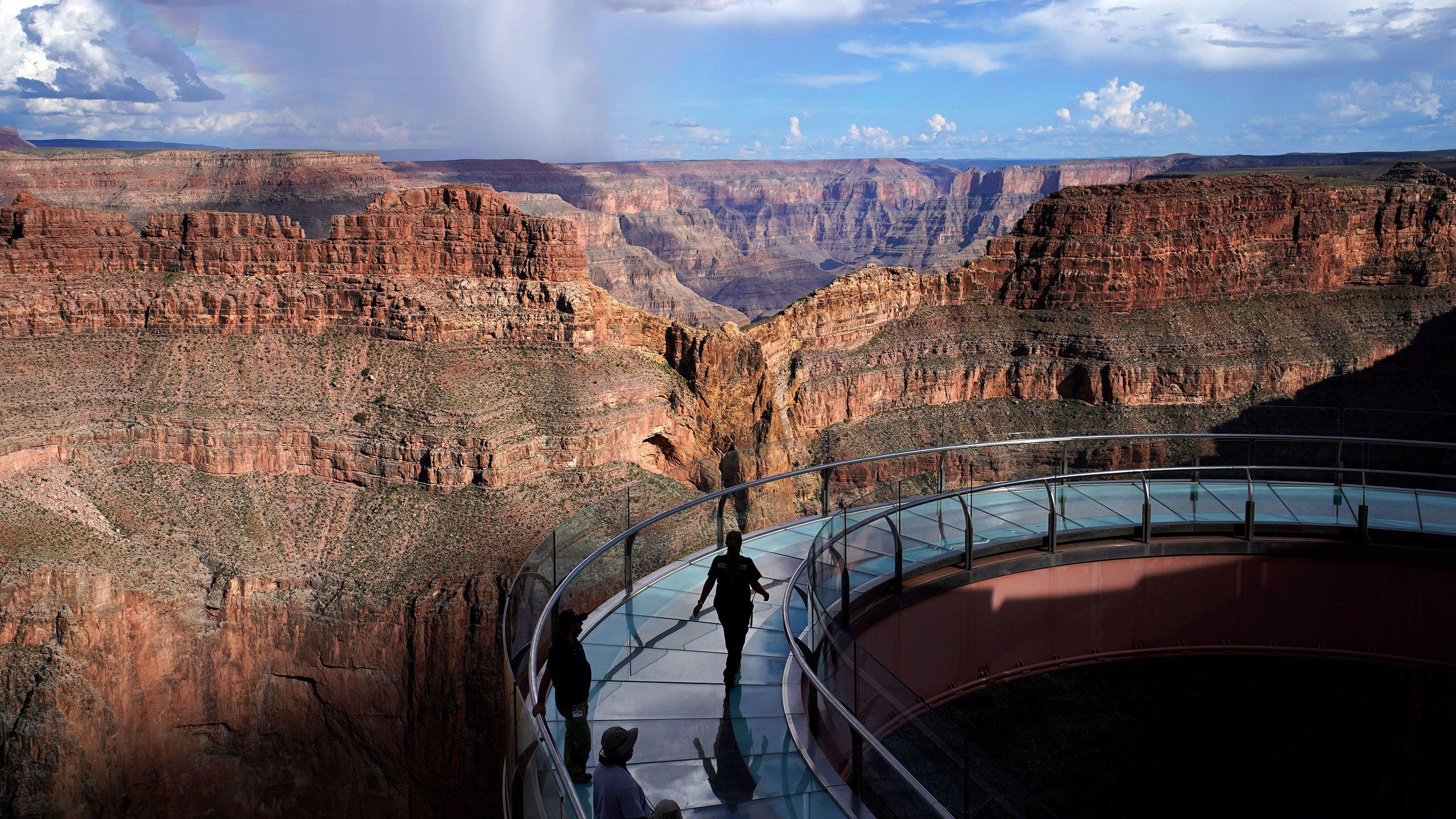
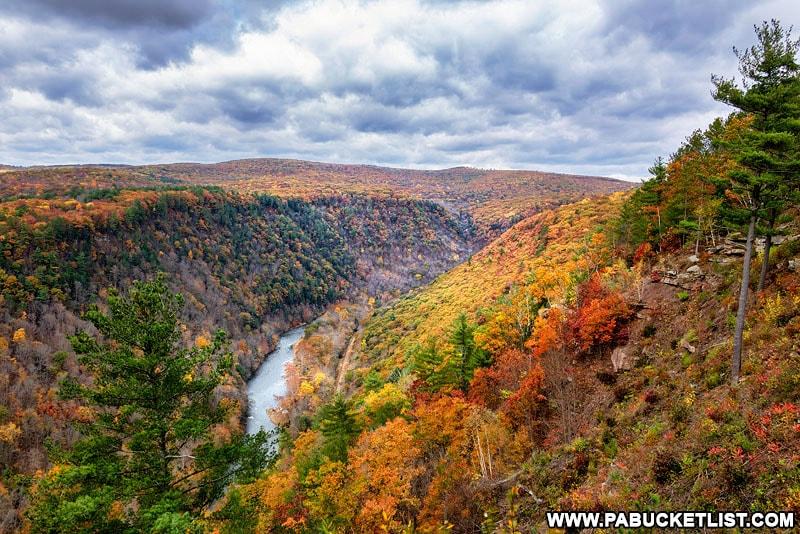
4
Seasonal changes dramatically affect accessibility, temperatures, and crowd levels.
The Grand Canyon can be visited all year, but conditions vary sharply.
Spring and autumn are generally the best times, offering comfortable temperatures and manageable crowds. Summer brings extreme heat, especially inside the canyon, while winter can bring snow and road closures, particularly on the North Rim.
Understanding seasonal differences is essential for safety and comfort.
How Much Time You Need
Many travelers underestimate the Grand Canyon and plan only a short stop. While it is possible to visit briefly, doing so limits the experience.
A single day allows for scenic viewpoints along the rim. Two days allow for short hikes and sunrise or sunset viewing. Longer stays are recommended for hikers, photographers, and those planning rim-to-river experiences.
Entry Fees and Park Access
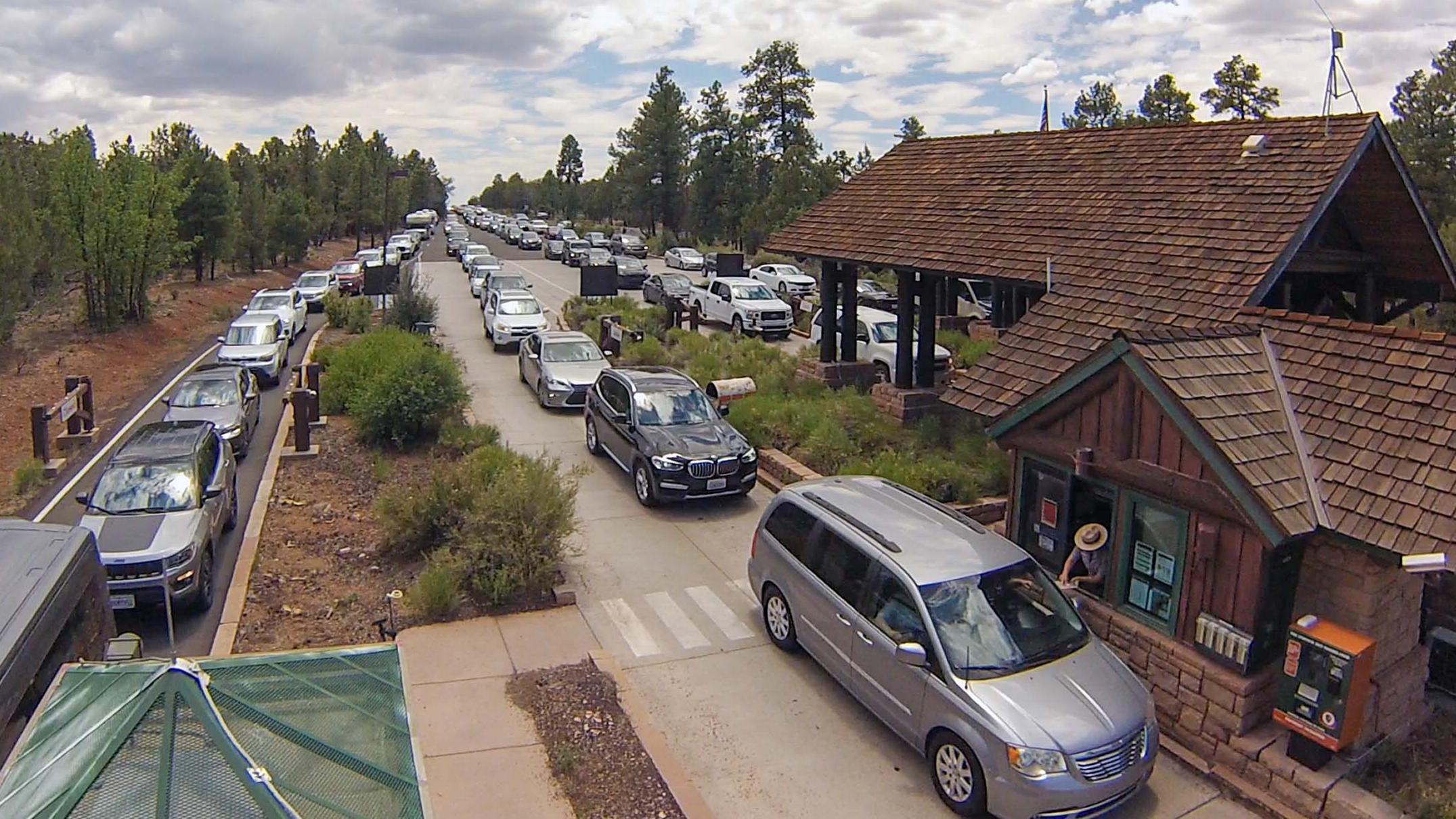
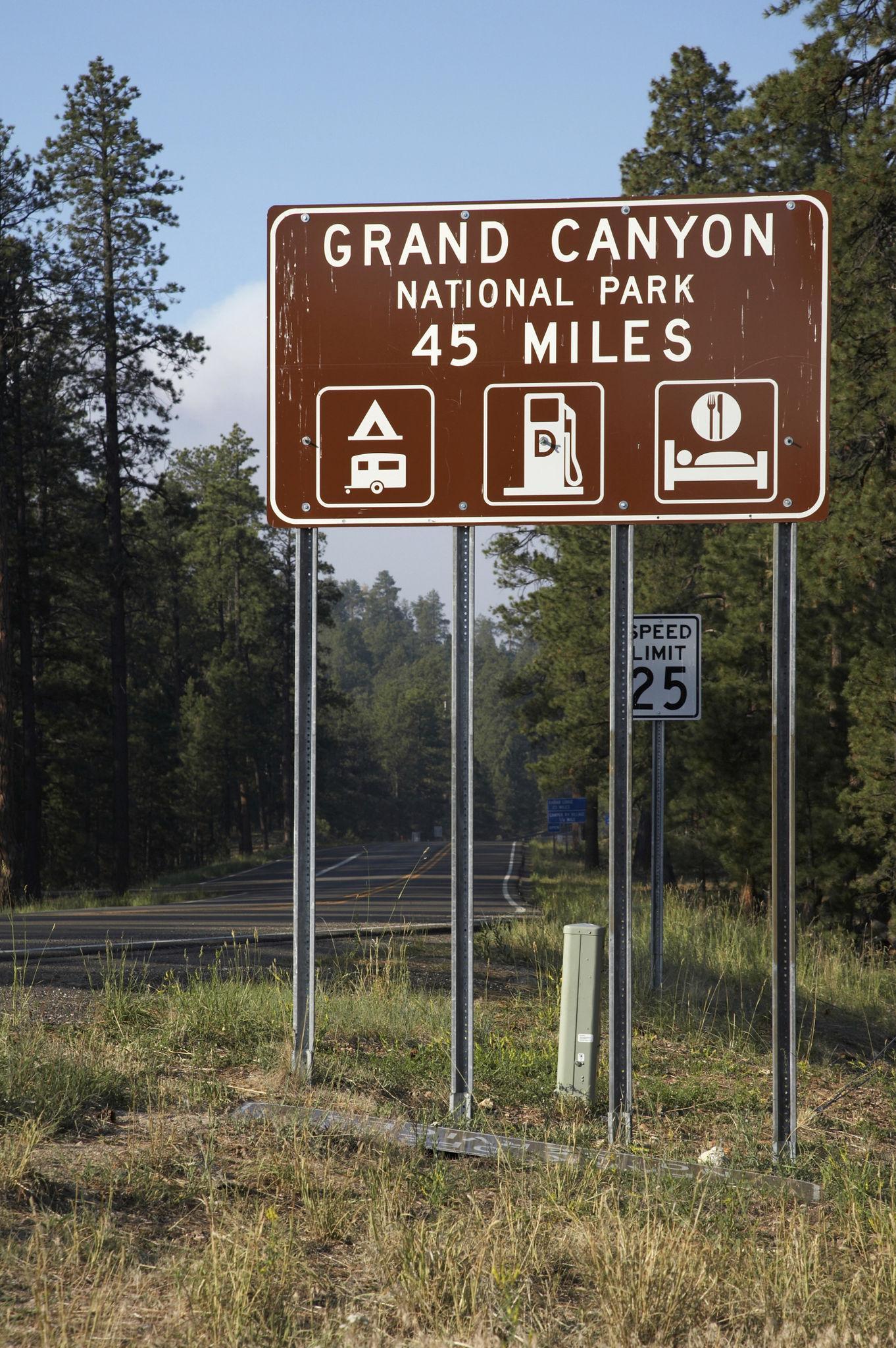
Entrance to Grand Canyon National Park is regulated to protect its fragile environment.
The Grand Canyon National Park charges an entrance fee that covers private vehicles or individual visitors. Passes are valid for multiple days and can be combined with America’s national park pass systems.
Shuttle systems operate within the park to reduce traffic and congestion, particularly at the South Rim.
What Makes the Grand Canyon Different from Other Natural Wonders
Unlike waterfalls or peaks that offer a single focal point, the Grand Canyon is experiential. It is not about one viewpoint, but about movement along the rim, changes in light, depth perception, and silence.
Many travelers describe the canyon as emotionally overwhelming rather than visually impressive alone.
Who the Grand Canyon Is Best For
The Grand Canyon appeals to a wide range of travelers. It suits families, photographers, hikers, geology enthusiasts, and those seeking quiet reflection. However, it demands respect, preparation, and awareness of its scale and climate.
2. How to Get There, Where to Stay, and Practical Costs
4
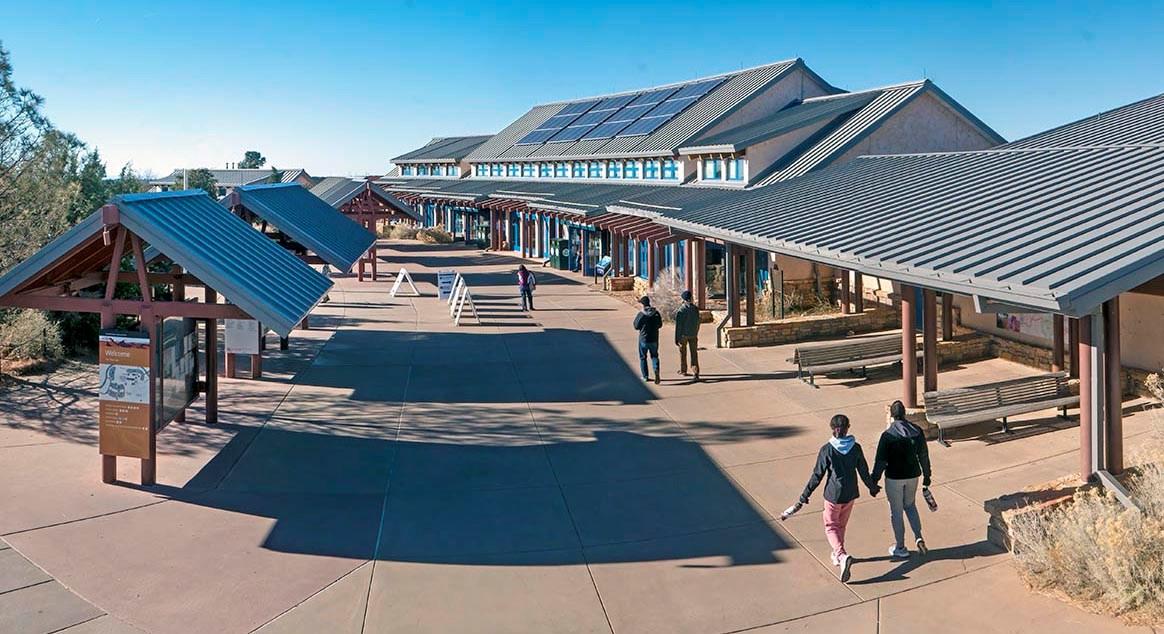
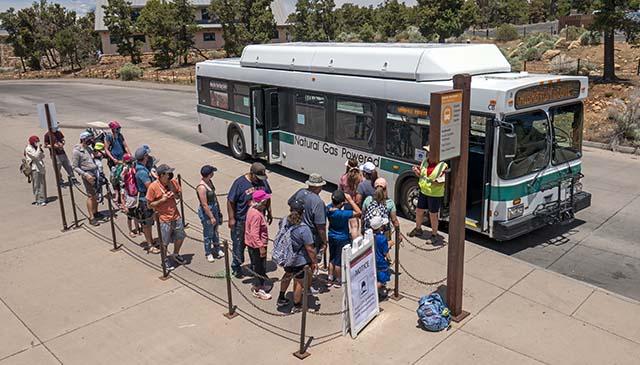
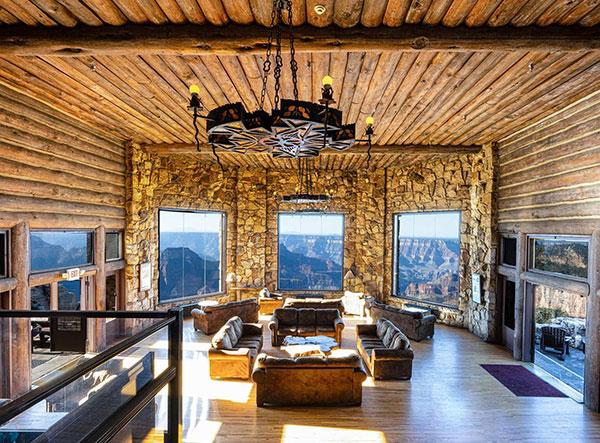
Access routes, shuttle systems, and visitor facilities at the South Rim of the Grand Canyon .
How to Get to the Grand Canyon
Reaching the Grand Canyon requires planning because of its remote desert location. There is no single “Grand Canyon airport,” and access depends largely on which rim you plan to visit.
Most first-time visitors travel to the South Rim, which is the best developed and easiest to reach.
Getting There by Air
The nearest major airport is Phoenix Sky Harbor International Airport, approximately four hours by road from the South Rim. Las Vegas is another popular gateway, particularly for travelers combining the Grand Canyon with other attractions in Nevada and Utah.
Smaller regional airports exist near Flagstaff and Page, but they typically involve higher costs and limited flight schedules.
Driving to the Grand Canyon
Driving is the most flexible and practical option. Roads leading to the South Rim are well maintained and clearly marked. Many travelers combine the visit with a wider road trip through Arizona and neighboring states.
Parking inside the park is available but limited during peak seasons. Shuttle systems are strongly encouraged to reduce congestion.
Transportation Inside the Park
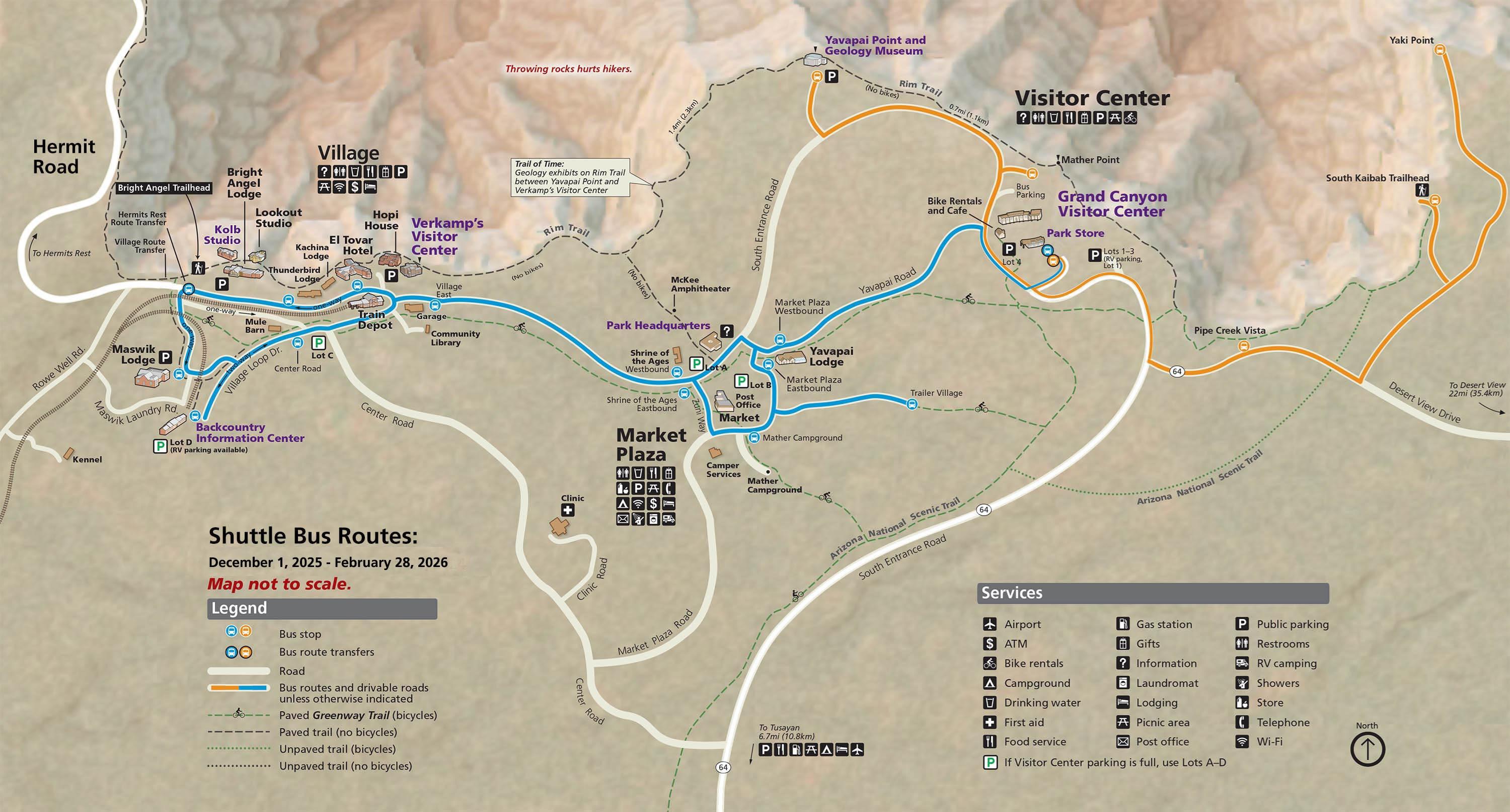
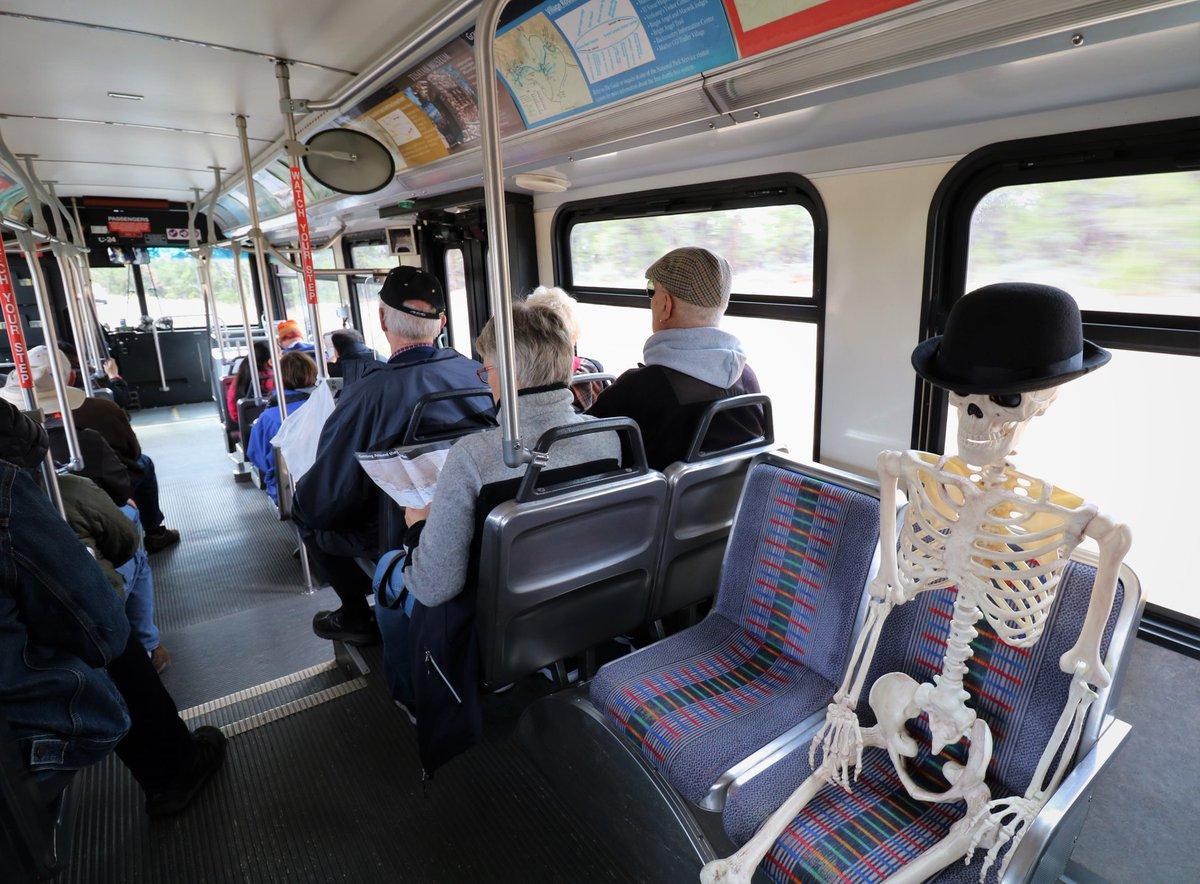
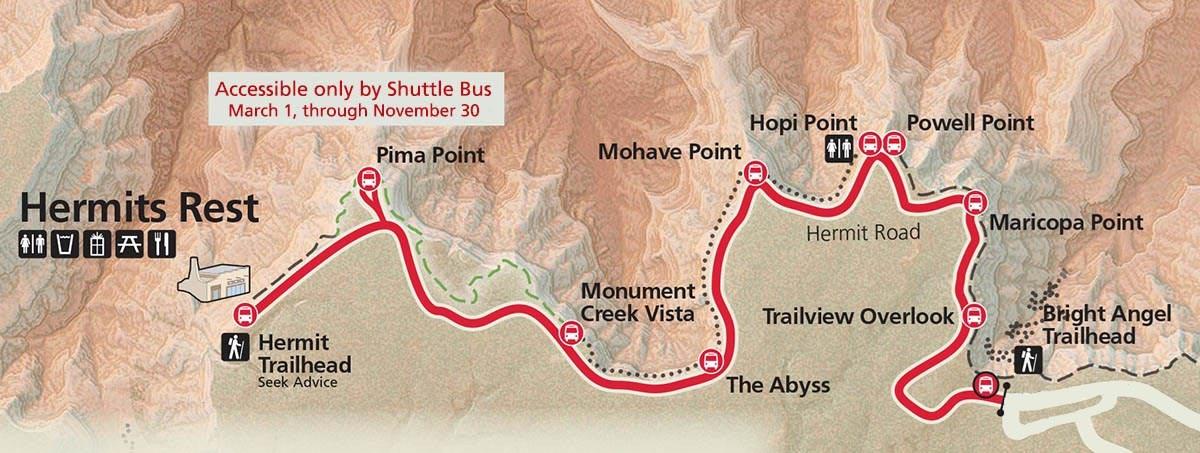
Free shuttle buses operate along key viewpoints and trailheads at the South Rim.
Private vehicles are restricted in some areas of the park, especially during busy months. To manage traffic and protect the environment, the Grand Canyon operates a free shuttle system along major scenic routes.
The shuttles connect visitor centers, lodges, viewpoints, and trailheads. They are reliable, frequent, and the most efficient way to explore the South Rim without stress.
Where to Stay: Inside vs Outside the Park
Choosing accommodation affects both your experience and your daily schedule.
Lodges within the park offer unmatched convenience and access to sunrise and sunset viewpoints. Staying inside allows you to avoid long entrance queues and enjoy quieter moments early in the morning or late in the evening.
However, these lodges must be booked far in advance, especially during peak seasons.
Nearby towns such as Tusayan offer a wider range of hotels and restaurants at more competitive prices. While this option requires daily driving into the park, it is often more practical for budget-conscious travelers.
Both options work well, depending on your priorities.
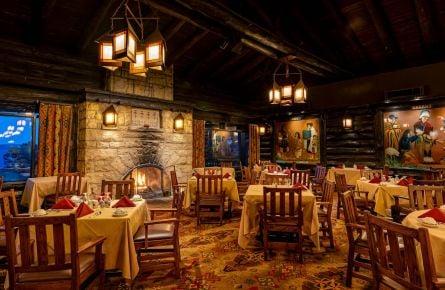
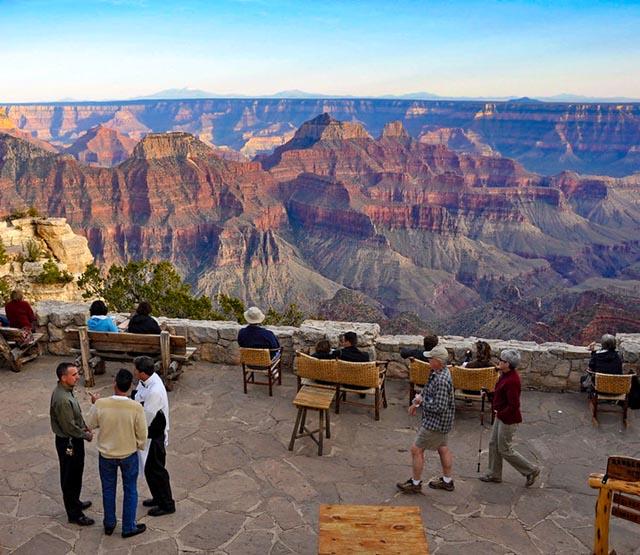
Dining options range from historic lodge restaurants to casual cafés and picnic areas.
Dining inside the park includes historic dining rooms, cafés, and snack bars. Prices are higher than average due to logistics, but quality is generally reliable.
Many visitors choose to bring their own food and enjoy picnic areas along the rim, which offers flexibility and cost savings.
Entrance Fees and Budget Planning
Grand Canyon National Park charges an entrance fee per vehicle or individual. This fee is valid for multiple days and includes access to all shuttle routes.
For travelers planning to visit multiple U.S. national parks, an annual national parks pass can offer significant savings.
Additional costs to consider include accommodation, fuel, food, optional guided tours, and gear rentals for hikers.
Accessibility and Visitor Services
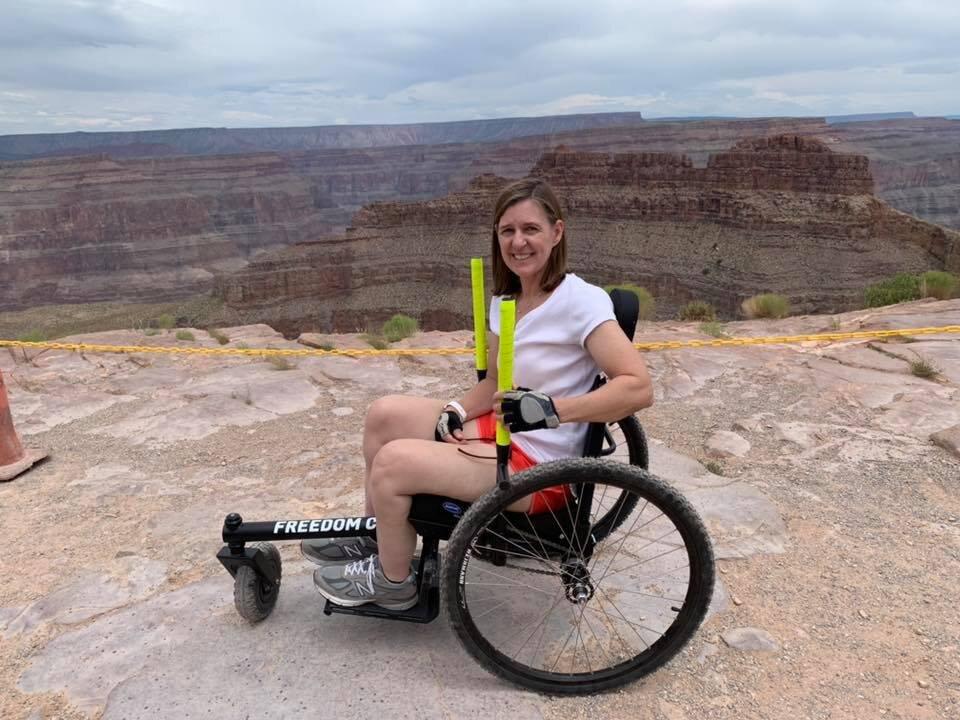
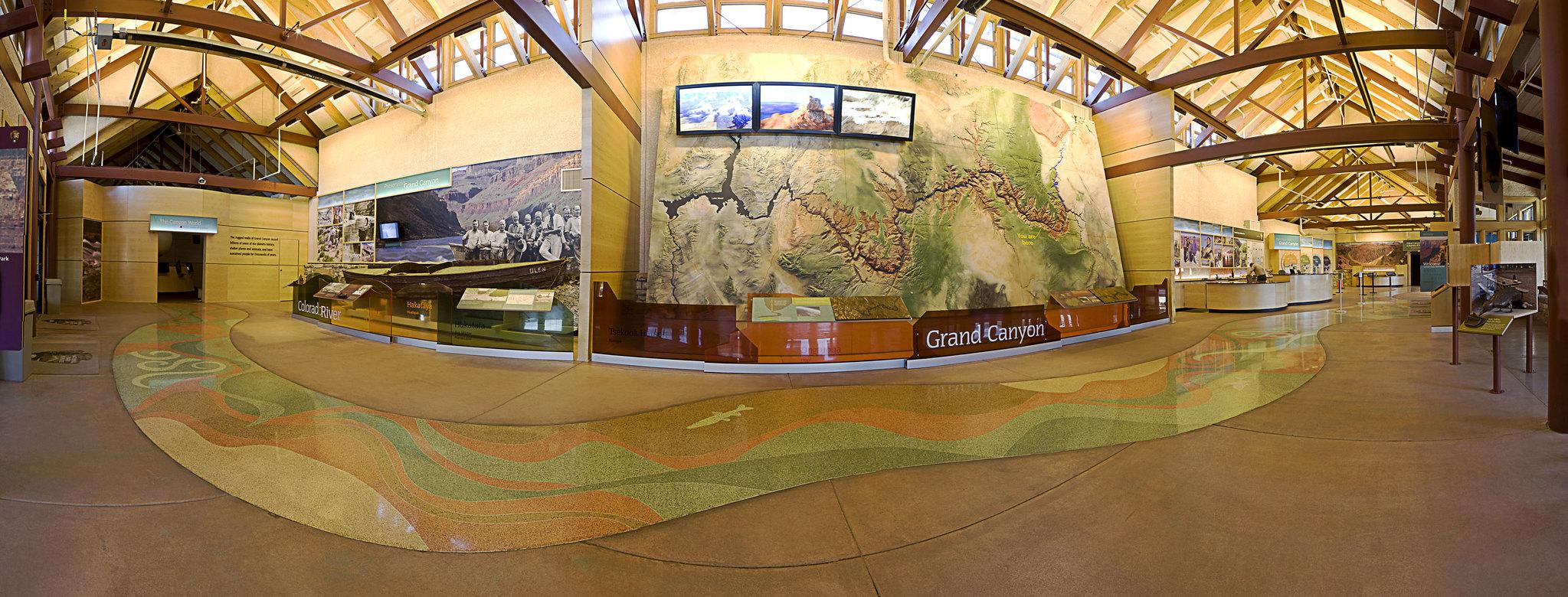
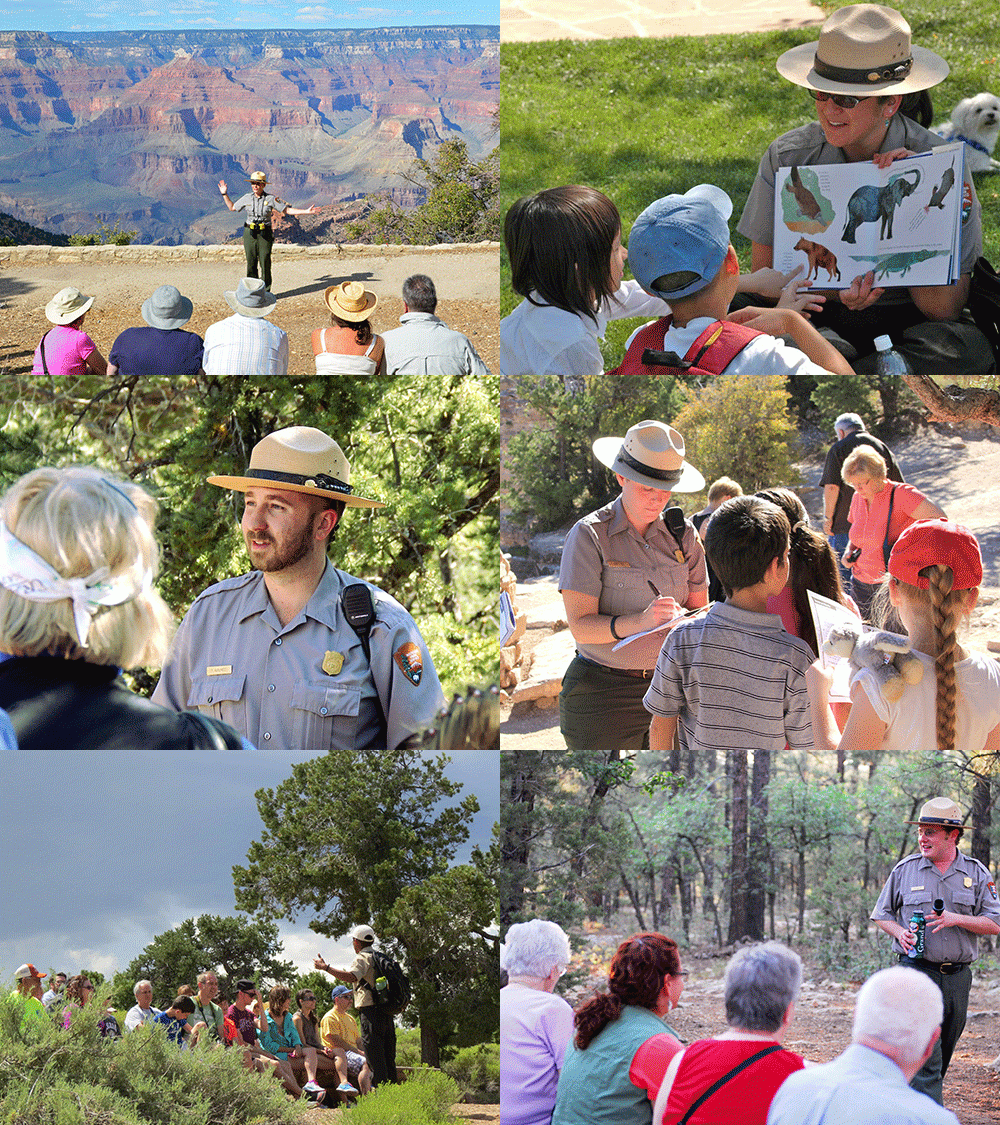
Many viewpoints and facilities are designed to be accessible to visitors of all abilities.
The Grand Canyon is one of the most accessible major natural attractions in the world. Many viewpoints, visitor centers, and shuttle buses are wheelchair accessible.
Ranger-led programs, museums, and information desks provide valuable context and guidance for first-time visitors.
Common Planning Mistakes to Avoid
Many travelers underestimate distances and weather extremes. The Grand Canyon is not a theme park; it is a wilderness environment with real risks.
Failing to carry enough water, ignoring weather forecasts, or attempting strenuous hikes without preparation are common causes of emergencies.
Planning conservatively ensures a safer and more enjoyable visit.
3. Weather Risks, Park Rules, Permits, and Responsible Travel
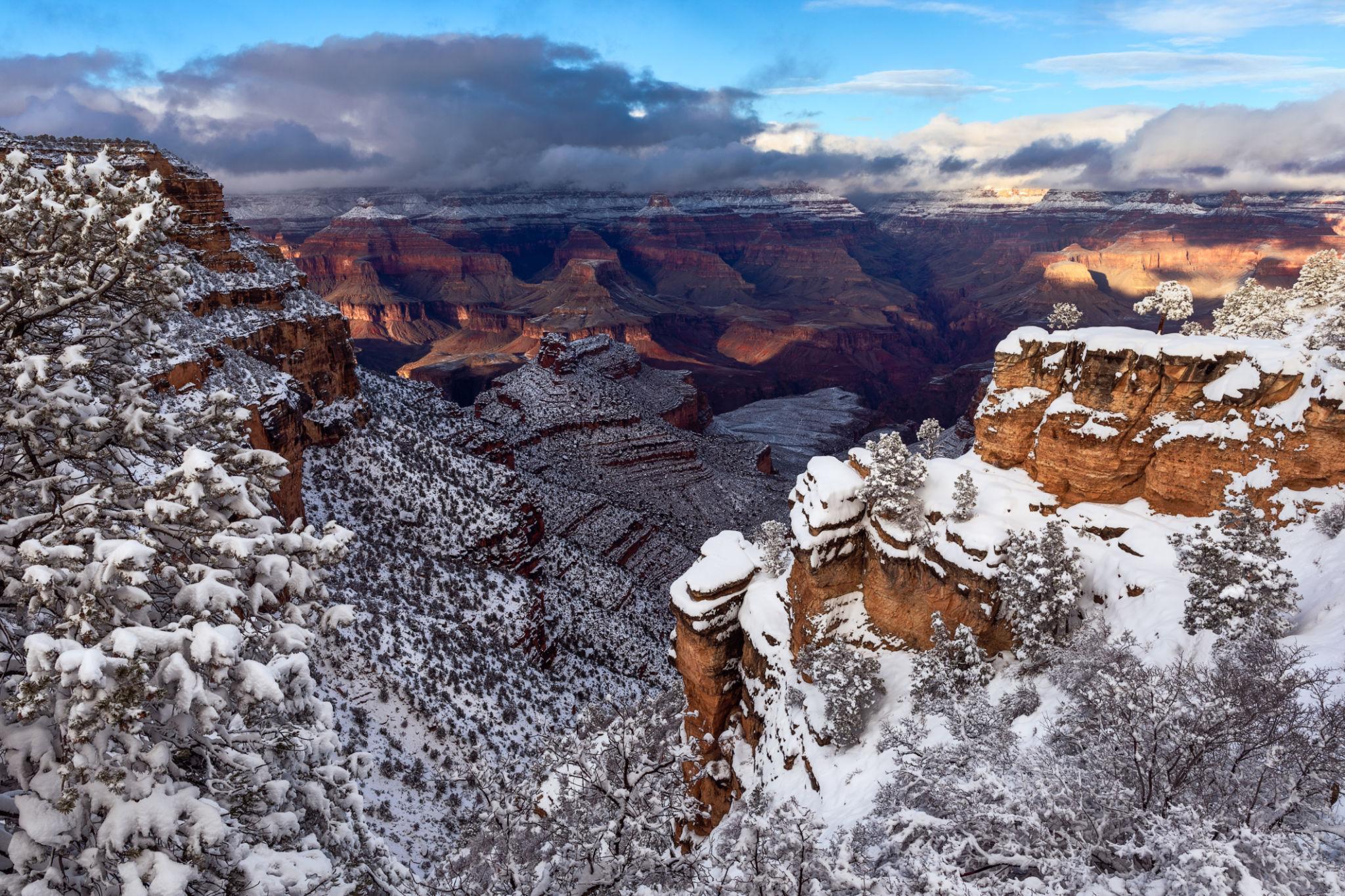
4
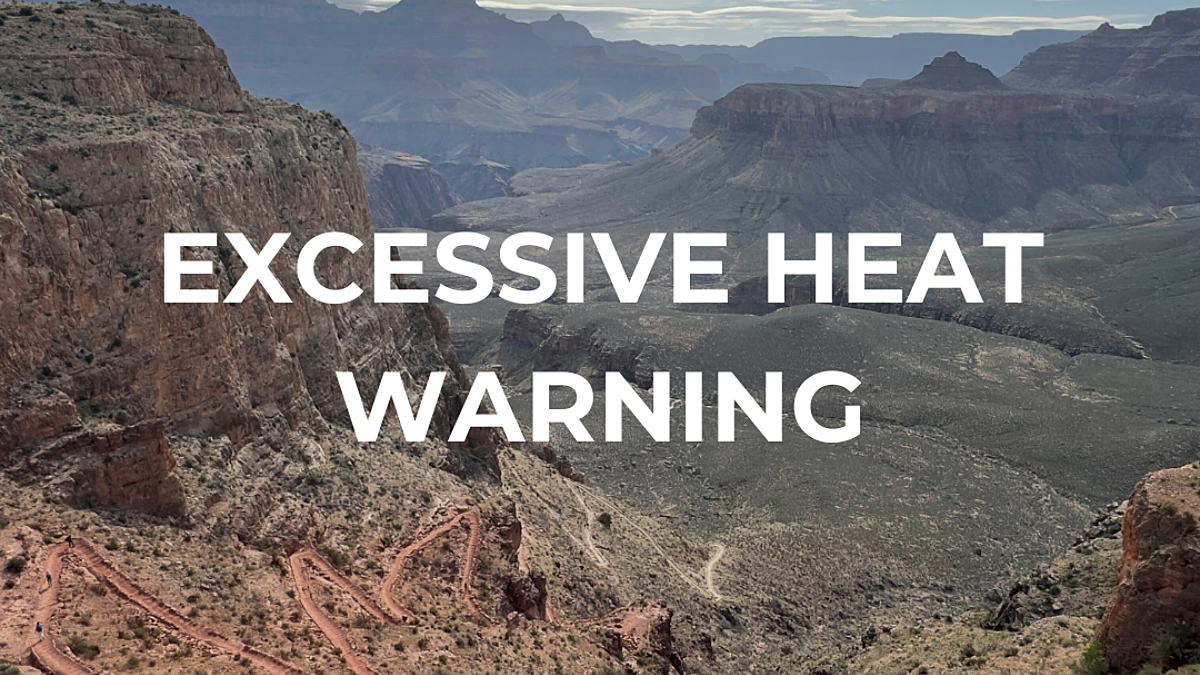
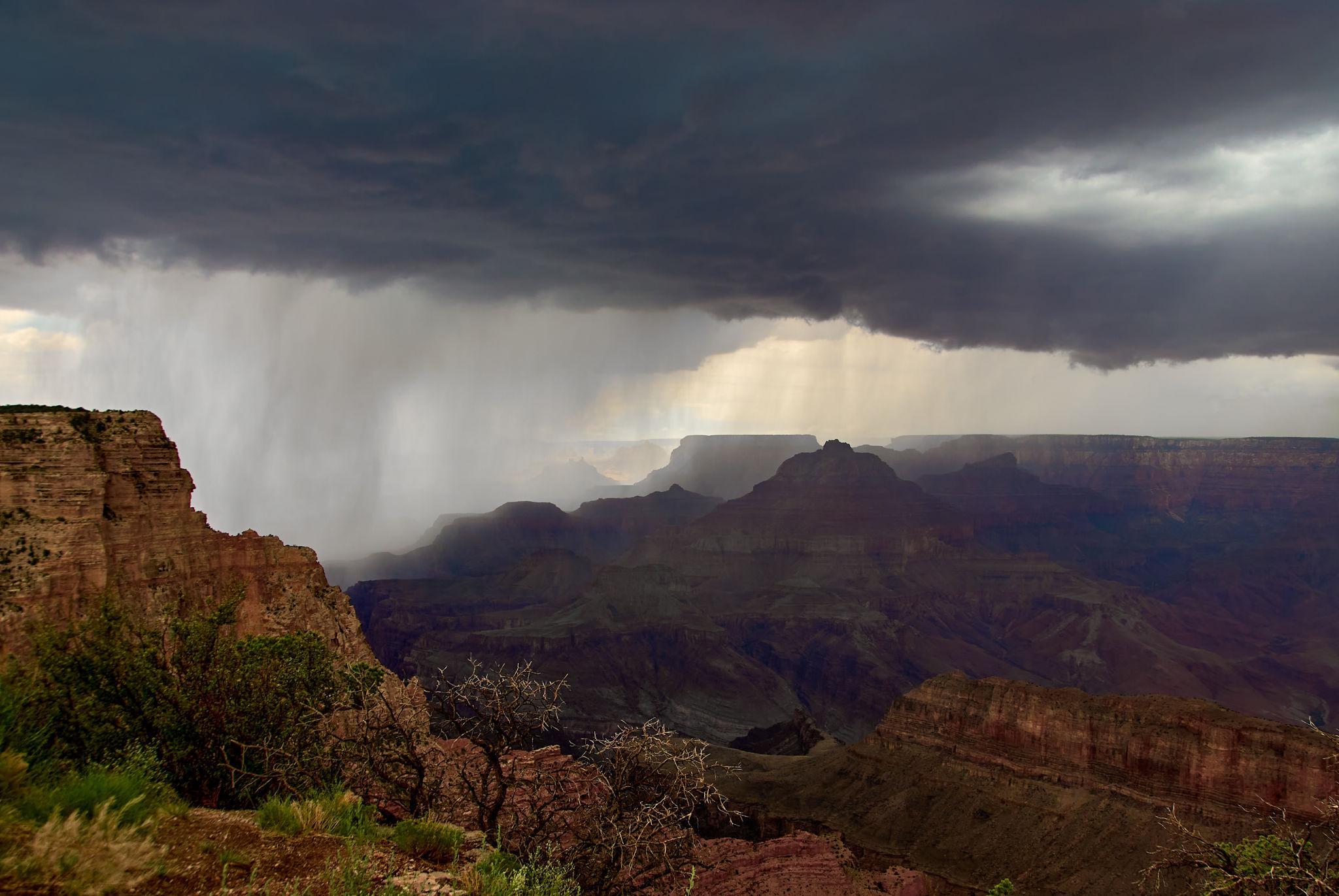
Extreme weather and strict regulations shape every visit to the Grand Canyon .
Understanding Weather Risks at the Grand Canyon
The Grand Canyon is often misunderstood as a mild sightseeing destination. In reality, it is a high-risk natural environment where weather plays a decisive role in safety.
Conditions can change dramatically within hours, and temperatures vary sharply between the rim and the inner canyon.
Heat: The Most Serious Danger
During late spring and summer, temperatures inside the canyon routinely exceed 40°C (104°F). Many visitors underestimate how quickly dehydration and heat exhaustion can develop, especially during climbs back to the rim.
Heat-related emergencies are the leading cause of rescues and fatalities at the Grand Canyon. Rangers consistently warn that hiking below the rim in summer should be limited or avoided by most visitors.
Monsoon Storms and Flash Floods
From July to September, the region experiences monsoon storms. These storms bring intense rain, lightning, and the risk of flash floods in narrow canyon corridors.
Even when skies are clear at the rim, storms may be active deeper in the canyon. Hikers must always check forecasts and heed ranger advisories.
Winter Conditions and Snow
Winter transforms the Grand Canyon into a quiet but hazardous landscape. Snow and ice are common on the South Rim, while the North Rim may be inaccessible due to heavy snowfall.
Icy trails significantly increase the risk of falls, particularly near exposed viewpoints.
Altitude and Physical Effects
Although the Grand Canyon is not a high-altitude destination by mountaineering standards, elevation still affects visitors. The South Rim sits at approximately 2,100 meters above sea level.
Some travelers experience mild altitude effects such as shortness of breath or fatigue, especially when combined with heat or exertion.
Gradual pacing and hydration help mitigate these effects.
Park Rules and Visitor Regulations
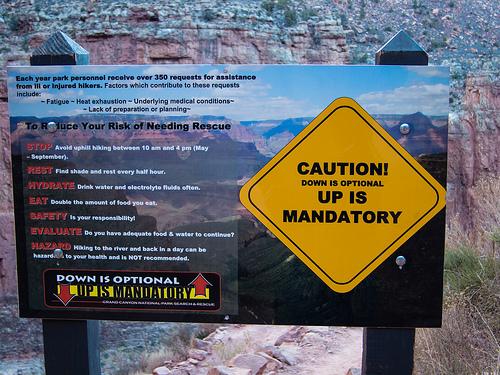
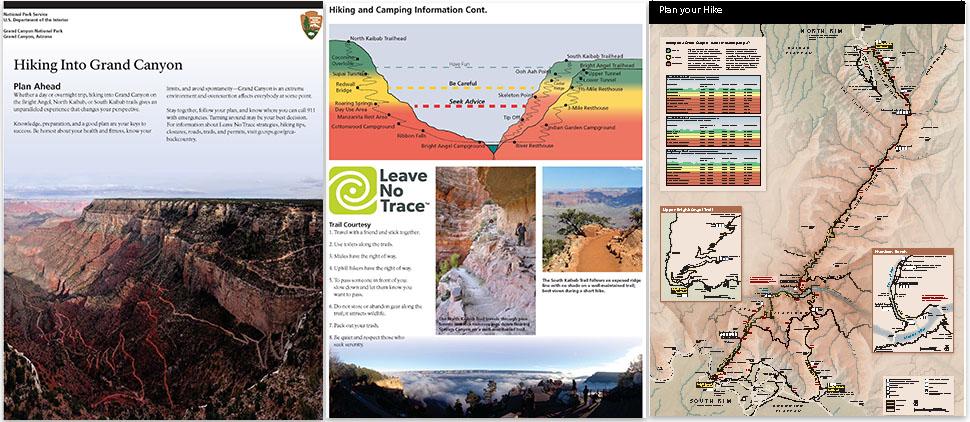
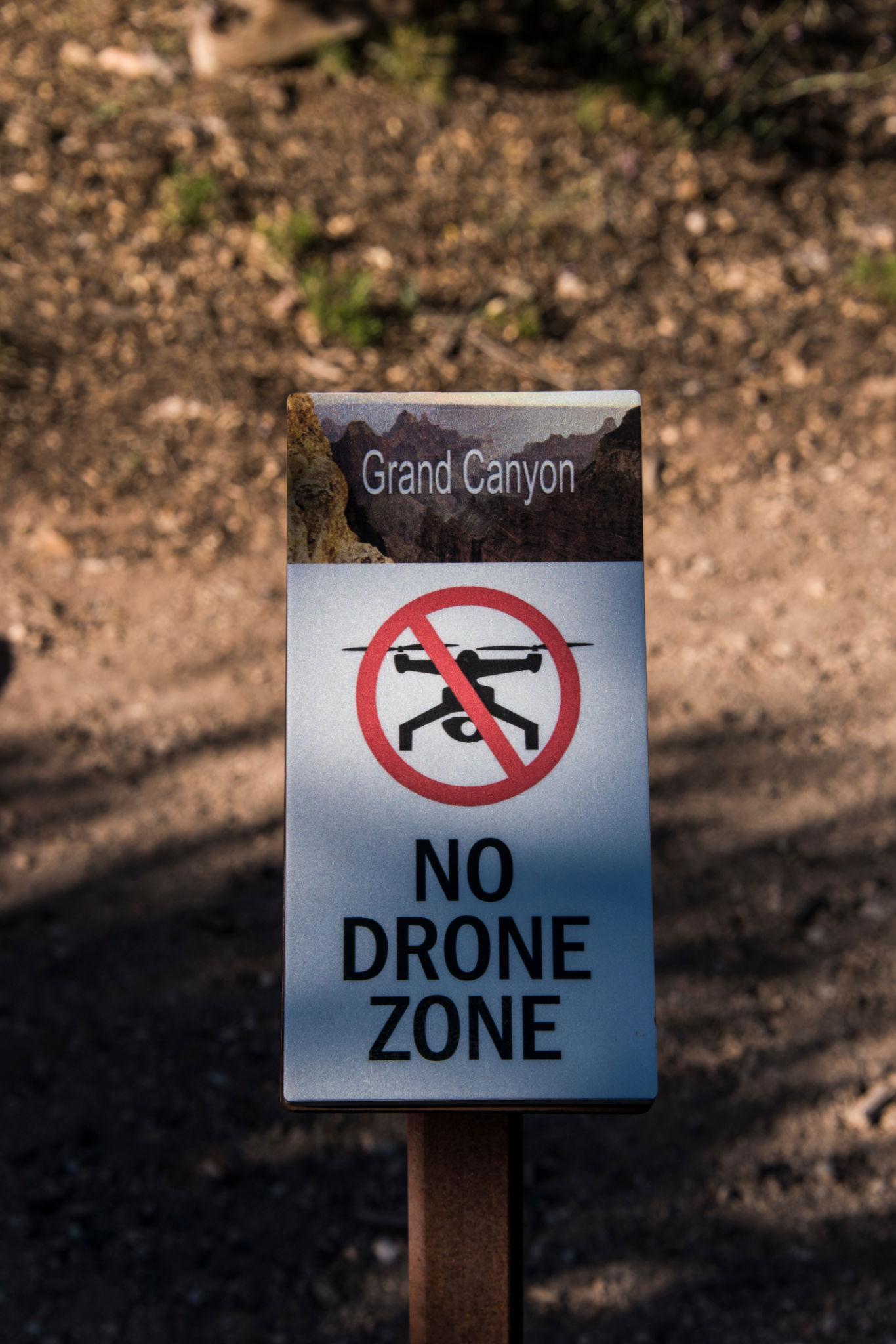
Strict regulations are enforced to protect both visitors and the canyon itself.
The Grand Canyon is a protected national park, and regulations are enforced to preserve its fragile environment.
Visitors must:
- Stay on designated trails
- Avoid approaching wildlife
- Refrain from throwing objects into the canyon
- Respect barriers and warning signs
Drones are strictly prohibited. Loud music, climbing on structures, and off-trail hiking near the rim are also restricted.
Violations can result in fines or removal from the park.
Permits: When You Need Them and Why
Most casual visitors do not require permits. However, permits are mandatory for certain activities.
Backcountry and Overnight Hiking Permits
Anyone planning to camp overnight below the rim must obtain a backcountry permit in advance. These permits are limited and often booked months ahead.
River Rafting Permits
Multi-day rafting trips on the Colorado River require permits obtained through a competitive lottery system. Waiting periods can extend for years.
Commercial Tours and Activities
Guided mule rides, rafting trips, and commercial tours operate under strict licensing and capacity limits.
Emergency Services and Rescue Reality
Rescue operations in the Grand Canyon are complex, costly, and dangerous. Helicopter rescues are not guaranteed and may be delayed or canceled due to weather conditions.
Visitors are expected to be self-sufficient and prepared. Rescue should be viewed as a last resort, not a safety net.
Responsible and Sustainable Tourism
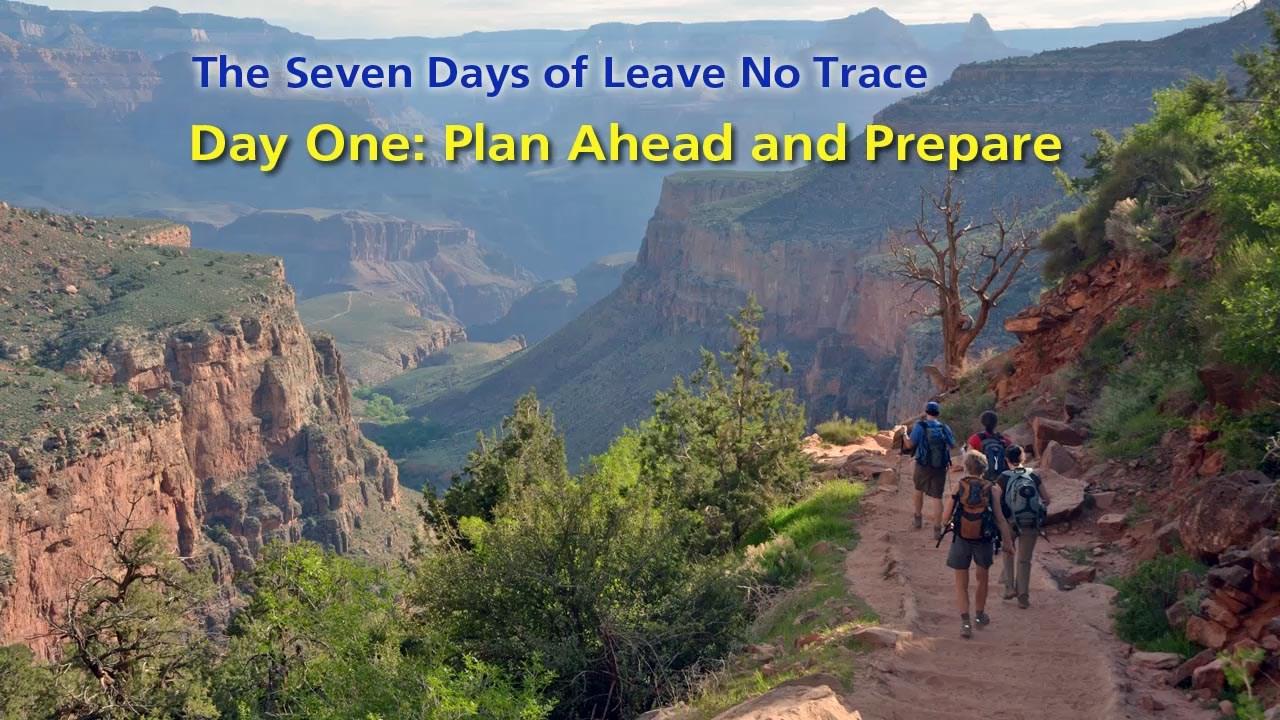
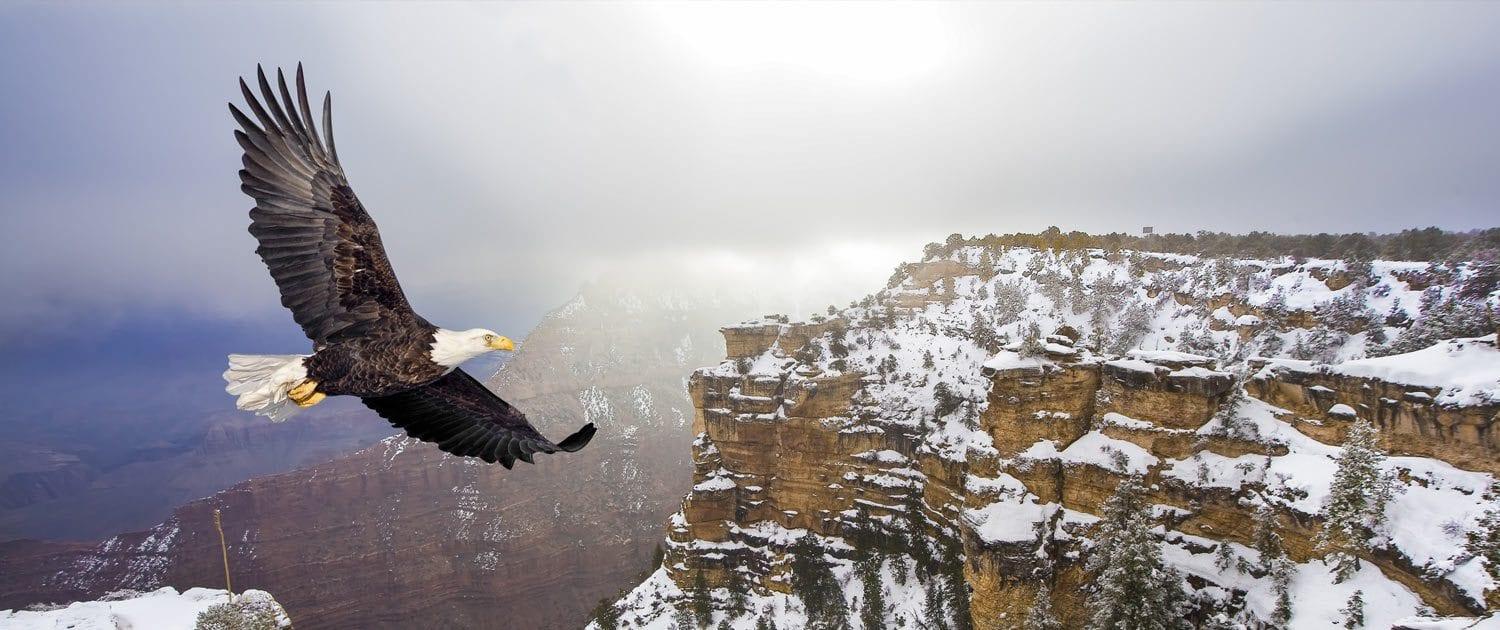
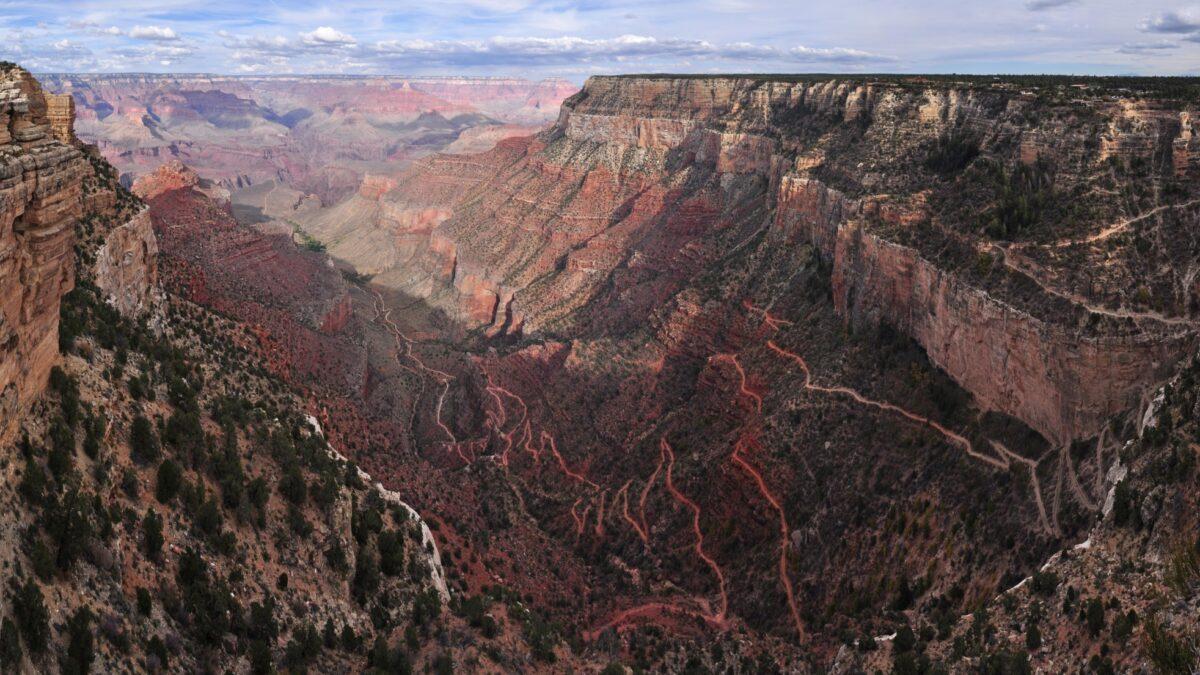
Preservation efforts depend heavily on visitor behavior and awareness.
The Grand Canyon receives millions of visitors annually, and its preservation depends on responsible behavior.
Travelers are encouraged to follow Leave No Trace principles, minimize waste, and respect both natural and cultural heritage. The canyon is sacred to several Native American tribes, and visitors should approach it with humility and respect.
Common Mistakes That Lead to Emergencies
Many incidents stem from predictable errors:
- Starting hikes too late in the day
- Carrying insufficient water
- Ignoring ranger warnings
- Overestimating physical ability
Understanding that the canyon does not forgive mistakes is essential.
Is the Grand Canyon Safe to Visit?
Yes when approached correctly.
The Grand Canyon is safe for well-prepared visitors who respect its environment, follow guidance, and plan conservatively. Most accidents are avoidable with proper awareness and decision-making.

![K2 Base Camp Trek: Ultimate Guide k2 Trek 2026 [UPDATED]](https://karakoramdiaries.com/storage/ultimate-guide-to-k2-base-camp-trek-full-document-150x150.png)