Tour du Mont Blanc Complete Guide
Table of contents [Show]
- 1. Geographic Structure and Full Route Logic
- 2. Detailed Country-by-Country Route Breakdown
- 3. Route Variants and Decision Points
- 4. Daily Stage Structuring and Realistic Walking Analysis
- 5. Accommodation System in Operational Detail
- 6. Food Logistics, Meal Structure, and Dietary Realities
- 7. Water Management and Hydration Strategy
- 8. Complete Cost Modeling and Financial Planning
- 9. Luggage Transfer System
- 10. Independent Planning Step-by-Step
- 11. Guided vs Independent Operational Comparison
- 12. Month-by-Month Seasonal and Weather Analysis
- 13. Snowpack and Early Season Hazard Management
- 14. Weather Systems and Storm Behavior
- 15. Insurance and Evacuation Reality
- 16. Mobile Network and Navigation Reliability
- 17. Common Injury Patterns and Failure Points
- 18. Typical Mistakes First-Time Trekkers Make
- 19. Final Expert Operational Evaluation
- 2. Understanding the Cost Structure of the Tour du Mont Blanc
- 3. Food and Daily Consumption Costs
- 4. Transportation Cost Breakdown
- 5. Luggage Transfer Cost Modeling
- 6. Independent Trek Total Cost Models
- 7. Guided Trek Cost Structure Explained
- 8. Currency and Payment Planning
- 9. Seasonal Price Variation
- 10. Hidden Costs Trekkers Often Miss
- 11. 7-Day vs 10-Day vs 12-Day Cost Impact
- 12. Budget Strategy Recommendations
- 13. Professional Cost Assessment
- Image Credits
1. Geographic Structure and Full Route Logic
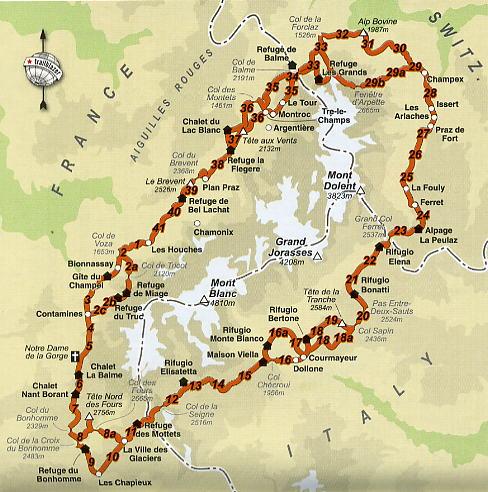
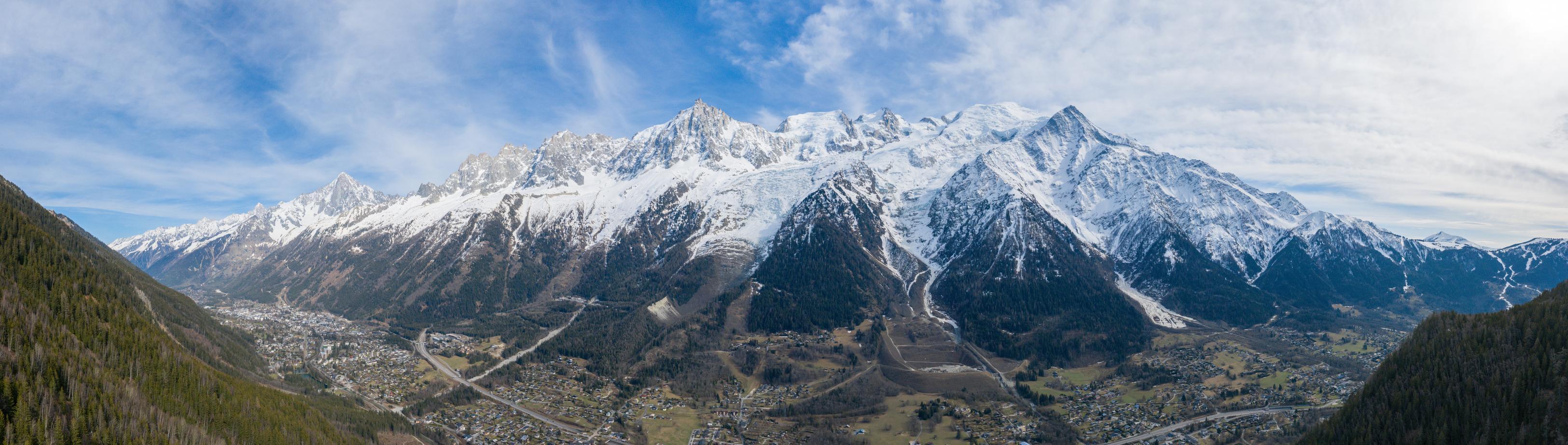
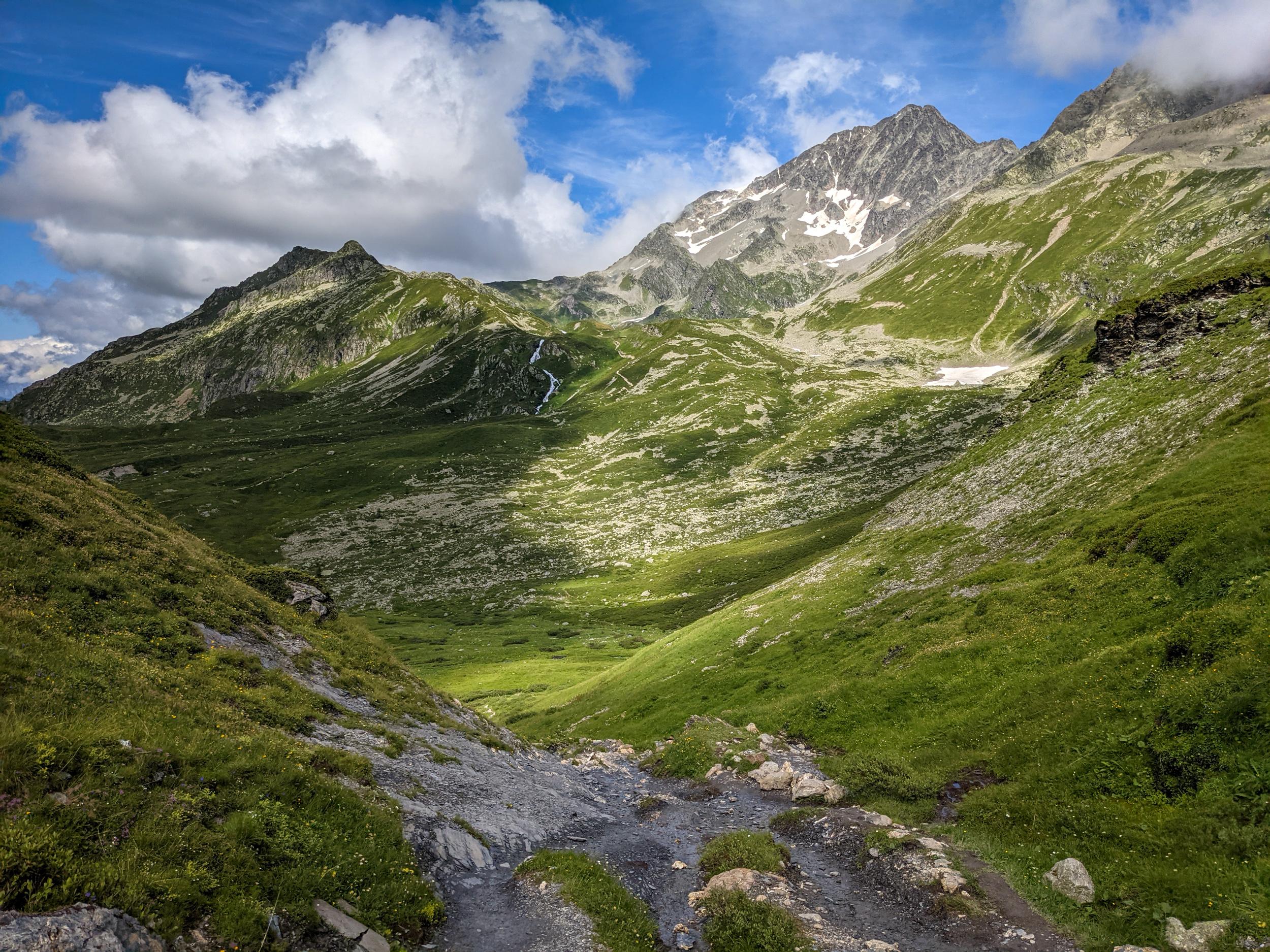
The full circuit of the Tour du Mont Blanc and major alpine passes crossed along the route.
The Tour du Mont Blanc is a continuous circular hiking route around the Mont Blanc massif, the highest mountain range in Western Europe. The circuit links valleys and mountain passes across France, Italy, and Switzerland.
The total distance varies between 165 and 175 kilometers depending on route choices. What makes this route demanding is not a single extreme ascent, but cumulative elevation gain. Over the full circuit, trekkers ascend and descend more than 10,000 vertical meters.
The terrain is structured around repeated valley-to-pass systems. Each typical day includes:
- A morning ascent from valley floor or refuge
- A pass crossing between 2,200 and 2,650 meters
- A descent into the next valley system
This rhythm repeats across the entire circuit.
The route remains below glaciated terrain. While glaciers are visible throughout the trek, the trail itself does not cross active glaciers. Standard hiking equipment is sufficient in normal summer conditions.
The highest commonly crossed point on the classic route is Grand Col Ferret at approximately 2,537 meters. Some high-route alternatives exceed 2,665 meters.
Altitude sickness is not a typical concern due to moderate elevations. However, fatigue from cumulative elevation gain is the primary challenge.
The trail can be walked clockwise or counterclockwise. Most walkers go counterclockwise starting in Les Houches near Chamonix because:
- The elevation gain progression is more gradual in early days.
- Signage is historically oriented this way.
- Logistics from Geneva favor Chamonix access.
However, both directions are operationally viable.
2. Detailed Country-by-Country Route Breakdown
The Tour du Mont Blanc is not a uniform landscape. Each country section has distinct terrain characteristics, infrastructure differences, and accommodation style.
2.1 France Section
The French portion typically includes:
- Les Houches
- Col de Voza
- Les Contamines
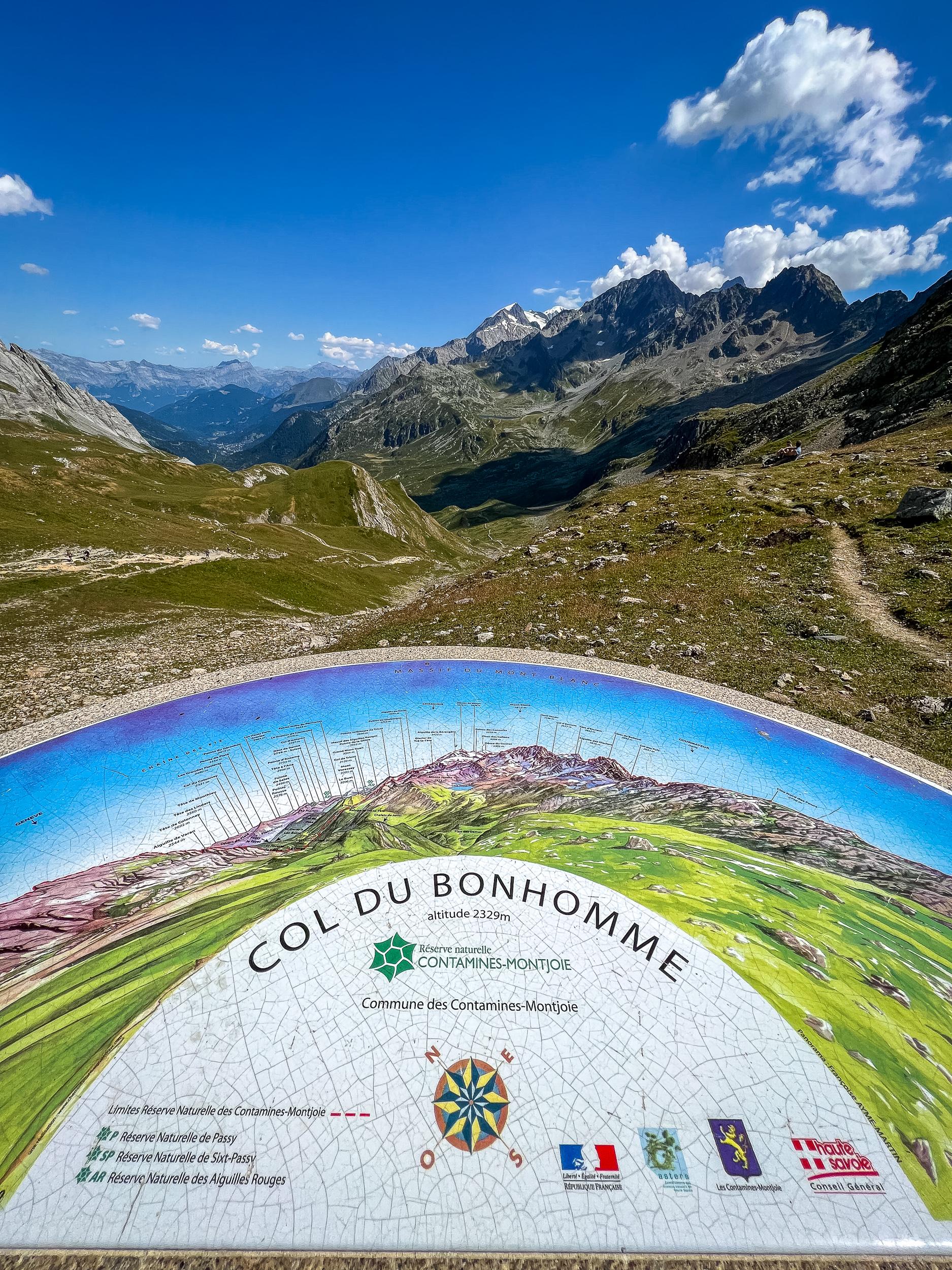
- Col du Bonhomme
- Les Chapieux
- Chamonix Valley
- Argentière
The French segment is physically demanding early in the circuit. The ascent over Col du Bonhomme is long and exposed to weather shifts.
Trail characteristics:
- Forest paths in lower elevations
- Rocky alpine switchbacks above treeline
- Technical footing on some high passes
- Well-marked signage using red and white GR markers
Refuge density is strong in France. Booking competition is highest here during peak season.
Emergency infrastructure is well developed. Helicopter rescue systems are active in the Chamonix region.
Currency used: Euro.
2.2 Italy Section
The Italian portion begins after crossing Col de la Seigne.
It includes:
- Val Veny
- Courmayeur
- Rifugio Bertone
- Rifugio Bonatti
- Italian Val Ferret
This section is often considered one of the most scenic segments of the entire route due to direct frontal views of the Mont Blanc massif.
Terrain characteristics:
- Steeper ascents compared to Switzerland
- Strong southern sun exposure
- Narrower ridge trails in some sections
- Panoramic balcony trails
Courmayeur is a major logistical hub. Many trekkers use it for:
- Rest day
- Gear replacement
- ATM withdrawal
- Hotel upgrade
Italian refuges often provide strong meal quality. Dinner portions are typically larger compared to Swiss refuges.
Currency used: Euro.
2.3 Switzerland Section
The Swiss segment begins at Grand Col Ferret.
It includes:
- La Fouly
- Champex-Lac
- Trient
This section is less rugged than France and Italy but still physically demanding.
Terrain characteristics:
- Rolling alpine meadows
- Wide trails
- Efficient signage
- Organized infrastructure
Switzerland is typically the most expensive segment of the circuit.
Currency used: Swiss Franc.
Some establishments accept Euros, but exchange rates may not be favorable.
3. Route Variants and Decision Points
The Tour du Mont Blanc is not a single rigid path. At multiple points, trekkers must choose between alternative routes.
Example 1: Col des Fours Variant
This high variant replaces the standard Col du Bonhomme descent with a higher and more exposed pass. It requires stable weather and good fitness.
Example 2: Fenêtre d’Arpette
This Swiss high route is steeper and more technical than the Bovine route alternative. It involves rocky terrain and requires strong footing ability.
Example 3: Lac Blanc Extension
This extension provides elevated views over the Chamonix valley and requires additional elevation gain.
High variants:
- Reduce crowd density
- Increase elevation gain
- Increase weather exposure
- Should not be attempted in unstable weather
Choosing between variants requires:
- Daily weather evaluation
- Honest fitness assessment
- Knowledge of bailout options
4. Daily Stage Structuring and Realistic Walking Analysis
Many commercial itineraries list daily walking times between 5 and 7 hours. In reality, walking time depends on:
- Fitness level
- Pack weight
- Weather conditions
- Trail congestion
- Photo stops
- Lunch breaks
A typical strong hiker will average:
- 4 km per hour on flat terrain
- Slower pace during sustained ascents
Elevation gain significantly reduces speed.
For example:
A 15 km day with 1,100 meters elevation gain may take 7 to 8 hours including breaks.
Descent fatigue is a major issue. Knee strain accumulates across days.
Poles significantly reduce joint stress.
5. Accommodation System in Operational Detail
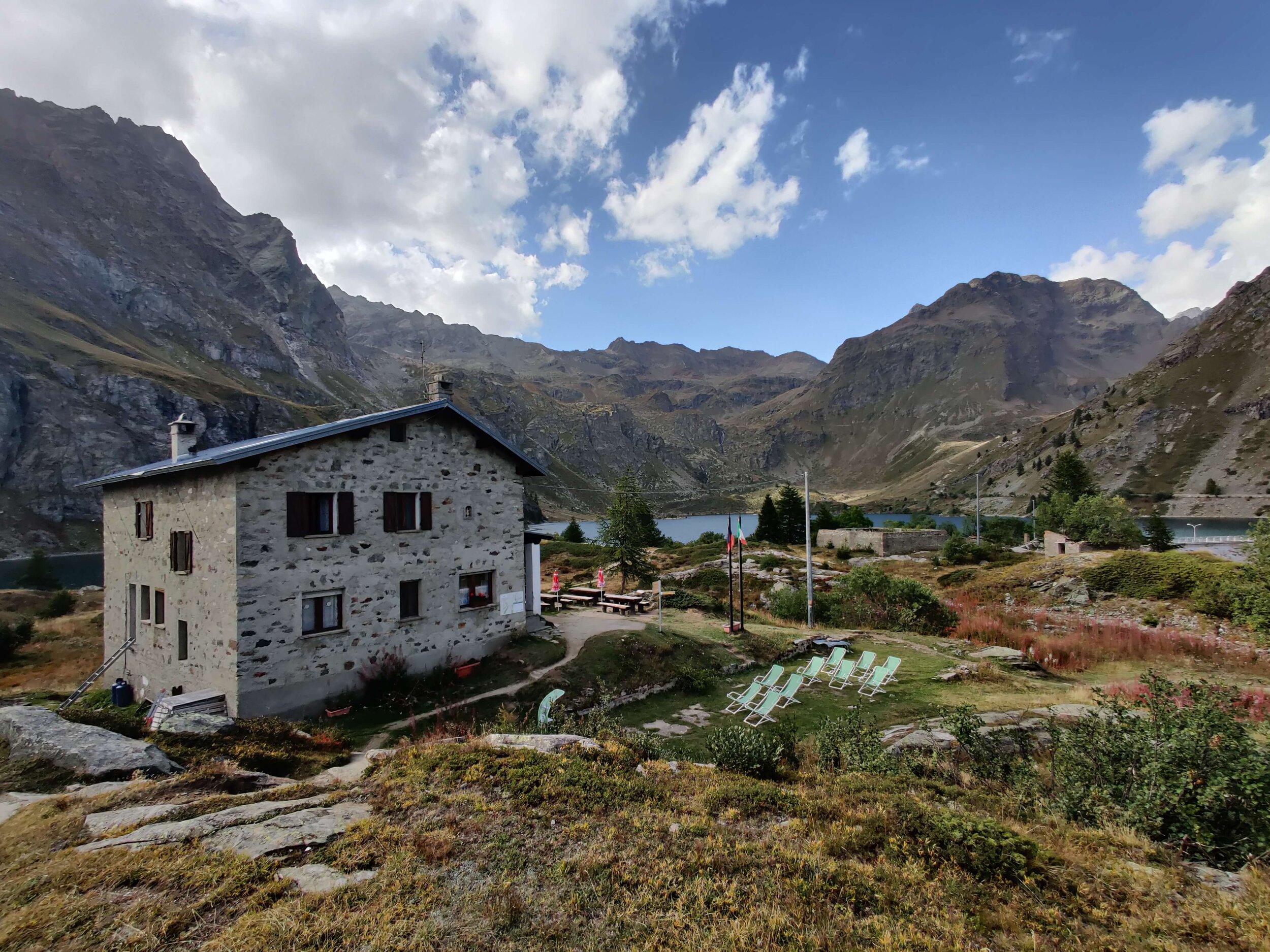
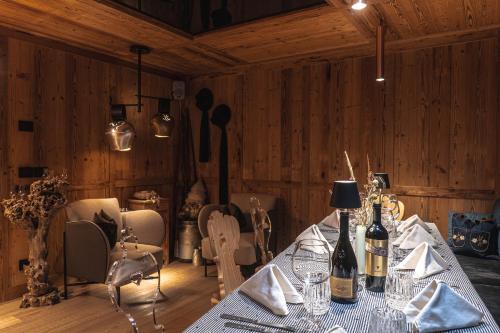
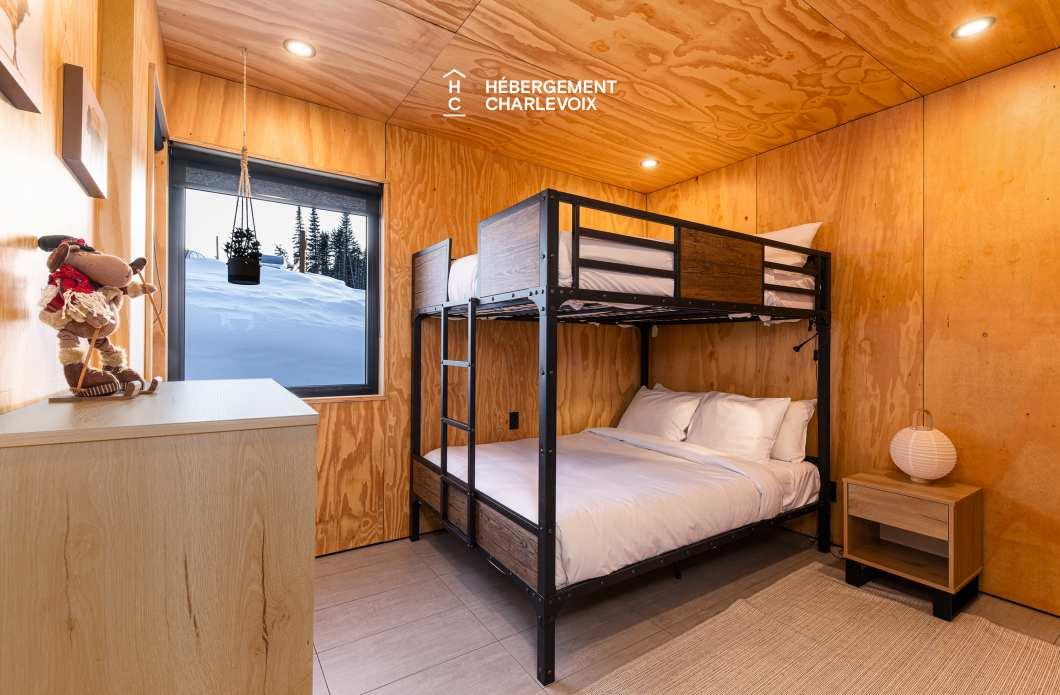
Typical dormitory accommodation and dining facilities in alpine mountain refuges.
Accommodation falls into three primary categories:
- Mountain refuges
- Gîtes and auberges
- Alpine hotels
Refuges are the most common choice for continuous trekking flow.
Refuge Structure:
- Dormitory sleeping arrangements
- 6 to 20 beds per room
- Shared bathrooms
- Fixed dinner time
- Fixed breakfast time
Half-board is standard. This means dinner and breakfast are included.
Showers:
- Often coin-operated
- Sometimes limited hot water
- Occasionally unavailable during water shortages
Electricity:
- Limited charging outlets
- Some refuges shut power overnight
Payment:
- Cash preferred in many remote refuges
- Cards accepted more frequently in larger refuges
- Advance booking mandatory in peak season
Booking Timing:
For July and August:
Reservations should be secured 2 to 4 months in advance.
Cancellation policies vary. Many require partial payment in advance.
Private rooms are limited and booked first.
Hotel upgrades are possible in larger towns such as:
- Chamonix
- Courmayeur
- Champex
6. Food Logistics, Meal Structure, and Dietary Realities
Food planning on the Tour du Mont Blanc must be structured around the refuge system and the spacing of mountain towns. This is not a wilderness expedition where you carry food for multiple days, but it is also not a continuous restaurant-access environment.
6.1 Refuge Half-Board System
Most mountain refuges operate on a half-board model. This means:
- Dinner is served at a fixed time, usually between 18:30 and 19:30.
- Breakfast is served early, typically between 06:30 and 07:30.
- Meals are communal.
- Seating is often assigned.
Dinner generally includes:
- A soup starter
- A main course (pasta, meat, stew, or regional dish)
- Dessert (cake, yogurt, fruit, or pudding)
Portion sizes vary by country. Italian refuges are often more generous. Swiss refuges may be more minimal but organized.
You do not choose from a menu in most refuges. A fixed meal is prepared for all guests. Special dietary needs must be declared at booking.
6.2 Dietary Limitations
Vegetarian meals are usually possible with prior notice.
Vegan meals are more difficult in remote refuges. Strict vegans must confirm individually with each refuge.
Gluten-free options are inconsistent. Some refuges can accommodate this; others cannot guarantee cross-contamination safety.
Nut allergies and severe food allergies must be communicated clearly in advance.
There is limited flexibility once you arrive. If you do not notify the refuge ahead of time, alternatives may not be available.
6.3 Lunch Planning
Lunch is not included in half-board.
Options include:
- Purchasing a packed lunch from the refuge the night before.
- Buying food in town before departure.
- Carrying snacks purchased earlier in the route.
Packed lunch cost:
Typically €12 to €18.
Packed lunches often include:
- Sandwich
- Fruit
- Chocolate bar
- Juice
Towns such as Chamonix, Courmayeur, and Champex offer grocery stores where you can restock snacks.
Between remote refuge-to-refuge days, you may not encounter shops. Always confirm the next reliable resupply point.
6.4 Daily Caloric Reality
Expect to burn between 3,000 and 4,000 calories per day.
Under-eating leads to cumulative fatigue. Carrying high-energy snacks is recommended:
- Nuts
- Energy bars
- Chocolate
- Dried fruit
Hydration is equally critical and discussed next.
7. Water Management and Hydration Strategy
Water is accessible but must be managed correctly.
7.1 Refuge Water Access
Refuges provide potable tap water. However:
- Some charge small fees for refilling bottles.
- Some discourage excessive filling due to supply limitations.
- Water may come from mountain sources treated locally.
Always confirm water safety if uncertain.
7.2 Natural Water Sources
Mountain streams are common along the trail.
However:
- Livestock graze in alpine pastures.
- Bacterial contamination is possible.
- Glacial meltwater may carry sediment.
Using a water purification method is strongly recommended.
Options include:
- Filter bottle
- Chemical tablets
- UV purifier
Many trekkers drink directly from high streams without treatment, but this carries risk.
7.3 Daily Carry Capacity
Typical recommended capacity:
1.5 to 2 liters.
On hot Italian sections with strong sun exposure, carry closer to 2 liters.
Water sources are generally available every few hours, but you should not rely on this without checking the next stage details.
8. Complete Cost Modeling and Financial Planning
This section breaks down realistic budget expectations.
8.1 Independent Trekker Budget (10–11 Days)
Accommodation (Refuge Half Board):
€60 average × 10 nights = €600
Lunch and Snacks:
€20 average × 10 days = €200
Transport (Geneva to Chamonix return):
€60 to €120
Luggage Transfer (Optional):
€35 to €50 per day × 8 transfer days
Total: €280 to €400
Incidentals:
Showers, drinks, coffee: €100 to €150
Estimated Total Without Luggage Transfer:
€960 to €1,150
Estimated Total With Luggage Transfer:
€1,250 to €1,600
Hotel upgrades increase total cost significantly.
8.2 Guided Trek Cost Structure
Guided packages typically range between:
€2,200 and €3,500
What increases price:
- Hotel-based accommodation
- Smaller group size
- Included luggage transfer
- Certified International Mountain Leader
- Pre-booked logistics
- Emergency management coverage
8.3 Currency Considerations
France and Italy use Euro.
Switzerland uses Swiss Franc.
Credit cards are widely accepted in towns. Remote refuges may require cash.
ATM access is reliable in:
- Chamonix
- Courmayeur
- Larger Swiss villages
Do not rely on ATM availability in small alpine settlements.
9. Luggage Transfer System
Luggage transfer services are widely used by self-guided trekkers.
Mechanism:
- You leave your main bag at the accommodation each morning.
- A logistics company transports it to your next night’s accommodation.
- You hike with a daypack only.
Limitations:
- Not available to every refuge.
- Some remote huts are inaccessible by vehicle.
- Weight limits typically 15 kilograms.
- Must be booked in advance.
Cost averages:
€35 to €50 per stage.
This significantly improves comfort but increases total budget.
10. Independent Planning Step-by-Step
Planning must follow a structured order.
- Decide direction (clockwise or counterclockwise).
- Select duration (9, 10, 11, or 12 days).
- Fix daily stage endpoints.
- Confirm refuge availability for each night.
- Secure bookings in sequence.
- Arrange airport transfer.
- Arrange luggage transfer if desired.
- Purchase travel insurance.
- Download GPX route.
- Prepare backup weather contingency days.
Do not book flights before confirming accommodation availability during peak season.
11. Guided vs Independent Operational Comparison
Independent Trek Advantages:
- Lower cost
- Flexible pacing
- Personal itinerary control
Independent Trek Risks:
- Booking complexity
- Weather decision responsibility
- Route selection stress
- No professional safety oversight
Guided Trek Advantages:
- Professional route judgment
- Real-time weather adaptation
- Emergency coordination
- Group support
- Simplified logistics
Guided Trek Limitations:
- Higher cost
- Less flexibility
- Fixed group pace
Choosing between the two depends on:
- Experience in alpine terrain
- Comfort with self-navigation
- Budget tolerance
- Risk tolerance
12. Month-by-Month Seasonal and Weather Analysis
Understanding the seasonal window is critical. The Tour du Mont Blanc is not a year-round trekking route in its classic form. Snowpack, refuge opening dates, and mountain weather patterns determine feasibility.
12.1 Late June
This is the early operational window.
Conditions:
- Snow often remains on high passes such as Col du Bonhomme and Grand Col Ferret.
- High variants may still be unsafe.
- Some refuges may not yet be fully open.
- Daytime temperatures range between 10°C and 18°C at elevation.
- Nights are cold, often near 0°C above 2,000 meters.
Risks:
- Slippery snow patches on north-facing slopes.
- Route markings partially obscured by snow.
- Increased difficulty on high route variants.
This period is suitable only for strong hikers comfortable with residual snow travel.
12.2 July
Operational stability increases significantly.
Conditions:
- Most refuges open.
- Snow largely melted from classic passes.
- Wildflowers in alpine meadows.
- Daytime temperatures 15°C to 25°C.
- Stable mornings with possible afternoon thunderstorms.
Crowds increase quickly after the first two weeks of July.
This is one of the most reliable trekking months.
12.3 August
Peak operational season.
Conditions:
- Fully open refuge network.
- Warmest temperatures of the year.
- Strong sun exposure, particularly on Italian sections.
- Frequent afternoon thunderstorms.
Challenges:
- High crowd density.
- Booking difficulty.
- Limited last-minute accommodation flexibility.
This month offers stable hiking conditions but requires early reservations.
12.4 September
Shoulder season with reduced traffic.
Conditions:
- Cooler nights.
- Daytime temperatures 10°C to 20°C.
- Reduced thunderstorm frequency.
- Clearer visibility after summer haze.
Risks:
- Some refuges begin closing mid to late September.
- Shorter daylight hours.
- Increased weather variability late in the month.
For many experienced hikers, early September is the optimal balance between stability and reduced congestion.
13. Snowpack and Early Season Hazard Management
Snow is the primary seasonal hazard.
North-facing slopes retain snow longer. Even when valleys are green, shaded passes may hold compact snow fields.
Risk factors:
- Slipping without traction.
- Misjudging trail alignment under snow.
- Increased fatigue navigating unstable surfaces.
Microspikes may be useful in late June or early July in heavy snow years.
If snow remains significant:
- Avoid high-route variants.
- Use the lower standard trail.
- Confirm refuge staff reports before departure each morning.
14. Weather Systems and Storm Behavior
Alpine weather behaves predictably in patterns:
- Clear mornings
- Cloud build-up after midday
- Thunderstorm cells in afternoon
Storm characteristics:
- Sudden temperature drop
- Lightning risk on exposed ridges
- Heavy rainfall
- Reduced visibility
Strategy:
- Start hiking early.
- Cross high passes before early afternoon.
- Carry waterproof layers at all times.
Wind exposure increases significantly on high ridges and passes.
15. Insurance and Evacuation Reality
Travel insurance is not optional.
Insurance must explicitly cover:
- Mountain trekking above 2,000 meters
- Helicopter evacuation
- Emergency medical treatment abroad
Rescue infrastructure exists across all three countries.
Emergency numbers:
France: 112
Italy: 112
Switzerland: 144
Helicopter evacuation costs can exceed €5,000 to €15,000 depending on location and complexity.
Without insurance, full payment responsibility lies with the individual.
Refuge wardens coordinate rescue in serious cases.
Mobile coverage:
- Strong in valleys.
- Weak or absent on remote high passes.
- Improves near major towns.
International roaming charges may apply depending on nationality.
Offline navigation is strongly recommended.
Options:
- GPX files downloaded to smartphone apps.
- Dedicated GPS device.
- Physical topographic map as backup.
Trail markings are generally excellent:
- Red and white stripes (GR markers)
- Directional signposts at junctions
- Time estimates listed on signs
However, fog can reduce visibility to a few meters.
Navigation errors usually occur in:
- Snow-covered sections
- Fog conditions
- High-route variants with less traffic
17. Common Injury Patterns and Failure Points
The most common issues are not dramatic accidents but cumulative strain.
17.1 Knee Strain
Downhill descents cause repetitive impact stress.
Prevention:
- Use trekking poles.
- Strengthen quadriceps before trip.
- Descend with controlled pace.
17.2 Blisters
Improper footwear preparation is a common mistake.
Boots must be fully broken in before arrival.
Moisture management:
- Use moisture-wicking socks.
- Carry spare dry pair.
17.3 Overexertion in Early Days
Starting too aggressively leads to exhaustion later in the circuit.
Pacing must be conservative during the first three days.
17.4 Dehydration
High altitude sun and steady exertion increase fluid loss.
Drink regularly even when not thirsty.
18. Typical Mistakes First-Time Trekkers Make
- Booking flights before securing refuge reservations.
- Underestimating cumulative elevation gain.
- Carrying excessive pack weight.
- Ignoring weather forecast updates.
- Attempting high variants in unstable weather.
- Failing to carry cash for remote refuges.
- Not checking cancellation policies.
Avoiding these mistakes significantly improves success rate.
19. Final Expert Operational Evaluation
The Tour du Mont Blanc is not technically extreme. It is logistically structured, infrastructure-supported, and navigationally clear in normal conditions.
However, it demands:
- Physical endurance
- Advance reservation discipline
- Weather awareness
- Realistic pacing
- Structured planning
Its commercial reliability is strong because:
- No technical climbing required
- No special trekking permit required
- Predictable seasonal window
- Mature refuge network
- Multiple itinerary flexibility options
For detailed itinerary structuring, refuge booking strategy, guided versus independent evaluation, or complete end-to-end planning consultation for the Tour du Mont Blanc, contact us for professional advisory support tailored to your schedule and fitness level.
2. Understanding the Cost Structure of the Tour du Mont Blanc
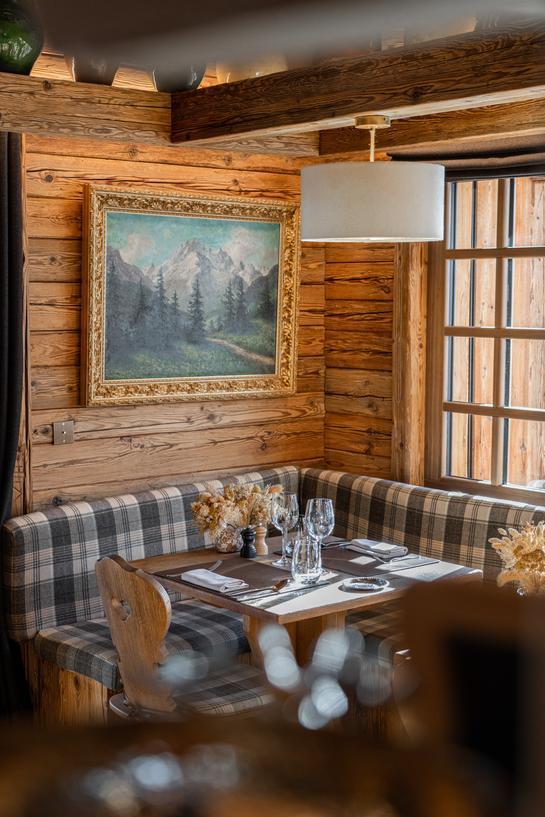
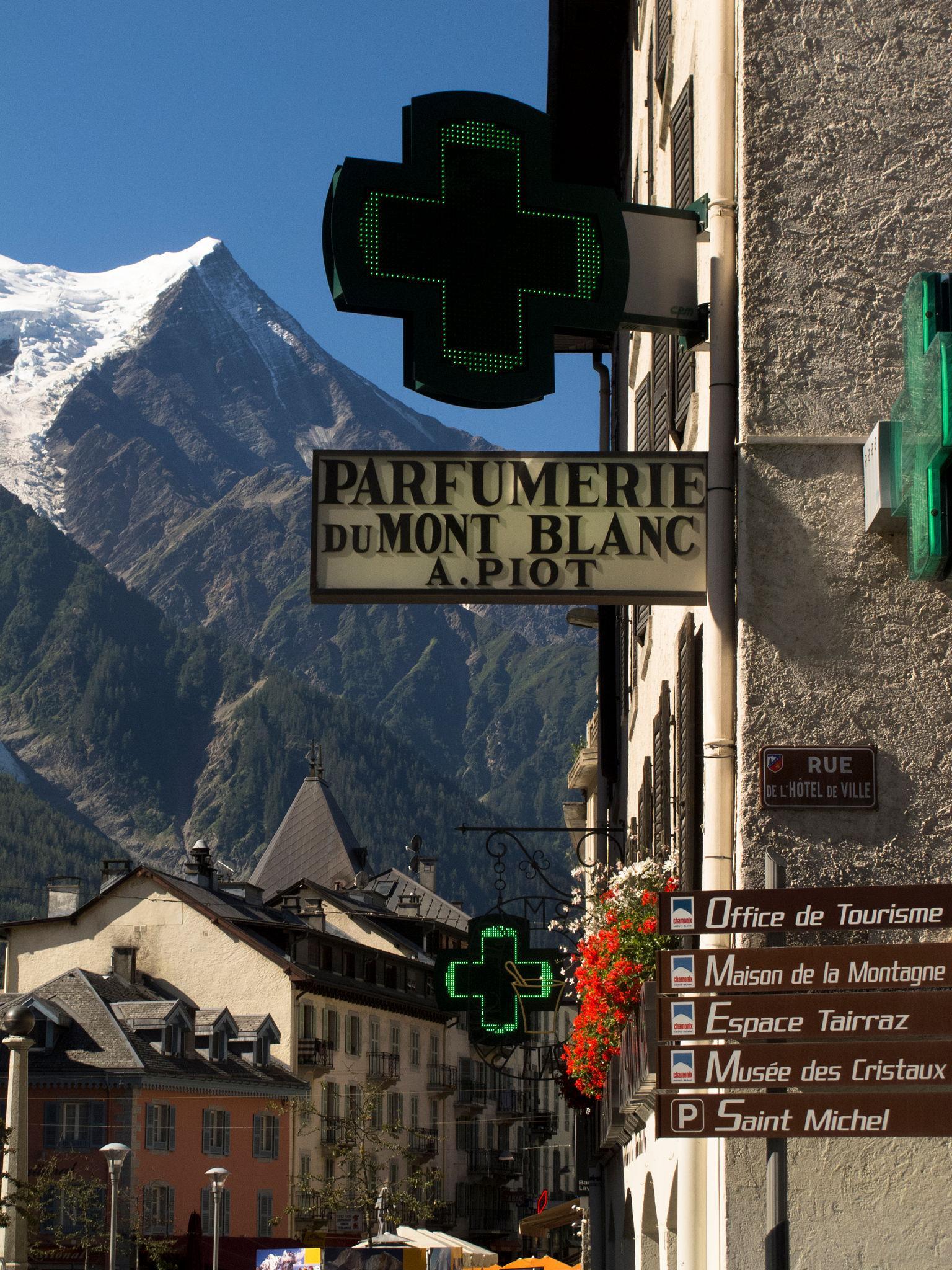
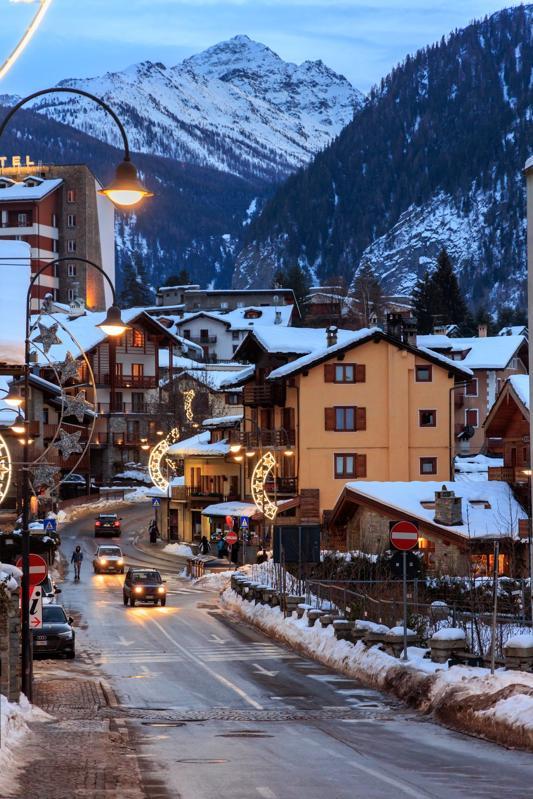
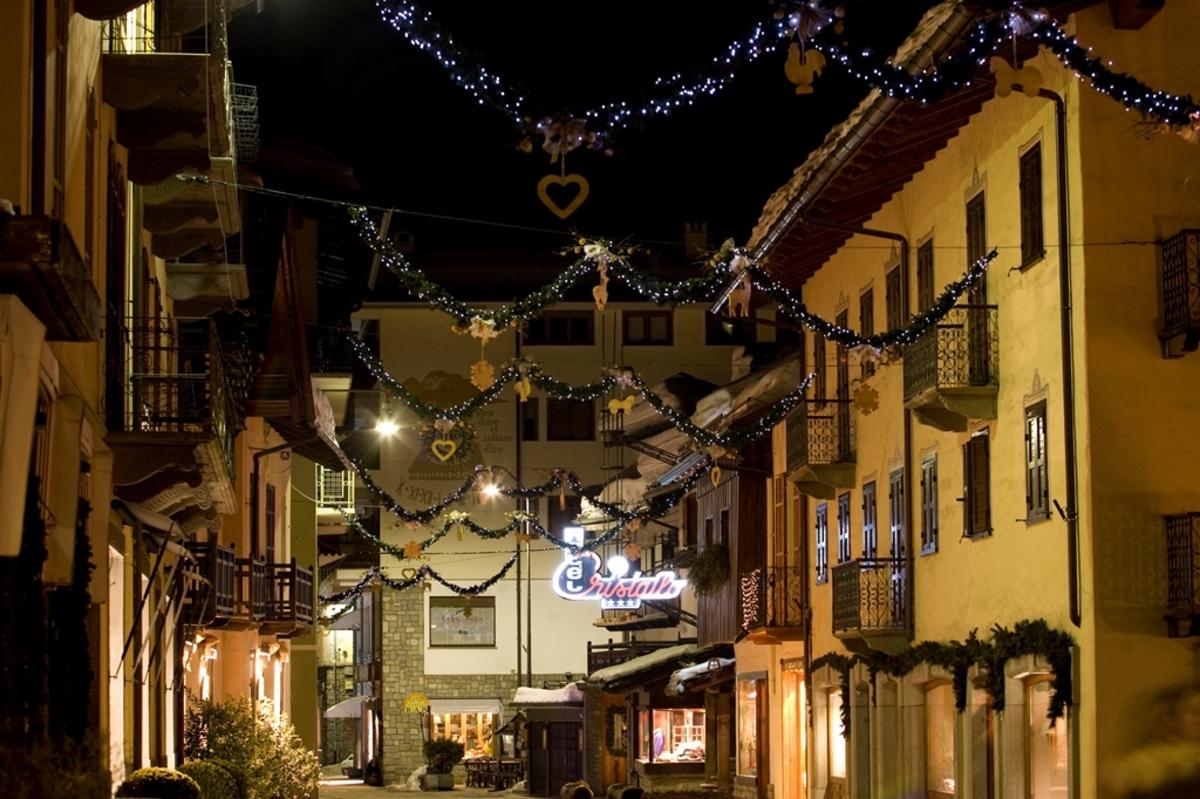
Accommodation types and alpine towns that influence overall trekking cost.
The cost of completing the Tour du Mont Blanc depends on five major variables:
- Duration of itinerary
- Accommodation category
- Use of luggage transfer
- Independent vs guided format
- Seasonal timing
A standard circuit takes between 9 and 12 days. Most cost modeling below is based on a 10 or 11-day structure, which is the most commercially common format.
Costs vary significantly between France, Italy, and Switzerland. Switzerland is consistently the most expensive segment.
2.1 Mountain Refuge Half-Board Pricing
Refuge pricing generally includes:
- Bed in dormitory
- Dinner
- Breakfast
Average pricing per country:
France:
€55 to €70 per person per night
Italy:
€55 to €75 per person per night
Switzerland:
CHF 70 to CHF 95 per person per night
Equivalent approximately €70 to €95 depending on exchange rate
Private rooms, where available, can cost:
€80 to €140 per person per night depending on size and availability.
Refuge prices increase slightly in peak season.
For a 10-night circuit using refuges:
Estimated total:
€600 to €800
2.2 Hotel-Based Trekking Costs
Some trekkers prefer hotel accommodation in valley towns.
Typical hotel pricing:
France:
€90 to €150 per room per night
Italy:
€100 to €180 per room per night
Switzerland:
CHF 140 to CHF 220 per room per night
Hotel-based trekking increases the total accommodation cost by approximately €300 to €600 over the full circuit compared to refuge-only strategy.
However, hotels offer:
- Private bathrooms
- Better sleep quality
- Luggage storage flexibility
- Greater dietary flexibility
3. Food and Daily Consumption Costs
Lunch and snacks are not included in half-board.
Average lunch cost:
Packed lunch from refuge:
€12 to €18
Self-purchased groceries:
€8 to €15 per day
Restaurant lunch in town:
€18 to €30
Coffee pricing:
€2.50 to €5 depending on location
Beer or soft drinks in refuge:
€4 to €7
Total estimated daily non-included food cost:
€15 to €25 per day
For 10 days:
€150 to €250
4. Transportation Cost Breakdown
4.1 International Arrival
Most travelers arrive via Geneva Airport.
Airport to Chamonix shuttle:
€30 to €50 one way
Return transfer:
€60 to €100 round trip
Private transfer:
€180 to €250 depending on group size
4.2 Internal Transport During Trek
Occasional optional transport may include:
- Bus between Les Houches and Chamonix
- Valley shuttle in Switzerland
- Cable car options (if used for route variation)
Budget €30 to €80 for incidental local transport.
5. Luggage Transfer Cost Modeling
Luggage transfer significantly changes budget.
Average cost per transfer:
€35 to €50 per stage
If used for 8 stages:
€280 to €400 total
Not all refuges are vehicle-accessible. On those days, luggage cannot be transferred.
Luggage transfer companies require:
- Pre-booked itinerary
- Fixed accommodation
- Weight limits around 15 kg
This service reduces physical strain but increases cost by approximately 25–35 percent for independent trekkers.
6. Independent Trek Total Cost Models
6.1 Budget-Oriented Model (Refuge Only, No Luggage Transfer)
Accommodation:
€650 average
Food and snacks:
€200
Transport:
€80
Incidentals:
€120
Estimated Total:
€1,050
6.2 Mid-Range Model (Refuge + Luggage Transfer)
Accommodation:
€650
Food:
€200
Transport:
€80
Luggage transfer:
€350
Incidentals:
€150
Estimated Total:
€1,430
6.3 Hotel Hybrid Model
Accommodation:
€1,100
Food:
€250
Transport:
€100
Incidentals:
€200
Estimated Total:
€1,650 to €1,900
These estimates exclude international airfare.
7. Guided Trek Cost Structure Explained
Guided packages typically range from:
€2,200 to €3,500 per person
Premium hotel-based guided packages may exceed €4,000.
Guided cost includes:
- Certified International Mountain Leader
- Accommodation coordination
- Some meals
- Route management
- Emergency support
- Group logistics
What increases price:
- Small group size
- High-end hotels
- Private transfers
- Peak season departures
8. Currency and Payment Planning
France and Italy operate in Euro.
Switzerland operates in Swiss Franc.
Many Swiss establishments accept Euro but often at less favorable exchange rates.
Best practice:
- Carry a small amount of Swiss Franc.
- Carry €200 to €300 cash for refuge payments and small purchases.
- Use credit card in larger towns.
ATMs available in:
- Chamonix
- Courmayeur
- Larger Swiss villages
Do not assume ATM access in remote mountain villages.
9. Seasonal Price Variation
June:
Slightly lower demand. Some refuges not fully open.
July and August:
Highest pricing and lowest availability flexibility.
September:
Similar pricing but slightly better availability.
Last-minute booking in peak season often results in:
- Hotel upgrades required
- Higher total cost
- Longer stage distances due to availability gaps
10. Hidden Costs Trekkers Often Miss
- Travel insurance
- Gear replacement before trip
- Extra rest night before departure
- Additional hotel night if flight times misalign
- Showers in refuges
- Beverage purchases
- ATM withdrawal fees
- Currency exchange losses
A realistic additional buffer:
€150 to €250 beyond core budget.
11. 7-Day vs 10-Day vs 12-Day Cost Impact
Shorter itineraries reduce accommodation cost but increase daily physical strain.
7-day fast itinerary:
Higher likelihood of hotel upgrades due to stage compression.
12-day slower itinerary:
Higher accommodation cost but lower daily fatigue risk.
Financial difference between 10-day and 12-day circuit:
Approximately €120 to €180 additional for two extra nights.
12. Budget Strategy Recommendations
If cost-sensitive:
- Choose refuge-only itinerary.
- Avoid luggage transfer.
- Travel in early July or early September.
- Book 3 to 4 months in advance.
- Limit beverage purchases in refuges.
If comfort-oriented:
- Use luggage transfer.
- Add hotel nights in Courmayeur and Chamonix.
- Choose guided option for simplified logistics.
13. Professional Cost Assessment
The Tour du Mont Blanc remains one of the most financially predictable multi-day alpine treks in Europe.
Independent trekkers should realistically budget:
€1,100 to €1,600 total
Guided trekkers should realistically budget:
€2,200 to €3,500
The route offers strong value relative to infrastructure quality, safety standards, and multi-country experience.
For customized cost modeling based on your fitness level, preferred accommodation type, and season of travel, contact us for professional budget consultation and itinerary structuring support.
Image Credits
Mountain refuge dining room Alps
Chamonix town center shops
Courmayeur Italy town street
Champex-Lac Switzerland village center
The information in this guide is intended for general planning purposes only. Trail conditions, permit requirements, costs, and access routes can change due to weather, seasonal closures, or local regulations. The itinerary provided is a suggested framework and may need to be adjusted based on your fitness level, acclimatization, and conditions on the ground. Always consult a local guide or trekking agency before departing and verify current conditions with authorities or affiliated company.
![K2 Base Camp Trek: Ultimate Guide k2 Trek 2026 [UPDATED]](https://karakoramdiaries.com/storage/ultimate-guide-to-k2-base-camp-trek-full-document-150x150.png)