Tour du Mont Blanc Complete Tour Guide
Table of contents [Show]
Overview, Location, History & Why It Is One of Europe’s Best Treks
Introduction – What Is the Tour du Mont Blanc?
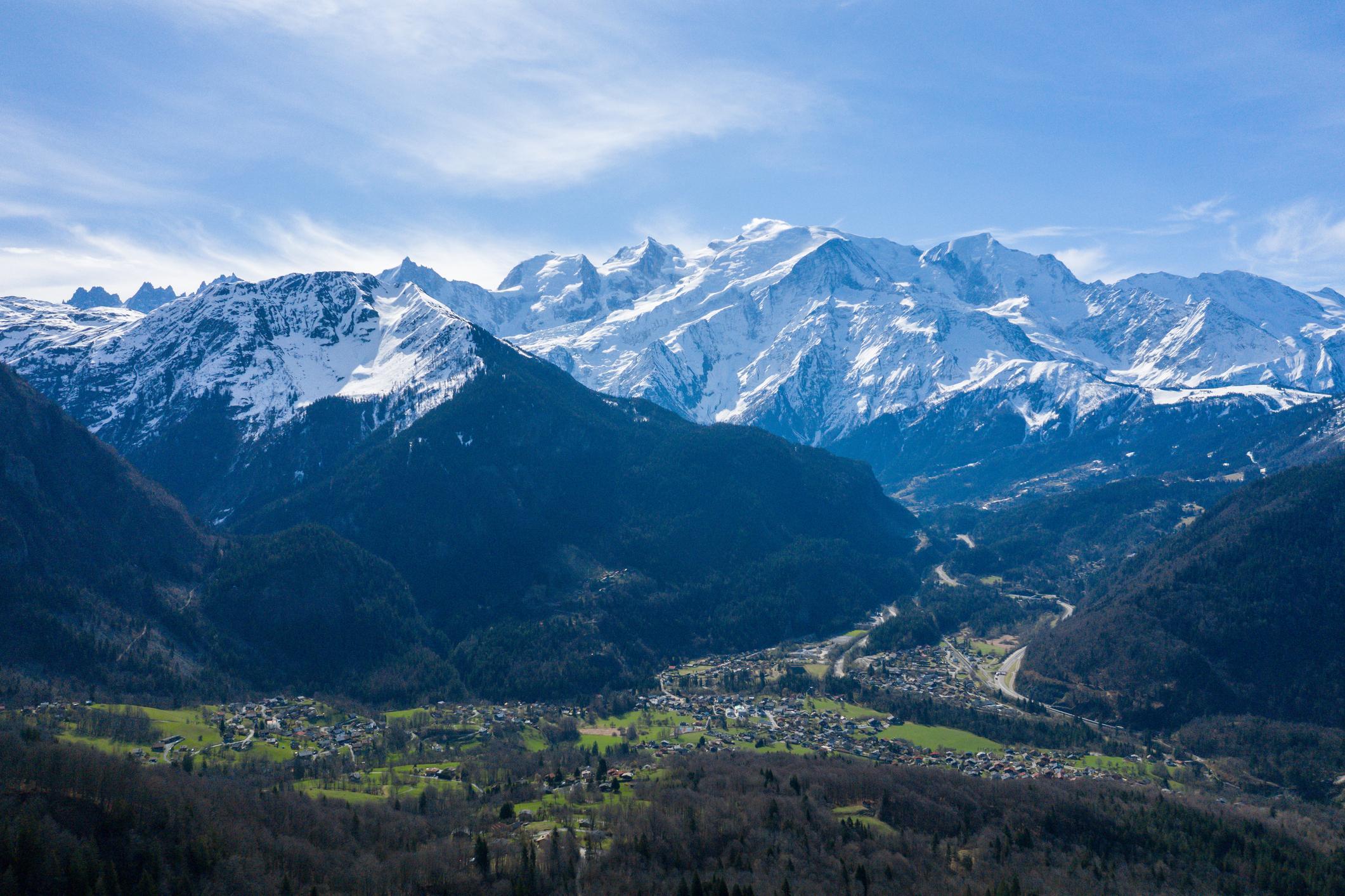
The Tour du Mont Blanc, often called the TMB, is one of the most famous long-distance hikes in the world. It circles the Mont Blanc, the highest mountain in Western Europe.
Unlike Everest Base Camp or Kilimanjaro, this is not a high-altitude expedition. It is a multi-day alpine trek that passes through mountain valleys, glaciers, forests, and traditional villages across three countries.
The full circuit usually takes 10 to 12 days, depending on pace and route variation.
Where Is the Tour du Mont Blanc Located?
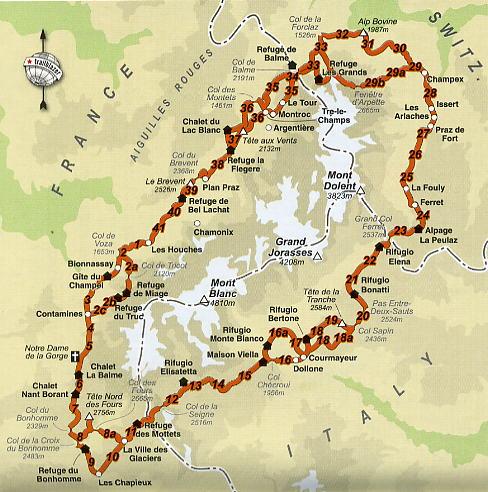
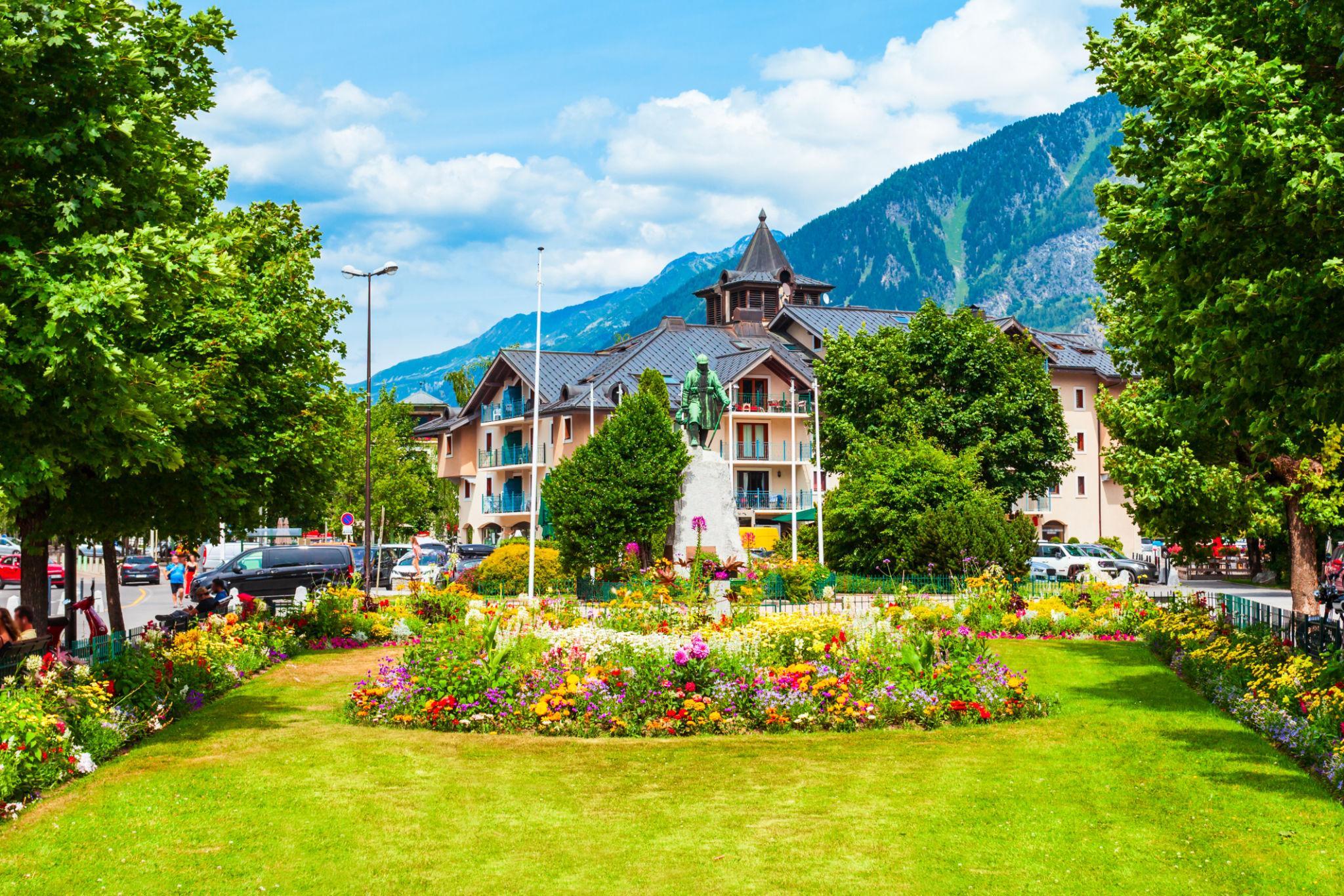
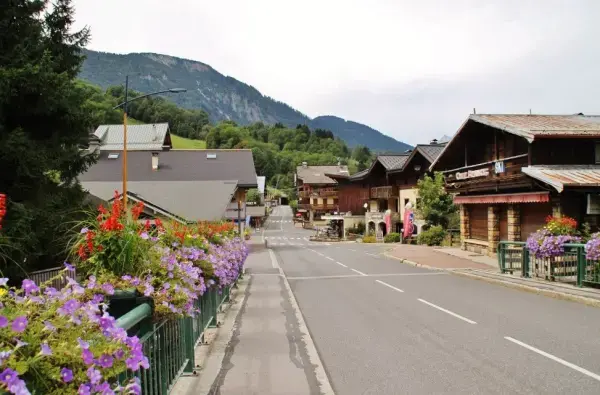
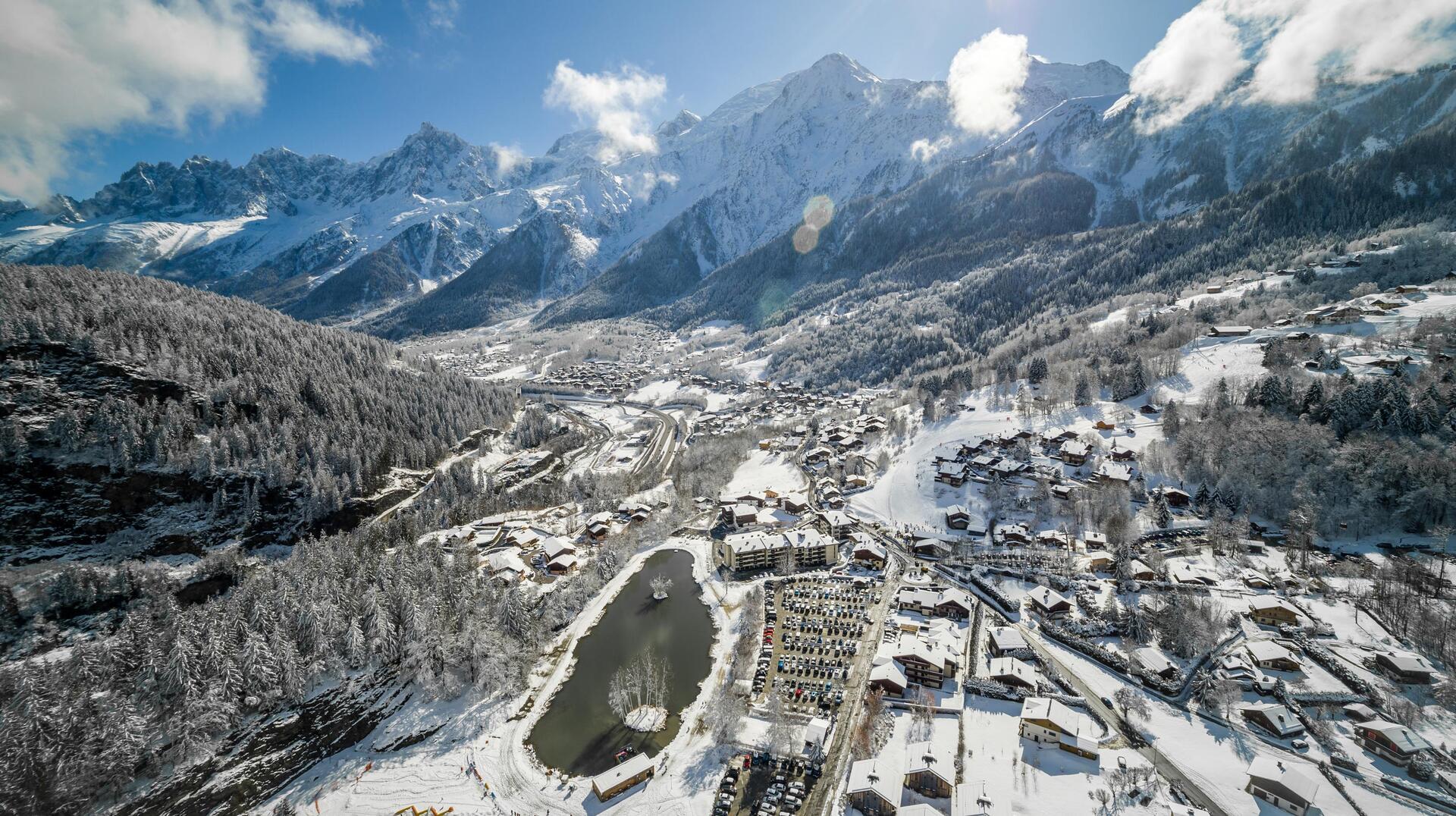
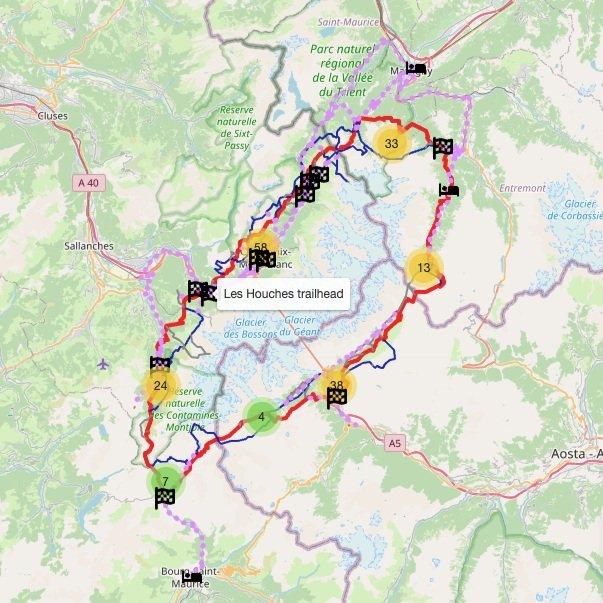
Route map of the TMB and Chamonix, the most common starting point
The trek loops around the Mont Blanc massif through:
• France
• Italy
• Switzerland
Most people start and finish in Chamonix, which is easily accessible from Geneva Airport in Switzerland.
The trail is well-marked and passes through famous alpine villages such as:
• Les Houches
• Courmayeur
• Champex-Lac
It forms a complete circular route around Mont Blanc.
Historical Background of the Route
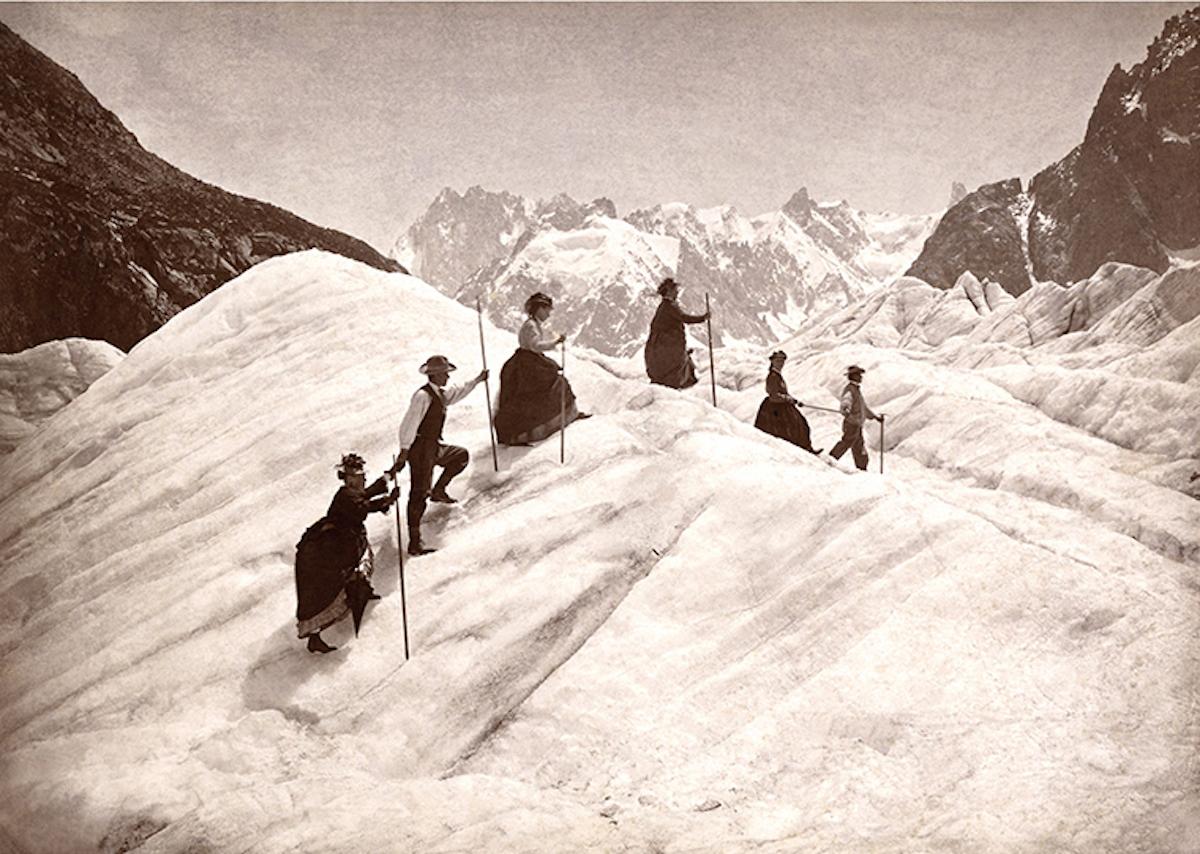
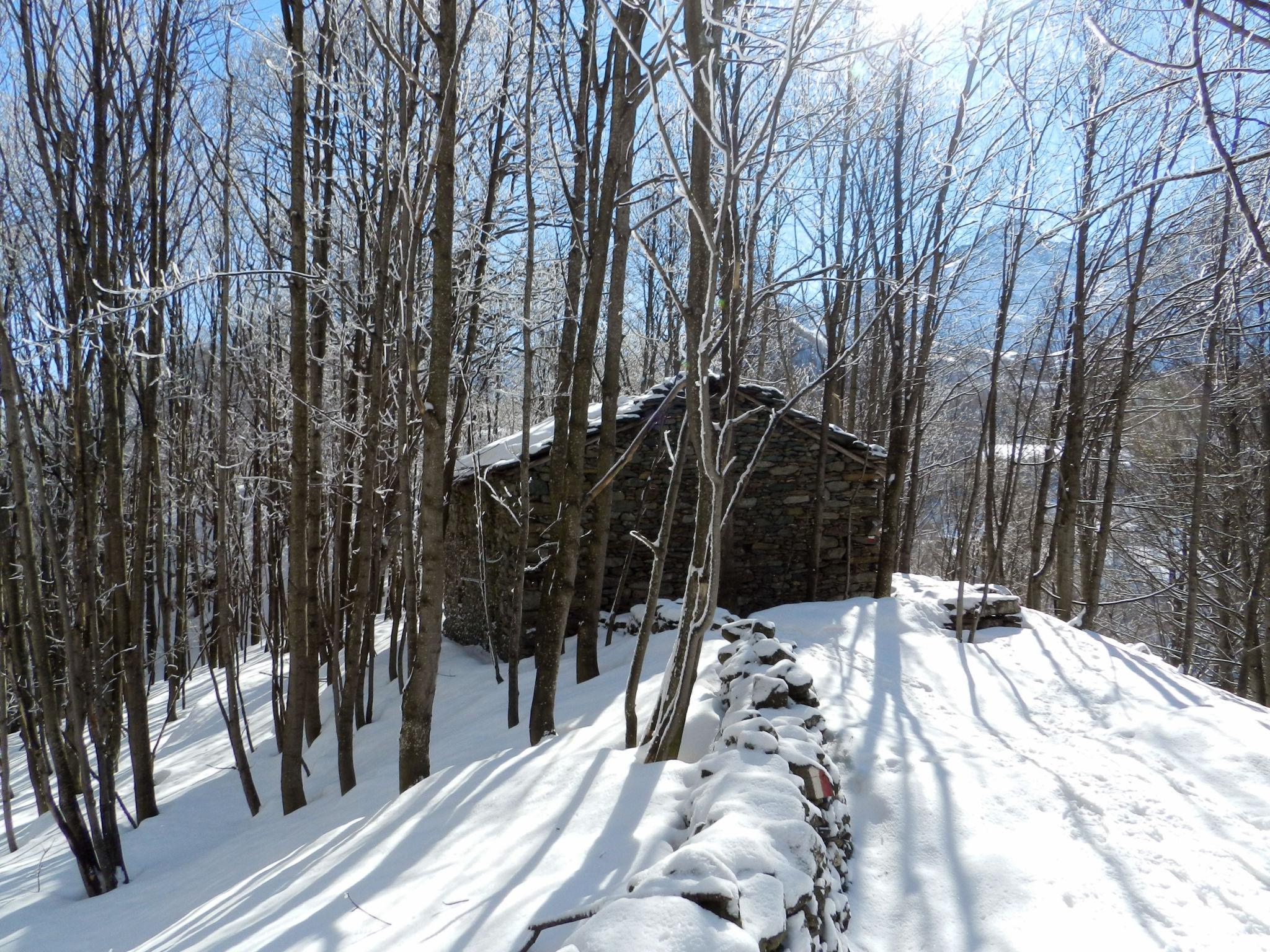
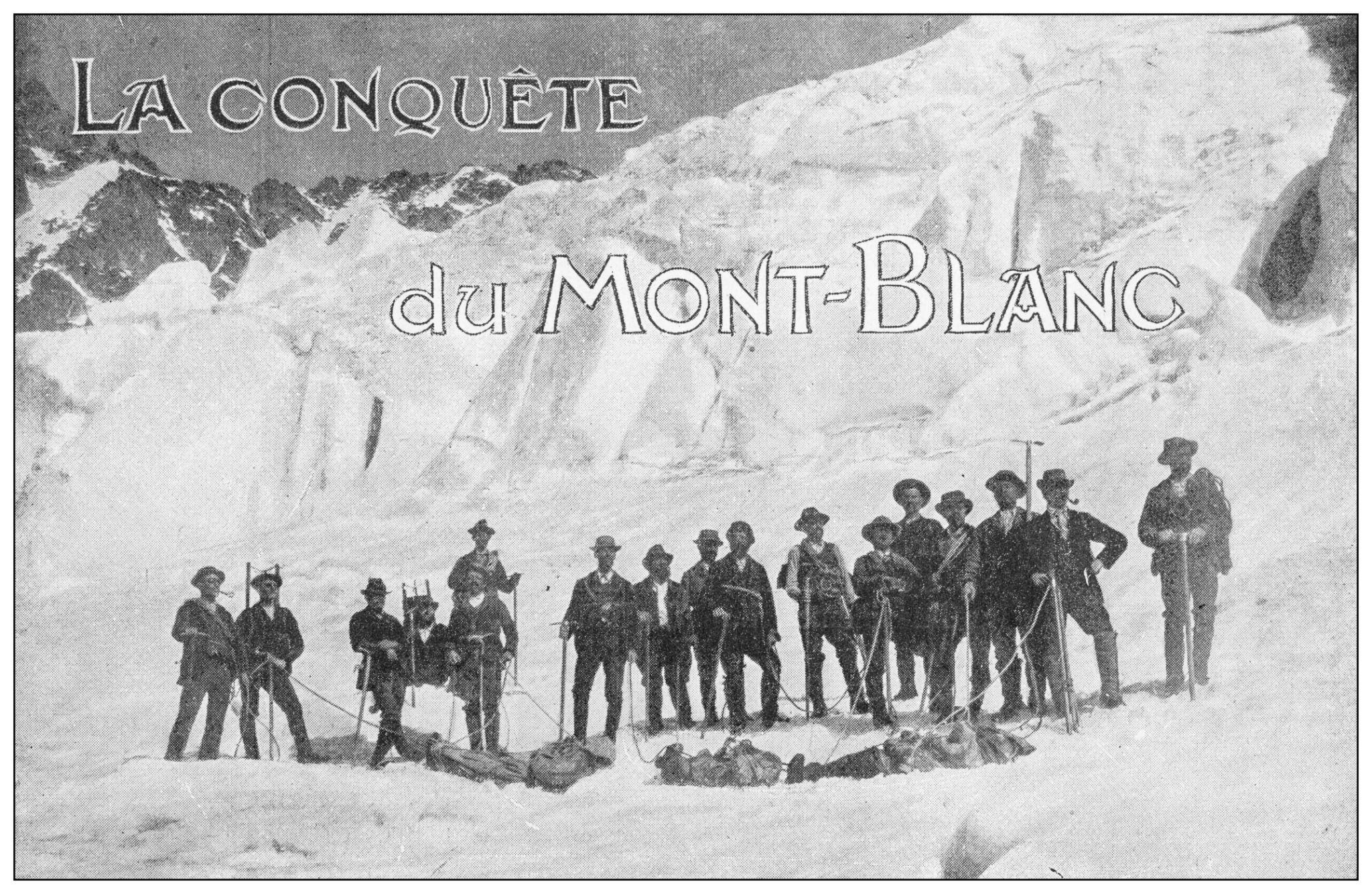
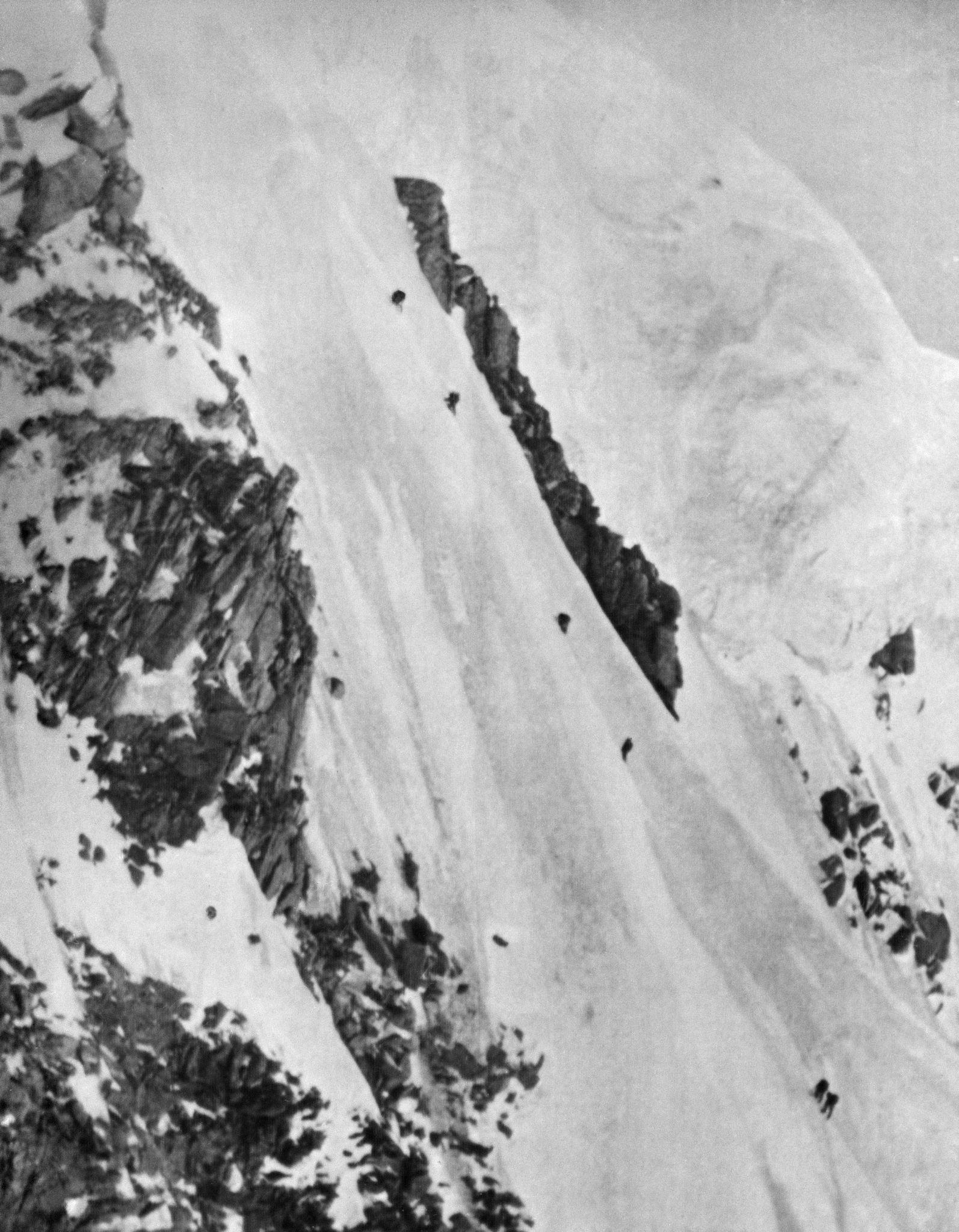
Early alpine exploration and traditional mountain refuges in the Alps
The Alps became a center of mountaineering in the 18th and 19th centuries. Climbers and explorers came to attempt Mont Blanc and other high peaks. Over time, a network of mountain refuges and trails developed.
The Tour du Mont Blanc evolved from these historic alpine routes. Today, it is one of the most organized and accessible long-distance hikes in Europe.
What Makes the TMB So Popular?
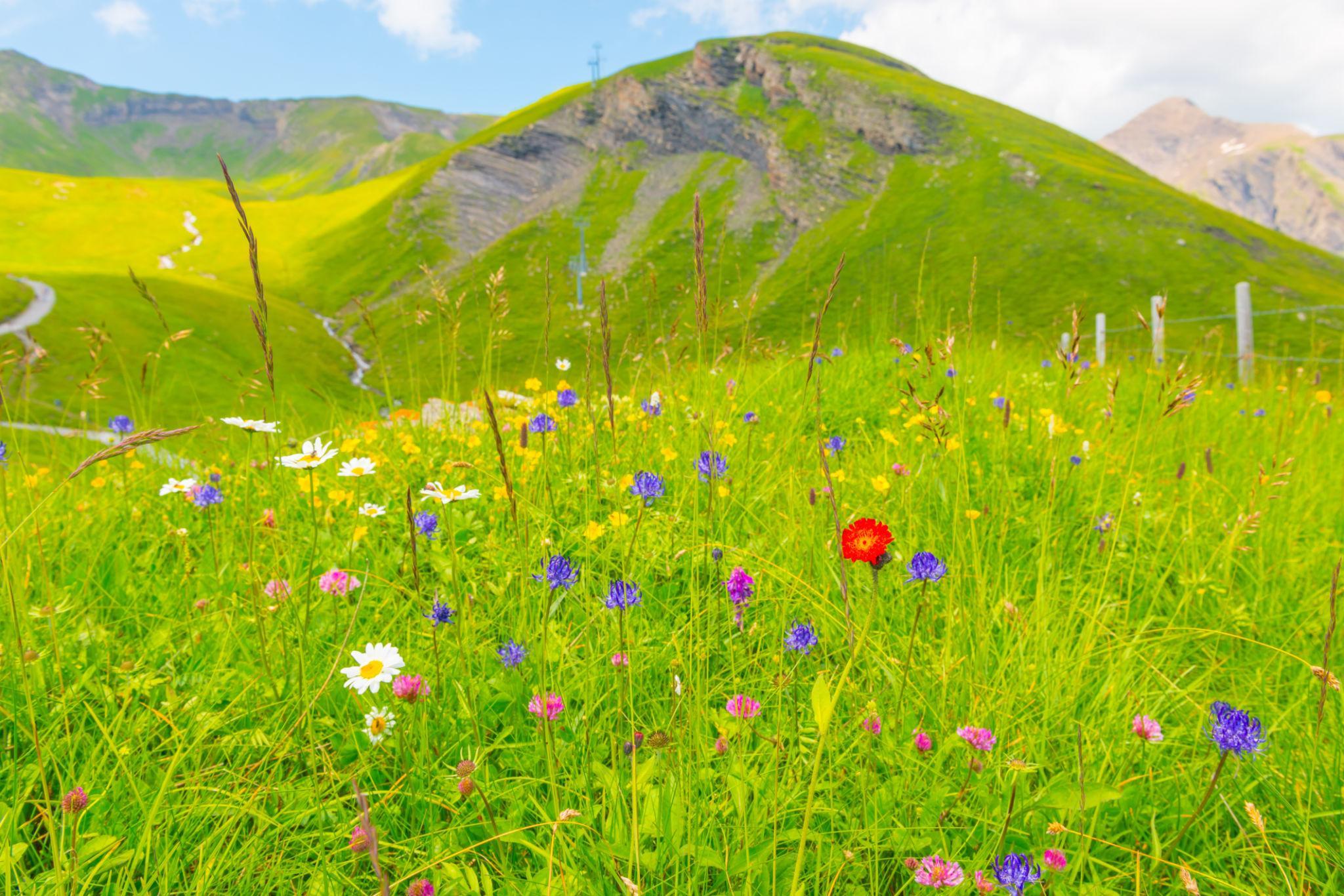
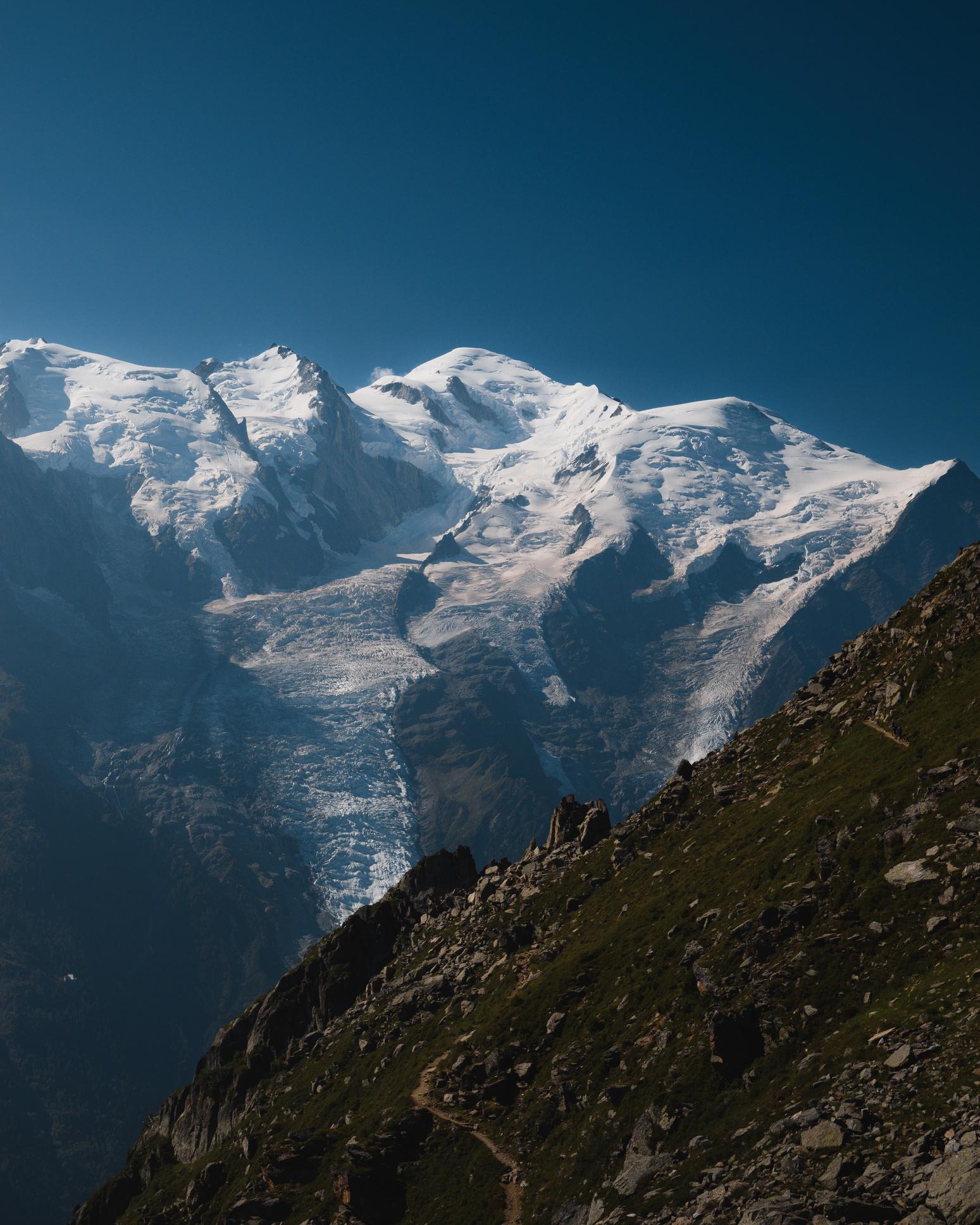
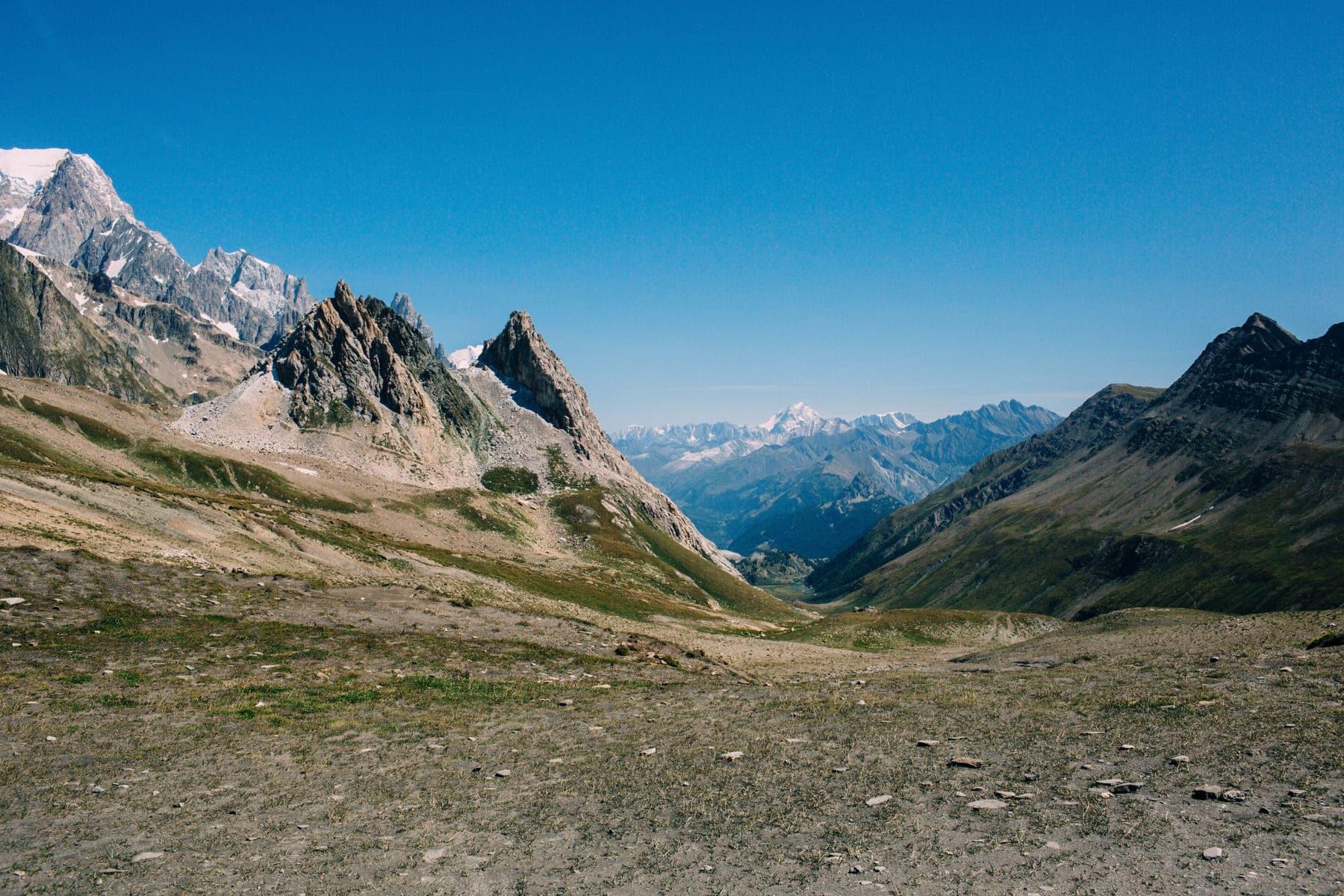
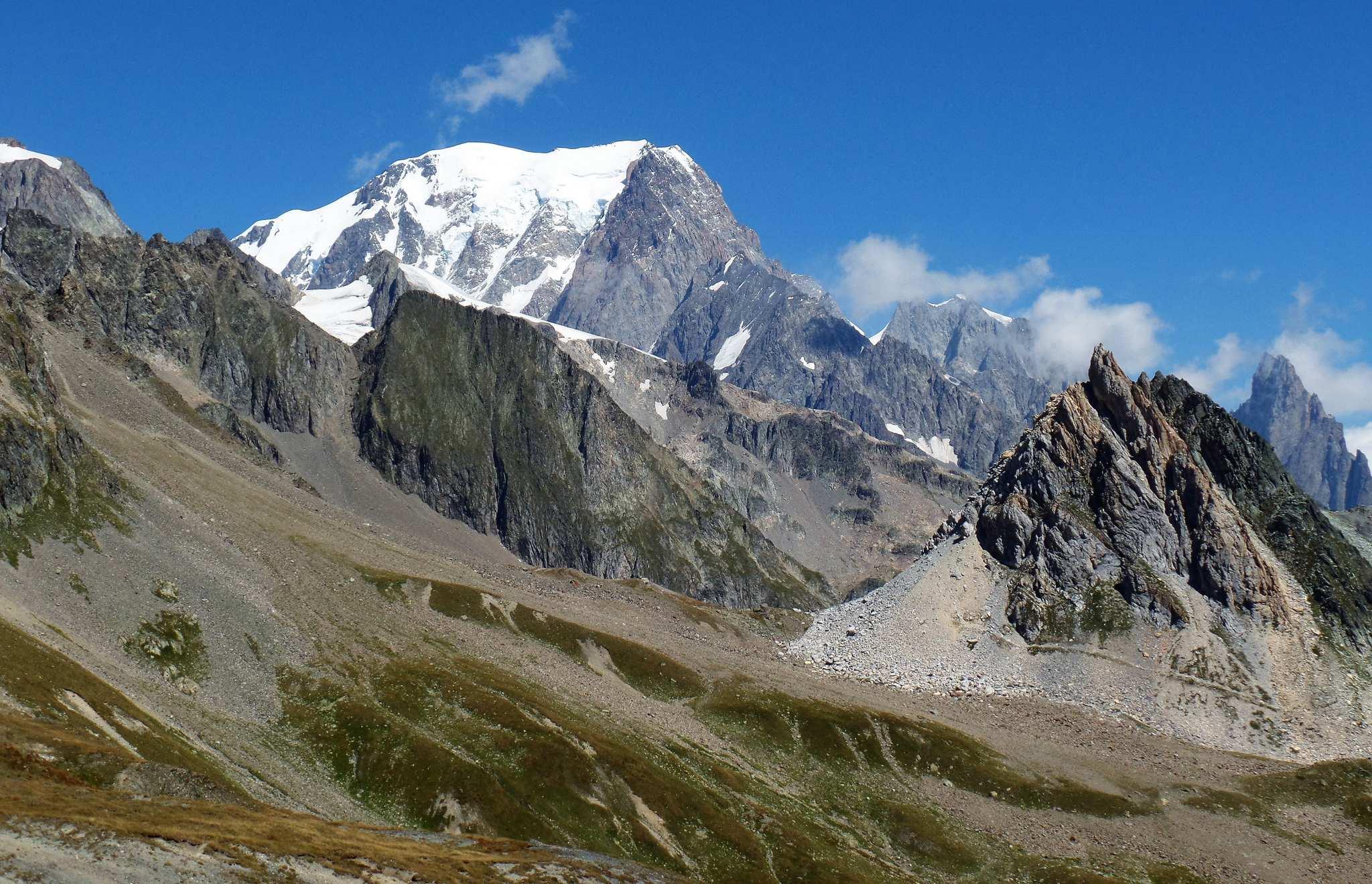
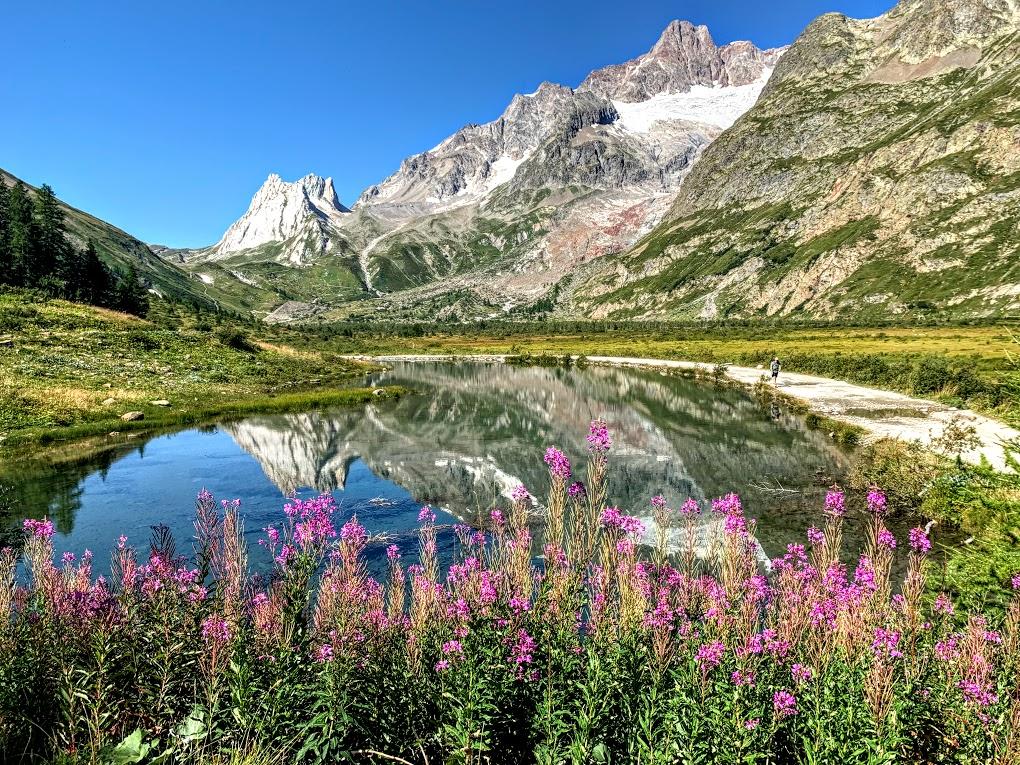
Wildflower meadows, glaciers, and high passes define the TMB experience
The Tour du Mont Blanc is popular because it offers:
• Spectacular alpine scenery
• Comfortable mountain huts and hotels
• Clear trail marking
• Cultural variety across three countries
• Flexible route options
It is challenging but achievable for regular hikers with good fitness.
Type of Trek – Is It Difficult?
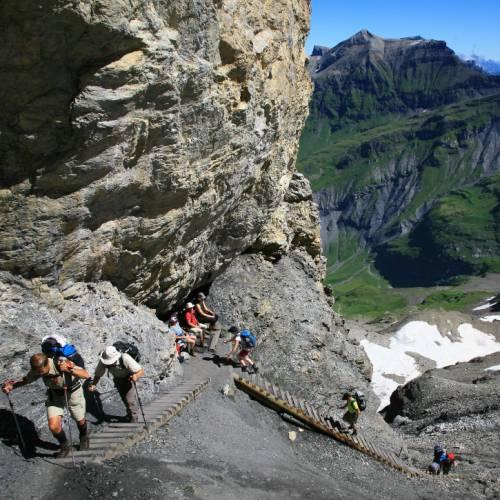
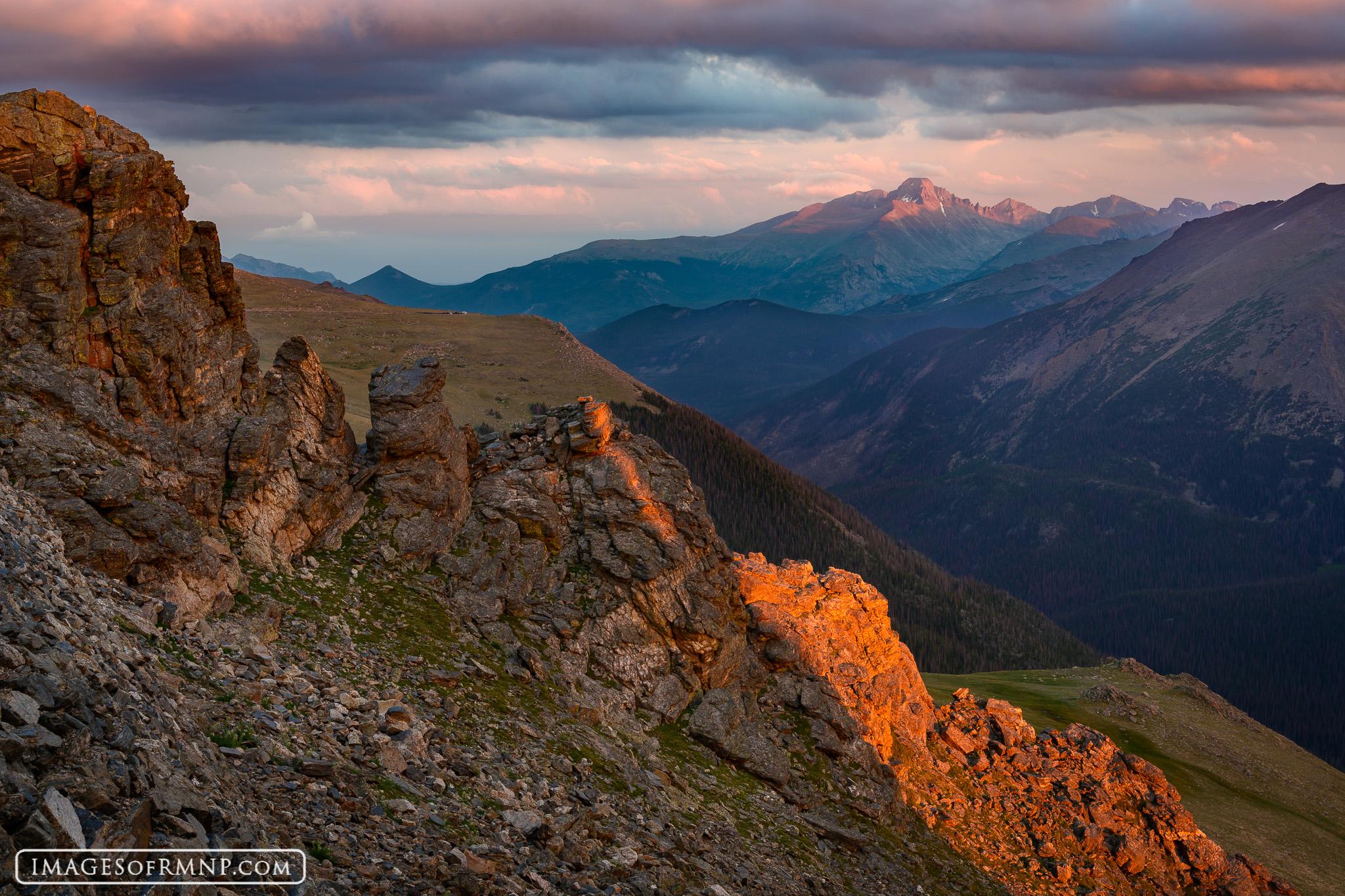
Steep passes and long descents make the TMB physically demanding
The TMB is considered moderate to challenging.
Main difficulty factors:
• Daily ascents and descents of 800–1,200 meters
• Walking 6–9 hours per day
• Changing alpine weather
• Multi-day physical endurance
There is no technical climbing required. However, good fitness and preparation are important.
Standard Itinerary, Route Flow & Variations
Standard Tour du Mont Blanc Itinerary (Overview)
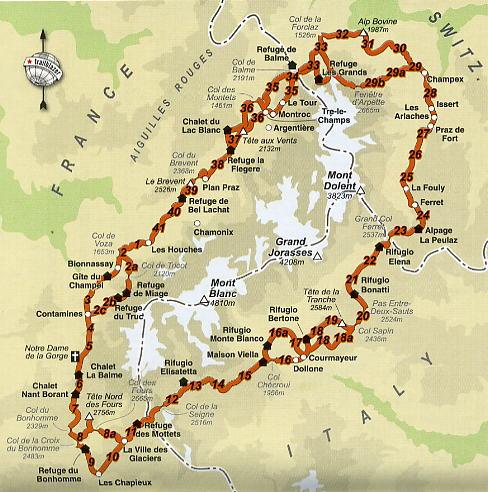
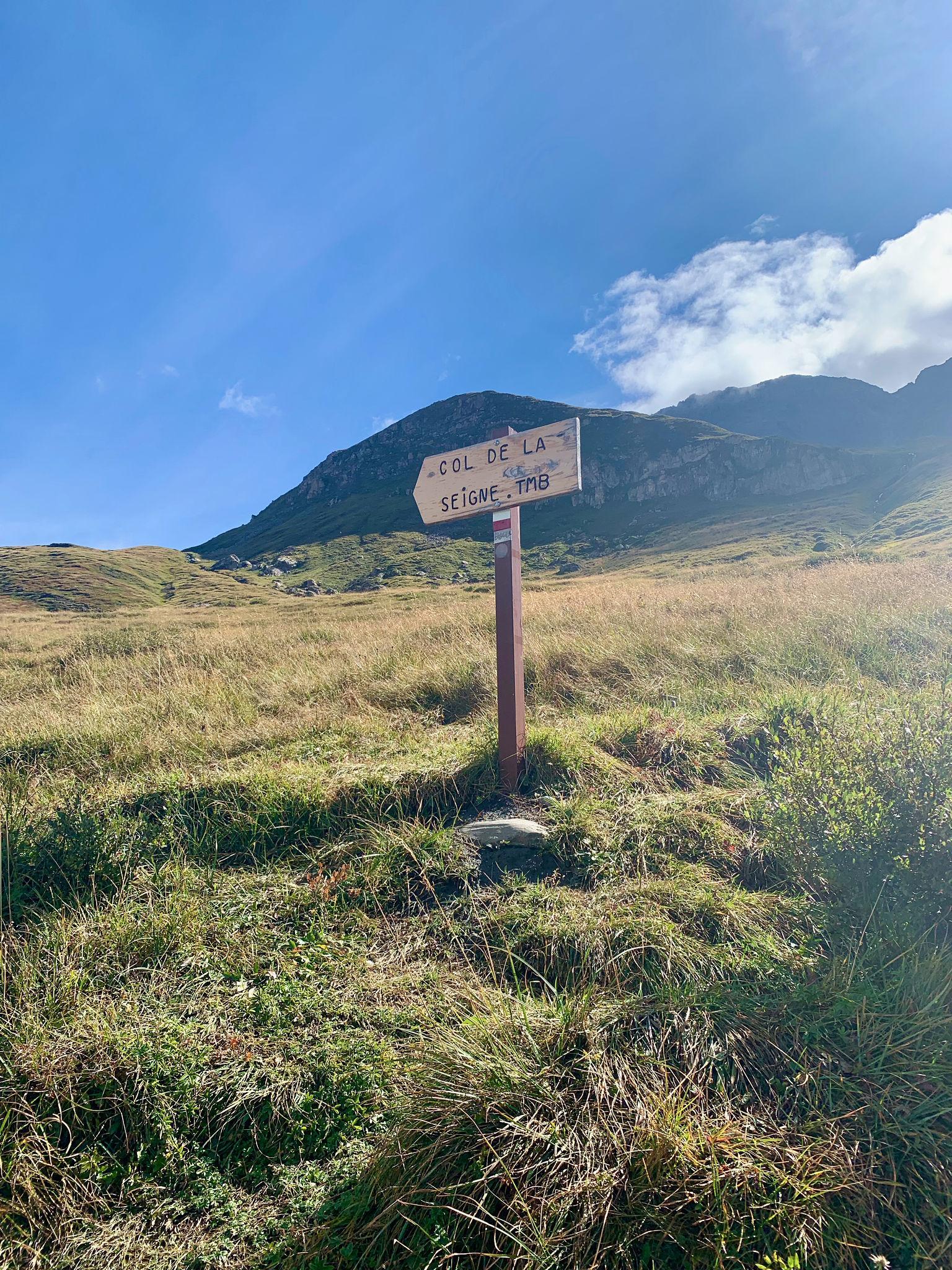
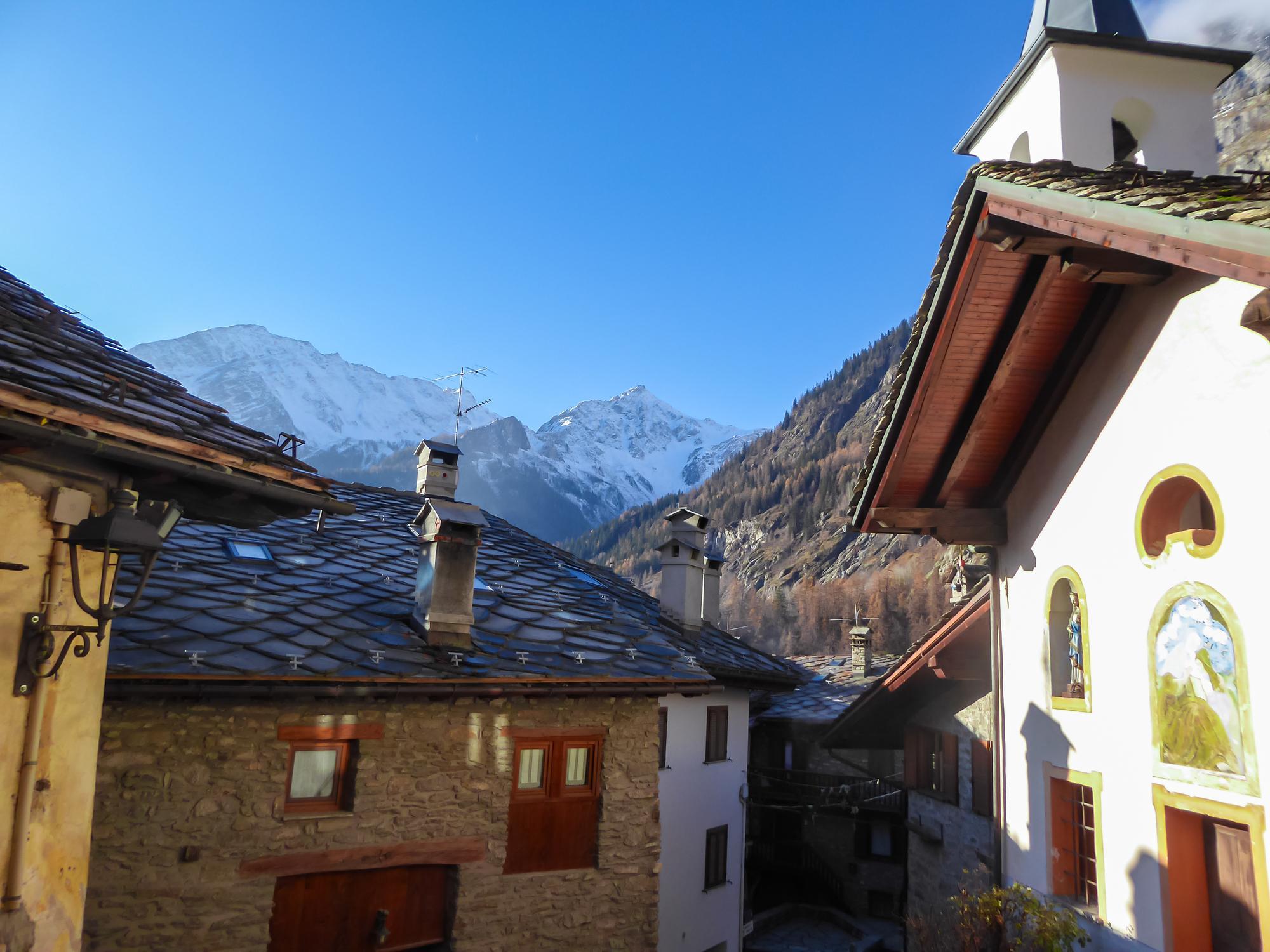
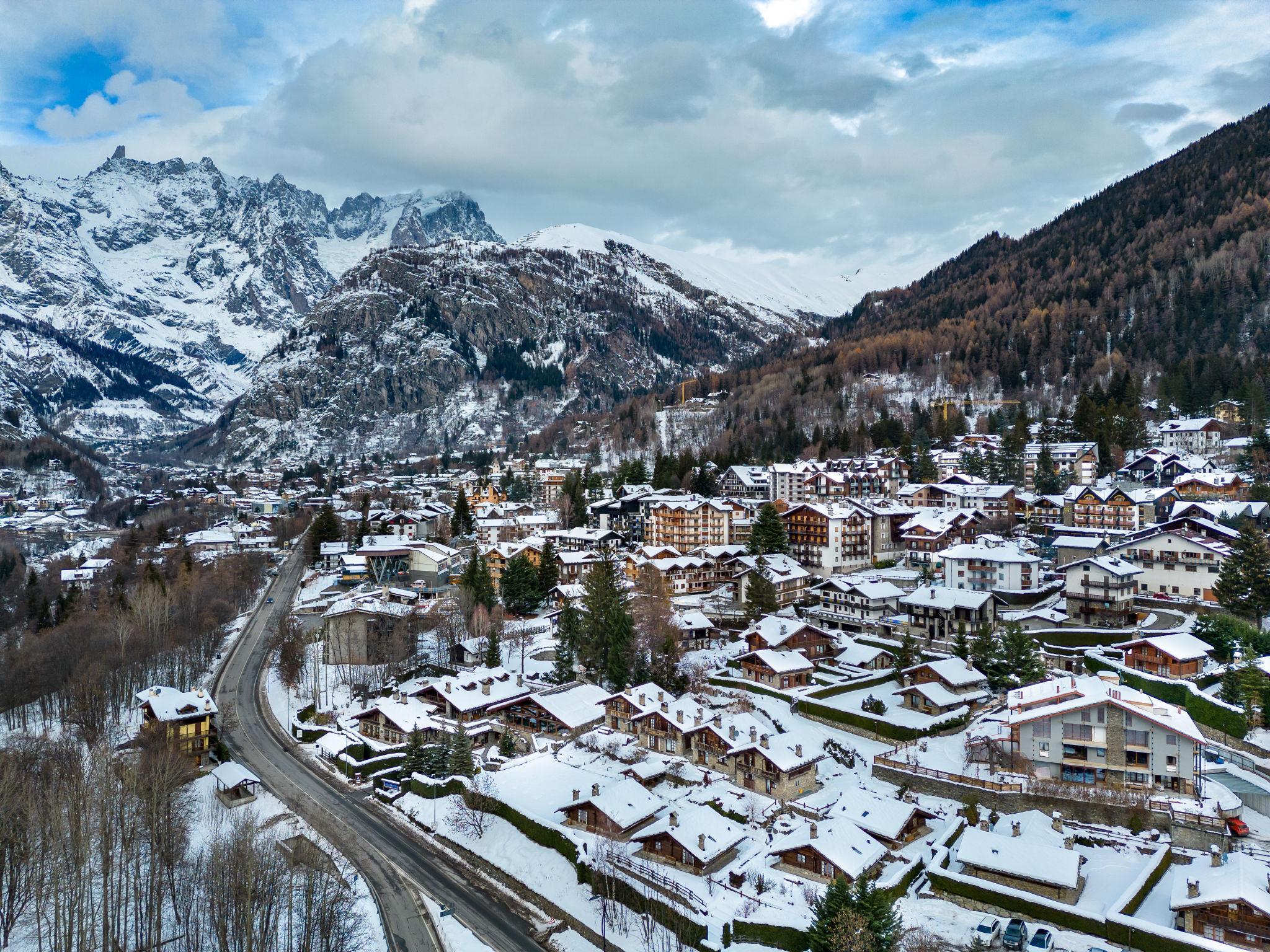
Full loop around Mont Blanc with high mountain passes and valley crossings
The full Tour du Mont Blanc usually takes 10 to 12 days to complete. The total distance is about 170 kilometers, with significant elevation gain and descent.
A standard route typically includes:
• Start in Chamonix or Les Houches (France)
• Cross into Italy via Col de la Seigne
• Reach Courmayeur (Italy)
• Cross into Switzerland via Grand Col Ferret
• Pass through Champex-Lac (Switzerland)
• Return to France through Trient Valley
• Finish back in Chamonix
The exact overnight stops depend on accommodation availability and fitness level.
Clockwise or Counterclockwise?
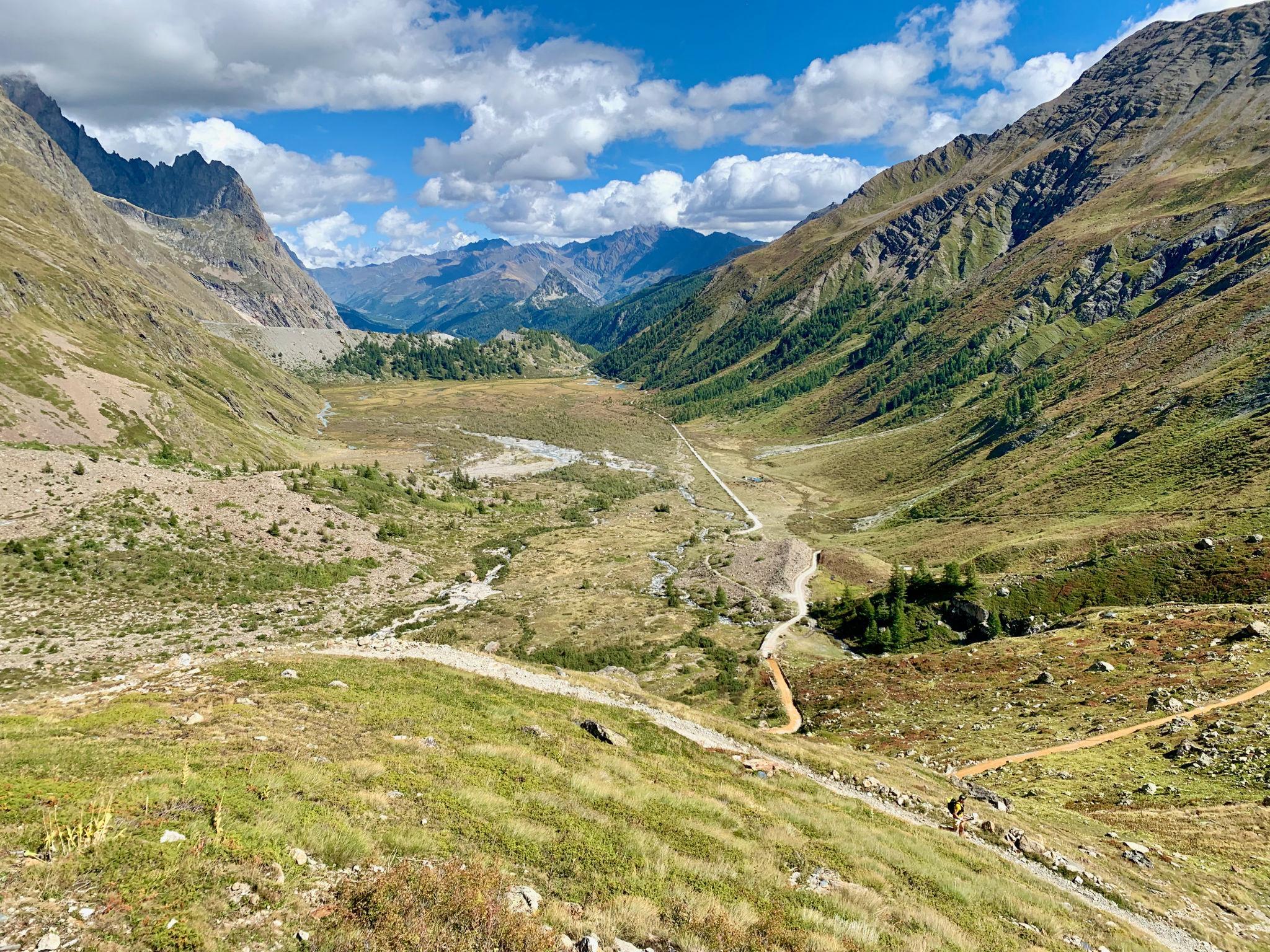
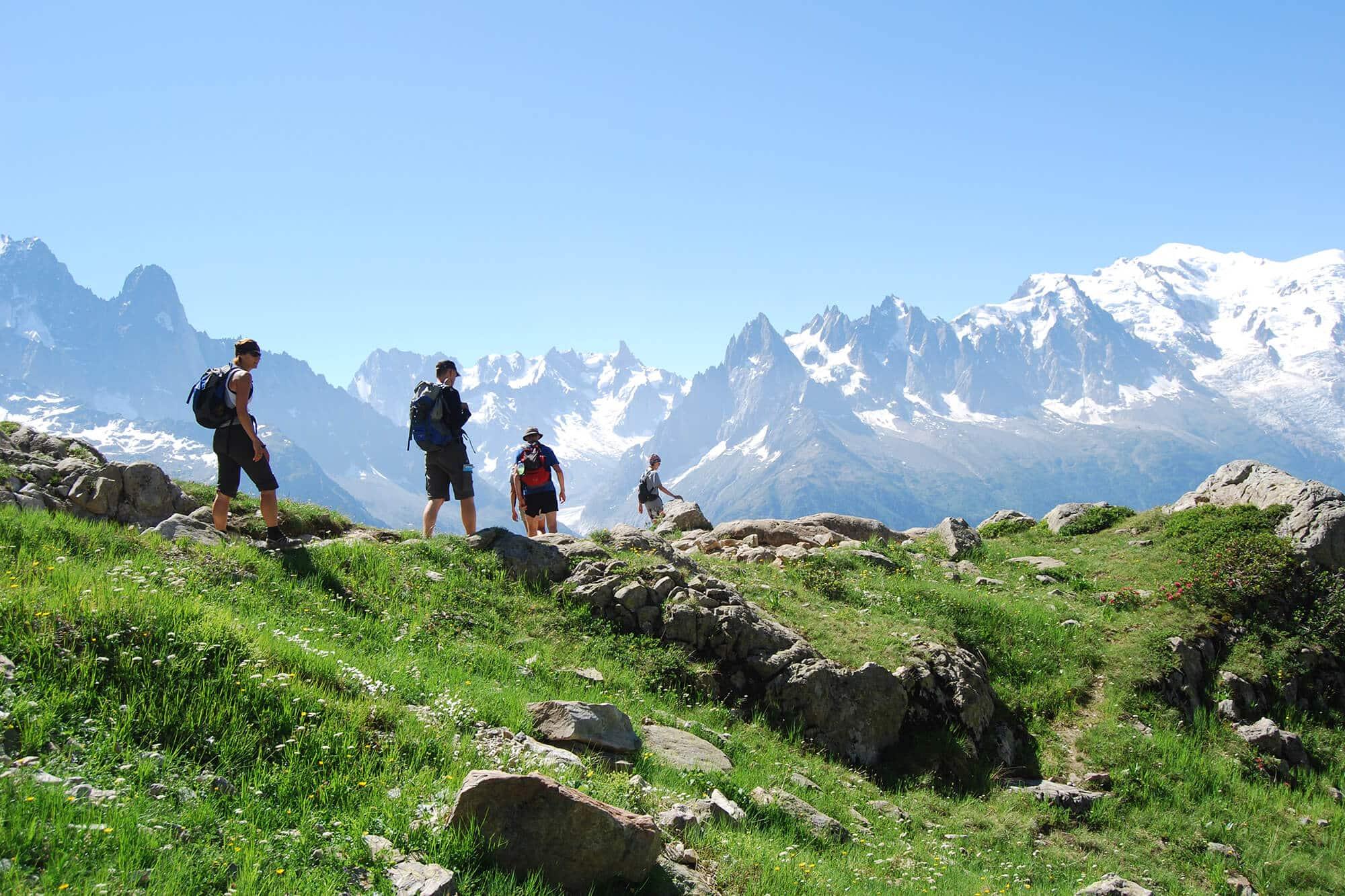
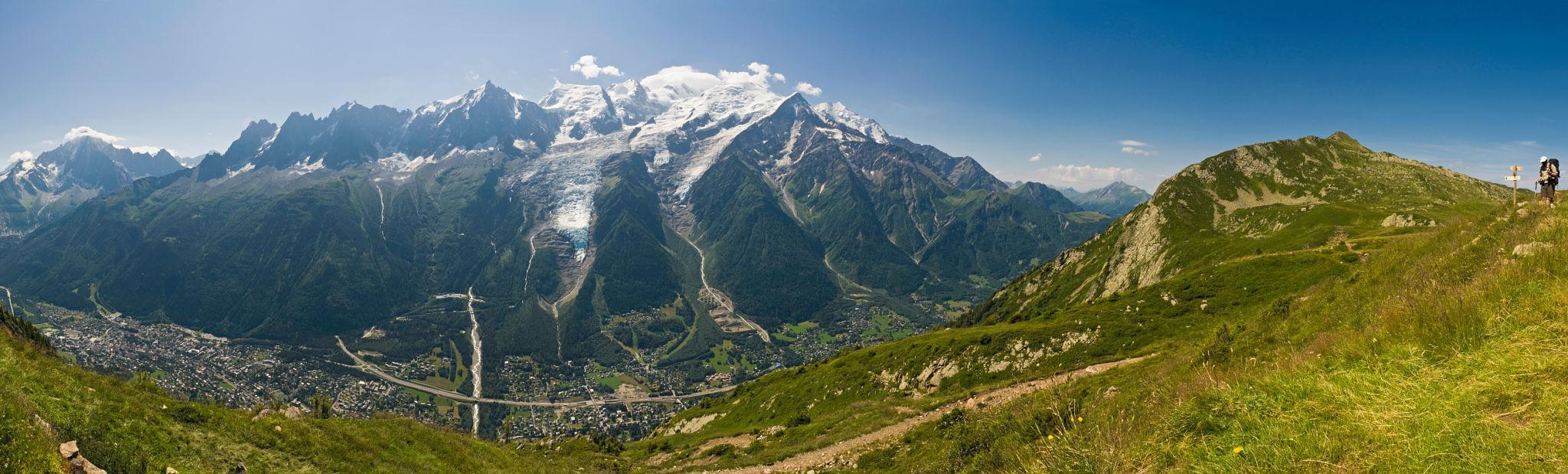
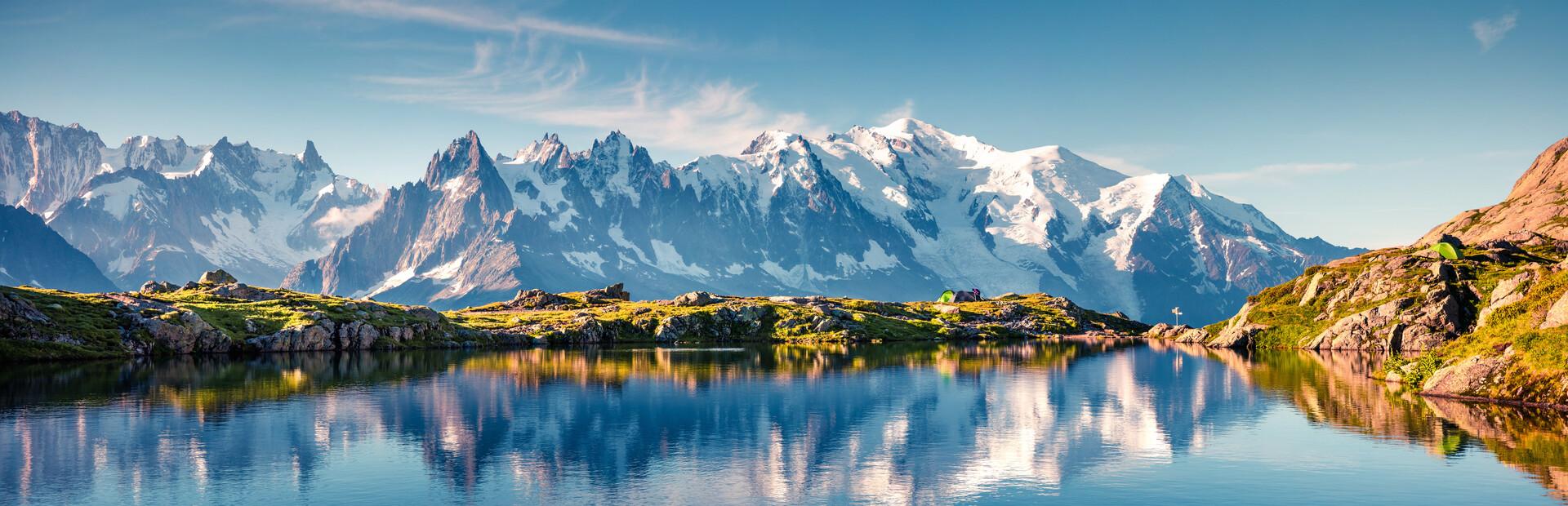
High mountain passes like Col de la Seigne and Grand Col Ferret mark international borders
The route can be completed in either direction.
Counterclockwise (Most Common)
• Traditionally preferred
• Better gradual exposure to elevation
• More social atmosphere
• Slightly easier daily flow
Clockwise
• Less crowded
• Different scenic perspective
• Steeper early days
Both directions complete the same loop, but most hikers choose counterclockwise.
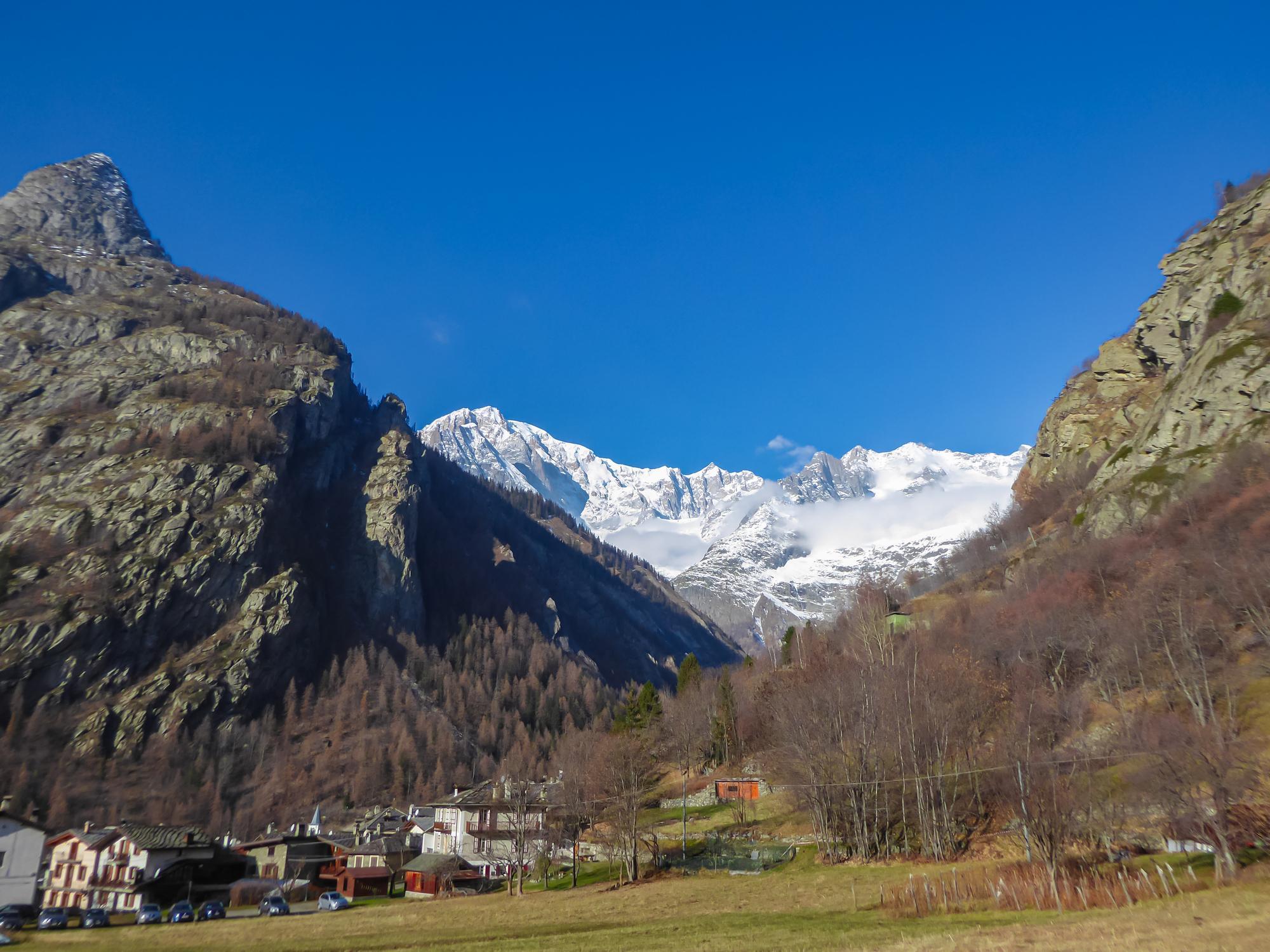
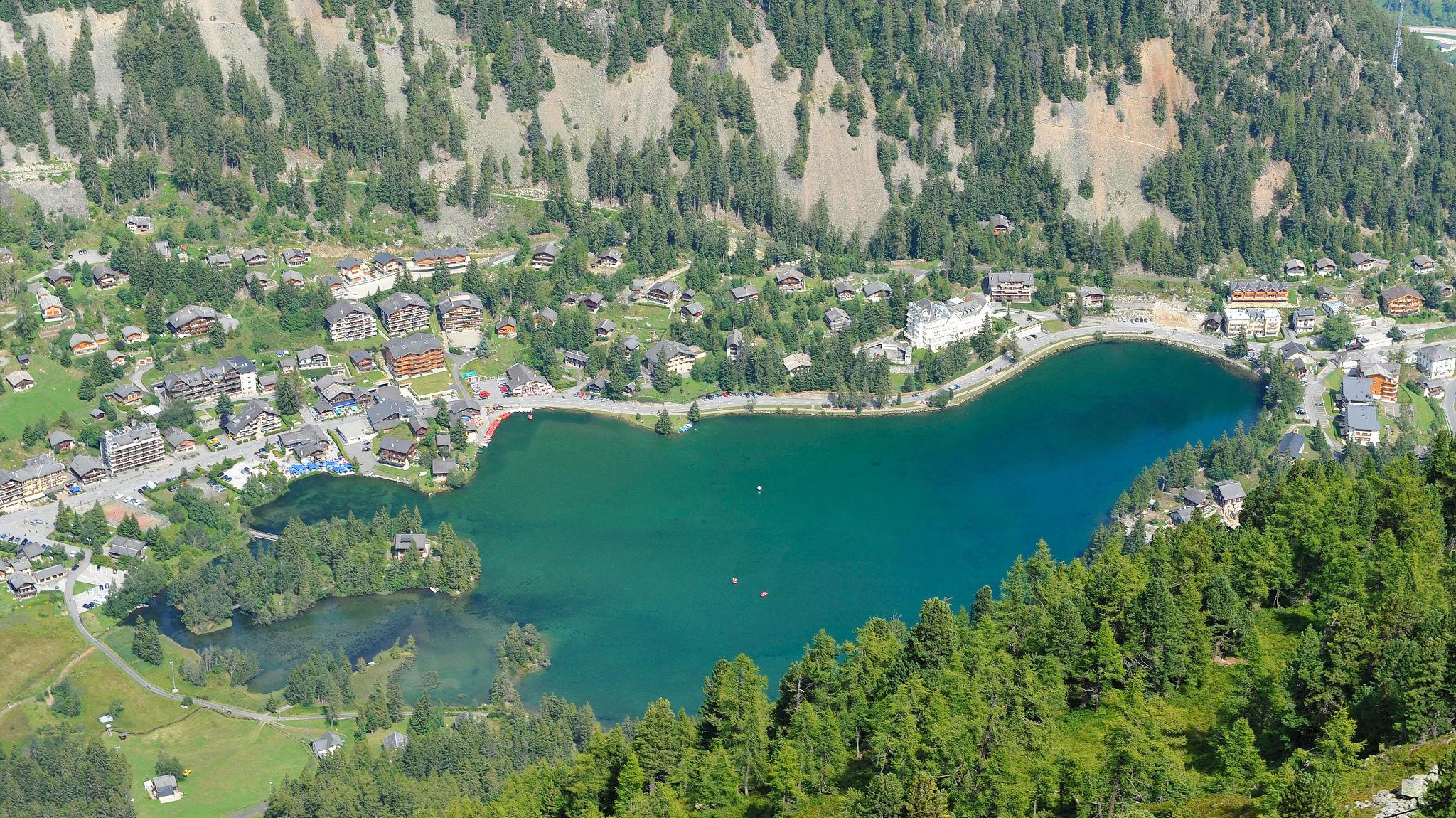
Courmayeur and Champex-Lac are popular entry or exit points for shorter treks
Not everyone walks the full 10–12 days. Many hikers choose shorter sections.
Common shorter options:
• 7-day version skipping some lower valleys
• Start in Courmayeur and finish in Chamonix
• Trek only one country section
• Use cable cars to reduce elevation
This flexibility makes the TMB accessible to more travelers.
Accommodation Style on the Route
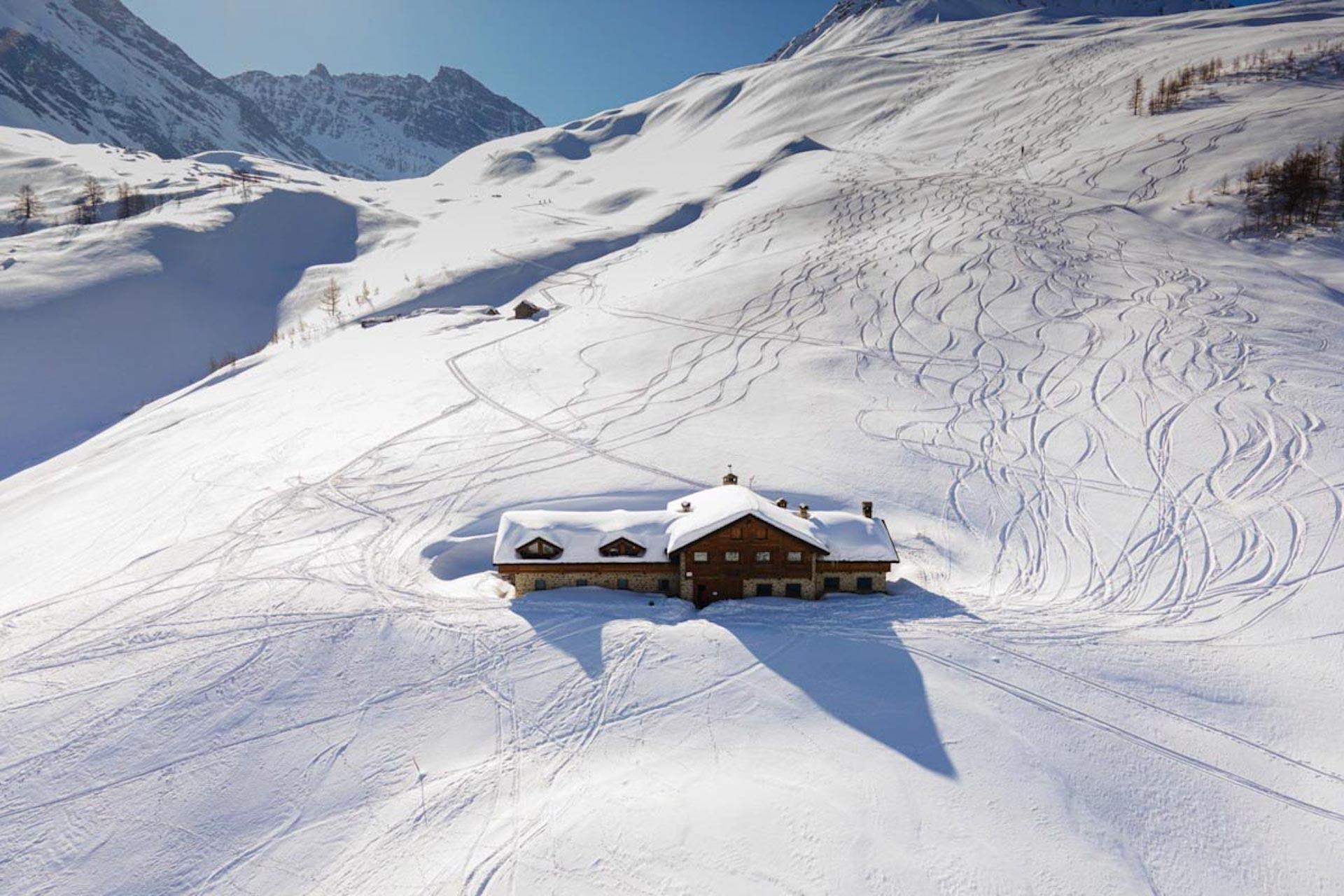
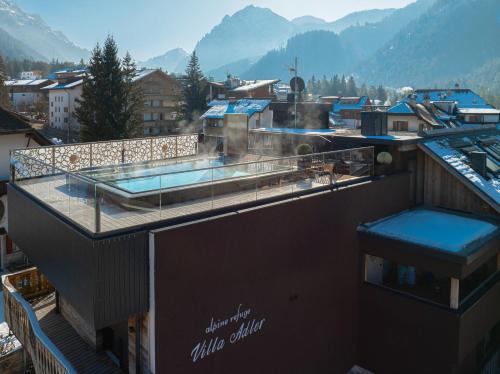
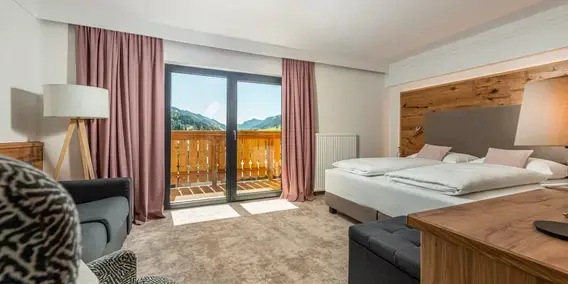
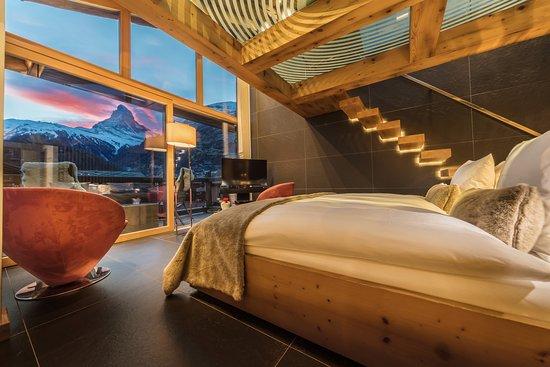
Mountain refuges offer shared dorms and panoramic terraces
Unlike high-altitude Himalayan treks, the Tour du Mont Blanc uses:
• Mountain refuges (shared dormitories)
• Small guesthouses
• Alpine hotels in villages
Camping is possible in limited areas but regulated in some countries.
Accommodation must be booked in advance, especially in July and August.
Physical Demands and Daily Routine
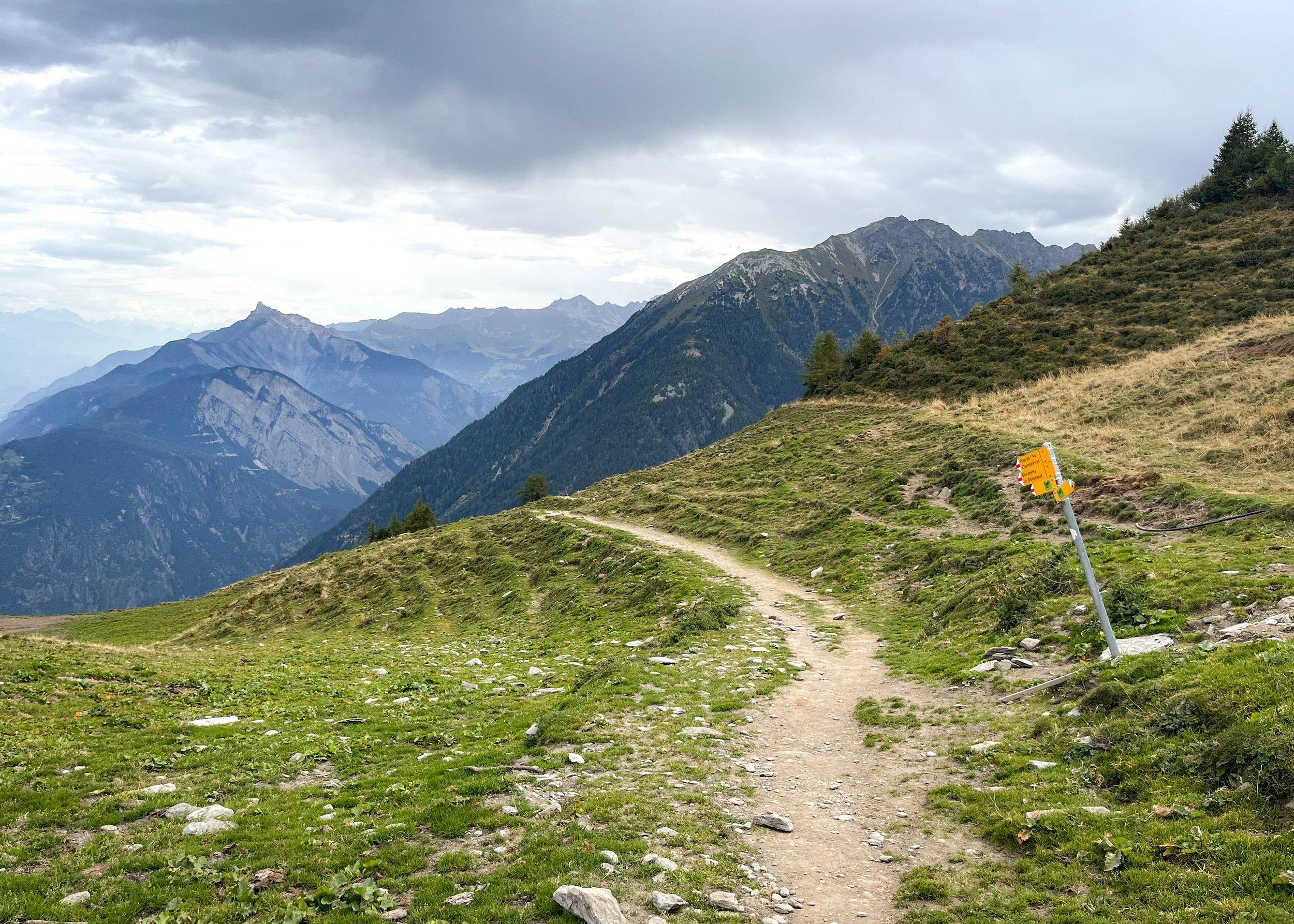
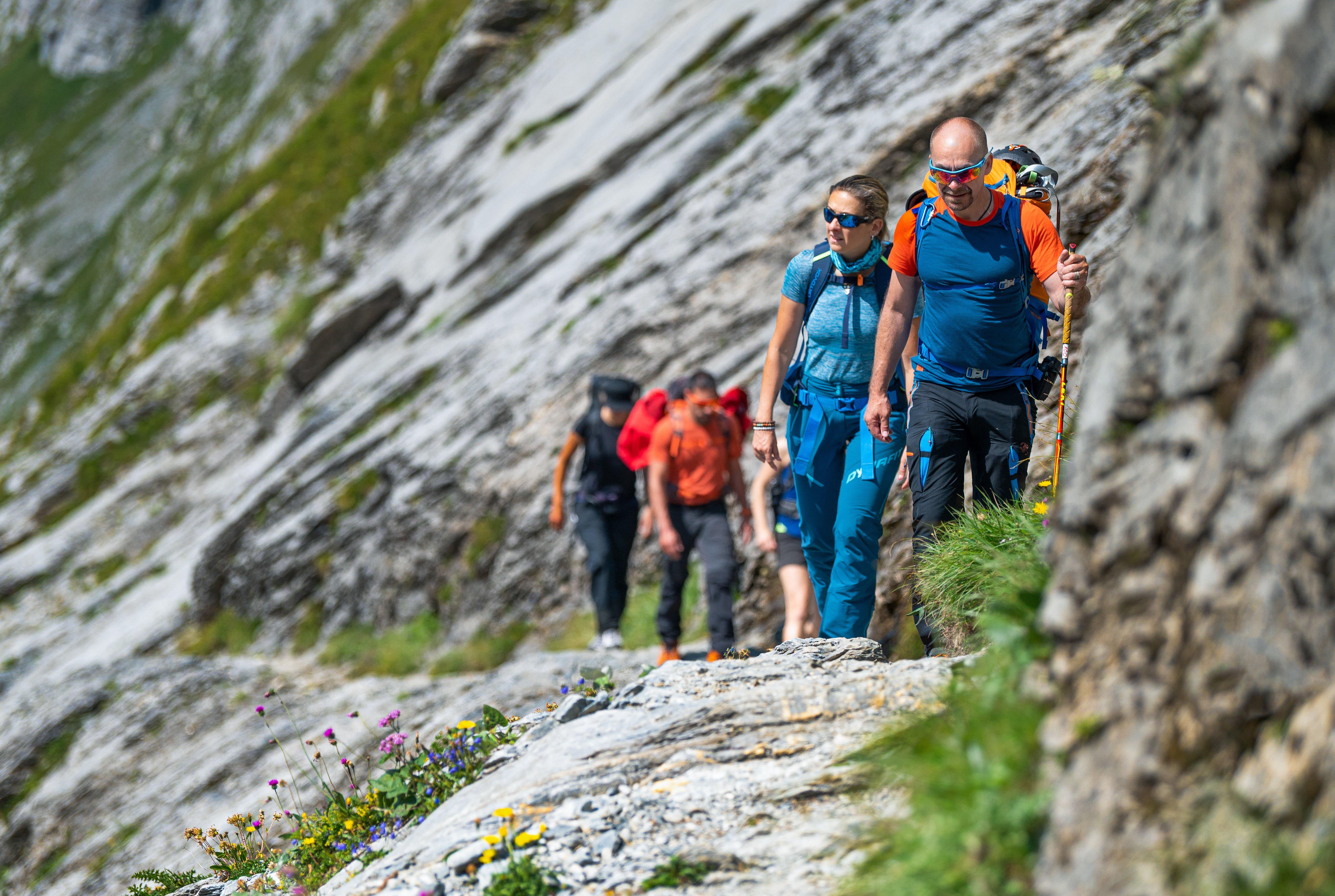
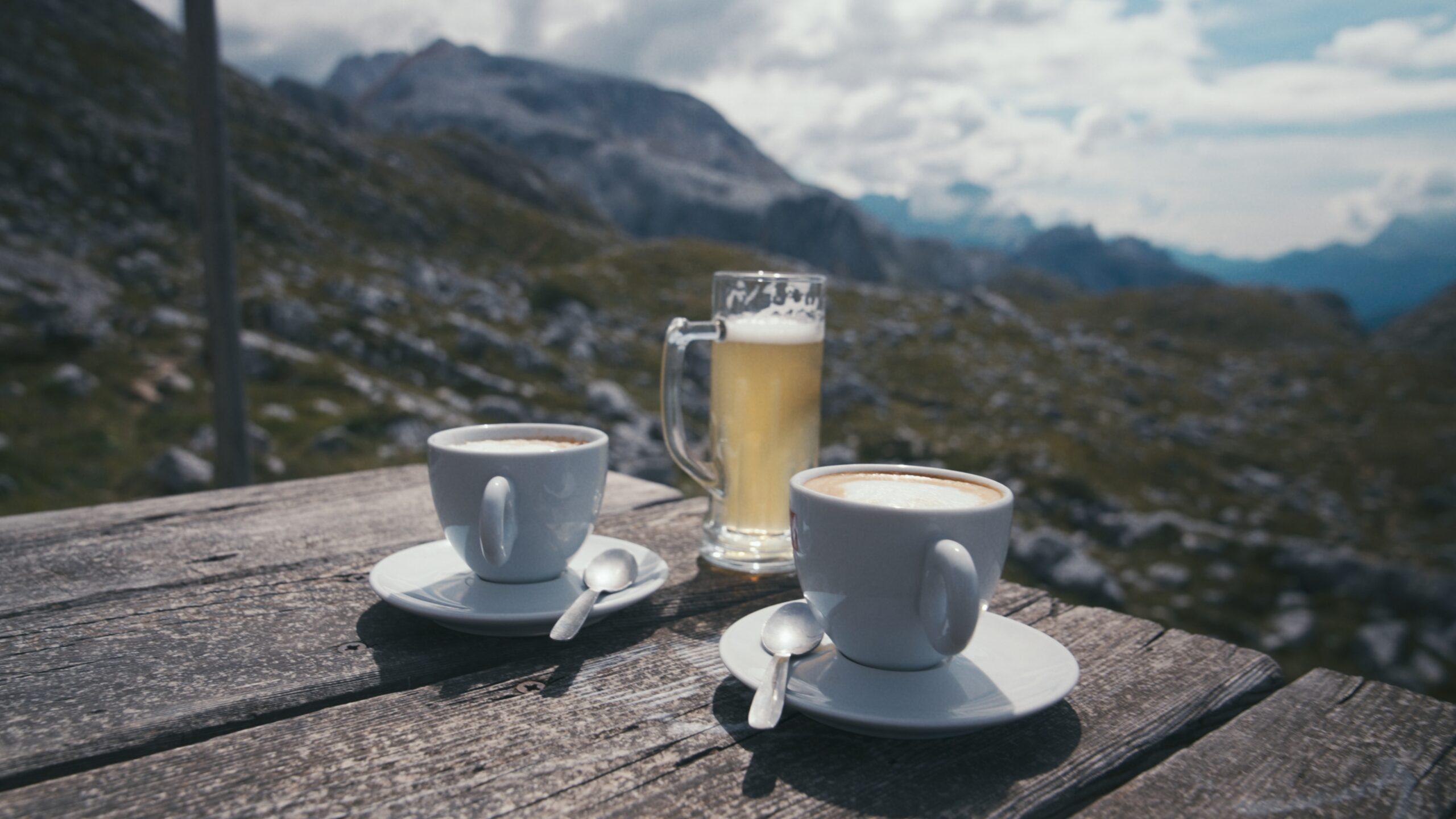
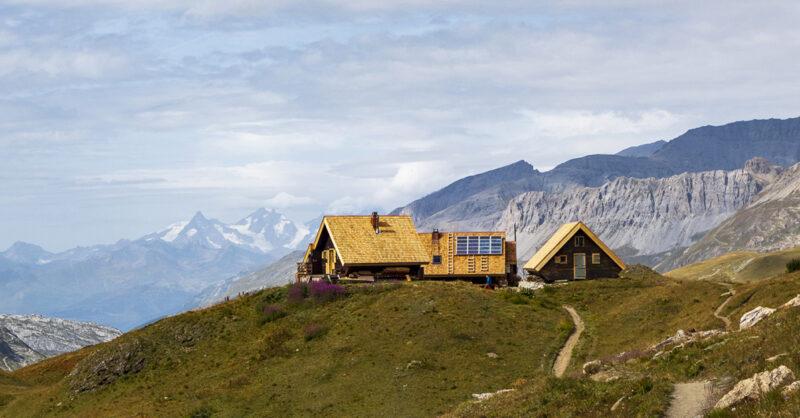
Daily climbs and descents are the main physical challenge of the TMB
A typical trekking day includes:
• 6 to 9 hours of walking
• Long climbs to mountain passes
• Steep descents into valleys
• Lunch at refuges or packed meals
Altitude is not extreme (highest passes around 2,500 meters), but elevation gain each day can be tiring.
Good leg strength and endurance are important.
Best Time to Hike, Weather, Crowds & Safety
Best Time to Hike the Tour du Mont Blanc
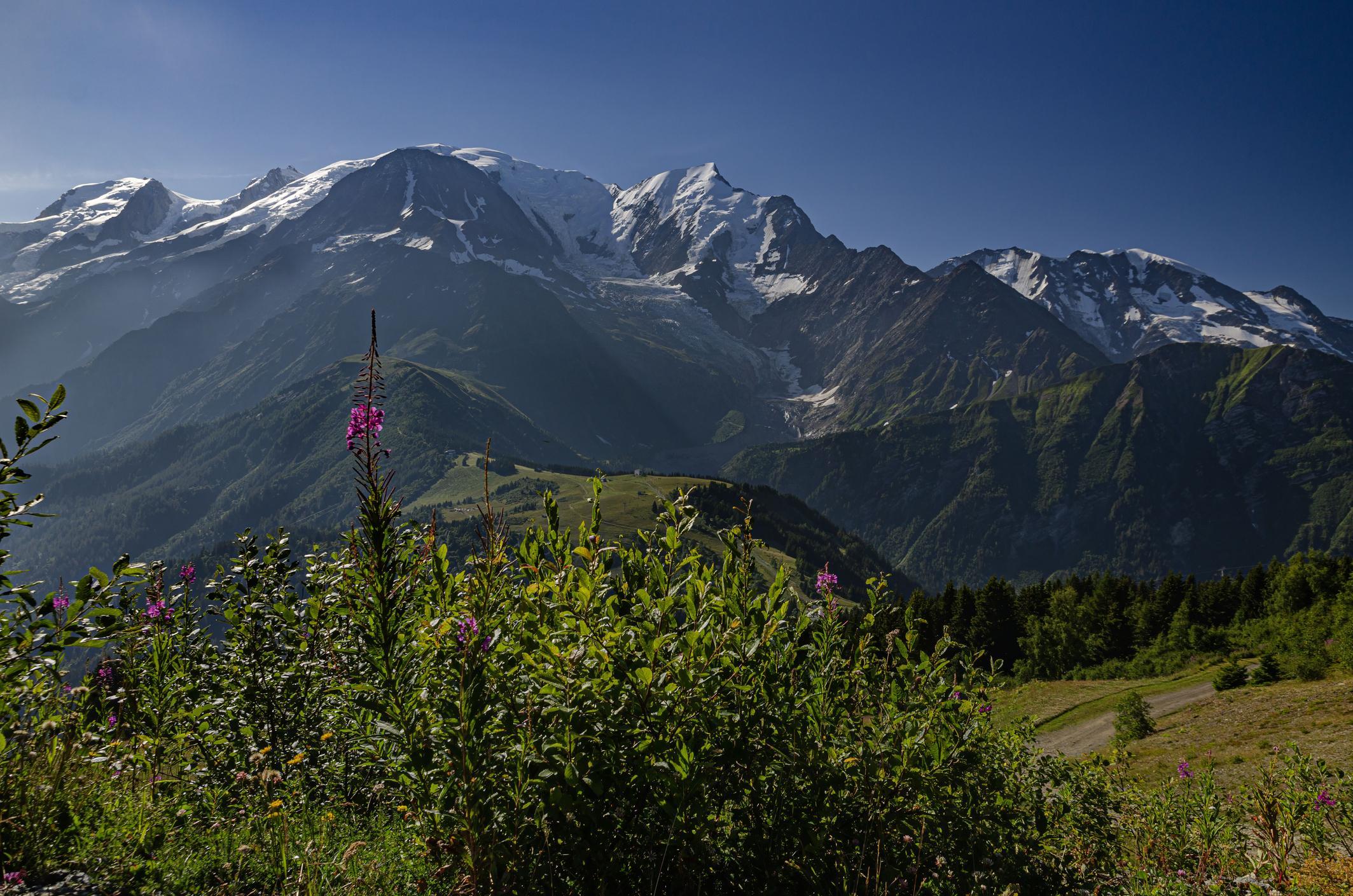
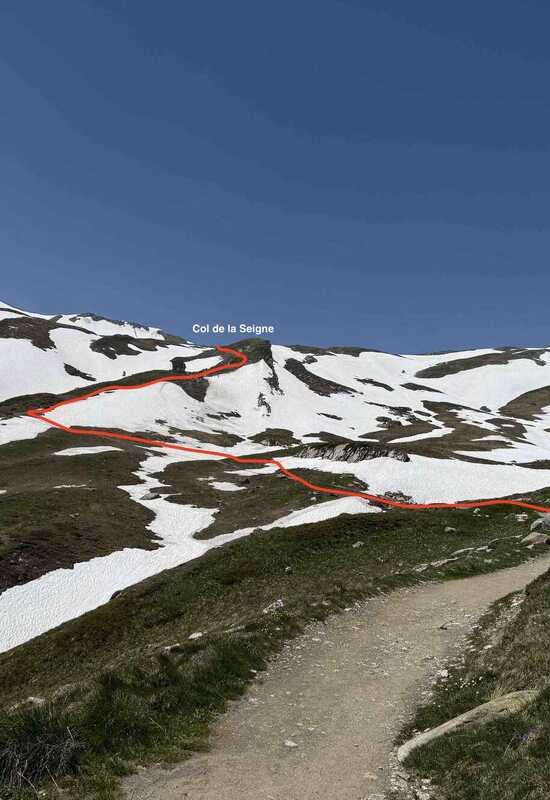
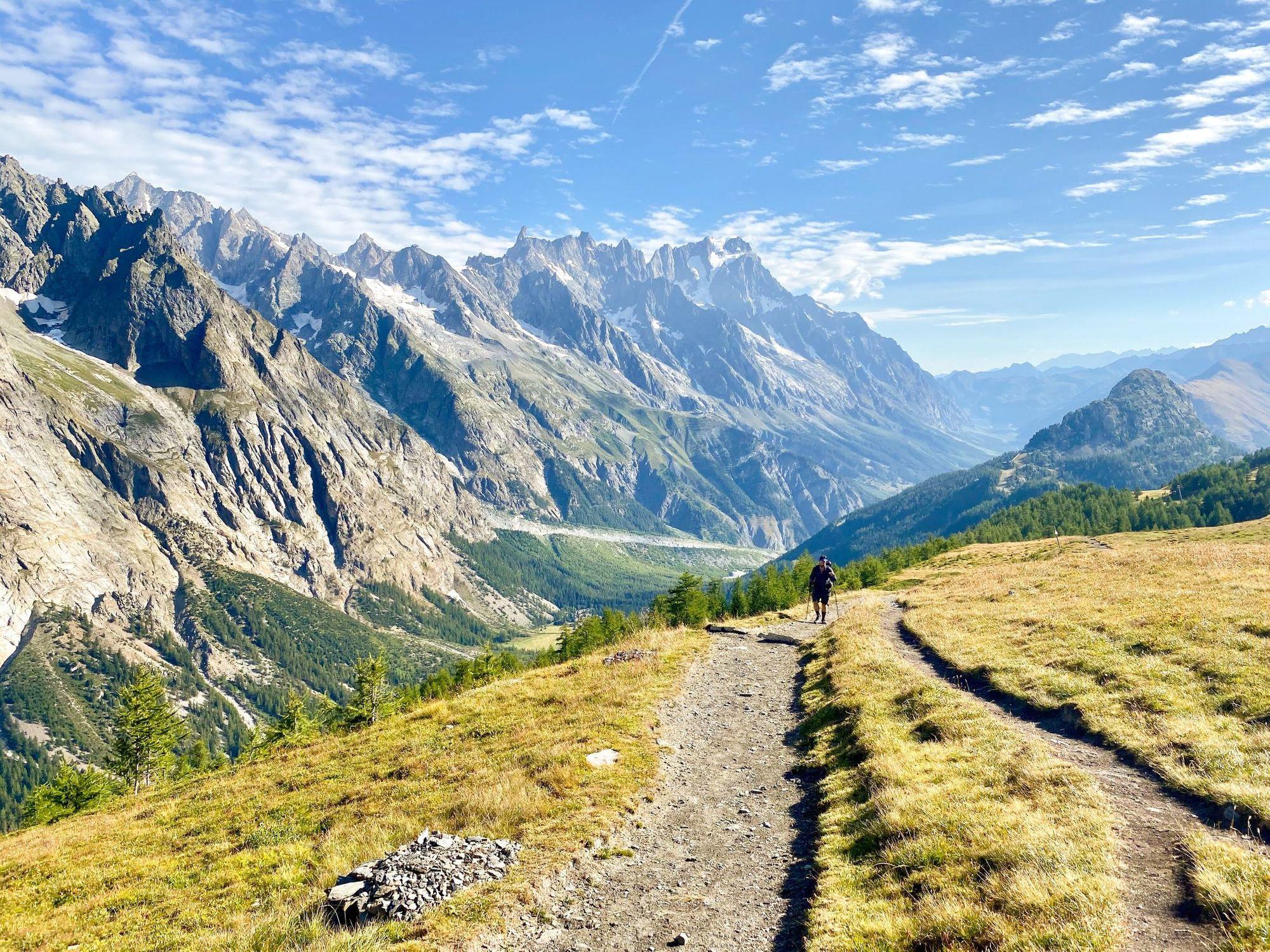
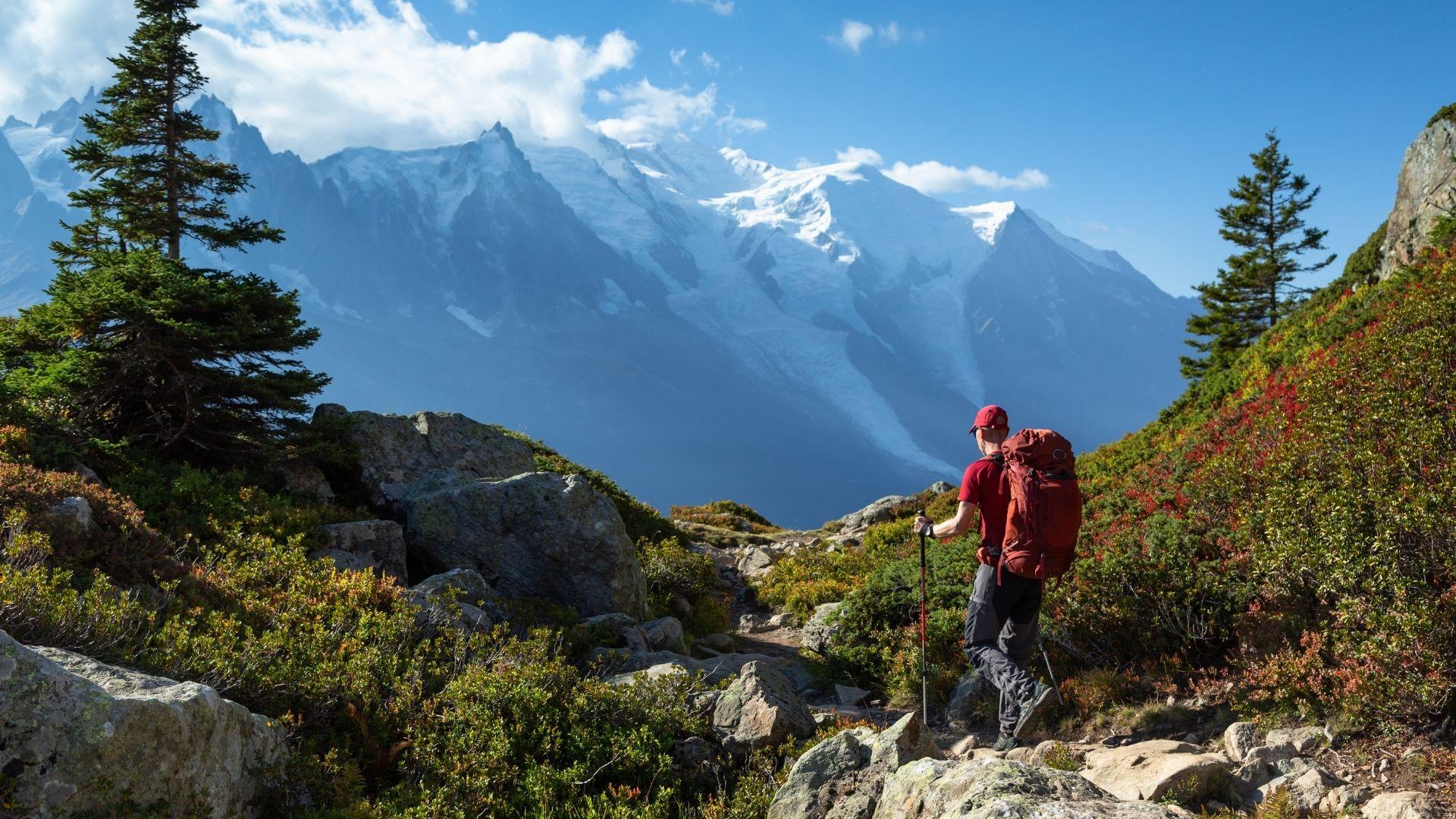
Summer meadows are ideal, while early season can still have snow on high passes
The Tour du Mont Blanc is a seasonal trek. Most of the route is only safely accessible during the summer months.
The main hiking season runs from:
• Mid-June to Mid-September
Outside this window, high mountain passes may still have snow, and many refuges are closed.
Hiking in July and August (Peak Season)
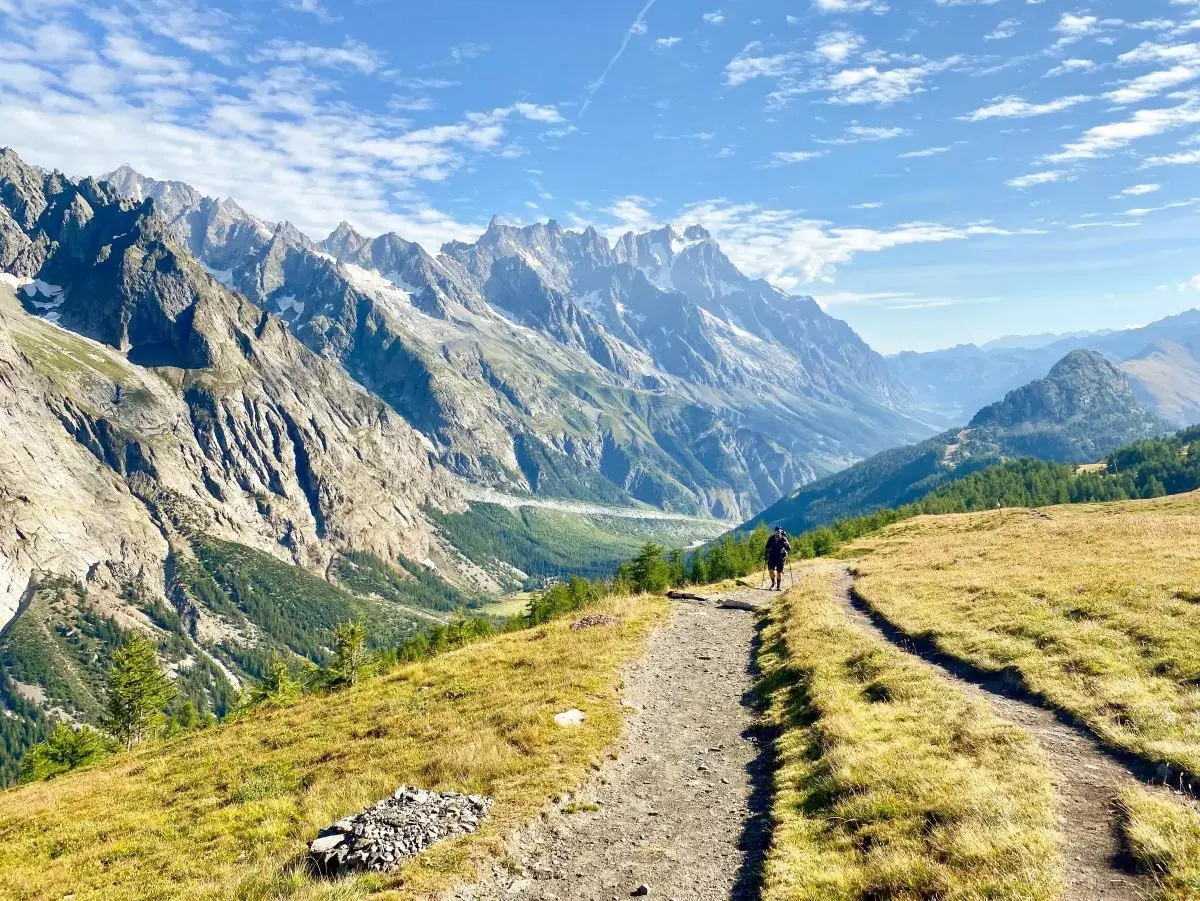
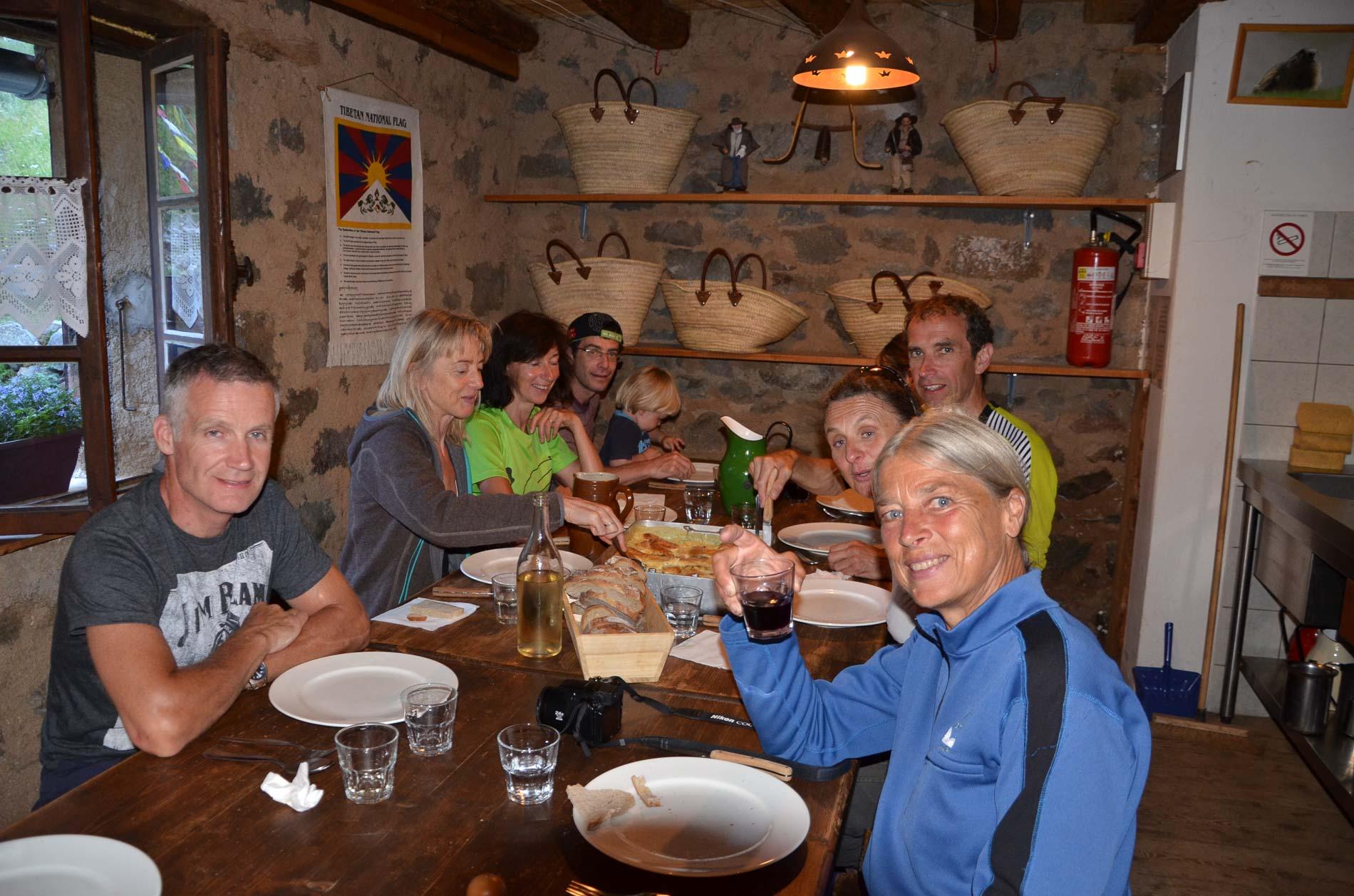
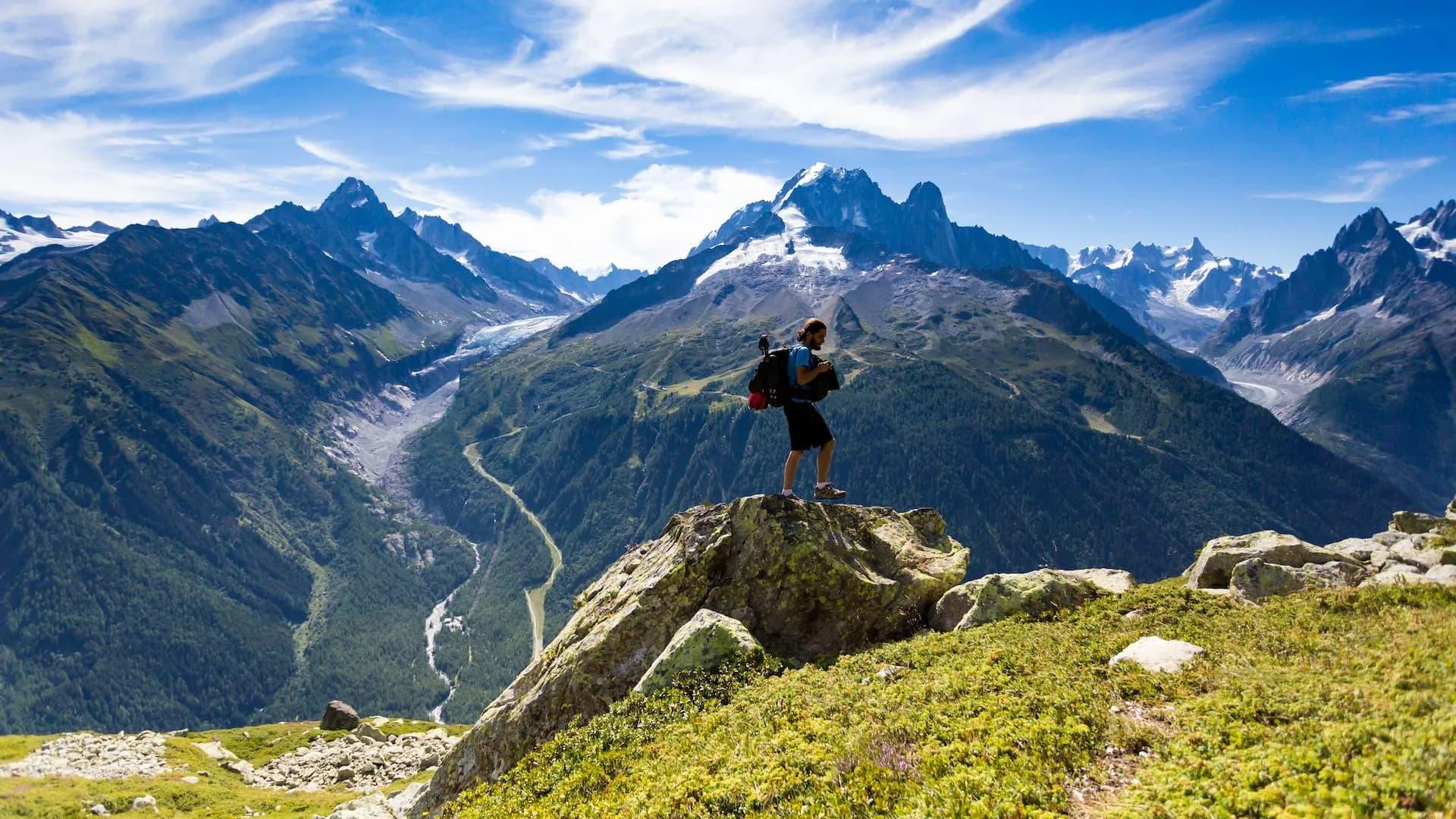
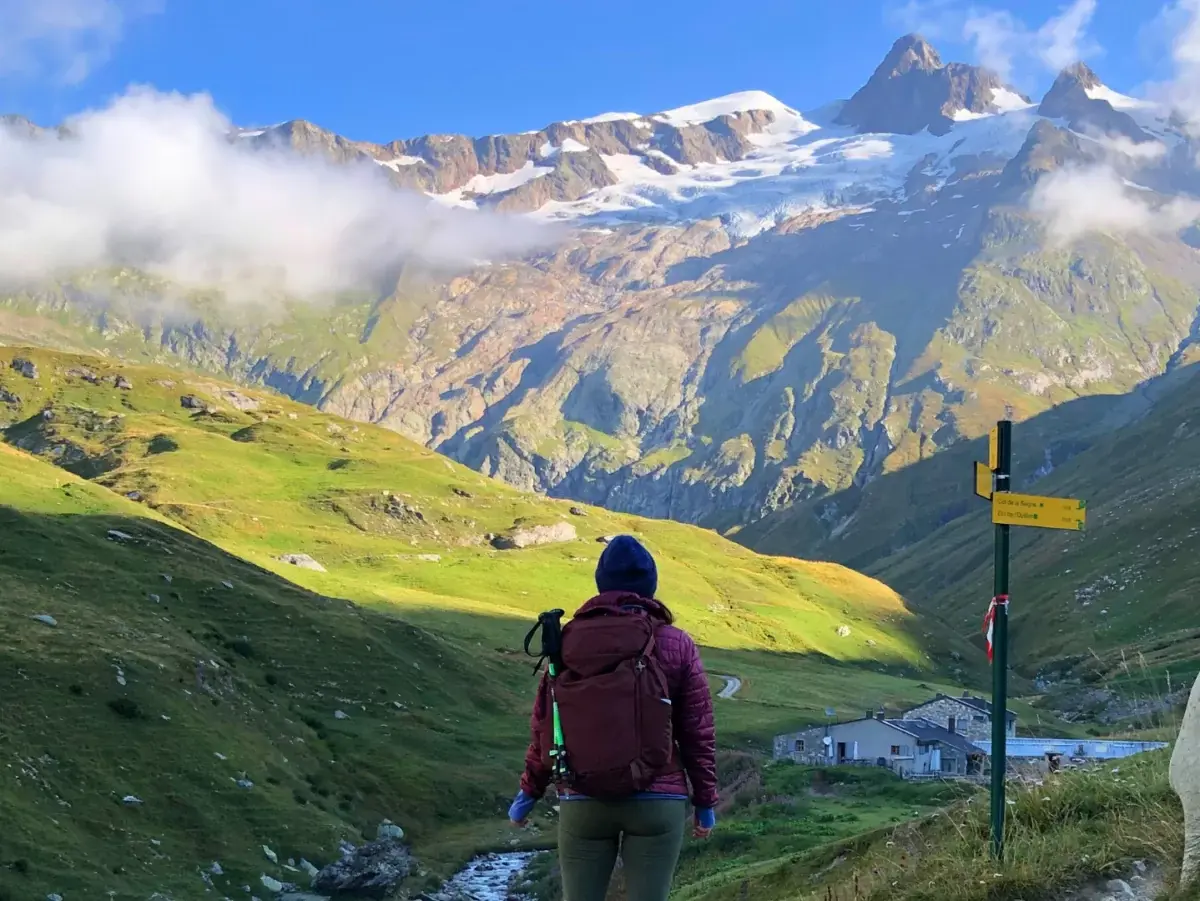
July and August bring stable weather but busy trails and full refuges
These are the most popular months.
What to expect:
• Stable and warm weather
• Long daylight hours
• Fully open refuges and services
• High number of hikers
Accommodation often sells out months in advance.
June and September (Shoulder Season)
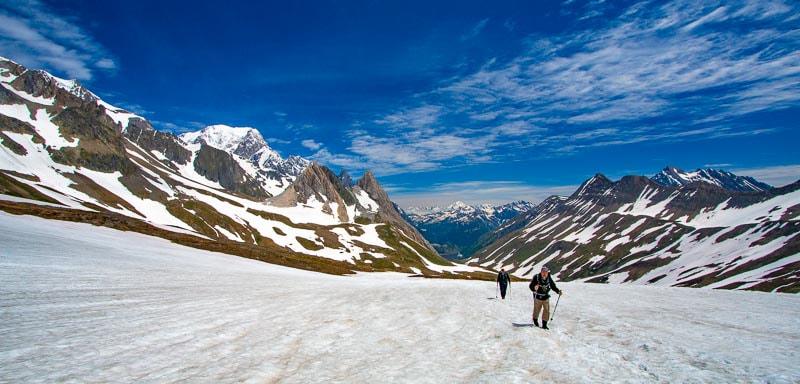
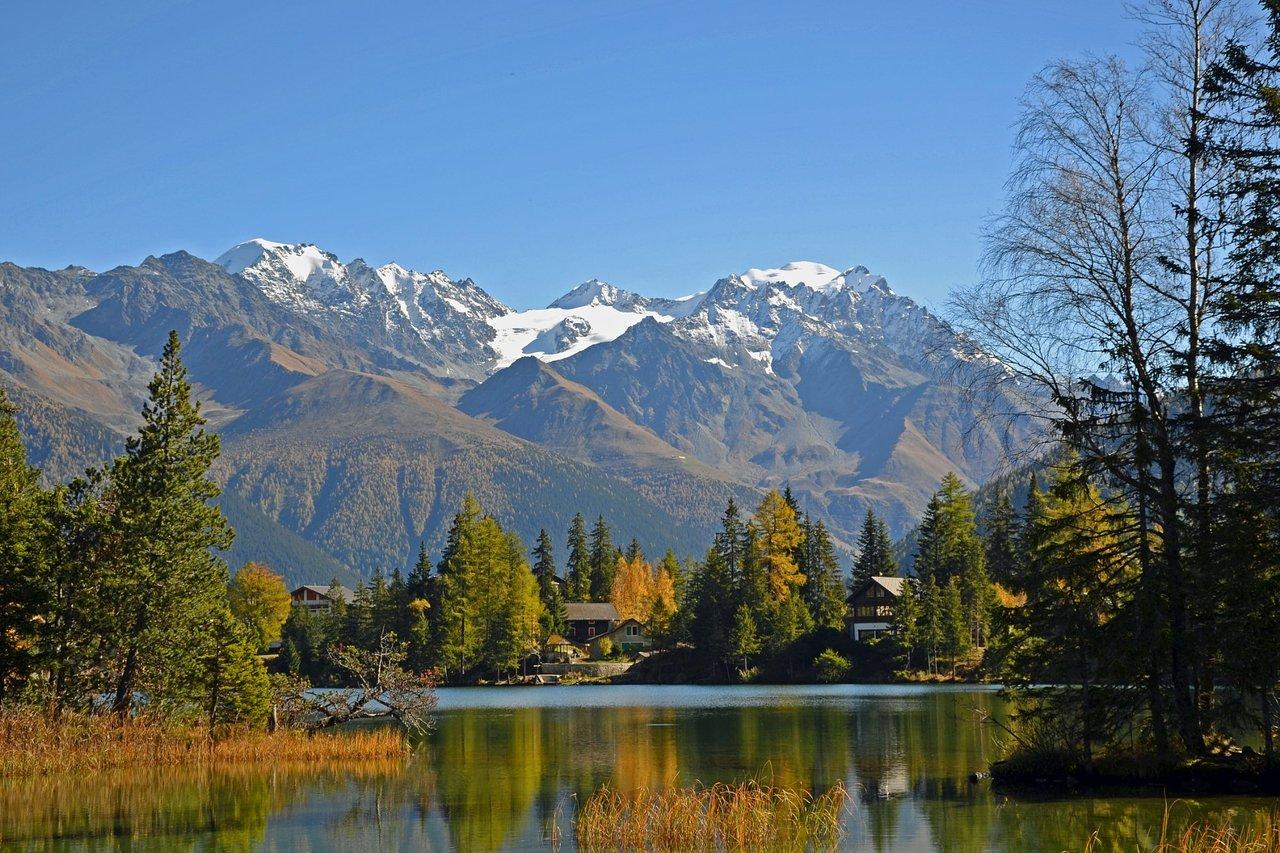
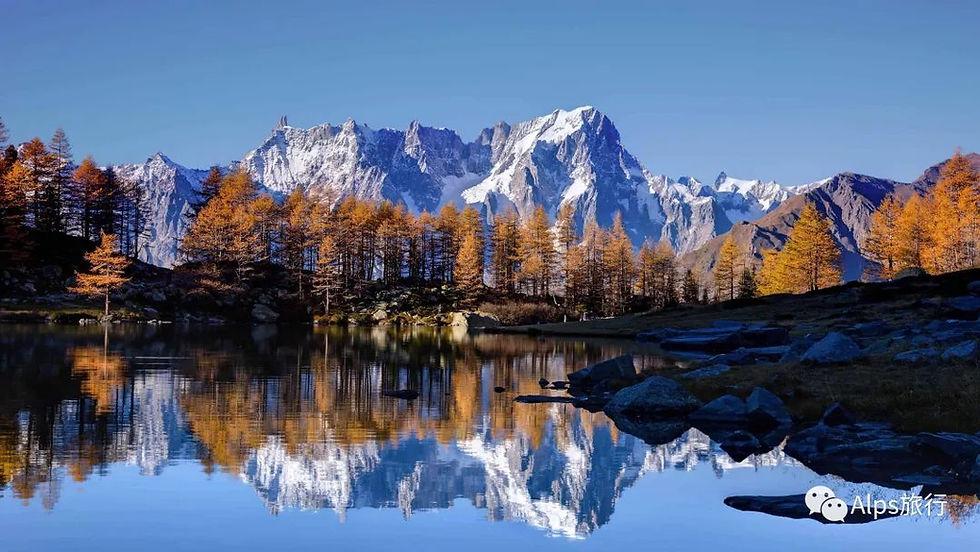
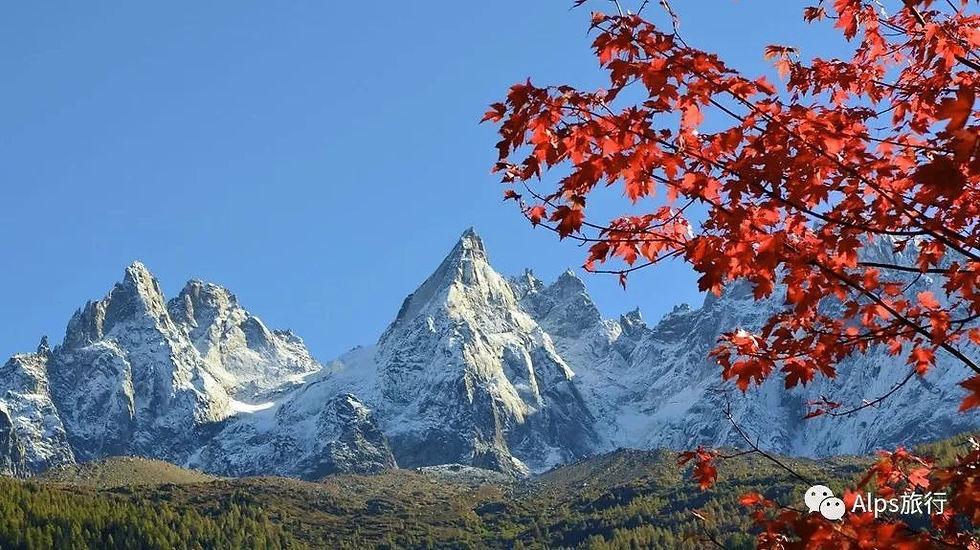
Shoulder season offers quieter trails but possible snow at higher elevations
These months offer a quieter experience.
In June:
• Possible snow on high passes
• Fewer hikers
• Some refuges open gradually
In September:
• Clear skies
• Cooler temperatures
• Less crowded trails
• Some services begin closing mid-month
Many experienced hikers prefer September for balance.
Weather Conditions on the TMB
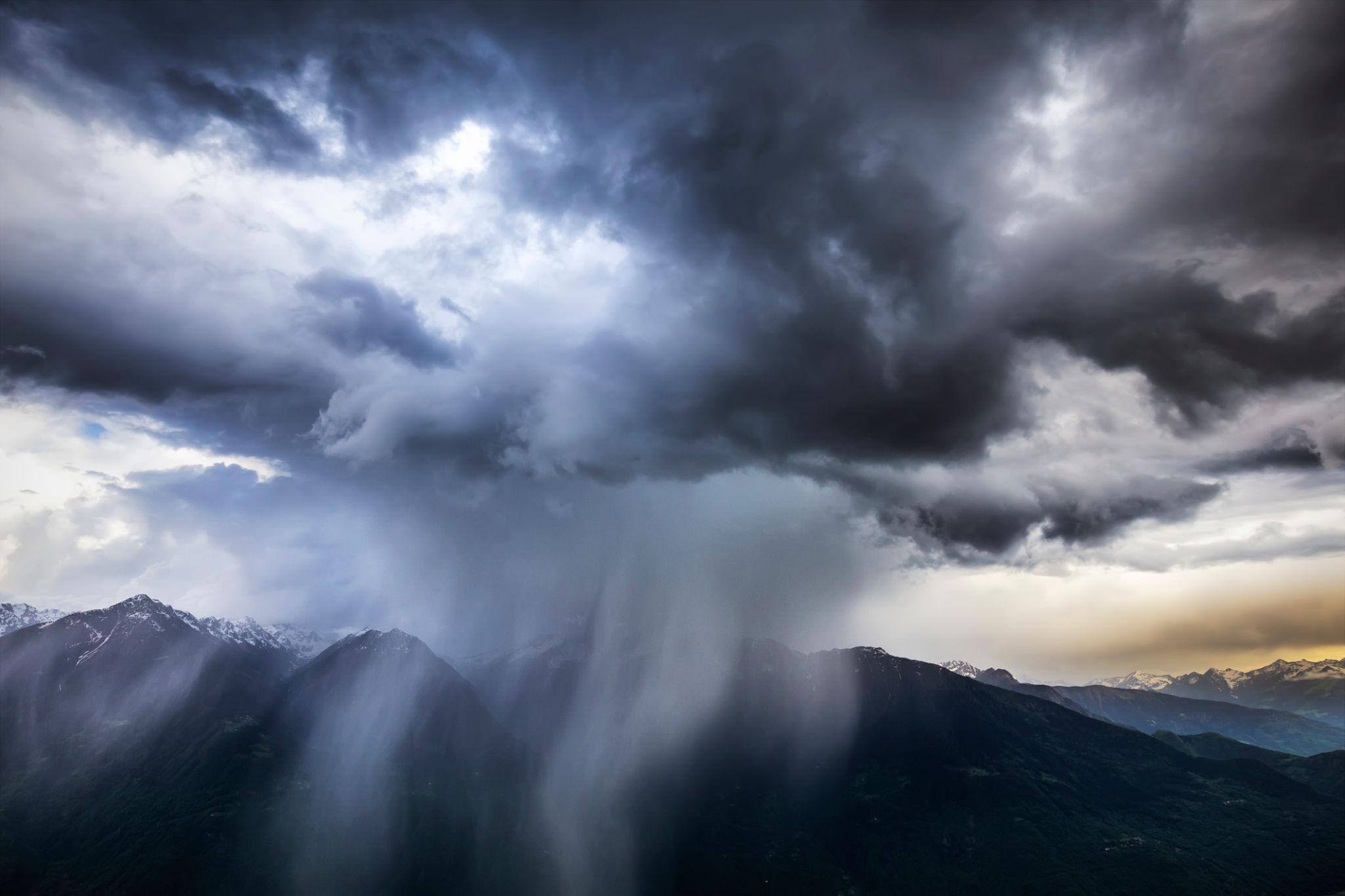
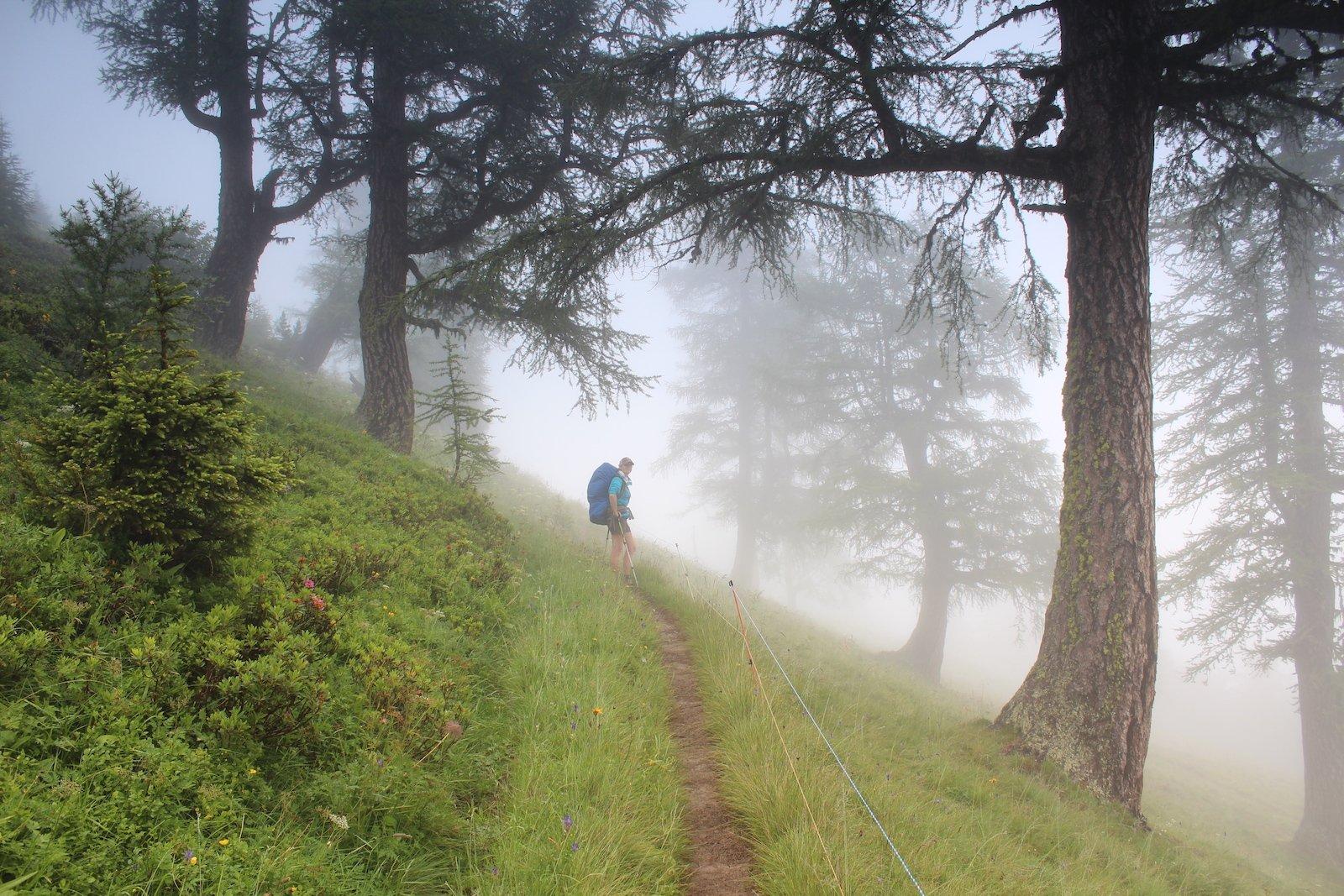
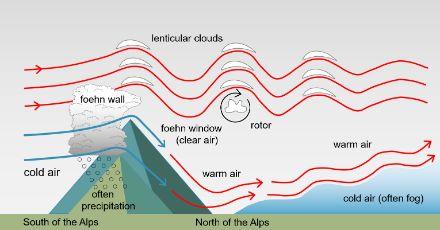
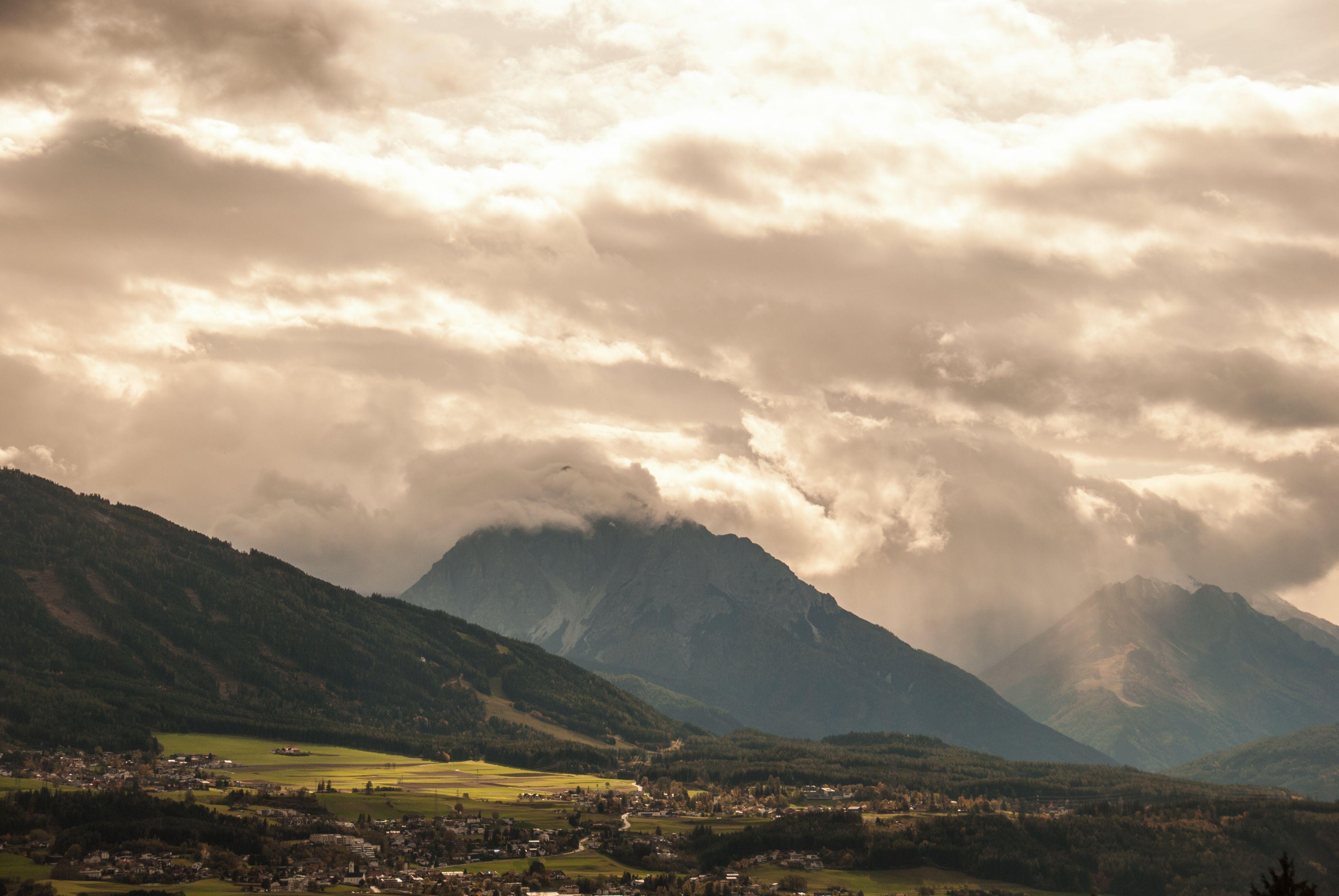
Alpine weather can change quickly, even during summer
Weather in the Alps can change rapidly.
Typical conditions include:
• Warm valley temperatures
• Cooler high passes
• Sudden afternoon storms
• Strong winds on exposed ridges
Rain and fog can reduce visibility quickly, so carrying proper waterproof gear is essential.
Safety Considerations
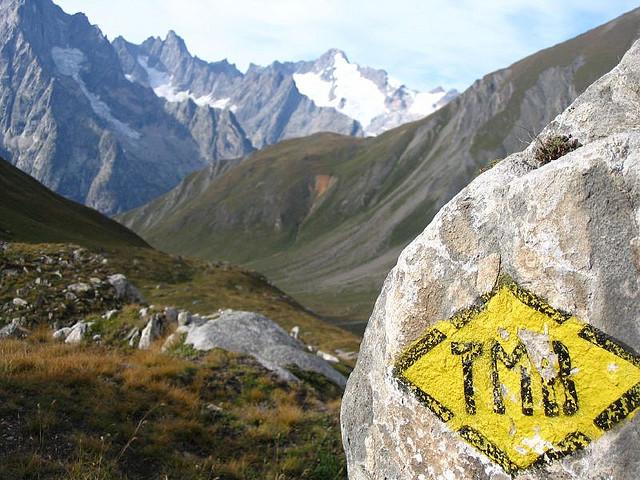
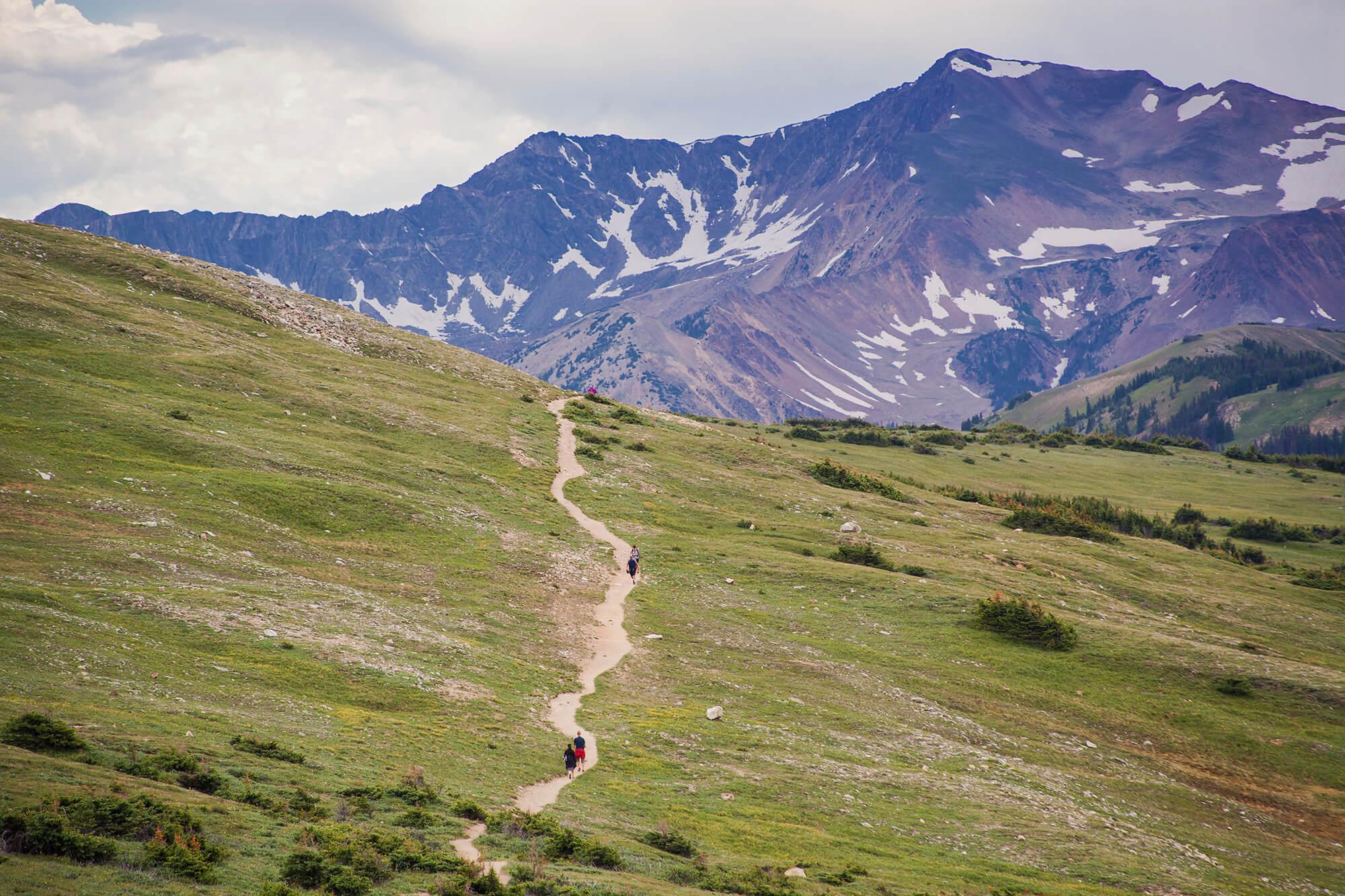
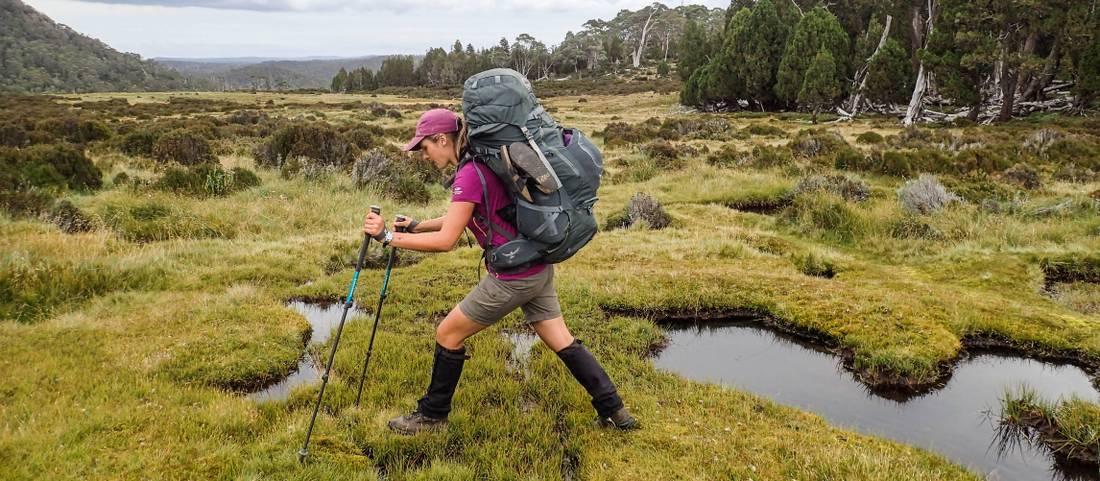
Marked trails and rocky sections require attention and proper footwear
The TMB is well-marked and generally safe, but it is still a mountain environment.
Important safety points:
• Follow trail signs carefully
• Check daily weather forecasts
• Carry enough water
• Use trekking poles for steep descents
• Avoid high passes during thunderstorms
There are no technical climbing sections, but good judgment is important.
How to Get There, Border Entry, Guide Rules & Costs
Step 1 – Entering the Country (France / Switzerland / Italy)
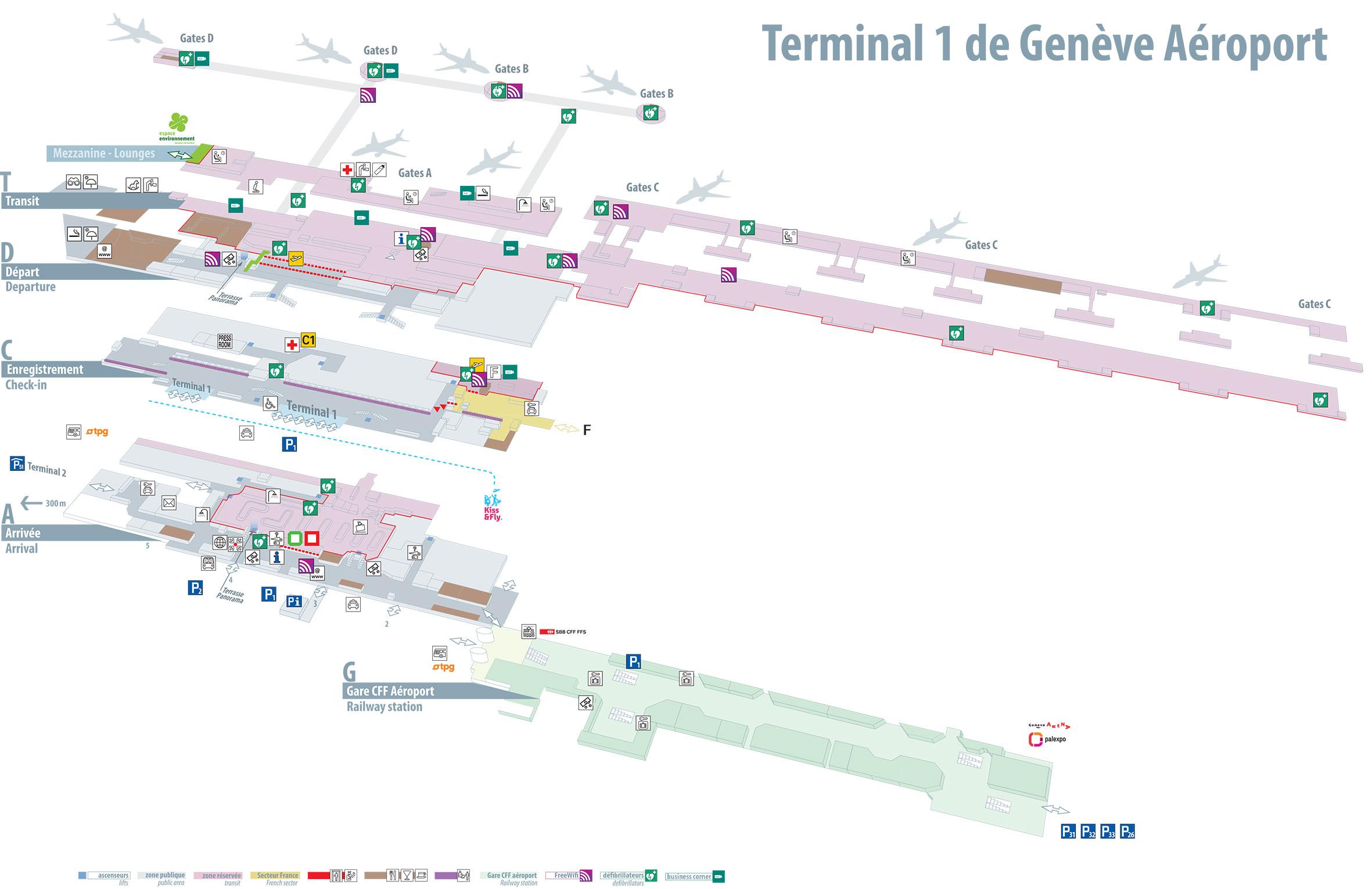
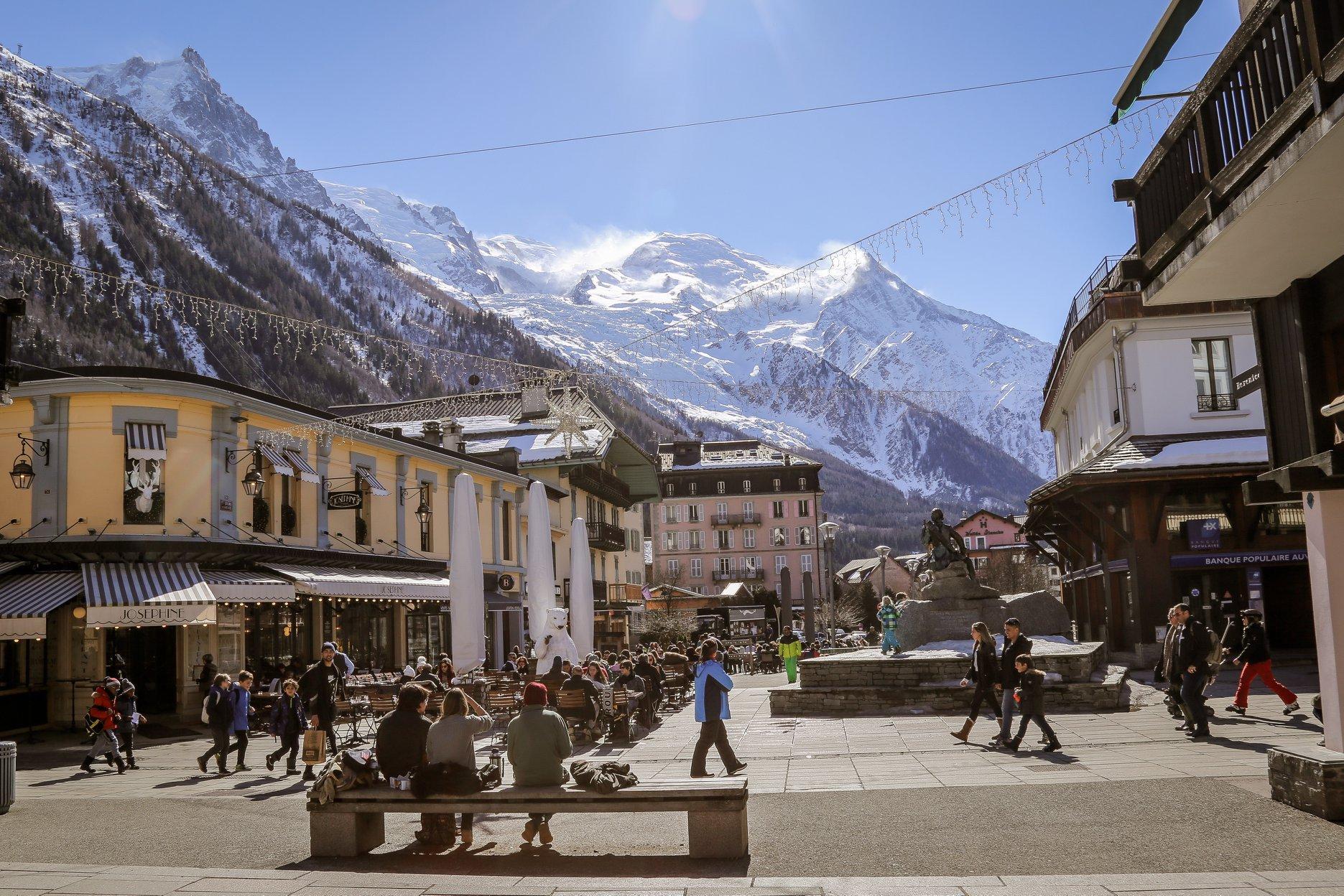
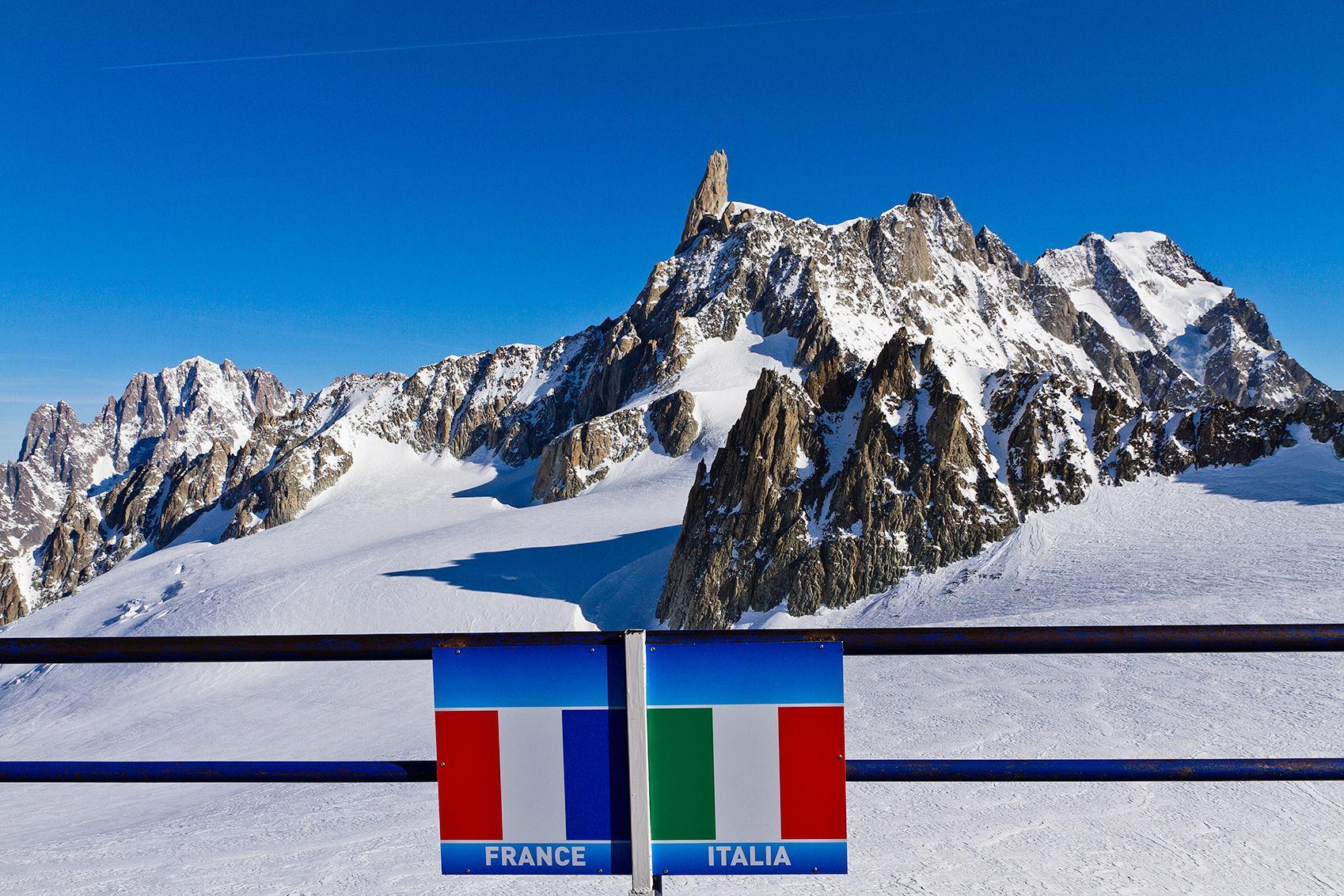
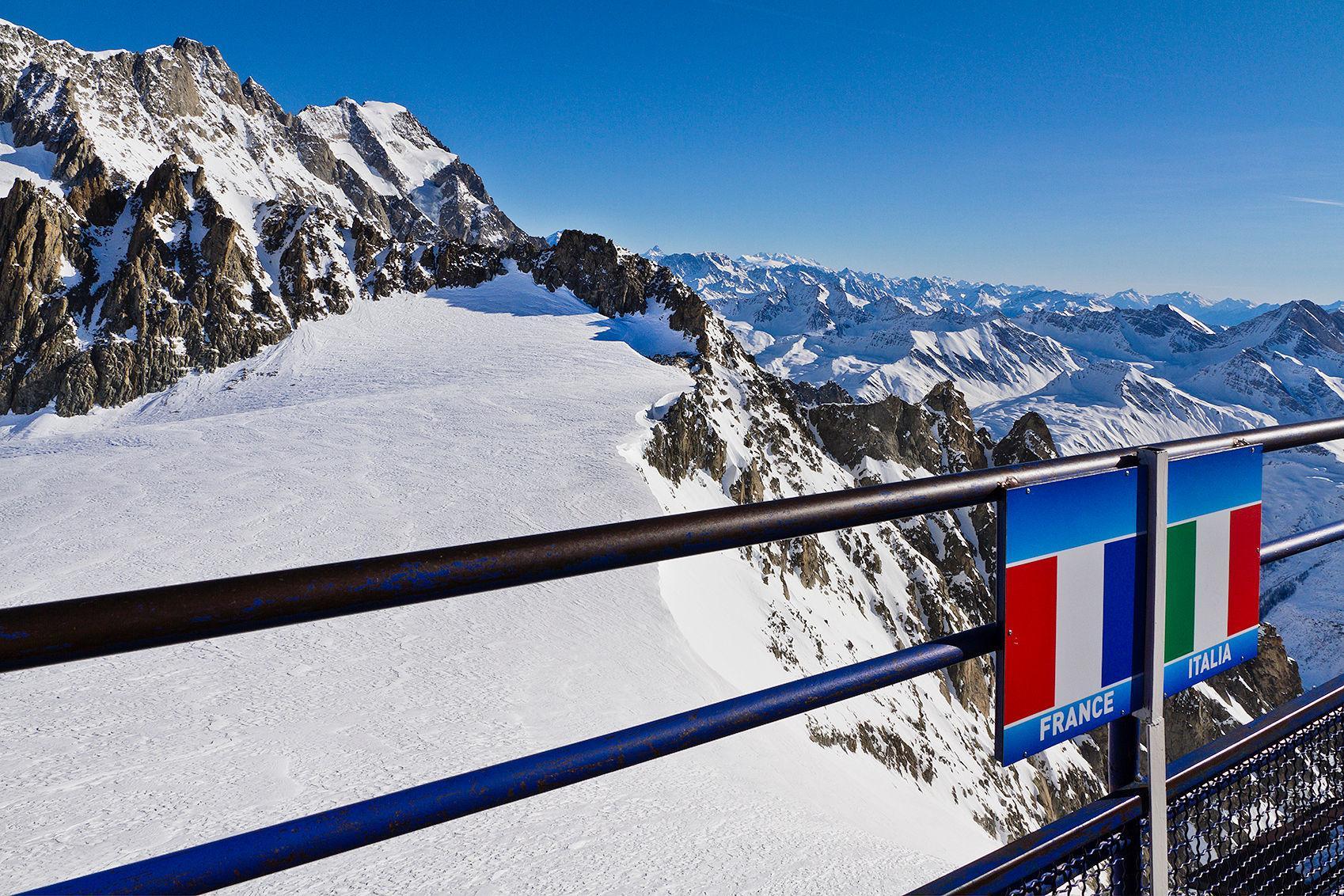
Most hikers arrive via Geneva Airport and enter the Schengen Area before heading to the Alps
The Tour du Mont Blanc passes through France, Italy, and Switzerland, all part of the Schengen Area.
Most international travelers fly into:
• Geneva Airport (Switzerland)
From there, you travel directly to Chamonix in France.
Visa Requirements
• Travelers from EU/Schengen countries do not need a visa.
• Many nationalities receive a Schengen tourist visa or visa-free entry.
Always check Schengen visa rules for your passport before travel.
You do not need special mountain permits to cross borders on this trail.
Step 2 – Getting to Chamonix (Main Starting Point)
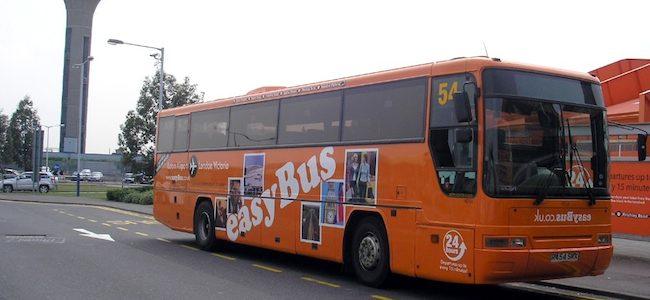
Chamonix is the most common starting and ending point for the Tour du Mont Blanc
After arriving in Geneva:
• Shuttle buses run directly to Chamonix
• Travel time is about 1.5 hours
• Private transfers and rental cars are also available
Chamonix has:
• Hotels and hostels
• Gear shops
• Supermarkets
• Transport links
From here, most hikers begin in Les Houches, just outside Chamonix.
Do You Need a Guide for the TMB?
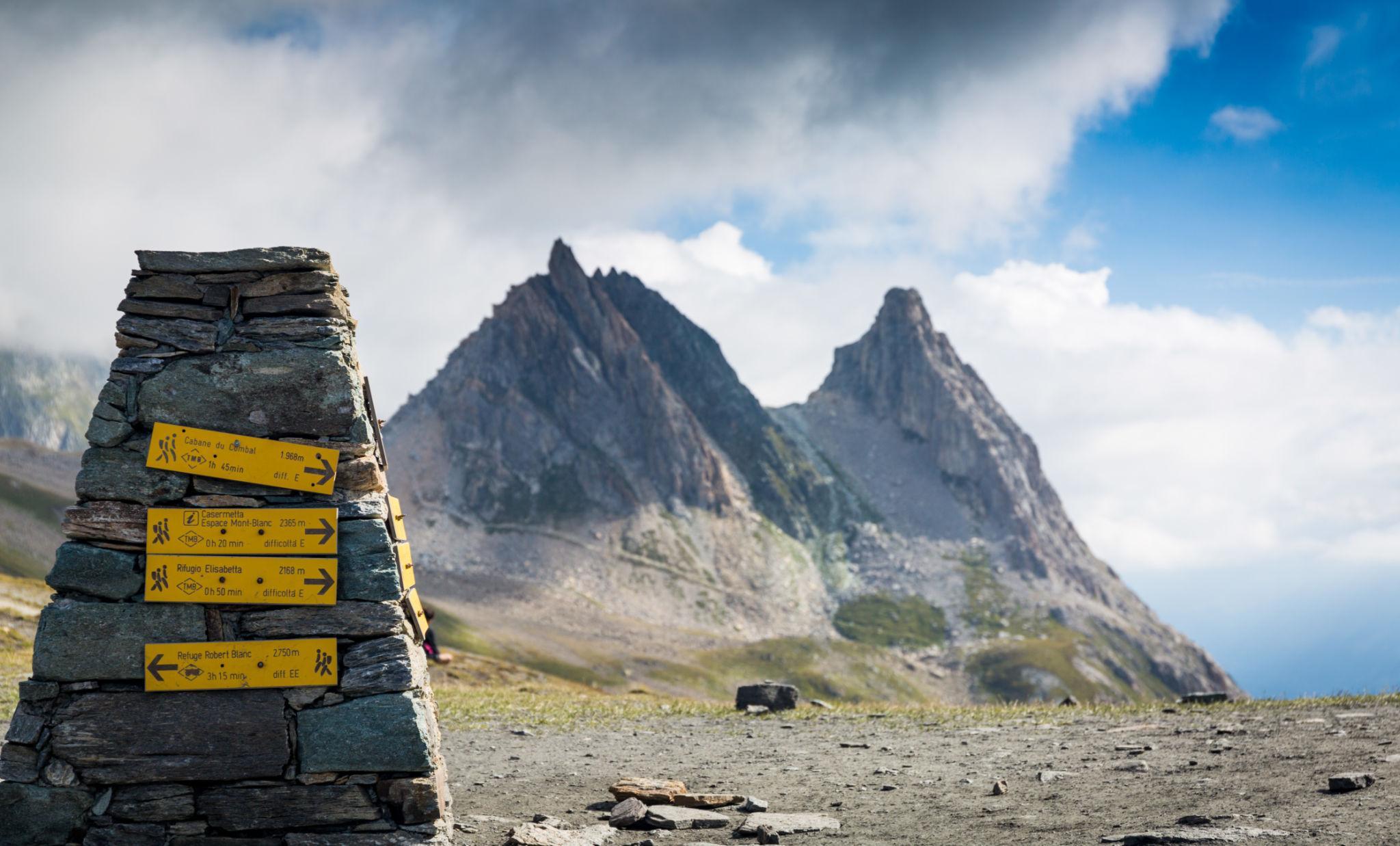
The TMB is well-marked and can be done independently or with a guided group
A guide is not mandatory on the Tour du Mont Blanc.
The trail is:
• Clearly marked
• Well-maintained
• Supported by refuges and villages
However, a guide may be helpful if:
• You prefer organized logistics
• You want luggage transfer arranged
• You are not confident with navigation
• You want cultural and mountain knowledge
Many hikers complete the TMB independently.
Accommodation Booking System
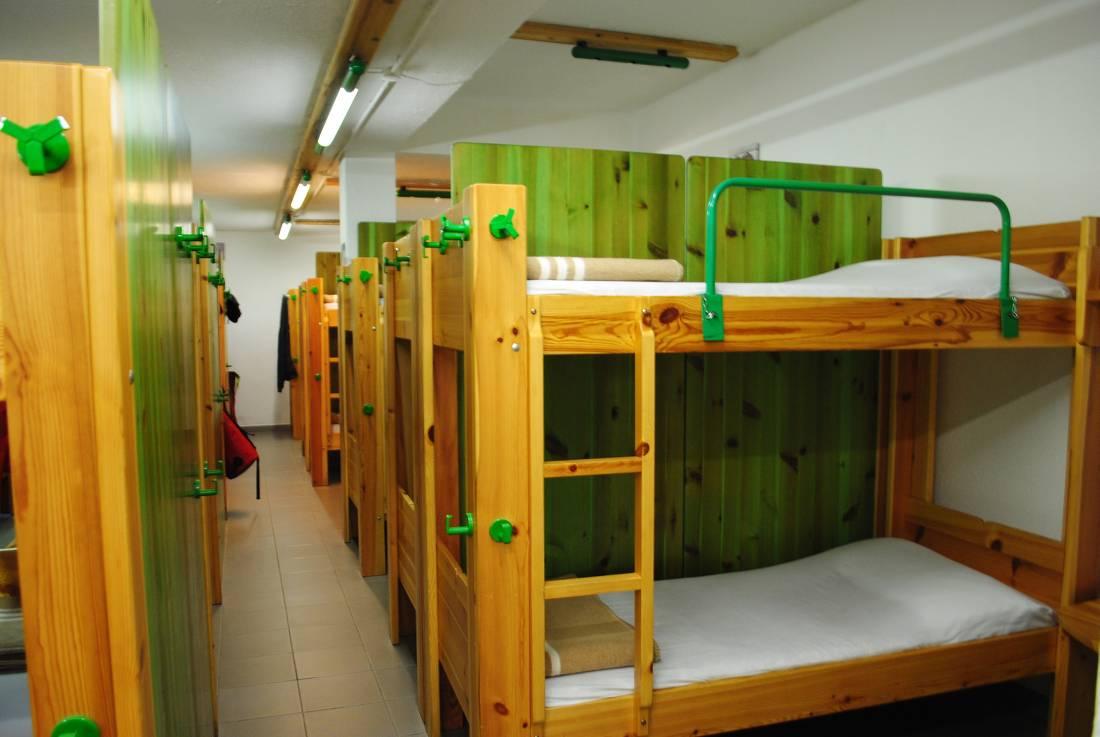
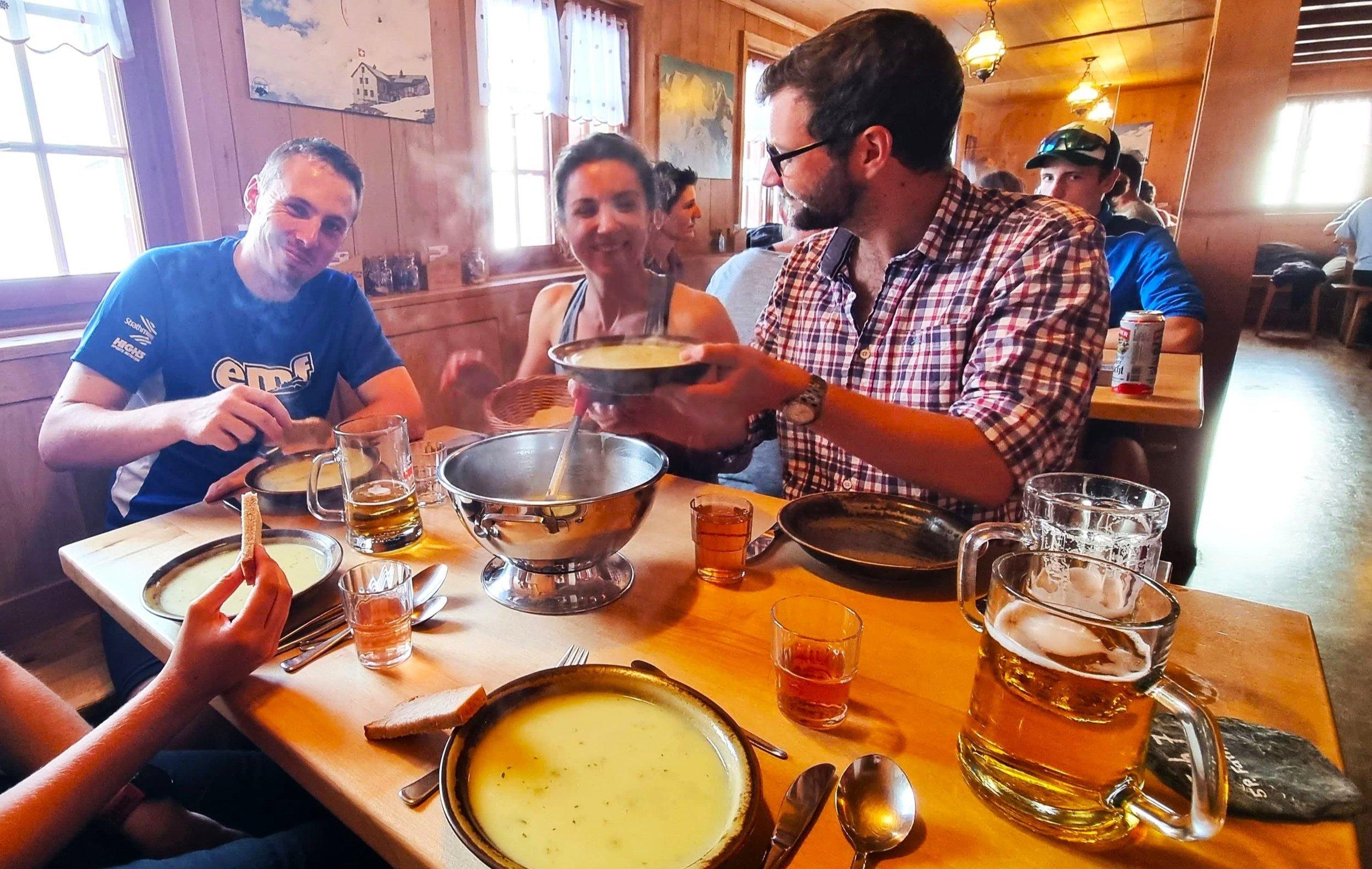
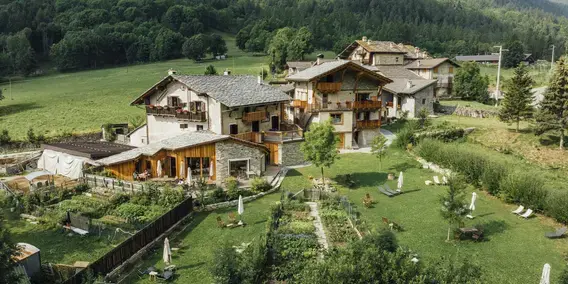
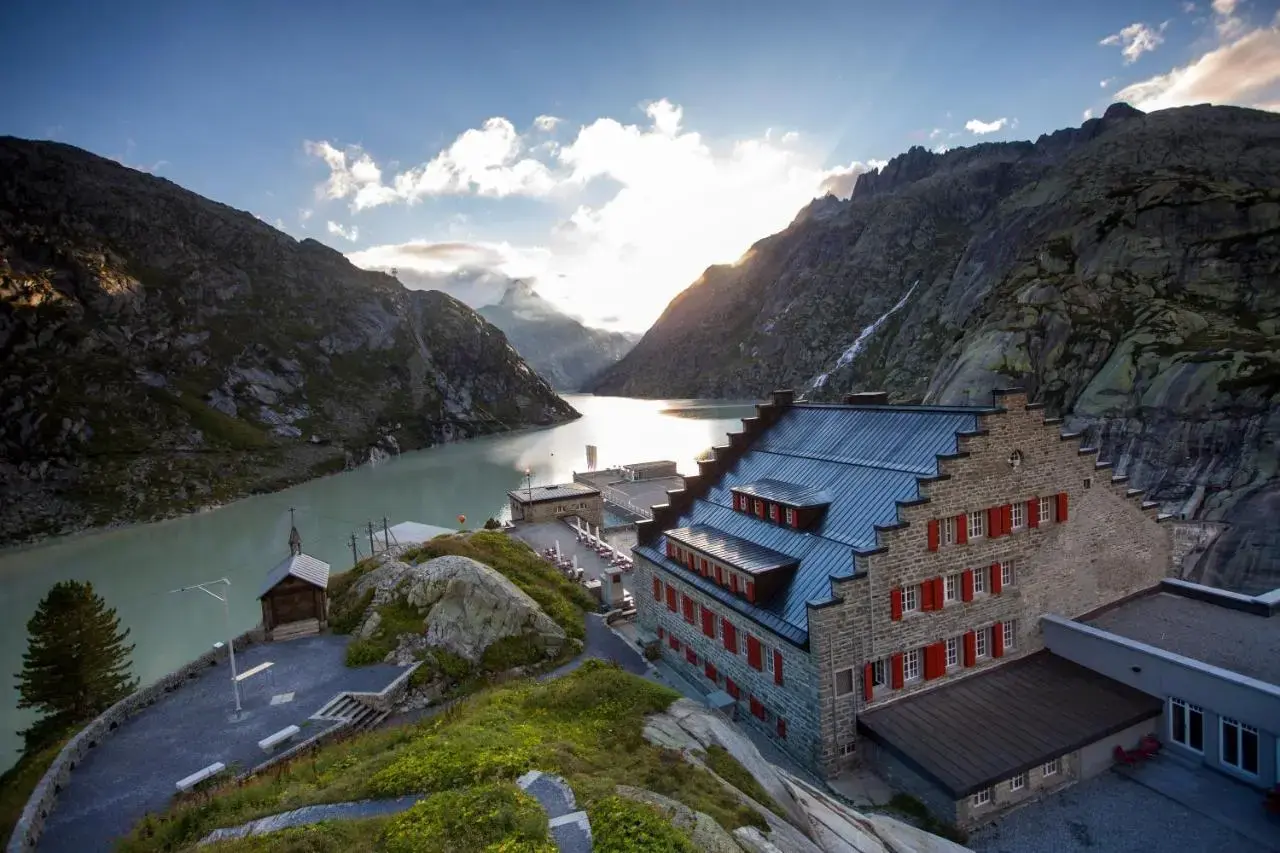
Mountain refuges must be reserved in advance during peak season
Accommodation along the TMB includes:
• Mountain refuges (shared dorm rooms)
• Small alpine hotels
• Guesthouses
Important:
• July and August require advance booking
• Popular refuges fill months ahead
• Half-board (dinner and breakfast) is common
You must plan your daily stops according to available beds.
Typical Costs of the Tour du Mont Blanc
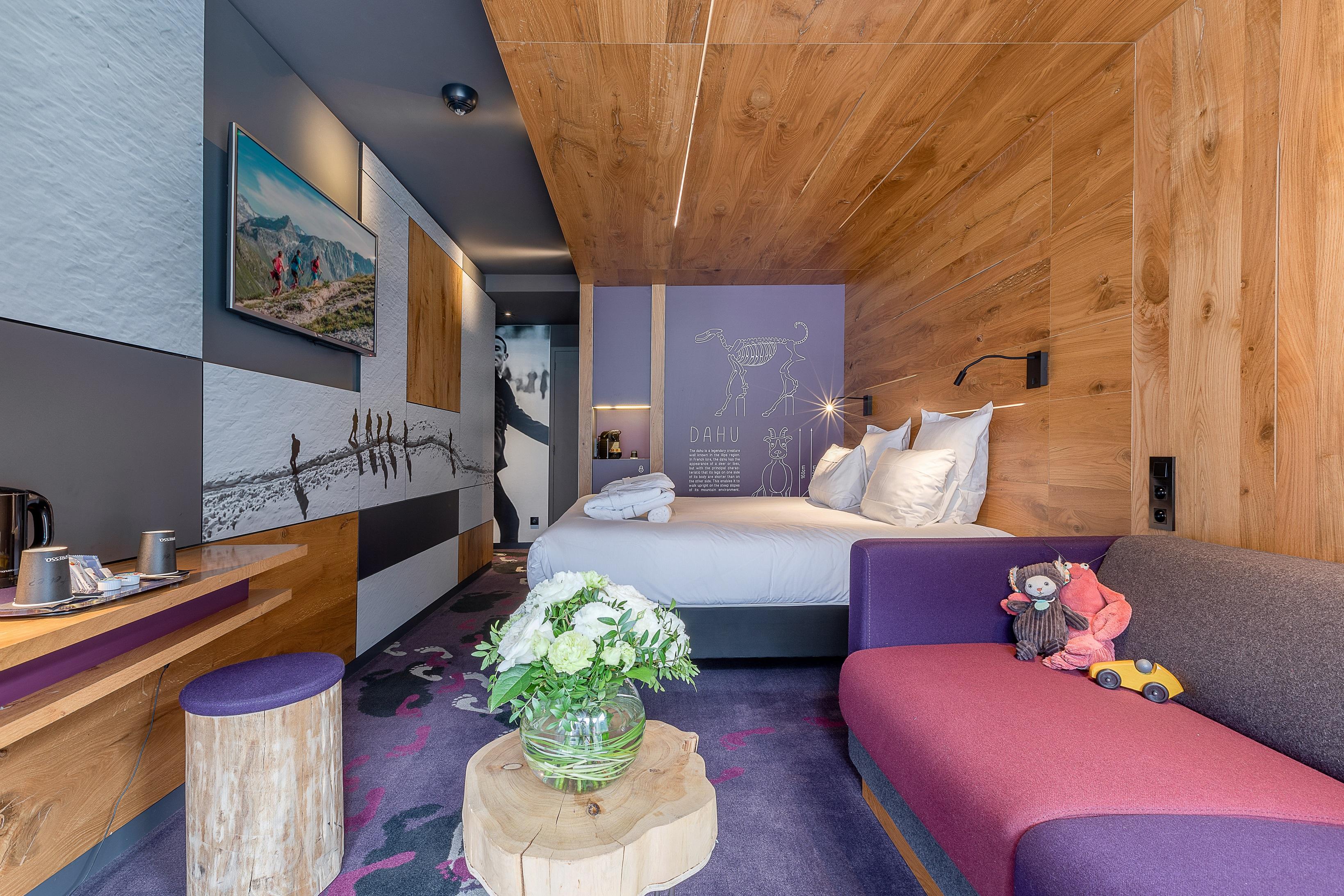
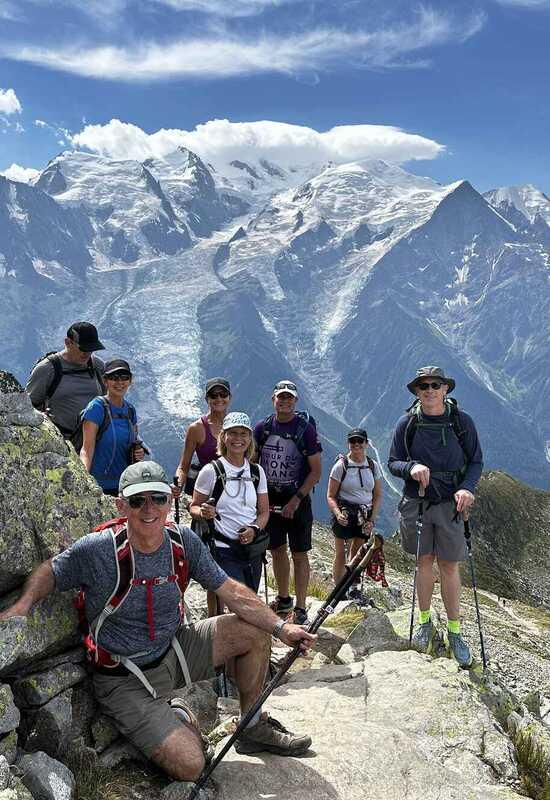
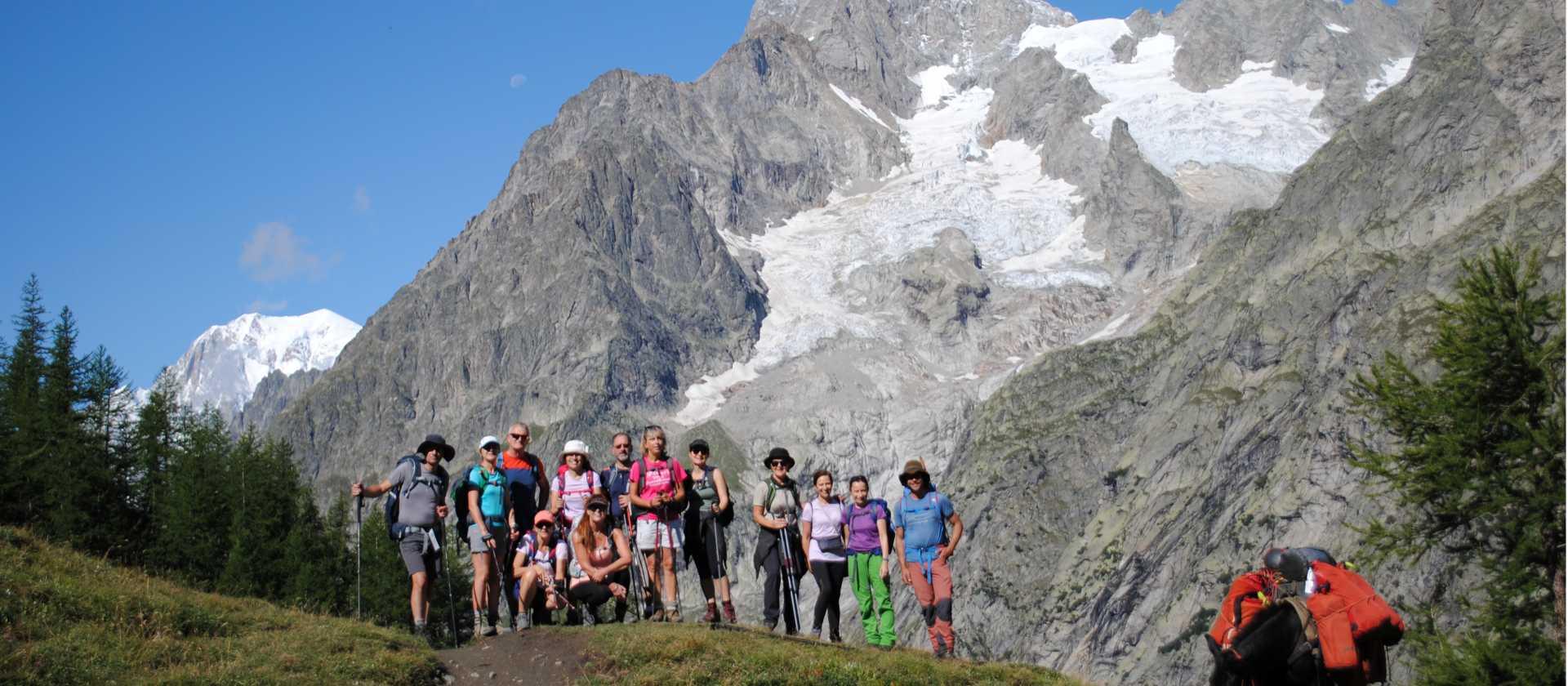
Costs vary depending on accommodation type and whether you use a guide
Approximate cost per person for full 10–12 days:
Independent Hiking:
• 1,000 – 1,800 EUR
(Includes accommodation, meals, transport)
Self-Guided Package (with luggage transfer):
• 1,800 – 2,800 EUR
Fully Guided Tour:
• 2,500 – 4,000 EUR
Flights and personal gear are not included.
Packing, Food, Common Mistakes & Final Advice
What to Pack for the Tour du Mont Blanc
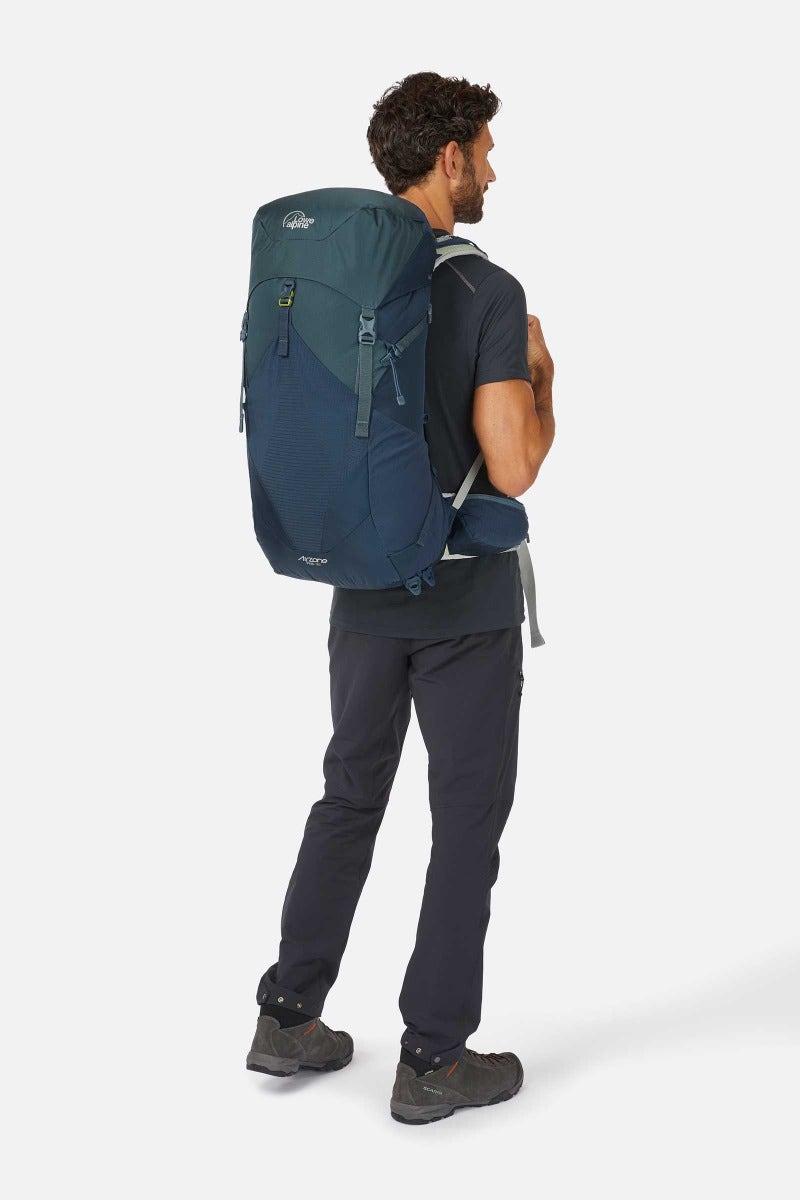
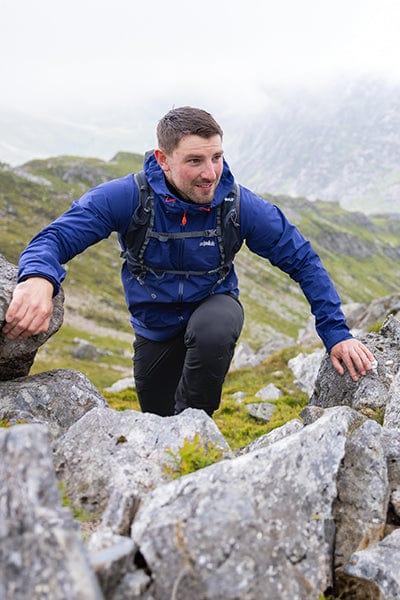
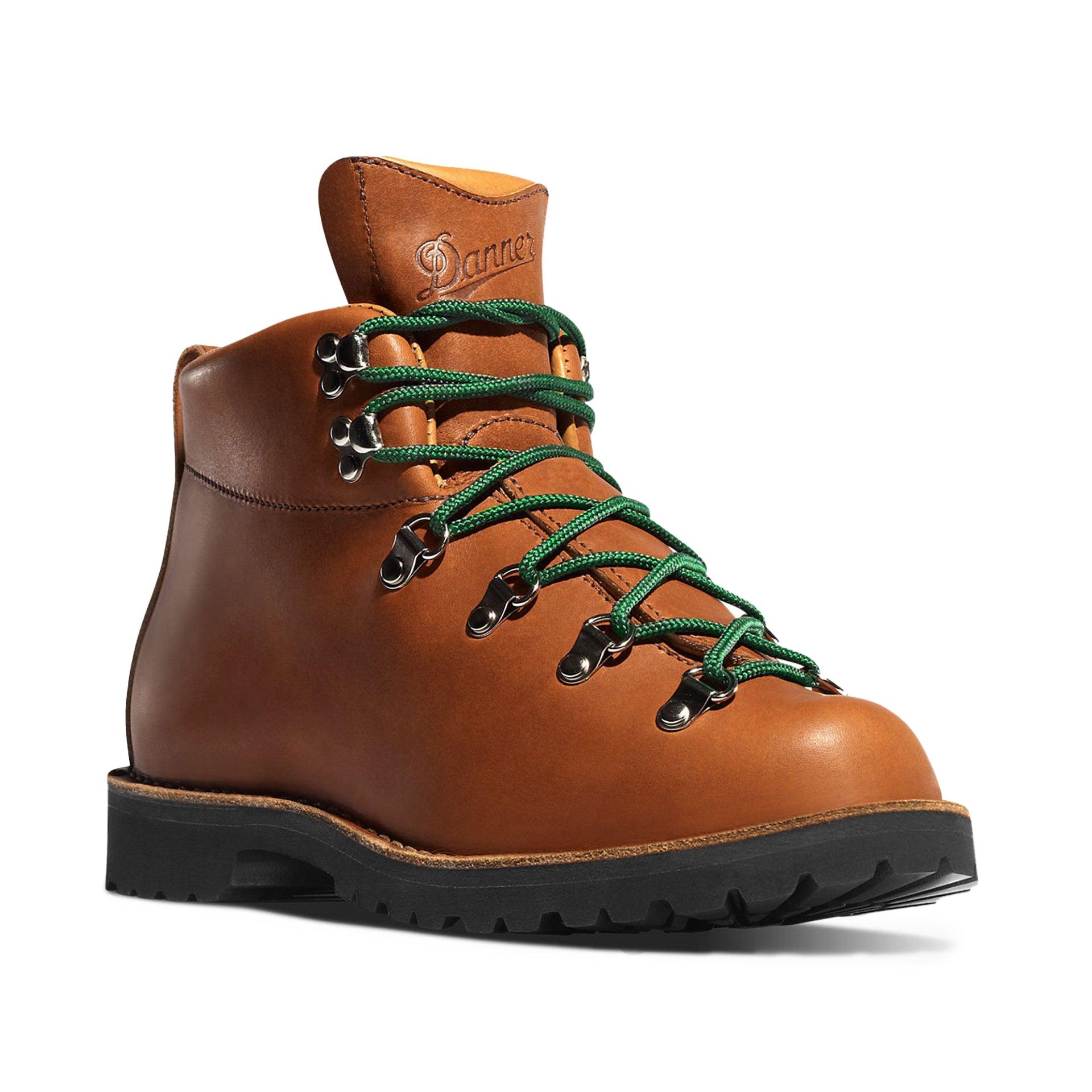
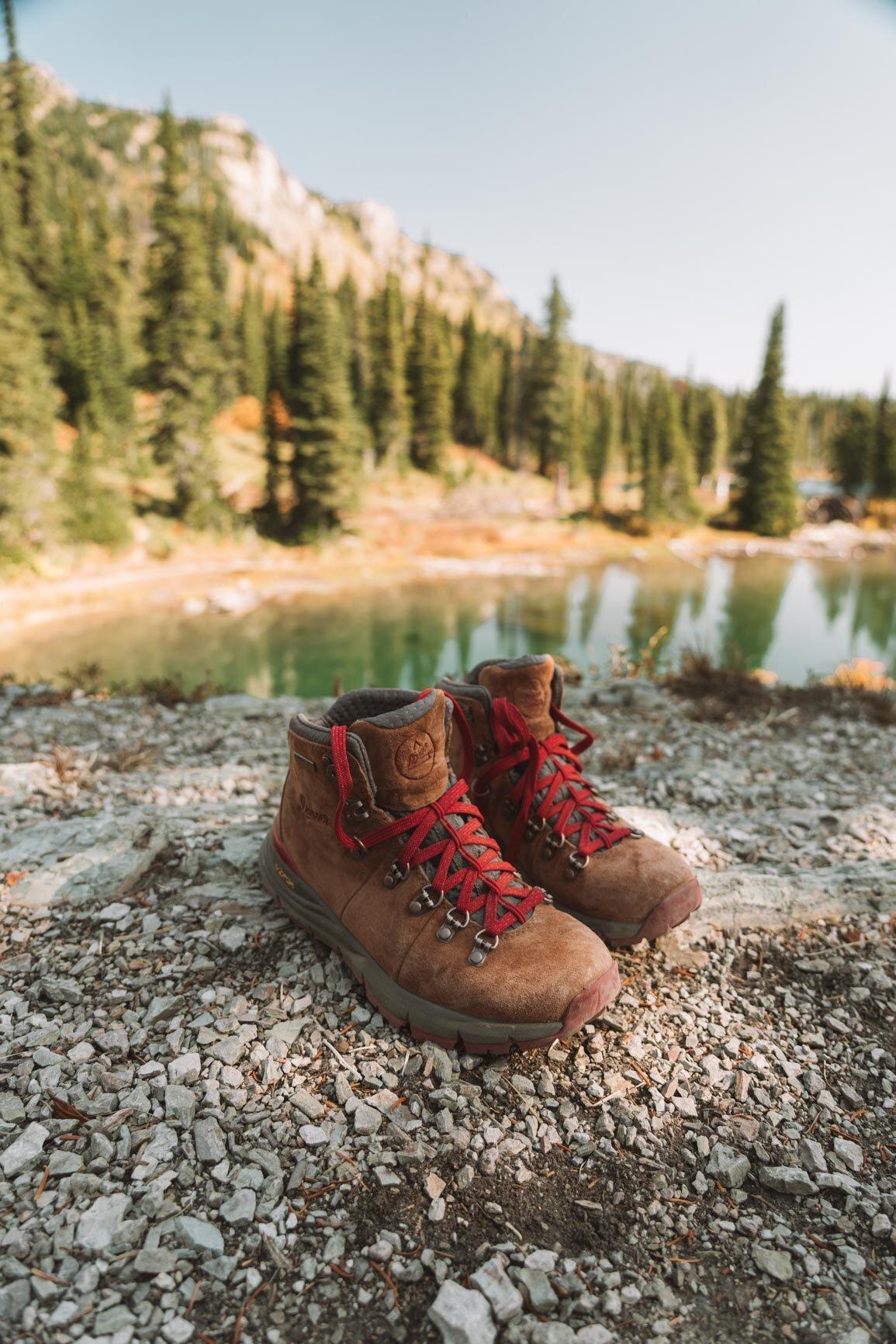
Lightweight hiking gear and layered clothing are ideal for alpine conditions
The Tour du Mont Blanc is not a high-altitude expedition, but it is physically demanding. Packing smart makes the experience much more comfortable.
Essential items include:
• Lightweight hiking backpack (30–40L)
• Waterproof jacket and rain cover
• Layered clothing for changing temperatures
• Good quality hiking boots
• Trekking poles for steep descents
• Sunglasses and sun protection
• Water bottles or hydration bladder
Keep your pack light, especially if hiking without luggage transfer.
Food and Daily Routine on the Trail
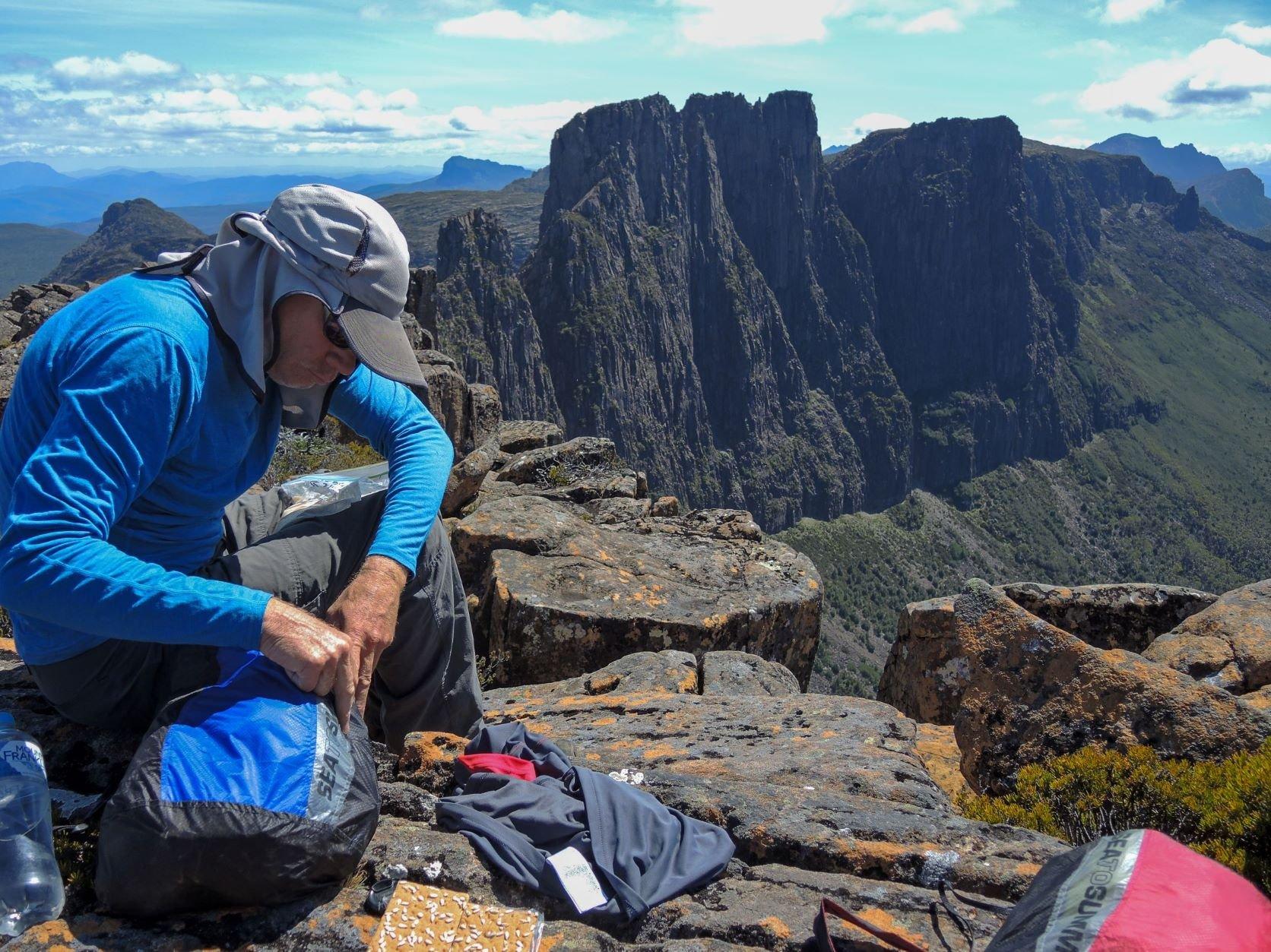
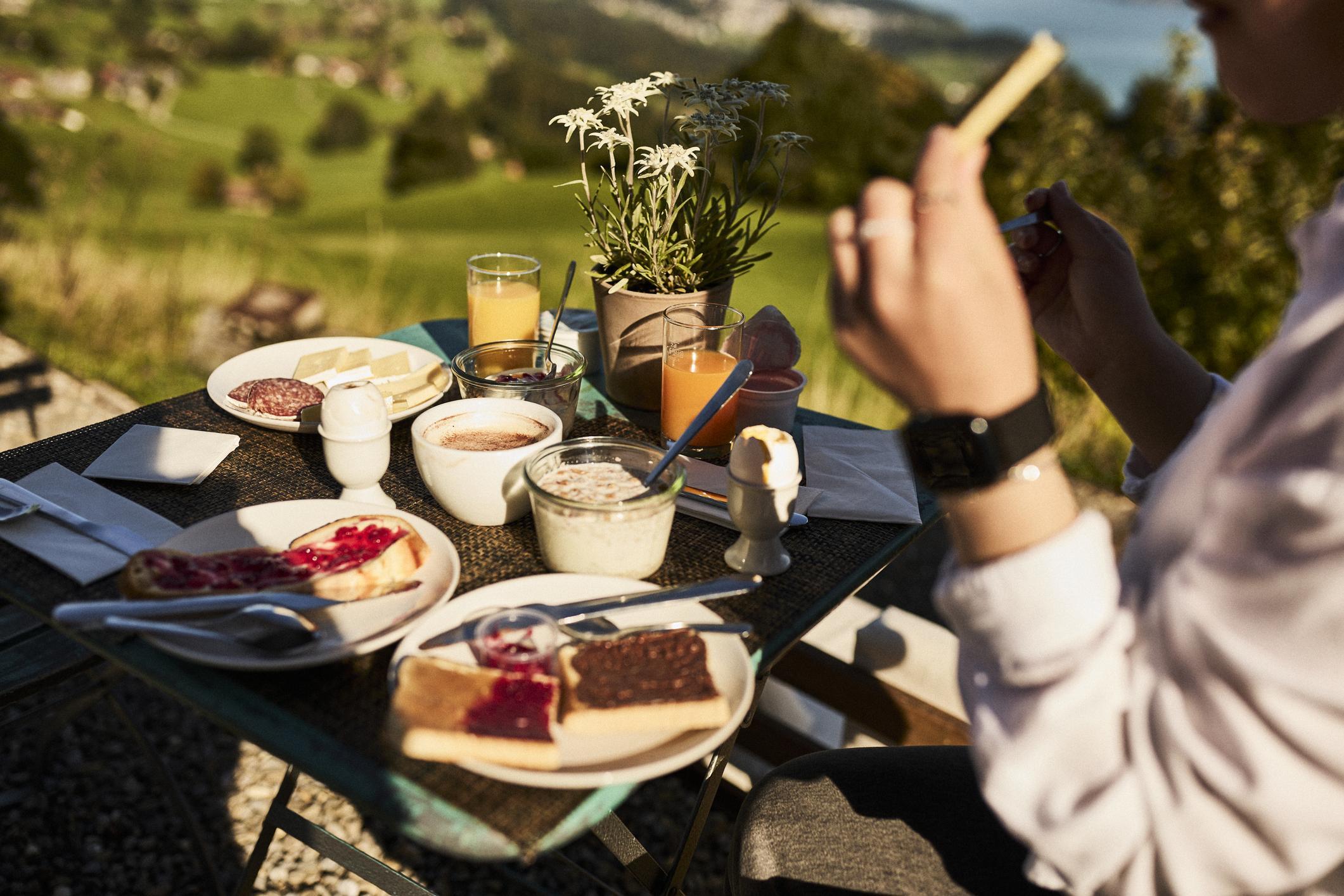
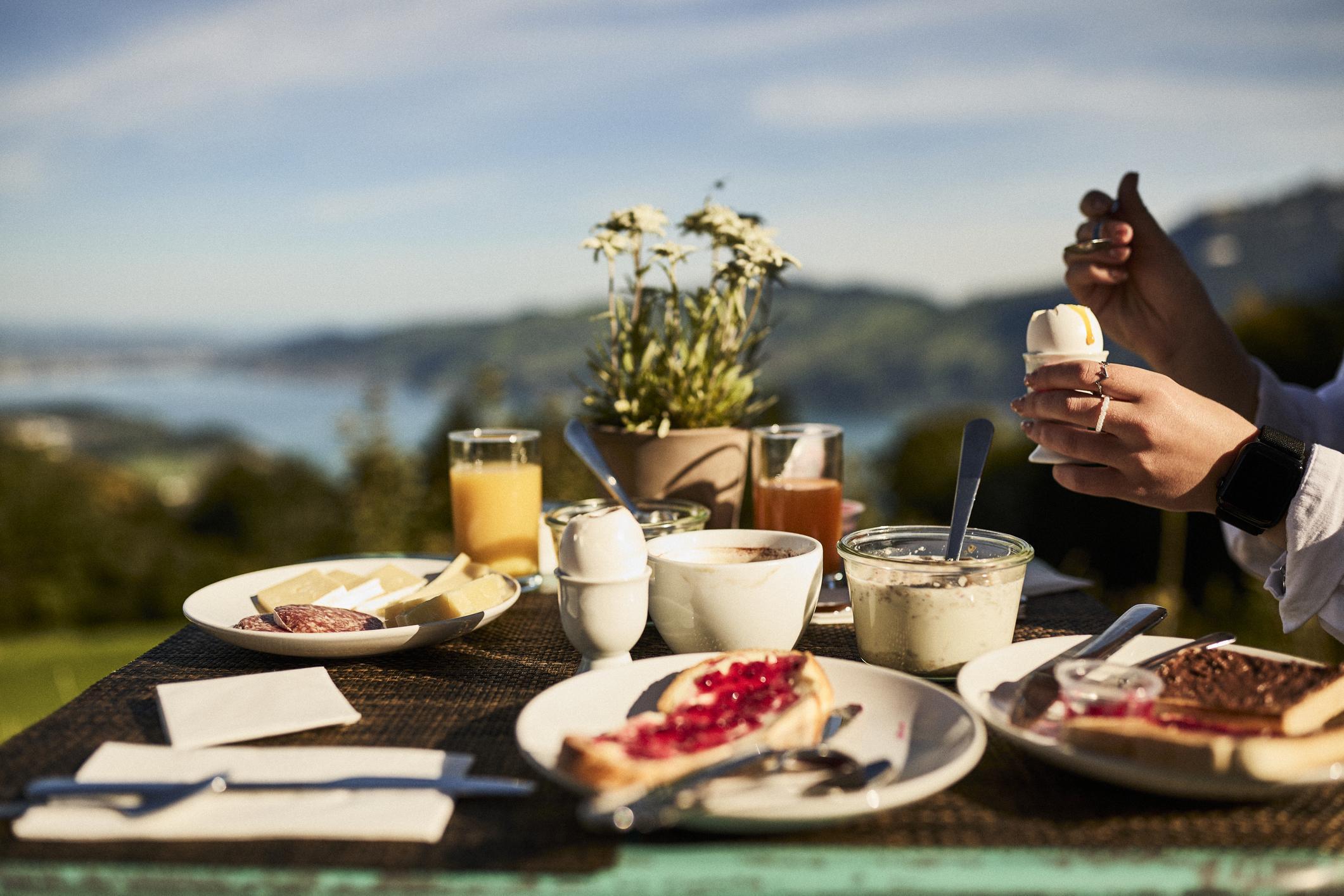
Half-board meals in refuges and packed lunches are common along the route
Most hikers choose half-board accommodation, which includes:
• Dinner in the refuge
• Breakfast the next morning
Lunch is usually:
• Packed from the refuge
• Purchased at small mountain cafés
• Carried as snacks
Typical meals include pasta, soup, bread, cheese, and regional alpine dishes.
A normal day looks like:
• Breakfast around 7:00 AM
• 6–8 hours of hiking
• Afternoon arrival at refuge
• Dinner with other hikers
The social atmosphere is part of the experience.
Common Mistakes Hikers Make
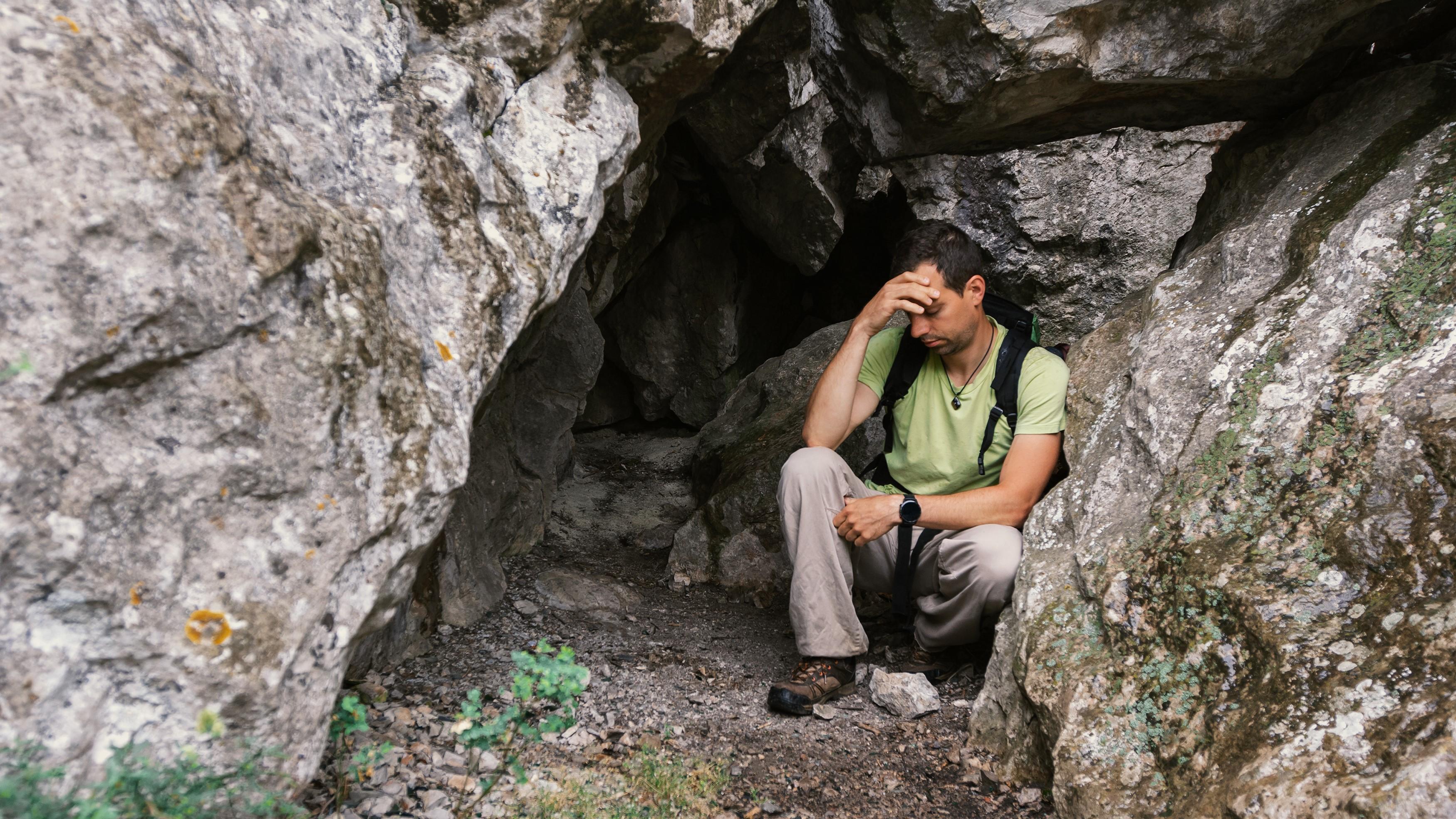
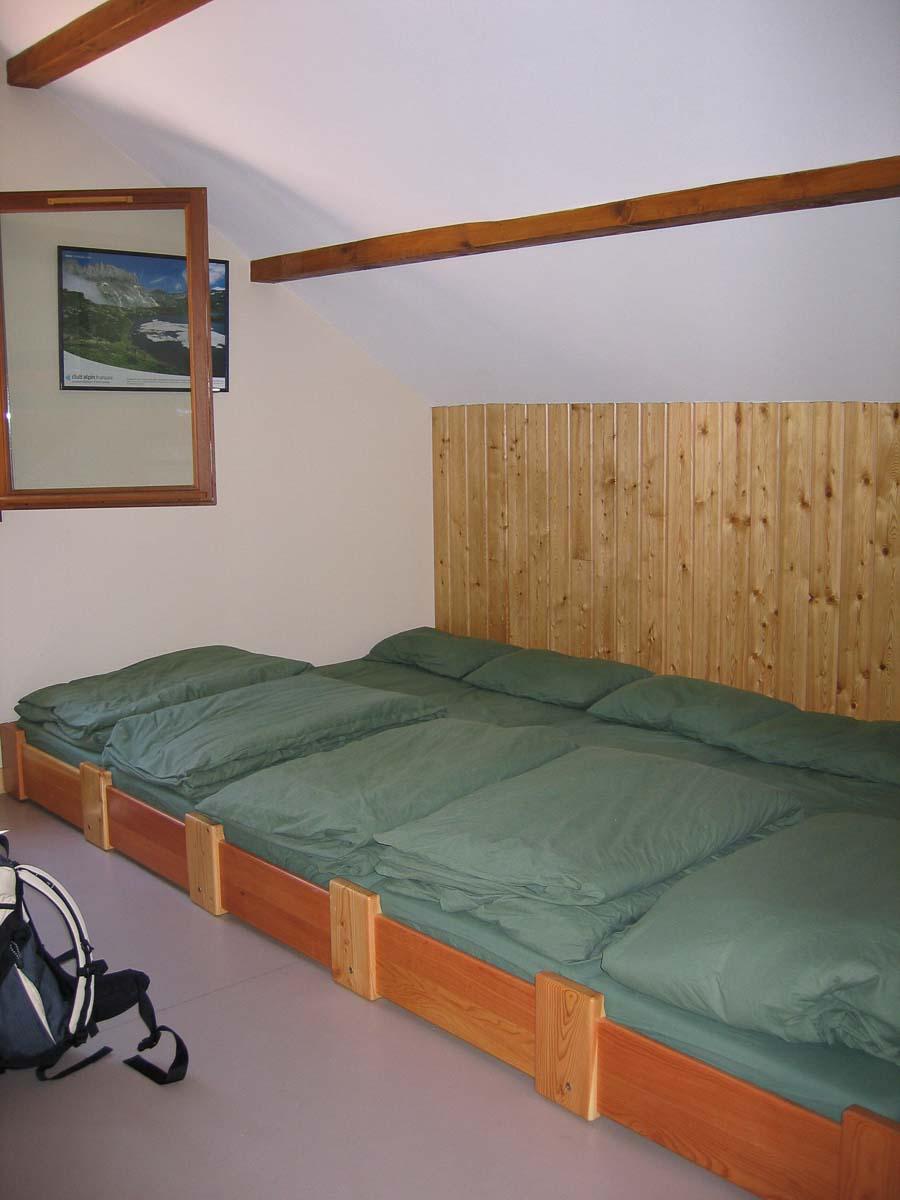
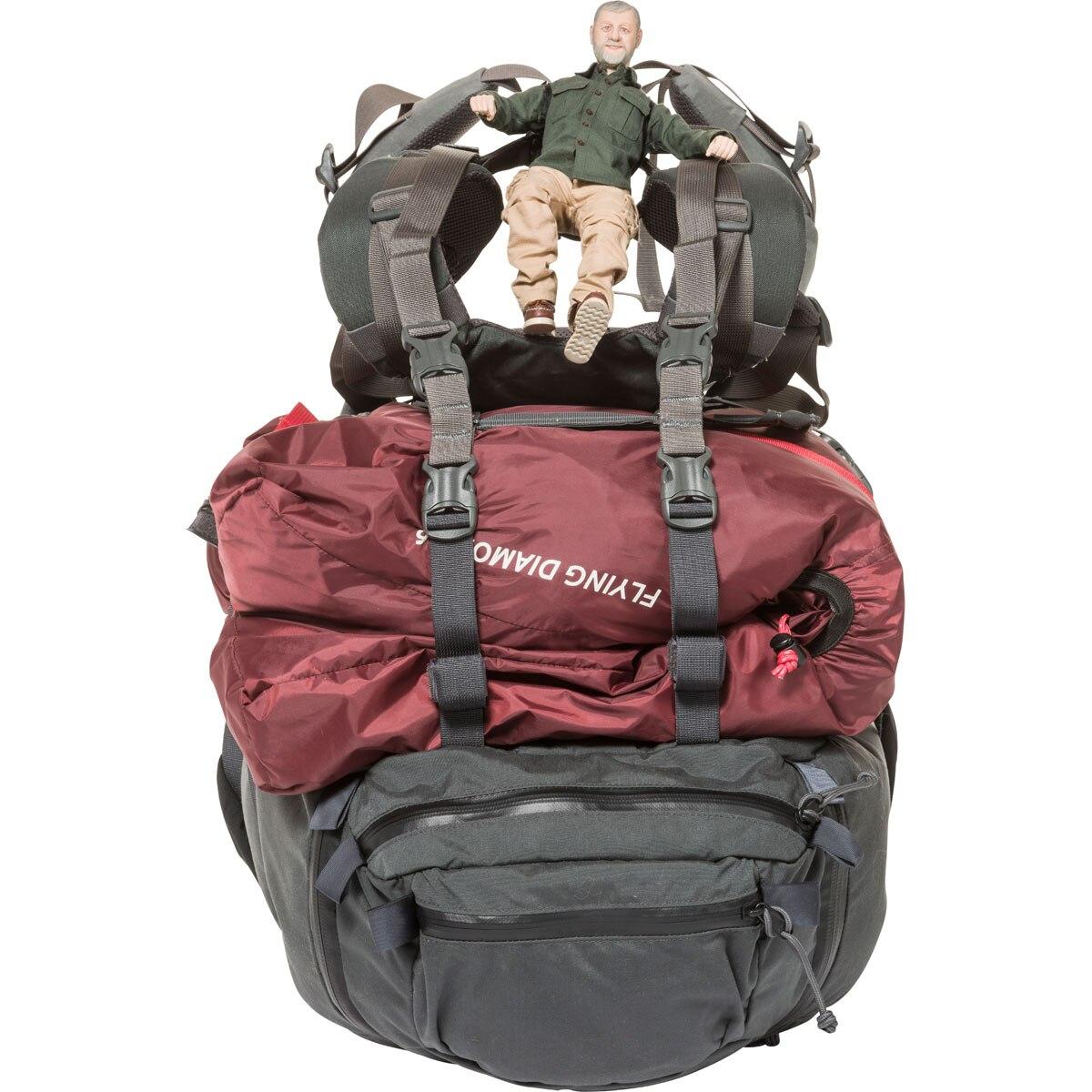
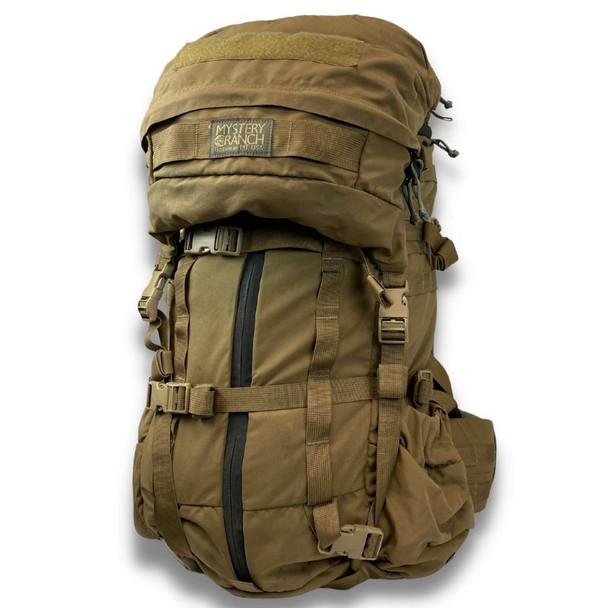
Long descents and full refuges can become challenging without preparation
Avoid these common errors:
• Underestimating daily elevation gain
• Not booking accommodation early
• Carrying too much weight
• Ignoring weather forecasts
• Starting too late in the morning
Preparation and early planning reduce most problems.
Is the Tour du Mont Blanc Worth It?
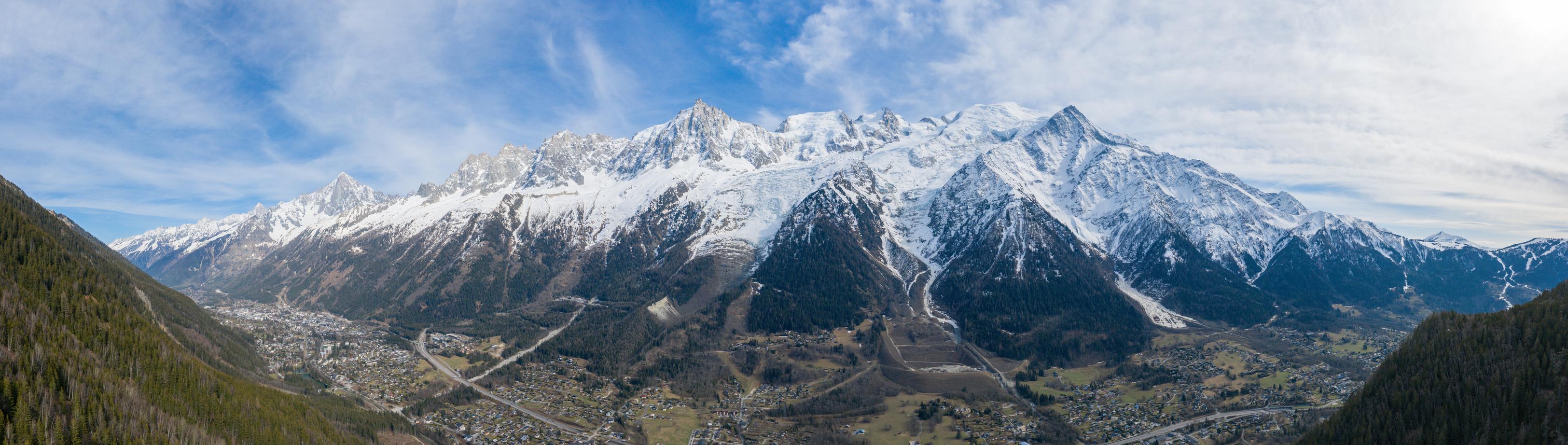
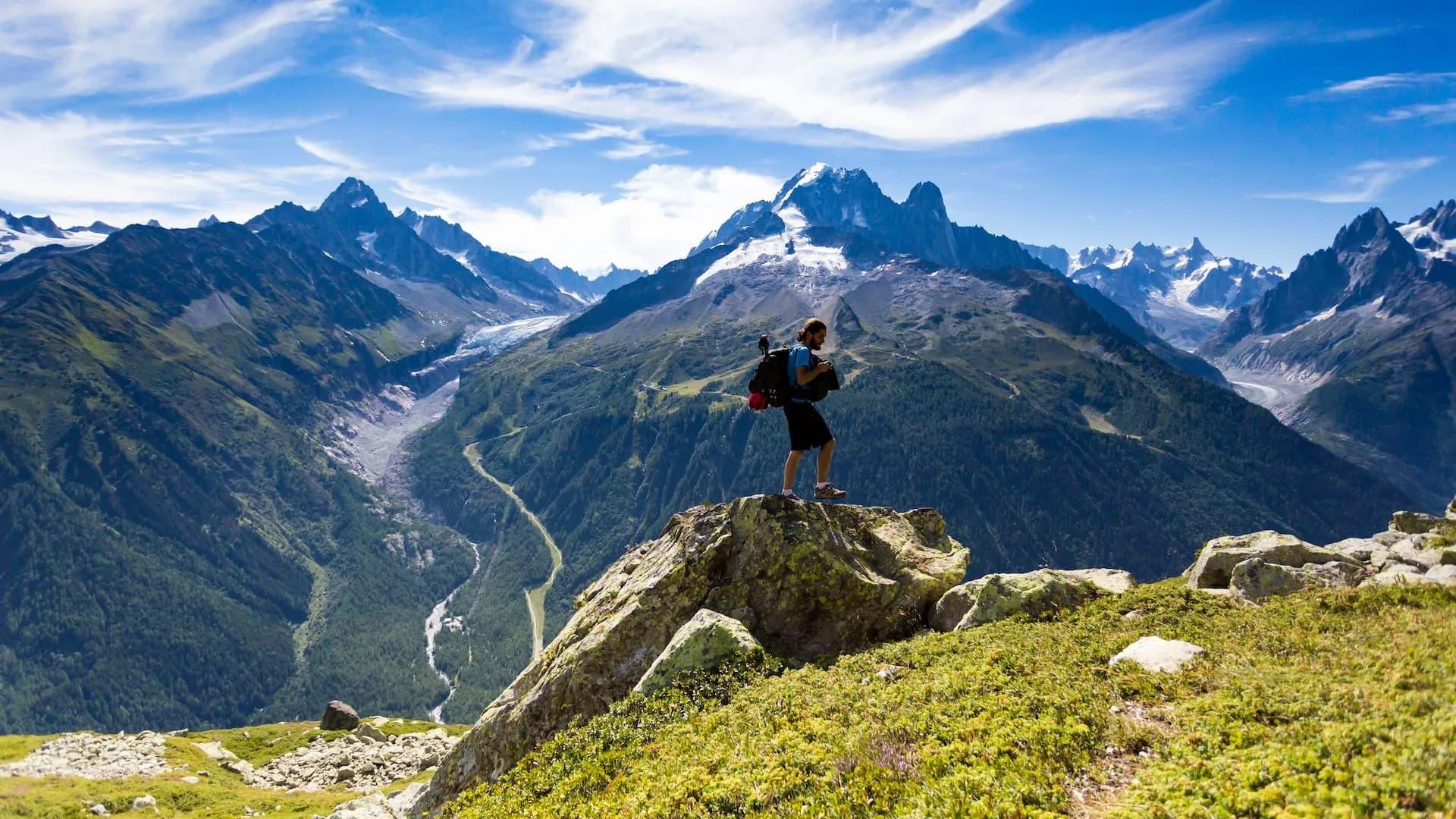
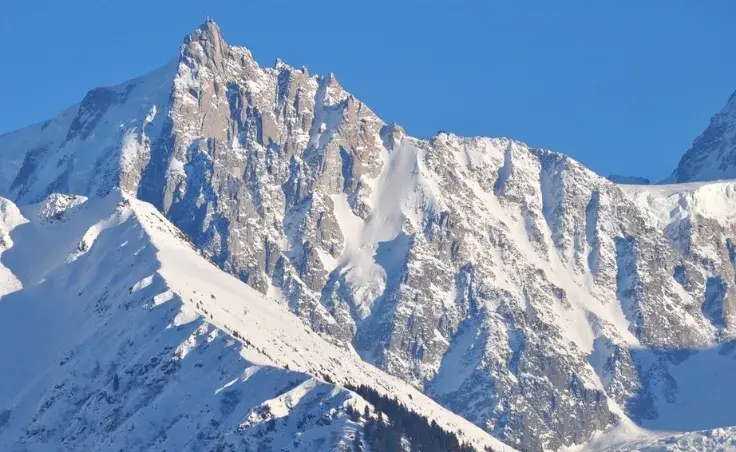
Panoramic views of Mont Blanc and alpine passes define the TMB experience
The Tour du Mont Blanc is one of the best long-distance hikes in Europe because it combines:
• Alpine scenery
• Cultural diversity
• Comfortable accommodation
• Clear trail marking
• Multi-country experience
It is challenging but achievable for fit hikers with preparation.
For many travelers, completing the full circuit around Mont Blanc becomes a major personal milestone.
Image Credits
Unsplash, Shutterstock, Getty Images, Wikimedia Commons
![K2 Base Camp Trek: Ultimate Guide k2 Trek 2026 [UPDATED]](https://karakoramdiaries.com/storage/ultimate-guide-to-k2-base-camp-trek-full-document-150x150.png)