Mont Blanc Climb Complete Guide
1. Understanding the Mountain and Route Structure

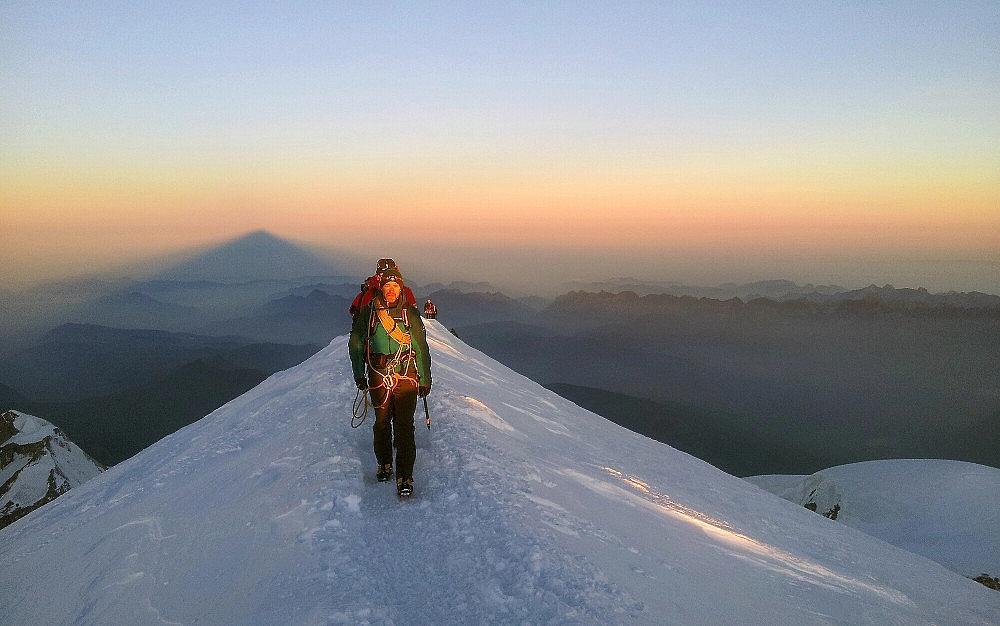
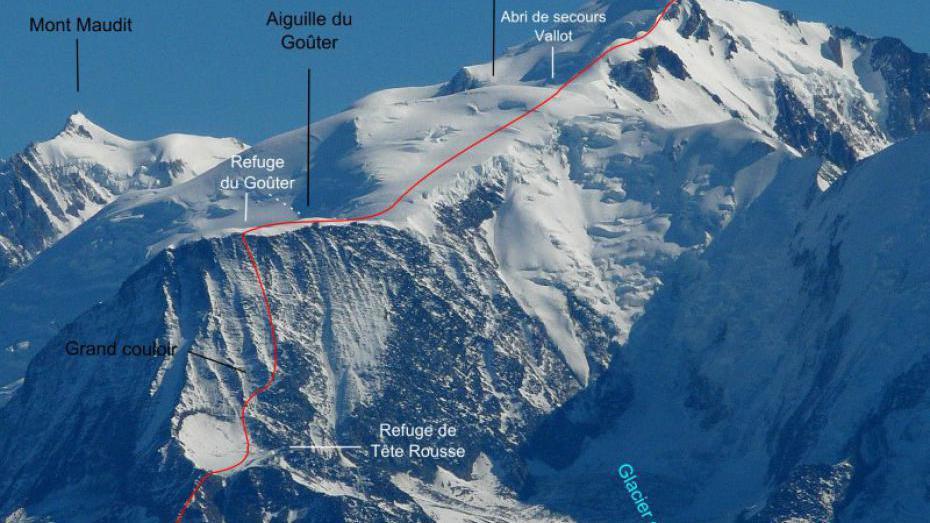
Mont Blanc summit ridge and the standard Goûter Route ascent.
Before You Continue
Before reading this climbing guide, we strongly recommend reviewing our detailed alpine trekking reference:
Tour du Mont Blanc Complete Guide
That guide explains:
- Alpine refuge systems
- Mountain weather behavior
- Glacier travel fundamentals
- High-altitude physical preparation
- Insurance and evacuation structure
- European alpine logistics
If you are new to alpine environments, reading that document first will help you better understand the technical and environmental context of the Mont Blanc ascent.
Read here:
https://karakoramdiaries.com/blogs/tour-du-mont-blanc-complete-guide-full-document
Mont Blanc stands at 4,808 meters and is the highest mountain in Western Europe. It lies on the border between France and Italy, though the standard commercial climbing route begins in Chamonix, France.
Despite being considered one of the “easier” 4,000-meter peaks, Mont Blanc is a serious high-altitude alpine climb.
This is not a trekking peak.
It requires:
- Crampon use
- Ice axe technique
- Glacier travel
- Rope team movement
- Crevasse awareness
The most common route is the Goûter Route from the French side.
Alternative routes include:
- Three Monts Route
- Italian Gonella Route
The Goûter Route accounts for most guided ascents due to infrastructure and accessibility.
2. Access and Logistics
Primary access point:
Chamonix
Nearest international airport:
Geneva
Transfer time:
1 to 1.5 hours by shuttle.
Climbing begins from:
Les Houches → Tête Rousse → Goûter Hut → Summit
The ascent involves:
- Cable car to Bellevue (optional depending on conditions)
- Tramway du Mont Blanc (seasonal)
- Glacier approach
- Rock ridge scrambling
- High-altitude glacier summit ridge
Total climbing duration:
Typically 2 to 4 days depending on acclimatization plan.
3. Complete Itinerary Breakdown (Standard 3–4 Day Program)
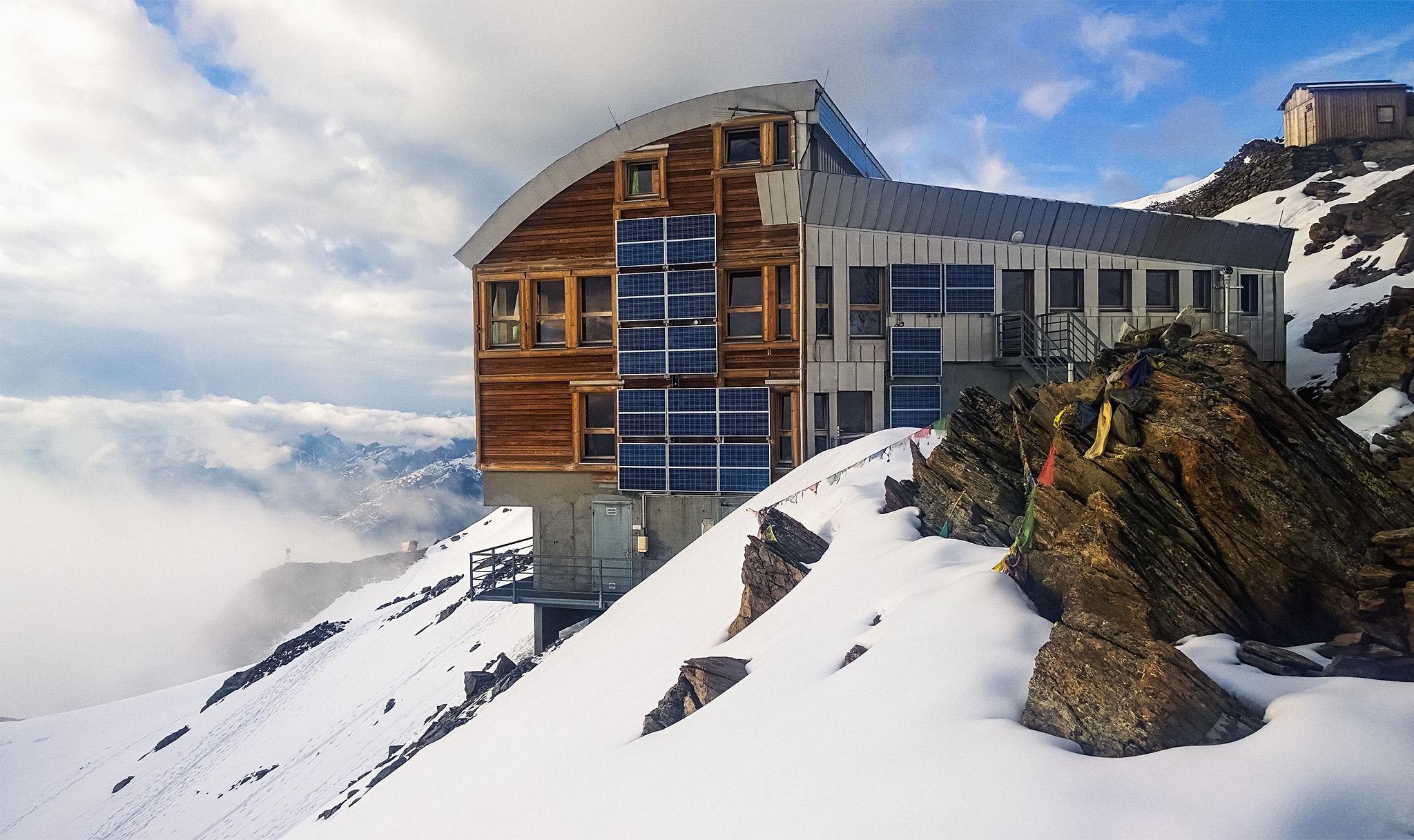
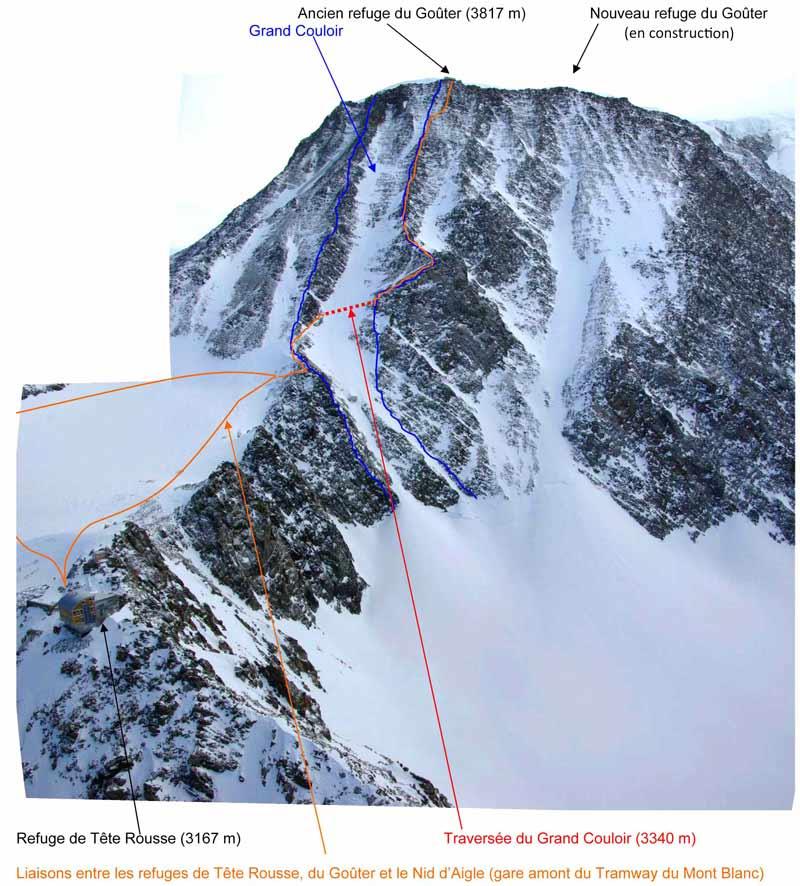
Goûter Hut, Tête Rousse Hut, and the Grand Couloir section on the normal route.
Day 1 – Acclimatization or Transfer to Tête Rousse (3,167 m)
- Cable car ascent.
- Hike to Tête Rousse Hut.
- Basic crampon training if required.
- Overnight in hut.
Purpose:
Initial altitude exposure and preparation.
Day 2 – Tête Rousse to Goûter Hut (3,835 m)
Walking time:
4 to 6 hours.
Key obstacle:
Grand Couloir.
The Grand Couloir is a rockfall-prone gully that must be crossed early in the morning.
Above it:
Scrambling on fixed cable-assisted rock ridge to Goûter Hut.
Overnight at Goûter Hut.
This is physically demanding and exposed terrain.
Day 3 – Summit Push (4,808 m)
Departure time:
Around 1:00 to 2:00 AM.
Ascent duration:
5 to 7 hours to summit.
Route includes:
- Dôme du Goûter
- Vallot emergency shelter
- Bosses Ridge (narrow exposed snow ridge)
- Final summit dome
Summit conditions:
Wind exposure common.
Temperatures often below -10°C even in summer.
Descent:
Return to Goûter Hut, then often continue down to Tête Rousse.
This is a 10 to 14-hour day.
Day 4 – Descent to Valley
Return via same route.
Extreme care required on descent through Grand Couloir.
4. Physical Preparation and Fitness
Mont Blanc requires:
- Strong cardiovascular conditioning.
- Ability to ascend 1,000 meters in a day at altitude.
- Comfort using crampons.
- Rope travel discipline.
You should be able to:
- Hike 1,200 meters elevation gain carrying 8 to 10 kg.
- Maintain steady pace above 3,500 meters.
Prior alpine experience above 4,000 meters is strongly recommended.
5. Gear and Equipment Strategy
Mandatory technical equipment:
- Mountaineering boots (B2 or B3 rated)
- Crampons
- Ice axe
- Climbing harness
- Helmet
- Carabiners
- Avalanche transceiver (early season)
- Glacier sunglasses
- Down jacket
Rental equipment available in Chamonix.
Clothing must handle:
- High wind
- Sub-zero summit temperatures
- Sudden weather change
6. Weather and Objective Dangers
Climbing season:
Mid-June to mid-September.
Primary risks:
- Rockfall in Grand Couloir
- Storm systems
- Whiteout conditions
- Crevasse fall
- Summit ridge exposure
- Hypothermia
- Frostbite
Success rate depends heavily on weather.
Many climbers are turned back due to:
- High wind
- Incoming storm fronts
- Unsafe snow conditions
7. Cost and Operator Selection
Guided Climb Cost
Average price:
€1,800 to €3,000 per person
Private guide:
€3,500 to €5,000 total
Included typically:
- Certified IFMGA guide
- Hut reservations
- Technical supervision
Not included:
- Hut fees (€70 to €100 per night)
- Lift tickets
- Equipment rental
- Insurance
Independent Climbing
Possible but:
- Hut reservations required.
- Technical competence mandatory.
- No mandatory guide legally required.
- Strongly discouraged without alpine experience.
8. Permits and Legal Requirements
No summit permit required.
However:
- Hut reservation at Goûter is mandatory.
- Illegal camping is prohibited above certain elevations.
- Strict enforcement of reservation checks.
Travel insurance must cover mountaineering up to 5,000 meters.
9. Final Professional Assessment
Mont Blanc is often marketed as an accessible 4,000-meter peak. In reality, it is a serious alpine objective.
It is suitable for:
- Fit mountaineers with prior alpine experience.
- Trekkers transitioning into technical climbing with proper guide support.
It is not suitable for:
- First-time high-altitude climbers without glacier training.
- Individuals seeking non-technical trekking.
When guided professionally and climbed in stable conditions, it remains one of the most commercially viable high-altitude alpine summits in Europe.
The information in this guide is intended for general planning purposes only. Trail conditions, permit requirements, costs, and access routes can change due to weather, seasonal closures, or local regulations. The itinerary provided is a suggested framework and may need to be adjusted based on your fitness level, acclimatization, and conditions on the ground. Always consult a local guide or trekking agency before departing and verify current conditions with authorities or affiliated company.

![K2 Base Camp Trek: Ultimate Guide k2 Trek 2026 [UPDATED]](https://karakoramdiaries.com/storage/ultimate-guide-to-k2-base-camp-trek-full-document-150x150.png)