Top Places to Visit in the United States – The Complete Country Guide
The United States is not a single travel experience. It is a continent-sized country offering global cities, world-famous national parks, deserts, glaciers, tropical islands, road trips, music capitals, and mountain landscapes.
From the skyline of New York City to the vast wilderness of Yellowstone, from California’s Pacific coastline to Florida’s tropical shores, the country contains dramatic contrasts within one border.
This guide is structured by travel style so that nothing important is missed.
Table of contents [Show]
- I. Major Global Cities & Cultural Capitals
- II. Iconic Natural Wonders & National Parks
- III. Western National Parks & Mountain Landscapes
- IV. Tropical & Coastal America
- V. Music & Cultural Cities
- VI. Alaska & Extreme Wilderness
- VII. The Rocky Mountains & Outdoor States
- VIII. Pacific Northwest
- IX. Historic East Coast & Political Centers
- X. Southwest Deserts & Unique Landscapes
- Final Overview – Why the United States Is Exceptionally Diverse
I. Major Global Cities & Cultural Capitals
New York City – The Global Capital
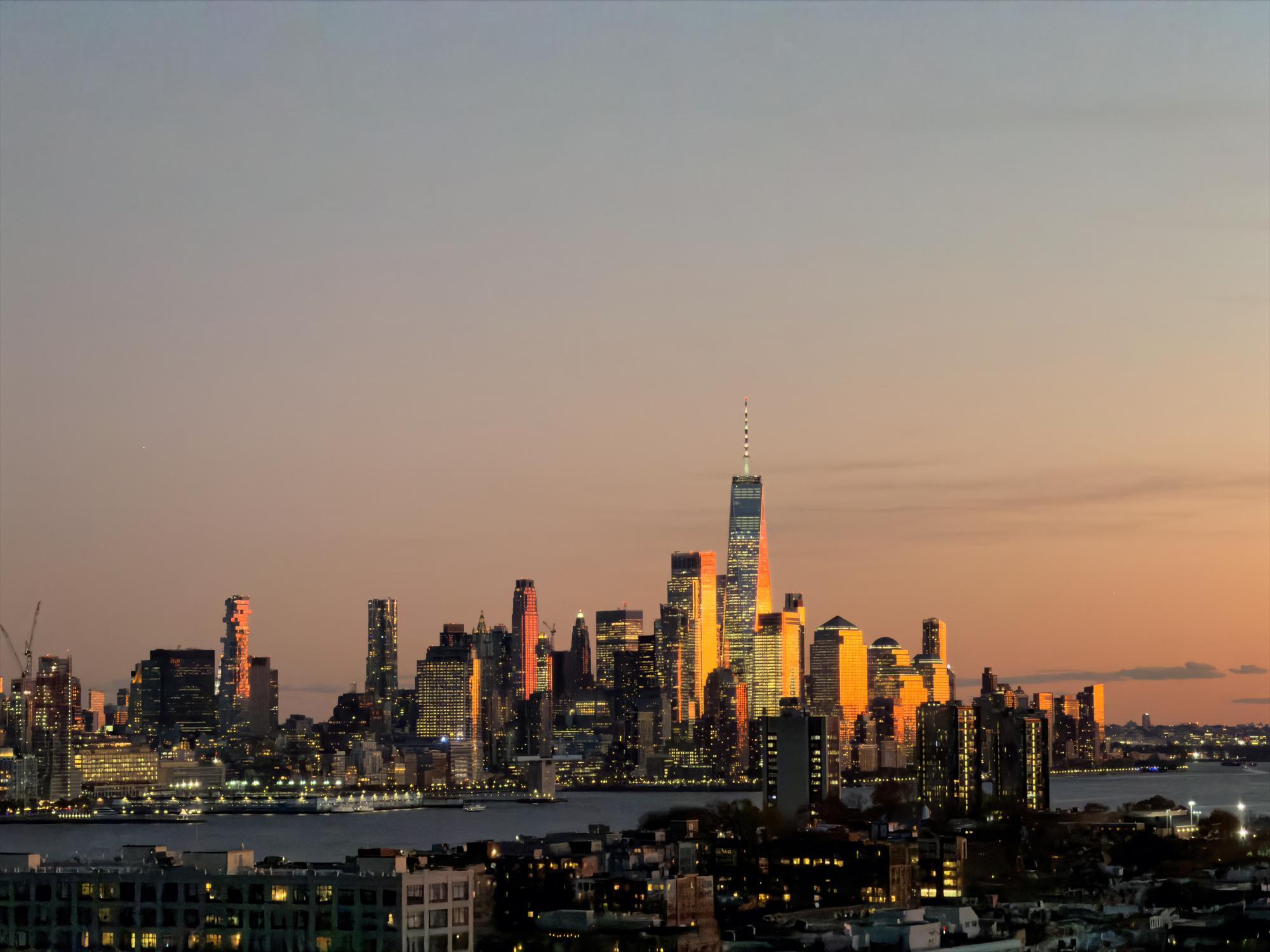
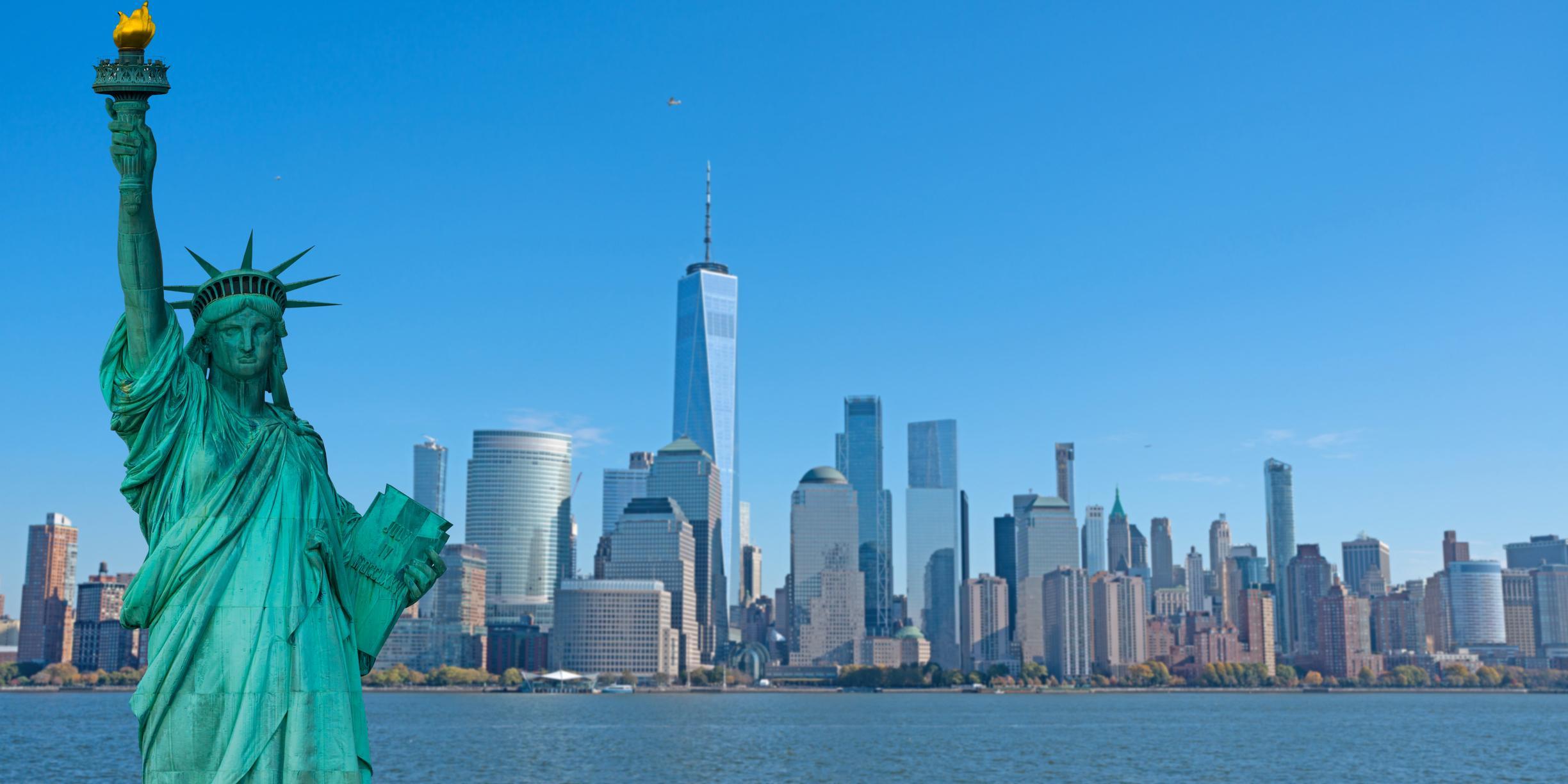
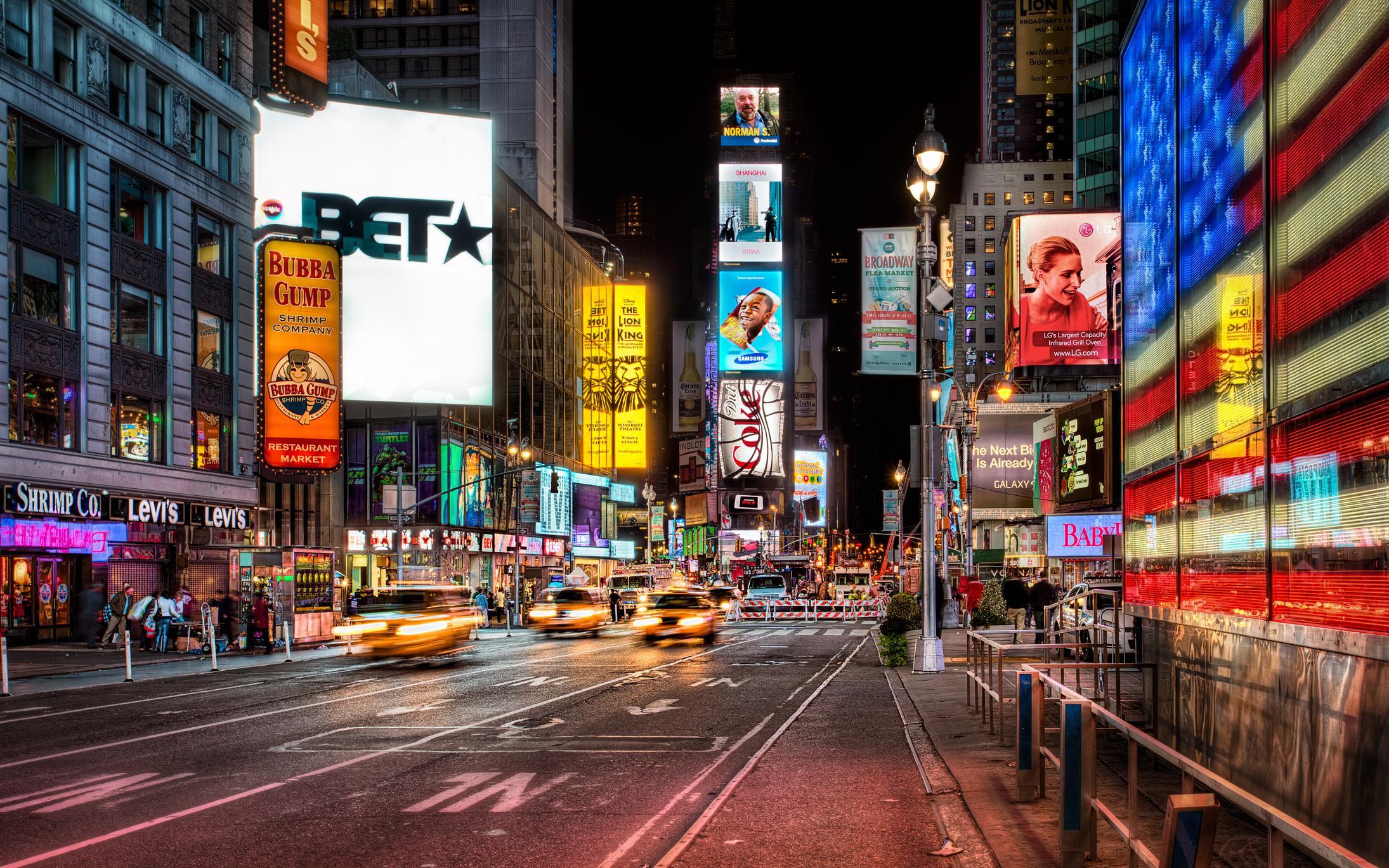
Manhattan skyline and the Statue of Liberty
New York City is the most internationally recognized city in the United States. It is dense, vertical, fast-paced, and layered with history.
Manhattan alone includes:
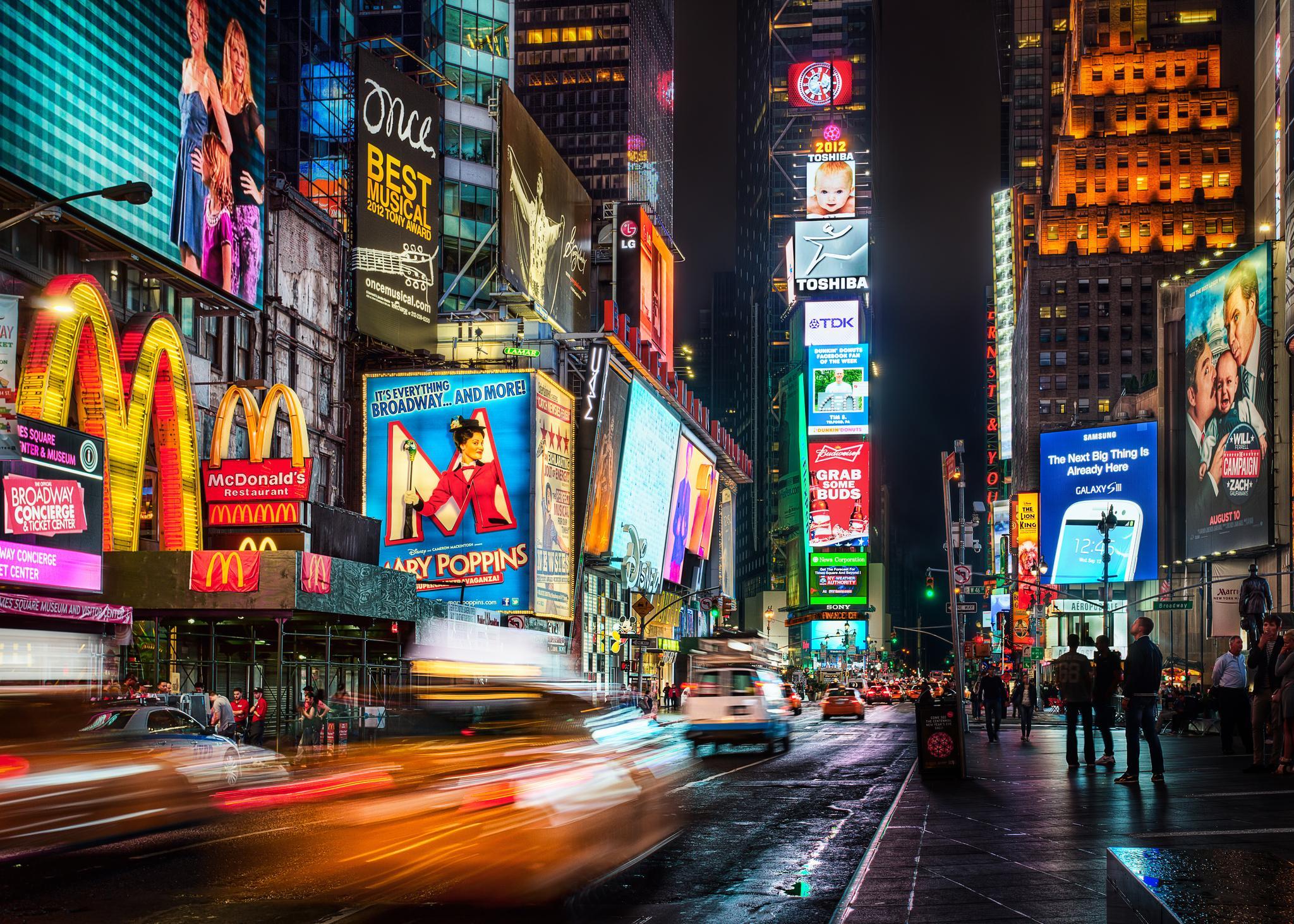
• Times Square
• Central Park
• Wall Street
• Broadway Theater District
• Empire State Building
• The Metropolitan Museum of Art
• One World Trade Center
The Statue of Liberty and Ellis Island represent immigration history and remain two of the country’s most symbolic landmarks.
Beyond Manhattan, Brooklyn adds character through neighborhoods like DUMBO, Williamsburg, and the Brooklyn Bridge waterfront. Queens reflects global food culture with unmatched diversity.
Best time: May–June and September–October.
Los Angeles – Pacific Coast & Film Culture
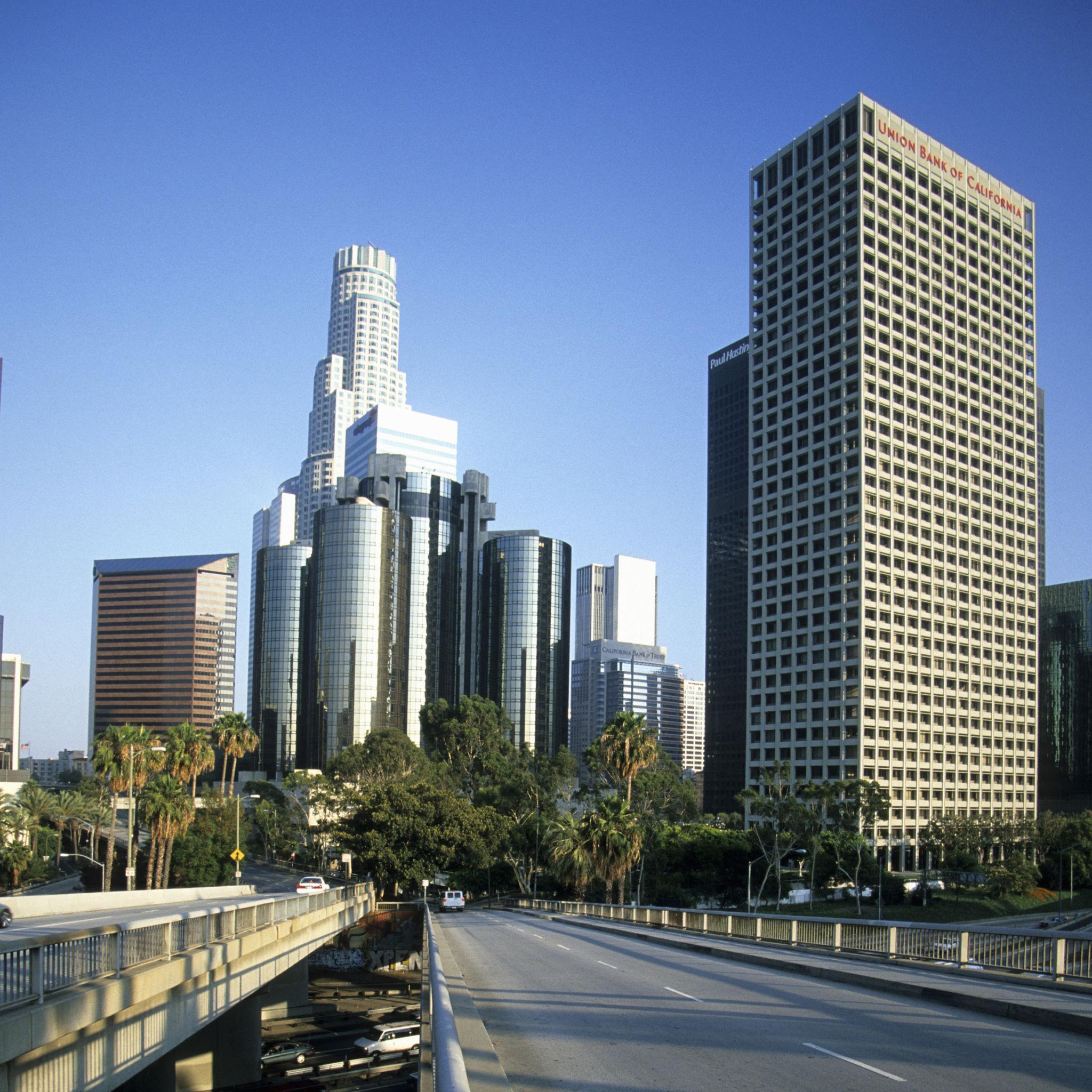
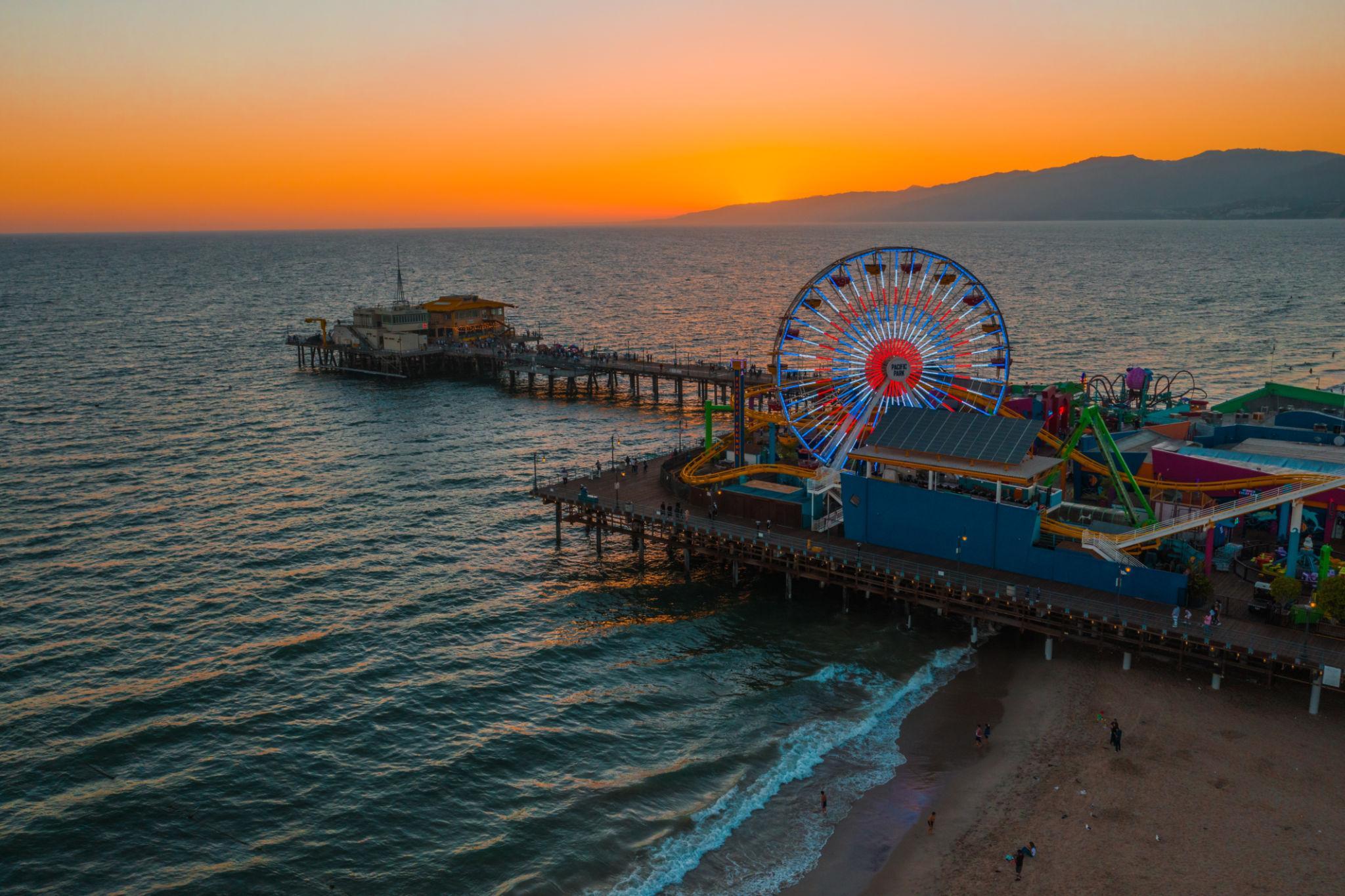
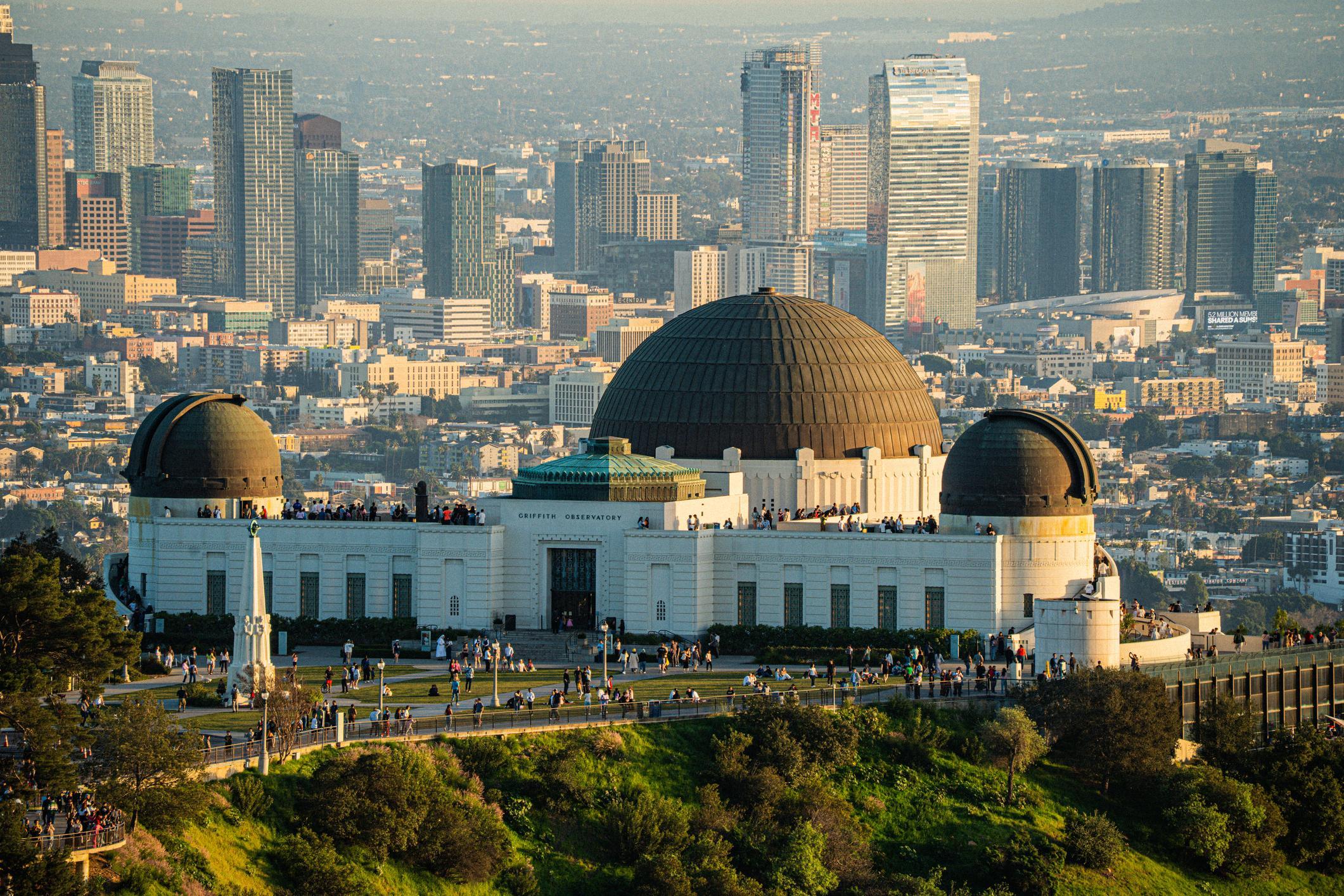
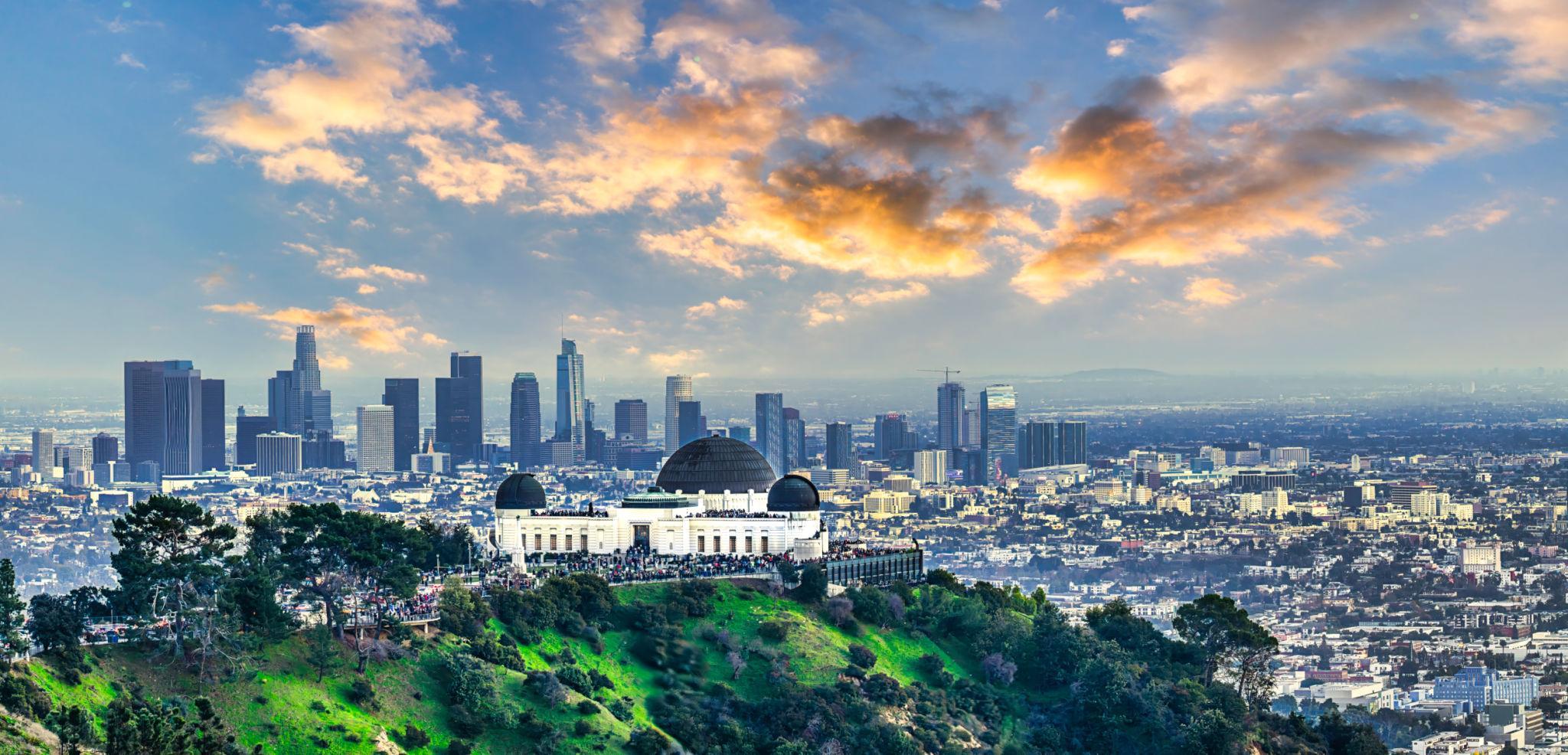
Downtown skyline and Santa Monica coastline
Los Angeles spreads across a wide coastal basin.
Key districts include:
• Santa Monica
• Venice Beach
• Beverly Hills
• Downtown Arts District
• Griffith Observatory
The Pacific coastline shapes the lifestyle here. Sunset over the ocean at Santa Monica Pier is one of California’s defining images.
Los Angeles also serves as the gateway to the Pacific Coast Highway.
Best time: Spring and fall.
Chicago – Architecture & Lake Michigan
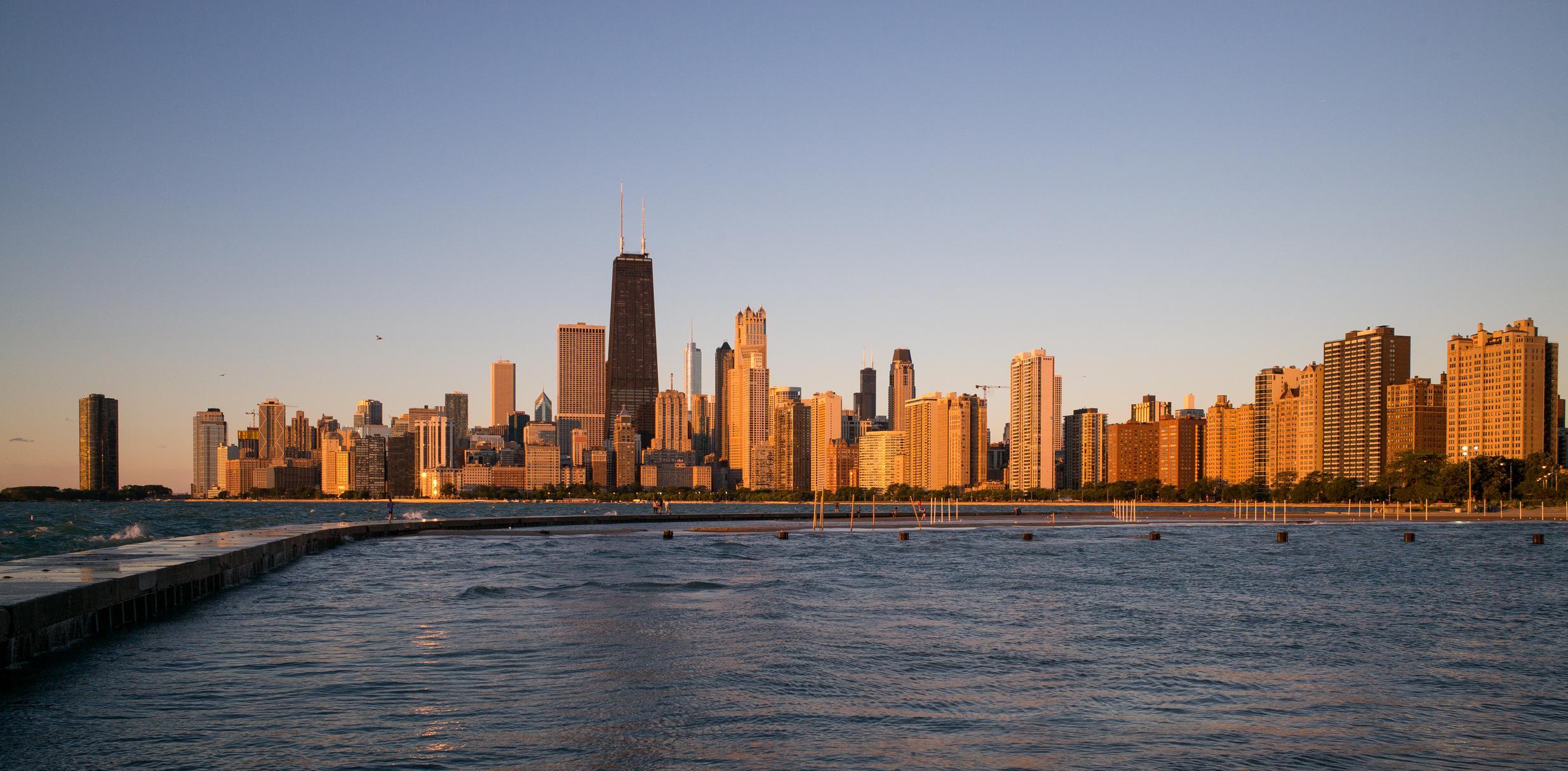
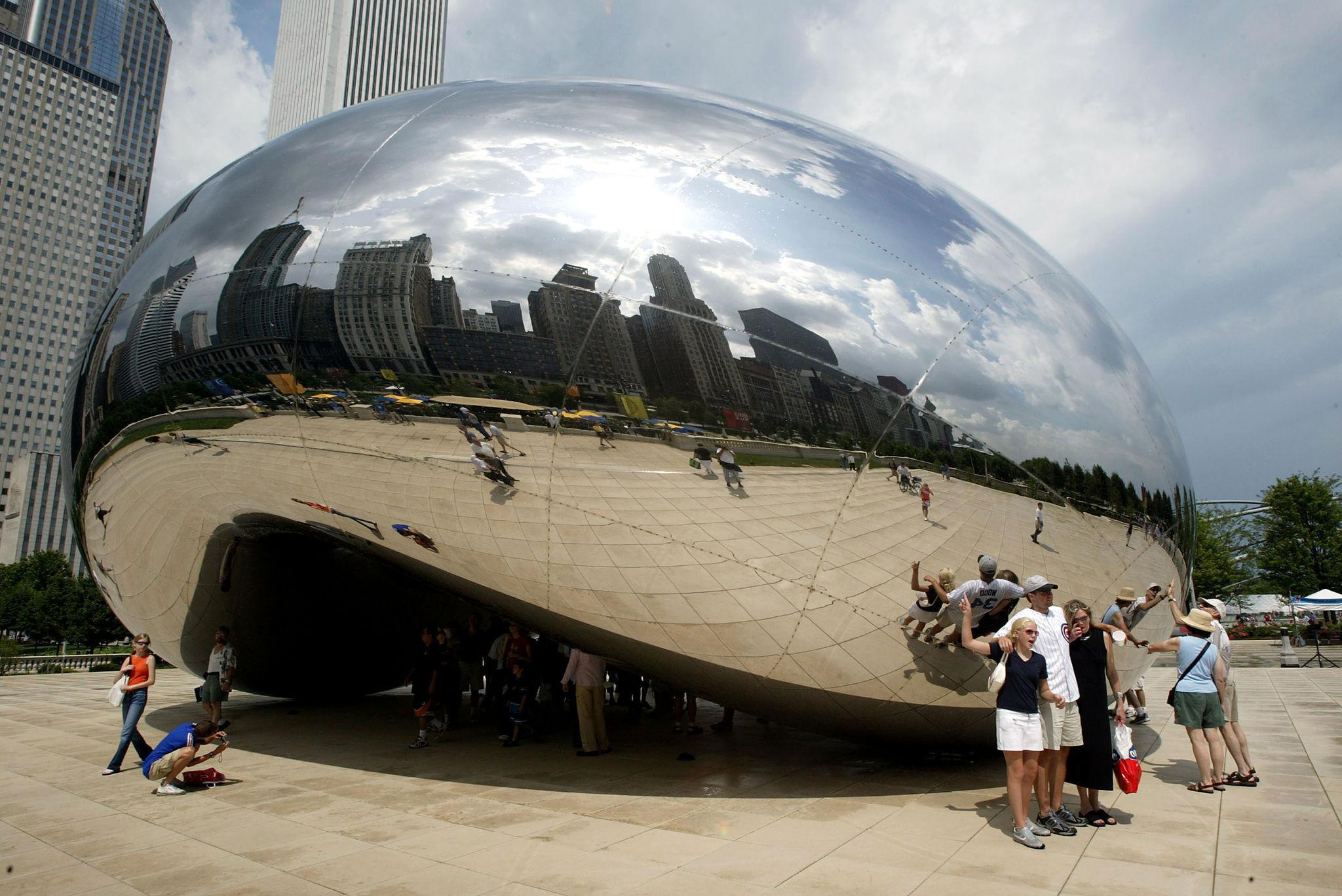
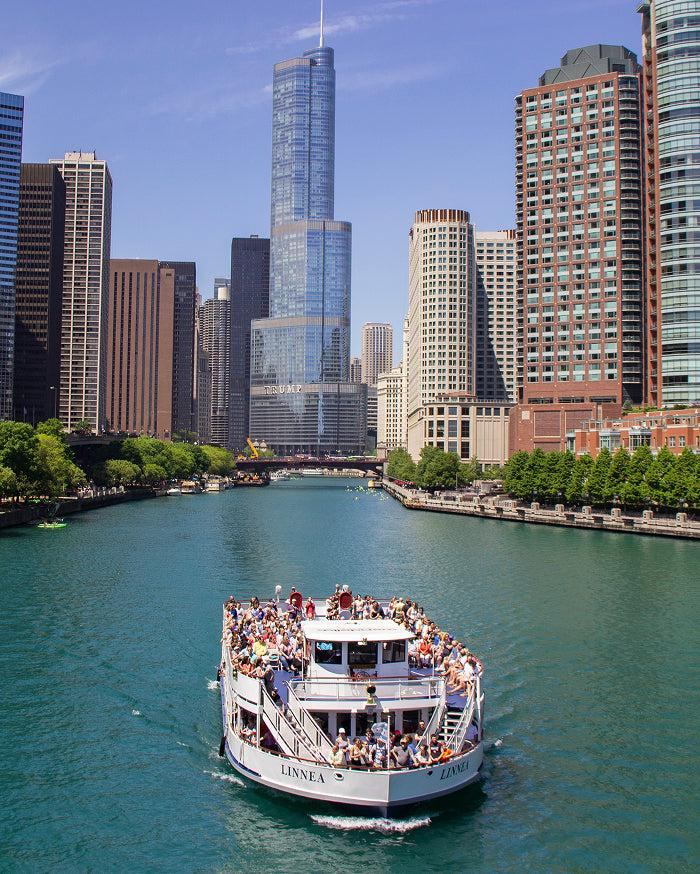
Chicago skyline and Millennium Park
Chicago is defined by its architecture and its position on Lake Michigan.
Key landmarks include:
• Millennium Park
• Cloud Gate (The Bean)
• Art Institute of Chicago
• Navy Pier
• Willis Tower Skydeck
Chicago also has strong music roots in blues and jazz.
Best time: May–September.
San Francisco – Hills, Bridges & Innovation
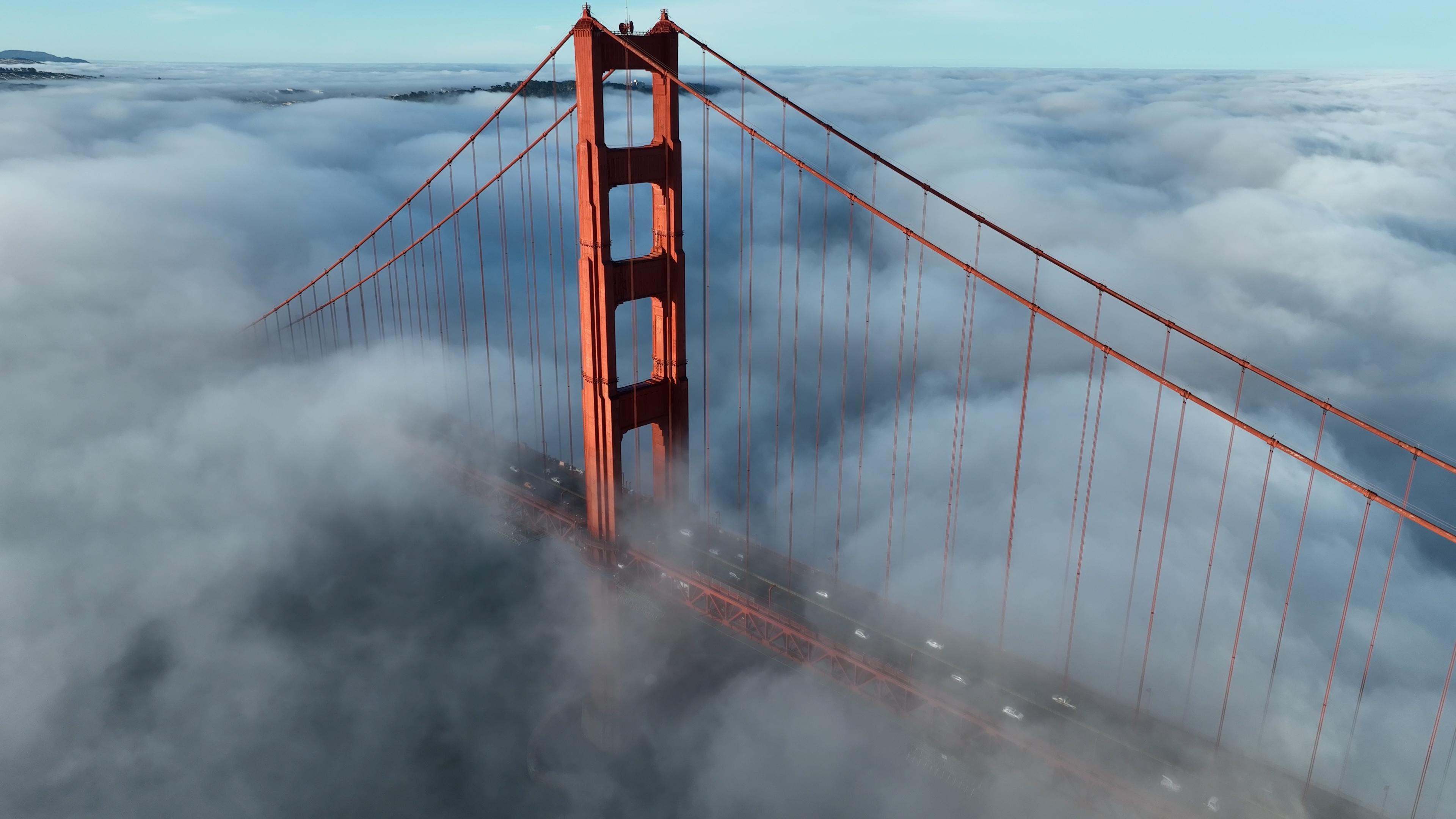
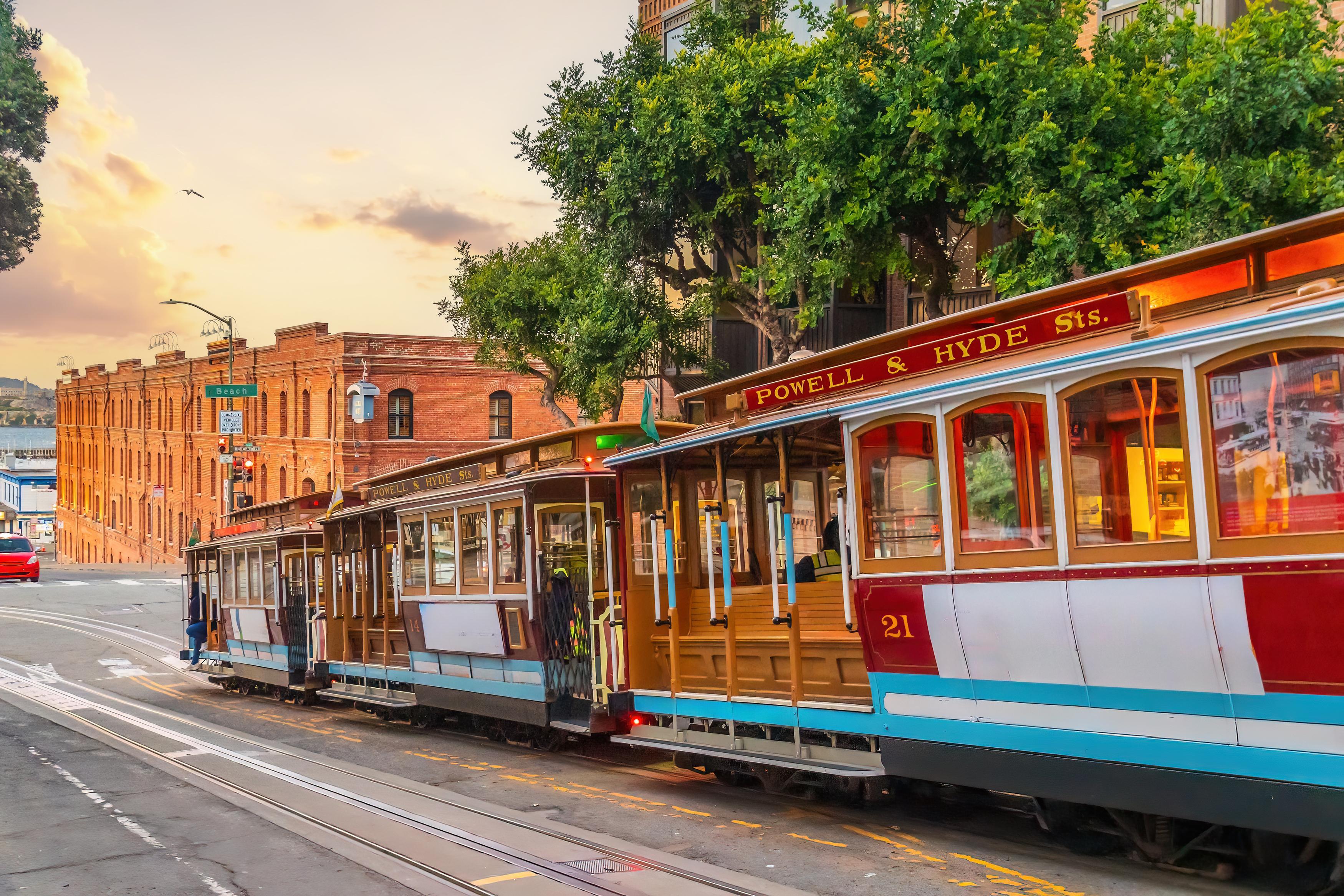
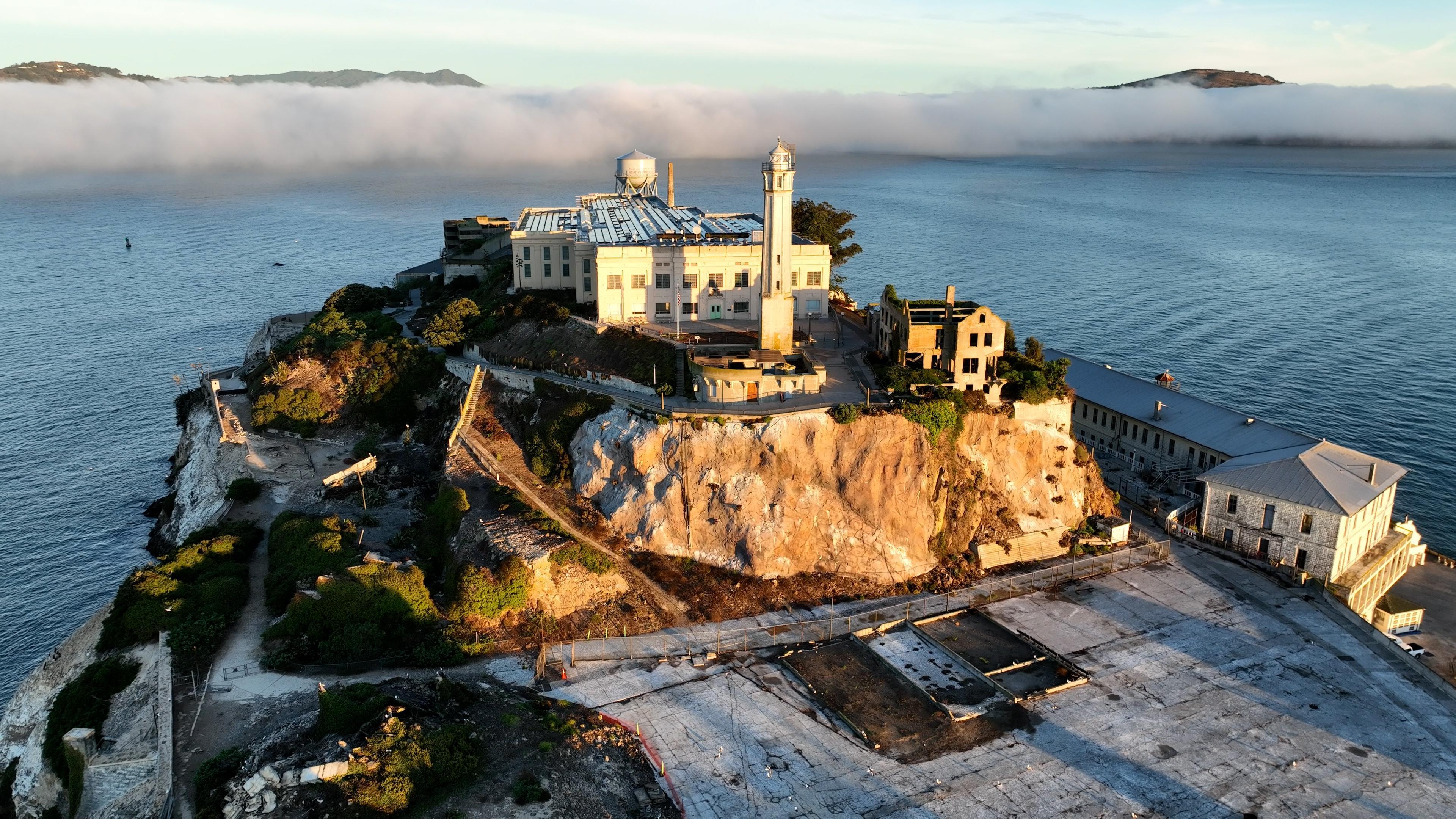

Golden Gate Bridge and historic cable cars
San Francisco combines natural beauty with technological influence.
Known for:
• Golden Gate Bridge
• Alcatraz Island
• Fisherman’s Wharf
• Cable Cars
• Painted Ladies Victorian houses
Nearby Silicon Valley makes this area central to global technology culture.
Best time: September–October.
Grand Canyon National Park – Immense Geological Scale
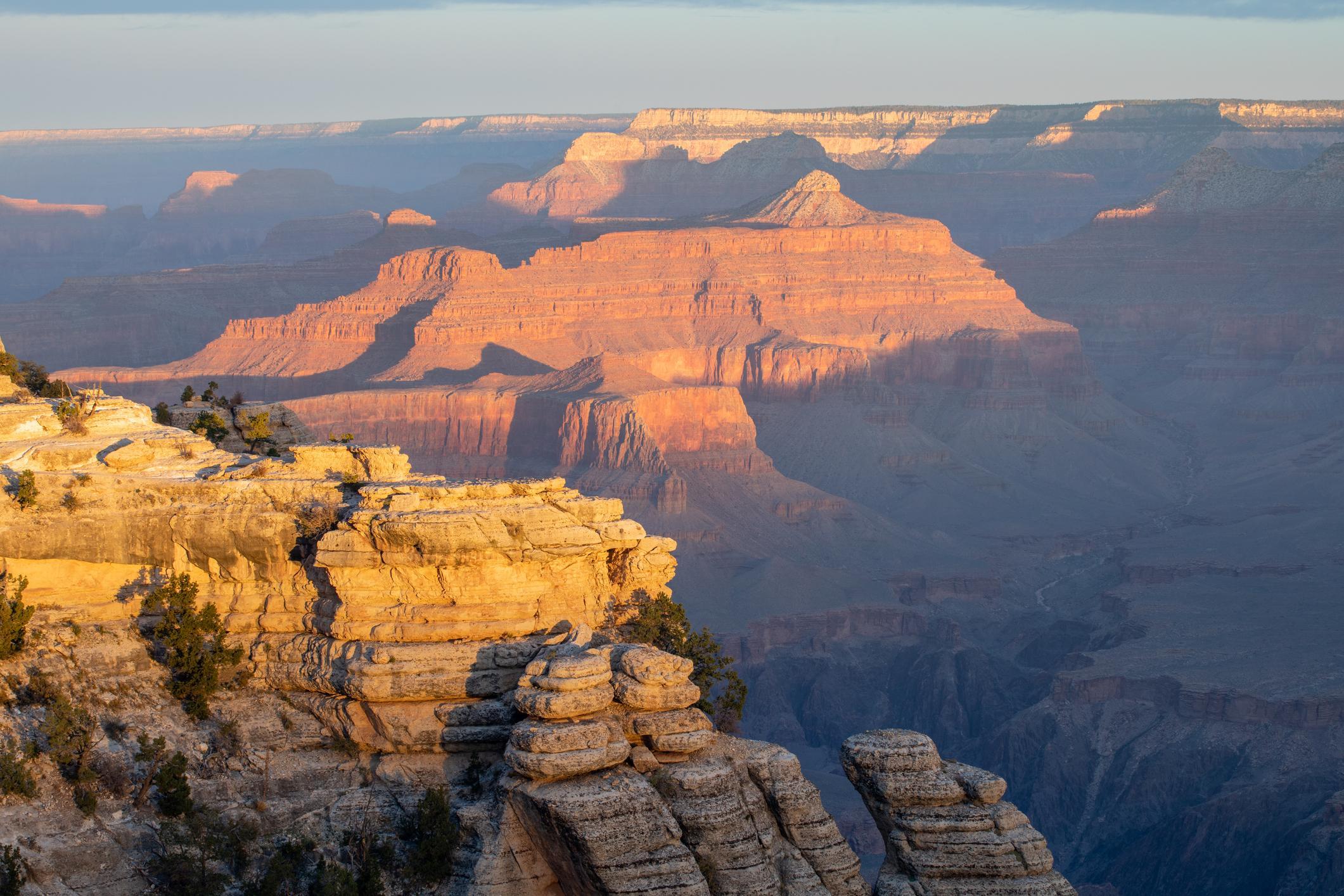
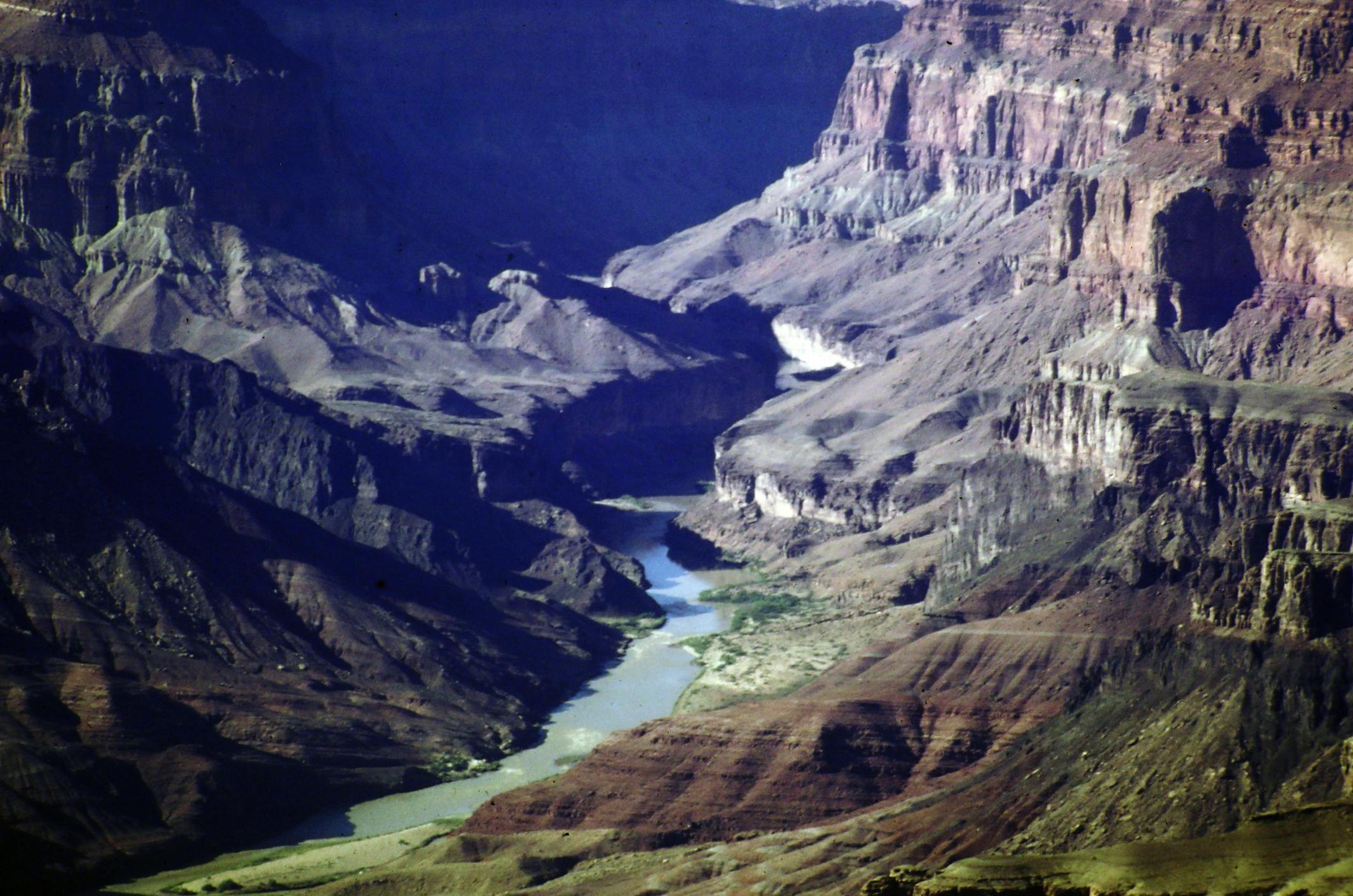
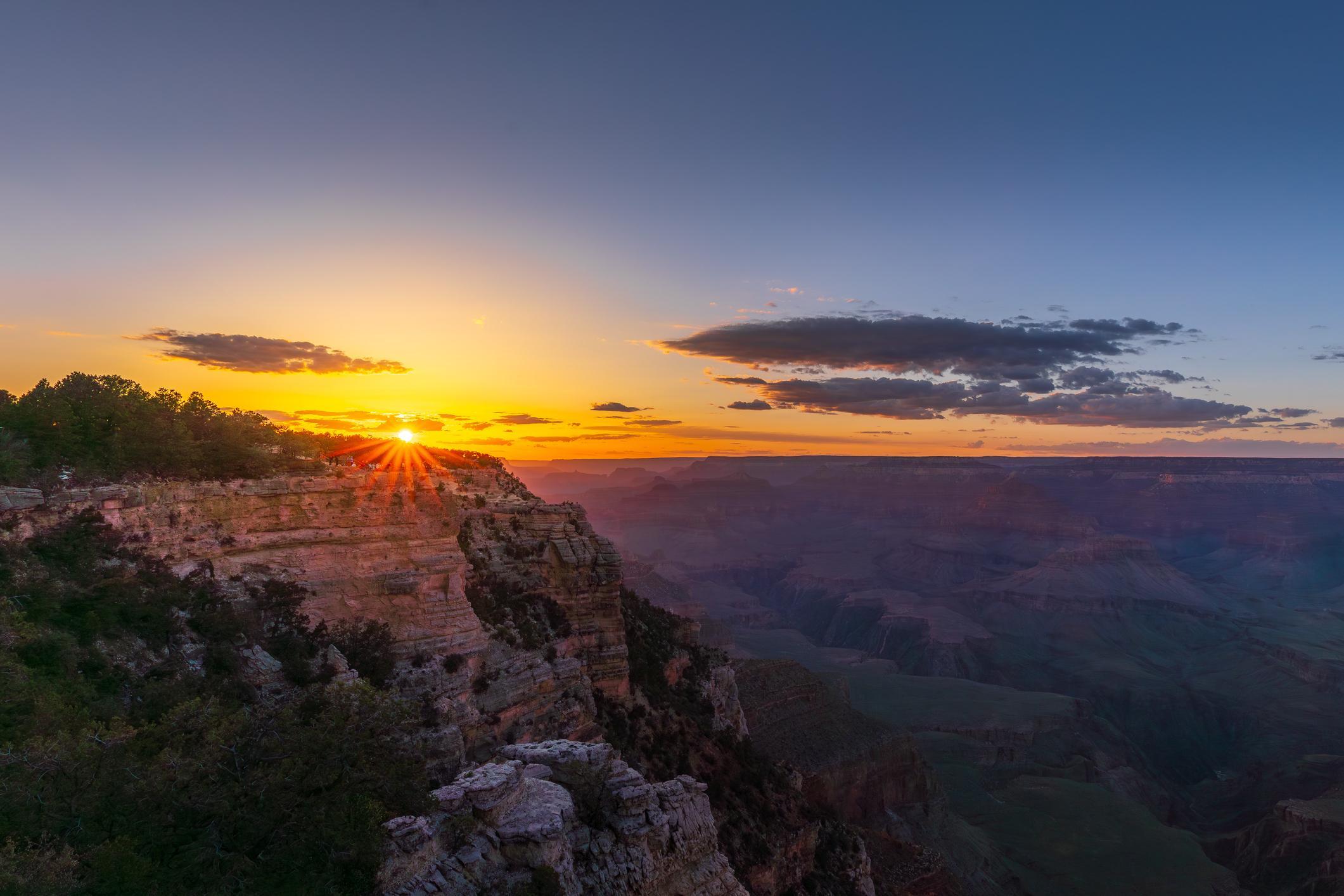
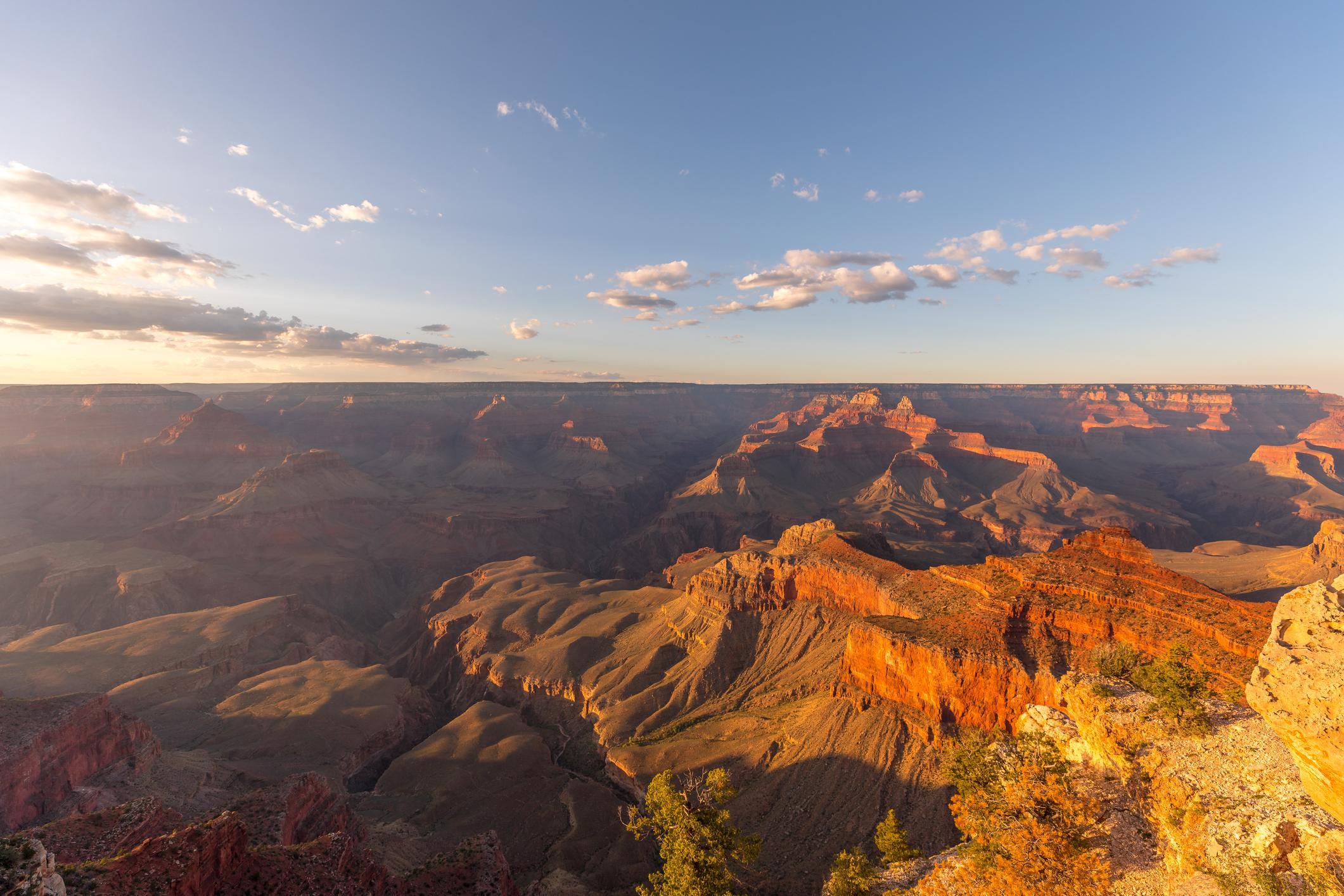
Grand Canyon views from the South Rim
Grand Canyon National Park is a geological record carved by the Colorado River over millions of years.
• South Rim – most accessible
• North Rim – quieter, seasonal
• Multi-day canyon hikes require permits
Best time: Spring and fall.
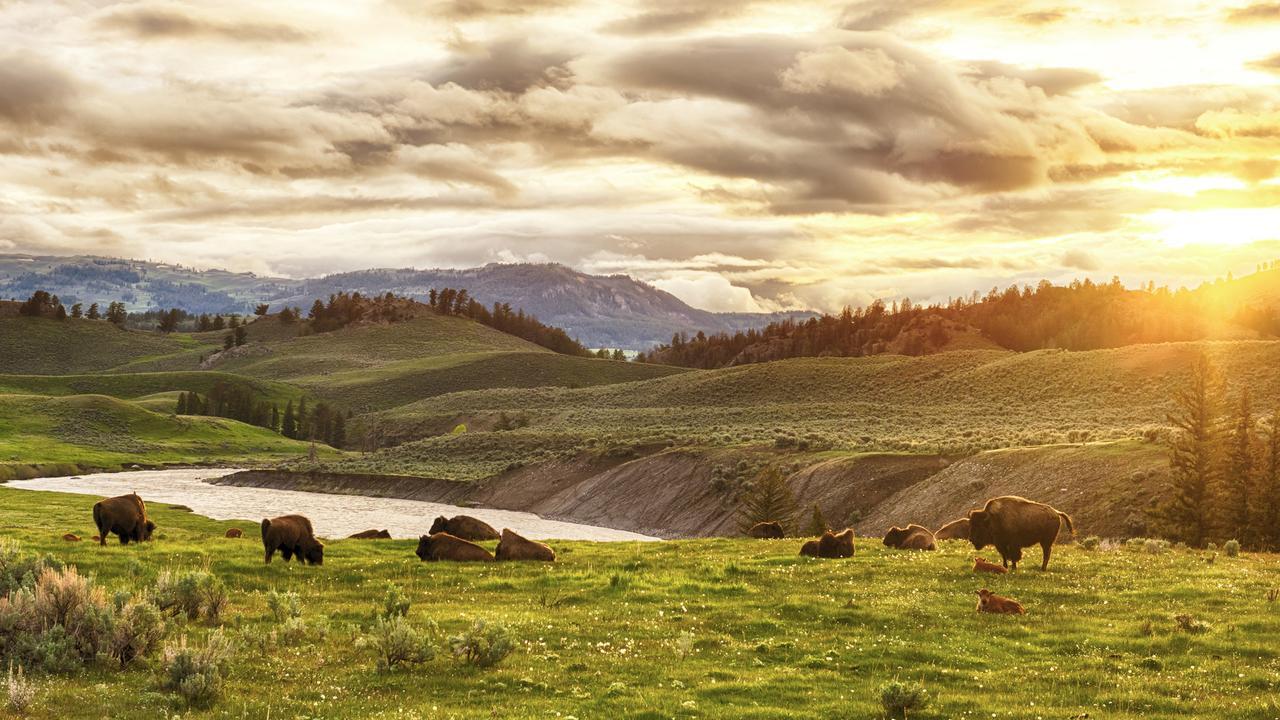
Yellowstone National Park – Geysers & Wildlife
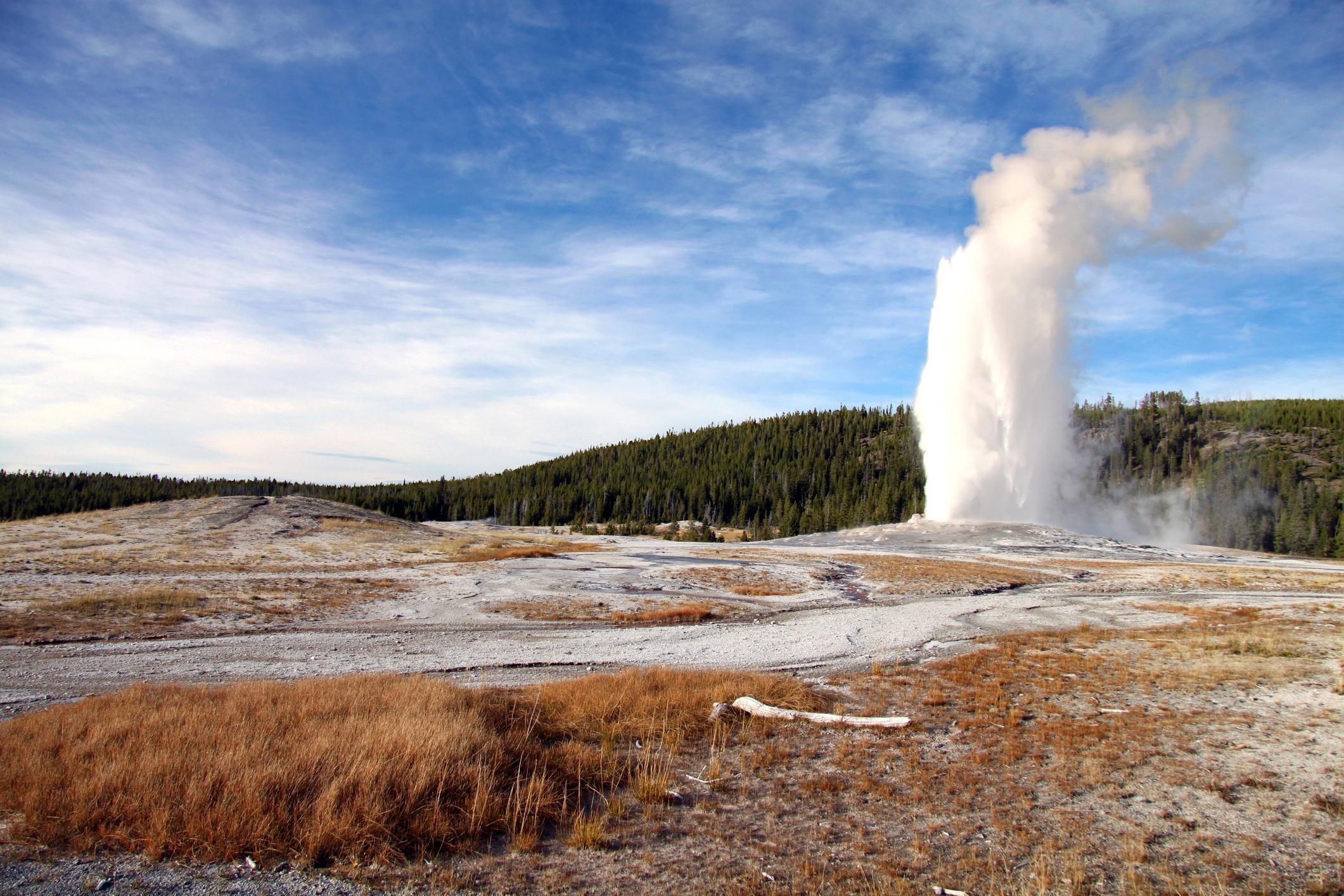
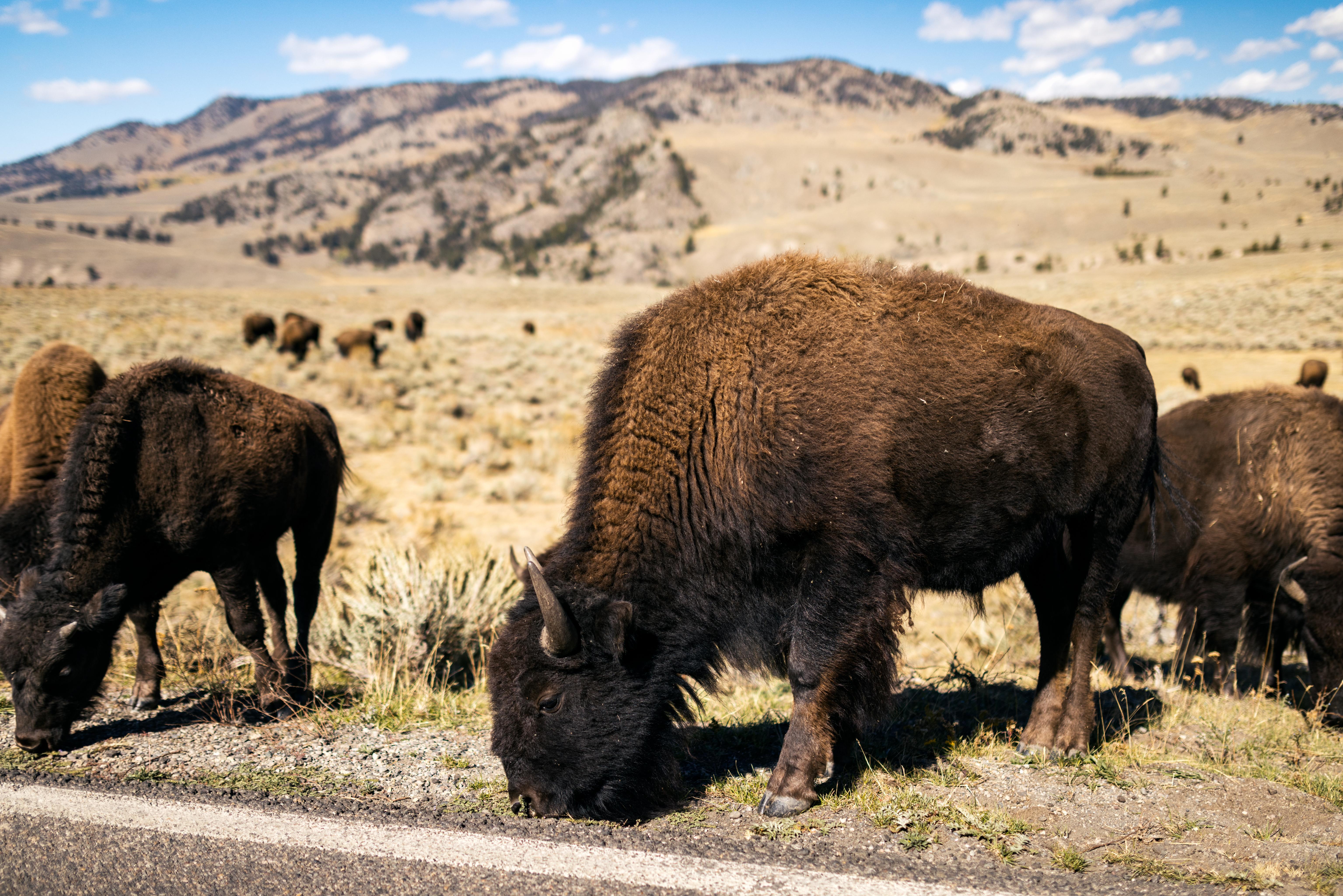
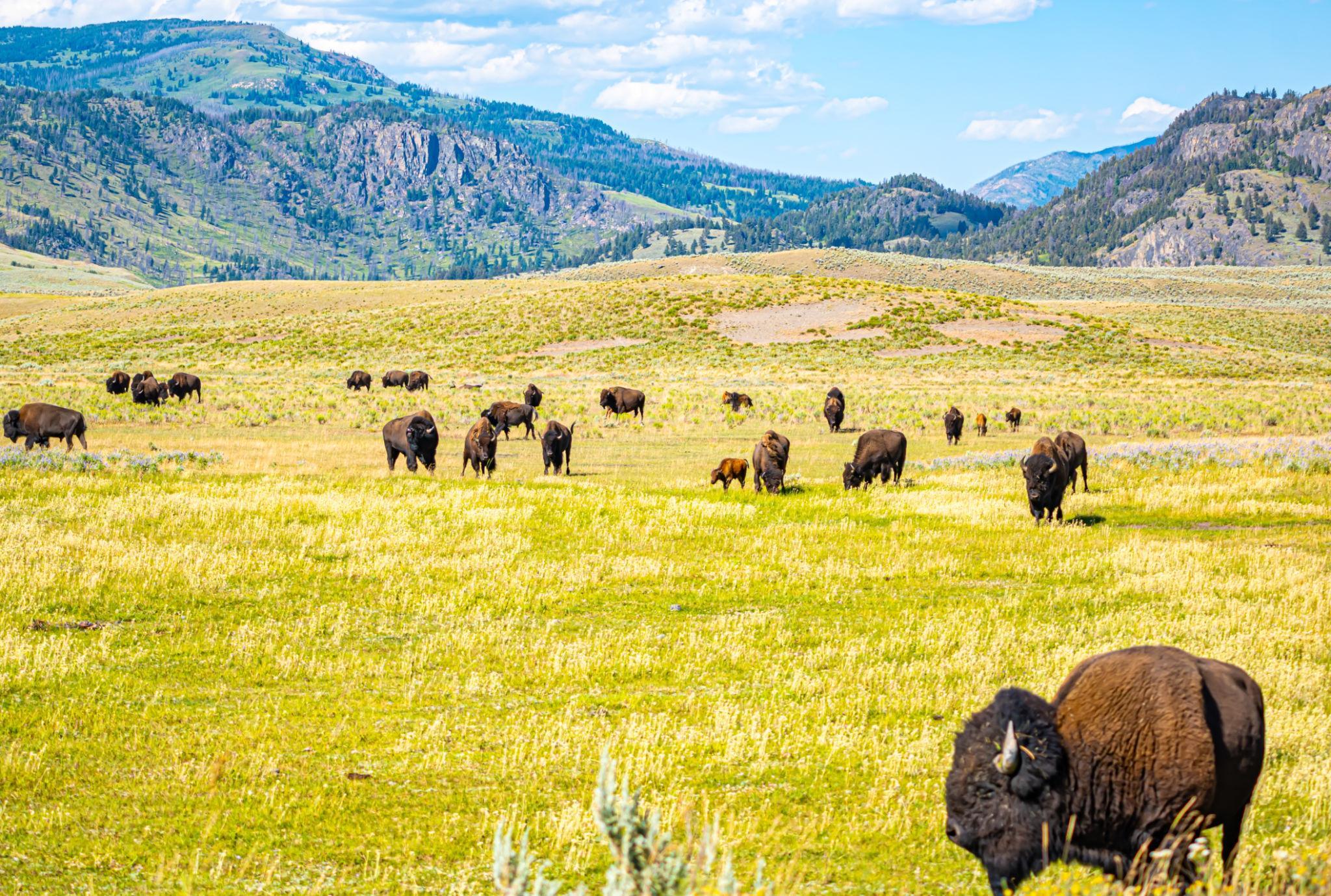
Old Faithful and wildlife in Yellowstone
Yellowstone National Park was the world’s first national park.
Major features include:
• Old Faithful geyser
• Grand Prismatic Spring
• Geothermal basins
• Bison, elk, wolves
Best time: Late spring to early autumn.
III. Western National Parks & Mountain Landscapes
Yosemite National Park – Granite Walls & Waterfalls
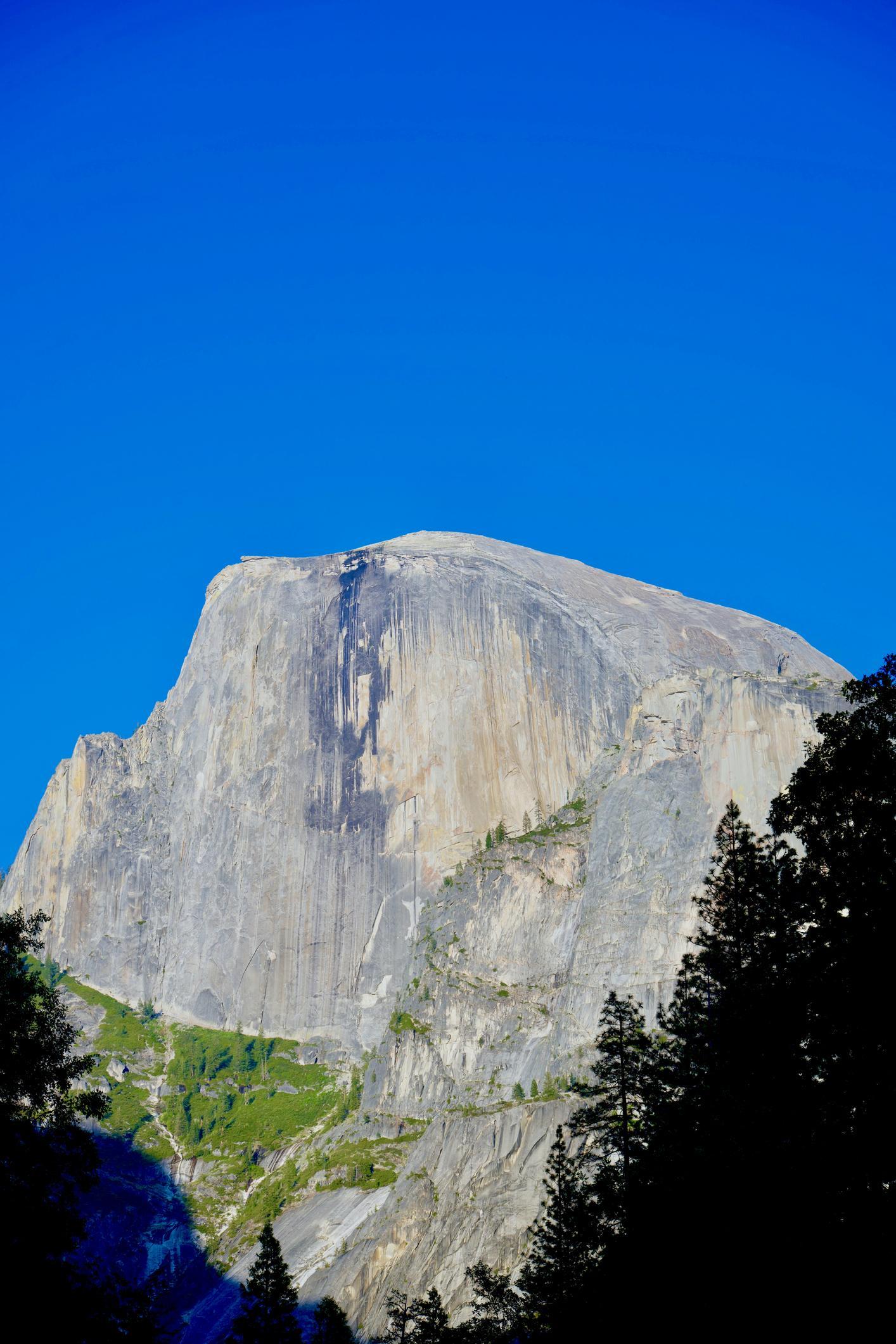
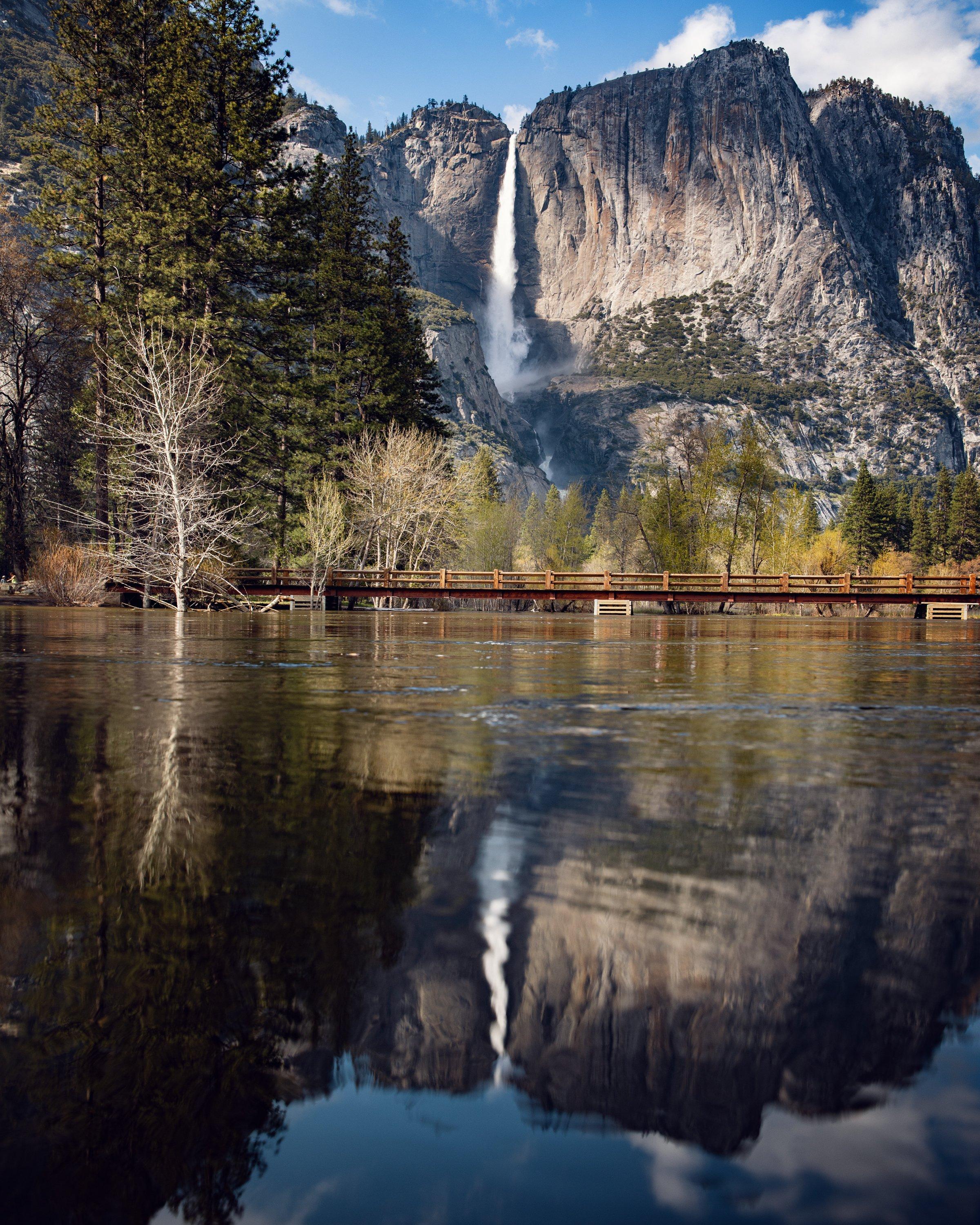
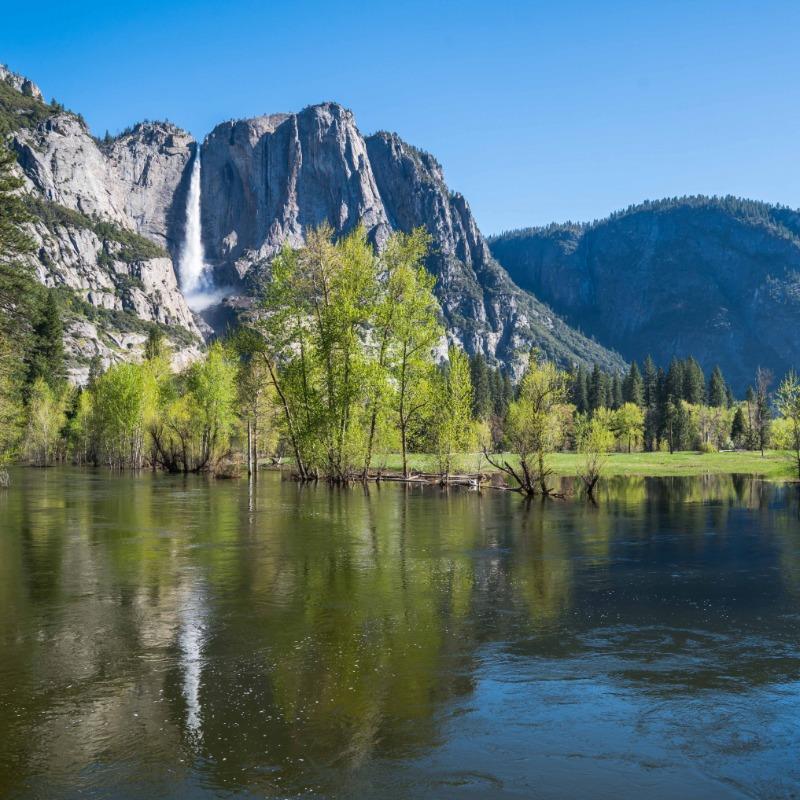
El Capitan and seasonal waterfalls in Yosemite Valley
Yosemite National Park is visually dramatic.
Key features:
• El Capitan
• Half Dome
• Yosemite Falls
• Giant sequoia groves
Late spring offers peak waterfalls.
Zion National Park – Red Canyon Landscapes
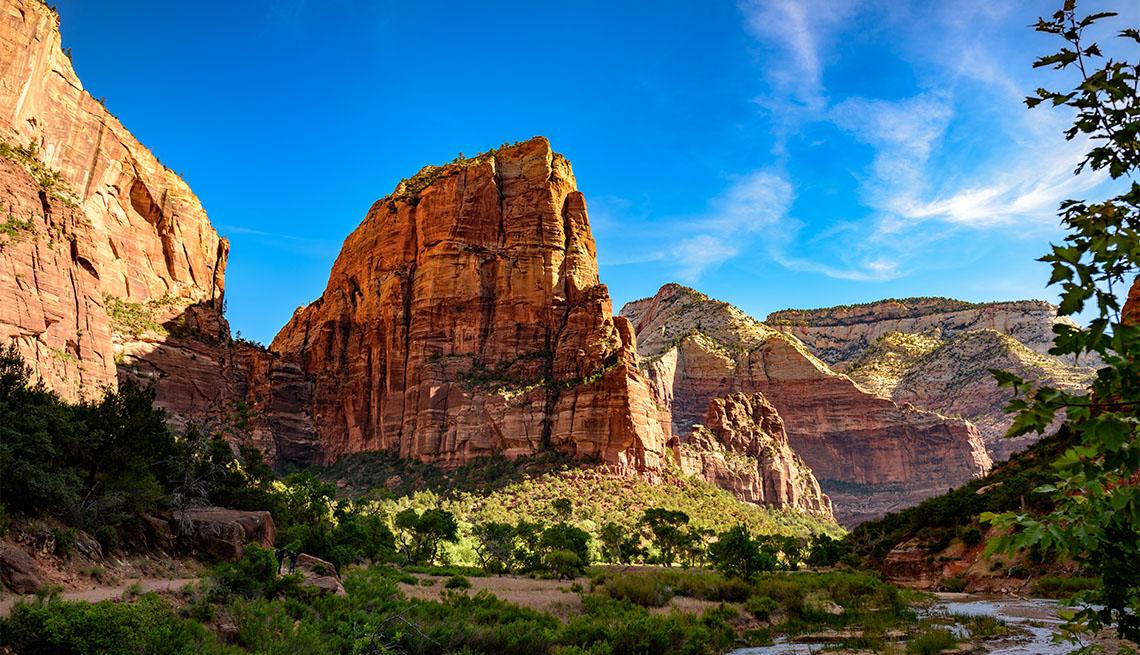
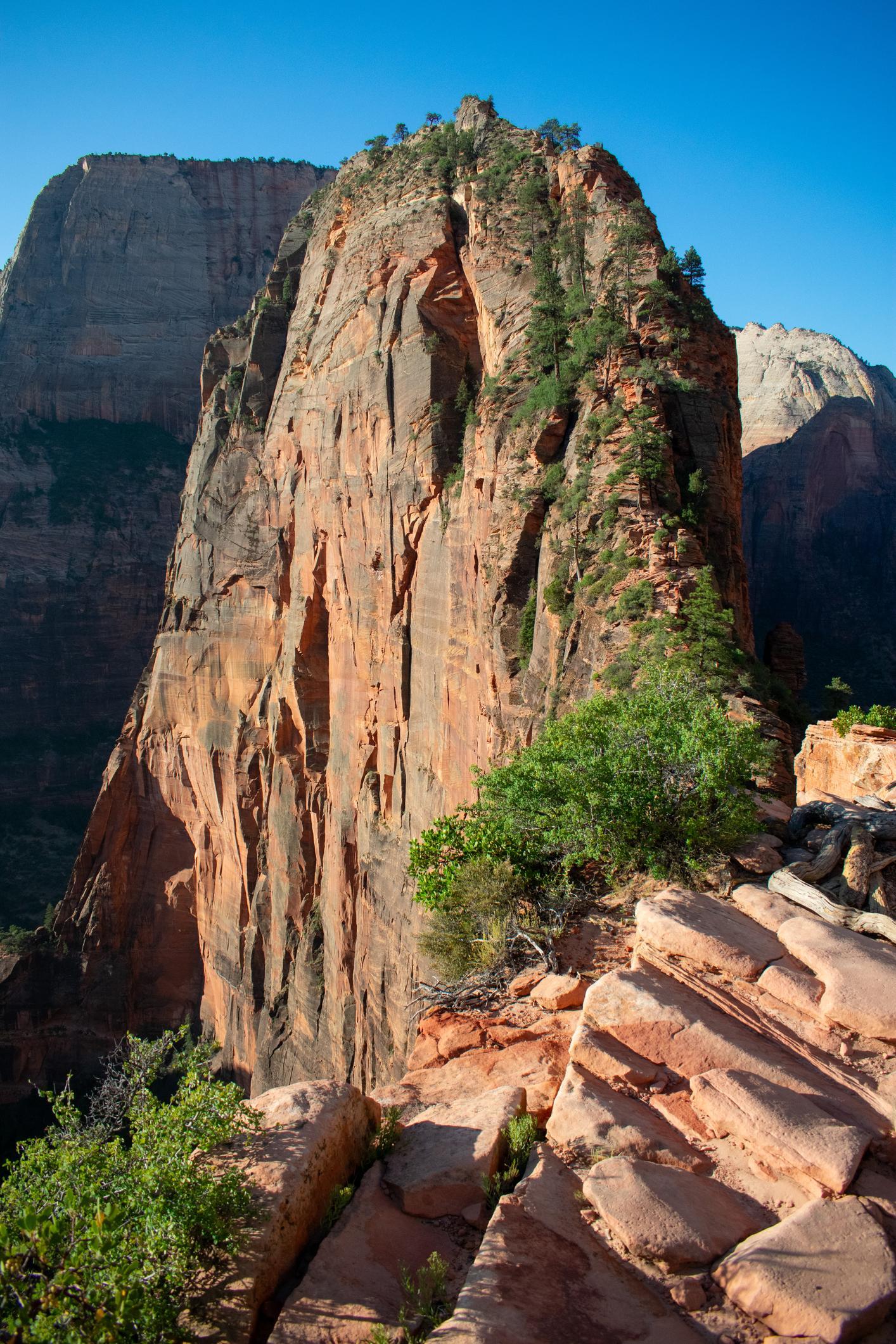
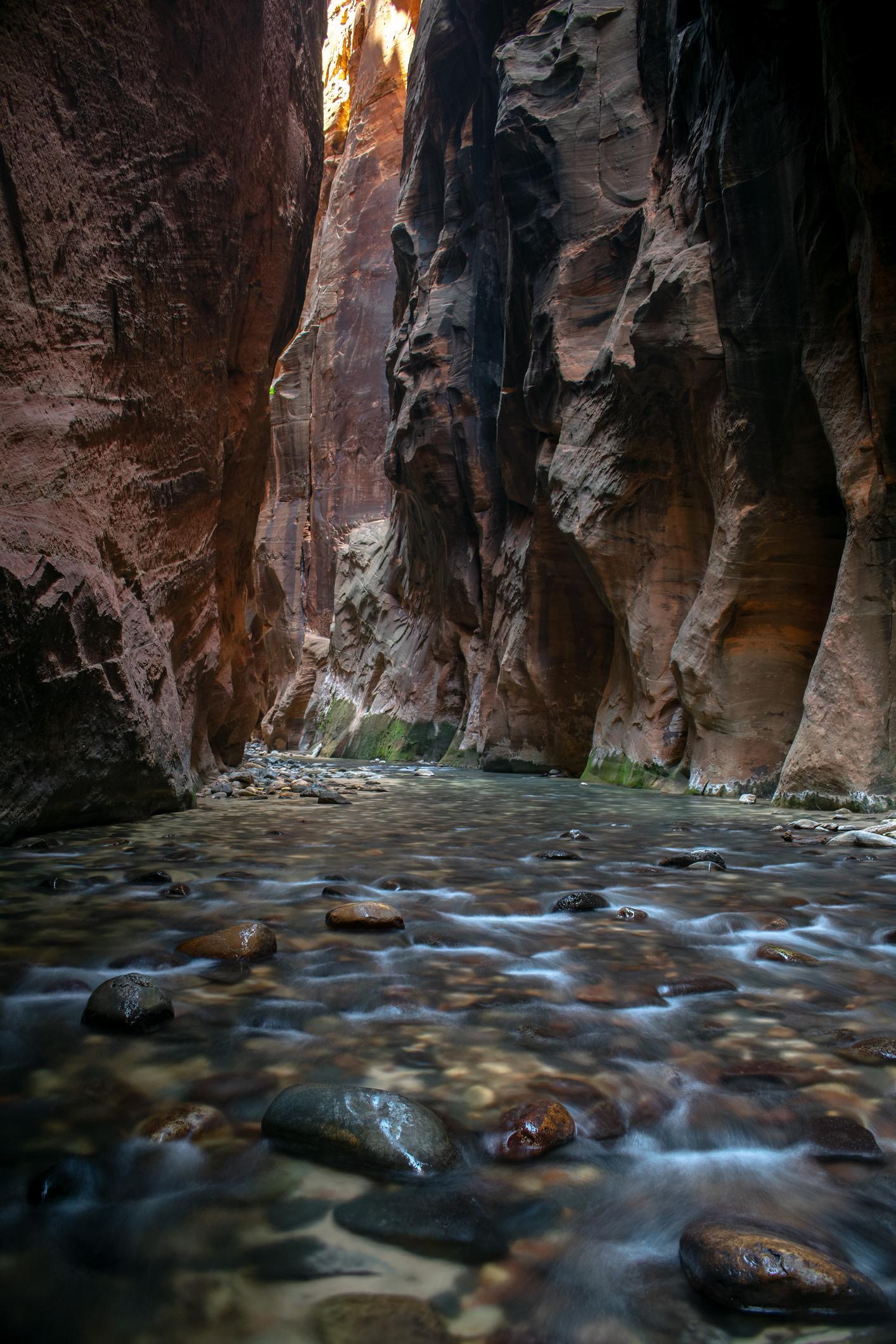
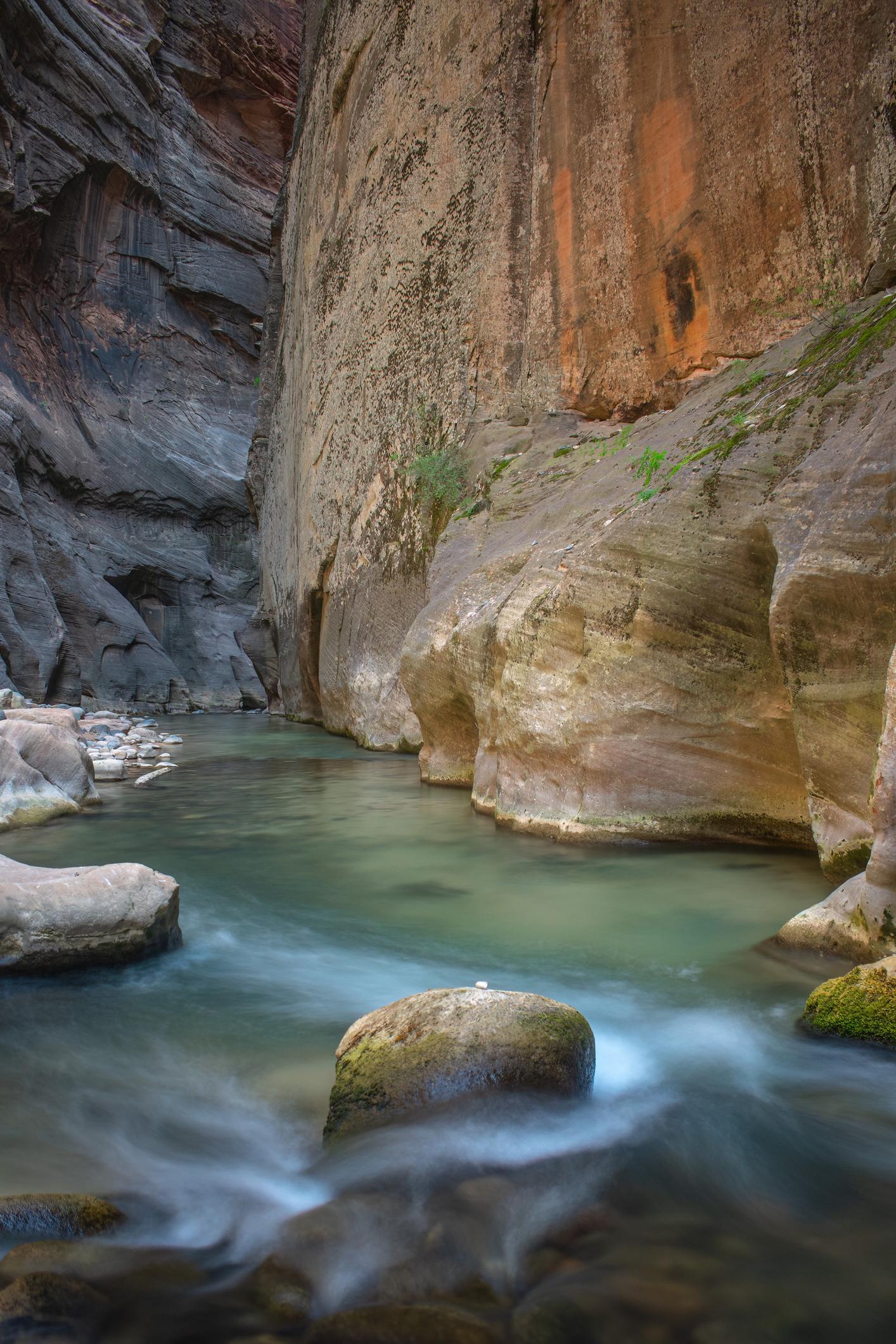
Zion’s towering red canyon walls
Zion National Park is known for towering sandstone cliffs.
Key experiences:
• Angels Landing
• The Narrows
• Scenic canyon drives
Best time: Spring and fall.
Glacier National Park – Alpine Wilderness
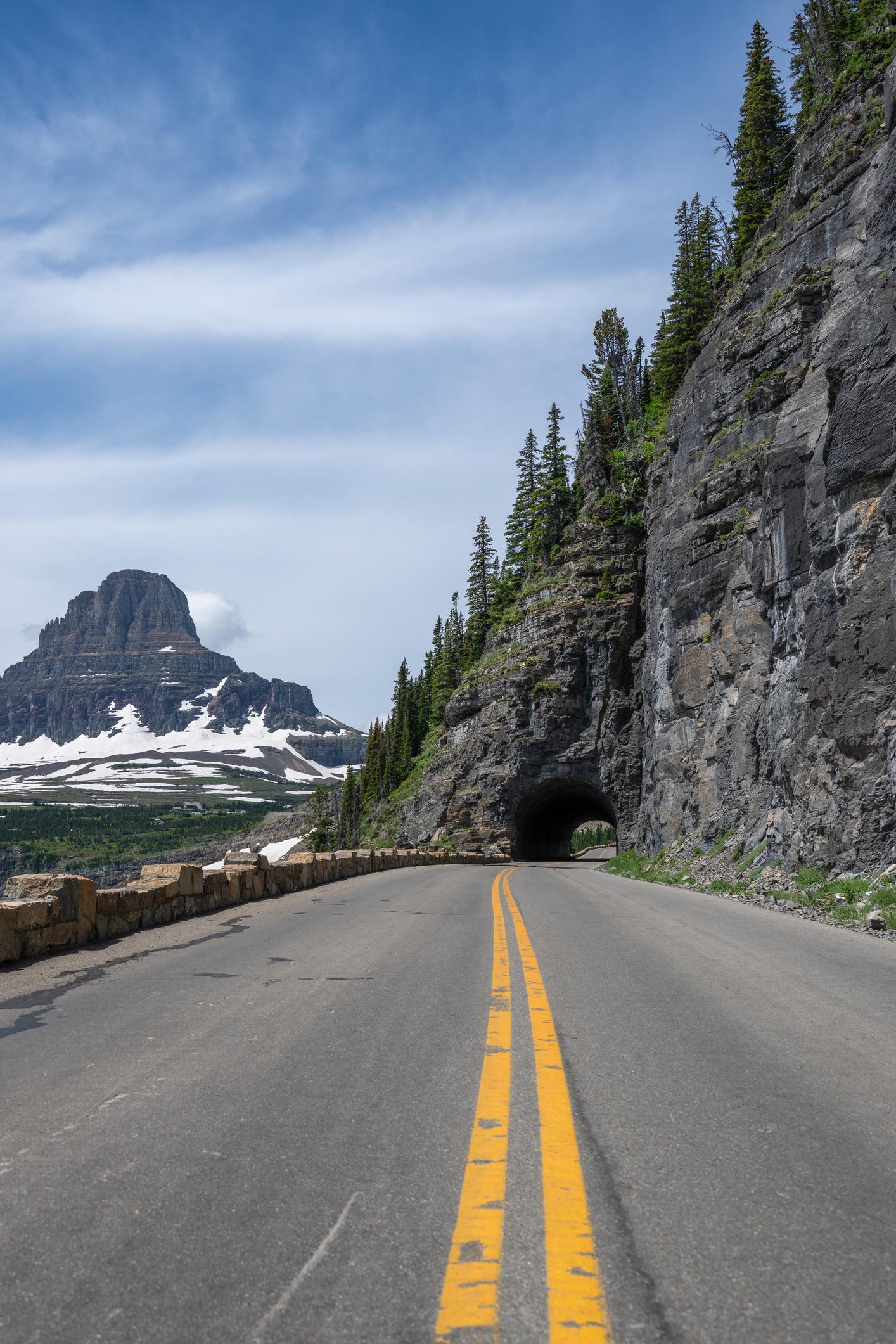
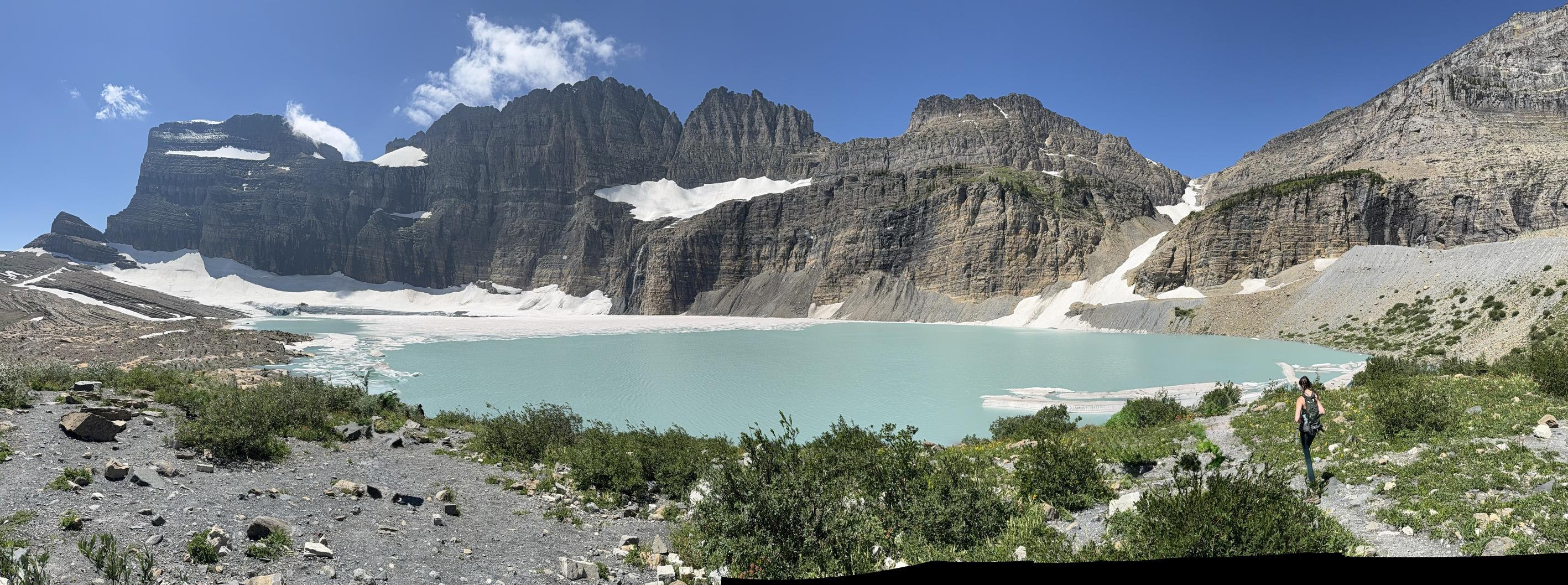
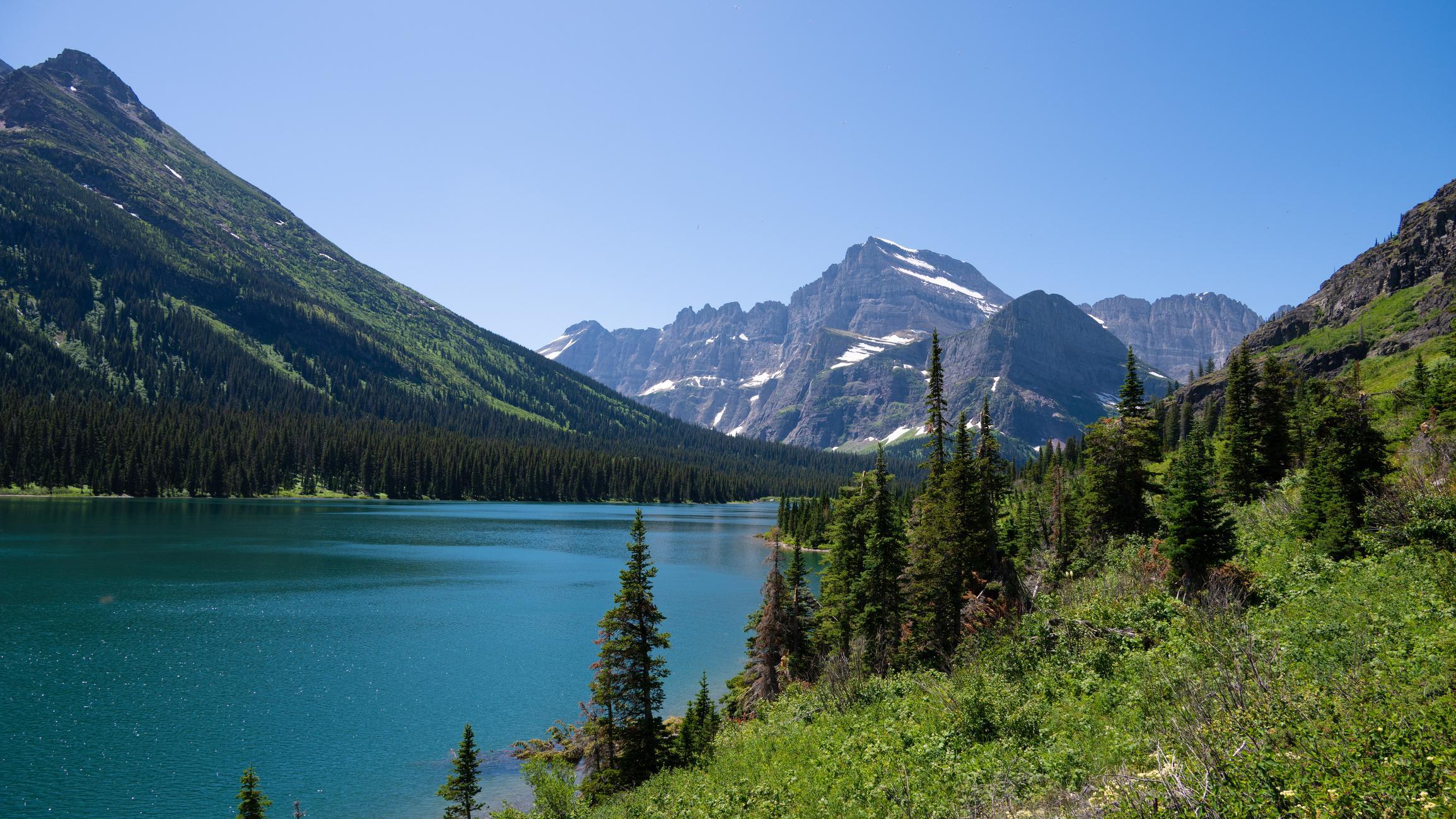
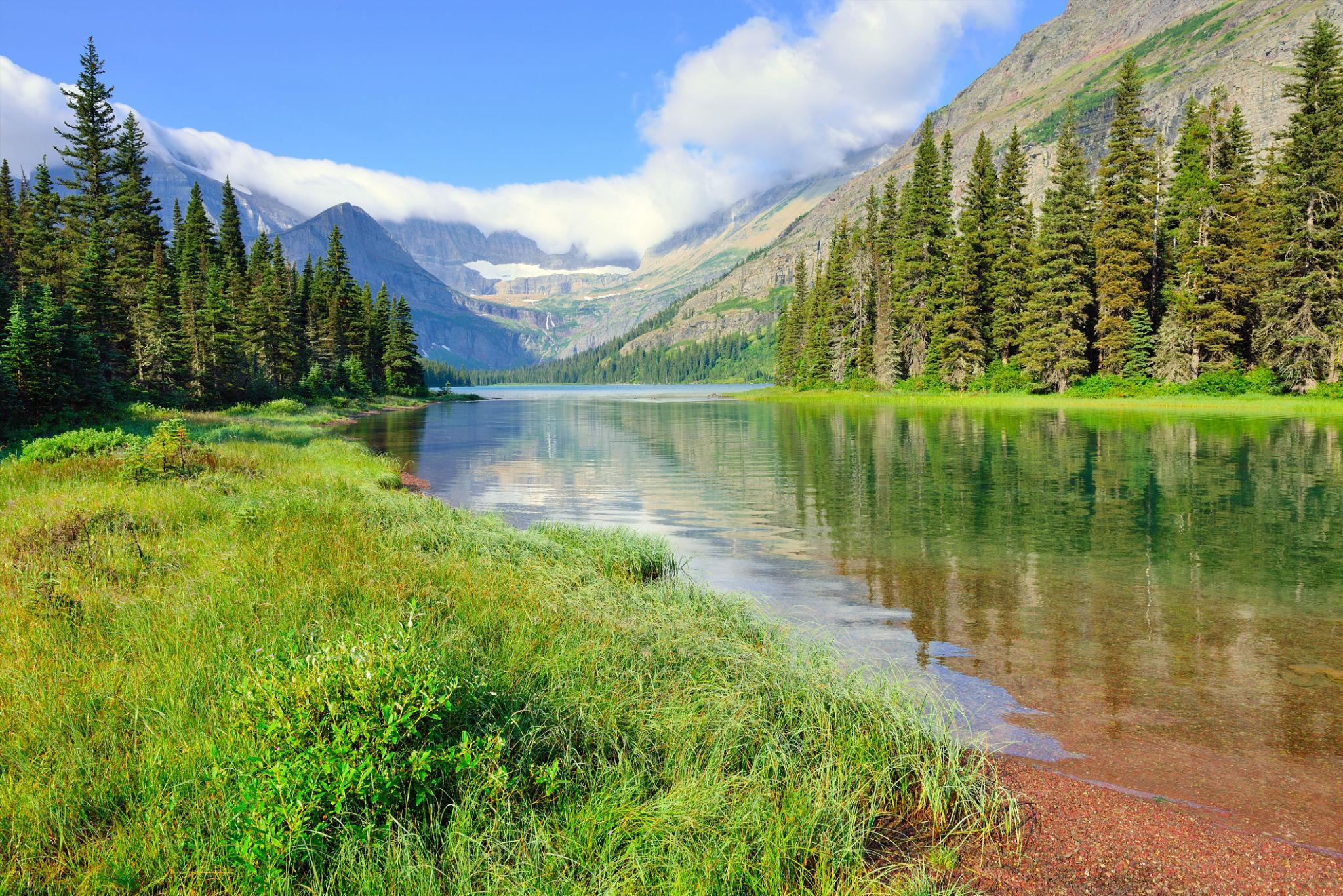
Alpine lakes and mountain roads
Glacier National Park preserves rugged alpine scenery.
Highlights:
• Going-to-the-Sun Road
• Grinnell Glacier
• Wildlife viewing
Best time: July–September.
IV. Tropical & Coastal America
Florida – Beaches & Wetlands
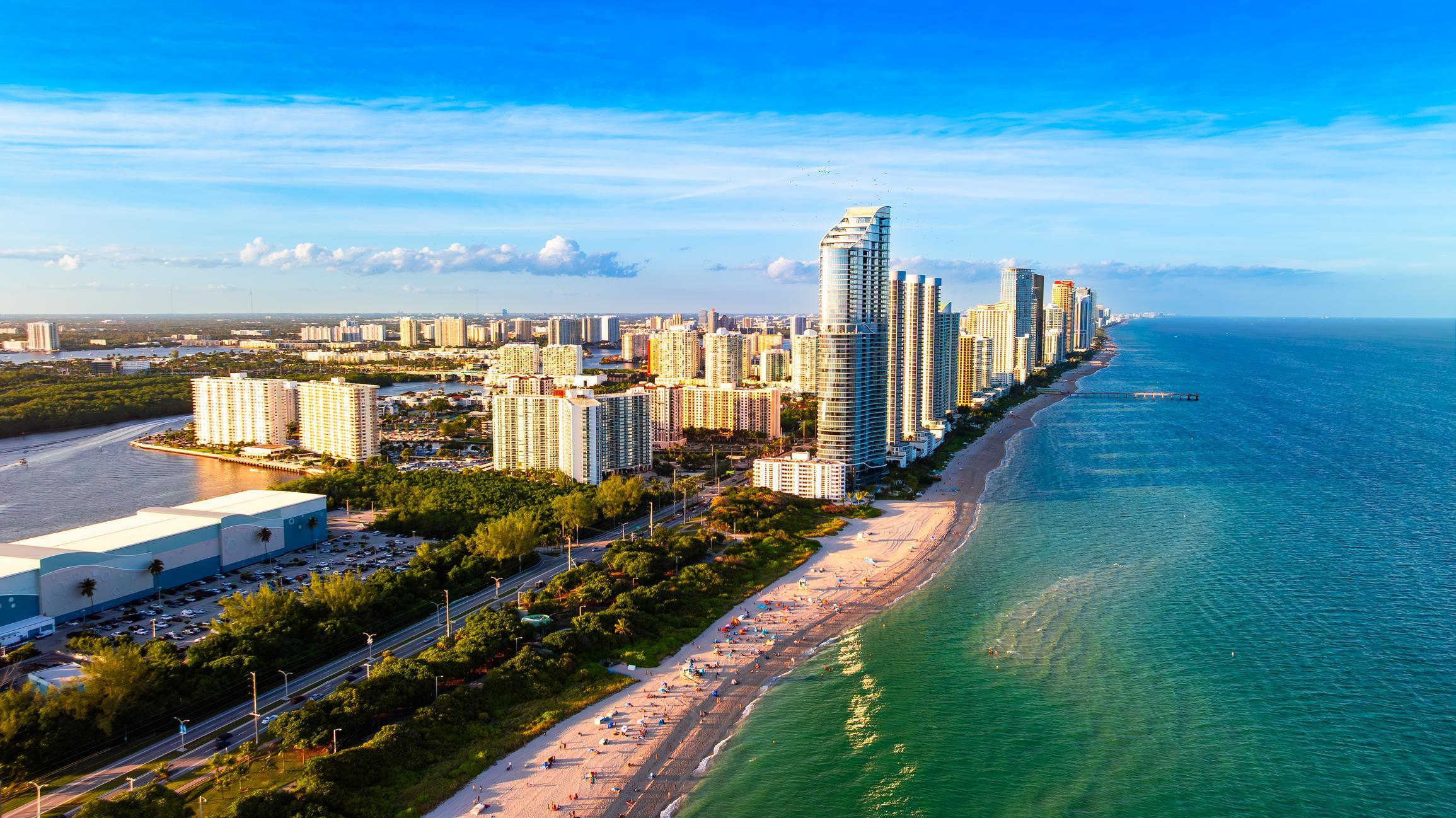
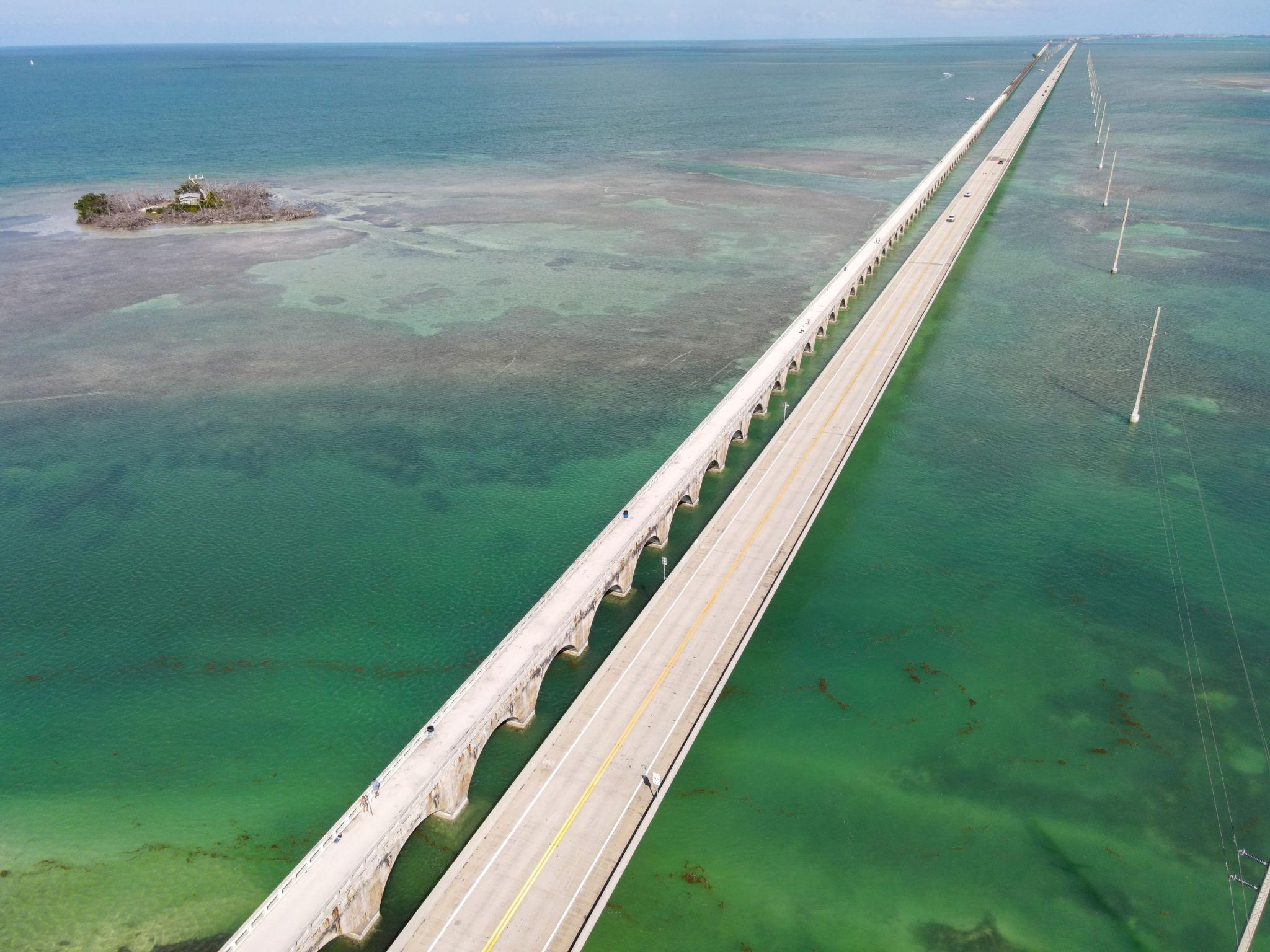
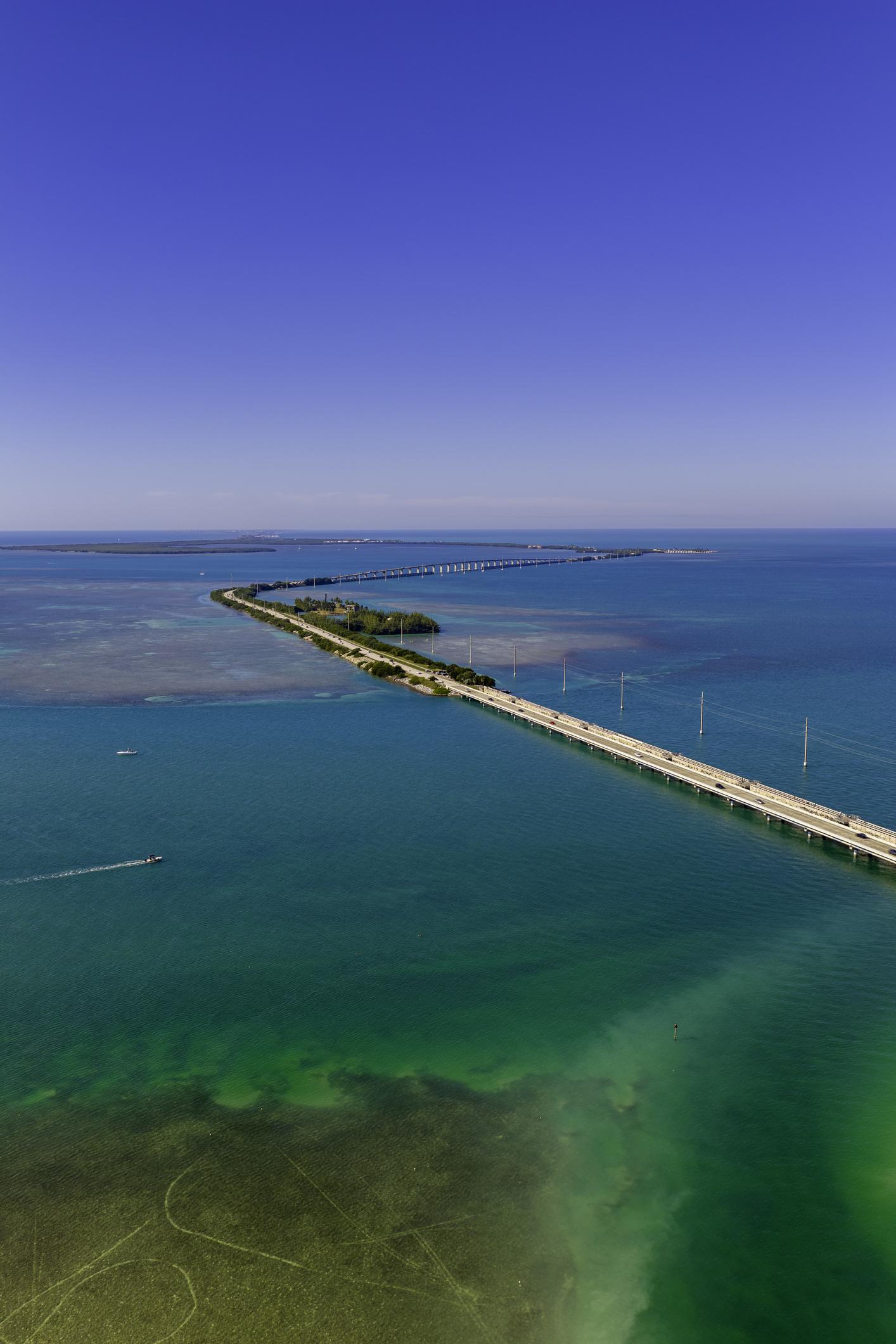
Miami coastline and the Everglades wetlands
Florida offers tropical beaches and ecosystems.
• Miami & South Beach
• Everglades National Park
• Florida Keys to Key West
Best time: Winter and early spring.
Hawaii – Volcanic Islands in the Pacific
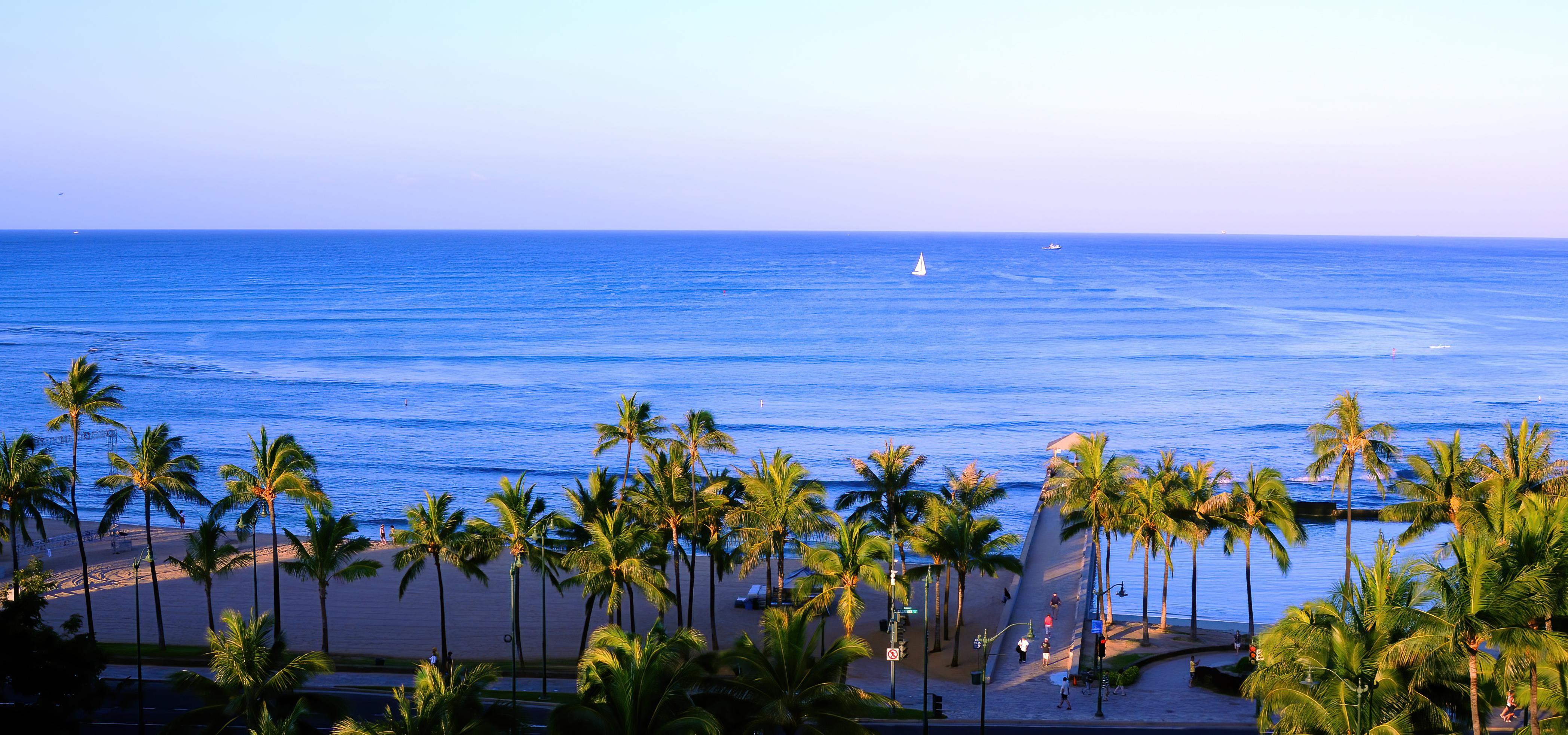
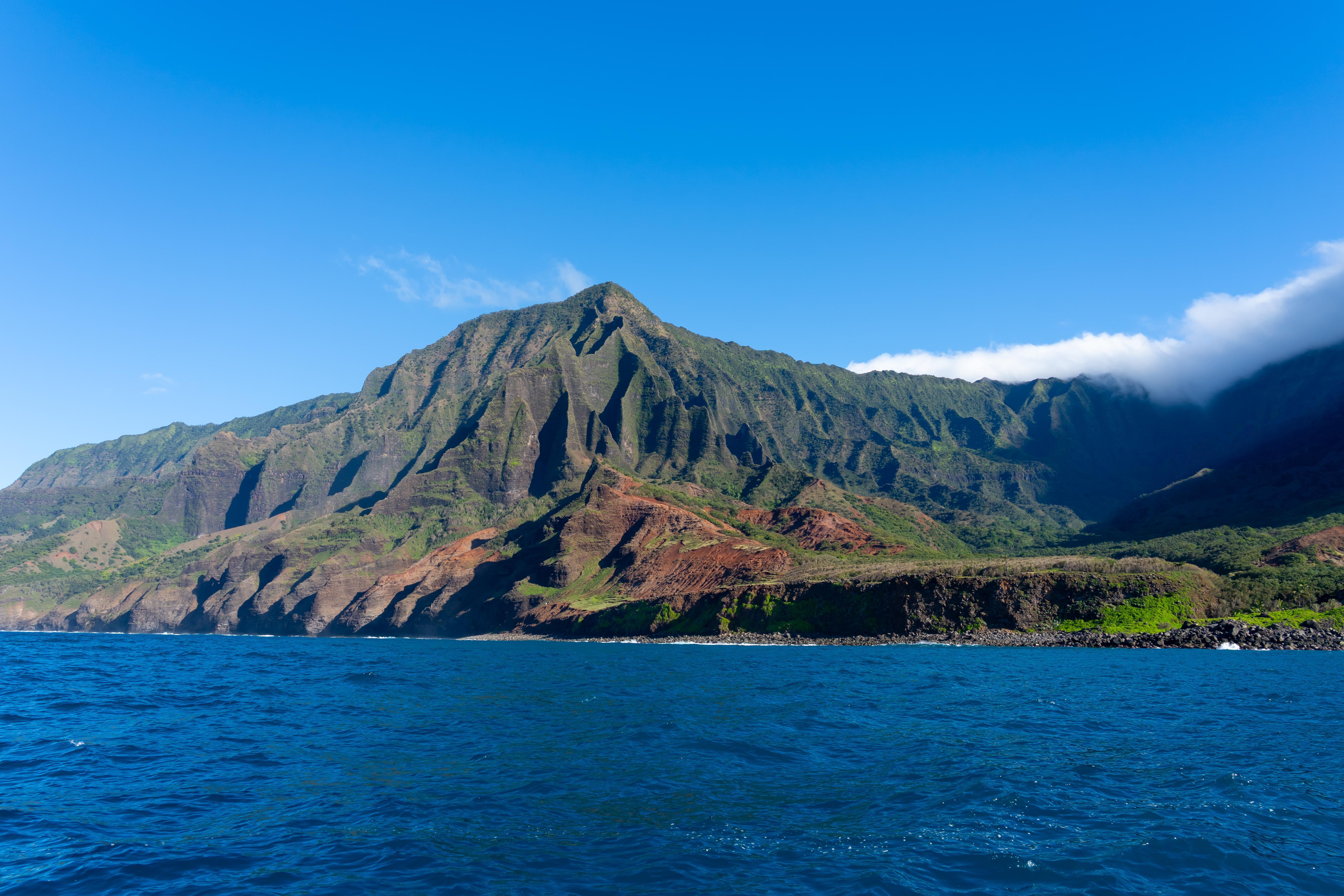
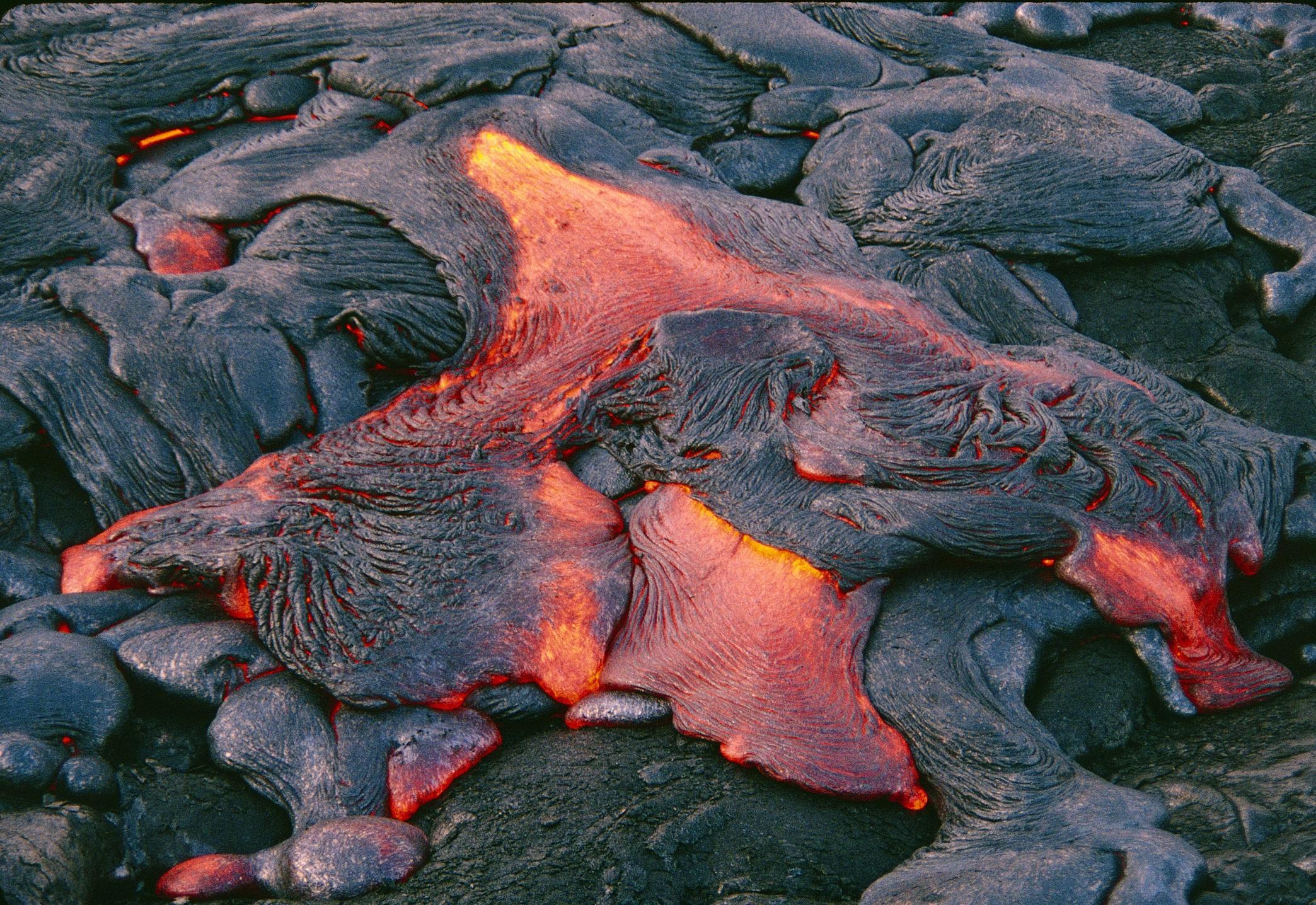
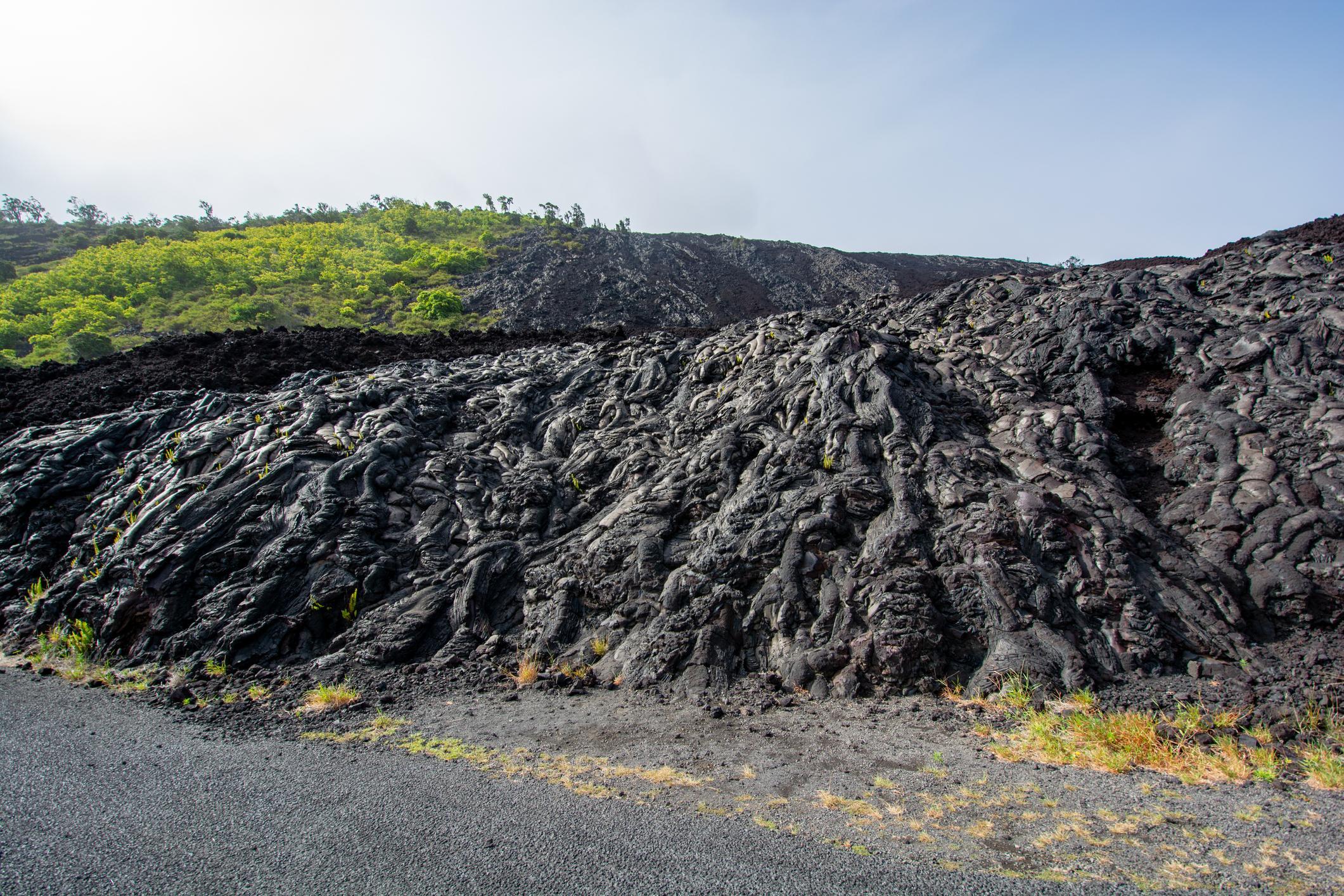
Volcanic terrain and tropical beaches
Hawaii is culturally and geographically distinct.
• Oahu – Honolulu & Waikiki
• Maui – Road to Hana
• Big Island – Volcanoes National Park
• Kauai – Na Pali Coast
Best time: Year-round.
V. Music & Cultural Cities
New Orleans – Jazz & French Heritage


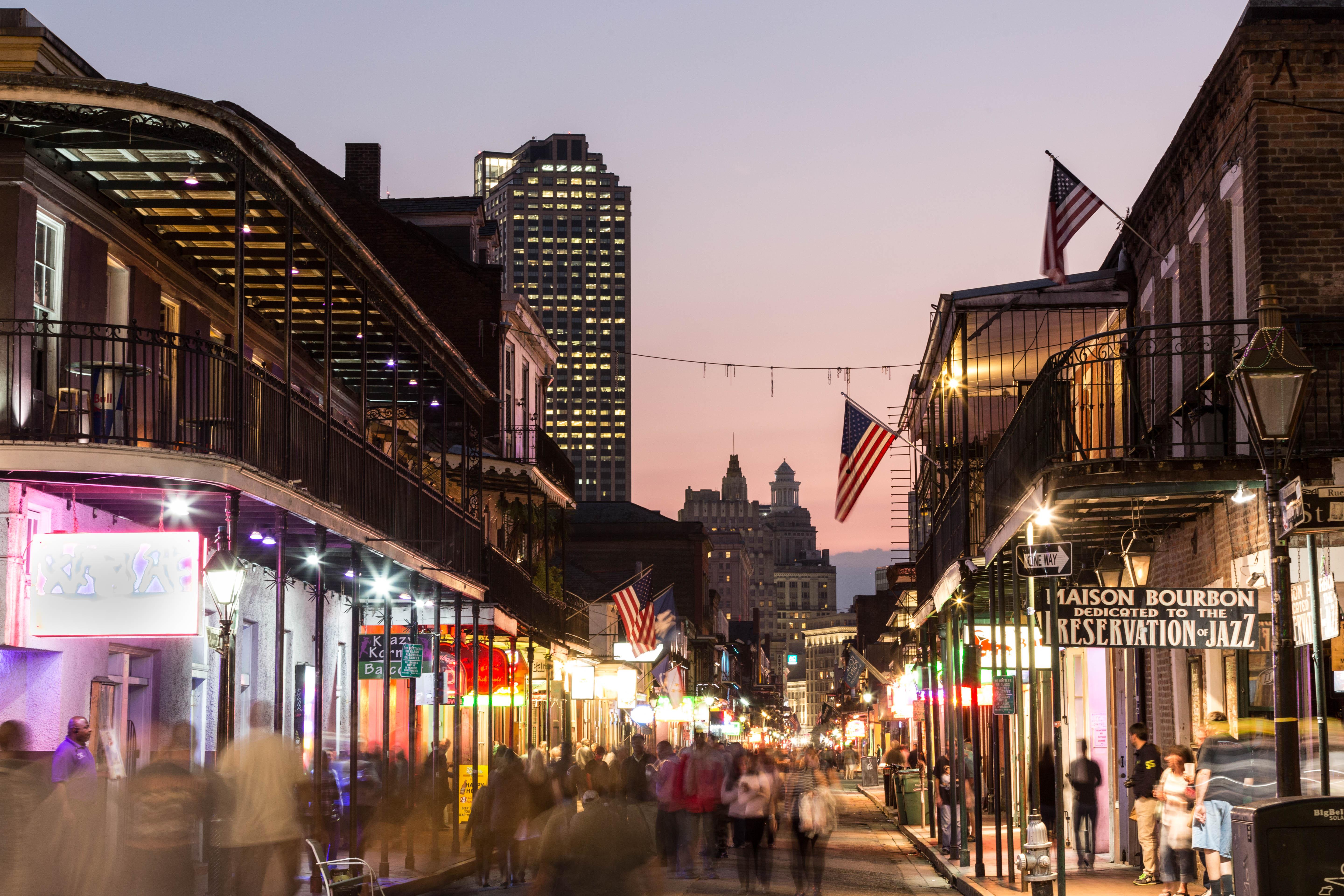
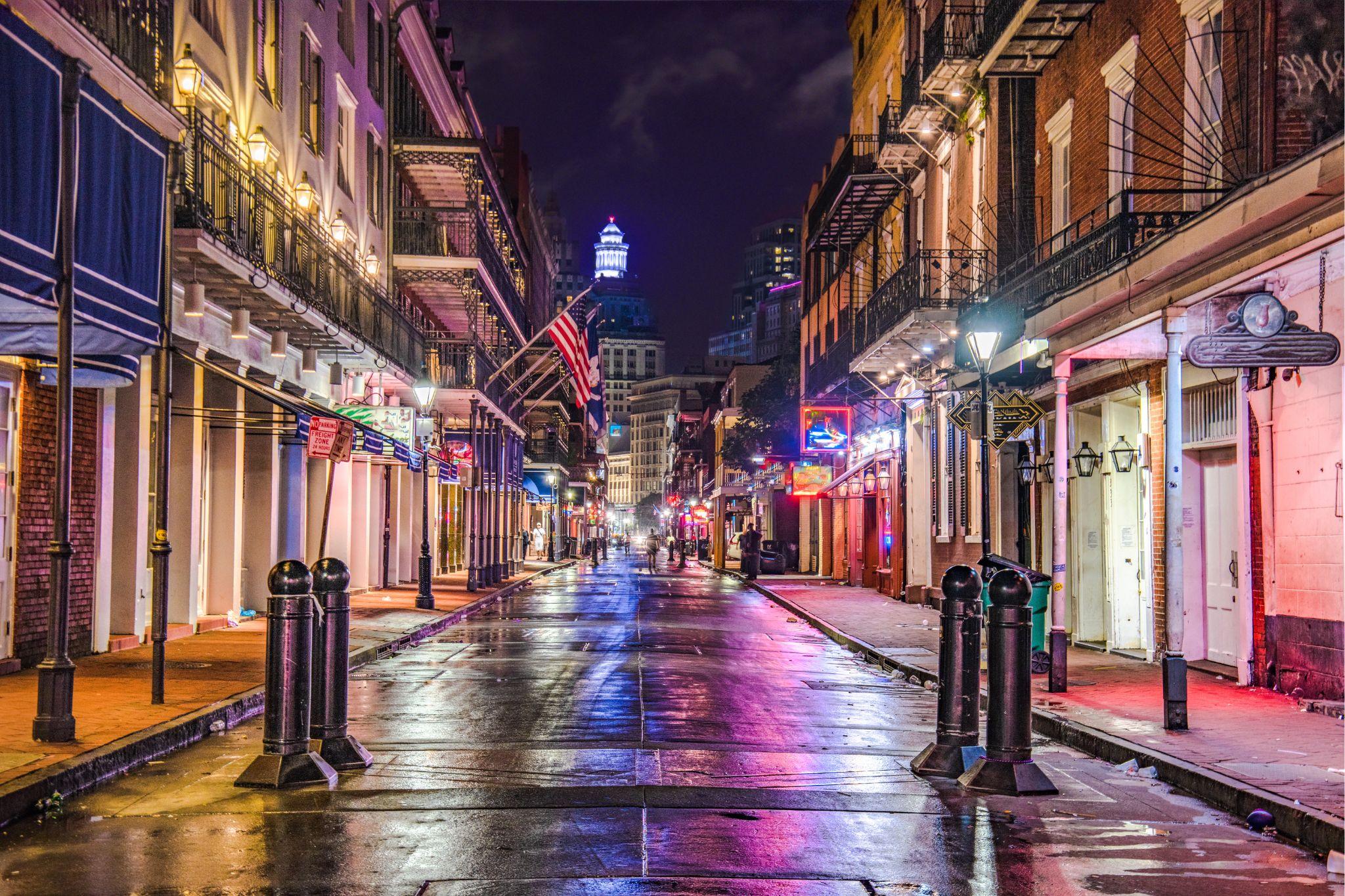
French Quarter streets and live jazz music
New Orleans is culturally unique.
• French Quarter
• Jazz clubs
• Creole cuisine
• Mardi Gras
Nashville – Country Music Capital
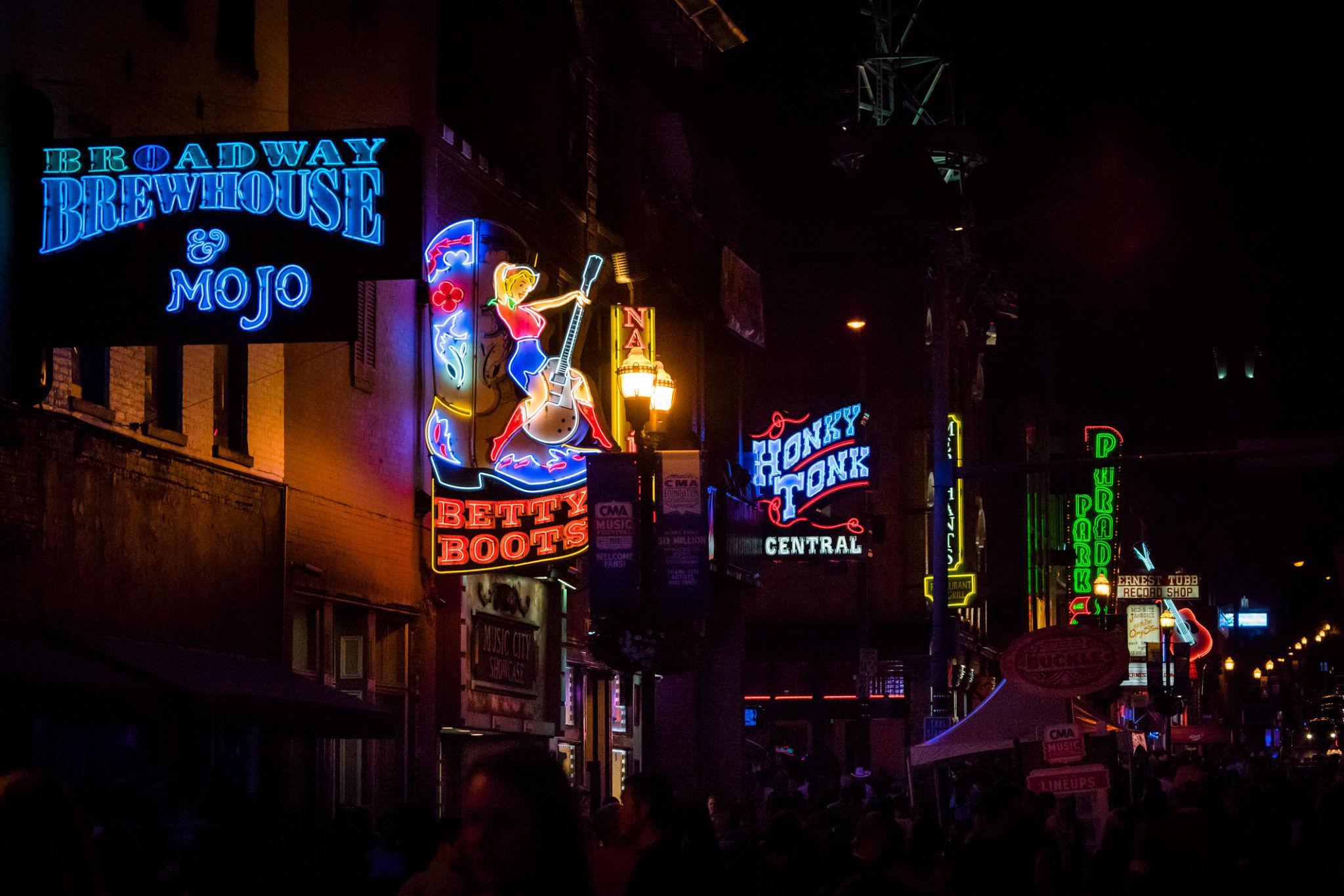



Broadway nightlife and the Grand Ole Opry
Nashville is the center of country music.
• Broadway music venues
• Grand Ole Opry
• Country Music Hall of Fame
VI. Alaska & Extreme Wilderness
Alaska – Glaciers, Wildlife & Vast Landscapes
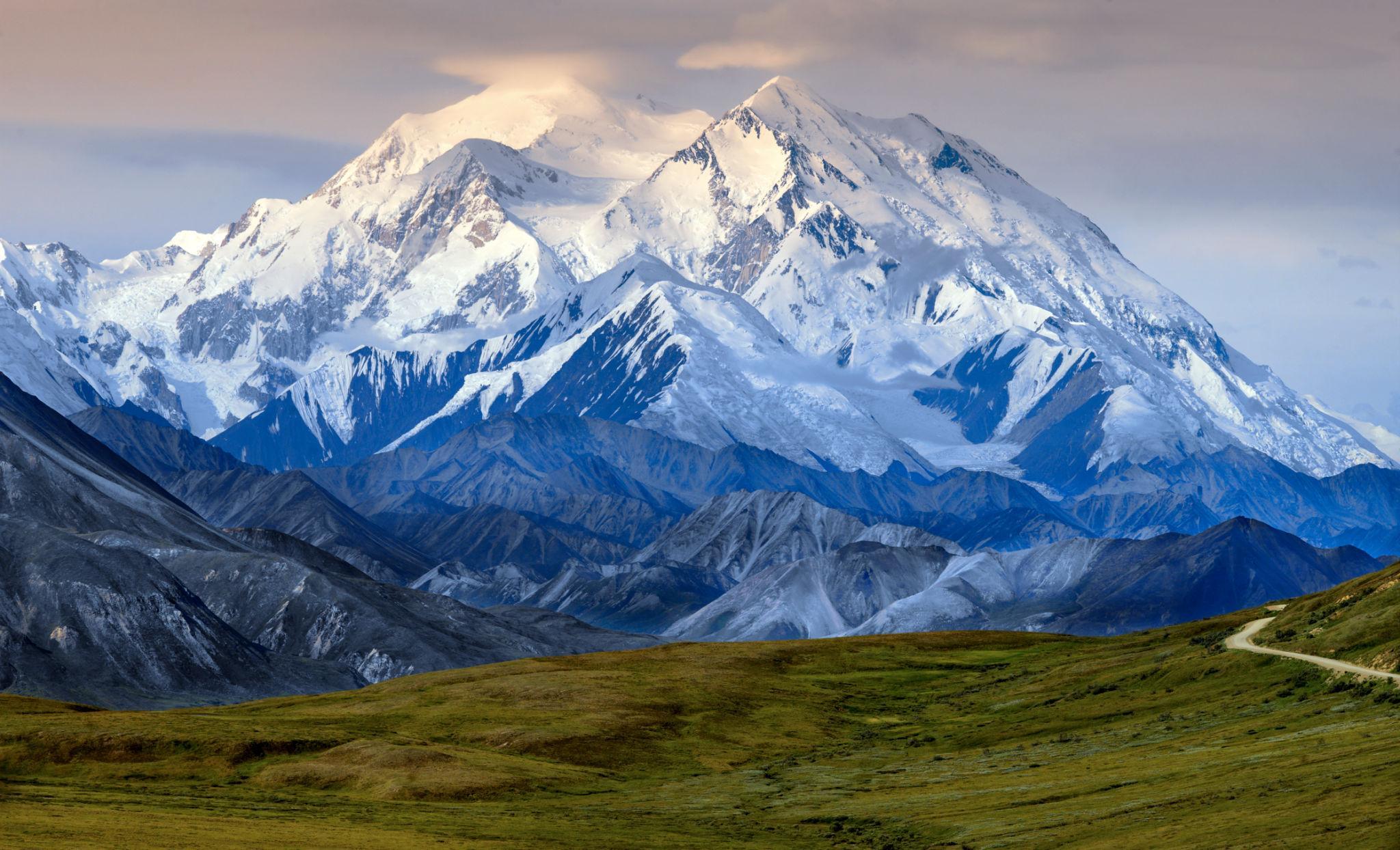
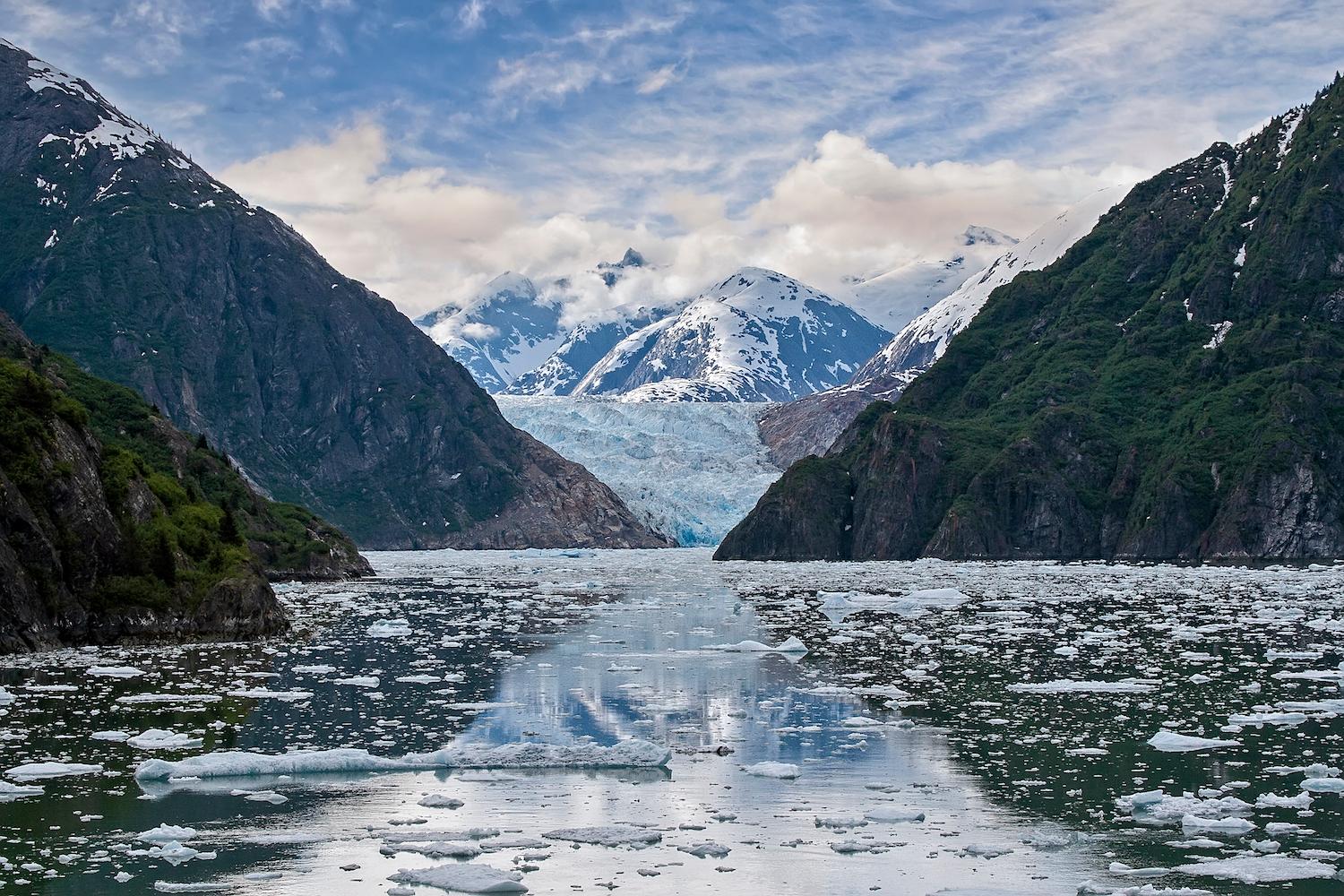
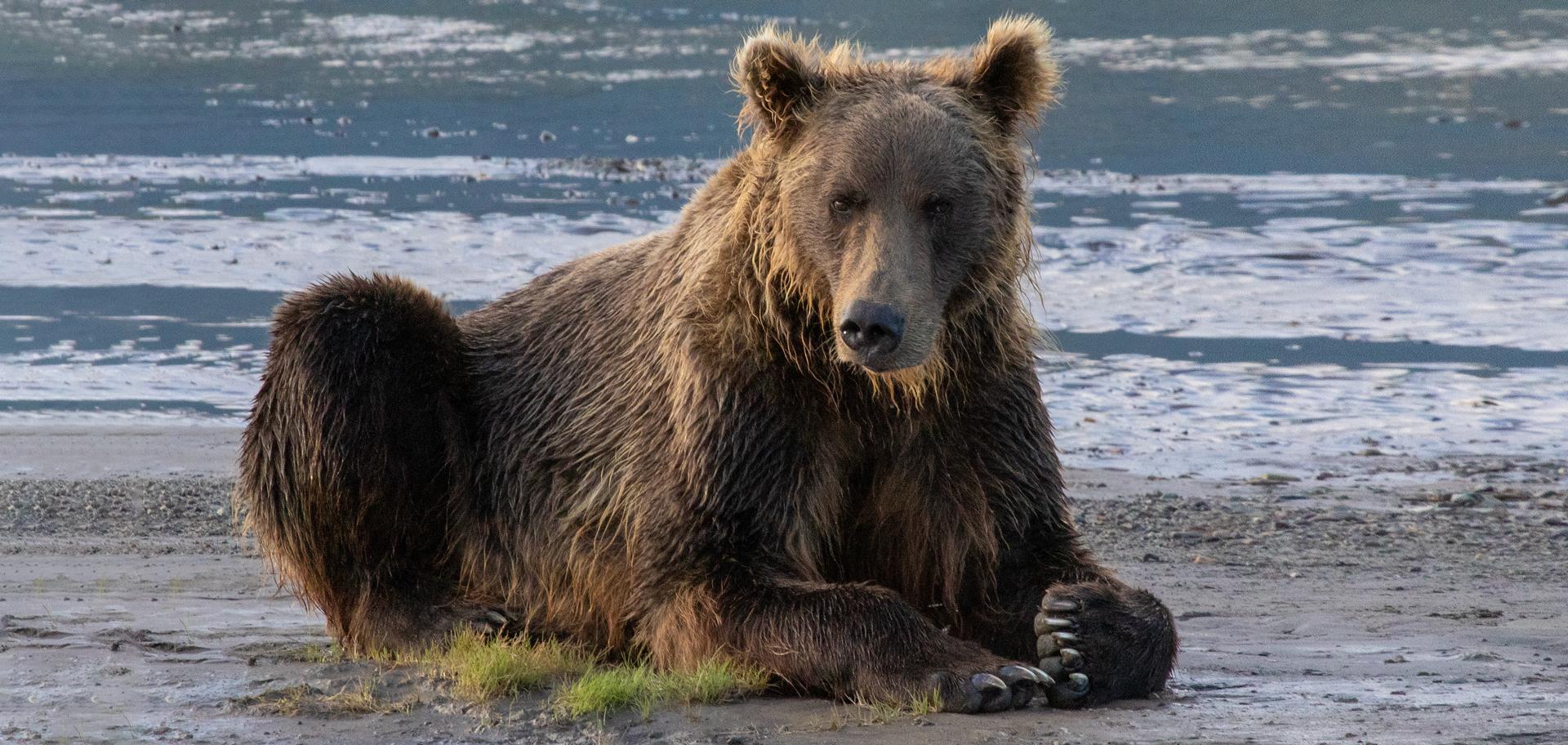
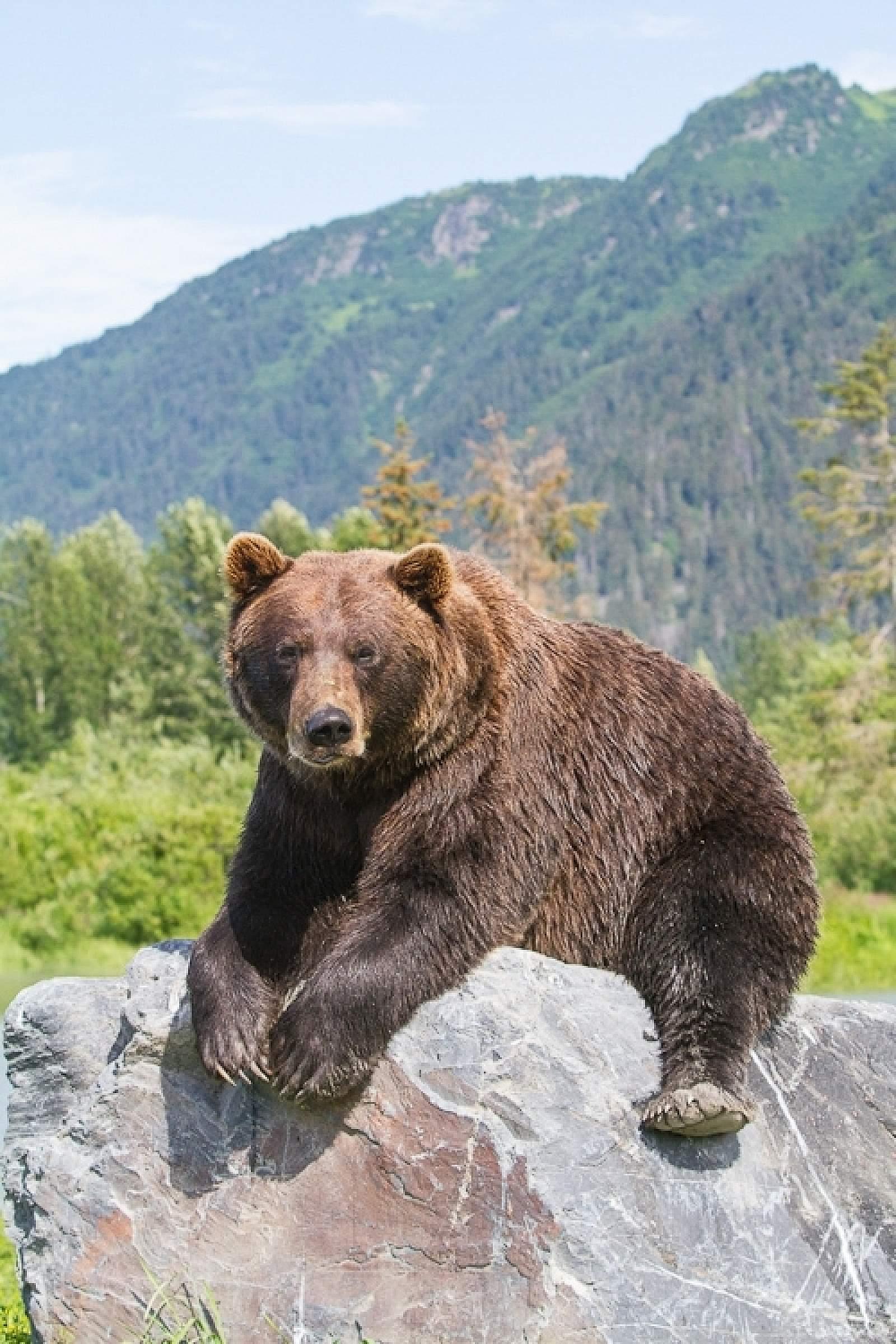
Denali and coastal glaciers
Alaska feels closer to the Arctic than the rest of the country.
• Denali National Park
• Glacier cruises
• Wildlife viewing
• Northern lights (winter)
Best time: June–September.
VII. The Rocky Mountains & Outdoor States
Colorado – High Elevation & Adventure
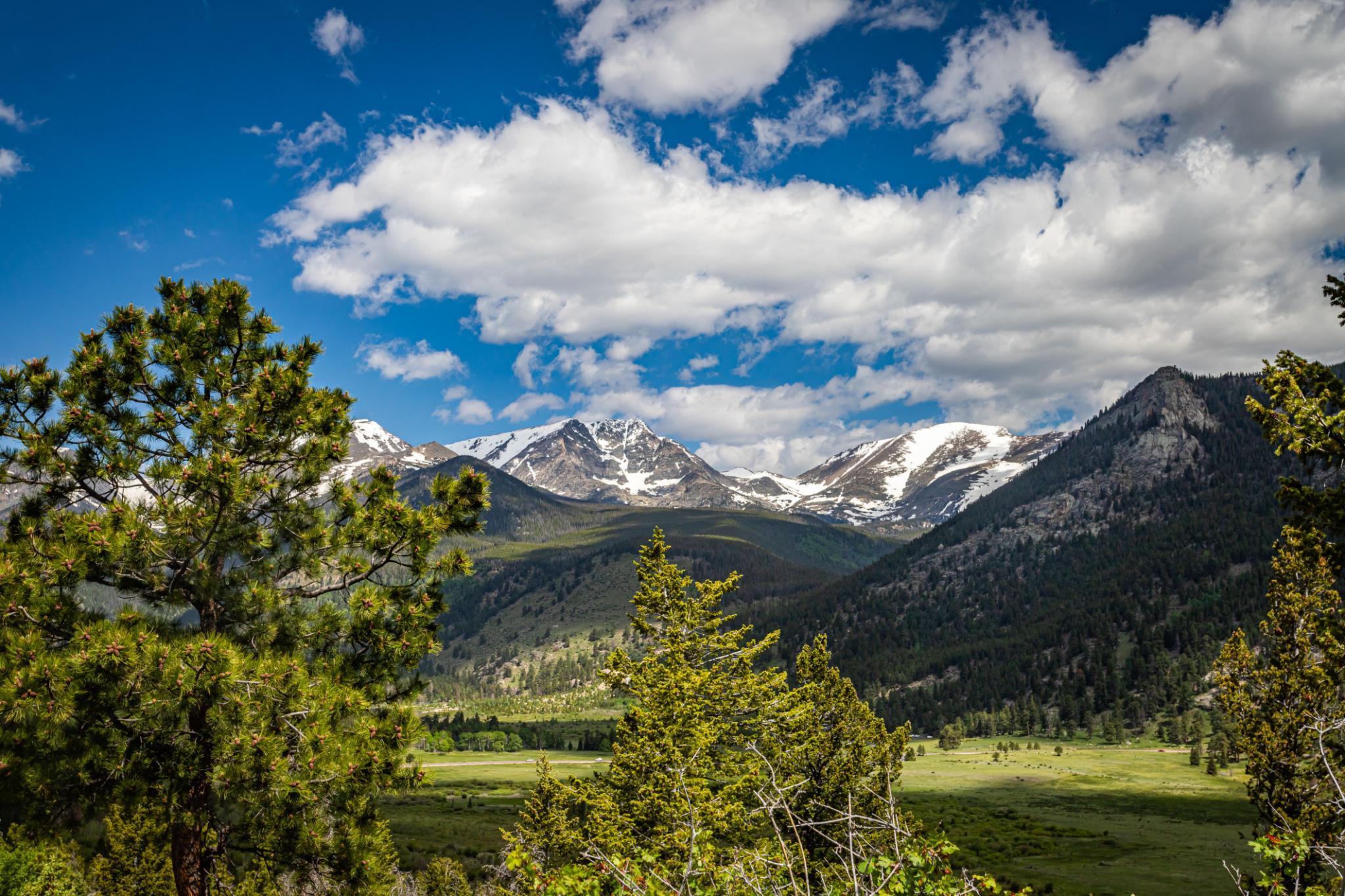
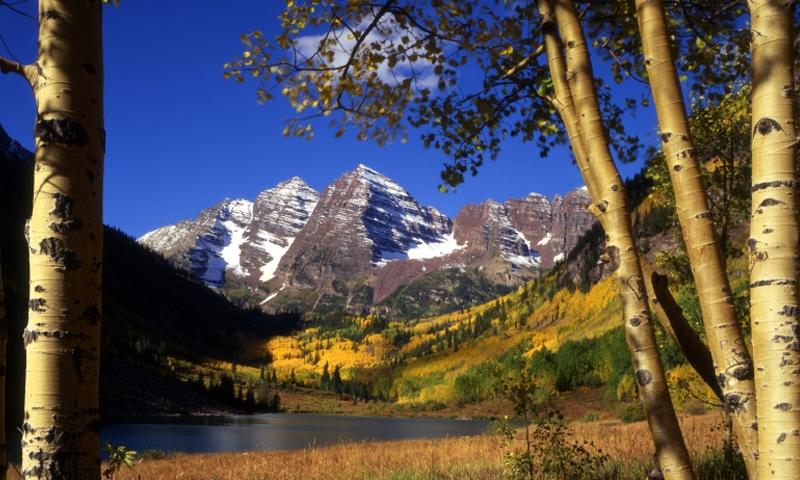
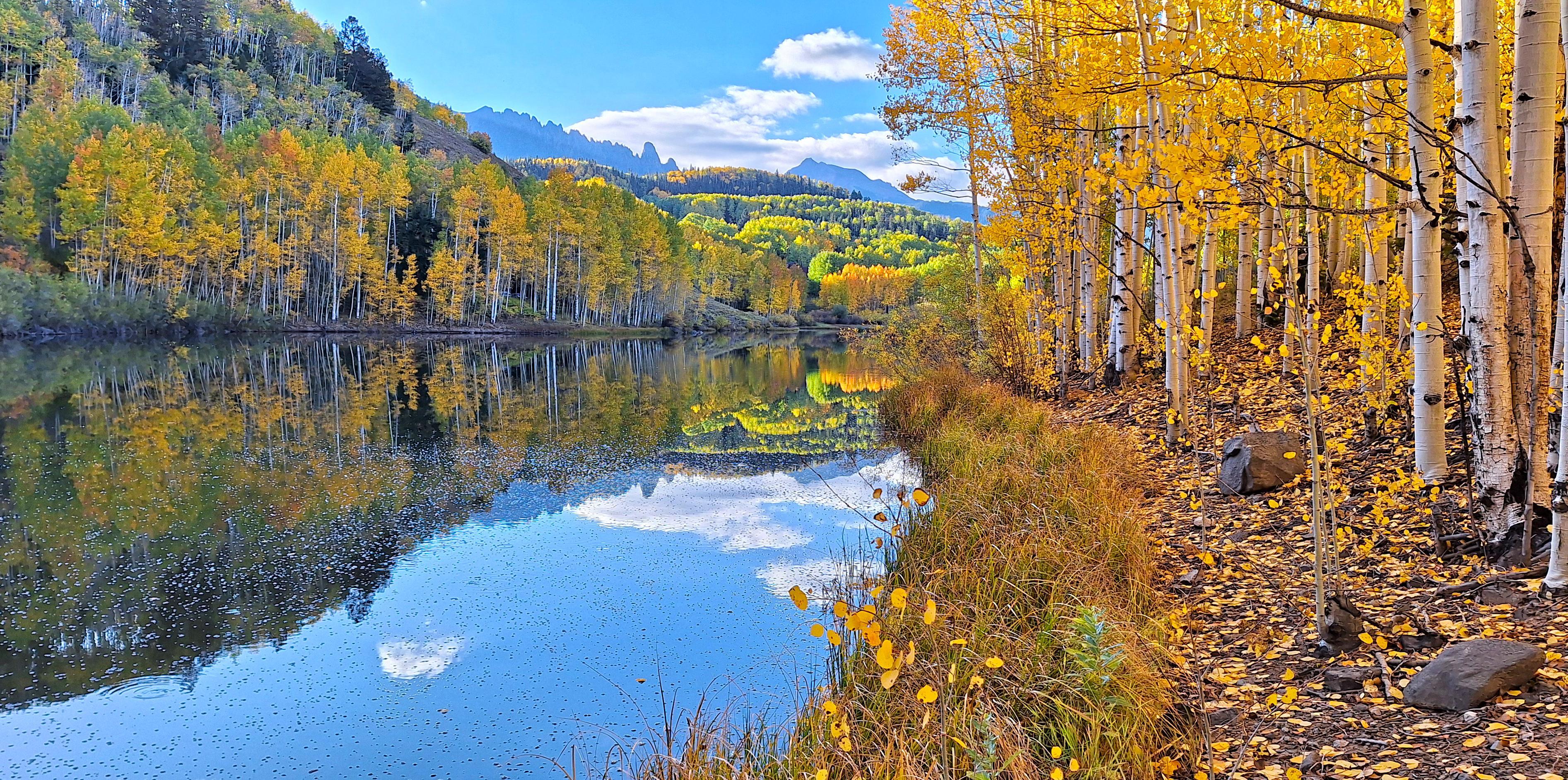
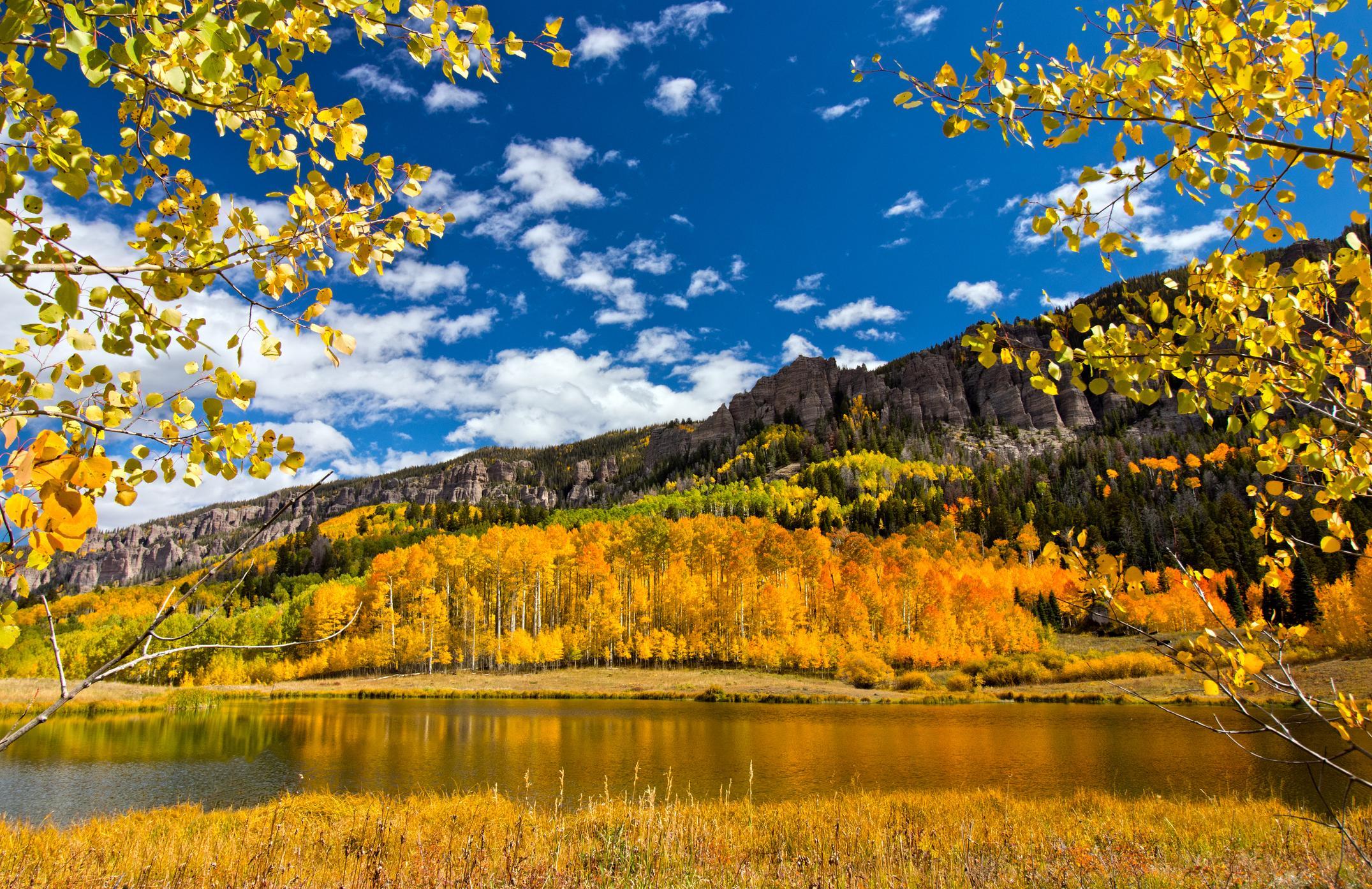
Rocky Mountain peaks and autumn colors
Colorado is defined by elevation and outdoor culture.
• Rocky Mountain National Park
• Aspen & Vail
• Summer hiking
• Winter skiing
Wyoming – Frontier Landscapes
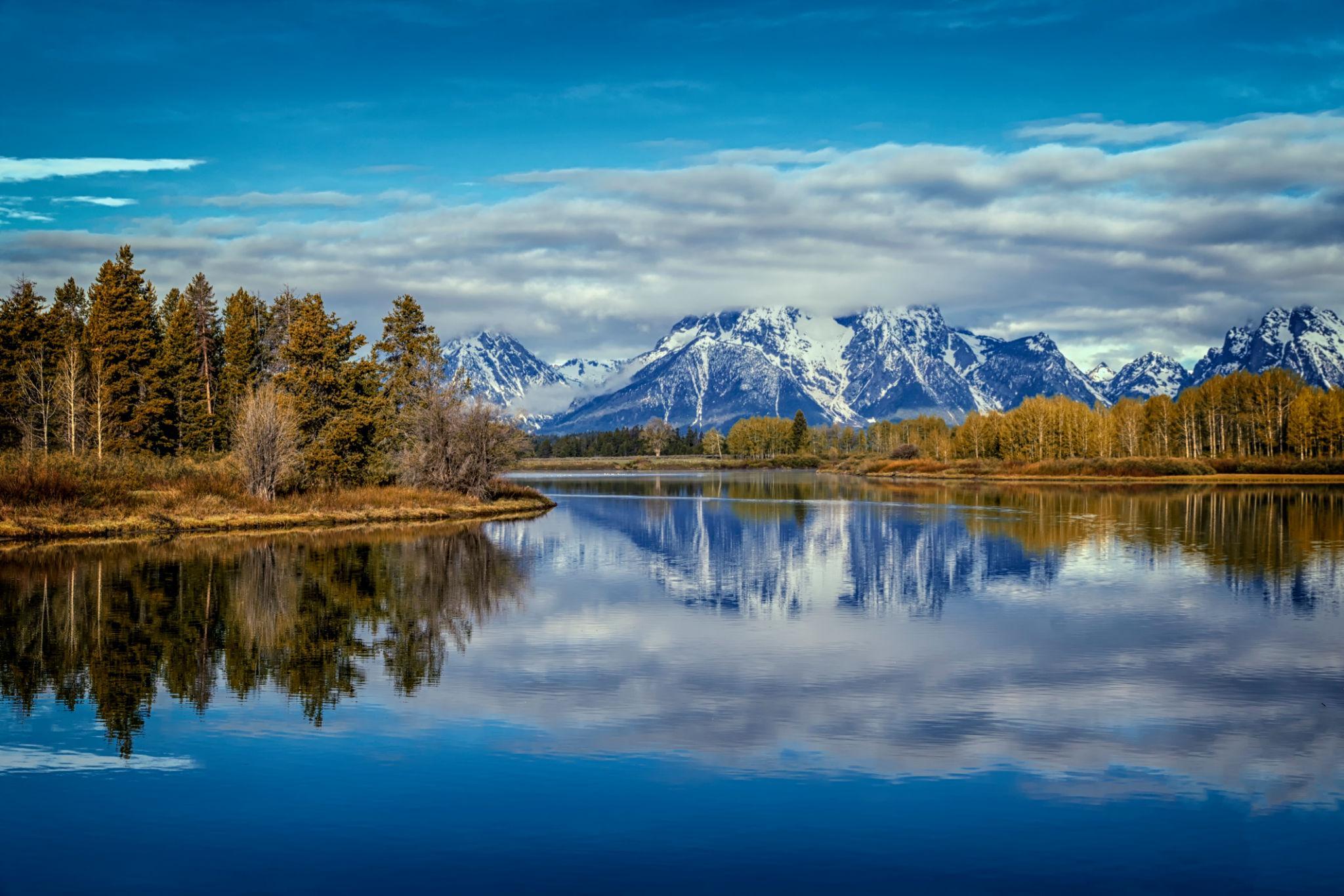
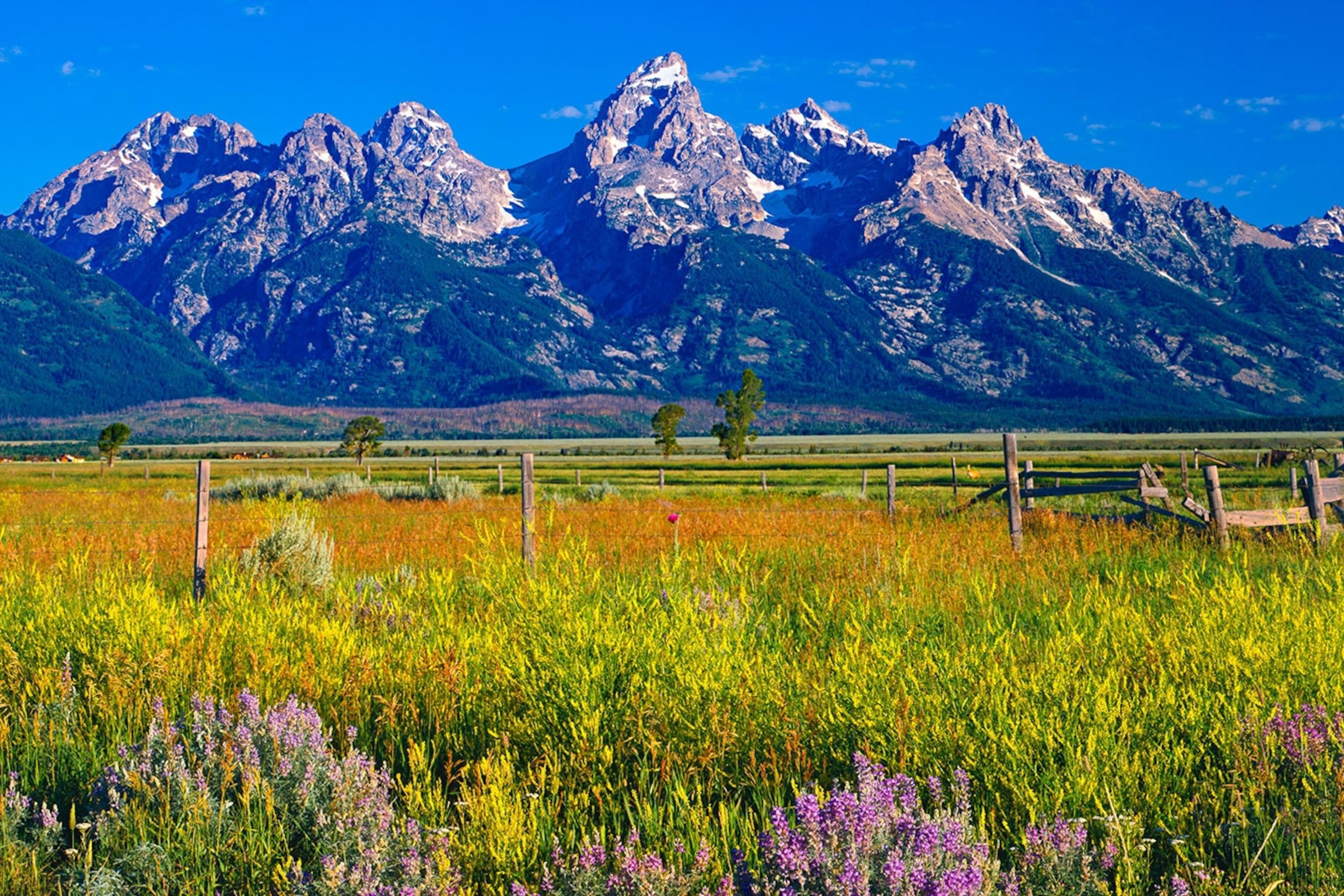
Grand Teton peaks and Jackson Hole
Wyoming is sparsely populated and dominated by nature.
• Grand Teton National Park
• Jackson Hole
• Access to Yellowstone
VIII. Pacific Northwest
Washington – Forests & Coastline
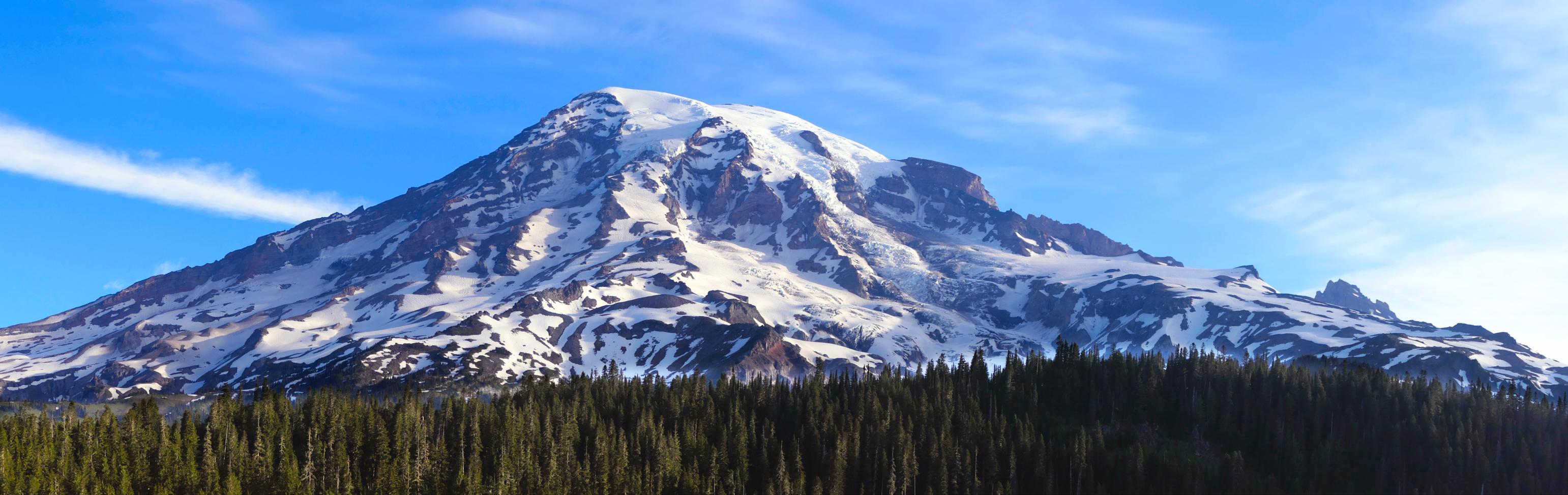
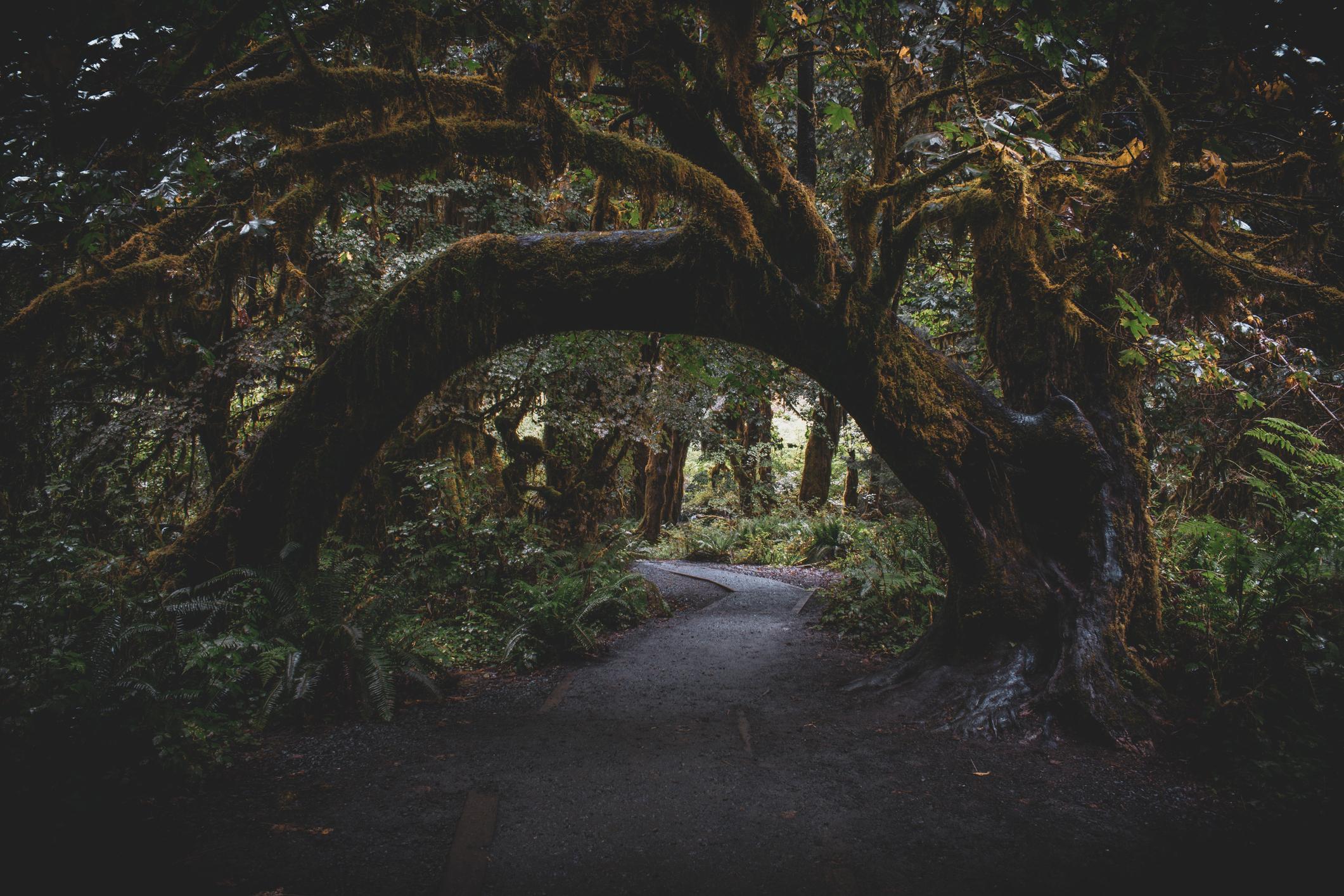
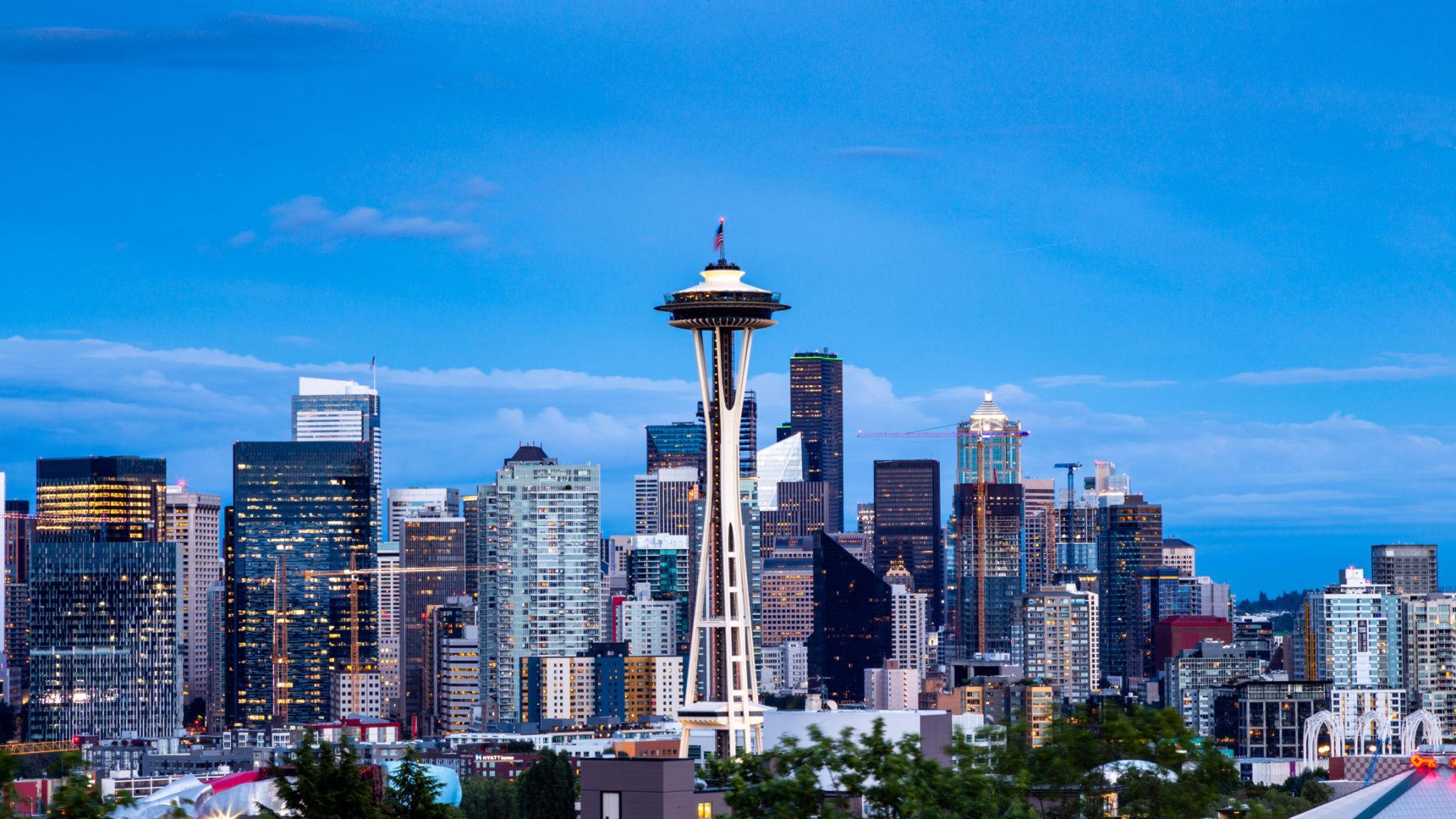
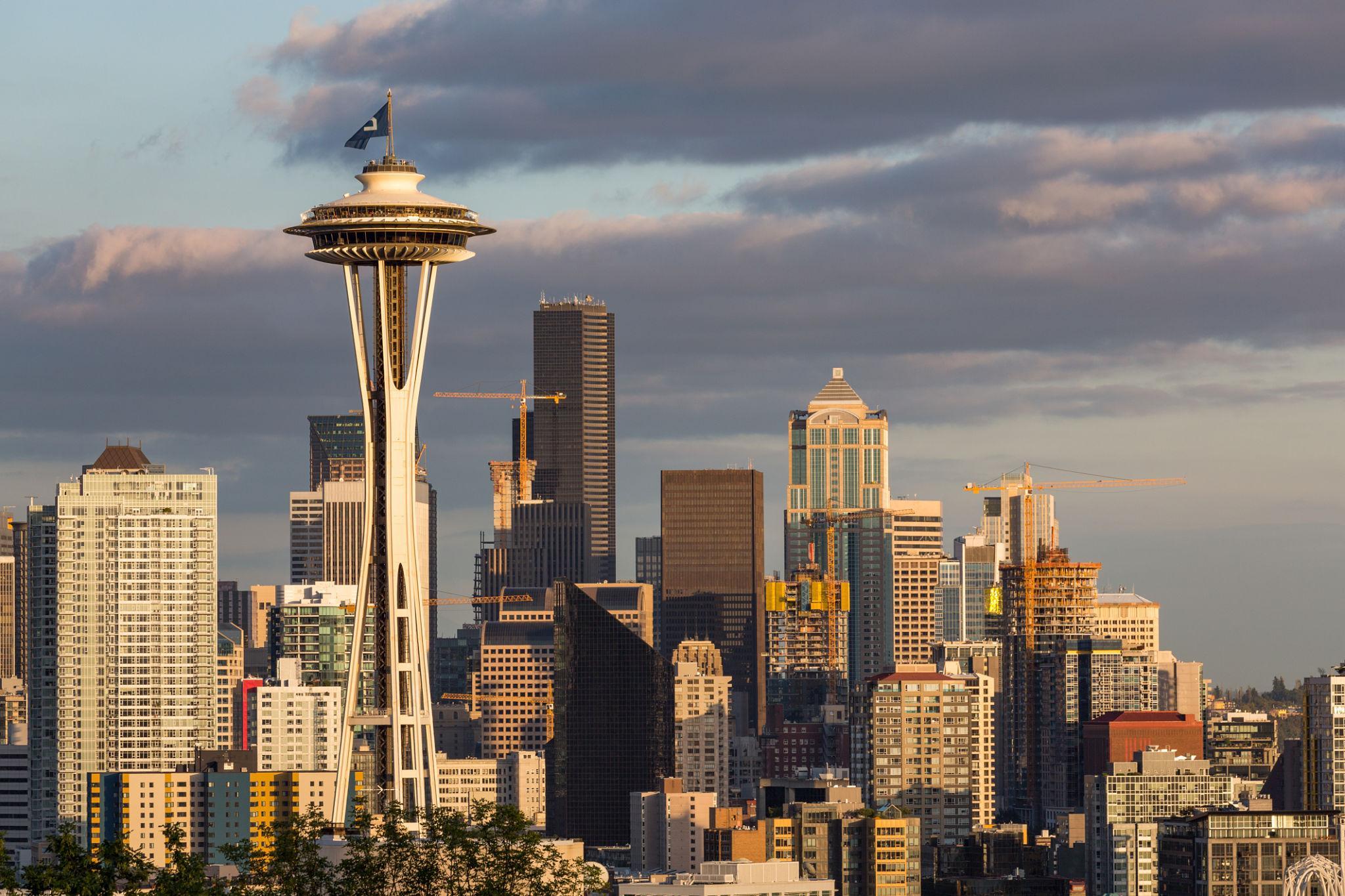
Mount Rainier and rugged Pacific coastline
Washington combines volcanoes and coastline.
• Mount Rainier
• Olympic National Park
• Seattle
Oregon – Volcanic Lakes & Scenic Drives
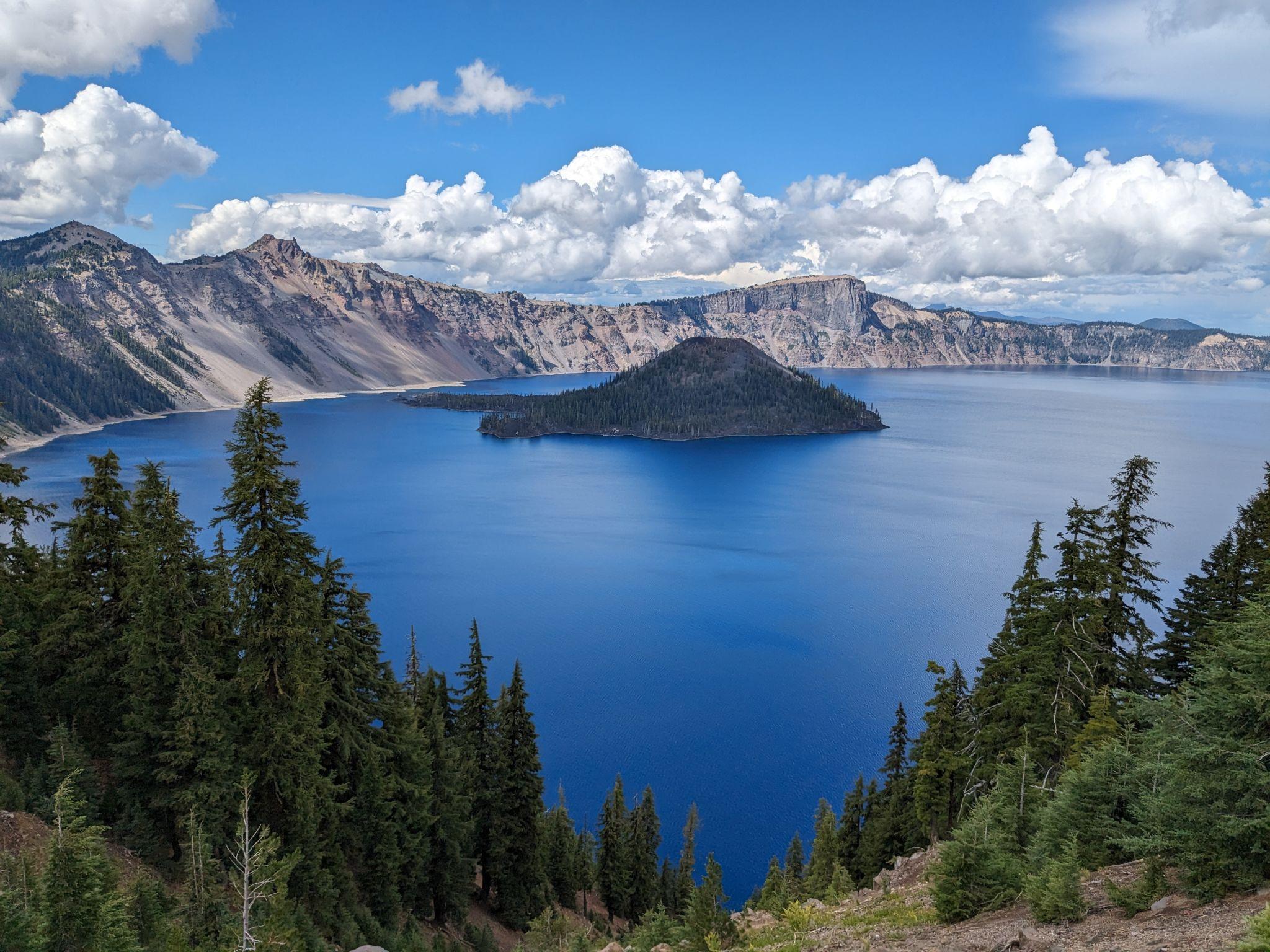
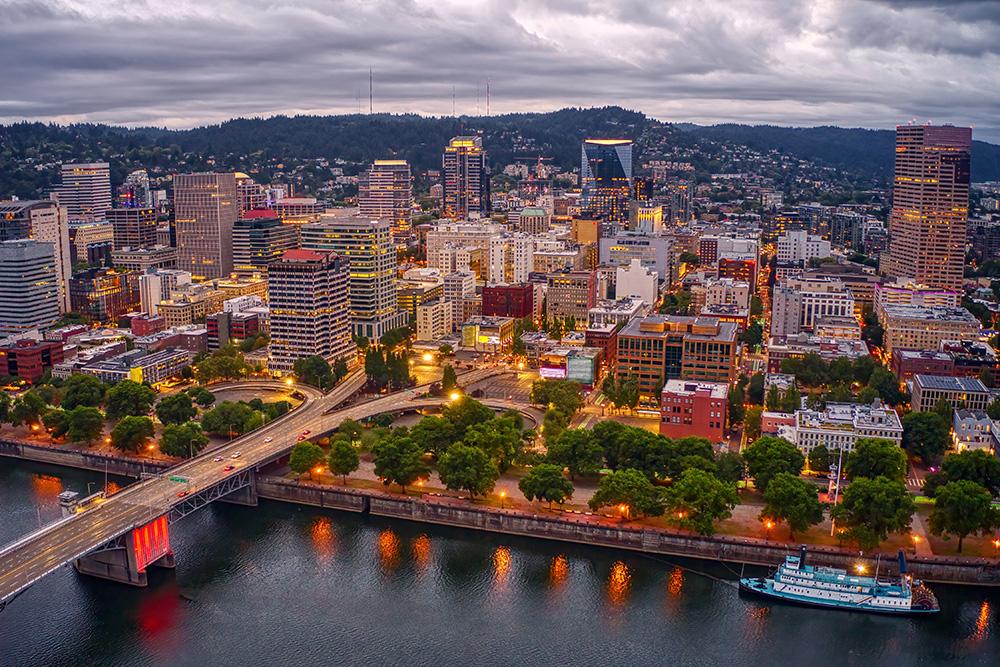
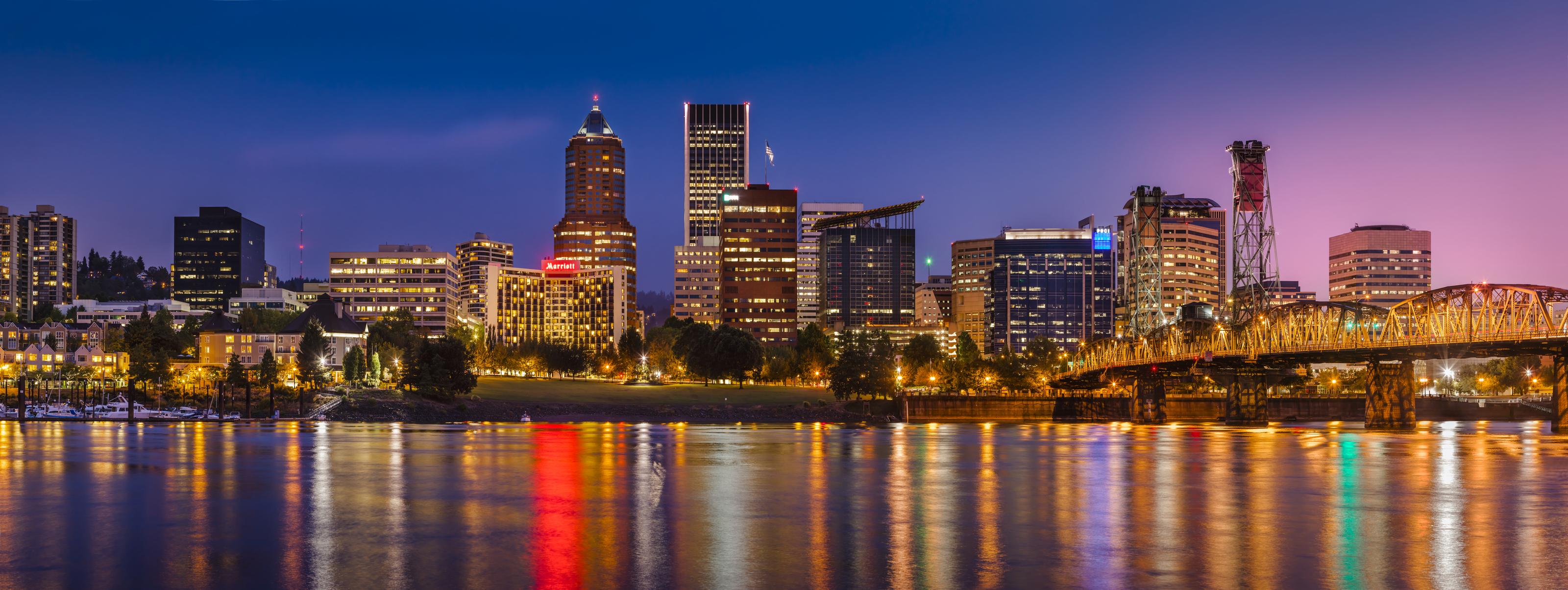
Crater Lake and Oregon’s coastal cliffs
Oregon is known for natural beauty.
• Crater Lake National Park
• Oregon Coast
• Portland
IX. Historic East Coast & Political Centers
Washington, D.C. – Monuments & Museums
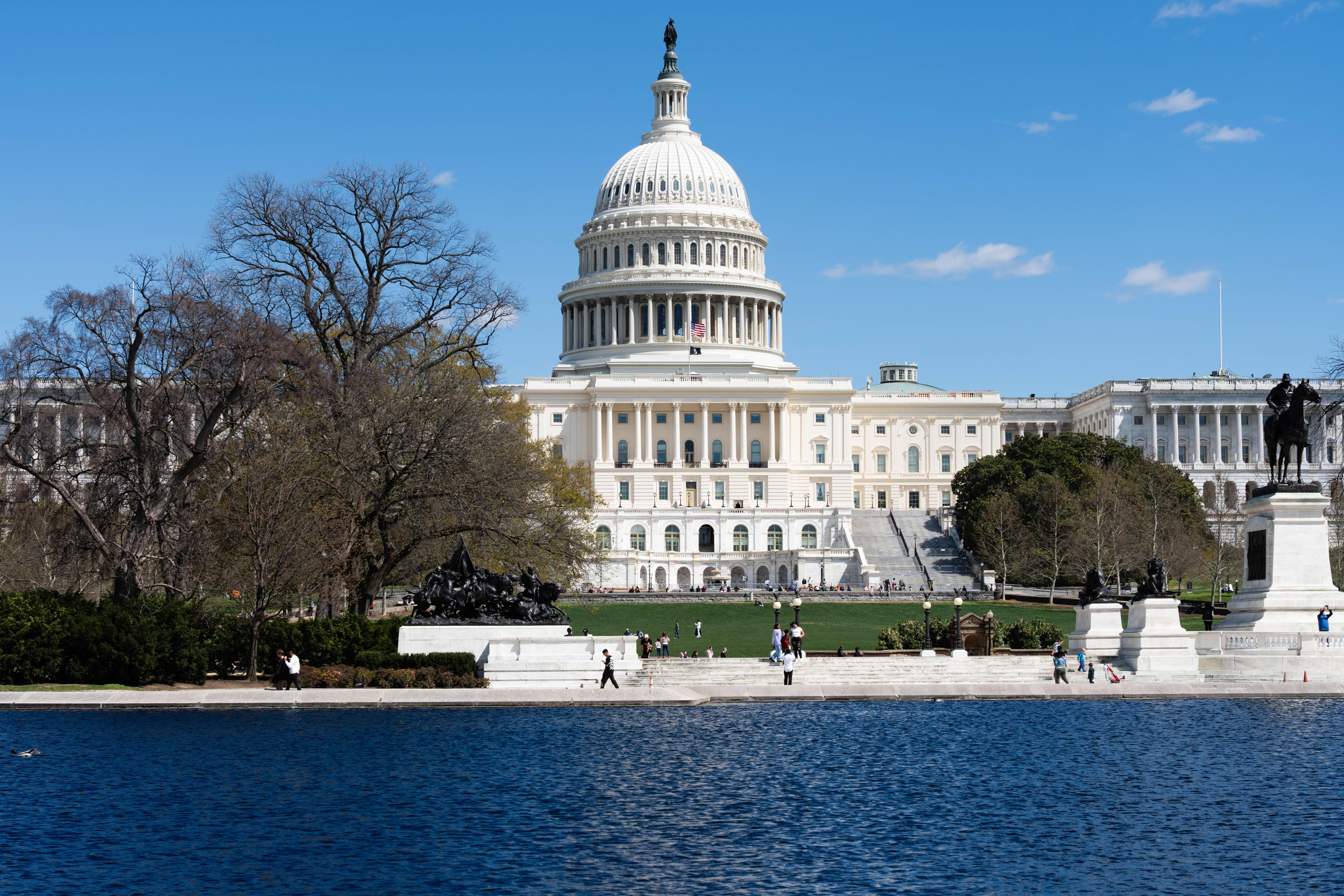
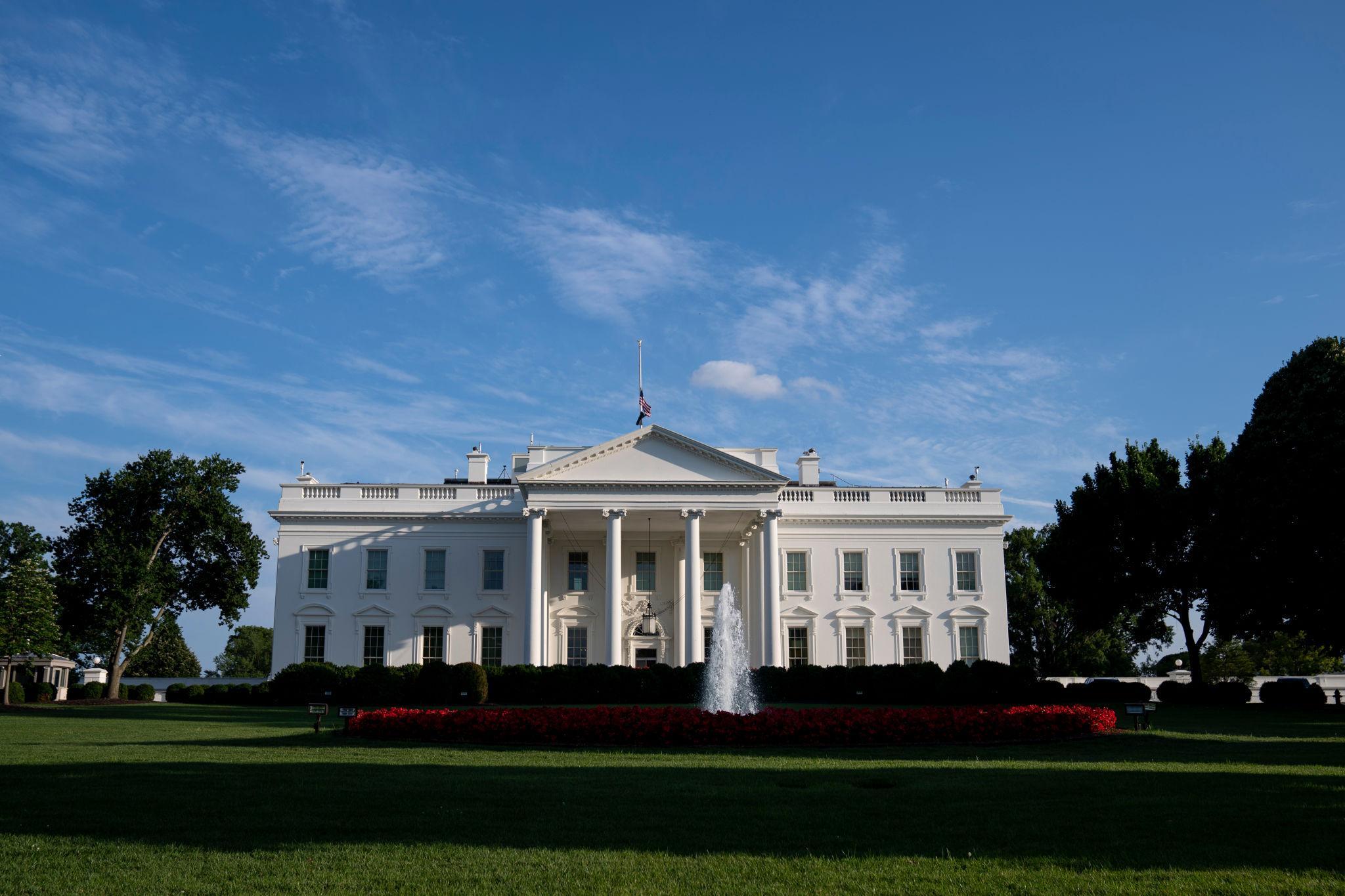

Lincoln Memorial and U.S. Capitol
Washington, D.C. is defined by monuments and museums.
• Lincoln Memorial
• U.S. Capitol
• White House
• Smithsonian museums
Boston – Colonial History
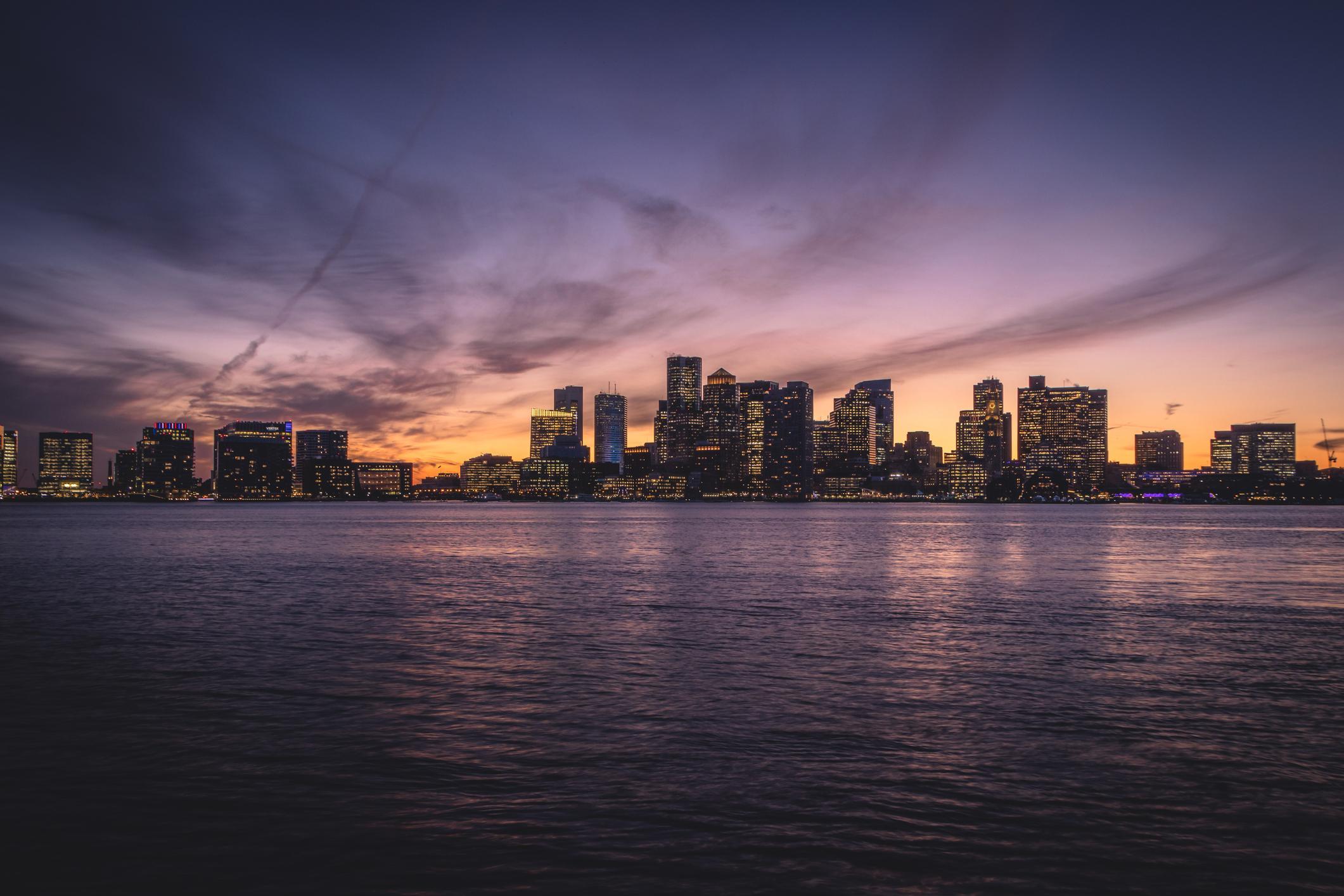
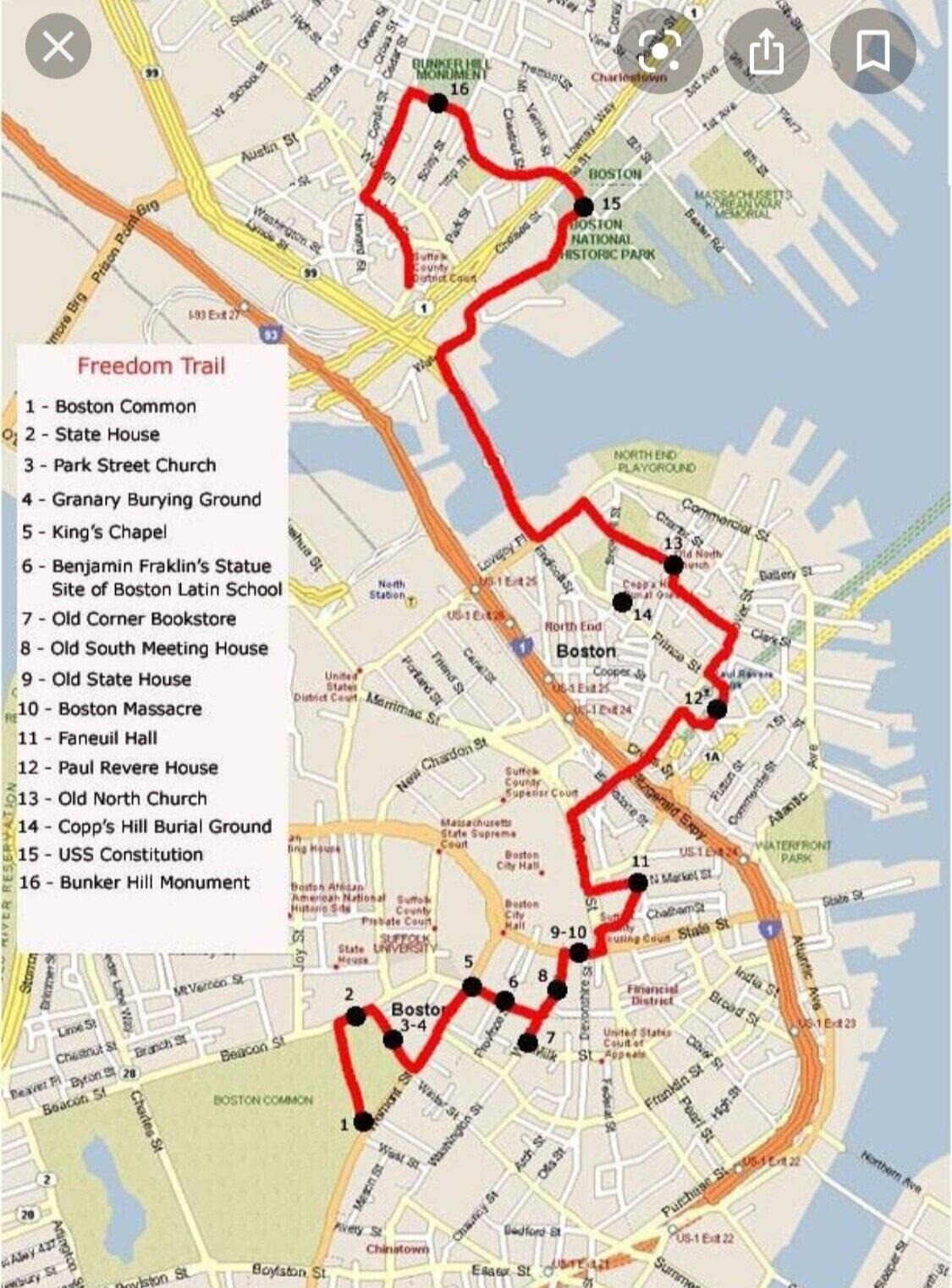
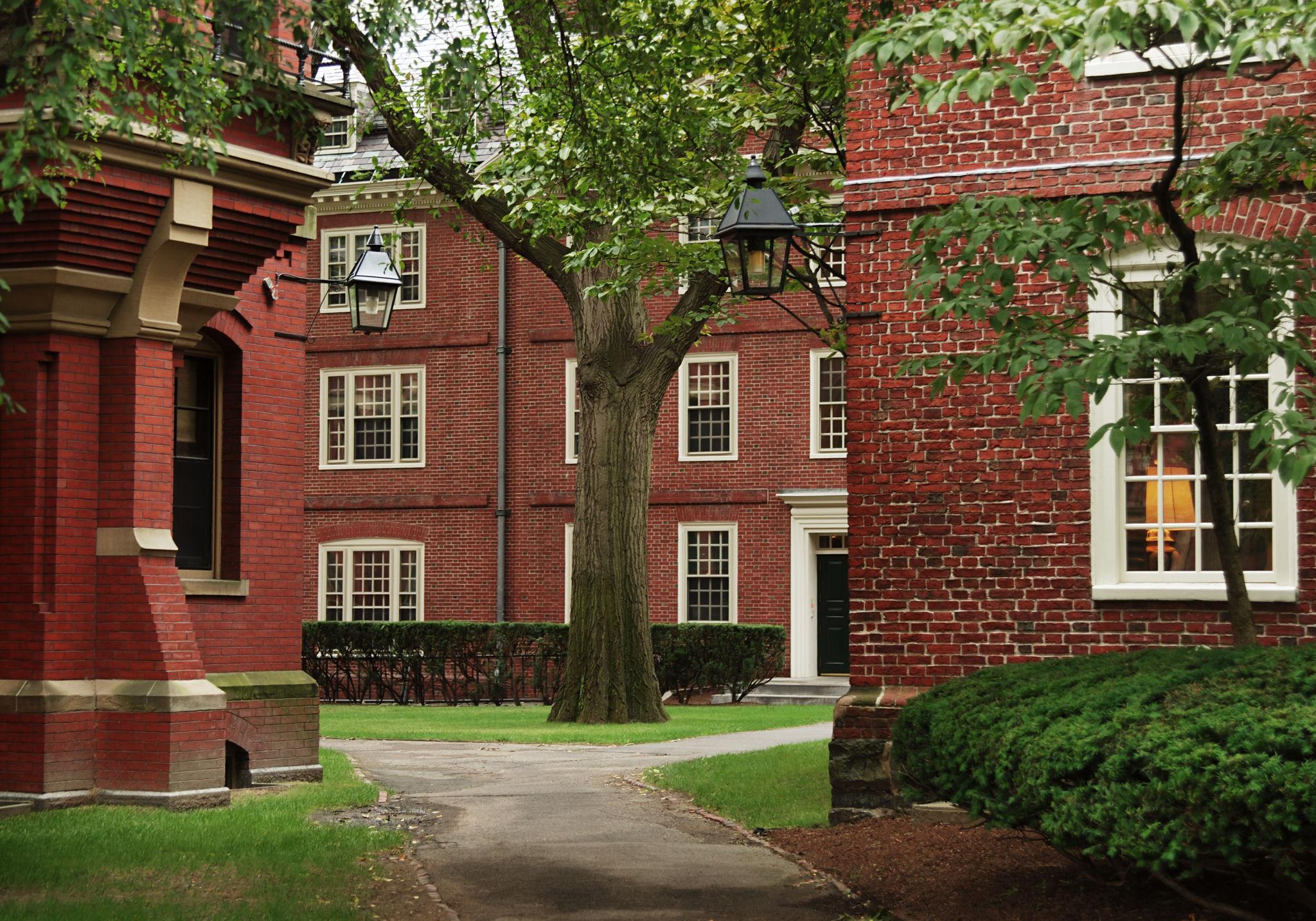
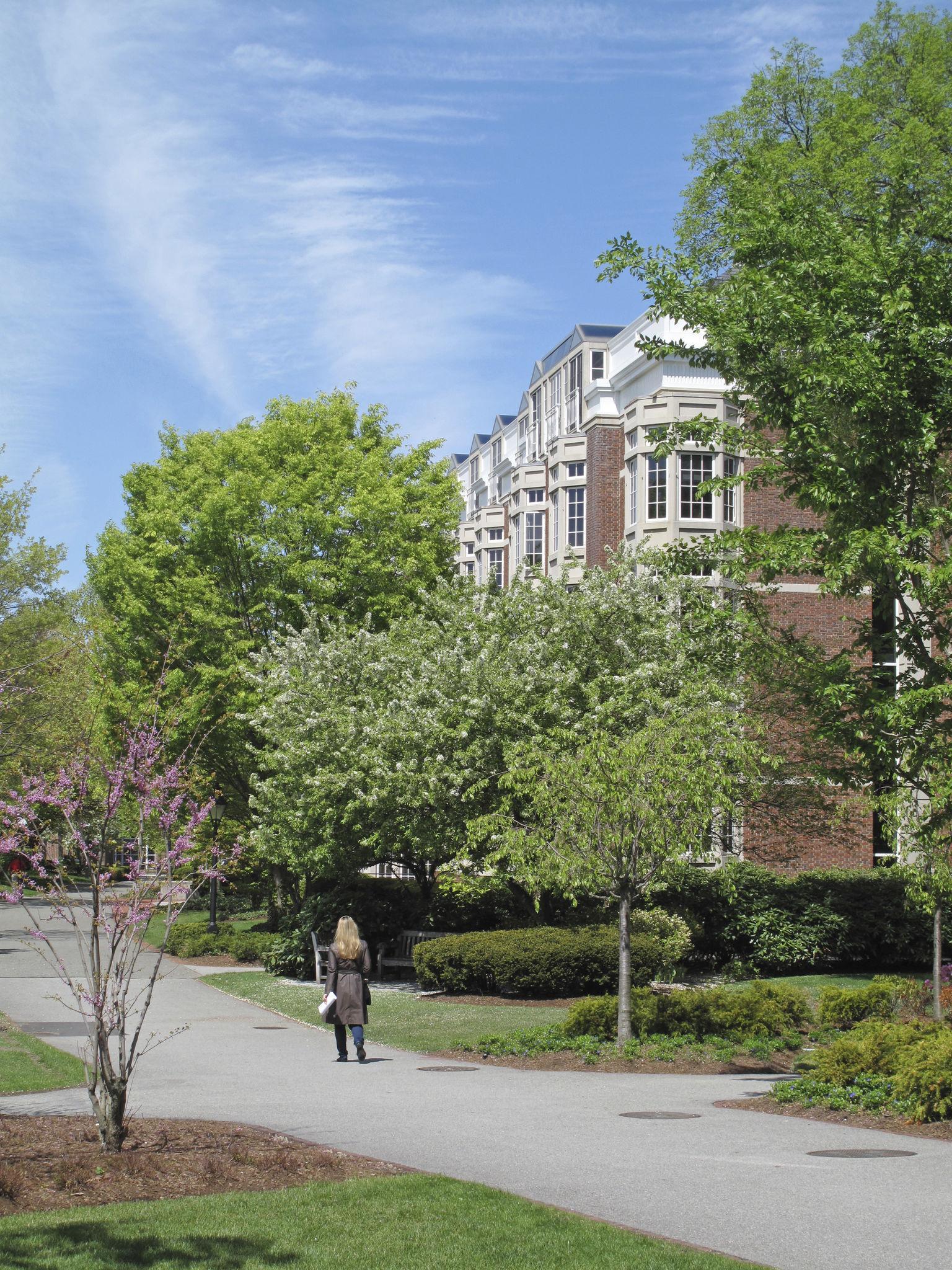
Boston harbor and the Freedom Trail
Boston represents early American history.
• Freedom Trail
• Historic harbor
• Harvard & MIT
X. Southwest Deserts & Unique Landscapes
Arizona – Desert Landscapes
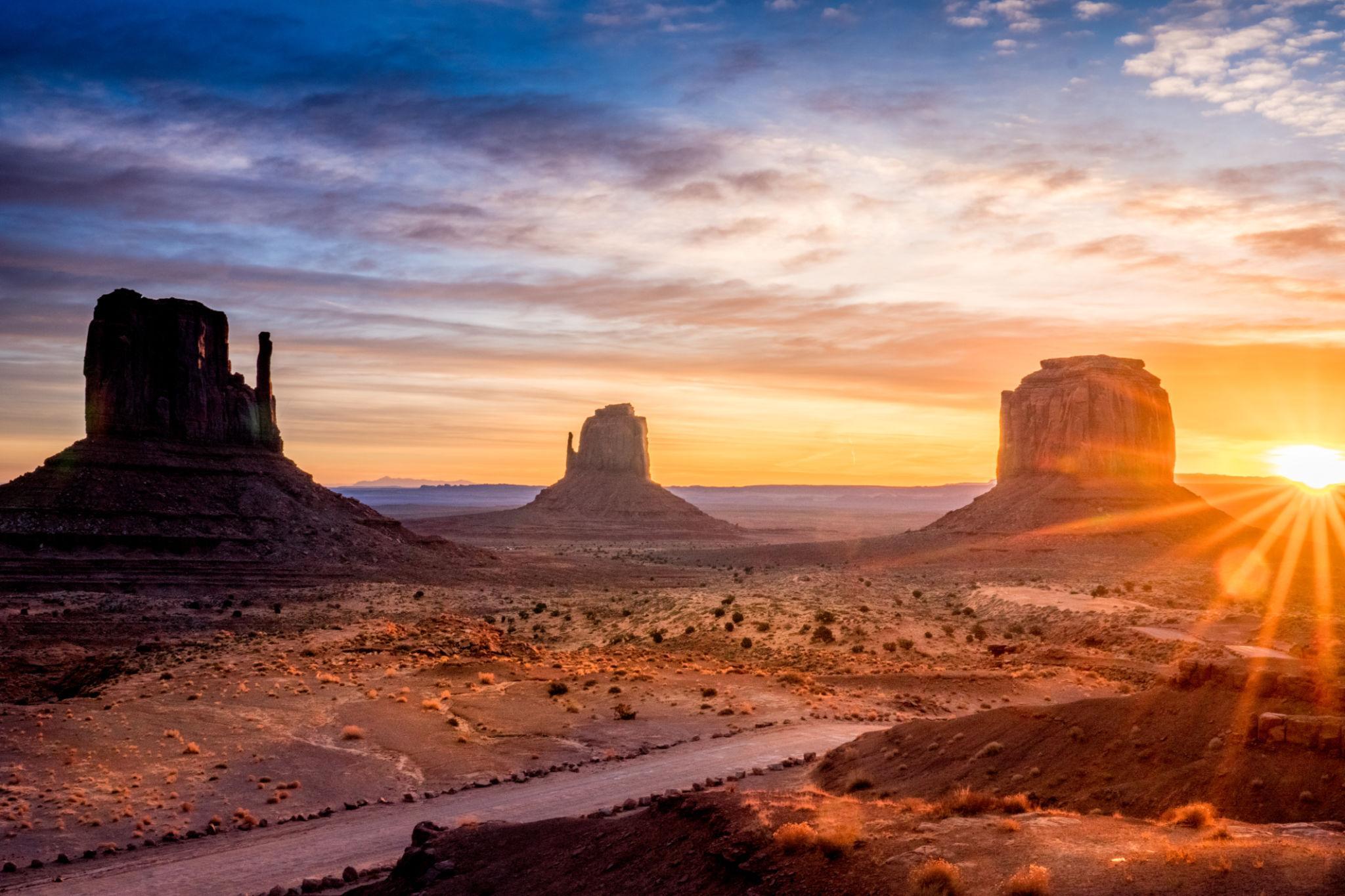
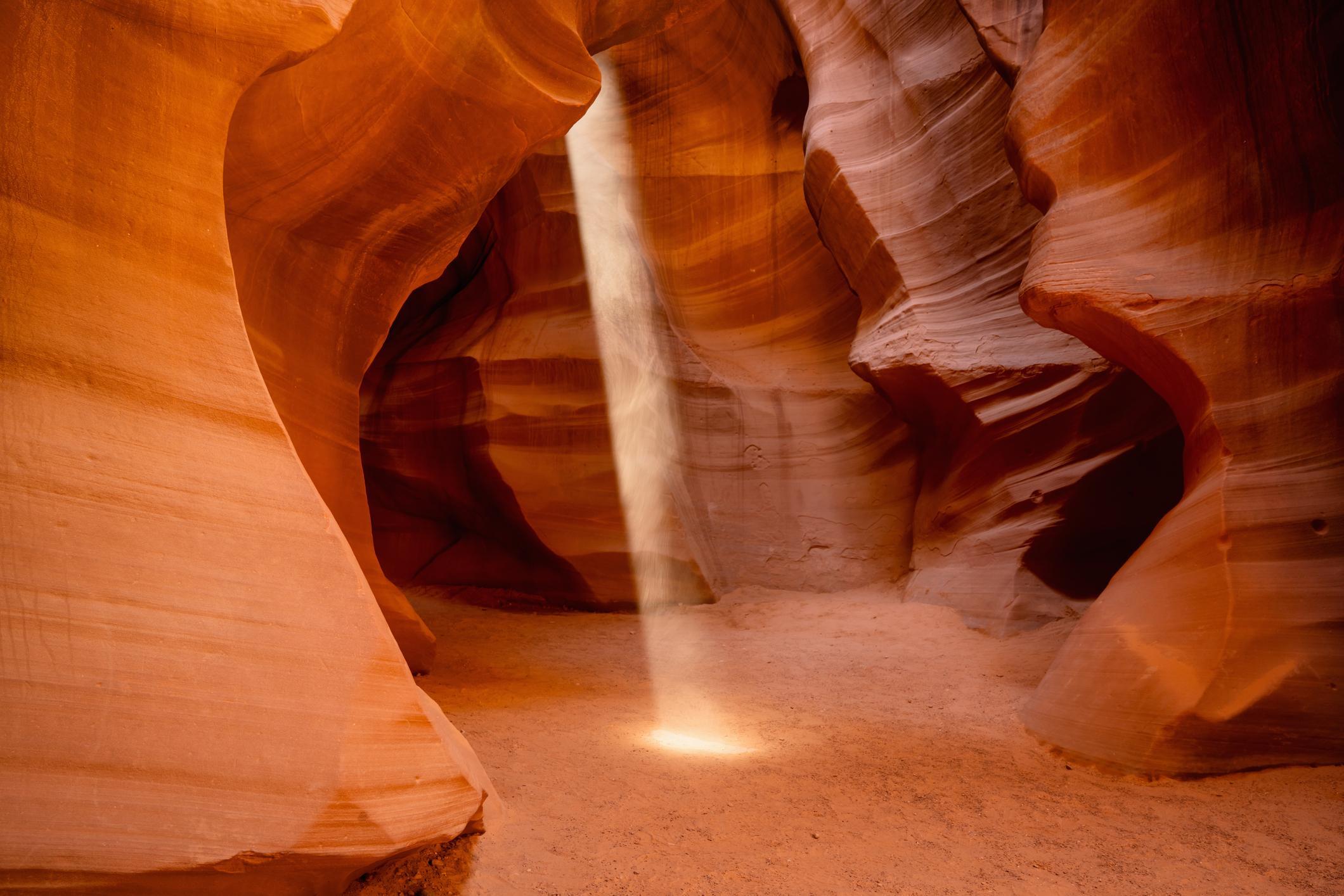
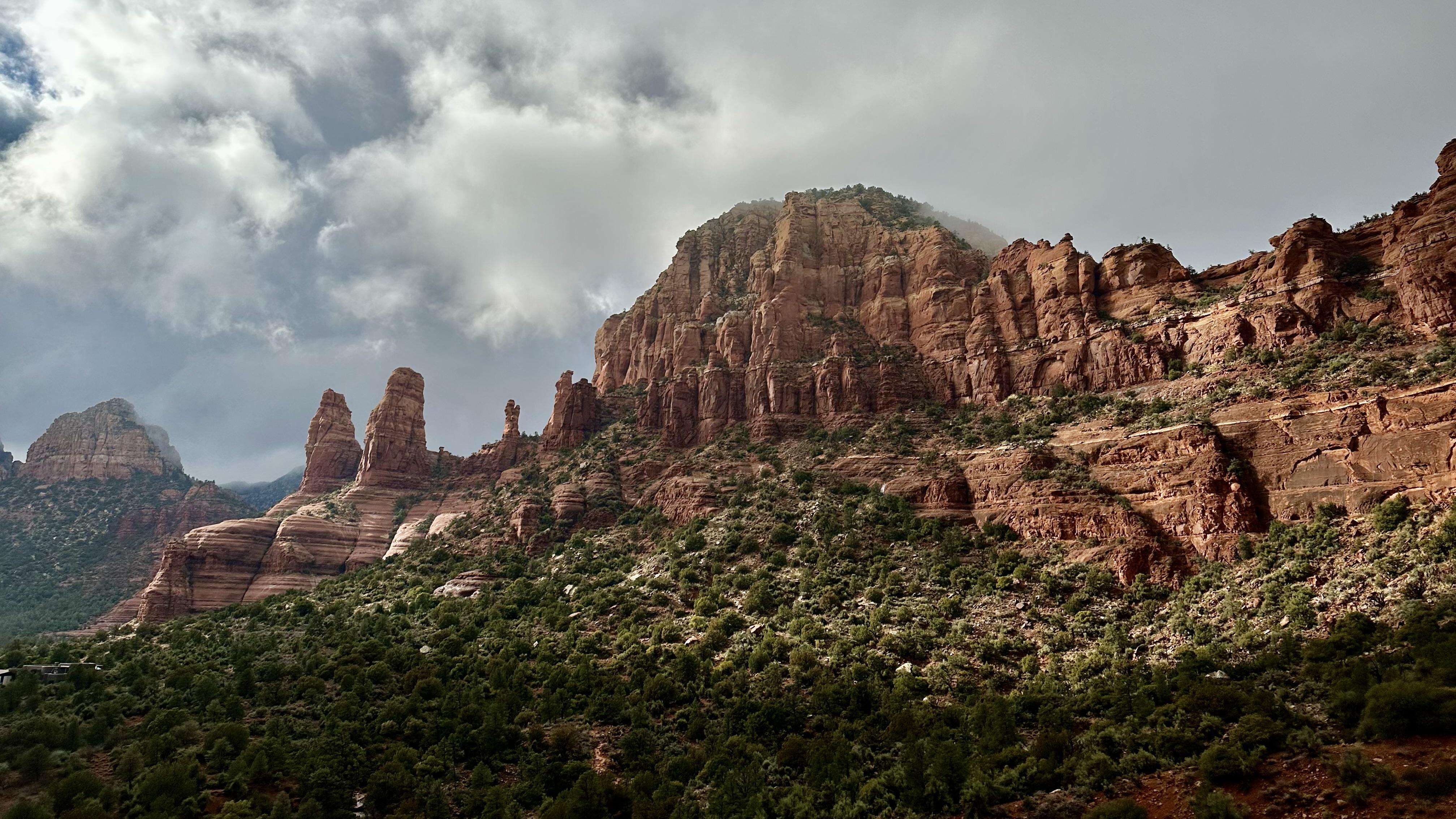
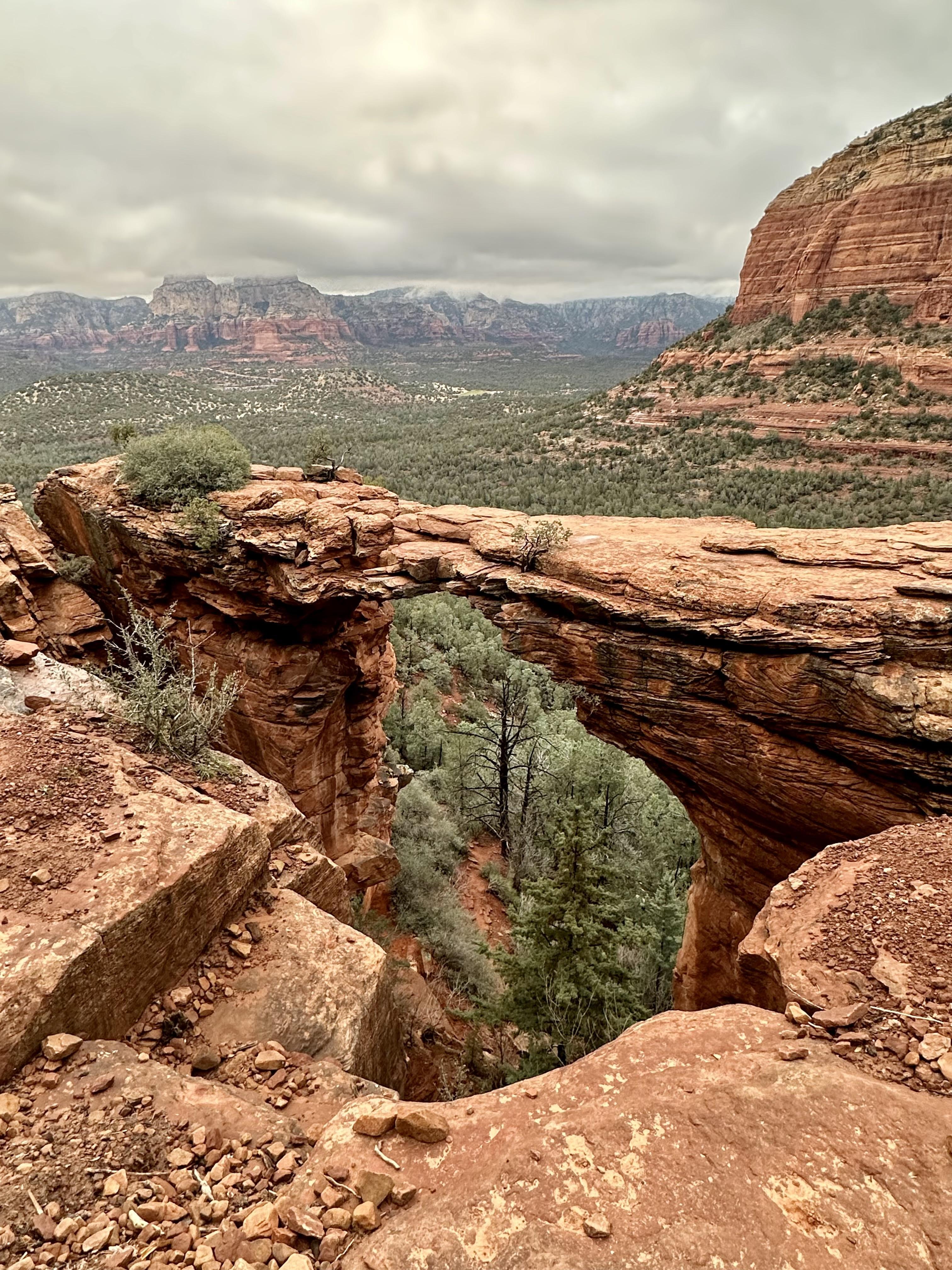
Monument Valley and Antelope Canyon
Arizona offers iconic desert scenery.
• Monument Valley
• Antelope Canyon
• Sedona
• Saguaro cactus landscapes
New Mexico – Cultural Desert
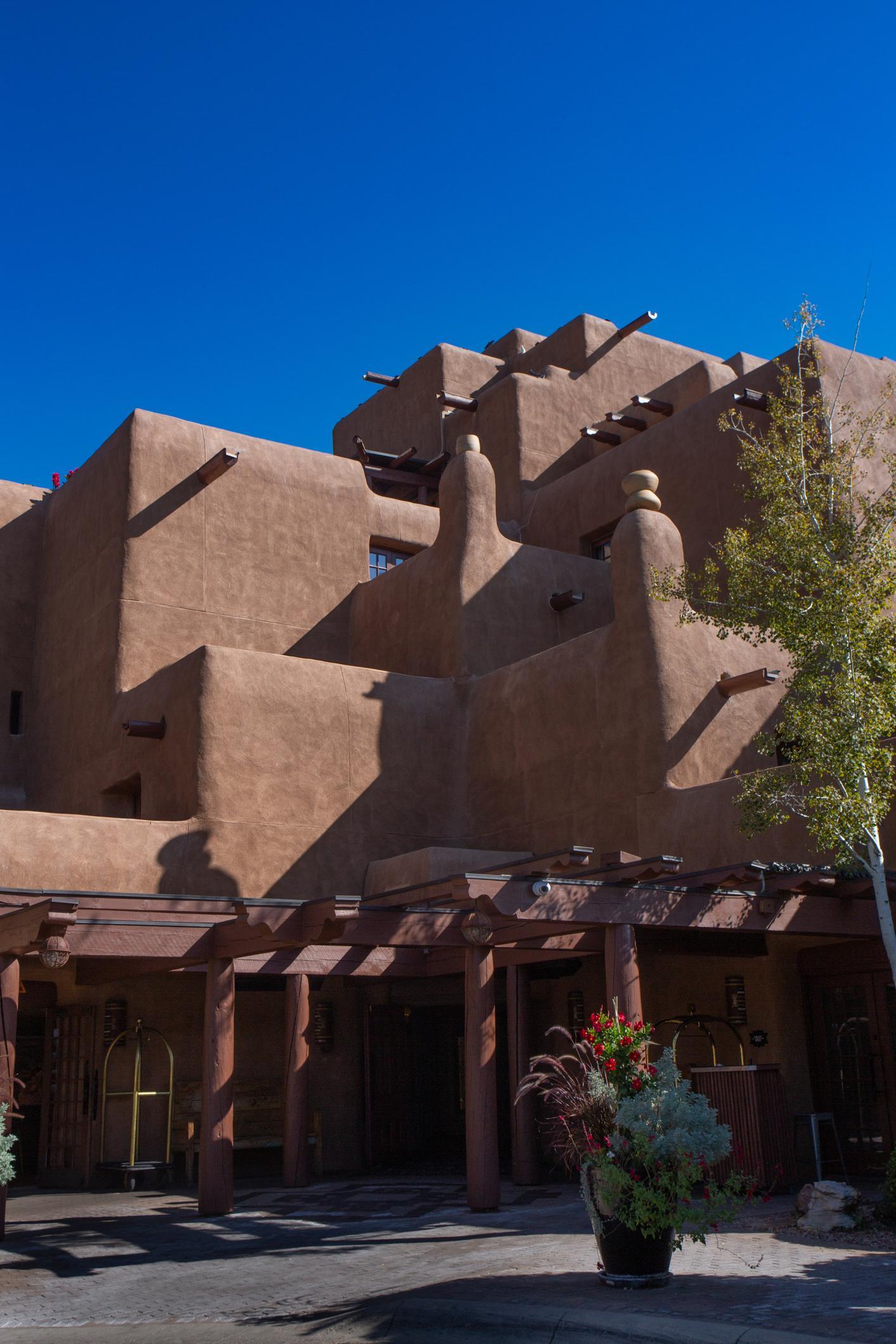
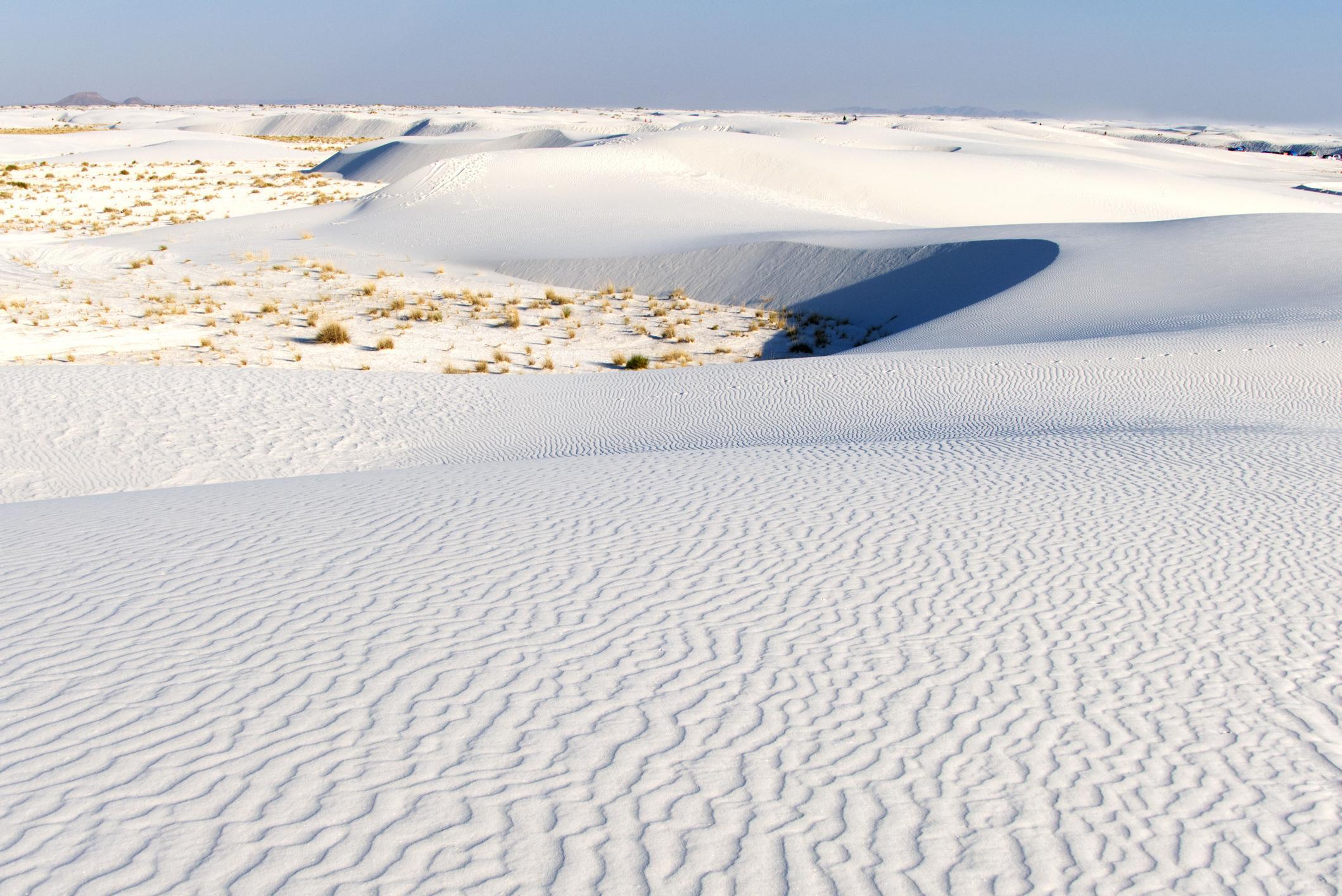
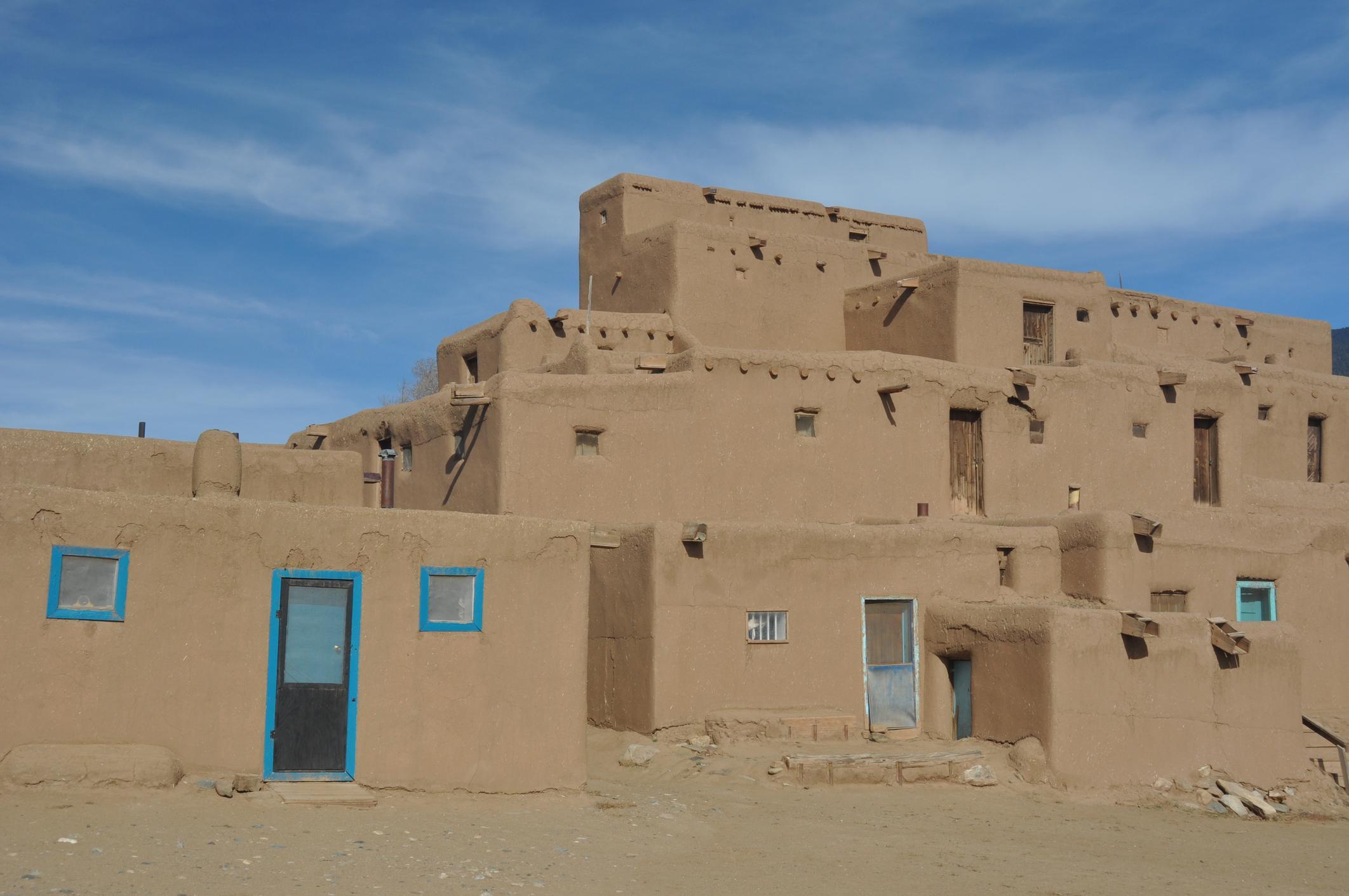
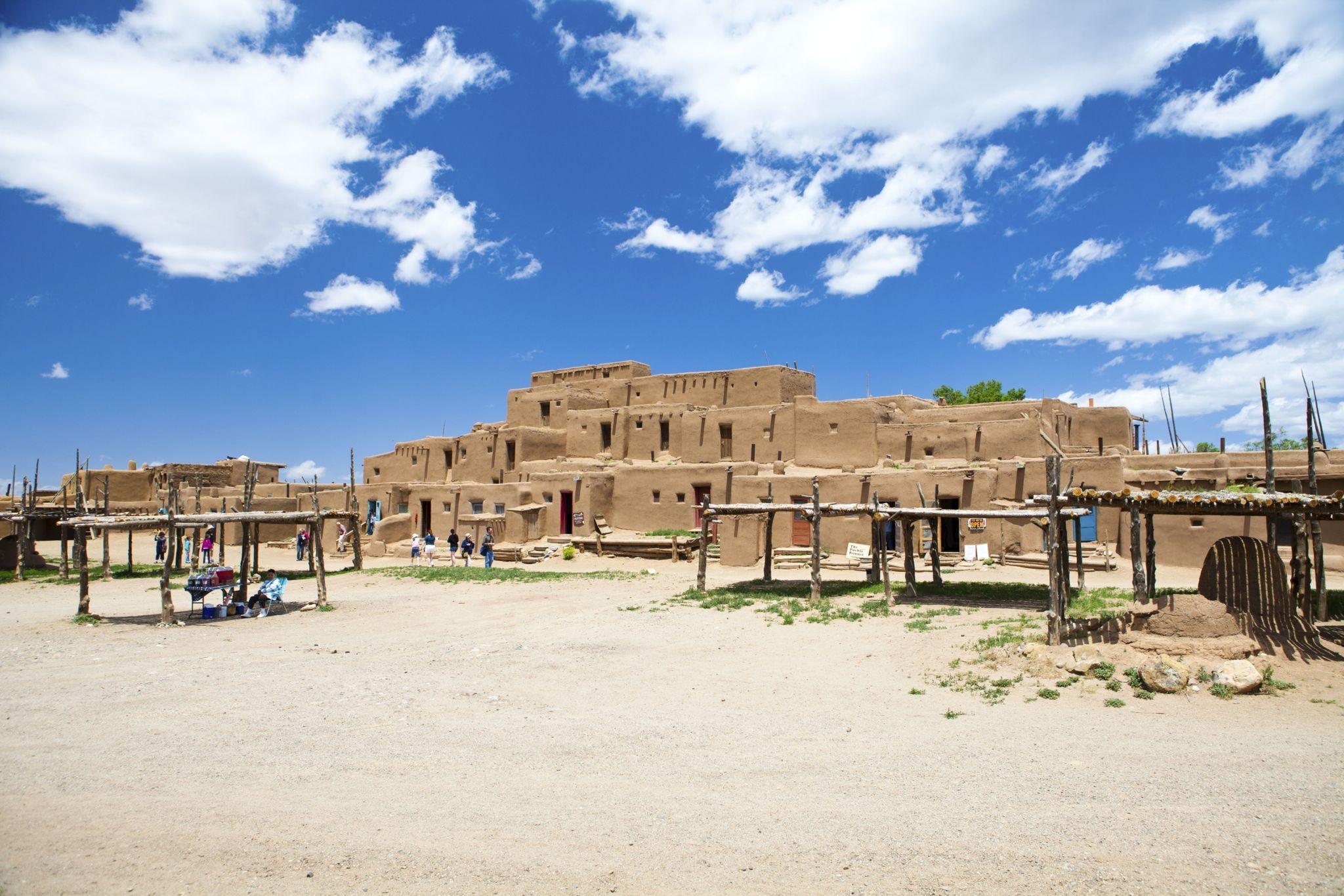
Adobe architecture and white gypsum dunes
New Mexico blends Native American, Spanish, and American heritage.
• Santa Fe
• White Sands National Park
• Taos Pueblo
Final Overview – Why the United States Is Exceptionally Diverse
The United States offers:
• Global megacities
• World-leading national parks
• Arctic wilderness
• Tropical islands
• Alpine mountains
• Desert landscapes
• Historic colonial cities
• Music capitals
• Road trip routes
Very few countries contain such geographic and cultural range within one border.
Image Credits
All images are sourced via public search queries corresponding to major cities, national parks, landscapes, and landmarks referenced in this guide.

![K2 Base Camp Trek: Ultimate Guide k2 Trek 2026 [UPDATED]](https://karakoramdiaries.com/storage/ultimate-guide-to-k2-base-camp-trek-full-document-150x150.png)