A Complete Tour Guide to Northern Pakistan
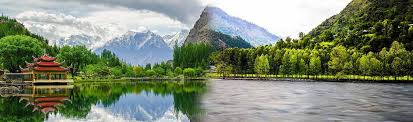
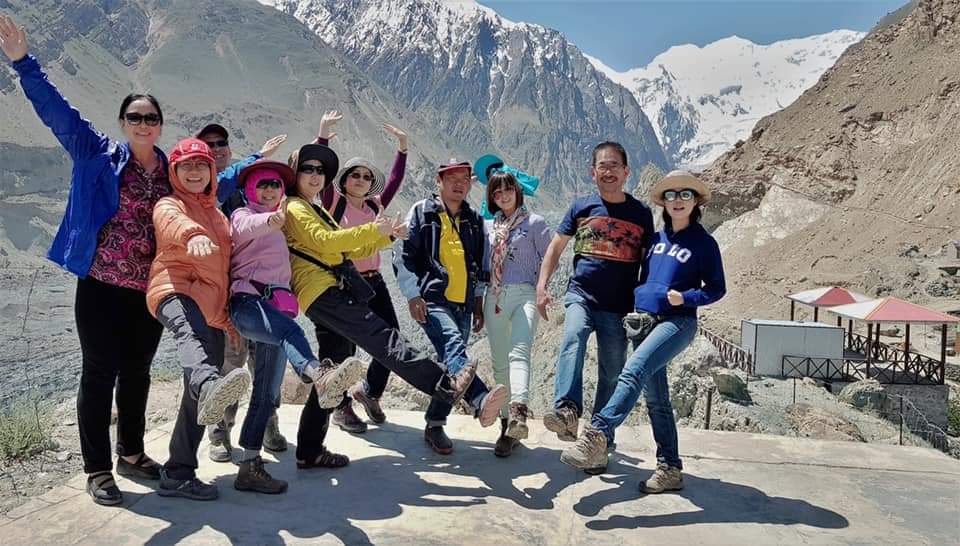
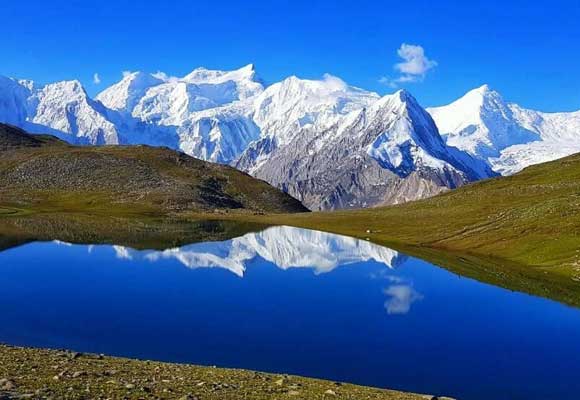
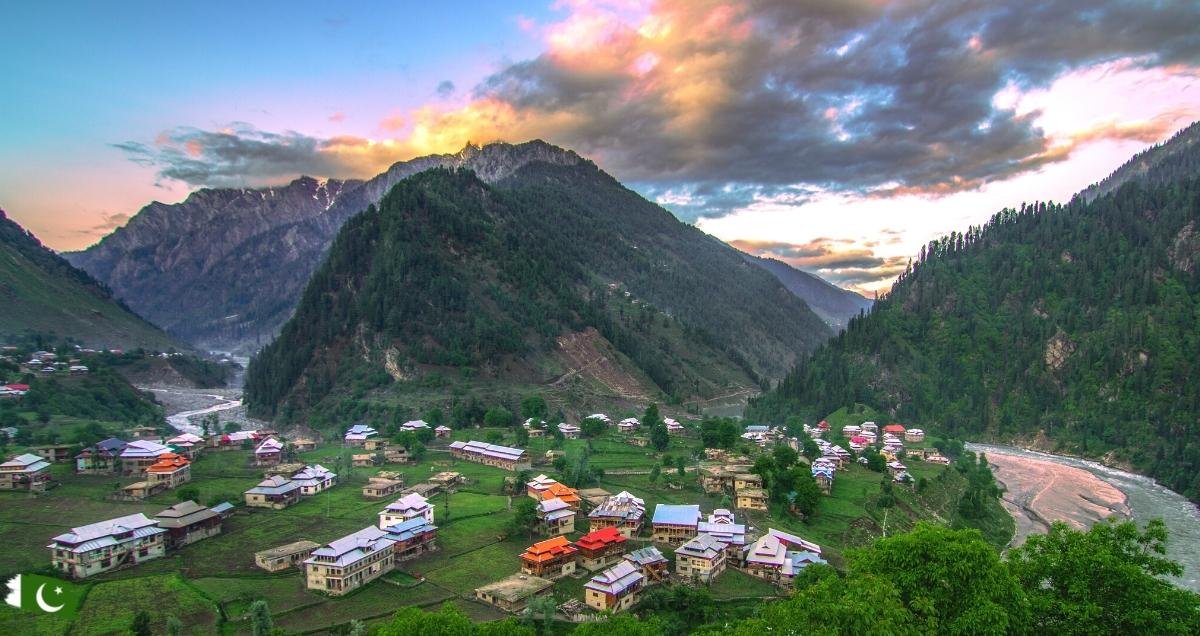
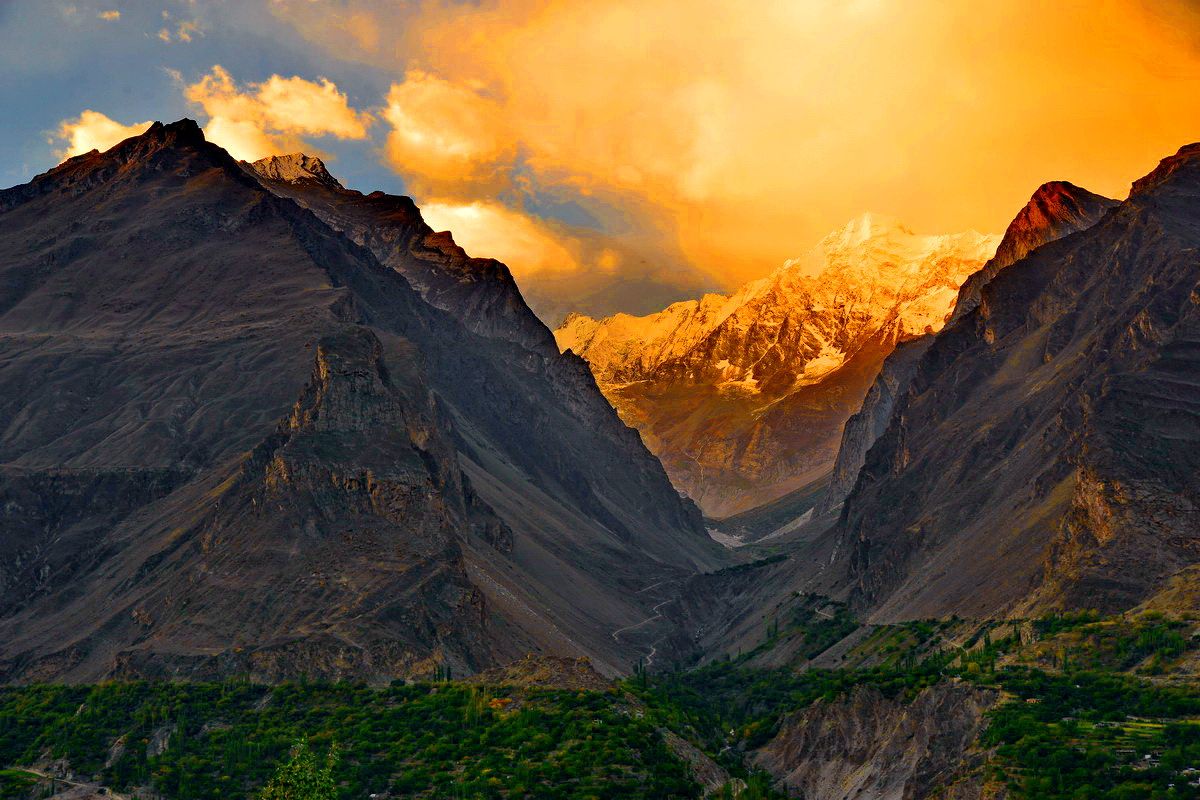
The dramatic mountain landscapes of Northern Pakistan, home to some of the world’s highest peaks and most scenic valleys.
Introduction
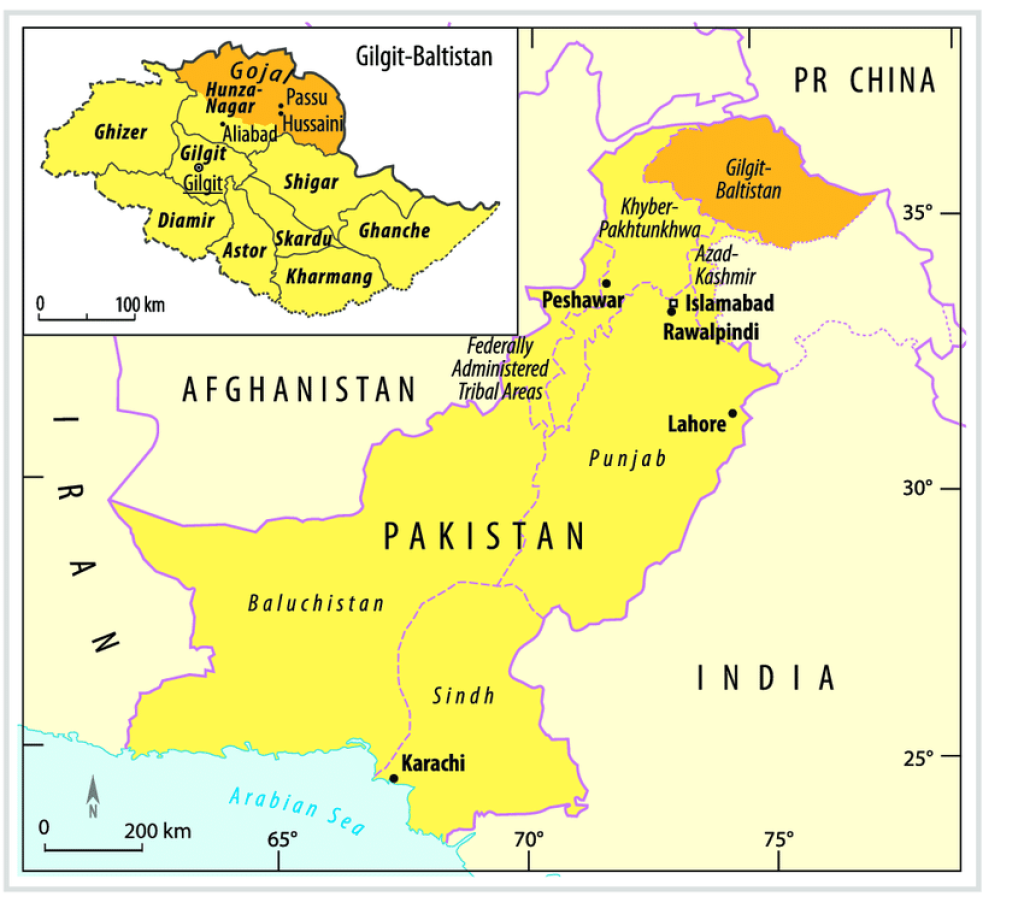
Northern Pakistan is one of the most spectacular travel regions in Asia, known for its towering mountain ranges, glacial valleys, alpine lakes, historic trade routes, and traditional cultures. The region includes parts of Gilgit-Baltistan and Khyber Pakhtunkhwa , and lies at the crossroads of the Himalaya, Karakoram, and Hindu Kush mountain systems.
For travelers interested in mountains, trekking, road journeys, culture, and remote landscapes, Northern Pakistan offers experiences unmatched anywhere else in the world.
Where Is Northern Pakistan Located?
Northern Pakistan lies in the far north of Pakistan, sharing borders with China (Xinjiang), Afghanistan, and Indian-administered Kashmir. The region is dominated by high mountains, deep valleys, and glacial rivers.
Why Travel to Northern Pakistan?
Travelers visit Northern Pakistan for:
- Some of the world’s highest mountains
- Remote and scenic road journeys
- Traditional village life
- Trekking and mountaineering
- Alpine lakes and national parks
- Fewer crowds compared to other mountain regions
Entry Requirements for Pakistan (Very Important)
Visa Requirements
- Most nationalities require a Pakistan tourist visa (For Mountain trekking and expedition the tourist visa is not enough it needs its own specific trekking or expedition visa )
- E-Visa system available for many countries
- Some nationalities eligible for visa on arrival
Passport Validity
- Passport must be valid for at least 6 months
- Minimum two blank pages
Registration & Checkposts
- Travelers must carry passport and visa copies
- Registration at security checkposts is common in northern areas
Regions of Northern Pakistan
1. Hunza Valley
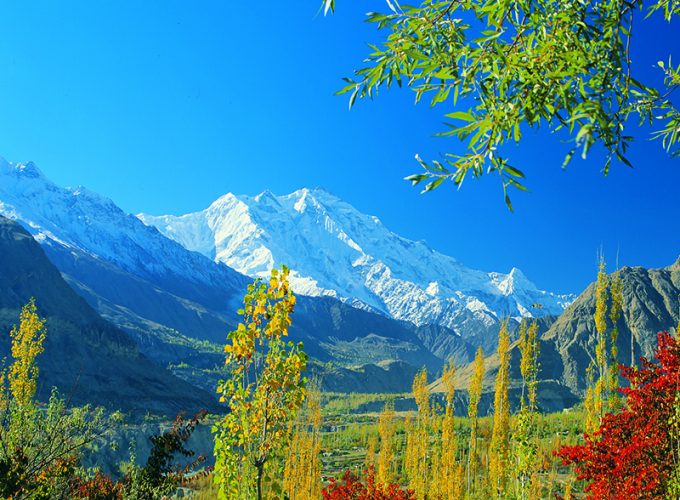
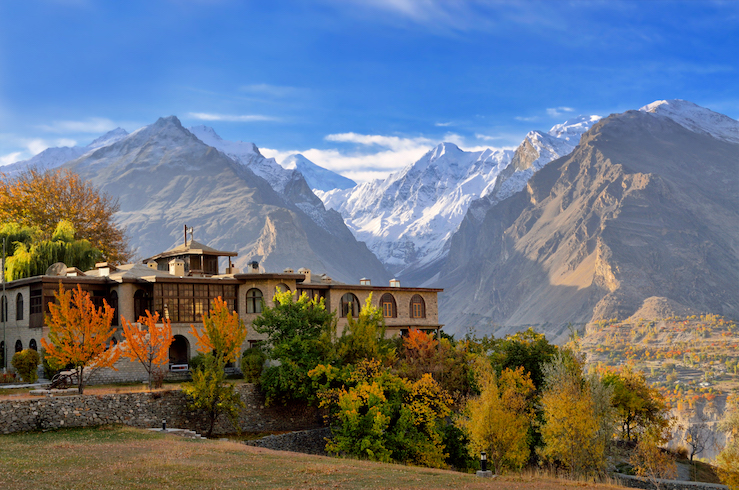
Hunza Valley is known for its scenic beauty, traditional villages, and views of Rakaposhi and surrounding peaks.
Hunza Valley is one of the most visited destinations in Northern Pakistan.
Key places:
- Karimabad
- Altit & Baltit Forts
- Attabad Lake
- Passu Cones
Best for: Scenic travel, culture, easy hiking
Accessibility: Via Karakoram Highway
2. Skardu & Baltistan
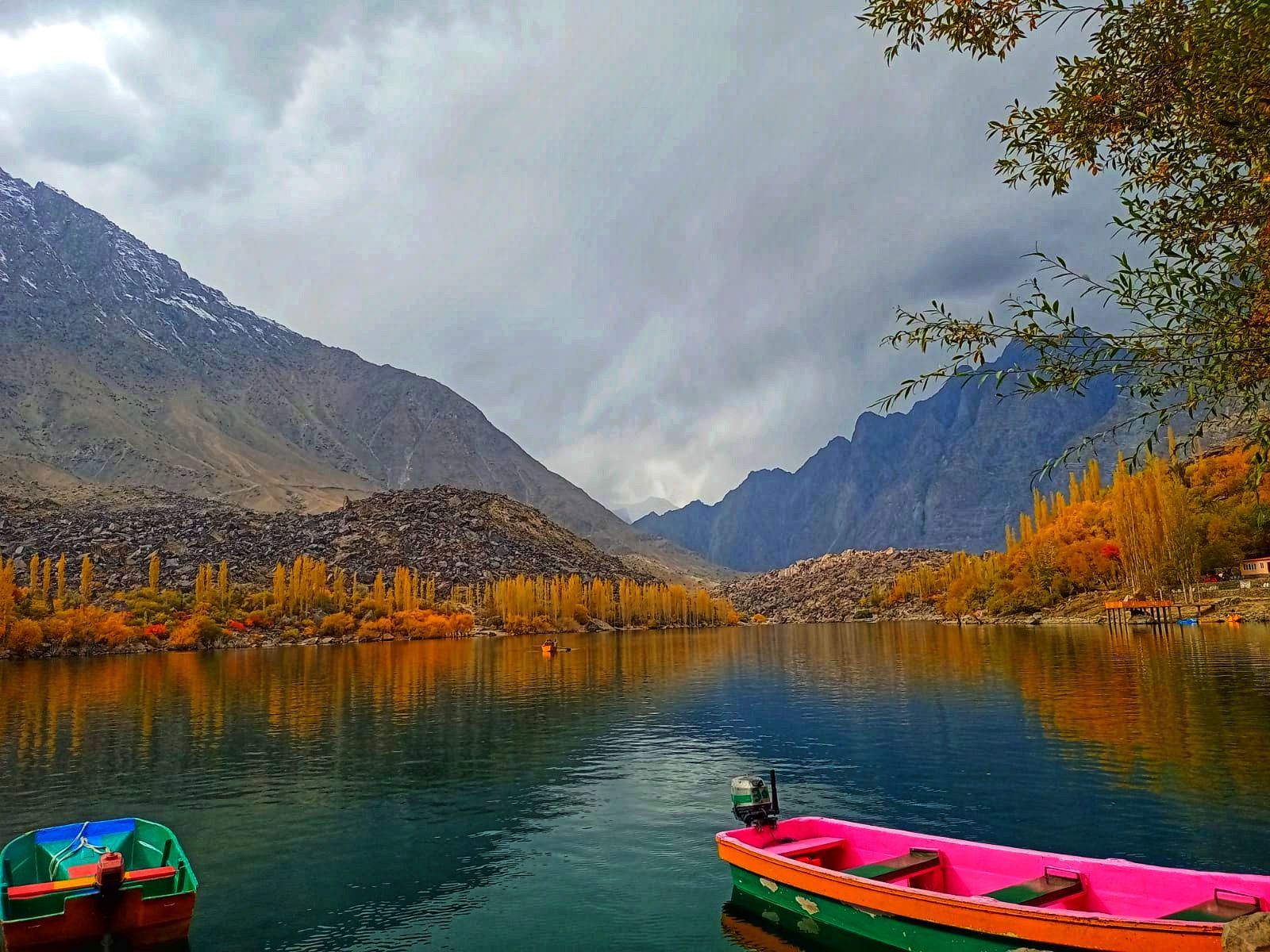
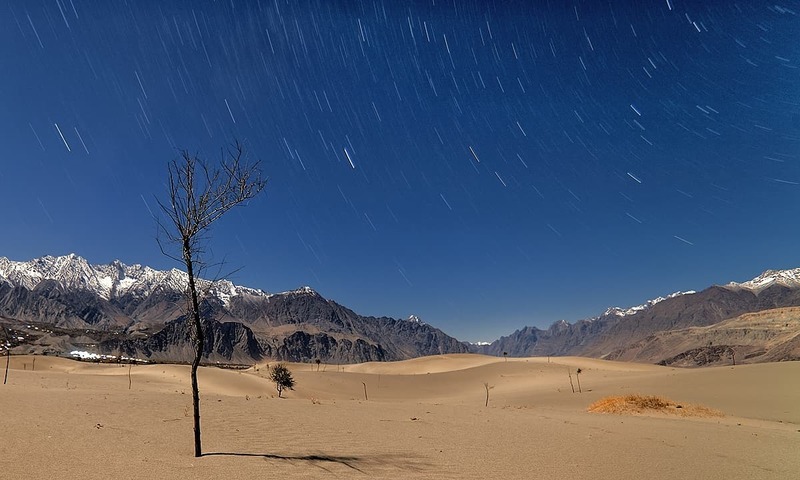
Skardu serves as the gateway to Baltistan’s high mountains, lakes, and trekking routes.
(Image credit: Wikimedia Commons)
Skardu is the main hub for:
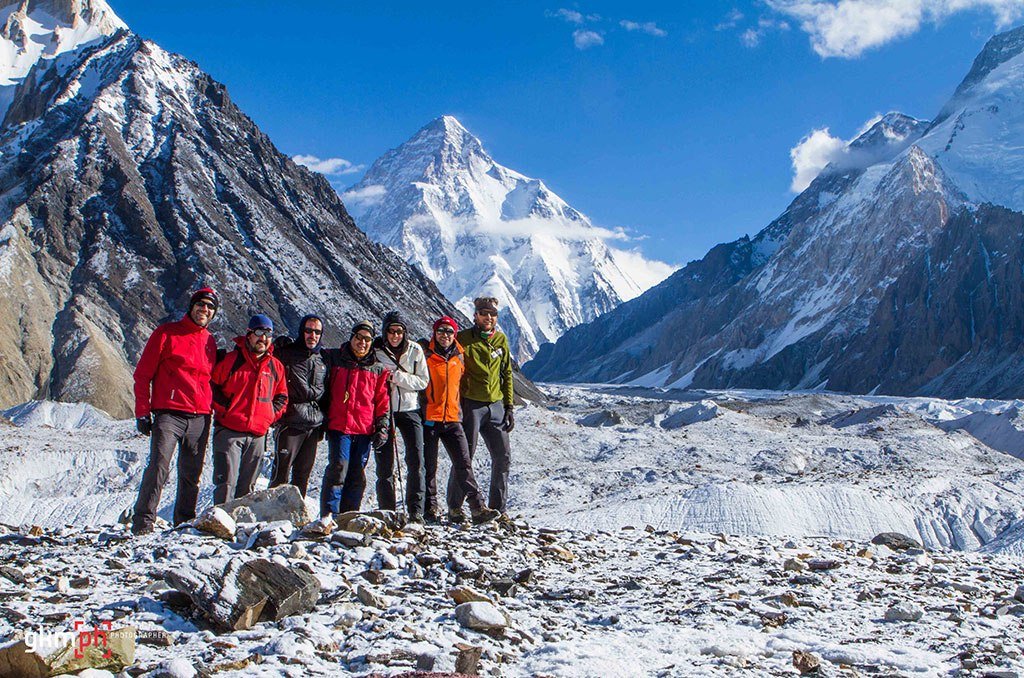
- K2 Base Camp treks
- Deosai National Park
- Shigar and Khaplu valleys
Best for: Trekking, lakes, mountain scenery
Accessibility: Road from Gilgit or flights from Islamabad (weather dependent)
3. Fairy Meadows & Nanga Parbat Region
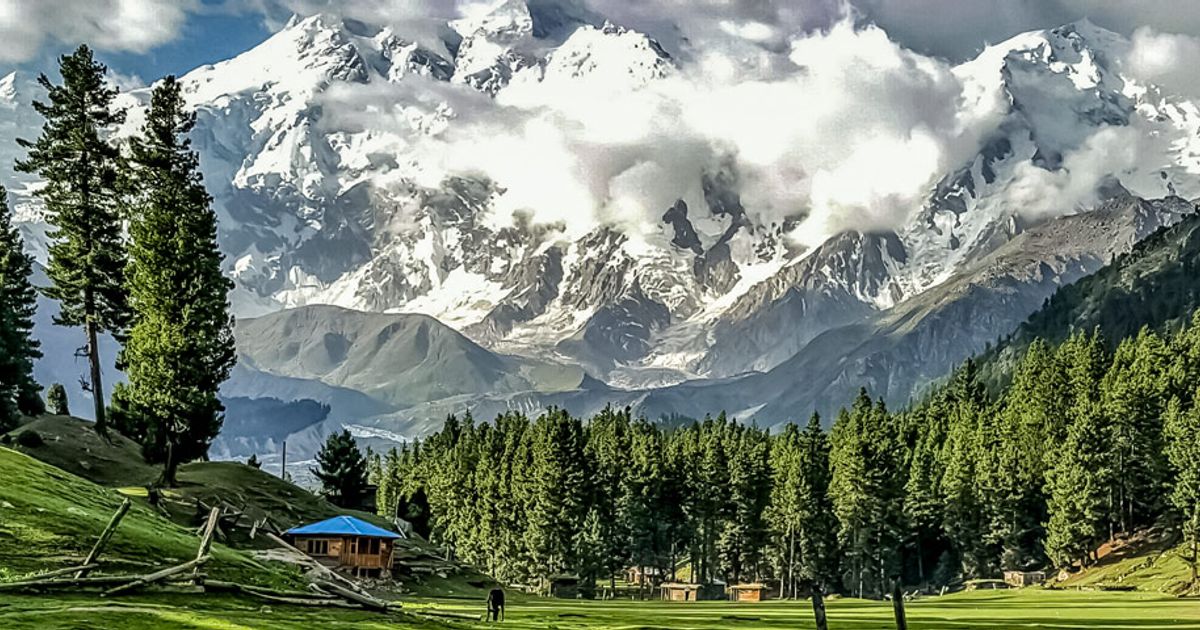
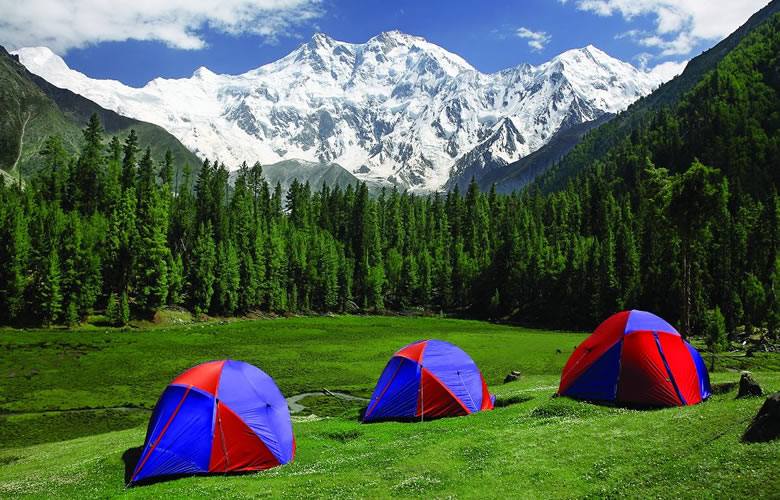
Fairy Meadows offers one of the closest and most dramatic views of Nanga Parbat.
Fairy Meadows lies at the base of Nanga Parbat , the world’s ninth-highest mountain.
Best for: Short treks, camping, photography
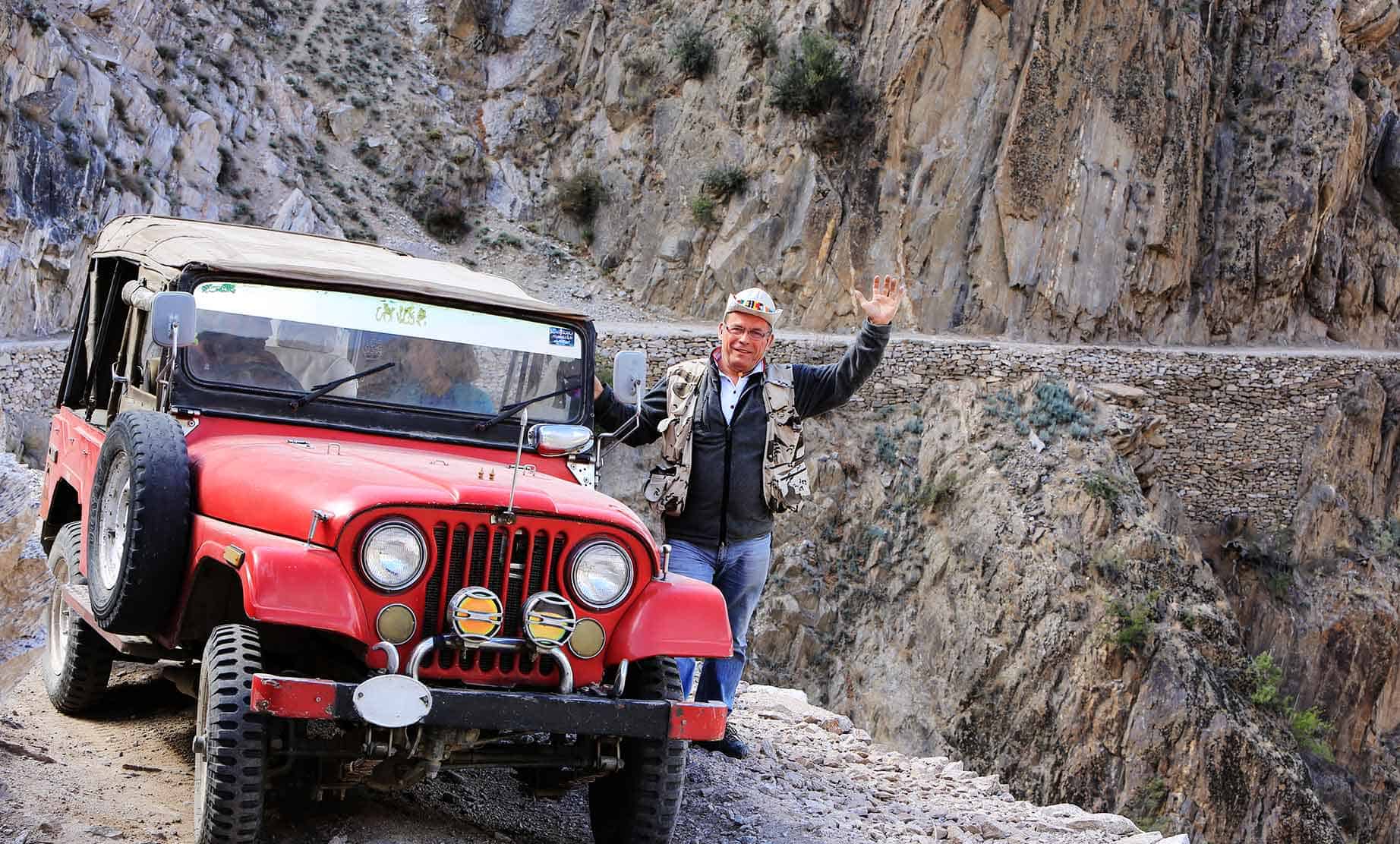
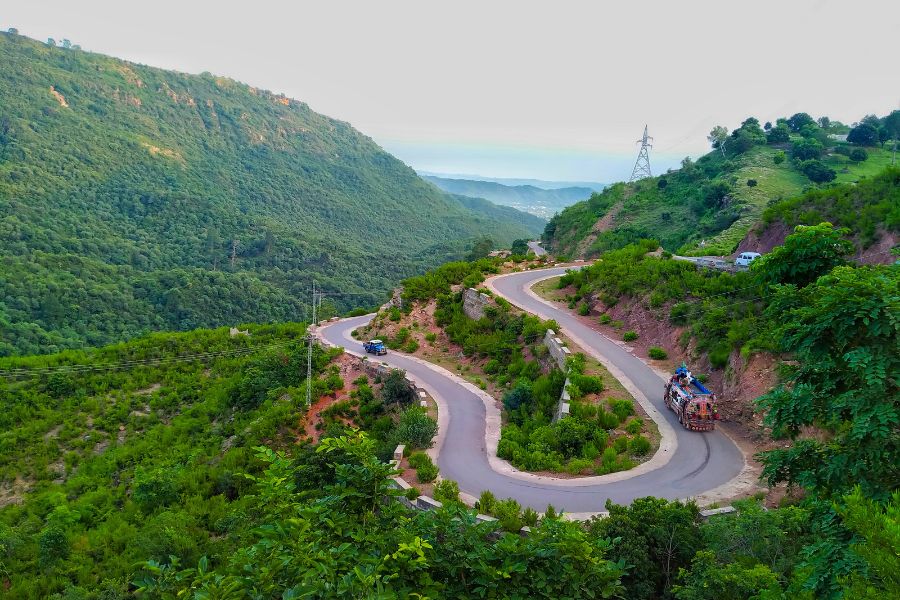
Note: Jeep access involves steep mountain roads
4. Swat, Kalam & Kumrat (Khyber Pakhtunkhwa)
The valleys of Swat, Kalam, and Kumrat offer forests, rivers, and accessible mountain travel.
These areas are greener and more accessible than Gilgit-Baltistan.
Best for: Families, short trips, summer tourism
Accessibility: Road access from Islamabad
5. Deosai National Park
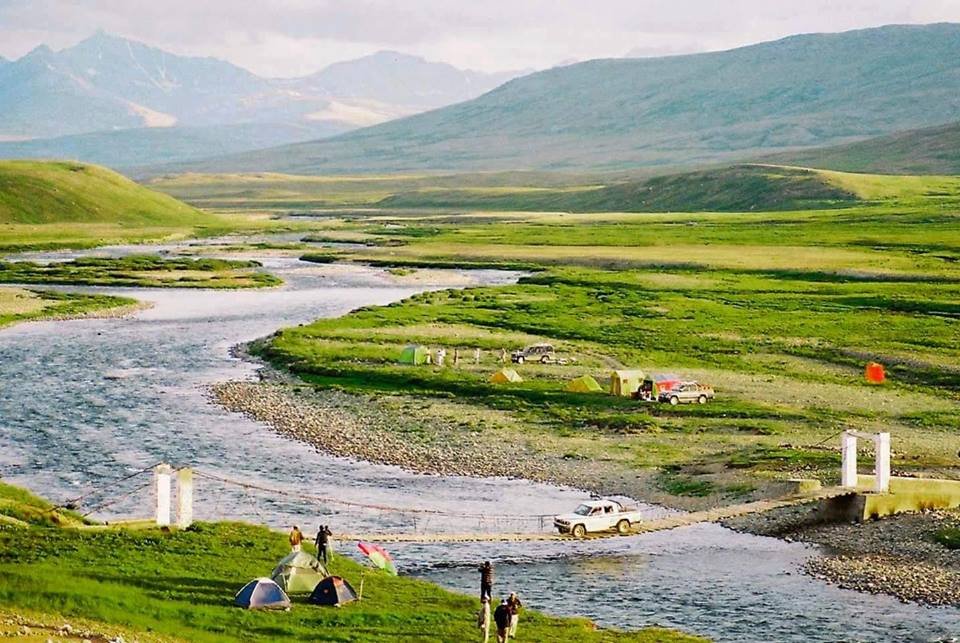
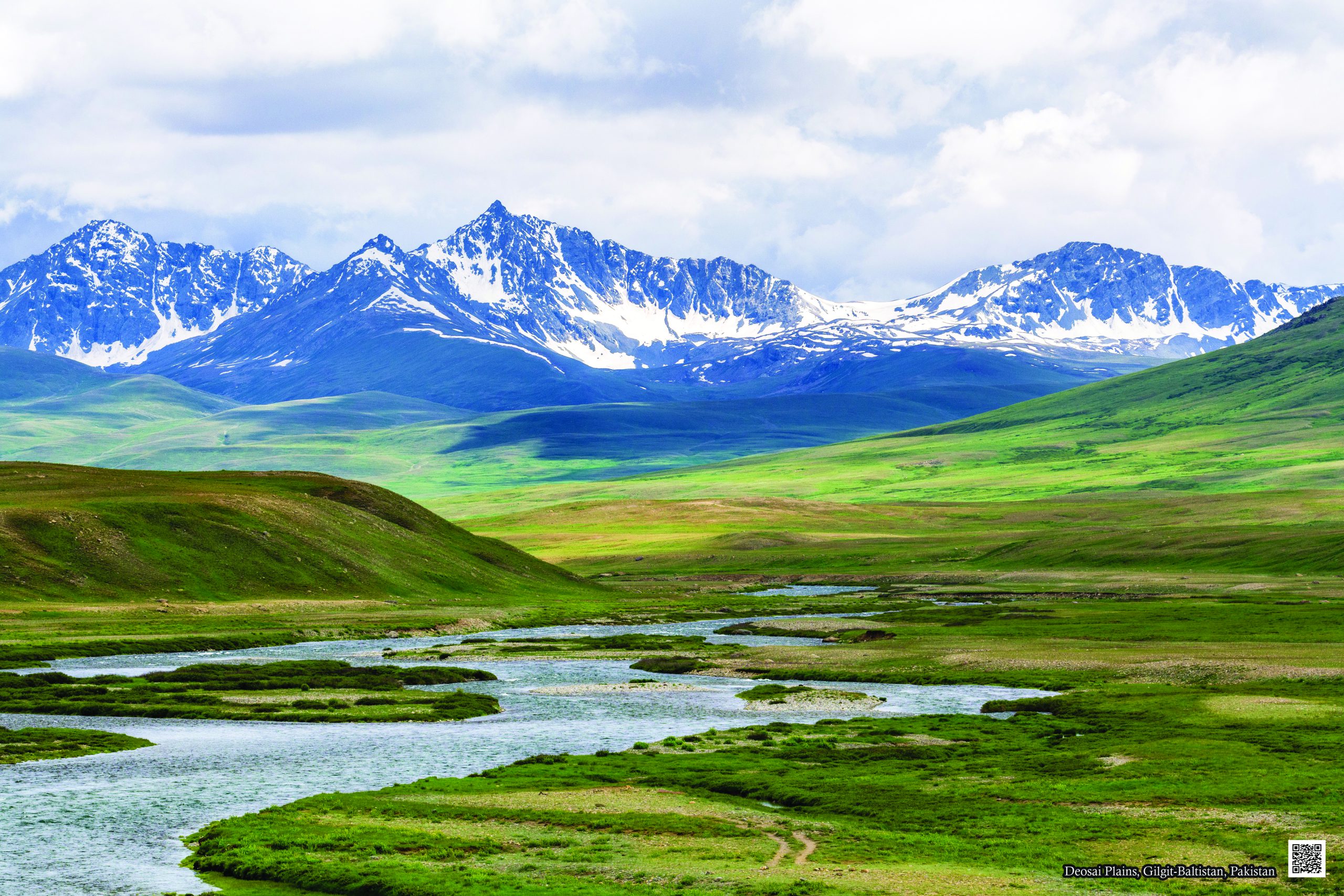
Deosai National Park is one of the highest plateaus in the world, known for wide plains and alpine lakes.
(Image credit: Wikimedia Commons)
- Elevation: ~4,100 m
- Famous for wildflowers and Himalayan brown bears
Best for: Nature lovers, photography
Season: July to September only
Trekking in Northern Pakistan
Some of the world’s most demanding and scenic trekking routes are located in Northern Pakistan.
Popular treks include:
- K2 Base Camp (Baltoro Glacier)
- Rakaposhi Base Camp
- Rush Lake Trek
- Fairy Meadows hike
Trekking Permits
- Required for most long treks
- Arranged through registered tour operators
- Foreign trekkers usually must hire licensed guides
Best Time to Visit Northern Pakistan
Seasonal changes greatly affect travel conditions in Northern Pakistan.
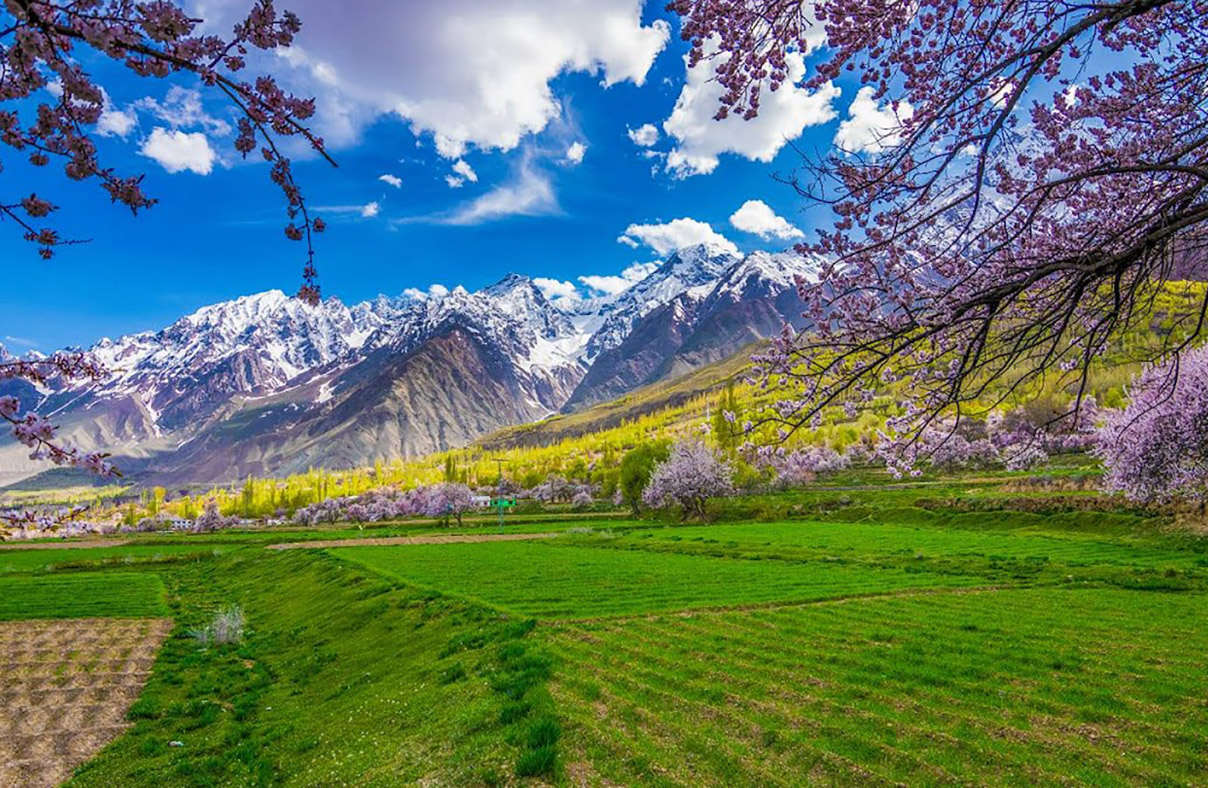
- May–June: Spring, fewer crowds
- July–September: Peak season (best weather)
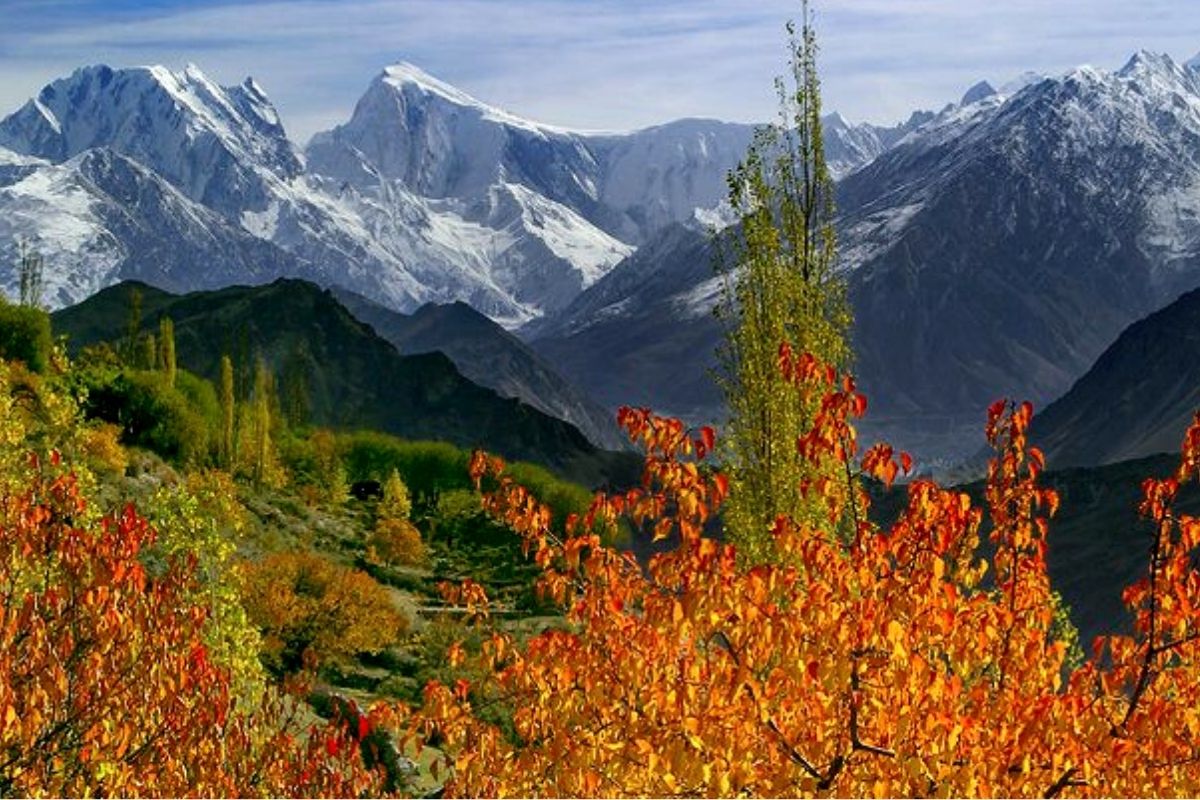
- October: Autumn colors, colder nights
- November–April: Most high areas inaccessible due to snow
Transportation in Northern Pakistan
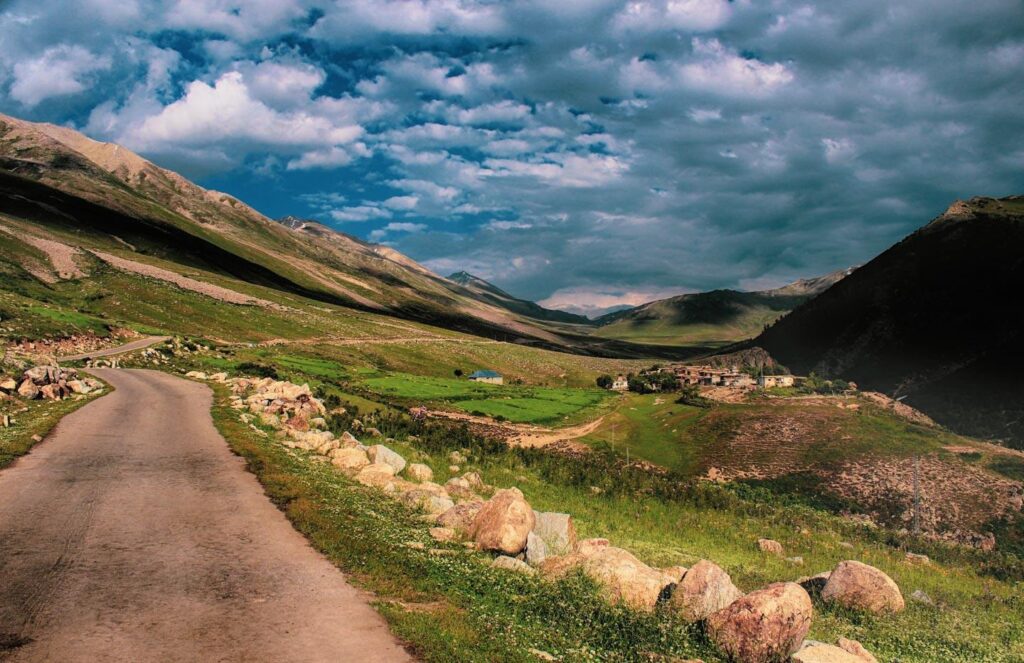
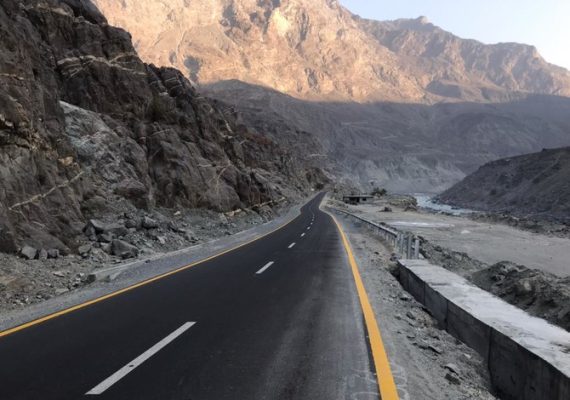
Road travel is the primary way to explore Northern Pakistan, often involving long but scenic journeys.
Options include:
- Private cars or jeeps
- Domestic flights (limited reliability)
- Guided tour transport
Road travel requires flexibility due to weather and landslides.
Accommodation Options
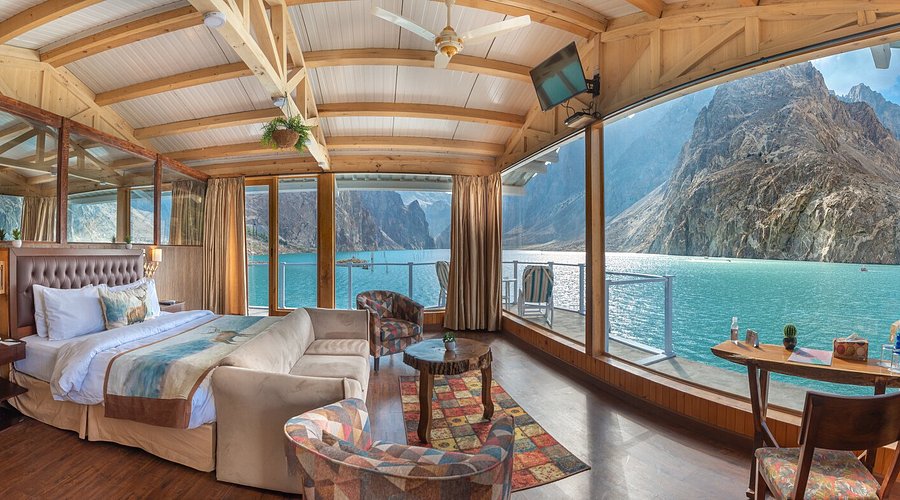
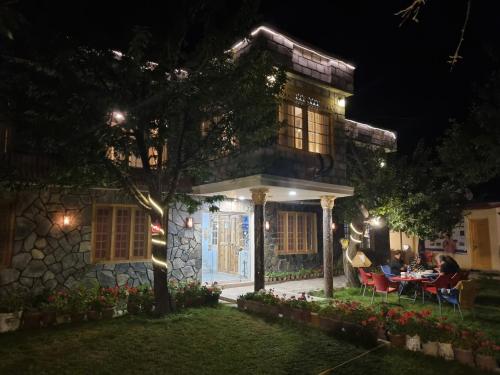
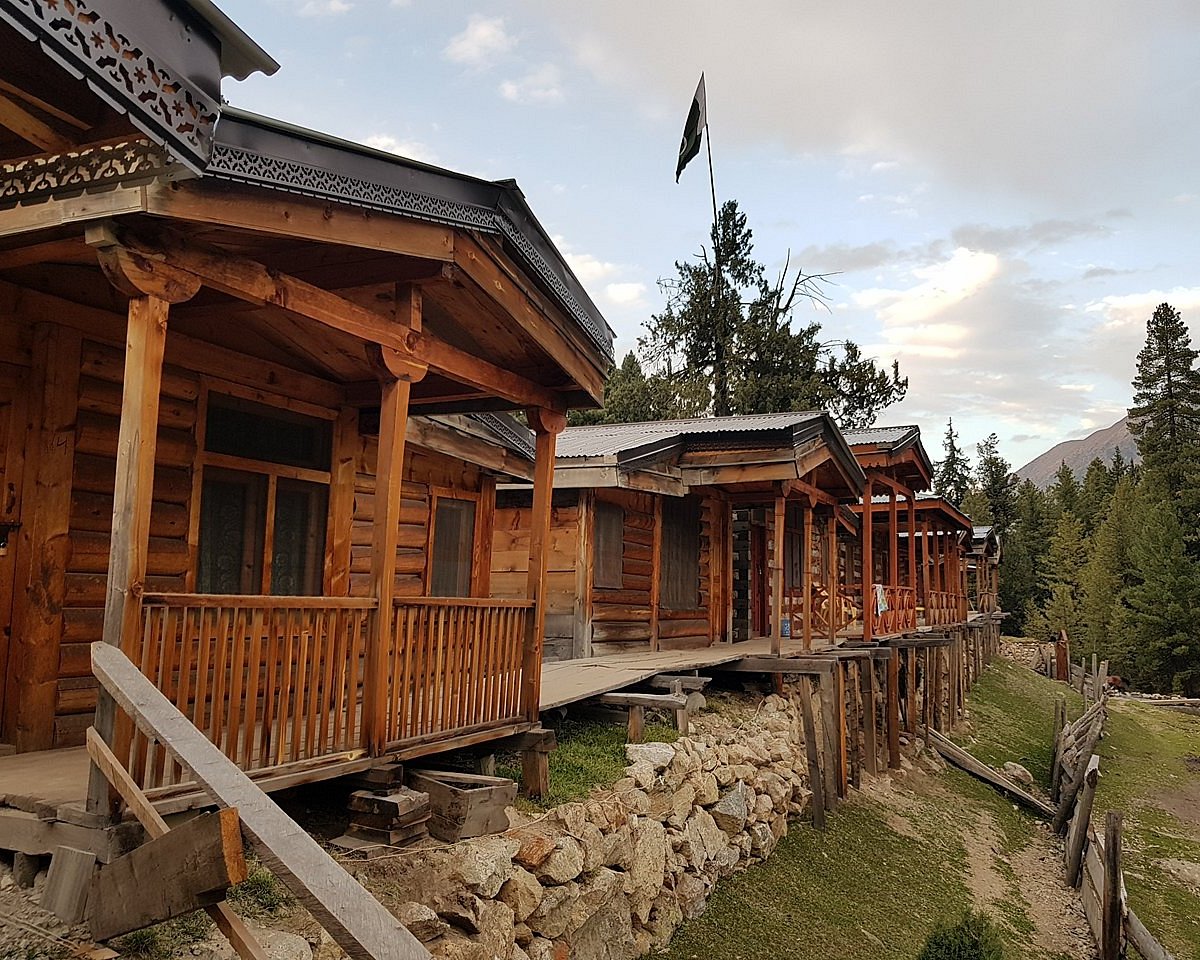
Accommodation ranges from basic guesthouses to mid-range hotels in major valleys.
(Image credit: Alamy)
- Guesthouses in villages
- Hotels in Hunza and Skardu
- Camping during treks
Luxury options are limited compared to other countries.
Safety and Practical Tips
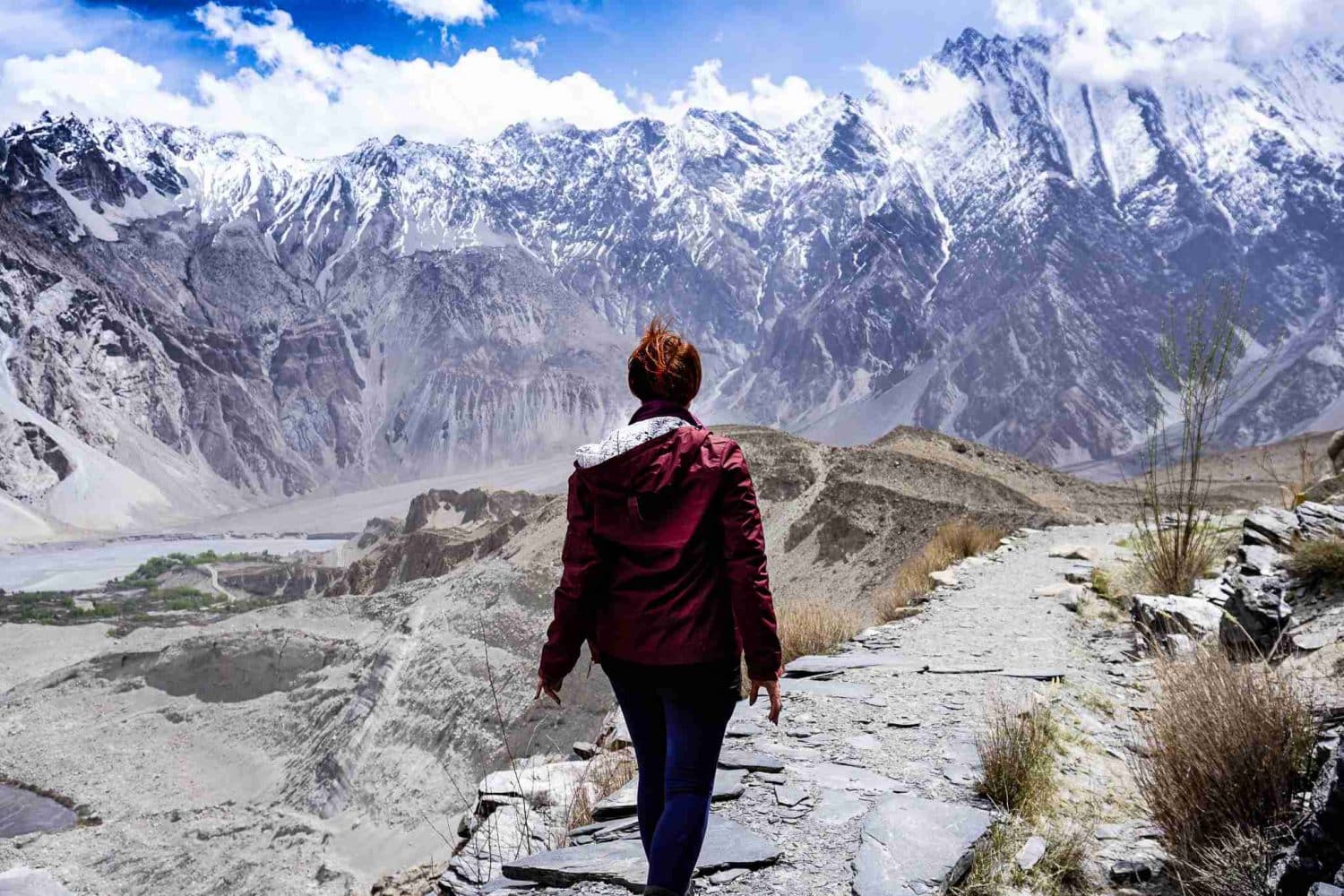
With preparation and local guidance, Northern Pakistan is safe for tourism.
(Image credit: Alamy)
Key tips:
- Carry copies of documents
- Use local guides for trekking
- Monitor weather and road conditions
- Respect local customs
Who Should Visit Northern Pakistan?
Northern Pakistan is ideal for:
- Mountain and nature lovers
- Trekking and adventure travelers
- Photographers
- Travelers seeking less commercialized destinations
It is not ideal for:
- Luxury-focused travelers
- Those with limited mobility
- Travelers unwilling to adapt to basic infrastructure
Final Travel Summary
Northern Pakistan offers a rare combination of extreme landscapes, cultural depth, and authentic travel experiences.
Northern Pakistan remains one of the last great mountain travel frontiers. While infrastructure is developing, the region rewards travelers with unforgettable scenery, genuine hospitality, and access to some of the most dramatic landscapes on Earth.
With proper planning, permits, and realistic expectations, Northern Pakistan offers one of the most rewarding travel experiences in the world.
(Image credit: Wikimedia Commons)