4
Mount Kilimanjaro – Complete Travel Guide (1)
Table of contents [Show]
- Introduction - What Makes Mount Kilimanjaro Unique
- Exact Location and Geographic Setting
- Height, Structure and Mountain Composition
- Historical Background and First Ascent
- Why Mount Kilimanjaro Is So Popular Worldwide
- Main Trekking Routes on Mount Kilimanjaro
- Standard Kilimanjaro Itinerary (Short Overview)
- Do You Need a Guide or Travel Company?
- Difficulty Level and Physical Demand
- Tour Types Available
- Best Time to Climb Mount Kilimanjaro
- Climbing Kilimanjaro by Season
- Temperature and Weather Conditions
- Crowd Levels and Summit Timing
- How to Get to Mount Kilimanjaro
- Do You Need a Guide or Travel Company?
- Permits and Park Entry Rules
- Average Costs of Climbing Kilimanjaro
- Booking Tips and Practical Advice
- What to Pack for Mount Kilimanjaro
- Accommodation Before and After the Trek
- Food, Water and Hygiene on the Mountain
- Common Mistakes Climbers Make
- Final Advice – Is Kilimanjaro Worth It?
- Image Credits
Overview, Location, History & Why It Is Famous
Introduction - What Makes Mount Kilimanjaro Unique
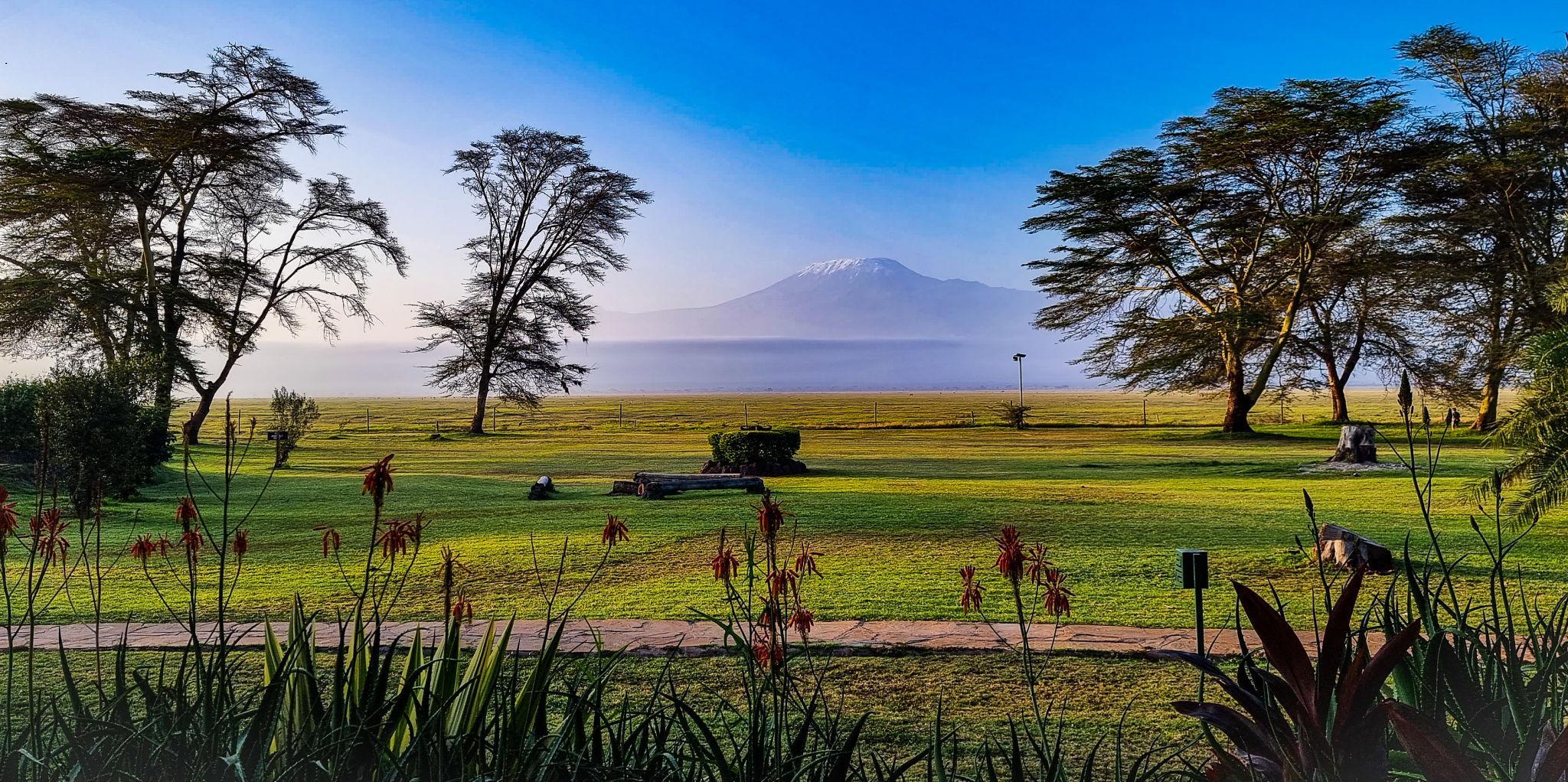
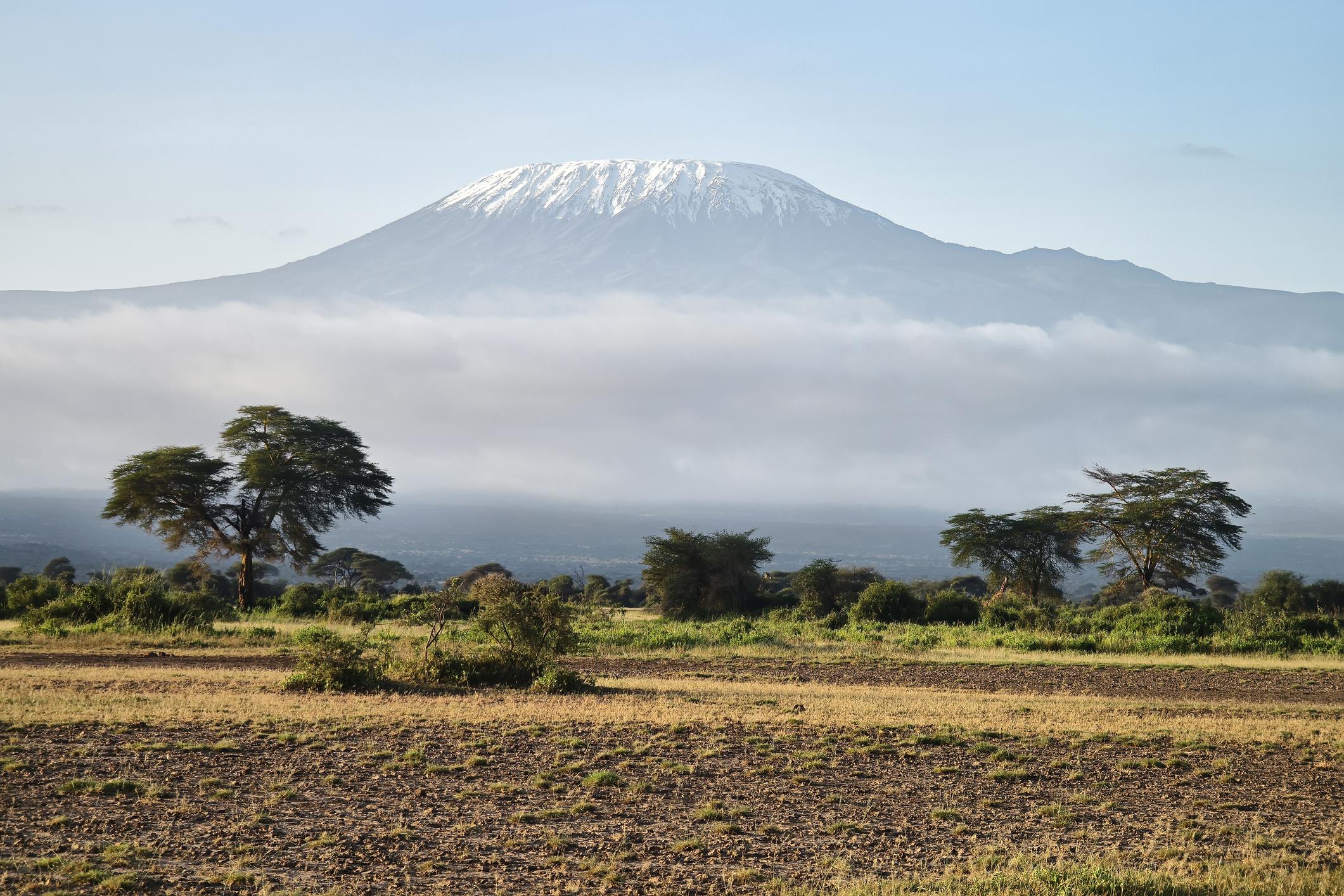
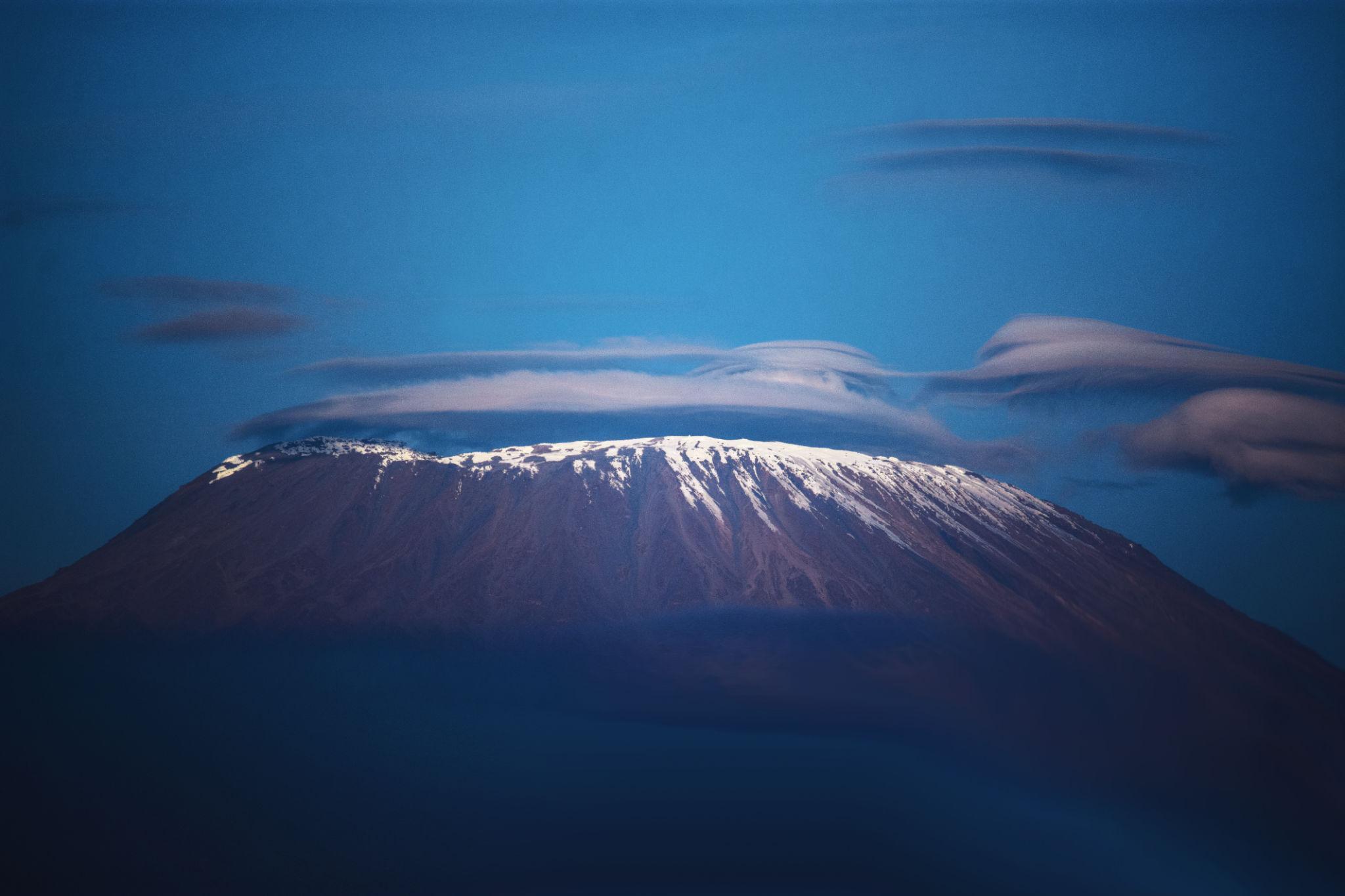
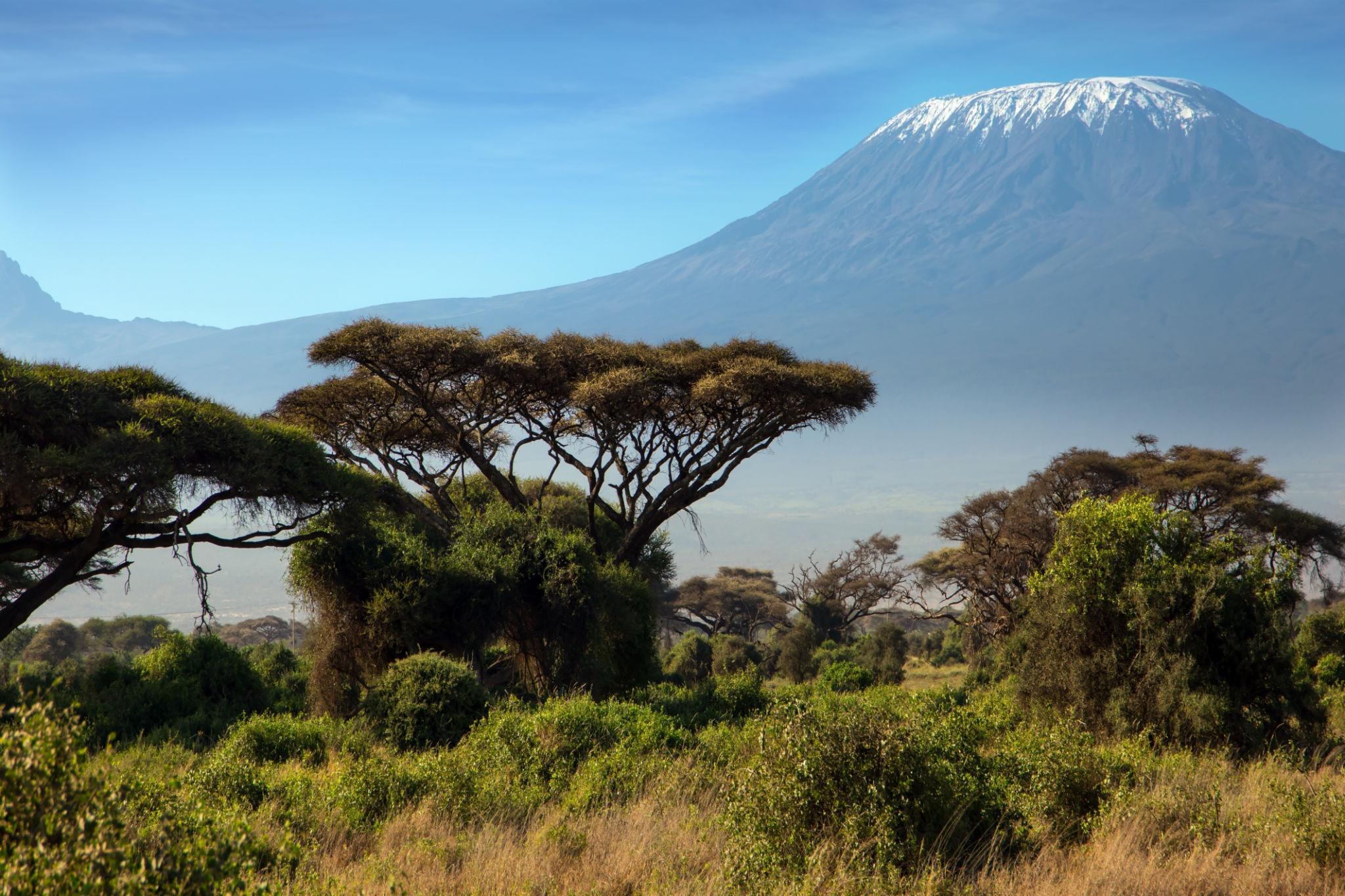
Mount Kilimanjaro rising above the African plains with its snow-covered summit
Mount Kilimanjaro is the highest mountain in Africa and one of the most well-known trekking destinations in the world. What makes it special is that it is a trekking mountain, not a technical climbing peak. You do not need ropes or climbing skills, but you do need fitness, preparation, and patience.
Thousands of travelers attempt the summit every year. Many succeed because the routes are organized and supported by professional guides. Reaching the top is seen as a personal achievement rather than a mountaineering victory.
Exact Location and Geographic Setting
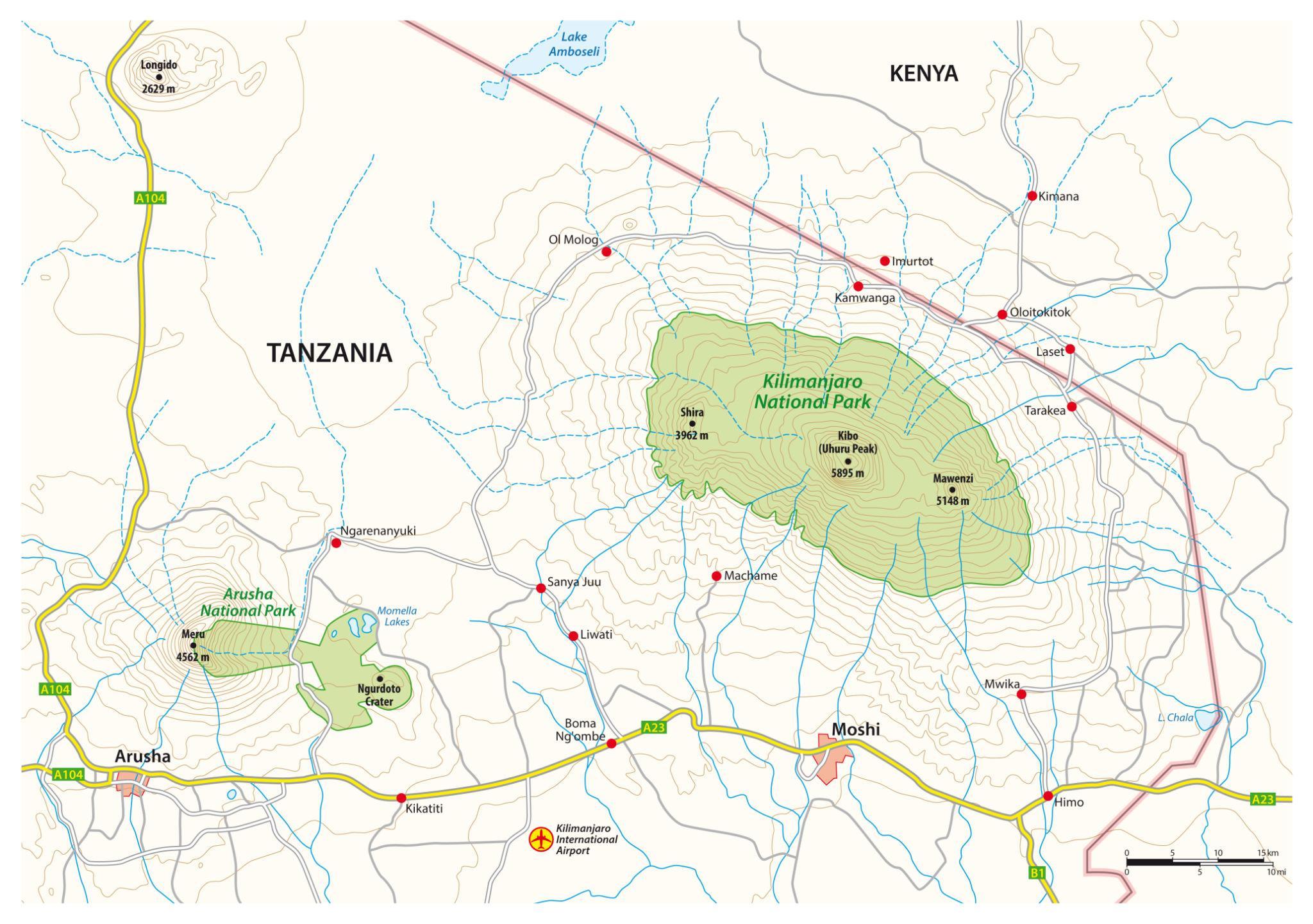
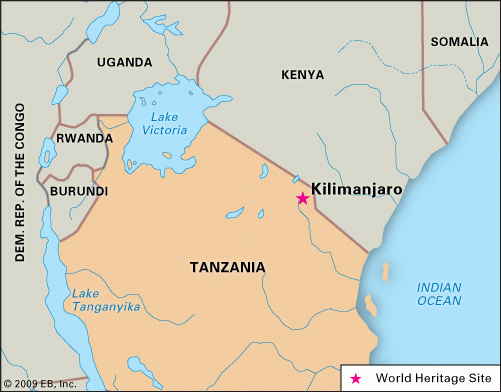
Map showing Mount Kilimanjaro in northern Tanzania near the Kenya border
Mount Kilimanjaro is located in northern Tanzania, close to the border of Kenya. The mountain stands alone and is not part of a mountain chain, which makes it look larger and more dramatic from a distance.
Nearby cities used by travelers are:
- Moshi – the main base town for trekkers
- Arusha – a larger city with international connections
The mountain lies inside Kilimanjaro National Park, a protected area managed by the Tanzanian government.
Height, Structure and Mountain Composition
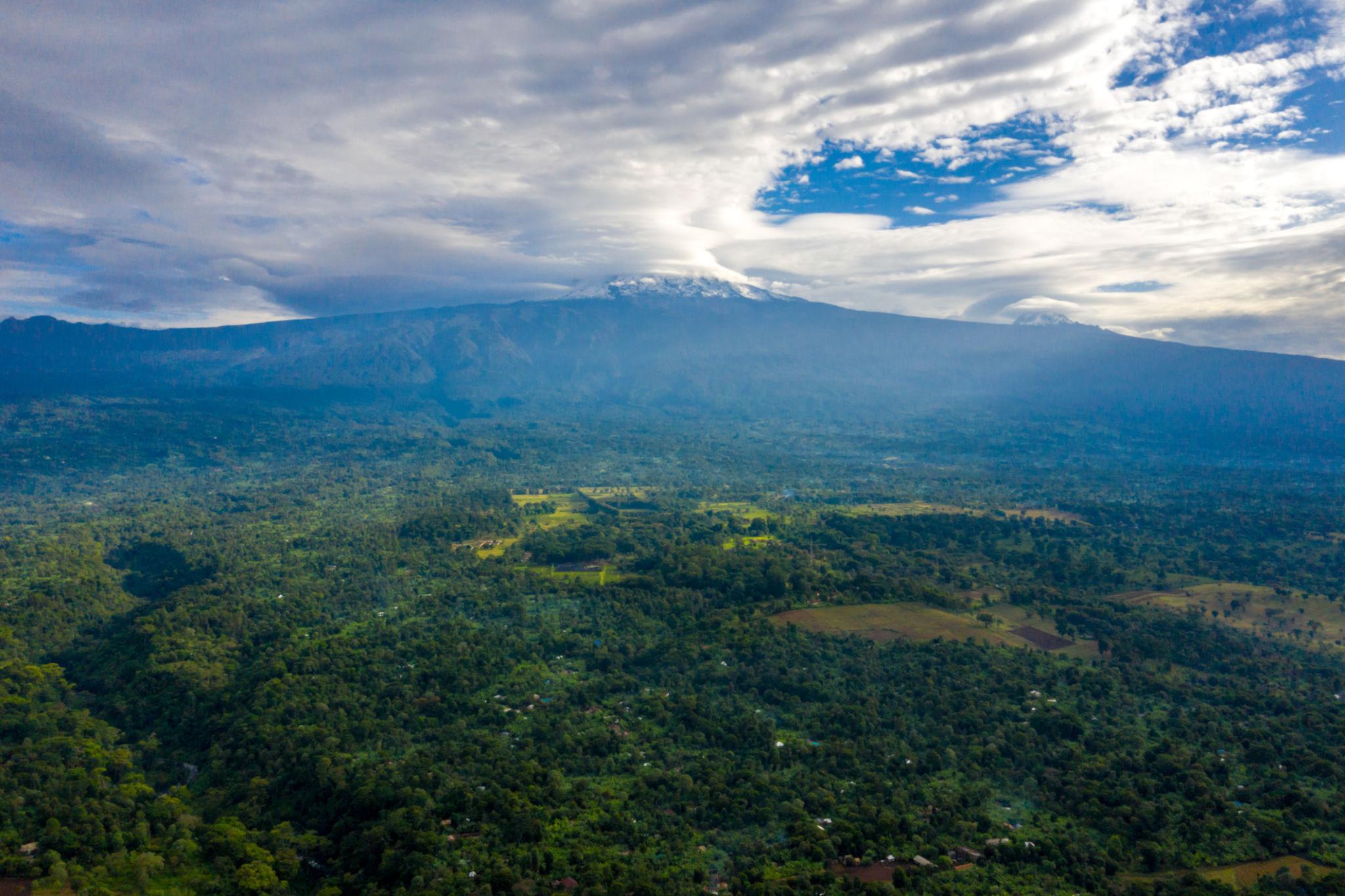
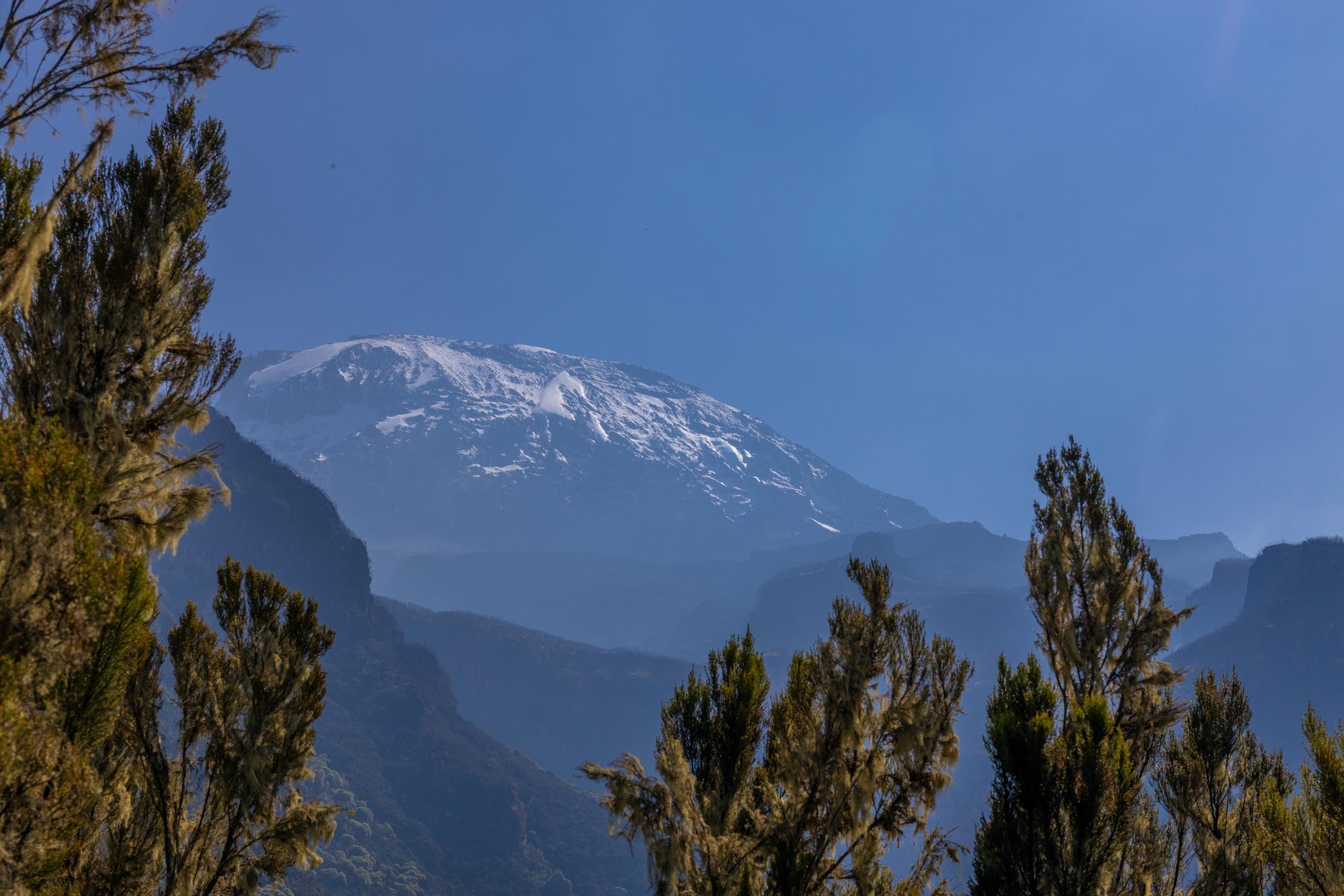
Volcanic cones and glaciers forming the summit of Mount Kilimanjaro
Mount Kilimanjaro stands at 5,895 meters (19,341 feet) above sea level. It is a volcanic mountain made of three main cones:
- Kibo – the highest and dormant cone where the summit is located
- Mawenzi – sharp and rugged peaks
- Shira – an older collapsed cone
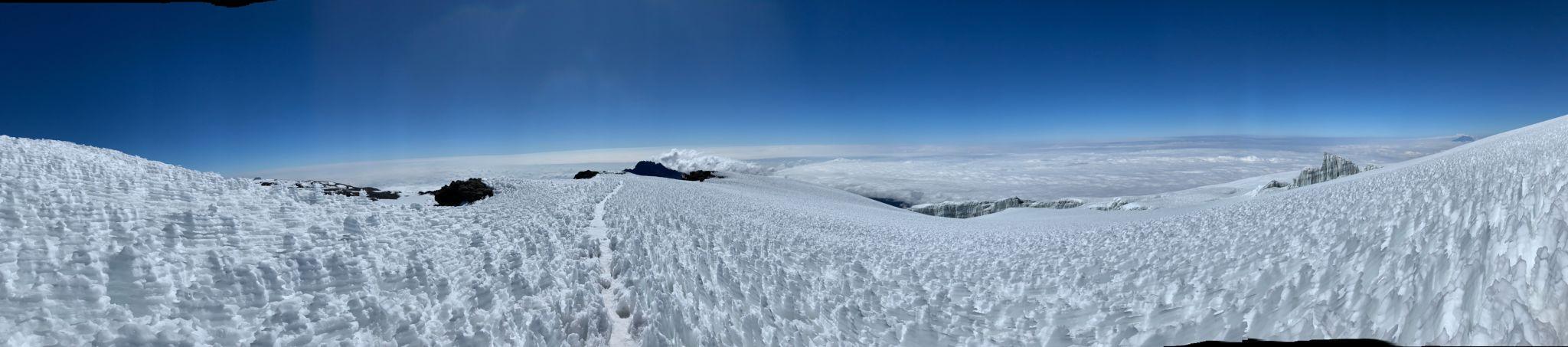
The summit area often has snow and glaciers, which surprises many visitors because the mountain is close to the equator.
Historical Background and First Ascent
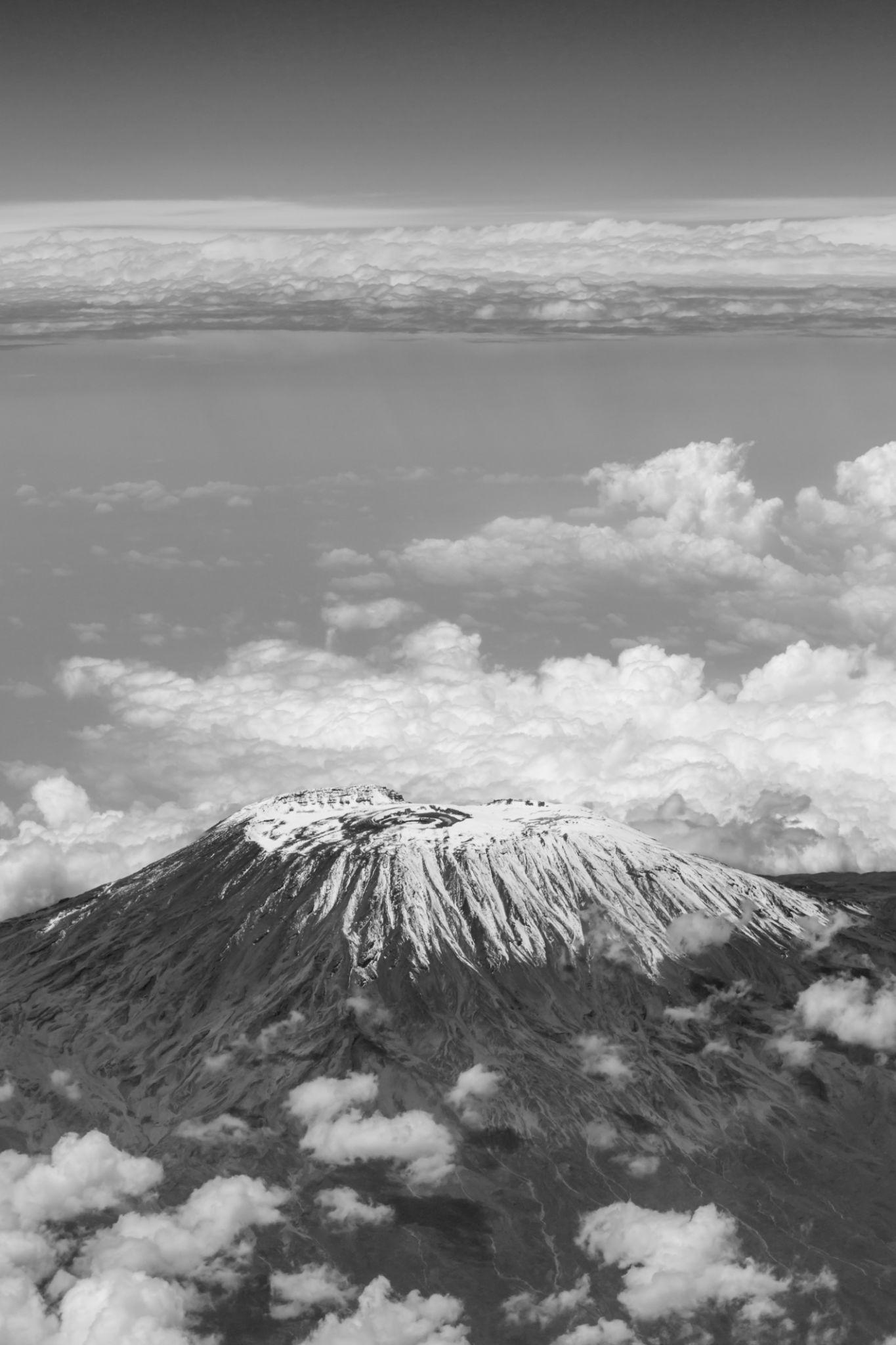
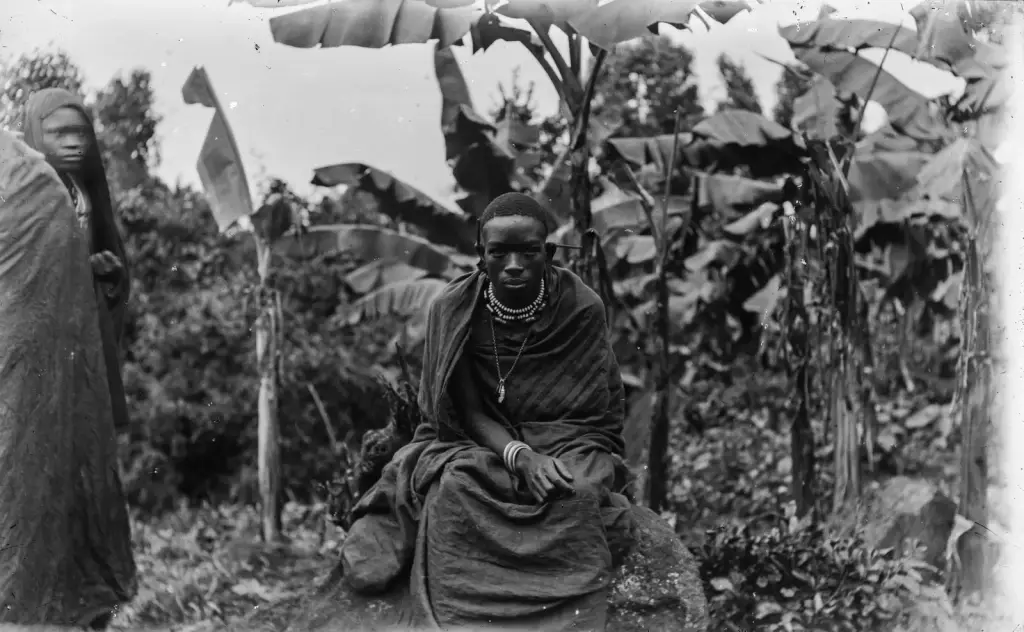
Early exploration photographs from the first successful Kilimanjaro expeditions
The first recorded successful ascent of Mount Kilimanjaro took place in 1889 by Hans Meyer and Ludwig Purtscheller . Early explorers failed many times because they underestimated the cold temperatures and altitude.
Today, modern trekking routes, trained guides, and better equipment have made the mountain much more accessible than in the past.
Why Mount Kilimanjaro Is So Popular Worldwide
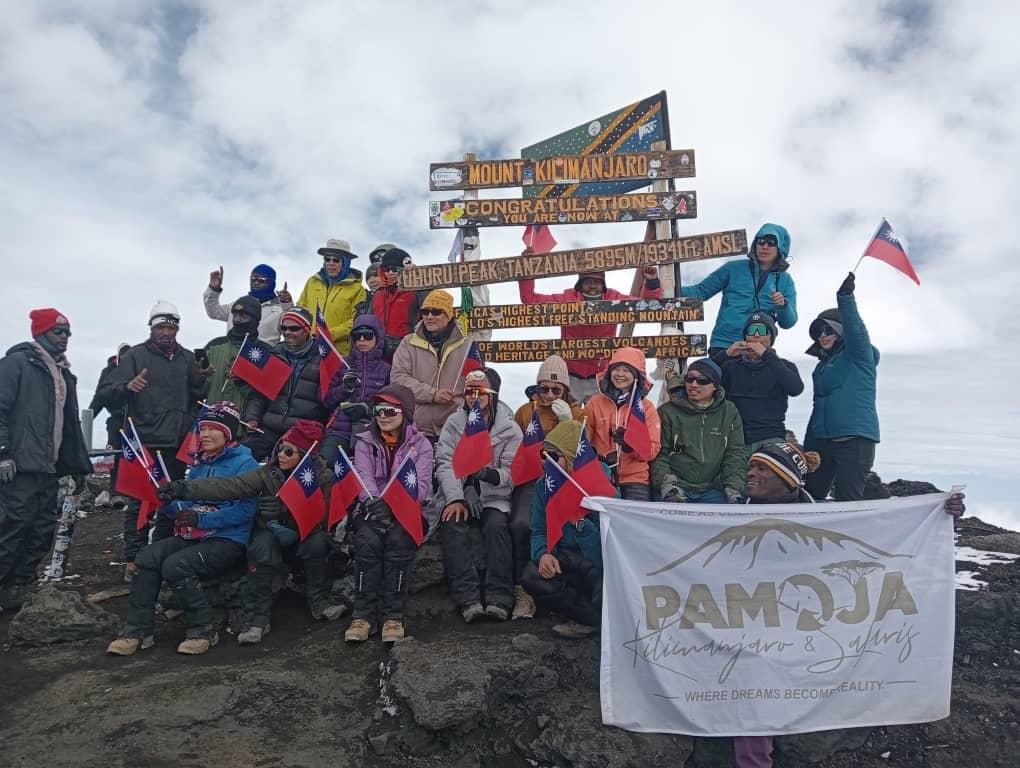
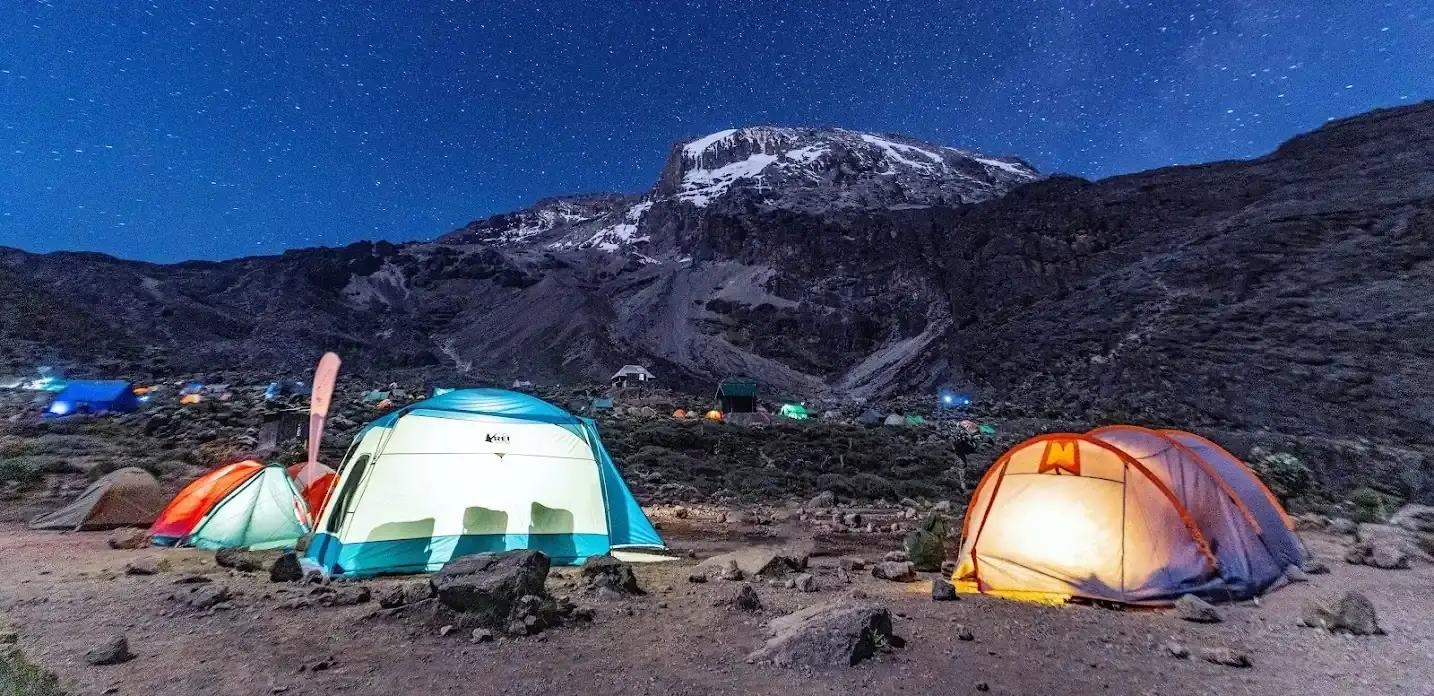
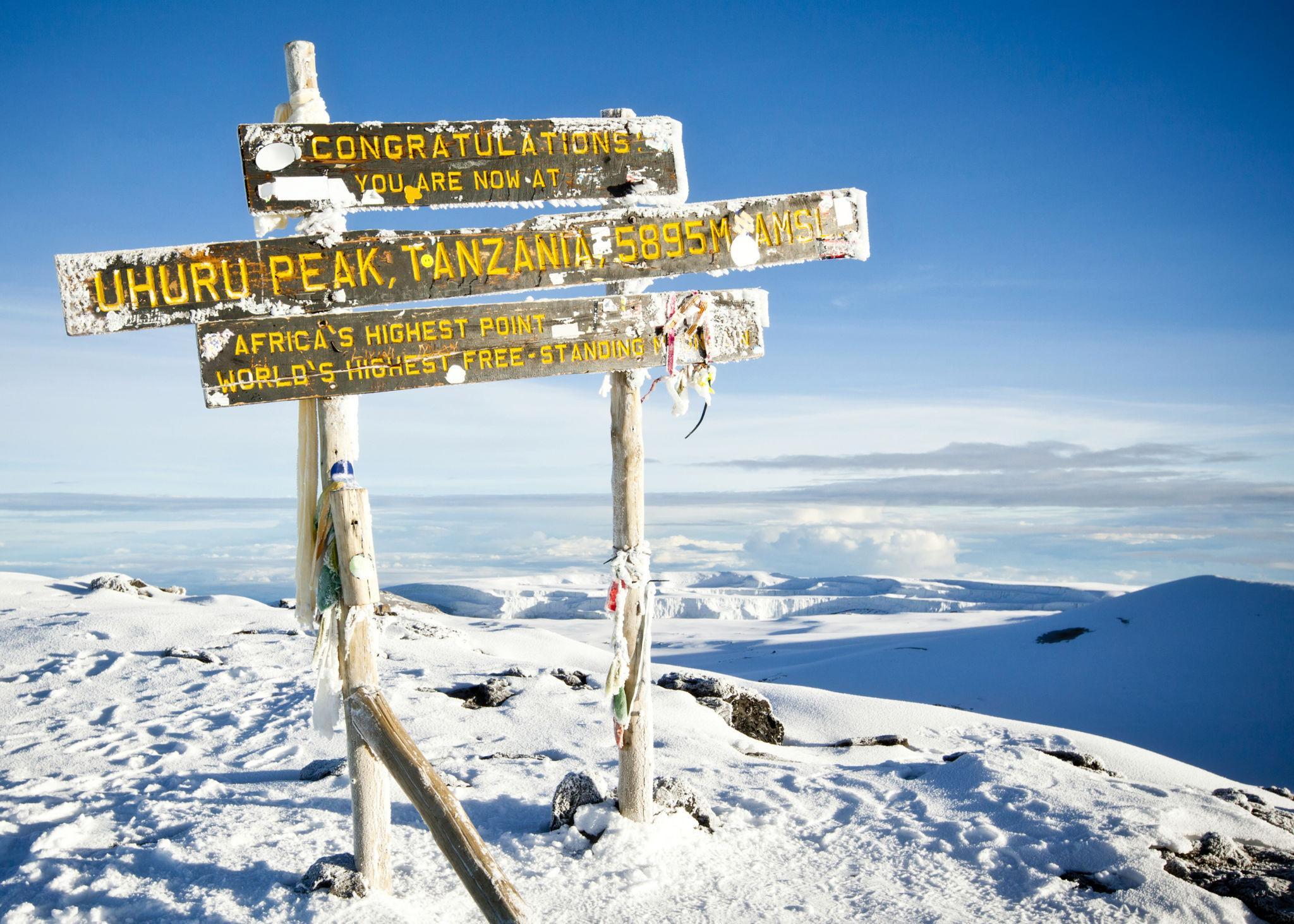
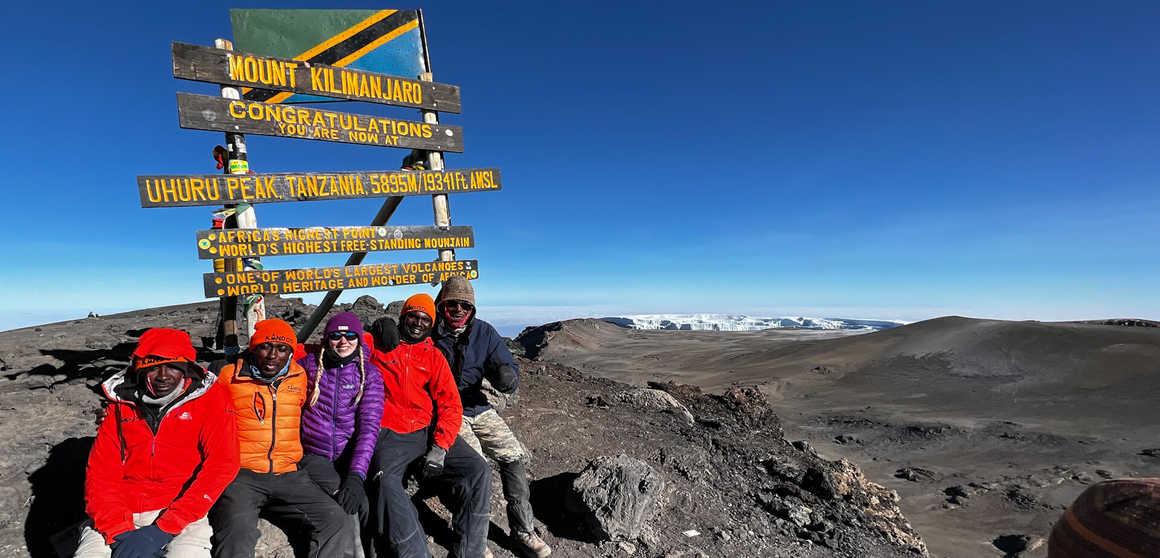
Trekkers celebrating after reaching the summit at Uhuru Peak
Mount Kilimanjaro is part of the famous Seven Summits, which are the highest mountains on each continent. This status makes it a dream destination for many adventure travelers.
Main reasons for its popularity:
- No technical climbing skills required
- Strong tourism infrastructure
- Multiple trekking routes for different fitness levels
- High success rate with proper planning
It offers a serious challenge, but it is still achievable for normal travelers with preparation.
Mount Kilimanjaro Complete Travel Guide (2)
Trekking Routes, Standard Itinerary & Difficulty Level
Main Trekking Routes on Mount Kilimanjaro
4
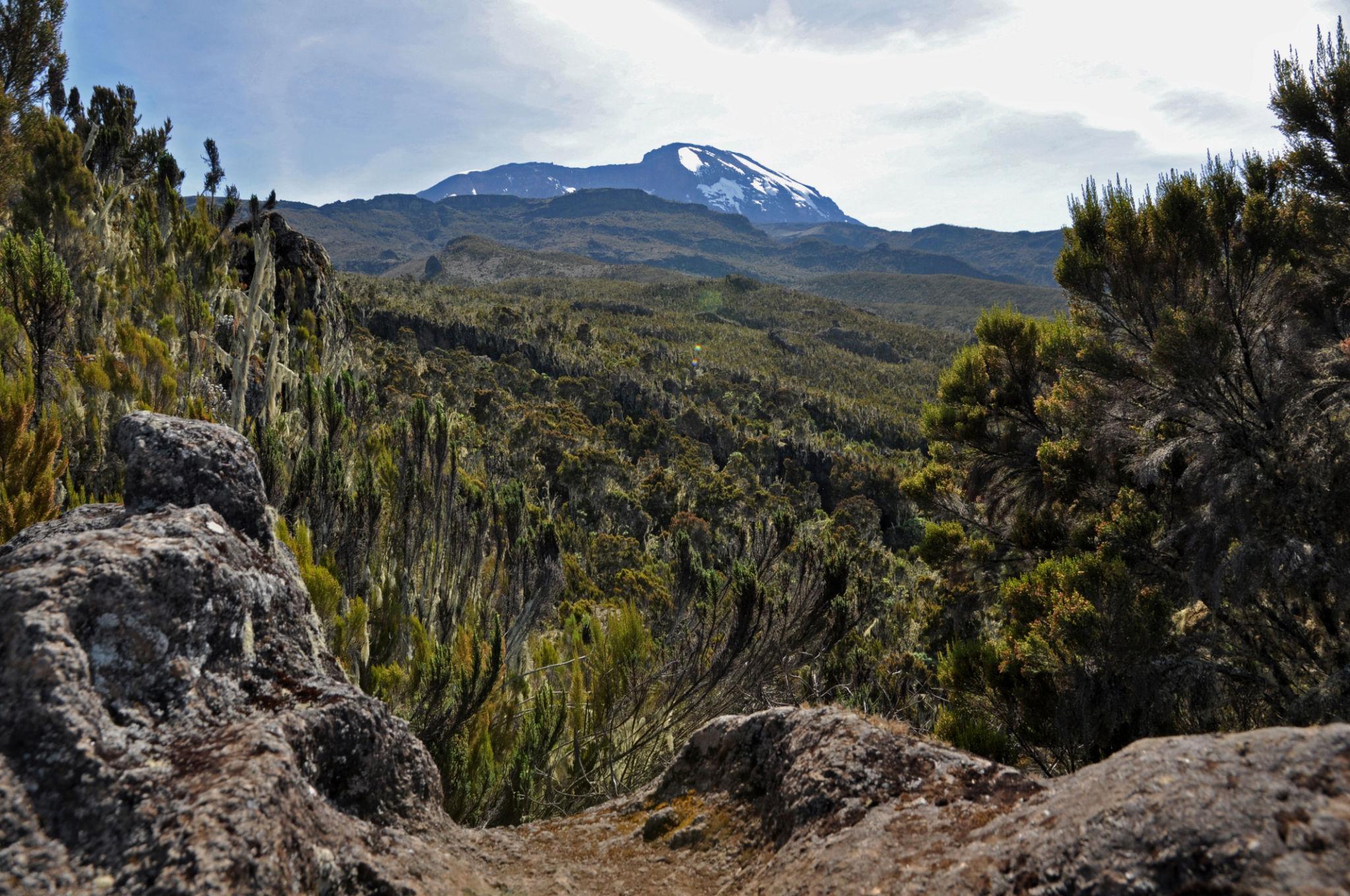
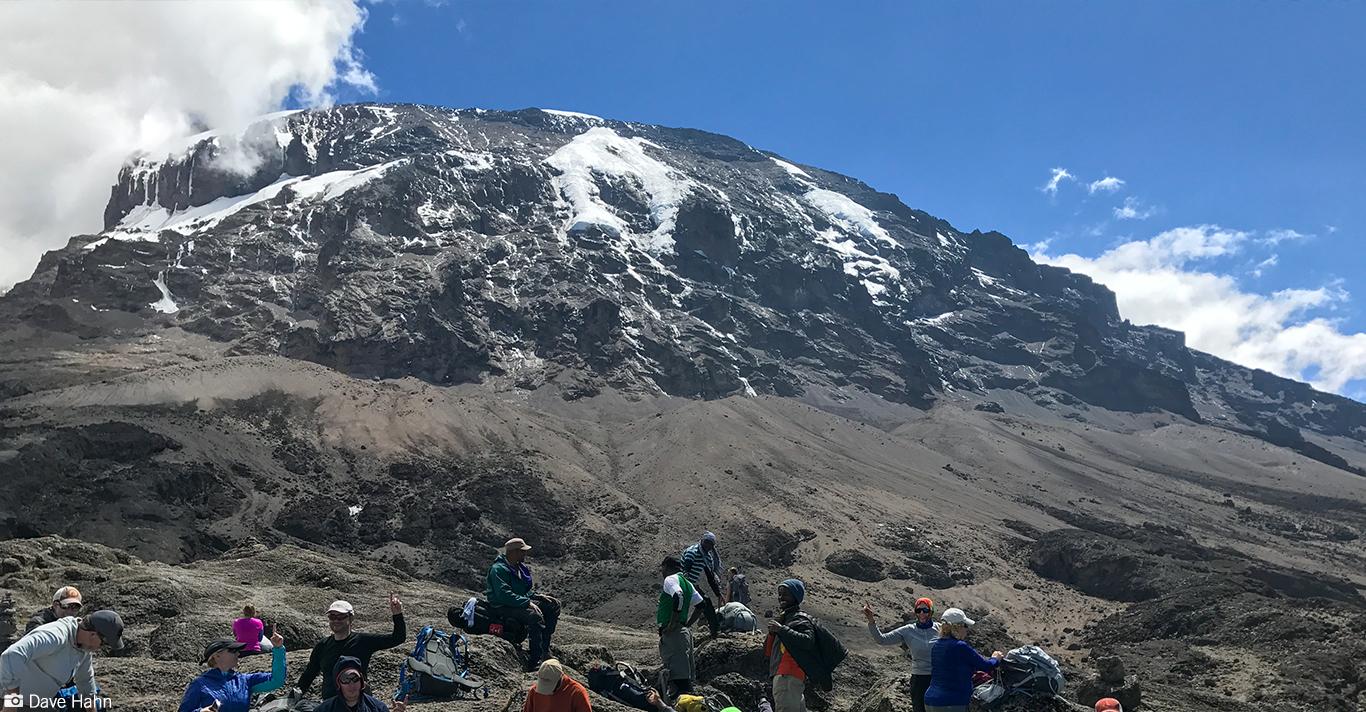
Different trekking routes on Mount Kilimanjaro pass through forests, ridges, and alpine landscapes
Mount Kilimanjaro has several official trekking routes. Each route reaches the same summit, Uhuru Peak, but the scenery, duration, and success rate are different.
Marangu Route (Coca-Cola Route)
- Shortest and cheapest route
- Uses huts instead of tents
- Lower success rate due to fast ascent
- Suitable for beginners but less scenic
Machame Route (Whiskey Route)
- Very popular and scenic
- Camping route with varied landscapes
- Better acclimatization time
- Higher success rate than Marangu
Lemosho Route
- Longer but very beautiful
- High summit success rate
- Fewer crowds at the start
- Good for travelers who want more nature
Rongai Route
- Approaches from the northern side
- Drier and quieter
- Good during rainy season
- Less scenic compared to Machame or Lemosho
Northern Circuit
- Longest route
- Best acclimatization profile
- Highest success rate
- Requires more days and budget
There is no “easy” route, but some routes are smarter for altitude adjustment.
Standard Kilimanjaro Itinerary (Short Overview)
4
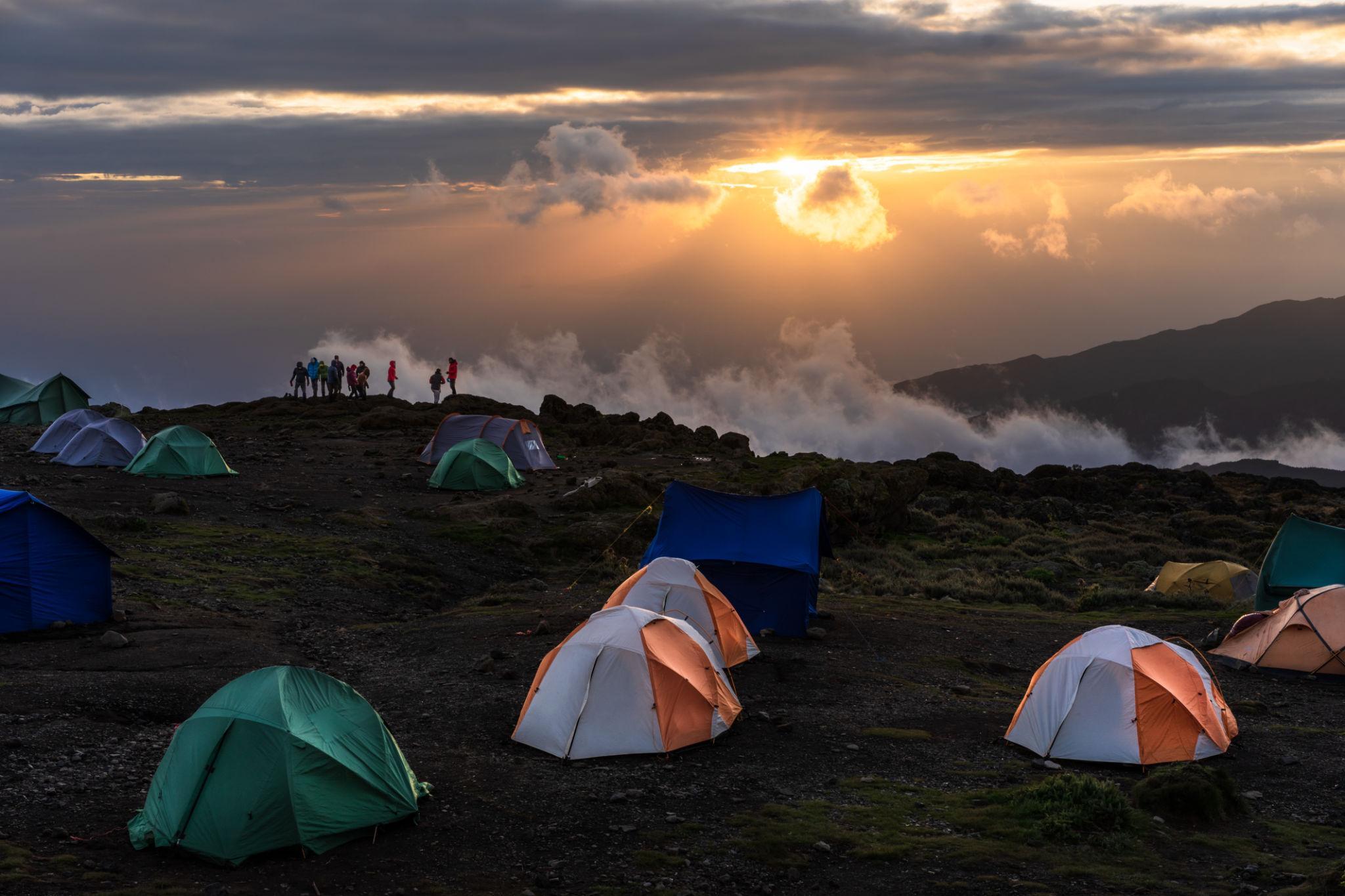
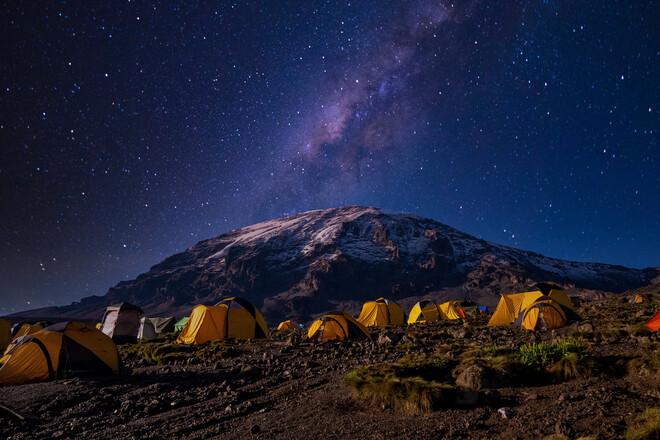
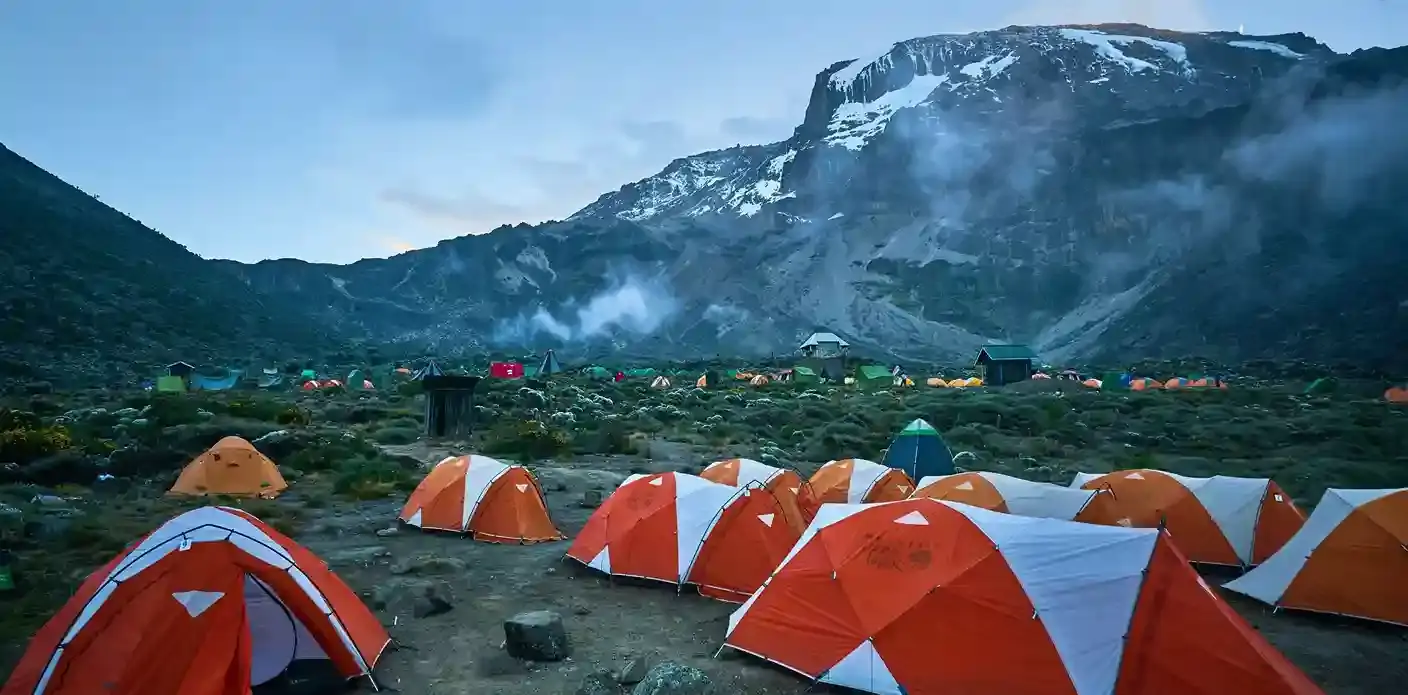
Typical Kilimanjaro trek includes forest camps, alpine deserts, and a final night summit push
Most Kilimanjaro climbs follow a 6 to 8 day trekking plan. The exact days change by route, but the flow is similar.
A standard itinerary usually includes:
- Arrival in Moshi or Arusha
- Park entry and first forest camp
- Gradual ascent through moorland and alpine desert
- Acclimatization days at mid-altitude camps
- Night summit push starting around midnight
- Sunrise at Uhuru Peak
- Descent over one or two days
The summit day is the longest and most demanding part of the journey.
Do You Need a Guide or Travel Company?
4
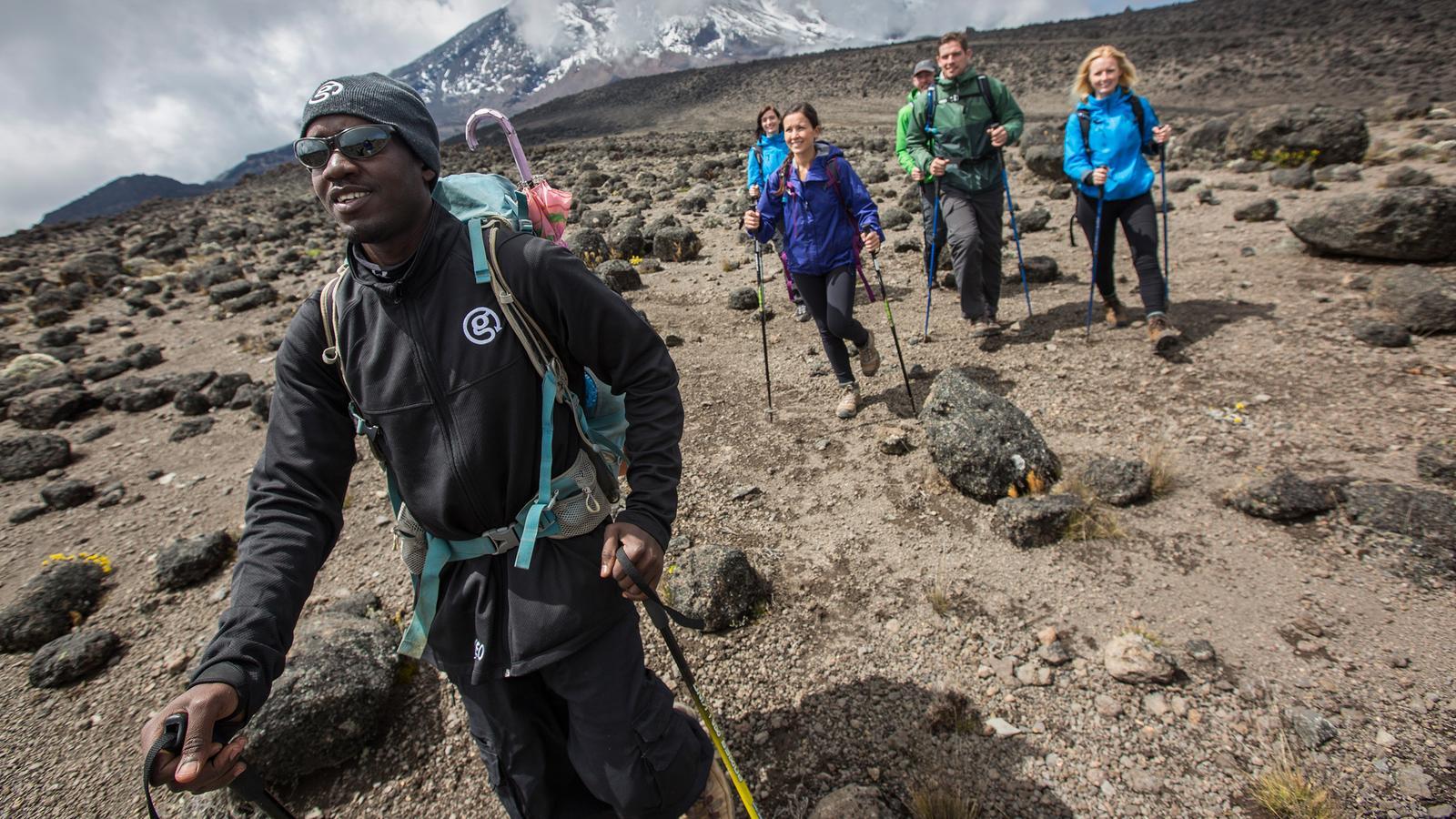
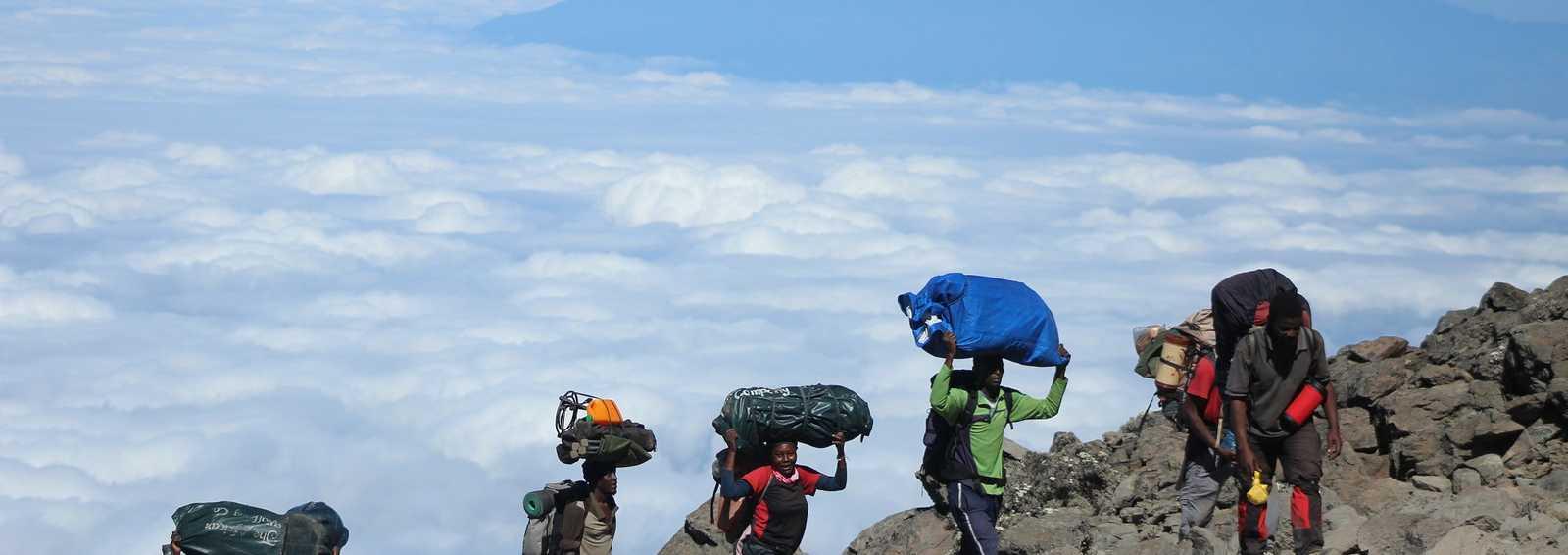
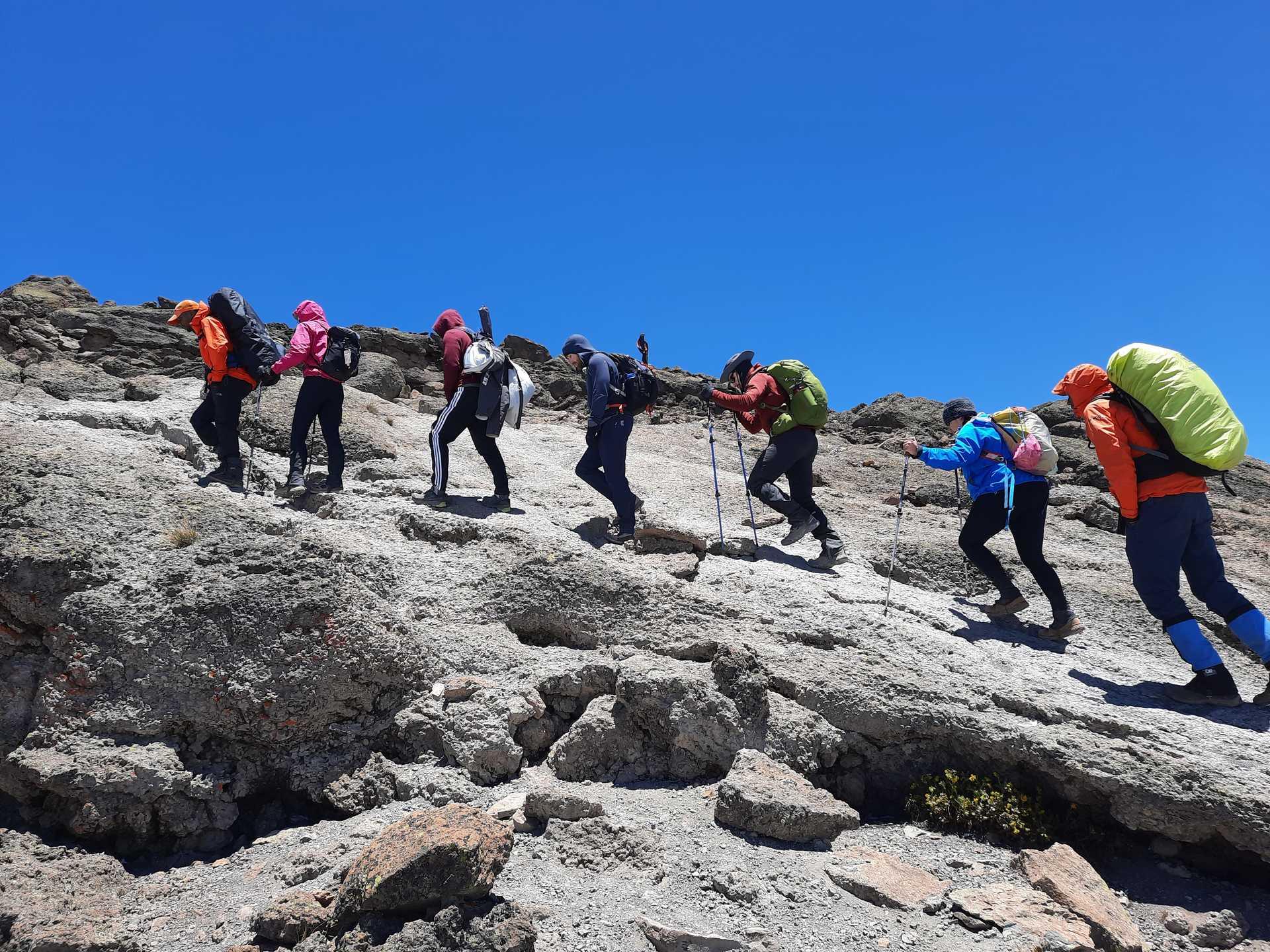
Guides and porters are a mandatory part of the Kilimanjaro trekking system
On Mount Kilimanjaro, independent trekking is not allowed. Tanzanian national park rules require every climber to use a licensed tour operator.
A travel company provides:
- Certified mountain guides
- Porters to carry gear and tents
- Cooks and support staff
- Permit handling and park fees
- Safety monitoring for altitude sickness
This system is designed for safety and also supports local employment.
Difficulty Level and Physical Demand
4
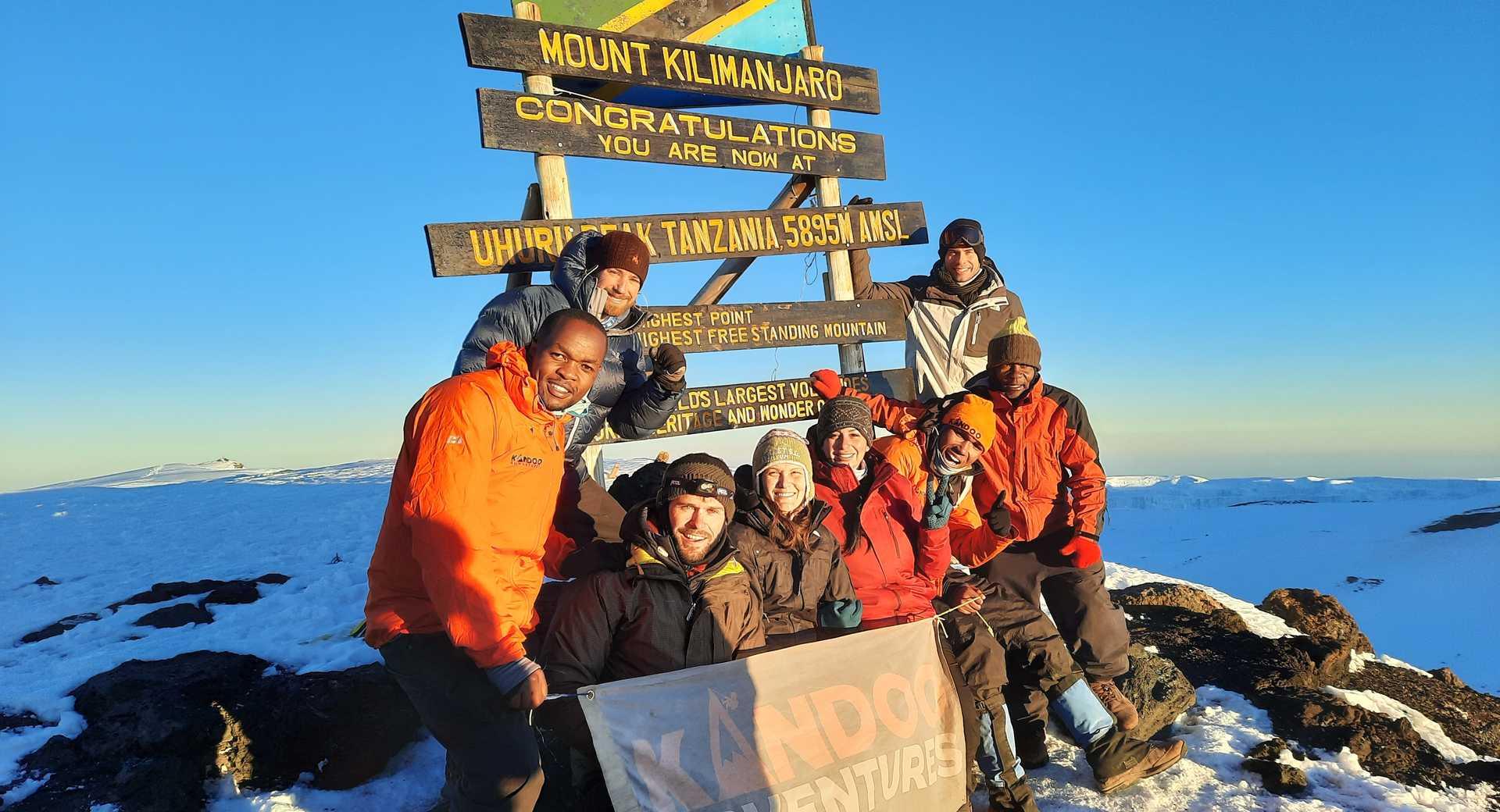
Summit day involves long walking hours at high altitude and low temperatures
Mount Kilimanjaro is physically demanding but non-technical. The main challenge is altitude, not climbing skill.
Difficulty Factors
- High altitude up to 5,895 meters
- Long walking days (6–10 hours)
- Cold summit temperatures below freezing
- Thin air causing fatigue
- Mental endurance during summit night
Fitness Required
- Regular walking or hiking fitness
- Ability to walk several hours daily
- No technical climbing training needed
Many fit beginners succeed, but proper preparation increases success chances.
Tour Types Available
4
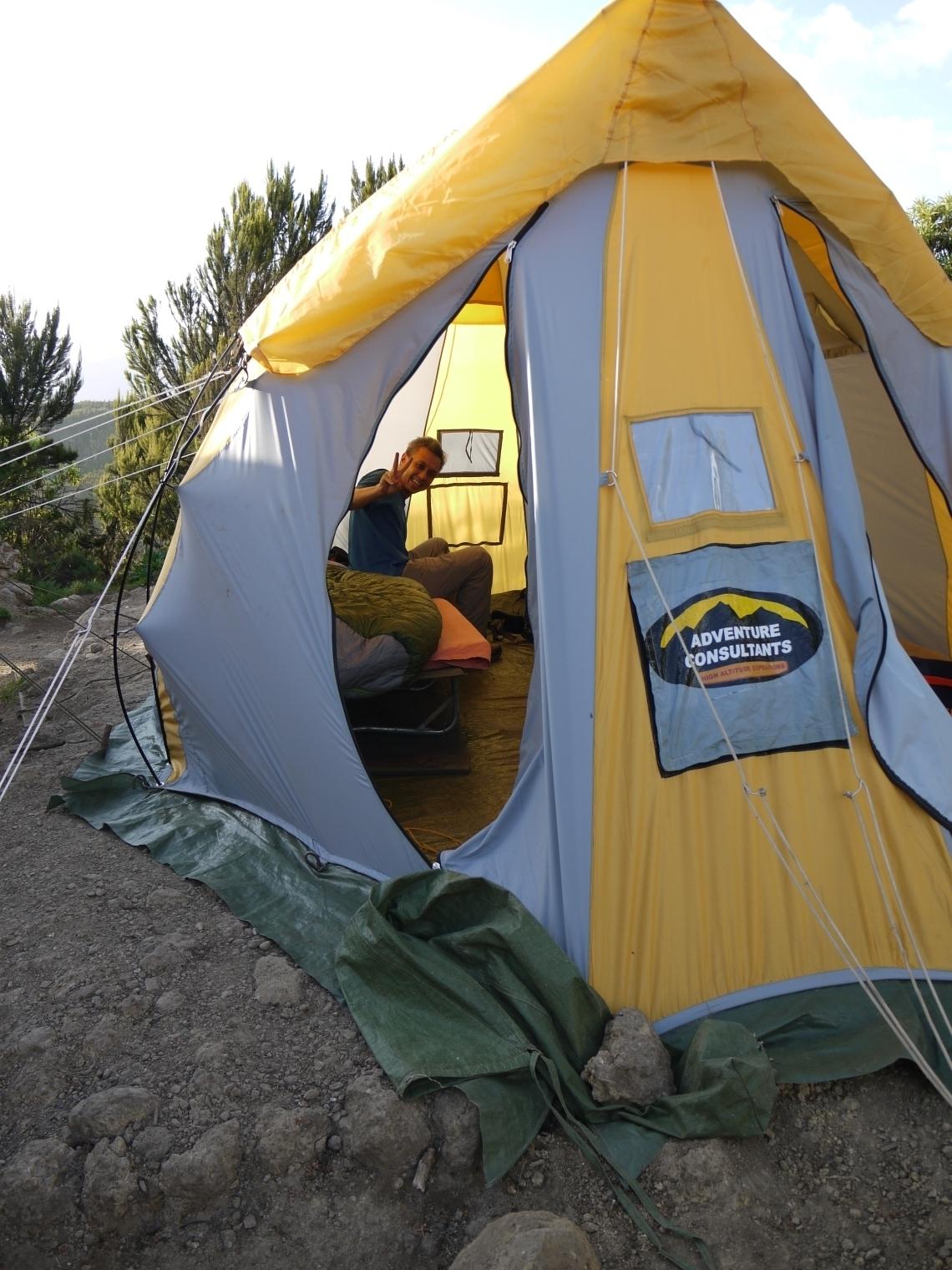
Different tour styles range from budget camping to premium private expeditions
Kilimanjaro tours are usually offered in three styles:
Budget Group Tours
- Shared groups
- Basic camping equipment
- Lower price
- Fixed departure dates
Standard Group Tours
- Balanced comfort and cost
- Good equipment quality
- Most common option
Private or Luxury Tours
- Smaller groups or private climb
- Better tents and food
- Flexible pace
- Higher cost
All types reach the same summit, but comfort and service differ.
Mount Kilimanjaro Complete Travel Guide (3)
Best Time to Climb, Weather & Crowd Levels
Best Time to Climb Mount Kilimanjaro
4
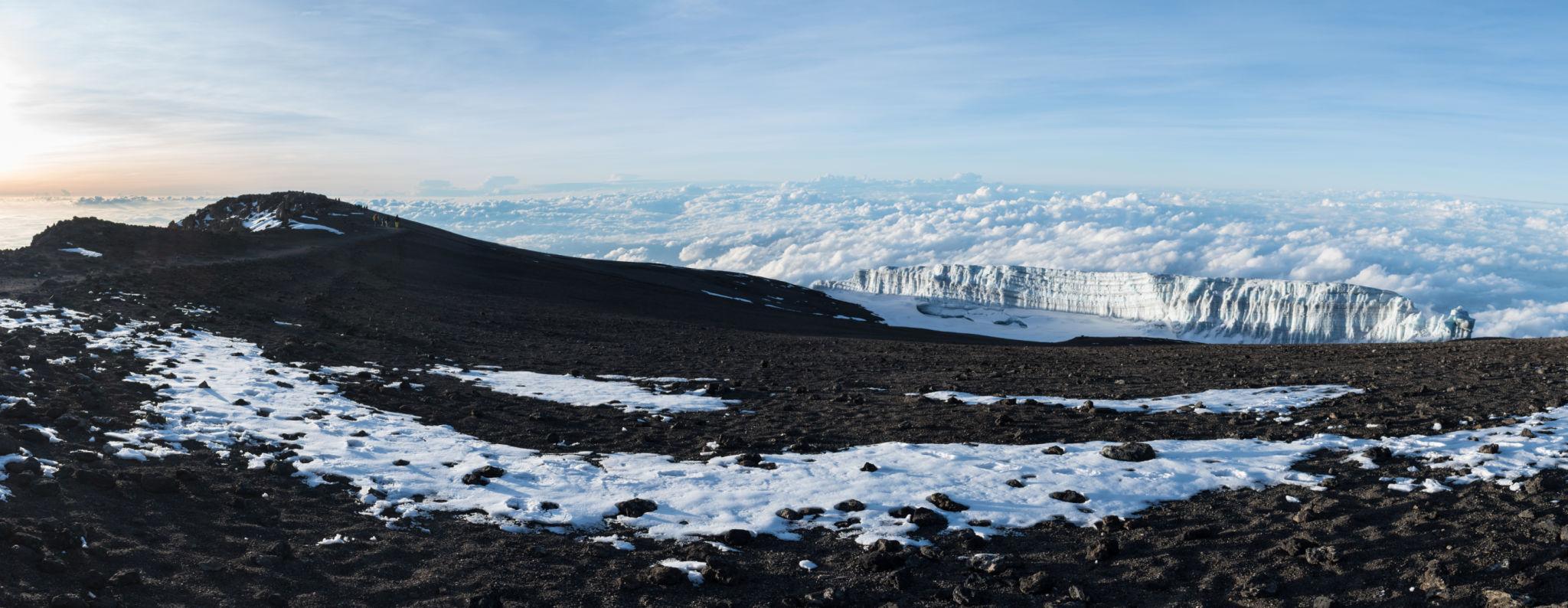
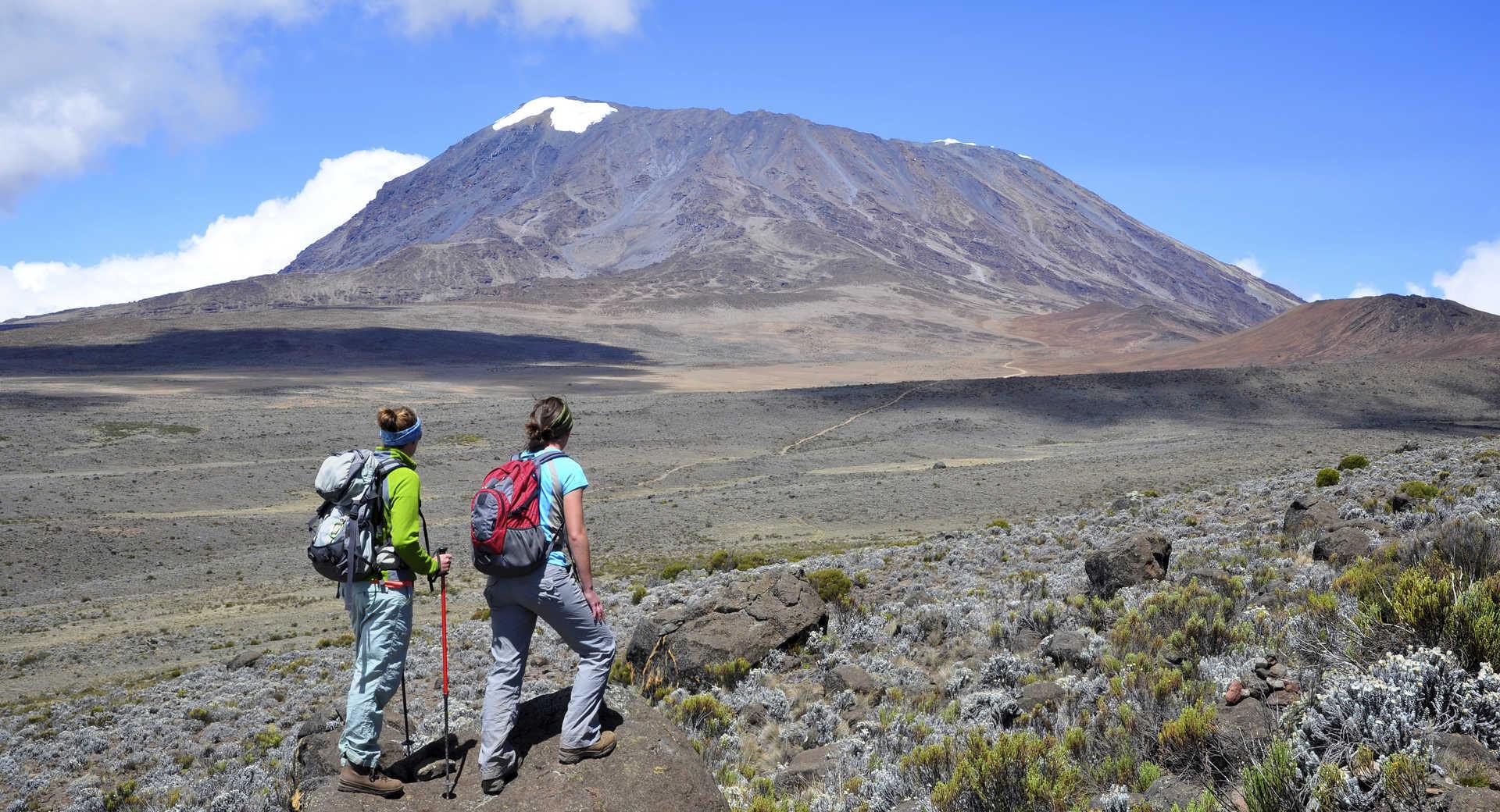
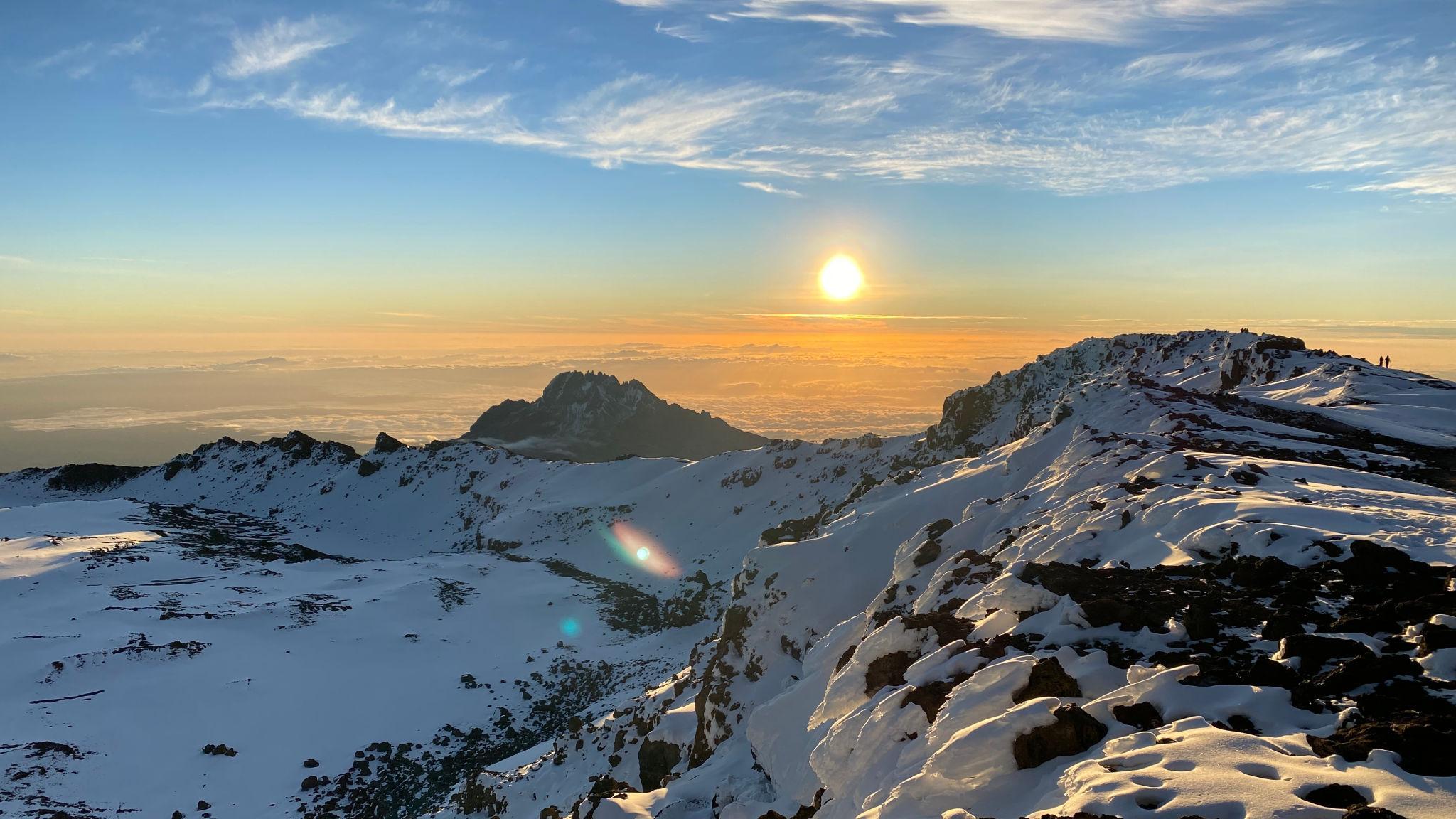
Clear skies and stable weather during the dry season provide better summit visibility
The best time to climb Mount Kilimanjaro is during the dry seasons, when weather is more stable and trails are safer.
The two main dry periods are:
- January to March
- June to October
These months offer better visibility, less rain, and higher summit success rates. Most tour companies schedule their main departures during these windows.
Climbing Kilimanjaro by Season
January – March (Short Dry Season)
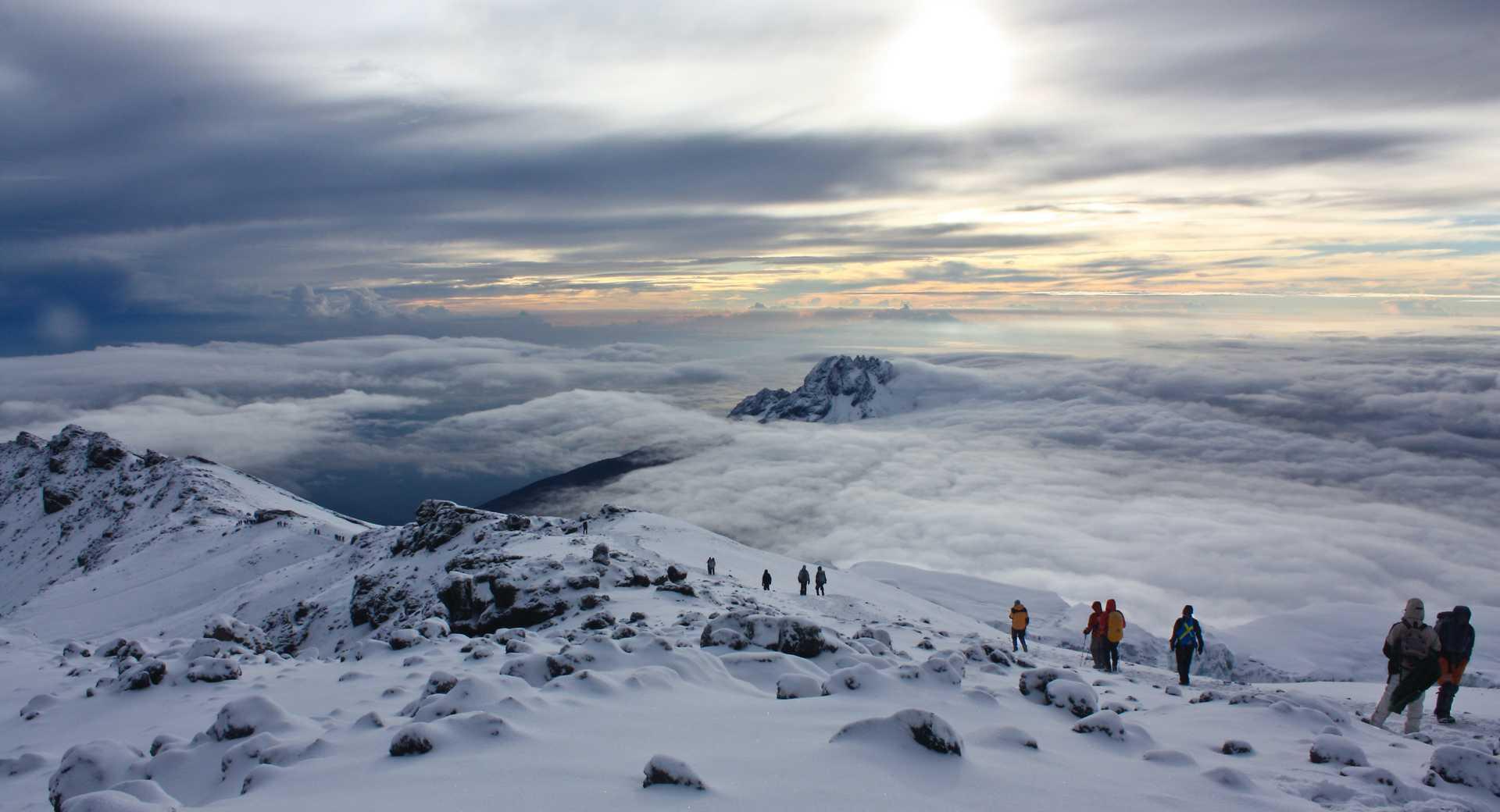
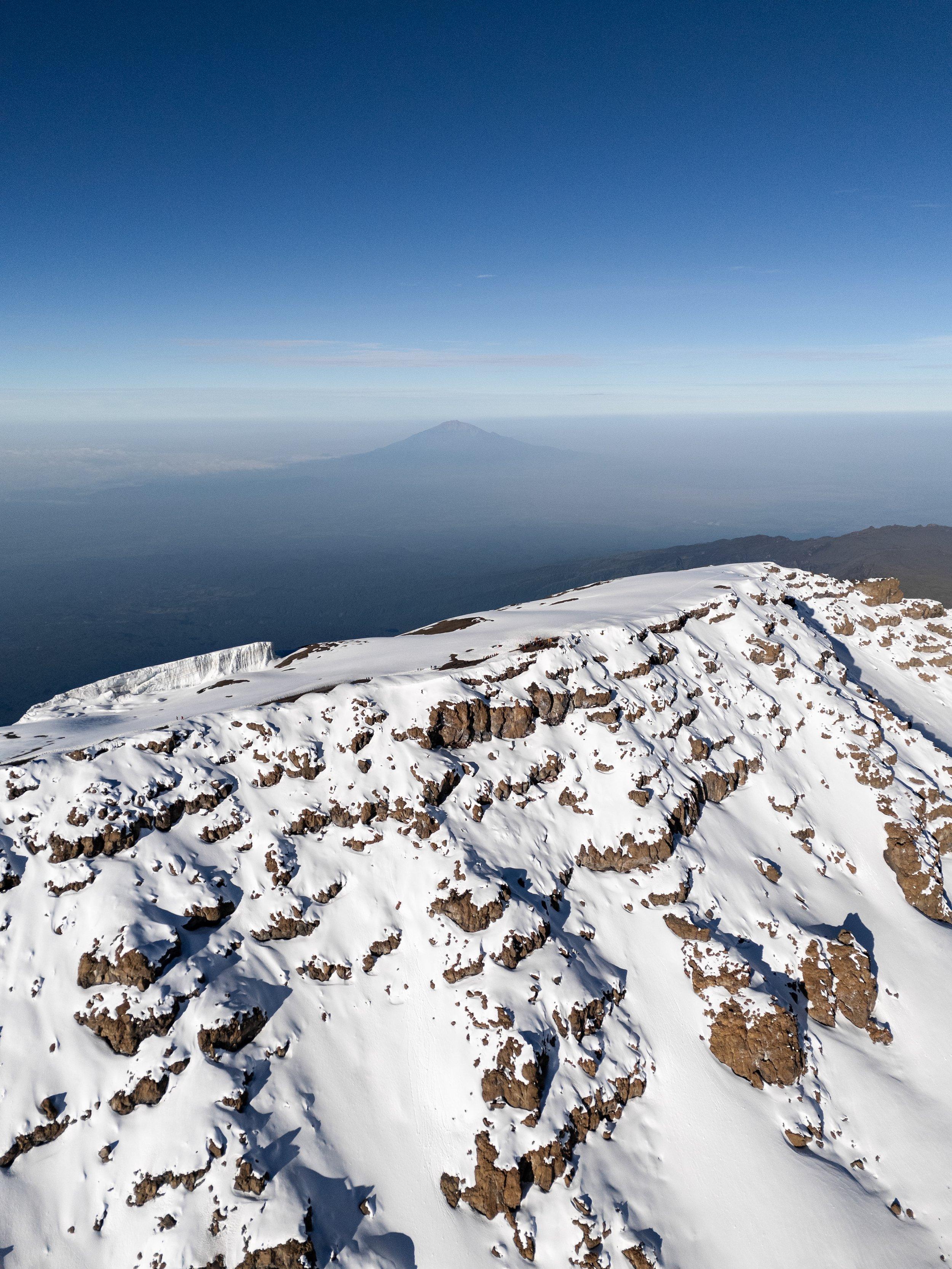
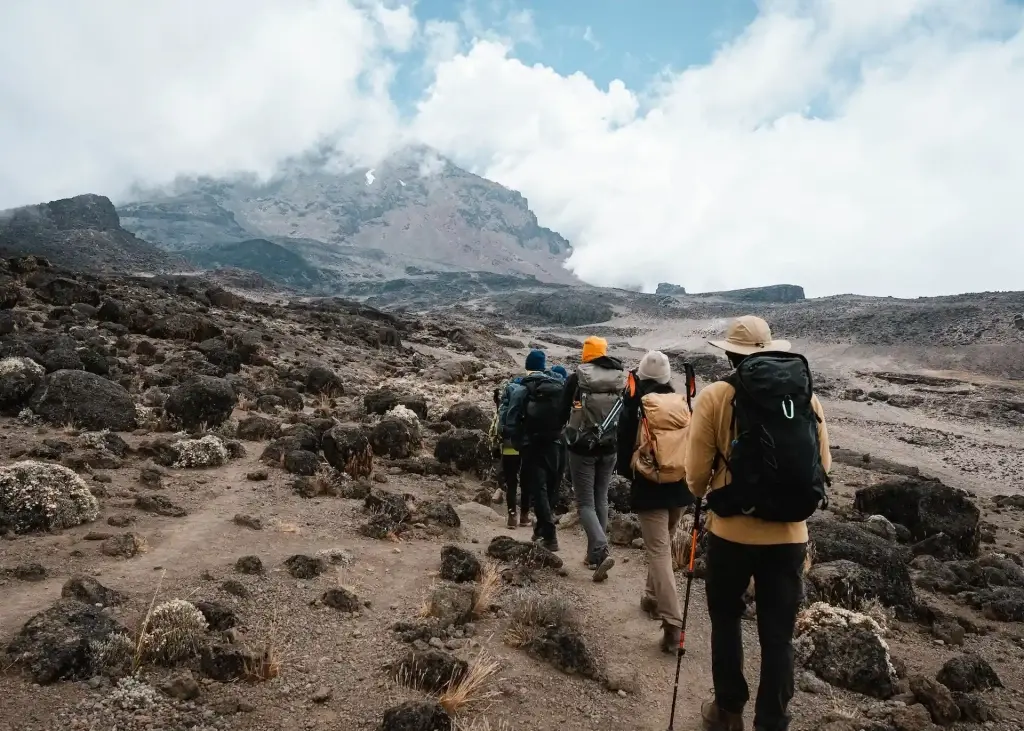
Short dry season often shows snow near the summit and fewer crowds
This period is slightly colder at the summit but less crowded compared to mid-year.
Key points:
- Clear mornings and good visibility
- Snow often present near the top
- Moderate tourist numbers
- Good balance of weather and space
This is ideal for travelers who prefer quieter trails.
April – May (Long Rainy Season)
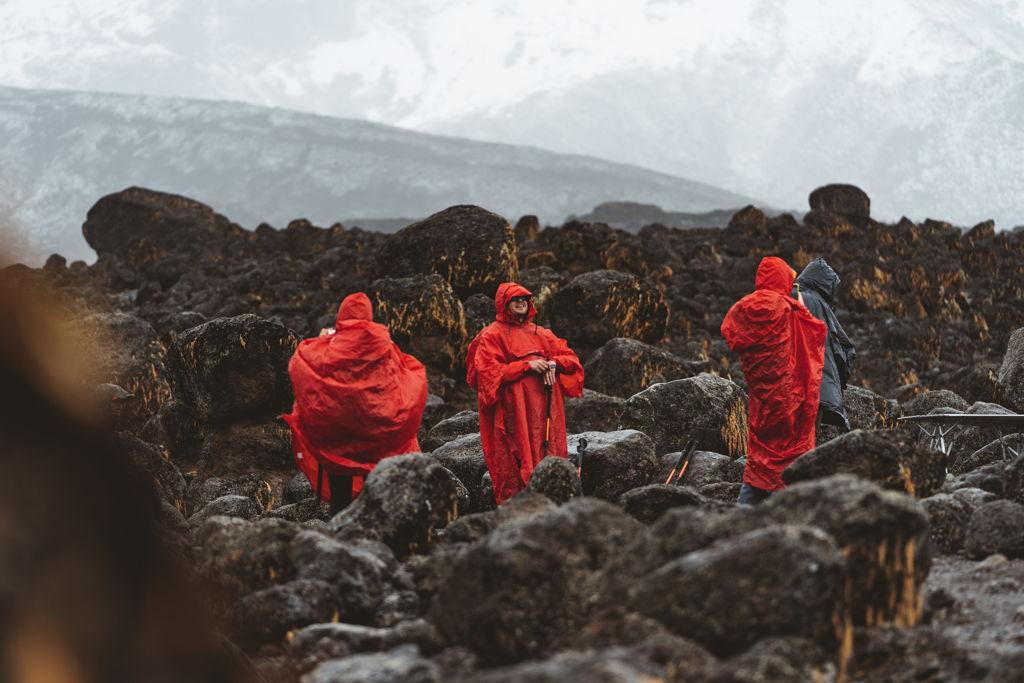
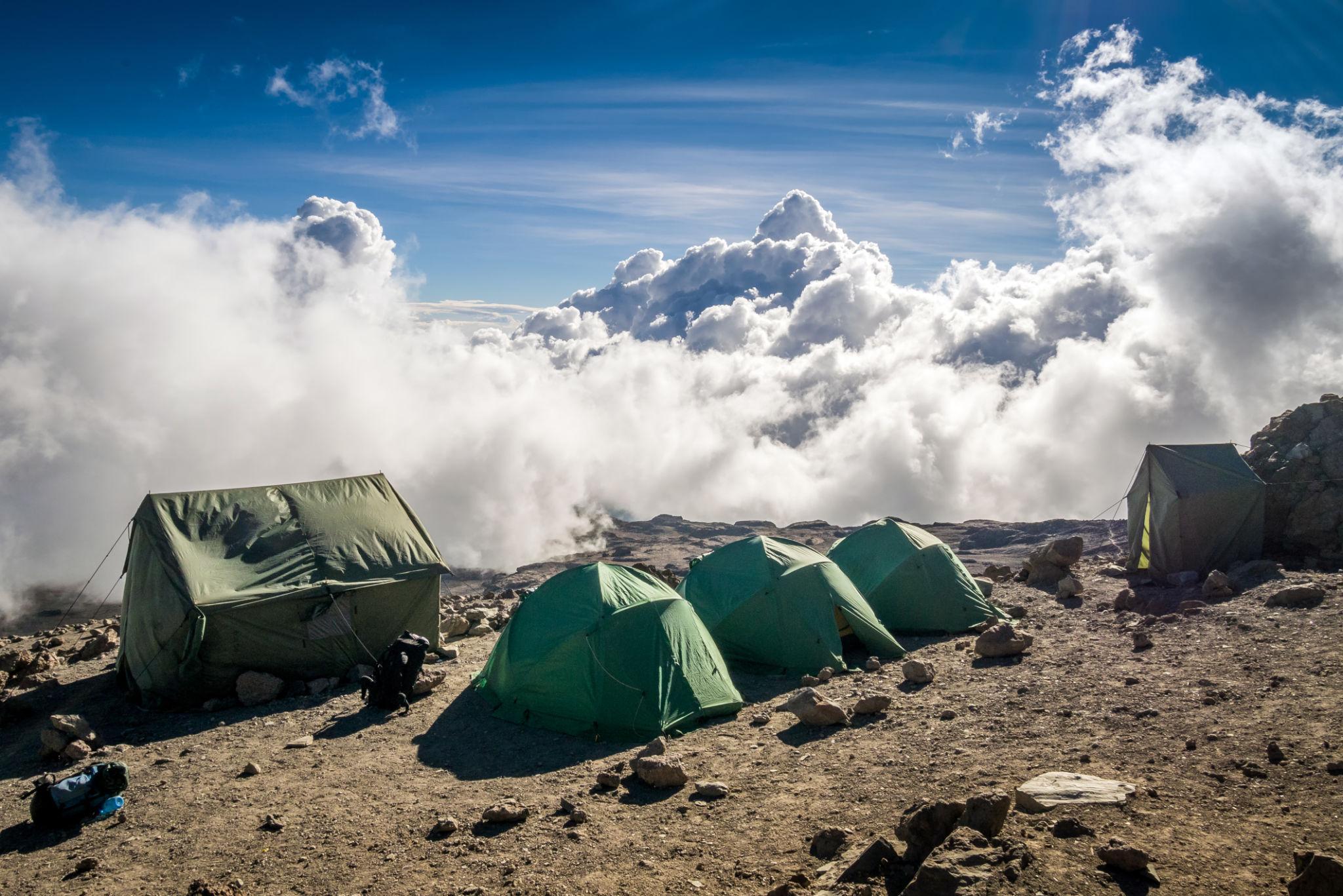
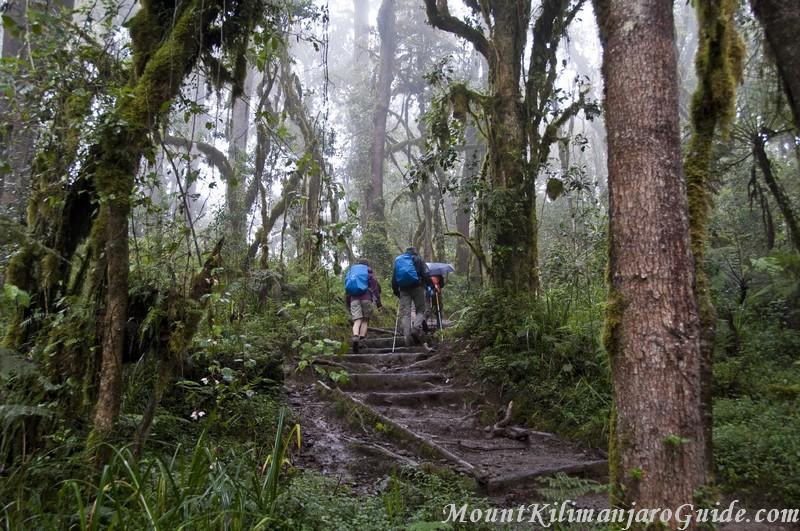
Rainy season brings muddy trails, clouds, and limited views
These months bring heavy rain, slippery paths, and frequent clouds.
Important notes:
- Lower success rate due to weather
- Muddy forest sections
- Fewer tour departures
- Cheaper prices but higher risk
Only experienced hikers usually choose this period.
June – October (Main Dry Season)
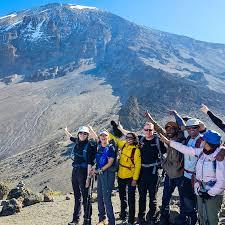
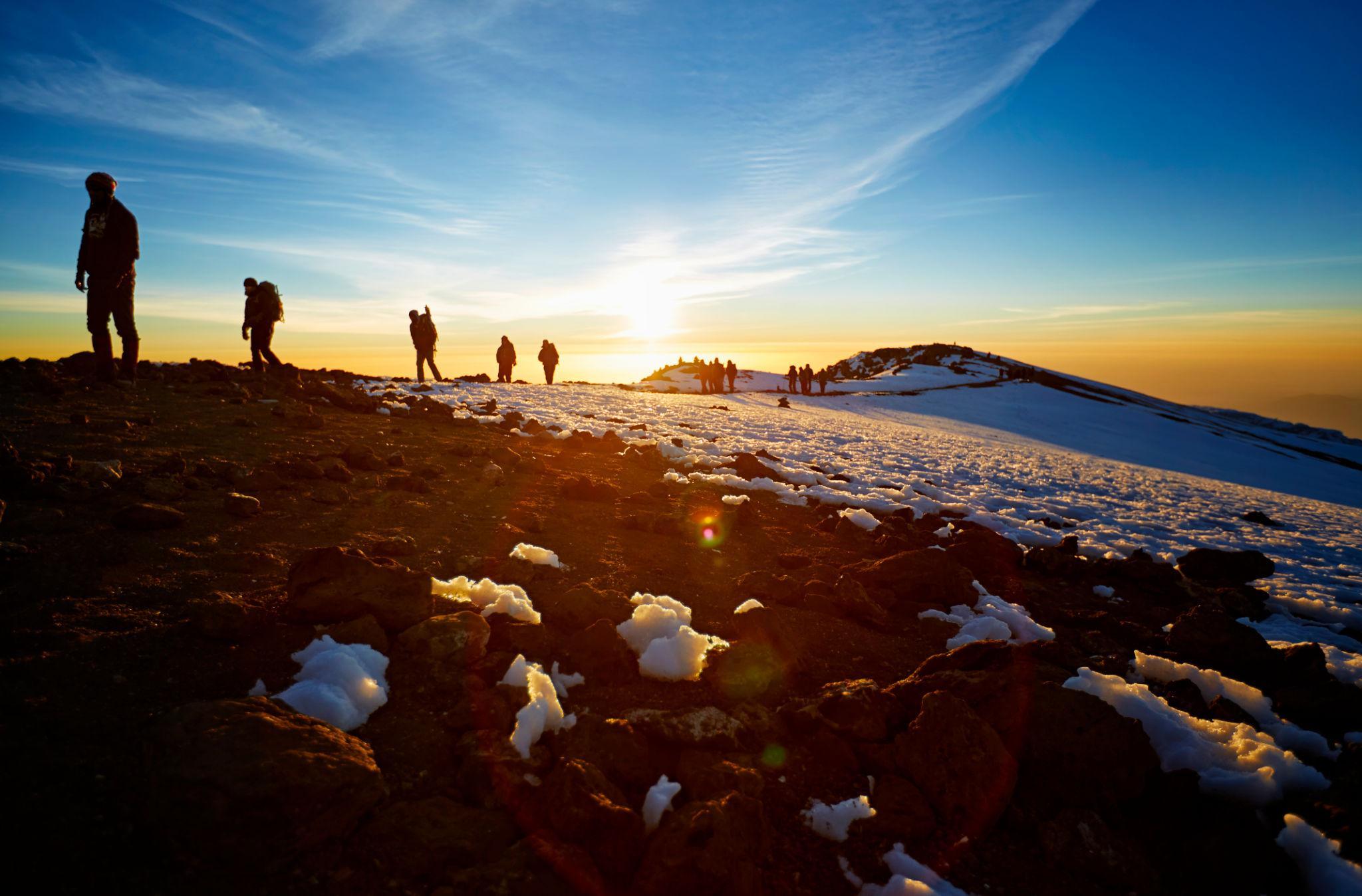
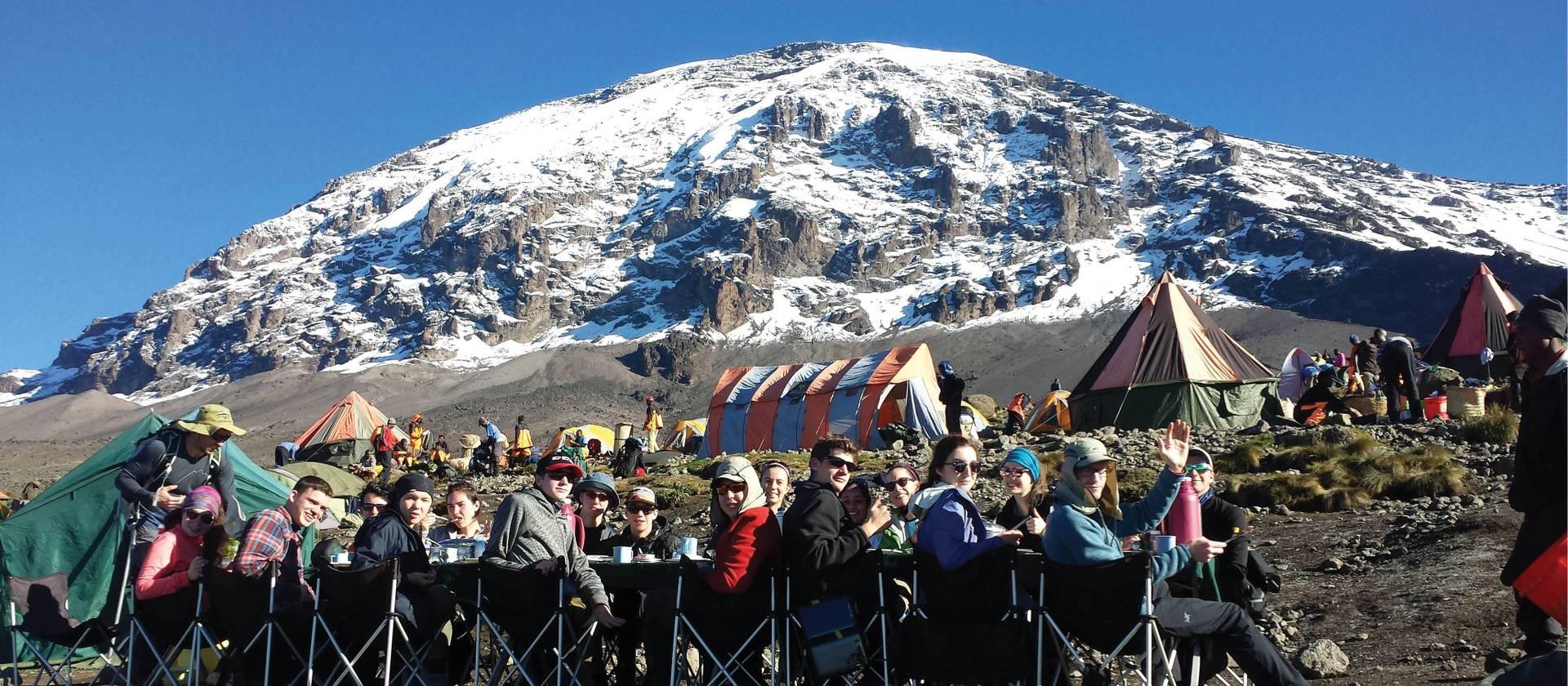
Main dry season offers excellent weather but higher crowd levels
This is the most popular time to climb Mount Kilimanjaro.
What to expect:
- Stable weather and clear skies
- Highest success rates
- Large number of trekkers
- Busy camps and summit nights
If you prefer strong weather conditions and do not mind crowds, this is the safest period.
November – Early December (Short Rainy Season)
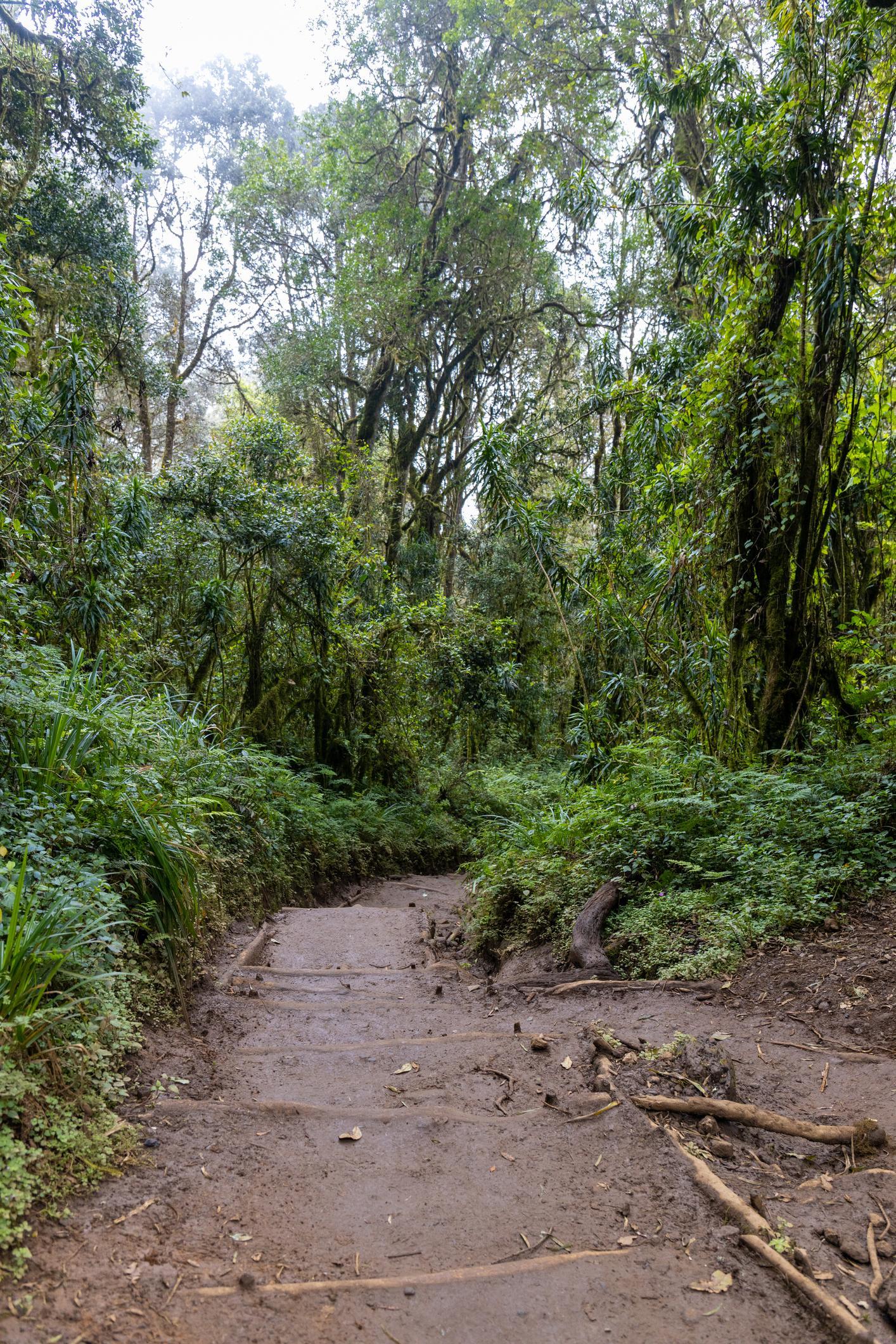
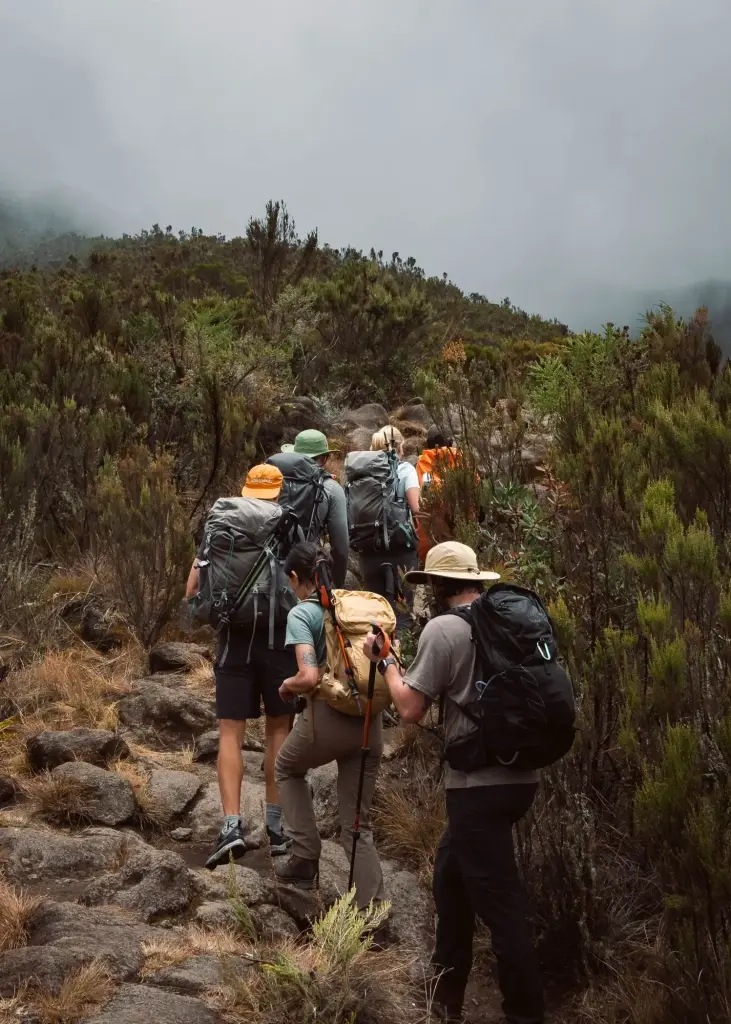
Mist and light rain are common during the short rainy season
Rainfall is lighter than April–May but still unpredictable.
Key points:
- Fewer tourists
- Mixed weather conditions
- Lower prices from tour operators
- Possible cloudy summit views
This period suits flexible travelers who can accept weather changes.
Temperature and Weather Conditions
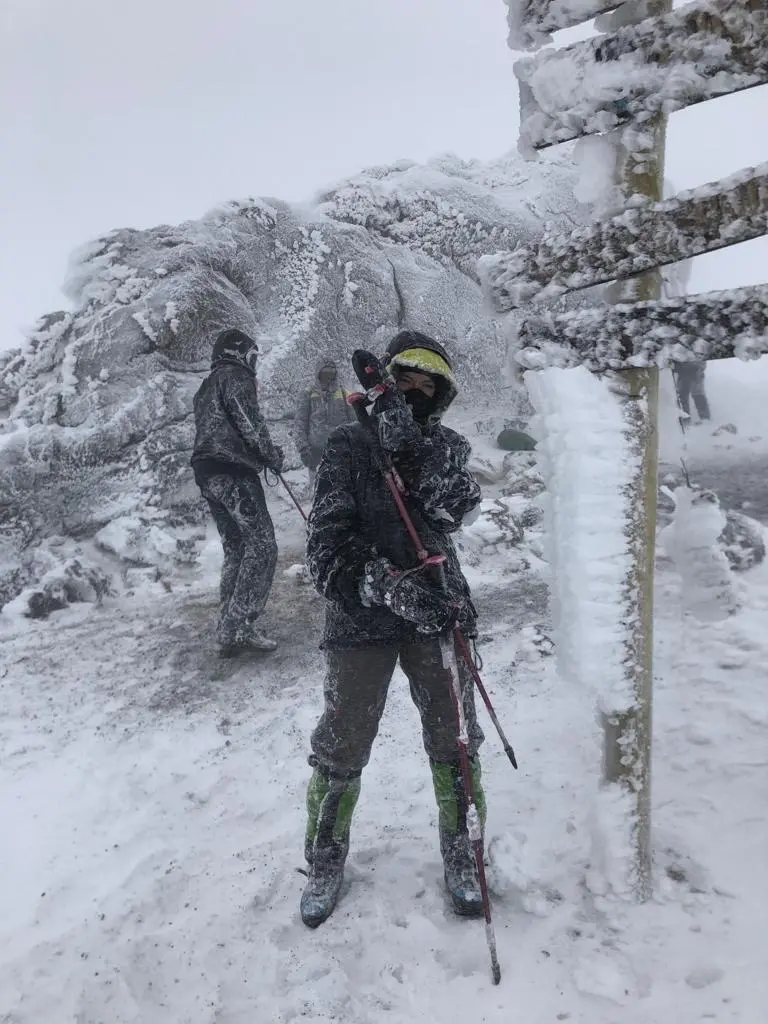
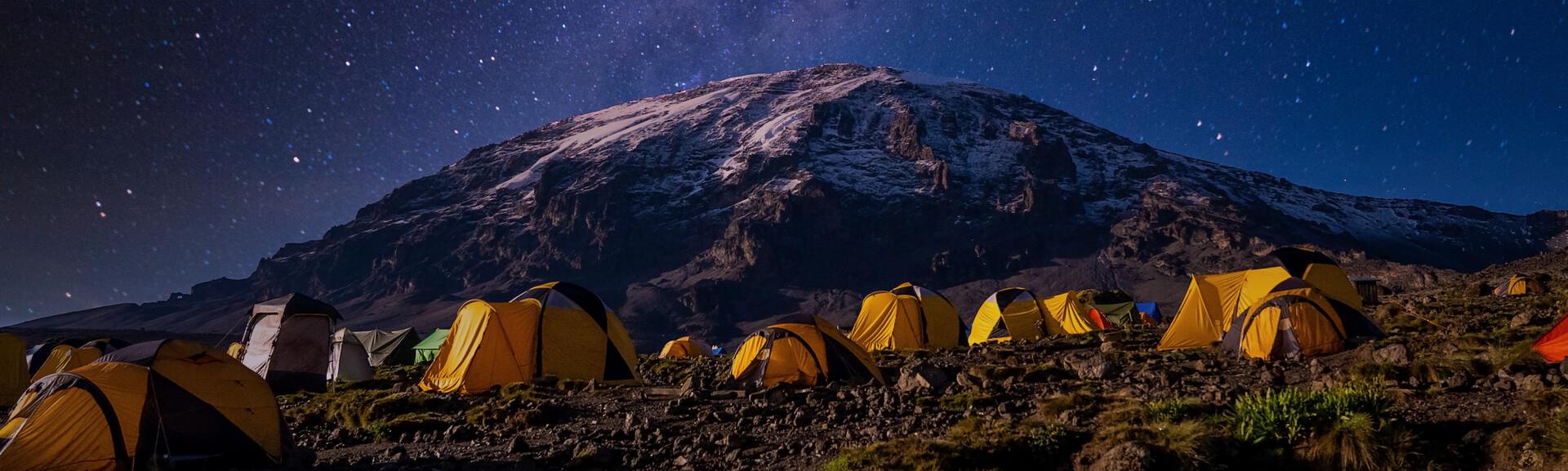
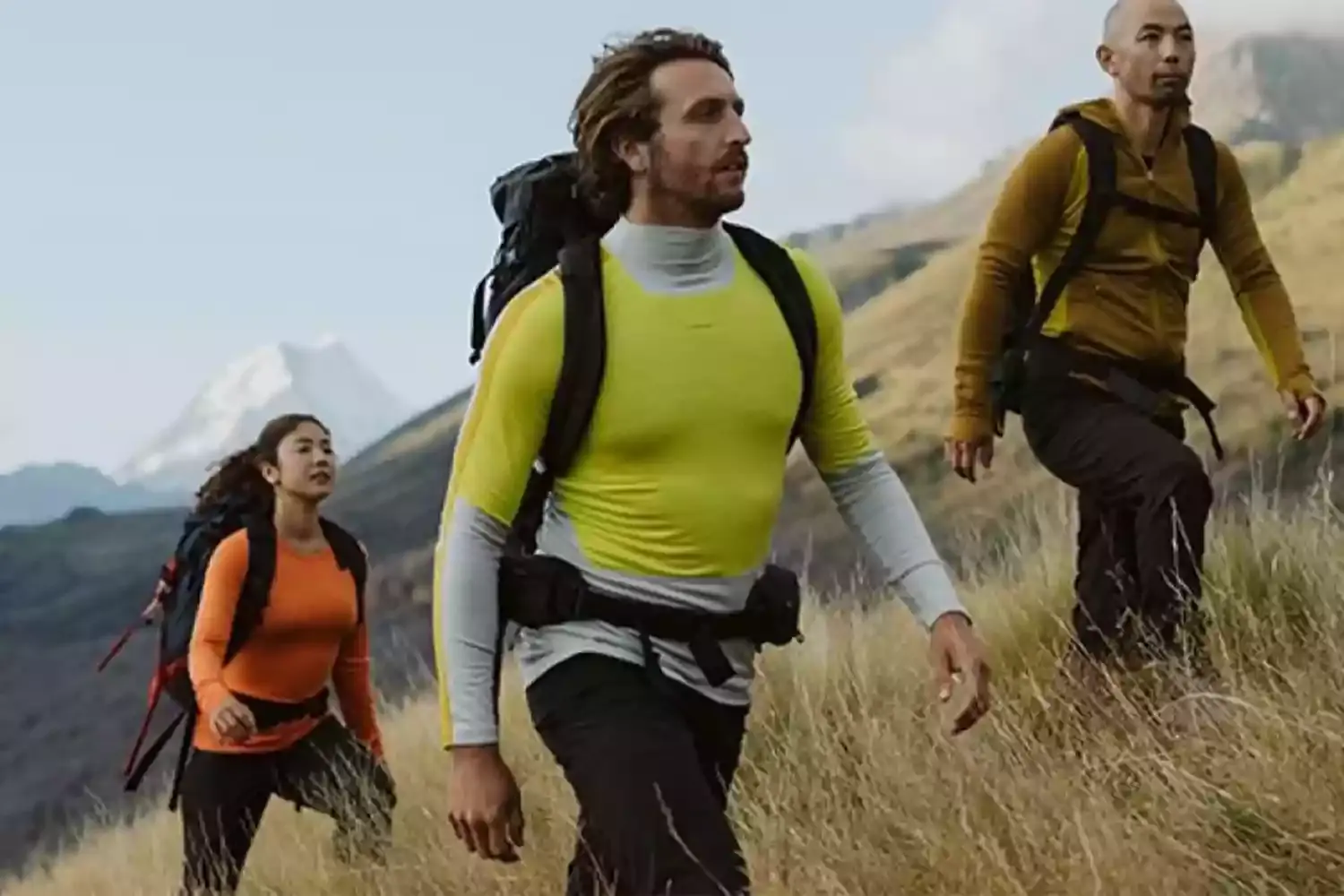
Temperatures drop sharply near the summit, especially at night
Kilimanjaro’s weather changes with altitude, not just season.
General conditions:
- Base areas are warm and humid
- Mid-altitude camps are cool at night
- Summit temperatures can drop below –10°C
- Strong winds are common near the top
Proper clothing layers are essential regardless of the month.
Crowd Levels and Summit Timing
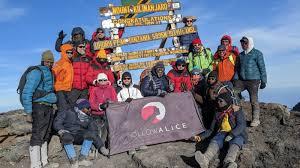
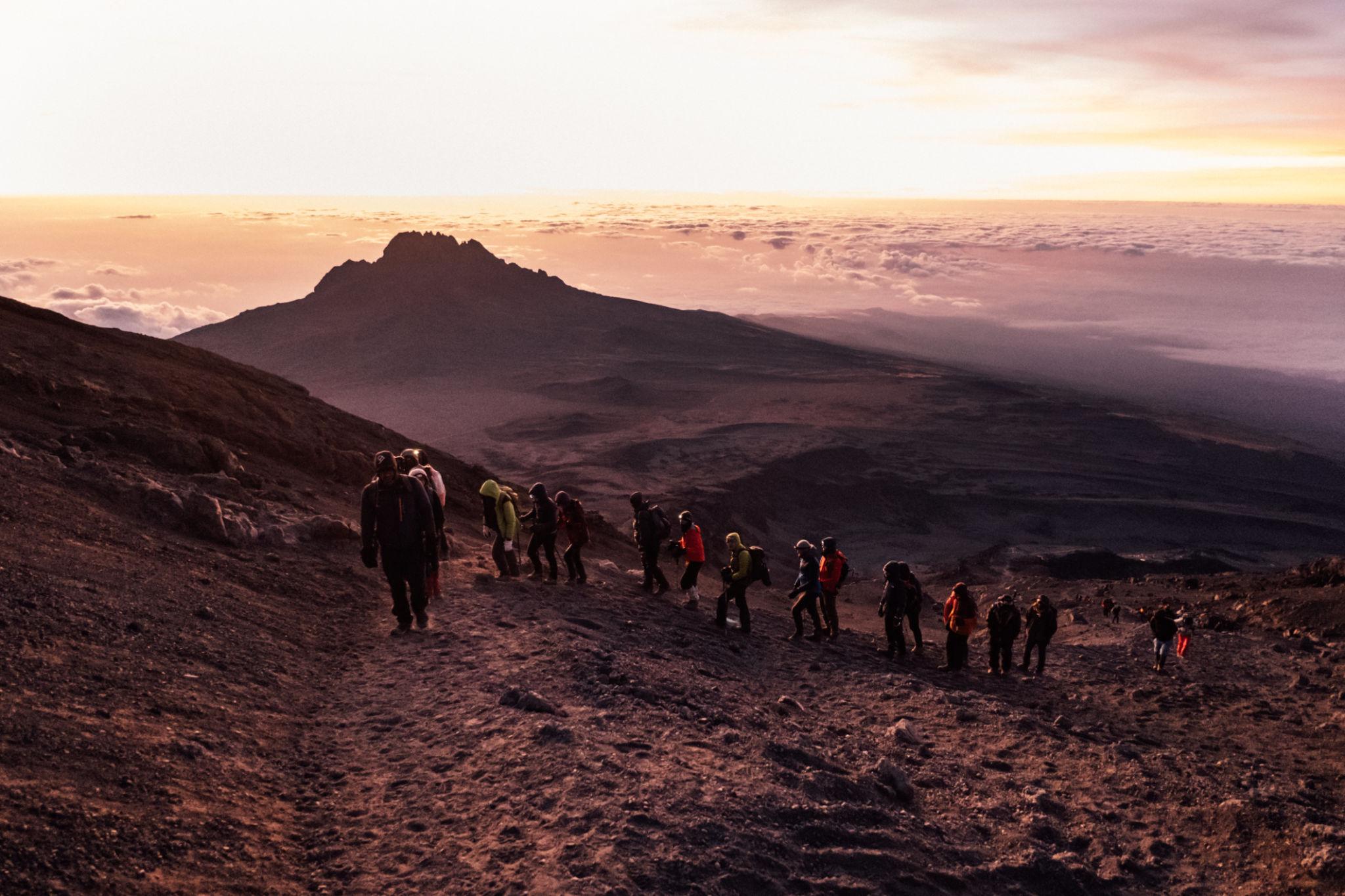
Summit night can be crowded during peak months, especially on popular routes
Crowds mainly depend on season and route choice.
General pattern:
- June–October: Highest crowds
- January–March: Moderate crowds
- Rainy seasons: Low crowds
Longer routes like Lemosho and Northern Circuit feel less crowded even during busy months.
Mount Kilimanjaro Complete Travel Guide (4)
How to Get There, Permits, Guide Rules & Costs
How to Get to Mount Kilimanjaro
4
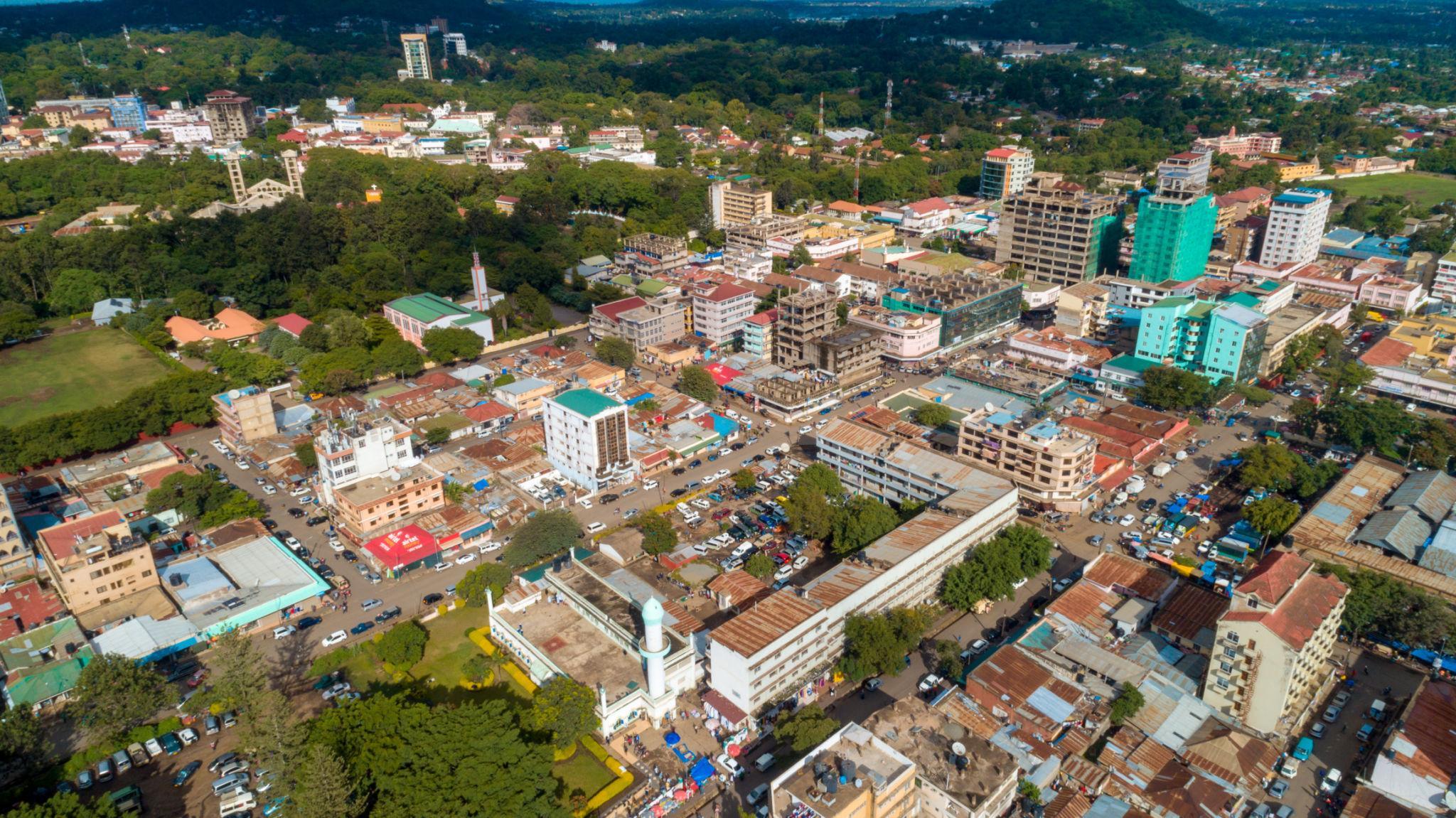
Travelers usually arrive through Kilimanjaro International Airport and continue to Moshi or Arusha
The main entry point for climbing Mount Kilimanjaro is Kilimanjaro International Airport (JRO) in Tanzania. This airport is located between the towns of Moshi and Arusha, which are the two main base cities for trekkers.
Common Travel Flow
- International flight to Kilimanjaro International Airport
- Transfer by taxi or tour vehicle to Moshi or Arusha
- Overnight stay in hotel before trek
- Drive to park gate on trek start day
Moshi is closer to the mountain and is the most popular base town. Arusha is larger and offers more flight connections.
Do You Need a Guide or Travel Company?
4
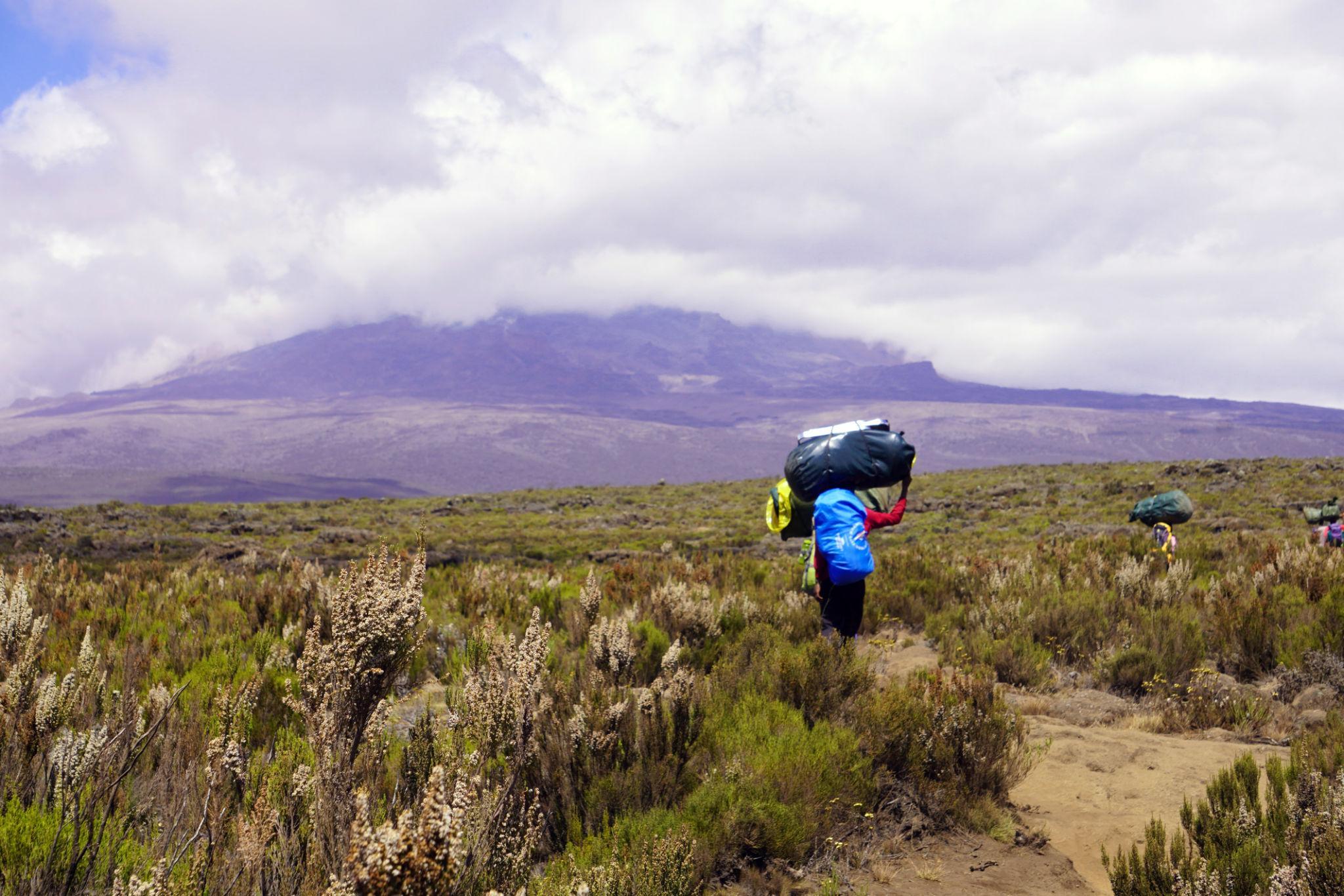
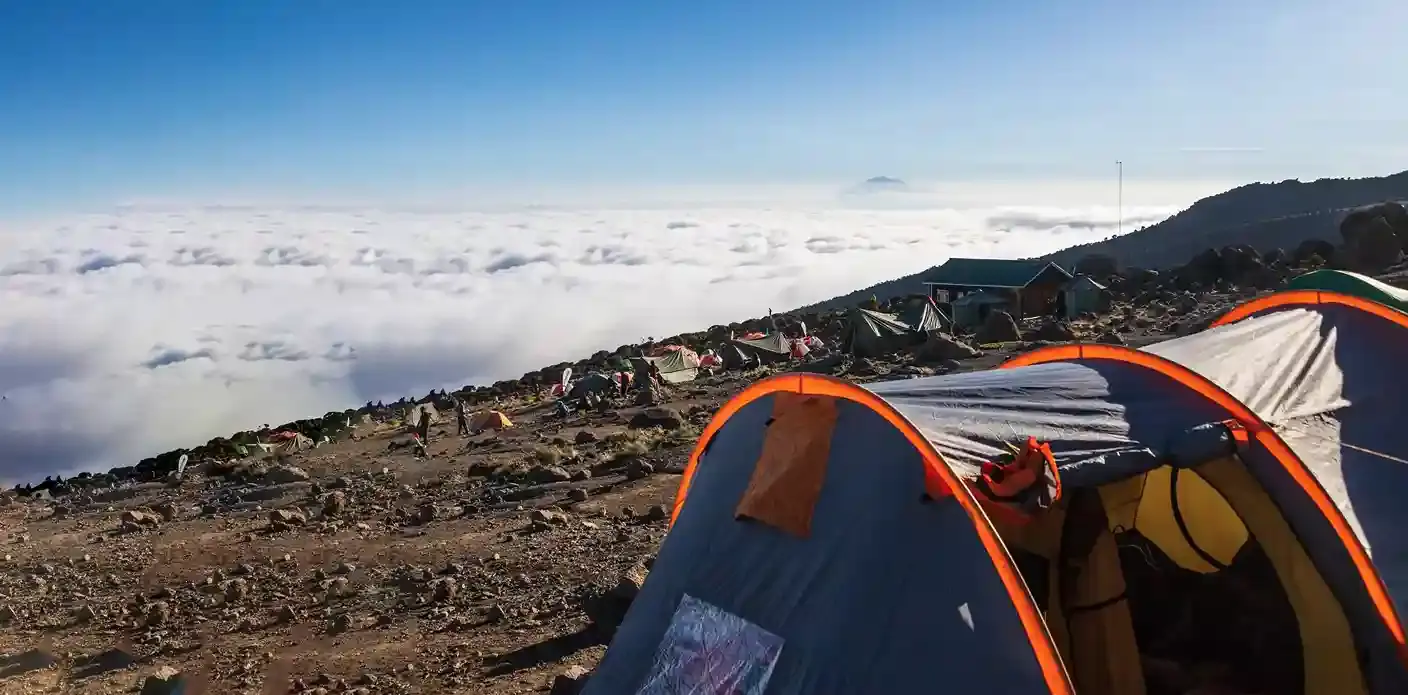
Every climber must be accompanied by licensed guides and support staff
Yes — a licensed guide and tour company are mandatory. Independent trekking is not allowed on Mount Kilimanjaro.
This rule is enforced by the Tanzanian National Park authority for safety and employment reasons.
A licensed operator provides:
- Certified mountain guides
- Porters to carry tents and bags
- Cooks and kitchen staff
- Park entry permits and route booking
- Emergency support and altitude monitoring
You cannot legally enter the climbing routes without a registered company.
Permits and Park Entry Rules
4
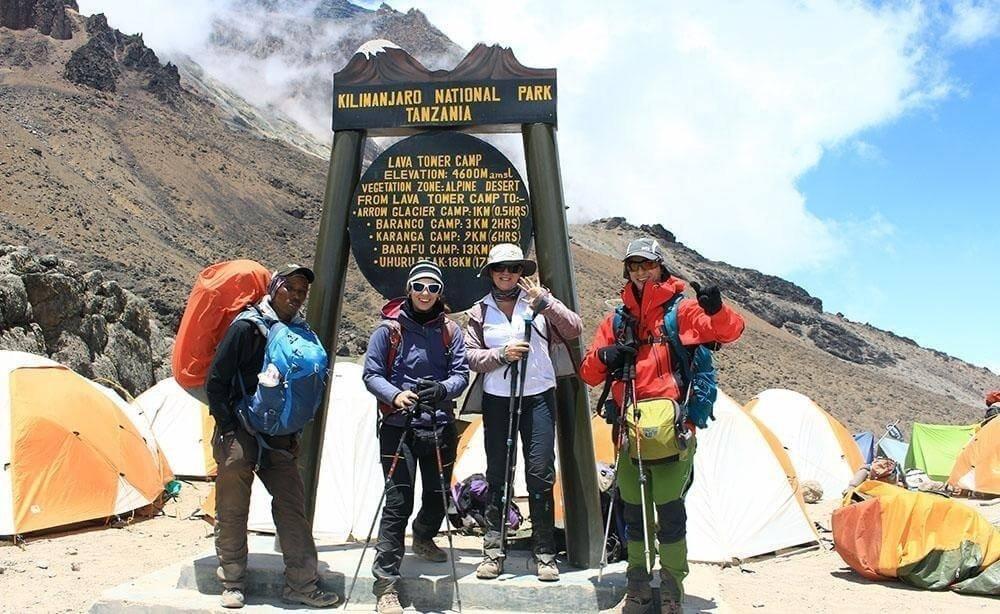
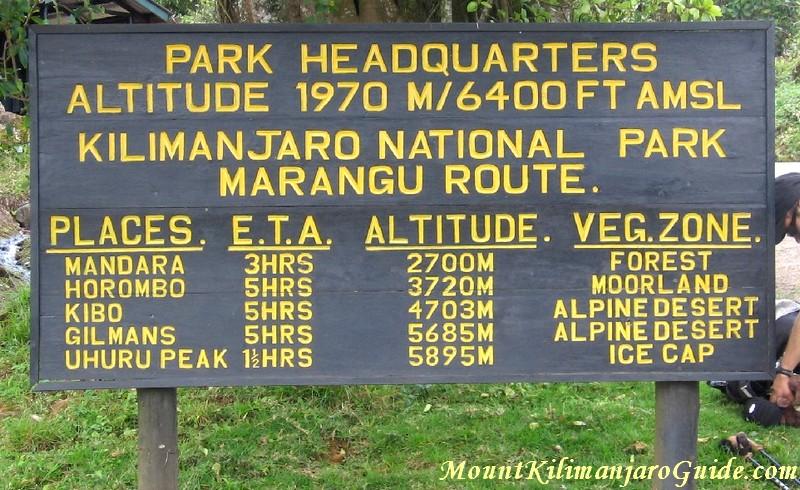
All climbers must enter through official park gates with registered permits
You do not need to apply for permits yourself. The tour operator handles all permits as part of the package.
Important points:
- Park entry is charged per day
- Rescue and camping fees are included
- Routes must be pre-registered
- Passport details are required for booking
There is no separate trekking visa, but you must have a valid Tanzanian tourist visa to enter the country.
Average Costs of Climbing Kilimanjaro
4
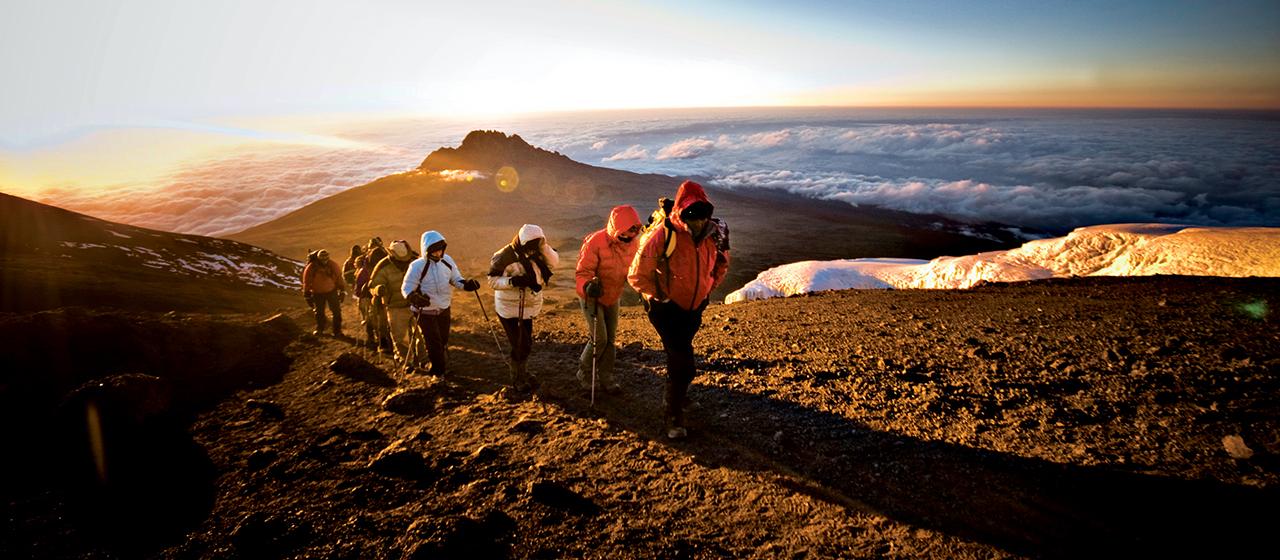
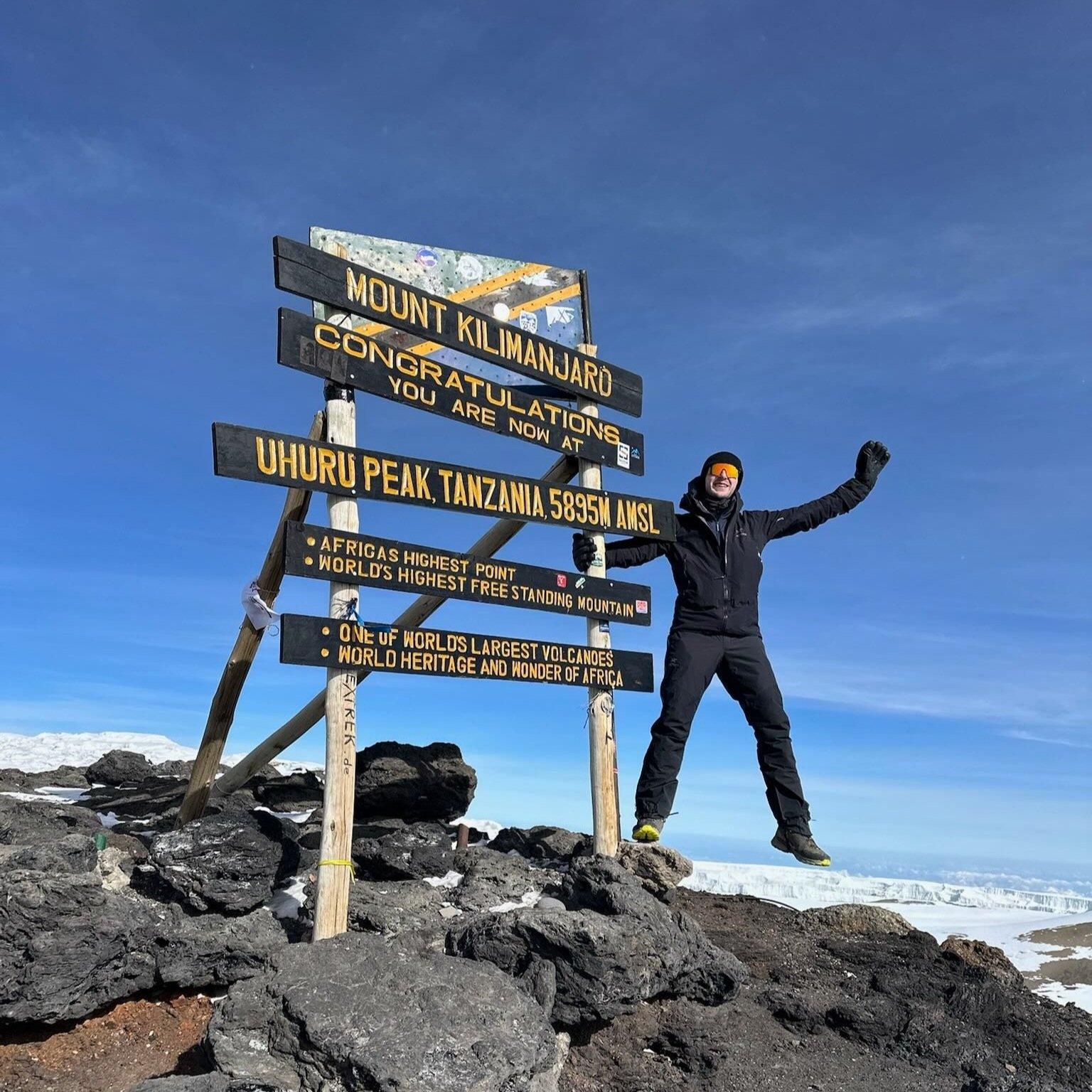
Costs vary based on route length, group size, and comfort level
Kilimanjaro is not a cheap trek because park fees and staff wages are fixed by law.
Typical Price Range (Per Person)
- Budget Group Tours: 1,800 – 2,200 USD
- Standard Tours: 2,300 – 3,000 USD
- Private / Luxury Tours: 3,500 USD and above
The price usually includes:
- Guides and porters
- Camping equipment
- Meals during trek
- Park permits and rescue fees
- Transfers from airport to hotel
Flights, visas, tips, and personal gear are normally not included.
Booking Tips and Practical Advice
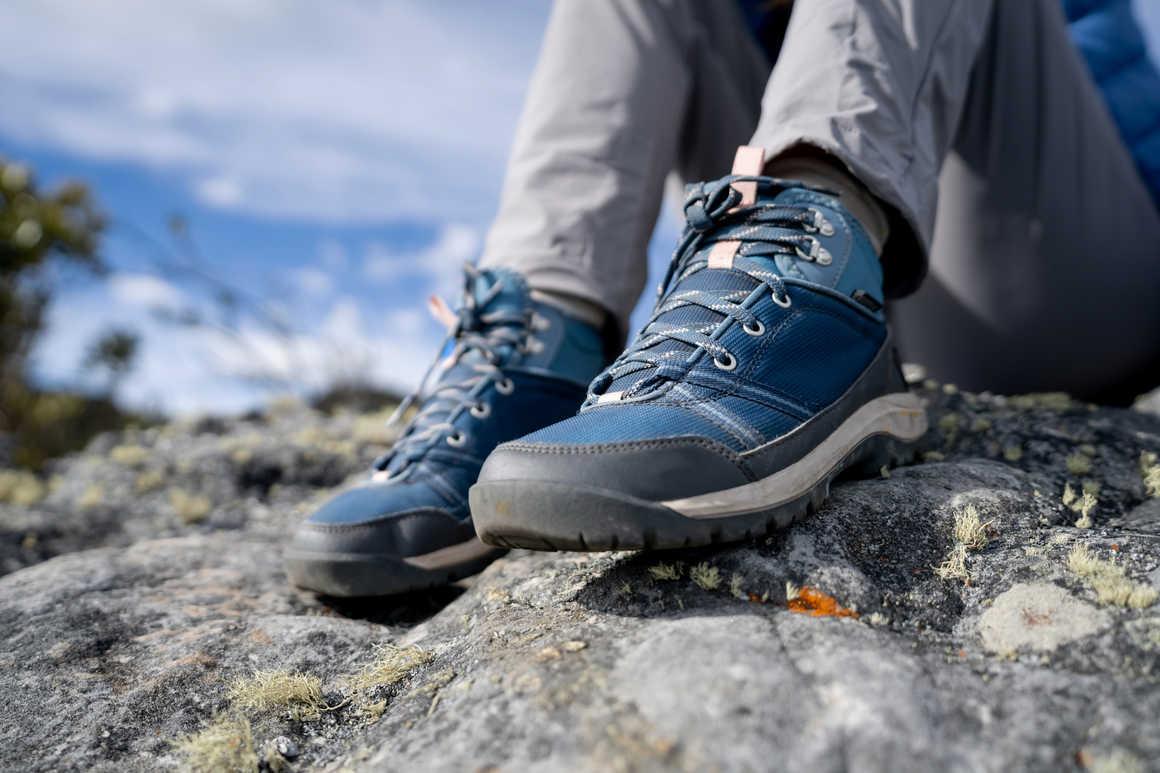
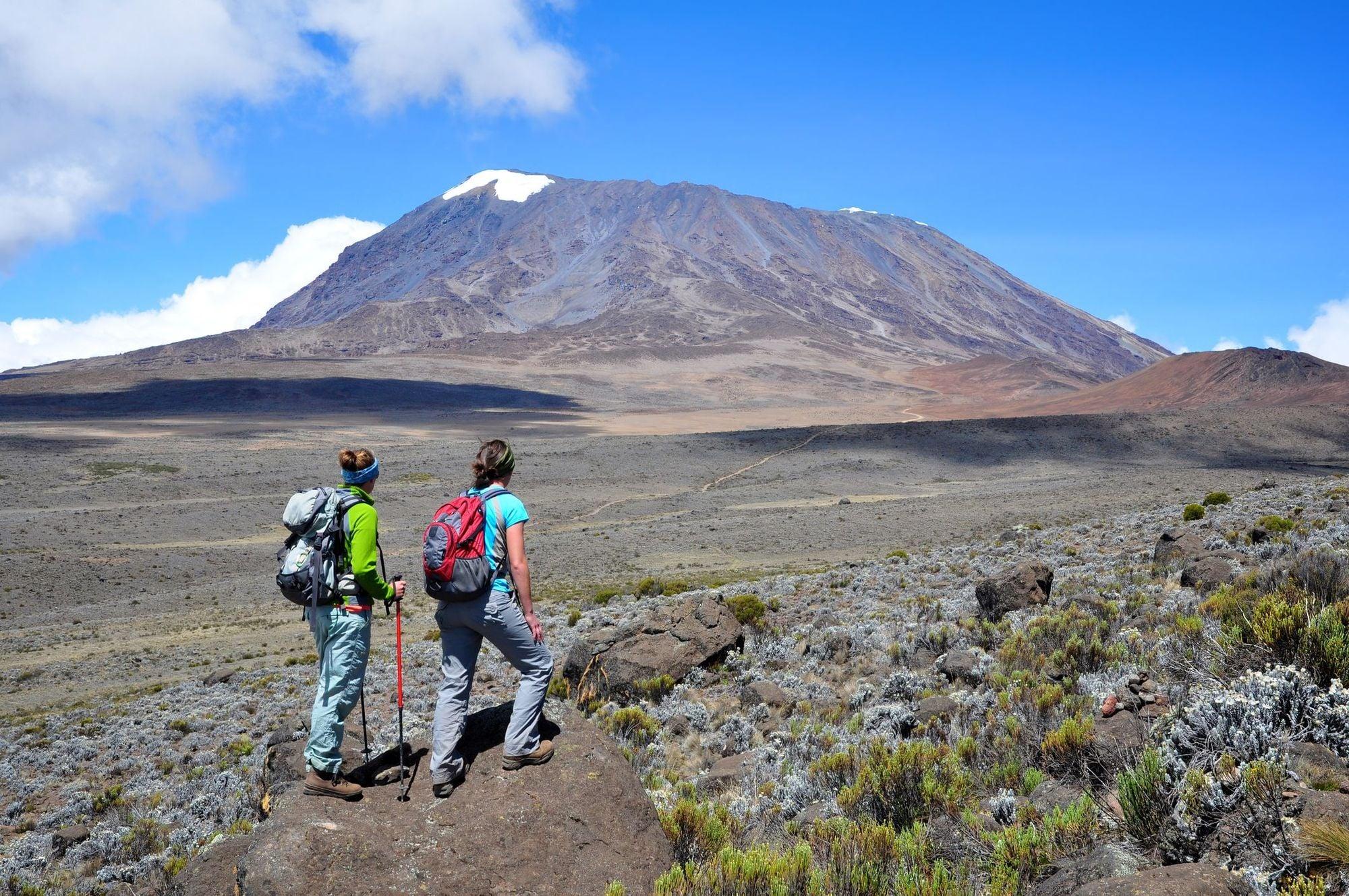
4
Proper planning and early booking improve summit success chances
Useful tips before booking:
- Book at least 3–6 months early in peak season
- Choose longer routes for better acclimatization
- Check operator safety record and reviews
- Confirm equipment quality and group size
- Train physically before arrival
Cheapest is not always safest. A reliable operator increases success and safety.
Mount Kilimanjaro Complete Travel Guide (Final)
Packing, Accommodation, Food, Common Mistakes & Final Advice
What to Pack for Mount Kilimanjaro
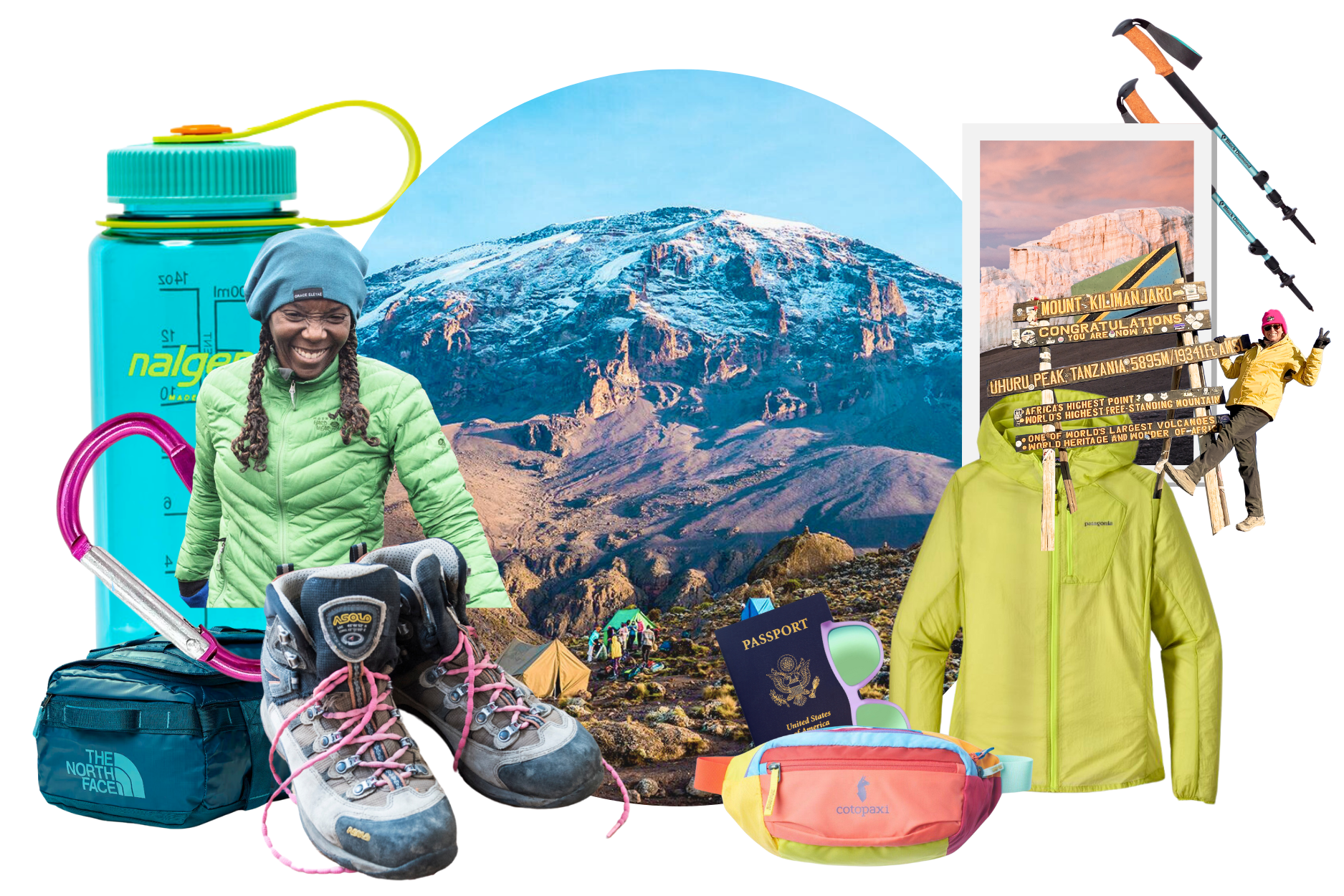
4
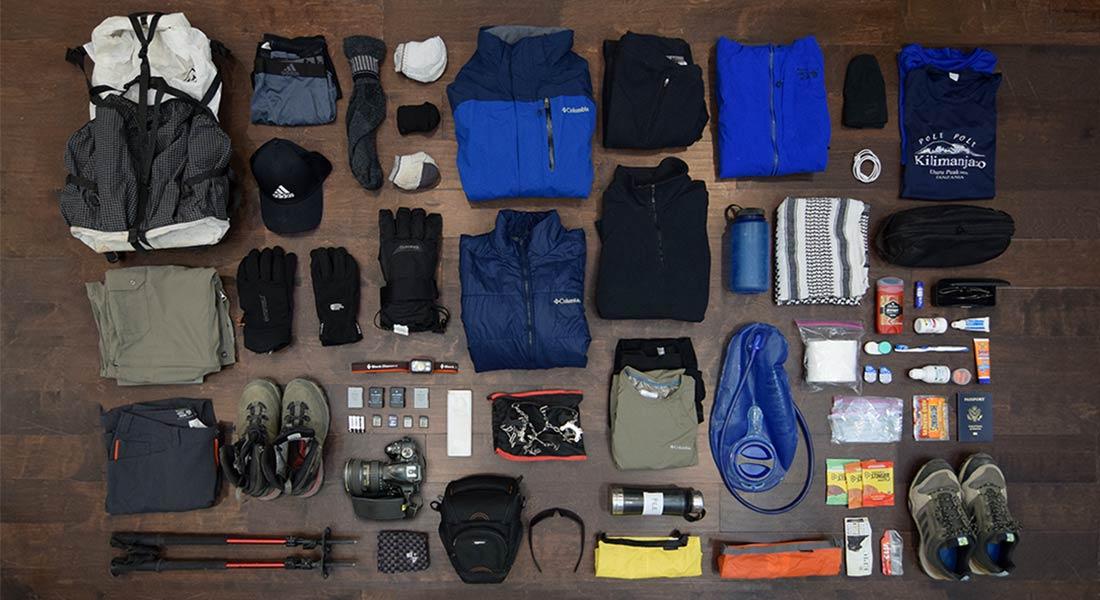
Essential trekking gear and layered clothing for high-altitude conditions
Packing correctly is one of the biggest success factors on Kilimanjaro. Weather changes quickly as you gain altitude, so layered clothing is necessary.
Important items include:
- Warm down jacket and thermal layers
- Waterproof jacket and pants
- Good trekking boots with ankle support
- Gloves, hat, and neck cover
- Headlamp for summit night
- Sunglasses and sunscreen
- Reusable water bottles or hydration pack
- Basic medicines and altitude tablets (if advised by a doctor)
Tour companies usually provide tents and sleeping mats, but personal clothing and boots must be your own.
Accommodation Before and After the Trek
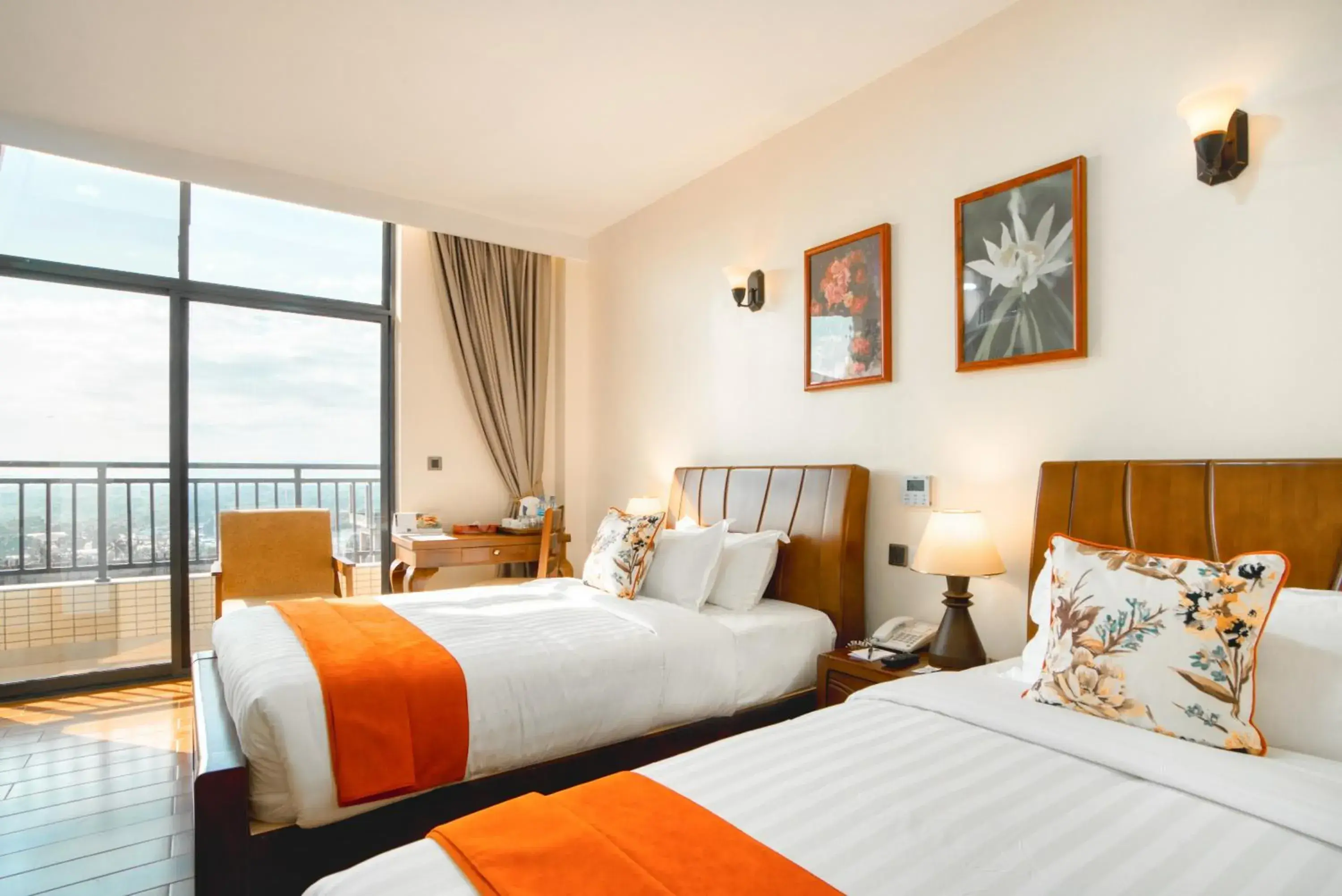
4
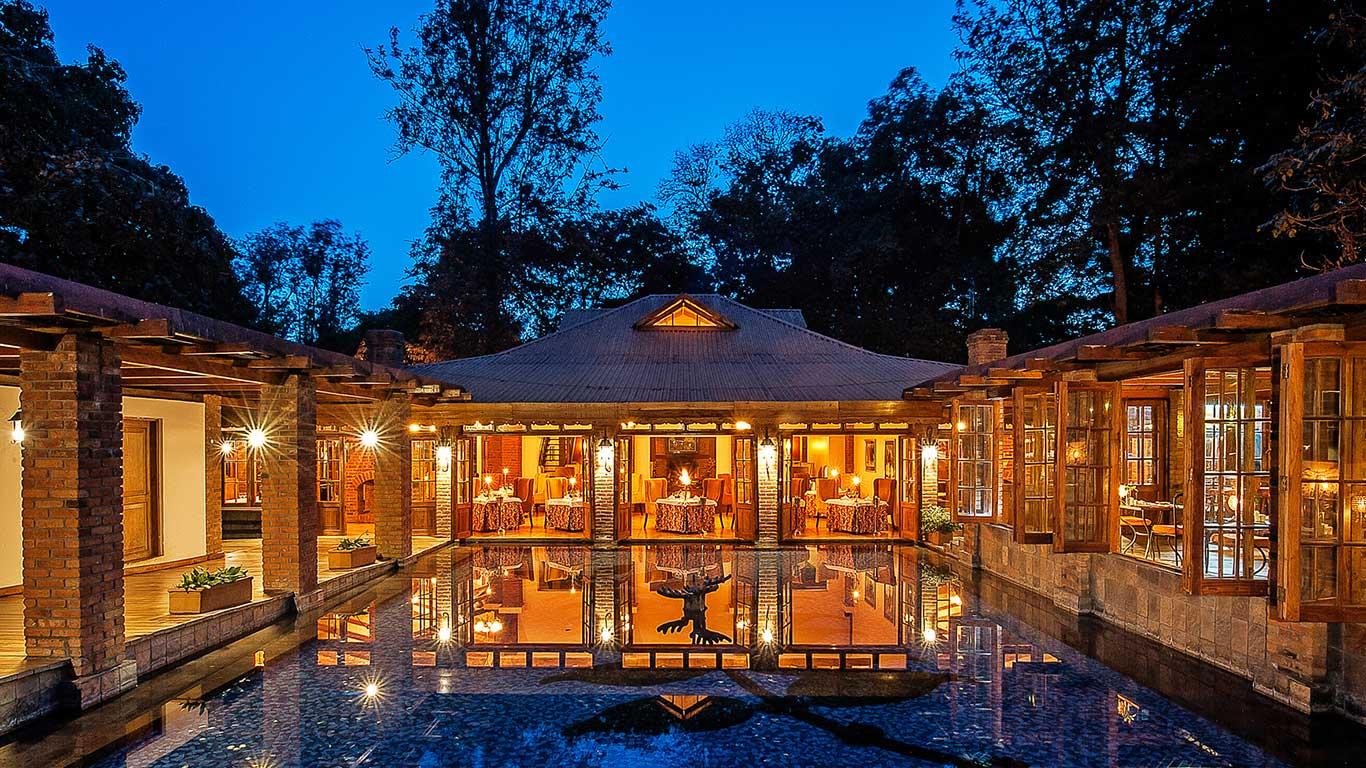
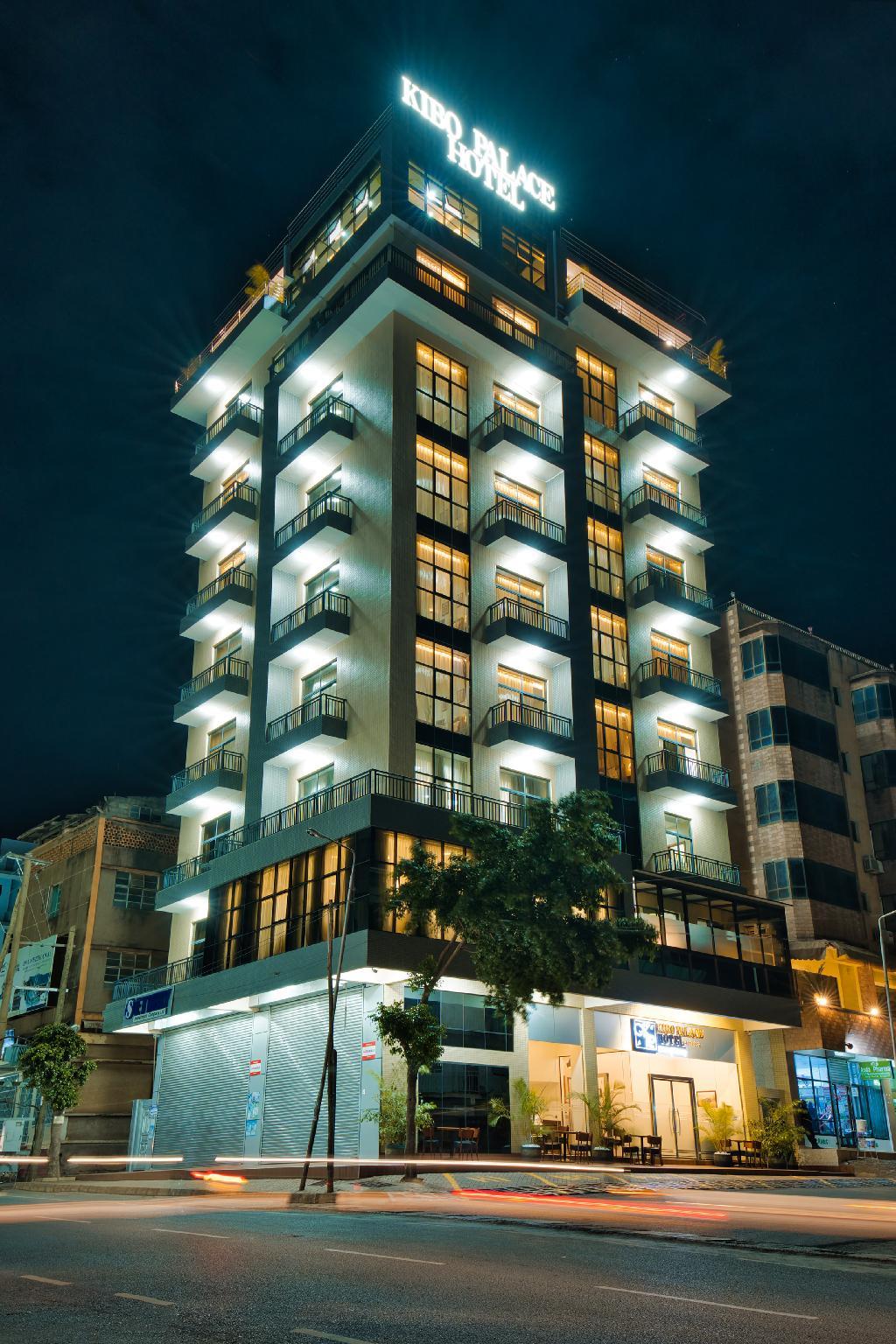
Most trekkers stay in simple hotels or lodges in Moshi or Arusha before and after the climb
Before the trek, travelers normally stay 1–2 nights in Moshi or Arusha. These towns have many budget and mid-range hotels.
Accommodation during the trek is:
- Camping tents on most routes
- Mountain huts only on the Marangu Route
After the climb, one comfortable hotel night is highly recommended for rest and recovery.
Food, Water and Hygiene on the Mountain
4
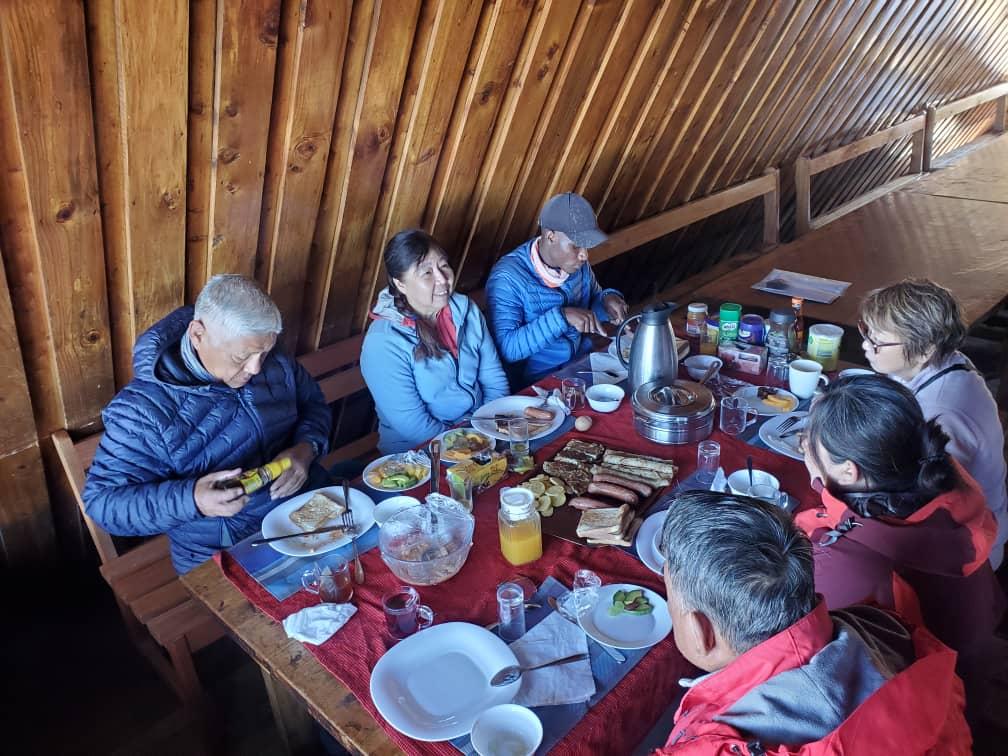
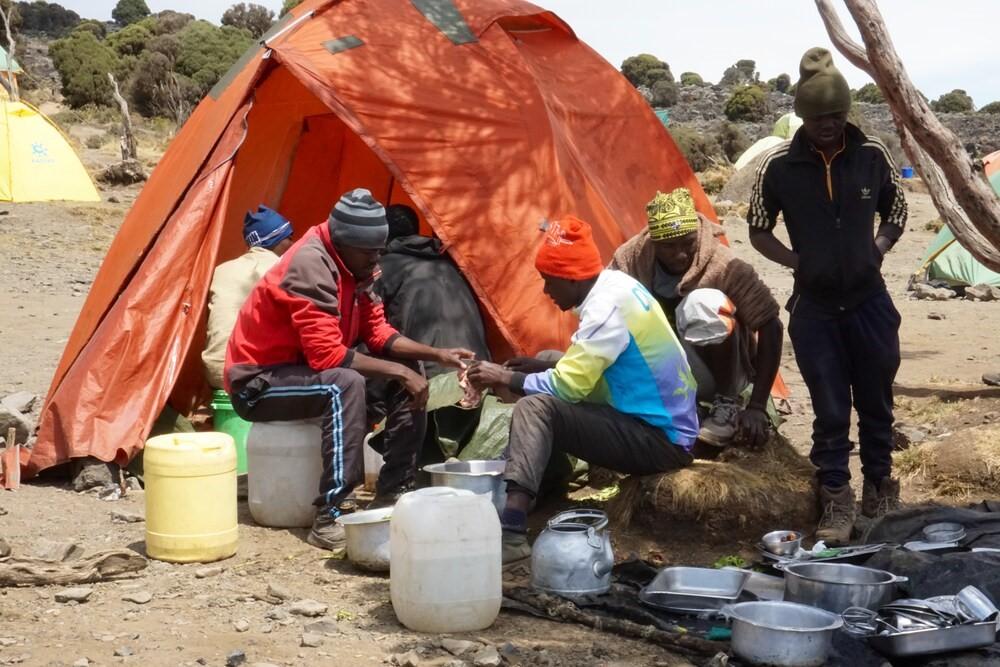
Support teams prepare hot meals and boiled drinking water at each camp
Meals are prepared by the trekking support crew. Food is simple but filling because energy is important at altitude.
Typical meals include:
- Rice, pasta, potatoes, and vegetables
- Soup and bread
- Eggs or chicken
- Tea, coffee, and biscuits
Water is boiled and filtered by the crew. Personal hygiene is basic because there are no showers on most routes. Wet wipes and hand sanitizer are useful.
Common Mistakes Climbers Make
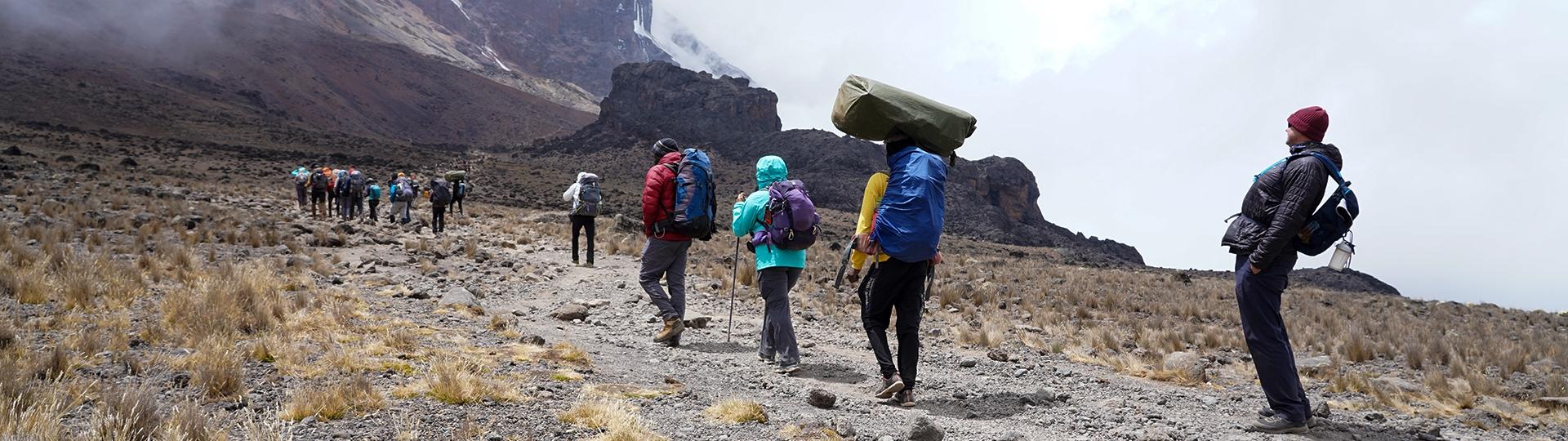
4
Fatigue and altitude problems often happen when climbers rush or underestimate preparation
Avoiding common mistakes increases your chance of reaching the summit.
Frequent mistakes include:
- Choosing the shortest route to save money
- Not training before arrival
- Ignoring altitude symptoms
- Packing too heavy or too light
- Rushing instead of walking slowly
- Booking unreliable cheap operators
The mountain rewards patience and preparation more than speed.
Final Advice – Is Kilimanjaro Worth It?
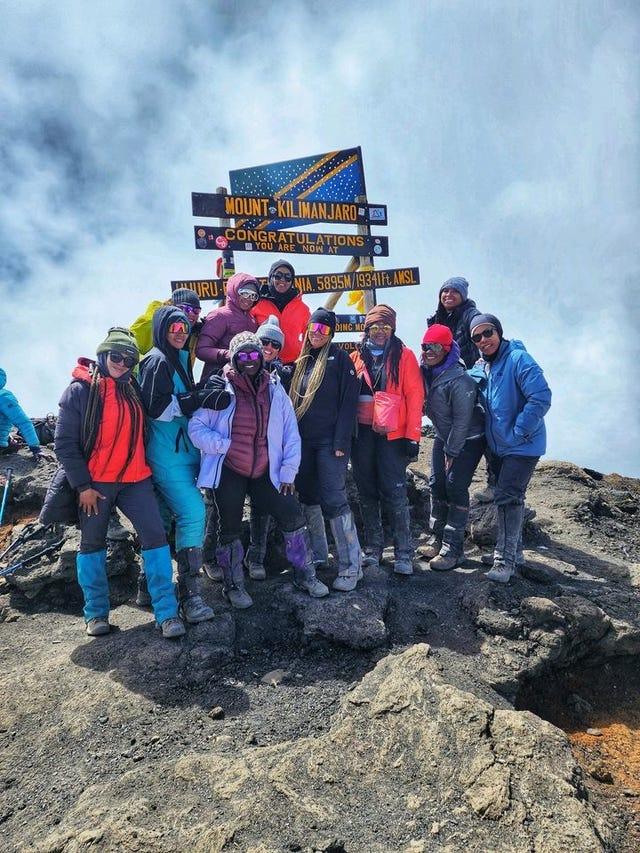
4
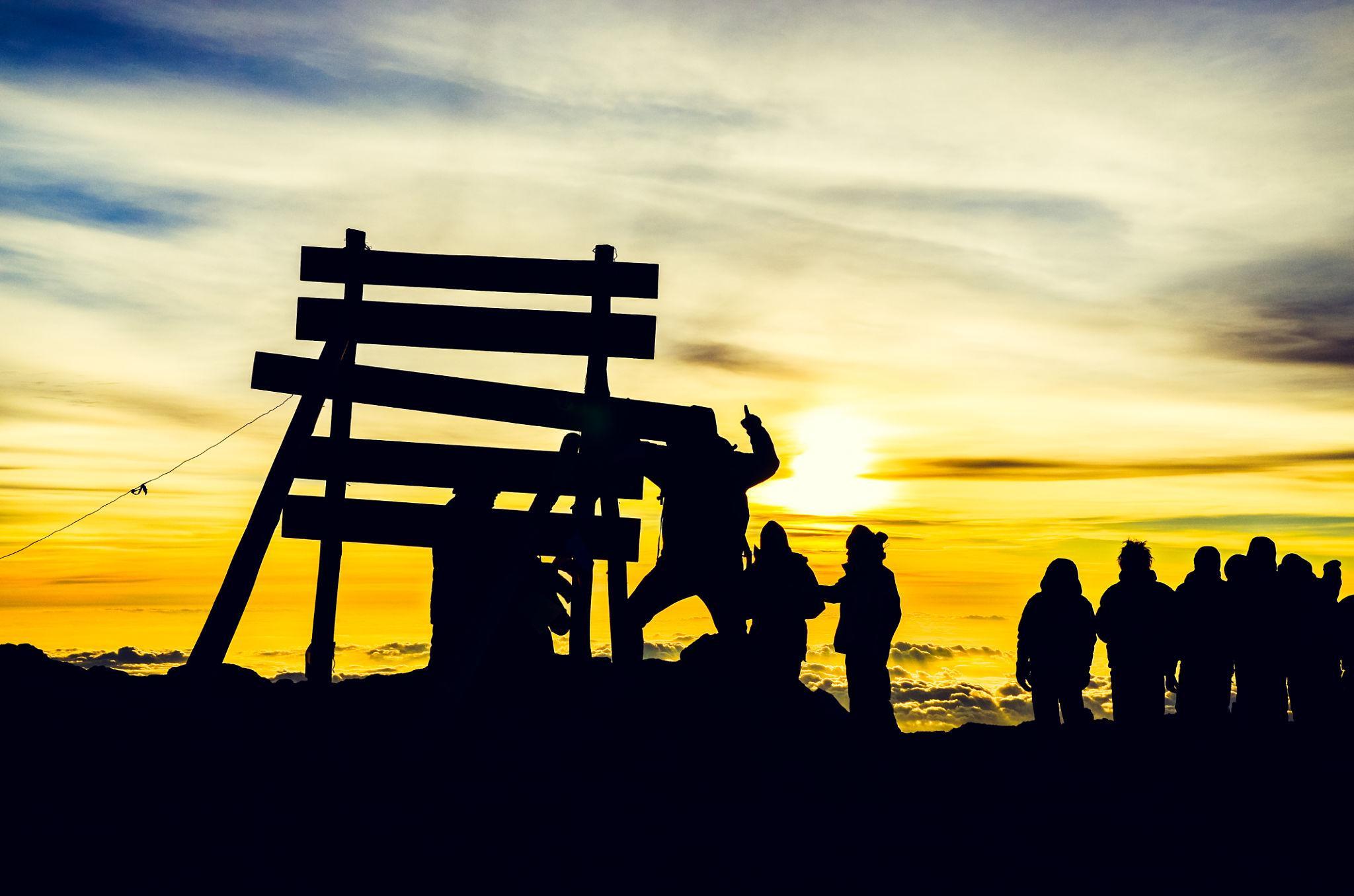
Reaching the summit at sunrise is the most memorable moment for most climbers
Climbing Kilimanjaro is challenging but achievable for many travelers with good planning. It does not require technical climbing skills, but it does demand fitness, mental strength, and proper acclimatization.
Reasons it is worth the effort:
- Highest mountain in Africa
- Unique landscapes from rainforest to glaciers
- Strong support system with guides and porters
- A clear and realistic summit goal
Walk slowly, listen to your guide, stay hydrated, and focus on steady progress. For many people, standing at the summit during sunrise becomes a lifelong memory.
Image Credits
Unsplash, Shutterstock, Getty Images, Wikimedia Commons
![K2 Base Camp Trek: Ultimate Guide k2 Trek 2026 [UPDATED]](https://karakoramdiaries.com/storage/ultimate-guide-to-k2-base-camp-trek-full-document-150x150.png)