Torres del Paine O Circuit Complete Tour Guide
Table of contents [Show]
Overview, Location, History & Why It Is a Top Trek
What Is the Torres del Paine O Circuit?
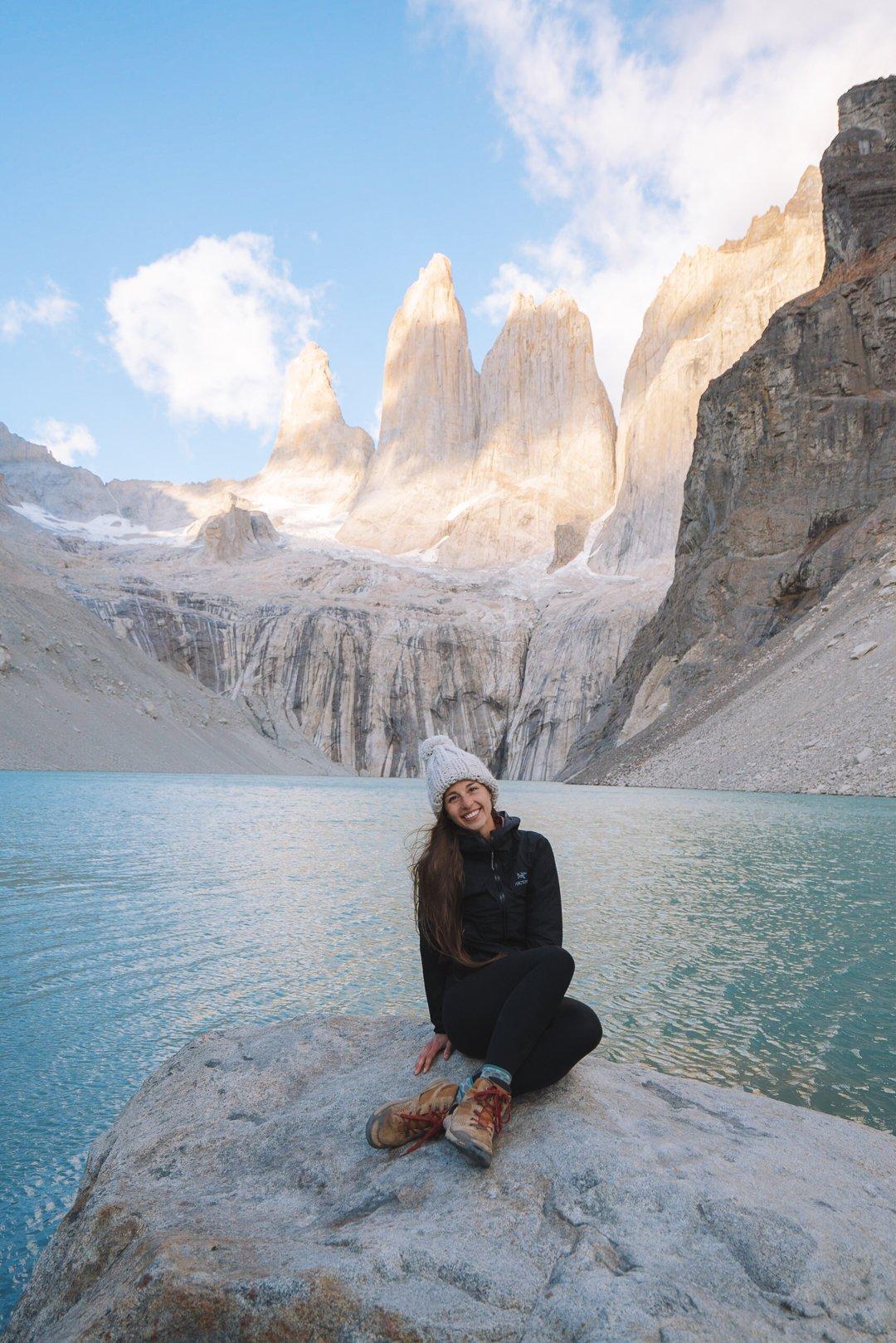
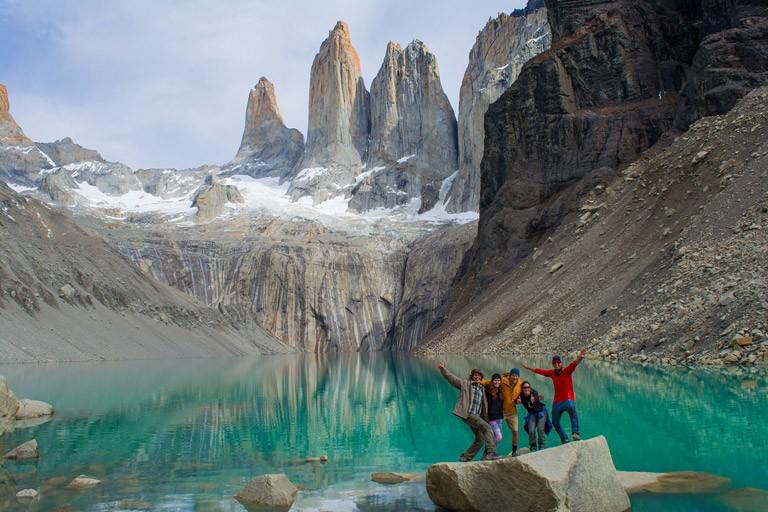
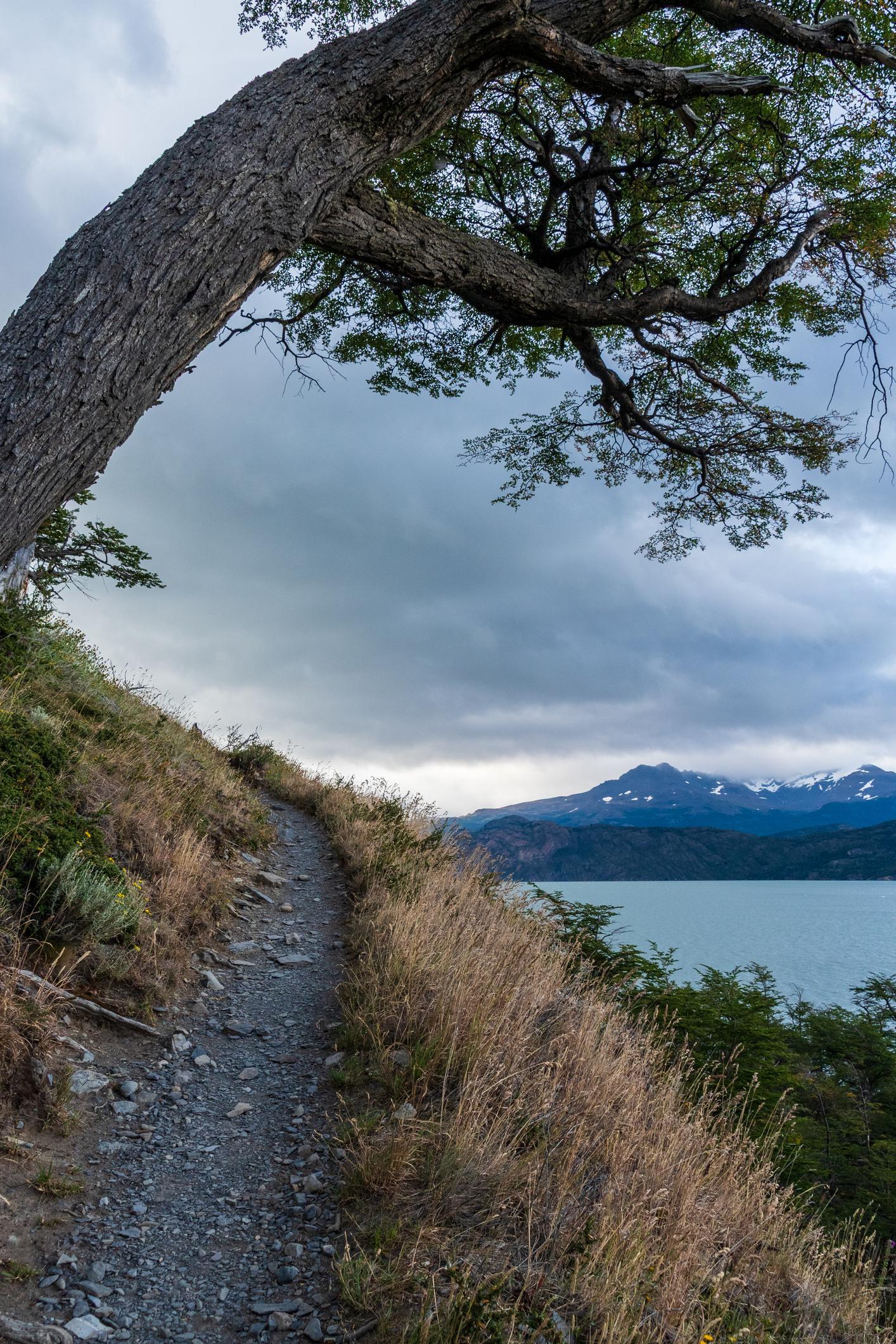
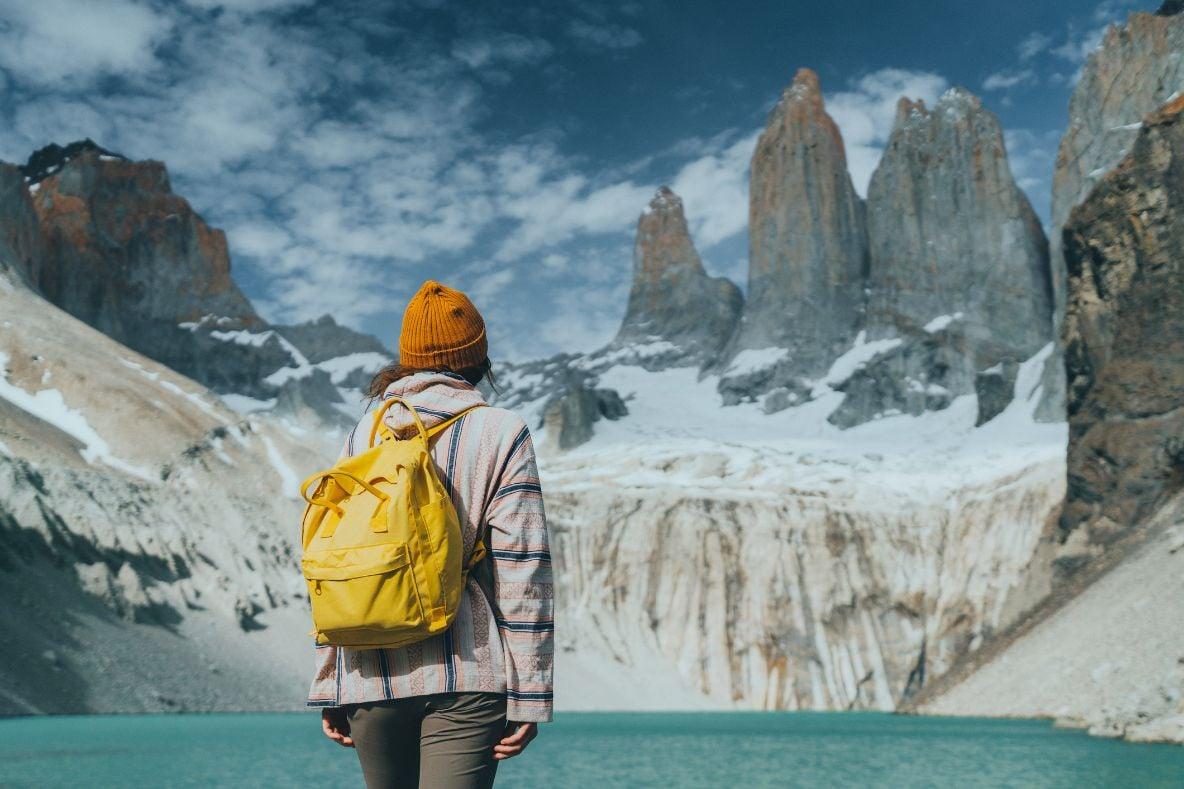
Hikers walking through wild Patagonia on the O Circuit
The rugged Paine Massif seen from a remote section of the O Circuit
The Torres del Paine O Circuit (often called the O Trek) is a renowned multi-day long-distance hiking route inside Torres del Paine National Park in southern Patagonia, Chile.
Unlike the shorter W Trek, the O Circuit:
• Loops completely around the Paine Massif
• Covers remote valleys and ridges
• Includes spectacular views of mountains, glaciers and lakes
• Feels like a true wilderness adventure
It’s one of the world’s most scenic and immersive hiking experiences for strong trekkers.
Where the O Circuit Is Located
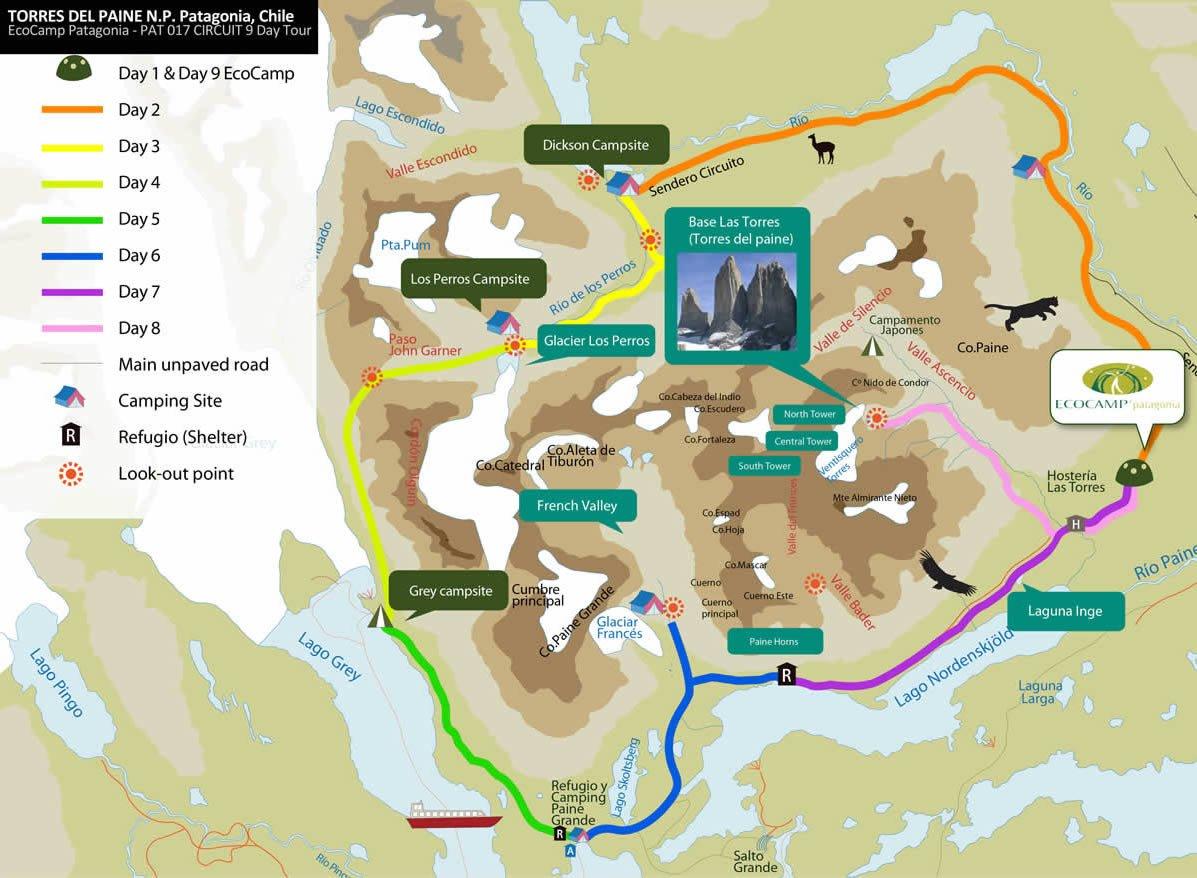
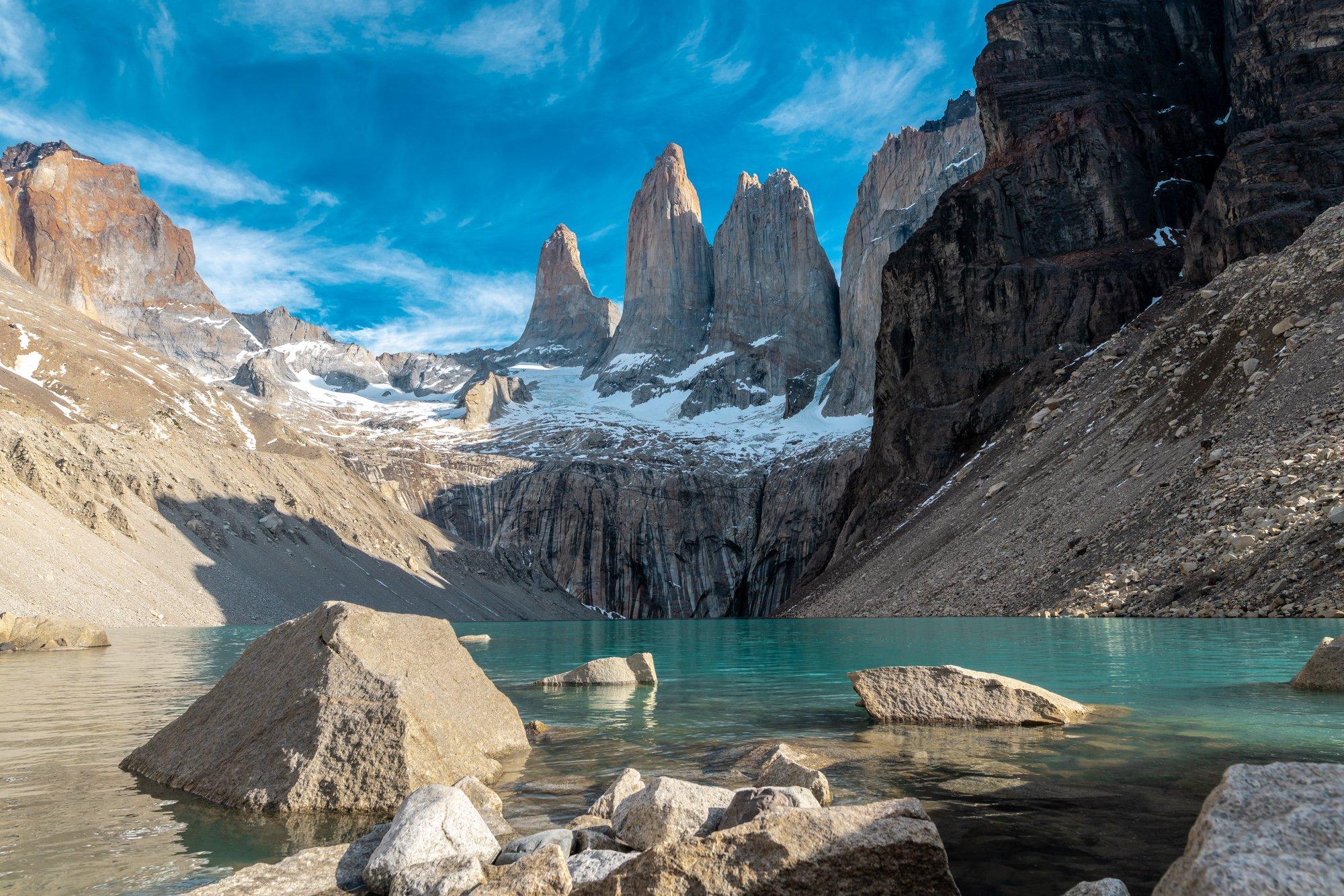
Map of Torres del Paine National Park showing major routes
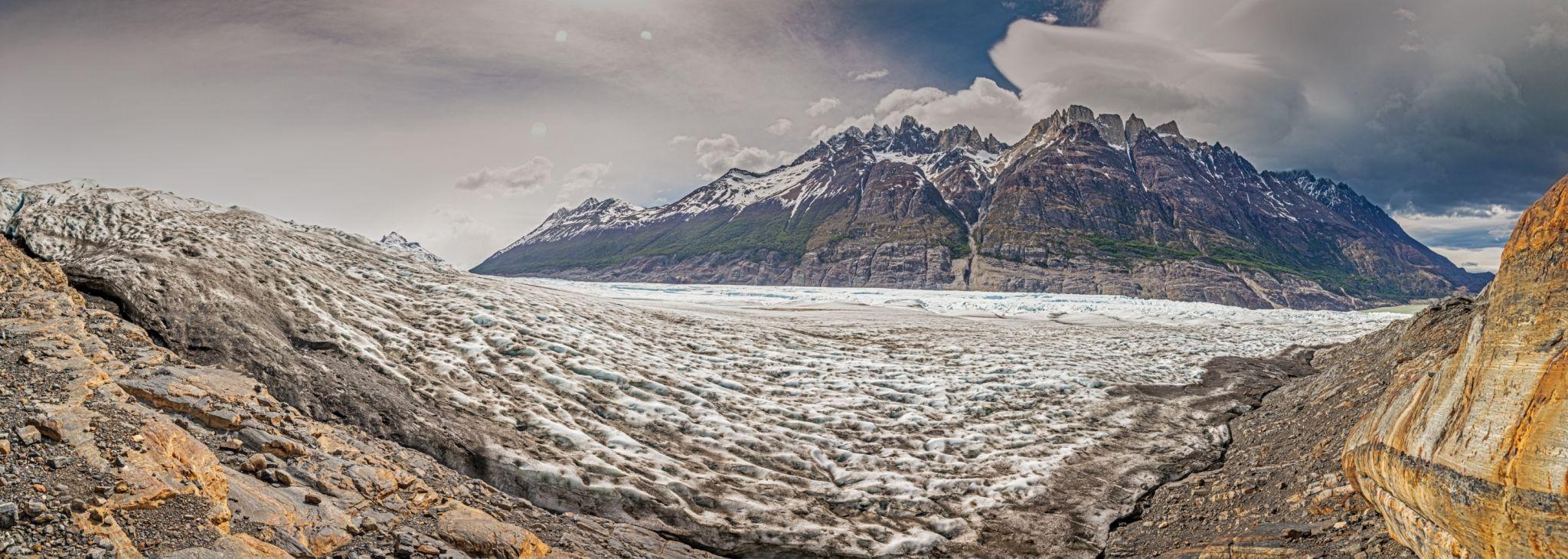
Grey Glacier, a highlight inside Torres del Paine National Park
The O Circuit lies inside Torres del Paine National Park, one of Chile’s most famous protected areas. The park is in southern Patagonia, known for its dramatic landscapes including:
• Tall granite towers
• Turquoise glacial lakes
• Rivers and waterfalls
• The Southern Patagonian Ice Field
Puerto Natales is the nearest town and the usual gateway for O Circuit trekkers.
Distance, Duration & General Difficulty
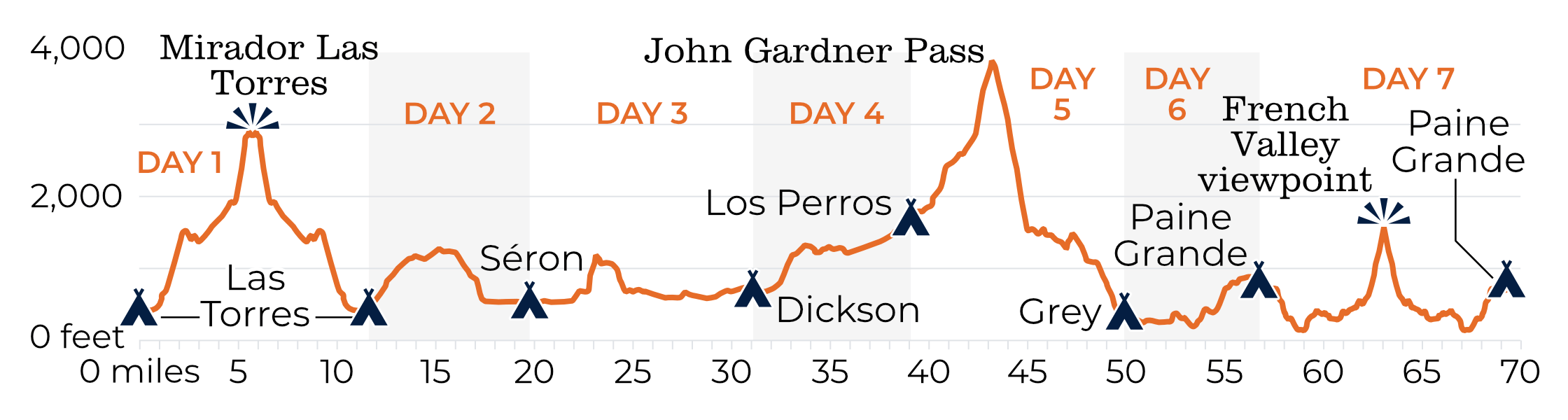
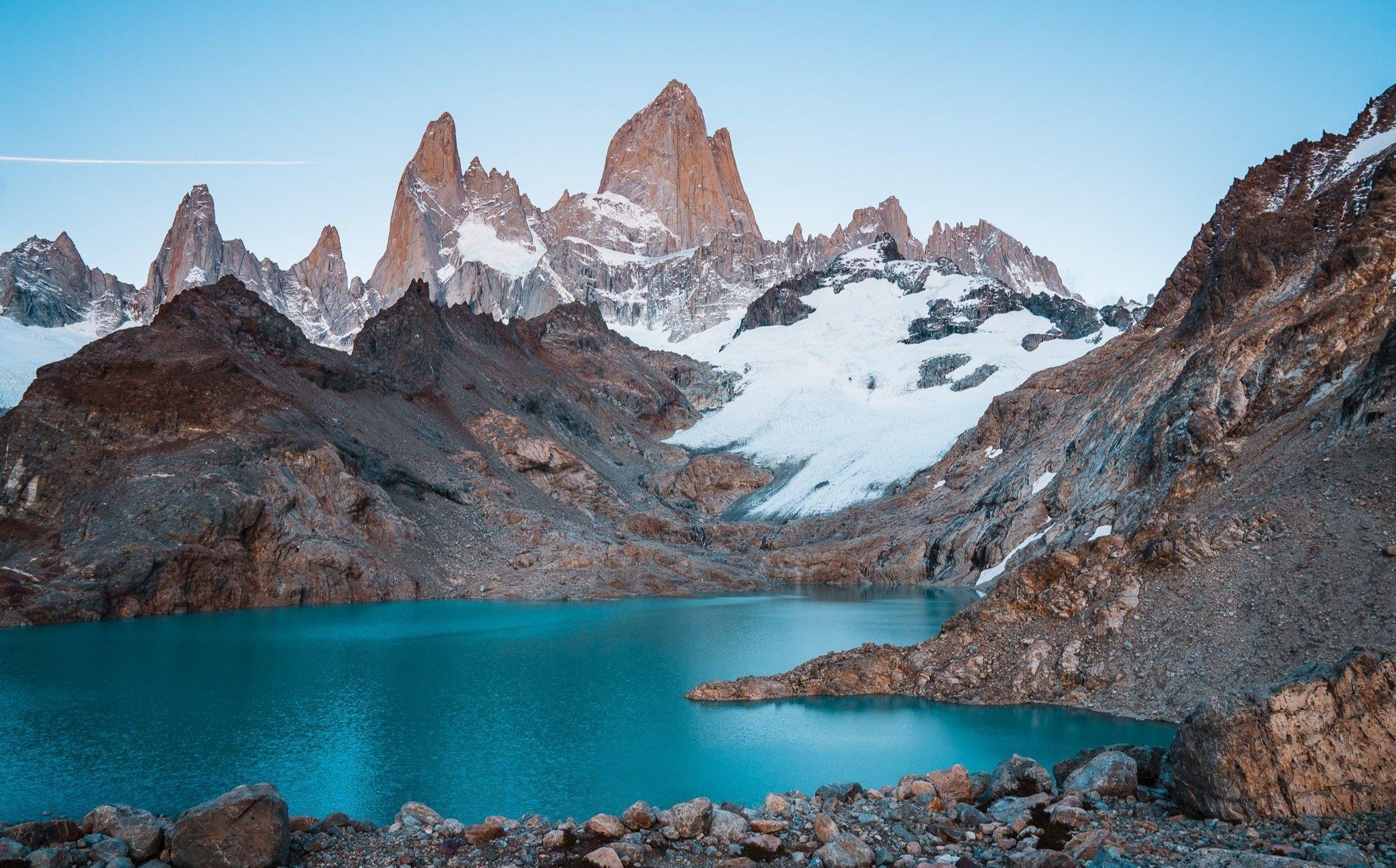
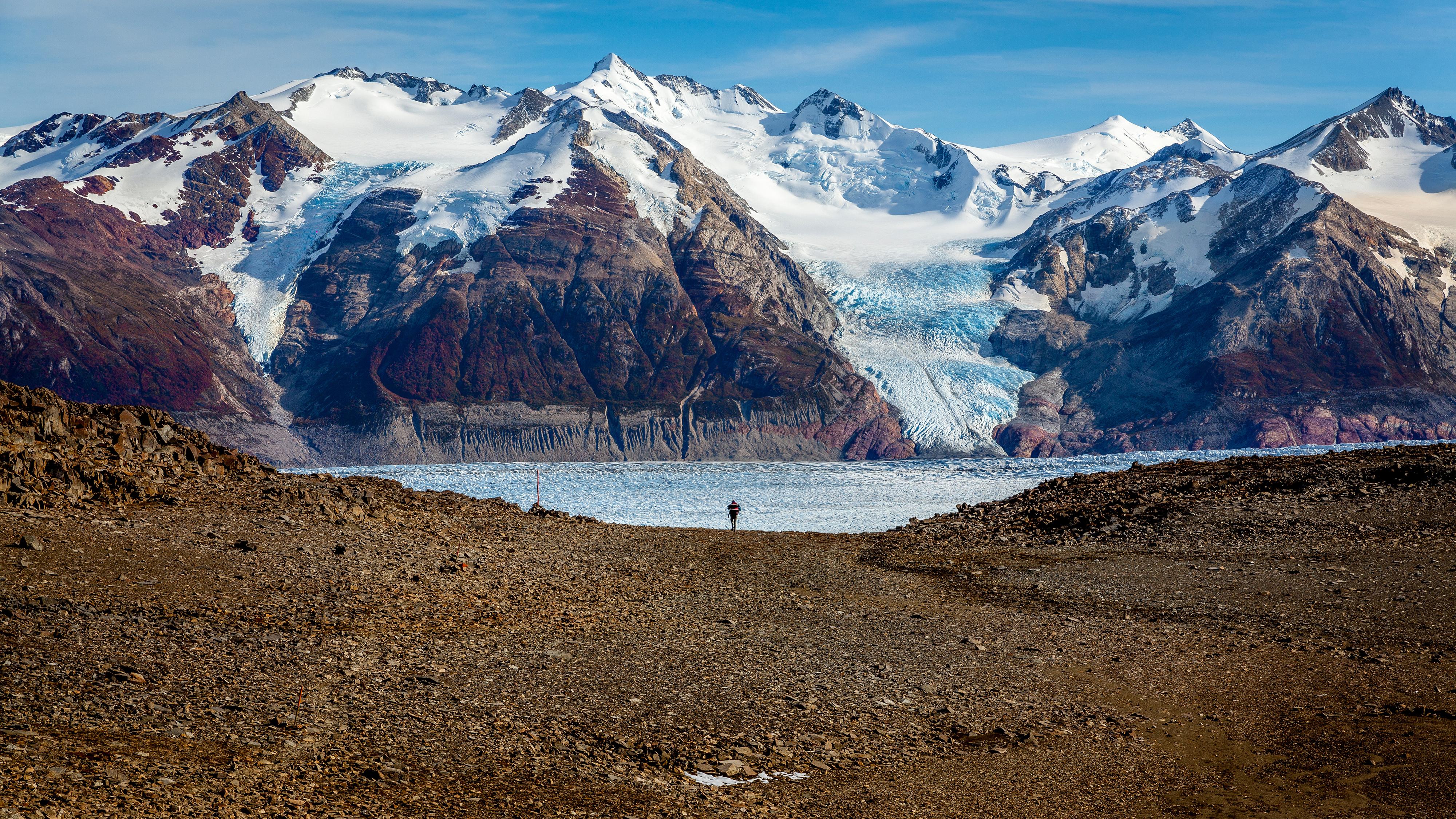
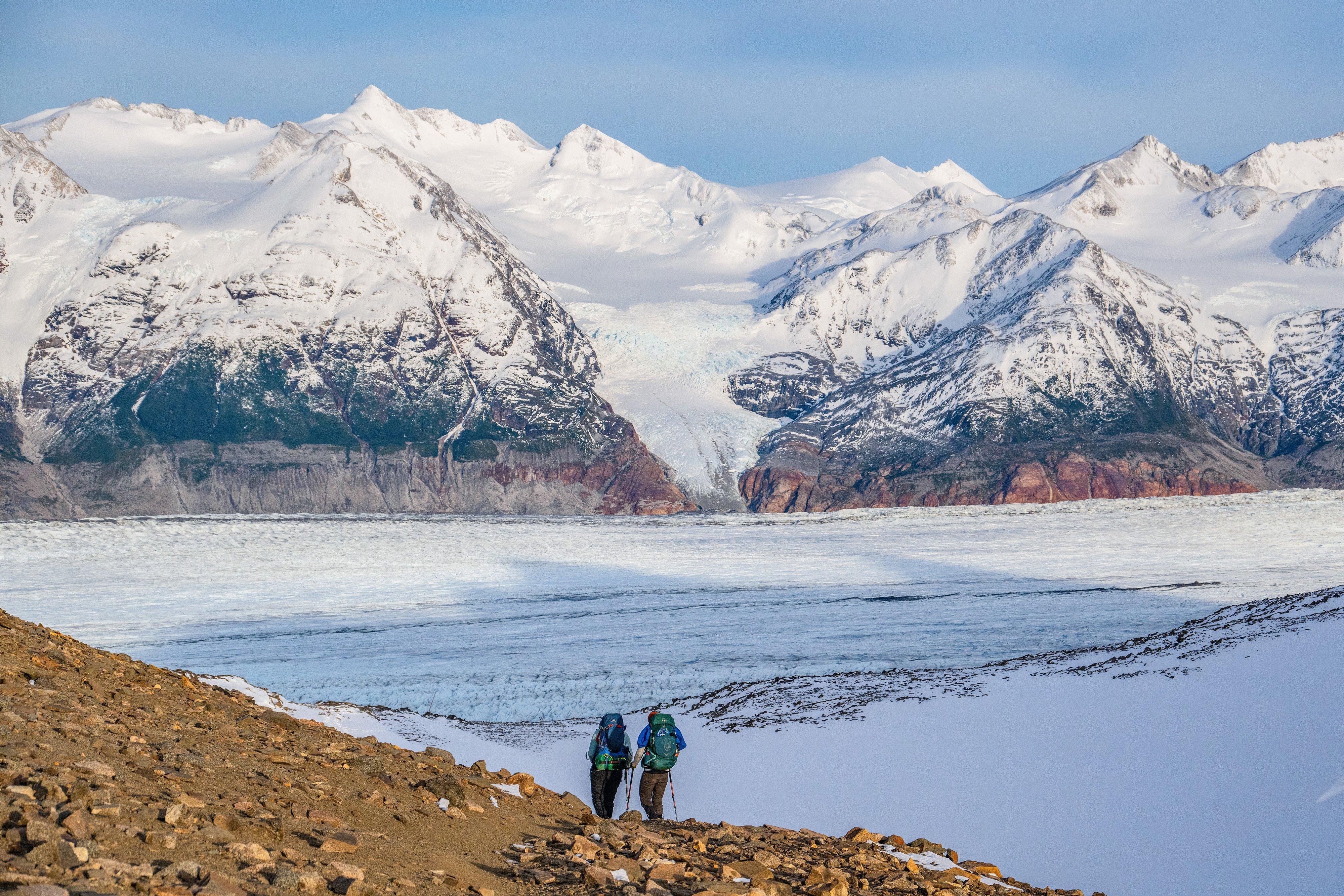
Terrain and elevation changes along the O Circuit require endurance
Hikers on rocky alpine trail typical of the O Circuit
The O Circuit is longer and more challenging than the W Trek.
Typical stats:
• Distance: ~120–140 km
• Duration: 7–11 days
• Difficulty: Moderate to challenging
• High point: John Gardner Pass
Challenges include:
• Long daily distances
• Windy conditions
• Remote backcountry sections
• Steep ascents and descents
No special climbing skills are required, but good fitness and preparation are important.
Why the O Circuit Is Different from the W Trek
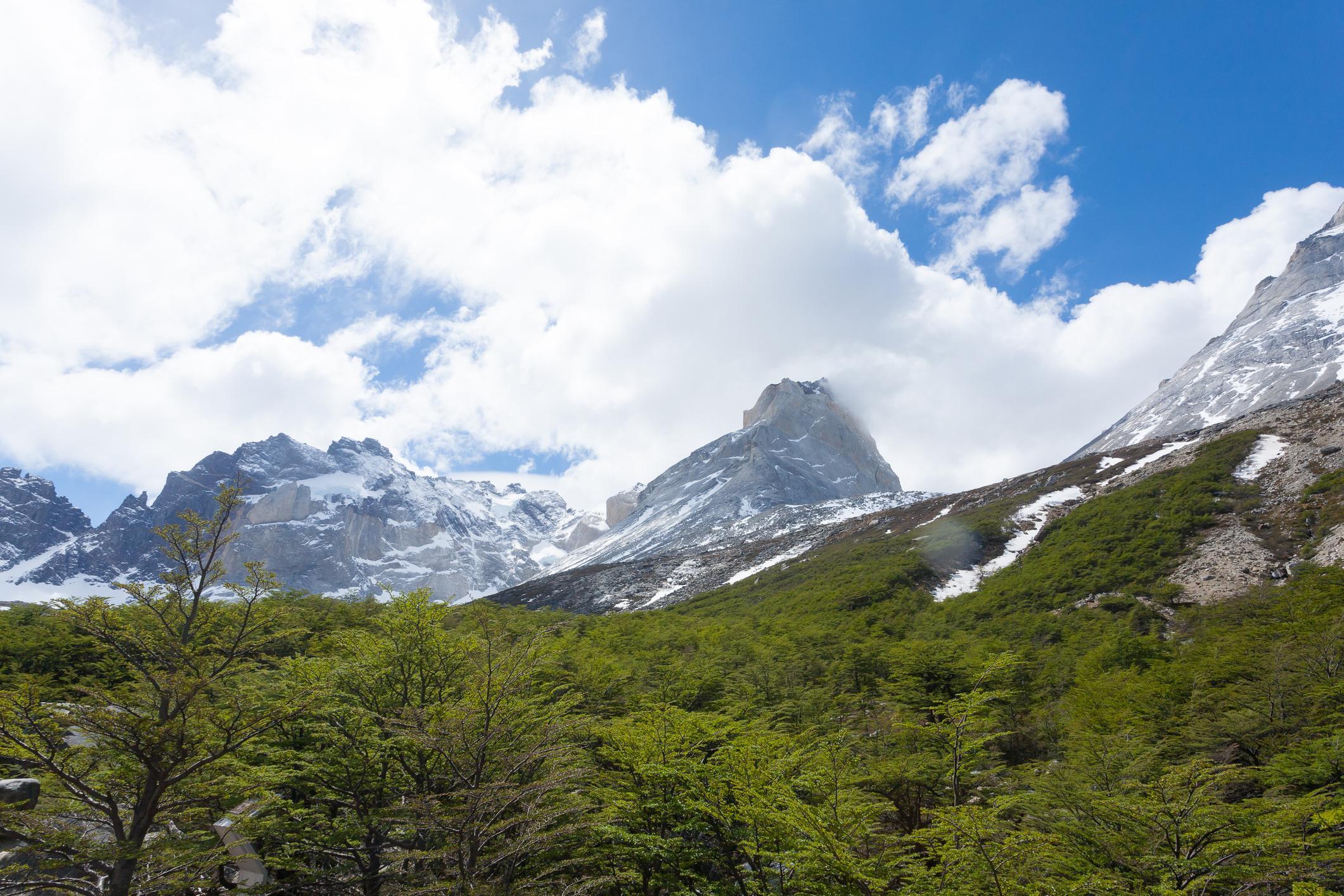
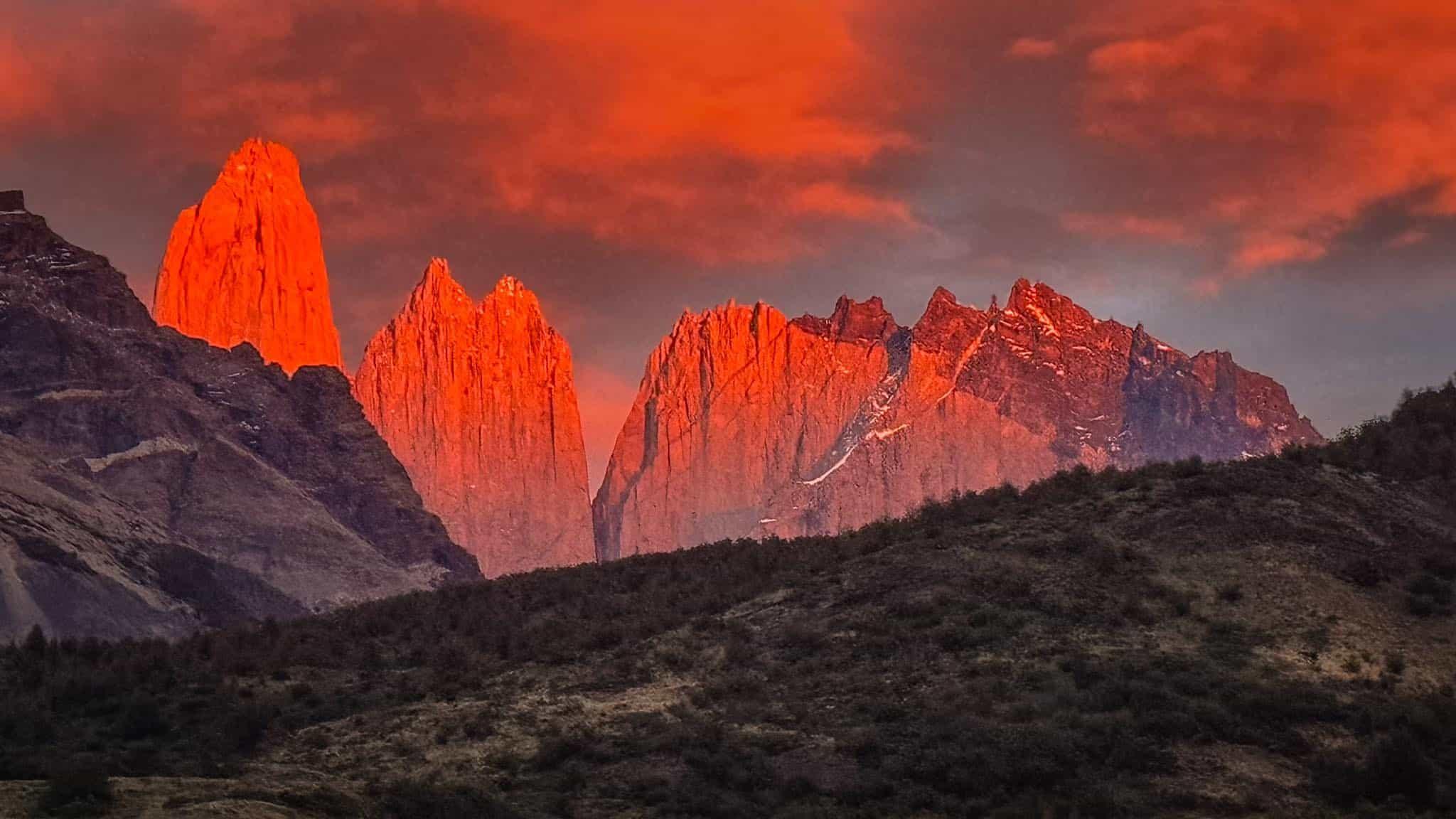
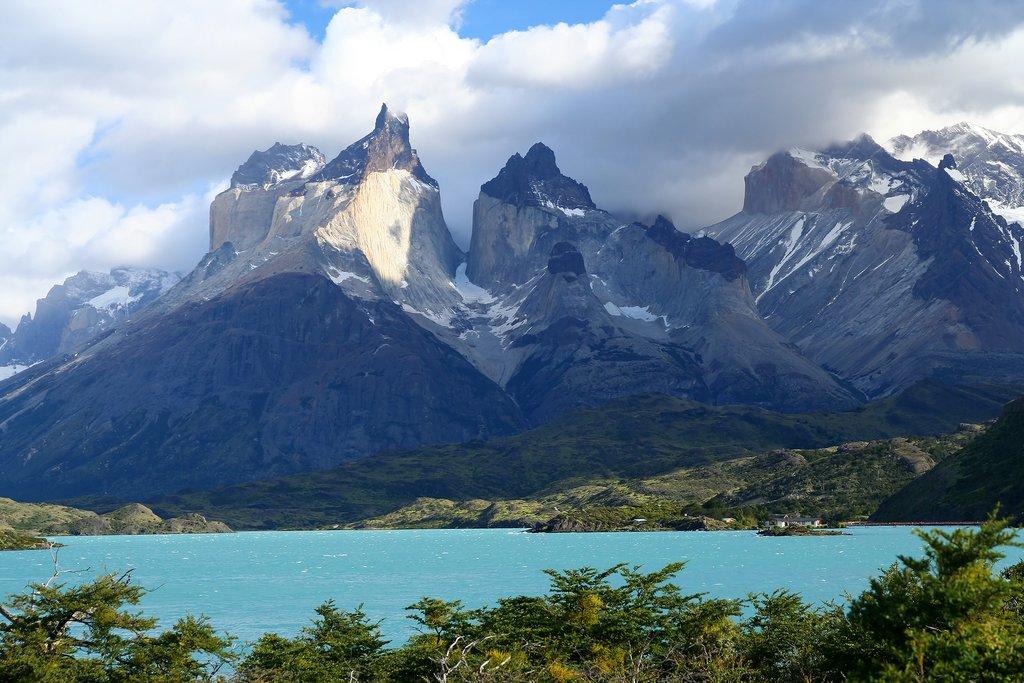
Certain valleys and pass views are only found on the O Circuit
Mountain refugios and camps used by trekkers along the route
The W Trek is the most famous route in the park and covers the main highlights.
The O Circuit includes the W section but also:
• Adds remote valleys not seen on the W
• Crosses the backside of the Paine Massif
• Offers more solitude and wilderness
• Requires more nights of hiking
• Includes less-visited landscapes
In short, the O Circuit gives a complete Patagonia trekking experience, while the W Trek is a shorter highlight version.
Standard Itinerary, Route Flow & Accommodation System
Standard O Circuit Itinerary (Overview)
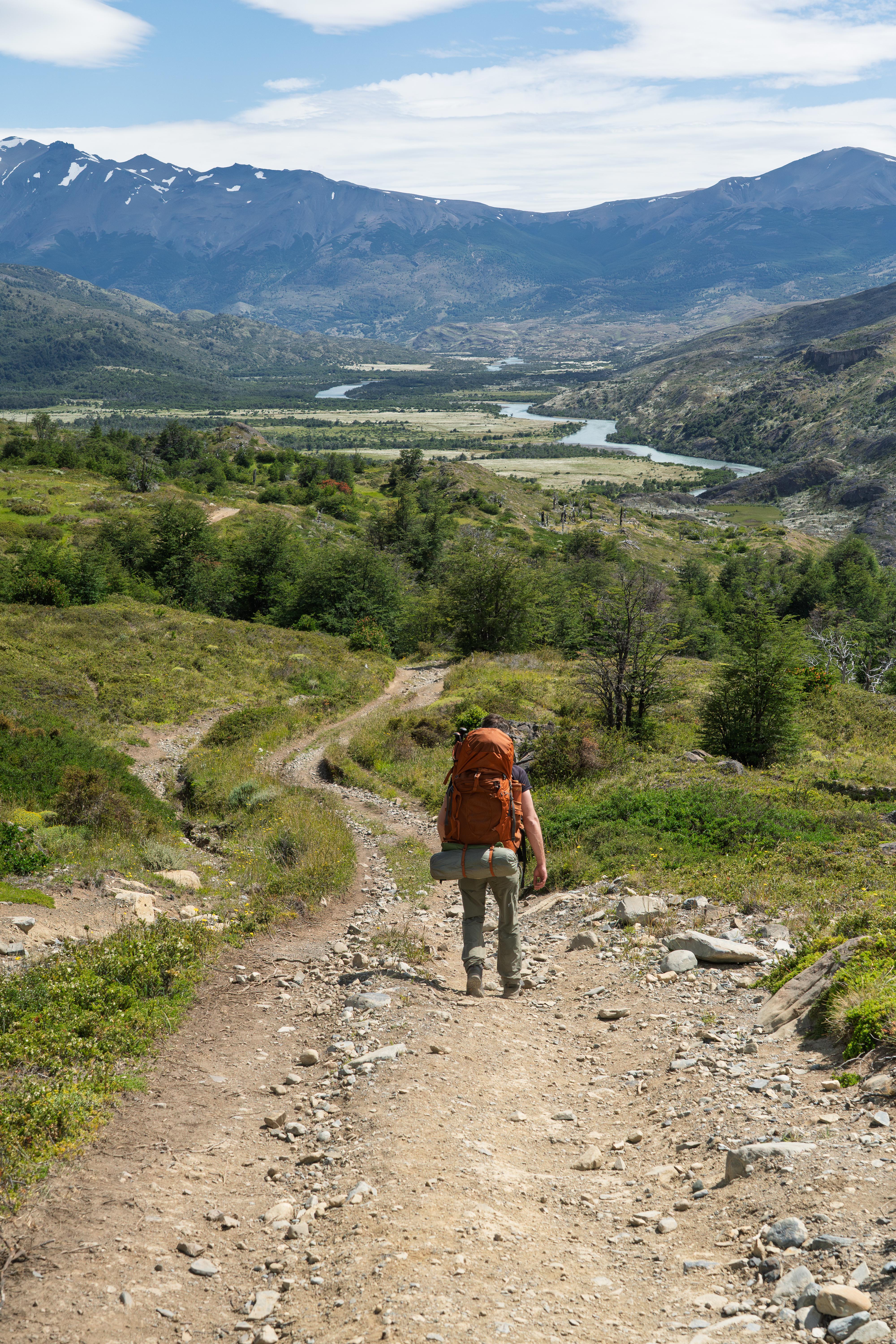
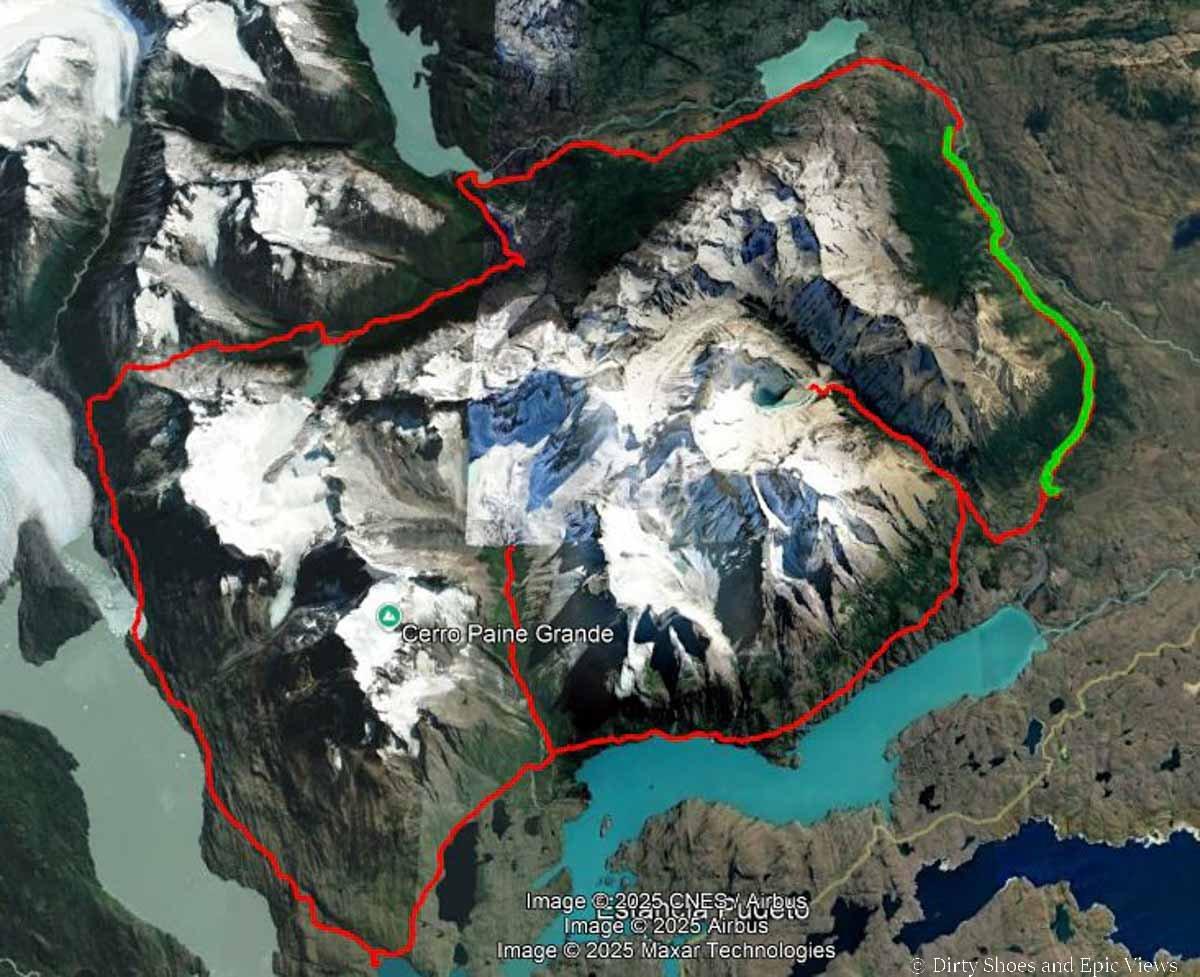
Route map of the full O Circuit loop around the Paine Massif
The Torres del Paine O Circuit is usually completed in 8 to 10 days, although some strong hikers finish in 7 and others take 11.
The classic flow (clockwise only) looks like this:
• Central Sector → Serón
• Serón → Dickson
• Dickson → Los Perros
• Los Perros → Grey (via John Gardner Pass)
• Grey → Paine Grande
• Paine Grande → Frances or Cuernos
• Frances/Cuernos → Chileno or Central
• Sunrise hike to Base Torres → Exit
The route becomes much more remote between Serón and Grey. After Grey, it joins the famous W Trek section.
The Backside of the Circuit (Remote Section)
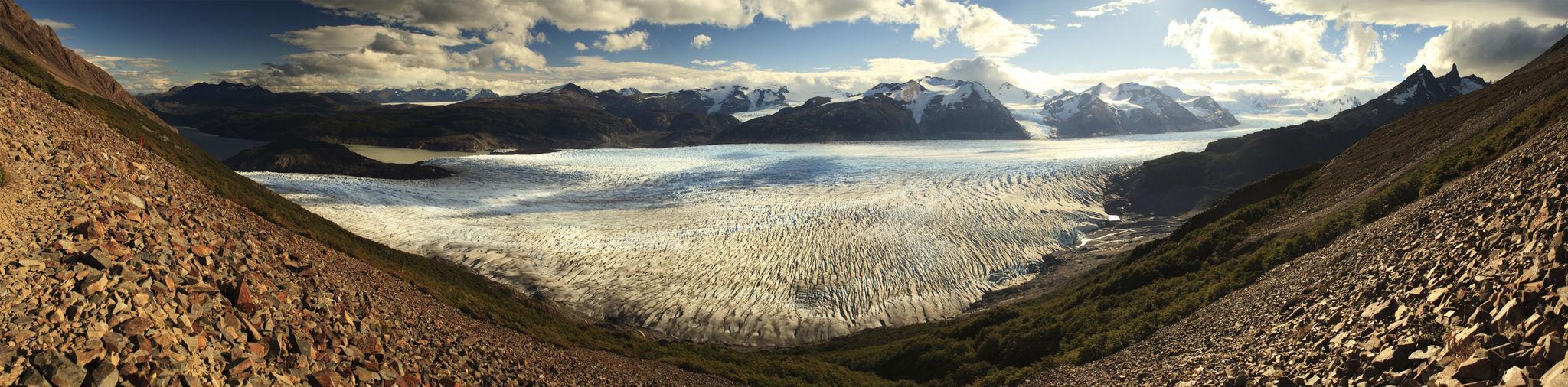
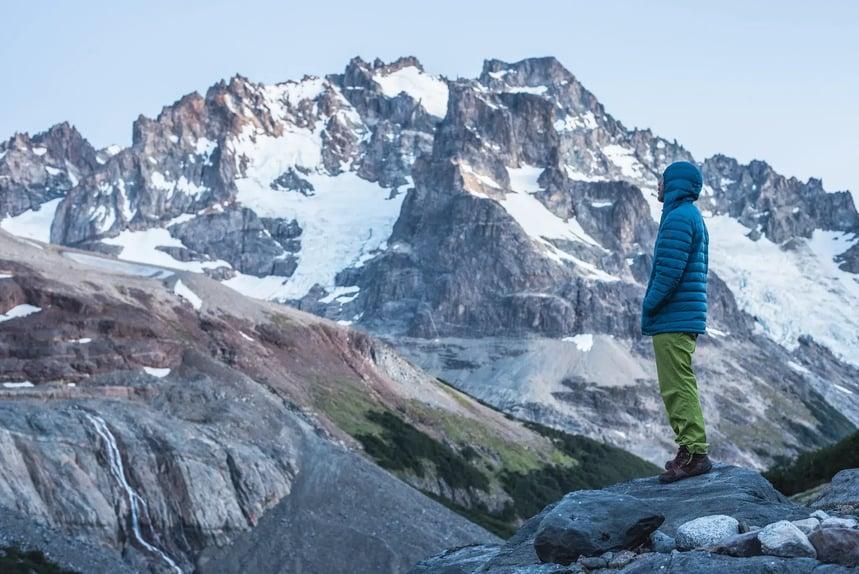
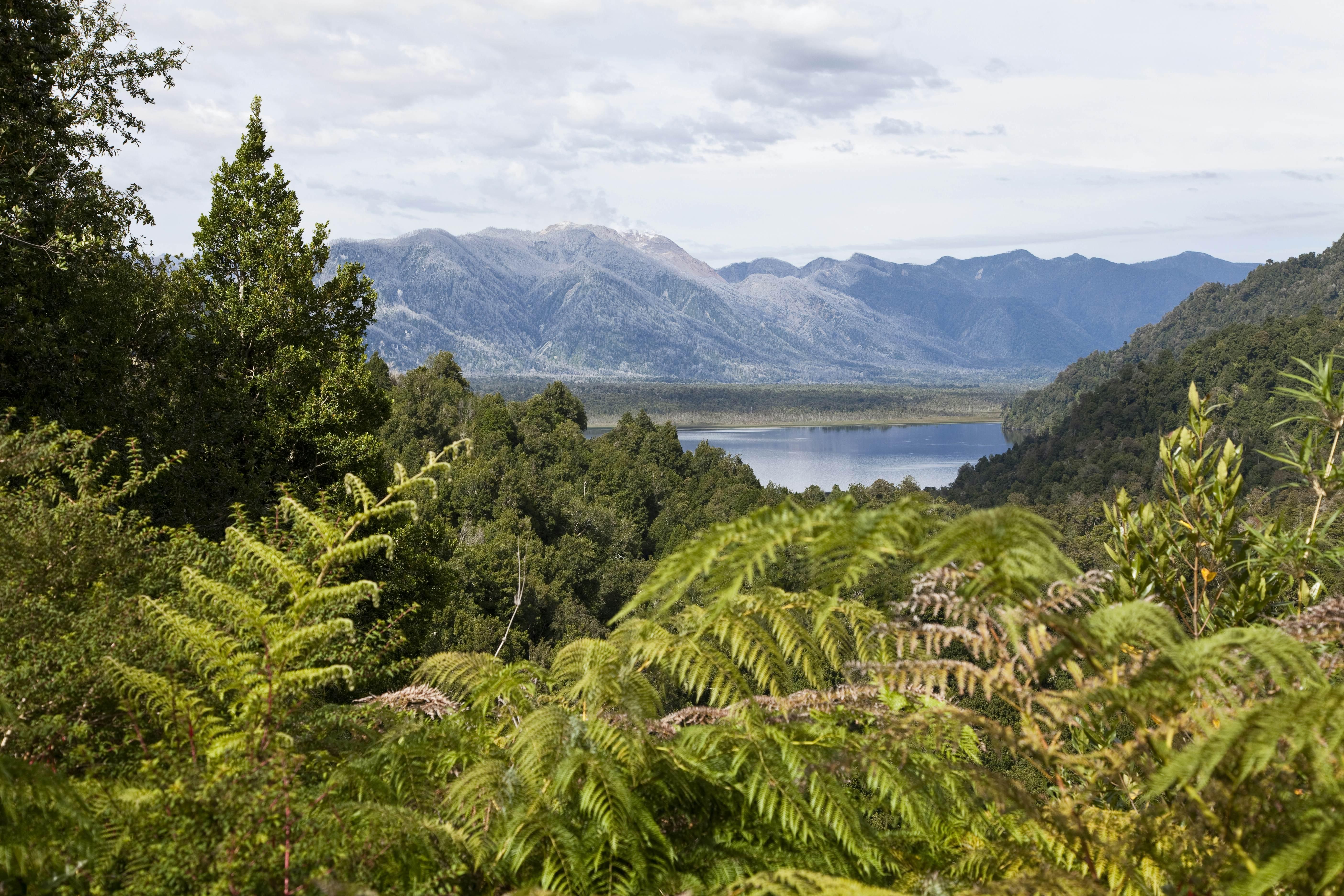
John Gardner Pass and the remote backside of the O Circuit
The stretch from Serón to Grey is what makes the O Circuit different from the W Trek.
Highlights of this section:
• Fewer hikers
• Remote forest camps
• River crossings
• The steep climb to John Gardner Pass
• First dramatic panoramic view of Grey Glacier
This is the most physically demanding part of the trek.
The W Section (Front Side Highlights)
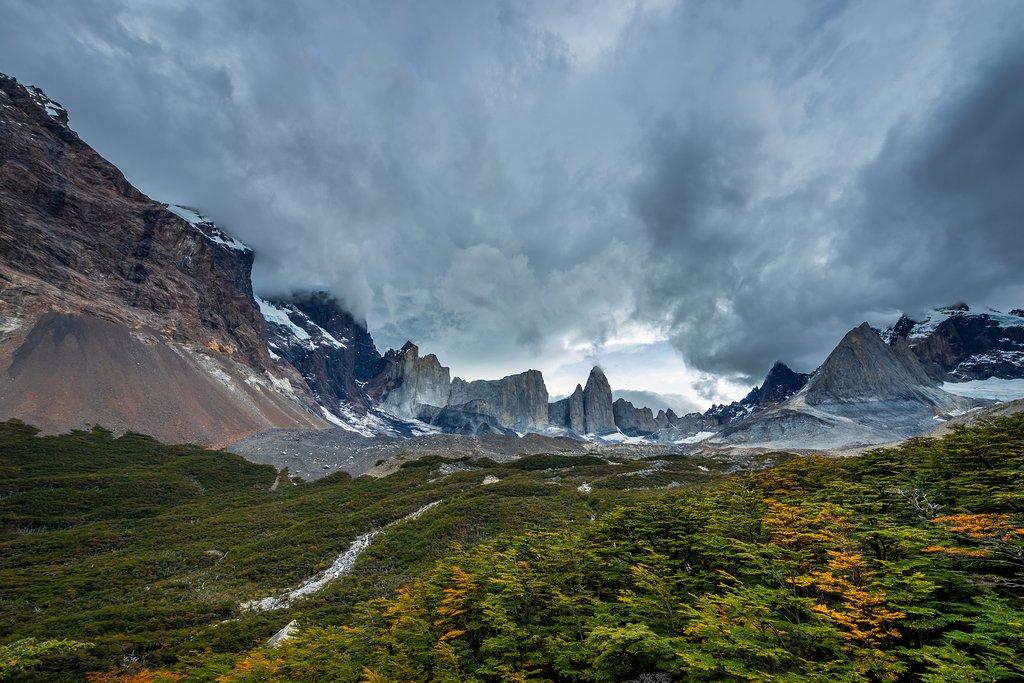
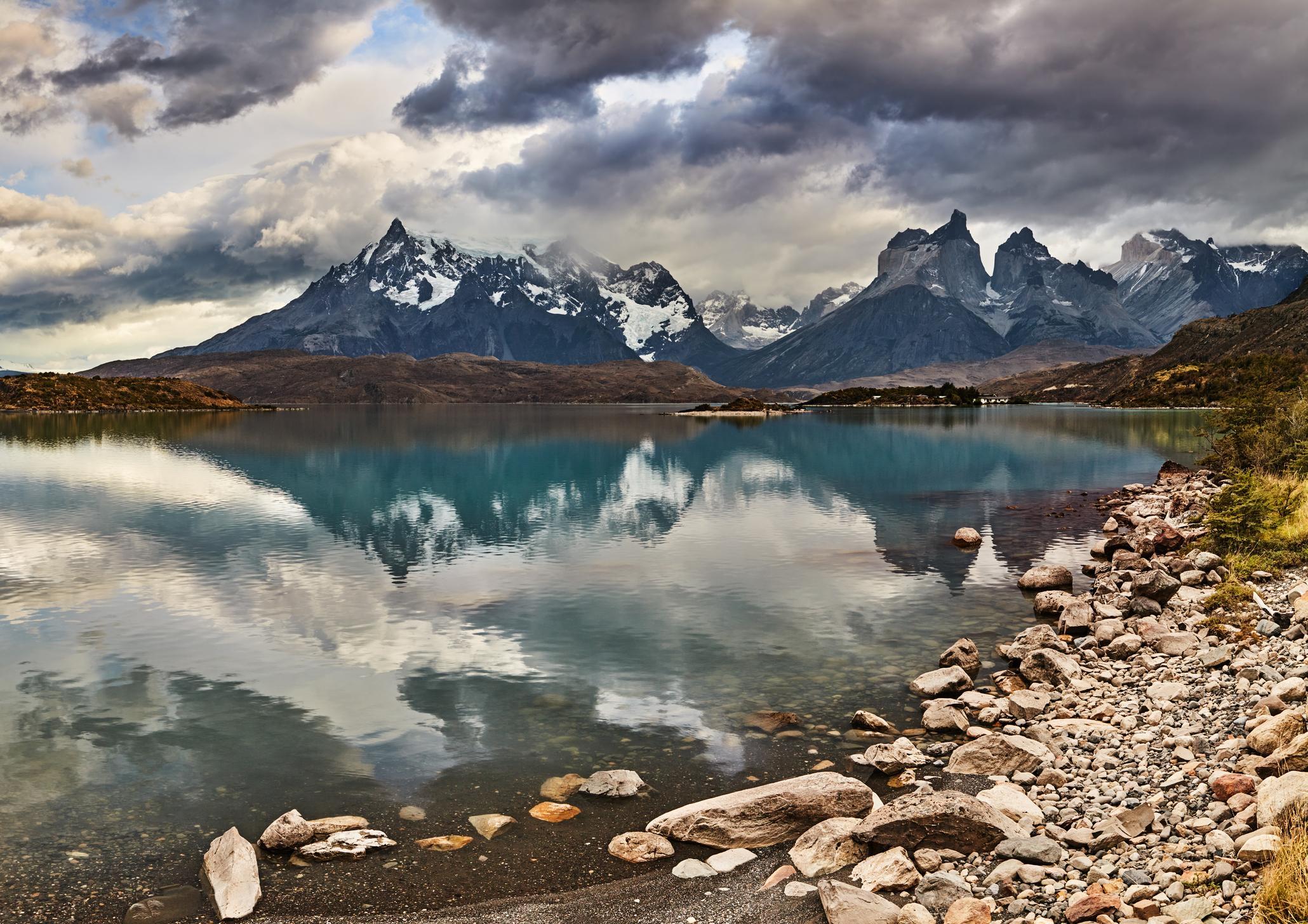
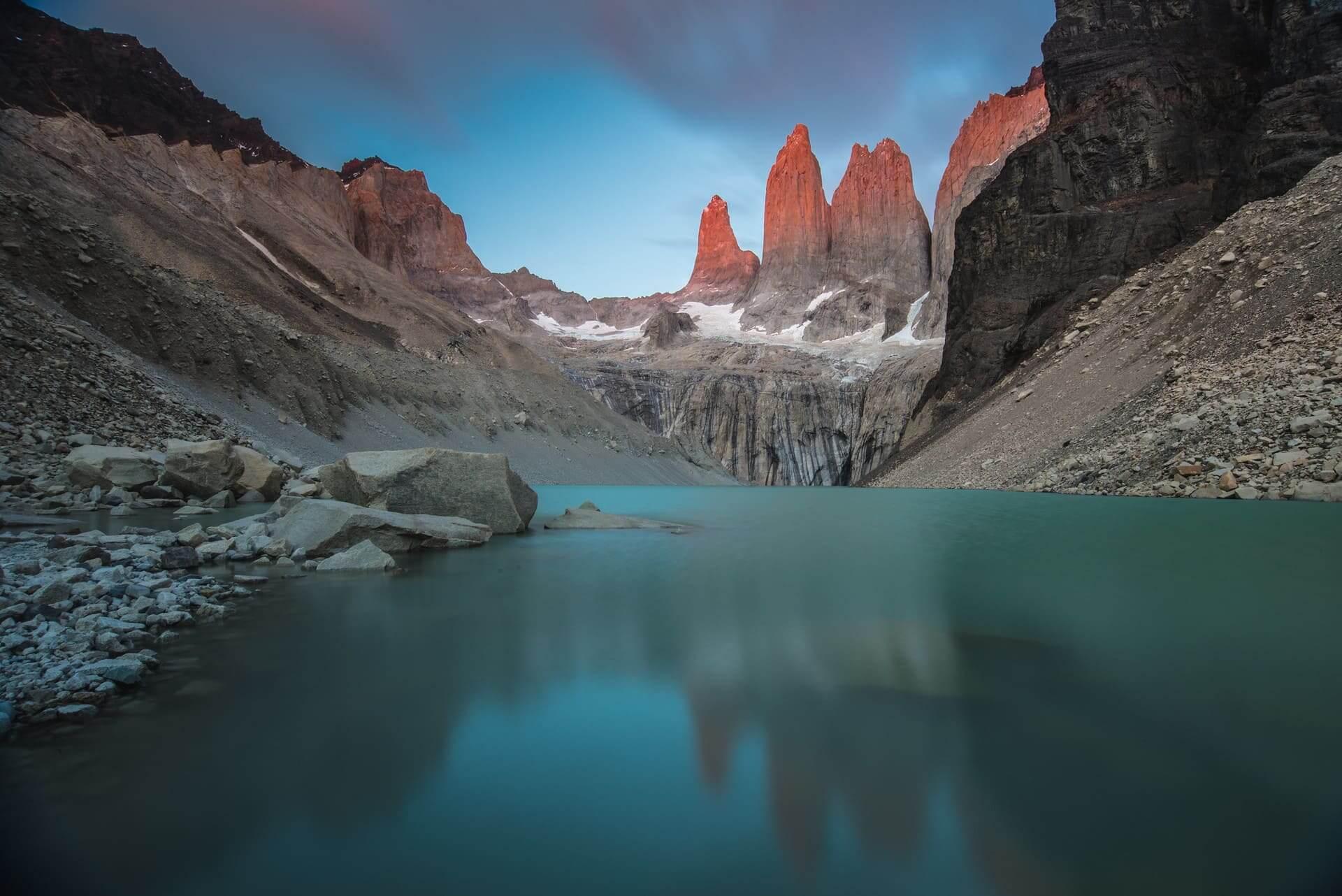
French Valley and Base Torres are iconic highlights of the front side
After descending from Grey, the O Circuit joins the famous W Trek.
Major highlights include:
• French Valley viewpoint
• Lago Pehoé
• Base Torres sunrise hike
This section is more developed and busier compared to the backside.
Direction Rules – Clockwise Only
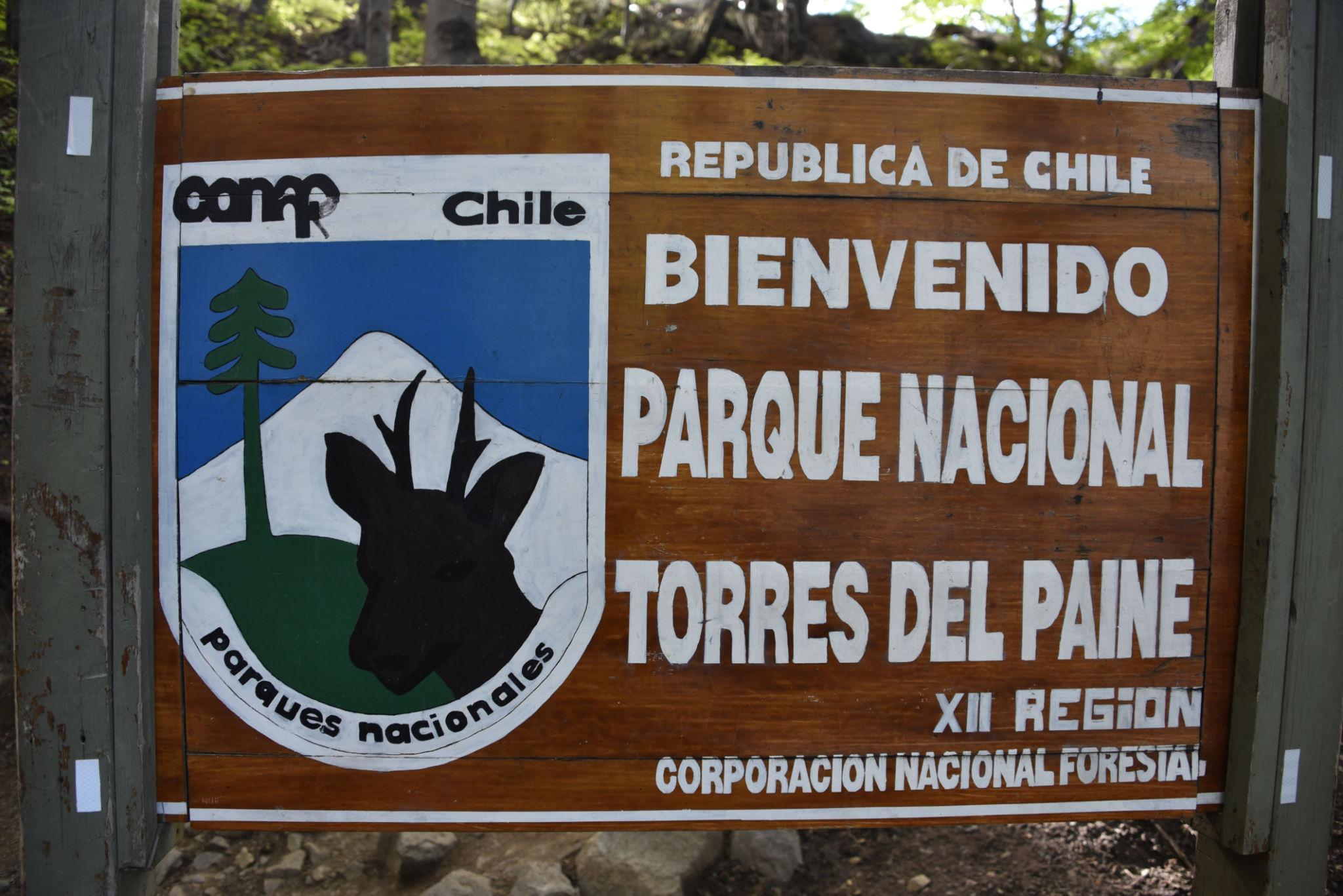
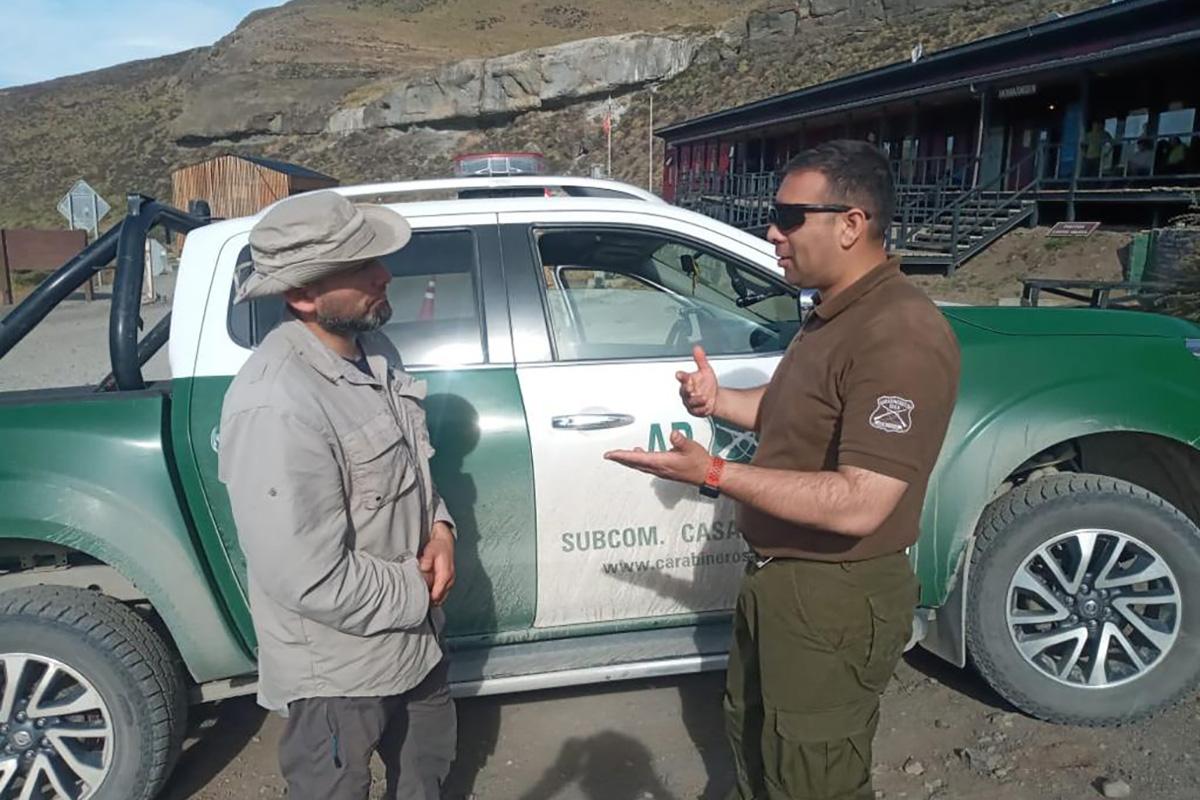
Trail signage indicates mandatory clockwise direction for the O Circuit
The O Circuit must be completed clockwise.
Reason:
• Safety on John Gardner Pass
• Weather exposure management
• Park regulation enforcement
Rangers check reservations and direction compliance.
Accommodation: Campsites & Refugios
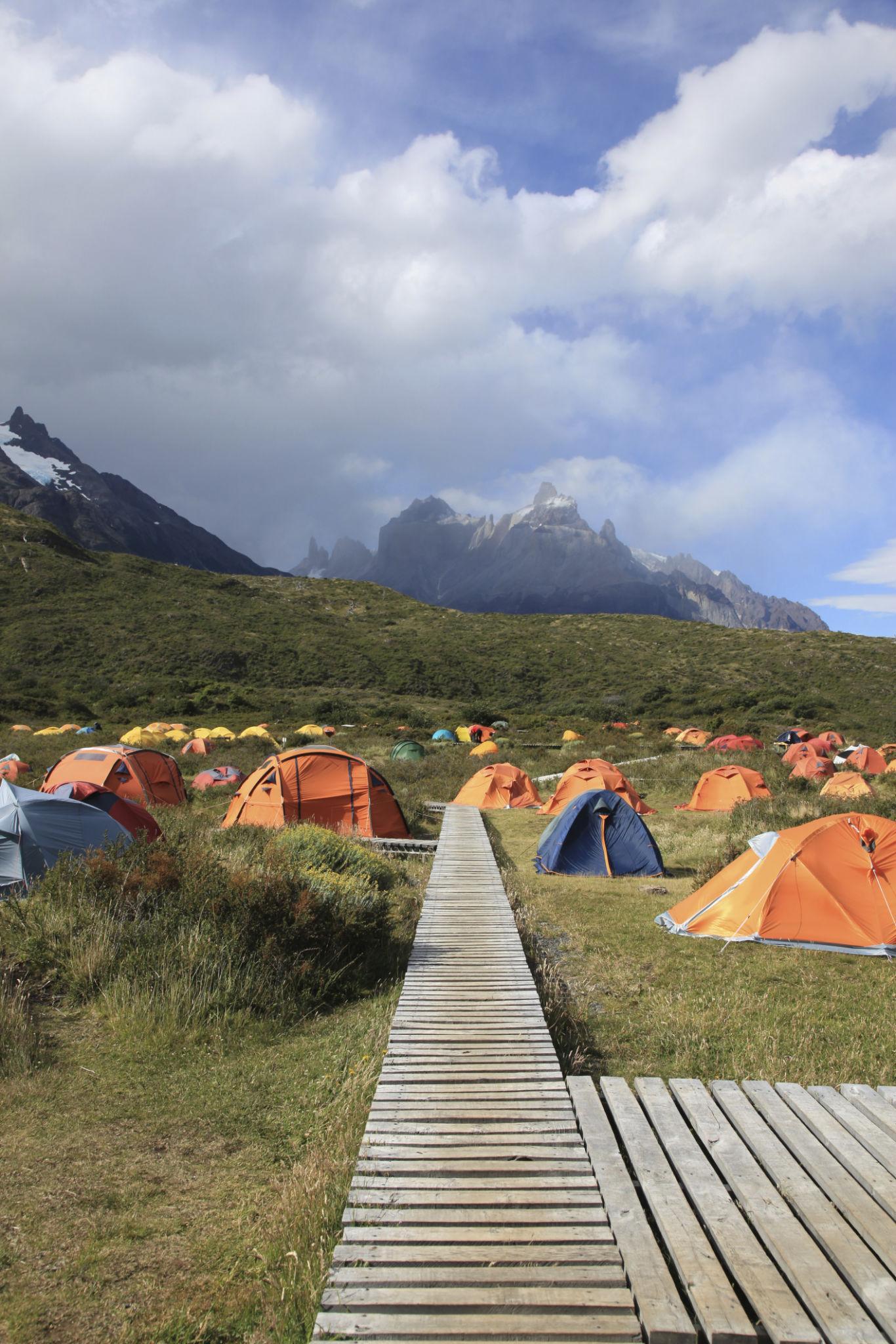
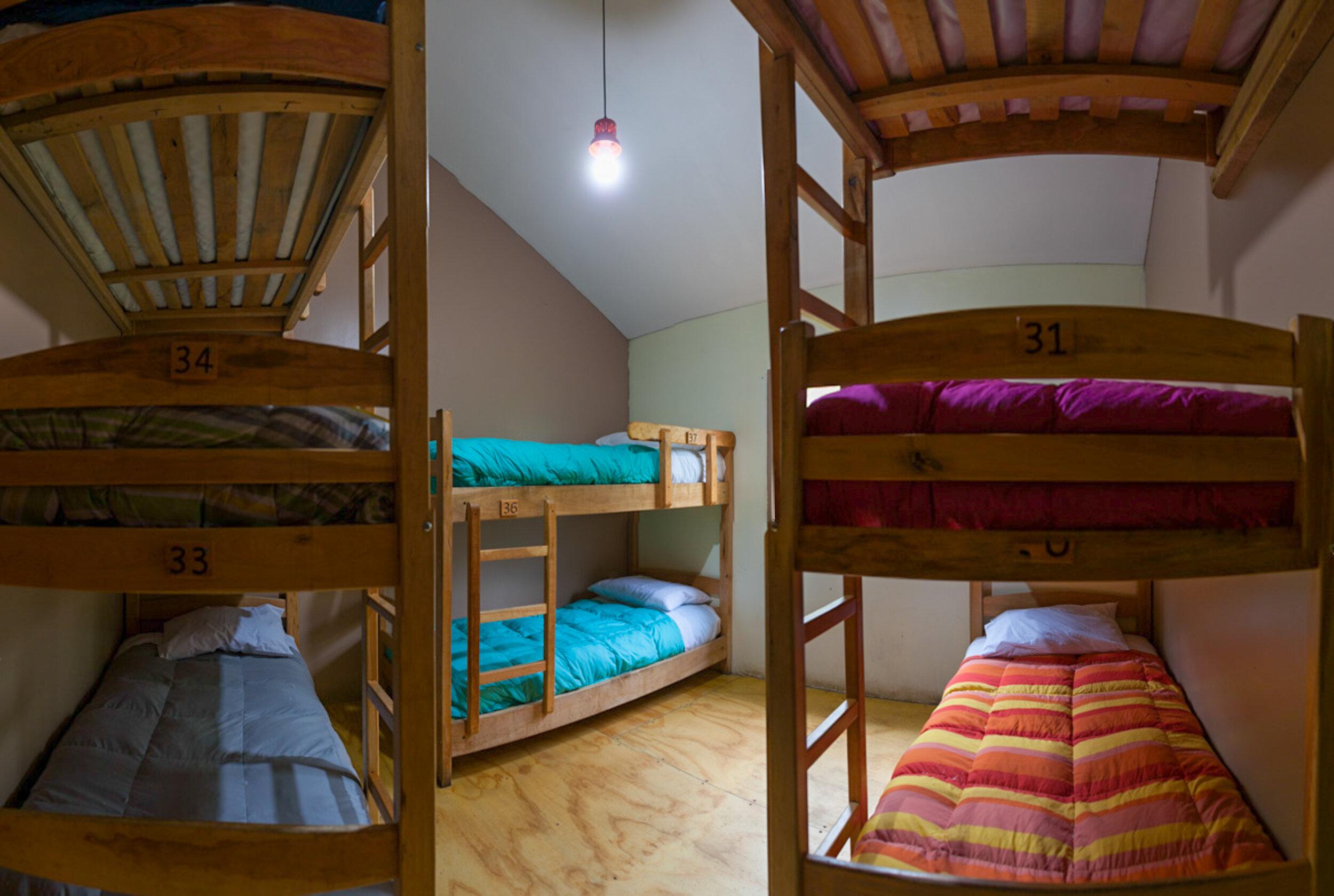
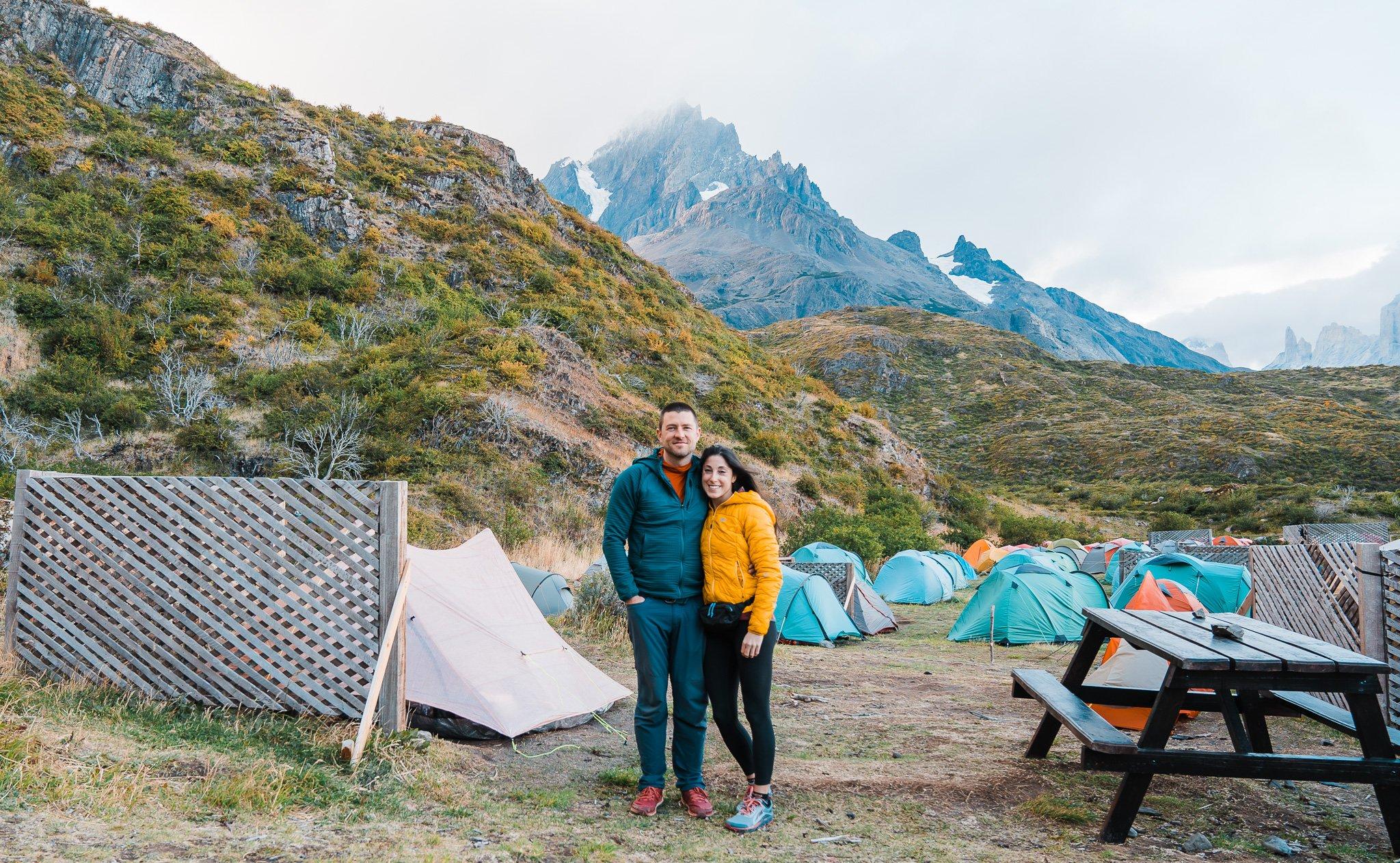

Designated campsites and mountain refugios along the O Circuit
Accommodation options include:
Campsites
• Tent platforms
• Shared bathrooms
• Cooking shelters
Refugios
• Shared dormitory rooms
• Meals available
• More comfort
Important:
• Reservations are mandatory
• Wild camping is not allowed
• Spots sell out months ahead in peak season
Best Time to Trek, Weather & Crowd Conditions
Best Time to Hike the O Circuit
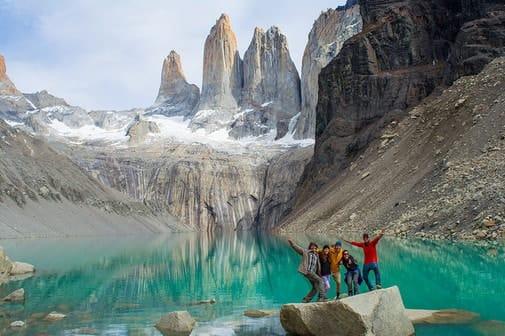
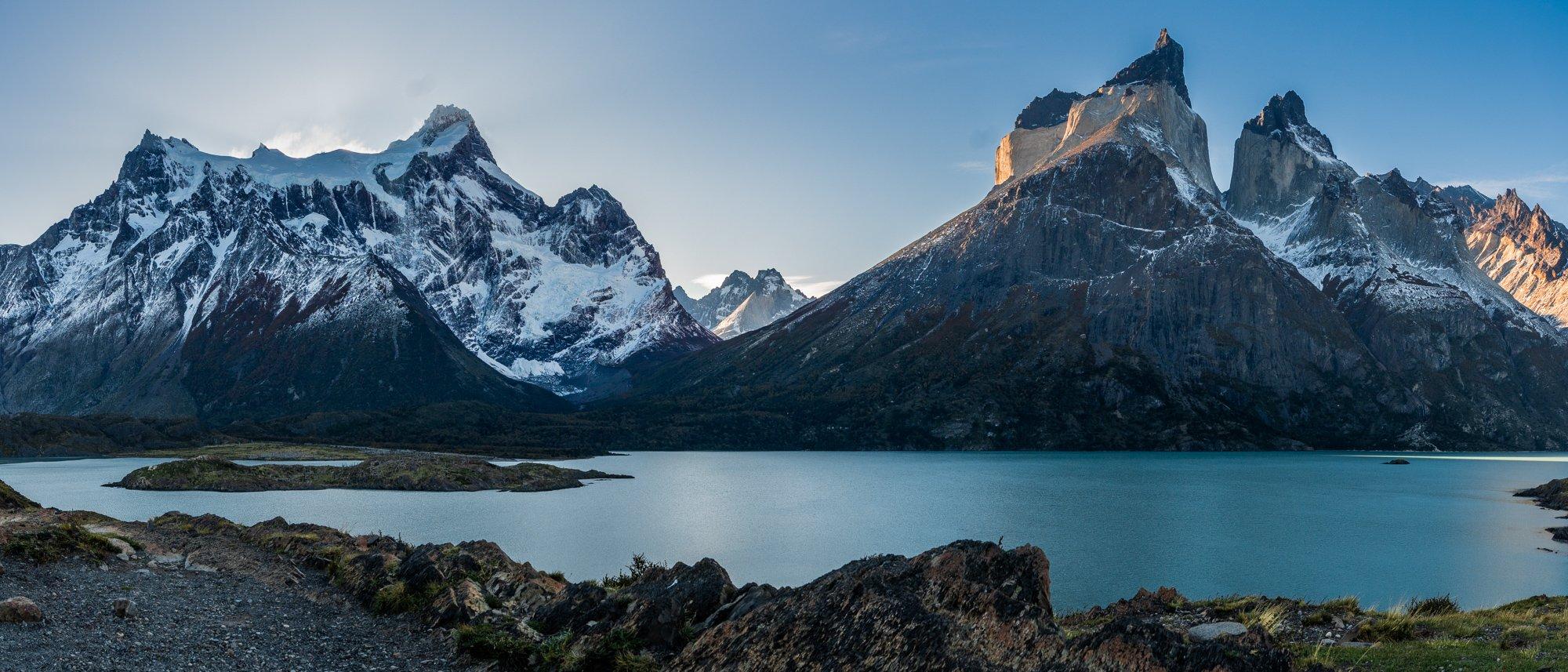
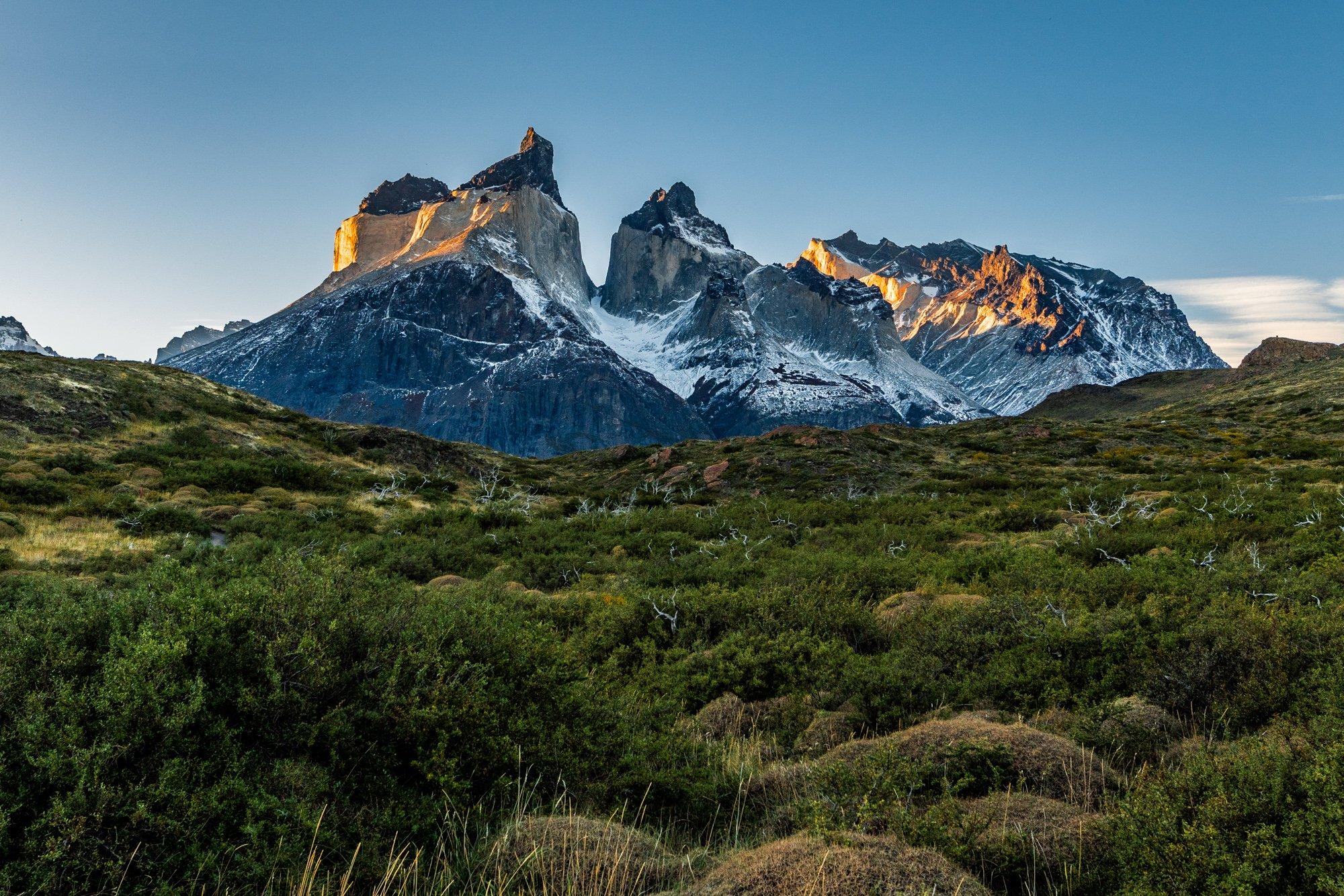
Summer conditions bring long daylight hours and clearer mountain views
The O Circuit is a seasonal trek. The main hiking window runs from:
• Late October to Early April
The best months are:
• December
• January
• February
• March
During these months:
• Campsites and refugios are fully open
• Trails are mostly snow-free
• Daylight lasts up to 16 hours in peak summer
Outside this period, much of the route is closed.
Wind and Weather Conditions in Patagonia
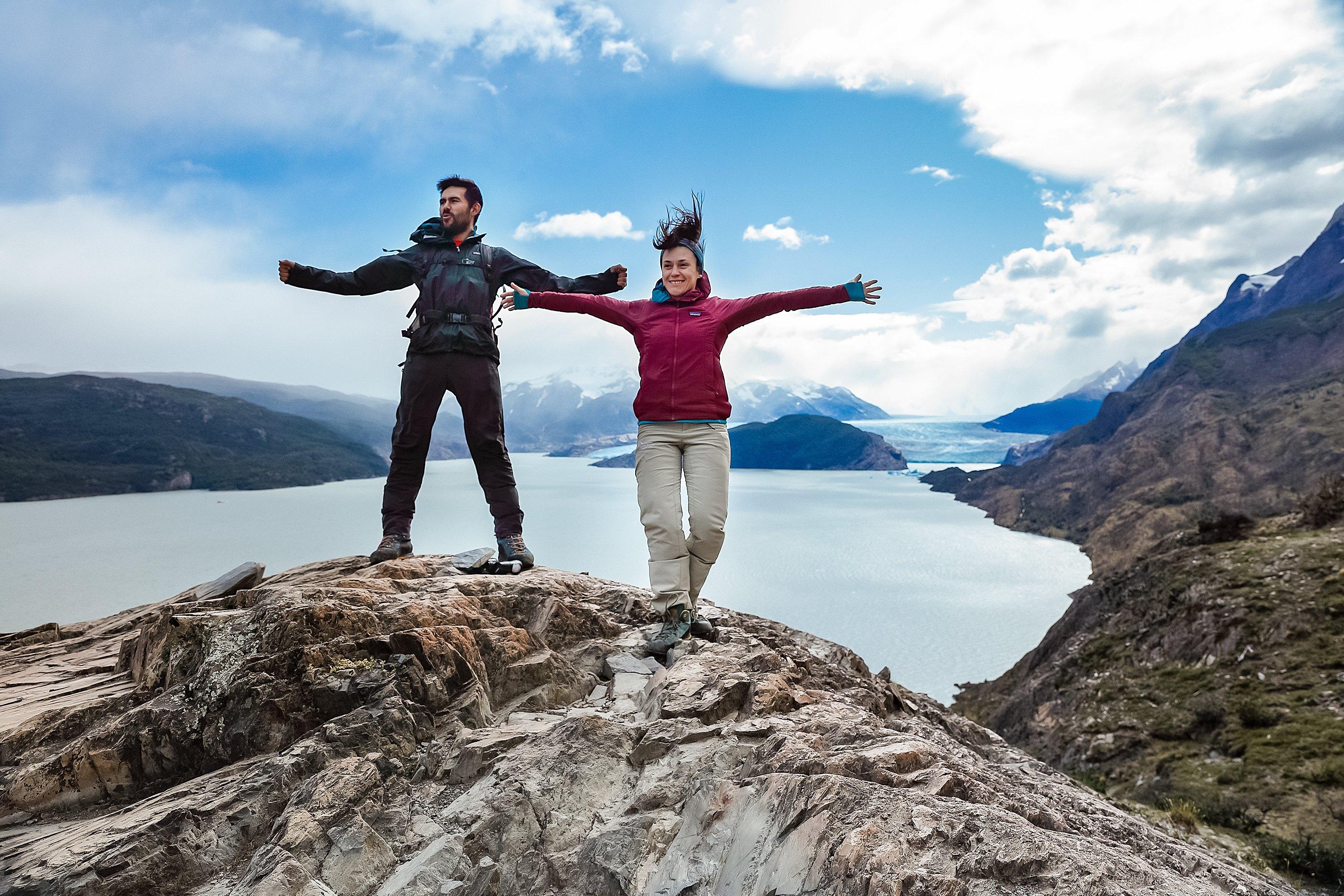
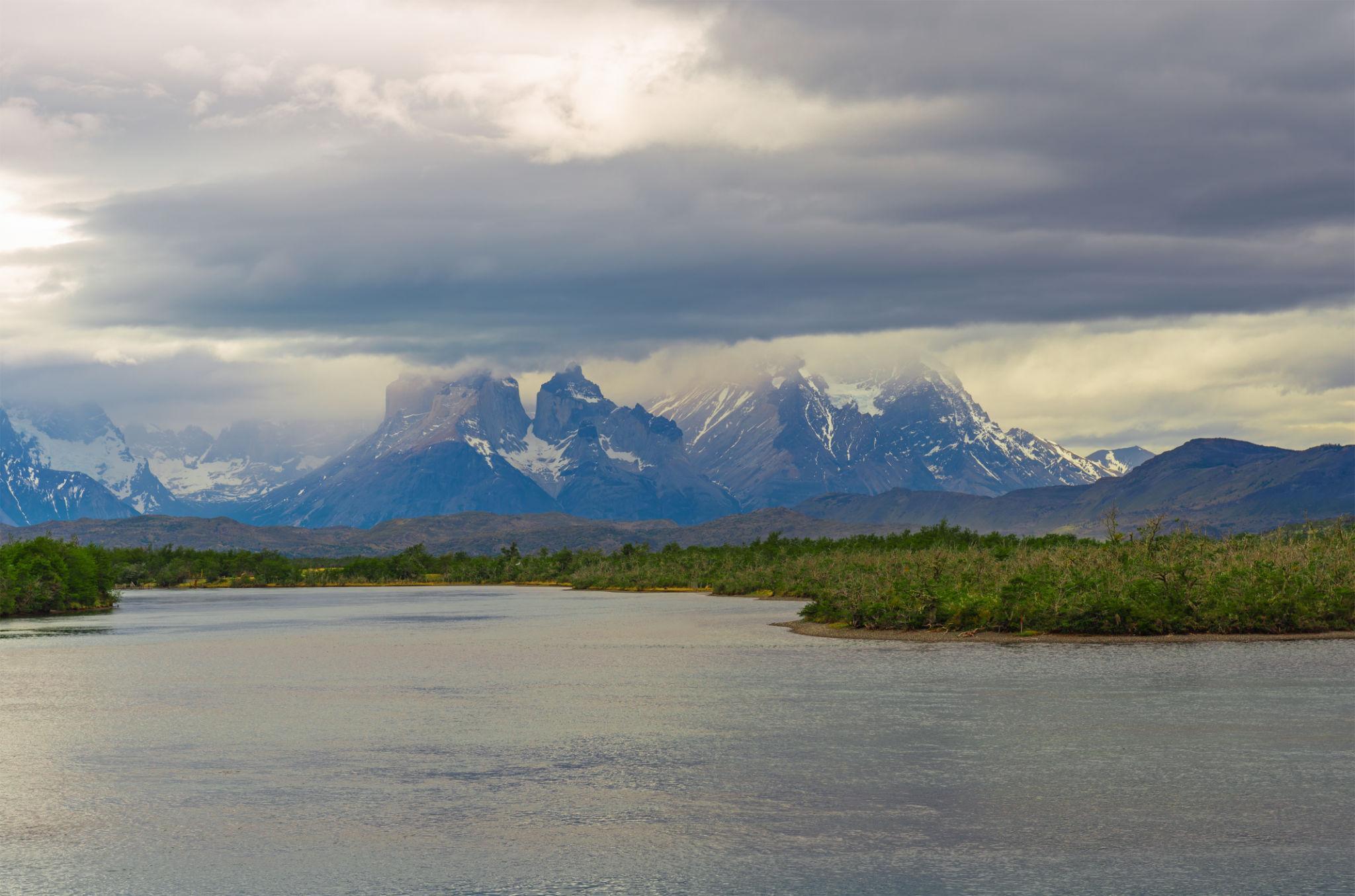
Patagonia is known for powerful winds and rapidly changing weather
Weather is the biggest challenge on the O Circuit.
Typical conditions:
• Strong crosswinds, especially near ridges
• Sudden rain showers
• Rapid temperature drops
• Bright sun followed by storms
Wind gusts can be very strong, especially around John Gardner Pass and open plains.
Waterproof and windproof clothing is essential.
Hiking in Shoulder Season (October & April)
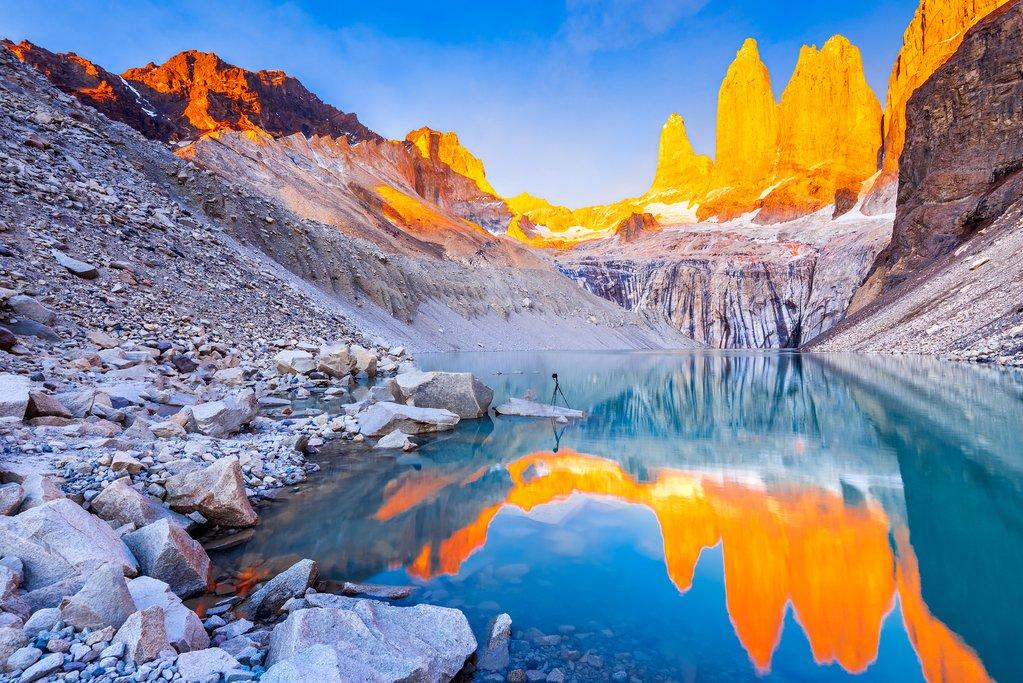
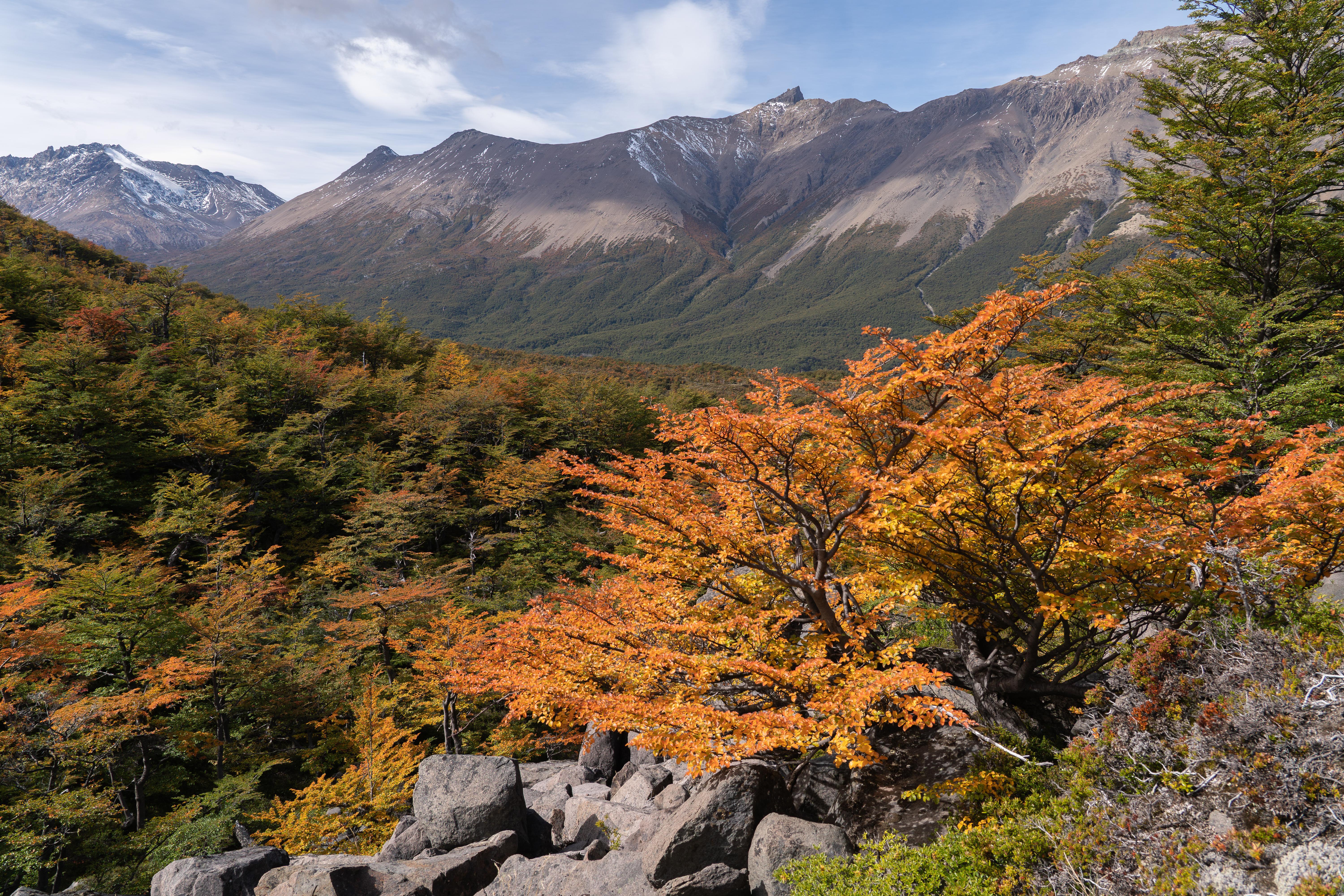
Shoulder season brings quieter trails but more unpredictable conditions
October and April offer:
• Fewer hikers
• Lower accommodation demand
• Cooler temperatures
• Possible snow at higher elevations
John Gardner Pass may occasionally close due to weather in early or late season.
This period is better suited for experienced hikers.
Crowd Levels Compared to the W Trek
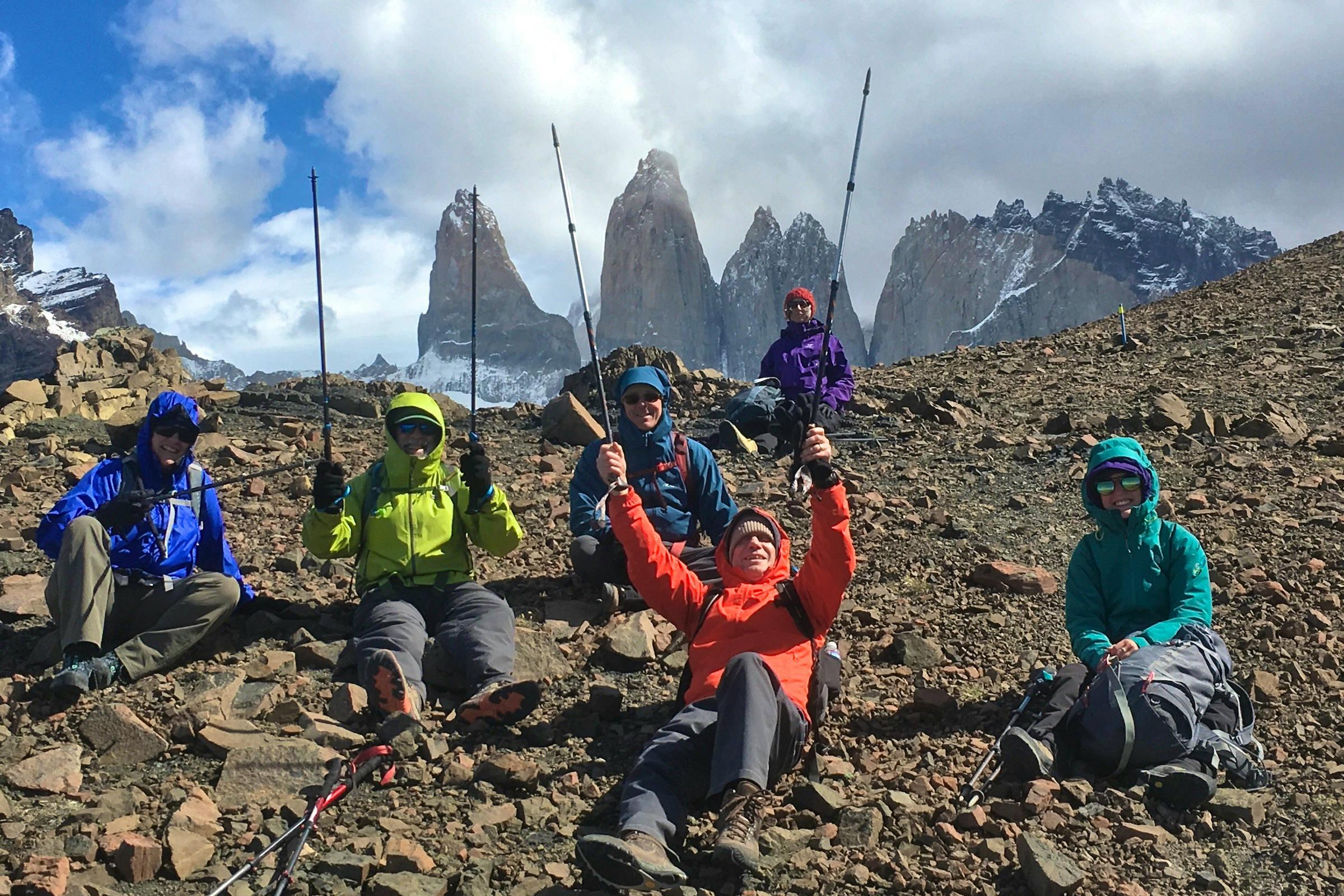
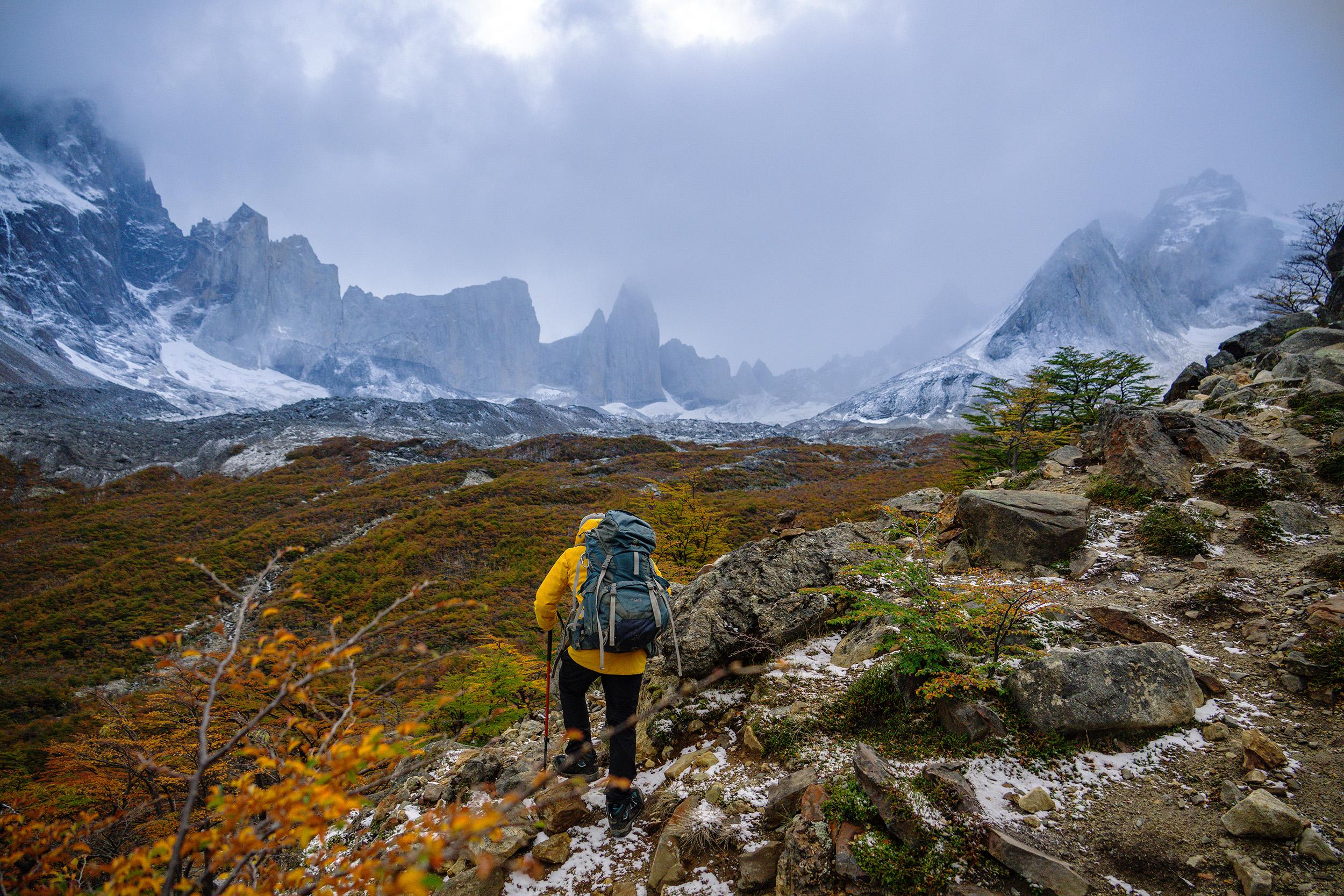
The O Circuit backside is quieter than the W Trek front section
Crowd pattern is important:
• The W section (French Valley, Base Torres) can be busy in peak months
• The backside O section is significantly quieter
• Campsites still require advance booking
If you want fewer people, choose early December or March.
How to Get There, Entry Requirements, Park Rules & Guide Information
Step 1 – Entering Chile
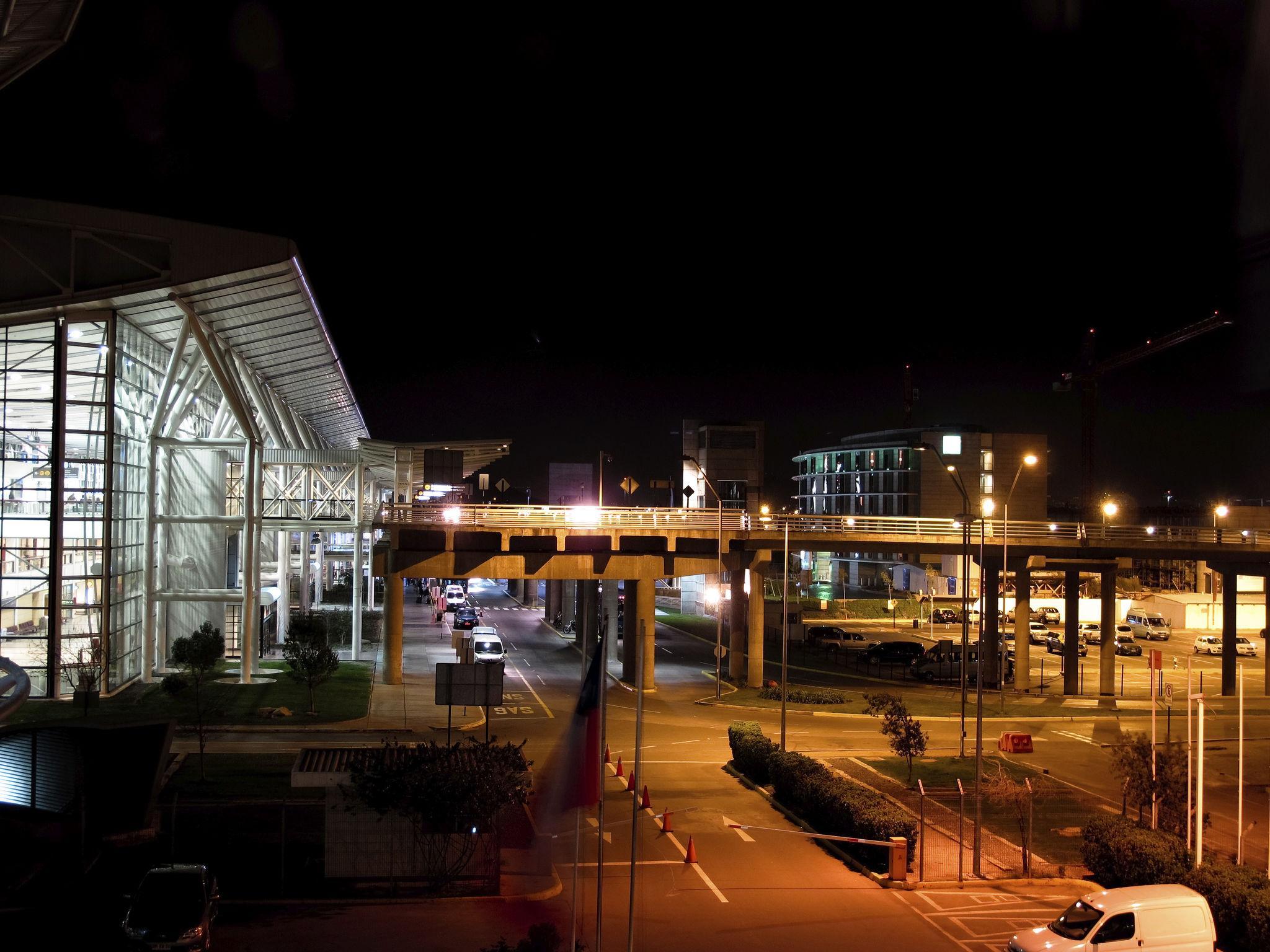


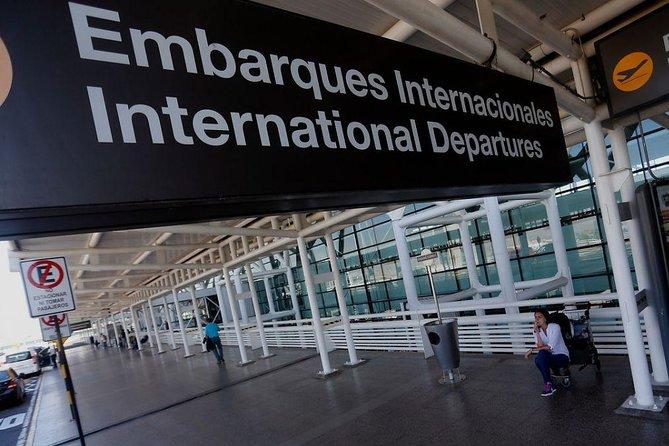
Arrival at Santiago International Airport and immigration control in Chile
To hike the O Circuit, you must first enter Chile.
Most international travelers fly into:
• Santiago International Airport (SCL) in Santiago, Chile
From there, you take a domestic flight to southern Patagonia.
Visa Requirements
• Many nationalities receive visa-free entry for tourism
• Others must apply for a tourist visa in advance
• Passport must be valid for the duration of stay
Always check official Chile immigration rules for your nationality before travel.
Step 2 – Getting to Puerto Natales

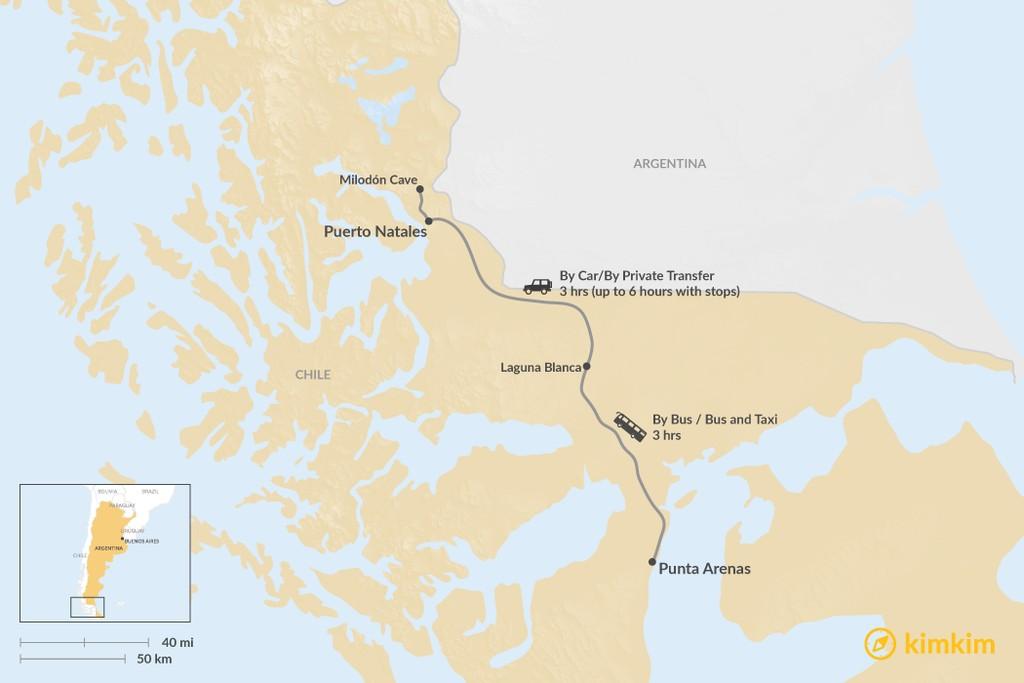
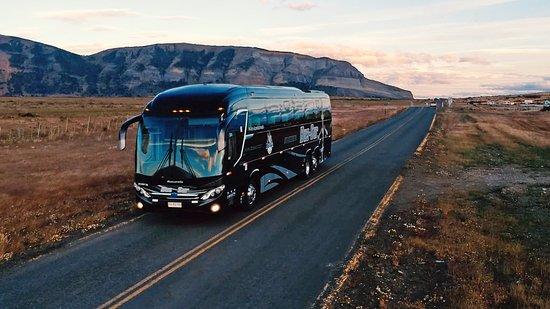
Puerto Natales is the main gateway town for Torres del Paine
From Santiago, fly to:
• Punta Arenas (PUQ)
Then:
• Take a 3-hour bus to Puerto Natales
Puerto Natales is the base town for O Circuit trekkers. It has:
• Hotels and hostels
• Gear rental shops
• Supermarkets
• Bus connections to the park
Most hikers spend at least one night here before starting.
Step 3 – Reaching Torres del Paine National Park
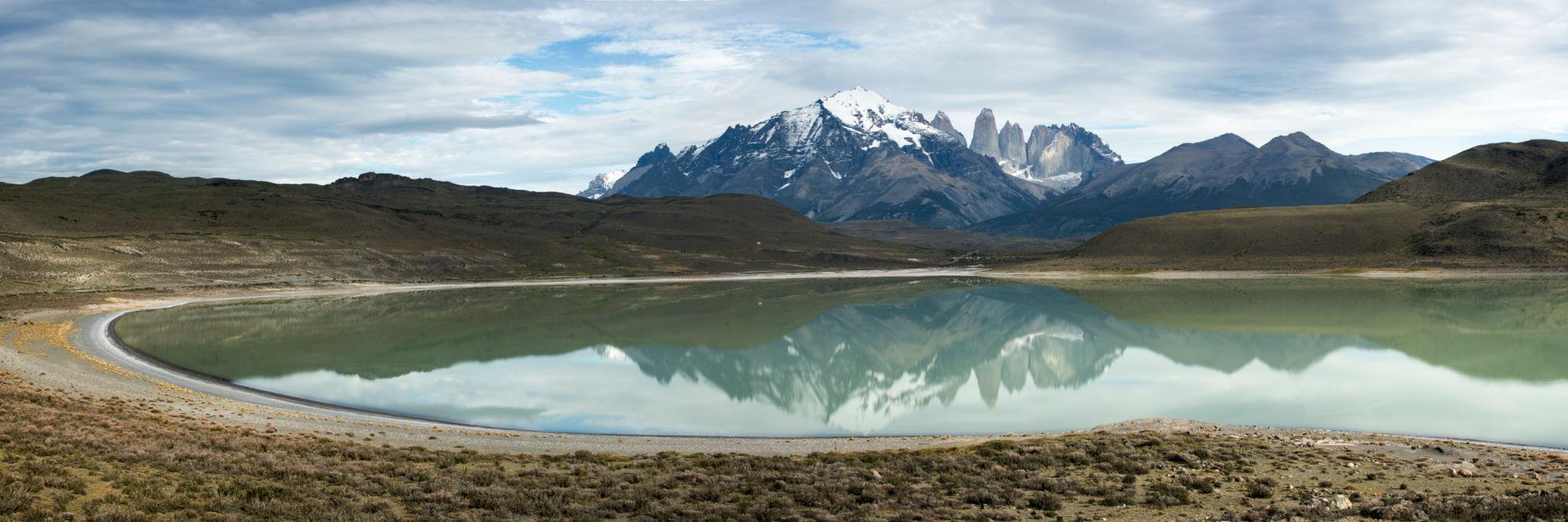
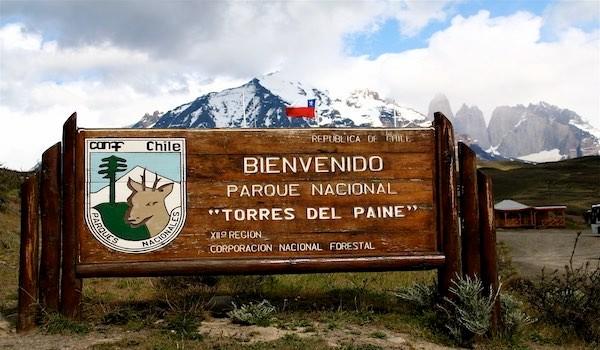
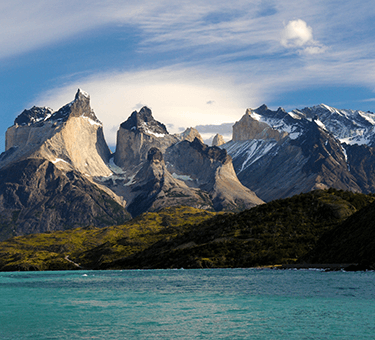
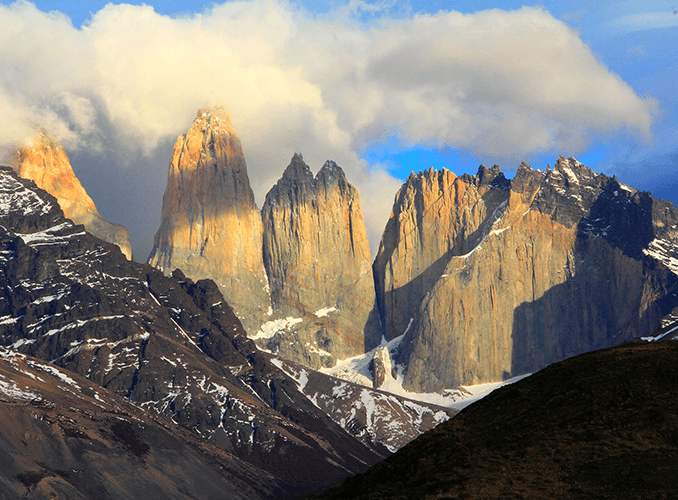
Entrance points to Torres del Paine National Park
The O Circuit takes place entirely inside Torres del Paine National Park.
From Puerto Natales:
• Public buses run daily to the park
• Travel time is about 2 hours
• You enter through Laguna Amarga or Pudeto
At the entrance:
• Park ticket is checked
• Reservations for campsites are verified
You cannot start the O Circuit without confirmed accommodation bookings.
Permits & Booking System
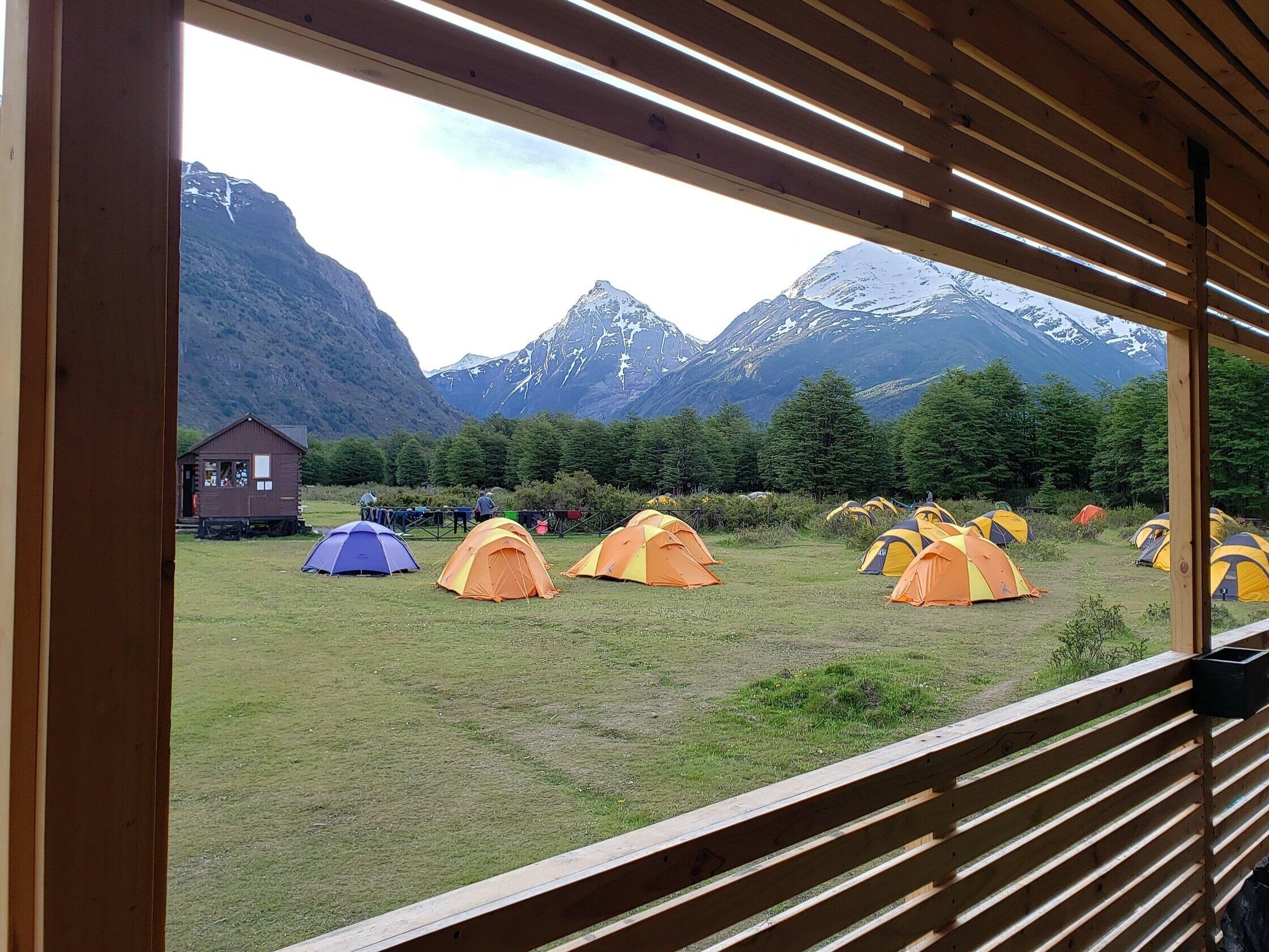

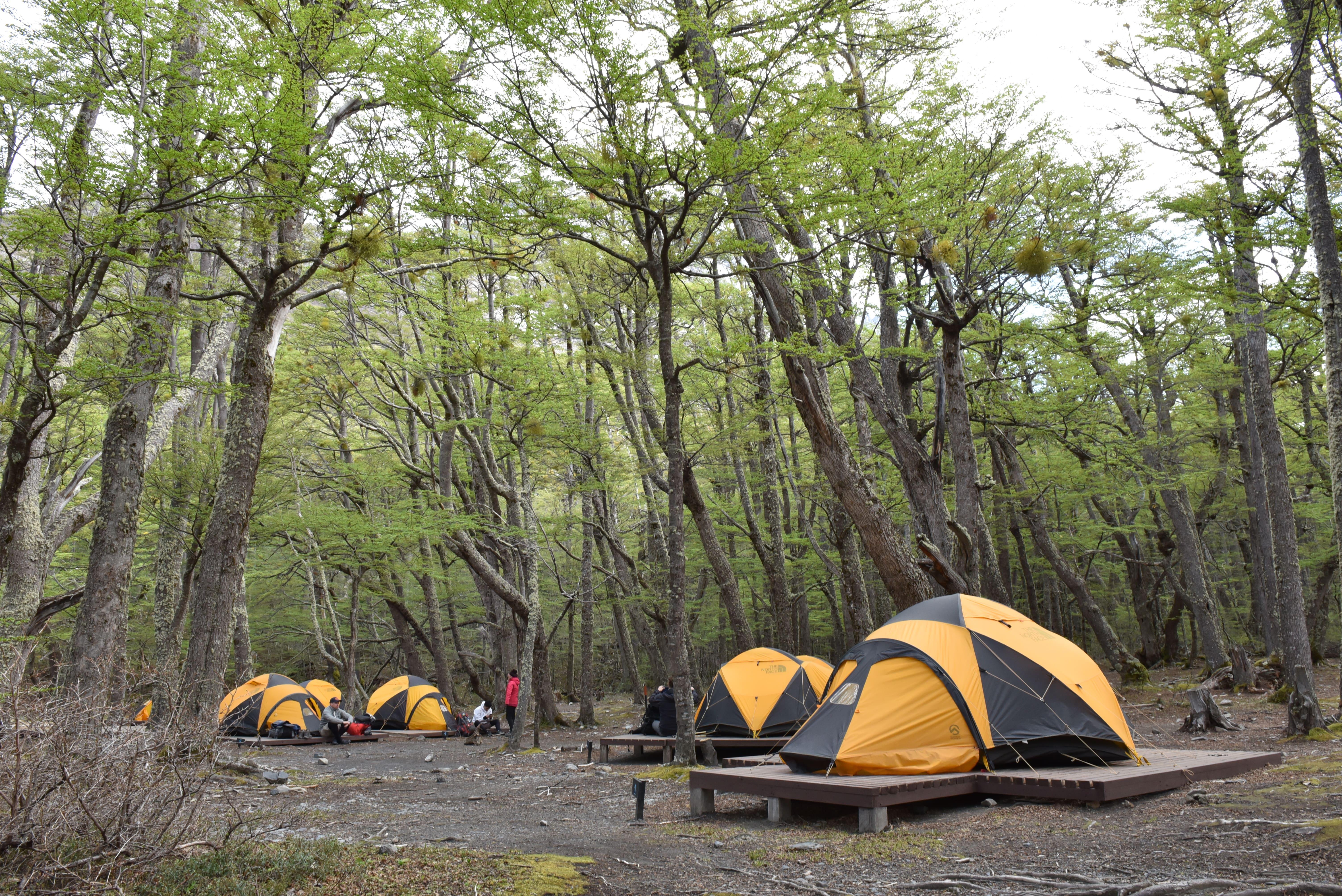
Designated campsites and refugios must be booked in advance
Important rules:
• Park entrance ticket required
• Campsites and refugios must be pre-booked
• Wild camping is not allowed
• O Circuit must be done clockwise
Bookings are managed by park-approved operators. During peak season (December–February), reservations sell out months in advance.
Do You Need a Guide for the O Circuit?
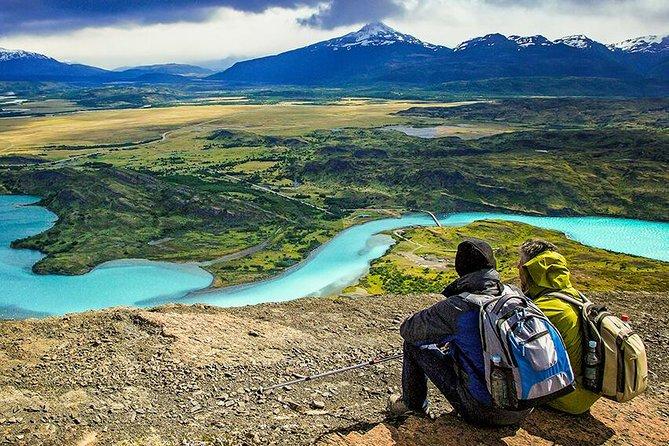
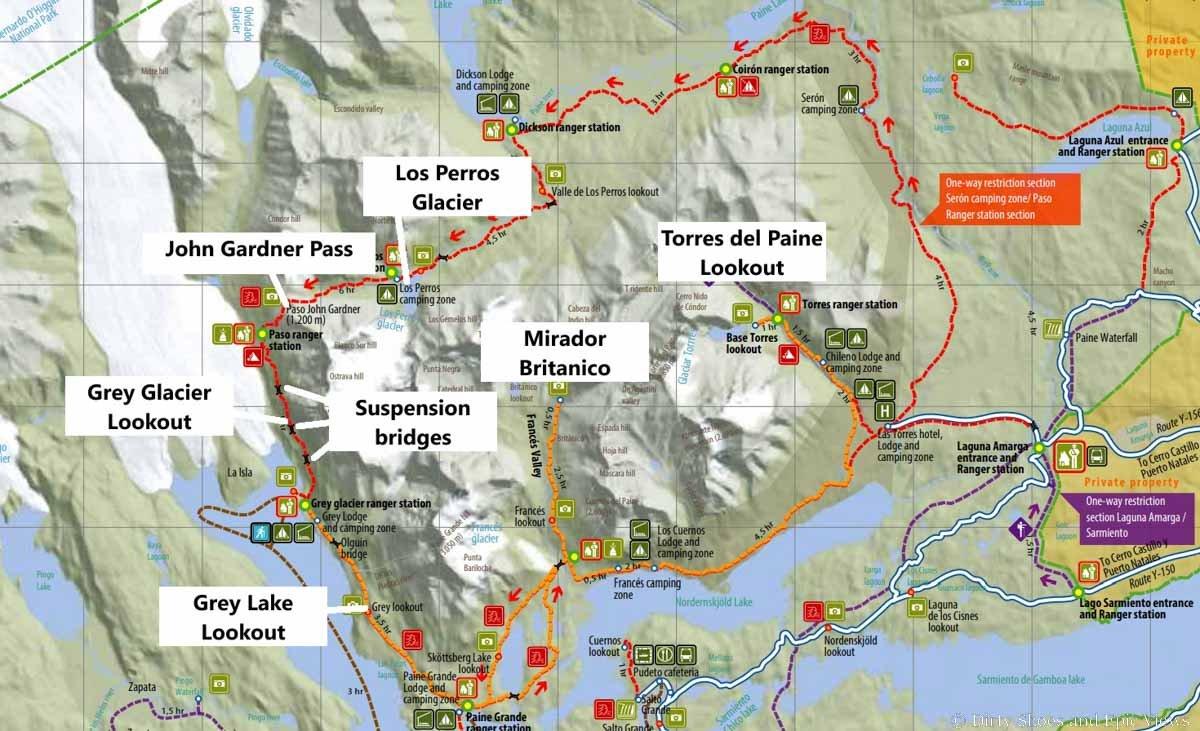
The O Circuit is well-marked and can be completed independently
A guide is not mandatory.
The trail is:
• Clearly marked
• Maintained
• Supported by ranger stations
However, guided tours may be helpful if:
• You prefer organized logistics
• You want meals arranged
• You are not comfortable navigating mountain terrain
Many experienced hikers complete the O Circuit independently.
Packing, Food, Common Mistakes & Final Advice
What to Pack for the O Circuit

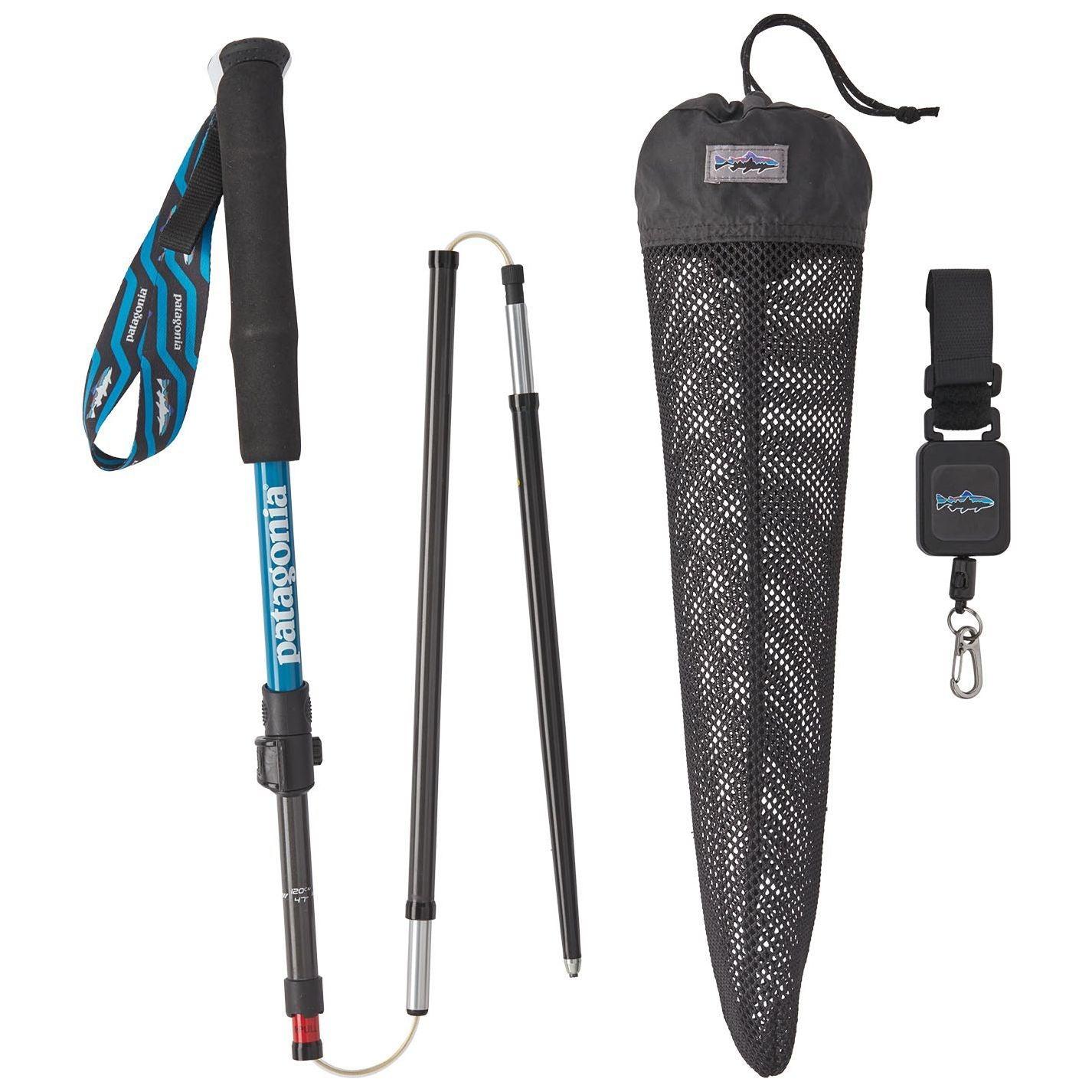
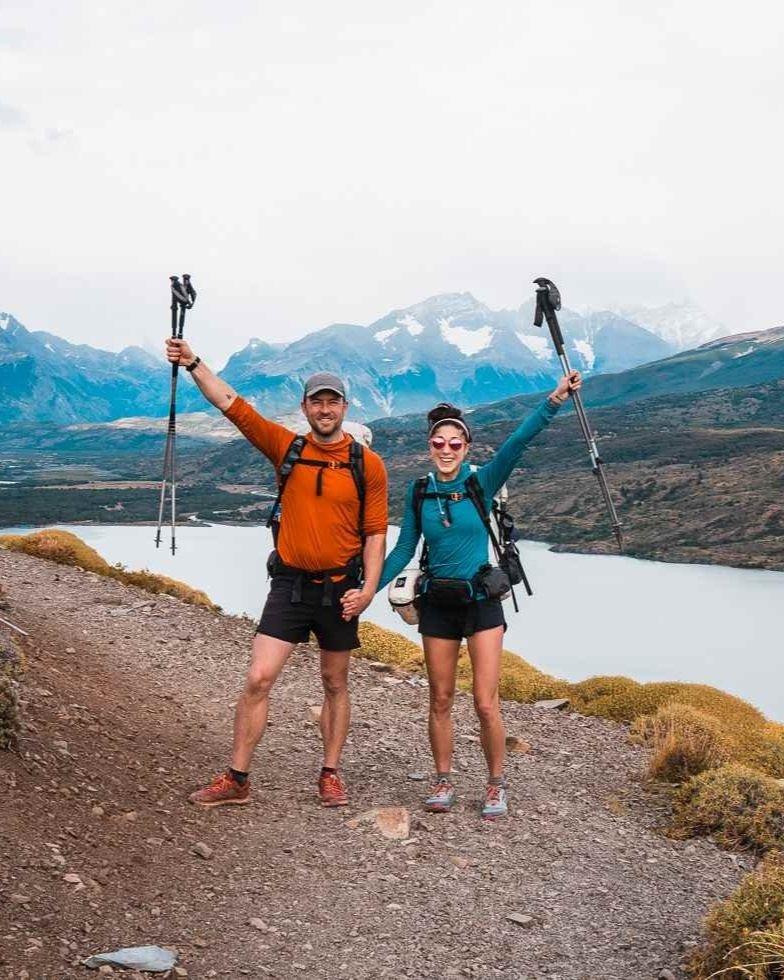
Windproof clothing and proper trekking gear are essential in Patagonia
The O Circuit requires smart packing because of Patagonia’s extreme wind and changing weather.
Essential items:
• 50–65L backpack
• Waterproof and windproof jacket
• Warm layers (even in summer)
• Hiking boots with good grip
• Trekking poles
• Rain cover for backpack
• Headlamp
• Reusable water bottles
• Quick-dry clothing
Wind protection is more important than heavy insulation.
Food & Cooking on the Trail
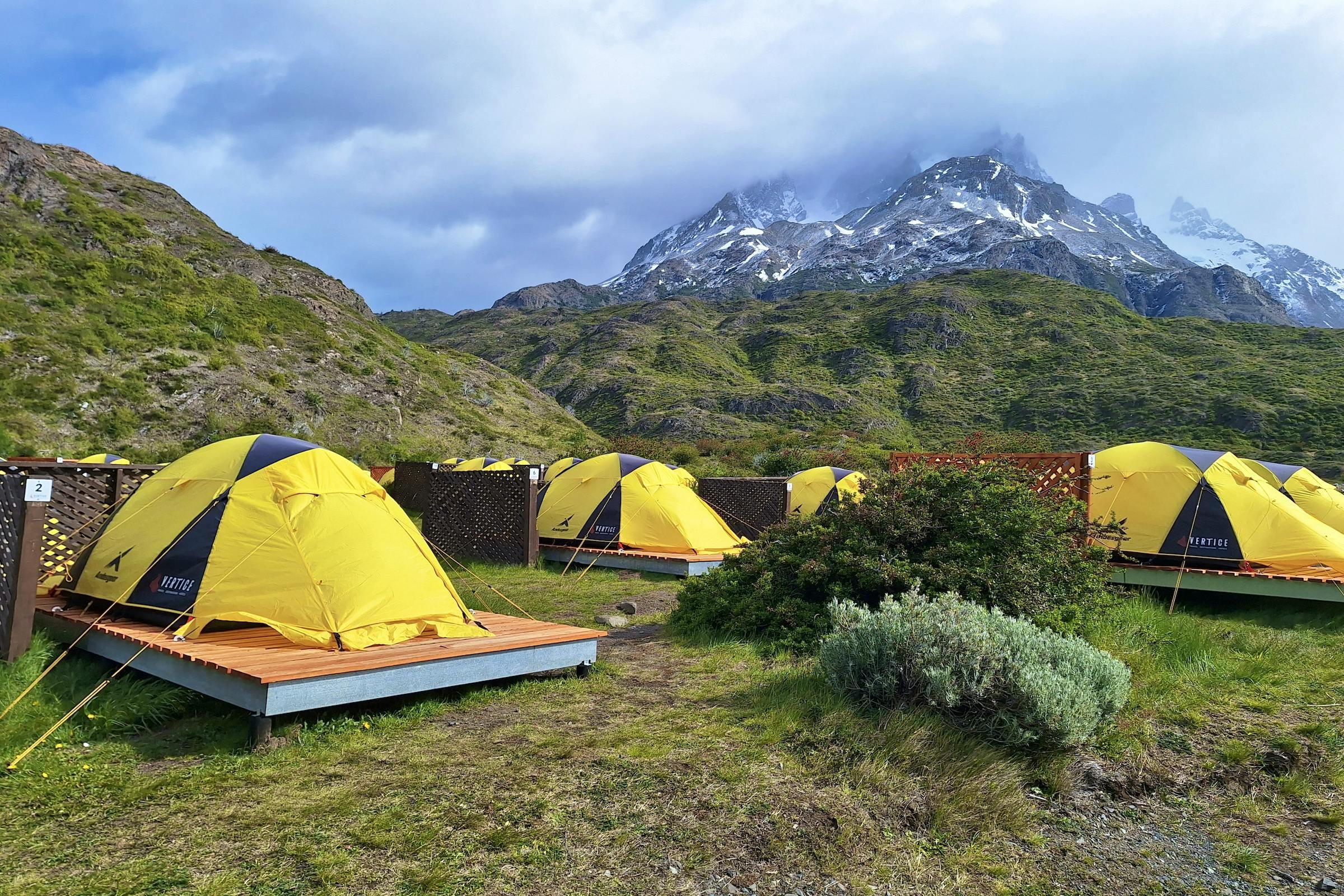
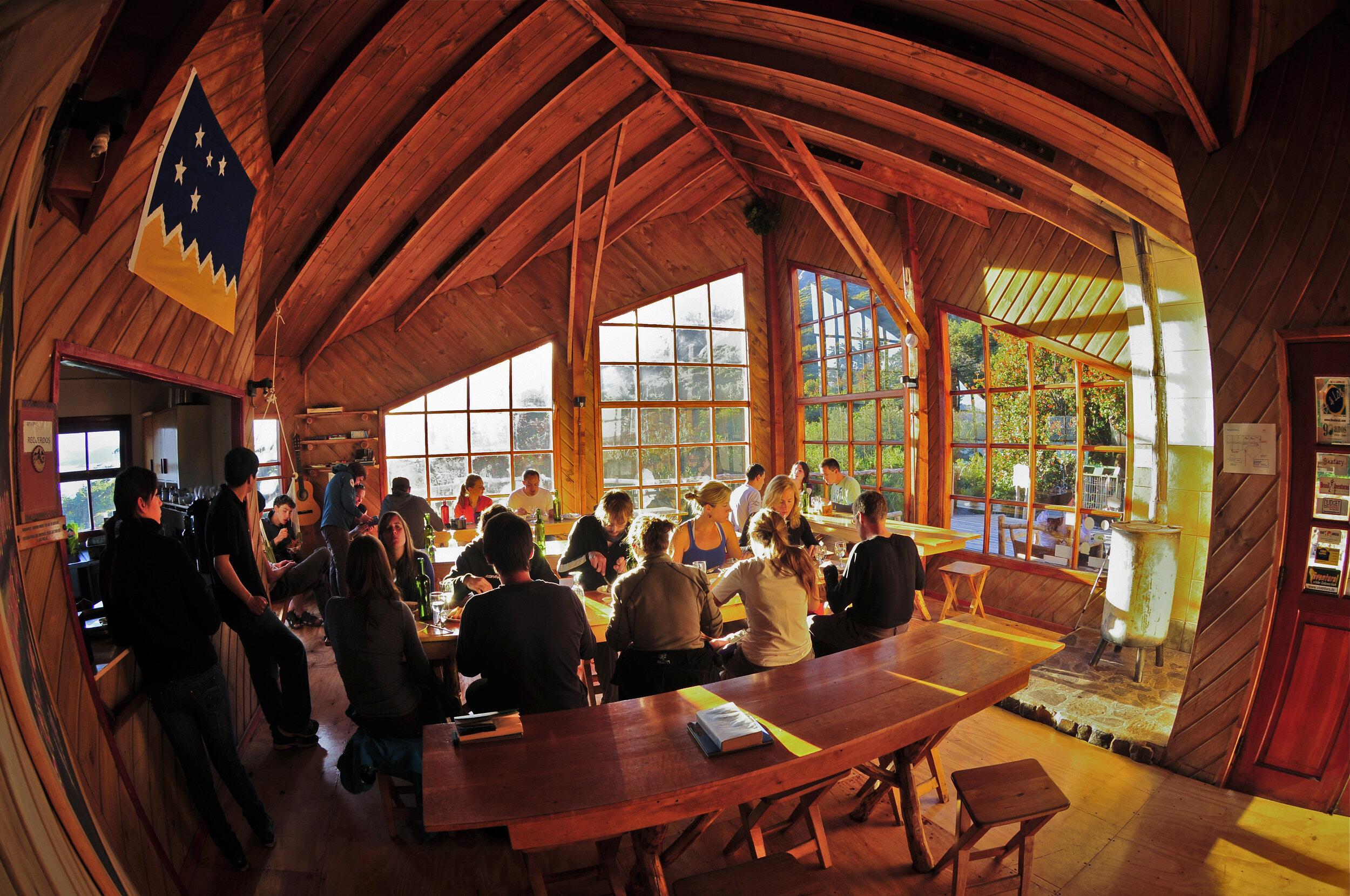
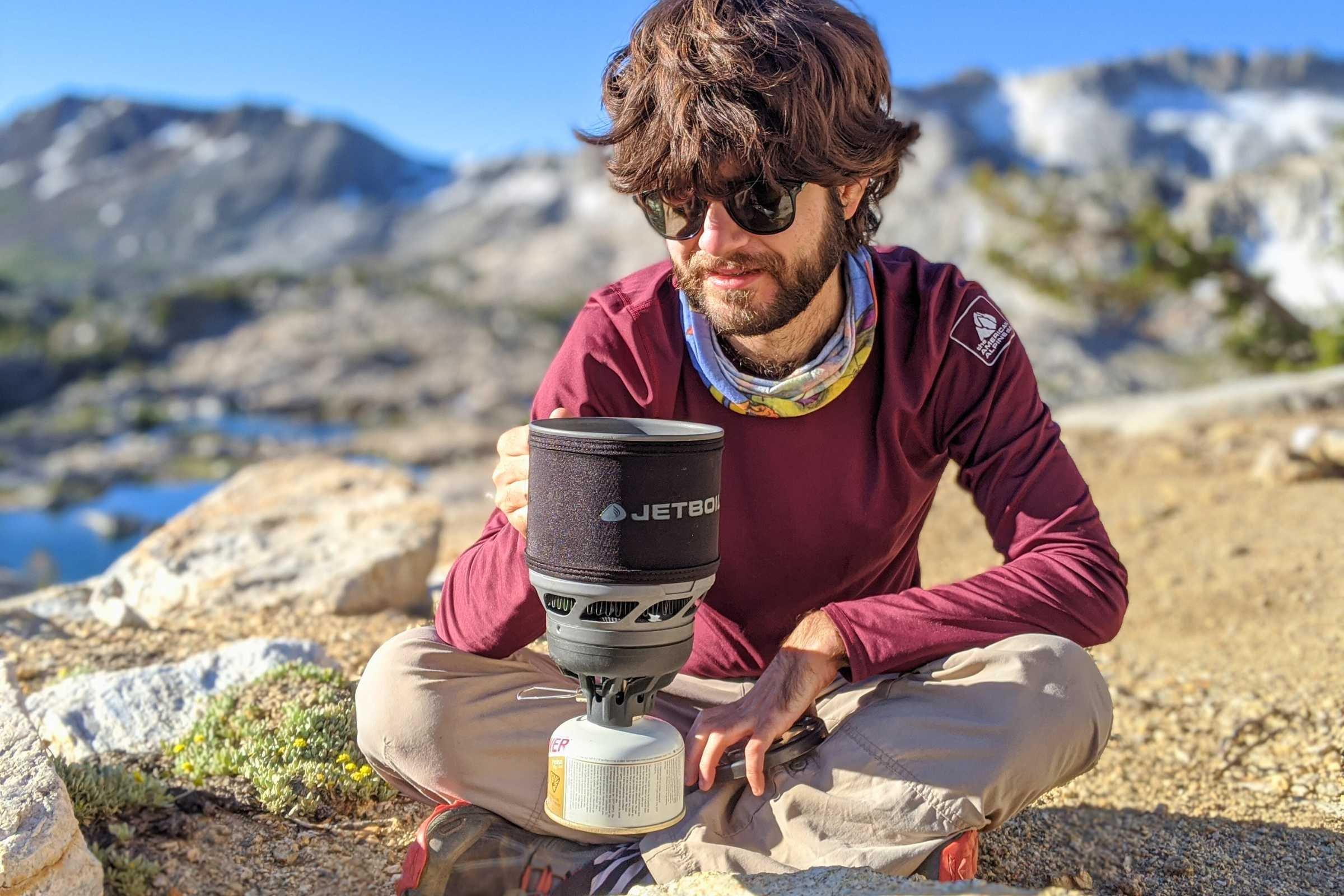
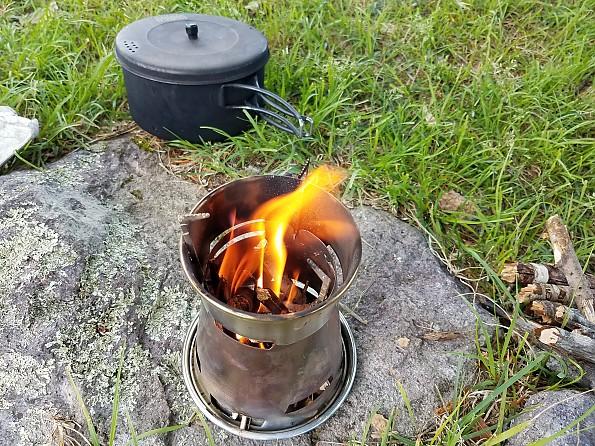
Designated cooking shelters and refugio dining halls along the circuit
There are two main options:
- Self-Supported
• Carry your own stove and food
• Use designated cooking shelters
• Buy food in Puerto Natales
- Refugio Half-Board
• Dinner and breakfast included
• No need to carry heavy food
• More expensive but lighter pack
There are no shops inside the park. Plan all meals in advance.
Common Mistakes Hikers Make
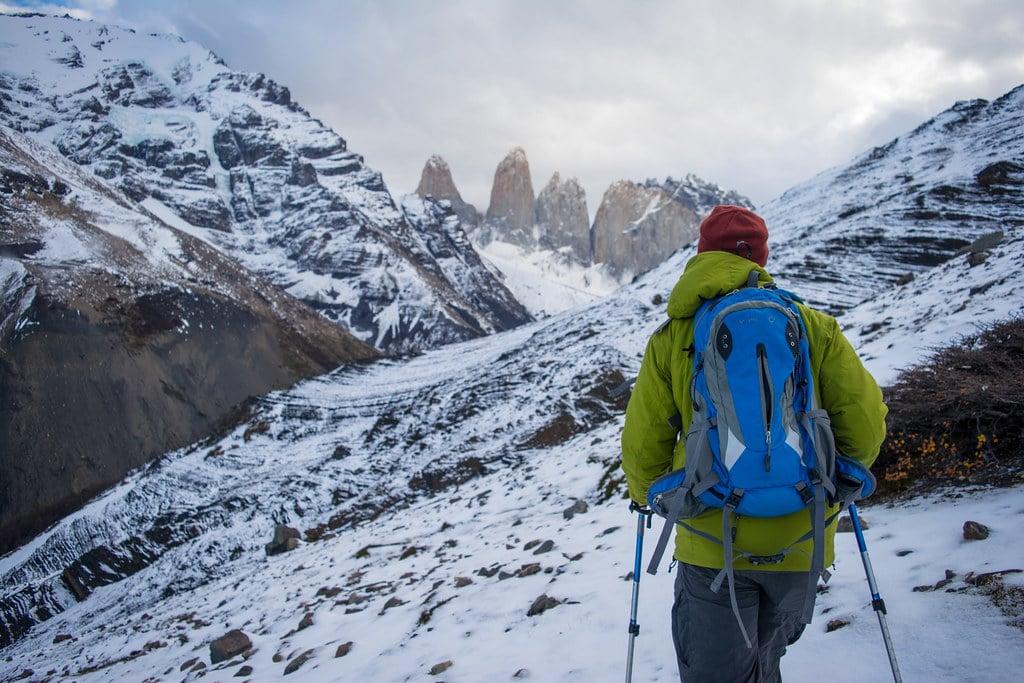
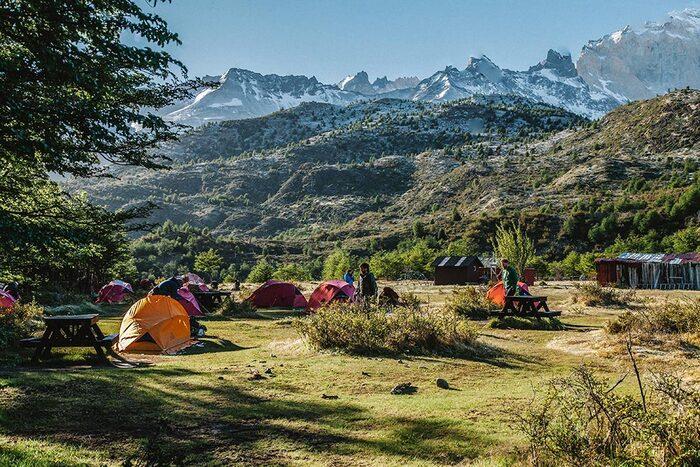
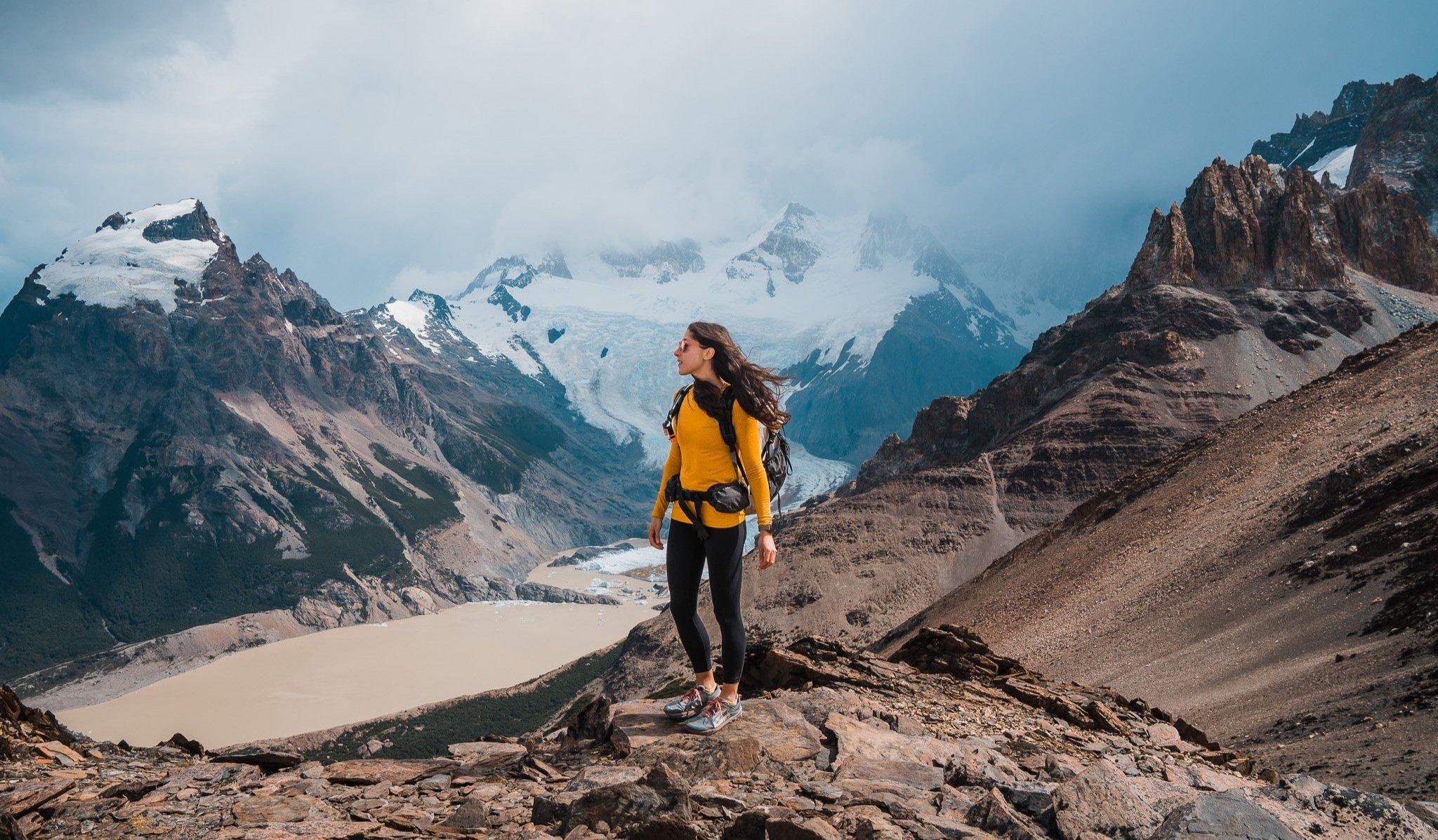
Wind, weather, and poor planning can make the trek harder than expected
Avoid these mistakes:
• Underestimating Patagonian wind
• Not booking campsites early
• Carrying too much weight
• Ignoring weather forecasts
• Starting too late on John Gardner Pass day
Weather can change quickly. Always be flexible.
Is the O Circuit Worth It?
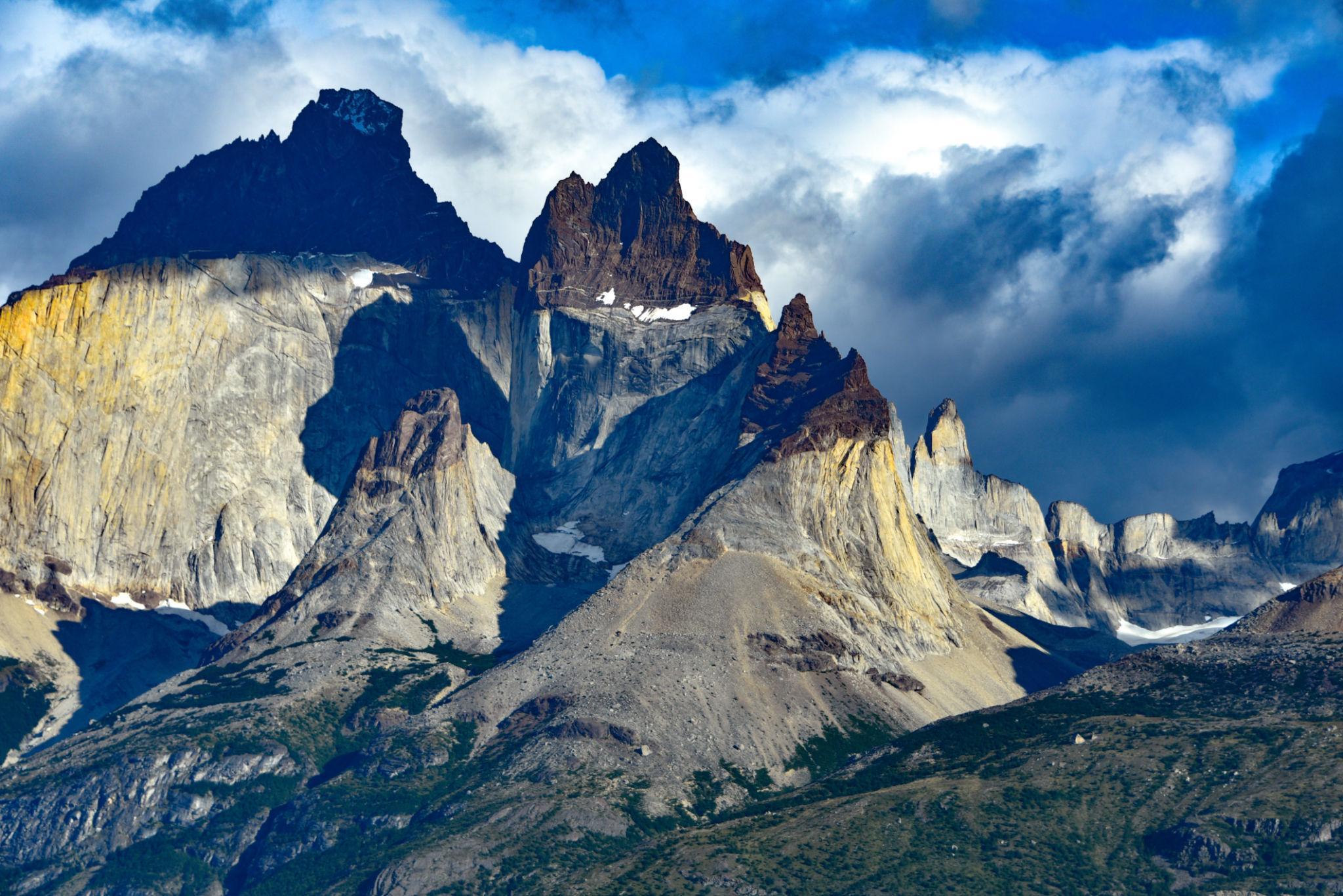
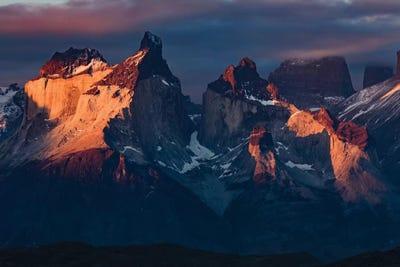
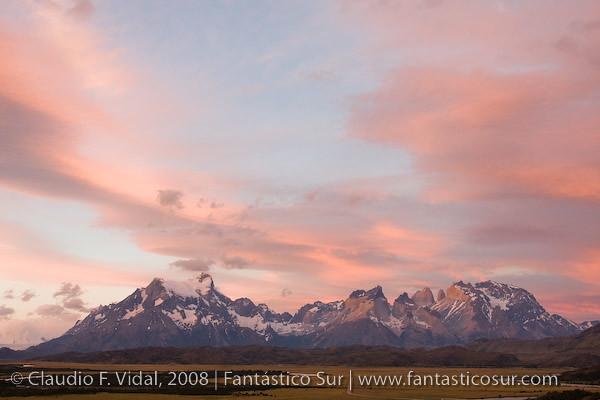
Dramatic mountain scenery makes the O Circuit one of the world’s great treks
The Torres del Paine O Circuit is one of the most scenic multi-day hikes in the world because it offers:
• A complete loop around the Paine Massif
• Glacier views and dramatic granite towers
• Remote wilderness combined with classic highlights
• A strong sense of adventure
It is physically demanding but does not require technical climbing skills.
For serious hikers, it is one of Patagonia’s ultimate trekking experiences.
Image Credits
Images sourced via public image search for Torres del Paine National Park, O Circuit, John Gardner Pass, Grey Glacier, and Patagonia trekking scenes.

![K2 Base Camp Trek: Ultimate Guide k2 Trek 2026 [UPDATED]](https://karakoramdiaries.com/storage/ultimate-guide-to-k2-base-camp-trek-full-document-150x150.png)