Wilfred Thesiger
Crossing the Empty Quarter on Foot
1. Entering the Rub’ al Khali

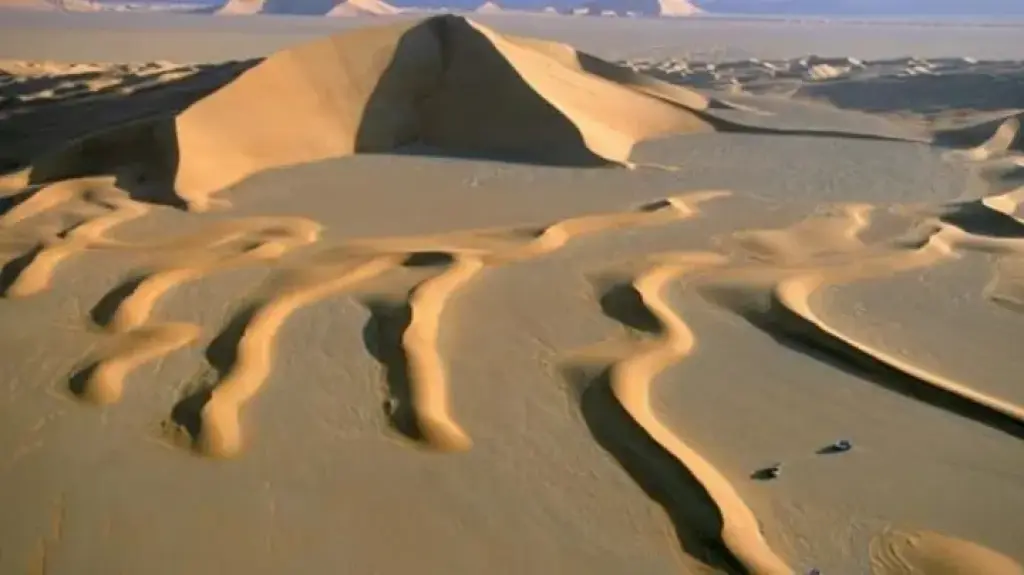
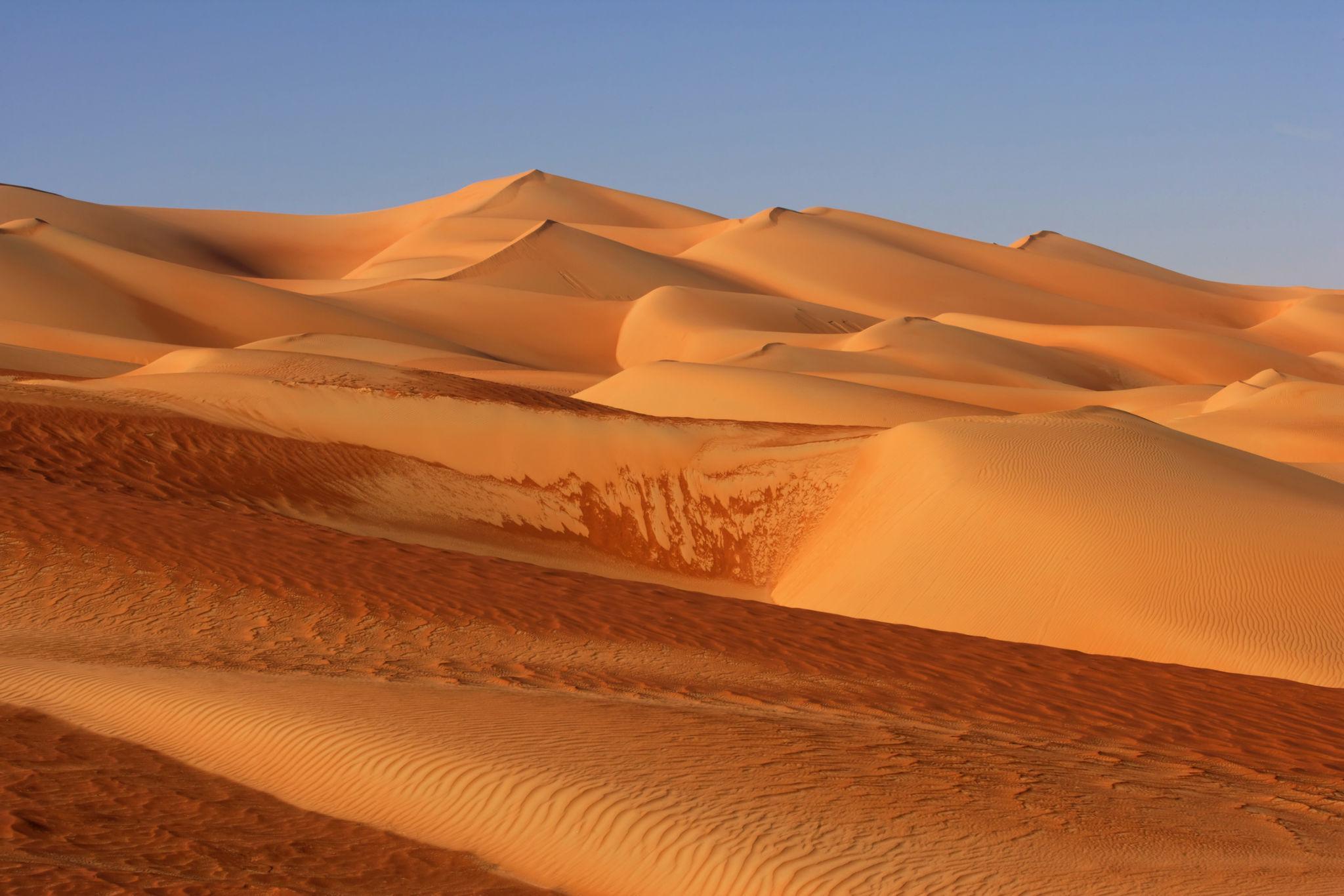
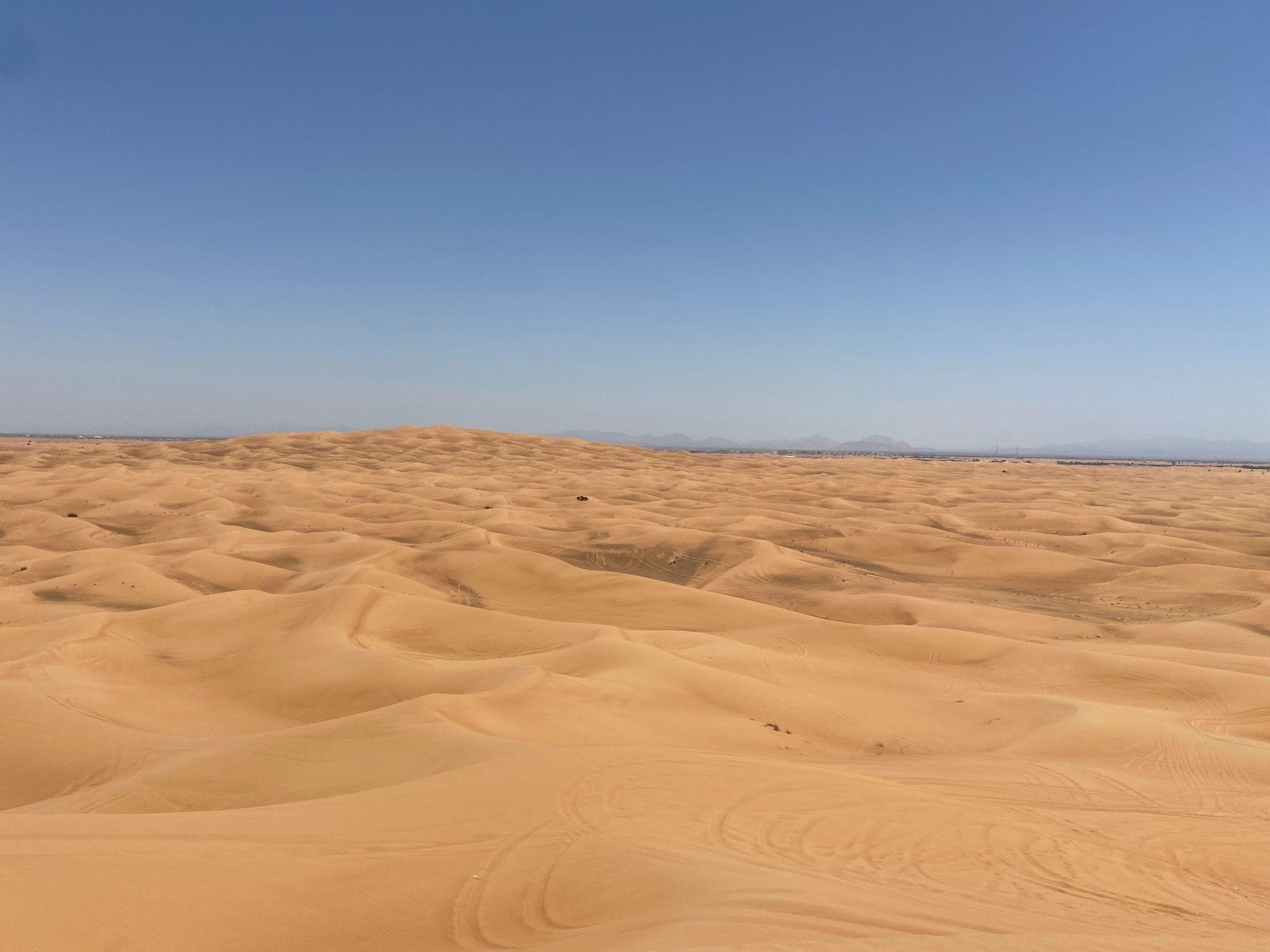
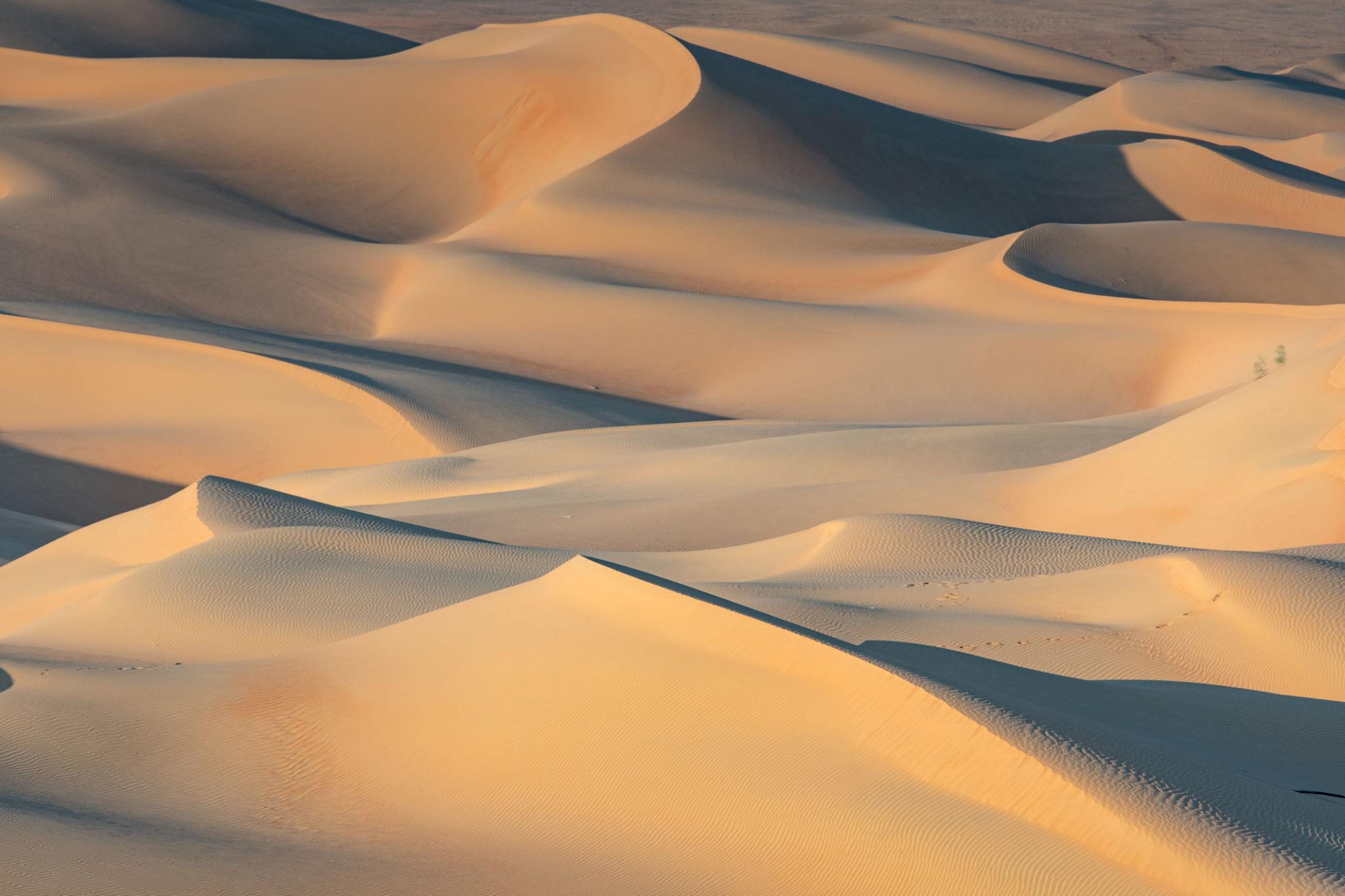
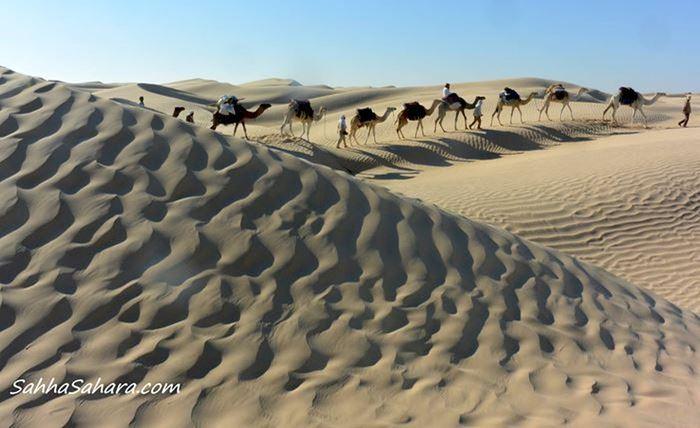
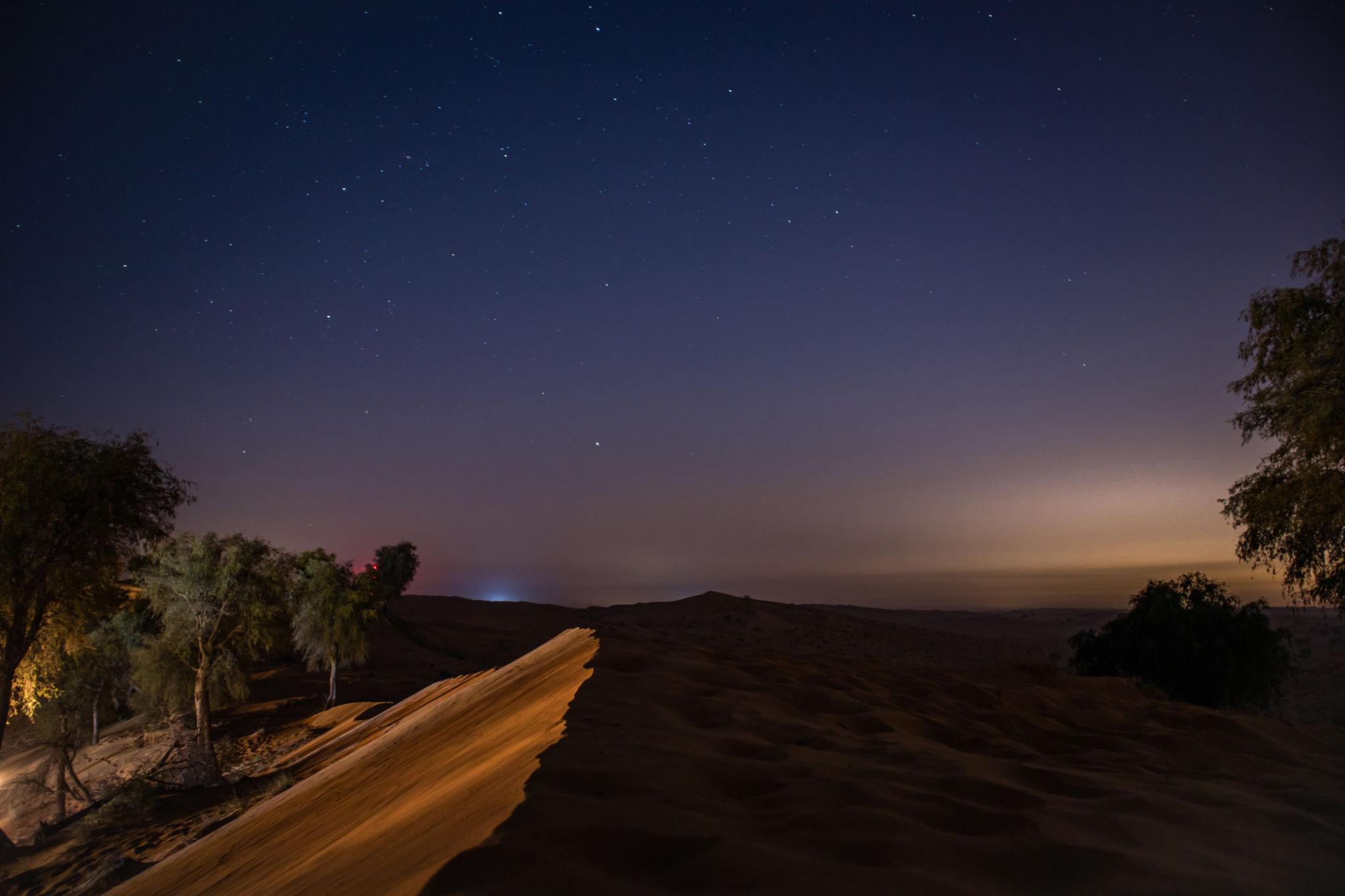
Caption: The Rub’ al Khali, one of the largest continuous sand deserts in the world.
In the mid-1940s, when large areas of the Arabian Peninsula remained poorly mapped by outsiders, Wilfred Thesiger chose to cross the Rub’ al Khali, known in English as the Empty Quarter. It is one of the largest uninterrupted sand deserts on Earth, stretching across Saudi Arabia, Oman, the United Arab Emirates, and Yemen.
Unlike polar explorers backed by formal expeditions, Thesiger traveled with small Bedouin groups who understood the desert through lived experience rather than instruments. His objective was not conquest or speed. He wanted immersion.
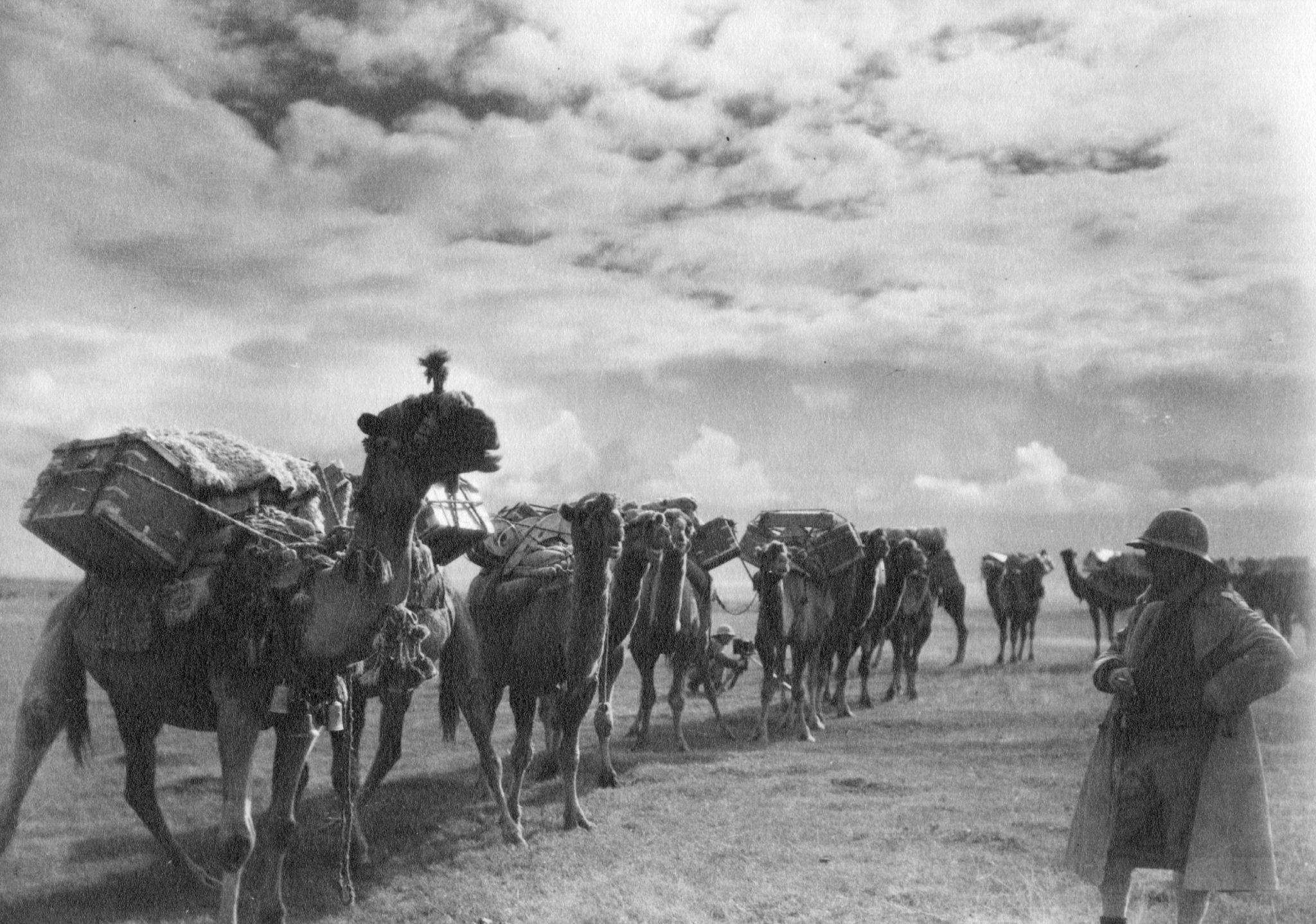
He entered the desert not with vehicles but with camels.
The Empty Quarter is not a uniform sea of dunes. It is a shifting landscape of massive sand ridges, gravel plains, salt flats, and rare wells scattered hundreds of kilometers apart. Temperatures rise sharply during the day and fall drastically at night.
Water defines everything in such terrain.
Before departure, routes were planned around known wells. Missing one meant potential death. Camels carried supplies, but their capacity was limited. Every load had to justify its weight. Food was simple. Dates, rice, occasional meat. Nothing excessive.
From the beginning, Thesiger understood that survival in the Rub’ al Khali required surrendering control to those who knew it best. He adopted Bedouin travel patterns. Move at dawn. Rest during extreme midday heat. Travel again toward evening.
The desert revealed itself slowly.
Days passed without encountering another human being. Wind erased tracks behind them within hours. The landscape offered no fixed markers. Navigation relied on stars at night and knowledge of dune orientation during the day.
Hardship in the Sand Sea
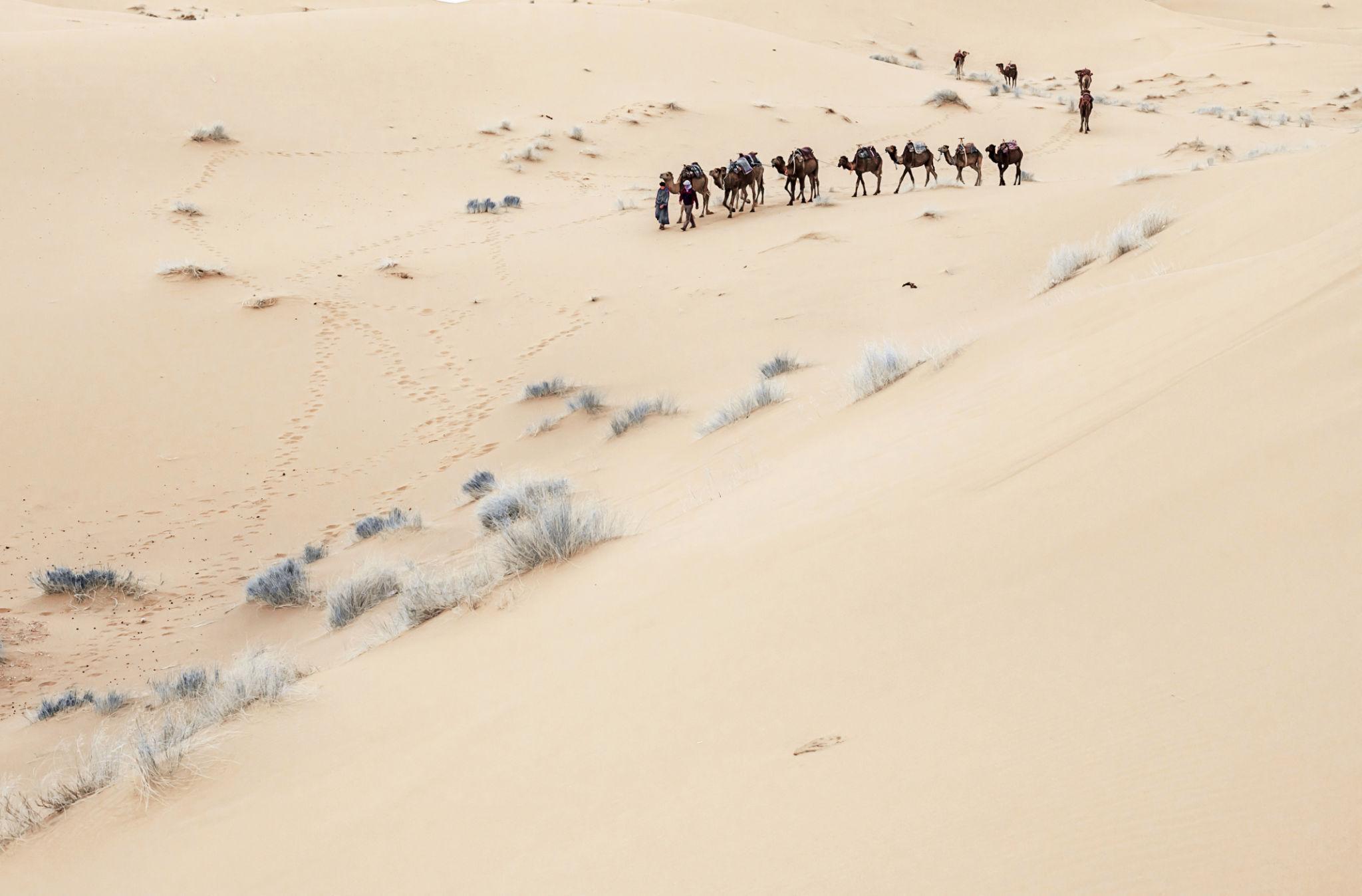
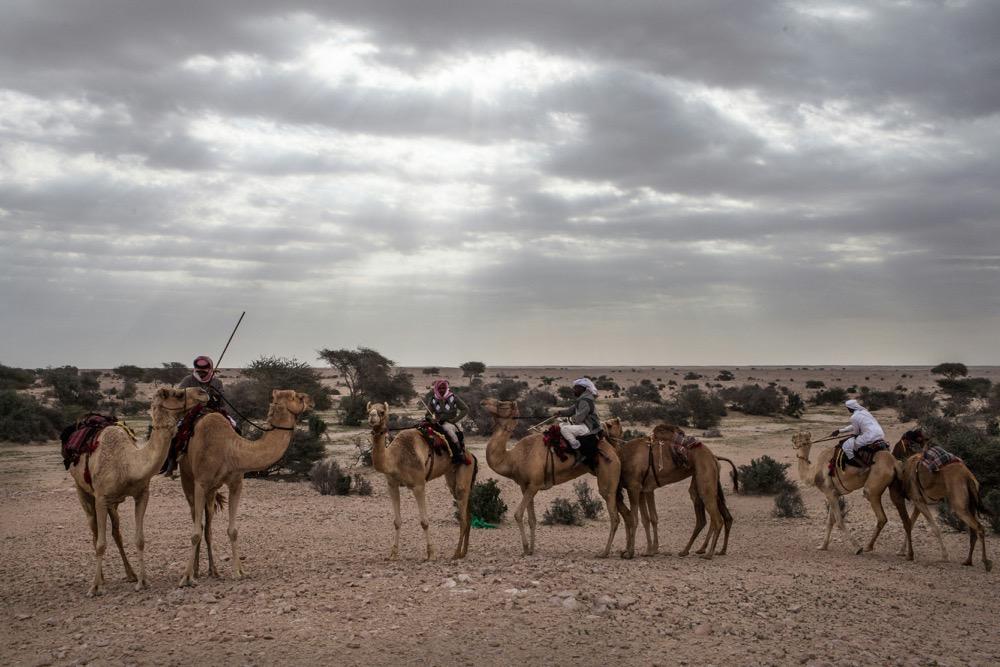
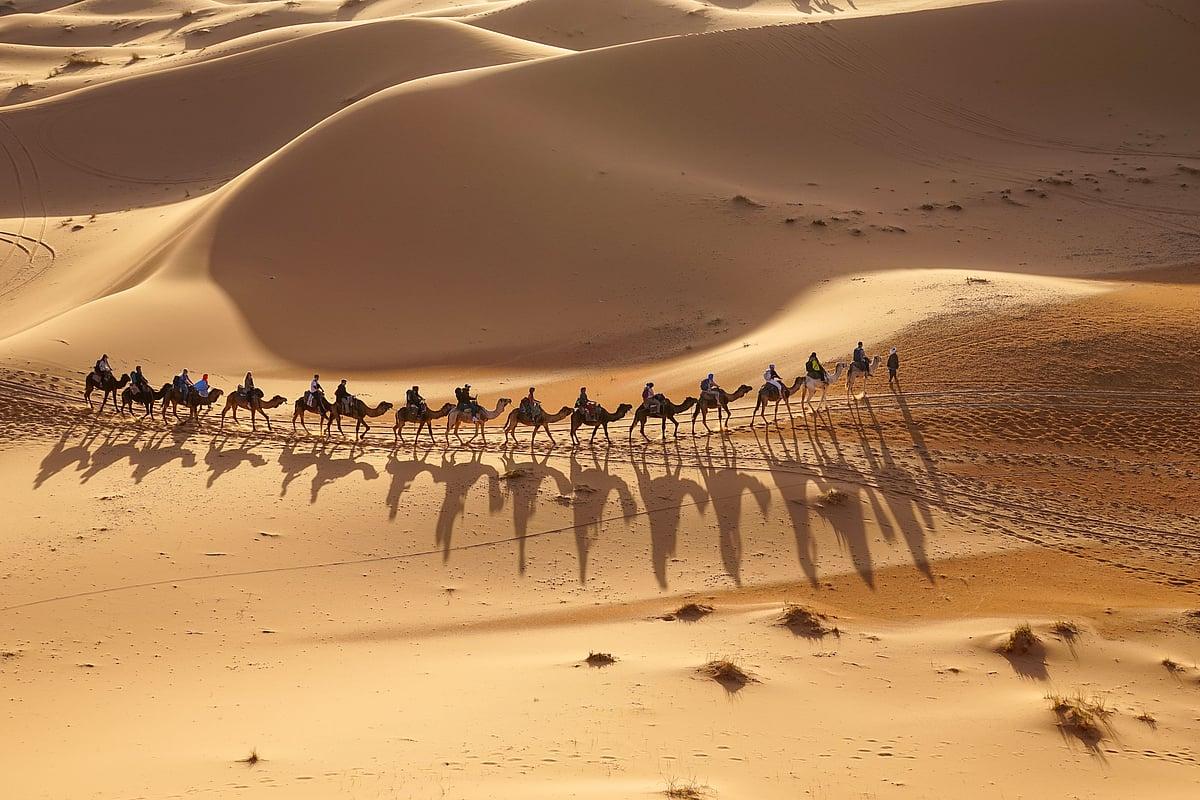
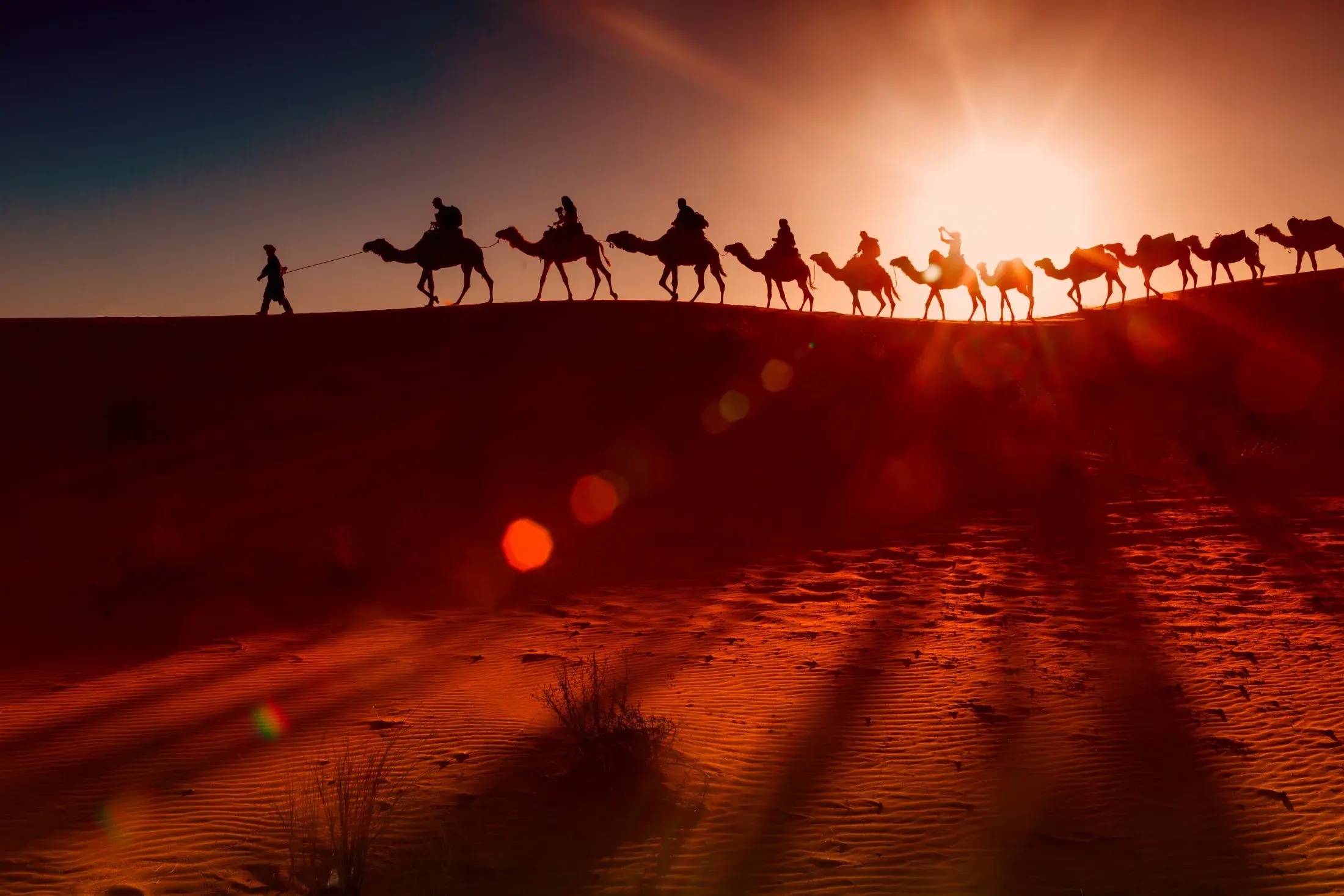
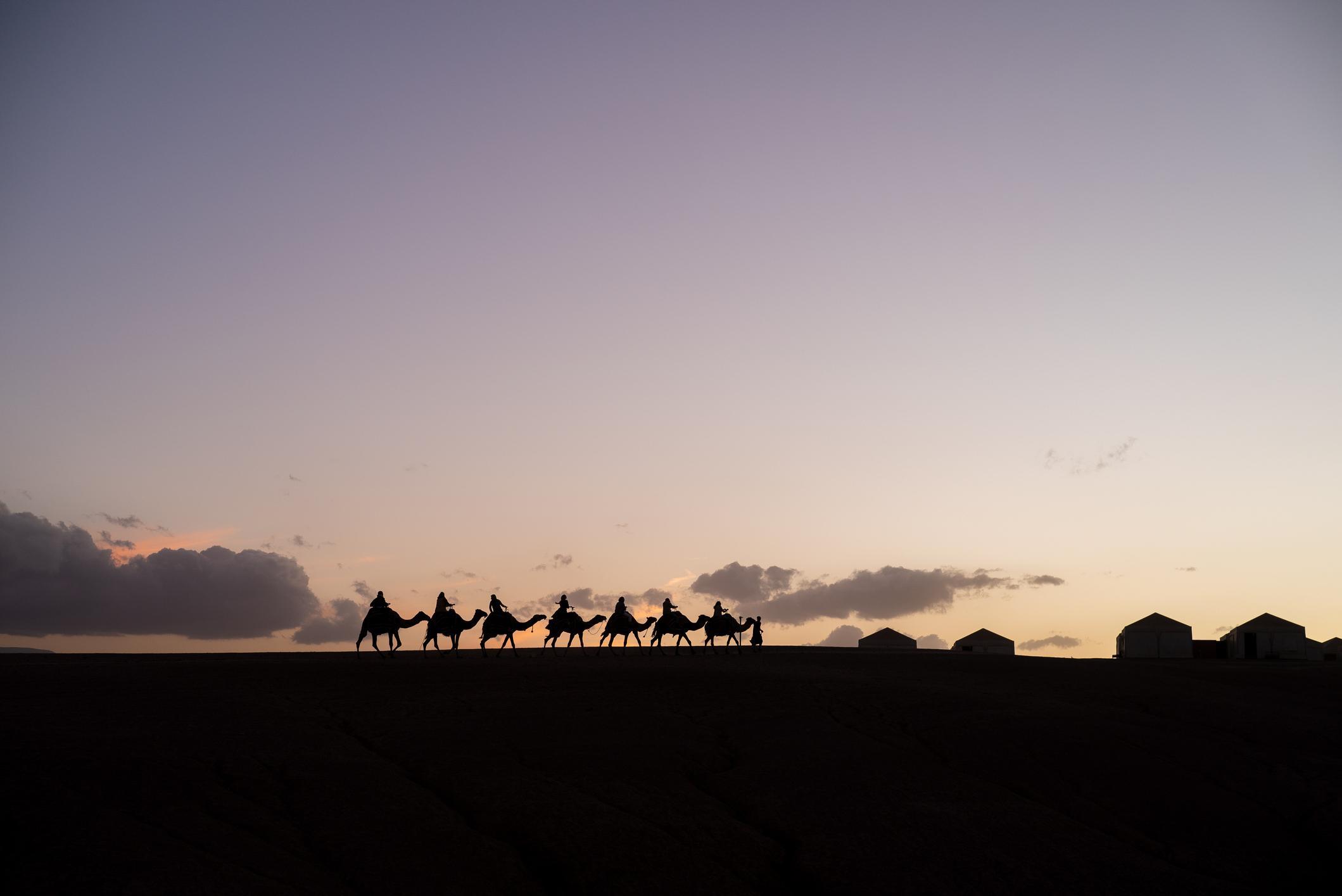
Caption: Camel caravans crossing dunes where wind reshapes the terrain constantly.
The dunes were not small hills. Some rose over 200 meters high. Climbing them on foot meant slow ascent through unstable sand. Camels struggled as well, especially when loads shifted.
Sandstorms arrived with little warning. Visibility dropped sharply. Fine particles filled eyes, ears, and clothing. When storms intensified, travel stopped. The group crouched near camels, waiting for wind to settle.
Water discipline was strict. Wells were sometimes brackish or nearly dry. Drinking too much early in the journey could prove fatal later. Thesiger learned to endure thirst rather than react to it.
There were no dramatic single survival incidents. Instead, the crossing demanded sustained tolerance of discomfort.
Feet blistered inside sandals. Lips cracked. Skin burned.
But the desert also offered moments of clarity. Nights were intensely cold and silent. The sky revealed stars with uncommon sharpness. Conversation was sparse but meaningful. Among the Bedouin, reputation was built on endurance, generosity, and restraint.
Thesiger crossed the Empty Quarter multiple times between 1945 and 1950. These journeys were not symbolic gestures. They were extended expeditions lasting months, covering vast distances where vehicles of the time could not operate reliably.
He later wrote that the appeal of the desert was not beauty alone, but austerity. The absence of excess sharpened awareness.
The Empty Quarter did not change quickly. It demanded patience.
And those who crossed it did so through humility rather than dominance.
2. Wells, Tribes, and the Risk of Miscalculation
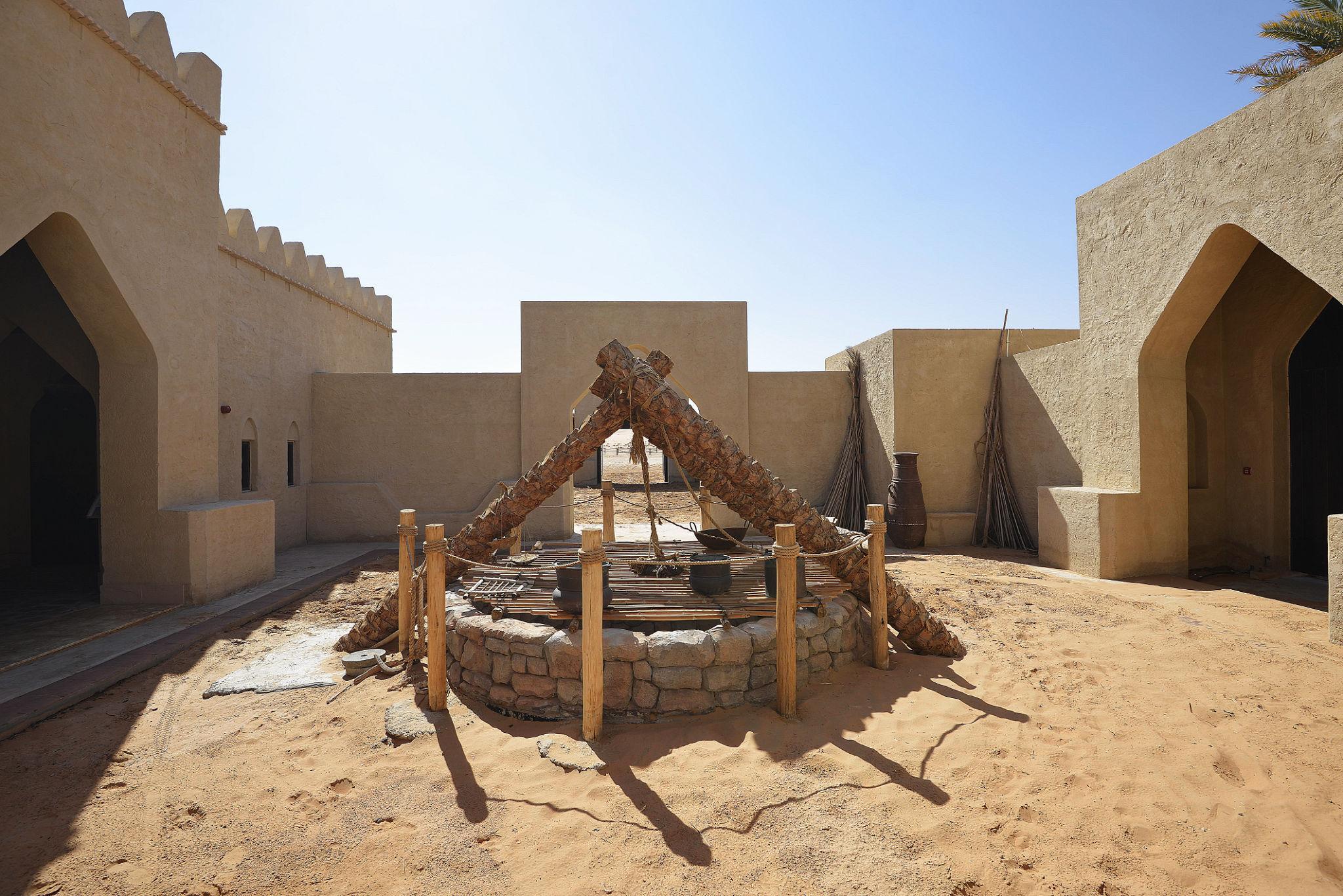
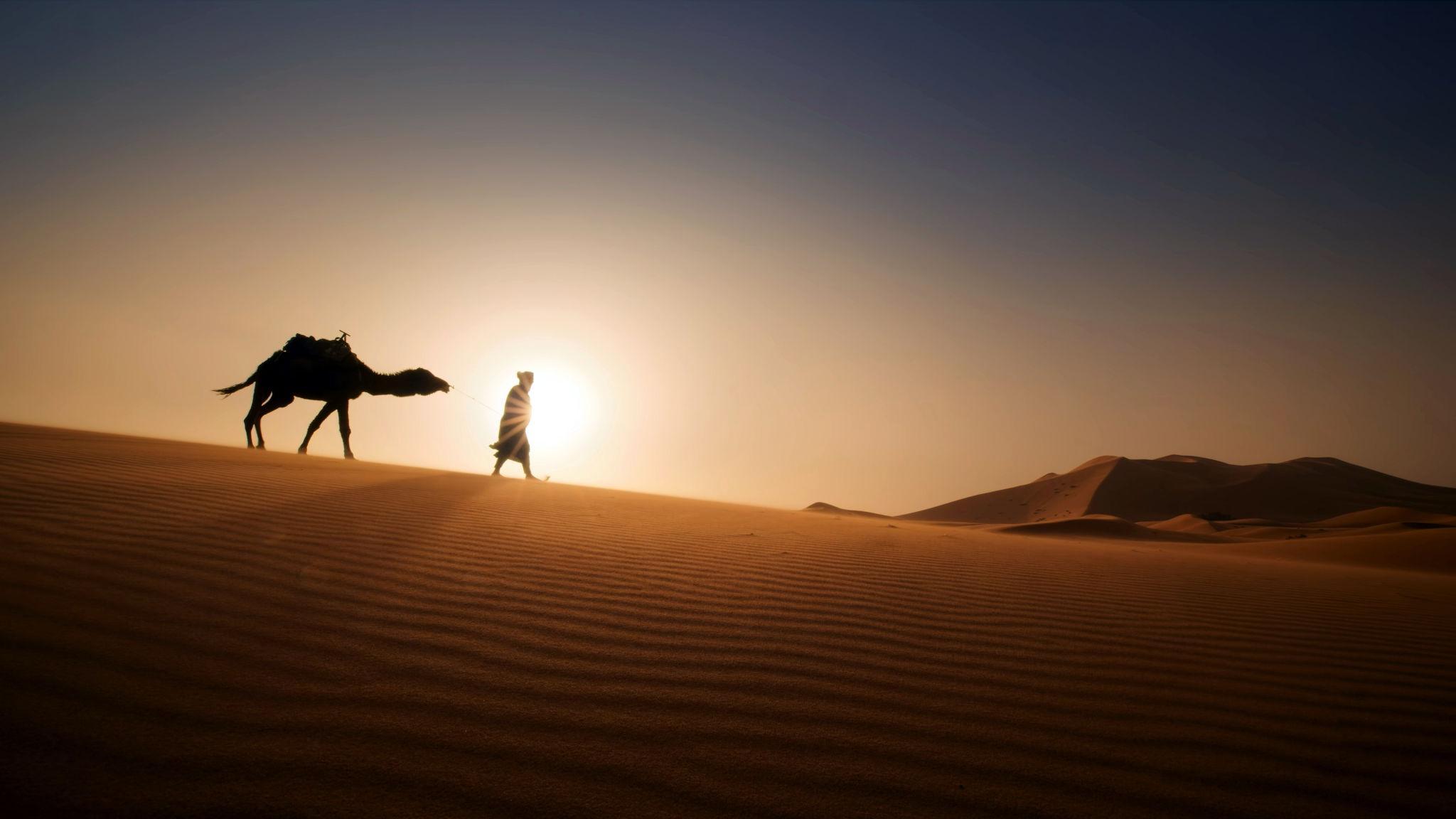
Caption: In the Empty Quarter, survival depends on reaching the next well.
Once inside the deep interior of the Rub’ al Khali, the greatest threat was not storm or heat. It was distance between water sources.
Wells were scattered far apart, and some were unreliable. Sand could fill them. Salinity could make the water nearly undrinkable. A miscalculation in direction could lead to a well that no longer existed.
Thesiger’s crossings depended entirely on Bedouin knowledge passed through generations. Navigation relied on subtle indicators. The angle of dunes. The texture of sand underfoot. The position of certain stars at specific hours.
Modern maps were incomplete. Much of the region had never been surveyed accurately. The desert changed constantly. Wind reshaped dunes, erasing familiar outlines.
At times, the caravan walked for days with water reduced to strict rations. Camels could survive longer without drinking than humans, but even they weakened if wells were delayed. The men avoided unnecessary speech to conserve moisture.
There were tensions beyond environment. Tribal territories overlapped. Some groups were hostile. Crossing into certain areas required negotiation or alliances. The desert was not empty of human presence. It was governed by codes and loyalties invisible to outsiders.
Thesiger learned quickly that trust mattered more than courage. Without acceptance from his companions, he would not survive long.
The crossings were not single continuous marches. They were a series of calculated movements from one known source of life to the next. Each arrival at a functioning well brought visible relief. Each departure meant committing again to uncertainty.
3. Storms and Silence
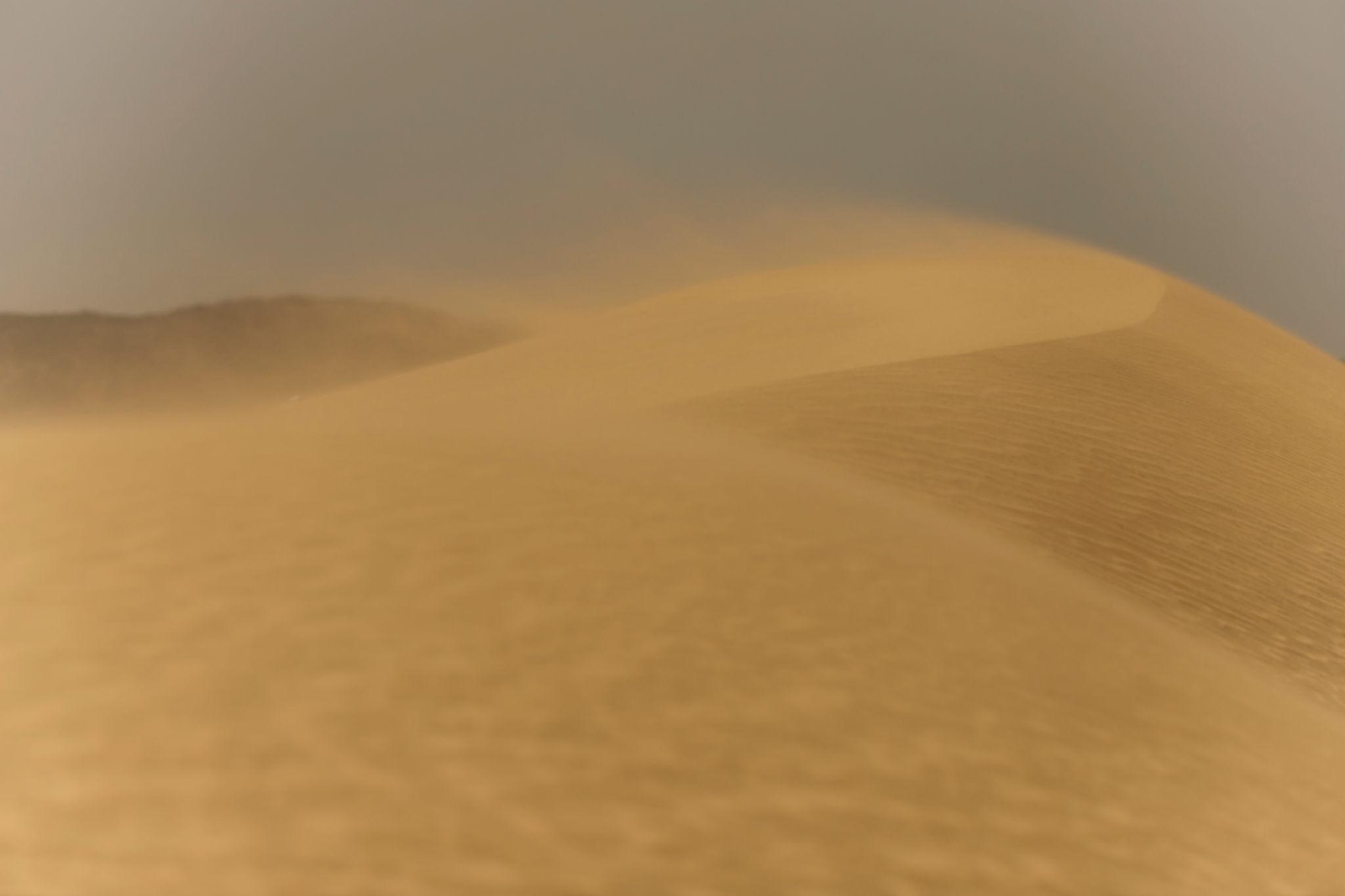
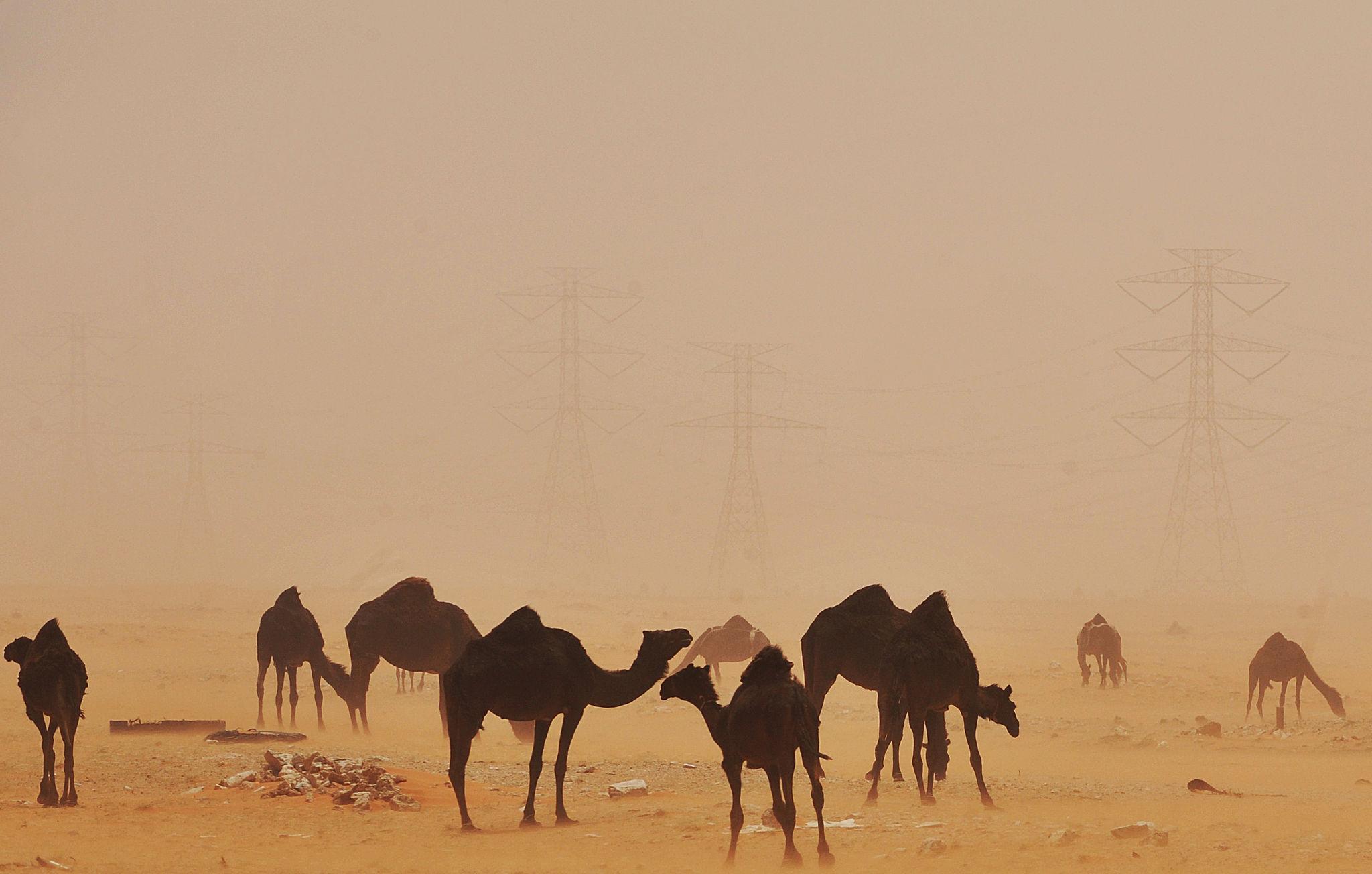
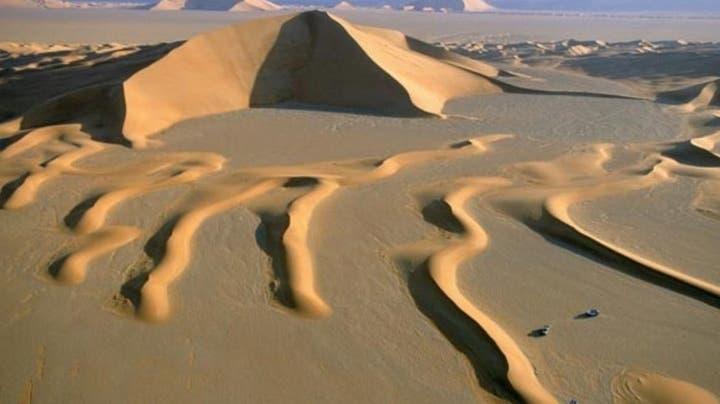
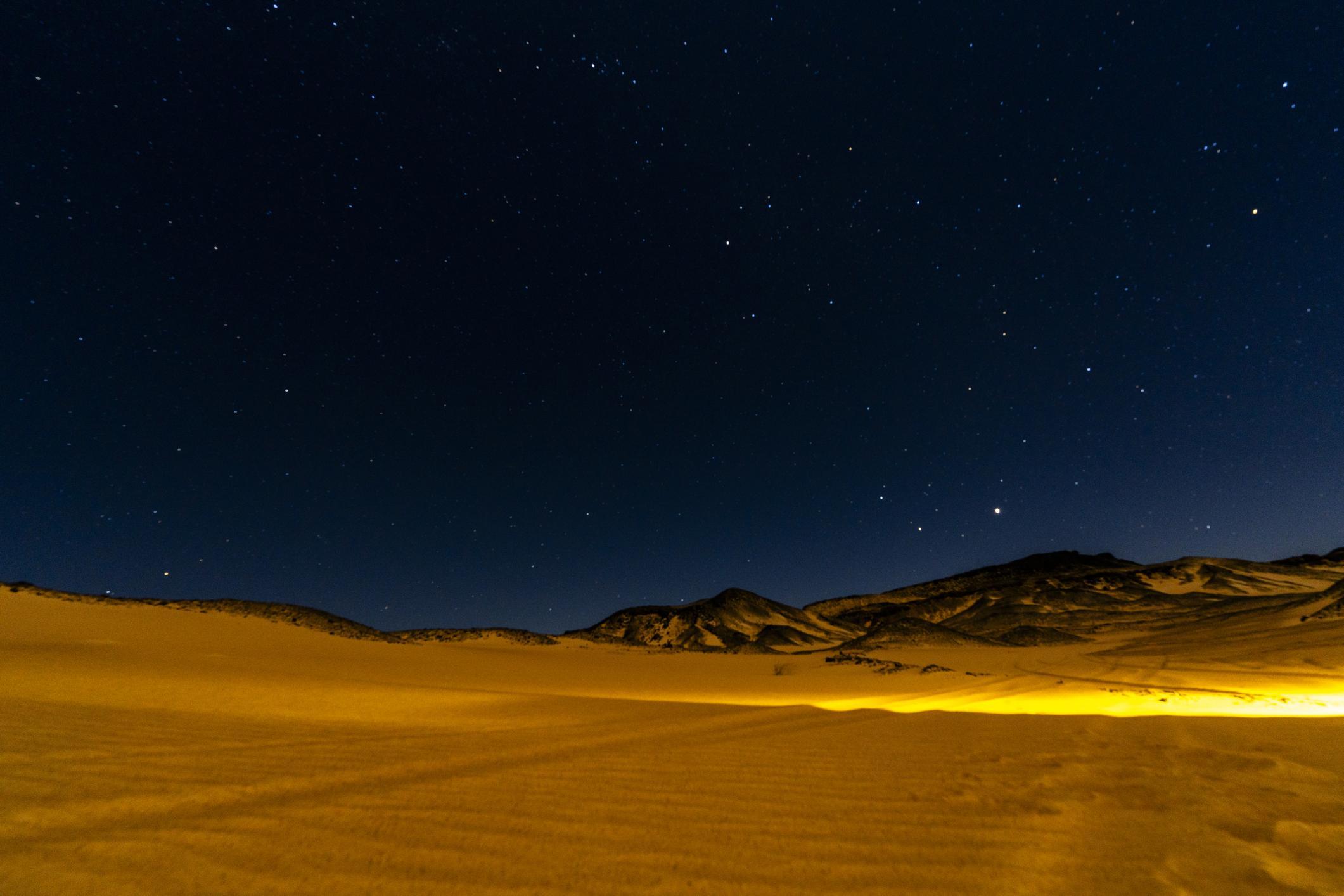
Caption: Sandstorms erase direction and reduce the world to dust and wind.
Sandstorms in the Empty Quarter do not build slowly like polar blizzards. They appear on the horizon as a low wall of dust and then arrive with force.
When caught in one, visibility drops to almost nothing. Camels kneel instinctively. Men wrap cloth tightly around faces. The storm can last hours or days.
During these periods, time stretches. Movement stops. Food is rationed carefully. Sand infiltrates every layer of clothing and equipment. Eyes burn. Lips crack further.
When wind subsides, the landscape may appear different. Dunes reshape. Previous tracks vanish entirely. Only instinct and experience guide direction forward.
Thesiger later described these crossings as lessons in restraint. The desert punishes impatience. Moving too quickly wastes energy. Consuming water too freely invites disaster. Speaking unnecessarily dries the mouth.
He was not racing anyone. There was no audience. The journeys were recorded later in writing, but in the moment they were quiet acts of endurance shared with small groups moving across a shifting sea of sand.
Multiple crossings between 1945 and 1950 took him across Oman and Saudi territories, through regions few Westerners had seen at that time. Each expedition deepened his understanding that the desert does not yield to ambition. It demands adaptation.
The Empty Quarter offered no summit, no coastline finish, no dramatic marker of completion. Success meant reaching the next settlement alive.
And then choosing to enter the dunes again.
4. Hunger, Loyalty, and the Longest Crossing
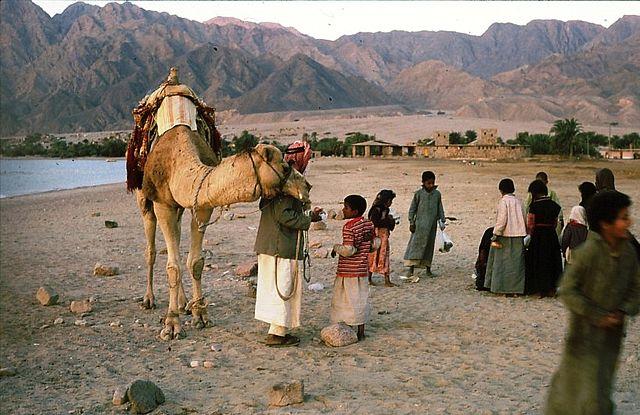
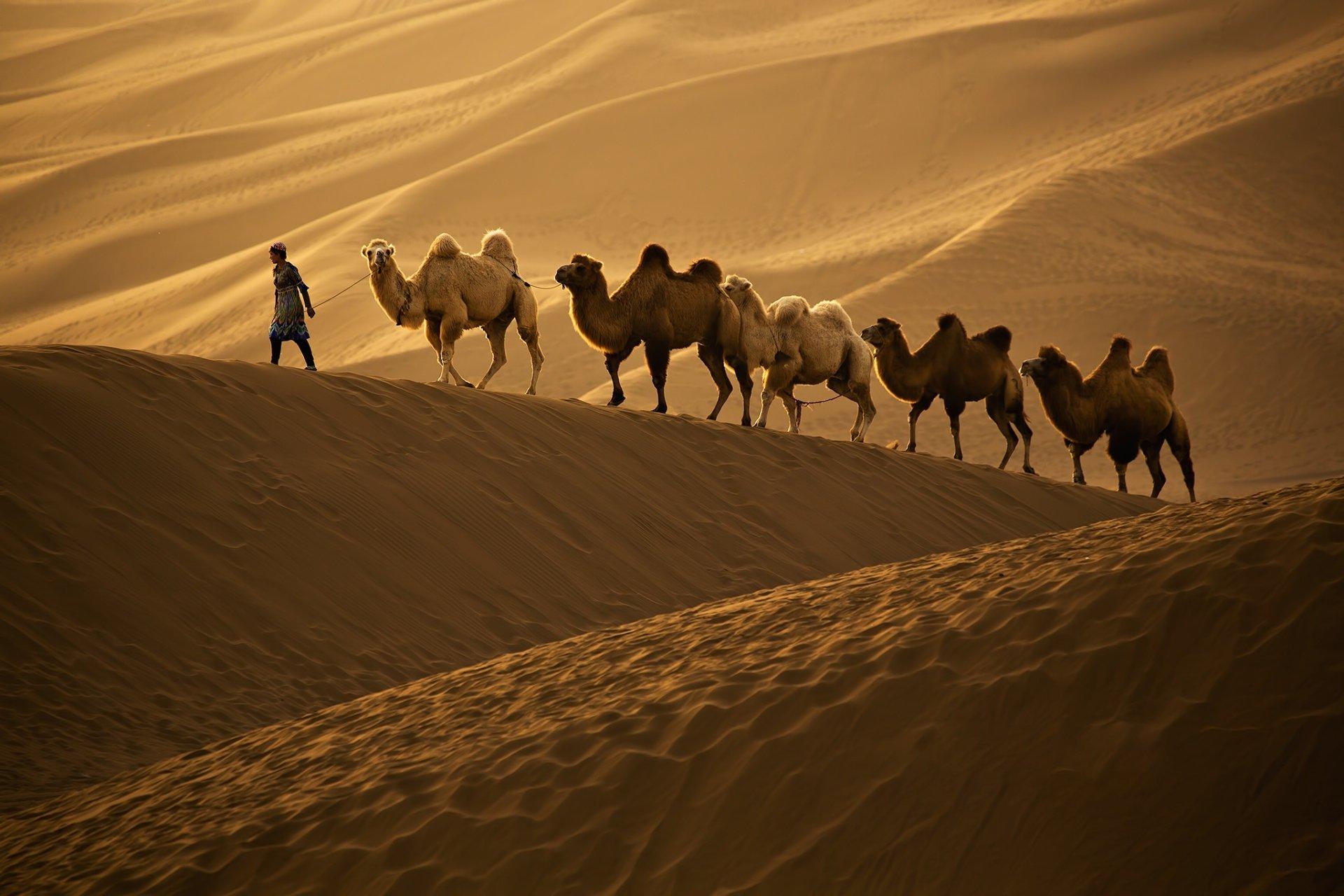
Caption: Weeks into the desert where food thins and loyalty matters more than strength.
On his longer crossings of the Rub’ al Khali between 1946 and 1948, Wilfred Thesiger pushed deeper into territory that even many Bedouin avoided during certain seasons.
Food began to thin long before water did. Rice sacks grew lighter. Dates were counted. Occasional game was rare. Camels themselves represented both transport and emergency survival, but slaughtering one meant sacrificing mobility. Such decisions were never taken lightly.
The desert economy was based on endurance. A man who complained too much lost respect. A man who consumed more than his share weakened the group. Thesiger adapted to this ethic. He ate what was given. He walked when others walked. He accepted thirst as routine.
Trust inside the caravan became critical. Disagreements in such conditions could fracture survival. Tribal alliances determined safe passage across certain regions. Some territories required careful diplomacy, especially in areas where raids and rivalries were part of life.
There were moments when wells proved disappointing. A shallow pool with brackish water had to be shared between men and animals. Rations were recalculated immediately. Routes altered to compensate.
The longest crossing demanded weeks without encountering permanent settlements. The sense of scale became overwhelming. Dune ridges rose and fell like waves frozen in time. The horizon offered no signal of proximity to safety.
And yet the caravan kept moving.
5. Why He Returned
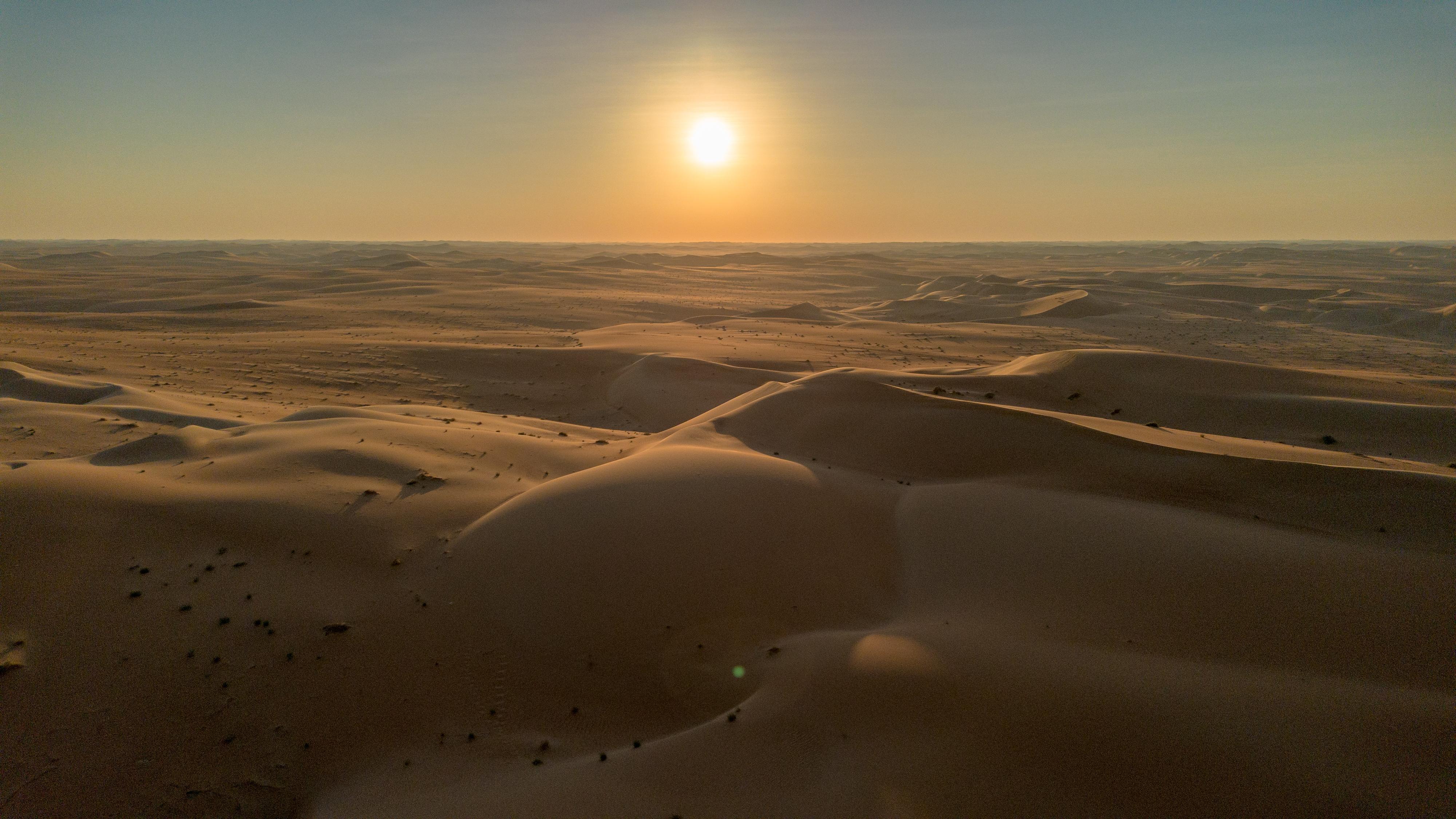
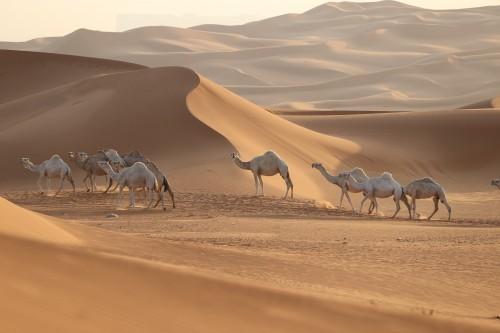
Caption: The desert at dusk where silence feels heavier than heat.
By 1950, Thesiger had crossed the Empty Quarter multiple times. Vehicles were beginning to penetrate parts of Arabia. Oil exploration and political change were reshaping the region. The world he had entered was already shifting.
Many later asked why he kept returning to such hardship.
The answer lay not in thrill-seeking. The desert offered austerity. In its absence of excess, it stripped life to essentials. Water. Food. Direction. Companionship.
There were no unnecessary possessions. No social noise. No distraction.
In his writings, Thesiger reflected that modern life felt crowded and diluted compared to the clarity of desert travel. The Rub’ al Khali demanded humility. It rewarded patience. It exposed weakness quickly.
He did not romanticize danger. He understood clearly that one misjudged well, one failed camel, one hostile encounter could end a journey permanently.
Yet he crossed again and again.
The Empty Quarter remains one of the largest sand deserts on Earth. Even today, parts of it are rarely visited. Thesiger’s crossings were not dramatic rescue stories. They were sustained, deliberate treks through terrain that allows no shortcuts.
He entered the desert as an outsider. He left with a deeper respect for those who had navigated it long before him.
The dunes remain. The wells still define survival. And the silence of the Rub’ al Khali continues to test anyone who attempts to cross it on foot.
Image Credit: Arabian desert expedition photography Public Domain
Narrated by KarakoramDiaries


![K2 Base Camp Trek: Ultimate Guide k2 Trek 2026 [UPDATED]](https://karakoramdiaries.com/storage/ultimate-guide-to-k2-base-camp-trek-full-document-150x150.png)