Che Guevara – Transformation During His Travels
1. Early Life and Intellectual Foundations Before Travel
Ernesto Guevara de la Serna was born in 1928 in Rosario and raised primarily in Córdoba and later Buenos Aires. His family belonged to Argentina’s educated middle class and encouraged independent thinking. The household library included works of Marx, Freud, Neruda, and European political theorists. These texts influenced him intellectually, but not yet organizationally.
Guevara suffered from chronic asthma beginning in childhood. The illness imposed discipline and endurance. It forced him to develop physical resilience and emotional self-control. Despite recurring attacks, he played rugby and undertook physically demanding activities. This combination of fragility and defiance would later characterize his revolutionary personality.
He enrolled at the University of Buenos Aires to study medicine in 1947. His academic focus centered on dermatology and leprosy treatment. At this stage, his ambitions were professional rather than political. He expressed interest in humanitarian medical service, particularly in rural areas.
However, Argentina in the late 1940s was under the leadership of Juan Perón. Perón’s populist nationalism, labor reforms, and state intervention shaped the political environment, but Guevara did not align strongly with Peronism. He observed it without deep participation.
The decisive turning point would not come from Argentina’s internal politics but from continental travel.
2. The 1951–1952 Motorcycle Expedition: Observational Phase

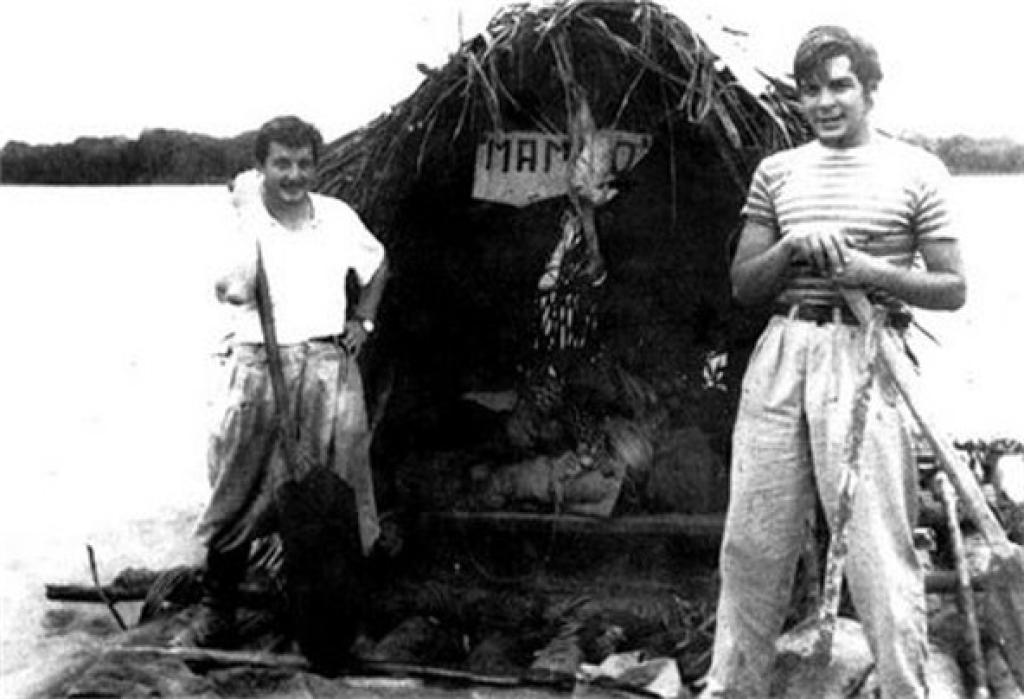
Guevara and Alberto Granado during the 1952 South American journey.
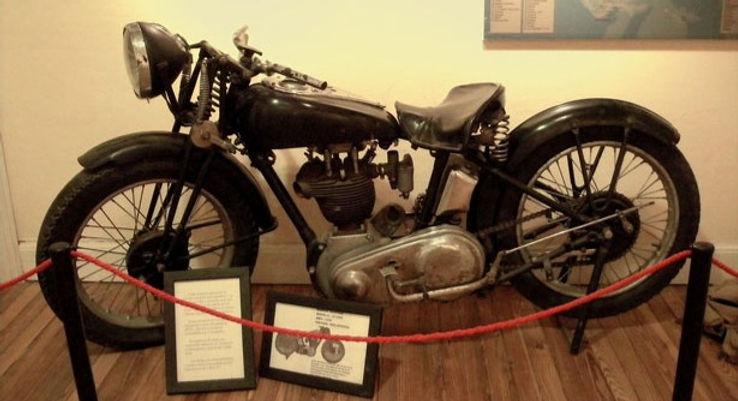
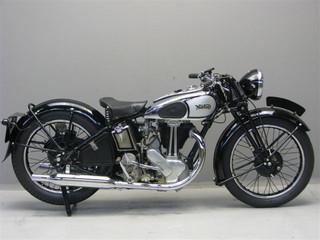
In December 1951, Guevara departed Argentina with his friend Alberto Granado aboard a motorcycle nicknamed “La Poderosa II.” The initial plan involved exploration, medical curiosity, and personal adventure. The journey covered approximately 8,000 kilometers across South America.
Countries visited included:
- Argentina
- Chile
- Peru
- Colombia
- Venezuela
The trip is documented in The Motorcycle Diaries, written from notes kept during the expedition.
2.1 Chile: Mining Exploitation
In Chile, Guevara observed workers employed in copper mines, many linked to foreign corporations. Conditions were harsh, wages were low, and labor protections were minimal. He encountered a persecuted communist couple who described being blacklisted for political activity.
This encounter deepened his awareness of structural inequality. Rather than viewing poverty as isolated hardship, he began seeing it as systemic exploitation connected to global capital flows.
This marks the beginning of his ideological shift from humanitarian sympathy to structural critique.
3. Peru: Indigenous Marginalization and Leprosy Work
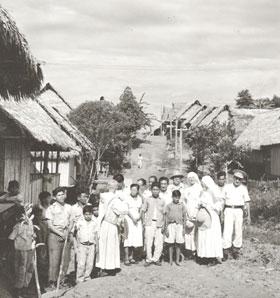
San Pablo leper colony and Amazon River region where Guevara worked with patients.
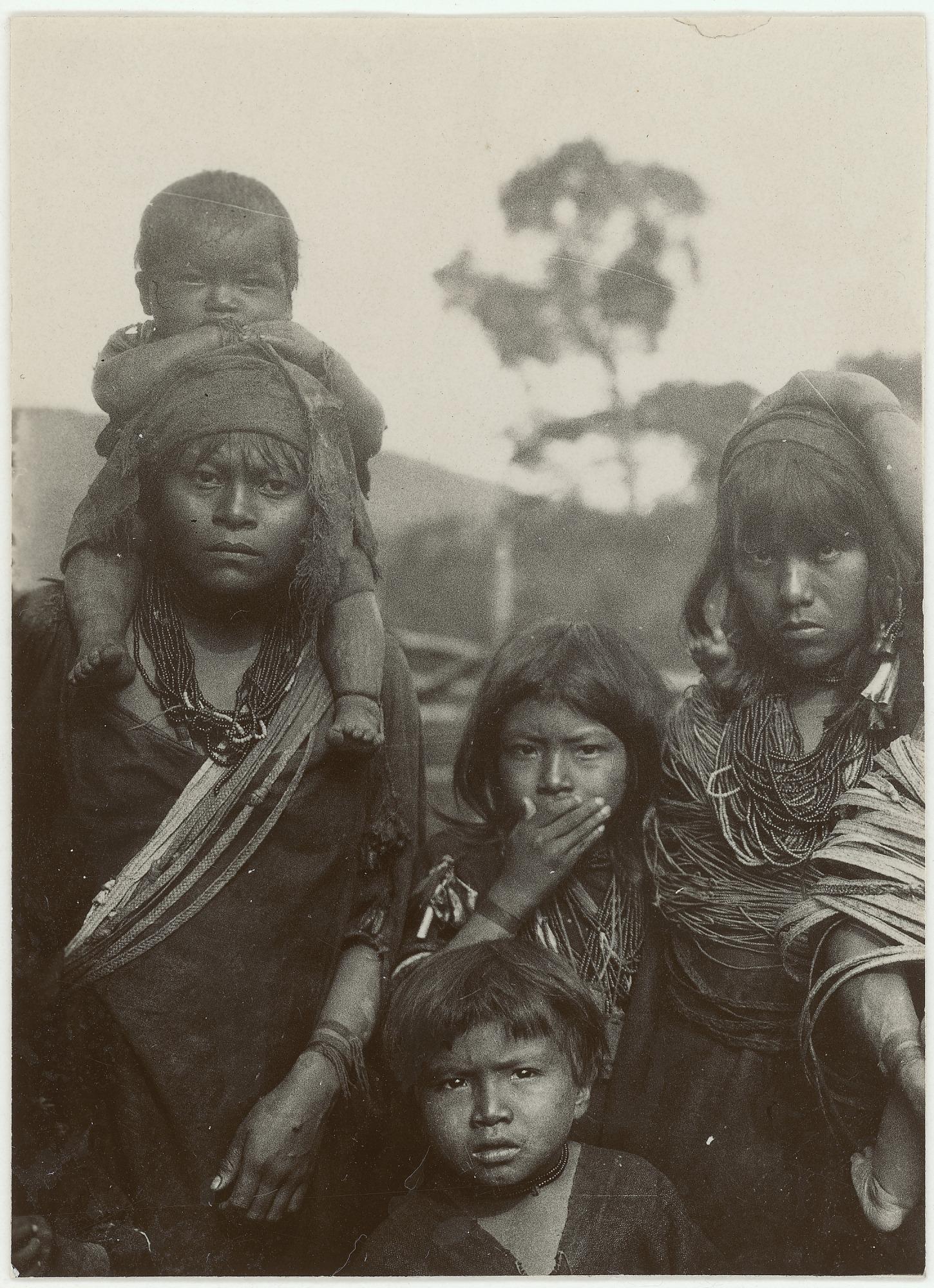
In Peru, Guevara encountered Indigenous communities living in extreme poverty. He observed that colonial patterns of land ownership persisted long after independence. Indigenous populations lacked representation, infrastructure, and healthcare access.
The visit to the San Pablo leper colony along the Amazon River was pivotal. Patients were separated physically and socially. The colony functioned with minimal state support. Guevara worked as a volunteer and intentionally crossed the river to live among patients rather than remain in staff quarters.
In his diary, he began articulating a broader identity. He described himself less as Argentine and more as Latin American. He wrote about continental unity and common struggle across borders.
This was not yet revolutionary doctrine, but it was ideological consolidation.
4. Venezuela and Continental Perspective
By the time Guevara reached Venezuela, he had abandoned purely recreational travel. He had begun documenting patterns:
- Rural land concentration.
- Foreign corporate dominance.
- Urban-rural inequality.
- Weak public healthcare systems.
He concluded that national boundaries concealed common economic structures. He increasingly rejected the concept of isolated national problems. Instead, he viewed Latin America as a single socio-economic system influenced by external powers.
His transformation was accelerating from observer to critic.
5. Return to Argentina and Medical Completion
Guevara briefly returned to Argentina to complete his medical degree in 1953. He earned his medical license, but his intellectual orientation had changed. Medicine was no longer his final objective. It became one component of a broader political vision.
He began studying Marxist economic theory more seriously. His reading expanded beyond literature into structured ideological frameworks.
Travel had planted the seeds. Study began to systematize them.
6. Guatemala: Radicalization Through Political Crisis
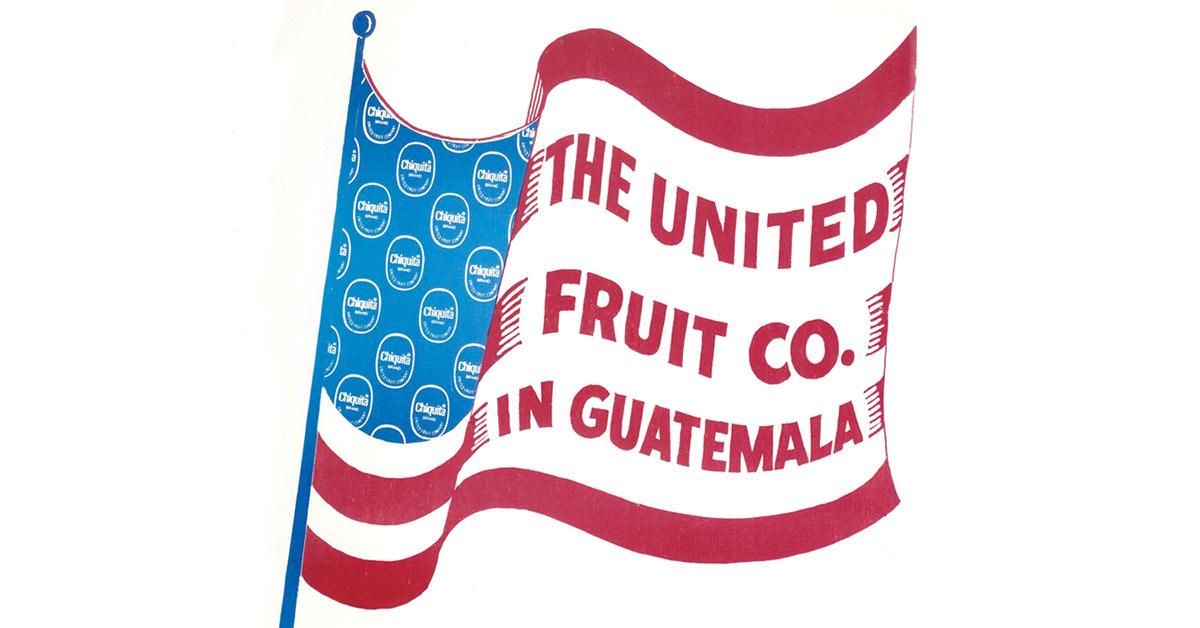
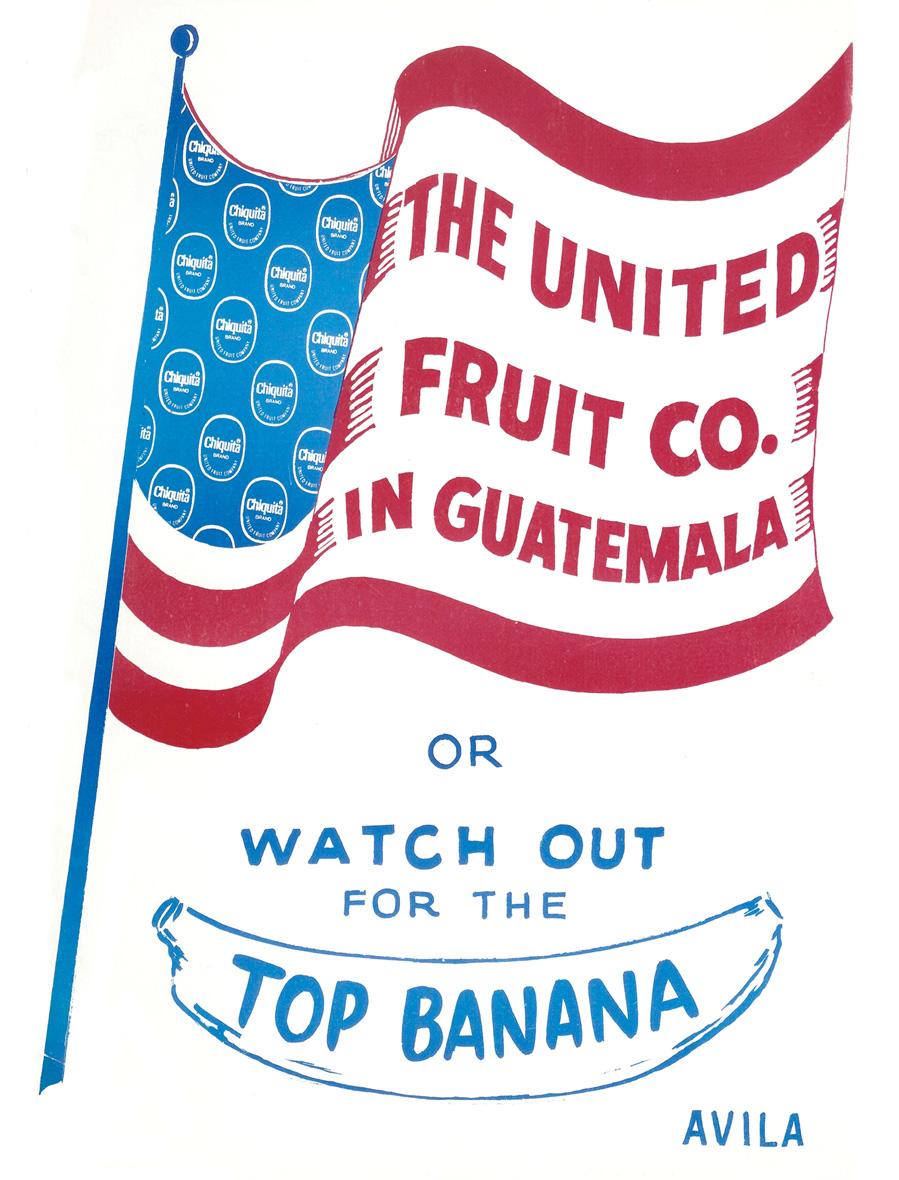
Guatemala during the Árbenz government and the 1954 coup.
In 1953, Guevara traveled to Guatemala City. The country was undergoing reform under President Jacobo Árbenz. Árbenz initiated land redistribution programs that threatened the holdings of the United Fruit Company.
In 1954, a CIA-supported coup removed Árbenz from power.
For Guevara, this event confirmed several conclusions:
- Reform within capitalist dependency was unstable.
- External intervention could overturn democratic processes.
- National sovereignty in Latin America was limited.
- Armed resistance might be necessary.
This was the turning point from analytical Marxism to revolutionary conviction.
He witnessed a government attempting moderate reform being overthrown. This convinced him that gradualism was ineffective.
7. Mexico: From Ideology to Action
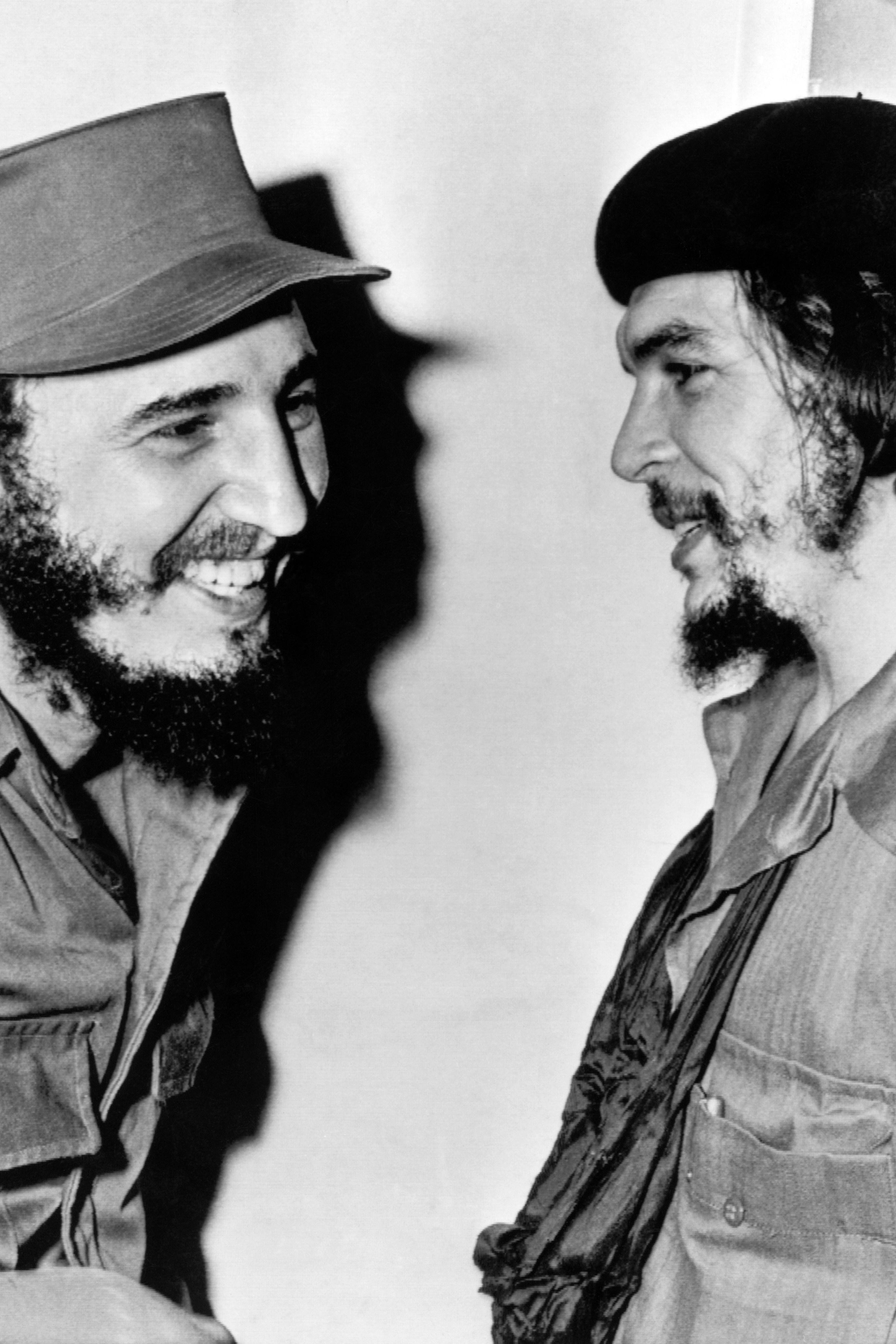
Guevara in Mexico and his alliance with Fidel Castro before the Cuban expedition.
In Mexico City, Guevara met Fidel Castro. Castro was preparing an armed expedition against Cuban dictator Fulgencio Batista.
Guevara joined the movement not only as a doctor but as a combatant.
This stage represents the final transformation phase:
- From traveler to revolutionary.
- From observer to participant.
- From critic to strategist.
Travel had exposed injustice. Guatemala had radicalized him. Mexico provided operational opportunity.
8. Intellectual Consolidation
By the time of the Cuban Revolution, Guevara’s worldview included:
- Anti-imperialism.
- Marxist economic interpretation.
- Belief in guerrilla warfare.
- Continental revolutionary expansion.
- Moral discipline and sacrifice.
His later writings emphasize the importance of moral example in revolutionary leadership. These ideas trace back to his early experiences witnessing poverty and exclusion.
Travel did not merely influence him emotionally. It provided empirical validation for his ideological conclusions.
Continuing in full depth and expanding the transformation analysis further.
9. Psychological Evolution: From Humanitarian Witness to Militant Actor
The most significant transformation in Guevara was psychological rather than merely ideological. During the 1951–1952 journey, his diary tone reveals curiosity and empathy. He often describes landscapes, friendships, and humorous mishaps. The voice is reflective, not militant.
However, as the journey progressed, his language began to change. Descriptions of poverty became more analytical. He began identifying patterns of injustice rather than isolated misfortune.
The progression can be traced in three stages:
Stage One – Emotional Sympathy
He expressed sadness for miners, Indigenous peasants, and leprosy patients. His reactions were moral and compassionate.
Stage Two – Structural Recognition
He began connecting suffering to economic systems, land ownership patterns, and foreign corporate presence.
Stage Three – Moral Urgency
After Guatemala, his tone hardened. He no longer framed inequality as a humanitarian issue alone. He framed it as an injustice requiring confrontation.
This shift is visible when comparing The Motorcycle Diaries to later writings such as Guerrilla Warfare. The early diary is observational. The later text is prescriptive and strategic.
Travel provided emotional exposure. Political crisis converted exposure into conviction.
10. The Concept of Continental Revolution
During his time in Peru and Venezuela, Guevara developed the concept that Latin America was not a collection of separate nations but a unified region sharing common economic dependency.
He rejected narrow nationalism. Instead, he embraced the idea of “La Patria Grande,” meaning a greater Latin American homeland.
This idea would later shape his involvement in:
- The Cuban Revolution.
- The Congo mission.
- The Bolivian campaign.
The roots of this continental vision trace back to his border-crossing journey. Seeing similar poverty patterns across multiple countries convinced him that reform confined to one nation would not address systemic dependency.
Travel dissolved national identity boundaries in his mind.
11. Indigenous Oppression and Racial Hierarchies
In Peru, Guevara encountered Indigenous communities living under post-colonial marginalization. He observed that centuries after Spanish rule, land concentration and racial hierarchy remained intact.
He described these communities as excluded from economic participation and political representation.
This exposure reinforced his belief that economic injustice was tied to historical colonial structures.
However, his writings also reflect limitations. He sometimes framed Indigenous populations in romantic or paternalistic terms. This tension reveals that while he rejected exploitation, he still viewed transformation through a revolutionary elite lens rather than through Indigenous self-determination.
Travel exposed inequality. It did not automatically eliminate all inherited assumptions.
12. Medical Ethics and Revolutionary Violence
One of the most complex aspects of Guevara’s transformation is the tension between his medical training and later endorsement of armed struggle.
As a medical student, he was committed to healing and public health.
After Guatemala, he concluded that structural violence required organized armed resistance.
This transformation reflects a shift from treating symptoms to targeting perceived root causes.
He argued that systemic exploitation produced more suffering than localized armed conflict.
From his perspective:
- Revolution was preventative medicine at a societal level.
- Structural change would reduce long-term suffering.
Critics argue this reasoning justified violence under ideological certainty.
Supporters argue he saw no viable peaceful alternative after observing the 1954 coup in Guatemala.
Travel did not directly create this shift. Political intervention did. But travel laid the foundation for interpreting that intervention as systemic rather than exceptional.
13. Language Evolution: Diary vs Revolutionary Speeches
A comparison between early diary entries and later speeches delivered after the Cuban Revolution reveals substantial change.
Early diary tone:
Reflective, sometimes humorous, observational.
Later speeches:
Disciplined, ideological, assertive, strategic.
For example, in speeches at the United Nations, Guevara framed Latin America’s struggles as part of a global anti-imperialist confrontation.
The transformation in rhetoric reflects:
- Increased ideological certainty.
- Organizational responsibility.
- Commitment to revolutionary doctrine.
Travel began as self-discovery. It ended as political mission.
14. Critical Perspectives on His Transformation
Historians offer differing interpretations of Guevara’s transformation.
One perspective argues that:
- His ideological trajectory was inevitable due to his intellectual environment.
- Travel merely accelerated pre-existing tendencies.
Another perspective argues that:
- Without the motorcycle journey and Guatemala coup, he may have remained a reformist physician.
- Experiential exposure created radicalization.
A third view suggests that:
- His transformation was shaped as much by personality as circumstance.
- His tolerance for hardship and preference for moral absolutism predisposed him toward militant solutions.
Travel alone does not produce revolutionaries. But in Guevara’s case, travel intersected with personality traits that amplified ideological shift.
15. Geopolitical Impact of Travel-Induced Ideology
Guevara’s transformation did not remain personal. It influenced global politics.
His role in the Cuban Revolution altered:
- U.S.–Cuba relations.
- Cold War dynamics in Latin America.
- Revolutionary movements across Africa and South America.
His later missions in Congo and Bolivia were direct expressions of the continental revolution concept first formed during his travels.
The Bolivian campaign ultimately resulted in his capture and execution in 1967.
The ideological path that led to Bolivia began on the roads of South America in 1951.
16. The Role of Movement in Identity Formation
Travel functioned not merely as exposure but as disruption.
It removed Guevara from:
- Familiar class structures.
- National identity comfort.
- Academic routines.
Movement destabilized inherited assumptions.
In observing recurring poverty across multiple countries, he concluded that structural transformation required transnational action.
Without travel, his intellectual development may have remained theoretical.
Travel converted abstraction into lived experience.
17. Conclusion: Travel as Catalyst and Commitment
Che Guevara’s transformation during his travels represents a gradual evolution rather than a sudden ideological conversion.
The progression followed this trajectory:
- Medical humanitarian interest.
- Emotional confrontation with poverty.
- Structural economic analysis.
- Political radicalization after Guatemala.
- Operational commitment in Mexico.
- Revolutionary leadership in Cuba.
- Continental expansion attempts.
Travel did not create ideology in isolation. It provided experiential evidence that reshaped his interpretation of justice, sovereignty, and social order.
The journey across Latin America altered his identity from national citizen to continental revolutionary.
His later actions remain controversial. His transformation remains historically significant.