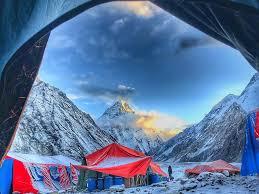
K2 Before Success: Decades of Failure and Lost Climbers (1902–1953)
Introduction: Fifty Years of Silence
When people speak about K2 today, they often start with triumph or tragedy. But before either existed, there was something else—silence.
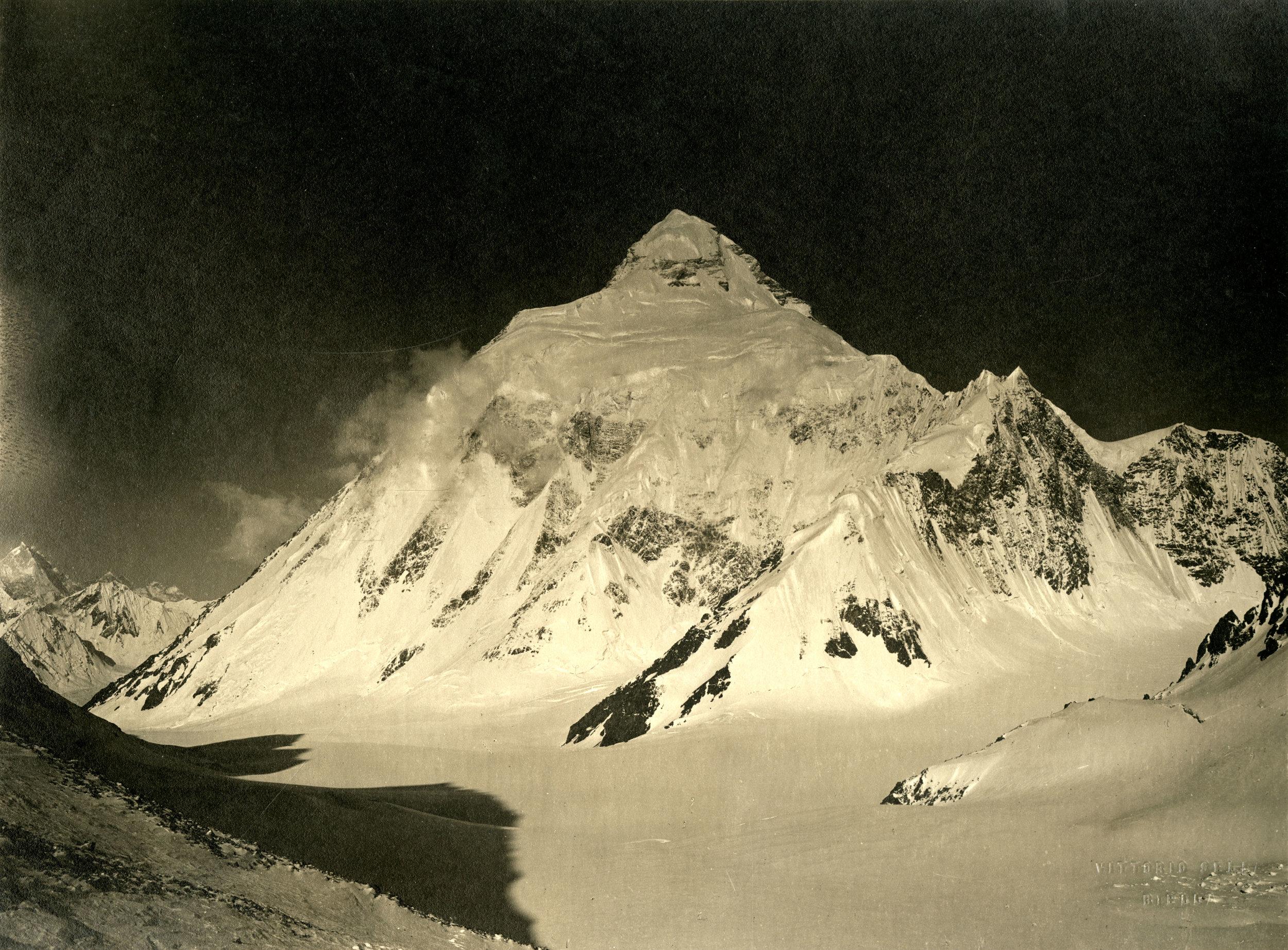
From 1902 to 1953, K2 remained unclimbed. Not because no one tried, but because every attempt failed. Over five decades, the mountain rejected explorers, defeated strong teams, and quietly claimed lives without ever allowing a single person to stand on its summit.
These were not careless adventurers. They were skilled climbers of their time—experienced, determined, and prepared as well as humanly possible with the technology they had.
And still, K2 said no.
The Long Road Just to Reach the Mountain
Before climbers could even touch K2, they had to reach it.
The journey to base camp alone took weeks. There were no roads, no air support, and no communication with the outside world. Caravans of porters crossed unstable bridges, narrow valleys, and massive glaciers where one wrong step could mean disappearance forever.
Illness was common. Frostbite began before the climb even started. Supplies were limited, and once they were gone, there was no replacement.
By the time climbers stood beneath K2’s massive walls, many were already exhausted.
And the mountain had not yet begun its test.
1902–1930: Learning Without Progress
The earliest expeditions focused more on understanding K2 than conquering it. Routes were unclear. Maps were incomplete. Weather patterns were unpredictable.
What these climbers learned was disturbing:
- Storms could trap teams for days without warning
- Snow conditions changed rapidly, turning safe ground into avalanche paths
- Rock faces that looked solid often collapsed when touched
Unlike other mountains, K2 offered no gentle introduction. Every meter upward demanded attention, strength, and luck.
Progress was slow. Camps were destroyed by storms. Teams retreated again and again.
K2 was not being climbed. It was being studied under suffering.
The Abruzzi Spur: Hope and Danger
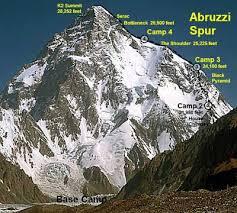
Eventually, climbers identified a potential route: the Abruzzi Spur. Compared to other faces, it appeared more logical, more direct.
This route gave climbers something they had lacked before—hope.
But the hope was fragile.
The Abruzzi Spur was steep, exposed, and relentless. There were no easy sections. Every camp was placed on narrow ground, constantly threatened by falling rock and ice.
Yet, for the first time, teams began reaching higher altitudes than ever before.
And that is where the losses began.
1939: The Year K2 Took Lives
The 1939 American expedition came closer to success than any team before it. Camps were established high on the mountain. The summit felt reachable.
Then climber Dudley Wolfe became seriously ill at high altitude.
This single event changed everything.
Rescue attempts began, but K2 does not allow easy rescues. Climbers moved up and down dangerous terrain, weakened by altitude and cold, trying to save one life.
The mountain responded harshly.
- Rescuers became trapped
- Weather closed in
- Supplies ran out
One by one, climbers died—not from a dramatic fall, but from exhaustion, exposure, and altitude.
In the end:
- Four men lost their lives
- The summit remained untouched
- The mountain stood unchanged
This tragedy left a permanent mark on K2’s history.
A Reputation Earned, Not Given
After 1939, K2 was no longer just a difficult mountain.
It became feared.
Climbers around the world began to speak of it differently than Everest. Everest was high. K2 was hostile.
Mountaineers understood a brutal truth:
On K2, mistakes cannot be fixed.
If someone became sick high on the mountain, survival was uncertain. If weather turned bad, escape routes disappeared. If strength failed, the mountain offered no mercy.
K2 demanded perfection in an imperfect world.
World War II and the Lost Years
The 1940s brought war to the world, and expeditions to K2 stopped. But even in absence, the mountain’s reputation grew.
Stories spread among climbers:
- Of bodies left where they fell
- Of storms that lasted for weeks
- Of climbers who reached great heights only to retreat broken
When the war ended, climbers returned with better equipment and stronger ambition.
But ambition alone had never impressed K2.
The Mental Weight of Failure
By the early 1950s, something unusual surrounded K2.
No other major peak had resisted humans for so long while still being actively pursued.
Climbers did not approach K2 with excitement anymore. They approached it with quiet seriousness.
Every expedition carried the weight of past failures. Every step upward followed the paths where others had suffered or died.
K2 was no longer just a mountain.
It was a history of warnings.
1953: Standing on the Edge of Change
By 1953, climbers had learned critical lessons:
- Camps must be carefully placed
- Team coordination is survival, not strategy
- Speed matters as much as strength
- Turning back is sometimes the only victory
All the knowledge gathered through decades of failure was finally ready to be used.
The mountain had not changed.
But the climbers had.
Closing Reflection: Failure as a Foundation
Between 1902 and 1953, K2 stood untouched—not because humans were weak, but because they were still learning.
Every failed attempt added a layer of understanding. Every life lost carved a rule into mountaineering history.
K2 did not fall to the strongest climbers.
It waited for the most disciplined, the most patient, and the most respectful.
The decades of failure were not wasted.
They were the price of knowledge.
And soon—very soon—the mountain would allow its first ascent.
But not without controversy.