The 2008 K2 Disaster: A Narrated True Story
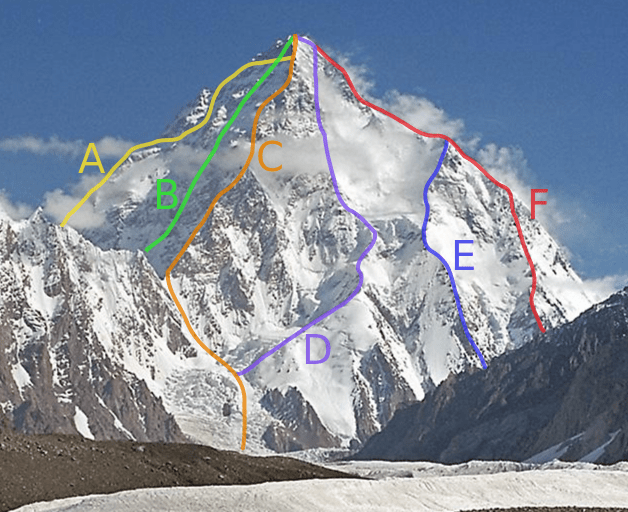
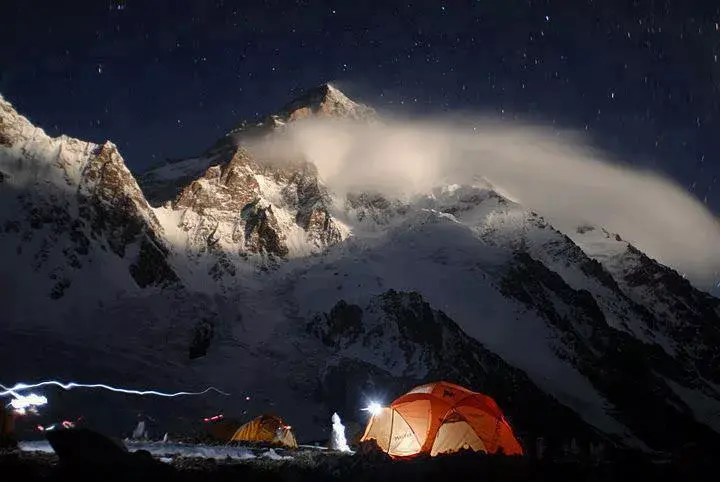
The north face and Abruzzi Ridge of K2 , where all events of August 2008 unfolded.
(Image credit: Wikimedia Commons)
The Silence Before Everything Moved
People often think disasters begin with noise — avalanches, storms, shouting.
The 2008 disaster on K2 began with silence.
By mid-July, climbers had been living on the mountain for weeks. They were acclimatized, experienced, and restless. The route was prepared. Camps were stocked. All that was missing was weather that would commit to staying stable. Instead, the mountain hovered in uncertainty.
Each morning at Base Camp followed the same routine. Someone would unzip a tent and look up at the summit pyramid, hoping to see clarity in the sky. Radios passed forecasts that contradicted each other. Optimism rose and collapsed daily.
One climber said quietly, almost to himself, “If this opens, it’s going to open late.”
Another answered, “Late is better than never.”
No one said what everyone felt — that late on K2 is often too late.
The Push No One Wanted to Miss
When the forecast finally hinted at a break, it was not convincing. It was simply less bad than what had come before. That was enough.
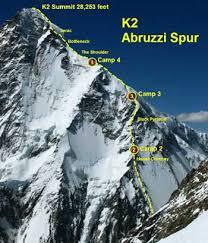
Movement began immediately. Loads were carried higher. Camp III filled quickly. Camp IV, at nearly 7,800 meters, became crowded in a way it was never meant to be. Tents were pressed into narrow ice shelves, anchored more by hope than security.
That night, climbers lay awake listening to the wind move around the ridge. Inside one tent, someone asked softly, “What time do we turn around tomorrow?”
The answer came after a pause: “When we have to.”
It was an honest answer. It was also a dangerous one.
The Bottleneck: Where the Mountain Waits Above You
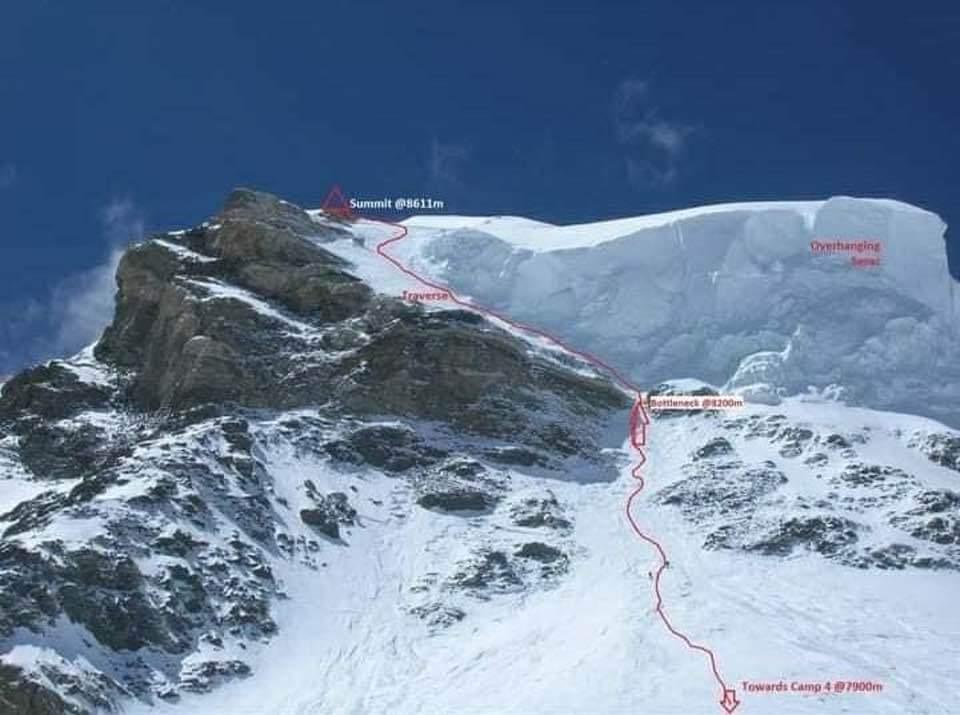
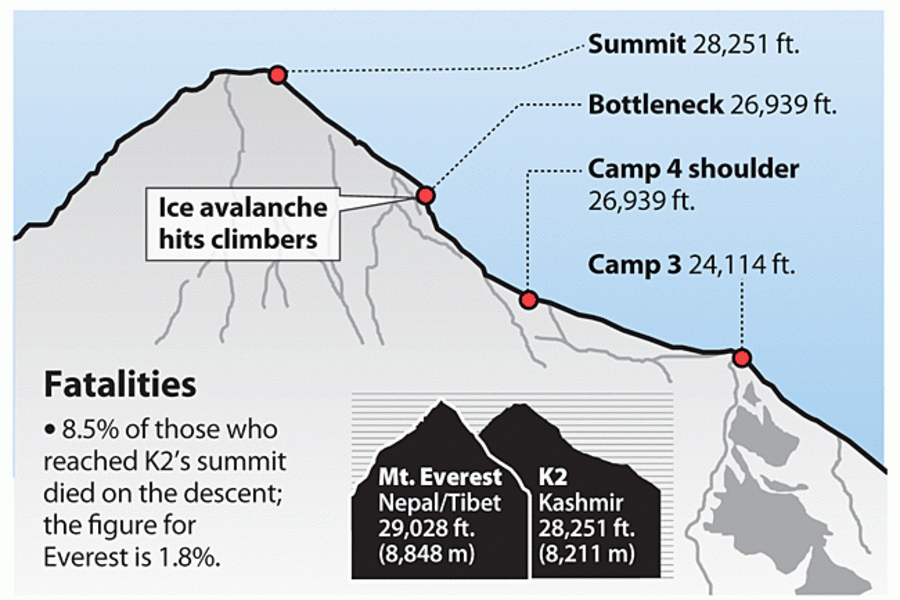
The Bottleneck, a narrow traverse beneath massive unstable seracs, is the most dangerous section of K2.
(Image credit: Wikimedia Commons)
The Bottleneck is not frightening in photographs. On the mountain, it feels different. It is steep, narrow, and exposed, with enormous hanging seracs above that have fallen before and will fall again. Climbers know this. They do not linger. They do not talk.
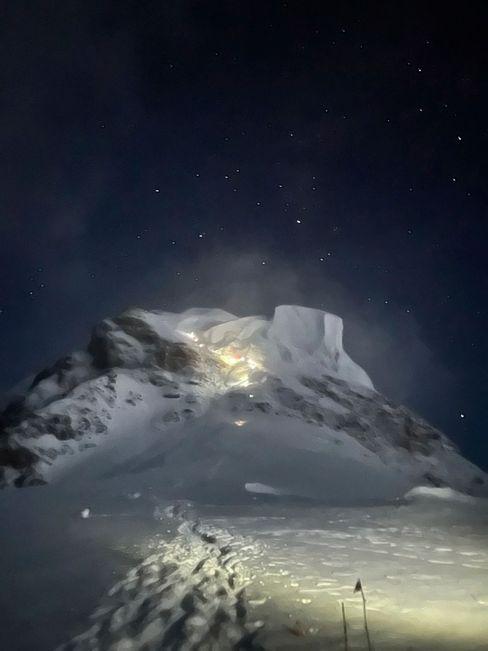
That night, headlamps traced a fragile line upward. Climbers clipped into fixed ropes and moved one by one. Ice creaked overhead, not loudly, but often enough to be noticed.
Someone whispered, “Just keep moving.”
Those who reached the summit did so late — far later than planned. There was no celebration. No relief. Only the understanding that descent would happen in darkness.
One climber later said the summit felt incomplete, as if the mountain had not yet decided whether to let them leave.
The Moment Everything Changed
During the descent, the sound came.
Not thunder. Not an avalanche roar. Just a sharp cracking noise — brief, final — followed by something worse: absence.
The ropes were gone.
A serac had collapsed above the Bottleneck, destroying the fixed lines that everyone depended on. Someone shouted into the darkness, “The lines are cut!”
Above them, climbers froze.
Below them, climbers were still coming.
In that instant, the route transformed from difficult to unforgiving.
Night in the Death Zone
Descent at night above 8,000 meters leaves no room for recovery or rescue.
(Image credit: Alamy)
Without ropes, every climber was alone.
Some tried to downclimb by feel, pressing gloves into ice and trusting instincts dulled by altitude. Others stopped, believing daylight might restore order. Headlamps drifted apart, each one marking a separate decision.
A climber slipped.
Another reached for him and fell too.
Radio calls overlapped, then fractured into silence.
High on the ridge, Ger McDonnell stayed when he could have gone. He spoke calmly, clipped what anchors he could find, reassured others when reassurance was all that remained. Those who heard him later said it was his voice they remembered — steady, controlled, human.
He never returned.
Nearby, Rolf Bae was struck by falling ice. The sound was dull and unmistakable. No one moved toward it. Everyone understood why.
Above Camp IV, climbers sat on narrow ledges through the night, afraid to sit too long, afraid to stand, afraid to move. One survivor later said, “You stop thinking about dying. You think about staying awake.”
When daylight came, some climbers did not move.
What Came Back Down the Mountain
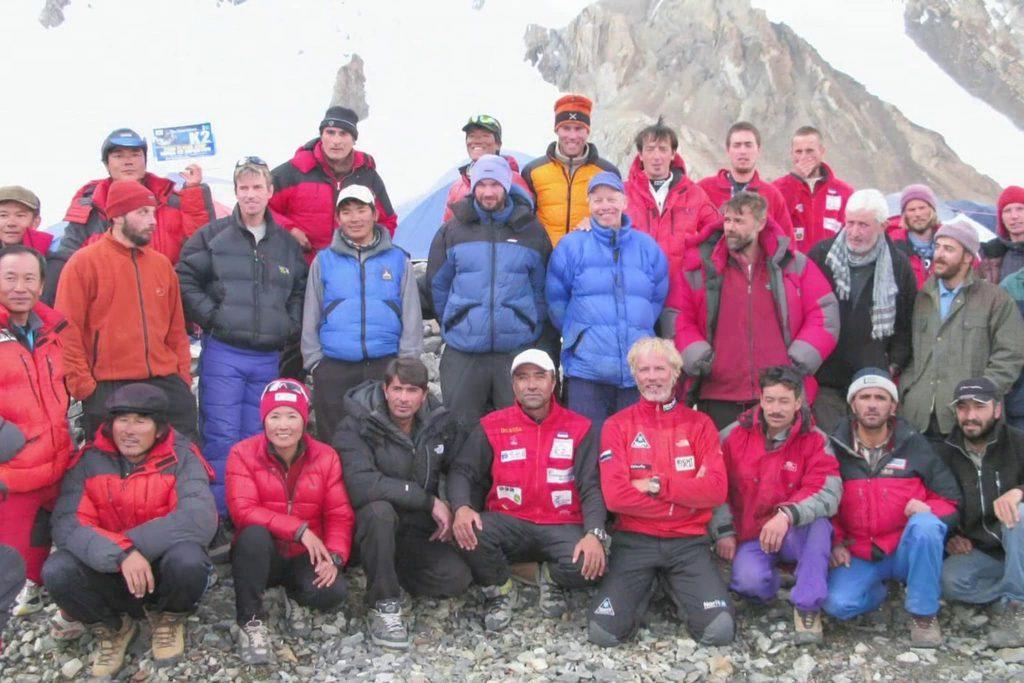
Survivors descending toward Base Camp after the disaster, exhausted and silent.
(Image credit: Wikimedia Commons)
The descent took days. Some climbers were frostbitten. Others barely conscious. They moved slowly, one camp at a time, speaking only when necessary.
At Base Camp, no one asked about summits.
They asked only, “Who is still up there?”
Eleven were not coming back.
Their bodies remained on the mountain, where rescue had never been realistic and never would be. K2 does not give people back once it decides to keep them.
When climbers left that season, they did not talk about success. They talked about timing. About waiting too long. About how K2 does not punish immediately — it waits until retreat is no longer possible.
What 2008 Left Behind
The mountain did not change after 2008.
But climbers did.
They spoke less about strength and more about margins. Less about summits and more about descent. K2 remained what it had always been — a mountain that allows success only briefly and never forgives delay.
On K2, the summit is never the achievement.
Coming down is.
Narrative Sources & Historical Basis
Himalayan Database (Elizabeth Hawley Archive), survivor testimonies (Wilco van Rooijen, Cecilie Skog), American Alpine Journal (2008–2009), expedition interviews, and The Summit documentary.