The 2014 Everest Icefall Disaster: The Day the Mountain Fell Silent
The Morning the Ice Broke

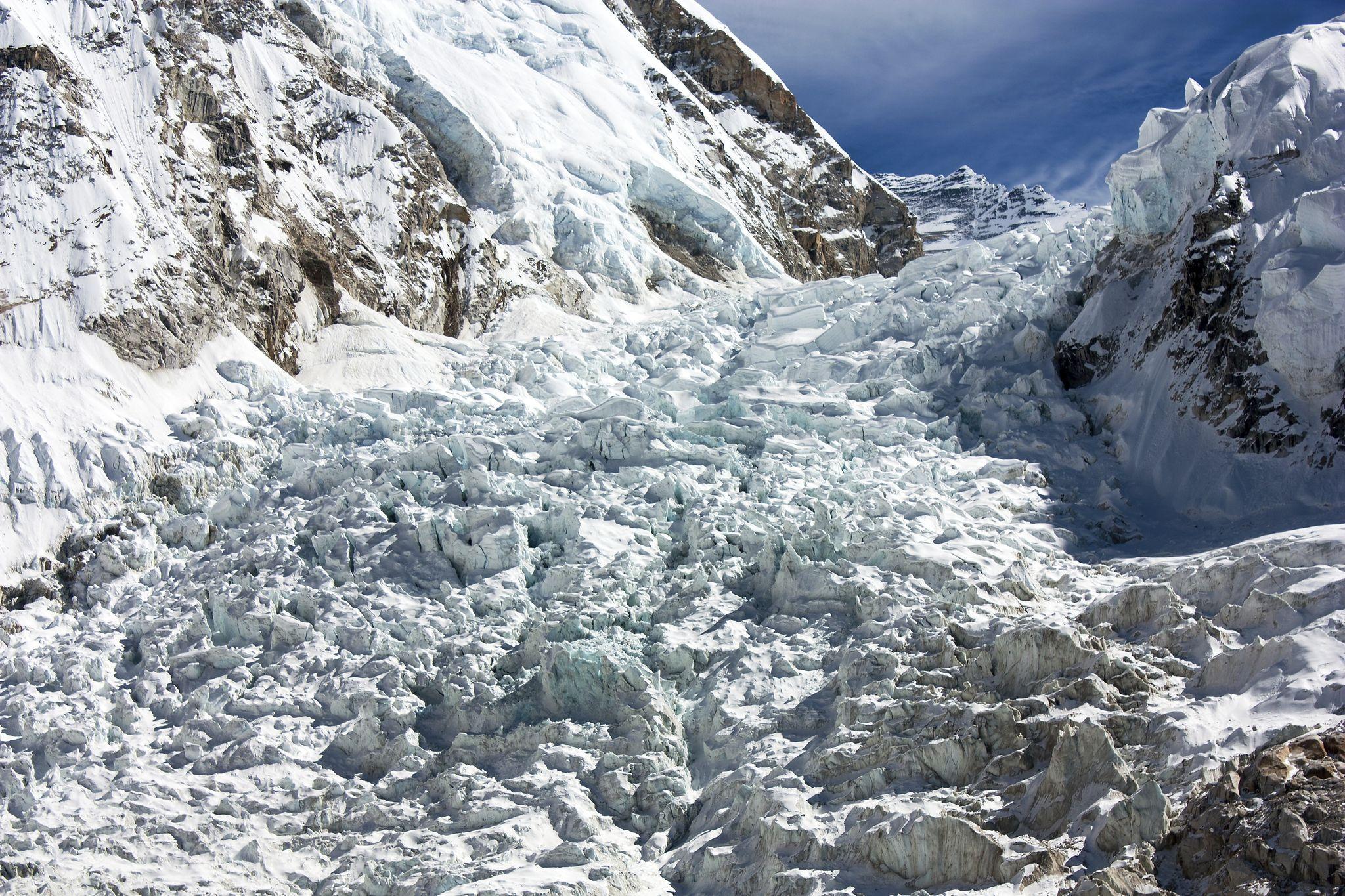
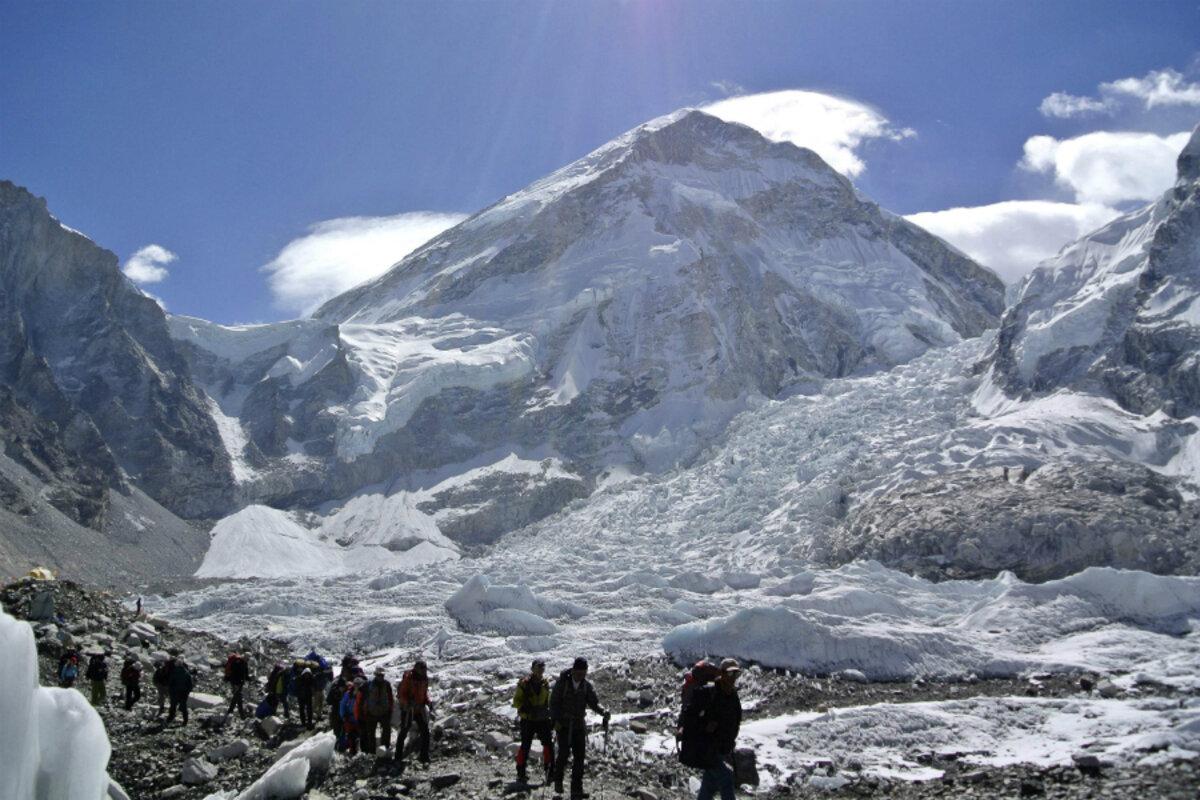
The Khumbu Icefall, a constantly shifting glacier between Base Camp and Camp I.
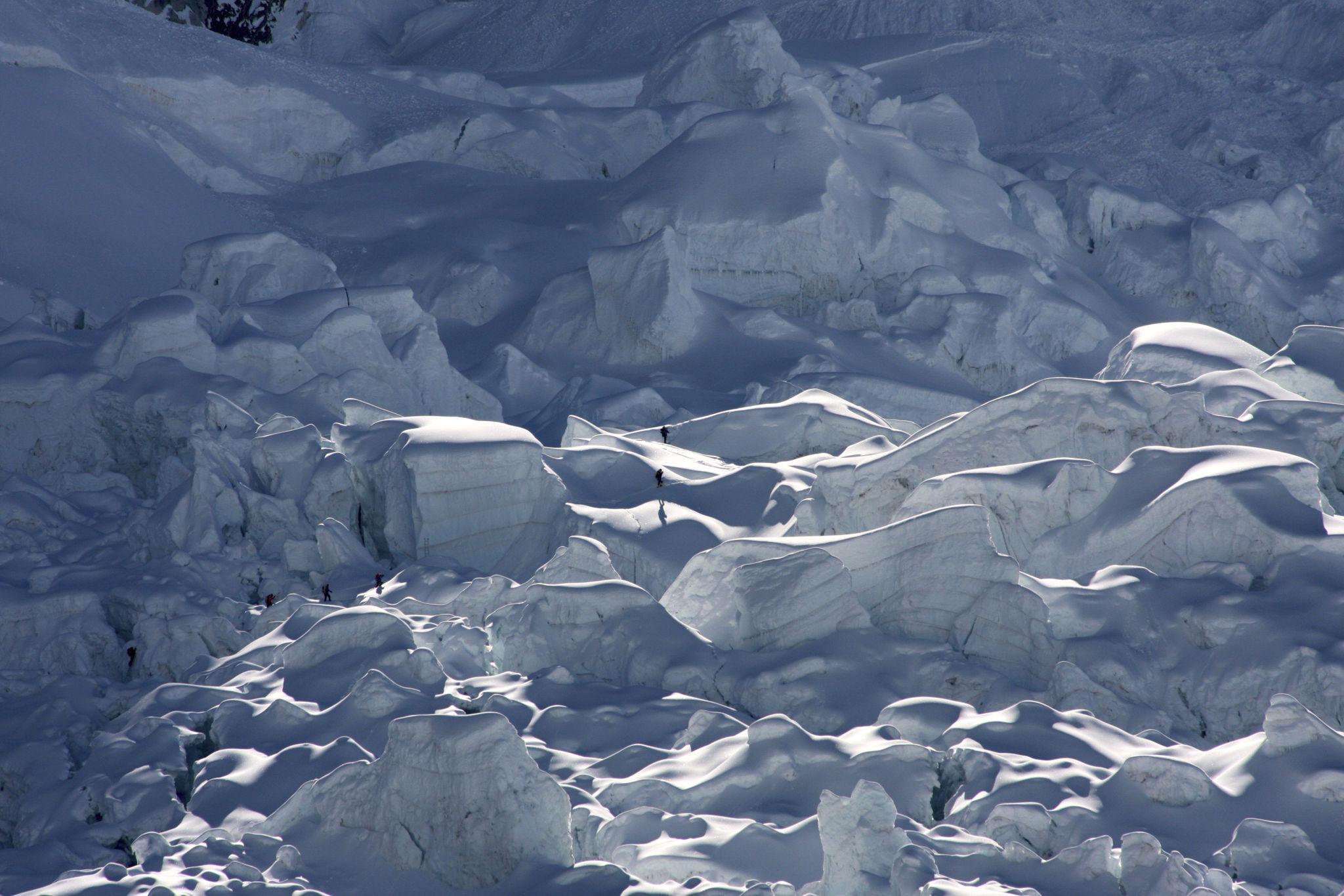
Aluminum ladders placed across crevasses in the Icefall during climbing season.
Before sunrise on April 18, 2014, the Khumbu Icefall was already awake.
Above Everest Base Camp, the Icefall rises like a frozen river shattered mid-flow. Towers of ice lean at unstable angles. Deep crevasses split the glacier into blocks the size of buildings. It is not a place where climbers linger. It is crossed quickly, early in the morning, before the sun warms the ice and increases movement.
On that morning, a team of Sherpas had left Base Camp in darkness. Their task was routine but dangerous. They were carrying loads to prepare Camp I for clients who would begin acclimatization rotations soon. This was early season work, the kind that makes summit attempts possible weeks later.
The route they followed was familiar. Aluminum ladders spanned crevasses. Fixed ropes guided the way upward.
Then the glacier moved.
Life Inside the Icefall
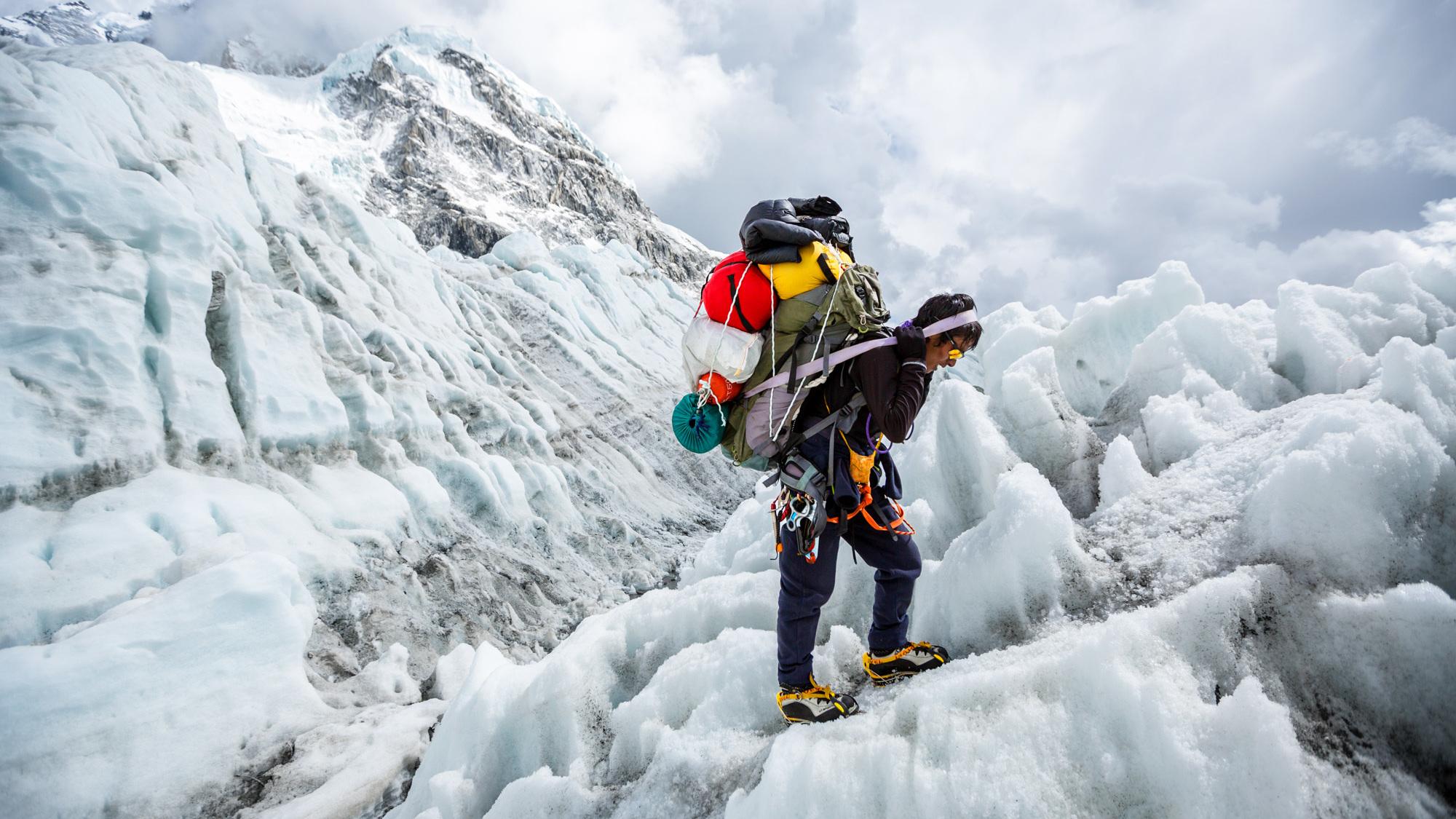
Sherpas transporting heavy loads through the Khumbu Icefall during expedition season.
Serac towers in the Icefall, unstable ice formations capable of sudden collapse.
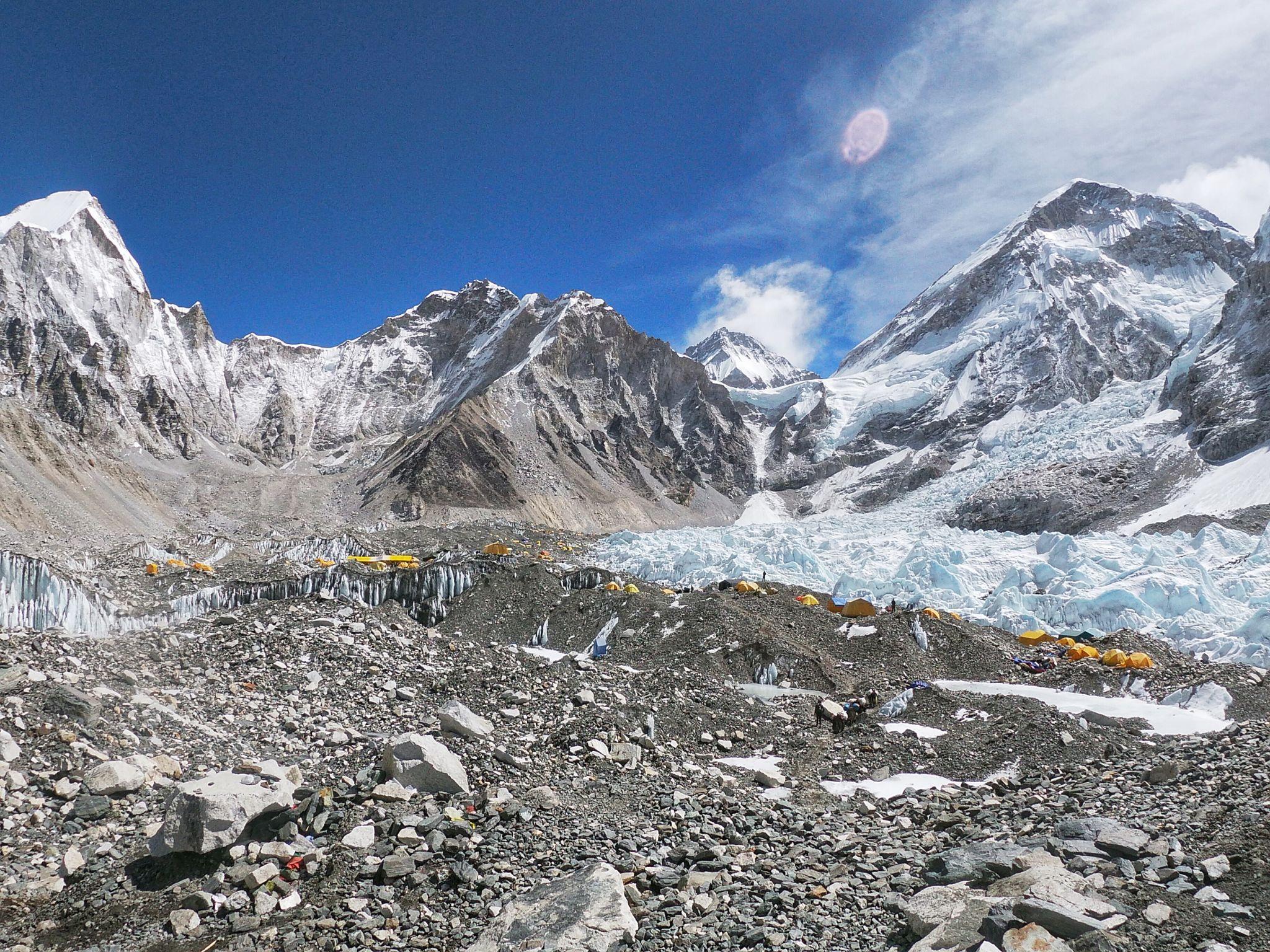
The Khumbu Icefall sits between Everest Base Camp and the Western Cwm. Every climber attempting the South Col route must pass through it multiple times. It is widely considered the most objectively dangerous section of the entire climb.
Unlike the summit ridge, where weather is the primary threat, the Icefall is threatened by gravity and temperature. Massive ice blocks called seracs hang overhead. They shift, crack, and occasionally collapse without warning.
Sherpas carry the majority of expedition loads through this section. Tents, oxygen cylinders, food, rope, fuel. Their work establishes the camps that clients depend on.
On April 18, roughly two dozen Sherpas were moving upward through a narrow corridor beneath a hanging ice wall. It was early enough that the snow remained firm. The sun had not yet warmed the glacier.
But somewhere above, pressure had been building.
The Collapse
The area of the Khumbu Icefall where the serac collapse occurred in 2014.
Rescue teams working in the Icefall after the avalanche.
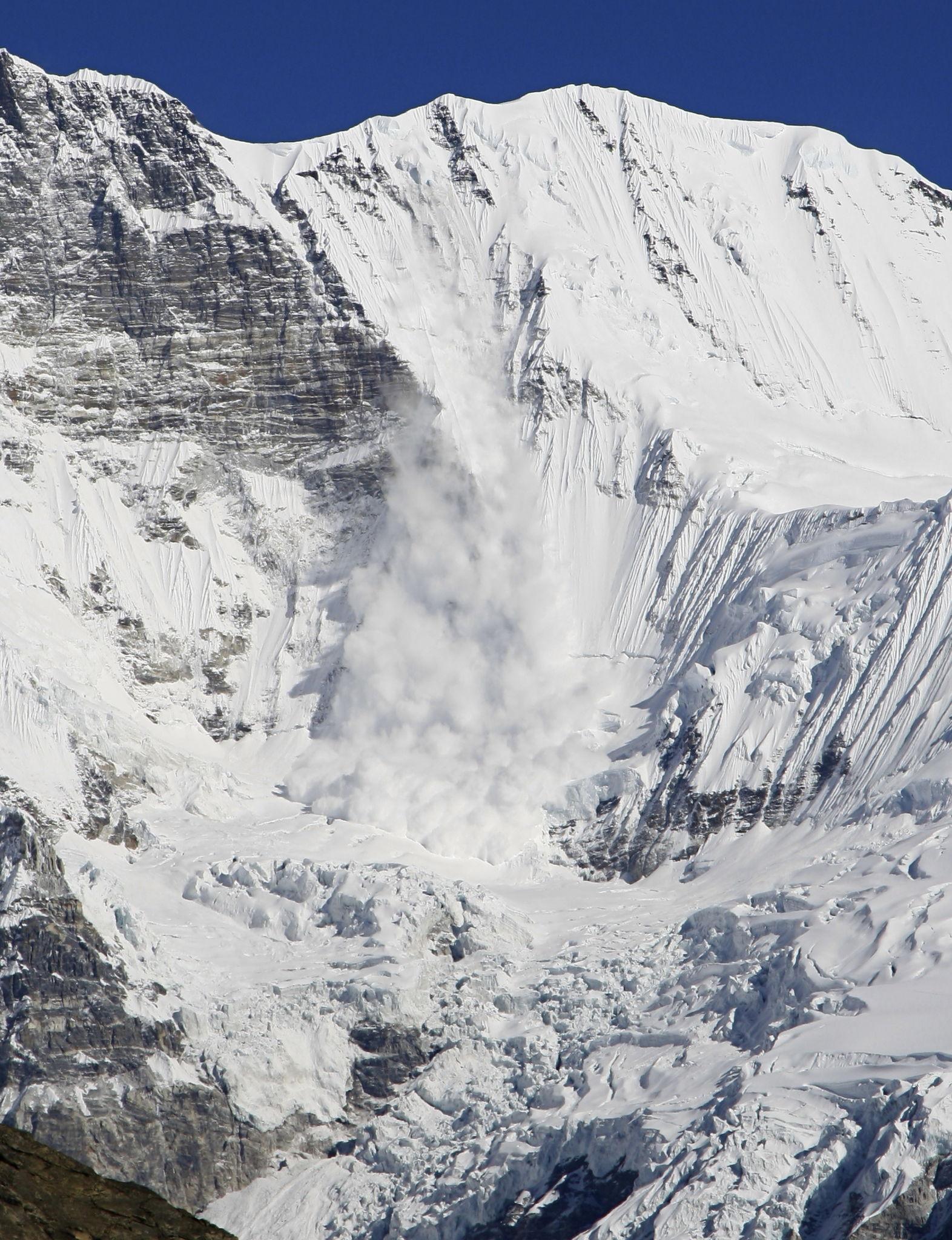
Shortly after 6:30 AM, a massive serac broke free from the west shoulder of Everest.
The collapse sent tons of ice crashing into the Icefall route. Blocks shattered on impact. Debris swept across the ladders and fixed lines below.
Sherpas directly beneath the collapse had little chance to react. Some were buried instantly. Others were struck by falling ice fragments. The sound echoed down toward Base Camp.
Climbers below felt the vibration. A cloud of white dust rose above the glacier.
Within minutes, radio traffic began. Rescue teams mobilized from Base Camp and Camp I. Surviving Sherpas turned back uphill to search for their colleagues.
Sixteen Sherpas were killed that morning. Several others were injured.
It was the deadliest single day in Everest’s history at that time.
Base Camp After the Avalanche
Everest Base Camp during the 2014 climbing season.
Memorial ceremonies held for Sherpas who lost their lives in the Icefall.
Back at Base Camp, the atmosphere shifted quickly. Expeditions that had been preparing for summit rotations stopped moving.
The bodies of the dead were recovered over the next several days. Prayer flags were raised. Buddhist ceremonies were held. Families were notified in villages across the Khumbu region.
For many Sherpas, this was not an abstract tragedy. The victims were brothers, cousins, neighbors, friends.
The disaster exposed a difficult reality. Sherpas carried disproportionate risk in the commercial Everest system. They moved through the Icefall far more often than foreign clients. They fixed ropes and stocked camps before most climbers even began their rotations.
The mountain had always been dangerous. But now the balance of risk and reward was being openly questioned.
The Ethical Tension
Sherpas gathered at Base Camp during discussions following the disaster.
Meetings held at Everest Base Camp as expeditions debated the future of the season.
In the days after the avalanche, Sherpa climbers held meetings at Base Camp. Many felt that continuing the season would be disrespectful. Others were concerned about lost income if expeditions were canceled.
Commercial expeditions faced their own pressures. Clients had paid substantial sums. Some had traveled from across the world for this attempt. But without Sherpa support, no team could safely continue.
The debate was not simple. Everest climbing supports many families in the Khumbu region. Canceling the season meant financial strain. Continuing meant returning to the same Icefall where sixteen men had just died.
Eventually, most Sherpa teams decided not to continue work in the Icefall.
The 2014 Everest climbing season effectively ended before summit attempts began.
The Broader Impact
The Icefall route as seen during expedition seasons.
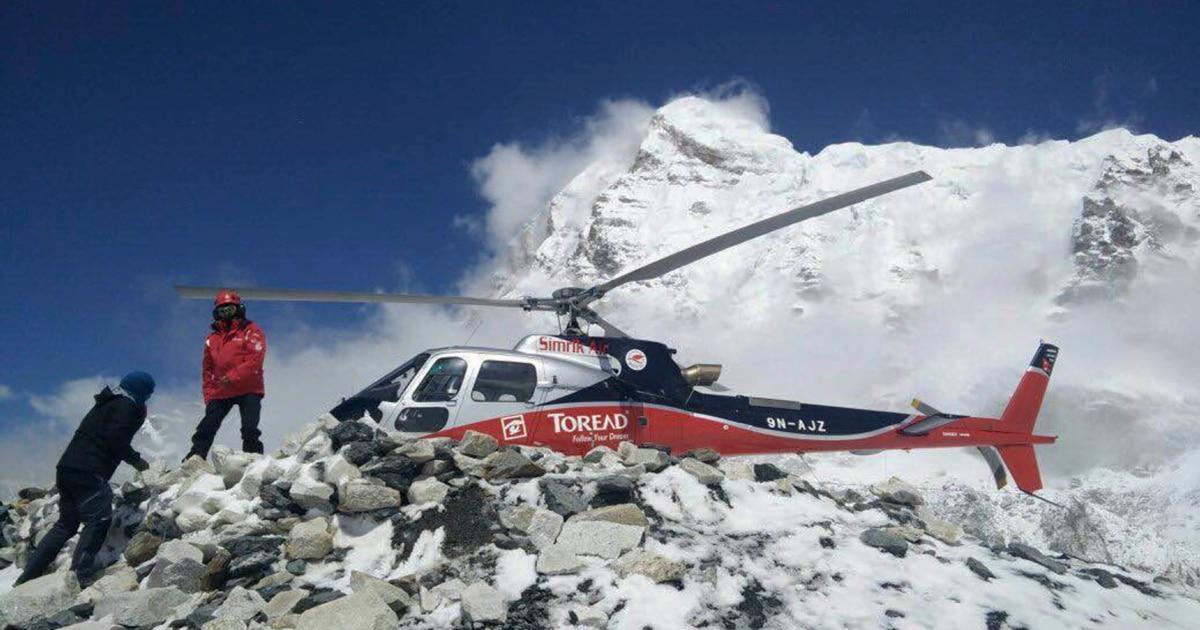
Helicopter operations increased after the 2014 season to reduce Icefall crossings.
The disaster triggered changes across the Everest industry.
Compensation for Sherpa families was reviewed and increased. Insurance policies were expanded. Discussions began about alternative routes that might reduce Icefall exposure, including the possibility of helicopter transport to higher camps.
The 2014 Icefall disaster shifted the global conversation about Everest. It forced climbers and operators to confront an uncomfortable truth.
The mountain’s risks were not evenly shared.
The Sherpas had always been central to Everest expeditions. After 2014, their role and sacrifice could no longer remain in the background of summit narratives.
The Icefall Remains
The Khumbu Icefall still moves every day. Climbers still cross it during each climbing season. Ladders are placed. Ropes are fixed. Loads are carried.
But April 18, 2014 remains a dividing line in Everest history.
It was not a summit storm or a dramatic high-altitude rescue that defined that year. It was a quiet early morning collapse before most climbers had left their tents.
Sixteen Sherpas left Base Camp that morning to prepare the mountain for others.
They never returned.


![K2 Base Camp Trek: Ultimate Guide k2 Trek 2026 [UPDATED]](https://karakoramdiaries.com/storage/ultimate-guide-to-k2-base-camp-trek-full-document-150x150.png)