Joe Simpson
Siula Grande The Fall and the Crawl
1. The West Face of Siula Grande, 1985

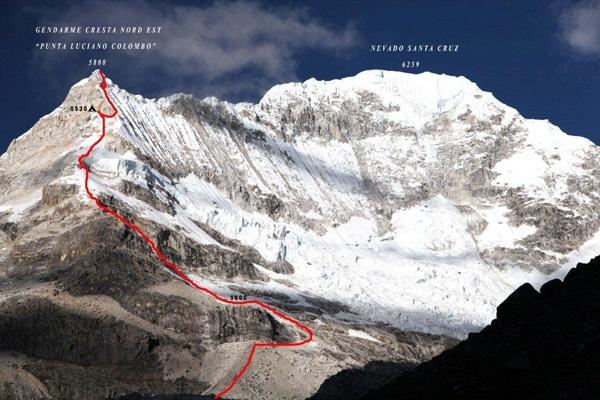
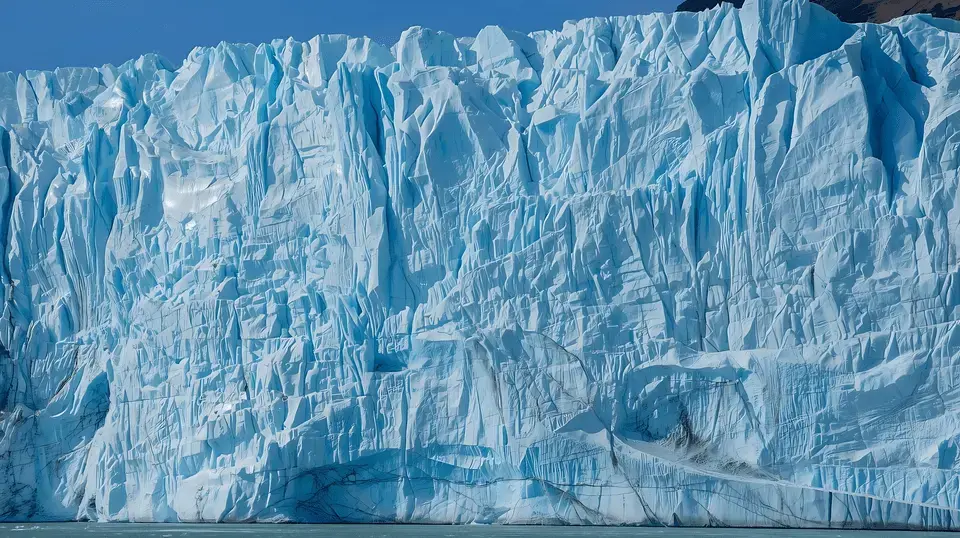
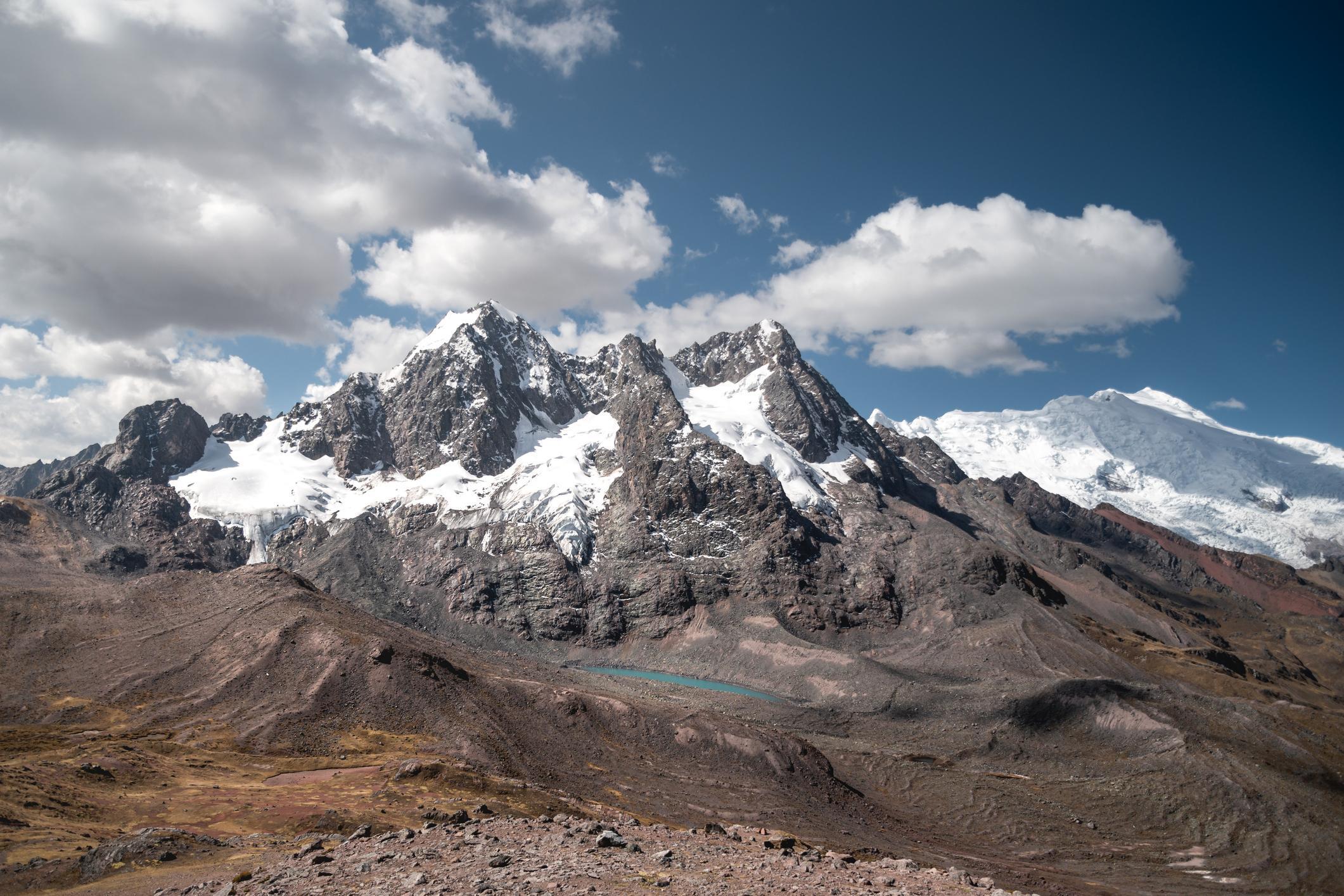
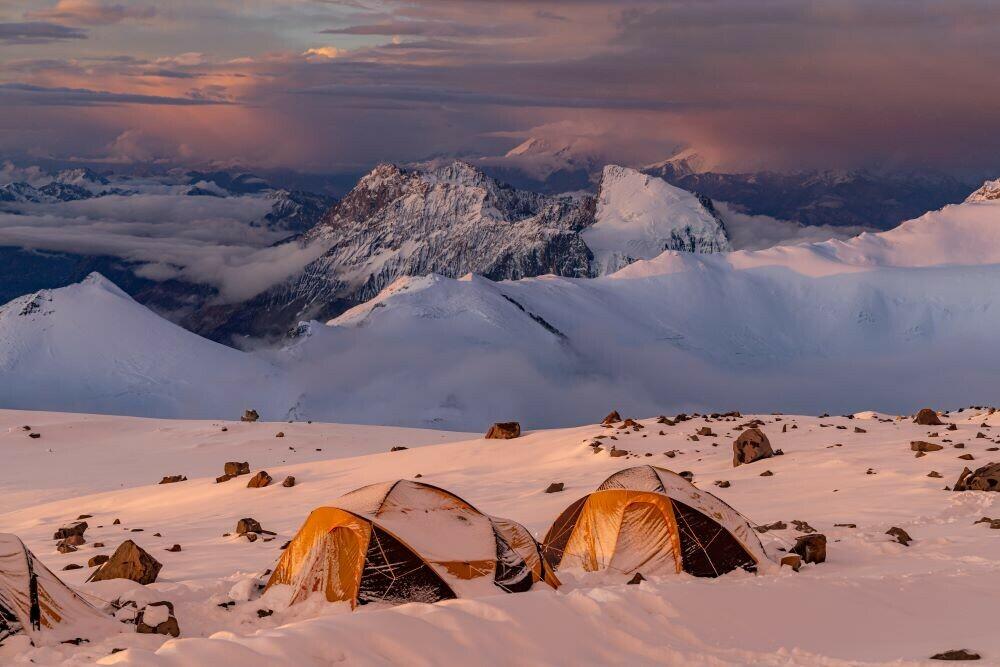
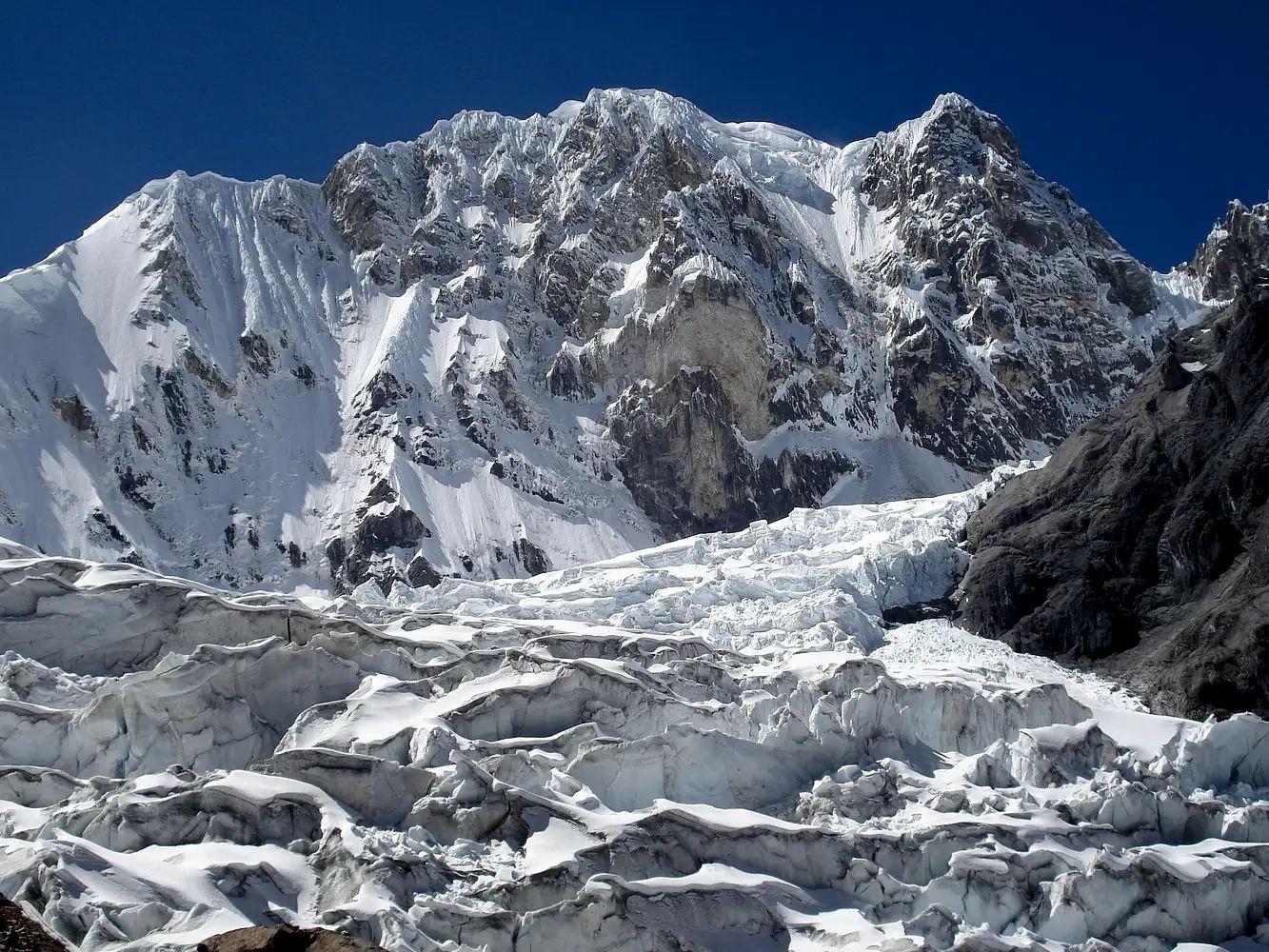
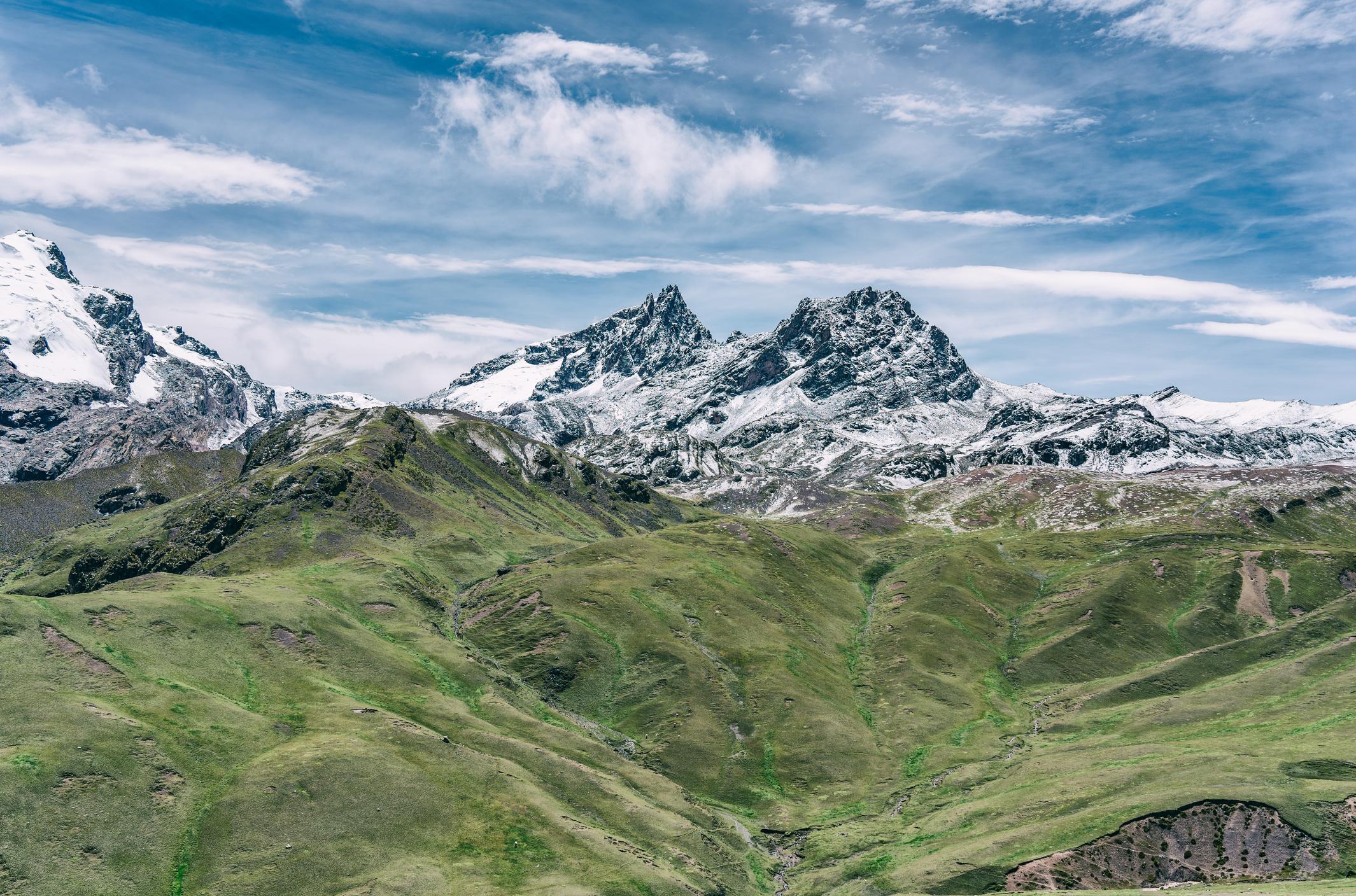
Caption: Siula Grande in the Peruvian Andes, where a descent became a survival ordeal.
In 1985, Joe Simpson and his climbing partner Simon Yates traveled to the Peruvian Andes to attempt a new route on the west face of Siula Grande. The mountain stands over 6,300 meters high and was far less trafficked at the time than more famous peaks.
They were a small two-man team. No large expedition support. No fixed rescue network. Just two climbers carrying their own equipment, food, ropes, and tents.
The ascent was technically demanding but successful. After days of climbing ice walls and steep snow slopes, they reached the summit.
In mountaineering, summiting is often the midpoint. The descent is where fatigue accumulates and mistakes become costly.
As they began descending, weather conditions shifted. Snow softened. Visibility narrowed. They moved carefully down steep slopes using ropes.
Then Simpson slipped.
He fell and shattered his right leg.
The fracture was severe. Immediate weight-bearing was impossible. At over 6,000 meters, with limited supplies and no communication devices, the situation changed instantly from expedition to survival.
Simon Yates made a decision. He would attempt to lower his injured partner down the mountain using rope.
The Long Lowering
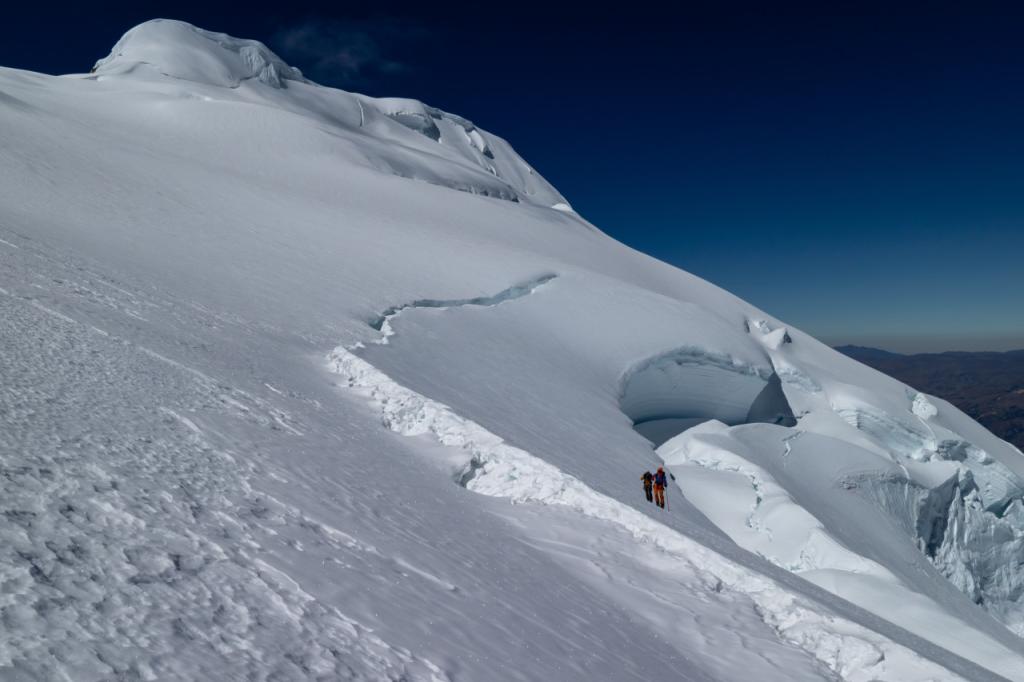
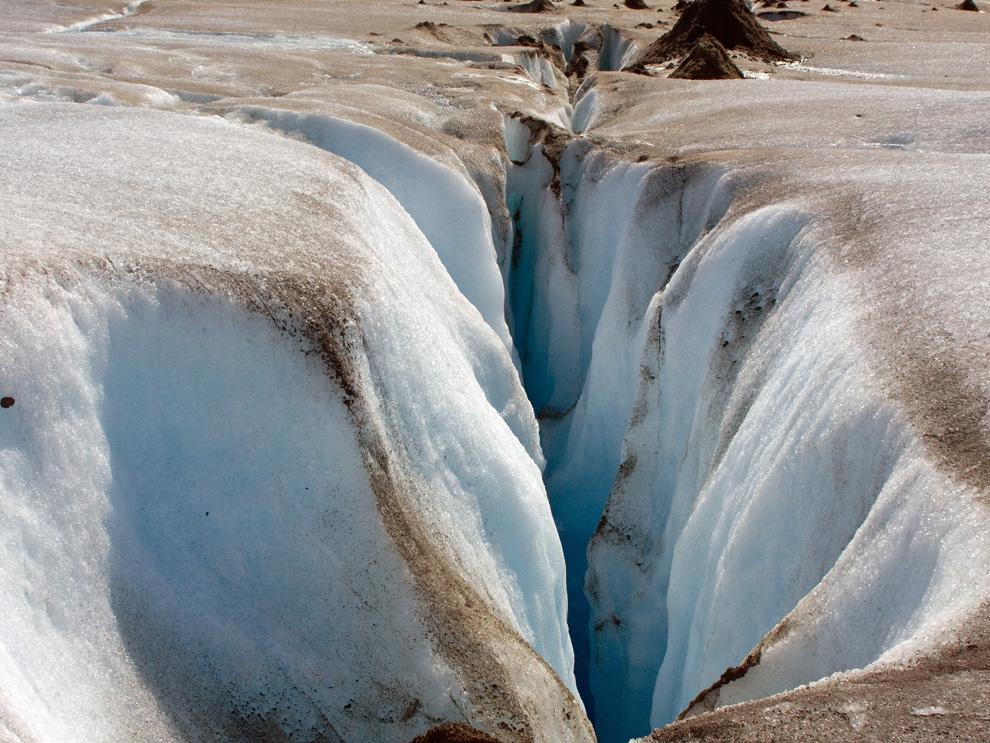
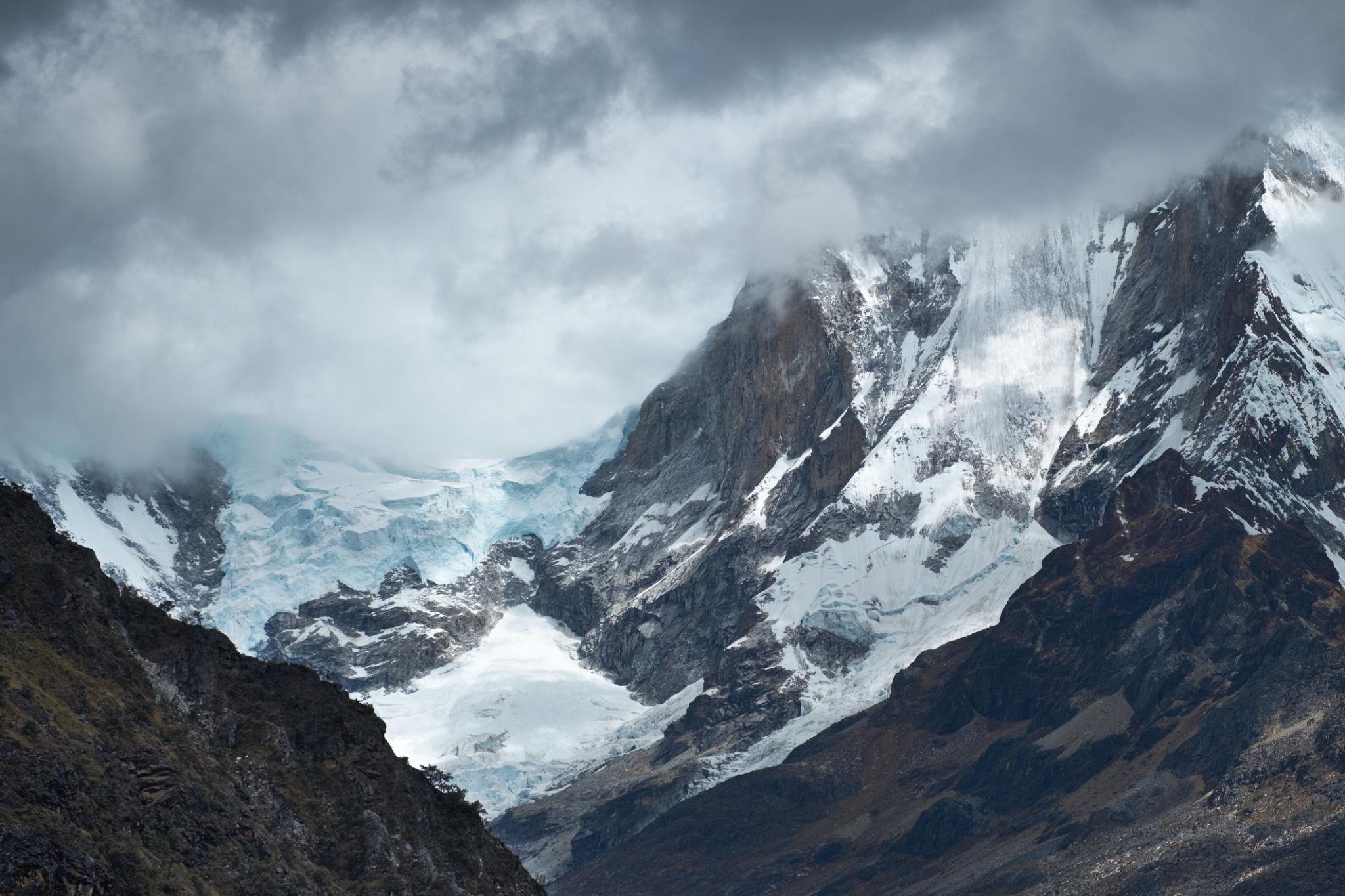
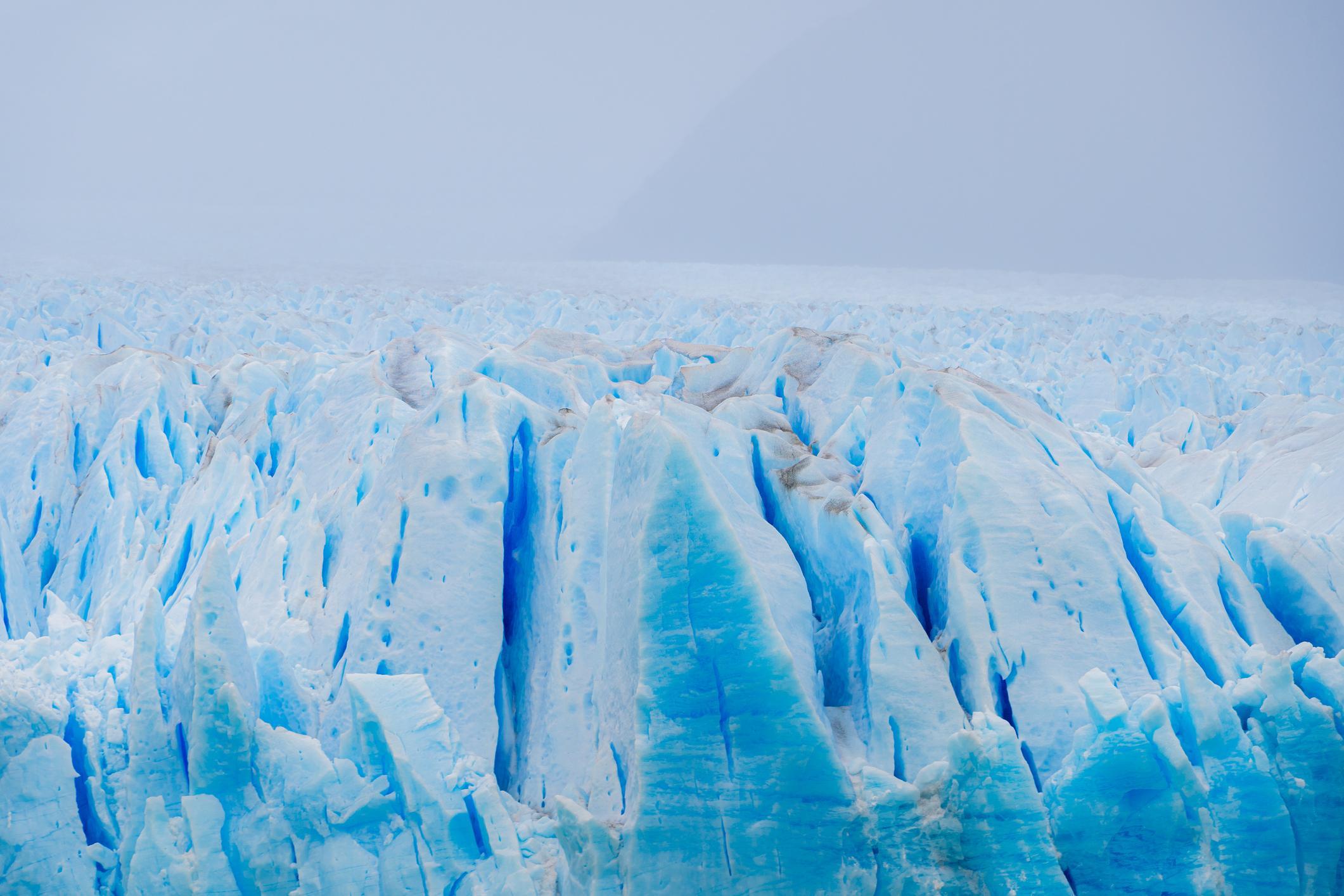
Caption: Crevassed glaciers where a single misstep can send a climber into darkness.
For hours, Yates lowered Simpson down steep sections of ice and snow. The process was slow and exhausting. Every rope length required anchoring, tension, release, and repositioning.
Darkness approached.
During one lowering attempt, Simpson went over an unseen edge and fell into a crevasse while still attached to the rope. He dangled in space, unable to climb back up due to his broken leg.
Yates could not see him. The rope pulled downward into darkness. Snow beneath Yates began to give way.
He faced a decision few climbers ever imagine. If he held the rope, both might fall. If he cut it, Simpson would drop.
After extended hesitation and attempts to secure the line, Yates cut the rope.
Simpson fell deep into the crevasse.
Yates, believing his partner had fallen to his death, made his way down the mountain alone.
But Simpson was still alive.
2. The Crevasse
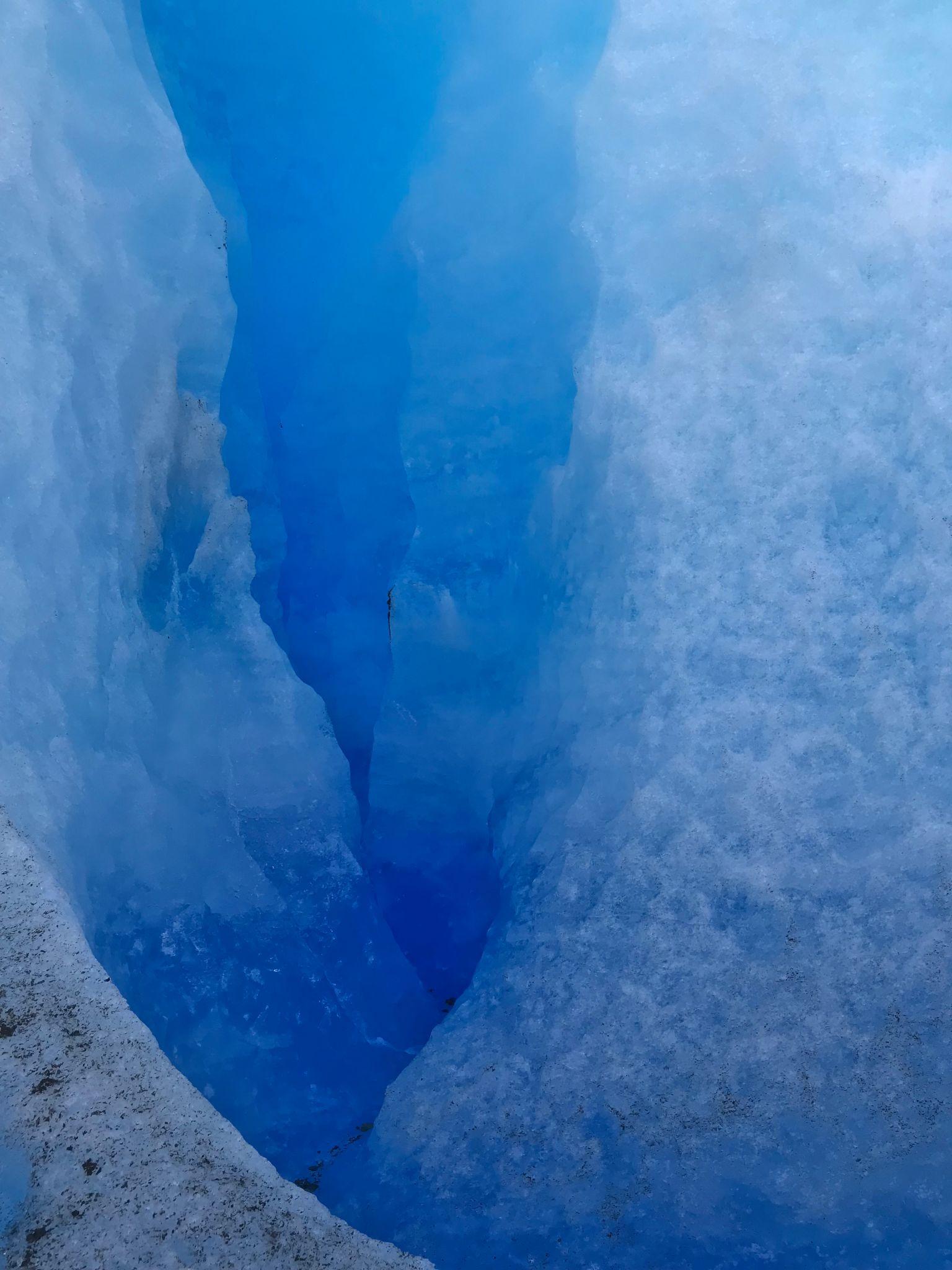
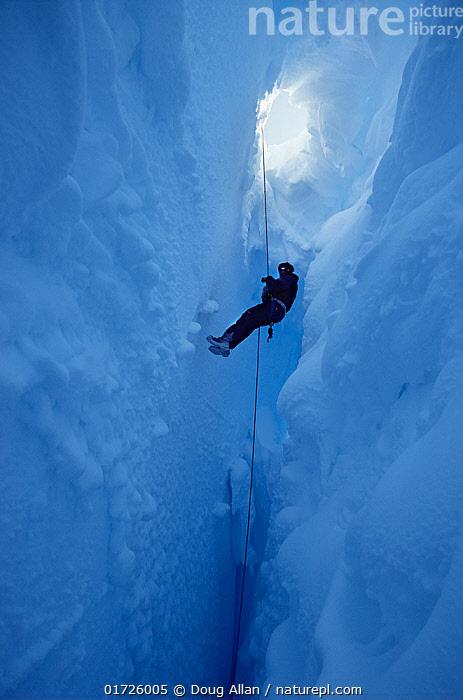
Caption: A crevasse interior where light narrows to a distant strip above.
When the rope was cut, Joe Simpson dropped into the crevasse expecting impact against rock or ice far below. Instead, he landed on a sloping snow bridge inside the crevasse shaft.
The fall did not kill him.
He was deep within the glacier, suspended between ice walls that rose vertically on either side. A thin shaft of light filtered down from above. Beneath him was darkness.
His right leg was shattered. Movement triggered waves of pain sharp enough to blur focus. For several minutes, he remained still, assessing whether he was conscious, whether he was bleeding heavily, whether survival was even realistic.
He was alone inside the mountain.
Climbing back up the crevasse was impossible. His leg would not support weight. Rope fragments lay above, out of reach. Simon was gone.
Staying inside the crevasse meant freezing slowly.
Simpson began exploring the interior carefully. Sliding down the slope inside the crevasse, he discovered that the shaft did not end abruptly. It opened into a horizontal tunnel carved by meltwater. The passage was narrow and unstable but offered a possibility.
He crawled.
Each movement required using elbows and his uninjured leg. The broken limb dragged behind him. Progress was slow and painful. The tunnel curved through ice, sometimes narrowing to shoulder width.
Eventually, light appeared again.
The tunnel led to an exit at the base of the glacier, lower than where he had fallen. He had escaped the crevasse.
But he was still high on the mountain with a destroyed leg and no partner.
3. Alone on the Glacier
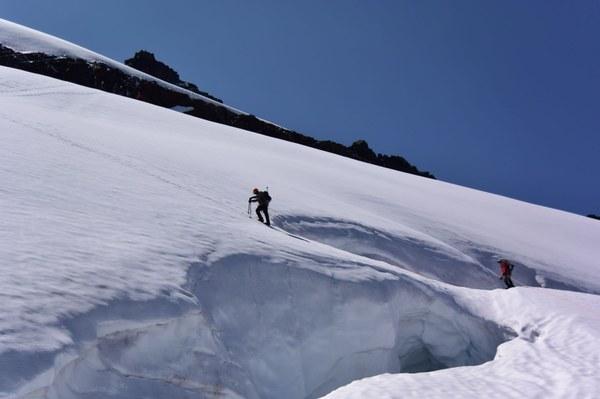
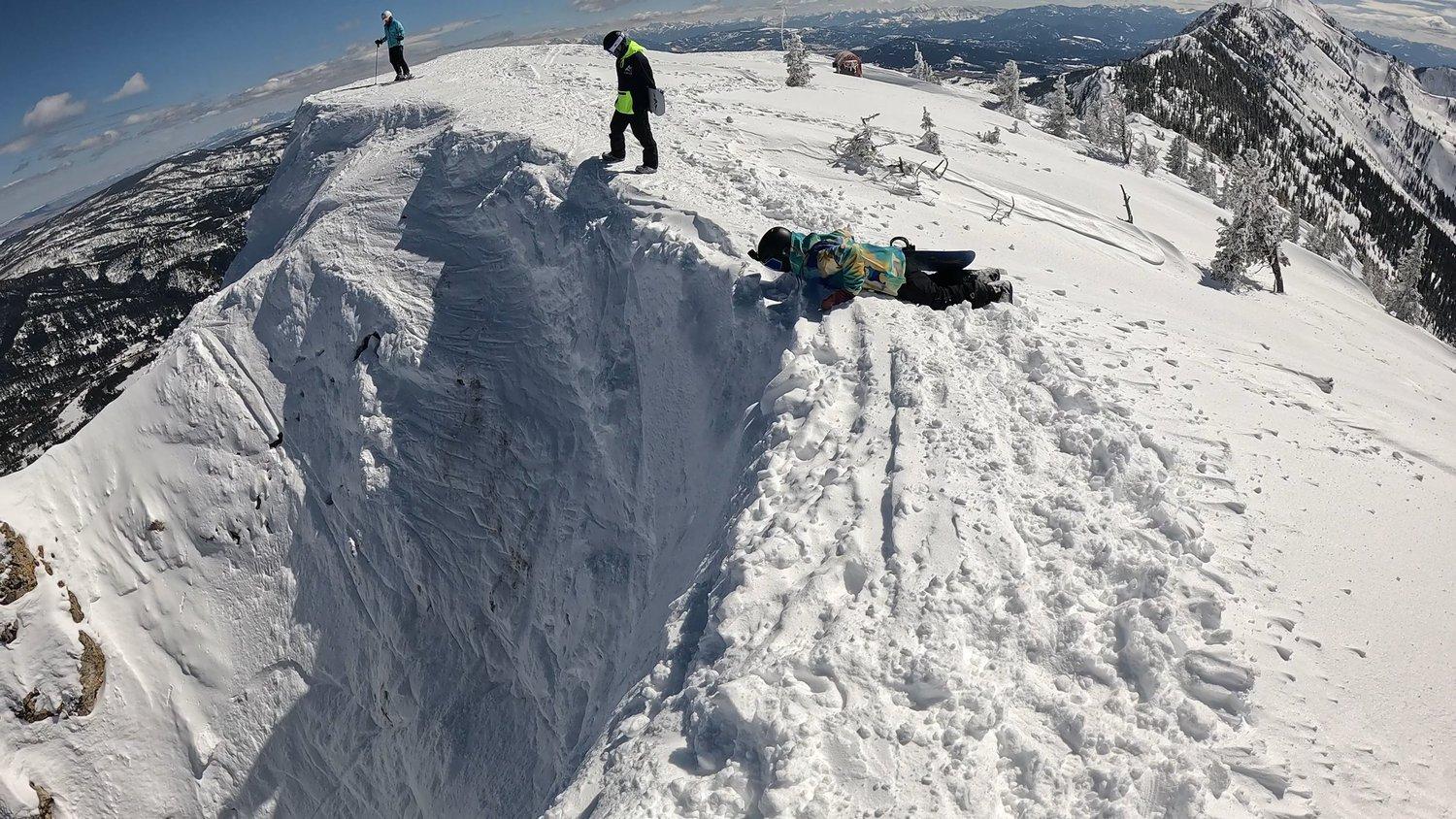
Caption: Open glacier terrain where distance becomes overwhelming for an injured climber.
Emerging from the glacier did not mean safety. Simpson now faced kilometers of snowfield between himself and base camp. The terrain was uneven, crevassed, and sloping downward.
He could not walk normally. Instead, he developed a method.
Using his ice axe as support, he would hop on his uninjured leg and slide the broken one forward. Then pause. Then repeat. Each hop risked collapse.
Progress measured in meters.
Pain was constant. Dehydration began to set in. Food was nearly gone. He moved primarily at night when snow was firmer and temperatures more stable.
During daylight, he rested in shallow depressions to conserve strength.
There were moments when he considered stopping entirely. Lying down and allowing cold to finish what gravity had begun.
Instead, he focused on a simple goal. Reach the next visible landmark. Then the next.
After days of this slow descent, he spotted something barely visible against the snow.
The outline of base camp tents.
Simon had already packed part of the camp, assuming his partner was dead. The final night before leaving, he heard a faint call across the glacier.
Simpson crawled into camp barely conscious.
Against probability, he had survived the fall, the crevasse, and the descent.
4. The Last Night at Base Camp
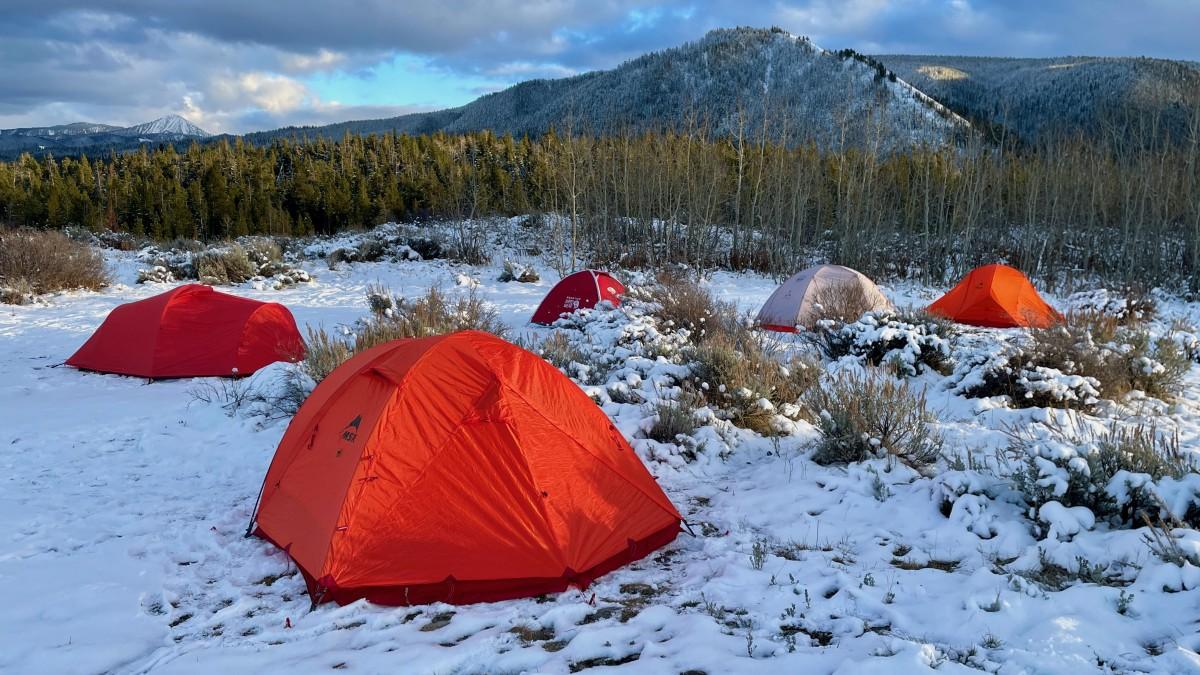
Caption: A small glacier camp where survival depended on being heard.
After cutting the rope and descending alone, Simon Yates reached base camp believing Joe Simpson had fallen to his death. He waited several days in worsening weather, hoping for some sign, but eventually began preparing to leave. Supplies were limited. Remaining too long would risk both their lives.
On the final night before departure, as darkness settled over the glacier, Yates heard something faint.
At first he dismissed it as wind.
Then it came again.
A broken voice calling across the ice.
Simpson had been crawling for days. His descent across the glacier had taken far longer than expected. He had run out of food. His lips were cracked, and dehydration was severe. Every meter required concentration.
He reached camp barely able to stand.
Yates later described the moment as almost unreal. The man he believed dead staggered into the circle of tents alive.
There was no dramatic celebration. Just immediate action.
They stabilized the broken leg as best as possible, rationed remaining food, and prepared for evacuation. The descent from base camp to inhabited areas would still require careful movement.
But the most dangerous part was behind them.
5. Aftermath and Reflection
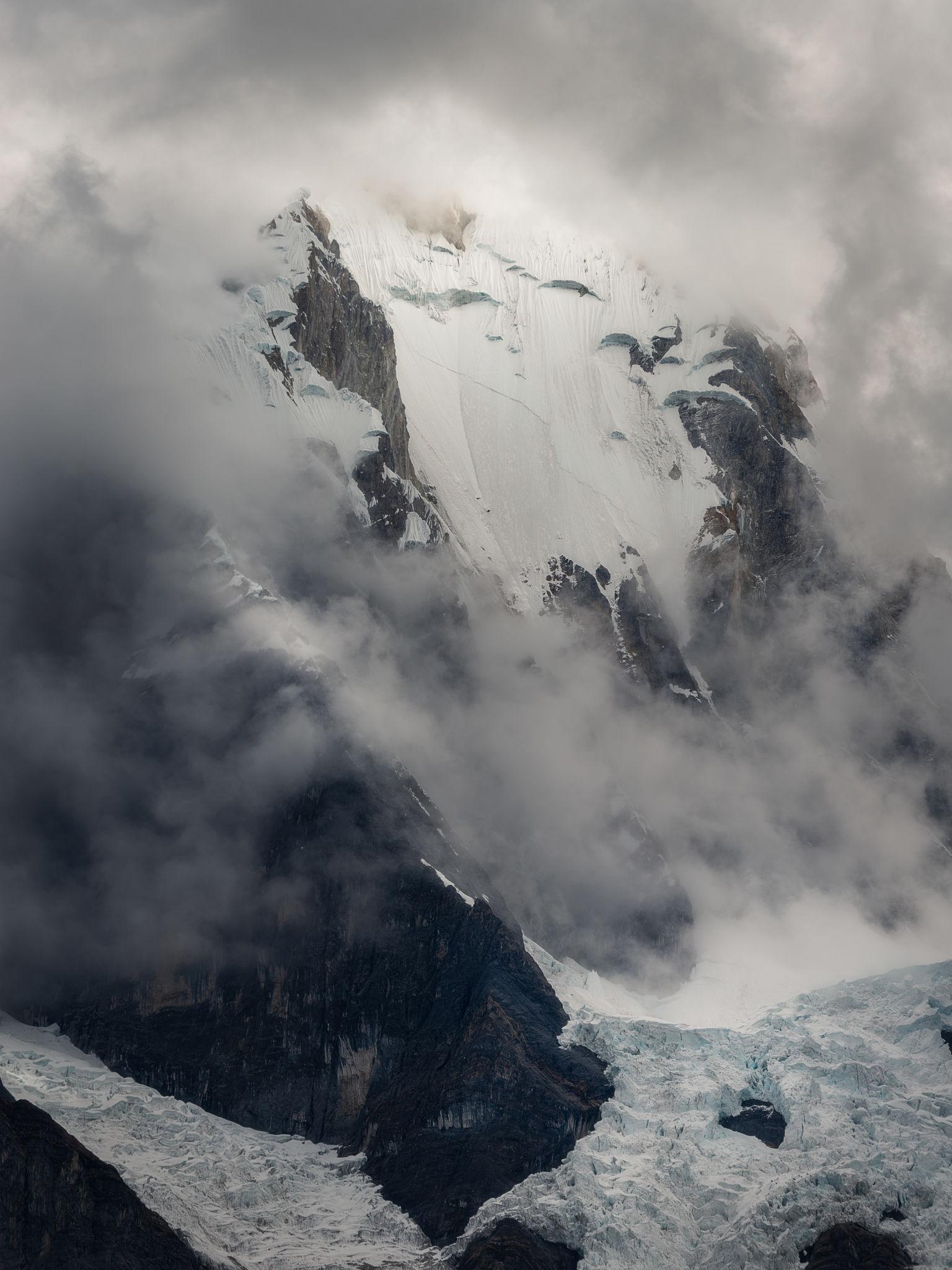
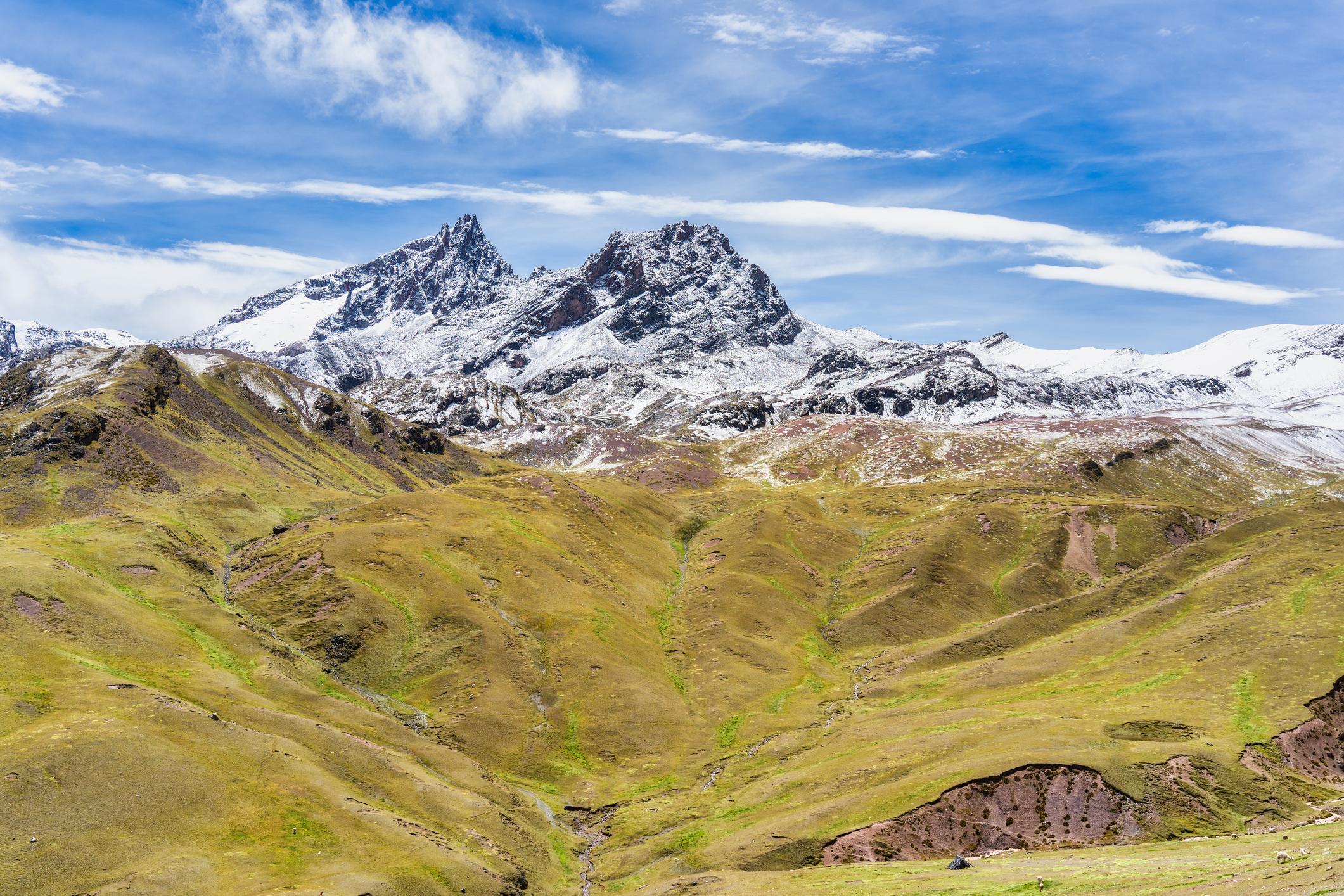
Caption: Siula Grande, a mountain remembered less for its summit than for survival.
The incident on Siula Grande did not end the climbing careers of either man. Joe Simpson eventually recovered from his injuries. Simon Yates faced scrutiny from some in the climbing community for cutting the rope.
Over time, experienced mountaineers largely agreed on a difficult truth. Given the circumstances, cutting the rope had been a rational survival decision. Had Yates held on longer, both likely would have fallen.
Simpson later documented the ordeal in his book Touching the Void. The story became one of the most studied survival accounts in modern mountaineering, not because of drama alone, but because of its psychological honesty.
There was no romantic heroism in the account. Only fear, calculation, endurance, and the refusal to stop moving.
What makes the Siula Grande story endure is not the fall itself. It is the crawl.
The slow, methodical, painful crawl across glacier terrain with a broken leg.
It demonstrates something fundamental about extreme trekking and mountaineering. Catastrophe does not always come with noise. Survival does not always look dramatic. Sometimes it is measured in meters gained through stubborn repetition.
Siula Grande remains in the Andes.
But its legacy lies in the glacier below, where a man refused to lie down.
Image Credit: Andes expedition photography Public Domain
Narrated by KarakoramDiaries


![K2 Base Camp Trek: Ultimate Guide k2 Trek 2026 [UPDATED]](https://karakoramdiaries.com/storage/ultimate-guide-to-k2-base-camp-trek-full-document-150x150.png)