The Black Summer of 1986: Thirteen Deaths on K2
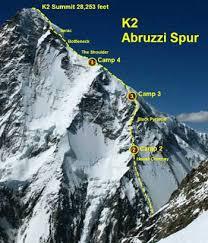
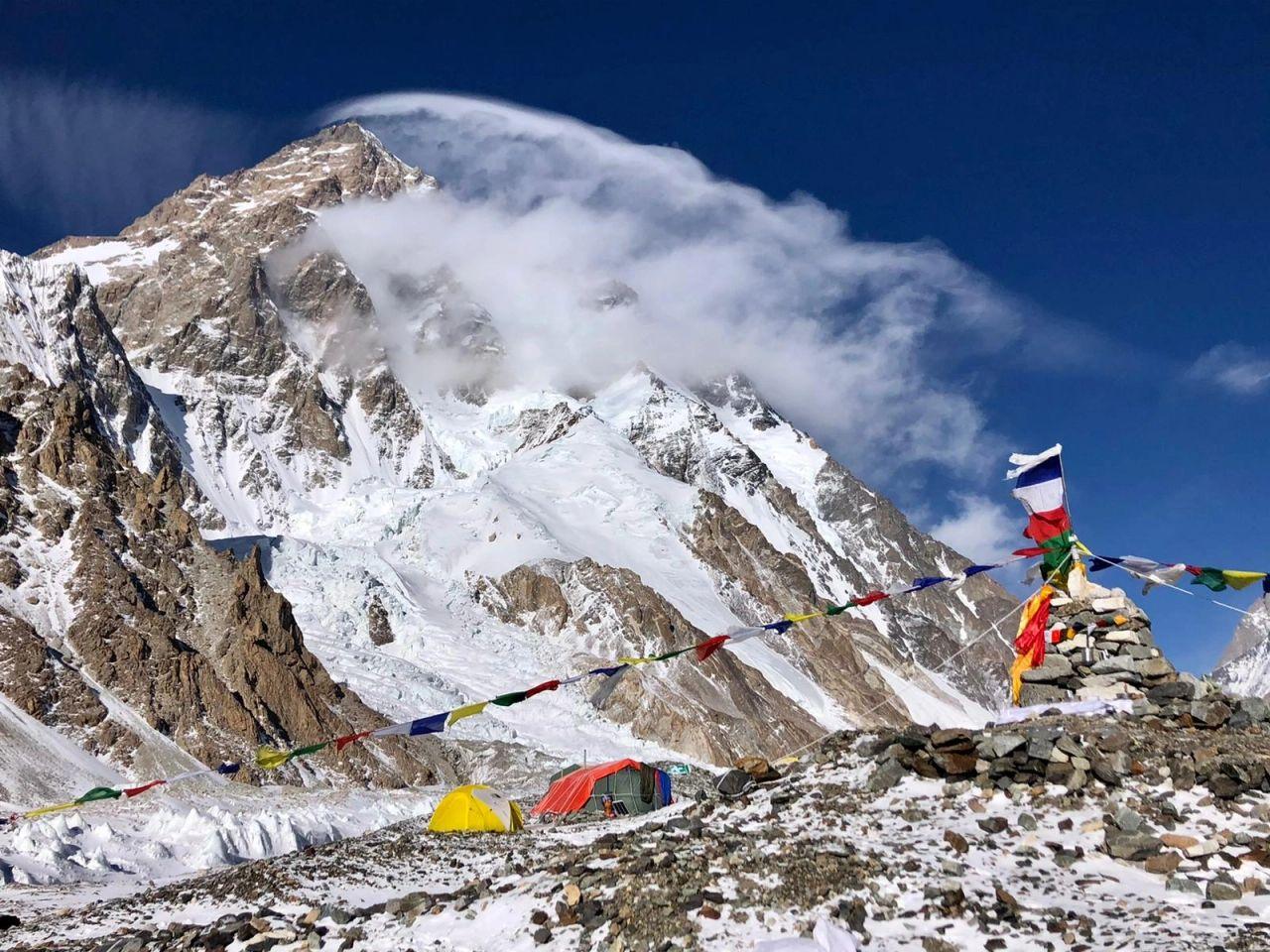
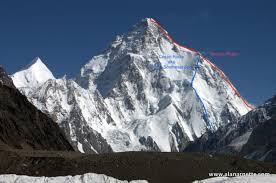
The upper Abruzzi Ridge of K2 , where the events of the summer of 1986 unfolded slowly, day by day.
(Image credit: Wikimedia Commons)
“It Felt Like the Mountain Was Filling Up”
Those who were at K2 Base Camp in the summer of 1986 remembered the same thing first:
there were too many people.
Not inexperienced climbers, but strong ones. Poles, British, French, Italians, Americans. Good climbers. Serious climbers. People who knew what K2 was and came anyway.
Someone at base camp remarked quietly, almost jokingly, “It feels like the mountain is filling up.”
No one laughed.
K2 does not feel crowded often. When it does, something is already wrong.
Early Days: When the Mountain Spoke Softly
Before the summit bids, before the storm, K2 gave a warning that was easy to dismiss.
Piotr Szafirski, a Polish climber, fell while descending from Camp II in June. It was not dramatic. No avalanche. No great collapse. Just a slip, a loss of balance, and a fall that could not be stopped.
At base camp, people talked about it in low voices. Someone said, “It’s early. Conditions are unstable.”
Another replied, “It happens.”
They moved on.
On K2, early deaths are not alarms. They are reminders. And reminders are often ignored.
Higher Up: Waiting, Watching, Hesitating
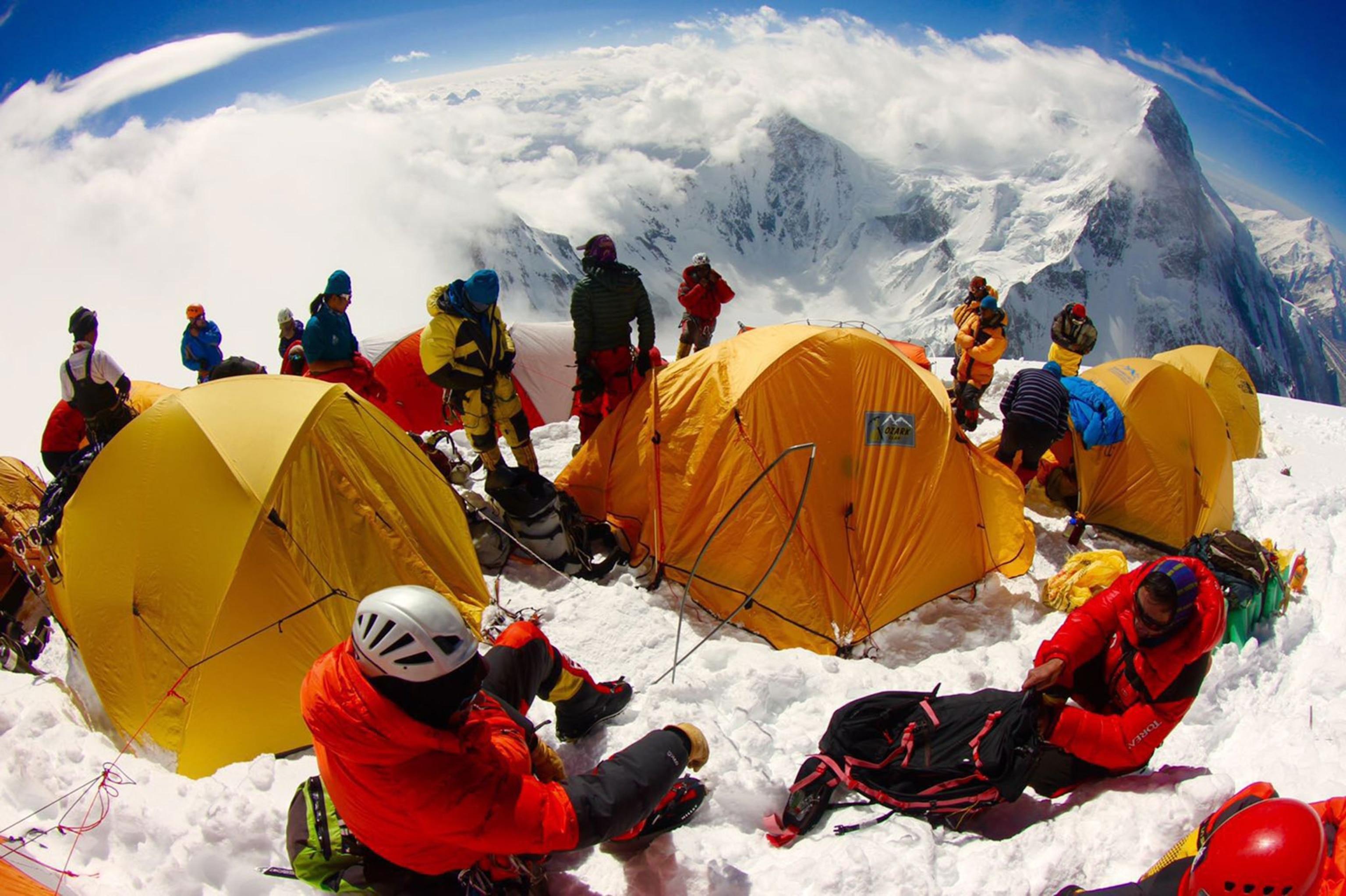
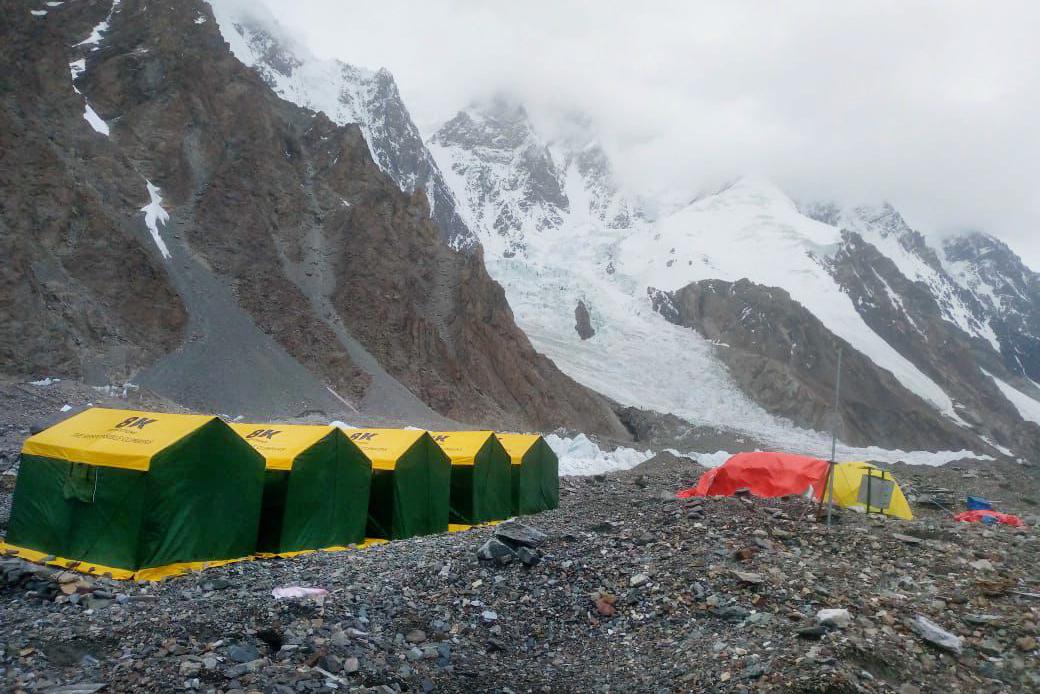
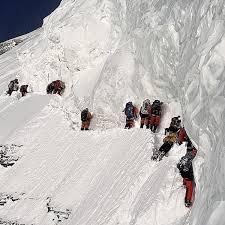
High camps on K2 in 1986, exposed, narrow, and never meant for prolonged stays.
(Image credit: Alamy)
By late July, climbers were stacked high on the Abruzzi Ridge. Camps were close together, oxygen caches thinly spread, radios unreliable.
People waited for weather that never fully committed.
At Camp IV, climbers sat inside tents listening to the wind move over the ridge. Someone asked over the radio, “Do you think this will clear?”
There was no confident answer.
Another voice came back: “If we don’t go now, we may not get another chance.”
That sentence has killed more climbers than storms ever have.
The Summit Push: Decisions Made Too Late
On August 4 and 5, some climbers reached the summit.
They did not celebrate.
They did not stay.
They turned around quickly, because the sky was changing.
Those still below watched the clouds building above the Bottleneck. Someone later said, “You could feel the mountain closing.”
Then the storm arrived — not suddenly, but decisively.
Wind pressed climbers into the ridge. Snow erased tracks within minutes. Visibility dropped to nothing.
People stopped moving not because they chose to, but because they could no longer see where to go.
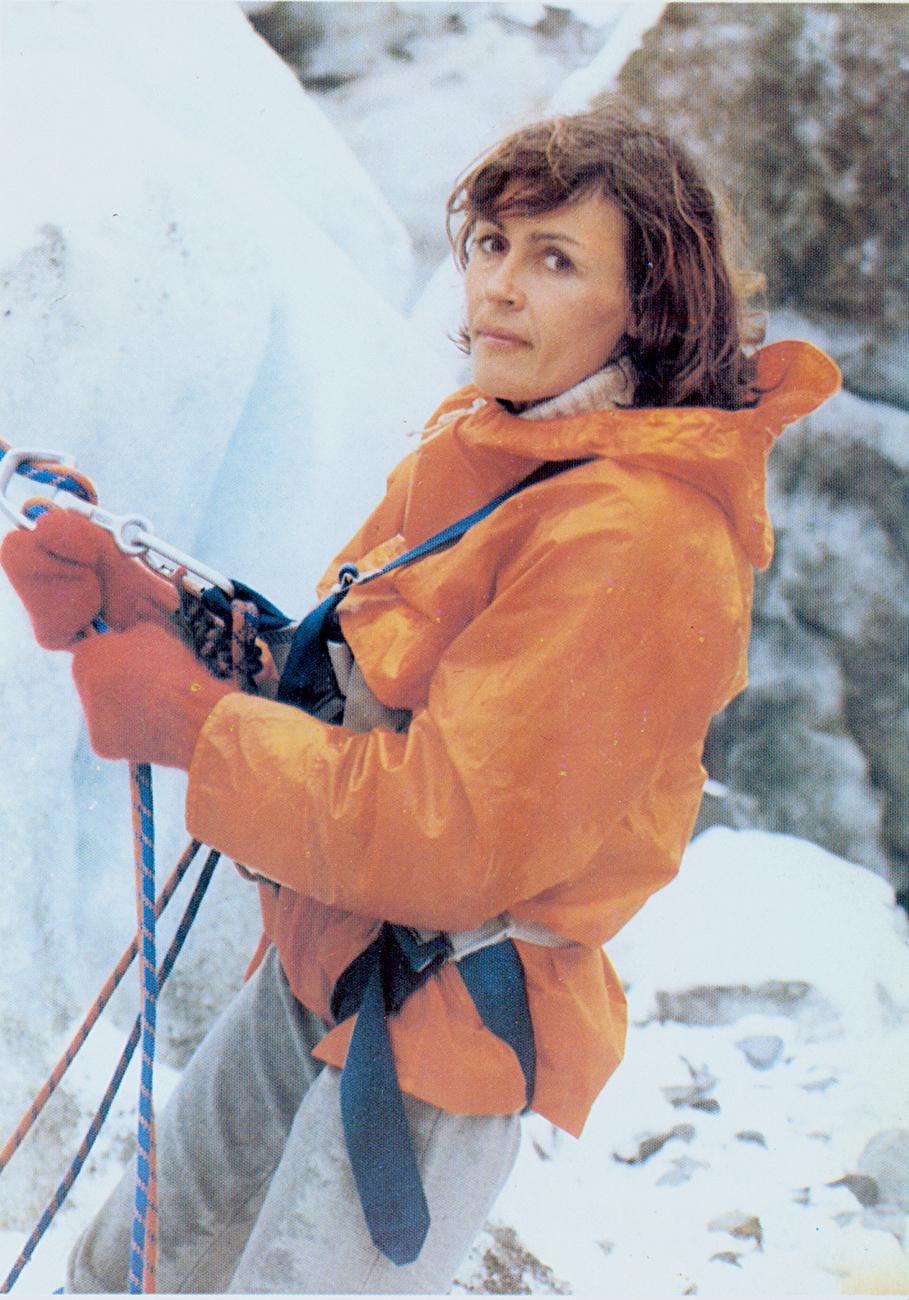
Alan and Julie: Staying Together
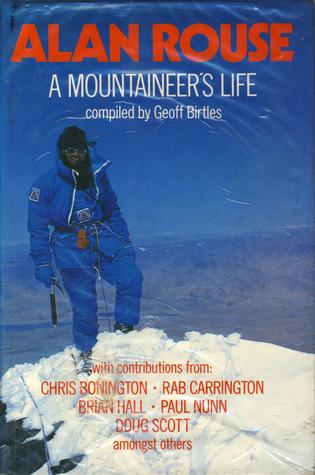
Alan Rouse and Julie Tullis, among the strongest British high-altitude climbers of their time.
(Image credit: Alamy)
Alan Rouse was already in trouble when the storm intensified. He was strong, but strength disappears quickly above 8,000 meters.
Julie Tullis could have descended.
Others did.
She didn’t.
Later, climbers would repeat what she was believed to have said when urged to move:
“I’m staying with him.”
They were found not far from Camp IV.
Close enough that the idea of rescue lingered painfully — but rescue at that height is a word, not an action.
The French Climbers: Waiting for the Wind to Stop
French climbers caught high on the mountain during the prolonged storm.
(Image credit: Wikimedia Commons)
René Ghilini and Thierry Renault waited.
They believed the storm would ease. That visibility would return. That they could descend if they conserved energy.
They were wrong, but not foolish.
Many climbers wait. Some survive.
The storm did not lift.
Neither did they.
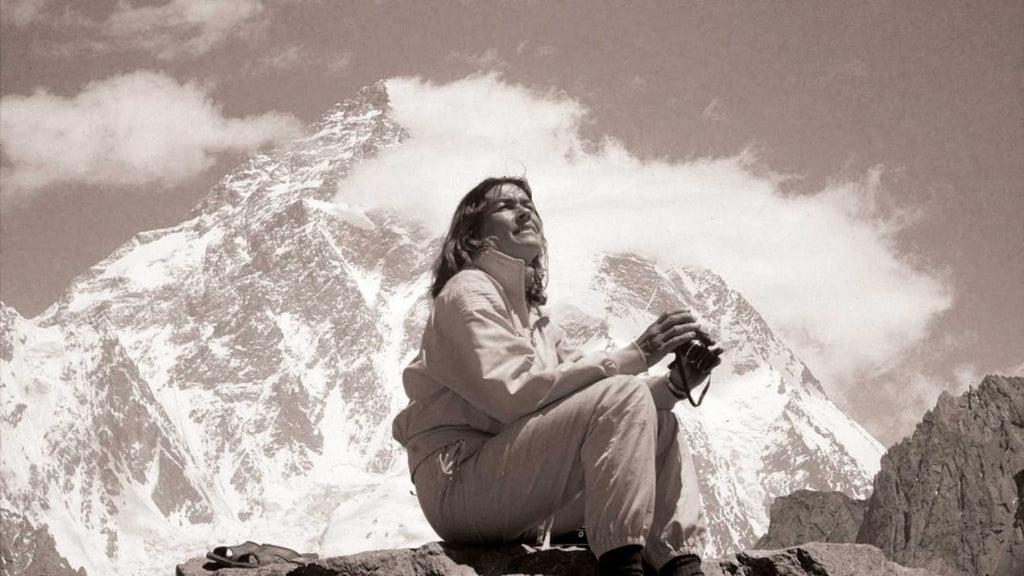
Wanda: Seen Walking Into the Clouds
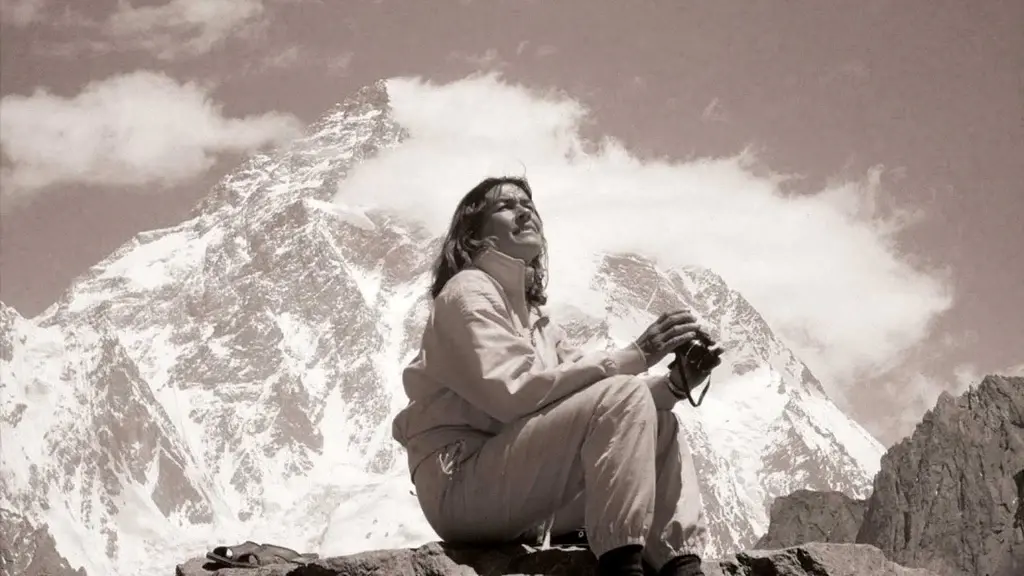
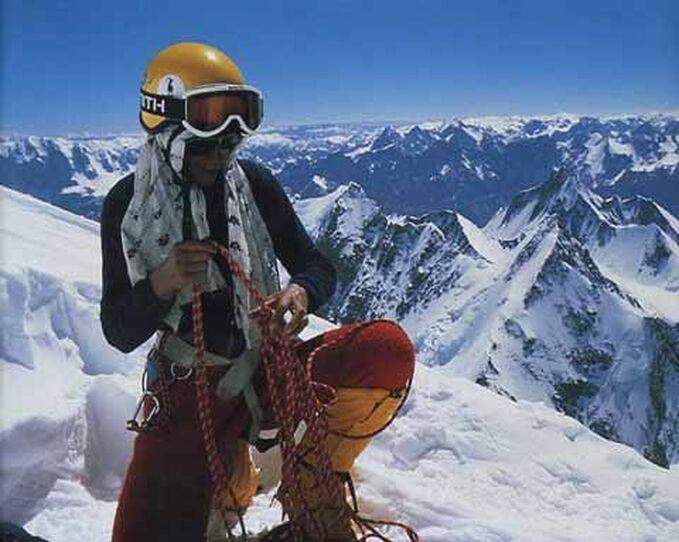
Wanda Rutkiewicz, one of the most accomplished high-altitude climbers in history.
(Image credit: Wikimedia Commons)
Wanda Rutkiewicz had already lived where most climbers never would. She had summited Everest. She knew isolation.
After summiting K2, she descended alone.
Another climber saw her moving slowly downward and asked if she needed help.
She reportedly answered calmly, “No. I’m fine.”
She was last seen walking into cloud.
Her body was never found.
In mountaineering, disappearance is not mystery. It is finality.
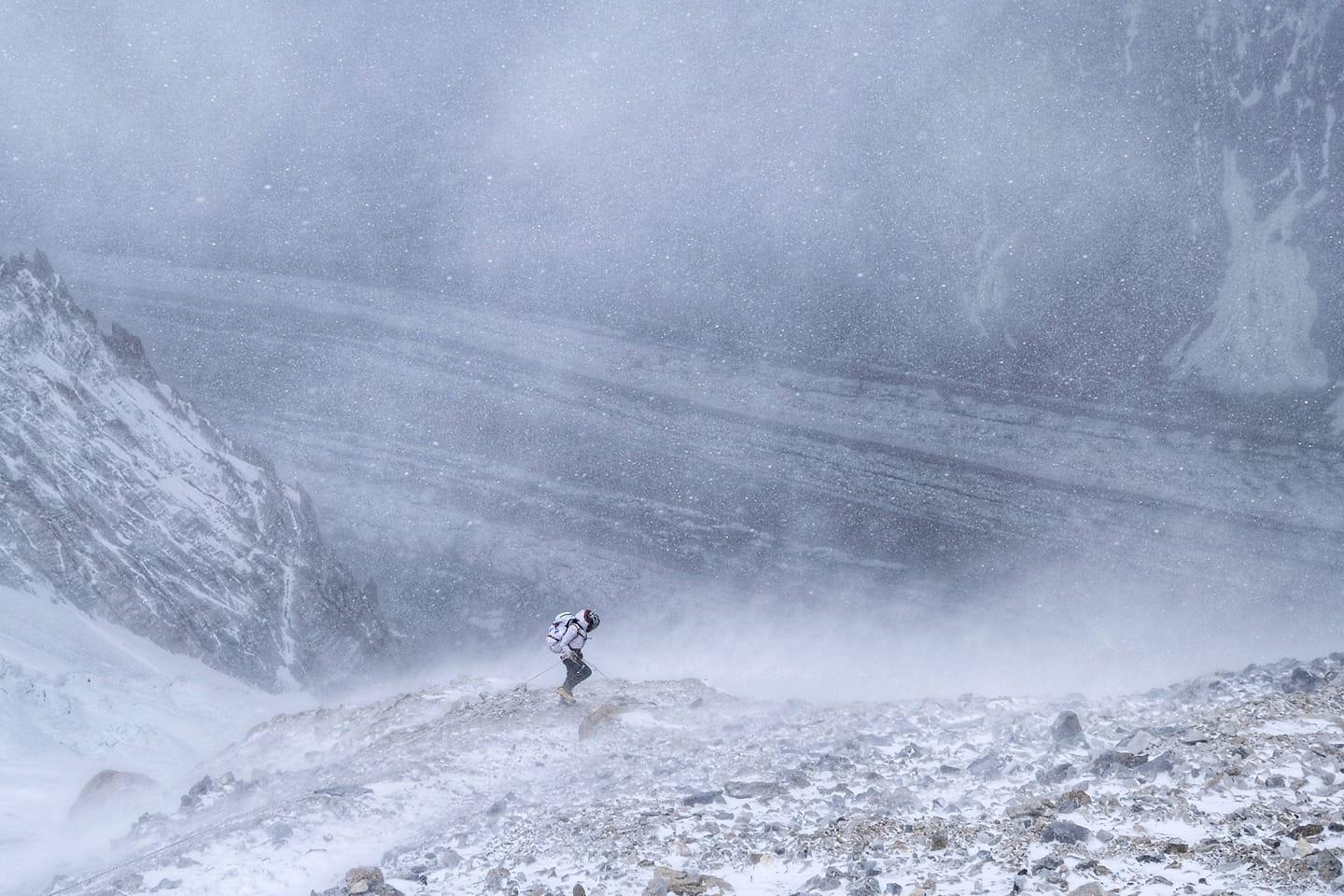
When the Storm Passed
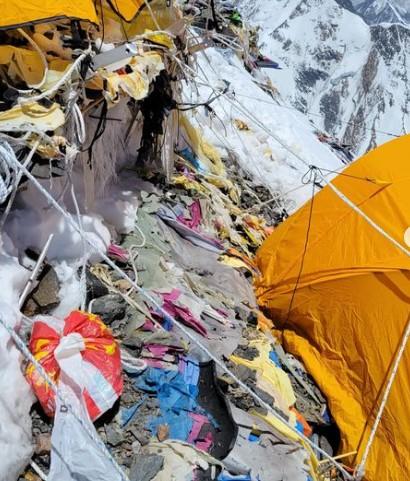
After the storm, the mountain revealed what it had kept.
(Image credit: Alamy)
When weather finally improved, survivors descended slowly.
They did not talk much.
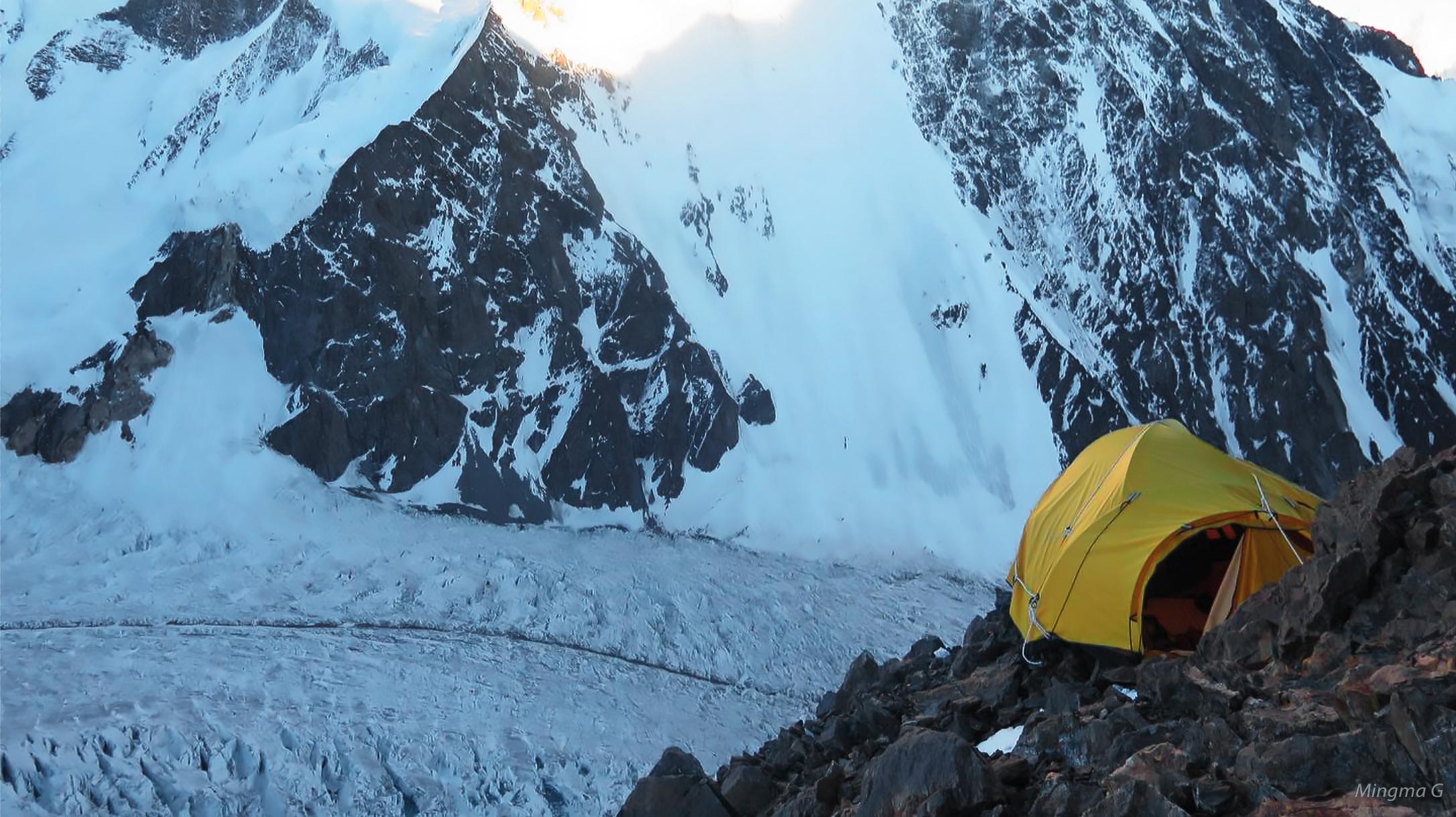
They stepped around tents that would never be occupied again. Around oxygen bottles that would never be used.
At base camp, people counted names.
They stopped at thirteen.
What the Mountain Taught That Summer
No single error caused the Black Summer of 1986.
What killed those climbers was:
- Waiting too long
- Being too high, too late
- Trusting that experience would compensate for conditions
- Believing descent would be possible simply because ascent had been
K2 does not reward strength.
It rewards timing.
And timing is unforgiving.
Closing: How Climbers Remember 1986
Those who survived rarely speak of heroism.
They speak of silence.
Of radio calls that were never answered.
Of shapes half-buried in snow that they did not approach because they already knew.
K2 did not change after 1986.
But climbers did.
They learned — again — that on this mountain, the summit is never the achievement.
Coming back is.
Sources & Oral Accounts Used
- American Alpine Journal (1986–1987 survivor accounts)
- Himalayan Database (Elizabeth Hawley Archive)
- British Mountaineering Council expedition interviews
- Polish Alpine Club reports
- Contemporary climber testimonies from Camp IV survivors