The Dyatlov Pass Incident: Nine Hikers and a Night That Still Echoes
1. A Winter Expedition Into the Northern Urals

Members of the Dyatlov hiking group during their 1959 expedition.
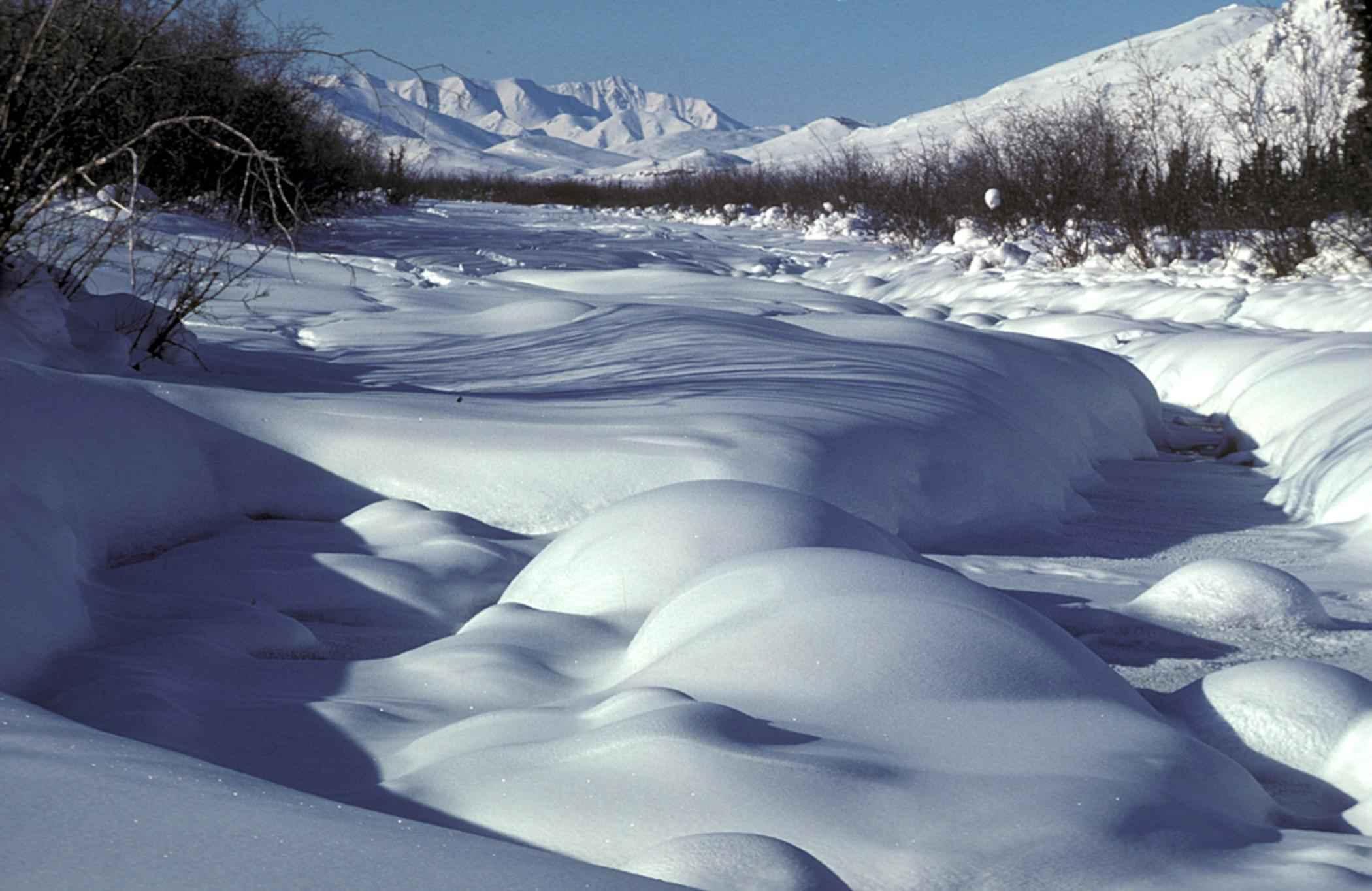
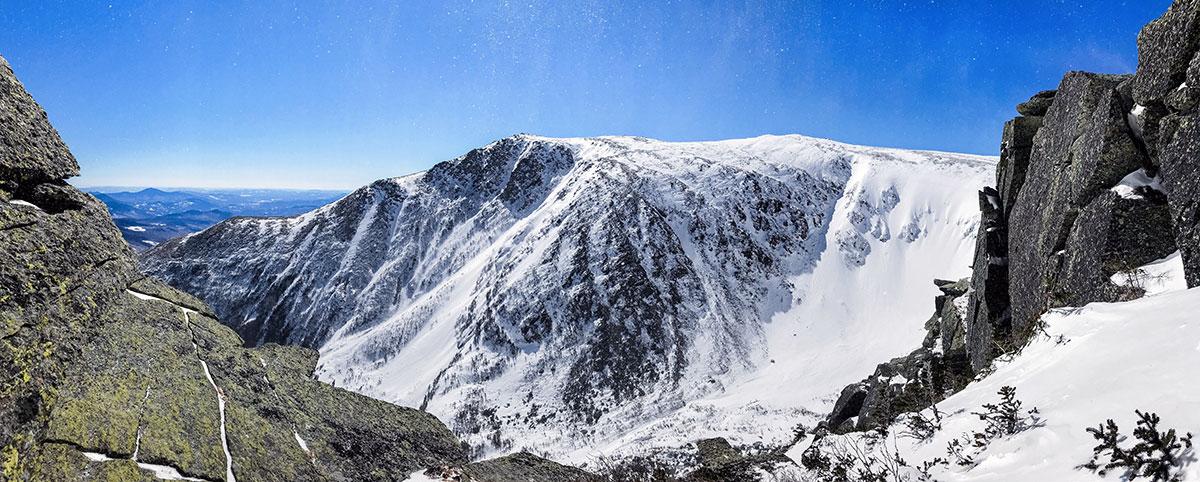
Winter conditions in the northern Ural Mountains, similar to those faced by the group.
In late January 1959, nine experienced hikers set out on a winter expedition into the northern Ural Mountains of the former Soviet Union. Their goal was not fame. It was certification.
The group, led by Igor Dyatlov, consisted of engineering students and graduates from the Ural Polytechnic Institute. They were young, physically fit, and trained in winter travel. Several had completed demanding treks before. This journey was intended to qualify them for a high-grade hiking certification, requiring travel across remote terrain in severe conditions.
Their route would take them toward a mountain known locally as Kholat Syakhl, a Mansi phrase often translated as “Mountain of the Dead.” The name reflected older folklore, not a modern warning.
The area now bears Dyatlov’s name. Dyatlov Pass lies between Kholat Syakhl and a neighboring peak. In 1959, it was simply a remote saddle in the snow.
The group left the town of Ivdel by truck and then by foot and skis. One member, Yuri Yudin, turned back early due to illness. His decision likely saved his life.
Nine hikers continued into the mountains.
They were not lost. They were not inexperienced. They were prepared.
2. The Final Campsite on the Slope
The reconstructed location of the Dyatlov group’s final campsite on the slope.
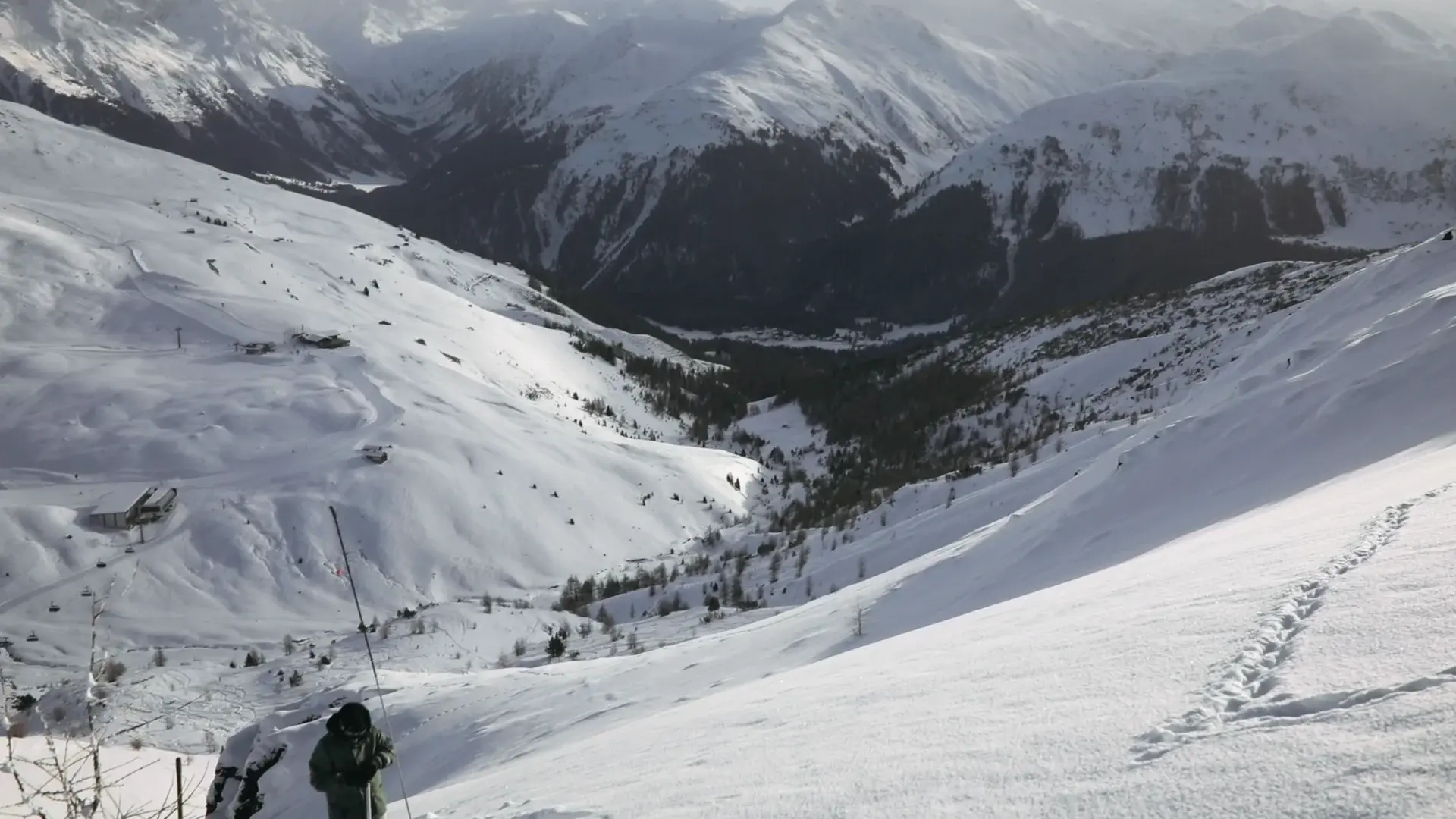
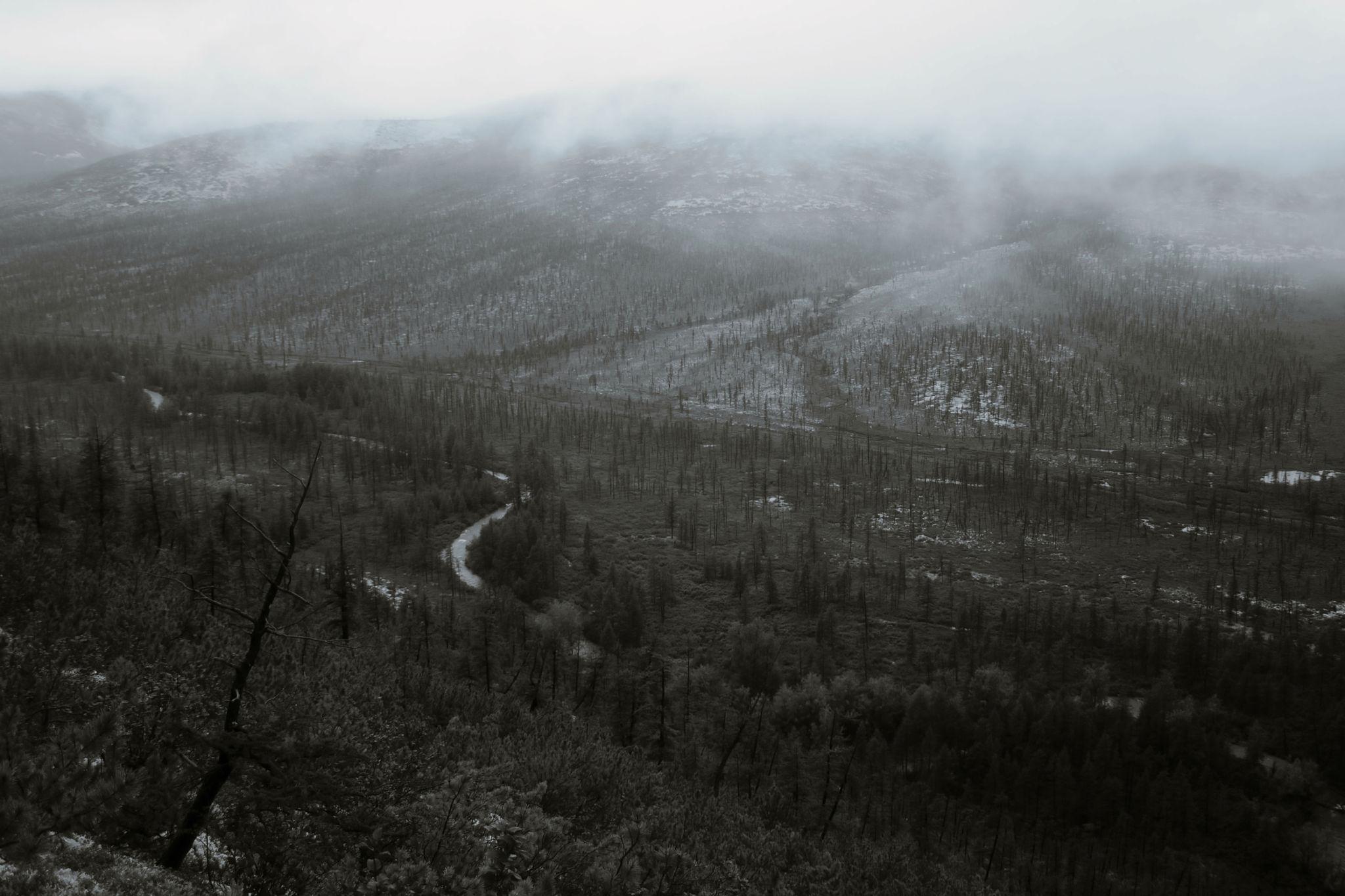
The open, wind-exposed slope of Kholat Syakhl in winter.
By February 1, 1959, weather conditions were deteriorating. Strong winds and blowing snow reduced visibility. The group appears to have veered slightly off their intended route, ascending the slope of Kholat Syakhl instead of descending into a more sheltered forested valley.
Why they chose to camp on an exposed incline remains debated. One theory suggests they intended to practice slope camping as part of their training. Another suggests worsening visibility forced them to stop where they were.
They pitched their tent directly on the slope, cutting into the snow to create a level platform. The tent was large enough to hold all nine hikers.
Inside, they arranged boots near the entrance. Diaries and cameras were stored. They prepared a simple meal. Notes recovered later show no sign of panic or fear that evening.
Nothing in their final entries suggests they anticipated disaster.
Sometime during the night of February 1 or early February 2, something happened.
3. The Tent Cut Open From Within
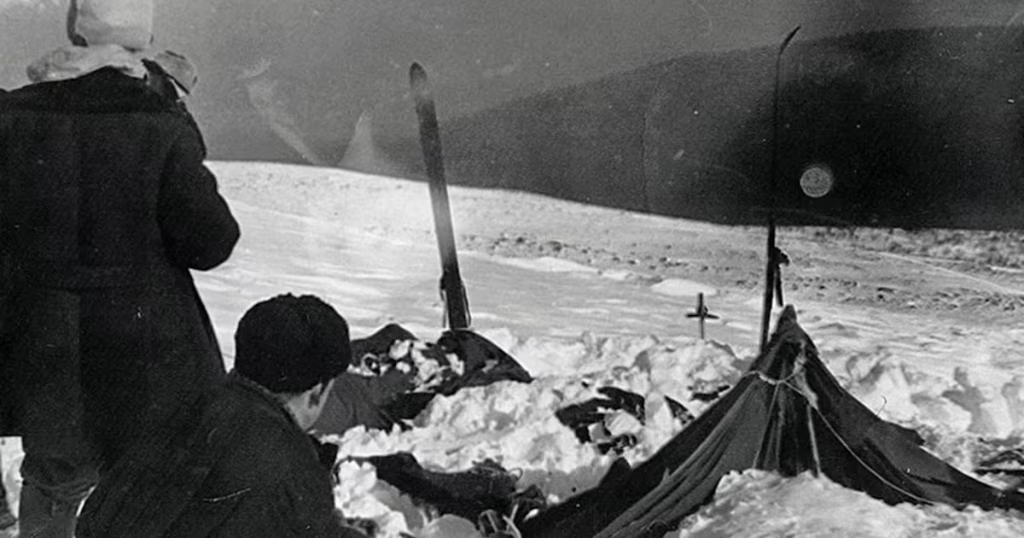
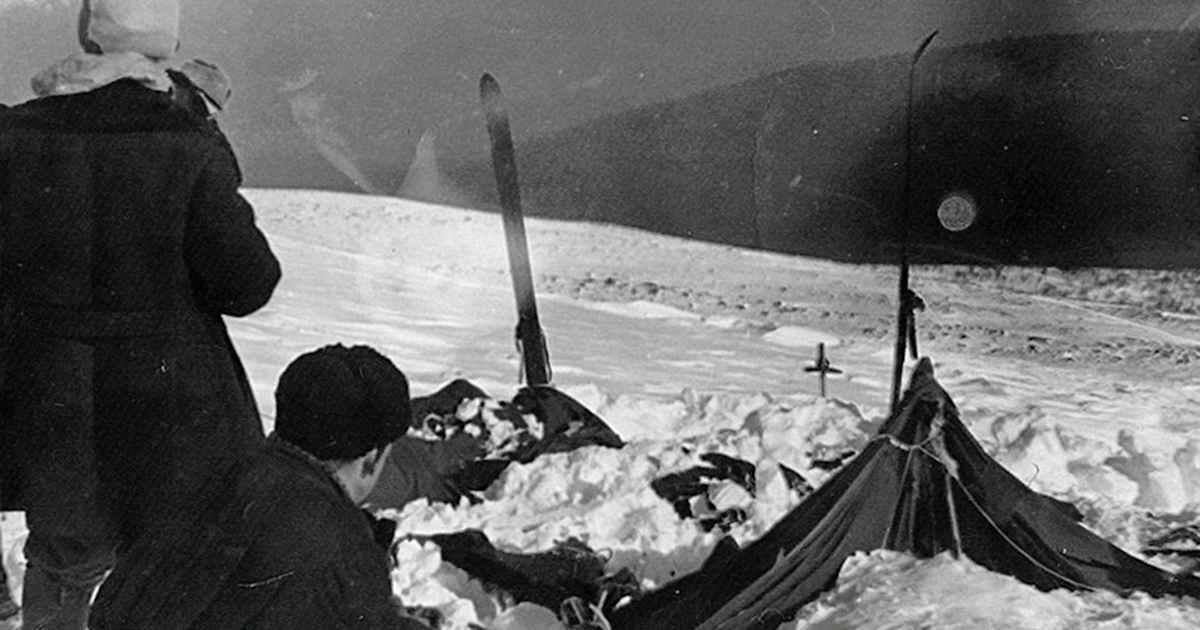
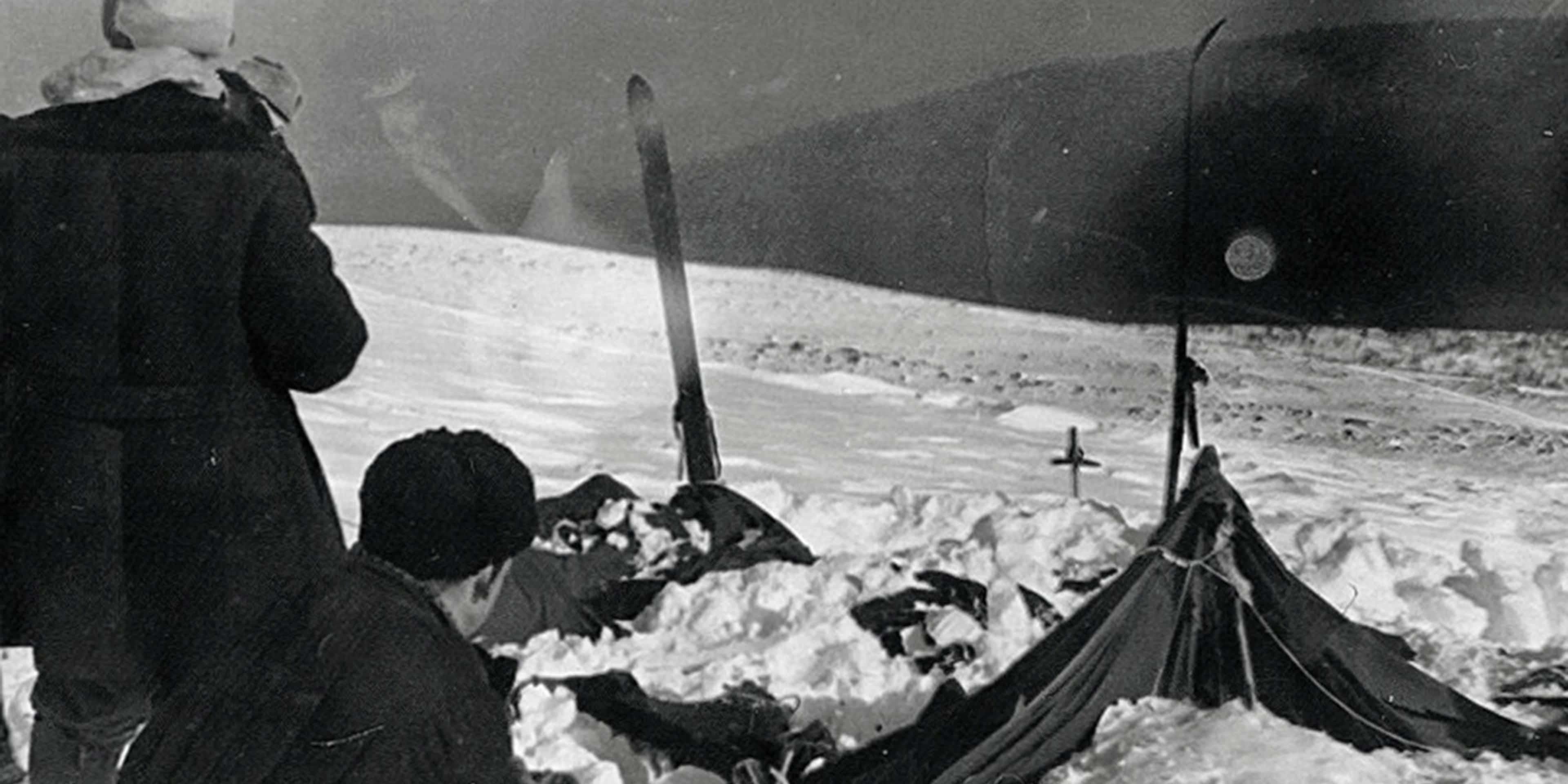
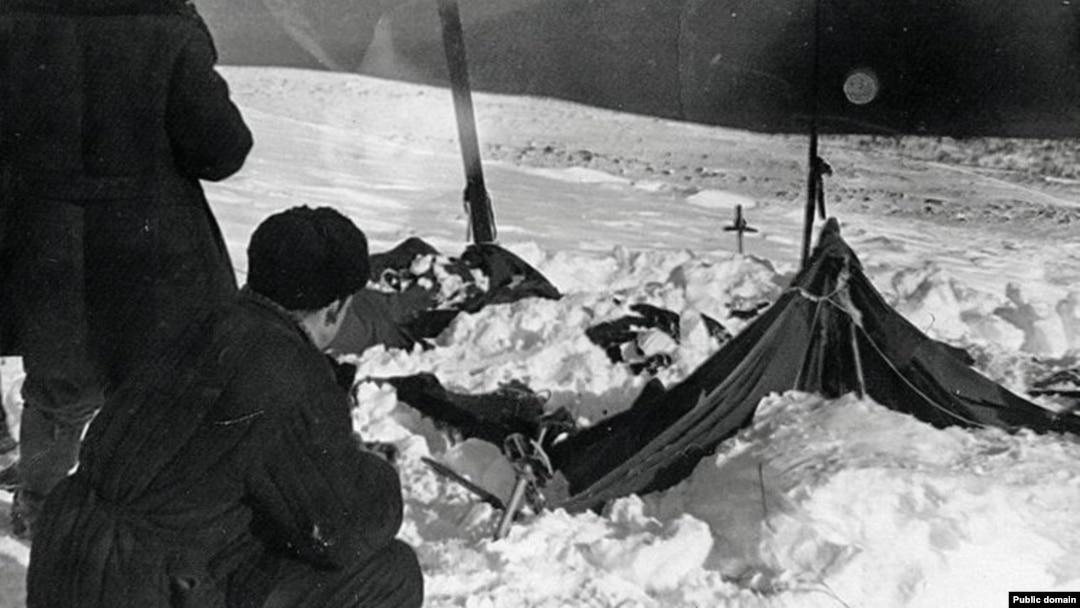
The tent discovered partially collapsed on the slope weeks later.
Evidence showing the tent fabric cut from the inside.
When search teams located the campsite weeks later, the tent was still standing partially upright, covered in snow. What they found inside raised immediate questions.
The tent had been cut open from the inside.
Personal belongings remained neatly arranged. Boots were left behind. Warm clothing remained inside.
Footprints led away from the tent down the slope toward a wooded area about 1.5 kilometers away. The prints indicated that the group had exited in socks, barefoot, or with minimal footwear.
There were no signs of a chaotic struggle inside the tent. No blood. No signs of external intrusion.
The hikers had left deliberately, but urgently.
In subzero temperatures estimated below minus 25 degrees Celsius, leaving shelter without proper clothing is life-threatening.
Why did nine experienced winter hikers do exactly that?
4. The First Bodies in the Forest
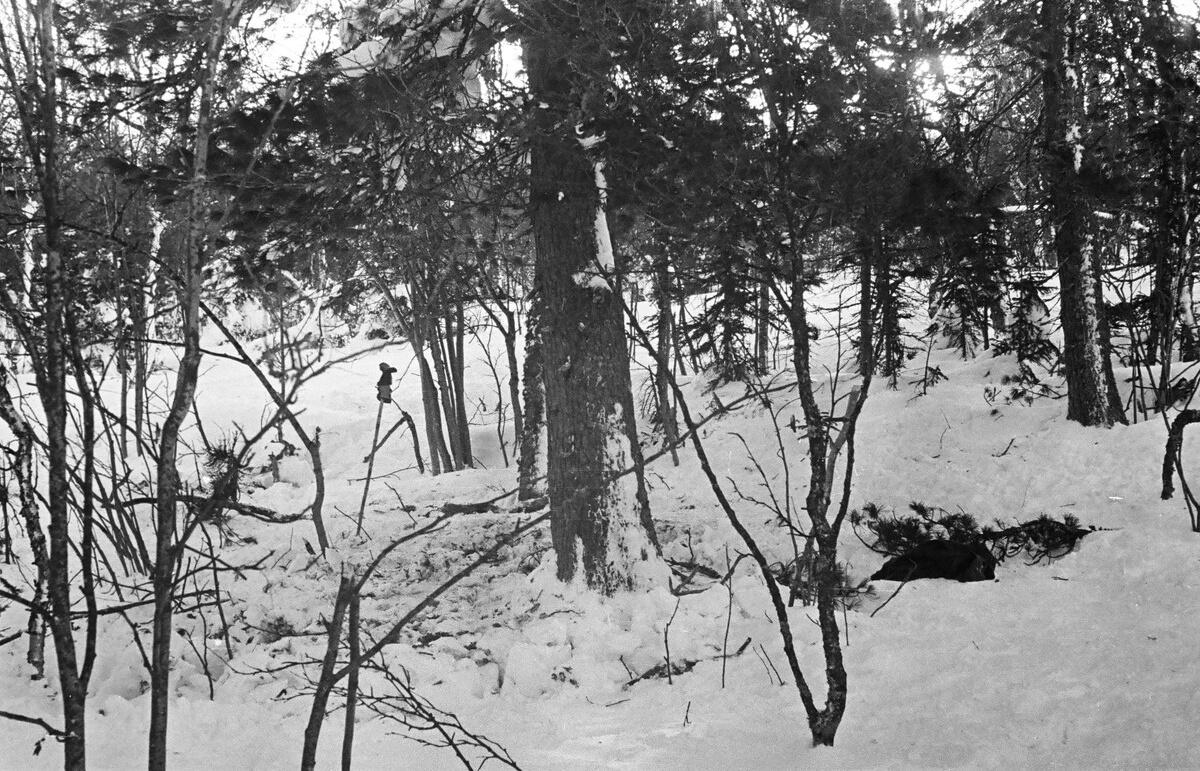
The cedar tree where the first two bodies were found.
Search teams in the Ural Mountains during recovery efforts.
The first two bodies were discovered under a large cedar tree at the edge of the forest. They were Yuri Krivonischenko and Yuri Doroshenko.
Both were barefoot and wearing minimal clothing. Signs indicated they had attempted to build a fire. Burn marks were visible on tree branches above, suggesting one or both had climbed the tree, possibly to look back toward the tent.
They died of hypothermia.
Between the cedar tree and the tent, searchers found three more bodies, including Igor Dyatlov himself. They appeared to be moving back uphill toward the tent when they collapsed.
Again, hypothermia was listed as the cause of death.
At this stage, investigators believed exposure explained everything.
But four hikers were still missing.
5. The Ravine and the Severe Injuries
The ravine where the remaining four hikers were located months later.
Investigators documenting the recovery site in 1959.
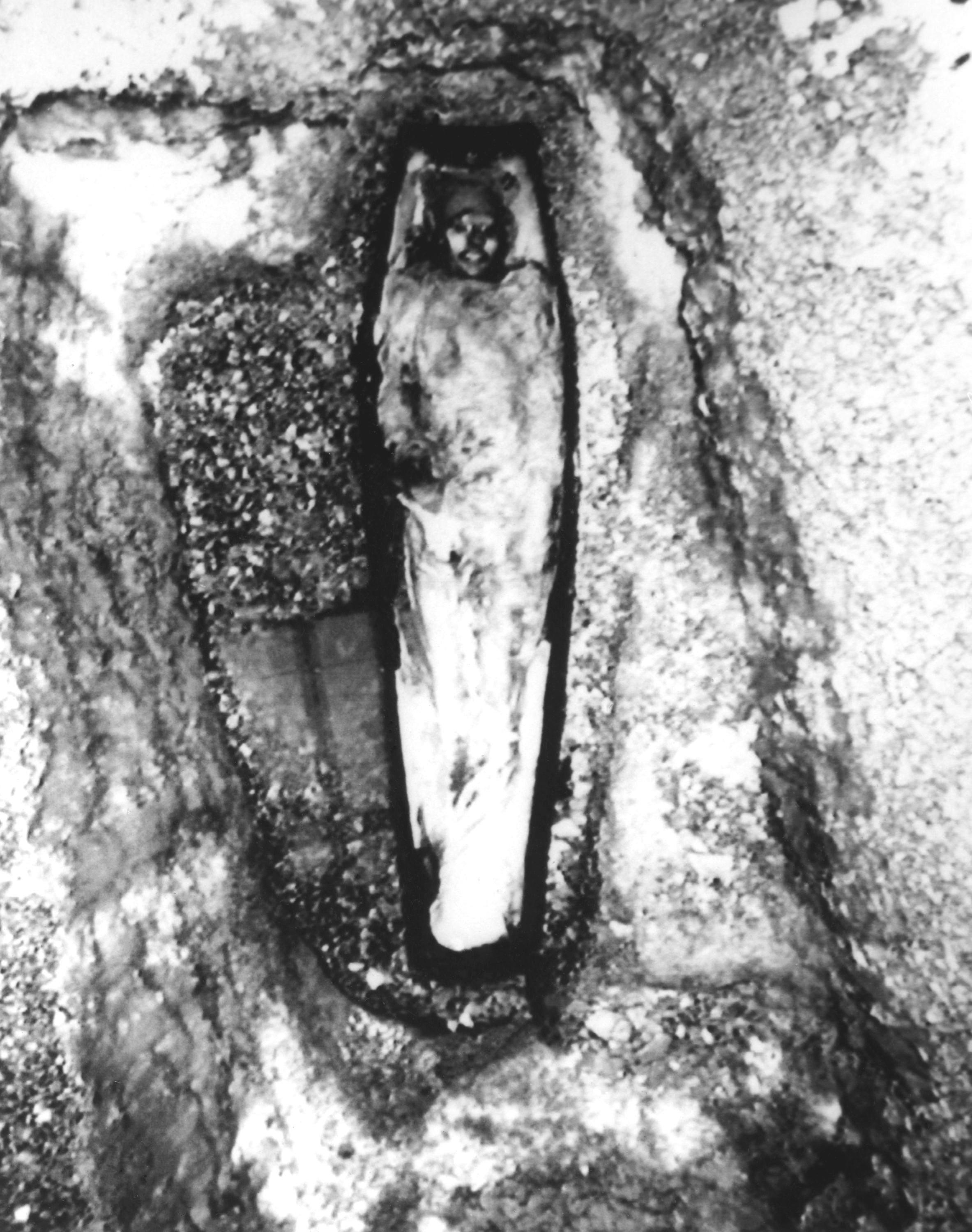
Two months later, in May 1959, the remaining four bodies were found buried under snow in a ravine approximately 75 meters deeper into the forest.
These hikers were better dressed. It appeared they had removed clothing from those who died earlier in an attempt to survive.
However, the injuries were different.
One had a fractured skull. Two had severe chest trauma comparable to the force of a car crash. One was missing her tongue and parts of soft tissue.
Importantly, investigators noted no significant external wounds corresponding to the internal damage. It was as if massive pressure had been applied without obvious surface injury.
Official reports later compared the force to that of a powerful impact.
The injuries raised new questions. Hypothermia alone did not explain the trauma.
6. The Official Soviet Conclusion
The Soviet investigation concluded in May 1959 with a brief statement.
The hikers died as a result of “a compelling natural force.”
The case was closed. Files were classified. Access to the region was restricted for several years.
The phrase “compelling natural force” was vague and unsatisfying. It did not explain why the tent was cut open. It did not clarify the chest injuries. It did not explain the missing tongue in clear medical detail.
The lack of transparency fueled speculation for decades.
7. The Avalanche Question
The relatively moderate slope where the Dyatlov group pitched their tent.
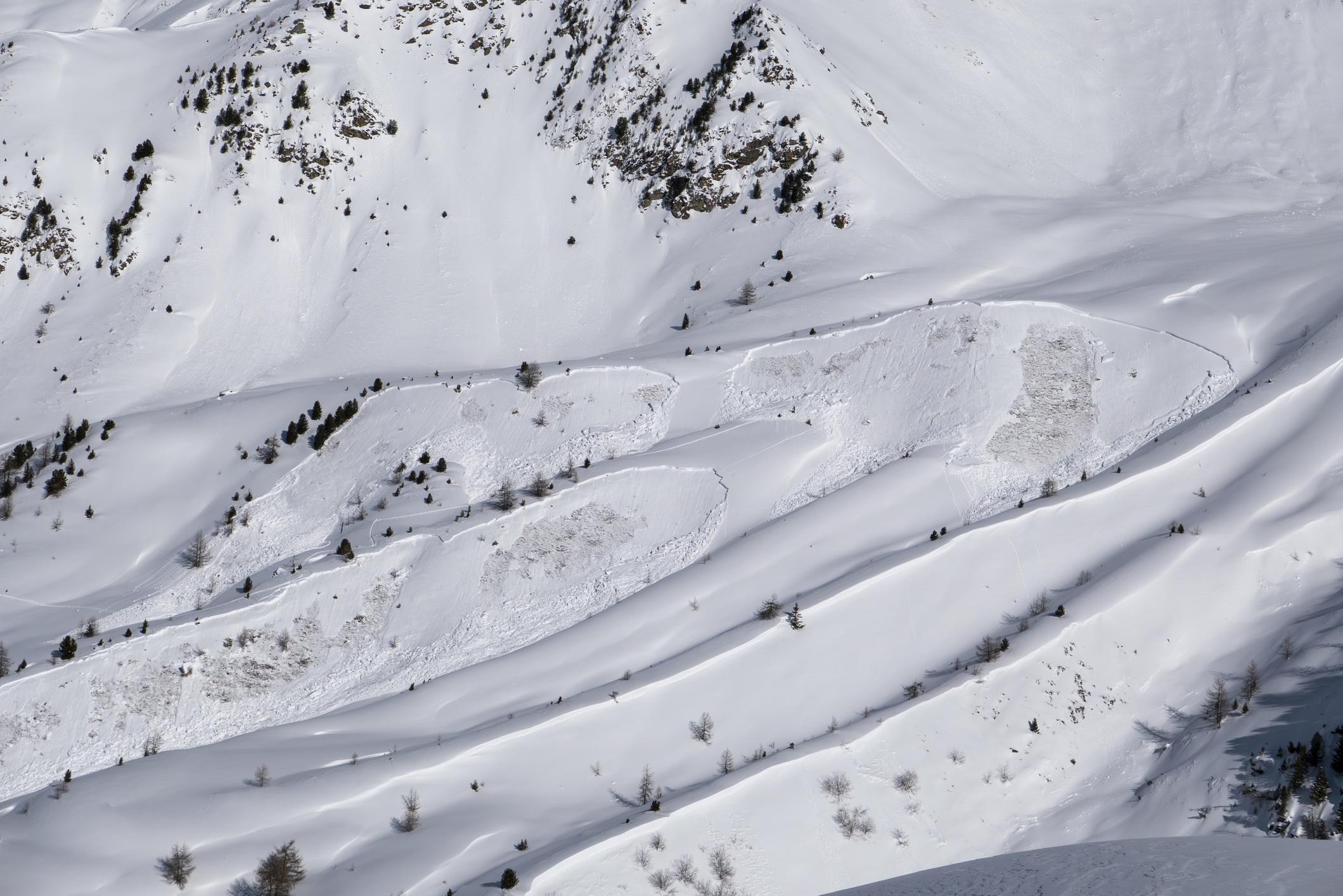
A slab avalanche example showing how compacted snow can fracture and slide.
From the beginning, avalanche was the most practical explanation. If a slab of compacted snow broke loose above the tent, the hikers may have cut their way out to escape immediate burial.
Yet early investigators dismissed avalanche for several reasons.
The slope angle at the campsite appeared relatively mild compared to classic avalanche terrain. Search teams reported no large debris field. The tent was partially standing when discovered. Footprints leading away from it were still visible weeks later.
For decades, these observations weakened the avalanche theory.
However, modern avalanche science revisited the case.
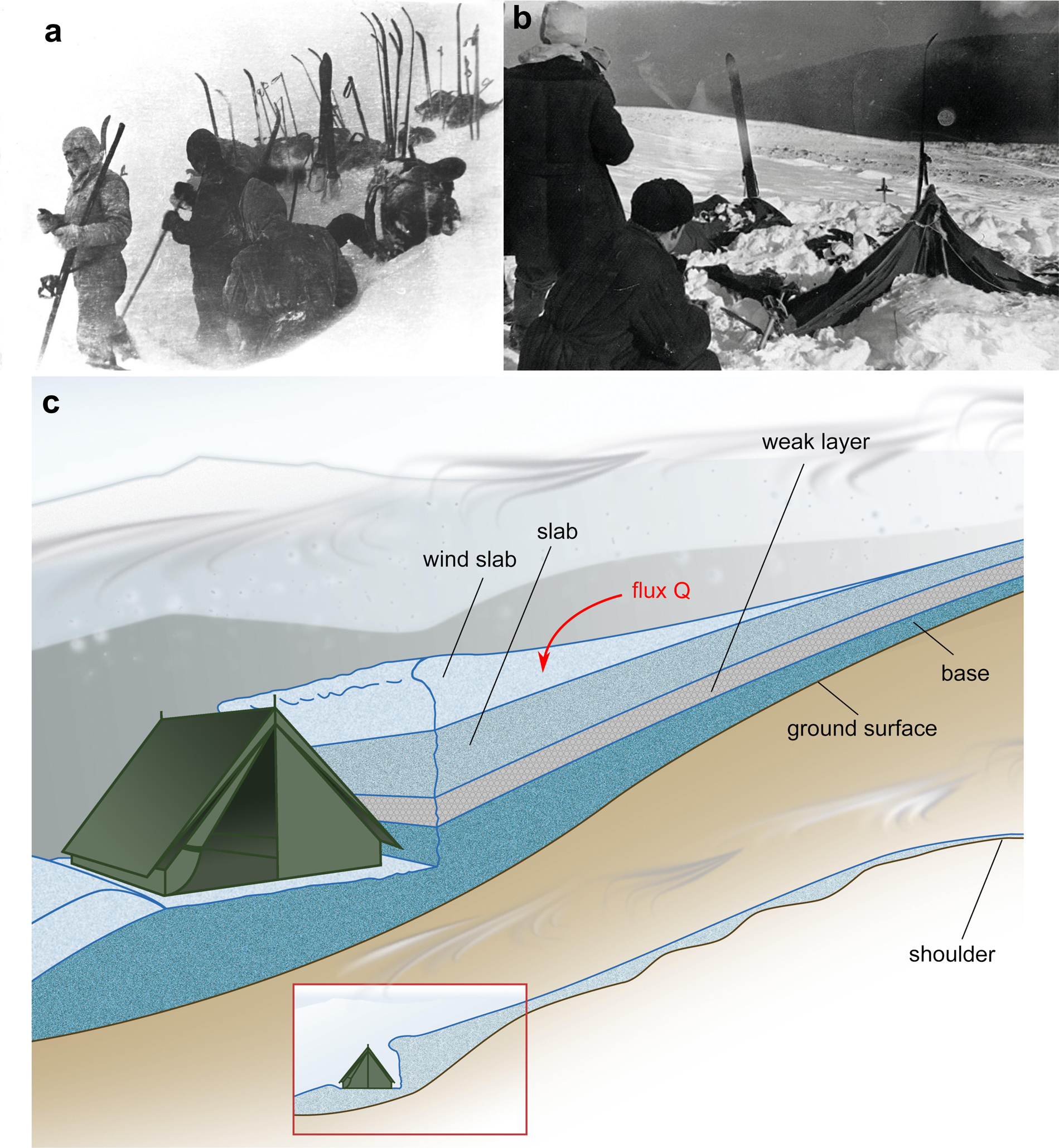
In 2020, researchers applied advanced snow modeling to the Dyatlov slope. They proposed a delayed slab avalanche triggered by wind-loaded snow accumulation. The group had cut into the slope to pitch their tent, potentially weakening the snowpack beneath them. Hours later, a small but dense slab may have collapsed onto the tent.
Such a slide would not resemble a massive mountain avalanche. It could have delivered significant force without leaving dramatic debris weeks later.
If snow partially buried or crushed the tent, the hikers may have exited quickly, fearing a larger slide.
The theory accounts for urgency.
It does not explain everything.
8. The Infrasound Hypothesis
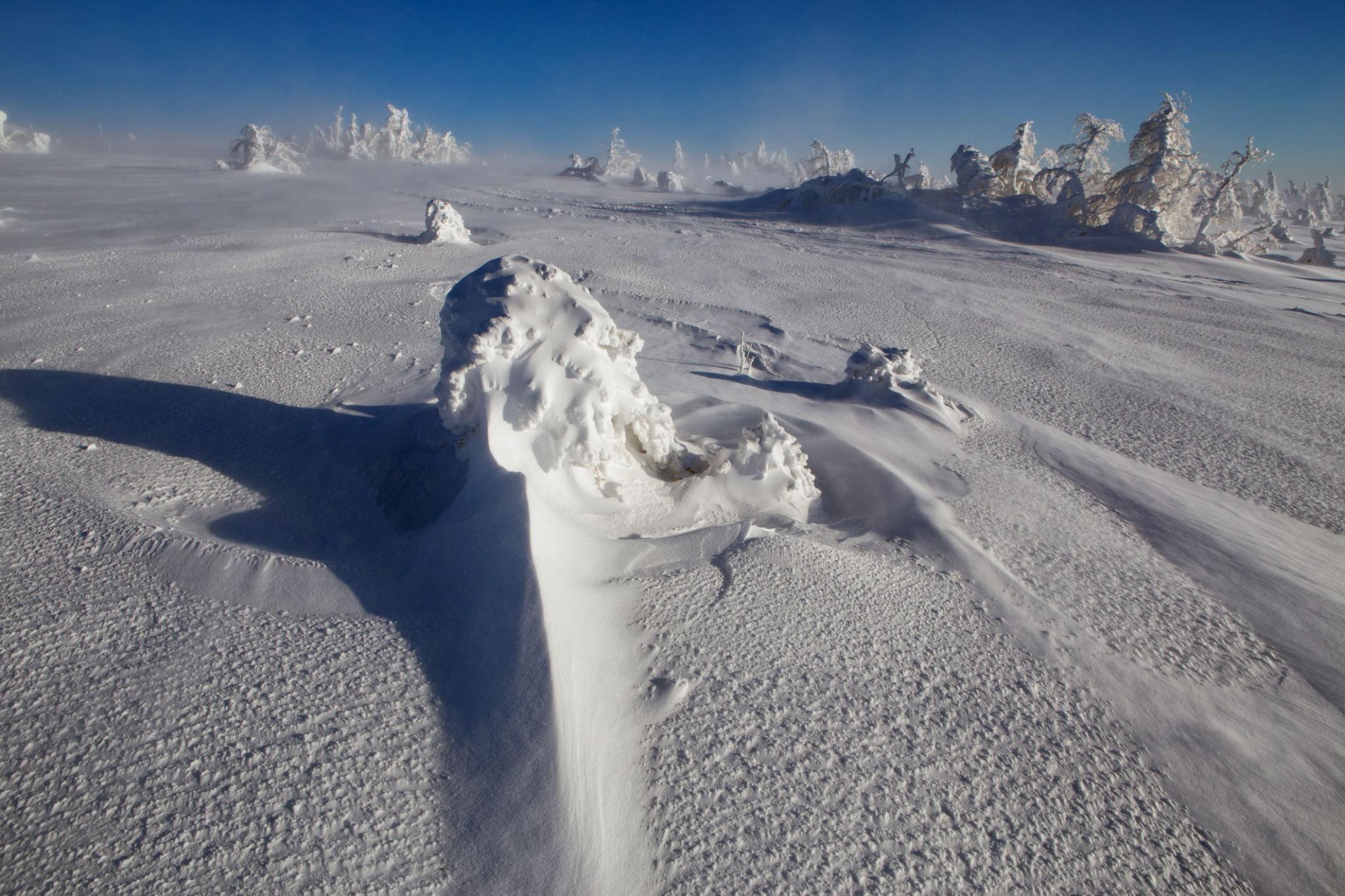
High winds crossing exposed mountain ridges in winter conditions.
Blowing snow and reduced visibility in the northern Ural Mountains.
Another theory centers on infrasound.
When strong winds pass over specific mountain shapes, they can create low-frequency sound waves below human hearing range. These waves may induce anxiety, nausea, and panic in some individuals.
Supporters of this hypothesis suggest that wind conditions on February 1 could have generated infrasound across Kholat Syakhl. The resulting physiological stress may have triggered irrational fear.
Under this scenario, the hikers might have cut their way out of the tent in a sudden panic, only to regain composure later but too late to survive the cold.
This theory explains the apparent lack of external threat and the deliberate descent toward the forest.
However, infrasound alone does not explain the severe chest trauma found in the ravine victims.
9. Military Testing and Cold War Speculation
Soviet-era rocket testing during the late 1950s.
Remote Ural terrain during winter, sparsely populated and isolated.
Given the Cold War environment of 1959, some speculated that secret military testing occurred near the hiking route.
Witnesses reported seeing orange lights in the sky around the time of the incident. Some clothing items reportedly showed low levels of radiation, though the levels were not considered lethal.
Theories ranged from parachute mines detonating nearby to experimental weapons tests.
No declassified evidence has conclusively supported these claims. The radiation detected was minimal and could have originated from university laboratory exposure prior to the expedition.
The military explanation persists largely because of the secrecy surrounding the original investigation. Files were restricted. Information was limited. That vacuum encouraged speculation.
But speculation is not proof.
10. The Ravine Injuries Reconsidered
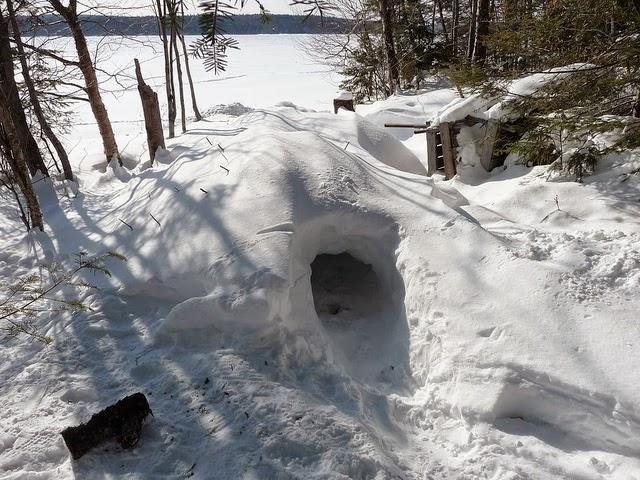
Example of a snow shelter or depression used for emergency survival.
A deep snow-filled ravine similar to where four hikers were found.
The four hikers found in the ravine had attempted to construct a snow shelter. They had retreated deeper into the forest, likely to escape wind exposure.
Modern forensic analysis suggests their chest injuries may have resulted from a fall into the ravine covered by deep snow. Snow can cushion external wounds while transmitting internal force. A fall onto uneven ice beneath several meters of snow could cause severe internal trauma without dramatic external lacerations.
The missing tongue and soft tissue were likely the result of postmortem scavenging and natural decomposition in running water beneath melting snow.
These explanations, while less dramatic than conspiracy theories, align with known winter survival cases.
Still, one central question remains.
Why leave the tent in the first place?
11. The 2019–2020 Reopening of the Case
Modern expeditions revisiting the Dyatlov Pass site.
Investigators reexamining the case decades later.
In 2019, Russian authorities reopened the investigation. Modern forensic methods were applied. Snow simulations were conducted. Terrain models were reconstructed.
In 2020, officials concluded that a slab avalanche was the most likely cause of the initial evacuation. Survivors then succumbed to hypothermia and injuries sustained during their retreat.
This conclusion did not satisfy everyone. Critics argue that the terrain still appears marginal for avalanche activity. Others question whether wind slab accumulation could truly generate sufficient force.
However, many avalanche specialists now consider a small delayed slab slide plausible under the specific conditions.
The reopening of the case did not introduce supernatural explanations. It narrowed possibilities to natural causes.
12. What Most Experts Now Believe
The exposed slope of Kholat Syakhl under winter conditions.
Blizzard-like conditions common in the northern Ural Mountains.
A growing number of experts now support a combined natural explanation.
The hikers cut into the slope to pitch their tent. Wind deposited snow above them. Hours later, a slab released and partially crushed the tent. Fearing a larger collapse, they exited quickly, without boots.
They moved downslope to the forest for shelter. Two died while attempting to maintain a fire. Three tried to return to the tent and collapsed. The remaining four built a snow shelter but suffered fatal injuries after falling into the ravine and were eventually overtaken by hypothermia.
No monsters. No secret weapons. No paranormal events.
Just winter, wind, snow, and a chain of decisions made under stress in darkness.
13. Why the Story Endures
The Dyatlov Pass incident remains powerful because it occupies the edge between rational explanation and lingering doubt.
Nine young hikers left on a certification expedition. They documented their journey carefully. They were disciplined and capable.
Then, in a single night, they were forced into the open by something urgent enough to abandon shelter in lethal cold.
Their story reminds us that wilderness does not require drama to be deadly. Small environmental shifts can cascade into irreversible outcomes.
In remote winter terrain, margin for error is thin.
And sometimes, even the best prepared teams encounter forces they cannot see coming.




![K2 Base Camp Trek: Ultimate Guide k2 Trek 2026 [UPDATED]](https://karakoramdiaries.com/storage/ultimate-guide-to-k2-base-camp-trek-full-document-150x150.png)