The First Attempts on K2 : Why the Mountain Refused Everyone
Introduction: Before K2 Had a Name
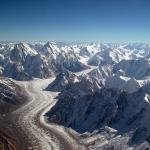
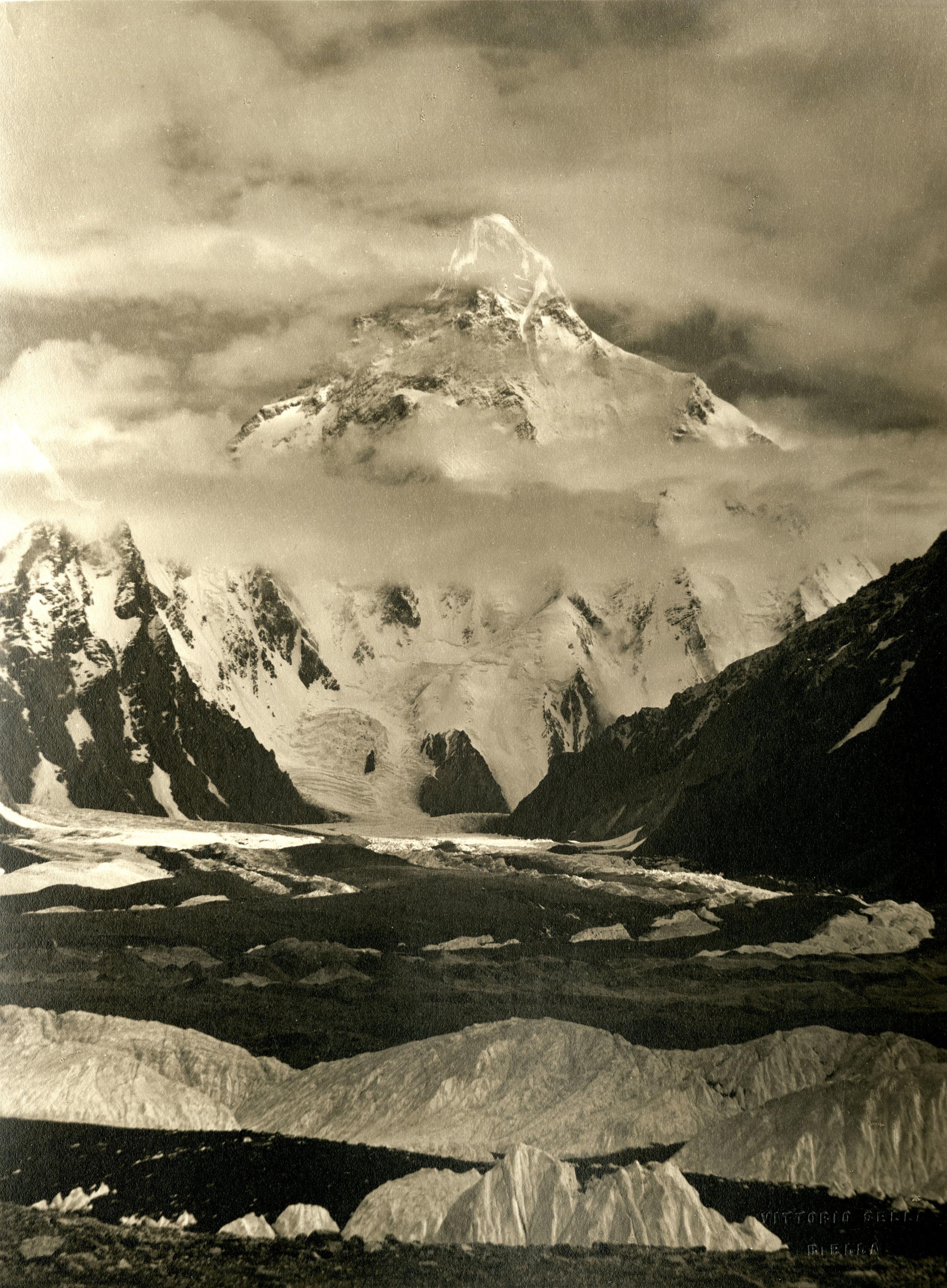
Long before modern climbing gear, satellite weather forecasts, or organized commercial expeditions, there stood a massive, unnamed mountain deep in the Karakoram. It did not rise gently. It did not invite. It simply stood—sharp, cold, and distant—watching silently as human curiosity slowly found its way toward it.
Today, the world knows this peak as K2, the second-highest mountain on Earth. But before it became famous, before it was feared, and before it earned the name “The Savage Mountain,” it was simply a question mark on a map.
And that question was dangerous.
The Age of Exploration: Why Humans Went There at All
At the end of the 19th century and the beginning of the 20th, mountains were not climbed for records or social media. They were climbed because humans wanted to understand the unknown.
Surveyors working in the Karakoram labeled peaks with letters and numbers. K1, K2, K3. The “K” stood for Karakoram. Among them, K2 stood out immediately—steeper than Everest, more aggressive in shape, and isolated far from villages or easy supply routes.
Early explorers did not yet know how dangerous it was. They only knew one thing:
This mountain did not look friendly.
1902: The First Serious Attempt
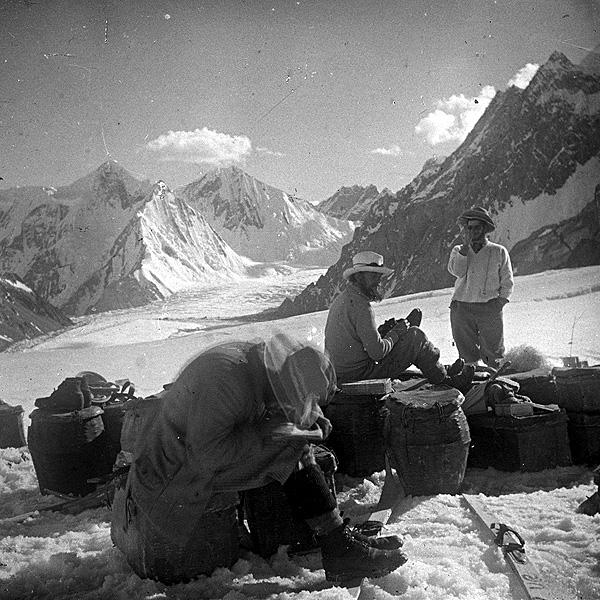
The first serious attempt to climb K2 came in 1902, led by Oscar Eckenstein, a skilled climber of his time. Among the team was Aleister Crowley, a controversial figure who later became more famous for his writings than his mountaineering.
This expedition was not a summit attempt in the modern sense. It was more about exploration understanding routes, glaciers, weather, and the mountain’s behavior.
What they encountered shocked them.
- Endless glaciers that shifted and cracked
- Rock faces that crumbled under hand and foot
- Storms that arrived without warning
- Cold so intense it froze equipment and minds alike
At one point, the team was forced to stay pinned down by storms for days, unable to move forward or retreat safely.
They never came close to the summit.
More importantly, they left with a realization:
K2 does not allow mistakes.
The Mountain’s First Message: “You Are Not Ready”
The 1902 expedition failed not because of lack of courage, but because K2 was far ahead of its time.
There were no reliable oxygen systems. No fixed ropes. No helicopters. No radios.
Every step upward required strength, and every step downward demanded survival.
The mountain had delivered its first message clearly:
- It was steeper than Everest
- Its weather was more violent
- Its glaciers were more unstable
And worst of all it offered no easy retreat.
Between Attempts: A Mountain Untouched, Unforgiving
For years after 1902, K2 remained unclimbed and largely untouched. Unlike Everest, which slowly attracted attention, K2 stayed remote and silent.
Expeditions were expensive, long, and risky. Just reaching base camp required weeks of travel through glaciers and valleys where help simply did not exist.
Those who studied the mountain noticed something unsettling:
There were no natural “rest sections” on K2.
Every route was technical. Every ridge demanded focus. There was no place to relax not even near the top.
1938–1939: American Ambitions Meet Reality
In the late 1930s, American climbers returned with renewed ambition. They chose what later became the standard route—the Abruzzi Spur.
For the first time, it felt possible.
Camps were established higher than ever before. Climbers moved closer to the summit than any previous team.
But K2 was waiting.
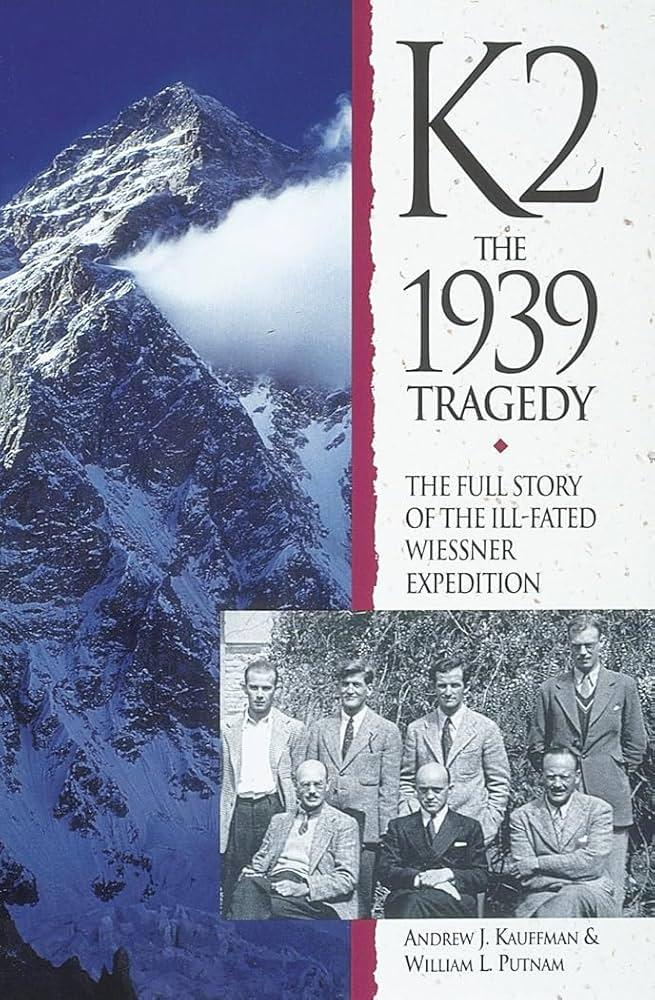
In 1939, tragedy struck. Climber Dudley Wolfe became ill high on the mountain. Rescue attempts were made under brutal conditions.
One by one:
- Rescuers were weakened
- Weather worsened
- Decisions became impossible
Eventually, four climbers died, not in a dramatic fall, but slowly through exhaustion, altitude, and cold.
The summit was still far above.
The Harsh Lesson of Early K2
These early attempts taught lessons written in suffering:
- K2 punishes hesitation
- Rescue at high altitude is nearly impossible
- Summit dreams mean nothing without safe descent
- The mountain decides when you turn back not you
Unlike Everest, where retreat is often possible, K2’s terrain funnels climbers into narrow ridges and steep faces.
Once committed, there are very few ways down.
Why K2 Refused Everyone for So Long
By the early 1950s, K2 had earned a reputation that kept many climbers away.
Reasons were clear:
- Steepness far beyond most 8,000-meter peaks
- Extreme weather patterns from multiple directions
- Constant avalanche and rockfall danger
- No “easy” route only less deadly ones
Climbers began to understand something important:
K2 is not climbed by strength alone.
It demands patience, discipline, and humility.
And most early teams arrived with ambition but not enough respect.
A Mountain Waiting for the Right Moment
It would take more than 50 years after its discovery for K2 to finally allow a successful ascent.
Not because humans weren’t trying.
But because the mountain was not ready to forgive human errors.
The early attempts did not fail in vain. They laid the groundwork routes, knowledge, and warnings written in loss.
Every later climber would stand on those lessons, whether they knew it or not.
Closing Reflection: The Silence Before History
Before K2 became famous for its tragedies, before it claimed lives in later decades, it first earned its reputation quietly through refusal.
No summit photos. No celebration.
Only teams returning with hollow eyes and one shared understanding:
Some mountains do not need to kill you to defeat you.
They only need to say no.
And for half a century, K2 did exactly that.


![K2 Base Camp Trek: Ultimate Guide k2 Trek 2026 [UPDATED]](https://karakoramdiaries.com/storage/ultimate-guide-to-k2-base-camp-trek-full-document-150x150.png)