Triumph and Tragedy: The Untold Cost of K2’s First Ascent
Introduction: When the Summit Was Not the End
On July 31, 1954, the summit of K2 was finally reached.
History recorded a triumph. Flags waved. Headlines celebrated.
But on K2, the summit is never the end of the story.
Below the top, on exposed ridges and frozen slopes, the cost of success was still unfolding—quietly, painfully, and largely ignored.
This is the story of what happened after the summit photo.
The story of those who paid the price without standing on the top.
The Dangerous Truth About K2: Descent Is the Real Test
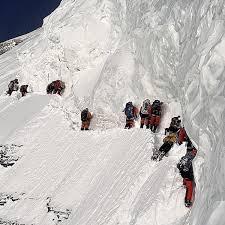
Unlike many mountains, K2 offers no safe way down.
- Steep rock bands remain steep on descent
- Fixed ropes become brittle
- Fatigue multiplies mistakes
- Weather often changes after summit day
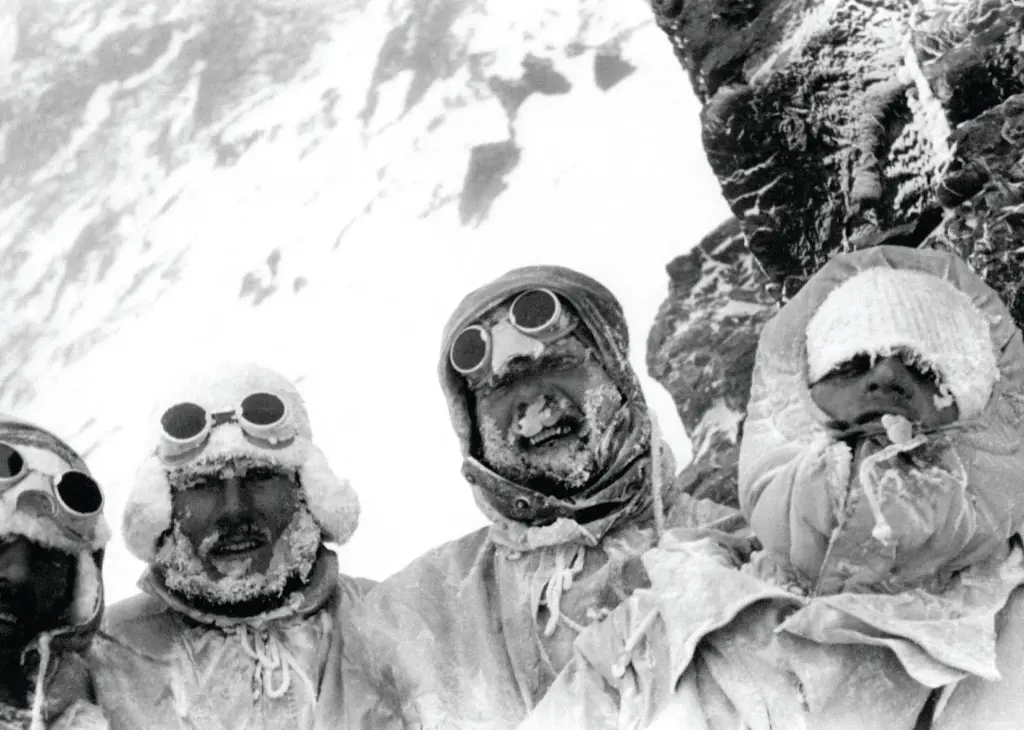
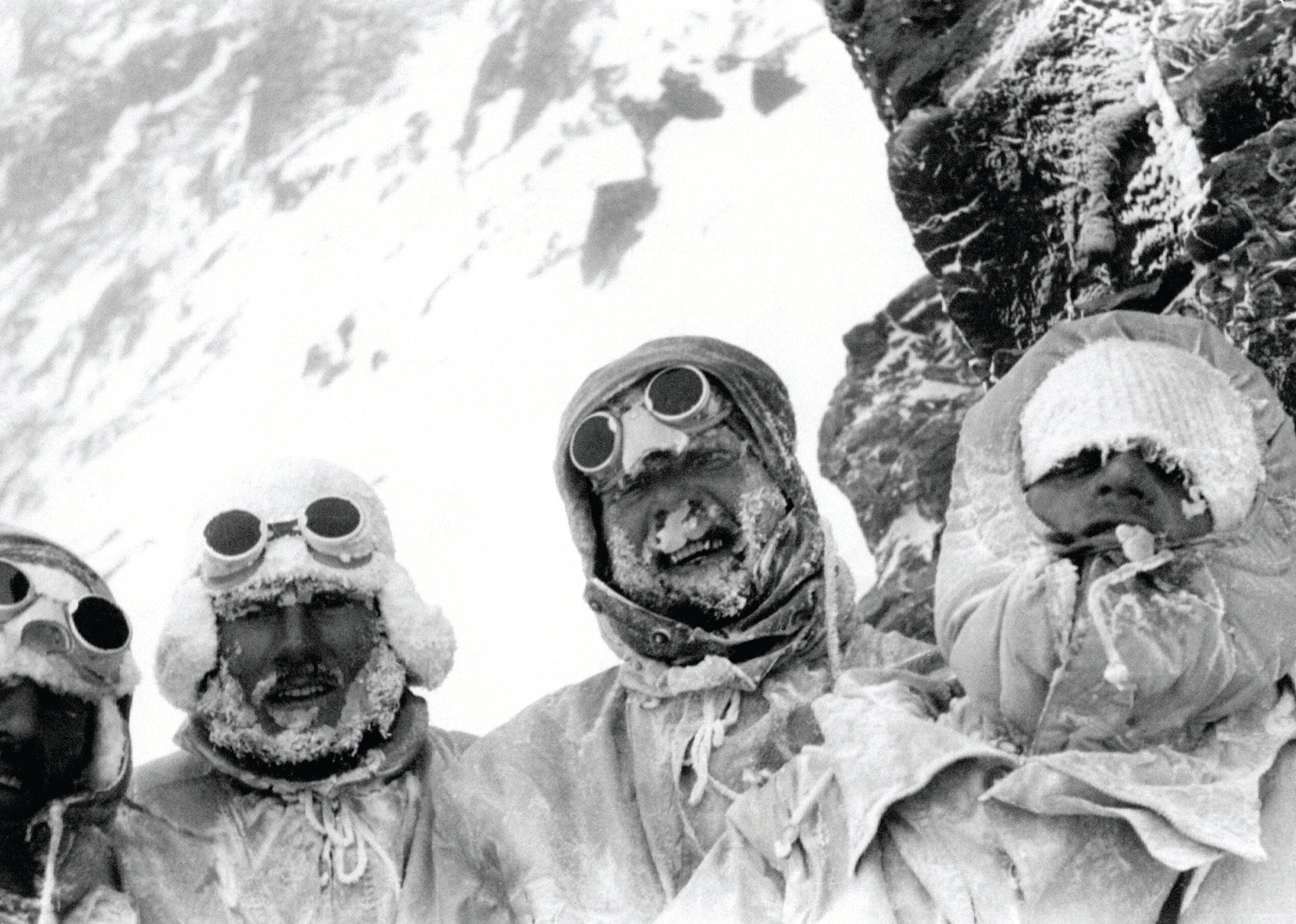
For the 1954 team, success came late in the day. Oxygen was nearly exhausted. Strength was fading.
Every step downward was taken under the weight of survival.
The Ones Who Made the Summit Possible — But Did Not Share the Glory
Two names remain central to the hidden cost:
They did not stand on the summit.
But without them, no one would have.
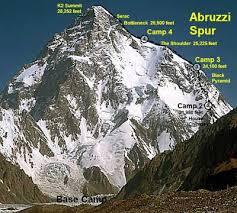
Bonatti and Mehdi carried oxygen to extreme altitude—far beyond what was expected of them—only to be left exposed when the summit camp was placed higher without coordination.
Their survival that night was not heroic by choice.
It was accidental.
A Night Above Human Limits
At over 8,000 meters, the human body begins to fail in quiet ways:
- Judgment slows
- Fingers lose feeling
- Time becomes distorted
Bonatti later described the night as something beyond fear—a numb acceptance that death might come before dawn.
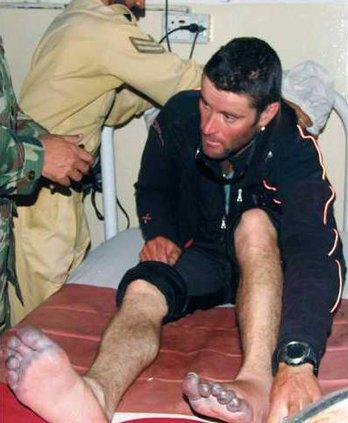
Mehdi suffered even more.
By morning:
- His feet were completely frozen
- Circulation was lost
- Amputation was inevitable
No summit photo recorded this.
When Victory Demanded a Narrative
The world wanted a clean story:
- Heroes at the top
- A national victory
- A flawless expedition
There was no space for complexity.
To protect the success, blame quietly shifted.
Bonatti was accused of:
- Using oxygen meant for the summit team
- Acting independently
- Endangering the ascent
These accusations followed him for decades.
Mehdi, a local high-altitude porter, disappeared from the narrative almost entirely.
The Price Paid in Silence
Amir Mehdi returned home permanently disabled.
There were no medals.
No compensation worthy of the loss.
No recognition equal to the sacrifice.
Bonatti carried something different:
- Public doubt
- Professional isolation
- A truth no one wanted to hear
For years, he watched others celebrated while his name became controversial.
K2 had been climbed.
But justice had not.
When History Finally Corrected Itself
Only in 2004, fifty years later, did official investigations confirm what Bonatti had always said:
- The summit camp had been moved
- Bonatti did not misuse oxygen
- The bivouac was forced, not reckless
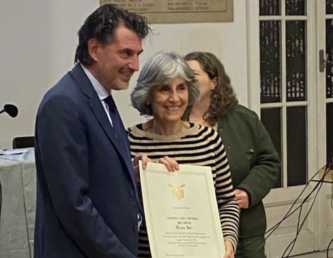
The Italian Alpine Club formally cleared his name.
The truth arrived.
But late.
Very late.
What the First Ascent Really Taught the World
The first ascent of K2 proved something no mountain book could teach:
Success does not erase responsibility.
And summits do not justify every decision.
K2 revealed the fault lines in human ambition:
- Between leaders and climbers
- Between recognition and sacrifice
- Between national pride and individual truth
It showed that mountains judge actions, not medals.
Closing Reflection: A Summit With a Shadow
K2’s first ascent was historic.
It was also imperfect.
The mountain allowed humans to stand on its highest point—but it did not allow them to escape the consequences of how they got there.
Some returned as heroes.
Some returned broken.
Some waited half a lifetime for the truth.
On K2, triumph and tragedy are never separate stories.
They are the same story—told from different heights.