The Franklin Expedition: The Voyage That Vanished Into Arctic Silence
A Departure Marked by Confidence
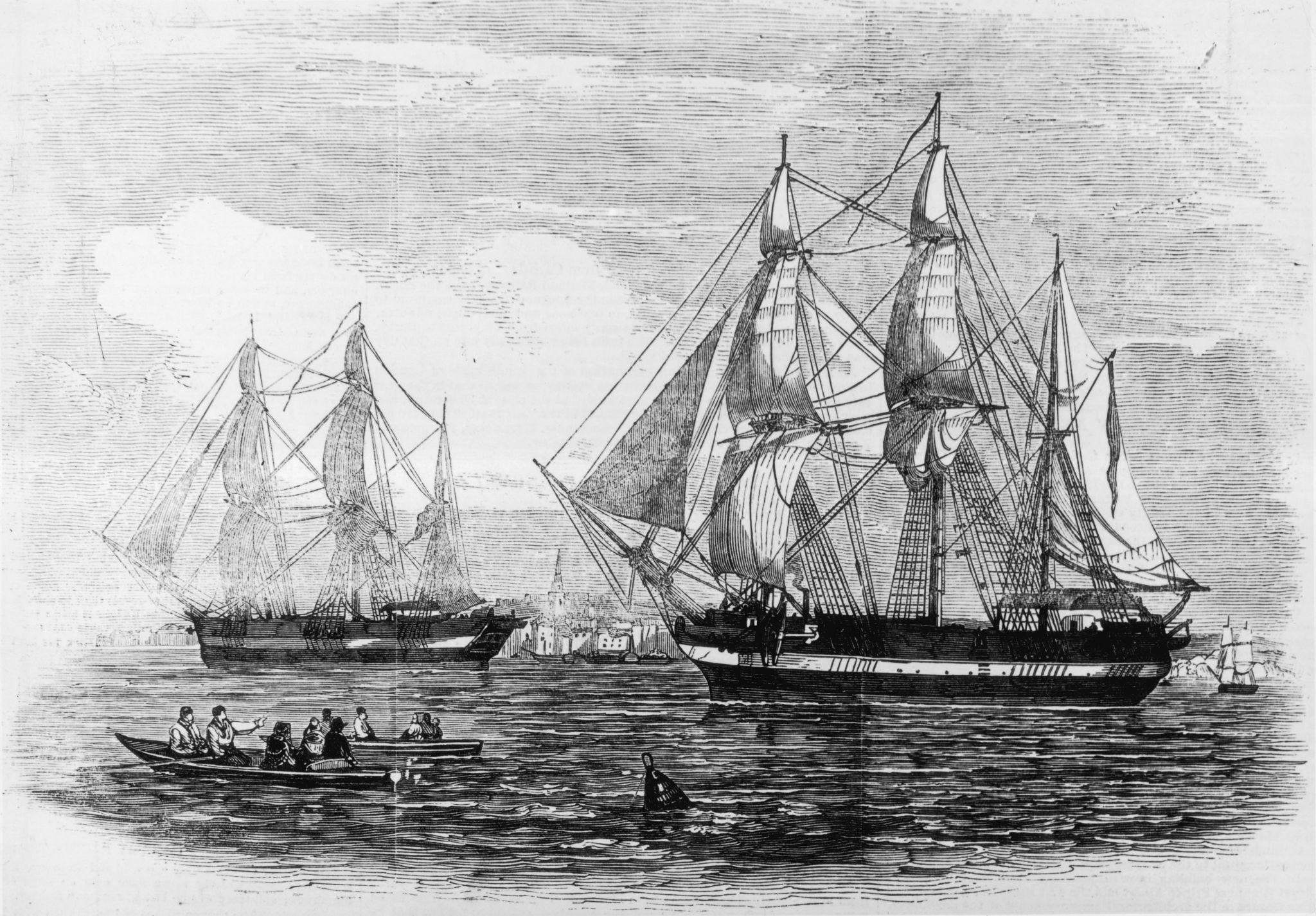
HMS Erebus, one of the two ships that sailed into the Arctic in 1845.
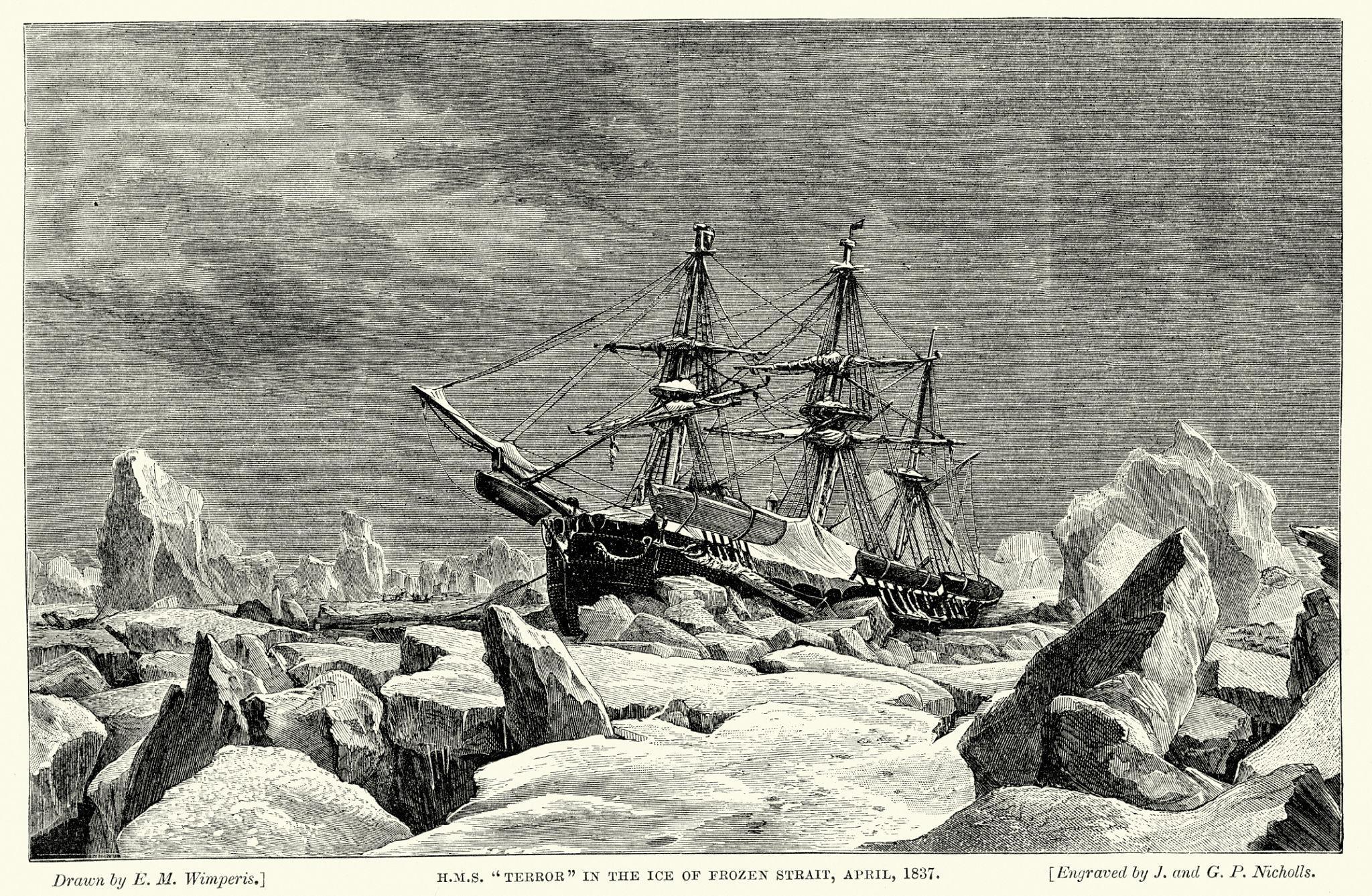
HMS Terror, the second vessel of the Franklin Expedition.
In May 1845, two reinforced Royal Navy ships left England with a clear objective: complete the final unmapped section of the Northwest Passage across the Canadian Arctic.
The ships were HMS Erebus and HMS Terror. They were not fragile wooden sailing vessels of an earlier era. Both had already survived Antarctic voyages. Their hulls were strengthened with iron plating. Steam engines powered by converted locomotive boilers provided auxiliary propulsion. They carried three years’ worth of preserved food.
The expedition was led by John Franklin, a 59-year-old officer with previous Arctic experience. He was not inexperienced. He was not reckless. He was considered steady, disciplined, and dependable.
There were 129 officers and crew aboard the two ships.
When they sailed into the Atlantic, it was widely believed they were embarking on one of the final great geographical achievements of the British Empire.
They were never seen alive again.
Into the Canadian Arctic Archipelago
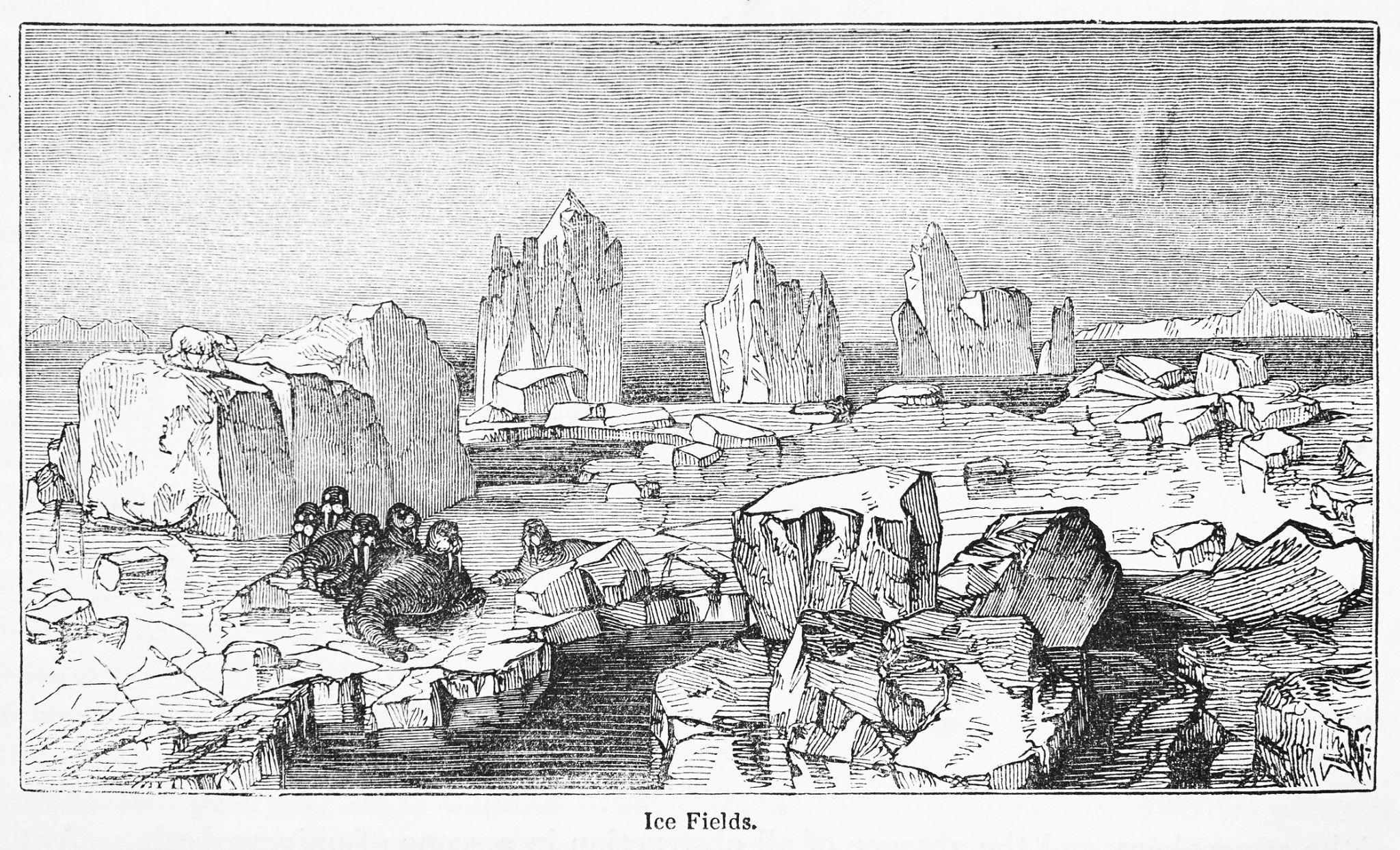
Lancaster Sound, the Arctic gateway to the Northwest Passage.
Illustration of 19th-century ships navigating Arctic pack ice.
The last confirmed sighting of the expedition by Europeans occurred in late July 1845, when whaling ships encountered Erebus and Terror in Baffin Bay near Lancaster Sound.
From there, the expedition entered the maze of channels within the Canadian Arctic Archipelago. This region was notorious for unpredictable ice movement. Unlike open ocean, Arctic pack ice shifts constantly, locking ships in place without warning.
Franklin’s mission was to chart and navigate the remaining unknown section of the Northwest Passage, linking the Atlantic and Pacific Oceans.
The first winter, 1845 to 1846, was likely spent at Beechey Island. Years later, search expeditions would find three graves there. The men buried had died early, possibly from illness or underlying health issues.
But the ships had continued southward after that winter.
And then they vanished.
Icebound
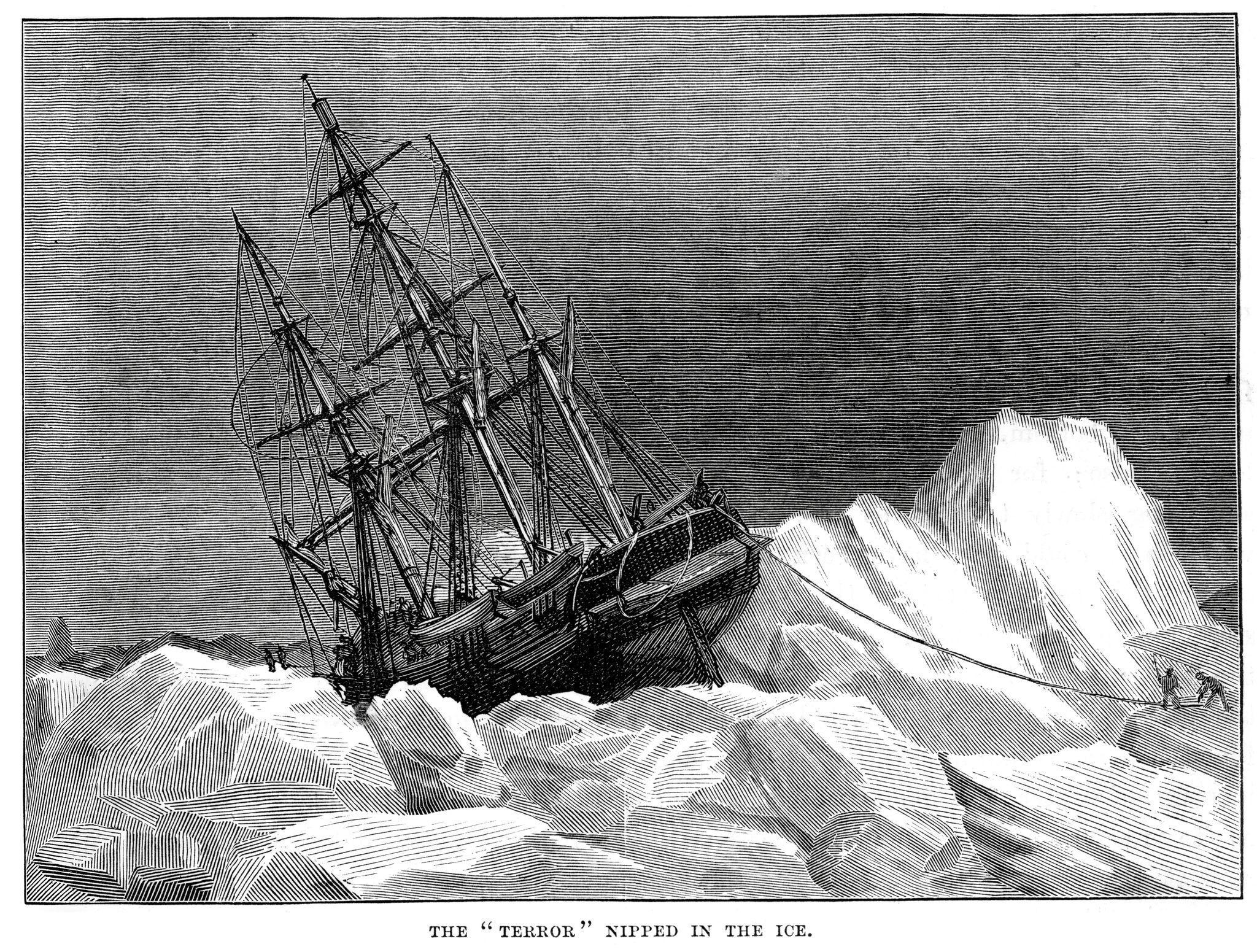
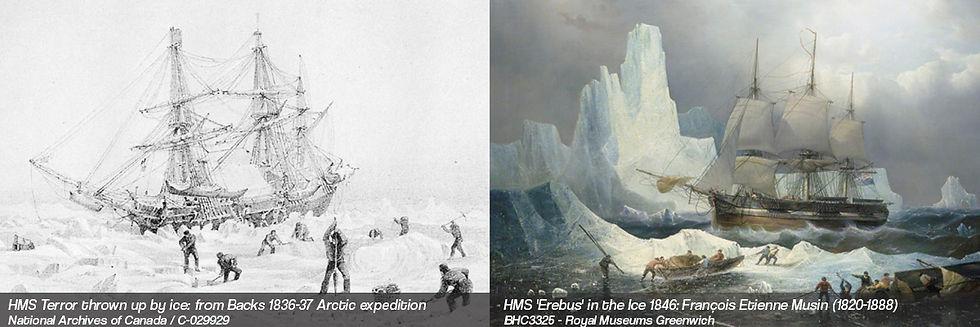
An artistic depiction of a 19th-century ship trapped in Arctic ice.
Engraving of vessels immobilized by shifting pack ice.
In September 1846, Erebus and Terror became trapped in heavy pack ice off King William Island.
They would never be freed.
Arctic ice does not simply float away in a predictable pattern. It compacts, thickens, and refreezes. Ships caught in multi-year ice can remain immobilized indefinitely.
The crews likely expected the ice to break the following summer. That was standard Arctic procedure. Ships overwintered and resumed sailing once thaw occurred.
But the ice did not release them.
Winter returned. Darkness settled for months at a time. Temperatures plunged below minus 40 degrees Celsius.
The expedition had supplies. They had coal. They had preserved food. But morale would have shifted as seasons passed without movement.
In June 1847, John Franklin died.
The official record of his death would not be discovered until years later.
The Note at Victory Point
The Victory Point note, later recovered by search teams.
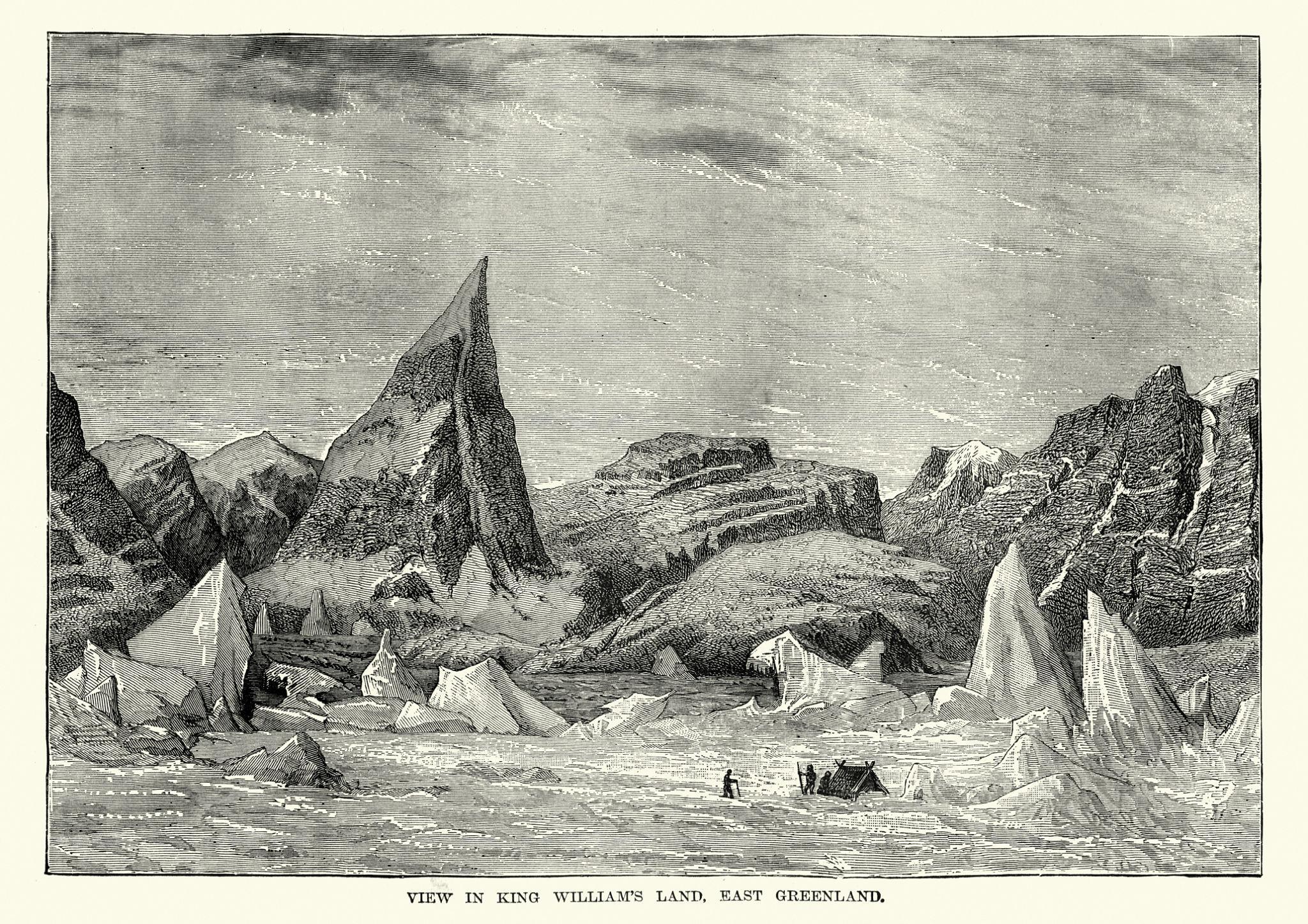
King William Island, where the expedition became trapped.
In 1859, a search expedition led by Francis Leopold McClintock discovered a message left in a cairn at Victory Point on King William Island.
The note, written in two stages, revealed critical details.
The first message, dated May 1847, stated that all was well. The ships had overwintered successfully.
A later addition, written in April 1848, told a different story.
Franklin was dead. Twenty-four men had already perished. The ships had been abandoned. The remaining 105 survivors were preparing to march south toward the Back River, hoping to reach trading posts hundreds of kilometers away.
The decision to abandon reinforced ships in the Arctic was not taken lightly.
It suggests that conditions had deteriorated beyond recovery.
The March South
19th-century Arctic sledging parties hauling supplies across ice.
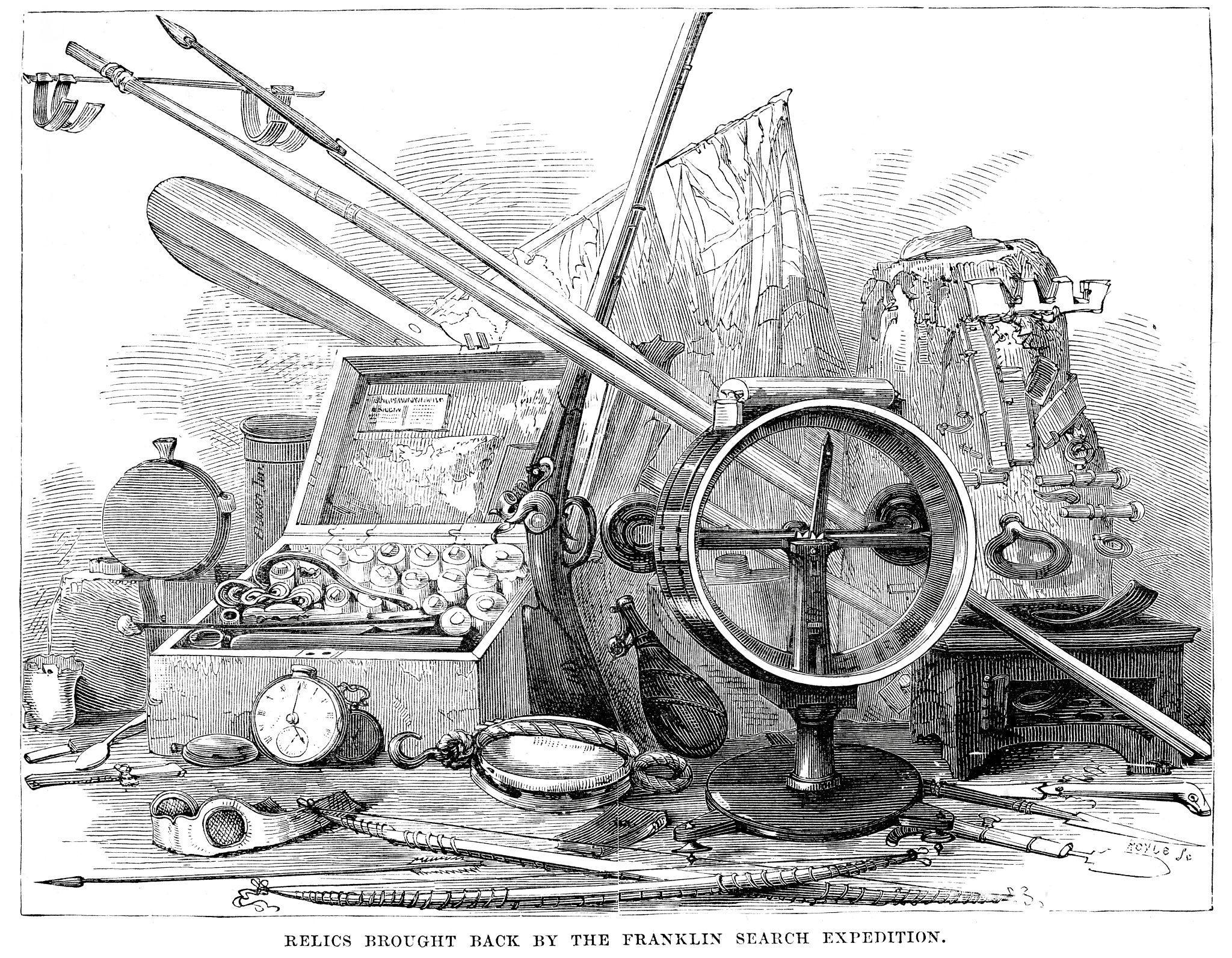
Artifacts recovered from King William Island linked to the Franklin Expedition.
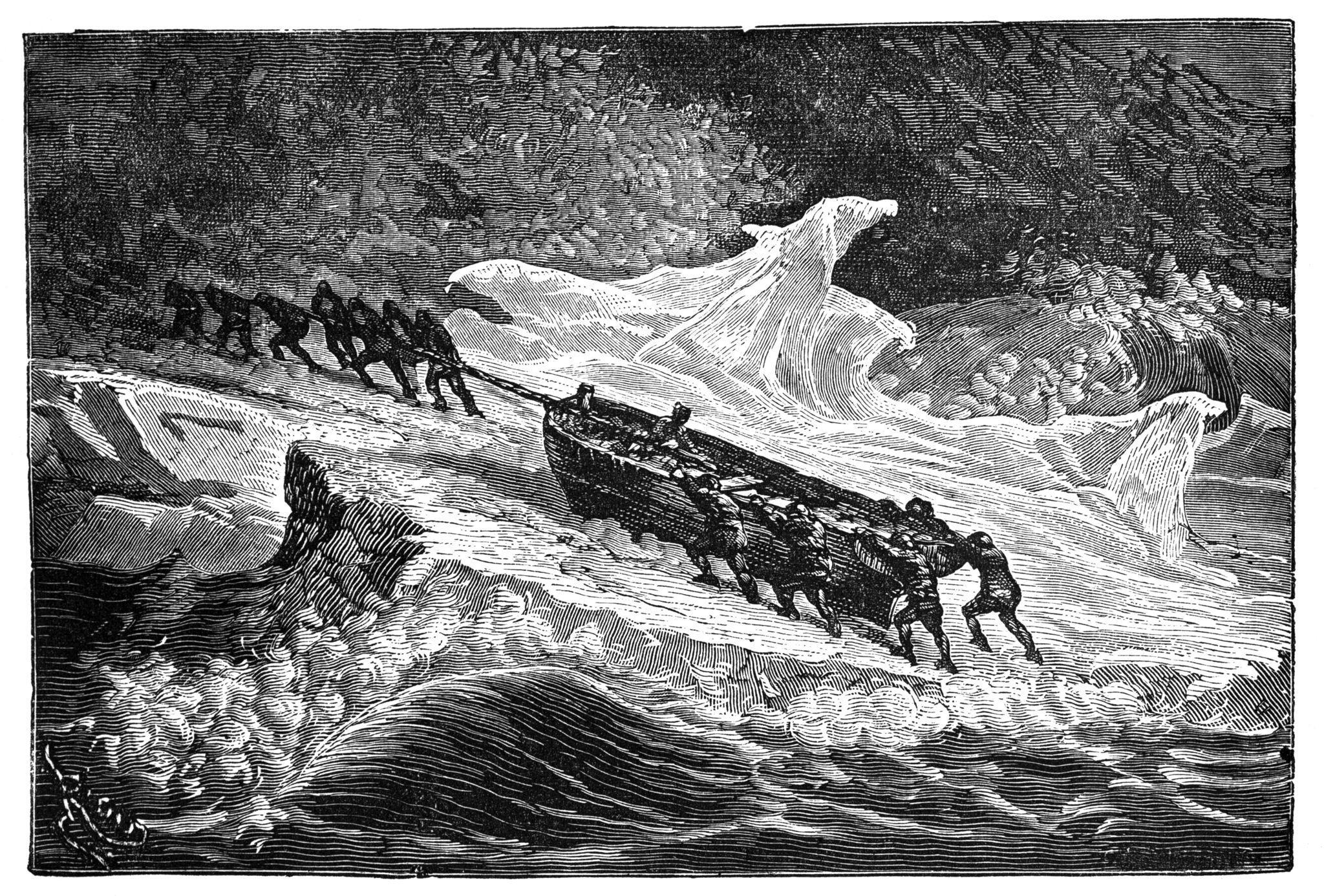
Survivors attempted to drag heavy sledges loaded with boats and supplies across ice and tundra. Inuit testimony collected decades later described exhausted white men hauling equipment southward.
Some accounts reported bodies along the route. Others described signs of desperation.
Modern forensic analysis of skeletal remains found on King William Island revealed cut marks consistent with cannibalism. Bone fragments showed clear evidence of tool use for marrow extraction.
These findings, confirmed in the late 20th century, suggest that as starvation intensified, the survivors resorted to consuming the dead.
This was not immediate collapse. It was a slow unraveling over months.
One by one, the remaining crew died along the route.
None reached safety.
Lead Poisoning and Scurvy
Early preserved food tins similar to those carried by the expedition.
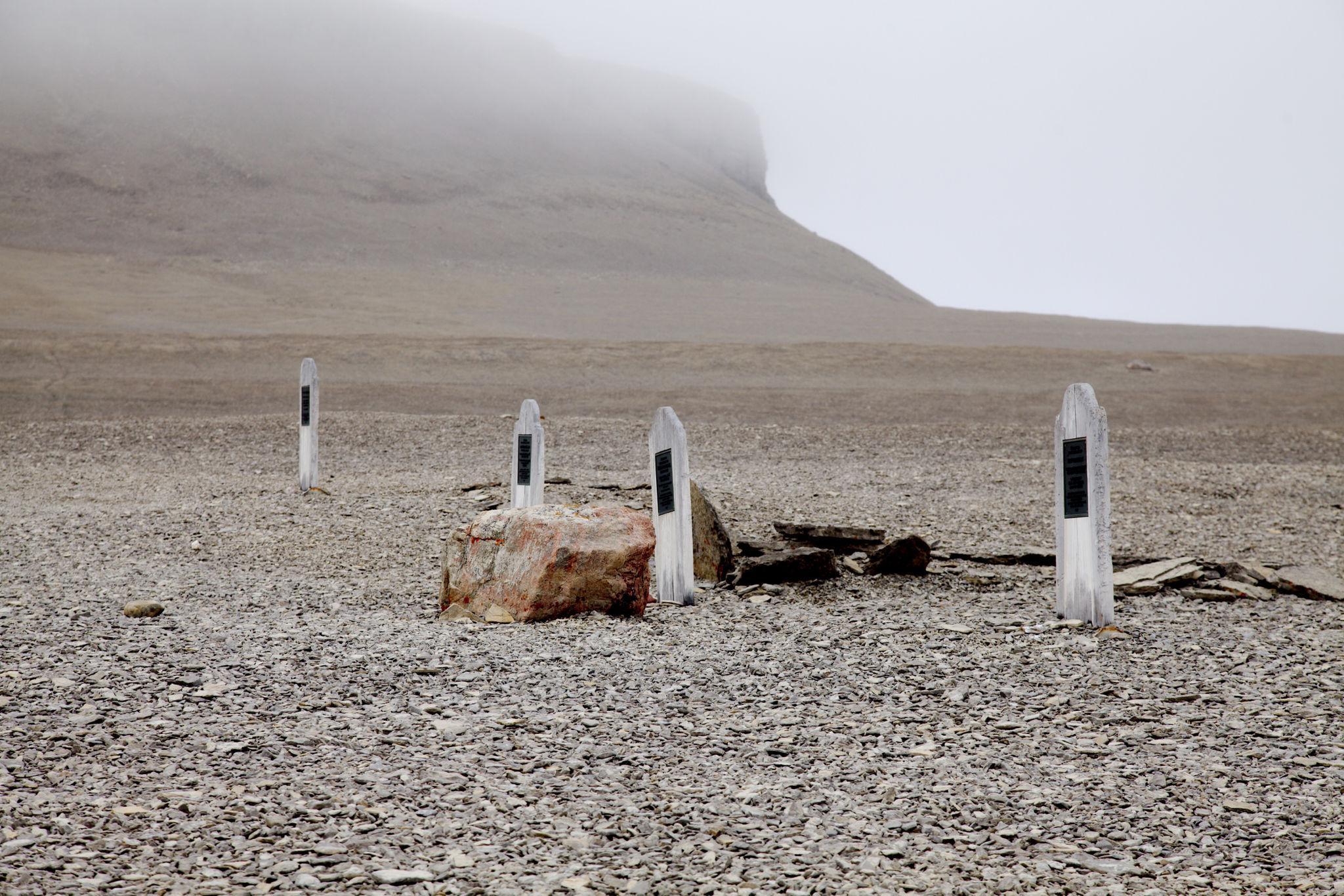
Graves of expedition members on Beechey Island.
In the 1980s, exhumations of the three graves on Beechey Island revealed elevated levels of lead in the bodies.
One theory suggested that poorly sealed canned food contaminated the crew over time. Another suggested the ship’s water systems, which used lead pipes, contributed to chronic poisoning.
Lead poisoning can impair judgment, weaken the immune system, and worsen the effects of scurvy.
Scurvy, caused by vitamin C deficiency, was common in long polar expeditions. Symptoms include weakness, bleeding gums, joint pain, and eventually organ failure.
It is likely that a combination of malnutrition, scurvy, lead exposure, extreme cold, and exhaustion created a cumulative collapse.
There was no single fatal moment.
The expedition eroded gradually under Arctic pressure.
The Ships Rediscovered
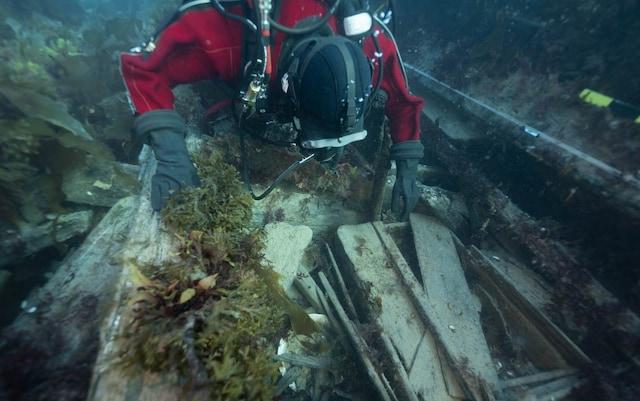
The wreck of HMS Erebus discovered in 2014 beneath Arctic waters.
HMS Terror located in 2016, remarkably preserved in cold conditions.
For more than 160 years, the ships themselves remained undiscovered.
In 2014, Canadian search teams located the wreck of HMS Erebus beneath shallow Arctic waters. In 2016, HMS Terror was found in remarkable condition, preserved by cold and darkness.
The discovery confirmed Inuit oral histories that had long described a ship sinking in specific channels.
The wrecks offered physical confirmation of the expedition’s final geographic position but did not dramatically alter the narrative of abandonment and attempted escape.
The ships had remained trapped, just as the Victory Point note described.
A Voyage That Never Returned
The Franklin Expedition represents one of the most haunting exploration tragedies in history.
It began with confidence, technological advancement, and imperial ambition.
It ended with frozen ships, abandoned sledges, and scattered bones across King William Island.
Unlike mountaineering disasters that unfold in hours, Franklin’s tragedy stretched across years. It was a slow collapse driven by environment, isolation, and diminishing resources.
No rescue reached them in time.
No survivors returned to tell the story.
Their fate had to be reconstructed from notes, graves, artifacts, Inuit testimony, forensic science, and eventually the wrecks themselves.
The Arctic did not rage violently against them.
It simply closed around them and did not let go.
Inuit Testimony and the First Real Clues
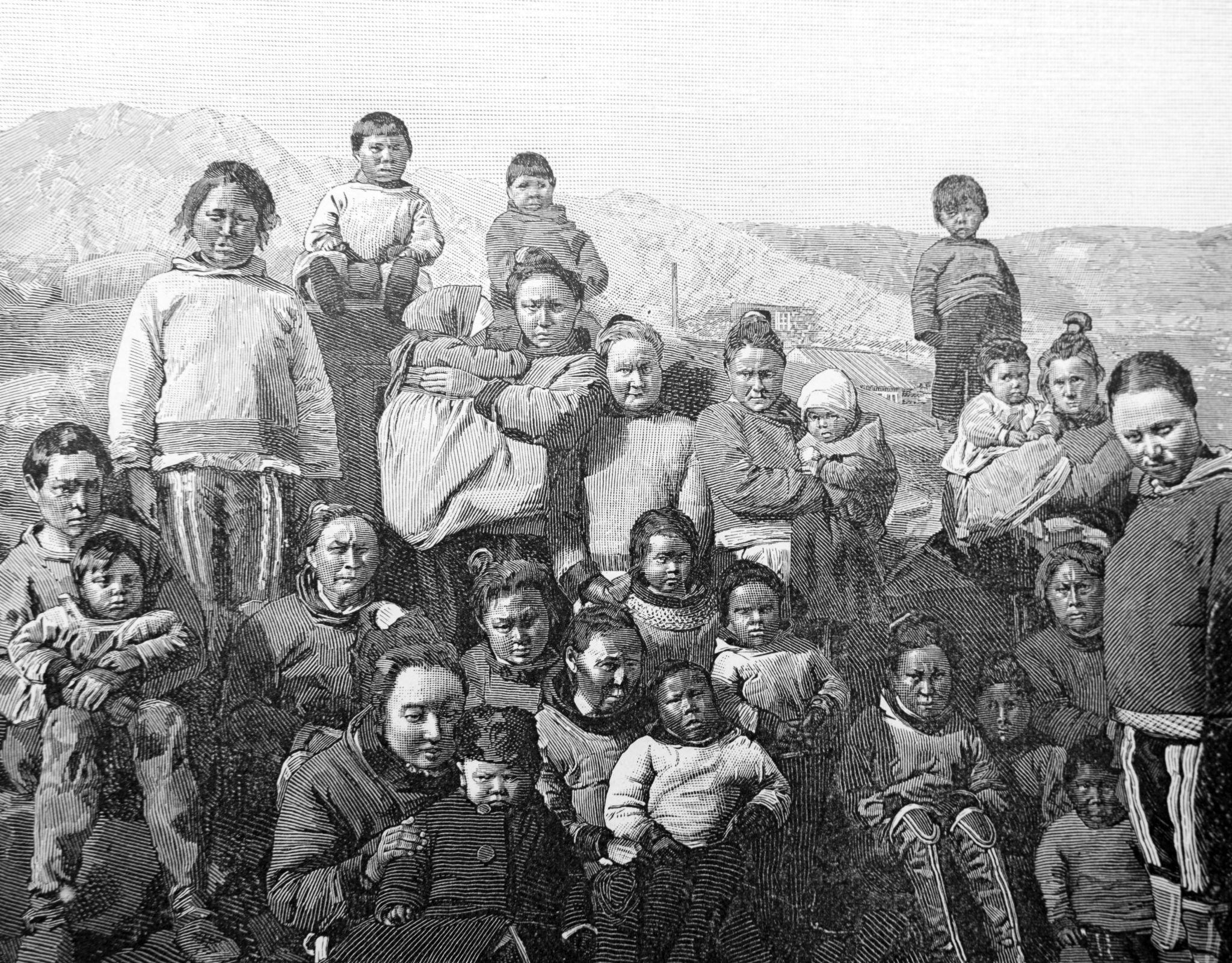
Inuit communities in the Canadian Arctic during the 19th century.
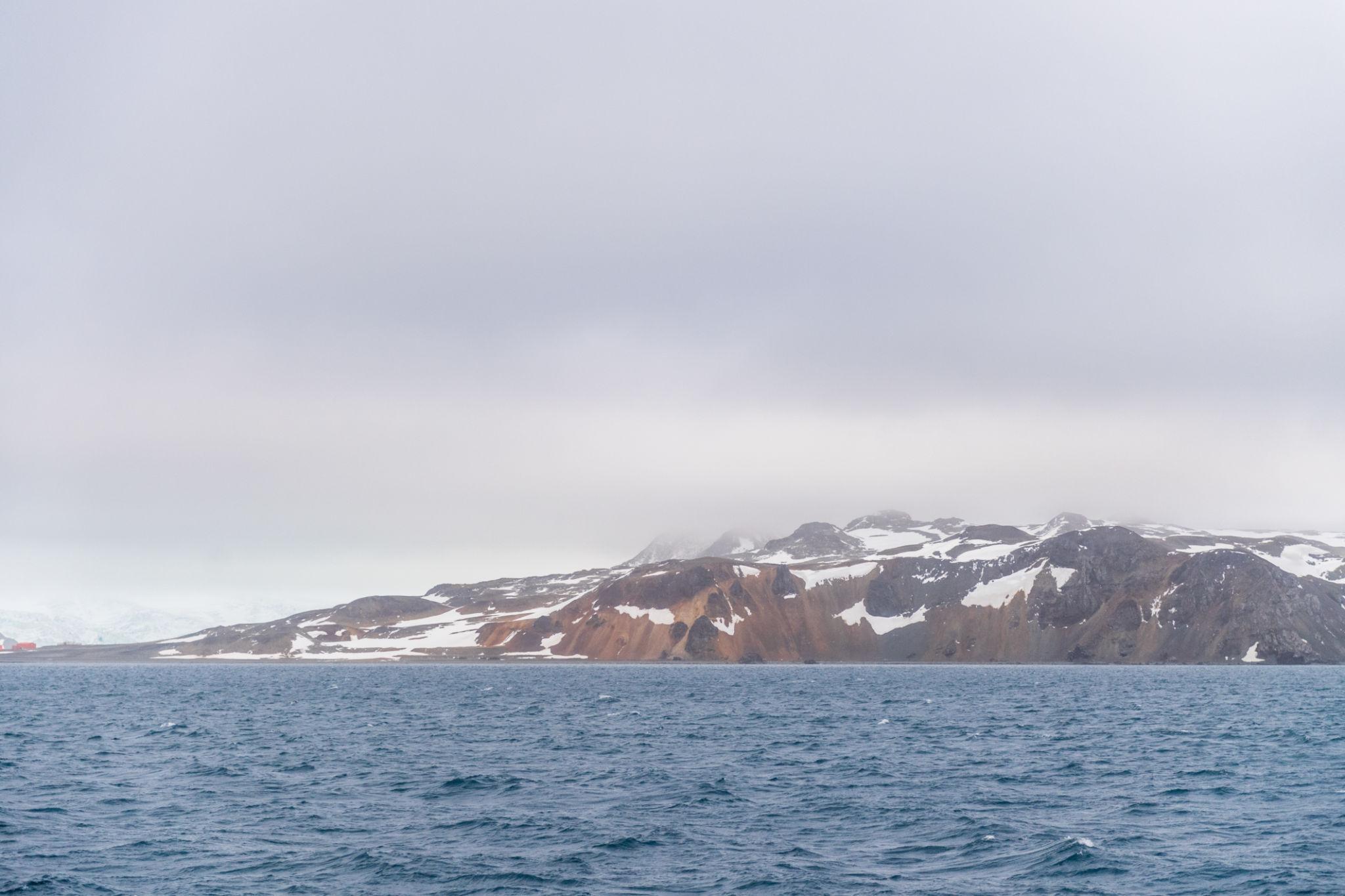
The coastline of King William Island, where survivors were later reported.
For years after 1845, British search expeditions scoured the Arctic with little success. They relied primarily on naval logic, searching shipping lanes and ice channels.
The most valuable information, however, came from Inuit communities who had lived in the region for generations.
Inuit hunters reported encounters with starving white men dragging sledges southward across King William Island. They described men falling and being left behind. They described abandoned boats mounted on sled runners, filled with heavy and seemingly unnecessary equipment.
One account spoke of a large ship crushed by ice. Another described a second vessel sinking in shallow water.
Inuit testimony also referenced bodies found along the coastline and signs that some of the men had resorted to eating the dead.
At the time, many British officials dismissed or minimized these accounts. Cultural bias played a role. Naval officers were reluctant to accept that a disciplined Royal Navy crew could descend into such desperation.
In hindsight, Inuit testimony proved remarkably accurate.
The Boat on the Sledge
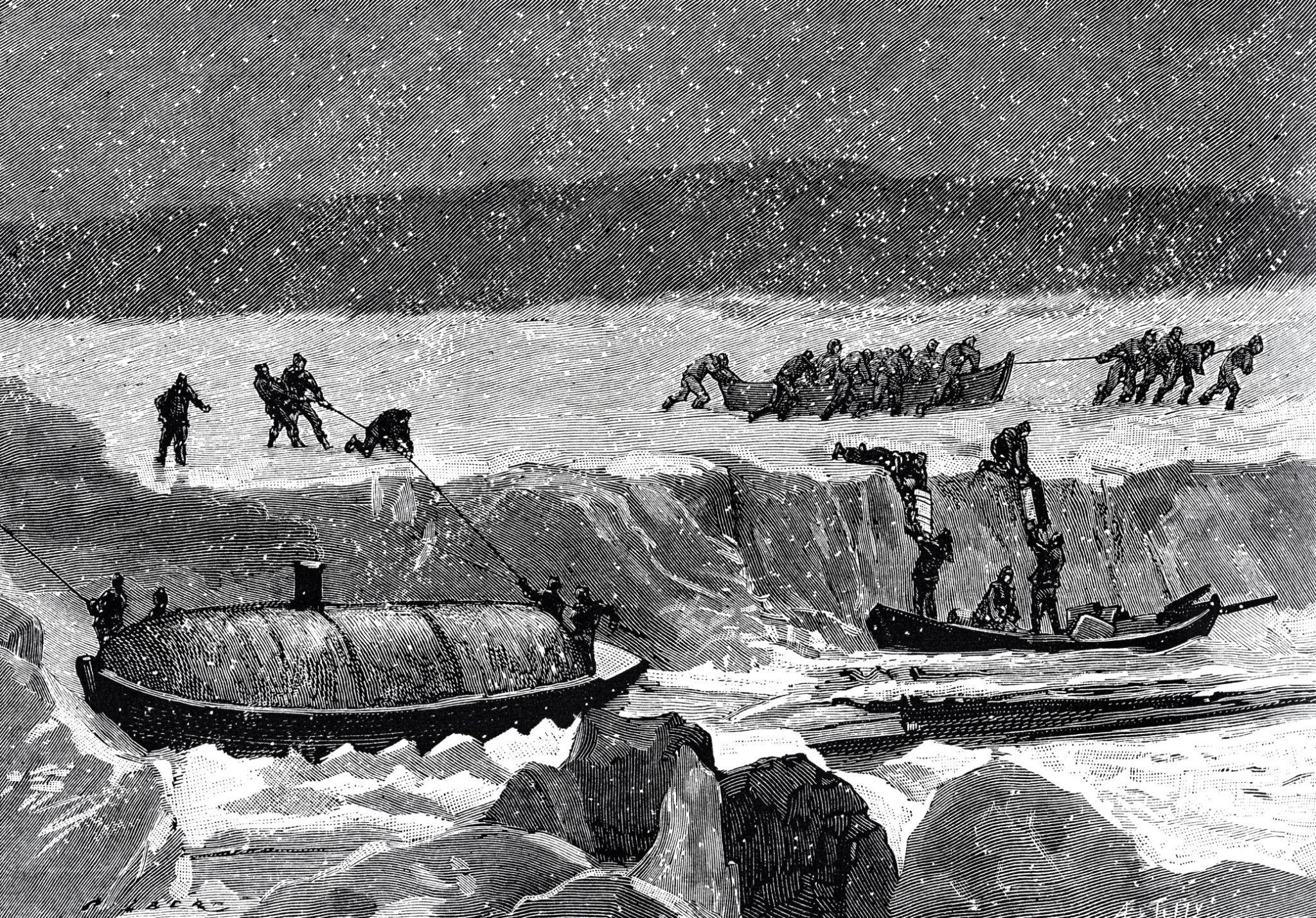
The boat mounted on a sledge discovered by searchers in 1859.
Recovered artifacts from the Franklin Expedition found on King William Island.
In 1859, Francis McClintock’s search party discovered one of the most haunting relics of the expedition.
It was a ship’s boat mounted on a heavy sledge. Inside were skeletons and personal belongings. Silverware engraved with officers’ initials. Books. Clothing. Even small items such as soap and writing materials.
The boat was pointed north, back toward the ships, not south toward safety.
Why were the men hauling so much weight across unstable ice and tundra? Why carry silverware and books when food and mobility were critical?
The decision suggests disorientation or rigid adherence to naval hierarchy and procedure even in crisis.
The presence of unnecessary items has long been interpreted as evidence that the expedition struggled to adapt to Arctic survival methods practiced by Inuit communities, who traveled lighter and relied on local hunting techniques.
The Franklin crew carried the habits of the Royal Navy into an environment that demanded flexibility.
Leadership and Command After Franklin’s Death
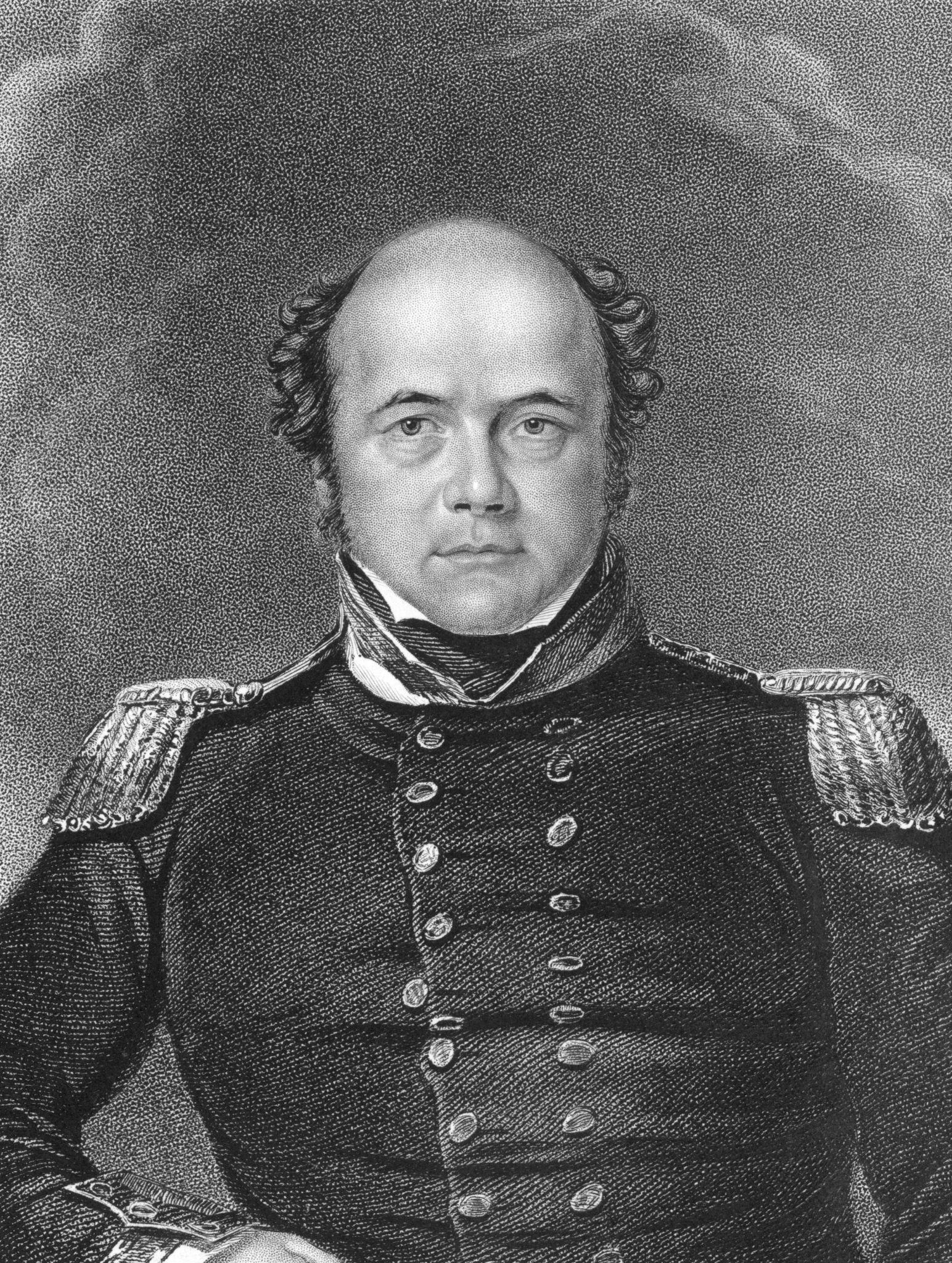
Sir John Franklin, leader of the expedition.
Captain Francis Crozier, who assumed command after Franklin’s death.
John Franklin died in June 1847 during the second winter trapped in ice.
Command then passed to Captain Francis Crozier.
Crozier was experienced in polar navigation and had served in previous Arctic expeditions. However, he now faced a deteriorating situation.
Two winters in ice had likely weakened the men physically and mentally. Food supplies, though initially abundant, may have begun to spoil or diminish. Illness had already claimed more than twenty lives.
The decision to abandon both ships in April 1848 suggests Crozier concluded that waiting for ice release was no longer viable.
Abandoning ships in the Arctic was considered an act of last resort. It meant surrendering shelter, storage, and relative safety.
But remaining may have meant certain death.
The march south was a gamble.
It failed.
Forensic Evidence of Cannibalism
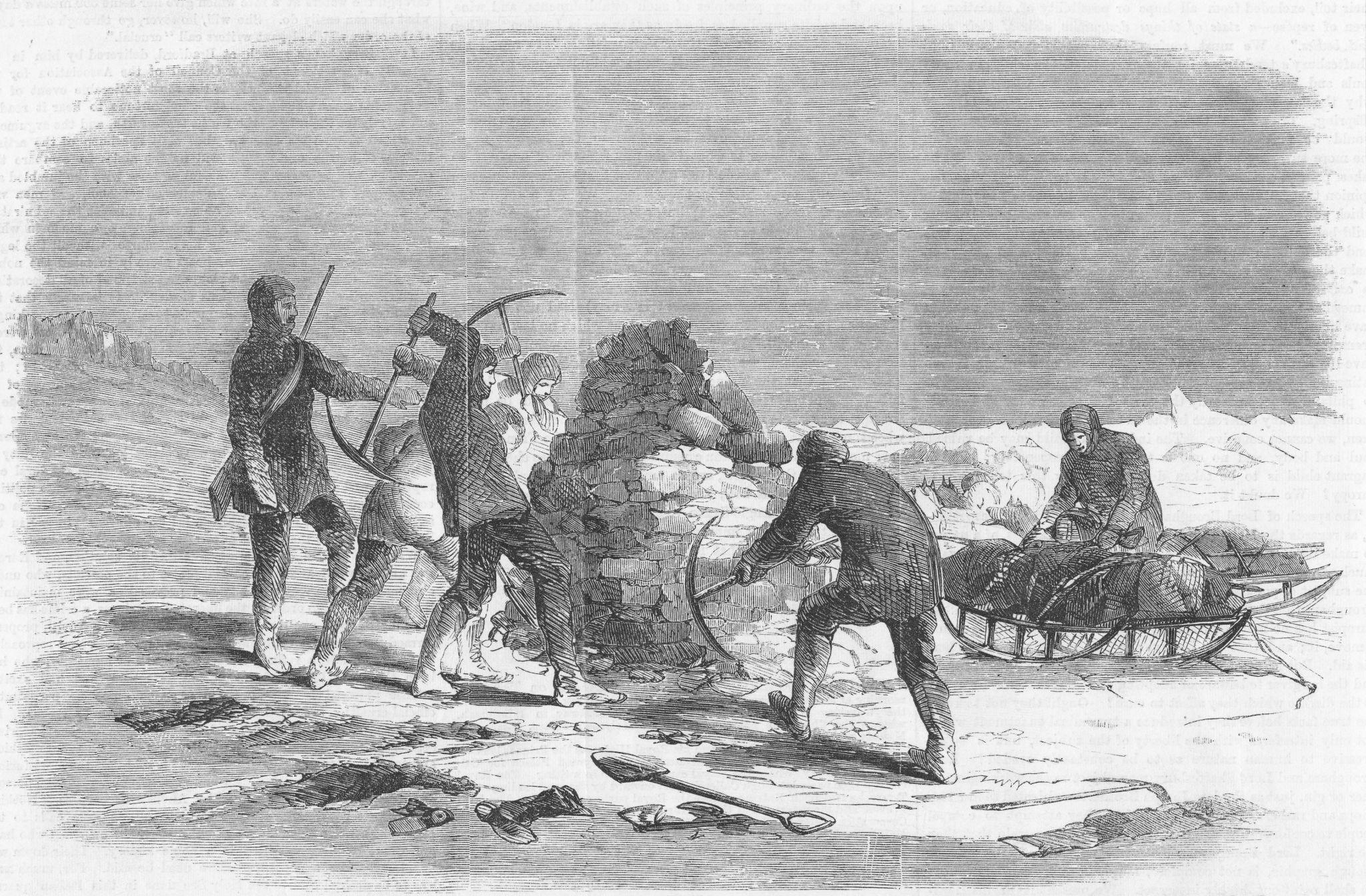
Bone fragments recovered from King William Island showing cut marks.
Archaeological excavation of Franklin Expedition remains.
In the late 20th century, forensic teams examined skeletal remains recovered from King William Island.
Cut marks were found on several bones. Some showed clear slicing consistent with metal blades. Others displayed fractures typical of marrow extraction.
These findings confirmed what Inuit testimony had long suggested. At least some members of the expedition resorted to cannibalism during their final phase.
For Victorian Britain, this was an uncomfortable truth. The Franklin Expedition had been portrayed as a symbol of noble sacrifice.
The evidence showed something more human and more tragic. Faced with starvation in an unforgiving landscape, the survivors made choices driven by survival instinct.
There is no indication this occurred early in the ordeal. It likely happened in the final weeks as resources were exhausted.
It does not diminish their discipline or bravery. It underscores the severity of their situation.
Why the Expedition Failed
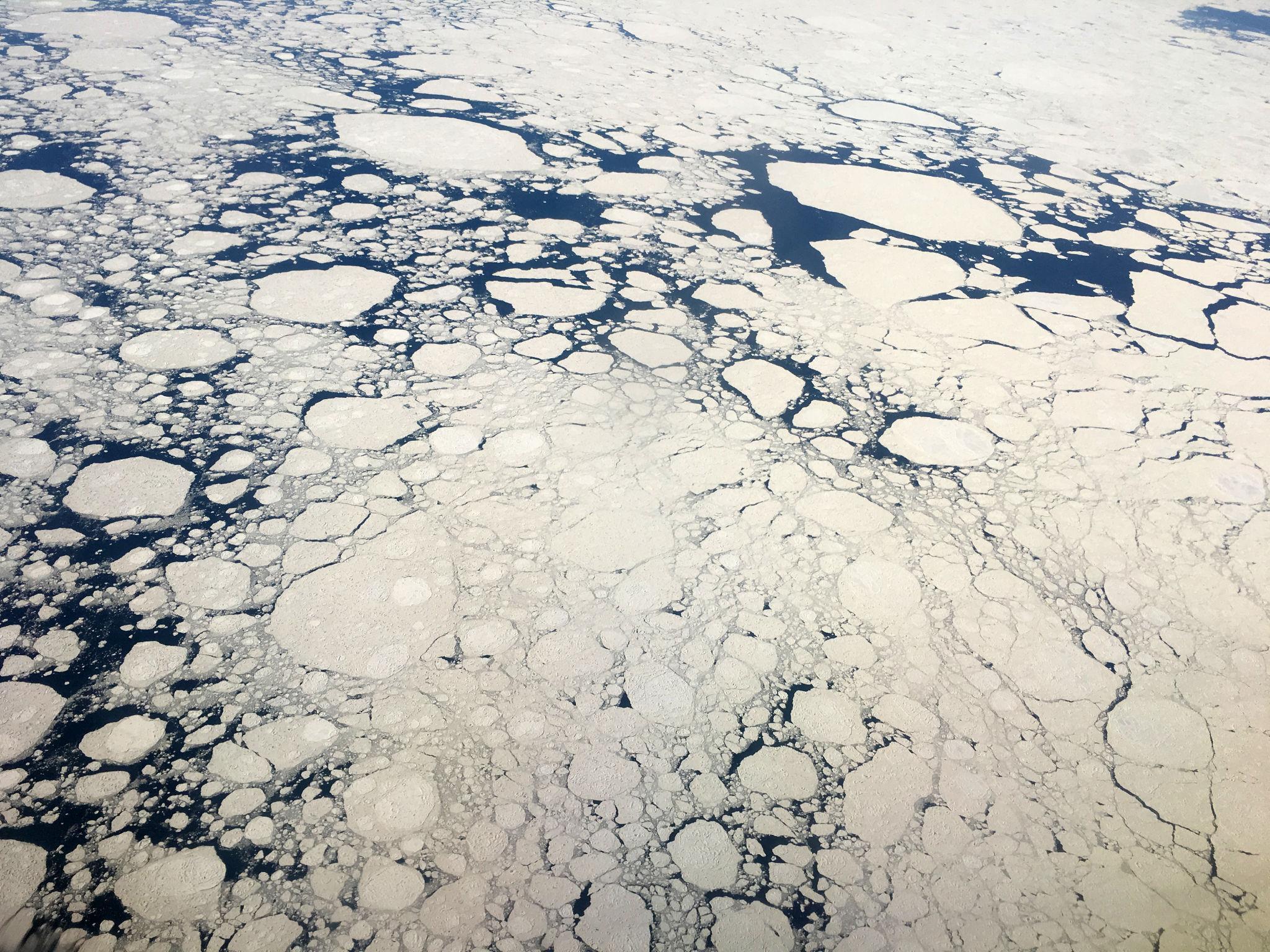
Modern aerial view of Arctic pack ice, showing how ships can become trapped.
19th-century depiction of explorers hauling sledges across ice.
Several overlapping factors likely contributed to the expedition’s collapse.
Persistent multi-year ice trapped the ships longer than anticipated.
Malnutrition and scurvy weakened the crew.
Possible lead exposure impaired judgment and immunity.
Extreme cold and isolation compounded physical decline.
Rigid naval procedures may have limited adaptation to Inuit survival strategies.
No single failure explains everything.
The Arctic environment is not dramatic in the way a storm or avalanche is dramatic. It is slow and patient. It erodes strength quietly. It isolates.
Franklin’s expedition entered a region that allowed little margin for error.
Once the ice closed around Erebus and Terror, the timeline narrowed.
The Wrecks and Modern Archaeology
Underwater remains of HMS Erebus discovered in 2014.
Interior preservation of HMS Terror after its discovery in 2016.
The rediscovery of HMS Erebus in 2014 and HMS Terror in 2016 provided physical confirmation of the ships’ final positions.
Cold Arctic waters preserved the wrecks with remarkable clarity. Artifacts recovered include navigation tools, personal items, and structural components.
The wreck locations aligned closely with Inuit oral histories collected more than a century earlier.
The ships were not destroyed in violent explosions or dramatic crushing events. They appear to have sunk gradually or been abandoned in relatively stable ice conditions.
The final collapse happened on land, during the desperate march south.
The End of an Imperial Dream
The Franklin Expedition was intended to complete the Northwest Passage and solidify British dominance in Arctic exploration.
Instead, it became a cautionary tale.
It showed that technological preparation does not guarantee survival. Reinforced hulls, steam engines, and preserved food were not enough.
It revealed the limits of rigid hierarchy in unfamiliar environments.
It demonstrated that Arctic survival requires adaptation, mobility, and local knowledge.
Most of all, it left 129 men scattered across ice and tundra, their story reconstructed only through fragments.
No survivor returned to tell the full account.
The Arctic kept their final words.

![K2 Base Camp Trek: Ultimate Guide k2 Trek 2026 [UPDATED]](https://karakoramdiaries.com/storage/ultimate-guide-to-k2-base-camp-trek-full-document-150x150.png)